


Abstract
Agricultural productive services (APS) play an important role in improving agricultural efficiency and ensuring food security. Existing studies have widely recognized that labor scarcity induced by rural labor transfer stimulates farmers’ demand for APS and promotes the expansion of agricultural service markets. Yet non-farm employment in developing countries is often characterized by instability, temporariness, and informality, which may generate volatile service demand and undermine the sustainable provision of APS. Based on survey data from 684 maize-producing households in China, this study constructs a multidimensional index of non-farm employment quality and investigates how it influences APS adoption intensity and transaction stability. Our results confirm that improvements in non-farm employment quality significantly increase APS adoption intensity, and the findings remain stable under alternative measurements and estimation methods. Mechanism analysis reveals that higher employment quality promotes APS adoption intensity by reducing farmers’ risk perception, while this effect is moderated by social capital. Heterogeneity analysis shows that the positive effect of non-farm employment quality is concentrated among growth-stage households, lower-land-fragmentation households, small-scale households, and single-type employment households. Further analysis indicates that higher employment quality contributes to more stable and long-term contractual relationships between farmers and service providers. By highlighting the importance of non-farm employment quality in stabilizing agricultural service demand and fostering stable transaction relationships, this study contributes to ongoing discussions on rural labor transformation and the sustainable development of APS markets under smallholder farming systems in developing countries.
1. Introduction
The reallocation of rural labor from agriculture to non-agricultural sectors is a defining feature of structural transformation in developing economies [1,2,3,4]. According to Lewis’s dual-sector model, labor migration from low-productivity agricultural sectors to higher-productivity non-agricultural sectors promotes resource reallocation, accelerates economic growth, and underpins the modernization process [5,6]. In China, rural labor migration has expanded substantially in recent decades. By 2024, the number of rural migrant workers had approached 299.7 million, reflecting a profound restructuring of rural labor allocation [7]. This transformation has diversified household livelihood strategies, increased rural incomes, and contributed substantially to poverty reduction and rural development [8,9]. Nevertheless, the implications of labor migration for agriculture differ markedly from those observed in countries dominated by large-scale commercial farming. In rural China, land functions not only as a productive asset but also as an important source of social security and household wealth [10,11]. Consequently, participation in non-farm employment rarely results in a complete withdrawal from agricultural production. Instead, many rural households combine farming with non-farm employment. At the same time, the persistent outflow of young and middle-aged workers has accelerated the aging and feminization of the agricultural labor force [12,13]. Seasonal labor shortages have become increasingly acute, driving up production costs while returns to grain cultivation remain relatively low. These pressures have contributed to farmland abandonment and the expansion of non-grain production, raising concerns over food security. Against this backdrop, maintaining agricultural productivity and ensuring food production amid sustained rural labor migration have become pressing challenges for countries characterized by smallholder farming systems [4,14,15].
Agricultural productive services (APS) have emerged as a key institutional arrangement for addressing these challenges [10,16,17,18]. As an important manifestation of the deepening division of labor in agriculture, APS enable smallholder farmers to outsource labor-intensive production activities, including land preparation, planting, crop protection, and harvesting, to specialized service providers [19,20]. Through service outsourcing, farmers gain access to advanced machinery, technical expertise, and professional management without incurring the substantial costs associated with machinery ownership [21]. APS therefore help overcome scale constraints, improve factor allocation efficiency, and facilitate the integration of smallholders into modern agricultural systems. A growing body of literature has documented the economic, environmental, and social benefits of APS. Existing evidence suggests that APS can increase crop yields and agricultural total factor productivity by promoting technological diffusion and improving resource allocation [22,23,24,25,26]. APS have also been shown to optimize input use, reduce excessive applications of fertilizers and pesticides, and improve environmental sustainability [27,28]. At the household level, APS can enhance farm profitability, facilitate the reallocation of household labor, and improve household welfare [19,29]. Supported by favorable policy interventions and sustained rural labor migration, China’s APS sector has expanded rapidly over the past two decades and has become an increasingly important component of agricultural modernization. By the end of 2024, China hosted 1.094 million APS providers, covering over 14.27 million hectares of farmland, of which the grain-crop service area reached 10.73 million hectares, benefiting more than 94 million small-scale farmers [30]. As APS markets continue to expand, understanding the forces that shape not only market expansion but also the long-term sustainability of agricultural service provision has become an important research agenda.
Existing research has largely explained APS development from the perspective of service demand formation. Drawing on the theory of induced technological change, labor scarcity and increasing labor costs alter farmers’ production decisions by encouraging them to replace labor inputs with machinery adoption and service outsourcing. This adjustment subsequently increases demand for APS [6,14,31]. Rural labor migration is therefore widely regarded as a fundamental driver of APS development. Empirical studies typically measure labor migration using indicators such as the share of non-farm employment, the share of non-farm income, or the duration of non-farm work, and explain its influence on APS adoption through labor-substitution and income-enhancement mechanisms [2,32,33]. Furthermore, because APS adoption involves market transactions, farmers must incur costs related to information acquisition, service monitoring, and contract enforcement. Consequently, a growing strand of research has incorporated transaction cost theory to examine how information access, social networks, trust, and organizational participation shape farmers’ APS adoption decisions [34,35]. While these studies provide important insights into the formation and expansion of farmers’ demand for APS, they pay relatively limited attention to the conditions required for sustaining agricultural service markets. From the perspective of division-of-labor theory, market size and transaction costs jointly determine the extent of specialization and the evolution of markets [34]. As a form of vertical specialization in agriculture, APS rely not only on the emergence of demand but also on the stability of demand and the continuity of exchange relationships. Stable demand provides service providers with incentives to invest in machinery, technology, and organizational capacity, whereas stable contractual relationships reduce transaction costs and enhance market efficiency [36]. Consequently, the sustainability of agricultural service provision depends not merely on whether farmers adopt services, but also on whether service demand remains sufficiently stable and long-term exchange relationships can be maintained.
This issue is particularly relevant in rural China. Owing to institutional constraints associated with the dual urban–rural structure and the household registration system, non-farm employment is frequently characterized by instability, temporariness, and informality [37,38,39,40,41]. Although participation in non-farm employment is widespread, employment quality remains relatively low. Uncertain employment prospects and volatile income streams often lead households to adjust agricultural production decisions, generating fluctuations in service demand [39,42]. At the same time, short-term and discontinuous transactions hinder the formation of stable farmer–provider relationships, increasing transaction costs and weakening incentives for long-term investment [43]. Consequently, rural labor migration does not necessarily translate into the sustainable provision of agricultural services. Compared with the scale of labor migration, non-farm employment quality may exert a stronger influence because it affects both the stability of service demand and transaction stability between farmers and service providers. Through these channels, higher non-farm employment quality shapes APS adoption as well as the sustainable development of APS markets. Nevertheless, the existing literature has not yet provided a systematic examination of this relationship.
Against this backdrop, three gaps remain in the literature. First, existing studies primarily explain why APS demand emerges [19,36], but provide limited insights into how agricultural service markets sustain and deepen over time. Second, previous research focuses predominantly on the quantity of labor migration while overlooking critical dimensions of non-farm employment quality, such as employment stability, continuity, and formality [43,44,45]. Third, APS market development has generally been evaluated through service adoption behavior alone [18,22,46], with insufficient attention paid to the complementary roles of market expansion and contractual stability.
To address these gaps, this study draws on survey data from 684 maize-producing households in Liaoning Province, China, to construct a multidimensional index of non-farm employment quality. The empirical analysis evaluates the relationship between non-farm employment quality and APS adoption intensity, while examining the mediating role of risk perception and the moderating role of social capital. We further investigate heterogeneous effects across land endowments and household life-cycle stages and assess whether higher employment quality contributes to more stable contractual relationships between farmers and service providers. This study makes three contributions to the literature. First, it shifts the analytical focus from the formation of APS demand to the sustainability of agricultural service provision, offering a new perspective on how agricultural service markets evolve beyond initial demand generation. Second, by incorporating non-farm employment quality into the analysis, it extends the labor migration literature and reveals a deeper micro-foundation linking rural labor transformation to the development of agricultural service markets. Third, by jointly examining APS adoption intensity and transaction stability, the study integrates the division-of-labor perspective of market expansion and the transaction-cost perspective of market stabilization into a unified analytical framework, providing new insights into the mechanisms underpinning sustainable agricultural service provision.
2. Theoretical Analysis and Research Hypotheses
2.1. Non-Farm Employment Quality and APS Adoption Intensity
Employment quality is widely recognized as a multidimensional concept. Existing studies suggest that job quality cannot be adequately captured by employment participation alone but should also reflect income prospects, employment stability, social protection, working conditions, and workers’ rights [47,48,49]. However, the dimensions of employment quality that matter most depend on the behavioral outcomes under investigation. Since this study focuses on agricultural production decisions and APS adoption rather than worker welfare per se, non-farm employment quality is conceptualized from the perspective of its implications for household labor allocation, livelihood stability, and production planning. Specifically, this study emphasizes three dimensions: employment duration, employment formality, and employment income. These dimensions capture the continuity, institutional security, and economic returns of non-farm employment, respectively, and represent the principal channels through which employment quality influences farmers’ agricultural production decisions and APS adoption.
Employment duration captures the continuity of households’ participation in non-farm employment. Under the household labor allocation framework, rural households jointly allocate labor time between agricultural and non-farm activities, and non-farm employment decisions are closely linked to the demand for hired labor and external production support [50]. As employment duration increases, a larger share of household labor is more continuously committed to non-farm activities, leaving less time available for field management and seasonal agricultural operations. Consequently, households become increasingly dependent on APS to compensate for labor shortages. By substituting for family labor, APS maintain production continuity, improve operational efficiency, and alleviate household labor constraints.
Employment formality reflects the institutional security of non-farm employment relationships. Formal contracts and legally protected employment relations provide workers with greater job security, income predictability, and access to social protection. Studies on China’s migrant workers show that labor contracts are closely associated with employment protection and social security access [51,52,53]. By reducing employment uncertainty and stabilizing household income expectations, employment formality strengthens farmers’ confidence in making repeated service expenditures throughout the agricultural production cycle. Moreover, stable employment and predictable income streams reduce the risks associated with service outsourcing and encourage farmers to rely on APS across a wider range of production stages.
Employment income reflects the economic returns generated from non-farm employment. Higher employment income can diversify household income sources, ease liquidity constraints, and reshape the allocation of production factors within rural households [39,54]. Adequate and stable employment income also helps households buffer against the natural and market risks associated with agricultural production, relax financial constraints, and strengthen the capacity to bear the risks of APS adoption [33]. Moreover, higher employment income reduces households’ dependence on agricultural production as their primary source of livelihood, thereby weakening the incentive to rely solely on family labor. As a result, farmers may be more willing to substitute specialized, market-oriented APS for traditional household labor [55]. By improving households’ financial capacity and reducing their reliance on agricultural income, higher employment income enables rural households to reallocate household labor away from farm production and increase APS adoption across multiple production stages.
Taken together, employment duration, employment formality, and employment income capture the continuity, institutional security, and economic returns of non-farm employment. These dimensions jointly promote the specialization of household labor allocation, strengthen the stability of rural livelihoods, and enhance households’ capacity to invest in agricultural production. As rural households become increasingly committed to non-farm activities and enjoy more stable employment and income, they rely less on family labor for agricultural production and more on market-based APS. Consequently, higher non-farm employment quality generates stronger and more stable demand for APS, thereby increasing farmers’ APS adoption intensity. Based on the above analysis, the following hypotheses are proposed:
H1.
Higher non-farm employment quality increases APS adoption intensity.
H1a.
Longer non-farm employment duration increases APS adoption intensity.
H1b.
Higher non-farm employment formality increases APS adoption intensity.
H1c.
Higher non-farm employment income increases APS adoption intensity.
2.2. Mechanism Analysis
2.2.1. Mediating Effect of Risk Perception
Agricultural production is inherently characterized by substantial uncertainty arising from weather variability, market fluctuations, and operational risks. Under such conditions, farmers’ production decisions depend not only on objective resource endowments but also on their subjective assessment of potential risks. Risk perception therefore serves as an important cognitive mechanism linking household characteristics to production behavior [56,57]. High-quality non-farm employment provides households with more stable income, greater employment security, and more predictable livelihood prospects. These characteristics enhance households’ capacity to absorb production shocks and reduce their dependence on agricultural income as the sole source of livelihood. As a result, farmers become less sensitive to the potential risks associated with service expenditures and outsourcing decisions [58]. Moreover, high-quality non-farm employment often broadens farmers’ exposure to external information and market knowledge, thereby reducing uncertainty regarding service quality and provider reliability. Lower perceived uncertainty strengthens farmers’ confidence in adopting professional services and encourages them to outsource a wider range of production activities. Conversely, households engaged in unstable and insecure employment face greater livelihood vulnerability and weaker risk-bearing capacity, which amplifies perceived risks associated with service adoption and discourages the use of APS. Therefore, non-farm employment quality is expected to increase APS adoption intensity by reducing farmers’ risk perception. This reasoning leads to the following hypothesis:
H2.
Non-farm employment quality increases APS adoption intensity by reducing farmers’ risk perception.
2.2.2. Moderating Effect of Social Capital
Rural China has long been characterized as an acquaintance society in which economic activities and production decisions are deeply embedded within social relationships formed through kinship, neighborhood ties, and long-term interactions. According to social embeddedness theory, farmers make production and outsourcing decisions within existing social networks rather than as completely independent market participants. Social capital facilitates information exchange, trust formation, and resource coordination, thereby reducing the uncertainty and transaction costs associated with participating in markets [59,60,61]. Farmers with higher levels of social capital generally possess broader social networks and stronger interpersonal trust, enabling them to access information about service providers, service quality, and market reputation more efficiently [62,63]. Through information sharing and trust-based interactions, social capital reduces uncertainty arising from information asymmetry and lowers the transaction costs associated with service outsourcing. Consequently, households with high-quality non-farm employment are better able to convert their economic and livelihood advantages into actual APS adoption when supported by stronger social capital. Therefore, stronger social capital amplifies the positive effect of non-farm employment quality on APS adoption intensity. When social capital is limited, farmers face greater difficulty in obtaining reliable information about APS providers and consequently incur higher search, negotiation, and coordination costs. These constraints may attenuate or even offset the positive effect of non-farm employment quality on APS adoption intensity. Accordingly, the following hypothesis is proposed:
H3.
Social capital positively moderates the relationship between non-farm employment quality and APS adoption intensity.
The preceding theoretical arguments are summarized in the conceptual framework presented in Figure 1.
Figure 1.
The theoretical framework.
3. Data and Model Specification
3.1. Data Sources
The selection of the study area was guided by two considerations. First, the selected regions should be core maize-producing areas with large-scale cultivation and an absolutely dominant position in grain production to ensure the typical policy value and practical representativeness of the research topic. Second, it needed to have a well-developed market for agricultural machinery services, thereby ensuring sufficient variation in farmers’ service-use behavior. Liaoning Province meets the above principles perfectly. Located in China’s Golden Maize Belt, Liaoning Province benefits from favorable hydrothermal conditions, extensive flat and fertile farmland, and strong suitability for mechanized maize production. According to the Statistical Communique of Liaoning Province on National Economic and Social Development 2025 released by the Liaoning Provincial Bureau of Statistics in March 2026, the total grain output reached 25.778 million tons in 2025, of which maize sown area was 2811.1 thousand hectares, and output was 20.664 million tons, accounting for more than 80% of the province’s total grain production and ranking as the largest grain crop. Therefore, this study selects maize farmers in Liaoning Province as the study sample to explore the impact and mechanism of non-farm employment quality on farmers’ adoption intensity of APS, aiming to provide micro-level empirical evidence for solving the practical dilemma of rural labor migration and agricultural production continuity in the maize industry of Northeast China.
The empirical data were obtained from a household production and management survey of maize farmers conducted in Liaoning Province between July and September 2024. A multistage stratified sampling procedure was used. The specific sampling steps are as follows: First, considering economic development level, geographical conditions, land endowments, and grain planting scale, four major grain-producing cities in Liaoning were selected as survey areas, including 9 counties: Xinmin, Faku, Kangping in Shenyang City; Tieling, Changtu in Tieling City; Zhangwu, Fumeng in Fuxin City; Haicheng, Tai’an in Anshan City. Second, 2 townships, 3–4 villages, and 10–20 maize farmers were sampled sequentially within the selected cities according to farm scales, mechanization levels, and non-farm employment ratio. The survey was conducted through one-to-one face-to-face interviews, and a total of 697 questionnaires were collected. To ensure data accuracy, samples with serious omissions, logical inconsistencies, or missing core variables were excluded according to logical consistency and research requirements. Finally, 684 valid samples of maize farmers in Liaoning Province were obtained with an effective recovery rate of 98.13%.
The locations of the farmers surveyed are shown in Figure 2.
Figure 2.
Geographic distribution of the survey sample in Liaoning Province.
3.2. Variable Definition
3.2.1. Dependent Variable
Following previous studies, APS adoption can be measured using indicators such as service expenditures, outsourcing rates, and the number of outsourced production stages [19,36]. Compared with binary indicators that merely capture whether farmers adopt APS, the number of outsourced production links better reflects the intensity of service adoption by capturing both the breadth and depth of farmers’ reliance on external services. In line with the agricultural production process, four stages are included in the measurement: land preparation, integrated sowing and fertilization, pesticide spraying, and harvesting. The dependent variable, APS adoption intensity, is measured by the number of production stages in which a household purchases APS. The variable takes values from 0 to 4, with larger values indicating that APS are used in more production stages and thus representing a higher level of service adoption intensity.
3.2.2. Core Independent Variable
Non-farm employment quality is treated as the core independent variable in the empirical analysis. Following the theoretical framework developed above, non-farm employment quality is measured from three dimensions: employment duration, employment formality, and employment income. Employment duration is measured by the average number of months that household laborers participated in non-farm employment during the survey year. Employment formality is measured by the number of household members engaged in non-farm employment who are employed under formal labor contracts [49]. Higher values indicate a greater degree of employment stability and security. Employment income is proxied by the share of non-farm income in total household income [33]. Before aggregation, the three indicators are normalized to ensure comparability across different measurement scales. An entropy-weighting method is then used to construct the composite index of non-farm employment quality. The resulting weights for employment duration, employment formality, and employment income are 0.291, 0.410, and 0.299, respectively. The reliability and validity of the three-dimensional measurement framework were also assessed. The results indicate that the indicator system satisfies the commonly accepted reliability and validity criteria (Cronbach’s α = 0.877; KMO = 0.692; Bartlett’s test of sphericity, p < 0.001).
3.2.3. Mechanism Variables
Risk perception is employed as the mediating variable in this study. It is measured using the survey question: “Do you perceive high risks in purchasing APS?”. Responses are recorded on a five-point Likert scale ranging from 1 (“strongly disagree”) to 5 (“strongly agree”), with higher values indicating greater perceived risk associated with APS adoption.
Social capital is introduced as the moderating variable. Following previous studies, this study measures social capital using four dimensions: social networks, social trust, social prestige, and social participation [64,65,66]. Social networks are measured by the frequency of contact with relatives and friends and the frequency of communication and experience sharing with fellow villagers [67,68]. Social trust is measured by their self-reported trust levels toward relatives and friends, non-kin villagers, and village cadres [69]. Social prestige is measured by satisfaction with one’s own social standing, satisfaction with neighborhood relations, and whether the household member serves as a village cadre [68,69,70]. Social participation is measured by the extent and frequency of participation in village collective activities and the number of channels through which households obtain APS-related information [69,71]. All indicators are normalized before index construction, and the entropy-weighting method is employed to construct the composite social capital index. The reliability and validity of the four-dimensional measurement framework were assessed. The results indicate satisfactory reliability and validity, with a Cronbach’s alpha of 0.633, a KMO value of 0.645, and a statistically significant Bartlett’s test of sphericity (p < 0.001).
3.2.4. Control Variables
Following existing studies on agricultural service adoption, this study controls for a range of factors that may influence farmers’ APS adoption decisions [23,69]. These variables are grouped into three categories: individual characteristics, household characteristics, and farm operational characteristics. Individual characteristics include age, gender, and years of education. These variables capture differences in human capital. Household characteristics include household size, the proportion of elderly household members, participation in agricultural production training, household debt status, the presence of agricultural technicians within the household, and agricultural cooperative membership. These variables reflect household labor availability, financial conditions, technical support, and organizational participation. Farm operational characteristics include cultivated land quality, terrain conditions, and high-standard farmland construction status. These factors capture heterogeneity in production conditions and operational scale, which may influence the economic feasibility and demand for APS. The specific definition and assignment of all variables are shown in Table 1.
Table 1.
Variable definitions and descriptive statistics.
3.3. Model Specification
3.3.1. Baseline Regression Model
This study aims to examine the impact of non-farm employment quality on farmers’ APS adoption intensity. Tobit model is adopted to construct the linear benchmark regression model, which is specified as follows:
where is the dependent variable, denoting the APS adoption intensity of farmer ; is the core explanatory variable representing the non-farm employment quality of farmer ; denotes a set of control variables, including agricultural decision-maker characteristics, household characteristics, and production and operation characteristics. and refer to the parameters to be estimated, and is the random disturbance term.
3.3.2. Mediating Effect Model
To further reveal the internal mechanism through which non-farm employment quality affects the APS adoption intensity, this study introduces risk perception as the mediating variable and adopts the three-step mediating effect test proposed by Wen et al. [70]. The model specifications are set as follows:
where represents the risk perception level of farmer ; is the coefficient of the direct effect of non-farm employment quality on the APS adoption intensity; denotes the influence coefficient of risk perception on APS adoption intensity; denotes the parameters to be estimated, and the definitions of other variables remain consistent with those above.
3.3.3. Moderating Effect Model
To further explore the moderating role of social capital in the influence of non-farm employment quality on farmers’ adoption intensity of APS, this study incorporates an interaction term into the benchmark model and constructs the moderating effect model as follows:
where indicates the social capital of farmer ; × is the interaction term between non-farm employment quality and social capital; denotes the parameters to be estimated, and all other variables are defined as previously stated.
4. Empirical Results and Discussion
4.1. Baseline Regression Results of Non-Farm Employment Quality on APS Adoption Intensity
The baseline regression results are reported in Table 2. Column (1) shows that the coefficient for non-farm employment quality is 0.573 and statistically significant at the 1% level. It indicates a one-unit increase in non-farm employment quality raises the latent APS adoption intensity by 0.573 units. As shown in Columns (2)–(4), the coefficients for employment duration, employment formality, and employment income remain positive and statistically significant. Drawing on the theory of induced institutional innovation, previous research has consistently shown that rising labor scarcity caused by non-farm employment encourages farmers to substitute family labor with specialized agricultural services, thereby stimulating APS demand [4,31]. Our findings are consistent with this general conclusion but further extend the literature by demonstrating that the quality, rather than merely the quantity, of non-farm employment also plays a crucial role in shaping farmers’ service adoption decisions. Recent studies further suggest that improvements in non-farm employment quality strengthen rural workers’ intentions to settle in cities, encourage farmland transfer, and gradually weaken the social security function of farmland [71]. From this perspective, one might expect that higher-quality non-farm employment would accelerate farm exit and eventually reduce the demand for APS. However, our findings suggest otherwise. Despite the gradual weakening of farmland’s social security function, stable and formal non-farm employment raises the opportunity cost of allocating household labor to farming while providing households with more stable income and stronger livelihood security. Consequently, rather than abandoning agricultural production, many households increasingly rely on specialized agricultural services to maintain farming activities. These findings suggest that APS should not be viewed merely as a transitional institutional arrangement accompanying rural labor migration. Instead, APS have gradually evolved into a long-term organizational mechanism that enables smallholder households to reconcile sustained non-farm employment with continued agricultural production. More broadly, this finding provides new evidence that high-quality non-farm employment and agricultural service markets are complementary rather than mutually exclusive during structural transformation, offering implications for the modernization of smallholder agriculture in developing countries.
Table 2.
Baseline regression results.
Regarding the control variables, age and education exert a significantly positive effect on APS adoption intensity. Older agricultural decision-makers are more inclined to adopt APS, while better-educated farmers are better able to obtain and evaluate service-related information. Household debt has a negative and statistically significant coefficient at the 1% level, while the coefficient for household agricultural technicians is negative and statistically significant at the 1% level. This finding differs from those of previous studies [69], as the presence of agricultural technicians within a household does not increase APS adoption intensity. One possible explanation is that household agricultural technicians can meet service needs in certain links of production, thereby substituting for market-oriented outsourced services and reducing farmers’ reliance on external professional services. Contrary to most existing research conclusions [16,72,73], high-standard farmland construction exerts a significant negative effect on the farmers’ APS adoption intensity. The high-standard farmland construction in Liaoning Province eliminates the production constraints caused by land fragmentation through field consolidation and water conservancy facility upgrading. This process promotes the integration and circulation of cultivated land resources within the village and fosters a number of large-scale agricultural business entities. In contrast, small-scale farmers with relatively low production efficiency tend to lease out their farmland to earn rental income. This trend substantially weakens farmers’ demand for APS.
4.2. Robustness Tests
4.2.1. Replacing Dependent Variable
To examine the robustness of the baseline results, household expenditure on APS is used as an alternative dependent variable. The re-estimation results are reported in Columns (1)–(4) of Table 3. The coefficients for employment duration, employment formality, employment income, and non-farm employment quality remain positive and statistically significant. These results are consistent with the baseline findings.
Table 3.
Results of replacing the dependent variable.
4.2.2. Propensity Score Matching Estimation
A potential concern is that farmers with different levels of non-farm employment quality may systematically differ in observable characteristics, resulting in selection bias. Propensity score matching (PSM) is implemented using three matching methods. The results presented in Table 4 show that the estimated treatment effects remain positive and statistically significant at the 1% level across all matching methods, indicating that the baseline results are not driven by observable selection bias.
Table 4.
PSM test results.
4.2.3. Endogenous Switching Regression Estimation
Another concern is that non-farm employment quality may be endogenous due to reverse causality or omitted variables. Therefore, an endogenous switching regression (ESR) model is employed. Following Twumasi et al. [74], we employ the average non-farm income of other households within the same village as an instrument. The validity of the instrumental variable is examined using a two-stage least squares (2SLS) estimation. As reported in Column (1) of Table 5, village-level average non-farm income is positively and significantly associated with non-farm employment quality at the 1% level. The F-statistic in the first stage is 57.3995, substantially exceeding the conventional threshold of 10 for weak-instrument diagnostics, providing strong evidence of instrument relevance. As reported in Column (2), the second-stage estimates show that the coefficient on non-farm employment quality is 0.735 and statistically significant.
Table 5.
Two-stage least squares estimation results.
Based on this valid instrument, the ESR model is estimated (Table 6). The estimated average treatment effect (ATE) is 0.302 and statistically significant. The positive impact of non-farm employment quality on APS adoption intensity remains robust after accounting for both observable and unobservable selection bias. Overall, the results obtained from the OLS, PSM, and ESR estimations are highly consistent with the baseline findings.
Table 6.
ESR test results.
4.3. Mechanism Test Results
4.3.1. The Role of Risk Perception
Table 7 reports the results of the mediation analysis. Column (1) presents the total effect of non-farm employment quality on APS adoption intensity. Column (2) shows that non-farm employment quality has a significantly negative effect on farmers’ risk perception at the 5% level, indicating that higher-quality non-farm employment reduces perceived risks associated with APS adoption. After incorporating risk perception into the model in Column (3), risk perception exhibits a significantly negative coefficient, whereas the coefficient of non-farm employment quality remains positive and statistically significant at the 1% level.
Table 7.
Mediating effect of risk perception.
These findings are in line with the predictions of risk perception theory [56]. By providing more stable earnings and reducing livelihood uncertainty, high-quality non-farm employment enhances households’ resilience to production risks. Moreover, participation in stable non-farm employment broadens farmers’ access to information and market knowledge, improving their ability to assess the reliability and expected benefits of agricultural production services [75,76]. As a result, perceived risks associated with APS adoption are reduced, leading to greater service utilization.
4.3.2. The Role of Social Capital
Table 8 reports the moderating effect of social capital. As shown in Column (3), the coefficient on the interaction term is positive and statistically significant at the 5% level, indicating that social capital enhances the positive relationship between non-farm employment quality and APS adoption intensity.
Table 8.
Moderating effect of social capital.
These findings suggest that social capital constitutes an important facilitating condition through which the benefits of high-quality non-farm employment are transformed into actual demand for agricultural production services. Although higher-quality non-farm employment improves labor specialization, income stability, and households’ economic capacity, these advantages alone are insufficient to induce service adoption. Farmers endowed with richer social capital generally maintain broader social networks and stronger interpersonal trust, which enable them to obtain information on service providers, service quality, and market reputation more efficiently [60,67]. Such network advantages alleviate information asymmetry and lower the transaction costs associated with outsourcing agricultural operations. Consequently, households with better non-farm employment opportunities are more capable of converting their resource endowments into actual APS adoption, thereby reinforcing the positive effect of non-farm employment quality on service adoption intensity.
4.4. Heterogeneity Analysis
4.4.1. Household Life Cycle
Following Chang et al. [77], the sampled households are categorized into three household life-cycle stages: the growth, burden, and recession stages. Table 9 reports the effects of non-farm employment quality on APS adoption intensity across the three household life-cycle stages. A significant positive association between non-farm employment quality and APS adoption intensity is observed only among growth-stage households. Although the estimated coefficients are also positive for burden-stage and recession-stage households, neither reaches statistical significance.
Table 9.
Heterogeneity analysis by household life cycle.
These heterogeneous effects can be explained by differences in household labor endowments and dependency burdens across life-cycle stages. Growth-stage households generally have abundant working-age labor and relatively low dependency burdens. As non-farm employment quality improves, the opportunity cost of farm labor increases, making APS a more attractive substitute for family labor and thereby strengthening service adoption [32]. In contrast, the effect becomes insignificant for burden-stage households. Although these households possess sufficient labor resources, they simultaneously face substantial childcare and eldercare responsibilities, which constrain labor allocation and reduce their responsiveness to improvements in non-farm employment quality. For recession-stage households, the aging agricultural labor force, smaller production scale, and more conservative production strategies limit additional demand for APS [78]. Consequently, improvements in non-farm employment quality are less likely to translate into greater service adoption.
4.4.2. Land Fragmentation
To examine whether land fragmentation moderates the relationship between non-farm employment quality and APS adoption intensity, the sample is divided into low- and high-fragmentation groups according to the median number of plots per hectare of maize-cultivated land. The results, reported in Table 10, reveal significant heterogeneity. For households with low land fragmentation, the coefficient of non-farm employment quality is 0.575 and statistically significant at the 5% level. By contrast, the coefficient declines to 0.489 and is significant only at the 10% level for households with high land fragmentation. These findings suggest that greater land fragmentation weakens the positive effect of non-farm employment quality on APS adoption intensity.
Table 10.
Heterogeneity analysis by land fragmentation.
One possible explanation is that land fragmentation reduces the operational efficiency of APS and limits the economies of scale associated with service provision [19,36]. Fragmented plots increase travel time, coordination requirements, and service delivery costs, thereby reducing the productivity gains generated by outsourced services. Consequently, even when high-quality non-farm employment increases farmers’ incentives to substitute family labor with APS, the effectiveness of this strategy is constrained by fragmented landholdings. In addition, highly fragmented land often discourages the adoption of modern agricultural technologies and specialized production arrangements [10], further weakening the extent to which non-farm employment quality translates into APS adoption.
4.4.3. Farm Scale
To examine whether farm scale affects the relationship between non-farm employment quality and APS adoption intensity, the sample is divided into small- and large-scale groups based on the median cultivated land area of maize farmers. The results reveal significant heterogeneity across different farm scales in Table 11. In the small-scale group, the coefficient is 0.640 and statistically significant. In contrast, the coefficient decreases to 0.211 and becomes statistically insignificant in the large-scale group.
Table 11.
Heterogeneity analysis by farm scales.
Small-scale farmers are generally more constrained by labor shortages and machinery investment, making them more reliant on external agricultural production services. Improvements in non-farm employment quality increase the opportunity cost of on-farm labor and further strengthen their demand for APS. By contrast, large-scale farmers are more likely to invest in agricultural machinery or develop in-house production capacity, allowing them to substitute self-provided mechanized operations for outsourced services [79]. Consequently, improvements in non-farm employment quality have a relatively weaker effect on their APS adoption intensity.
4.4.4. Non-Farm Employment Diversification
The sample is divided into single-type and diversified non-farm employment groups based on whether maize farmers engage in multiple types of non-farm work [42]. The results reveal significant heterogeneity across different levels of non-farm employment diversification in Table 12. Non-farm employment quality significantly increases APS adoption intensity for the single-type group, whereas the corresponding coefficient for diversified employment is not statistically significant.
Table 12.
Heterogeneity analysis by non-farm employment diversification.
A plausible explanation is that specialized and continuous employment provides more stable non-farm income and predictable labor schedules, facilitating systematic household labor allocation and sustained APS adoption [80]. By comparison, diversified employment is often associated with fragmented work schedules, frequent occupational transitions, and unstable income, which may increase uncertainty in agricultural labor allocation [39]. Moreover, households with diversified employment may allocate a larger share of family labor to multiple non-agricultural activities, reducing their engagement in farm management. Under these conditions, improvements in non-farm employment quality may not translate into greater APS adoption and may even exert a weak negative effect.
4.5. Non-Farm Employment Quality and Transaction Stability
Agricultural service market development involves not only the expansion of service demand but also the stabilization of transaction relationships. From the perspective of the division of labor, APS adoption intensity reflects the extent to which farmers substitute market-based services for household labor and participate in specialized agricultural production. However, sustainable service market development depends not only on the extent of APS adoption but also on whether stable transaction relationships can be maintained over time. According to transaction cost theory, long-term cooperation between farmers and service providers can reduce information asymmetry, lower search and negotiation costs, and improve matching efficiency [34,81]. Therefore, this study further examines the effect of non-farm employment quality on transaction stability to explore whether employment quality contributes not only to market expansion but also to the sustainable development of APS markets.
Transaction stability is measured by the duration of cooperation between farmers and service providers. Following the sample distribution and previous studies, cooperation duration is classified into three categories: short-term cooperation (≤2 years), medium-term cooperation (3–6 years), and long-term cooperation (>6 years). An ordered Logit model is employed, and the results are reported in Table 13. The results indicate substantial differences across production stages. It can be seen that all four stages are significantly positive. These findings suggest that higher non-farm employment quality significantly increases the likelihood of establishing long-term and stable relationships with service providers in these production stages. Notably, the significance of land preparation is the lowest, indicating that non-farm employment quality has little influence on transaction stability in this stage.
Table 13.
Effects of non-farm employment quality on transaction stability.
This heterogeneity can be attributed to differences in operational requirements across production stages. Integrated sowing and fertilization, pesticide application, and harvesting are highly time-sensitive and quality-dependent activities, making farmers more reliant on reliable service providers. Consequently, farmers with higher-quality non-farm employment have stronger incentives to establish stable and long-term service relationships in these stages. By contrast, land preparation is relatively less time-sensitive and involves lower coordination requirements. Moreover, land preparation was mechanized at an earlier stage, and its technical standards and operational quality are relatively standardized across service providers [82]. As a result, farmers can readily switch between different providers with little impact on production efficiency, leading to lower switching costs and a weaker incentive to maintain long-term cooperative relationships with a particular service provider. These findings suggest that the influence of non-farm employment quality extends beyond service adoption to the formation of stable transaction relationships. Stable cooperation can reduce information asymmetry, lower transaction costs, and strengthen mutual trust between farmers and service providers, thereby improving service quality and market efficiency [81,83]. From a broader perspective, long-term and stable service relationships help sustain demand for APS and provide incentives for service providers to invest in machinery, technology, and organizational capacity, thereby promoting the sustainable development of agricultural service markets.
5. Conclusions and Policy Implications
5.1. Conclusions
Against the backdrop of rapid agricultural transformation and increasing labor migration, the quality of non-farm employment has become an important pathway through which rural households adjust their production strategies and participate in modern agricultural service markets. Using household survey data, this study constructs a multidimensional index of non-farm employment quality and systematically examines its impact on APS adoption intensity, the underlying mechanisms, and heterogeneous effects.
The results generate four main findings. First, non-farm employment quality significantly increases farmers’ APS adoption intensity. Improvements in employment duration, employment formality, and employment income share strengthen labor specialization and livelihood stability, thereby encouraging farmers to rely more heavily on APS across multiple production stages. Second, risk perception and social capital play important roles in shaping this relationship. Higher non-farm employment quality reduces farmers’ perceived risks associated with service adoption, while social capital strengthens the extent to which employment-quality advantages are translated into actual service adoption behavior. Third, the impact of non-farm employment quality varies across household, land endowments, and employment diversification. The positive effect is strongest among growth-stage households, small-scale households, and single-type employment households. In addition, land fragmentation significantly weakens the positive influence of non-farm employment quality on APS adoption intensity by reducing the efficiency and economic returns of service outsourcing. Fourth, non-farm employment quality not only promotes APS adoption but also contributes to the formation of stable transaction relationships between farmers and service providers. This effect is particularly evident in highly time-sensitive production stages such as integrated sowing and fertilization, pesticide application, and harvesting. The findings suggest that high-quality non-farm employment facilitates the transition from one-time service adoption to long-term service cooperation, thereby supporting the sustainable development of agricultural service markets.
The findings suggest that improving rural non-farm employment quality may provide an important institutional pathway for reconciling rural labor migration with the sustainable development of smallholder agriculture. More broadly, this study contributes to the APS literature by shifting attention from the quantity of labor migration to the quality of non-farm employment and by linking service adoption with transaction stability within a unified analytical framework. The results further imply that policies aimed at improving employment quality may generate spillover benefits beyond labor markets by strengthening the sustainability of agricultural service provision and facilitating the integration of smallholders into modern agricultural systems.
Nevertheless, several limitations should be acknowledged. First, the analysis is based on maize-producing households in Liaoning Province, which may limit the generalizability of the findings to other regions and production contexts. Future research could employ nationally representative datasets to test the robustness of the conclusions. Second, the cross-sectional data do not allow us to capture the dynamic effects of non-farm employment quality on APS market development. Future studies could use panel data to explore these long-term relationships. Third, although risk perception is examined as a potential mechanism, this study measures farmers’ overall perception of uncertainty associated with APS adoption rather than distinguishing among different dimensions of perceived risk. Future research could employ multidimensional measures of risk perception to identify the specific channels through which different types of perceived risks shape farmers’ APS adoption decisions. Finally, this study does not incorporate some additional dimensions of employment quality, such as social protection, working conditions, and job satisfaction. Future research could combine more detailed employment information to construct a more comprehensive measure of non-farm employment quality.
5.2. Policy Implications
The findings highlight the importance of improving non-farm employment quality as a means of promoting the sustainable development of APS markets. First, improving the quality of non-farm employment should become an important complement to agricultural modernization policies. Rather than merely expanding non-farm employment opportunities, policymakers should promote more stable and formal employment by strengthening labor contract enforcement, improving social security coverage, and enhancing vocational training for rural migrant workers. Stable employment and predictable income can reduce farmers’ production uncertainty, thereby encouraging sustained demand for APS and supporting the long-term development of agricultural service markets.
Second, policies should reduce farmers’ perceived risks associated with APS adoption and improve the efficiency of service markets. Governments should establish standardized service quality supervision systems, strengthen the certification and regulation of service providers, and promote transparent information-sharing mechanisms. At the same time, innovative service models combining production services with risk-sharing arrangements should be encouraged to enhance farmers’ confidence in outsourcing agricultural operations.
Third, greater attention should be paid to differences in household characteristics and production conditions, particularly in major grain-producing regions with relatively well-developed APS markets, such as Liaoning Province. The empirical results indicate that the positive effect of non-farm employment quality is stronger for households at the high-production-pressure life-cycle stage and those with less fragmented farmland. Accordingly, targeted support, including service subsidies, technical extension, and preferential credit, should be prioritized for households facing greater labor constraints during critical production stages. Meanwhile, local governments should promote voluntary land consolidation, plot exchange, and contiguous farming where feasible. Investments in field roads, irrigation and drainage facilities, and other agricultural infrastructure can improve operational efficiency, lower service costs, and facilitate the establishment of stable service relationships.
Finally, policymakers should pay greater attention to fostering stable and long-term cooperation between farmers and service providers. Stable transaction relationships can reduce information asymmetry and transaction costs while providing incentives for service providers to invest in machinery, technology, and organizational capacity. Governments should also encourage cooperatives, village collectives, and other intermediary organizations to facilitate long-term matching between farmers and service providers. Such efforts can strengthen the sustainability and efficiency of agricultural service markets.
Author Contributions
Conceptualization, Z.C., M.L. and G.Y.; formal analysis, Z.C., M.L., J.L. and G.Y.; investigation, Z.C., M.L.; methodology, Z.C., M.L. and G.Y.; supervision, J.L.; visualization, Z.C., M.L. and G.Y.; writing—original draft, Z.C., M.L. and G.Y.; writing—review and editing, J.L. and G.Y.; funding acquisition, J.L. and G.Y. All authors have read and agreed to the published version of the manuscript.
Funding
This research was supported by the National Natural Science Foundation of China (Grant No. 72373101), the Major Programs of the National Social Sciences Fund of China (Grant No. 22&ZD083), the Ministry of Education Humanities and Social Sciences Research Project (23YJC790177), and the Liaoning Province Social Science Planning Project (L22BGL043).
Institutional Review Board Statement
The study was conducted in accordance with the Declaration of Helsinki, and approved by the Ethics Committee of Shenyang Agricultural University (protocol code: SYAU2024060103 and date of approval: 3 June 2024).
Informed Consent Statement
Prior to data collection, all participants were informed about the purpose and procedures of the study through verbal communication. Informed consent was obtained from all participants before participation. Participation was voluntary, and participants had the right to withdraw at any time without any consequences. All data were collected anonymously and kept strictly confidential to protect participants’ rights and interests.
Data Availability Statement
The raw data supporting the conclusions of this article will be made available by the authors on request.
Conflicts of Interest
The authors declare no conflicts of interest.
References
- Wang, H.; Wang, H.; Guan, R. The evolution of rural labor migration networks in the digital revolution: Evidence from China. Econ. Anal. Policy 2026, 91, 1376–1403. [Google Scholar] [CrossRef] [Scilit]
- Abate, G.T.; Bachewe, F.N.; Regassa, M.D.; Minot, N. Rural income diversification in Ethiopia: Drivers and welfare impact. Food Policy 2025, 136, 102978. [Google Scholar] [CrossRef] [Scilit]
- De Weerdt, J.; Duquennois, C.; Oliveres-Mallol, A. Changing rural labor markets and welfare in Malawi. World Dev. Perspect. 2026, 42, 100784. [Google Scholar] [CrossRef] [Scilit]
- Zheng, H.Y.; Ma, W.L.; Guo, Y.Z.; Zhou, X.S. Interactive relationship between non-farm employment and mechanization service expenditure in rural China. China Agric. Econ. Rev. 2021, 14, 84–105. [Google Scholar] [CrossRef] [Scilit]
- Mishra, S. Migrant capital: The role of internal migrants in mediating agrarian-industrial transformation in northern India. World Dev. 2025, 192, 107004. [Google Scholar] [CrossRef] [Scilit]
- Ju, F.; Ouyang, W.; Zhuo, N.; Xu, R.; Zhang, J. Can non-pastoral employment alleviate grazing pressure among herding households? Empirical evidence from the pastoral areas of Inner Mongolia, China. Front. Sustain. Food Syst. 2026, 10, 1764618. [Google Scholar] [CrossRef] [Scilit]
- National Bureau of Statistics. Migrant Worker Monitoring Report. 2024. Available online: https://www.stats.gov.cn/sj/zxfb/202504/t20250430_1959523.html (accessed on 20 March 2026).
- Perdana, A.; De Witte, K.; Groot, W.; Villanueva, A.C. Labor supply and migration as household coping strategies: A meta-analysis. World Dev. Perspect. 2026, 42, 100779. [Google Scholar] [CrossRef] [Scilit]
- Li, R.S.; Wang, H.; Li, Y.C.; Xu, D.D. The impact of non-farm employment on the stable land contracting willingness of farm households: Evidence from rural China. Land Use Policy 2025, 157, 107688. [Google Scholar] [CrossRef] [Scilit]
- Cheng, C.; Han, G.; Xue, Z.; Wang, Q.; Gao, Q. Synergy or trade-off? Agricultural production outsourcing services and the yield-income nexus through cultivated land protection practices in China. J. Clean. Prod. 2026, 554, 148052. [Google Scholar] [CrossRef] [Scilit]
- Nie, S.; Huang, Q.-Q.; Jiang, Z.-Q. Formal productive credit access and productive asset expansion. Financ. Res. Lett. 2026, 99, 109983. [Google Scholar] [CrossRef] [Scilit]
- Su, B.; Li, Y.; Li, L.; Wang, Y. How does nonfarm employment stability influence farmers’ farmland transfer decisions? Implications for China’s land use policy. Land Use Policy 2018, 74, 66–72. [Google Scholar] [CrossRef] [Scilit]
- Akosikumah, E.A.; Alhassan, H.; Kwakwa, P.A. Improving farm households’ economic status to address food security in Ghana: The role of participation in nonfarm activities. Heliyon 2025, 11, e42496. [Google Scholar] [CrossRef] [Scilit] [PubMed]
- Li, F.; Feng, S.; Lu, H.; Qu, F.; D’Haese, M. How do non-farm employment and agricultural mechanization impact on large-scale farming? A spatial panel data analysis from Jiangsu Province, China. Land Use Policy 2021, 107, 105517. [Google Scholar] [CrossRef] [Scilit]
- Wu, S.; Wang, W.; Wen, Y. The impact of rural labor migration on forestry input allocation: Evidence from Guizhou Province, China. Can. J. For. Res. 2026, 56, 1–13. [Google Scholar] [CrossRef] [Scilit]
- Wang, L.; Lyu, J.; Wang, S.; Zhang, J. Unveiling the influence of agricultural mechanization on greenhouse gas emission intensity: Insights from China using causal machine learning model. Agric. Syst. 2025, 226, 104307. [Google Scholar] [CrossRef] [Scilit]
- Wu, A.; Elahi, E.; Cao, F.; Yusuf, M.; Abro, M.I. Sustainable grain production growth of farmland–A role of agricultural socialized services. Heliyon 2024, 10, e26755. [Google Scholar] [CrossRef] [Scilit] [PubMed]
- Alam, M.J.; Sarma, P.K.; Begum, I.A.; Connor, J.; Crase, L.; Sayem, S.M.; McKenzie, A.M. Agricultural extension service, technology adoption, and production risk nexus: Evidence from Bangladesh. Heliyon 2024, 10, e34226. [Google Scholar] [CrossRef] [Scilit] [PubMed]
- Cai, B.; Shi, F.; Meseretchanie, A.; Betelhemabraham, G.; Zeng, R. Agricultural socialized services empowering smallholder rice producers to achieve high technical efficiency. Front. Sustain. Food Syst. 2024, 8, 1329872. [Google Scholar] [CrossRef] [Scilit]
- Belton, B.; Win, M.T.; Zhang, X.; Filipski, M. The rapid rise of agricultural mechanization in Myanmar. Food Policy 2021, 101, 102095. [Google Scholar] [CrossRef] [Scilit]
- Dong, H.; Yin, G. Agricultural scale management: A review from a dual-scale perspective. J. Econ. Surv. 2026, 40, 70078. [Google Scholar] [CrossRef] [Scilit]
- Zhong, Z.; Jiang, W.; Yang, S. Does agricultural outsourcing improve technical efficiency? Evidence from farms of various scales in China. J. Rural Stud. 2025, 117, 103650. [Google Scholar] [CrossRef] [Scilit]
- Xu, Y.; Lyu, J.; Yuan, D.; Yin, G.; Zhang, J. The impact of agricultural machinery services on food loss at the producer level: Evidence from China. Agriculture 2025, 15, 263. [Google Scholar] [CrossRef] [Scilit]
- Winarno, K.; Sustiyo, J.; Aziz, A.A.; Permani, R. Unlocking agricultural mechanisation potential in Indonesia: Barriers, drivers, and pathways for sustainable agri-food systems. Agric. Syst. 2025, 226, 104305. [Google Scholar] [CrossRef] [Scilit]
- Tefera, Y.D.; Awoke, B.G.; Daum, T. What factors are inducing or impeding the adoption of agricultural mechanization? Revisiting farm scale, overhead capital and spatial divergence. World Dev. Perspect. 2025, 38, 100671. [Google Scholar] [CrossRef] [Scilit]
- Yin, G.; Xu, X.; Piao, H.; Lyu, J. The synergy effect of agricultural dual-scale management on farmers’ income: Evidence from rural China. China Agric. Econ. Rev. 2024, 16, 591–607. [Google Scholar] [CrossRef] [Scilit]
- Liu, Z.; Jiang, H.-M. The impact of urban–rural integrated development on agricultural green total factor productivity: Empirical evidence from China. Sustainability 2026, 18, 7340. [Google Scholar] [CrossRef] [Scilit]
- Rahman, M.M.; Connor, J.D. Impact of agricultural extension services on fertilizer use and farmers’ welfare: Evidence from Bangladesh. Sustainability 2022, 14, 9385. [Google Scholar] [CrossRef] [Scilit]
- Yin, G.; You, Y.; Han, X.; Chen, D. The effect of agricultural scale management on farmers’ income from a dual-scale perspective: Evidence from rural China. Int. Rev. Econ. Financ. 2024, 94, 103372. [Google Scholar] [CrossRef] [Scilit]
- Ministry of Agriculture and Rural Affairs. The Agricultural Management System Is Being Continuously Improved. 2024. Available online: https://www.moa.gov.cn/ztzl/2024fzcj/202412/t20241225_6468532.htm (accessed on 20 March 2026).
- Li, Y.; Huan, M.; Jiao, X.; Chi, L.; Ma, J. The impact of labor migration on chemical fertilizer use of wheat smallholders: Mediation analysis of socialized service. J. Clean. Prod. 2023, 394, 136366. [Google Scholar] [CrossRef] [Scilit]
- Han, W.; Wei, Y.; Cai, J.; Yu, Y.; Chen, F. Rural nonfarm sector and rural residents’ income research in China: An empirical study on township and village enterprises after ownership reform (2000–2013). J. Rural Stud. 2021, 82, 161–175. [Google Scholar] [CrossRef] [Scilit]
- Tesgera, W.D.; Beyene, A.B.; Wakjira, T.K. Does non-farm employment increase rural households’ consumption in western Ethiopia? Heliyon 2024, 10, e26449. [Google Scholar] [CrossRef] [Scilit] [PubMed]
- Liu, Z.; Yang, D.; Wen, T. Agricultural production mode transformation and production efficiency: A labor division and cooperation lens. China Agric. Econ. Rev. 2019, 11, 160–179. [Google Scholar] [CrossRef] [Scilit]
- Xue, Y.; Liu, H. Influence of natural risks and non-agricultural income on agricultural trusteeship decisions in northeast China. Foods 2024, 13, 2024. [Google Scholar] [CrossRef] [Scilit] [PubMed]
- Shen, S.; Cui, M.; Zheng, F. How does land fragmentation affect farmers’ decision-making for agricultural socialized services? J. Rural Stud. 2025, 119, 103803. [Google Scholar] [CrossRef] [Scilit]
- Zhang, L.; Dong, Y.; Liu, C.; Bai, Y. Off-farm employment over the past four decades in rural China. China Agric. Econ. Rev. 2018, 10, 190–214. [Google Scholar] [CrossRef] [Scilit]
- Zhao, X.S.; Xu, Z.G.; Chen, J.W. The impact of local scattered labor market on the behavior of farmland transfer subjects. China Rural. Surv. 2026, 47, 134–154. (In Chinese) [Google Scholar]
- Cao, Y.; Zhou, D.; Bai, Y. Does unstable off-farm employment cause stagnant farmland rent-out in rural China? China Agric. Econ. Rev. 2024, 16, 545–567. [Google Scholar] [CrossRef] [Scilit]
- Si, R.; Lu, Q.; Aziz, N. Does the stability of farmland rental contract & conservation tillage adoption improve family welfare? Empirical insights from Zhangye, China. Land Use Policy 2021, 107, 105486. [Google Scholar] [CrossRef] [Scilit]
- Liu, W.; Hu, Z. Effect of internet usage on nonfarm employment participation and quality: Evidence from China. J. Rural Stud. 2025, 120, 103882. [Google Scholar] [CrossRef] [Scilit]
- Blakeslee, D.; Fishman, R.; Srinivasan, V. Way down in the hole: Adaptation to long-term water loss in rural India. Am. Econ. Rev. 2020, 110, 200–224. [Google Scholar] [CrossRef] [Scilit]
- Xu, M.; Chen, C.; Ahmed, M.A. Market-oriented farmland transfer and outsourced machinery services: Evidence from China. Econ. Anal. Policy 2024, 81, 1214–1226. [Google Scholar] [CrossRef] [Scilit]
- Su, W.; Eriksson, T.; Zhang, L.; Bai, Y. Off-farm employment and time allocation in on-farm work in rural China from gender perspective. China Econ. Rev. 2016, 41, 34–45. [Google Scholar] [CrossRef] [Scilit]
- Deininger, K.; Jin, S.; Xia, F.; Huang, J. Moving off the farm: Land institutions to facilitate structural transformation and agricultural productivity growth in China. World Dev. 2014, 59, 505–520. [Google Scholar] [CrossRef] [Scilit]
- Diiro, G.M.; Fisher, M.; Kassie, M.; Muriithi, B.W.; Muricho, G. How does adoption of labor-saving agricultural technologies affect intrahousehold resource allocations? The case of push-pull technology in western Kenya. Food Policy 2021, 102, 102114. [Google Scholar] [CrossRef] [Scilit]
- Van Aerden, K.; Puig-Barrachina, V.; Bosmans, K.; Vanroelen, C. How does employment quality relate to health and job satisfaction in Europe? Soc. Sci. Med. 2016, 158, 132–140. [Google Scholar] [CrossRef] [Scilit] [PubMed]
- Sehnbruch, K.; González, P.; Apablaza, M.; Méndez, R.; Arriagada, V. The quality of employment in nine Latin American countries. World Dev. 2020, 127, 104738. [Google Scholar] [CrossRef] [Scilit]
- González, P.; Sehnbruch, K.; Apablaza, M.; Méndez Pineda, R.; Arriagada, V. A multidimensional approach to measuring quality of employment deprivation in six Central American countries. Soc. Indic. Res. 2021, 158, 107–141. [Google Scholar] [CrossRef] [Scilit]
- Wang, X.; Herzfeld, T.; Glauben, T. Labor allocation in transition: Evidence from Chinese rural households. China Econ. Rev. 2007, 18, 287–308. [Google Scholar]
- Zhao, Q.; Bao, H.X.H.; Zhang, Z. Off-farm employment and agricultural land use efficiency in China. Land Use Policy 2021, 101, 105097. [Google Scholar] [CrossRef] [Scilit]
- Park, A.; Cai, F.; Du, Y. Can China meet its employment challenges? In Growing Pains: Tensions and Opportunity in China’s Transformation; Asia-Pacific Research Center, Stanford University: Stanford, CA, USA, 2010; pp. 27–55. [Google Scholar]
- Zhao, C.; Tang, M. Research on the influence of labor contract on the urban integration of migrant workers: Empirical analysis based on China’s micro data. Int. J. Environ. Res. Public Health 2022, 19, 11604. [Google Scholar] [CrossRef] [Scilit] [PubMed]
- Alasia, A.; Weersink, A.; Bollman, R.D.; Cranfield, J. Off-farm labour decision of Canadian farm operators: Urbanization effects and rural labour market linkages. J. Rural Stud. 2009, 25, 12–24. [Google Scholar] [CrossRef] [Scilit]
- Meng, M.; Zhang, W.; Zhu, X.; Shi, Q. Agricultural mechanization and rural worker mobility: Evidence from the Agricultural Machinery Purchase Subsidies programme in China. Econ. Model. 2024, 139, 106784. [Google Scholar] [CrossRef] [Scilit]
- Adnan, K.M.M.; Sarker, S.A.; Tama, R.A.Z.; Shan, T.B.; Datta, T.; Monshi, M.H.; Hossain, M.S.; Akhi, K. Catastrophic risk perceptions and the analysis of risk attitudes of maize farming in Bangladesh. J. Agric. Food Res. 2023, 11, 100471. [Google Scholar] [CrossRef] [Scilit]
- Ullah, R.; Shivakoti, G.P.; Ali, G. Factors effecting farmers’ risk attitude and risk perceptions: The case of Khyber Pakhtunkhwa, Pakistan. Int. J. Disaster Risk Reduct. 2015, 13, 151–157. [Google Scholar] [CrossRef] [Scilit]
- Li, C.; Li, X.; Jia, W. Non-farm employment experience, risk preferences, and low-carbon agricultural technology adoption: Evidence from 1843 grain farmers in 14 provinces in China. Agriculture 2023, 13, 24. [Google Scholar] [CrossRef] [Scilit]
- Hocking, L.; Opdyke, A.; Siguan, A.; Aldrich, D.P. Linking social infrastructure and social capital: Barangay halls and basketball courts as cornerstones of community resilience. Int. J. Disaster Risk Reduct. 2025, 130, 105868. [Google Scholar] [CrossRef] [Scilit]
- Del-Castillo-Feito, C.; Blanco-González, A.; Díez-Martín, F.; Cachón-Rodríguez, G. Social capital and organizational legitimacy as competitive advantages in the information and communications technology sector. J. High Technol. Manag. Res. 2022, 33, 100441. [Google Scholar] [CrossRef] [Scilit]
- Belard, A.; Farolfi, S.; Jourdain, D.; Manyanga, M.; Pedzisa, T.; Willinger, M. They know each other, but do they trust each other? Social capital and selected beneficiaries of community-based development projects: A lab-in-the-field in rural Zimbabwe. World Dev. Perspect. 2025, 40, 100729. [Google Scholar] [CrossRef] [Scilit]
- Jacques, D.C.; Marinho, E.; d’Andrimont, R.; Waldner, F.; Radoux, J.; Gaspart, F.; Defourny, P. Social capital and transaction costs in millet markets. Heliyon 2018, 4, e00505. [Google Scholar] [CrossRef] [Scilit] [PubMed]
- Ferrentino, R.; Vota, L. A mathematical model of economic growth with transaction costs: Time-series evidence from the Italian Mezzogiorno. Socio-Econ. Plan. Sci. 2026, 105, 102499. [Google Scholar] [CrossRef] [Scilit]
- Li, X.; Cui, S.; Mou, T. Social reintegration upon homecoming: Migration experience and the social capital of return migrants in rural China. J. Rural Stud. 2026, 124, 104184. [Google Scholar] [CrossRef] [Scilit]
- Lawson, D.; Uddin, M.M. The double-edged sword of social capital: Impacts on women’s health in extreme poverty. Soc. Sci. Med. 2026, 398, 119109. [Google Scholar] [CrossRef] [Scilit] [PubMed]
- Yang, W. Exploring the role of rural social capital and digital inclusive finance in shaping farmers’ entrepreneurial activities in China. Financ. Res. Lett. 2026, 95, 109697. [Google Scholar] [CrossRef] [Scilit]
- Belay, D.; Fekadu, G. Influence of social capital in adopting climate change adaptation strategies: Empirical evidence from rural areas of Ambo District in Ethiopia. Clim. Dev. 2021, 13, 857–868. [Google Scholar] [CrossRef] [Scilit]
- Cishahayo, L.; Zhu, Y.; Zhang, C.; Wang, F. Impacts of social capital on climate change adaptations of banana farmers in southern China. Environ. Dev. Sustain. 2023, 26, 26263–26286. [Google Scholar] [CrossRef] [Scilit]
- Liu, Z.; Wei, Y.; Liao, R.; Liu, J. The role of agricultural socialized services in mitigating rural labor shortages: A multi-crop analysis of production performance. Agriculture 2025, 15, 1151. [Google Scholar] [CrossRef] [Scilit]
- Wen, Z.L.; Zhang, L.; Hou, J.T.; Liu, H.Y. Testing and application of the mediating effects. Acta Psychol. Sin. 2004, 36, 614–620. (In Chinese) [Google Scholar]
- Li, B.; Xue, Z.; Cheng, J.; Kong, F. How does the quality of non-farm employment affect the stability of land transfer from rural households in mountainous areas? Based on the observation of 480 households in four counties of Zhejiang Province. J. China Agric. Univ. 2024, 29, 247–264. (In Chinese) [Google Scholar] [CrossRef]
- Yangchen, D.C.; Yang, Q.; Hong, M. Labor-saving agricultural mechanization services and the technical efficiency in agricultural production: Evidence from Chinese rural households. Front. Sustain. Food Syst. 2025, 9, 1600375. [Google Scholar] [CrossRef] [Scilit]
- Han, X.; Cao, S.; Xiao, J.; Lyu, J.; Yin, G. Transforming rural livelihoods through land consolidation: Evidence from China’s high-standard farmland construction policy. Agriculture 2025, 15, 2202. [Google Scholar] [CrossRef] [Scilit]
- Twumasi, M.A.; Chandio, A.A.; Sargani, G.R.; Asare, I.; Zhang, H. Off-farm employment and agricultural credit fungibility nexus in rural Ghana. Sustainability 2022, 14, 9109. [Google Scholar] [CrossRef] [Scilit]
- Rizwan, M.; Qing, P.; Saboor, A.; Iqbal, M.A.; Nazir, A. Production risk and competency among categorized rice peasants: Cross-sectional evidence from an emerging country. Sustainability 2020, 12, 3770. [Google Scholar] [CrossRef] [Scilit]
- Van den Berg, M.M. Off-Farm Income, Risk, and Agricultural Production: A Case Study of Smallholders in India’s Semi-Arid Tropics. Ph.D. Thesis, Wageningen University, Wageningen, The Netherlands, 2001. [Google Scholar]
- Chang, Q.; Li, X.P.; Xie, X.X.; Zhao, M.J. The impact of non-agricultural employment on farmers’ ecological production behavior: Based on the mediating effect of agricultural production and operation characteristics and the regulating effect of the family life cycle. China Rural. Surv. 2020, 1, 76–93. (In Chinese) [Google Scholar] [CrossRef]
- Da Paixão Alves, V.; Martin, D.G.; Giannini, T.C.; Junior, R.S.; Guimarães, J.T.F.; Moia, G.C.M.; de Nazaré Paes da Silva, R. The cocoa bioeconomy in the eastern Amazon: An integrated analysis of production, environmental degradation perceptions and socioeconomic factors among farmers. Agric. Syst. 2025, 229, 104428. [Google Scholar] [CrossRef] [Scilit]
- Qian, L.; Lu, H.; Gao, Q.; Lu, H.L. Household-owned farm machinery vs. outsourced machinery services: The impact of agricultural mechanization on the land leasing behavior of relatively large-scale farmers in China. Land Use Policy 2022, 115, 106008. [Google Scholar] [CrossRef] [Scilit]
- Arranz, J.M.; García-Serrano, C.; Hernanz, V. Employment quality: Are there differences by types of contract? Soc. Indic. Res. 2018, 137, 203–230. [Google Scholar] [CrossRef] [Scilit]
- Xue, Y.; Liu, H.; Chai, Z.; Wang, Z. The decision-making and moderator effects of transaction costs, service satisfaction, and the stability of agricultural productive service contracts: Evidence from farmers in northeast China. Sustainability 2024, 16, 4371. [Google Scholar] [CrossRef] [Scilit]
- Daum, T.; Adegbola, Y.P.; Kamau, G.; Kergna, A.O.; Daudu, C.; Zossou, R.C.; Crinot, G.F.; Houssou, P.; Mose, L.; Ndirpaya, Y.; et al. Impacts of Agricultural Mechanization: Evidence from Four African Countries; Hohenheim Working Papers on Social and Institutional Change in Agricultural Development, Working Paper 003–2020; University of Hohenheim: Stuttgart, Germany, 2020. [Google Scholar] [CrossRef] [Scilit]
- Williamson, O.E. The Economic Institutions of Capitalism: Firms, Markets, Relational Contracting; Free Press: New York, NY, USA, 1985. [Google Scholar]
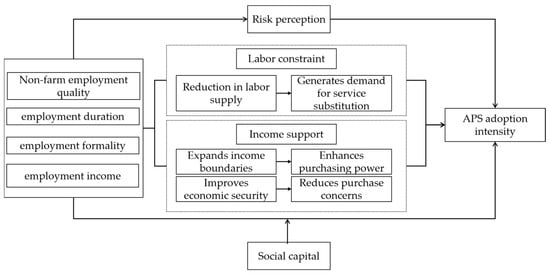
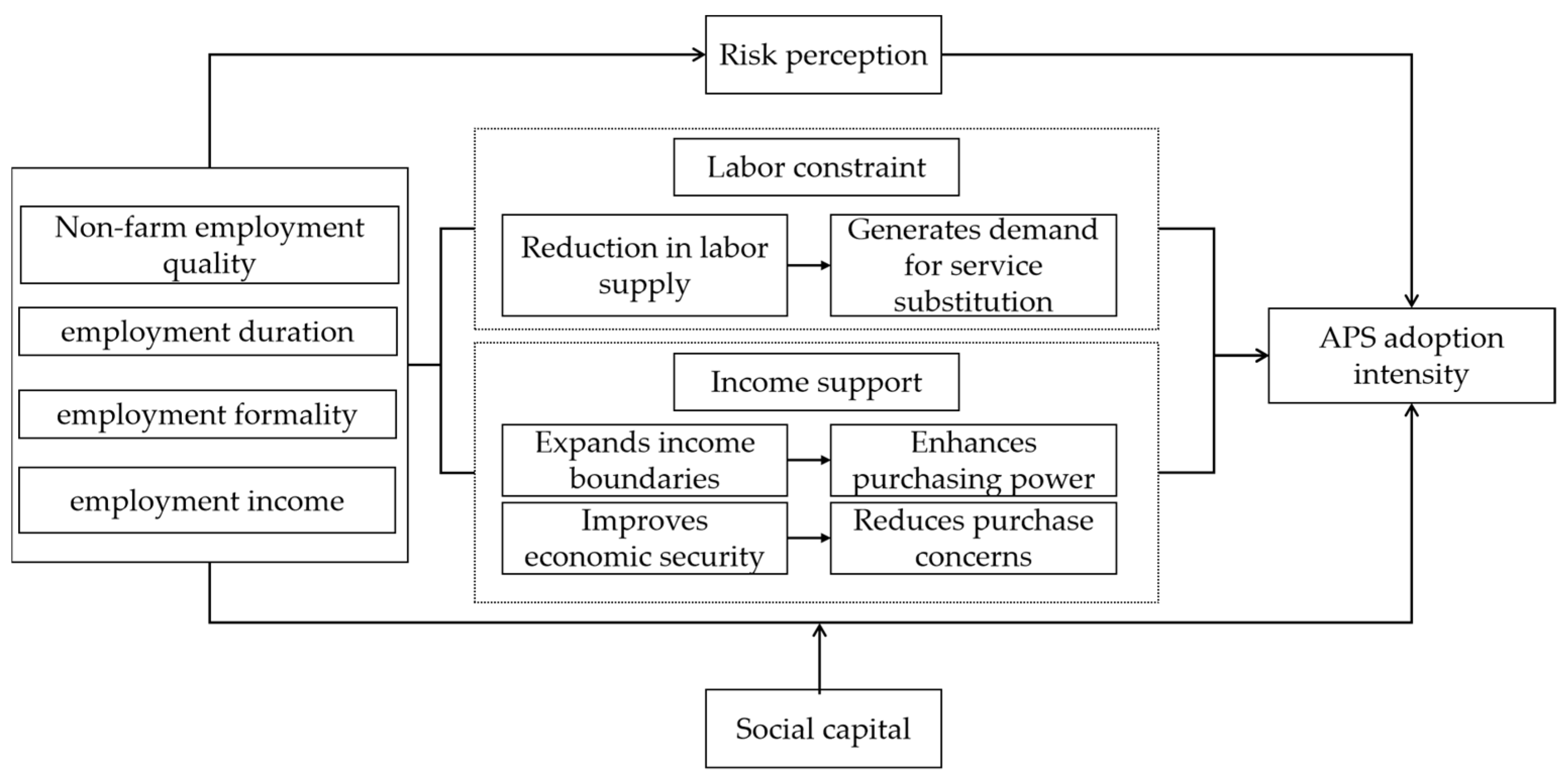
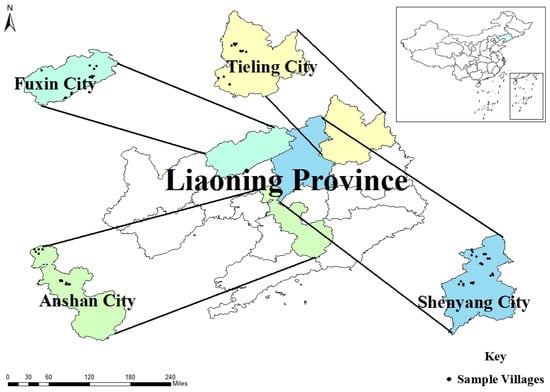
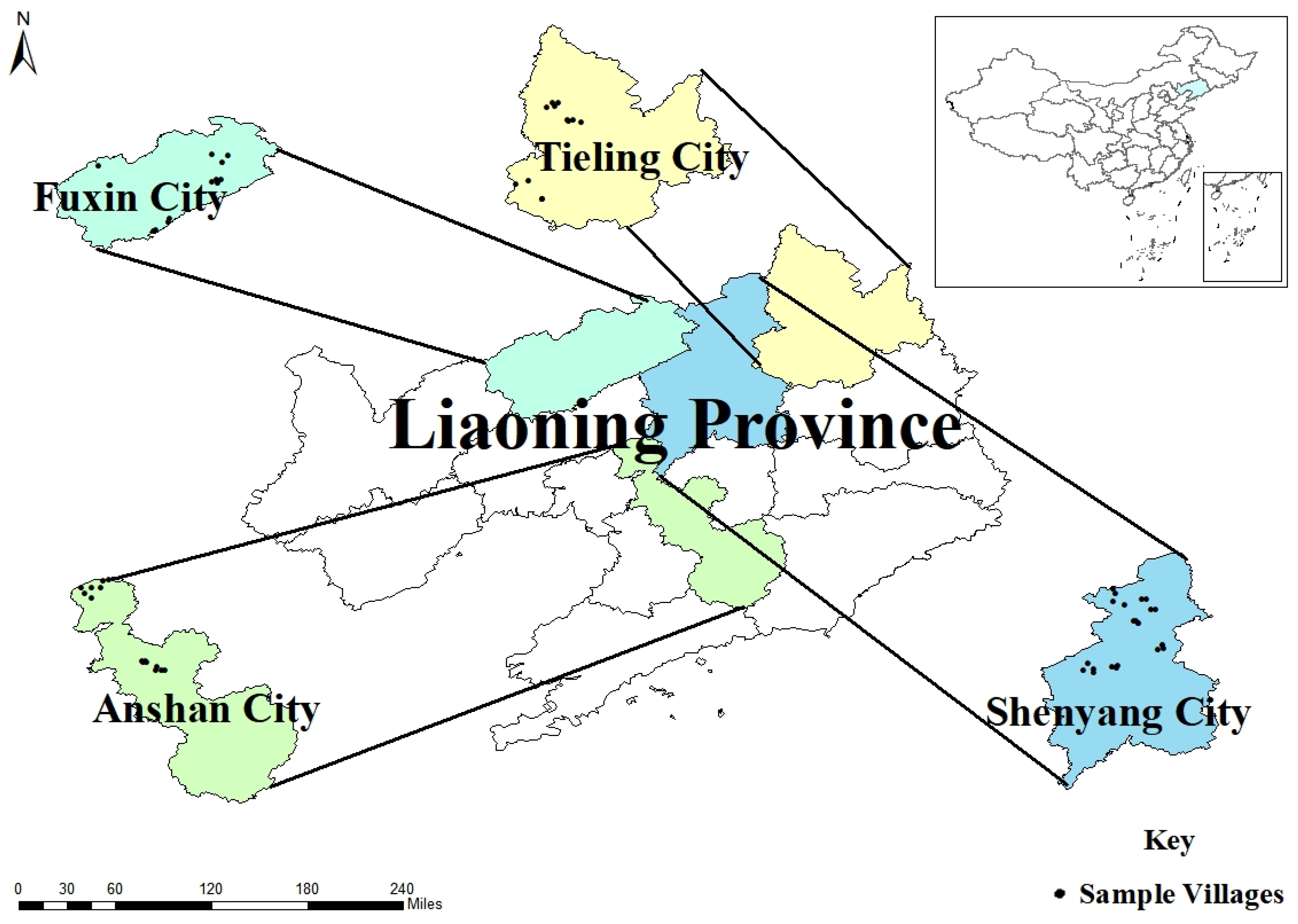

Disclaimer/Publisher’s Note: The statements, opinions and data contained in all publications are solely those of the individual author(s) and contributor(s) and not of MDPI and/or the editor(s). MDPI and/or the editor(s) disclaim responsibility for any injury to people or property resulting from any ideas, methods, instructions or products referred to in the content. |
© 2026 by the authors. Licensee MDPI, Basel, Switzerland. This article is an open access article distributed under the terms and conditions of the Creative Commons Attribution (CC BY) license.