


Abstract
Higher Education Institutions (HEIs) are vital leverage points for climate action, yet the role of campus food environments in supporting these commitments is rarely assessed. This mixed-methods diagnostic study examined the food environment, sustainability literacy, behavioural barriers, and reported preferences regarding plant-based eating at a major European university. Across 29 campus canteens, plant-based meals accounted for only 17.2% of menu options and less than 1% of actual meal volume, with substantial inconsistency in availability and labelling across weekdays and canteens. Student survey findings (n = 198) revealed low food sustainability literacy: 64.7% of participants failed the assessment, particularly males (78.1%) and omnivores (75.7%). Among omnivore respondents, the most frequent barriers to adopting plant-based diets were ideological resistance, nutrition concerns, palatability, convenience, and cost. Students most strongly endorsed improved taste, more options (70.2%), and lower prices (62.1%) as strategies to encourage plant-based choices. Taken together, these findings highlight a structural implementation gap between institutional sustainability commitments and the campus food environment. They underscore the need for targeted interventions to improve food sustainability literacy and to increase the availability and attractiveness of plant-based options required for climate mitigation. To address this systemic challenge, this paper proposes a scalable HEI Food Transition Framework, informed by the results, that integrates choice architecture, curricular reform, inclusive provisioning, and data-driven accountability, offering a strategic pathway to align campus food environments with the United Nations Sustainable Development Goals.
1. Introduction
Academic literature defines Higher Education Institutions (HEIs) as foundational incubators of knowledge and innovation. Historically, their primary societal service has been to develop scientific knowledge and to establish systems for validation and replicability [1]. HEIs are also vital for effective knowledge translation, in which collaborative research with stakeholders influences policy and health systems [2]. Furthermore, universities are recognised as pivotal in promoting ecological civic responsibility and global citizenship [3,4]. Recent scholarship argues that in the era of rapid environmental change, the traditional role of knowledge production is no longer enough: universities must now transition from simply generating data to actively implementing solutions [1]. HEIs are increasingly tasked with producing citizens who can lead environmental transformations through ethics of care, responsibility, and democratic participation [3,5]. Research indicates that student awareness and behaviours are “highly malleable” during their university years, meaning that the education received has long-term impacts that extend far beyond the campus boundaries [6].
Because current food systems contribute significantly to global carbon emissions and the disease burden, as well as the exceedance of several planetary boundaries [7,8], the deficit in food sustainability literacy and action within HEIs constitutes a substantive barrier to established environmental and public health targets. With animal agriculture identified as the largest sub-component driving agricultural transgressions, plant-forward diets represent an efficient strategy for mitigating the adverse environmental effects of food production while improving health outcomes [9,10,11]. As the biophysical necessity of dietary change becomes clearer, the global protein transition is increasingly framed as an implementation challenge rather than a scientific controversy [12,13,14,15]. Animal-based products have up to 100 times higher environmental impact per kilocalorie than plant-sourced foods across greenhouse gas (GHG) emissions, resource use, and nutrient pollution [8,11]. Therefore, incremental improvements to animal agriculture are unlikely to reduce emissions at the pace required for climate mitigation [10,16].
Recent research indicates that the livestock sector drives not only the majority of global deforestation but also the conversion of 67% of grasslands, savannahs, and wetlands—biomes that have received comparatively less attention in prior analyses but are relevant to biodiversity and carbon reduction [17]. Furthermore, animal agriculture occupies nearly 80% of agricultural land while only providing 18% of global calories and 37% of total protein [11]. Feeding 90 billion land animals annually while nearly one billion people are food insecure indicates a clear systemic inefficiency [12,18,19]. For instance, approximately 40% of all cropland calories are diverted to livestock feed, contributing to a system where only 50.1% of produced calories remain available for direct human consumption [19]. Analyses indicate that a transition towards plant-centred diets would significantly narrow this allocation gap, potentially doubling the available caloric output without requiring further agricultural expansion [11,19].
The environmental and social impacts of the current global food system are exacerbated by public health challenges associated with Western dietary patterns, which are high in animal protein and low in whole-plant foods [20]. High intake of red and processed meat increases the risk of colorectal cancer, type-2 diabetes, and cardiovascular disease, whereas plant-rich diets are associated with reduced mortality risk and favourable health indicators [20,21,22]. Ischemic heart disease, stroke, and cancer—the leading causes of death globally—are attributable in part to suboptimal dietary patterns [23,24], suggesting that a systemic shift towards balanced plant-centred diets could significantly mitigate disease and mortality rates worldwide. Springmann et al. [25] found that a shift to plant-based diets could prevent 5.1–8.1 million deaths annually globally, reducing total mortality by 6–10% and lowering the disease burden from ischemic heart disease, stroke, and cancer. Similarly, Willett et al. [20] estimated that adopting a plant-centred planetary health diet could prevent about 11 million adult deaths per year, accounting for 19% to 22% of total adult deaths.
System-level analyses demonstrate that a global shift to plant-based eating would free 75% of arable land, with positive implications for food security, GHG emissions reduction, and carbon sequestration [16,26,27], while reducing healthcare and environmental costs [28,29]. Recent estimates of carbon emissions from the food system at both the global and country levels indicate that diets high in plant-based foods and low in animal products, particularly meat and dairy, are the most effective way to mitigate GHG emissions and stay within the 1.5–2 °C warming limit [13,14,27,30,31]. Crucially, integrated modelling studies demonstrate that these dietary transitions can achieve nutritional adequacy while optimising for region-specific factors and result in additional socioeconomic benefits, such as reduced air pollution-related mortality, water scarcity, and food expenditure [28,29].
Even though continuous evaluation of nutritional and environmental trade-offs globally and across regions is warranted, the current body of literature demonstrates that plant-centred dietary patterns yield the highest cumulative social and environmental benefits in most regions and high- and middle-income contexts [15,25,28,32]. Nevertheless, regional optimisation must account for food insecurity contexts, as animal-based foods in regions such as Sub-Saharan Africa and South Asia remain necessary to mitigate micronutrient deficiencies and ensure baseline nutritional adequacy [32]. Yet, public funding towards animal agriculture is reported to be over 1000 times higher than for horticulture and alternative proteins in the Northern hemisphere [33,34]. This is further compounded by a persistent reliance on anthropocentric viewpoints in sustainability education, in which animals are predominantly framed as food resources [35]. Such framing often overlooks the environmental impact and ethical implications of animal agriculture, while subjecting plant-based diets to disproportionate scrutiny despite clear evidence of their health and environmental benefits [36]. Against this backdrop, consumer behaviour is influenced by several documented psychological barriers to meat reduction and lower willingness to adopt plant-based diets, including meat–animal dissociation [37], meat attachment [38], denial of responsibility for harm [39], moral disengagement [40], and meat–masculinity beliefs [41,42]. Alongside psychological barriers, structural challenges play a major role in obstructing the transition to sustainable diets [43,44]. Temme et al. [44] emphasise that the current policy framework impedes the broad acceptance of plant-forward diets and that a combination of effective administrative and market-driven strategies is essential to encourage and support these dietary changes.
The active engagement of key stakeholders, including HEIs, is essential to support informed food choices and educational initiatives aligned with the United Nations Sustainable Development Goals (SDGs), particularly those targeting climate action, responsible consumption, and health [45]. Krattenmacher et al. [46] discuss that universities are uniquely equipped to promote plant-based diets through both academic research and practical, campus-wide measures. Recent research [6] describes a discrepancy in which students express strong support for sustainability practices yet exhibit lower levels of motivation or literacy regarding dietary and transportation changes. Moreover, studies of sustainability-oriented degree programs highlight limitations in competency-based training, with graduates often lacking the food systems literacy required to address climate change [47].
As developing targeted interventions requires detailed diagnostics, we mapped the food landscape and students’ eating habits and food sustainability literacy at University College Dublin (UCD), a major European HEI. We audited all campus food outlets alongside a student survey. We studied the institutional implementation gap across three systemic domains: (a) plant-based food availability; (b) food sustainability literacy; and (c) motivational factors for food choices. We utilise these insights to develop a scalable HEI framework addressing these domains to support the transition to sustainable food systems.
Study Aims and Research Questions
The goal of this study is to assess the alignment between UCD’s sustainability commitments and the food environment at the Belfield campus, while examining students’ dietary habits, sustainability literacy, and openness to plant-based eating. This diagnostic study is highly timely, as UCD’s Strategy to 2030 [48] explicitly outlines the university’s ambition to be a “thought and action leader of transformational change for sustainability”, committing to a transition to net zero by 2040 and embedding the SDGs into campus infrastructure, operations, and governance. By combining a campus-wide foodscape audit with a student survey, we evaluate the real-world implementation of these stated goals and identify structural and behavioural factors that influence food choices at a major European university. To achieve this aim, the study addresses the following research questions:
- (a)
- Food availability.
- -
- RQ1: To what extent do UCD Belfield canteens provide affordable and clearly labelled plant-based meal options?
- -
- RQ2: How do plant-based options compare with omnivore choices regarding availability?
- (b)
- Students’ sustainability literacy.
- -
- RQ3: What is the level of food sustainability literacy among students, and how does it differ across dietary or gender groups?
- (c)
- Factors influencing food choices.
- -
- RQ4: What self-reported factors most strongly influence students’ food choices?
- -
- RQ5: What ideological, sensory, practical, or informational barriers prevent students from adopting plant-based diets?
- (d)
- Reported preferences to encourage plant-based food choices.
- -
- RQ6: Which strategies would most effectively encourage students to choose plant-based meals?
Together, these questions provide a structured diagnostic of the institutional and behavioural drivers of dietary choices at UCD, forming an empirical foundation for the HEI Food Transition Framework proposed later in the manuscript.
2. Methods
2.1. Survey
A convenience sample of 198 students was recruited from UCD, from a universe of approximately 33,400 students on the Belfield campus [49], between May and June 2025. Participants were recruited through faculty-wide email invitations, physical flyers, and in-person outreach. Eligibility criteria required participants to be currently enrolled as UCD students based on the Belfield campus. No exclusions were applied based on dietary habits, as the study aimed to capture the full range of dietary patterns present on campus.
Post hoc sample representativeness and statistical power were evaluated using the following equation [50]:
where: n is the achieved sample size (198); N is the total population size (33,400); DEFF is the design effect, set to 1.0 to reflect simple random sampling assumptions; p is the estimated proportion of the attribute of interest, set at 0.5 to assume maximum population heterogeneity and ensure a conservative variance estimate; Z represents the standard normal deviation corresponding to a standard 95% confidence interval (Z = 1.96); and d represents the accepted margin of error.
Based on these parameters, the sample yields a post hoc margin of error of ±6.95% at the 95% confidence level. Given the constraints of campus-based convenience sampling, this statistical power provides a reasonably representative and robust baseline of the UCD Belfield student body.
Participation was voluntary and anonymous, and all respondents provided informed consent before taking the survey. We collected demographic information (e.g., age, gender, region of origin), dietary habits (e.g., diet type, fruit and vegetable intake, proportion of plant-based foods), food sustainability literacy (i.e., six-item multiple-choice quiz), factors influencing food choices, self-reported barriers to adopting a plant-based diet, and preferred strategies for encouraging plant-based choices. Both open-ended and closed-ended questions were used. A questionnaire (Supplementary Material S1, Figure S1) was developed based on the research questions. Ethical approval for the study was granted by the Human Research Ethics Committee—Sciences (Reference: T102-LS-C-25-Perussello).
2.2. Campus Canteen Audit
To examine the alignment between sustainability commitments and actual practices in UCD, we conducted a diagnostic study at the Belfield campus between January and June 2025. A total of 29 canteens were systematically evaluated for the availability of plant-based meals and the clarity of labelling. Data were collected over three distinct weekdays per outlet to account for daily menu variations. “Menu options” denoted the proportion of distinct plant-based meal categories (excluding beverages) available at each facility at each given point of data collection, while “meal volume” referred to the relative presence of plant-based meals based on displayed quantities during site visits. To ensure data consistency, the assessment was strictly limited to full meals, while individual snack items, single pieces of fruit, and confectionery were excluded from the analysis. Labelling clarity was evaluated by verifying whether the product information explicitly and unambiguously indicated that the meal was entirely free of animal-based ingredients. Beverage-only vendors were excluded from meal calculations.
2.3. HEI Food Transition Framework
To address the identified implementation gaps, we synthesised a scalable HEI Food Transition Framework. This model integrates four strategic pillars—choice architecture, curricular reform, inclusivity, and data-driven accountability—within the structural scaffolding of the ADKAR model of change: Awareness, Desire, Knowledge, Ability, and Reinforcement [51].
2.4. Statistical Analysis
Survey data were analysed using descriptive statistics and thematic analysis. We first computed descriptive statistics for all variables, including proportions with Wilson 95% confidence intervals (95% CI). These summaries provided an overview of demographic data, dietary habits, sustainability knowledge, perceived barriers, and preferred strategies. Categorical associations were examined using Pearson’s chi-square (χ2) tests, for which we report the test statistic, degrees of freedom (df), p-values (significance at p < 0.05), and Cramér’s V. Effect sizes were interpreted using Cramér’s V and Cohen-based thresholds [52]: negligible (V < 0.10), weak (V = 0.10–0.30), moderate (V = 0.30–0.50), and strong (V > 0.50).
For comparisons involving perceived barriers to plant-based eating, Fisher’s exact tests were used: we report p-values, odds ratios (ORs), and 95% CI to quantify the magnitude of group differences. All tests were two-tailed with α = 0.05. Chi-square tests were considered robust to minor deviations from distributional assumptions given the sample size (n = 198).
Respondents’ knowledge of food sustainability was evaluated through a literacy test score on six multiple-choice questions. The respondents’ grades were calculated and categorised according to the UCD Standard Conversion Grade Scale into Excellent (>70% correct answers), Very Good (60–70%), Good (50–60%), Acceptable (40–50%), and Fail (<40%). Quantitative data from the canteen audit were analysed using descriptive statistics, with continuous variables summarised as means ± standard deviations across outlets and days.
3. Results
3.1. Participant Demographics
The survey sample (n = 198) comprised predominantly young adults, with 48.5% under 24 years of age, 38.9% aged 24–34, and 12.6% over 35 years of age. The gender distribution of the sample was 59.1% female, 36.9% male, and 4.0% non-binary or preferring not to say. In terms of enrolment status, 64.6% studied full-time, with the remaining 35.4% part-time. The sample represented a diverse range of dietary preferences, including omnivores (74.7%), vegetarians (17.7%), and vegans (7.6%). In terms of nationality, 51.0% were from Ireland, while the remaining 49.0% represented international cohorts from other regions of Europe, Asia, Africa, and the Americas. The sample included participants from all six UCD colleges; however, participation was concentrated in the College of Science and the College of Engineering and Architecture, with lower representation from the other colleges (Supplementary Material S2, Table S1).
3.2. Plant-Based Food Availability on Campus
Findings indicate that access to plant-based full meals on campus is limited, both in product variety (‘what’s on the menu’) and in the volume of meals (‘actual offerings’): plant-based options accounted for 17.2% ± 11.6% of menu choices, while their volume share was below 1%. The high standard deviation reflects substantial variation across canteens, indicating inconsistent implementation of the university’s sustainability and Equality, Diversity, and Inclusion (EDI) commitments, with some outlets offering no plant-based meals at all. Daily plant-based offerings also varied throughout the day in the same canteen. Furthermore, only 11 food suppliers clearly labelled their plant-based options. Student perceptions of plant-based food on campus indicate discontent with current offerings: only 25.8% reported satisfaction. Taken together, these findings indicate limited visibility and accessibility of plant-based diets on campus.
While UCD’s canteens and catering services demonstrate a technical capacity to meet basic EDI commitments—providing for vegans, halal consumers, and those with allergies—the current framework remains limited. By categorising plant-based options as niche ‘dietary restrictions’, the institution positions sustainable eating as peripheral rather than a primary factor guiding its food environment.
3.2.1. Students’ Dietary Habits
As noted in the participant demographics (Section 3.1), the student sample is heavily skewed towards the consumption of animal products (92.4%), as either omnivores (74.7%) or vegetarians (17.7%). Consumption of plant-based alternatives (e.g., oat milk, tofu) differed significantly by diet type, χ2(2) = 34.405, p < 0.0001, V = 0.406: all vegans (100%) and most vegetarians (94.3%) reported consuming plant-based alternatives, compared with 49.3% of omnivores (Supplementary Material S2, Table S2).
When selecting food (Figure 1), respondents most frequently prioritised price (82.3%), health/nutritional content (79.3%), and taste/texture (77.3%). Ethical considerations were less common: 33.3% cited animal welfare or rights and 28.8% organic status. An exploratory analysis showed that diet type was strongly associated with selecting animal welfare or rights as a food choice factor, χ2(2) = 41.434, p < 0.0001, V = 0.447: 80.0% of vegans and 70.0% of vegetarians selected it, compared with 20.9% of omnivores (Supplementary Material S2, Table S3a,b).
Figure 1.
Self-reported factors for food choices.
3.2.2. Students’ Sustainability Literacy
Sustainability knowledge was generally low: 64.6% of respondents failed the six-item sustainability quiz (95% CI [57.8–71.0%]); 11.6% achieved an excellent score, with the remainder classified as acceptable (13.6%) or very good (10.1%) (Supplementary Material S2, Table S4).
Knowledge scores differed significantly by diet type, χ2(6) = 47.238, p < 0.0001, V = 0.324 (Supplementary Material S2, Table S2). Vegans and vegetarians were more likely to achieve higher grades: 66.7% of vegans and 42.9% of vegetarians achieved very good or excellent (vs. 12.2% of omnivores) (Figure 2a).
Figure 2.
(a) Sustainability literacy score by gender. Note. χ2(3) = 15.33, p = 0.002, V = 0.26, indicating a small-to-medium association. (b) Sustainability literacy score by diet type. Note. χ2(6) = 47.24, p < 0.0001, V = 0.32, indicating a medium association.
Knowledge also differed by gender, χ2(3) = 15.329, p = 0.0016, V = 0.255 (Supplementary Material S2, Table S2). Female respondents were more likely to achieve excellent (16.2%) than males (2.7%) (Figure 2b).
Higher sustainability knowledge was associated with willingness to participate in plant-based awareness events, χ2(6) = 35.177, p < 0.0001, V = 0.273 (Supplementary Material S2, Table S2): respondents scoring excellent were most likely to indicate they would “definitely participate”.
3.2.3. Perceived Barriers to Plant-Based Eating
Among respondents who do not follow a fully plant-based diet (n = 121), the most frequent barriers (Figure 3 and Supplementary Material S2, Table S5) were ideological or philosophical resistance (33.9%, 95% CI [26.1–42.7%]), nutrition and health concerns (33.1%, 95% CI [25.3–41.8%]), and taste or palatability (32.2%, 95% CI [24.6–41.0%]). Under ideological resistance, responses ranged from indifference (“I don’t care”) to hostility (“It’s a cult. I eat meat because I am a human being. And human beings kill animals and eat them.”), as well as scientifically inaccurate claims such as “local-only consumption is what matters” or “humans need meat to survive”. Convenience or time constraints were cited by 23.1%, and cost or affordability by 20.7%. Less frequently self-reported barriers included a knowledge or skills gap (10.7%), social or cultural factors (8.3%), dietary restrictions (5.8%), and concerns about quality or processing (4.1%).
Figure 3.
Perceived barriers to plant-based eating. Responses were assigned to one or more of the nine categories shown in the image, and examples of testimony are presented for each category.
Pairwise comparisons between omnivores (n = 148) and vegetarians and vegans (n = 35) showed that omnivores were significantly more likely to report several barriers (Supplementary Material S2, Table S6): ideological or philosophical resistance (26.4% vs. 4.0%; p = 0.0004, OR = 8.59), taste or palatability (24.3% vs. 6.0%; p = 0.0037, OR = 5.04), nutrition or health concerns (24.3% vs. 8.0%; p = 0.0138, OR = 3.70), convenience or time (17.6% vs. 4.0%; p = 0.0178, OR = 5.11), cost or affordability (16.2% vs. 2.0%; p = 0.0063, OR = 9.48), and knowledge or skills gap (8.8% vs. 0%; p = 0.0414, OR > 100). No significant differences were observed for social or cultural factors, quality or processing concerns, or dietary restrictions (all p > 0.05).
3.2.4. Reported Preferences to Encourage Plant-Based Options
Participants indicated which preferences would make them more likely to choose plant-based meals (Figure 4). The most frequently endorsed strategy was better taste and more options (Supplementary Material, Table S7), selected by 70.2% of respondents (95% CI [63.5–76.1%]). The second most endorsed strategy was lower price, selected by 62.1% (95% CI [55.2–68.6%]). A smaller proportion indicated that larger portion sizes (34.3%) or health-benefit labelling (33.3%) would encourage them to choose plant-based meals. Environmental-benefit labelling was endorsed by 26.3%, while resemblance to animal products was selected by only 10.1% of respondents.
Figure 4.
Strategies to encourage plant-based diets.
3.3. Macro-Level Synthesis of Inter-Variable Associations
To evaluate the systemic relationships across student demographics, sustainability literacy, and perceived behavioural barriers, a global association matrix was computed using Cramér’s V (Figure 5). Rather than analysing correlations in isolation, this matrix illustrates the statistically bounded factors that drive campus dietary behaviour. Most notably, diet type emerges as the primary statistical anchor of the dataset, exhibiting its strongest horizontal dependencies with ideological resistance and nutrition concerns, while simultaneously exerting a high degree of association over operational preferences such as price reductions and menu expansion. Furthermore, gender demonstrated a clear, non-trivial association with both dietary identity and overall sustainability literacy, mathematically confirming that demographic traits serve as significant filters for food system knowledge. Finally, a distinct, localised cluster of moderate-to-strong associations is observable between the practical barriers of cost, convenience, and palatability. This specific covariance indicates that individual friction points do not exist in a vacuum; rather, they form an interconnected multi-barrier profile, suggesting that institutional interventions targeting these operational metrics simultaneously could yield compounded benefits.
Figure 5.
Global association matrix of demographic factors, food sustainability literacy metrics, behavioural barriers, and intervention preferences towards plant-based food choices among survey respondents. Values represent Cramér’s V coefficients, indicating the strength of association between categorical survey variables.
4. Discussion
4.1. Plant-Based Scarcity on Campus
The audit of this study highlights a structural misalignment between the university’s stated sustainability commitments and the food environment available to students. Plant-based meals remain marginal within campus provisioning, and the inconsistent labelling practices across suppliers further limit their visibility. This pattern of limited availability and poor labelling aligns with Perussello et al. [12] and Lehmann et al. [53], who similarly identified that the lack of plant-based options when eating out is one of the most frequently cited barriers to both adopting and sustaining plant-based diets. Broader evidence suggests that changes in service provision in collective meal contexts represent a meaningful enabler of dietary change, and that access, variety, and ease of choice are important structural levers [54]. The prevalence of students on this campus who follow vegetarian or vegan diets indicates that these dietary patterns are no longer marginal within the wider student population. From an equality and inclusion standpoint, plant-based meals meet religious, ethical, and health requirements across a diverse student body; therefore, aligning them with EDI principles means treating them as a standard offer rather than a marginal one.
4.2. Ethical Drivers and Sustainability Illiteracy Among Men and Omnivores
Animal welfare and animal rights emerged as main drivers of food choices (33% of respondents), particularly among vegan and vegetarian (vs. omnivore) students. This pattern is consistent with previous research [12,55,56], in which ethical concerns towards non-human animals emerge as an important driver of sustained dietary change.
Results show that students who follow plant-based diets demonstrated higher awareness of food-system environmental impacts, consistent with research indicating that plant-based consumers tend to report greater familiarity with sustainability-related information [53,57]. This pattern also aligns with evidence [58] that vegan and vegetarian individuals often constitute morally motivated minorities, which may help explain the stronger salience of ethical considerations within this sub-group. It is important to note, however, that heightened public awareness of the environmental consequences of animal agriculture does not automatically translate into dietary change, and that the relationship between sustainability knowledge and dietary behaviour is more complex than a straightforward knowledge–action model would predict [55].
The broader survey sample confirmed substantial gaps in food sustainability literacy. A common misconception was the belief that eating locally is the most effective strategy for reducing food-related environmental impact—an overestimation of “food miles” that has already been documented [59]. This is particularly significant because consumers tend to underestimate the environmental impacts associated with diets while overestimating the influence of transportation on food-related carbon emissions [59,60]. A substantial share of participants either doubted (24.8%) or were uncertain (25.3%) whether plant-based diets meaningfully reduce an individual’s carbon footprint. More strikingly, nearly half of respondents disagreed that animal agriculture is a leading contributor to biodiversity loss—a misconception that runs counter to current scientific consensus [7,16,26]. Large-scale life-cycle evidence shows that vegan diets consistently exhibit substantially lower environmental impacts across GHG emissions, land use, water use, eutrophication, and biodiversity indicators, with impacts estimated at roughly one-quarter of those associated with high meat consumption [61]. In regard to the sample of this study, these knowledge gaps may reflect not only limited information but also motivated reasoning, as documented in research showing that consumers often downplay the ecological impacts of meat consumption through dissonance-reducing strategies such as denying animal sentience, dissociating meat from its animal origins, or minimising perceived environmental consequences [57,62,63].
Against this backdrop, our findings align with research suggesting that educational curricula can inadvertently reinforce anthropocentric views of nature and other species, overlooking the negative impacts of animal agriculture and limiting recognition of plant-based dietary transitions as a meaningful mitigation strategy [35,36]. The effectiveness of educational strategies is mixed: willingness to change in response to environmental information varies considerably across studies, fear-based appeals can sometimes backfire, and sustained literacy efforts tend to produce more durable behavioural effects [55]. Consistent with published research, we found that especially men [41] and omnivores presented lower scores in the sustainability test and more resistance to reducing meat consumption or adopting plant-based diets [38,42,53,64]. Gender differences in dietary attitudes are well established: women generally report stronger animal-welfare motivations [65,66] and tend to hold more favourable views towards plant-based diets [57]. However, these attitudes do not necessarily translate into lower consumption of animal products, as women may report stable or even higher intake of fish [67]. It is important to note that animal rights and animal welfare represent distinct ethical views: animal rights advocates for the intrinsic rights of sentient animals to be free from harm and exploitation, while animal welfare emphasises the well-being of animals without necessarily opposing their commodification [12,18]. Research shows that increasing awareness of animal rights can effectively encourage lasting shifts towards animal-free diets [12].
While the university’s official Sustainability Plan to 2030 [48], part of its Breaking Boundaries Strategy, targets “action for climate change and biodiversity” and explicitly emphasises “using the campus as a living lab”, our empirical diagnostics suggest that the student body’s food sustainability awareness remains a critical blind spot in achieving these objectives. Despite some misconceptions and negative attitudes towards plant-based diets among students, it is important to acknowledge that UCD does offer high-quality modules on sustainability in food and agriculture, actively promotes the 2GoCup initiative, is a partner in the Horizon Europe PLAN’EAT project, and is a signatory of the CANIE Accord—this indicates proactivity in enhancing campus climate action through practical steps, such as prioritising locally sourced ingredients and substituting single-use plastics with biodegradable alternatives. However, a significant gap remains in both the food environment and educational offerings, resulting in low student awareness of healthy diets, food sustainability, and climate action.
4.3. The Cost Misconception Barrier and Levers Towards Plant-Based Options
Among the barriers students identified to adopting or increasing plant-based eating, cost was a commonly cited concern. This finding, however, is difficult to reconcile with the available evidence that demonstrates that whole-food plant-based diets are generally less expensive than omnivore diets across diverse geographic and economic contexts, especially in higher-income countries [68,69]. Pais et al. [69] found that plant-based consumers spend less on food overall than other consumer groups assessed and argued that food policies that align healthiness and sustainability with affordability could deliver a significant boost to plant-based dietary transitions.
The perceived cost barrier is therefore likely to reflect something other than the intrinsic economics of plant-based eating. Most plausibly, it reflects unfamiliarity with budget-accessible whole plant-based foods, or primary exposure to ultra-processed plant-based alternatives, which do tend to carry premium price points [57]. This distinction matters pedagogically: if students equate plant-based eating with expensive meat substitutes rather than with staple legumes, grains, and vegetables, the cost barrier is partly a literacy and familiarity issue rather than a purely structural–economic one [69]. Therefore, addressing perceived and actual cost barriers will likely require educational initiatives in addition to direct pricing intervention. Educational initiatives that emphasise the benefits of subsidising whole-food plant-based proteins over animal-based proteins—given their lower environmental impacts and resource demand—could help overcome affordability barriers (both perceived and actual) associated with plant-based diets.
Beyond cost, taste and dietary diversity were identified as important positive levers for plant-based consumption. This finding is consistent with published research showing that sensory appeal and variety are among the most powerful determinants of food choice in institutional settings—often outweighing health, environmental, or ethical considerations even among individuals who hold pro-environmental attitudes [57,70,71]. Therefore, improving the sensory quality and availability of plant-based options appears central to facilitating dietary transitions [55,71].
Crucially, these barriers do not exist in isolation; our global association analysis shows a clear clustering of cost, convenience, and palatability barriers (Figure 5). This pattern underscores how cognitive, structural, and social constraints often operate together, creating interconnected barriers to sustained dietary change [71].
4.4. Synthesis of Findings Grounding the HEI Framework
The empirical findings of this diagnostic study reveal a multi-dimensional implementation gap between sustainability targets and campus food system realities. Three primary systemic bottlenecks emerge from the data: (1) insufficient availability of plant-based meals within campus caterings; (2) widespread gaps in food sustainability knowledge along with motivated reasoning among students that may resist informational correction alone; and (3) behavioural barriers related to taste, cost, and nutrition concerns, as well as ideological resistance—especially among omnivores and male students. These patterns are consistent with a broader body of research identifying structural, cognitive, and motivational dimensions of dietary inertia as simultaneously operating constraints [53,55,57,63,71].
5. HEI Food Transition Framework: 4 Strategic Pillars
Building on the diagnostic patterns observed in the UCD case study—and drawing on the broader evidence base—we introduce the HEI Food Transition Framework as a conceptual model intended to support structured institutional action towards sustainability (Figure 6). The framework synthesises insights from the UCD data with established research on dietary transitions in higher-education settings. Accordingly, the strategies proposed should be understood as evidence-informed recommendations, not as empirically validated outcomes. The framework is organised around the four pillars of the ADKAR model [51]—Awareness, Desire, Knowledge, Ability, and Reinforcement—to support the development of interventions that are both structurally robust and socially viable (Figure 6). The ADKAR model focuses on inspiring individual-level change within organisations and has previously been applied to support and evaluate readiness to change in large public institutions, such as HEIs [72] and healthcare systems [73]. Likewise, the global association matrix (Figure 5)—which shows clustering of demographic characteristics, knowledge gaps, and behavioural barriers—illustrates the rationale for a multi-pillar approach in the UCD context, although it does not independently validate the specific strategies proposed. While rooted in the UCD case study, the framework is designed for scalability, offering a blueprint adaptable to the specific cultural and operational contexts of diverse HEIs.
Figure 6.
Scalable HEI Food Transition Framework.
Pillar 1 focuses on ‘Structural Choice Architecture and Automated Defaulting’, drawing on established evidence that default switches in institutional settings can effectively guide individual behaviour to reduce carbon footprints [74]. HEIs can facilitate plant-forward transitions by shifting from merely offering plant-based options to establishing them as the institutional default (Ability and Reinforcement) to sustain change. This approach utilises a default-switch model in which standard catering—from canteens to conferences—prioritises plant-based foods, allowing for a conscious opt-in for animal products.
Supporting procurement policies can further bolster this transition by increasing the proportion of plant-based food purchases, for example, targeting 70–80% of expenditure on plant-based options. Research by Hansen et al. [74] demonstrates that changing the default from meat-based to meat-free significantly enhances the selection of sustainable meals without diminishing overall diner satisfaction. Logistically, institutions might employ sensory and behavioural nudges: positioning plant-forward dishes at focal points, offering unique flavours (e.g., extra spicy) or specific foods (e.g., pizza) exclusively in plant-based versions, ensuring price parity, and eliminating surcharges for plant-based milks.
Culinary training could prioritise naturally plant-based foods and global cuisines (e.g., dahl, falafel) rather than depending on ultra-processed analogues, which may aid in acceptance and contribute to the normalisation of dietary change. Aligning with international initiatives such as the Plant-Based Treaty and Plant-Based Universities can further assist universities in integrating food-system reform with their Scope 3 climate targets, utilising established frameworks that are both operationally feasible and socially inclusive.
Addressing the determinants of individual food choices is another crucial aspect of understanding dietary behaviours and facilitating positive change. The most cited obstacle observed in this study for the adoption of a plant-based diet, ideological resistance (34.2%), indicates opportunities to strengthen the Awareness of food sustainability issues and the Desire to engage with more sustainable dietary practices. Creating environments where convenient, appealing, and sustainable food choices are the default may Reinforce Awareness, Desire, Knowledge, and Ability to enact dietary changes. Moreover, modifications related to choice architecture and presentation have proven effective in influencing dietary decisions. For instance, the order in which items appear on the menu [75], systems to visually rate food items based on nutrient density or sustainability [76], and menu design [77] have been shown to enhance Awareness and Desire towards better food choices. Franchini et al. [75] reported increased consumption of more environmentally friendly foods when these were placed at the top of the menu, while Bacon and Krpan [77] found that integrating plant-based options into standard menu offerings, rather than presenting them separately, significantly elevated their selection. These findings suggest that strategic menu design and presentation can play a vital role in promoting sustainable food choices.
An alternative approach to fostering Awareness and Desire for change is to analyse the varying priorities and values among different groups concerning food choices. Based on a consumer segmentation approach, Cereghetti et al. [78] posit that individuals with high meat consumption may be more receptive to health-focused messaging rather than environmental or animal-welfare arguments. The authors further note that collectives primarily concerned with practical considerations—while still acknowledging environmental and ethical issues—are likely to be motivated by meat substitutes that closely replicate the taste and texture of meat, particularly when the environmental benefits are highlighted or when plant-based options are more readily available. Our findings suggest that existing strategies could be enhanced by emphasising both the health-related attributes of plant-based foods and the practical characteristics valued by students, such as familiar tastes and textures, affordability, and portion sizes. An illustrative example of this approach is the star-based labelling system developed by Carey et al. [76], which classifies foods as good (1 star), better (2 stars), or best (3 stars) according to nutrient density. Implementing this intervention was associated with an increased consideration of health attributes during food selection (thereby enhancing Awareness and Desire to change), improved Knowledge regarding how to identify healthy foods, and elevated the perception of the availability of healthy food choices on campus, hence improving the Ability to implement dietary changes. Similar approaches may be implemented to improve the visibility and consumption of plant-based food in higher education settings.
Pillar 2 encompasses ‘Evidence-Based Pedagogy and Living Lab Integration’. HEIs can strengthen sustainability literacy by aligning pedagogical outputs and practices with prevailing planetary-health evidence, thereby addressing both Awareness and Knowledge. This alignment necessitates a shift from anthropocentric or livestock-focused models to a more comprehensive approach that incorporates the environmental, economic, and ethical dimensions of food systems [12,18]. Potential strategies may include implementing front-of-pack labelling to inform consumers about carbon footprints of products and instituting mandatory food literacy modules that engage students in examining the environmental impacts of individual, household, and institutional food consumption. The application of Campus-as-a-Lab (CaaL) methodologies may be beneficial in these educational interventions [79].
Furthermore, education can address common misconceptions regarding the financial barriers to adopting plant-based diets, thus underscoring the affordability of such diets [69]. To institutionalise these educational efforts more effectively, HEIs could utilise the Good Food Institute’s open-access curriculum and research databases to develop modules on the protein transition, thereby exposing students to current technical and policy developments in sustainable protein innovation.
Pillar 3 addresses the themes of ‘Cultural Inclusivity, Social Justice, and De-stigmatisation’ within HEIs. To mitigate cultural resistance to plant-based diets, it is essential to transition from a model of passive accommodation to the proactive normalisation of plant-based food consumption (Desire and Awareness). Reframing plant-based eating as an evidence-informed practice aligned with environmental, health, and ethical objectives could contribute to greater social acceptance and visibility within university communities [12,80]. The process of reframing may include the systematic identification and addressing of knowledge gaps that currently impede the widespread acceptance of sustainable dietary changes, particularly regarding the environmental and social justice aspects of the protein transition.
Prior research highlights the importance of integrating perspectives related to animal welfare, animal rights, and human rights into sustainability discussions. Varzakas and Antoniadou [81] underscore the interdependence of individual dietary behaviours and ethical considerations concerning animal suffering, environmental degradation, and human social justice. Moreover, Perussello [18] posits that the rights of human and non-human individuals are fundamentally interconnected, with systems of oppression and harm historically originating from the belief that certain lives warrant reduced moral consideration. Given that food systems serve as a primary interface for human–animal interactions, dietary choices can be understood as reflections of broader value systems with far-reaching societal implications. Engaging with these perspectives is crucial for facilitating critical reflection on the wider impacts of individual diet choices and fostering both Awareness of food-system sustainability challenges and Desire for transformative change.
Behaviourally informed communication strategies may also draw on hedonic motivations—focusing on sensory appeal and culinary diversity—and health benefits while explicitly addressing barriers such as unfamiliarity and gender-related resistance to dietary change [40,41,42]. Furthermore, given that 25.3% of the student body identifies as vegetarian or vegan, categorising plant-based options as specialised “dietary restrictions” inadvertently marginalises a significant segment of the university community.
Pillar 4 pertains to ‘Institutional Accountability and Governance’ within HEIs. Effectively addressing the institutional implementation gap requires HEIs to employ rigorous analytical methods in their food procurement processes, analogous to their approaches to energy, single-use plastics, and waste management (Reinforcement). Transparency emerges as a critical element in this framework, facilitating the alignment of decision-making with articulated sustainability objectives and permitting stakeholders to assess progress systematically. Moreover, transparency plays a significant role in mitigating potential conflicts of interest. Existing literature indicates that funding mechanisms and stakeholder relationships significantly influence the priorities associated with food-system research and education, thereby highlighting the importance of transparent governance structures in tackling sustainability challenges [34,82,83]. A disproportionate reliance on funding from animal-agriculture stakeholders within agri-food departments may lead to curricular emphasis on marginal efficiency improvements rather than the systemic transformations necessary for establishing a more sustainable food system [84,85]. Possible interventions may include the implementation of mandatory environmental impact labelling for all meals and the integration of procurement guidelines into the university’s Climate Action Plan [86].
Establishing vendor tenure requirements contingent on achieving verifiable plant-based targets and reductions in Scope 3 emissions facilitates shared responsibility for implementation among stakeholders. This approach transitions the focus from individual consumer choices to institutional infrastructure. Evidence from research in institutional catering indicates that the application of food procurement criteria is an effective lever for the decarbonisation of large organisations and the enhancement of resilience within food systems [87,88].
The formulation of an Annual Food System Sustainability Report could function as a valuable instrument for evaluating progress and ensuring that sustainability commitments are aligned with measurable implementation outcomes [89]. Furthermore, HEIs could adopt impact dashboards to monitor on-campus food-related savings in emissions, land use, and water use. Such initiatives may Reinforce engagement in sustainability efforts by highlighting the active contributions of the student body towards achieving climate objectives [90].
6. Study Limitations and Future Research
While this study offers valuable empirical insights into university food environments and student food sustainability literacy, several limitations must be acknowledged when interpreting the findings.
First, due to reliance on convenience sampling and logistical constraints associated with campus-based recruitment, we could not fully control the distribution of the student survey across all academic divisions. As a result, the final sample was predominantly drawn from the College of Science and the College of Engineering and Architecture, leaving other colleges underrepresented. Although post hoc statistical analysis indicates that the sample provides a reasonably robust and conservative baseline for the campus population, this uneven distribution may have skewed the findings towards the perspectives of specific disciplines rather than the entire university student body. On the other hand, an exploratory analysis of tracking groups indicated that departments offering agrifood and sustainability courses exhibited lower average levels of food sustainability literacy. This finding challenges conventional assumptions and highlights the necessity for updated, cross-disciplinary sustainability education.
Second, and connected to the first limitation, a primary bottleneck stemmed from the survey distribution method and timeline. Survey distribution took place between May and June 2025, when a significant portion of the student body was away on holidays. This specific timing was structurally unavoidable due to operational time constraints: only ten months were available between the conception of the thesis project from which this paper derives and its submission, with a significant lag period for formal research ethics approval. Gathering data during the summer months significantly reduced the potential response rate and may have introduced selection bias towards students with different dietary habits or sustainability literacy than the broader term-time student population. However, because the survey was primarily distributed online, any student could participate, potentially mitigating some selection bias. Additionally, due to the General Data Protection Regulation (GDPR) and institutional data privacy restrictions, we were unable to access the entire student email database or contact student cohorts directly. Consequently, the distribution of our survey relied heavily on faculty administration across various colleges, who circulated the survey invitations at their discretion. It should be noted that the campus canteen audit, which did not require ethics approval, was conducted over a longer period. Therefore, this portion of the study was not affected by the constrained timeline and captured peak academic-year food provision.
Third, the sustainability quiz primarily addressed the fundamental factors influencing food sustainability, emphasising the main drivers of biodiversity loss, carbon emissions, and land use within the global food system. Broader inquiries into secondary aspects of sustainability in the food supply chain—such as production, processing, and transportation methods—were not included in the quiz. However, this omission should not be considered a limitation of the food sustainability literacy assessment, as the broader aspects included in the quiz are closely linked to the most manageable factors at the consumer level and are the most impactful, both globally and individually.
Finally, as a single-institution case study focused on UCD, the specific layout of the campus food environment, current canteen offerings, and the literacy levels of the student cohort may not perfectly reflect those of other HEIs. Factors such as regional agricultural context, local food culture, and varying degrees of institutional commitment to sustainability can significantly alter both food availability and student attitudes globally. Therefore, care should be taken when generalising these descriptive findings to other institutional contexts. Nevertheless, the HEI Food Transition Framework provides important insights to guide and enhance the effectiveness of sustainability initiatives across various institutional settings by identifying key areas for intervention and supporting the development of tailored strategies.
Further research should employ multi-institution, longitudinal designs distributed across peak academic terms to validate the scalability of the HEI Food Transition Framework and eliminate seasonal sampling biases. Future studies should ideally employ stratified random sampling to ensure equitable representation across all academic disciplines. Additionally, future research is warranted to apply the proposed framework and assess its effectiveness across diverse settings.
7. Conclusions
There is growing consensus about the global transition to plant-rich diets as an urgent measure to mitigate the environmental crisis while contributing to biodiversity and food security. Based on empirical findings from a European research university, this study demonstrates a structural and epistemic gap between institutional sustainability commitments and everyday campus food practices. Plant-based meals are scarce in both availability and visibility across campus outlets, and inconsistent labelling further limits student access. Results from the student survey revealed generally low levels of sustainability literacy, including misconceptions about the disproportionate environmental impacts of animal-based products in the food supply chain. These gaps, as well as self-reported barriers to plant-based eating, were most pronounced among male students and omnivores—pointing to cultural and pedagogical factors that have failed to challenge dominant dietary norms.
Addressing these gaps calls for a two-track institutional response: expanding and normalising plant-based provision in the campus food environment and developing food systems education that honestly addresses the sustainability impacts of animal agriculture. These two tracks are mutually reinforcing and, crucially, already within reach for an institution of UCD’s ambition and existing commitments. The identified barriers should be interpreted not as evidence of failure, but as a diagnostic for targeted and positive change—one with direct relevance for higher education institutions across Ireland and beyond. Ultimately, our HEI Food Sustainability Framework provides a structured tool to help institutions monitor and bridge these operational and educational gaps, supporting their transition towards broader sustainability goals.
Supplementary Materials
The following supporting information can be downloaded at: https://www.mdpi.com/article/10.3390/su18147102/s1. Figure S1: Student survey utilised in this study; Table S1: Distribution of survey respondents across UCD Colleges.; Table S2: Chi-square associations; Table S3a: Factors considered when choosing food; Table S3b: Differences across diet types in the selection of animal welfare and/or rights as a food-choice factor; Table S4: Sustainability literacy/knowledge; Table S5: Barriers to adopting a plant-based diet; Table S6: Omnivore vs vegetarian + vegan (Fisher’s test); Table S7: Self-reported strategies to encourage plant-based choices.
Author Contributions
Conceptualisation: C.A.P.; Data collection and curation: N.Z.; Formal analysis: N.Z., A.M.H.-L., R.P.F., and C.A.P.; Supervision: C.A.P.; Writing—original draft: N.Z. and C.A.P.; Writing—review & editing: A.M.H.-L., R.P.F., and C.A.P.; Final approval and submission: C.A.P. All authors have read and agreed to the published version of the manuscript.
Funding
This research received no external funding.
Institutional Review Board Statement
The study was conducted in accordance with the Declaration of Helsinki, and approved by the Institutional Review Board (or Ethics Committee) of University College Dublin’s Human Research Ethics Committee – Sciences (HREC-LS) (protocol code T102-LS-C-25-Perussello, 13 May 2025).
Informed Consent Statement
Informed consent was obtained from all subjects involved in the study.
Data Availability Statement
The raw data supporting the results presented in this study will be made available by the corresponding author on request.
Acknowledgments
The first and last authors would like to express their gratitude to Anna Molter, from the UCD School of Biosystems and Food Engineering, for her contributions to the first author’s master’s thesis, from which this article is partly derived. During the preparation of this work, the authors used Gemini 3.5 Flash to generate a draft of the ‘HEI Food Transition Framework’ representative image. After using this tool, the authors reviewed and edited the content as needed and take full responsibility for the published article.
Conflicts of Interest
The authors declare no conflicts of interest.
References
- Shrivastava, P.; Zsolnai, L. The University in the Anthropocene. Int. J. Ethics Syst. 2025. Epub ahead of printing. [Google Scholar] [CrossRef] [Scilit]
- Nguyen, T.; Graham, I.D.; Mrklas, K.J.; Bowen, S.; Cargo, M.; Estabrooks, C.A.; Kothari, A.; Lavis, J.; Macaulay, A.C.; MacLeod, M.; et al. How Does Integrated Knowledge Translation (IKT) Compare to Other Collaborative Research Approaches to Generating and Translating Knowledge? Learning from Experts in the Field. Health Res. Policy Syst. 2020, 18, 35. [Google Scholar] [CrossRef] [Scilit] [PubMed]
- Arbues, E.; Celaya, I.; Naval, C. Promoting Ecological Citizenship at the University Level. Front. Educ. 2025, 10, 1652510. [Google Scholar] [CrossRef] [Scilit]
- Uzun, A.; Akhan, O.; Turan, S.; Özkaya, A. Determining the Global Citizenship Tendencies of International University Students for a Sustainable World. PLoS ONE 2025, 20, e0335817. [Google Scholar] [CrossRef] [Scilit] [PubMed]
- Hassan, M.M.; Ahmad, A.R. Systematic Literature Review on the Sustainability of Higher Education Institutions (HEIs): Dimensions, Practices and Research Gaps. Cogent Educ. 2025, 12, 2549789. [Google Scholar] [CrossRef] [Scilit]
- Zhu, W.; Li, D.; Liu, W. From Intention to Action: Modeling Student Lifestyle Carbon Emissions and Reduction Scenarios. Clean. Responsible Consum. 2026, 21, 100391. [Google Scholar] [CrossRef] [Scilit]
- Rockström, J.; Thilsted, S.H.; Willett, W.C.; Gordon, L.J.; Herrero, M.; Hicks, C.C.; Mason-D’Croz, D.; Rao, N.; Springmann, M.; Wright, E.C.; et al. The EAT–Lancet Commission on Healthy, Sustainable, and Just Food Systems. Lancet 2025, 406, 1625–1700. [Google Scholar] [CrossRef] [Scilit] [PubMed]
- Theurl, M.C.; Lauk, C.; Kalt, G.; Mayer, A.; Kaltenegger, K.; Morais, T.G.; Teixeira, R.F.M.; Domingos, T.; Winiwarter, W.; Erb, K.-H.; et al. Food Systems in a Zero-Deforestation World: Dietary Change Is More Important than Intensification for Climate Targets in 2050. Sci. Total Environ. 2020, 735, 139353. [Google Scholar] [CrossRef] [Scilit] [PubMed]
- Richardson, K.; Steffen, W.; Lucht, W.; Bendtsen, J.; Cornell, S.E.; Donges, J.F.; Drüke, M.; Fetzer, I.; Bala, G.; von Bloh, W.; et al. Earth beyond Six of Nine Planetary Boundaries. Sci. Adv. 2023, 9, eadh2458. [Google Scholar] [CrossRef] [Scilit] [PubMed]
- Bowles, N.; Alexander, S.; Hadjikakou, M. The Livestock Sector and Planetary Boundaries: A ‘Limits to Growth’ Perspective with Dietary Implications. Ecol. Econ. 2019, 160, 128–136. [Google Scholar] [CrossRef] [Scilit]
- Poore, J.; Nemecek, T. Reducing Food’s Environmental Impacts through Producers and Consumers. Science 2018, 360, 987–992. [Google Scholar] [CrossRef] [Scilit] [PubMed]
- Perussello, C.A.; Caprioglio Panizza, S.; Herrero-Langreo, A. Towards Sustainable and Ethical Food Systems: Exploring Consumer Motivations and Strategies for Plant-Based Eating. Sustain. Dev. 2026, 34, 204–221. [Google Scholar] [CrossRef] [Scilit]
- Humpenöder, F.; Popp, A.; Merfort, L.; Luderer, G.; Weindl, I.; Bodirsky, B.L.; Stevanović, M.; Klein, D.; Rodrigues, R.; Bauer, N.; et al. Food Matters: Dietary Shifts Increase the Feasibility of 1.5 °C Pathways in Line with the Paris Agreement. Sci. Adv. 2024, 10, eadj3832. [Google Scholar] [CrossRef] [Scilit] [PubMed]
- Li, Y.; He, P.; Shan, Y.; Li, Y.; Hang, Y.; Shao, S.; Ruzzenenti, F.; Hubacek, K. Reducing Climate Change Impacts from the Global Food System through Diet Shifts. Nat. Clim. Change 2024, 14, 943–953. [Google Scholar] [CrossRef] [Scilit]
- Springmann, M.; Clark, M.A.; Rayner, M.; Scarborough, P.; Webb, P. The Global and Regional Costs of Healthy and Sustainable Dietary Patterns: A Modelling Study. Lancet Planet. Health 2021, 5, e797–e807. [Google Scholar] [CrossRef] [Scilit] [PubMed]
- Wedderburn-Bisshop, G. Increased Transparency in Accounting Conventions Could Benefit Climate Policy. Environ. Res. Lett. 2025, 20, 044008. [Google Scholar] [CrossRef] [Scilit]
- Kan, S.; Levy, S.A.; Mazur, E.; Samberg, L.; Persson, U.M.; Sloat, L.; Segovia, A.L.R.; Parente, L.; Kastner, T. Overlooked and Overexploited: Extensive Conversion of Grasslands and Wetlands Driven by Global Food, Feed, and Bioenergy Demand. Proc. Natl. Acad. Sci. USA 2026, 123, e2521183123. [Google Scholar] [CrossRef] [Scilit] [PubMed]
- Perussello, C.A. Food for Thought: Planetary Healing Begins on Our Plate; Lantern Publishing & Media: Brooklyn, NY, USA, 2022; ISBN 9781590566626. [Google Scholar]
- West, P.C.; Gerber, J.S.; Cassidy, E.S.; Stiffman, S. Only Half of the Calories Produced on Croplands Are Available as Food for Human Consumption. Environ. Res. Food Syst. 2026, 3, 021001. [Google Scholar] [CrossRef] [Scilit]
- Willett, W.; Rockström, J.; Loken, B.; Springmann, M.; Lang, T.; Vermeulen, S.; Garnett, T.; Tilman, D.; DeClerck, F.; Wood, A.; et al. Food in the Anthropocene: The EAT–Lancet Commission on Healthy Diets from Sustainable Food Systems. Lancet 2019, 393, 447–492. [Google Scholar] [CrossRef] [Scilit] [PubMed]
- Capodici, A.; Mocciaro, G.; Gori, D.; Landry, M.J.; Masini, A.; Sanmarchi, F.; Fiore, M.; Coa, A.A.; Castagna, G.; Gardner, C.D.; et al. Cardiovascular Health and Cancer Risk Associated with Plant Based Diets: An Umbrella Review. PLoS ONE 2024, 19, e0300711. [Google Scholar] [CrossRef] [Scilit] [PubMed]
- Zhong, V.W.; Van Horn, L.; Greenland, P.; Carnethon, M.R.; Ning, H.; Wilkins, J.T.; Lloyd-Jones, D.M.; Allen, N.B. Associations of Processed Meat, Unprocessed Red Meat, Poultry, or Fish Intake with Incident Cardiovascular Disease and All-Cause Mortality. JAMA Intern. Med. 2020, 180, 503. [Google Scholar] [CrossRef] [Scilit] [PubMed]
- World Health Organization. The Top 10 Causes of Death. Available online: https://www.who.int/news-room/fact-sheets/detail/the-top-10-causes-of-death (accessed on 10 June 2026).
- Vos, T.; Lim, S.S.; Abbafati, C.; Abbas, K.M.; Abbasi, M.; Abbasifard, M.; Abbasi-Kangevari, M.; Abbastabar, H.; Abd-Allah, F.; Abdelalim, A.; et al. Global Burden of 369 Diseases and Injuries in 204 Countries and Territories, 1990–2019: A Systematic Analysis for the Global Burden of Disease Study 2019. Lancet 2020, 396, 1204–1222. [Google Scholar] [CrossRef] [PubMed]
- Springmann, M.; Godfray, H.C.J.; Rayner, M.; Scarborough, P. Analysis and Valuation of the Health and Climate Change Cobenefits of Dietary Change. Proc. Natl. Acad. Sci. USA 2016, 113, 4146–4151. [Google Scholar] [CrossRef] [Scilit] [PubMed]
- Eisen, M.B.; Brown, P.O. Rapid Global Phaseout of Animal Agriculture Has the Potential to Stabilize Greenhouse Gas Levels for 30 Years and Offset 68 Percent of CO2 Emissions This Century. PLoS Clim. 2022, 1, e0000010. [Google Scholar] [CrossRef] [Scilit]
- Hayek, M.N.; Harwatt, H.; Ripple, W.J.; Mueller, N.D. The Carbon Opportunity Cost of Animal-Sourced Food Production on Land. Nat. Sustain. 2020, 4, 21–24. [Google Scholar] [CrossRef] [Scilit]
- Rodés-Bachs, C.; Sampedro, J.; Van de Ven, D.-J.; Horowitz, R.; Pardo, G.; Zhao, X. Region-Specific and Nutritionally Adequate Dietary Transitions Can Bolster Sustainability and Socioeconomic Benefits. Nat. Food 2026, 7, 247–259. [Google Scholar] [CrossRef] [Scilit] [PubMed]
- Lucas, E.; Guo, M.; Guillén-Gosálbez, G. Low-Carbon Diets Can Reduce Global Ecological and Health Costs. Nat. Food 2023, 4, 394–406. [Google Scholar] [CrossRef] [Scilit] [PubMed]
- Clark, M.A.; Domingo, N.G.G.; Colgan, K.; Thakrar, S.K.; Tilman, D.; Lynch, J.; Azevedo, I.L.; Hill, J.D. Global Food System Emissions Could Preclude Achieving the 1.5° and 2 °C Climate Change Targets. Science 2020, 370, 705–708. [Google Scholar] [CrossRef] [Scilit] [PubMed]
- Tubiello, F.N.; Karl, K.; Flammini, A.; Gütschow, J.; Obli-Laryea, G.; Conchedda, G.; Pan, X.; Qi, S.Y.; Heiðarsdóttir, H.H.; Wanner, N.; et al. Pre- and Post-Production Processes Increasingly Dominate Greenhouse Gas Emissions from Agri-Food Systems. Earth Syst. Sci. Data 2022, 14, 1795–1809. [Google Scholar] [CrossRef] [Scilit]
- Beal, T.; Gardner, C.D.; Herrero, M.; Iannotti, L.L.; Merbold, L.; Nordhagen, S.; Mottet, A. Friend or Foe? The Role of Animal-Source Foods in Healthy and Environmentally Sustainable Diets. J. Nutr. 2023, 153, 409–425. [Google Scholar] [CrossRef] [Scilit] [PubMed]
- Kortleve, A.J.; Mogollón, J.M.; Harwatt, H.; Behrens, P. Over 80% of the European Union’s Common Agricultural Policy Supports Emissions-Intensive Animal Products. Nat. Food 2024, 5, 288–292. [Google Scholar] [CrossRef] [Scilit] [PubMed]
- Vallone, S.; Lambin, E.F. Public Policies and Vested Interests Preserve the Animal Farming Status Quo at the Expense of Animal Product Analogs. One Earth 2023, 6, 1213–1226. [Google Scholar] [CrossRef] [Scilit]
- Ross, N. Anthropocentric Tendencies in Environmental Education: A Critical Discourse Analysis of Nature-Based Learning. Ethics Educ. 2020, 15, 355–370. [Google Scholar] [CrossRef] [Scilit]
- Spannring, R. Animals in Environmental Education Research. Environ. Educ. Res. 2017, 23, 63–74. [Google Scholar] [CrossRef] [Scilit]
- Kunst, J.R.; Hohle, S.M. Meat Eaters by Dissociation: How We Present, Prepare and Talk about Meat Increases Willingness to Eat Meat by Reducing Empathy and Disgust. Appetite 2016, 105, 758–774. [Google Scholar] [CrossRef] [Scilit] [PubMed]
- Graça, J.; Calheiros, M.M.; Oliveira, A. Attached to Meat? (Un)Willingness and Intentions to Adopt a More Plant-Based Diet. Appetite 2015, 95, 113–125. [Google Scholar] [CrossRef] [Scilit] [PubMed]
- Rothgerber, H. Meat-Related Cognitive Dissonance: A Conceptual Framework for Understanding How Meat Eaters Reduce Negative Arousal from Eating Animals. Appetite 2020, 146, 104511. [Google Scholar] [CrossRef] [Scilit] [PubMed]
- Fonseca, R.P.; De Groeve, B. ‘Meating’ the Animal and Moral Emotions: Exploring Animal Caring and Cruelty Appeals for Dietary Change. Appetite 2025, 212, 108018. [Google Scholar] [CrossRef] [Scilit] [PubMed]
- Fonseca, R.P.; De Groeve, B.; Graça, J. Masculinizing Plant-Based Diets as an Appeal for Dietary Change among Men. Food Qual. Prefer. 2025, 123, 105341. [Google Scholar] [CrossRef] [Scilit]
- Rosenfeld, D.L.; Tomiyama, A.J. Gender Differences in Meat Consumption and Openness to Vegetarianism. Appetite 2021, 166, 105475. [Google Scholar] [CrossRef] [Scilit] [PubMed]
- Polyportis, A.; De Keyzer, F.; van Prooijen, A.-M.; Peiffer, L.C.; Wang, Y. Addressing Grand Challenges in Sustainable Food Transitions: Opportunities Through the Triple Change Strategy. Circ. Econ. Sustain. 2025, 5, 901–920. [Google Scholar] [CrossRef] [Scilit]
- Temme, E.H.M.; Vellinga, R.E.; de Ruiter, H.; Kugelberg, S.; van de Kamp, M.; Milford, A.; Alessandrini, R.; Bartolini, F.; Sanz-Cobena, A.; Leip, A. Demand-Side Food Policies for Public and Planetary Health. Sustainability 2020, 12, 5924. [Google Scholar] [CrossRef] [Scilit]
- United Nations. Transforming Our World: The 2030 Agenda for Sustainable Development (A/RES/70/1). Available online: https://sdgs.un.org/2030agenda (accessed on 10 June 2026).
- Krattenmacher, J.; Casal, P.; Dutkiewicz, J.; Huchard, E.; Sanders, E.; Treich, N.; Wadiwel, D.; Williams, A.; Bègue, L.; Cardilini, A.P.A.; et al. Universities Should Lead on the Plant-Based Dietary Transition. Lancet Planet. Health 2023, 7, e354–e355. [Google Scholar] [CrossRef] [Scilit] [PubMed]
- McManus, S.; Pendergast, D.; Kanasa, H. The Intersection Between Food Literacy and Sustainability: A Systematic Quantitative Literature Review. Sustainability 2025, 17, 459. [Google Scholar] [CrossRef] [Scilit]
- University College Dublin Our Plan—UCD Sustainability. Available online: https://www.ucd.ie/sustainability/planprogress/ourplan/ (accessed on 10 June 2026).
- University College Dublin. Report of the President: 1 September 2024–31 August 2025; University College Dublin: Dublin, Ireland; National University of Ireland: Dublin, Ireland, 2025; ISBN 978-1-910963-90-6. [Google Scholar]
- Krejcie, R.V.; Morgan, D.W. Determining Sample Size for Research Activities. Educ. Psychol. Meas. 1970, 30, 607–610. [Google Scholar] [CrossRef] [Scilit]
- Hiatt, M.J. ADKAR: A Model for Change in Business, Government, and Our Community, 1st ed.; Prosci Learning Center Publications: Loveland, CO, USA, 2006; ISBN 9781930885509. [Google Scholar]
- Nikitina, M.A.; Chernukha, I.M. Nonparametric Statistics. Part 3. Correlation Coefficients. Theory Pract. Meat Process. 2023, 8, 237–251. [Google Scholar] [CrossRef] [Scilit]
- Lehmann, J.; Trübner, M.; Patzina, A.; Jeitler, M.; Hoffmann, R.; Kessler, C.S. The Willingness to Transition to a More Plant-Based Diet among Omnivores: Determinants and Socioeconomic Differences. Appetite 2025, 206, 107765. [Google Scholar] [CrossRef] [Scilit] [PubMed]
- Graça, J.; Calheiros, M.M.; Oliveira, A. Situating Moral Disengagement: Motivated Reasoning in Meat Consumption and Substitution. Pers. Individ. Dif. 2016, 90, 353–364. [Google Scholar] [CrossRef] [Scilit]
- Sanchez-Sabate, R.; Sabaté, J. Consumer Attitudes Towards Environmental Concerns of Meat Consumption: A Systematic Review. Int. J. Environ. Res. Public Health 2019, 16, 1220. [Google Scholar] [CrossRef] [Scilit] [PubMed]
- Herchenroeder, L.; Forestell, C.A.; Bravo, A.J. The Effectiveness of Animal Welfare-, Environmental-, and Health-Focused Video Appeals on Implicit and Explicit Wanting of Meat and Intentions to Reduce Meat Consumption. J. Soc. Psychol. 2023, 163, 394–407. [Google Scholar] [CrossRef] [Scilit] [PubMed]
- Bryant, C.J. We Can’t Keep Meating Like This: Attitudes towards Vegetarian and Vegan Diets in the United Kingdom. Sustainability 2019, 11, 6844. [Google Scholar] [CrossRef] [Scilit]
- De Groeve, B.; Rosenfeld, D.L. Morally Admirable or Moralistically Deplorable? A Theoretical Framework for Understanding Character Judgments of Vegan Advocates. Appetite 2022, 168, 105693. [Google Scholar] [CrossRef] [Scilit] [PubMed]
- Camilleri, A.R.; Larrick, R.P.; Hossain, S.; Patino-Echeverri, D. Consumers Underestimate the Emissions Associated with Food but Are Aided by Labels. Nat. Clim. Change 2019, 9, 53–58. [Google Scholar] [CrossRef] [Scilit]
- Macdiarmid, J.I.; Douglas, F.; Campbell, J. Eating like There’s No Tomorrow: Public Awareness of the Environmental Impact of Food and Reluctance to Eat Less Meat as Part of a Sustainable Diet. Appetite 2016, 96, 487–493. [Google Scholar] [CrossRef] [Scilit] [PubMed]
- Scarborough, P.; Clark, M.; Cobiac, L.; Papier, K.; Knuppel, A.; Lynch, J.; Harrington, R.; Key, T.; Springmann, M. Vegans, Vegetarians, Fish-Eaters and Meat-Eaters in the UK Show Discrepant Environmental Impacts. Nat. Food 2023, 4, 565–574. [Google Scholar] [CrossRef] [Scilit] [PubMed]
- Hartmann, C.; Siegrist, M. Consumer Perception and Behaviour Regarding Sustainable Protein Consumption: A Systematic Review. Trends Food Sci. Technol. 2017, 61, 11–25. [Google Scholar] [CrossRef] [Scilit]
- Rothgerber, H. Efforts to Overcome Vegetarian-Induced Dissonance among Meat Eaters. Appetite 2014, 79, 32–41. [Google Scholar] [CrossRef] [Scilit] [PubMed]
- Figueiredo, C.; Azeiteiro, U.M.; García-Vinuesa, A.; Carvalho, S.C. Campus Decarbonization: Students’ Perceptions for Reducing Meat Consumption in a Portuguese University. Sustainability 2021, 13, 6048. [Google Scholar] [CrossRef] [Scilit]
- Dowsett, E.; Semmler, C.; Bray, H.; Ankeny, R.A.; Chur-Hansen, A. Neutralising the Meat Paradox: Cognitive Dissonance, Gender, and Eating Animals. Appetite 2018, 123, 280–288. [Google Scholar] [CrossRef] [Scilit] [PubMed]
- Johnson, C.; Schreer, G.; Bao, K.J. Effect of Anthropomorphizing Food Animals on Intentions to Eat Meat. Anthrozoos 2021, 34, 563–578. [Google Scholar] [CrossRef] [Scilit]
- Haile, M.; Jalil, A.; Tasoff, J.; Vargas Bustamante, A. Changing Hearts and Plates: The Effect of Animal-Advocacy Pamphlets on Meat Consumption. Front. Psychol. 2021, 12, 668674. [Google Scholar] [CrossRef] [Scilit] [PubMed]
- Goldman, D.; Nagra, M. Cost and Affordability of Plant-Based Diets: Global Evidence from 2000 to 2025. Acad. Nutr. Diet. 2026, 3(1), 1–8. [Google Scholar] [CrossRef] [Scilit]
- Pais, D.F.; Marques, A.C.; Fuinhas, J.A. The Cost of Healthier and More Sustainable Food Choices: Do Plant-Based Consumers Spend More on Food? Agric. Food Econ. 2022, 10, 18. [Google Scholar] [CrossRef] [Scilit] [PubMed]
- Stoll-Kleemann, S.; Schmidt, U.J. Reducing Meat Consumption in Developed and Transition Countries to Counter Climate Change and Biodiversity Loss: A Review of Influence Factors. Reg. Environ. Change 2017, 17, 1261–1277. [Google Scholar] [CrossRef] [Scilit]
- Graça, J.; Godinho, C.A.; Truninger, M. Reducing Meat Consumption and Following Plant-Based Diets: Current Evidence and Future Directions to Inform Integrated Transitions. Trends Food Sci. Technol. 2019, 91, 380–390. [Google Scholar] [CrossRef] [Scilit]
- Al-Hosan, A.M. Fostering an Entrepreneurial Mindset: A Comparative Study of Systemic Integration in Higher Education. Sustainability 2026, 18, 1184. [Google Scholar] [CrossRef] [Scilit]
- Bartels, S.M.; Rai, Z.; Martel, M.; Adjognon, O.; Dvorin, K.; Engel, C.; Schult, T.; Doherty, T.M.; Kim, B.; Hyde, J. Preparing Clinical Champions for Sustainable Implementation of Practice Change within Large Healthcare Systems. Implement. Sci. Commun. 2026, 7, 43. [Google Scholar] [CrossRef] [Scilit] [PubMed]
- Hansen, P.G.; Schilling, M.; Malthesen, M.S. Nudging Healthy and Sustainable Food Choices: Three Randomized Controlled Field Experiments Using a Vegetarian Lunch-Default as a Normative Signal. J. Public Health 2021, 43, 392–397. [Google Scholar] [CrossRef] [Scilit] [PubMed]
- Franchini, C.; Bartolotto, C.; Scazzina, F.; Carpenter, C.L.; Slusser, W. Increasing the Consumption of Environmentally Friendly Foods in a University Dining Hall Using Menu Item Placement. Nutrients 2023, 15, 3873. [Google Scholar] [CrossRef] [Scilit] [PubMed]
- Carey, G.B.; L’Italien, R.; Morrell, J.S. Guiding Stars Influences Perception of Healthy Food Choices at a 4-Year University. J. Nutr. Educ. Behav. 2017, 49, 784–788.e1. [Google Scholar] [CrossRef] [Scilit] [PubMed]
- Bacon, L.; Krpan, D. (Not) Eating for the Environment: The Impact of Restaurant Menu Design on Vegetarian Food Choice. Appetite 2018, 125, 190–200. [Google Scholar] [CrossRef] [Scilit] [PubMed]
- Cereghetti, D.; Coppin, G.; Cayeux, I.; Ohla, K.; Gomez-Corona, C.; Vigneau, E. When Consumers Say One Thing but Do Another: Consumer Segmentation by Implicit and Explicit Attitudes toward Meat and Plant-Based Alternatives. Food Qual. Prefer. 2025, 134, 105653. [Google Scholar] [CrossRef] [Scilit]
- Leal Filho, W.; Ozuyar, P.G.; Dinis, M.A.P.; Azul, A.M.; Alvarez, M.G.; da Silva Neiva, S.; Salvia, A.L.; Borsari, B.; Danila, A.; Vasconcelos, C.R. Living Labs in the Context of the UN Sustainable Development Goals: State of the Art. Sustain. Sci. 2023, 18, 1163–1179. [Google Scholar] [CrossRef] [Scilit]
- Markowski, K.L.; Roxburgh, S. “If I Became a Vegan, My Family and Friends Would Hate Me:” Anticipating Vegan Stigma as a Barrier to Plant-Based Diets. Appetite 2019, 135, 1–9. [Google Scholar] [CrossRef] [Scilit] [PubMed]
- Varzakas, T.; Antoniadou, M. A Holistic Approach for Ethics and Sustainability in the Food Chain: The Gateway to Oral and Systemic Health. Foods 2024, 13, 1224. [Google Scholar] [CrossRef] [Scilit] [PubMed]
- Jones, A.; McCulloch, S.P.; J. Reiss, M. Stakeholder Perceptions of Primary School Education about Food Sustainability and Farm Animal Welfare in England. Res. Sci. Technol. Educ. 2025, 43, 718–737. [Google Scholar] [CrossRef] [Scilit]
- Fonseca, R.P. The Impacts of Animal Farming: A Critical Overview of Primary School Textbooks. J. Agric. Environ. Ethics 2022, 35, 12. [Google Scholar] [CrossRef] [Scilit]
- den Boer, A.C.L.; Kok, K.P.W.; Gill, M.; Breda, J.; Cahill, J.; Callenius, C.; Caron, P.; Damianova, Z.; Gurinovic, M.; Lähteenmäki, L.; et al. Research and Innovation as a Catalyst for Food System Transformation. Trends Food Sci. Technol. 2021, 107, 150–156. [Google Scholar] [CrossRef] [Scilit] [PubMed]
- Candel, J. From Words to Deeds: Harnessing Innovation for an EU Agrifood System Transition. Bio-Based Appl. Econ. 2026. [Google Scholar] [CrossRef] [Scilit]
- Leal Filho, W.; Skouloudis, A.; Brandli, L.L.; Salvia, A.L.; Avila, L.V.; Rayman-Bacchus, L. Sustainability and Procurement Practices in Higher Education Institutions: Barriers and Drivers. J. Clean. Prod. 2019, 231, 1267–1280. [Google Scholar] [CrossRef] [Scilit]
- Ehgartner, U.; Kluczkovski, A.; Doherty, B. Public Food Procurement as a Tool for Building Food System Resilience in the UK. Nat. Food 2025, 6, 123–126. [Google Scholar] [CrossRef] [Scilit] [PubMed]
- Molin, E.; Lingegård, S.; Martin, M.; Björklund, A. Sustainable Public Food Procurement: Criteria and Actors’ Roles and Influence. Front. Sustain. Food Syst. 2024, 8, 1360033. [Google Scholar] [CrossRef] [Scilit]
- Nordman, M.; Lassen, A.D.; Christensen, L.M.; Trolle, E. Tracking Progress toward a Climate-Friendly Public Food Service Strategy: Assessing Nutritional Quality and Carbon Footprint Changes in Childcare Centers. Nutr. J. 2024, 23, 13. [Google Scholar] [CrossRef] [Scilit] [PubMed]
- Amiri, B.; Jafarian, A.; Abdi, Z. Nudging towards Sustainability: A Comprehensive Review of Behavioral Approaches to Eco-Friendly Choice. Discov. Sustain. 2024, 5, 444. [Google Scholar] [CrossRef] [Scilit]
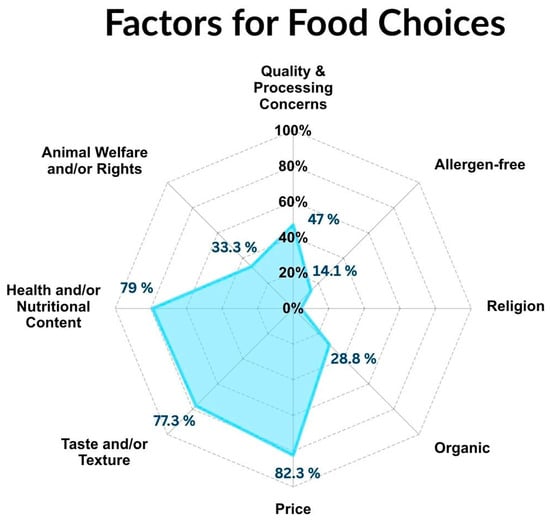
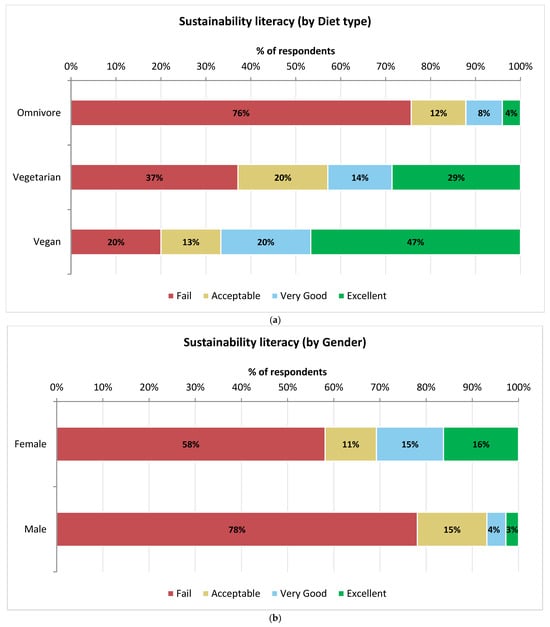
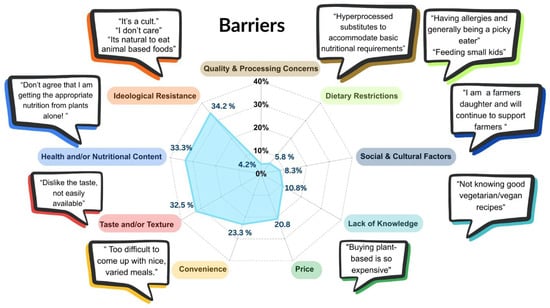
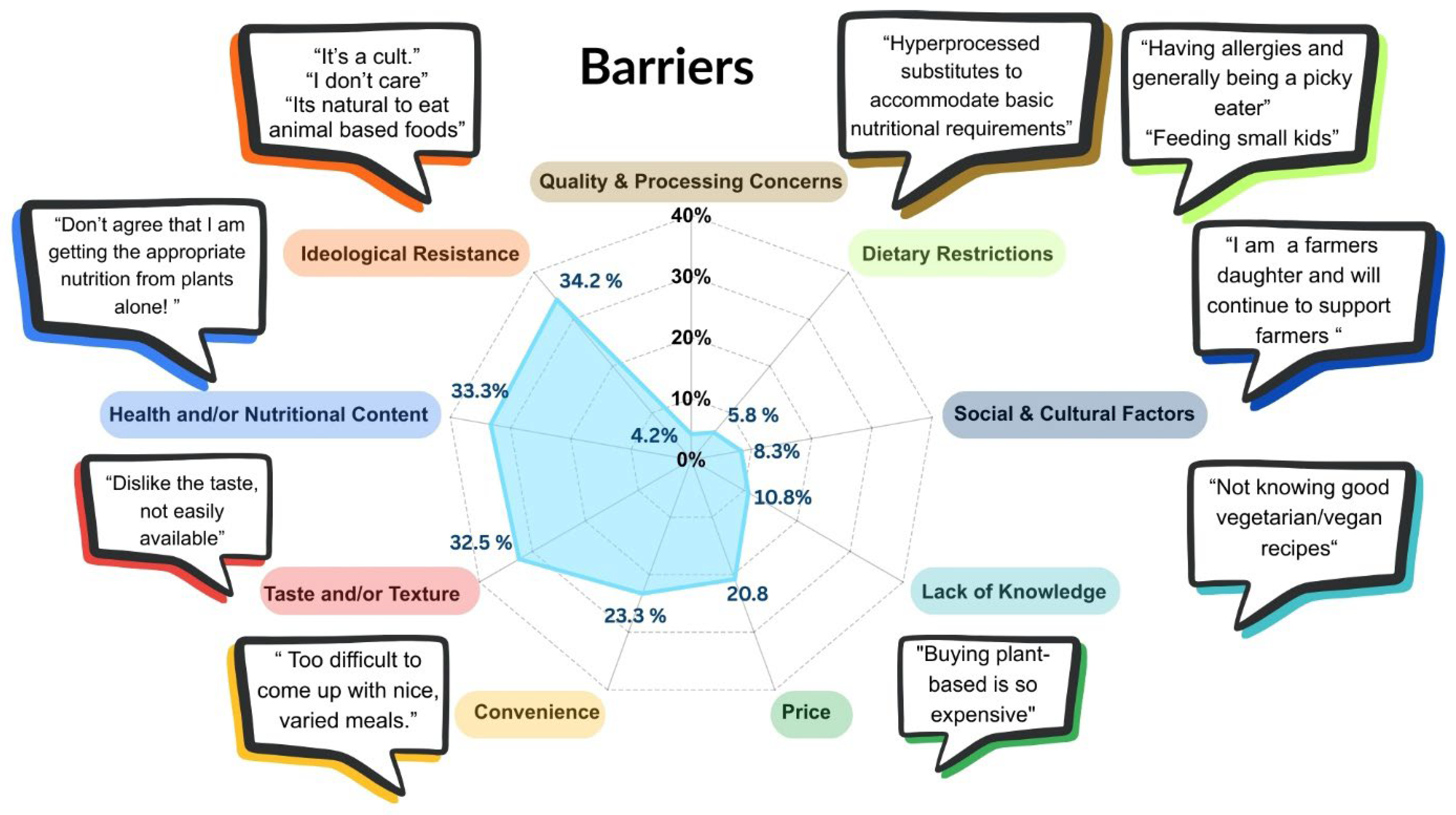
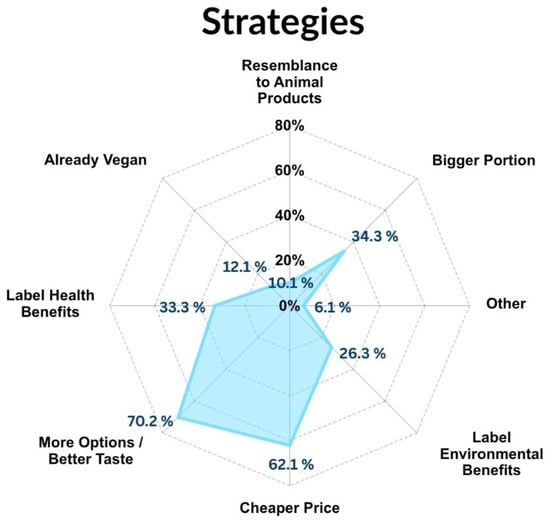
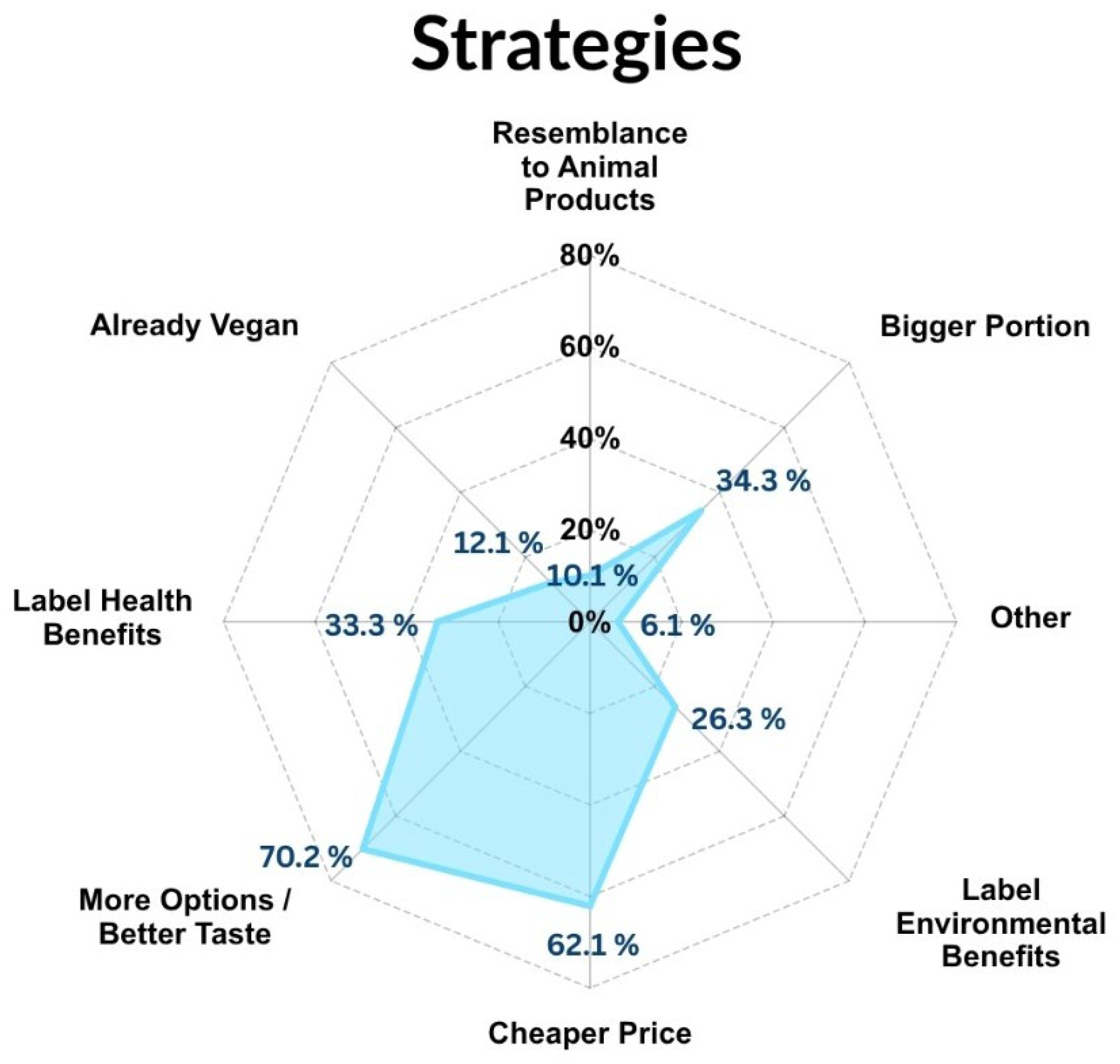
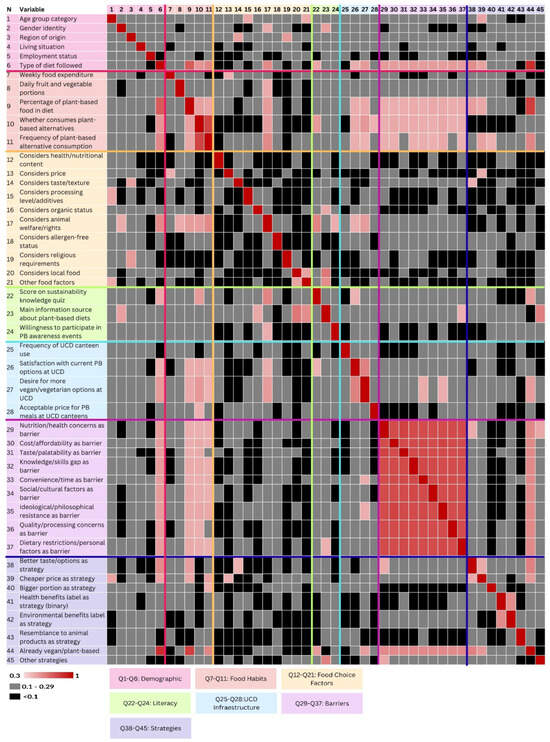
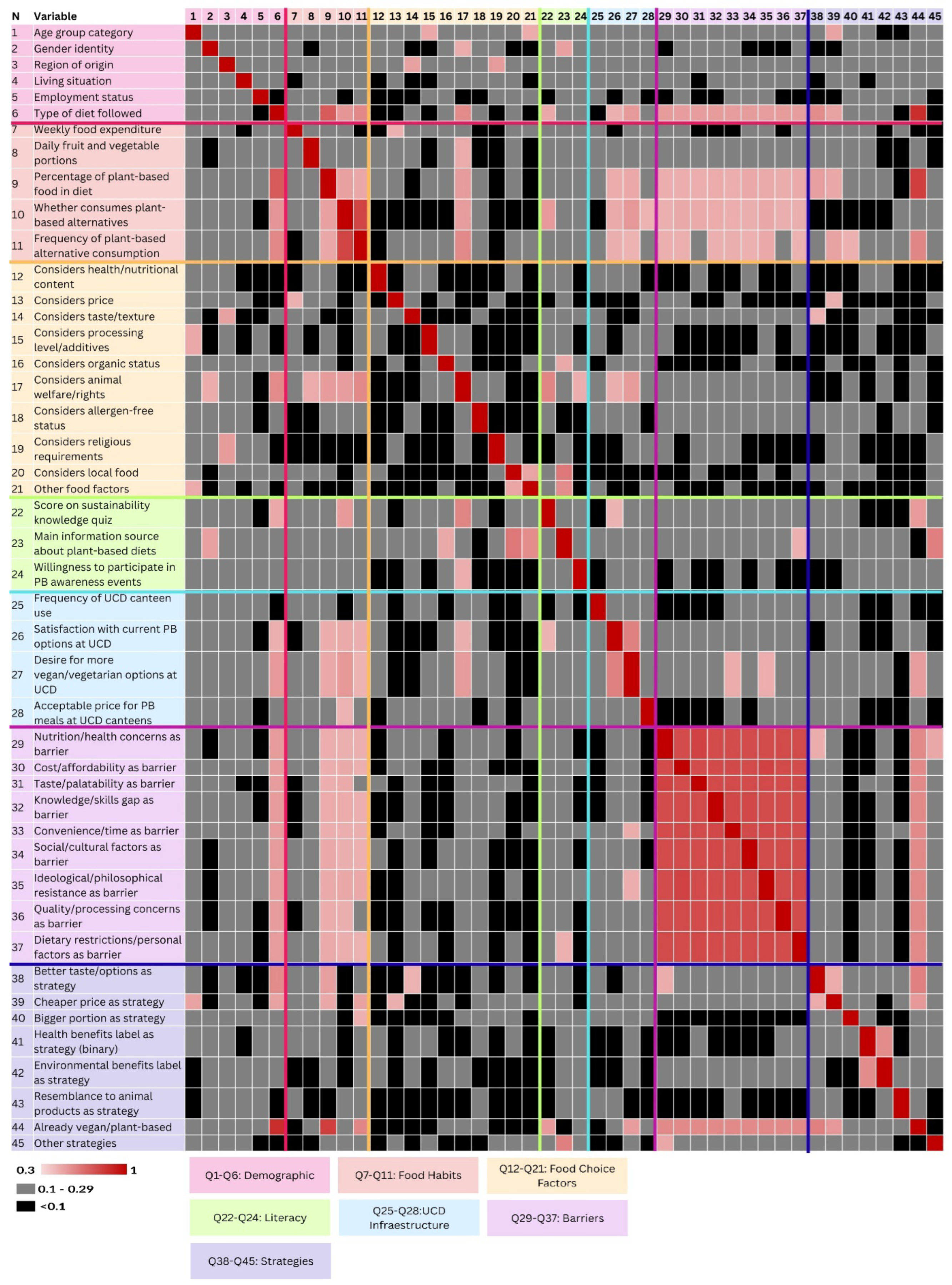
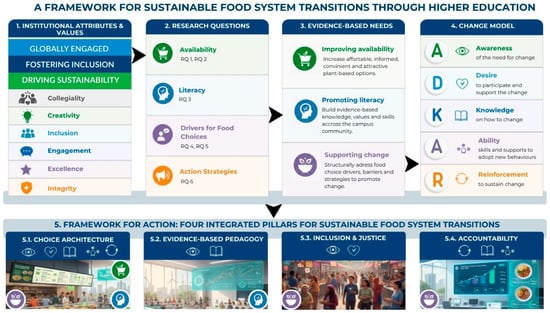
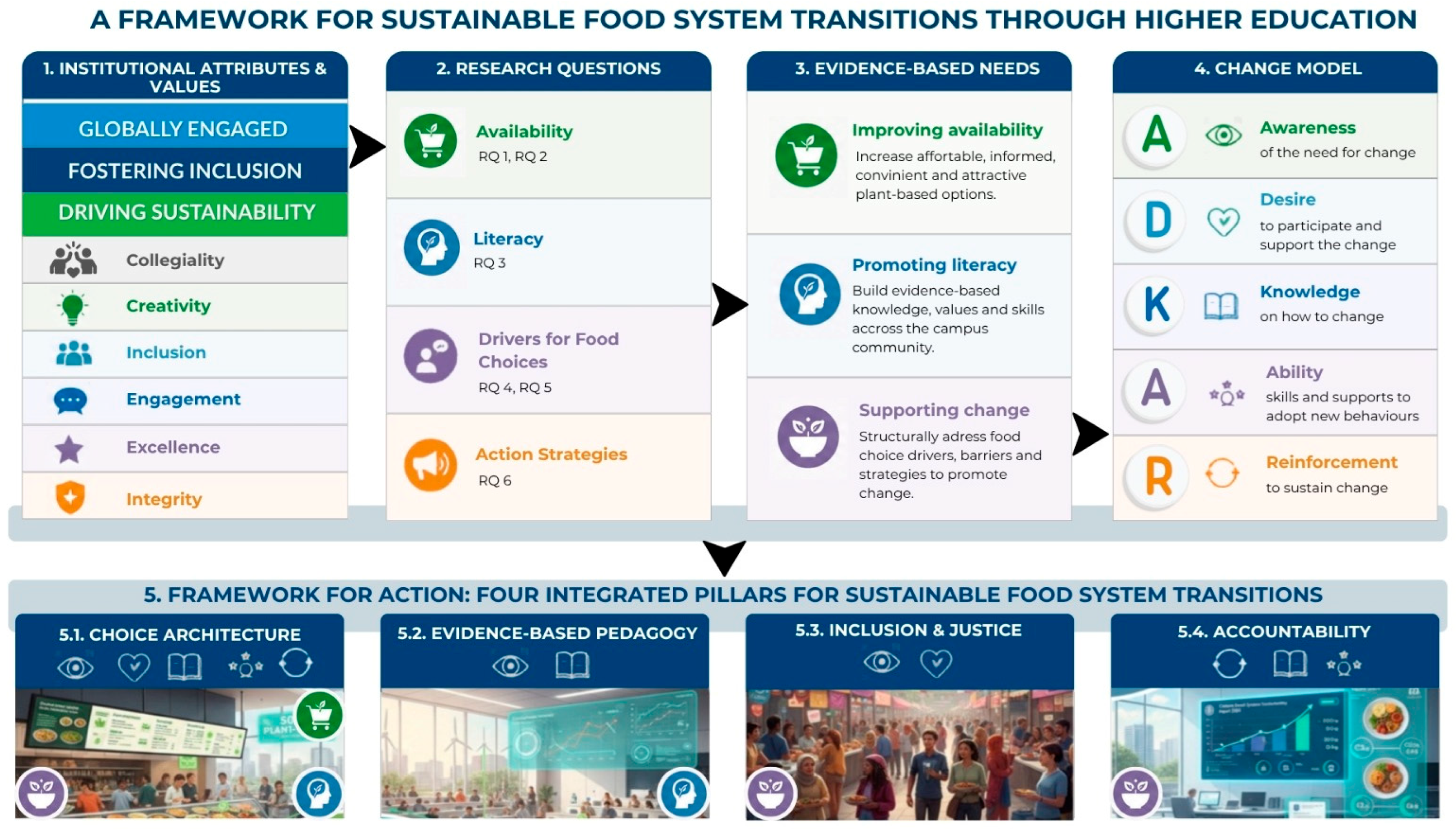
Disclaimer/Publisher’s Note: The statements, opinions and data contained in all publications are solely those of the individual author(s) and contributor(s) and not of MDPI and/or the editor(s). MDPI and/or the editor(s) disclaim responsibility for any injury to people or property resulting from any ideas, methods, instructions or products referred to in the content. |
© 2026 by the authors. Licensee MDPI, Basel, Switzerland. This article is an open access article distributed under the terms and conditions of the Creative Commons Attribution (CC BY) license.