


Abstract
In addressing the pivotal challenges of food security and environmental sustainability in China, this investigation rigorously assesses the lifecycle ramifications of quintuple straw utilization methodologies in Xinyang. Utilizing the comprehensive framework of life cycle assessment, the study meticulously examines a spectrum of twelve environmental indicators within a multitude of scenarios. Open-air straw burning shows a global warming potential (GWP) of 0.861 kg CO2-eq/kg straw, while soil incorporation and feed production yield net-negative GWP of −0.287 kg CO2-eq and −0.270 kg CO2-eq, respectively, demonstrating substantial climate mitigation benefits. Scenario simulations further indicate that redirecting unused straw to soil incorporation or feed production reduces regional GWP intensity by 15–25% versus business as usual, whereas prioritizing energy recovery delivers the greatest reductions in fine particulate matter formation and human toxicity. This research underscores the substantial environmental advantages that can be harnessed through the enhanced application of straw utilization strategies in Xinyang. It thoughtfully considers an array of factors, including the local availability of straw, prevailing usage patterns, and the intricacies of technical processes.
1. Introduction
As a major by-product in agricultural production, crop straw has been massively generated with the slow but steady increase in crop yield. China, holding the largest volume of straw resources, reported a theoretical straw resource of 977 million tons in 2022, with rice and wheat straws accounting for 220 and 175 million tons, respectively [1]. As a matter of fact, China’s grain yield has exceeded 650 million tons for eight consecutive years since 2015, which has played an important role in ensuring China’s food security. And this populous country intends to continue to expand grain varieties and improve grain production capacity nationwide to enhance its ability to protect food security. Thus, with the support of the national efforts of grain and crop production, China’s grain yields are expected to keep increasing, together with the massive generation of crop straw.
However, it seems that there is no precise understanding of how to deal with the increasing yields of crop straw. Worse still, adverse environmental pollution has been caused by improper crop straw treatment. In fact, agriculture, forestry, and soil has contributed to 18% of global greenhouse gas (GHG) emissions, with straw burning accounting for 3.5% [2]. Effective crop straw treatment and avoiding open-air burning are essential for improving the quality of the rural environment and reducing GHG emissions. Therefore, according to the biological characteristics of crop straw, different pathways of utilizing straw as a resource or straw valorization techniques have been proposed worldwide. For example, the United States mainly uses straws for composting, feed production, and building materials utilization, Japan encourages returning straw directly to the field and compost fermentation as fertilizer, Germany focuses on the utilization of crop straw in the integration of planting and breeding, and Denmark uses straw for direct combustion power generation [3]. In fact, the United States, Brazil, and the European Union are pushing for greater use of biofuels in the energy mix [4]. The main methods of straw utilization in Ghana include using crop straw as fertilizer, cooking fuel, and as material for feed, edible fungi, or other industrial production [5]. The utilization rate of crop straw in Egypt reached 45%, of which more than 55% was estimated to be used for animal feed or compost production [6].
As the first country where straw yield was steady, China has begun to prohibit open-air burning of crop straw and has advocated for comprehensive straw utilization and valorization since the 2010s. In 2014, the National Development and Reform Commission and the Ministry of Agriculture of China issued the “Comprehensive Utilization of Straw Technology Catalogue” and put forward utilizing straw as a resource or material for fertilizer utilization, feed production, energy recovery, industrial production, and edible fungi cultivation, which, in summary, were called the five pathways to straw utilization. Some scholars have outlined the processes and technologies of the five straw utilization pathways. For example, Shi et al. (2005) sorted out the status quo, advantages, and limitations of straw returning-to-field, using straw for feed production, as energy, and for industrial application, and proposed that these straw utilization pathways should be organically combined and integrated based on the composition of straw types and local conditions, to realize the high efficiency and industrialized development of straw utilization [7]. Li et al. (2017) analyzed the technical characteristics and application status of the five pathways to straw utilization in China and pointed out that utilizing crop straw for feed and fertilizer production developed rapidly in recent decades, but the scale utilization of biomass energy and application as industrial raw materials and edible substrates has not been developed [8].
As the primary purpose of straw resource utilization is to reduce the open-air burning of crop straw and reduce carbon emissions, many scholars pay more attention to the carbon emission reduction effect of different straw utilization and valorization pathways. Zhang and Guo (2020) sorted out the current literature on the emission of atmospheric pollutants in straw-based energy recovery and fertilizer utilization, and proposed that the pollutant emissions with respect to these straw utilization pathways vary greatly from each other [9]. Li and Wang (2013) calculated the carbon emissions from crop straw incineration, estimated the amount of carbon sequestration converted into biological carbon, and concluded that biological carbon sequestration is a promising carbon sink technology [10]. Zhao et al. (2022) proposed that the pollutant and carbon emission reduction effect of using agricultural waste biomass for clean heating can be estimated according to the emission reduction caused by the replacement combustion [11]. Huo et al. (2019) discussed the pollutant and emission reduction effect by calculating the potential of recovered energy from crop straw, substituting fossil energy [12].
It is a common practice in research to use IPCC carbon emission factors to estimate the carbon emission reduction potential of various pathways to crop straw; however, this ignores the accounting of various direct and indirect emissions of GHGs and pollutants, as well as the consumption of energy and materials [13]. In addition, the energy and material consumption, as well as carbon and pollutant emissions during the whole life cycle of straw utilization in various industries and sectors, have far from been understood [14]. Therefore, many studies adopted the life cycle assessment (LCA) to evaluate the impacts of various straw treatment options and processes on the environment, further highlighting the environmental benefits of straw utilization and valorization, as shown in Table 1.
Existing studies either focused on assessing the life cycle effect of a single technological option for straw utilization or focused on that of various straw utilization techniques. To select suitable straw utilization techniques, it is necessary to establish a variety of reasonable straw disposal schemes for a specific region based on local agricultural development and economic, social, and technological conditions, with consideration of the effect of various straw utilization techniques from a life cycle perspective [15], and the life cycle assessment for various straw utilization pathways is of significant reference value. For example, Sun et al. (2020) adopted LCA to evaluate the environmental impact of different technological options for wheat straw treatment from the four aspects of human health, ecological quality, global warming potential, and resource substitution potential, and the results showed that straw pulping has the best environmental performance, and straw open-air burning has the worst performance [16]. Hong et al. (2016) compared the life cycle environmental effect between straw open-air burning and five pathways to straw utilization, including soil incorporation, composting, feed production, biogas production, and power generation, and concluded that open-air straw burning had caused a severe burden to the environment, while straw composting was the most efficient way to using crop straw as a resource from an environmental perspective, mainly due to its ability to substitute artificially synthesized fertilizers [17]. Xu et al. (2022) compared the impact of straw open-air burning with that of straw incineration for cooking and heating, soil incorporation, composting, feed production, fermentation to produce biogas, and some other straw treatment processes, found that both open-air burning and composting have net-positive GHG emission factors, and concluded that if no efforts were paid to reduce the straw incorporated into paddy soil, GHG emissions in China’s agricultural sector may persist and even rise rapidly in the future [18]. Leiter et al. (2025) present a preliminary life cycle assessment (LCA) of a straw-based fiberboard produced at laboratory scale, aiming to identify environmental hotspots and explore potential improvements [19]. Yusuf (2026) employed the LCA method to evaluate the environmental performance of anaerobic digestion (AD) of cow dung, poultry manure, and straw in Ireland [20]. By evaluating the effect of several straw treatment alternatives, including open-air straw burning, producing particleboard, or cement-bonded particleboard from straw, and direct straw combustion for power generation, Shang et al. (2020) found that the straw particleboard production scenario has the most negligible environmental impact from an ecological point of view [15]. Apparently, using crop straw as a material or resource for application in the agricultural, energy, and industrial sectors is of great significance for GHG emission reduction.
Table 1.
Applications of crop straw in different sectors.
The current research has made great efforts using life cycle assessment regarding the multifaceted benefits of straw utilization and valorization techniques, and these works could be referred to when choosing appropriate pathways to treat crop straw. However, there were still some gaps that need to be discussed in the policy and practice of straw utilization in China: (1) Although the Chinese government has proposed five pathways for straw resource utilization and established the straw resource utilization ledger in 2016, the main criterion for assessing the performance of utilizing crops as resources within a region still relies on the ratio of crop straw that has been utilized and fails to consider criteria for other aspects, especially the life cycle environmental impacts of different straw treatment processes; (2) there is no unified evaluation reference for the input and output inventories of the five major straw utilization pathways in existing studies, which may reduce the policy reference value for this research; and (3) the environmental impacts of the specific straw utilization pathways are still not clear enough, especially since very few studies have calculated the environmental effect of using crop straw as a base material for edible fungi cultivation, and even fewer have compared this with the impacts of other straw utilization techniques.
Therefore, while promoting the joint application of various straw utilization and valorization techniques and improving the ratio of straw utilization, it would be more reasonable and wiser to include the environmental performance in the policy-making about straw utilization. Therefore, this study aims to conduct a holistic comparative attributional life cycle assessment (LCA) of China’s five main straw utilization pathways within the regional context of Xinyang City to inform sustainable straw-management policy. The primary goal is to quantify and compare their comprehensive environmental impacts against open burning. The scope is strictly defined by using local data on straw availability, utilization patterns, and process parameters. Key expected outcomes are: (1) identifying the most/least sustainable pathways; (2) modeling regional environmental impacts under different policy scenarios (soil incorporation, feed, and energy recovery); and (3) identifying key processes via sensitivity/uncertainty analysis. The main contributions are: (1) providing a unified LCA framework for consistent comparison of all five pathways; (2) offering a detailed LCA of the understudied edible fungi cultivation pathway; and (3) demonstrating the integration of LCA with local data for regional policy simulation. The research framework of this study is presented in Figure 1.
Figure 1.
Research framework of this study.
The rest of the current study is structured as follows: Section 2 introduces the data and methodology that was applied in this study; Section 3 presents the results of the life cycle assessment for the environmental impacts of five straw utilization pathways in China; Section 4 further discusses and compares the results of this study; Finally, the conclusions and policy implications are provided in Section 5.
2. Data Collection and Methodology
This study took the ten districts and counties in Xinyang City, China, as an example and analyzed the straw utilization status in this city. Following that, it evaluated the environmental impact factors of five typical straw utilization techniques. Then, it proposed four scenarios with different shares of straw being treated by different pathways to calculate the environmental impact intensity with respect to different straw utilization techniques in the districts and counties of Xinyang City. Finally, the sensitivity and uncertainty analysis were conducted to identify the factors affecting straw utilization.
2.1. Sample and Data Collection
Xinyang City is located in Central China, in the south of Henan Province, and the upper reaches of the Huaihe River, which administratively comprises eight counties and two districts, delineated and highlighted in yellow in Figure 2. With a huge scale of agricultural production, Xinyang is endowed with rich straw resources. The typical straw utilization pathways in Xinyang City include soil incorporation, feed production, combustion for power generation, composite board production, and edible fungi cultivation. During the past years, remarkable progress was made in promoting the resource utilization of crop straw in Xinyang. In 2022, the ratio of crop straw that was utilized as a resource in this city even surpassed 92%. However, great spatial distribution differences have been shown in the ratio of straw utilization among the 10 counties and districts within this city, and more importantly, the adoption and application of the five straw utilization pathways were uneven, which resulted in variation in the performance of straw utilization.
Figure 2.
Location of Xinyang City in China.
To do that, the data, with respect to the straw utilization in the ten counties and districts of Xinyang City, was derived from the survey data of the Xinyang Municipal Bureau of Agriculture and Rural Affairs in Henan Province, and the data with respect to the input and output parameters for various straw utilization and treatment techniques applied in the life cycle assessment were extracted from studies, which are presented in Section 2.2.
2.2. Life Cycle Assessment
Life cycle assessment (LCA) is a widely used method to assess the environmental impact of a product or project during the whole life cycle process [17]. Presently, the LCA technique is well-established and adopted for evaluating resource depletion and pollutant emissions, as well as impacts on the environment and human health caused by the production of various products and projects [31,32]. The basic principle of LCA is to define a boundary between the product system and the surrounding environment, and then the system’s inputs (resources like minerals, energy, water, etc.) and outputs (various emissions to the environment), flows of energy and materials between the production system and the surrounding environment through the whole life cycle, can be aggregated, and the potential impacts on the environment and human health can also be estimated [31,33]. By focusing on the negative impacts during the life cycles of product production and project execution, LCA was intensively utilized to assess the agricultural system, with thousands of peer-reviewed articles being published every year [31]. Adopting LCA to evaluate the environmental impacts of straw utilization and valorization through various techniques can enhance the understanding of the ecological benefits of straw waste valorization. Due to the differences in various straw treatment techniques and processes, LCA needs to be conducted by following four procedures: (1) setting the goal and system boundaries; (2) inventory analysis; (3) impact assessment; and (4) interpretation [15].
- (1)
- Functional unit and system boundaries
Various techniques may be available for a single straw utilization pathway, but only one typical technique was selected with respect to each straw utilization pathway in this study. For instance, both biogas production and combustion for power generation are promising techniques for energy recovery from crop straw, but straw combustion for power generation was the major energy recovery technique according to statistics from the Xinyang Bureau of Agriculture and Rural Affairs. So, we only included straw combustion for power generation as the representative technique of energy recovery from crop straw. In addition, only the short-term effect was considered when estimating GHG emission reduction potentials, as the decision-makers usually collect the data annually.
Based on our field survey during December 2021 and April 2022 at the Xinyang Rural Energy and Environmental Protection Station, five major straw utilization pathways have been adopted in this city, namely, soil incorporation, feed production, direct combustion for power generation, composite board production, and edible fungi cultivation. Therefore, this study considered both traditional open-air straw burning and modern straw utilization pathways to investigate their life cycle environmental impacts. Finally, the functional unit is defined as the management of 1 kg of crop straw (as-collected, with approximately 15% moisture content) from the point of collection at the field gate. All material and energy inputs, as well as pollutant and greenhouse gas emissions, are calculated and reported relative to this functional unit across all scenarios and pathways [17,27].
The system boundary for this study was defined as the whole process of straw utilization, from straw collection and transportation to the end of straw utilization. According to our investigation, the differences in straw types were usually not deliberately considered during straw utilization, so this study did not take crop types into consideration. Based on the typical straw utilization practice and processes in Xinyang City, this paper selects the following five straw utilization and valorization techniques and open-air burning for LCA analysis. The specific system boundary is shown in Figure 3.
Figure 3.
System boundaries of open burning and the five-pathway crop straw utilization method.
Regarding straw open-air burning, crop straw is usually collected and then burned in open-air fields with heavy emissions of GHG and other polluting substances being released into the atmosphere, and no energy is recovered during this whole process. For straw soil incorporation (both short-term and long-term), crop straw is usually crushed when using machinery to harvest grain, and then it is returned to the soil. According to the study of Xu et al. (2022), straw soil incorporation can improve soil fertility and crop yield, which can be considered as a substitute for fertilizer [18,34]. However, if crop straw is returned to the field continuously for a long time, organic carbon in the soil will gradually become saturated, and the carbon sequestration effect of soil incorporation will gradually weaken. For long-term incorporation, SOC sequestration is not considered due to soil carbon saturation under continuous straw return [18]. For LCA modeling of soil incorporation, the unit processes considered included: straw crushing, field scattering, and incorporation by tillage. In both scenarios, the substitution effect was modeled by crediting the avoided production of conventional urea fertilizer, using inventory data from Ecoinvent 3. To use straw for feed production, it is collected, baled, and transported to the pasture after grain harvest, then cut up and fed to livestock. Or the crop straw can be harvested with grains before they mature, then crushed, fermented, and made into silage. In this study, we focus on the utilization and valorization of waste straw, so we only consider using crop straw to feed livestock instead of making silage feed with grain. The substitution effect was accounted for by crediting the avoided production of conventional cattle feed (maize silage equivalent), with background data sourced from Ecoinvent 3. To use straw combustion for power generation, it is collected and transported to the power plant, where the straw is combusted and transformed into electricity by the generator [26]. For LCA modeling of direct combustion for power generation, the unit processes included: straw collection, baling, transportation (20 km), storage, feeding, combustion in a grate-fired boiler, steam turbine power generation, and flue gas treatment. To process crop straw into composite board, straw is collected and transported to a composite board factory, and then the flat plate hot-pressing processes are conducted: the raw material preparation stage includes peeling, slicing, and drying processes, the hot-pressing forming stage includes gluing, paving, and hot-pressing, and the post-treatment stage includes rough board treatment, sanding, etc. [35]. In terms of using crop straw for edible fungus cultivation, the straw is collected and transported to the edible fungus plant, where crop straw can be proportionally mixed with cottonseed shell, bagasse compost, etc., to prepare nutrient growth medium, and then the fertile fungus culture medium is loaded into bags and autoclaved and sterilized in the furnace; then, the fungus eggs are placed into the cavity where the mycelium hatches. After 100 to 120 days of cultivation and a growth period, the fungus can be harvested [36].
- (2)
- Life cycle inventory
The life cycle inventory for open-air straw burning and the five straw utilization pathways were established based on primary data collected from field surveys of straw utilization enterprises in Xinyang City, combined with secondary data sourced from peer-reviewed literature, including but not limited to Liu et al. (2014) and Xu et al. (2022) [18,37]. The detailed inventory lists, including all material and energy inputs, as well as pollutant and GHG emissions for each pathway, are presented in Tables S1–S6 in the Supplementary Materials. The inventory lists present all the inputs and outputs with respect to these crop straw treatment and utilization techniques. Abiding by the principle of carbon neutrality, CO2 emissions from straw decomposition are not included in the GWP accounting system, as this carbon was originally sequestered from the atmosphere during crop growth.
According to the characteristics of rice planting in Xinyang City, the outputs of Soil Organic Carbon (SOC) and Dissolved Organic Carbon (DOC) in the inventory list of short-term soil incorporation are 66.4 kg and 3.2 kg, respectively, contributing as a negative GWP, and the output of CO2 is 759.73 kg; the emission of N2O in the inventory list of long-term soil incorporation is the same as that of Hebei, which is 0.021 kg, the emission of methane is 0 kg, and the emission of CO2 is 1014.93 kg [37]. The transportation distance of off-field straw utilization is assumed to be 20 km.
- (3)
- Life cycle impact assessment
This study used SimaPro 9.0.0.48 (PRe Consultants, Leiden, The Netherlands) with the ecoinvent 3, APOS—unit database. Impact assessment was conducted using the ReCiPe 2016 Midpoint (H) method under the Hierarchist perspective, aligning with our attributional LCA approach. The midpoint method is problem-oriented, focusing on the earlier impacts in the cause−effect chain before reaching the endpoint and converting the environmental effects into environmental topics such as global warming (kg CO2-eq), ozone depletion (kg CFC-11), terrestrial acidification (kg SO2), and freshwater eutrophication (kg P). In addition to reducing GHG emissions, straw utilization and valorization can also have a specific impact on resource consumption and human health. According to regional characteristics, this paper selected twelve indicators to evaluate the ecological benefits or impacts of straw utilization and analyzed four of these indicators to present the characteristics of impact factors, such as global warming potential (GWP), fine particulate matter formation (FPM), human carcinogenic toxicity (TOC), and water consumption (WAC).
2.3. Setting of Scenario Simulation
In order to compare the environmental impacts of straw utilization among counties and districts in Xinyang City, this paper calculated the environmental impact intensity of straw utilization in Xinyang City, as well as in its then districts and counties, which are defined as the environmental impacts generated from straw utilization in one hectare (ha) of arable land with respect to different straw utilization techniques based on existing research data and the environmental impact factor calculated by LCA, and this is measured by Equation (1):
where is the total environmental impact intensity generated by the j-th straw utilization technique with respect to the k-th environmental impact indicator in the i-th county. Xij is the amount of straw that was utilized by the j-th straw utilization technique in the i-th county, which was obtained from the Xinyang Rural Agriculture Bureau. EFjk is the value of the k-th environmental impact indicator with respect to the j-th straw utilization technique, and it was obtained by the LCA calculation. CLAi represents the cultivated land area in the i-th county, which was acquired from the Xinyang Rural Agriculture Bureau, and the unit is ha.
As there are several ways to use crop straw as a resource, most farmers do not have a specific technical tendency when dealing with crop straw, so the selection of straw utilization techniques may present a certain degree of randomness. In most cases, multiple straw utilization pathways may be adopted within a region. Therefore, this paper attempts to establish four scenarios to investigate their life cycle environmental impacts, which can be a reference for predicting and analyzing future trends in environmental benefits of straw utilization under different policy guidance.
Scenario 1: Business as usual (BAU). In this scenario, the amount of crop straw that was treated or utilized by various processes remains unchanged.
Scenario 2: Soil incorporation (SI). China’s green agricultural development policy is conducive to the application of straw in agriculture. Considering that, we believe that the proportion of straw used for soil incorporation in Xinyang is very likely to increase. Therefore, we designed this SI scenario in which the straw that has not been utilized is presently added to the volume of straw for soil incorporation, while the proportion of straw that was utilized as a resource by other techniques remains unchanged.
Scenario 3: Feed production (FD). Numerous studies have shown that incorporating straw into soil fails to decrease carbon emissions over time; instead, it leads to insect infestations and diminishes farmland quality [38]. In the third scenario, it is assumed that any unused straw should be added to feed production, while the use of straw in other methods remains constant. The off-field straw utilization can boost industrialization and maximize the value derived from straw excavation. In addition to being used as fertilizer, straw is also widely used in feed production, making it the second largest straw utilization method in rural areas. In scenario 3, it is assumed that the abandoned or burned crop straw is used for feed utilization, while the proportion of straw that was utilized by other technological pathways remains unchanged.
Scenario 4: Energy recovery (ER). Crop straw proved to be a very promising biomass resource, and energy recovery from crop straw can effectively alleviate China’s excessive dependence on fossil energy, achieving its dual carbon emission goals [39]. Therefore, scenario 4 was developed by adding the volume of abandoned and burned straw to that of straw being used for energy recovery.
3. Results
3.1. Current Situation of Straw Utilization in Xinyang
The endowment and utilization status of straw resources within a region can be characterized by the theoretical straw yield, collectible straw amount, and utilized straw amount [40]. The theoretical straw yield, collectible straw amount, utilized straw amount, and rate of straw resource utilization in Xinyang City, as well as its ten administrative districts and counties, are shown in Figure 4 and Figure 5.
Figure 4.
The theoretical straw yield, collectible straw amount, and utilized straw amount in ten districts and counties of Xinyang City (unit: 104 tons).
Figure 5.
Rate of straw resource utilization in ten districts and counties of Xinyang City.
According to the Xinyang Statistical Yearbook 2022, the grain yield in the whole Xinyang City reached 5.77 million tons in 2021. The total theoretical yield, collected amount, and utilized amount of straw were estimated to reach 7.76, 6.74, and 6.2 million tons, respectively, resulting in a straw utilization rate of 91.97% in the whole city. In fact, the rate of straw utilization in all ten districts and counties in Xinyang City has exceeded 90%, which is much higher than the national average level of 88.1%. Despite that, a great difference has been observed among the ten districts and counties in terms of straw utilization. For instance, Gushi County has the highest theoretical yield of crop straw, reaching 1.29 million tons; however, only 815,700 tons were utilized as resources, ranking third among the ten districts and counties, and the actual straw utilization rate is 90.86%, ranking second to last, suggesting that the straw in this county failed to be fully used. In contrast, with 1.15 million tons of theoretical straw yield and 1.03 million tons of straw being utilized, Huaibin County has the highest straw utilization rate of 93.90%.
Additionally, the utilization of crop straw through the five technological pathways can also be analyzed by comparing the ratio of the amount of crop straw that has been utilized by each of the five technological options, which reflects the adoption and application of multiple technological options in crop straw utilization and valorization. As shown in Figure 6, soil incorporation after straw crushing is the most important way of straw resource utilization in Xinyang City, and it accounted for more than three-quarters of the total amount of straw that was utilized as a resource. Next is feed production, which contributed 11.42% of the total amount of utilized straw in 2021. By contrast, using crop straw for energy recovery, edible fungi production, and industrial production seem to be the options that are not preferred by most farmers, with shares of only 5.86%, 5.86%, and 3.81% in total utilized crop straw, respectively. Despite that, the proportion of straw being utilized through different pathways still greatly varied among counties. Crushing straw and incorporating it into soil as fertilizer still accounts for the largest share of the utilized straw in the ten districts and counties, and this proportion in Shihe District, Huangchuan County, Shangcheng County, and Gushi County even hit 90%. However, the proportion of straw utilized through the other technological pathways in these four districts and counties was all less than 10%. Almost no straw was utilized as an industrial material in Huangchuan County, which suggests the singularity of straw resource utilization in this county. In contrast, Pingqiao and Xinxian were observed to have a diversified and balanced portfolio of different straw utilization pathways. For instance, using crop straw for feed production and as a raw material for industrial production have contributed the second and third largest shares of 21.33% and 18.99% in Pingqiao, respectively, and energy recovery and feed production provided the second and third largest shares of 36.36% and 17.24% in Xinxian, respectively, although about half of the utilized straw was contributed by soil incorporation. In general, Xinyang has performed well regarding the resource utilization of crop straw overall, but obvious divergence and variance have been shown in straw endowment and the technological adoption and application among the districts and counties.
Figure 6.
Proportion of straw utilized through five technological pathways in 10 counties of Xinyang City.
3.2. Comparison of the Environmental Impacts of the Typical Pathway of Straw Resource Utilization and Open Burning
By using the SimaPro (Version 9.0.0.48) software, this paper calculated the environmental impact of five typical straw utilization pathways and open-air burning by taking the perspective of gate to grave in Xinyang City. According to the characteristics of straw utilization in Xinyang, twelve indicators regarding climate change, human health, and resource consumption have been selected in this study to indicate the environmental impact of straw treatment techniques, and the results are shown in Table 2. In this Table, positive values represent environmental burdens (direct emissions and resource consumption), while negative values represent environmental benefits (emissions or resource consumption avoided through product substitution). This consistent sign convention applies to all pathways.
Table 2.
Life cycle environmental impact factors of five typical straw utilization techniques and open-air burning.
According to Table 2, it can be noticed that open-air straw burning has shown positive environmental impact factors in all the indicators, indicating that open-air straw burning has done great harm to air quality, human health, and resource consumption. So far, policymakers worldwide are exploring ways to recycle straw to avoid environmental pollution caused by open-air burning of crop straw. The environmental impact of soil incorporation varies depending on the duration. Both short-term and long-term soil incorporation show net environmental benefits in most indicators, with the exception of ozone formation and human health, indicating that this pathway can reduce overall environmental burdens. Straw-based feed production shows net environmental benefits in most indicators, with the exception of human carcinogenic toxicity. Similarly, straw combustion for power generation and composite board manufacturing exhibit environmental improvements across the majority of impact categories, further demonstrating their environmental advantages over open burning. In particular, the human non-carcinogenic toxicity index with respect to the technique of direct straw combustion for power generation has even reached −55.02 kg 1,4-DCB, indicating that direct combustion power generation is better for human health, especially for reducing non-cancer toxicity. Among the five straw utilization pathways, using straw as base material for edible fungi cultivation seems to have the greatest impact on the environment, as there are only five negative environmental impact factors, while the rest are all shown with positive impact factors due to too much energy consumption, of which human non-carcinogenic toxicity has even reached 78.72 kg 1,4-DCB, suggesting its harmful effect on human health. Although edible fungi cultivation offers significant water-saving benefits, its high GWP—even exceeding that of open burning—is primarily driven by energy-intensive autoclave sterilization, a long incubation period (100–120 days), and low substrate-to-product conversion efficiency (2:1). Furthermore, unlike soil incorporation or power generation, this pathway receives no carbon sequestration credits nor displacement credits for fossil energy. These findings are consistent with Robinson et al. (2019) and Ueawiwatsakul et al. (2018), confirming that the environmental performance of straw-based mushroom cultivation is highly dependent on process energy efficiency [28,29]. Therefore, the technologies and processes for cultivating edible fungi using crop straw should still be further improved.
The main purpose of straw resource utilization is to find environmentally friendly alternatives to open-air straw burning, and therefore, the environmental benefits of these alternative straw treatment techniques in reducing air pollution are the most noteworthy. Meanwhile, the process of crop straw treatment can also affect human health and resource consumption, especially water consumption. Therefore, this paper compared the environmental impacts of the five straw utilization pathways from the aspects of global warming potential (GWP), fine particulate matter formation (FPM), human carcinogenic toxicity (HCT), and water consumption (WAC), as shown in Figure 7.
Figure 7.
Environmental impact factors for using 1 kg of straw with respect to different utilization techniques.
Figure 7 displayed the environmental impact factors in four aspects of these straw utilization techniques, including short-term soil incorporation, long-term soil incorporation, feed production, direct combustion for power generation, composite board manufacturing, and edible fungi cultivation. In terms of global warming potential, soil incorporation and feed production show net-negative GHG emissions, indicating climate mitigation benefits. Short-term soil incorporation shows the lowest net GWP value among all straw utilization pathways, followed by feed production, highlighting their significant contribution to climate change mitigation. Obviously, both soil incorporation and feed production have reused crop straw in agriculture, which is consistent with the current advocacy of agricultural utilization and multiple measures suggested. In contrast, power generation, composite board, and edible fungi cultivation show net GWP above zero, indicating a net contribution to global warming. The emission factor of edible fungi cultivation has even reached 2.72 kg CO2 eq, which is far more than other straw utilization pathways and even open-air straw burning. This result is attributed to the fact that, compared with other straw utilization pathways, edible fungi cultivation requires a large production scale, which consumes a large amount of energy and emits a great amount of CO2 from edible fungi themselves. It was estimated that when producing 1000 kg of edible fungi, it would produce 986.3 kg of CO2 and consume 360 kg of coal. In addition, this estimation is also within the range of 2.13 to 2.95 kg CO2 eq proposed by Robinson et al. (2019) [28]. However, there are also some other studies that have obtained different results, such as Ueawiwatsakul et al., 2018, which is possibly caused by the different scales and processes of using crop straw to cultivate mushrooms [29].
Fine particulate matter could also be formed in straw treatment, and a representative particulate matter that does harm to human health is PM2.5, which causes human health problems as it reaches the upper part of the airways and lungs when inhaled. The fine particulate matter emission factors of these straw utilization pathways were presented in Figure 7b. Edible fungi cultivation shows the highest fine particulate matter emission factor (0.014 kg PM2.5 eq) among all pathways. In contrast, the other straw utilization techniques exhibit net-negative PM2.5 emission factors, indicating that they reduce fine particulate matter formation rather than contribute to it.
The emission of human carcinogenic toxicity is also one of the environmental impacts that needs to be considered in the process of straw resource utilization. As can be seen in Figure 7c, only feed production has shown a slightly positive human carcinogenic toxicity emission factor, while the other straw utilization techniques are all observed with negative human carcinogenic toxicity emission factors. Direct straw combustion for power generation shows a substantially lower human carcinogenic toxicity emission factor compared to the other pathways, indicating that this technology can significantly reduce human carcinogenic toxicity emissions over the life cycle.
Although straw utilization has reused and valorized discarded straw, some other resources have been additionally consumed in this utilization and valorization process. So, it is necessary to pay attention to resource consumption in the process of straw utilization. For most straw utilization techniques, the impact on water resource consumption can be negligible, with a slight water-saving effect in soil incorporation and feed production and a slight increase in water consumption when using crop straw for power generation and composite board manufacturing during the life cycle process, as shown in Figure 7d. However, an obvious water-saving performance can be witnessed in edible fungi cultivation from crop straw, which means cultivating mushrooms with crop straw as the base material can greatly reduce water consumption in the life cycle of straw utilization.
3.3. Scenario Simulation of Straw Utilization in Xinyang
Although there is a consensus on the adverse environmental and health impacts of open-air straw burning, debate remains regarding which alternative straw utilization pathway offers the greatest environmental benefits. For instance, some scholars proposed that soil incorporation was regarded as an environmentally friendly straw-management approach due to its positive effects on soil fertility and crop yield [41], and thus, the Chinese government should encourage soil incorporation rather than off-field straw applications [42]. However, Kaur et al. (2017) believed that using straw as a raw material for industrial production is a double-win option for both farmers and industries [43]; Xu et al. (2022) proposed that the promotion of straw soil incorporation policy in China would significantly affect greenhouse gas emissions, so they suggested that the crop straw utilization policy in China should be readjusted [18]. In this study, we have investigated the multiple environmental impacts of various straw utilization techniques, including global warming potential, fine particulate matter formation, human carcinogenic toxicity, and water consumption. To facilitate the comparison of overall environmental impacts among the ten districts and counties in Xinyang City in the different scenarios proposed in Section 2.3, this study calculated the environmental impact intensity in the aspects of GWP, FPMF, HCT, and WAC from straw utilization from one ha of arable land in the ten counties and districts, and the results are as shown in Figure 8.
Figure 8.
Environmental impact intensity of different straw utilization pathways in Xinyang City.
In terms of global warming potential, Pingqiao District and Huaibin County have generated the highest environmental impact intensity in greenhouse gas emissions during the life cycle process of straw utilization among the ten counties and districts across all four scenarios, and the GHG emissions in Scenario 1 are much higher than those in the other scenarios, as shown in Figure 8a. A main reason could be their relatively large share of edible fungi cultivation from crop straw, which has a significantly larger positive environmental impact factor than other straw utilization techniques regarding global warming potential. In Xixian County, Scenario 1 was observed with the highest positive GHG emission intensity from straw utilization, while those in Scenarios 2–4 are all displayed with negative GHG emissions, indicating that the improvement in straw utilization rate can help reduce greenhouse gas emissions and bring additional environmental benefits. In the other districts and counties, the life cycle greenhouse gas emissions generated by straw utilization from one ha of arable land are all negative in all scenarios. In addition, it can also be noticed from Figure 8a that Scenario 2 and Scenario 3 have always shown better performance in reducing greenhouse gas emissions in all ten districts and counties, illustrating the fact that soil incorporation and feed production are more efficient in reducing greenhouse gas emissions than other straw utilization techniques during the life cycle process.
The environmental impact intensity in terms of FPM emissions generated by straw utilization in Xinyang City, as well as in the districts and counties, is shown in Figure 8b. Across all scenarios, Xinyang City and the counties of Huaibin, Pingqiao, Xixian, Guangshan, and Shangcheng bear environmental burdens from fine particulate matter formation, with positive FPM emission intensities indicating net PM2.5 emissions. This burden is most pronounced in Huaibin and Pingqiao, where intensities considerably exceed those of other districts and counties. Despite that, the FPM emission intensity varied in different scenarios. In each district or county, Scenario 1 was always observed with the largest positive FPM emission intensity compared with other scenarios, followed by Scenarios 2, 3, and 4, respectively. This suggests that improving straw utilization can help reduce the generation of fine particulate matter.
HCT emission intensity with respect to these scenarios in Xinyang City and its counties is shown in Figure 8c. Apparently, HCT emission intensity in Scenario 1 was always positive in all districts and counties, indicating that the current situation of straw utilization in the whole Xinyang City has shown a detrimental environmental impact on human health. By contrast, in Scenarios 2 to 4, HCT emission intensity is all negative. Especially in Scenario 4, the environmental impacts in terms of HCT emissions in Pingqiao District, Xixian County, Huaibin County, and Xixian were observed with significantly negative values, indicating the significant effect of power generation from crop straw in reducing HCT emissions.
The water consumption during the life cycle process of straw utilization in Xinyang City and its counties is shown in Figure 8d. It can be noticed that the water consumption intensity in all four scenarios across all districts and counties was all negative, even though the water-saving effects of crop straw utilization varied greatly in different districts and counties, which illustrates that straw utilization has contributed to an obvious water-saving effect. In addition, for each district or county, the water consumption intensity in different straw utilization scenarios did not show significant differences.
3.4. Sensitivity and Uncertainty Analysis
3.4.1. Sensitivity Analysis
Sensitivity analysis of main factor changes in different straw utilization methods to the twelve midpoint indicators was conducted, as shown in Table S7. When straw is burned in the open air, diesel consumption increases by 10%, and freshwater eutrophication, land use, mineral resource scarcity, fossil resource scarcity, and water consumption also increase by 10% accordingly. When CO2 emissions increase by 10%, the global warming impact of open burning increases by 9.67%. The GHG emissions from fossil fuel consumption in the process of open-air straw burning are the leading cause of negative environmental benefits. For soil incorporation (including short- and long-term), when urea substitution increases by 10%, the FPMF impact increases by 15.63%. So, soil incorporation of crop straw as a substitute for chemical fertilizer is instrumental. For short-term soil incorporation, when the carbon sequestration effect of short-term soil incorporation increases by 10%, the global impact benefit would increase by 8.92%. Long-term soil incorporation has been proven to have no carbon sequestration effect. Meanwhile, for long-term soil incorporation, when the CO2 emissions brought by straw harvesting increase by 10%, the global warming impact increases by 4.65%, which, in turn, worsens the negative global warming impact. For feed production, when the transport distance increases by 10%, the impact of all indexes increases. For example, the HCT value would increase by 9.49%, indicating that the transport distance is the critical process for feed production based on crop straw, and it should be shortened as far as possible. When the output of feed substitutes increases by 10%, the impact of the twelve indicators will increase, indicating that the substitution effect rate of feed production should increase through technical innovation. For power generation from straw direct combustion, the water consumption increases by 10%, and the impact of water consumption increases by 22.88%. For composite board manufacturing from crop straw, the increase in transportation distance and electricity consumption significantly impacts fossil resource scarcity. For edible fungi cultivation, when fossil fuels and biomass fuels increased by 10%, there was a change in all twelve indicators. Therefore, the consumption of fossil fuels and biomass fuels in the utilization of edible fungi cultivation should be reduced as far as possible.
The sensitivity analysis identifies parameters that could alter pathway rankings under local policy scenarios. Transport distance is critical for feed production—a 10% increase would raise its HCT by 9.49%, potentially eroding its advantage over other pathways if collection networks expand. Electricity displacement mix affects power generation; should Xinyang’s grid decarbonize, the net GWP benefit of this pathway would diminish. Fertilizer replacement rate influences soil incorporation—a 10% increase in urea substitution improves its FPM benefit by 15.63%, highlighting the importance of effective straw-returning practices. For the composite board, electricity and transport sensitivity suggest that industrial clustering would enhance its performance. Edible fungi are dominated by fuel consumption during sterilization, indicating that process efficiency improvements matter more than scale expansion. These findings suggest that pathway prioritization in Xinyang should align with local policy trajectories—promoting feed production via short supply chains, supporting soil incorporation through precision farming incentives, and cautiously evaluating power generation amid grid decarbonization goals.
3.4.2. Uncertainty Analysis
In LCA evaluation, various factors in the estimation of input raw materials and the modeling process may lead to uncertainty in environmental impact calculation [18]. Therefore, this paper assumed that the inputs and emissions of the technological processes followed a lognormal−normal distribution. Then, the uncertainty in the life cycle environmental impacts of straw utilization can be calculated by considering the reliability, completeness, temporal correlation, geographical correlation, future technology correlation, and sample size of the data. Finally, the Monte Carlo simulation was adopted to simulate the uncertainty of the environmental impact, and the results are shown in Table S8.
It can be noticed that very few differences can be witnessed in the average environmental impact factors with respect to these straw utilization techniques when compared with those calculated previously in this study, which have little difference from the calculated ones. At a 95% confidence interval, the upper limit value has a difference from the lower limit value. This could mean that the uncertainty of the results varies greatly. For example, the upper limit of human non-carcinogenic toxicity of direct combustion power generation is −9.80 kg 1,4-DCB, while the lower limit is −191.01 kg 1,4-DCB. Therefore, the results should be carefully interpreted.
4. Discussion
To maximize the environmental benefits of straw utilization, the local governments could encourage or inhibit the excessive or low proportion of crop straw utilized by some specific technological pathways by adjusting policies based on certain principles. Due to the concern of global warming, the greenhouse gas emissions from various straw utilization techniques should be considered with priority [18]. However, it needs to be realized that GHG emission is not the only factor that should be considered, and the results of the LCA analysis provided us with more evidence to reference. For example, the global warming impact factors with respect to soil incorporation and feed production are all negative, indicating their benefits in improving environmental quality, but their positive ozone formation and human health impact factors suggest their harmful environmental effects. Therefore, we suggested conducting life cycle assessments to investigate the environmental impacts of straw utilization techniques by considering multiple aspects and indicators that cover global warming potential, fine particulate matter formation, human carcinogenic toxicity, and water consumption.
In fact, the comprehensive environmental impact with respect to each straw utilization technique in each district or county can be derived by assigning weight values to each of the environmental impact indicators, which can be calculated by Equation (2). Thus, the decision-makers can change subsidies or tax policies based on the comprehensive environmental impact to adjust the proportion of straw utilized by different straw utilization techniques, to achieve the minimum comprehensive environmental impact:
where is the environmental impact intensity for the j-th straw utilization techniques in the i-th county. Xij is the amount of straw utilized by the j-th utilization techniques in the i-th county of Xinyang City, and the unit is 104 tons. EFjk is the k-th environmental impact factor with respect to the j-th straw utilization technique, which is obtained by LCA calculations. Wjk is the weight value of the k-th environmental impact factor with respect to the j-th straw utilization technique. CLAi is a cultivated land area in the i-th county, which was acquired by investigating the Xinyang Rural Agriculture Bureau, and the unit is ha. CLAi can be replaced with similar indicators, such as agricultural population, GDP, etc.
LCA is an effective tool for evaluating the environmental benefits of straw utilization from the gate to the tomb, which provides reliable evidence for the promotion and adoption of various straw utilization techniques. In addition to the environmental impact factors and intensity derived by LCA, the other factors, such as straw resource endowment, status of straw resource utilization, and arable land area, should be taken into consideration, as these factors also determine the overall performance of regional straw utilization. For instance, the potential straw yield in Gushi County reached 1.29 million tons in 2021; However, only 0.81 million tons have been utilized, resulting in a relatively low straw utilization rate. A major reason for this could be that the straw utilization intentions in this county have not been motivated yet, and no large-scale straw utilization enterprises have been established. As a result, 92.66% of the utilized crop straw was contributed by soil incorporation. However, less than 10% was contributed by the other utilization techniques, and the share of using straw as a base material for agricultural and industrial production was less at 0.09%, which suggested the extremely uneven application of different straw utilization techniques. In the scenario simulation, it was found that the absolute values of GHG emission intensity in Gushi County are much higher with respect to more soil incorporation (Scenario 2) and feed utilization (Scenario 3) of crop straw. The significantly negative FPM and HCT emission intensity with respect to straw direct combustion for power generation (Scenario 4) also indicates their good performance in reducing FPM and HCT emissions. Therefore, this is suggested to improve the straw utilization rate and make further use of crop straw in Gushi County.
Decision-makers can also try to promote one of the above straw utilization techniques, even with uneven application and adoption of these pathways, to maximize the environmental benefits of straw utilization. Huaibin County is rich in straw resources, with the highest straw utilization rate of 93.9% in the city. Soil incorporation, feed production, and edible fungi cultivation have consumed more than 95% of the utilized straw. As a considerable amount of straw has been utilized as base material for edible fungi cultivation, it has had a great impact on GHG emissions. Therefore, the technological processes of fungi cultivation based on crop straw need to be further improved to reduce negative environmental impact. In contrast, Xixian is also rich in straw resources with a straw utilization rate of 91.8%. However, the amount of straw utilized by different utilization techniques in this county is relatively balanced. To be specific, off-field utilization techniques have accounted for 46% of the total amount of utilized straw, mainly feed production and energy recovery. As a result, obvious environmental benefits were witnessed in this county. Therefore, feed production and energy recovery from crop straw can be considered to promote straw utilization with priority.
Presently, soil incorporation is the most convenient pathway to treat crop straw, so it is also encouraged by local governments. However, this study found that soil incorporation is not always the most prioritized straw treatment technique in all situations—a finding consistent with those reported in previous studies (e.g., Liu et al., 2014; Liang et al., 2023) [37,44]. In fact, it is very complicated to select suitable straw utilization techniques. Apparently, straw utilization and valorization can provide great benefit to sustainable development, and a major task is to improve the technological processes and enhance the environmental, economic, and social benefits of straw resource utilization [45]. Although life cycle GHG emission is a major environmental factor, there are also some other environmental impacts, such as resource consumption and fine particle matter formation, that need to be considered during the whole life cycle of straw utilization. Therefore, it is necessary to calculate the environmental benefits of different straw utilization techniques from a life cycle perspective using the LCA approach. In addition, the local government should also consider factors such as resource endowment, utilization rate, and cultivation area as references to select the appropriate straw utilization pathways, as shown in Figure 9. This finding aligns with Bai et al. (2024), who highlighted the importance of addressing straw resource utilization from a regional perspective [46].
Figure 9.
Factors to be considered in promoting the environmental benefits of straw utilization.
5. Conclusions
In summary, by taking the ten counties and districts in Xinyang City of Henan province as examples, this paper firstly evaluated the environmental impacts of typical straw utilization techniques and open-air straw burning through LCA. Based on that, it simulated the environmental impacts of straw utilization in four scenarios where different straw utilization tendencies were adopted. Finally, it conducted sensitivity and uncertainty analyses and summarized the factors that affect the environmental impacts of different straw utilization and treatment techniques, which provides implications for the regional development of straw utilization.
Firstly, a good performance regarding straw utilization has been achieved in Xinyang city, but the technological pathways for straw utilization still need to be improved and diversified. Presently, five straw utilization pathways have been adopted in Xinyang City, and the straw utilization rate in the whole city even reached nearly 92%, which is much higher than the national average rate of 88%. Although more than 90% of the collectable straw has been utilized in the ten districts and counties in Xinyang City, the straw utilized by the five pathways was extremely uneven. Soil incorporation is the major straw utilization technique, and the straw utilized by feed production and power generation were also in a rising stage. By contrast, using crop straw as raw material for industrial production and edible fungi cultivation only accounted for a small share of total utilized straw.
Secondly, the environmental impacts of different straw utilization and treatment techniques are calculated and analyzed, and most of them have shown positive effects in improving environmental quality. Open-air straw burning was proven to have the most harmful environmental impacts in all the indicators, and it can do great harm to air quality, human health, and resource consumption. Specifically, the environmental impacts of these straw utilization techniques are analyzed in terms of four aspects, namely, global warming, fine particle matter formation, human carcinogenic toxicity, and water consumption. Soil incorporation has shown positive effects in improving environmental quality in most aspects, but the specific effect varies between short-term and long-term soil incorporation. When it comes to using straw for feed production, power generation, and composite board manufacturing, significant effects in reducing negative environmental impacts have been witnessed in most indicators, except for a few items, which also indicate their environmental benefits. By contrast, using straw as a base material for edible fungi cultivation seems to have the most impact on the environment.
Lastly, we simulated the environmental impacts of straw utilization under different policy scenarios. We found that in scenarios with more crop straw utilized by soil incorporation, feed production, and energy recovery, the native environmental impacts were greatly reduced. However, choosing the best straw utilization pathways is a complex issue for regional decision-makers, as many factors need to be taken into consideration, such as straw resource endowment, straw utilization processes, cultivated land area, etc. Through sensitivity and uncertainty analyses, it is found that greenhouse gas emissions and fossil energy consumption of the input and output of the straw utilization pathways have a significant influence on the environmental impact caused by straw resource utilization. For off-field straw utilization, e.g., using crop straw for feed production, energy recovery, industrial production, and edible fungi cultivation, transportation distance is the critical factor that influences the environmental impact of straw utilization. Therefore, the establishment of a mature straw transportation and storage system is conducive to improving the environmental performance of straw resource utilization.
By taking Xinyang City in China as an example, this study investigated the life cycle environmental impacts of straw utilization. However, there are still some limitations. (1) This paper only selected five typical straw utilization techniques to evaluate the environmental impacts during the life cycle process, and techniques with small utilization scales, for instance, straw-based natural gas production, have not been considered in this study. The following study can focus on the life cycle environmental impacts of more specific and diversified straw utilization techniques. (2) The scenarios proposed in this study only considered the proportion of straw that failed to be utilized, and it assumed that the proportion of straw utilized by other technologies remained at the level of 2021. In fact, the shares of straw utilized by different techniques may undergo more drastic changes. Thus, more dynamic changes in the shares of straw being utilized by different techniques should be considered. (3) In addition to environmental impacts, the adoption and promotion of straw utilization techniques can also be affected by social and economic factors, which were not investigated in this study. Future research can also take the economic, social, and environmental effects of straw utilization into consideration.
Supplementary Materials
The following supporting information can be downloaded at: https://www.mdpi.com/article/10.3390/su18136651/s1; Table S1: Life cycle inventory for soil incorporation (short-term and long-term). Table S2: Life cycle inventory for straw feed production. Table S3: Life cycle inventory for straw direct combustion power generation. Table S4: Life cycle inventory for composite board base material. Table S5: Life cycle inventory for edible fungi base material. Table S6: Life cycle inventory for open burning. Table S7: Sensitivity analysis of the main factors of different utilization methods for 11 indicators. Table S8: Uncertainty analysis of the results at the midpoint indicators. References [47,48,49,50,51,52,53,54,55,56,57,58,59,60,61,62] are cited in the Supplementary Materials.
Author Contributions
W.B.: Data curation, formal analysis, data curation, methodology, formal analysis, and writing—original draft. L.Z.: Data curation, methodology, writing—original draft, supervision, methodology, project administration, and writing—review and editing. All authors have read and agreed to the published version of the manuscript.
Funding
This research was funded by the National Natural Science Foundation of China (72304234), the Doctoral Research Startup Fund Project of Tangshan University (BC2025070RA), and the Scientific Research Project of Higher Education Institutions in Hebei Province (QN2026163).
Institutional Review Board Statement
Not applicable.
Informed Consent Statement
Not applicable.
Data Availability Statement
All data used in developing this paper are presented in the Tables and Figures.
Conflicts of Interest
The authors declare that they have no known competing financial interests or personal relationships that could have appeared to influence the work reported in this paper.
References
- Intelligence Research Group. 2024–2030 China Straw Industry Competition Pattern Analysis and Market Demand Outlook Report. 2022. Available online: https://www.chyxx.com/research/1161136.html (accessed on 18 January 2026).
- Ritchie, H. Sector by Sector: Where Do Global Greenhouse Gas Emissions Come From? 2020. Available online: https://ourworldindata.org/ghg-emissions-by-sector (accessed on 18 January 2026).
- Hou, Q.D.; Ju, M.T. Frontiers and trend of straw biomass utilization technology. Environ. Prot. 2020, 48, 65–70. [Google Scholar]
- Mekonnen, M.M.; Romanelli, T.L.; Ray, C.; Hoekstra, A.Y.; Liska, A.J.; Neale, C.M. Water, energy, and carbon footprints of bioethanol from the US and Brazil. Environ. Sci. Technol. 2018, 52, 14508–14518. [Google Scholar] [CrossRef] [PubMed]
- Seglah, P.A.; Wang, Y.; Wang, H.; Bi, Y. Estimation and efficient utilization of straw resources in Ghana. Sustainability 2019, 11, 4172. [Google Scholar] [CrossRef]
- Barghash, R.M.; Solieman, N.Y. Potentials for enhancing the economic efficiency of rice straw utilization in Egypt. Biosci. Res. 2018, 15, 1120–1129. [Google Scholar]
- Shi, L.; Zhao, Y.C.; Chai, X.L. Comprohensive utilization techniques progress of crop straw in China. China Biogas 2005, 23, 11–14+19. [Google Scholar]
- Li, H.L.; Wang, C.; Sun, H.T.; Yan, X.L.; Liang, Q. Comprehensive utilization and sustainable development of crop straw. J. Agric. Mech. Res. 2017, 39, 256–262. [Google Scholar]
- Zhang, L.; Guo, Q. Air Polutant Emision Mechanism Spatio-Temporal Paterns and Emision Reduction Strategies of Resource-Oriented Utilization of Crop Straw:A Literature Review. J. Southwest Univ. (Nat. Sci. Ed.) 2020, 42, 143–153. [Google Scholar]
- Li, F.Y.; Wang, F.J. Estimation of carbon emission from burning and carbon sequestration from biochar producing using crop straw in China. Trans. Chin. Soc. Agric. Eng. 2013, 29, 1–7. [Google Scholar]
- Zhao, Q.Y.; Ma, R.N.; Zhou, L.Y.; Zhu, Y.M.; Yao, K.; Li, X.J.; Zhang, X.L. Evaluation of energy potential and emission reduction of agricultural waste biomass utilization for clean heating in rural areas of northern China. J. Agric. Resour. Environ. 2022, 40, 667–679+745. [Google Scholar]
- Huo, L.L.; Zhao, L.X.; Meng, H.B.; Yao, Z.L. Study on straw multi-use potential in China. Trans. Chin. Soc. Agric. Eng. 2019, 35, 218–224. [Google Scholar]
- Huang, Z.H.; Mi, S.H. Study on agricultural carbon footprint—A case study of Zhejiang Province. Issues Agric. Econ. 2011, 32, 40–47+111. [Google Scholar]
- Harun, S.N.; Hanafiah, M.M.; Noor, N.M. Rice Straw Utilisation for Bioenergy Production: A Brief Overview. Energies 2022, 15, 5542. [Google Scholar] [CrossRef]
- Shang, X.; Song, S.; Yang, J. Comparative environmental evaluation of straw resources by LCA in China. Adv. Mater. Sci. Eng. 2020, 2020, 4781805. [Google Scholar] [CrossRef]
- Sun, M.; Xu, X.; Wang, C.; Bai, Y.; Fu, C.; Zhang, L.; Fu, R.; Wang, Y. Environmental burdens of the comprehensive utilization of straw: Wheat straw utilization from a life-cycle perspective. J. Clean. Prod. 2020, 259, 120702. [Google Scholar] [CrossRef]
- Hong, J.; Ren, L.; Hong, J.; Xu, C. Environmental impact assessment of corn straw utilization in China. J. Clean. Prod. 2016, 112, 1700–1708. [Google Scholar] [CrossRef]
- Xu, X.; Ye, Y.; Li, J.; Xu, Z.; Sun, M.; Li, C.; Zhang, L.; Xue, Y. GHG emissions of straw treatments in rural China and scenario simulation based on life cycle perspective. J. Clean. Prod. 2022, 377, 134377. [Google Scholar] [CrossRef]
- Leiter, H.S.; Neudecker, F.; Groiß-Fürtner, D.; Gindl-Altmutter, W.; Windsperger, A.; Hesser, F. Life cycle assessment of a straw-based fiberboard without binders produced at laboratory scale. Discov. Sustain. 2025, 6, 837. [Google Scholar] [CrossRef]
- Yusuf, E.H. Consequential Life Cycle Assessment of Cattle, Poultry, and Straw Biowastes as Game-changers for Ireland’s Biorefinery Future. BioEnergy Res. 2026, 19, 15. [Google Scholar] [CrossRef]
- Wang, Q.L.; Li, W.; Gao, X.; Li, S.-J. Life cycle assessment on biogas production from straw and its sensitivity analysis. Bioresour. Technol. 2016, 201, 208–214. [Google Scholar] [CrossRef] [PubMed]
- Garcia-Garcia, G.; Rahimifard, S. Life-cycle environmental impacts of barley straw valorisation. Resour. Conserv. Recycl. 2019, 149, 1–11. [Google Scholar] [CrossRef]
- Silalertruksa, T.; Gheewala, S.H. A comparative LCA of rice straw utilization for fuels and fertilizer in Thailand. Bioresour. Technol. 2013, 150, 412–419. [Google Scholar] [CrossRef] [PubMed]
- Shafie, S.M.; Masjuki, H.H.; Mahlia, T.M.I. Life cycle assessment of rice straw-based power generation in Malaysia. Energy 2014, 70, 401–410. [Google Scholar] [CrossRef]
- Palmieri, N.; Forleo, M.; Giannoccaro, G.; Suardi, A. Environmental impact of cereal straw management: An on-farm assessment. J. Clean. Prod. 2017, 142, 2950–2964. [Google Scholar] [CrossRef]
- Cheng, G.S.; Zhao, Y.; Pan, S.J.; Wang, X.Q.; Dong, C.Q. A comparative life cycle analysis of wheat straw utilization modes in China. Energy 2020, 194, 116914. [Google Scholar] [CrossRef]
- Soam, S.; Borjesson, P.; Sharma, P.K.; Gupta, R.P.; Tuli, D.K.; Kumar, R. Life cycle assessment of rice straw utilization practices in India. Bioresour. Technol. 2017, 228, 89–98. [Google Scholar] [CrossRef]
- Robinson, B.; Winans, K.; Kendall, A.; Dlott, J.; Dlott, F. A life cycle assessment of Agaricus bisporus mushroom production in the USA. Int. J. Life Cycle Assess. 2019, 24, 456–467. [Google Scholar] [CrossRef]
- Ueawiwatsakul, S.; Mungcharoen, T.; Tongpool, R. Environmental performance of sajor-caju mushroom production based on farm sizes in Thailand. Environ. Eng. Manag. J. (EEMJ) 2018, 17, 1583–1590. [Google Scholar]
- Wang, B.; Song, J.N.; Ren, J.Z.; Li, K.X.; Duan, H.Y.; Wang, X.E. Selecting sustainable energy conversion technologies for agricultural residues: A fuzzy AHP-VIKOR based prioritization from life cycle perspective. Resour. Conserv. Recycl. 2019, 142, 78–87. [Google Scholar] [CrossRef]
- van der Werf, H.M.G.; Knudsen, M.T.; Cederberg, C. Towards better representation of organic agriculture in life cycle assessment. Nat. Sustain. 2020, 3, 419–425. [Google Scholar] [CrossRef]
- Castagnoli, A.; Simi, S.; Pulvirenti, I.; Valese, A. Cradle-to-Grave LCA of In-Person Conferences: Hotspots, Trade-Offs and Mitigation Pathways. Sustainability 2025, 17, 7604. [Google Scholar] [CrossRef]
- Cucurachi, S.; Scherer, L.; Guinée, J.; Tukker, A. Life Cycle Assessment of Food Systems. One Earth 2019, 1, 292–297. [Google Scholar] [CrossRef]
- Hao, X.; Han, X.; Wang, S.; Li, L.-J. Dynamics and composition of soil organic carbon in response to 15 years of straw return in a Mollisol. Soil Tillage Res. 2022, 215, 105221. [Google Scholar] [CrossRef]
- Li, S.D. Preparation and Environmental Assessment of Ammonium Lignosulfonate/Corn Stalk Composite. Ph.D. Thesis, Northeast Foreatry University, Harbin, China, 2020. [Google Scholar]
- Lu, W.C.; Yu, S.A.; Ma, Y.X.; Huang, H.R. Integrated economic and environmental analysis of agricultural straw reuse in edible fungi industry. Peerj 2018, 6, e4624. [Google Scholar] [CrossRef] [PubMed]
- Liu, C.; Lu, M.; Cui, J.; Li, B.; Fang, C. Effects of straw carbon input on carbon dynamics in agricultural soils: A meta-analysis. Glob. Change Biol. 2014, 20, 1366–1381. [Google Scholar] [CrossRef] [PubMed]
- Jiang, Y.; Li, S.D.; Ma, X.L.; Han, X.; Xie, Z.L.; Wang, Y.J. Research Progress of Agricultural Waste Resource Utilization in the Black Soil Region of Northeast China. J. Jilin Agric. Univ. 2022, 44, 706–716. [Google Scholar]
- Zeng, X.; Ma, Y.; Ma, L. Utilization of straw in biomass energy in China. Renew. Sustain. Energy Rev. 2007, 11, 976–987. [Google Scholar] [CrossRef]
- Bai, W.; Yan, L.; Zhang, L.; Ye, L. Practice, pathways, and performance for resource utilization of crop straw: A case study of Xinyang City in China. Environ. Sci. Pollut. Res. 2023, 30, 10812–10829. [Google Scholar] [CrossRef] [PubMed]
- Li, H.; Dai, M.W.; Dai, S.L.; Dong, X.J. Current status and environment impact of direct straw return in China’s cropland—A review. Ecotoxicol. Environ. Saf. 2018, 159, 293–300. [Google Scholar] [CrossRef]
- Yin, H.J.; Zhao, W.Q.; Li, T.; Cheng, X.Y.; Liu, Q. Balancing straw returning and chemical fertilizers in China: Role of straw nutrient resources. Renew. Sustain. Energy Rev. 2018, 81, 2695–2702. [Google Scholar] [CrossRef]
- Kaur, D.; Bhardwaj, N.K.; Lohchab, R.K. Prospects of rice straw as a raw material for paper making. Waste Manag. 2017, 60, 127–139. [Google Scholar] [CrossRef]
- Liang, F.; Li, B.Z.; Vogt, R.D.; Mulder, J.; Song, H.; Chen, J.S.; Guo, J.H. Straw return exacerbates soil acidification in major Chinese croplands. Resour. Conserv. Recycl. 2023, 198, 107176. [Google Scholar] [CrossRef]
- Su, S.; Yu, Z.; Zhu, W.; Chang, W.-Y. A comprehensive evaluation and optimal utilization structure of crop straw-based energy production in eastern China. BioResources 2020, 15, 2850–2868. [Google Scholar] [CrossRef]
- Bai, W.; Zhang, L.; Zhou, Z.; Yan, L. Exploring the dilemma of straw economy in China: An analysis based on tripartite evolutionary game model. Energy Econ. 2024, 139, 107913. [Google Scholar] [CrossRef]
- Cheng, X.J. Investigation on pollutant emission in Edible fungi Production–A case study of tea tree mushroom industry in Pinghu Town, Gutian County. Straits Sci. 2018, 80–83. [Google Scholar]
- Christian, T.J.; Kleiss, B.; Yokelson, R.J.; Holzinger, R.; Crutzen, P.; Hao, W.M.; Shirai, T.; Blake, D.R. Comprehensive laboratory measurements of biomass-burning emissions: 2. First intercomparison of open-path FTIR, PTR-MS, and GC-MS/FID/ECD. J. Geophys. Res. Atmos. 2004, 109, D02311. [Google Scholar] [CrossRef]
- Hayashi, K.; Ono, K.; Kajiura, M.; Sudo, S.; Yonemura, S.; Fushimi, A.; Saitoh, K.; Fujitani, Y.; Tanabe, K. Trace gas and particle emissions from open burning of three cereal crop residues: Increase in residue moistness enhances emissions of carbon monoxide, methane, and particulate organic carbon. Atmos. Environ. 2014, 95, 36–44. [Google Scholar]
- Hays, M.D.; Fine, P.M.; Geron, C.D.; Kleeman, M.J.; Gullett, B.K. Open burning of agricultural biomass: Physical and chemical properties of particle-phase emissions. Atmos. Environ. 2005, 39, 6747–6764. [Google Scholar] [CrossRef]
- Liu, W.Q. Investigation and Assessment on Major Crops’ Energy Consumption of Changyi City in Shandong. Master’s Thesis, Chinese Academy of Agriculture Sciences, Beijing, China, 2010. [Google Scholar]
- Lu, F.; Wang, X.; Han, B.; Ouyang, Z.; Duan, X.; Zheng, H. Net mitigation potential of straw return to Chinese cropland: Estimation with a full greenhouse gas budget model. Ecol. Appl. 2010, 20, 634–647. [Google Scholar] [CrossRef]
- Miura, Y.; Kanno, T. Emissions of trace gases (CO2, CO, CH4, and N2O) resulting from rice straw burning. Soil Sci. Plant Nutr. 1997, 43, 849–854. [Google Scholar] [CrossRef][Green Version]
- NDRC. Guidelines for Compiling Provincial Greenhouse Gas Inventories; National Development and Reform Commission: Beijing, China, 2011. [Google Scholar]
- Oanh, N.T.K.; Ly, B.T.; Tipayarom, D.; Manandhar, B.R.; Prapat, P.; Simpson, C.D.; Liu, L.-J.S. Characterization of particulate matter emission from open burning of rice straw. Atmos. Environ. 2011, 45, 493–502. [Google Scholar] [CrossRef]
- Romasanta, R.R.; Sander, B.O.; Gaihre, Y.K.; Alberto, M.C.; Gummert, M.; Quilty, J.; Castalone, A.G.; Balingbing, C.; Sandro, J.; Correa, T., Jr. How does burning of rice straw affect CH4 and N2O emissions? A comparative experiment of different on-field straw management practices. Agric. Ecosyst. Environ. 2017, 239, 143–153. [Google Scholar] [CrossRef]
- Song, J.Q. Study on environmental cost accounting in edible fungus production. Investig. Coop. 2020, 98–100. [Google Scholar]
- Sun, X.B.; Liao, H.C.; Zeng, W.T.; Zhang, Y.B.; Liang, X.M.; Ye, Q.D. Emission inventory of atmospheric pollutants and VOCs species from crop residue burning in Guangdong province. Environ. Sci. Pollut. Res. 2018, 39, 3995–4001. [Google Scholar]
- Tang, X.B.; Huang, C.; Lou, S.R.; Qiao, L.P.; Wang, H.L.; Zhou, M.; Cheng, M.H.; Chen, C.H.; Wang, Q.; Li, G.L.; et al. Emission factors and PM chemical composition study of biomass burning in the Yangtze River Delta region. Environ. Sci. Pollut. Res. 2014, 35, 1623–1632. [Google Scholar]
- Turn, S.; Jenkins, B.; Chow, J.; Pritchett, L.; Campbell, D.; Cahill, T.; Whalen, S. Elemental characterization of particulate matter emitted from biomass burning: Wind tunnel derived source profiles for herbaceous and wood fuels. J. Geophys. Res. Atmos. 1997, 102, 3683–3699. [Google Scholar] [CrossRef]
- Wang, L. Mass Loss Characteristics, Volatilization of Arsenic, Meucury and Other Volatiles During Biomass Combustion. Master’s Thesis, North China Electric Power University, Beijing, China, 2017. [Google Scholar]
- Zhang, H.; Ye, X.; Cheng, T.; Chen, J.; Yang, X.; Wang, L.; Zhang, R. A laboratory study of agricultural crop residue combustion in China: Emission factors and emission inventory. Atmos. Environ. 2008, 42, 8432–8441. [Google Scholar] [CrossRef]
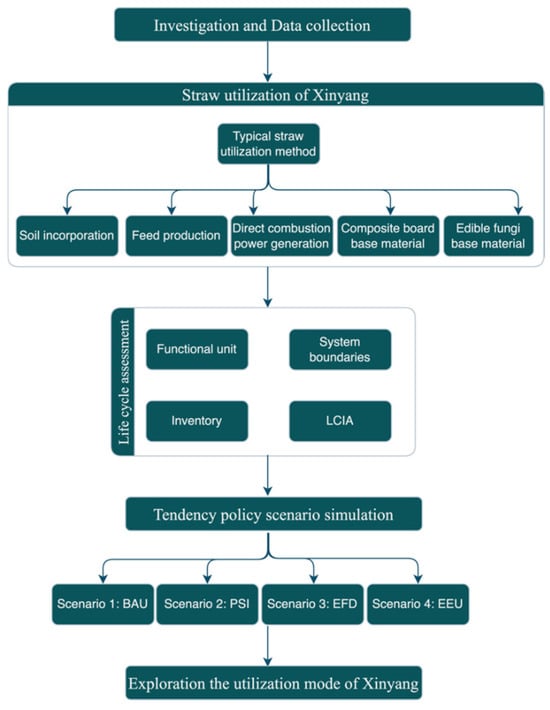
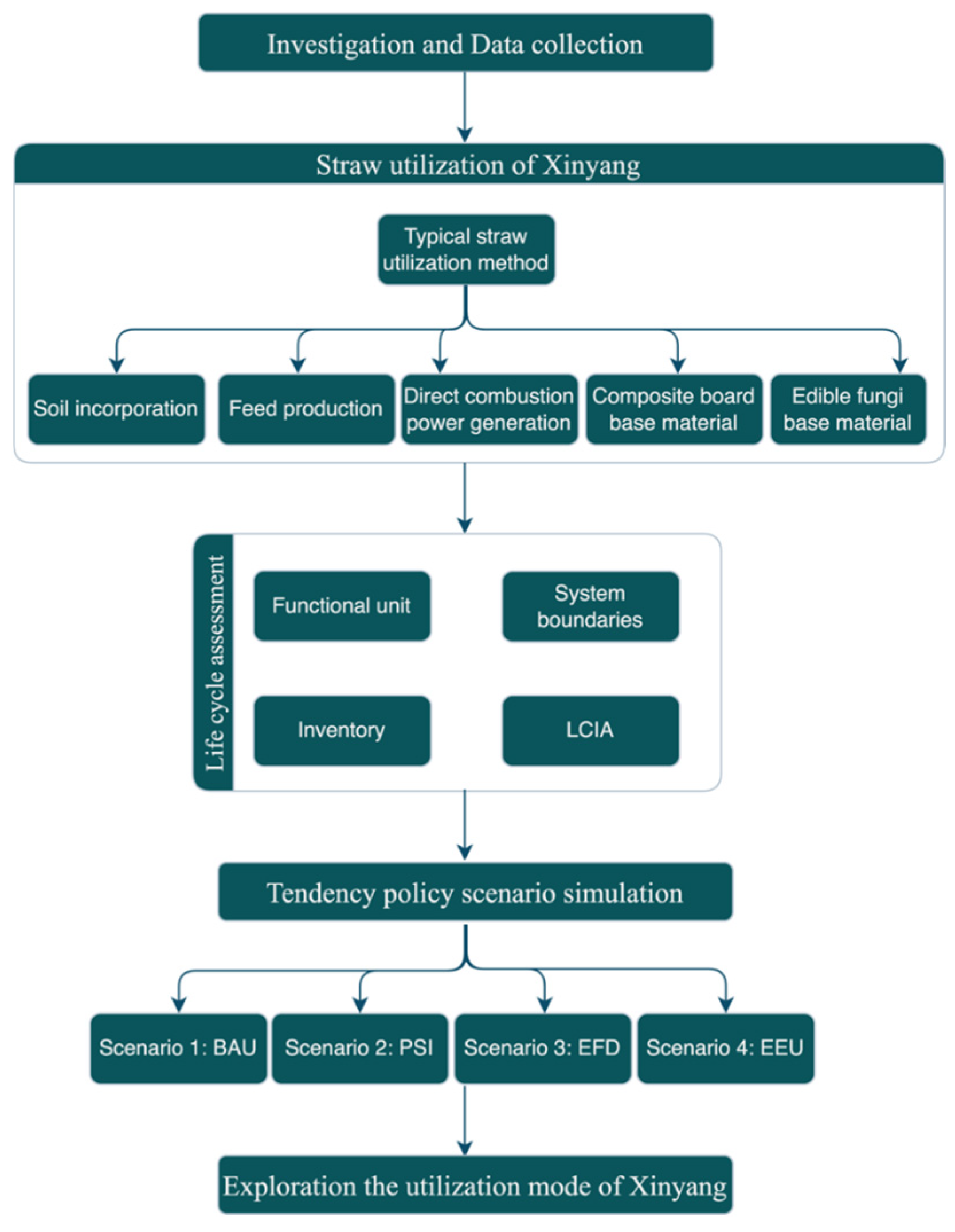
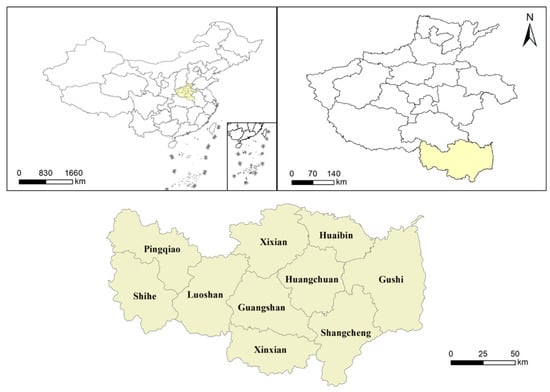
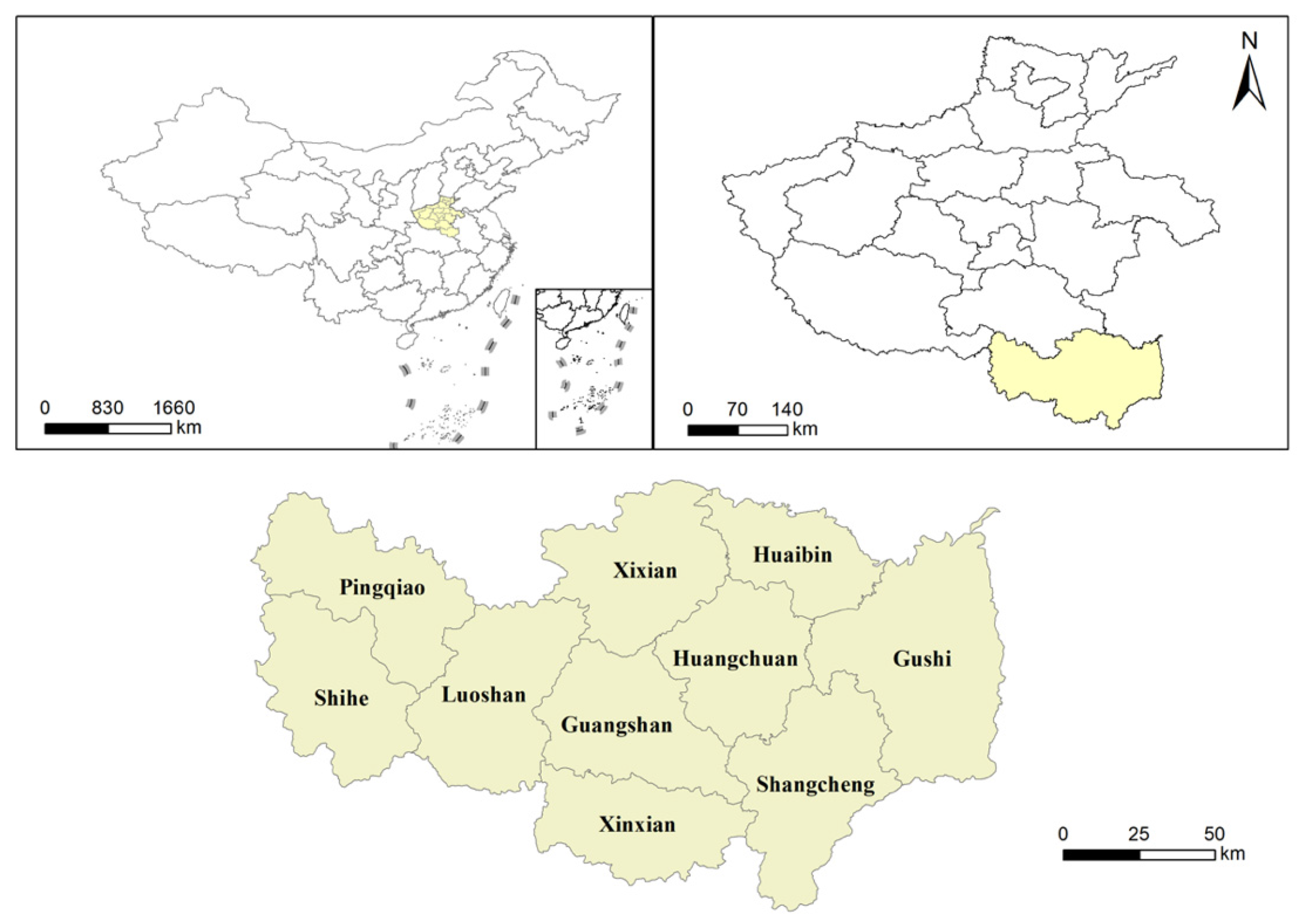
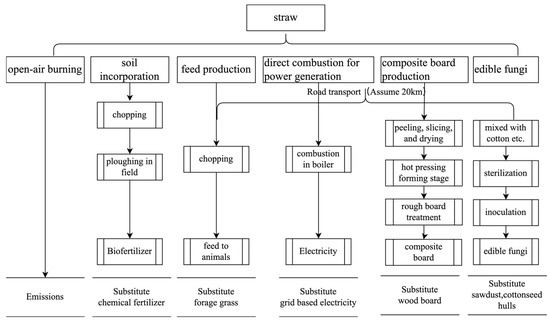
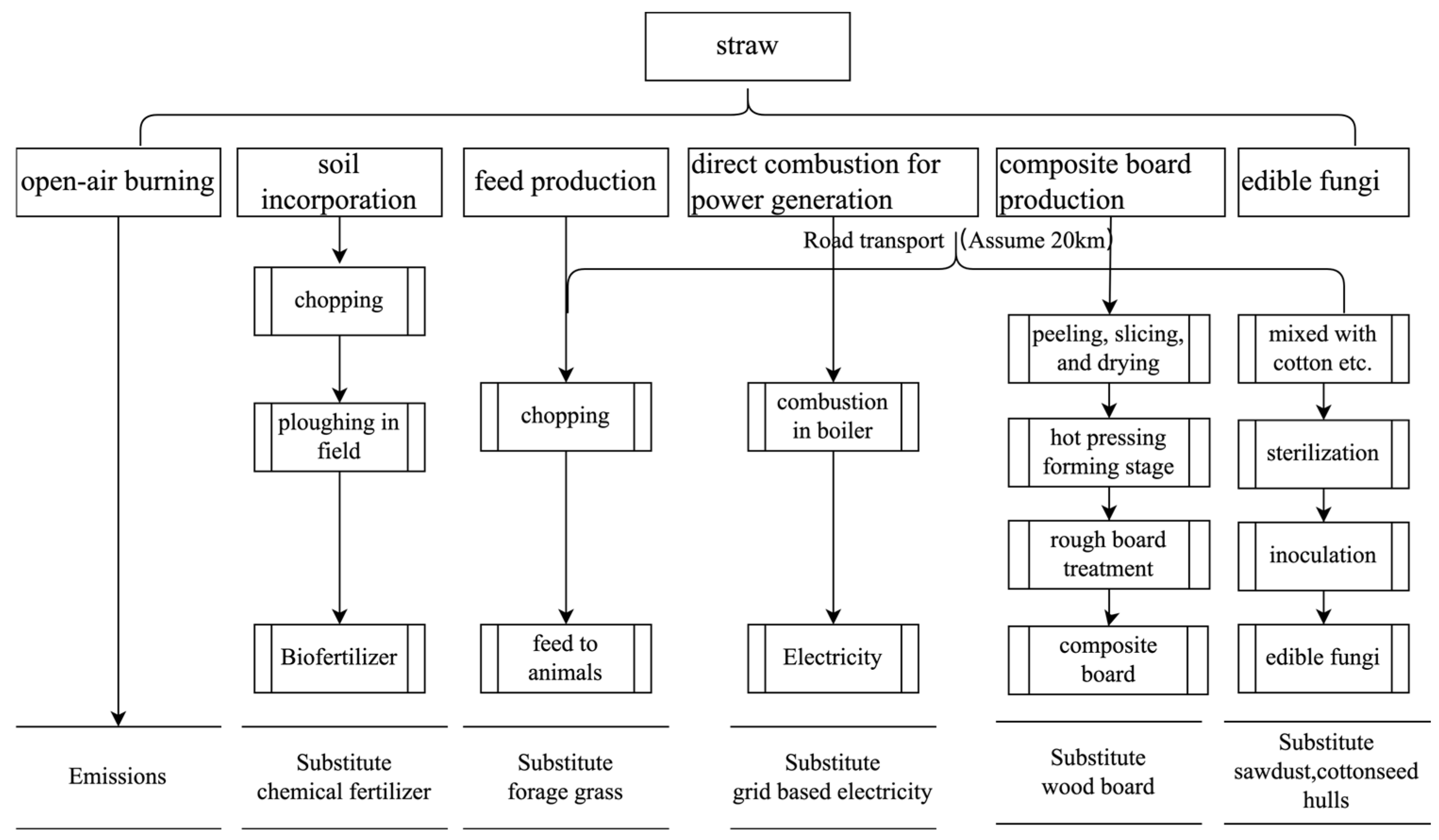
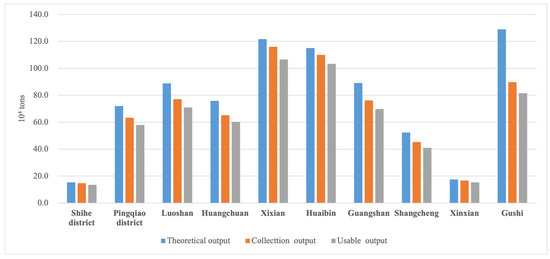
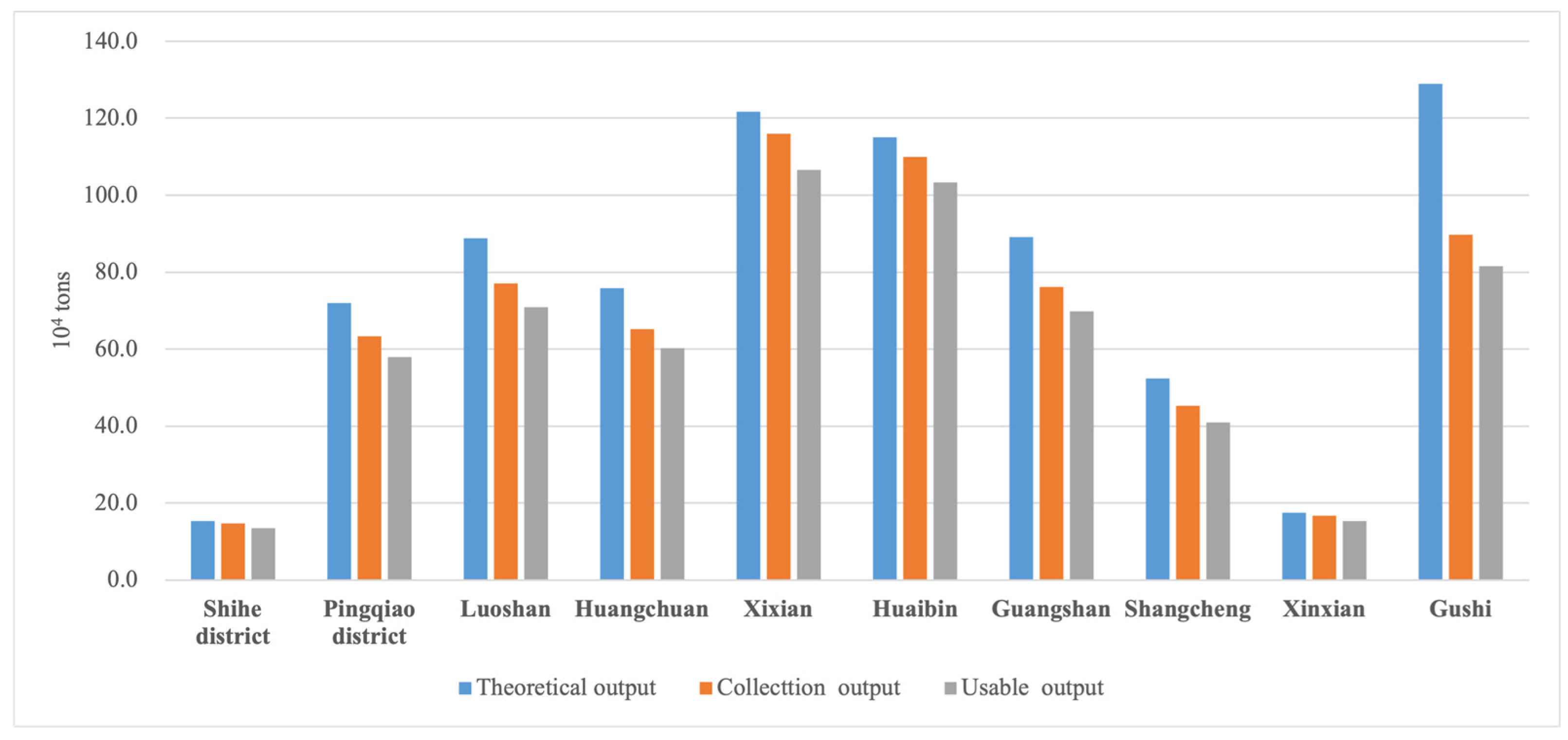
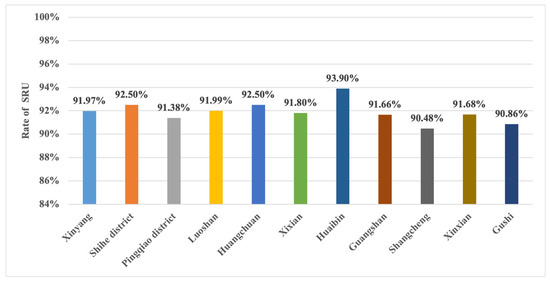
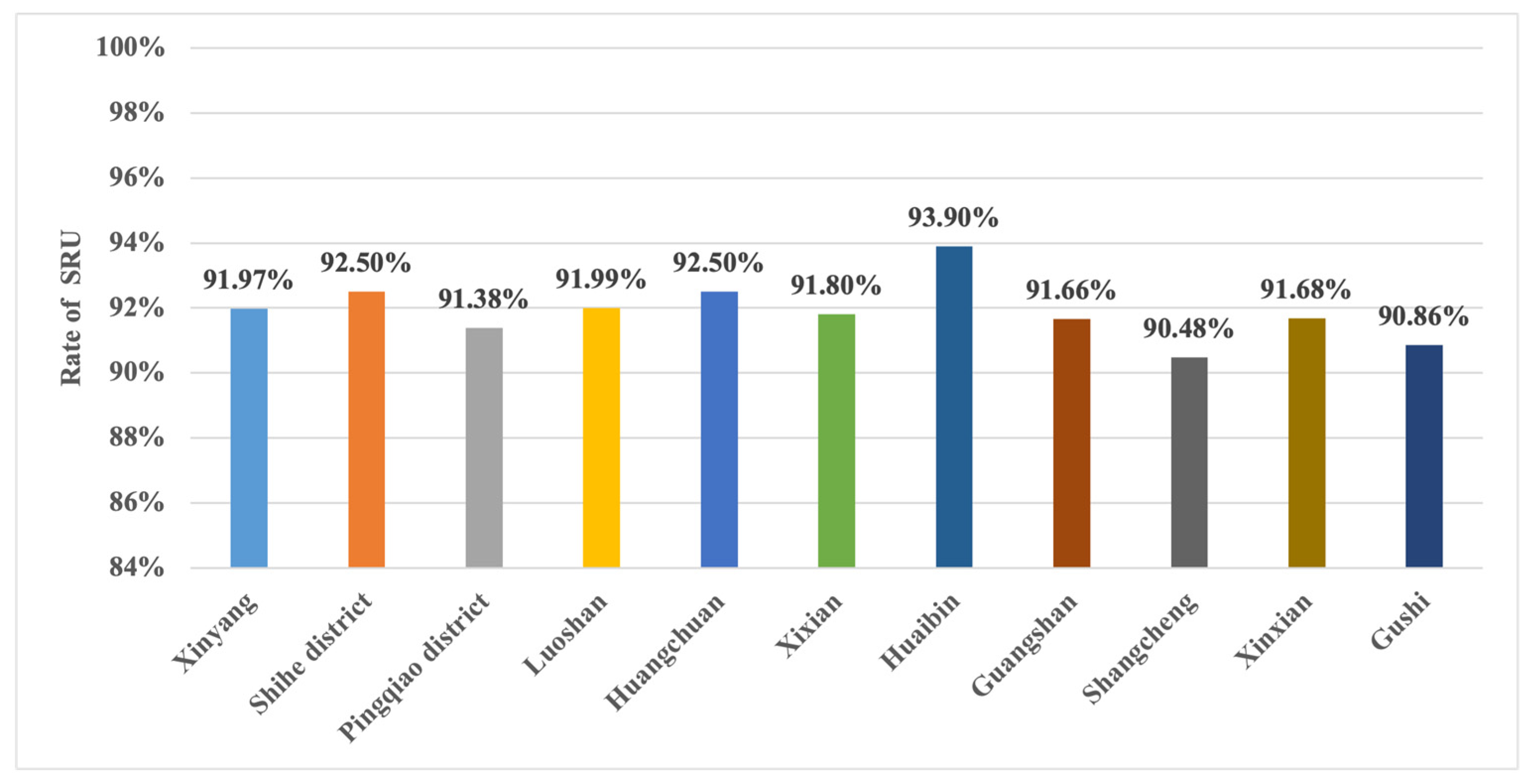
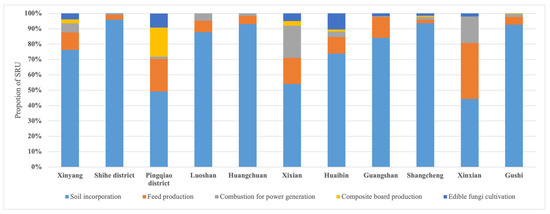
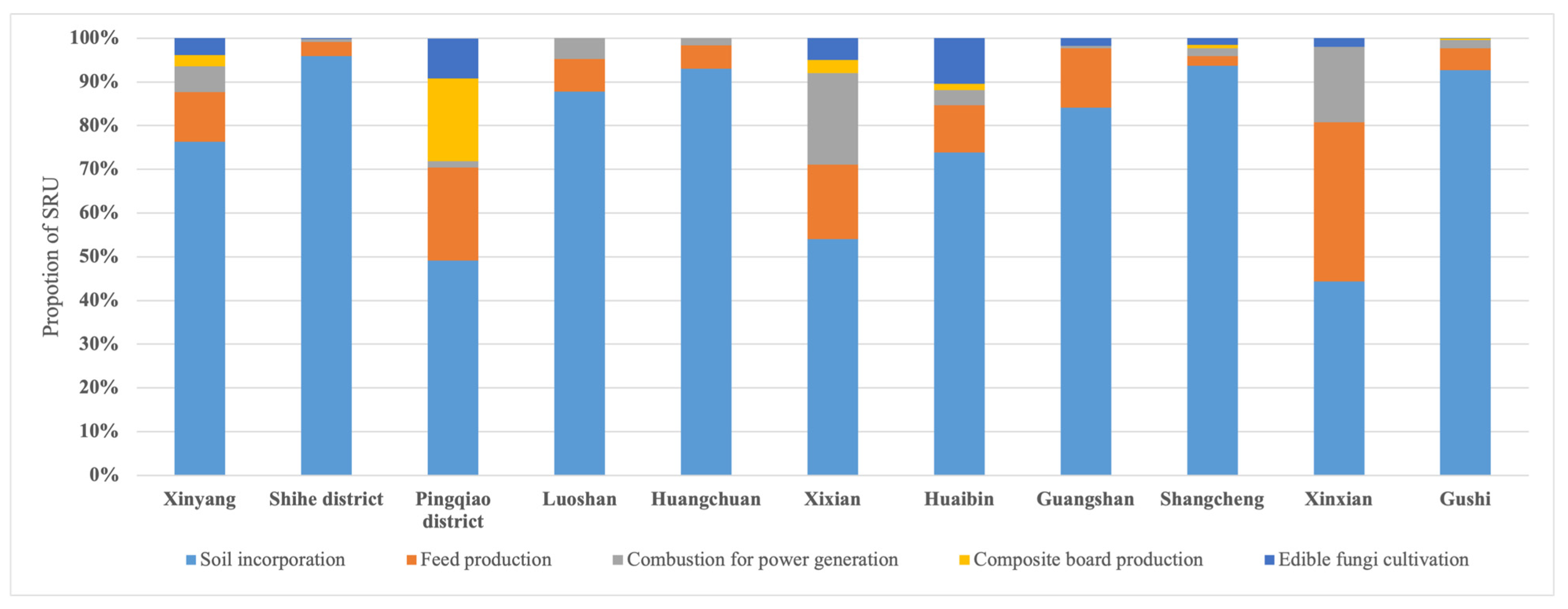
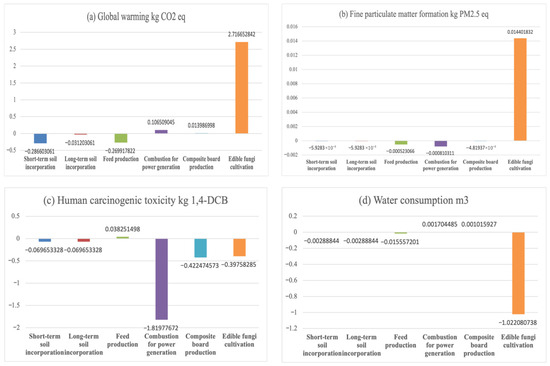
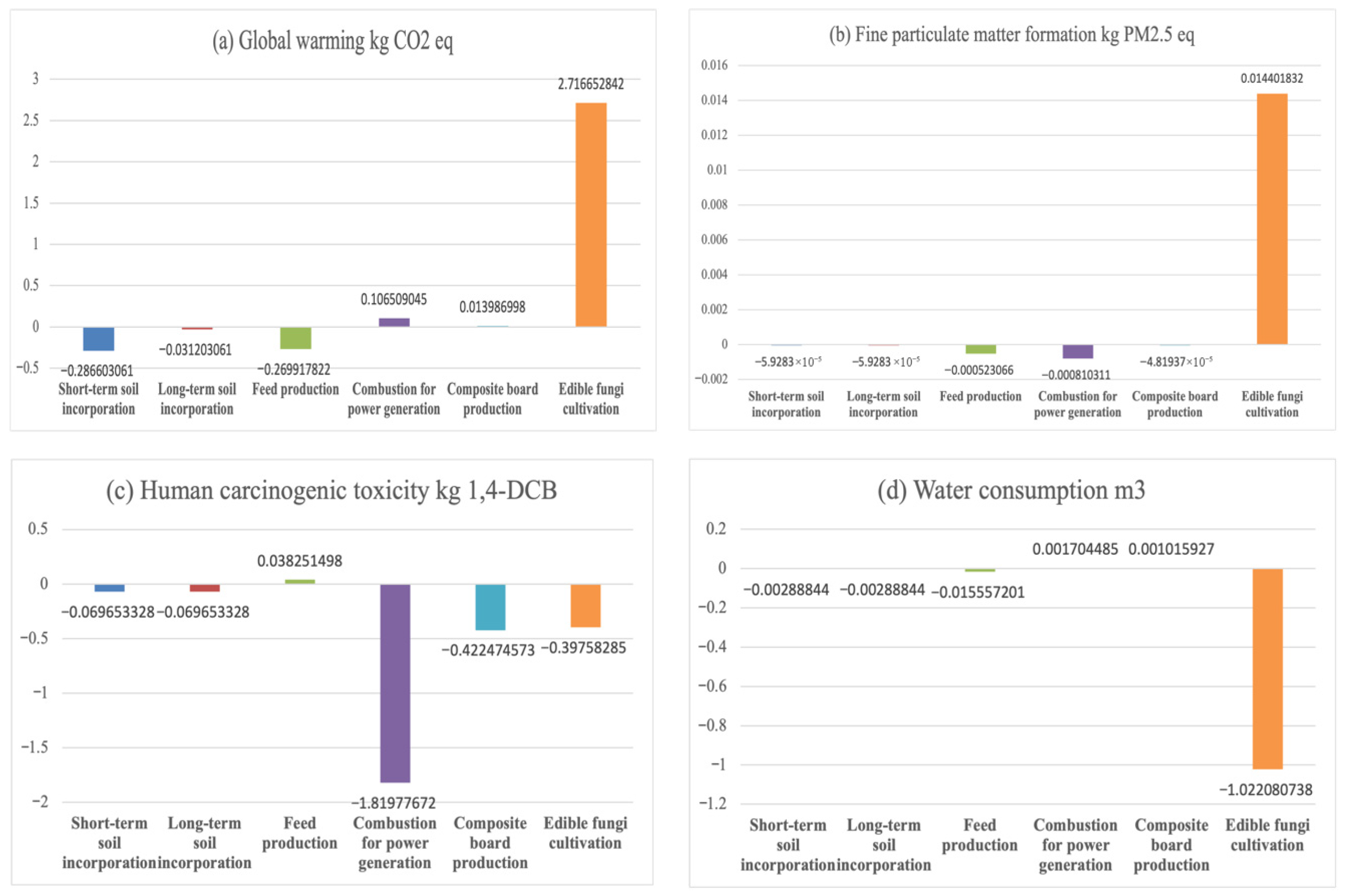
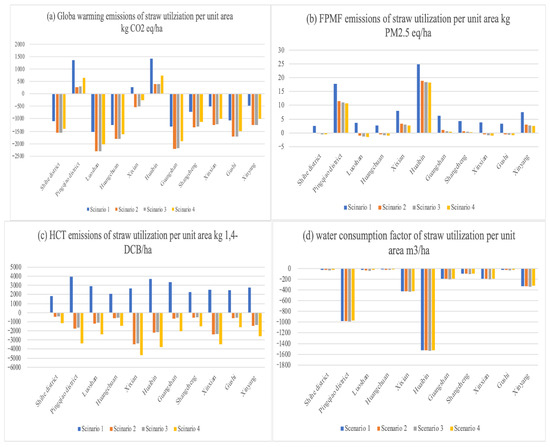
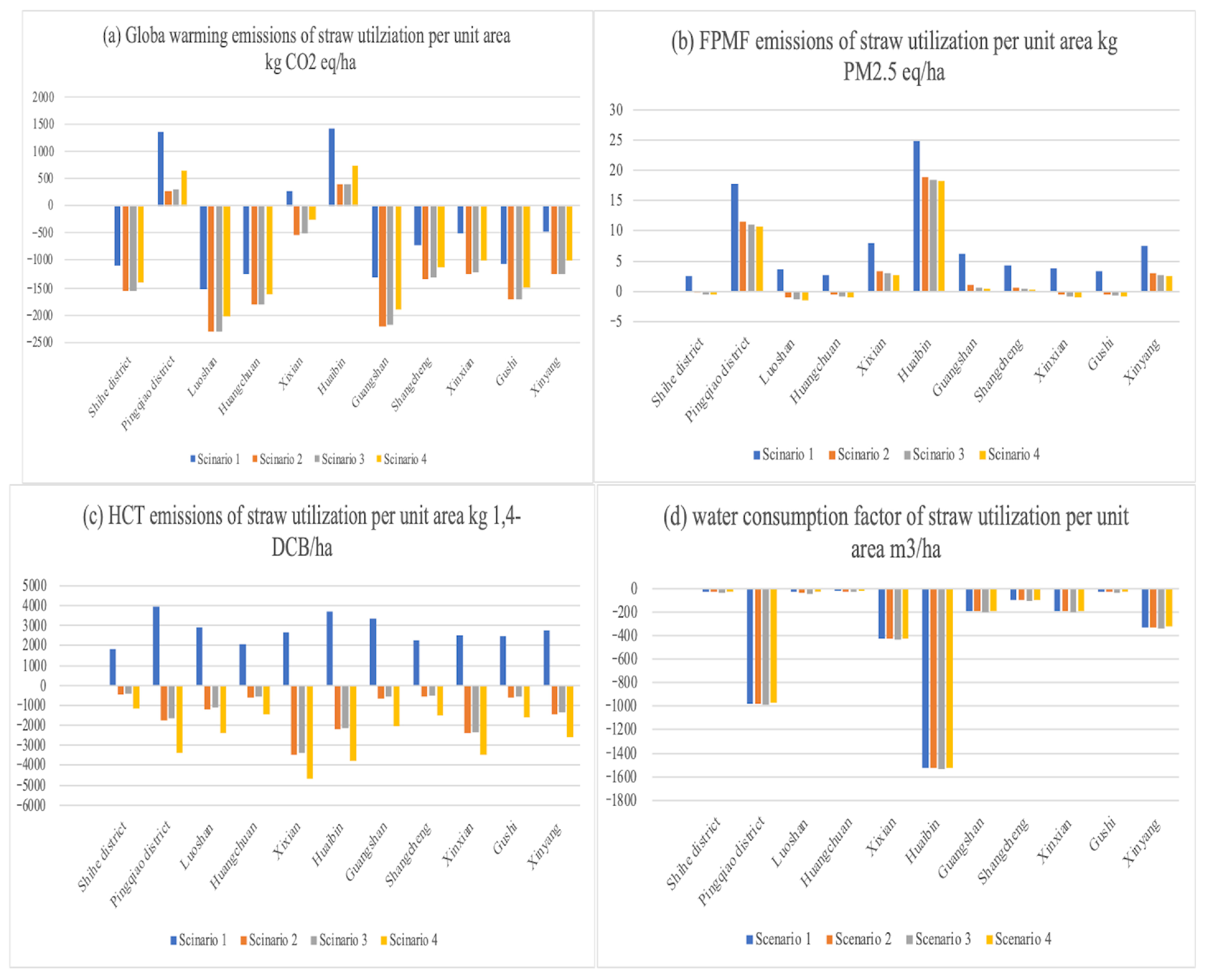
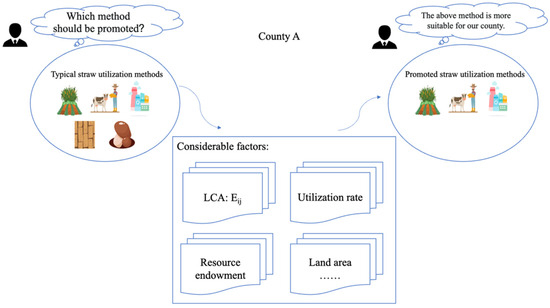
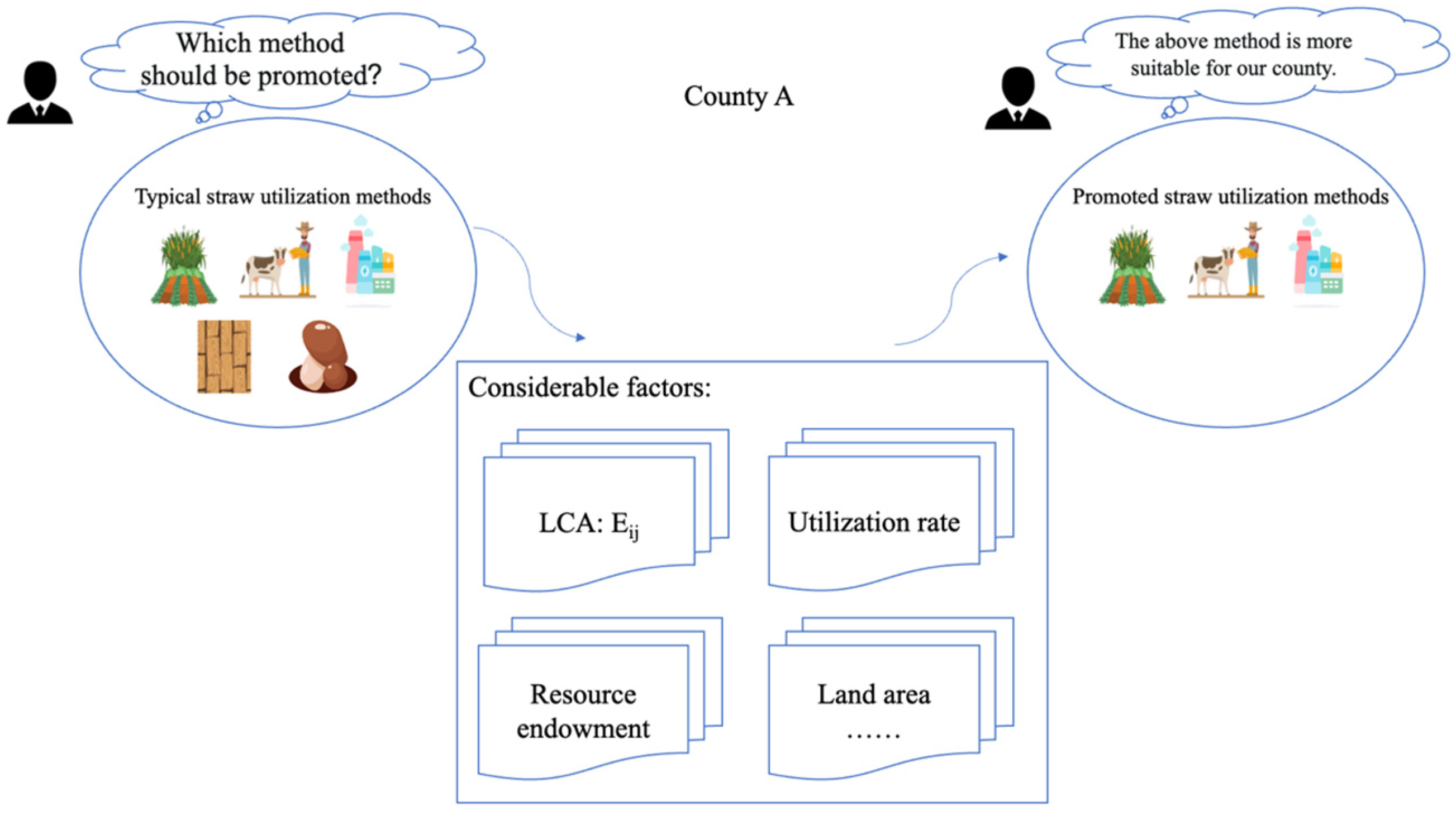

Disclaimer/Publisher’s Note: The statements, opinions and data contained in all publications are solely those of the individual author(s) and contributor(s) and not of MDPI and/or the editor(s). MDPI and/or the editor(s) disclaim responsibility for any injury to people or property resulting from any ideas, methods, instructions or products referred to in the content. |
© 2026 by the authors. Licensee MDPI, Basel, Switzerland. This article is an open access article distributed under the terms and conditions of the Creative Commons Attribution (CC BY) license.