


Abstract
This research examines the tourism structure of Santorini within the framework of the Triple Layered Business Model Canvas (TLBMC) and evaluates how circular tourism principles can be integrated into the value creation process across the TLBMC layers. The study utilizes secondary sources such as tourism reports, policy documents, corporate publications, and previous academic studies. Conducted using qualitative case study principles, this study employs PESTLE analysis, stakeholder analysis, TLBMC framework analysis, alignment analysis, and SWOT–CAME analysis. The research concludes that tourism in Santorini is highly dependent on a premium positioning strategy and characterized by a cruise- and experience-oriented visitor structure. Furthermore, the existing tourism structure exhibits both environmental and social vulnerabilities, including water scarcity, overtourism, seasonal demand concentration, and housing pressure. The destination possesses significant potential for stronger alignment among economic, environmental, and social layers, particularly through the introduction of alternative tourism activities. This research provides significant contributions to the literature and offers recommendations for all stakeholders, especially local actors, to establish a resilient tourism model that supports long-term alignment among the layers.
1. Introduction
Tourism is one of the leading industries with a strong multiplier effect, as it supports the development of many related industries both directly and indirectly. It contributes significantly to economic growth, regional development, and job creation. However, the rapid growth of tourism also places increasing pressure on natural resources, local communities, and infrastructure systems [1]. In destinations experiencing high tourist demand, the excessive use of essential resources such as water, energy, and food may increase waste generation and damage existing ecosystems. This situation highlights the need to balance the economic benefits of tourism with environmental and social sustainability. In other words, while tourism contributes to economic development, the protection of natural resources and the well-being of local communities should also be ensured.
Balancing the economic, environmental, and social impacts of tourism is particularly important for island destinations due to their geographical constraints, geopolitical conditions, limited resources, and seasonal demand patterns [2]. Greece represents a significant example in this context, as tourism plays a major role in its economy. According to 2025 data, the Greek islands account for a substantial share of the country’s €23.6 billion tourism revenue, with Santorini being one of the most prominent destinations [3]. Despite its strong position in the tourism industry, Santorini faces growing challenges related to water scarcity, dependence on external resources, and mass tourism. These pressures highlight the need for alternative tourism models that support long-term sustainability.
The relationship between tourism and environmental sustainability has been widely discussed in the literature. Previous studies have shown that tourism-related activities, such as water consumption, energy use, and waste production, place increasing pressure on ecosystems [4,5,6]. In recent years, the concept of circular tourism, which is based on the principles of the circular economy, has gained attention as a potential solution to these challenges. Circular tourism focuses on creating environmental and local value through practices such as water reuse, strengthening local supply chains, and recycling waste materials [7,8]. Although existing research highlights the growing adoption of circular approaches in tourism from an economic perspective, it provides limited discussion of business models that integrate economic, environmental, and social dimensions simultaneously. In this regard, the TLBMC, developed by [9], offers an important framework by incorporating environmental and social dimensions into traditional business model analysis. TLBMC demonstrates how value can be created not only economically, but also environmentally and socially. However, its application in the tourism industry, particularly in marine tourism, remains limited. Therefore, understanding how circular principles can be integrated into a holistic business model is particularly important for destinations with high tourism density and limited resources, such as Santorini.
This study aims to analyze the tourism structure of Santorini, an island destination increasingly shaped by sustainability pressures, through the lens of the TLBMC framework. In doing so, it examines how circular tourism principles can be integrated into economic, environmental, and social value creation processes at the destination level. To support this destination-level analysis, the study combines the TLBMC framework with complementary analytical tools. PESTLE (political, economic, social, technological, legal, environmental) analysis is used to identify the macro-environmental conditions shaping Santorini’s tourism system, while stakeholder analysis helps clarify the roles and relative influence of key actors involved in tourism governance and sustainability transformation. The TLBMC framework then structures the analysis of economic, environmental, and social value creation processes, whereas value coherence analysis and SWOT–CAME (strengths, weaknesses, opportunities, threats-correct, adapt, maintain, exploit) are used to identify inter-layer tensions and translate the findings into strategic implications. This integrated analytical design enables a more comprehensive examination of how circular tourism principles may be operationalized in a high-pressure island destination.
Although sustainability in tourism has been widely discussed in the literature, existing studies predominantly focus on environmental impacts while paying limited attention to integrated business model approaches that simultaneously address economic, environmental, and social dimensions. Moreover, despite the growing interest in sustainable and circular tourism, the application of the TLBMC framework within tourism research remains relatively limited, particularly in island destinations characterized by geographical constraints, limited natural resources, and high tourism intensity. These destination-specific conditions create complex sustainability challenges that require more holistic and multi-layered analytical approaches. By applying the TLBMC framework to the Santorini case and integrating it with complementary contextual, stakeholder-based, coherence-oriented, and strategic analysis tools, this study addresses an important gap in the literature by examining multi-stakeholder value creation processes, inter-layer sustainability tensions, and structural mismatches between tourism growth and sustainability objectives. In this respect, the study does not approach overtourism only as a problem of excessive visitor numbers, congestion, or carrying capacity. Instead, it uses the TLBMC framework to examine how overtourism-related pressures are embedded in the destination’s value creation logic, including how economic value is captured, how environmental resources are consumed, and how social benefits and burdens are distributed among stakeholders. This enables the analysis to move beyond impact identification and to reveal the structural mechanisms through which tourism growth creates cross-layer sustainability tensions. In this context, the study contributes to the literature in three ways: first, by extending the sustainable business model perspective from the firm level to the destination level; second, by demonstrating the applicability of TLBMC as an integrated analytical tool for tourism destinations; and third, by revealing how circular tourism principles may support a more balanced and sustainability-oriented tourism model in destinations facing overtourism and resource pressure.
Based on this framework, the main research question of the study is as follows:
(RQ1) How are economic, environmental, and social value creation processes shaped within the tourism destination of Santorini under sustainability pressures?
(RQ2) What tensions and sustainability conflicts emerge between tourism development practices and long-term sustainability goals in Santorini?
2. Theoretical Framework
2.1. Sustainability, Circularity, and Business Models in Tourism
Regions that attract large numbers of visitors due to their tourism potential contribute significantly to both local and national economies. However, tourism development may also create negative impacts on natural resources, local communities, and infrastructure systems [1]. From a sustainability perspective, tourism development requires maintaining a balance between economic, environmental, and social dimensions. Sustainability is broadly defined as meeting present economic, environmental, and social needs without compromising the ability of future generations to meet their own needs [10]. Similarly, sustainable tourism aims to balance the needs of tourists and local communities while protecting culture, ecology, and biodiversity and supporting economic and social well-being [11]. Sustainability in the tourism industry also requires the active involvement of multiple stakeholders in tourism planning and governance processes. These stakeholders include tourism planners, local businesses, local communities, activist groups, tourists, national business chains, competitors, and public institutions [12].
Circularity has become an important component of sustainability in the tourism sector. Circular tourism refers to the transition from a linear “take-make-discard” model to a more sustainable “take-make-use-rebuild” approach. This approach encourages tourism stakeholders to adopt more responsible practices in order to reduce environmental impacts [13]. Achieving circular tourism requires investments in areas such as water management, waste recycling, renewable energy, green supply chains, and digital technologies [8,14,15]. Recent bibliometric evidence also shows that circular economy research in tourism and hospitality has expanded rapidly since 2015, with waste management, recycling, sustainability, and resource efficiency emerging as central themes in the field [16].
In this study, circular tourism is understood as a more operational and resource-oriented extension of sustainable tourism. While sustainable tourism broadly focuses on balancing economic, environmental, and social impacts, circular tourism places stronger emphasis on keeping resources in use for longer, reducing waste generation, reusing and recovering materials, improving resource efficiency, strengthening local supply chains, and regenerating destination-level value systems. Therefore, circular tourism does not only aim to reduce the negative impacts of tourism, but also to redesign tourism value creation processes around closed-loop resource flows, local value retention, and long-term destination resilience.
Island destinations with high tourism density are particularly vulnerable to sustainability challenges due to limited resources, geographical constraints, and overtourism. Overtourism refers to a situation in which the intensity of tourism exceeds the physical, environmental, social, or governance capacity of a destination and negatively affects residents’ quality of life, visitor experience, infrastructure systems, and ecological conditions. In island destinations, overtourism is particularly critical because geographical limitations, seasonal concentration, dependence on external resources, and restricted infrastructure capacity make it more difficult to absorb rapid increases in visitor numbers. In this study, overtourism is not treated as a separate theoretical framework, but as a contextual pressure that intensifies the need for circular tourism and sustainable business model transformation. Recent evidence from Santorini also confirms that overtourism in insular territories should be assessed through multidimensional and place-based indicators, including tourism demand and supply, environmental pressure, social impacts, economic dependency, and spatial transformation. Leka et al. [17] show that Santorini is already experiencing severe overtourism impacts affecting its identity, productive model, spatial pattern, and natural and cultural assets.
Previous studies provide several examples of these pressures. On Samothraki Island, construction waste increased fifteen-fold due to tourism-related development. Water consumption rises by approximately 70% during the summer season in the Balearic Islands, while Brač Island requires up to 320 L of water per second from the mainland during peak tourism periods. Similarly, water demand on Sifnos Island reaches 2500 m3 per day during the high season, and average food waste in Zanzibar reaches 1.8 kg per person [18,19,20,21].These examples clearly demonstrate the growing importance of sustainability and circularity in tourism destinations.
Traditional tourism business models are largely based on consumption-oriented structures characterized by intensive resource use and a strong focus on short-term economic returns. Furthermore, increasing tourist numbers may also create social pressures on destinations by reducing residents’ quality of life, increasing social inequalities, and weakening community participation in tourism development processes [22,23]. However, increasing environmental and social pressures have highlighted the need for tourism business models that incorporate sustainable value creation, delivery, and capture processes [24]. This transformation has encouraged the development of more sustainable business model approaches that emphasize not only economic performance, but also environmental and social value creation. As a result, tourism business models have increasingly adopted a “triple bottom line” perspective that integrates economic, environmental, and social dimensions [25].
2.2. The Triple Layered Business Model Canvas (TLBMC)
The Business Model Canvas (BMC) is widely used as a tool for understanding, analyzing, and innovating business models [26]. Recent tourism research also confirms that the BMC can be used as a strategic and visual analytical tool for examining tourism-related value propositions, customer segments, channels, key resources, partnerships, cost structures, and revenue mechanisms [27]. Developed by [28], the BMC provides a visual framework that helps organizations and stakeholders understand how value is created, delivered, and captured. However, because the traditional BMC primarily focuses on economic value creation, its ability to address environmental and social sustainability challenges remains limited [29]. As sustainability has become increasingly important in business and tourism studies, the need for more comprehensive business model approaches has emerged.
The need for more comprehensive business model approaches has become increasingly evident through criticisms that sustainability-related dynamics, stakeholder interactions, and system-level impacts should be considered in business model transformation processes [30]. In response to these limitations, the TLBMC was developed as an expanded framework that integrates economic, environmental, and social dimensions within a single business model structure [9]. By combining these interconnected layers, TLBMC enables a more holistic analysis of relationships, impacts, and value creation processes.
The economic layer of TLBMC focuses on the financial aspects of business models, including revenue generation, cost structures, and economic value creation [28]. The environmental layer is based on life cycle assessment principles and examines the environmental impacts of products and services throughout their life cycle [31]. The social layer evaluates the social impacts of business activities from a stakeholder perspective by considering issues such as community well-being, stakeholder relationships, and social value creation [32].Together, these three interconnected layers provide a more holistic framework for analyzing sustainable business models.
The TLBMC has been applied across various sectors as a framework for analyzing economic, environmental, and social dimensions simultaneously. In the tourism literature, interest in the application of TLBMC has gradually increased, particularly in studies focusing on specific destinations and thematic tourism areas. Previous studies have applied the framework to rural tourism destinations, pilgrimage routes, gastronomy tourism, and lake tourism contexts. For example, TLBMC has been used to analyze Punten Village in Indonesia [33], the Ways of St. James in Portugal [34], Lake Telaga Ngebel in Indonesia [35], the village of Mrizi i Zanave in Albania [36], and gastronomy tourism practices in Portugal [37].
Despite the growing number of studies, the application of TLBMC in tourism research remains limited. In particular, there is a significant research gap regarding island destinations characterized by geographical constraints, limited resources, and high tourism pressure. These unique sustainability challenges highlight the need for more comprehensive destination-level analyses using the TLBMC framework.
3. Research Methodology
3.1. Case Selection (Santorini)
Santorini, located in the Cyclades Islands of Greece, is one of the country’s most internationally recognized tourism destinations and includes major tourism centers such as Oia and Fira [38]. The island offers a wide range of accommodation options, including luxury hotels, boutique hotels, and short-term rentals, with approximately 7906 accommodation establishments and 50,796 beds [39]. Over time, Santorini has become a globally recognized destination, particularly for luxury and experience-oriented tourism. Despite its strong tourism performance, Santorini faces significant sustainability challenges associated with overtourism [40]. During the peak summer season, increasing visitor numbers and cruise ship arrivals place considerable pressure on infrastructure systems and natural resources. Water scarcity, growing waste generation, and rising carbon emissions have become major environmental concerns on the island [41]. In addition, tourism-driven increases in housing prices negatively affect local residents and create important social sustainability challenges [42].
Santorini was selected as the case study for this research because it represents a destination where economic growth, environmental pressures, and social sustainability challenges coexist simultaneously. In this context, issues such as resource management, visitor capacity control, extending tourism activity throughout the year, regulating cruise tourism, and protecting local well-being are considered as important as tourism growth itself [1].
3.2. Methodology
This study adopts an exploratory qualitative research design to analyze the Santorini destination from a multidimensional sustainability perspective. Exploratory qualitative research provides a flexible framework for examining complex research problems and generating new insights that may support future research development [43]. In line with this logic, the study follows a document-based qualitative case study approach. A qualitative approach was considered appropriate for the in-depth analysis of the relationships between sustainability, value creation, circular tourism, and destination-level transformation. As explained in Section 3.1, Santorini was selected as the case study because it represents a high-pressure island destination where overtourism, resource constraints, tourism-based economic growth, and social sustainability challenges coexist.
This research was conducted as part of the EU-funded project entitled “The One-Stop-Shop of Accessible Circular Solutions for Sustainable Tourism”, funded under the Horizon Europe programme, Cluster 6: Food, Bioeconomy, Natural Resources, Agriculture and Environment, under Grant Agreement No. [101181941]. The study represents one of the research outputs developed for the Santorini Pilot Region. The study is based on secondary data obtained from reports published by organizations such as the UNWTO, OECD, the European Commission, the Greek Ministry of Tourism, and the Greek government, together with existing literature on sustainable tourism and business models. The secondary data collection and analysis were conducted between April and May 2026. Accordingly, the study primarily reflects the documents, reports, policy materials, and statistical sources available during this period.
The use of secondary data was considered appropriate for the purposes of this study because the research does not aim to measure stakeholder perceptions, visitor behavior, or individual adoption intentions, but rather to examine and reveal the current destination-level structure of Santorini’s tourism system through the TLBMC framework. In this respect, the study follows a document-based qualitative case study logic, in which policy documents, official statistics, institutional reports, legal regulations, destination-level publications, and peer-reviewed academic studies are treated as complementary sources of evidence. These sources provide relevant information on the economic structure of tourism, environmental pressures, governance mechanisms, social challenges, and circular economy initiatives in Santorini.
The qualitative analysis combined deductive and inductive procedures. Deductively, the main analytical categories were derived from the TLBMC framework, PESTLE analysis, stakeholder analysis, circular tourism indicators, value coherence analysis, and SWOT–CAME logic. These categories guided the organization of evidence into economic, environmental, and social value creation processes, macro-environmental conditions, stakeholder roles, circularity-related practices, inter-layer tensions, and strategic implications. Inductively, Santorini-specific themes were identified from the secondary sources, including cruise tourism pressure, water scarcity, seasonal concentration, housing pressure, short-term rentals, resource dependency, alternative tourism potential, and circular transition initiatives. In this way, the analysis combined a theory-informed structure with case-specific interpretation.
The coding and categorization process was carried out by the authors through an iterative review of the documentary evidence. Relevant information was first extracted from the selected sources and grouped according to the analytical categories. The evidence was then organized into PESTLE dimensions, stakeholder groups, TLBMC layers and blocks, circularity indicators, coherence gaps, and SWOT–CAME categories. To further clarify the consistency of the coding and categorization process, the analysis was structured as a researcher-triangulated and consensus-based procedure. In the first stage, the authors independently reviewed the documentary evidence and identified relevant themes corresponding to the predefined analytical categories. In the second stage, the independently identified themes and classifications were compared across researchers. Any divergent interpretations, ambiguous classifications, or overlapping codes were discussed collectively, and final categorization decisions were made only after agreement was reached among the authors. This procedure helped strengthen analytical consistency by combining independent review, researcher triangulation, consensus-based categorization, and cross-checking across multiple source types and analytical stages.
Circularity was assessed qualitatively through a set of destination-level circular tourism indicators derived from the circular tourism and sustainable tourism literature. These indicators included water efficiency and reuse, waste reduction and recovery, renewable energy use, low-emission mobility, local and circular supply chains, resource-efficient accommodation and hospitality practices, seasonality reduction through alternative tourism activities, and the protection of local cultural and social value. The analysis did not aim to measure circularity performance through numerical indicators. Instead, circularity performance was evaluated qualitatively by examining the presence, maturity, and integration of circular practices across the economic, environmental, and social layers of the TLBMC framework. More specifically, presence was assessed by identifying whether a circularity-related practice, initiative, regulation, investment, or policy direction was reported in the reviewed documentary sources. Maturity was assessed by considering whether the identified practice was presented only as a general strategic intention or whether it was supported by more concrete evidence, such as implementation actions, institutional arrangements, investment mechanisms, regulatory measures, or operational initiatives. Integration was assessed by examining whether the identified circular practice was limited to a single environmental action or whether it was connected to broader destination-level value creation across the economic, environmental, and social layers of the TLBMC framework. This qualitative procedure enabled the study to distinguish between isolated circularity-related initiatives and more developed practices with stronger potential to support cross-layer sustainability coherence.
To ensure analytical validity, the construction of the TLBMC layers was based on a systematic and theory-informed analytical procedure. First, only sources that were directly relevant to Santorini, Greek tourism policy, island sustainability, circular tourism, or destination-level tourism governance were included in the analysis. Second, the evidence obtained from different types of sources was compared and cross-validated across policy documents, statistical reports, institutional publications, legal regulations, and academic studies. Third, the findings were organized according to the three layers of the TLBMC framework: economic, environmental, and social. Fourth, the results were cross-checked across the PESTLE analysis, stakeholder analysis, TLBMC layers, and value coherence analysis in order to identify convergent patterns, inconsistencies, and sustainability tensions. This process helped reduce the risk of relying on isolated observations and strengthened the internal consistency and analytical validity of the case analysis.
In summary, the analytical process was structured as a theoretically informed qualitative analysis based on the TLBMC. The analytical process combined several complementary tools, including PESTLE analysis, stakeholder analysis, TLBMC, value coherence and gap analysis, and SWOT–CAME analysis, in order to evaluate the sustainability dynamics of Santorini from economic, environmental, and social perspectives. The analysis was conducted in several stages. First, PESTLE and stakeholder analyses were used to identify the external environment, sustainability pressures, and stakeholder structure of the destination. Second, the findings were systematically categorized within the economic, environmental, and social layers of the TLBMC framework. Third, value coherence and gap analysis was applied to identify sustainability tensions, mismatches, and inconsistencies between tourism practices and long-term sustainability goals. Finally, SWOT–CAME was used as a strategic synthesis tool to organize the implications derived from the preceding analyses.
To make the analytical workflow more transparent, the criteria used to populate the TLBMC blocks and stakeholder matrix were further specified. The economic layer was populated using evidence related to tourism value proposition, visitor segments, distribution channels, key tourism activities, partnerships, revenue mechanisms, and cost-related pressures. The environmental layer was constructed using evidence on resource inputs, water and energy consumption, waste generation, mobility-related emissions, environmental impacts, and circular economy practices. The social layer was populated using evidence on stakeholder groups, governance mechanisms, local community impacts, employment conditions, housing pressure, cultural heritage, and social value creation. Each TLBMC block was filled only when the relevant theme was supported by official, institutional, statistical, legal, or peer-reviewed sources.
Stakeholders were positioned within the power–interest matrix according to two criteria. Power was assessed in terms of formal authority, regulatory influence, control over tourism resources, investment capacity, and ability to affect tourism development decisions. Interest was assessed in terms of each stakeholder group’s exposure to, or involvement in, tourism development, sustainability pressures, circular economy initiatives, and destination governance. Based on these criteria, stakeholders were classified into the four categories of the matrix: key players, keep satisfied, keep informed, and minimal effort.
The analytical workflow of the study is summarized in Figure 1 to provide a more systematic overview of the research process.
Figure 1.
Methodological workflow of the study. Source: Authors’ own elaboration.
4. Data Analysis
4.1. Santorini Situation Analysis
A structural situation analysis was conducted for Santorini using PESTLE and Stakeholder Analyses to develop a comprehensive understanding of the destination’s contextual dynamics. These analytical tools were employed to identify the macro-environmental conditions of the destination and the key factors influencing sustainability and value creation processes. PESTLE analysis enables the evaluation of external environmental factors within political, economic, social, technological, legal, and environmental dimensions, thereby supporting the analysis of complex systems at the macro level [44]. In this context, the tourism environment of Santorini was examined through PESTLE analysis. The findings presented in Figure 2 are based on verifiable and documented secondary data sources and therefore reflect empirically grounded results.
Figure 2.
PESTLE Analysis of Santorini. Source: Authors’ own elaboration based on the PESTLE framework adapted from [44] and the reviewed secondary sources.
4.1.1. Political and Legal Dimensions
Figure 2 demonstrates that Santorini is undergoing a restructuring process within a tourism-oriented sustainability framework. Current political and legal initiatives primarily focus on controlling tourism intensity and strengthening sustainability governance. Several regulatory measures have been introduced, including limiting daily cruise ship arrivals to 8000 visitors [45], implementing the National Climate Law (Law No. 4936/2022) within the scope of the GR-eco Initiative [46], freezing short-term rental licenses to reduce housing pressure [47], and introducing legal standards for waste management systems aligned with the EU Circular Economy Package [48]. In addition, tourism activities on GR-eco islands are monitored through a Joint Ministerial Decision framework [46].
4.1.2. Economic Dimension
From an economic perspective, efforts are being made to reduce seasonal dependency and support green transformation through public and EU-funded initiatives. Alternative tourism activities related to cultural, religious, nature-based, and gastronomic tourism are being promoted to encourage year-round tourism activity [38]. Furthermore, more than €150 million has been allocated to green transformation projects through public–private partnerships [46], while approximately €25 million in sustainability-oriented financial support is provided for SMEs operating in the South Aegean region [49]. Additional economic policy measures include seasonal cruise passenger fees ranging from €4 to €20 per visitor [50], depending on the tourism season, as well as accommodation taxes ranging from €2 to €15 per person during peak tourism periods [50]. Despite these initiatives, the South Aegean islands, including Santorini, remain highly dependent on tourism revenues, with direct tourism income accounting for approximately 110% of regional GDP [51].
4.1.3. Social Dimension
At the social level, increasing tourism intensity significantly affects local well-being and housing accessibility in Santorini. Although efforts are being made to improve local welfare and employment opportunities through tourism-related activities [46], tourism pressure continues to create important social sustainability challenges. In particular, the housing crisis affecting local residents and public employees has deepened due to rising housing costs and the expansion of tourism-oriented accommodation practices [52]. These developments demonstrate the growing tension between tourism growth and the quality of life of the local population.
4.1.4. Technological Dimension
From a technological perspective, Santorini increasingly emphasizes environmentally oriented technological transformation to support sustainable tourism development. Current initiatives include the establishment and digital optimization of waste collection infrastructure systems to improve waste monitoring and management processes [48]. In addition, efforts are being made to expand the electrification of transportation systems and increase investments in renewable energy technologies as part of the island’s green transformation strategy [46]. These technological initiatives are considered important for reducing environmental pressures and improving resource efficiency within the destination.
4.1.5. Environmental Dimension
At the environmental level, the primary focus is on addressing resource scarcity and strengthening circular resource management practices. Due to increasing tourism demand and limited natural resources, local authorities are expanding seawater desalination capacity to combat water scarcity on the island [53]. At the same time, efforts are being made to establish a circular ecosystem based on waste recovery, recycling, and resource reuse practices [48]. These initiatives reflect the growing importance of environmental sustainability and circularity in managing tourism pressures in Santorini. In the Santorini case, the existing circularity-related practices identified in the secondary sources mainly include desalination and water management initiatives, waste recovery and recycling-oriented infrastructure, renewable energy investments, electric mobility efforts, and the promotion of alternative tourism activities that may support more balanced resource use and local value creation.
Figure 3 presents that the stakeholder analysis for the Santorini destination based on the power–interest matrix. The “Minimal Effort” category includes stakeholder groups that benefit from tourism activities but have limited strategic influence on decision-making processes. The “Keep Informed” group consists of stakeholders who are directly affected by tourism activities and sustainability pressures, despite having relatively limited decision-making power. The “Keep Satisfied” category includes stakeholders with significant economic and operational influence whose involvement is primarily driven by commercial interests. Finally, the “Key Players” category consists of actors that directly influence tourism governance, policy development, resource management, and investment decisions within the destination. The stakeholder analysis reveals a complex multi-actor structure characterized by tensions between tourism-driven economic growth and environmental and social sustainability goals in Santorini. Furthermore, the findings demonstrate that value creation, distribution, and sustainability within the destination are shaped by the interactions and conflicting interests of multiple stakeholder groups.
Figure 3.
Stakeholder mapping of Santorini: the power/interest matrix. Source: Authors’ own elaboration based on the power–interest matrix adapted from [41] and the reviewed secondary sources.
When the PESTLE findings and stakeholder analysis are evaluated together, it becomes evident that the Santorini destination is exposed to multidimensional sustainability pressures and characterized by an asymmetrical distribution of power among stakeholder groups. Economically, the destination remains highly dependent on tourism revenues, while environmentally it faces increasing resource limitations and sustainability pressures. Socially, tourism intensity creates growing pressures on local stakeholders and community well-being. These imbalances generate tensions between the economic, environmental, and social layers of the TLBMC framework within the Santorini destination.
4.2. Santorini TLBMC Analysis
The PESTLE and stakeholder analyses conducted for Santorini demonstrate that tourism activities within the destination interact across economic, environmental, and social dimensions. In response to this multidimensional structure, the TLBMC framework is used to analyze the destination holistically. TLBMC enables the integrated evaluation of economic, environmental, and social layers within sustainable business models [9].
In this study, the TLBMC figures are not used merely to summarize general sustainability challenges associated with overtourism destinations. Rather, they are used as analytical tools to reveal how Santorini’s tourism value creation logic is configured across economic, environmental, and social layers. Compared with conventional overtourism analyses, which often emphasize visitor pressure, congestion, carrying capacity, or resident impacts, the TLBMC framework makes it possible to examine how such pressures are linked to the destination’s business model configuration. In particular, it connects revenue-generating mechanisms such as premium accommodation, cruise tourism, experience-based consumption, short-term rentals, and digital platforms with environmental resource dependency, infrastructure pressure, housing accessibility, cultural commodification, and uneven social value distribution. The analysis therefore focuses on the relationships between premium and cruise-oriented tourism revenues, resource-intensive service delivery, environmental capacity constraints, housing pressure, local well-being, and circular transition initiatives. This approach allows the study to move beyond a descriptive list of overtourism-related problems and to identify layer-specific and cross-layer sustainability tensions within the Santorini tourism system.
As illustrated in Figure 4, the economic layer of the Santorini destination is built around a value proposition centered on high-value and experience-oriented tourism. This value proposition primarily targets tourists with high spending potential and aims to create experiential and emotionally driven tourism experiences. The destination communicates this value through digital platforms, tour operators, and cruise tourism services. Core tourism activities, particularly accommodation services, operate through interconnected local networks involving tourism businesses and service providers.
Figure 4.
Santorini Economic Canvas. Source: Authors’ own elaboration based on the TLBMC framework developed by [9] and the reviewed secondary sources.
However, the island’s limited resources and dependence on tourism significantly increase operational costs and economic vulnerability. Revenue generation in Santorini depends not only on accommodation services but also on experiential tourism activities offered within the destination. At the same time, the highly seasonal nature of tourism creates sensitivity to fluctuations in visitor demand. Overall, the economic layer shows that Santorini’s high-value tourism model generates strong revenue potential, yet this value creation logic remains dependent on resource-intensive services, seasonal demand, cruise flows, and accommodation-led growth. This creates a structural tension between economic value capture and the environmental and social capacities of the destination.
The environmental layer of the Santorini destination presented in Figure 5 demonstrates that tourism activities are highly dependent on natural resources and that economic value creation generates significant environmental pressures. In particular, the limited availability of water and energy resources creates substantial vulnerability for both visitors and local communities. In addition, tourism activities and transportation systems contribute to increasing carbon emissions and environmental degradation within the destination.
Figure 5.
Santorini Environmental Canvas. Source: Authors’ own elaboration based on the TLBMC framework developed by [9] and the reviewed secondary sources.
To mitigate these environmental pressures, greater emphasis is placed on waste management, water management, and circular economy practices. These initiatives aim to improve resource efficiency, reduce environmental impacts, and support more sustainable tourism practices. Overall, the tourism ecosystem in Santorini, which is characterized by intensive resource consumption, highlights the growing need to balance economic value creation with long-term environmental sustainability goals.
The social layer of Santorini presented in Figure 6 demonstrates that tourism activities generate both positive and negative social impacts for local communities, employees, and cultural sustainability within the destination. Tourism contributes significantly to local employment and economic activity; however, it also creates important social vulnerabilities. In particular, the increasing demand generated by high-income visitors has accelerated the conversion of residential properties into tourism accommodations, contributing to the housing crisis affecting local residents.
Figure 6.
Santorini Social Canvas. Source: Authors’ own elaboration based on the TLBMC framework developed by [9] and the reviewed secondary sources.
Furthermore, the integration of cultural elements into tourism activities creates the risk of cultural commodification and loss of authenticity. To manage these pressures, sustainability-oriented governance mechanisms attempt to balance tourism development with social sustainability goals. Despite these challenges, the integration of gastronomy, local production, and cultural experiences into tourism contributes positively to local social and cultural value creation. Overall, the findings indicate an imbalance between social value creation and long-term social sustainability within tourism activities in the Santorini destination.
4.3. Cross-Layer Value Coherence and Sustainability Gaps
The value coherence analysis provides a more case-specific interpretation of Santorini’s sustainability challenges by examining how problems commonly associated with overtourism are reproduced through the destination’s particular business model configuration. In Santorini, environmental and social pressures are not isolated outcomes of high visitor numbers alone; they are closely linked to the economic logic of premium accommodation, cruise-based visitation, short-term rentals, experience-oriented tourism, and seasonal concentration. For this reason, the analysis interprets overtourism-related pressures as inter-layer tensions between economic value capture, environmental resource capacity, and social value distribution. This interpretation is further supported by recent community-based evidence from Santorini, which shows that residents and other local actors perceive tourism pressure as a source of daily-life deterioration, particularly in relation to congestion, public space crowding, waste management, health service capacity, living costs, and respect for residents [54].
4.3.1. Horizontal Coherence Across Layers
From a TLBMC perspective, coherence is expected among the factors within the nine dimensions that constitute the economic, environmental, and social layers of a structure [9,28]. This coherence reflects the strength of the relationship between the existing structure and sustainability expectations. For Santorini, where tourism activities play a significant role in income generation, the economic layer demonstrates strong horizontal coherence through its focus on providing luxury experiences and targeting tourist segments with high spending potential. In addition, tourism activities such as premium accommodation, gastronomy, and wine tourism are consistent with the destination’s high value-added tourism model. From an environmental perspective, Santorini’s sustainability-oriented tourism approach demonstrates coherence between supporting alternative energy sources, waste management practices, and the development of electric mobility systems aimed at reducing environmental pressures.
At the social level, where tourism intensity creates significant social impacts, the social layer reflects a consistent relationship between the rising cost of living associated with tourism activities and increasing fragility within the public sphere. Overall, the TLBMC developed for Santorini demonstrates a certain degree of horizontal coherence among the dynamics within its economic, environmental, and social layers.
4.3.2. Vertical Coherence and Sustainability Tension
In the multi-layered TLBMC approach developed by [9], vertical coherence between the economic, environmental, and social layers is considered a critical element. In this context, the main concern is whether economic value creation supports environmental sustainability and social well-being, or whether tensions emerge between these layers. The relationships, coherence patterns, and sustainability tensions among the economic, environmental, and social layers of the TLBMC developed for the Santorini destination are presented in Table 1.
Table 1.
Vertical Coherence and Sustainability Tensions in the Santorini Tourism System.
As indicated by the findings presented in Table 1, a balanced relationship across the TLBMC layers has not yet been fully established for the Santorini destination. While premium tourism, cruise tourism, and short-term rentals generate significant economic value, they also intensify environmental and social pressures through increased water and energy consumption, overcrowding, and rising pressure on local communities. In contrast, circular economy practices, local production networks, and sustainability-oriented investments demonstrate the potential to strengthen coherence across the economic, environmental, and social layers. Nevertheless, persistent challenges such as seasonal concentration, water scarcity, mobility pressure, and strong tourism dependency suggest that the current tourism model continues to operate within a growth-oriented rather than sustainability-oriented logic. These findings underline the need for a more balanced tourism structure in Santorini that considers environmental capacity and social wellbeing alongside economic performance.
4.4. Strategic Implications for Sustainable Tourism Transformation in Santorini
Findings from the PESTLE, stakeholder, TLBMC, and cross-layer coherence analyses conducted for Santorini indicate that while current tourism activities generate high economic value, they also intensify environmental and social vulnerabilities within the destination. These findings highlight the need to establish a stronger balance between economic value creation, environmental sustainability, and social well-being. In this context, strategic implications for a sustainable tourism transformation in Santorini are organized through the SWOT-CAME framework as a synthesis of the preceding analyses.
The strategic implications proposed in this study differ from traditional sustainable tourism measures by emphasizing circular value creation rather than only impact reduction. Traditional sustainable tourism strategies often focus on minimizing environmental damage, managing visitor numbers, or improving general sustainability performance. In contrast, the circular tourism strategies proposed here focus on closing resource loops, reducing dependency on external resources, reusing and recovering water and materials, strengthening local production and supply networks, extending tourism activity beyond the peak season, and integrating circular practices into the destination’s economic, environmental, and social value creation processes. Therefore, the proposed transformation is not limited to mitigating overtourism impacts but aims to reconfigure the destination’s tourism model around resource efficiency, local value retention, and cross-layer sustainability coherence. This strategic orientation is also consistent with recent spatial tourism planning approaches that emphasize the redistribution of visitor flows from saturated tourism cores toward less-visited areas in order to reduce congestion, mitigate overtourism, and support more balanced territorial development [55].
SWOT analysis evaluates the internal and external conditions of an organization or system by identifying its strengths, weaknesses, opportunities, and threats [56], and it is frequently used in tourism studies to assess the developmental dynamics and strategic position of destinations [57,58]. In this study, however, the SWOT–CAME framework was used only as a strategic synthesis tool rather than as an additional standalone analysis. It translates the findings obtained from the PESTLE, stakeholder, TLBMC, and cross-layer coherence analyses into practical implications by identifying how Santorini may correct structural weaknesses, adapt sustainability threats, maintain destination strengths, and exploit circular tourism opportunities.
Figure 7 highlights the need for a more balanced transition from an economically performance-oriented tourism model toward environmental and social sustainability in the Santorini destination. Although the island possesses important competitive advantages such as strong brand value, premium tourism positioning, alternative tourism activities, and rich cultural heritage, it also faces significant structural vulnerabilities, including energy and water scarcity, high visitor pressure, seasonality, and housing problems affecting the local population. The corrective strategies proposed for the island focus on reducing environmental and social pressures while strengthening a high-value tourism identity and protecting local values. Despite these challenges, Santorini also presents important opportunities for the development of circular and regenerative tourism practices that can support long-term destination resilience.
Figure 7.
SWOT–CAME Analysis of Santorini. Source: Authors’ own elaboration based on the SWOT–CAME synthesis and the reviewed secondary sources.
5. Discussion
The findings of this study offer a destination-level interpretation of how circular tourism and sustainable business model thinking can be applied to a high-pressure island context. Consistent with previous studies showing that tourism growth increases pressure on water, energy, waste systems, local communities, and ecosystems [4,5,6], the Santorini case indicates that sustainability challenges are not limited to environmental degradation. Rather, they arise from the interaction between economic dependence on tourism, limited environmental capacity, and social pressures affecting local well-being. This supports the argument that tourism destinations should be examined through integrated approaches that consider economic, environmental, and social dimensions together.
With regard to the first research question, the analysis shows that value creation in Santorini is shaped by a high-value but resource-intensive tourism model. The island benefits from strong destination branding, premium accommodation, cruise tourism, hospitality services, and experience-oriented tourism. However, these sources of economic value are closely tied to seasonal demand, external resource inputs, and resource-intensive service provision. At the same time, environmental pressures such as water scarcity, waste generation, energy use, mobility-related emissions, and limited carrying capacity interact with social issues including housing pressure, seasonal labor conditions, uneven value distribution, and tensions among residents, visitors, businesses, and public authorities. Thus, economic, environmental, and social value creation processes in Santorini are strongly interconnected, but not equally balanced.
In relation to the second research question, the findings reveal several tensions between tourism development practices and long-term sustainability goals. The most evident tension lies between economic value capture and environmental resource capacity. Although Santorini’s tourism model generates considerable economic benefits, it also increases pressure on water, energy, waste management, coastal areas, and mobility systems. A second tension concerns the uneven distribution of tourism-related benefits and burdens among stakeholder groups. A third tension emerges between sustainability policy ambitions and the fragmented implementation of circular and sustainable tourism practices at the destination level. These tensions suggest that Santorini’s sustainability challenge cannot be explained only by high visitor numbers. It is also a structural issue related to how tourism value is created, captured, distributed, and governed. This social interpretation is consistent with recent local community evidence from Santorini, where respondents recognized the economic importance of tourism but also expressed strong concerns about the long-term unsustainability of the current mass tourism model and its effects on everyday life, housing affordability, congestion, and local well-being [54].
These findings are in line with previous research emphasizing the vulnerability of island destinations due to geographical limitations, resource dependency, seasonal concentration, and restricted infrastructure capacity [2,18,21]. They are also consistent with recent Santorini-specific evidence showing that overtourism in insular territories is not only a matter of visitor volume, but also a multidimensional condition involving tourism density and intensity, land-use change, resource pressure, social impacts, and economic restructuring [17]. However, this study extends this discussion by interpreting such pressures through the TLBMC framework as cross-layer tensions between economic, environmental, and social value creation. In this respect, the study moves beyond a general discussion of overtourism impacts and shows how destination-level business model analysis can reveal the structural mismatches that limit sustainability transformation. More specifically, the additional analytical value of the TLBMC framework lies in its ability to show that overtourism-related pressures are not merely external impacts of tourism growth but are partly produced by the internal configuration of the destination’s value creation model. For example, cruise tourism and short-term rentals are not only sources of visitor pressure; they are also economic value capture mechanisms that generate environmental burdens and social distributional conflicts. Similarly, alternative tourism, local gastronomy, circular resource management, and sustainability investments are not only mitigation measures; they represent potential points of cross-layer alignment between economic viability, environmental regeneration, and social well-being. In this way, the TLBMC framework provides an analytical bridge between overtourism impact analysis and sustainable business model transformation.
The findings also support previous studies suggesting that circular tourism should not be understood only as waste reduction or environmental impact mitigation [7,8,14,15]. In the Santorini case, circularity requires a broader reconfiguration of resource use, tourism governance, and local value creation. This includes water efficiency and reuse, renewable energy, waste recovery, low-emission mobility, local supply chains, seasonality reduction, and stronger protection of cultural and social value. Therefore, circular tourism should be seen as a destination-level value reconfiguration process rather than a collection of isolated environmental practices. This argument is also in line with bibliometric evidence showing that circular economy research in tourism and hospitality has grown rapidly, but remains strongly concentrated on waste management and recycling, indicating the need for more applied and integrated destination-level studies [16]. Such an interpretation strengthens the relevance of the TLBMC framework by showing how circular tourism strategies can be linked to economic viability, environmental regeneration, and social well-being.
Overall, the discussion of the research questions indicates that Santorini’s transition toward circular tourism requires stronger vertical coherence across the economic, environmental, and social layers of the destination business model. A more sustainable tourism model cannot be achieved only by reducing visitor pressure or introducing isolated environmental measures. It requires coordinated changes in tourism governance, resource flows, stakeholder collaboration, and local value retention. This confirms the usefulness of combining PESTLE, stakeholder analysis, TLBMC, value coherence analysis, and SWOT–CAME to examine complex sustainability transitions at the destination level.
6. Implications
6.1. Theoretical Implications
This study contributes to the literature on sustainable tourism and business models in several ways through the Santorini case. First, it demonstrates how economic, environmental, and social value creation processes can be analyzed simultaneously within the context of sustainable tourism destinations, while also illustrating how circular economy principles may be integrated into destination management practices. Second, the study extends the TLBMC perspective from the firm level to the destination level by adopting a multi-stakeholder approach to sustainable tourism analysis. Third, the findings reveal the existence of structural tensions and sustainability mismatches identified through horizontal coherence and vertical coherence assessments across the TLBMC layers. In this respect, the study shows that TLBMC can be utilized not only as a business model design framework, but also as an analytical tool for identifying sustainability inconsistencies, inter-layer conflicts, and transformation needs within tourism destinations.
6.2. Practical Implications
The findings of the study indicate that Santorini needs to transition from a tourism model primarily driven by economic growth toward a more balanced structure that prioritizes environmental capacity and social wellbeing alongside economic performance. As an island destination characterized by limited resources and high tourism intensity, Santorini requires stronger carrying capacity management, visitor regulation mechanisms, and resource efficiency practices. In this context, destination management organizations, local authorities, tourism businesses, and policy actors should collaborate more actively in the development and implementation of sustainability-oriented tourism strategies. Given the increasing tourism pressure on the island, circular economy practices such as water reuse systems, sustainable waste management, low-emission mobility solutions, and renewable energy investments should be expanded across the destination. At the same time, sustainability strategies should not focus solely on visitor management but also address the wellbeing of local communities and tourism workers. In particular, regulating short-term rentals and improving housing accessibility are critical to preventing the deepening of social inequalities and housing pressures. Furthermore, strengthening gastronomy tourism, wine tourism, archaeological heritage, and other alternative tourism activities may support both year-round tourism development and cultural sustainability. Overall, the findings suggest that sustainable tourism transformation in Santorini depends on stronger integration and coordination among stakeholder groups to improve coherence across the economic, environmental, and social layers of the TLBMC framework.
6.3. Policy Implications
The findings highlight the need for stronger policy interventions to reduce overtourism and resource pressure in Santorini while supporting a more circular and resilience-oriented tourism system. In this context, destination management organizations, local authorities, and central government institutions should prioritize long-term tourism strategies that balance economic performance with environmental sustainability and social wellbeing. Existing policies related to cruise visitor limitations, short-term rental regulations, and off-season tourism development should not only be maintained but further strengthened to reduce structural tourism pressures on the island. In this respect, policy measures should also consider spatial redistribution strategies that reduce pressure on highly concentrated tourism hotspots and support alternative routes, peripheral attractions, and low-impact mobility networks across the island [55]. In addition, policy mechanisms such as sustainability-oriented tax regulations, green investment incentives, and employment support programs should be developed to encourage HORECA (Hotels, Restaurants, Cafés) businesses to adopt circular economy and sustainability practices. Policies promoting water efficiency, renewable energy use, sustainable mobility, and waste reduction may also play a critical role in enhancing destination resilience. Overall, the findings suggest that current tourism governance in Santorini remains largely oriented toward short-term economic growth, whereas a more integrated and long-term policy approach is needed to strengthen coherence across the economic, environmental, and social layers of the TLBMC framework.
7. Conclusions
This study examined the current tourism structure of Santorini through the TLBMC framework and evaluated the integration of circular tourism principles into economic, environmental, and social value creation processes. In doing so, the study aimed to reveal how tourism value is created, captured, and distributed under sustainability pressures and to identify the main tensions between tourism development and long-term sustainability goals. The findings indicate that this aim was achieved by demonstrating how Santorini’s high-value tourism model produces economic benefits while simultaneously generating environmental pressures and social vulnerabilities. In particular, resource scarcity, seasonal concentration, housing pressure, rising living costs, and limited employment stability emerge as critical structural challenges affecting the long-term sustainability of the destination across the TLBMC layers. At the same time, Santorini also possesses important opportunities for sustainable transformation. The expansion of alternative tourism activities, circular economy practices, and locally embedded tourism experiences demonstrates the potential to strengthen coherence across the economic, environmental, and social dimensions of the destination. Nevertheless, the study suggests that current sustainability initiatives largely operate through short-term and fragmented mechanisms, whereas achieving long-term destination resilience requires a more integrated governance structure involving all stakeholder groups.
The study also provides clear answers to the two research questions posed in the Introduction. In response to the first research question, the study shows that economic, environmental, and social value creation processes in Santorini are shaped by a high-value but resource-intensive tourism model. While tourism generates substantial economic value through destination branding, accommodation, cruise flows, and hospitality services, this value creation process also depends on intensive resource use and creates environmental and social pressures. In response to the second research question, the study identifies key sustainability tensions between tourism development practices and long-term sustainability goals, particularly in relation to environmental capacity, social value distribution, housing pressure, seasonality, and the fragmented implementation of circular tourism practices.
From a theoretical perspective, this research contributes to the literature by extending the application of the TLBMC framework from the firm level to the destination level and by positioning it as an analytical tool for evaluating sustainability tensions and transformation needs in tourism destinations. In addition, the study contributes to the growing circular and regenerative tourism literature by emphasizing the role of integrated sustainability approaches in island destinations facing overtourism and resource pressure.
Despite these contributions, the study has several limitations. The findings are based on a single destination case and rely primarily on secondary data and qualitative interpretation within a document-based case study framework. Therefore, the results should be interpreted as an exploratory destination-level assessment rather than as evidence derived from primary stakeholder perceptions, surveys, interviews, or field-based observations. In addition, circularity performance was assessed qualitatively by examining the presence, maturity, and integration of circularity-related practices across the TLBMC layers, rather than through numerical performance measurement. This approach is consistent with the exploratory purpose of the study, but future research may complement it with quantitative indicators related to water use, energy consumption, waste recovery, mobility emissions, and local supply-chain performance. Moreover, although the TLBMC framework provides a structured basis for examining economic, environmental, and social value creation processes, the categorization of evidence into layers and blocks involves qualitative interpretation. To reduce this limitation, the analysis was supported by multiple secondary sources, author review, and cross-checking across PESTLE, stakeholder, TLBMC, value coherence, and SWOT–CAME analyses.
Future research may apply the TLBMC framework in different tourism destinations using comparative or quantitative approaches. Furthermore, qualitative studies involving policymakers, HORECA businesses, local communities, and tourism stakeholders may provide deeper insights into destination-level sustainability transitions. Given the critical role of both local and central government institutions in tourism governance, future research involving public institutions and tourism-related ministries in Greece may also contribute to a more comprehensive understanding of sustainable tourism transformation processes.
Author Contributions
Conceptualization, O.A.; methodology, O.A.; software, O.A.; validation, O.A.; formal analysis, O.A.; investigation, O.A.; resources, O.A.; data curation, O.A.; writing—original draft preparation, O.A.; writing—review and editing, O.A.; visualization, O.A. Conceptualization, A.P.A.; methodology, A.P.A.; writing—review and editing, A.P.A.; supervision, A.P.A.; project administration, A.P.A. Conceptualization, E.Y.; methodology, E.Y.; investigation, E.Y.; writing—review and editing, E.Y.; visualization, E.Y. Validation, S.L.; investigation, S.L.; resources, S.L. All authors have read and agreed to the published version of the manuscript.
Funding
This research was funded by the European Union’s Horizon Europe Research and Innovation Programme under the project entitled “The one-stop-shop of accessible circular solutions for sustainable tourism (VERNE),” Grant Agreement No. 101181941. Funded by the European Union. Views and opinions expressed are, however, those of the author(s) only and do not necessarily reflect those of the European Union. Neither the European Union nor the granting authority can be held responsible for them.
Data Availability Statement
The raw data supporting the conclusions of this article will be made available by the authors on request.
Conflicts of Interest
Author Sophie Lamprou was employed by Impact Hub Athens. The remaining authors, Oguzhan Acar, Aylin Poroy Arsoy, and Elif Yücel, declare that the research was conducted in the absence of any commercial or financial relationships that could be construed as a potential conflict of interest.
References
- UNEP; WTO. Making Tourism More Sustainable: A Guide for Policy Makers. United Nations Environment Programme and World Tourism Organization. 2005. Available online: https://wedocs.unep.org/items/30f0298c-25a7-4ce5-852a-6371c2cbe991 (accessed on 27 April 2026).
- Legrand, W.; Chen, J.S.; Laeis, G.C.M. Sustainability in the Hospitality Industry Principles of Sustainable Operations, 4th ed.; Routledge: Abingdon, UK, 2023. [Google Scholar]
- Bank of Greece. Ταξιδιωτικές Υπηρεσίεσ. 2026. Available online: https://www.bankofgreece.gr/statistika/ekswterikos-tomeas/isozygio-plhrwmwn/taksidiwtikes-yphresies (accessed on 2 May 2026).
- Lenzen, M.; Sun, Y.-Y.; Faturay, F.; Ting, Y.-P.; Geschke, A.; Malik, A. The carbon footprint of global tourism. Nat. Clim. Change 2018, 8, 522–528. [Google Scholar] [CrossRef] [Scilit]
- Gössling, S.; Scott, D.; Hall, C.M. Pandemics, tourism and global change: A rapid assessment of COVID-19. J. Sustain. Tour. 2021, 29, 1–20. [Google Scholar] [CrossRef] [Scilit]
- Hsu, C.-Y.; Chen, M.-Y.; Nyaupane, G.P.; Lin, S.-H. Measuring sustainable tourism attitude scale (SUS-TAS) in an Eastern island context. Tour. Manag. Perspect. 2020, 33, 100617. [Google Scholar] [CrossRef] [Scilit]
- D’Amato, D.; Droste, N.; Allen, B.; Kettunen, M.; Lähtinen, K.; Korhonen, J.; Leskinen, P.; Matthies, B.D.; Toppinen, A. Green, circular, bio economy: A comparative analysis of sustainability avenues. J. Clean. Prod. 2017, 168, 716–734. [Google Scholar] [CrossRef] [Scilit]
- Strippoli, R.; Gallucci, T.; Ingrao, C. Circular economy and sustainable development in the tourism sector—An overview of the truly-effective strategies and related benefits. Heliyon 2024, 10, e36801. [Google Scholar] [CrossRef] [Scilit] [PubMed]
- Joyce, A.; Paquin, R.L. The triple layered business model canvas: A tool to design more sustainable business models. J. Clean. Prod. 2016, 135, 1474–1486. [Google Scholar] [CrossRef] [Scilit]
- Seuring, S.; Müller, M. From a literature review to a conceptual framework for sustainable supply chain management. J. Clean. Prod. 2008, 16, 1699–1710. [Google Scholar] [CrossRef] [Scilit]
- Byrd, E.T. Stakeholders in sustainable tourism development and their roles: Applying stakeholder theory to sustainable tourism development. Tour. Rev. 2007, 62, 6–13. [Google Scholar] [CrossRef] [Scilit]
- Sautter, E.T.; Leisen, B. Managing stakeholders a tourism planning model. Ann. Tour. Res. 1999, 26, 312–328. [Google Scholar] [CrossRef] [Scilit]
- Bosone, M.; Nocca, F. Human circular tourism as the tourism of tomorrow: The role of travellers in achieving a more sustainable and circular tourism. Sustainability 2022, 14, 2218. [Google Scholar] [CrossRef] [Scilit]
- Chiwaridzo, O.T.; Han, J. Circular economy strategies for waste management: The mediating role of green tourism supply chain management in environmental management and energy sustainability the Zimbabwe tourism sector. Waste Manag. Res. 2026, 44, 404–421. [Google Scholar] [CrossRef] [Scilit] [PubMed]
- Moroz, M.; Labanauskaite, D. Developing a framework for measuring circularity in sustainable tourism: A GSTC—Aligned approach. Sustainability 2026, 18, 2376. [Google Scholar] [CrossRef] [Scilit]
- Şahin, E.; Yiğitoğlu, V.; Gök Demir, Z.; Karakaya, Ç.; Erendağ Sümer, F.; Güneri, B. Circular economy for sustainability: A bibliometric analysis for the tourism/hospitality field. Sustainability 2024, 16, 6290. [Google Scholar] [CrossRef] [Scilit]
- Leka, A.; Lagarias, A.; Stratigea, A.; Prekas, P. A methodological framework for assessing overtourism in insular territories—Case study of Santorini Island, Greece. ISPRS Int. J. Geo-Inf. 2025, 14, 106. [Google Scholar] [CrossRef] [Scilit]
- Hof, A.; Schmitt, T. Urban and tourist land use patterns and water consumption: Evidence from Mallorca, Balearic Islands. Land Use Policy 2011, 28, 792–804. [Google Scholar] [CrossRef] [Scilit]
- Noll, D.; Wiedenhofera, D.; Miattob, A.; Singh, S.J. The expansion of the built environment, waste generation and EU recycling targets on Samothraki, Greece: An island’s dilemma. Resour. Conserv. Recycl. 2019, 150, 104405. [Google Scholar] [CrossRef] [Scilit]
- Zafeirakou, A.; Karavi, A.; Katsoulea, A.; Zorpas, A.; Papamichael, I. Water resources management in the framework of the circular economy for touristic areas in the Mediterranean: Case study of Sifnos Island in Greece. Euro-Mediterr. J. Environ. Integr. 2022, 7, 347–360. [Google Scholar] [CrossRef] [Scilit]
- Ally, B.; Abdulkadir, A.; Remmen, A.; Hirsbak, S.; Mwevura, H.; Furu, P.; Salukele, F. Food waste management at selected tourist hotels in Zanzibar: Current practices and challenges in creating a circular economy in the hospitality sector. Sustainability 2024, 16, 10850. [Google Scholar] [CrossRef] [Scilit]
- Andereck, K.L.; Valentine, K.M.; Knopf, R.C.; Vogt, C.A. Residents’ perceptions of community tourism impacts. Ann. Tour. Res. 2005, 32, 1056–1076. [Google Scholar] [CrossRef] [Scilit]
- Sharpley, R. Host perceptions of tourism: A review of the research. Tour. Manag. 2014, 42, 37–49. [Google Scholar] [CrossRef] [Scilit]
- Teece, D.J. Business models and dynamic capabilities. Long Range Plan. 2018, 51, 40–49. [Google Scholar] [CrossRef] [Scilit]
- Stoddard, J.E.; Pollard, C.E.; Evans, M.R. The triple bottom line: A framework for sustainable tourism development. Int. J. Hosp. Tour. Adm. 2012, 13, 233–258. [Google Scholar] [CrossRef] [Scilit]
- Abraham, S. Will business model innovation replace strategic analysis? Strategy Leadersh. 2013, 41, 31–38. [Google Scholar] [CrossRef] [Scilit]
- Alharethi, T.; Kabil, M. Charting the sustainable course: Navigating the Saudi Arabia medical and wellness tourism roadmap with Business Model Canvas (BMC). Sustainability 2024, 16, 3856. [Google Scholar] [CrossRef] [Scilit]
- Osterwalder, A.; Pigneur, Y. Business Model Generation: A Handbook for Visionaries, Game Changers, and Challengers, 1st ed.; Wiley: Hoboken, NJ, USA, 2010. [Google Scholar]
- Lozano, R. Creativity and organizational learning as means to foster sustainability. Sust. Dev. 2014, 22, 205–216. [Google Scholar] [CrossRef] [Scilit]
- Kropfeld, M.; Andre, R. The value of “enough”—Sufficiency-based consumer practices and value creation in business models. In Proceedings of the 4th International Conference on New Business Models, Berlin, Germany, 1–3 July 2019. [Google Scholar]
- Svoboda, S. Note on Life Cycle Analysis in Pollution Prevention in: Corporate Strategy; Report: LCA Note; National Pollution Prevention Center for Higher Education, University of Michigan: Ann Arbor, MI, USA, 1995. [Google Scholar]
- Freeman, R.E. Strategic Management: A Stakeholder Approach, 1st ed.; Cambridge University Press: Cambridge, UK, 2010. [Google Scholar]
- Gunarta, I.K.; Hanggara, F.D. Development of agrotourism business model as an effort to increase the potency of tourism village (case study: Punten Village, Batu City). In Proceedings of the MATEC Web Conference; EDP Sciences: Les Ulis, France, 2018. [Google Scholar] [CrossRef] [Scilit]
- Ferreira, C.; Oliveira, J.M.; Aroso, M.S. The authenticity business model canvas: A newtool applied to the Portuguese Way of St. James. J. Innov. Manag. 2022, 10, 47–64. [Google Scholar] [CrossRef] [Scilit]
- Widya, A.N.; Gravitiani, E.; Sassanti, I.A. The triple layer business model canvas application in sustainable waste management: A case study in Telaga Ngebel, Ponorogo, Indonesia. In Proceedings of the IOP Conference Series: Earth and Environmental Science, Central Kalimantan, Indonesia; IOP Publishing: Bristol, UK, 2024. [Google Scholar] [CrossRef] [Scilit]
- Dionizi, B.; Dhora, R. Reinventing rural economies through sustainable business models: A triple-layered analysis. Front. Sustain. 2025, 6, 1665635. [Google Scholar] [CrossRef] [Scilit]
- Flores, C.; Ribeiro, T.; Santos, J.; Prista, C.; Botelho, G. Proposal for upcycling sparkling winemaking waste for Oenogastronomy Tourism. Millenium J. Educ. Technol. Health 2025, 2, e41097. [Google Scholar] [CrossRef]
- Santorini. About Santorini. 2026. Available online: https://santorini.gr/about-santorini/ (accessed on 21 April 2026).
- INSETE. Ετήσια έκθεση ανταγωνιστικότητας και διαρθρωτικής προσαρμογής στον τομέα του τουρισμού για το έτος 2024 Δεκέμβριος 2025. 2025. Available online: https://insete.gr/wp-content/uploads/2020/05/25-12_Eastern_Macedonia_Thrace.pdf (accessed on 11 May 2026).
- Koens, K.; Postma, A.; Papp, B. Is overtourism overused? Understanding the impact of tourism in a city context. Sustainability 2018, 10, 4384. [Google Scholar] [CrossRef] [Scilit]
- Papathanassis, A. The growth and development of the cruise sector: A perspective article. Tour. Rev. 2020, 75, 130–135. [Google Scholar] [CrossRef] [Scilit]
- Gant, A.C. Holiday Rentals: The New Gentrification Battlefront. Sociol. Res. Online 2016, 21, 112–120. [Google Scholar] [CrossRef] [Scilit]
- Creswell, J.W. Research Design: Qualitative, Quantitative, and Mixed Methods Approaches; SAGE: Thousand Oaks, CA, USA, 2014. [Google Scholar]
- Johnson, G.; Scholes, K.; Whittington, R. Exploring Corporate Strategy, 8th ed.; Prentice Hall: Hoboken, NJ, USA, 2008. [Google Scholar]
- Municipal Port Fund of Thira. Cruise Arrival/Departure Evaluation for 2025 and 2026. 2024. Available online: https://www.santoriniports.gov.gr/sites/default/files/2024-11/Cruise%20Ship%20Berthing%20Policy%202025-2026-Decision-FINAL-JTR-eng.pdf (accessed on 14 May 2026).
- United Nations. The “GR-eco Islands” Initiative—Promoting Sustainable Development, Green Economy, Energy Autonomy and Digital Innovation in the Greek Islands by 2030. 2024. Available online: https://sdgs.un.org/sites/default/files/2024-07/annual-update-greece-2024_9.pdf (accessed on 16 May 2026).
- Hellenic Republic. Νόμος 5170/2025. 2025. Available online: https://www.kodiko.gr/nomothesia/document/1107136/nomos-5170-2025 (accessed on 18 May 2026).
- Circulargreece. Concrete Implementation Actions. 2026. Available online: https://circulargreece.gr/c-concrete-implementation-actions/ (accessed on 29 April 2026).
- Hellenic Republic, Ministry of National Economy and Finance. H δανειακή διευκόλυνση του δημόσιου τομέα του Μηχανισμού Δίκαιης Μετάβασης στην Ελλάδα. 2025. Available online: https://eydam.gr/wp-content/uploads/2024/06/Brochure-for-Greek-Project-Promoters.pdf (accessed on 21 May 2026).
- Υπουργείο Εθνικής Oικονομίας και Oικονομικών. ΚΕΦAΛAΙO Β΄ ΣΥΜΠΛHΡΩΜAΤΙΚΕΣ ΔΙAΤAΞΕΙΣ ΓΙA ΤH ΦOΡOΛOΓHΣH AΚΙΝHΤΩΝ Άρθρο 28 Τέλος ανθεκτικότητας στην κλιματική κρίση—Aντικατάσταση άρθρου 53 ν. 4389/2016 και τροποποίηση Παραρτήματος Κώδικα Φορολογικής Διαδικασίας. 2023. Available online: https://www.opengov.gr/minfin/?p=12150 (accessed on 23 May 2026).
- INSETE. The Contribution of Tourism to the Greek Economy in 2024. 2024. Available online: https://insete.gr/wp-content/uploads/2025/06/25_05_Tourism_and_Greek_Economy_2023-2024-ENG.pdf (accessed on 25 May 2026).
- Bakas, T.-A. Κόστος στέγασης: Aβάσταχτο για εποχικούς υπαλλήλους και κρατικούς λειτουργούς στα δημοφιλή νησιά—11.000€ για 18τ.μ. στη Μύκονο. Ethnos. 1 May 2025. Available online: https://www.ethnos.gr/Economy/article/364080/kostosstegashsabastaxtogiaepoxikoysypallhloyskaikratikoysleitoyrgoysstadhmofilhnhsia11000e282acgia18tmsthmykono (accessed on 26 May 2026).
- Δημοτική Επιχείρηση Ύδρευσης και Aποχέτευσης Δήμου Θήρας. Aφαλάτωση Κατοικίες Φηρών. 2026. Available online: https://deyathira.gr/ (accessed on 28 May 2026).
- Leka, A.; Stratigea, A.; Prekas, P. Exploring overtourism implications through the ‘lens’ of local community—A case study of Santorini Island, Greece. Land 2025, 14, 2422. [Google Scholar] [CrossRef] [Scilit]
- Gatto, R.V.; Scorza, F. “Anti-gravity tourism planning”: An analytical approach to manage tourism congestion, seasonality and overtourism. Urban Sci. 2025, 9, 524. [Google Scholar] [CrossRef] [Scilit]
- Wheelen, T.L.; Hunger, J.D.; Hoffman, A.N.; Bamford, C.E. Strategic Management and Business Policy Globalization, Innovation and Sustainablility, 5th ed.; Pearson: London, UK, 2012. [Google Scholar]
- Kajanus, M.; Kangas, M.; Kurttila, M. The use of value focused thinking and the A’WOT hybrid method in tourism management. Tour. Manag. 2004, 25, 499–506. [Google Scholar] [CrossRef] [Scilit]
- Fabac, R.; Zver, I. Applying the modified swot-ahp method to the tourism of Gornje Medımurje. Tour. Hosp. Manag. 2011, 17, 201–215. [Google Scholar]
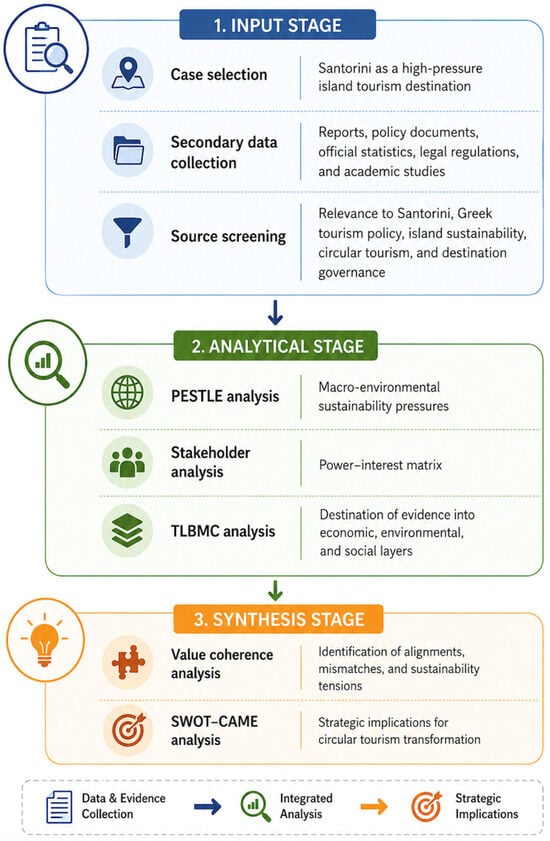
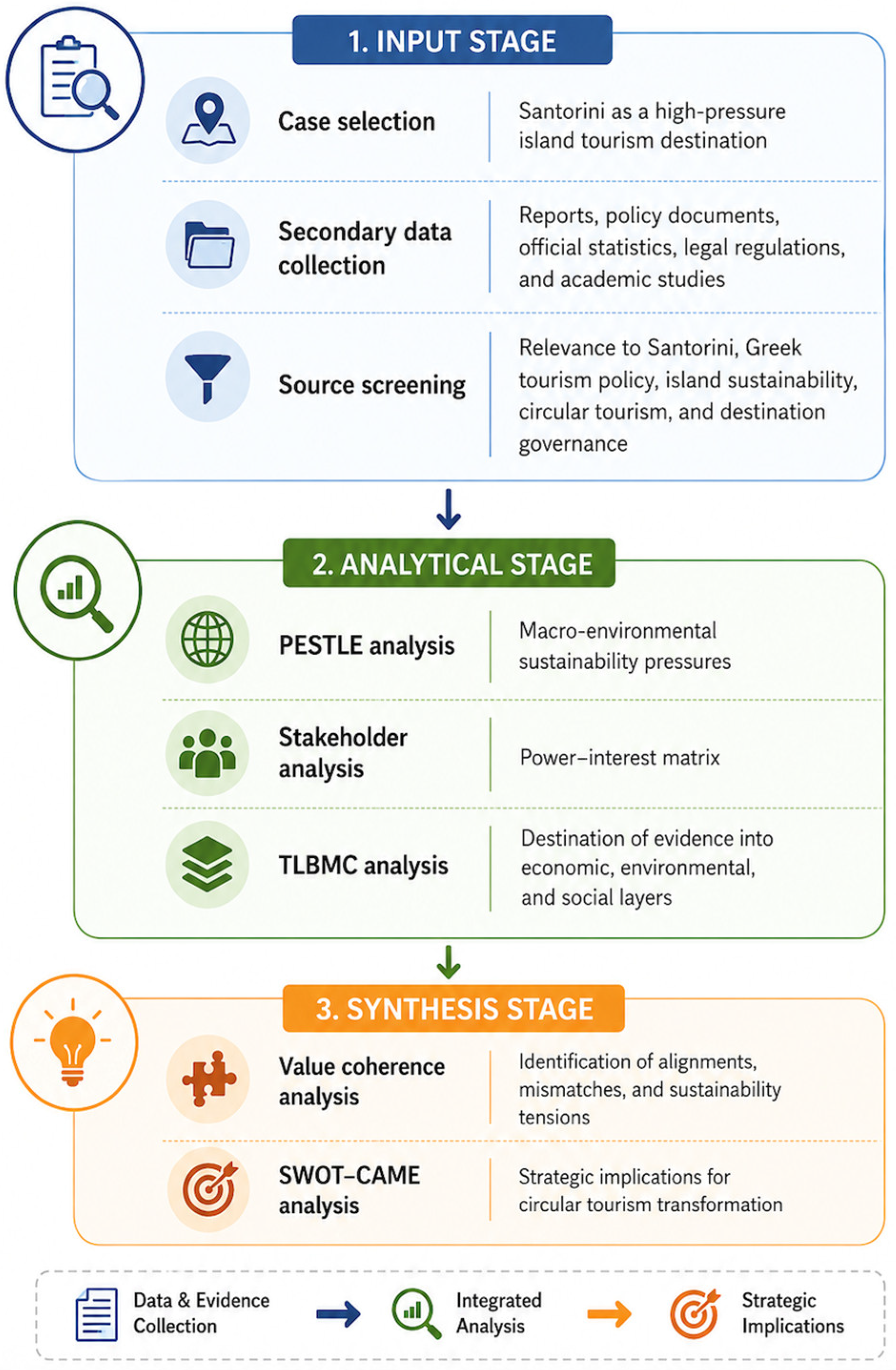
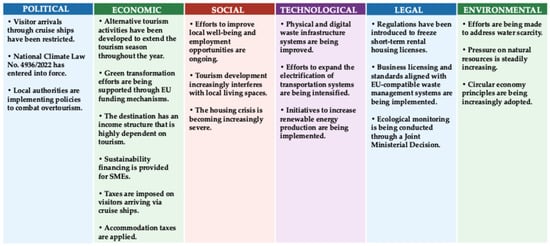
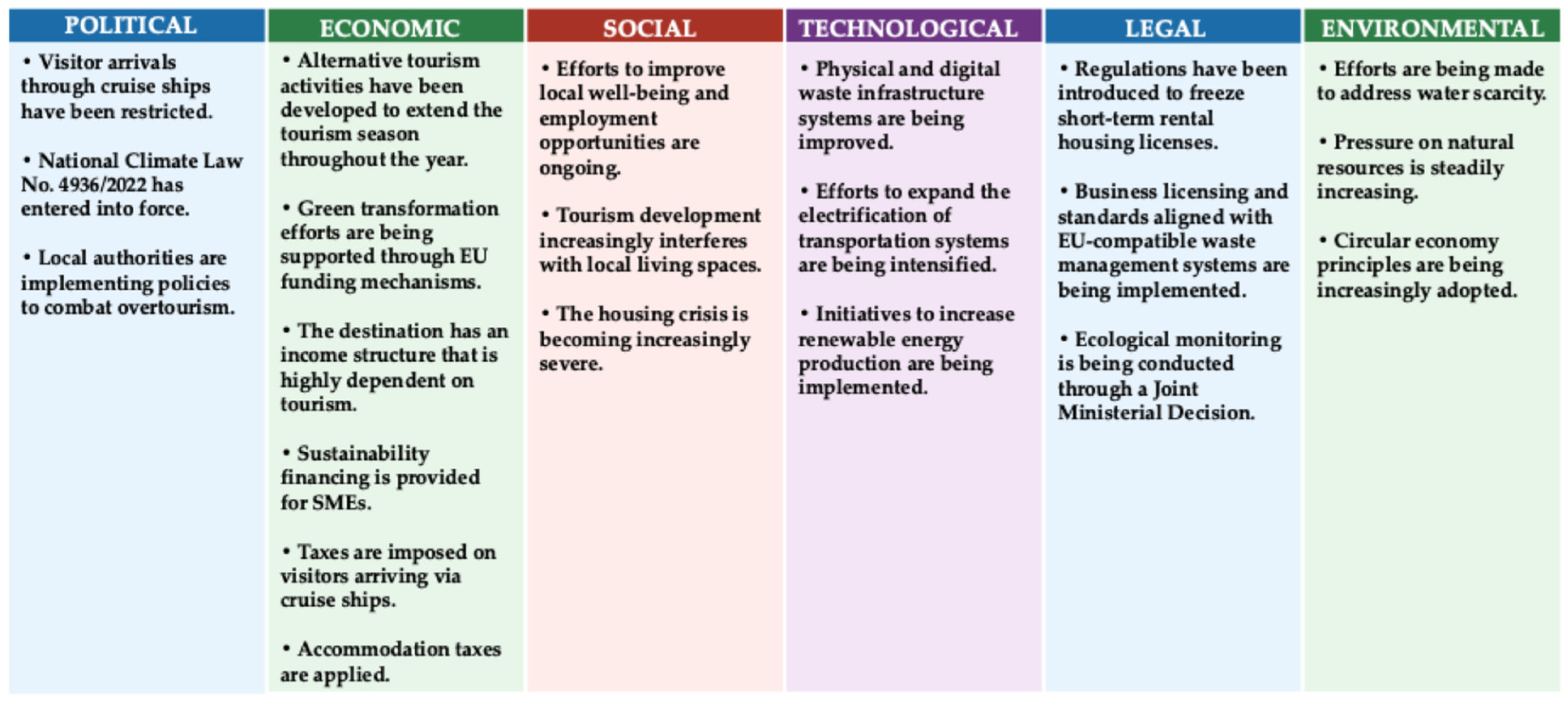
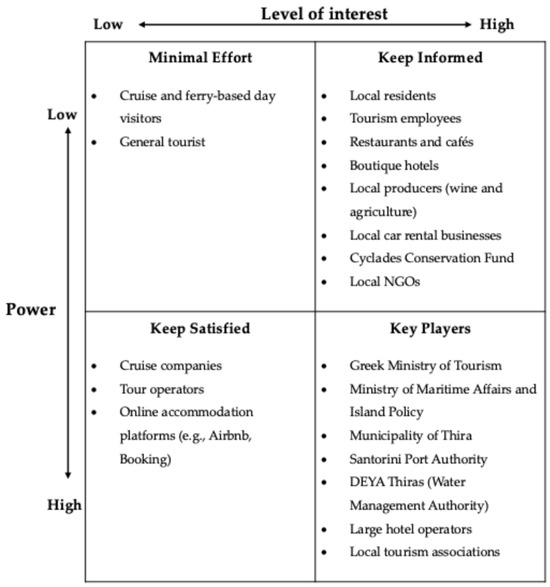
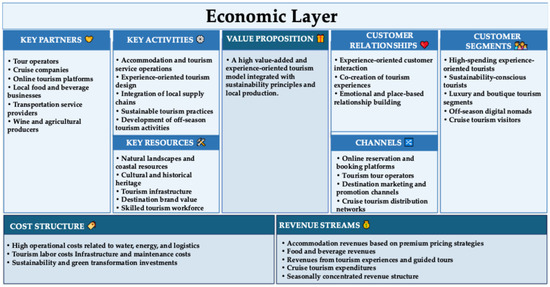
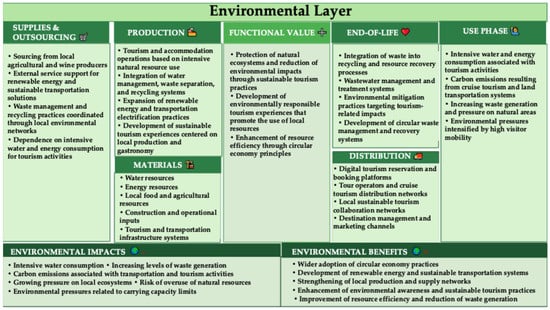
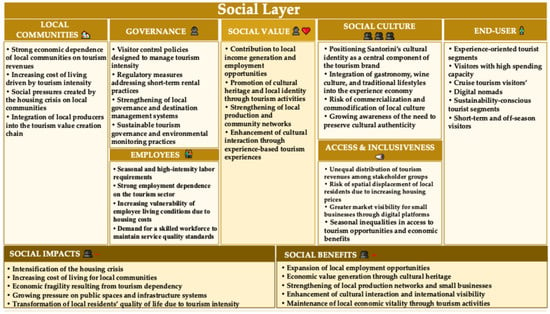
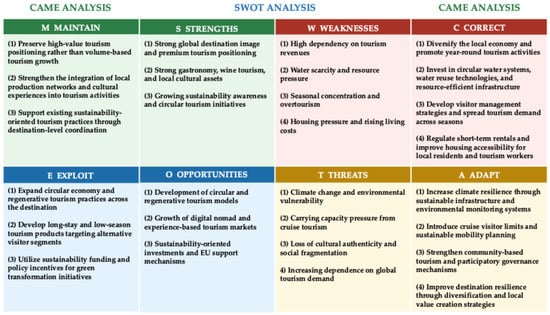
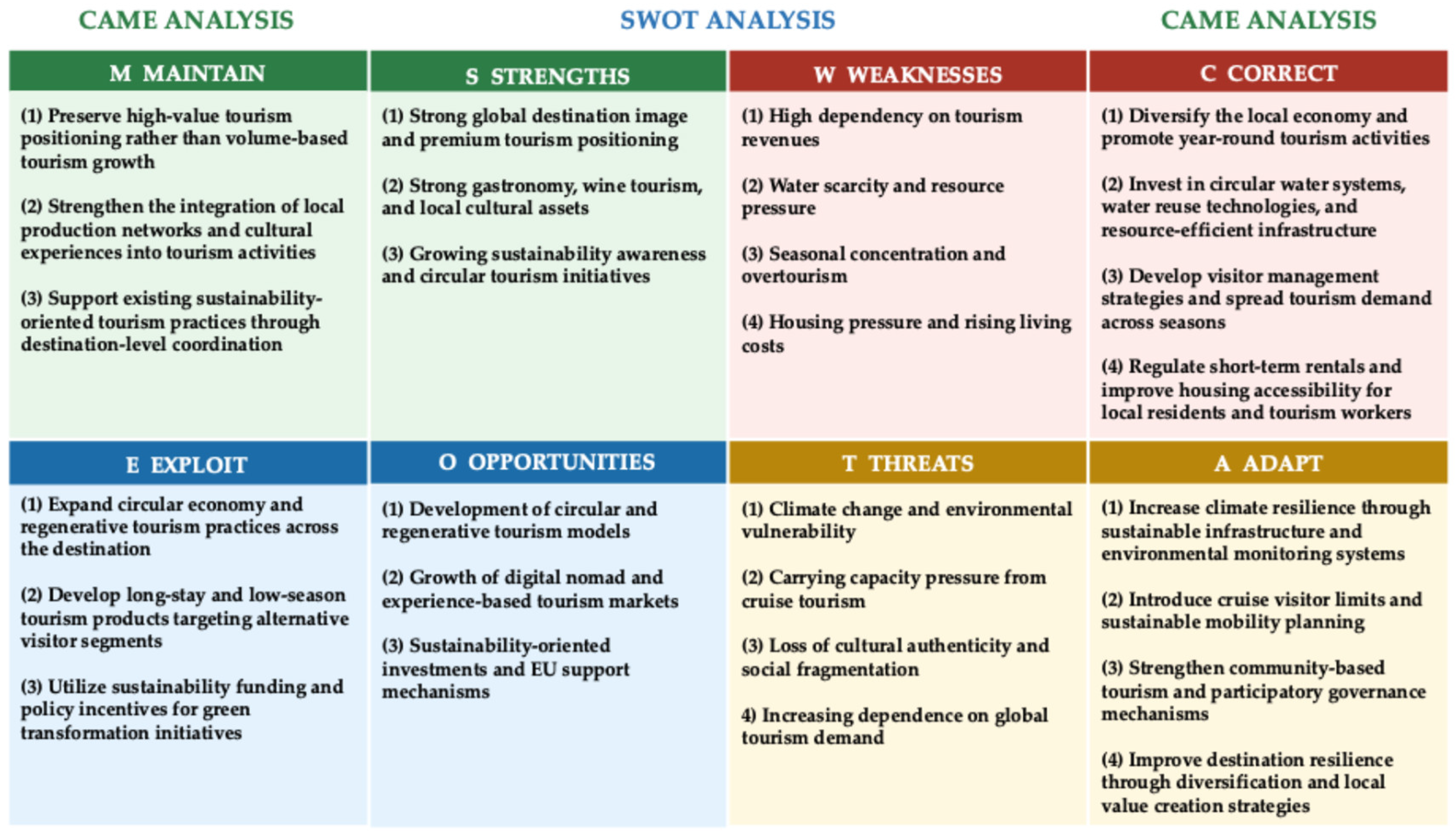

Disclaimer/Publisher’s Note: The statements, opinions and data contained in all publications are solely those of the individual author(s) and contributor(s) and not of MDPI and/or the editor(s). MDPI and/or the editor(s) disclaim responsibility for any injury to people or property resulting from any ideas, methods, instructions or products referred to in the content. |
© 2026 by the authors. Licensee MDPI, Basel, Switzerland. This article is an open access article distributed under the terms and conditions of the Creative Commons Attribution (CC BY) license.