


Abstract
Small- and medium-sized enterprises (SMEs) in the food and beverage industry play an important role in advancing business sustainability in emerging economies. However, many resource-endowed SMEs remain unable to translate their potential into sustainable business outcomes. This study examines the factors influencing the business sustainability of food and beverage SMEs in Northeastern Thailand and explains how organizational capabilities are hierarchically structured to create sustainable competitive advantage. A mixed-methods design was employed. Qualitative in-depth interviews with entrepreneurship-incubation experts and entrepreneurs revealed that SME sustainability problems were closely associated with weak planning practices, limited market knowledge, informal financial systems, and insufficient product development capability. These insights informed the development of the research instrument. Quantitative data were then collected from 401 entrepreneurs in the three highest-GPP provinces: Nakhon Ratchasima, Khon Kaen, and Ubon Ratchathani. Structural equation modelling was used to test causal relationships among strategic planning, finance and accounting, leadership, business knowledge, product development, external factors, and business sustainability. The model demonstrated acceptable fit and explained 92% of the variance in business sustainability. Strategic planning emerged as the strongest direct driver, supported by business knowledge and product development as complementary capabilities. Finance, leadership, and external factors showed no significant direct effects. The study proposes a Planning-Centric Sustainability Model and contributes to Resource-Based View, Competency-Based View, and Dynamic Capabilities perspectives in emerging economies.
1. Introduction
Small- and medium-sized enterprises (SMEs) are central to sustainable development because they generate employment, support local value chains, stimulate innovation and contribute to regional economic resilience. In emerging economies, SMEs are particularly important because they connect local resources, communities and markets, while also facing persistent constraints in finance, management capability, technology adoption and market access [1,2]. Sustainability in the SME context therefore extends beyond short-term profitability. It refers to the ability of firms to maintain economic viability, adapt to changing environments, contribute to social well-being and manage resources responsibly over time [3,4]. For food and beverage SMEs, this issue is especially significant because their activities are closely linked to agriculture, local employment, food systems, consumer health and resource use.
Thailand provides an important context for examining SME sustainability. The country’s 20-Year National Strategy (2018–2037) positions entrepreneurship, innovation, productivity improvement and value-added production as key mechanisms for achieving “security, prosperity and sustainability” [5]. However, recent economic conditions show that achieving this goal remains challenging. Thailand’s economic recovery has been uneven, with growth constrained by external uncertainty, weaker demand, household debt pressures and uneven private investment [6,7]. These conditions place additional pressure on SMEs, which often operate with limited resources and weaker resilience than large firms.
The food and beverage sector is one of Thailand’s most important economic sectors. Thailand is internationally recognized as a major food and agricultural exporter with a well-developed food processing industry [8]. Recent industry reports also show continued opportunities in processed foods, health foods, functional foods, plant-based products and convenience-oriented food products [9]. At the same time, the sector faces increasing challenges from rising operating costs, changing consumer demand, export uncertainty and slower domestic purchasing power [9]. These conditions make sustainability a strategic issue for food and beverage SMEs. Firms are not only required to survive market disruption but also to improve products, manage costs, develop knowledge and respond to external change.
Recent statistical evidence further supports the importance of this sector. Thailand’s MSME situation report indicates that MSMEs account for the overwhelming majority of enterprises in the country and continue to play a central role in employment, income generation and local economic activity [10]. Within this structure, food and beverage-related businesses are particularly important because they connect agricultural production, processing, retailing, tourism and local services. Industry reports also indicate that Thailand’s food and beverage services market is expected to continue expanding during 2024–2026, supported by tourism recovery and changing consumer demand [11], while food processing remains linked to opportunities in processed foods, health foods, functional foods, convenience products and export-oriented value chains [8,9]. However, these opportunities are accompanied by rising operating costs, weaker purchasing power and competitive pressure. These conditions make food and beverage SMEs an important setting for examining how firm-level capabilities support business sustainability.
Northeastern Thailand provides a particularly relevant regional setting for this study. The region is one of Thailand’s largest agricultural areas and has strong potential for value-added food and beverage processing. Its abundant agricultural resources create opportunities for local entrepreneurs to transform raw materials into higher-value products, strengthen local supply chains and support regional development. However, the region continues to experience economic disparities when compared with more industrialized and urbanized parts of the country [12]. This creates an important sustainability paradox: although the region is rich in agricultural resources, many SMEs remain unable to convert these resources into sustainable business outcomes. The central issue is therefore not simply whether entrepreneurs possess resources, but how they organize, develop and mobilize those resources through firm-level capabilities.
Regional data also justify the selection of Northeastern Thailand as the empirical context. NESDC’s Gross Regional and Provincial Product statistics show persistent regional differences in economic structure and value creation across Thailand [12]. Although the Northeast has a strong agricultural base and supplies important raw materials for food and beverage production, its ability to convert these resources into higher-value industrial and service outcomes remains constrained. This regional imbalance highlights the sustainability challenge examined in this study: resource availability alone does not guarantee sustainable enterprise performance. Instead, local entrepreneurs require planning, knowledge, product development and adaptive capabilities to transform regional resource potential into durable business value.
Previous research has examined several factors associated with SME sustainability and performance, including financial management, leadership, strategic planning, business knowledge, innovation capability, product development and external environmental conditions [13,14,15]. However, findings remain mixed. Some studies suggest that internal capabilities, such as strategic planning and innovation, are important for SME resilience and long-term performance [14,16]. Other studies emphasize the importance of external pressures, institutional support, market conditions and stakeholder expectations in shaping sustainability practices [17,18]. These different perspectives indicate that SME sustainability is not driven by a single factor. Rather, it may depend on the interaction between internal capabilities and external conditions.
The theoretical debate also remains open. The Resource-Based View (RBV) argues that firms achieve sustained competitive advantage when they possess valuable, rare, inimitable and non-substitutable resources [19,20]. This perspective is useful for explaining why some SMEs perform better than others. However, RBV has been criticized for giving insufficient attention to how firms adapt when environments change. Dynamic Capabilities theory responds to this limitation by emphasizing the firm’s ability to sense opportunities, seize resources and reconfigure capabilities in response to uncertainty [21]. The Competency-Based View further highlights the role of knowledge, learning and coordinated managerial action in transforming resources into organizational outcomes [22]. These perspectives suggest that business sustainability may depend not only on the presence of resources or individual competencies, but also on how capabilities are structured and coordinated.
Despite these theoretical advances, there remains limited empirical evidence on how different SME capabilities are hierarchically organized to support sustainability, particularly in food and beverage SMEs located in emerging regional economies. Much of the existing research treats factors such as finance, leadership, planning, knowledge and product development as separate predictors. This approach provides useful evidence but offers limited explanation of whether some capabilities function as core coordinating mechanisms while others play supporting, indirect or contextual roles. Addressing this gap is important for both theory and practice because capability-building programs, incubation services and public policy interventions often need to know which capabilities should be prioritized.
Accordingly, this study aims to examine the factors influencing the business sustainability of food and beverage SMEs in Northeastern Thailand and to model how these factors are structured as a capability system. The study focuses on six factors: strategic planning, finance and accounting, leadership, business knowledge, product development and external factors. A mixed-methods research design was employed. Qualitative in-depth interviews with entrepreneurship-incubation experts were used to support instrument development, followed by a quantitative survey of 401 food and beverage entrepreneurs in Nakhon Ratchasima, Khon Kaen and Ubon Ratchathani. Structural equation modelling was then applied to test the relationships among the proposed factors.
This study contributes to the SME sustainability literature in three ways. First, it develops a capability-based explanation of food and beverage SME sustainability by integrating the Resource-Based View, Competency-Based View, and Dynamic Capabilities theory. Second, it responds to calls for more context-sensitive research on SME sustainability in emerging and regional economies by providing empirical evidence from Northeastern Thailand, a resource-endowed but economically lagging region. Third, it offers a planning-centric framework that can inform the design of entrepreneurial capability assessment tools, incubation programs, and place-based SME support policies. By examining how strategic planning, business knowledge, product development, finance and accounting, leadership, and external factors relate to business sustainability, the study provides a clearer understanding of which capabilities should be prioritized in sustainability-oriented SME development.
2. Literature Review
The literature review is organized into four main themes: the Competency-Based View, the Resource-Based View, Dynamic Capabilities, and the sustainable development of SMEs. These perspectives are then integrated to explain how the six factors examined in this study—strategic planning, finance and accounting, leadership, business knowledge, product development, and external factors—may operate as a hierarchical capability system influencing SME sustainability.
2.1. Competency-Based View
The Competency-Based View (CBV) explains firm competitiveness by focusing on the knowledge, skills, routines and coordinated actions embedded within an organization. The concept is closely linked to the idea of core competence, which argues that sustainable competitive advantage arises not merely from products or services, but from deeper organizational capabilities that are difficult for competitors to imitate [22]. Competencies are therefore not isolated skills; rather, they are integrated patterns of knowledge, behavior and managerial action that enable firms to use resources effectively.
In the SME context, CBV is particularly relevant because the entrepreneur or owner-manager often plays a central role in shaping the firm’s competence base. Unlike large corporations, SMEs usually have less formalized systems and fewer specialized departments. As a result, entrepreneurial competencies are often embedded in the founder’s experience, decision-making ability, market understanding, networks and commitment. Man et al. proposed an entrepreneurial competency framework consisting of opportunity, relationship, conceptual, organizing, strategic and commitment competencies, showing that these competencies are important for SME competitiveness and long-term performance [23]. Similarly, Ahmad et al. found that entrepreneurial competencies are associated with SME success, although this relationship may depend on the business environment in which the firm operates [24].
CBV therefore provides a useful foundation for this study because it allows the success factors of SMEs to be understood as part of a competency system. Strategic planning, business knowledge, leadership, financial management and product development can all be interpreted as firm-level competencies that help entrepreneurs convert available resources into sustainable business outcomes.
2.2. Resource-Based View
The Resource-Based View (RBV) provides a complementary explanation of firm-level sustainability by emphasizing the strategic importance of internal resources. Penrose argued that the growth of the firm depends not only on the resources it possesses, but also on the productive services that those resources can generate [25]. This argument is highly relevant to SMEs because many resource-endowed firms may still fail to grow if they lack the capability to organize and apply resources effectively.
Wernerfelt later formalized RBV by arguing that firms can be analyzed in terms of their resources, including tangible and intangible assets [20]. Barney further developed the theory by proposing that sustained competitive advantage arises from resources that are valuable, rare, imperfectly imitable and non-substitutable [19]. These resources may include financial capital, physical assets, human capital, organizational culture, knowledge, reputation, customer relationships and managerial experience.
In food and beverage SMEs, important resources may include local agricultural raw materials, product-specific knowledge, supplier relationships, recipes, production know-how, brand identity, customer trust and entrepreneurial experience. However, RBV also implies that resources alone are insufficient. For example, access to agricultural raw materials does not automatically lead to sustainable business performance unless entrepreneurs can transform those resources into marketable products, manage costs, create customer value and respond to changing demand. Therefore, this study uses RBV to explain why finance and accounting, leadership and business knowledge may function as strategic resources or capability foundations for SME sustainability.
2.3. Dynamic Capabilities
Dynamic Capabilities theory was developed to address a limitation of RBV. While RBV explains how firms achieve competitive advantage through valuable resources, it is less able to explain how firms adapt when environments are uncertain or rapidly changing [21]. Dynamic Capabilities theory focuses on the firm’s ability to integrate, build and reconfigure internal and external competencies in response to environmental change [21].
Teece later explained dynamic capabilities through three micro-foundations: sensing, seizing and reconfiguring [26]. Sensing refers to the ability to identify opportunities and threats in markets, technologies and consumer behavior. Seizing refers to the ability to mobilize resources and make strategic decisions to capture opportunities. Reconfiguring refers to the ability to renew organizational resources, processes and structures in response to change [26]. These three processes are highly relevant to food and beverage SMEs because entrepreneurs must continuously respond to changes in consumer preferences, input costs, technology, distribution channels, food trends and regulatory requirements.
Dynamic capabilities are also related to adaptive capability, absorptive capability and innovative capability [27]. Adaptive capability allows firms to adjust to environmental changes; absorptive capability enables firms to acquire and apply external knowledge; and innovative capability supports the development of new products, services and processes. In SMEs, these capabilities may appear in less formal but more flexible forms than in large organizations. Eisenhardt and Martin argued that dynamic capabilities can take the form of identifiable routines, but their specific patterns may vary across market conditions [28]. For food and beverage SMEs, dynamic capabilities are often embedded in the entrepreneur’s ability to learn from customers, adjust products, use external support and reconfigure resources quickly.
In this study, dynamic capabilities help explain how business knowledge, strategic planning, product development and external responsiveness may contribute to sustainability. Business knowledge supports sensing, strategic planning supports seizing, and product development reflects the firm’s ability to reconfigure resources into new value propositions.
2.4. SME Sustainability and Capability Integration
Business sustainability in SMEs is commonly understood through economic, social and environmental dimensions. The triple bottom line perspective emphasizes that firms should create value not only through financial performance, but also through social contribution and environmental responsibility [29]. However, the present study adopts a narrower operational focus. It examines business-oriented sustainability, defined as the ability of an SME to maintain business continuity, financial and operational stability, customer relationships, cost control, adaptability, and a sustainable growth trajectory.
This focus is particularly relevant to informal and micro-scale SMEs in emerging regional economies. For many such firms, business viability represents a foundational condition for pursuing broader social and environmental objectives. Stable revenue, adequate liquidity, customer retention, operational adaptability, and continuity are often necessary before an enterprise can systematically invest in employee welfare, community engagement, waste reduction, resource efficiency, or sustainable sourcing [3,4]. Accordingly, the construct examined in this study should not be interpreted as a comprehensive measure of triple-bottom-line sustainability.
Previous research has shown that SME sustainability depends on both internal capabilities and external conditions. Internal factors include strategic planning, leadership, financial management, knowledge, innovation, product development and managerial capability [13,30,31]. External factors include government support, market conditions, technology change, competition, regulations, customer demand and broader economic uncertainty [17,32]. In emerging economies, these external factors are especially important because SMEs often operate in environments where institutional support, access to finance, infrastructure and market information may be unevenly developed.
In the Thai context, previous studies have found that SME success is influenced by multiple factors, including management capability, knowledge, product and service quality, customer and market orientation, finance, strategy and the external environment [33,34]. However, many studies still treat these factors as independent predictors of success. This limits the theoretical explanation of how different capabilities interact or whether some capabilities are more central than others in generating sustainability outcomes.
To address this limitation, the present study integrates CBV, RBV and Dynamic Capabilities into a hierarchical capability system. RBV explains the importance of firm resources; CBV explains how knowledge, skills and managerial competencies coordinate those resources; and Dynamic Capabilities theory explains how firms adapt and renew their competencies under changing conditions. This integrated perspective supports the argument that SME sustainability is not simply the result of individual factors, but of a structured capability system.
2.5. Strategic Planning and Business Sustainability
Strategic planning refers to the process of setting goals, analyzing internal and external environments, allocating resources and determining future courses of action. In SMEs, strategic planning may be informal, but it remains essential because it helps entrepreneurs clarify direction, reduce uncertainty and make better decisions about resource allocation. Strategic planning can also help SMEs integrate sustainability concerns into business models, operations and product development.
Previous research has shown that systematic strategic planning positively influences the sustainable performance of SMEs [35]. Strategic planning research also suggests that planning improves coordination, decision quality and strategic alignment within organizations [36]. For food and beverage SMEs, strategic planning is particularly important because entrepreneurs must respond to changing consumer preferences, manage production costs, identify target markets, develop products and comply with quality or safety requirements.
From the RBV perspective, strategic planning helps firms organize resources into value-creating activities. From the CBV perspective, it reflects a managerial competency that coordinates knowledge, finance, leadership and innovation. From the Dynamic Capabilities perspective, strategic planning supports the seizing process by enabling entrepreneurs to select opportunities and mobilize resources. Therefore, strategic planning is expected to positively influence business sustainability.
H1.
Strategic planning has a positive direct effect on the business sustainability of food and beverage SMEs.
2.6. Finance and Accounting Capability and Business Sustainability
Finance and accounting capability refers to the ability of SMEs to record financial information, control costs, manage cash flow, assess profitability, plan budgets and make informed financial decisions. Financial management is widely recognized as a critical capability for SME survival because many small firms face liquidity constraints, limited access to credit and weak financial systems [37,38].
In the context of sustainability, finance and accounting capability enables entrepreneurs to evaluate whether business strategies and product development activities are economically feasible. It also supports investment decisions, cost control and risk management. For food and beverage SMEs, this capability is especially important because firms often face volatile input prices, inventory management challenges, production costs and uncertain market demand.
However, the role of finance and accounting capability may be both direct and enabling. It may directly support sustainability by improving financial stability, but it may also indirectly support other capabilities such as strategic planning and product development. Therefore, the relationship requires empirical testing.
H2.
Finance and accounting capability has a positive direct effect on the business sustainability of food and beverage SMEs.
2.7. Leadership and Business Sustainability
Leadership is a key factor in SME sustainability because owner-managers often act as the main decision-makers, resource coordinators and drivers of organizational change. Leadership affects vision, employee motivation, organizational culture, learning, innovation and the firm’s willingness to pursue long-term goals. Sustainable leadership also encourages resilience, ethical decision-making and stakeholder-oriented management [39].
Empirical evidence from Thai SMEs suggests that sustainable leadership practices can support financial performance and business resilience [40]. In food and beverage SMEs, leadership may influence sustainability by shaping how entrepreneurs respond to market uncertainty, develop employees, manage relationships and implement strategic decisions. However, leadership may not always produce direct sustainability outcomes unless it is translated into concrete strategic plans, financial systems, product development and organizational learning.
Therefore, leadership is expected to contribute positively to business sustainability, although its role may be direct or mediated through other managerial capabilities.
H3.
Leadership has a positive direct effect on the business sustainability of food and beverage SMEs.
2.8. Business Knowledge and Business Sustainability
Business knowledge refers to the entrepreneur’s understanding of customers, markets, competitors, operations, regulations, marketing, finance and business development. Knowledge is a key intangible resource because it allows firms to identify opportunities, solve problems and make informed decisions. The knowledge-based view of the firm emphasizes that knowledge is one of the most strategically important resources because it supports coordination, learning and value creation [41].
For food and beverage SMEs, business knowledge is especially important because entrepreneurs must understand food trends, consumer preferences, pricing, distribution channels, branding, quality standards and competitive positioning. Business knowledge supports sustainability by improving decision-making, enhancing market responsiveness and enabling firms to adapt to changing demand.
From the Dynamic Capabilities perspective, business knowledge supports sensing and learning. Entrepreneurs with stronger business knowledge are more likely to detect market opportunities, understand customer needs and make strategic adjustments. Therefore, business knowledge is expected to positively influence business sustainability.
H4.
Business knowledge has a positive direct effect on the business sustainability of food and beverage SMEs.
2.9. Product Development Capability and Business Sustainability
Product development capability refers to the ability of firms to create, improve and commercialize products that respond to customer needs and market opportunities. In food and beverage SMEs, product development may include improvements in taste, packaging, nutrition, shelf life, safety, branding, convenience, functional benefits and environmental friendliness.
Innovation and product development are important for SME sustainability because they allow firms to differentiate products, create value-added offerings and respond to changing consumer preferences. Research has shown that innovation capability can contribute to SME performance and competitive advantage, although the relationship may depend on firm size, market conditions and the type of innovation pursued [42]. Sustainability-oriented innovation is also particularly important for SMEs because it can help firms improve resource efficiency, reduce waste and create products that meet changing stakeholder expectations [43].
In resource-endowed regions, product development capability is especially important because it allows entrepreneurs to transform local agricultural raw materials into higher-value food and beverage products. Therefore, product development capability is expected to positively affect business sustainability.
H5.
Product development capability has a positive direct effect on the business sustainability of food and beverage SMEs.
2.10. External Factors and Business Sustainability
External factors refer to environmental conditions outside the firm that influence business operation and sustainability. These include market competition, customer demand, government support, technology change, economic conditions, regulations, infrastructure and supply-chain conditions. For SMEs, external factors can create both opportunities and constraints.
Institutional theory suggests that firms are influenced by rules, norms and expectations in their external environment [44]. Stakeholder theory also suggests that firms must respond to the needs and pressures of customers, suppliers, employees, communities, regulators and other stakeholders [45]. In SME sustainability research, external support and pressure are often found to influence sustainability practices, innovation and performance [46].
However, the effect of external factors may depend on the firm’s internal capabilities. External support may not produce sustainable outcomes if SMEs lack planning, knowledge, leadership or product development capability. Conversely, firms with stronger internal capabilities may be better able to use external opportunities to improve sustainability. Therefore, external factors may function as contextual or enabling conditions, but this study tests whether they also have a direct effect on business sustainability.
H6.
External factors have a positive direct effect on the business sustainability of food and beverage SMEs.
2.11. Integration into a Hierarchical Capability System
The six factors examined in this study are not treated merely as independent predictors. Instead, they are conceptualized as components of a hierarchical capability system. Drawing on RBV, CBV and Dynamic Capabilities theory, the factors can be organized into three capability layers.
The first layer consists of foundational capabilities, including finance and accounting capability and leadership. These capabilities provide the basic managerial and resource-control conditions necessary for SME survival. They correspond to the basic resources emphasized in RBV and the managerial competencies emphasized in CBV.
The second layer consists of integrative capabilities, including strategic planning and business knowledge. These capabilities help entrepreneurs interpret information, make decisions and convert resources into actionable strategies. They correspond to the strategic and conceptual competencies in CBV and the seizing function in Dynamic Capabilities theory.
The third layer consists of dynamic capabilities, including product development and responsiveness to external factors. These capabilities allow firms to adapt to market change, develop new value propositions and reconfigure resources in response to opportunities and threats. They correspond to the sensing and reconfiguring functions of Dynamic Capabilities theory.
This hierarchical perspective provides the theoretical basis for the Planning-Centric Sustainability Model tested in this study. While all six factors are expected to have positive effects on sustainability, the model also allows their relative importance to be compared. This is important because SME support programs, incubation services and regional policies need to understand not only which factors matter, but also which capabilities should be prioritized to enhance sustainable business outcomes.
3. Research Methodology
3.1. Research Design
This study utilized a mixed-methods research design that integrated qualitative and quantitative methodologies. The mixed-methods approach was suitable since the study sought to examine causal links among specified variables while also ensuring that the research instrument accurately represented the practical reality of food and beverage SMEs in Northeastern Thailand. The qualitative phase was employed to investigate the business context, discern real issues encountered by entrepreneurs, and enhance the measurement items. The quantitative phase was employed to examine the proposed links between the six independent variables and business sustainability using structural equation modeling.
The overall research process consisted of nine stages, as presented in Figure 1. First, the research objective was defined as identifying the factors influencing the sustainability of food and beverage SMEs. Second, the literature review was conducted based on the Competency-Based View, Resource-Based View, Dynamic Capabilities theory and SME sustainability literature. Third, the conceptual framework was developed by identifying six key factors: strategic planning, finance and accounting, leadership, business knowledge, product development and external factors. Fourth, a mixed-methods design was implemented, beginning with qualitative expert interviews and followed by a quantitative questionnaire survey. Fifth, the questionnaire was developed and validated through expert review, the Item–Objective Congruence index and pilot testing. Sixth, data were collected, screened and prepared for analysis. Seventh, structural equation modelling using maximum likelihood estimation was conducted. Eighth, model fit was evaluated using standard goodness-of-fit indices. Finally, hypothesis testing and model building were performed to develop the Planning-Centric Sustainability Model.
Figure 1.
Research methodology procedure.
3.2. Qualitative Phase
The qualitative phase consisted of in-depth interviews with 20 participants, comprising 15 experts and 5 food and beverage entrepreneurs. The expert participants included incubation managers, SME consultants, and science park officers who had direct experience in supporting SME development, business incubation, product development, and entrepreneurship promotion. The entrepreneur participants were selected from food and beverage SMEs to provide practical insights into business challenges, sustainability concerns, and capability needs in the sector.
The interviews were conducted between May and July 2025. Each interview lasted approximately 45–60 min. A semi-structured interview protocol was used to ensure consistency across interviews while allowing participants to elaborate on their experiences. The interview topics covered strategic planning, financial and accounting practices, leadership, business knowledge, product development, external environmental conditions, and business sustainability outcomes. Participants were also asked to identify common barriers faced by food and beverage SMEs and the types of capabilities needed to support long-term business continuity.
The qualitative data were analyzed using content analysis. Interview notes and transcripts were reviewed to identify recurring themes, practical problems, and capability-related issues. The initial themes were then discussed among the research team through consensus discussion to refine the interpretation and ensure consistency with the study’s conceptual framework. The findings from this phase indicated that many food and beverage SMEs faced difficulties related to weak strategic planning, informal financial management, limited market knowledge, insufficient product development capability, and uncertainty in responding to external changes. These insights were used together with the literature review to refine the questionnaire items and improve the contextual relevance of the quantitative instrument.
3.3. Quantitative Phase, Population and Sampling
The quantitative phase collected survey data from food and beverage entrepreneurs located in the three provinces with the highest gross provincial product (GPP) in Northeastern Thailand: Nakhon Ratchasima, Khon Kaen and Ubon Ratchathani. These provinces were selected because they represent major economic centers of the region and have strong potential for food and beverage entrepreneurship, agricultural value addition and regional supply-chain development.
In 2022, the target population consisted of 23,799 food and beverage businesses across the three provinces. Of these, 8246 businesses were located in Nakhon Ratchasima, 8178 in Khon Kaen and 7375 in Ubon Ratchathani. The required sample size was calculated using Yamane’s formula at a 95% confidence level and a 5% margin of error [47]. The minimum required sample size was 394 respondents. To increase the adequacy of the sample and compensate for possible unusable responses, 402 questionnaires were collected.
A combination of stratified sampling and purposive sampling was used. Stratified sampling was applied to ensure that respondents were proportionally drawn from the three selected provinces. Purposive sampling was then used to select respondents who were entrepreneurs, owners or managers of food and beverage SMEs and who had sufficient knowledge of their business operations. After data screening, one outlier was removed, resulting in 401 valid cases for analysis.
3.4. Research Instrument
The research instrument was a structured questionnaire developed from the literature review and qualitative findings. The questionnaire consisted of three main parts. The first part collected general business information, including business characteristics and respondent background. The second part measured the six factors affecting SME sustainability: strategic planning, finance and accounting, leadership, business knowledge, product development and external factors. Each factor was measured using seven items, resulting in 42 items. The third part measured business sustainability using eight items covering business continuity, revenue stability, liquidity, customer retention, customer expansion, cost control, adaptability and sustainable growth trend. In this study, these indicators operationalize business-oriented sustainability, emphasizing the economic and operational capacity of SMEs to continue operating, adapt to change, retain customers, control costs, and maintain growth. They do not constitute a comprehensive measurement of triple-bottom-line sustainability, which would require additional explicit social and environmental indicators.
The questionnaire used a Likert-type scale to measure respondents’ level of agreement with each statement. The scale was appropriate for measuring perceptions, managerial practices and sustainability-related outcomes among SME entrepreneurs.
3.5. Validity and Reliability
Content validity was assessed using the Item–Objective Congruence (IOC) index. A panel of experts reviewed each questionnaire item to determine whether it was consistent with the research objectives and the intended construct. The expert review confirmed that all items met the acceptable IOC criterion and were therefore retained for pilot testing.
Reliability was assessed using Cronbach’s alpha based on a pilot test with 40 respondents, representing approximately 10% of the required sample size. A Cronbach’s alpha value of 0.70 or above was considered acceptable for internal consistency [48]. The reliability results indicated that all latent variables met the recommended threshold. Specifically, Cronbach’s alpha values were 0.74 for strategic business planning, 0.95 for finance and accounting, 0.94 for organizational leadership, 0.95 for business knowledge, 0.90 for product development, 0.85 for external factors, and 0.90 for business sustainability.
Following full-scale data collection, reliability was reassessed using the complete sample. At this stage, the corrected item–total correlation of each indicator was examined. Five questionnaire items with corrected item–total correlation values below 0.30 were removed before confirmatory factor analysis. This initial screening was undertaken to eliminate weak indicators that did not demonstrate sufficient consistency with their respective constructs. The remaining indicators were subsequently evaluated through confirmatory factor analysis.
3.6. Data Screening
Before conducting structural equation modelling, the dataset was screened to ensure its suitability for multivariate analysis. Five screening procedures were conducted: outlier detection, missing data assessment, normality testing, linearity assessment and multicollinearity diagnosis.
First, multivariate outliers were assessed using Mahalanobis distance in IBM SPSS Statistics (Version 27), with a significance criterion of p < 0.001. One outlier was identified and removed, leaving 401 valid cases. Second, missing data were examined, and no missing values were found. Third, normality was assessed using skewness and kurtosis. The skewness values were within ±2 and the kurtosis values were within ±7, indicating an acceptable approximation of normality for SEM analysis [49]. Fourth, linearity was assessed using Jamovi (Version 2.3.28), and the relationships between the six independent variables and business sustainability were found to be predominantly positive and linear. Fifth, multicollinearity was assessed using Pearson correlation coefficients, variance inflation factor values and tolerance values. All pairwise correlations were below 0.70, all VIF values were below 3.00 and all tolerance values exceeded 0.20, indicating that multicollinearity was not a serious concern.
Reliability and item quality were also reassessed as part of the full-sample screening process. Five indicators with corrected item–total correlation values below 0.30 were identified and removed before the confirmatory factor analysis. After this preliminary item screening, composite reliability values ranged from 0.693 to 0.876, indicating acceptable construct reliability for the subsequent measurement-model analysis [50]. The removal decisions were based on statistical criteria while also considering the theoretical relevance of each indicator. The specific indicators removed at this stage are reported in Supplementary Table S1.
3.7. Analytical Strategy
Structural equation modelling was employed to test the hypothesized relationships among the six independent latent variables and the dependent latent variable of business sustainability. SEM was appropriate for this study because it allows simultaneous assessment of the measurement model and the structural model, while also accounting for measurement error among latent constructs [51].
The analysis was conducted in two stages. First, confirmatory factor analysis was used to evaluate the measurement model. Only indicators that remained after the corrected item–total correlation screening were entered into the initial CFA model. The CFA assessed whether the observed indicators adequately represented their respective latent constructs. Indicators with standardized factor loadings below 0.60 were reviewed iteratively. An indicator was removed only when its loading was inadequate and when its removal improved construct reliability or model fit without weakening the theoretical coverage of the construct. Throughout the refinement process, each latent variable was required to retain at least three theoretically meaningful indicators. The original indicators, indicators removed during reliability screening or CFA refinement, retained indicators, and their available factor loadings are reported in Supplementary Table S1.
Second, the structural model was tested to examine the direct effects of strategic planning, finance and accounting, leadership, business knowledge, product development and external factors on business sustainability. Parameters were estimated using maximum likelihood estimation, which is suitable for large samples and approximately normally distributed data. Since the final sample size was 401, it exceeded the recommended minimum sample size for SEM and was considered adequate for maximum likelihood estimation [51,52].
Model fit was evaluated using multiple goodness-of-fit indices, including the chi-square statistic, root mean square error of approximation, standardized root mean square residual and comparative fit index. A good model fit was indicated by RMSEA values below 0.08, SRMR values below 0.08 and CFI values close to or above 0.90 [49,51]. Hypotheses H1–H6 were tested based on the sign, size and statistical significance of the standardized path coefficients.
4. Results
4.1. Sample Profile
The final sample consisted of 401 valid responses from food and beverage SME entrepreneurs in Nakhon Ratchasima, Khon Kaen and Ubon Ratchathani. Most respondents had operated their businesses for three to five years, representing 37.06% of the sample. A majority of businesses were operated as unregistered sole proprietorships, accounting for 60.70%, while 52.99% were classified as service-oriented food and beverage businesses. In terms of business performance, 42.29% of respondents reported volatile and unstable revenue over the preceding three years.
This profile suggests that the sample largely represents informal and micro-scale food and beverage entrepreneurs. Such characteristics are common in regional emerging-economy contexts, where many SMEs operate with limited formalization, constrained managerial systems and high exposure to market uncertainty. The sample was therefore appropriate for examining how firm-level capabilities influence business sustainability among resource-constrained food and beverage SMEs.
4.2. Measurement Model
Confirmatory factor analysis was conducted after the preliminary removal of five indicators with corrected item–total correlation values below 0.30. The initial CFA model was then refined through five iterations. During this stage, indicators with inadequate standardized factor loadings were reviewed and removed when their exclusion improved construct reliability or model fit while preserving the theoretical meaning of each construct. Each latent variable retained at least three theoretically relevant indicators in the final model.
In the final measurement model, standardized factor loadings ranged from 0.517 to 0.845, and all retained indicators were statistically significant at p < 0.001. Although one retained loading was below the preferred 0.60 criterion, it was retained because of its theoretical relevance and because the overall construct demonstrated acceptable reliability. The complete list of original, removed, and retained indicators, together with the criteria applied during refinement and the available standardized factor loadings, is presented in Supplementary Table S1.
The overall measurement model demonstrated an acceptable fit with the empirical data. Although the chi-square statistic was significant, χ2 = 767, df = 303, p < 0.001, this result was expected due to the relatively large sample size. Other fit indices provided stronger evidence of model adequacy. The RMSEA value was 0.062 and the SRMR value was 0.055, both of which were below the recommended threshold of 0.08. The incremental fit indices were also within an acceptable range, with CFI = 0.885, TLI = 0.866, IFI = 0.886 and NFI = 0.825. Although some indices were slightly below the conventional 0.90 cut-off, values between 0.80 and 0.90 may be considered acceptable in applied social science research, particularly when the model is theoretically grounded and includes multiple latent constructs. Taken together, the fit indices indicate that the measurement model was sufficiently consistent with the empirical data for further structural analysis.
To assess the possibility of common method bias, Harman’s single-factor test was conducted using all retained measurement items. The results showed that the first unrotated factor explained 28.453% of the total variance, which is below the commonly used threshold of 50%. This finding suggests that common method bias was unlikely to be a serious threat to the validity of the results. Nevertheless, because the study relied on self-reported cross-sectional survey data, the possibility of common method bias cannot be completely ruled out and is acknowledged as a limitation.
4.3. Structural Model and Hypothesis Testing
Structural equation modelling was used to test the direct effects of the six independent latent variables on business sustainability. The results are summarized in Table 1 and illustrated in Figure 2. The model explained 92% of the variance in business sustainability, indicating strong explanatory power. Given the relatively high R2 value, the result was interpreted cautiously together with the model fit indices, theoretical consistency, path significance, and Harman’s single-factor test result. Since the first unrotated factor explained only 28.453% of the total variance, common method bias was unlikely to account for the high explanatory power of the model. However, the high R2 may also reflect the close conceptual relationship between the managerial capability variables and the business-oriented sustainability indicators used in this study. Therefore, the model should be interpreted as a theoretically plausible capability structure rather than as definitive evidence of universal generalizability.
Table 1.
Results of hypothesis testing.
Figure 2.
Structural equation model: full SEM path diagram (X1–X6 → Y).
The results show that three hypotheses were supported. Strategic planning had the strongest positive direct effect on business sustainability, β = 0.255, p < 0.001, supporting H1. Business knowledge also had a significant positive effect, β = 0.181, p = 0.006, supporting H4. Product development had a significant positive effect as well, β = 0.148, p = 0.027, supporting H5. These findings indicate that food and beverage SME sustainability is most strongly influenced by capabilities related to planning, knowledge and product innovation.
In contrast, finance and accounting, leadership and external factors did not show statistically significant direct effects on business sustainability. Finance and accounting had a positive but non-significant effect, β = 0.103, p = 0.082, leading to the rejection of H2. Leadership also showed a positive but non-significant effect, β = 0.093, p = 0.142, leading to the rejection of H3. External factors had the weakest and non-significant effect, β = 0.071, p = 0.257, leading to the rejection of H6.
The non-significant results do not necessarily imply that finance and accounting, leadership and external factors are unimportant. Rather, their positive but non-significant coefficients suggest that these factors may play indirect, enabling or contextual roles. For example, finance and accounting may support sustainability by strengthening strategic planning and resource allocation, while leadership may influence sustainability through its effect on planning, learning and product development. Similarly, external factors may shape the business environment but may not directly generate sustainable outcomes unless entrepreneurs possess the internal capabilities needed to respond effectively.
The full structural model is presented in Figure 2. Significant paths are represented by solid lines, while non-significant paths are represented by dashed lines. The model supports the view that business sustainability among food and beverage SMEs is not equally driven by all organizational factors. Instead, sustainability appears to be primarily explained by a planning-centric capability structure in which strategic planning functions as the strongest direct driver, supported by business knowledge and product development.
5. Discussion
This study examined the factors influencing the business-oriented sustainability of food and beverage SMEs in Northeastern Thailand and developed a structural model explaining how these factors operate as a capability system. In this study, business-oriented sustainability refers specifically to business continuity, revenue stability, liquidity, customer retention and expansion, cost control, adaptability, and sustainable growth trend. The findings should therefore be interpreted within this economic and operational scope rather than as evidence of comprehensive triple-bottom-line sustainability.
The findings show that business-oriented sustainability is not equally driven by all organizational and environmental factors. Instead, it is primarily shaped by three significant capabilities: strategic planning, business knowledge and product development. Among these, strategic planning emerged as the strongest direct predictor. Finance and accounting, leadership and external factors showed positive but non-significant direct effects, suggesting that their roles may be indirect, enabling or contextual rather than directly predictive.
These findings support the argument that SME sustainability should be understood not merely as the result of resource possession, but as the outcome of how resources, knowledge and innovation capabilities are organized and mobilized. This interpretation is consistent with the Resource-Based View, which emphasizes the role of valuable and difficult-to-imitate resources [19,20], the Competency-Based View, which highlights the importance of coordinated entrepreneurial competencies [22,23], and Dynamic Capabilities theory, which explains how firms adapt and reconfigure capabilities in changing environments [21,26]. The results therefore extend previous SME sustainability research by showing that capabilities may be hierarchically structured rather than operating as independent predictors.
5.1. Strategic Planning as the Core Capability for SME Sustainability
The strongest finding of this study is that strategic planning had the largest positive direct effect on business-oriented sustainability. This result supports H1 and confirms that strategic planning is a central capability for food and beverage SMEs. In practical terms, strategic planning enables entrepreneurs to define business direction, allocate limited resources, identify target markets, control costs, plan product development and respond to market uncertainty. This is particularly important in food and beverage SMEs, where firms must deal with changing consumer preferences, fluctuating input prices, competitive pressure and quality-related requirements.
From the Competency-Based View, strategic planning can be interpreted as a higher-order entrepreneurial competency. It reflects not only the ability to prepare a business plan, but also the capacity to translate business vision into measurable objectives, operational priorities and adaptive decisions. This is consistent with Man et al., who identify strategic competency as an important dimension of entrepreneurial competitiveness [23]. From the Resource-Based View, strategic planning functions as a resource-orchestration mechanism. It helps entrepreneurs combine financial resources, human capital, knowledge and market information into coherent actions that support sustainability [19,20]. From the Dynamic Capabilities perspective, strategic planning corresponds closely to the seizing function, because it allows firms to select opportunities and mobilize resources in response to environmental change [26].
This finding is especially relevant to Northeastern Thailand. The region has substantial agricultural resources and potential for food and beverage value creation, yet many local entrepreneurs remain unable to transform this potential into sustainable business outcomes. The results suggest that the core challenge is not simply the lack of resources, but the lack of strategic capability to convert available resources into viable and adaptive business models. This interpretation is consistent with previous studies showing that SME sustainability and performance are strongly influenced by strategic planning, managerial capability and the ability to align resources with market opportunities [30,35,36].
5.2. Business Knowledge and Product Development as Complementary Capabilities
Business knowledge and product development also had significant positive effects on business-oriented sustainability, supporting H4 and H5. However, their effects were smaller than that of strategic planning. This suggests that knowledge and product development are important complementary capabilities, but they may generate stronger sustainability outcomes when integrated through a clear strategic direction.
Business knowledge represents an important intangible resource. Entrepreneurs with stronger business knowledge are more capable of understanding customer needs, market trends, pricing, branding, competitors, regulations and distribution channels. From the knowledge-based perspective, knowledge supports coordination, learning and value creation within the firm [41]. In food and beverage SMEs, such knowledge is essential because entrepreneurs must continuously interpret changing consumer preferences, food trends, quality expectations and market opportunities. However, knowledge alone may not automatically lead to sustainability unless it is converted into strategy, decisions and action.
Product development capability also plays a significant role in SME sustainability. For food and beverage SMEs, product development may involve improvements in taste, packaging, shelf life, nutritional value, convenience, branding, food safety or the use of local agricultural inputs. This finding is consistent with innovation literature, which suggests that innovation and product development can enhance SME competitiveness and long-term performance [42,43]. In resource-endowed regions such as Northeastern Thailand, product development is particularly important because it allows entrepreneurs to transform local raw materials into higher-value products.
Together, business knowledge and product development reflect the sensing and adaptation dimensions of Dynamic Capabilities. Business knowledge helps entrepreneurs identify market opportunities, while product development enables them to respond to those opportunities through improved or new offerings [21,26]. However, the relatively smaller effect sizes indicate that these capabilities require strategic planning to fully support sustainability. Without planning, entrepreneurs may possess knowledge or develop products, but these efforts may remain fragmented, reactive or poorly aligned with long-term business goals.
5.3. The Contextual Roles of Finance, Leadership and External Factors
Finance and accounting, leadership and external factors did not have significant direct effects on business-oriented sustainability. These findings should not be interpreted as evidence that these factors are unimportant. Rather, they suggest that, in the context of food and beverage SMEs in Northeastern Thailand, these factors may function more as foundational, enabling or contextual conditions than as independent direct drivers of sustainability. This interpretation is consistent with the capability-based logic of the study: resources and managerial attributes contribute to sustainability only when they are organized and converted into strategic action.
The non-significant effect of finance and accounting may be explained by the characteristics of the sample. A large proportion of respondents were informal or micro-scale entrepreneurs, with 60.70% operating as unregistered sole proprietorships and 42.29% reporting volatile revenue over the previous three years. For these entrepreneurs, financial and accounting practices may be used mainly for basic recordkeeping, cash-flow monitoring and short-term survival rather than for strategic investment, business expansion or sustainability-oriented decision-making. This may explain why finance and accounting showed a positive but non-significant direct effect. Although prior studies emphasize the importance of financial management for SME survival and performance [37,38], the present findings suggest that financial capability alone may be insufficient to generate sustainability unless it is connected to strategic planning, resource allocation and product development decisions. In this sense, finance and accounting may support sustainability indirectly by strengthening the quality of planning and investment decisions, rather than by independently producing sustainable outcomes.
Leadership also showed a positive but non-significant direct effect. This result differs from studies that emphasize sustainable leadership as a driver of SME resilience and performance [39,40]. One possible explanation is that leadership in micro and small food and beverage firms is often highly personalized and concentrated in the owner-manager. In such firms, leadership may shape vision, motivation and willingness to change, but these qualities may not automatically translate into measurable sustainability outcomes unless they are institutionalized through planning systems, learning routines, employee practices and innovation activities. This finding suggests that leadership may operate through other organizational capabilities, especially strategic planning, business knowledge and product development. Therefore, the non-significant direct effect does not contradict the importance of leadership; rather, it indicates that leadership may need to be converted into concrete managerial processes before it can affect business-oriented sustainability.
External factors also did not show a significant direct effect on business-oriented sustainability. This finding is important because many studies on SME sustainability emphasize the role of government support, market conditions, institutional pressures and stakeholder expectations [17,18,32,46]. In the present study, however, external factors appear to shape the business environment without directly generating sustainability outcomes. This may reflect the reality of regional food and beverage SMEs in Thailand, where entrepreneurs face similar external conditions, such as market competition, rising costs, changing consumer demand and uneven access to support programs, but differ in their internal capacity to respond to these conditions. From a Dynamic Capabilities perspective, external opportunities or pressures create potential for change, but sustainable outcomes depend on the firm’s ability to sense, seize and reconfigure resources [21,26]. Thus, external factors may influence sustainability only when entrepreneurs possess sufficient planning capability, business knowledge and product development capacity to use external opportunities effectively.
Taken together, the non-significant findings clarify the hierarchical nature of the Planning-Centric Sustainability Model. Finance and accounting, leadership and external factors may represent necessary background conditions, but they do not appear to be sufficient direct drivers of business-oriented sustainability in this sample. In contrast, strategic planning, business knowledge and product development are more directly connected to sustainability outcomes because they translate resources, managerial intention and market information into concrete business action. Future research should examine mediation processes like finance and accounting leading to strategic planning and subsequently to business-oriented sustainability, leadership influencing strategic planning and then business-oriented sustainability, as well as external influences affecting business knowledge or product development and ultimately business-oriented sustainability. This analysis would offer a comprehensive elucidation of how foundational and contextual elements translate into sustainable company outcomes.
5.4. The Planning-Centric Sustainability Model
The findings support the development of the Planning-Centric Sustainability Model, presented in Figure 3. The model retains only the statistically significant paths and identifies strategic planning as the core capability directly associated with business-oriented sustainability. Business knowledge and product development are positioned as complementary capabilities because they also demonstrated significant positive direct effects.
Figure 3.
Planning-Centric Sustainability Model: significant paths only.
Compared with existing SME sustainability frameworks that emphasize lists of success factors, stakeholder pressures or general dynamic capabilities, the Planning-Centric Sustainability Model highlights the ordering and coordination of capabilities. The model does not imply that finance and accounting, leadership, or external conditions are unimportant. Rather, the present findings show that these factors did not exert significant direct effects in the tested model. Their possible enabling, indirect, or contextual roles remain theoretically plausible but require further empirical examination.
In this sense, strategic planning functions as a higher-order capability because it connects resource control, market knowledge and product development with long-term business objectives. This is particularly important in emerging regional economies, where many SMEs possess local resources and entrepreneurial motivation but lack formal systems for converting these assets into sustainable business outcomes. The model therefore extends existing capability-based explanations by showing that the central challenge for food and beverage SMEs is not simply capability possession, but capability orchestration through planning.
The model contributes to theory in three ways. First, it extends the Resource-Based View by showing that resources do not automatically produce sustainability. Instead, resources must be coordinated through planning and transformed into action. Second, it refines the Competency-Based View by demonstrating that entrepreneurial competencies are not equal in their contribution to sustainability. Strategic planning appears to be a higher-order competency, while business knowledge and product development operate as complementary competencies. Third, it contributes to Dynamic Capabilities theory by showing that sensing, seizing and reconfiguring may not have equal effects. In this study, the seizing capability, represented by strategic planning, played the most central role.
The model also has practical importance. For food and beverage SME entrepreneurs, the findings suggest that sustainability should begin with clear strategic planning. Entrepreneurs should not focus only on products, finance and accounting or external support in isolation. Instead, they should develop planning systems that connect market knowledge, financial decisions, product development and long-term growth objectives. For policymakers, incubators and regional science parks, the findings suggest that SME support programs should prioritize strategic planning capability as the foundation of sustainability-oriented entrepreneurship development.
5.5. Broader Implications and Future Research Directions
The findings have broader implications for sustainability research and regional development policy. For sustainability research, the study shows that SME sustainability in emerging economies should be analyzed through capability systems rather than isolated success factors. This is important because many SMEs possess resources, knowledge or local advantages but still fail to achieve sustainable outcomes. The key issue is how these elements are organized and converted into strategic action.
For regional development, the results suggest that resource-endowed regions require more than raw materials, infrastructure or general support programs. They also need capability-building mechanisms that help entrepreneurs plan, learn, innovate and adapt. In the case of Northeastern Thailand, strengthening strategic planning, business knowledge and product development could help food and beverage SMEs transform agricultural resources into higher-value and more sustainable business outcomes.
Future research could extend this study in several directions. First, future studies may examine the indirect effects among finance, leadership, external factors, strategic planning, business knowledge and product development. This would help clarify whether non-significant factors influence sustainability through mediating variables. Second, longitudinal research could be conducted to examine how SME capabilities evolve over time and whether planning capability leads to sustained performance in the long term. Third, comparative studies across regions, industries or countries could test whether the Planning-Centric Sustainability Model applies beyond food and beverage SMEs in Northeastern Thailand. Finally, future research could incorporate environmental and social sustainability indicators more explicitly to strengthen the multidimensional measurement of SME sustainability.
Overall, the findings indicate that business-oriented sustainability among food and beverage SMEs is best understood as a planning-centric capability system. Strategic planning provides the central mechanism through which entrepreneurs organize resources, apply knowledge and guide product development toward sustainable outcomes. Business knowledge and product development strengthen this process, while finance, leadership and external factors appear to play enabling or contextual roles. This capability-based explanation provides a useful foundation for improving SME development programs and sustainability-oriented regional policy in emerging economies.
6. Conclusions and Implications
6.1. Conclusions
This study examined the factors influencing the business-oriented sustainability of food and beverage SMEs in Northeastern Thailand and developed a capability-based model explaining how organizational factors contribute to sustainable business outcomes. Drawing on the Resource-Based View, the Competency-Based View and Dynamic Capabilities theory, the study tested the direct effects of six factors: strategic planning, finance and accounting, leadership, business knowledge, product development and external factors.
The findings show that business-oriented sustainability among food and beverage SMEs is primarily driven by strategic planning, business knowledge and product development. Among these factors, strategic planning had the strongest positive direct effect, indicating that sustainability depends not only on the possession of resources but also on the entrepreneur’s ability to organize resources, define direction and convert knowledge and innovation into actionable business strategies. Business knowledge and product development also had significant positive effects, suggesting that market understanding and product innovation are important complementary capabilities for supporting long-term business continuity, adaptability and growth.
In contrast, finance and accounting, leadership and external factors did not show significant direct effects. These findings should not be interpreted as meaning that these factors are unimportant. Rather, they suggest that finance, leadership and external conditions may function as enabling, foundational or contextual factors whose influence may operate indirectly through strategic planning, business knowledge or product development. Since this study tested only direct effects, these possible indirect mechanisms should be examined in future research.
Overall, the study concludes that business-oriented sustainability in regional food and beverage SMEs is best understood as a planning-centric capability system. Strategic planning functions as the central coordinating capability, while business knowledge and product development serve as complementary capabilities that help entrepreneurs transform available resources and market opportunities into sustainable business outcomes.
6.2. Theoretical Contributions
This study makes three theoretical contributions. First, it advances SME sustainability research by showing that the examined capabilities do not have equal direct relationships with business-oriented sustainability. Strategic planning, business knowledge, and product development demonstrated significant positive effects, whereas finance and accounting, leadership, and external factors did not show significant direct effects. This finding moves beyond approaches that treat SME success factors as an undifferentiated list of independent predictors.
Second, the study extends the Resource-Based View and Dynamic Capabilities perspectives by showing that resources and capabilities do not contribute equally to business sustainability. Business knowledge and product development are valuable capabilities, but the strongest effect was found for strategic planning. This suggests that planning acts as a higher-order coordinating capability that helps entrepreneurs organize resources, interpret knowledge and guide innovation toward sustainable outcomes. The findings therefore extend RBV by emphasizing resource orchestration and extend Dynamic Capabilities theory by highlighting the central role of seizing capability in resource-constrained SME contexts.
Third, the study contributes empirical evidence from an under-represented regional emerging-economy context. The case of food and beverage SMEs in Northeastern Thailand shows that resource-endowed regions may still experience weak business sustainability when entrepreneurs lack the strategic capability to transform local agricultural resources into marketable, adaptive and resilient business outcomes. This supports the need for more context-sensitive research on SME sustainability in emerging regional economies.
The Planning-Centric Sustainability Model is therefore distinct from broader capability frameworks because it places strategic planning at the center of capability coordination rather than treating it as merely one complementary capability among several. Nevertheless, this interpretation should not be taken as empirical confirmation of a complete causal hierarchy among the six factors. The present study tested their direct effects on business-oriented sustainability, not the causal relationships among the capabilities themselves. Future research should test mediation, moderated mediation, and longitudinal relationships to determine whether strategic planning formally transmits or coordinates the effects of other capabilities.
6.3. Practical and Policy Implications
The findings offer practical implications for entrepreneurs, SME development agencies, incubators, regional science parks and policymakers. Because the dependent variable emphasizes business continuity and economic-operational viability, the recommendations primarily concern strengthening SMEs’ capacity to survive, adapt, retain customers, control costs, and maintain growth.
For entrepreneurs, the results suggest that business-oriented sustainability should begin with strategic planning. Food and beverage SMEs should develop clear business goals, identify target customer groups, analyze costs, plan product development and connect market knowledge with long-term growth strategies. Entrepreneurs should not treat finance, product improvement or external support as isolated activities; rather, these elements should be integrated through a clear strategic plan.
For SME support institutions and incubators, the Planning-Centric Sustainability Model can be used as a basis for designing entrepreneurial capability assessment tools. Such tools should assess entrepreneurs across at least three capability levels. The first level should diagnose foundational readiness, including basic financial management, leadership commitment and operational control. The second level should assess strategic readiness, including business planning, market knowledge, customer understanding and decision-making capability. The third level should assess innovation readiness, including product development, value-added processing, packaging improvement and adaptation to changing consumer demand.
Based on these diagnostic results, incubators and SME development agencies should provide staged capability-building programs. The first stage should focus on business diagnosis and strategic planning, helping entrepreneurs clarify business direction, target markets, cost structures and growth objectives. The second stage should strengthen business knowledge through market validation, customer analysis, branding, pricing and channel development. The third stage should support product development through mentoring, prototyping, food safety improvement, packaging design, shelf-life improvement and value-added use of local agricultural raw materials. The final stage should connect entrepreneurs to finance, government support, distribution channels and regional innovation networks.
For policymakers, the findings suggest that place-based SME policy should move beyond resource provision alone. In resource-rich but economically lagging regions such as Northeastern Thailand, providing finance, equipment or general training may not be sufficient if entrepreneurs lack the strategic capability to convert these inputs into sustainable value. Policy interventions should therefore prioritize strategic capability development, business knowledge enhancement and product development support. Government SME programs could integrate strategic planning requirements into funding schemes, provide mentoring before and after financial support, and establish regional food and beverage innovation clinics in collaboration with universities, regional science parks and local industry networks.
Although the present study did not directly measure comprehensive social and environmental sustainability, stronger business capability may create the organizational foundation for later improvements in employee welfare, community engagement, resource efficiency, waste reduction, and sustainable raw-material use. These broader outcomes should be treated as potential extensions rather than as effects demonstrated by the current model.
6.4. Limitations and Future Research
This study has several limitations. First, the dependent variable captures business-oriented sustainability rather than comprehensive triple-bottom-line sustainability. The measurement emphasizes business continuity, revenue stability, liquidity, customer retention and expansion, cost control, adaptability, and growth trend. Although these outcomes are important foundations of SME sustainability, they do not directly measure employee welfare, community engagement, fair labor practices, resource efficiency, waste reduction, or sustainable sourcing.
Future research should therefore extend the measurement model by incorporating explicit social sustainability indicators, such as employee training, welfare, fair labor practices, and community engagement, as well as environmental indicators, such as waste reduction, resource efficiency, environmentally responsible production, and sustainable raw-material sourcing. This would allow researchers to test whether the Planning-Centric Sustainability Model also explains broader triple-bottom-line outcomes.
Second, the study tested only direct effects. Because finance and accounting, leadership, and external factors showed positive but non-significant direct relationships, future studies should examine whether they influence business-oriented sustainability indirectly through strategic planning, business knowledge, or product development. Mediation and moderated-mediation models may provide a deeper explanation of the capability system.
Third, the study used cross-sectional data, which limits strong causal inference. Longitudinal research should examine whether strategic planning continues to influence business continuity and adaptability over time.
Fourth, the study focused on food and beverage SMEs in three high-GPP provinces in Northeastern Thailand. The findings may not generalize to lower-GPP provinces, other Thai regions, other ASEAN economies, or other industries. Future studies should include registered SMEs, manufacturing-oriented businesses, firms with different levels of formalization, and enterprises operating in less economically developed areas.
Finally, future research should examine potential moderators, including firm size, business age, degree of formalization, and digital capability. Such analysis could clarify the conditions under which strategic planning, business knowledge, and product development have stronger or weaker effects on business-oriented sustainability.
Supplementary Materials
The following supporting information can be downloaded at https://www.mdpi.com/article/10.3390/su18136575/s1. Table S1: Original, removed, and retained indicators in the measurement model.
Author Contributions
Conceptualization, W.N. and P.P.; methodology, W.N., P.P. and W.P.; software, W.P.; validation, P.P., C.P. and S.W.; formal analysis, W.N. and W.P.; investigation, W.N.; data curation, W.N. and C.P.; writing—original draft preparation, W.N.; writing—review and editing, P.P., W.P., C.P. and S.W.; visualization, W.P.; supervision, P.P.; project administration, W.N.; funding acquisition, P.P. All authors have read and agreed to the published version of the manuscript.
Funding
This work was supported by (i) the Suranaree University of Technology (SUT), (ii) Thailand Science Research and Innovation (TSRI), and (iii) the National Science, Research and Innovation Fund (NSRF), Project No. 4778402.
Institutional Review Board Statement
The study was conducted in accordance with the Declaration of Helsinki and approved by the Institutional Review Board of Suranaree University of Technology (protocol code COE no.174/2567 and date of approval on 1 December 2024).
Informed Consent Statement
Informed consent was obtained from all participants involved in the study. For the qualitative interviews, participants were informed of the study objectives, voluntary participation, confidentiality of responses, and their right to withdraw before giving consent to participate. For the quantitative survey, participation was voluntary, and consent was implied by completion and return of the anonymous questionnaire. No personally identifiable information was collected, and all data were used solely for academic research purposes and treated confidentially.
Data Availability Statement
Data available upon request.
Conflicts of Interest
The authors declare no conflicts of interest.
References
- OECD. OECD SME and Entrepreneurship Outlook 2023; OECD Publishing: Paris, France, 2023. [Google Scholar]
- United Nations. Transforming Our World: The 2030 Agenda for Sustainable Development; United Nations: New York, NY, USA, 2015. [Google Scholar]
- Schaltegger, S.; Lüdeke-Freund, F.; Hansen, E.G. Business cases for sustainability: The role of business model innovation for corporate sustainability. Int. J. Innov. Sustain. Dev. 2012, 6, 95–119. [Google Scholar] [CrossRef] [Scilit]
- Johnson, M.P.; Schaltegger, S. Two decades of sustainability management tools for SMEs: How far have we come? J. Small Bus. Manag. 2016, 54, 481–505. [Google Scholar]
- Office of the National Economic and Social Development Council. National Strategy 2018–2037; Office of the National Economic and Social Development Council: Bangkok, Thailand, 2018.
- World Bank. Thailand Economic Monitor: Digital Pathways for Growth; World Bank: Washington, DC, USA, 2025. [Google Scholar]
- Office of the National Economic and Social Development Council. Thai Economic Performance in Q2 of 2025 and the Outlook for 2025; Office of the National Economic and Social Development Council: Bangkok, Thailand, 2025.
- USDA Foreign Agricultural Service. Food Processing Ingredients Annual: Thailand; United States Department of Agriculture: Washington, DC, USA, 2024.
- USDA Foreign Agricultural Service. Food Processing Ingredients Annual: Thailand; United States Department of Agriculture: Washington, DC, USA, 2026.
- Office of Small and Medium Enterprises Promotion. MSME Situation Report 2024; Office of Small and Medium Enterprises Promotion: Bangkok, Thailand, 2024.
- Krungsri Research. Industry Outlook 2024–2026: Food and Beverage Services; Bank of Ayudhya Public Company Limited: Bangkok, Thailand, 2024. [Google Scholar]
- Office of the National Economic and Social Development Council. Gross Regional and Provincial Product 2023; Office of the National Economic and Social Development Council: Bangkok, Thailand, 2025.
- Bartolacci, F.; Caputo, A.; Soverchia, M. Sustainability and financial performance of small and medium sized enterprises: A bibliometric and systematic literature review. Bus. Strategy Environ. 2020, 29, 1297–1309. [Google Scholar]
- Molete, O.B.; Mtyingizana, M.; Mawela, T. The impact of IT strategic planning process on SME performance: A systematic review. Businesses 2025, 5, 2. [Google Scholar] [CrossRef] [Scilit]
- Kannan, S.; Garad, A.; Bresciani, S. Technology-driven sustainability in small and medium-sized enterprises: A systematic literature review. J. Small Bus. Strategy 2025, 35, 129–157. [Google Scholar] [CrossRef] [Scilit]
- Tennakoon, W.; Janadari, M.P.N. In search of sustainability in strategic planning of SMEs: A review of literature. J. Bus. Stud. 2022, 9, 88–109. [Google Scholar]
- Wattanapinyo, A.; Mol, A.P.J. Ecological modernization and environmental policy reform in Thailand: The case of food processing SMEs. Sustain. Dev. 2013, 21, 309–323. [Google Scholar]
- Putri, A.N.A.; Sari, R.; Wijaya, T. Unpacking green growth in SMEs: A framework for sustainability transitions through green dynamic capabilities and value co-creation. Sustain. Futur. 2025, 9, 100405. [Google Scholar]
- Barney, J. Firm resources and sustained competitive advantage. J. Manag. 1991, 17, 99–120. [Google Scholar] [CrossRef] [Scilit]
- Wernerfelt, B. A resource-based view of the firm. Strateg. Manag. J. 1984, 5, 171–180. [Google Scholar] [CrossRef] [Scilit]
- Teece, D.J.; Pisano, G.; Shuen, A. Dynamic capabilities and strategic management. Strateg. Manag. J. 1997, 18, 509–533. [Google Scholar] [CrossRef] [Scilit]
- Prahalad, C.K.; Hamel, G. The core competence of the corporation. Harv. Bus. Rev. 1990, 68, 79–91. [Google Scholar]
- Man, T.W.Y.; Lau, T.; Chan, K.F. The competitiveness of small and medium enterprises: A conceptualization with focus on entrepreneurial competencies. J. Bus. Ventur. 2002, 17, 123–142. [Google Scholar] [CrossRef] [Scilit]
- Ahmad, N.H.; Ramayah, T.; Wilson, C.; Kummerow, L. Is entrepreneurial competency and business success relationship contingent upon business environment? Int. J. Entrep. Behav. Res. 2010, 16, 182–203. [Google Scholar] [CrossRef] [Scilit]
- Penrose, E.T. The Theory of the Growth of the Firm; Blackwell: Oxford, UK, 1959. [Google Scholar]
- Teece, D.J. Explicating dynamic capabilities: The nature and microfoundations of sustainable enterprise performance. Strateg. Manag. J. 2007, 28, 1319–1350. [Google Scholar] [CrossRef] [Scilit]
- Wang, C.L.; Ahmed, P.K. Dynamic capabilities: A review and research agenda. Int. J. Manag. Rev. 2007, 9, 31–51. [Google Scholar] [CrossRef] [Scilit]
- Eisenhardt, K.M.; Martin, J.A. Dynamic capabilities: What are they? Strateg. Manag. J. 2000, 21, 1105–1121. [Google Scholar] [CrossRef] [Scilit]
- Elkington, J. Cannibals with Forks: The Triple Bottom Line of 21st Century Business; Capstone: Oxford, UK, 1997. [Google Scholar]
- Cant, M.C.; Wiid, J.A. Establishing the challenges affecting South African SMEs. Int. Bus. Econ. Res. J. 2013, 12, 707–716. [Google Scholar] [CrossRef] [Scilit]
- Chittithaworn, C.; Islam, M.A.; Keawchana, T.; Yusuf, D.H.M. Factors affecting business success of SMEs in Thailand. Asian Soc. Sci. 2011, 7, 180–190. [Google Scholar] [CrossRef] [Scilit]
- Roxas, B.; Coetzer, A. Institutional environment, managerial attitudes and environmental sustainability orientation of small firms. J. Bus. Ethics 2012, 111, 461–476. [Google Scholar] [CrossRef] [Scilit]
- Tor-udom, R. Success Factors of Small and Medium Enterprises (SMEs) in the Agro-Industry Trade Sector, Chachoengsao Province. Master’s Thesis, Rajamangala University of Technology Thanyaburi, Pathum Thani, Thailand, 2007. (In Thai) [Google Scholar]
- Kantabutra, P. Success factors of small and medium entrepreneurs: SMEs. West. Univ. Res. J. Humanit. Soc. Sci. 2016, 2, 59–76. (In Thai) [Google Scholar]
- Dwikat, S.Y.; Arshad, D.; Shariff, M.N.M. The influence of systematic strategic planning and strategic business innovation on the sustainable performance of manufacturing SMEs: The case of Palestine. Sustainability 2022, 14, 13388. [Google Scholar] [CrossRef] [Scilit]
- Wolf, C.; Floyd, S.W. Strategic planning research: Toward a theory-driven agenda. J. Manag. 2017, 43, 1754–1788. [Google Scholar]
- Mazzarol, T.; Reboud, S.; Clark, D. The financial management practices of small to medium enterprises. Small Enterp. Res. 2015, 22, 2–22. [Google Scholar]
- Fatoki, O. The financial literacy of micro entrepreneurs in South Africa. J. Soc. Sci. 2014, 40, 151–158. [Google Scholar] [CrossRef] [Scilit]
- Avery, G.C.; Bergsteiner, H. Sustainable leadership practices for enhancing business resilience and performance. Strategy Leadersh. 2011, 39, 5–15. [Google Scholar] [CrossRef] [Scilit]
- Suriyankietkaew, S.; Avery, G.C. Sustainable leadership practices driving financial performance: Empirical evidence from Thai SMEs. Sustainability 2016, 8, 327. [Google Scholar] [CrossRef] [Scilit]
- Grant, R.M. Toward a knowledge-based theory of the firm. Strateg. Manag. J. 1996, 17, 109–122. [Google Scholar] [CrossRef] [Scilit]
- Rosenbusch, N.; Brinckmann, J.; Bausch, A. Is innovation always beneficial? A meta-analysis of the relationship between innovation and performance in SMEs. J. Bus. Ventur. 2011, 26, 441–457. [Google Scholar] [CrossRef] [Scilit]
- Klewitz, J.; Hansen, E.G. Sustainability-oriented innovation of SMEs: A systematic review. J. Clean. Prod. 2014, 65, 57–75. [Google Scholar] [CrossRef] [Scilit]
- Scott, W.R. Institutions and Organizations: Ideas, Interests, and Identities, 4th ed.; Sage: Thousand Oaks, CA, USA, 2014. [Google Scholar]
- Freeman, R.E. Strategic Management: A Stakeholder Approach; Pitman: Boston, MA, USA, 1984. [Google Scholar]
- Johnson, M.P. Sustainability management and small and medium-sized enterprises: Managers’ awareness and implementation of innovative tools. Corp. Soc. Responsib. Environ. Manag. 2015, 22, 271–285. [Google Scholar]
- Yamane, T. Statistics: An Introductory Analysis, 2nd ed.; Harper and Row: New York, NY, USA, 1967. [Google Scholar]
- Nunnally, J.C.; Bernstein, I.H. Psychometric Theory, 3rd ed.; McGraw-Hill: New York, NY, USA, 1994. [Google Scholar]
- Kline, R.B. Principles and Practice of Structural Equation Modeling, 4th ed.; Guilford Press: New York, NY, USA, 2016. [Google Scholar]
- Fornell, C.; Larcker, D.F. Evaluating structural equation models with unobservable variables and measurement error. J. Mark. Res. 1981, 18, 39–50. [Google Scholar] [CrossRef] [Scilit]
- Hair, J.F.; Black, W.C.; Babin, B.J.; Anderson, R.E. Multivariate Data Analysis, 8th ed.; Cengage Learning: Andover, UK, 2019. [Google Scholar]
- Byrne, B.M. Structural Equation Modeling with AMOS: Basic Concepts, Applications, and Programming, 3rd ed.; Routledge: New York, NY, USA, 2016. [Google Scholar]
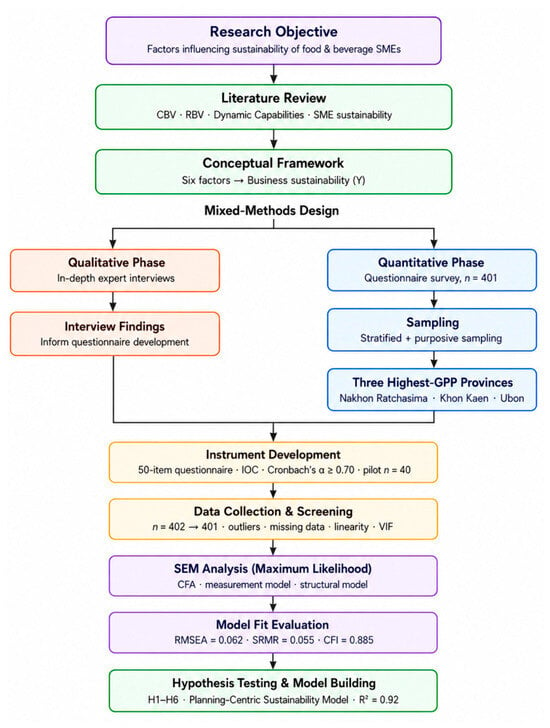
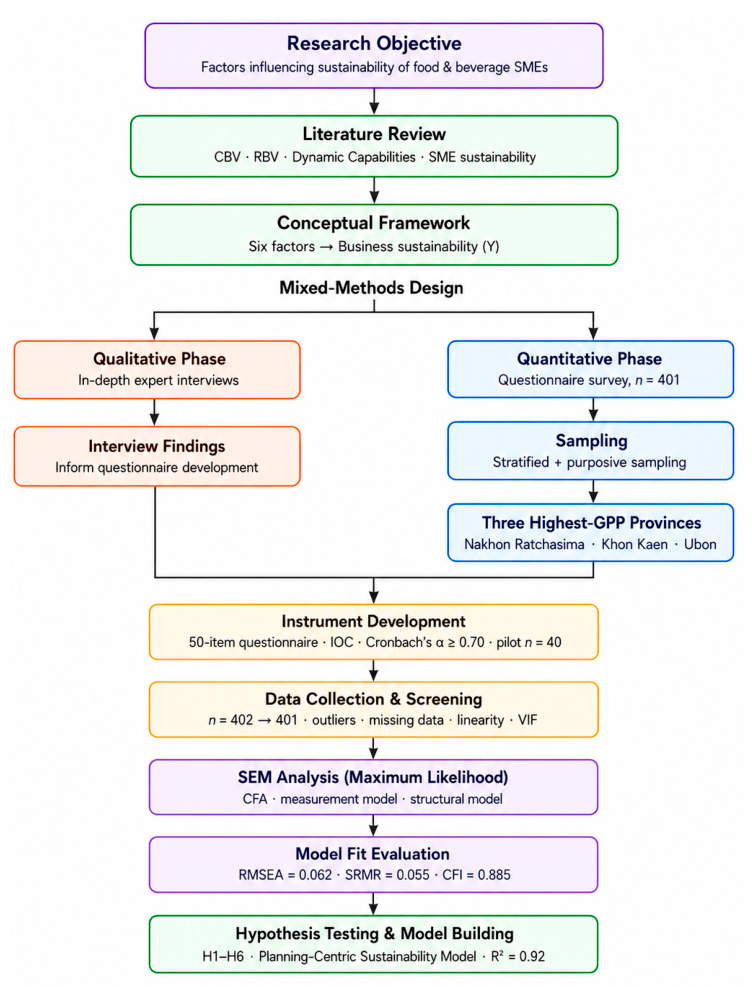
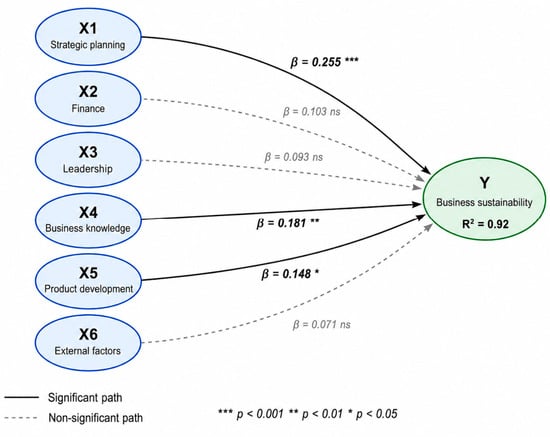
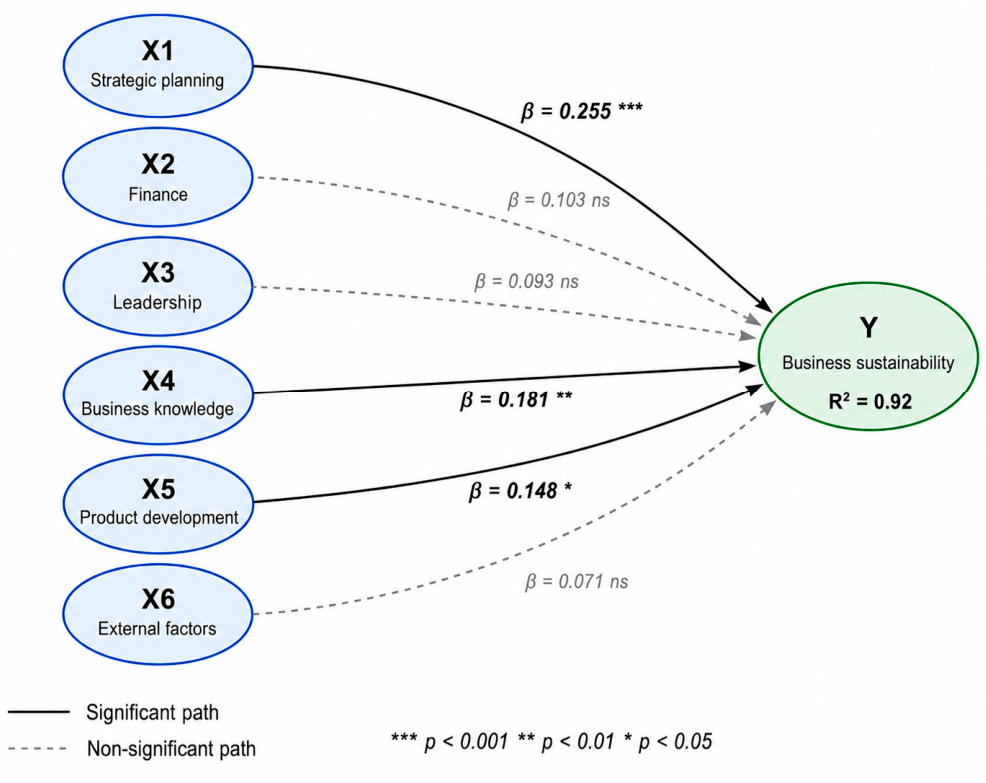
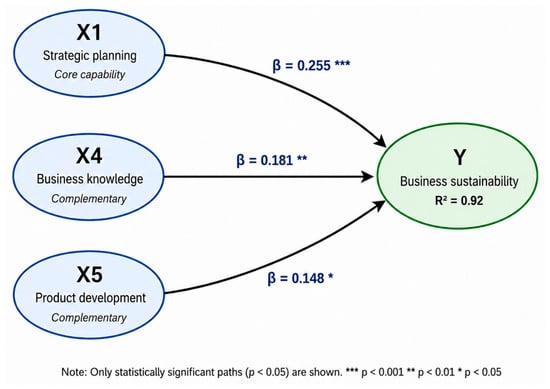
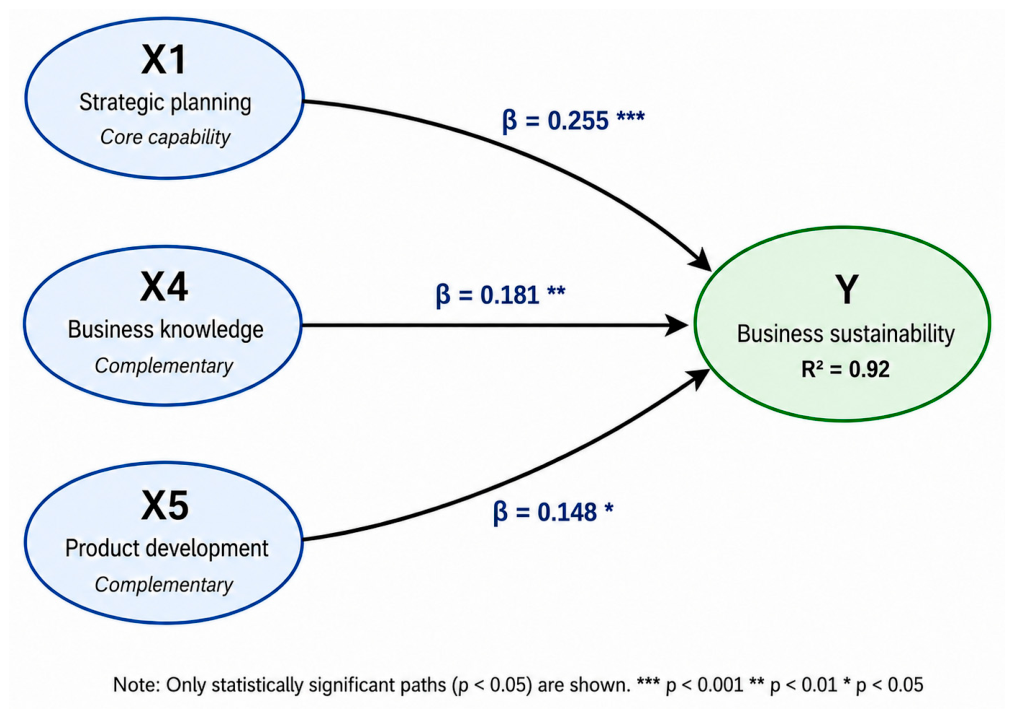

Disclaimer/Publisher’s Note: The statements, opinions and data contained in all publications are solely those of the individual author(s) and contributor(s) and not of MDPI and/or the editor(s). MDPI and/or the editor(s) disclaim responsibility for any injury to people or property resulting from any ideas, methods, instructions or products referred to in the content. |
© 2026 by the authors. Licensee MDPI, Basel, Switzerland. This article is an open access article distributed under the terms and conditions of the Creative Commons Attribution (CC BY) license.