


Abstract
This study examines how the strategic integration of digital transformation and national innovation capacity contributes to accelerating sustainable development in Saudi Arabia by focusing on six Sustainable Development Goals (SDGs): SDG 4—Quality Education, SDG 7—Affordable and Clean Energy, SDG 8—Decent Work and Economic Growth, SDG 9—Industry, Innovation and Infrastructure, SDG 12—Responsible Consumption and Production, and SDG 13—Climate Action. Using annual data on ICT use, ICT access, R&D expenditure, and patent applications, the analysis evaluates both the direct and joint relationships between these indicators and SDG performance. Digital transformation is captured through ICT use and ICT access, while national innovation capacity is represented by R&D expenditure and patent applications, reflecting the input and output dimensions of formal innovation activity. The findings indicate that the direct long-run effects of digital transformation and national innovation capacity on the six SDGs are not statistically significant, suggesting that these domains have not yet become standalone drivers of educational advancement, clean-energy adoption, economic performance, industrial upgrading, sustainable resource management, or emissions reduction. In contrast, their interaction produces substantial positive effects on SDG 4, SDG 7, SDG 8, and SDG 9, highlighting improvements in educational quality, renewable energy transition, productivity, and industrial innovation. The interaction also has significant negative effects on SDG 12 and SDG 13, as reflected by reductions in CO2 intensity and environmental pressures. These results indicate that meaningful progress toward the SDGs emerges when digital capabilities and national innovation capacity evolve jointly, rather than through isolated improvements in ICT infrastructure or innovation inputs. Robustness checks using a composite SDG index confirm the stability of these complementary effects. These findings suggest that Saudi Arabia can accelerate progress toward the SDGs by adopting integrated policies that link ICT expansion with stronger R&D systems, patent commercialization, technological innovation, and sustainability-oriented industrial transformation across education, energy, industry, resource efficiency, and climate action.
1. Introduction
Sustainable development has become the cornerstone of global policy and academic discourse, emphasizing the simultaneous pursuit of economic growth, social inclusion, and environmental protection [1,2]. Since the launch of the United Nations Sustainable Development Goals (SDGs) in 2015, governments and institutions worldwide have been striving to integrate technological progress and innovation capabilities into strategies that advance these multidimensional objectives. Within this global framework, the Kingdom of Saudi Arabia has emerged as a regional leader in embedding sustainability principles into its national transformation agenda, as reflected in Vision 2030. The vision seeks to achieve a comprehensive developmental renaissance by diversifying the economy, empowering human capital, promoting innovation, and ensuring environmental resilience. Central to this transformative process are two critical and complementary drivers: digital transformation and national innovation capacity. Digital transformation encompasses the adoption and strategic integration of digital technologies, e-government platforms, artificial intelligence, data analytics, and data-driven decision-making systems that enhance organizational efficiency, institutional transparency, public service delivery, and value creation across the public and private sectors [3,4,5]. National innovation capacity refers to a country’s systemic capacity to generate, absorb, diffuse, and transform scientific and technological knowledge into innovation-driven economic and social outcomes [6,7]. It reflects the strength of a national innovation system in mobilizing research capabilities, institutional support, human skills, technological infrastructure, and productive linkages to support sustained innovation and development [8,9]. Together, digital transformation and national innovation capacity are increasingly viewed as essential levers for achieving sustainable progress across the social, economic, and environmental dimensions of the SDGs.
The rapid expansion of digital infrastructure in Saudi Arabia, supported by strategic initiatives such as the National Transformation Program and the Saudi Data and Artificial Intelligence Authority, has significantly advanced the country’s transition toward a digitally enabled and innovation-oriented economy. Simultaneously, increased investment in education, universities, scientific research, and technological development has strengthened the foundations of national innovation capacity. However, while progress has been notable, the potential synergy between digital transformation and national innovation capacity remains underexplored in both academic research and policy practice. Previous studies have provided important insights into the individual impact of these two drivers on different aspects of sustainable development, yet they often treat them in isolation. For example, Zhao et al. [10] found that the digital economy enhances energy efficiency and green productivity through technological innovation and smart resource allocation. Zhang et al. [11] demonstrated that information and communication technologies reduce environmental degradation in the Middle East and North Africa by promoting the diffusion of innovation. Likewise, Abulkhair [12] emphasized that e-government and digital governance strengthen institutional transparency and accountability—key enablers of SDG 8 (Decent Work and Economic Growth), SDG 9 (Industry, Innovation, and Infrastructure), and SDG 12 (Responsible Consumption and Production). Nevertheless, these contributions remain limited by their narrow focus on the technological dimension, often neglecting the role of national innovation capacity in maximizing the developmental benefits of digitalization.
Similarly, the literature on innovation capacity highlights its positive contribution to long-term sustainability but rarely connects it with digital advancement. Alzate-Alvarado et al. [13] found that R&D investment, human capital, and higher education improve industrial innovation and sustainable economic performance across OECD and Latin American economies. Aldieri et al. [14] showed that investment in innovation and knowledge diffusion fosters environmental innovation and a shift toward renewable energy, while Fehérvári and Varga [15] observed that higher education enhances institutional resilience and social inclusion. Despite these findings, the absence of integrated analyses remains striking. Few studies have explored how digital capabilities and national innovation capacity interact to reinforce each other’s effects on achieving the SDGs. The majority of prior research employs linear frameworks that ignore the possibility of complementarities between technological progress and innovation capacity—interactions that can amplify sustainable outcomes. Furthermore, most existing evidence is drawn from advanced economies and has limited applicability to emerging contexts such as Saudi Arabia, where digital governance, educational reform, research investment, and innovation-oriented industrial transformation are unfolding simultaneously under Vision 2030. This research gap calls for a comprehensive assessment of how the interplay between digital transformation and national innovation capacity contributes to specific sustainability goals, including SDGs 4, 7, 8, 9, 12, and 13.
The proposed study aims to fill these gaps by empirically analyzing the influence of digital transformation and national innovation capacity on achieving sustainable development in Saudi Arabia and demonstrating how their interaction can accelerate the realization of Vision 2030 objectives. It assumes that digital technologies and innovation capacity are mutually reinforcing pillars of progress: digital transformation facilitates access to information, enhances institutional efficiency, supports data-driven governance, and enables inclusive growth, while national innovation capacity strengthens the absorptive and inventive capabilities needed to leverage digital tools effectively. By linking these domains within a unified analytical framework, the project introduces a new perspective on how digital and innovation assets drive sustainability transitions. Unlike previous studies that evaluate only one factor at a time, this research investigates their integrated and complementary impact, thereby providing a more holistic understanding of development processes. Using data from the World Bank, UNESCO, the International Telecommunication Union, and the United Nations Development Programme, the project employs descriptive and econometric methods to assess how both factors simultaneously influence multiple SDGs. The expected outcomes will likely show that digital transformation improves productivity, transparency, and resource efficiency, while national innovation capacity enhances the quality of education, technological development, industrial upgrading, and institutional adaptability. More importantly, their combined influence is expected to foster a synergistic effect that strengthens national capabilities in renewable energy transition, responsible production, and climate resilience.
The expected contribution of this research is both theoretical and practical. Theoretically, it extends the literature by introducing a comprehensive model that integrates digital transformation and national innovation capacity into the analysis of sustainable development. This approach enriches our understanding of how technological and innovation capabilities can be mobilized to achieve inclusive, environmentally responsible growth, bridging the resource-based and endogenous growth perspectives. Empirically, it offers the first evidence, to the best of current knowledge, on how digital transformation and national innovation capacity jointly contribute to the SDGs within the Saudi context. In practice, the study will provide policymakers and development planners with actionable recommendations for designing strategies that align digital infrastructure, research investment, patent generation, and human capability development with sustainability objectives. These insights will support national initiatives, such as the Digital Government Strategy, the Human Capability Development Program, the National Transformation Program, and the National R&D Strategy, ensuring that digital transformation and innovation capacity become mutually reinforcing engines of sustainable progress. By highlighting the complementarities between these domains, the project contributes to the formulation of integrated policies that can accelerate Saudi Arabia’s transition toward a knowledge-based, innovation-led, and environmentally conscious economy—fully aligned with Vision 2030 and the global SDGs agenda.
The remainder of the article reviews the relevant literature, outlines the data and empirical methodology, reports and discusses the main findings, and concludes with key insights, policy recommendations, and directions for future research.
2. Literature Review
2.1. Sustainable Development Goals in Saudi Arabia
Saudi Arabia’s SDG story is closely embedded in Vision 2030, which has become the Kingdom’s main national framework for transforming sustainability from a global agenda into a country-specific development pathway. Introduced in 2016, Vision 2030 aligns with the SDGs by linking economic diversification, human capability development, institutional modernization, innovation, and environmental sustainability within a unified transformation strategy [16,17]. Through its three pillars—vibrant society, thriving economy, and ambitious nation—the Vision connects social, economic, and environmental objectives with national programs designed to reduce oil dependence, expand the digital economy, improve public services, strengthen human capital, and build a more competitive, sustainable economy. This makes the Saudi case particularly important because SDG implementation is not treated as a separate policy agenda, but as part of a wider national reform project.
Several Saudi national programs directly support the SDGs examined in this study. SDG 4 (Quality Education) is advanced through education reform, digital learning, university development, research excellence, and the Human Capability Development Program. These initiatives aim to improve learning outcomes, strengthen workforce skills, and support the transition toward a knowledge-based and innovation-driven economy. SDG 7 (Affordable and Clean Energy) is addressed through the National Renewable Energy Program, solar and wind energy investments, green hydrogen projects, and major initiatives associated with NEOM and the broader clean energy transition. SDG 8 (Decent Work and Economic Growth) is supported by labor market reform, entrepreneurship, SME development, tourism expansion, private sector participation, and the growth of the digital economy. These reforms are intended to increase productivity, diversify employment opportunities, and reduce dependence on hydrocarbon-based growth. Saudi Arabia has also made SDG 9 (Industry, Innovation and Infrastructure) a central part of its development model. The Kingdom has invested heavily in digital infrastructure, artificial intelligence, smart logistics, advanced manufacturing, industrial cities, data platforms, and research-oriented transformation (Saudi Ministry of Communications and Information Technology, 2023). These initiatives reflect the national ambition to build a stronger innovation ecosystem and modernize the industrial base. In parallel, SDG 12 (Responsible Consumption and Production) and SDG 13 (Climate Action) are increasingly addressed through circular economy policies, waste-management reforms, water-efficiency programs, emissions-reduction initiatives, vegetation expansion, and land-restoration projects. The Saudi Green Initiative and the Middle East Green Initiative represent important environmental commitments, including efforts to reduce carbon emissions and improve ecological resilience [18].
Despite these policy commitments, Saudi Arabia’s SDG performance remains uneven. As shown in Figure 1, the Kingdom records relatively stronger performance on several socioeconomic and infrastructure-related goals, particularly those linked to education, energy access, economic transformation, and innovation-related infrastructure. However, the same figure shows weaker performance on environmental goals, especially SDG 12 and SDG 13. This suggests that while Saudi Arabia has made progress in reforming education, expanding infrastructure, promoting economic diversification, and supporting innovation, environmental sustainability remains a more difficult area of transition. The weaker scores for responsible consumption and climate action reflect persistent challenges related to carbon intensity, high energy use, resource efficiency, and the environmental pressures associated with rapid economic and industrial development [19].
Figure 1.
Average performance by SDG.
The trend evidence in Figure 2 reinforces this mixed picture. It shows that only part of Saudi Arabia’s SDG indicators are on track or already achieved, while a substantial share shows limited progress or worsening trajectories. This indicates that the Kingdom has made important progress in embedding sustainability into national planning, but the conversion of policy ambition into measurable SDG outcomes remains incomplete. In particular, the limited or negative momentum in environmental indicators highlights the need for stronger mechanisms that connect digital transformation, innovation, industrial upgrading, and environmental management. Therefore, the Saudi SDG story is one of rapid reform and strong institutional commitment, but also one of uneven implementation across different sustainability dimensions. This uneven performance makes Saudi Arabia an important context for examining the roles of digital transformation and national innovation capacity in achieving the SDGs. Digital transformation can support Saudi Arabia’s progress toward the SDGs by improving public service delivery, expanding access to education, enabling data-driven governance, monitoring energy use, strengthening industrial efficiency, and supporting climate and resource management systems. National innovation capacity can contribute by enhancing research capabilities, technological development, patent generation, industrial upgrading, and sustainability-oriented innovation. However, the evidence shown in Figure 1 and Figure 2 suggests that these two forces need to operate together rather than separately. Progress toward environmental goals such as SDG 12 and SDG 13, in particular, requires integrating digital monitoring systems, clean technologies, research investment, industrial innovation, and circular economy practices.
Figure 2.
Status of SDG targets for Saudi Arabia (% trend indicators). Source: Sachs et al. [19].
Accordingly, Saudi Arabia’s SDG story provides the empirical motivation for this study. The Kingdom has made substantial progress in aligning Vision 2030 with the global SDG agenda, but its performance remains uneven across social, economic, industrial, and environmental dimensions. This raises the question of whether digital transformation and national innovation capacity contribute directly to SDG progress, or whether their effects depend on complementarity. By focusing on SDG 4, SDG 7, SDG 8, SDG 9, SDG 12, and SDG 13, this study examines the areas most closely linked to Vision 2030 priorities and to Saudi Arabia’s transition toward a digitally enabled, innovation-driven, and environmentally responsible development model.
2.2. Digital Transformation and Sustainable Development Goals
Digital transformation represents a broad structural shift in how societies, governments, and organizations operate, innovate, and deliver value through the integration of advanced digital technologies and data-driven systems. It involves reconfiguring processes, institutions, and behaviors to enhance connectivity, transparency, and the capacity for innovation across economic and social domains [20]. From the perspective of the Resource-Based View (RBV), digital transformation is not limited to technological adoption; it reflects the strategic deployment of intangible resources that are valuable, rare, inimitable, and non-substitutable [21,22]. These digital resources—such as information networks, data analytics, and innovation ecosystems—enable nations and organizations to develop unique, dynamic capabilities that sustain competitive advantage while promoting long-term environmental and social well-being. When embedded into governance systems and economic structures, digital transformation enhances resource efficiency, institutional agility, and knowledge sharing—factors essential to achieving sustainable development. Within this theoretical lens, the ability to generate, process, and apply digital knowledge becomes a cornerstone for advancing multiple Sustainable Development Goals (SDGs) related to energy, innovation, urban sustainability, and responsible consumption [23,24].
Empirical research supports the significant impact of digital transformation on achieving the Sustainable Development Goals. Several studies confirm that information and communication technologies (ICTs) and digital innovation enhance energy efficiency, reduce environmental degradation, and stimulate green economic growth. For example, Zhang et al. [11] demonstrated that digitalization reduces carbon intensity across MENA economies through technological spillovers and the diffusion of innovation. Similarly, Liu et al. [25] found that the digital economy improves green total factor productivity by promoting industrial modernization and eco-efficiency. Other studies from OECD nations show that digitalization significantly improves sustainable development by increasing Green Total Factor Productivity (GTFP), primarily through three mechanisms: fostering technological innovation, strengthening human capital, and enabling industrial upgrading [26]. Likewise, digital transformation accelerates progress toward the SDGs by promoting green consumption, as digital tools such as artificial intelligence and big data support environmentally friendly production and consumption patterns and generate beneficial spatial spillover effects across regions [27]. Additionally, digitalization contributes to long-term, sustainable growth by enhancing educational quality, expanding ICT capabilities, and supporting digital infrastructure—factors that have been shown to strengthen economic performance in both Middle Eastern and OECD economies [28]. In addition, Xu et al. [29], ElMassah and Mohieldin [30], and Hermawan et al. [31] highlight that digital transformation strengthens governance, transparency, and institutional accountability, contributing directly to SDG 8 (Decent Work and Economic Growth) and SDG 9 (Industry, innovation and infrastructure).
Moreover, the integration of e-government services and digital finance has improved access to quality education (SDG 4) and fostered inclusive economic opportunities, demonstrating the multidimensional influence of digital technologies on social and environmental progress [32,33]. Recent studies also emphasize that digital infrastructure fosters clean energy transition (SDG 7) and sustainable consumption (SDG 12) by enabling real-time monitoring of energy use, supporting green innovation, and facilitating circular economy practices, thereby reinforcing long-term environmental and economic resilience [34,35,36].
In Saudi Arabia, digital transformation has become a cornerstone of the Vision 2030 strategy, aligning national progress with the global SDG agenda. The development of advanced ICT infrastructure, smart governance systems, and data-driven decision-making has positioned the Kingdom as a regional leader in sustainable digital growth. Digital platforms have optimized renewable energy management (SDG 7) and enhanced industrial competitiveness (SDG 9). These outcomes exemplify how digital resources, when strategically embedded within policy and institutional frameworks, generate cumulative benefits for both economic productivity and environmental responsibility. Therefore, based on the RBV logic and growing empirical evidence, this study formulates the following hypothesis:
H1.
Digital transformation positively contributes to achieving the Sustainable Development Goals in Saudi Arabia.
2.3. Innovation Capacity and Sustainable Development Goals
National innovation capacity refers to a country’s systemic ability to generate, absorb, diffuse, and transform scientific and technological knowledge into innovation-driven economic, social, and environmental outcomes [6,7]. It reflects the strength of a national innovation system in mobilizing research capabilities, institutional support, human skills, technological infrastructure, and productive linkages to support sustained innovation and development [8,9]. From the perspective of the Knowledge-Based View (KBV), knowledge represents a strategic resource that enables organizations and economies to create value, renew capabilities, and strengthen competitiveness when it is effectively generated, combined, and applied [37]. When coupled with dynamic capabilities—the ability to integrate, build, and reconfigure internal and external competencies in response to changing environments [38]—national innovation capacity becomes a critical mechanism through which societies respond to sustainability-oriented challenges such as climate change, energy transition, industrial upgrading, and inclusive growth. Thus, in the context of sustainable development, national innovation capacity is not merely a technological input; it is a transformative capability that enables countries to develop innovative education systems, adopt clean technologies, strengthen industrial competitiveness, design adaptive institutions, and build governance frameworks aligned with the Sustainable Development Goals (SDGs).
Prior studies increasingly validate the role of innovation capacity in advancing sustainable development. At the macro level, national innovation systems are essential for transforming research investments, technological learning, and institutional capabilities into long-term economic and social progress [6,7,9]. Furman et al. [39] argue that national innovative capacity depends on a country’s ability to produce and commercialize a continuous flow of innovation, while Yanhui et al. [40] show that R&D intensity and patent activity are closely connected to regional innovation capacity. More recently, He et al. [41] emphasize that the number of patents and patent applications, as well as R&D expenditure, is widely used to measure a country’s innovation capacity. These studies support the view that national innovation capacity reflects both the resources devoted to knowledge creation and the technological outputs generated from these resources. In sustainability contexts, such capacity can support SDG 9 by promoting technological upgrading, industrial innovation, and infrastructure modernization, while also contributing to SDG 4 through research-oriented education systems, SDG 7 through renewable-energy technologies, and SDG 13 through climate-responsive innovation.
The relationship between national innovation capacity and sustainable development is also supported by studies linking R&D, technological innovation, and human capabilities to environmental and socioeconomic outcomes. Alzate-Alvarado et al. [13] show that research investment, higher education, and technological capabilities improve industrial innovation and sustainable economic performance across OECD and Latin American economies. Aldieri et al. [14] demonstrate that innovation and knowledge diffusion foster environmental innovation and support the transition toward renewable energy. Similarly, Fehérvári and Varga [15] indicate that higher education and institutional learning enhance resilience and social inclusion. Collectively, these findings suggest that countries with stronger innovation capacity are better positioned to embed sustainability objectives into industrial policy, education systems, energy transition strategies, and environmental governance. In this sense, national innovation capacity contributes to the SDGs not only by generating new technologies but also by strengthening the absorptive and adaptive capabilities needed to apply these technologies to development challenges.
In the case of Saudi Arabia, strengthening national innovation capacity is a core element of the national transformation agenda. Vision 2030 emphasizes research excellence, technological development, industrial diversification, digital transformation, entrepreneurship, and human capability development as foundations for a more competitive and sustainable economy. By strengthening universities, promoting R&D, supporting patent generation, fostering innovation ecosystems, and encouraging technology transfer, Saudi Arabia is building the innovation capabilities needed to advance multiple SDGs. These efforts are particularly relevant to improving the quality of education (SDG 4), developing industry, innovation, and infrastructure (SDG 9), supporting the renewable energy transition (SDG 7), enhancing economic productivity (SDG 8), and enabling climate-resilient policies (SDG 13). Accordingly, national innovation capacity is a strategic capability that supports the Kingdom’s ability to adapt, innovate, and translate Vision 2030 reforms into measurable progress on the SDGs. Based on the KBV, dynamic capability logic and the empirical evidence discussed above, this study posits the following hypothesis:
H2.
National innovation capacity positively contributes to achieving the Sustainable Development Goals in Saudi Arabia.
2.4. Research Gaps
Although extensive research has examined the individual effects of digital transformation and national innovation capacity on economic growth, industrial development, and environmental sustainability, empirical understanding of how these two dimensions interact to accelerate progress toward the SDGs remains limited. Most prior studies have focused on linear or isolated relationships, treating digital innovation, R&D investment, patent activity, and technological capabilities as separate determinants of sustainable outcomes [10,11]. However, this perspective overlooks the powerful synergy that may emerge when digital transformation and national innovation capacity interact. From the perspective of the RBV, digital transformation provides strategic technological resources that improve connectivity, data processing, institutional efficiency, and value creation. According to the KBV, innovation capacity strengthens the ability of countries and organizations to generate, absorb, combine, and apply knowledge to achieve technological and developmental outcomes [37]. When combined with dynamic capabilities, this interaction can support adaptation, innovation, and long-term resilience in response to sustainability-oriented challenges [38].
Digital transformation provides the technological backbone for data-driven decision-making, process optimization, e-government services, digital learning, energy monitoring, and industrial modernization. National innovation capacity, in turn, strengthens the absorptive and inventive capabilities needed to transform digital technologies into practical sustainability outcomes. This complementary relationship is particularly important for advancing key SDGs, including quality education (SDG 4), affordable and clean energy (SDG 7), decent work and economic growth (SDG 8), industry, innovation, and infrastructure (SDG 9), responsible consumption and production (SDG 12), and climate action (SDG 13). For example, digital platforms can improve education and public services, but their developmental impact depends on research-based content, technological adaptation, and human capabilities. Similarly, digital monitoring systems can support resource efficiency and climate action, but their effectiveness depends on the capacity for innovation in clean technologies, industrial processes, and environmental solutions. Accordingly, the RBV, KBV, and dynamic capability perspectives provide a robust theoretical lens for explaining how the joint deployment of digital technologies and national innovation capacity may generate stronger sustainable development outcomes than either factor alone.
Empirical evidence to date indicates that digital transformation enhances environmental efficiency, innovation, and institutional transparency [42,43], while national innovation capacity strengthens technological upgrading, R&D performance, patent generation, green innovation, and sustainable industrial development [39,40,41]. Yet few studies have investigated the interactive mechanisms through which digital systems and innovation capacity reinforce one another to influence multidimensional sustainability outcomes. The existing literature is also concentrated largely in developed economies, leaving a gap in understanding how these complementarities operate in emerging contexts—particularly in countries such as Saudi Arabia, where digital infrastructure, research investment, innovation ecosystems, and sustainability policies are expanding simultaneously under Vision 2030. Furthermore, research has rarely quantified the joint impact of digital transformation and national innovation capacity on specific SDGs rather than on broad measures of growth or environmental performance.
Addressing these gaps is important for both theory and policy. The interaction between digital transformation and national innovation capacity may create a multiplier effect that strengthens institutional capabilities, accelerates technology diffusion, improves industrial efficiency, supports clean-energy transition, and enhances environmental sustainability. In the Saudi context, this complementarity is especially relevant because Vision 2030 emphasizes both digital transformation and innovation-led diversification as key pathways for achieving sustainable development. Accordingly, this study proposes the following hypothesis:
H3.
The synergistic effect of digital transformation and national innovation capacity accelerates progress toward the Sustainable Development Goals in Saudi Arabia.
3. Data and Methodology
This section describes the dataset, variables, model specifications, robustness procedures, and econometric approach used to assess the impact of digital transformation and innovation capacity on sustainable development in Saudi Arabia. The study relies on annual time-series data covering the period 1990–2023, drawn primarily from the World Bank World Development Indicators (WDI), and the International Labour Organization (ILO), consistent with global SDG monitoring standards [44]. The indicators used in this paper correspond to the SDGs central to Saudi Vision 2030—namely, Goals 4, 7, 8, 9, 12, and 13—ensuring that the empirical design aligns with national priorities and international frameworks.
3.1. Data Description
3.1.1. Dependent Variables
Sustainable development is the primary outcome of interest and is measured using seven SDG-specific indicators and a composite sustainable development index. The individual indicators correspond to SDGs 4, 7, 8, 9, 12, and 13 and are widely used in global SDG assessment exercises. For SDG 4 (Quality Education), the study uses average years of schooling. This indicator is widely recognized as a key measure of human capital formation and knowledge accumulation, and is closely linked to long-term socioeconomic development and innovation capacity [45]. Increasing educational attainment reflects a more skilled labor force and contributes to a country’s capacity for sustainable economic transformation. SDG 7 (Affordable and Clean Energy) is measured by the share of renewable energy in total energy consumption, indicating the extent to which the energy mix is shifting toward cleaner sources. A higher share of renewables indicates enhanced energy efficiency and reduced environmental pressure [46,47]. SDG 8 (Decent Work and Economic Growth) is proxied by labour productivity (output per hour worked) from the ILO, which captures the efficiency and quality of economic activity. For SDG 9 (Industry, Innovation and Infrastructure), manufacturing value added as a share of GDP is used. This variable reflects the structure and strength of the industrial base, which is closely connected to innovation and infrastructure upgrading. SDG 12 (Responsible Consumption and Production) is measured by CO2 intensity, expressed as kilograms of CO2 emitted per dollar of GDP. This indicator is widely used to capture the environmental pressure associated with production and consumption patterns, with lower values indicating more resource-efficient and less carbon-intensive economic activity. SDG 13 (Climate Action) is represented by CO2 emissions per capita, with higher values indicating lower emissions and better climate performance. CO2 emissions are the most widely used metric in climate action studies and represent a direct indicator of national progress toward climate mitigation [10,43]. Because both SDG 12 and SDG 13 are environmental pressure indicators, lower values represent better sustainability performance and stronger progress toward environmental and climate-related objectives.
In addition to these goal-specific measures, a composite sustainable development index is constructed by aggregating standardized values of the selected SDG indicators into a single 0–100 scale, providing a holistic measure of the country’s sustainability performance over time. All dependent variables, along with their definitions, units, and sources, are summarized in Table 1.
Table 1.
Sustainable development indicators (dependent variables).
3.1.2. Independent Variables
The key explanatory variables are digital transformation and national innovation capacity. Digital transformation is captured by two ICT indicators that reflect both the intensity of digital use and the degree of access to digital technologies. The first indicator is ICT use, proxied by mobile cellular subscriptions per 100 people. This variable reflects the diffusion of digital devices and connectivity among individuals, firms, and institutions, which represents a necessary condition for the adoption of digital services, mobile applications, e-commerce, digital finance, and e-government platforms. The second indicator is ICT access, measured as the percentage of individuals using the Internet. This variable captures the extent of digital inclusion and the population’s ability to benefit from online services, digital learning platforms, public e-services, digital financial tools, and knowledge resources [48]. However, national innovation capacity refers to a country’s systemic ability to generate, absorb, diffuse, and transform scientific and technological knowledge into innovation-driven economic, social, and technological outcomes. In this study, national innovation capacity is measured using two complementary indicators: R&D expenditure as a percentage of GDP and total patent applications, including both resident and non-resident applications. This measurement strategy is consistent with the national innovation capacity literature, which commonly uses R&D expenditure and patenting activity to capture the input and output dimensions of innovation systems [39,40,41]. R&D expenditure represents the input side of national innovation capacity because it captures the financial resources devoted to scientific research, technological development, experimentation, and knowledge generation. Patent applications represent the output side of national innovation capacity, as they reflect codified technological inventions and a country’s ability to translate research efforts into measurable innovation outputs. Together, these indicators provide a focused measure of formal national innovation capacity by linking the resources invested in innovation to the technological outputs generated from such investments.
3.1.3. Control Variables
To avoid biased estimates and account for structural determinants of sustainability, three control variables are included. Trade openness, measured as the ratio of total trade (exports + imports) to GDP, captures the effects of global economic integration on technology transfer, innovation, and environmental performance. Urbanization, measured as the percentage of the population living in urban areas, reflects changes in demographic concentration, infrastructure demand, and environmental pressures. Energy use per capita (kg of oil equivalent) reflects the intensity of energy consumption and directly influences environmental quality and industrial sustainability. These control variables are commonly used in empirical sustainability analyses and align with the broader SDG framework, particularly SDGs 7 and 13 [25,49,50,51,52,53,54]. All explanatory and control variables, along with their precise definitions, units, and data sources, are presented in Table 2.
Table 2.
Explanatory and control variables.
3.2. Model Specifications and Estimation Method
The empirical analysis is organized around three equations that correspond to the roles of digital transformation and innovation capacity, and their interaction. In all models, SDGt denotes either one of the SDG indicators reported in Table 1 or the composite sustainable development index at time t. The first equation relates sustainable development to digital transformation and the control variables:
where is the intercept, DTt is the vector of digital transformation variables (ICT use and ICT access), Xt is the vector of control variables (trade openness, urbanization, and energy use), and is the error term.
The second equation examines the contribution of innovation capacity:
where INOVt denotes the vector of innovation capacity indicators (R&D expenditure and patent applications), is the intercept, and capture the effects of innovation capacity and the control variables, respectively, and εt is the error term.
The third equation introduces the interaction between digital transformation and innovation capacity to test for complementarity effects:
where is the intercept, and measure the direct effects of digital transformation and innovation capacity, measures the joint effect of their interaction, corresponds to the control variables, and is the error term.
To enhance robustness, these three models are first estimated using the individual SDG indicators and then re-estimated with the composite sustainable development index (SDGI) as the dependent variable. Comparing results across both specifications allows us to assess whether the effects of digital transformation, innovation capacity, and their interaction are consistent when sustainability is treated as a multidimensional outcome rather than a synthetic index. To construct the SDGI, the study applies Principal Component Analysis (PCA) to standardized SDG indicators, thereby extracting principal components that capture the dominant structure of the sustainability construct. The general form of a principal component is expressed as
where PCp is the score of the principal component p, represents the weight (or loading) assigned to the nth standardized variable of the pth component, and is the standardized value of the nth variable for unit p. The adequacy of the dataset for PCA is confirmed by the Kaiser-Meyer-Olkin (KMO) measure and Bartlett’s Test of Sphericity, which indicate satisfactory sampling adequacy and statistically significant correlations among the variables. Consistent with the Kaiser criterion, only components with eigenvalues greater than one are retained. In this study, two principal components account for the majority of the total variance, reflecting the underlying multidimensional structure of the sustainability indicators. As shown in Table 3, the KMO value of 0.631 exceeds the minimum acceptable threshold (0.60), indicating adequate common variance among variables. Bartlett’s test yields a chi-square value of 152.263 (0.000), confirming that the correlation matrix is statistically suitable for PCA.
Table 3.
Principal Component Analysis for the Sustainable Development Goals Index (SDGI).
PCA reduces the dimensionality of the dataset by identifying the principal components that capture most of the variation in the six SDG indicators. Table 3 reports the factor loadings of each SDG indicator on the extracted principal components, together with the eigenvalues, the proportion of variance explained by each component, and the cumulative variance. According to the Kaiser criterion, components with eigenvalues greater than one are retained. Based on this rule, two components—PC1 and PC2—are selected for index construction. The first component has an eigenvalue of 3.6339 and accounts for 58.78% of the total variance, while the second component has an eigenvalue of 1.3329 and explains an additional 21.56% of the variance. Together, the two components account for 80.34% of the total variance, exceeding the commonly used 60–70% threshold for composite index construction.
The SDGI is calculated as a weighted average of the retained principal components, with weights equal to the components’ eigenvalues. This ensures that each component contributes proportionally to its explanatory power. Formally, the SDGI for period p is computed as follows:
where is the composite sustainability index for period p, Fpi represents the score of component i, and λi is the corresponding eigenvalue serving as a weight. This formulation ensures that components with greater explanatory power have a stronger influence on the index, thereby producing a statistically grounded and conceptually coherent composite measure. The resulting SDGI ranges from 0 to 1, with higher values reflecting stronger overall sustainability performance. Estimating the models with this composite indicator provides a rigorous robustness check, confirming whether the long-run effects observed for individual SDGs persist when sustainability is assessed holistically.
The econometric strategy begins by testing the time-series properties of all variables using the Augmented Dickey–Fuller and Phillips–Perron unit-root tests to determine their orders of integration. Once it is verified that the variables are integrated of order zero or one, the Johansen cointegration test is applied to examine whether there is a long-run equilibrium relationship between sustainable development, digital transformation, innovation capacity, and the control variables. When evidence of cointegration is found, the long-run parameters are estimated using Dynamic Ordinary Least Squares (DOLS), which corrects for endogeneity and serial correlation by including leads and lags of the differenced regressors. This approach yields consistent estimates of the long-run elasticities and allows us to quantify both the individual and joint contributions of digital transformation and innovation capacity to sustainable development in Saudi Arabia.
4. Results and Discussion
The descriptive statistics presented in Table 4 offer a clear overview of how the primary dependent variables (SDGs) and the core independent variables evolve over the sample period, highlighting both stability and variation across dimensions of sustainable development. Education attainment (SDG 4) shows a steady rise with moderate dispersion, consistent with long-term investment in human capital formation. Renewable energy consumption (SDG 7), however, remains relatively low and exhibits limited variation, suggesting that the national energy mix continues to rely heavily on conventional sources despite policy commitments to cleaner alternatives. Economic indicators—labor productivity (SDG 8) and manufacturing value added (SDG 9)—exhibit greater volatility, reflecting the combined effects of diversification reforms and cyclical economic adjustments. Environmental indicators such as CO2 intensity (SDG 12) and CO2 emissions (SDG 13) show narrower ranges, indicating persistent environmental pressures with only incremental annual changes. With respect to the independent variables, digitalization indicators—digital use and digital access—exhibit strong upward trends, capturing the rapid digital transition associated with Vision 2030. In contrast, R&D expenditure and patent applications exhibit lower averages and greater dispersion, suggesting that innovation capacity is progressing but remains consolidating. Table 4 indicates that digital transformation has advanced more rapidly than improvements in environmental and innovation capacity indicators, reinforcing the importance of understanding how these shifts map onto broader SDG performance.
Table 4.
Descriptive statistics.
The correlation patterns in Table 5 further clarify how digital transformation and innovation capacity interact to shape sustainability outcomes. Strong positive correlations are observed between digital transformation indicators and SDGs related to education, innovation, and economic activity, suggesting that expanding digital capacity closely aligns with improvements in human capital and industrial performance. At the same time, Table 5 reveals notable trade-offs: economic and industrial variables often correlate positively with CO2 intensity and CO2 emissions, indicating that economic expansion continues to impose environmental costs. National innovation capacity variables, including R&D expenditure and patent applications, show positive correlations with education and innovation-related outcomes, indicating that formal research investment and codified technological outputs are closely connected to human capital formation and industrial upgrading. However, their associations with environmental indicators are mixed, suggesting that the environmental returns of national innovation capacity do not emerge automatically. Instead, these benefits may require time, stronger commercialization mechanisms, sustainability-oriented R&D, and closer alignment between innovation outputs and environmental priorities such as resource efficiency, renewable energy deployment, and emissions reduction. Digitalization indicators display a similar duality—while supporting advances in SDG 4, SDG 8, and SDG 9, they also correlate with higher energy use, suggesting that the environmental implications of digital growth depend on the pace of the clean-energy transition. Taken together, the correlation structure in Table 5 shows that the relationships among digital transformation, innovation capacity, and SDGs are multidimensional, with positive developmental effects alongside environmental pressures.
Table 5.
Correlation matrix.
Before proceeding to the long-run estimations, it is necessary to establish the time-series properties of all variables included in the analysis. Table 6 summarizes the results of the Augmented Dickey–Fuller (ADF) and Phillips–Perron (PP) tests, both of which are standard procedures for detecting unit roots in macroeconomic data. The ADF test controls for potential autocorrelation through lag augmentation, while the PP test adjusts for serial correlation and heteroskedasticity using non-parametric corrections. Applying both approaches provides a comprehensive and robust assessment of integration orders. The results clearly show that, at their levels, almost all variables fail to reject the null hypothesis of non-stationarity, as evidenced by test statistics that do not exceed critical thresholds. After first differencing, however, both the ADF and PP tests indicate statistical significance at conventional levels, confirming that the series are stationary in their first differences. These findings demonstrate that all variables—SDG indicators, digital transformation measures, innovation capacity indicators, and the selected controls—are integrated of order one, I(1). Establishing a common integration order is essential, as it validates the use of cointegration techniques and provides the statistical grounding for examining long-run equilibrium relationships among the variables.
Table 6.
Results of the Unit Root Tests.
Building on the confirmation that the series are I(1), Table 7 reports the results of the Johansen cointegration test, which evaluates whether the SDGs and their corresponding explanatory variables share stable long-term relationships. The trace statistics consistently exceed the 5% critical value across all models, and the associated probabilities are well below the significance threshold, thereby allowing for the rejection of the null hypothesis of no cointegration for every SDG equation. This outcome is robust for both specifications—those capturing the role of digital transformation and those reflecting the influence of innovation capacity. The results for SDGs 4, 7, 8, 9, 12, and 13, as well as for the composite SDG index, indicate the presence of at least one cointegrating vector. This suggests that, despite short-run fluctuations, Saudi Arabia’s sustainable development trajectories share stable long-run relationships with digital transformation, national innovation capacity, and key structural determinants such as trade openness, urbanization, and energy use. In other words, progress toward the selected SDGs appears to evolve in connection with the country’s digital expansion, formal innovation capacity, and broader macro-structural conditions, supporting the use of long-run estimation techniques to assess these relationships. The evidence of cointegration confirms that these variables move together over time and supports the use of Dynamic Ordinary Least Squares (DOLS) to estimate the long-run elasticities in the subsequent analysis.
Table 7.
Results of the Johansen cointegration test.
The findings reported in Table 8 indicate that the indicators of digital transformation—ICT use and ICT access—and the indicators of innovation capacity—R&D expenditure and patent applications—do not exert statistically significant long-run effects on any of the SDGs examined: SDG 4 (education quality), SDG 7 (clean energy), SDG 8 (economic growth), SDG 9 (industry and innovation), SDG 12 (responsible consumption), and SDG 13 (climate action). Across Models 1 and 2, the coefficients on ICT variables remain small—typically between 0.042 and 0.085—and statistically insignificant, despite theoretically plausible signs. Substantively, these coefficients indicate the estimated long-run association between changes in ICT use or access and the corresponding SDG indicator, after controlling for trade openness, urbanization, and energy use. For SDG 4, SDG 7, SDG 8, and SDG 9, a positive coefficient would imply that greater digital development is associated with improvements in education attainment, renewable energy, labor productivity, or manufacturing value added. For SDG 12 and SDG 13, however, the interpretation differs because these variables are measured as environmental pressure indicators: CO2 intensity and CO2 emissions per capita. Therefore, negative coefficients would indicate favorable environmental effects, as they reflect reductions in carbon intensity or per capita emissions, whereas positive coefficients would indicate higher environmental pressure. A similar pattern emerges for R&D expenditure and patent applications in Models 3 and 4, where coefficients remain modest in magnitude—mostly between 0.041 and 0.083—and fail to reach significance at conventional levels. These coefficients capture the estimated long-run association between formal innovation inputs or outputs and SDG performance. However, because they are statistically insignificant, they should not be interpreted as reliable evidence that R&D expenditure or patent applications independently improve SDG outcomes during the study period. This outcome stands in contrast with the dominant view in the literature that digitalization accelerates progress toward multiple SDGs by improving learning systems, expanding access to services, reducing information frictions, and enabling technology diffusion. For instance, ElMassah and Mohieldin [30] empirically demonstrate that digitalization enhances the localization and implementation of the SDGs in emerging economies, whereas Habibi and Zabardast [28] find that digital access significantly improves educational outcomes and social inclusion. The lack of significance in Table 8, therefore, suggests that digital progress has been more infrastructural than transformative: ICT penetration and connectivity have improved rapidly, but the complementary institutional, pedagogical, and productive capabilities necessary for SDG-relevant impacts may still be developing. This is consistent with global assessments showing that digitalization yields measurable SDG gains only when integrated with governance reforms, skill development, and innovation ecosystems (UNDP, 2022).
Table 8.
Direct effects of digital transformation and innovation capacity on SDGs.
A more SDG-specific interpretation reinforces this view. For SDG 4, the insignificant ICT coefficients contradict prior evidence that digital learning tools improve competency acquisition, support remote learning, and enhance learning quality [55]. For SDG 7, the lack of significance contrasts with evidence that digital technologies—especially AI-enabled systems—promote cleaner energy deployment, reduce transmission losses, and improve energy-efficiency monitoring [56]. Similarly, for SDG 8 and SDG 9, the insignificant effects diverge from studies demonstrating that digitalization boosts labour productivity, stimulates innovation, and accelerates industrial upgrading, particularly through automation, digital platforms, and advanced manufacturing [57]. Regarding SDG 12 and SDG 13, the lack of significant digital impacts is inconsistent with the growing literature on digital sustainability, which finds that digital platforms reduce emissions and waste by optimizing supply chains, enhancing transparency, and enabling circular-economy models [58,59]. Several explanations may account for these discrepancies: (1) the effects of digital transformation may be nonlinear or require threshold conditions; (2) time lags between investment in digital capacity and realized sustainability benefits may be extended; and (3) rebound effects—where digital usage increases energy demand—may offset environmental gains. Thus, although the correlation matrix in Table 5 indicates meaningful associations, the DOLS model indicates that, in the long run, direct causal effects remain weak or statistically uncertain.
Similarly, the innovation capacity indicators do not show significant coefficients across the SDGs, contradicting the theoretical and empirical consensus that innovation is a primary engine of sustainable development. The endogenous growth literature predicts that R&D strengthens human capital, accelerates technological progress, and increases productivity [60], whereas the innovation literature asserts that patents serve as proxies for new ideas that bolster industrial competitiveness and the adoption of clean technologies [61]. Yet in Table 8, these effects are not statistically significant. For SDG 4, this finding contrasts with studies suggesting that stronger national innovation systems—through universities, research centers, R&D activities, and innovation networks—can improve education quality by promoting knowledge spillovers, curriculum modernization, research-based teaching, and stronger links between higher education and technological development [62]. In the Saudi context, the insignificant result may indicate that formal innovation inputs and outputs, such as R&D expenditure and patent applications, have not yet translated directly into measurable improvements in education outcomes during the study period, or that their effects operate indirectly through digital transformation, institutional reform, and human capability development rather than as standalone drivers. For SDG 7, the non-significant finding is inconsistent with findings that green R&D and clean-energy patents significantly reduce emissions and promote renewable energy adoption [63,64]. For SDGs 8 and 9, the results diverge from the substantial literature linking R&D to total factor productivity, manufacturing competitiveness, and structural transformation [65,66]. For SDG 12 and SDG 13, the lack of significant mitigation effects contrasts with environmental innovation studies showing that clean-technology R&D reduces carbon intensity [67].
In contrast to the insignificant results for digital transformation and innovation capacity, the control variables in Table 8—trade openness, urbanization, and energy use—show patterns largely consistent with the broader empirical literature, reinforcing the model’s internal validity. The positive effects of trade openness on SDG 4, SDG 8, and SDG 9 are consistent with international evidence that greater integration into global markets enhances human capital accumulation, stimulates productivity growth through technology transfer, and facilitates industrial upgrading [50,52]. At the same time, the tendency of trade to increase environmental pressures (SDG 12 and SDG 13) aligns with findings from the pollution-haven, scale-effect, and energy-intensity literature, which documents that trade can increase emissions in countries with carbon-intensive production structures [49,53]. Urbanization also produces significant effects consistent with theory: positive for education and economic performance due to agglomeration economies, knowledge spillovers, and improved access to services [25], but adverse for environmental indicators owing to higher resource consumption, traffic congestion, and energy demand [68]. Finally, the strong positive effects of energy use on SDG 12 and SDG 13 are consistent with well-established findings in energy economics research, demonstrating the tight link between fossil-fuel consumption and emissions intensity in developing and oil-exporting economies [51,54]. Together, these patterns confirm that traditional macro-drivers—trade, urbanization, and energy consumption—remain central determinants of SDG outcomes, while the newer levers of digital transformation and innovation capacity have yet to translate into statistically detectable long-run impacts.
Overall, the results in Table 8 highlight an important structural insight: traditional macroeconomic fundamentals—trade integration, urbanization, and energy consumption—continue to shape SDG performance in Saudi Arabia far more strongly than emerging drivers such as digital transformation and innovation capacity. This suggests that while digitalization and innovation systems are expanding rapidly, their effects remain diffuse, delayed, or overshadowed by the scale of long-standing structural patterns in the Saudi economy. The insignificant coefficients observed for ICT use, ICT access, R&D expenditure, and patent applications suggest that these domains have not yet matured into fully functional standalone engines of sustainable development in Saudi Arabia. This may be because digital expansion and national innovation capacity require complementary reforms to generate measurable SDG outcomes. In particular, stronger integration of digital tools into production systems, closer alignment of R&D spending with green and high-technology sectors, greater commercialization of patents, deeper development of domestic innovation capabilities, and stronger governance mechanisms are needed to transform digital and innovation assets into tangible progress in education, clean energy, productivity, industrial upgrading, resource efficiency, and climate action. By contrast, the strong and theoretically consistent effects of trade, urbanization, and energy use confirm the enduring influence of established structural variables in shaping educational, economic, and environmental dynamics.
Table 9 reports the joint effects of digital transformation and innovation capacity, revealing a striking shift relative to the direct effects reported in Table 8. Whereas the individual indicators of digital transformation and innovation capacity did not demonstrate statistically significant long-run effects on the SDGs when examined independently, the interaction terms become uniformly significant across all specifications in Table 9. The interaction between ICT use and patent applications has positive and statistically significant effects on SDG 4, SDG 7, SDG 8, and SDG 9, with coefficient magnitudes ranging from 0.144 to 0.177 across these outcomes. These coefficients represent the additional long-run effect associated with the simultaneous increase in digital use and patent activity, beyond their separate direct effects. In substantive terms, they indicate that the contribution of patent applications to SDG performance becomes stronger when ICT use is higher. For SDG 4, a positive interaction coefficient indicates that the combination of digital use and patent activity is associated with higher education-related performance, reflecting the role of digital tools in facilitating the diffusion of pedagogical innovation, research-based learning, and access to knowledge. For SDG 7, the positive coefficient indicates that inventive activity contributes more effectively to the clean-energy transition when supported by digital systems that enable energy monitoring, grid intelligence, and technology diffusion. For SDG 8 and SDG 9, the positive coefficients imply that patent activity becomes more strongly linked to productivity, industrial upgrading, and innovation-oriented manufacturing when digital capabilities facilitate the adoption, dissemination, and application of new technologies. These results contrast sharply with the insignificant direct effects reported in Table 8 and align more closely with empirical evidence suggesting that digital infrastructure strengthens the innovation process by facilitating the diffusion, adoption, and practical application of new technologies. For example, ElMassah and Mohieldin [30] show that digital platforms can enhance the translation of knowledge and institutional capabilities into development outcomes, while Habibi and Zabardast [28] emphasize the strong association between digital access, learning opportunities, and skill formation. The emergence of coefficients above 0.150 in the joint-effect estimations suggests that patent activity alone may be insufficient to generate structural transformation. However, when patent applications are combined with digital transformation, the capacity to absorb, disseminate, and apply codified technological knowledge increases substantially, thereby supporting human capital formation, innovation-led growth, industrial upgrading, and the renewable energy transition. This pattern also extends to the interaction between ICT access and patent applications. The positive coefficients, ranging from 0.147 to 0.171 for SDG 4, SDG 7, SDG 8, and SDG 9, indicate that expanding digital connectivity increases the developmental value of codified technological outputs in education, clean-energy adoption, productivity enhancement, and industrial upgrading. In practical terms, these coefficients mean that patent applications are more strongly associated with SDG progress when a larger share of the population has access to the Internet and digital services. These findings are consistent with Huang et al. [69] and Song et al. [57], who show that digital accessibility accelerates the utilization of advanced technologies and deepens innovation spillovers. For SDG 4, the interaction suggests that digital access strengthens the contribution of innovation outputs to educational performance by facilitating the diffusion of pedagogical technologies, online learning tools, and research-based teaching practices. This interpretation is consistent with Azevedo et al. [55], who argue that technology-enabled learning becomes more effective when embedded within broader innovation-oriented educational systems. For SDG 7, the interaction supports the insights of Tunde et al. [56], who show that clean-energy diffusion depends not only on technological invention but also on digital monitoring, grid intelligence, and algorithmic optimization. Therefore, the positive interaction effects reported in Table 9 indicate that the most meaningful sustainability improvements emerge when digital transformation and national innovation capacity evolve jointly, rather than as isolated policy domains.
Table 9.
Joint effects of digital transformation and innovation capacity on SDGs.
The negative and significant interaction coefficients for SDG 12 and SDG 13, generally ranging between –0.150 and –0.182 across the ICT–patent and ICT–R&D specifications, indicate that the joint development of digital transformation and national innovation capacity is associated with reductions in CO2 intensity and per capita emissions. Since SDG 12 and SDG 13 are measured as environmental pressure indicators, the negative signs should be interpreted as favorable effects rather than adverse outcomes. In practical terms, a negative interaction coefficient means that when digital transformation increases together with patent activity or R&D expenditure, carbon-related pressures decline. For SDG 12, the negative coefficients imply that the combination of ICT capabilities and innovation capacity reduces CO2 intensity, meaning economic activity becomes less carbon-intensive. For SDG 13, the negative coefficients indicate that the same digital–innovation complementarity is associated with lower per capita CO2 emissions, reflecting improved climate-related performance. Importantly, these favorable environmental effects appear only when digital transformation and national innovation capacity operate together, reinforcing the argument that neither digital transformation nor formal innovation capacity is sufficient on its own to reduce environmental pressures in the long run. Instead, meaningful environmental improvements emerge when digital systems support the adoption, diffusion, and scaling of sustainability-oriented innovations. This finding is consistent with the environmental innovation literature. Costantini and Mazzanti [67] show that innovation contributes to environmental performance when supported by strong absorptive and adaptive capacities. Similarly, Popp [63] and Johnstone et al. [64] argue that clean-technology patents can reduce emissions when they are effectively integrated into energy, industrial, and production systems. George et al. [59] further emphasize that digital technologies support circular-economy practices and emission-reducing production processes by improving monitoring, coordination, and resource optimization. The magnitudes reported in Table 9, often exceeding –0.150, suggest that digital–innovation complementarities play a substantive role in shaping environmental sustainability. These results therefore reinforce the view that Saudi Arabia’s low-carbon transition depends on the combined deployment of digital infrastructure, R&D investment, patentable clean technologies, and innovation-oriented environmental policies. The results also align with Ghisellini et al. [58], who highlight that digitally supported innovation accelerates reductions in waste and inefficiency, suggesting that both technological invention and digital capability are necessary to realize the full potential of circular-economy strategies. Moreover, the ICT use × R&D and ICT access × R&D interactions display similar magnitudes and patterns, with positive and significant effects for SDG 4, SDG 7, SDG 8, and SDG 9, and negative and significant effects for SDG 12 and SDG 13. This parallel pattern reinforces the argument that the developmental contribution of national innovation capacity—whether measured by R&D expenditure or patent applications—critically depends on the presence of effective digital systems. In coefficient terms, positive interaction values for SDG 4, SDG 7, SDG 8, and SDG 9 indicate that digital transformation strengthens the contribution of R&D and patents to education, renewable energy, productivity, and industrial upgrading. By contrast, negative interaction values for SDG 12 and SDG 13 indicate that digital transformation strengthens the contribution of R&D and patents to reducing carbon intensity and per capita emissions. This interpretation reflects the broader theoretical insights of Romer [60] and Acs et al. [61], who argue that innovation becomes economically and socially impactful when it is embedded in systems of diffusion, learning, absorption, and practical application. The R&D-based interaction results also align with Khan et al. [62], who show that the benefits of research and knowledge systems for education and energy sustainability are strongest when supported by complementary technological infrastructure.
These findings imply that the architecture of sustainable development transformations depends less on isolated drivers and more on the strength of complementarities across policy domains. The results in Table 9 show that when digital transformation and innovation capacity advance together, they drive capability deepening that yields measurable improvements in education, clean energy, industrial productivity, and innovation, while also reducing carbon intensity and emissions. This echoes the perspective articulated in UNDP (2022), which emphasizes that digitalization is transformative only when combined with enhancements in institutions, human capital, and the innovation system. The results further resonate with the views of Lopez-Rodriguez and Martinez-Lopez [66], who argue that technological progress requires accompanying structural reforms to translate into productivity gains, as well as with Griliches [65], who underscores the role of absorptive capacity in determining the returns to R&D. For environmental sustainability, the negative interaction values demonstrate that the digital–innovation nexus forms an essential foundation for low-carbon development, reinforcing the insights of Johnstone et al. [64] and Popp [63] that environmental benefits arise when innovation systems are effectively deployed and scaled. The pattern observed in Table 9 illustrates a broader principle: sustainable development outcomes improve when economies integrate digital transformation with national innovation capacity, enabling continuous learning, adaptive efficiency, technology diffusion, and the practical application of research and innovation outputs. In practical terms, this means that R&D expenditure and patent activity must be supported by complementary digital infrastructure, data systems, digital platforms, and digital skills to generate measurable impacts on the SDGs. Conversely, expanding connectivity and digital access alone is unlikely to produce substantial sustainability gains unless economies simultaneously strengthen their innovation ecosystems, research capabilities, and commercialization mechanisms. The joint effects identified in Table 9, therefore, provide a coherent roadmap for policy design. Economies seeking progress in education, industrial upgrading, clean-energy transition, resource efficiency, and climate mitigation should prioritize interventions that deliberately combine digital transformation with national innovation capacity. These complementarities increase the productivity of both domains and accelerate the transition toward more sustainable development pathways.
The findings presented above make clear that meaningful advances in sustainable development arise not from digital transformation or national innovation capacity operating in isolation, but from the way these two dimensions reinforce each other within a broader national system of technological capability. As shown in Figure 3, while ICT access, ICT use, R&D expenditure, and patent applications may not individually generate measurable long-run improvements in the SDGs, their interaction produces substantive, directionally consistent, and policy-relevant effects. This pattern highlights a central message: sustainable development is driven less by the scale of digital or innovation inputs alone and more by the extent to which countries align, integrate, and sequence these inputs within coherent development strategies. The results, therefore, suggest that investments in digital infrastructure must be accompanied by national innovation policies that use digital tools, data systems, and intelligent platforms to support scientific research, experimentation, technology development, and commercialization. Likewise, innovation strategies must increasingly embed digital components—ranging from advanced analytics to digital prototyping and AI-enabled design—to ensure that R&D investments and patentable technologies are efficiently translated into solutions that address environmental, educational, economic, and societal priorities. The implications of this systemic interdependence are substantial: governments must move beyond parallel digital and innovation plans and instead cultivate institutional environments that encourage complementarities across ministries, regulatory bodies, universities, research centers, and industry actors. This requires strengthening the interfaces between digital industries and research institutions, ensuring interoperability across data ecosystems, expanding digital skills to enable researchers and innovators to use emerging technologies, and fostering regulatory flexibility to support experimentation, technology diffusion, and commercialization. Integrated approaches become essential in sectors such as education, where digital learning environments yield greater benefits when aligned with pedagogical innovation and research-based curriculum development; in environmental management, where digital monitoring and intelligent systems work best when paired with clean technology research; and in industrial transformation, where digital automation and domestic innovation capacity must co-evolve to sustain competitiveness. The joint results underscore that sustainable development depends not only on digital penetration or innovation intensity but also on the quality of the connections that bind them—connections that create pathways through which research outputs can diffuse, patented technologies can scale, and societies can transition toward more resilient, inclusive, and future-oriented development systems.
Figure 3.
Summary of the key results.
5. Conclusions and Recommendations
5.1. Objectives and Key Findings
The objective of this study was to examine how digital transformation and national innovation capacity—captured through ICT use, ICT access, R&D expenditure, and patent applications—contribute individually and jointly to Saudi Arabia’s progress toward key Sustainable Development Goals, specifically SDGs 4, 7, 8, 9, 12, and 13. Situated within the national development trajectory shaped by Vision 2030, the analysis evaluated how these indicators relate to educational quality, the clean-energy transition, economic performance, industrial and innovation capacity, responsible consumption, and climate action. The study further constructed a composite Sustainable Development Goals Index (SDGI) as a robustness check to assess the multidimensional sustainability effects of digital and innovation systems. Conceptually, the study frames R&D expenditure and patent applications as indicators of national innovation capacity, with R&D expenditure representing the input dimension of formal innovation activity and patent applications reflecting its codified technological output dimension. The study contributes to the literature by offering a comprehensive empirical assessment of how the expansion of digital capabilities and national innovation capacity relates to SDG achievement in an emerging and rapidly transforming economy such as Saudi Arabia. It also demonstrates that the interaction between digital transformation and national innovation capacity is the critical mechanism through which measurable sustainability improvements emerge.
The empirical findings reveal a clear contrast between direct and joint effects. In the long run, the DOLS estimates show that neither ICT use nor ICT access has a statistically significant direct effect on any of the examined SDGs; the coefficients remain small and theoretically plausible but are statistically indistinguishable from zero. Likewise, the indicators of national innovation capacity—R&D expenditure and patent applications—do not show significant direct long-run effects on SDG 4, SDG 7, SDG 8, SDG 9, SDG 12, or SDG 13. These results suggest that, when considered separately, digital development and formal innovation capacity have not yet matured into independent long-run drivers of education quality, clean-energy adoption, economic productivity, industrial upgrading, responsible consumption, or emissions reduction during the study period. In sharp contrast, the joint-effect estimations reveal strong and statistically significant complementarities. All interaction terms between digital transformation and national innovation capacity become significant across specifications. The combined effects of ICT use with patent applications or R&D expenditure—and, similarly, of ICT access with these innovation indicators—produce sizeable improvements in SDG outcomes. Positive and significant interactions for SDG 4, SDG 7, SDG 8, and SDG 9 indicate that education, the clean energy transition, economic growth, and industrial innovation improve when digital capabilities and national innovation capacity work together. Conversely, the negative and significant joint coefficients for SDG 12 and SDG 13 reveal that emissions intensity and carbon output decrease meaningfully only through the coordinated development of digital and innovation systems. The SDGI results reinforce this pattern: direct effects remain insignificant, whereas all interaction terms become significant and positive, confirming that multidimensional sustainability gains materialize through complementarities between digital transformation and national innovation capacity rather than through their isolated expansion.
5.2. Policy Recommendations for Saudi Arabia
These findings provide important policy recommendations for Saudi Arabia and underscore that meaningful progress toward the SDGs will occur when digital transformation and national innovation capacity are pursued as complementary and mutually reinforcing pillars rather than as parallel, disconnected strategies. The statistically significant joint effects indicate that the Saudi government should prioritize integrated policies that link ICT expansion with the generation, adaptation, commercialization, and deployment of innovation. For SDG 4, the results imply that improving ICT access and use in classrooms must be combined with stronger innovation-oriented mechanisms in the education sector. This may include strengthening R&D units within universities, supporting pedagogical innovation centers, expanding digital-learning research, and integrating digital platforms with locally developed educational content. For example, expanding the Madrasati platform while funding university-led research on digital learning methods would help ensure that digital tools generate stronger educational outcomes. For SDG 7, the findings suggest that the clean-energy transition requires not only digital monitoring systems—such as smart meters, solar-intensity sensors, and grid-management platforms—but also targeted R&D programs focusing on renewable technologies suited to Saudi climatic conditions. This could involve linking the National Renewable Energy Program with dedicated R&D funds at institutions such as KAUST and KACST to ensure that digital tools and scientific innovation advance clean-energy adoption simultaneously.
For SDG 8 and SDG 9, digital transformation enhances productivity and industrial upgrading only when firms can absorb, adapt, and utilize new technologies. This means that the Saudi government should connect ICT investments with programs that strengthen industrial R&D, encourage patenting, support applied innovation, and enhance technology commercialization among SMEs and large firms. For example, digital manufacturing zones within Saudi industrial cities, including MODON, could be directly linked to sector-specific research clusters in advanced materials, robotics, biotechnology, renewable energy technologies, and green hydrogen innovation. The Ministry of Industry and Mineral Resources could introduce incentives that reward firms that simultaneously invest in digital technologies and internal R&D capacity. Such an approach would operationalize the positive complementarities identified in the empirical results. For SDG 12, the synergetic effects indicate that digital monitoring of resource flows—such as IoT-based waste tracking, digital recycling platforms, smart water-management systems, and industrial resource-efficiency dashboards—should be supported by innovation in circular-economy models, green chemistry, sustainable materials, and waste valorization. The Saudi government could integrate the digital systems used by the National Center for Waste Management with R&D programs on recycling technologies and the productive use of industrial byproducts. Linking real-time digital data with research-based process redesign would accelerate reductions in CO2 intensity, waste generation, and resource inefficiency. For SDG 13, the negative and significant interaction coefficients confirm that emissions reductions depend on the alignment of digital climate tools with environmental innovation. Saudi Arabia could expand digital climate dashboards, satellite-based emissions monitoring, AI-supported forecasting tools, and industrial emissions databases while investing in clean-tech research programs on carbon capture, green hydrogen, energy-efficient production, and low-carbon industrial processes. Pairing the digital emission-monitoring tools used by the Saudi Green Initiative with research from national universities and industrial laboratories would strengthen the feedback loop between data, innovation, and climate mitigation.
Across all SDGs, the empirical evidence suggests that Saudi Arabia should adopt a systemic approach in which digital transformation policies include an explicit national innovation capacity component, and innovation policies are designed with digital absorption and diffusion in mind. Concretely, this requires cross-ministerial coordination among institutions responsible for ICT policies, research and innovation strategies, industrial planning, energy transformation, and environmental governance. A national “Digital–Innovation Complementarity Strategy” could be adopted to formalize this integration. Practical policy tools may include joint digital–R&D funding schemes for SDG-oriented sectors, innovation vouchers that support firms in adopting both digital tools and patented technologies, national platforms that connect patent databases to digital demonstration labs, and incentives for universities and technical colleges to integrate digital competencies into research training. Saudi Arabia should also strengthen technology-transfer offices, university-industry partnerships, innovation incubators, and venture capital mechanisms to convert patents and R&D investments into marketable products, industrial applications, and sustainability-oriented solutions. The overall implication is that Saudi Arabia will most effectively accelerate SDG achievement by deliberately linking digital transformation with national innovation capacity at every step of the policy process, ensuring that these two levers work together to amplify educational quality, labor productivity, industrial innovation, renewable-energy transition, resource efficiency, and climate action.
5.3. Limitations and Future Research Directions
While this study provides strong insights into the role of digital transformation and national innovation capacity in achieving the SDGs, several limitations open avenues for future research. First, R&D expenditure and patent applications are widely used indicators of national innovation capacity; however, they do not capture the full complexity of national innovation systems. R&D expenditure mainly reflects formal investment in research and technological development, whereas patent applications capture codified technological outputs. Both indicators may therefore overlook important forms of innovation that are less visible in conventional statistics. Patent counts may also differ substantially in technological, economic, and commercial value, and some patents may have limited practical or market relevance. Moreover, R&D- and patent-based indicators may underrepresent informal innovation, service-sector innovation, software-based innovation, creative industries, open-source innovation, organizational learning, technology adoption, and tacit knowledge diffusion. They may also fail to fully capture scientific publications, high-tech exports, university–industry linkages, start-up activity, technology commercialization, knowledge-intensive employment, and the quality of human capital. This limitation is particularly relevant for Saudi Arabia, where national innovation capacity is developing within a broad transformation agenda that includes digital services, human capability development, research excellence, entrepreneurship, technology adoption, and industrial diversification. Future studies may therefore construct broader composite indicators of national innovation capacity using Global Innovation Index-type measures or WIPO/OECD-style innovation system indicators, provided that long, consistent, and comparable time-series data become available for Saudi Arabia. Second, although the DOLS estimator helps address serial correlation and potential endogeneity in cointegrated time-series models, residual endogeneity may still arise from omitted institutional factors, reverse feedback between SDG progress and digital or innovation investments, and measurement limitations in macro-level indicators. Future research could address this issue by applying alternative identification strategies, structural models, or disaggregated firm-level, sectoral, or regional data.
Author Contributions
Conceptualization, A.O. and F.A.; methodology, A.O.; validation, A.O.; formal analysis, A.O. and F.A.; investigation, A.O. and F.A.; data curation, A.O.; writing—original draft preparation, A.O. and F.A.; writing—review and editing, A.O. and F.A.; project administration, A.O. and F.A.; funding acquisition, A.O. All authors have read and agreed to the published version of the manuscript.
Funding
The authors would like to thank Qassim University, represented by the deanship of graduate studies & scientific research for financial support of this research (QU-ND95-2026).
Institutional Review Board Statement
Not applicable.
Informed Consent Statement
Not applicable.
Data Availability Statement
The original contributions presented in this study are included in the article. Further inquiries can be directed to the corresponding author.
Acknowledgments
The authors would like to thank Qassim University, represented by the deanship of graduate studies & scientific research for financial support of this research (QU-ND95-2026).
Conflicts of Interest
The authors declare no conflicts of interest.
References
- World Commission on Environment and Development (WCED). Our Common Future; Oxford University Press: Oxford, UK, 1987. [Google Scholar]
- United Nations. Transforming Our World: The 2030 Agenda for Sustainable Development; United Nations: New York, NY, USA, 2015.
- Vial, G. Understanding digital transformation: A review and a research agenda. J. Strateg. Inf. Syst. 2019, 28, 118–144. [Google Scholar] [CrossRef] [Scilit]
- OECD. Digital Transformation in the Age of COVID-19: Building Resilience and Bridging Divides; OECD Publishing: Paris, France, 2020. [Google Scholar]
- Verhoef, P.C.; Broekhuizen, T.; Bart, Y.; Bhattacharya, A.; Qi Dong, J.; Fabian, N.; Haenlein, M. Digital transformation: A multidisciplinary reflection and research agenda. J. Bus. Res. 2021, 122, 889–901. [Google Scholar] [CrossRef] [Scilit]
- Nelson, R.R. (Ed.) National Innovation Systems: A Comparative Analysis; Oxford University Press: Oxford, UK, 1993. [Google Scholar]
- Lundvall, B.-Å. (Ed.) National Systems of Innovation: Towards a Theory of Innovation and Interactive Learning; Pinter Publishers: London, UK, 1992. [Google Scholar]
- Freeman, C. Technology Policy and Economic Performance: Lessons from Japan; Pinter Publishers: London, UK, 1987. [Google Scholar]
- OECD. The Innovation Imperative: Contributing to Productivity, Growth and Well-Being; OECD Publishing: Paris, France, 2015. [Google Scholar]
- Zhao, S.; Peng, D.; Wen, H.; Wu, Y. Nonlinear and spatial spillover effects of the digital economy on green total factor energy efficiency: Evidence from 281 cities in China. Environ. Sci. Pollut. Res. 2023, 30, 81896–81916. [Google Scholar]
- Zhang, H.; Qamruzzaman, M.; Monsur Mindia, P. Unveiling the dynamic connection: ICT, technological innovation, financial inclusion, natural resources, and environmental degradation in MENA countries: Evidence from CS-ARDL and NARDL. Front. Environ. Sci. 2025, 13, 1541556. [Google Scholar] [CrossRef] [Scilit]
- Abulkhair, M. E-Government Digitalization as a Strategic Enabler of Sustainable Development Goals: Evidence from Saudi Arabia. Sustainability 2026, 18, 1168. [Google Scholar] [CrossRef] [Scilit]
- Alzate-Alvarado, A.L.; Ribes-Giner, G.; Moya-Clemente, I. Influence of technological capability, management teams and access to finance on sustainable entrepreneurship over time. Int. Entrep. Manag. J. 2025, 21, 89. [Google Scholar] [CrossRef] [Scilit]
- Aldieri, L.; Bruno, B.; Lorente, D.B.; Vinci, C.P. Environmental innovation, climate change and knowledge diffusion process: How can spillovers play a role in the goal of sustainable economic performance? Resour. Policy 2022, 79, 103021. [Google Scholar]
- Fehérvári, A.; Varga, A. Resilience and inclusion. Evaluation of an educational support programme. Educ. Stud. 2023, 49, 147–165. [Google Scholar]
- Chehbouni, G. Assessing the alignment and implementation challenges of the Sustainable Development Goals (SDGS) 2030 in Morocco: A relevant inquiry. J. Sustain. Dev. Law Policy 2024, 15, 186–223. [Google Scholar] [CrossRef] [Scilit]
- Hegazy, I. Strategic environmental assessment for sustainable coastal zone management in Saudi Arabia, aligning with Vision 2030. J. Umm Al-Qura Univ. Eng. Archit. 2024, 15, 624–636. [Google Scholar] [CrossRef] [Scilit]
- Saudi Green Initiative. Reducing Carbon Emissions—SGI Targets. 2024. Available online: https://www.sgi.gov.sa/about-sgi/sgi-targets/reduce-carbon-emissions/ (accessed on 25 October 2025).
- Sachs, J.D.; Lafortune, G.; Fuller, G.; Iablonovski, G. Sustainable Development Report 2025; SDSN: Paris, France; Dublin University Press: Dublin, Ireland, 2025. [Google Scholar]
- Hinings, B.; Gegenhuber, T.; Greenwood, R. Digital innovation and transformation: An institutional perspective. Inf. Organ. 2018, 28, 52–61. [Google Scholar] [CrossRef] [Scilit]
- Barney, J. Firm resources and sustained competitive advantage. J. Manag. 1991, 17, 99–120. [Google Scholar] [CrossRef] [Scilit]
- Peteraf, M.A. The cornerstones of competitive advantage: A resource-based view. Strateg. Manag. J. 1993, 14, 179–191. [Google Scholar]
- Sparviero, S.; Ragnedda, M. Towards digital sustainability: The long journey to the sustainable development goals. Digit. Policy Regul. Gov. 2021, 23, 216–228. [Google Scholar] [CrossRef] [Scilit]
- Omri, A.; Al-Qasir, M. Environmental impacts of international business and entrepreneurship: Do green and innovation technologies play significant roles? Front. Sustain. 2025, 6, 1675378. [Google Scholar]
- Liu, W.; Naseem, N.A.M.; Mazlan, N.S. Research on the impact of digital economy on green total factor productivity: Theoretical mechanism and multidimensional empirical analysis. Front. Environ. Sci. 2024, 12, 1383764. [Google Scholar] [CrossRef] [Scilit]
- Lei, X.; Shen, Z.Y.; Štreimikienė, D.; Baležentis, T.; Wang, G.; Mu, Y. Digitalization and sustainable development: Evidence from OECD countries. Appl. Energy 2024, 357, 122480. [Google Scholar]
- Peng, Y.; Wang, W.; Zhen, S.; Liu, Y. Does digitalization help green consumption? Empirical test based on the perspective of supply and demand of green products. J. Retail. Consum. Serv. 2024, 79, 103843. [Google Scholar] [CrossRef] [Scilit]
- Habibi, F.; Zabardast, M.A. Digitalization, education and economic growth: A comparative analysis of Middle East and OECD countries. Technol. Soc. 2020, 63, 101370. [Google Scholar] [CrossRef] [Scilit]
- Xu, J.; She, S.; Liu, W. Role of digitalization in environment, social and governance, and sustainability: Review-based study for implications. Front. Psychol. 2022, 13, 961057. [Google Scholar] [CrossRef] [Scilit] [PubMed]
- ElMassah, S.; Mohieldin, M. Digital transformation and localizing the sustainable development goals (SDGs). Ecol. Econ. 2020, 169, 106490. [Google Scholar] [CrossRef] [Scilit]
- Hermawan, J.; Wijaya, L.I.; Rianawati, A. Digital transformation for economic growth and SDG 8 alignment in Southeast Asia: A bibliometric analysis and systematic literature review with ADO-TCM framework. J. Lifestyle SDGs Rev. 2025, 5, e04052. [Google Scholar]
- Popkova, E.G.; De Bernardi, P.; Tyurina, Y.G.; Sergi, B.S. A theory of digital technology advancement to address the grand challenges of sustainable development. Technol. Soc. 2022, 68, 101831. [Google Scholar] [CrossRef] [Scilit]
- Dai, J.; Zhou, B.; Meng, W. The impact of digitization on environmental sustainability: New insights from G20 nations. J. Environ. Manag. 2025, 394, 127225. [Google Scholar] [CrossRef] [Scilit] [PubMed]
- Annapareddy, V.N.; Preethish Nanan, B.; Kommaragiri, V.B.; Gadi, A.L.; Kalisetty, S. Emerging technologies in smart computing, sustainable energy, and next-generation mobility: Enhancing digital infrastructure, secure networks, and intelligent manufacturing. Math. Stat. Eng. Appl. 2022, 71, 16749–16773. [Google Scholar]
- Han, Y.; Shevchenko, T.; Yannou, B.; Ranjbari, M.; Shams Esfandabadi, Z.; Saidani, M.; Li, G. Exploring how digital technologies enable a circular economy of products. Sustainability 2023, 15, 2067. [Google Scholar] [CrossRef] [Scilit]
- Iyer, A.S.K.N.; Mahalakshmi, S.; Desai, K.; Kumar, H.S.; Kautish, S. Optimizing green power and green energy through digital technologies. In Digital Technologies to Implement the UN Sustainable Development Goals; Springer Nature: Cham, Switzerland, 2024; pp. 275–304. [Google Scholar]
- Grant, R.M. Toward a knowledge-based theory of the firm. Strateg. Manag. J. 1996, 17, 109–122. [Google Scholar] [CrossRef] [Scilit]
- Teece, D.J. Explicating dynamic capabilities: The nature and microfoundations of (sustainable) enterprise performance. Strateg. Manag. J. 2007, 28, 1319–1350. [Google Scholar] [CrossRef] [Scilit]
- Furman, J.L.; Porter, M.E.; Stern, S. The determinants of national innovative capacity. Res. Policy 2002, 31, 899–933. [Google Scholar] [CrossRef] [Scilit]
- Yanhui, W.; Huiying, Z.; Jing, W. Patent elasticity, R&D intensity and regional innovation capacity in China. World Pat. Inf. 2015, 43, 50–59. [Google Scholar] [CrossRef] [Scilit]
- He, P.; Ma, Y.; Yin, M. Impact of the business environment on national innovation capacity: Empirical study based on OECD countries. Econ. Anal. Policy 2025, 85, 169–185. [Google Scholar]
- Xie, J.; Zhang, T.; Zhao, J. Research on the mechanism of digital transformation to improve enterprise environmental performance. Ind. Manag. Data Syst. 2023, 123, 3137–3163. [Google Scholar] [CrossRef] [Scilit]
- Zheng, L.; Chotia, V.; Alshaghdali, N.O.; Broccardo, L.; Wang, L. Navigating multilevel environmental pressures and harnessing digital transparency as a catalyst for sustainable innovation: Pathways to enhanced environmental performance. Bus. Strategy Environ. 2025, 25, 7736–7751. [Google Scholar] [CrossRef] [Scilit]
- Sachs, J.; Kroll, C.; Lafortune, G.; Fuller, G.; Woelm, F. Sustainable Development Report; Cambridge University Press: Cambridge, UK, 2021. [Google Scholar]
- Hanushek, E.A.; Woessmann, L. Education, knowledge capital, and economic growth. In The Economics of Education, 2nd ed.; Academic Press: Cambridge, MA, USA, 2020; pp. 171–182. [Google Scholar]
- Sachs, J.D. The Age of Sustainable Development; Columbia University Press: New York, NY, USA, 2015. [Google Scholar]
- Barbier, E.B. Greening the post-pandemic recovery in the G20. Environ. Resour. Econ. 2020, 76, 685–703. [Google Scholar] [CrossRef] [Scilit] [PubMed]
- Altwaijri, A.; Omri, A.; Alfehaid, F. Promoting entrepreneurship for sustainable development: Are education capital and ICT diffusion important? Sustain. Dev. 2024, 32, 5463–5487. [Google Scholar] [CrossRef] [Scilit]
- Copeland, B.R.; Taylor, M.S. Trade, growth, and the environment. J. Econ. Lit. 2004, 42, 7–71. [Google Scholar] [CrossRef] [PubMed]
- Keller, W. International trade, foreign direct investment, and technology spillovers. In Handbook of the Economics of Innovation; Elsevier: Amsterdam, The Netherlands, 2010; Volume 2. [Google Scholar]
- Sadorsky, P. Do urbanization and industrialization affect energy intensity in developing countries? Energy Econ. 2013, 37, 52–59. [Google Scholar] [CrossRef] [Scilit]
- Frankel, J.A.; Romer, D. Does trade cause growth? In Global Trade; Routledge: Abingdon, UK, 2017; pp. 255–276. [Google Scholar]
- Shaikh, S.S.; Amin, N.; Song, H. Carbon dynamics: A holistic analysis of FDI, trade liberalization, urbanization, economic growth, and effects on CO2 emissions in South Asia. Energy Environ. 2024, 37, 2457–2482. [Google Scholar]
- Tokpah, J.T.; Saliminezhad, A.; Ozdeser, H. CO2 emissions–economic growth nexus: Validity of EKC in oil-exporting and oil-importing countries. OPEC Energy Rev. 2024, 48, 151–166. [Google Scholar]
- Azevedo, J.P.; Hasan, A.; Goldemberg, D.; Iqbal, S.A.; Geven, K. Simulating the potential impacts of COVID-19 school closures on schooling outcomes: A set of global estimates. World Bank Res. Obs. 2021, 36, 1–40. [Google Scholar]
- Tunde, A.H.; Yusuf, S.O.; Taiwo, A.I.; Ocran, G.; Owusu, P.; Paul-Adeleye, A.H. AI-driven innovations in energy efficiency: Transforming smart buildings and urban areas through technology and digital transformation. World J. Adv. Res. Rev. 2024, 24, 141–152. [Google Scholar] [CrossRef] [Scilit]
- Song, M.; Tao, W.; Shen, Z. The impact of digitalization on labor productivity evolution: Evidence from China. J. Hosp. Tour. Technol. 2025, 16, 33–52. [Google Scholar]
- Ghisellini, P.; Cialani, C.; Ulgiati, S. A review on circular economy: The expected transition to a balanced interplay of environmental and economic systems. J. Clean. Prod. 2016, 114, 11–32. [Google Scholar] [CrossRef] [Scilit]
- George, G.; Merrill, R.K.; Schillebeeckx, S.J. Digital sustainability and entrepreneurship: How digital innovations are helping tackle climate change and sustainable development. Entrep. Theory Pract. 2021, 45, 999–1027. [Google Scholar]
- Romer, P. Endogenous technological change. J. Political Econ. 1990, 98, S71–S102. [Google Scholar] [CrossRef] [Scilit] [PubMed]
- Acs, Z.J.; Anselin, L.; Varga, A. Patents and innovation counts as measures of regional production of new knowledge. Res. Policy 2002, 31, 1069–1085. [Google Scholar] [CrossRef] [Scilit]
- Khan, P.A.; Johl, S.K.; Akhtar, S.; Asif, M.; Salameh, A.A.; Kanesan, T. Open innovation of institutional investors and higher education system in creating open approach for SDG-4 quality education: A conceptual review. J. Open Innov. Technol. Mark. Complex. 2022, 8, 49. [Google Scholar] [CrossRef] [Scilit]
- Popp, D. Induced innovation and energy prices. Am. Econ. Rev. 2002, 92, 160–180. [Google Scholar] [CrossRef] [Scilit]
- Johnstone, N.; Haščič, I.; Popp, D. Renewable energy policies and technological innovation: Evidence based on patent counts. Environ. Resour. Econ. 2010, 45, 133–155. [Google Scholar]
- Griliches, Z. R&D and Productivity: The Econometric Evidence; University of Chicago Press: Chicago, IL, USA, 2007. [Google Scholar]
- Lopez-Rodriguez, J.; Martinez-Lopez, D. Looking beyond the R&D effects on innovation: The contribution of non-R&D activities to total factor productivity growth in the EU. Struct. Change Econ. Dyn. 2017, 40, 37–45. [Google Scholar]
- Costantini, V.; Mazzanti, M. On the green and innovative side of trade competitiveness? The impact of environmental policies and innovation on EU exports. Res. Policy 2012, 42, 1020–1033. [Google Scholar]
- Seto, K.C.; Dhakal, S.; Bigio, A.; Blanco, H.; Delgado, G.C.; Dewar, D.; Huang, L.; Inaba, A.; Kansal, A.; Lwasa, S.; et al. Human Settlements, Infrastructure and Spatial Planning. In Climate Change 2014: Mitigation of Climate Change; Cambridge University Press: New York, NY, USA, 2014. [Google Scholar]
- Huang, Y.; Zhang, J.; Xu, Y.; Bu, Y. How can digital innovation capabilities of Chinese college students be cultivated? Int. J. Manag. Educ. 2024, 22, 101085. [Google Scholar] [CrossRef] [Scilit]
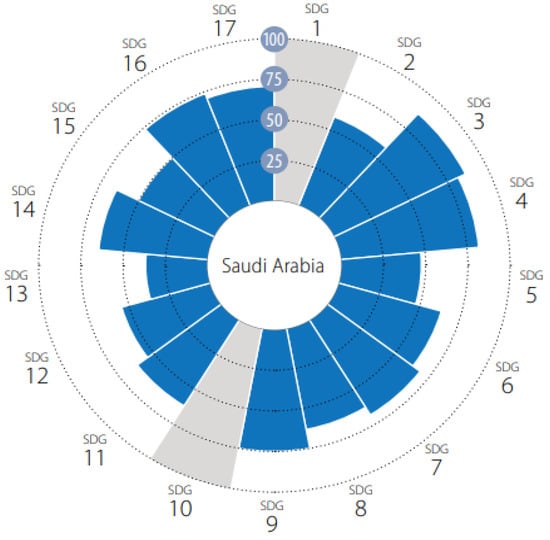
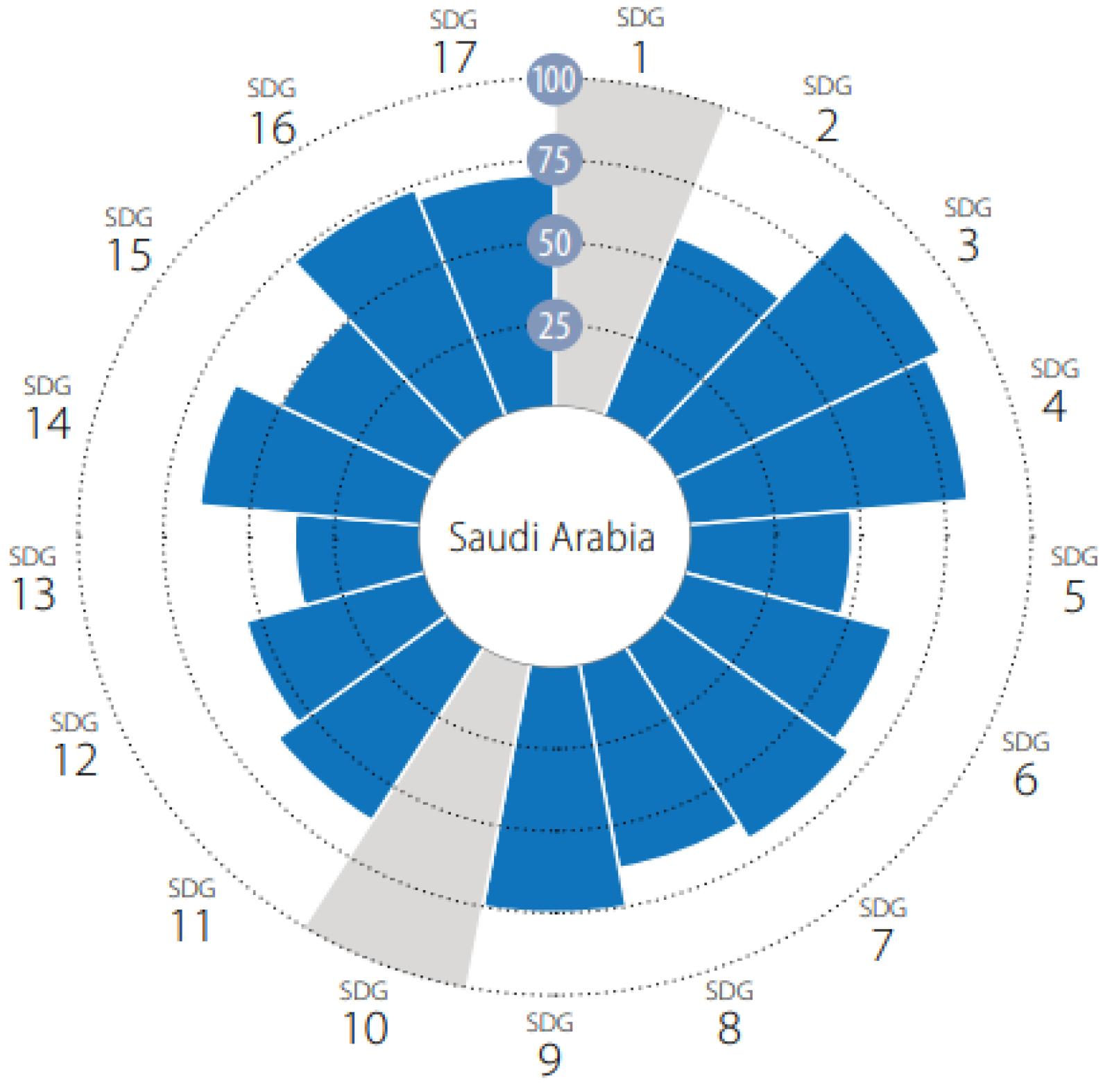
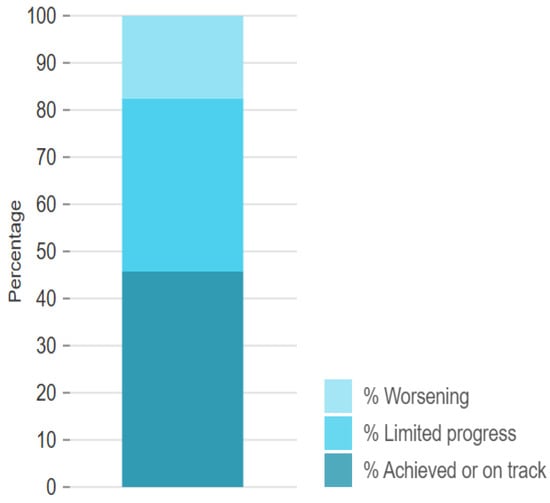
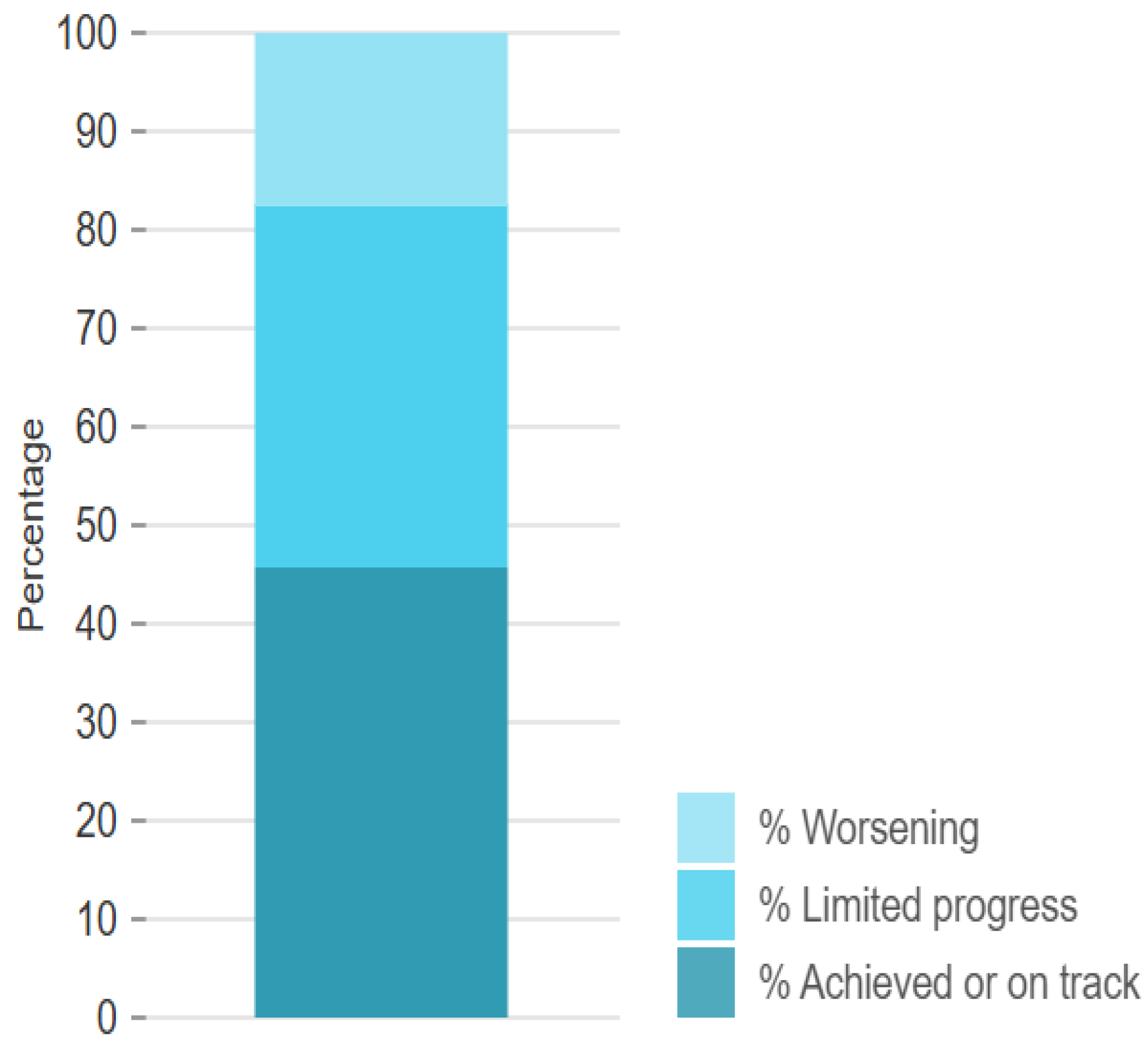
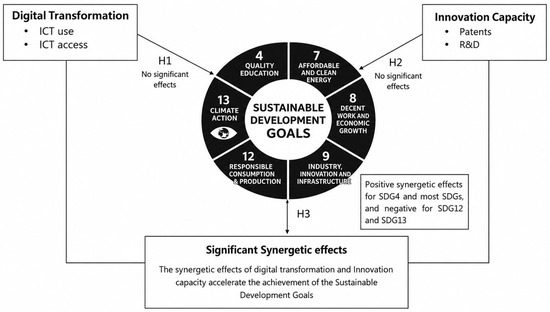
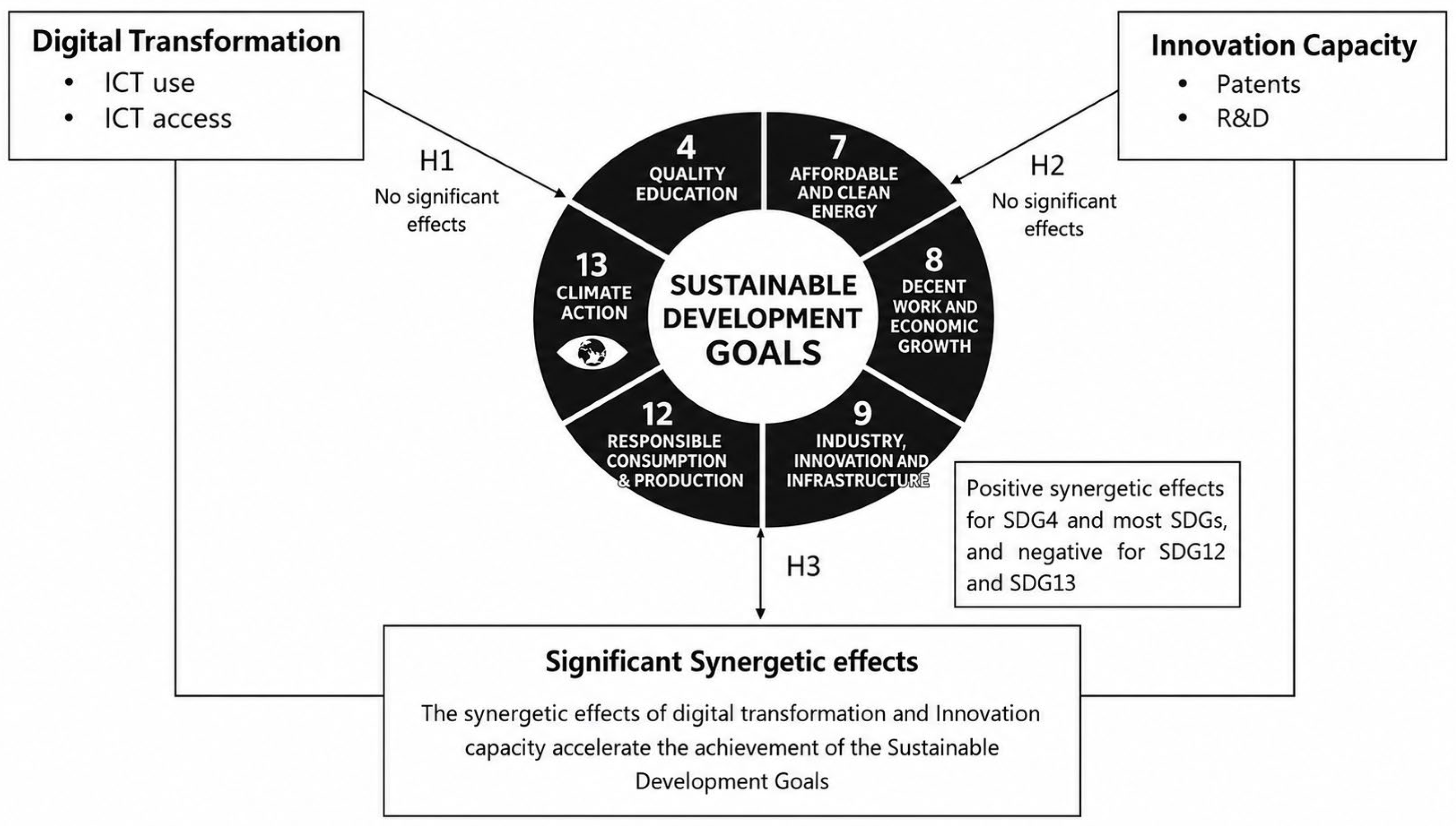

Disclaimer/Publisher’s Note: The statements, opinions and data contained in all publications are solely those of the individual author(s) and contributor(s) and not of MDPI and/or the editor(s). MDPI and/or the editor(s) disclaim responsibility for any injury to people or property resulting from any ideas, methods, instructions or products referred to in the content. |
© 2026 by the authors. Licensee MDPI, Basel, Switzerland. This article is an open access article distributed under the terms and conditions of the Creative Commons Attribution (CC BY) license.