


Abstract
Cultivating talent with digital literacy and the capacity for sustainable innovation performance is a critical mission of higher education. Merely enhancing digital skills does not necessarily lead to innovation, and the mechanisms underlying this transformation remain to be clarified. This study adopts human capital theory as its analytical framework and constructs a parallel mediation model, focusing on the dual mediation pathways of proactive social behavior and critical thinking dispositions as “soft skill” mediators. Using a sample of 18,534 undergraduate students from Chinese research universities, the study employed a questionnaire survey and analyzed the data using structural equation modeling and the Bootstrap method to examine the relationship between digital literacy and sustainable innovation performance, as well as the roles of the two mediation pathways. The results indicate a significant positive correlation between Chinese university students’ digital literacy and their sustainable innovation performance. Proactive social behavior and critical thinking dispositions exhibit significant mediating effects between the two variables, forming a dual-path mechanism in which the direct path effect is stronger. The findings deepen our understanding of how digital literacy relates to sustainable innovation performance and provide a reference for higher education institutions in cultivating talent for sustainable innovation.
1. Introduction
In today’s rapidly evolving global environment, innovation has become a decisive factor in a nation’s economic growth and social progress [1], and interest in sustainable innovation is growing [2]. Against this backdrop, the role of research universities as incubators for innovative talent is particularly significant. Higher education institutions should adapt to the demands of the times and cultivate innovative talent capable of meeting the needs of the 21st century [3]. Consequently, how to foster sustainable innovation performance and innovation capabilities among university students has gradually become a hot topic in higher education research [4].
In today’s digital age, digital literacy has become one of the key indicators of an individual’s competitiveness [5]. For college students, digital literacy is not only crucial to their personal development but also serves as a vital foundation for future career success. Research indicates that digital information literacy can significantly enhance graduate students’ innovation performance, inspiring them to engage in more innovative behaviors and produce greater innovative outcomes [6]. However, the specific mechanisms through which digital literacy influences college students’ sustainable innovation performance have not yet been fully explored. Furthermore, proactive social behavior, as a core dimension of interpersonal skills, constitutes a vital component of an individual’s social capital and directly influences college students’ ability to effectively utilize digital resources and unleash their innovative potential in teamwork [7,8]. In the Chinese cultural context, influenced by Confucian traditions and the inertia of exam-oriented education, interpersonal interactions place greater emphasis on relationship-oriented approaches and group harmony. This contrasts significantly with the social models in Western culture, which emphasize direct expression [9], making the role of this variable in Chinese samples particularly worthy of attention. Critical thinking dispositions, as the intrinsic motivation and willingness of individuals to engage in critical thinking, are also effective tools for fostering innovation performance [10]. Cross-cultural studies indicate that Chinese students’ performance in critical thinking is often constrained by cultural modes of expression rather than by their abilities themselves [11]. Although Chinese research universities have been continuously advancing innovation education reforms in their curriculum systems and training models, they remain in the exploratory stage regarding the systematic cultivation of higher-order cognitive abilities such as critical thinking. Therefore, exploring the mediating roles of proactive social behavior and critical thinking dispositions in the relationship between college students’ digital literacy and their sustainable innovation performance not only helps reveal the underlying mechanisms through which digital literacy is transformed into sustainable innovation performance but also provides an empirical entry point for understanding the pathways for cultivating soft skills within the context of Chinese higher education.
Although previous studies have begun to examine the relationship between digital literacy and sustainable innovation performance [12,13], empirical evidence regarding the mediating mechanisms between the two remains scarce. Existing research has explored potential pathways through which digital literacy influences innovation performance from perspectives such as creative self-efficacy and diverse experiences [14], while other scholars have examined the mediating roles of variables such as hard skills or organizational learning [15]. However, existing research has largely focused on variables such as technology acceptance, organizational learning, or hard skills, with insufficient attention paid to two categories of individual-level soft skills: proactive social behavior and critical thinking dispositions. Furthermore, most studies have concentrated on a single mediating variable, failing to reveal the synergistic mechanisms of multiple pathways. Particularly in the context of Chinese research universities, there remains a lack of systematic theoretical frameworks and empirical testing regarding how digital literacy influences undergraduate students’ sustainable innovation performance through these two types of “soft skills”—proactive social behavior and critical thinking dispositions.
In light of this, this study focuses on the following three research questions:
- RQ1: What is the relationship between college students’ digital literacy and their sustainable innovation performance?
- RQ2: Do proactive social behavior and critical thinking dispositions mediate the relationship between digital literacy and sustainable innovation performance?
- RQ3: How does the identified mediation mechanism contribute to understanding the development of sustainable innovation performance among university students?
To address the above questions, this study constructed a structural equation model for empirical testing based on survey data from 18,534 undergraduate students at 117 research universities in China. Through this research, we aim to uncover the mechanisms linking digital literacy to sustainable innovation performance, while incorporating proactive social behavior and critical thinking dispositions as parallel mediating variables into the analytical framework. The findings not only contribute to a deeper understanding of the mechanisms underlying sustainable innovation performance among college students but also provide empirical evidence for the cultivation of innovative talent in higher education.
The remainder of this paper is organized as follows: Section 2 presents the theoretical basis and literature review; Section 3 proposes the research hypotheses and conceptual model; Section 4 describes the research methods and data processing; Section 5 presents the empirical analysis results; Section 6 discusses the research findings; Section 7 summarizes the conclusions and discusses the theoretical and practical implications; and Section 8 identifies the study’s limitations and future directions.
2. Theoretical Basis and Literature Review
2.1. Theoretical Basis
Human capital theory was systematically proposed and refined by economists Schultz and Becker in the 1960s [16,17]. This theory posits that the knowledge and skills that individuals acquire through education and learning constitute a form of capital capable of generating sustained economic returns and productivity gains. Education is therefore regarded as the core pathway for the formation of human capital. As research has deepened, the scope of human capital has continued to expand. In his latest review, Woessmann points out that modern human capital should encompass three dimensions: cognitive skills, personality traits, and social skills; measuring human capital solely by academic credentials is no longer sufficient to explain differences in individual performance on complex tasks [18].
The theoretical evolution described above provides a direct theoretical basis for the core variables of this study. Digital literacy is a new dimension of human capital accumulation in the digital age; it encompasses the ability to access, process, and learn from information, and constitutes a foundational skill acquired by individuals through education and practice [19]. Proactive social behavior represents the social component of human capital; it facilitates knowledge sharing and team collaboration and is an indispensable soft factor in the innovation process. Critical thinking dispositions, meanwhile, constitute a core component of higher-order cognitive abilities within human capital, enabling individuals to make independent judgments and engage in deep processing within an information-overloaded environment. Sustainable innovation performance can be viewed as the creative output resulting from an individual’s investment in human capital; it manifests both in the cognitive process of innovation thinking and in the practical outcomes of the transformation of innovative achievements.
From a broader perspective, human capital theory also links the accumulation of capabilities at the individual level with sustainable development at the societal level. Research by Lutz et al. indicates that education-driven human capital accumulation is not only an endogenous driver of economic growth but also a core mechanism for enhancing societal resilience and achieving sustainable development [20]. This perspective provides macro-level theoretical support for this study: individual sustainable innovation performance, as the creative output of human capital investment, serves as a crucial micro-level foundation for higher education to drive societal sustainable development.
In summary, the human capital theory provides a systematic analytical framework for this study, bringing digital literacy, proactive social behavior, critical thinking dispositions, and sustainable innovation performance into a unified theoretical perspective, thereby laying the groundwork for further exploration of the intrinsic relationships among these four factors.
2.2. Literature Review
2.2.1. Sustainable Innovation Performance
Innovation is often defined as creative activities that generate new or unique scientific knowledge and applications [21,22]. Building on this definition, innovation performance has traditionally been used to describe the outcomes of technological innovation in enterprises [23]. In recent years, with the deepening of the concept of sustainable development, academia has begun to define sustainable innovation performance as the ability of individuals or organizations to balance economic, social, and environmental benefits in their innovation activities [24]. At the individual level, sustainable innovation performance can be defined as employees’ active contributions to the creation and implementation of new products, processes, systems, or technologies aimed at reducing negative impacts on the environment and society [25]. For university students, this concept refers to the capabilities and outcomes they demonstrate in innovation activities, encompassing not only innovative thinking and behavior but also the transformation and application of innovative outcomes. However, existing research has largely focused on sustainable innovation at the organizational level [26], while studies on the measurement and mechanisms of sustainable innovation performance at the individual level remain relatively scarce. Research indicates that the higher education systems in some regions still lag behind in terms of sustainable innovation performance [27]. Existing research has largely focused on external factors such as the development of institutional research systems [4] and has relied excessively on quantitative indicators such as patents and publications [28], making it difficult to capture the process-oriented characteristics of innovation activities.
2.2.2. Digital Literacy
As a key concept in the new era, research on digital literacy is still in its developmental stage. Gilster et al. (1997) first introduced the term “digital literacy,” defining it as the key ability to understand and use complex information presented by computers [29]. They emphasized that it is not only about learning to retrieve and access online resources, but also about learning to apply them [29]. In recent years, with the rapid development of information technology, the definition and scope of digital literacy have continued to expand. From the early concept of “accessing and applying online resources” [29] to the current notion of “the ability to navigate fragmented and complex information ecosystems” [30], digital literacy has gradually become one of the indispensable competencies for social development and innovation in the 21st century. Previous international research has suggested that digital literacy is a component of human capital [5] and is regarded as a key competency for meeting the demand for innovative talent. At the same time, individual digital literacy plays a significant role in promoting individual innovation [12]. However, despite the widespread attention that digital literacy has received in both theory and practice, existing research still has some shortcomings. First, in terms of research subjects, most of the existing literature focuses on the relationship between corporate digital transformation and the innovation performance of enterprises and products [31,32], while research on the specific group of college students remains relatively scarce. Second, regarding university students’ digital literacy, while some discussions exist, they mostly focus on its impact on individual characteristics such as self-efficacy and psychological development [33], as well as its role in promoting students’ academic entrepreneurship in emerging industries [34]. In contrast, there is relatively little research on how digital literacy facilitates sustainable innovation performance through mediating variables (such as proactive social behavior and critical thinking dispositions).
2.2.3. Proactive Social Behavior
Proactive social behavior is an important subset of interpersonal skills, specifically referring to an individual’s tendency to initiate interactions in various social contexts [35]. Broadly defined, interpersonal skills emphasize resolving interpersonal issues, managing conflicts, and responding appropriately to meet an individual’s relational and social status needs [36,37], and help individuals effectively cope with life’s challenges [38]. Kriegl (2000) emphasizes that in multicultural workplaces, such competencies are considered more important than industry-specific skills and technical expertise [39]. From the perspective of college students, interpersonal skills are one of the key competencies that contemporary students must cultivate during their academic careers; the more developed these social skills are, the more effectively students can adapt to the demands of different environments and interlocutors [40].
From a behavioral perspective, existing research has explicitly identified “social initiation” as one of the core behavioral dimensions of social skills [41]. It should be noted that proactive social behavior is not synonymous with interpersonal skills in the broad sense—the latter encompasses multidimensional abilities such as communication quality, conflict management, empathy, and relationship maintenance, whereas the former focuses specifically on the initiation phase of social interaction. This behavioral dimension is particularly crucial for college students in establishing initial connections during teamwork and interdisciplinary communication [42]. Therefore, the subsequent discussion in this study is conducted within the scope of this specific definition.
2.2.4. Critical Thinking Dispositions
Critical thinking dispositions refer to an individual’s emotional willingness and intrinsic motivation to engage in critical thinking; together with critical thinking skills, they constitute the two dimensions of critical thinking [43]. The intellectual origins of this concept can be traced back to Dewey’s “reflective thinking,” which encompasses the dual elements of a state of skepticism and a belief in seeking empirical evidence [44]. By the end of the 20th century, a consensus had gradually emerged in the academic community: critical thinking is composed of both cognitive critical thinking skills and affective critical thinking dispositions, with the latter encompassing emotional traits such as curiosity and open-mindedness [45]. However, existing research faces the following issues: first, the understanding of critical thinking is relatively narrow, treating it as a normative procedural skill or process while neglecting emotional and behavioral factors; second, it has not fully considered the new demands placed on critical thinking dispositions in the digital age, such as students’ ability to critically evaluate and apply information. Therefore, future research needs to establish a framework for college students’ critical thinking dispositions that incorporates emotional and attitudinal factors, in order to better help students cope with the complexities of the digital age and innovation.
2.2.5. Digital Literacy and Sustainable Innovation Performance
In recent years, research on the relationship between digital literacy and sustainable innovation performance has largely focused on the direct effects of digital literacy, emphasizing the foundational role of technical skills in innovation outcomes [46,47]. As times have evolved, scholars have begun to examine the bridging role of “soft skills” in the transformation of digital literacy into sustainable innovation performance. For example, Gonzalez-Mohino et al. (2023) found through empirical research that digital literacy indirectly enhances individual innovation capabilities by improving information integration efficiency [48], but failed to clarify the mechanisms underlying the roles of multiple mediating variables.
The theoretical relationship between digital literacy, proactive social behavior, and critical thinking dispositions warrants further clarification. The communication and collaborative sharing skills encompassed by digital literacy provide a practical arena for online social interaction; this experience can be transferred to offline settings, enhancing individuals’ confidence in actively expressing themselves and building relationships [49]. Furthermore, the information screening and evaluation required by digital literacy are themselves applications of critical thinking; individuals continuously strengthen their critical thinking dispositions through repeated processes of discerning the authenticity of information. In Chinese research universities, digital learning environments provide the conditions for this process, but the inertia of exam-oriented education may hinder the transformation of digital skills into critical reflection.
In summary, research on the mechanisms through which digital literacy influences sustainable innovation performance has gradually expanded from single-path approaches to multidimensional mediation models; however, current research still exhibits significant shortcomings in terms of the comprehensiveness of theoretical frameworks and the depth of empirical studies.
3. Hypothesis Development and Model Conceptualization
3.1. Digital Literacy and Sustainable Innovation Performance of University Students
As a new dimension of human capital accumulation in the digital age, digital literacy encompasses multiple competencies, including information collection, processing, and learning, and provides both a knowledge foundation and a guarantee of efficiency for innovative activities [19]. Existing research supports this view. Training in digital literacy skills helps improve college students’ academic performance in innovative learning environments [50]. At the same time, digital literacy also has a significant impact on higher education performance and digital innovation [51]. Kim (2024) stated that digital literacy strengthens the ability of university students to prepare for the future, and that the higher the digital literacy competence, the higher the ability of potential entrepreneurs to think creatively and be technologically literate [13]. Based on this, this study makes the following hypotheses:
Hypothesis H1.
Digital literacy of university students positively affects their sustainable innovation performance.
3.2. The Mediating Role of Proactive Social Behavior
The information exchange and collaborative sharing abilities in digital literacy can be transferred to offline social scenarios, enhancing individuals’ confidence in proactively building relationships and engaging in communication. Wu et al. (2020), by designing a socially oriented video game, found that children’s interpersonal skills of perception improved after an intervention with digital tools [52]. Miroslavov et al. (2015) enhanced students’ social skills through digital education using information contained on the Internet [49]. Meanwhile, some researchers found through quantitative studies that most of the respondents believed that digital literacy helps students develop social skills and etiquette and that digital tools influence their social interactions [53]. Based on the above analyses, the following hypotheses are proposed in this study:
Hypothesis H2.
Digital literacy of university students positively affects their proactive social behavior.
As a component of social skills within human capital, proactive social behavior facilitates the effective exchange of resources and mutual benefit among individuals [54]. For university students, proactive social behavior is necessary for them to build social networks and access entrepreneurial resources, and this ability influences their entrepreneurial performance to a certain extent [7]. Lin and Suwandej (2023) found through their research that the social capital of college students has a positive impact on their innovation performance [55]. Furthermore, Amedu and Dulewic (2018) highlighted the importance of interpersonal skills by emphasizing their positive impact on firm performance [8]. Synthesizing the above literature analysis, this study makes the following hypothesis:
Hypothesis H3.
Proactive social behavior of university students positively affects their sustainable innovation performance.
According to Zhang et al. (2023), interpersonal skills may be a central structure that mediates the impact of digital skills and online digital activities [56]. That is, interpersonal skills may serve both as an indicator of the influence of a factor and as a predictor of other influences. Proactive social behavior, as a core dimension of interpersonal skills, may similarly serve as a mediating factor. This suggests that proactive social behavior may act as a mediating factor between college students’ digital literacy and their sustainable innovation performance. Based on the validation of H2 and H3, the following hypotheses are proposed in this study:
Hypothesis H4.
Proactive social behavior mediates the relationship between digital literacy and the sustainable innovation performance of university students.
3.3. The Mediating Role of Critical Thinking Dispositions
The development of educational technology has provided a variety of creative digital learning tools and resources, making critical and effective learning in the digital age possible [57]. The ability to filter and evaluate information within digital literacy is itself a core application of critical thinking. Through the repeated process of discerning the authenticity of information, individuals continuously strengthen their critical thinking dispositions. A series of studies have confirmed that learning digital literacy has a strong impact on the formation of students’ critical thinking [48,58]. Amin et al. (2023) also found through their study that digital literacy significantly affects students’ critical thinking, while stating that educators should incorporate the development of students’ digital literacy into their teaching to improve students’ critical thinking [59]. Based on the above analyses, the following hypotheses were formulated in this study:
Hypothesis H5.
Digital literacy of university students positively affects their critical thinking dispositions.
Critical thinking dispositions constitute the higher-order cognitive abilities within human capital that drive innovation. Pu et al. (2019) found through research on medical undergraduates that students with stronger critical thinking dispositions learned more efficiently in problem-based learning [60]. Meanwhile, Patel et al. (2024) further noted that critical thinking among university students not only had a positive impact on the development of their creative skills but also significantly enhanced their creative confidence [10]. The results of this series of studies suggest that critical thinking dispositions may be a key trait in the improvement of university students’ sustainable innovation performance. Based on the above analyses, the following hypotheses were proposed in this study:
Hypothesis H6.
The critical thinking dispositions of university students positively affect their sustainable innovation performance.
According to Gökçe and Güner (2024), university students’ critical thinking dispositions mediate the relationship between students’ cognitive flexibility and their academic performance [61]. Wang et al. (2024) found that university students’ critical thinking dispositions play a mediating role between self-efficacy and problem-solving tendencies through a chained dual mediation model test [62]. It follows that critical thinking dispositions may also be a central structure. Based on the validation of H5 and H6, the following hypotheses were proposed in this study:
Hypothesis H7.
Critical thinking dispositions mediate the relationship between digital literacy and the sustainable innovation performance of university students.
Based on the above assumptions, a theoretical model is developed as shown in Figure 1.
Figure 1.
Framework diagram of the model of university students’ sustainable innovation performance.
4. Materials and Methods
4.1. Sample and Data Collection
The questionnaire uses a five-point Likert scale, with scores ranging from 1 (strongly disagree) to 5 (strongly agree). The questionnaire design was reviewed by more than 20 experts and scholars in the field of innovation and entrepreneurship education and underwent pilot testing and revisions at 98 universities to ensure content validity and practicality. Data were filtered according to the research theme, with a separate sample of undergraduates from 117 Chinese research universities extracted, resulting in a final valid sample of 18,534 responses.
First-year undergraduates were excluded from this study because, as new students, they lack sufficient coursework and on-campus practical experience regarding the issues covered in the questionnaire—such as digital literacy, sustainable innovation performance, proactive social behavior, and critical thinking—and may therefore find it difficult to make accurate judgments. While this exclusion criterion enhances the reliability of the measurements, it may also result in a sample that is skewed toward upperclassmen in terms of academic experience, thereby limiting to some extent the generalizability of the study’s conclusions to the entire undergraduate population (particularly first-year students). Future research could further examine the model’s stability across grade levels using a longitudinal sample spanning freshman through senior years. The details of the sample are shown in Table 1, Figure 2 and Figure 3.
Table 1.
Basic situation of undergraduate students in Chinese research universities.
Figure 2.
Distribution of undergraduate disciplines in China’s research universities.
Figure 3.
Distribution of provinces where undergraduates of Chinese research universities are located.
4.2. Variables and Measures
4.2.1. Digital Literacy Scale
Based on Ferrari (2013) et al.’s DIGCOMP framework, digital literacy first covers the ability to systematically retrieve, filter, and evaluate information (Information & data literacy) [63], a dimension that is further refined in Hobbs (2017)’s “Access” model, which is further refined as “information retrieval and tool use” [64]. Second, “reproduction literacy” proposed by Eshet (2012) emphasizes an individual’s ability to effectively integrate, process, and reconstruct digital materials from collected information materials [65]. On this basis, this study further integrates Bawden’s (2008) view that digitally literate individuals need to maintain a willingness to engage in lifelong learning and a critical awareness of technology [66], as well as Heitin’s (2016) view that digital literacy also involves communication and sharing of digital content [67]. Summarizing the above views, this paper takes “digital literacy (DL)” as the independent variable and categorizes it into three dimensions: first, digital information collection competency, which focuses on the efficiency of information collection and retrieval; second, digital information processing competency, which covers the proficiency of technological tools and the ability to utilize them; and third, digital learning competency, which includes self-improvement and the practice of collaboration and sharing.
4.2.2. Sustainable Innovation Performance Scale
Huang (2017) and others identified the output of research patents as an important indicator of academic innovation performance of universities [28]. Patents and related research technologies are one of the key elements to measure the degree of innovation transformation. Lin and Suwandej (2023) pointed out that the innovation performance of university students can be categorized into two major aspects, namely intrinsic ability and innovation achievement [55]. Intrinsic ability refers to students’ intrinsic physiological skills, especially their innovative thinking. Innovation achievement refers to the accumulation and development of students’ innovation skills, which are mainly manifested in invention patents, applications, and the practice of scientific research technology [55]. Based on this, this paper sets “sustainable innovation performance (SIP)” among college students as the dependent variable, primarily measuring students’ self-perceived sustainable innovation performance. It focuses on the characteristics of innovative thinking and the commercialization of innovation outcomes at the individual level, dividing them into two dimensions: one is innovation thinking (IT), and the other is the transformation of innovative achievements (TIA). This means that the innovation strength of college students is not only shown in the germination of ideas but also in how these ideas are transformed into actual innovation achievements, such as patents, commercialization, and so on. It should be noted that this scale focuses on behavioral indicators of innovative thinking and outcome transformation and does not directly include specific items related to environmental or social dimensions.
4.2.3. Proactive Social Behavior Scale
The ability to take the initiative in connecting with others is a key aspect of an individual’s proactive social behavior. Klein (2006) and others have also argued that communication—including active listening, verbal and written expression, self-confidence, and nonverbal communication—constitutes a higher-order dimension reflecting an individual’s proactive social behavior [68]. Based on this, to measure the mediating variable of “proactive social behavior (PSB),” this study designed three questions—“I can strike up a conversation with strangers,” “I can introduce myself to new acquaintances,” and “I can proactively introduce myself to teachers and elders”—to assess college students’ proactive social behavior.
4.2.4. Critical Thinking Dispositions Scale
Referring to Facione’s theory (2000), it is argued that critical thinking dispositions consist of seven indicators: analyticity, systematicity, inquisitiveness, maturity, self-confidence, open-mindedness, and truth-seeking [69]. Later, Sosu (2013) established a scale of critical thinking dispositions and concluded that one of the important components of critical thinking dispositions is the openness of the individual’s mind [70], while several researchers confirmed the reliability of this scale through exploratory structural equations [71,72]. Further, in conjunction with Quinn et al. (2020), critical thinking dispositions include self-efficacy, cognitive flexibility, and reflection on one’s behavior and motivation [73]. From this, it can be inferred that critical thinking dispositions are very much focused on the individual’s emotions and attitudes. Based on this, this paper sets “critical thinking dispositions (CTD)” as the mediating variable and classifies it into four dimensions: metacognition (MC), flexibility (FLEX), systematicity (SYS), and open-mindedness (OM).
5. Results
5.1. Reliability and Validity Test
In this analysis, reliability was assessed by calculating Cronbach’s alpha for each scale using SPSS 27.0. The results of the reliability analysis are shown in Table 2. The reliability coefficients for each dimension ranged from 0.8 to 1, indicating that the scales used in this study demonstrated excellent internal consistency. The CR values (see Table 3) all exceeded the 0.7 threshold, indicating good reliability [74].
Table 2.
Reliability analysis for each dimension.
Table 3.
Convergent validity and combined reliability tests for each dimension.
To test validity, confirmatory factor analysis was conducted using AMOS 26.0 software. The overall model fit of the confirmatory factor analysis model meets the standard, and the model performs well. Absolute fit indices: RMR = 0.066 (<0.08), RMSEA = 0.050 (<0.08), GFI = 0.929 (>0.9), AGFI = 0.915 (>0.9); Value-Added Fit Indices: CFI = 0.966 (>0.9), NFI = 0.965 (>0.9), TLI = 0.962 (>0.9), IFI = 0.966 (>0.9); Parsimony fit indices: PGFI = 0.781 (>0.5), PNFI = 0.868 (>0.5). The standardized factor loadings for all items across the scales were greater than 0.7 and were statistically significant. The convergent validity measure—average variance extracted (AVE)—is calculated using standardized factor loadings and measurement error (see Table 3). A value greater than 0.5 indicates good convergent validity [74]. Therefore, the reliability and validity of the questionnaire’s items are good.
In terms of discriminant validity, this study compared the square roots of the average variance extracted (AVE) for each construct with their correlation coefficients with other constructs. As shown in Table 4, the square root of the AVE for digital literacy was 0.885, for sustainable innovation performance was 0.653, for proactive social behavior was 0.879, and for critical thinking dispositions was 0.903. All of these values were greater than their correlation coefficients with other constructs (p < 0.001), indicating good discriminant validity among the four constructs [74].
Table 4.
Results of the discriminant validity tests for each dimension.
Since all data in this study were self-reported, common method bias may be present. To assess its severity, we first applied Harman’s single-factor test. The results showed that the first factor, prior to rotation, explained 51.529% of the variance, which is slightly higher than the 50% threshold. To further test this, this study introduced the more rigorous common latent factor method [75], adding a common latent factor loaded by all items to the original confirmatory factor analysis model, and compared the differences in model fit between the two models. As shown in Table 5, the addition of the common method factor did not significantly improve model fit (CFI = 0.636, GFI = 0.450, AGFI = 0.368, NFI = 0.636, RMSEA = 0.161); therefore, there is no serious issue of common method bias.
Table 5.
Model Fit Comparison for Common Method Bias Test.
5.2. The Relationship Between College Students’ Digital Literacy and Sustainable Innovation Performance
To gain a deeper understanding of the interrelationships among the variables, this study employed structural equation modeling (SEM) for path analysis. As shown in Figure 4, the results indicate a significant positive association between college students’ digital literacy and their sustainable innovation performance (β = 0.23, p < 0.001). This suggests that, statistically speaking, students with higher levels of digital literacy tend to report better sustainable innovation performance. Theoretically, this result aligns with Granovetter’s (1973) theory of weak ties, which posits that networks established by individuals based on their digital literacy reserves may provide them with diverse information, thereby correlating with sustainable innovation performance [76]. Students with higher digital literacy may be more adept at screening, analyzing, and utilizing information, thereby providing a more solid foundation for innovation. Therefore, the research data support Hypothesis H1. However, the standardized path coefficient is 0.23, which, according to Cohen’s (1988) definition of effect sizes, falls into the category of a near-moderate effect size [77]. This suggests that while digital literacy has a stable positive effect on sustainable innovation performance, its explanatory power is limited when considered in isolation and requires further mediation through an intermediary pathway.
Figure 4.
Model Diagram of the Relationship Between Digital Literacy and Sustainable Innovation Performance.
Furthermore, the path coefficients in Figure 4 indicate that digital information collection competency, digital information processing competency, and digital learning competency all exhibit a positive correlation with digital literacy. Among these, the path coefficient between digital information collection competency and digital literacy (β = 0.95) is the largest. Statistically, this may imply that among the multiple facets constituting digital literacy, information collection competency contributes most significantly to its representation. This could stem from information collection being a prerequisite for subsequent processing and learning [78]. Similarly, the path coefficients in Figure 4 indicate that metacognition, flexibility, systematicity, and open-mindedness all exhibit positive correlations with critical thinking dispositions. Among these, the path coefficient between systematicity and critical thinking dispositions (β = 0.98) is the largest. This suggests that systematic thinking—the tendency to process information in an organized manner—may be a core characteristic defining critical thinking dispositions compared to other dimensions, as it provides the foundational framework for logical analysis and comprehensive judgment.
5.3. Testing for a Mediating Effect
To further explore the roles of proactive social behavior and critical thinking dispositions in the relationship between digital literacy and sustainable innovation performance, this study employed the Bootstrap method to test for mediation effects (with 5000 bootstrap repetitions). The results indicate that proactive social behavior partially mediates the relationship between digital literacy and sustainable innovation performance, with an indirect effect of 0.169 (accounting for 30.12% of the total effect) and a 95% confidence interval of [0.1588, 0.1792], which does not include 0 (Table 6). Similarly, critical thinking dispositions also partially mediate the relationship between digital literacy and sustainable innovation performance, with an indirect effect of 0.155 (accounting for 27.54% of the total effect) and a 95% confidence interval of [0.1426, 0.1669], which does not include 0 (Table 7).
Table 6.
Results of the mediation effect test of proactive social behavior.
Table 7.
Results of the mediation effect test for critical thinking dispositions.
5.4. The Mediating Effect of University Students’ Digital Literacy on Their Sustainable Innovation Performance
As shown in Figure 4, digital literacy exhibits a significant positive correlation with proactive social behavior (β = 0.68, p < 0.001), and proactive social behavior also shows a significant positive correlation with sustainable innovation performance (β = 0.13, p < 0.001). This indicates that, statistically, college students with higher digital literacy tend to report stronger proactive social behavior. Simultaneously, students with stronger proactive social behavior typically demonstrate superior sustainable innovation performance. Thus, Hypotheses H2 and H3 are empirically supported. This result is consistent with the explanation that digital literacy encompasses not only technical proficiency but also multidimensional competencies in information acquisition, communication, and collaboration—capabilities that enhance students’ social interaction efficiency. Furthermore, proactive social behavior—as crucial “soft skills” in innovation—facilitates teamwork, knowledge sharing, and interdisciplinary exchange, all of which are key drivers of sustainable innovation performance. Bootstrap mediation analysis (Table 6) further elucidates the role of proactive social behavior in these relationships. The indirect effect (effect size = 0.169) accounted for 30.12% of the total effect, reaching statistical significance. This indicates that the relationship between digital literacy and sustainable innovation performance is partially mediated by proactive social behavior, supporting the partial mediation hypothesis (H4). This finding suggests a possible explanation that digital literacy may enhance social capabilities, thereby providing a broader platform for innovative behaviors.
Similarly, the model also indicates significant positive correlations between digital literacy and critical thinking dispositions (β = 0.72, p < 0.001), as well as between critical thinking dispositions and sustainable innovation performance (β = 0.71, p < 0.001). This suggests that college students with higher digital literacy tend to exhibit stronger critical thinking dispositions, while those with stronger critical thinking dispositions tend to exhibit higher levels of sustainable innovation performance. Thus, hypotheses H5 and H6 are empirically supported. This result is consistent with the explanation that digitally literate students can more efficiently acquire, analyze, and utilize information—skills that are core components of critical thinking itself. Furthermore, critical thinking dispositions break mental patterns, providing a cognitive foundation for innovation. As shown in Table 7, the indirect effect value of digital literacy through critical thinking dispositions is 0.155 (accounting for 27.54% of the total effect) and reaches statistical significance. This supports the hypothesis (H7) that critical thinking dispositions partially mediate the relationship between digital literacy and sustainable innovation performance. In summary, the data suggest that the combination of digital literacy and critical thinking may provide students with essential knowledge and cognitive tools to navigate complex environments and achieve innovation.
In summary, both mediating pathways serve as important mechanisms for the transformation of digital literacy into sustainable innovation performance; however, direct effects still account for nearly 70% of the total effect. The strong direct effect suggests that digital literacy may encompass multiple competencies—such as information collection, processing, and learning—that can be directly applied to innovation activities without requiring full conversion through soft skills. At the same time, this proportion points to the possibility that other mediating pathways remain to be explored.
6. Discussion
Based on empirical data from 18,534 undergraduate students at 117 research universities in China, this study constructed and tested a dual-path mediation model to reveal how the relationship between digital literacy and sustainable innovation performance is mediated through two pathways: proactive social behavior and critical thinking dispositions.
The findings first confirm a significant positive association between digital literacy and sustainable innovation performance. The sustainable innovation performance measured in this study is based on student self-reports, reflecting their perceptions and evaluations of their own innovative capabilities. Within this measurement framework, the study assesses innovation-related cognitive and behavioral outcomes within the context of sustainable innovation, rather than directly evaluating sustainable behavior or sustainable competence itself. Students with higher levels of digital literacy also tend to report better performance in sustainable innovation, consistent with findings from previous studies [12,13]. From the perspective of human capital theory, digital literacy serves as a core competency accumulated by individuals in the digital age. Higher levels of digital literacy translate to greater efficiency in information acquisition, processing, and application, thereby providing a more solid foundation for innovative activities. Furthermore, these findings align with the view of Kane and Alavi (2007), who state that improvements in information technology can effectively enhance individuals’ organizational learning capabilities [79]. In this study, digital literacy may have played a similar catalytic role, associated with improved sustainable innovation performance. However, digital literacy is not inherently beneficial. With the rapid development of artificial intelligence, scholars have expressed concerns that generative AI tools such as ChatGPT may undermine the cultivation of critical thinking in higher education, thereby contributing to an educational crisis [80]. There may also be limiting factors affecting the impact of digital literacy on sustainable innovation performance; for example, information overload or technological dependence may undermine its positive effects. Future research could further explore such nonlinear effects.
A more significant finding of this study is that the relationship between digital literacy and sustainable innovation performance is not a simple direct effect, but rather is mediated through two soft skill pathways. On the one hand, digital literacy is indirectly linked to sustainable innovation performance through its positive association with proactive social behavior (accounting for 30.12% of the effect), representing a statistically significant mediating effect. Proactive social behavior is a core behavioral dimension of interpersonal skills, referring to an individual’s tendency to initiate interaction in social situations. This not only supports the view that interpersonal skills are a key driver of innovation [77], but also confirms the importance of contemporary college students enhancing their proactive social behavior [40]. From the perspective of human capital theory, this pathway demonstrates that the technical capital accumulated through digital literacy is transformed into innovative outputs via social skills—a component of human capital—thereby further validating the human capital value of social skills in a digital context. In Chinese culture and society, “relationships” serve not only as emotional bonds but also as critical channels for information exchange and resource sharing [81]. Therefore, in a collectivist culture, proactive social behavior holds greater instrumental value for obtaining the support and feedback necessary for innovation. This characteristic may help explain why proactive social behavior could be a key factor constraining students’ sustainable innovation performance. At the same time, this finding contrasts with the phenomenon in contemporary society, where individuals’ real-world social skills decline due to excessive reliance on the media [82,83], suggesting the possibility that enhancing digital literacy may help offset the negative effects of new media and potentially reshape healthy social patterns.
On the other hand, the mediating role played by critical thinking dispositions (accounting for 27.54% of the indirect effect) also reached a statistically significant level of mediating effect, echoing the view held by many researchers that critical thinking dispositions are equally crucial for contemporary college students [84]. In the Chinese educational context, this finding warrants particular attention. Influenced by the inertia of exam-oriented education, the systematic cultivation of critical thinking in Chinese higher education remains relatively weak, which may make critical thinking dispositions a key constraint on students’ sustainable innovation performance. Research by Petermanec and Šebjan also points out that in an environment of information overload, students tend to rely on superficial characteristics rather than in-depth analysis to screen information, leading to insufficient critical thinking skills [85]. This conclusion is consistent with the findings of this study, which point to the potential value of strengthening training in critical thinking dispositions through digital literacy education. From the perspective of human capital theory, critical thinking dispositions, as a core component of higher-order cognitive abilities, serve as a key cognitive hub through which the technical capital of digital literacy is transformed into innovative output, and their cultivation should become an important direction of human capital investment in higher education.
Although both mediating pathways were significant, the direct effect accounted for nearly 70% of the total effect, suggesting that the impact of digital literacy on sustainable innovation performance is largely achieved through the direct transfer of skills, rather than relying entirely on the secondary transformation of soft skills. Given limited educational resources, prioritizing the quality of digital literacy courses may yield more immediate results. However, the value of indirect pathways should not be overlooked—the proactive social behavior pathway and the critical thinking dispositions pathway contributed 30.12% and 27.54% of the indirect effects, respectively, representing substantial practical impact that cannot be ignored in educational interventions. At the second-order dimension level, digital information collection competency (β = 0.95) and systematicity (β = 0.98) are the sub-dimensions that contribute most significantly to their respective constructs. Improving the efficiency of information retrieval and filtering should be a priority in digital literacy education, while cultivating habits of systematic thinking should be a core objective of critical thinking training. In comparing the two mediating pathways, the indirect effect of the proactive social pathway is slightly higher than that of the critical thinking pathway. Furthermore, improvements in the former rely more on high-frequency, low-cost daily practices (such as classroom interactions and group projects), while the latter relies more on well-designed, in-depth learning interventions (such as case studies and academic writing training). Higher education institutions can adopt a phased strategy: in the short term, they can activate the social pathway through digital collaborative learning, while in the long term, they can systematically integrate critical thinking training to cultivate higher-order cognitive abilities.
These findings also prompt a reevaluation of current educational policy directions. Although global education policies generally prioritize investment in technological infrastructure—such as hardware procurement and the development of digital platforms [86]—this study indicates that soft skills, including digital literacy, proactive social behavior, and critical thinking dispositions, are the key to sustainable innovation. This perspective echoes certain critical viewpoints, as many believe that technological equipment alone cannot directly bring about genuine learning transformation [87]. For example, some scholars have pointed out that the rapid adoption of technology in education systems often overlooks the sustainability of teaching [88]. Equating digital literacy with technical proficiency undermines its potential to cultivate innovation-oriented soft skills, and the emphasis on individual innovation must also be grounded in social and cognitive abilities. Furthermore, while the two soft skill pathways serve as important mediating mechanisms, direct effects still account for nearly 70% of the total effect, suggesting that variables such as creative self-efficacy and willingness to share knowledge may act as additional alternative mediators [14], which warrants further investigation in future research.
In summary, the findings of this study support the proposed theoretical model and all of its hypotheses. These findings provide empirical evidence from the Chinese context regarding how digital literacy is linked to sustainable innovation performance through its interaction with key “soft skills.” Given that college students are a key group driving social innovation and development [89], further exploration of the mechanisms underlying the cultivation of their innovative capabilities is of great significance for addressing future challenges. Furthermore, although this study is based on a Chinese sample, its findings hold reference value for higher education practices in other countries. The dual pathways through which digital literacy translates into sustainable innovation performance reveal the complementarity of “hard skills” and “soft skills” within human capital; this core mechanism is applicable across cultures. However, the relative importance of the two mediating pathways may vary across different cultural contexts: in cultures that emphasize individualism, the effect of the critical thinking dispositions pathway may be more pronounced; whereas in cultures that emphasize collectivism, the proactive social behavior pathway may contribute more significantly. Future research could adopt a cross-cultural comparative design to examine the robustness and variability of this model across different cultural contexts.
7. Conclusions
7.1. Theoretical Implications
This study makes theoretical contributions to the existing literature in three respects.
First, this study constructs an integrated model of digital literacy, proactive social behavior, critical thinking dispositions, and sustainable innovation performance, filling a gap in existing research regarding the mediating mechanisms between digital literacy and sustainable innovation performance. Empirical results indicate that the model exhibits good fit, providing a new theoretical perspective for understanding the cultivation of innovation capabilities among college students in the digital age. It also offers a reference framework for universities in areas such as curriculum design and teaching methods. For example, universities can use this framework to design interdisciplinary courses that integrate digital literacy, interpersonal skills (including proactive social behavior), and critical thinking dispositions, thereby cultivating top-tier, interdisciplinary innovative talents with stronger innovation capabilities.
Second, this study breaks away from the traditional innovation research paradigm dominated by “hard skills” and reveals the critical role of “soft skills” in translating digital literacy into sustainable innovation performance. Digital literacy is not only directly linked to sustainable innovation performance but also exerts an indirect influence through two pathways: proactive social behavior and critical thinking dispositions. This finding suggests that the widespread adoption of digital tools does not automatically translate into an innovation advantage; rather, its effectiveness depends on an individual’s ability to flexibly apply technical skills and transform them into social capital and cognitive judgment. Current educational policies’ overreliance on technological infrastructure exposes the limitations of instrumental rationality, and this study calls for a shift in resource allocation toward the cultivation of soft skills.
Third, this study expands the concept of sustainable innovation performance from a single quantitative indicator to a two-dimensional framework comprising “innovation thinking” and “transformation of innovative achievements,” and validates this framework. This provides an empirically tested alternative approach to measuring sustainable innovation performance, thereby advancing the field’s shift from a results-oriented perspective to one that emphasizes both process and results.
7.2. Practical Implications
The findings of this study offer three implications for higher education practice.
Regarding the cultivation of digital literacy, digital information collection competency is a key dimension of digital literacy, with the highest path coefficient among the three sub-dimensions. This result suggests that universities should prioritize enhancing students’ digital information collection competency as a starting point. By establishing specialized courses and providing advanced digital tools, universities can help students master efficient information collection and processing techniques [90,91], while also focusing on stimulating students’ intrinsic motivation for innovation in digital environments.
In terms of developing proactive social behavior, the focus is on proactive social behavior, which plays a crucial mediating role between digital literacy and sustainable innovation performance. Universities should provide students with interactive platforms through group projects, debates, extracurricular activities, and interdisciplinary collaboration [92], establish dedicated courses on interpersonal communication [93], and systematically integrate the development of these skills into the curriculum. In teaching practice, students should be encouraged to share their ideas in class, exchange innovative concepts with peers, and foster knowledge exchange at the group level [94]. The development of such collaborative networks not only serves as a catalyst for individual innovation but also lays the foundation for building sustainable social capital.
Regarding the cultivation of critical thinking dispositions, the path coefficient for “systematicity” was the highest among the four sub-dimensions. This indicates that systematic thinking is the key cognitive pathway linking digital literacy to sustainable innovation performance. As a holistic, structured, and dynamic way of thinking, systematic thinking helps students analyze and solve problems from a macro perspective, thereby promoting sustainable development [95]. This way of thinking is crucial for achieving the United Nations Sustainable Development Goals (SDGs). However, research indicates that current educational practices do not sufficiently cultivate learners’ systematic critical thinking skills [96]. Higher education institutions should integrate the cultivation of systematic thinking into their curricula, guiding students to analyze and solve problems from a macro perspective through activities such as case discussions, problem-solving, and independent research, while also focusing on developing students’ metacognition, flexibility, and open-mindedness.
8. Limitations and Future Research
This study has certain limitations. First, the use of cross-sectional data limits the ability to draw causal inferences; although the model reveals significant associations between variables, the direction of causality requires further validation through longitudinal studies or experimental designs. Second, data collection relied primarily on self-report questionnaires, which may introduce common-method bias; future research could incorporate objective behavioral data or peer evaluations to more comprehensively reflect students’ actual levels. In terms of measurement, the three items assessing proactive social behavior focus on an individual’s initiative in initiating social interactions, but fail to cover broader dimensions of interpersonal interaction such as conflict resolution, empathetic understanding, and the quality of collaboration. Future research could employ scales that encompass a wider range of dimensions to examine the differential roles of various levels of interpersonal skills in the translation of digital literacy into sustainable innovation performance; the measurement of critical thinking dispositions selected four core dimensions, and differences in dimensional selection may lead to variations in results; the measurement of sustainable innovation performance is based on behavioral indicators of innovative thinking and outcome transformation, without directly incorporating items related to environmental or social dimensions. Therefore, this study assesses innovation-related outcomes within a sustainable framework rather than directly measuring sustainable behavior or capabilities themselves. Future research could employ scales covering more dimensions to further validate this model. Additionally, while the mediating effects of proactive social behavior and critical thinking dispositions were significant, direct effects still accounted for nearly 70% of the variance, suggesting that other important mediating variables may not have been included. Finally, as this study focused on students’ internal capabilities, future research could integrate external environmental factors to construct a more comprehensive explanatory framework.
Author Contributions
Conceptualization, L.Z. and H.L.; methodology, L.Z.; software, H.L. and Z.L.; formal analysis, H.L.; resources, L.Z.; data curation, Z.L.; writing—original draft, L.Z. and H.L.; writing—review and editing, Z.L. and F.W. All authors have read and agreed to the published version of the manuscript.
Funding
This research is funded by the Major Humanities and Social Sciences Research Projects in Zhejiang Higher Education Institutions, Grant/Award Number: W2025Z00052.
Institutional Review Board Statement
All studies in this manuscript were approved by the ethics committee of the first author’s institution and were conducted in accordance with the Declaration of Helsinki (protocol number is 2023-01, and the date of approval is 15 January 2023).
Informed Consent Statement
Consent from all research participants was obtained by virtue of survey completion.
Data Availability Statement
Data will be made available on request.
Conflicts of Interest
The authors declare no competing interests.
References
- Fatema, F.; Islam, M.M. Do innovations improve firm performance in the Indian manufacturing sector? A mediation and synergy effect analysis. Int. J. Emerg. Mark. 2023, 18, 2620–2642. [Google Scholar] [CrossRef] [Scilit]
- Boons, F.; Montalvo, C.; Quist, J.; Wagner, M. Sustainable innovation, business models and economic performance: An overview. J. Clean. Prod. 2013, 45, 1–8. [Google Scholar] [CrossRef] [Scilit]
- Keinänen, M.M.; Kairisto-Mertanen, L. Researching learning environments and students’ innovation competences. Educ. Train. 2019, 61, 17–30. [Google Scholar] [CrossRef] [Scilit]
- Qi, Y.; Wang, J. A talent cultivation model for improving the innovation ability of college students in scientific research. Int. J. Emerg. Technol. Learn. 2020, 15, 151–164. [Google Scholar] [CrossRef] [Scilit]
- Anthonysamy, L.; Koo, A.C.; Hew, S.H. Self-regulated learning strategies in higher education: Fostering digital literacy for sustainable lifelong learning. Educ. Inf. Technol. 2020, 25, 2393–2414. [Google Scholar] [CrossRef] [Scilit]
- Sun, C.; Liu, J.; Razmerita, L.; Xu, Y.; Qi, J. Higher education to support sustainable development: The influence of information literacy and online learning process on Chinese postgraduates’ innovation performance. Sustainability 2022, 14, 7789. [Google Scholar] [CrossRef] [Scilit]
- Liu, H.; Dong, Y.; Li, L. The correlation between college students’ interpersonal skills and their entrepreneurial performance. Int. J. Emerg. Technol. Learn. 2022, 17, 291–304. [Google Scholar] [CrossRef] [Scilit]
- Amedu, S.; Dulewicz, V. The relationship between CEO personal power, CEO competencies, and company performance. J. Gen. Manag. 2018, 43, 188–198. [Google Scholar] [CrossRef] [Scilit]
- Hsu, H.P.; Hwang, K.K. Serendipity in relationship: A tentative theory of the cognitive process of Yuanfen and its psychological constructs in Chinese cultural societies. Front. Psychol. 2016, 7, 282. [Google Scholar] [CrossRef] [Scilit] [PubMed]
- Patel, N.S.; Puah, S.; Kok, X.F.K. Shaping future-ready graduates with mindset shifts: Studying the impact of integrating critical and design thinking in design innovation education. Front. Educ. 2024, 9, 1358431. [Google Scholar] [CrossRef] [Scilit]
- Jiang, S.; Sun, Q.; Lin, X. Exploring Chinese international students’ critical thinking skills: A systematic literature review. New Dir. Adult Contin. Educ. 2024, 2024, 125–141. [Google Scholar] [CrossRef] [Scilit]
- Sari, G.I.; Winasis, S.; Pratiwi, I.; Nuryanto, U.W. Strengthening digital literacy in Indonesia: Collaboration, innovation, and sustainability education. Soc. Sci. Humanit. Open 2024, 10, 101100. [Google Scholar] [CrossRef] [Scilit]
- Kim, C.H. A study on the impact of digital literacy competence on entrepreneurial opportunity competence: Focusing on the moderating effect of entrepreneurial orientation. J. Korean Career Entrep. Bus. Assoc. 2024, 8, 119–136. [Google Scholar] [CrossRef] [Scilit]
- Wu, J.; Zhang, Q.; Gan, X.; Liu, X.; Hu, J.; Wang, Y. The relationship between digital literacy and innovative behavior among Chinese medical students: The chain mediating roles of diversity experience and creative self-efficacy. BMC Med. Educ. 2025, 25, 1194. [Google Scholar] [CrossRef] [Scilit] [PubMed]
- Putra, A.S.; Novitasari, D.; Asbari, M.; Purwanto, A.; Iskandar, J.; Hutagalung, D.; Cahyono, Y. Examine relationship of soft skills, hard skills, innovation and performance: The mediation effect of organizational learning. Int. J. Sci. Manag. Stud. 2020, 3, 27–43. [Google Scholar] [CrossRef] [Scilit]
- Schultz, T.W. Investment in human capital. Am. Econ. Rev. 1961, 51, 1–17. [Google Scholar]
- Becker, G.S. Human Capital; NBER: Cambridge, MA, USA, 1964. [Google Scholar]
- Woessmann, L. Skills and earnings: A multidimensional perspective on human capital. Annu. Rev. Econ. 2025, 17, 397–425. [Google Scholar] [CrossRef] [Scilit]
- Meena, G.; Santhanalakshmi, K. Deconstructing Digital Transformation: A Multidimensional Analysis of Digital Literacy’s Role in Shaping Human Capital and Driving Organizational Success. Economics 2025, 13, 405–430. [Google Scholar] [CrossRef] [Scilit]
- Lutz, W.; Muttarak, R.; Striessnig, E. Universal education is key to enhanced climate adaptation. Science 2014, 346, 1061–1062. [Google Scholar] [CrossRef] [Scilit] [PubMed]
- Nieminen, M. Changing academic research environments and innovative research. In Creative Knowledge Environments; Edward Elgar Publishing: Cheltenham, UK, 2004; pp. 58–75. [Google Scholar] [CrossRef] [Scilit]
- Hemlin, S.; Allwood, C.M.; Martin, B.R. Creative Knowledge Environments. Creat. Res. J. 2008, 20, 196–210. [Google Scholar] [CrossRef] [Scilit]
- Foss, N.J.; Laursen, K.; Pedersen, T. Linking customer interaction and innovation: The mediating role of new organizational practices. Organ. Sci. 2011, 22, 980–999. [Google Scholar] [CrossRef] [Scilit]
- Ayavoo, R.; Najam, U.; Ode, E.; Selvaraj, L. Mapping the landscape of sustainable innovation performance: A bibliometric analysis. Cogent Bus. Manag. 2026, 13, 2607807. [Google Scholar] [CrossRef] [Scilit]
- Calik, E.; Bardudeen, F. A measurement scale to evaluate sustainable innovation performance in manufacturing organizations. Procedia CIRP 2016, 40, 449–454. [Google Scholar] [CrossRef] [Scilit]
- Muñoz-Pascual, L.; Galende, J.; Curado, C. Contributions to sustainability in SMEs: Human resources, sustainable product innovation performance and the mediating role of employee creativity. Sustainability 2021, 13, 2008. [Google Scholar] [CrossRef] [Scilit]
- Mhamed, A.A.S.; Vossensteyn, H.; Kasa, R. Stability, performance and innovation orientation of a higher education funding model in Kazakhstan. Int. J. Educ. Dev. 2021, 81, 102324. [Google Scholar] [CrossRef] [Scilit]
- Huang, M.H.; Chen, D.Z. How can academic innovation performance in university–industry collaboration be improved? Technol. Forecast. Soc. Change 2017, 123, 210–215. [Google Scholar] [CrossRef] [Scilit]
- Gilster, P. Digital Literacy; Wiley Computer Pub.: New York, NY, USA, 1997. [Google Scholar]
- Eshet, Y. Digital literacy: A conceptual framework for survival skills in the digital era. J. Educ. Multimed. Hypermedia 2004, 13, 93–106. [Google Scholar]
- Chen, P.; Kim, S. The impact of digital transformation on innovation performance: The mediating role of innovation factors. Heliyon 2023, 9, e13916. [Google Scholar] [CrossRef] [Scilit] [PubMed]
- Li, S.; Gao, L.; Han, C.; Gupta, B.; Alhalabi, W.; Almakdi, S. Exploring the effect of digital transformation on Firms’ innovation performance. J. Innov. Knowl. 2023, 8, 100317. [Google Scholar] [CrossRef] [Scilit]
- Riboldi, I.; Cavaleri, D.; Calabrese, A.; Capogrosso, C.A.; Piacenti, S.; Bartoli, F.; Crocamo, C.; Carrà, G. Digital mental health interventions for anxiety and depressive symptoms in university students during the COVID-19 pandemic: A systematic review of randomized controlled trials. Rev. Psiquiatr. Salud Ment. 2023, 16, 47–58. [Google Scholar] [CrossRef] [Scilit] [PubMed]
- Rippa, P.; Secundo, G. Digital academic entrepreneurship: The potential of digital technologies on academic entrepreneurship. Technol. Forecast. Soc. Change 2019, 146, 900–911. [Google Scholar] [CrossRef] [Scilit]
- Buhrmester, D.; Furman, W.; Wittenberg, M.T.; Reis, H.T. Five domains of interpersonal competence in peer relationships. J. Pers. Soc. Psychol. 1988, 55, 991–1008. [Google Scholar] [CrossRef] [Scilit] [PubMed]
- Tisdelle, D.A.; Lawrence, J.S.S. Interpersonal problem-solving competency: Review and critique of the literature. Clin. Psychol. Rev. 1986, 6, 337–356. [Google Scholar] [CrossRef] [Scilit]
- McConnell, C.R. Interpersonal competence in the management of people. Health Care Manag. 2018, 37, 358–367. [Google Scholar] [CrossRef] [Scilit] [PubMed]
- Mayer, J.D.; Caruso, D.R.; Salovey, P. The ability model of emotional intelligence: Principles and updates. Emot. Rev. 2016, 8, 290–300. [Google Scholar] [CrossRef] [Scilit]
- Kriegl, U. International hospitality management: Identifying important skills and effective training. Cornell Hotel Restaur. Adm. Q. 2000, 41, 64–71. [Google Scholar] [CrossRef]
- Lopes, D.C.; Gerolamo, M.C.; Del Prette, Z.A.P.; Musetti, M.A.; Del Prette, A. Social skills: A key factor for engineering students to develop interpersonal skills. Int. J. Eng. Educ. 2015, 31, 405–413. [Google Scholar]
- Argyle, M. The Psychology of Interpersonal Behaviour; Penguin UK: London, UK, 1994. [Google Scholar]
- Wang, Y.; Cullen, K.L.; Yao, X.; Li, Y. Personality, freshmen proactive social behavior, and college transition: Predictors beyond academic strategies. Learn. Individ. Differ. 2013, 23, 205–212. [Google Scholar] [CrossRef] [Scilit]
- Ennis, R.H. Critical thinking and subject specificity: Clarification and needed research. Educ. Res. 1989, 18, 4–10. [Google Scholar] [CrossRef] [Scilit]
- Dewey, J. How We Think; Cosimo: New York, NY, USA, 2008. [Google Scholar]
- Fisher, A. Critical Thinking: An Introduction; Cambridge University Press: Cambridge, UK, 2001. [Google Scholar]
- Nambisan, S.; Wright, M.; Feldman, M. The digital transformation of innovation and entrepreneurship: Progress, challenges and key themes. Res. Policy 2019, 48, 103773. [Google Scholar] [CrossRef] [Scilit]
- Vărzaru, A.A.; Bocean, C.G. Digital transformation and innovation: The influence of digital technologies on turnover from innovation activities and types of innovation. Systems 2024, 12, 359. [Google Scholar] [CrossRef] [Scilit]
- Gonzalez-Mohino, M.; Rodriguez-Domenech, M.Á.; Callejas-Albiñana, A.I.; Castillo-Canalejo, A. Empowering critical thinking: The role of digital tools in citizen participation. J. New Approaches Educ. Res. 2023, 12, 258–275. [Google Scholar] [CrossRef] [Scilit]
- Miroslavov, A.; Kuzmina, O.; Peshkov, A. Formation of the social and humanitarian competences in digital educational medium: Problems and decision ways. In International Multidisciplinary Scientific Conference on Social Sciences and Arts SGEM 2015; STEF92 Technology: Sofia, Bulgaria, 2015; pp. 447–454. [Google Scholar] [CrossRef] [Scilit]
- Heng, L.K. The impact of digital literacy training on learning performance of university students in a problem-based learning environment. In Taylor’s 7th Teaching and Learning Conference 2014 Proceedings: Holistic Education: Enacting Change; Springer: Singapore, 2015; pp. 481–497. [Google Scholar] [CrossRef] [Scilit]
- Muslim, A.; Setyono, L. Exploring the Nexus of Digital Leadership and Digital Literacy on Higher Education Performance: The Role of Digital Innovation. Eur. J. Educ. Res. 2024, 13, 207–218. [Google Scholar] [CrossRef] [Scilit]
- Wu, L.; Kim, M.; Markauskaite, L. Developing young children’s empathic perception through digitally mediated interpersonal experience: Principles for a hybrid design of empathy games. Br. J. Educ. Technol. 2020, 51, 1168–1187. [Google Scholar] [CrossRef] [Scilit]
- Hussain, I.; Sultan, S. Role of digital literacy in shaping the socialization of university students. Voyag. J. Educ. Stud. 2024, 4, 98–107. [Google Scholar] [CrossRef] [Scilit]
- Clark, M.S.; Mills, J. Interpersonal attraction in exchange and communal relationships. J. Pers. Soc. Psychol. 1979, 37, 12–24. [Google Scholar] [CrossRef] [Scilit]
- Lin, Q.; Suwandej, N. The Impact of Social Capital and Teacher Innovation Supporting on University Students’ Innovation Performance. In The 2023 International Conference on Creativity, Management, Education, Technology and Sciences; Education Studio: Bangkok, Thailand, 2023; pp. 311–322. [Google Scholar] [CrossRef] [Scilit]
- Zhang, Y.; Cao, H.; Zhang, W.; Wang, Y. How digital skills influence on digital participation in China? The mediating roles of online interpersonal communication and online immersion. Sage Open 2023, 13, 21582440231218786. [Google Scholar] [CrossRef] [Scilit]
- Giuliano, G. Tecnología, desarrollo y democracia: Hacia otra artificialidad posible. Sci. Stud. 2008, 6, 371–377. [Google Scholar] [CrossRef] [Scilit]
- Fajari, L.E.W.; Sarwanto, C. Enhancement of students critical thinking skills through problem-based learning multimedia. In 3rd International Conference on Learning Innovation and Quality Education (ICLIQE 2019); Atlantis Press: Dordrecht, The Netherlands, 2020; pp. 976–987. [Google Scholar] [CrossRef] [Scilit]
- Amin, A.M.; Adiansyah, R.; Hujjatusnaini, N. The contribution of communication and digital literacy skills to critical thinking. J. Pendidik. Sains Indones. 2023, 11, 697–712. [Google Scholar] [CrossRef] [Scilit]
- Pu, D.; Ni, J.; Song, D.; Zhang, W.; Wang, Y.; Wu, L.; Wang, X.; Wang, Y. Influence of critical thinking disposition on the learning efficiency of problem-based learning in undergraduate medical students. BMC Med. Educ. 2019, 19, 1. [Google Scholar] [CrossRef] [Scilit] [PubMed]
- Gökçe, S.; Güner, P. Pathways from cognitive flexibility to academic achievement: Mediating roles of critical thinking disposition and mathematics anxiety. Curr. Psychol. 2024, 43, 18192–18206. [Google Scholar] [CrossRef] [Scilit]
- Wang, X.M.; Huang, X.T.; Zhou, W.Q. The effect of university students’ self-efficacy on problem-solving disposition: The chained dual mediating role of metacognition disposition and critical thinking disposition. Think. Ski. Creat. 2024, 54, 101658. [Google Scholar] [CrossRef] [Scilit]
- Ferrari, A.; Punie, Y. DIGCOMP: A Framework for Developing and Understanding Digital Competence in Europe; European Commission: Brussels, Belgium, 2013. [Google Scholar]
- Hobbs, R. Create to Learn: Introduction to Digital Literacy; John Wiley & Sons: Hoboken, NJ, USA, 2017. [Google Scholar] [CrossRef] [Scilit]
- Eshet, Y. Thinking in the digital era: A revised model for digital literacy. Issues Informing Sci. Inf. Technol. 2012, 9, 267–276. [Google Scholar] [CrossRef] [Scilit] [PubMed]
- Bawden, D. Origins and concepts of digital literacy. In Digital Literacies: Concepts, Policies and Practices; Lankshear, C., Knobel, M., Eds.; Peter Lang: New York, NY, USA, 2008; pp. 17–32. [Google Scholar]
- Heitin, L. What is digital literacy? Digital literacy: An evolving definition. Educ. Week 2016, 36, 5. [Google Scholar]
- Klein, C.; DeRouin, R.E.; Salas, E. Uncovering workplace interpersonal skills: A review, framework, and research agenda. Int. Rev. Ind. Organ. Psychol. 2006, 21, 79–126. [Google Scholar] [CrossRef] [Scilit]
- Facione, P.A.; Facione, N.C.; Giancarlo, C.A.F. The California Critical Thinking Disposition Inventory: CCTDI Test Manual; California Academic Press: Millbrae, CA, USA, 2000. [Google Scholar]
- Sosu, E.M. The development and psychometric validation of a critical thinking disposition scale. Think. Ski. Creat. 2013, 9, 107–119. [Google Scholar] [CrossRef] [Scilit]
- Thomas, C.L.; Hayes, A.R. Using exploratory structural equation modeling to investigate the construct validity of the critical thinking disposition scale. J. Psychoeduc. Assess. 2021, 39, 640–648. [Google Scholar] [CrossRef] [Scilit]
- Bakhtiari-Dovvombaygi, H.; Pourhasan, K.; Rahmaty, Z.; Zare-Kaseb, A.; Abbaszadeh, A.; Rashtbarzadeh, A.; Borhani, F. Evaluation of cross-cultural adaptation and validation of the Persian version of the critical thinking disposition scale: Methodological study. BMC Nurs. 2024, 23, 463. [Google Scholar] [CrossRef] [Scilit]
- Quinn, S.; Hogan, M.; Dwyer, C.; Finn, P.; Fogarty, E. Development and validation of the student-educator negotiated critical thinking dispositions scale (SENCTDS). Think. Ski. Creat. 2020, 38, 100710. [Google Scholar] [CrossRef] [Scilit]
- Fornell, C.; Larcker, D.F. Structural Equation Models With Unobservable Variables and Measurement Error: Algebra and Statistics. J. Mark. Res. 1981, 18, 39–50. [Google Scholar] [CrossRef] [Scilit]
- Podsakoff, P.M.; MacKenzie, S.B.; Lee, J.Y.; Podsakoff, N.P. Common method biases in behavioral research: A critical review of the literature and recommended remedies. J. Appl. Psychol. 2003, 88, 879–903. [Google Scholar] [CrossRef] [Scilit] [PubMed]
- Granovetter, M.S. The strength of weak ties. Am. J. Sociol. 1973, 78, 1360–1380. [Google Scholar] [CrossRef] [Scilit]
- Cohen, J. Statistical Power Analysis for the Behavioral Sciences, 2nd ed.; Lawrence Erlbaum Associates: Hillsdale, NJ, USA, 1988. [Google Scholar]
- Marcon, M.L.; Sehnem, S. Heading towards sustainability: An exploration of circular economy teaching methodologies through games, online platforms, and digital innovations. Int. J. Manag. Educ. 2024, 22, 100995. [Google Scholar] [CrossRef] [Scilit]
- Kane, G.C.; Alavi, M. Information technology and organizational learning: An investigation of exploration and exploitation processes. Organ. Sci. 2007, 18, 796–812. [Google Scholar] [CrossRef] [Scilit]
- Royer, C. Outsourcing humanity? ChatGPT, critical thinking, and the crisis in higher education. Stud. Philos. Educ. 2024, 43, 479–497. [Google Scholar] [CrossRef] [Scilit]
- Gold, T.; Guthrie, D.; Wank, D. (Eds.) Social Connections in China: Institutions, Culture, and the Changing Nature of Guanxi; Cambridge University Press: Cambridge, UK, 2002. [Google Scholar] [CrossRef] [Scilit]
- Prizant-Passal, S.; Shechner, T.; Aderka, I.M. Social anxiety and internet use–A meta-analysis: What do we know? What are we missing? Comput. Hum. Behav. 2016, 62, 221–229. [Google Scholar] [CrossRef] [Scilit]
- Ding, H.; Cao, B.; Sun, Q. The association between problematic internet use and social anxiety within adolescents and young adults: A systematic review and meta-analysis. Front. Public Health 2023, 11, 1275723. [Google Scholar] [CrossRef] [Scilit]
- Hyytinen, H.; Toom, A.; Shavelson, R.J. Enhancing scientific thinking through the development of critical thinking in higher education. In Redefining Scientific Thinking for Higher Education: Higher-Order Thinking, Evidence-Based Reasoning and Research Skills; Murtonen, M., Balloo, K., Eds.; Palgrave Macmillan: Cham, Switzerland, 2019; pp. 59–78. [Google Scholar] [CrossRef] [Scilit]
- Petermanec, Z.; Šebjan, U. Evaluation components of information literacy in undergraduate students in Slovenia: An experimental study. Libr. Inf. Sci. Res. 2017, 39, 69–75. [Google Scholar] [CrossRef] [Scilit]
- Yang, J.; Sun, Y.; Lin, R.; Zhu, H. Strategic framework and global trends of national smart education policies. Humanit. Soc. Sci. Commun. 2024, 11, 1183. [Google Scholar] [CrossRef] [Scilit]
- Dede, C. The Role of Digital Technologies in Deeper Learning; Students at the Center: Deeper Learning Research Series; Jobs for the Future: Boston, MA, USA, 2014. [Google Scholar]
- UNESCO. Global Education Monitoring Report 2023: Technology in Education: A Tool on Whose Terms? UNESCO: Paris, France, 2023. [Google Scholar]
- Voogt, J.; Roblin, N.P. 21st Century Skills. Discussienota 2010, 23, 2000. [Google Scholar]
- Huang, Y.; Zhang, J.; Xu, Y.; Bu, Y. How can digital innovation capabilities of Chinese college students be cultivated? Int. J. Manag. Educ. 2024, 22, 101085. [Google Scholar] [CrossRef] [Scilit]
- Sunny, S.K.; Ramasamy, K. Digital literacy skills of students of Sacred Heart College, Chalakudy: An empirical study. J. Appl. Res. High. Educ. 2025, 17, 303–319. [Google Scholar] [CrossRef] [Scilit]
- Jia, H.; Li, Z.; Yuan, X.; Liu, B. Quantification of university entrepreneurship education and entrepreneurship jointly promoting innovation ability cultivation from an interdisciplinary perspective. Curr. Psychol. 2024, 43, 26490–26502. [Google Scholar] [CrossRef] [Scilit]
- Bedwell, W.L.; Fiore, S.M.; Salas, E. Developing the future workforce: An approach for integrating interpersonal skills into the MBA classroom. Acad. Manag. Learn. Educ. 2014, 13, 171–186. [Google Scholar] [CrossRef] [Scilit]
- Zhu, R.; Zhao, G.; Long, Z.; Huang, Y.; Huang, Z. Entrepreneurship or Employment? A Survey of College Students’ Sustainable Entrepreneurial Intentions. Sustainability 2022, 14, 5466. [Google Scholar] [CrossRef] [Scilit]
- Voulvoulis, N.; Giakoumis, T.; Hunt, C.; Kioupi, V.; Petrou, N.; Souliotis, I.; Vaghela, C. Systems thinking as a paradigm shift for sustainability transformation. Glob. Environ. Change 2022, 75, 102544. [Google Scholar] [CrossRef] [Scilit]
- Palmberg, I.; Hofman-Bergholm, M.; Jeronen, E.; Yli-Panula, E. Systems thinking for understanding sustainability? Nordic student teachers’ views on the relationship between species identification, biodiversity and sustainable development. Educ. Sci. 2017, 7, 72. [Google Scholar] [CrossRef] [Scilit]
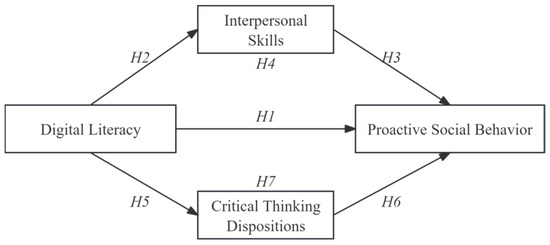
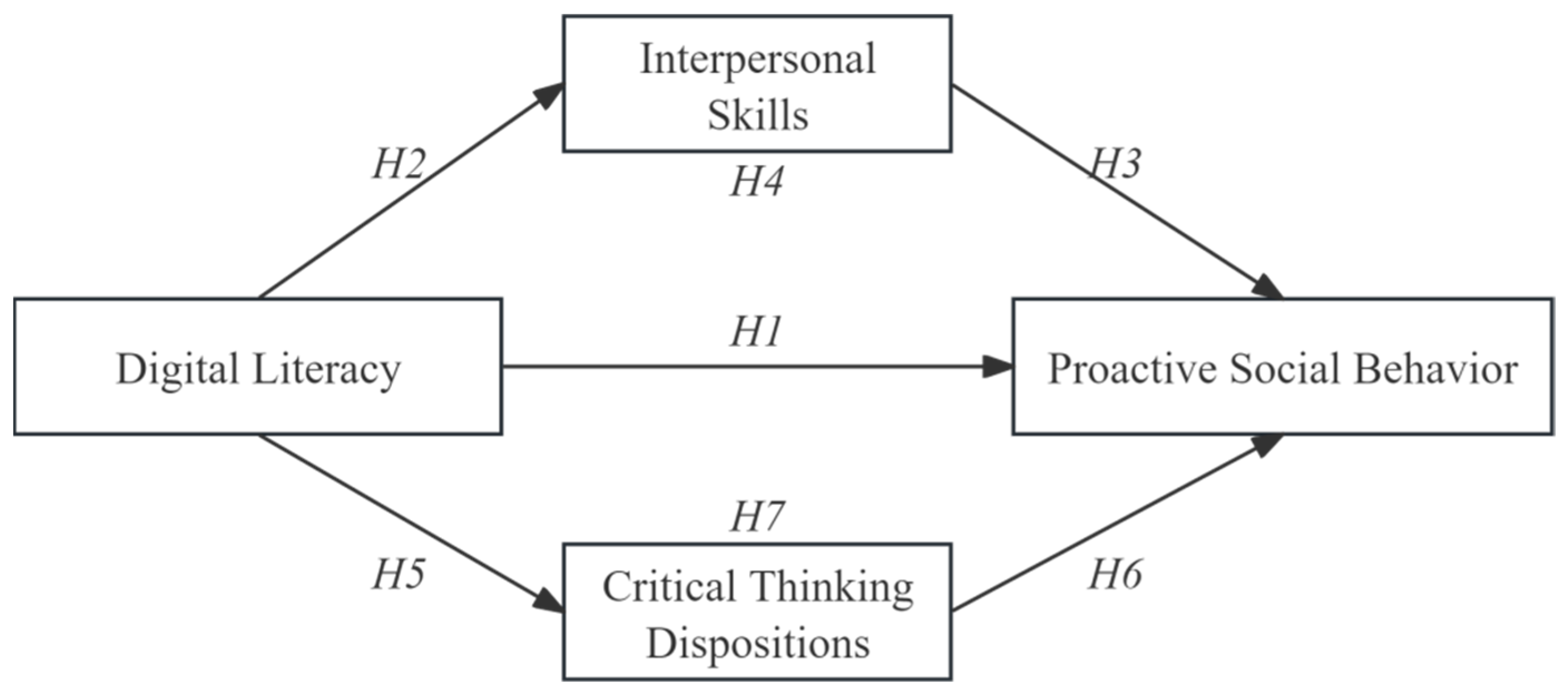
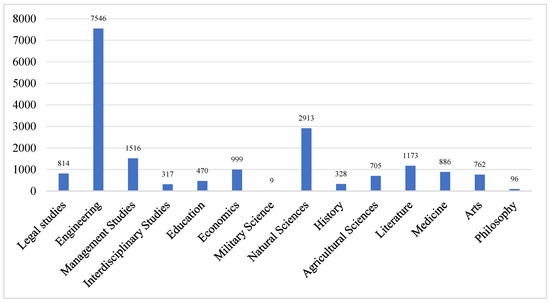
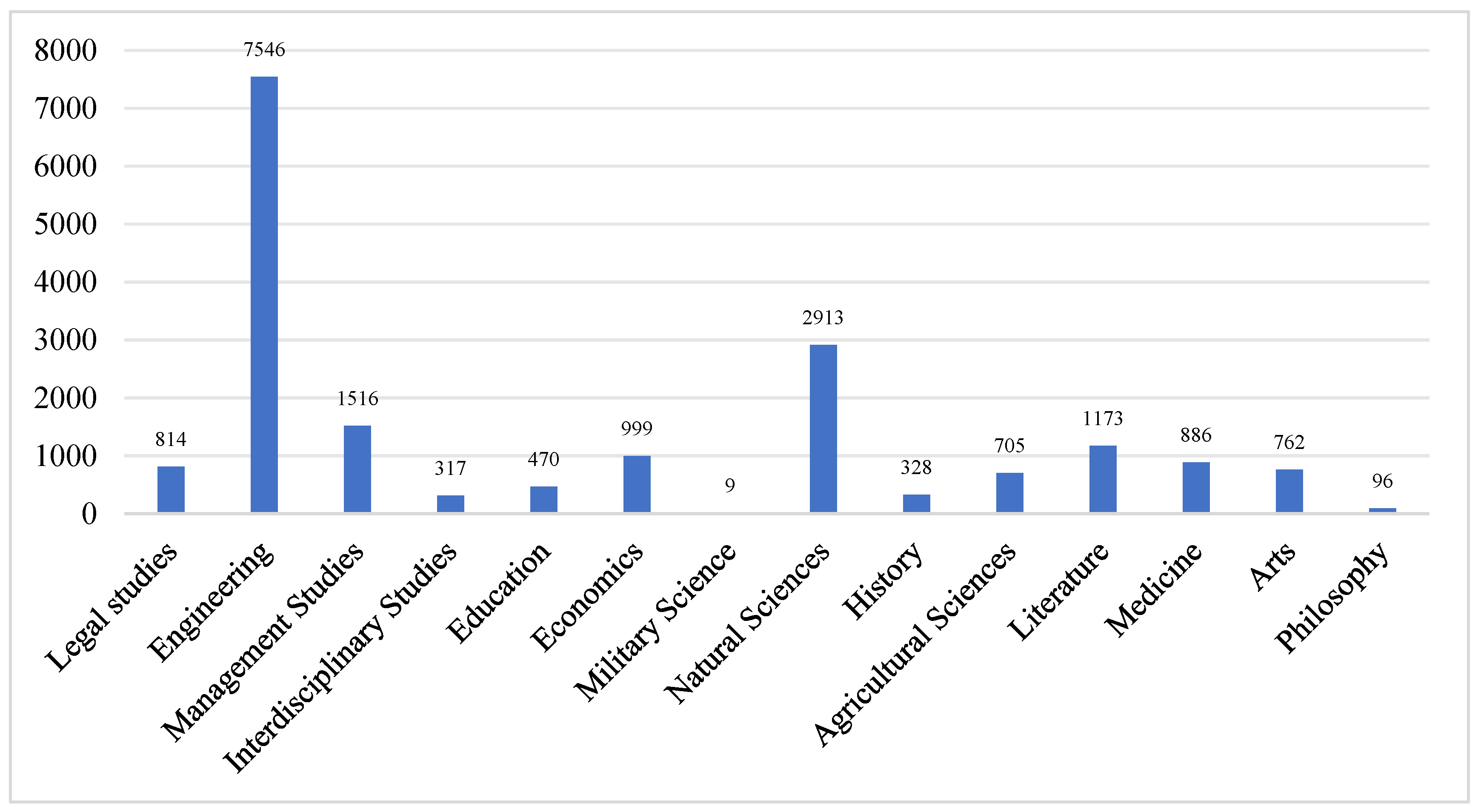
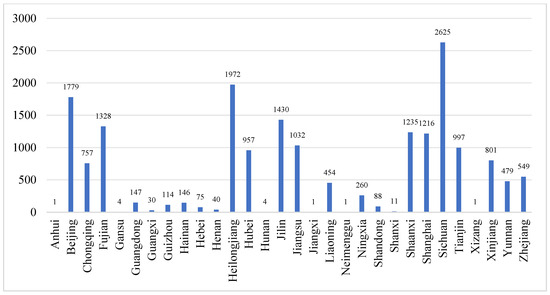
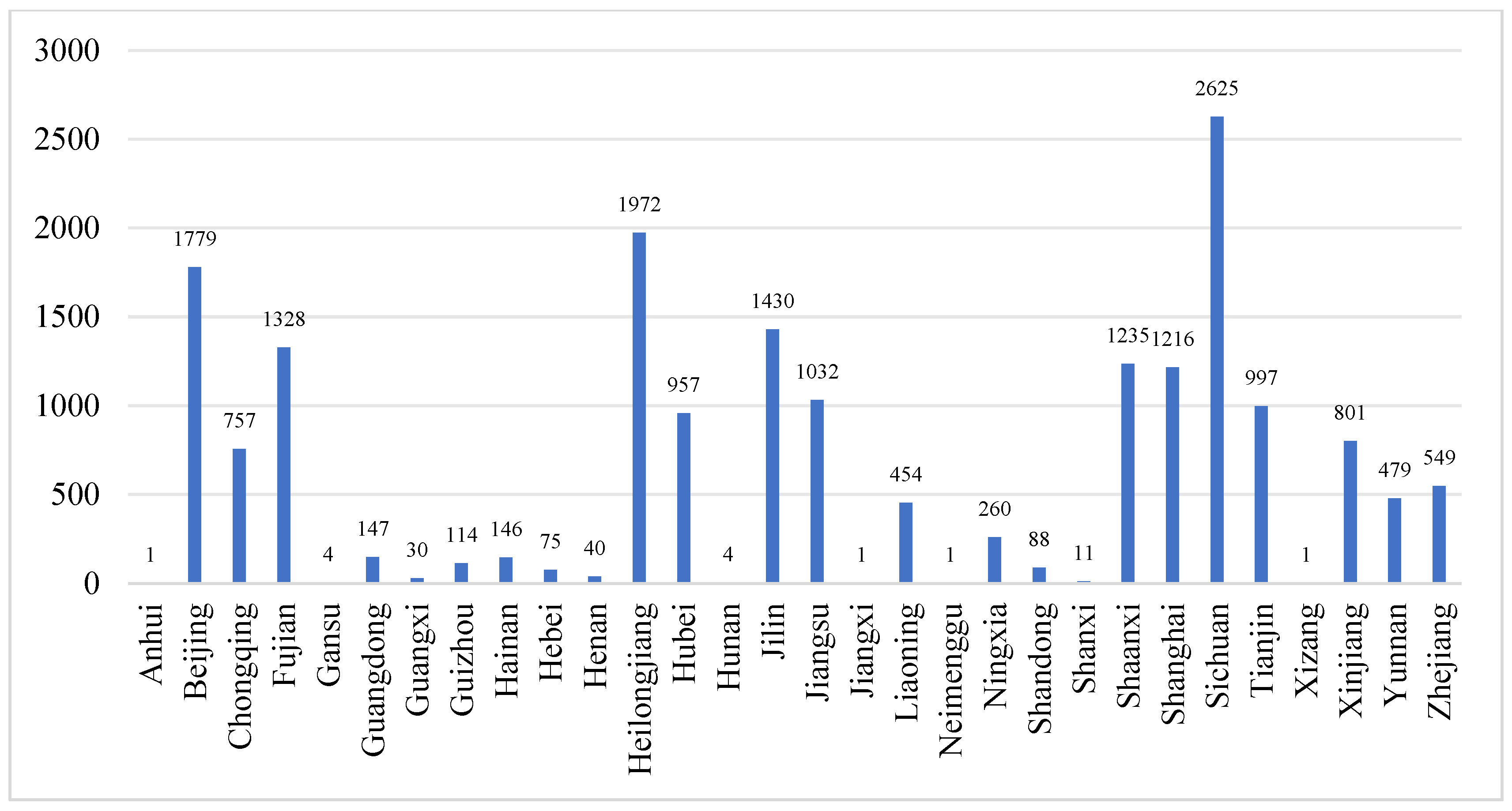
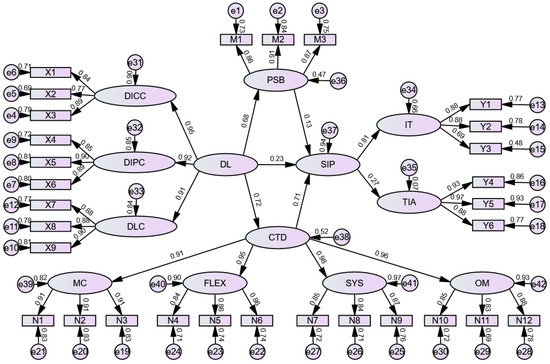
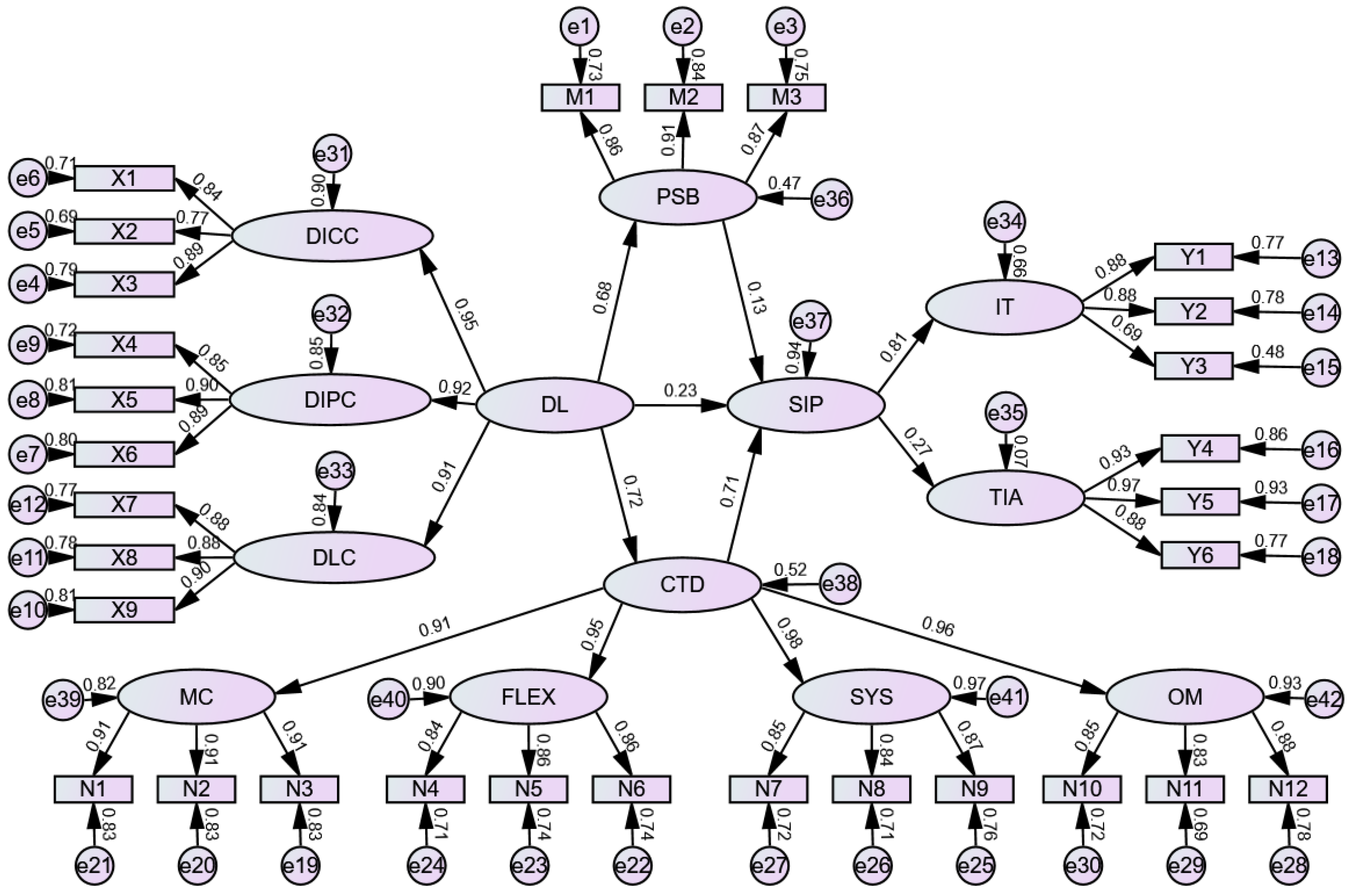

Disclaimer/Publisher’s Note: The statements, opinions and data contained in all publications are solely those of the individual author(s) and contributor(s) and not of MDPI and/or the editor(s). MDPI and/or the editor(s) disclaim responsibility for any injury to people or property resulting from any ideas, methods, instructions or products referred to in the content. |
© 2026 by the authors. Licensee MDPI, Basel, Switzerland. This article is an open access article distributed under the terms and conditions of the Creative Commons Attribution (CC BY) license.