


Abstract
This paper addresses the critical challenge of accelerating the adoption of sustainable innovations by examining the interdependence between managerial credibility and consumer pragmatism. The aim of the study was to investigate how perceived trust in management influences purchase intention, specifically analysing both the mediating role of financial perceptions and the moderating effect of digital literacy. The study had a quantitative approach, with data being collected from 408 Romanian respondents. The statistical analysis was performed using JASP software (version 0.96.0.0), applying both multiple and simple linear regression as well as a mediation analysis (SEM). The results indicate that both perceived trust in management and the perception of innovation as an investment directly stimulate purchase intention such that that credible management can convince consumers of the financial benefits. However, even though digital literacy plays a fundamental role in consumers’ lives, it does not affect the relationship between managers’ credibility and the willingness to buy sustainable products. The paper concludes that for sustainable innovations to be financially successful, organisations must move beyond the green labelling and focus on building genuine strategic credibility. Therefore, these findings offer valuable insights for both managers and policymakers in their efforts to support the transition to a more sustainable market.
1. Introduction
In the current economic and environmental context, the transition to a circular economy is no longer a simple political objective, but has become a vital necessity for organisations to survive. Thus, in this constantly changing landscape, sustainable innovation becomes a true catalyst for business competitiveness. However, to understand the dynamics of these sustainable innovations, it was essential to anchor this paper in global empirical data on the strategic orientation of management. That is why, according to the Global Entrepreneurship Monitor (GEM) 2025/2026 (Sustainable Actions and Strategies) report [1], there is a demonstrated complementarity between entrepreneurship and sustainability, with early management decisions being actively oriented towards the Sustainable Development Goals (SDGs). In particular, the data from the report places Romania in a leading position among upper-middle-income economies, with almost 90% of early-stage entrepreneurs (%TEA) adopting concrete strategies to minimize environmental impact or maximize social impact, yet a deeper analysis of the managerial decision-making process reveals that this orientation is not homogeneous. Additional data from the official GEM document indicate a major generational discrepancy in the Romanian market: while over 85% of entrepreneurs in the 35–64 age group prioritize environmental and social impact over gross profitability or growth, the percentage drops to around 60% for young entrepreneurs (18–34 years old) [1]. This empirical reality underlines the importance of the management structure in shaping an authentic green strategy and fully justifies the approach of the present study. Although organisational leaders assume strong (but generationally nuanced) strategic decisions towards sustainability, commercial success critically depends on how the end consumer filters the perceived credibility of these managerial decisions through their own prism of financial pragmatism.
This means that the success of these green transitions rarely depends solely on technological advancement. Rather, it is conditioned by the adoption of such innovations by the general public. In this regard, it can be noted that the market is becoming increasingly assailed by eco-innovative solutions such as technologies for resource efficiency or even products that promise a reduced carbon footprint. It remains essential to keep in mind that the purchasing process is still extremely complex and marked by hesitation. A phenomenon often encountered in the literature under the term ‘green scepticism’ has the effect of weakening consumers’ willingness to buy sustainable products [2].
In such situations, the dilemma of the modern consumer frequently arises and resides precisely in the tension that develops between the real desire to contribute to the protection of the environment and the deep antipathy regarding corporate efforts in this direction. This stems from the idea that—as supported by Zhou and Seo [3]—green scepticism has the power to undermine purchase intent in this area. Nevertheless, this can be largely attributed to the fact that organisational marketing efforts directly targeting the promotion of sustainable solutions have led to the emergence of the greenwashing phenomenon as a method of being more competitive [4]. In this sense, it can be said that on one hand, consumer behaviour is hitting the classic financial barrier that comes with the benefits of such sustainable innovations that nonetheless remains a real and major challenge, with consumers being forced to rigorously evaluate whether the promised ecological benefits justify the much higher purchase cost or the so-called price premium that is paid for green products [5]. On the other hand, the spread of greenwashing has had a negative impact on perceived corporate honesty, with some authors arguing that such practices violate consumer expectations [6], which could make them hate or even boycott brands [7].
Essentially, greenwashing involves the act of misleading consumers and others regarding the sustainable steps a company takes [8]. When placed in the context of the consumer’s perspective, it can be said that this makes the decisions adopted by the management of organisations viewed through the prism of strategic credibility. Building on signalling theory [9] and source credibility theory [10], it is important to acknowledge that consumers cannot directly evaluate managers’ personal ethics, but instead they rely on source credibility. A construct formed through indirect cues, such as the consistency of sustainable claims, the sincerity of corporate communication, the alignment between product performance and brand reputation, and the presence of external validation, such as third-party assurance [11] or the adaption of standardised ESG reporting frameworks [12]. Hence, in the present paper, perceived managerial credibility will be operationalised not as a direct assessment of individuals, but as the consumer’s aggregated perception of firms’ signalled integrity and authenticity of their public outputs. At the same time, by referring to a study conducted among 300 eco consumers, trust is found to be the one factor that plays the role of filter between the intention to purchase green products and the characteristics of these sustainable innovations [13]. In this sense, one can ask the question: ‘Who is responsible for guaranteeing and generating this trust if not management itself?’
In this duality of a scenario shaped by both financial and psychological mechanisms, it remains essential to understand how these transform a simple sustainable innovation into a viable purchase option. That is why this paper aims to explore the missing link from this landscape, namely how perceived credibility in organisational management influences the consumer’s final purchase intention, a process that is otherwise mediated by the financial pragmatism of buyers.
In line with this, it can be said that at least until now, the specialised literature has focused a lot on purchase intention through the perspective of certain psychological and ethical factors. In this regard, the issue of corporate social responsibility and the effects it can have on shaping ethical consumer behaviour with environmental concerns is very often raised [14]. However, even though many works place consumer trust as a true determinant of the success of any market strategy, very few works have treated the issue of perceived managerial credibility as an equally relevant factor. The literature is often limited to consumers’ trust in a green brand image as a mediating factor of their purchase intention [15,16], yet other research indicates that when evaluating innovative technological products, a holistic set of brand dimensions (such as online experience, behavioural intention, or brand knowledge) collectively drive consumer intentions, moving beyond simple brand trust [17]. Nonetheless, in such situations, there is no longer any exploration of whether or not the perceived honesty of managers has a direct influence on the client’s financial availability.
That is why, in order to address these limitations, it is useful to first examine other areas of innovation, such as general product innovation. In this broader context, studies focusing on a firm’s reputation for product innovation (RPI) demonstrated that intangible assets, like a company’s innovative status, significantly drive consumer excitement and loyalty [18]. However, empirical findings in this non-green innovation sector reveal a critical paradox: in contrast to traditional expectations, a strong reputation for innovation does not automatically translate into a consumer’s willingness to pay price premiums. This highlights a crucial gap when shifting back to sustainable innovation, more exactly: if general product innovation cannot trigger a price premium based on reputation alone, it becomes even more imperative to explore how the perceived honesty and credibility of managers influence the client’s financial openness.
A clear illustration of this paradox is given by an eloquent example from the electronics and consumer technology industry, where authors such as Grimmer and Bing-ham (2013) demonstrated that the managerial decision to invest in a company’s environmental performance directly influences consumers’ purchase intention [19]. The authors, however, introduce into context a critical dimension of managerial decision-making: pricing strategy. Thus, their research shows that although consumers prefer innovative and even environmentally responsible companies, their purchase intention decreases significantly when the product price is high, reaching a so-called critical ethical point where the financial sacrifice exceeds the perpetual benefit. This perspective helps expand the understanding of consumer behaviour by demonstrating that price-related managerial decisions can mitigate or amplify the impact of companies’ reputation.
Keeping the focus on strategy, this nuanced interplay challenges older, more rigid models that separate brand identity from economic constraints. For instance, research examining benchmark corporations emphasises that brand strategy, seen as a core dimension of managerial decision-making, exerts a significant and direct effect on consumer purchase intentions [20]. Nevertheless, while traditional strategic frameworks focus on building market status and brand competitiveness, they often bypass how these management decisions interact with the consumer’s financial pragmatisms of innovations. Similarly, when moving into the service sector, managers face distinct challenges regarding communication architecture. As an example, studies investigating consumer attitudes toward direct marketing strategies in banking reveal that choice regarding marketing media (e.g., telephone, mail) significantly shape purchase intentions, often triggering negative consumer attitudes or resistance unless promotions are integrated into expected communications [21]. By analysing these varied dimensions, from brand positioning to communication channels, it becomes evident that managerial decisions heavily dictate market response. However, while the existing literature maps these outcomes in standard commercial or service areas, there remains a critical gap in understanding how perceived managerial credibility specifically interacts with financial pragmatism when innovation requires consumers to pay a green price premium.
Therefore, it can be said that there is a lack of research exploring whether the perception of authentic, sincere, or sustainable values-oriented management acts as a predictor of consumer behaviour in the context of sustainable innovations. In this direction, and by analysing other works, a recurring barrier was identified in previous studies, namely that the perception that sustainable products are by nature much more expensive and therefore less accessible [22,23].
However, even though the traditional view of research in the area of buyer behaviour sometimes addresses the idea of the existence of behavioural changes in the context of the increasing popularity of sustainability [24], it also ignores the paradigm shift taking place in the psychology of modern shoppers. In other words, there is a transition in their perceptions, from viewing price as an immediate expense to perceiving it as a strategic investment, and that is because it can generate long-term cost savings [25]. However, it remains important to also discuss the fact that the transition toward consumption is largely mediated through the lens of the online environment, in which consumers combine the technology available to them with their digital literacy skills, a fact that could have effects on the way in which their perceptions are shaped. Moreover, if the literature often analyses the intersection between sustainability and digitalisation from the perspective of organisations and the way they relate [26,27], there is also a lack of empirical evidence that speaks about the behaviour of the end consumer from the perspective of a possible influence exerted by their digital skills.
Additionally, to ground the dimensions of managerial decision-making within a broader macroeconomic framework, this paper aligns with the core components of the GEM model. Hence, in accordance with Barbosa et al. (2025) [28], GEM’s conceptual framework underscores that technological innovation, firm performance, and managerial characteristics do not exist in isolation, but rather as structural variables that are heavily dependent on the socio-economic context and the strategic choices made by organisation leadership. In fact, previous bibliometric and thematic mapping utilizing the GEM model confirms that both innovation and management have firmly established themselves as key themes driving the contemporary academic landscape [28]. Thus, by shifting the focus toward different dimensions of managerial credibility, this study addressed an essential intersection within the GEM activity spectrum: specifically, how a firm’s perceived authenticity validates the market translation and consumers’ acceptance of its sustainable innovations.
Given this, the present study intervened on this critical point and proposed a reframing of financial perception. This assumed that there is no limitation to the simple question of whether a product is perceived as expensive, but required an investigation of how sustainable innovation is perceived as an asset capable of generating long-term savings among consumers. This approach covers an important methodological gap, thus testing whether perceived trust in management is actually the factor that fuels the consumer’s belief that the promised financial benefits are indeed real and tangible and not just simple marketing promises. Hence, this paper builds upon the traditional willingness to pay by deepening the understanding regarding the pragmatic, digitally informed consumer. Although a substantial portion of the literature in the field over time has mapped the structural tension between green altruism and economic barriers [29,30], this research introduces a concurrent dual mechanism that operates within the current economic landscape. In this regard, rather than viewing financial sacrifice and ecological responsibility in isolation, this paper examines how they are bridged by organisational dynamics, providing a more accurate reflection of the microeconomic realities of the current consumer market.
Therefore, it can be noted that the originality of this study is marked by the integrated approach to the consumer decision-making process, following the path from perceived managerial credibility to the intention to purchase sustainable products through several critical stages. First, the paper extends the literature on perceived trust in management and financial perception, emphasizing the fact that the success of a sustainable innovation does not depend only on the ethics of the manager, but on the way in which perceived trust in them validates the economic promises of the products. Secondly, the paper introduces a novel mediation framework to help explain these financial trade-offs. While previous studies have established that price sensitivity acts as a major barrier to green purchasing, this research’s model specifically positions financial perception as a dynamic mediator. We argue that the relationship between perceived managerial credibility and consumers’ behaviour is channelled through economic reassurance. In other words, the financial perception of sustainable innovation becomes the psychological mechanism through which the perceived integrity of organisational leaders influences perceived economic security for the buyer.
Consequently, the financial perception of sustainable innovations becomes the mechanism through which the perceived credibility of organisations materialises into economic security for the buyer. Finally, the paper also makes a frontier contribution by testing the role that digital literacy has as a moderator. In a market marked by more information, consumers’ ability to verify online data could have effects on trust in sustainable decisions. In accordance with these factors, the following five research hypotheses were formulated.
H1.
Perceived managerial credibility has a positive influence on purchase intention.
H2.
Financial perception significantly and positively influences purchase intention.
H3.
Perceived managerial credibility positively influences the financial perception of innovations.
H4.
Financial perception acts as a mediator between perceived managerial credibility and purchase intention.
H5.
Digital literacy moderates the relationship between credibility and intention.
Accordingly, the objective of this research was to examine the mechanisms by which perceived managerial credibility (H1) and financial perceptions (H2, H3) shape consumers’ purchase intention, while also testing the mediating role of economic pragmatism (H4) and the moderating role of digital competence (H5).
Finally, this paper will provide empirical evidence to nuance the understanding of the process of adoption of sustainable innovations. The results will demonstrate that simply characterizing a product or a company as being sustainable is not sufficient to generate a solid purchase intention. The main contribution will be highlighting the fact that managers should be perceived as authentic and credible so that the financial benefits they promise will be accepted by consumers as real.
2. Materials and Methods
2.1. Research Framework and Participants
In order to test the research hypotheses and implicitly to achieve the proposed objectives, the research was built on a quantitative approach, chosen but also frequently used in scientific research due to its objective and systematic nature [31]. In addition to this approach, the study design had a cross-sectional orientation. This choice was due to the dynamics that currently exist concerning the idea of sustainability, thus aiming to examine current perceptions of Romanian consumers. The decision to limit the study to cross-sectional research was motivated by the fact that the aim was both to obtain results and to identify what the respondents are exposed to at the moment, a duality specific to this type of study [32]. Moreover, given the cross-sectional design, the study focused on identifying predictive patterns and statistical associations without implying direct causal effects. In extenso, through this cross-sectional approach, the study aimed to explore the statistical associations between consumers’ perception of credibility in management decisions, financial perception, digital literacy, and purchase intention in the context of the sustainable innovation market in Romania.
Data collection was carried out online through a self-administered questionnaire in Google Forms (Google LLC, Mountain View, CA, USA), a method noted for the efficiency it brings to data collection [33]. This had a double-sampling technique, namely convenience sampling and snowball sampling. The combination of the two techniques aimed at both the well-known accessibility to respondents that convenient sampling offers [34] and expanding the sample to the harder-to-reach population [35]. These aspects were very important in the context of the period in which the questionnaire was disseminated: a relatively short period (17 February 2026 to 13 March 2026) of approximately one month. Finally, the collection process materialised by generating a sample of 408 respondents whose participation was voluntary and offered through informed consent provided prior to participation. To ensure data integrity and quality, a data screening protocol was applied prior to conducting the analysis. First, the questionnaire included an initial filtering question regarding the informed consent, and since all 408 participants explicitly agreed to participate, no responses had to be excluded on ethical grounds. Furthermore, because all subsequent questionnaire items were set as mandatory in the online survey platform, no missing data or incomplete responses were registered. Second, since the study targeted general consumer behaviour in the digital era, where young demographics have extensive access to online purchasing regardless of having a traditional salary (e.g., relying on student scholarships or parental allowances), no upper or lower age-filtering criteria were required. However, the sampling process (convenience and snowball) targeted adults, as the survey was disseminated within social media groups restricted to users aged 18 and older. In addition, to control for unengaged responses or random clicking, the survey was designed to be concise, preventing respondent fatigue. Validity checks were performed by verifying logical correlations between demographic variables (e.g., cross-referring age groups with the highest level of education completed to detect impossible combinations, such as respondents under 25 holding a PhD). No such inconsistencies were found. Finally, visual inspection of the dataset showed a well-balanced distribution of responses, with no extreme outliers detected. Consequently, the resulting dataset was deemed robust and appropriate for subsequent statistical analyses.
The socio-demographic profile of the sample is synthesised in the following sections (Table 1), which provide an overview of age, residential environment, gender, level of education, and monthly net income of the respondents.
Table 1.
Sample profile.
As shown in Table 1, the sample was young and educated, with over 50% being under 40 years old and over 60% having higher education. Analysis of the residential environment indicates a concentration in urban areas, and the gender distribution reveals a predominantly female sample. Finally, the monthly net income seems to have a balanced distribution between the basic categories; however, over half of the respondents have incomes below RON 5000 (approximately under EUR 1000). Moreover, regarding the sample composition, the distribution of female respondents should be viewed in the context of the urban-oriented nature of this study. While the proportion is higher than the national average, where the female population represents approximatively 52.7% of the urban population, as presented by the Romanian National Institute of Statistics [36], such a distribution is common in convenience-based sampling. Given the non-probabilistic nature of the sampling (convenience and snowball), the findings should be interpreted as representative of this specific urban-oriented consumer segment rather than the entire national population [37].
2.2. Questionnaire Design and Variable Operationalisation
The questionnaire design aimed to accurately and rigorously measure the targeted variables. The research instrument was structured into four distinct sections that used items adapted from the specialised literature, emphasizing question clarity while also maintaining a concise format.
In this sense, the aim was to reduce respondent fatigue and at the same time minimize the risks associated with response errors. Accordingly, this section details how the research instrument was constructed, explaining more precisely the structure of the three main constructs, the control variable, and the questions related to them. Each of the four sections had four items (questions) whose answers were collected on a Likert scale from 1–5, where 1 represented total disagreement and 5 total agreement. Regarding the constructs, the specific dimensions that were measured by the items along with their respective operational coding are presented in Table 2.
Table 2.
Research constructs, coding, and objectives.
Given that the four variables are latent, and thus invisible and impossible to measure directly, it is necessary according to the literature to create composite scores for each of them [38]. That is why, for each of the constructs, an arithmetic average of the items was calculated, named as follows: PMCTotal, FPTotal, PITotal, and DLTotal. It is also important to clarify that items measuring PMC (see Table 2) were specifically designed to capture the consumer’s cognitive evaluation of organisational signals. Since consumers can rarely and directly observe management’s personal work ethics or internal decision-making processes, these items act as a proxy measure. The underlying assumption is that consumers intuitively attribute high-level strategic outcomes, such as commitments to sustainability or the authenticity of innovations, directly to the firm’s leadership [39]. Therefore, by evaluation of whether these decisions are perceived as authentic or merely façade-based, respondents are effectively providing a measure of the credibility they attribute to the management teams, inferred from the firm’s public outputs and signalling actions.
2.3. Statistical Analysis Strategy
The central objective of the statistical analysis was to examine the relationship and explanatory capacity of perceived managerial credibility and financial perception in relation to purchase intention while also testing the moderating role of digital literacy. Hence, all data processing and testing of the five hypotheses were carried out using JASP software (JASP Team, Amsterdam, The Netherlands, version 0.96.0.0) following a stepwise analytical procedure.
In the first phase, prior to testing the structural research hypotheses, a rigorous evaluation of the measurement model was executed. This stage began with an item purification process based on standardised factor loadings in order to identify and eliminate indicators introducing systematic measurement error. Following this part, descriptive statistics were calculated using the composite variables, identifying in this way their means and standard deviations, useful for observing the degree of dispersion of the responses, as well as their trend. Then, in order to confirm the psychometric proprieties and structural integrity of the constructs, a confirmatory factor analysis (CFA) was performed within a latent variable framework. Next, to verify internal consistency, scale reliability was thoroughly assessed using both the traditional Cronbach’s alpha coefficient and McDonald’s omega. Moreover, for each latent construct, convergent validity was systematically established by evaluating the average variance extracted (AVE) parameters. Furthermore, to be able to ensure that the model adequately fit the empirical data, fit indices—chi-squared (X2/df), comparative fit index (CFI), Tucker–Lewis index (TLI), root mean square error of approximation (RMSEA), and standardised root mean square residual (SRMR)—were examined in light of established academic benchmarks. Finally, a Pearson correlation matrix was also constructed in order to study the relationships between all four variables.
In a second phase, validation was carried out for testing H1, H2, and H3, by performing two linear regressions, one multiple for hypotheses 1 and 2 and one simple for hypothesis 3. In both cases, the examination started by performing a model summary, which generated the coefficient of determination, necessary to understand the predictive power of the models. Then, the coefficients were established so that the statistical significance of each predictor could be identified in relation to the value of the standardised β coefficients, reflecting the statistical associations within the model.
In a third phase, to formally test H4, a structural equation modelling (SEM) mediation analysis was conducted using a latent variable framework. Unlike traditional regression analyses that rely on aggregated composite scores, this part of the methodology modelled PMC, FP, and PI as latent constructs, utilizing their individual items as observed indicators. This allowed for measurement error to be strictly partialled out at the item level, thus preventing parameter inflation and also ensuring the purity of the structural paths. Moreover, the structural model was estimated with the use of maximum likelihood (ML) method, enabling the simultaneous decomposition and estimation of indirect, direct, and total effects. In addition, to assess the statistical significance of the mediation mechanism, 95% confidence intervals and z-values were also computed. Lastly, a fully standardised structural path diagram was generated in order to provide a comprehensive visual architecture of the hypothesised structural pathways and associations.
In a final phase, a moderation analysis was performed using multiple regression analysis. This time, the analysis also involved the introduction of an interaction term into the model, calculated as the product of the independent variable and the control variable, allowing for the identification of potential boundary conditions of the statistical associations [40]. In this regard, the coefficient of determination was first established, then the β coefficient and the statistical significance of the analysis.
3. Results
3.1. Preliminary Analysis: Evaluation of the Measurement Model
In the business field, where perceptions such as the one in the present case are often measured, the problem frequently arises that the factors considered are abstract and invisible, which can raise questions about the validity and reliability of the constructs [41].
Prior to evaluating the measurement model and generating the descriptive statistics, an item purification process was conducted based on the initial standardised factor loadings. More exactly, item DL4 from the digital literacy scale was excluded from the study’s construct development because its standardised factor loading fell below the acceptable academic threshold of 0.40 [42], which introduces systematic measurement error and suppresses construct variance. Following the removal of DL4, the remaining three items demonstrated robust structural integrity and met the minimum regulatory requirement of three indicators per latent variable [43]. Consequently, all following analyses were conducted based on this refined scale configuration.
In order to be able to subsequently test the hypotheses and ensure the psychometric robustness of the variables, an analysis of the measurement model was carried out first. Thus, a profile of the data was first developed through descriptive statistics (Table 3), precisely because authors such as Fulk (2023) [44] highlight the importance of measuring central tendencies together with measuring variability in view of the fact that they allow observation of the uniformity of responses.
Table 3.
Descriptive statistics.
As shown in Table 3, there are no missing responses, and all means are approximately positioned between 3.5 and 3.73. Therefore, it can be said that considering the Likert scale used (1–5), the general attitude of the respondents towards all the main constructs is one with a positive tendency, which exceeds the neutral mean. The low values recorded for the standard deviations confirm consistency of the respondents’ opinions, thus providing the stability necessary for testing the hypotheses. Next, in order to evaluate the psychometric proprieties and structural integrity of variables, a confirmatory factor analysis (CFA) was conducted. This step is crucial to assess whether the individual questionnaire items consistently load into their respective latent construct, establishing both internal reliability and convergent validity (Table 4).
Table 4.
CFA results: construct reliability and convergent validity statistics.
The results of the reliability and validity analysis in Table 4 confirm the existence of consistency and convergent validity within the four constructs of the study. The Cronbach alpha coefficients vary between approximately 0.768 and 0.873, values that are considered adequate in the literature [45], since the results presented exceed the well-known empirical threshold of 0.70 [46]. In addition, regarding McDonald’s omega (ω), coefficients range from 0.765 to 0.874, which also exceeds the empirical threshold of 0.70, considered acceptable [47]. Both α and ω indicate highly precise measurement scales. Furthermore, convergent validity was rigorously evaluated using the average variance extracted (AVE). As shown in Table 4, the AVE values for FP (0.548), PI (0.633), and DL (0.524) successfully surpassed the widely accepted threshold of 0.50 [48], hence demonstrating that the latent factors explain more than half of their indicator’s variance. In the case of the PMC construct, the AVE is only 0.490, however, according to the criteria established by Fornell and Larcker in 1981 [49]. Their framework points out that if the AVE is less than 0.50, but the composite reliability (in this case estimated using McDonald’s ω) is over 0.70, the convergent validity of the construct is still structurally verified.
Concurrently, the overall fit for the final four-factor measurement model indicated a good fit between the empirical data and the proposed factor structure: X2 = 215.849, df = 84; from where X2/df = 2.569 with p < 0.001. Additionally, CFI equalled 0.956, TLI = 0.945, with RMSEA of 0.062 (90% CI 0.052 to 0.072) and a SRMR of 0.048, meaning that all indices comfortably met the standard academic benchmarks: X2/df < 3 and <5, CFI and TLI > 0.90, RMSEA < 0.08, and SRMR < 0.05 [50,51].
As a final step before validating or invalidating the hypotheses, the existence of statistically significant associations between the variables was considered, thus providing preliminary empirical support by creating a correlation matrix (Table 5).
Table 5.
Pearson’s correlations.
Statistically speaking, Table 5 shows the existence of significantly positive correlations between all the variables analysed (p < 0.001). At the same time, by referring to r, which is in most cases in the middle between its variation values, respectively −1 and 1 [52], it can be noted that the strongest association is between financial perception and purchase intention (0.763), followed by that between perceived managerial credibility and financial perception (0.617), with the lowest found between PMC and digital literacy (0.414).
3.2. Regression Analysis for H1, H2, and H3
In accordance with the central objective of this research, a multiple linear regression analysis was used, thus allowing the assessment of how both PMC and financial perception statistically predict purchase intention. In this way, it can be determined whether perceived trust in managers and the perceived economic feasibility of sustainable products function as predictors of consumer behaviour. Therefore, the first step consists in analysing the predictive capacity of the two independent variables (Table 6).
Table 6.
Model Summary-PITotal.
According to the value of the coefficient of determination in Table 6 (R2), it is identified in a first phase that the model has substantial predictive power (0.593). Accordingly, if the value 1 is considered a ‘perfect fit’ for R2 [53], then the two variables of the multiple regression manage together to explain 59.3% of the variation in purchase intention of sustainable innovations, with the value of p being the one that gives statistical significance to the analysis. Having said that, since the statistical significance of the model has been established, it remains to be determined whether PMC or FP exhibits the stronger relative contribution to the variance of the dependent variable, an aspect that will be evaluated through the regression coefficients (Table 7).
Table 7.
Coefficients for multiple linear regression.
Table 7 provides a more detailed picture of how each of the two variables contributes to the formation of the purchase intention of sustainable innovations. Therefore, through a rigorous interpretation and strictly focused on the standardised coefficients and p, it can be said that financial perception is approximately five times stronger than PMC. However, it is evident that consumers are interested both in whether managers are trustworthy and whether the product saves them money.
In relation to these, regarding H1 and H2, the validation of both is confirmed. H1 has a β coefficient of 0.130 and a statistically significant p, which in fact demonstrates the role of perceived managerial credibility. H2 has a β of 0.683 and a p even more statistically significant, and therefore extremely strong empirical support, thus being the strongest predictor. Nevertheless, the results suggest that management plays a role, but that financial perception remains a main facilitator in the acquisition of sustainable innovations. After evaluating these two variables, the research turned its focus to examining the relationship between the independent variables PMC and FP. Through a simple linear regression, the aim was to establish the extent to which PMC statistically predicts financial perception, in line with the positive relationship hypothesised in H3, starting thus with a summary model (Table 8).
Table 8.
Model summary—FPTotal.
R2 in Table 8 shows that 38% of the variation in financial perception is accounted for by PMC, which means that consumers’ perception of managerial integrity is strongly linked to how they evaluate the economic value of sustainable innovations. At the same time, p i confirms the statistical significance of this model. Accordingly, in order to validate H3, the table of coefficients of variation are also presented (Table 9).
Table 9.
Coefficients for simple regression.
By analysing the regression coefficients, it is confirmed both statistically by p and by β (0.617) that there is a strong relationship between PMC and FP. This means that as management is considered more trustworthy and dedicated to sustainability, consumers’ confidence in the financial profitability of the said innovations will increase. In this sense, it can be argued that H3 is validated, demonstrating that management decisions are not only linked to the responsible image of organisations, but are also positively aligned with consumers’ economic perceptions.
3.3. Mediation Analysis for H4
In order to rigorously investigate the underlying mechanism through which PMC is related to consumer purchase behaviour, H4 was tested using a true latent variable SEM framework. By modelling PMC, FP, and PI as latent constructs with their respective individual items serving as manifest indicators, measurement error was formally partialled out. Hence, this analysis is directly addressing methodological concerns regarding the inflation of structural path coefficients typically encountered when using averaged composite scores. Moreover, the latent variable structural model demonstrated a solid and acceptable fit with the empirical data, showing X2 = 167.30 and df = 51 with X2/df = 3.28 and p < 0.001, AVE values being the same as presented in part 3.1. Fit indices further confirmed the structural integrity of the model, with CFI = 0.953, TLI = 0.940, RMSEA = 0.075 (90% CI 0.062–0.088), and SRMR = 0.052. In addition, the fully standardised estimates for the structural paths, along with their significance testing and decomposition of effects are detailed in Table 10.
Table 10.
Summary of mediation effects.
As shown in Table 10, the empirical results of the model reveal a full mediation mechanism, providing robust support for the theoretical logic underlying H4. The structural model demonstrates that the direct effect of PMC on PI is statistically non-significant (p is 0.982, while β = 0.002 and z = 0.0.22), indicating that trust in management does not exhibit a direct statistical link to purchasing intentions. Instead, PMC shares a very strong and positive relationship with FP (β is 0.721, p < 0.001), which in turn serves as a prominent predictor of PI (β = 0.893, p < 0.001). Crucially, the indirect pathway linking PMC to PI via FP is highly prominent and statistically significant (β = 0.644, z = 10.68, p < 0.001), accounting for virtually the entirety of the total effect (β = 0.645). These findings clarify that the statistical relevance of PMC is fully accounted for by the economic reassurance it provides to consumers. Therefore, as suggested by VanderWeele in 2016 [54], the present analysis helps to describe the statistical pathway tested to support hypothesis 4, also confirming that hypothesis H4 is fully validated under a rigorous full mediation framework. In addition, to provide a comprehensive visual representation of this underlying mechanism, the fully standardised latent variable structural medial model is illustrated in Figure 1.
Figure 1.
Latent variable SEM path model for H4. Note: → indicates structural paths, ↔ indicates variances/covariances, and dashed lines indicate reference indicators.
Figure 1 presents the structural model with its standardised path coefficients. As shown, PMC has a direct path coefficient of 0 to PI, indicating the absence of a direct relationship. However, PMC exhibits a strong positive association with FP, which subsequently shows a substantial connection with PI. These results clearly demonstrate that FP acts as a full mediator between PMC and PI.
It is also important to note that these structural results provide a deeper, more refined understanding of the relationship that was initially established with H1. While the preliminary multiple regression analysis that relied on aggregated total score indicated a small effect (β = 0.130), the advanced SEM framework revealed that when all pathways are modelled simultaneously using individual items as indicator, the direct pathway drops to almost zero (β = 0.002). This change does not contradict the validation of H1, but rather it clarifies its underlying mechanism. By isolating measurement error at the item level, the latent variable model demonstrated that the total statistical relationship between PMC and PI remains highly significant, but it is entirely guided through FP. Therefore, the model robustly supports H1 by confirming the overall influence while simultaneously validating H4 under a strict full mediation framework.
3.4. Moderation Analysis for H5
In order to test the last hypothesis, a second and final multiple regression analysis was performed, which also included an interaction term (PMCTotal * DLTotal). That is why, so as to determine whether digital competence moderates the relationship between credibility and intention, the explanatory capacity of this composite-based model was first established (Table 11).
Table 11.
Model SummaryPITotal including DL.
In agreement with R2, which is 0.427, it can be noted that the model indicates high explanatory power—almost 43% of the variation in purchase intention. However, it must be noted that this performance does not automatically imply the existence of a moderation effect, which will be examined through the coefficients (Table 12).
Table 12.
Parameter estimates and interaction coefficients.
By referring to the p-value, which in the case of the relationship between PMC and DL is statistically insignificant (0.247), but which individually for each of the two variables is significant, H5 can be rejected, meaning that although both are predictors of purchase intention (β = 0.559 and β = 0.572), the level of digital competence does not statistically alter the relationship between PMC and PI. Consequently, the hypothesised moderation effect was not supported by the data.
To ensure a clear understanding of the proposed conceptual model, the results of all statistical analyses have been centralised in a single table (Table 13). This synthesis allows both a direct assessment of the degree of support for the formulated hypotheses and highlighting of the differences between the analyses carried out.
Table 13.
Summary of hypothesis testing results.
Based on Table 13, it can be argued that the model confirms that consumers’ perceived trust in management and their financial perception are essential predictors of their purchase intention. The fact that H4 is validated demonstrates that the purchase decision is nevertheless filtered through the prism of economic benefits. Also, the rejection of H5 highlights that the proposed framework is not conditioned by the level of digital skills of buyers.
4. Discussion
The results obtained from this research suggest the emergence of a complex model, where the decision to purchase sustainable innovations does not remain at the stage of simple environmental concern, but becomes one strongly anchored in financial pragmatism and in the trust that buyers have in organisations. This is also consistent with previous studies, which have identified that feelings play an important role in motivating consumers to purchase green products [55].
Validation of the first hypothesis confirms that trust in managers’ honesty and the absence of concerns related to the phenomenon of greenwashing maintain a significant, though modest positive association with purchase intention. Reiterating what Santos et al. [6] said, greenwashing has a negative effect on the perceived honesty of the organisation. It can be argued, paradoxically, that positively perceived honesty could lead to increased trust among consumers. Thus, in a study aimed at combating these unfair practices [56], the same aspect is confirmed, namely that the veracity of the promises made by organisations remains essential in shaping consumer behaviour oriented towards sustainable options. Additionally, another study highlights the fact that although the idea of sustainability has a positive contribution to the image of organisations, trust remains the pillar that convinces people to buy [57].
However, the present work also sheds light on the fact that ethics do not work alone, and by confirming H2, the results put into perspective the fact that financial perception (defined in this case as the consumer’s vision of the sustainable product from the perspective of a profitable investment that is capable of generating long-term savings), has a significant and positive influence on purchase intention. This assumes that regardless of the ecological values of sustainable innovations, the consumer will act as a rational economic agent, seeking to maximize the financial utility of their purchase. Similarly, in a study looking at the reasons behind the purchase of sustainable products [58], a preference among consumers was highlighted in terms of effectiveness, which means that they pay close attention to the long-term economic value that a sustainable purchase entails and are not inclined towards products that do not promise cost-effectiveness. The literature also notes that people decide to pay for sustainable products by referring to the relationship between benefits and costs [59]. Nevertheless, as de Medeiros and Ribeiro said in a similar study [60], purchasing sustainable products can mitigate financial risk due to the long-term benefits associated with them. It is also worth noting, however, that this strong focus on financial rationality contrasts with an alternative body of literature that claims that green consumers frequently experience cognitive dissonance and prioritize immediate psychological rewards (such as in the case of warm feelings or social status) over objective and long-term economic calculations [61,62]. This study’s empirical results for H2 directly challenge these purely emotion-driven perspectives, and by demonstrating that FP has a strong and dominant effect on PI (β = 0.683), the present study refines the warm-glow framework. In this sense, it is confirmed that abstract psychological rewards are insufficient on their own, as financial pragmatism remains the dominant anchor that dictates actual PI in the context of sustainable innovations.
However, among the most important aspects highlighted by the validation of the hypotheses is the existence of an interconnection between the two dimensions, confirmed by the third hypothesis. The results of H3 demonstrate that the perceived credibility of management is what sells the financial argument. In practice, it can be argued that perceived trust in organisational managers acts as a guarantor of the promises of financial efficiency of sustainable innovations. Similarly, in a study examining the role of trust in predicting purchase intention [63], it was confirmed that trust is a central factor explaining the mechanisms behind purchase decisions. Thus, if consumers perceive management as having integrity, then they are more likely to accept that the financial benefits promised by sustainable products are real. However, the results from the literature also explain the fact that the effectiveness of the economic promises of sustainable products depends greatly on their compatibility with the way consumers think and that the lack of a match between abstract thinking and financial motivation can reduce interest in purchasing [64]. In this context, the third hypothesis introduces perceived trust in management as an additional explanatory factor, suggesting that it can increase the credibility of economic promises, hence influencing purchase intention. Additionally, it is essential to clarify that consumers’ evolution of PMC in this paper does not imply a deep, psychological assessment of leadership personalities, but instead, and consistent with the perspective that consumers respond to organisational cues, suggests that buyers interpret corporate signals such as consistency between claims and observable actions or transparency as proxies for managerial credibility. Hence, trust is not directed at the individuals themselves, but rather at a firm’s demonstrated capacity to deliver on its economic and sustainable promises, which PMC helps to validate.
Moreover, the relationship between perceived managerial credibility and financial perception culminates in the validation of H4, where it is confirmed that financial perception has a mediating role, also implying that trust in management not only generates sympathy, but also helps build a framework of security in which the consumer sees the sustainable product as a smart investment, a shift ultimately leading to a decision to purchase. Similar to a mechanism that was observed in the hospitality industry, where the credibility of authenticity claims does not directly drive sales, but rather operates through a perceived sense of competence [65], the results of the fourth hypothesis indicate that authentic management does not sell directly, but that it fosters trust in the product’s viability. This full mediation framework directly addresses whether PMC holds an intrinsic value or if it is useful primarily because it signals financial value. Hence, the advanced latent variable (SEM) data provide an empirical answer, more exactly: the direct effect of PMC on PI completely disappears (β = 0.002, p = 0.982), while the indirect pathway through financial perception captures the total effect (β = 0.644, p < 0.001). This statistical reality challenges a significant body of traditional green consumer behaviour: for instance, classical studies on corporate social responsibility as well as those on brand equity often argue that consumer trust acts as an independent emotional or ethical driver that is capable of directly stimulating PI, regardless of immediate economic calculations [66,67]. In a similar manner, other research suggests that authentic organisational values trigger an affective attachment that bypasses rational trade-offs [68]. This study’s findings openly contrast with these altruistic or affect-driven models by demonstrating a strict full mediation that in the context of sustainable innovations, PMC is leveraged by consumers almost exclusively as an economic guarantor. Instead of driving PI on its own, PMC functions as a practical tool that reduces perceived financial risk and also validates long-term cost-effectiveness. Therefore, instead of a simplistic conclusion that both variables matter, this study reveals a more nuanced hierarchy, meaning that ethical leadership is strictly subordinated to economic evaluation and that managerial integrity is only translated into market action when it successfully validates the products financial viability.
Contrary to what was expected, H5 was not supported, indicating that digital literacy does not moderate the relationship between perceived managerial credibility and purchase intention. While it was hypothesised that higher digital skills would enhance consumers’ ability to critically evaluate management credibility, thereby strengthening or weakening their effect on purchase intention, the statistical results suggest that the impact of PMC remains the same regardless of the consumer’s level of digital literacy. This lack of moderation, while a surprise in light of the initial theoretical framework, offers important methodological and conceptual insights. In this regard, coming from a methodological standpoint, these null results could be attributed to the dominant and strong direct effects of both PMC and DL. In multiple regression models, where main effects explain a substantial portion of the variance (as presented by the high R2 in Table 11), the statistical power to detect a significant interaction effect is often severely attenuated. As McClelland and Judd demonstrated in 1993 [69], the power to detect moderator effects depends heavily on the residual variance of the product term after partialling out the component’s main effects. Then, because the direct predictors of the model are highly dominant, the unique variance left to the interaction term (PMCTotal × DLTotal) is severely restricted. Alongside this, the descriptive statistics in Table 3 show clustered distribution around the means, which McClelland and Jude claim drastically reduce the statistical efficiency of interaction tests in non-experimental designs compared to experiments taking place in a laboratory. For these reasons, the interaction coefficient remained extremely small, a fact that aligns perfectly with the extensive review done by Aguinis et al. in 2005 [70]. The authors emphasised that the median observed effect size (f2) in the case of moderators from field research comes down to almost 0, due to design as well as statistical artifacts that bring into context the heavy downward bias. In this regard, it can be said that the lack of support for H5 could be a reflection of these documented statistical constrains and a potential type II error [71] rather than a complete absence of a theoretical moderating mechanism.
Coming from a conceptual perspective, the direct and highly significant effects of both PMC and DL suggest that these two operate as independent variables—parallel antecedents of PI rather than interacting with one another. This fact aligns with the alternative literature [72], thus suggesting that DL exerts a direct influence on PI by functioning as a baseline capacity in the modern consumer profile rather than as an active filter or boundary condition for organisational trust. More exactly, prior research indicated that digital literacy does not usually act as an external moderator, but rather functions as an internal mechanism that directly shapes environmental awareness and efficacy [73], further supporting this study’s empirical findings in regard to its impact being direct and structural instead of interactive. In this sense, to be able to resolve this ambiguity, future studies should address these limitations by using more nuanced and multidimensional scales for digital literacy in order to be able to capture specific information-filtering capacity rather than relying on a composite score. In addition, testing this moderation in a more heterogeneous sample or perhaps across different industry sectors could help clarify whether the absence of moderation found in this research is universal or just context-specific.
Nonetheless, the digital competence of managers must also be taken into account in this matter, as it is imperative that they adapt both their skills [74] and their communication style to the digital environment in order to be able to cope with disruptive changes.
5. Conclusions
Overall, the findings of this study underscore the critical importance that perceived managerial credibility has as a foundation pillar for the market adoption of sustainable innovations. The empirical results demonstrate that consumers’ purchase intentions for innovative sustainable products are not simply an impulsive or purely idealistic act, but rather can be seen as a structured cognitive process that is deeply anchored and fully mediated by financial perception. Trust in managerial integrity and corporate honesty effectively validates the economic promises of an innovative product. Moreover, this cognitive mechanism can be seen as one that transforms sustainability from an abstract ecological concept into an economically secure and trustworthy investment for the consumer. Additionally, contrary to initial expectations, digital literacy does not exert a moderating role in this dynamic, but instead digital skills appear to function as a baseline characteristic of the modern consumer’s profile, hence acting only as an information-gathering engine rather than as a critical filter that alters the influence of credibility on intention.
When benchmarking these findings in relation to the existing literature, several important similarities and distinctions emerge. In this sense, the central role of financial perception as the strongest direct predictor of purchase intention aligns with the foundational framework of Zeithaml (1998) [75] and Sweeny and Soutar (2001) [76] regarding perceived monetary sacrifice and value for money. This highlights that even in contemporary contexts, such as in innovative sustainable-product consumption, economic feasibility and the financial give-and-take trade-off remain the ultimate determinants of consumers’ behaviour. However, the core contribution of this study comes from the identification of the full mediation mechanism that is found between perceived managerial credibility and purchase intentions through advanced structural equation modelling. Although the traditional literature often studies managerial trust and economic value as independent predictors of consumer behaviour [77,78], this paper clarifies the underlying statistical pathway: perceived trust in management does not directly drive the final purchase decisions, but it crucially underpins the consumer’s economic reassurance.
In addition, the absence of a statistical moderation effect for digital literacy provides a fresh perspective when compared to other studies like those of Yang et al. (2026) [73] or Mume and Sun (2026) [79], which often place digital skills as a decisive differentiator in consumer behaviour. Thus, while these contemporary works argue that digital literacy significantly alters, moderates, or intensifies sustainable decision-making, the findings of the present research suggest that in the context of sustainable innovations, digital skills operate as a standard perquisite rather than a behavioural moderator. In this sense, it can be said that technical skills become a basic element of the modern consumer profile, acting as an information engine and not as a critical filter. In practical terms, this implies that organisations should move beyond vague claims of sustainability, and while this study confirms that consumers rely on managerial credibility, the findings suggest that this perceived trust is most effectively activated when companies provide verifiable cues that substantiate their promises. Managers should therefore prioritize communication strategies such as third-party certification or consistent product performance metrics: that will allow consumers to interpret the firm’s integrity as tangible evidence of the product’s financial and functional value. Therefore, in order to stimulate the transition towards sustainable consumption, organisations should not only focus on increasing the digital competence of the public, but should also emphasize managerial transparency, as this is able to substantiate the positive economic perception of sustainable innovations.
Author Contributions
Conceptualisation, C.-M.R., R.-S.B. and L.-I.C.; methodology, V.-L.S.; software, V.-L.S.; validation, V.-L.S.; formal analysis, V.-L.S.; investigation, C.-M.R. and R.-S.B.; resources, R.-S.B.; data curation, R.-S.B.; writing—original draft preparation, C.-M.R.; writing—review and editing, R.-S.B., L.-I.C. and C.-M.R.; visualisation, V.-L.S.; supervision, C.-M.R. and L.-I.C.; project administration, V.-L.S.; funding acquisition, L.-I.C. All authors have read and agreed to the published version of the manuscript.
Funding
This research received no external funding.
Institutional Review Board Statement
The study was conducted in accordance with the Declaration of Helsinki and approved by the Ethics Committee of the Committee for University Ethics, Professional Deontology, and Anti-Plagiarism, Faculty of Economic Sciences, Aurel Vlaicu University of Arad (protocol code 1/02.02.2026; approval date 2 February 2026).
Informed Consent Statement
Informed consent was obtained from all subjects involved in the study. Due to the online and strictly anonymous nature of the research, digital informed consent was obtained from all participants prior to their participation. The questionnaire was configured to only allow respondents to proceed if they explicitly agreed to the participation terms on the introductory screen. Participation was entirely voluntary, and respondents retained the right to withdraw at any moment during the survey by simply closing the browser tab, ensuring no incomplete or unwanted data were recorded.
Data Availability Statement
Data will be made available upon request from the corresponding authors.
Conflicts of Interest
The authors declare no conflicts of interest. The funders had no role in the design of the study; in the collection, analyses, or interpretation of data; in the writing of the manuscript; or in the decision to publish the results.
Abbreviations
The following abbreviations are used in this manuscript.
| GEM | Global Entrepreneurship Monitor |
| SDGs | Sustainable Development Goals |
| TEA | total early-stage entrepreneurial activity |
| ESG | environmental, social, and governance |
| RPI | reputation for product innovation |
| PMC | perceived managerial credibility |
| FP | financial perception |
| PI | purchase intention |
| DL | digital literacy |
| CFA | confirmatory factor analysis |
| SEM | structural equation modelling |
| AVE | average variance extracted |
| CFI | comparative fit index |
| TLI | Tucker–Lewis index |
| RMSEA | root mean square error of approximation |
| SRMR | standardised root mean square residual |
| ML | maximum likelihood |
| CR | composite reliability |
| CI | confidence interval |
References
- GEM (Global Entrepreneurship Monitor). Global Entrepreneurship Monitor 2025/2026 Global Report: From Uncertainty to Opportunity; Global Entrepreneurship Research Association, London Business School: London, UK, 2026; pp. 1–247. [Google Scholar]
- Kreczmańska-Gigol, K.; Gigol, T. The impact of consumers’ green skepticism on the purchase of energy-efficient and envi-ronmentally friendly products. Energies 2022, 15, 2077. [Google Scholar] [CrossRef] [Scilit]
- Zhou, S.; Seo, E. How green skepticism undermines green purchase intention: The roles of information seeking and anticipated guilt. Sustainability 2026, 18, 1539. [Google Scholar] [CrossRef] [Scilit]
- Nguyen, T.T.H.; Yang, Z.; Nguyen, N.; Johnson, L.W.; Cao, T.K. Greenwash and green purchase intention: The mediating role of green skepticism. Sustainability 2019, 11, 2653. [Google Scholar] [CrossRef] [Scilit]
- Shi, J.; Jiang, Z. Willingness to pay a premium price for green products: Does a reference group matter? Environ. Dev. Sustain. 2023, 25, 8699–8727. [Google Scholar] [CrossRef] [Scilit]
- Santos, C.; Coelho, A.; Marques, A. The greenwashing effects on corporate reputation and brand hate, through environmental performance and green perceived risk. Asia-Pac. J. Bus. Adm. 2024, 16, 655–676. [Google Scholar] [CrossRef] [Scilit]
- Senan, N.A.M.; Al-Kahtani, S.M.; Alanazi, I.D.; AbdAlatti, A.; Alshadadi, M.A.; Alhebri, A.; Mohammad, R.A. Unveiling the linkages between greenwashing, brand hate, and negative consumer behavior: The moderating effect of environmental concern. Discov. Sustain. 2025, 6, 446. [Google Scholar] [CrossRef] [Scilit]
- Zervoudi, E.K.; Moschos, N.; Christopoulos, A.G. From the corporate social responsibility (CSR) and the environmental, social and governance (ESG) criteria to the greenwashing phenomenon: A comprehensive literature review about the causes, consequences and solutions of the phenomenon with specific case studies. Sustainability 2025, 17, 2222. [Google Scholar] [CrossRef] [Scilit]
- Spence, M. Job Market Signaling. Q. J. Econ. 1973, 87, 355–374. [Google Scholar] [CrossRef] [Scilit]
- Yulianti, Y.; Keni, K. Source credibility, perceived quality, and attitude towards brand as predictor on purchase intention of local beauty products. In Proceedings of the Tenth International Conference on Entrepreneurship and Business Management 2021 (ICEBM 2021), Jakarta, Indonesia, 18 November 2021. [Google Scholar] [CrossRef] [Scilit]
- Hahn, R.; Kühnen, M. Determinants of sustainability reporting: A review of results, trends, theory, and opportunities in an expanding field of research. J. Clean. Prod. 2013, 59, 5–21. [Google Scholar] [CrossRef] [Scilit]
- Khan, S.A.; Sinha, Y. The Impact of ESG Reporting on Corporate Strategy and Consumer Trust: A Systematic Literature Review. In Sustainable Innovations and Performance of Organizations in the Age of Digitalization; Umair, S., Waqas, U., Mrugalska, B., Eds.; Routledge: New York, NY, USA, 2026; pp. 19–34. [Google Scholar]
- Thao, T.T.; Linh, L.T.P.; Cuong, N.Q. The relationship between green advertising receptivity, green brand image, perceived brand authenticity and perceived greenwashing on green purchase intention. SAGE Open 2025, 15, 21582440251385705. [Google Scholar] [CrossRef] [Scilit]
- Wu, K.; Badshah, W.; Brancu, L.; Palazzo, M. Linking environmental knowledge, ethical consumption, CSR practices, and green marketing: An empirical analysis. Corp. Soc. Responsib. Environ. Manag. 2025, 32, 7744–7754. [Google Scholar] [CrossRef] [Scilit]
- Plotkina, D.; Rabeson, L.; Bambauer-Sachse, S. The role of green brand image in explaining European consumers’ reactions to different types of sustainable packaging. J. Retail. Consum. Serv. 2025, 84, 104228. [Google Scholar] [CrossRef] [Scilit]
- Yang, H.; Zhang, P.; Liu, H. The influence of the brand image of green agriculture products on China’s consumption intention—The mediating role of perceived value. PLoS ONE 2023, 18, e0292633. [Google Scholar] [CrossRef] [Scilit] [PubMed]
- Theocharis, D.; Tsekouropoulos, G. Sustainable consumption and branding for Gen Z: How brand dimensions influence consumer behavior and adoption of newly launched technological products. Sustainability 2025, 17, 4124. [Google Scholar] [CrossRef] [Scilit]
- Henard, D.H.; Dacin, P.A. Reputation for product innovation: Its impact on consumers. J. Prod. Innov. Manag. 2010, 27, 321–335. [Google Scholar] [CrossRef] [Scilit]
- Grimmer, M.; Bingham, T. Company environmental performance and consumer purchase intentions. J. Bus. Res. 2013, 66, 1945–1953. [Google Scholar] [CrossRef] [Scilit]
- Tseng, J.S.; Lin, H.Y.; Lin, C.H. A study on the effect of enterprise brand strategy on purchase intention. Int. J. Organ. Innov. 2012, 4, 24–42. [Google Scholar]
- Page, C.; Luding, Y. Bank managers’ direct marketing dilemmas–customers’ attitudes and purchase intention. Int. J. Bank Mark. 2003, 21, 147–163. [Google Scholar] [CrossRef] [Scilit]
- Rehman, Z.U.; Seman, N.A.A.; Harun, A. Exploring intention to purchase green products using the theory of reasoned action: Testing the moderating effect of price sensitivity. Process Integr. Optim. Sustain. 2024, 8, 1649–1662. [Google Scholar] [CrossRef] [Scilit]
- Yang, M.; Chen, H.; Long, R.; Wang, Y.; Hou, C.; Liu, B. Will the public pay for green products? Based on analysis of the influencing factors for Chinese’s public willingness to pay a price premium for green products. Environ. Sci. Pollut. Res. 2021, 28, 61408–61422. [Google Scholar] [CrossRef] [Scilit] [PubMed]
- Coman, C.; Coman, E.; Cilan, T.F. Emerging trends in food consumer behaviour. Amfiteatru Econ. 2025, 27, 398–413. [Google Scholar] [CrossRef] [Scilit]
- Luo, B.; Li, L.; Sun, Y. Understanding the influence of consumers’ perceived value on energy-saving products purchase intention. Front. Psychol. 2021, 12, 640376. [Google Scholar] [CrossRef] [Scilit] [PubMed]
- Fülöp, M.T. Balancing technology and sustainability: The role of digital transformation on Romanian SMEs. Bus. Strategy Dev. 2025, 8, e70239. [Google Scholar] [CrossRef] [Scilit]
- Wardana, L.W.; Indrawati, A.; Maula, F.I.; Mahendra, A.M.; Fatihin, M.K.; Rahma, A.; Nafisa, A.F.; Putri, A.A.; Narmaditya, B.S. Do digital literacy and business sustainability matter for creative economy? The role of entrepreneurial attitude. Heliyon 2023, 9, e12763. [Google Scholar] [CrossRef] [Scilit] [PubMed]
- Barbosa, R.; Barbosa, M.; Pérez-Nebra, A.R.; Villajos, E.; González-Ladrón-de-Guevara, F. A half-century perspective of entrepreneur’s well-being: Comparing academic and global entrepreneurship monitor trends. Humanit. Soc. Sci. Commun. 2025, 12, 746. [Google Scholar] [CrossRef] [Scilit]
- Simeone, M.; Verneau, F.; Russo, C. Me, us, or the planet: Who comes first? An explanatory analysis of consumer motivation for sustainable food consumption. Clean. Responsib. Consum. 2025, 17, 100268. [Google Scholar] [CrossRef] [Scilit]
- Li, H.; Lin, W. Would altruistic consumers place a higher value on sustainable foods? Foods 2023, 12, 3701. [Google Scholar] [CrossRef] [Scilit] [PubMed]
- Kandel, B. Qualitative versus quantitative research. Marsyangdi J. 2020, 1, 1–5. [Google Scholar] [CrossRef] [Scilit]
- Wang, X.; Cheng, Z. Cross-sectional studies: Strengths, weaknesses, and recommendations. Chest 2020, 158, S65–S71. [Google Scholar] [CrossRef] [Scilit] [PubMed]
- Saunders, C.; Kulchitsky, J. Enhancing self-administered questionnaire response quality using code of conduct reminders. Int. J. Mark. Res. 2021, 63, 715–737. [Google Scholar] [CrossRef] [Scilit]
- Andrade, C. The inconvenient truth about convenience and purposive samples. Indian J. Psychol. Med. 2021, 43, 86–88. [Google Scholar] [CrossRef] [Scilit] [PubMed]
- Kim, D.; Gile, K.J.; Mathers, B.; Mirandola, M.; Gios, L.; Toskin, I.; Sabin, K.M. Comparing snowball sampling and RDS: A methodology and case study. PLoS ONE 2026, 21, e0331666. [Google Scholar] [CrossRef] [Scilit] [PubMed]
- Institutul Național de Statistică. Comunicat de Presă: Ziua Internațională a Femeii. 2026. Available online: https://insse.ro/cms/sites/default/files/com_presa/com_pdf/comunicat-ziua-femeii-2026.pdf (accessed on 10 June 2026).
- Bethlehem, J. Selection bias in web surveys. Int. Stat. Rev. 2010, 78, 161–188. [Google Scholar] [CrossRef] [Scilit]
- Tanujaya, B.; Prahmana, R.C.I.; Mumu, J. Likert scale in social sciences research: Problems and difficulties. FWU J. Soc. Sci. 2022, 16, 89–101. [Google Scholar] [CrossRef] [Scilit]
- Stravinskiene, J.; Hopenienė, R.; Levickyte, I. The impact of CEO image on the consumer trust in the organization. Eng. Econ. 2020, 31, 243–253. [Google Scholar] [CrossRef] [Scilit]
- Aguinis, H.; Gottfredson, R.K. Best-practice recommendations for estimating interaction effects using moderated multiple regression. J. Organ. Behav. 2010, 31, 776–786. [Google Scholar] [CrossRef] [Scilit]
- Hajjar, S.T. Statistical analysis: Internal-consistency reliability and construct validity. Int. J. Quant. Qual. Res. Methods 2018, 6, 27–38. [Google Scholar]
- Peterson, R.A. A meta-analysis of variance accounted for and factor loadings in exploratory factor analysis. Mark. Lett. 2000, 11, 261–275. [Google Scholar] [CrossRef] [Scilit]
- Hair, J.F., Jr.; Black, W.C.; Babin, B.J.; Anderson, R.E. Multivariate Data Analysis, 8th ed.; Cengage Learning EMEA: Andover, UK, 2018; pp. 1–813. [Google Scholar]
- Fulk, G. Descriptive statistics, an important first step. J. Neurol. Phys. Ther. 2023, 47, 63. [Google Scholar] [CrossRef] [Scilit] [PubMed]
- Wim, J.; Katrien, W.; Patrick, D.P.; Patrick, V.K. Marketing Research with SPSS; Prentice Hall: New Jersey, NJ, USA.; Pearson Education: Harlow, UK, 2008; pp. 274–275. [Google Scholar]
- Hussey, I.; Alsalti, T.; Bosco, F.; Elson, M.; Arslan, R. An aberrant abundance of Cronbach’s alpha values at .70. Adv. Methods Pract. Psychol. Sci. 2025, 8, 1–18. [Google Scholar] [CrossRef] [Scilit]
- Madadizadeh, F.; Bahariniya, S. Tutorial on Internal Consistency Assessment by Cronbach’s Alpha and McDonald’s Omega. Perioper. Care Oper. Room Manag. 2025, 41, 100568. [Google Scholar] [CrossRef] [Scilit]
- Carter, S.R. Using confirmatory factor analysis to manage discriminant validity issues in social pharmacy research. Int. J. Clin. Pharm. 2016, 38, 731–737. [Google Scholar] [CrossRef] [Scilit] [PubMed]
- Fornell, C.; Larcker, D.F. Evaluating structural equation models with unobservable variables and measurement error. J. Mark. Res. 1981, 18, 39–50. [Google Scholar] [CrossRef] [Scilit]
- Yaşlioğlu, M.; Toplu Yaşlioğlu, D. How and when to use which fit indices? A practical and critical review of the methodology. Istanb. Manag. J. 2020, 88, 1–20. [Google Scholar] [CrossRef] [Scilit]
- Sathyanarayana, S.; Mohanasundaram, T. Fit indices in structural equation modeling and confirmatory factor analysis: Reporting guidelines. Asian J. Econ. Bus. Account. 2024, 24, 561–577. [Google Scholar] [CrossRef] [Scilit]
- Rovetta, A. Raiders of the lost correlation: A guide on using Pearson and Spearman coefficients to detect hidden correlations in medical sciences. Cureus 2020, 12, e11794. [Google Scholar] [CrossRef] [Scilit] [PubMed]
- Chicco, D.; Warrens, M.J.; Jurman, G. The coefficient of determination R-squared is more informative than SMAPE, MAE, MAPE, MSE and RMSE in regression analysis evaluation. PeerJ Comput. Sci. 2021, 7, e623. [Google Scholar] [CrossRef] [Scilit] [PubMed]
- VanderWeele, T.J. Mediation analysis: A practitioner’s guide. Annu. Rev. Public Health 2016, 37, 17–32. [Google Scholar] [CrossRef] [Scilit] [PubMed]
- Yener, G.; Secer, A.; Ghazalian, P.L. What factors influence consumers to buy green products? An analysis through the motivation–opportunity–ability framework and consumer awareness. Sustainability 2023, 15, 13872. [Google Scholar] [CrossRef] [Scilit]
- Verma, M.; Bharti, U. Combating greenwashing tactics and embracing the economic success of sustainability. Veethika 2023, 9, 6–12. [Google Scholar] [CrossRef] [Scilit]
- Lee, H.J. Building bridges between ESG and consumer intentions: Unveiling the trust dynamics in small and medium enterprises. Sustain. Dev. 2025, 33, 9042–9054. [Google Scholar] [CrossRef] [Scilit]
- Kronthal-Sacco, R.; Whelan, T. Research: Actually, Consumers Do Buy Sustainable Products; Harvard Business Review: Brighton, MA, USA, 2019. [Google Scholar]
- Shah, P.; Yang, J.Z. Consumer willingness to pay for sustainable products. Environ. Commun. 2022, 16, 1077–1093. [Google Scholar] [CrossRef] [Scilit]
- de Medeiros, J.F.; Ribeiro, J.L.D. Environmentally sustainable innovation: Expected attributes in the purchase of green products. J. Clean. Prod. 2017, 142, 240–248. [Google Scholar] [CrossRef] [Scilit]
- Griskevicius, V.; Tybur, J.M.; Van den Bergh, B. Going green to be seen: Status, reputation, and conspicuous conservation. J. Pers. Soc. Psychol. 2010, 98, 392–404. [Google Scholar] [CrossRef] [Scilit] [PubMed]
- Hartmann, P.; Apaolaza-Ibáñez, V. Consumer attitude and purchase intention toward green energy brands: The roles of psychological benefits and environmental concern. J. Bus. Res. 2012, 65, 1254–1263. [Google Scholar] [CrossRef] [Scilit]
- Sahi, G.K.; Sekhon, H.S.; Quareshi, T.K. Role of trusting beliefs in predicting purchase intentions. Int. J. Retail Distrib. Manag. 2016, 44, 860–880. [Google Scholar] [CrossRef] [Scilit]
- Goldsmith, K.; Newman, G.E.; Dhar, R. Mental representation changes the evaluation of green product benefits. Nat. Clim. Chang. 2016, 6, 847–850. [Google Scholar] [CrossRef] [Scilit]
- Kim, J.H.; Song, H. The influence of perceived credibility on purchase intention via competence and authenticity. Int. J. Hosp. Manag. 2020, 90, 102617. [Google Scholar] [CrossRef] [Scilit]
- Kang, J.; Hustvedt, G. Building trust between consumers and corporations: The role of consumer perceptions of transparency and social responsibility. J. Bus. Ethics 2014, 125, 253–265. [Google Scholar] [CrossRef] [Scilit]
- Han, S.H.; Nguyen, B.; Lee, T.J. Consumer-based chain restaurant brand equity, brand reputation, and brand trust. Int. J. Hosp. Manag. 2015, 50, 84–93. [Google Scholar] [CrossRef] [Scilit]
- Bhattacharya, C.B.; Sen, S. Consumer–company identification: A framework for understanding consumers’ relationships with companies. J. Mark. 2003, 67, 76–88. [Google Scholar] [CrossRef] [Scilit]
- McClelland, G.H.; Judd, C.M. Statistical difficulties of detecting interactions and moderator effects. Psychol. Bull. 1993, 114, 376–390. [Google Scholar] [CrossRef] [Scilit] [PubMed]
- Aguinis, H.; Beaty, J.C.; Boik, R.J.; Pierce, C.A. Effect size and power in assessing moderating effects of categorical variables using multiple regression: A 30-year review. J. Appl. Psychol. 2005, 90, 94–107. [Google Scholar] [CrossRef] [Scilit] [PubMed]
- Kaur, P.; Stoltzfus, J. Type I, II, and III statistical errors: A brief overview. Int. J. Acad. Med. 2017, 3, 268–270. [Google Scholar] [CrossRef] [Scilit] [PubMed]
- Akram, M.F.; Ali, M.R.; Kadirova, Z. Role of consumer digital literacy in consumer behavioral intentions: Mediating effect of perceived ease of use, usefulness and customer engagement. Multidiscip. J. Educ. Res. 2023, 13, 104–130. [Google Scholar]
- Yang, M.; Ren, G.; Xiao, Y.; Guo, L. The impact of digital literacy on green consumption behavior under the moderation of prosocial behavior. Sci. Rep. 2026, 16, 4459. [Google Scholar] [CrossRef] [Scilit] [PubMed]
- Pantea, M.F.; Cilan, T.F.; Cuc, L.D.; Rad, D.; Bâtcă-Dumitru, G.C.; Șendroiu, C.; Almași, R.C.; Feher, A.; Gomoi, B.C. Optimizing Romanian managerial accounting practices through digital technologies: A resource-based and technology-deterministic approach to sustainable accounting. Electronics 2024, 13, 3206. [Google Scholar] [CrossRef] [Scilit]
- Zeithaml, V.A. Consumer perceptions of price, quality, and value: A means-end model and synthesis of evidence. J. Mark. 1988, 52, 2–22. [Google Scholar] [CrossRef] [Scilit]
- Sweeney, J.C.; Soutar, G.N. Consumer perceived value: The development of a multiple item scale. J. Retail. 2001, 77, 203–220. [Google Scholar] [CrossRef] [Scilit]
- Ganesan, S. Determinants of long-term orientation in buyer–seller relationships. J. Mark. 1994, 58, 1–19. [Google Scholar] [CrossRef] [Scilit]
- Mia, M.S.; Hossain, M.T.B.; Rahman, S.M.; Ahmed, F. Factors affecting buying intention of green products: A study on digital native customers in Bangladesh. Int. J. Bus. Soc. 2025, 26, 842–866. [Google Scholar] [CrossRef] [Scilit]
- Mume, A.H.; Sun, X. Driving sustainable consumption online: The interplay of green digital marketing and digital literacy in shaping purchase intentions for sustainable coffee in urban Ethiopia’s e-commerce. J. Theor. Appl. Electron. Commer. Res. 2026, 21, 25. [Google Scholar] [CrossRef] [Scilit]
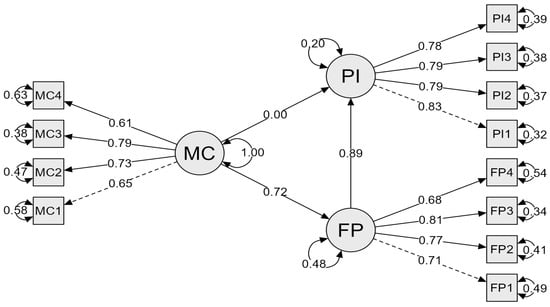
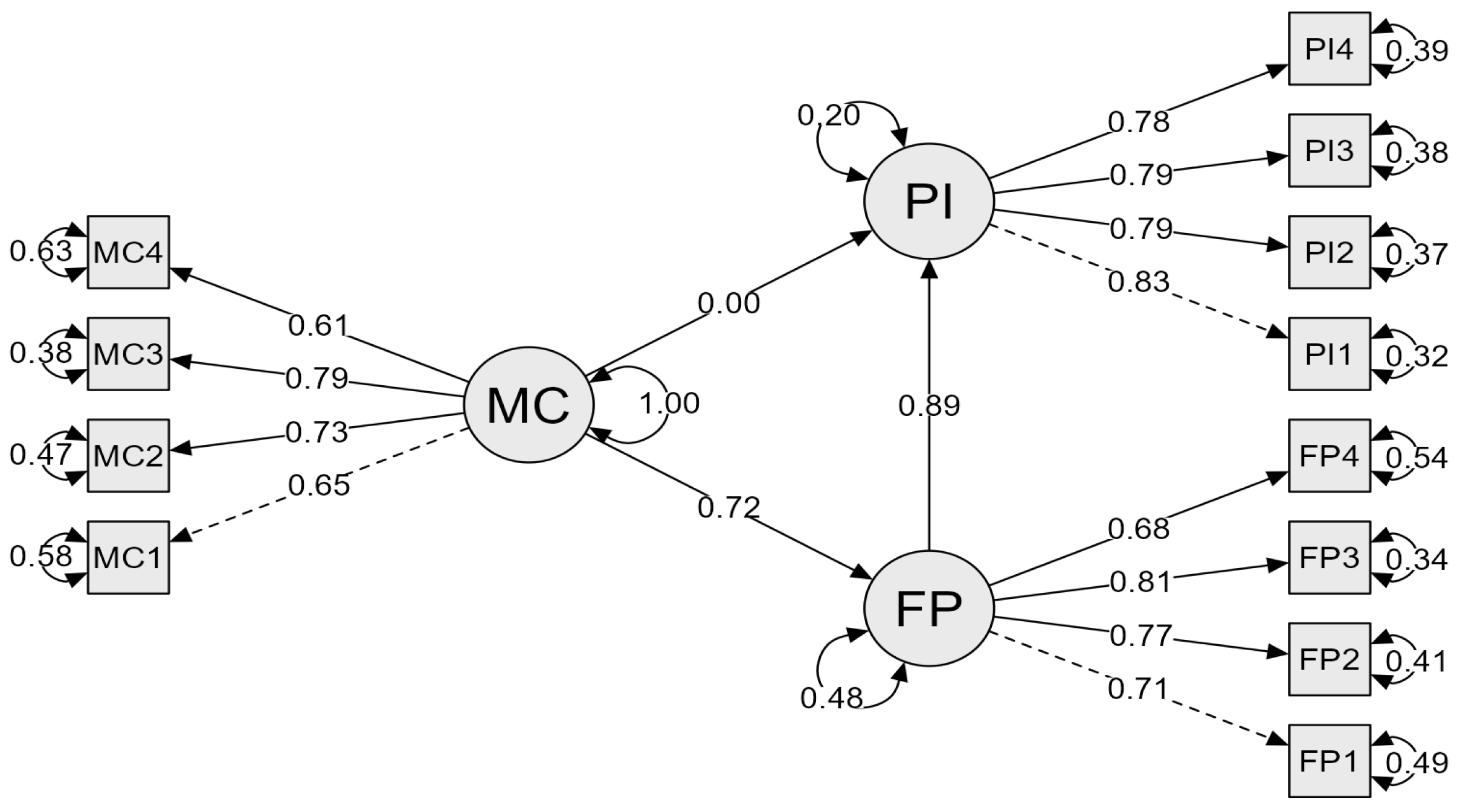

Disclaimer/Publisher’s Note: The statements, opinions and data contained in all publications are solely those of the individual author(s) and contributor(s) and not of MDPI and/or the editor(s). MDPI and/or the editor(s) disclaim responsibility for any injury to people or property resulting from any ideas, methods, instructions or products referred to in the content. |
© 2026 by the authors. Licensee MDPI, Basel, Switzerland. This article is an open access article distributed under the terms and conditions of the Creative Commons Attribution (CC BY) license.