


Abstract
This study investigates asymmetric consumer responses to recycled thermoplastics, with a focus on the roles of eco-consciousness, sustainability knowledge, perceived concerns, trust, and value congruence. Using survey data from Hungarian consumers, the study applies linear and binary logistic regression analyses to examine how these factors influence brand perception, willingness to pay, and communication preferences. The results show that economic concerns act as a dominant barrier, significantly reducing both brand evaluations and willingness to pay, while functional concerns play a more limited role. Trust in sustainability communication and positive brand perception emerge as strong predictors of willingness to pay, with brand perception showing a stronger effect. Eco-consciousness consistently influences consumer responses, whereas sustainability knowledge demonstrates more selective and context-dependent effects. In addition, consumers show a clear preference for credible, evidence-based communication, while informal and promotional signals are less effective. Overall, the findings highlight the importance of reducing perceived risk, strengthening brand perception, and aligning sustainability communication with consumer expectations to support the adoption of recycled thermoplastics in the automotive industry.
1. Introduction
In recent years, increasing environmental concerns have led to a growing interest in environmentally friendly products and sustainable consumption. A large body of research shows that environmental awareness, personal values, and social norms positively influence green purchasing intentions. At the same time, products described as green or sustainable are designed to reduce environmental impact throughout their lifecycle, from production to disposal [1]. As a result, sustainability has become an important factor shaping consumer decision-making [2].
Despite this positive development, a clear gap remains between consumers’ intentions and their actual purchasing behaviour. Previous studies consistently show that although consumers express favourable attitudes toward environmentally friendly products, their actual buying behaviour often does not reflect these attitudes [3,4]. This so-called attitude–behaviour gap is further explained by barriers such as scepticism, low trust, and lack of reliable information about sustainability claims [1]. These challenges are particularly relevant in markets where sustainability communication is perceived as unclear or potentially misleading.
At the same time, consumers’ attitudes toward products made from recycled materials are generally positive and, in some cases, even more favourable than attitudes toward non-sustainable alternatives [2]. However, these positive perceptions are not always reflected in actual purchasing behaviour. Consumers often remain uncertain about the quality, reliability, and value of such products, especially in relation to perceived prices and performance [2]. This indicates that positive attitudes alone are not sufficient to drive market adoption of recycled-material-based products.
An important factor in this context is the role of communication. Effective communication is known to support brand image and consumer identification [5,6], yet its direct influence on trust remains less clearly understood. Previous research suggests that corporate social responsibility can have a significant impact on trust and loyalty, particularly in emerging markets, but the mechanisms through which communication strategies influence brand trust are still not fully explored [6]. This highlights the need to better understand how different forms of sustainability communication affect consumer perceptions and behaviour.
Although existing studies provide valuable insights into green purchasing behaviour, several gaps remain. First, limited research has focused on how consumers respond specifically to recycled thermoplastics in the automotive industry, despite their increasing relevance for sustainable production. Second, prior research often treats eco-consciousness and sustainability knowledge as similar constructs, without fully examining their distinct roles in shaping consumer decision-making. Third, while trust and communication are recognised as important factors, there is still insufficient understanding of how they interact with brand perception and perceived risks to influence willingness to pay.
Therefore, this study aims to address these gaps by examining how eco-consciousness, sustainability knowledge, perceived concerns, trust, and communication strategies jointly influence consumer responses to recycled thermoplastics in the automotive context. By integrating behavioural, perceptual, and communication-related factors, the study provides a more comprehensive understanding of how sustainability initiatives translate into consumer preferences and economic outcomes.
2. Theoretical Background and Hypothesis Development
2.1. Drivers of Sustainability-Oriented Purchase Evaluation
RQ1:
How do eco-consciousness, sustainability knowledge, and perceived concerns shape consumer preferences and evaluations of brands emphasise the use of recycled thermoplastics?
Eco-consciousness is a key psychological factor influencing individuals’ tendency to engage in eco-friendly behaviour [7]. It includes awareness, attitudes, and concern related to environmental problems, as well as the willingness to support solutions and take personal action. As such, it is considered an important internal driver of sustainable consumption [8]. Environmental values reflect the importance individuals assign to nature and conservation, while sustainability knowledge refers to understanding environmental issues and sustainable production processes [8,9,10,11]. Environmental concern, in turn, captures the extent to which individuals are aware of environmental problems and willing to address them [12].
Higher levels of sustainability knowledge improve consumers’ ability to evaluate sustainability-related information and are positively associated with green purchase intentions and behaviour [13]. Moreover, environmental values can trigger personal norms that support sustainable actions, especially when supported by trust in sustainability claims [1]. However, despite strong environmental awareness, a well-documented gap exists between positive attitudes and actual purchasing behaviour [14]. For instance, although a large proportion of consumers express willingness to buy eco-friendly products, actual purchasing remains significantly lower [8]. This gap is often explained by scepticism and uncertainty regarding sustainability claims [15,16].
Consumers with higher environmental concern tend to assign greater importance to sustainability in their evaluations and are more likely to respond positively to socially sustainable brand practices [17,18]. At the same time, sustainable products are still evaluated through traditional decision criteria such as price and functional performance. Corporate social responsibility (CSR) can enhance perceived value and increase willingness to pay, particularly when consumers associate such purchases with contributing to societal good [18,19]. However, product-related factors such as price, quality, and performance remain dominant drivers of purchase decisions, alongside social influences from peers and communities [2,20].
From a theoretical perspective, Attribution Theory explains how consumers evaluate green brands by interpreting the motives behind sustainability claims [21]. Brands perceived as genuinely environmentally responsible are more likely to gain trust, whereas perceived self-serving motives can lead to scepticism [22]. This is particularly relevant in the context of sustainability communication, where consumers must rely on signals under conditions of uncertainty.
Perceived risk plays a central role in this evaluation process. It refers to the subjective uncertainty consumers experience regarding potential losses associated with a product [23]. As a multidimensional construct—including functional, financial, physical, psychological, and social risks—it helps explain why consumers may avoid certain products [24]. In the context of sustainable products, especially those made from recycled materials, functional and financial risks are particularly important barriers, contributing to the well-known “green gap” between intention and behaviour [25].
Consumers often perceive products made from recycled materials as lower in quality compared to conventional alternatives [26,27]. This perception increases functional and financial risk, especially when durability or reliability is uncertain [28,29]. At the same time, consumers actively seek credible information, such as certifications or transparent product data, to reduce uncertainty [30]. While more recent studies indicate improving perceptions of recycled products, concerns about safety and aesthetics remain relevant. For example, perceived hygiene risks and concerns about product appearance or fit can negatively influence purchase decisions [31,32,33,34].
Importantly, sustainability-related evaluations are shaped by the alignment between brand actions and consumer values. When brands’ sustainability efforts match consumers’ environmental values, this can enhance brand image and increase willingness to pay [18]. Corporate social responsibility engagement further strengthens green brand image and supports premium acceptance [35,36]. However, sustainability alone is not sufficient; positive evaluations depend on the combination of environmental benefits with strong product performance and reduced perceived risk [2].
Evidence from the Hungarian market further supports this perspective. Consumers show a pragmatic approach, where price and functional value remain primary decision criteria, and sustainability acts as a secondary factor [37]. At the same time, a distinct segment of environmentally conscious consumers is more willing to pay a premium, particularly when sustainability is supported by credible and verifiable information such as certifications. This suggests that sustainability influences purchasing behaviour mainly when combined with functional value and trust [37].
Building on this literature, eco-consciousness and sustainability knowledge are expected to shape how consumers evaluate purchase criteria. Consumers with higher environmental awareness are more likely to consider non-functional aspects, such as sustainability and reputation, alongside traditional criteria. Therefore:
H1.1.
Eco-consciousness and sustainability knowledge are positively associated with the importance consumers assign to sustainability-based purchase criteria in car purchase decisions.
Similarly, consumers with higher levels of eco-consciousness and sustainability knowledge are more likely to develop favourable perceptions of brands that emphasise sustainable materials, as these initiatives are consistent with their values and expectations:
H1.2.
Higher levels of self-reported eco-consciousness and sustainability knowledge are positively associated with more favourable perceptions of OEM brands that emphasise the use of recycled thermoplastics.
However, perceived risks—particularly economic and functional concerns—can weaken these positive effects. When consumers associate sustainable products with higher costs or lower performance, their evaluations of sustainability claims become less favourable:
H1.3.
Consumers characterised by economic and functional concerns are associated with less favourable evaluations of OEM sustainability claims.
Furthermore, these concerns directly influence behavioural outcomes. High perceived economic and functional risks reduce consumers’ willingness to pay a premium for sustainable products, even when environmental benefits are recognised:
H1.4.
Consumers characterised by economic and functional concerns are less willing to pay more for vehicles incorporating recycled thermoplastics.
Due to higher eco-consciousness and sustainability knowledge, consumers are also willing to pay more for products, especially vehicles incorporating recycled thermoplastics:
H1.5.
Higher levels of self-reported eco-consciousness and sustainability knowledge are associated with a greater willingness to pay for vehicles incorporating recycled thermoplastics.
2.2. Trust, Brand Perception and Willingness to Pay
RQ2:
How do trust in OEM sustainability communication and brand perception influence consumers’ willingness to pay for vehicles incorporating recycled thermoplastics?
Brand trust is defined as the consumer’s willingness to rely on a brand to fulfil its stated function [38]. It is a multidimensional construct that includes both belief and intention. As a belief, brand trust reflects perceptions of competence, benevolence, and integrity. Competence is demonstrated through product quality and reliability, while benevolence and integrity are reflected in honest communication and fair treatment of customers. In the context of sustainability, responsible business practices can strengthen perceptions of integrity and benevolence, particularly when companies show accountability toward broader stakeholders such as society and employees. In addition, factors such as customer satisfaction, credibility, and corporate competence further support the development of brand trust [6].
Recent research highlights that trust in green companies increases when their actions are perceived as transparent and non-deceptive, whereas misleading sustainability claims can significantly damage trust and negatively affect brand perception [39]. Perceived value also plays an important role, as higher perceived value strengthens consumer–brand relationships, enhances engagement, and increases brand attachment, especially when consumers perceive value congruence with the brand [6,40]. Brand trust is a key driver of consumer behaviour, influencing both brand prioritisation and purchase decisions in sustainable contexts [41]. It strengthens consumer relationships by reinforcing positive expectations and increasing purchase intentions [14]. Moreover, trust acts as a mediating mechanism in shaping consumer perceptions and responses to sustainability communication, particularly in relation to green advertising and brand messaging [39].
From a signalling perspective, firms communicate sustainability through signals such as eco-labels, certifications, and sustainability reports. The effectiveness of these signals depends on their perceived credibility and consistency, which are closely linked to consumer trust [34]. When sustainability signals are perceived as trustworthy, they reduce scepticism and increase confidence in green products, thereby enhancing purchase interest. In contrast, weak, unclear, or inconsistent signals may fail to build trust and can even lead to consumer resistance [1].
The Green Trust Framework further emphasises that credibility, transparency, and performance are central drivers of trust in green products. Trust can be developed through mechanisms such as certifications, corporate social responsibility initiatives, and transparent reporting. However, when consumers perceive sustainability claims as misleading or lacking real impact, trust can quickly deteriorate, leading to avoidance of green brands [22].
Building on this literature, trust in sustainability communication is expected to play a central role in shaping consumers’ economic behaviour. When consumers perceive OEM sustainability communication as credible and trustworthy, they are more likely to accept sustainability claims and translate this trust into a higher willingness to pay. Therefore:
H2.1.
Trust in OEM sustainability communication is positively associated with consumers’ willingness to pay for vehicles incorporating recycled thermoplastics.
In addition to trust, overall brand perception of sustainability communication also influences consumer responses. Positive evaluations of how OEMs communicate the use of recycled materials can strengthen perceived value and reduce uncertainty, which in turn increases willingness to pay. Due to this:
H2.2.
Positive brand perceptions of OEM communication about using recycled thermoplastics are positively associated with consumers’ willingness to pay.
2.3. Communication Preferences and Trust Mechanisms
RQ3:
How do eco-consciousness and sustainability knowledge shape consumers’ preferences for sustainability communication strategies, information sources, and trust-building mechanisms for brands emphasise the use of recycled thermoplastics?
Based on self-congruity theory, consumers evaluate brands by comparing them with their own self-image and identity, meaning how well a brand reflects their personal values and beliefs [42]. When consumers perceive a strong alignment between their values and those of a brand, they are more likely to feel connected to it, which strengthens brand image and overall evaluation [18].
Several psychological mechanisms further shape how consumers perceive green brands. According to cognitive dissonance theory, consumers experience discomfort when their attitudes, such as environmental concern, do not align with their behaviour [43]. Green branding can reduce this discomfort by helping consumers feel that their choices are consistent with their values. In addition, social influence plays an important role, as consumers are more likely to adopt sustainable products when they are supported within their social networks [44]. This effect is supported by digital platforms, where eco-conscious communities actively share and promote sustainable consumption. Perceived self-efficacy also matters, as consumers are more likely to engage in sustainable behaviour when they believe their actions can make a difference. Products that support identity expression, such as those highlighting environmental benefits, are therefore more attractive. However, a lack of clear and credible information can reduce consumer interest and weaken these effects [22].
Brand communication strategy plays a central role in this process by shaping how consumers interpret sustainability-related information [45]. Communication influences both cognitive evaluations and affective responses, leading to emotional attachment, brand liking, and purchase intentions [6]. Effective communication also strengthens brand personality, differentiates the brand, and supports brand equity, especially when it is consistent and transparent [6,46].
In practice, consumers rely on multiple information sources when evaluating sustainable products. Influencers, bloggers, and experts play an important role in shaping perceptions and reducing the gap between attitudes and actual behaviour [47]. Consumers frequently search online for product information, including independent reviews and brand websites, before making decisions [48]. However, the effectiveness of these sources depends strongly on perceived credibility and communication quality. Influencers are particularly relevant for reaching less environmentally engaged consumers, but their impact is conditional on trust [48].
At the same time, sustainability communication often fails to fully address consumer expectations and uncertainty. Transparent and credible communication is essential to reduce scepticism and prevent perceptions of greenwashing [21,49]. Importantly, communication strategies that focus only on environmental claims without addressing functional performance may lead to resistance or confusion among consumers [48]. Research shows that the effectiveness of sustainability communication depends less on campaign size and more on how well it addresses core decision criteria such as quality, convenience, and value [50]. Clear and practical information about product benefits is therefore more effective than general sustainability messages. In addition, emotional engagement, storytelling, and user-generated content can strengthen consumer understanding and increase willingness to purchase [5].
Consumers also rely on credible and verifiable information to reduce perceived risks, especially aesthetic and functional uncertainty. Third-party testing, certifications, and user-generated content, such as reviews, help consumers evaluate products more confidently and reduce uncertainty in decision-making [48].
Building on this literature, eco-consciousness and sustainability knowledge are expected to influence how consumers process sustainability communication and which types of communication they prefer. Consumers with higher environmental awareness are likely to engage more critically with sustainability messages and show differentiated preferences across communication strategies rather than responding uniformly. Therefore:
H3.1.
Higher self-reported eco-consciousness and sustainability knowledge are associated with differences in consumers’ preferences for OEM sustainability communication strategies.
In addition, eco-conscious and knowledgeable consumers are expected to rely less on informal or less credible sources and place greater importance on more formal and structured information channels:
H3.2.
Higher self-reported eco-consciousness and sustainability knowledge are associated with lower reliance on informal social channels and greater use of more formal sustainability-related information sources.
Furthermore, value congruence is expected to play a central role in shaping brand evaluations. Consumers with higher eco-consciousness and sustainability knowledge are more likely to seek alignment between their personal and the brand’s values, increasing the importance of value congruence:
H3.3.
Higher self-reported eco-consciousness and sustainability knowledge are positively associated with the importance assigned to value congruence between consumers and automotive brands.
Finally, given the importance of credibility and risk reduction, consumers with higher eco-consciousness and knowledge are expected to prefer more reliable and verifiable forms of communication. This suggests a stronger preference for evidence-based trust-building mechanisms over more informal or social approaches:
H3.4.
Higher eco-consciousness and greater sustainability knowledge are associated with a stronger preference for evidence-based trust-building mechanisms over social mechanisms.
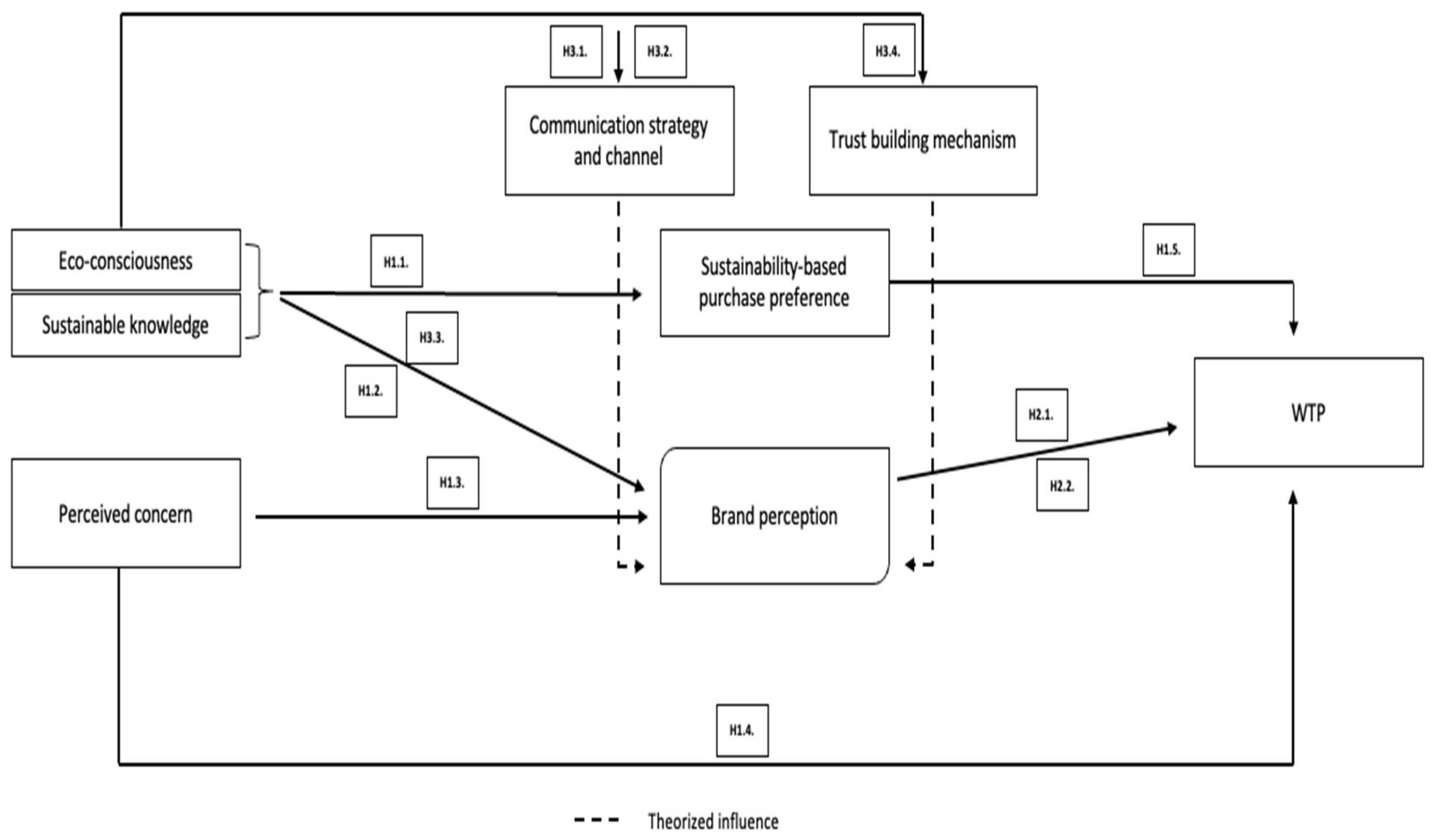
Figure 1 presents the conceptual research model, summarising the hypothesised relationships between eco-consciousness, sustainability knowledge, perceived concerns, and consumer responses.
Figure 1.
Research model—own edit.
3. Methodology
This study applies a quantitative, cross-sectional research design to investigate consumer responses to recycled thermoplastics in the automotive context.
The empirical data were collected between June 2025 and September 2025 through an anonymous standardised online survey distributed via social media platforms in Hungary. Participation was voluntary. Prior to participation, respondents were informed about the purpose of the study, the anonymous nature of data collection, and the intended use of the results. Informed consent was obtained electronically through continuation and submission of the questionnaire. A total of 476 valid responses were obtained and used for analysis. The study employed a non-probability convenience sampling approach, which is common in consumer behaviour research.
The research follows a theory-driven approach and aims to test the relationships between the observed variables, showcased in Table 1. The sample includes a balanced gender distribution and diverse demographic characteristics, with the majority of respondents having at least a college-level education. The descriptives of the demographic variables are presented in Table 2.
Table 1.
Overview of study variables and measurement scales.
Table 2.
Demographic variables—own edit.
The study variables were based on previous research and adapted to the context of recycled thermoplastics in the automotive industry. The research employed single-item measures to capture the focal variables. Eco-consciousness, sustainability knowledge, brand perception, willingness to pay, value congruence, and the importance of transparent OEM sustainability communication were each applied using a single survey item reflecting respondents’ evaluation of the respective concept. Consequently, these variables were treated as observed variables.
This approach was considered appropriate because the focal variables represented specific and clearly defined concepts, such as eco-consciousness, sustainability knowledge, willingness to pay, brand perception, and value congruence. Previous research has shown that single-item measures can provide satisfactory validity for concrete and unambiguous constructs and may perform similarly to multi-item scales in terms of predictive validity and reliability [51,52]. Content validity was assessed prior to data collection through face and content validity evaluation. The survey instrument was reviewed by linguistic experts and subject-matter experts, whose qualitative feedback was used to improve the clarity, relevance, and appropriateness of the measurement items.
To assess the potential influence of common method bias, Harman’s single-factor test was conducted. The first factor accounted for 72.25% of the total variance, suggesting that common method variance may be present. However, because the study variables represent conceptually related sustainability-oriented attitudes and evaluations, part of the shared variance may reflect substantive relationships among the variables.
Eco-consciousness was measured through the perceived importance of environmental protection and sustainability in everyday life, reflecting the role of environmental values in sustainable consumption behaviour [48]. Sustainability knowledge was measured as respondents’ self-perceived knowledge of automotive environmental initiatives and sustainability efforts [13]. Brand perception captured respondents’ evaluation of OEMs emphasising the use of recycled materials and sustainability-related practices [40]. Trust in OEM sustainability communication assessed the perceived credibility of sustainability-related information provided by automotive manufacturers [14,41]. Value congruence measured the importance respondents assigned to alignment between their personal values and those communicated by automotive brands [6]. The importance of transparent OEM sustainability communication captured preferences for clear and credible sustainability-related information [21].
Sustainability-based purchase preference was measured by asking respondents to identify the most important purchase criterion when buying a vehicle, distinguishing between commercial, functional, social, and sustainability-based considerations, consistent with prior research on sustainable purchase decision-making [32,37]. Perceived concern captured respondents’ primary concern regarding the use of recycled thermoplastics, reflecting concerns related to economic and functional risks identified in previous sustainability and perceived-risk research [15,16,23].
Descriptive statistics for the study variables are presented in Table 3.
Table 3.
Descriptive statistics for the study variables—own edit.
Pearson correlation analysis was conducted to examine the relationships among the key study variables. Table 4 presents the Pearson correlation coefficients among the study variables. All correlations were positive and statistically significant (p < 0.001). The strongest relationship was observed between eco-consciousness and brand perception (r = 0.806), while the weakest relationship was found between sustainability knowledge and the importance of transparent OEM communication (r = 0.511).
Table 4.
Pearson correlations among the study variables *.
The analytical approach combines several statistical techniques to test the proposed relationships. Descriptive statistics were first used to examine the characteristics of the sample and the distribution of variables. Pearson correlation analysis was then applied to explore initial relationships between key study variables, revealing significant positive associations, particularly between brand perception and willingness to pay.
To test the hypotheses, both linear regression and binary logistic regression models were employed. Linear regression analysis was used for continuous dependent variables, such as brand perception and willingness to pay. The results indicate that eco-consciousness and sustainability knowledge significantly influence brand perception and that trust in sustainability communication has a strong positive effect on willingness to pay. Binary logistic regression was applied for categorical dependent variables, including sustainability-based purchase preferences, communication strategy preferences, information source selection, and trust-building mechanisms. These models allow the identification of differences between consumer groups and provide insights into how eco-consciousness and sustainability knowledge shape decision patterns.
Model performance was evaluated using standard indicators, including R-squared and adjusted R-squared for linear models, as well as Nagelkerke R-squared and classification accuracy for logistic regression. The results show moderate explanatory power, which is consistent with consumer behaviour research.
4. Results
4.1. Effects of Eco-Consciousness, Knowledge, and Perceived Concerns
To address research question one, binary logistic and linear regression analyses were conducted to examine how eco-consciousness, sustainability knowledge, and perceived concerns shape sustainability-based purchase preferences, brand perception, and willingness to pay.
The results show that eco-consciousness and sustainability knowledge significantly influence consumers’ purchase decision criteria. Specifically, both variables are negatively associated with the likelihood of prioritising commercial and functional criteria while showing a strong positive association with sustainability-based purchase preferences (p < 0.001). This indicates that more environmentally aware and informed consumers are more likely to consider sustainability as a key decision factor rather than traditional price or performance attributes.
At the same time, eco-consciousness and sustainability knowledge significantly predicted more favourable perceptions of vehicles using recycled thermoplastics. The model explained 65.9% of the variance in brand perception, R2 = 0.659, F(2, 473) = 456.61, p < 0.001. Eco-consciousness was the stronger predictor (β = 0.736, p < 0.001), while sustainability knowledge also showed a significant positive effect (β = 0.116, p < 0.001).
Perceived concerns showed an asymmetric effect on brand perception. Economic concern was negatively associated with brand perception, indicating that consumers with economic concerns evaluated OEM sustainability claims less favourably. In contrast, functional concern and absence of concern did not show meaningful negative effects on brand perception. The separate test for absence of concern showed no significant relationship with brand perception, R2 = 0.000, p = 0.946. This indicates that the negative effect in H1.3 is mainly driven by economic concern rather than by perceived concern in general.
Further on, perceived concerns also affected willingness to pay. The regression model was significant, R2 = 0.244, F(3, 472) = 50.80, p < 0.001. Economic concern had a strong negative effect on willingness to pay (β = −0.406, p < 0.001), while functional concern (β = 0.100, p = 0.031) and no concern (β = 0.162, p < 0.001) were positively associated with willingness to pay.
Eco-consciousness and sustainability knowledge are found to significantly increase willingness to pay for vehicles incorporating recycled thermoplastics. The regression model is highly significant (F = 270.544, p < 0.001) and explains more than half of the variance in willingness to pay (R2 = 0.534). Both eco-consciousness (β = 0.487) and sustainability knowledge (β = 0.325) have strong positive effects, confirming their central role in driving premium acceptance.
The findings show that eco-consciousness and sustainability knowledge support sustainability-oriented preferences, favourable brand perception, and higher willingness to pay. However, perceived concerns do not operate uniformly. Economic concern is the main barrier, while functional concern appears less limiting and does not consistently reduce consumer preferences. This supports an asymmetric interpretation of consumer reactions to recycled thermoplastics.
4.2. Effects of Trust and Brand Perception on Willingness to Pay
To address research question 2, linear regression analyses were conducted to examine the role of trust in OEM sustainability communication and brand perception in shaping consumers’ willingness to pay for vehicles incorporating recycled thermoplastics.
The results indicate that trust in OEM sustainability communication has a strong and significant positive effect on willingness to pay. The model is statistically significant (F(1, 474) = 246.30, p < 0.001) and explains 34.2% of the variance (R2 = 0.342). Trust in OEM sustainability communication shows a substantial positive effect (β = 0.585, p < 0.001), suggesting that consumers who perceive sustainability claims as credible are significantly more willing to pay a premium for vehicles using recycled materials.
Similarly, brand perception related to the use of recycled thermoplastics demonstrates an even stronger effect on willingness to pay. The regression model explains 46.4% of the variance (R2 = 0.464, F(1, 474) = 410.98, p < 0.001). Brand perception has a highly significant positive effect (β = 0.681, p < 0.001), indicating that favourable evaluations of OEM communication about recycled materials substantially increase consumers’ willingness to pay.
Comparatively, brand perception results in stronger explanatory power than trust in OEM sustainability communication alone, suggesting that while credibility is important, the overall evaluation of how sustainability is communicated and integrated into the brand plays a more decisive role in shaping economic behaviour.
Overall, the findings highlight that trust in OEM sustainability communication and brand perception are key drivers of willingness to pay, reinforcing the importance of credible and well-communicated sustainability strategies. These results support the assumption that consumers reward sustainability when it is both believable and positively embedded in brand perception.
4.3. Communication Preferences and Trust-Building Mechanisms
To address research question 3, a series of binary logistic and linear regression analyses were conducted to examine how eco-consciousness and sustainability knowledge influence consumers’ preferences for communication strategies, information sources, value congruence, and trust-building mechanisms.
The results indicate that eco-consciousness and sustainability knowledge do not uniformly influence preferences for communication strategies. For substantive communication strategies, no significant effects were observed (p = 0.250), suggesting that these strategies are not strongly differentiated by environmental orientation. In contrast, eco-consciousness shows a significant negative effect on the preference for promotional communication (B = −0.387, p = 0.005), indicating that more environmentally conscious consumers are less likely to prefer marketing-oriented communication approaches.
For institutional communication strategies, a more complex pattern emerges. Eco-consciousness is negatively associated (B = −0.589, p < 0.001), while sustainability knowledge has a positive effect (B = 0.308, p = 0.011). This suggests that informed consumers are more likely to prefer institutional, fact-based communication, whereas general environmental concern alone does not necessarily translate into this preference. In addition, eco-consciousness strongly reduces the likelihood of having no clear communication preference (B = −1.721, p < 0.001), indicating that environmentally conscious consumers are more engaged and selective in their communication expectations.
Regarding information sources, the results show that sustainability knowledge plays a more important role than eco-consciousness. While no significant effects are observed for OEM-controlled sources, sustainability knowledge significantly increases the likelihood of relying on independent information sources (B = 0.385, p = 0.011). At the same time, eco-consciousness is negatively associated with the use of social and informal sources (B = −0.971, p < 0.001), while sustainability knowledge shows a positive effect (B = 0.293, p = 0.029). These findings indicate that more knowledgeable consumers actively seek external and diverse information, while environmentally conscious consumers tend to avoid less credible or informal channels.
The outcomes confirm that eco-consciousness and sustainability knowledge are strongly associated with value congruence between consumers and automotive brands. The linear regression model explains a substantial proportion of variance (R2 = 0.575, F = 320.45, p < 0.001), with eco-consciousness (β = 0.646) and sustainability knowledge (β = 0.167) both showing significant positive effects. This highlights that environmental orientation strengthens the importance of alignment between personal values and brand positioning.
The analysis of trust-building mechanisms reveals mixed results. No significant effects are found for evidence-based trust mechanisms (p = 0.828), suggesting that these are broadly accepted across consumer groups. However, eco-consciousness is negatively associated with third-party institutional trust mechanisms (B = −0.499, p = 0.028), while sustainability knowledge shows no significant effect. For social trust mechanisms, eco-consciousness again has a strong negative effect (B = −0.949, p < 0.001), whereas sustainability knowledge shows a positive association (B = 0.448, p < 0.001). Additionally, eco-consciousness significantly reduces the likelihood of rejecting all trust mechanisms (B = −1.896, p < 0.001), while sustainability knowledge increases this likelihood (B = 0.603, p = 0.007).
The findings demonstrate that eco-consciousness and sustainability knowledge shape communication preferences and trust mechanisms in a differentiated and partly opposing way. Eco-consciousness is associated with more critical and selective behaviour, particularly in rejecting promotional and social communication forms. In contrast, sustainability knowledge is more strongly linked to active information seeking and openness to diverse communication and trust mechanisms. These results further support the presence of heterogeneous and asymmetric consumer responses in the context of sustainability communication.
Table 5.
Linear regression results for continuous outcome variables—own edit.
Table 6.
Binary logistic regression results for categorical outcomes—own edit.
5. Discussion
5.1. Summary of the Findings
This study investigates how eco-consciousness, sustainability knowledge, perceived concerns, trust in OEM sustainability communication, and communication preferences influence consumer responses to recycled thermoplastics in the automotive context. The findings provide clear evidence that consumer responses are not uniform but instead follow asymmetric patterns across cognitive, perceptual, and behavioural stages.
Eco-consciousness and sustainability knowledge significantly affect how consumers evaluate purchase criteria. Consumers with higher environmental awareness are more likely to prioritise sustainability-based criteria over traditional commercial or functional aspects. This finding is consistent with previous research showing that eco-consciousness acts as an internal driver of sustainable consumption behaviour [8], while sustainability knowledge improves consumers’ ability to process and evaluate sustainability-related information [13].
In addition, both eco-consciousness and sustainability knowledge positively influence brand perception, confirming that sustainability signals aligned with consumer values strengthen brand evaluations [18]. However, the results also show that perceived concerns—especially economic concerns—act as a strong barrier, negatively affecting both brand evaluation and willingness to pay. This finding supports the well-documented attitude–behaviour gap identified in earlier studies [15,53].
Furthermore, trust in OEM sustainable communication and brand perception play a key role in translating sustainability perceptions into economic outcomes. Both factors significantly increase willingness to pay, although brand perception shows stronger explanatory power than trust alone. This result is in line with prior research indicating that trust enhances consumers’ confidence in sustainability claims and strengthens purchase intentions [14,41]. At the same time, the findings extend existing literature by showing that credibility alone is not sufficient. Instead, consumers respond more strongly to how sustainability is integrated into the overall brand evaluation. This supports studies emphasising the importance of perceived value and brand image in shaping consumer–brand relationships [6,40]. From a signalling perspective, credible sustainability signals, such as certifications and transparent communication, can reduce scepticism, but their effectiveness ultimately depends on how they influence broader brand perceptions [22,34].
The results highlight important differences between eco-consciousness and sustainability knowledge in shaping communication preferences. Eco-consciousness is linked to more selective and critical behaviour, particularly in rejecting promotional and socially driven communication forms. This is consistent with research showing that environmentally concerned consumers are more sensitive to greenwashing and tend to evaluate sustainability claims more critically [21]. In contrast, sustainability knowledge is associated with active information seeking and greater openness toward independent and diverse information sources. This supports previous findings that knowledgeable consumers are better able to process sustainability-related information and engage with multiple sources [13,48]. These findings demonstrate that environmental orientation and knowledge operate through different behavioural mechanisms, highlighting the importance of differentiating between attitudinal and cognitive drivers in sustainable consumption research [8].
Overall, the important finding of this study is the asymmetric nature of consumer responses to sustainability initiatives involving recycled thermoplastics. The results indicate that the examined variables do not influence consumer outcomes uniformly. Economic concerns emerged as a strong barrier, significantly reducing both brand perception and willingness to pay, whereas functional concerns showed weaker and less consistent effects.
Similarly, eco-consciousness and sustainability knowledge affected consumer responses through different mechanisms. Eco-consciousness was associated with stronger sustainability-oriented preferences and greater sensitivity to communication approaches, while sustainability knowledge primarily influenced information-seeking behaviour and engagement with diverse communication sources.
Furthermore, trust in OEM sustainability communication and brand perception did not contribute equally to economic outcomes. Although both positively influenced willingness to pay, brand perception demonstrated a stronger effect, suggesting that consumers respond more strongly to the overall evaluation of a brand than to communication credibility alone. These findings indicate that consumer responses to recycled thermoplastics are shaped by multiple cognitive, perceptual, and value-based mechanisms that operate differently across individuals and decision contexts.
5.2. Theoretical Implications
This study contributes to the literature on sustainable consumption and green marketing by offering a multi-level and integrative perspective on consumer responses to recycled materials, with a particular focus on recycled thermoplastics.
The findings extend research on eco-consciousness by showing that eco-consciousness and sustainability knowledge, although often treated as closely related constructs, have distinct and partly opposing effects. Eco-consciousness mainly acts as a normative and value-based filter, whereas sustainability knowledge serves as a cognitive resource that supports more active information processing and evaluation. This distinction is consistent with previous research highlighting the role of knowledge in informed decision-making [13]. At the same time, the study adds further insight by demonstrating that knowledge encourages broader engagement with communication channels, rather than simply reinforcing existing attitudes.
The study also contributes to the literature on the attitude–behaviour gap by identifying perceived concerns—especially economic concerns—as a key mechanism explaining why positive environmental attitudes do not always lead to actual purchasing behaviour. This finding supports earlier research that highlights scepticism, uncertainty, and perceived risk as barriers to sustainable consumption [15,16]. Furthermore, the different effects of economic and functional concerns suggest that perceived risks do not operate uniformly, thereby adding refinement to perceived risk theory [23].
The study provides valuable insights into signalling theory in sustainability contexts. While prior research emphasises the importance of credible signals such as eco-labels and certifications [34], the findings show that trust alone is not sufficient. Instead, sustainability signals need to translate into positive brand perception to influence economic outcomes effectively. This extends the Green Trust Framework by showing that credibility and transparency are necessary but not sufficient conditions for consumer response [22].
The study further advances research on communication strategies in green marketing by demonstrating that consumer responses to sustainability communication are heterogeneous and depend on individual characteristics. Eco-conscious consumers tend to reject promotional and socially driven communication, whereas consumers with higher sustainability knowledge actively engage with independent and diverse information sources. This finding challenges the assumption that a single communication strategy is effective across all consumer groups and supports the view that sustainability communication should be tailored to different audience profiles [21,49].
Overall, the study contributes to the literature by integrating behavioural, perceptual, and communication-related mechanisms into a unified framework, highlighting the asymmetric nature of consumer responses to sustainability initiatives.
5.3. Managerial Implications
The findings provide several important implications for managers in the automotive industry who aim to promote the use of recycled thermoplastics.
Sustainability should not be positioned as a substitute for core product attributes. The strong negative effect of economic concerns shows that consumers continue to prioritise price and value for money. Therefore, companies must ensure that vehicles incorporating recycled materials meet or exceed expectations in terms of performance, durability, and overall quality. This is consistent with previous research indicating that sustainability increases consumer acceptance mainly when it is combined with strong functional value [37].
Companies should focus on building a strong and coherent brand perception rather than relying only on trust signals. Although trust in sustainability communication is important, brand perception has a stronger influence on willingness to pay. This suggests that sustainability initiatives should be integrated into the broader brand strategy, highlighting consistency, reliability, and long-term value.
Communication strategies should be adapted to different consumer segments. Eco-conscious consumers tend to be more critical and less receptive to promotional messaging, which means that highly persuasive or emotional campaigns may be ineffective or even counterproductive. In contrast, consumers with higher sustainability knowledge respond more positively to detailed, evidence-based communication. Therefore, companies should differentiate between:
- Value-driven communication aimed at eco-conscious consumers;
- Information-driven communication aimed at knowledgeable consumers.
Companies should prioritise credible and verifiable information, such as certifications, lifecycle assessments, and transparent reporting. As previous research shows, vague sustainability claims increase perceived risk and reduce purchase intention [21]. Providing clear and verifiable evidence can reduce uncertainty and strengthen consumer confidence.
The findings suggest that communication should emphasise practical benefits and real-world applications of recycled thermoplastics rather than abstract environmental claims. Consumers are more likely to respond positively when sustainability is presented as enhancing product performance and long-term value, rather than as a purely ethical attribute.
6. Conclusions
6.1. Answer to the Main Research Question
This study aimed to examine how consumers respond to sustainability initiatives involving recycled thermoplastics, with a particular focus on the roles of eco-consciousness, sustainability knowledge, perceived concerns, trust in OEM sustainability communication, and communication strategies.
The findings show that consumer responses are shaped by a combination of cognitive, emotional, and contextual factors and follow asymmetric patterns. Eco-consciousness and sustainability knowledge positively influence sustainability-oriented preferences, brand perception, and willingness to pay. However, these effects are influenced by perceived concerns, especially economic concerns, which act as a significant barrier to willingness to pay.
In addition, the study demonstrates that trust in OEM sustainability communication and brand perception are key mechanisms linking sustainability communication to economic behaviour. While trust in OEM sustainability communication increases the credibility of sustainability claims, brand perception has a stronger impact on willingness to pay. Furthermore, communication preferences differ across consumer segments, as eco-consciousness and sustainability knowledge lead to different patterns of information processing and channel selection.
The results suggest that sustainability influences consumer behaviour most effectively when it is combined with strong product value, credible communication, and alignment with consumer expectations.
6.2. Limitations and Future Research
This study has several limitations that should be considered when interpreting the results and that also provide directions for future research.
The study is based on self-reported survey data collected through a single questionnaire, which may increase the risk of response-related biases. Although participation was voluntary and anonymous, and respondents were informed about the scientific purpose of the study, the potential influence of common method bias cannot be completely excluded. Future research could address this limitation by using behavioural or experimental data, multiple data sources, or longitudinal research designs to capture actual consumer decisions more accurately.
The cross-sectional design of the study limits the ability to draw causal conclusions about the relationships between variables. Longitudinal or experimental studies could provide deeper insights into causal mechanisms and changes in consumer behaviour over time. The use of convenience sampling may limit the generalizability of the findings. In addition, the cross-sectional nature of the study does not allow conclusions about causal relationships between variables. Future research could employ longitudinal, experimental, or cross-country research designs to further examine the observed relationships.
The study focuses on a specific product context—automotive applications of recycled thermoplastics—which may limit the generalizability of the findings to other industries or product categories. Future research could examine whether similar patterns exist in different sectors or for other types of sustainable materials.
In addition, future studies could explore the role of further contextual factors, such as cultural differences, market conditions, or regulatory environments, in shaping consumer responses to sustainability initiatives. Qualitative research approaches could also provide more detailed insights into how consumers interpret and evaluate sustainability communication. Further on, the subject of additional research could also be the assessment of potential mediation effects among the study variables, particularly the roles of sustainability-based purchase preference and brand perception in explaining how eco-consciousness, sustainability knowledge, and perceived concerns influence willingness to pay. Finally, further research could investigate how different types of recycled materials influence consumer perceptions and decision-making across various product categories.
Author Contributions
Methodology, D.S.; Validation, Z.S.; Writing—original draft, D.S.; Writing—review & editing, Z.S.; Supervision, Z.S. All authors have read and agreed to the published version of the manuscript.
Funding
This research received no external funding.
Institutional Review Board Statement
Ethical review and approval were waived for this study because the research involved an anonymous voluntary online survey of adult participants, did not collect sensitive personal data, and posed minimal risk to participants. According to applicable Hungarian regulations and institutional practice for non-interventional anonymous survey research in the social sciences, formal ethics committee approval was not required for this type of study. The study was conducted in accordance with the principles of the Declaration of Helsinki.
Informed Consent Statement
Informed consent was obtained from all subjects involved in the study. Participation in the survey was voluntary and anonymous. Respondents were informed about the scientific purpose of the study and that submission of the completed questionnaire constituted consent to participate.
Data Availability Statement
The original contributions presented in this study are included in the article. Further inquiries can be directed to the corresponding author.
Conflicts of Interest
The authors declare no conflict of interest.
References
- Ernawati, E.; Rahman, L.K.; Susanti, E.; Agusti, A.; Puspatriani, A.D. The Role of Consumer Trust in Sustainability in Increas-ing Interest in Purchasing Environmentally Friendly Products. Brill. Int. J. Manag. Tour. 2025, 5, 344–351. [Google Scholar] [CrossRef] [Scilit]
- Polyportis, A.; Mugg, R.; Magnier, L. Consumer acceptance of products made from recycled materials: A scoping review. Resour. Conserv. Recycl. 2022, 186, 106533. [Google Scholar] [CrossRef] [Scilit]
- Grubor, S.; Milovanov, O. Brand strategies in the era of sustainability. Interdiscip. Descr. Complex Syst. 2021, 19, 66–78. [Google Scholar] [CrossRef] [Scilit]
- Li, Y.; Wang, X.; Huang, S.; Huang, S. The influence of environmental concern and green trust on green purchase intention: The moderating effect of price sensitivity. Sustainability 2021, 13, 13201. [Google Scholar] [CrossRef] [Scilit]
- Gistri, G.; Corciolani, M.; Pace, S. Does the perception of incongruence hurt more? Customers’ responses to CSR crises affect-ing the main reputation dimension of a company. J. Mark. Manag. 2019, 35, 605–633. [Google Scholar] [CrossRef] [Scilit]
- Monfort, A.; López-Vázquez, B.; Sebastián-Morillas, A. Building trust in sustainable brands: Revisiting perceived value, sat-isfaction, customer service, and brand image. Sustain. Technol. Entrep. 2025, 4, 100105. [Google Scholar] [CrossRef] [Scilit]
- Zelezny, L.C.; Schultz, P.W. Psychology of Promoting Environmentalism: Promoting Environmentalism. J. Soc. Issues 2000, 56, 365–371. [Google Scholar] [CrossRef] [Scilit]
- Kim, N.; Lee, K. Environmental Consciousness, Purchase Intention, and Actual Purchase Behavior of Eco-Friendly Products: The Moderating Impact of Situational Context. Int. J. Environ. Res. Public Health 2023, 20, 5312. [Google Scholar] [CrossRef] [Scilit] [PubMed]
- D’Souza, C.; Taghian, M.; Khosla, R. Examination of environmental beliefs and its impact on the influence of price, quality and demographic characteristics with respect to green purchase intention. J. Target Meas. Anal. Mark. 2007, 15, 69–78. [Google Scholar] [CrossRef] [Scilit]
- Kempton, W.; Boster, J.S.; Hartley, J.A. Environmental Values in American Culture; MIT Press: Cambridge, MA, USA, 1995. [Google Scholar]
- Lim, W.M.; Yong, J.L.S.; Suryadi, K. Consumers’ Perceived Value and Willingness to Purchase Organic Food. J. Glob. Mark. 2014, 27, 298–307. [Google Scholar] [CrossRef] [Scilit]
- Paul, J.; Modi, A.; Patel, J. Predicting green product consumption using theory of planned behavior and reasoned action. J. Retail. Consum. Serv. 2016, 29, 123–134. [Google Scholar] [CrossRef] [Scilit]
- Rusyani, E.; Lavuri, R.; Gunardi, A. Purchasing Eco-Sustainable Products: Interrelationship between Environmental Knowledge, Environmental Concern, Green Attitude, and Perceived Behavior. Sustainability 2021, 13, 4601. [Google Scholar] [CrossRef] [Scilit]
- Mehraj, D.; Qureshi, I.H. Does green brand positioning translate into green purchase intention?: A mediation–moderation model. Bus. Strategy Environ. 2022, 31, 3166–3181. [Google Scholar] [CrossRef] [Scilit]
- Hanss, D.; Böhm, G.; Doran, R.; Homburg, A. Sustainable Consumption of Groceries: The Importance of Believing that One Can Contribute to Sustainable Development. Sustain. Dev. 2016, 24, 357–370. [Google Scholar] [CrossRef] [Scilit]
- Liu, Y.; Qu, Y.; Lei, Z.; Jia, H. Understanding the Evolution of Sustainable Consumption Research. Sustain. Dev. 2017, 25, 414–430. [Google Scholar] [CrossRef] [Scilit]
- Hosta, M.; Zabkar, V. Antecedents of Environmentally and Socially Responsible Sustainable Consumer Behavior. J. Bus. Ethics 2021, 171, 273–293. [Google Scholar] [CrossRef] [Scilit]
- Leong, M.K.; Koay, K.Y. How and when perceived social sustainability of brands increases consumers’ willingness to pay a premium: A multi-sample study. Acta Psychol. 2026, 262, 106024. [Google Scholar] [CrossRef] [Scilit] [PubMed]
- Diallo, M.F.; Ben Dahmane Mouelhi, N.; Gadekar, M.; Schill, M. CSR Actions, Brand Value, and Willingness to Pay a Premium Price for Luxury Brands: Does Long-Term Orientation Matter? J. Bus. Ethics 2021, 169, 241–260. [Google Scholar] [CrossRef] [Scilit]
- Nguyen, X.; Tran, H.; Nguyen, Q.; Luu, T.; Dinh, H.; Vu, H. Factors influencing the consumer’s intention to buy fashion products made by recycled plastic waste. Manag. Sci. Lett. 2020, 10, 3613–3622. [Google Scholar] [CrossRef] [Scilit]
- Szabo, S.; Webster, J. Perceived greenwashing: The effects of green marketing on environmental and product perceptions. J. Bus. Ethics 2021, 171, 719–739. [Google Scholar]
- Usman, M.; Shrivastava, A.; Singh, N.K.; Sisodia, D.R.; Patra, P.K.; Tripathi, S. Sustainable Marketing: How Green Branding Affects Consumer Perceptions. Adv. Consum. Res. 2025, 2, 822–830. [Google Scholar]
- Zeng, T.; Durif, F. The Influence of Consumers’ Perceived Risks towards Eco-Design Packaging upon the Purchasing Decision Process: An Exploratory Study. Sustainability 2019, 11, 6131. [Google Scholar] [CrossRef] [Scilit]
- Kaplan, L.B.; Szybillo, G.J.; Jacoby, J. Components of perceived risk in product purchase: A cross-validation. J. Appl. Psychol. 1974, 59, 287–291. [Google Scholar] [CrossRef] [Scilit]
- Boivin, C.; Durif, F.; Roy, J. Buying Socially Responsible Goods: The Influence of Perceived Risks Revisited. World Rev. Bus. Res. 2011, 1, 191–201. [Google Scholar]
- Bei, L.T.; Simpson, E.M. The Determinants of Consumers’ Purchase Decisions for Recycled Products: An Application of Acqui-sition-Transaction Utility Theory. Adv. Consum. Res. 1995, 22, 257–261. [Google Scholar]
- Hamzaoui-Essoussi, L.; Linton, J.D. Offering branded remanufactured/recycled products: At what price? J. Remanuf. 2014, 4, 9. [Google Scholar] [CrossRef] [Scilit]
- Hamzaoui Essoussi, L.; Linton, J.D. New or recycled products: How much are consumers willing to pay? J. Consum. Mark. 2010, 27, 458–468. [Google Scholar] [CrossRef] [Scilit]
- Kuah, A.T.H.; Wang, P. Circular economy and consumer acceptance: An exploratory study in East and Southeast Asia. J. Clean. Prod. 2020, 247, 119097. [Google Scholar] [CrossRef] [Scilit]
- Sun, H.; Teh, P.-L.; Linton, J.D. Impact of environmental knowledge and product quality on student attitude toward products with recycled/remanufactured content: Implications for environmental education and green manufacturing. Bus. Strat. Environ. 2018, 27, 935–945. [Google Scholar] [CrossRef] [Scilit]
- Calvo-Porral, C.; L´evy-Mangin, J.P. The circular economy business model: Examining consumers’ acceptance of recycled goods. Adm. Sci. 2020, 10, 28. [Google Scholar] [CrossRef] [Scilit]
- Kim, I.; Jung, H.J.; Lee, Y. Consumers’ Value and Risk Perceptions of Circular Fashion: Comparison between Secondhand, Up-cycled, and Recycled Clothing. Sustainability 2021, 13, 1208. [Google Scholar] [CrossRef] [Scilit]
- Magnier, L.; Mugge, R.; Schoormans, J. Turning ocean garbage into products—Consumers’ evaluations of products made of recycled ocean plastic. J. Clean. Prod. 2019, 215, 84–98. [Google Scholar] [CrossRef] [Scilit]
- Testa, F.; Di Iorio, V.; Cerri, J.; Pretner, G. Five shades of plastic in food: Which potentially circular packaging solutions are Italian consumers more sensitive to. Resour. Conserv. Recycl. 2021, 173, 105726. [Google Scholar] [CrossRef] [Scilit]
- Hagmann, C.; Semeijn, J.; Vellenga, D.B. Exploring the green image of airlines: Passenger perceptions and airline choice. J. Air Transp. Manag. 2015, 43, 37–45. [Google Scholar] [CrossRef] [Scilit]
- Jabeen, R.; Khan, K.U.; Zain, F.; Atlas, F. Buy green only: Interplay between green marketing, corporate social responsibility and green purchase intention; the mediating role of green brand image. Bus. Strategy Dev. 2023, 6, 503–518. [Google Scholar] [CrossRef] [Scilit]
- Sarközi, D.; Szabo, Z. Consumer willingness to pay a premium for sustainable products utilizing recycled plastics in Hunga-ry: Influence of environmental awareness and branding strategy. J. Entrep. Bus. Econ. 2025, 13, 84–117. [Google Scholar]
- Chaudhuri, A.; Holbrook, M.B. The chain of effects from brand trust and brand affect to brand performance: The role of brand loyalty. J. Mark. 2001, 65, 81–93. [Google Scholar] [CrossRef] [Scilit]
- Kumar, A.; Mallick, S.S.; Hota, S.L.; Vasudevan, A.; Şimşek, S.A. Green Marketing Strategies: Enhancing Brand Image and Consumer Trust in Sustainable Development. Prabandhan Indian J. Manag. 2025, 17, 8–27. [Google Scholar] [CrossRef] [Scilit]
- Chae, H.; Kim, S.; Lee, J.; Park, K. Impact of product characteristics of limited edition shoes on perceived value, brand trust, and purchase intention: Focused on the scarcity message frequency. J. Bus. Res. 2020, 120, 398–406. [Google Scholar] [CrossRef] [Scilit]
- Mogaji, E.; Adeola, O.; Adisa, I.; Hinson, R.E.; Mukonza, C.; Kirgiz, A.C. Green Marketing in Emerging Economies: Communi-cation and Brand Perspective: An Introduction. In Green Marketing in Emerging Economies. Palgrave Studies of Marketing in Emerging Economies; Mogaji, E., Adeola, O., Adisa, I., Hinson, R.E., Mukonza, C., Kirgiz, A.C., Eds.; Palgrave Macmillan: Cham, Switzerland, 2022. [Google Scholar] [CrossRef] [Scilit]
- Sirgy, M.J. Self-concept in consumer behavior: A critical review. J. Consum. Res. 1982, 9, 287–300. [Google Scholar] [CrossRef] [Scilit] [PubMed]
- Zhang, H.; Sun, S. Cognitive dissonance of self-standards: A negative interaction of green compensation and green training on employee pro-environmental behavior in China. Psychol. Res. Behav. Manag. 2021, 14, 1399–1418. [Google Scholar] [CrossRef] [Scilit] [PubMed]
- Barbu, A.; Catană, Ș.A.; Deselnicu, D.C.; Cioca, L.I.; Ioanid, A. Factors influencing consumer behavior toward green products: A systematic literature review. Int. J. Environ. Res. Public Health 2022, 19, 16568. [Google Scholar] [CrossRef] [Scilit] [PubMed]
- Jeon, H. Does the relationship between brand attitude, brand attachment and purchase intention vary based on the type of prosocial expression-based brand emoji? J. Product. Brand Manag. 2022, 31, 1180–1195. [Google Scholar] [CrossRef] [Scilit]
- Monfort, A.; Sebastián, A.; López, B. La identidad corporativa en la era de la co-creación de marcas. Commun. Pap. Media Lit. Gend. Stud. 2015, 4, 31–40. [Google Scholar] [CrossRef] [Scilit]
- Yadav, M.; Gupta, R.; Nair, K. Time for sustainable marketing to build a green conscience in consumers: Evidence from a hy-brid review. J. Clean. Prod. 2024, 443, 141188. [Google Scholar] [CrossRef] [Scilit]
- Turut, O. The power of silent sustainability: Communication strategies for new sustainable products. Clean. Responsible Consum. 2024, 14, 100220. [Google Scholar] [CrossRef] [Scilit]
- Park, H.J.; Lin, L.M. Exploring attitude–behavior gap in sustainable consumption: Comparison of recycled and upcycled fashion products. J. Bus. Res. 2020, 117, 623–628. [Google Scholar] [CrossRef] [Scilit]
- Kumar, S.; Yadav, R. The impact of shopping motivation on sustainable consumption: A study in the context of green apparel. J. Clean. Prod. 2021, 295, 126239. [Google Scholar] [CrossRef] [Scilit]
- Bergkvist, L.; Rossiter, J.R. The Predictive Validity of Multiple-Item versus Single-Item Measures of the Same Constructs. J. Mark. Res. 2007, 44, 175–184. [Google Scholar] [CrossRef] [Scilit]
- Bergkvist, L. Appropriate use of single-item measures is here to stay. Mark. Lett. 2015, 26, 245–255. [Google Scholar] [CrossRef] [Scilit]
- Schuitema, G.; deGroot, J.I.M. Green consumerism: The influence of product attributes and values on purchasing intentions. J. Consum. Behav. 2015, 14, 57–69. [Google Scholar] [CrossRef] [Scilit]

Disclaimer/Publisher’s Note: The statements, opinions and data contained in all publications are solely those of the individual author(s) and contributor(s) and not of MDPI and/or the editor(s). MDPI and/or the editor(s) disclaim responsibility for any injury to people or property resulting from any ideas, methods, instructions or products referred to in the content. |
© 2026 by the authors. Licensee MDPI, Basel, Switzerland. This article is an open access article distributed under the terms and conditions of the Creative Commons Attribution (CC BY) license.