


Abstract
This study examines how aquarium visitors’ perceived restorative environmental attributes influence leisure life satisfaction, positive emotional experience, and visit intention. Drawing on Attention Restoration Theory, aquariums are conceptualized not merely as indoor exhibition facilities but as restorative indoor blue space leisure settings. Using survey data from 452 Korean adults who had visited major aquariums within the previous 12 months, this study employed structural equation modeling and multi-group analysis. The results show that being away, fascination, and compatibility positively affected leisure life satisfaction, while fascination and compatibility significantly enhanced positive emotional experience. Both leisure life satisfaction and positive emotional experience were found to increase visit intention. Multi-group analysis revealed a significant difference only in the relationship between compatibility and positive emotional experience. Specifically, compatibility had a stronger effect on positive emotional experience among repeat visitors. In this study, Attention Restoration Theory is extended to aquarium-based indoor blue space settings, and restorative environmental perceptions are shown to influence and shape visitor responses through both cognitive and affective pathways. Although the outcome variable primarily captures visitors’ intention to revisit and recommend aquariums rather than direct pro-environmental behavior, the findings offer implications for sustainable marine leisure by showing how restorative and emotionally meaningful aquarium experiences can support conservation-oriented communication and longer-term visitor engagement. Practically, the findings suggest that aquarium managers should move beyond short-term price-oriented strategies and design restorative experiences that enhance fascination and compatibility, thereby strengthening emotionally meaningful and longer-term visitor engagement in sustainability-relevant leisure contexts.
1. Introduction
Contemporary tourism and leisure consumption are increasingly characterized by a shift from entertainment-oriented activities toward restorative experiences that help mitigate directed attention fatigue and emotional exhaustion while replenishing psychological and cognitive resources [1,2,3]. Within this broader shift, blue spaces have been recognized, alongside green spaces, as important environmental settings capable of facilitating psychological restoration. Prior research has shown that both natural and urban scenes containing water are generally associated with greater environmental preference, positive affect, and perceived restorativeness than scenes without water [4,5]. Moreover, studies based on real-world nature visitation data have demonstrated that waterside environments, including coastal areas, are meaningfully linked to enhanced psychological restoration [6,7]. Taken together, these findings suggest that blue spaces operate beyond their visual or esthetic function, serving as a restorative environmental cue that may contribute to stress reduction and cognitive recovery [8,9].
Within this context, aquariums constitute a theoretically meaningful setting for tourism and leisure research. Although they are not natural environments in a strict ecological sense, aquariums are intentionally designed and curated indoor spaces that reproduce, interpret, and communicate elements of natural marine ecosystems [10,11]. They provide a distinctive form of exhibition-based experience in which marine life observation, educational interpretation, and participatory activities are integrated. Moreover, through environmental cues such as lighting, acoustics, spatial layout, and visitor circulation, aquariums create immersive settings that stimulate visitors’ sensory, affective, and cognitive responses through a combination of nature-like and designed service elements [12]. These features position aquariums as hybrid experiential spaces situated between natural environments and conventional service settings. Importantly, aquariums extend beyond leisure and entertainment functions by playing sustainability-relevant roles, including marine ecosystem conservation, environmental education, and the communication of public value. In an era of growing concern for marine environments and increasing emphasis on sustainable tourism and leisure spaces, aquariums may help visitors recognize the ecological value of marine life and the necessity of conservation. However, these sustainability-related functions should be understood as contextual and interpretive dimensions of aquarium tourism rather than as direct evidence of visitors’ pro-environmental behavior. Accordingly, aquarium visitation can be understood not simply as a consumption-based leisure activity but as a multidimensional tourism experience in which restorative experience, environmental interpretation, and longer-term visitor engagement may intersect.
Prior research has demonstrated that increasing levels of marine biota in public aquarium exhibits can enhance visitors’ spontaneous viewing time, interest, and mood, as well as elicit physiological relaxation responses, including a reduced heart rate [13]. A systematic review further suggests that aquarium exposure has the potential to promote relaxation, improve mood, and alleviate stress [14]. These findings indicate that restorative experiences are not restricted to outdoor nature-based environments [15]. Constructed indoor leisure settings, including museums and aquariums, can also support emotional comfort and psychological well-being when exhibition staging, sensory stimuli, interpretive content, visitor circulation, and spaces for lingering are carefully designed [14,16,17]. Thus, aquariums provide a useful context for examining how nature-like environmental cues embedded in indoor service environments can provide restorative leisure experiences.
The restorative potential of aquarium environments can be further explained through Attention Restoration Theory, which suggests that softly fascinating environmental stimuli can engage involuntary attention and help restore directed attention depleted by prolonged cognitive effort [18]. In aquarium settings, indoor blue space elements such as marine life, water movement, lighting, spatial flow, and interpretive displays may create conditions for psychological calmness, reflection, and perceived restoration [4,19]. From this perspective, the restorative qualities of aquariums may contribute to visitors’ leisure life satisfaction and emotional well-being.
The pathway through which aquarium-based viewing elements and related experiences shape visitors’ emotions can be understood from a process-oriented perspective, whereby experiences are accumulated, interpreted, and transformed into memory over time [20,21,22]. When individuals are exposed to external stimuli and experiential situations, they generate emotional responses that may subsequently be organized into memorable experiences through cognitive interpretation and evaluative processes [23,24]. In tourism and leisure contexts, multisensory stimuli and situated engagement can evoke positive emotions and memorable impressions that continue to influence post-visit evaluations [25,26,27,28]. Given their visual immersion, dynamic movement of aquatic life, spatial staging, and acoustic atmosphere, aquariums provide a relevant context in which restorative environmental cues may elicit positive emotional experience and support favorable post-visit responses [13,14].
Despite these theoretical and empirical indications, limited research has integrated perceived restorative environment, positive emotional experience, leisure life satisfaction, and visit intention into a unified explanatory model in the context of aquarium visitation. This gap is important because aquariums, as indoor leisure environments grounded in blue space elements, may offer more than psychological restoration and positive affective responses. They may also function as experiential platforms through which sustainability-related messages about marine conservation and environmental education are communicated to visitors. However, prior studies have not sufficiently explained aquarium visitation as a holistic process linking restorative environmental perceptions, affective responses, satisfaction, and visit intention. Consequently, little is known about how restorative experiences in this distinctive indoor blue space environment are translated into visitors’ intention to revisit and recommend aquariums through psychological and emotional mechanisms. At the same time, because visit intention does not directly measure pro-environmental behavior, conservation support, or ecological commitment, the sustainability relevance of this study is limited to the level of the implications of sustainable marine leisure rather than direct behavioral outcomes.
In response to this gap, in this study, a conceptual framework of perceived restorative environment in aquariums was developed, grounded in Attention Restoration Theory. Based on data collected from Korean adults who had visited major destination-oriented or urban aquariums in South Korea within the previous 12 months, this study empirically investigates the effects of perceived restorative environment on leisure life satisfaction, positive emotional experience, and visit intention and examines whether one-time and repeat visitation within the previous 12 months moderates key relationships within the proposed model. In doing so, this study extends restorative environment research to aquarium-based indoor blue space settings and provides a more nuanced understanding of how restorative tourism and leisure experiences may foster favorable visitor responses and longer-term visitor engagement. The findings further offer practical implications for sustainable aquarium operation, environmental education programming, and conservation-oriented communication in sustainable marine leisure contexts.
2. Literature Review and Hypothesis Development
2.1. Relationships Between Perceived Restorative Environment and Leisure Life Satisfaction
Attention Restoration Theory posits that individuals may experience cognitive fatigue as a result of the sustained use of directed attention in everyday tasks and that environments with natural or restorative characteristics can help alleviate attentional fatigue and promote psychological restoration [1,18]. The core properties of restorative environments—being away, fascination, coherence, and compatibility—are considered particularly important because they allow individuals to distance themselves psychologically from routine demands, engage in effortless attention, experience environmental order, and perceive congruence between personal needs and environmental affordances [29,30,31]. Specifically, in the present aquarium context, the four restorative dimensions examined are visitors’ perceived psychological distance from everyday life, effortless engagement with marine environments, perceived environmental order, and person–environment fit. These restorative qualities may reduce psychological strain, replenish depleted attentional resources, and foster positive experiential evaluations. Accordingly, perceived restorative environment can be conceptualized not simply as a perception of physical surroundings but as a theoretically meaningful antecedent of leisure experience quality and satisfaction.
A growing body of research supports the positive relationship between perceived restorative environment and satisfaction. In an urban leisure setting, Lin and Liu [32] found that perceived restorativeness enhanced restorative outcomes, which subsequently increased leisure satisfaction. In tourism settings, Park and Yoon [33] demonstrated that resort servicescapes influenced perceived restorative environment, which in turn increased leisure satisfaction. Similarly, Cho et al. [34] reported that perceived restorativeness positively influenced emotional healing and visitor satisfaction in cultural heritage tourism. Although visitor satisfaction and leisure life satisfaction are not identical constructs, they are conceptually related insofar as both represent favorable evaluations of tourism and leisure experiences. Together, these studies suggest that restorative environmental perceptions can shape satisfaction by improving visitors’ psychological recovery, emotional comfort, and overall evaluation of leisure experiences.
Evidence from wellness and restorative tourism further reinforces this theoretical linkage. Kim et al. [35] showed that key dimensions of perceived restorative environment in healing tourism significantly influenced life satisfaction, while Kim and Jeong [36] found that perceived restorativeness enhanced tourism satisfaction through restorative experiences in a walking tourism context. Chen et al. [37] also demonstrated that vacation-based recovery experiences improved both tourism satisfaction and life satisfaction, underscoring the role of restorative experience as a psychological mechanism underlying satisfaction formation. These findings indicate that restorative environments can contribute to not only immediate tourism satisfaction but also broader evaluations of leisure life by supporting recovery, relaxation, and psychological well-being.
In the context of aquariums, these theoretical insights are particularly relevant. Aquariums provide visitors with psychological distance from everyday routines, visual immersion, emotional comfort, and sensory engagement through indoor blue space elements. When visitors perceive the aquarium environment as restorative, they are more likely to evaluate their leisure experience positively, which may enhance their leisure life satisfaction. However, the four dimensions of perceived restorativeness may not operate at equal strength in indoor aquarium settings. For example, being away and fascination may be more directly associated with psychological escape and sensory immersion, whereas coherence may function as a more basic condition that supports spatial understanding and comfort. Nevertheless, because environmental order and compatibility are theoretically associated with restorative appraisal, all four dimensions are examined as potential antecedents of leisure life satisfaction. Based on this discussion, the following hypotheses are proposed:
Hypothesis 1.
Perceived restorative environment has a positive effect on leisure life satisfaction.
Hypothesis 1-1.
Being away has a positive effect on leisure life satisfaction.
Hypothesis 1-2.
Fascination has a positive effect on leisure life satisfaction.
Hypothesis 1-3.
Coherence has a positive effect on leisure life satisfaction.
Hypothesis 1-4.
Compatibility has a positive effect on leisure life satisfaction.
2.2. Relationships Between Perceived Restorative Environment and Positive Emotional Experience
Perceived restorative environment refers to the degree to which individuals perceive a setting as capable of facilitating psychological comfort, emotional relief, and restoration. This perception is not limited to a cognitive appraisal of environmental qualities; rather, it may also serve as an affective trigger that shapes immediate emotional responses [38,39]. Positive perceptions of environmental settings are closely related to affective appraisal processes, through which individuals may experience positive emotions such as pleasure, interest, and happiness [40,41]. Although Attention Restoration Theory has traditionally focused on recovery from directed attention fatigue, recent research has emphasized that restorative environments may also influence affective responses. From this perspective, restorative environmental perceptions may reduce psychological tension and create favorable affective conditions, although each dimension of perceived restorativeness may contribute differently depending on the characteristics of the setting [42].
Empirical evidence from environmental psychology and tourism research supports this relationship. Berman et al. [43] experimentally demonstrated the cognitive benefits of interacting with nature, while Van den Berg et al. [44] showed that environmental preference and restoration are closely related. These findings indicate that restorative environments may function not only as settings for attentional recovery but also as environmental conditions associated with affective responses. Similar evidence has been found in tourism and leisure research. Lehto [45] examined the restorative qualities of tourism destinations, while Chen et al. [37] suggested that recovery experiences can influence tourism satisfaction and life satisfaction. Sirgy et al. [46] also showed that travel experiences can influence tourists’ life satisfaction through satisfaction with travel-related experiences and domains of life. Pasini et al. [47] further contributed to this research stream by developing the PRS-11 scale, which has provided a concise measurement foundation for perceived restorativeness. Taken together, these studies suggest that restorative environments can support positive emotional experience by reducing cognitive and psychological strain and by enhancing visitors’ affective appraisal of leisure and tourism settings [36].
This reasoning is particularly applicable to aquariums. As indoor blue space-based environments, aquariums provide visitors with visual immersion, esthetic appreciation, and sensory engagement centered on water and aquatic life. These environmental qualities may support psychological comfort and positive emotional responses. Prior studies have shown that blue spaces are positively associated with emotional responses and restorative evaluations, and that aquarium exposure may contribute to psychological and physiological relaxation [4,13,48]. However, the affective role of each restorative dimension may vary in aquarium settings. Being away may provide a temporary sense of psychological escape, but its effect on positive emotional experience may be weaker than in extended nature-based settings because aquarium visits are typically short, structured, and activity-oriented. Similarly, coherence may support spatial understanding, comfort, and interpretive flow, but it may function more as a basic environmental condition than as a direct source of positive emotion. In contrast, fascination and compatibility may be more closely linked to visitors’ emotional immersion because they reflect effortless attention to marine life and the perceived fit between the aquarium environment and visitors’ leisure needs.
In summary, perceived restorative environment can serve as an important antecedent of positive emotional experience in aquarium tourism. At the same time, given the structured and curated nature of indoor aquarium environments, the four restorative dimensions may not influence positive emotional experience with equal strength. Nevertheless, because being away, fascination, coherence, and compatibility are theoretically associated with restorative appraisal, all four dimensions are examined in this study as potential antecedents of positive emotional experience. Based on this discussion, the following hypotheses are proposed:
Hypothesis 2.
Perceived restorative environment has a positive effect on positive emotional experience.
Hypothesis 2-1.
Being away has a positive effect on positive emotional experience.
Hypothesis 2-2.
Fascination has a positive effect on positive emotional experience.
Hypothesis 2-3.
Coherence has a positive effect on positive emotional experience.
Hypothesis 2-4.
Compatibility has a positive effect on positive emotional experience.
2.3. The Relationships Among Leisure Life Satisfaction, Positive Emotional Experience, and Visit Intention
Leisure life satisfaction represents visitors’ overall cognitive appraisal of their leisure experiences and has been widely recognized as a central antecedent of future behavioral intentions in tourism and leisure research [49,50,51]. Visitors satisfied with particular settings or services are more likely to form favorable post-visit evaluations and continue to engage with it, which may subsequently translate into revisit intention, recommendation intention, and loyalty [52]. Yoon and Uysal [51], for instance, identified satisfaction as a key predictor of destination loyalty and future behavioral intention in a tourism context. From this perspective, leisure life satisfaction is not merely a retrospective evaluation of an experience; rather, it functions as an important psychological mechanism through which visitors determine whether and how they will continue engaging with and revisiting a particular place.
This theoretical logic is directly relevant to visit intention, which is the focal behavioral outcome of this study. Here, visit intention refers to visitors’ willingness to revisit and recommend aquariums based on their restorative, emotional, and leisure-related experiences. Thus, visitors who experience high satisfaction in a leisure setting may develop behavioral intentions, including revisit intention, recommendation intention, and longer-term visitor engagement. This relationship is particularly salient in aquarium settings, where marine ecological education, environmental conservation, and public value are embedded within the visitor experience. Although the present outcome variable does not directly measure pro-environmental behavior, conservation support, or ecological commitment, prior studies on sustainable tourism and environmental leisure suggest that positive visitor experiences can provide an experiential foundation for sustainability-relevant engagement [40,41]. Therefore, the sustainability relevance of this study is discussed as a broader implication of aquarium tourism rather than as a directly measured behavioral outcome.
Positive emotional experience also plays a critical role in explaining future behavioral intention, but it does so through a pathway that is conceptually distinct from satisfaction. Whereas satisfaction reflects a cognitive and evaluative judgment of the overall experience, positive emotional experience captures affective responses generated during the visitation process. According to Fredrickson’s broaden-and-build theory [53], positive emotions such as pleasure, interest, and happiness broaden individuals’ thought–action repertoires and encourage more open, constructive, and prosocial behavioral tendencies. In this sense, positive emotional experience may foster favorable attitudes toward a place and strengthen visitors’ willingness to maintain continued engagement with it. Similarly, Wang et al. [42] demonstrated that emotions formed in restoratively perceived tourism environments are closely associated with revisit intention, suggesting that positive emotions may operate as an affective foundation for future behavioral intention.
Therefore, visit intention may be shaped through two complementary mechanisms: a cognitive pathway based on leisure life satisfaction and an affective pathway based on positive emotional experience. This dual mechanism is especially meaningful in blue space-based leisure environments such as aquariums, where emotional immersion coexists with environmental interpretation and marine conservation-related communication. Aquariums provide visitors with visual immersion, emotional comfort, environmental learning, and awareness of ecological value, making it likely that both cognitive satisfaction and affective responses contribute to long-term and value-oriented behavioral intentions [4,13,48]. Accordingly, visitors’ satisfaction and positive emotional experience in aquarium settings may increase their intention to revisit and recommend aquariums, while also offering broader implications for sustainable marine leisure and conservation-oriented visitor engagement. Based on this discussion, the following hypotheses are proposed:
Hypothesis 3.
Leisure life satisfaction has a positive effect on visit intention.
Hypothesis 4.
Positive emotional experience has a positive effect on visit intention.
2.4. Visitor Frequency as a Moderator: Low- Versus High-Frequency Aquarium Tourists
Aquarium visitors may exhibit different levels of accumulated experience, spatial familiarity, evaluative criteria, and behavioral intention formation depending on how frequently they have visited within the previous year. In tourism research, first-time and repeat visitors have been shown to differ in travel behavior, destination evaluation, perceived value, satisfaction, and loyalty. These differences suggest that accumulated visitation experience may function as a potential boundary condition that shapes how tourists evaluate and respond to tourism environments [54,55,56,57]. In addition, prior experience has been shown to influence the formation of destination image and behavioral intentions, suggesting that visitors’ accumulated familiarity with a destination can alter how they evaluate and respond to tourism environments [58]. Chi [59] also demonstrated that first-time and repeat visitors differ in destination loyalty, further supporting the view that visit experience may serve as a useful segmentation variable and potential moderator in tourism behavior research.
Visitors with low visit frequency are likely to have limited experiential familiarity with aquariums and may therefore be more sensitive to immediate environmental cues and the perceived quality of the on-site experience. Prior studies have reported differences between first-time and repeat visitors in travel behavior, activity preferences, and post-visit evaluations, indicating that accumulated experience and familiarity can reshape tourists’ evaluative structures [60,61]. Research on servicescapes and destination atmospherics further suggests that physical environments and atmospheric cues influence visitors’ affective and cognitive responses as well as their behavioral intentions [62,63]. From this perspective, low-frequency visitors may perceive an aquarium not as a routine leisure setting but as an extraordinary indoor blue space-based experiential environment characterized by visual immersion and sensory stimulation [6]. For these visitors, aquatic life displays, lighting, visitor circulation, tank scale and arrangement, and overall spatial atmosphere may serve as salient cues that influence positive emotional experience and leisure life satisfaction. By contrast, high-frequency visitors may evaluate aquariums on the basis of greater experiential familiarity and accumulated prior experience, perceiving them as more stable and continuous leisure environments [64,65]. Thus, the relative importance of restorative environmental attributes may vary depending on visitors’ prior familiarity with aquarium settings.
Visit frequency has also been examined as a moderator in the relationships between tourist evaluations and behavioral intentions. Wang et al. [66] demonstrated that visit frequency moderated the relationships among perceived destination quality, tourist satisfaction, and word-of-mouth intention. Tran et al. [67] found that visit frequency moderated the relationships among self-congruity, perceived quality, satisfaction, and destination brand loyalty. In addition, Jin et al. [56] examined first-time and repeat visitors in a water park context, while Shavanddasht and Allan [57] analyzed differences between first-time and repeat visitors in hot spring tourism. These studies collectively suggest that satisfaction, emotional involvement, loyalty, and behavioral intention structures may vary according to visitors’ prior experience and frequency of visitation. However, prior findings also imply that the moderating role of visit frequency may be path-specific rather than uniform across all structural relationships. Therefore, visit frequency should be examined cautiously as a contextual moderator that may strengthen or weaken selected relationships within the model.
Based on these arguments, in this study, aquarium visitors were divided into low- and high-frequency groups based on their visit frequency within the previous year, and whether the structural relationships among perceived restorative environment, leisure life satisfaction, and positive emotional experience differ between the two groups was examined. Furthermore, research on wellness tourism has emphasized that engagement with restorative environments can shape tourists’ experiential evaluations and well-being-related responses, implying that restorative perceptions may be interpreted differently depending on visitors’ prior experience and level of engagement with the setting [68]. This analysis aims to determine whether accumulated visitation experience changes how visitors evaluate aquarium environments and form subsequent responses. Rather than assuming that visit frequency uniformly moderates all paths, this study empirically tested whether visit frequency moderates specific relationships within the proposed model. Accordingly, the following hypotheses are proposed:
Hypothesis 5.
Visit frequency moderates one or more structural relationships in the proposed model.
Hypothesis 5-1.
Visit frequency moderates the relationship between being away and leisure life satisfaction.
Hypothesis 5-2.
Visit frequency moderates the relationship between fascination and leisure life satisfaction.
Hypothesis 5-3.
Visit frequency moderates the relationship between coherence and leisure life satisfaction.
Hypothesis 5-4.
Visit frequency moderates the relationship between compatibility and leisure life satisfaction.
Hypothesis 5-5.
Visit frequency moderates the relationship between being away and positive emotional experience.
Hypothesis 5-6.
Visit frequency moderates the relationship between fascination and positive emotional experience.
Hypothesis 5-7.
Visit frequency moderates the relationship between coherence and positive emotional experience.
Hypothesis 5-8.
Visit frequency moderates the relationship between compatibility and positive emotional experience.
Drawing on the literature review and hypothesis development, this study proposes the research model shown in Figure 1.
Figure 1.
Proposed research model. Note. BEA = being away, FAS = fascination, COH = coherence, COM = compatibility, LLS = leisure life satisfaction, PEE = positive emotional experience, VI = visit intention.
3. Research Method
3.1. Study Sites
This study focuses on major aquariums in South Korea as empirical research settings. The selected aquariums were classified into two types: destination-oriented and urban. The former included Aqua Planet Yeosu, Aqua Planet Jeju, and Busan Aquarium, whereas the latter included Aqua Planet 63, COEX Aquarium, and Lotte World Aquarium. Destination-oriented aquariums are typically located in major tourist destinations and are characterized by large-scale main tanks, underwater tunnels, and themed exhibition spaces organized around specific marine species, ecological themes, or regional characteristics. Urban aquariums, by contrast, are situated in metropolitan areas and offer high accessibility, various experiential programs, seasonal events, and indoor exhibition environments that reproduce aquatic settings through spatial design, lighting, sound, and visual media.
Despite these differences, both types of aquariums share key indoor blue space characteristics. In particular, their main tanks serve as central spatial and visual elements that provide visitors with immersive exposure to aquatic environments. At the same time, the shape, scale, and arrangement of these tanks differ according to each aquarium’s interior design, exhibition planning, and spatial configuration. Therefore, these aquariums constitute suitable empirical settings for examining visitors’ perceived restorative environmental attributes in indoor blue space-based leisure contexts. In this study, the distinction between destination-oriented and urban aquariums was used to contextualize the research settings rather than to conduct a separate comparative analysis by aquarium type.
3.2. Measures
The questionnaire for this study comprised 27 measurement items adapted from prior research. Perceived restorative environment was operationalized using four dimensions: being away, measured with four items; fascination, measured with three items; coherence, measured with four items; and compatibility, measured with four items. These items were adapted from established scales used in previous studies [1,29,30]. Leisure life satisfaction was measured with four items adapted from prior research [22,25,69], and positive emotional experience was measured with four items derived from previous studies [70,71,72]. Visit intention was measured using four items adapted from Luo and Li [73] and Zhu et al. [74]. Because these items primarily captured respondents’ willingness to revisit and recommend aquariums, the construct was labeled as visit intention rather than sustainable visit intention. Sustainability-related implications are discussed in relation to sustainable marine leisure and conservation-oriented communication, rather than as a directly measured behavioral outcome. The questionnaire also included items measuring respondents’ demographic characteristics and aquarium visitation characteristics.
All measurement items were assessed using a five-point Likert scale, ranging from 1 = strongly disagree to 5 = strongly agree. As the measurement items were adapted from English language studies, a translation and back-translation procedure was employed to ensure linguistic equivalence. The original English items were first translated into Korean and then back-translated into English by two tourism scholars proficient in both Korean and English. To evaluate the readability, clarity, and appropriateness of the questionnaire, a pretest was conducted with 24 graduate students majoring in tourism who had prior experience visiting aquariums. Based on the pretest, minor wording adjustments were made to improve item clarity and contextual fit without altering the conceptual meaning of the original scales.
3.3. Data Collection and Analysis
This study targeted Korean adults who had visited either destination-oriented or urban aquariums within the previous 12 months. Data were collected through an online survey conducted from 16 January to 28 February 2023. Respondents were screened to ensure that they had visited at least one destination-oriented or urban aquarium during the previous 12 months. Eligible respondents then completed a self-administered questionnaire online. The screening procedure was used to ensure that all participants had sufficient prior experience to evaluate the restorative qualities of aquarium environments.
Prior to participation, respondents were informed about the purpose of the study, the anonymity of their responses, the voluntary nature of participation, and their right to withdraw from the survey at any stage. Only respondents who agreed to participate proceeded with the questionnaire. A total of 486 questionnaires were collected. After removing incomplete and unreliable responses, 452 valid responses were retained for the final analysis, yielding a valid response rate of 93.0%. This data-cleaning procedure was conducted to improve the reliability of the final dataset and ensure that the analysis was based on valid responses from eligible aquarium visitors. Because this study used cross-sectional self-report survey data, potential common method bias was assessed before conducting confirmatory factor analysis and structural equation modeling. The detailed procedure and results are reported in Section 3.4.
The data were analyzed using SPSS 23.0 and AMOS 23.0. Frequency analysis was first conducted to examine respondents’ demographic characteristics and aquarium visitation characteristics. Confirmatory factor analysis was then performed to assess the reliability and validity of the measurement model. Subsequently, structural equation modeling was used to test the proposed hypotheses. To examine whether structural relationships differed according to visit frequency within the previous year, respondents were classified into two groups: one-time visitors and repeat visitors who had visited two or more times. Multi-group analysis was then conducted to identify differences in path coefficients between the two groups. This grouping approach enabled the examination of whether visit frequency functioned as a potential boundary condition in selected structural relationships rather than assuming a uniform moderating effect across the entire model.
3.4. Common Method Bias Assessment
Because this study collected all variables from the same respondents using a cross-sectional self-report questionnaire, common method bias was assessed before testing the measurement and structural models. To reduce the possibility of common method bias at the procedural level, the survey was administered anonymously, participation was voluntary, and respondents were informed that there were no right or wrong answers. As a statistical diagnostic procedure, Harman’s single-factor test was conducted by entering all measurement items into an unrotated principal component analysis. The first unrotated factor accounted for 43.154% of the total variance, which was below the commonly used 50% threshold. This result indicates that no single factor dominated the covariance among the measurement items.
3.5. Research Design and Methodology Flowchart
The overall research procedure was organized into five sequential stages: research topic identification and model development, questionnaire development, data collection, data analysis, and result reporting. In the first stage, relevant research was reviewed and the research model and hypotheses were developed. In the second stage, validated measurement items were selected, translated, back-translated, and reviewed for content validity. In the third stage, a pretest and main survey were conducted. In the fourth stage, descriptive statistics, common method bias assessment, confirmatory factor analysis, structural equation modeling, and multi-group analysis were performed. In the final stage, the findings were interpreted and theoretical and practical implications were derived. The methodological flowchart is illustrated in Figure 2.
Figure 2.
Flowchart of this study.
4. Results
4.1. Respondents’ Profile
The demographic profile of the respondents is summarized in Table 1. Female respondents constituted a larger proportion of the sample, accounting for 60.6%, whereas male respondents accounted for 39.4%. With respect to age, respondents in their 30s formed the largest group, representing 31.4% of the sample, followed by those in their 40s at 29.0% and those in their 20s at 21.5%. Most respondents were married, comprising 73.2% of the sample. In terms of occupation, office workers represented the largest occupational group, accounting for 32.7%. Regarding monthly income, the largest proportion of respondents reported earning less than KRW 2.00 million per month, accounting for 31.4%. Respondents earning KRW 3.00–3.99 million and KRW 2.00–2.99 million accounted for 23.9% and 20.4%, respectively. In terms of visit frequency within the previous year, 69.5% of respondents had visited an aquarium once, suggesting that one-time visitors constituted the majority of the sample. Based on the reported distribution of aquarium visits within the previous 12 months, approximately 250 respondents, or 55.2% of the sample, were associated with urban aquariums, whereas approximately 202 respondents, or 44.8%, were associated with destination-oriented aquariums.
Table 1.
Profile of respondents.
4.2. Measurement Model
To assess the reliability and validity of the measurement instruments, confirmatory factor analysis (CFA) was performed using AMOS. The AMOS-extracted measurement model is provided in Scheme 1 to enhance the transparency of the CFA results. The CFA results indicate that the standardized factor loadings for all measurement items across the seven latent constructs ranged from 0.691 to 0.894, and all loadings were statistically significant at the p < 0.001 level. These results suggest that the observed indicators adequately represented their respective latent constructs. The measurement model showed an acceptable level of model fit, with χ2 = 602.475, df = 303, χ2/df = 1.988, p < 0.001, NFI = 0.919, IFI = 0.958, CFI = 0.958, TLI = 0.951, and RMSEA = 0.047. Although the χ2 statistic was significant, which is common in studies with relatively large sample sizes, the χ2/df value was below the recommended cutoff of 5.0. Furthermore, the NFI, IFI, CFI, and TLI values were all above the commonly accepted threshold of 0.90, and the RMSEA value was below 0.08. Accordingly, the measurement model was determined to have a satisfactory overall fit [75,76].
Scheme 1.
Measurement model extracted from AMOS. Note. BEA = being away; FAS = fascination; COH = coherence; COM = compatibility; LLS = leisure life satisfaction; PEE = positive emotional experience; VI = visit intention.
Additional tests were conducted to evaluate construct reliability and validity. The composite reliability (CR) values for the seven constructs ranged from 0.813 to 0.884, exceeding the recommended minimum value of 0.70. This indicates that the measurement items demonstrated adequate internal consistency in assessing their corresponding constructs. The average variance extracted (AVE) values ranged from 0.541 to 0.658, exceeding the recommended threshold of 0.50, thereby confirming adequate convergent validity. The reliability and validity assessment results are reported in Table 2. Discriminant validity was examined by comparing the square roots of AVE with the correlation coefficients among constructs. As shown in Table 3, the square roots of AVE were generally greater than the inter-construct correlations, although relatively high correlations were observed between compatibility and leisure life satisfaction and between leisure life satisfaction and positive emotional experience. These results suggest that the constructs were empirically distinguishable overall, while some theoretically related constructs were closely associated. Nevertheless, the overall reliability and validity results supported the adequacy of the measurement model for subsequent SEM analysis [77]. The discriminant validity results are shown in Table 3.
Table 2.
Validity and reliability assessment.
Table 3.
Discriminant validity assessment.
4.3. Structural Model and Hypothesis Testing
To test the proposed hypotheses, structural equation modeling was conducted, and the results are reported in Table 4. The AMOS-estimated structural model with standardized path coefficients is presented in Figure 3. The structural model showed acceptable fit: χ2 = 558.983, df = 303, χ2/df = 1.845, p < 0.001, NFI = 0.925, IFI = 0.964, CFI = 0.964, TLI = 0.958, and RMSEA = 0.043. Although the χ2 statistic was significant, the χ2/df value was below 5.0, the NFI, IFI, CFI, and TLI values exceeded 0.90, and RMSEA was below 0.08, indicating that the structural model was appropriate for hypothesis testing [77]. The results indicate that being away, fascination, and compatibility had significant positive effects on leisure life satisfaction. Being away positively influenced leisure life satisfaction (β = 0.135, p < 0.05), while fascination (β = 0.198, p < 0.001) and compatibility (β = 0.577, p < 0.001) also showed significant positive effects. Thus, H1-1, H1-2, and H1-4 were supported. In contrast, coherence did not have a significant effect on leisure life satisfaction (β = 0.005, p > 0.05); therefore, H1-3 is not supported. With respect to positive emotional experience, only fascination and compatibility showed significant effects. Fascination had a significant positive effect on positive emotional experience (β = 0.376, p < 0.001), and compatibility exerted a strong positive effect (β = 0.594, p < 0.001). Therefore, H2-2 and H2-4 are supported. However, being away and coherence did not significantly influence positive emotional experience. Specifically, being away had no significant effect on positive emotional experience (β = −0.039, p > 0.05), and coherence also had no significant effect on positive emotional experience (β = −0.016, p > 0.05). Thus, H2-1 and H2-3 are not supported. These results indicate that the effects of perceived restorative environmental attributes differed across dimensions, with fascination and compatibility showing more consistent effects than being away and coherence.
Table 4.
Standardized parameter estimates for structural model.
Figure 3.
Results of SEM. Note: Numbers in the parentheses are t-values. Dashed lines indicate non-significant paths. * p < 0.05.; *** p < 0.001. BEA = being away; FAS = fascination; COH = coherence; COM = compatibility; LLS = leisure life satisfaction; PEE = positive emotional experience; VI = visit intention.
In addition, leisure life satisfaction significantly increased visit intention (β = 0.543, p < 0.001), and positive emotional experience also had a significant positive effect on visit intention (β = 0.331, p < 0.001). Accordingly, H3 and H4 are supported. The squared multiple correlations further indicated that the model explained 67.6% of the variance in leisure life satisfaction, 70.4% of the variance in positive emotional experience, and 63.2% of the variance in visit intention. Taken together, these results suggest that fascination and compatibility are central restorative environmental attributes in aquarium settings, while leisure life satisfaction and positive emotional experience serve as key mechanisms linking restorative perceptions to visit intention. Because the outcome variable captures respondents’ intention to revisit and recommend aquariums, the results are interpreted as evidence of favorable visit intention rather than direct pro-environmental behavior or sustainability-oriented behavioral commitment.
4.4. Multi-Group Analysis
To examine the potential moderating role of visit frequency within the previous year, multi-group analysis was conducted. Respondents were classified into low- and high-frequency groups, comprising one-time visitors who had visited an aquarium once within the previous year (n = 314) and repeat visitors who had visited two or more times during the same period (n = 138), respectively. Before conducting the multi-group analysis, measurement equivalence was tested to confirm whether the measurement model assessed the same constructs equivalently across the two groups [77]. A chi-square difference test was performed between the unconstrained and constrained models, in which factor loadings were constrained to be equal across groups. The results indicate no statistically significant difference between the two models, with Δχ2 = 37.104, Δdf = 30, and p = 0.177. Since the Δχ2 value was below the critical value of 43.773 at the 0.05 significance level and the p-value exceeded 0.05, metric invariance was established. Thus, the two groups were considered appropriate for subsequent multi-group comparison [77,78].
The between-group difference in structural paths was then examined using pairwise parameter comparison. The results show that the parameter comparison value for the path from compatibility to positive emotional experience was 2.671, which exceeds the critical value of 1.96 at the 0.05 significance level. Therefore, visit frequency significantly moderated only the relationship between compatibility and positive emotional experience. Among the eight tested moderation paths, only H5-8 was supported. The standardized coefficient for the high-frequency group (β = 1.223) was higher than that for the low-frequency group (β = 0.488), indicating that compatibility had a stronger effect on positive emotional experience among repeat visitors. Although the standardized coefficient for the high-frequency group exceeded 1.00, the moderation result was interpreted based primarily on the pairwise parameter comparison statistic. Therefore, the finding should be understood as evidence of a significant between-group difference rather than as an absolute comparison of standardized coefficient magnitude. Because only one of the eight tested moderation paths was statistically significant, the moderating role of visit frequency should be interpreted cautiously and limited to the compatibility–positive emotional experience relationship. Although the NFI value was slightly below the conventional threshold of 0.90, the IFI, CFI, TLI, and RMSEA values indicate an acceptable overall model fit for multi-group analysis. The results are reported in Table 5.
Table 5.
Multi-group pairwise parameter comparisons.
5. Conclusions and Implications
In the post-pandemic tourism and leisure industry, experiential value has become increasingly important as visitors seek psychological comfort, emotional restoration, leisure satisfaction, and meaningful and longer-term forms of leisure engagement beyond passive viewing or entertainment-oriented consumption. In this context, in this study, aquariums are conceptualized as restorative indoor blue spaces rather than as conventional indoor exhibition facilities [79]. The application of Attention Restoration Theory to aquarium tourism contributes to a broader understanding of how indoor blue space environments can support restorative leisure experiences and favorable visitor responses.
The results show that fascination and compatibility are the key restorative environmental attributes explaining both leisure life satisfaction and positive emotional experience. This finding suggests that visitors’ positive responses to aquariums are not formed solely through psychological escape from everyday life, but are strengthened by the immersive appeal of aquatic life, water movement, lighting, exhibition staging, and the perceived fit between the aquarium environment and visitors’ leisure purposes. In contrast, coherence did not significantly affect the major outcome variables, possibly because spatial order and consistency are perceived as basic environmental requirements rather than as active drivers of satisfaction or positive emotion.
Leisure life satisfaction and positive emotional experience both had significant positive effects on visit intention. This indicates that visitors’ intention to revisit and recommend aquariums is shaped by both cognitive satisfaction and affective experience. Thus, aquariums can be considered value-oriented leisure spaces that encourage continued visitation and longer-term visitor engagement through marine ecological education and environmental value communication. From a sustainability perspective, these findings suggest that restorative and emotionally engaging aquarium experiences may support sustainability-relevant communication, conservation education, and longer-term visitor engagement. However, because the outcome variable primarily captures revisit and recommendation intentions, the findings should be interpreted as visit-related responses rather than direct evidence of pro-environmental behavior or ecological commitment [80,81].
The moderation analysis showed a significant group difference only in the relationship between compatibility and positive emotional experience. For repeat visitors, compatibility had a stronger effect on positive emotional experience, suggesting that these visitors evaluate aquariums based less on novelty and more on personal relevance, emotional fit, and integration into their leisure lifestyle. Overall, the findings indicate that compatibility is particularly important in strengthening positive emotional experience among repeat visitors. Because only one moderated path was significant, the role of visit frequency should be interpreted cautiously and specifically in relation to the compatibility–positive emotional experience pathway.
5.1. Theoretical Implications
This study provides several theoretical implications. First, it extends aquarium tourism research by conceptualizing aquariums not merely as indoor exhibition or family-oriented leisure facilities, but as restorative indoor blue space-based leisure environments. While previous aquarium studies have mainly examined visitor characteristics, experiential outcomes, demand estimation, and exhibition content [12,13,14], limited research has explained how aquariums contribute to psychological restoration, leisure life satisfaction, positive emotional experience, and visit intention. This study therefore expands the theoretical scope of aquarium research in tourism and leisure studies [4,5,6]. Second, this study broadens the application of Attention Restoration Theory to indoor blue space settings. Existing restorative environment research has largely focused on outdoor natural environments, such as forests, parks, woodlands, and coastal areas [1,18,38,43,44]. The present findings demonstrate that restorative environmental perceptions can also be formed in constructed indoor settings where water, aquatic life, lighting, interior design, visitor circulation, and exhibition staging are integrated. In particular, the significant effect of being away on leisure life satisfaction suggests that aquariums can function as restorative leisure settings that provide psychological distance from everyday routines. At the same time, the non-significant effects of coherence suggest that not all restorative dimensions operate with equal strength in structured indoor environments. Third, the relationship between perceived restorative environment and visit intention is elucidated in this study through both cognitive and affective pathways. Leisure life satisfaction reflects visitors’ cognitive evaluation of the overall experience, whereas positive emotional experience reflects affective responses formed during the visit. The significant effects of both variables on visit intention indicate that visitors’ intention to revisit and recommend aquariums is shaped by both satisfaction-based cognitive evaluation and emotion-based experiential responses. Thus, this study clarifies how restorative environmental perceptions can be translated into favorable post-visit responses through complementary cognitive and affective mechanisms. Fourth, this study contributes to the discussion of aquarium tourism in sustainability-relevant leisure contexts. Although the outcome variable primarily captures revisit and recommendation intentions rather than direct pro-environmental behavior, the findings suggest that restorative and emotionally engaging aquarium experiences may provide a psychological basis for conservation-oriented communication and longer-term visitor engagement. In this respect, aquariums can be theoretically understood as leisure spaces where restorative experience, marine environmental interpretation, and sustainability-relevant visitor responses intersect.
5.2. Practical Implications
This study offers several practical implications. First, aquarium operators and marketing managers should reposition aquariums as restorative indoor blue space-based leisure environments rather than as conventional indoor viewing facilities or family-oriented attractions. While the aquarium industry has traditionally relied on admission discounts, partnership promotions, and seasonal events, such price-oriented strategies may weaken profitability and brand differentiation in highly competitive markets. The present findings indicate that fascination and compatibility are key drivers of leisure life satisfaction and positive emotional experience, which in turn enhance visit intention. Thus, aquariums should emphasize value-oriented marketing messages that frame them as emotionally restorative spaces that visitors wish to revisit and recommend to others. Second, operators should manage fascination as an essential experiential attribute. Since fascination was associated with attractive interior design, immersive atmosphere, interesting place characteristics, and diverse viewing elements, aquariums should design exhibition staging and visitor circulation in ways that enhance immersion and emotional engagement. Tank lighting, sound design, media art, seasonal themed exhibitions, and storytelling-based routes may help strengthen visitors’ positive emotional experience, particularly among one-time visitors who are more sensitive to novelty and sensory stimulation. In addition, fascination-oriented content can be linked with marine environmental interpretation so that visitors’ sensory immersion is connected to conservation-related messages rather than remaining a purely entertainment-oriented experience. Third, compatibility should be strengthened through visitor-segmented experience design. Compatibility reflects visitors’ sense of belonging, participation in enjoyable activities, connectedness with the aquarium environment, and fit with preferred leisure activities. Accordingly, aquariums should provide differentiated programs for various visitor groups, such as marine ecology programs for families, nighttime aquarium experiences and photo spots for couples, and membership programs for local residents. These programs can also incorporate sustainability-relevant elements, such as marine conservation themes, responsible visitor behavior guidelines, and educational messages about aquatic ecosystems, in ways that are naturally embedded in the leisure experience. Fourth, the moderation results highlight the importance of repeat visitor management. The effect of compatibility on positive emotional experience was stronger among high-frequency visitors, suggesting that repeat visitors perceive aquariums not merely as novel spaces, but as meaningful leisure settings integrated into their lifestyles. Therefore, aquarium operators should develop strategies that enhance person–environment compatibility, such as personalized routes, seasonal renewal programs, membership-based events, and community-oriented educational programs. However, because only one of the eight tested moderation paths was significant, visit frequency should be used as a selective segmentation criterion rather than as a general explanation for all visitor responses. In practice, this means that repeat visitor strategies should especially focus on strengthening compatibility, emotional attachment, and conservation-oriented engagement.
5.3. Limitations and Future Research Directions
This study provides theoretical and practical contributions by examining how aquarium visitors’ perceived restorative environment influences leisure life satisfaction, positive emotional experience, and visit intention, and by identifying the potential moderating role of visit frequency within the previous year. Despite these contributions, several limitations should be acknowledged. First, the sample was restricted to Korean adult visitors. Although this sampling approach was appropriate for examining aquarium visitors in the Korean context, the findings may not be fully generalizable to international tourists, children, adolescents, or family groups with young children. In addition, although this study classified aquariums into destination-oriented and urban types to contextualize the research setting, it did not conduct a full comparative analysis by aquarium type. Future research should examine whether restorative environmental perceptions and visitor responses differ across cultural backgrounds, age groups, family compositions, and aquarium types. Second, this study used cross-sectional self-report survey data collected from the same respondents at a single point in time. Although common method bias was assessed using Harman’s single-factor test, this diagnostic procedure cannot completely eliminate the possibility of common method bias. Future studies should consider longitudinal designs, experimental approaches, multi-source data, or behavioral tracking data to provide stronger evidence of causal relationships among restorative environmental perceptions, emotional responses, leisure satisfaction, and visit intention. Third, the outcome variable in this study primarily captured visitors’ intention to revisit and recommend aquariums. Therefore, the findings should be interpreted as evidence of favorable visit intention rather than direct evidence of pro-environmental behavior, conservation support, or ecological commitment. Future research should develop and validate more comprehensive measures of sustainability-oriented aquarium visitor behavior, such as conservation learning, willingness to support marine protection, responsible visitor behavior, participation in environmental education programs, and post-visit conservation actions. In addition, because only one of the eight tested moderation paths was statistically significant, the moderating role of visit frequency should be interpreted cautiously. Future studies may examine other visitor characteristics, such as environmental concern, marine-life interest, membership status, travel purpose, and local resident versus tourist status, as potential moderators.
Author Contributions
Conceptualization, J.H.; methodology, software, data collection, formal analysis, and writing—original draft preparation, K.A.; writing—review and editing, J.H.; supervision, J.H.; project administration, J.H. All authors have read and agreed to the published version of the manuscript.
Funding
This research received no external funding.
Institutional Review Board Statement
This study was conducted in accordance with the Declaration of Helsinki. Ethical review and approval were waived for this study because it involved an anonymous online survey of adult respondents, collected no personally identifiable or sensitive information, and posed minimal risk to participants. Under Article 15(2) of the Bioethics and Safety Act of the Republic of Korea and Article 13 of its Enforcement Rule, human-subject research that poses minimal risk and does not collect or record personally identifiable information may be exempted from Institutional Review Board review.
Informed Consent Statement
Informed consent was obtained from all subjects involved in the study. Prior to participation, respondents were informed of the purpose of the study, the voluntary nature of participation, the anonymity of their responses, and their right to withdraw from the survey at any time.
Data Availability Statement
The data presented in this study are available from the corresponding author upon reasonable request. The data are not publicly available due to privacy and ethical considerations related to the survey respondents.
Conflicts of Interest
The authors declare no conflicts of interest.
References
- Kaplan, S. The restorative benefits of nature: Toward an integrative framework. J. Environ. Psychol. 1995, 15, 169–182. [Google Scholar] [CrossRef] [Scilit]
- Packer, J. Taking a break: Exploring the restorative benefits of short breaks and vacations. Ann. Tour. Res. Empir. Insights 2021, 2, 100006. [Google Scholar] [CrossRef] [Scilit]
- Chen, C.C.; Huang, W.J.; Petrick, J.F. Holiday recovery experiences, tourism satisfaction and life satisfaction—Is there a relationship? Tour. Manag. 2016, 53, 140–147. [Google Scholar]
- White, M.; Smith, A.; Humphryes, K.; Pahl, S.; Snelling, D.; Depledge, M. Blue space: The importance of water for preference, affect, and restorativeness ratings of natural and built scenes. J. Environ. Psychol. 2010, 30, 482–493. [Google Scholar] [CrossRef] [Scilit]
- Völker, S.; Kistemann, T. The impact of blue space on human health and well-being—Salutogenetic health effects of inland surface waters: A review. Int. J. Hyg. Environ. Health 2011, 214, 449–460. [Google Scholar] [PubMed]
- White, M.P.; Elliott, L.R.; Gascon, M.; Roberts, B.; Fleming, L.E. Blue space, health and well-being: A narrative overview and synthesis of potential benefits. Environ. Res. 2020, 191, 110169. [Google Scholar] [CrossRef] [Scilit] [PubMed]
- Hooyberg, A.; Michels, N.; Allaert, J.; Vandegehuchte, M.B.; Everaert, G.; De Henauw, S.; Roose, H. ‘Blue’ coasts: Unravelling the perceived restorativeness of coastal environments and the influence of their components. Landsc. Urban Plan. 2022, 228, 104551. [Google Scholar] [CrossRef] [Scilit]
- Geary, R.S.; Thompson, D.A.; Garrett, J.K.; Mizen, A.; Rowney, F.M.; Song, J.; Rodgers, S.E. Green-blue space exposure changes and impact on individual-level well-being and mental health: A population-wide dynamic longitudinal panel study with linked survey data. Public Health Res. 2023, 11, 1–176. [Google Scholar]
- Zhai, W.; Cheng, H.; Gou, F.; Wang, Z.; Li, Z. A meta-analysis of the impact of urban blue spaces on residents’ mental health. Landsc. Archit. Front. 2024, 12, 20–36. [Google Scholar] [CrossRef] [Scilit]
- Falk, J.H.; Dierking, L.D. The Museum Experience Revisited; Routledge: New York, NY, USA, 2016. [Google Scholar]
- Ballantyne, R.; Packer, J.; Sutherland, L.A. Visitors’ memories of wildlife tourism: Implications for the design of powerful interpretive experiences. Tour. Manag. 2011, 32, 770–779. [Google Scholar] [CrossRef] [Scilit]
- Cha, J.-W.; Yoon, J.-H. The influence of marine environmental education experience in aquariums on perceived value and satisfaction of tourists. J. Tour. Enhanc. 2024, 12, 91–111. [Google Scholar] [CrossRef] [Scilit]
- Cracknell, D.; White, M.P.; Pahl, S.; Nichols, W.J.; Depledge, M.H. Marine biota and psychological well-being: A preliminary examination of dose–response effects in an aquarium setting. Environ. Behav. 2016, 48, 1242–1269. [Google Scholar] [CrossRef] [Scilit] [PubMed]
- Clements, H.; Valentin, S.; Jenkins, N.; Rankin, J.; Baker, J.S.; Gee, N.; Sloman, K. The effects of interacting with fish in aquariums on human health and well-being: A systematic review. PLoS ONE 2019, 14, e0220524. [Google Scholar] [CrossRef] [Scilit] [PubMed]
- Scopelliti, M.; Giuliani, M.V. Choosing restorative environments across the lifespan: A matter of place experience. J. Environ. Psychol. 2004, 24, 423–437. [Google Scholar] [CrossRef] [Scilit]
- Camic, P.M.; Chatterjee, H.J. Museums and art galleries as partners for public health interventions. Perspect. Public Health 2013, 133, 66–71. [Google Scholar] [CrossRef] [Scilit] [PubMed]
- Packer, J.; Ballantyne, R. Conceptualizing the visitor experience: A review of literature and development of a multifaceted model. Visit. Stud. 2016, 19, 128–143. [Google Scholar] [CrossRef] [Scilit]
- Kaplan, R.; Kaplan, S. The Experience of Nature: A Psychological Perspective; Cambridge University Press: Cambridge, UK, 1989. [Google Scholar]
- Gee, N.R.; Reed, T.; Whiting, A.; Friedmann, E.; Snellgrove, D.; Sloman, K.A. Observing live fish improves perceptions of mood, relaxation and anxiety, but does not consistently alter heart rate or heart rate variability. Int. J. Environ. Res. Public Health 2019, 16, 3113. [Google Scholar] [CrossRef] [Scilit] [PubMed]
- Clawson, M.; Knetsch, J.L. Economics of Outdoor Recreation; RFF Press: Washington, DC, USA, 2013. [Google Scholar]
- Kim, J.H.; Ritchie, J.B.; McCormick, B. Development of a scale to measure memorable tourism experiences. J. Travel Res. 2012, 51, 12–25. [Google Scholar]
- Diener, E.D.; Emmons, R.A.; Larsen, R.J.; Griffin, S. The satisfaction with life scale. J. Personal. Assess. 1985, 49, 71–75. [Google Scholar] [CrossRef] [Scilit] [PubMed]
- Scherer, K.R. What are emotions? And how can they be measured? Soc. Sci. Inf. 2005, 44, 695–729. [Google Scholar] [CrossRef] [Scilit]
- Tyng, C.M.; Amin, H.U.; Saad, M.N.; Malik, A.S. The influences of emotion on learning and memory. Front. Psychol. 2017, 8, 235933. [Google Scholar] [CrossRef] [Scilit] [PubMed]
- Diener, E.; Oishi, S.; Lucas, R.E. Personality, culture, and subjective well-being: Emotional and cognitive evaluations of life. Annu. Rev. Psychol. 2003, 54, 403–425. [Google Scholar] [CrossRef] [Scilit] [PubMed]
- Tung, V.W.S.; Ritchie, J.B. Exploring the essence of memorable tourism experiences. Ann. Tour. Res. 2011, 38, 1367–1386. [Google Scholar] [CrossRef] [Scilit]
- Agapito, D.; Pinto, P.; Mendes, J. Tourists’ memories, sensory impressions and loyalty: In loco and post-visit study in Southwest Portugal. Tour. Manag. 2017, 58, 108–118. [Google Scholar] [CrossRef] [Scilit]
- Barnes, S.J.; Mattsson, J.; Sørensen, F. Remembered experiences and revisit intentions: A longitudinal study of safari park visitors. Tour. Manag. 2016, 57, 286–294. [Google Scholar] [CrossRef] [Scilit]
- Hartig, T.; Korpela, K.; Evans, G.W.; Gärling, T. A measure of restorative quality in environments. Scand. Hous. Plan. Res. 1997, 14, 175–194. [Google Scholar] [CrossRef] [Scilit]
- Hartig, T.; Evans, G.W.; Jamner, L.D.; Davis, D.S.; Gärling, T. Tracking restoration in natural and urban field settings. J. Environ. Psychol. 2003, 23, 109–123. [Google Scholar] [CrossRef] [Scilit]
- Berto, R. Exposure to restorative environments helps restore attentional capacity. J. Environ. Psychol. 2005, 25, 249–259. [Google Scholar] [CrossRef] [Scilit]
- Lin, Y.X.; Liu, Y. Let the city heal you: Environment and activity’s distinct roles in leisure restoration and satisfaction. Cities 2024, 154, 105336. [Google Scholar]
- Park, M.A.; Yoon, S.M. Structural relationships among servicescape, perceived restorativeness, and leisure satisfaction in resort settings. J. Tour. Manag. Res. 2018, 22, 447–474. [Google Scholar] [CrossRef] [Scilit]
- Cho, K.S.; Um, S.H.; Lee, T.J. Perceived restorativeness of visits to cultural heritage sites. Asia Pac. J. Tour. Res. 2016, 21, 1046–1069. [Google Scholar]
- Kim, J.O.; Lee, J.E.; Kim, D.Y. The effect of healing tourism participants’ attention restoration and emotion for healing programs on satisfaction with life and loyalty. In Proceedings of the 2015 Spring Conference of the Korea Academic Society of Hotel & Food Service Management, Seoul, Republic of Korea, 1 June 2015; pp. 255–272. [Google Scholar]
- Kim, S.I.; Jeong, C. Influence of perceived restorativeness on recovery experience and satisfaction with walking tourism: A multiple-group analysis of daily hassles and the types of walking tourist attractions. Land 2025, 14, 266. [Google Scholar] [CrossRef] [Scilit]
- Chen, C.C.; Petrick, J.F.; Shahvali, M. Tourism experiences as a stress reliever: Examining the effects of tourism recovery experiences on life satisfaction. J. Travel Res. 2016, 55, 150–160. [Google Scholar]
- Ulrich, R.S.; Simons, R.F.; Losito, B.D.; Fiorito, E.; Miles, M.A.; Zelson, M. Stress recovery during exposure to natural and urban environments. J. Environ. Psychol. 1991, 11, 201–230. [Google Scholar] [CrossRef] [Scilit]
- Laumann, K.; Gärling, T.; Stormark, K.M. Selective attention and heart rate responses to natural and urban environments. J. Environ. Psychol. 2003, 23, 125–134. [Google Scholar] [CrossRef] [Scilit]
- Qiu, H.; Wang, G.; Ren, L.; Zhang, J.; Wang, J. The impact of restorative destination environments on tourists’ well-being and environmentally responsible behavior: A Reasonable Person Model. Tour. Manag. Perspect. 2022, 44, 101028. [Google Scholar] [CrossRef] [Scilit]
- Zhou, B.; Wang, L.; Huang, S.S.; Xiong, Q. Impact of perceived environmental restorativeness on tourists’ pro-environmental behavior: Examining the mediation of place attachment and the moderation of ecocentrism. J. Hosp. Tour. Manag. 2023, 56, 398–409. [Google Scholar] [CrossRef] [Scilit]
- Wang, Y.; Xiong, M.; Miao, H.; Wang, Y.; Yang, X.; Zhou, J. Impact of perceived rural destinations restorativeness on revisit intentions: The neglected post-travel negative emotions. J. Hosp. Tour. Manag. 2025, 62, 219–231. [Google Scholar] [CrossRef] [Scilit]
- Berman, M.G.; Jonides, J.; Kaplan, S. The cognitive benefits of interacting with nature. Psychol. Sci. 2008, 19, 1207–1212. [Google Scholar] [CrossRef] [Scilit] [PubMed]
- Van den Berg, A.E.; Koole, S.L.; Van Der Wulp, N.Y. Environmental preference and restoration: (How) are they related? J. Environ. Psychol. 2003, 23, 135–146. [Google Scholar] [CrossRef] [Scilit]
- Lehto, X.Y. Assessing the perceived restorative qualities of vacation destinations. J. Travel Res. 2013, 52, 325–339. [Google Scholar]
- Sirgy, M.J.; Kruger, P.S.; Lee, D.J.; Yu, G.B. How does a travel trip affect tourists’ life satisfaction? J. Travel Res. 2011, 50, 261–275. [Google Scholar]
- Pasini, M.; Berto, R.; Brondino, M.; Hall, R.; Ortner, C. How to measure the restorative quality of environments: The PRS-11. Procedia Soc. Behav. Sci. 2014, 159, 293–297. [Google Scholar] [CrossRef] [Scilit]
- Gascon, M.; Zijlema, W.; Vert, C.; White, M.P.; Nieuwenhuijsen, M.J. Outdoor blue spaces, human health and well-being: A systematic review of quantitative studies. Int. J. Hyg. Environ. Health 2017, 220, 1207–1221. [Google Scholar] [CrossRef] [Scilit] [PubMed]
- Beard, J.G.; Ragheb, M.G. Measuring leisure satisfaction. J. Leis. Res. 1980, 12, 20–33. [Google Scholar] [CrossRef] [Scilit]
- Baker, D.A.; Crompton, J.L. Quality, satisfaction and behavioral intentions. Ann. Tour. Res. 2000, 27, 785–804. [Google Scholar] [CrossRef] [Scilit]
- Yoon, Y.; Uysal, M. An examination of the effects of motivation and satisfaction on destination loyalty: A structural model. Tour. Manag. 2005, 26, 45–56. [Google Scholar] [CrossRef] [Scilit]
- Chi, C.G.Q.; Qu, H. Examining the structural relationships of destination image, tourist satisfaction and destination loyalty: An integrated approach. Tour. Manag. 2008, 29, 624–636. [Google Scholar] [CrossRef] [Scilit]
- Fredrickson, B.L. The role of positive emotions in positive psychology: The broaden-and-build theory of positive emotions. Am. Psychol. 2001, 56, 218–226. [Google Scholar] [PubMed]
- Oppermann, M. First-time and repeat visitors to New Zealand. Tour. Manag. 1997, 18, 177–181. [Google Scholar] [CrossRef] [Scilit]
- Petrick, J.F. First timers’ and repeaters’ perceived value. J. Travel Res. 2004, 43, 29–38. [Google Scholar] [CrossRef] [Scilit]
- Jin, N.; Lee, S.; Lee, H. The effect of experience quality on perceived value, satisfaction, image and behavioral intention of water park patrons: New versus repeat visitors. Int. J. Tour. Res. 2015, 17, 82–95. [Google Scholar]
- Shavanddasht, M.; Allan, M. First-time versus repeat tourists: Level of satisfaction, emotional involvement, and loyalty at hot spring. Anatolia 2019, 30, 61–74. [Google Scholar]
- Rodriguez Molina, M.A.; Frías-Jamilena, D.M.; Castañeda-García, J.A. The moderating role of past experience in the formation of a tourist destination’s image and in tourists’ behavioural intentions. Curr. Issues Tour. 2013, 16, 107–127. [Google Scholar] [CrossRef] [Scilit]
- Chi, C.G.Q. An examination of destination loyalty: Differences between first-time and repeat visitors. J. Hosp. Tour. Res. 2012, 36, 3–24. [Google Scholar]
- Li, X.R.; Cheng, C.K.; Kim, H.; Petrick, J.F. A systematic comparison of first-time and repeat visitors via a two-phase online survey. Tour. Manag. 2008, 29, 278–293. [Google Scholar] [CrossRef] [Scilit]
- Tan, W.K. Repeat visitation: A study from the perspective of leisure constraint, tourist experience, destination images, and experiential familiarity. J. Destin. Mark. Manag. 2017, 6, 233–242. [Google Scholar] [CrossRef] [Scilit]
- Bitner, M.J. Servicescapes: The impact of physical surroundings on customers and employees. J. Mark. 1992, 56, 57–71. [Google Scholar] [CrossRef] [Scilit]
- Loureiro, S.M.C.; Stylos, N.; Bellou, V. Destination atmospheric cues as key influencers of tourists’ word-of-mouth communication: Tourist visitation at two Mediterranean capital cities. Tour. Recreat. Res. 2021, 46, 85–108. [Google Scholar]
- Tosun, C.; Dedeoğlu, B.B.; Fyall, A. Destination service quality, affective image and revisit intention: The moderating role of past experience. J. Destin. Mark. Manag. 2015, 4, 222–234. [Google Scholar] [CrossRef] [Scilit]
- Milman, A.; Pizam, A. The role of awareness and familiarity with a destination: The central Florida case. J. Travel Res. 1995, 33, 21–27. [Google Scholar] [CrossRef] [Scilit]
- Wang, T.L.; Tran, P.T.K.; Tran, V.T. Destination perceived quality, tourist satisfaction and word-of-mouth. Tour. Rev. 2017, 72, 392–410. [Google Scholar] [CrossRef] [Scilit]
- Tran, P.K.T.; Nguyen, P.D.; Le, A.H.N.; Tran, V.T. Linking self-congruity, perceived quality and satisfaction to brand loyalty in a tourism destination: The moderating role of visit frequency. Tour. Rev. 2022, 77, 287–301. [Google Scholar]
- Backman, S.J.; Huang, Y.C.; Chen, C.C.; Lee, H.Y.; Cheng, J.S. Engaging with restorative environments in wellness tourism. Curr. Issues Tour. 2023, 26, 789–806. [Google Scholar]
- Neal, J.D.; Sirgy, M.J.; Uysal, M. The role of satisfaction with leisure travel/tourism services and experience in satisfaction with leisure life and overall life. J. Bus. Res. 1999, 44, 153–163. [Google Scholar] [CrossRef] [Scilit]
- Watson, D.; Clark, L.A.; Tellegen, A. Development and validation of brief measures of positive and negative affect: The PANAS scales. J. Pers. Soc. Psychol. 1988, 54, 1063–1070. [Google Scholar] [CrossRef] [Scilit] [PubMed]
- Hosany, S.; Gilbert, D. Measuring tourists’ emotional experiences toward hedonic holiday destinations. J. Travel Res. 2010, 49, 513–526. [Google Scholar]
- Kim, J.H.; Ritchie, J.B. Cross-cultural validation of a memorable tourism experience scale (MTES). J. Travel Res. 2014, 53, 323–335. [Google Scholar]
- Luo, J.; Li, X. Perceived service quality and visitors’ sustainable visit intentions in theme parks: Empirical analysis on the THEMEQUAL scale. Front. Sustain. Tour. 2024, 3, 1387048. [Google Scholar] [CrossRef] [Scilit]
- Zhu, C.; Fong, L.H.N.; Shang, Z.; Gan, M. Rethinking the impact of theme park image on perceived value and behavioral intention: The case of Chimelong Ocean Kingdom, China. Sustainability 2022, 14, 2349. [Google Scholar] [CrossRef] [Scilit]
- Anderson, J.C.; Gerbing, D.W. Structural equation modeling in practice: A review and recommended two-step approach. Psychol. Bull. 1988, 103, 411–423. [Google Scholar] [CrossRef]
- Fornell, C.; Larcker, D.F. Evaluating structural equation models with unobservable variables and measurement error. J. Mark. Res. 1981, 18, 39–50. [Google Scholar] [CrossRef] [Scilit]
- Hwang, J.; Joo, K.; Moon, J. Relationships among experience economy, tour quality, tour satisfaction, and word-of-mouth in the senior tourism context in Korea: The moderating role of tour guiding services. Sustainability 2023, 15, 6367. [Google Scholar] [CrossRef] [Scilit]
- Kang, M.Y.; Park, B. Sustainable corporate social media marketing based on message structural features: Firm size plays a significant role as a moderator. Sustainability 2018, 10, 1167. [Google Scholar] [CrossRef] [Scilit]
- Yin, J.; Ramanpong, J.; Chang, J.; Wu, C.-D.; Chao, P.-H.; Yu, C.-P. Effects of Blue Space Exposure in Urban and Natural Environments on Psychological and Physiological Responses: A Within-Subject Experiment. Urban For. Urban Green. 2023, 87, 128066. [Google Scholar] [CrossRef] [Scilit]
- Li, J.; Coca-Stefaniak, J.A.; Nguyen, T.H.H.; Morrison, A.M. Sustainable Tourist Behavior: A Systematic Literature Review and Research Agenda. Sustain. Dev. 2024, 32, 3356–3374. [Google Scholar]
- McNally, X.; Webb, T.L.; Smith, C.; Moss, A.; Gibson-Miller, J. A Meta-Analysis of the Effect of Visiting Zoos and Aquariums on Visitors’ Conservation Knowledge, Beliefs, and Behavior. Conserv. Biol. 2025, 39, e14237. [Google Scholar] [CrossRef] [Scilit] [PubMed]
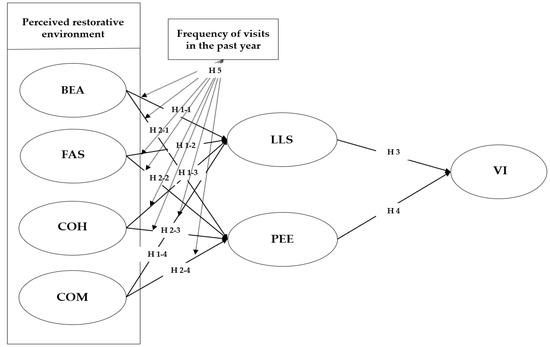
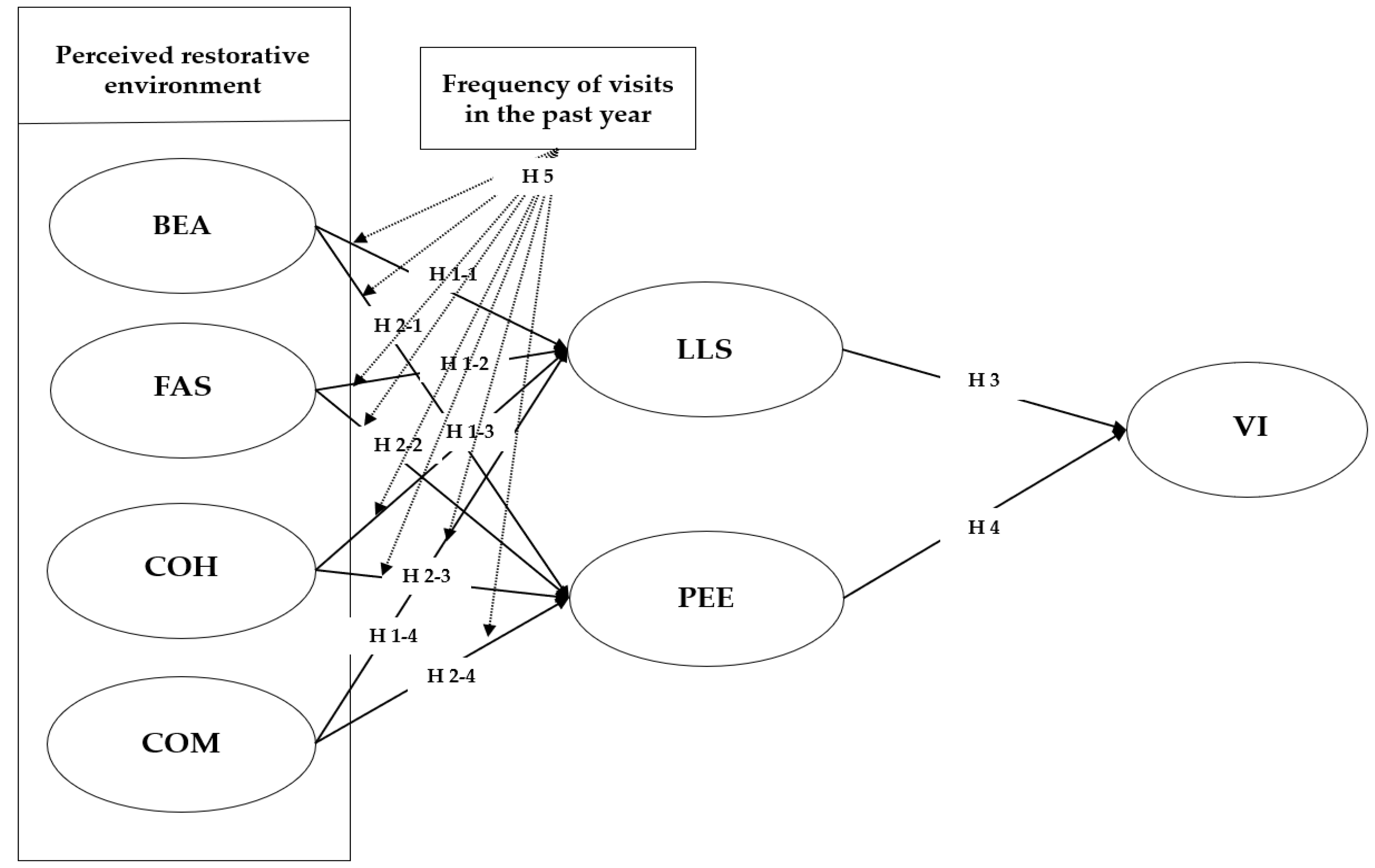
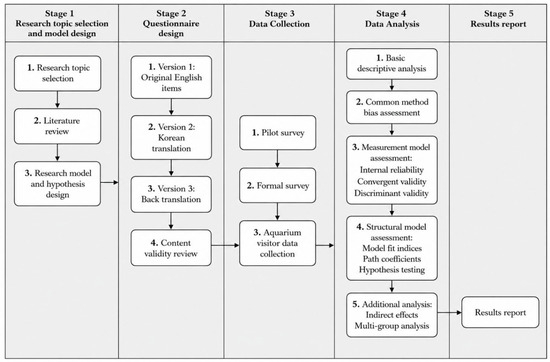
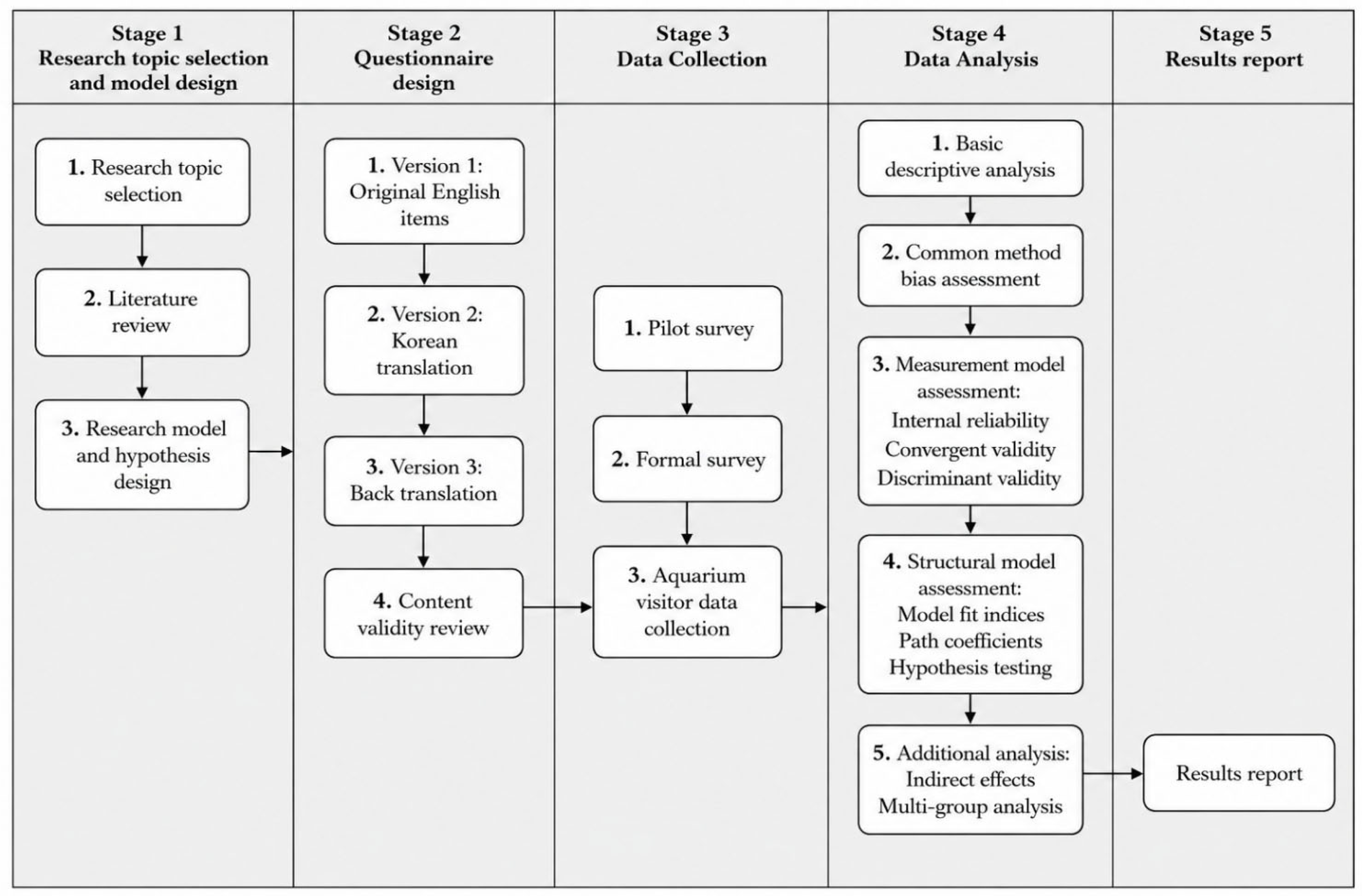
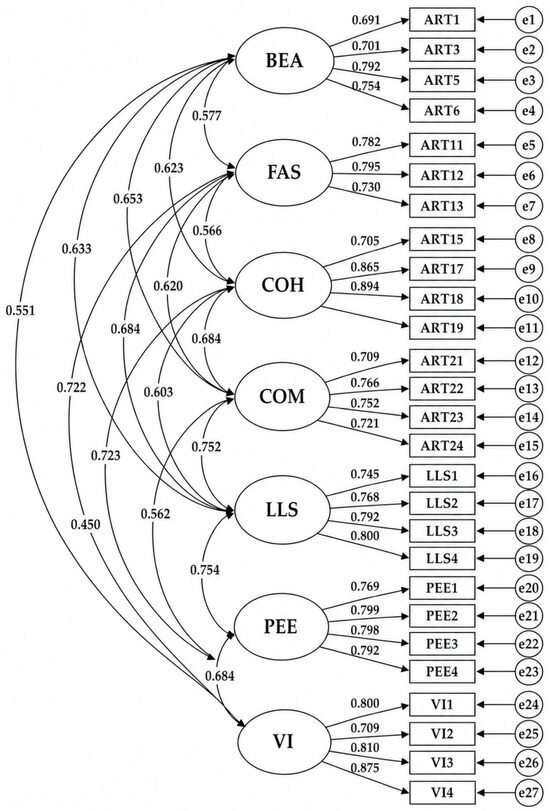
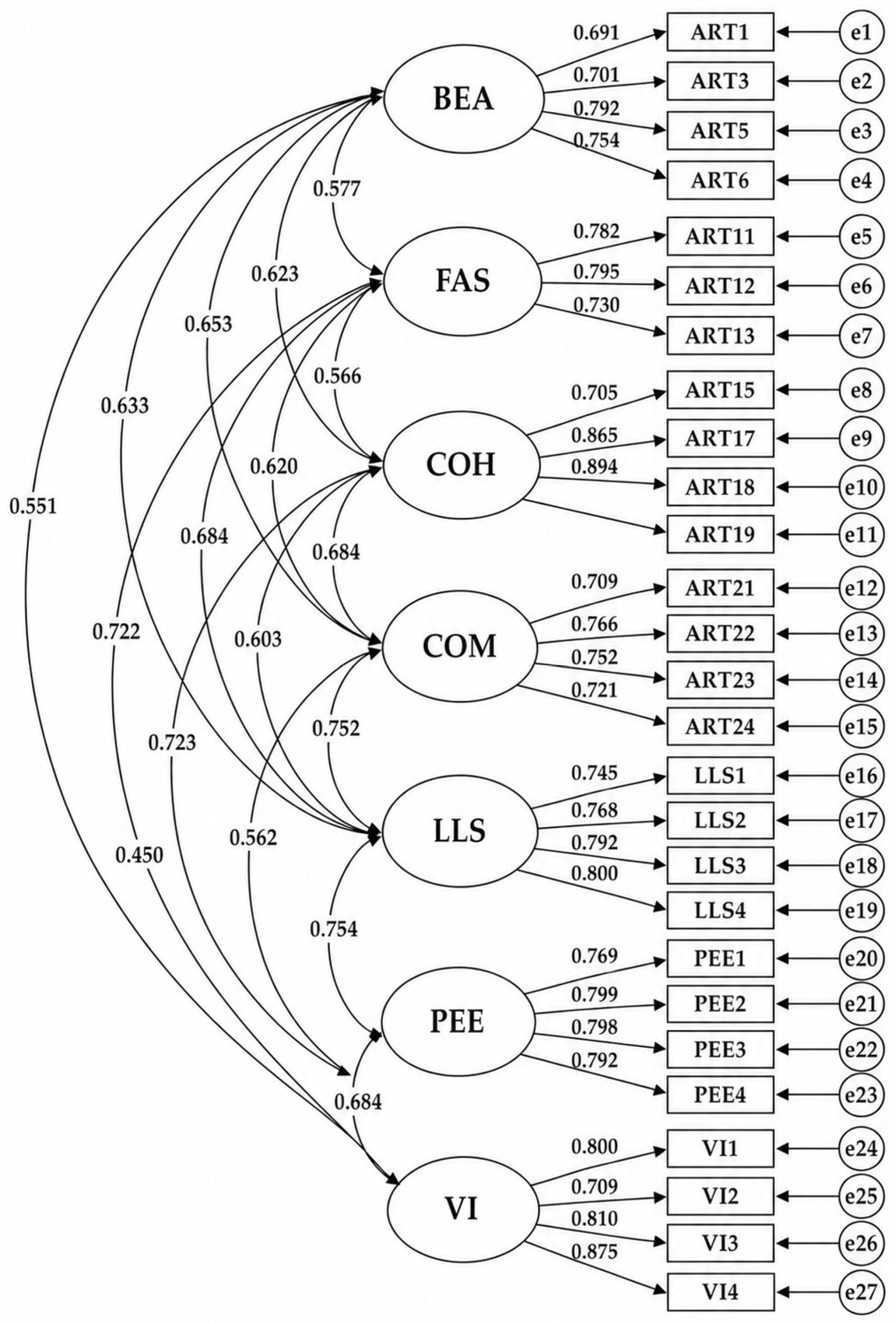
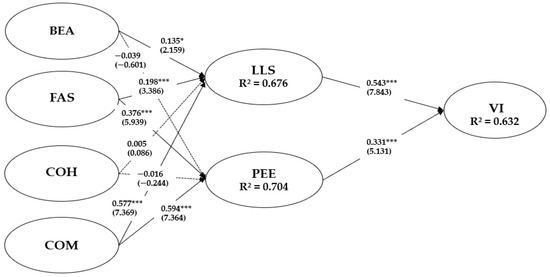
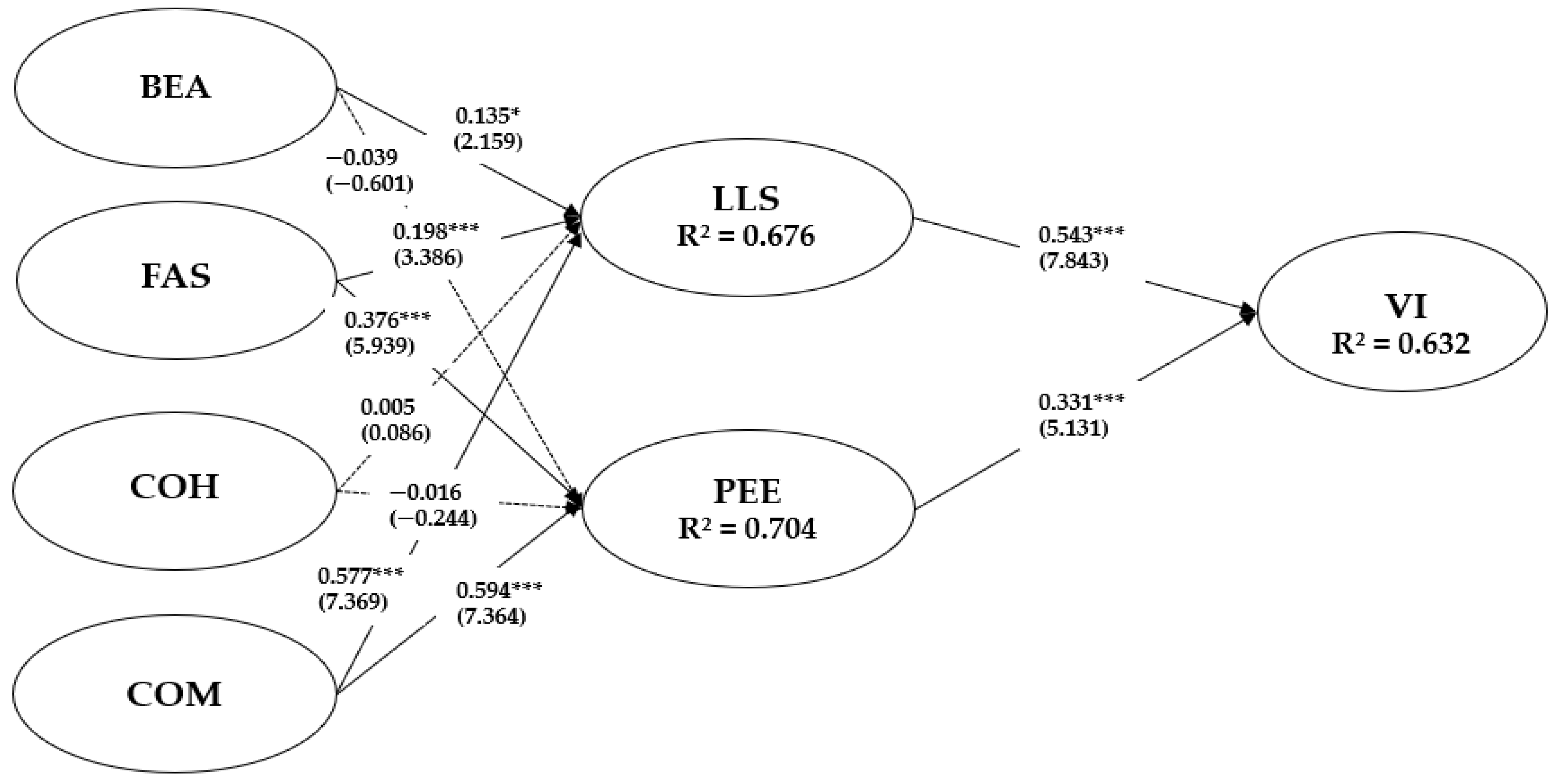

Disclaimer/Publisher’s Note: The statements, opinions and data contained in all publications are solely those of the individual author(s) and contributor(s) and not of MDPI and/or the editor(s). MDPI and/or the editor(s) disclaim responsibility for any injury to people or property resulting from any ideas, methods, instructions or products referred to in the content. |
© 2026 by the authors. Licensee MDPI, Basel, Switzerland. This article is an open access article distributed under the terms and conditions of the Creative Commons Attribution (CC BY) license.