


Abstract
The fashion industry generates a major environmental impact, requiring integrated sustainable approaches. This study integrates six thematic axes—sustainability, modular design, natural materials, eco-friendly dyeing, multidimensional comfort and consumer perception, and radial composition—into an integrative framework for sustainable design. The mixed-methods methodology comprises four stages: (I) a quantitative stage (questionnaire, n = 150); (II) an experimental stage (testing of comfort characteristics of linen fabrics according to ISO standards, and indigo dyeing through three techniques: uniform, tie-dye, and shibori); (III) a digital design stage in CLO3D and physical fabrication of the prototype; (IV) a prototype testing and validation stage (panel, n = 20). The prototype provides functional adaptability through 8 design configurations, versatility through reversibility, and aesthetic diversity through the radial composition, yielding 16 distinct wearing modes within a single product. Panel evaluation confirms high prototype acceptance (M = 4.81–4.95), and physical interaction with the prototype significantly increases purchase intention compared with conceptual evaluation (Mpre = 3.54; Mpost = 4.60; d = 2.04; p < 0.001). The contribution validates a framework that integrates six dimensions of sustainable fashion into a coherent clothing design model, demonstrating design’s role as a practical instrument in the sustainability transition, with applied implications for designers and researchers.
1. Introduction
The fashion industry is recognized as one of the most polluting sectors globally, generating approximately 92 million tons of textile waste annually and consuming 79 trillion liters of water [1]. Bailey et al. [2] confirm, through a PRISMA systematic review of 65 publications, that the sector is responsible for 8% of global carbon emissions and 20% of industrial wastewater, with a projected 50% increase in emissions by 2030. The Ellen MacArthur Foundation report [3] quantifies annual losses at over USD 500 billion from clothing underutilization and documents the annual release of approximately 500,000 tons of plastic microfibers into the oceans. Bick et al. [4] complement the social dimension of the problem, demonstrating that 90% of global production takes place in low- and middle-income countries, where negative externalities accumulate disproportionately.
These systemic effects are amplified by the fast-fashion model, which has doubled global production over the past two decades and has dramatically shortened the use phase of clothing items [1,4]. Research on consumer behavior in sustainable fashion consistently identifies a paradox: although public awareness is growing, it does not translate into purchasing decisions. The attitude–behavior gap has been empirically confirmed in the markets of the United Kingdom [5], Spain [6], and The Netherlands [7].
The dominant theoretical framework is the circular economy, structured by the Ellen MacArthur Foundation [3] around four key principles: eliminating problematic substances, extending the use phase, recirculating materials, and transitioning to renewable resources. Fletcher [8] argues that sustainable fashion requires systemic rethinking rather than merely material substitution, while Niinimäki (Ed.) [9] elaborates the framework around four pillars—design, consumption, business models, and waste. Roh [10], in a recent scoping review of 133 publications, integrates these concerns into a systematic framework, emphasizing that single-dimension evaluations produce incomplete results and recommending a holistic approach that simultaneously integrates materials, processes, and user perception. Complementarily, Karell and Niinimäki [11] demonstrate the necessity of mixed-methods methodologies. They also show that designers’ opportunities to influence change are more constrained than earlier literature suggested, being conditioned by the company’s capacity and mindset, industry norms, and technological limitations [11].
The present research integrates six thematic axes—sustainability in the fashion industry, modular design, natural materials (100% linen), eco-friendly dyeing with natural indigo, multidimensional comfort and consumer perception, and radial composition based on symmetry. Each axis is supported by a dedicated body of literature analyzed in detail in Section 2.1; the individual references are not duplicated here in order to avoid redundancy. The novelty of the proposed framework lies not in the individual treatment of these axes—each is well represented in the existing literature—but in their integration into a single physical prototype that simultaneously embodies all six dimensions.
Although each axis is well represented in the literature, their synthesis into an applied integrated model remains insufficiently explored. Existing studies focus either on a single axis (modular design [12,13], natural dyeing [14,15], consumer perception [16,17]) or on partial combinations, without an integrative framework capable of connecting consumer perception with experimental material testing and with the development of an empirically validated prototype. Recent works from 2026 confirm this gap: Roh [10] proposes a systematic framework that simultaneously integrates materials, processes, and user perception, while Lara et al. [18] identify the lack of integration as one of the main barriers to sustainable practice, alongside greenwashing and constraints related to cost and raw materials knowledge.
This research addresses this gap by proposing an integrated framework for the development of sustainable clothing products, in which the clothing prototype functions as the integrative element of the six thematic axes. Each axis contributes design requirements (material properties, compositional rules, comfort criteria) and validation criteria (experimental tests according to ISO standards, consumer evaluation); the final coherence of the product results from the simultaneous integration of all requirements—a model presented in Figure 1a (the mixed-methods methodological framework) and Figure 1b (the hexagonal framework of the six axes integrated around the prototype).
Figure 1.
(a) Research conceptual framework: mixed-methods integrated methodology. (b) Integrated conceptual framework of the six thematic axes.
The methodology is mixed-methods, structured in four stages: (1) a quantitative survey of n = 150 consumers regarding perceptions of sustainable fashion; (2) experimental research—dyeing with natural indigo through three techniques, followed by testing the comfort characteristics of linen fabrics according to ISO standards; (3) the design and fabrication of a modular and reversible clothing prototype with 16 wearing modes (8 functional configurations × 2 reversible faces); (4) prototype evaluation on a panel of n = 20 users, with direct physical interaction with the product. This approach directly responds to the calls made by Karell and Niinimäki [11], Roh [10], Harsanto et al. [19], and Lara et al. [18] regarding the need for applied research that connects design decisions with experimental validation and with real consumer response.
Based on the literature analysis, the following research questions are formulated:
- RQ1. To what extent do consumers exhibit a positive level of acceptance toward sustainable clothing products made from natural materials?
- RQ2. To what extent do 100% linen fabrics exhibit compatibility and stability of comfort parameters, according to ISO standards, between the two faces of the reversible product?
- RQ3. To what extent does natural indigo dyeing, applied through uniform dyeing, tie-dye, and shibori techniques, generate distinct chromatic effects characterized by uniformity, visual variation, and aesthetic diversity?
- RQ4. To what extent do the design strategies integrated in the prototype—modular design, reversibility, and radial composition—positively influence users’ perception of the functionality, utility, versatility, attractiveness, emotional attachment, and perceived uniqueness of the clothing product?
- RQ5. To what extent does physical interaction with the prototype increase the level of acceptance and purchase intention compared with preliminary evaluation based exclusively on conceptual description?
Correspondingly, five research hypotheses are formulated:
H1.
Consumers will exhibit a positive level of acceptance toward sustainable clothing products made from natural materials.
H2.
The 100% linen fabrics will exhibit compatibility and stability of comfort parameters, according to ISO standards, between the two faces of the reversible product.
H3.
Natural indigo dyeing, applied through the three techniques (uniform dyeing, tie-dye, shibori), will generate distinct chromatic effects characterized by uniformity, visual variation, and aesthetic diversity.
H4.
The three design strategies integrated in the prototype positively influence users’ perception: (a) modular design and reversibility increase the perception of functionality, utility, and versatility; (b) radial composition increases the attractiveness, emotional attachment, and perceived uniqueness of the clothing product.
H5.
Physical interaction with the prototype will significantly increase the level of acceptance and purchase intention compared with preliminary evaluation based exclusively on conceptual description.
The detailed correspondence between research questions, associated hypotheses, and the empirical sections of the article is presented in Section 2 (Materials and Methods).
The article is structured as follows. Section 2 presents the literature review organized around the six thematic axes (Section 2.1.1, Section 2.1.2, Section 2.1.3, Section 2.1.4, Section 2.1.5 and Section 2.1.6), as well as the materials and methods used. Section 3 reports the results of the four research stages—the quantitative survey, the experimental tests on fabrics and dye, prototype development, and panel evaluation. Section 4 discusses the results in relation to existing literature and presents theoretical and practical implications. Section 5 outlines the study limitations and directions for future research.
The conceptual framework of the research is visually synthesized in Figure 1a (the mixed-methods methodological flow with four research stages) and Figure 1b (the hexagonal model of the six thematic axes integrated around the clothing prototype).
Figure 1a illustrates the mixed-methods methodological flow structured in four research stages: 01 questionnaire—consumer perception pre-test with 150 participants, 31 items, and 4 studied dimensions → 02 materials—100% linen fabrics and natural indigo dye applied through three techniques (uniform, tie-dye, and shibori), with comfort parameter evaluation → 03 design—modular, reversible, and radial composition strategies, converging toward a clothing prototype with 16 wearing configurations (8 × 2 reversible faces) → 04 post-prototype evaluation on a panel of 20 users.
Figure 1b presents the integrative framework, in which the clothing prototype—as the central element—is connected to the six thematic axes of the research: (I) sustainability in the fashion industry, (II) modular design, (III) natural materials (100% linen), (IV) natural indigo dyeing through uniform, shibori, and tie-dye techniques, (V) multidimensional comfort, and (VI) radial composition based on symmetry. The bidirectional arrows indicate the mutual validation: each axis informs the design decisions of the prototype, while the prototype empirically tests the viability of each axis’s hypotheses.
2. Materials and Methods
2.1. Initial Research on the Six Thematic Axes
This section synthesizes the theoretical foundations of the six thematic axes that support the conceptual framework of the research: sustainability in the fashion industry (Section 2.1.1), modular design (Section 2.1.2), natural materials (linen) (Section 2.1.3), eco-friendly dyeing and indigo dyeing techniques (Section 2.1.4), multidimensional comfort and consumer perception (Section 2.1.5), and radial composition as a design strategy (Section 2.1.6). Each subsection summarizes the relevant literature and justifies the methodological choices of this research.
2.1.1. Sustainability in the Fashion Industry
The conceptual framework is grounded in the Brundtland definition (1987), operationalized through the Triple Bottom Line (TBL) model—encompassing the ecological, social, and economic dimensions [16]—and on the four Niinimäki pillars [9]: sustainable design, responsible consumption, circular business models, and textile waste management. Fletcher [8] argues for transition as systemic reconfiguration rather than merely material substitution, providing the foundation for integrating material, process, structure, and aesthetics within the prototype. The circular economy framework of the Ellen MacArthur Foundation [3] structures practical direction through four objectives, two of which the present study directly addresses: extending the use phase (through modular and reversible design) and transitioning to renewable resources (through 100% linen and natural indigo dyeing). The environmental impact (waste, water, emissions, microfibers) is documented in [1,2,3,20], the social dimension (90% of production in low- and middle-income countries, the share of the use phase in the LCA) is analyzed by Bick et al. [4] and Kozlowski et al. [21], thereby justifying the study’s focus on comfort and user acceptance. The conceptual framework remains the circular economy [3], elaborated by Niinimäki [9]. Roh [10], in a scoping review of the 2020–2024 literature, identifies four axes of current research. He demonstrates that consistent effects emerge only through their reciprocal alignment—an observation that justifies integrating the six axes of the present study within a single product. Clark et al. [22] propose Design for Sustainability, while Luján-Ornelas et al. [23] organize initiatives along the textile life cycle stages. Regarding the designer’s role, Karell and Niinimäki [11], Lara et al. [18], and Harsanto et al. [19] show that sustainable practices are frequently constrained by the institutional environment and that the absence of integrated empirical evidence is a recognized problem in the field—a direct argument for the type of applied research proposed here.
Synthesis and positioning. Four observations guide the study: (1) the magnitude and asymmetry of effects [1,2,3,4,20,21] require multidimensional interventions; (2) the attitude–behavior gap [5,6,16,17,24,25] (detailed in Section 2.1.5) demands the integration of technical with symbolic and experiential dimensions; (3) theoretical frameworks [3,9,10] are validated, but integrated empirical research on a concrete product remains rare; (4) the designer’s constraints [11,18,19] require applied evidence of feasibility. The study responds through the development and experimental validation of a clothing prototype that simultaneously integrates the six thematic axes.
2.1.2. Modular Design and Product Longevity
The empirical premise of modular design is the shortening of use cycles: the literature reports low wardrobe utilization rates [26] and large volumes of uncirculated clothing waste [1,27]. The Ellen MacArthur Foundation framework [3] structures the transition through four objectives, of which the present study draws on the extension of the use phase (Objective 2) and the transition to renewable resources (Objective 4) [12,28]. Modular design is therefore treated here not as a theoretical theme but as an operational instrument for extending the product life cycle. Zhang et al. [12] provide the theoretical foundation of clothing modularity through three module attributes (intrinsic functionality, structural independence with internal interdependence, compatibility through components) and three dimensions of the modular product (structural, functional, systemic). Li et al. [13] propose a complementary tripartite taxonomy (component-based, geometric, composite) and identify three ecological values (diversity, flexibility, continuity). Two studies provide direct methodological references for the present work: Rahman and Gong [26] demonstrate that reconfigurability increases emotional attachment and delays psychological obsolescence—an argument supporting the 16 wearing modes; O’Nascimento et al. [27] show that physical and tactile interaction activates emotional attachment and reflection on consumption—an observation grounding the panel stage (n = 20). Hassaan [29], Karell and Niinimäki [11], Niinimäki [30], and Fletcher [8] frame modularity within longevity-oriented design strategies, and Zhang et al. [28] identify the barriers to industrial adoption (market acceptance, creativity–compatibility tension, production complexity) that inform the study’s empirical testing strategy. Niinimäki [30] and Fletcher [8] further argue that emotional durability—attachment through reconfiguration and reversibility—extends the use cycle more effectively than physical durability alone. Roh [10] complements this view by emphasizing that circular strategies generate measurable impact only when combined with environmental assessment and consumer behavior evidence—a principle that motivates the integrated four-stage architecture adopted here.
Synthesis and positioning. Modular design has a solid conceptual foundation [12,13,29] and demonstrative prototypes [26,27], connected to mechanisms supporting physical and emotional longevity [11,30]. The gap that the study addresses is the absence of research empirically testing combinations of strategies (modularity and adjustability) on a clothing product that integrates them. The proposed prototype—modular and reversible with 16 wearing modes (8 functional configurations × 2 faces)—applies this combination and aligns with Objectives 2 and 4 of the Ellen MacArthur Foundation framework [3].
Modularity is one strategy within a broader family of design-for-longevity approaches that also includes co-creation, digital configurators, and AI-supported customization. Recent work on apparel configurators [27] demonstrates that consumer-facing digital tools can extend the user role from passive selection to active co-design, potentially amplifying product attachment and reducing replacement frequency. The present study focuses on modularity, reversibility, and radial composition as the three strategies most directly addressing the empirically identified “materials–design–intention” construct (Section 3.1); the framework remains open to the integration of co-creation and digital-customization axes as future extensions.
2.1.3. Natural Materials—Linen
The transition toward renewable fibers is necessary but insufficient without a reduction in consumption [31]. Krifa and Gnanasekar [31] warn against greenwashing through mere material substitution. Taptiklis et al. [20] analyze the impact of synthetic microfibers on the environment and public health. These arguments underpin the choice of a 100% natural fiber (Objective 4 of the EMF [3]). Islam et al. [32] systematize the properties of natural fibers (biodegradability, renewability, hypoallergenicity) and their classification along three branches (botanical, zoological, mineral); Ahmed et al. [33] frame them within a tripartite framework (clean production, robustness, usability); and Nayak et al. [34] and Iftikhar et al. [35] confirm the marked difference in biodegradation duration between cellulosic and synthetic fibers. Linen (Linum usitatissimum), a bast fiber alongside hemp, jute, ramie, and kenaf [32], is cultivated predominantly under rainfed conditions, with low pesticide and fertilizer requirements and a zero-waste profile; its water consumption is significantly lower than that of cotton, according to data synthesized by Luján-Ornelas et al. [23]. European production (France, Belgium, The Netherlands, Portugal) supports traceability, and Lara et al. [18] attest to the active role of the Portuguese industry. Seile et al. [36], through an LCA published in a Special Issue coordinated by Krifa and Gnanasekar [31], confirm the ecological advantage of linen in industrial applications. Technically, linen combines high mechanical strength, capacity for moisture absorption and release, thermal insulation [35], and natural antibacterial and hypoallergenic properties. These attributes recommend it for next-to-skin clothing items and align with the comfort components identified by Slater [37] (thermophysiological, sensorial, psychological, ergonomic). One characteristic directly relevant to the study’s hypotheses is that linen becomes softer with each wear–wash cycle without losing tensile strength—an attribute associated with the emotional durability strategy [11,30] and with the slow-fashion framework [8]. Regarding the combination with indigo, Che and Yang [15] confirm the affinity of cellulosic fibers for natural dyes under appropriate mordanting conditions. Dineva [38] presents an applied example of linen dyed through shibori with natural dyes—a direct reference for the protocol applied in the study.
Synthesis and positioning. Linen presents a documented ecological profile (low water/pesticide consumption, biodegradability, no microplastics), favorable technical properties for comfort and longevity, and confirmed compatibility with natural dyeing. Demand from European consumers for natural fibers is consistent, according to Sigaard and Laitala [39]. The risk of greenwashing in the absence of empirical validation [11,18] supports the decision to test the 100% linen prototype in accordance with ISO standards, ensuring both the ecological profile and the experimental evidence.
Comparative LCA-oriented analyses on natural fibers consistently report lower global-warming potential, lower water consumption, and lower pesticide load for bast fibers (linen, hemp) relative to cotton and polyester equivalents [23,31,36], although microfiber release from synthetic blends introduces additional toxicological concerns absent in pure linen products [20].
2.1.4. Eco-Friendly Dyeing and Indigo Dyeing Techniques
Textile dyeing is among the segments with major ecological impact: the textile industry is the second largest polluter of global water resources [40], and conventional processes generate a significant share of this water pollution [40,41,42]. The European REACH restrictions on carcinogenic azo dyes [40,43] strengthen the regulatory framework for identifying natural alternatives. Natural dyes are being revalued for their environmental profile and complementary functional properties (antimicrobial, UV-protective) [15]. Samanta and Agarwal [44] establish the process foundations (pre-, meta-, and post-mordanting) and caution that not all natural dyes are eco-friendly—an observation that justifies the study’s attention to a heavy-metal-free protocol. Pranta and Rahaman [43] and Bechtold et al. [45] outline directions for industrial innovation. Indigo holds a distinct position in the history of dyeing [44,46]. Behary and Volle [47] show that natural indigo extracted from Indigofera tinctoria, Indigofera suffruticosa, and Persicaria tinctoria produces textiles with chromatic intensity and fastness comparable to the synthetic variant, without its associated contaminants (aniline, sodium dithionite). Wang et al. [14] demonstrate, through a nitrogen-assisted procedure, significant reductions in chemical and energy consumption. These results support the choice of natural indigo as the sole dye, ensuring affinity with the cellulosic structure of the linen fiber.
The study comparatively tests three techniques on 100% linen (uniform dyeing, tie-dye, and shibori). Uniform dyeing (dip-dye/solid-dye) involves repeated immersion in vats containing the reduced leuco form, followed by oxidation in air; chromatic intensity is controlled by the number of immersions [15]. Lai and Chang [48] describe the traditional protocol and observe that lighter shades are perceived as more compatible with sustainability—a relevant reference for interpreting aesthetic preferences. Tie-dye involves selective binding of the fabric prior to immersion. Meng et al. [49] provide a replicable ISO methodological framework, a standardized experiment on six variants compared on resistance, fastness, and visual attractiveness—adopted as a reference in this study. Nairi [50] describes an industrial experiment integrated through ISO 14006 [51], and Dineva [38] describes an artisanal example on linen with natural dyes. Negi [40] highlights the limitation of turmeric (photodegradation), justifying the choice of indigo as the sole dye. Shibori is distinguished by technical precision and aesthetic refinement. Dineva [38] explains the etymology (from shiboru) and recalls the cultural roots, while Geminiani et al. [46] confirm, through non-invasive spectroscopic analyzes on historical Japanese textiles, the recurrent use of aizome combined with shibori in compositions with axial and rotational symmetry—an observation that connects directly with the radial compositional principle of the prototype. Bechtold et al. [45] and Che and Yang [15] confirm that cellulosic fibers (cotton and linen) are the optimal substrate for indigo, validating the material–dye combination of the study.
Synthesis and positioning. The literature scientifically validates natural indigo as an alternative to synthetic dyes [14,47,48], and the ISO protocols [45,49] provide a replicable methodological framework. Comparative research on application techniques on the same substrate and with the same pigment is largely absent, an observation explicitly formulated by Meng et al. [49]. The study positions itself within this gap by applying the three techniques (uniform, tie-dye, shibori) on 100% linen with natural indigo, integrating the technical (chromatic parameters and fastness), ecological (biodegradable, heavy-metal-free dyeing), and cultural (revaluation of traditional techniques) dimensions, in line with the requirement for empirical validation formulated by Samanta and Agarwal [44].
While the present study applies these techniques on European linen, the underlying processes are part of a global textile heritage: Japanese shibori [46], West African and Indian indigo dye traditions [43,50], and Central American Mayan blue [47] share the use of plant-derived indigo as a low-impact colorant. This cross-cultural anchoring strengthens the universality of the natural-dyeing axis within the proposed framework.
2.1.5. Multidimensional Comfort and Consumer Perception
Clothing comfort is a necessary condition for the acceptance of textile products, with maintenance in use and effective wear duration depending on its sensorial and psychological dimensions. Slater [37] proposes the classical framework of comfort as a multidimensional phenomenon (thermophysiological, sensorial, psychological, ergonomic), and Kaplan and Okur [52] confirm fit and comfort as primary purchasing criteria. These works ground the causal chain on which the present study builds: perception → comfort → satisfaction → maintenance → wear duration → reduced ecological impact [35,37,52], and justify the inclusion of comfort testing and user evaluation stages within the research methodology. Iftikhar et al. [35] confirm—on bast fibers—moderate thermal conductivity, good moisture absorption, and favorable tactile behavior; Krifa and Gnanasekar [31] document consumer preference for natural fibers; Kim and Chae [53] note the methodological limitation that CLO3D digital simulations do not detect elasticity differences and recommend complementary real wear tests—a recommendation adopted here through the panel stage. Consumer perception extends beyond physical attributes: McNeill and Moore [54] propose three consumer typologies (Self, Social, Sacrifice); Balasubramanian and Sheykhmaleki [16], Testa et al. [24], and Niinimäki [30] synthesize the directions of consumer behavior toward sustainable apparel. The attitude–behavior gap is a robust finding [5,6,7,16,17,24,25], grounding hypothesis H5 (the effect of physical interaction on acceptance and purchase intention). The aesthetic dimension—symmetry preference, particularly radial symmetry [55,56,57,58,59]—is detailed in Section 2.1.6, and it justifies the radial composition of the prototype and directly guides the perceptual evaluation in both the questionnaire and the panel.
Synthesis and positioning. Comfort and perception involve material, symbolic, and aesthetic mechanisms [16,30,35,37,52,54]. Research that simultaneously integrates the material dimension (ISO comfort parameters), the typological dimension (consumer segmentation), and the aesthetic dimension on a concrete product remains underexplored. The study responds through ISO testing and a panel (n = 20) with direct physical interaction, specifically aimed at verifying hypothesis H5.
2.1.6. Radial Composition as a Design Strategy
Radial composition—the organization of elements around a central point through rotation, convergence, or radiation—is one of the oldest visual principles documented in art, architecture, and textiles. Arnheim [60] grounds visual balance through the field of perceptive forces distributed around a structural skeleton; Wong [61] places radial organization among the principles of two-dimensional form. Kazlacheva [62] structures the typology of symmetry applicable to clothing design (bilateral, radial, translational, helical), with natural reference points (flowers, snowflakes, Fibonacci spirals), and Sanad [63] confirms the preference for symmetrical compositions. Radial composition is empirically validated as an aesthetic predictor through behavioral, neurocognitive (EEG), and implicit (IAT) methods [55,58], and as a cultural marker through documented use in global textile heritage—Sindhi Ajrak [64], Egyptian motifs [63], and Japanese aizome [46]. In clothing design, Kazlacheva [62] and Zhu [65] discuss the radial line as a functional, decorative, and structural element. Crucially for the present study, radial composition is compatible with modularity and versatility [12,13,26], allowing visual variations through reconfiguration—a property associated with emotional durability [11,30] and applied in the prototype through aesthetic coherence across 8 functional configurations and 2 reversible faces. Traditional indigo techniques (shibori, tie-dye) naturally generate radial patterns through concentric folding and tightening [38,46,49], reinforcing the technical association between indigo dyeing and radial composition that defines the visual identity of the prototype. Beyond these structural compatibilities, radial symmetry combines visual values (balance, unity, stability) with emotional effects (calm, confidence), reinforcing the role of radiality in the aesthetic coherence of a reconfigurable product. Qin et al. [59] further demonstrate that the reinterpretation of traditional radial compositions improves market acceptance—a relevant precedent for the perceptual evaluation conducted in the present study. The challenge of aesthetic coherence in modular products identified by Zhang et al. [28] is thus directly resolved through the integrated material–composition approach adopted in this prototype.
Synthesis and positioning. Radial composition benefits from conceptual validation on three levels: experimental (perceptive preferences [55,56,57,58]), cultural (global visual heritages [59,63,64]), and technical (compatibility with indigo dyeing, Section 2.1.4). The study responds to the gap of integrating these three levels within a concrete clothing product by using radiality as the structuring visual principle of the modular prototype. It integrates material (100% linen), process (indigo dyeing through shibori and tie-dye), and constructive principle (reversible modularity) within an integrative framework.
The literature analysis on the six axes underpinned the development of the integrated methodological framework. Theoretical concepts were translated into the applied process: studies on modular design informed the product structure; research on natural materials and eco-friendly dyeing underpinned the selection of 100% linen and the three experimental indigo dyeing techniques; the literature on comfort and consumer behavior supported the quantitative component (questionnaire, n = 150) and the user validation (panel, n = 20); and the integration of radial composition, grounded in the psychology of perception and textile design, defined the aesthetic direction of the prototype. The methodology addresses research questions RQ1–RQ5 and ensures coherence between the theoretical framework and the applied outcome.
2.2. Research Methodology
The present research adopts a mixed-methods approach, structured in four complementary stages (Figure 1a).
Overview of the methodological design. The four stages are sequenced from diagnosis to validation: Stage I establishes the perceptual baseline (PCA on n = 150); Stage II provides the technical validation (ISO comfort testing on three linen fabrics with three indigo dyeing techniques); Stage III translates the empirical findings into a physical prototype (CLO3D digital design and laboratory fabrication); and Stage IV confirms acceptance through panel evaluation (n = 20). Each stage produces analytical outputs that feed forward into the next, and all five hypotheses (H1–H5) are tested across this sequence (Table 1).
Table 1.
Correspondence between research questions (RQ), research hypotheses (H), and testing sections.
- (I)
- The quantitative stage consisted of administering an online questionnaire to a sample of 150 respondents (31 items grouped into 11 aspects and 4 dimensions) in order to analyze consumer perceptions of sustainable apparel.
- (II)
- The experimental stage included the selection and testing of comfort characteristics of 100% linen fabrics in accordance with ISO standards—both on the raw material and on the material dyed with indigo—as well as the evaluation of dyeing performance with the natural indigo dye through three techniques (uniform, tie-dye, and shibori). This dual testing made it possible to verify the effect of the dyeing process on comfort parameters and to validate the material–dye compatibility of the prototype.
- (III)
- The prototype design and manufacturing stage involved the development of a modular, reversible clothing product with a radial composition and 16 wearing modes (8 configurations × 2 reversible faces), designed in the CLO3D virtual environment and subsequently manufactured physically at the Design and Creation Laboratory of the “Gheorghe Asachi” Technical University of Iași (TUIASI).
- (IV)
- The prototype testing and validation stage consisted of evaluating the physical prototype by a panel of 20 users through a structured grid and a mini-interview, allowing the integration of consumer feedback into design decisions and the perceptual and ergonomic validation of the prototype from the perspective of the end user.
This integrated approach is recommended by Roh [10] in recent research on sustainability in fashion, enabling a holistic evaluation of apparel from both the consumer perspective and the technical performance perspective. Through a systematic review, Islam et al. [32] synthesize the literature on natural fibers as the material foundation of sustainability, while Harsanto et al. [19] explicitly identify the need for integrated approaches that bring together product innovation, process innovation, and organizational management in the sustainable textile industry. Karell and Niinimäki [11] employ a mixed-methods methodology in studying sustainable design practices within clothing companies, demonstrating that this approach enables the triangulation of qualitative and quantitative data and leads to more valid conclusions. Complementarily, Rahman and Gong [26] apply a three-stage mixed-method design for the development of a transformable clothing product, validating the effectiveness of the methodology in applied research on innovative apparel design. Furthermore, the integration of digital technologies with physical prototyping workflows is recognized as an emerging practice in sustainable design research [66]. Studies of consumer behavior in the context of sustainable products likewise emphasize the importance of using quantitative tools to measure attitudes [5], thereby validating the present study’s choice to combine quantitative data with experimental methods in order to achieve a comprehensive understanding of the relationship between consumer perception, material performance, and design solutions.
2.2.1. Stage I—The Questionnaire (Need-Validation Pre-Test)
Role of the instrument in the research architecture. The questionnaire was designed as a diagnostic instrument deployed prior to prototype development and served three complementary functions within the research architecture: (1) to empirically identify which attributes of a sustainable apparel are perceived as important by the target segment, thereby providing input for the design brief; (2) to verify whether consumer demand exists for a product that simultaneously integrates these attributes, justifying the decision to design an integrative prototype; and (3) to provide a baseline of conceptual perception that could subsequently be compared with the physical evaluation of the prototype in Stage IV (testing of hypothesis H5). The questionnaire does not produce the main findings of the research—these derive from the design, physical realization, and evaluation of the prototype—but rather supplies the empirical foundation for design decisions and tests hypotheses H1 and H4. The construction of the instrument was based on the literature on consumer perception of sustainable apparel [6,16,17,25].
Correspondence between research questions and hypotheses. Each research question formulated in Section 1 is tested through an equivalent hypothesis, and Table 1 summarizes the correspondence with the empirical sections of the article in which each hypothesis is verified.
Sampling and justification of statistical adequacy. The target population consisted of women aged 18 years or older, residing in major urban centers of Romania, who had purchased at least one apparel item in the previous month. The sample (n = 150) was recruited from the five most populous cities in Romania, according to data from the National Institute of Statistics (NIS) [67]—Bucharest, Cluj-Napoca, Iași, Timișoara, and Constanța—ensuring access to urban segments characterized by high apparel consumption dynamics and a geographic distribution across five distinct development regions (Bucharest–Ilfov, North-West, North-East, West, and South-East).
The restriction to female respondents was determined by the specific nature of the pilot product, which targets a female market. The recent purchase criterion reduced the risk of speculative responses by ensuring the inclusion of respondents actively engaged in the fashion market.
Statistical justification of the sample size. For the principal component analysis applied to the 11 investigated aspects, the sample size of n = 150 corresponds to a ratio of 13.6 cases per variable, exceeding the standard threshold of 5–10 cases per variable recommended in the statistical literature for PCA [68,69] and falling within the fair-to-good range according to the Comrey & Lee classification [70]. Post hoc adequacy was confirmed through the Kaiser–Meyer–Olkin (KMO) index = 0.77 (middling category) and through Bartlett’s test of sphericity (χ2(55) = 478.67; p < 0.001), with both results detailed in Section 3.1. These values legitimize the application of PCA and confirm that the sample is sufficient to robustly identify the latent structure of the variables.
Data collection and mitigation of homogeneity through the snowball method. Data were collected online via Google Forms using the snowball method (social networks, online groups, and direct communication). Participation was voluntary and anonymous, ensuring both data confidentiality and the reduction in response bias. As a known limitation, the snowball method may generate socio-demographic homogeneity through propagation within networks of similar acquaintances. To mitigate this risk, several independent recruitment networks distributed across the five target cities were employed, and the demographic distribution of responses was actively monitored throughout data collection in order to avoid the over-representation of any single sub-population. Nevertheless, the resulting sample profile (94% urban; 96.6% with university or postgraduate education; 60.7% with monthly incomes between EUR 1501 and EUR 2500) reflects the characteristics of the urban, educated, and professionally active target segment. However, it limits the extrapolation of the conclusions to the male, rural, or differently educated populations. This homogeneity does not invalidate the results for the target segment but must be taken into account when generalizing.
Characteristics of the research instrument. The questionnaire comprised 8 socio-demographic items (age, place of residence, education, monthly net income, occupation, purchasing frequency, apparel budget, and interest in sustainable products) and 31 content items rated on a 5-point Likert scale (1 = strongly disagree; 5 = strongly agree) [5]. The hierarchical structure of the questionnaire reflects an integrated approach to sustainability in the fashion industry, organized around four main dimensions (independent variables) operationalized through eleven investigated aspects, with each aspect covered by 1–5 specific items, as shown in Table 2. Four negatively worded items were reverse-coded before analysis to ensure consistent scale directionality (the exact list of items is provided in Table 2). For aspect A2—personal consumption behavior associated with fast fashion—a single screening-marker item was used, an intentional methodological choice that limits the social-desirability effect specific to self-reported impulsive consumption.
Table 2.
Structure of the research instrument—the relationship between items, investigated aspects, and dimensions (independent variables).
Level 1: the 31 items are grouped into 11 investigated aspects (the score of an aspect = the arithmetic mean of its component items per respondent).
Level 2: the 11 aspects are aggregated into the four main dimensions (the score of a dimension = the mean of its component aspects per respondent).
Method of analysis. To identify the latent structure of perceptions and to test hypotheses H1 and H4, the data were analyzed using principal component analysis (PCA) applied to the 11 investigated aspects. The choice of PCA is justified by: (1) reducing the dimensionality of the data without imposing restrictive assumptions about the existence of latent factors; (2) obtaining a descriptive structure of the relationships among variables; and (3) facilitating interpretation by grouping aspects on principal components. The factor solution was rotated using the Varimax method to maximize the interpretability of the loadings. The adequacy of the sample for factor analysis was assessed through the Kaiser–Meyer–Olkin (KMO) index and Bartlett’s test of sphericity. The internal consistency of the scale was analyzed using Cronbach’s α coefficient, calculated both for the full scale and for the composite scores corresponding to the tested hypotheses. For hypotheses H1 and H4, composite scores were calculated on the basis of the relevant items, and the significance of the difference from the neutral midpoint of the scale (3.0) was assessed using a one-sample t-test. The 95% confidence intervals and the effect size (Cohen’s d), calculated as the ratio between the difference of the sample mean from the reference value and the sample standard deviation, were reported. Statistical analyzeswere performed using IBM SPSS Statistics version 30 (IBM Corp., Armonk, NY, USA).
2.2.2. Stage II—The Experimental Stage
In the second stage of the research, 100% linen fabrics were used, selected on the basis of the criteria essential for the intended use of the apparel item (the spring–autumn season): the natural origin of the fibers, technological compatibility, comfort properties, and reduced environmental impact. The experimental stage pursued two complementary objectives: (1) the development of an ecological dyeing process using the natural indigo dye through three distinct techniques (uniform dyeing, tie-dye, and shibori) and (2) the evaluation of the comfort characteristics of the fabrics through experimental testing. The experimental tests aimed to determine parameters relevant to clothing comfort, characteristics that are essential for evaluating the performance of textile materials used in the development of a sustainable apparel. The experimental testing methods employed allow for an integrated evaluation of the comfort characteristics of the materials, which is relevant to the development of the modular product.
Material sourcing. Material M1 (290 g/m2, medium-weight structure) was supplied by PRODIN S.A. (Romania); material M2 (180 g/m2, lightweight structure) was supplied by MARUTX S.L. (Spain); material M3 was obtained from M1 by natural-indigo dyeing in accordance with the protocol described in Section “Dyeing with Indigo”. All three fabrics correspond to the same fiber composition (100% Linum usitatissimum) and were certified as 100% linen by the suppliers.
The tests were carried out under controlled laboratory conditions, in accordance with international ISO standards. The experimental methodology used allows replication of the tests and ensures the comparability of the results, thereby contributing to the validity of the evaluation of material performance.
Dyeing with Indigo
The ecological character of the dyeing process was ensured by using the natural indigo dye without the addition of synthetic chemical substances, in accordance with the principles of sustainable dyeing [15,50], in order to preserve the ecological character of the final product. The fixation mechanism of the indigo dye on linen fibers is based on the reduction–oxidation process: indigo is first reduced to its soluble form (leuco-indigo), allowing penetration into the fiber structure; after the material is removed from the dyeing bath, contact with air causes oxidation and a return to the insoluble form, thereby fixing the dye within the fiber [14,47].
Dye sourcing and reduction protocol. The natural indigo dye used in this study was commercial natural indigo powder supplied by DT Craft & Design (Sale, Cheshire, UK), a specialized supplier of plant-derived natural dyes. The reduction in the indigo to its water-soluble leuco form was performed under controlled laboratory conditions without the addition of synthetic auxiliaries (mordants, fixatives, or surfactants), in accordance with the principles of sustainable dyeing.
Application of the three dyeing techniques. Uniform dyeing involved the complete immersion of the material in the dyeing bath, producing a uniform and intense color across the entire surface. The tie-dye technique involved the selective binding of certain portions of the material prior to dyeing, generating distinctive radial patterns by protecting the tied areas from dye penetration [49]. The shibori technique used folding, stitching, and pressing procedures applied to the material, allowing precise control of color distribution and the production of repetitive and symmetrical decorative structures [38]. The selective protection of certain areas of the material made it possible to obtain clear chromatic contrasts between the dyed and the protected zones [38,49]. The resulting materials were subsequently used in the realization of the radial composition on Face 1 of the product. The dyeing results were evaluated visually through the direct comparison of samples dyed by the three techniques, with attention to color uniformity, chromatic variation, and the aesthetic diversity of the resulting patterns.
Research and Experimental Testing Methods for Comfort Parameters—Compatibility Between the Reversible Faces of the Product
The experimental evaluation aimed to verify the compatibility between the two 100% linen fabrics selected for the reversible construction of the prototype, as well as their compatibility with the dyed fabric intended for the decorative elements. The rationale for this approach is methodological: for a reversible product, the two faces must exhibit very similar comfort parameters in order to ensure a uniform user experience regardless of which face is worn. The parameters were selected for their relevance in characterizing the multidimensional clothing comfort defined by Slater [37], covering the physical (thickness, mass), thermophysiological (porosity, vapor permeability), ergonomic (drape), and functional (dimensional stability after washing) dimensions. The experimental methodology used allows for the replication of the tests and ensures the comparability of the results, thereby contributing to the validity of the evaluation of material performance.
Characterization of the materials. Three materials were used: material M1—a 100% linen fabric with a weight of 290 g/m2 (medium-weight structure); material M2—a 100% linen fabric with a weight of 180 g/m2 (lightweight structure); and material M3—represented by M1 after dyeing with the natural indigo dye, in accordance with the protocol described in Section “Dyeing with Indigo”. Materials M1 and M2 were selected to form the two faces of the reversible product (Face 1 and Face 2), while M3 was intended for the decorative elements of the radial composition applied to Face 1. The evaluation was carried out both before and after washing in order to verify the stability of the comfort parameters. This step also confirmed the suitability of the materials for repeated use—an essential aspect for modular products intended for an extended duration of use.
Testing conditions. All samples were preliminarily conditioned in a standard atmosphere in accordance with ISO 139:2005 [71] (20 ± 2 °C and 65 ± 4% relative humidity). The experimental tests were carried out in the Comfort Laboratory of TUIASI, with 5 measurements per material, both before and after washing, with the final values being the arithmetic means in order to ensure consistency of the results. The following parameters were evaluated: material thickness in accordance with ISO 5084:1996 [72], mass per unit area in accordance with ISO 3801:1977 [73], porosity through the pycnometric method, water-vapor permeability in accordance with ISO 15496:2018 [74], the drape coefficient in accordance with ISO 9073-9:2008 [75], and dimensional stability in accordance with ISO 5077:2007 [76].
2.2.3. Stage III—Design and Physical Realization of the Prototype
CLO3D Design
The prototype was designed and optimized using CLO3D software(Version 2026.0.202; CLO Virtual Fashion Inc., Seoul, Republic of Korea) [77], a platform for the simulation and visualization of clothing in a virtual environment [53,66]. The digital phase enabled rapid exploration of multiple design variants and the testing of modular configurations without requiring the physical realization of each iteration. The design integrated three complementary strategies following the sustainable product-development framework of Ali and Gunasekera [78]: (1) structural modularity through detachable and interchangeable components [12,13,28]; (2) functional reversibility allowing wearing on both faces; and (3) radial composition through indigo-dyed petal-shaped elements applied symmetrically on Face 1 [62,63]. The modular system comprises a reversible base vest, two interchangeable reversible modules (allowing the generation of different lengths and designs), and detachable reversible sleeves, attached through snap-button bands for ease of assembly, while the sleeves feature individually sewn snap buttons. For terminological clarity: combining the four types of modular components generates 8 distinct design configurations (Section 4.3); the reversibility of the product doubles each into two wearing modes (Face 1 with the radial indigo composition, Face 2 in natural beige linen), resulting in 16 wearing modes from a single set of components. This combinatorial yield means that a single modular system offers variability equivalent to the possession of multiple apparel items, without requiring ownership of multiple products in the wardrobe—a structural argument for the sustainability of the proposed approach. The radial composition contributes to the distinctive visual identity of the product and to user emotional attachment [30,55,56,62,63].
Prototype Manufacturing and Physical Realization
The CLO3D virtual environment served as the intermediate step in the design process. After the digital optimization of the patterns and configurations, the prototype was physically realized at the Design and Creation Laboratory of the Faculty of Industrial Design and Business Management (“Gheorghe Asachi” Technical University of Iași). This stage transformed the digital concept into a functional clothing product testable on a dress form. It also made it possible to validate the design decisions in practice (compatibility between the modular components, the ergonomics of the attachment–detachment systems, and the quality of the finish).
Cutting of the decorative elements. From material M3—dyed using the uniform, shibori, and tie-dye techniques—the decorative petal-shaped elements were cut by hand, selectively targeting the areas with the most expressive chromatic variability (indigo–beige transition zones with clear contrasts). The cutting was carried out in different sizes in order to allow visual alternation within the composition. The process is documented in the prototype construction sequence (Section 3.3.2).
Creation and assembly of the radial composition. The petals were arranged symmetrically on Face 1 of the product, following a central focal point and respecting the radial principle of visual organization. The application was carried out through direct stitching onto the supporting material, ensuring both durable fixation and an aesthetic finish. The completed radial composition is documented in the prototype construction sequence (Section 3.3.2). Through the controlled alternation of petals produced by uniform dyeing, shibori, and tie-dye, a visual rhythm was achieved that highlights the uniqueness of each element.
Assembly and sewing of the modular system. The components of the prototype—the reversible base vest, the two interchangeable reversible modules, and the detachable reversible sleeves—were manufactured separately, each with the two faces (M1 and M2) sewn together using the double-face method with concealed edges. The fastening system using a band with snap buttons was integrated into the predetermined positions defined through CLO3D, ensuring both the functionality of rapid reconfiguration and the integrated aesthetics. The complete assembly is shown in the prototype construction sequence (Section 3.3.2).
All cutting, assembly, and sewing operations were carried out at the university laboratory, which places this work in the category of practice-based research, characteristic of academic fashion design.
2.2.4. Stage IV—Post-Prototype Evaluation
To validate user acceptance of the physical prototype, we planned a structured evaluation protocol with a panel of 20 respondents. The inclusion criteria were: women aged 22–45, urban residence, recruited through the snowball method, with informed consent. The session took place at the university laboratory over two consecutive days. Each participant physically interacted with the prototype (15–20 min), trying on at least 6 of the 8 wearing configurations on her own body in front of an appropriately sized mirror. The evaluation was carried out through a structured grid with 12 items on a 1–5 Likert scale, organized into three sub-dimensions: (E1) Visual attractiveness (4 items: overall aesthetic appreciation, the impact of the radial composition, the chromatic attractiveness of the indigo–beige palette, the distinctive visual identity); (E2) Physical comfort and ergonomics (4 items: the tactile sensation of linen, the ease of attaching/detaching the modules, freedom of movement, perceived weight); (E3) Functional versatility and purchase intention (4 items: perception of the number of wearing modes, ease of adaptation to different contexts, purchase intention at a specified hypothetical price, intention to recommend the product).
In addition, each participant was asked to identify her two preferred configurations and to indicate the occasions of use, allowing the construction of a configuration × context usability matrix (Section 4.3). A semi-structured mini-interview (5 min) collected qualitative impressions regarding the sense of attachment, perceived innovation, and aspects to be improved.
The n = 20 panel was deliberately designed as a qualitative-confirmatory stage following the quantitative pre-test on n = 150 respondents (Stage I), rather than as an independent generalization base. The convergence between the two stages—and not the size of the panel alone—is what supports the empirical validity of the design decisions.
Comparing the post-prototype purchase intention scores (E3) with those declared conceptually in the preliminary questionnaire allows the testing of hypothesis H5 concerning the effect of physical interaction on user acceptance and purchase intention.
3. Results
3.1. Results on Consumer Perception
This section statistically validates the two hypotheses tested through the pre-test questionnaire (H1 and H4) and confirms, through analysis of the latent structure of perceptions, the need to design and develop the modular apparel prototype (Stages II–IV).
Sample. A total of 150 valid responses were collected, concentrated in the target segment of the product: 94% urban respondents; 91.4% aged between 18 and 44 years; 96.6% with university or postgraduate education (57.3% bachelor’s, 23.3% master’s, 16.0% doctorate). The internal consistency of the full scale is very good (Cronbach’s α = 0.83, 31 items), confirming the consistency of the instrument for factor analysis.
Statistical testing of hypotheses H1 and H4. Both hypotheses tested through the questionnaire are supported with very large effect sizes (Table 3). The composites were constructed by aggregating the relevant items from the questionnaire, and the scores were compared against the neutral midpoint of the Likert scale (3.0) using a one-sample t-test.
Table 3.
Statistical validation of hypotheses H1 and H4 (n = 150; one-sample t-test against the neutral midpoint of 3.0).
Hypothesis H4 is divided into sub-composites corresponding to its two claims: (a) modular design and reversibility increase the perception of functionality/utility/versatility; (b) the radial composition increases aesthetic attractiveness and uniqueness. Additional empirical support for H4(b) comes from the panel evaluation (Section 3.4): 70% preference for the face with the radial composition and 65% of selections involving the C4 + C8 configurations.
Comparison of effect sizes across hypotheses. The effect size obtained for H1 (d = 2.92) exceeds the values observed for the H4 components—modular reversibility (d = 2.32) and radial composition (d = 2.46). This difference, although all three hypotheses are supported with very large effects, indicates a hierarchy of consumer priorities: the acceptance of sustainable products made from natural materials is the most strongly and universally valued attribute, while the design strategies (modular and radial) are substantially accepted, but less emphatically. The immediate methodological implication is that natural materials and ecological dyeing function as the central pillar of the proposition, while modularity and the radial composition serve as complementary layers that differentiate the product.
Principal component analysis (PCA) at the level of aspects. To verify the underlying perceptual structure, PCA with Varimax rotation was applied to the 11 investigated aspects. Sample adequacy for factor analysis is confirmed by KMO = 0.77 (the middling category) and Bartlett’s test of sphericity (χ2(55) = 478.67; p < 0.001). The four-component solution explains a cumulative 66.0% of the total variance (RC1 = 32.7%; RC2 = 13.7%; RC3 = 10.1%; RC4 = 9.5%) and reveals a theoretically interpretable latent structure (Table 4, Figure 2).
Table 4.
Varimax-rotated loadings of the 11 aspects on the 4 principal components (n = 150). Loadings |λ| ≥ 0.40 are marked in bold.
Figure 2.
PCA biplot at the aspect level (Varimax, 4 components, n = 150). The colored vectors encode the theoretical dimensions: D1 (green), D2 (blue), D3 (red), D4 (purple).
Methodological decision regarding the number of components. The Kaiser criterion (eigenvalues > 1) suggests three components, but the four-component solution was preferred for two reasons: (1) it corresponds to the four-dimensional theoretical structure (D1–D4) of the questionnaire, thus preserving construct–measurement parallelism; (2) the fourth component (RC4) isolates aspect A9—Wearing comfort—as an autonomous perceptual dimension (loading +0.96), which does not appear in the three-component solution. Adding the fourth component increases the explained variance from 56.5% to 66.0%, a substantial benefit that justifies the decision.
Figure 2 presents the biplot of the first two rotated components, visually confirming the grouping structure.
Interpretation of the latent structure. The most important result of the PCA is the dominant principal component RC1 (32.7% of variance), which groups five aspects from three different theoretical dimensions: A5 (natural materials + ecological dyeing, λ = 0.82), A8 (perceived value of modular design, λ = 0.83), A11 (satisfaction + purchase intention, λ = 0.89), A1 (fast-fashion awareness, λ = 0.76), and A4 (preference for natural materials, λ = 0.65). This convergence shows that respondents perceive natural materials, modular design, and purchase intention as a unified construct rather than as isolated attributes. This observation directly supports the decision to integrate all of these attributes into a single product.
The other three components reflect specific perceptual dimensions: RC2 (13.7%) groups the aspects critical of fast fashion (A2—excessive consumption, A3—poor product quality, A7—existing modular products perceived as limited); RC3 (10.1%) isolates the aesthetic-functional aspects of modular design (A6—importance of aesthetics, A10—ease of use); RC4 (9.5%) isolates wearing comfort (A9) as an autonomous perceptual dimension, distinct from the general orientation toward sustainability. This isolation of comfort has an important design consequence: comfort cannot be rhetorically compensated by material quality or modularity—it must be empirically demonstrated, which is achieved in Section 3.2.2 through ISO testing of comfort parameters.
Concrete implications for the design brief. The pre-test results informed three operational decisions for Stage III: (1) natural materials (100% linen) and natural indigo dyeing become the central pillars of the proposition, rather than technical compromises—in line with the superiority of the H1 effect (d = 2.92); (2) aesthetics is treated as equal to functionality (the corresponding item has M = 3.86), justifying the investment in the radial composition as an element of visual identity for the product; (3) modularity and reversibility are positioned as natural extensions of the sustainable proposition, by offering 16 wearing modes as a concrete demonstration of versatility, rather than as abstract technical attributes. These three decisions are operationalized directly in the prototype developed in Stages II–IV.
Implications for prototype design and development. The statistical validation of H1 (d = 2.92) and H4 (d = 2.32–2.46), corroborated by the integrated perceptual structure identified through the PCA (RC1 = 32.7%), empirically justifies the decision to design and manufacture an apparel product that simultaneously integrates all the required attributes—natural materials (100% linen), ecological dyeing (indigo through three techniques), modular-reversible design, and radial composition (Stages II–IV). The prototype reported in Section 3.2, Section 3.3 and Section 3.4 directly addresses this empirically validated necessity.
3.2. Experimental Laboratory Results
This section presents the chromatic results obtained through the three indigo dyeing techniques (uniform, tie-dye, and shibori), showing that these techniques serve a dual function: chromatic (uniform M3) and decorative (elements for the radial composition).
3.2.1. Experimental Results—Indigo Dyeing
The textile materials used in the development of the prototype (M1—Face 1 material; M2—Face 2 material; and M3—material dyed by uniform indigo dyeing) are presented in Figure 3. The natural indigo dyeing process was successfully applied through three distinct techniques. The application of the dyeing techniques is illustrated in Figure 4. The chromatic results obtained are presented in Figure 5. Uniform dyeing produced an intense and uniform color, with a characteristic indigo-blue hue, consistent with the chromatic intensity reported by Behary et al. [47] for natural indigo applied on cellulosic fibers. The tie-dye technique, carried out by selectively tying portions of the material according to the methodology described by Meng et al. [49], produced distinctive radial patterns with clear chromatic contrasts between the dyed zones (intense blue) and the protected zones (pale beige). The shibori technique, implemented by folding and stitching the material in accordance with the protocol adopted by Dineva [38] for linen with natural dyes, produced repetitive and symmetrical decorative structures with precise patterns. The diversity of chromatic effects obtained subsequently enabled the integration of the applied textile elements as decorative components within the radial composition on Face 1 of the product. The unique and difficult-to-replicate character of these patterns confirmed the potential of the shibori and tie-dye techniques for the aesthetic differentiation of products. The chromatic variability achieved through the three techniques enabled the differentiated integration of elements within the radial composition of the prototype, contributing to a defined and aesthetically attractive visual identity.
Figure 3.
Textile materials used in the development of the modular prototype: M1, M2, M3.
Figure 4.
Application of the dyeing techniques (tying, folding, stitching).
Figure 5.
Chromatic effects obtained through the application of the dyeing techniques.
Synthesis and connection with the research hypotheses. The three natural indigo dyeing techniques (uniform, tie-dye, and shibori) were successfully applied on the 100% linen material, achieving distinct and controlled chromatic effects. These results empirically validate hypothesis H3 concerning the chromatic effects of the three ecological dyeing techniques. Uniform dyeing produced a uniform color, while the tie-dye and shibori techniques produced distinctive radial and symmetrical patterns, all of which were used as decorative elements of the radial composition applied to Face 1. This functional duality of the dyeing process—chromatic (uniform M3) and decorative (pattern elements for the radial composition)—demonstrates the simultaneous integration of two of the six axes of the proposed framework: natural materials (100% linen) and ecological dyeing (natural indigo). The chromatic variability achieved through the controlled combination of the three techniques demonstrates that a single natural dye can provide both a uniform chromatic base and the aesthetic diversity required for a distinctive visual identity. The chromatic results reported here establish the basis for two subsequent directions: (a) testing the comfort parameters of the dyed M3 material in Section 3.2.2, in order to confirm that the dyeing process does not degrade the functional properties of the base material, and (b) the physical integration of the decorative elements within the radial composition applied to Face 1 of the prototype, reported in Section 3.3.
3.2.2. Experimental Results—Comfort Characteristics of the Materials
This section presents the measurements of the six comfort parameters evaluated in accordance with ISO standards, demonstrating the compatibility of materials M1 and M2 for the reversible product (percentage differences below 1.1%) and the excellent dimensional stability after washing (94–96%). The results of the comfort-parameter testing for the textile materials used are presented in Table 5. The data were analyzed comparatively before and after washing in order to highlight the stability and behavior of the materials under repeated-use conditions; for each material, five measurements were performed, and the reported values represent the arithmetic means. Material coding: M1F1—Face 1 material; M2F2—Face 2 material; M3—material dyed with indigo; the suffix “S” denotes the materials after washing (M1F1S, M2F2S, M3S).
Table 5.
Experimental values of the textile-material characteristics (mean of 5 measurements).
The analysis of Table 5 reveals that the three materials exhibit close thickness values, which supports the technological and structural compatibility of the product. Before washing, material M1F1 has the lowest value (0.58 mm), while M3—used for the radial decorative elements—has the highest value (0.71 mm). The percentage difference in thickness between the two materials of the product’s faces (M1F1 and M2F2) is 1.09%, a value that confirms compatibility for reversible construction. After washing, a slight increase in thicknesses is observed, attributable to the behavior of 100% linen fabrics in a humid environment. The percentage difference between the minimum and maximum thickness of the two-face materials, after washing, remains at 1.08%, confirming the stability of the parameter following washing. To achieve ergonomic comfort, the mass per unit area M [g/m2] was monitored so that the materials would have similar values, thus ensuring product versatility. A correlation can be observed between mass and thickness values: the lowest thickness (δ = 0.58 mm, M1F1) corresponds to the lowest mass (M = 225 g/m2), and the highest thickness (δ = 0.71 mm, M3) corresponds to the highest mass (M = 245 g/m2). The relationship remains consistent both before and after washing, and the change in mass after washing is only 3 g/m2, a value that is functionally negligible.
Considering the product’s thermal wearing range (7–18 °C) and the wearer’s state of activity (moderate effort), knowledge of water-vapor permeability Pv [g] is essential because apparel acts as a “second skin” in the thermal regulation of the body—a thermophysiological function well documented for bast fibers by Iftikhar et al. [35], who confirm moderate thermal conductivity and good moisture absorption. The selected materials have similar Pv values, supporting the idea of product versatility. A slight decrease in permeability is observed after washing, as a result of the increase in thickness and mass per unit area. Although before washing the vapor permeability difference between faces M1F1 and M2F2 is 0.38 g/(m2·24 h), after washing this decreases to 0.11 g/(m2·24 h), a value that does not influence the moisture transfer behavior of the product during wear.
The analysis of the values centralized in Table 5 confirms a consistent correlation between thickness, mass per unit area, vapor permeability, and porosity. A slight increase in thickness and mass after washing leads to a slight decrease in porosity, while the difference in porosity between the two-face materials remains negligible, a value that confirms compatibility for use as the faces of the reversible modular prototype. Drapeability reflects the stiffness and flexibility of the material and is directly expressed in the final appearance of the product. The aim was for the materials of the two faces to present similar values of the drape coefficient Cd: the closer the Cd value is to 1, the lower the drape (the fabric is more rigid). Comparing before and after washing, a slight improvement in drape through washing is observed (the values decrease slightly, indicating a more supple fold). The drape coefficient of the materials is approximately 50% (Cd ≈ 0.51–0.52), directly proportional to the values of the mass per unit area. The dimensional changes determined in accordance with ISO 5077:2007, expressed as percentage values retained from the initial dimension after washing, were insignificant both along the warp direction (94–96%) and along the weft direction (94–95%). This aspect confirms that repeated washing does not affect the compatibility of the two materials of the product’s faces.
The experimental data lead to the following conclusions. Materials M1 and M2, used for the two faces F1 and F2 of the product, show complete compatibility across all the parameters tested—thickness, mass per unit area, vapor permeability, porosity, drape, and dimensional stability—with percentage differences in all cases below 1.1%. The porosity of materials M1 and M2, considered a synthetic indicator of air, vapor, and heat transfer, indicates that the product meets the functional requirements specific to its intended use (temperate climate, moderate activity, spring–autumn season). Material M3, dyed with indigo and used for the decorative elements of the radial composition, is compatible with the materials of the two faces of the product in terms of all the analyzed parameters, demonstrating that the natural indigo dyeing process does not degrade the functional properties of the base material, in agreement with the results reported by Behary and Volle [47] regarding the durability of natural indigo dyeing on cellulosic fibers.
Synthesis and connection with the research hypotheses. The experimental evaluation demonstrates that the analyzed materials meet the essential comfort requirements and are suitable for repeated use, retaining their functional properties after washing cycles. The similar values between the materials of the two faces (percentage differences below 1.1% across all six ISO parameters tested) support their compatibility within a reversible structure, thereby validating hypothesis H2 regarding the compatibility of 100% linen fabrics for the reversible construction of the prototype. Moreover, the empirical results obtained here directly address the PCA finding from Section 3.1, where component RC4 (9.5% of variance) isolated aspect A9—Wearing comfort—as an autonomous perceptual dimension (loading +0.96), distinct from the general orientation toward sustainability. This perceptual isolation of comfort necessitated the empirical demonstration of comfort parameters through standardized ISO testing—a methodological requirement now fulfilled through the values reported in Table 5. The compatibility of the materials validated in this section empirically grounds the transition to the development of the physical prototype, reported in Section 3.3. There, the 3 materials (M1, M2, M3) are assembled into a modular and reversible apparel product with 16 wearing modes.
3.3. Results on the Development of the Modular Apparel Prototype
This section presents the prototype developed according to the integrative framework proposed in Section 1, integrating the six thematic axes into a single product structure. The development process was carried out in two methodologically distinct phases: (1) digital optimization of patterns and configurations in the CLO3D virtual environment and (2) physical realization in the Creation and Design Laboratory of the “Gheorghe Asachi” Technical University of Iași (TUIASI). This two-phase approach—virtual followed by physical—applies the mixed-method methodology recommended by Rahman and Gong [26] for transformable apparel and directly addresses Kim and Chae’s [53] recommendation to complement digital simulations with physical prototyping validation. The prototype simultaneously integrates three complementary design strategies—structural modularity, functional reversibility, and radial composition—each having both concrete technical dimensions and direct sustainability impacts, as synthesized in Table 6. The combination of four modular component types (base vest + Module 1 + Module 2 + detachable sleeves) generates eight distinct design configurations. The reversible nature of each component doubles versatility, yielding 16 distinct wearing modes from a single product set. This concept directly materializes Hassaan’s [29] multi-inspiration fashion vision and Zhang et al.’s [12] taxonomic modularity principle.
Table 6.
Design strategies and their sustainability impact.
3.3.1. Digital Design in CLO3D
The CLO3D virtual environment [77] was used for the development of the patterns and the pre-visualized testing of the configurations prior to physical realization. This phase enabled rapid exploration of multiple design variants (proportions, module ratios, fastening system positioning) without consuming textile material or the time associated with repeated physical prototyping, consistent with the benefits of digital prototyping systematically documented by Glogar et al. [66]. The base pattern of the reversible vest and the patterns of the two interchangeable modules, together with the detachable sleeves, are presented in Figure 6. The visualization on the virtual mannequin confirms that the proportions and the fit on the body remain coherent across the entire spectrum of configurations (Figure 7 and Figure 8). The snap-button fastening system—a key element of functional modularity—was implemented to ensure component compatibility and attachment/detachment ergonomics (Figure 9 and Figure 10). Consistent with the observation of Kim and Chae [53], CLO3D digital simulations provide valid predictions for the visual appearance and the proportions of the product, but cannot fully characterize the elastic and sensory properties of real materials. This recognized methodological limitation was addressed through the physical realization stage (Section 3.3.2), subsequently empirically validated through the ISO testing of the comfort parameters (Section 3.2.2) and through the panel evaluation with direct physical interaction (Section 3.4).
Figure 6.
CLO3D pattern base/model and modular components.
Figure 7.
CLO3D—Front and back views of the prototype for all configurations (vest; vest with Module 1; vest with Module 2; vest with Modules 1 and 2; vest with Modules 1, 2, and sleeves).
Figure 8.
CLO3D—Final visualization of the complete prototype (front, left-side, back, right-side views).
Figure 9.
Design process—application of the radial composition on the product and the attachment–detachment system.
Figure 10.
The application method used for the snap-button attachment and detachment system.
3.3.2. Physical Realization of the Prototype
This stage positions the work within practice-based research, characteristic of academic fashion design, pursuing three methodological objectives: (1) materializing the three design strategies into a functional and aesthetically coherent product; (2) practical validation of design decisions—module compatibility, snap-button system ergonomics, finishing quality; and (3) confirmation of the 16 wearing modes’ feasibility through dress form testing.
Radial composition on Face 1 of the product. Petal-shaped decorative elements were manually cut from material M3, dyed using the shibori and tie-dye techniques (Section 3.2.1), selectively targeting the areas with the most expressive chromatic variability (indigo–beige transition zones with clear contrasts). Cutting in varying sizes enabled visual alternation within the composition. Petals were symmetrically arranged on Face 1 around a central focal point following the radial principle of visual organization—an approach that directly extends the Japanese aizome tradition documented by Geminiani et al. [46], which confirms the recurrent use of radial–axial symmetry combinations in natural indigo compositions. Application was achieved through direct stitching onto the support material, ensuring durable fixation and integrated aesthetic finishing (Figure 10). The prototype disassembled into modules and reassembled through the integration of the snap-button system band (Figure 11). The details of the attachment–detachment system are illustrated in Figure 9 and Figure 10.
Figure 11.
Prototype disassembled into modules and reassembled—front and back of Face 1.
Radial composition generates distinctive visual appearances by module configuration, maintaining aesthetic continuity across interchangeable components. Figure 12 shows two design variants (front and back views) obtained by inverting Modules 1 and 2.
Figure 12.
Design variant 1 (base + Module 1)/Design variant 2 (base + Module 2).
Reversible construction with distinct faces. The four modular components (the base vest, two interchangeable reversible modules, and detachable reversible sleeves) were manufactured separately, each with the two faces (M1 and M2) sewn together using the double-face concealed-edge method. This constructive technique ensures that each component can be worn regardless of which face is shown while preserving a unified aesthetic finish on both sides. Face 1 integrates the radial composition with the indigo-dyed petals, conferring on the product a distinctive visual identity; Face 2 retains the natural color of linen (pale beige), offering a minimalist and complementary alternative (Figure 13). The detachable sleeves, with their two specific faces, complete the visual coherence across the entire ensemble (Figure 13).
Figure 13.
Reversible and modular prototype. (A1) Face 1, front view: the dyed-indigo side with the radial composition. (A2) Face 1, back view: the dyed-indigo side with the radial composition. (B1) Face 2, front view: the natural-beige reversible side. (B2) Face 2, back view: the natural-beige reversible side. (a) Sleeve variant 1 (Face 1 outward). (b) Sleeve variant 2 (Face 2 outward). (a,b) Side-by-side comparison of the two sleeve variants.
Modular fastening system. The fastening system based on a band of snap buttons was integrated into the predetermined positions defined through CLO3D design, ensuring both the functionality of rapid reconfiguration and an integrated aesthetic. The detachable sleeves feature snap buttons sewn individually into the armhole, allowing attachment and detachment without modifying the structure of the base. The reversible character of the snap-button band—capable of fastening on both Face 1 and Face 2—addresses a specific challenge of reversible products signaled by Zhang et al. [28] as a limitation of the industrial application of modularity.
The 16 wearing modes validated on the dress form. The combination of the four types of components generates eight distinct design configurations: (1) simple vest; (2) vest + module 1; (3) vest + Module 2; (4) vest + Modules 1 and 2; (5–8) the corresponding variants with attached sleeves. The 8 configurations are illustrated in Figure 14 and Figure 15. Due to the reversible character of each component, each configuration can be worn on either of the two faces, resulting in 16 distinct wearing modes from a single set of components. All 16 configurations were tested on a dress form, confirming that the proportions and ergonomics remain satisfactory across the entire spectrum of combinations. The inversion of Modules 1 and 2 generates two additional design variants (Figure 12, Figure 14 and Figure 15), capitalizing on the component-modularity principle identified by Li et al. [13] as a strategy for maximizing versatility.
Figure 14.
Prototype presentation —configuration Variants 1, 2, 3, 4 (front and back views).
Figure 15.
Prototype presentation—configuration Variants 5, 6, 7, 8 with sleeves (front and back views).
Figure 16 presents the prototype in its complete wearing variant (front, back, right-side, and left-side views).
Figure 16.
Wearing configuration Variant 8—vest with Module 1, module 2, and sleeves (front, back, left-side, and right-side views).
The complete overview with all the wearing configurations of the prototype is illustrated in Figure 17.
Figure 17.
Visualization of the 8 wearing configurations for Face 1 of the prototype.
Synthesis and connection with the research hypotheses. The physical realization of the prototype confirms the feasibility of the simultaneous integration of the six thematic axes of the proposed framework—sustainability, structural modularity, natural materials (100% linen), ecological dyeing (indigo through three techniques), multidimensional comfort, and radial composition—into an apparel product that is functionally and aesthetically coherent. The 16 wearing modes obtained from a single set of components empirically operationalize hypothesis H4(a) (modular design and reversibility increase the perception of functionality, utility, and versatility). The radial composition applied on Face 1—derived from the petals dyed using the uniform, shibori and tie-dye techniques—operationalizes hypothesis H4(b): radial composition increases aesthetic attractiveness and uniqueness. More significantly for the theoretical contribution of the study, the prototype directly addresses the PCA finding reported in Section 3.1. The dominant component RC1 (32.7% of variance) indicated that respondents perceive natural materials, modular design, and purchase intention as a unified perceptual construct rather than as isolated attributes. The realized prototype is the physical expression of this perceptual convergence—a single product that simultaneously integrates all the attributes identified as important by the target segment, empirically validating the necessity of the integrative approach. The final validation of the prototype through direct physical interaction with real users and the testing of hypothesis H5 (the effect of physical interaction on acceptance and purchase intention) are reported in Section 3.4.
3.4. Results of the Post-Prototype Evaluation (Stage IV)
This section reports the results of the physical prototype evaluation conducted with a panel of 20 users; the results are structured around the testing of hypothesis H5 (the effect of physical interaction on acceptance and purchase intention) and the empirical validation of component H4(b) (preference for the radial composition).
The evaluation protocol described in Section 2.2.4 was applied to a panel of 20 users (M_age = 30.85 years; SD = 5.89; range 23–41 years; all with master’s-level education; 50% employed, 50% students; all based in Iași) who interacted physically with the prototype, tried on the 8 wearing configurations, and completed the evaluation grid with 12 items on a 1–5 Likert scale, followed by a semi-structured mini-interview. The sessions took place at the Creation and Design Laboratory of TUIASI between 10 and 25 May 2025.
Justification of the panel size. The choice of a panel of n = 20 users reflects the methodological conventions of prototype evaluation in design and usability research, where panels of 10–20 participants are considered sufficient to identify robust usage patterns in pilot studies [79,80]. Subsequent empirical studies have confirmed that panels of approximately 20 participants achieve a high coverage level in detecting problems and recurrent patterns [81], while the qualitative data saturation principle typically indicates saturation around n ≈ 12 participants in homogeneous samples [82]. A sample of 20 therefore provides adequate coverage for detecting consensual responses within a panel intentionally homogeneous in the profile of the target user (urban, higher education, aged 22–45). This size is not intended to support population-level generalization—the pre-test questionnaire (n = 150) fulfills that role—but rather to validate direct experience with the prototype as a qualitative and quantitative point of comparison with the conceptual evaluation.
Synthesis of qualitative responses from the mini-interview. The semi-structured mini-interviews (average duration 5–7 min per participant) were conducted after evaluation to collect spontaneous impressions of the participants across three axes: (1) feelings of attachment to the prototype; (2) perceived innovation relative to apparel products available on the market; (3) suggestions and aspects for improvement. The post-evaluation impressions collected during the mini-interview were consistent with the quantitative results of the evaluation grid.
Results of the evaluation across the three sub-dimensions. Table 7 indicates an extremely high level of acceptance of the physical prototype, with means close to the maximum threshold of the scale across all three evaluated sub-dimensions.
Table 7.
Descriptive statistics of the post-prototype evaluation (n = 20).
Testing of hypothesis H5—the effect of physical interaction on acceptance and purchase intention. Comparing the purchase intention scores declared in the purely conceptual exposure (Q31 from the preliminary questionnaire, n = 150, M = 3.54; SD = 0.55) with those declared after direct physical interaction with the prototype (E3.3 from the post-prototype panel, n = 20, M = 4.60; SD = 0.50) revealed a significant and very large increase: Welch’s t(28.8) = 8.76; p < 0.001; Cohen’s d = 2.04. The increase of approximately 1.06 points on the Likert scale (equivalent to moving from “neither agree nor disagree” to “strongly agree”) confirms hypothesis H5 and empirically demonstrates that physical interaction with the prototype significantly amplifies the level of acceptance and purchase intention compared with evaluation based exclusively on the conceptual description. This result validates the methodological decision to complement the pre-test questionnaire with a physical panel evaluation.
Psychological mechanisms underlying the increase in adoption intention. The magnitude of the difference observed between the conceptual intention (M = 3.54) and the post-experimental intention (M = 4.60)—d = 2.04—suggests the convergent action of four complementary psychological mechanisms: (1) the multisensory perception of material quality [83]—direct tactile interaction with the 100% linen fabrics and with the snap-button fastening systems transformed an abstract description into a concrete experience of quality, a dimension difficult to convey textually; (2) the visual and emotional attachment generated by the radial composition [30]—the visualization of radial symmetry and the indigo–beige chromatic palette produced an immediate aesthetic response, consistent with the literature on consumers’ identity attachment to eco-apparel products; (3) the tangible discovery of versatility—the 16 wearing modes become perceptible through successive configuration trials, transforming an abstract promise into a visible demonstration of the added value through reconfiguration; (4) the reduction in perceived risk—encountering the physical product eliminates essential uncertainties regarding the fit on the body, thermal comfort, and the actual aesthetic appearance of the finishing details, uncertainties that temper purchase intention in purely conceptual evaluations. The convergence of these four mechanisms explains the unusually large effect size (d = 2.04, rarely encountered in consumer research) and underscores the methodological value of complementing the questionnaire with direct physical evaluation of the prototype.
Preferred configurations (F1). Each participant selected 2 preferred configurations out of the 8, generating a total of 40 selections (Table 8). The distribution shows a clear preference for the configurations with the complete radial composition (C4 and C8), each with 13 selections (32.5% each), followed by C3 (5 selections) and C6 (4 selections). The simplest configuration (C1—simple vest) was not chosen by any participant.
Table 8.
Frequency of preferred configurations (F1, total = 40 selections).
Preferred face. A total of 70% of the participants preferred Face 1 (the radial composition dyed with indigo), while 30% stated that they liked both faces equally. No participant preferred Face 2 (natural beige) exclusively. This result provides strong empirical validation of the design decision to integrate the radial composition as the main visual identity element.
The configuration × context usability matrix constructed from the F2 responses (Table 9) confirms the theoretical predictions from Table 10: the configuration with the complete radial composition (C4) is preferred predominantly for travel contexts (seven selections) and event contexts (three selections), with occasional casual use (two selections); the simpler configurations distribute their selections across mixed contexts—C3 covers casual (two), travel (three), and event (one), while C2 is selected exclusively for event contexts (two selections).
Table 9.
Empirical usability matrix obtained from the panel.
Table 10.
The usability matrix of the 8 configurations across wearing contexts (theoretical predictions).
Empirical validation of component H4(b)—the radial composition. In parallel with H5, the panel provides additional empirical validation for component H4(b) of the design-strategy hypothesis: 70% of users preferred Face 1 (with the radial composition dyed with indigo), and 65% of the preferred-configuration selections (C4 + C8) include the complete radial composition. These two empirical indicators confirm that the radial composition increases the attractiveness, emotional attachment, and perceived uniqueness of the apparel product, consistent with the prediction of H4(b).
Synthesis of the post-prototype evaluation results. The empirical data from the 20 users convergently confirm the three evaluative dimensions of the prototype: (a) extremely high visual attractiveness (E1 = 4.95), further validated by the 70% preference for the face with the radial composition; (b) adequate physical comfort and ergonomics (E2 = 4.81); (c) functional versatility and a firm adoption intention (E3 = 4.85), with the purchase intention at €350 (M = 4.60) demonstrating a significant and very large increase (d = 2.04) relative to the preliminary questionnaire. These results validate hypotheses H4(b) and H5 and transform the prototype from a conceptual proposal into an empirically verified design solution.
4. Discussion
The present research empirically validates an integrated model of sustainable fashion design through the testing of five hypotheses (H1–H5) across four methodological stages. The discussion follows the sequence of the stages: Section 4.1—consumer perception (H1, H4 attitudes); Section 4.2—materials and indigo dyeing (H2, H3); Section 4.3—modular prototype (H4 design); Section 4.4—panel validation (H4 panel, H5); Section 4.5—model synthesis and industrial implications; Section 4.6—transversal limitations; Section 4.7—future directions.
4.1. Consumer Perception—Pre-Test Questionnaire (H1, H4)
The quantitative pre-test (n = 150) empirically validates hypotheses H1 and H4 and underpins the prototype design decisions (Section 3.2, Section 3.3 and Section 3.4).
Support for H1—acceptance of sustainable apparel made from natural materials. The H1 composite scale (12 items; M = 3.83; d = 2.92; α = 0.886) produced a very large effect with excellent internal consistency. The principal component rotated by the Varimax method (RC1—Rotated Component 1), which explains 32.7% of the total variance of the 11 aspects, groups A5 (attitude toward natural materials and ecological dyeing), A11 (satisfaction + purchase intention), A8 (the value of modular design), and A4 (preference for natural materials). Consumers associate natural materials with design and with purchase intention into a single, unified construct, consistent with Islam et al. [32], Krifa and Gnanasekar [31], and Ahmed et al. [33]. Design implication: the prototype must be made of 100% linen (an ecological requirement) without compromising the attributes consumers perceive as inseparable (aesthetics, comfort, and modularity).
Conceptual implications. The convergence of the material–design–intention aspects on the principal component RC1 challenges the traditional fragmentation of sustainability research into separate studies on materials, design, and consumer behavior. The result suggests the existence of a latent construct—“integrated sustainability orientation”—that can be studied as a unit, not as a sum of isolated attributes. The observation is relevant for research on the attitude–behavior gap [7]. At the cognitive level, attitudes are already integrated, which means that barriers emerge at the level of actual behavior (price, accessibility, product familiarity), not at the level of perception. The H1 effect size (d = 2.92) lies in the upper range of the intervals reported for European urban segments [31,33], providing benchmark scores for urban women consumers in Romania.
Support for H4(a)—modular + reversibility → functionality, utility, versatility. H4(a) (6 items; M = 3.74; d = 2.32; α = 0.765) is validated; the dominant items (Q13, M = 3.86; Q18, M = 3.79; Q21, M = 3.75) show that modularity and reversibility are directly associated with functional value, consistent with the multi-inspiration fashion model [29] and with Zhang et al. [12,28]. Design implication: the prototype must offer tangible variability (not merely semantic) through detachable modules, subsequently confirmed by the 16 wearing modes obtained in Stage III.
Support for H4(b)—radial composition → aesthetic attractiveness + uniqueness. H4(b) (three items; M = 3.81; d = 2.46; α = 0.691) receives initial support; the marginal α reflects the limited number of items. Strong validation comes from the panel (3.4): 70% of users prefer the face with radial composition, 65% of selections (C4 + C8) include it. The pattern confirms the radial symmetry → attractiveness → emotional attachment → uniqueness mechanism [55,56,57,58,63], consistent with Niinimäki [30]. Design implication: the radial composition functions as a visual identity anchor on Face 1.
Perception → design connection. H1 → 100% linen and indigo dyeing; H4(a) → modularity + reversibility (16 modes); H4(b) → radial composition as visual identity element on Face 1. The strategy directly addresses empirically validated consumer requirements rather than the author’s preference.
Barriers to converting attitude into behavior. (1) Price—the product (100% linen, manually indigo-dyed) is positioned in the slow-fashion premium segment; (2) Availability—such an integrated product is practically nonexistent on the Romanian market (A11, M = 3.99); (3) Familiarity—a cultural lack of familiarity with modularity (A6, M = 3.32, stereotypical association modular—sporty). The study documented attitudes, not actual decisions—a clear direction for future research.
The attitude–behavior gap remains the central unresolved problem of sustainable consumption research [5,6,7,16,17,24]: positive declared attitudes do not consistently translate into actual purchasing behavior, particularly in the slow-fashion premium segment where price and availability act as structural barriers. The present study addresses this gap methodologically—by adding a behavioral-proxy measurement (post-prototype purchase intention, n = 20) to the conventional self-reported scale (n = 150)—and reports a large amplification effect (d = 2.04) of physical interaction. The study does not measure actual purchasing behavior over time; longitudinal follow-up is required to confirm whether the post-interaction intention translates into purchase, retention, and repeated use (Section 4.7 (4)).
Methodological limitations. (1) Social desirability bias—very high values (all d > 2.32) may partly reflect this effect [7]; (2) α = 0.691 for H4(b) lies at the boundary of the 0.70 threshold and would benefit from additional items; (3) the cross-sectional design (4.6) constrains inferences about the evolution of attitudes [7]. Derived directions: longitudinal studies at 6 and 12 months, replication across Eastern European segments, and measurements of real behavior.
Contributions. At the theoretical level, the section provides quantitative benchmark values (d = 2.32–2.92; M = 3.74–3.83) for Eastern European urban segments—a region underrepresented in the existing literature—and validates a hierarchical methodology for operationalizing attitudes (items → aspects → dimensions), applicable to similar multidimensional questionnaires. At the applied level, the analysis demonstrates that the design decisions (100% linen, indigo, modular, radial) were grounded in empirical data, not author preferences, and identifies natural materials as the main selling point (M = 3.83; d = 2.92), followed by modularity and the radial composition as secondary arguments—a direct practical recommendation for sustainable clothing producers.
4.2. Materials and Indigo Dyeing (H2, H3)
Stage II experimentally validates two technical premises: the functional compatibility of the linen fabrics for reversible construction (H2) and the ability of indigo dyeing through three techniques to generate chromatic identity and decorative material for the radial composition (H3).
Support for H2—compatibility of the 100% linen materials. Testing in accordance with six ISO standards confirms M1–M2 compatibility, with differences below 1.1% across all parameters: thickness (ISO 5084—1.09%), mass per unit area (ISO 3801), water vapor permeability (ISO 15496—0.38 → 0.11 g/(m2·24 h) after washing), porosity (pycnometric), drape (ISO 9073-9—0.517 vs. 0.510 after washing), and dimensional stability (ISO 5077: 94–96% warp, 94–95% weft). M3 shows comparable values to M1, demonstrating that indigo dyeing does not degrade the fiber [47]. Linen meets the requirements of reversible construction on both faces—a premise without which a design with interchangeable faces would become non-functional [31,32,33].
Methodological implications of the validation across ISO parameters. Validation across six parameters yields a multidimensional comfort evaluation—structural, thermo-physiological, and mechanical-dimensional—that goes beyond the minimum criterion of “fiber origin”, addressing Slater’s model [37] and recent extensions [35,52]. The ISO standards are the common reference point between producers, designers, retailers, and consumers; without this framework, sustainability remains vulnerable to greenwashing. The result (≤1.1%) lies in the lower range of the intervals reported for reversible fabrics made of natural fibers.
Support for H3—indigo dyeing through three techniques. The three techniques produced the expected effects: uniform (intense M3 background), tie-dye (indigo/beige contrasts with radial patterns suitable for cutting as petals), and shibori (symmetric repetitive structures with fine control). The differences are qualitatively identifiable without instrumentation, and the materials were integrated as decorative elements (Figure 3 and Figure 4). The results are consistent with Wang et al. [14] (41.45% chemicals, 28.72% CO2), with Behary and Volle [47] regarding chromatic durability, and with recent trends [40,41,42,43].
Materials → design connection. H2 → 100% linen for both faces (differences < 1.1% → functional reversibility, not merely aesthetic); H3 → the three techniques produce three families of decorative material (background, radial contrast, symmetrical repetition)—exactly the raw material necessary for the radial composition. The dual valorization (chromatic + structural) would have been impossible without experimental validation.
Technical and scalability barriers. (1) Cost—manual dyeing through three techniques is labor-intensive and incompatible with automated workflows [42,45]; (2) Reproducibility—tie-dye and shibori are by their nature variability-controlled processes (an advantage in uniqueness, an obstacle to standardization); (3) Fastness at scale—variable fastness to washing and UV, dependent on pH and oxidation time [42,45]. Niche of application: small-batch, contemporary artisanal workshops, slow-fashion premium—consistent with H1, excluding the mass market.
Methodological limitations. (1) Chromatic evaluation was exclusively visual, without CIELAB or K/S—H3 remains qualitative; (2) Absence of ISO fastness tests (105-C06, 105-X12, 105-B02); (3) Limited sample—a single batch M1–M3 constrains inferences regarding variability between suppliers; (4) Absence of quantified LCA—the discussion relies on the benchmark values of Wang et al. [14]; LCA according to ISO 14040/14044 remains necessary [84,85].
Scope of chromatic evaluation. The qualitative character of the chromatic evaluation in the present study is a deliberate methodological scope choice: the role of the indigo dye in the proposed framework is visual–compositional (uniform background, decorative variation for the radial petals from tie-dye and shibori for M3), not strictly colorimetric.
Contributions. At the theoretical level, this experimental section validates that 100% linen (including indigo dyed) simultaneously satisfies multidimensional comfort requirements and compatibility for reversible construction—a premise frequently assumed in the literature, but rarely tested systematically across six ISO parameters simultaneously. Second, it proposes an operationalization of sustainability in terms of measurable instrumental parameters, going beyond the qualitative rhetoric of “naturalness” through verifiable data. Third, it demonstrates that natural indigo dyeing through three techniques can simultaneously act as a coloring process and as a generator of decorative structural material, thereby challenging the traditional separation between “technological step” and “design step” in the literature on sustainable chromatic processes [15,40]. At the applied level, the research provides a six-parameter ISO experimental protocol replicable in any artisanal workshop or textile research laboratory, demonstrates that traditional dyeing techniques (tie-dye, shibori) can be integrated as generators of structural material for radial compositions and not just as decoration, and proposes a replicable design decision—uniform dyeing for the uniform background, variable techniques for the decorative elements, cutting as petals—that valorizes 100% of the material, with no textile waste, consistent with the objectives of the circular economy [34,50].
4.3. The Manufactured Modular Prototype (H4—Design Component)
Stage III translates the results of Stages I–II into the physical prototype with 16 wearing modes, manufactured in the Creation and Design Laboratory of TUIASI. The discussion focuses on the prototype as a design artifact (panel validation —see Section 4.4).
The 16 wearing modes as anchor result. The modular system (8 configurations × 2 reversible faces) materializes the premise of modular design: a radical extension of the duration of use through reconfiguration. The 16 modes cover everyday contexts (office, casual, event, travel, sport/active)—a range that a conventional product cannot cover without multiple purchases [12,28].
Synergy of the three strategies. Modularity, reversibility, and radial composition operate synergistically rather than cumulatively: modularity generates eight configurations; reversibility doubles them; the radial composition ensures visual continuity. Eliminating any of these drastically reduces the value of the system—without reversibility, the modes would be halved; without the radial composition, reconfiguration would produce visual incoherence; without modularity, only a single configuration. This interdependence defines the integrated approach, moving beyond approaches that treat each element in isolation [13,29].
Radial composition as a structural tool. The symmetric application of petals (from the materials dyed in Section 4.2) addresses the risk that reconfiguration may produce incoherent combinations. Regardless of the configuration—including by inverting Components 1 and 2—symmetry ensures visual coherence. The solution extends the literature on modular design [12,13,28], which recognizes the problem but does not propose a systematic solution.
The designer’s role as product–user mediator. Consistent with Lara et al. [18], the designer mediates between material properties (Stage II), functional requirements, and user attitudes (Stage I); the prototype integrates materials, processes, and design into a coherent system (in continuity with Roh [10]). CLO3D [77] for pre-prototyping [53,66] and physical manufacturing closed the cycle concept → simulation → realization.
The usability matrix—theoretical predictions. To operationalize versatility, an 8 configurations × 5 contexts matrix was built (Table 10), based on three criteria: aesthetic register (C4, C8—full radial, formal; C1, C5—casual); typological functionality (C5–C8 with sleeves for thermal protection); constraints (complex configurations—unsuitable for sport). The predictions are testable hypotheses (4.4) and align with product–user–context usability definitions [79,80].
Technical and use barriers. (1) Learning curve—the product requires an initial time investment; the modular fashion literature [12,27] shows that this curve simultaneously functions as an advantage (attachment through discovery) and as an obstacle (early abandonment); (2) Maintenance of the detachable components—a system for organizing the small pieces (storage, avoiding loss) is implicitly absent; (3) Standardization of the fastening systems (snap buttons, buttons, concealed zippers)—industrial convergence is still absent in the sustainable fashion segment.
Limitations specific to the prototype. (1) Single prototype—a single exemplar in the laboratory, with no inferences regarding variability across industrial units (replication in batches of 10–20); (2) Long-term durability—wear testing (washing cycles, UV, fasteners under intensive use) was not carried out; (3) Industrial scalability—artisanal methods (dyeing, cutting, manual assembly) with industrial adaptations (molds, partial automation) whose effects remain unevaluated.
Contributions. At the theoretical level, this section empirically demonstrates the feasibility of synergistically integrating three design strategies—modularity, reversibility, and radial composition—into a functional apparel product, going beyond approaches that treat them in isolation. Second, it shows that radial symmetry can act as a structural tool integrated within modular design rather than merely as a decorative attribute, providing a specific solution to the problem of visual coherence between reconfigurations. Third, it transposes the qualitative attribute “versatility” into a testable context × configuration matrix (Table 10), offering a replicable instrument for evaluating other modular products. At the applied level, the prototype with 16 wearing modes constitutes a concrete model, replicable by other designers in related apparel categories (modular dresses, jackets, textile accessories); the CLO3D → physical manufacturing protocol integrated within the academic environment provides a framework for applied research in fashion design; and the identification of the three adoption barriers—learning curve, maintenance of the detachable components, standardization of the fastening systems—outlines a concrete agenda for future industrial research.
4.4. Empirical Panel Validation (H4—Evaluation Component; H5)
Stage IV validates the prototype through evaluation by a panel of 20 target users, consistent with established methodological thresholds [81,82]. The discussion addresses two questions: (1) do the panel data confirm the design decisions (the panel component of H4)? and (2) does physical interaction influence purchase intention (H5)?
Triangulation questionnaire–prototype–panel. Three independent sources are considered: pre-prototype attitudes (questionnaire, n = 150), the physical prototype (Section 3.3), and post-prototype reactions (panel, n = 20). The convergence of results—attitudes accurately predicted actual choices—suggests that the attitude–behavior gap is not absolute, but dependent on research design [7,17,25]: when subjects encounter the actual product, intention is translated into action. Research on attitudes without encountering the physical prototype may systematically underestimate predictive accuracy, partly explaining the inconsistencies in the literature [16,54].
Validation of the panel component of H4. Convergent with the pre-test: (a) modularity + reversibility—configurations with multiple components (C4 + C8 = 65%, vs. 0% C1) demonstrate the preference for configurations that leverage the modular range; (b) radial composition—70% of users prefer the face with radial composition (vs. 0% Face 2 exclusively); E1 = 4.95 (attractiveness), E2 = 4.90 (uniqueness). The triangulation consolidates H4 across both components.
Validation of the usability matrix. The data partially confirm the predictions of Table 10: C4 and C8 (full radial)—predominantly travel/event (★★★); C1, C5—casual/office. Complete validation (8 × 5) remains a future direction.
Support for H5—the effect of physical interaction on purchase intention. The comparison of pre-test intention (Q31, n = 150, M = 3.54; SD = 0.55) vs. post-prototype intention (E3.3, n = 20, M = 4.60; SD = 0.50) produced a significant and very large increase: Welch’s t(28.8) = 8.76; p < 0.001; Cohen’s d = 2.04. The increase in more than one Likert point (from “neither agree nor disagree” to “strongly agree”)—rarely observed in consumer research—demonstrates that physical interaction is the decisive mechanism for converting attitude into purchase intention, consistent with Krishna [83] and Soyer & Dittrich [7].
Conceptual implications. d = 2.04 suggests that the sensory dimension is an overlooked moderating variable: studies based exclusively on verbal descriptions or digital images [16,17,25,54] measure only the cognitive component, not the sensory-affective component triggered by physical contact. Implications: (theoretically) multidimensional attitude models must explicitly include the sensory dimension; (practically) sustainable marketing must prioritize direct experiences (concept stores, fairs, experiential events) over exclusively digital channels.
Methodological limitations. Four aspects of the panel validation require critical nuance. First, panel size—n = 20 exceeds the qualitative saturation thresholds (n = 12, Guest et al. [82]) and the extension of Faulkner’s [81] “five-user rule”, which methodologically justifies the size chosen for the qualitative evaluation; nevertheless, the small size constrains quantitative inferences across demographic subgroups. Second, panel homogeneity—all 20 participants are from Iași and have master’s-level education (completed or in progress), which may produce an overestimation of acceptance; replication on geographically diversified panels (other Romanian urban centers) and educationally diverse panels remains necessary.
Third, the ceiling effect—scores nearly saturated in the panel evaluation (M between 4.81 and 4.95; SD between 0.13 and 0.31)—constrains response variability and raises a specific issue of statistical interpretation. The extreme effect sizes obtained in this range (d = 14.91 for E1) far exceed the intervals for which Cohen’s thresholds were originally calibrated, computed on distributions with SD close to 1; at SD < 0.3, d values are no longer directly interpretable on the conventional “small/medium/large” scale [86]. For saturated distributions, reporting as proportions (the percentage of respondents with scores ≥ 4) or via bootstrap confidence intervals over 5000 replications would be methodologically more appropriate, providing a robust effect estimate that does not rely on distributional assumptions. Therefore, the reported values should be interpreted cautiously, and replication on less homogeneous samples is needed to calibrate the actual effect. Fourth, the cross-sectional character of the evaluation (the panel measured immediate response, not long-term use behavior) is analyzed at the level of the entire study in Section 4.6; the necessary longitudinal testing is detailed as a research direction in Section 4.7 (direction 4).
Contributions. At the theoretical level, this section provides empirical evidence that the triangulation questionnaire–prototype–panel reduces the attitude–behavior gap observed in studies based exclusively on self-reported attitudes, providing a replicable methodological framework for sustainable fashion research. Second, it quantitatively operationalizes the effect of physical interaction on purchase intention (d = 2.04)—a benchmark value rarely reported in the sustainable consumption literature, useful for meta-analyses and subsequent comparative studies. Third, it contributes to multidimensional attitude models through empirical evidence of the importance of the sensory dimension, consistent with the framework proposed by Krishna [83]. At the applied level, the section proposes an empirical evaluation framework on a small panel (n = 20), methodologically justified by qualitative saturation thresholds [81,82] and replicable with limited time and budget resources; provides a solid empirical argument (d = 2.04) for redirecting sustainable fashion marketing strategies away from exclusively digital channels and toward direct product experiences; and a partial validation of the usability matrix (Table 10 from Section 4.3), which guides future research towards explicit contextual adequacy measurements.
4.5. Synthesis of the Integrated Model and Industrial Implications
Section 4.1, Section 4.2, Section 4.3 and Section 4.4 discuss each component through the lens of its own data source; this section integrates the results cross-sectionally.
The integrated model as a system, not as a sum. The model integrates six dimensions—natural materials, ecological dyeing, modular design, reversibility, radial composition, and consumer perception—going beyond fragmented approaches [19] and Roh’s framework [10]. The essential difference is not the number of axes, but the fact that they function as a coherent system: the natural material validates acceptance (Section 4.1) and the requirements of reversibility (Section 4.2); ecological dyeing simultaneously generates chromatic identity and decorative material (Section 4.2 and Section 4.3); modularity leverages reversibility (Section 4.3); the radial composition ensures visual coherence (Section 4.3); the panel convergently confirms the decisions (Section 4.4). Eliminating any axis would compromise system integrity.
Empirical convergence on three planes. (1) Attitudinal—a unitary materials–design–intention construct (RC1 = 32.7%; Section 4.1); (2) Technical—ISO differences below 1.1% across six parameters (Section 4.2); (3) behavioral—amplification of intention through physical interaction (d = 2.04; Section 4.4). Convergence on a single integrated model is the principal evidential strength and differentiates the study from those that test one or two dimensions in isolation.
Alignment with strategic circularity frameworks. The model meets two Ellen MacArthur Foundation [3] objectives: Objective 2 (extending useful life through 16 modes) and Objective 4 (regenerative resources—100% linen, natural indigo), aligned with the EU Strategy for Sustainable and Circular Textiles [87].
Industrial and economic implications. Three strategies: (a) standardization of modular fastening systems—convergence on a few standards of snap buttons, buttons, and concealed zippers; (b) short supply chains using European linen (the Baltic region, Northern France, Belgium), in accordance with the EU Strategy [87]; (c) partial automation of the non-decorative stages—manual shibori and tie-dye as elements of uniqueness, automation of uniform dyeing (M3) for reducing unit cost. Detailed economic analysis—direction 5 of 4.7.
Cost structure and small-batch feasibility. The proposed model is positioned in the slow-fashion premium segment, in which the majority of European sustainable-apparel producers operate at small-batch scale [9,18]. The dominant cost components are (1) the linen raw material (European supply, certified)—typically 3–5× the cost of conventional cotton-blend equivalents; (2) the natural-indigo dyeing process—labor-intensive, particularly for the manual tie-dye and shibori techniques; and (3) the modular assembly—additional sewing operations for the two reversible faces and the snap-button system. Partial mitigation strategies include the standardization of fastening systems (point (a) above) and the automation of the uniform-dyeing component while preserving manual application only for the decorative elements (point (c) above). A full cost-sensitivity analysis under varying production volumes is a future-research priority (Section 4.7 (5)).
The six-axis framework is open: complementary design strategies—co-creation, digital customization through CLO3D-based consumer configurators [27], AI-supported personalization, design-for-disassembly—can be integrated as additional axes without disrupting the empirical core validated here.
4.6. Transversal Limitations
In addition to the limitations specific to each stage (Section 4.1, Section 4.2, Section 4.3 and Section 4.4), four cross-sectional aspects warrant highlighting.
(1) Non-probabilistic questionnaire sample. The 150 respondents are exclusively urban women recruited through the snowball method—a limitation in generalizability to the male population, the rural population, or other demographic structures. The data reflect the theoretical target segment (slow-fashion premium), not aggregate demand.
(2) Absence of quantified LCA and of a detailed economic model. The ecological claims of the present study are supported by literature-derived comparative profiles of natural fibers and natural dyes [23,31,36] and by the experimental confirmation of the dyeing process without synthetic auxiliaries (Section “Dyeing with Indigo”), but they are not supported by a primary cradle-to-grave Life Cycle Assessment according to ISO 14040/14044. A comparative LCA against equivalent conventional products (cotton/polyester apparel, synthetic-dyed) is required to quantify the reduction of carbon footprint, water consumption, and end-of-life impact. This is identified as a priority future-research direction (Section 4.7 (3), Conclusions (IV)).
(3) Cross-sectional character. Both the questionnaire (n = 150) and the panel (n = 20) are single-time measurements. Product attachment, chromatic durability in actual use, the actual rate of use of the 16 modes, and conversion into actual purchase cannot be measured cross-sectionally—a limitation reflected in directions 1 and 4 of 4.7.
(4) Combined-sample generalizability boundary. Considered together, the n = 150 questionnaire and the n = 20 panel reach across two methodological registers—declared attitudes and post-prototype interaction—but remain anchored in the same demographic segment. Beyond the boundaries already noted in point (1), this affects extrapolation to older age groups (45+) and to non-Romanian markets. The findings should be interpreted as evidence of internal validity and convergent perceptual structure within the studied segment, not as population-level estimates.
4.7. Future Research Directions
The limitations (Section 4.1, Section 4.2, Section 4.3, Section 4.4 and Section 4.6) define a six-direction research agenda.
(1) Replication on diversified samples. Post-prototype evaluation on a larger sample, geographically diversified (Bucharest, Cluj, Timișoara, Iași, Constanța), educationally (high-school/university, not only master’s), and demographically (45+), to test the robustness of H5 (d = 2.04) and of the materials–design–intention construct.
(2) Instrumental chromatic evaluation. CIELAB measurements (L*, a*, b*), K/S values, and ISO fastness tests 105-C06 (washing), 105-X12 (rubbing), 105-B02 (light), to transform H3 into an instrumentally quantifiable result.
(3) Complete life-cycle assessment. Comparative LCA according to ISO 14040/14044 across the entire cycle (extraction, production, use, end-of-life), relative to an equivalent conventional product—to quantify the reduction in carbon footprint and resource consumption, going beyond the benchmark values of Wang et al. [14].
(4) Longitudinal use studies. Evaluations at 6, 12, and 24 months: actual extension of useful life, real-world behavior of the 16 modes (the ratio of configurations actually used vs. ignored), durability of attachment, and conversion into repeat purchases or recommendations.
(5) Pilot industrial scaling. Pilot production and economic analysis regarding cost sensitivity to raw material prices, with testing of the three strategies of Section 4.5 (fastening standardization, partial automation of uniform dyeing, short supply chains using European linen).
(6) Methodological and cultural extensions. Application of the framework to other apparel categories (modular dresses, jackets, accessories) and to markets with different textile traditions: Japan (authentic shibori with stitched resist on indigo-dyed cotton/linen [46]), India (block-printed natural-dye textiles and bandhani tie-dye techniques [50]), France (long-staple European linen with regional sourcing), West Africa (adire indigo traditions). Comparative studies across these contexts would test the cultural portability of the six-axis framework and the consumer acceptance patterns identified here for the Romanian urban female segment. A second cultural-methodological extension is the integration of digital customization—CLO3D-based consumer configurators building on the apparel-configurator work of O’Nascimento et al. [27]—to test whether co-design amplifies the attitude → behavior conversion observed in the present study.
5. Conclusions
Framework and materialization. This research developed and empirically validated an integrative six-axis framework for sustainable fashion design, materialized in a single physical artifact: a 100% linen modular reversible prototype, dyed with natural indigo through three techniques (uniform, tie-dye, and shibori). The prototype carries a radial composition on Face 1 and supports 16 wearing modes (8 configurations × 2 reversible faces), visually synthesized in the hexagonal six-axis framework (Figure 1b). The indigo and shibori components are explicitly anchored within the global textile heritage—Japanese, West African, Indian, and Mesoamerican—strengthening the cross-cultural relevance of the proposed model.
Empirical results across the four stages. The four research stages—a consumer perception pre-test (n = 150), an ISO-standard experimental characterization of fabric and dyeing performance, a CLO3D-supported design and physical fabrication of the prototype, and a panel evaluation (n = 20)—produced convergent results that provided empirical answers to all five research questions (RQ1–RQ5). All five hypotheses (H1–H5) were supported with very large effect sizes (d = 2.92 for H1, d = 2.32 for H4(a), d = 2.46 for H4(b), and d = 2.04 for H5; Cronbach’s α = 0.83). Stage II further confirmed compatibility across six ISO comfort parameters (differences below 1.1% between reversible faces) and dimensional stability of 94–96% after washing. The amplification effect under physical interaction (d = 2.04) is attributed to four convergent mechanisms—multisensory perception, visual–emotional attachment, tangible discovery of versatility, and reduced perceived risk (Section 4.4).
Novelty of the research. It resides in four contributions. First, the empirical integration of six thematic axes into a single physical prototype—sustainability, modular design, natural materials, eco-friendly indigo dyeing, multidimensional comfort, and symmetry-based radial composition—moves beyond the conventional treatment of these axes as separate research strands and articulates a comfort–aesthetics–function triad rarely combined in clothing design research. Second, a replicable four-stage mixed-methods architecture (quantitative pre-test → ISO experimental testing → digital and physical fabrication → user-panel validation) bridges the CLO3D virtual environment with laboratory-scale fabrication, addressing a methodological gap in apparel research and providing an evidence-based template that contrasts with predominantly intuitive, author-driven approaches. Third, the empirical identification of the perceptual construct “materials–design–intention” through principal component analysis on the eleven questionnaire aspects (RC1 = 32.7% of total variance) groups natural materials, perceived value of modular design, and purchase intention into a single perceptual dimension and challenges the dominant fragmentation of sustainability research into separate material, design, and consumer studies. Fourth, the proposal of radial composition based on symmetry addresses the visual fragmentation risk of reconfigurable products: the symmetrical application of petals cut from indigo-dyed materials ensures aesthetic unity across configurations and transforms radial composition from a decorative element into a structural design component, empirically validated by the panel—70% of users preferring Face 1 and 65% of configuration selections (C4 + C8) including the complete radial composition.
Implications for the sustainable fashion sector. Small-batch manufacturers can replicate the proposed model—100% linen, natural indigo dyeing, and modular construction—with limited capital investment; brand communication can be anchored on three complementary value propositions (natural materials, modular versatility, and distinctive visual identity); and design-education programs can integrate the four-stage framework as a concrete model of evidence-based academic fashion design. At the policy level, the model aligns with circular-economy objectives in the textile industry by extending the use phase through modularity and transitioning to renewable resources—providing an operational pre-LCA decision-support layer that complements formal Environmental Impact Assessments. The framework is open: complementary design strategies—co-creation, digital configurators, AI-supported personalization, design-for-disassembly—can be added as further axes without disrupting the empirical core validated here.
Future research directions. Several research directions extend this work: longitudinal studies on the conversion of post-interaction intention into actual purchasing behavior over 6, 12, and 24 months; replication on diversified urban segments in Romania and across Eastern Europe; experimental measurements of real consumption choices between sustainable and conventional products; and a complete cradle-to-grave Life Cycle Assessment (ISO 14040/14044) quantifying the environmental impact of the prototype relative to conventional equivalents.
Design as an active instrument of transformation. Beyond the technical and empirical results, design can drive transformation when strategically planned, empirically substantiated, and correlated with real user needs: it reduces environmental impact through the selection of materials and processes, extends the duration of use through modularity and reversibility, and strengthens user attachment through a distinctive visual identity. In this sense, designers can play an essential role in facilitating the transition toward responsible consumption models—developing adaptable products whose engine is not the volume of new clothing products produced but the depth, durability, and meaning of those already in use.
Author Contributions
Conceptualization, R.B. and B.B.; methodology, R.B.; software; validation, R.B. and B.B.; formal analysis, B.B.; investigation, R.B.; resources, R.B.; data curation, B.B.; writing—original draft preparation, R.B. and B.B.; writing—review and editing, R.B., B.B.; visualization, R.B. and B.B.; supervision, R.B.; project administration, R.B. and B.B.; funding acquisition, R.B. All authors have read and agreed to the published version of the manuscript.
Funding
This research was funded by the “Gheorghe Asachi” Technical University of Iași (TUIASI), Romania, under the ARUT National Research Grants program, project number GNaC2023_287/2024, entitled “Applications of Sustainability in the Development of Versatile and Transformable Garment Products” (acronym S-ECOTEX).
Institutional Review Board Statement
Ethical review and approval were waived for this study by Institution Committee due to Legal Regulations (the provisions of Law no. 206/2004 on good conduct in scientific research, technological development and innovation).
Informed Consent Statement
Informed consent was obtained from all subjects involved in the study.
Data Availability Statement
The original contributions presented in the study are included in the article; further inquiries can be directed to the corresponding author.
Conflicts of Interest
The authors declare no conflicts of interest.
References
- Niinimäki, K.; Peters, G.; Dahlbo, H.; Perry, P.; Rissanen, T.; Gwilt, A. The Environmental Price of Fast Fashion. Nat. Rev. Earth Environ. 2020, 1, 189–200. [Google Scholar] [CrossRef] [Scilit]
- Bailey, K.; Basu, A.; Sharma, S. The Environmental Impacts of Fast Fashion on Water Quality: A Systematic Review. Water 2022, 14, 1073. [Google Scholar] [CrossRef] [Scilit]
- Ellen MacArthur Foundation. A New Textiles Economy: Redesigning Fashion’s Future; Ellen MacArthur Foundation: Cowes, UK, 2017; Available online: https://www.ellenmacarthurfoundation.org/a-new-textiles-economy (accessed on 3 March 2025).
- Bick, R.; Halsey, E.; Ekenga, C.C. The Global Environmental Injustice of Fast Fashion. Environ. Health 2018, 17, 92. [Google Scholar] [CrossRef] [Scilit]
- Zhang, B.; Zhang, Y.; Zhou, P. Consumer Attitude towards Sustainability of Fast Fashion Products in the UK. Sustainability 2021, 13, 1646. [Google Scholar] [CrossRef] [Scilit]
- Castro-López, A.; Iglesias, V.; Puente, J. Slow Fashion Trends: Are Consumers Willing to Change Their Shopping Behavior to Become More Sustainable? Sustainability 2021, 13, 13858. [Google Scholar] [CrossRef] [Scilit]
- Soyer, M.; Dittrich, K. Sustainable Consumer Behavior in Purchasing, Using and Disposing of Clothes. Sustainability 2021, 13, 8333. [Google Scholar] [CrossRef] [Scilit]
- Fletcher, K.; Grose, L. Fashion & Sustainability: Design for Change; Laurence King Publishing: London, UK, 2012; ISBN 978-1-85669-754-5. [Google Scholar]
- Niinimäki, K. (Ed.) Sustainable Fashion in a Circular Economy; Aalto University School of Arts, Design and Architecture: Espoo, Finland, 2018; ISBN 978-952-60-0089-3. Available online: https://aaltodoc.aalto.fi/handle/123456789/36608 (accessed on 6 February 2026).
- Roh, E.K. A Systematic Framework for Evaluating Sustainability in the Textile and Apparel Industry. Sustainability 2026, 18, 131. [Google Scholar] [CrossRef] [Scilit]
- Karell, E.; Niinimäki, K. A Mixed-Method Study of Design Practices and Designers’ Roles in Sustainable-Minded Clothing Companies. Sustainability 2020, 12, 4680. [Google Scholar] [CrossRef] [Scilit]
- Zhang, X.; Le Normand, A.; Yan, S.; Wood, J.; Henninger, C.E. What is Modular Fashion? Towards a Common Definition. Resour. Conserv. Recycl. 2024, 204, 107495. [Google Scholar] [CrossRef] [Scilit]
- Chen, Y.; Li, M.M. Modular Design in Fashion Industry. J. Arts Humanit. 2018, 7, 27–32. [Google Scholar] [CrossRef] [Scilit]
- Wang, K.; Luo, Q.; Ding, W.; Zhang, Q.; Ji, D.; Wang, R.; Qin, X. Nitrogen-Mediated Dyeing of Denim with Natural Indigo: Towards Sustainable and Efficient Coloration. Dye. Pigment. 2025, 239, 112778. [Google Scholar] [CrossRef] [Scilit]
- Che, J.; Yang, X. A Recent (2009–2021) Perspective on Sustainable Color and Textile Coloration Using Natural Plant Resources. Heliyon 2022, 8, e10979. [Google Scholar] [CrossRef] [Scilit]
- Balasubramanian, M.; Sheykhmaleki, P. Comprehending the Consumer Behavior toward Sustainable Apparel. Sustainability 2024, 16, 8026. [Google Scholar] [CrossRef] [Scilit]
- Domingos, M.; Vale, V.T.; Faria, S. Slow Fashion Consumer Behavior: A Literature Review. Sustainability 2022, 14, 2860. [Google Scholar] [CrossRef] [Scilit]
- Lara, L.; Cabral, I.; Cunha, J. From Design Decisions to Sustainable Development: Exploring Textile and Fashion Designers’ Challenges in the Portuguese Textile and Fashion Industry. Sustainability 2026, 18, 2141. [Google Scholar] [CrossRef] [Scilit]
- Harsanto, B.; Primiana, I.; Sarasi, V.; Satyakti, Y. Sustainability Innovation in the Textile Industry: A Systematic Review. Sustainability 2023, 15, 1549. [Google Scholar] [CrossRef] [Scilit]
- Taptiklis, P.; Boulic, M.; Phipps, R.; Van Heerden, A.; Shaw, C. Microfibres and Health: State of the Evidence and Research Gaps. J. Hazard. Mater. Adv. 2025, 19, 100766. [Google Scholar] [CrossRef] [Scilit]
- Kozlowski, A.; Bardecki, M.; Searcy, C. Environmental Impacts in the Fashion Industry: A Life-Cycle and Stakeholder Framework. J. Corp. Citizensh. 2012, 45, 17–36. [Google Scholar]
- Clark, G.; Kosoris, J.; Hong, L.N.; Crul, M. Design for Sustainability: Current Trends in Sustainable Product Design and Development. Sustainability 2009, 1, 409–424. [Google Scholar] [CrossRef] [Scilit]
- Luján-Ornelas, C.; Güereca, L.P.; Franco-García, M.L.; Heldeweg, M. A Life Cycle Thinking Approach to Analyse Sustainability in the Textile Industry: A Literature Review. Sustainability 2020, 12, 10193. [Google Scholar] [CrossRef] [Scilit]
- Testa, F.; Pretner, G.; Iovino, R.; Bianchi, G.; Tessitore, S.; Iraldo, F. Drivers to Green Consumption: A Systematic Review. Environ. Dev. Sustain. 2021, 23, 4826–4880. [Google Scholar] [CrossRef] [Scilit]
- Patwary, S.; Haque, M.A.; Kharraz, J.A.; Khanzada, N.K.; Farid, M.U.; Kumar, N.M. Apparel Consumer Behavior and Circular Economy: Towards a Decision-Tree Framework for Mindful Clothing Consumption. Sustainability 2023, 15, 656. [Google Scholar] [CrossRef] [Scilit]
- Rahman, M.M.; Gong, R.H. Sustainable Practices and Transformable Fashion Design—Chinese Professional and Consumer Perspectives. Int. J. Fash. Des. Technol. Educ. 2016, 9, 233–247. [Google Scholar] [CrossRef] [Scilit]
- O’Nascimento, L.; Petreca, B.; Seaton, P.; Baurley, S. Circular Shirt Builder: An Apparel Configurator to Support Healthier Consumption Boundaries in the Textiles Circular Economy. Clean. Responsible Consum. 2026, 21, 100390. [Google Scholar] [CrossRef] [Scilit]
- Zhang, X.; Le Normand, A.; Wood, J.; Henninger, C.E. Modular Fashion: Sustainable Potential and Challenges for the Industry. In Proceedings of PLATE 2025; Aalborg University Open Publishing: Aalborg, Denmark, 2025. [Google Scholar] [CrossRef] [Scilit]
- Hassaan, M. Modular Design for Sustainable Fashion: The Abaya as a Case Study. In Proceedings of the INTCESS 2024, Istanbul, Turkey, 22–24 January 2024; Available online: https://www.ocerints.org/intcess24_e-publication/papers/Rehab%20Ragab%20Mahmoud%20Hassaan.pdf (accessed on 17 February 2026).
- Niinimäki, K. Eco-Clothing, Consumer Identity and Ideology. Sustain. Dev. 2010, 18, 150–162. [Google Scholar] [CrossRef] [Scilit]
- Krifa, M.; Gnanasekar, V.K. Perspectives on Natural Fibers’ Competitiveness and Sustainability. Fibers 2025, 13, 14. [Google Scholar] [CrossRef] [Scilit]
- Islam, M.M.; Hossain, M.T.; Covington, A.D. Natural Fibers Towards Fashion Sustainability: A Review of Raw Materials, Production, Application, and Perspective. J. Nat. Fibers 2025, 22, 2462218. [Google Scholar] [CrossRef] [Scilit]
- Ahmed, R.; Manik, K.H.; Nath, A.; Shohag, J.R.; Mim, J.J.; Hossain, N. Recent Advances in Sustainable Natural Fiber Composites: Environmental Benefits, Applications, and Future Prospects. Mater. Today Sustain. 2025, 32, 101220. [Google Scholar] [CrossRef] [Scilit]
- Nayak, R.; Singh, A.; Thai, V.V.; Grover, T.; Tran, D.T.M. Recent Sustainability Trends in Composting Textiles: Process, Factors, Benefits and Challenges. Results Eng. 2025, 28, 107694. [Google Scholar] [CrossRef] [Scilit]
- Iftikhar, F.; Anjum, A.S.; Choudry, Z.; Zahid, A.; Khan, M.Q.; Nawaz, H.H.; Umar, M. Comparative Assessment of Sensory Comfort Properties Across Eco-Friendly Textile Materials for Apparel. J. Nat. Fibers 2025, 23, 2608721. [Google Scholar] [CrossRef] [Scilit]
- Seile, A.; Spurina, E.; Sinka, M. Reducing Global Warming Potential Impact of Bio-Based Composites Based of LCA. Fibers 2022, 10, 79. [Google Scholar] [CrossRef] [Scilit]
- Slater, K. The Assessment of Comfort. J. Text. Inst. 1986, 77, 157–171. [Google Scholar] [CrossRef] [Scilit]
- Dineva, D. Investigation of Shibori Technique Applied in Sustainable Fashion Design. ARTTE Appl. Res. Tech. Technol. Educ. 2022, 10, 141–148. [Google Scholar]
- Sigaard, A.S.; Laitala, K. Natural and Sustainable? Consumers’ Textile Fiber Preferences. Fibers 2023, 11, 12. [Google Scholar] [CrossRef] [Scilit]
- Negi, A. Natural Dyes and Pigments: Sustainable Applications and Future Scope. Sustain. Chem. 2025, 6, 23. [Google Scholar] [CrossRef] [Scilit]
- Lara, L.; Cabral, I.; Cunha, J. Ecological Approaches to Textile Dyeing: A Review. Sustainability 2022, 14, 8353. [Google Scholar] [CrossRef] [Scilit]
- Catarino, M.L.; Sampaio, F.; Gonçalves, A.L. Sustainable Wet Processing Technologies for the Textile Industry. Sustainability 2025, 17, 3041. [Google Scholar] [CrossRef] [Scilit]
- Pranta, A.D.; Rahaman, M.T. Extraction of Eco-Friendly Natural Dyes and Biomordants for Textile Coloration: A Critical Review. Nano-Struct. Nano-Objects 2024, 39, 101243. [Google Scholar] [CrossRef] [Scilit]
- Samanta, A.K.; Agarwal, P. Application of Natural Dyes on Textiles. Indian J. Fibre Text. Res. 2009, 34, 384–399. [Google Scholar]
- Bechtold, T.; Turcanu, A.; Ganglberger, E.; Geissler, S. Natural Dyes in Modern Textile Dyehouses—How to Combine Experiences of Two Centuries to Meet the Demands of the Future? J. Clean. Prod. 2003, 11, 499–509. [Google Scholar] [CrossRef] [Scilit]
- Geminiani, L.; Campione, F.P.; Corti, C.; Luraschi, M.; Recchia, S.; Rampazzi, L. New Evidence of Traditional Japanese Dyeing Techniques. Heritage 2024, 7, 3610–3629. [Google Scholar] [CrossRef] [Scilit]
- Behary, N.; Volle, N. Durable Textile Dyeing/Printing Using Natural Indigo Dyes and Leaves, and Mayan-Inspired Blue Indigo Pigments. Colorants 2025, 4, 2. [Google Scholar] [CrossRef] [Scilit]
- Lai, C.C.; Chang, C.E. A Study on Sustainable Design for Indigo Dyeing Color in the Visual Aspect of Clothing. Sustainability 2021, 13, 3686. [Google Scholar] [CrossRef] [Scilit]
- Meng, X.; Yang, C.; Zhu, C. Impact of Tie-Dye Techniques on the Durability and Aesthetic Appeal of Textiles. Fibres Text. East. Eur. 2023, 31, 43–55. [Google Scholar] [CrossRef] [Scilit]
- Nairi, A. Ancestry and Sustainability: Industrializing Tie-Dye with Natural Dyes in the Tunisian Textile Sector. J. Text. Eng. Fash. Technol. 2024, 10, 159–164. [Google Scholar] [CrossRef] [Scilit]
- ISO 14006:2020; Environmental Management Systems—Guidelines for Incorporating Ecodesign. ISO: Geneva, Switzerland, 2020.
- Kaplan, S.; Okur, A. The Meaning and Importance of Clothing Comfort: A Case Study for Turkey. J. Sens. Stud. 2008, 23, 688–706. [Google Scholar] [CrossRef] [Scilit]
- Kim, J.; Chae, Y. Efficient Representation of Garment Fit with Elastane Fibers Across Yoga Poses in 3D Fashion Design Software: A Preliminary Study Using CLO 3D Software. Appl. Sci. 2025, 15, 10306. [Google Scholar] [CrossRef] [Scilit]
- McNeill, L.; Moore, R. Sustainable Fashion Consumption and the Fast Fashion Conundrum: Fashionable Consumers and Attitudes to Sustainability in Clothing Choice. Int. J. Consum. Stud. 2015, 39, 212–222. [Google Scholar] [CrossRef] [Scilit]
- Bertamini, M.; Rampone, G.; Makin, A.D.J.; Jessop, A. Symmetry Preference in Shapes, Faces, Flowers and Landscapes. PeerJ 2019, 7, e7078. [Google Scholar] [CrossRef] [Scilit]
- Cárdenas, R.A.; Harris, L.J. Symmetrical Decorations Enhance the Attractiveness of Faces and Abstract Designs. Evol. Hum. Behav. 2006, 27, 1–18. [Google Scholar] [CrossRef] [Scilit]
- Jacobsen, T.; Höfel, L. Descriptive and Evaluative Judgment Processes: Behavioral and Electrophysiological Indices of Processing Symmetry and Aesthetics. Cogn. Affect. Behav. Neurosci. 2003, 3, 289–299. [Google Scholar] [CrossRef] [Scilit] [PubMed]
- Roccato, M.; Contemori, G.; Campana, G.; Bertamini, M. Explicit and Implicit Preference for Symmetry Across Object Categories. Symmetry 2024, 16, 1478. [Google Scholar] [CrossRef] [Scilit]
- Qin, M.; Wang, J.; Ding, X.; Zhang, H. Symmetrical Traditional Patterns and User Perception: A Study on Innovation in Home Textile Design. Symmetry 2025, 17, 960. [Google Scholar] [CrossRef] [Scilit]
- Arnheim, R. Art and Visual Perception: A Psychology of the Creative Eye; The New Version, Expanded and Revised; University of California Press: Berkeley, CA, USA, 1974; ISBN 978-0-520-02613-1. [Google Scholar]
- Wong, W. Principles of Two-Dimensional Design; John Wiley & Sons: New York, NY, USA, 1972; ISBN 978-0-471-28960-9. [Google Scholar]
- Kazlacheva, Z. Symmetry in Nature and Symmetry in Fashion Design. Econ. Manag. Inf. Technol. 2013, 1, 267–276. [Google Scholar]
- Sanad, R.A. An Investigation of the Power of Symmetry in Textile Printing Design. Int. Des. J. 2026, 16, 477–488. [Google Scholar] [CrossRef] [Scilit]
- Ghaffor, M.; Hafeez, A.; Tufail, F. Ajrak Motifs Through the Lens of Geometry, Symmetry, and the Golden Ratio. J. Des. Serv. Soc. Innov. 2025, 3, 57–78. [Google Scholar] [CrossRef] [Scilit]
- Zhu, F. Line in the Application of Modern Clothing Design. In Proceedings of the 2nd International Conference on Economy, Management and Education Technology (ICEMET 2016), Dalian, China, 2016; Atlantis Press: Dordrecht, The Netherlands, 2016; pp. 441–444. [Google Scholar] [CrossRef] [Scilit]
- Glogar, A.; Petrak, S.; Mahnić-Naglić, M. Digital Technologies in the Sustainable Design and Development of Textiles and Clothing—A Literature Review. Sustainability 2025, 17, 1371. [Google Scholar] [CrossRef] [Scilit]
- National Institute of Statistics of Romania (INS). Population and Housing Census—Round 2021; INS: Bucharest, Romania, 2023; Available online: https://www.recensamantromania.ro (accessed on 22 April 2025).
- Hair, J.F.; Black, W.C.; Babin, B.J.; Anderson, R.E. Multivariate Data Analysis, 8th ed.; Cengage Learning: Andover, UK, 2019; ISBN 978-1-4737-5654-0. [Google Scholar]
- Tabachnick, B.G.; Fidell, L.S. Using Multivariate Statistics, 7th ed.; Pearson: Boston, MA, USA, 2019; ISBN 978-0-13-479054-1. [Google Scholar]
- Comrey, A.L.; Lee, H.B. A First Course in Factor Analysis, 2nd ed.; Lawrence Erlbaum Associates: Hillsdale, NJ, USA, 1992; ISBN 978-0-8058-1062-5. [Google Scholar]
- ISO 139:2005; Textiles—Standard Atmospheres for Conditioning and Testing. ISO: Geneva, Switzerland, 2005.
- ISO 5084:1996; Textiles—Determination of Thickness of Textiles and Textile Products. ISO: Geneva, Switzerland, 1996.
- ISO 3801:1977; Textiles—Woven Fabrics—Determination of Mass per Unit Length and Mass per Unit Area. ISO: Geneva, Switzerland, 1977.
- ISO 15496:2018; Textiles—Measurement of Water Vapour Permeability of Textiles for the Purpose of Quality Control. ISO: Geneva, Switzerland, 2018.
- ISO 9073-9:2008; Textiles—Test Methods for Nonwovens—Part 9: Determination of Drapability Including Drape Coefficient. ISO: Geneva, Switzerland, 2008.
- ISO 5077:2007; Textiles—Determination of Dimensional Change in Washing and Drying. ISO: Geneva, Switzerland, 2007.
- CLO Virtual Fashion Inc. CLO 3D—Fashion Design Software. Available online: https://www.clo3d.com/en/ (accessed on 22 May 2025).
- Ali, A.; Gunasekera, J. Sustainable Product Development Process. In Handbook of Sustainable Development; Elsevier: Amsterdam, The Netherlands, 2023. [Google Scholar] [CrossRef] [Scilit]
- Nielsen, J. Usability Engineering; Morgan Kaufmann: San Francisco, CA, USA, 1994; ISBN 978-0125184069. [Google Scholar]
- Hertzum, M. Images of Usability. Int. J. Hum.-Comput. Interact. 2010, 26, 567–600. [Google Scholar] [CrossRef] [Scilit]
- Faulkner, L. Beyond the Five-User Assumption: Benefits of Increased Sample Sizes in Usability Testing. Behav. Res. Methods Instrum. Comput. 2003, 35, 379–383. [Google Scholar] [CrossRef] [Scilit] [PubMed]
- Guest, G.; Bunce, A.; Johnson, L. How Many Interviews Are Enough? An Experiment with Data Saturation and Variability. Field Methods 2006, 18, 59–82. [Google Scholar] [CrossRef] [Scilit]
- Krishna, A. An Integrative Review of Sensory Marketing: Engaging the Senses to Affect Perception, Judgment and Behavior. J. Consum. Psychol. 2012, 22, 332–351. [Google Scholar] [CrossRef] [Scilit]
- ISO 14040:2006; Environmental Management—Life Cycle Assessment—Principles and Framework. ISO: Geneva, Switzerland, 2006.
- ISO 14044:2006; Environmental Management—Life Cycle Assessment—Requirements and Guidelines. ISO: Geneva, Switzerland, 2006.
- Cohen, J. Statistical Power Analysis for the Behavioral Sciences, 2nd ed.; Lawrence Erlbaum Associates: Hillsdale, NJ, USA, 1988. [Google Scholar]
- European Commission. EU Strategy for Sustainable and Circular Textiles; Communication COM (2022) 141 final; Publications Office of the European Union: Brussels, Belgium, 2022; Available online: https://eur-lex.europa.eu/legal-content/EN/TXT/?uri=CELEX:52022DC0141 (accessed on 21 April 2025).
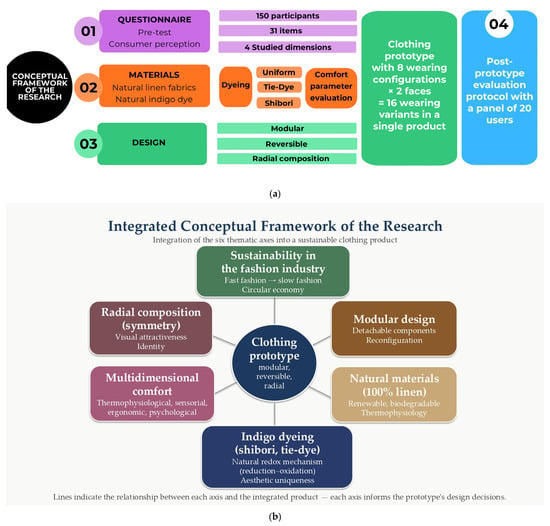
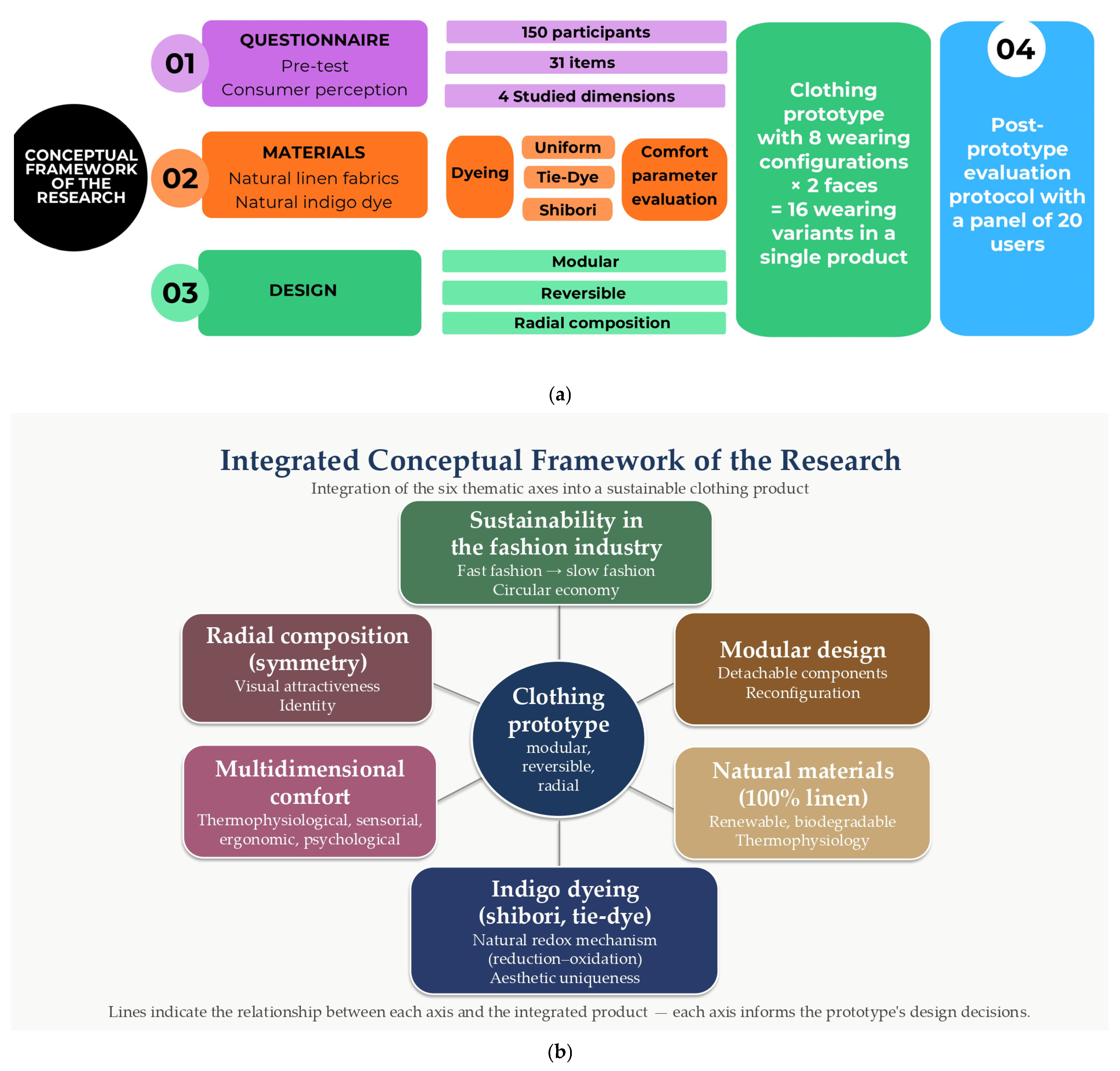
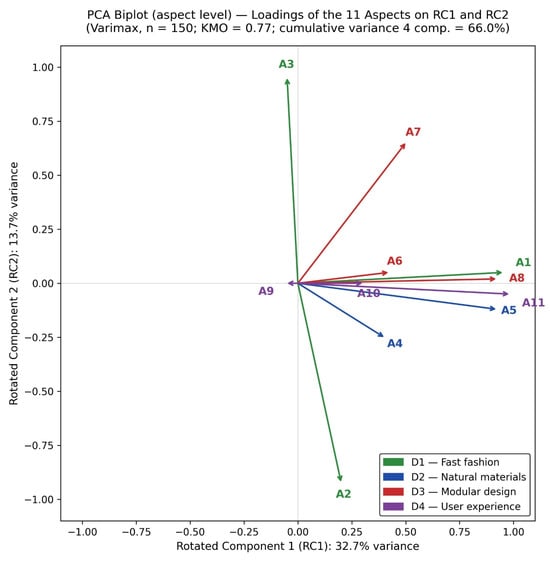
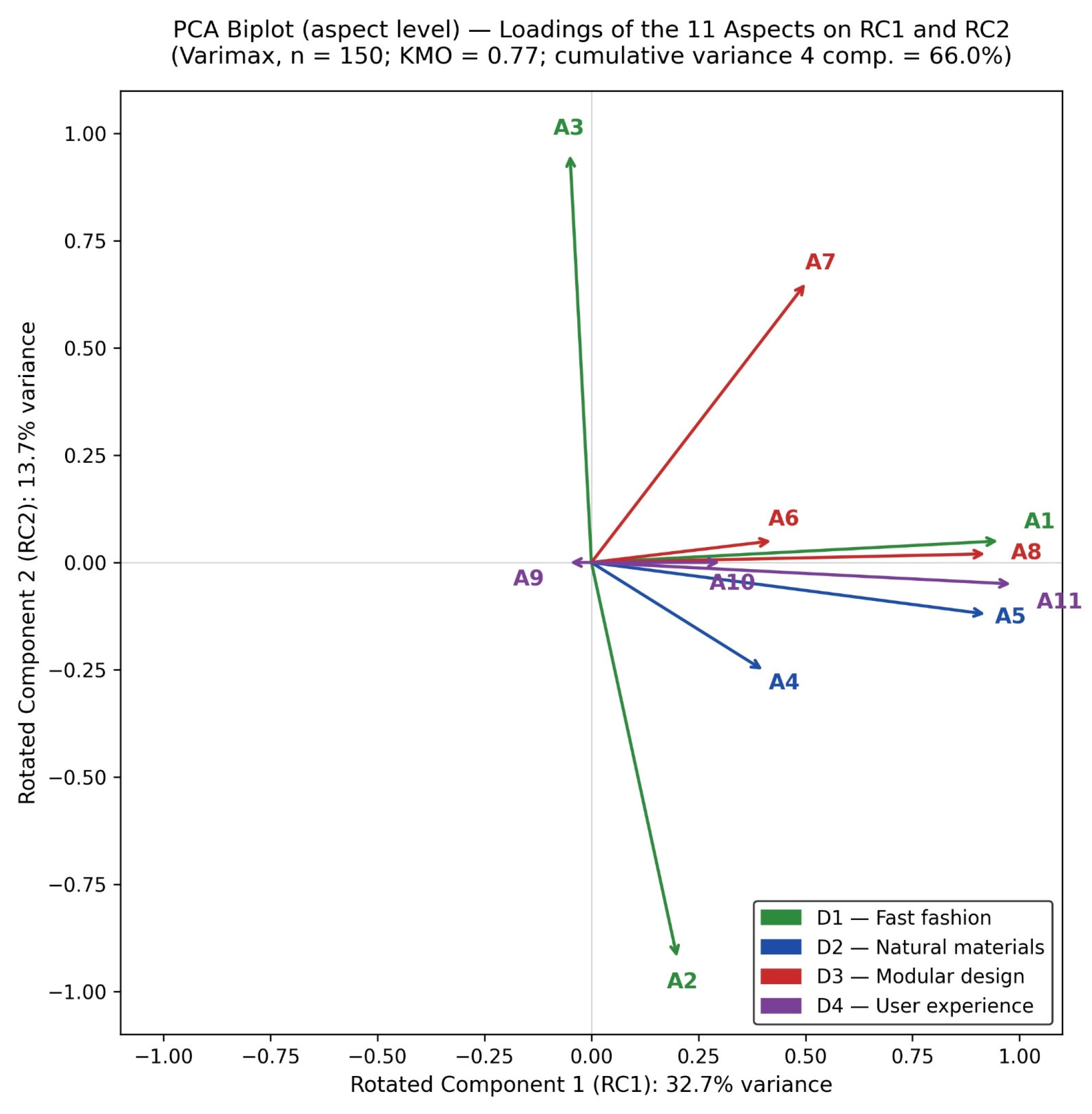
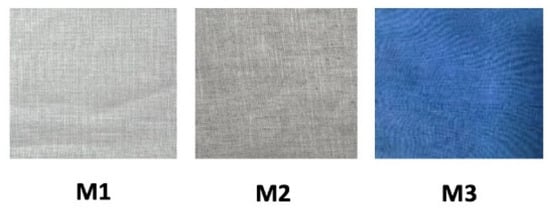
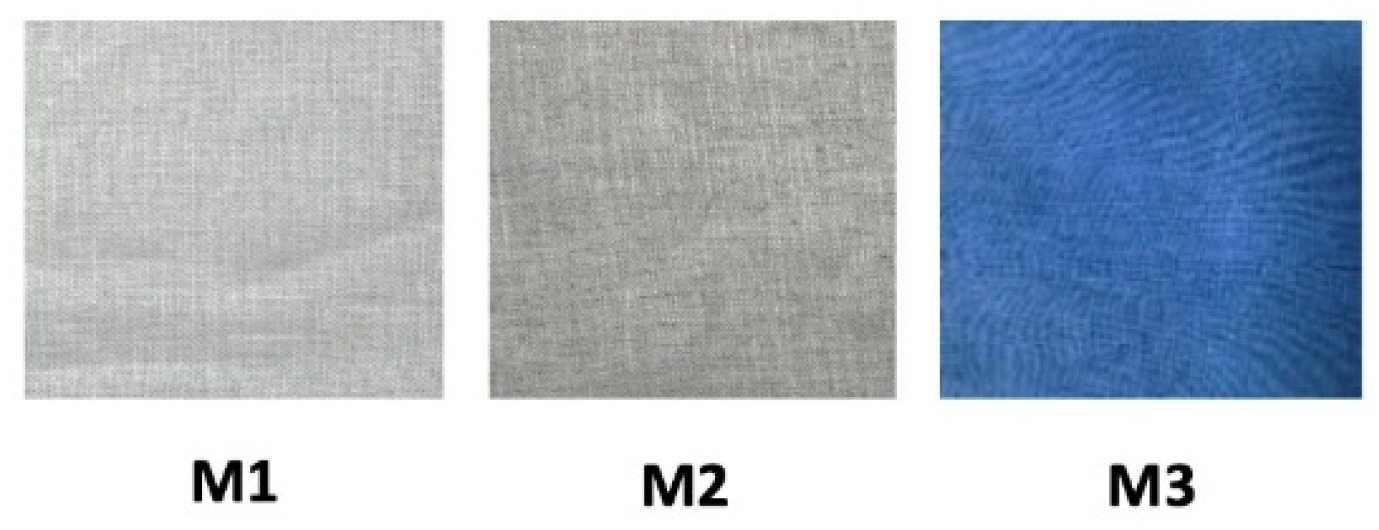


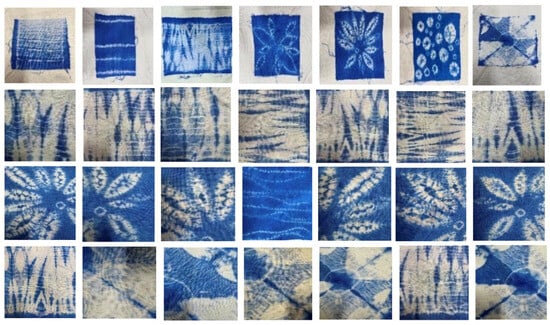
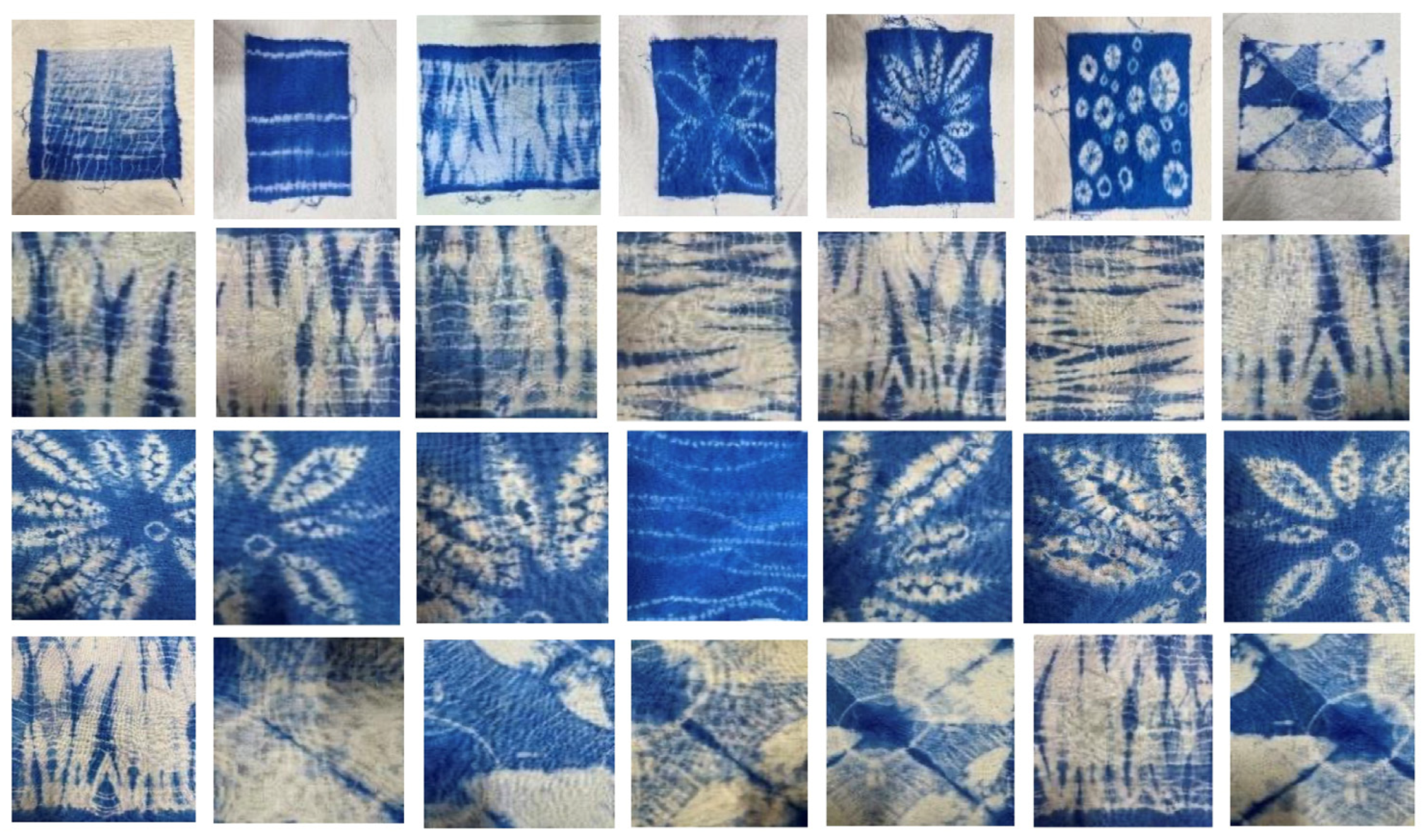
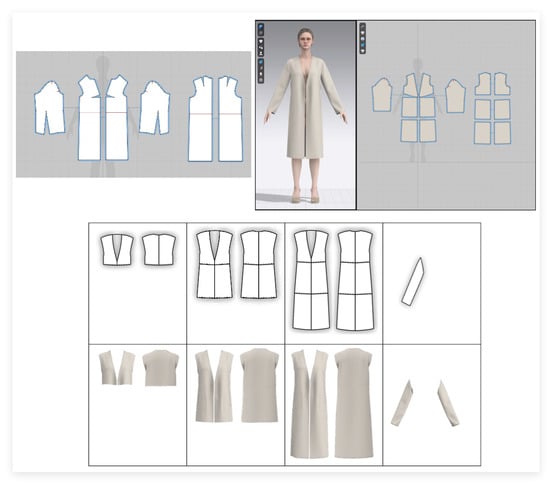
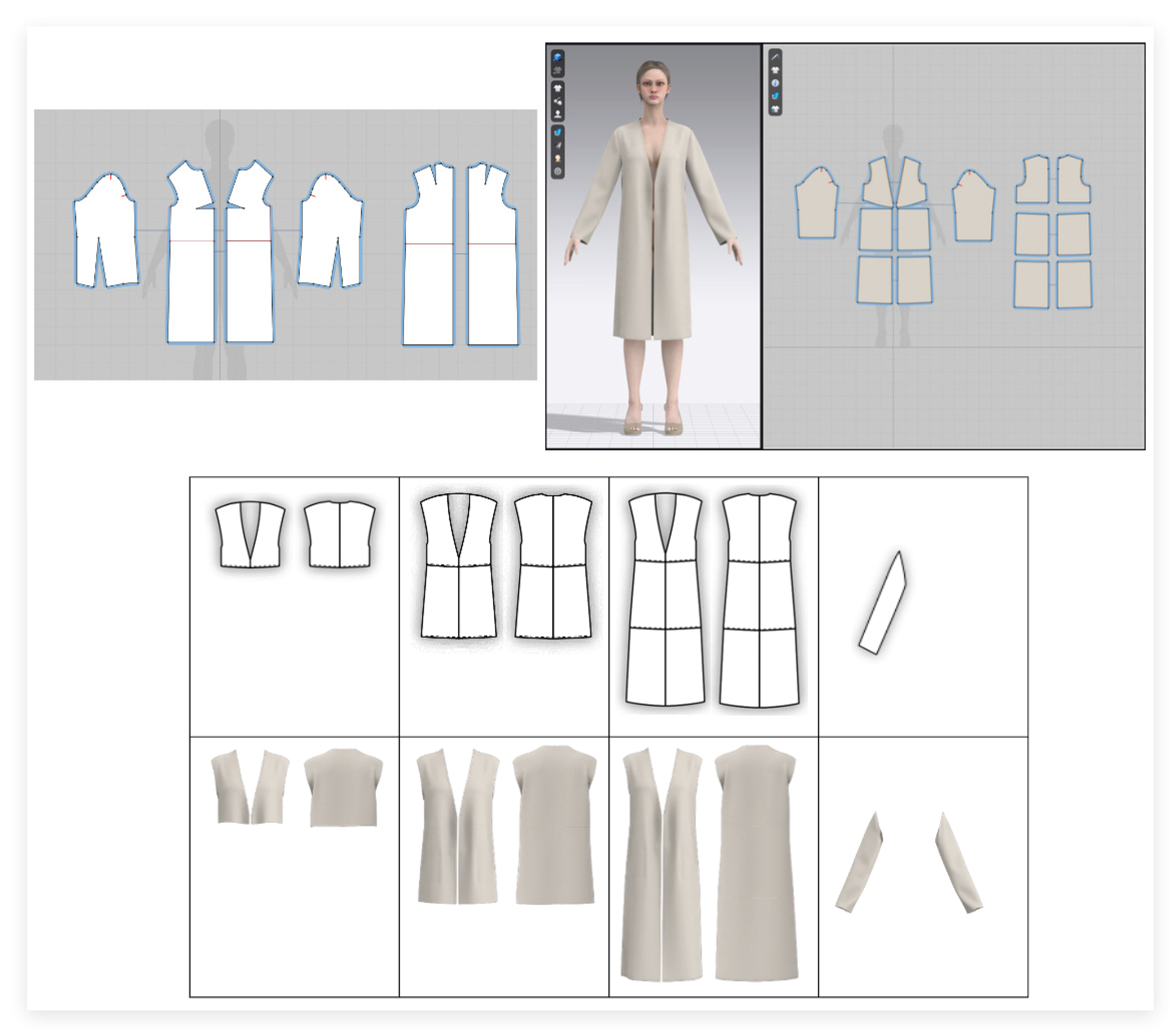
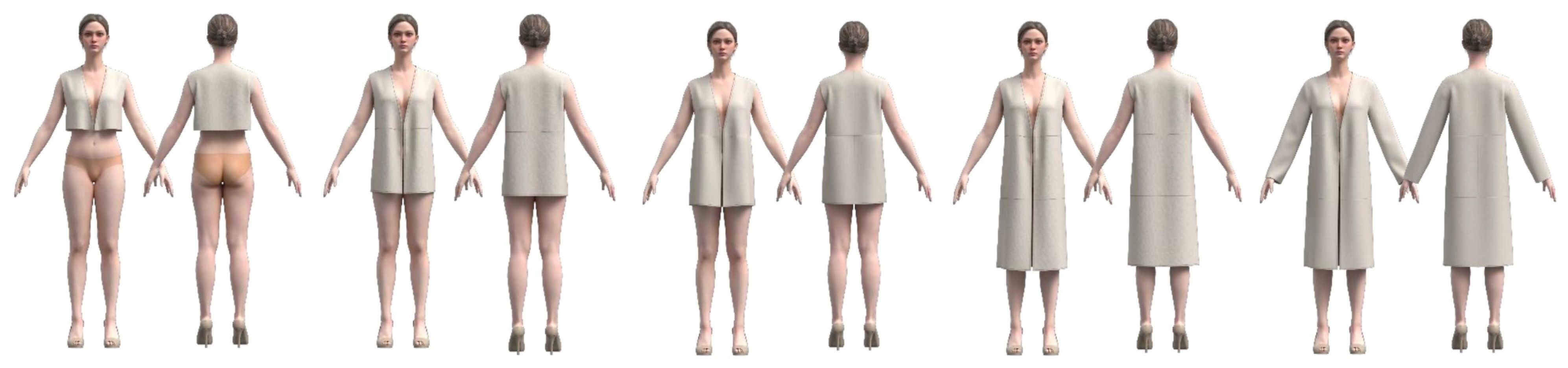
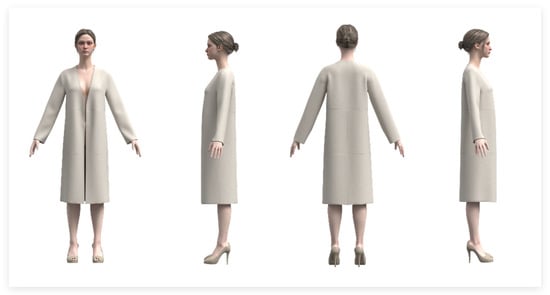
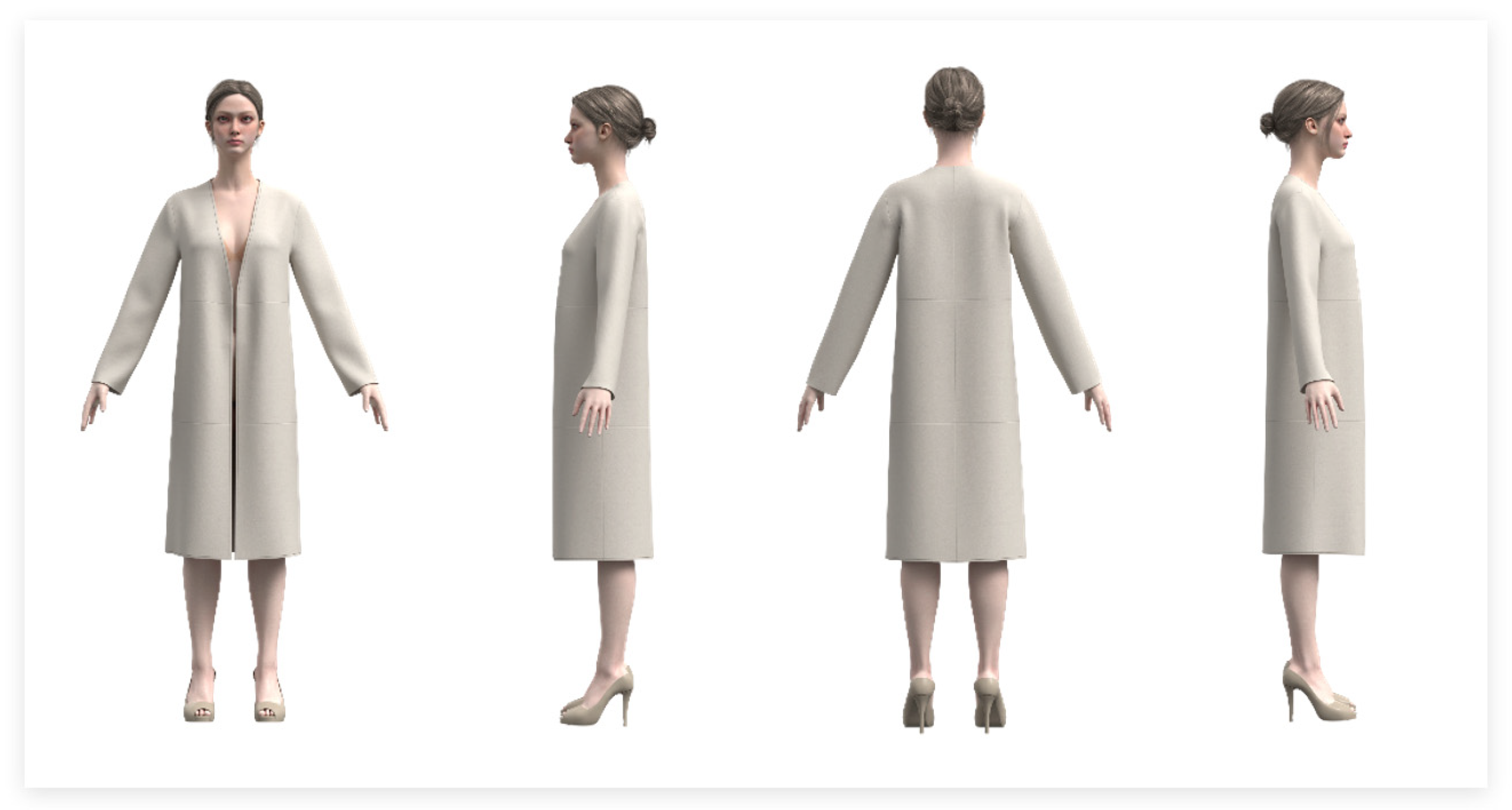
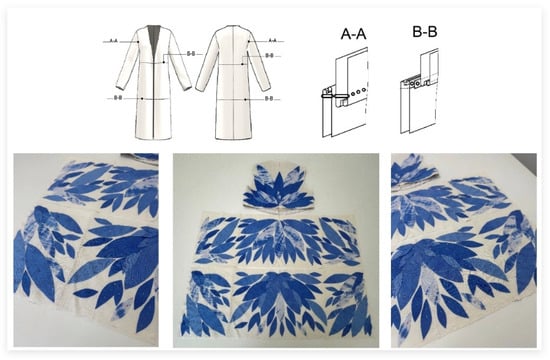
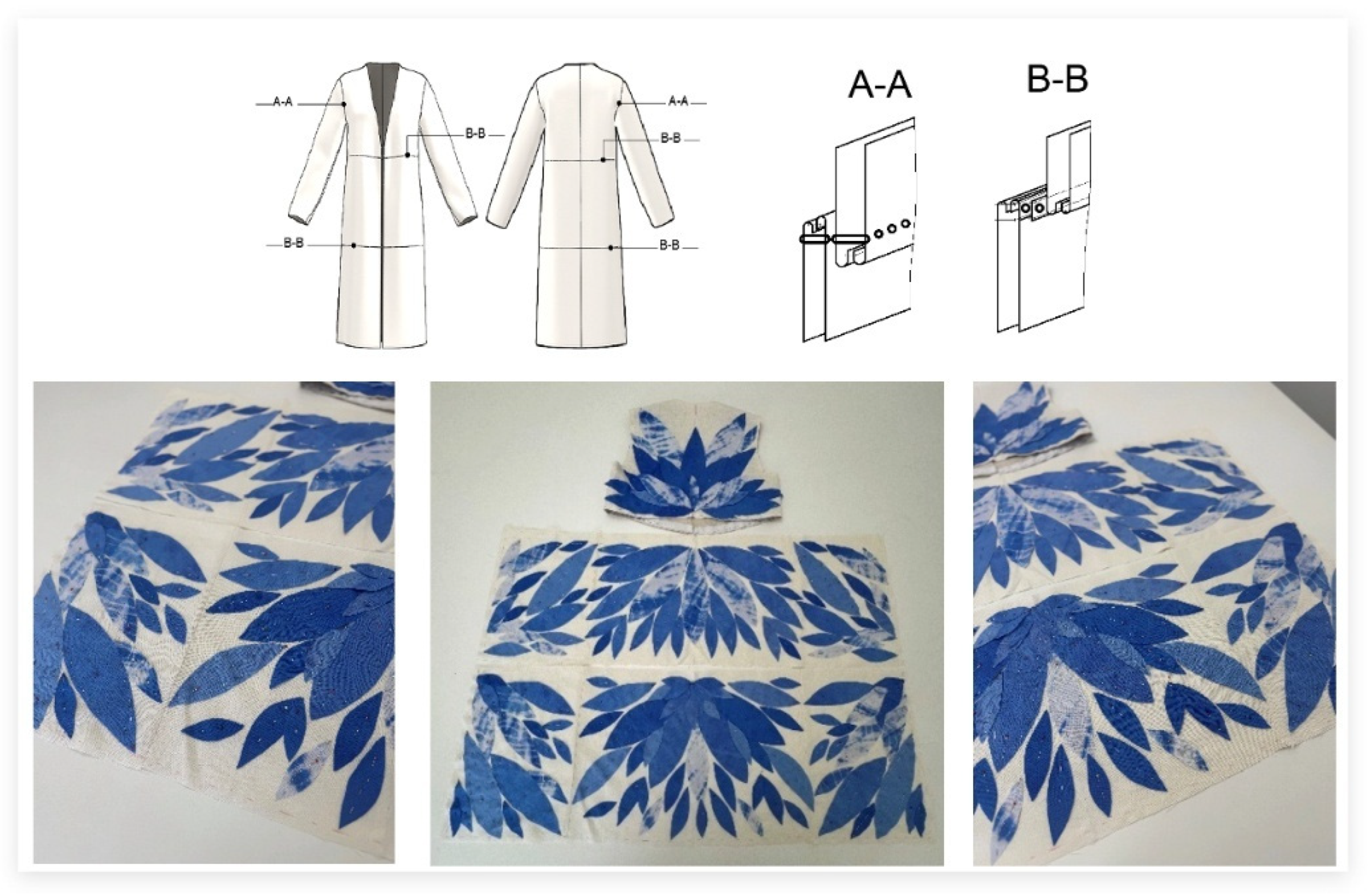
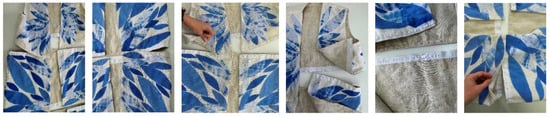
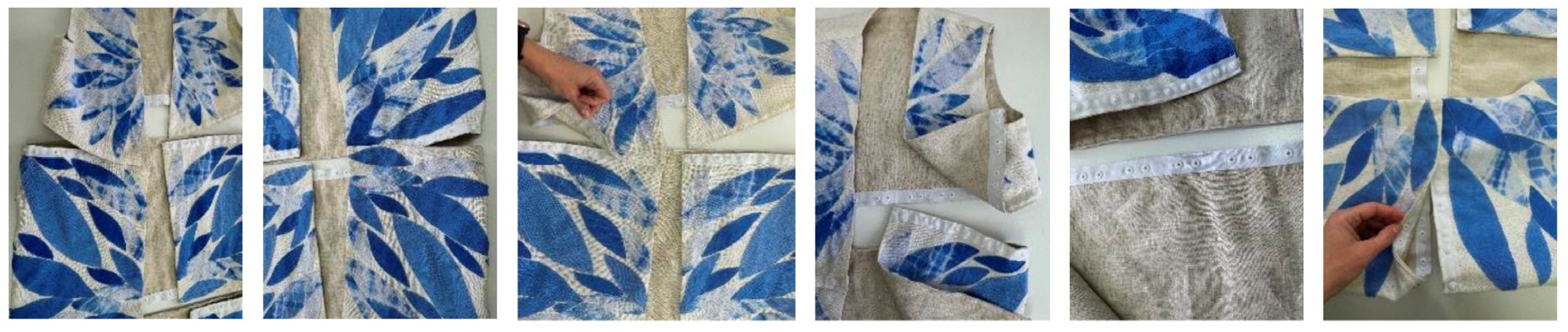
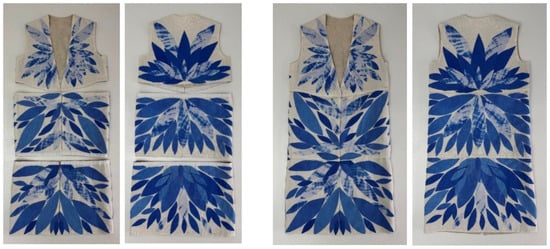
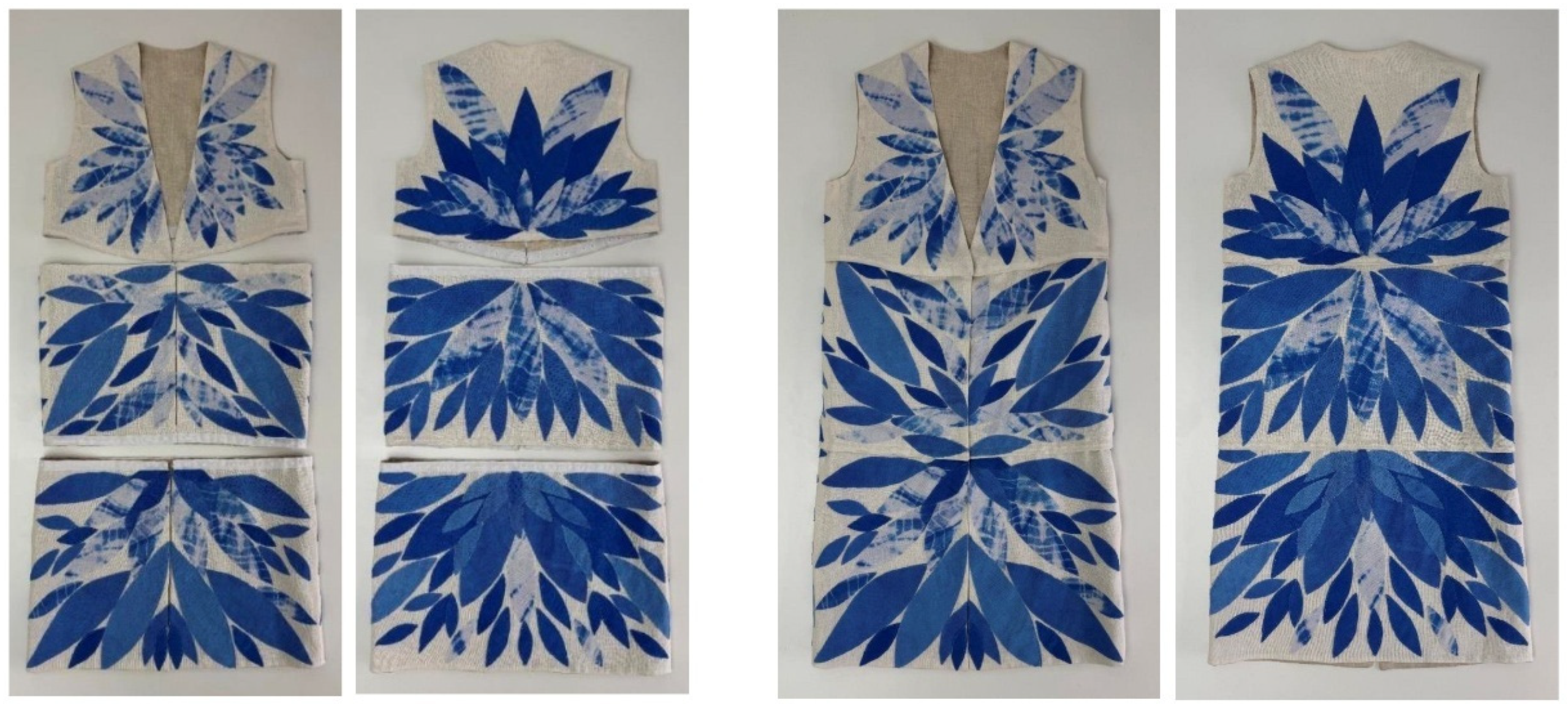
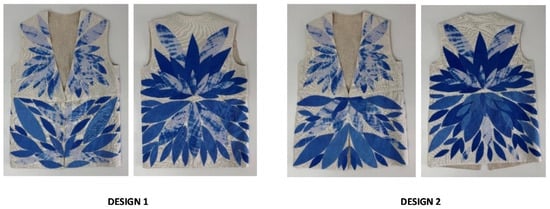
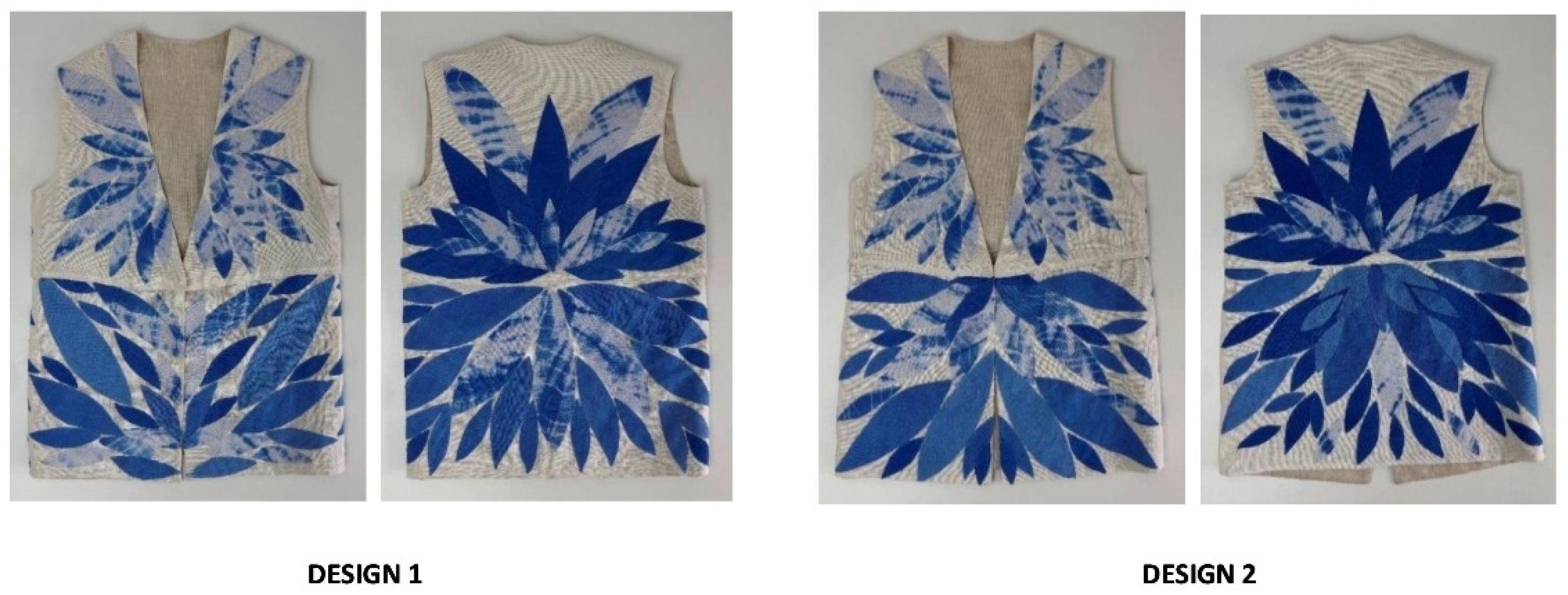
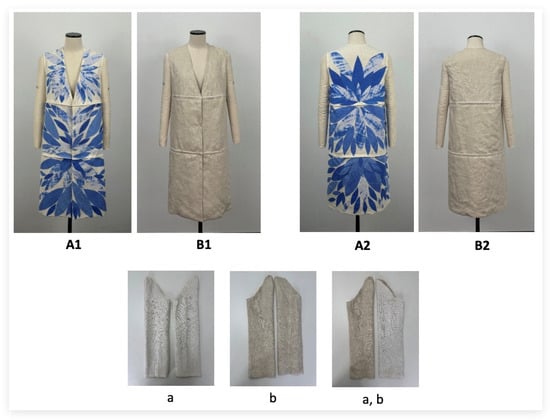
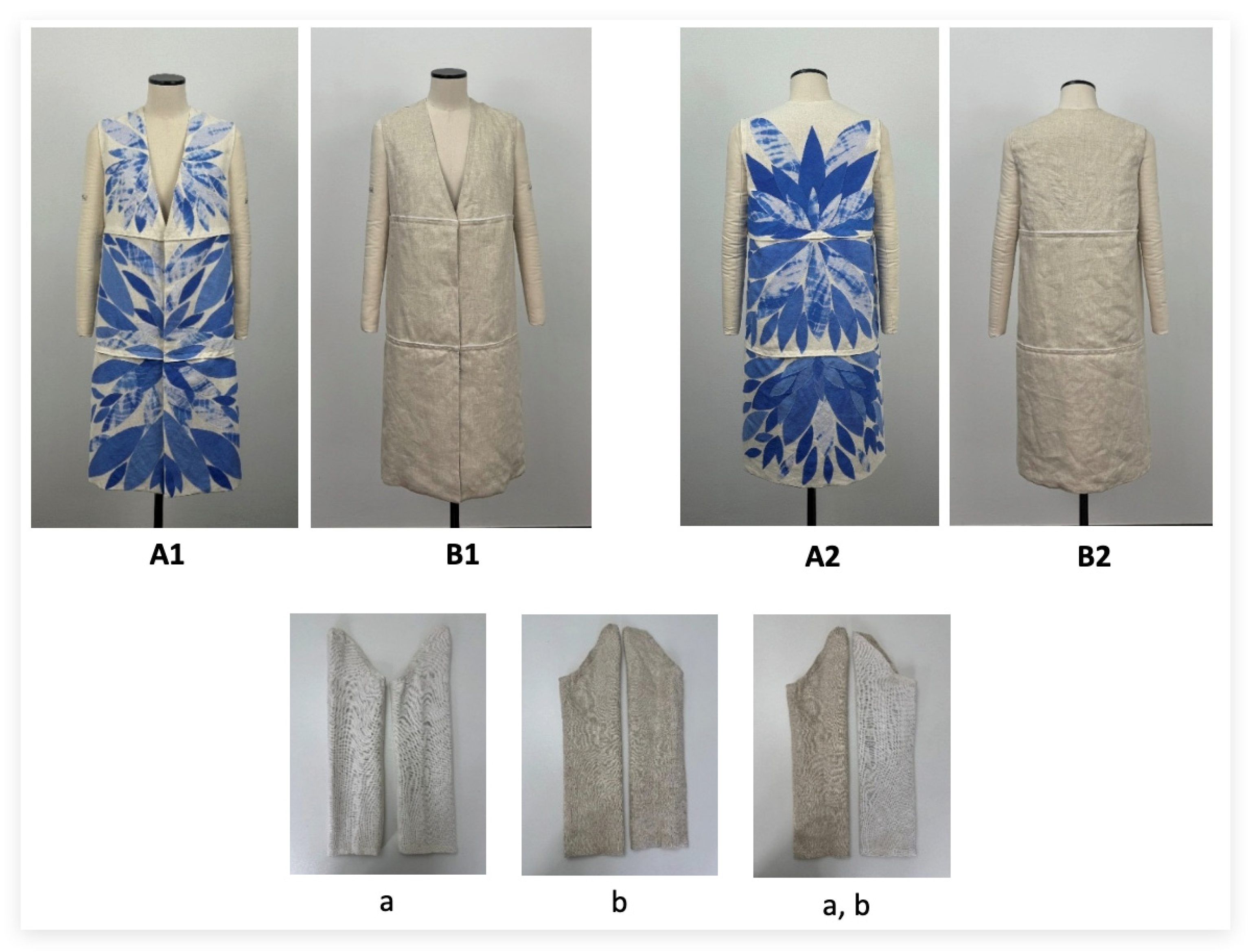
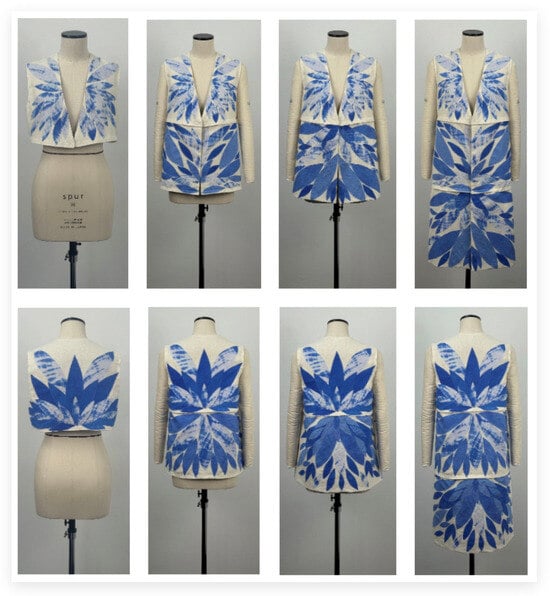
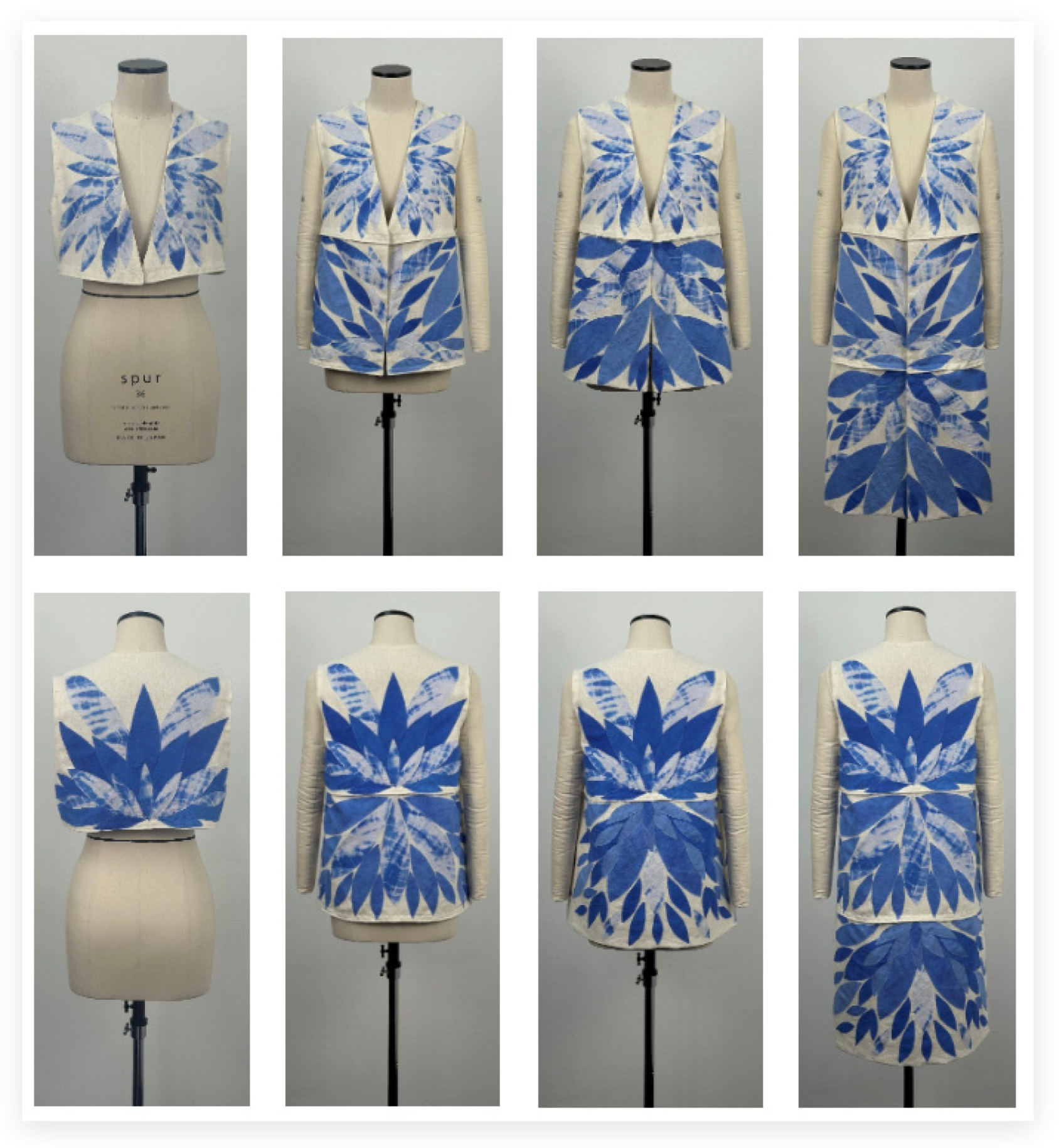
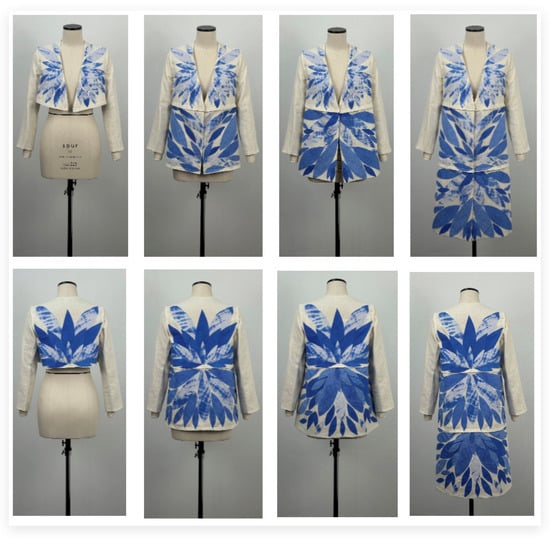
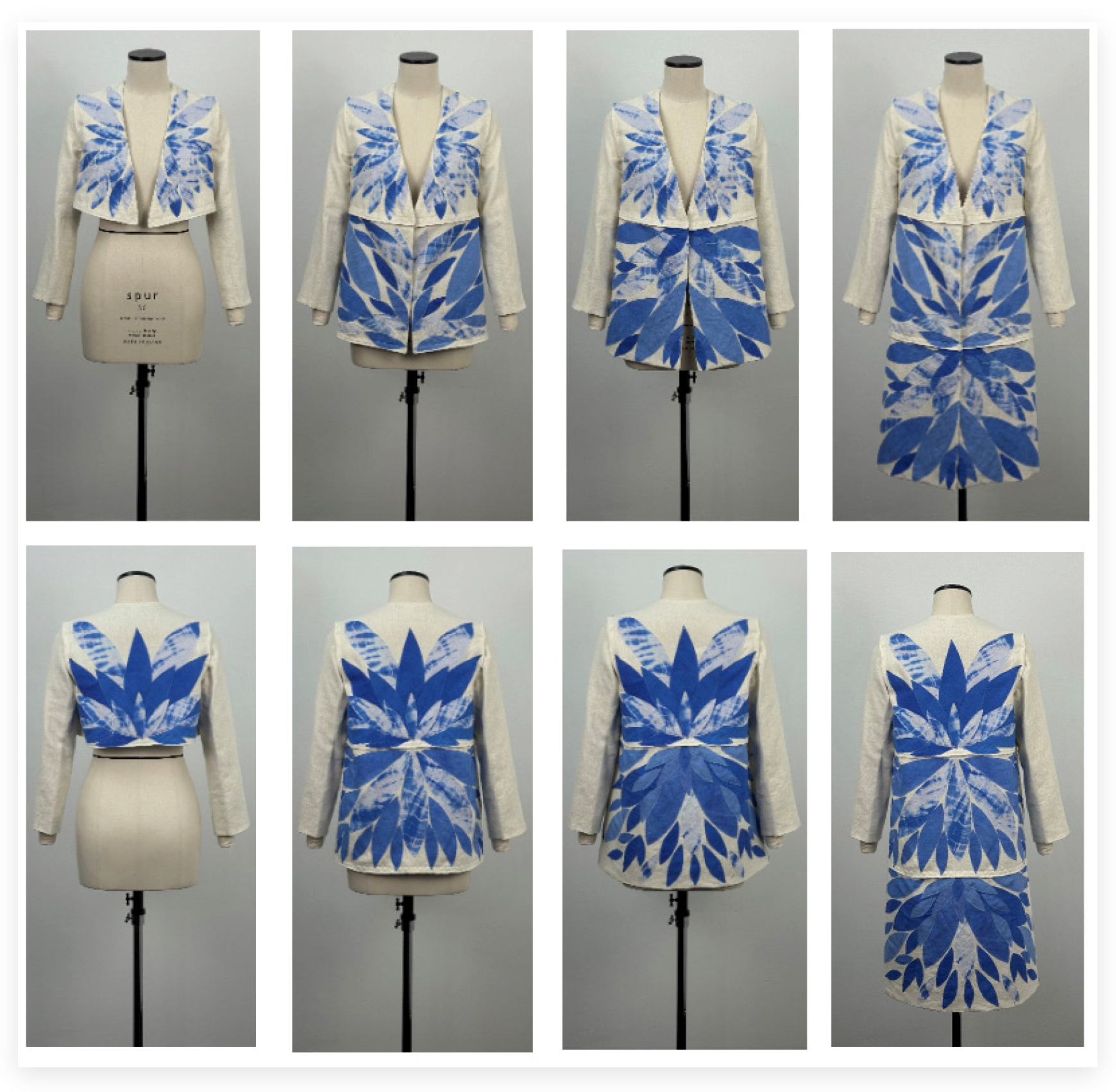
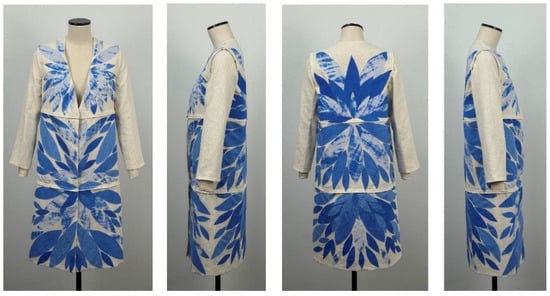
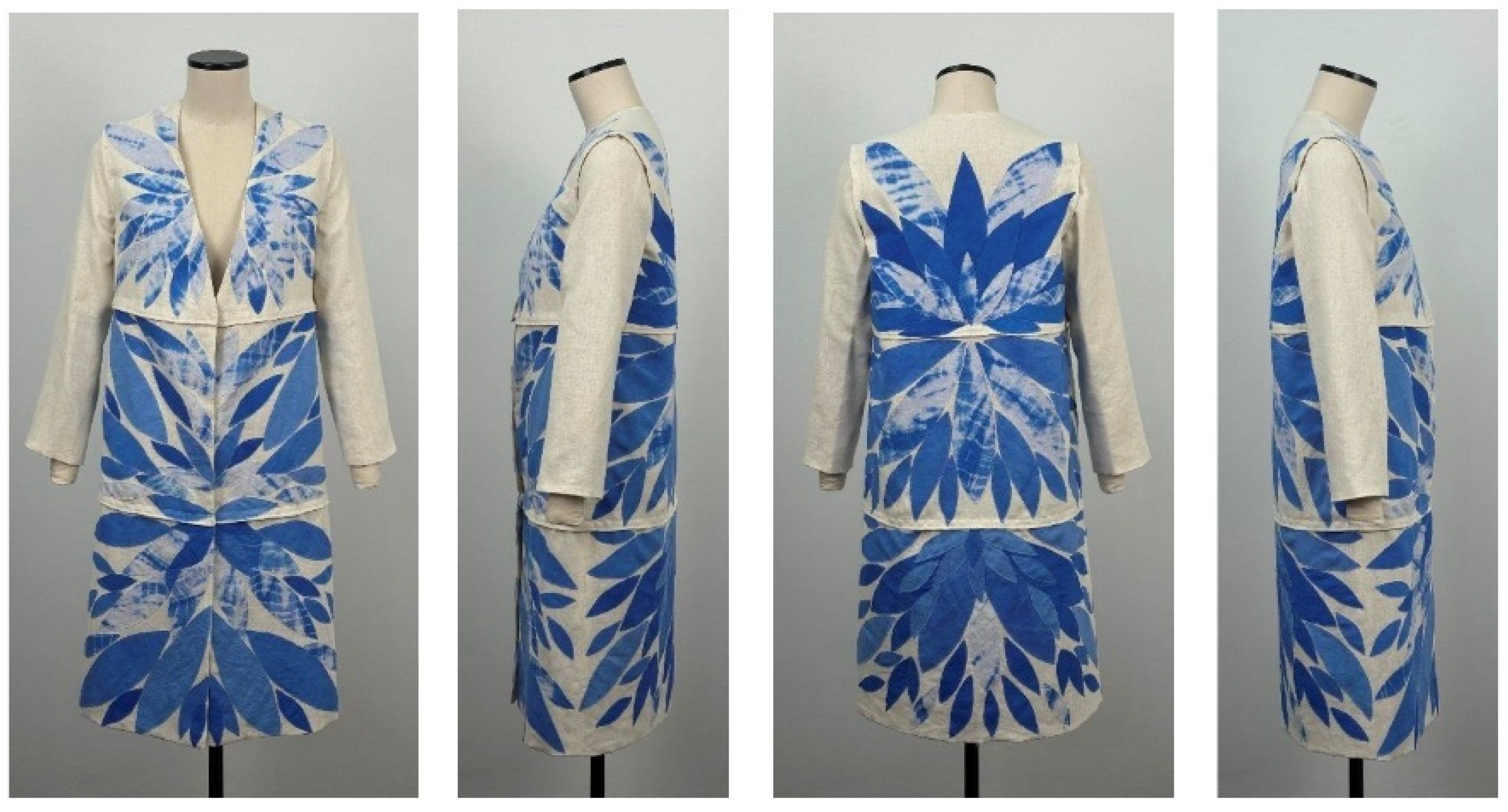
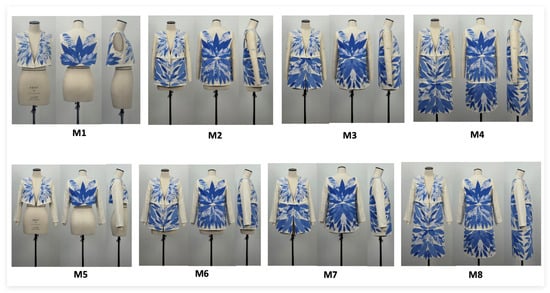
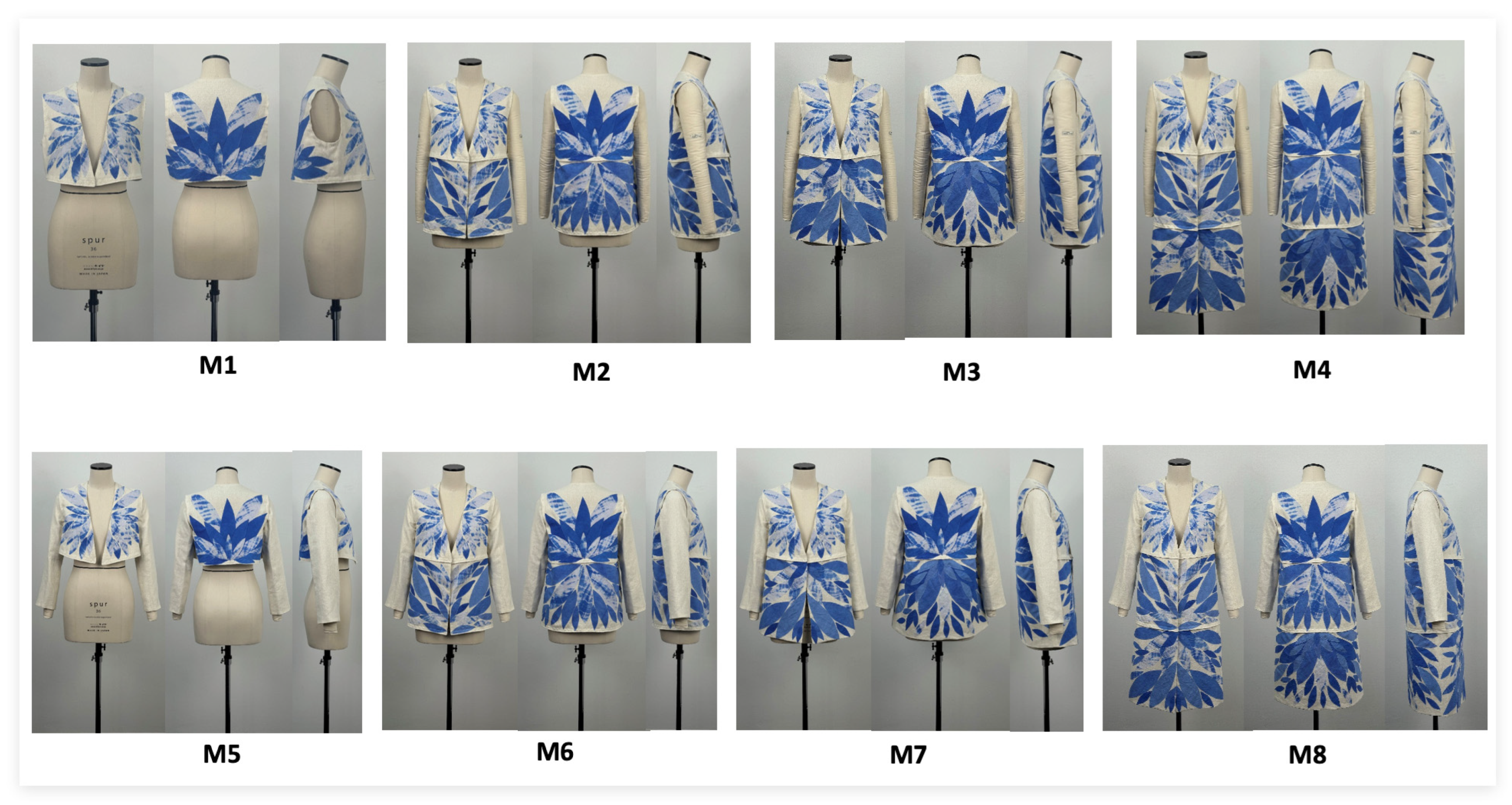

Disclaimer/Publisher’s Note: The statements, opinions and data contained in all publications are solely those of the individual author(s) and contributor(s) and not of MDPI and/or the editor(s). MDPI and/or the editor(s) disclaim responsibility for any injury to people or property resulting from any ideas, methods, instructions or products referred to in the content. |
© 2026 by the authors. Licensee MDPI, Basel, Switzerland. This article is an open access article distributed under the terms and conditions of the Creative Commons Attribution (CC BY) license.