


Abstract
Concrete contributes significantly to global CO2 emissions due to high energy demand for cement production. This research integrates multiple advanced ensemble ML-based prediction models by combining experimental evaluation, explainable framework, and life cycle sustainability analysis for SCM (supplementary cementitious materials)-incorporated concrete mixtures. A comprehensive experimental program was conducted to evaluate the compressive and tensile strength of concrete revealing that the hybrid mix of GF4 with a 40% replacement level of cement with fly ash (FA) and ground granulated blast furnace slag (GGBFS) exhibited optimum synergistic performance due to balanced hydration kinetics and improved microstructure characteristics. For computational model development, a k-fold cross validation technique was deployed to evaluate robustness across multiple data partitions and to control overfitting in models. Model performance was assessed through multiple metrics including R2, RMSE, and MAE with particular emphasis on the gap between training and testing performance. The best performing model was optimized using Particle Swarm Optimization (PSO) and Bayesian Optimization (BO) techniques providing an additional safeguard against overfitting. Shapley Additive Explanation (SHAP) interpretation revealed w/b ratio and curing age as key parameters for compressive strength, while fine aggregate content and curing age influenced tensile strength. For compressive strength, XGBoost model performed well with an R2 value of 0.879 which was increased to 0.918 with the PSO optimization technique. For tensile strength, the Gradient Boosting model was selected with an R2 value of 0.840 which was optimized to 0.879 after the PSO optimization technique. Moreover, life cycle assessment was performed to evaluate the environmental impacts in terms of embodied carbon and energy associated with concrete mixes. The hybrid GF4 mix demonstrated a 36% reduction in embodied carbon compared to the control mix, indicating strong potential for low carbon concrete applications. This integrated research contributes to the advancement of green construction practices and supports global efforts to reduce atmospheric impacts through the circular use of industrial byproducts.
1. Introduction
Sustainable development in the construction industry is strongly influenced by the performance and environmental footprint of concrete. Portland cement, as one of the main constituents of concrete, is an important contributor of environmental effect during its manufacturing and hydration process, accounting for about 8% of overall atmospheric CO2 emissions [1]. The use of supplementary cementitious materials (SCMs) is an alternative option which the cement manufacturing sector has subsequently devised to lower emissions [2]. These SCMs, especially from industrial and agricultural wastes, significantly contribute to the decrease in energy consumption needed to make clinkers, which will result in sustainable concrete and an increase in energy efficiency, mostly because of a smaller carbon footprint [3]. In addition, the waste generated from multiple industrial sectors is a significant contributor to landfill accumulations. Demographic and economic expansion brought on by urbanization frequently leads to an increase in waste production, which restricts natural habitat and biodiversity by growing landfills, increasing air pollution, and accumulating trash made of all environmentally hazardous items [4]. To mitigate the impacts of overburden and landfill areas, GGBFS and FA have been extensively used as pozzolanic materials as they possess the required strength activity index to be used as cement replacement materials. These pozzolanic SCMs can reduce the environmental impacts related to cement manufacturing and hydration processes [5].
With the increase in the number of components, concrete has evolved as a complex system with difficulties in analyzing its properties by using the traditional methods of demonstrating a regression model with the help of experimental results or finite element simulation [6,7]. Machine learning is transforming the construction sector by enhancing productivity, accuracy, and data-driven decision-making across multiple applications. Recent studies have increasingly adopted ML approaches as an effective tool to be applied for predicting more reliable assessment of concrete performance. ML algorithms have the ability to manage complex and nonlinear structural systems under hostile circumstances and also suggest a special way to enhance the prediction performance of concrete technology and construction engineering [8]. Nevertheless, nonlinear interactions and complex correlations between numerous factors involved in concrete mix design make it difficult to forecast the strength of concrete using conventional empirical or statistical methods. [9]. ML models are well suited to nonlinear/multivariable systems and can capture complex interactions between cement, GGBFS, FA, aggregates, water, and admixtures, leading to more reliable prediction. In total, 98 data points were gathered by [10], and to assess the model’s performance, statistical tests were also included. In contrast, the bagging algorithm’s high coefficient correlation R2 value of 0.95 indicates that it predicts outcomes with high accuracy, whereas the R2 values for GEP, ANN, and DT are 0.86, 0.81, and 0.75, respectively. Using ML prediction, various combinations of SCM and recycled aggregates in concrete were used to create low-carbon concrete by [11]. The investigation made use of XGBoost, Light Boost, and CatBoost algorithms to evaluate the compressive strength of concrete. The CatBoost model had more predictive performance for compressive strength whereas the XGBoost model showed high accuracy in terms of chloride penetration and carbonation resistance of the recycled aggregates. Over the past 20 years, ANN, GEP, MEP, DT, GBT, XGBoost, and other machine learning algorithms have been widely used to predict the mechanical characteristics of concrete because of their complex and highly effective production of solutions for challenging and nonlinear situations [12]. Using DT, RF, and XGBoost algorithms, an ML model was created for the sustainable incorporation of GGBS in concrete. The results indicated that the XGBoost model performed better and had a lower prediction error than the other algorithms, with an R2 value of 0.97 [13]. The models were trained with data sets from the literature as well as actual performed lab experiments. The results demonstrated that the proposed model performed better in terms of accuracy. It was also predicted that the compressive strength of foamed concrete is dependent on the density and w/c ratio of the mix. To predict late-stage compressive strength of concrete containing cement, FA, and GGBFS as binders, [14] proposed the FNN ML model and the findings were correlated with the conventional ML algorithms like RF and GPR and the empirical formulations from the literature. The results showed that the mean values for R2, MAE, and RMSE for the testing portion were 0.93, 4.33, and 3.25, respectively, indicating that the FNN was a viable approach for projecting the late age compressive strength of concrete with obtained values of R = 0.9792, MAE = 2.1361, and for RMSE, the value was 2.8510. A summary of previous research to predict the compressive strength of concrete with ML models is demonstrated in Table 1.
Table 1.
Key studies predicting compressive strength of sustainable concrete with SCMs using ML algorithms.
There is growing interest in using creative methodologies, especially those employing advanced machine learning, to determine the strength characteristics of concrete because of the complexity in established methods. Previously, traditional ML and ANN models were being developed to evaluate and predict the mechanical characteristics of concrete comprising compressive strength and, in some research, tensile strength. However, despite their simplicity and interpretability, these conventional methods frequently have limitations in terms of predictive accuracy, particularly when dealing with the nonlinear and complex interactions that are typical of concrete with SCMs. This disparity emphasizes more advanced machine learning techniques to improve prediction accuracy and maximize concrete performance when SCMs are used as partial replacement of cement.
The existing literature has illustrated the importance of ML models to predict concrete strength having GGBFS and FA using mix design parameters and curing conditions. However, notable lacunae and flaws persist in the existing body of literature. Most of the studies focus on prediction alone with limited emphasis on model interpretability and the majority of studies were performed for the prediction of compressive strength only. Different studies have no or insufficient experimental validation and rely on the secondary aggregated datasets compiled from diverse sources that may have inconsistencies in testing standards, material properties, curing conditions, etc. Most importantly, sustainability metrics are very rarely integrated into ML frameworks in the existing literature.
Therefore, this research addresses these disparities by developing an experimentally grounded ML framework for concrete by partial replacement of cement with GGBFS and FA, employing SHAP analysis for transparent model interpretation and integrating embodied carbon and energy assessments to explicitly analyze the trade-offs between strength performance and environmental impact.
1.1. Aims and Objectives
This research aims to project the compressive and tensile strength of low carbon concrete using industrial waste as a partial substitute of cement using machine learning-based predictive modeling with a high accuracy rate in order to support strength estimation and mix design optimization. This research seeks to achieve the following objectives:
- To experimentally investigate the compressive and tensile strength behavior of concrete incorporating GGBFS and fly ash, across different mix proportions.
- To develop and evaluate ML models for accurate prediction of compressive and tensile strength based on experimentally derived mix parameters.
- To evaluate the feature importance of individual input parameters using SHAP analysis to improve the interpretability and transparency of the developed models.
- To evaluate the environmental performance of designed mixes using cradle-to-gate LCA approach focusing on embodied carbon and energy.
1.2. Research Significance
This study addresses the growing need for sustainable structural performance of construction materials. The use of industrial waste as partial cement replacement integrated with ML-based strength prediction helps reduce laboratory testing requirements and supports more efficient and environmentally responsible mix designs. Similarly, this research advances AI-driven solutions for sustainable practices in the building industry by optimizing mix designs that may provide efficiency with beneficial environmental impacts. The integration of LCA in this study provides a holistic insight of the trade-offs among mechanical characteristics and environmental impact, reinforcing the role of GGBFS and FA in the development of low carbon concrete.
2. Methodology
2.1. Experimental
Figure 1 demonstrates the research theme for this study:
Figure 1.
Research theme.
2.1.1. Materials
ASTM Type-I cement as per standard [31] was used in this research. GGBFS and class F FA 450-N were obtained from Cemex. GGBFS and FA were used as supplementary cementitious materials due to their well-acknowledged pozzolanic activities and latent hydraulic characteristics. The utilization of these SCMs as partial replacement of cement was decided on the assumption that they can reduce the environmental impact linked with cement and clinker production while maintaining the mechanical performance of concrete. GGBFS contributes to the improved strength at later age of curing through latent hydraulic reactions, while FA enhances workability and long-term strength performance of concrete due to its pozzolanic reactivity and spherical particles. In addition, the incorporation of these industrial by-products in concrete supports sustainable waste management and reduction of CO2 emissions. The elemental constitution of cementitious materials like cement, GGBFS, and FA as mass percentage is shown in Table 2.
Table 2.
Cementitious materials composition weight (%).
Two types of natural coarse aggregates (20 mm and 10 mm) and fine aggregate (oven dried) passing sieve no. 04 were used. Figure 2 illustrates the gradation curves for fine and coarse aggregates. All these materials were sourced from Travis Perkins. The w/b ratio for all mix design samples was kept constant at 0.47. A polycarboxylate-based SikaMixR Plus superplasticizer was used to maintain flowability and to achieve desired consistency without increasing w/b ratio.
Figure 2.
Gradation curves of coarse and fine aggregates.
2.1.2. Mix Design
In this research, a concrete mixture targeting a characteristic strength of 35 MPa with slump range of 100–125 mm was developed. To evaluate the effect of GGBFS and FA as a partial replacement of cement in concrete, three individual mixes of GGBFS and FA were cast respectively. These mixes have 30%, 40%, and 50% cement replacement with GGBFS and FA individually by mass. These selected replacement levels were adopted based on the previous literature and practical considerations to achieve a balance between mechanical characteristics, workability, and environmental sustainability. These levels are commonly investigated in concrete because of their potential to significantly reduce cement consumption and associated CO2 emission while maintaining mechanical performance. To study their synergistic effect, three hybrid mixes were cast with 30%, 40%, and 50% with hybrid mix of GGBFS and FA having jointly replaced cement by mass at a ratio of 2:1 in all three mixes. The details of concrete ingredients are described in Table 3.
Table 3.
Mix design quantities.
2.1.3. Casting and Curing of Concrete
All concrete specimens were prepared, moulded, compacted, and cured following ASTM C-192/C192M procedures [32] under controlled lab conditions. A mechanical mixer was used to prepare fresh concrete, which was then placed into moulds in three layers and properly consolidated using a vibrating table to remove entrapped air and voids. To prevent the loss of moisture, the specimens were covered and left undisturbed at laboratory temperature for a dry period of 24 ± 2 h. Subsequently, the specimens were demoulded and set up for standard curing in a curing tank at room temperature (23 ± 3 °C) until the specified testing ages. At each testing age i.e. 7, 28, and 56-days, three samples for compressive strength and three for tensile strength were tested and the average of these tested values was considered.
2.1.4. Tests Performed
To evaluate the characteristics of concrete, it was tested in fresh and hardened state. Performed tests with their relevant standards are described in Table 4.
Table 4.
Performed tests and standards.
2.2. Machine Learning Methodology
This research adopts ML based methodology to predict the compressive and tensile strength of concrete incorporating GGBFS and FA as partial replacements of cement. The framework involves data collection and preprocessing, model training and optimization, and performance evaluation using statistical indicators as illustrated in Figure 3.
Figure 3.
ML model development process.
2.2.1. Compilation of Dataset
For this research, a comprehensive dataset with 250 data points for compressive strength and 130 data points for the tensile strength was compiled from these journal articles [3,37,38,39,40,41,42,43,44,45,46,47,48,49]. The experimental data with 30 data points each for compressive strength and tensile strength from this research was also incorporated into the dataset making it to a total of 280 for compressive strength and 160 for tensile strength. It is worth noting that the data was gathered from the studies that were particularly focused on the use of GGBFS and FA-based concrete mixes only to ensure consistency of dataset. To isolate the specific effects of GGBFS and FA, only studies incorporating these materials as partial replacements of cement were included in the compiled dataset. Concrete mixes containing additional supplementary cementitious materials were excluded to avoid confounding interactions and to enhance the interpretability and robustness of the machine learning models. This focused selection enables a clearer assessment of individual and hybrid exertions of GGBFS and FA to concrete compressive strength. This dataset was composed of key factors which have been impacted on the mechanical characteristics of concrete like cement, coarse and fine aggregates, water, GGBFS, FA, superplasticizer, w/c ratio, and most importantly the curing age. Although different coarse aggregate sizes (10 mm and 20 mm) were used in this research mix design, to ensure consistency across the compiled dataset, the total amount of aggregates regardless of 10 mm or 20 mm was considered as a single input parameter. This approach was adopted to maintain compatibility with literature data where coarse aggregate is commonly reported as a total quantity. This simplification enables robust model training while preserving the dominant influence of aggregate content on compressive strength. As the dataset was also compiled from different published articles, variation in properties of materials, experimental methodologies, and curing conditions were unavoidable. Although efforts were made to ensure consistency through careful screening, normalization, and preprocessing of inconsistent records, some minor uncertainties and variability may exist. Nevertheless, the final dataset provides a sufficient representation for evaluating overall trends and developing generalized models for predictive analysis. To address potential inconsistencies among different literature resources, the collected data was carefully refined and standardized prior to ML analysis. The data refining process included data cleaning, verification of parameter consistency, removal of duplicate and incomplete samples, standardization of units, and screening of outliers to enhance quality and reliability of literature-based data. Table 5 and Table 6 present the statistics description of the final dataset compiled to project the compressive and tensile strengths.
Table 5.
Summary statistics of input variables for compressive strength.
Table 6.
Summary statistics of input variables for tensile strength.
2.2.2. Correlation Matrix
Figure 4 and Figure 5 illustrate correlation matrices that were programmed to evaluate the correlation among all pairs of input parameters and related compressive and tensile strengths of concrete. The analysis aids in the degree of linear association between variables and provided insights for identifying potential multicollinearity, hidden patterns, and redundancy prior to model development. For the current research, it should be noted that cement, GGBFS, and FA can exhibit negative correlations due to their interdependent nature within the replacement system. Since GGBFS and FA were used as partial cementitious materials while maintaining constant binder content, an increase in SCM content inherently resulted in reduced cement content. Therefore, the observed negative correlations are expected and reflect mix design constraints rather than inconsistencies in the dataset. Despite this interdependency, advanced machine learning models can handle correlated input features, and further interpretation was supported through SHAP analysis.
Figure 4.
Feature correlation matrix for compressive strength.
Figure 5.
Feature correlation matrix for tensile strength.
2.2.3. Model Training and Validation
The compiled dataset was randomly separated into testing and training subsets with a 20:80 ratio. The testing set was kept completely hidden during the development of the model which was later used for independent evaluation of predictive performance. To enhance reliability and reduce overfitting, five-fold cross validation was performed on the training subset, in which four folds were employed for model learning and the rest was used for validation. The model hyperparameters were developed and optimized by using PSO and BO optimization techniques to minimize the cross-validated error metrics. The validated and optimized models were subsequently retrained on the full training dataset and evaluated on the independent test dataset to evaluate predictive performance.
2.2.4. K-Fold Cross-Validation
K-fold cross-validation yields accurate estimations of the ML algorithm’s performance throughout training by dividing the dataset into K number of folds and reciprocating the remaining folds, which are assigned to the test dataset (K means the number of folds). Research has shown that different values of ‘K’ result in variations in each K-fold model’s accuracy as well as in the variance of K-fold model prediction accuracy, bias, and training computing costs. A lower value of ‘K’ will result in a lower computing cost for training the model, but it will also introduce more bias. On the other hand, a higher value of ‘K’ raises the variability during the training phase and necessitates more calculations. This makes it possible to compute performance measures and out-of-fold projections for the complete dataset [50]. In this research, the ‘K’ is taken as five as five-fold cross validation to attain balance when assessing the accuracy of all deployed ML models, maintain proper levels and duration of computational measurements at the time of the multiple changes of training the models, and to have enough data to evaluate the real assessment of every trained model.
2.2.5. Bayesian Optimization (BO)
Bayesian Optimization was employed for hyperparameter tuning using the Optuna framework. BO is a black box searching method that is frequently utilized to improve hyperparameters in machine learning algorithms. It selects the optimal hyperparameters using Bayesian reasoning. The BO technique can be used in highly complex ML models to identify the best hyperparameter combinations. The BO algorithm uses both the acquisition function and surrogate model to determine the next investigation [51]. Following the selection of an area, the objective function is assessed there, producing a new observation (, ). Before the search resumes, the surrogate model can be modified by including the most recent data into the current observation set. The optimized hyperparameters obtained through BO were subsequently used to train the final models, leading to improved predictive accuracy and enhanced generalization capability.
2.2.6. Particle Swarm Optimization (PSO)
Particle Swarm Optimization (PSO) has been extensively used in ML models because of its simplicity and fast convergence. In this optimization, a group of candidate solutions, referred to as particles, explores the hyperparameter search space by updating their positions based on their individual experience and the global solution developed by the swarm. Each particle will iteratively update its speed by determining the optimal position based on its own experiences as well as the best experience any particle has had across the swarm’s whole duration. In this study, PSO was employed to identify optimal hyperparameter configurations by minimizing cross-validated error metrics, thereby enhancing model accuracy and generalization performance.
2.2.7. Proposed Models
In this research, three machine learning models were systematically evaluated with the goal of formulating a robust and accurate predictive model for the compressive strength of concrete with industrial wastes as partial replacement of cement, particularly GGBFS and FA, thereby contributing to improved material characterization in construction engineering. The selected ML models including GBR, RFR, XGBR, and ET were chosen because of their strong capability in capturing complex nonlinear relationships between concrete parameters and strength properties. Concrete behavior is very complex and nonlinear and is influenced by multiple interacting variables; therefore, ensemble-based algorithms are suitable as they are highly effective in capturing such nonlinear and multivariable behavior of concrete strength prediction.
2.2.8. Random Forest Regressor (RFR)
For predicting continuous values and regression tasks, the RFR is an ML algorithm based on ensemble learning that employs a large number of decision trees that are trained on a random subset of the data to add randomness and diversity. RFR reduces variance compared to a single tree and handles non-linear relationships and interactions between variables very well. A random subset of input features and a random subset of training data are used to train each decision tree. The average of all the trees’ forecasts yields the final forecast [52]. RFR can effectively handle big datasets without suffering any loss in the performance of the model, and it can spot complex, nonlinear patterns in the data that conventional models might miss.
2.2.9. Gradient Boosting Regressor (GBR)
Gradient Boosting is an ensemble ML technique that builds a strong predictive model by combining many weak learners. The GB model trains trees one after another, where the new tree focuses towards the corrective actions taken to mitigate the errors made by previous ones. The GB model builds different combination of decision trees in an orderly way, every successive tree’s job being to reduce the residual oversights by its predecessors. Because of its pre-existing interfaces and linkages (mix design features) that describe the compressive strength of SCM-based concrete, each consecutive decision tree improves forecasting skill without sacrificing efficiency.
2.2.10. XGBoost Regressor (XGBR)
Extreme gradient boosting regressor (XGBR) is an ML technique that facilitates the optimization of differentiable loss functions through the sequential development of an additive model. In each stage, a regression tree is fitted to the negative gradient of the chosen loss function, thereby refining the predictive accuracy of the model. It is an ensemble ML technique derived from decision trees and employs a gradient boosting framework. The basic idea behind this approach is to build classification or regression trees one at a time, then use the residuals from the previous tree to train the subsequent model. Because of its high variance and low bias (caused by the boosting mechanism), it is well suited to huge data sets as it is the version of the gradient boosting algorithm that has been meticulously refined and parallelized [53]. The training process is improved by leveraging knowledge from previously generated trees. The punning mechanism reduces the complexity of the decision tree by removing nides with minimal contribution, thereby helping to prevent overfitting [54].
2.2.11. Extra Trees (ETs)
Extra Trees is an ensemble learning method that builds highly randomized decision trees by selecting random split thresholds, which reduces variance and improves robustness, particularly for noisy and heterogeneous datasets. Extra Trees selects split spots and characteristics over arbitrary to create a highly diversified composition. This random inclusion examines additional factors to assist build prediction stability, enhances selection route variety, and reduces vulnerability to disturbance and unnecessary variables.
2.2.12. Performance Evaluation
The developed regression models were assessed by using three metrics: Root Mean Squared Error (RMSE), Mean Absolute Error (MAE), and the Coefficient of Determination (R2). The combined use of these matrices, hidden testing datasets, cross validation, and error distribution analysis provided a comprehensive evaluation of predictive robustness and generalization capability. By evaluating different aspects of models based on all three metrics, the model accuracy became more reliable and balanced. A better model has a higher value together with lesser MAE and RMSE values. Their mathematical expressions are shown below [55]:
R2 = 1 − [Σin (yᵢ − ŷᵢ)2]/[Σin (yᵢ − ȳ)2]
MAE = (1/n) Σin |yᵢ − ŷᵢ|
RMSE = √((1/n) Σin (yᵢ − ŷᵢ)2)
Here, ȳ is the average of the real values; yᵢ is the real value, ŷᵢ is the projected value, and n is the number of data points.
2.2.13. Error Histogram Analysis
To further evaluate the predictive performance of the developed models, error histograms were analyzed to examine the distribution of prediction errors. The error was defined as the difference between the experimentally measured and predicted values of concrete strength. The error was computed as the difference between the actual dataset values and model predicted values. The histogram illustrates the frequency of errors across different ranges, enabling assessment of model bias and dispersion. A symmetric distribution centered near zero indicates unbiased predictions, while a narrow spread reflects high prediction accuracy.
2.2.14. SHAP Analysis
To add engineering insights to the predictive models, SHAP (Shapley Additive Explanations) analysis was performed for explaining how specific features affect model predictions and to ensure a fair contribution distribution by allocating an importance value to each feature based on cooperative game theory. By offering a thorough comprehension of feature impacts, this approach improves the interpretability of model results. The best-performing model in this study will be subjected to SHAP analysis to investigate feature contributions.
In this research, SHAP analysis was employed exclusively for feature importance assessment and model interpretability that enabled us to identify the relative impact of input features on the prediction of concrete strength. On the other hand, the PSO and BO techniques were employed for hyperparameter optimization and to improve the predictive performance, robustness, and generalization of the ML models and to reduce uncertainty.
2.3. Life-Cycle Assessment
With the rising prominence and focus on sustainable construction, LCA has evolved as a vital tool to evaluate the environmental impact of cement-based concrete. LCA enables a quantitative evaluation of using FA and GGBFS as cementitious materials by accounting for the embodied energy and carbon involved with concrete production, ultimately offering a pathway to reduce the environmental footprints of concrete. It is crucial to concentrate on the entire production process of concrete, its carriage and placement, in addition to the specific parts or raw materials utilized in this process, to evaluate the influence of concrete on global pollutants and global warming [55,56]. The production process encompasses the whole life cycle of concrete, including raw materials extraction, resources from waste and recycled materials to its processing and eventual disposal [55,56,57]. The LCA carried out in accordance with the ISO 14044 framework enables the lifespan estimation of concrete [58]. The LCA process is described in Figure 6.
Figure 6.
Life-cycle assessment process.
2.3.1. Defining Goal and Scope
The main objective of performing LCA in this study is to assess the embodied carbon and energy of concrete mixes with the incorporation of varying proportions of GGBFS and FA in concrete and compare the assessment with control concrete mix. The assessment aims to support sustainable material selection by identifying environmentally efficient mix designs without compromising mechanical performance.
2.3.2. Functional Unit and System Boundary
An amount of 1 m3 of concrete was chosen as the functional unit in this research as it provides a reliable foundation for assessing the environmental effects of various mix types. This selection helps for an evaluation of embodied factors across variations in different proportions of GGBFS and FA independent of structural dimensions or application. A cradle-to-gate system boundary is considered in this assessment, in accordance with ISO 14044. This system boundary was limited to raw material extraction, transportation, and processing stage, while materials transportation to concrete production site, and concrete manufacturing processes were not explicitly included in the assessment because of data limitations and the focus on comparative material level impacts.
2.3.3. Inventory Analysis
In this research, the inventory phase was performed based on constituents of concrete mix including cement, GGBFS, FA, fine and coarse aggregates, superplasticizer, and water. Embodied energy and carbon factors for all these ingredients are based on data reported in database of Inventory of Carbon and Energy (ICE v4.0) compiled by the University of Bath, UK [59,60] as per UK conditions, ensuring consistency and reliability. In the database, GGBFS and FA are treated as industrial byproducts or wastes and are modeled as an avoided burden approach. Therefore, no upstream atmospheric effects from steel or coal production are allocated to their emission factors. The current factors are based on processing, handling, and transportation impacts of these materials. Embodied energy and carbon factors for concrete ingredients are shown in Table 7.
Table 7.
Carbon and energy factors.
The relatively high embodied carbon and energy factors for superplasticizer are because of the energy-intensive manufacturing procedure and chemical processes involved during manufacturing of polycarboxylate-based admixtures. However, the overall environmental contribution of the superplasticizer remains very limited as it had been used in low quantity of 2.16 kg/m3 compared to other main ingredients of concrete.
2.3.4. Life-Cycle Impact Assessment (LCIA)
Each constituent material’s embodied energy was computed by the relevant energy values, and its embodied carbon was calculated by assessing the product of individual quantity and the associated emission factor. Involvement of different components, transportation, and manufacturing processes were combined to determine the overall effect of concrete per cubic meter. In compliance with ISO 14044 standards, a cradle-to-gate methodology was used for the evaluation, guaranteeing methodological comparability and consistency of used materials. This straightforward and reliable approach offers a clear strategy for assessing the trade-offs among advances in mechanical strength and the effects on the environment of adding FA and GGBFS in concrete. The embodied carbon for the mix design was calculated using the following formula [61]:
where
- ECFi = Embodied Carbon Factor (KgCO2e/kg)
- Qi = Material Quantity (kg),
- n = Total Number of Materials.
3. Results and Discussions
The experimental results are described in Table 8.
Table 8.
Overall experimental results of concrete.
3.1. Slump Test
The workability results are shown in Figure 7.
Figure 7.
Slump test result.
The control mix had a slump value of 109 mm with the use of superplasticizer, and it was within the range of designed slump of mix design (75 mm–125 mm). The slump of all the mixes was within the designed range except for the mix GF5, which had a slump of 129 mm. An increase in slump was observed with the increase in the amount of GGBFS. For the G3 mix, an initial increase of 11.7% was observed while for mix G4, the slump was increased by 14.2% compared to the control mix. Although there was also an increase in the slump of the mix G5, this increase was very little in contrast to mixes G3 and G4. An increase in workability was observed with higher GGBFS proportions likely due to fine, dense particles and reduced water absorption capacity. These findings were also demonstrated in the studies performed by [62,63,64]. The results showing that the percentage increase in the slump value was starting to reduce beyond the 40% replacement level of GGBFS also proved the findings of [65]. For the mixes with FA only, the same trend was observed in mixes F3 and F4 where the slump was increased by 13.4% and 9.1% contrary to the control specimen. Enhanced workability can be explained by the ability of FA to minimize the internal friction between concrete constituents, thereby lowering the viscosity of the mix. These same results and trends were reported by [66,67]. Contrary to GGBFS, for the mix with 40% replacement, although the slump value was more than the control mix, it was 4% less than the F3 mix, which proved that the with above 30% replacement of cement with FA, the slump started to decrease. This statement was supported by the fact that for mix F5, the slump decreased compared to the control mix by 2%. This decrease in the slump due to higher levels of FA incorporation was attributed to the increase in surface area of FA particles which require a higher amount of water to maintain lubrication. There was an increase in the slump value of 9.1%, 12.8%, and 18.3% in mixes GF3, GF4, and GF5 as compared to the control mixes. Similar trends in workability were reported in previous research [39]. The increase in the slump value was attributed to the combined effects of reduced cement hydration demand, improved compactness due to enhanced particles packing, and the ball-bearing action of FA. At higher contents, the binder system becomes more homogeneous, reducing friction between particles and increasing cohesion without segregation. However, the mix GF5 exhibited a higher slump of 129 mm, exceeding the upper limit of slump design making the 40% GGBFS-FA replacement level the most balanced and practically viable option.
3.2. Density of Concrete
The fresh and hardened concrete densities results are shown in Figure 8.
Figure 8.
Concrete densities in fresh and hardened form.
The results showed that all the concrete mixes exhibited a slightly lower hardened density compared to fresh density, which is a general and expected behavior of concrete. This was associated with the evaporation of unbound water, formation of capillary pores, and entrapped air that caused a reduction in overall density. It was also observed that with the increase in the concentration of GGBFS and FA individually in the mixes, the density was reduced. There was 0.1–1.5% decrease in the densities of mixes with individual GGBFS and FA replacements compared to the control mix. However, FA mixes had slightly lower density than GGBFS mixes. This was because GGBFS has a specific gravity close to cement as compared to FA, and because GGBFS also contributes towards better pore filling limiting density loss. Contrary to the followed trend, the hardened density of the mix F5 was 2318 kg/m3, which was more than the other FA mixes and close to the mixes with GGBFS, and can be attributed to improved particle packing, and reduction in entrapped air. This observation highlights that density in FA-based concrete is influenced not only by material specific gravity but also by packing efficiency, hydration products, and compaction quality. The densities results were in accordance with the findings of [68]. The trend of reduced density was followed by the mixes with hybrid GGBFS and FA with a gradual decrease with increasing replacement level. However, the hybrid mixes showed densities closer to GGBFS-based mixes and higher than FA-based mixes at an equal level of replacements. The results were attributed to the dominant influence of GGBFS and reduced porosity caused by the synergistic hydration and improved particle packing of the hybrid system. The hybrid GGBFS–FA system demonstrated a more favorable density profile than FA-only mixes, with density values closer to those of GGBFS-based concrete, confirming the beneficial synergistic effects of blended SCMs in producing a compact and mechanically efficient binder system.
3.3. Compressive Strength of Concrete
The results for the compressive strength of concrete at 7, 28, and 56 days of testing are shown in Figure 9.
Figure 9.
Compressive strength results.
The results indicated that the compressive strength of the test specimen was less than the control mix at 7 and 28 days testing. This was attributed to low early age pozzolanic activity of GGBFS and FA as studied by [69]. For GGBFS-incorporated concrete, it was observed that with the increase in GGBFS content, the strength of the concrete decreased compared to the control mix by 17–20% at 7 days and 5–7% at 28 days testing. However, at 56 days testing, the strength of the mixes G3 and G6 increased by 7.75% compared to the control mix strength at 56 days. The maximum strength of 40.76 MPa was observed by the G3 mix followed by 40.10 MPa strength of the G4 mix. The strength of the mix G5 with 50% replacement of cement with GGBFS increased at 56 days testing but was still 1.7% less than the control mix. These findings proved the results of various earlier studies that also found that blast furnace slag’s particle size and chemical composition are more noticeable at late strength, which results in more fineness and a bigger surface area, ultimately leading towards enhanced pozzolanic activity [70]. However, at higher levels of GGBFS there will be low content of Ca(OH)2 that limits the hydration activity of the cementitious materials in concrete mix. Therefore, the observed reduction in compressive strength at a higher GGBFS replacement levels is primarily attributed to the dilution effect, limited calcium hydroxide availability, and slower hydration kinetics of slag, which collectively hinder the formation of a dense load-bearing microstructure. For the mixes with FA as a partial replacement of cement, it was observed that the compressive strength was decreased at early stages of testing but there was gradual increase in the strength at late stages especially at 56-days testing which was also studied by [71]. However, FA mixes exhibited much less strength compared to the mixes with GGBFS even at late ages. The maximum strength of 36.81 MPa was achieved by the F3 mix at 56 days testing. The optimum replacement level of 30% was assessed as it exhibited the strength close to the control mix at 56 days. It was observed that the high concentration of FA above 30% leads to a reduction in strength even at late ages as studied by [72]. It is worth noting that FA is not cementitious itself and it requires calcium hydroxide from the cement to react and exhibit hydration activity, so high FA replacement levels result in reduced compressive strength because of limited calcium hydroxide availability, cement dilution, and slower pozzolanic kinetics. However, at moderate replacement levels, continued pozzolanic activity enables FA concrete to achieve compressive strength comparable to the control mix at later curing ages. For the hybrid mixes, the compressive strength development exhibited distinct age-dependent behavior when compared with the control mix and concrete containing individual GGBFS and FA replacements. For all the hybrid mixes, the strength was lower at 7 and 28 days testing compared to the control mix due to the slower hydration kinetics of GGBFS and FA. However, at the same curing age hybrid mixes showed more early age strength ranging between 2.5 and 3% compared to the mixes with individual GGBFS and FA. The results were in accordance with the study performed by [38]. After 56 days, the hybrid mixes demonstrated more increasing trends in compressive strength compared to control and binary mixes. The hybrid mix GF4 exhibited the maximum strength of 41.39 MPa. The continues pozzolanic activity of FA and hydration process of GGBFS supported by alkaline pore solution were attributed to this enhanced strength. However, the mix GF5 exhibited lower compressive strength even at 56 days of testing compared to the control mix. This was attributed to the lower content of cement leading to a decrease in the calcium hydroxide required to activate GGBFS and FA. The improved compressive strength in hybrid GGBFS-FA mixes, particularly at 56 days, is attributed to enhanced C-S-H formation and porosity reduction. GGBFS provides reactive calcium and promotes early C-S-H nucleation, while FA consumes portlandite through long lasting pozzolanic activity, converting large capillary pores into gel pores of a smaller size. This densification of the concrete matrix increases the load bearing capacity, directly explaining the higher strength observed in the GF4 mix.
3.4. Tensile Strength Result of Concrete
The tensile strength results of concrete are shown in Figure 10.
Figure 10.
Tensile strength results.
Tensile strength properties are more sensitive to microstructural quality compared to compressive strength. Tensile strength results still showed the same pattern as that of compressive strength, but the final strength was very marginal to the control mix. There was a decrease at the early age tensile strength of all the mixes with GGBFS; however, at 56 days testing, the strength increased compared to the control mixes. The maximum strength of 3.94 MPa at 56 days was achieved by the mix G3, which was 1.2% more than the control mix strength at the same age. The mix G4 had a strength of 3.88 MPa that was 0.3% less than the control mix but it was less than the G3 mix. The increase in the late strength of the concrete samples was attributed to the late pozzolanic activity of GGBFS. However, the mix G5 had a strength of 3.63 MPa, which was also less than the control mix even after 56 days of testing. The findings were also attributed to results analyzed by [38,39]. For the mixes with FA as a partial replacement of cement, the mix F3 exhibited the maximum tensile strength of 3.54 MPa, which was still 9% less than the control mix strength at the same age of curing. It was also observed that although the strength gain increased with the curing time, the 56 days remained lower than the control mix. The results were in accordance with the findings of [73]. These results were attributed to the continued pozzolanic activity that improved bonding and reduced porosity, leading to strength gain with age. However, the initial microstructural deficiencies and cement dilution effects are not fully eliminated, preventing full recovery to control-mix tensile strength even at 56 days. For the hybrid mixes of GGBFS and FA, the split tensile strength results exhibited a trend like that observed for compressive strength. The mix GF40 demonstrated the most optimum and balanced performance with strength of 3.97 MPa, which was 2.1% more than the control mix. The mix GF3 performed with a strength achievement of 3.92 MPa, marginally less than the GF4 mix but still 0.7% higher than the control mix. The mix with 50% replacement of cement with GGBFS and FA had 4.8% less strength than the control mix. The increase in the split tensile strength at higher ages was attributed to continued hydration of GGBFS contributing to additional C-S-H gel formation and ongoing pozzolanic reaction of FA resulting in denser and homogenous microstructure. Reduced microcrack propagation and microstructural cohesion in hybrid mixes also increased the tensile strength. This was attributed to the refined pore structure from hybrid GGBFS and FA action that improved the interfacial transition zone (ITZ) bonding between aggregates and matrix paste. Additionally, the denser C-S-H network enhances resistance to tensile cracking, consistent with higher split tensile strength of GF4 at 56 days.
3.5. Embodied Impact Assessment
The overall results for the embodied carbon and energy of the mixes are shown in Table 9.
Table 9.
Overall results of embodied energy and carbon.
The embodied energy and embodied carbon for concrete mixes with GGBFS and FA as a partial replacement of cement indicated a consistent reduction with increasing level of replacements. The control mix had the maximum embodied carbon and energy factors of 407.91 kg and 2211.46 MJ respectively. The analysis showed that OPC is the most carbon and energy-intensive element in terms of total contribution to concrete production. This was attributed to limestone calcination and high temperature kiln operation. Although the superplasticizer exhibited high unit mass of energy and carbon factors, its total contribution to the environmental effects on concrete remained relatively less due to very small dosage compared to other ingredients. The GGBFS-based concrete mixes exhibited a 25–43% reduction in embodied carbon and 21–35% in energy as compared to the control mix. Similarly, FA-based mixes showed a reduction of 28–48% in embodied carbon and 25–42% reduction in energy as compared to the control mix. The hybrid mixes exhibited the same trend, but the values were slightly higher than FA-based mixes as shown in Figure 11. This was attributed to the higher embodied carbon and energy factors for GGBFS than FA, but these mixes achieved environmental benefits without excessive performance loss. The trend was consistent across individual and hybrid mixes because the embodied impact calculation is mass-based, and cement replacement is the dominant factor. The observed reduction in embodied carbon and energy with increasing GGBFS and FA replacement levels is primarily attributed to the progressive reduction in cement content and the inherently lower environmental impacts of SCMs, confirming the sustainability advantages of SCM-based and hybrid concrete systems.
Figure 11.
Comparison of embodied carbon and energy of all mixes.
The embodied carbon and embodied energy results demonstrated a consistent reduction with increasing replacement levels of cement by GGBFS and FA, both individually and in hybrid combinations. A study reported a similar trend for the GGBFS modified concrete [74]. This reduction is primarily attributed to the decreased clinker content and the lower environmental impact of supplementary cementitious materials as they are industrial wastes. Among all mixes, the hybrid system achieved a favorable balance between mechanical performance and sustainability. These findings confirm the effectiveness of SCM-based concrete in reducing the environmental footprint of cementitious materials.
3.6. Performance of ML Models for Compressive Strength
3.6.1. Performance Indices and Prediction Plots for Compressive Strength
Performance indices and prediction plots for the developed ML models to predict the compressive strength of concrete evaluated across test datasets and training datasets are shown in Table 10. A comparison of trained and predicted compressive strength based on different ML algorithms is shown in Figure 12.
Table 10.
Performance indices of developed ML models for compressive strength.
Figure 12.
Train vs. predicted compressive strength by models (a) Random Forest, (b) Gradient Boosting, (c) XGBoost, and (d) Extra Trees.
The XGBoost model demonstrated the highest predictive accuracy for the compressive strength prediction among all the evaluated models, achieving a test R2 value of 0.879 with the lowest RMSE. While ET and XGBoost exhibited similar training performance, the superior test performance of XGBoost indicates better generalization capability. The lower value of test R2 than train R2 indicates realistic generalization behavior due to material heterogeneity, curing variability, and measurement uncertainty inherent in concrete strength data. All the models demonstrated a test R2 value between the range of 0.84 and 0.88 before optimization indicating good predictive performance for concrete compressive strength. However, the XGBoost model demonstrated the best baseline generalization performance. This can be attributed to regularization capability, advanced boosting mechanism, and the ability of the XGBoost model to handle complex and nonlinear relationships between concrete parameters. The model sequentially minimized residual errors while incorporating regularization techniques to enhance generalization and reduce overfitting. While the GBR model also demonstrated strong predictive capability because of its boosting-based learning capability, the XGBoost provided improved efficiency and robustness comparatively. The RF model demonstrated stable predictions by ensemble bagging and variance reduction but exhibited lower sensitivity in capturing nonlinear interactions. The lower performance of the ET model was potentially due to increased randomness in feature splitting that ultimately reduced the precision capability for highly heterogeneous concrete datasets. A reduction in the predictive performance of training and test set was expected since ML models were evaluated using unseen data. The drop in the test performance can be attributed to the natural variability and nonlinearity of the materials being analyzed and the size of the experimental data used. Nevertheless, the test performance was still impressive with an R2 value ranging between 0.837 and 0.879 before optimization.
3.6.2. XGBoost Regressor Model Optimization for Compressive Strength
Following the comparative evaluation of multiple ML models for compressive strength prediction, the performance of the XGBoost model was enhanced through hyperparameter optimization by deploying PSO and BO techniques, focusing on improving accuracy while maintaining generalization capacity. The optimization results and plot predictions are summarized in Table 11 and Figure 13 respectively. The PSO-optimized XGBoost model achieved the highest accuracy, with a test R2 of 0.918, corresponding to a reduction in RMSE to 4.272 MPa and MAE to 2.761 MPa. This represents an approximate 18% reduction in RMSE relative to the non-optimized model, indicating a substantial improvement in generalization capability. Although Bayesian optimization also enhanced model performance with Test R2 = 0.908 and RMSE = 4.536 MPa, its predictive accuracy remained slightly inferior to that of the PSO-optimized model. This difference can be attributed to the ability of PSO to explore a wider hyperparameter space more effectively, which is particularly advantageous for modeling complex and heterogeneous materials such as concrete, where the response surface is highly nonlinear and noisy. This confirms the robustness of the optimisation process and the reliability of the final predictive model. Based on these results, the PSO-optimized XGBoost model was selected as the final model for compressive strength prediction in this study.
Table 11.
Optimization for the XGBoost regressor model.
Figure 13.
Prediction plot of XGBoost model after optimization: (a) PSO, (b) BO.
3.6.3. SHAP Analysis for Compressive Strength
To analyze the predictions of the optimized XGBoost model, SHAP analysis was conducted to quantify the effect and contribution of each input feature on strength prediction of concrete. Figure 14 shows the SHAP analysis summary plot with input parameters for the prediction of compressive strength.
Figure 14.
SHAP analysis for compressive strength prediction.
The w/b ratio was identified as the most important and influential feature affecting the compressive strength prediction. Strong negative SHAP values exhibited by higher w/b ratios indicated a significant reduction in compressive strength and vice versa for lower w/b ratios. An important point to be noted here is that the w/b ratio was included along with individual cement, binder, and water features to account for changes in binder composition due to partial replacement of cement while maintaining constant total binder content. The potential multicollinearity among these variables is acknowledged and interpreted with caution. Moreover, the prominence of the w/b ratio is consistent with well-established concrete behavior, where it remains a governing feature of strength. Curing age was the second most effective parameter with longer curing time contributing positively to strength development. This effect is consistent with established concrete technology principles particularly for GGBFS- and FA-incorporated cementitious composites due to late pozzolanic activity. Features related to binding materials such as cement, GGBFS, and FA indicated nonlinear contributions, which confirms the existence of optimal replacement levels instead of monotonic trends. Overall, the SHAP analysis result confirms that the XGBoost model aligns with concrete material science and captures physical relationships ultimately enhancing the interpretation and reliability of ML predictions.
3.6.4. Error Histogram Analysis for Compressive Strength
To further demonstrate the bias and variance characteristics of each model, error histogram analysis was performed for the training and testing datasets for all evaluated models as shown in Figure 15. For all models, the prediction errors are generally centered near zero showing the absence of underestimation of compressive strength. RF and GB models exhibit wider test error distributions compared to training errors, reflecting moderate generalization capability. Contrary to this, the XGBoost model demonstrated a narrower and more symmetric error distribution for the testing dataset, indicating improved robustness and predictive stability. Although the Extra Trees model demonstrates extremely narrow training error distributions, its wider test error spread suggests overfitting and reduced generalization performance.
Figure 15.
Error histogram analysis for compressive strength prediction. (a) Random Forest, (b) Gradient Boosting, (c) XGBoost, and (d) Extra Trees.
Error histograms confirm that XGBoost exhibited the most balanced behavior as compared to other models. Figure 16 illustrates the histogram analysis of XGBoost model with PSO and BO optimization. Compared to the baseline XGBoost model, the optimized model demonstrated a noticeable reduction in the spread of prediction errors for the testing dataset indicating enhanced generalization performance. However, the PSO-optimized XGBoost model exhibited a more symmetric and concentrated test error distribution around zero with a reduced number of extreme prediction errors. Overall, the histogram analysis confirms that PSO-based hyperparameter optimization enhances both prediction accuracy and stability, supporting its selection as the final optimization strategy for compressive strength prediction.
Figure 16.
Error histogram analysis of the XGBoost model after optimization: (a) PSO, (b) BO.
3.7. Performance of Ml Models for Tensile Strength
3.7.1. Performance Indices and Prediction Plots for Tensile Strength
Performance indices and prediction plots for the developed ML models to predict the tensile strength of concrete evaluated across test datasets and training datasets are shown in Table 12. A comparison of training and predicted test tensile strength based on different ML algorithms is shown in Figure 17.
Table 12.
Performance indices of developed ML models for tensile strength.
Figure 17.
Train vs. predicted tensile strength by the models (a) Random Forest, (b) Gradient Boosting, (c) XGBoost, and (d) Extra Trees.
The tensile-strength-predicted results indicated a lower value of test R2 as compared to compressive strength indicating the inherently higher sensitivity and variability of tensile strength to microstructural defects. Despite good training performance, the XGBoost model showed reduced generalization, indicating overfitting. This was attributed to different governing mechanisms and data characteristics governed by different mechanical properties. The GB model demonstrated the best generalization capability with an R2 value of 0.840 and the lowest RMSE of 0.429 MPa, so it was selected as the optimal model to predict the tensile strength of concrete with GGBFS and FA. This performance of the GB model can be attributed to its sequential boosting strategy which effectively captures subtle variations within the tensile strength dataset. It should be noted that tensile strength of concrete is comparatively more sensitive to microstructural interactions, crack propagation mechanism, and aggregate–paste bonding; therefore, the iterative error-correction ability of GBR demonstrated enhanced generalization. The RF model also achieved reliable predictive capability because of its ensemble bagging characteristics; however, the averaging mechanism of this model can limit sensitivity to localized nonlinear trends. Although the XGBoost model performed well for compressive strength prediction, its lower accuracy for tensile strength prediction can be attributed to different sensitivity mechanisms of tensile behavior of concrete associated with the interactions among input features. The heterogeneous strength data reduced the prediction performance of ET model due to randomness in feature spitting as demonstrated in prediction of compressive strength with the same model. These results also indicated that selection of the model was based on generalization performance instead of training accuracy which ensures robust and reliable tensile strength prediction.
3.7.2. Gradient Boost Regressor Model Optimization for Tensile Strength
Following the comparative evaluation of multiple ML models for tensile strength prediction, the performance of the Gradient Boost model was enhanced through hyperparameter optimization by deploying PSO and BO techniques, focusing on improving accuracy while maintaining generalization capacity. The optimization results and plot predictions are summarized in Table 13 and Figure 18 respectively. Both strategies significantly improved the predictive performance of the model. The PSO-optimized Gradient Boost model achieved the highest accuracy, with a test R2 of 0.879, corresponding to a reduction in RMSE to 0.372 MPa and MAE to 0.253 MPa. Although Bayesian optimization also enhanced model performance with Test R2 = 0.845 and RMSE = 0.423 MPa, its predictive accuracy remained slightly inferior to that of the PSO-optimized model. This difference can be attributed to the ability of PSO to explore a wider hyperparameter space more effectively, which is particularly advantageous for modeling complex and heterogeneous materials such as concrete, where the response surface is highly nonlinear and noisy. Based on these results, the PSO-optimized Gradient Boost model was selected as the final model for tensile strength prediction in this study.
Table 13.
Optimization for gradient boosting regressor model.
Figure 18.
Prediction plot of Gradient Boosting model after optimization: (a) PSO, (b) BO.
3.7.3. SHAP Analysis for Tensile Strength
To analyze the predictions of the optimized Gradient Boost model, SHAP analysis was conducted to quantify the effect and contribution of each input feature on the strength prediction of concrete. Figure 19 shows the SHAP analysis summary plot with input parameters for the prediction of tensile strength.
Figure 19.
SHAP analysis for tensile strength prediction.
The SHAP analysis indicated significant changes in feature ranking with smaller magnitudes and more scattered effects consistent with higher tensile variability. The analysis showed FA as the most influential feature on the tensile strength with higher contents affecting it positively. This was attributed to a reduction in microcrack initiation due to improved particle packing by using more fines. Curing age and w/b ratio also demonstrated significant influence, with lower w/b ratio and long curing durations having a positive effect on the tensile strength. Cement, GGBFS, and FA indicated nonlinear contributions, which shows the presence of optimal replacement ranges rather than monotonic trends. Overall, the SHAP analysis validates the physical consistency of the ML model illustrating that tensile strength is primarily governed by the interfacial and microstructural characteristics instead of material quantities.
An important observation regarding the SHAP analysis results is the notable difference among the influential parameters governing the compressive and tensile strengths. This was attributed to the dependance of compressive strength on cement hydration, refinement of pore structure and density of matrix which are dependent on curing age, binding matrix, and water availability, whereas tensile strength behavior was comparatively more sensitive to aggregate–paste interaction, crack propagation mechanism, and interfacial transition zone within the concrete mix. The overall interpretations of SHAP highlighted that compressive and tensile behavior, although correlated, are governed by partially different material interaction mechanisms and parameter sensitivities.
3.7.4. Error Histogram Analysis for Tensile Strength
Figure 20 illustrates the error histograms for tensile strength prediction using different machine learning models. In all cases, the prediction errors are centered around zero, indicating the absence of systematic bias. However, clear differences in error dispersion between training and testing datasets are observed. Random Forest exhibits a moderate increase in error spread on the testing dataset, indicating acceptable but limited generalization. Gradient Boosting demonstrates the narrowest and most symmetric test error distribution, confirming its superior predictive stability and generalization capability for tensile strength. In contrast, XGBoost and Extra Trees models show extremely narrow training error distributions but substantially wider test error spreads, indicating overfitting. Overall, the error histogram analysis supports the quantitative performance metrics and justifies the selection of Gradient Boosting as the most reliable model for tensile strength prediction.
Figure 20.
Error histogram analysis for tensile strength prediction. (a) Random Forest, (b) Gradient Boosting, (c) XGBoost, and (d) Extra Trees.
The PSO-optimized GB model exhibited more symmetric and concentrated test error distribution around zero with a reduced number of extreme prediction errors as shown in Figure 21. Overall, the histogram analysis confirms that PSO-based hyperparameter optimization enhances both prediction accuracy and stability, supporting its selection as the final optimization strategy for tensile strength prediction.
Figure 21.
Error histogram of Gradient Boosting model after optimization: (a) PSO, (b) BO.
The use of multiple ML models was intended to provide a comprehensive comparison of different learning strategies rather than relying on a single predictive approach. Although compressive and tensile strengths are physically correlated, their statistical distributions, nonlinear relationships, and sensitivities to input variables are not necessarily identical, which lead to different prediction performances for each target. Consequently, different ML models demonstrated their superiority to the others in terms of compressive and tensile strength. Therefore, evaluating different models had ensured a more reliable and robust assessment of model generalization and facilitated the identification of the most suitable algorithm for each prediction task.
Overall, this proposed ML-SHAP-LCA framework demonstrates potential for practical application in sustainable construction practices. It can also support engineers and practitioners in optimizing concrete mixture by balancing mechanical performance with environmental impacts. The scalability of the framework allows future expansion with larger datasets, additional sustainability indicators, and integration with automated mix design and decision-support systems for real construction applications.
4. Conclusions
The research work involved in this phase is the incorporation of industrial wastes such as GGBFS and FA, as individual and hybrid mixes, as partial replacements of cement in concrete. Based on the findings, the following conclusions are made:
- The overall flowability of the concrete was increased with increasing content of GGBFS and FA as individual and hybrid mixes. The slump increased with the increase in the content of GGBFS but decreased with higher content of FA above 30% replacement. The slump increased by 12% for the hybrid mix GF4 compared to the control specimen, making it the most balanced and practical option.
- The density of the concrete was reduced with the increase in the replacement level of cement. It was concluded that FA had more effect on the reduction of density as compared to GGBFS because of high specific gravity of GGBFS. Hybrid mixes exhibited density values closer to mixes with GGBFS replacement only, confirming the improved packing density of the mix by combining both materials.
- The compressive strength of all test mixes was less than the control mix at 7 and 28 days of testing but increased after 56 days of testing for GGBFS-only mixes and hybrid systems. FA mixes exhibited less strength than the control mix even after 56 days of testing. Hybrid mixes demonstrated high strength due to reduced porosity and enhanced C-S-H formation. Maximum compressive strength of 41.39 MPa at 56 days of testing was exhibited by the hybrid mix GF4, which was enhanced by 11.2% compared to the control mix and 1.5% and 12.4% compared to the individual GGBFS and FA mixes, respectively. The results concluded that hybrid mix GF4 is the most balanced and practically viable option for cement replacement, offering superior long-term performance compared to individual SCM systems.
- The split tensile strength was reduced initially at 7 and 28 days of testing compared to the control specimen but at 56 days of testing, the hybrid mixes and mixes with GGBFS exhibited more strength than the control mixes at the same age of curing. The tensile strength of FA-only mixes was reduced with the increase in its content and it was even less than the control mixes at 56 days of testing. The hybrid mixes with the GGBFS and FA systems exhibited synergistic effects in enhancing split tensile strength, with GF40 mix demonstrating maximum tensile strength of 3.97 MPa, achieving optimum performance due to improved hydration, microstructural characteristics, and packing density of concrete mixes.
- The LCA analysis highlighted the relationship between mechanical performance and environmental sustainability between investigated SCM mixes. The LCA calculations indicated a consistent reduction in embodied energy and embodied carbon in concrete mixes with GGBFS and FA with increasing level of replacements. Although higher individual SCM replacement levels resulted in more reduction in embodied energy and carbon, the hybrid use of SCM enhanced the mechanical performance as well. The hybrid mix GF4 demonstrated the most optimum balance by achieving superior mechanical performance while simultaneously reducing CO2 emissions from 407.91 kg to 260.64 kg and embodied energy from 2211.46 MJ to 1546.33 MJ. The reuse of GGBFS and FA reduces waste from landfills and enables enhanced mechanical performance, resulting in lower cement demand and material optimization. This synergistic approach supports circular economic principles while contributing towards overall sustainability of concrete production.
- ML models demonstrated strong capability in predicting the mechanical characteristics of concrete incorporating GGBFS and FA as cementitious materials. For compressive strength, the XGBoost model exhibited the highest predictive performance with test R2 = 0.879. Subsequent hyperparameter optimization PSO further enhanced the generalization performance by improving R2 to 0.918 and reduced the prediction errors. SHAP analysis demonstrated the dominant impact of w/b ratio, curing time, and cementitious composition on compressive strength.
- Tensile strength prediction demonstrated more variability and sensitivity, exhibiting the fracture-controlled and heterogenous behavior of concrete towards tensile strength. The gradient boosting model performed well and emerged as the most reliable model for tensile strength achieving R2 = 0.840 with the narrowest error distribution, confirming higher generalization. The PSO-optimized gradient boosting model enhanced the R2 to 0.879 making it better than the BO-optimized gradient boosting model. SHAP interpretations further confirmed that fine aggregates, curing duration and w/b ratio were the features that affects the tensile strength development.
- These findings from the ML section collectively demonstrate that while advanced boosting models are highly effective for compressive strength prediction, especially when combined with optimization techniques, simpler ensemble approaches with controlled complexity may offer better generalization for tensile strength. The results emphasize the necessity of model specific selection based on the mechanical property of interest and highlight the suitability of machine learning for capturing the nonlinear interactions and variability inherent in sustainable concrete systems.
5. Research Limitations
The experimental program was limited to specific replacement levels with a particular combination of GGBFS and FA; therefore, the results may not fully represent the behavior of other SCM-based concrete systems under different material sources and environmental conditions. In addition to experimental results obtained from this research, the dataset was also compiled from multiple literature sources with varying testing methodologies and lab conditions. Despite efforts to preprocess and standardize the data, some inherent variability may still influence the prediction accuracy of the developed ML models. The LCA was conducted with a cradle-to-gate boundary with the primary focus being embodied carbon and energy impacts without considering the use, maintenance, and end of life phases.
6. Future Recommendations
Future studies should include durability and long-term performance parameters and increase datasets size. Similarly, using modern hyperparameter optimization and cross-validation techniques can further reduce overfitting and improve model robustness. A selection of the comprehensive LCA boundary system with broader environmental impact categories can improve the robustness and applicability of the proposed work. Although hidden testing and cross validation processes were implemented to evaluate generalization of developed models, future studies should consider validation using completely external and independent datasets from different material sources, geographical regions, and experimental conditions.
Author Contributions
Conceptualization, Z.T. and A.B.-J.; methodology, Z.T. and A.B.-J.; software, Z.T. and A.B.-J.; validation, A.B.-J.; formal analysis, Z.T.; investigation, Z.T.; resources, A.B.-J.; data curation, Z.T.; writing—original draft preparation, Z.T.; writing—review and editing, Z.T., A.B.-J., M.A.T. and S.R.; visualization, Z.T., A.B.-J. and S.R.; supervision, A.B.-J. All authors have read and agreed to the published version of the manuscript.
Funding
This research received no external funding.
Institutional Review Board Statement
Not applicable.
Informed Consent Statement
Not applicable.
Data Availability Statement
The original contributions presented in this study are included in the article. Further inquiries can be directed to the corresponding author.
Acknowledgments
The authors extend their appreciation to the Graduate School and School of Computing and Engineering of University of West London for providing resources for this research.
Conflicts of Interest
The authors declare no conflicts of interest.
Abbreviations
The following abbreviations are used in this manuscript:
| ANFIC | Adaptive Neuro Fuzzy Inference System |
| ANN | Artificial Neural Network |
| AdaBoost | Adaptive Boosting |
| ARM | AdaBoost Regression Model |
| BAS | Beetle Antennae Search |
| BO | Bayesian Optimization |
| BPNN | Back Propagation Neural Network |
| C-ANN | Conventional Artificial Neural Network |
| CatBoost | Category Boosting |
| DT | Decision Tree |
| EGB | Extreme Gradient Boosting |
| FA | Fly Ash |
| FNN | Feed Forward Neural Network |
| GB | Gradient Boosting |
| GBT | Gradient Boosting Trees |
| GEP | Gene Expression Programming |
| GGBFS | Ground Granulated Blast Furnace Slag |
| GP | Genetic Programming |
| GPR | Gaussian Process Regression |
| GS-SVR | Grid Search Support Vector Regression |
| KNN | K-Nearest Neighbors |
| LGBoost | Light Gradient Boosting |
| LSSVM | Least Square Support Vector Machine |
| LR | Learning Rate |
| MAE | Mean Absolute Error |
| MAPE | Mean Absolute Percentage Error |
| MEP | Multi Expression Programming |
| MMR | Multi Model Regression |
| ML | Machine Learning |
| MLP | Multi-Layer Perceptron |
| MLR | Multiple Linear Regression |
| MSE | Mean Square Error |
| MARS | Multivariate Adaptive Regression Splines |
| MPMR | Minimax Probability Machine Regression |
| PSO | Particle Swarm Optimization |
| PR | Polynomial Regression |
| RF | Random Forest |
| RSR | Ratio of Root Mean Square Error to Standard Deviation |
| RMSE | Root Mean Square Error |
| SO-ANN | Second-order Artificial Neural Network |
| SOS | Symbiotic Organism Search |
| SVM | Support Vector Machine |
| SVR | Support Vector Regression |
| VAF | Variance Accounted For |
| XGBoost | Extreme Gradient Boosting |
References
- Khankhaje, E.; Kim, T.; Jang, H.; Kim, C.; Kim, J.; Rafieizonooz, M. A review of utilization of industrial waste materials as cement replacement in pervious concrete: An alternative approach to sustainable pervious concrete production. Heliyon 2024, 10, e26188. [Google Scholar] [CrossRef] [Scilit] [PubMed]
- Iqbal, S.; Arslan, M.; Room, S.; Mahmood, K. Performance Evaluation of Self-Compacting Concrete Using Bagasse Ash and Granine as Partial Replacement of Cement and Sand. Tech. J. Univ. Eng. Technol. Taxila 2020, 25, 1–8. [Google Scholar]
- Al-Waked, Q.; Almasri, A.; Bai, J.; Aljaberi, M.; Al-Waked, F.; Al-Waked, A. The Effects of Bi-Combination of GGBS and PFA on the Mechanical Properties of Concrete. Waste 2024, 2, 474–489. [Google Scholar] [CrossRef] [Scilit]
- Negash, Y.T.; Hassan, A.M.; Tseng, M.; Wu, K.; Ali, M.H. Sustainable construction and demolition waste management in Somaliland: Regulatory barriers lead to technical and environmental barriers. J. Clean. Prod. 2021, 297, 126717. [Google Scholar] [CrossRef] [Scilit]
- Tariq, Z.; Bahadori-Jahromi, A. Incorporating ground granulated blast furnace slag & fly ash in concrete production for sustainable construction: A review. Eng. Future Sustain. 2025, 2, 1–30. [Google Scholar] [CrossRef] [Scilit]
- Ouyang, K.; Liu, J.; Liu, S.; Song, B.; Guo, H.; Li, G.; Shi, C. Influence of pre-treatment methods for recycled concrete aggregate on the performance of recycled concrete: A review. Resour. Conserv. Recycl. 2023, 188, 106717. [Google Scholar] [CrossRef] [Scilit]
- Xu, J.J.; Chen, W.G.; Demartino, C.; Xie, T.Y.; Yu, Y.; Fang, C.F.; Xu, M. A Bayesian model updating approach applied to mechanical properties of recycled aggregate concrete under uniaxial or triaxial compression. Constr. Build. Mater. 2021, 301, 124274. [Google Scholar] [CrossRef] [Scilit]
- Thai, H. Machine learning for structural engineering: A state-of-the-art review. Structures 2022, 38, 448–491. [Google Scholar] [CrossRef] [Scilit]
- Yahyaee, T.; Elize, H.S. A comprehensive study on mechanical properties, durability, and environmental impact of fiber-reinforced concrete incorporating ground granulated blast furnace slag. Case Stud. Constr. Mater. 2024, 20, e03190. [Google Scholar] [CrossRef] [Scilit]
- Song, H.; Ahmad, A.; Farooq, F.; Ostrowski, K.A.; Maślak, M.; Czarnecki, S.; Aslam, F. Predicting the compressive strength of concrete with fly ash admixture using machine learning algorithms. Constr. Build. Mater. 2021, 308, 125021. [Google Scholar] [CrossRef] [Scilit]
- Golafshani, E.M.; Behnood, A.; Kim, T.; Ngo, T.; Kashani, A. A framework for low-carbon mix design of recycled aggregate concrete with supplementary cementitious materials using machine learning and optimization algorithms. Structures 2024, 61, 106143. [Google Scholar] [CrossRef] [Scilit]
- Tuvayanond, W.; Kamchoom, V.; Prasittisopin, L. Efficient machine learning for strength prediction of ready-mix concrete production (prolonged mixing). Constr. Innov. 2026, 26, 369–394. [Google Scholar] [CrossRef] [Scilit]
- Alawi Al-Naghi, A.A.; Ahmad, A.; Amin, M.N.; Algassem, O.; Alnawmasi, N. Sustainable optimisation of GGBS-based concrete: De-risking mix design through predictive machine learning models. Case Stud. Constr. Mater. 2025, 23, e04900. [Google Scholar] [CrossRef] [Scilit]
- Tran, V.Q.; Mai, H.T.; Ly, H.; Nguyen, T. Prediction of Later-Age Concrete Compressive Strength Using Feedforward Neural Network. Adv. Mater. Sci. Eng. 2020, 2020, 9682740. [Google Scholar] [CrossRef] [Scilit]
- Zhang, J.; Huang, Y.; Wang, Y.; Ma, G. Multi-objective optimization of concrete mixture proportions using machine learning and metaheuristic algorithms. Constr. Build. Mater. 2020, 253, 119208. [Google Scholar] [CrossRef] [Scilit]
- Naseri, H.; Jahanbakhsh, H.; Hosseini, P.; Moghadas Nejad, F. Designing sustainable concrete mixture by developing a new machine learning technique. J. Clean. Prod. 2020, 258, 120578. [Google Scholar] [CrossRef] [Scilit]
- Motlagh, S.A.T.; Naghizadehrokni, M. An extended multi-model regression approach for compressive strength prediction and optimization of a concrete mixture. Constr. Build. Mater. 2022, 327, 126828. [Google Scholar] [CrossRef] [Scilit]
- Zandifaez, P.; Asadi Shamsabadi, E.; Akbar Nezhad, A.; Zhou, H.; Dias-da-Costa, D. AI-Assisted optimisation of green concrete mixes incorporating recycled concrete aggregates. Constr. Build. Mater. 2023, 391, 131851. [Google Scholar] [CrossRef] [Scilit]
- Cheng, M.; Cao, M.; Dao-Thi, N. A novel artificial intelligence-aided system to mine historical high-performance concrete data for optimizing mixture design. Expert Syst. Appl. 2023, 212, 118605. [Google Scholar] [CrossRef] [Scilit]
- Golafshani, E.M.; Behnood, A.; Arashpour, M. Predicting the compressive strength of normal and High-Performance Concretes using ANN and ANFIS hybridized with Grey Wolf Optimizer. Constr. Build. Mater. 2020, 232, 117266. [Google Scholar] [CrossRef] [Scilit]
- Asteris, P.G.; Skentou, A.D.; Bardhan, A.; Samui, P.; Pilakoutas, K. Predicting concrete compressive strength using hybrid ensembling of surrogate machine learning models. Cem. Concr. Res. 2021, 145, 106449. [Google Scholar] [CrossRef] [Scilit]
- Biswal, U.S.; Mishra, M.; Singh, M.K.; Pasla, D. Experimental investigation and comparative machine learning prediction of the compressive strength of recycled aggregate concrete incorporated with fly ash, GGBS, and metakaolin. Innov. Infrastruct. Solut. 2022, 7, 242. [Google Scholar] [CrossRef] [Scilit]
- Wang, Q.; Hussain, A.; Farooqi, M.U.; Deifalla, A.F. Artificial intelligence-based estimation of ultra-high-strength concrete’s flexural property. Case Stud. Constr. Mater. 2022, 17, e01243. [Google Scholar] [CrossRef] [Scilit]
- Ma, G.; Cui, A.; Huang, Y.; Dong, W. A Data-Driven Influential Factor Analysis Method for Fly Ash–Based Geopolymer Using Optimized Machine-Learning Algorithms. J. Mater. Civ. Eng. 2022, 34, 04022132. [Google Scholar] [CrossRef] [Scilit]
- Al Martini, S.; Sabouni, R.; Khartabil, A.; Wakjira, T.G.; Shahria Alam, M. Development and strength prediction of sustainable concrete having binary and ternary cementitious blends and incorporating recycled aggregates from demolished UAE buildings: Experimental and machine learning-based studies. Constr. Build. Mater. 2023, 380, 131278. [Google Scholar] [CrossRef] [Scilit]
- Wu, Y.; Zhou, Y. Hybrid machine learning model and Shapley additive explanations for compressive strength of sustainable concrete. Constr. Build. Mater. 2022, 330, 127298. [Google Scholar] [CrossRef] [Scilit]
- Toufigh, V.; Palizi, S. Performance evaluation of slag-based concrete at elevated temperatures by a novel machine learning approach. Constr. Build. Mater. 2022, 358, 129357. [Google Scholar] [CrossRef] [Scilit]
- Akber, M.Z. Improving the experience of machine learning in compressive strength prediction of industrial concrete considering mixing proportions, engineered ratios and atmospheric features. Constr. Build. Mater. 2024, 444, 137884. [Google Scholar] [CrossRef] [Scilit]
- Zhang, J.; Ma, G.; Huang, Y.; Sun, J.; Aslani, F.; Nener, B. Modelling uniaxial compressive strength of lightweight self-compacting concrete using random forest regression. Constr. Build. Mater. 2019, 210, 713–719. [Google Scholar] [CrossRef] [Scilit]
- Farooq, F.; Ahmed, W.; Akbar, A.; Aslam, F.; Alyousef, R. Predictive modeling for sustainable high-performance concrete from industrial wastes: A comparison and optimization of models using ensemble learners. J. Clean. Prod. 2021, 292, 126032. [Google Scholar] [CrossRef] [Scilit]
- ASTM C150/C150M-22; Standard Specification for Portland Cement. ASTM: West Conshohocken, PA, USA, 2022. [CrossRef] [Scilit]
- ASTM C192/C192M; Standard Practice for Making and Curing Concrete Test Specimens in the Laboratory. ASTM: West Conshohocken, PA, USA, 2025. [CrossRef] [Scilit]
- ASTM C143/C143M; Standard Test Method for Slump of Hydraulic-Cement Concrete. ASTM: West Conshohocken, PA, USA, 2020. [CrossRef] [Scilit]
- ASTM C138/C138M; Standard Test Method for Density (Unit Weight), Yield, and Air Content (Gravimetric) of Concrete. ASTM: West Conshohocken, PA, USA, 2024. [CrossRef] [Scilit]
- BS EN 12390-3:2019; Testing Hardened Concrete. British Standards: London, UK, 2019.
- ASTM C496/C496M; Standard Test Method for Splitting Tensile Strength of Cylindrical Concrete Specimens. ASTM: West Conshohocken, PA, USA, 2017. [CrossRef] [Scilit]
- Phul, A.A.; Memon, M.J.; Shah, S.N.R.; Sandhu, A.R. GGBS And Fly Ash Effects on Compressive Strength by Partial Replacement of Cement Concrete. Civ. Eng. J. 2019, 5, 913–921. [Google Scholar] [CrossRef] [Scilit]
- Qu, Z.; Liu, Z.; Si, R.; Zhang, Y. Effect of Various Fly Ash and Ground Granulated Blast Furnace Slag Content on Concrete Properties: Experiments and Modelling. Materials 2022, 15, 3016. [Google Scholar] [CrossRef] [Scilit] [PubMed]
- Elsayed, M.; Tayeh, B.A.; Aisheh, Y.I.A.; Abd El-Nasser, N.; Abou Elmaaty, M. Shear strength of eco-friendly self-compacting concrete beams containing ground granulated blast furnace slag and fly ash as cement replacement Shear strength of eco-friendly self-compacting concrete beams containing ground granulated blast furnace slag and fly ash as cement replacement. Case Stud. Constr. Mater. 2022, 17, e01354. [Google Scholar]
- Zhao, Y.; Gong, J.; Zhao, S. Experimental study on shrinkage of HPC containing fly ash and ground granulated blast-furnace slag. Constr. Build. Mater. 2017, 155, 145–153. [Google Scholar] [CrossRef] [Scilit]
- Quan, H.V.; Tan Khoa, N.; Tho, P.C. Combined effects of ground granulated blast furnace slag and fly ash on the porosity and chloride penetration of sand concrete. ATiGB 2021, 39–44. [Google Scholar] [CrossRef] [Scilit]
- Gholampour, A.; Ozbakkaloglu, T. Performance of sustainable concretes containing very high volume Class-F fly ash and ground granulated blast furnace slag. J. Clean. Prod. 2017, 162, 1407–1417. [Google Scholar] [CrossRef] [Scilit]
- Li, G.; Zhao, X. Properties of concrete incorporating fly ash and ground granulated blast-furnace slag. Cem. Concr. Compos. 2003, 25, 293–299. [Google Scholar] [CrossRef] [Scilit]
- Bilir, T.; Yüksel, I.; Topcu, I.B.; Gencel, O. Effects of bottom ash and granulated blast furnace slag as fine aggregate on abrasion resistance of concrete. Sci. Eng. Compos. Mater. 2017, 24, 261–269. [Google Scholar] [CrossRef] [Scilit]
- Dang, V.Q.; Chau, V.N.; Thanh Sang, N.; Huy Thuc, P.; Ho, L.S. Mechanical properties and durability of concrete containing fly ash and GGBS for marine environment: A comprehensive study from laboratory perspective. Proc. Inst. Mech. Eng. Part L J. Mater. Des. Appl. 2026, 240, 174–192. [Google Scholar] [CrossRef] [Scilit]
- Rao, K.G. Experimental Study on Partial Replacement of Cement by GGBS and Fly Ash in Conventional Concrete. Int. J. Res. Appl. Sci. Eng. Technol. 2023, 11, 1566–1575. [Google Scholar] [CrossRef] [Scilit]
- Peterson Becknell, N.; Hale, M. Ground Granulated Blast Furnace Slag and Fly Ash in Concrete Mixtures; AHTD Transportation Research Committee: Little Rock, AR, USA, 2006. [Google Scholar]
- Varun, B.K. Effect of Addition of Fly Ash and GGBS on Cement Concrete in Fresh and Hardened State. Int. J. Adv. Eng. Res. Dev. 2018, 6. Available online: https://www.ijert.org/effect-of-addition-and-replacment-of-ggbs-and-flyash-with-cement-in-concrete (accessed on 26 April 2026).
- Gupta, J.; Lata, N.; Mittal, S. Effect of Addition and Replacement of GGBS and Fly Ash with Cement in Concrete. Int. J. Eng. Res. Technol. 2018, 6, 1–7. [Google Scholar]
- Teodorescu, V.; Obreja Brașoveanu, L. Assessing the Validity of k-Fold Cross-Validation for Model Selection: Evidence from Bankruptcy Prediction Using Random Forest and XGBoost. Computation 2025, 13, 127. [Google Scholar] [CrossRef] [Scilit]
- Wang, Y.; Wang, Z.; Luo, Y. A hybrid carbon price forecasting model combining time series clustering and data augmentation. Energy 2024, 308, 132929. [Google Scholar] [CrossRef] [Scilit]
- Borup, D.; Christensen, B.J.; Mühlbach, N.S.; Nielsen, M.S. Targeting predictors in random forest regression. Int. J. Forecast. 2023, 39, 841–868. [Google Scholar] [CrossRef] [Scilit]
- Elango, S.; Natarajan, E.; Varadaraju, K.; Abraham Gnanamuthu, E.M.; Durairaj, R.; Mohanraj, K.; Osman, M.A. Extreme Gradient Boosting Regressor Solution for Defy in Drilling of Materials. Adv. Mater. Sci. Eng. 2022, 2022, 8330144. [Google Scholar] [CrossRef] [Scilit]
- Zhang, W.; Gu, X.; Hong, L.; Han, L.; Wang, L. Comprehensive review of machine learning in geotechnical reliability analysis: Algorithms, applications and further challenges. Appl. Soft Comput. 2023, 136, 110066. [Google Scholar] [CrossRef] [Scilit]
- Rabie, M.; Bahadori-Jahromi, A.; Shaaban, I.G. Optimisation of Glass and Carbon Fibre-Reinforced Concrete with External Enzymatic Self-Healing: An Experimental and Environmental Impact Study. Buildings 2025, 15, 3455. [Google Scholar] [CrossRef] [Scilit]
- Ben-Alon, L.; Loftness, V.; Harries, K.A.; DiPietro, G.; Hameen, E.C. Cradle to site Life Cycle Assessment (LCA) of natural vs conventional building materials: A case study on cob earthen material. Build. Environ. 2019, 160, 106150. [Google Scholar] [CrossRef] [Scilit]
- Jiménez, C.; Barra, M.; Josa, A.; Valls, S. LCA of recycled and conventional concretes designed using the Equivalent Mortar Volume and classic methods. Constr. Build. Mater. 2015, 84, 245–252. [Google Scholar] [CrossRef] [Scilit]
- ISO 14044:2006/Amd 2:2020; Environmental Management—Life Cycle Assessment—Requirements and Guidelines. ISO International Organization for Standardization: Geneva, Switzerland, 2020.
- Jones, C.; Hammond, G. Embodied carbon—The ICE Database; Circular Ecology and University of Bath: Worcester, UK, 2019. [Google Scholar]
- Dsilva, J.; Zarmukhambetova, S.; Locke, J. Assessment of building materials in the construction sector: A case study using life cycle assessment approach to achieve the circular economy. Heliyon 2023, 9, e20404. [Google Scholar] [CrossRef] [Scilit]
- Tariq, Z.; Bahadori-Jahromi, A.; Room, S. Sustainable Incorporation of Recycled Tire Steel and Textile Fibers as a Hybrid Mix in Concrete. Sustainability 2026, 18, 786. [Google Scholar] [CrossRef] [Scilit]
- Lenka, B.P.; Majhi, R.K.; Singh, S.; Nayak, A.N. Eco-friendly and cost-effective concrete utilizing high-volume blast furnace slag and demolition waste with lime. Eur. J. Environ. Civ. Eng. 2022, 26, 5351–5373. [Google Scholar] [CrossRef] [Scilit]
- Ahmad, J.; Martínez-García, R.; Szelag, M.; de-Prado-Gil, J.; Marzouki, R.; Alqurashi, M.; Hussein, E.E. Effects of Steel Fibers (SF) and Ground Granulated Blast Furnace Slag (GGBS) on Recycled Aggregate Concrete. Materials 2021, 14, 7497. [Google Scholar] [CrossRef] [Scilit] [PubMed]
- Patra, R.K.; Mukharjee, B.B. Influence of incorporation of granulated blast furnace slag as replacement of fine aggregate on properties of concrete. J. Clean. Prod. 2017, 165, 468–476. [Google Scholar] [CrossRef] [Scilit]
- Ganesh, P.; Murthy, A.R. Tensile behaviour and durability aspects of sustainable ultra-high performance concrete incorporated with GGBS as cementitious material. Constr. Build. Mater. 2019, 197, 667–680. [Google Scholar] [CrossRef] [Scilit]
- Nguyen, T.B.T.; Saengsoy, W.; Tangtermsirikul, S. Effect of initial moisture of wet fly ash on the workability and compressive strength of mortar and concrete. Constr. Build. Mater. 2018, 183, 408–416. [Google Scholar] [CrossRef] [Scilit]
- Ikotun, B.D.; Fanourakis, G.C.; Mishra Bhardwaj, S. The effect of fly ash, β-cyclodextrin and fly ash-β-cyclodextrin composites on concrete workability and strength. Cem. Concr. Compos. 2017, 78, 1–12. [Google Scholar] [CrossRef] [Scilit]
- Hoang, M.D.; Tran, Q.T.; Lee, S.H. Ground granulated blast furnace slag and fly ash concrete. Mag. Civ. Eng. 2024, 18, 13103. [Google Scholar] [CrossRef]
- Valcuende, M.; Benito, F.; Parra, C.; Miñano, I. Shrinkage of self-compacting concrete made with blast furnace slag as fine aggregate. Constr. Build. Mater. 2015, 76, 1–9. [Google Scholar] [CrossRef] [Scilit]
- Jaturapitakkul, C.; Songpiriyakij, S.; Tangchirapat, W.; Norrarat, P. Evaluation of Strengths from Cement Hydration and Slag Reaction of Mortars Containing High Volume of Ground River Sand and GGBF Slag. Adv. Civ. Eng. 2019, 2019, 4892015. [Google Scholar] [CrossRef] [Scilit]
- Mugahed Amran, Y.H.; Soto, M.G.; Alyousef, R.; El-Zeadani, M.; Alabduljabbar, H.; Aune, V. Performance investigation of high-proportion Saudi-fly-ash-based concrete. Results Eng. 2020, 6, 100118. [Google Scholar] [CrossRef] [Scilit]
- Sadrmomtazi, A.; Tahmouresi, B.; Kohani Khoshkbijari, R. Effect of fly ash and silica fume on transition zone, pore structure and permeability of concrete. Mag. Concr. Res. 2018, 70, 519–532. [Google Scholar] [CrossRef] [Scilit]
- Hashmi, A.F.; Shariq, M.; Baqi, A. An investigation into age-dependent strength, elastic modulus and deflection of low calcium fly ash concrete for sustainable construction. Constr. Build. Mater. 2021, 283, 122772. [Google Scholar] [CrossRef] [Scilit]
- Nassar, R.; Room, S. Assessment of the Initial and Life-Cycle Costs, Energy, and Environmental Benefits of Concrete Produced with Ground Granulated Blast Furnace Slag; Springer Nature: Cham, Switzerland, 2026; pp. 327–333. [Google Scholar]
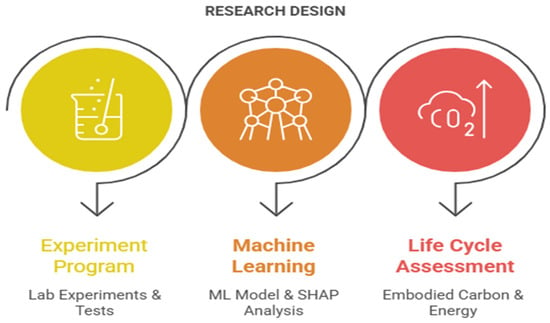
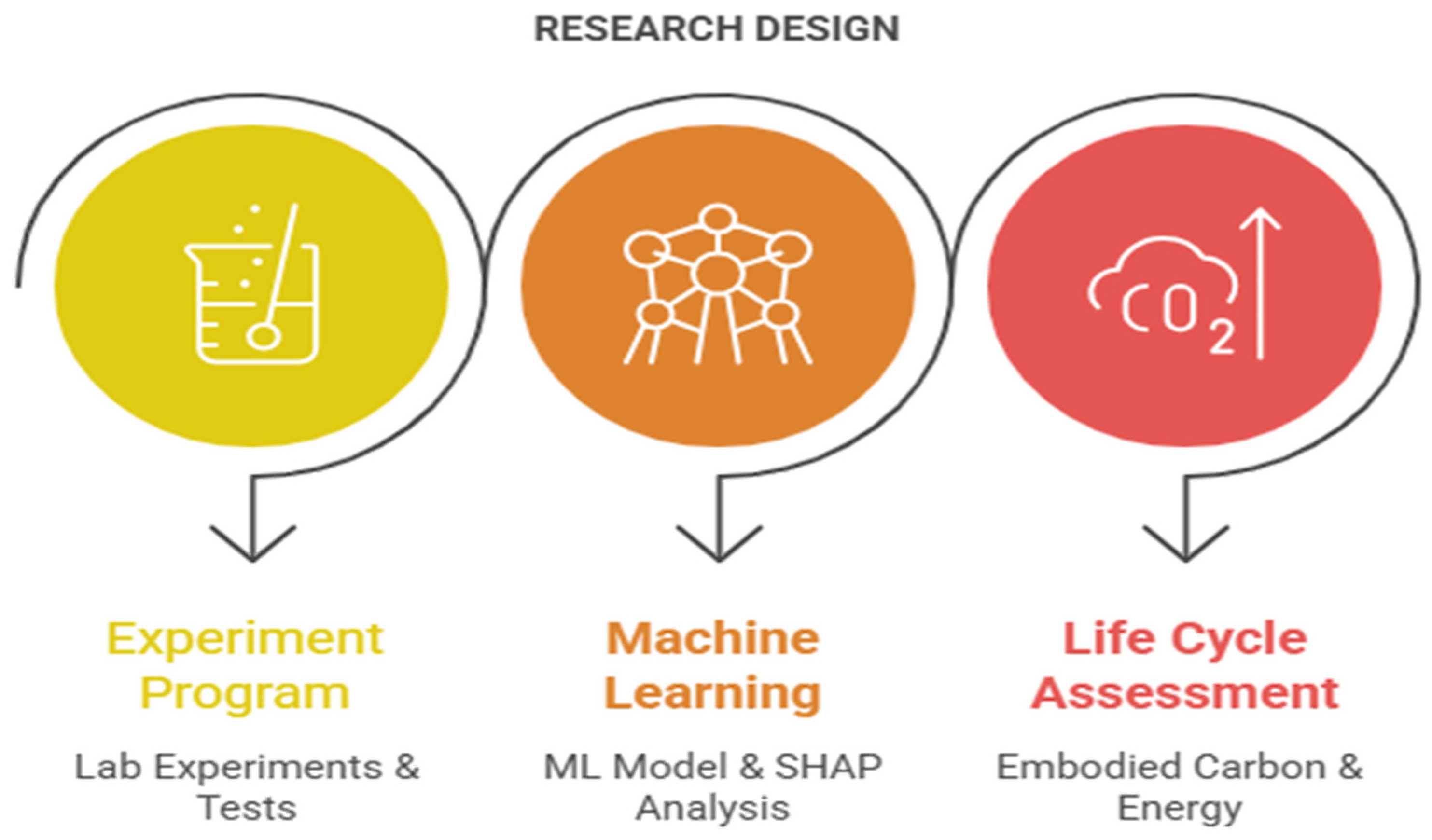
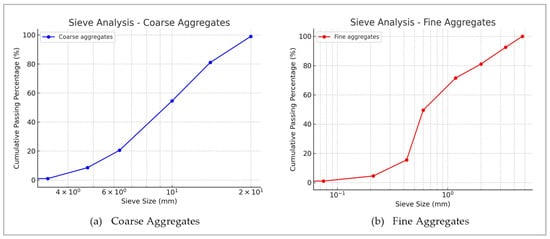
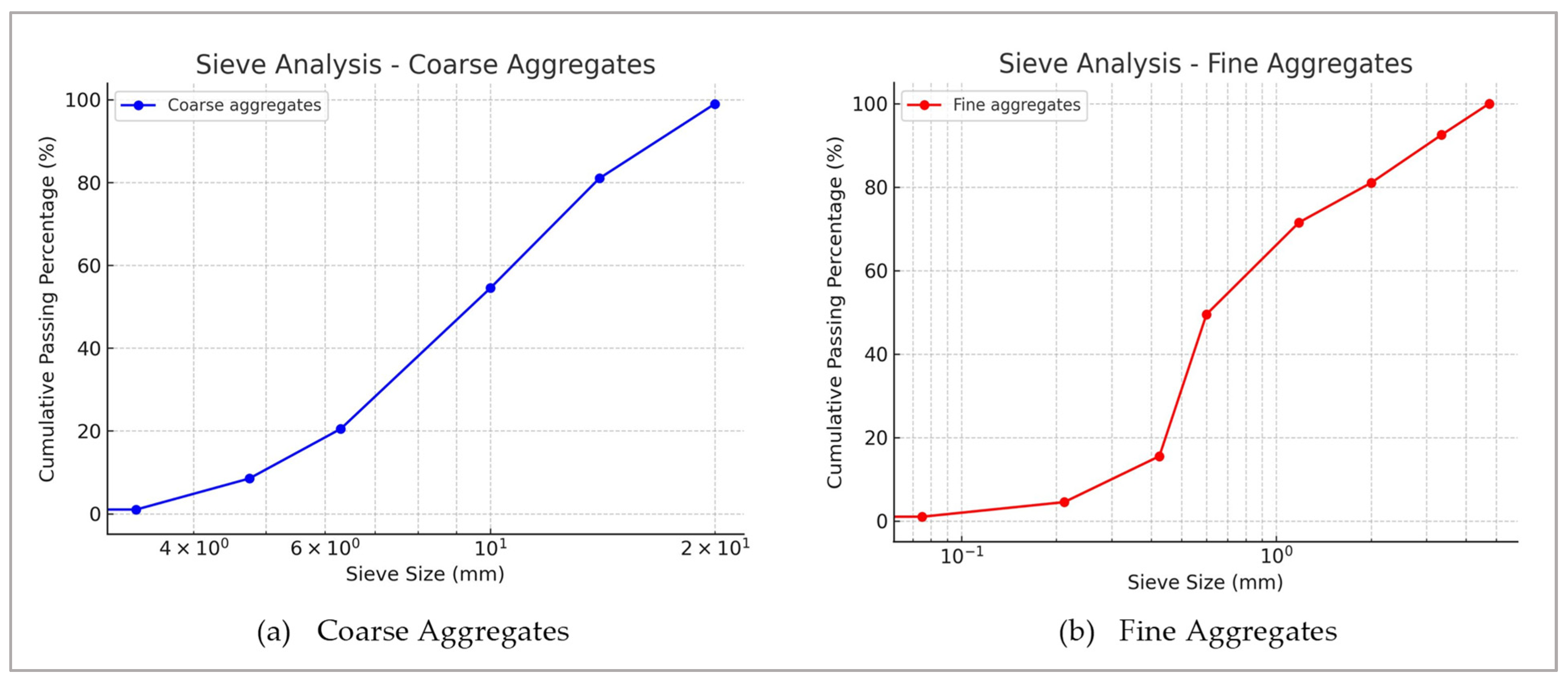
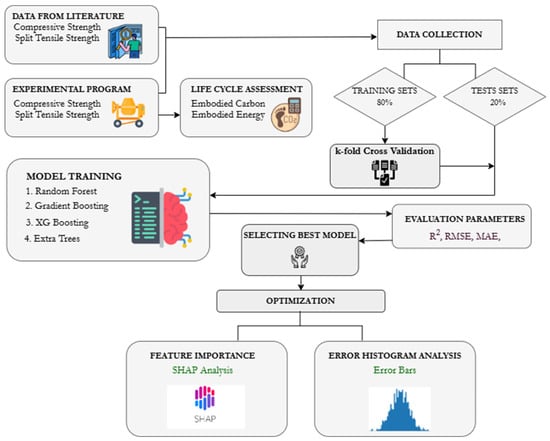
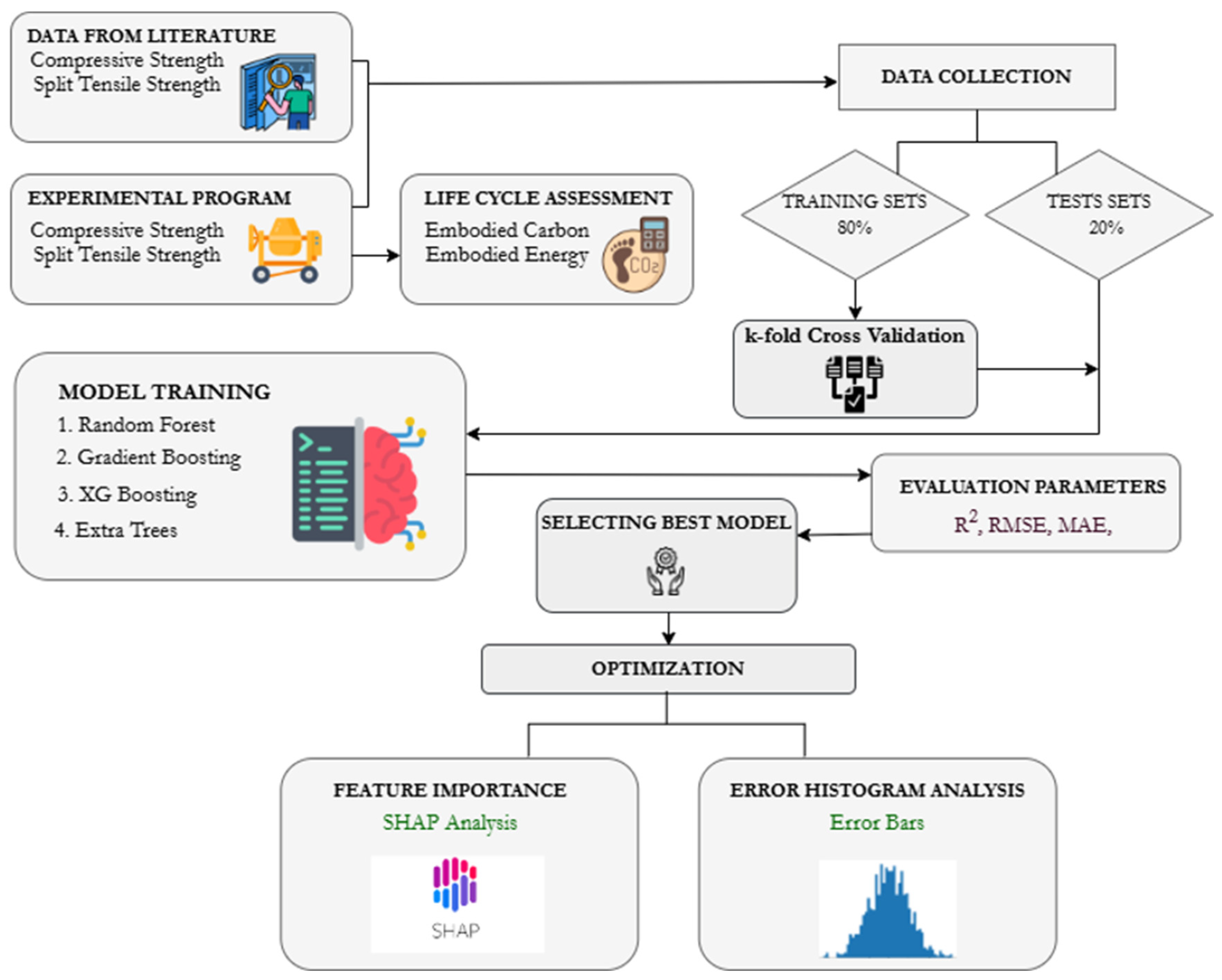
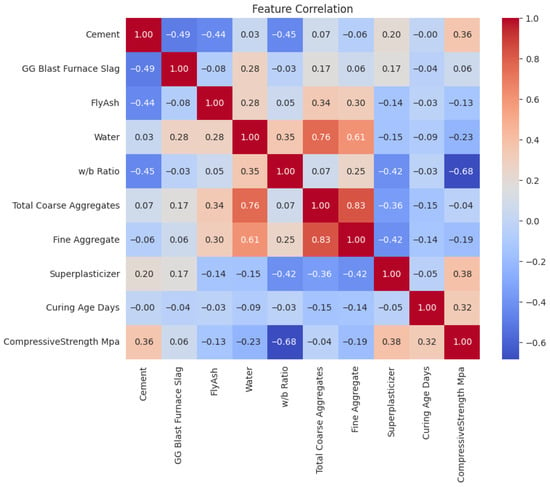
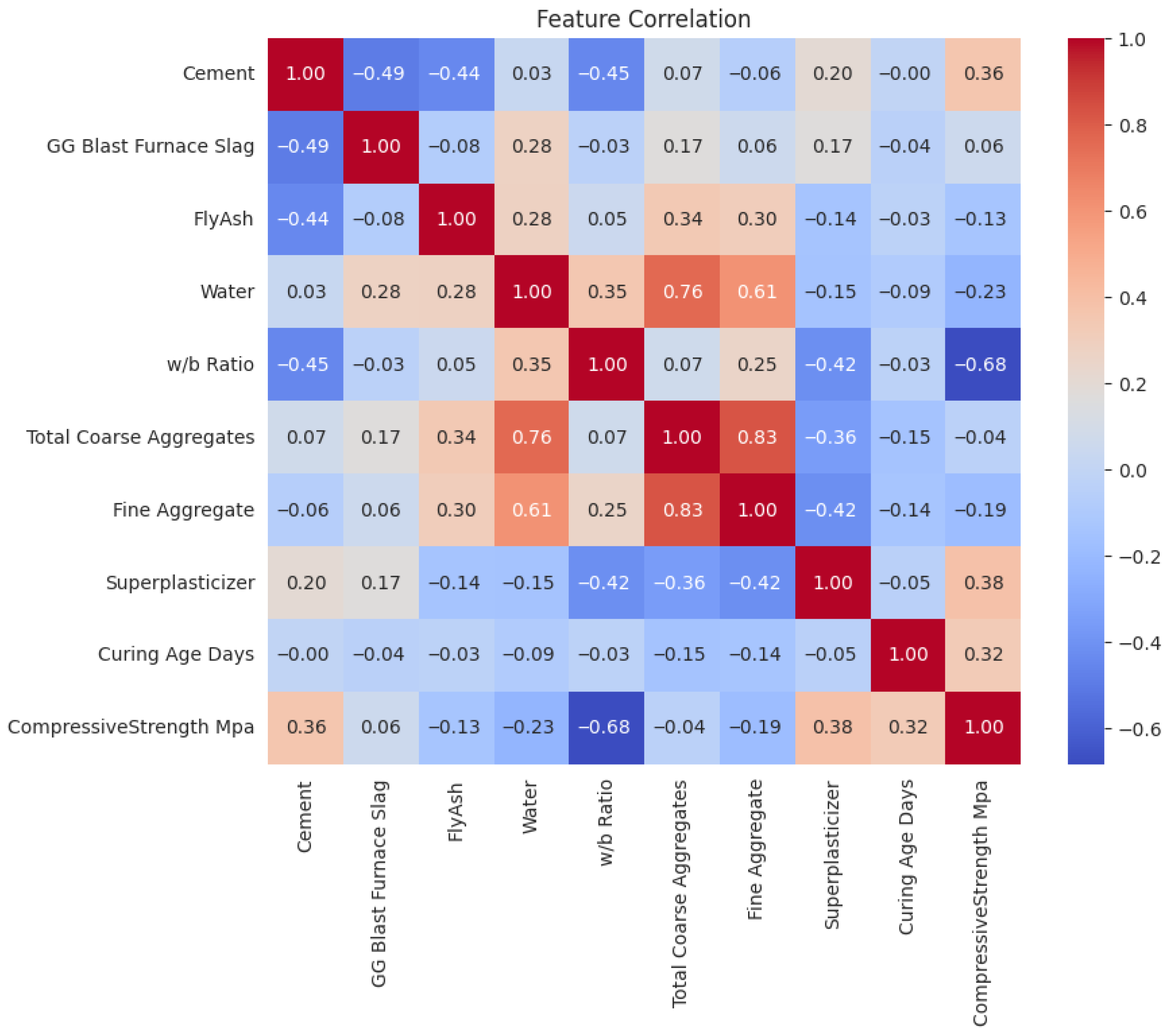
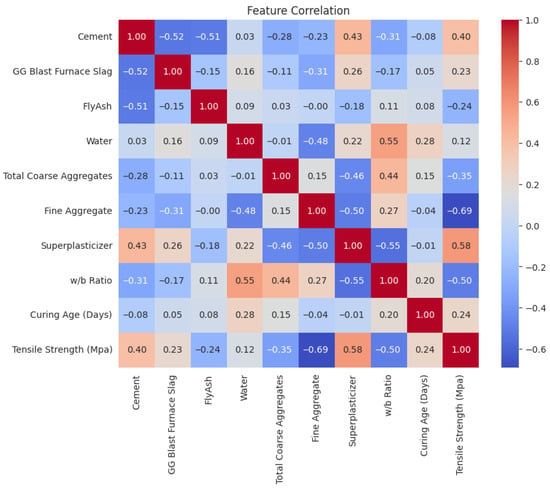
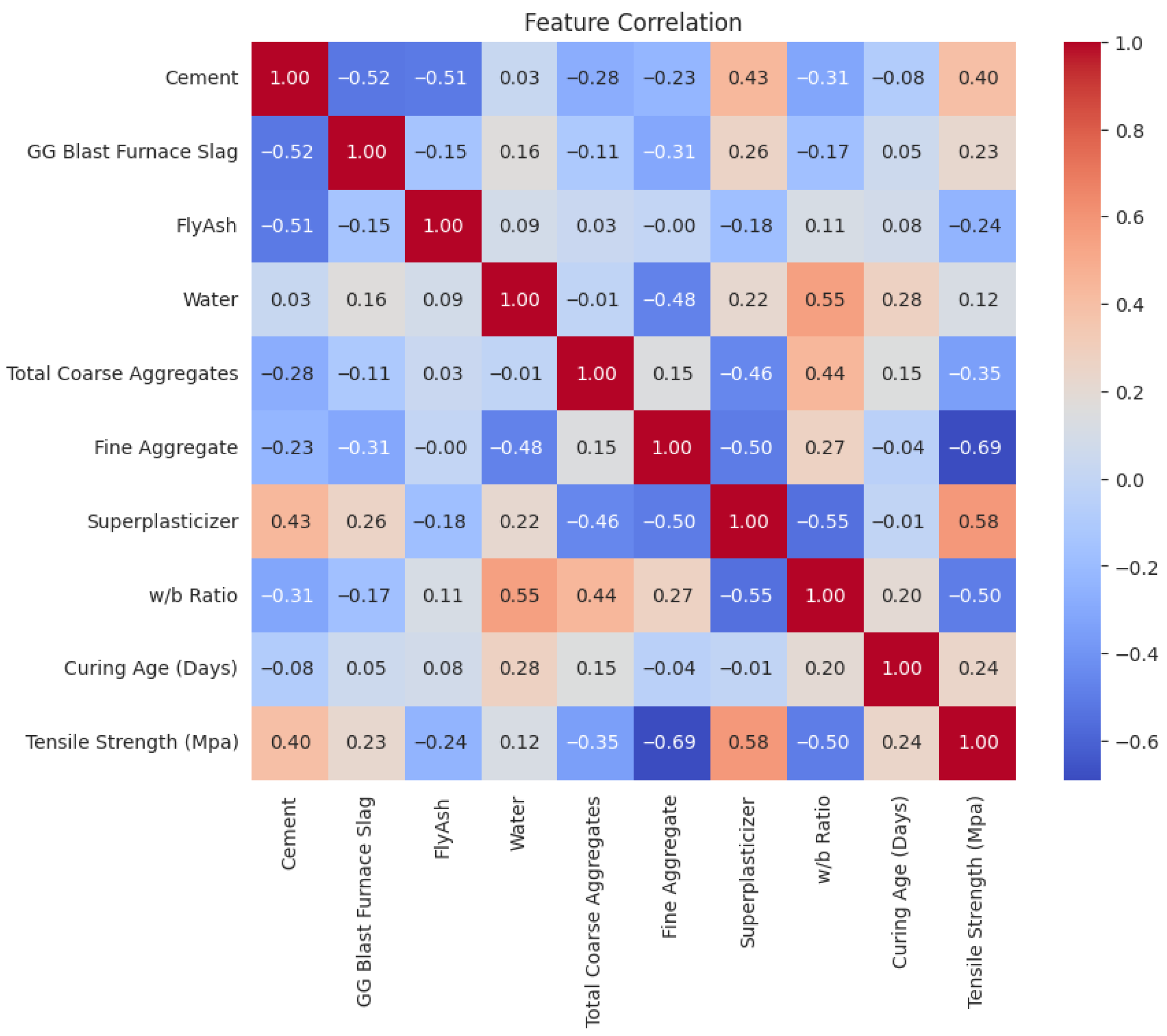
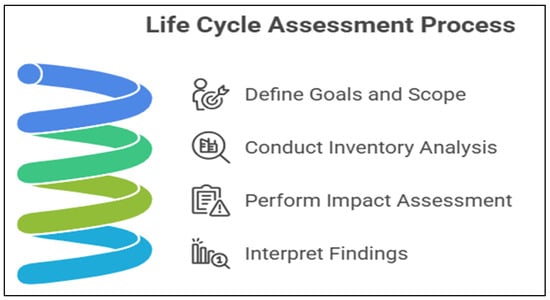
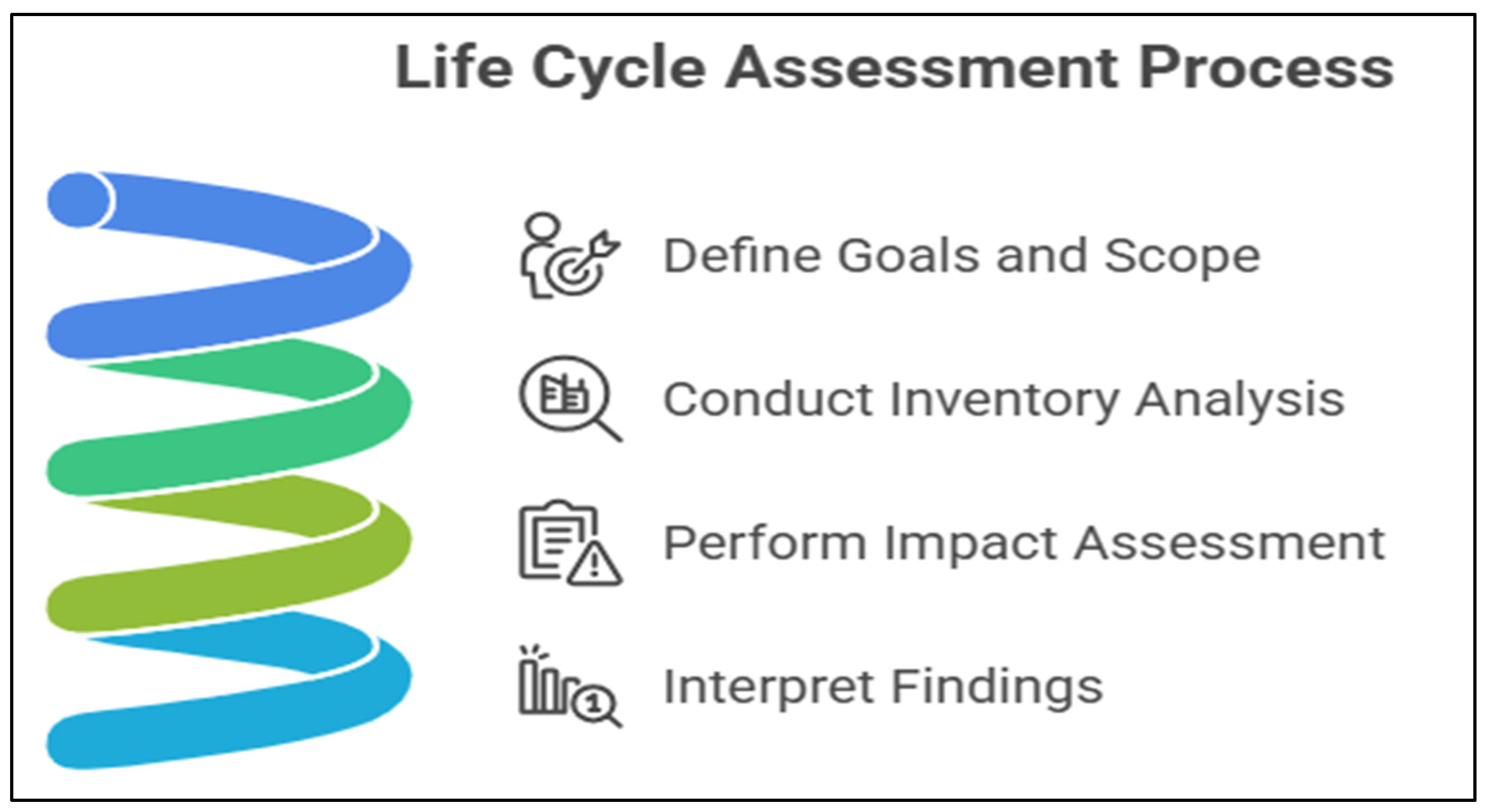
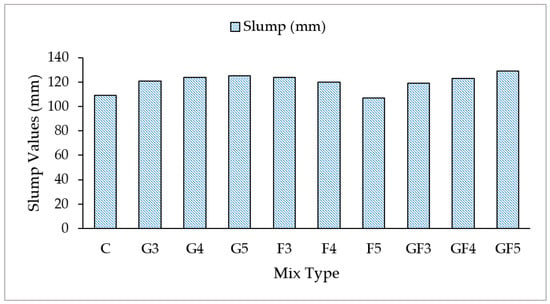
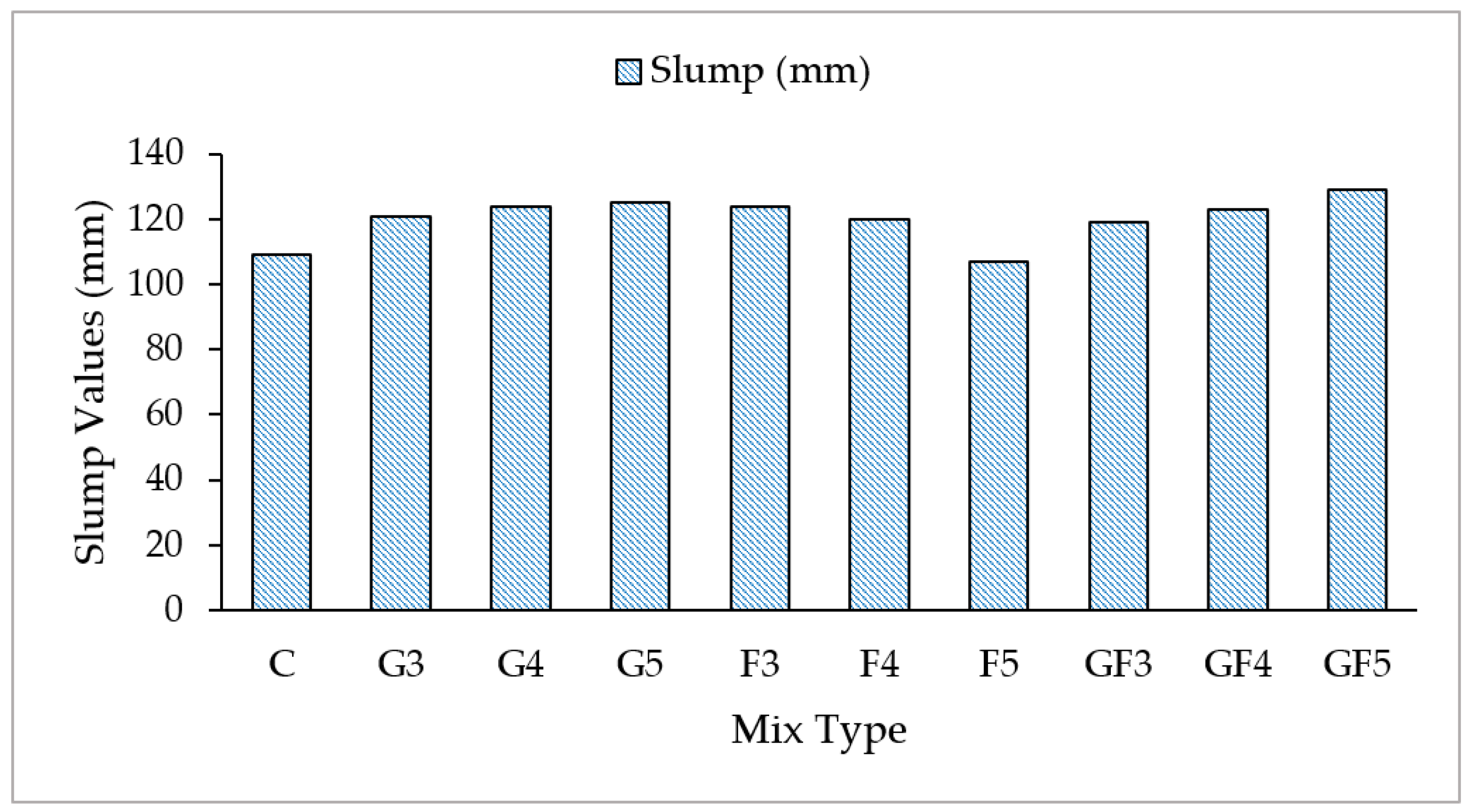
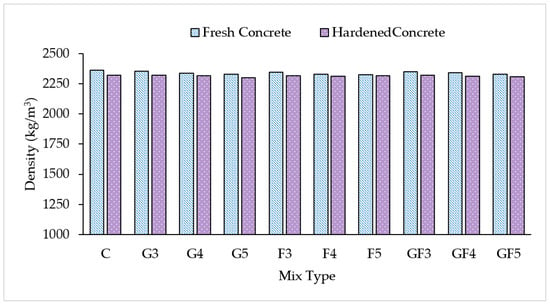
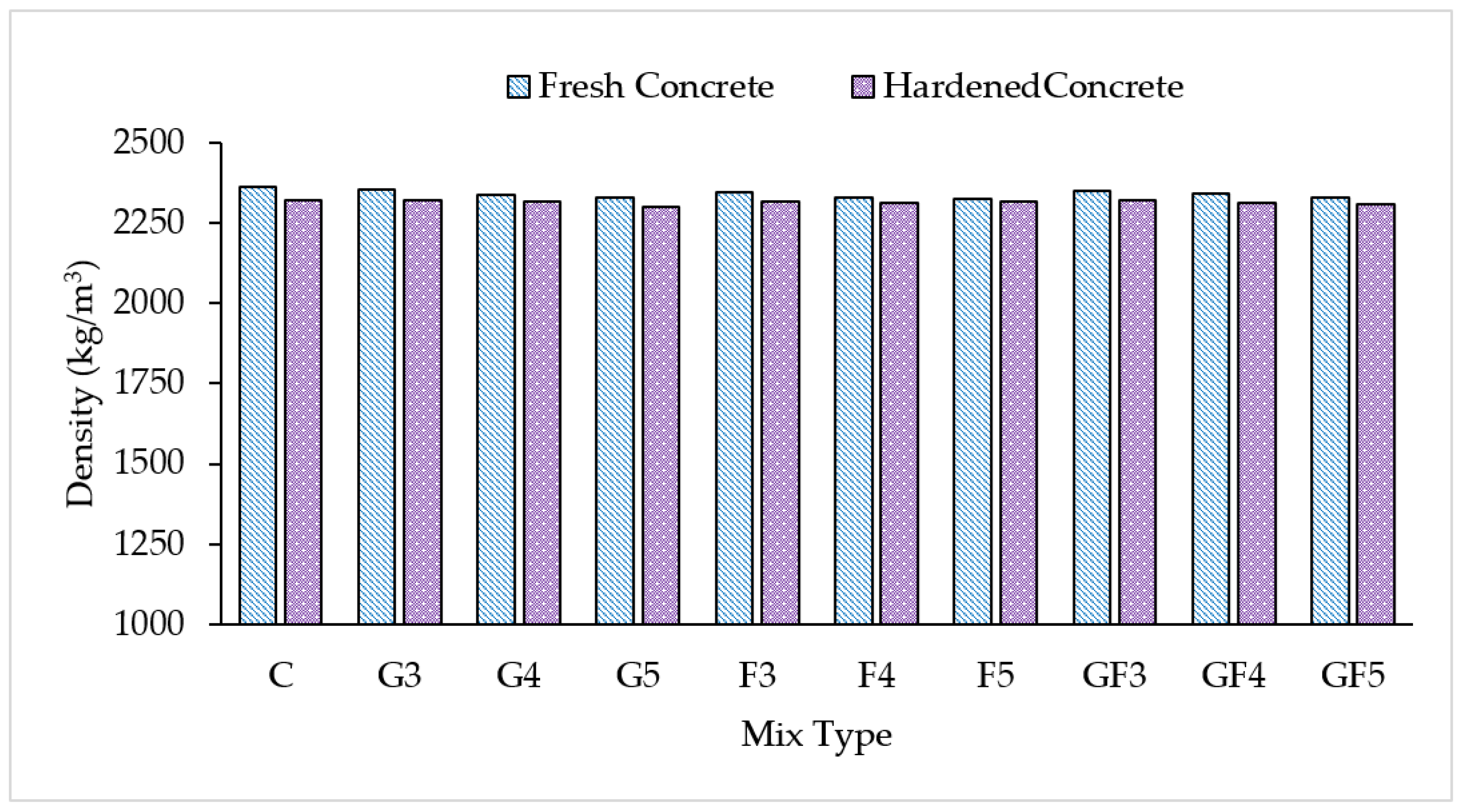
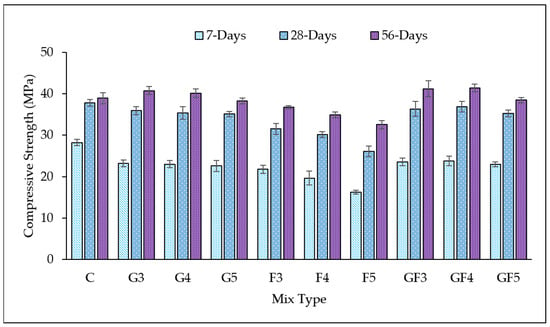
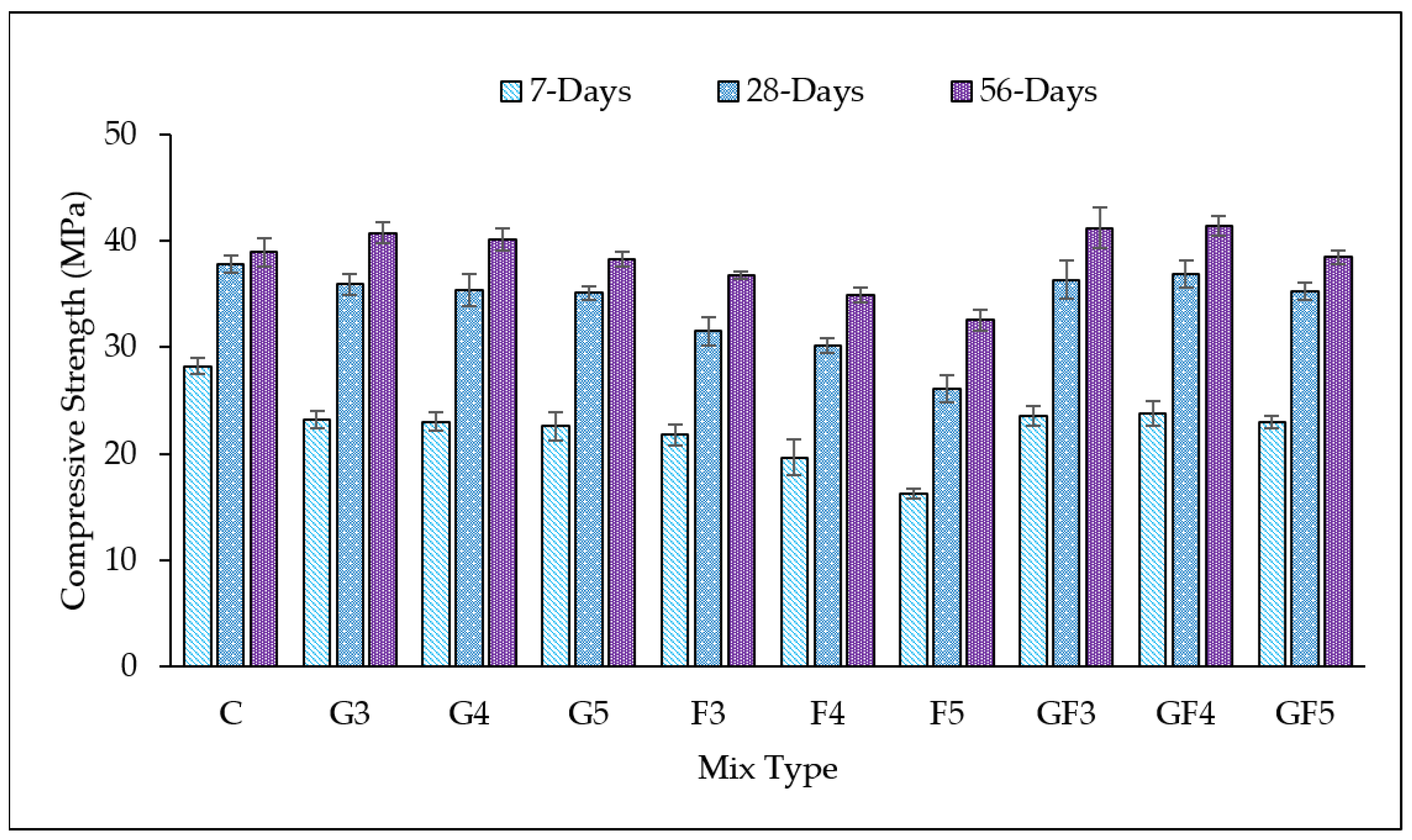
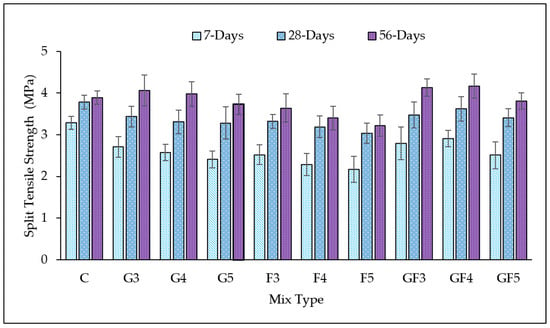
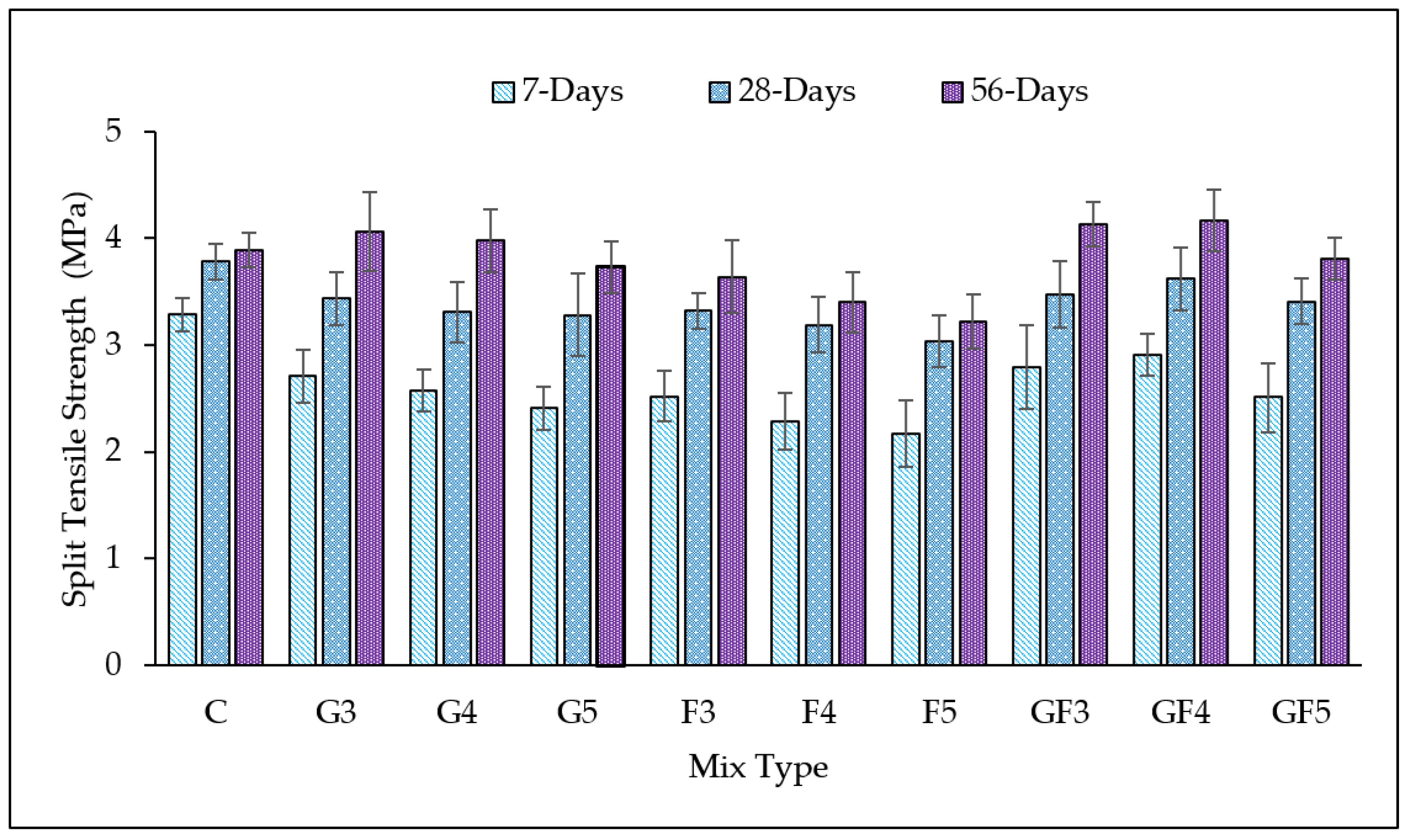
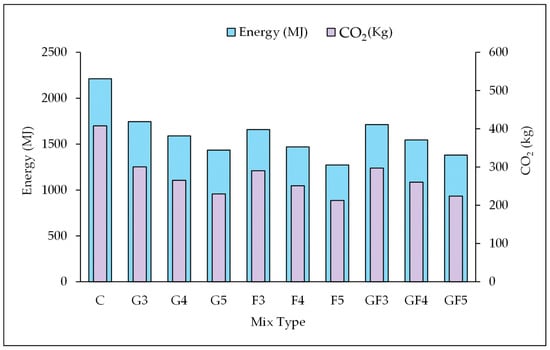
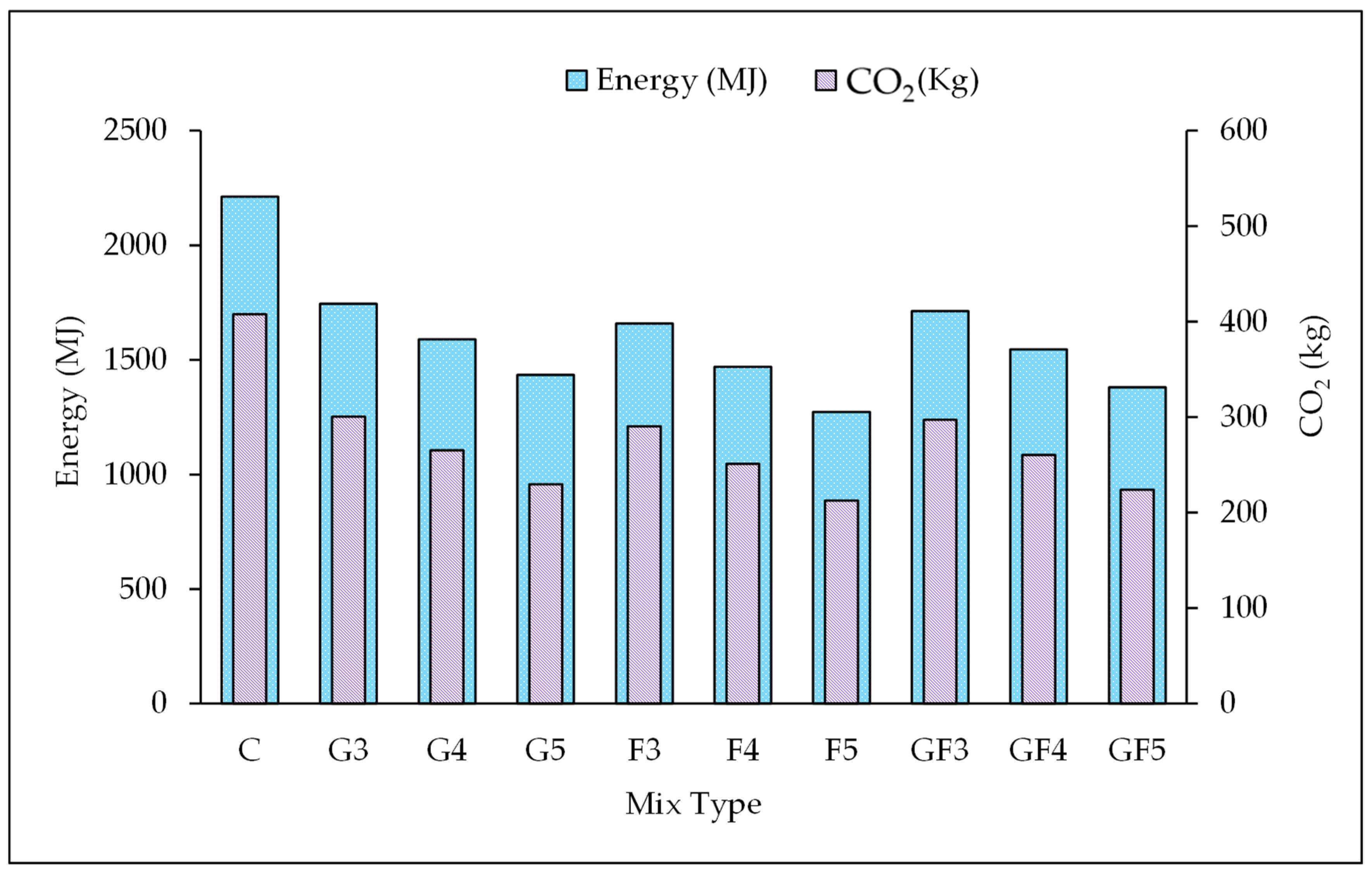
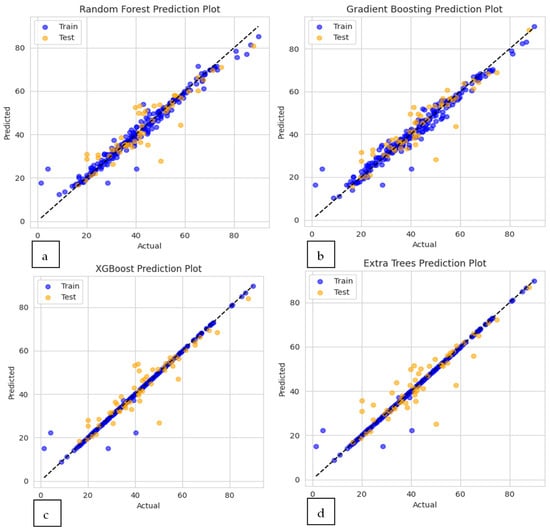
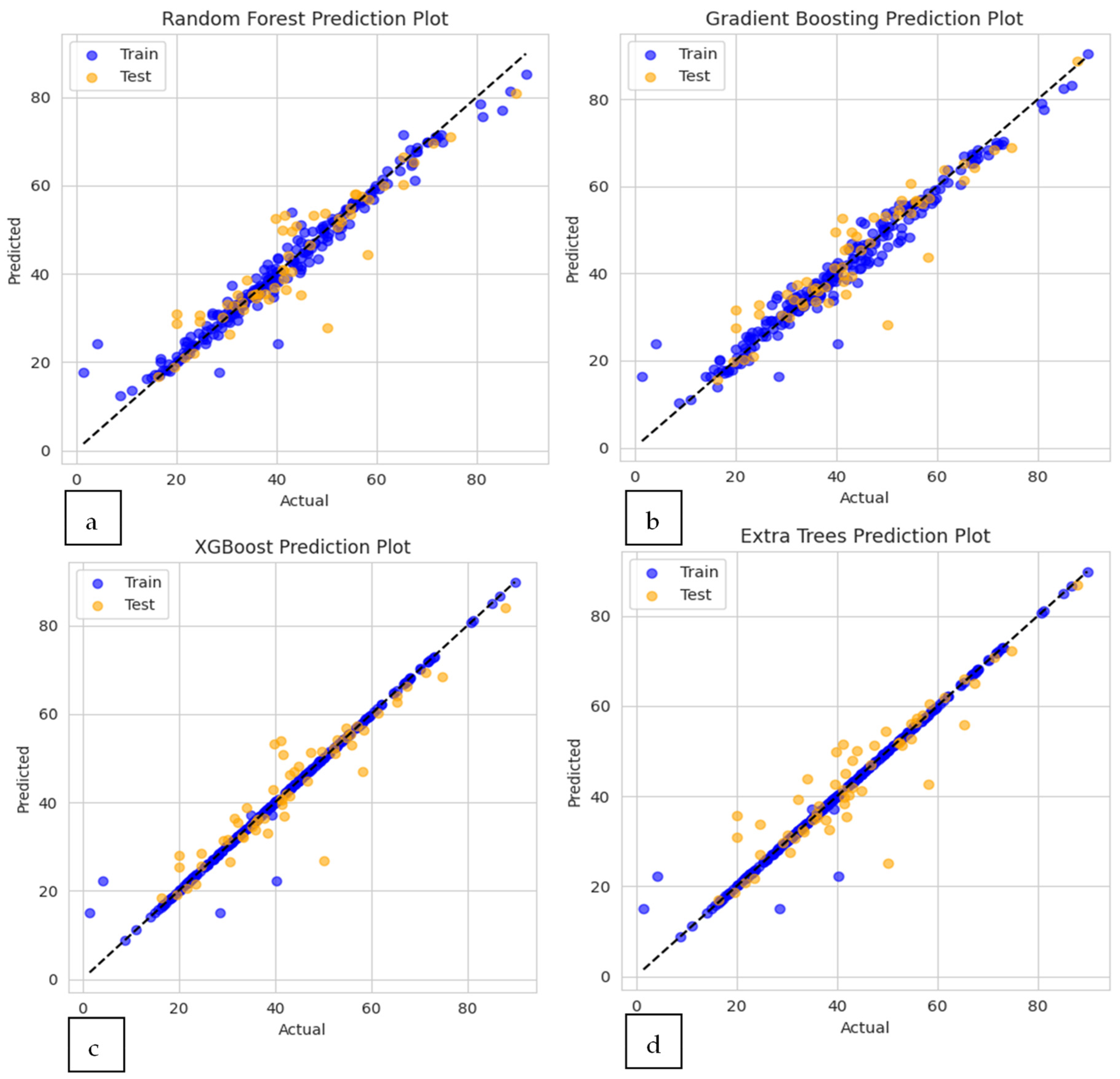
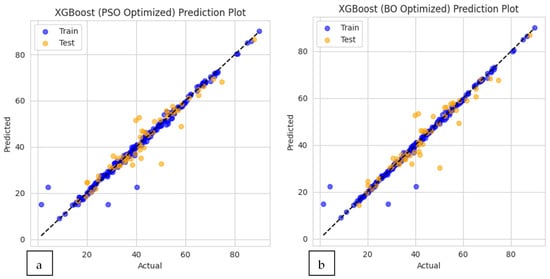
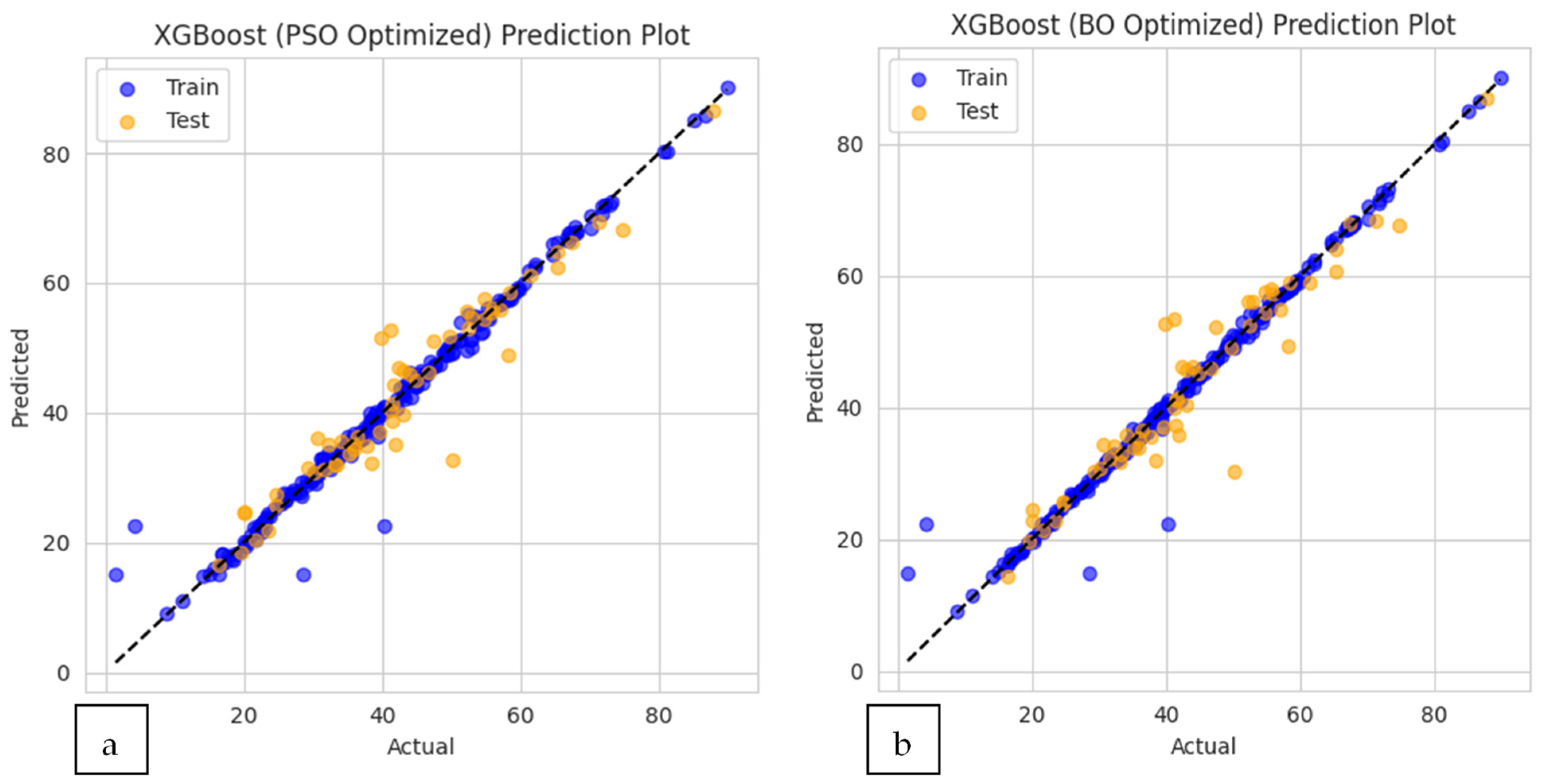
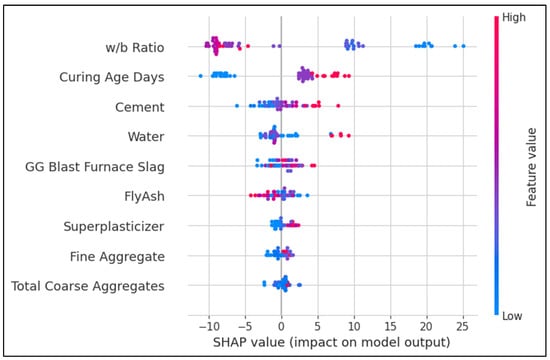
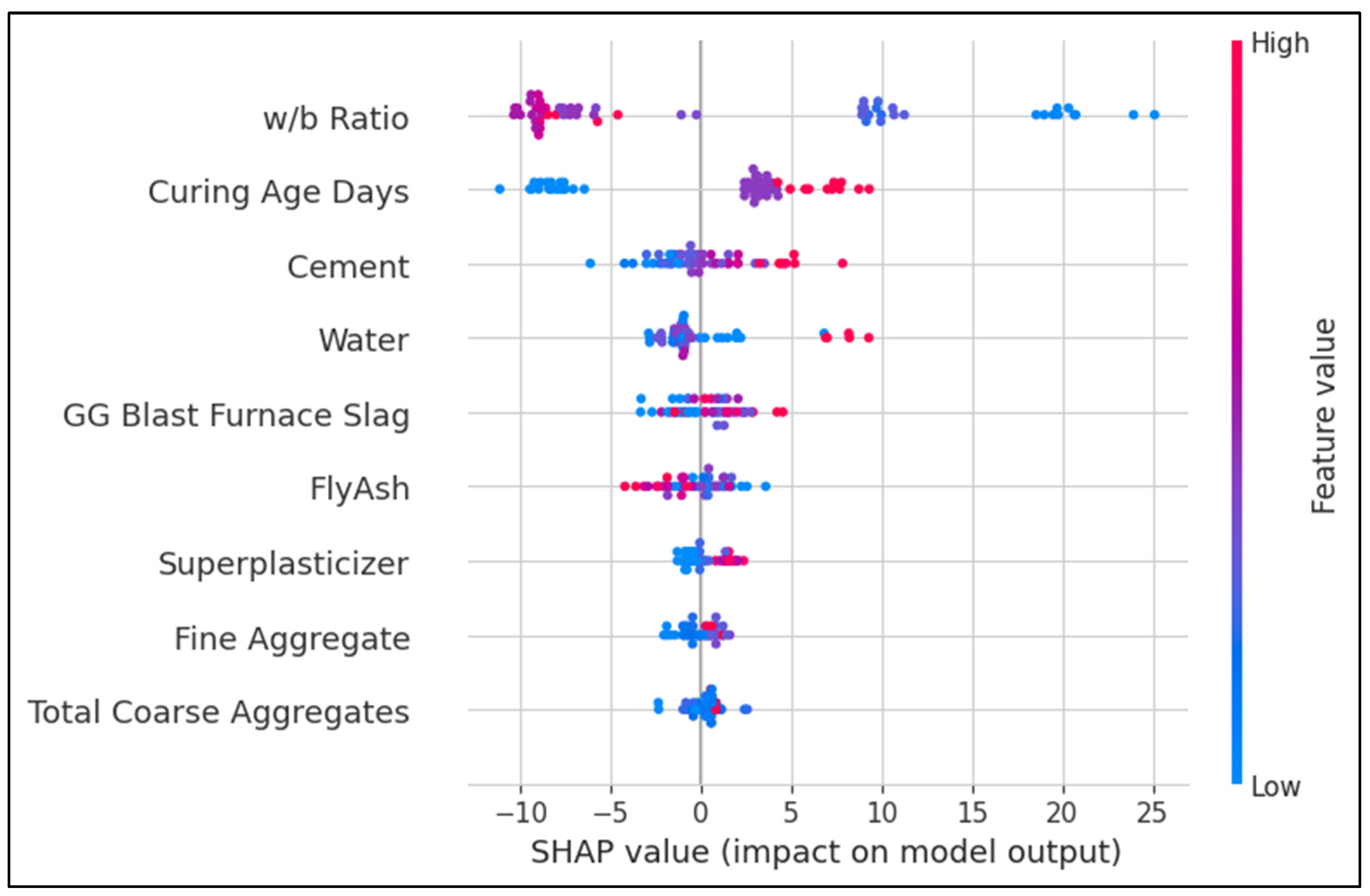
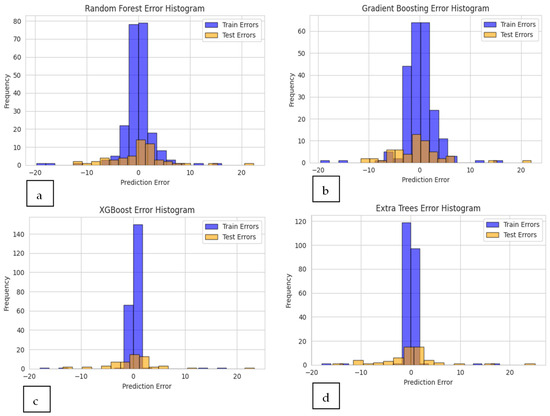
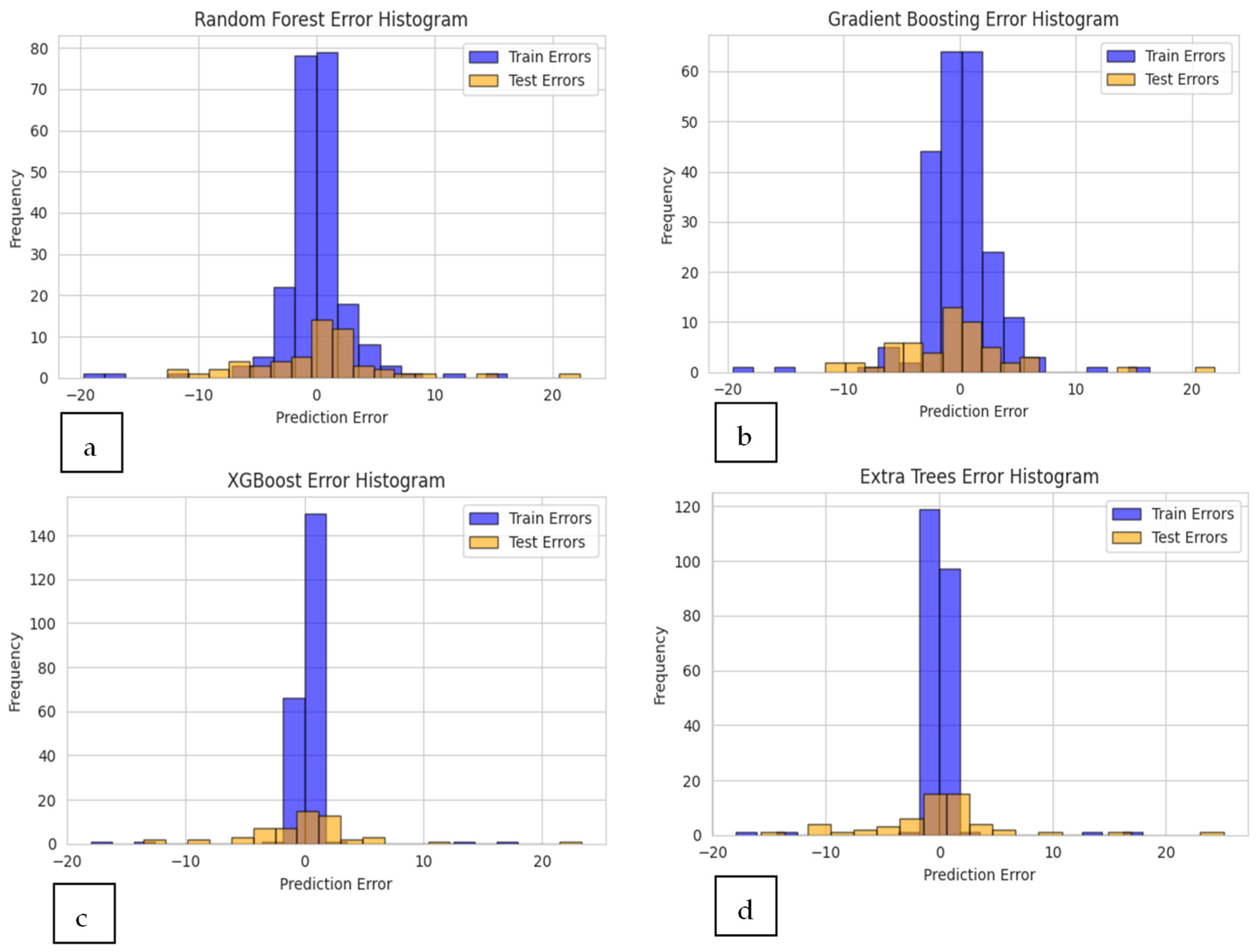
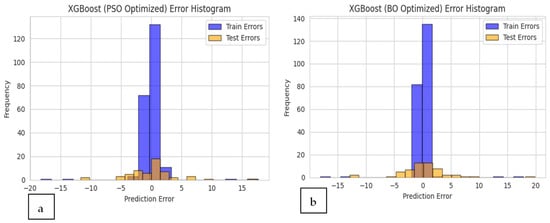
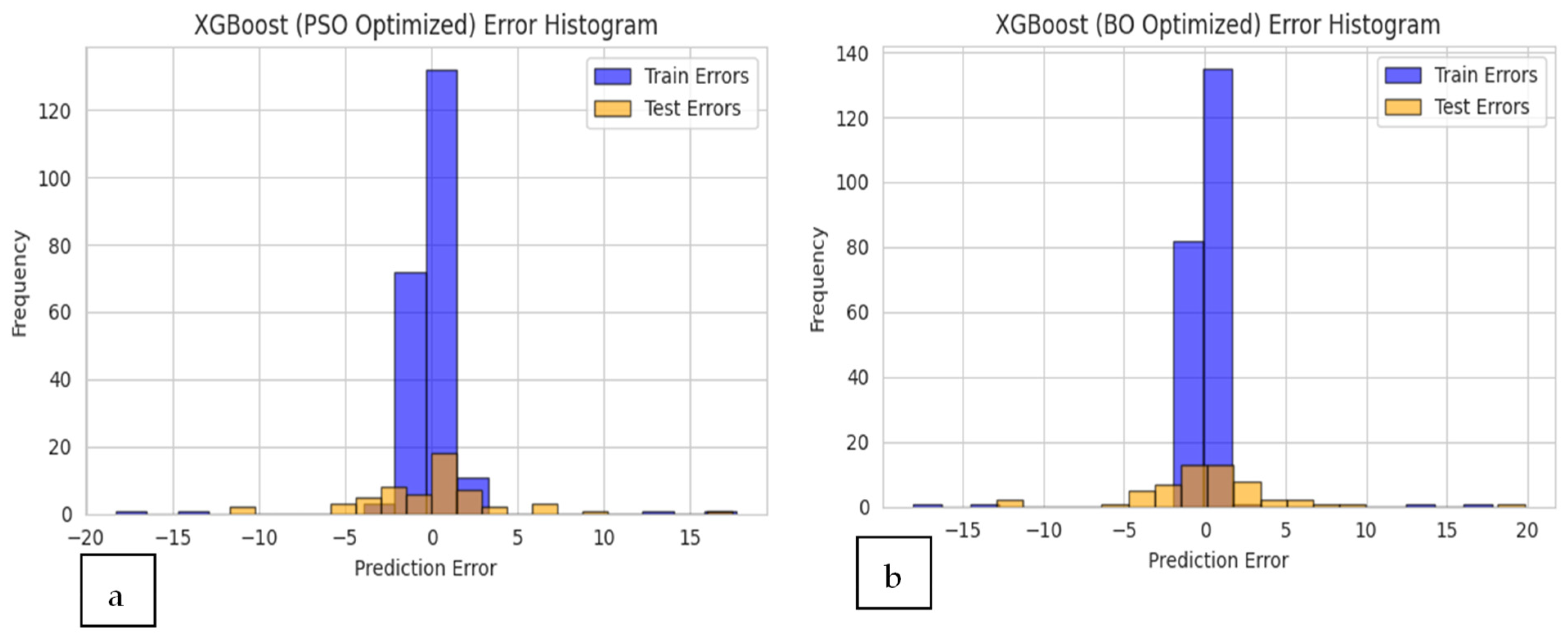
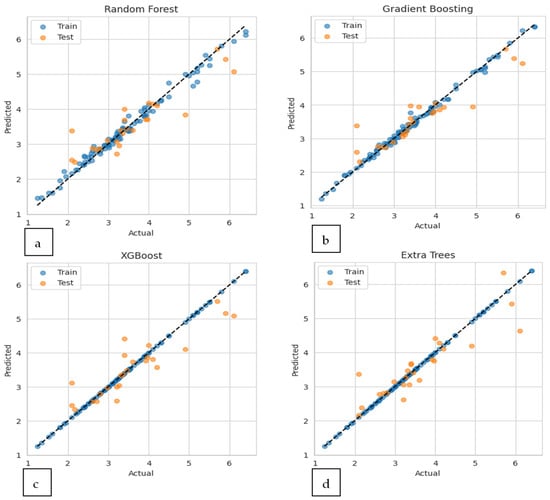
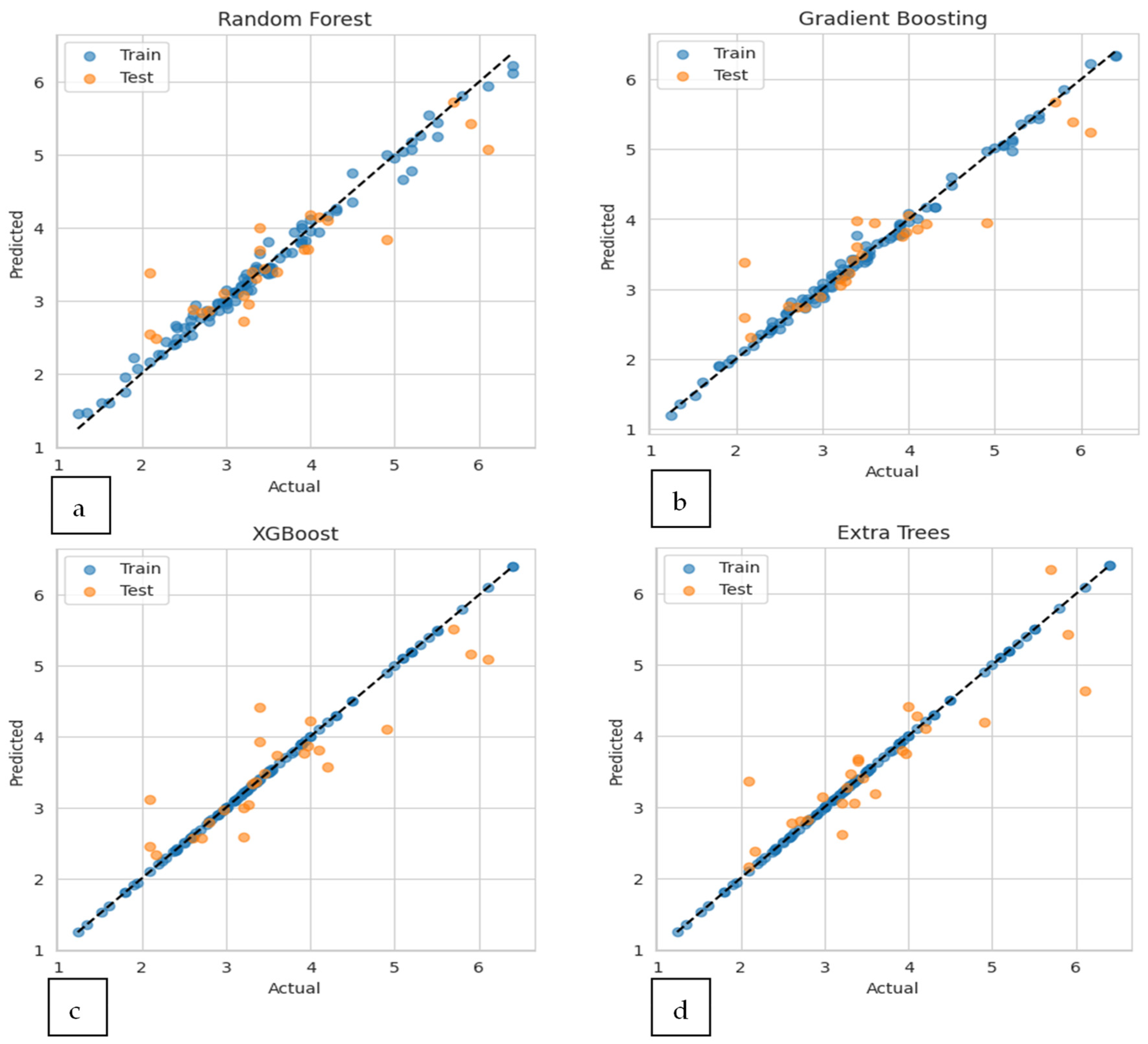
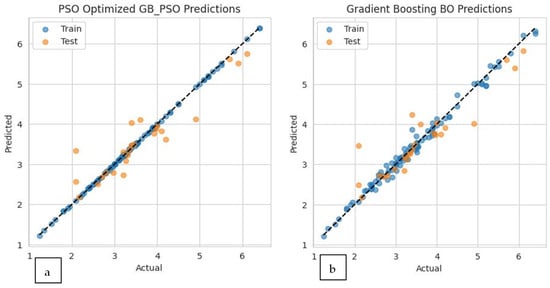
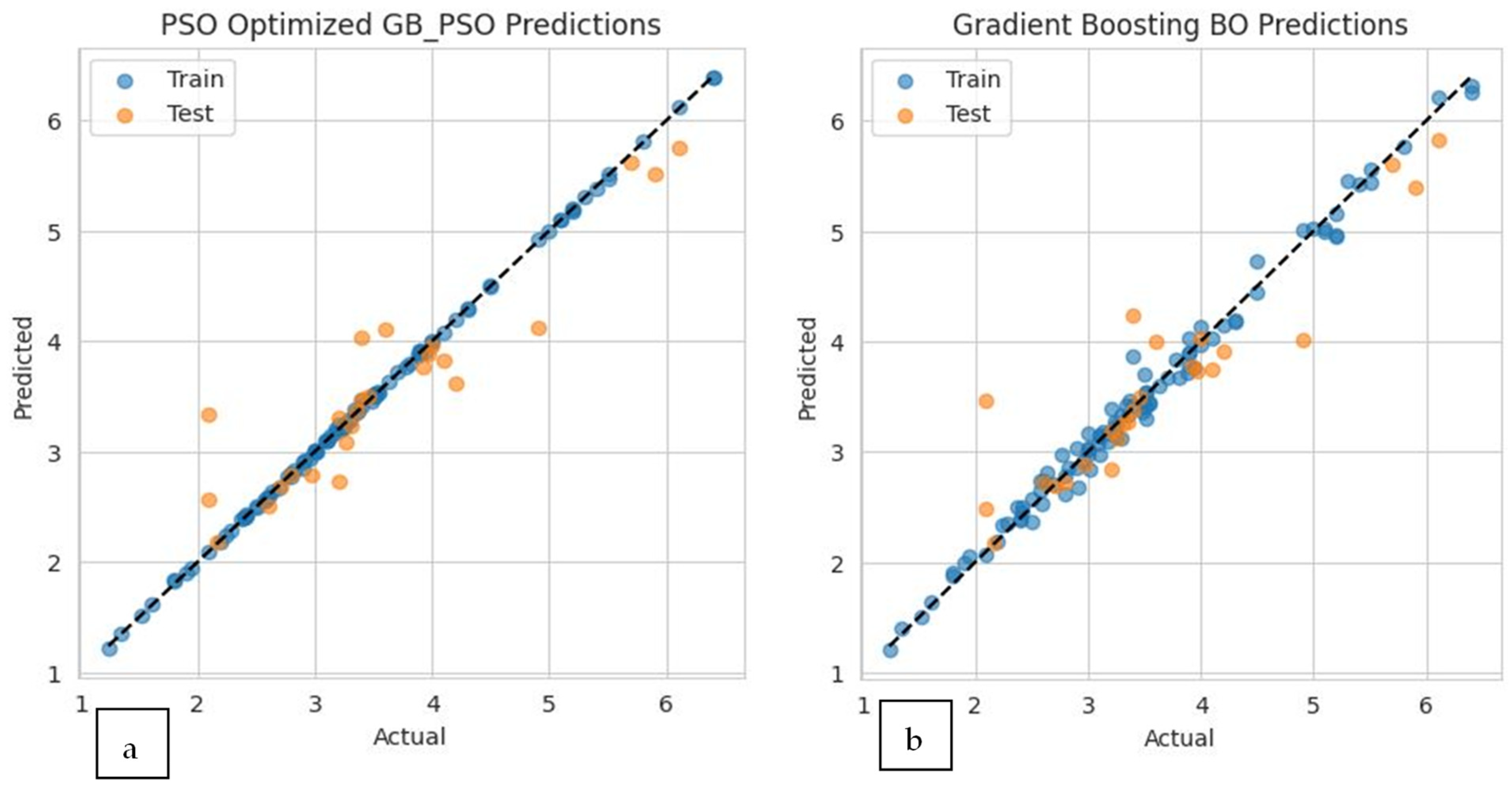
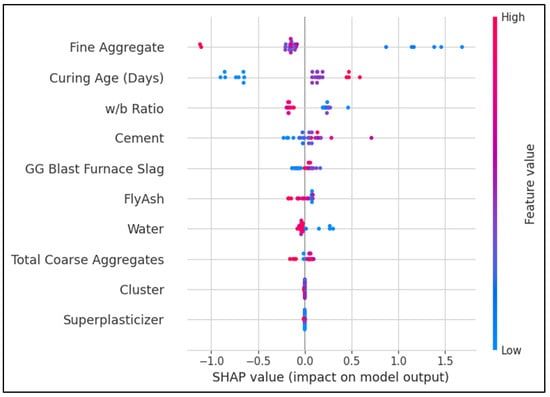
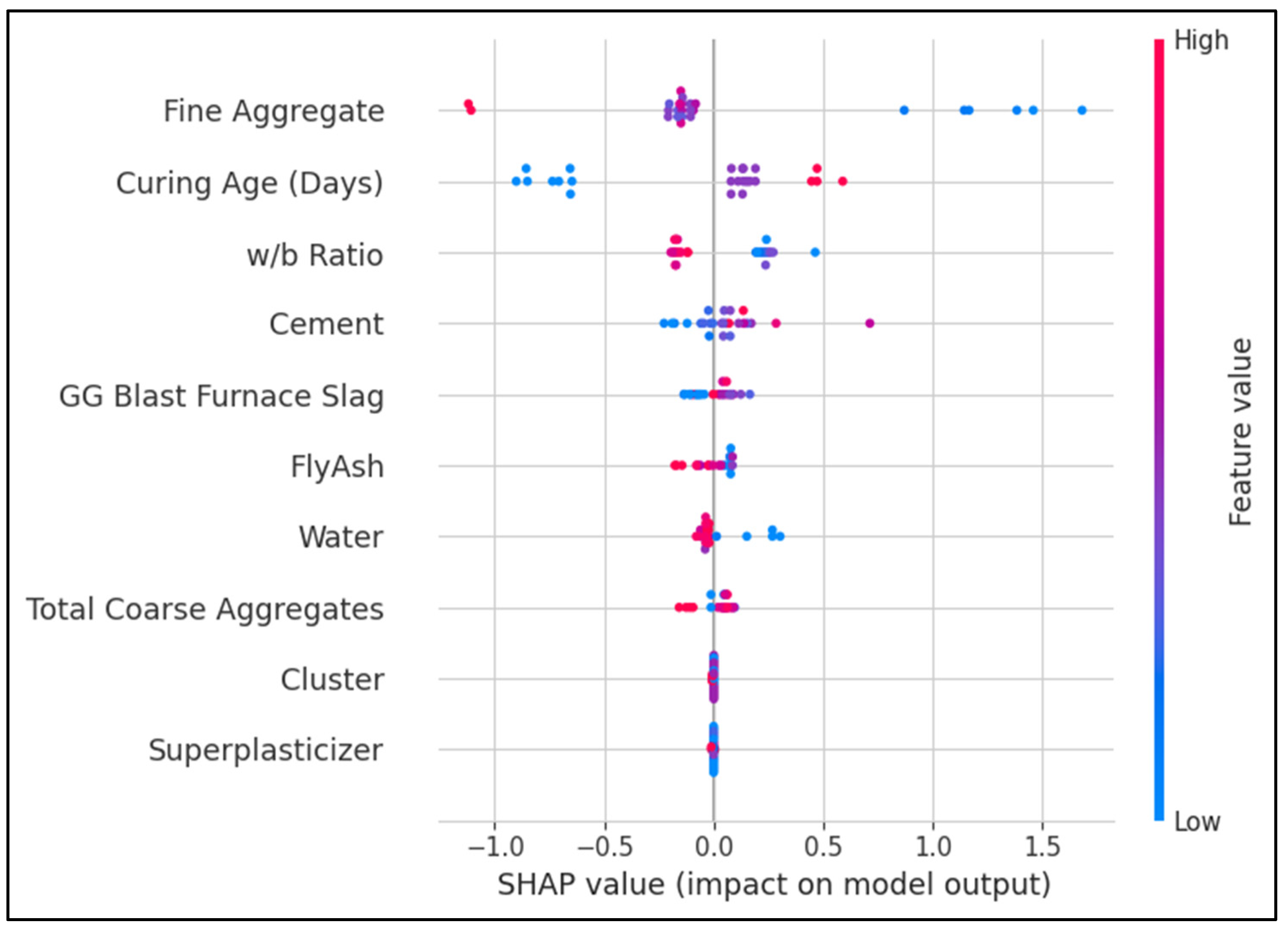
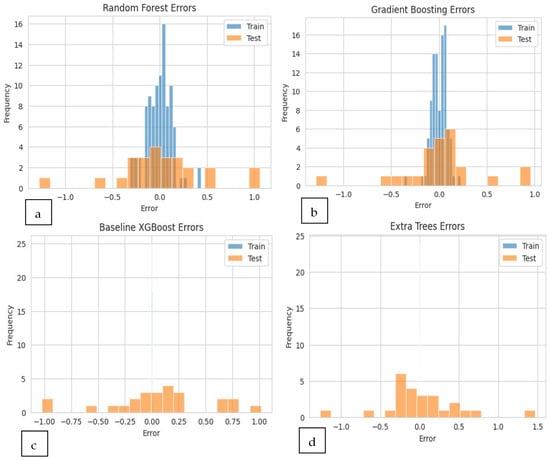
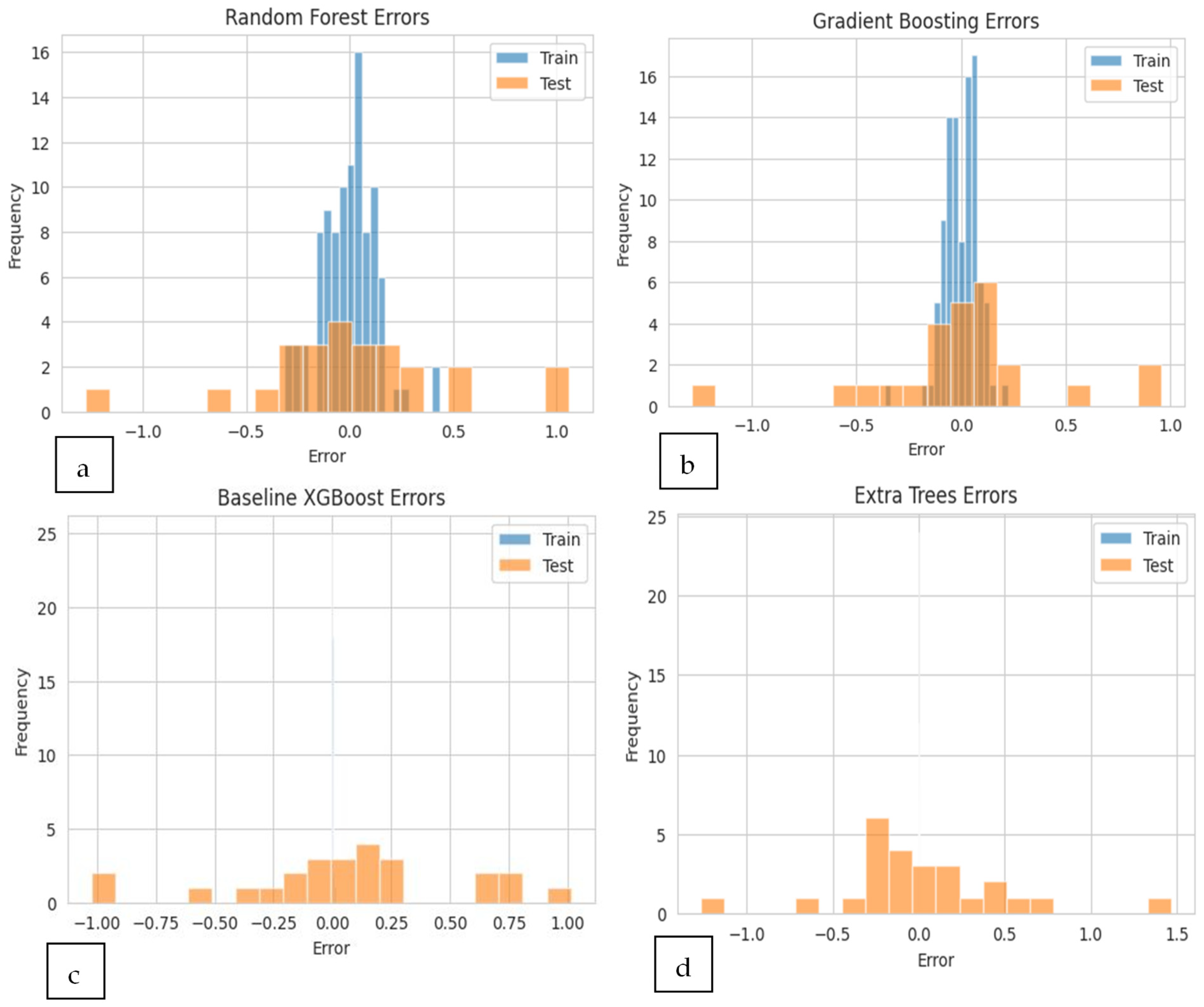
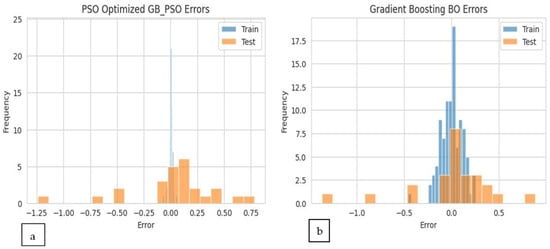
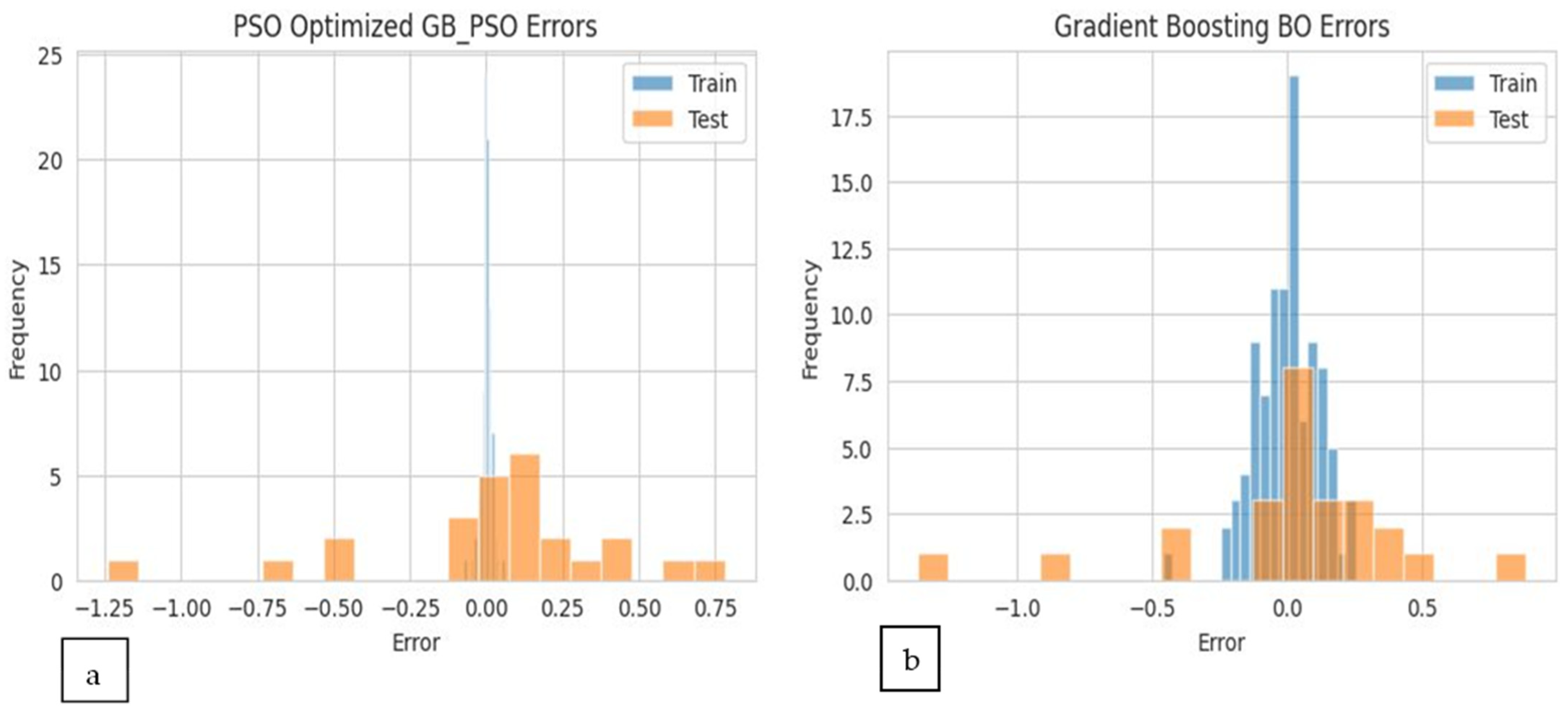

Disclaimer/Publisher’s Note: The statements, opinions and data contained in all publications are solely those of the individual author(s) and contributor(s) and not of MDPI and/or the editor(s). MDPI and/or the editor(s) disclaim responsibility for any injury to people or property resulting from any ideas, methods, instructions or products referred to in the content. |
© 2026 by the authors. Licensee MDPI, Basel, Switzerland. This article is an open access article distributed under the terms and conditions of the Creative Commons Attribution (CC BY) license.