


Abstract
The paper presents an innovative approach to producing structural connectors for bamboo constructions using recycled plastic. This solution enhances the sustainability of bamboo structures while simultaneously promoting the valorization of plastics waste. The aim is to conduct a preliminary investigation in the possible use of high-density polyethylene (HDPE) as a structural material. Two connectors’ geometries have been developed, both specifically devised for bamboo truss systems: a paddle-shaped design and an oval-shaped design. In both designs, a series of circularly arranged holes enables flexible orientation of the connected elements. The connectors are fabricated melting layers of rough-milled HDPE, sourced from waste materials, which are cast in a mold incorporating an agave braid as a reinforcement. The manufacturing process is intentionally low-tech and accessible, relying only on basic tools and equipment for milling, melting, and casting. This approach makes the proposed connectors particularly suitable for adoption in developing countries. To assess their performance, physical and mechanical tests were conducted on the base material, evaluating density, void content, and tensile strength. The tensile strength of the finished connectors results in an average value of 12.73 MPa, with a standard deviation of 2.34 MPa and a coefficient of variation CV of 18.4%, consistent with the results of tests reported in the literature. Although the sample size is limited, the obtained data are sufficient to assess the feasibility of the proposed solution, demonstrating a reasonable reliability of both the molding process and the mechanical performance of the connector.
1. Introduction
The Anthropocene era, characterized by significant human-induced environmental changes, is marked by climate change, deforestation, and, notably, widespread plastic pollution. With a global annual production of approximately 350 million tons, plastic represents a major environmental threat: despite its undeniable benefits, over one-third of plastic waste is mismanaged, only 2% is effectively recycled, and the wide variety of polymers further complicates waste management. Plastic pollution, from macro to micro-plastics, has infiltrated global ecosystems. Plastic waste not only affects ecosystems but also poses significant socio-economic and health risks, making it a complex environmental issue with transboundary impact on both ecosystems and human well-being. Plastic pollution remains a critical global challenge, with its ramifications particularly affecting the African nations. Several studies highlight the significant contributions of both land-based activities, such as mismanaged solid waste, tire abrasion, and sea-based sources, including discarded fishing gear and ship litter, to plastic pollution [1]. To effectively mitigate this growing environmental challenge, it is essential to implement strategies that enable economically viable and efficient plastic recycling at the end of its life cycle.
Despite relatively lower levels of plastic consumption and production, plastic imports into Africa are steadily increasing. This trend is driven by rapid urbanization, the growing availability of consumer goods, and trade agreements such as the African Continental Free Trade Area [1]. In 2015 alone, more than 17 million tons of plastic waste were mismanaged across the African continent, contributing significantly to global plastic pollution. Major plastic leakage hotspots have been identified along rivers like Congo, Niger, Nile, and Zambezi, largely as the result of inadequate waste management infrastructure [2]. Additionally, the importation of plastic waste from developed countries further exacerbates the problem in African nations with limited waste management infrastructure [1,2]. Detailed analyses conducted in specific African countries, such as Kenya, Mozambique, South Africa, and Tanzania, reveal substantial plastic leakage into marine environments, emphasizing the urgency of targeted interventions [3]. In 2018, Tanzania generated approximately 315 thousand tons of plastic waste, primarily composed of PET, polypropylene, and high- and low-density polyethylene. Due to inadequate waste disposal and recycling infrastructure, only about 34% of plastic waste is collected, leaving a significant proportion unmanaged and at high risk of environmental leaking [4].
Polyethylene, particularly high-density polyethylene (HDPE), constitutes a significant portion of global plastic production and represents a promising material for mitigating the environmental impacts of plastic waste due to its recyclability. HDPE finds extensive use in numerous applications, from household chemical bottles to rigid containers, owing to its robust and resilient molecular structure. This structure provides good resistance to biological degradation and mechanical damage. The recyclability of HDPE represents an advantageous prospect for entrepreneurs, as the material can be repeatedly recycled using readily available, low-cost tools and equipment. Its thermoplastic nature allows it to be reheated and reshaped multiple times, making it particularly well suited for recycling endeavors when managed appropriately.
The material offers a wide range of advantages, including a high strength-to-weight ratio, moldability for diverse applications, impermeability to liquids, and robust resistance to physical and chemical degradation, all while maintaining relatively low production costs. However, HDPE also presents certain limitations, including flammability, susceptibility to embrittlement and challenges for joining. Moreover, ensuring safe handling practices is essential to minimize health risks associated with exposure to high temperatures and volatile organic compounds during thermal treatment. Adequate ventilation, appropriate personal protective equipment and precautions against thermal burns and eye injuries are imperative during the compression molding process. Furthermore, the absence of systematic quality control procedures, common in a non-industrial setting, may reduce both risk care minimization and workers safety [5]. The compression molding technique, briefly outlined below (e.g., [6]), is a relatively simple, cost-effective and environmentally friendly method for manufacturing products from recycled plastics. It can serve as a viable alternative to conventional industrial process for shaping HDPE. However, several critical parameters govern the process and can be difficult to control in resource-limited settings: the composition of the recycled material, the degree of homogenization, the melting temperature (and its uniformity), the applied pressure and the mold design (e.g., layer thickness and numbers, geometry of the part). Each of these factors significantly influence the quality of the final product, particularly in terms of structural performances.
In this scenario, this paper focused on exploring the potential of repurposing plastic waste into valuable resources, contributing to the development of a circular economy. The concept originated in Tanzania in collaboration with the non-profit organization “Venite e Vedrete ONLUS” [7]. It was driven by a desire to improve the quality of life for individuals living in impoverished conditions, particularly those affected by waste and toxic emissions resulting from plastic incineration. The project focuses on the development of a structural joint using recycled high-density plastics reinforced with natural agave fibers. These joints are intended to work in combination with bamboo canes to form truss-beam structural system. Bamboo has emerged as a viable alternative among sustainable structural materials due to its renewability, favorable mechanical properties, and wide global availability, particularly in developing countries [8,9,10,11,12]. As a natural material, bamboo exhibits limited durability, which can be ensured only through appropriate physical-chemical treatments [8,13,14,15]. Geometrically, bamboo culm is a tapered hollow cylindrical element with irregularly spaced nodes, with both diameter and wall thickness decreasing from the base to the top. Due to the fibers aligning along the longitudinal axes, bamboo is an orthotropic material [16]. Bamboo is often used in structural engineering in its raw culm form [17,18,19,20,21,22,23]. However, the design of resilient and reliable joints between bamboo culms remains a particularly challenging problem [24]. Over time, several types of joints have been developed. Traditional connections typically employ biological materials such as hemp, jute, coconut fiber, bamboo, and wood, whereas modern solutions often incorporate concrete and steel. The modern connections are based on a bolted joint, with cement mortar used to fill the ends of the culm to improve the integrity of the structural elements [25]. This solution mitigates stress concentration between metal elements and bamboo wall thickness, reducing longitudinal splitting risk. Metal clamps around the culm can limit cracking from mortar swelling or excessive contact stresses between metal pins and bamboo. Plastic-based connection has also been explored: for example, Albermani et al. proposed a PVC joint in truss structures [26]. However, to the best knowledge of the authors, no recycled plastic-based joints have been proposed. In this context, the present work investigates the use of recycled plastic as an alternative material for bamboo structural joints.
The aim of the paper is to conduct a preliminary investigation in the possible use of recycled plastic as a structural connector material in bamboo truss structure, i.e., to introduce and to characterize this new type of connector. Applications to complete structural systems will be the subject of future work.
Two connectors were developed: a paddle-shaped geometry and an oval geometry. In both designs, a series of circularly arranged holes enables flexible orientation of the connected elements. The proposed connectors are manufactured by melting multiple layers of milled HDPE, sourced from discarded items. An agave braid is embedded within the material to reinforce the connector, and to ensure a minimum level of ductility. The simplicity of the milling, fusion, and manufacturing processes makes this solution particularly suitable for application in developing countries. Both the produced material and the connectors were experimentally tested to evaluate their structural performance and efficiency.
No in-depth comparisons with existing structural connection systems are conducted owing to the novel typology of the proposed connector: existing bamboo connections systems follow a different design philosophy, as they typically rely on cement, resin, external steel ties, and similar. In contrast, the approach proposed here aims to develop an original and innovative low-engineered bamboo connector that is inexpensive and easy to manufacture, thereby contributing to the circular economy.
2. Recycled HDPE Connector
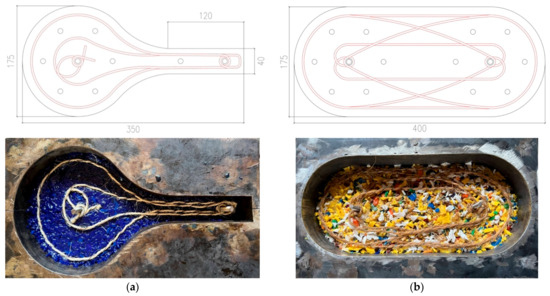
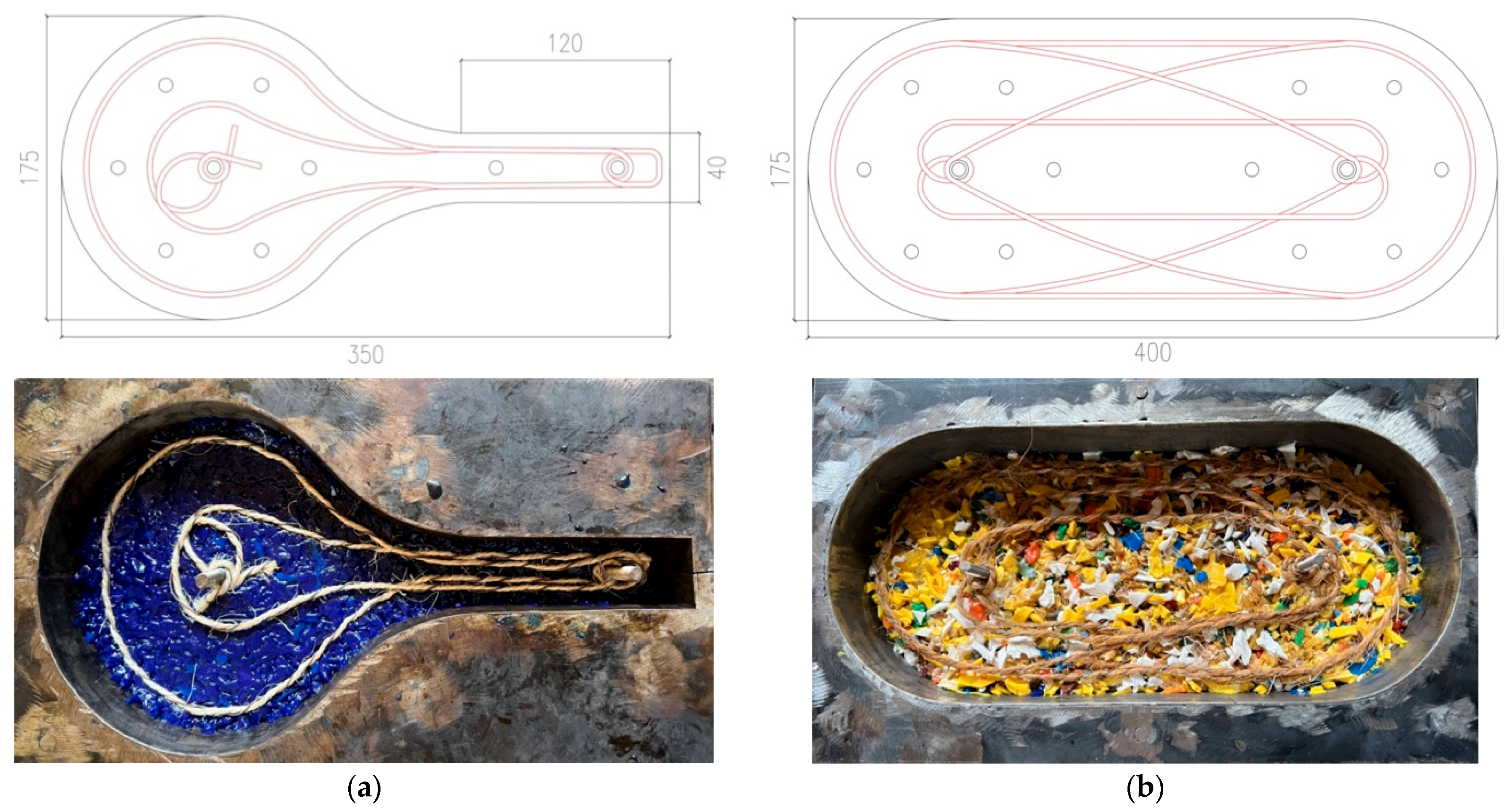
The procedure adopted to obtain the final artifact is relatively straightforward. A crucial phase of the manufacturing process involves the selection of HDPE items by urban plastic waste, which are subsequently coarsely ground and milled using a plastic shredder until they reach a final particle size of 5 mm. A layer of the resulting ground material is then placed in a custom-made steel mold reproducing the geometry of the connector. A sisal braid previously shaped and supported by a thin steel wire is positioned within the mold. The assembly is subsequently placed in a compact oven and heated at constant temperature until adequate fusion of the plastic is achieved. The procedure is repeated for at least four other layers, ultimately forming the complete connector.
Each connector prototype requires approximately 0.8 kg of recycled HDPE, corresponding to about 10 bleach containers, 20 shampoo bottles, or roughly 800 plastic bottle caps. During manufacturing, the oven temperature is maintained at 200 °C for approximately 10 min per layer to ensure proper melting. After removed from the oven, the artifact is briefly compressed using a steel plate actuated by a hydraulic jack. The artifact cools within several minutes and can be extracted from the mold with minimal thermal shrinkage, typically limited to few millimeters. The processing temperature was selected to ensure effective melting of the polymer while avoiding thermal degradation or burning of the material. Although higher temperatures could accelerate the melting process, they may increase the risk of overheating and degradation of the polymer. Operating at 200 °C allows the material to remain in the oven for longer periods under stable thermal conditions, promoting gradual heat transfer and homogeneous melting within the mold. The processing temperature therefore remains constant throughout the procedure, while the residence time in the oven varies depending on the thickness and mass of the component. Consequently, variations in the geometry of the element do not require adjustments in temperature, but rather modifications in heating duration, with thicker layers requiring longer exposure times to achieve complete melting and proper consolidation of the HDPE within the mold. Unlike conventional composite, the natural sisal fibers do not require treatments against moisture and biological degradation, as they are almost completely encapsulated within the impermeable polymer matrix. Moreover, the widespread availability of sisal fibers in Tanzania represents an additional advantage, reinforcing the suitability of this reinforcement strategy in the local context.
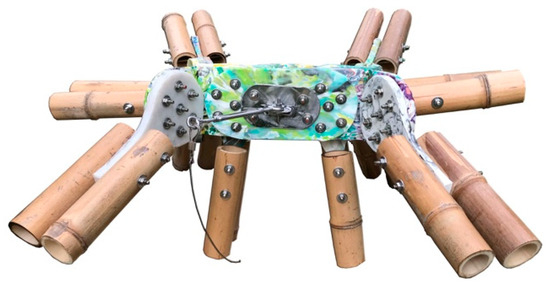
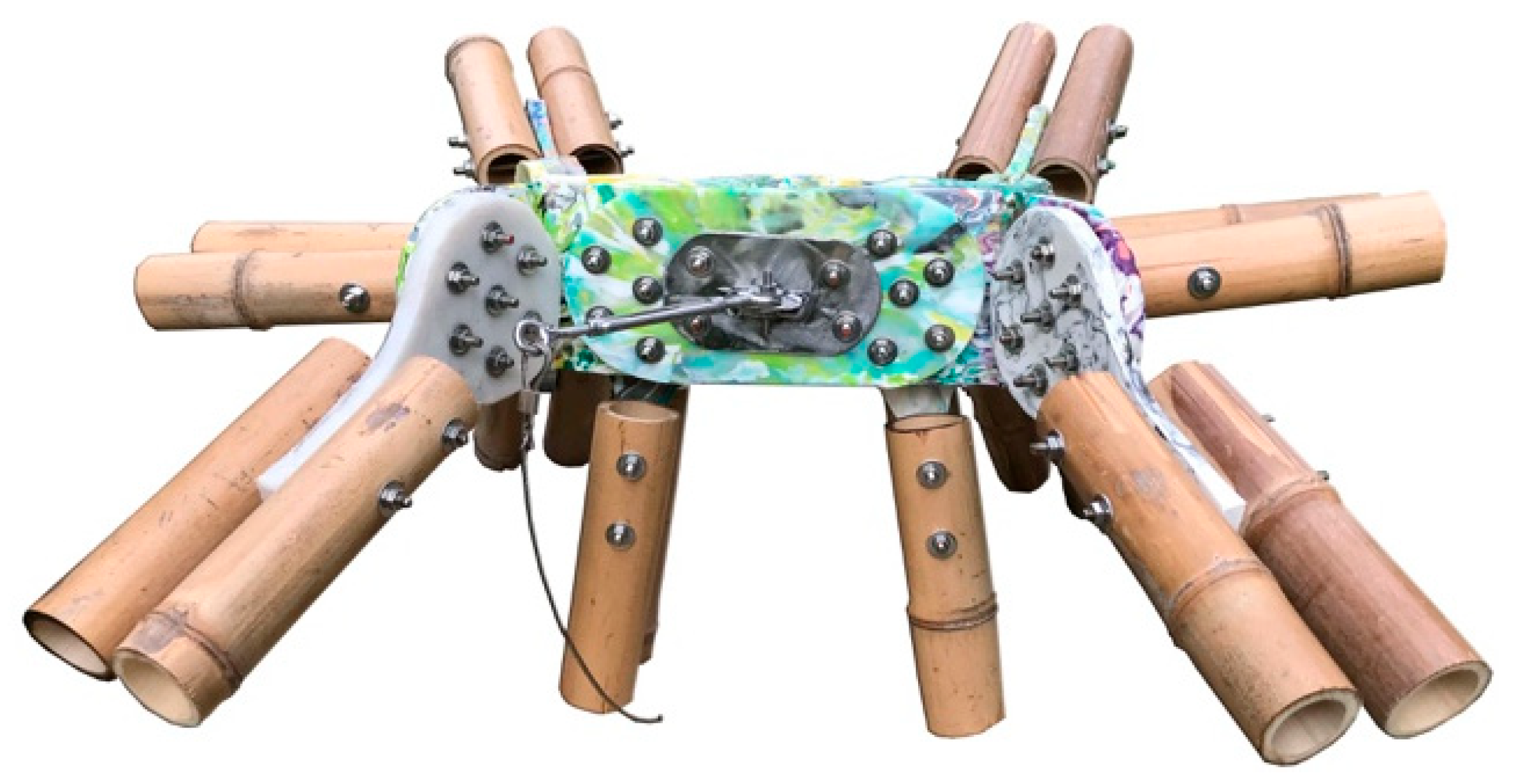
Two geometries of connectors were designed, as shown in Figure 1a,b. The first geometry is paddle-shaped, while the second features an oval configuration. In both designs, a series of holes arranged along a circle allows multiple orientations of the connected elements. The oval-shaped connector (Figure 2) is specifically conceived to enable the connection of multiple members, allowing the assembly of truss-beam structure even in three dimensions. The significance of this pivotal element lies in its capacity to flex as necessary to interconnect the elements, thereby ensuring that once cooled, retains the prescribed geometry and angle.
Figure 1.
Recycled HDPE connector: (a) geometry and sisal reinforcement (dimensions in millimeters); (b) the placement of the sisal reinforcement within the mold.
Figure 2.
An example of a complete node.
3. Physical and Mechanical Characterization of the Material
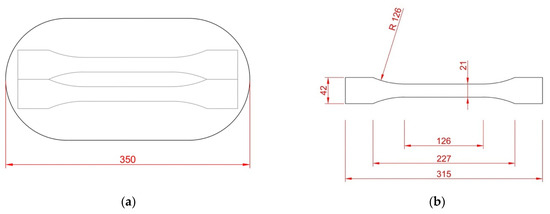
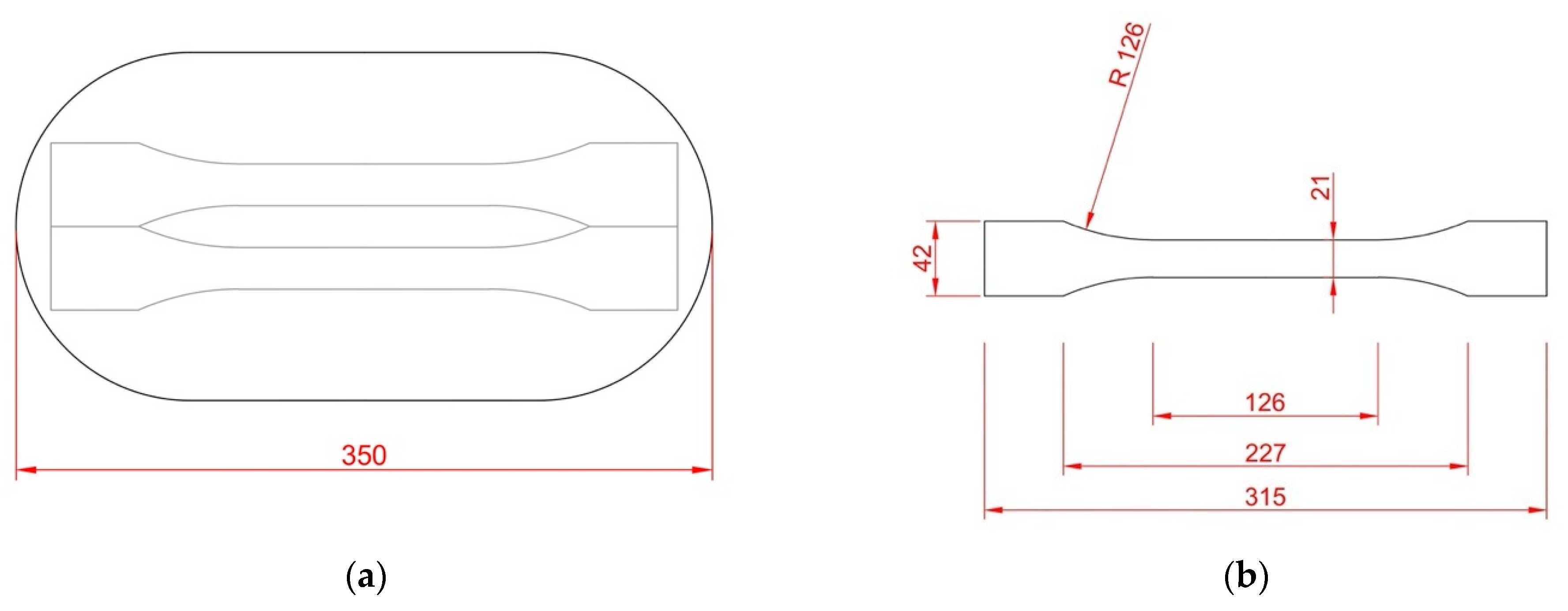
The experimental estimate of the density of the base material was performed on samples specifically manufactured for this purpose. Six oval elements of recycled HDPE were produced using a total of 11.4 kg of raw material, without sisal fiber inside. From each oval element, two dumbbell-shaped specimens were extracted, as illustrated in Figure 3, and subsequently subjected to tensile test. The oval-shaped elements have a thickness of 30 mm. The dimensions of the tensile specimens were determined by scaling down the dimensions specified in ISO 527 [27], due to the limited dimensions of the available oval-shaped elements.
Figure 3.
(a) The oval-shaped element of HPDE plastic and (b) the dumbbell samples for the tensile tests (dimensions in millimeters).
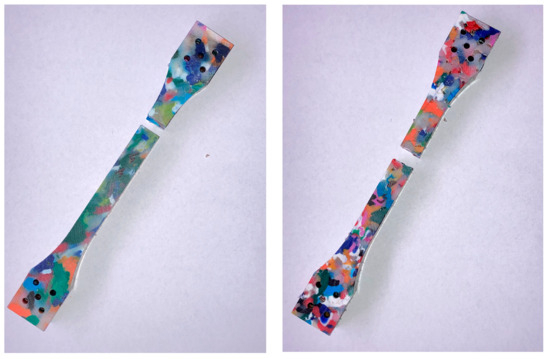
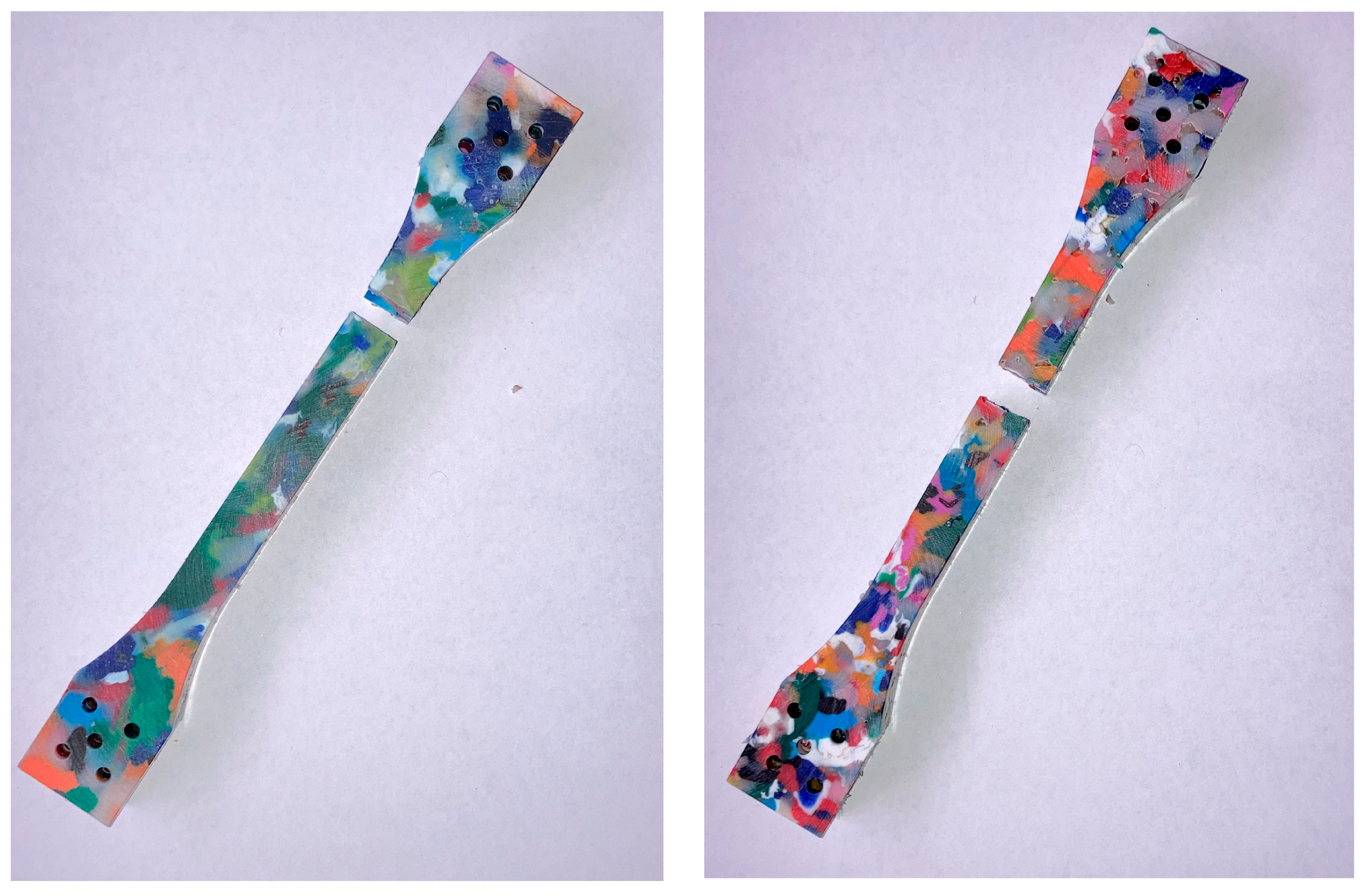
A visual inspection immediately shows that dumbbell specimens exhibit discontinuity and a visibly heterogeneous texture and color as shown in Figure 4. To quantitatively assess this effect, the density of the six elements was estimated using parallelepiped “reference samples” free of any visible macroscopic voids, and compared with the density of the dumbbell specimens. Density was determined by weighting the specimens and calculating the volume based dimensional measurement with a caliper. The resulting values are reported in Table 1 and Table 2, respectively.
Figure 4.
Specimens showing a visibly heterogeneous texture and color.
Table 1.
Volume, weight, and density () of the parallelepiped reference samples (Mean , Standard deviation , Coefficient of variation ).
Table 2.
Volume, weight, density () of the dumbbell sample and density ratio (Mean , Standard deviation , Coefficient of variation ).
As shown in the table, the mean reference density of the reference specimens, assumed to be free of cavities, is 988 kg/m3, while the average density of the dumbbell specimens is 898 kg/m3. This discrepancy is attributed to the presence of voids within the material. To quantify the degree of inhomogeneity of the dumbbell samples, a void index is calculated and reported in the last column of Table 3:
where and are dumbbell density and reference material density, respectively.
Table 3.
Ultimate tensile strength and void index.
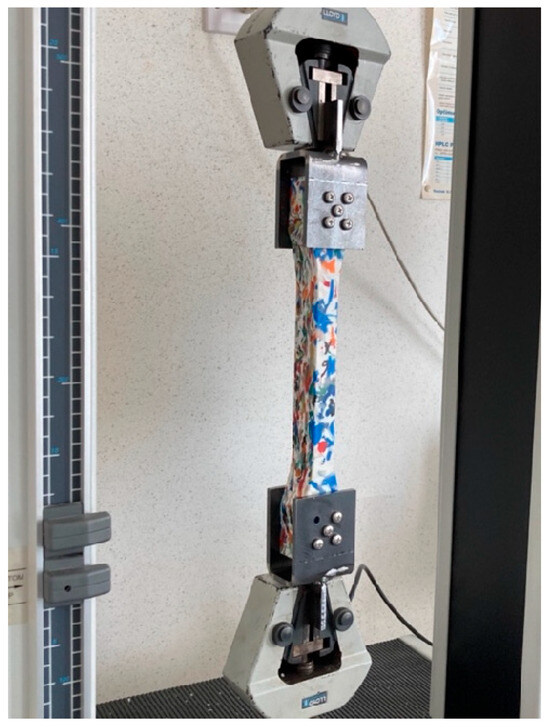
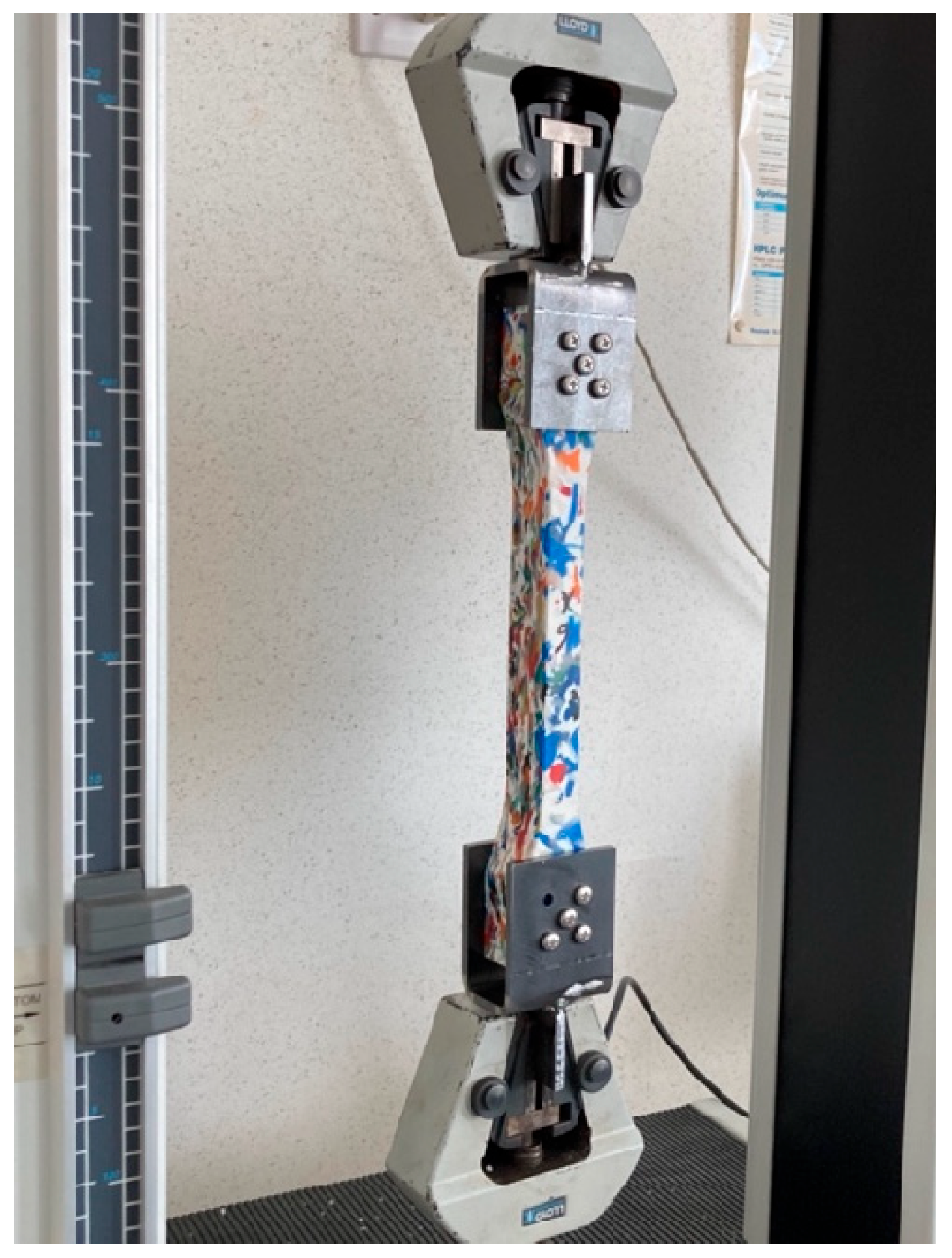
Tensile tests were performed on all specimens to estimate the tensile strength of the base material. The tests were carried out using a Lloyd LR30K equipped with a custom-made steel grip, specifically designed to ensure the proper gripping of the elements, as shown in Figure 5. The results of tensile tests are detailed in Table 3.
Figure 5.
The tensile specimen on the universal testing machine (specimen 6A).
The tensile strength results in an average value of 12.73 MPa with a standard deviation of 2.34 MPa and a coefficient of variation CV of 18.4%. Figure 6 shows the failure modes of some specimens. The presence of voids in the plastic affects the ultimate tensile strength of the dumbbell samples. As shown in Table 3, generally the increase in the void percentage decreases the ultimate tensile strength.
Figure 6.
Two specimens fractured in the reduced section.
Samples from ovals 1 and 5 are considered outliers because of their excessive void index: 1A 19.3%, 1B 15.5%, 5A 20.7%, 5B 12.1. In practical conditions, a visual inspection would be sufficient to identify and discard such elements, together with the weight check suggested below to estimate the voids content of the connectors.
Similar values in terms of coefficient of variation, both for density, porosity and strength are obtained for both Reinforced Recycled HDPE Composites [28] and materials that incorporate macro synthetic fibers (MSF) into both Conventional Concrete and Concrete containing e-waste aggregates [29] and for Cementitious Composites incorporating different multi-functional fillers [30,31].
To assess the reliability of the entire compression molding process, it is useful to briefly review the literature on the strength of recycled plastics. These materials are predominantly investigated for use in composites systems and are only rarely employed as standalone structural elements [32,33]. Table 4 summarizes the tensile strength of HDPE. There is a considerable heterogeneity due to both the sources and production process. It is possible to note how literature strength variation is largely higher of test results of Table 3. of the present paper. As above discussed, comparable strength values have been reported in the literature for recycled HDPE produced through relatively simple or non-industrialized processes [34], whereas significantly higher strengths, sometimes approaching twice the values reported here, can be achieved through more controlled and industrialized manufacturing routes (e.g., [6]).
Table 4.
Strength of recycled HDPE, available in literature.
The strength achieved by the recycled HDPE connector in this study can nonetheless be considered satisfactory, particularly considering the simplified and largely artisanal manufacturing procedure adopted. It should be noted, however, that a minimum level of process control remains essential to prevent macroscopic defects that could compromise the connector’s performance and reliability. In particular, the recycled plastic must be carefully washed to remove contaminants and shredded into particles smaller than 5 mm in order to reduce the risk of air entrapment during the melting phase.
4. Experimental Test on the Connectors
Five paddle-shaped connectors prototypes, labeled A1 to A5, were fabricated in Tanzania in August 2022 and subsequently subjected to tensile testing, in order to characterize the connector as structural elements.
This is only a preliminary investigation aimed at assessing the feasibility of employing an originally conceived element made of recycled polymer in structural applications. For the motivations outlined in the Introduction, the proposed connector has been specifically devised for bamboo truss systems, in which the tensile state is considered the most unfavorable condition for the connections.
The physical and geometrical properties of the specimens are detailed in Section 2.
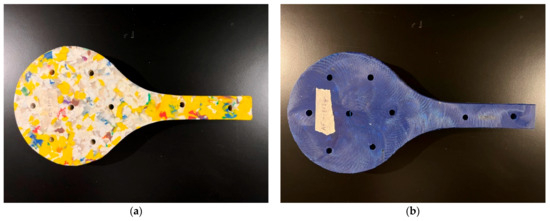
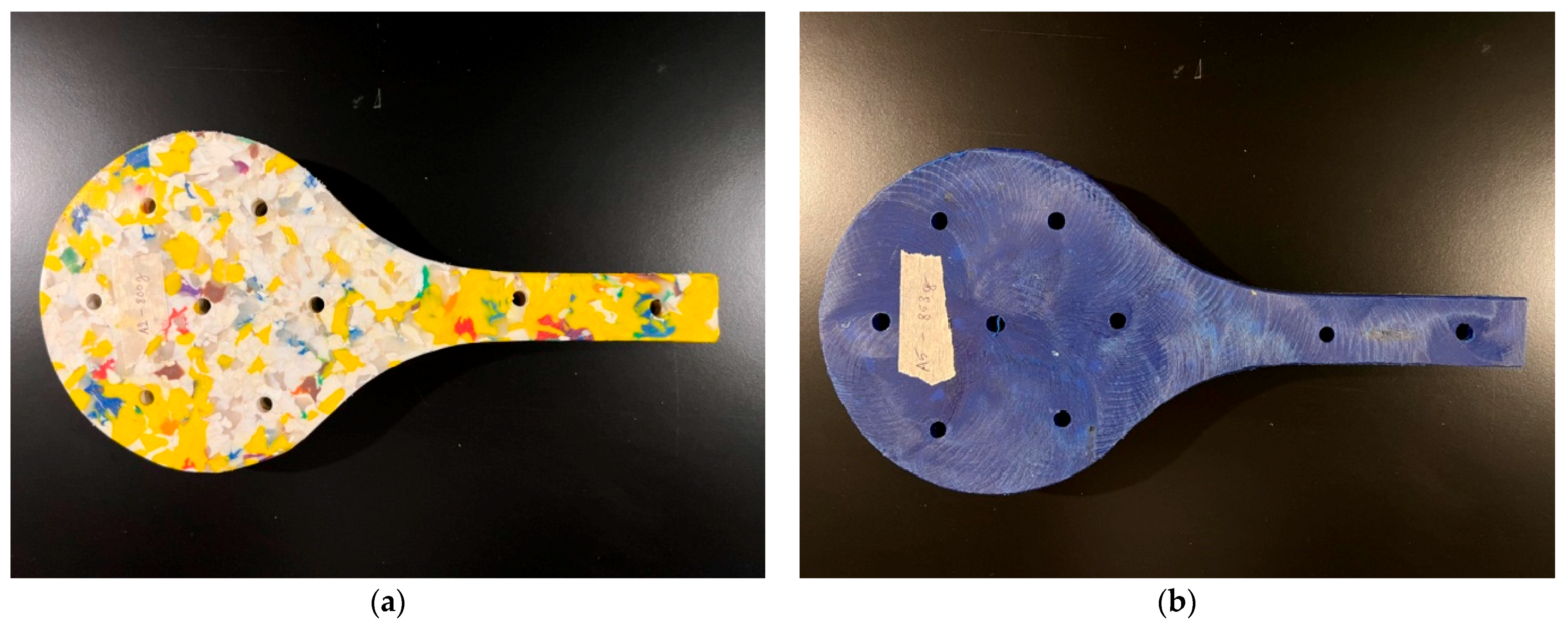
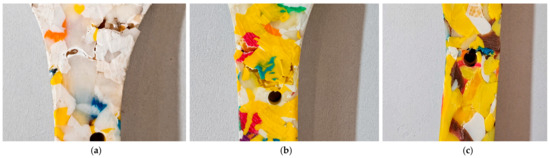
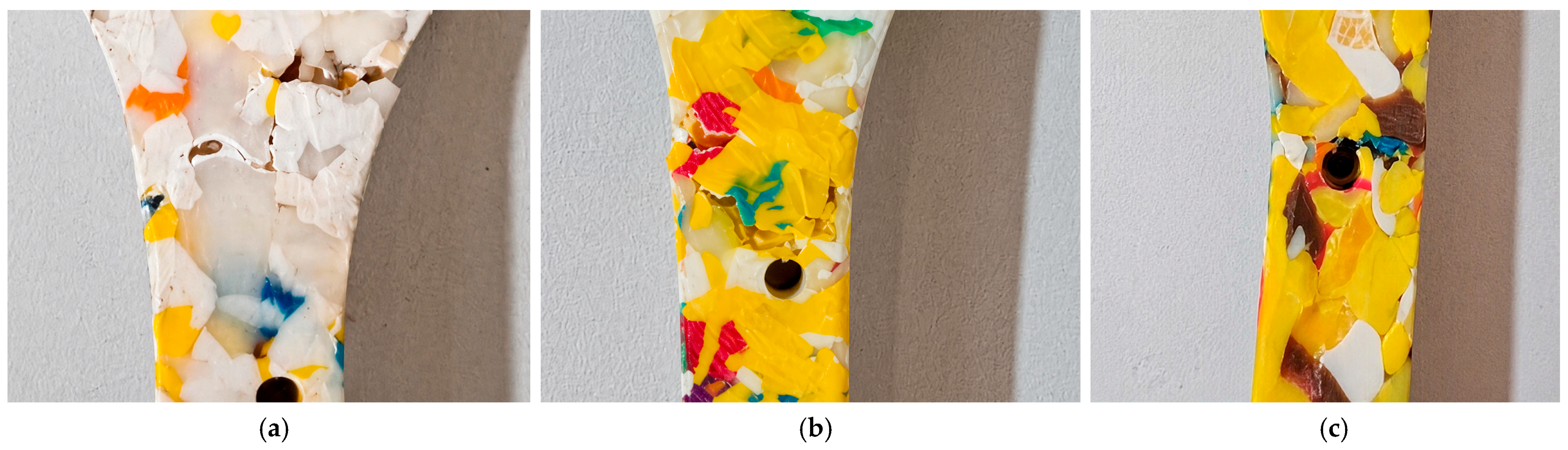
As illustrated in Figure 7, the surface texture of the connectors varies depending on the production batch. Connectors A1 to A3 (Figure 7a) display a visibly heterogeneous surface texture and color, suggesting a non-uniform material distribution. These specimens were manufactured using a blend of coarser, non-uniform recycled HDPE. In contrast, A4 and A5 (Figure 7b) show a more homogeneous appearance and finer grain, resulting from a more refined, blue-toned HDPE mix. All prototypes were produced using the same mold, ensuring limited variability in overall dimensions.
Figure 7.
Pictures of the different HDPE connectors: (a) with a visible texture (b) with blue toned homogeneous texture.
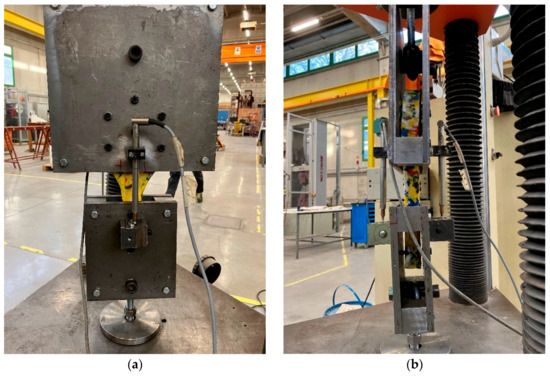
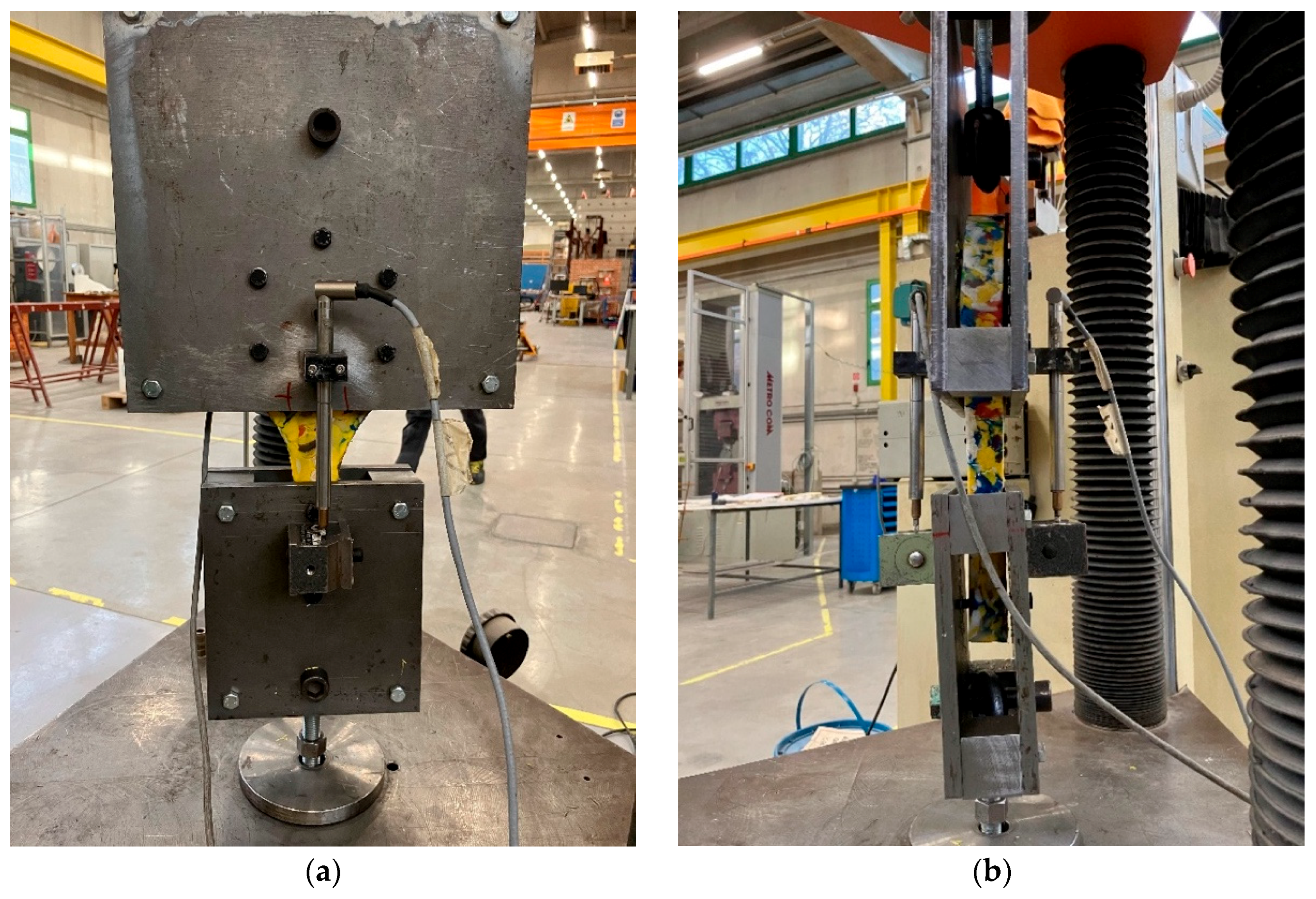
To simulate realistic structural loading conditions, the connectors were subjected to tension test using a universal testing machine. Custom-designed steel grips were employed to hold the HDPE connectors during the tests. The experimental setup is illustrated in Figure 8. To measure the displacement two inductive displacements transducers were placed on each side as shown in Figure 8b. The tests are conducted in displacement control, with a loading rate of 5–10 mm/minute and a duration of 1:00–2:30 min for each specimen.
Figure 8.
Setup of the tensile test on the HDPE connectors: (a) front view (b) side view.
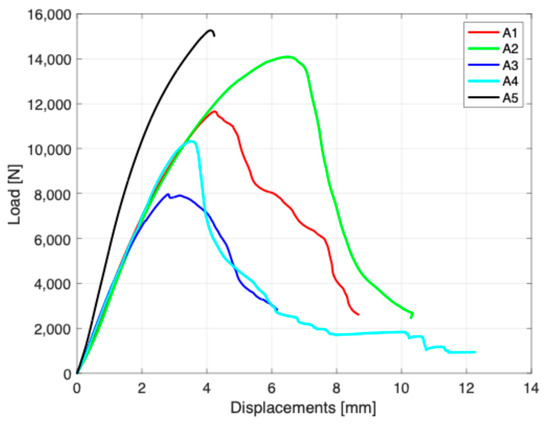
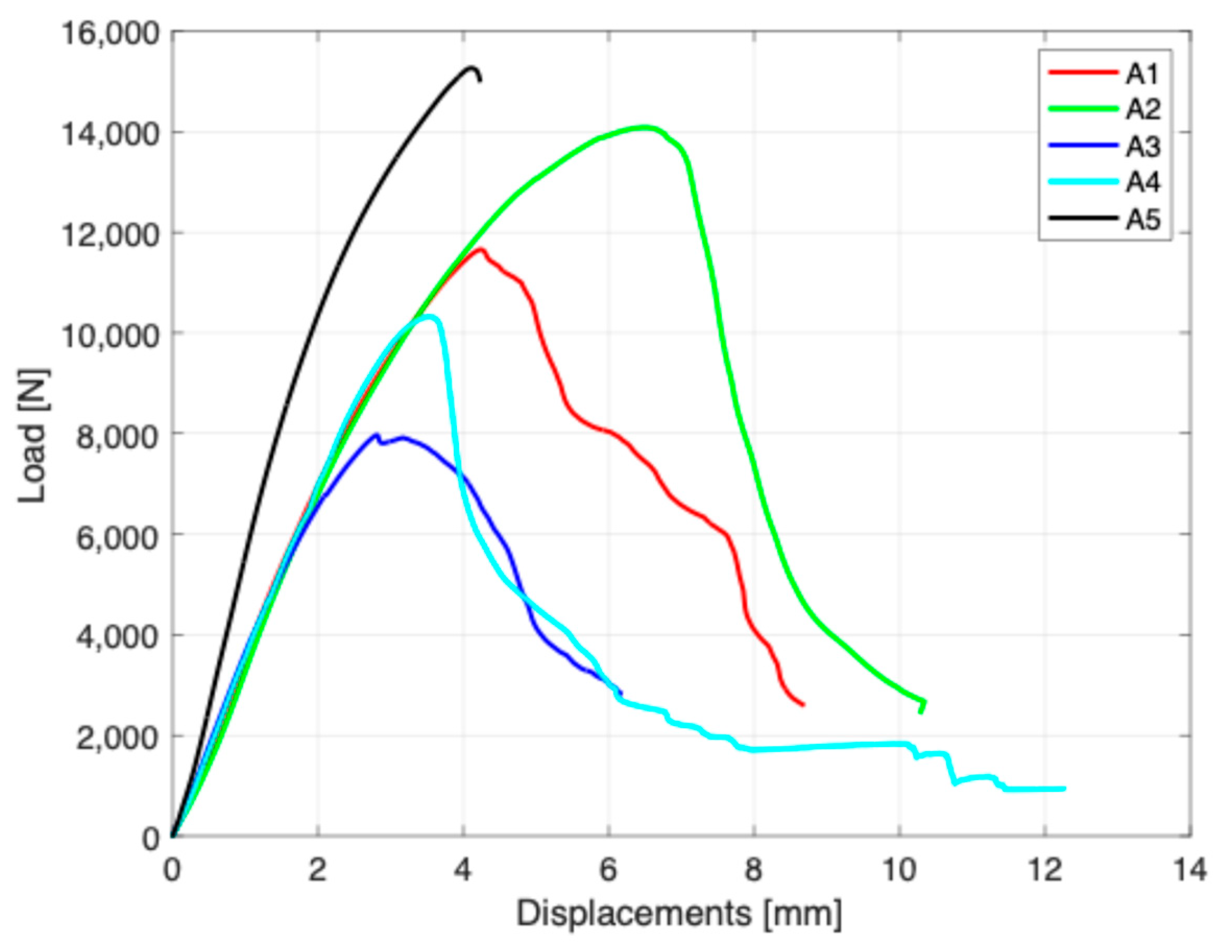
The load-displacement responses of the six connectors under tensile loading are presented in Figure 9. Displacement values correspond to the average of the measurements of the two displacement transducers. All the samples exhibit a predominantly elastic-plastic behavior, except for one connector that failed in a brittle manner, as seen in Figure 9.
Figure 9.
Load-displacement curves for the five connectors.
Table 5 summarizes the maximum load, namely , recorded for each prototype, along with the corresponding average and standard deviation. The table also reports the estimated ultimate tensile strength, , calculated considering the area of the thinner cross-section (the “handle”) of the connector. An average value of 11,858 N was obtained with a standard deviation of 2919 N.
Table 5.
Ultimate tensile strength for five paddle-shaped connectors prototypes.
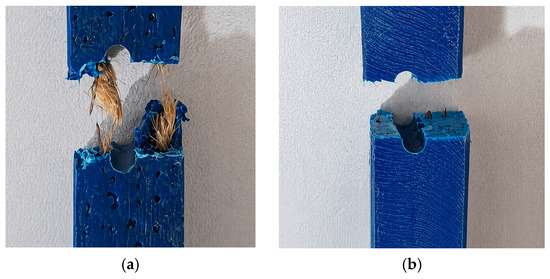
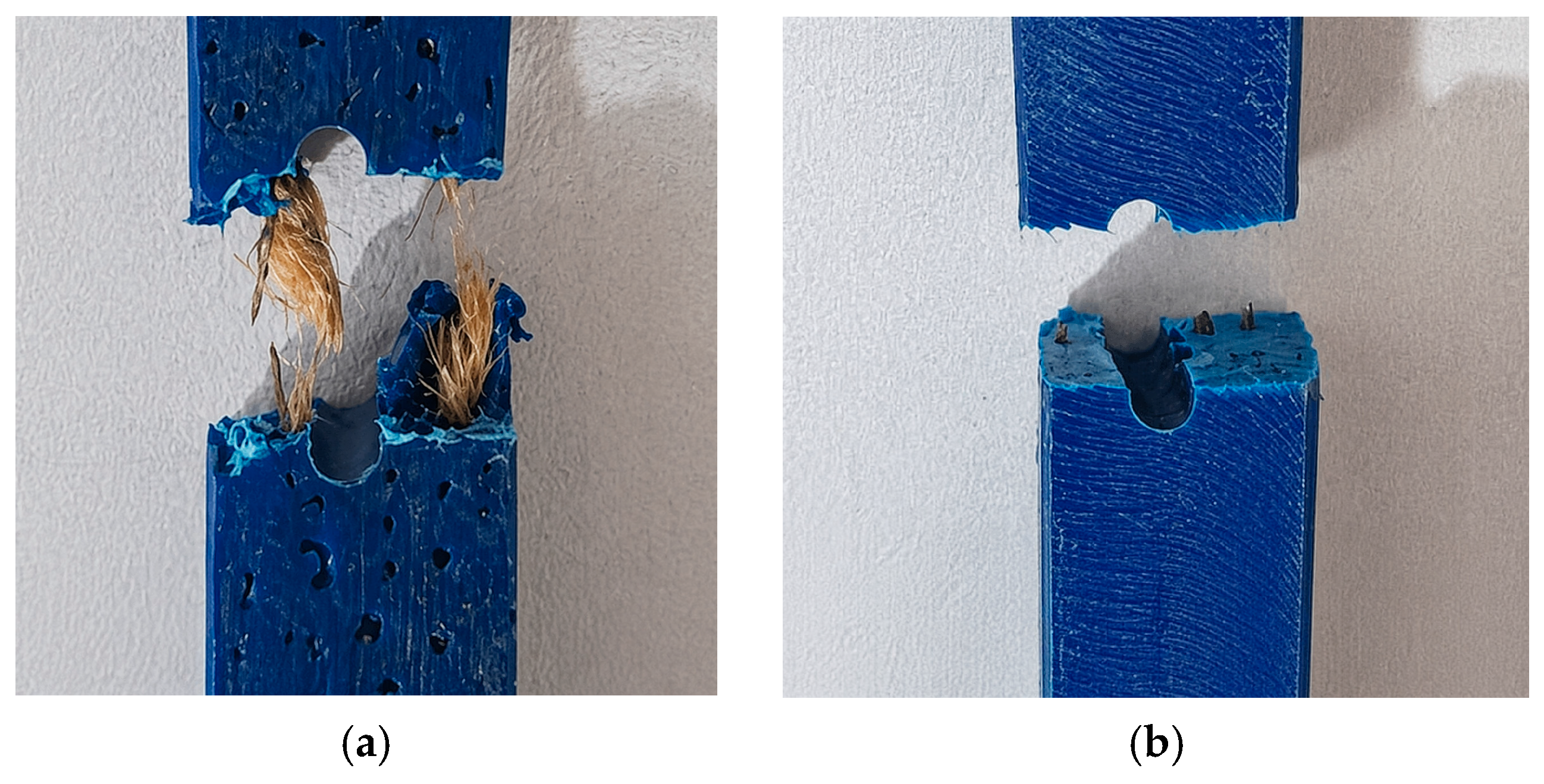
Failure typically occurred near the hole located in the thinner cross-section of the connectors (see Figure 10c and Figure 11). In specimens A1 and A2, failure initiated slightly above this zone, likely because of local heterogeneities in the recycled material. Figure 10 and Figure 11 also demonstrate that the failure is not governed by excessive contact stress with the bolt stem, but rather by the reduced area at the critical cross section. Overall, the results obtained are consistent with those previously reported for base material.
Figure 10.
Failure mode of connectors (a) A1, (b) A2, and (c) A3.
Figure 11.
Failure mode of connectors (a) A4 and (b) A5.
It is worth highlighting an interesting structural aspect of the connector’s manufacturing process. The material heterogeneity and void content are a direct consequence of the fully artisanal production process of the connector, which, moreover, is the core strength of the proposed solution. Nevertheless, the tensile strength of the recycled material obtained with the presented procedure is broadly comparable to that of the recycled HDPE, as discussed in detail at the end of Section 4. Note also the significant strength dispersion evident in Table 4 (recycled strength reported in the literature), which is consistent with our results.
Although differential cooling and inhomogeneities may induce significant residual stresses in highly rigid materials, no comparable effects seem to occur in the present case. First, the HDPE is characterized by a low elastic modulus and a low elastic limit (plastic level); second, the manufacturing process gradually dampens the effects of the gradient of temperature and density, because of the relatively long curing time of each of the five layers in the oven.
Furthermore, it is worth explicitly emphasizing a key aspect of the connector’s structural concept, namely the relationship between the material constituents and the geometric configuration. The tensile strength of the proposed connector is essentially governed by its thinner section (the “handle of the paddle”), within which a critical cross-section can be identified in the zone where a hole is drilled to enable the connection with a bamboo culm.
The manual placement of each thin layer of milled HDPE in this restricted portion of the steel mold is naturally achieved with greater accuracy than in the rest of the paddle, thereby reducing the probability of a critical defect occurring in this location. In addition, the cooling in this part is less severe than in the remainder of the element. For all these reasons, both the inhomogeneity and the thermal gradient cannot significantly affect the local response of the critical cross-section.
This may explain the relatively small variance in the (normalized) strength of the connectors, as presented in Table 3.
Conversely, because voids critically influence the structural response of the connector, a straightforward acceptability check can be implemented by comparing the weight of the formed element with a value calculated using an appropriate reference density.
Durability, safety factors, standardization, design characteristic values, and optimization are aspects that will be addressed in a subsequent phase of large-scale experimentation and are, therefore, beyond the scope of this paper.
5. Conclusions
The main contribution of this work lies tin the development of a novel and sustainable solution based on recycled plastic for applications in low-demand bamboo truss systems. In this context, the paper presents an innovative use of recycled plastics in the design and manufacturing of a structural connector, reinforced with a sisal fiber braid, specifically developed for bamboo structural engineering.
This implementation increases the sustainability of bamboo constructions and contributes to the conversion of waste plastics into a valuable resource.
The proposed connector is manufactured by melting successive layers of rough-milled high-density polyethylene, sourced from waste items, within a casting mold. The overall process is simple, cost-effective, and environmentally friendly, requiring only basic tools and equipment for milling, fusing, and fabrication. These characteristics make the proposed solution particularly well suited for implementation in developing countries.
To evaluate the characteristics of the base material, several dumbbell specimens were subjected to tensile tests. Also, the influence of inhomogeneity was considered through density. The results show a reasonable reliability of the molding process, considering the simplified artisanal manufacturing system employed.
Several prototypes of the connector were tested in tension. The typical behavior is elastic-plastics. The tensile strength of the finished connectors results in an average value of 12.73 Mpa, with a standard deviation of 2.34 MPa and a coefficient of variation CV of 18.4%. Although the sample size is limited, the strength attained by the recycled HDPE connectors can be considered satisfactory, consistent to that of the base material and sufficient to assess the feasibility of the proposed solution.
However, this experimental investigation suggests that the manufacturing process requires control to prevent macroscopic defects that could seriously compromise the quality of the connector: a straightforward acceptability check can be implemented by comparing the weight of the formed element with a value calculated using an appropriate reference density.
Author Contributions
Conceptualization, E.J.; methodology, L.M. (Luisa Molari), L.M. (Lando Mentrasti), S.B.; validation, L.M. (Luisa Molari), L.M. (Lando Mentrasti), S.B.; investigation, L.M. (Luisa Molari), M.F.; data curation, L.M. (Luisa Molari), M.F.; writing—original draft preparation, E.J., L.M. (Luisa Molari), L.M. (Lando Mentrasti); writing—review and editing, L.M. (Luisa Molari), M.F., L.M. (Lando Mentrasti), E.J., S.B. All authors have read and agreed to the published version of the manuscript.
Funding
This research received no external funding.
Data Availability Statement
Any additional data will be provided by the authors upon request.
Acknowledgments
The authors wish to thank Tonino Traini for the technical support during the tests at the DTIMO, Department of G. d′Annunzio University of Chieti-Pescara, Davide Rapone and Regina Finocchiaro for project collaboration at Engineering and Geology Department of G. d′Annunzio University of Chieti-Pescara. The support of the technicians of LISG Laboratory of the University of Bologna is greatly acknowledged.
Conflicts of Interest
The authors declare no conflicts of interest.
References
- Babayemi, J.O.; Ogunseitan, O.A. Plastic Pollution in Africa: Assessment of Imported Used Goods in Nigeria. J. Environ. Prot. Ecol. 2019, 10, 170–188. [Google Scholar]
- Lebreton, L.; Andrady, A. Future Scenarios of Global Plastic Waste Generation and Disposal. Palgrave Commun. 2019, 5, 6. [Google Scholar] [CrossRef]
- Pucino, M.; Boucher, J.; Bouchet, A.; Paruta, P.; Zgola, M. Plastic Pollution Hotspotting and Shaping Action: Regional Results from Eastern and Southern Africa, the Mediterranean, and Southeast Asia; International Union for Conservation of Nature and Natural Resources: Gland, Switzerland, 2020. [Google Scholar]
- International Union for Conservation of Nature (IUCN). Tanzania National Guidance for Plastic Pollution Hotspotting Report: 29 Thousand Tonnes of Plastic Leaked to Ocean, Rivers and Lakes in 2018—Proposed Solutions to Close the Plastic Tap. Available online: https://iucn.org/news/eastern-and-southern-africa/202106/tanzania-national-guidance-plastic-pollution-hotspotting-report-29-thousand-tonnes-plastic-leaked-ocean-rivers-and-lakes-2018-proposed-solutions-close-plastic (accessed on 30 March 2026).
- Contreras, I.N.; Bader, J.; Du Rant, P.; Grafman, L. An Analysis of Recycling High Density Polyethylene with Limited Resources. Int. J. Serv. Learn. Eng. 2018, 13, 45–68. [Google Scholar] [CrossRef]
- Tišler-Korljan, B.; Gregor-Svetec, D. Properties and printability of compression moulded recycled polyethylene. Mater. Des. 2014, 55, 583–590. [Google Scholar] [CrossRef]
- Jicmon, E. Chameleon Joint—A Sustainable Bamboo and Recycled Plastic Construction System in Kerege, Tanzania. Master’s Thesis, Politecnico di Milano, Milan, Italy, 2022. Available online: https://www.politesi.polimi.it/handle/10589/186038 (accessed on 12 May 2026).
- Liese, W.; Kohl, M. Bamboo. In The Plant and Its Uses; Springer International Publishing: Cham, Switzerland, 2015. [Google Scholar]
- Molari, L.; Mentrasti, L.; Fabiani, M. Mechanical characterization of five species of Italian bamboo. Structures 2020, 24, 59–72. [Google Scholar] [CrossRef]
- Meng, X.; Zhang, Z.; Wu, Y.; Xu, F.; Feng, P. A comprehensive evaluation of the effects of bamboo nodes on the mechanical properties of bamboo culms. Eng. Struct. 2023, 297, 116975. [Google Scholar] [CrossRef]
- Ahmad, M.; Kamke, F.A. Analysis of Calcutta bamboo for structural composite materials: Physical and mechanical properties. Wood Sci. Technol. 2005, 39, 448–459. [Google Scholar] [CrossRef]
- Chung, K.F.; Yu, W.K. Mechanical properties of structural bamboo for bamboo scaffoldings. Eng. Struct. 2002, 24, 429–442. [Google Scholar] [CrossRef]
- Gauss, C.; Kadivar, M.; Pereira, R.G.; Savastano, H., Jr. Assessment of dendrocalamus asper (Schult and schult f.) (Poaceae) bamboo treated with tannin-boron preservatives. Constr. Build. Mater. 2021, 282, 122723. [Google Scholar] [CrossRef]
- Kaminski, S.; Lawrence, A.; Trujillo, D.; King, C. Structural use of bamboo. Part 2: Durability and preservation. Struct. Eng. 2016, 94, 38–43. [Google Scholar] [CrossRef]
- Zhang, Y.; Yu, Y.; Lu, Y.; Yu, W.; Wang, S. Effects of heat treatment on surface physicochemical properties and sorption behavior of bamboo (Phyllostachys edulis). Constr. Build. Mater. 2021, 282, 122683. [Google Scholar] [CrossRef]
- Mentrasti, L.; Molari, L.; Fabiani, M. Poisson’s ratio bounds in orthotropic materials. Application to natural composites: Wood, bamboo and Arundo donax. Compos. Part B Eng. 2021, 209, 108612. [Google Scholar] [CrossRef]
- Baumert, C. Markus Heinsdorff—Design with Nature: The Bamboo Architecture; Design Media Publishing: Hong Kong, 2013. [Google Scholar]
- Bahtiar, E.T.; Denih, A.; Putra, G.R. Multi-culm bamboo composites as sustainable materials for green constructions: Section properties and column behavior. Results Eng. 2023, 17, 100911. [Google Scholar] [CrossRef]
- Pradhan, N.P.N.; Paraskeva, T.S.; Dimitrakopoulos, E.G. Simulation and experimental verification of an original full-scale bamboo truss. Eng. Struct. 2022, 256, 113965. [Google Scholar] [CrossRef]
- Villegas, L.; Morán, R.; García, J.J. Combined culm-slat Guadua bamboo trusses. Eng. Struct. 2019, 184, 495–504. [Google Scholar] [CrossRef]
- Paraskeva, T.; Pradhan, N.P.N.; Stoura, C.D.; Dimitrakopoulos, E.G. Monotonic loading testing and characterization of new multi-full-culm bamboo to steel connections. Constr. Build. Mater. 2019, 201, 473–483. [Google Scholar] [CrossRef]
- Donini, G.; Greco, S.; Molari, L.; Zanetti, A. Structural design of an Italian bamboo house in an Italian regulatory context: Revisiting a small building built in Costa Rica with tropical bamboo. Case Stud. Constr. Mater. 2022, 16, e00891. [Google Scholar] [CrossRef]
- Mohan, N.; Dash, S.P.; Boby, N.M.; Shetty, D. Study of bamboo as a building material—Construction & preservation techniques and its sustainability. Mater. Today Proc. 2022, 60, 100–114. [Google Scholar] [CrossRef]
- Widyowijatnoko, A. Traditional and Innovative Joints in Bamboo Construction; Verlagshaus: Aachen, Germany, 2012. [Google Scholar]
- Minke, G. Building with Bamboo; Birkhauser: Basel, Switzerland, 2012. [Google Scholar]
- Albermani, F.; Goh, G.Y.; Chan, S.L. Lightweight bamboo double layer grid system. Eng. Struct. 2007, 29, 1499–1506. [Google Scholar] [CrossRef]
- ISO 527-2:2012; Plastics—Determination of Tensile Properties—Part 2: Test Conditions for Moulding and Extrusion Plastics. International Organization for Standardization: Geneva, Switzerland, 2012.
- El Hawary, O.; Boccarusso, L.; Durante, M.; Panico, M.; Pinto, F. Production, Repairing and Testing of Hemp Reinforced Recycled HDPE Composites. Arab. J. Sci. Eng. 2026, 51, 2977–2997. [Google Scholar] [CrossRef]
- Ahmad, Z.; Qureshi, M.I.; Ahmad, F.; El Ouni, M.H.; Asghar, M.Z.; Ghazouani, N. Effect of macro synthetic fiber (MSF) on the behavior of conventional concrete and the concrete containing e-waste aggregates. Mater. Struct. 2025, 58, 234. [Google Scholar] [CrossRef]
- Bai, M.; Song, L.; Xiao, Q.; Sun, J.; Liu, H. Development of low-carbon engineered cementitious composites incorporating lithium slag: Mechanical properties, microstructure evolution, and life cycle assessment. Constr. Build. Mater. 2026, 520, 145983. [Google Scholar] [CrossRef]
- Ahmad, F.; Jamal, A.; Iqbal, M.; Alqurashi, M.; Almoshaogeh, M.; Al-Ahmadi, A.M.; Hussein, E.E. Performance Evaluation of Cementitious Composites Incorporating Nano Graphite Platelets as Additive Carbon Material. Materials 2022, 15, 290. [Google Scholar] [CrossRef] [PubMed]
- Malyuta, D.A.I.; Matteson, K.L.; Ryan, C.; Berry, M.P.; Bajwa, D. An investigation into the tensile properties of recycled high-density polyethylene (rHDPE) blended with talc filler. Results Mater. 2023, 17, 100377. [Google Scholar] [CrossRef]
- Fantuzzi, N.; Vidwans, A.; Dib, A.; Trovalusci, P.; Agnelli, J.; Pierattini, A. Flexural characterization of a novel recycled-based polymer blend for structural applications. Structures 2023, 57, 104966. [Google Scholar] [CrossRef]
- Shojaei, A.; Yousefian, H.; Saharkhiz, S. Performance Characterization of Composite Materials Based on Recycled High-Density Polyethylene and Ground Tire Rubber Reinforced with Short Glass Fibers for Structural Applications. J. Appl. Polym. Sci. 2007, 104, 1–8. [Google Scholar] [CrossRef]
- Greene, J.P. Sustainable Plastics: Environmental Assessments of Biobased, Biodegradable, and Recycled Plastics, 2nd ed.; Wiley: Hoboken, NJ, USA, 2023. [Google Scholar]
- Rosli, N.A.; Ahmad, I. Mechanical Properties of Recycled Plastics. In Recent Developments in Plastic Recycling; Composites Science and Technology; Springer: Singapore, 2021; pp. 239–258. [Google Scholar] [CrossRef]
- Singleton, A.C.N.; Baillie, C.A.; Beaumont, P.W.R.; Peijs, T. On the mechanical properties, deformation and fracture of a natural fibre/recycled polymer composite. Compos. Part B Eng. 2003, 34, 519–526. [Google Scholar] [CrossRef]
- Satya, S.K.; Sreekanth, P.S.R. An experimental study on recycled polypropylene and high-density polyethylene and evaluation of their mechanical properties. Mater. Today Proc. 2020, 27, 920–924. [Google Scholar] [CrossRef]
- Lei, Y.; Wu, Q.; Zhang, Q. Morphology and properties of microfibrillar composites based on recycled polyethylene terephthalate and high density polyethylene. Compos. Part A Appl. Sci. Manuf. 2009, 40, 904–912. [Google Scholar] [CrossRef]



Disclaimer/Publisher’s Note: The statements, opinions and data contained in all publications are solely those of the individual author(s) and contributor(s) and not of MDPI and/or the editor(s). MDPI and/or the editor(s) disclaim responsibility for any injury to people or property resulting from any ideas, methods, instructions or products referred to in the content. |
© 2026 by the authors. Licensee MDPI, Basel, Switzerland. This article is an open access article distributed under the terms and conditions of the Creative Commons Attribution (CC BY) license.