


Abstract
This study presents a sustainable strategy to address the inherent limitations of metakaolin (MK)-based geopolymers—specifically their water sensitivity, high permeability, efflorescence, and susceptibility to corrosion—arising from their calcium-deficient composition. To mitigate these issues, calcium hydroxide (Ca(OH)2 or CH) was incorporated into MK mixtures at dosages ranging from 1% to 15%. The influence of CH on mechanical and durability performance was evaluated under both air and water curing conditions. The results show that although a higher CH content reduced flowability and accelerated setting, it markedly enhanced compressive strength, water resistance, and corrosion protection. CH addition also effectively suppressed efflorescence and refined the transport properties of the geopolymer matrix. These improvements are attributed to the formation of C-(A)-S-H gel, which densified the microstructure and strengthened the overall matrix. Electrochemical assessments further confirmed the enhanced corrosion resistance of embedded steel reinforcement. Collectively, the findings demonstrate that CH supplementation is an effective approach for improving the performance and long-term durability of MK-based geopolymers, broadening their potential for structural and environmental applications.
1. Introduction
The Portland cement (PC) industry is amongst the top energy and virgin consumers, and it plays an important role in CO2 emissions, air and noise pollution, volatile organic compounds, metals, and particulate matter [1,2]. Due to air pollution, fine particulate matter has been constantly linked to significant health troubles. These include decreased life expectancy, increased death rates, and higher illness rates [3,4]. These tiny particles can reach deep into both circulatory and respiratory systems, causing oxidative damage, triggering inflammation, and compromising lung and heart function [3,5]. These materials not only pose substantial risks to human health but also have detrimental effects on the environment. They can reduce visibility, interrupt the Earth’s radiation balance, and degrade air quality, all of which contribute to climate change [3,6]. They can also harm ecosystems through toxic deposits, menacing wildlife, and biodiversity. Moreover, they can transport hazardous substances, including cadmium, highly toxic heavy metals, and mercury, which pose substantial health risks [3,7]. Beyond these concerns, they also contribute to the intensification of the Greenhouse Effect. This alteration causes an increase in extreme weather phenomena, variations in rainfall patterns, elevated sea levels, the degradation of widespread ecosystems, and overall planet warming [8]. To address the immediate challenge of mitigating these issues, experts recommended replacing part of the cement with various cementitious materials [9,10,11,12]. Although this approach holds promise, it only achieves a modest particulate matter reduction [13]. Other experts are increasingly looking at replacing cement entirely with geopolymer as a viable alternative method [14,15,16].
Geopolymers, formed from alkaline activators and aluminosilicates, are inorganic polymers that provide advantages over PC, particularly in terms of reduced cost [17], reduced pollutions, lower energy consumption [18,19], enhanced fire resistance [20,21,22], higher mechanical strength [23], and either superior or comparable service life and durability compared to PC [24]. In geopolymer synthesis, fly ash (FA) [14,25], slag, and metakaolin (MK) [26,27] are the leading precursors, whereas silica fume (SF) and MgO are popular additives [28,29]. Even though FA and slag are recognized for their beneficial traits, their mineral and chemical compositions fluctuate substantially—a consequence of their industrial origins [30,31]. Additionally, their supply, which is closely tied to the demand for the main product [13], opens the door to broadening the use of MK as a precursor. The popularity of MK as a precursor is attributed to its accessibility, stable composition, high alumina and silica, high fineness, and high reactivity [9,27]. Additionally, its attractive color makes it ideal for architectural decoration and ornamentation applications. It shows excellent resistance to acids [32,33,34] and seawater [35], remains stable under high heat [36,37,38], and has thermoelectric capabilities [39]. Even with these advantages, the lack of calcium continues to pose a major problem with this material. Calcium deficiency in MK-based geopolymers manifests through several critical performance limitations. Specifically, the calcium-deficient N-A-S-H gel that forms in pure MK systems exhibits inherent drawbacks, including relatively high permeability and susceptibility to degradation during prolonged water exposure, which can lead to substantial strength loss [40,41]. The absence of Ca2+ ions prevents the formation of C-(A)-S-H gel, leaving N-A-S-H as the sole binding phase; this gel is intrinsically water-sensitive. Tchakouté et al. [42] report that MK–phosphate geopolymer cement lost approximately 54% of its compressive strength after 28 days of water immersion due to hydrolysis of Si–O–P bonds. Similarly, Rashad et al. [40] observed that MK-based geopolymer mortar activated with NaOH and sodium silicate lost about 46.43% of its 28-day compressive strength under water curing relative to air-cured specimens. In addition, calcium-deficient MK geopolymers typically exhibit high porosity and water absorption [40,41], which increases permeability and facilitates the ingress of aggressive species such as chlorides and sulfates, thereby compromising long-term durability. The lack of calcium also results in a reduced pH-buffering capacity, making the geopolymer more prone to carbonation [43]; consequently, under carbonation or acid exposure, rapid matrix neutralization may occur. Marathe et al. [44] demonstrated this vulnerability, showing that exposure to real wastewater caused an 18% reduction in compressive strength of metakaolin-based geopolymer composites, while acetic acid exposure resulted in a 13% strength loss. Furthermore, the high permeability of calcium-deficient systems facilitates the transport of mobile alkali ions, promoting pronounced efflorescence—an esthetically undesirable phenomenon that also signals underlying durability concerns [41]. The low-calcium environment additionally limits the ability to passivate embedded steel reinforcement, increasing the risk of corrosion [45]. Collectively, these deficiencies limit the applicability of pure metakaolin geopolymers in structural elements exposed to moisture, tidal environments, or chemically aggressive conditions, thereby highlighting the need for calcium incorporation. In response to this challenge, researchers have introduced a variety of calcium sources, including CaCO3 [46], calcium nitrate [40], calcium hydroxide (Ca(OH)2 or CH) [47], slag [48], CaO [49], calcium formate [41], traditional cement and calcium carbide [50] into MK geopolymer matrices to strengthen their structural properties and practical applications.
CH is formed by hydrating CaO and is widely recognized by various names such as caustic lime, slaked lime, hydraulic lime, pickling lime, hydrated lime, and builders’ lime. It boasts a diverse range of applications—from food processing and industrial manufacturing (like sugar production) to environmental uses like sewage treatment. Its properties also make it valuable in dental procedures, plastic manufacturing, ammonia production, and pH regulation. It is a crucial component in the creation of construction materials like mortar, plaster, and concrete, and essential in conservation and restoration efforts [47,51,52,53,54]. Recently, CH has been utilized in geopolymers either as part of a precursor, as an activator, or as part of a combined activator system with auxiliary activators. Even though most researchers employed CH as part of a precursor, the majority of studies have focused on slag (~34.78%), followed by FA (~30.43%), with less focus on other types of precursors [47]. This lack of focus presents an opportunity for further exploration, especially concerning the MK precursor. Pertaining to this, Borçato et al. [55] found that incorporating 10% CH into MK geopolymer pastes is essential for promoting self-healing capabilities and enhancing compressive strength. The compressive strength of clay geopolymer pastes was generally enhanced when 10–50% of the clay was substituted with CH [56]. Enhancements in compressive strength of MK geopolymers have been reported for partial replacement of MK with CH [57], at 20% and for levels 10–15% [50]. Partially replacing MK in 85% MK/15% zeolite Socony Mobile waste with 2.5–7.5% CH improved the 7-day compressive strength and decreased the porosity [58]. The 7-day compressive strength of MK geopolymer pastes was enhanced by adding 2% CH [59]. Incorporating 5% CH into MK geopolymer pastes increased compressive strength and lowered the void index [60]. When acidic aluminum phosphate (monoaluminum phosphate) was used to activate MK pastes, the incorporation of 3% and 6% CH slightly increased porosity and water absorption but enhanced compressive strength. A 9% CH content caused a more pronounced increase in both porosity and absorption, along with a decrease in compressive strength [61]. The same study found lower strength retention when including CH after 28 days of water immersion and subsequent 28 days of air curing.
Despite the benefits of using the MK geopolymer, this system experiences significant strength loss when exposed to water and displays poor water resistance. Compared to the alkali-activated slag (AAS) system, the corrosion resistance of MK geopolymers is inferior due to the absence of calcium. Previous research has strived to reduce these problems. Additionally, adding up to 7% calcium nitrate to MK geopolymer pastes can minimize strength loss caused by water curing [40]. By partially substituting MK with up to 40% quartz powder, the strength loss resulting from water curing can be lessened [35]. The water resistance of MK geopolymer pastes was improved with 1% silane coupling agent [62]. Gao et al. [63] illustrated that introducing 50% polydimethylsiloxane and 5% fatty acid into MK blended with FA geopolymer pastes enhanced their resistance to water. In a study on geopolymer mortars, Tchadjié et al. [64] demonstrated that Na2O content of 20–30% improved water resistance when MK and granite powder were blended. To enhance the corrosion resistance of rebars in MK geopolymer pastes, replacing MK with a combination of 50% slag and 10% FA has shown promising results [45]. Applying a specialized coating, consisting of 90% MK and 10% PC activated with a potassium-based solution, has been found to be effective in reducing the rate of corrosion [65]. A geopolymer prepared by combining 50.34% MK and 13.48% tannery sludge and activating agents consisting of 7.23% NaOH coupled with 28.95% sodium silicate demonstrated good resistance to seawater-induced corrosion [66].
The current research offers scarce evidence on the influence of CH on MK geopolymer cement, highlighting the need for more investigation. There is also a notable gap in research concerning enhanced water resistance, corrosion resistance, durability in water curing, and efflorescence prevention of MK geopolymer cement, all influenced by the limited calcium content in the MK precursor. To bridge the identified gaps in understanding, it is imperative to implement innovative research strategies tailored to overcome these obstacles. To recognize these obstacles, the authors undertook their pioneering experimental study on CH as a calcium source to compensate for MK geopolymer cement deficiencies. This work was designed to confront and resolve these pressing knowledge gaps. A broad spectrum of CH ratios was introduced into MK to determine their influence on a wide range of properties such as flowability, setting time, compressive strength, durability under water curing, transport properties, water resistance, and efflorescence. Additionally, corrosion resistance assessments were conducted on embedded rebars in MK pastes with varying CH ratios. This research holds promise for unlocking new insights into the performance of MK geopolymer cement containing CH.
2. Experimental Details
2.1. Materials
Powdered kaolin, procured directly from Sinai Governorate (in Egypt), served as the primary material for this study. Figure 1a reveals its principal crystalline phases are kaolinite and quartz. The formation of MK was achieved by heating the material at 750 °C for 2 h (calcination), as documented in [67,68]. As presented in Figure 1b, calcination leads to the denaturation of kaolinite peaks, signifying its conversion into MK, while quartz persists as the predominant crystalline phase in the resulting MK. It should be emphasized that the calcination process at 750 °C for 2 h was performed solely on raw kaolin to produce MK, and CH was not present during this thermal treatment stage. Therefore, CH does not influence the dehydroxylation or structural transformation of kaolinite. The disappearance of kaolinite peaks in the X-Ray Diffraction pattern (Figure 1b) is attributed exclusively to thermal dehydroxylation, which converts crystalline kaolinite into amorphous MK according to: Al2Si2O5(OH)4 → Al2Si2O7 + 2H2O. CH was subsequently added during geopolymer mixture preparation, where its role becomes significant by supplying Ca2+ ions that participate in the formation of C-(A)-S-H gel. Thus, the thermal treatment governs precursor activation, while CH influences the post-activation reaction pathways. This procedure is consistent with standard metakaolin production protocols [67,68]. Measurements show the resulting MK powder possessed 2.51 specific gravity and 370 m2/kg fineness. The CH, obtained from a local supplier, possessed 2.24 specific gravity and 400 m2/kg fineness. Figure 2 confirms that the main crystalline phase in the CH is portlandite, whilst calcite is a secondary phase due to carbonation. Table 1 presents the chemical constituents of MK and CH. The MK particles exhibit angular, irregular, or plate-like shapes (Figure 3a)—remnants of the original kaolin structure altered during calcination. The CH particles exhibit hexagonal platelets or tabular prisms. They show irregularly shaped clusters (Figure 3b). Both NaOH pellets and sodium silicate satisfy the conditions outlined in [67]. The study utilized 8 mm diameter steel rebars procured from a national supplier. Their chemical composition closely matched that reported in [69]. Samples were mechanically polished using emery papers to achieve a mirror-like finish, then cleaned with absolute ethanol and deionized water, following ASTM G1-17 standards. A wax coating was applied, leaving a specific area exposed for testing (see Figure 4). Corrosive conditions were simulated using a 3.5% NaCl solution [69,70,71], with procedures conducted in accordance with ASTM G46-21 and ASTM G31-21.
Figure 1.
XRD patterns of kaolinite (a) and MK (b).
Figure 2.
XRD pattern of CH.
Table 1.
Chemical constituents of the precursor Materials.
Figure 3.
SEM images of MK (a), and CH (b).
Figure 4.
Rebar specimen following application of polishing and wax coating.
2.2. Mixtures and Methods
The experiment involved nine mixtures. The first mixture comprised neat MK without any CH, which was coded as CH0. The other mixtures contained CH in varying proportions from 1% to 15%, with a 2% interval between each. The codes of these mixtures range from CH1 to CH15, where the number represents the corresponding CH ratio. The activator, constituting 40% of the powder mass, was a blend of 10 M NaOH (one part) and sodium silicate (two parts). The NaOH solution itself was prepared a day prior than water and NaOH pellets. The constituents specific to each mixture are enumerated in Table 2.
Table 2.
Constituents of each mixture.
Mixing involved 5 min of dry blending of MK and CH (if used), followed by adding the liquid activator and mixing for another 5 min until homogeneity was achieved. Paste flow was then measured per ASTM C230/C230M-23. As per ASTM C191-08, setting time was subsequently evaluated under ambient lab conditions. For specimen preparation, the fresh paste was concurrently molded into cubes of 25 mm and cylinders of 50 × 100 mm, vibrated (1 min), leveled, and sealed with polyethylene film for moisture retention. An 8 mm diameter steel rebar, prepared as illustrated in Figure 4, was centrally embedded within each cylindrical specimen. The surrounding paste was ensured to fully cover the rebar’s active area (Figure 5). After 24 h heat treatment at 70 °C, the cubes (25 mm) were separated into two groups for continued curing at room temperature: one set was left in air, whilst the other was immersed in water. To understand how curing conditions affected the material, compressive strength tests were run on four cubes per mixture at 7, 28, 56, and 90 days. The resulting average strengths were then determined and employed to compute the strength degradation ratio (SDR) according to the methodology outlined in [40]:
Figure 5.
Photograph of the rebar’s active area coated with paste.
The evaluation of water resistance involved immersing specimens (previously air-cured for 28 days) in water for durations of 7, 28, and 56 days. Subsequently, the water resistance coefficient (Kr) was computed based on the formula provided in [72]:
This formula contrasts the 28-day compressive strength of specimens cured exclusively in air (CS0) with those subjected to a two-stage curing process. The two-stage curing includes an initial 28 days in air, followed by 7, 28, and 56 days immersed in water (CS7,28,56). Based on ASTM C948-81, specimen transport properties were characterized at 28 days. Currently, there is no single accepted standard for categorizing or quantifying efflorescence in geopolymers. Therefore, this research-initiated efflorescence was achieved by partially immersing air-cured, 28 days old specimens in distilled water. Each specimen was positioned in a Petri dish with 40 g of water at 25 °C, and the process continued until all water evaporated [73]. The assessment of the efflorescence formed was qualitative, using only visual inspection [41,74]. After crushing the specimens at 28 days, the chosen samples were characterized using XRD, FTIR, TGA/DTG, and SEM, following approaches analogous to those detailed in [75,76]. Figure 6 shows a schematic flowchart illustrating the experimental methodology, from raw material preparation to performance evaluation. To analyze the corrosion of rebars in paste specimens after 90 days of 3.5% NaCl, various techniques were employed: anodic polarization (PDP) and electrochemical impedance spectroscopy (EIS). The details of these methods are illustrated in [69]. Figure 7 offers the experimental configuration for corrosion resistance testing.
Figure 6.
A schematic flowchart illustrating the experimental methodology, from raw material preparation to performance evaluation.
Figure 7.
Experimental configuration for corrosion resistance testing.
3. Results and Discussion
3.1. Fresh Properties
3.1.1. Flowability
Figure 8 provides a visual representation of how CH ratios relate to the flowability of the mixtures. For reference mixture (CH0) devoid of CH, a flow of 96 ± 5% was obtained, representing the maximal flow observed across all prepared mixtures. This flow is better than what was found in other studies [38,77,78]. However, it is not as high as the flow reported in studies [48,79], putting the CH0 flow result in the middle relative to earlier work. Flowability tends to diminish as the CH ratio rises. A higher CH ratio leads to a greater decline in flowability, whilst lower ratios have a minimal influence. For instance, incorporating 3% CH (CH3) marginally decreases flowability by just 2.1%, whilst incorporating 15% CH (CH15) decreases it by 15.63%. Incorporating CH not only decreases the flowability of mixtures based on MK, but also has a similar effect on the flowability of mixtures derived from FA geopolymers [80] and AAS [81]. Incorporating CH increases the availability of calcium ions, which in turn facilitates C-(A)-S-H gel formation. This gel raises the viscosity, ultimately reducing flowability [82]. A consequence of incorporating CH is a decrease in the SiO2/Al2O3 ratio, which may subsequently reduce flowability. This aligns with previous research that observed lower SiO2/Al2O3 ratios negatively impact workability and fluidity [77]. Additionally, the higher fineness of CH relative to MK contributes to the observed lower flowability, of which finer particles demand more liquid. A noteworthy observation is that incorporating other calcium-containing materials, such as CaO [83], calcium formate [41], and slag [84], diminished the workability of MK geopolymer mixtures.
Figure 8.
Flowability of the mixtures with varying CH content.
3.1.2. Setting Time
Figure 9 provides a visual representation of how CH ratios relate to setting time. The experimental data unequivocally demonstrate that the CH0 mixture, devoid of CH, possesses a longer setting time. This finding comes as no surprise, as MK contains no calcium and tends to exhibit poor reactivity at ambient temperature [85]. A strong relationship exists between the CH ratio and the performance of the other mixtures. Typically, the data indicate an inverse correlation, where higher CH ratios are associated with shorter setting times. The accelerating effect of CH was evident across the tested range: the smallest ratio (1%) shortens initial/final setting times by ~6.1%/~4.2%, the middle ratio (7%) causes reductions of ~36.1%/~33.5%, whilst the highest ratio (15%) causes substantial decreases of ~80.5%/~75.4%. It is clear that the initial setting time is more prominently affected by incorporating CH. A key finding is that CH can be employed as an effective accelerator for MK geopolymers. This allows the setting time to be adapted for different needs through careful adjustment of the CH ratio. The faster setting time is a direct consequence of CH, which increases the Ca/Si molar ratio and induces the formation of C-(A)-S-H gel [86]. Incorporating CH can increase pH, which can accelerate the geopolymerization process, leading to a shorter setting time [86].
Figure 9.
Setting times of the mixtures with varying CH content.
3.2. Mechanical Properties
3.2.1. Compressive Strength of Air-Cured Geopolymers
Figure 10 provides a visual representation of how CH ratios relate to compressive strength for specimens cured in air. Factors affecting compressive strength include the curing period and CH ratio. The data emphasize the beneficial influence of prolonged curing on the final strength. Sufficient compressive strength was achieved in neat specimens (CH0) due to proper treatment. The 28-day result is consistent with the published range, ranking lower than some findings [35,38,87] and higher than others [88,89], validating its place within the established literature. Adding 1% CH (CH1) slightly enhances compressive strength, with measured gains of 9.25% at 7 days, 7% at 28 days, 6.7% at 56 days, and 6.2% at 90 days. An increase in the CH ratio leads to a continuous rise in compressive strength. For instance, adding 7% CH (CH7) pointedly enhances compressive strength, yielding improvements of 39.25% at 7 days, 37.9% at 28 days, 36.5% at 56 days, and 33.2% at 90 days. Adding 9% CH (CH9) leads to a progressive increase in compressive strength, with the following improvements noted over time: 49.1% at 7 days, 40.7% at 28 days, 37.7% at 56 days, and 35.7% at 90 days. Adding 15% CH (CH15) leads to the most substantial increase in compressive strength, with gains of 74.5% at 7 days, 65.1% at 28 days, 60.6% at 56 days, and 52.9% at 90 days. The results show that CH has the strongest effect at an early age, with its efficacy progressively tapering over time. This behavior aligns with the observations made when CH was combined with other precursors [47]. The presence of CH can act as a source of calcium ions, which can react with silica present in MK and sodium silicate and alumina present in MK. This reaction can enhance the formation of C-(A)-S-H gel. This gel can contribute to mechanical strength, durability [41,55,58,90] and a more compact structure [57]. Additionally, the presence of CH can act as a nucleation site, which can contribute to enhanced strength [91]. As the CH content increases, the bulk Ca/Si molar ratio of the system (considering contributions from both MK-derived reactive Si and sodium silicate) progressively increases. This higher availability of Ca2+ ions promotes the nucleation and growth of C-(A)-S-H gel, which forms more rapidly than the N-A-S-H gel that dominates in low-calcium systems (CH0 mixture) [86,90]. The increasing dominance of C-(A)-S-H formation with higher Ca/Si ratios accelerates the overall reaction kinetics, resulting in reduced setting times and enhanced early-age strength development. In contrast, lower Ca/Si conditions favor slower geopolymerization governed by N-A-S-H gel formation, leading to delayed hardening and comparatively lower early mechanical performance. Consequently, the observed improvements in compressive strength and reduction in setting time with increasing CH content can be directly attributed to the progressive shift in binder chemistry toward calcium-rich gel phases.
Figure 10.
Compressive strength of air-cured specimens with varying CH content.
3.2.2. Compressive Strength of Water-Cured Geopolymers
Figure 11 provides a visual representation of how CH ratios relate to compressive strength for specimens cured in water. While the results presented fall short of the values recorded in air, their overall directional trend remains in agreement with the data in Figure 10. According to academic findings [40,92], the transfer of alkalis into water during specimen curing might exacerbate the deterioration of unstable binders [40,61,93]. Leaching has been identified in studies as a potential cause of strength decline throughout water curing due to its ability to hinder polycondensation [40,76,92], lower monomer solubility [94], and destabilize aluminosilicate gel formation [95]. Water curing might destabilize the N-A-S-H gel, leading to reduced strength [40,95], whilst air curing fosters crosslinking, thereby strengthening the material and improving its cohesion [40,76,92,95,96]. Across various geopolymer types, air curing typically yielded superior strength compared to water curing [92,94,96,97,98].
Figure 11.
Compressive strength of water-cured specimens with varying CH content.
3.2.3. Strength Degradation Rate
Figure 12 provides a visual representation of how strength loss varied between specimens submerged in water and those exposed to air, showing that the SDR is connected to both the curing time and the CH ratio. Curing is vital, but excessive curing time leads to a higher SDR, compromising the integrity of the final product [40]. Similar to curing time, the CH ratio plays a significant role in influencing SDR. Across all measurement points (7, 28, 56, and 90 days), the CH-free specimens (CH0) invariably show the highest SDR, achieving 12.93%, 14.65%, 16.49%, and 17.77%, respectively. Research indicates a parallel effect of curing environment (water vs. air) on geopolymers synthesized from diverse precursors such as MK [35,40,61,93], red mud [99], calcined kaolin [100], and FA [92,95,101].
Figure 12.
Compressive strength deterioration influenced by varying CH content and time.
Relative to CH0 specimens, those containing various CH ratios exhibit reduced SDRs. A progressive reduction in SDRs was noted with higher CH ratios. For instance, incorporating 1% CH yields a marginal reduction in SDRs, indicating a limited effect on the overall performance. When the CH ratio was increased to 5%, more reductions in SDRs were noted, achieving 12.2% (vs. 12.93 without CH) at 7 days of submersion, 13.74% (vs. 14.65%) at 28 days, 15.7% (vs. 16.49%) at 56 days, and 16.82% (vs. 17.77%) at 90 days. Incorporating 15% CH proves to be highly effective in reducing SDRs over time: achieving 10.48% (vs. 12.93 without CH) at 7 days of submersion, 11.93% (vs. 14.65%) at 28 days, 13.48% (vs. 16.49%) at 56 days, and 14.75% (vs. 17.77%) at 90 days. Apparently, incorporating CH at levels up to 15% proves a successful strategy in mitigating the detrimental effects of water curing on MK geopolymer strength. The beneficial effect of CH is associated with the release of calcium ions, which react with silica and alumina to form C-(A)-S-H gel. The formation of this gel strengthens the material via microstructural densification and simultaneously restricts water infiltration [60,102].
3.3. Water Tightness
3.3.1. Water Resistance
Figure 13 provides a visual representation of the compressive strength for specimens that were air cured for 28 days (unimmersed), as well as those immersed in water for 7, 28, and 56 days after the initial 28-day air curing period. The unimmersed specimens, whether containing CH or not, exhibit the highest compressive strength levels. As the immersion period in water prolongs, strength diminishes, with a notable reduction observed in the early days. This tendency is clear after immersion for 7 days. Despite the specimens exhibiting ongoing strength loss following 28 and 56 days of immersion, the rate of this loss diminishes. The CH ratio has a consistent influence on compressive strength, independent of whether the specimens were submerged in water or not. For both unsubmerged and submerged specimens, compressive strength shows a positive correlation with the CH ratio, up to levels of 15%.
Figure 13.
Influence of immersion period and varying CH content on compressive strength.
Materials with superior water-repelling and moisture-resistance properties generally possess a water resistance coefficient (Kr) of 0.75 or higher, where 1.0 represents the highest rating. A higher Kr value signifies greater water resistance [62]. Conversely, materials with Kr below 0.75 are considered to have inadequate water resistance [103]. Figure 14 provides a visual representation of how both the CH ratio and submersion duration influence Kr. Extended periods of water curing correlate with a decrease in Kr [104]. This finding could be clarified by the elevated leaching rate noted throughout extended immersion [105]. This tendency aligns with the information shown in [106]. The Kr of CH0 specimens starts at 0.83 after immersion for 7 days, which then declines to 0.72 and 0.69 over the subsequent 21 and 49 days (a total of 28 and 56 days), respectively. The water resistance of the CH0 specimens appears to be poor at 28 and 56 days, as their Kr values are below the critical value of 0.75. Incorporating various CH ratios improves the Kr, with a gradual rise in the CH ratio resulting in a consistent increase in the Kr value. For instance, incorporating 3% CH (CH3) rises Kr from 0.83 to 0.86, from 0.72 to 0.79, and from 0.69 to 0.76 after water immersion for 7, 28, and 56 days, respectively. Increasing the CH ratio to 15% (CH15) achieves the highest Kr improvements, reaching 0.94, 0.91, and 0.89 after water immersion for 7, 28, and 56 days, respectively.
Figure 14.
Influence of immersion period and varying CH content on Kr.
3.3.2. Water Absorption and Porosity
Figure 15 provides a visual representation of how CH ratios relate to transport properties for specimens cured in air. A water absorption of 19.14% was determined for the base specimens (CH0), placing this result within the established ranges from references [60,107] and [84,108]. An apparent porosity of 30.09% was determined for the same specimens, falling within the range reported by references [107,109] and [110,111]. The CH ratio appears to be a factor controlling the results. Incorporating CH enhances water absorption, leading to a progressive decrease from 19.14% (CH0) to 17.28% (CH3), whilst further additions (CH13 and CH15) result in a more gradual decline to 16.85% and 15%, respectively. The C-(A)-S-H gel, formed via CH, acts as the mechanism for this improvement by effectively reducing the pores [47]. The evolution of transport properties of water-cured specimens (Figure 16) parallels the trend observed for air-cured specimens (Figure 15). However, the rate of this evaluation is greater for water-cured specimens. This phenomenon may be linked to diminished hydration product formation, potentially induced by leaching of ions during water curing [40,76,92,100,104,112].
Figure 15.
Influence of transport properties with varying CH content for specimens cured in air.
Figure 16.
Influence of transport properties with varying CH content for specimens cured in water.
3.3.3. Efflorescence Formation
Efflorescence, characterized by white carbonate deposits, occurs when mobile alkali cations (Na+) originating from the geopolymer binder are transported through the pore network by moisture. Upon reaching the surface, these cations react with atmospheric CO2, forming the deposits. Geopolymer systems, due to their inherent high alkalinity, tend to exhibit more pronounced efflorescence compared to the system in [113]. While primarily affecting the matrix’s appearance, severe efflorescence can also lead to compromised stability of long-term [105], spalling, and surface [114] duration. The effect of CH on efflorescence formation has been studied with varying results. Tang et al. [115] confirmed lower efflorescence formation in AAS mortars by including 3–9% CH. On the other hand, Borçato et al. [60] found no significant change in efflorescence behavior when 5% CH was added to MK or MK/clay brick waste geopolymer pastes. These divergent results suggest that the influence of CH on efflorescence in geopolymers warrants further exploration. Figure 17 provides a visual representation of CH0, CH3, CH5, CH7, CH9, and CH15 specimens cured in air before efflorescence. Once efflorescence forms, it is primarily visible on the uppermost surface or along the upper edges of each specimen (Figure 18). Partial immersion of the specimen induces capillary transport of an aqueous solution containing alkali cations towards the air-exposed surface. Evaporation at this interface increases solute concentration, while the aqueous film provides reaction sites for dissolved atmospheric CO2 and the transported alkali cations. Upon reaching a state of supersaturation, nucleation and crystallization commence, leading to the formation of solid efflorescence precipitates [115]. The control specimen (CH0) shows a pronounced formation of efflorescence (Figure 18a). This finding agrees with [60]. Including CH into the system positively influences the mitigation of efflorescence formation. With higher CH ratios, the efflorescence formation was further mitigated (Figure 18b–f). There are two parallel mechanisms. One of them is the formation of C-(A)-S-H gel by including CH, which has a positive effect in mitigating efflorescence formation. The second mechanism is the reaction between CH and CO2 to form CaCO3, which can precipitate on the surface as efflorescence. Both mechanisms, despite their opposing effects, were active at the same time within the specimens during efflorescence testing. The dominant mechanism governs the variation in efflorescence formation, either mitigating or increasing it. It is worth noting that including 10% of a calcium source (i.e., PC) into MK geopolymer effectively mitigated efflorescence formation [116].
Figure 17.
Visual inspection of the specimens before efflorescence.
Figure 18.
Visual inspection of the specimens after efflorescence.
While the incorporation of CH significantly mitigated efflorescence, as shown in Figure 18, some residual white deposits remain visible. This can be attributed to the continued presence of mobile Na+ ions from the alkali activator, which are the primary drivers of efflorescence formation. To further suppress this phenomenon, additional or alternative strategies may be considered. These include reducing the alkali activator concentration (e.g., lowering NaOH molarity) to limit alkali mobility, incorporating aluminum-rich precursors (such as Al(OH)3) to enhance Na+ immobilization within the gel network, or introducing alkali-binding phases such as layered double hydroxides (e.g., calcined hydrotalcite). Furthermore, the use of potassium-based activators may reduce carbonate mobility, and post-curing surface treatments (e.g., silane-based hydrophobic coatings) can effectively block moisture and ion transport pathways [105]. It should be noted, however, that these approaches may influence other material properties and require careful optimization. In this study, the use of CH, up to 15%, as a single additive demonstrates that partial suppression of efflorescence can be achieved alongside overall performance improvement.
3.4. Corrosion Resistance
3.4.1. Potentiodynamic Anodic Polarization (PDP)
Table 3 details the corrosion parameters measured for the rebars across the various specimens. The elevated Cr, Icorr, and Ecorr values observed in the CH0 specimen suggest a high corrosion rate, likely due to calcium deficiency in the MK. Adding only 5% CH results in a decrease in Cr, Icorr, and Ecorr by 75.2%, 91.65%, and 30.51%, respectively. These results confirm the effectiveness of CH in enhancing corrosion resistance, even at a low incorporation ratio. Raising the CH ratio to 9% (CH9) leads to even greater corrosion resistance, demonstrated by reductions of 90.2% in Cr, 94% in Icorr, and 40.34% in Ecorr. These improvements continue with a rising CH ratio of up to 15% (CH15). At this ratio, the most significant reductions in Cr and Icorr were achieved, reaching 93.31% for Cr, 97.1% for Icorr, and 71.2% for Ecorr. Figure 19 provides a visual representation of how CH ratios influence the Tafel plots derived from potentiodynamic polarization curves of reinforced specimens subjected to 90 days of immersion in a 3.5% NaCl environment. The Tafel plots for Ch-containing specimens exhibit a marked shift toward more positive potentials compared to the CH0. This shift progressively intensifies as the CH ratio increases. The specimen containing 15% CH (CH15) exhibits the highest shift. The data indicate a positive effect of CH on both anodic and cathodic mechanisms. Several factors contribute to the observed positive effect, including CH’s ability to generate C-(A)-S-H gel, thereby strengthening structural cohesion [47] while also improving the dissolution and chemical interaction of the precursor [90]. It can also sustain elevated pH levels, which are critical not only for inhibiting corrosion but also for enabling the formation of passive films.
Table 3.
Measured values from potentiodynamic anodic polarization experiments.
Figure 19.
Variation in potentiodynamic anodic polarization Tafel plots with varying CH content.
3.4.2. Electrochemical Impedance Spectroscopy (EIS)
Figure 20 provides a visual representation of how CH ratios influence the Nyquist plots of specimens subjected to 90 days in aggressive media. The semicircle in the impedance plots is a valuable metric for evaluating corrosion inhibitor efficiency. An increase in its diameter generally indicates the formation of a more continuous and stable passive layer. The small semicircle diameter in CH0 reflects their limited corrosion resistance. A gradual increase in diameter is evident with higher CH ratios, reaching its maximum at CH15. These observations validate the role of CH in improving corrosion resistance through passive layer enhancement. Table 4 summarizes EIS parameters used to evaluate the influence of varying CH content on the corrosion resistance of embanked rebars in the specimens subjected to 90 days in aggressive media. The evaluated parameters include steel resistance (Rc), steel charge transfer resistance (Rct), coating capacitance (Cc), and double-layer capacitance (Cdl). The CH0 specimens exhibit the highest values of Cc (0.562 × 10⁹ F/cm2) and Cdl (0.345 × 10³ F/cm2), coupled with the lowest Rc (17,025 Ohm.cm2) and Rct (230 Ohm.cm2), indicating poor corrosion resistance. Specimens containing CH demonstrate superior corrosion resistance relative to CH0, and this enhancement becomes more pronounced as the CH ratio increases. For instance, incorporating 5% CH (CH5) decreases Cc from 0.562 × 10⁹ F/cm2 to 0.304 × 10⁹ F/cm2 and Cdl from 0.345 × 10³ F/cm2 to 0.315 × 10³ F/cm2, relative to the CH0 baseline. Conversely, Rc increases from 7025 Ohm.cm2 to 36,084 Ohm.cm2, and Rct increases from 230 Ohm.cm2 to 390 Ohm.cm2. The addition of 9% (CH9) and 13% (CH13) yields further improvements in the evaluated electrochemical parameters. However, the most substantial gains were noted at 15% CH (CH15), where Rc and Rct peaked, whilst Cc and Cdl reached their minimums.
Figure 20.
Variation in Nyquist plots with varying CH content.
Table 4.
Data of EID for various specimens.
3.5. Microstructure
3.5.1. X-Ray Diffraction
Figure 21 Details the XRD patterns of CH0, CH5, CH9, and CH15 samples cured in air. The CH0 sample is predominantly composed of crystalline quartz [35,40,77,87], with calcite as a minor constituent. The crystalline phase composition of the CH5, CH9, and CH15 samples is consistent with that of CH0; however, a suppression of the quartz peak intensity was observed in these samples, which shows an inverse correlation with the CH ratio. The absence of a crystalline portlandite phase in these samples indicates its complete consumption during the geopolymerization process. This confirms that the portlandite fully dissolved, resulting in the calcium enrichment of the final geopolymer matrix, which subsequently promoted the formation of C-(A)-S-H gel [60]. The portlandite phase was absent in the crystalline phases of MK, even with CH content reaching up to 9% [61] or 30% [58]. Figure 22 details the XRD patterns of CH0, CH5, CH9, and CH15 samples cured in water. While maintaining the same crystalline phases as in Figure 21, these samples demonstrate an increase in the quartz phase. The distinct high quartz peaks indicate that quartz remained mostly unaffected throughout the activation process [40]. These results suggest that the choice of curing medium has a varied influence on crystalline phases, with water-based curing resulting in less change [40]. The experimental results demonstrate that air-curing specimens possess superior strength over their water-curing counterparts—a finding that corroborates previous studies on both MK [40] and FA geopolymers [76,92,95].
Figure 21.
XRD patterns of CH0, CH5, CH9, and CH15 air curing samples.
Figure 22.
XRD patterns of CH0, CH5, CH9, and CH15 water curing samples.
3.5.2. Thermogravimetric Analysis
Figure 23 details the TGA/DTG curves of CH0, CH5, CH9, and CH15 samples cured in air. Before 200 °C, the CH0 sample demonstrates weight loss, which is associated with the TGA endothermic peak (Figure 23a), mainly due to the release of free and bound water from N-A-S-H gel [40,67]. This gel is integral to strength development; greater gel formation correlates with higher strength [117,118]. A subsequent, small weight loss occurs between 600 and 800 °C (Figure 23a), an event primarily explained by calcite decomposition [119,120]. As shown in Figure 23b–d, the remaining samples (i.e., CH5, CH9, and CH15) exhibit higher weight losses below 200 °C than CH0, resulting from the formation of C-(A)-S-H gel from CH, in addition to that of N-A-S-H gel derived from MK [58]. This weight loss increases proportionally with the CH ratio. There is substantial evidence supporting the synergistic benefits of using these gels together to improve strength [40,121,122]. The samples also exhibit calcite decomposition between 600 and 800 °C (Figure 23b–d). From the general observation of Figure 23, no weight loss associated with portlandite is detected, indicating its complete consumption during the geopolymerization process. This observation is consistent with the XRD results.
Figure 23.
TGA/DTG curves of CH0 (a), CH5 (b), CH9 (c), and CH15 (d) samples.
3.5.3. FTIR Spectrum
Figure 24 details the FTIR spectra of CH0, CH5, CH9, and CH15 samples cured in air. There is a dominant peak at ~980 cm−1 in the CH0 sample. This intense band corresponds to the asymmetric stretching vibrations of Si-O-T bonds, where T can be either Si or Al. These vibrations reflect the development of the interconnected aluminosilicate framework typical of N-A-S-H gel, the main binding phase in geopolymers [123]. Its prominence makes it a diagnostic feature for geopolymerization. Upon the addition of CH, a systematic shift in the main Si-O-T band from ~980 (in the CH-free sample) to progressively higher wavenumbers was observed. Specially, the CH5, CH9, and CH15 samples show ~995 cm−1, 1005 cm−1, and 1010 cm−1, respectively. This upward shift in vibrational frequency strongly suggests the incorporation of calcium into the aluminosilicate network, indicating the formation of C-(A)-S-H gel. This gel likely coexists with and partially intermixes with the existing N-A-S-H gel, resulting in a hybrid phase. In the CH0 sample, the broad band centered around ~3450 cm−1 is attributed to O-H stretching vibrations. These arise from water molecules that are either physically adsorbed within the pores or structurally bound within the N-A-S-H gel matrix. Upon the addition of CH (CH5, CH9, and CH15 samples), a similar broad band centered around ~3450 cm−1 is observed. This band corresponds to O–H stretching vibrations from water molecules structurally bound within both the residual N-A-S-H gel and the newly formed C-(A)-S-H gel, reflecting the hydrated nature of both phases. All samples show a minor band near ~1645 cm−1, which corresponds to the H-O-H bending vibration of molecular water, further confirming the presence of water in the system. All samples exhibit characteristic carbonate absorption bands near ~875 cm−1 (out-of-plane bending) and within the ~1400–1500 cm−1 range (asymmetric stretching), consistent with the presence of carbonate functional groups. The absence of the characteristic CH band in the FTIR spectra of samples containing CH (CH5, CH9, and CH15) suggests complete consumption of CH. This is attributed to the formation of C-(A)-S-H gel and carbonation processes. The complete depletion of CH is further corroborated by XRD analysis (Section 3.5.1) and TGA/DTG results (Section 3.5.2).
Figure 24.
FTIR spectra of CH0, CH5, CH9, and CH15 air curing samples.
3.5.4. Morphological Analysis
Figure 25 provides a visual representation of SEM images of CH0, CH5, CH9, and CH15 samples cured in air. The reference sample (CH0) exhibits residual particles (angular and sometimes platy) mixed with partially dissolved particles, voids, and dispersed microcracks (Figure 25a). The formation of these microcracks can likely be relevant to intrinsic material behavior such as shrinkage of the gel during setting, compositional heterogeneity (notably around precursor remnants) [124], and possibly other volume changes [122]. Extrinsic factors could also be responsible, including structural rupture during compressive strength measurement [125] or artifacts from the vacuum drying required for SEM observation [126]. The aforementioned features are indicative of the diminished compressive strength in the CH0 specimens relative to other groups. As presented in Figure 25b–d), even though the microstructures of CH5, CH9, and CH15 samples show some pores, residual particles, and partially dissolved particles, they outperform in minimizing these defects. The residual particles observed in the microstructure are likely a composite of MK and CH, with CH contributing to their brighter appearance under imaging. An increasing proportion of CH appears to promote microstructural refinement. Notably, the CH15 sample shows more densification among the samples. The binder phase appears somewhat better packed and more continuous than other samples. It has shown that higher CH levels in MK geopolymer are associated with a reduction in both the size and frequency of large pores, thereby improving the overall pore homogeneity of the material [58]. Research indicates that including 5–20% CH into 50% MK/25% FA/25% red mud geopolymers decreased pores and enhanced microstructural density [127].
Figure 25.
SEM images of CH0 (a), CH5 (b), CH9 (c), CH11 (d), and CH15 (d) cured in air.
The formation of the binder phase involves two concurrent processes. Initially, the high-pH alkaline activator dissolves silica and alumina species from amorphous MK, which subsequently undergo polycondensation to form the primary geopolymer gel, N-A-S-H. At the same time, calcium hydroxide dissolves to release Ca2+ ions, which react with dissolved silicate and aluminate species to form C-(A)-S-H gel. The coexistence and intermixing of these gels results in a denser hybrid matrix responsible for the improved mechanical and durability performance [102]. From a thermodynamic perspective, geopolymerization proceeds through dissolution–reprecipitation reactions governed by alkaline conditions and curing temperature. Heat curing at 70 °C enhances the dissolution of MK, increasing the availability of reactive silicate and aluminate species that subsequently undergo polycondensation to form the N-A-S-H gel network. In systems containing Ca2+, the free energy of the reaction pathway is further reduced by the stabilization and precipitation of C-(A)-S-H gel, which is thermodynamically favored in calcium-rich alkaline environments and typically develops within the 40–80 °C range. The coexistence of N-A-S-H and C-(A)-S-H gels promotes a more interconnected matrix, reduces porosity, and contributes to improved durability and mechanical performance [128].
Figure 26 provides a visual representation of SEM images of CH0, CH5, CH9, and CH 15 samples cured in water. These samples share a similar fundamental microstructure with their air-cured equivalents; however, they show an increased frequency of flaws like residual particles and pores. The residual particles were excluded from the chemical reactions occurring throughout polymerization. Pores introduce strength-reducing discontinuities by impairing particle adhesion, lessening the effective load-bearing area, and generating non-uniform stress distributions within the material. The accumulation of these flaws diminishes the structure’s overall robustness [129]. Even with these flaws, the microstructure of CH-containing samples is more refined than the reference. It has been shown that extended water curing promoted alkali leaching [130]. Water curing can degrade hydration products, which is likely a factor in forming these flaws [40,93]. The removal of ions via aqueous leaching can hinder the hydration product’s formation, ultimately compromising structural integrity [40,104]. Water curing led to lower molecular stability through a dual mechanism: it retarded the polycondensation process while simultaneously enabling the removal of soluble alumina and silica [131]. Studies to date have indicated that water curing can compromise the integrity of geopolymers manufactured with other precursor types [76,95,104,131].
Figure 26.
SEM images of CH0 (a), CH5 (b), CH9 (c), CH11 (d), and CH15 (d) cured in water.
To quantitatively compare the microstructural evolution with increasing CH content, five representative SEM images per specimen (taken at 500× magnification) were analyzed using ImageJ software (Version 1.53t) [132] to determine the area fraction of pores (>0.5 μm) and the average pore diameter. For air-cured specimens (Figure 25), the average pore area fraction decreased from 12.4 ± 1.1% in CH0 to 8.7 ± 0.8% in CH5, 6.2 ± 0.7% in CH9, and 4.1 ± 0.5% in CH15, while the average pore diameter decreased from 2.8 ± 0.3 μm (CH0) to 1.9 ± 0.2 μm (CH15). Similarly, for water-cured specimens (Figure 26), the pore area fraction decreased from 15.8 ± 1.3% (CH0) to 10.3 ± 0.9% (CH5), 7.9 ± 0.8% (CH9), and 5.2 ± 0.6% (CH15), with corresponding reductions in average pore diameter from 3.5 ± 0.4 μm (CH0) to 2.1 ± 0.2 μm (CH15). These quantitative data confirm that increasing CH content progressively refines the pore structure, consistent with the measured reductions in water absorption and porosity (Section 3.3.2).
4. Conclusions
- This article investigates the enhancement of MK geopolymer cement by incorporating varying ratios of a calcium source (e.g., CH) to improve water resistance, corrosion resistance, and reduce strength degradation associated with water curing and efflorescence formation. The primary conclusions are:
- As a direct consequence of adding CH, the material’s flowability was diminished and its setting was accelerated.
- Adding CH enhanced compressive strength at various curing times. For instance, in the case of air curing at 28 days, all tested additions (1–15%) improved strength, ranging from 7% to a maximum of 65.1%. The 15% CH proved the most effective overall, delivering peak performance not only at 28 days (65.1%) but also at 7 days (74.53%), 56 days (60.6%), and 90 days (52.9%).
- By adding 1–15% CH, strength degradation from water curing was noticeably hindered. At 15%, the reduction in strength loss was most pronounced, lowering from 12.93% (after 7 days), 14.65% (after 28 days), 16.49% (after 56 days), and 17.77% (after 90 days) to 10.48%, 11.93%, 13.48%, and 14.75%, reinforcing CH’s beneficial role.
- By adding 1–15% CH, particularly at 15%, the water resistance of the specimens was improved. After 28 days of air curing followed by water immersion, the 15% CH pastes achieved Kr of 0.94 (7 days immersion), 0.91 (28 days immersion), and 0.89 (56 days immersion), considerably higher than the control specimens’ respective values of 0.83, 0.72, and 0.69.
- By adding 1–15% CH, the material became more resistant to water and less porous. This effect was particularly impressive in air curing specimens, where 15% CH lowered water absorption from 19.14% to 15% and reduced porosity from 30.09% to 23.61%. Quantitative image analysis of SEM micrographs confirmed this refinement, showing that increasing CH content from 0% to 15% reduced the pore area fraction from 12.4% to 4.1% (air curing) and from 15.8% to 5.2% (water curing), while the average pore diameter decreased from 2.8 μm to 1.9 μm (air curing) and from 3.5 μm to 2.1 μm (water curing).
- The addition of CH up to 15% was found to retard the onset and progression of efflorescence.
- By adding CH up to 15%, the corrosion rates were remarkably lowered. The control (CH0) specimens exhibited a rate of 2.54 µm/year, which dropped to 0.63, 0.25, 0.22, and 0.17 µm/year with 5%, 9%, 11%, and 15% CH, respectively.
- Air curing produced a better outcome than water curing in this system.
- From a thermodynamic perspective, the incorporation of CH promotes the formation of a hybrid N-A-S-H/C-(A)-S-H gel system within the curing temperature range (≈70 °C), resulting in a more stable and denser matrix. This thermodynamically favorable phase evolution explains the observed improvements in mechanical performance, durability, and corrosion resistance.
Author Contributions
A.M.R.: Conceptualization, Project administration, Supervision, Validation, Visualization, Writing—original draft, Writing—review and editing. G.M.F.E.: Data curation, Formal analysis, Methodology, Software. E.A.M.: Data curation, Investigation, Methodology, Software, Writing—original draft. S.A.E.: Data curation, Formal analysis, Investigation, Methodology, Resources, Software. All authors have read and agreed to the published version of the manuscript.
Funding
This research received no external funding.
Institutional Review Board Statement
Not applicable.
Informed Consent Statement
Not applicable.
Data Availability Statement
The data presented in this study are available upon reasonable request from the corresponding author.
Acknowledgments
The authors would like to express their sincere appreciation to the laboratories of the Housing and Building National Research Center (HBRC), Cairo, Egypt, for providing the facilities, technical support, and assistance necessary to carry out this research. Their contributions are gratefully acknowledged.
Conflicts of Interest
The authors declare no conflicts of interest.
References
- Zhang, S.; Ren, H.; Zhou, W.; Yu, Y.; Chen, C. Assessing air pollution abatement co-benefits of energy efficiency improvement in cement industry: A city level analysis. J. Clean. Prod. 2018, 185, 761–771. [Google Scholar] [CrossRef] [Scilit]
- Singh, V.K. The Science and Technology of Cement and Other Hydraulic Binders; Elsevier: Amsterdam, The Netherlands, 2023. [Google Scholar]
- de Souza Zorzenão, P.C.; dos Santos Silva, J.C.; Moreira, C.A.B.; Pinto, V.M.; de Souza Tadano, Y.; Yamamoto, C.I.; Godoi, R.H.M. Impacts of PM2. 5 exposure near cement facilities on human health and years of life lost: A case study in Brazil. J. Environ. Manag. 2024, 370, 122975. [Google Scholar] [CrossRef] [Scilit]
- Zhao, S.; Liu, S.; Hou, X.; Sun, Y.; Beazley, R. Air pollution and cause-specific mortality: A comparative study of urban and rural areas in China. Chemosphere 2021, 262, 127884. [Google Scholar] [CrossRef] [Scilit]
- Chen, D.; Mayvaneh, F.; Baaghideh, M.; Entezari, A.; Ho, H.C.; Xiang, Q.; Jiao, A.; Zhang, F.; Hu, K.; Chen, G. Utilizing daily excessive concentration hours to estimate cardiovascular mortality and years of life lost attributable to fine particulate matter in Tehran, Iran. Sci. Total Environ. 2020, 703, 134909. [Google Scholar] [CrossRef] [Scilit] [PubMed]
- Elisephane, I.; Ozunu, A. Emission Flux and Dispersion Analysis of Particulate Matter (PM10) from Mining and Industrial Areas in Rusizi District-Rwanda. Water Air Soil. Pollut. 2024, 235, 328. [Google Scholar] [CrossRef] [Scilit]
- dos Santos-Silva, J.C.; Potgieter-Vermaak, S.; Medeiros, S.H.W.; da Silva, L.V.; Ferreira, D.V.; Moreira, C.A.B.; de Souza Zorzenão, P.C.; Pauliquevis, T.; Godoi, A.F.L.; de Souza, R.A.F. A new strategy for risk assessment of PM2. 5-bound elements by considering the influence of wind regimes. Sci. Total Environ. 2023, 872, 162131. [Google Scholar] [CrossRef] [Scilit] [PubMed]
- Barbhuiya, S.; Das, B.B.; Adak, D. Roadmap to a net-zero carbon cement sector: Strategies, innovations and policy imperatives. J. Environ. Manag. 2024, 359, 121052. [Google Scholar] [CrossRef] [Scilit]
- Rashad, A.M. Metakaolin as cementitious material: History, scours, production and composition–A comprehensive overview. Constr. Build. Mater. 2013, 41, 303–318. [Google Scholar] [CrossRef] [Scilit]
- Rashad, A.M. A brief on high-volume Class F fly ash as cement replacement–A guide for Civil Engineer. Int. J. Sustain. Built Environ. 2015, 4, 278–306. [Google Scholar] [CrossRef] [Scilit]
- Rashad, A.M. An overview on rheology, mechanical properties and durability of high-volume slag used as a cement replacement in paste, mortar and concrete. Constr. Build. Mater. 2018, 187, 89–117. [Google Scholar] [CrossRef] [Scilit]
- Rashad, A.M. An overview of pumice stone as a cementitious material–the best manual for civil engineer. Silicon 2021, 13, 551–572. [Google Scholar] [CrossRef] [Scilit]
- Knight, K.A.; Cunningham, P.R.; Miller, S.A. Optimizing supplementary cementitious material replacement to minimize the environmental impacts of concrete. Cem. Concr. Compos. 2023, 139, 105049. [Google Scholar] [CrossRef] [Scilit]
- Rashad, A.M. A comprehensive overview about the influence of different admixtures and additives on the properties of alkali-activated fly ash. Mater. Des. 2014, 53, 1005–1025. [Google Scholar] [CrossRef] [Scilit]
- Rashad, A.M. A comprehensive overview about the influence of different additives on the properties of alkali-activated slag–A guide for Civil Engineer. Constr. Build. Mater. 2013, 47, 29–55. [Google Scholar] [CrossRef] [Scilit]
- Rashad, A.M. Alkali-activated metakaolin: A short guide for civil Engineer–An overview. Constr. Build. Mater. 2013, 41, 751–765. [Google Scholar] [CrossRef] [Scilit]
- McLellan, B.C.; Williams, R.P.; Lay, J.; Van Riessen, A.; Corder, G.D. Costs and carbon emissions for geopolymer pastes in comparison to ordinary portland cement. J. Clean. Prod. 2011, 19, 1080–1090. [Google Scholar] [CrossRef] [Scilit]
- Chaudhury, R.; Sharma, U.; Thapliyal, P.; Singh, L. Low-CO2 emission strategies to achieve net zero target in cement sector. J. Clean. Prod. 2023, 417, 137466. [Google Scholar] [CrossRef] [Scilit]
- Pobłocki, K.; Pawlak, M.; Drzeżdżon, J.; Gawdzik, B.; Jacewicz, D. Clean production of geopolymers as an opportunity for sustainable development of the construction industry. Sci. Total Environ. 2024, 928, 172579. [Google Scholar] [CrossRef] [Scilit]
- Liu, X.; Li, S.; Ding, Y.; Lu, Z.; Stephan, D.; Chen, Y.; Wang, Z.; Cui, S. Investigation on admixtures applied to alkali-activated materials: A review. J. Build. Eng. 2023, 64, 105694. [Google Scholar] [CrossRef] [Scilit]
- Lahoti, M.; Tan, K.H.; Yang, E.-H. A critical review of geopolymer properties for structural fire-resistance applications. Constr. Build. Mater. 2019, 221, 514–526. [Google Scholar] [CrossRef] [Scilit]
- Liu, Y.; Hu, X.; Du, Y.; Nematollahi, B.; Shi, C. A review on high-temperature resistance of geopolymer concrete. J. Build. Eng. 2024, 98, 111241. [Google Scholar] [CrossRef] [Scilit]
- Bai, C.; Zheng, K.; Sun, F.; Wang, X.; Zhang, L.; Zheng, T.; Colombo, P.; Wang, B. A review on metakaolin-based porous geopolymers. Appl. Clay Sci. 2024, 258, 107490. [Google Scholar] [CrossRef] [Scilit]
- Júnior, N.S.A.; Neto, J.S.A.; Santana, H.A.; Cilla, M.S.; Ribeiro, D.V. Durability and service life analysis of metakaolin-based geopolymer concretes with respect to chloride penetration using chloride migration test and corrosion potential. Constr. Build. Mater. 2021, 287, 122970. [Google Scholar] [CrossRef] [Scilit]
- Venkatesan, G.; Alengaram, U.J.; Ibrahim, S.; Ibrahim, M.S.I. Effect of Fly Ash characteristics, sodium-based alkaline activators, and process variables on the compressive strength of siliceous Fly Ash geopolymers with microstructural properties: A comprehensive review. Constr. Build. Mater. 2024, 437, 136808. [Google Scholar] [CrossRef] [Scilit]
- Rashad, A.M. Metakaolin Effect on Geopolymers’ Properties; SpringerBriefs in Applied Science and Technology; Springer Nature: Cham, Switzerland, 2024. [Google Scholar] [CrossRef] [Scilit]
- Jiang, T.; Liu, Z.; Tian, X.; Wu, J.; Wang, L. Review on the impact of metakaolin-based geopolymer’s reaction chemistry, nanostructure and factors on its properties. Constr. Build. Mater. 2024, 412, 134760. [Google Scholar] [CrossRef] [Scilit]
- Rashad, A.M. Silica Fume in Geopolymers: A Comprehensive Review of Its Effects on Properties; SpringerBriefs in Applied Science and Technology; Springer: Cham, Switzerland, 2023. [Google Scholar] [CrossRef] [Scilit]
- Rashad, A.M. Modifying alkali-activated materials with reactive MgO: A comprehensive overview of mechanisms and performance. Environ. Sci. Pollut. Res. 2026, 33, 5865–5899. [Google Scholar] [CrossRef] [Scilit]
- Ramezanianpour, A.A. Cement Replacement Materials; Springer Geochemistry/Mineralogy; Springer: Berlin, Germany, 2014. [Google Scholar] [CrossRef] [Scilit]
- Liu, Z.; Deng, P.; Zhang, Z. Application of silica-rich biomass ash solid waste in geopolymer preparation: A review. Constr. Build. Mater. 2022, 356, 129142. [Google Scholar] [CrossRef] [Scilit]
- Grengg, C.; Gluth, G.J.; Mittermayr, F.; Ukrainczyk, N.; Bertmer, M.; Buzanich, A.G.; Radtke, M.; Leis, A.; Dietzel, M. Deterioration mechanism of alkali-activated materials in sulfuric acid and the influence of Cu: A micro-to-nano structural, elemental and stable isotopic multi-proxy study. Cem. Concr. Res. 2021, 142, 106373. [Google Scholar] [CrossRef] [Scilit]
- Ukrainczyk, N.; Vogt, O. Geopolymer leaching in water and acetic acid. RILEM Tech. Lett. 2020, 5, 163–173. [Google Scholar] [CrossRef] [Scilit]
- Bouguermouh, K.; Bouzidi, N.; Mahtout, L.; Pérez-Villarejo, L.; Martínez-Cartas, M.L. Effect of acid attack on microstructure and composition of metakaolin-based geopolymers: The role of alkaline activator. J. Non Cryst. Solids 2017, 463, 128–137. [Google Scholar] [CrossRef] [Scilit]
- Rashad, A.M.; Ouda, A.S.; Sadek, D.M. Behavior of alkali-activated metakaolin pastes blended with quartz powder exposed to seawater attack. J. Mater. Civ. Eng. 2018, 30, 04018159. [Google Scholar] [CrossRef] [Scilit]
- Rashad, A.M. Insulating and fire-resistant behaviour of metakaolin and fly ash geopolymer mortars. Proc. Inst. Civ. Eng.—Constr. Mater. 2019, 172, 37–44. [Google Scholar] [CrossRef] [Scilit]
- Kim, G.; Cho, S.; Im, S.; Yoon, J.; Suh, H.; Kanematsu, M.; Machida, A.; Shobu, T.; Bae, S. Evaluation of the thermal stability of metakaolin-based geopolymers according to Si/Al ratio and sodium activator. Cem. Concr. Compos. 2024, 150, 105562. [Google Scholar] [CrossRef] [Scilit]
- Rashad, A.M.; Ouda, A.S. Thermal resistance of alkali-activated metakaolin pastes containing nano-silica particles. J. Therm. Anal. Calorim. 2019, 136, 609–620. [Google Scholar] [CrossRef] [Scilit]
- Cai, J.; Tan, J.; Li, X. Thermoelectric behaviors of fly ash and metakaolin based geopolymer. Constr. Build. Mater. 2020, 237, 117757. [Google Scholar] [CrossRef] [Scilit]
- Rashad, A.M.; Essa, G.M.; Morsi, W.; Fahmy, E. Calcium nitrate as a modifier agent for metakaolin-based geopolymer mortar. Constr. Build. Mater. 2024, 456, 139199. [Google Scholar] [CrossRef] [Scilit]
- Rashad, A.M.; Shaltout, A.M.; Mokhtar, M. Calcium formate as a multi-faceted modifier for metakaolin geopolymer cement. J. Build. Eng. 2026, 117, 114899. [Google Scholar] [CrossRef] [Scilit]
- Nobouassia Bewa, C.; Tchakouté, H.K.; Fotio, D.; Rüscher, C.H.; Kamseu, E.; Leonelli, C. Water resistance and thermal behavior of metakaolin-phosphate-based geopolymer cements. J. Asian Ceram. Soc. 2018, 6, 271–283. [Google Scholar] [CrossRef] [Scilit]
- Rashad, A.M. A synopsis of carbonation of alkali-activated materials. Green. Mater. 2019, 7, 118–136. [Google Scholar] [CrossRef] [Scilit]
- Marathe, S.; Szemiot-Jankowska, N.; Kumar, S.; Muthu, M. Degradation potential of metakaolin-based geopolymer composites immersed in real and simulated acidic environments. Sustainability 2025, 17, 468. [Google Scholar] [CrossRef] [Scilit]
- Gharieb, M.; Mosleh, Y.A.; Rashad, A.M. Properties and corrosion behaviour of applicable binary and ternary geopolymer blends. Int. J. Sustain. Eng. 2021, 14, 1068–1080. [Google Scholar] [CrossRef] [Scilit]
- Rashad, A.M. Effect of limestone powder on the properties of alkali-activated materials–A critical overview. Constr. Build. Mater. 2022, 356, 129188. [Google Scholar] [CrossRef] [Scilit]
- Rashad, A.M. Calcium hydroxide in geopolymers–a critical overview. Eur. J. Environ. Civ. Eng. 2025, 29, 351–379. [Google Scholar] [CrossRef] [Scilit]
- Jaji, M.B.; van Zijl, G.P.; Babafemi, A.J. Slag-modified metakaolin-based 3D printed geopolymer: Mechanical characterisation, microstructural properties, and nitrogen physisorption pore analysis. J. Build. Eng. 2024, 81, 108166. [Google Scholar] [CrossRef] [Scilit]
- Rashad, A.M. A concise on the effect of calcium oxide on the properties of alkali-activated materials: A manual for civil engineers. Int. J. Concr. Struct. Mater. 2023, 17, 72. [Google Scholar] [CrossRef] [Scilit]
- Adufu, Y.D.; Sore, S.O.; Nshimiyimana, P.; Messan, A.; Escadeillas, G. Effect of calcium-rich additions on the mechanical and microstructural properties of metakaolin-based geopolymer concrete cured in ambient sub-Saharan climate. Constr. Build. Mater. 2024, 453, 139009. [Google Scholar] [CrossRef] [Scilit]
- Cowper, A.D. Lime and Lime Mortars; Routledge: Abingdon, UK, 2017. [Google Scholar]
- Kang, S.-H.; Lee, S.-O.; Hong, S.-G.; Kwon, Y.-H. Historical and scientific investigations into the use of hydraulic lime in Korea and preventive conservation of historic masonry structures. Sustainability 2019, 11, 5169. [Google Scholar] [CrossRef] [Scilit]
- Morsy, M.; Rashad, A.M.; Shoukry, H.; Mokhtar, M.; El-Khodary, S. Development of lime-pozzolan green binder: The influence of anhydrous gypsum and high ambient temperature curing. J. Build. Eng. 2020, 28, 101026. [Google Scholar] [CrossRef] [Scilit]
- Rashad, A.M.; Essa, G.M.; Morsi, W. Traditional Cementitious Materials for Thermal Insulation. Arab. J. Sci. Eng. 2022, 47, 12931–12943. [Google Scholar] [CrossRef] [Scilit]
- Borçato, A.G.; Medeiros-Junior, R.A. Self-healing in metakaolin-based geopolymers with crystalline admixture, expansive agent, and hydrated lime. Constr. Build. Mater. 2024, 418, 135391. [Google Scholar] [CrossRef] [Scilit]
- Lin, M.; Chen, G.; Chen, Y.; Han, D.; Xu, J. Hydrothermal solidification of alkali-activated clay-slaked lime mixtures. Constr. Build. Mater. 2022, 325, 126660. [Google Scholar] [CrossRef] [Scilit]
- Wang, Y.; Zhang, J.; Liu, J.; Fan, D.; Qu, H.; Zhou, L.; Zheng, S. Effects of different calcium sources on mechanical properties of metakaolin geopolymers. Materials 2024, 17, 2087. [Google Scholar] [CrossRef] [Scilit] [PubMed]
- Ma, B.; Luo, Y.; Zhou, L.; Shao, Z.; Liang, R.; Fu, J.; Wang, J.; Zang, J.; Hu, Y.; Wang, L. The influence of calcium hydroxide on the performance of MK-based geopolymer. Constr. Build. Mater. 2022, 329, 127224. [Google Scholar] [CrossRef] [Scilit]
- Kim, B.; Lee, S.; Chon, C.-M.; Cho, S. Setting Behavior and Phase Evolution on Heat Treatment of Metakaolin-Based Geopolymers Containing Calcium Hydroxide. Materials 2021, 15, 194. [Google Scholar] [CrossRef] [Scilit]
- Borçato, A.G.; Thiesen, M.; Medeiros-Junior, R.A. Incorporation of clay brick wastes and calcium hydroxide into geopolymers: Compressive strength, microstructure, and efflorescence. J. Build. Eng. 2024, 88, 109259. [Google Scholar] [CrossRef] [Scilit]
- Djobo, J.N.Y.; Stephan, D. The reaction of calcium during the formation of metakaolin phosphate geopolymer binder. Cem. Concr. Res. 2022, 158, 106840. [Google Scholar] [CrossRef] [Scilit]
- Feng, B.; Liu, J.; Chen, Y.; Tan, X.; Zhang, M.; Sun, Z. Properties and microstructure of self-waterproof metakaolin geopolymer with silane coupling agents. Constr. Build. Mater. 2022, 342, 128045. [Google Scholar] [CrossRef] [Scilit]
- Gao, J.; Yang, Z.; Pi, Z.; Wu, Y. Study of the preparation and properties of hydrophobic and high strength geopolymers. Mater. Lett. 2024, 360, 135995. [Google Scholar] [CrossRef] [Scilit]
- Tchadjié, L.; Djobo, J.; Ranjbar, N.; Tchakouté, H.; Kenne, B.D.; Elimbi, A.; Njopwouo, D. Potential of using granite waste as raw material for geopolymer synthesis. Ceram. Int. 2016, 42, 3046–3055. [Google Scholar] [CrossRef] [Scilit]
- Aguirre-Guerrero, A.M.; Robayo-Salazar, R.A.; de Gutiérrez, R.M. A novel geopolymer application: Coatings to protect reinforced concrete against corrosion. Appl. Clay Sci. 2017, 135, 437–446. [Google Scholar] [CrossRef] [Scilit]
- Jin, M.; Wang, Z.; Lian, F.; Zhao, P. Freeze-thaw resistance and seawater corrosion resistance of optimized tannery sludge/metakaolin-based geopolymer. Constr. Build. Mater. 2020, 265, 120730. [Google Scholar] [CrossRef] [Scilit]
- Rashad, A.M.; Zeedan, S.R.; Gharieb, M. Appreciation of sugar beet waste in metakaolin geopolymer mortar for compressive strength and drying shrinkage. Sustain. Chem. Pharm. 2024, 37, 101429. [Google Scholar] [CrossRef] [Scilit]
- Rashad, A.M.; Essa, G.M.; Mossalam, E.A.; Mohamed, R.A.-E. Enhancing water resistance, improving corrosion behavior, and modifying properties of metakaolin geopolymer cement with trisodium citrate. J. Build. Eng. 2025, 112, 113812. [Google Scholar] [CrossRef] [Scilit]
- Rashad, A.M.; Mosleh, Y.A.; Mossalam, E.A.; Gharieb, M. Sodium tripolyphosphate as a modifier agent and a corrosion inhibitor for steel rebar embedded in fly ash geopolymer mortar. Sustain. Chem. Pharm. 2024, 41, 101721. [Google Scholar] [CrossRef] [Scilit]
- Kumar, A.M.; Khan, A.; Suleiman, R.; Qamar, M.; Saravanan, S.; Dafalla, H. Bifunctional CuO/TiO2 nanocomposite as nanofiller for improved corrosion resistance and antibacterial protection. Prog. Org. Coat. 2018, 114, 9–18. [Google Scholar] [CrossRef] [Scilit]
- Tittarelli, F.; Mobili, A.; Giosuè, C.; Belli, A.; Bellezze, T. Corrosion behaviour of bare and galvanized steel in geopolymer and Ordinary Portland Cement based mortars with the same strength class exposed to chlorides. Corros. Sci. 2018, 134, 64–77. [Google Scholar] [CrossRef] [Scilit]
- Pu, S.; Zhu, Z.; Wang, W.; Duan, W.; Wu, Z.; Li, N.; Jiang, P. Water resistance of fly ash phosphoric acid-based geopolymer. Dev. Built Environ. 2022, 12, 100093. [Google Scholar] [CrossRef] [Scilit]
- Kani, E.N.; Allahverdi, A.; Provis, J.L. Efflorescence control in geopolymer binders based on natural pozzolan. Cem. Concr. Compos. 2012, 34, 25–33. [Google Scholar] [CrossRef] [Scilit]
- Rashad, A.M.; Khalil, M.H.; Mohamed, R.A.-E. Calcium formate as a modifier agent for fly ash-based geopolymer cement. Environ. Sci. Pollut. Res. 2026, 33, 404–422. [Google Scholar] [CrossRef] [Scilit]
- Rashad, A.M.; Essa, G.M. Effect of ceramic waste powder on alkali-activated slag pastes cured in hot weather after exposure to elevated temperature. Cem. Concr. Compos. 2020, 111, 103617. [Google Scholar] [CrossRef] [Scilit]
- Rashad, A.M.; Mohamed, R.A.-E.; Zeedan, S.R.; El-Gamal, A. Basalt powder as a promising candidate material for improving the properties of fly ash geopolymer cement. Constr. Build. Mater. 2024, 435, 136805. [Google Scholar] [CrossRef] [Scilit]
- Rashad, A.M.; Zeedan, S.R. Effect of Silica Fume and Activator Concentration on Metakaolin Geopolymer Exposed to Thermal Loads. ACI Mater. J. 2023, 120, 231–242. [Google Scholar] [CrossRef] [Scilit]
- El Abd, A.; Taman, M.; Behiry, R.; El-Naggar, M.; Eissa, M.; Bar, W.A.; Mongy, T.; Mohammed, G.; Hassan, A.M. Characteristics and neutron imaging of capillary water absorption for metakaolin and steel fiber reinforced slag based-geopolymer mortars. J. Build. Eng. 2024, 82, 107960. [Google Scholar] [CrossRef] [Scilit]
- Xie, X.; Liu, T.; Zhang, J.; Zheng, Y.; Gao, J. Effect of acid-activator characteristics on the early hydration behavior and properties of metakaolin-based geopolymer. J. Build. Eng. 2023, 72, 106608. [Google Scholar] [CrossRef] [Scilit]
- Banchhor, S.; Murmu, M.; Deo, S.V. Evaluating the performance of alkali activated concrete with fly ash, lime and GGBS. Int. Rev. Appl. Sci. Eng. 2023, 14, 263–269. [Google Scholar] [CrossRef] [Scilit]
- Rashad, A.M. Influence of different additives on the properties of sodium sulfate activated slag. Constr. Build. Mater. 2015, 79, 379–389. [Google Scholar] [CrossRef] [Scilit]
- Dai, X.; Aydın, S.; Yardımcı, M.Y.; Lesage, K.; Schutter, G.D. Effect of Ca (OH)2 addition on the engineering properties of sodium sulfate activated slag. Materials 2021, 14, 4266. [Google Scholar] [CrossRef] [Scilit] [PubMed]
- Chen, K.; Xia, J.; Wu, R.; Chen, J.; Hou, D.; Zhao, Y.; Jin, W. Synthesis and reaction mechanism of geopolymer gels with increasing calcium content: From experiments to molecular dynamics simulation. J. Mater. Civ. Eng. 2023, 35, 04023375. [Google Scholar] [CrossRef] [Scilit]
- Jaji, M.B.; van Zijl, G.P.; Babafemi, A.J. Durability and pore structure of metakaolin-based 3D printed geopolymer concrete. Constr. Build. Mater. 2024, 422, 135847. [Google Scholar] [CrossRef] [Scilit]
- Cui, C.; Dang, Y.; Luo, C.; Wang, L.; Peng, H. Mechanical Properties and Reaction Kinetics of Alkali-Activated Metakaolin. Materials 2024, 17, 367. [Google Scholar] [CrossRef] [Scilit]
- Chen, X.; Sutrisno, A.; Struble, L.J. Effects of calcium on setting mechanism of metakaolin-based geopolymer. J. Am. Ceram. Soc. 2018, 101, 957–968. [Google Scholar] [CrossRef] [Scilit]
- Rashad, A.M.; Hassan, A.A.; Zeedan, S.R. An investigation on alkali-activated Egyptian metakaolin pastes blended with quartz powder subjected to elevated temperatures. Appl. Clay Sci. 2016, 132, 366–376. [Google Scholar] [CrossRef] [Scilit]
- Ren, J.; Acarturk, B.C.; Dowdy, N.D.; Srubar, W.V., III. The effects of calcium carbonate on sodium metasilicate-activated metakaolin-based geopolymer pastes. Constr. Build. Mater. 2024, 448, 138218. [Google Scholar] [CrossRef] [Scilit]
- Miao, X.; Pang, X.; Li, S.; Wei, H.; Yin, J.; Kong, X. Mechanical strength and the degradation mechanism of metakaolin based geopolymer mixed with ordinary Portland cement and cured at high temperature and high relative humidity. Chin. J. Chem. Eng. 2023, 60, 118–130. [Google Scholar] [CrossRef] [Scilit]
- Alventosa, K.M.; White, C.E. The effects of calcium hydroxide and activator chemistry on alkali-activated metakaolin pastes. Cem. Concr. Res. 2021, 145, 106453. [Google Scholar] [CrossRef] [Scilit]
- Prasittisopin, L.; Sereewatthanawut, I. Effects of seeding nucleation agent on geopolymerization process of fly-ash geopolymer. Front. Struct. Civ. Eng. 2018, 12, 16–25. [Google Scholar] [CrossRef] [Scilit]
- Rashad, A.M.; Ezzat, M.; ElNagar, A.M.; El-Nashar, M. Valorization of limestone powder as an additive for fly ash geopolymer cement under the effect of the simulated tidal zone and seawater attack. Constr. Build. Mater. 2023, 369, 130616. [Google Scholar] [CrossRef] [Scilit]
- Rashad, A.M.; Fahmy, E.; Hussien, O.F.; Mohamed, R.A.-E. Mitigating water curing strength degradation, enhancing water resistance, and improving the properties of metakaolin geopolymer cement with CaO. Ain Shams Eng. J. 2026, 17, 103869. [Google Scholar] [CrossRef] [Scilit]
- Khan, M.Z.N.; Shaikh, F.U.A.; Hao, Y.; Hao, H. Effects of curing conditions and sand-to-binder ratios on compressive strength development of fly ash geopolymer. J. Mater. Civ. Eng. 2018, 30, 04017267. [Google Scholar] [CrossRef] [Scilit]
- Rashad, A.M.; Refaie, F.A.Z. Natural talc as a promising candidate material to mitigate the strength deterioration of fly ash geopolymer cement cured in water. Innov. Infrastruct. Solut. 2024, 9, 398. [Google Scholar] [CrossRef] [Scilit]
- Škvára, F.; Šmilauer, V.; Hlaváček, P.; Kopecký, L.; Cilova, Z. A weak alkali bond in (N, K)–A–S–H gels: Evidence from leaching and modeling. Ceram. Silikáty 2012, 56, 374–382. [Google Scholar]
- Dong, M.; Elchalakani, M.; Karrech, A. Curing Conditions of Alkali-Activated Fly Ash and Slag Mortar. J. Mater. Civ. Eng. 2020, 32, 04020122. [Google Scholar] [CrossRef] [Scilit]
- Yao, X.; Yang, T.; Zhang, Z. Compressive strength development and shrinkage of alkali-activated fly ash–slag blends associated with efflorescence. Mater. Struct. 2016, 49, 2907–2918. [Google Scholar] [CrossRef] [Scilit]
- Guerrieri, M.; Sanjayan, J.; Mohd, A. A Geopolymer damage due to leaching when exposed to water. In Proceedings of the 3rd Concrete Durability and Service Life Planning, of Concrete Life’20, Haifa, Israel, 14–16 January 2020; Springer: Cham, Switzerland, 2020; pp. 74–78. [Google Scholar]
- Zuhua, Z.; Xiao, Y.; Huajun, Z.; Yue, C. Role of water in the synthesis of calcined kaolin-based geopolymer. Appl. Clay Sci. 2009, 43, 218–223. [Google Scholar] [CrossRef] [Scilit]
- Rashad, A.M.; Ouda, A.S. Effect of tidal zone and seawater attack on high-volume fly ash pastes enhanced with metakaolin and quartz powder in the marine environment. Microporous Mesoporous Mater. 2021, 324, 111261. [Google Scholar] [CrossRef] [Scilit]
- Walkley, B.; Provis, J.; San Nicolas, R.; Sani, M.-A.; Van Deventer, J. Stoichiometrically controlled C–(A)–S–H/N–A–S–H gel blends via alkali-activation of synthetic precursors. Adv. Appl. Ceram. 2015, 114, 372–377. [Google Scholar] [CrossRef] [Scilit]
- Gong, W.; Wang, N.; Zhang, N.; Han, W.; Qiao, H. Water resistance and a comprehensive evaluation model of magnesium oxychloride cement concrete based on Taguchi and entropy weight method. Constr. Build. Mater. 2020, 260, 119817. [Google Scholar] [CrossRef] [Scilit]
- Wei, T.; Zhao, H.; Ma, C. A comparison of water curing and standard curing on one-part alkali-activated fly ash sinking beads and slag: Properties, microstructure and mechanisms. Constr. Build. Mater. 2021, 273, 121715. [Google Scholar] [CrossRef] [Scilit]
- Xue, X.; Liu, Y.-L.; Dai, J.-G.; Poon, C.-S.; Zhang, W.-D.; Zhang, P. Inhibiting efflorescence formation on fly ash–based geopolymer via silane surface modification. Cem. Concr. Compos. 2018, 94, 43–52. [Google Scholar] [CrossRef] [Scilit]
- Redden, R.; Neithalath, N. Microstructure, strength, and moisture stability of alkali activated glass powder-based binders. Cem. Concr. Compos. 2014, 45, 46–56. [Google Scholar] [CrossRef] [Scilit]
- Eliche-Quesada, D.; Calero-Rodríguez, A.; Bonet-Martínez, E.; Pérez-Villarejo, L.; Sánchez-Soto, P.J. Geopolymers made from metakaolin sources, partially replaced by Spanish clays and biomass bottom ash. J. Build. Eng. 2021, 40, 102761. [Google Scholar] [CrossRef] [Scilit]
- Saif, M.S.; El-Hariri, M.O.; Sarie-Eldin, A.I.; Tayeh, B.A.; Farag, M.F. Impact of Ca+ content and curing condition on durability performance of metakaolin-based geopolymer mortars. Case Stud. Constr. Mater. 2022, 16, e00922. [Google Scholar] [CrossRef] [Scilit]
- Nana, A.; Epey, N.; Rodrique, K.C.; Deutou, J.G.N.; Djobo, J.N.Y.; Tomé, S.; Alomayri, T.S.; Ngouné, J.; Kamseu, E.; Leonelli, C. Mechanical strength and microstructure of metakaolin/volcanic ash-based geopolymer composites reinforced with reactive silica from rice husk ash (RHA). Materialia 2021, 16, 101083. [Google Scholar] [CrossRef] [Scilit]
- Coelho, T.; Bezerra, B.; Verza, J.; Luz, A.; Morelli, M. Physico-mechanical properties of metakaolin and diatomite-based geopolymers. Mater. Lett. 2023, 349, 134784. [Google Scholar] [CrossRef] [Scilit]
- Balczár, I.; Korim, T.; Dobrádi, A. Correlation of strength to apparent porosity of geopolymers–understanding through variations of setting time. Constr. Build. Mater. 2015, 93, 983–988. [Google Scholar] [CrossRef] [Scilit]
- Al-kroom, H.; Al-Jabri, K.; Tawfik, T.A.; Abdel-Gawwad, H.A.; Rashad, A.M. Investigating the promising effect of thermally-treated talc powder on the performance of alkali-activated slag cement. Innov. Infrastruct. Solut. 2024, 9, 298. [Google Scholar] [CrossRef] [Scilit]
- Zhang, Z.; Provis, J.L.; Reid, A.; Wang, H. Geopolymer foam concrete: An emerging material for sustainable construction. Constr. Build. Mater. 2014, 56, 113–127. [Google Scholar] [CrossRef] [Scilit]
- Dhasindrakrishna, K.; Pasupathy, K.; Ramakrishnan, S.; Sanjayan, J. Progress, current thinking and challenges in geopolymer foam concrete technology. Cem. Concr. Compos. 2021, 116, 103886. [Google Scholar] [CrossRef] [Scilit]
- Tang, D.; Yang, C.; Li, X.; Zhu, X.; Yang, K.; Yu, L. Mitigation of efflorescence of alkali-activated slag mortars by incorporating calcium hydroxide. Constr. Build. Mater. 2021, 298, 123873. [Google Scholar] [CrossRef] [Scilit]
- Matalkah, F.; Ababneh, A.; Aqel, R. Efflorescence control in calcined kaolin-based geopolymer using silica fume and OPC. J. Mater. Civ. Eng. 2021, 33, 04021119. [Google Scholar] [CrossRef] [Scilit]
- Wan, Q.; Rao, F.; Song, S.; García, R.E.; Estrella, R.M.; Patino, C.L.; Zhang, Y. Geopolymerization reaction, microstructure and simulation of metakaolin-based geopolymers at extended Si/Al ratios. Cem. Concr. Compos. 2017, 79, 45–52. [Google Scholar] [CrossRef] [Scilit]
- Jeong, Y.; Park, H.; Jun, Y.; Jeong, J.H.; Oh, J.E. Influence of slag characteristics on strength development and reaction products in a CaO-activated slag system. Cem. Concr. Compos. 2016, 72, 155–167. [Google Scholar] [CrossRef] [Scilit]
- Liang, G.; Li, H.; Zhu, H.; Liu, T.; Chen, Q.; Guo, H. Reuse of waste glass powder in alkali-activated metakaolin/fly ash pastes: Physical properties, reaction kinetics and microstructure. Resour. Conserv. Recycl. 2021, 173, 105721. [Google Scholar] [CrossRef] [Scilit]
- Gharieb, M.; Rashad, A.M. A Pioneer Investigation on Recycling Ceramic Sludge Waste into Alkali-Activated Slag Cement. Arab. J. Sci. Eng. 2025, 51, 4523–4536. [Google Scholar] [CrossRef] [Scilit]
- Yip, C.K.; Lukey, G.C.; Provis, J.L.; Van Deventer, J.S. Effect of calcium silicate sources on geopolymerisation. Cem. Concr. Res. 2008, 38, 554–564. [Google Scholar] [CrossRef] [Scilit]
- Yip, C.K.; Lukey, G.; Van Deventer, J.S. The coexistence of geopolymeric gel and calcium silicate hydrate at the early stage of alkaline activation. Cem. Concr. Res. 2005, 35, 1688–1697. [Google Scholar] [CrossRef] [Scilit]
- Zhang, J.; Fu, Y.; Wang, A.; Dong, B. Research on the mechanical properties and microstructure of fly ash-based geopolymers modified by molybdenum tailings. Constr. Build. Mater. 2023, 385, 131530. [Google Scholar] [CrossRef] [Scilit]
- Lemougna, P.N.; Wang, K.-T.; Tang, Q.; Kamseu, E.; Billong, N.; Melo, U.C.; Cui, X.-m. Effect of slag and calcium carbonate addition on the development of geopolymer from indurated laterite. Appl. Clay Sci. 2017, 148, 109–117. [Google Scholar] [CrossRef] [Scilit]
- Tchakouté, H.K.; Rüscher, C.H. Mechanical and microstructural properties of metakaolin-based geopolymer cements from sodium waterglass and phosphoric acid solution as hardeners: A comparative study. Appl. Clay Sci. 2017, 140, 81–87. [Google Scholar] [CrossRef] [Scilit]
- Benavent, V.; Lahalle, H.; Patapy, C.; Renaudin, G.; Cyr, M. Microstructural evolution of a sodium metakaolin-based geopolymer paste in neutral and CEM V basic environment. Cem. Concr. Res. 2022, 161, 106897. [Google Scholar] [CrossRef] [Scilit]
- Cong, T.D.; Phuong, T.; Vu, M.T.; Nguyen, T.H. Effect of calcium hydroxide on compressive strength and microstructure of geopolymer containing admixture of kaolin, fly ash, and red mud. Appl. Sci. 2023, 13, 5034. [Google Scholar] [CrossRef] [Scilit]
- García-Lodeiro, I.; Palomo, A.; Fernández-Jiménez, A.; Macphee, D. Compatibility studies between NASH and CASH gels. Study in the ternary diagram Na2O–CaO–Al2O3–SiO2–H2O. Cem. Concr. Res. 2011, 41, 923–931. [Google Scholar] [CrossRef] [Scilit]
- Davidovits, J. Geopolymer Chemistry and Applications; Geopolymer Institute: Saint-Quentin, France, 2008. [Google Scholar]
- Ly, L.; Vance, E.; Perera, D.; Aly, Z.; Olufson, K. Leaching of geopolymers in deionised water. AZojomo 2007, 3, 1–14. [Google Scholar]
- Wang, S.; Yu, L.; Xu, L.; Wu, K.; Yang, Z. The Failure Mechanisms of Precast Geopolymer after Water Immersion. Materials 2021, 14, 5299. [Google Scholar] [CrossRef] [Scilit]
- Schneider, C.A.; Rasband, W.S.; Eliceiri, K.W. NIH Image to ImageJ: 25 years of image analysis. Nat. Methods 2012, 9, 671–675. [Google Scholar] [CrossRef] [Scilit] [PubMed]
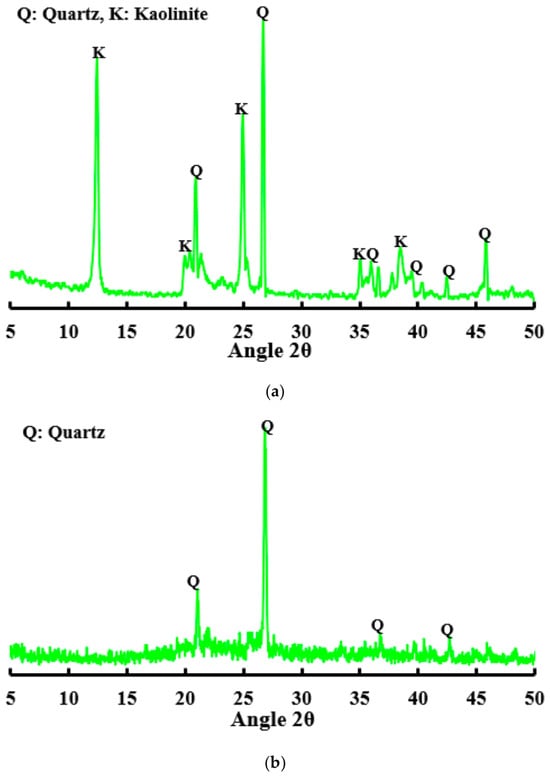
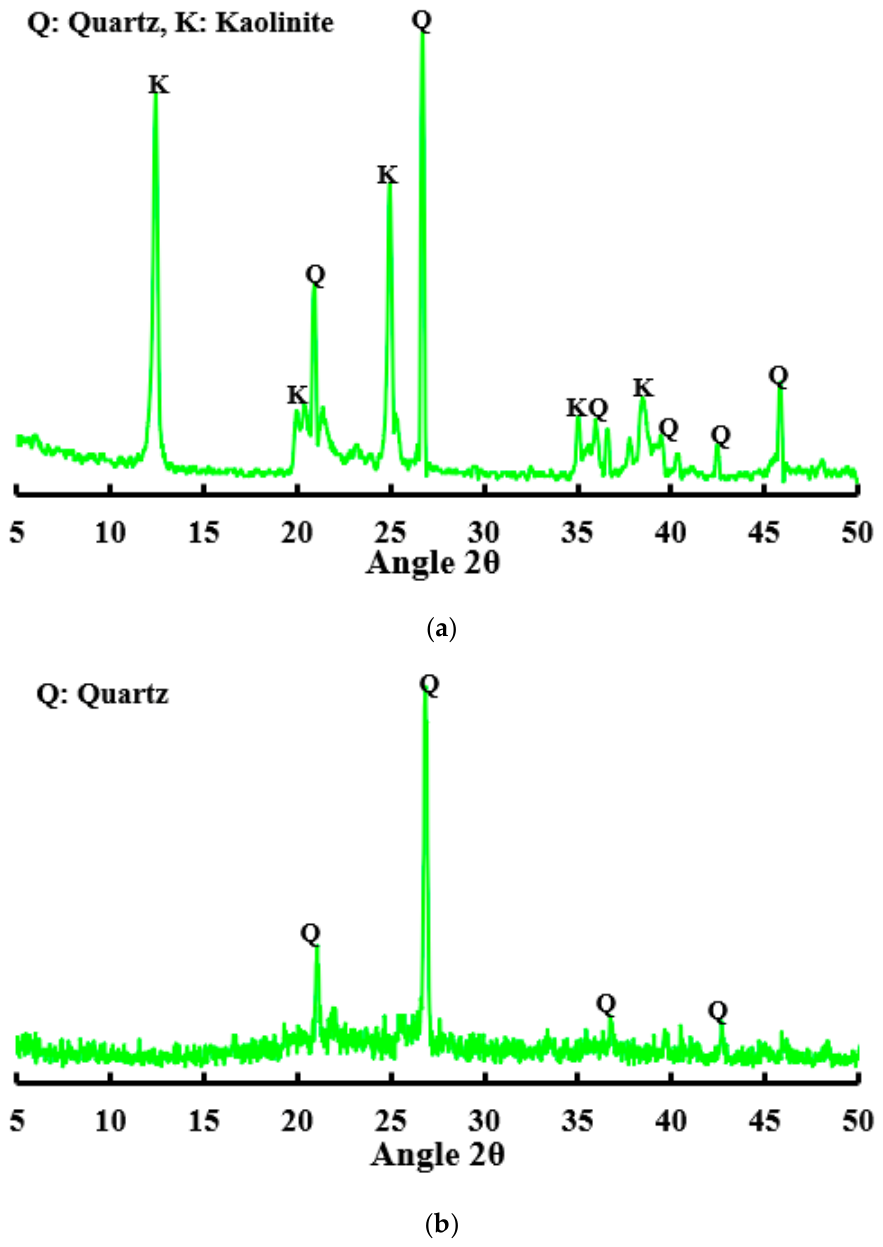
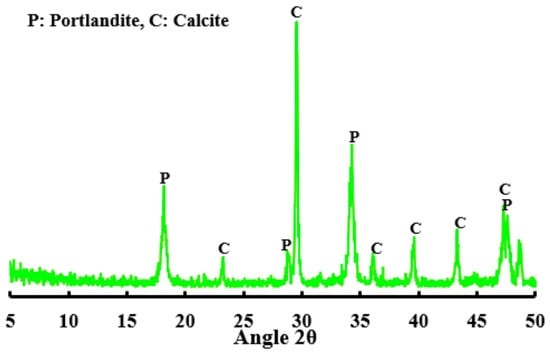
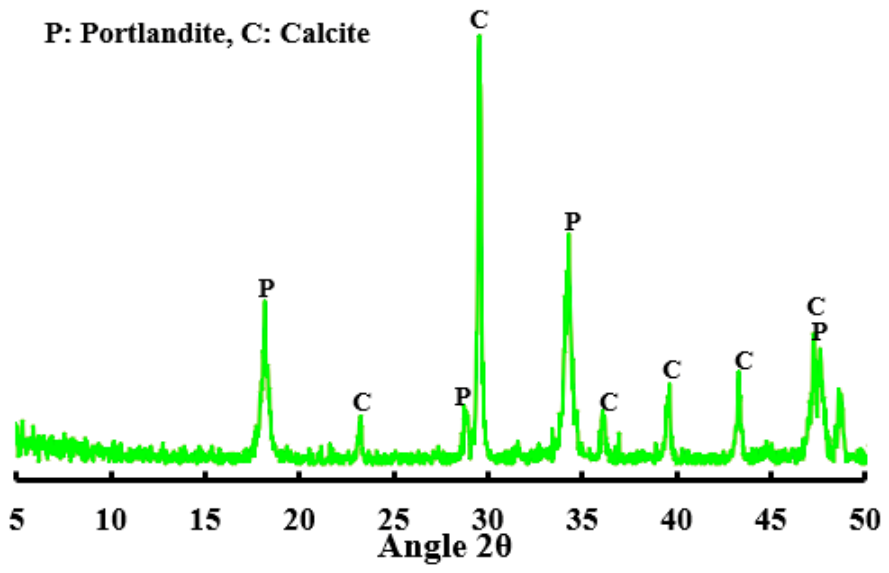
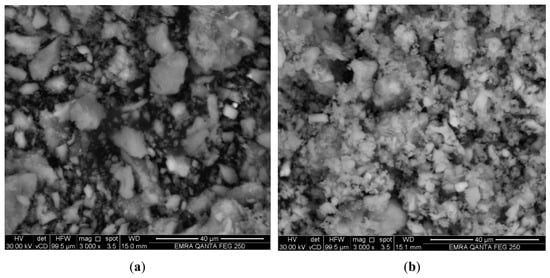
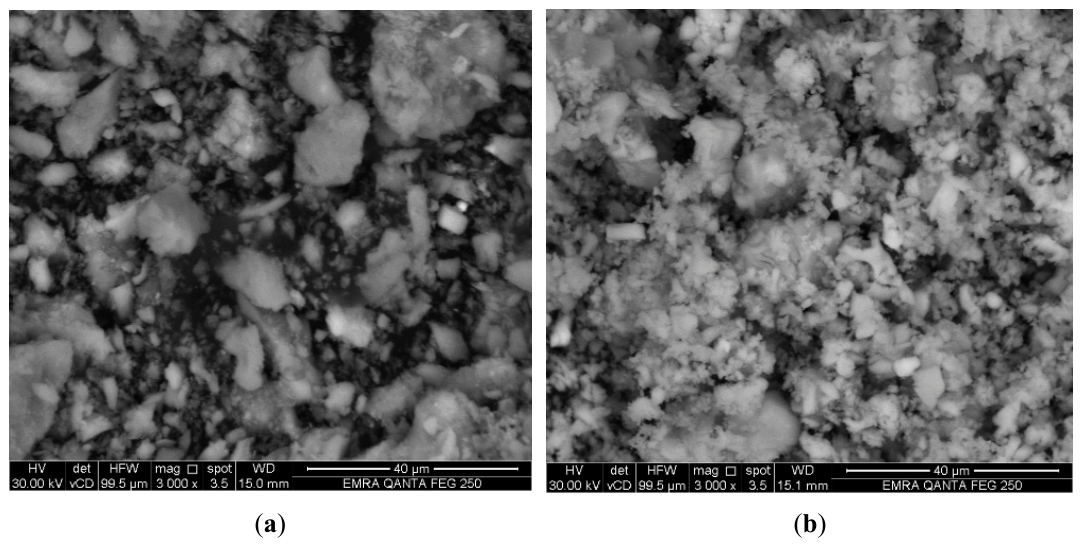


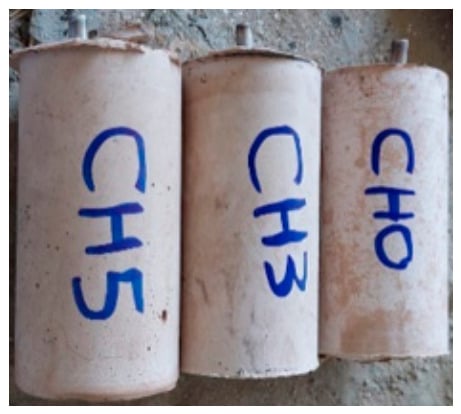
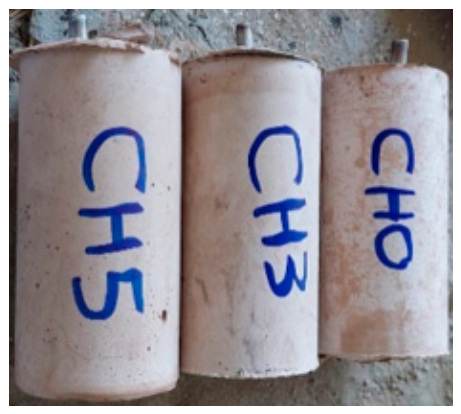
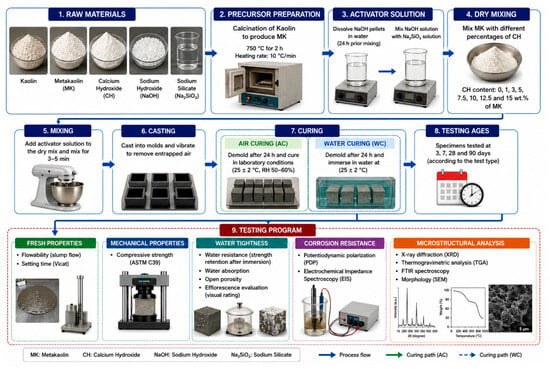
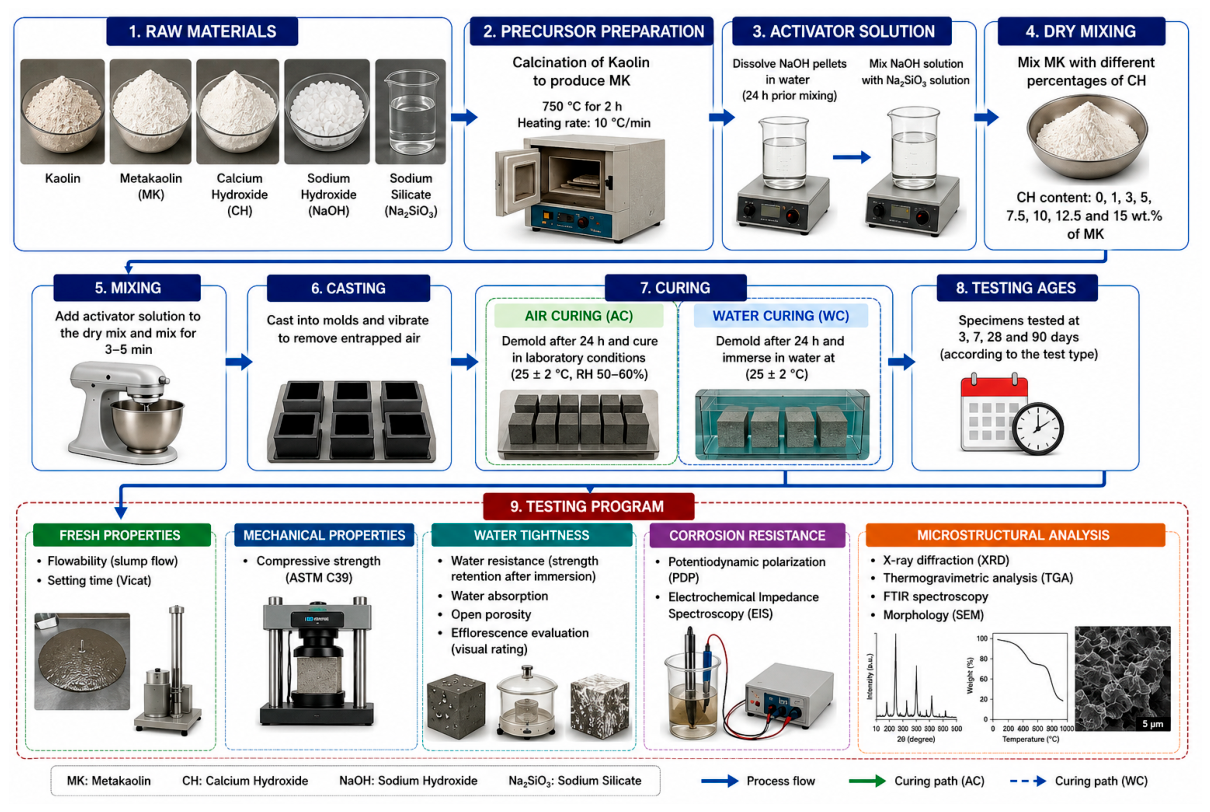
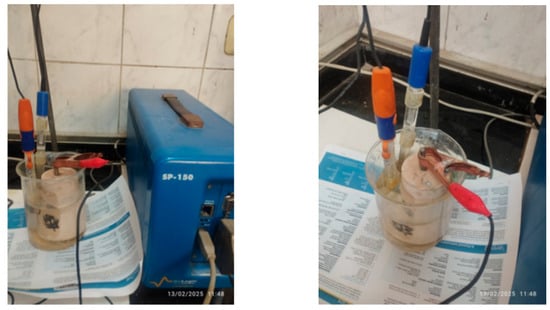
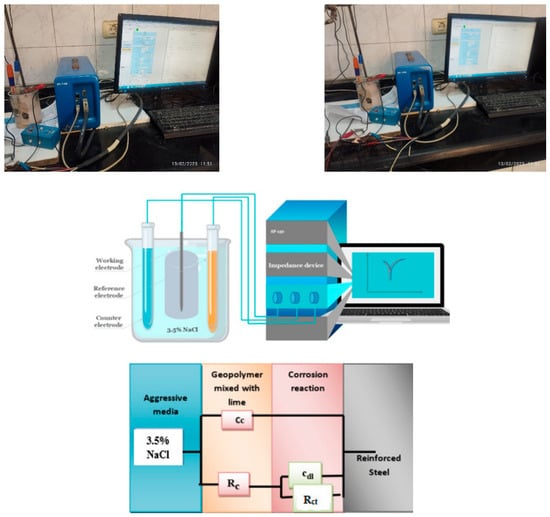
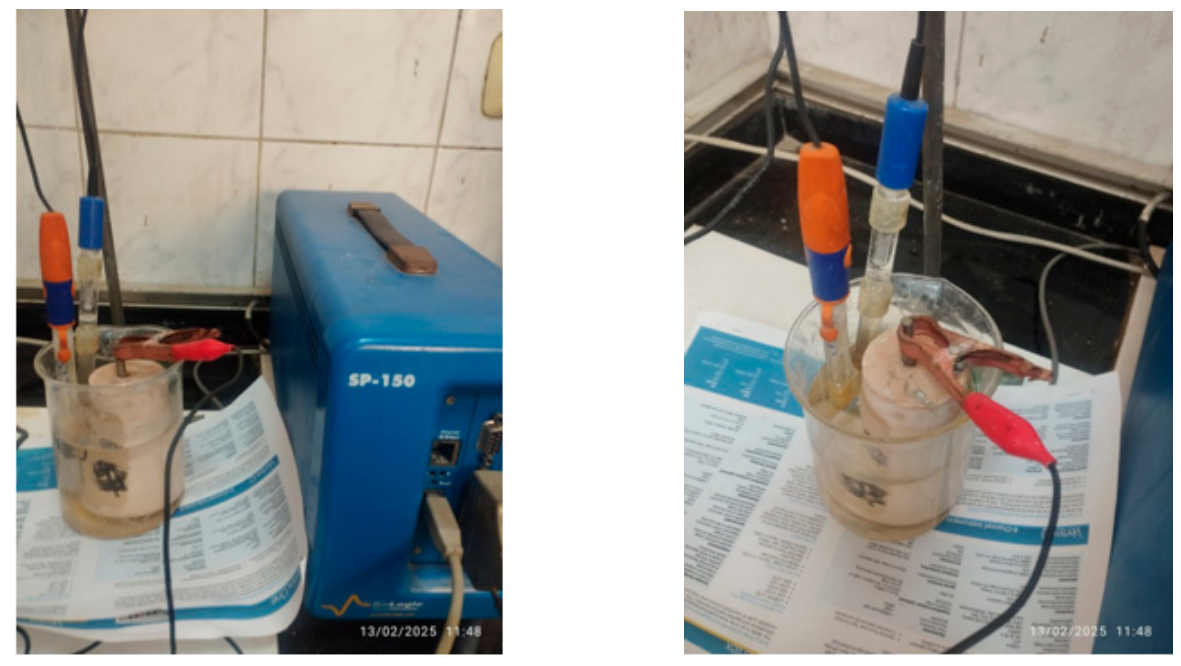
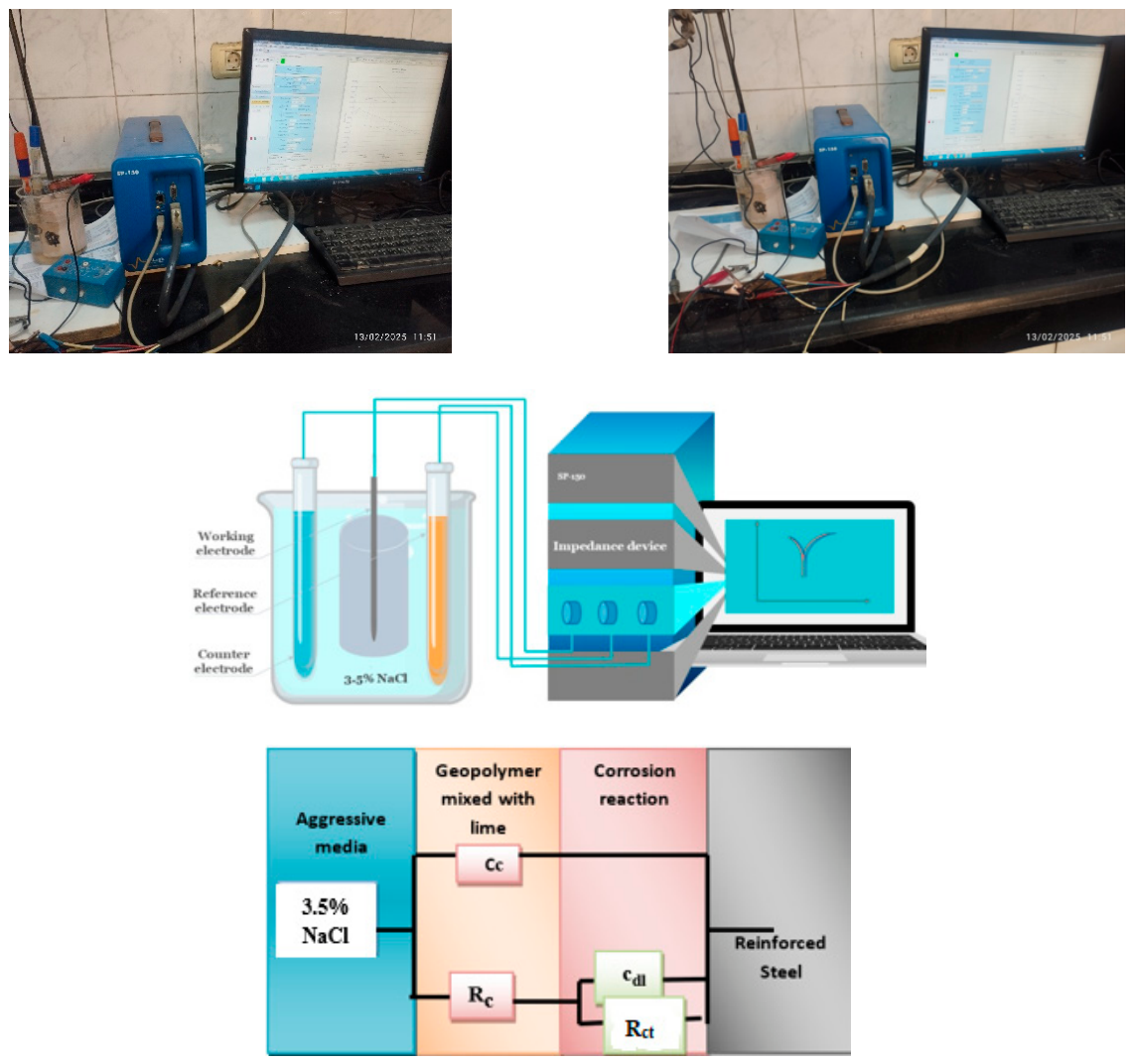
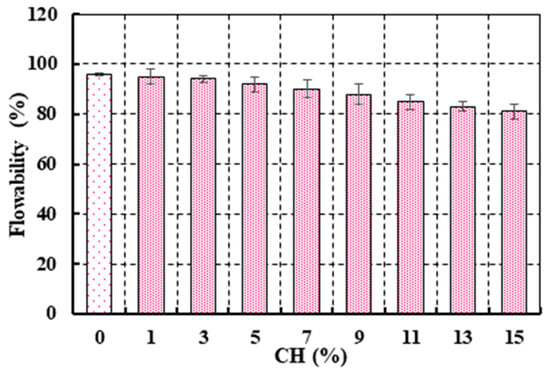
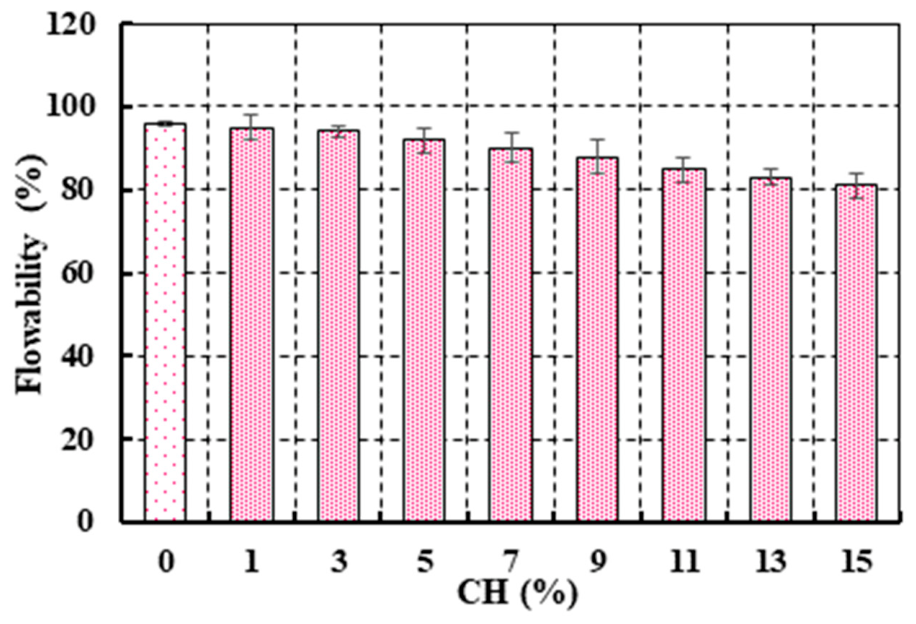
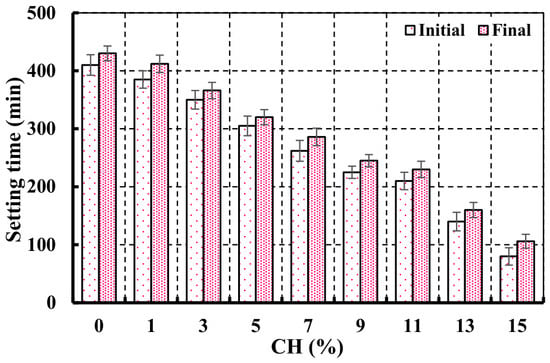
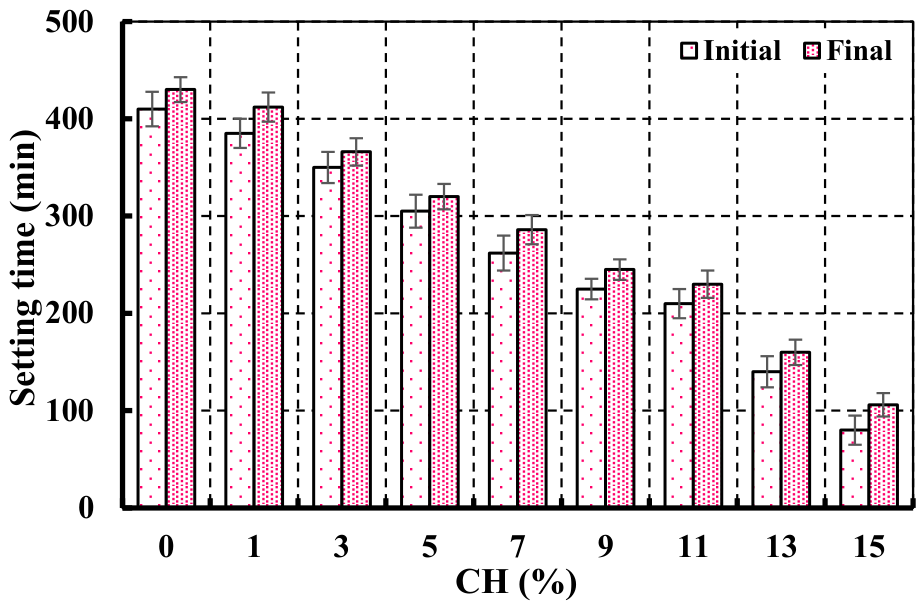
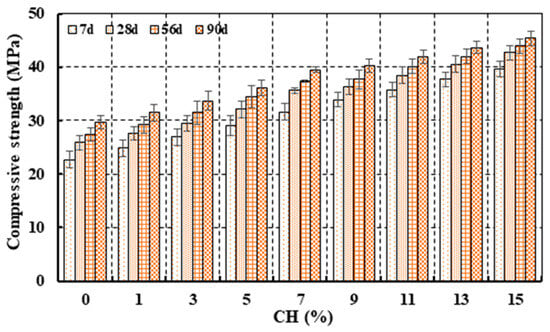
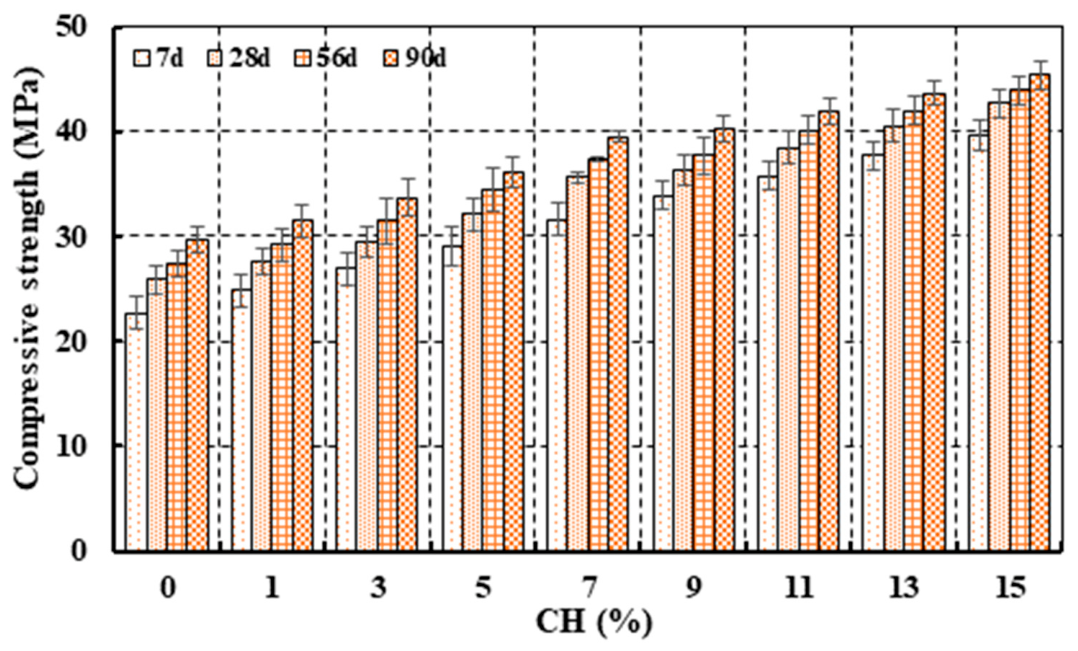
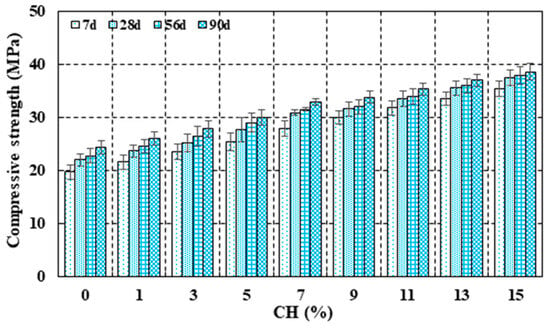
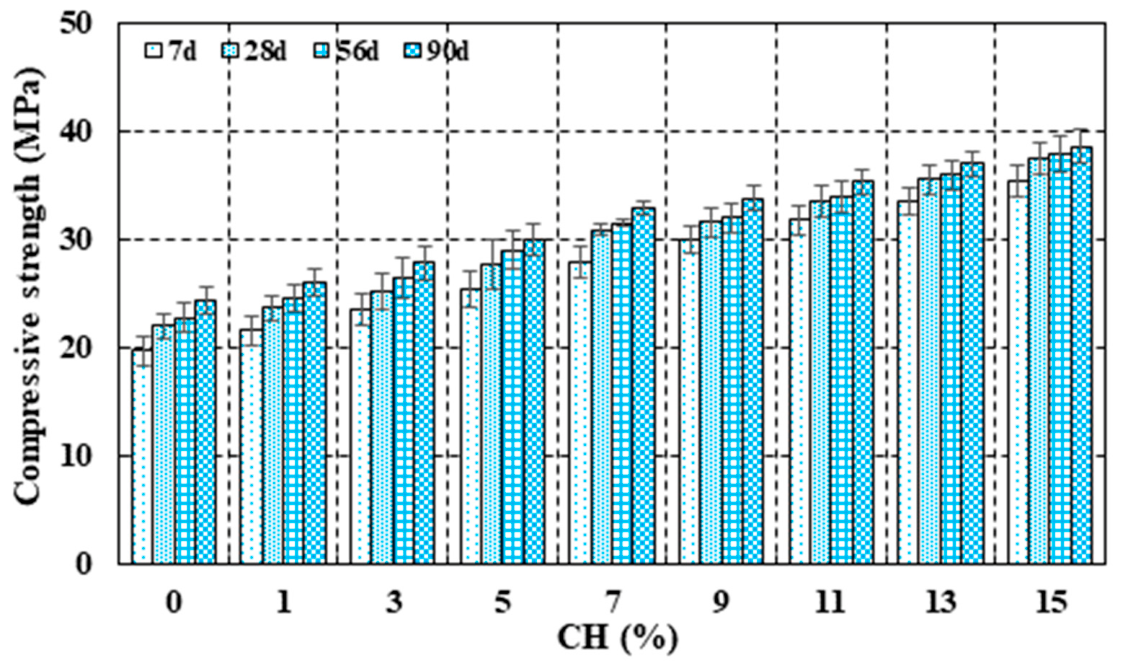
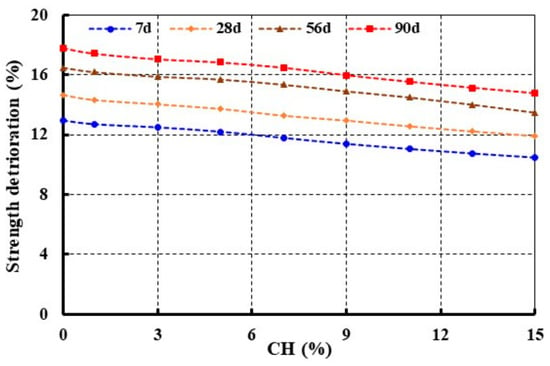
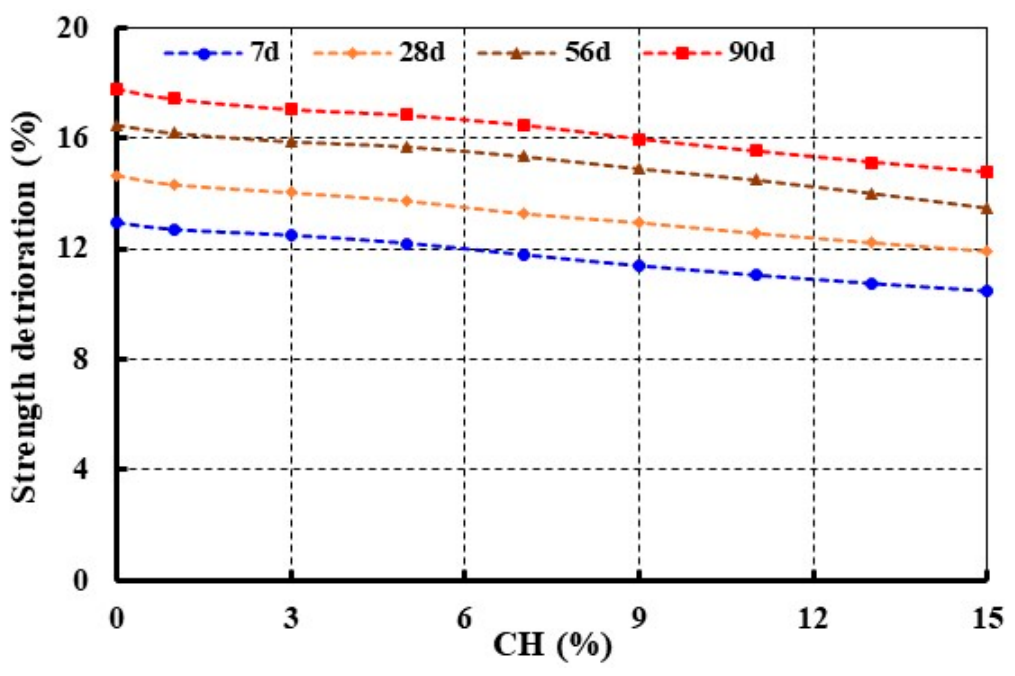
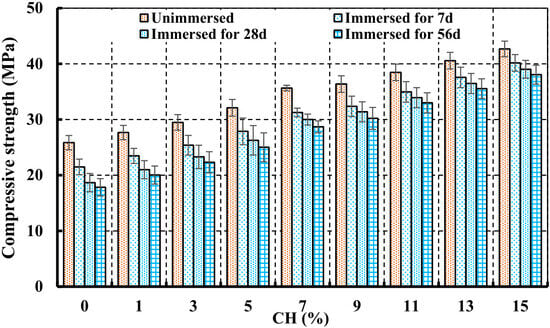
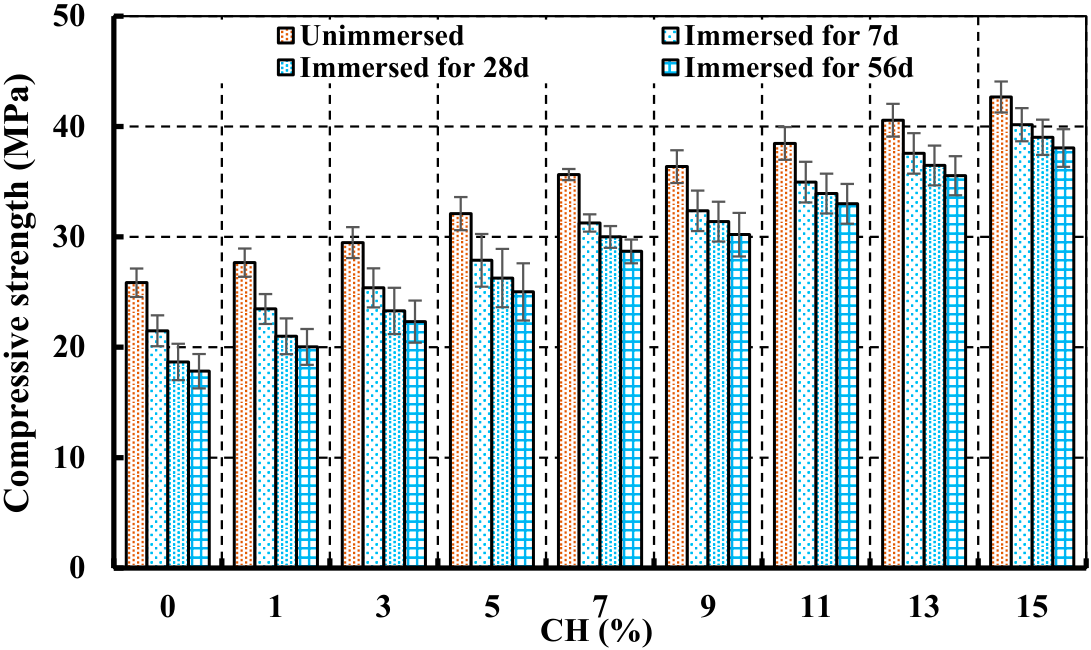
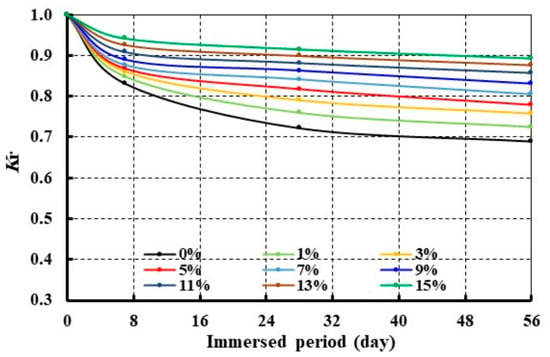
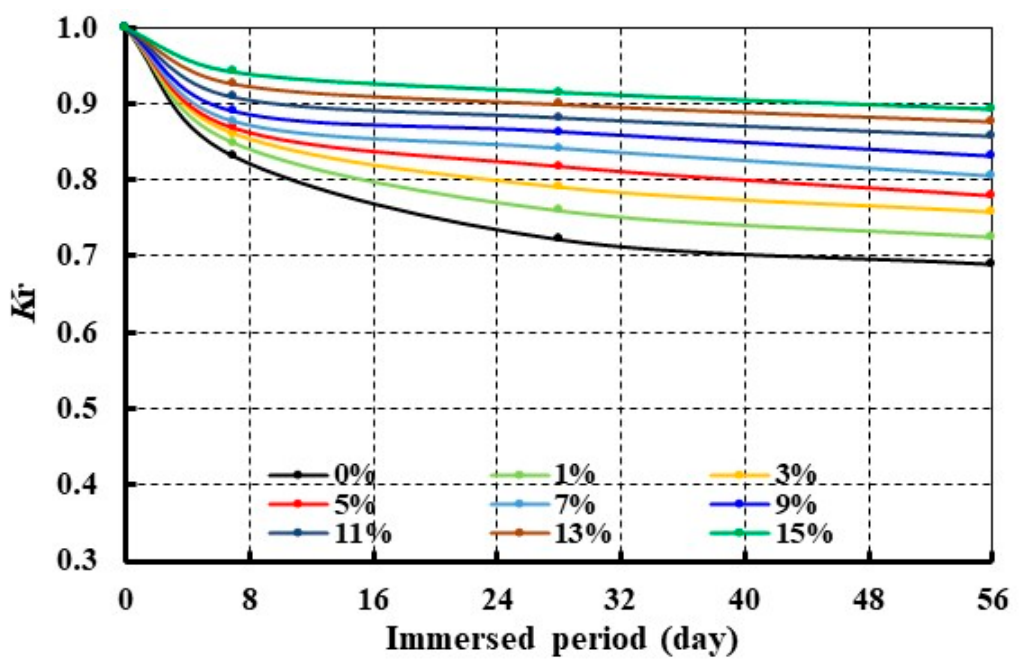
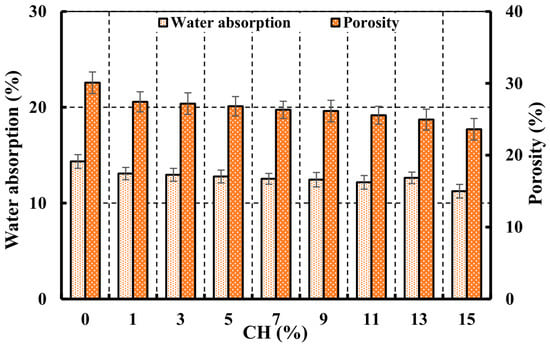
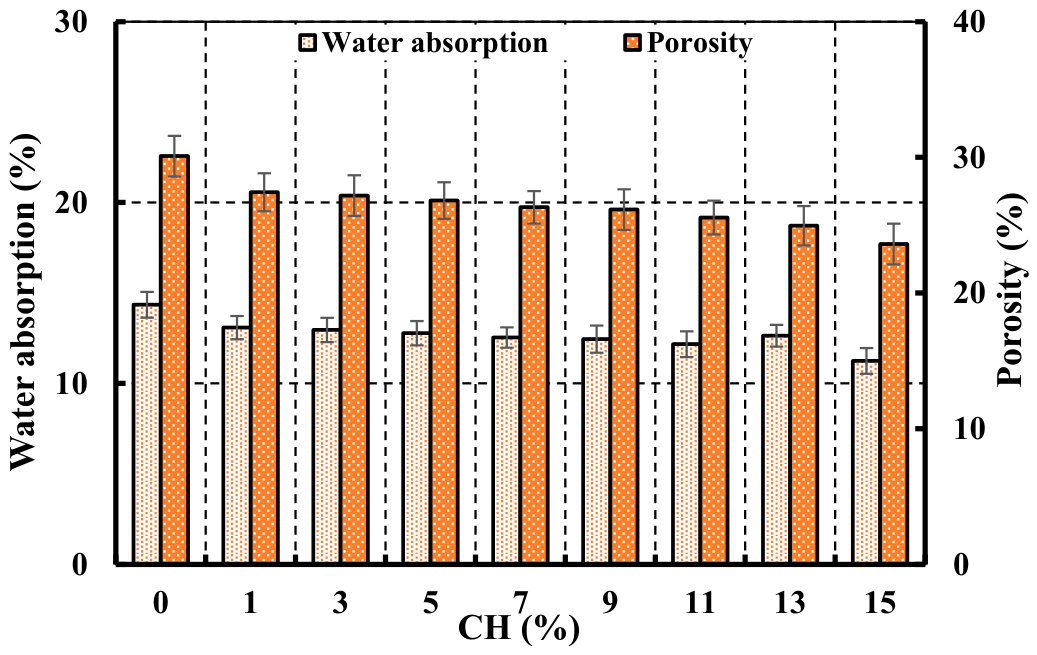
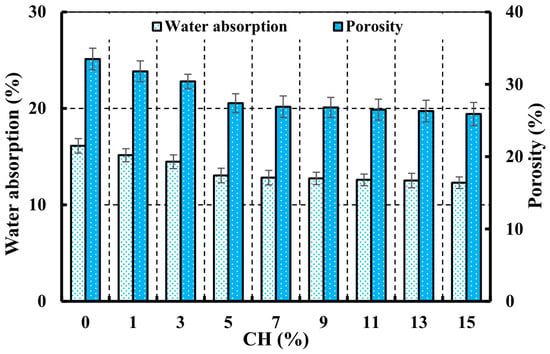
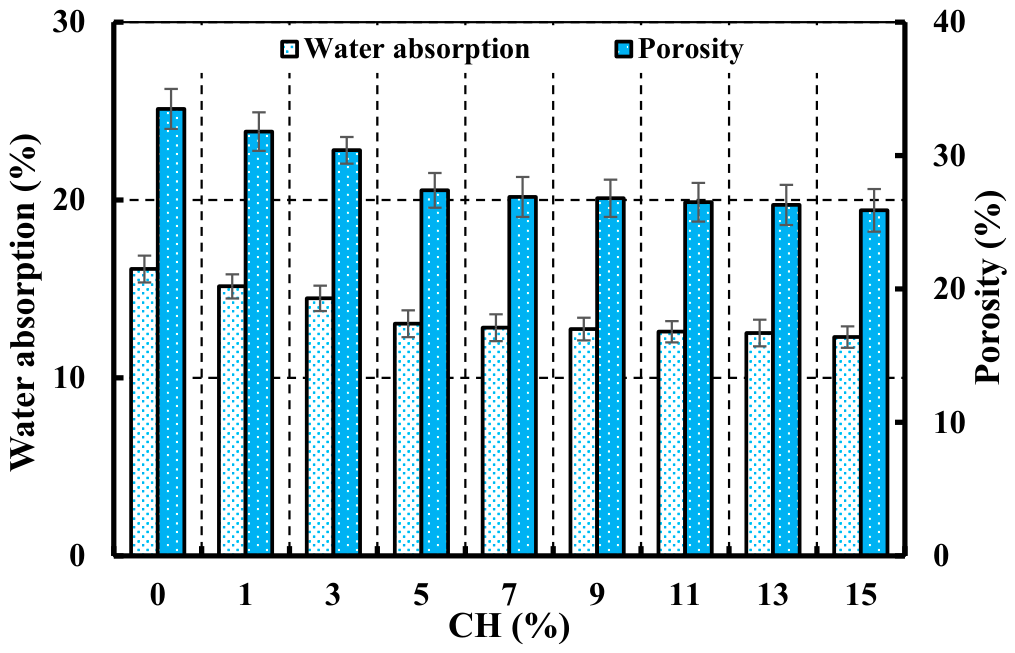
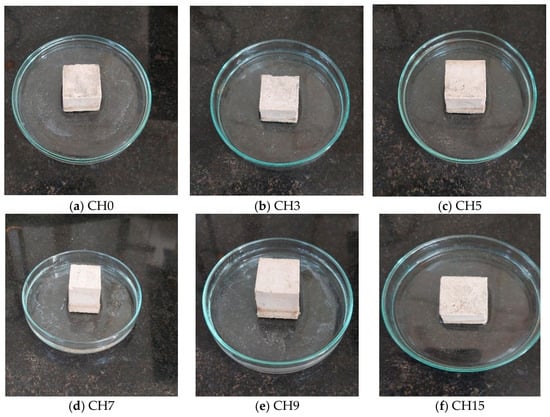
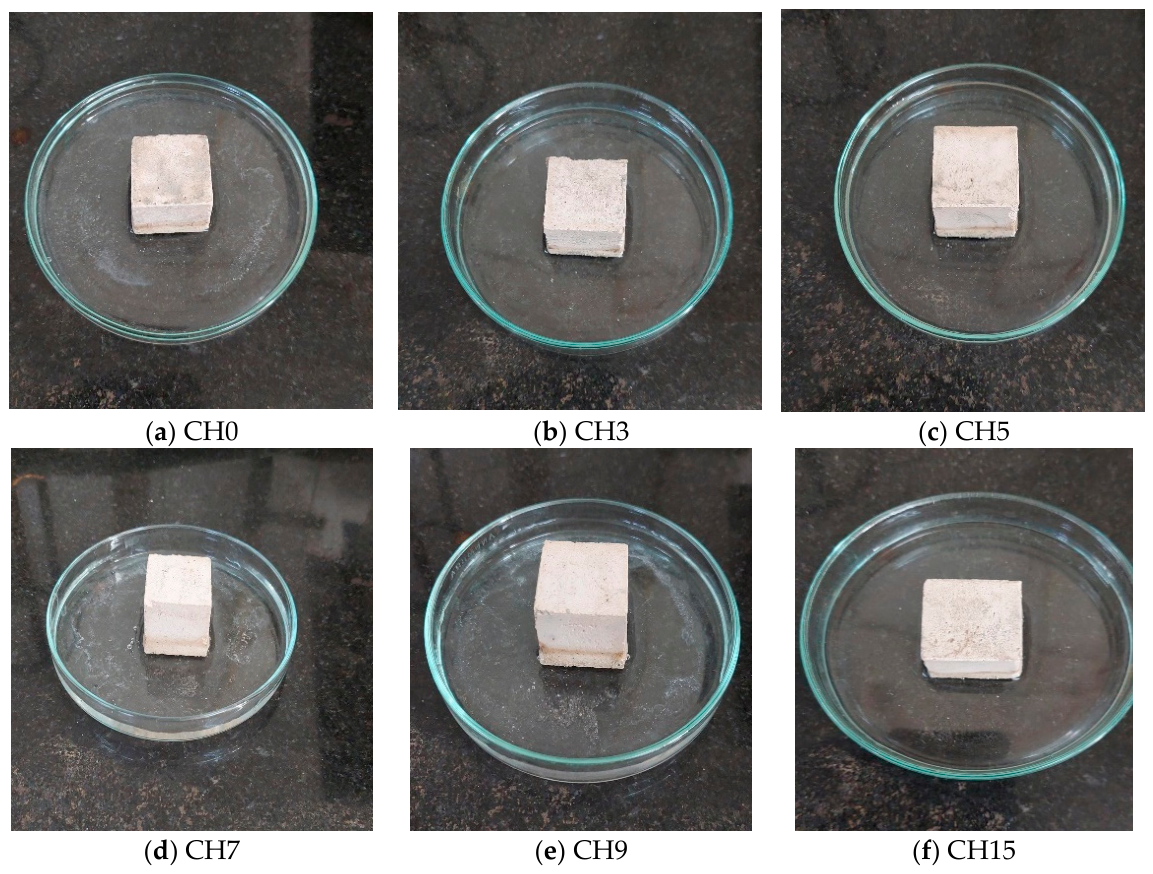
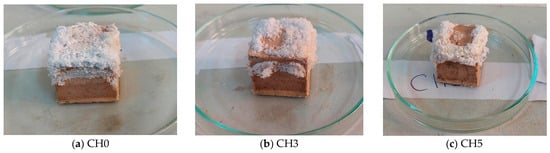
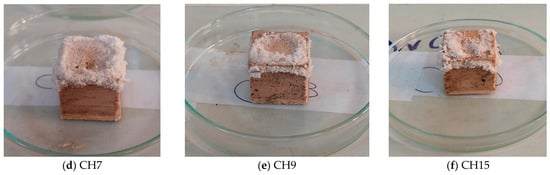
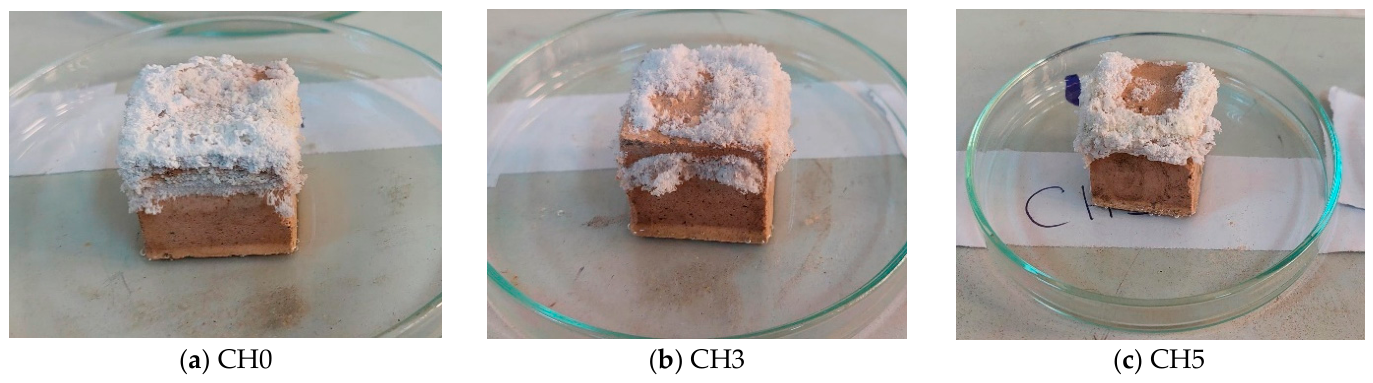
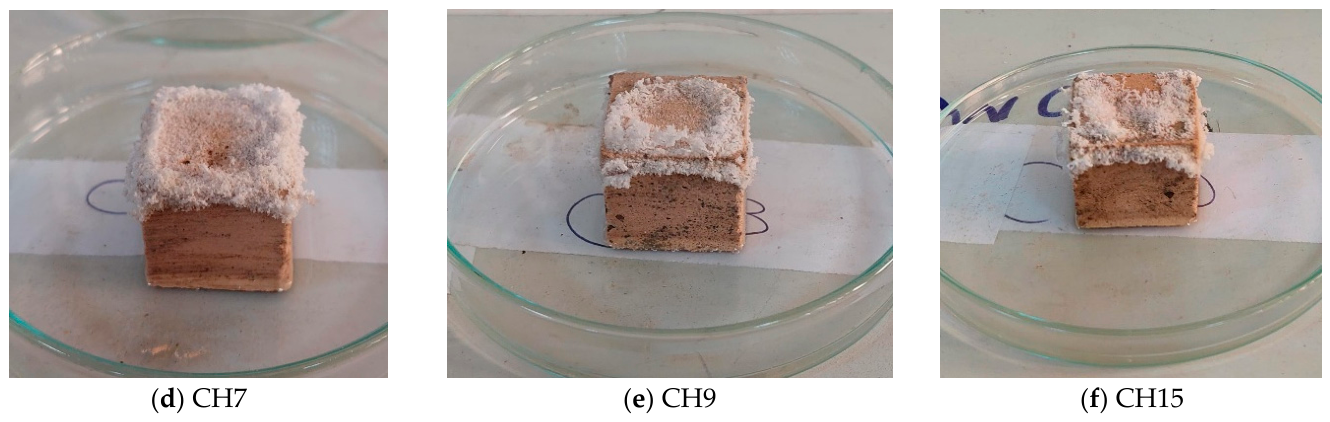
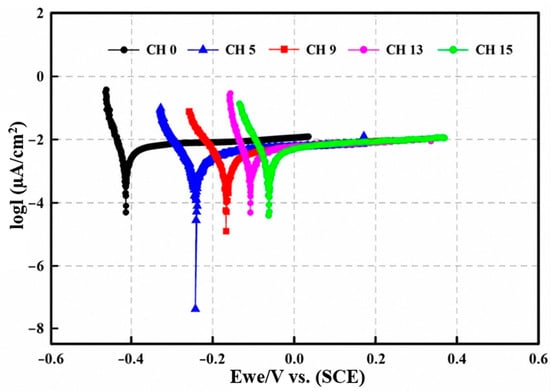
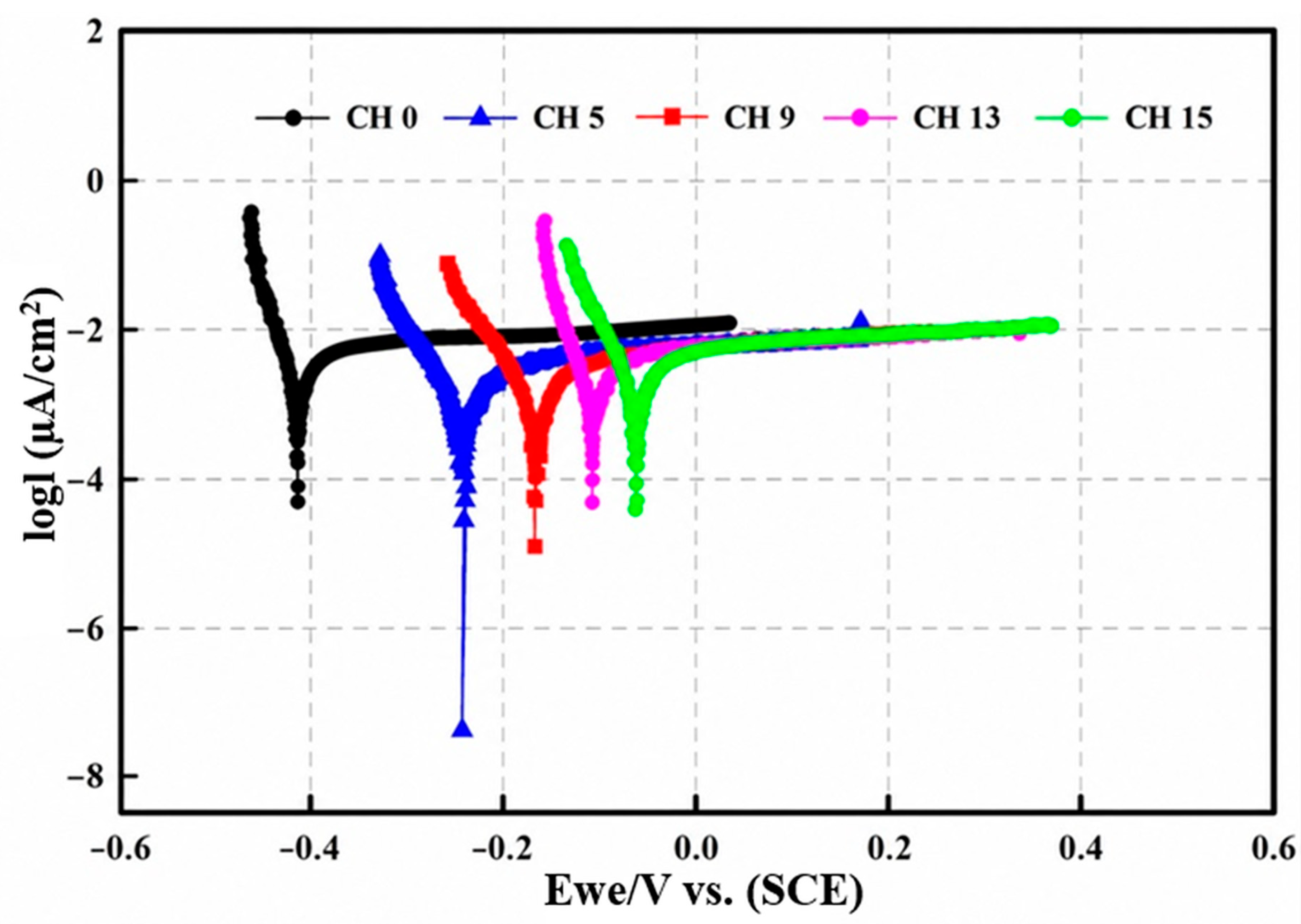
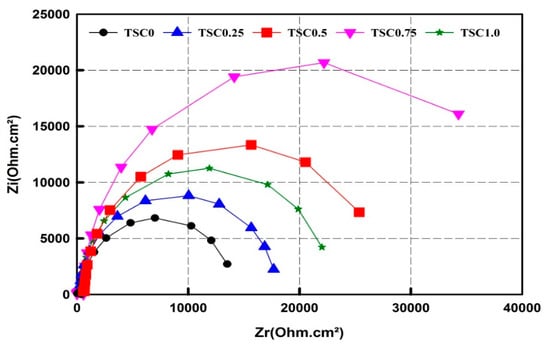
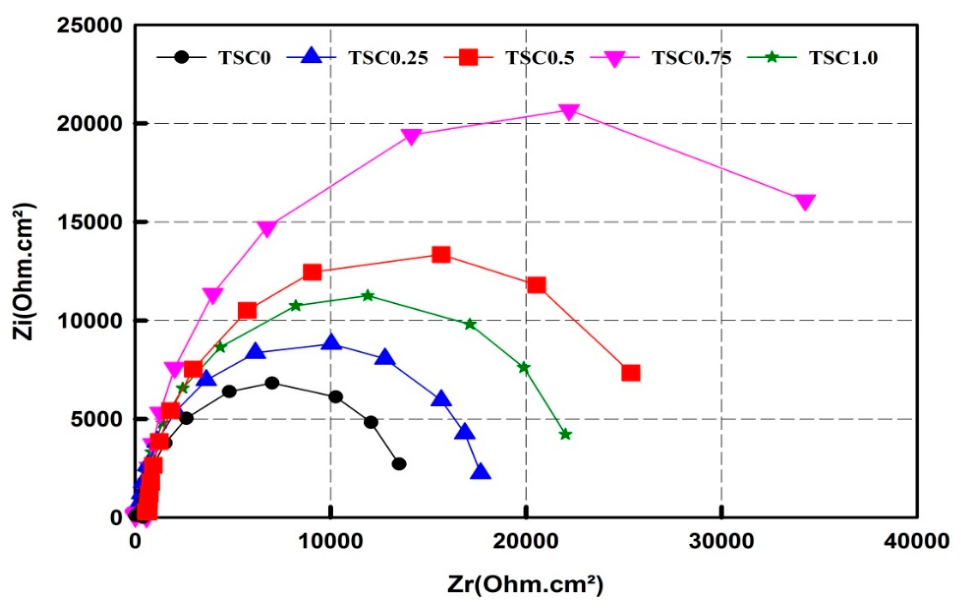
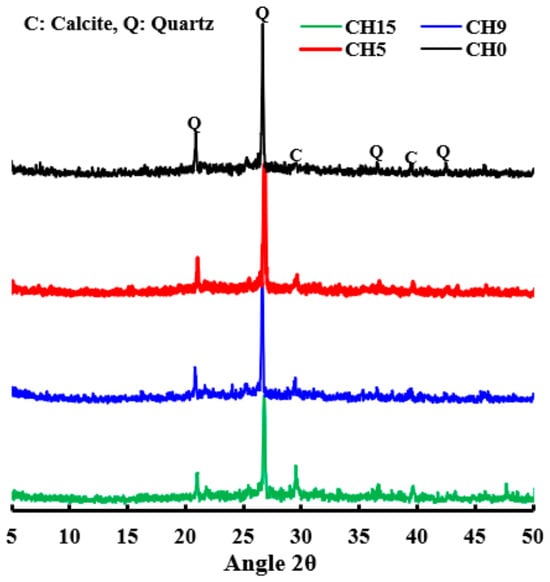
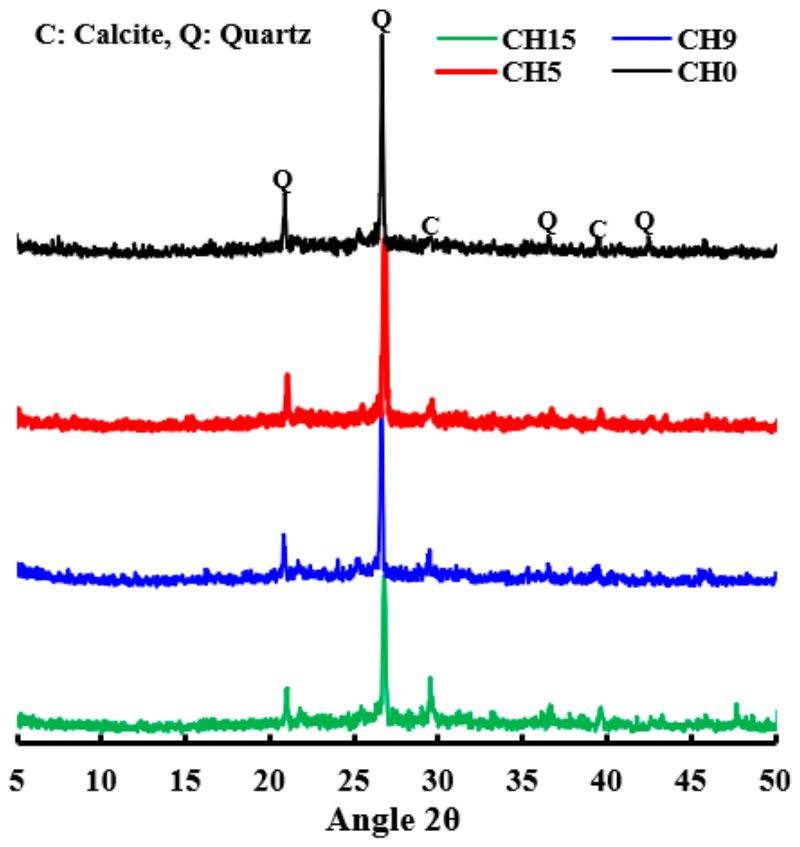
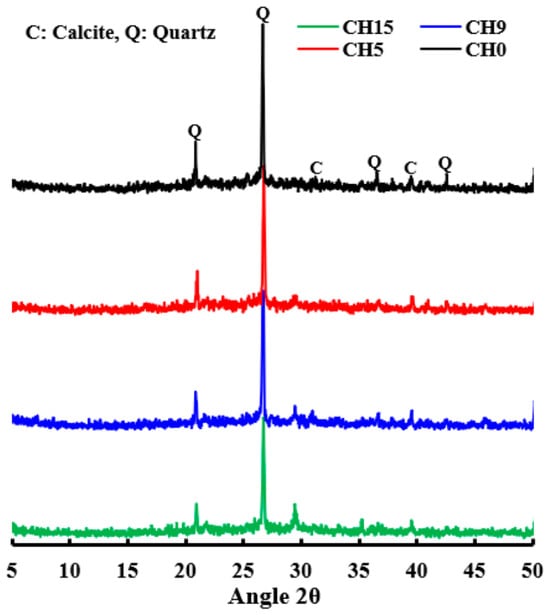
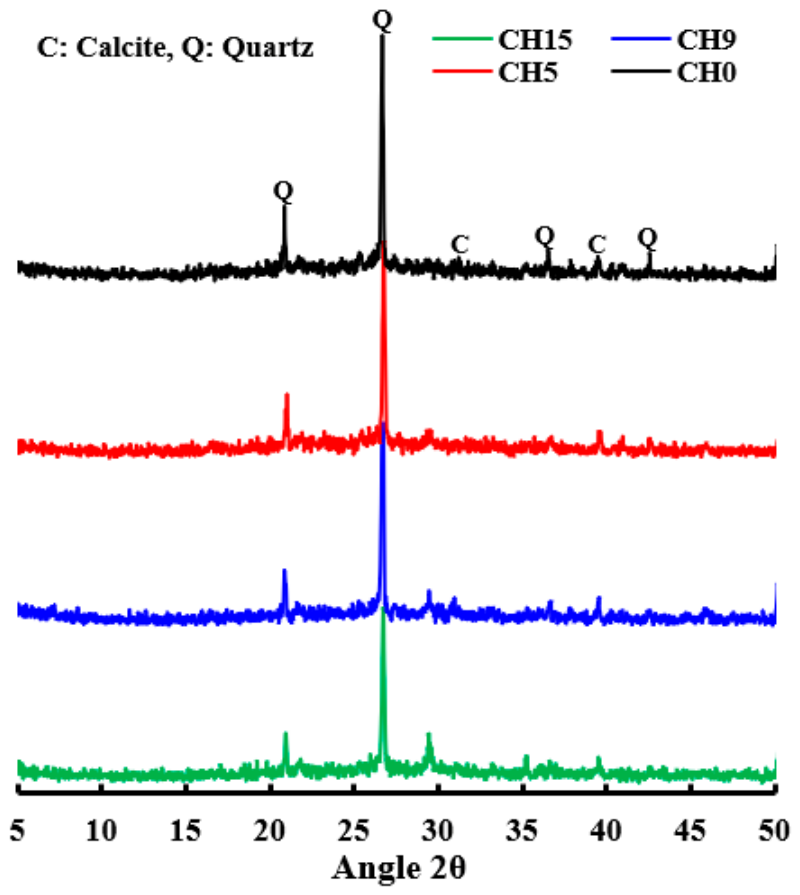
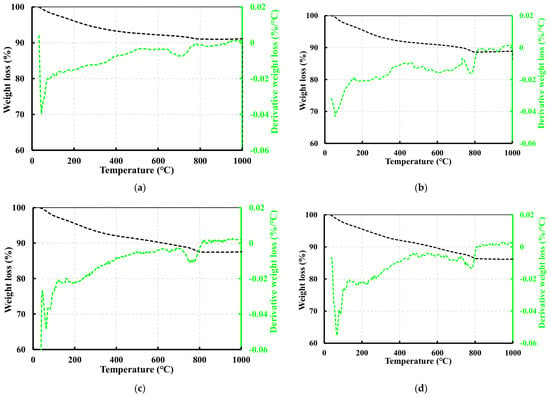
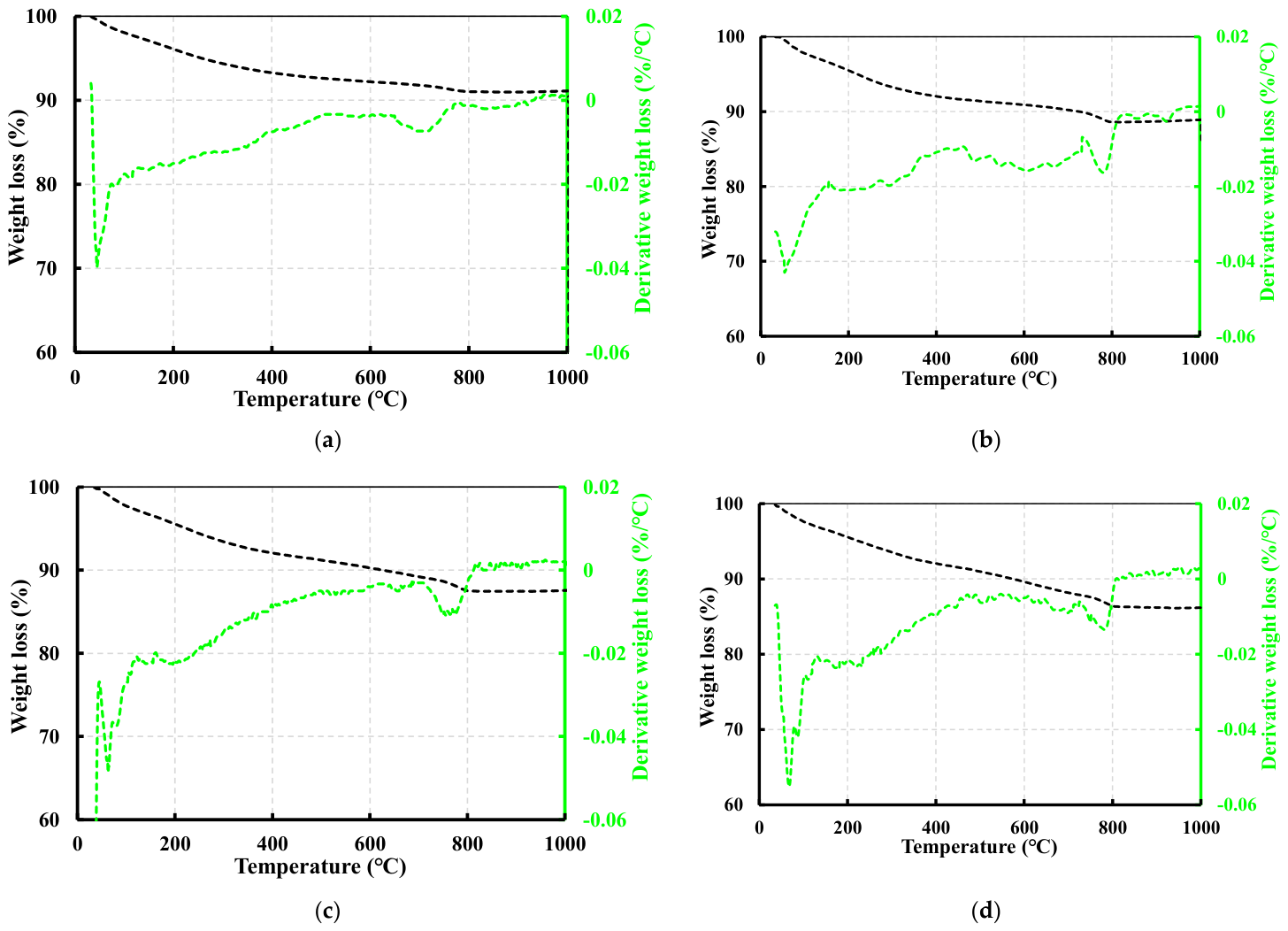
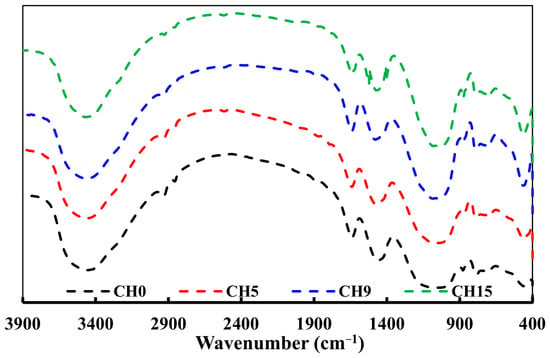
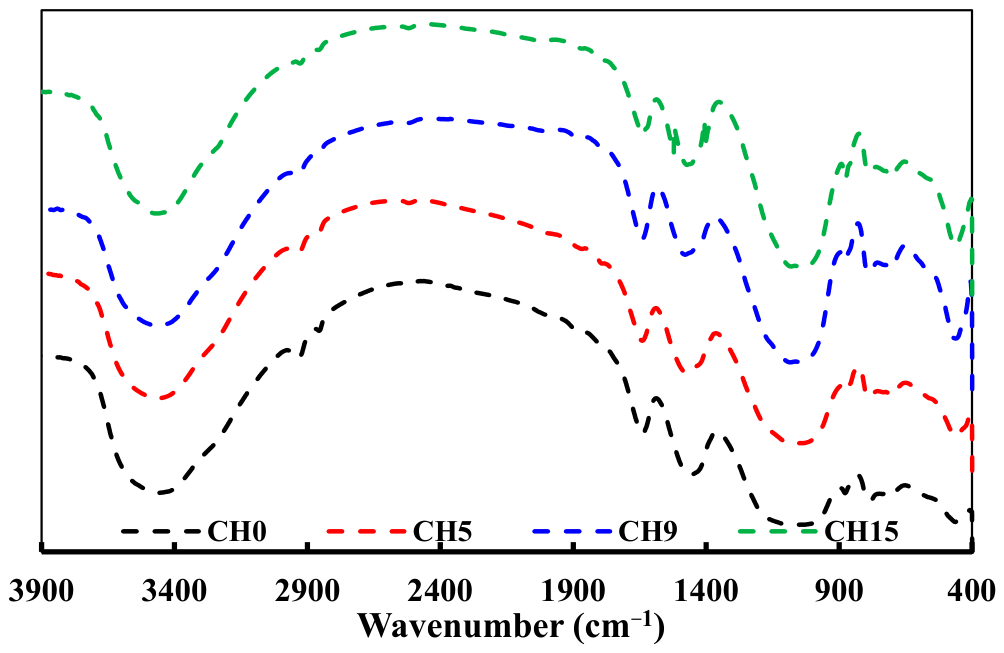
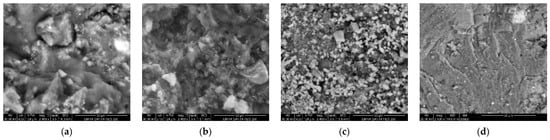
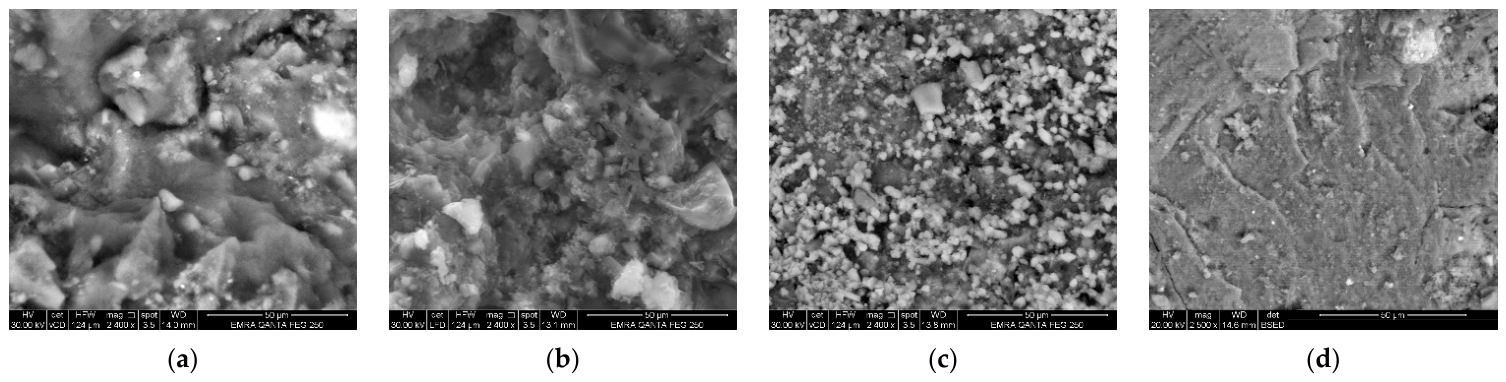
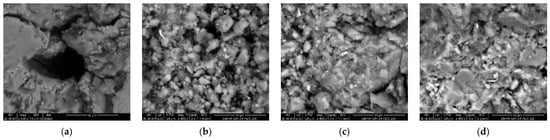
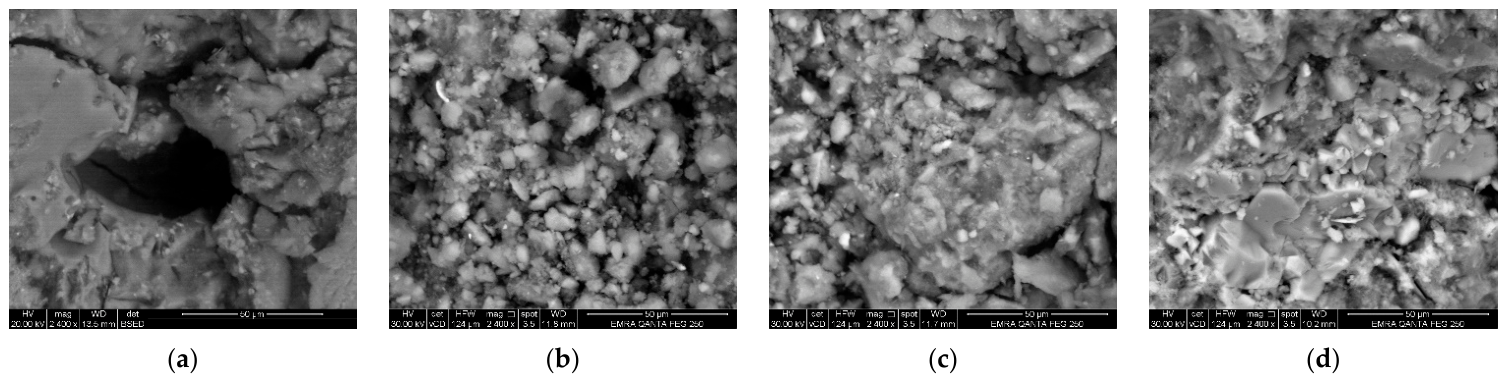

Disclaimer/Publisher’s Note: The statements, opinions and data contained in all publications are solely those of the individual author(s) and contributor(s) and not of MDPI and/or the editor(s). MDPI and/or the editor(s) disclaim responsibility for any injury to people or property resulting from any ideas, methods, instructions or products referred to in the content. |
© 2026 by the authors. Licensee MDPI, Basel, Switzerland. This article is an open access article distributed under the terms and conditions of the Creative Commons Attribution (CC BY) license.