


Abstract
Since the 1970s, Tunisia has been a popular destination due to its diverse natural environment and a tourist offer based on recreation 3S (Sea–Sun–Sand). Tourist flow is therefore concentrated along its eastern Mediterranean coast, where there is a risk of overtourism. One of the proposed solutions to prevent this phenomenon is to assess the natural potential and tourism functions of Tunisia in the context of sustainable tourism. This goal was achieved through the use of the method of multidimensional comparative analysis, which allowed for a measurable comparison of the country’s tourist regions in terms of 23 characteristics illustrating the potential and functions of nature-based attractions and accommodation facilities (number of beds, number of tourists using accommodation). In light of the synthetic indicators obtained, the greatest threat to sustainable nature-based tourism was identified in the regions of Nabeul–Hammamet and Yasmine–Hammamet, as well as Monastir–Skanes. In the first region, this results from the large number of tourists visiting natural attractions, whereas in the second, it stems from the excessive number of people using accommodation facilities. Therefore, it is necessary to monitor tourist flow and take various measures to relieve pressure on these regions.
1. Introduction
The issues discussed in this article fall within the broader research trend on sustainable tourism development. Although there is no universally accepted definition of this form of tourism, it most often refers to responsible forms of travel and tourism activities that contribute to the protection of natural resources, the preservation of cultural heritage and the improvement of socio-economic well-being in destination areas, e.g., [1,2,3,4,5,6,7].
In recent years, in response to growing environmental awareness, the needs of consumers seeking responsible travel options, and the necessity to mitigate the negative impacts of tourism on the natural environment, an increasing number of stakeholders have been implementing sustainable tourism management practices [8,9]. However, the further development of these practices depends on the sector’s ability to adapt to economic, social, and environmental transformations [2,10], as well as on the implementation of coherent public policies and integrated strategies involving multiple sectors and stakeholders [2,11].
These challenges are particularly evident in Tunisia, where, since the 1960s, tourism development has been based on the 3S model (Sea–Sun–Sand), centered on coastal recreation [12,13,14]. This model has contributed both to the rapid expansion of the hotel industry and to the excessive spatial concentration of tourism and infrastructure along the coast, as noted by Cudny [15] and Weigert [16]. The coastal zone hosts a dense network of airports (e.g., Tunis, Monastir, Djerba), which handle over 90% of the country’s international air traffic [17].
The expansion of airport infrastructure has reinforced the coastal concentration of economic activities and urban development, including major cities such as Gabès, Bizerte, Sousse, Monastir, and Sfax–Skhira. These areas account for approximately 65% of Tunisia’s urban space and are home to about 4.5 million inhabitants [18], representing nearly 40% of the national population. As a result, environmental pressure has intensified, manifested in the physical degradation of popular tourist sites [19] and deepening disparities in tourism investment between the coastal and inland regions [13,16]. Consequently, the pursuit of sustainable tourism in Tunisia has become not only part of a global trend but also an urgent necessity—a prerequisite for maintaining a balance between economic growth and the protection of natural resources.
2. Literature Review
A review of the existing literature indicates that since the introduction of the Tourism Area Life Cycle (TALC) concept by Butler [20], a substantial number of studies have been published on sustainable tourism. These works address a wide range of topics related to this concept and employ diverse methodological approaches to identify and assess the problem of excessive spatial exploitation by tourism.
Several review papers analyzing the phenomenon of sustainable tourism reveal that it encompasses multiple thematic domains. For instance, Lu and Nepal [3], examining articles published in the Journal of Sustainable Tourism between 1993 and 2007, identified five major research themes—tourism impacts; sustainability assessments; development; visitor behavior and attitudes; and planning. Among these, only the second is directly related to sustainable tourism. Similarly, Bramwell et al. [5], after analyzing articles published in the same journal over a 25-year period, identified six principal research streams, of which only two are significantly linked to the natural potential of tourism. The first includes studies adopting a holistic perspective on (un)sustainable tourism, emphasizing the importance of relationships—including feedback loops—between social systems and between human and natural systems, which can be used to inform strategic planning for destinations. The second stream focuses on ethical and policy-related issues, particularly those concerning the impact of tourism development on water consumption. Furthermore, Roberts et al. [7], in their review of selected papers from 2019–2021, identified four overarching research dimensions: social, economic, ecological, and institutional. However, only two of these are directly related to sustainable nature-based tourism—one within the ecological pillar (Over-tourism) and one within the institutional pillar (Heritage Sites and National Parks).
From a methodological perspective, Butler [2] emphasized the need to develop metrics for assessing sustainable development and subsequently apply them to both existing and emerging forms of tourism. He also highlighted the necessity of such measures to determine the factors influencing the achievement of sustainability, underlining the complexity of this process and the need for a multisectoral approach within destinations. Review studies indicate that a wide variety of methods have been employed to assess sustainability. For example, Lu and Nepal [3] found that among the studies they analyzed, qualitative methods accounted for 41%, quantitative for 37%, conceptual/review-based for 16%, and mixed methods for 6%. Data collection most commonly relied on social research methods and case studies. They also noted an increasing trend toward the use of advanced analytical techniques for data modeling and scale testing, such as multivariate modeling, Geographic Information Systems (GISs), and computer simulations. Similarly, Roberts et al. [7] reported that among 881 articles addressing sustainable development issues, quantitative methods were used most frequently (41.8%), followed by qualitative (36.7%), mixed (16.0%), and conceptual/review-based approaches (5.6%).
Existing studies on sustainable tourism in Tunisia predominantly present findings related to selected parts of the country rather than its entirety. For instance, Chemli [21] analyzed the tourism potential of the mountain region of Jendouba in northern Tunisia, with a focus on the development of future sustainable tourism products. The author identified several strengths of this area, particularly its natural assets, such as its unique landscape (including the mountain of Jendouba), distinctive fauna and flora, and a natural lake. However, she also recognized weaknesses related to the economic situation and underdeveloped infrastructure. Among the main opportunities, she highlighted the favorable air connectivity between Tabarka and the studied area, though she did not identify any specific tourism products or propose concrete measures that could help alleviate tourist pressure in other, unspecified, over-visited destinations. In another study, Chemli [22] examined the potential to enhance the competitiveness of three provinces—Tataouine, Medenine, and Gabes—in southeastern Tunisia through the development of alternative tourism. She emphasized the importance of complementary products for achieving sustainable regional development and recommended promoting these provinces as “authentic” destinations. Several other studies have proposed model solutions for sustainable tourism development across Tunisia. For example, Chaabane et al. [23] proposed sustainable organizational and financial models based on the cooperation of various stakeholders at both national and local levels. The authors suggest that implementing such models could help address the issue of excessive solid waste generation, particularly during the summer season, in major tourist cities such as Hammamet. Similarly, Halioui and Schmidt [24] proposed a participatory model aimed at identifying potential problems and understanding cause-and-effect relationships within the Tunisian tourism sector. Their model is structured around feedback mechanisms among the three dimensions of sustainable development—environmental, economic, and socio-cultural—and the authors recommend its application by policymakers to foster sustainable tourism development in Tunisia. Moreover, the study by Widz and Brzezińska-Wójcik [14], which applied the TALC model across all Tunisian governorates, allowed for the identification of overtourism, e.g., [25,26,27,28], in several regions. The authors proposed a set of specific measures to mitigate this phenomenon—including the creation of new attractions and routes in neighboring governorates to spatially and temporally disperse tourist flow, adaptation of legal frameworks to enhance tourism governance, and ensuring that local communities benefit economically from tourism. They recommended prioritizing these measures in the governorates of Sousse, Monastir, and Madanin, and in the near future also in Tunis and Nabeul.
From the methodological perspective, the literature review concerning Tunisia indicates the application of conceptual and review-based approaches, including scenario methods [29], SWOT analysis [21], and analytical methods [22], as well as qualitative and mixed qualitative–quantitative approaches combining interviews and feedback from various stakeholders, covering environmental, economic, social, and institutional–political aspects [24,30].
Both the thematic scope and the methodological approaches adopted in these studies reveal that the issue of environmental overexploitation caused by tourism in Tunisia has been analyzed in a relatively narrow manner—both in terms of the multidimensional nature of sustainable tourism development and in its spatial coverage. Consequently, a research gap remains in two key areas:
- Identifying what types of data and spatial scales are required to determine the extent of tourism-induced pressure across Tunisia or within its selected regions;
- Defining a methodology capable of identifying the areas most affected by excessive tourist activity.
Given the multidimensional nature of this problem, a systemic approach is required. However, since many scholars have already highlighted the problem of excessive tourism infrastructure concentration along the Tunisian coastline—a zone defined by specific natural features—this study aims to examine all major tourism regions in Tunisia from the perspective of their natural characteristics and their degree of its use. Among the available research methods, multidimensional comparative analysis (MCA)—a quantitative approach—was identified as the most appropriate tool for achieving this objective. This method enables a comparative assessment of tourism regions in terms of their level of sustainable nature-based tourism development. It also allows for identifying regions that are particularly vulnerable to tourism pressure and at risk of overtourism, as well as for indicating possible strategies and directions for relieving such areas.
Thus, the main objective of this study is to propose a model for the functioning of nature-based tourism in Tunisian tourism regions within the framework of sustainable tourism, using the method of multidimensional comparative analysis. The practical aim is to develop recommendations for long-term, environmentally sound directions of tourism development. The research objectives and tasks are summarized in Figure 1.
Figure 1.
Research procedure scheme. Adapted from Reference [31].
3. Natural Resources as the Basis for Tourism Development in Tunisia
The diverse natural assets of Tunisia constitute a significant potential for the development of various types and forms of tourism. It should be emphasized that some of these assets—particularly those concentrated along the coastline—have been used since the very beginning of tourism development in the country. The analysis focused both on the highly developed natural potential associated with the coastal zone and on the resources that can be sustainably used to support the further development of tourism in Tunisia.
The natural resources of the coastal areas have primarily served as the foundation for the growth of leisure tourism. On the one hand, this results from the fact that approximately 570 km of sandy beaches along the Mediterranean shoreline are suitable for tourism activities [18]. On the other hand, investments in coastal infrastructure and on offshore islands—such as Îles Kerkennah and Île de Djerba [32]—were facilitated by the national tourism policy [33].
Particularly during the first three phases of tourism development along the coast, infrastructure for mass tourism was established, including, by 1959, on the Île de Djerba. Between 1959 and 1971, several tourism zones were delineated (Île de La Galite, Feïdja Forest, Ichkeul), and coastal accommodation facilities were expanded in Île de Djerba, Hammamet, Sousse, Monastir, Bizerte, and Tunis. In the period 1972–1981, the first nature-oriented tourism zones were designated (Northern and Southern Tunis, Hammamet–Nabeul, Îles Kerkennah, Ain Draham–Tabarka), and the first marina—the Integrated Tourism Station El Kantaoui—was established. Between 1982 and 1987, private initiatives in the coastal zone were further strengthened [13]. The Mediterranean climate also plays a crucial role in supporting seaside recreation in Tunisia. The main factor determining bioclimatic comfort for tourists is air temperature [34]. The mean annual temperature ranges from 14.3 °C to 21.3 °C, with maximum values around 28 °C in July and August, while the minimum temperature, occurring in January, is approximately 7 °C [35].
At present, from the perspective of active tourism development along the Tunisian coastline, diving sites—mainly located in the northern and eastern parts of the country—play an increasingly important role. The most popular areas include the surroundings of Tabarka, the Bizerte Lagoon, Cap Bon, the Gulf of Hammamet, and the coastal zone near Sousse. The natural potential of these locations is associated with the presence of coral reefs and rocky coastlines covered by extensive meadows of the seagrass Posidonia oceanica [36,37]. In addition to reefs, the shallow-water areas around Île de Djerba are particularly suitable for introductory diving activities, making them ideal for beginners [38].
Given the characteristics and use of coastal natural resources, it is unsurprising that Tunisia is perceived by tourists primarily as a seaside, beach-oriented destination. This perception is confirmed by research conducted by the Japan International Cooperation Agency (JICA), which revealed that as many as 82% of respondents associate the country predominantly with coastal tourism [39].
However, the intensive development of tourism infrastructure along the Tunisian coastline has led to significant beach degradation, including erosion caused by tourist activities and the construction of artificial structures aimed at preventing it—affecting more than 280 km of the shoreline [18].
Part of Tunisia’s most developed coastal zone, in terms of tourism infrastructure, is also associated with thermal waters used for balneotherapy. The earliest use of these waters for therapeutic purposes dates back to Roman times, when bicarbonate–sulfide–chloride waters in the Korbous area (Aquae Calidae Carpitanae) on Cap Bon were exploited [40,41]. Rediscovered in the nineteenth century, they became the basis for treatments of rheumatism, arthritis, and various skin conditions [42]. Similarly early was the use of a hydrothermal spring (36.2 °C) at Ain El Hammam, located among the ruins of ancient Utica (fr. Utique) [43]. Today, the integration of balneotherapy centers with coastal hotels has led to the development of thalassotherapy, which has become the main product of health tourism in Tunisia [44]. Considerable potential in this field is also associated with thermal waters found in eight other areas of the country [45]. In the Tell Atlas and Mogod Mountains, sodium–chloride-type thermal waters prevail, while the highest concentrations of sulfates and calcium are found in the Hammam Sidi Ali Daoua and Hammam Sayala springs [46]. The largest geothermal aquifer zone—covering about 80,000 km2 and with temperatures between 46 °C and 81 °C—is located in central and southwestern Tunisia [47]. Equally significant is the southeastern part of the country, which contains abundant groundwater resources with outflow temperatures ranging from 26.8 °C to 58 °C [48].
Protected areas represent another key element of Tunisia’s nature-based tourism potential. Between 1987 and 2004, several initiatives were undertaken to make selected sites—particularly national parks such as Ichkeul, Djebel Bou-Hedma, Chambi, and Îles Kerkennah—accessible to visitors. These initiatives included the establishment of educational trails and the promotion of eco- and green tourism [13]. Currently, nature-related attractions that can be used for tourism cover large areas of the country. These include four UNESCO biosphere reserves (Djebel Bou-Hedma, Iles Zembra et Zembretta, Ichkeul, Djebel Chambi), 41 Ramsar sites, and 17 national parks—such as El Feidja, Chambi, and Ichkeul, listed as UNESCO World Heritage sites. In addition, 37 nature reserves of various types also have potential [49,50].
A major potential for cognitive and adventure tourism is found in the country’s southern, desert region (Grand Erg Oriental). Within Tunisia, this area is characterized by dunes of various sizes, including barchanoid dunes formed by high-energy winds [51,52], composed mainly of quartzose sand [53]. Between 1987 and 2004, this area was considered a major focus for diversifying Tunisia’s tourism offer beyond the coastal zone. Promotional initiatives and infrastructure development were carried out both in the Sahara and in the chott regions. Despite its appeal to tourists—camel rides, jeep safaris, and golf courses in the Tozeur oasis [15]—the Sahara has not become a major tourism destination, remaining primarily an optional excursion product. Certain natural features of semi-desert and desert areas also create discomfort for visitors. These include thermal stress (maximum temperatures reaching 48 °C) [35] and the sirocco—a seasonal desert wind causing sudden temperature increases and sandstorms [54].
Similarly, the chotts—particularly Chott El Jerid—are popular excursion destinations. This ephemeral salt flat occupies a closed, endorheic basin with a catchment area of about 10,500 km2 [55,56]. However, the extreme climate of the region makes tourist visits challenging, with air temperatures reaching up to 50 °C and annual rainfall of barely 100 mm [57].
The scenic potential of Tunisia’s landscapes—particularly appreciated during excursions—is determined by its varied topography and elevation differences [58,59]. The maximum elevation difference reaches 1577 m, ranging from Djebel Chambi (1554 m a.s.l.), in the Dorsale range, to Chott El Gharsa (−22 m b.s.l.) in the chott zone. The most varied landscapes occur in northern Tunisia, within the Dorsale, which forms a continuation of the Saharan Atlas toward Cap Bon. The limestone peaks of the Dorsale and the sandstone ridges of the northern Tell Atlas (Kroumirie Mountains) are separated from the Mogod Mountains by the picturesque Majardah River valley. South of the Dorsale, the mountainous terrain gives way to the hilly Haute Steppe region in the west and the Low Steppe (Bass Steppe) in the east, with elevations between 180 and 460 m a.s.l. Further south, the landscape becomes predominantly flat, encompassing the chott zones, Sahel, and Jeffara Plain [57].
A large, yet underused bioclimatic potential [60] in Tunisia is represented by diverse forest communities, including natural oak (Zén), cork oak, pine and cedar forests. Oak forests dominate the higher elevations of the Kroumirie and Mogod Mountains [61]. In these areas, shrub forms of holm oak appear on coastal dunes between Tabarka and Nabeul, while tree forms occur near Bat Cave (El Haouaria) and in the Korbous area on Cap Bon. These forests have notable health-promoting properties—stimulating the human immune system—and greatly enhance the scenic value of the landscape through their color diversity [60]. Pine forests are mainly composed of maritime and Aleppo pines. The former occur near Tabarka in the Kroumirie Mountains, while the latter dominate the southern parts of these mountains, especially in the Teboursouk area. The Aleppo pine forests also contain holm oak and the endemic Makthar cypress [61]. Their bioclimate is highly effective in terms of biotherapeutic and psychoregulatory functions, beneficial for respiratory diseases and the nervous system [60]. Cedar forests grow near the Gulf of Tunis and partly on Cap Bon, while relict tropical or subtropical acacia formations occur in the Djebel Bou-Hedma range [61].
Potential geoparks also represent a valuable asset for Tunisia, where geoheritage—encompassing rock diversity, fossils, minerals, and landforms illustrating past geological processes—could serve as a base for geotourism development [62]. This relatively new form of tourism, increasingly popular as a special-interest segment, focuses not only on geological features but also on their cultural dimensions [63]. Initially, potential geopark areas were proposed within the governorates of El Kef, Ichkeul, Zaghouan, and Tataouine [64,65]. The first area formally proposed as a geopark was the Tozeur region, with two geomorphosites in Gafsa and 19 geological sites in the Tozeur governorate [66]. The second proposed geopark is the Plateau de Kesra, featuring 14 geosites in the Siliana governorate [67]. The third, the Le Dahar Geopark (The South-East Tunisian Geopark), encompasses seven sites in Gabès, three in Médenine, and 18 in Tataouine [65,68,69].
The described natural potential of Tunisia is of particular significance in the context of sustainable tourism development. It provides a strong foundation for developing various forms of tourism—educational, active, balneological, ecological, and geotourism.
4. Accommodation Resources and Characteristics of Tourist Flow
According to data for 2023, the number of accommodation places in Tunisia was 230,700. The largest accommodation capacities were recorded in Nabeul–Hammamet–Yasmine Hammamet (60,800 beds) and in Djerba–Zarzis and Gabes (53,100 beds), while the smallest number, 937, was in the region of Sbeitla–Kasserine [70]. The distribution of accommodation facilities is uneven; over 95% of facilities are located on the east coast of the country. At the same time, they are located along a total length of approximately 80 km, which represents 6–7% of the entire Tunisian coastline [18].
In 2023, the country was visited by 9.37 million international tourists, which represents an increase of 45.5% compared to 2022 and almost a return to the record results from before the pandemic. The total number of overnight stays was 25.35 million, with an average length of stay of 5.1 nights. Despite the high growth in arrivals, the average occupancy rate of accommodation facilities nationwide was only 38.7%, which indicates a significant supply surplus in relation to demand. Tourist arrivals are also characterized by pronounced seasonality. Over 60% of all arrivals and overnight stays take place during the summer months (June–September), which generates periodic infrastructure overload and increases pressure on coastal ecosystems. At the peak of the season (July–August), the average occupancy rate in major resorts such as Yasmine Hammamet, Sousse and Île de Djerba reaches 80–90% of available capacity, while in the winter months it falls below 25% [18,70].
5. Materials and Methods
This paper presents a model of nature-based tourism for ten tourist regions in Tunisia, analyzed in the context of sustainable development. In the first stage of work, the research area was defined (Figure 1). Due to the fact that most of the data necessary for the research is compiled within the boundaries of tourist regions proposed by the Office National du Tourisme Tunisien ONTT [71], and described in detail by Lalic and Jovanovic [72], they were adopted as specific research areas. As an exception, two regions designated by ONTT [73] and by Lalic and Jovanovic [72]—Nabeul–Hammamet and Yasmine Hammamet—were treated as a single region. This decision reflects their assignment to the governorate of Nabeul based on unclear criteria (Table 1).
Table 1.
Characteristics of the adopted research area.
Drawing on the model tested by Brzezińska-Wójcik and Skowronek [31] for protected areas in Roztocze, the potential and functions of nature-based tourism in the tourist regions were examined.
It has been assumed that the natural tourist potential includes the number of tourist attractions and the number of accommodation places [75]. The necessary data was collected through field surveys and queries (Figure 1), both from primary and secondary sources [18,35,36,37,38,40,41,43,45,46,47,48,49,50,51,52,53,54,55,56,57,61,64,65,66,67,68,69].
The level of the tourist function development was defined based on the number of tourists in natural attractions and the number of people in accommodation facilities [76,77].
Due to the lack of official statistics on the number of tourists visiting attractions, this study uses the proxy count method and proxy data, e.g., [78]. These were indirect/proxy data allowing for an approximate assessment of the scale of tourist flow, as tourists, especially in protected areas, are rarely systematically registered. Therefore, the volume of tourist flow at natural attractions for the years 2005–2023 was estimated on the basis of various data sources: (1) articles [66,67,68,79]; (2) reports [10,80,81]; (3) websites of national parks and institutions [82,83,84,85]; (4) social and industry-specific online sources [73,86,87,88,89,90,91,92]; (5) other sources [93]. Analysis of the content of these sources (travel accounts, diving logs, reports on bird and animal sightings, and comments on environmental conditions) made it possible to identify the most frequently visited places that are not recorded in official statistics and to assess trends in tourist flow. Although these data are informal and required critical verification (e.g., in terms of the repeatability of entries or the reliability of locations), they are a valuable supplement to the data used to assess the use of Tunisia’s natural resources by tourists.
The number of people using accommodation for the years 2019–2023 was estimated based on reports from the ONTT [70,73] and Institut National de la Statistique (INS) [92].
The collected data were then processed using a taxonomic method of multidimensional comparative analysis including [31,94], referring to Hellwig’s development model [95].
First, diagnostic variables were defined to determine the potential and function of nature-based tourism (Tables 3 and 4). In accordance with the framework proposed by Gołembski et al. [96], the numerical values of the two adopted components (potential and function) were referred to the area of each tourist region. The basis for organizing the diagnostic variables of potential [x1–x13] and function [x14–x23] in 10 tourist regions (ith) was the following matrix (1):
where Xij is the value of the j variable in the i-th tourist region.
The list of potential elements was prepared with reference to the typology of Lijewski et al. [59], Liszewski [77] and Swarbrooke [97], who distinguish features that play a significant role in recognizing a place/area as attractive to tourists. These are considered to be: (1) protected areas (40 sites covered by the Ramsar Convention, 17 national parks); (2) four potential geoparks; (3) terrain relief (elevation differences); (4) salt flats; (5) desert areas; (6) thermal waters; (7) forest areas; (8) beaches; (9) diving spots; (10) climate features (stimulant—average number of hours of sunshine per day, deterrent—air temperature > 30 °C). Accommodation facilities are also an essential element of potential (Table 2).
Table 2.
Diagnostic variables of tourism potential grouped by spheres, along with the adopted measures and weights.
The degree of tourist function development was identified based on the principles proposed by Matczak [76]. The calculations were based on the number of tourists in natural attractions (protected areas—sites covered by the Ramsar Convention, national parks; potential geoparks; salt marshes; desert areas; thermal waters; forest areas; beaches; diving sites) and the number of people staying in accommodation facilities (Table 3).
Table 3.
Diagnostic variables of tourism function grouped by spheres, along with the adopted measures and weights.
Given the methodological assumption that all features should be stimulants, the feature “number of hot days above 30 °C” may hinder the enjoyment of a warm climate. Thus, it is a disincentive. Therefore, it was transformed into a stimulant using an equation called maximum shift (2) [96]:
where: i—region number, j—variable number, xij—value of the j-th preliminary variable in the i-th region, yij—value of the j-th stimulant variable in the i-th region, and xjmax—maximum value of the j-th preliminary variable in the regions.
yij = xjmax − xij,
Next, the quantitative values of the potential and functions were related to given units of measurement, i.e., the number of objects and/or their area to the area of each tourist region, with the exception of features independent of area—terrain relief and climate. For terrain relief, elevation differences expressed in meters were used, while for the two climate features, their initial values were used (Table 4 and Table 5).
Table 4.
Preliminary values of tourism potential.
Table 5.
Preliminary values of tourism function.
Subsequently, the quantitative values representing potential and functional attributes were standardized relative to specific measurement units—namely, the number of objects and/or their spatial extent normalized to the area of each tourist region. Exceptions were made for attributes inherently independent of area, such as terrain relief and climatic conditions. For terrain relief, elevation differentials were quantified in meters. In the case of the two climatic variables, their original unadjusted values were retained for analysis (refer to Table 4 and Table 5).
The preliminary values were then normalized (Figure 1, stage 4d) using Equation (3).
where: nij—normalized value of the stimulant, y—value of the stimulant (variable), yij—the initial value of the stimulant variable, and yijmax—the highest value of the diagnostic variable.
nij = yij/yjmax,
This was done using the quotient transformation method, comparing the initial values of potential and functions expressed in different units [96]. The maximum value of each of the analyzed variables obtained in the regions was taken as the reference point. The results of variable normalization are presented in Table 6 and Table 7.
Table 6.
Normalized values of tourism potential.
Table 7.
Normalized values of tourism function.
All normalized variable values ranged between 0.000 and 1.000 (where 1.000 was the highest in the regions and 0.000 was the lowest). The next step was to calculate the partial potential indices and functions of each variable as the quotient of each normalized variable value and its assigned weight (Figure 1, stage 4e). This was done using Equation (4):
where: Mij—the partial indicator, nij—the normalized variable value, and wj—the weight of diagnostic variable.
Mij = nij × wj,
The results of the calculations of partial indicators of the analyzed features of tourism potential in the analyzed regions are presented in Table 8 and Table 9.
Table 8.
Values of partial indicators of analyzed features of tourism potential.
Table 9.
Partial values of the analyzed features of tourism function.
Weights (importance ranks) were assigned to variables describing diagnostic potential and function (Table 2). The sum of weights assigned to variables describing potential was 1.000, with 0.500 assigned to two areas covering natural attractions and accommodation facilities. Similarly, the sum of the weights assigned to variables describing function was 1.000, with 0.500 assigned to each of the two areas covering the number of tourists visiting natural attractions and the number of people using accommodation facilities.
Despite a certain degree of subjectivity associated with assigning weights to characteristics, their relatively large number allows the final results of the calculations to be eliminated. This is pointed out by, among others, Brzezińska-Wójcik, Skowronek [31], Greco et al. [94] and Gołembski et al. [96]. To avoid favoring any of the features, we tried to give them all the same chance by assigning each of them approximately the same weight (Table 2 and Table 3).
In the next step, summary measures were calculated for the natural attractions sphere in terms of both potential and tourist function. This calculation was performed by summing the partial values of the analyzed features.
As a result of this procedure, summary indicators were obtained for the areas of tourism potential—natural attractions (SINAP) and accommodation base (SIAP)—and for the areas of tourism function—natural attractions (SINAF) and accommodation base (SIAF). The values of the summary indices are presented in Table 10.
Table 10.
Summary indicators of tourism potential and function in the analyzed regions.
After calculating the values of the summary indicators, the values of the synthetic indicators were calculated—the synthetic tourism potential indicator (SITP) and the synthetic tourism function indicator (SITF). This was done by summing up the values of the summary indicators (Figure 1, stage 4f).
Next, the values of the summary and synthetic indicators were presented in a two-dimensional space. A radius was also drawn in this space, starting from the origin of the coordinate system. It symbolizes the balance between supply and demand in tourism, i.e., the expression of sustainable development of nature-based tourism (Figure 2, Figure 3 and Figure 4). The values of the summary and synthetic indicators, symbolizing the regions located on this line, illustrate the features of sustainable tourism. On the other hand, the values above this line illustrate tourism phenomena that currently do not require preventive actions, while those below the line require intervention due to threats to the natural environment.
Figure 2.
Model of sustainable development of nature-based tourism in the regions of Tunisia.
Figure 3.
Model of sustainable development of tourism in natural attractions in the regions of Tunisia.
Figure 4.
Model of sustainable development of accommodation facilities in the regions of Tunisia.
In order to develop recommendations for maintaining the sustainable development of regions, the models obtained were refined. This was done by calculating arithmetic means for each of the summary indicators—tourist attraction potential (SINAP) and tourist attraction function (SINAF), as well as accommodation potential (SIAP) and its function (SIAF). The same approach was used for synthetic indicators—tourism potential (SITP) and tourism function (SITF) (Figure 2, Figure 3 and Figure 4). This allowed us to identify regions where: (1) potential and function achieved their highest values; (2) potential achieved its highest values and function its lowest; (3) potential achieved its lowest values and function its highest; and (4) potential and function achieved their lowest values.
The arithmetic mean method used provides an unambiguous and comparable reference for class boundaries to a set of values. This is confirmed by the results of other studies, including Brzezińska, Skowronek [31], and Robinson et al. [98].
6. Results
The calculated summary and synthetic indicator values made it possible to construct a model of nature-based tourism functioning in ten tourist regions of Tunisia.
The values of the synthetic indicators of potential and function show that eight regions are clearly above the line of sustainable development of nature-based tourism (Figure 2). For these regions, there is currently no need to take preventive and protective measures. In contrast, in the Nabeul–Hammamet and Yasmine–Hammamet region, the synthetic values of potential and function indicate a risk of overtourism. Similarly, the Monastir–Skanes region is characterized by relatively high potential and function values—0.661 and 0.626, respectively. Therefore, measures should also be taken in this region to reduce tourist flow.
This situation was influenced by the values of the total potential indicators describing the number of natural tourist attractions (SINAP) and accommodation facilities (SIAP) and their occupancy rate (SINAF, SIAF) (Figure 2, Figure 3 and Figure 4).
The results for the total indicators—accommodation potential (SIAP) and its function (SIAF)—show that two tourist regions, Mahdia–Sfax and Jerba–Zarzis, Gabes, are on the verge of sustainable development (Figure 4). Two regions—Nabeul–Hammamet and Yasmine–Hammamet, and Monastir–Skanes—have very high indicators of both potential and function. However, their situations are different. In the former, the number of beds can safely accommodate even more tourists. The situation is different in the Monastir–Skanes region, where the bed capacity index is lower (0.482) than the function index (0.500). This means that there is already an excess of tourists in this area. The Sbeitla–Kasserine region is in the initial phase of developing tourist flow and currently has almost no accommodation facilities.
Considering the average values of synthetic indicators for potential and function (Figure 2), it should be noted that values higher than the average for potential and function were achieved by indicators calculated for only two regions—Nabeul–Hammamet and Yasmine–Hammamet and Monastir–Skanes. In contrast, in eight regions, the values of the potential and function indicators are lower than their averages.
The situation is slightly different when comparing the obtained summary indicators of the potential and function of natural attractions to their average values. In four regions, they are higher than average (Figure 3). Only one region—Bizerte–Beja—has values higher than average for potential. In the remaining five regions, both the potential and function values are lower than average. This means that it is still possible to increase tourist flow to attractions without harming the natural environment.
The position of the analyzed regions in relation to the average values of the summary indicators of potential and accommodation capacity is similar to the synthetic values (Figure 2, Figure 3 and Figure 4). Only two regions—Nabeul–Hammamet and Yasmine–Hammamet, and Monastir–Skanes—are in the above-average range for potential and capacity. While in the first region the value of the total potential indicator is higher than the value of the function, in the second region the situation is reversed and requires the attention of tourism organizers. In the remaining regions, the values of potential and accommodation function are lower than average. They can therefore safely increase the number of accommodation places and their occupancy rate.
The results of the study show that the greatest threat to sustainable nature-based tourism was identified in the regions of Nabeul–Hammamet and Yasmine–Hammamet, as well as in Monastir–Skanes. In the first region, this results from the large number of tourists visiting natural attractions, whereas in the second, it stems from the excessive number of people using accommodation facilities. Therefore, tourist flows should be monitored and redirected to neighboring areas in order to relieve pressure on these regions.
7. Discussion
The analysis allowed for a multifaceted assessment of Tunisia’s natural potential and tourist function, as well as the identification of areas most at risk to sustainable development. The results indicate that the regions of Nabeul–Hammamet and Yasmine–Hammamet, as well as Monastir–Skanes, are in the zone of increased risk of overtourism. In the first case, the threat stems primarily from the very high number of tourists visiting natural attractions, while in the second case, the key factor is the intensive use of accommodation facilities, where the function index (SIAF) exceeds the potential (SIAP). These findings are consistent with the analyses conducted by Zaiane [13] and Ibrahim [32]. Already in 2002, approximately 87% of accommodation was located in the coastal zone, confirming the long-term dominance of coastal tourism. Very high hotel occupancy rates and a high concentration of tourist infrastructure in a narrow coastal strip lead to increasing pressure on coastal ecosystems and natural landscapes, beach erosion, coastal water pollution and overexploitation of water resources [18,99]. In addition, coastal tourism generates significant amounts of solid waste and sewage discharged into the Mediterranean Sea [18].
The identified threats are also confirmed by the conclusions of earlier studies conducted by Widz and Brzezińska-Wójcik [14], which proposed specific measures to prevent overtourism in the governorates of Sousse, Monastir and Madanin, and in the near future also in Tunis and Nabeul. According to these authors, the implementation of preventive measures should include three complementary steps: (1) creating new attractions and tourist routes in neighboring governorates, which will allow for the dispersion of tourist flow in space and time; (2) changes in legislation and the tourism management system to enable more effective regulation of tourist flow volumes and protection of valuable ecosystems; (3) ensuring that local communities derive real economic benefits from the development of tourism, which will further increase their commitment to protecting natural resources. These recommendations remain valid. They are also in line with the results of the OECD [10], and Costa and Perdigão Ribeiro [11], which emphasize the need for integrated strategies and the involvement of various stakeholders in the tourism management process.
In the remaining eight tourist regions, the values of both potential and functional indicators—for natural attractions as well as accommodation facilities—remain below the average (Figure 2). This indicates that these regions still have substantial capacity for the development of nature-based tourism without the risk of environmental degradation. These findings are consistent with the recommendations of Chemli [21], who emphasized the necessity of developing alternative forms of tourism through a more effective use of natural resources. Among these eight regions, two—Tabarka–Ain Draham and Sbeitla–Kasserine—exhibit significant potential related to their mountainous landscapes (scenic values) and extensive protected and forested areas with notable therapeutic properties. Furthermore, in the Tabarka–Ain Draham region, the thermal waters and coastal zones with diving sites represent resources that could be better used, whereas in the Sbeitla–Kasserine region, the presence of geosites provides a foundation for the development of geotourism once appropriate infrastructure and interpretation are introduced. Both of these regions could, therefore, help alleviate the pressure on the heavily exploited coastal areas of Nabeul–Hammamet and Yasmine–Hammamet.
The Jerba–Zarzis–Gabes region also retains considerable coastal potential, particularly within the boundaries of the Gabes governorate. This area appears well-suited for the development of sustainable diving (i.e., blue diving). According to the concept proposed by Di Camillo et al. [37], this form of diving combines recreational and educational functions, promoting the protection of marine habitats and the active involvement of divers in pro-environmental activities (e.g., citizen science, reef monitoring). Similarly, as noted by Cavallini et al. [38], diving can become an integral component of sustainable coastal tourism strategies, provided that effective management mechanisms are implemented, including the establishment of marine protected areas (MPAs), environmental education, and cooperation between diving centers and local non-governmental organizations (NGOs). It should be noted that in Tunisia, the recreational diving sector remains in an early stage of development, and its economic and educational potential remains largely untapped. The integration of blue economy initiatives with the development of blue diving could not only enhance the attractiveness of Tunisia’s tourism offer but also contribute to the preservation of Mediterranean coastal ecosystems.
A completely different type of natural potential characterizes the southwestern part of the Jerba–Zarzis–Gabes region, within the Tataouine governorate. A large portion of this area is occupied by the Sahara Desert, whose features represent an important element in the diversification of Tunisia’s tourism offer, as also emphasized by Elfaleh [100], who identifies Saharan tourism as a key segment of alternative tourism in Tunisia. Integrating nature-based tourism with cultural tourism—such as the troglodytic landscapes of the Matmata loess region—could substantially enhance the attractiveness of this area, as also noted by Chemli [22]. This direction of development is particularly important, as Saharan tourism already functions as a complementary product to coastal tourism.
The Gafsa–Tozeur region possesses significant potential linked to the Gafsa Mountains in the north, the chotts area (Chott El Jerid) in the central part, and the Sahara to the south. Although trips to the Sahara (e.g., Douz or Tozeur) already exist as one-day excursions from coastal resorts, diversifying the offer and promoting longer stays in this region would be advisable. Such opportunities are supported by the planned geopark, where appropriately prepared geosites could provide a base for the development of geotourism.
It should be emphasized that basing Tunisia’s leading tourist offer almost exclusively on mass tourism of the 3 × S type (Sea–Sun–Sand) revealed significant limitations, especially during the COVID-19 pandemic, when there was a sharp decline in charter traffic and a drop in the number of foreign tourists. As noted by Ibrahim [32], the pandemic not only highlighted the weaknesses of mass tourism, but also accelerated interest in alternative forms of travel. Therefore, local tourism, rural tourism or so-called “soft tourism” may become a real support for more sustainable tourism development and diversification processes in some regions (e.g., Bizerte–Beja, Sbeitla–Kasserine).
In addition, an important risk factor for environmental degradation, independent of the above, is the shortage of water resources, as pointed out in the study L’économie bleue en Tunisie [18]. The tourism sector, which is largely based on infrastructure with high water consumption, may face serious difficulties in securing drinking water supplies in the future. This problem is particularly evident in the coastal areas of the Nabeul–Hammamet and Yasmine–Hammamet, Monastir–Skanes, Sousse–Kairouan and Jerba–Zarzis, Gabes where hotels and resorts are concentrated. Without real action to save water, reuse water and change the product structure, water shortages could limit the industry’s operations and exacerbate conflicts between tourism and local communities.
An important issue, which is also raised by Elfaleh [100], is the limited participation of local communities in the profits from mass tourism. Currently, most of these profits are taken by coastal operators, and employment in hotels in oases is seasonal and low-paid. This issue is part of the broader problem of territorial and product imbalance in the Tunisian tourism sector, identified quite early on by Poirier [12] and then by Chemli [22].
In addition, the authors of this study encountered the problem of obtaining reliable statistical data on visitor numbers, especially in protected areas. This required the use of indirect data (including internet sources, industry portals and social media forums) in this regard. It is important to note that this problem has also been highlighted by Zaiane [13] and Ibrahim [32]. The problem of the lack of information on the number of tourists in national parks or nature reserves has a much broader dimension. It is not known how much pressure tourists exert on the natural environment in such protected areas.
8. Conclusions and Implications
Tunisia is a country with exceptionally diverse natural features. The sandy and cliff-lined Mediterranean coast, the Atlas Mountains, and the vast semi-arid and arid areas create a mosaic landscape conducive to the development of various forms of tourism. This, combined with water resources (thermal waters, mineral springs), national parks, geosites and climatic conditions, provides a solid basis for the development of nature tourism, including ecotourism, geotourism, birdwatching and diving tourism.
The results indicate that nature-based tourism can be developed sustainably in eight of Tunisia’s ten regions, as the values of the potential and function indicators remain below average. These areas have considerable scope for increasing tourist flow without the risk of environmental degradation. At the same time, the study revealed two regions particularly vulnerable to overtourism: Nabeul–Hammamet and Yasmine–Hammamet and Monastir–Skanes. In the former, the threat stems from the excessive number of visitors to natural attractions, while in the latter, it stems from the intensive use of accommodation facilities. This means that planning and management measures need to be implemented to diversify the offer and spread tourist flow to neighboring regions.
Taking into account the research results, we recommend the implementation of various practical activities adapted to the natural features of the analyzed regions.
- 1.
- Coastal regions dominated by the 3S model, with the highest tourism function indicators.
The regions of Nabeul–Hammamet, Yasmine–Hammamet and Monastir–Skanes attract the highest concentration of tourist flows and exhibit the most intensive use of accommodation infrastructure. The phenomenon of overtourism in these areas requires immediate measures aimed at reducing visitor pressure and diversifying the tourism offer through:
(a) Developing off-season products (e.g., winter wellness programs, conferences, and training courses);
(b) Implementing visitor limits in the most heavily burdened natural attractions and establishing a tourist flow monitoring system;
(c) Promoting short educational nature trips to neighboring regions (Zaghouan, Bizerte–Beja, Kairouan);
(d) Developing thalassotherapy and balneotherapy based on thermal and marine water resources (e.g., Korbous, Mahdia–Sfax, Gabes), integrating health prevention, recreation, and environmental education;
(e) Supporting the development of blue diving, encompassing recreational and educational diving in areas of high biodiversity (e.g., Cap Bon, Tabarka, Bizerte Lagoon), combined with the protection of marine habitats and the adoption of marine stewardship principles (e.g., citizen science, reef monitoring, cooperation with MPAs).
- 2.
- Desert and oasis regions with high natural potential and a low level of tourism development.
The regions of Djerba–Zarzis, Gabes and Gafsa–Tozeur are characterized by significant natural potential, and a low level of tourist development (accommodation facilities) outside the coast. Within their boundaries, there are great opportunities for the development of sustainable desert and oasis tourism, based on low environmental pressure and the rational use of natural resources, through:
(a) Developing Saharan tourism in a low-impact tourism model focused on small groups, local guiding, and the use of renewable energy sources;
(b) Establishing eco-lodges and glamping camps built with local materials and reflecting traditional oasis architecture;
(c) Introducing educational and astronomical products (e.g., stargazing programs);
(d) Promoting balneotherapy and geotourism based on geothermal and mineral springs in the Tozeur and Kébili regions.
- 3.
- Mountain regions with high natural potential and low level of tourist function.
These regions have rich natural resources, but so far they remain on the periphery of the main tourist flow. Therefore, they represent the greatest potential for sustainable growth through:
(a) Developing birdwatching and nature observation activities in biodiversity-rich areas such as Ichkeul National Park, El Feidja, and Zembra et Zembretta;
(b) Expanding eco- and geotourism around geological sites and nature reserves (e.g., Jebel Serj, Jebel Zaghouan);
(c) Investing in agritourism and small guesthouses that strengthen the local economy and diversify the tourism offer.
The implementation of the above measures will strengthen the practical dimension of sustainable tourism planning in Tunisia, ensuring a balance between natural assets and economic development. The inclusion of spatial, environmental, and economic analyses in regional planning will enable more effective management of tourist flows, protection of natural resources, and mitigation of overtourism in the most heavily affected coastal areas.
Using the potential of the desert, thermal waters and sea for educational, recreational and health purposes is the basis for creating new tourism products that combine natural values with therapeutic and pro-ecological functions. The development of thalassotherapy in coastal regions (e.g., Korbous, Mahdia–Sfax, Gabes) could become one of the pillars of health tourism, supporting both health prevention and year-round use of tourist infrastructure.
At the same time, the development of balneotherapy based on geothermal sources in southern regions (Tozeur, Kébili) may foster the economic revitalization of these areas and strengthen local eco- and education-oriented tourism initiatives. Health tourism, in this context, can serve as a bridge between the tourism sector and public health, promoting well-being tourism and a lifestyle in harmony with nature.
Another key component of the future strategy should be the development of birdwatching and, more broadly, ornithological tourism, particularly in biodiversity-rich regions such as Ichkeul National Park, Zembra et Zembretta, and El Feidja. This form of tourism not only supports habitat conservation and environmental awareness but can also provide alternative income sources for local communities through guiding, educational, and photographic services.
From a broader perspective, integrating initiatives related to nature-based, health, educational, and recreational tourism will enable the convergence of the blue economy (marine economy) and green economy (low-emission and resource-efficient economy) principles. This approach supports the creation of a sustainable, regionally diversified tourism model based on local resources, knowledge, and environmentally responsible management.
In the long term, this approach may increase the resilience of Tunisia’s tourism sector to crises (economic, climatic, health) and strengthen its competitiveness in international markets.
Limitations. In the case of Tunisia, it is very difficult to determine the actual tourist flow at natural attractions. Accurately determining its scale requires time-consuming field research or extensive queries of secondary sources. In some cases, data cannot be obtained due to confidentiality restrictions imposed by tourism entities, while in others, tourist flow is simply not recorded—for example, on beaches, in deserts, or on salt flats. This lack of reliable spatial data limits the possibility of effective environmental monitoring and planning of protective measures in areas most at risk of overtourism. The authors believe that the problem of obtaining reliable data is broader and affects most beach holiday destinations.
Author Contributions
Conceptualization, T.B.-W. and M.W.; methodology, T.B.-W. and M.W.; software, T.B.-W.; validation, T.B.-W. and M.W.; formal analysis, T.B.-W. and M.W.; investigation, T.B.-W. and M.W.; resources, T.B.-W. and M.W.; data curation, T.B.-W. and M.W.; writing—original draft preparation, T.B.-W. and M.W.; writing—review and editing, T.B.-W. and M.W.; visualization, T.B.-W.; supervision, T.B.-W.; project administration, T.B.-W. and M.W.; funding acquisition, T.B.-W. All authors have read and agreed to the published version of the manuscript.
Funding
This research received no external funding.
Institutional Review Board Statement
The study was conducted in accordance with the Declaration of Helsinki and approved by the Research Ethics Committee of Maria Curie-Skłodowska University (protocol code No.36/2025 and date of 13 October 2025 approval).
Informed Consent Statement
Informed consent was obtained from all subjects involved in the study.
Data Availability Statement
The original contributions presented in this study are included in the article. Further inquiries can be directed to the corresponding author.
Acknowledgments
We are grateful to the anonymous reviewers for taking the time to review our manuscript and for their constructive comments, which helped to improve its content.
Conflicts of Interest
The authors declare no conflicts of interest.
References
- Dobson, A. Environment sustainabilities: An analysis and a typology. Environ. Politics 1996, 5, 401–428. [Google Scholar] [CrossRef] [Scilit]
- Butler, R.W. Sustainable tourism: A state of the art review. Tour. Geogr. 1999, 1, 7–25. [Google Scholar] [CrossRef] [Scilit]
- Lu, J.; Nepal, S.K. Sustainable tourism research: An analysis of papers published in the Journal of Sustainable Tourism. J. Sustain. Tour. 2009, 17, 5–16. [Google Scholar] [CrossRef] [Scilit]
- Buckley, R. Sustainable tourism: Research and reality. Ann. Tour. Res. 2012, 39, 528–546. [Google Scholar] [CrossRef] [Scilit]
- Bramwell, B.; Higham, J.; Lane, B.; Miller, G. Twenty-Five Years of Sustainable Tourism and the Journal of Sustainable Tourism: Looking Back and Moving Forward. J. Sustain. Tour. 2017, 25, 1–9. [Google Scholar] [CrossRef] [Scilit]
- Grandcourt, M.-A.E. The role of the United Nations World Tourism Organization (UNWTO) in tourism and sustainable development in Africa. In Routledge Handbook of Tourism in Africa; Routledge: Oxfordshire, UK, 2020; pp. 131–138. [Google Scholar]
- Roberts, C.; Reynolds, J.; Dolasinski, M.J. Meta-Analysis of Tourism Sustainability Research: 2019–2021. Sustainability 2022, 14, 3303. [Google Scholar] [CrossRef] [Scilit]
- Lane, B.; Bramwell, B. Collaboration and partnerships for sustainable tourism. J. Sustain. Tour. 1999, 7, 179–181. [Google Scholar]
- Papallou, E.; Katafygiotou, M.; Dimopoulos, T. Emerging Sustainability Trends in Tourist Facilities: A Comparative Assessment of Multiple Hotels and Resorts. Sustainability 2024, 16, 3536. [Google Scholar] [CrossRef] [Scilit]
- Competition Assessment Reviews: Tunisia 2023; OECD Publishing: Paris, France, 2023. [CrossRef] [Scilit]
- Costa, M.T.; Perdigão Ribeiro, F. Sustainable Tourism: Trends, Challenges and Concerns. Eur. J. Tour. Hosp. Recreat. 2019, 9, 1–2. [Google Scholar] [CrossRef] [Scilit]
- Poirier, R.A. Tourism and development in Tunisia. Ann. Tour. Res. 1995, 22, 157–171. [Google Scholar] [CrossRef] [Scilit]
- Zaiane, S. Heritage tourism in Tunisia: Development one-way choice. Tour. Rev. 2006, 61, 26–31. [Google Scholar] [CrossRef] [Scilit]
- Widz, M.; Brzezińska-Wójcik, T. Assessment of the Overtourism Phenomenon Risk in Tunisia in Relation to the Tourism Area Life Cycle Concept. Sustainability 2020, 12, 2004. [Google Scholar] [CrossRef] [Scilit]
- Cudny, W. Stan obecny i perspektywy rozwoju turystyki przyjazdowej w Tunezji. Tur. Hotel. 2005, 8, 119–132. Available online: https://repozytorium.uni.lodz.pl/handle/11089/46733 (accessed on 31 October 2025).
- Weigert, M. Le tourisme en Tunisie. Les défis à l’heure de la transition démocratique. Les Notes IPEMED Études Anal. 2012, 12. Available online: https://www.ipemed.coop/adminIpemed/media/fich_article/1326104889_LesNotesIPEMED_12_LeTourismeEnTunisie_janv12.pdf (accessed on 31 October 2025).
- Available online: https://en.africanmanager.com/tunisian-airports-a-record-number-of-passengers-in-2024/ (accessed on 2 November 2025).
- L’économie Bleue en Tunisie: Opportunité Pour un Développement Intégré et Durable de la Mer et des Zones Côtičres. Available online: https://documents1.worldbank.org/curated/en/099105009222242049/pdf/P1705960ac4c320710935b0c74355739a57.pdf (accessed on 5 August 2025).
- Preglau, M. Tourism Kills Tourism: Environmental, Cultural, and Economic Consequences of Tourism. In Tourism and Culture. A Comparative Perspective, 3rd ed.; Nebel, E.C., Ed.; University of New Orleans: New Orleans, LA, USA, 1983; pp. 35–63. [Google Scholar]
- Butler, R.W. The concept of a tourist area cycle of evolution. Can. Geogr. 1980, 24, 5–12. [Google Scholar] [CrossRef] [Scilit]
- Chemli, S. Towards Sustainable Development in Eco-based Tourism Destination: The Northwest of Tunisia. Int. J. Econ. Manag. Sci. 2016, 5, 1000317. Available online: https://www.hilarispublisher.com/open-access/towards-sustainable-development-in-ecobased-tourism-destination-the-northwest-of-tunisia-2162-6359-1000317.pdf (accessed on 25 September 2025).
- Chemli, S. Alternative Tourism in a rural region, Diagnosis and Marketing Actions, The case of the South-East of Tunisia. Int. J. Tour. Manag. Sci. 2017, 32, 285–299. [Google Scholar] [CrossRef] [Scilit]
- Chaabane, W.; Nassour, A.; Bartnik, S.; Bünemann, A.; Nelles, M. Shifting Towards Sustainable Tourism: Organizational and Financial Scenarios for Solid Waste Management in Tourism Destinations in Tunisia. Sustainability 2019, 11, 3591. [Google Scholar] [CrossRef] [Scilit]
- Halioui, S.; Schmidt, M. Participatory Decision-Making for Sustainable Tourism Development in Tunisia. In Tourism, Culture and Heritage in a Smart Economy; Springer: Berlin/Heidelberg, Germany, 2017; pp. 323–338. Available online: http://www.springer.com/9783319477329 (accessed on 10 September 2025).
- Peeters, P.; Gössling, S.; Klijs, J.; Milano, C.; Novelli, M.; Dijkmans, C.; Eijgelaar, E.; Hartman, S.; Heslinga, J.; Isaac, R.; et al. Research for TRAN Committee—Overtourism: Impact and Possible Policy Responses; European Parliament, Policy Department for Structural and Cohesion Policies: Brussels, Belgium, 2018; Available online: http://www.europarl.europa.eu/thinktank/en/document.html?reference=IPOL_STU(2018)629184 (accessed on 9 September 2025).
- Dodds, R.; Butler, R. The phenomena of overtourism: A review. Int. J. Tour. Cities 2019, 5, 519–528. Available online: https://www.scribd.com/document/840848834/Dodds-and-Butler-2019-The-Phenomena-of-Overtourism-A-review (accessed on 15 September 2025). [CrossRef] [Scilit]
- Milano, C.; Cheer, J.M.; Novelli, M. (Eds.) Overtourism: Excesses, Discontents and Measures in Travel and Tourism; CABI: Wallingford, UK; Boston, MA, USA, 2019; Available online: https://www.cabidigitallibrary.org/doi/book/10.1079/9781786399823.0000 (accessed on 20 September 2025).
- Kruczek, Z. Ways to Counteract the Negative Effects of Overtourism at Tourist Attractions and Destinations. Ann. Univ. Mariae Curie-Skłodowska 2019, 74, 45–57. [Google Scholar] [CrossRef] [Scilit]
- Jaziri, R.; Boussaffa, A. A prospective analysis of sustainable tourism in Tunisia using scenario method. In Proceedings of the International Conference “Global Sustainable Tourism”, Mbombela, South Africa, 15–19 November 2010; Available online: https://hal.science/hal-01343836/document (accessed on 20 July 2025).
- Gamra, B.B.; Behi, A.T. Explaining Tunisians’ Public Attitude Toward Sustainable Tourism: A Social Values-Based Segmentation Approach. Transnatl. Mark. J. 2019, 7, 105–130. Available online: https://ideas.repec.org/a/mig/tmjrnl/v7y2019i2p105-130.html (accessed on 25 September 2025). [CrossRef] [Scilit]
- Brzezińska-Wójcik, T.; Skowronek, E. A Functioning Model for Large-Scale Protected Areas in Roztocze in the Context of Sustainable Tourism. Sustainability 2024, 16, 6916. [Google Scholar] [CrossRef] [Scilit]
- Ibrahim, Y. Sustainable Tourism in Tunisia at the Service of Regional Development. In Proceedings of the ATINER’s Conference Paper Proceedings Series TOU2022-0237, Athens, Greece, 3 July 2022; pp. 2–18. Available online: https://www.atiner.gr/presentations/TOU2022-0237.pdf (accessed on 10 August 2025).
- Essouaid, D.; Rejeb, H. An Approach to Tunisian Tourism According to the Political Changes between 2011 and 2016. Am. J. Appl. Psychol. 2017, 5, 45–49. Available online: http://pubs.sciepub.com/ajap/5/2/2 (accessed on 5 August 2025).
- Chen, L.; Ng, E. Outdoor thermal comfort and outdoor activities: A review of research in the past decade. Cities 2012, 29, 118–125. [Google Scholar] [CrossRef] [Scilit]
- Available online: https://www.meteo.tn/fr/rcc-rai (accessed on 19 July 2025).
- Sghaier, Y.R.; Sraieb, R.Z.; Charfi-Cheikhrouha, F. Posidonia oceanica meadows along the eastern coast of Tunisia: Feature and health status. Bull. Inst. Natn. Scien. Tech. Mer Salammbô 2011, 38, 89–99. [Google Scholar]
- Di Camillo, C.G.; Turicchia, E.; Roveta, C.; Quadrini, G.; Storari, A.; Scarpa, C.; Coppari, M.; Marrocco, T.; Torsani, F.; Gregorin, C.; et al. Towards blue diving: Analysis and solutions to prevent scuba diving impact in the Mediterranean sea. Ocean Coast. Manag. 2025, 269, 107833. [Google Scholar] [CrossRef] [Scilit]
- Cavallini, I.; Marzo, D.; Scaccia, L.; Scipioni, S.; Niccolini, F. Scuba diving tourism and the challenge of sustainability: Evidence from an explorative study in North African-Mediterranean countries. EuroMed J. Bus. 2023, 20, 1–26. [Google Scholar] [CrossRef] [Scilit]
- Développement du Tourisme Tunisien à L’horizon 2016, Tome 1+2+3. JICA. 2001. Available online: https://openjicareport.jica.go.jp/pdf/11652377_02.pdf (accessed on 20 September 2025).
- Bouri, S.; Ben Abdallah, I.; Zarhloule, Y.; Ben Dhia, H. Thermal regime, groundwater flow and petroleum occurrences in the Cap Bon region, northeastern Tunisia. Geothermics 2007, 36, 362–381. [Google Scholar] [CrossRef] [Scilit]
- Trabelsi, S.; Makni, J.; Bouri, S.; Ben Dhia, H. Hydrochemistry of thermal waters in Northeast Tunisia: Water-rock interactions and hydrologic mixing. Arab. J. Geosci. 2015, 8, 1743–1754. [Google Scholar] [CrossRef] [Scilit]
- Booth, M. (Ed.) Harem Histories. In Envisioning Places and Living Spaces; Duke University Press: Durham, UK, 2011; Available online: https://www.perlego.com/book/1467014/harem-histories-envisioning-places-and-living-spaces-pdf (accessed on 15 August 2025).
- Andolssi, M.; Yahiaoui, S.; Makni, J.; Cheref, A.; Zouari, H.; Tarki, M.; Challouf, B. Integrated study of surface and subsurface data for prospecting hydrogeothermal basins of hot water spring Ain El Hammam: Case of Utique region basin (extreme north of Tunisia). Arab. J. Geosci. 2015, 8, 8879–8897. [Google Scholar] [CrossRef] [Scilit]
- Boulifa, F. Le tourisme de Santé: Serait-il une nouvelle relance pour le tourisme tunisien. Tour. Territ./Territ. Tour. 2015, 4, 139–168. Available online: https://files.core.ac.uk/download/pdf/228593986.pdf (accessed on 9 September 2025).
- Ben Dhia, H.; Jones, F.W.; Meddeb, N.; Lucazeau, F.; Bouri, S. Shallow geothermal studies in Tunisia: Comparison with deep subsurface information. Geothermics 1992, 21, 503–517. [Google Scholar] [CrossRef] [Scilit]
- Ayari, J.; Barbieri, M.; Boschetti, T.; Barhoumi, A.; Sellami, A.; Braham, A.; Manai, F.; Dhaha, F.; Charef, A. Major- and Trace-Element Geochemistry of Geothermal Water from the Nappe Zone, Northern Tunisia: Implications for Mineral Prospecting and Health Risk Assessment. Environments 2023, 10, 151. [Google Scholar] [CrossRef] [Scilit]
- Agoune, A.; Kamel, Z.; Chkir, N.; Ammar, F.H. Hydrogeological Characteristics of the Geothermal Transboundary Aquifer Reservoir Case Study of the Continental Intercalaire Aquifer System in North Sahara Aquifer System (NSAS) in Southern Tunisian Field. Int. J. Environ. Sci. Toxicol. Res. 2016, 4, 54–60. Available online: http://www.internationalinventjournals.org/journals/IJESTR (accessed on 9 August 2025).
- Bouri, S.; Makni, J.; Ben Dhia, H. A synthetic approach integrating surface and subsurface data for prospecting deep aquifers: The Southeast Tunisia. Environ. Geol. 2008, 54, 1473–1484. [Google Scholar] [CrossRef] [Scilit]
- Available online: https://www.unesco.org/en/mab/list?f%5B0%5D=countries%3A86ac340e-5457-5ee2-9c2d-2453cc750df3 (accessed on 9 July 2025).
- Protected Area Profile for Tunisia from the World Database on Protected Areas. UNEP-WCMC. September 2025. Available online: https://www.protectedplanet.net/country/TUN (accessed on 9 August 2025).
- Breed, C.S.; Fryberger, S.G.; Andrews, S.; McCauley, C.; Lennartz, F.; Gebel, D.; Horstman, K. Regional studies of sand seas using Landsat (ERTS) imagery. A study of global sand seas. US Geol. Surv. Prof. Pap. 1979, 1052, 305–397. Available online: https://www.scribd.com/document/350716688/A-Study-of-Global-Sand-Seas-1979 (accessed on 20 July 2025).
- Khatelli, H.; Gabriels, D. A study on the dynamics of sand dunes in Tunisia: Mobile barkhans move in the direction of the Sahara. Arid. Soil Res. Rehabil. 1998, 12, 47–54. [Google Scholar] [CrossRef] [Scilit]
- Pastore, G.; Baird, T.; Vermeesch, P.; Bristow, C.; Resentini, A.; Garzanti, E. Provenance and recycling of Sahara Desert sand. Earth-Sci. Rev. 2021, 216, 103606. [Google Scholar] [CrossRef] [Scilit]
- Belhadj-Khedher, C.; El-Melki, T.; Mouillot, F. Saharan Hot and Dry Sirocco Winds Drive Extreme Fire Events in Mediterranean Tunisia (North Africa). Atmosphere 2020, 11, 590. [Google Scholar] [CrossRef] [Scilit]
- Gueddari, M.; Monnin, C.; Perret, D.; Fritz, B.; Tardy, Y. Geochemistry of brines of the Chott el Jerid in southern Tunisia—Application of Pitzer’s equations. Chem. Geol. 1983, 39, 165–178. [Google Scholar] [CrossRef] [Scilit]
- Millington, A.C.; Drake, N.A.; Townshend, J.R.G.; Quarmby, N.A.; Settle, J.J.; Reading, A.J. Monitoring salt playa dynamics using Thematic Mapper data. IEEE Trans. Geosci. Remote Sens. 1989, 27, 754–761. [Google Scholar] [CrossRef] [Scilit]
- Available online: https://tunisiamap360.com/tunisia-geography-map (accessed on 19 July 2025).
- Pearce, D.G. Towards a geography of tourism. Ann. Tour. Res. 1979, 6, 245–272. [Google Scholar] [CrossRef] [Scilit]
- Lijewski, T.; Mikułowski, B.; Wyrzykowski, J. Geografia Turystyki Polski; PWE: Warszawa, Poland, 2002. [Google Scholar]
- Krzymowska-Kostrowicka, A. Geoekologia Turystyki i Wypoczynku; Wyd. Nauk. PWN: Warszawa, Poland, 1999. [Google Scholar]
- Forêts Durables. Guide. Observatoire Tunisien de l’Environnement et du Développement Durable.. 2005. Available online: https://faolex.fao.org/docs/pdf/tun147759.pdf (accessed on 16 August 2025).
- McBriar, M.F. A Report Prepared for the Australian Heritage Commission by the Standing Committee for the Geological Heritage; Joyce, E.B., Ed.; The Geological Society of Australia Inc.: Sydney, Australia, 1995; pp. 12–21. [Google Scholar]
- Pijet-Migoń, E.; Migoń, P. Geoheritage and Cultural Heritage—A Review of Recurrent and Interlinked Themes. Geosciences 2022, 12, 98. [Google Scholar] [CrossRef] [Scilit]
- Bouchard, M.A.; Snoussi, S.; Zaiane, S. Les potentialités de valorisation de géoparcs en Tunisie: Des opportunités de développement du géotourisme. In Proceedings of the 31ème Congrès International de Géographie, Tunis, Tunisie, 12–15 August 2008; pp. 12–15. [Google Scholar]
- Varriale, R.; Genovese, L.; Aldighieri, B. “Diffused Geoparks”: Territorial Integration as Solution for a Shared Sustainable Growth Based on Geotourism in Italy, Japan and Tunisia. Heritage 2022, 5, 2083–2105. [Google Scholar] [CrossRef] [Scilit]
- De Waele, J.; Di Gregorio, F.; Gasmi, N.; Melis, M.T.; Talbi, M. Geomorphosites of Tozeur Region (South-West Tunisia). Il Quat. Ital. J. Quat. Sci. 2005, 18, 223–232. Available online: https://amq.aiqua.it/index.php/amq/article/view/490/429 (accessed on 20 September 2025).
- Abaza, K. Les geosites a Kesra (Dorsale Tunisienne). Diversite des paysages, patrimonialisation et developpement territorial local. Rev. Roum. Géogr./Rom. Journ. Geogr. 2017, 61, 39–58. Available online: http://www.rjgeo.ro/issues/revue_roumaine_61_1/abaza.pdf (accessed on 15 August 2025).
- Reynard, E.; Ben Fraj, T.; Ghram Messedi, A.; Ben Ouezdou, H.; Ouaja, M.; Matthijs, Y. Patrimoine géologique et géomorphologique: Base pour le géotourisme et la création d’un géoparc UNESCO dans le Dahar (Sud-est tunisien). Geogr. Helv. 2022, 77, 97–119. [Google Scholar] [CrossRef] [Scilit]
- Fraj, T.B.; Reynard, E.; Messedi, A.G.; Ouezdou, H.B. Temporal scale imbrication and its importance for interpretation in geocultural sites in Jebel Dahar (Southeast Tunisia). Int. J. Geoheritage Parks 2023, 11, 553–573. [Google Scholar] [CrossRef] [Scilit]
- Le Tourisme Tunisien en Chiffres 2023. Office National du Tourisme Tunisien (ONTT). Available online: https://www.tourisme.gov.tn/wp-content/uploads/2025/03/EXTRAIT-2023_-002-1.pdf (accessed on 28 July 2025).
- Available online: https://www.discovertunisia.com (accessed on 19 July 2025).
- Lalic, M.; Jovanovic, G. Issues of Tunisia tourist regionalisation. Res. Rev. Dep. Geogr. Tour. Hotel. Manag. 2014, 43-2, 188–199. Available online: https://www.dgt.uns.ac.rs/dokumentacija/zbornik/43-2/en/08.pdf (accessed on 15 August 2025).
- Available online: https://www.ontt.tn/sites/default/files/inline-files/Extrait%20tourisme%20en%20chiffres%202020.pdf (accessed on 20 September 2025).
- Available online: https://assets.publishing.service.gov.uk/media/68b996eb11b4ded2da19fe35/Tunisia_toponymic_factfile.pdf (accessed on 20 September 2025).
- Naumowicz, K. Potencjał Turystyczny i Regionalizacja Turystyczna Polski; Rozprawy i Studia, CCX 136; Wydawnictwa Naukowe Uniwersytetu Szczecińskiego: Szczecin, Poland, 1993. [Google Scholar]
- Matczak, A. Problemy badania funkcji turystycznej miast Polski. Acta Univ. Lodz. Turyzm 1989, 5, 27–39. Available online: http://cejsh.icm.edu.pl/cejsh/element/bwmeta1.element.hdl_11089_23702 (accessed on 15 July 2025). [CrossRef] [Scilit]
- Liszewski, S. The Tourist Region. Turyzm 2003, 13, 43–54. [Google Scholar] [CrossRef] [Scilit]
- Andrew, R.G.; Burns, R.C.; Schwarzmann, D.; Allen, M.E.; Moreira, J.C. Blue Water Visitor Monitoring Potential: A Literature Review and Alternative Proposal. Water 2021, 13, 305. [Google Scholar] [CrossRef] [Scilit]
- Souissi, M. Le tourisme dans les parcs nationaux en Tunisie. Téoros 2008, 27, 79–84. Available online: https://journals.openedition.org/teoros/90 (accessed on 30 August 2025). [CrossRef] [Scilit]
- Souissi, M. Le tourisme de circuit dans le Sahara tunisien: Réalités et perspectives. Insaniyat 2011, 51–52, 271–287. [Google Scholar] [CrossRef] [Scilit]
- Wetland Tourism: Tunisia—Lake Ichkeul. A Ramsar Case Study on Tourism and Wetlands. Available online: https://www.ramsar.org/sites/default/files/documents/pdf/case_studies_tourism/Tunisia/Tunisia_Ichkeul_EN.pdf (accessed on 15 July 2025).
- Available online: https://www.parks.it/world/TN/Eindex.html (accessed on 15 July 2025).
- Available online: https://www.tourisme.gov.tn/?lang=fr (accessed on 20 July 2025).
- Available online: https://www.anpe.nat.tn/Fr/parc-ichkeul_11_186 (accessed on 15 July 2025).
- Available online: https://www.environnement.gov.tn/fileadmin/Bibliotheque/Projets_en_cours/Ecotourisme_en_Tunisie/Documentation_projet_ecotourisme/Diagnostic_ecotouristiques_bouhedma.pdf (accessed on 15 July 2025).
- Available online: https://ebird.org/region/TN (accessed on 9 August 2025).
- Available online: https://www.birdlife.org/ (accessed on 9 August 2025).
- Available online: https://www.inaturalist.org/ (accessed on 12 August 2025).
- Available online: https://travel.padi.com/ (accessed on 12 August 2025).
- Available online: https://scubaboard.com/community/ (accessed on 12 August 2025).
- Available online: https://www.tripadvisor.com/Tourism-g293753-Tunisia-Vacations.html (accessed on 20 September 2025).
- Available online: https://www.ins.tn/en/statistiques/ (accessed on 20 September 2025).
- Available online: https://newmedit.ciheam.org/share/img_new_medit_articoli/312_65mimoun.pdf (accessed on 12 August 2025).
- Greco, S.; Ishizaka, A.; Tasiou, M.; Torrisi, G. On the Methodological Framework of Composite Indices: A Review of the Issues of Weighting, Aggregation, and Robustness. Soc. Indic. Res. 2019, 141, 61–94. [Google Scholar] [CrossRef] [Scilit]
- Hellwig, Z. On the optimal choice of predictors. In Toward a System of Quantitative Indicators of Components of Human Resources Development; Study, V.I., Gostkowski, Z., Eds.; UNESCO: Paris, France, 1968. [Google Scholar]
- Gołembski, G.; Nawrot, Ł.; Olszewski, M.; Zmyślony, P. Investment decisions in the early stages of the tourism area life cycle. Tourism 2010, 58, 361–377. Available online: https://hrcak.srce.hr/file/95359 (accessed on 27 August 2025).
- Swarbrooke, J. The Development and Management of Visitor Attractions; Butterworth-Heinemann: Oxford, UK, 1995; Available online: https://archive.org/details/developmentmanag0000swar_r5h8/page/n9/mode/2up (accessed on 27 August 2025).
- Robinson, A.H.; Sale, R.; Morrison, J. Elements of Cartography, 4th ed.; John Wiley & Sons, Inc.: Hoboken, NJ, USA, 1978; Available online: https://ia802902.us.archive.org/13/items/in.ernet.dli.2015.120010/2015.120010.Elements-Of-Cartography.pdf (accessed on 21 August 2025).
- Abdouli, A. Atelier de Réflexion: Le Littoral Tunisien: Réalité, Enjeux et Défis. Gammarth, le Décembre. 2015. Available online: https://www.scribd.com/document/671969301/Observation-Suivi-Veille-Littoral-Tunisien-APAL (accessed on 7 November 2025).
- Elfaleh, I. The Development of Alternative Tourism in Tunisia: Innovate or Disappear! An Example of Saharan Tourism. Int. J. Humanit. Soc. Sci. 2023, 4, 32–41. Available online: https://ijahss.net/assets/files/1702518906.pdf (accessed on 30 August 2025). [CrossRef] [Scilit]
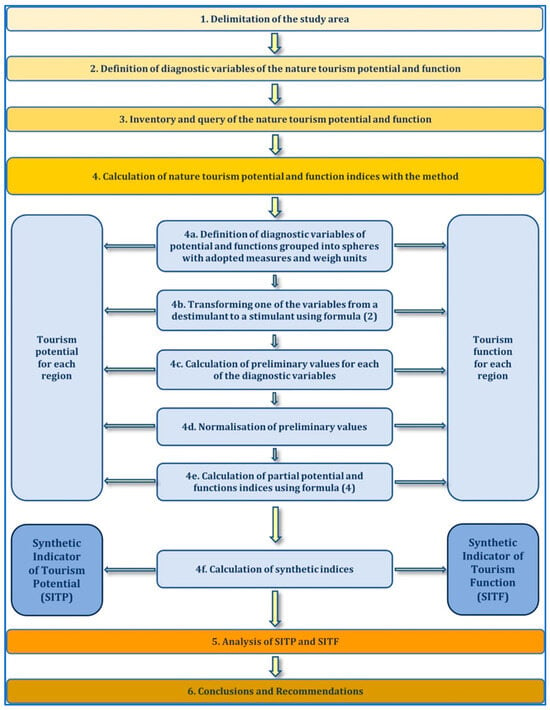
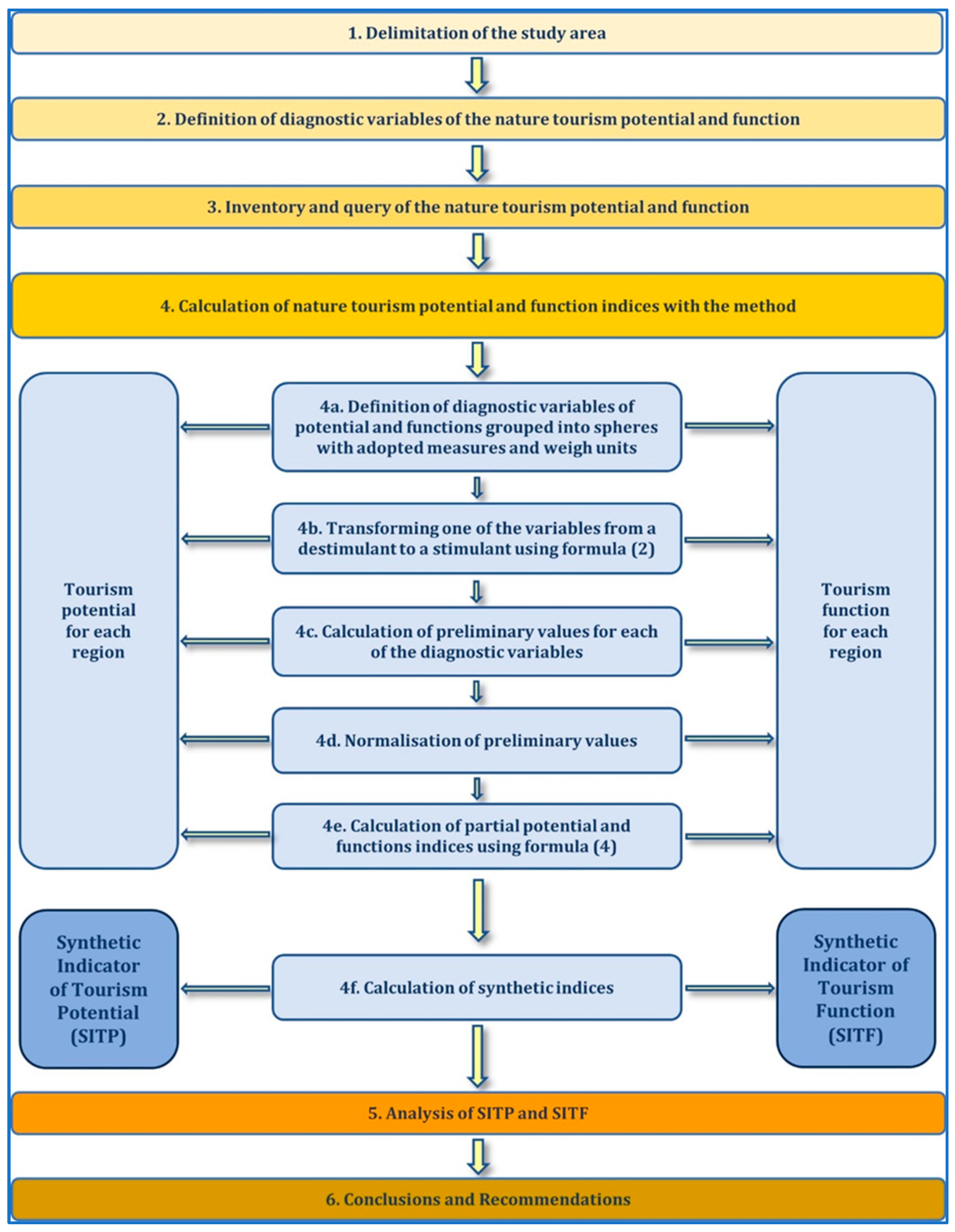
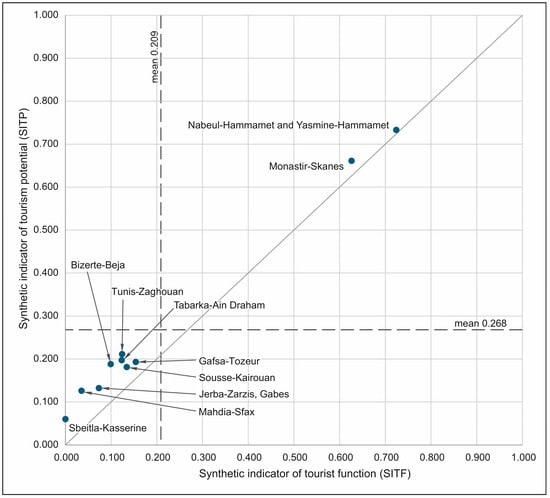
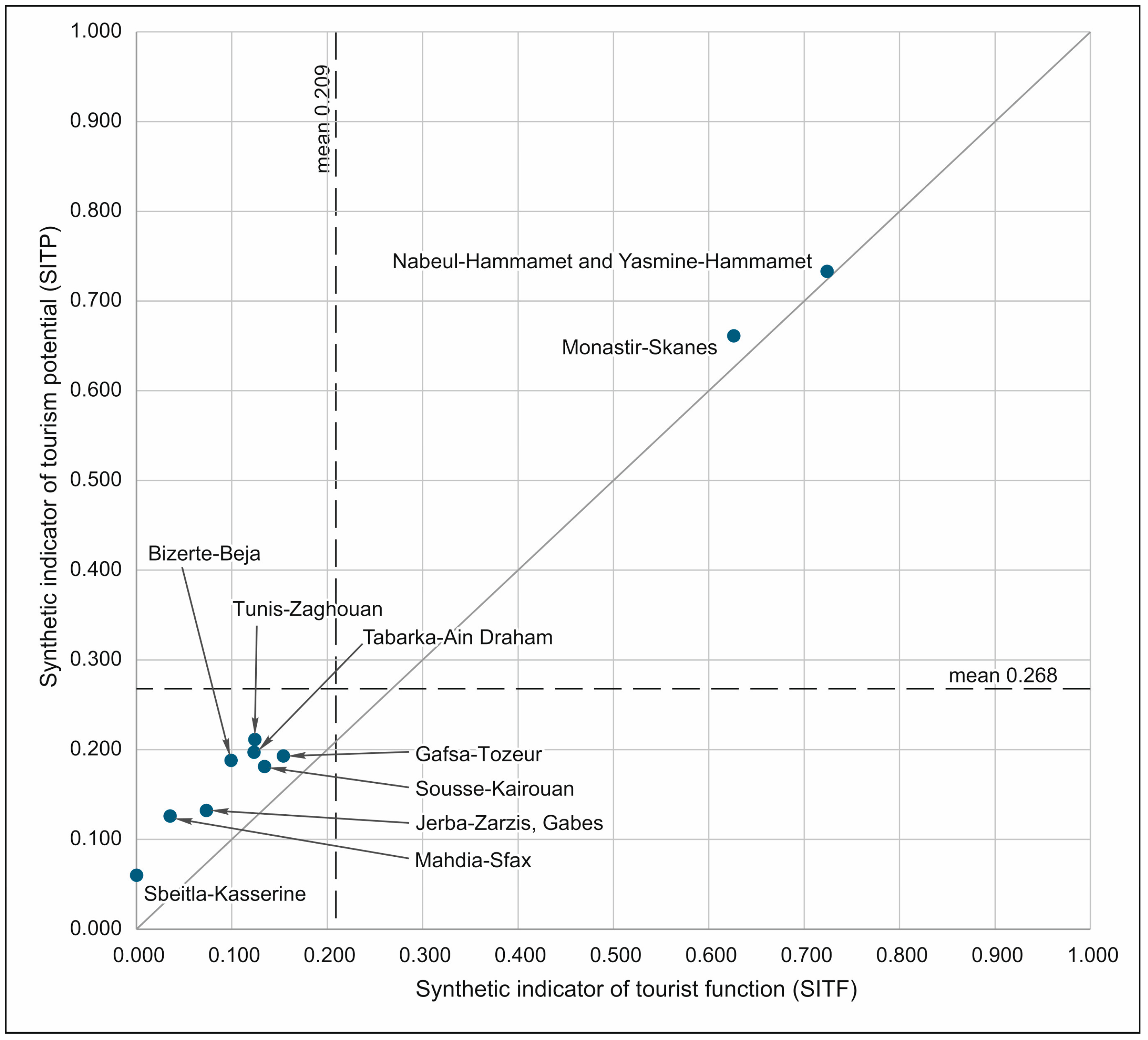
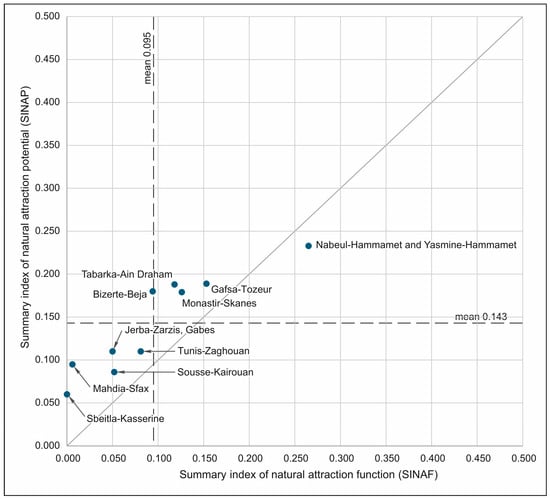
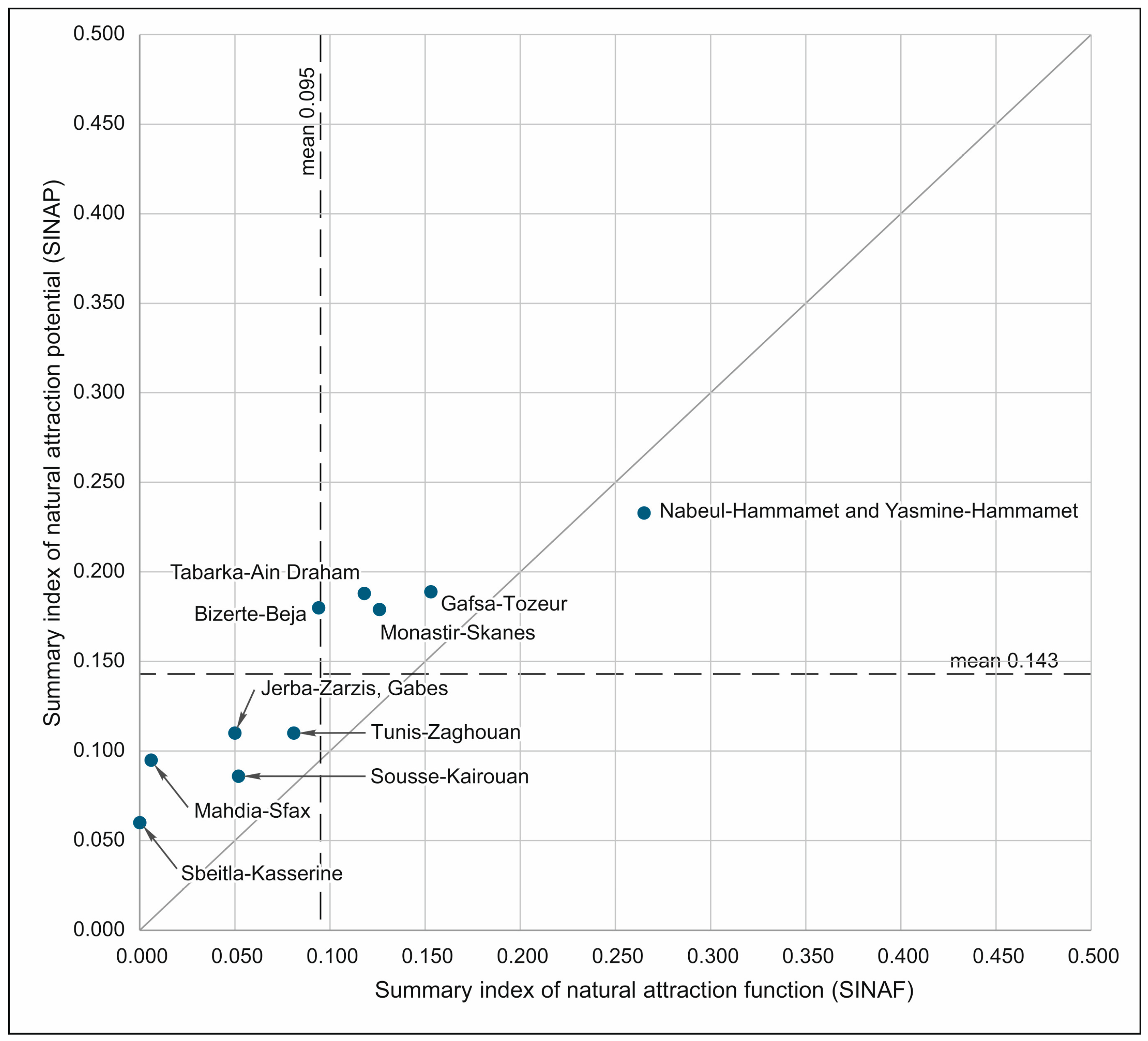
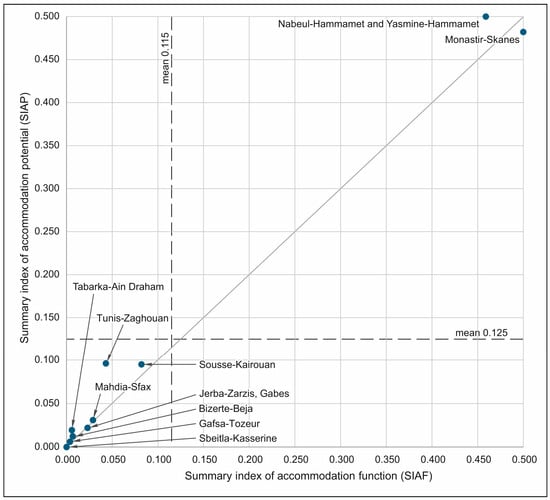
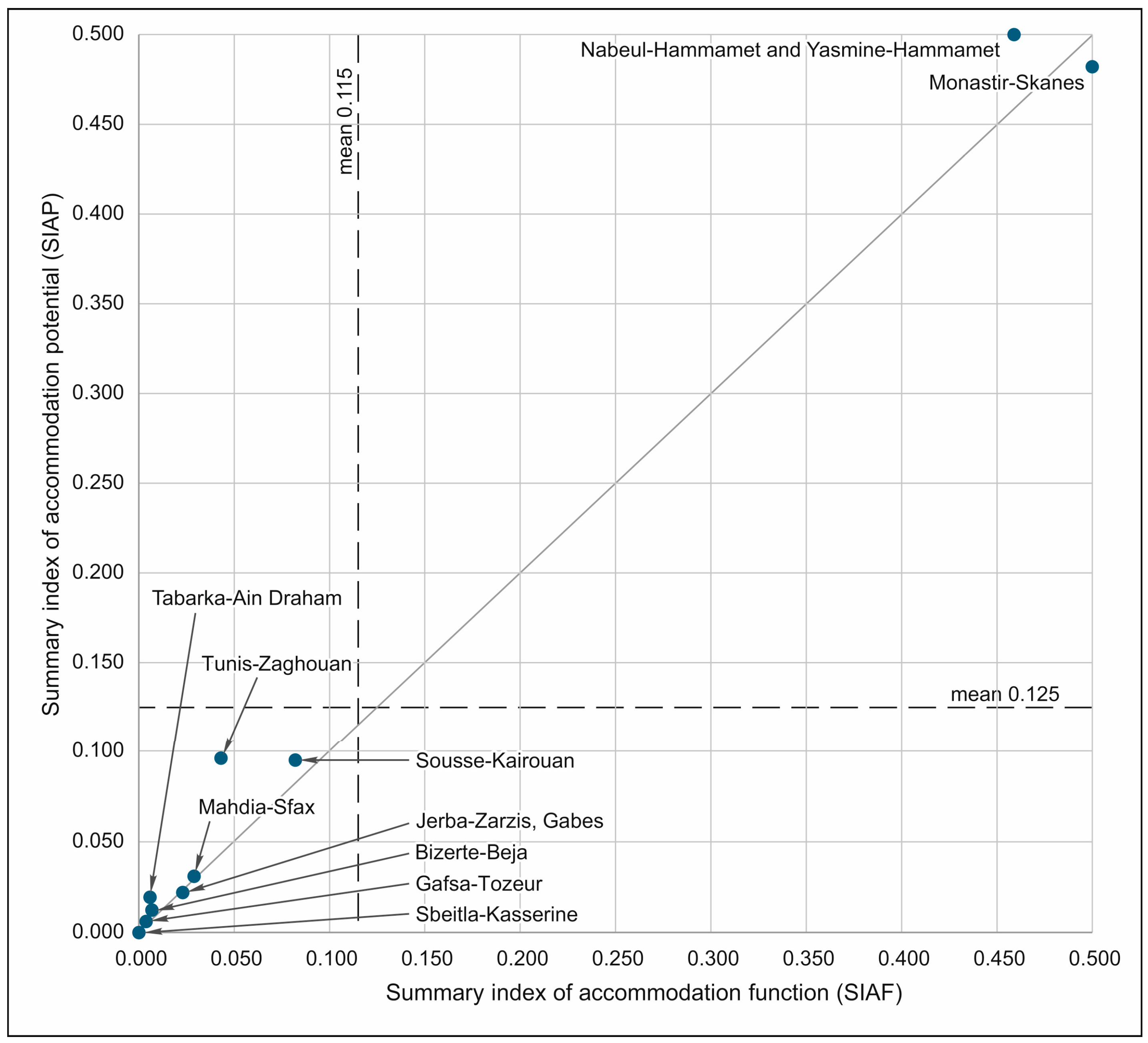

Disclaimer/Publisher’s Note: The statements, opinions and data contained in all publications are solely those of the individual author(s) and contributor(s) and not of MDPI and/or the editor(s). MDPI and/or the editor(s) disclaim responsibility for any injury to people or property resulting from any ideas, methods, instructions or products referred to in the content. |
© 2025 by the authors. Licensee MDPI, Basel, Switzerland. This article is an open access article distributed under the terms and conditions of the Creative Commons Attribution (CC BY) license (https://creativecommons.org/licenses/by/4.0/).