


Abstract
District heating (DH) systems offer a sustainable solution to local energy needs by improving energy efficiency, reducing emissions, and fostering economic development. Despite their growing technological relevance, DH systems remain underexplored in the economics, business, and management literature. This study addresses this gap by conducting a bibliometric analysis of DH research at the intersection of these fields, using data extracted from the Web of Science. We identify major theoretical foundations, including the resource-based view, stakeholder theory, and institutional economics, and explore key themes such as economic viability, business model innovation, regulatory frameworks, and sustainability strategies. By framing DH systems within broader economic and managerial discourses, our findings highlight the interdisciplinary nature of DH research and suggest critical avenues for future investigation, including the role of emerging technologies, consumer behavior, and policy design, and contribute to low-carbon, sustainable development.
1. Introduction
In recent years, Europe has faced growing challenges related to high heating costs, increasing energy dependency, and the pressing need to decarbonize both the residential and industrial sectors. Space and domestic hot water heating alone accounted for 78% of final energy consumption of households in Europe [1], with a significant portion still relying on fossil fuels. These pressures highlight the systemic vulnerability in current heating infrastructures and underscore the need for transformative and sustainable solutions.
District heating (DH) has emerged as a promising strategy to address these issues. It involves the use of “local fuel or heat resources that would otherwise be wasted, to satisfy local customer’s heating demands, by using a pipe heat distribution network as a local market place” [2]. Traditionally, DH systems have sourced surplus heat from combined heat and power (CHP) plants, waste-to-energy facilities, and various industrial processes. More recently, renewable sources have been increasingly integrated into DH networks, enabled by the reduction in operating temperatures. This transition marks a key step toward the convergence of renewable energy integration and heat recycling, moving away from primary fossil energy sources while reducing environmental impact.
An additional development is the advent of fifth-generation district heating and cooling networks (5GDHC), which enable the same infrastructure to be used for both heating and cooling. These systems are characterized by low-temperature carrier fluids, the integration of renewable sources such as geothermal energy, and the ability to serve multiple users simultaneously [3].
While technical and environmental aspects of DH have been extensively explored, particularly within engineering and energy system research, the economic, business, and economic dimensions remain relatively underdeveloped in the literature. Previous studies have primarily concentrated on system optimization, technological performance, and environmental outcomes, often overlooking the institutional, financial, and strategic considerations that shape the real-world implementation and scalability of DH [4]. This gap is particularly notable as DH evolves into a complex socio-technical system that requires coordinated governance, innovative business models, and active stakeholder participation [5]. At the same time, DH presents a strong economic case, offering cost reductions, improved resource efficiency, and improved local energy autonomy [6], while supporting innovation in financing, business strategy, and partnerships [5,7].
Motivations and Novelty of the Study
This paper addresses this gap by synthesizing existing research on DH from the perspectives of business, management, and economics. The aim of this study is to uncover how theoretical foundations and core themes from these fields intersect with DH research and can inform the future development of DH systems as sustainable and scalable energy solutions. Thus, the research question guiding this inquiry is as follows: how do theoretical foundations and key themes in economics, business, and management intersect and apply to district heating research?
The study is structured in a sequential and integrated manner. After a brief theoretical exploration of the literature on DH, a bibliometric analysis is performed to map key contributions in the academic literature at the intersection of DH and economic-managerial research. This approach enables the identification of major research streams and thematic clusters. Next, the paper reviews and categorizes the theoretical foundations that have been—or could be—applied to DH, ranging from institutional theory to business model innovation and stakeholder theory. Building on this, the paper identifies and discusses key themes, such as regulatory frameworks, financing mechanisms, organizational strategies, and the role of emerging technologies (e.g., AI, demand-side management, and thermal storage). These are examined with regard to their impact on the financial viability, operational efficiency, and sustainability of DH systems in different geographic and market contexts. Finally, this paper explores the implications of policy, stakeholder dynamics, and governance structures to enable renewable energy integration and achieve larger goals of decarbonization. Through this multidimensional synthesis, the study highlights current research gaps and proposes future directions that can unlock the full economic and societal potential of DH systems.
2. Theory
Despite its critical role in Europe’s energy transition, DH remains underexplored in the fields of economics, management, and business studies. While engineering and environmental sciences have focused extensively on system optimization, technological performance, and environmental outcomes, there is comparatively limited attention to the economic, institutional, and strategic dimensions of DH implementation [4].
Traditionally, DH systems have relied on surplus heat from combined heat and power (CHP) plants, waste-to-energy facilities, and industrial processes. More recently, they have increasingly integrated renewable energy sources, including shallow geothermal systems, asphalt solar collectors, and biomass fuels. This integration has been enabled by a reduction in network operating temperatures, marking a convergence between heat recycling and renewable energy use. An important innovation is the development of fifth-generation district heating and cooling networks (5GDHC), characterized by low-temperature carrier fluids, the integration of renewable energy, and the capacity to deliver both heating and cooling services to multiple users. These systems improve operational efficiency and maintenance, especially compared to decentralized heating solutions such as individual boilers or furnaces [3].
DH systems function according to an economy-of-scope model, not scale, differentiating them from centralized energy paradigms [8]. This distinction affects their business and financial logic. DH reduces reliance on individual heating and allows for more efficient energy management across urban and industrial landscapes [9]. However, this also requires robust coordination among stakeholders and adaptive institutional frameworks.
Business and management research has only recently begun to engage with DH. Notable contributions have explored the viability of public–private partnerships, business model innovation, and the economic advantages of DH in reducing energy dependency and improving local autonomy [5,6]. However, there is a lack of systematic and interdisciplinary frameworks bridging these approaches.
To address the complexity of DH systems, this paper adopts a multitheoretical approach that integrates insights from institutional economics, stakeholder theory, and the innovation systems literature. Each theoretical lens provides complementary perspectives on different aspects of DH deployment and management. Institutional economics provides the foundational framework for understanding how formal and informal rules shape the development of DH. From this perspective, the deployment of DH is fundamentally influenced by transaction costs, property rights arrangements, and governance structures [10,11]. The institutional framework that governs DH systems affects their development through regulatory mechanisms, contractual arrangements, and the coordination of multiple stakeholders with heterogeneous interests [12]. Transaction cost economics helps explain why certain governance structures emerge for DH projects and how institutional arrangements can reduce coordination costs among multiple actors. Stakeholder theory complements institutional economics by focusing on the relational dynamics among the diverse actors involved in DH systems. This theoretical lens highlights the coordination needed between utilities, local governments, private actors, and citizens, emphasizing how different stakeholder interests must be balanced and aligned [13]. In DH contexts, stakeholder theory helps explain how power relationships, information asymmetries, and conflicting objectives can affect project outcomes and long-term sustainability. The innovation systems literature positions DH within broader socio-technical systems, emphasizing the interplay between technological development, policy instruments, and market dynamics [14,15]. This perspective recognizes that DH innovation occurs within specific institutional contexts and involves complex interactions between technological capabilities, market conditions, and policy frameworks. The systems approach helps understand how DH technologies coevolve with supporting institutions and market structures.
Table 1 summarizes these theoretical perspectives and their specific applications to DH analysis.
Table 1.
Theoretical framework for district heating analysis (source: our elaboration).
As DH systems evolve, especially through 5GDHC, they demand novel business models capable of addressing long-term investment, energy service diversification, and partnerships in the public and private sectors. These shifts open avenues for research into financing mechanisms, ownership models, and the role of emerging technologies such as artificial intelligence, thermal storage, and demand-side management in optimizing operations.
From the perspective implemented in this paper, DH represents more than a technical solution: it is a strategic infrastructure that enables cities and regions to transition to integrated, resilient, and low-carbon energy systems. A comprehensive theoretical foundation is crucial to understanding and supporting this transition.
3. Materials and Methods
Research on district heating (DH) within the fields of business, economics, and management is still emerging, driven by the increasing recognition of DH as a sustainable and economically viable energy solution. To assess the current state of research in this area, a bibliometric analysis was conducted using the Web of Science database, a widely recognized repository for high-quality scholarly publications. The Web of Science was chosen for its comprehensive coverage, advanced filtering capabilities, and structured metadata, ensuring a robust identification of relevant contributions at the intersection of DH and economic, managerial, and business aspects [16].
The literature search followed a structured approach to ensure the inclusion of the most relevant studies. The primary search was executed in Web of Science on the 19th of December 2024 to capture the most up-to-date research. The search query was applied to titles, abstracts, and keywords, using a combination of terms related to DH and its economic and business implications. Specifically, the query included variations of the terms “district heating”, “heat network*”, and “thermal network*” in conjunction with the following economic and managerial concepts: “business model*”, “economic analysis*”, “cost-effective*”, “investment*”, “profitab*”, “market dynamic*”, “policy incentive*”, and “stakeholder engagement*”. These keywords were selected based on preliminary scoping searches, domain-specific terminology in the literature, and their recurrence in key academic contributions. This formulation ensured the retrieval of studies explicitly discussing DH from an economic, business-related, and managerial perspective.
To complement this first search, an additional step was undertaken using only the keyword “district heating” restricted to the “Business Economics” subject category on the Web of Science. This broader search aimed to identify relevant studies that may not have been captured in the initial step. The combined results of both searches provided a preliminary dataset of 63 papers. After filtering out duplicate records and excluding studies without texts, a refined selection of 46 relevant contributions was obtained. They are included in Appendix A.
The selection process adhered to clear inclusion and exclusion criteria. Only peer-reviewed journal articles, conference proceedings, and book chapters from academic publishers were considered, ensuring the academic rigor of the dataset. Studies were included if they explicitly addressed economic, business, or managerial aspects of DH. On the contrary, publications focusing solely on engineering, thermodynamics, or material sciences without a clear economic or business dimension were excluded.
Table 2 summarizes the complete methodological framework adopted for this literature review.
Table 2.
Methodological framework for the literature review (source: our elaboration).
4. Results
4.1. Descriptive Statistics—Quantitative Trends
Building on the dataset constructed as previously highlighted, this section presents the main descriptive and thematic findings. From the selected papers, several trends became apparent.
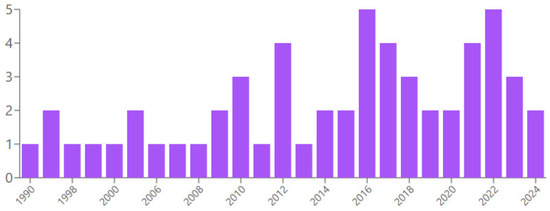
Figure 1 illustrates the trend in publications on DH from 1995 to 2024. Initially, from 1995 to 2009, the number of publications remained low and stable, averaging one to two papers per year. A noticeable shift occurred around 2010, when publication frequency began to rise steadily, signaling growing academic interest in the topic. This upward trajectory peaked in 2016, marking the highest research activity in the observed period. After this peak, the number of publications fluctuated but remained higher than in previous years, indicating sustained interest in DH. The drop observed in 2024 is likely due to incomplete data, as relevant papers may not yet have been indexed for the year.
Figure 1.
Publications on DH in business, economics, and management (1995–2024) (source: extraction from Web of Science database).
This trend underscores the increasing importance of DH research in the realms of business, economics, and management. The rise in publications after 2010 probably reflects increased concerns about energy efficiency, climate change, and environmental sustainability, with potential influences from policy changes, technological advancements, and increased public awareness of energy challenges. The relatively low research activity before 2010 may suggest that DH systems were less prominent in energy and environmental discussions or lacked the visibility needed to attract broader academic attention. This may also be ascribed to the fact that in these years the DH technologies evolved to the fifth-generation, with a decrease in the working temperature and a consequent larger diffusion.
Table 3 illustrates the distribution of research on DH across various academic disciplines and the number of publications in that field, offering a visual overview of the dominant and secondary research domains. It is important to note that each contribution may be associated with multiple research domains.
Table 3.
Relevant research domains about DH in business, economics and management (source: extraction from Web of Science database).
The first category is energy fuels, with 44 publications, reflecting that DH research is primarily located within energy-related studies. This focus includes areas such as fuel sources, energy efficiency, and associated technologies. Following closely are environmental sciences and environmental studies, with 17 and 14 publications, respectively, underscoring the significant attention given to the environmental implications and sustainability of DH systems.
Other notable fields include thermodynamics (11 publications), which highlights the technical aspects of heat transfer analysis and energy efficiency, and economics (9 publications), where research emphasizes the economic analysis and market dynamics related to DH. Green sustainable science and technology (7 publications) and mechanical engineering (6 publications) further emphasize the technical and sustainability-driven dimensions of DH research.
Other niche contributions from disciplines such as construction and building technology, nuclear science and technology, chemical engineering, and law are listed. These fields explore specific aspects of DH, such as infrastructure development, regulatory frameworks, and alternative energy sources, showcasing the interdisciplinary nature of the research. The low number of publications related to law highlights the importance of deepening the analysis of regulations related to this topic.
Additionally, fields like geosciences, management, and multidisciplinary sciences are represented, albeit with fewer publications. These areas reflect the broad scope of DH research, while its core focus remains largely within the energy and environmental domains.
Table 4 represents the alignment of DH research with various Sustainable Development Goals (SDGs). Each contribution may be associated with multiple Sustainable Development Goals.
Table 4.
DH and Sustainable Development Goals (source: extraction from Web of Science database).
The most prominent focus is on SDG 7 (Affordable and Clean Energy), with 45 contributions. This strong association is not surprising, as DH systems directly contribute to energy efficiency and the transition to cleaner energy solutions. SDG 13 (Climate Action) follows with nine contributions, highlighting DH’s role in reducing carbon emissions and supporting climate mitigation efforts. Additionally, SDG 9 (Industry, Innovation, and Infrastructure), with eight contributions, emphasizes the critical role of technological advancements and infrastructure development in DH networks. SDG 11 (Sustainable Cities and Communities), with seven contributions, underscores the importance of DH in fostering sustainable urban living.
Several other SDGs are represented by a single contribution each, including SDG 2 (Zero Hunger), SDG 3 (Good Health and Well-Being), SDG 6 (Clean Water and Sanitation), SDG 8 (Decent Work and Economic Growth), SDG 12 (Responsible Consumption and Production), SDG 14 (Life Below Water), and SDG 15 (Life on Land). These SDGs reflect broader, though less central, connections between DH systems and various aspects of sustainable development.
4.2. Thematic Trends and Theoretical Anchoring
The content of this section is elaborated on the basis of the selected papers discussed in the previous section. While research on DH systems remains relatively limited within the fields of economics, business, and management, it has been gaining increasing attention from scholars in these areas (see Figure 1). This section seeks to address this gap by embedding the emerging body of research on DH systems in well-established theoretical and conceptual frameworks in these disciplines. These frameworks provide valuable insights into how DH systems operate within broader energy markets, the challenges they face, and the opportunities they present to businesses, consumers, and society.
4.2.1. Resource-Based View (RBV)
The resource-based view (RBV) suggests that organizations achieve superior performance by leveraging unique, valuable, and difficult-to-imitate resources [17]. For DH systems, these resources include specialized infrastructure, access to renewable energy sources, and advanced technologies for heat generation, recovery, and distribution [9]. Integration of renewable energy sources, such as geothermal, biomass, or asphalt solar thermal energy, further enhances the value proposition of DH systems by promoting sustainability and reducing carbon footprints [18]. In many regions, the development of DH systems is often closely tied to local policies and government incentives that aim to reduce greenhouse gas emissions and meet climate targets. As a result, DH systems that effectively harness renewable technologies position themselves strategically in a competitive market, leveraging both their physical infrastructure and environmental value proposition [19]. However, the literature on the resources that generate benefits for DH systems does not always converge on a unified perspective. For instance, research by Song et al. [20] suggests that, from the user’s perspective, a more economically favorable option for the single user may be to install a ground-source heat pump combined with direct electric heating, rather than connecting to a district heating.
4.2.2. Stakeholder Theory
A major challenge in implementing DH systems is managing the diverse and sometimes conflicting interests of various stakeholders. Stakeholder theory posits that businesses must consider the needs and expectations of all stakeholders to achieve long-term success [21]. In the case of DH systems, key stakeholders include consumers, utility companies, local governments, regulatory bodies, and environmental organizations [22]. Successful DH projects require effective stakeholder participation to balance these diverse interests, ensuring that the system remains financially viable and socially acceptable [23]. Lygnerud et al. [5] emphasize the importance of transparency and communication among stakeholders to build trust and ensure the credibility of the system. Intermediaries also play a crucial role, facilitating knowledge-sharing and network-building to overcome barriers to the introduction of DH systems, particularly in liberalized energy markets or regions with limited DH experience. According to Bush and Bale [24], these intermediaries must operate at the local, regional, and national levels, each with different responsibilities to allow the development of DH projects. At the local level, they help build relationships among stakeholders involved in specific projects, while at higher levels, they contribute to creating supportive institutional and policy environments. Furthermore, stakeholder participation in decision-making processes is critical to overcome resistance to new technologies and ensure that DH systems align with consumer preferences and regulatory expectations [25].
4.2.3. Institutional Economics
Institutional economics examines how institutional frameworks, such as government policies and market regulations, influence the functioning of economic systems [26]. The successful development of DH systems often depends on supportive institutional environments that encourage innovation and provide incentives for the adoption of renewable energy. Policies such as subsidies for renewable technologies, carbon pricing, and long-term strategies for carbon neutrality can drive the adoption of DH systems [27]. Frolke et al. [28] argue that the role of governments in fostering favorable conditions for the development of DH is particularly crucial in countries with stringent environmental regulations or ambitious climate targets. Various policy measures have been proposed over time to support DH systems, including the regulation of ownership, pricing, metering, consumer connection to the grid, and third-party access, along with support schemes and carbon taxes. However, regulatory frameworks remain geographically fragmented, with varying levels of intensity and different degrees of support [29]. The institutional economics perspective highlights how governments can reduce barriers to entry, streamline regulatory processes, and offer incentives that align with environmental sustainability goals and economic competitiveness [30].
4.2.4. Sustainability Theories and Systems Thinking
Sustainability and systems thinking are increasingly important in energy system discussions [31]. Sustainability theories in the business and economic domains emphasize the need to integrate environmental, social, and economic goals into decision-making processes. DH systems are often seen as key enablers of sustainable local development, particularly when combined with principles of the circular economy [32]. By utilizing waste heat recovery and incorporating renewable energy sources, DH systems can reduce dependence on fossil fuels and optimize resource use [33]. Systems thinking further enhances this by positioning DH as part of a larger energy ecosystem, emphasizing interconnections between various energy systems (e.g., electricity, gas, heating) and promoting holistic approaches to energy planning [34]. This perspective is crucial to understanding how DH systems contribute to broader environmental goals, such as energy decarbonization and resource efficiency, in line with the global push toward sustainable energy systems.
4.2.5. Innovation Studies
As DH systems evolve, incorporating advanced technologies such as smart grids, the Internet of Things (IoT), artificial intelligence (AI), and sensors, innovation theories become very relevant in explaining the adoption of these technologies [7]. Innovation diffusion theory, proposed by Rogers [35], explains how new technologies spread through populations. In the context of DH, the adoption of AI-driven optimization, for instance, has the potential to revolutionize heat distribution by predicting demand and optimizing energy flow in real-time [36]. The diffusion of such innovations is influenced by factors such as technological maturity, regulatory incentives, and consumer acceptance. As these technologies become more widespread, DH systems can become more efficient, resilient, and cost-effective. Understanding the diffusion process is therefore vital to identify barriers to adoption and accelerate the transition to more advanced DH models [9].
4.2.6. Local Economic Development Studies
From the perspective of local economic development, DH systems can play a transformative role in stimulating regional economies and creating new opportunities for growth. The implementation of DH infrastructure can generate local employment, especially during the construction and maintenance phases [37]. Furthermore, DH systems contribute to economic resilience by reducing dependence on imported fossil fuels, utilizing locally available energy sources such as biomass, geothermal, asphalt solar collectors, or industrial waste heat [38]. This not only keeps energy expenditures within the local economy but also promotes the development of specialized industries and supply chains related to renewable energy technologies. From a social standpoint, DH systems can improve the quality of life in local communities [39] by providing reliable and affordable heating, reducing energy poverty, and improving public health through lower levels of air pollution [40]. Furthermore, the collaborative nature of DH projects strengthens social cohesion, as they often involve partnerships between local governments, businesses, and residents, with a focus on addressing the needs of low-income populations [41]. By aligning with local economic and social development priorities, DH projects can serve as powerful tools for innovation and inclusion, delivering long-term benefits that go beyond economic growth.
Table 5 summarizes the key economic theories and frameworks adopted and their application to DH Systems.
Table 5.
Key theories and frameworks adopted and their application to DH Systems (source: our elaboration).
Table 6 below outlines the key economic advantages and disadvantages associated with DH systems, highlighting the factors that influence their implementation and long-term viability.
Table 6.
Key economic advantages and disadvantages associated with DH systems (source: our elaboration).
4.3. Key Topics for District Heating in Business, Management, and Economics
4.3.1. Economic Viability
The economic viability of DH systems is a central concern for both developers and consumers [42]. One of the key challenges in assessing the feasibility of DH systems lies in accurately calculating their long-term costs and benefits [43]. While DH systems typically require substantial initial investments, they offer significant energy savings and emission reductions over time [44]. The integration of renewable energy sources further enhances their cost-effectiveness by reducing dependence on fossil fuels. However, external factors such as the market prices of energy, government subsidies, and the cost of renewable energy technologies also influence financial viability. Comparative studies show that although DH may incur higher upfront costs, it often results in long-term savings, particularly when paired with renewable energy [45].
Effective pricing models and tariffs are crucial to ensure that the costs of DH systems reflect the true value of the energy delivered, incentivizing efficient energy consumption [46]. Government policies, such as financial incentives for green energy projects, significantly impact the economic viability of DH systems [27]. Traditional pricing approaches, such as fixed or cost-based pricing, are common, particularly in regions where DH systems operate as monopolies [47,48]. However, these mechanisms often do not reflect real-time variations in production costs and consumer behavior. Studies suggest that dynamic pricing models, such as time-of-use rates, can encourage more efficient heat consumption, better aligning energy use with production costs [49]. For example, dynamic pricing has been shown to significantly reduce CO2 emissions and primary energy consumption, while lowering average heat prices by up to 25.6% [48]. However, the shift to such mechanisms introduces challenges, such as increased financial risk for DH providers, especially in competitive markets with long-term fixed pricing structures [50]. Ultimately, the adoption of marginal-cost-based pricing, combined with industrial energy efficiency measures, holds promise for reducing overall energy system costs and carbon emissions [51,52].
4.3.2. Business Models
The business model chosen for a DH project can significantly impact its success. A prominent approach in DH research is the use of the business model canvas [53] to identify key agents, system components, and mechanisms that generate value [6,9]. Common business models in DH include utility-owned networks, co-operatives, public or private management, and public–private partnerships [30]. Each model comes with distinct advantages and challenges, particularly in terms of financing, stakeholder participation, and risk distribution [9,54].
Utility-owned DH networks are typically profit-driven, prioritizing operational efficiency and financial returns. However, they may struggle with community engagement, which is vital for building consumer trust and encouraging widespread adoption. Co-operative models emphasize community involvement and local ownership, fostering greater trust of consumers and alignment with local needs. However, securing the large capital required for large-scale infrastructure can be a challenge. Publicly owned DH systems prioritize affordability, sustainability, and universal access, aligning with public policy goals, although they can be hindered by bureaucratic inefficiencies or limited access to cutting-edge technologies. Privately owned DH networks are typically more agile and technologically advanced but may prioritize profit over affordability, limiting access for certain community segments. Public–private partnerships leverage the strengths of both sectors, combining innovation and private sector funding with public sector objectives, such as affordability and sustainability. This model is becoming increasingly popular due to its balanced approach [55,56].
The emergence of innovative financing mechanisms, such as green bonds and private investments, offers new opportunities for DH projects [57]. These financing tools align with environmental sustainability goals while attracting capital for large-scale infrastructure. Additionally, performance-based contracts can mitigate the risks associated with DH project implementation [58]. These various business models, depending on market conditions, regulatory support, and stakeholder collaboration, all contribute to sustainable growth and scaling of DH systems [36].
Finally, the debate around third-party access (TPA) remains prominent [59]. Some studies, such as Soderholm and Warell [60], argue that regulated TPA may offer limited competitive benefits and could risk operational inefficiencies in integrated DH systems due to their localized nature. Others, like Panzeraite et al. [61], advocate for the introduction of TPA to promote competition and lower consumer prices, particularly in markets that are increasingly focused on the adoption of clean energy.
4.3.3. Sustainability and Environmental Economics
DH systems play a crucial role in achieving sustainability goals due to their ability to integrate renewable energy sources, optimize energy use, and contribute to the principles of the circular economy [32]. Using the waste heat from industrial processes, power plants, and urban infrastructure, DH systems help reduce energy waste and carbon emissions [33]. From an environmental economics perspective, policies that encourage the integration of renewable energy sources into DH networks are critical to improve their environmental performance and long-term cost-effectiveness [28]. Integrating solar thermal systems or biomass into DH networks, for example, can reduce dependence on fossil fuels and reduce greenhouse gas emissions [62,63]. These innovations align with larger decarbonization goals, making DH a key player in sustainable urban energy systems, particularly as cities strive to meet climate targets [64].
4.3.4. Policy and Regulation
The policy and regulatory landscape plays a vital role in determining the success and sustainability of DH systems [65]. National and regional policies shape the regulatory frameworks that govern the development, operation, and pricing of DH systems [29,56]. Knutsson et al. [7] highlight that favorable policies, such as subsidies and tax incentives for renewable energy, are essential for making DH systems economically viable [66]. Regulatory frameworks also determine the access model—whether through competitive markets or centralized monopolies—which influences the overall efficiency of DH systems [27].
For example, the 1996 deregulation of the Swedish electricity market allowed municipal district heating systems to operate commercially, shifting from public utilities to market participants. However, this transition has not always resulted in price alignment among DH systems, as municipal systems continue to prioritize political objectives over financial considerations, often using cost-based pricing instead of market-driven strategies. This case underscores the importance of price-regulation mechanisms, particularly in markets where integrated competition remains underdeveloped [67].
4.4. Methodological Approaches and Empirical Settings
Research on DH systems utilizes a variety of methodological approaches, predominantly qualitative techniques such as case studies and stakeholder interviews [57]. These methods are particularly valuable for uncovering the social, organizational, and behavioral factors that influence the adoption and success of DH systems [56]. While qualitative approaches are more common, quantitative methods are underutilized, despite their potential to evaluate system performance and economic feasibility more robustly. Additionally, mixed methods—integrating both qualitative and quantitative approaches—are relatively rare, although they could offer a more comprehensive understanding of the complexities of DH systems, particularly when exploring interactions and decision-making processes among various stakeholders (for two partial exceptions, see [5,68]).
DH systems are typically deployed in environments where they can maximize both efficiency and sustainability. Urban areas, in particular, provide an ideal setting due to their dense infrastructure and the heat island effect, increasing seasonal heating and cooling demands [69]. The high density of consumers in urban environments makes it easier to centralize heat distribution, ensuring widespread access to DH services.
Industrial settings also present a favorable context for DH systems, as they often generate substantial amounts of waste heat during production processes that would otherwise be lost [70]. Utilizing this excess heat in DH systems not only enhances energy efficiency but also reduces the environmental footprint of industrial activities. Power plants, for example, are a typical source of heat waste for DH systems [71]. In contrast, rural areas, which feature more dispersed populations and infrastructure, are less commonly targeted for DH installations [72]. However, rural regions may be particularly suitable for specific types of DH systems, such as biomass-based systems, which can take advantage of locally available energy resources [73].
It is also important to note that most studies related to DH are concentrated in Northern and Central Europe, particularly in countries such as Sweden, Denmark, the UK, the Netherlands, Germany, and Switzerland. Although DH technologies are well-developed in these regions, their diffusion outside of these countries remains limited, suggesting a need for further research on the factors influencing the broader adoption of DH systems.
4.5. Gaps and Future Directions
Despite significant advances in DH research, several critical areas remain underexplored. One such area is consumer behavior. Research on how consumer preferences, trust, and awareness influence DH adoption is still limited, with notable exceptions such as Radtke [74]. Understanding how behavioral interventions can enhance consumer engagement and participation in DH systems is essential to scale these systems. Furthermore, while prosumerism has gained traction in renewable energy communities [75], reflecting the evolving role of consumers as both producers and consumers of energy, this concept remains underexplored in the context of DH systems [28].
Another promising avenue for research lies in the intersection of proximity studies and spillovers, a concept derived primarily from economic geography. Proximity studies examine how spatial and relational closeness can facilitate exchanges in various domains. Applying this framework to the design and implementation of DH systems could optimize performance by improving heat and energy transfer. Furthermore, incorporating the principles of circular economy into this approach could improve sustainability by promoting efficient use of resources, minimizing waste and enabling the recovery and reuse of heat, thereby offering both environmental and economic benefits in DH systems.
Emerging technologies also have untapped potential to improve the performance of DH systems. Artificial intelligence (AI) and advanced sensors, for example, could play a pivotal role in optimizing energy distribution and demand management [76]. Despite this, the integration of AI-driven optimization within DH systems remains understudied. Similarly, research into heat and energy storage solutions is essential to develop technologies that efficiently conserve energy for later use, an important feature that can enhance the flexibility and reliability of DH systems [77,78].
Although DH systems have important implications for addressing energy poverty and inequality, the social perspective is often overlooked in the literature. According to Mazhar et al. [79], DH is one of the most effective methods for alleviating fuel poverty, particularly among low-income urban populations. In such communities, a substantial portion of household income is spent on heating. Introducing efficient DH systems can meet this basic need, improve the overall quality of life, and support social mobility. Moreover, the absence of reliable heating systems often leads to the use of environmentally harmful fuels, such as coal or waste, exacerbating environmental and social degradation. This issue underscores the importance of sustainable DH solutions.
DH systems also have potential applications in alternative settings beyond traditional general urban and industrial environments, such as cinemas, shopping centers, and other large facilities, often positioned outside of the urban centers, in isolated locations [80]. These spaces require significant and proper heat management to ensure operational efficiency and customer comfort. Implementing DH in such areas could offer a cost-effective and sustainable solution to manage the high heat demand while improving overall energy efficiency.
Furthermore, long-term economic analyses of DH systems are needed to better understand their role in broader energy transitions and urban resilience [81]. Future research should investigate the economic and environmental impacts of DH systems over extended periods, especially in the context of urban and industrial development and adaptation to climate change. While DH systems are often cited as a major contributor to decarbonizing heating, there is a critical need for quantitative evidence to substantiate this claim. Rigorous studies are required to assess the actual impact of DH systems on the reduction in carbon emissions and the achievement of sustainability targets.
Another promising research avenue could explore innovative mechanisms that balance self-interest with the common good in DH systems [82]. This research could investigate the development of policy instruments, technological solutions, and behavioral strategies that encourage individual energy-saving actions while ensuring collective benefits for all users. Such studies could yield valuable insights into creating more sustainable and equitable DH systems, where proenvironmental behavior is incentivized while aligning private and public interests.
An interesting area for future exploration is how the diverse application settings of DH systems intersect through the concept of related variety, using complementarity between different types of resources and needs [83]. Although collaboration between energy utilities and industries is a natural synergy for DH [84], there are opportunities to expand this concept. For example, a study could explore how excess heat generated in industrial areas can be transferred to urban areas facing a heat deficit, such as for space heating or domestic hot water production. Alternatively, research could examine the reverse scenario, where excess heat from urban areas is used for industrial applications. This perspective would not only optimize the use of thermal resources, but also explore new opportunities to utilize waste heat from high-density areas such as industrial or urban zones to supply rural areas, which typically face challenges in the implementation of DH systems. Investigating these dynamics could lead to innovative solutions that reduce inequalities in access to thermal energy while promoting sustainability and efficiency. This research could involve studying models of cooperation between different regions and sectors (industrial, urban, rural) to optimize heat distribution and reduce waste, producing positive environmental and socioeconomic impacts.
From a geographical perspective, most studies have been conducted in Europe, particularly in Northern and Central Europe, where colder climates dominate. Expanding the geographic scope to include regions with different thermal requirements, including building cooling, as in the case of DHCN, could yield valuable insights. Furthermore, creating a detailed mapping of DH systems could help associate their emergence with relevant socio-economic variables. This approach could identify factors that promote the construction and development of DH systems as well as those that hinder their diffusion.
Finally, given the strong connections between DH systems and economic, environmental, and social dimensions, future research would benefit from exploring alternative economic models and business approaches. A promising starting point is the triple-layered business model canvas proposed by Joyce and Paquin [85], which explores sustainability-oriented business model innovation. This framework extends the original business model canvas by incorporating two additional layers: an environmental layer based on a lifecycle perspective and a social layer grounded in a stakeholder perspective. This approach could provide valuable information on how to design and implement business models for DH systems that align with broader sustainability goals.
5. Conclusions
This study emphasizes the importance of integrating theoretical perspectives, such as the resource-based view, stakeholder theory, and institutional economics, to better understand the competitive advantages, stakeholder dynamics, and institutional contexts that shape DH systems.
The economic viability of DH remains a cornerstone of its successful implementation, particularly considering the high initial investments involved. Long-term cost benefits, coupled with dynamic pricing mechanisms, offer promising pathways to improve system efficiency and environmental performance. When aligned with broader local energy goals, these mechanisms position DH systems as both a sustainable and an economically viable energy solution. Moreover, emerging technologies such as AI further enhance this potential by enabling predictive maintenance, optimizing heat distribution, and facilitating integration with smart grid technologies. This is even more critical now as cities are experiencing increased temperatures, including in the underground layers, due to heating of indoor environments, poor ventilation, asphalt surfaces, and other factors, contributing to the urban heat island effect.
Innovation on business models is another critical factor that influences the success of DH systems. Public–private partnerships and co-operative models have emerged as effective approaches to balance economic sustainability with societal benefits. Equally important are regulatory frameworks that shape the path of DH systems by establishing supportive policies and incentives. These regulatory mechanisms not only encourage investment and market growth but also align DH initiatives with sustainability and carbon reduction goals.
This study contributes to the field by advancing a multidisciplinary understanding of DH systems, offering a novel synthesis of economic, managerial, and institutional factors, and highlighting the need for integrated approaches. By incorporating underexplored theoretical perspectives and linking them to emerging technological trends, the paper positions DH not just as an energy solution but as a strategic component of sustainable urban governance.
Future research should address several key gaps, including expanding beyond Northern Central European contexts to explore the global applicability of DH systems, especially in regions with varying climatic, economic, and regulatory conditions. Investigating consumer behavior and the rise of prosumerism could provide valuable insights into how individuals and communities engage with DH systems. Furthermore, rigorous environmental impact analysis, coupled with studies on cross-sectoral heat transfer opportunities, will deepen our understanding of the role of DH in sustainable local development.
By fostering innovation, integrating advanced technologies, and refining business models, DH systems have the potential to transform local energy landscapes. With targeted research and supportive policy interventions, these systems can evolve into key instruments for sustainable, low-carbon urban energy strategies, providing significant economic, environmental, and social benefits.
Author Contributions
Conceptualization, A.M., G.G., E.B., G.D.S. and M.N.; methodology, A.M.; investigation, A.M., G.G., E.B., G.D.S. and M.N.; resources, A.M., G.G., E.B., G.D.S. and M.N.; writing—original draft preparation, A.M.; writing—review and editing, A.M., G.G., E.B., G.D.S. and M.N.; supervision, G.D.S. and M.N.; project administration, G.D.S. All authors have read and agreed to the published version of the manuscript.
Funding
All the Authors acknowledge support from the Interdepartmental Centre Giorgio Levi Cases for Energy Economics and Technology of the University of Padova within the project “REHEAT—Road pavements and thermal storage for local district heating in Italy”.
Institutional Review Board Statement
Not applicable.
Informed Consent Statement
Not applicable.
Data Availability Statement
The data that support the findings of this study are available from the corresponding author, M.N., upon reasonable request.
Conflicts of Interest
The authors declare that they have no conflicts of interest.
Appendix A
Table A1.
Relevant contributions using only the keyword “district heating” restricted to the “Business Economics” subject category in Web of Science.
References
- Eurostat. 2022. Available online: https://ec.europa.eu/eurostat/statistics-explained/index.php?title=Energy_consumption_in_households#:~:text=Heating%20of%20space%20and%20water,final%20energy%20consumed%20by%20households (accessed on 9 January 2025).
- Frederiksen, S.; Werner, S. District Heating and Cooling; Lund Studentlitteratur: Lund, Sweden, 2013. [Google Scholar]
- Patureau, R.; Tran, C.T.; Gavan, V.; Stabat, P. The new generation of District heating & cooling networks and their potential development in France. Energy 2021, 236, 121477. [Google Scholar]
- Colmenar-Santos, A.; Borge-Díez, D.; Rosales-Asensio, E. District Heating and Cooling Networks in the European Union; Springer International Publishing: Cham, Switzerland, 2017; pp. 44–45. [Google Scholar]
- Lygnerud, K.; Yang, Y. Capturing flexibility gains by price models for district heating. Energy 2024, 294, 130848. [Google Scholar] [CrossRef] [Scilit]
- Lygnerud, K. Challenges for business change in district heating. Energy Sustain. Soc. 2018, 8, 20. [Google Scholar] [CrossRef] [Scilit]
- Knutsson, H.; Holmén, M.; Lygnerud, K. Is innovation redesigning district heating? A systematic literature review. Designs 2021, 5, 7. [Google Scholar] [CrossRef] [Scilit]
- Werner, S. International review of district heating and cooling. Energy 2017, 137, 617–631. [Google Scholar] [CrossRef] [Scilit]
- Lygnerud, K.; Popovic, T.; Schultze, S.; Støchkel, H.K. District heating in the future—Thoughts on the business model. Energy 2023, 278, 127714. [Google Scholar] [CrossRef] [Scilit]
- North, D.C. Institutions, Institutional Change and Economic Performance; Cambridge University Press: Cambridge, UK, 1990. [Google Scholar]
- Williamson, O.E. The Economic Institutions of Capitalism; Free Press: New York, NY, USA, 1985. [Google Scholar]
- Ostrom, E. Understanding Institutional Diversity; Princeton University Press: Princeton, NJ, USA, 2005. [Google Scholar]
- Freeman, R.E. Strategic Management: A Stakeholder Approach; Cambridge University Press: Cambridge, UK, 1984. [Google Scholar]
- Lundvall, B.Å. (Ed.) National Systems of Innovation: Towards a Theory of Innovation and Interactive Learning; Pinter Publishers: London, UK, 1992. [Google Scholar]
- Nelson, R.R. (Ed.) National Innovation Systems: A Comparative Analysis; Oxford University Press: Oxford, UK, 1993. [Google Scholar]
- Zhu, J.; Liu, W. A tale of two databases: The use of Web of Science and Scopus in academic papers. Scientometrics 2020, 123, 321–335. [Google Scholar] [CrossRef] [Scilit]
- Barney, J.B. Is the resource-based “view” a useful perspective for strategic management research? Yes. Acad. Manag. Rev. 2001, 26, 41–56. [Google Scholar]
- Olsthoorn, D.; Haghighat, F.; Mirzaei, P.A. Integration of storage and renewable energy into district heating systems: A review of modeling and optimization. Sol. Energy 2016, 136, 49–64. [Google Scholar] [CrossRef] [Scilit]
- Wheatcroft, E.; Wynn, H.; Lygnerud, K.; Bonvicini, G.; Leonte, D. The role of low-temperature waste heat recovery in achieving 2050 goals: A policy positioning paper. Energies 2020, 13, 2107. [Google Scholar] [CrossRef] [Scilit]
- Song, J.; Li, H.; Wallin, F. Cost comparison between district heating and alternatives during the price model restructuring process. Energy Procedia 2017, 105, 3922–3927. [Google Scholar] [CrossRef] [Scilit]
- Freeman, R.E. Strategic Management: A Stakeholder Approach; Cambridge University Press: Cambridge, UK, 2010. [Google Scholar]
- Johansson, T.D.; Olofsson, T. A stakeholder planning support system for district heating systems. In Computing in Civil and Building Engineering; ASCE Press: Reston, VA, USA, 2014; pp. 713–720. [Google Scholar] [CrossRef] [Scilit]
- Sandoff, A.; Williamsson, J. Business models for district heating. In Advanced District Heating and Cooling (DHC) Systems; Woodhead Publishing: Cambridge, UK, 2016; pp. 293–317. [Google Scholar]
- Bush, R.E.; Bale, C.S.E. The role of intermediaries in the transition to district heating. Energy Procedia 2017, 116, 490–499. [Google Scholar] [CrossRef] [Scilit]
- Hawkey, D.; Webb, J.; Winskel, M. Organisation and governance of urban energy systems: District heating and cooling in the UK. J. Clean. Prod. 2013, 50, 22–31. [Google Scholar] [CrossRef] [Scilit]
- Commons, J.R. Institutional economics. In The American Economic Review; American Economic Association: Nashville, TN, USA, 1931; pp. 648–657. [Google Scholar]
- Westin, P.; Lagergren, F. Re-regulating district heating in Sweden. Energy Policy 2002, 30, 583–596. [Google Scholar] [CrossRef] [Scilit]
- Frölke, L.; Sousa, T.; Pinson, P. A network-aware market mechanism for decentralized district heating systems. Appl. Energy 2022, 306, 117956. [Google Scholar] [CrossRef] [Scilit]
- Billerbeck, A.; Breitschopf, B.; Winkler, J.; Bürger, V.; Köhler, B.; Bacquet, A.; Ragwitz, M. Policy frameworks for district heating: A comprehensive overview and analysis of regulations and support measures across Europe. Energy Policy 2023, 173, 113377. [Google Scholar] [CrossRef] [Scilit]
- Odgaard, O.; Djørup, S.R. Review and experiences of price regulation regimes for district heating. Int. J. Sustain. Energy Plan. Manag. 2020, 29, 127–140. [Google Scholar]
- González, A.M.; Sandoval, H.; Acosta, P.; Henao, F. On the acceptance and sustainability of renewable energy projects—A systems thinking perspective. Sustainability 2016, 8, 1171. [Google Scholar] [CrossRef] [Scilit]
- Johansen, K.; Werner, S. Something is sustainable in the state of Denmark: A review of the Danish district heating sector. Renew. Sustain. Energy Rev. 2022, 158, 112117. [Google Scholar] [CrossRef] [Scilit]
- Grohnheit, P.E.; Mortensen, B.O.G. Competition in the market for space heating. District heating as the infrastructure for competition among fuels and technologies. Energy Policy 2003, 31, 817–826. [Google Scholar] [CrossRef] [Scilit]
- Gürsan, C.; de Gooyert, V.; de Bruijne, M.; Raaijmakers, J. District heating with complexity: Anticipating unintended consequences in the transition towards a climate-neutral city in the Netherlands. Energy Res. Soc. Sci. 2024, 110, 103450. [Google Scholar] [CrossRef] [Scilit]
- Rogers, E.M. Diffusion of Innovations, 1st ed.; Free Press: New York, NY, USA, 1962. [Google Scholar]
- Ma, Z.G.; Jørgensen, B.N. A review of intelligent technologies in district heating systems. In EPIA Conference on Artificial Intelligence; Springer Nature Switzerland: Cham, Switzerland, 2024; pp. 123–134. [Google Scholar]
- Hendricks, A.M.; Wagner, J.E.; Volk, T.A.; Newman, D.H. Regional economic impacts of biomass district heating in rural New York. Biomass Bioenergy 2016, 88, 1–9. [Google Scholar] [CrossRef] [Scilit]
- Lake, A.; Rezaie, B.; Beyerlein, S. Review of district heating and cooling systems for a sustainable future. Renew. Sustain. Energy Rev. 2017, 67, 417–425. [Google Scholar] [CrossRef] [Scilit]
- Fouladvand, J.; Ghorbani, A.; Mouter, N.; Herder, P. Analysing community-based initiatives for heating and cooling: A systematic and critical review. Energy Res. Soc. Sci. 2022, 88, 102507. [Google Scholar] [CrossRef] [Scilit]
- Koďousková, H.; Ilavská, A.; Stašáková, T.; David, D.; Osička, J. Energy transition for the rich and energy poverty for the rest? Mapping and explaining district heating transition, energy poverty, and vulnerability in Czechia. Energy Res. Soc. Sci. 2023, 100, 103128. [Google Scholar] [CrossRef] [Scilit]
- Morgenstern, P.; Lowe, R.; Chiu, L.F. Heat metering: Socio-technical challenges in district-heated social housing. Build. Res. Inf. 2015, 43, 197–209. [Google Scholar] [CrossRef] [Scilit]
- Wang, H.; Duanmu, L.; Li, X.; Lahdelma, R. Optimizing the district heating primary network from the perspective of economic-specific pressure loss. Energies 2017, 10, 1095. [Google Scholar] [CrossRef] [Scilit]
- Leurent, M.; Da Costa, P.; Rämä, M.; Persson, U.; Jasserand, F. Cost-benefit analysis of district heating systems using heat from nuclear plants in seven European countries. Energy 2018, 149, 454–472. [Google Scholar] [CrossRef] [Scilit]
- Averfalk, H.; Werner, S. Economic benefits of fourth generation district heating. Energy 2020, 193, 116727. [Google Scholar] [CrossRef] [Scilit]
- Martinopoulos, G.; Papakostas, K.T.; Papadopoulos, A.M. A comparative review of heating systems in EU countries, based on efficiency and fuel cost. Renew. Sustain. Energy Rev. 2018, 90, 687–699. [Google Scholar] [CrossRef] [Scilit]
- Li, H.; Sun, Q.; Zhang, Q.; Wallin, F. A review of the pricing mechanisms for district heating systems. Renew. Sustain. Energy Rev. 2015, 42, 56–65. [Google Scholar] [CrossRef] [Scilit]
- Stennikov, V.; Penkovskii, A. The pricing methods on the monopoly district heating market. Energy Rep. 2020, 6, 187–193. [Google Scholar] [CrossRef] [Scilit]
- Dominković, D.F.; Wahlroos, M.; Syri, S.; Pedersen, A.S. Influence of different technologies on dynamic pricing in district heating systems: Comparative case studies. Energy 2018, 153, 136–148. [Google Scholar] [CrossRef] [Scilit]
- Sjödin, J.; Henning, D. Calculating the marginal costs of a district-heating utility. Appl. Energy 2004, 78, 1–18. [Google Scholar] [CrossRef] [Scilit]
- Björkqvist, O.; Idefeldt, J.; Larsson, A. Risk assessment of new pricing strategies in the district heating market: A case study at Sundsvall Energi AB. Energy Policy 2010, 38, 2171–2178. [Google Scholar] [CrossRef] [Scilit]
- Difs, K.; Trygg, L. Pricing district heating by marginal cost. Energy Policy 2009, 37, 606–616. [Google Scholar] [CrossRef] [Scilit]
- Sun, Q.; Li, H.; Wallin, F.; Zhang, Q. Marginal costs for district heating. Energy Procedia 2016, 104, 323–328. [Google Scholar] [CrossRef] [Scilit]
- Osterwalder, A.; Pigneur, Y. Business Model Generation: A Handbook for Visionaries, Game Changers, and Challengers; John Wiley and Sons Inc.: Hoboken, NJ, USA, 2010. [Google Scholar]
- Lygnerud, K.; Ottosson, J.; Kensby, J.; Johansson, L. Business models combining heat pumps and district heating in buildings generate cost and emission savings. Energy 2021, 234, 121202. [Google Scholar] [CrossRef] [Scilit]
- Kelly, S.; Pollitt, M. An assessment of the present and future opportunities for combined heat and power with district heating (CHP-DH) in the United Kingdom. Energy Policy 2010, 38, 6936–6945. [Google Scholar] [CrossRef] [Scilit]
- Hawkey, D.; Webb, J. District energy development in liberalized markets: Situating UK heat network development in comparison with Dutch and Norwegian case studies. Technol. Anal. Strateg. Manag. 2014, 26, 1228–1241. [Google Scholar] [CrossRef] [Scilit]
- Lygnerud, K. Business model changes in district heating: The impact of the technology shift from the third to the fourth generation. Energies 2019, 12, 1778. [Google Scholar] [CrossRef] [Scilit]
- Bertelsen, N.; Paardekooper, S.; Mathiesen, B.V. Implementing large-scale heating infrastructures: Experiences from successful planning of district heating and natural gas grids in Denmark, the United Kingdom, and the Netherlands. Energy Effic. 2021, 14, 64. [Google Scholar] [CrossRef] [Scilit]
- Broberg, S.; Backlund, S.; Karlsson, M.; Thollander, P. Industrial excess heat deliveries to Swedish district heating networks: Drop it like it’s hot. Energy Policy 2012, 51, 332–339. [Google Scholar] [CrossRef] [Scilit]
- Söderholm, P.; Wårell, L. Market opening and third-party access in district heating networks. Energy Policy 2011, 39, 742–752. [Google Scholar] [CrossRef] [Scilit]
- Pažėraitė, A.; Lekavičius, V.; Gatautis, R. District heating system as the infrastructure for competition among producers in the heat market. Renew. Sustain. Energy Rev. 2022, 169, 112888. [Google Scholar] [CrossRef] [Scilit]
- Faninger, G. Combined solar–biomass district heating in Austria. Sol. Energy 2000, 69, 425–435. [Google Scholar] [CrossRef] [Scilit]
- Winterscheid, C.; Dalenbäck, J.O.; Holler, S. Integration of solar thermal systems in existing district heating systems. Energy 2017, 137, 579–585. [Google Scholar] [CrossRef] [Scilit]
- Morvaj, B.; Evins, R.; Carmeliet, J. Decarbonizing the electricity grid: The impact on urban energy systems, distribution grids, and district heating potential. Appl. Energy 2017, 191, 125–140. [Google Scholar] [CrossRef] [Scilit]
- Wissner, M. Regulation of district-heating systems. Util. Policy 2014, 31, 63–73. [Google Scholar] [CrossRef] [Scilit]
- Wei, C.; Cong, M.; Wang, R.; Zhao, Y.; Zhou, Z.; Yang, D. Optimization of district heating system considering carbon taxes and subsidies based on energy policy stage goals. Appl. Therm. Eng. 2023, 226, 120295. [Google Scholar] [CrossRef] [Scilit]
- Åberg, M.; Fälting, L.; Forssell, A. Is Swedish district heating operating on an integrated market? Differences in pricing, price convergence, and marketing strategy between public and private district heating companies. Energy Policy 2016, 90, 222–232. [Google Scholar] [CrossRef] [Scilit]
- Fritz, M.; Savin, M.; Aydemir, A. Usage of excess heat for district heating—Analysis of enabling factors and barriers. J. Clean. Prod. 2022, 363, 132370. [Google Scholar] [CrossRef] [Scilit]
- Cai, H.; Ziras, C.; You, S.; Li, R.; Honoré, K.; Bindner, H.W. Demand side management in urban district heating networks. Appl. Energy 2018, 230, 506–518. [Google Scholar] [CrossRef] [Scilit]
- Fang, H.; Xia, J.; Zhu, K.; Su, Y.; Jiang, Y. Industrial waste heat utilization for low temperature district heating. Energy Policy 2013, 62, 236–246. [Google Scholar] [CrossRef] [Scilit]
- Colmenar-Santos, A.; Rosales-Asensio, E.; Borge-Diez, D.; Collado-Fernández, E. Evaluation of the cost of using power plant reject heat in low-temperature district heating and cooling networks. Appl. Energy 2016, 162, 892–907. [Google Scholar] [CrossRef] [Scilit]
- Brocklebank, I.; Beck, S.B.; Styring, P. A simple approach to modeling rural and urban district heating. Front. Energy Res. 2018, 6, 103. [Google Scholar] [CrossRef] [Scilit]
- Soltero, V.M.; Chacartegui, R.; Ortiz, C.; Velázquez, R. Potential of biomass district heating systems in rural areas. Energy 2018, 156, 132–143. [Google Scholar] [CrossRef] [Scilit]
- Radtke, U. Unveiling consumer perspectives on district heating: A Q-methodology study. Int. J. Innov. Res. Sci. Stud. 2024, 7, 452–471. [Google Scholar] [CrossRef] [Scilit]
- Inês, C.; Guilherme, P.L.; Esther, M.G.; Swantje, G.; Stephen, H.; Lars, H. Regulatory challenges and opportunities for collective renewable energy prosumers in the EU. Energy Policy 2020, 138, 111212. [Google Scholar] [CrossRef] [Scilit]
- Runge, J.; Saloux, E. A comparison of prediction and forecasting artificial intelligence models to estimate the future energy demand in a district heating system. Energy 2023, 269, 126661. [Google Scholar] [CrossRef] [Scilit]
- Guelpa, E.; Verda, V. Thermal energy storage in district heating and cooling systems: A review. Appl. Energy 2019, 252, 113474. [Google Scholar] [CrossRef] [Scilit]
- Rojer, J.; Janssen, F.; van der Klauw, T.; van Rooyen, J. Integral techno-economic design & operational optimization for district heating networks with a Mixed Integer Linear Programming strategy. Energy 2024, 308, 132710. [Google Scholar]
- Mazhar, A.R.; Liu, S.; Shukla, A. Comprehensive Study of District Heating (DH) in the UK: Techno-Economic Aspects, Policy Support, and Trends. In Low Carbon Energy Supply Technologies and Systems; CRC Press: Boca Raton, FL, USA, 2020; pp. 153–187. [Google Scholar]
- Faria, A.S.; Soares, T.; Cunha, J.M.; Mourão, Z. Liberalized market designs for district heating networks under the EMB3Rs platform. Sustain. Energy Grids Netw. 2022, 29, 100588. [Google Scholar] [CrossRef] [Scilit]
- Pettersson, K.; Axelsson, E.; Eriksson, L.; Svensson, E.; Berntsson, T.; Harvey, S. Holistic methodological framework for assessing the benefits of delivering industrial excess heat to a district heating network. Int. J. Energy Res. 2020, 44, 2634–2651. [Google Scholar] [CrossRef] [Scilit]
- Maljković, D.; Lenz, N.V.; Žiković, S. The pitfalls of shared metering: Does the self-interest in district heating systems cause tragedy of the commons? Energy Res. Soc. Sci. 2022, 83, 102335. [Google Scholar] [CrossRef] [Scilit]
- Päivärinne, S.; Hjelm, O.; Gustafsson, S. Excess heat supply collaborations within the district heating sector: Drivers and barriers. J. Renew. Sustain. Energy 2015, 7, 033117. [Google Scholar] [CrossRef] [Scilit]
- Thollander, P.; Svensson, I.L.; Trygg, L. Analyzing variables for district heating collaborations between energy utilities and industries. Energy 2010, 35, 3649–3656. [Google Scholar] [CrossRef] [Scilit]
- Joyce, A.; Paquin, R.L. The triple layered business model canvas: A tool to design more sustainable business models. J. Clean. Prod. 2016, 135, 1474–1486. [Google Scholar] [CrossRef] [Scilit]

Disclaimer/Publisher’s Note: The statements, opinions and data contained in all publications are solely those of the individual author(s) and contributor(s) and not of MDPI and/or the editor(s). MDPI and/or the editor(s) disclaim responsibility for any injury to people or property resulting from any ideas, methods, instructions or products referred to in the content. |
© 2025 by the authors. Licensee MDPI, Basel, Switzerland. This article is an open access article distributed under the terms and conditions of the Creative Commons Attribution (CC BY) license (https://creativecommons.org/licenses/by/4.0/).