


Abstract
In 2020, South Korea implemented the Green New Deal, and in 2022, it officially proposed the goal of achieving carbon neutrality by 2050. To effectively promote the development of green buildings in South Korea, it is crucial to analyze their evolutionary trends and processes. Therefore, the purpose of this study was to summarize and predict the development trajectory of green buildings in South Korea by studying the research and development trends in this field. Accordingly, this study used content analysis as a research method to analyze 89 research papers and their subject words published from 2001 to 2023. Further in-depth analysis was conducted on five sub-dimensions: technical, economic, legal, systemic, and the popularization and development of green buildings. Since 2000, research has mainly focused on the improvement and development of evaluation index systems and the exploration of energy-saving technologies. In terms of the research and development of green building materials, there is a problem of slow development. In terms of green building management, there is a lack of specific management methods or systematic research. Economic aspects should be studied from the consumers’ perspective. Hence, opportunities and challenges coexist and require joint efforts from the government, academia, enterprises, and other parties.
1. Introduction
The development of green buildings has the potential to significantly reduce energy consumption and carbon emissions, reduce environmental burdens, and improve the quality of residents’ lives. Since 2000, South Korea has made rapid progress in green building research and development (R&D), and the Green Building Certification System was implemented in 2002 [1], more than 20 years ago. After 2020, South Korea implemented the Green New Deal for sustainable economic reform and growth. This initiative also served as a recovery mechanism following the 2019 coronavirus disease (COVID-19) pandemic [2]. Furthermore, in 2022, the South Korean government formally proposed a commitment to reduce greenhouse gas emissions by 40% by 2030 compared to 2018 and achieve carbon neutrality by 2050 [3]. However, the widespread adoption of green buildings faces several challenges, including their high initial costs, the need for complex technology and design, and stringent maintenance requirements. As a result, it is critical to examine the evolutionary trends and processes of green building R&D in South Korea over the last 20 years. Such analyses not only help us understand how to overcome these challenges but also provide a decision-making basis for policymakers, allowing them to evaluate and adjust existing policies to effectively adapt to the needs of the time. In addition, it can provide a wealth of educational materials for the educational sector, thereby helping to cultivate future professionals in fields such as environmental protection, architectural design, and urban planning. Furthermore, it can provide valuable reference values for other countries, particularly developing countries.
The objective of this study is to summarize and forecast the green building development trajectory in South Korea by examining the evolving trends within this field. This study analyzes research keywords published between 2001 and 2023 and discusses the changes in green building trends in South Korea over different periods.
2. Research Scope and Methods
This study conducted a qualitative analysis of green building research in South Korea, primarily through an in-depth examination of the literature. South Korea began research on green buildings relatively late, tracing back to approximately 2000. During this period, South Korea has gradually become aware of the urgency of environmental pollution and energy conservation. This growing awareness has propelled the popularization and development of green buildings. Thus, the period covered in this study starts in 2001 and continues until 2023, the most recent year for which annual data collection is available.
To understand the changing trends in green buildings in South Korea, research papers were collected by searching academic journals (Korea Citation Index level). The search terms included “green buildings”, “eco-friendly buildings”, and “energy-efficient buildings”. The research papers on green buildings in South Korea used for the analysis were selected using a two-round selection method. In the initial round, the titles, abstracts, and keywords of all the preselected papers were examined to determine their alignment with the criteria. In the second round, each paper from the first selection phase was comprehensively analyzed to confirm its relevance to the research objectives. Finally, 89 studies were included. Figure 1 illustrates the selection process for the papers to be investigated.
Figure 1.
Flow chart for the paper selection process.
3. Theoretical Background
Due to differences in cultural, political, social, and economic characteristics among countries and climatic conditions, there is no consensus on the definition of green buildings. Climatological factors, such as outdoor temperature and air humidity, have a significant impact on a building’s energy consumption [4,5,6], complicating the definition of a unified green building [7,8,9]. However, resource conservation and environmental protection, creating a comfortable and healthy living environment, along with promoting harmony among people, buildings, and the natural environment are the three globally recognized elements of green buildings. In addition, maximizing resource efficiency, providing comfortable and healthy living spaces, and minimizing the impact of buildings on the surrounding environment have been recognized [10].
The definition of green buildings proposed by the United States Environmental Protection Agency has gained widespread recognition in the international community. This definition emphasizes that, from site selection, design, and construction to operation, maintenance, and even the renovation of a green building, priority should be given to the conservation of resources and environmental responsibility [10]. This comprehensive and holistic definition reflects a profound understanding of the sustainability of green buildings.
Germany places a significant level of emphasis on heating owing to its unique geographical position. This has led to a reduction in energy consumption while ensuring indoor warmth and good air quality as core objectives in the country’s development of green buildings [11]. In 2013, Germany enacted the Energy Saving Act, which stipulates that from 2019 onwards, all newly constructed public buildings must achieve near-zero energy consumption standards [12].
The British definition of green buildings focuses on sustainability, environmental friendliness, and energy efficiency. This includes using efficient energy systems, reducing greenhouse gas emissions, applying renewable energy, and efficient management of water resources, as well as working to improve indoor environmental quality [13].
South Korea’s definition of green buildings encompasses the entire life cycle, from construction and occupancy to eventual demolition, with a strong emphasis on minimizing environmental damage throughout this process [14]. This definition reflects South Korea’s commitment to creating a comfortable living environment, conserving resources and protecting the natural environment with the aim of achieving broad sustainable development goals. Furthermore, South Korea emphasizes the application of innovative technologies such as the development of environmentally friendly materials, which are key components of its green building strategy [15].
4. Green Building Changing Trends and Related Research Topics
Similar to our previous paper on green building research in China [16], we chose to conduct in-depth research on the development of green buildings in South Korea at five-year intervals and established an analytical framework to determine the sub-dimensions. This will facilitate the next step in our comparative research between these two countries. We analyzed 89 selected research papers published from 2001 to 2023 and categorized the research literature subject words according to each research field. By objectively analyzing the collected data, we identified eight major areas: the improvement and development of the evaluation index system, economy-related energy-saving technology, relevant regulations, building renovations, building energy-saving management systems, building energy-saving systems, and the popularization and development of green buildings. The research results show that most studies have focused on the improvement and development of evaluation index systems, economic-related energy-saving technologies, green building energy-saving management systems, and the popularization and development of green buildings. Table 1 lists the keywords used in these studies. Research fields that appeared less frequently than others in different periods, such as changes in green building concept, design concept, and design requirement, were classified into the “Other” column in Table 1.
Table 1.
Main subject keywords of research papers by period (A is the improvement and development of evaluation index system, B is energy-saving technology, C is economic-related, D is relevant regulation, E is building renovation, F is building energy-saving management system, G is building energy saving system, I is the popularization and development of green buildings, and H is the other).
4.1. The 2001–2005 Period
4.1.1. Changing Trends
To a certain extent, the development of green buildings in South Korea mainly relies on the certification system launched by the government. Although the public has a high awareness of environmental protection, their understanding and recognition of green buildings remain low [22]. In 2002, the Korean government implemented the Green Building Certification System [41], which reflects its understanding of the importance of improving energy efficiency and building green buildings. Certification was initially intended for new residential buildings and was extended to school buildings in 2005 [48]. During this period, research institutions and businesses began to focus on developing energy-saving technologies, such as efficient insulation materials, energy-efficient windows, and lighting systems, to reduce energy waste. During the same period, many green building projects using roof greening, rainwater collection, and ecological landscape design principles were implemented. Among them, the Cheonggyecheon restoration project in Seoul, which was completed in 2005, not only highlighted the importance of green spaces but also marked an important step towards sustainable development in South Korea [105]. In addition, the establishment of the Korea Green Building Council has promoted the development of green buildings, sustainable design and construction practices, training, certification, and information sharing [106].
4.1.2. Research Trends
According to an analysis of research papers published between 2001 and 2005, South Korea’s green building research at that time mainly focused on introducing the basic concepts of green buildings and energy-saving technology. This research emphasizes the adoption of green design elements suitable for Korean conditions and gradually expands their scope of application. This includes layout strategies, external space development, architectural forms, and the improvement of indoor environments [22]. Additionally, this study emphasizes the importance of improving indoor environments and proposes suggestions for improving existing evaluation standards, such as specifying the evaluation standards and refining standards for building materials. In particular, targeted indoor environment evaluation standards should be developed for special groups, such as older adults and people with disabilities [17]. In terms of technology and management systems, the development of green building material standards and the establishment of a database containing environmental standards and construction requirements should promote efficient building material selection [18]. In addition, the development of green building materials with excellent moisture absorption and removal properties has been proposed to address the problem of high summer humidity [20].
This research also covers specific technological innovations, such as the development of new materials that use the byproducts of thermal power plants (fly ash and bottom ash mixtures) to replace mortar and new insulation panels [19,21]. Not only are these materials environmentally friendly but they are also lightweight, high-strength, and have good thermal insulation properties.
During this period, South Korea’s research and development of green buildings was in its early stages, and many technologies and policies continued to improve and evolve. Hence, the mature development of green buildings in South Korea gradually emerged after 2005.
4.2. The 2006–2010 Period
4.2.1. Changing Trends
From 2006 to 2010, South Korea’s development in the field of green buildings accelerated significantly. As one of the first countries to incorporate green growth into its national strategy, the Korean government announced low-carbon green growth as its national vision in 2008 [107]. Moreover, the “Low Carbon Green Growth Act” was implemented in 2010, thereby emphasizing the synergy between environmental management and economic growth [41]. This strategy aims to shift the country’s growth model towards a quality orientation by focusing on new energy, renewable energy, and green technologies. During the same period, South Korea made four major adjustments to its Energy Consumption Efficiency Rating Labeling System. In 2008, a color-coded efficiency grading system was introduced, and cars were required to display ratings and CO2 emissions. In 2009, South Korea became the first country to mandate that home appliances display this information. By 2010, mandatory annual energy cost labeling was implemented to promote the selection of energy-saving products [108]. In addition, South Korea has launched a number of green building demonstration projects that not only demonstrate the practical application of energy-saving and environmentally friendly technologies but also serve as demonstrations for green building design and construction. In June 2009, the ING Building in Gangnam District, Seoul, South Korea, obtained its first Leadership in Energy and Environmental Design (LEED) certification [109]. In the same year, Samsung C&T’s “Green Tomorrow” project obtained the LEED Platinum certification, becoming the first zero-energy building in the country. Approximately 68 environmentally friendly technologies reduced energy consumption by approximately 40%, and through alternative energy sources such as solar energy, wind power, and geothermal heating and cooling, the use of fossil energy can eventually be completely eliminated [110]. Meanwhile, the research and application of renewable energy technologies, such as solar panels and wind power, have also been strengthened, and the technical and commercial feasibility of high-efficiency photovoltaic–thermoelectric hybrid solar cells based on nanotechnology have been explored [111].
During the 2008 global financial crisis, the South Korean government invested most of its fiscal stimulus funds in green growth projects, focusing on infrastructure and transportation. In 2009, South Korea planned to invest USD 85 billion in clean energy technology, aiming to create more than one million jobs and promote the export of clean technology [112]. Furthermore, the government pledged to invest 2% of gross domestic product (GDP) in green economic growth infrastructure by 2013. This includes establishing a nationwide smart grid system by 2030, increasing the proportion of renewable energy to 11% of the total energy supply, reducing greenhouse gas emissions by 30% by 2020, and constructing one million green homes [113].
In July of 2010, South Korea revised its Green Building Certification System and updated its specifications for new and renewable energy facilities [42].
4.2.2. Research Trends
According to research from 2006 to 2010, Korean green building research focused on energy-saving technology, the economy, and the popularization and development of green buildings. In terms of energy-saving technology, research has focused on thermal insulation design and building envelopes, such as the development of multilayer reflective insulation materials for double glazing and exterior wall metal panels to optimize building insulation performance [24]. In terms of heating and cooling, research has focused on geothermal system design evaluation and performance confirmation [25], as well as passive cooling technology for LEED-certified buildings. This emphasizes that, in addition to the use of traditional passive cooling technology, the use of high-performance shells and operable windows should be promoted. Moreover, new technologies such as geothermal energy should be introduced, and initiatives to educate users about passive cooling technologies in buildings should be implemented [28]. Furthermore, the sound absorption properties of building materials made from soil have been explored, considering the reduction in indoor noise and the provision of a comfortable living environment [31].
Economic-related studies have found that green building rating systems have no significant impact on apartment prices, indicating that there are issues with the effectiveness of green building rating systems. The government should promote the green building market by providing financial support, including incentive schemes such as tax exemptions [39]. Further, it is also emphasized that construction companies should implement marketing strategies during the planning and design stages [40]. In terms of building renovations, ensuring good economics is crucial to the sustainability of aging residential buildings [37].
In terms of the popularity and development of green buildings, researchers have explored the development trends of green buildings in South Korea and put forward special suggestions for different types of buildings. The suggestions are as follows: office facilities should give priority to energy and indoor environmental quality; the key to cultural facilities is the indoor environment and sustainable sites; residential buildings should focus on indoor environmental quality; and educational facilities should consider the indoor environment, materials, resources, and sustainable sites [29]. Furthermore, in order to cope with the aging of South Korea, researchers explored how to integrate green building concepts into housing designs suitable for older adults. These integrations propose that, in addition to basic energy-saving and resource recycling measures, diversity and designs specific to the needs of older adults should be considered to create a healthy and comfortable living environment [33].
Moreover, specific green building certification standards should be developed for specific buildings. For example, hospital buildings should pay attention to indoor air quality, heat, light, and sound, as well as the healing environment of the patient center [34]. In terms of building energy-saving management systems, researchers have emphasized the necessity of effective management based on the significant differences between actual energy consumption and predictions in LEED Platinum-certified buildings [36].
Finally, this study points out that architectural design should focus on the nature of environmental protection rather than solely relying on technology. This also suggests that green building designs should be based on the needs of users, environmentally friendly building forms, and space planning [26]. However, the Korean construction industry should consider establishing a comprehensive linkage system, including professional education based on the certification system, improvement of the operational efficiency of the certification system, and social education for the public, to promote the comprehensive development of green buildings [30].
During this period, research and development not only improved the energy efficiency and environmental performance of the Korean building industry but also advanced South Korea’s global leadership in green buildings. Through these efforts, South Korea has set an important benchmark for the development of green buildings and laid the foundation for subsequent development in the field of green buildings.
4.3. The 2011–2015 Period
4.3.1. Changing Trends
South Korea made significant progress in the field of green buildings from 2011 to 2015. During this period, South Korea strengthened its green building certification system and implemented a comprehensive green building law in February 2013. The law integrated many previous relevant regulations, and the certification system was renamed the Green Standard for Energy and Environmental Design (G-SEED) in September to comply with the government’s environmental policies [58]. The scope of certification has also expanded to include many types of buildings, such as apartments, offices, complexes, accommodation facilities, and schools [55]. Research on green building materials continues to evolve, with South Korean research institutions and companies increasingly focusing on the development and application of eco-friendly and sustainable building materials. These materials include recycled, low-emission, and natural materials, as well as environmentally friendly glass used in construction [112].
To promote green buildings, the government increased investments in demonstration projects during this period. For example, the Jeju Island International Education City began operations in 2011. The design cleverly integrates local characteristics and makes full use of natural resources to reduce energy consumption by maximizing the use of local natural resources. This regulates light and ventilation and uses rainwater collection, solar panels, and geothermal heating and cooling systems [114]. In addition, the Seoul Lotte Tower, an iconic 555 m tall super-high-rise building with 123 floors that started around 2011, is not only the tallest building in South Korea but also has obtained LEED gold certification. The building features advanced heating and cooling systems, efficient energy management systems, and rainwater recycling systems [115]. The Seoul Energy Dream Center, an innovative project that began in 2008 and was completed in 2012, is dedicated to sustainable development and energy efficiency, incorporating a range of sustainable building techniques, such as recycled and local materials, low-energy lighting, and insulation, resulting in buildings using 70% less energy than standard buildings for heating and cooling [116].
4.3.2. Research Trends
According to the analysis of research results from 2011 to 2015, research in the field of green buildings mainly focused on the improvement and development of evaluation index systems, followed by the popularization and development of green buildings, energy-saving technology, and the economy. South Korea’s green building certification system has undergone continuous development thanks to the steady research of the academic community and practitioners, as well as improvements in government policies. However, there is insufficient research on issues in the certification process and public awareness of G-SEED. Therefore, G-SEED needs to formulate a detailed development plan and roadmap for public participation [56].
In an investigation of the application of G-SEED in office buildings (land use and transportation, energy and environmental pollution, materials and resources, water cycle management, maintenance management, ecological environment, and indoor environment), problems existing in the evaluation project were analyzed, providing a reference for the next revision of the G-SEED system [41]. Suggestions have been proposed to improve the G-SEED evaluation standards for new and renewable energy facilities. The standards aim to enhance the effectiveness of and promote the widespread application of new renewable energy technologies. Additionally, a distinction between buildings with compulsory and non-compulsory renewable energy supplies was proposed. A mandatory standard should be formulated requiring all building projects participating in green building certification to install a certain proportion of new and renewable energy facilities [42,50]. Furthermore, by comparing LEED certification in the United States and G-SEED certification in South Korea, the limitations of G-SEED in assessing CO2 emission reductions indicate that it is insufficient to consider the overall impact of buildings on the environment [44]. Similarly, G-SEED does not fully reflect a building’s lifecycle in its management assessment and falls short in terms of substantive energy consumption and re-certification systems. Hence, there are suggestions to separate the assessment of existing buildings from first-certified buildings to improve efficiency [46]. Buildings with specific uses, such as hospitals, cannot be certified according to the standards of other buildings in G-SEED; their special needs should be fully considered, and separate certification standards should be formulated [55]. Moreover, the current coexistence and decentralization of multiple certification agencies, as well as the inconsistent interpretation of standards by different agencies, have led to the problem of low efficiency [51]. Furthermore, a revision of the Green Growth Act has been proposed to improve the land use system and effectively promote the development of green buildings [53].
In terms of popularization and development, research on green buildings for older adults continues, and the concept of the integration of “elderly communities” and “green buildings” has been proposed. Furthermore, “adapting to the needs of an aging society and combating the challenges of global warming” should be added to the design paradigm of housing design paradigms [47]. The green building concept has been introduced into school buildings since 2005; however, feedback has not been ideal. The study recommends that in addition to providing relevant education to users, the opinions of building designers and users should be comprehensively considered, and there should be sufficient communication between users, designers, construction personnel, and certified consultants [49]. In addition, the application of bionic design in green buildings was discussed, noting that designs based on biomimicry address environmental issues and promote sustainable development. This emphasizes that biomimicry, especially in green buildings related to new and renewable energy, is a new trend for future development [60].
In terms of economics, it is necessary to analyze the costs incurred in designing and constructing green buildings and the benefits brought about by the built facilities to achieve sustainable green buildings. Especially in terms of private residences, the application of certification standards in private apartment construction projects has been analyzed, and incentives, such as property tax and registration tax, have been proposed to promote the development of green buildings in the direction of private residences [44]. Furthermore, it has been proposed to use a combination of life cycle cost and life cycle assessment to evaluate the economics of green technology to ensure long-term economic benefits [72].
In terms of technology, the application of Building Information Modeling (BIM) technology has been proposed to support the development of green buildings. This emphasizes the importance of using BIM data for environmental performance analysis at different design stages and during building renovations [65]. Furthermore, it emphasizes strengthening the operation and management of green buildings to avoid the negative impact of certified buildings on the environment. Moreover, it proposes that the enhancement of cost-effective green building technology and management capabilities will become the first-mover advantage in the global green market and the key to national industrial competitiveness [57].
Collectively, South Korea’s remarkable progress in green buildings between 2011 and 2015 demonstrated its achievements at the time and laid the foundation for sustainable development. South Korea has demonstrated its environmental commitment by enforcing comprehensive green building laws and strengthening certification standards. The success of key projects not only raises domestic standards but also provides experience for sustainable construction globally. These achievements represent an important step forward in green building and sustainability in South Korea and open new avenues for future development.
4.4. The 2016–2020 Period
4.4.1. Changing Trends
Green building development in South Korea continued to advance between 2016 and 2020, especially in the context of global challenges such as the COVID-19 pandemic, with a strengthened commitment to sustainable development. To achieve the goal of reducing greenhouse gas emissions by 40% in 2030, the Korean government formulated the “2030 Greenhouse Gas Emissions Reduction Roadmap” and the “Basic Plan to Address Climate Change” in 2016, plans to formulate the “2050 Long-term Low Carbon Development strategy”, and implemented a zero-energy building certification system in 2017 [73]. Furthermore, starting in 2020, zero-energy buildings will gradually become mandatory, with the goal of all buildings reaching first-class standards by 2050 [117].
Further updates and enhancements have been made in terms of green building certification standards. In 2016, residential and non-residential buildings were certified separately [92]. Non-residential buildings include commercial, school, and retail facilities [92]. In the same year, to promote the green renovation of existing buildings, a “green renovation certification standard” was established in G-SEED to distinguish green renovation buildings from general renovation buildings [76]. South Korea has also strengthened the research and application of solar buildings, especially in the city of Seoul, with the “Sun City, Seoul 2022” plan in November 2017, aiming to provide one million households with solar micropower stations, covering apartments, residences, and buildings [91]. As technology matures, the building of smart cities has become an urban development goal pursued by various countries. In 2018, the Korean government selected the Busan Eco Delta Town project, known as the Busan Eco Delta Smart City, as a national smart city pilot, which represents an important step towards sustainable urban development and smart cities in South Korea [118]. As one of the smart cities of global concern, Songdo has developed rapidly during this period, integrating advanced smart city technology, green technology, and planning concepts, including smart streets, sustainable public space planning, green public open spaces, green transportation systems, energy and water conservation systems, sewage recycling and reuse facilities, central garbage collection and processing systems, and digital infrastructure systems. This area has the highest concentration of LEED certification projects worldwide, with a certified area of more than 1,850,000 square meters [119].
In 2020, in response to the COVID-19 pandemic, South Korea launched the Green New Deal, pursuing green transformation as a post-pandemic recovery mechanism with a focus on sustainable economic reform and growth. Plans include transforming the energy sector to be carbon neutral by 2050; reforming infrastructure and transport systems; imposing a carbon tax; halting the financing of coal projects; promoting urban forests, recycling, and electric vehicles; and increasing the share of renewable energy in electricity production to 20% by 2030 to reduce greenhouse gas emissions [2].
4.4.2. Research Trends
According to the analysis of research results from 2016 to 2020, research in the field of green buildings has mainly focused on improving and developing evaluation index systems, building energy-saving management systems, and energy-saving technologies. The need to amend and improve the Green Building Construction Support Act and the certification system was raised, as well as the need to strengthen compulsory certification and provide more incentives. Moreover, to increase public enthusiasm for participating in green buildings, information and education should be increased in addition to existing incentives [73]. Furthermore, the integration of pre-certification and main certification has been proposed to improve efficiency [74]. Additionally, to improve living and working environments, the need to strengthen green building certification standards related to indoor sound environments and fine dust management has been emphasized. This includes standards for evaluating floor impact, toilet, and traffic noise; separate standards for special spaces such as schools and accommodation facilities; and the incorporation of fine dust measures into indoor air quality standards to ensure resident health by introducing them into the G-SEED screening standard [81,82].
Regarding the future development direction of G-SEED, expansion of the assessment objects has been proposed from buildings, neighborhood units, cities, and infrastructure to the vertical and horizontal directions of the outdoor spaces of buildings. Moreover, emphasis on the assessment of socioeconomic sectors and the integrated consideration of environmental, social, and economic well-being have been proposed [77].
In terms of green building energy-saving management systems, most G-SEED-certified residences have problems with their energy consumption; therefore, it is necessary to establish a building life cycle management system to ensure management and maintenance during the operation period [80]. The application of BIM technology has been proposed to assist in the design and evaluation of green buildings to improve efficiency and ensure the reliability of evaluation results [85].
In terms of the economy, the Economic Efficiency Index of environmentally friendly building technologies that considers energy costs, environmental costs, carbon emission right prices, and environmentally friendly building technologies is categorized into resource conservation, energy conservation, and energy production technologies. This emphasizes the reduction in costs and carbon emissions to enhance economic efficiency [84].
In terms of green building renovation, the goal of green renovation certification is to achieve green transformation by improving the performance of existing buildings. The certification standards should include energy performance and indoor environmental comfort to ensure economy, and the G-SEED should be modified accordingly [76]. In actual operations, regional conditions should be considered, low-cost and eco-friendly technologies should be developed, and empirical applications should be conducted to test their suitability [86].
In terms of energy-saving technology, it was discovered that oyster shells, a waste product from the fishing industry, can be used as a substitute for limestone in calcined limestone clay cement, thereby meeting environmental protection requirements and having a similar level of strength [90].
In summary, from 2016 to 2020, South Korea achieved significant progress in the field of green buildings and deepened its commitment to sustainable development. In the face of global challenges such as COVID-19, greenhouse gas emission reduction strategies have been developed, zero-energy building mandatory policies have been implemented, green building certification standards have been strengthened, and the construction of smart cities shows foresight in green and smart cities. These measures not only promote domestic green development but also provide valuable experiences to the world.
4.5. Post-2020
4.5.1. Changing Trends
Since 2020, South Korea has continued to promote the Green New Deal and transform the model into a low-carbon and sustainable economic growth model. One of the key highlights of this shift is the emphasis on renewable energy and green infrastructure, including large-scale investments in green transportation and smart healthcare, especially in areas outside the capital region [120]. In addition, South Korea’s fossil fuel-intensive industries are transforming into clean and green industries, which include large investments in the renewable, solar, and wind energy fields. Further investments include the development of electric vehicles and fuel cell vehicles, such as Hyundai Automobile, which is leading the field of hydrogen fuel cell vehicle production and has even proposed to achieve 1.3 million electric vehicles and 200,000 fuel cell vehicles by 2025 [121]. In terms of urban construction, Incheon has taken many measures to become a carbon-neutral city by 2050, including promoting the development of green buildings, green infrastructure, and clean energy, with special emphasis on the development of new green buildings [122]. This period strengthened the promotion of green building standards and certifications. By 2023, all new, renovated, or expanded public school buildings (with an area of more than 3000 square meters) will be required to meet the green building certification standards [94]. Additionally, in March 2022, the ‘Carbon Neutrality and Green Growth Basic Act’ was implemented, officially establishing the goals of reducing greenhouse gas emissions by 40% by 2030 compared with that of 2018 and achieving carbon neutrality by 2050 [3].
4.5.2. Research Trends
According to the research results after 2020, the research will mainly focus on the improvement and development of the evaluation index system and building renovations. People spent increased amounts of time indoors during the COVID-19 pandemic, which highlights the importance of improving indoor air quality and acoustic environment assessment standards in the G-SEED [94]. In addition, given the increasing trend of one-person households in Korea, it is necessary to specifically introduce guidelines for the use and characteristics of one-person household residences in the G-SEED, clarify review documents, separately certify, and simplify the certification process [95]. However, it is recommended to use BIM technology to assist in the assessment of green buildings, improve assessment efficiency, and ensure the reliability of the results [99].
In terms of building renovations, the research points to the assessment shortcomings of the existing standards. Therefore, we propose to apply the actual energy-saving rate to the green renovation of existing buildings to reduce the difficulty and cost of certification [100]. However, to promote private participation, economic incentives, such as taxes and funding, should be implemented for construction costs [102].
Overall, this progress in green buildings and green industries in South Korea reflects the country’s strong commitment to sustainable development and combating climate change, as well as its determination to transform into an eco-friendly and sustainable future.
5. In-Depth Analysis of Green Building Trends by Period
We reviewed the development process of Korean green building research along a timeline. To gain a comprehensive understanding, the eight aforementioned research fields are summarized. A similar classification method was adopted in our previous study on green buildings in China [16]. The classification is divided into five sub-dimensions: technical, economic, popularization, the development of green buildings, systemic, and legal. On this basis, each sub-dimension can be sub-divided into several key elements according to the research content. The five sub-dimensions and their specific elements are shown in Figure 2.
Figure 2.
The classification of the five sub-dimensions.
As shown in Figure 3, before 2006, South Korea’s research in the field of green buildings focused on the systemic, technical, popularization, and development sub-dimensions of green buildings. Research in this area has gradually increased since 2005. Between 2006 and 2010, research developed in four of the five sub-dimensions (except for the legal sub-dimension) and showed a balanced trend. After 2010, research was conducted on all five sub-dimensions. Between 2011 and 2015, research on the systemic sub-dimension increased significantly, whereas research on the other sub-dimensions did not change much compared with that in the previous period. From 2016 to 2020, except for the decrease in research on the popularization and development of green buildings, research on the other sub-dimensions remained stable. After 2020, research on each sub-dimension declined compared with that in the previous period, which may be due to the short duration of this period. Overall, until 2015, South Korea’s research on green buildings continued to increase. However, after 2015, the research showed a downward trend. This may be related to the maturity of concepts and technologies, such as artificial intelligence and smart cities. Simply, the research and construction of green buildings have been integrated into broad fields, such as artificial intelligence applications and smart city construction. In addition, research on the systemic sub-dimensions has been increasing since 2001, showing the continued enthusiasm of Korean academics in this field; however, it has decreased since 2015. A specific analysis of this part is discussed in Section 5.4.
Figure 3.
Research topic evolution trends.
5.1. Technical Sub-Dimension
Specific elements within the technology sub-dimension are divided into three categories: energy utilization, building materials, and digitalization. As the challenge of global warming becomes increasingly severe, South Korea is developing rapidly in the field of green buildings. As shown in Table 2 and Figure 4, an increasing number of studies have been conducted on green building technologies since 2001. Before 2010, these studies mainly focused on the use of renewable energy sources, such as geothermal, wind, and solar energy, for cooling and heating and the development of environmentally friendly building materials. Since 2005, research has continued to intensify, with a particular focus on developing new recyclable materials with good thermal and sound insulation properties. Furthermore, the possibility of converting industrial and agricultural waste into environmentally friendly building materials has been explored. Since 2011, with the maturity of technologies, such as BIM, the integration of these new technologies into the entire construction process of green buildings has become a new trend in the field of green building research. In summary, prior to 2010, South Korea’s research on green building technology primarily focused on the development of ecofriendly building materials. However, after 2010, the research direction gradually shifted towards a dual emphasis on the development of eco-friendly building materials and the digitization and intelligentization of green building design, construction, and management. This shift signifies that alongside pursuing material eco-friendliness, there is also an exploration of ways to enhance building efficiency and sustainability through advanced technological means.
Table 2.
Trends in the technological sub-dimension.
Figure 4.
Trends in the technological sub-dimension.
5.2. Economic Sub-Dimension
The specific elements in the economic sub-dimension are divided into three categories: life cycle cost, market demand, and certification system. As shown in Figure 5 and Table 3, South Korea’s research on green building economies began in 2006. Until 2016, research focused mainly on life cycle costs and market demand. In terms of life cycle costs, research mainly focuses on the heating and cooling systems of residential buildings and cost–benefit analysis throughout the life cycle. In terms of market demand, the focus is primarily on the perspectives of decision makers, such as the government and developers. The market demand and acceptance of green buildings from the standpoint of these upper-level decision makers is discussed, while giving low consideration to the viewpoint of the average consumer; hence, a deep analysis of consumer needs and preferences is lacking. From 2016 to 2020, there has been a significant shift in research focusing on the economic impacts associated with green building certification systems. Specifically, this research explored how these certification systems affect the cost and final sale price of residential construction. The variation in the specific impact of certification systems on construction costs suggests a new research direction: assessing the specific impact of green building certification on the economic aspects of the construction industry. After 2020, relevant data became relatively scarce, a situation that may be partly attributed to the study period being shortened by two years in this phase compared to that of the previous two periods.
Figure 5.
Trends in the economic sub-dimension.
Table 3.
Trends in the economic sub-dimension.
Based on the overall research trends, South Korea’s studies on the economic aspects of green buildings have not sparked significant interest. Research in this field has maintained its mediocre status. Notably, ordinary consumer needs and opinions on green buildings have rarely become the focus of research, reflecting a lack of understanding of consumer needs and preferences, which may affect the depth and breadth of green building economic research.
5.3. Popularization and Development of Green Buildings Sub-Dimension
The specific elements in the popularization and development of green building sub-dimensions are also divided into three categories: green building application, education and awareness, and stakeholder analysis. As shown in Figure 6 and Table 4, research on the popularization and development of green buildings began primarily after 2005. Before 2005, the focus was on understanding the concept and necessity of green buildings. From 2006 to 2015, this study was expanded into three elements. At the green building application level, the focus is primarily on the green development trends of civil buildings, such as office facilities, educational facilities, residences, and cultural facilities. In particular, combined with social phenomena, such as the aging of Korean society and the increase in one-person households, we discuss the development of green buildings for older adults and green building design, construction, and management for special groups, such as one-person households. At the educational and awareness level, efforts in the education and information systems regarding green buildings are severely lacking. Thus, a comprehensive linkage system must be established. This system should include professional education for relevant practitioners as well as public social education aimed at ordinary citizens, such as administrators and students. Stakeholder analysis explores the views of green building practitioners and audiences, especially designers and users, on the green building certification system. Furthermore, it points out that different voices need to be considered in the design and construction of green buildings. After 2016, the number of relevant studies decreased significantly. This trend may be related to the maturity of concepts, such as smart cities after 2016; the popularity and development of green buildings have been widely integrated into the field of smart city construction research. The reason for the emergence of green building application research in school construction after 2020 is probably owing to the Korean government requiring all newly built, renovated, or expanded public school buildings with an area of more than 3000 square meters having to comply with the green building certification standards starting from 2023.
Figure 6.
Trends in the popularization and development of green buildings sub-dimension.
Table 4.
Trends in the popularization and development of green buildings sub-dimension.
5.4. Systemic Sub-Dimension
The specific elements in the systemic sub-dimension are also divided into three categories: evaluation systems, energy-saving systems, and management systems. As shown in Figure 7 and Table 5, there were relatively few studies on the systemic sub-dimension between 2001 and 2005. Simultaneously, green buildings had just begun to receive attention in Korea; thus, there were few studies. Given that research is focused on management systems, a general focus is on developing a classification system for green building materials with the aim of helping designers and builders select appropriate materials according to needs in green building projects. Since 2006, relevant research has been conducted on three main areas. In particular, research on evaluation systems has increased rapidly since 2010. This may be due to the problems and deficiencies in the certification process that have been encountered in practice over the past ten years. These processes prompt the academic community to conduct research and promote the development of green buildings. This study mainly focuses on improving the certification system and evaluation standards. These include enhancing the standards for new energy and renewable energy facilities, refining the re-certification mechanism of green building certification systems, setting specialized evaluation standards for specific types of buildings (e.g., hospitals and schools), developing unique green building standards for specific groups (e.g., older adults and one-person households), establishing independent evaluation standards for the green retrofitting of existing buildings, creating assessment systems based on the building life cycle, developing comprehensive CO2 assessment procedures, strengthening the assessment standards for indoor air quality and sound environments, and exploring the future direction of assessment systems, such as low-carbon community evaluations.
Figure 7.
Trends in the systemic sub-dimension.
Table 5.
Trends in the systemic sub-dimension.
In the research on energy-saving systems, 2010 was an important watershed. Prior to this, research focused on heating and cooling systems and the systematic design of green buildings. After 2010, the research focus shifted to using BIM to minimize energy losses and develop comprehensive CO2 monitoring systems, among other methods, to support the development of green buildings.
In terms of management systems, research before 2010 mainly continued previous research on green building material classification systems, whereas after 2010, the research focus shifted to demonstrating and emphasizing the importance of implementing green building management. This included systematic building life cycle management, which can not only save energy but also provide a comfortable indoor environment.
Overall, the research on evaluation systems has been dominant. After 2010, the number of studies in this area increased significantly; although it declined slightly after 2015, it remained high. This reflects the strong interest of the Korean academic community in improving the green building evaluation system, which is crucial for promoting the development of green buildings.
5.5. Legal Sub-Dimension
In the breakdown of the legal sub-dimension, there is only one element, law and regulation amendments. Research on this dimension began after 2010 and has been mentioned only occasionally. The research mainly focuses on a discussion of the comprehensive revision of South Korea’s current green building-related laws and policies. For example, reform proposals for specific laws such as the “Green Growth Act” mainly involve the refinement of land use, transportation, and building legal systems; strengthening the role of local governments in oversight; enhancing the mandatory nature of regulations; improving incentive mechanisms; simplifying certification procedures; distinguishing between different certification systems; improving building energy efficiency; and promoting renewable energy. These recommendations are intended to ensure the sustainability of green building development. The significant decrease in relevant research after 2016 can probably also be explained by the increasing maturity of concepts such as smart cities after 2016, and research on legal sub-dimensions has been widely integrated into the research field promoted by smart city construction. South Korea has integrated several relevant regulations and introduced a comprehensive green building law in 2013. By March 2022, the country further implemented the “Carbon Neutral Green Growth Basic Law”. If the terms of this law need to be changed, updating and improving the G-SEED can effectively serve a similar purpose.
6. Conclusions and Recommendations
The development of green buildings is affected by factors such as the historical period, political environment, social trends, economic conditions, cultural characteristics, and climatic conditions. The objective of this study was to summarize and forecast the green building development trajectory in South Korea by examining the evolving trends within this field.
This study examined the trends in green building research during different periods. Overall, since 2000, South Korea’s research on green buildings has mainly focused on improving and developing an evaluation index system and exploring energy-saving technologies and economic aspects. Specifically, in terms of the improvement and development of the evaluation index system, the multifaceted improvement of the evaluation system is comprehensively discussed and is believed to be of vital significance for the promotion and progress of green buildings.
In terms of technological research, especially the R&D of green building materials, slow development has been a problem. This is partly due to factors such as the field’s high technical difficulty, long R&D cycles, and uncertain rates of return. Combined, these factors reduce investors’ willingness to invest in such projects and increase researchers’ hesitation to participate. Therefore, this requires substantial policy and economic support from governments and investors, such as enterprises. Most importantly, it is crucial to avoid imposing rigid requirements on researchers to complete results within a specific timeframe. Moreover, tying these results to professional development matters, such as job title promotions, to stimulate researchers’ motivation for research should be avoided.
The research focus also includes the popularization and development of green buildings, which not only encourages the incorporation of green building concepts and practices into public facilities such as schools and hospitals but also, in line with South Korea’s national conditions, advances the use of green buildings in one-person households and an aging society. This approach makes it easier for disadvantaged and special groups to benefit from green buildings, resulting in more advanced humanistic care. However, the efficacy of green buildings in these settings is not always optimal. This suggests that promoting green buildings in specialized environments requires collaborative efforts from the government, society, and educational institutions, as well as engineers. This collaboration should include government policy support, financial assistance, public awareness, practical applications, and educational initiatives.
In economic terms, it is critical to consider consumer perspectives. As end users of green buildings, we must understand consumer expectations for the living environment, green building performance requirements, and purchasing power. To achieve these goals, governments must provide guidance, financial support, and investments in social capital. Furthermore, effective green building promotion requires the development of appropriate marketing strategies.
In legal terms, while the law should not be revised frequently, green building standards and specifications can be updated. This ensures that the development of green building is encouraged and legally protected. Furthermore, legal incentives such as tax breaks should be established to recognize companies and research institutions that perform exceptionally well.
Research on green buildings has emphasized the importance of management throughout the building’s life cycle. However, there is currently a lack of specific management methods or systematic research, indicating that there is still room for in-depth exploration in the field of building management systems. For example, a general understanding of its significance must first be established. Second, more detailed and stringent green building standards should be developed to ensure that buildings adhere to the environmental protection and sustainability principles in all phases of their design, construction, operation, and maintenance. Furthermore, high-tech tools such as intelligent building management systems are used to monitor and manage energy consumption in real time, and personalized management strategies can be developed based on users’ behavioral habits [123], ensuring that the building’s energy efficiency is maximized during use. Furthermore, it increases public understanding and awareness of green buildings as well as encourages participation in green building promotion and supervision.
In addition, existing buildings account for a large proportion of Korean buildings; therefore, it is necessary to increase research on the economic, technical, and policy support for green renovation of existing buildings and formulate systematic renovation Standard Operating Procedures. Moreover, with the development of emerging technologies such as BIM and the maturity of smart city concepts, the use of these technologies to build green buildings during smart city creation will become a future trend. Not only can sustainability be achieved, but the quality of working and living environments can also be improved. Therefore, it is necessary to accelerate the localization of technology, raise public awareness, reduce costs, and fully consider people’s needs.
This study also provides valuable reference values for other countries, particularly developing countries. This will help other countries to effectively understand the key elements of green buildings at different stages of development, avoid the challenges and mistakes encountered by forerunners in the exploration process, and reduce valuable time and capital costs.
However, the content of this study is highly relevant, focusing on keywords related to green, energy-saving, and environmentally friendly buildings; hence, many studies from different periods may be missing. Additionally, the paper publication time lag requires attention. Therefore, it will be necessary to improve these aspects in the future and conduct content reviews through an in-depth literature analysis.
In addition to an in-depth literature analysis within South Korea, an important direction is to conduct comparative research on green building development in countries such as China, Japan, and other neighboring nations, as well as in European and American countries where green buildings are most developed. These comparative studies should encompass policy aspects, such as building energy efficiency standards, environmental protection requirements, and green certification systems; market aspects, including market size, growth trends, and investment status, along with market driving forces and demand characteristics; and socio-cultural involvement levels and attitudes among governments, enterprises, and the public. Through this comparison, the key elements at different developmental stages can be identified to promote the comprehensive development of all aspects of green buildings.
Author Contributions
Conceptualization, W.R. and K.K.; methodology, W.R. and K.K.; validation, W.R. and K.K.; formal analysis, W.R. and K.K.; investigation, W.R. and K.K.; writing—original draft preparation, W.R.; writing—review and editing, W.R. and K.K.; supervision, K.K.; funding acquisition, K.K. All authors have read and agreed to the published version of the manuscript.
Funding
This work was supported by the National Research Foundation of Korea (NRF) grant funded by the Korean government (MSIT) (No. 2021R1F1A1063286).
Institutional Review Board Statement
Not applicable.
Informed Consent Statement
Not applicable.
Data Availability Statement
No new data were created or analyzed in this study. Data sharing is not applicable to this article.
Conflicts of Interest
The authors declare no conflicts of interest.
References
- Lee, S.; John, C. A Case Study on the Elements of Environment-Friendly Architecture. J. Archit. Inst. Korea Assoc. 2001, 3, 71–80. [Google Scholar]
- South Korea’s Green Path to Recovery. Available online: https://eias.org/publications/op-ed/south-koreas-green-path-to-recovery/ (accessed on 1 October 2023).
- Energy—Carbon Neutrality Initiatives. Available online: https://www.trade.gov/country-commercial-guides/south-korea-energy-carbon-neutrality-initiatives (accessed on 10 December 2023).
- Köppen Climate Classification System. Available online: https://education.nationalgeographic.org/resource/koppen-climate-classification-system/ (accessed on 1 February 2024).
- Beck, H.; McVicar, T.; Vergopolan, N.; Berg, A.; Lutsko, N.; Dufour, A.; Zeng, Z.; Jiang, X.; van Dijk, A.; Miralles, D. High-resolution (1 km) Köppen-Geiger maps for 1901–2099 based on constrained CMIP6 projections. Sci. Data 2023, 10, 724. [Google Scholar] [CrossRef] [Scilit] [PubMed]
- Kapalo, P.; Adamski, M. The Analysis of Heat Consumption in the Selected City. In Proceedings of EcoComfort 2020; Springer: Cham, Switzerland, 2021; Volume 100, pp. 158–165. [Google Scholar]
- Ulewicz, M.; Zhelykh, V.; Furdas, Y.; Kozak, K. Assessment of the Economic Feasibility of Using Alternative Energy Sources in Ukraine. In Proceedings of EcoComfort 2020; Springer, Cham, Switzerland, 2021; Volume 100 LNCE, pp. 482–489. [Google Scholar]
- Shapoval, S.; Zhelykh, V.; Venhryn, I.; Kozak, K.; Krygul, R. Theoretical and experimental analysis of solar enclosure as part of energy-efficient house. East. Eur. J. Enterp. Technol. 2019, 2, 38–45. [Google Scholar] [CrossRef] [Scilit]
- Zhelykh, V.; Ulewicz, M.; Furdas, Y.; Shepitchak, V. Investigation of thermal and air efficiency in trombe wall of modular building. Arch. Civ. Eng. 2023, LXIX, 663–678. [Google Scholar]
- Wang, C.; Wu, X. Research on the Suitability Assessment of Green Buildings from the Perspective of Pro-Environmental Behavior. Technol. Econ. Chang. 2022, 6, 45–50. [Google Scholar]
- Zhang, Y.; Zeng, L.; Wu, X. Reflections on the Development of Green Buildings in Germany. Creat. Living 2012, 6, 102–104. [Google Scholar]
- Wang, J.; Du, J. A Preliminary Study on the Integration of Energy Saving, Production Capacity and Energy Storage of Green Buildings in Germany-A Case Study of BIQ Residence. Archit. Cult. 2020, 5, 232–235. [Google Scholar]
- The UK Green Building Council. Available online: https://ukgbc.org/ (accessed on 1 October 2023).
- Knowledge Encyclopedia. Available online: https://m.terms.naver.com/entry.naver?docId=3582757&cid=58598&categoryId=58675 (accessed on 11 October 2023).
- World.gmw.cn. Available online: https://world.gmw.cn/2021-03/22/content_34706269.htm (accessed on 1 October 2023).
- Ren, W.; Kim, K. A Study on the Green Building Trend in China—From 2001 to 2022, Focusing on Research Topic Words. Sustainability 2023, 15, 13505. [Google Scholar] [CrossRef] [Scilit]
- Lee, J.; Kim, D.; Kim, C.; Kim, B. A Basic Study on the Analysis & Reform Measure of Indoor Environmental Factor in Green Building Rating System Through Case Study. Proc. Archit. Inst. Korea 2005, 21, 295–302. [Google Scholar]
- Song, H.; Chung, W. Development on the Selection of Green Construction Materials for Residental Safety. J. KOSOS 2005, 20, 63–70. [Google Scholar]
- Moon, J. A Research about Practical Use Possibility of Construction Materials that use Waste Materials. Living Environ. 2003, 1, 71–80. [Google Scholar]
- Yoo, H.; Lee, Y. The Materials of Earth Friendly Architecture. J. Korean Sol. Energy Soc. 2003, 23, 81–88. [Google Scholar]
- Seo, D.; Kim, S.; Jeong, Y.; Im, N.; Lee, S. Development of Environment-friendly Board in Construction Materials. J. Korean Soc. Archit. Eng. 2005, 5, 69–74. [Google Scholar] [CrossRef] [Scilit]
- Lee, J.; Lee, Y.; Lee, S. Environmental Perception of Eco-Friendly Apartment Residents in the Perspective of Ecology. J. Korea Ecol. Environ. Archit. Soc. 2005, 5, 3–10. [Google Scholar]
- Kim, S.; Kim, S.; Lee, S. Evaluation of Sustainable and Environmentally Friendly Building through the Life-cycle of Apartment Buildings. J. Korea Ecol. Environ. Archit. Soc. 2001, 1, 11–16. [Google Scholar]
- Lee, M.; Lee, K. A Study on Problems of Existing Heat Reflection Insulator and on Multiple Reflection Type Insulator. J. Archit. Inst. Korea Assoc. 2010, 12, 245–252. [Google Scholar]
- Lee, E. Green building geothermal facility integrated system design and commissioning technology. Korean Soc. Facil. Eng. 2010, 39, 4–15. [Google Scholar]
- Ahn, Y. A Study on Sustainable Architectural Design for Public Facilities-focused on the Mangubon Dong Public Facilities. J. Korean Youth Facil. Environ. Soc. 2010, 8, 113–120. [Google Scholar]
- Lee, B.; Kim, K. A Study on the Integrated Design Process for Sustainable Architecture. J. Archit. Inst. Korea Assoc. 2009, 25, 55–62. [Google Scholar]
- Yoon, H.; Woo, S. Analysis of Housing Cases with Passive Cooling Technologies-Based on LEED housing cases in North America. J. Korean Inst. Inter. Des. 2009, 18, 28–35. [Google Scholar]
- Park, S.; Kim, K. An Analysis of the Green Building Development Trends in Accordance with Usage of Building in Certified Cases of LEED. J. KIEAE 2009, 9, 3–8. [Google Scholar]
- Lee, A. Cultivation System of Green Design and Construction in the USA. J. KIEAE 2008, 8, 3–11. [Google Scholar]
- Hwang, S.; Chu, M.; Hwang, H.; Oh, Y. A Study on the Absorption Characteristics of Soil Block and Soil Plaster as Eco-Friendly Building Materials. J. KIEAE 2007, 7, 57–62. [Google Scholar]
- Jeong, S.; Sohn, K.; Lee, K.; Lim, N. A Study on the Improvement Plans of Certification System for Environmental-Friendly Building Materials. J. Archit. Inst. Korea Assoc. 2008, 24, 125–132. [Google Scholar]
- Song, N.; Nam, K. A Study on the Ecological Housing Design in Elderly with Case Analysis of Ecological factors. Pap. Korean Soc. Spat. Des. 2010, 5, 41–49. [Google Scholar]
- Lee, H. A Comparative Study of a Domestic and Foreign Green Architecture Evaluation Items for a Green Performance Enhancement of Hospital Architecture. J. Korean Soc. Inter. Des. 2009, 18, 99–107. [Google Scholar]
- Tae, Y. Architectural Design Process by the Changes of Sustainable Design Guidelines of Public Project. J. Korean Sol. Energy Soc. 2010, 30, 63–70. [Google Scholar]
- Ko, D.; Kim, H. Actual Energy Consumption and Green Building Management Using Measurement and Verification for CCGT. J. Archit. Inst. Korea Assoc. 2010, 26, 217–226. [Google Scholar]
- Park, M. A Development of Program for Green Remodeling Heating System in Apartment. J. Korean Soc. Archit. Eco-Friendly Facil. 2010, 4, 75–82. [Google Scholar]
- Kim, S.; Park, J.; Yang, B. A Study on Glazing Ratio of Certified Green Building Apartment. J. Korean Soc. Ecol. Environ. Archit. 2010, 10, 95–100. [Google Scholar]
- Shon, Y.; Lee, S.; Kim, J. Impact of Green Building Rating System on an Apartment Housing Price. J. Korean Soc. Ecol. Environ. Archit. 2010, 10, 131–136. [Google Scholar]
- Kil, K.; Lee, J. A Study of Models for Marketing Strategy in the Eco-friendly Apartment Housing Using Discriminant Analysis. J. Korean Soc. Ecol. Environ. Archit. 2007, 7, 11–20. [Google Scholar]
- Jang, H.; Lee, S. A Comparison Study on the Importance and Problems of Assessment Items of the G-SEED System. KIEAE J. 2014, 14, 113–120. [Google Scholar] [CrossRef] [Scilit]
- Kim, W.; Tae, C.; Shin, U.; Yu, C. A Study on Improvement of the Assessment Criteria for New and Renewable Energy Facilities in the G-SEED. J. Korean Sol. Energy Soc. 2015, 35, 43–50. [Google Scholar]
- Cho, S.; Kim, Y. A Study on Building design criteria for Energy Efficiency. Des. Converg. Study 2013, 12, 66–80. [Google Scholar]
- Shin, S.; Jung, J.; Lee, H. Cost-Benefit Analysis of Incentive for the Green Building Certification Criteria (GBCC) of Apartment Building Project. J. Archit. Inst. Korea Assoc. 2014, 16, 219–226. [Google Scholar]
- Hyun, E.; Kim, Y. A Comparative Study on Evaluation Methods of Energy of Green Building Certification Criteria 2010 and LEED 2009. J. Korean Soc. Ecol. Environ. Archit. 2012, 12, 39–47. [Google Scholar]
- Hyun, E.; Kim, Y. A Comparative Study on Management Evaluation and Re-certification System of G-SEED, BREEAM, LEED. KIEAE J. 2014, 14, 121–129. [Google Scholar] [CrossRef] [Scilit]
- Lee, J.; Nam, K. An Eco-Friendly Residential Housing Design Guideline as an Elderly Housing Alternative. J. Korean Soc. Inter. Des. 2015, 24, 111–123. [Google Scholar]
- Lee, Y. A study on the analysis about the cases of green building certification criteria in schools’ indoor environment. Des. Converg. Study 2013, 12, 174–187. [Google Scholar]
- Choi, Y. Analyzing the Differential Views between the Designers and the Users on Certification Assessment Criteria of the G-SEED System. KIEAE J. 2015, 15, 87–92. [Google Scholar] [CrossRef] [Scilit]
- Lee, M.; Park, J.; Haan, C.; Tae, C. A Study on the Improvement of New and Renewable Energy Certification Criteria in the Gren Building Certification System. J. Korean Sol. Energy Soc. 2013, 33, 80–88. [Google Scholar] [CrossRef] [Scilit]
- Jang, H.; Lee, S. A study on Problems of the G-SEED Process and their Improvements. KIEAE J. 2014, 14, 91–99. [Google Scholar] [CrossRef] [Scilit]
- Kang, B.; Yuh, O. Analysis of the Impact of G-SEED on Real Estate Price. J. Natl. Geogr. 2014, 48, 79–92. [Google Scholar]
- Kang, H. Performance and Task in the Land Law System regarding Green Growth. Environ. Law Res. 2012, 35, 1–41. [Google Scholar]
- Lee, M. A Research on Insulation Performance and Properties of Multiple Reflection Type Insulation. J. Archit. Inst. Korea Assoc. 2011, 13, 199–208. [Google Scholar]
- Wang, J.; Kim, J.; Kim, B. The comparison of hospital certification between G-SEED and foreign certification criteria. KIEAE J. 2014, 14, 81–89. [Google Scholar] [CrossRef] [Scilit]
- Mok, S.; Park, A.; Cho, D. A Study on the Recognition of Green Standard for Energy and Environmental Design(G-SEED) from the Survey of Multi-complex Residents in Newtown. J. Korea Inst. Ecol. Archit. Environ. 2013, 13, 23–28. [Google Scholar]
- Kim, W.; Choi, S.; Chang, C. Improvement Scheme on Green Construction Cost & Benefit through Analyzing Trends and Case Studies. J. Korean Soc. Constr. Manag. 2013, 14, 44–54. [Google Scholar]
- Kim, H.; Hong, W.; Choi, J. A Study on Eco-friendly Architectural Support Law Situation Analysis and Improvement Direction by the Apartment House’s Life Cycle. J. Archit. Inst. Korea Assoc. 2013, 29, 3–11. [Google Scholar]
- Kim, D. A Study on Improving Settlement Environment by Developing Architectural Finishing Eco-material. J. Archit. Inst. Korea Assoc. 2014, 16, 237–245. [Google Scholar]
- Kang, Y.; Kim, M. A Study on Biomimicry character and application appeared in the Domestic Green Building. Basic Form. Res. 2013, 14, 3–13. [Google Scholar]
- Keum, W.; Shin, S.; Roh, S.; Tae, S. The Development of Life Cycle CO2 Assessment System Based on Eco-friendly Building Alternative Assessment. J. Archit. Inst. Korea Assoc. 2012, 28, 87–94. [Google Scholar]
- Park, J.; Cho, S. The Analysis of the Components and Characteristics of New Generation Green Building Certification Focused on LBC (Living Building Challenge). J. Korean Soc. Living Environ. Syst. 2012, 19, 391–411. [Google Scholar]
- Lee, E. A system for realization of eco-friendliness on the building construction related laws. Environ. Law Res. 2014, 36, 235–265. [Google Scholar]
- Kim, M.; Jang, W.; Choi, H.; Jun, H. A Study on the Application Possibility of Green Building Design Process based on Building Information Modeling (BIM) for Sustainable Architecture. J. Korean Soc. Ecol. Environ. Archit. 2011, 11, 113–122. [Google Scholar]
- Park, K.; Ko, J. A study on the integrated process establishment of BIM-based environment and energy performance analysis for sustainable building remodeling. J. Korean Soc. Archit. Eco-Friendly Facil. 2013, 7, 113–119. [Google Scholar]
- Song, C.; Kang, H. Analysis of Economic Evaluation for Renewable Energy Heating · Cooling System based on Life Cycle Costs. J. Archit. Inst. Korea Assoc. 2013, 15, 189–196. [Google Scholar]
- Shin, E.; Lee, B.; Shin, S. A Comparative Research of Assessment System Development for Low Carbon and Sustainable Neighborhood. J. Korean Soc. Ecol. Environ. Archit. 2013, 13, 21–26. [Google Scholar] [CrossRef] [Scilit]
- Cho, K.; Yeo, I. An Experimental Study on Fire Resistance and Sound Insulation Performance for Application of Partition Wall between Housing Units of Wood Framed Light Weight Wall with Loess Board. J. Archit. Inst. Korea Assoc. 2013, 29, 137–144. [Google Scholar]
- Kim, R.; Tae, S. A Study on the Development of Sustainable Durability Design Method in Apartment Houses with Assessments of Life Cycle CO2. J. Archit. Inst. Korea Assoc. 2012, 28, 79–86. [Google Scholar]
- Kim, S.; Yu, K. Energy Saving and Carbon Reduction Effects of the Green Building Rating and the Building Energy Efficiency Rating Systems. J. Korea Urban Des. Soc. 2014, 15, 81–102. [Google Scholar]
- Hong, T.; Jeong, K.; Ji, C. Comparison of Environmental Impacts of Green and Traditional Buildings using Life Cycle Assessment. J. Korean Soc. Constr. Manag. 2014, 15, 58–65. [Google Scholar] [CrossRef] [Scilit]
- Kim, Y.; Cha, H.; Kim, K.; Shin, D. Evaluation Method of Green Construction Technologies Using Integrated LCC and LCA Analysis. J. Korean Soc. Constr. Manag. 2011, 12, 91–100. [Google Scholar]
- Kim, M.; Yi, J. A Study on Comparing and Analyzing Building Energy Efficiency Improvement Certification System from a Public Law Perspective. Chung-Ang Law Rev. 2017, 19, 293–329. [Google Scholar]
- Bae, C.; Choi, D. Comparative Analysis of Certification Characteristics and Score Ratings of Multi-Unit Dwellings based on Preliminary and Main G-SEED Certifications. J. KIAEBS 2020, 14, 803–816. [Google Scholar]
- Choi, J.; Park, C. A Study of the Influences of the Korean Green Standard for Energy and Environmental Design for Apartment Housing on Climate Change Preparation. J. Archit. Inst. Korea Assoc. 2019, 21, 117–124. [Google Scholar]
- Hyun, E.; An, K.; Kim, Y. A Fundamental Study on the Revision Direction of G-SEED for Green Remodeling Building. KIEAE J. 2017, 17, 51–58. [Google Scholar] [CrossRef] [Scilit]
- Jung, S. Development of Green Building Certification Framework for Urban Neighborhood Scale Development. J. Korea Contents Assoc. 2019, 19, 203–214. [Google Scholar]
- Jeon, B.; Kim, B. Development of an Economic Material Selection Model for G-SEED Certification. KSCE J. Civ. Environ. Eng. Res. 2020, 40, 613–622. [Google Scholar]
- Jo, H.; Kim, J.; Kim, S. Improvement of Green Remodeling Assessment Criteria in G-SEED Certification. J. KIAEBS 2018, 12, 409–418. [Google Scholar]
- Kim, H.; Park, W. A Comparison Analysis on the Changes in Energy Efficiency of the G-SEED Certified Apartment Buildings. J. Archit. Inst. Korea Assoc. 2016, 18, 171–182. [Google Scholar]
- Yang, K. A Study on the Analysis of Obtaining Grades and Improvement in the Sound Environment Performance Field in Green Building Certification. J. Korean Soc. Noise Vib. Eng. 2020, 30, 659–672. [Google Scholar]
- Kim, S. Improvement Plan of G-SEED for the Indoor Air Quality Management and Occupant Health due to the Particulate Matter. J. Korea Inst. Healthc. Archit. 2018, 24, 89–94. [Google Scholar]
- Kim, M.; Kim, H. Analysis of Construction Cost of Energy Performance by Apartment Size according to Seoul Green Building Design Guide and G-SEED Revision. J. KIAEBS 2018, 12, 1–14. [Google Scholar]
- Park, S.; Tae, S.; Roh, S. A Study on the Proposal of Economic Efficiency Index (EEI) for Green Building Technologies of Apartment Buildings. J. Archit. Inst. Korea Struct. Constr. 2017, 33, 49–56. [Google Scholar]
- Kim, C.; Kim, Y.; Hong, J.; Choi, C.; Lee, H. A Study on IFC-BIM based Automated Information Extraction Method for Evaluation of Low-energy Green Home: Focused on Architectural BIM. J. Korean Soc. Archit. Eco-Friendly Facil. 2017, 11, 91–99. [Google Scholar]
- Kim, S.; Park, E.; Kim, Y. Prioritizing Low-cost·Green Technologies for Neighborhood Regeneration—Focused on Ami·Chojang, Seo-gu, Busan. KIEAE J. 2017, 17, 107–115. [Google Scholar] [CrossRef] [Scilit]
- Ahn, D. A Study on Sustainable Building Operation and Maintenance Strategies based on LEED for EB Certified Cases. J. Korean Soc. Archit. Eco-Friendly Facil. 2016, 10, 37–46. [Google Scholar]
- Kim, J.; Kim, B. Eco-Friendly Design Evaluation Model Using PEI for Construction Facilities. J. Korean Soc. Civ. Eng. 2017, 37, 729–738. [Google Scholar]
- Lee, K.; Seo, J.; Chu, S. A Study on Analysis of Architectural Design Elements for Energy Saving Based on BIM-Focused on Energy Performance Analysis of Tower Type Buildings using Revit. J. Archit. Inst. Korea Assoc. 2018, 20, 59–66. [Google Scholar]
- Her, S.; Suh, H.; Park, J.; Im, S.; Bae, S. A Sustainable and Viable Method to Recycle Oyster Shell Waste as an Alternative of Limestone in Limestone Calcined Clay Cement (LC3). J. Korea Soc. Constr. Recycl. Resour. 2020, 8, 219–226. [Google Scholar]
- Jang, Y. A Study on the Proposal of Solar Power System Design Guidelines for Public Buildings and Apartment Houses. J. Korea Inst. Spat. Des. 2019, 14, 119–126. [Google Scholar]
- Cho, S.; Lee, J. A Research on the Certification Characteristics according to the Change of G-SEED Certification Criteria. J. Archit. Inst. Korea Assoc. 2017, 19, 103–112. [Google Scholar]
- Min, S. A Study on the Conceptual Characteristics of Design Techniques for Passive Energy Saving Design. J. Archit. Inst. Korea Assoc. 2016, 18, 93–100. [Google Scholar]
- Myung, I.; Yoon, H. The Analysis of Evaluation Items in the Indoor Environment Performance Field in G-SEED-Focusing on Indoor Air Quality in Residential Building. J. Archit. Inst. Korea 2023, 39, 217–224. [Google Scholar]
- Yun, Y.; Seo, S. Proposal of G-SEED Improvement for Small Buildings-Focusing on the Analysis of the Small Housing of G-SEED. J. KIAEBS 2023, 17, 86–97. [Google Scholar]
- Lee, A.; Lee, S.; Lee, J. The Improvement of the Green Building Certification System Considering Building Design Process-Focusing on the Comparison of G-SEED, LEED and BREEAM. J. Archit. Inst. Korea 2023, 39, 123–131. [Google Scholar]
- Jung, E. A Study on the Expression Characteristics of Public Buildings certified as Green Building Based on the Concept of Sustainability -For public buildings certified as Green Building in Domestic-. J. Korean Soc. Space Des. 2021, 16, 387–396. [Google Scholar]
- Moon, H.; Yun, S. The Meaning of Environmentally-Friendly School Spaces and Their Application in a Perspective of Environmental Education: Focusing on the Case of Schools Certified by the G-SEED. Environ. Educ. 2021, 34, 190–209. [Google Scholar]
- Yu, E.; Ahn, Y.; Choi, J. A Research on the Generation of BIM Data Requirement Property Information for Green Building Certification. Korean J. Comput. Des. Eng. 2023, 28, 212–221. [Google Scholar] [CrossRef] [Scilit]
- Seo, S.; Yun, Y.; Park, J. Appeal to the Spread of Green Building on Existing Building Sector by G-SEED Certification Status and Standards Proposal. J. Korean Sol. Energy Soc. 2022, 42, 69–76. [Google Scholar] [CrossRef] [Scilit]
- Cha, Y.; Park, J. A Comparative and Analytical Study of the Evaluation Criteria between G-SEED, Green Building Certification Systems in Korea, and Active House Certification in Europe. J. Archit. Inst. Korea 2022, 38, 243–252. [Google Scholar]
- Moon, B.; Park, S.; Kwon, H.; Sohn, D.; Jung, U.; Jang, K.; Kim, S. Green Remodeling Project Improvements for Private Buildings. J. Archit. Inst. Korea 2023, 39, 199–210. [Google Scholar]
- Kwon, H. Value and Future Tasks of Green Buildings: Focusing on Cost Method. Real Estate Res. 2023, 33, 81–93. [Google Scholar]
- Lee, Y.; Lee, K. An Analysis of the Improvement Measures of the Certification System through G-SEED Research Trend Analysis-In Case of Maintenance and Re-maintenance. J. Archit. Inst. Korea Assoc. 2021, 23, 1–9. [Google Scholar]
- Modern Architecture in Korea. Rethinking The Future. Available online: https://www.re-thinkingthefuture.com/architectural-styles/a8891-modern-architecture-in-korea/ (accessed on 21 October 2023).
- KGBC. Available online: https://www.koreagbc.org (accessed on 21 October 2023).
- UN Environment Programme. Korea Environmental Policy Bulletin—Korea’s National Green Growth Strategy and Environmental Policy; UN Environment Programme: Nairobi, Kenya, 2009. [Google Scholar]
- Energy Consumption Efficiency Level Indication. Available online: https://namu.wiki/w/에너지소비%20효율등급%20표시 (accessed on 25 October 2023).
- ING Tower Obtained LEED Certification for the First Time in Korea. Available online: https://economychosun.com/site/data/html_dir/2009/07/03/2009070300021.html (accessed on 25 October 2023).
- Samsung C&T Certifies LEED Platinum for the First Time in Korea. Today Energy. Available online: http://www.todayenergy.kr/news/articleView.html?idxno=49796 (accessed on 25 October 2023).
- Varadan, V.K.; Choi, S.H. Eco green flexible hybrid photovoltaic-thermoelectric solar cells with nanoimprint technology and roll-to-roll manufacturing. Nanosens. Biosens. Info-Tech Sens. Syst. 2010, 7646, 22–29. [Google Scholar]
- Korea’s Global Commitment to Green Growth. Available online: https://www.worldbank.org/en/news/feature/2012/05/09/Korea-s-Global-Commitment-to-Green-Growth (accessed on 25 October 2023).
- Jang, H.S.; Choi, W.; Kim, W.; Chang, C. Strategic selection of green construction products. KSCE J. Civ. Eng. 2012, 16, 1115–1122. [Google Scholar] [CrossRef] [Scilit]
- Branksome Hall Asia by Samoo Architects & Engineers. Re-Thinking the Future. Available online: https://www.re-thinkingthefuture.com/case-studies/a9633-branksome-hall-asia-by-samoo-architects-engineers/ (accessed on 27 October 2023).
- Lotte World Tower, Seoul’s Futuristic Skyscraper. Available online: https://www.webuildvalue.com/en/megatrends/lotte-world-tower-seoul.html (accessed on 27 October 2023).
- Energy Dream Center Seoul by WSP Architects. Available online: https://www.re-thinkingthefuture.com/case-studies/a9596-energy-dream-center-seoul-by-wsp-architects/ (accessed on 27 October 2023).
- Ministry of Land, Infrastructure and Transport (MOLIT). Land and Transportation Carbon Neutral Roadmap; Ministry of Land, Infrastructure and Transport (MOLIT): Sejong, Republic of Korea, 2021. [Google Scholar]
- Smart City Korea. Available online: https://smartcity.go.kr (accessed on 28 October 2023).
- Building a City from Scratch: The Story of Songdo, Korea. Available online: https://www.archdaily.com/962924/building-a-city-from-scratch-the-story-of-songdo-korea (accessed on 28 October 2023).
- The Korean Way towards Green Growth. Available online: https://www.eastasiaforum.org/2022/01/04/the-korean-way-towards-green-growth/ (accessed on 26 October 2023).
- Incheon: The Eco-Friendly City of the Future in Republic of Korea. Available online: https://www.climatescorecard.org/2021/06/incheon-the-eco-friendly-city-of-the-future-in-republic-of-korea/ (accessed on 29 October 2023).
- South Korea’s Green New Deal in the Year of Transition. Available online: https://www.undp.org/blog/south-koreas-green-new-deal-year-transition (accessed on 29 October 2023).
- Li, Z.; Su, S.; Jin, X.; Xia, M.; Chen, Q.; Yamashita, K. Stochastic and Distributed Optimal Energy Management of Active Distribution Network with Integrated Office Buildings. CSEE J. Power Energy Syst. 2022. [Google Scholar] [CrossRef] [Scilit]
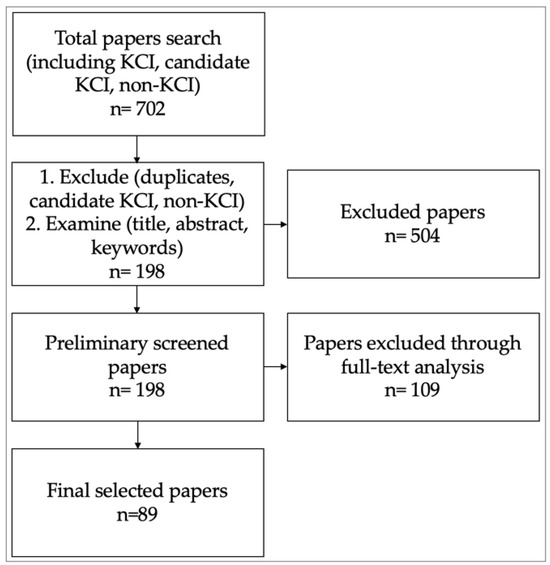
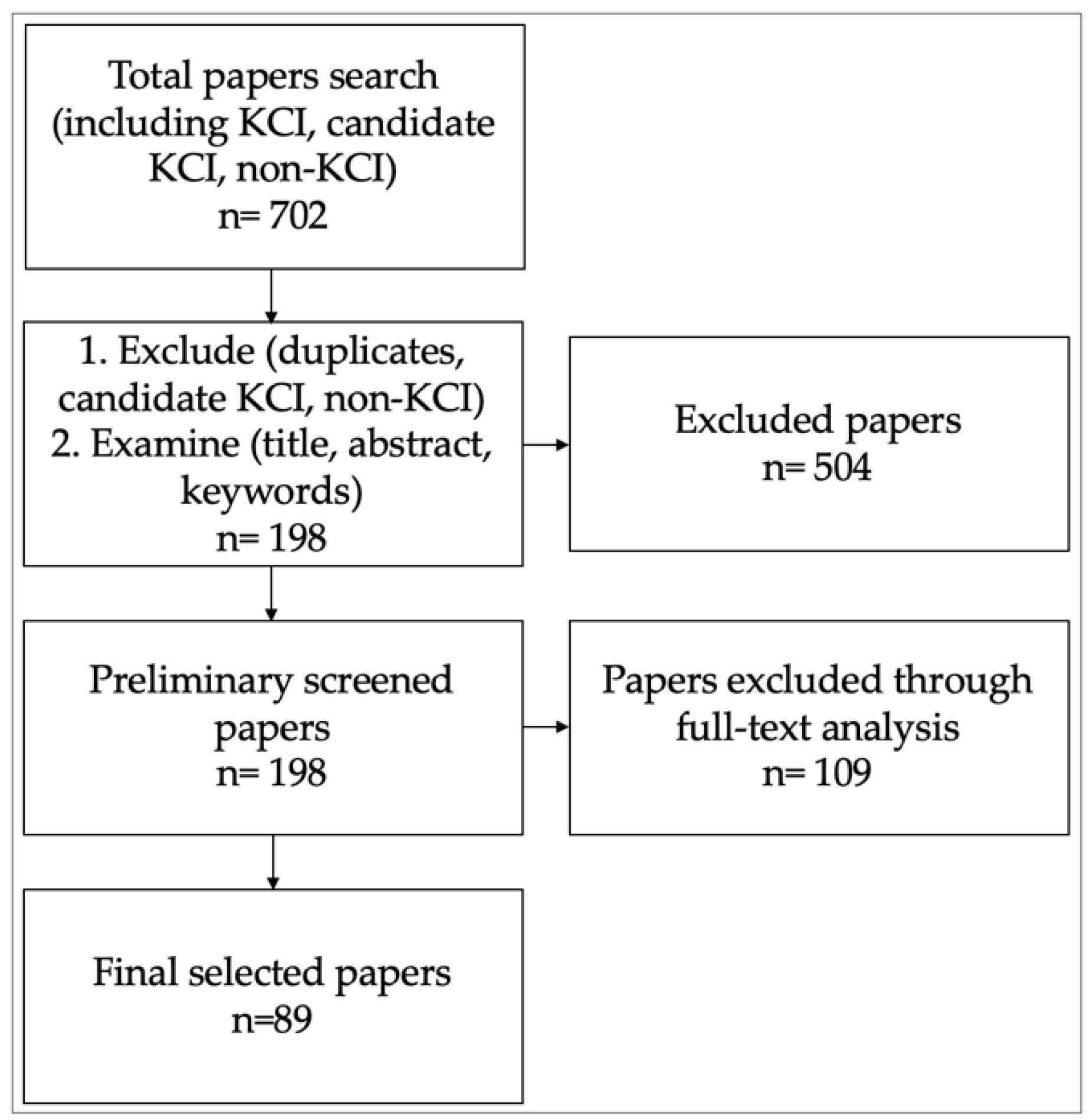
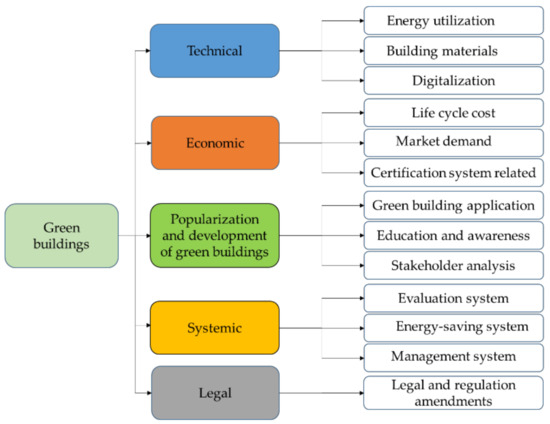
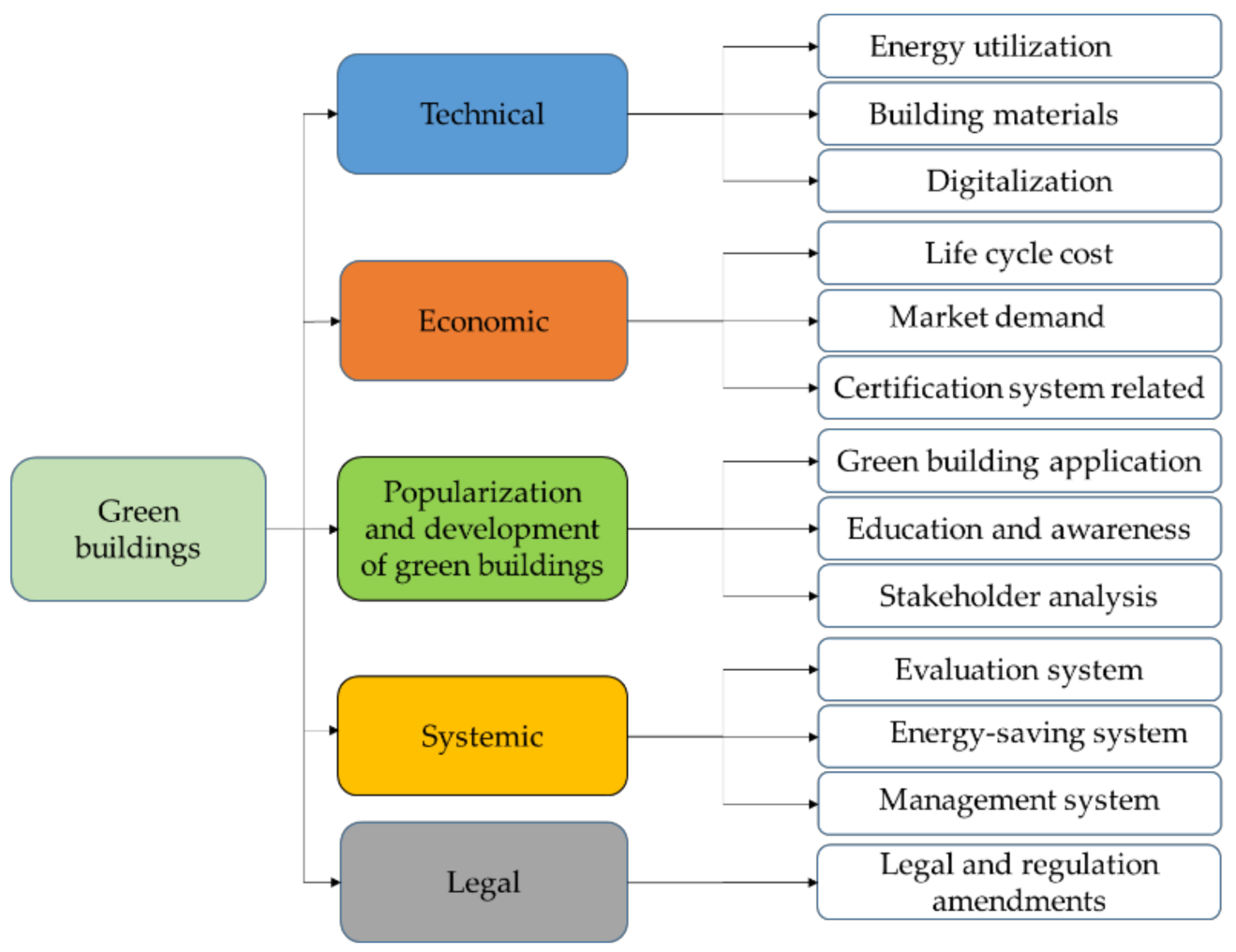
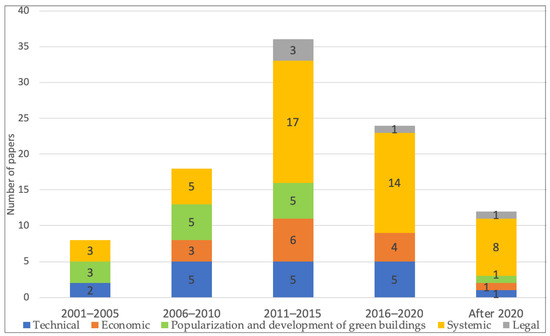
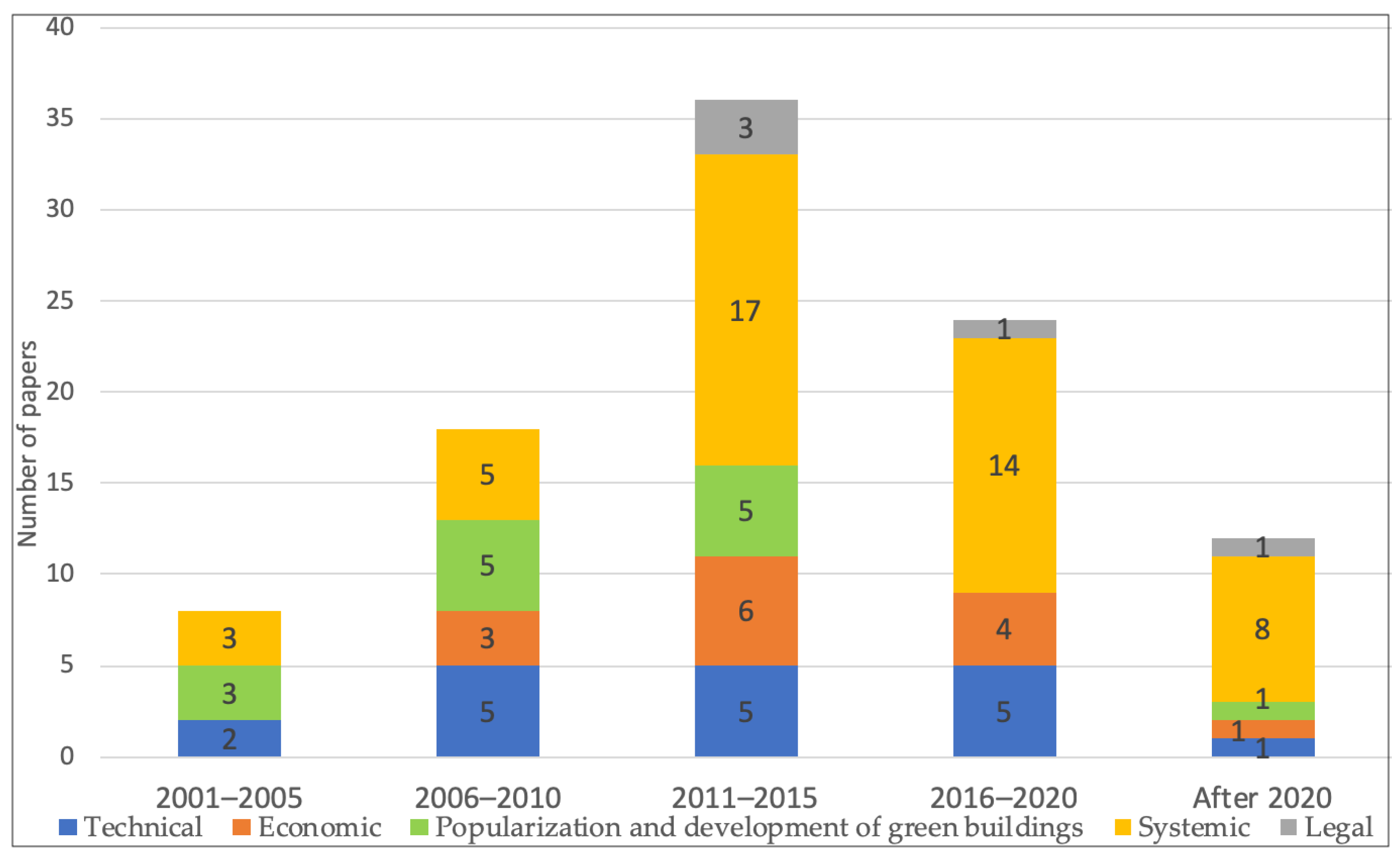
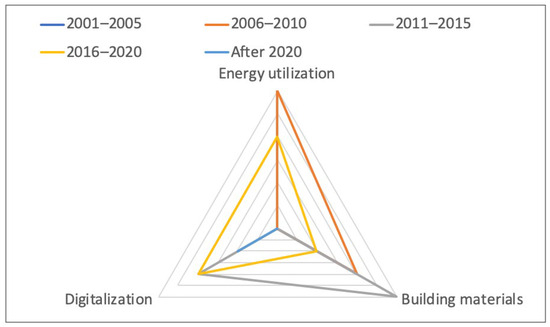
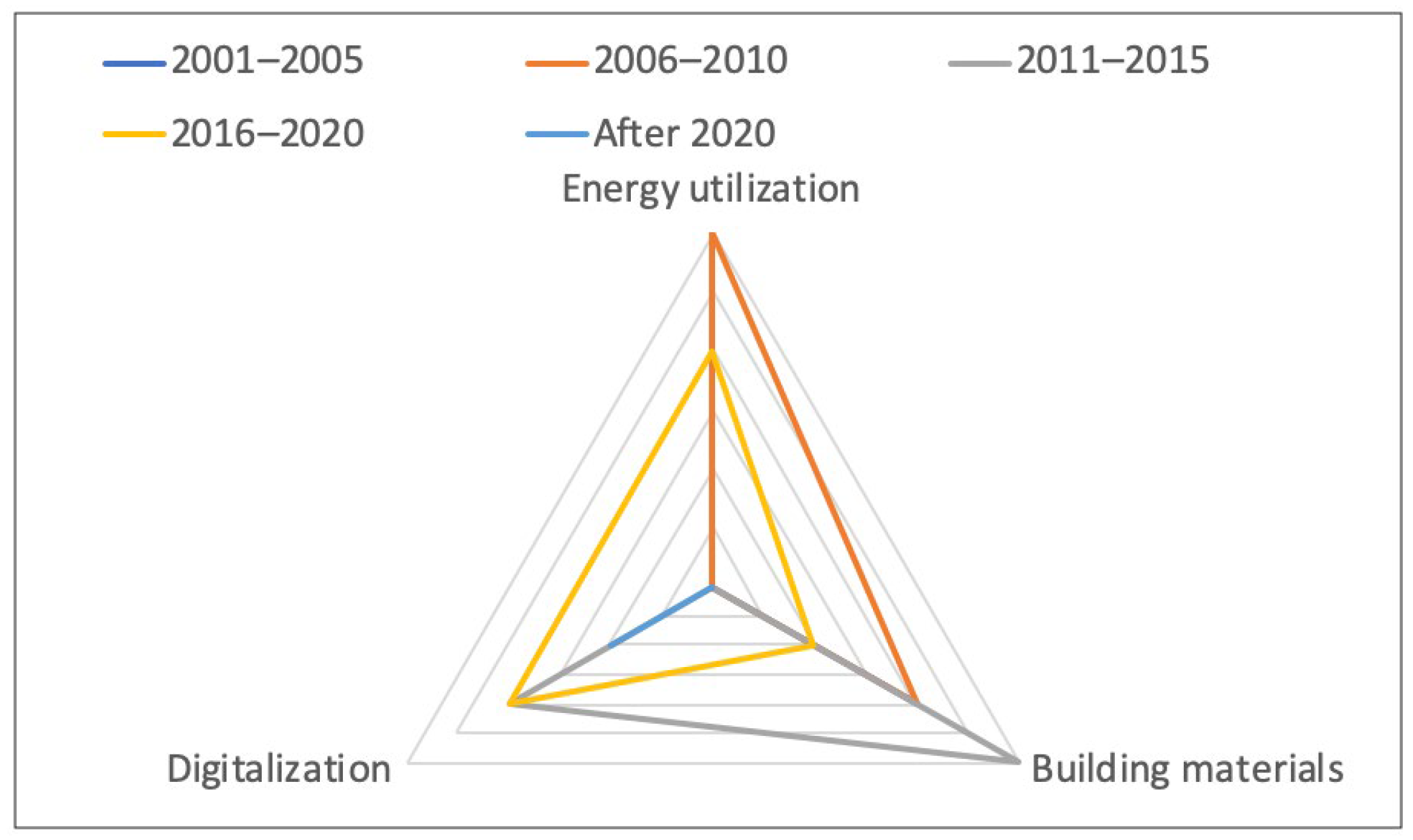
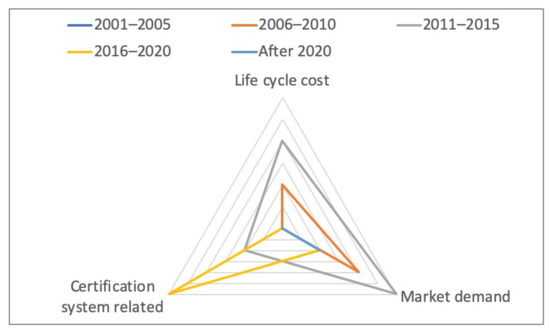
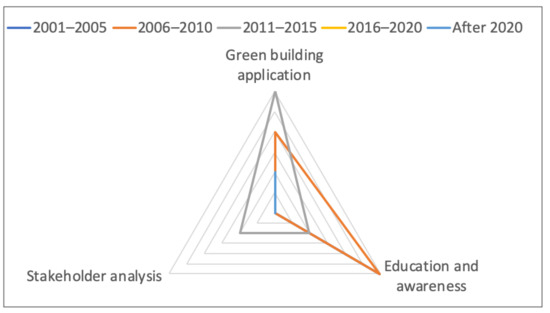
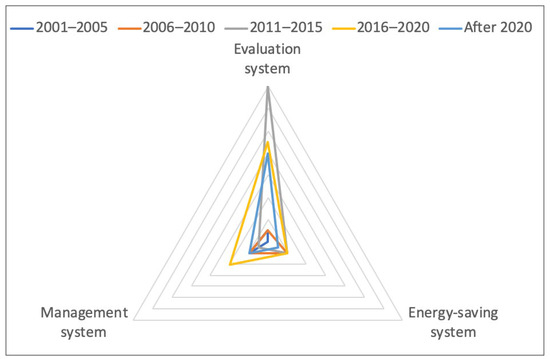
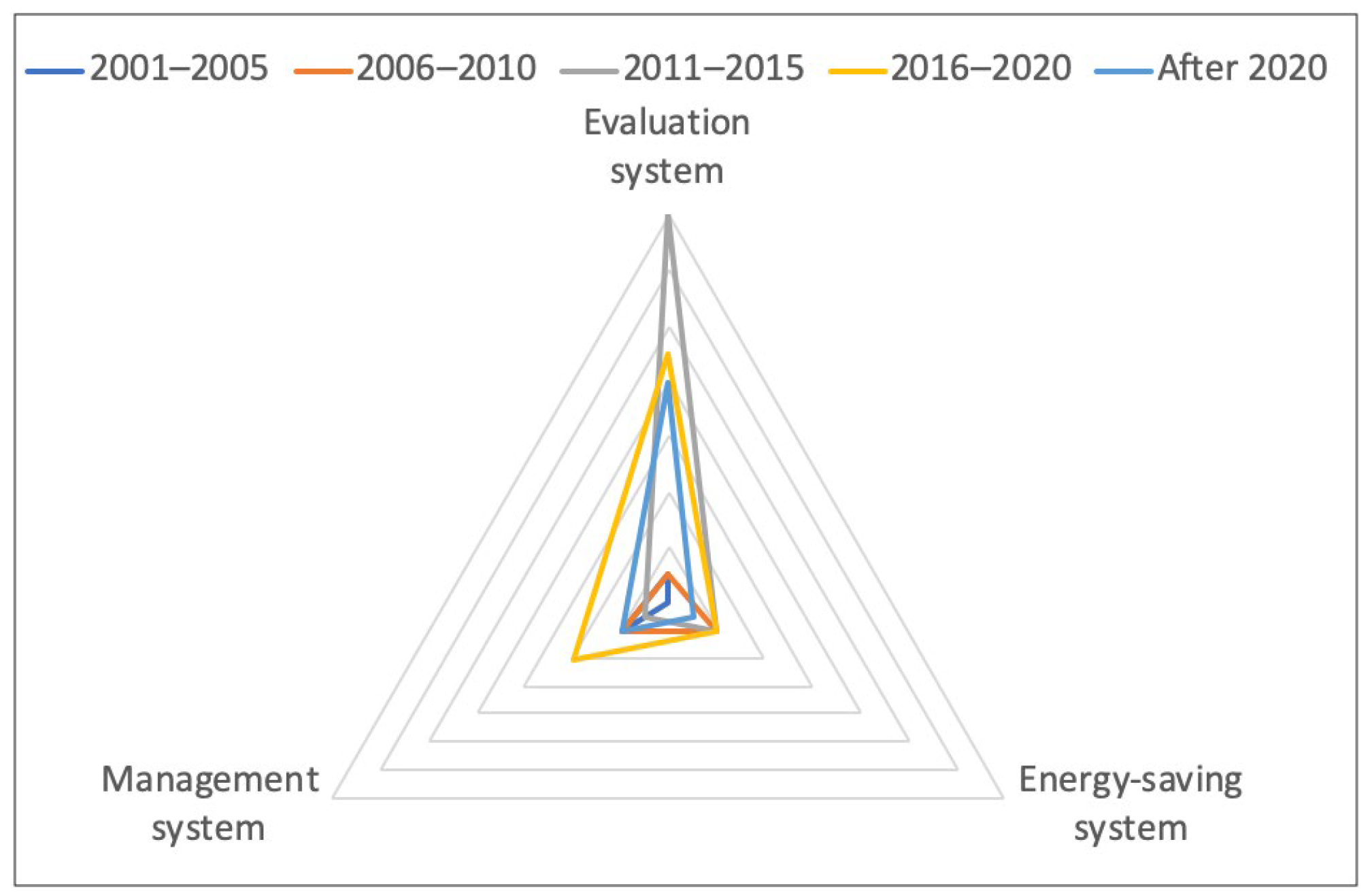

Disclaimer/Publisher’s Note: The statements, opinions and data contained in all publications are solely those of the individual author(s) and contributor(s) and not of MDPI and/or the editor(s). MDPI and/or the editor(s) disclaim responsibility for any injury to people or property resulting from any ideas, methods, instructions or products referred to in the content. |
© 2024 by the authors. Licensee MDPI, Basel, Switzerland. This article is an open access article distributed under the terms and conditions of the Creative Commons Attribution (CC BY) license (https://creativecommons.org/licenses/by/4.0/).