


Abstract
This article aims to systematically summarize the methods for intelligent operation of large public buildings, the integration and application of related technologies, as well as their development trends and challenges. (1) Background: In response to the rapid development and future needs of intelligent operation and maintenance, this study summarizes the development process of intelligent operation and maintenance in building operations, as well as relevant technical achievements and challenges; (2) Method: Quantitative and qualitative bibliometric statistical methods were used for overall analysis; (3) Result: Based on system theory, a B-IRO model was developed, and the current status of intelligent operation- and maintenance-related technologies and applications was sorted out. A framework for the entire industry was established, and future development trends were proposed as further research directions.
1. Introduction
Large public buildings refer to individual structures with a total floor area exceeding 20,000 square meters, encompassing various establishments such as hotels, shopping centers, commercial complexes, and transportation hubs. The energy consumption within these buildings encompasses a range of factors, including air conditioning systems, lighting, elevators, office electrical equipment, and other auxiliary devices [1]. Labor costs have been consistently rising over the years, while the demand for energy efficiency, emissions reduction, and environmental preservation has become increasingly stringent. Buildings, being highly energy-intensive complexes, present a formidable challenge for society in terms of optimizing maintenance solutions for structures with large volumes and complex functionalities. The field of operation and maintenance management has emerged as a result of the evolution of traditional property management practices.
In recent years, driven by rapid economic growth and urbanization, and with a particular focus on enhancing quality of life and working environments, the functionalities of building entities have become increasingly diverse. Consequently, the management of building operations and maintenance has transformed into a scientific discipline, transcending traditional qualitative descriptions and evaluations. It has evolved into a comprehensive system engineering approach that encompasses the management of crucial resources such as personnel, facilities, and technology. Moreover, the continuous changes in data throughout the lifecycle of buildings make digital management an effective means of addressing these challenges [2].
On the Web of Science platform, the authors searched for articles with the theme of “Building Operations and Maintenance” and obtained the number of papers published per year. A line was drawn based on the number of papers published, as shown in Figure 1, indicating that the number of research results related to building operations and maintenance is increasing year by year.
Figure 1.
Number of building operation and maintenance papers retrieved on WOS.
In terms of chronology, the term “Operations” came into being in an article written by Raouf, A. and Kettunen, O.V. in 1976 [3], which paid attention to the issue of large-scale apartment operations brought about by urbanization. In 2013, Motawa et al. [4] commenced research into building maintenance systems (BMSs) based on building information modelling (BIM), which is able to record a greater amount of building data, including maintenance records, work orders, and chain effects of warning faults, and can be used to ascertain the information acquisition and exchange between the building maintenance process and personnel. This methodology assists multi-actor building maintenance teams to capture/retrieve all the relevant information/knowledge related to the maintenance operations. Nowadays, with increasingly larger office buildings, more and more organizations and companies have started to believe that establishing an efficient equipment maintenance system is one of the keys to enterprise success and an indispensable part of business [5,6]. Office staff are increasingly demanding of their working environment, and with the advent of the 5G era, digital operations systems are the overall trend of development in various industries in combination with digital technology [7,8]. As shown in Figure 2, the evolution process from the automation stage to the intelligent stage of building operation and maintenance can be observed. Automation and intelligence are two distinct concepts within a system. Automation refers to the use of computer technology and control systems to automate tasks without human intervention. It aims to improve efficiency and reliability by relying on predefined rules and processes. In contrast, intelligence involves the application of artificial intelligence and machine learning techniques to enable systems to perceive, understand, and adapt to their environment. Intelligent systems possess learning capabilities and can make autonomous decisions and actions. While automation focuses on task execution and efficiency, intelligence emphasizes adaptability, learning, and autonomous decision-making.
Figure 2.
Operation and maintenance development process diagram.
Therefore, our study aimed to achieve the following three objectives:
- Primarily based on literature from the past five years, conduct a systematic review of the relevant literature on intelligent operation and maintenance of buildings. Summarize the characteristics of technologies and their applications, providing a clear understanding of the current development status.
- Investigate the current implementation status of intelligent operation and maintenance based on different building sizes and functionalities. Develop an application framework specifically tailored to the intelligent operation and maintenance of large public buildings.
- Summarize the development issues pertaining to intelligent operation and maintenance technologies. From the perspectives of technology, application, and operation, identify the challenges faced by intelligent operation and maintenance. Seek breakthrough opportunities and provide theoretical references for future development.
Currently, the intelligent operation and maintenance of buildings is one of the hot topics in the field of architecture, and research in this area is rapidly increasing. This study differs from similar research in four main aspects:
- Specific focus on building types: Buildings can be classified into various types based on factors such as size and functionality. The maintenance priorities for different types of buildings also vary significantly. This paper specifically investigates and summarizes the development of maintenance practices in large public buildings. It provides a systematic overview of their development process, technological advancements, applications, and outstanding challenges, offering more specific research directions and practical insights for maintenance personnel in large public buildings.
- Timely technological summarization: The literature compiled in this paper primarily includes research outcomes from the past five years. It updates the latest developments in technologies and their applications, ensuring that subsequent research is built upon the most up-to-date achievements.
- Introduction of the B-IRO model: By combining systems theory, this study establishes the B-IRO model, which outlines the technical aspects relevant to the input, interaction, and output stages of building maintenance systems. This model can serve as a foundation for further extensions and research.
- Classification of large public building types: Taking into account building regulations and dimensional characteristics, this study categorizes large public buildings into five types. It provides a specific overview of technological applications for each category, facilitating focused research within subfields.
This paper is structured in six sections. In Section 2, the methods used and the classification criteria are evaluated. Section 3 describes the results of the bibliometric analysis. Section 4 discusses the research results regarding the application classification and related technologies. Section 5 generalizes the industrial development trends and challenges of intelligent operations and maintenance applications. Finally, Section 6 provides a conclusion.
2. Materials and Methods
Building maintenance management is a distinctive economic activity that encompasses comprehensive maintenance, operation, and upkeep of buildings throughout their service life. It involves the implementation of a complete set of rules and technical operating specifications to ensure the fulfillment of the building’s functional requirements and safeguard its assets. Building maintenance operations can be viewed as a framework that guides the administration and sustainability of a building, as well as the establishment of an effective maintenance plan [9]. Intelligent operation and maintenance is a comprehensive embodiment of a series of technologies that is directly related to, or intersected with, intelligent cities, intelligent buildings, construction management, personnel management, equipment use, and so on. Research on current intelligent operations is more based on intelligent buildings, which can be divided into two main types of “intelligent” buildings [10]. The Online Oxford Dictionary’s definition is “A home fitted with lighting, heating, and electronic devices [that] can be remotely controlled via smartphone or computer. The most common commercial products are preset functions using a remote control to program behaviors for different engineering systems”. This is an early definition of intelligent buildings, which have now developed more comprehensive applications with the development of the Internet of Things [11]. Upon being combined with BIM, the Internet of Things provides abundant new data sources for BIM [12,13], enabling a more comprehensive data analysis.
However, due to the many legacy automation systems already in place in old buildings and markets, new approaches related to the Internet of Things are often challenged and lead to considerable differences between different smart building systems, from software to hardware [14].
According to the information presented in this section, the relationship between Intelligent Building, Smart City, and Intelligent Operation and Maintenance is illustrated in Figure 3.
Figure 3.
Smart operation and maintenance collection diagram.
This study retrospectively adopted a functional classification of architecture and utilized a mixed research approach incorporating quantitative and qualitative methods to comprehensively analyze the implementation of smart maintenance in the building industry. Given the rapidly evolving nature of smart maintenance, articles published within the past 5 years were selected as the review period, aiming to capture the latest advancements and insights in the field. This timeframe is deemed appropriate considering the cutting-edge and contemporary nature of smart maintenance applications. By employing literature metrics and statistical analysis, this review aims to characterize the prevailing technology trends, research findings, and the utilization of smart maintenance and related information technologies across various stages. The approach employed in this review integrates literature summarization with systems theory, enabling a comprehensive understanding of the subject matter.
2.1. Literature Summarization Method
During the current research stage, we primarily conducted searches for relevant developments using the China National Knowledge Infrastructure (CNKI) and the Web of Science (WoS). In terms of technological advancements, this study aims to summarize the latest achievements. Therefore, the database used was WoS, with a search period of the past six years (2016–2021) after publication. A total of 6314 articles related to the keyword “building maintenance” were searched, and 13,678 articles related to “smart building systems” were searched. Among them, there were a significant number of patents and articles outside the field of architecture. Among the selected articles, 38 were chosen based on the most recent publication date, 64 were selected based on technological advancements, 22 were chosen based on high citation counts, and 17 were selected based on relevance to other topics. Among these articles, 33 focused on energy efficiency, 15 focused on management, 10 focused on risk control, and 83 focused on technology.
In order to elucidate the progress of technological applications, this article has drawn a technical combination diagram. Each key technology is a dimension, and each dimension can serve as a separate starting point for the development of the intelligent building field. The expansion of dimensions requires the integration of other technologies to achieve new application breakthrough nodes.
2.2. System Theory Approach
By combining relevant methods from systems theory in terms of system summation, this article studies the mutual relationship between the overall system and the constituents of the overall system from a holistic perspective, fundamentally elucidating its structure, function, behavior, and dynamics to gain an overall understanding of the system for achieving optimal objectives.
3. Current Situation and Trends
3.1. The Development of Intelligent Operation and Maintenance
The emergence of smart building maintenance has garnered significant attention across various sectors. It represents a novel technological approach that leverages advanced tools and data to promptly identify and monitor building maintenance requirements, facilitating efficient management through timely and accurate information dissemination. It is worth noting that building maintenance constitutes one of the most costly industrial processes in contemporary times [15]. Within the building life cycle, approximately 30% of the overall management cost is attributed to maintenance [16].
The rapid development of computer technology has enabled comprehensive digitalization of construction-related management, and the term “Building Information Model” has seen rapid progress in the decades since it was first proposed by van Nederveen and Tolman [17] in 1992.
In 2008, IBM put forward the concept of a “Smarter Planet”, which quickly became a major strategy for cities around the world to transform their economic development paths, promote industrial upgrading, and revive the economy [18]. Figure 4 shows the integration of civil engineering and information technology disciplines. The integration of architectural engineering and information technology gives rise to interdisciplinary fields or application scenarios, as depicted in Figure 4. The diagram represents the profound development of the foundational disciplines on the left and right sides, and the resulting cross-disciplinary outcomes are rapidly emerging. It provides opportunities to explore further application scenarios within this intersection.
Figure 4.
Development map of the combination of civil engineering and information technology.
In 2010, Liu Yang et al. [19] designed a data center environmental monitoring system to achieve process improvement, energy efficiency, and emissions reduction and seek the goal of green intelligence in data center operations. High-precision PDUs were adopted for real-time collection of terminal information from the system, and PUE intelligent analysis was conducted on the collected information, enabling full-cycle monitoring and itemized metering of power in the machine room, providing effective technical support and monitoring means for the establishment of a new type of green intelligent machine room. Due to the early informatization construction in the power industry and the potential reduction in reliability due to the aging of power equipment, intelligent control emerged earlier in this industry [20], including in production systems, marketing systems, equipment, application systems, continuous monitoring of power customers, power assets, and power operations through intelligence. Building intelligence systems are gradually expanding to cover a wider range of building types. The application of IoT technology has laid the foundation for intelligent buildings. In 2011, He Wei [21] realized remote monitoring and management of mobile base stations through the Internet of Things. After obtaining more and more information from sensors, a data network is formed and BIM begins to play its role. The application of modern building operation and maintenance combined with building information modeling (BIM) in building construction, planning, management, and safety management is developing rapidly [22]. With the use of this new tool, the overall mode of operation and maintenance is also changing. Sun, C.S. et al. [23] applied BIM technology to building operation and maintenance, established a database of equipment operation parameters, and achieved real-time monitoring of equipment information updates, equipment maintenance, and fault handling during the operation phase. With the development of artificial intelligence technology, more related algorithms are introduced into building operation and maintenance.
In 2015, Nakama et al. [24] proposed a method for collecting and managing building information data based on IoT technology, aiming to realize energy savings, prolong the service life of the building, improve the satisfaction of facility users, and reduce the operating cost. By automatically inputting sensor information into the BIM (building information modeling) system and linking it to the 3D model, it facilitates the acquisition of large amounts of information for building operations and maintenance. In 2016, Che-Ghani et al. [25] studied the factors that can maximize the reduction in operational and maintenance costs, illustrating the operational and maintenance costs for residential buildings and their influential factors. Furthermore, it was stated that a comprehensive assessment of these factors is needed to ensure optimal amounts of steady investment. In 2017, Dabtala, O. [26] investigated the time-saving advantages of a BIM model associated with real-time operational information in facility management (FM) practices in the lifecycle of a building, and explored the application of real-time data-driven BIM models in the main duties of operation control and maintenance in two FM departments.
With the rapid development of BIM, great changes have taken place in the construction industry, greatly enhancing the level of digitalization and intelligence. M. Deng et al. [27] have detailed and summarized the roles of BIM in the different stages of construction in their article. At the initial stage, it was mostly applied in construction, and with the increasing data volume, digital delivery could be realized to assist in post-construction operations. It was the combination of BIM and IoT technologies that truly made the operations stage enter into automation and intelligence.
Based on the inductive diagram in this review, Figure 5 summarizes the development of the construction industry with the introduction of BIM and its integration with different technologies.
Figure 5.
Advanced map of building informatization.
In 2017, Tao et al. [28] combined cloud computing, the Internet of Things, big data, mobile interconnect, artificial intelligence, etc., proposing a digital twin workshop. In 2018, Liu Weijia and Li Boquan [29] combined machine learning with the existing Internet of Things and big data to build the architecture of disaster recovery systems. Liu Zhansheng et al. [30] applied digital twins to Winter Olympic venues, achieving three-dimensional visual, fire alarm, indoor personnel positioning, and evacuation route planning functions.
In 2019, Yang, C.S. et al. [31] employed machine learning and data mining techniques to help develop a predictive model from past building operation and maintenance data with the aim of reducing the consumption of heating, ventilation, and air conditioning (HVAC) while maintaining occupants’ comfort, thus significantly improving the performance of building operations. Additionally, in 2021, Bouabdallaoui, Y. et al. [32] proposed a machine learning-based predictive maintenance framework aiming to provide guidelines for implementing predictive maintenance for building installations. With the continuously improved economic level, people’s definition of high-quality life is continually being refreshed.
The concept of digital twins is being proposed more and more, but one major problem currently is that digital twins are difficult to be mass-produced and standardized, and are mostly exclusively customized for single projects, which also greatly restricts their rapid development and application in the market. Currently, at Level 5, the development of digital twins is still in its early stages and still needs to be integrated with modern technologies such as AR, VR, MR, GNSS, ML, DL and so on; additionally, it must be demonstrated through engineering applications for data dimensionality reduction and standardization to better show its role.
3.2. Article Classification Statistics
Based on the searched articles under the topics of “building” and “system”, literature from the past five years (from 2019 to 2023) was selected for bulk screening. 1000 articles with the highest comprehensive ranking were selected, and their keywords were recorded for co-occurrence analysis and using VOSviewer, as shown in Figure 6 and Figure 7. The keywords with higher co-occurrence are performance, design, system, coupling, and optimization. The country with the highest co-occurrence is China.
Figure 6.
Keyword co-occurrence graph.
Figure 7.
The co-occurrence map of Chinese literature.
Based on the WoS data, the source journals of related literature are organized according to the number of times they were included, from most to least. As shown in Table 1, it is obvious that energy-related journals are more concerned about research on building-related systems.
Table 1.
Names of relevant journals and corresponding number of articles published.
As shown in Figure 8, performing a keyword co-occurrence search with the keywords “building” and “operation and maintenance” on 650 relevant research articles published in the Web of Science after 2013, it was found that “system” was the most frequently occurring keyword from the top fourteen keywords. It had been used 61 times from 2015 to the present day. The other prominent keywords were “model”, “facility management”, “design”, and “framework”. It can be observed that the current research on building operations and maintenance focuses on the proposal of frameworks and systems from a global perspective, and is mostly applied to equipment management. Building operations and maintenance mainly set up a building information model (BIM) and operate the building through such model. At present, the most common building types that are operated and maintained are residential buildings and green buildings. As is illustrated in Figure 9, energy consumption has consistently been a topic of significance in the operation and maintenance of buildings. From 2015 to 2017, people paid close attention to the equipment management of residential buildings, while from 2017 to 2019, their focus shifted to energy management of office buildings. In the past two years, digital twinning technology has been playing an important role in building operations and maintenance, and its popularity has been steadily increasing.
Figure 8.
Keyword co-occurrence graph.
Figure 9.
Keyword emergence chart.
3.3. Basic Technology Development
In 2020, J.J. Mares et al. [33] proposed a hierarchical clustering-based short-term forecasting method for energy demand. This method employs dynamic time warping as the similarity metric and integrates it with artificial neural networks (ANNs). Clusters of days of each type allow the definition of typical curves. ANNs are employed to take into account the weather sensitivity, revising the preliminary forecasts from the clustering stage. S.H. Yoon et al. [34] proposed a learning control for an adaptive networked-based controller for investigating the control performance of air-supply conditions to maintain the indoor thermal comfort level. In the process, a thermal supply model was employed, which combined with the geometric shape of the building, the outside temperature, and the characteristics of the occupants, to calculate the air supply conditions for either heating or cooling based on the air volume and temperature. Correa-Jullian et al. [35] utilized a straightforward and flexible reinforcement learning (RL) tabular Q-learning framework in order to identify the optimal operation plan of a solar-thermal system based on action-reward feedback. For the inspection of pavement infrastructure, Xiang, X.Z. et al. [36] proposed an end-to-end trainable deep convolutional neural network for automated crack detection in pavement surfaces and parsing. An encoder-decoder architecture was adopted to construct the network, and a pyramid model was used to exploit global contextual information for complex crack topologies. In addition, spatial channel grouping attention modules are introduced in the coding-decoding network to mine crack features. Furthermore, dilated convolution is used to reduce the loss of crack details caused by pooling operations in the encoder network. Qu et al. [37] combine Internet of Things (IoT) technology, information technology (IT), and operation technology (OT) to construct a cloud platform, which is capable of sensing, analyzing, and integrating the key information of green building groups and making the most of various information and data resources. Hu, Z.Z. et al. [38] proposed that the completion information model for engineering project delivery should not only contain geometric information and necessary construction-related data, but also built-in information useful for intelligent management. Based on building information modeling (BIM) technology, a set of automatic establishment, equipment grouping, and identification schemes for MEP system logic chains, as well as a conversion algorithm of BIM information for GIS map models have been proposed to achieve the digital integration of MEP-related information. In recent years, digital twin (DT) technology has been increasingly proposed and applied in the field of intelligent building. Peng, Y. et al. [39] proposed a technical and management innovation method based on the DT concept and “Continuous Life Cycle Integration”, and reported on a successful case project of a large hospital. The methods proposed by Du, J. et al. [40] include using digital twin modeling pairs to simulate complex tasks, using virtual reality (VR), and considering different information formats and contents in virtual reality simulation. Hossain, M.A. et al. [41] proposed an intelligent BIM-integrated risk review system using the DfS knowledge base to aid designers in identifying the risks associated with design elements and the required design characteristics, so as to avoid any unexpected delays or cost-intensive design changes in the later phases of projects, thus mitigating risks. Sun, G.D. et al. [42] proposed an embedded sensor- and wireless network technology-based corrosion monitoring framework, CoCoMo, aiming to realize long-term and controllable corrosion monitoring.
According to the literature surveyed, intelligent operation and maintenance have continuously combined multiple technologies, including data collecting terminals composed in the Internet of Things system [11], artificial intelligence algorithms as data organizing terminals [43], machine learning/deep learning as data learning and prediction terminals [44,45], and AV/VR/MR/XR and other applications on terminal equipment as data result presentation terminals [46,47].
By combining various technologies, breakthroughs can be achieved by integrating them on the basis of individual technologies. This approach involves multiple aspects of smart maintenance. Based on existing literature [48,49,50,51,52,53,54,55,56,57,58,59,60,61,62,63,64,65,66,67,68,69,70,71,72,73,74,75] and interviews with experts in the field, we have compiled and summarized some common technology combinations, as shown in Figure 10.
Figure 10.
Technical combination diagram [48,49,50,51,52,53,54,55,56,57,58,59,60,61,62,63,64,65,66,67,68,69,70,71,72,73,74,75]. Own elaboration.
Digital twins are a comprehensive intelligent operation and maintenance technology that integrates multiple functions and are currently one of the most comprehensive ways to achieve intelligent operation and maintenance. The digital twin-related technology framework is shown in Figure 11, and new technologies are constantly being expanded to achieve comprehensive twin functions.
Figure 11.
Technical combination diagram.
4. Application of Information Technology
4.1. Application Overview
The IRO model is a systems theory model commonly used in industrial design. This paper applies it to the field of building operation and maintenance, and sorts out the contents of input, relationship, and output. Based on the current status of related technologies for intelligent operation and maintenance of integrated buildings and possible development directions, this study integrates a deeply penetrative intelligent operation and maintenance platform framework, as shown in Figure 12. From an overall perspective, it is possible to integrate a B-IRO (building-input relation output) model for the intelligent operation and maintenance system based on digital twin technology, including the input of the system, the linkages in the process, and the final output.
Figure 12.
IRO development path.
The input phase mainly includes the use of sensors for data collection and manual instruction input. The accuracy of traditional green building energy consumption data collection systems is not high. Wang, C. et al. [76] optimized a green building energy consumption data collection system based on biological nanosensors. Using the original AD9280 chip data acquisition sensor chip, the energy data sampling circuit is designed based on the structure of the attenuation circuit. The RS-485 communication interface meter is connected to the data collector reflecting building energy consumption to complete the system hardware design. Now buildings often use smart meter and other data collection devices to identify building-related content, which is a huge and growing user group.
The relation phase is where the “intelligence” of the intelligent system lies, which first transmits data to the computer accurately and efficiently through the Internet of Things, and then automatically processes the data. Processing relies on high-performance hardware equipment and specific algorithms. The transmission process uses embedded technologies such as TCP/IP, GSM, ZigBee, and NB-IoT, as well as wide-area network communication technologies. Based on the sensor system, with system configuration as the foundation and embedded single-chip microcomputer as the core, various network communication technologies complement each other to complete the information collection and acquisition work [77].
Haidar, N. et al. [78] compared the performances of different algorithms in energy consumption analysis through experiments with 8 sensors measured at 20-min intervals or 5 sensors measured with 15-min intervals, showing that the random forest algorithm was the most suitable machine learning algorithm. The availability of large amounts of building operational data has propelled the development of advanced data-driven prediction methods for building energy prediction. Existing data-driven predictive methods are typically customized for individual buildings, and their performance is greatly affected by the amount and quality of the training data. Fan, C. et al. [79] proposed a transfer learning-based approach for predicting building energy demand a day in advance. It aimed to research the potential of transfer learning in different scenarios possessing different implementation strategies. Compared to independent models, the transfer learning-based approach can reduce about 15% to 78% of the prediction errors. Zhang, H.J. et al. [80] applied digital twin technology, which had been initially utilized in the aerospace industry, to the workshop. This technology can be traced back to the Apollo program of the US National Aeronautics and Space Administration, in which two identical spacecrafts were constructed [81], and one remained on earth to simulate the condition of the other in outer space, relying on massive sensing and timely data transmission and processing.
The output phase visualizes the results to give the participants a better understanding of their implications, as well as to direct their next course of action. The main display methods consist of augmented reality (AR), virtual reality (VR), monitors, and warning lights, etc. With the advancement of augmented reality (AR) technology, sensors, the Internet of Things (IoT), the physical world, and the virtual world are now able to connect and access various information about physical parts in real time. Carneiro, J.P. et al. [82] proposed a connection between the building environment data (sensor readings) and AR technology by which occupants can explore and visualize the energy consumption information of office equipment and building systems and interact with it. Sun, Hao et al. [83] gave a summary of the working principle of the Open Graphics Library (OpenGL) and analyzed the characteristics of VR data from the perspective of building characteristics. Hou, G.Y. et al. [84] linked elements in the building information model (BIM) with sensors, system mapped the monitored regions with the BIM model, and then visualized the sensors and monitored regions in the BIM platform. Meanwhile, a Web-BIM application was developed by linking database and back-end controls through a Web UI interface to visualize monitoring data and generate automatic pre-warnings. To integrate the Internet of Things (IoT) technology, the indicator lights were automatically controlled based on the real-time sensor data.
By summarizing the information above, a detailed B-IRO model (shown in Figure 13) can be obtained, which can be combined according to research and application requirements.
Figure 13.
B-IRO model for building operation and maintenance system.
4.2. Intelligent Operation and Maintenance Applications for Buildings of Different Sizes
Due to geographical and cultural differences amongst countries, different types of constructions can be identified by external appearances in different countries. Large public buildings refer to those buildings which are used for public activities, governmental institutions, or other large organizational activities. People classify them according to their functions in daily life, such as schools, hospitals, commercial centers, exhibition halls, culture centers, libraries, religious buildings, conference centers, stadiums, apartment buildings, commercial buildings, etc. Although there is no unified standard due to its multiple functions, the building type can be classified into five categories in combination with the content of the Unified Standard for Civil Building Design in China and integrated applications: (1) low-rise buildings; (2) high-rise buildings; (3) super high-rise buildings; (4) underground buildings; and (5) transportation function buildings, as shown in Figure 14.
Figure 14.
Dimensional classification diagram of buildings.
4.2.1. Low-Rise Buildings Applications
Large low-rise buildings include stadiums, shopping malls, logistics warehouses, parks, etc. This type of building usually corresponds to a large flow of people, and personnel in and out are concentrated. Large venues generally use steel structures and have high seismic grades. Therefore, the maintenance mainly focuses on monitoring personnel and energy saving strategies for large spaces. Liu Zhansheng et al. [30] used BIM and the Internet of Things to build a digital twin model for evacuation, spatial integration, and indoor environment and personnel location information, and used the Dijkstra algorithm for evacuation path planning. The Skeleton and Bobsleigh Stadium for the 2020 Beijing Winter Olympics is an example of such a building, and this model has well realized the functions of real-time environmental information collection, three-dimensional visualization of indoor layout, fire alarm and indoor personnel positioning, and evacuation route planning. H. Li et al. [85] used fiber Bragg grating sensors, inclinometers, and accelerometers to measure the necessary structural information, developing a structural health monitoring system for the domed roof of Dalian Sports Hall. Many physical variables have been synchronously collected with the realization of augmented reality (AR), which emphasized interactive performance for a variety of devices to be controlled in processing sites. J. Egger et al. [86] summarized the role of AR in smart manufacturing. The digital twin concept has been widely applied and studied in factories. Hu, C.M. et al. [87] verified the feasibility of the digital twin in the production of complex electronic equipment with an application example of an intelligent workshop. The results showed that the production process based on digital twins achieved scheduling optimization, precise logistics delivery, and online monitoring of equipment, providing an effective approach to the intelligent operation of the production workshop.
4.2.2. High-Rise Buildings Applications
High-rise buildings show more functional zoning and are the preferred sites for large-scale enterprise offices, making them a primary building type for current smart building applications and a multi-disciplinary synthesis [88]. As people’s requirements of indoor environment quality continue to increase, the current focus lies on automating various related facilities of buildings such as water supply and drainage, building heating, air conditioning, building electric power supply, and building lighting in order to meet the needs of the building users. Building facilities constitute the foundation for realizing intelligent, safe, comfortable, and convenient operations of smart buildings, and are also the key research object of energy-saving in smart buildings. Yin, C.L. et al. [89] proposed to retrofit existing office buildings to achieve comprehensive management of offices and safety and to strengthen the automatic monitoring in parking lota, including the occupancy rate and traffic monitoring. Yu, L. et al. [90] made use of the Internet of Things to manage power supply and electricity consumption in a building. Yan, H.R. et al. [91] utilized a distributed system design to address regional isolation characteristics, and implemented an Aplo real-time database system to ensure efficiency and real-time properties from a technical background perspective. Furthermore, collected application historical data, such as data control analyses and recommendations, user usage habits analyses, etc., have been established. Wang, M. et al. [92] proposed an intelligent building operations and management cloud ecosystem based on the Internet of Things (IoT) and cloud computing technologies. Through building operations and management applications, the cloud ecosystem can provide monitoring, control, management, and real-time optimization services for intelligent buildings in the city. Y. Sheikhnejad et al. [93] proposed an advanced predictive control system based on advanced simulation and optimization algorithms to maintain predefined comfort and improve users’ comfort. Peng, Y. et al. [39] combined the application of digital twins in hospitals, enabling managers to acquire an overall understanding of the hospital’s detailed status through visual management, and to promptly receive facility diagnoses and operation proposals by lowering energy consumption, avoiding facility failure, reducing the number of requests for repair, and improving the quality of daily maintenance.
4.2.3. Super High-Rise Buildings Applications
In accordance with the Chinese “Unified Standard for Civil Construction Design”, buildings higher than 100 m exceed the standards of high-rise buildings. The new standard of the World High-rise Building Association is buildings higher than 300 m. With the severe shortage of urban land resources in recent decades, the construction of super-high-rise buildings has become one of the main development orientations of modern buildings [94]. So far, more than 4674 super high-rise buildings over 150 m have been built around the world. With the continuous construction of these buildings, the safety of the structure has been an increasing concern among all walks of life. During the operation of super high-rise buildings, environmental impacts and equipment degradation, abnormal loads, etc., may lead to damages in the local area of the building structure, which will inevitably lead to performance degradation or even failure after accumulation, seriously threatening the lives and property of the state and the people. Hence, implementation of structure damage identification and structural health monitoring (SHM) is of essential significance for the supertall structures in order to timely detect possible structure damage and guarantee structure safety as well as make an early warning of the potential threats and disadvantages for different kinds of structures. SHM attempts to keep track of and assess the events, anomalies, and degradation or damage during the structure operation process by measuring the running and loading environment as well as the key responses of the structure [95,96] and diagnose the state of the structure at any time of its life cycle. With the development of intelligent and wireless sensing technologies, these practices have been gradually applied to the field of supertall buildings. At the early stage, Ni, Y.Q. [97] designed a complex SHM system that integrates construction and in-service monitoring and implemented it on the Guangzhou New TV Tower (GNTVT). Su, J.Z. et al. [98] adopted a GPS-based SHM system for real-time monitoring of the Shanghai Tower during construction and operation. Li Q.S. et al. [99] installed a wind-driven monitoring system in the Hong Kong International Financial Center Building to research wind effects, dynamic characteristics, and the performance of the building during typhoon periods. Liu, T. et al. [100] adopted Real-Time Kinematic–Global Navigation Satellite System (RTK–GNSS) sensors to investigate the dynamic characteristics of the under-construction Tianjin 117 high-rise building. The Peace and Finance Center (PAFC), with an overall height of 600 m, being the fourth highest building in the world, is equipped with an integrated structure health monitoring (SHM) system [101] which consists of 553 sensors. This system is designed based on the modular design method, introducing the research activities and selection results of the SHM system equipped with PAFC, including monitoring vertical deformations of various structural components, verifying the effectiveness of the active tuned mass damper system, as well as verifying various damage recognition methods.
4.2.4. Underground Space Applications
Underground structures are buildings built in rock or soil layers. They are the products of the rapid development of modern cities and play an important role in easing the contradictions and improving the living environment of cities, as well as opening up new areas of human life, such as underground streets, underground commercial centers, and subways. The buildings used for business purposes are generally matched with their ground structures, and the operation and maintenance are synchronized with the aboveground parts. At present, most of the applications of underground space combined with operation and maintenance management are focused on tunnels. Lee, P.C. et al. [102] proposed an integrated system of building information modeling (BIM) and the Geographic Information System (GIS) to improve the performance of current maintenance and management systems. The system framework of BIM-3DGIS was proposed, and the required maintenance and management functions were developed according to practical requirements. Wang, M.Z. [103] conducted a comprehensive review of the research on underground infrastructure construction and operation & maintenance (O&M) with digital technology as the focus. Combining digital and computer technology, he introduced a new integrated solution to improve the efficiency and level of urban construction management. In the future, research trends are projected to include digital twins of underground infrastructure, quality and uncertainty assessment of data, data-driven and semi-supervised learning, predictive maintenance, and fully automated robotic systems for inspection and maintenance. Yin, X.F. et al. [104] proposed a new framework, supported by BIM, to promote the sustainable operation of public tunnels, and organized the data requirements and management workflows for the operation of public tunnels. Wang et al. [105] proposed taking surface vertical settlement, structural stress, crack displacement, and contact pressure as early warning indicators of an underground comprehensive pipeline structure during the period of active ground cracking. Hai, N. et al. [106] introduced ontology technology and knowledge base construction into comprehensive corridor risk management, building an ontology-based integrated corridor risk knowledge base. Based on the established risk knowledge base, a Bayesian network was constructed for risk factor identification and risk assessment. Tanoli, W.A. et al. [107] proposed a new method for modelling underground public facilities by machine-guided systems to provide visual guidance for operators. This method helps to avoid catastrophic public facility shutdown accidents and facilitate safe excavation operations and provides safety control values and warning standards based on the analysis results.
4.2.5. Traffic Function Building Applications
Abohassan, Ahmed et al. [108] studied the interdependent relationships between weather variables, maintenance operations, road friction, and collisions to evaluate the effects of car control operations on icy and snowy road conditions. Li, H. et al. [109] presented a genetic algorithm based on characteristics of a stationless shared mobility system and designed the coding method and fitness function and optimized the multi-objective problems to achieve system deviation and minimum cost. Donadio, F. et al. [110] introduced a case of artificial intelligence and cooperative robots improving airport operations, saving maintenance time, and increasing the traceability of maintenance operations. Liu, Y.Y. et al. [111] investigated the influence of carbon dioxide emission on the maintenance management of highway pavement and proposed to reduce carbon emission through reasonable operations. Jensen, J.S. [112] highlights the importance of asset management systems that provide precise and current performance information for cost-optimal operations, utilizing digital technologies for the realization of mobility for bridge maintenance, aiming to maximize reliability and availability and minimize costs and environmental impacts. Shim, C.S. [113] develops the bridge maintenance system using the concept of digital twin modeling for more reliable decision-making. The need for a 3D digital model is to be exchanged and updated with data from each stakeholder throughout the life cycle of the project, including design, construction, operation, and maintenance. Lee, J.K. [114] investigated the potential of utilizing unmanned aerial vehicle (UAV) and 3D scanning images for replacing existing difficult-to-execute detection methods concerning maintenance of pre-stressed concrete bridges, and demonstrated the feasibility of such approaches, thereby further confirming the potential of man-machine collaboration. Li et al. [115] employed BIM, GIS, mobile Internet, cloud, and other technological means, combining the practical requirements and professional knowledge of bridge maintenance and management and adopting component sub-division, as well as the standardization and customization of a large number of maintenance and management standards. He developed a system for lifelong maintenance and management, covering all its functions and assets, thereby providing services for patrol, bridge operations reviews, preventive maintenance, and process recording and thereby enhancing efficiency and standards of maintenance and management. Li et al. also proposed a Bayesian parameter estimation method for assessing the seismic brittleness of regional beam bridges and arranging their maintenance plans, which helps bridge designers and managers better understand the influencing parameters associated with different components and conduct maintenance management work. Farahani, B.V. et al. [116] proposed a design method which is based on the collection of the three-dimensional geometry of a tunnel and monitoring of it over time to detect potential signals of structural faults and return the exact position of the monitoring equipment to be deployed.
4.3. Application Value
Smart building maintenance systems can generate social benefits in many aspects of the construction field. According to public data, taking the building operation and maintenance demand in China as an example (according to the Guohai Securities calculation), in 2030, the area of residential and non-residential property management in China will be 27.2 billion square meters and 11.7 billion square meters, respectively, with a total market size of 213 trillion yuan. The China Building Materials Federation predicted that by 2025, the market size of green buildings in China is expected to exceed 900 billion yuan, with an annual compound growth rate of about 5%. According to statistics released by the 36Kr platform, the market size of security monitoring has exceeded 640 billion. Moreover, digital intelligent operation and maintenance not only can accomplish the above tasks, but also can continuously collect real-time building data, which can provide value in areas such as predicting building risks, combining building insurance, urban energy dispatch, and serving as the data foundation of drones, etc. Whether from an economic point of view or an effectiveness point of view, the application value will increase tremendously.
5. Trends and Challenges
In the rapidly developing field of intelligent operations and maintenance, there are still numerous challenges to be solved. This paper summarizes the following challenges that need to be addressed, taking into account the literature content and industry development.
5.1. High Precision Inspection of Building Structures
In recent years, the concept of refined testing has been introduced into the construction industry in order to provide more accurate and efficient testing methods to detect and analyze the safety and reliability of construction structures with the least time and resources consumed. More and more construction structural testing methods are being implemented with new data processing technologies; for example, a mobile tunnel scanning system integrated with scanner, inertial measurement unit (IMU), and railroad car, was demonstrated by Sun, J. et al. [117] in recent years. Global Navigation Satellite System (GNSS) time and system hardware calibrations are used to synchronize the time and space information of the system; the control points in the tunnels are used to correct the attitude and speed to improve the accuracy of absolute positioning; meanwhile, in another article, Gui, Z.C. et al. [118] introduced a new robot system for airport pavement inspection tasks, which was based on the data acquisition system of a wheeled robot, and provided high precision pavement inspection results with lower time and labor costs, so as to realize the automation of building inspection and effectively improve the accuracy of inspection. On the other hand, 3D scanning technology has widely been applied to detection of building structures, wherein Jang, A. [119] proposed a point cloud-based method using a 3D laser scanner to assess the stability of buildings and confirmed the use of a 3D laser scanner for the assessment of building stability to be accurate and efficient. Additionally, with respect to areas that personnel could not conveniently reach to conduct monitoring, unmanned aerial vehicle (UAV) technology for building surveys has drawn great interest. Tan, Y. [120] presented a method that maps the building defect data gathered by the UAV to a BIM model and models the defects as BIM objects for managing the results of building façade inspections, successfully mapping and integrating building defects with the BIM model to realize high-resolution multi-perspective building surveying.
Nevertheless, fine-grained detection also faces some challenges and difficulties. For example, fine-grained detection techniques are not effective for large and complex structures. Due to the diversity of building roof structures, the irregular distribution of laser radar points, and the mutual interference of adjacent points [121], existing structure fine-grained detection techniques cannot effectively handle the large number of computational models and complex actual models existing in the structures. On the other hand, due to the requirements of accuracy and sensitivity, building structure fine-grained detection requires a large amount of data collection and analysis. The technological instability of sensor collection and processing and the large computational burden are the main challenges in building structure fine-grained detection [122,123].
Recent studies have found an increasingly prominent trend of refined structure detection for architecture. Such an approach not only effectively enhances the safety of architecture structures, but also pays attention to reducing the cost and time of detection, thereby improving work efficiency and allowing for more precise and timely detection to better protect safety and promote sustainable development.
5.2. The Combination of Human Behavior in Digital Twins
Though digital twins have gained popularity, most applications have been focused on reproducing physical processes and systems, with fewer studies on human behavior that stay on the physical state level, such as evacuation behavior; additionally, few have investigated whether the cognition and thinking of humans is modellable, and whether digital twins can be used for synchronous simulation. By the start of 2023, the ChatGPT Pre-trained Transformer (ChatGPT) has surfaced across platforms, being a 17.5-billion-parameter natural language processing (NLP) model capable of generating conversation-style responses to user inputs. Gilson, Aida et al. [124] tested ChatGPT’s capability to hold on to context and provide logical answers, with the ability to independently think being the distinction between it and other objects. Zhavoronkov, Alex [125] demonstrated the potential for ChatGPT to generate complex philosophical arguments within the context of Pascal’s Wager, and this can serve as a reference in the digitalization process towards building an operations twin digitalization system that can simulate and predict human behavior in order to make the model a living system.
5.3. Improvement of Computing Power
The intelligent operation and maintenance of buildings is greatly affected by models and calculations, and the prompts provided to the operators by more accurate information are also more accurate. When the models have super-high accuracy and there is too much loading information, high-performance hardware is often needed to cooperate [126,127]. Research on building operation and maintenance has focused on monitoring, prediction, and automation, with little or even minimal descriptions of the hardware systems that underpin these maintenance goals. For example, in the process of developing the Winter Olympic bobsleigh and luge project, a high-precision model of LOD 500 was generated in conjunction with BIM. However, when the model was used for observation, operators needed to operate it on a high-performance computer; when using a computer most people use on a daily basis, the model would experience choppiness or even crash. However, in actual operation, not all personnel are equipped with high-performance equipment, which will greatly discount the actual user experience and application effect. While improving system performance, it is recommended to pay attention to the following parameters of related hardware:
- Hardware solution: There are various building automation systems available on the market, featuring distinct sensors and controllers, which are used for monitoring and controlling various functions of a building [128].
- Controller: The basis of the hardware system is responsible for converting signals from sensors into operable commands and executing tasks related to building automation [129].
- Serial connection: The core of the building automation hardware is the variety of serial connections. The most used ones include RS-232 and RS-485 [130], which provide the means for achieving building automation.
- Network support: For building automation, there is a requirement for data transfer from hardware to remote networks, for which there are many different technologies available, including GPRS, Zigbee, Wi-Fi, Bluetooth, etc. [131,132].
- Hardware protocol: Serial connections cannot be directly attached to the building automation system; hence, the correct devices must be chosen. Furthermore, one must also consider if the hardware device supports the relevant software protocols such as BACnet [133], Modbus [134], etc.
5.4. Human Machine Interaction
Most applications currently collect data from sensors, analyze the data for main feedback, and have a functional interface, but user experience research is inadequate, resulting in users who cannot fully understand and use the intelligent operation and maintenance applications. The system is becoming more and more complex, but the system needs to transmit information to the user in a simpler and direct way. Due to the complexity of the layout of large buildings, it is difficult to find routes quickly for evacuation. Visual inspection and manual judgment are the cornerstones of the daily O&M service activities performed by facility managers today [135]. The access of digital technology means data can be presented in more diverse forms. However, since O&M personnel are not professional researchers, they have a limited understanding of the new technologies and forms of presentation. Researchers of intelligent O&M-related technologies should take into account the learning effort of the new users and avoid too much burden on the users, which could prevent them from using the intelligent operation system.
The main game development engines such as UE5 and UNITY 3D have strong 3D space building and interactive settings capabilities, and many 3D games have given good feedback. For game operations, minors can quickly start using them, so it can be seen that the optimization of interaction is not a technical difficulty in other industries. The intelligent operation and maintenance system, combined with the 3D game engine, develops functions and combines the interactive design ideas in the game which will greatly improve interactivity. In recent years, virtual reality (VR) has emerged as an innovative approach for presentation, allowing for the establishment of a new class of applications that enables users to be immersed in a 3D virtual environment [136]. Krompiec, P. et al. [137] have designed and modified existing mappings between physical and virtual worlds, and have created interfaces in order to map physical devices to virtual shot tools which substantially enhance the sense of reality and interactivity during user interaction. Sharma, P.K. et al. [138] proposed a dynamic and proactive emergency signaling system (DSS-SL) based on software defined networks (SDN) to enable dynamic security indications.
In intelligent operation and maintenance, indoor environment and equipment are more closely connected with and interacted with by users, and information exchange between people, machines, and objects can be realized through the Internet of Things [139]. Low-power communication via Wi-Fi and ZigBee can also be realized for a local area networks. It is necessary to continuously consider the humanized design of appearance, convenience, and the man-machine interaction interface.
5.5. Standardization of Applications
Lack of unified standards is one of the primary issues currently limiting the development of intelligent operations and maintenance. As intelligent operations and maintenance are still in a rapid development phase, different methods, hardware, and software are adopted in different relative standards, leading to diverse system utilization, as well as multifarious building types. Bahrami, S. et al. [140] proposed that product information standards can promote the diffusion of innovation and suggested consideration of product functionalities sufficiently while adopting product information standards. Costabile, Carolina et al. [134] noted the need of standards to achieve technical and organizational compatibility among participants across different systems, technologies, data, and business processes. However, there is currently no enterprise or company to lead the standardization. According to the different volumes and functions mentioned previously, the required systems are also different. Dimensionality reduction can be used to unify the information from different buildings, classify and summarize the buildings, and gradually realize the standardization of the intelligent operation and maintenance system, thus realizing the rapid market application of intelligent operation and maintenance and reducing the development costs at the same time.
As the main development direction of current intelligent operation and maintenance, digital twin technology is referred to in this article by Chinese scholar Tao Fei et al. [141] for the concept of a five dimensional digital twin model. This concept specifically proposes the content and structure that should be included in a general digital twin. The risks and improvement opportunities related to each link of our digital twin are added to Figure 15.
Figure 15.
A digital twin model combining development challenges.
6. Summary and Prospect
With the development of informatization, the construction industry is also undergoing intelligent transformation and upgrading. The construction cycle of a building is generally 1–5 years, while the service cycle can last for decades or even hundreds of years. More and more building groups have been completed and delivered, and the demand for operation and maintenance of buildings is rising rapidly. In the early stages of building operations and maintenance, basic user problems were solved through pure manual management. With the advancement of information technology, operations and maintenance are gradually becoming systematic in order to provide better user experiences. Due to the functional requirements, the internal structure and relevant equipment of modern buildings have become diversified and complex, and pure manual maintenance can no longer achieve more precise management. The emergence of technologies such as artificial intelligence, the Internet of Things, 5G, BIM, etc., make the operation and maintenance process of buildings constantly develop towards unmanned, energy-saving, efficient, and safe management. The intelligence operation and maintenance of buildings is still in its infancy, so it is necessary to sort out the application and development status of relevant technologies and to clarify the current industry base. This study summarizes and categorizes 141 papers related to intelligent building operation and maintenance with a focus on the past five years. It organizes the integration and application of various technologies and specifically identifies digital twin technology as a comprehensive development goal. The B-IRO model is the first created with multiple technologies as its foundation, forming a digital twin-centered building intelligent operation and maintenance system framework and analyzing its application value, proposing future development trends and further research directions.
The future prospects for the intelligent operation and maintenance of buildings include the following points:
- Dynamic monitoring and predictive maintenance: With the accumulation of building maintenance data and advancements in analytical techniques, intelligent systems can utilize machine learning and predictive modeling to forecast potential failures or maintenance needs. This proactive approach can optimize maintenance schedules, reduce downtime, and enhance overall building performance.
- Enhanced energy management: Smart building operations and maintenance can contribute to energy-saving initiatives by optimizing energy consumption and reducing waste. By integrating smart meters, energy management systems, and data analytics, buildings can dynamically adjust energy usage based on occupancy patterns, weather conditions, and other relevant factors. This approach can result in significant energy savings and environmental benefits.
- Automation and robotics technology: Automation technology, including robotics and autonomous systems, can completely change the maintenance process. Robots can perform routine inspections, cleaning tasks, and even minor repairs, reducing the need for manual intervention. This automation not only improves efficiency, but also improves safety by minimizing human exposure to hazardous environments.
- Application of digital twin technology: By combining building information modeling (BIM) with sensors, algorithms, and other technologies, digital twins of buildings can be created. This enables the integration and visualization of various building data, facilitating better collaboration and decision-making throughout the building lifecycle. Digital twins make the complex processes of building operations and maintenance more intuitive and interactive.
Building maintenance directly relates to people’s rhythm of life, residential safety, energy-saving, emission reductions, etc. Through modern means such as digital twins, it can predict the development of various maintenance modes more intuitively. There is a large amount of data in building maintenance, the amount of data is constantly accumulating, and the prediction results are also constantly improving accuracy in independent building maintenance development, intelligent analysis, and single building maintenance status. If data can be standardized and other development units can share some non-private data, expanding the digital twins of buildings to digital twin communities and then extending to digital twin cities will mean that prediction and maintenance programs will have a qualitative change from quantity to quality.
Author Contributions
Conceptualization, Z.L. and L.L.; methodology, Z.J.; software, Z.J.; validation, Z.J., Z.S. and G.S.; formal analysis, L.L.; investigation, Z.J.; resources, X.D.; data curation, Z.S.; writing—original draft preparation, Z.J.; writing—review and editing, Z.L.; visualization, L.L and R.L.; supervision, X.D.; project administration, Z.S.; funding acquisition, G.S. All authors have read and agreed to the published version of the manuscript.
Funding
This research received no external funding.
Institutional Review Board Statement
Not applicable.
Informed Consent Statement
Informed consent was obtained from all subjects involved in the study.
Data Availability Statement
The data used to support the findings of this study are available from the corresponding author upon request.
Conflicts of Interest
The authors declare no conflict of interest.
References
- Zhu, J.H.; Li, D.Y. Current Situation of Energy Consumption and Energy Saving Analysis of Large Public Building. In Proceedings of the 9th International Symposium on Heating Ventilation and Air Conditioning ISHVAC Joint with the 3rd International Conference on Building Energy and Environment COBEE, Tianjin, China, 12–15 July 2015; pp. 1208–1214. [Google Scholar]
- Fang, T.C.; Zhao, Y.M.; Gong, J.; Wang, F.L.; Yang, J. Investigation on Maintenance Technology of Large-Scale Public Venues Based on BIM Technology. Sustainability 2021, 13, 7937. [Google Scholar] [CrossRef] [Scilit]
- Raouf, A.; Kettunen, O.V. Developing Apartment Maintenance Systems as Urban Operations. Kybernetes 1978, 7, 131–140. [Google Scholar] [CrossRef] [Scilit]
- Motawa, I.; Almarshad, A. A knowledge-based BIM system for building maintenance. Autom. Constr. 2013, 29, 173–182. [Google Scholar] [CrossRef] [Scilit]
- Barker, O. Realizing the Promise of the Internet of Things in Smart Buildings. Computer 2020, 53, 76–79. [Google Scholar] [CrossRef] [Scilit]
- Jung, J.U.; Jin, K.H. Case Studies for the Establishment of the Optimized Smart Factory with Small and Medium-Sized Enterprises. In Proceedings of the 2nd International Symposium on Computer Science and Intelligent Control (ISCSIC), Stockholm, Sweden, 21–23 September 2018. [Google Scholar]
- Zhou, Y.; Li, L.Y. The 5G communication technology-oriented intelligent building system planning and design. Comput. Commun. 2020, 160, 402–410. [Google Scholar] [CrossRef] [Scilit]
- Minoli, D.; Occhiogrosso, B. Practical Aspects for the Integration of 5G Networks and IoT Applications in Smart Cities Environments. Wirel. Commun. Mob. Comput. 2019, 2019, 5710834. [Google Scholar] [CrossRef] [Scilit]
- Pukite, I.; Geipele, I. Different Approaches to Building Management and Maintenance Meaning Explanation. In Proceedings of the 12th International Conference on Modern Building Materials, Structures and Techniques (MBMST), Vilnius, Lithuania, 26–27 May 2016; pp. 905–912. [Google Scholar]
- Batov, E.I. The distinctive features of “smart” buildings. In Proceedings of the 24th Russian-Polish-Slovak Seminar on Theoretical Foundation of Civil Engineering, Samara, Russia, 24–28 August 2015; pp. 103–107. [Google Scholar]
- Jia, M.D.; Komeily, A.; Wang, Y.R.; Srinivasan, R.S. Adopting Internet of Things for the development of smart buildings: A review of enabling technologies and applications. Autom. Constr. 2019, 101, 111–126. [Google Scholar] [CrossRef] [Scilit]
- Arthur, S.; Li, H.J.; Lark, R. The Emulation and Simulation of Internet of Things Devices for Building Information Modelling (BIM). In Proceedings of the 25th Workshop of the European-Group-for-Intelligent-Computing-in-Engineering (EG-ICE), Lausanne, Switzerland, 10–13 June 2018; pp. 325–338. [Google Scholar]
- Volk, R.; Stengel, J.; Schultmann, F. Building Information Modeling (BIM) for existing buildings—Literature review and future needs. Autom. Constr. 2014, 38, 109–127. [Google Scholar] [CrossRef] [Scilit]
- Lilis, G.; Conus, G.; Asadi, N.; Kayal, M. Towards the next generation of intelligent building: An assessment study of current automation and future IoT based systems with a proposal for transitional design. Sustain. Cities Soc. 2017, 28, 473–481. [Google Scholar] [CrossRef] [Scilit]
- Coupry, C.; Noblecourt, S.; Richard, P.; Baudry, D.; Bigaud, D. BIM-Based Digital Twin and XR Devices to Improve Maintenance Procedures in Smart Buildings: A Literature Review. Appl. Sci. 2021, 11, 6810. [Google Scholar] [CrossRef] [Scilit]
- Mourtzis, D.; Zogopoulos, V.; Vlachou, E. Augmented Reality Application to Support Remote Maintenance as a Service in the Robotics Industry. Procedia CIRP 2017, 63, 46–51. [Google Scholar] [CrossRef] [Scilit]
- Nederveen, G.; Tolman, F.P. Modelling multiple views on buildings. Autom. Constr. 1992, 1, 215–224. [Google Scholar] [CrossRef] [Scilit]
- Ye, X.; Tiecheng, G. The Influence of IBM “Smarter Planet”on China. Forum Sci. Technol. China 2014, 215, 148–153. [Google Scholar] [CrossRef]
- Liu, Y.; Yin, J.Z.; Xu, J.J.; Wang, F.X. Development of New Green, Intelligent Computer Room Environment Monitoring System. Instrum. Tech. Sens. 2010, 329, 41–43. [Google Scholar]
- Hanai, M.; Kojima, H.; Hayakawa, N.; Shinoda, K.; Okubo, H. Integration of Asset Management and Smart Grid with Intelligent Grid Management System. IEEE Trns. Dielectr. Electr. Insul. 2013, 20, 2195–2202. [Google Scholar] [CrossRef] [Scilit]
- He, W. Design and Implementation of Base Station Operation and Maintenance Management System Based on Wireless Content Networking. Coal Technol. 2011, 30, 165–167. [Google Scholar]
- Martinez-Aires, M.D.; Lopez-Alonso, M.; Martinez-Rojas, M. Building information modeling and safety management: A systematic review. Saf. Sci. 2018, 101, 11–18. [Google Scholar] [CrossRef] [Scilit]
- Sun, C.S.; Che, Q. BIM-based Real-time Monitoring of the Equipment Maintenance of Property. In Proceedings of the International Conference on Vibration, Structural Engineering and Measurement (ICVSEM2012), Shanghai, China, 19–21 October 2012; pp. 2217–2221. [Google Scholar]
- Nakama, Y.; Onishi, Y.; Iki, K. Development of Building Information Management System with Data Collecting Functions Based on IoT Technology. In Proceedings of the 33rd International Conference on Education and Research in Computer Aided Architectural Design in Europe (eCAADe), TU Wien, Vienna, Austria, 16–18 September 2015; pp. 647–655. [Google Scholar]
- Che-Ghani, N.Z.; Myeda, N.E.; Ali, A.S. Operations and Maintenance Cost for Stratified Buildings: A Critical Review. In Proceedings of the 4th International Building Control Conference (IBCC), Kuala Lumpur, Malaysia, 7–8 March 2016. [Google Scholar]
- Davtalab, O. Benefits of Real-Time Data Driven BIM for FM Departments in Operations Control and Maintenance. In Proceedings of the ASCE International Workshop on Computing in Civil Engineering (IWCCE), Seattle, WA, USA, 25–27 June 2017; pp. 202–210. [Google Scholar]
- Deng, M.; Menassa, C.C.; Kamat, V.R. From BIM to digital twins: A systematic review of the evolution of intelligent building representations in the AEC-FM industry. J. Inf. Technol. Constr. 2021, 26, 58–83. [Google Scholar] [CrossRef] [Scilit]
- Fei, T.; Meng, Z.; Jiangfeng, C.; Qinglin, Q. Digital twin workshop: A new paradigm for future workshop. Comput. Integr. Manuf. Syst. 2017, 23, 1–9. [Google Scholar] [CrossRef]
- Wei-jia, L.; Bo-quan, L. Application Research on Internet of Things, Big Data Analysis and Machine Learning Technology in Backup for Disaster Recovery. Microelectron. Comput. 2018, 35, 55–58. [Google Scholar] [CrossRef]
- Zhansheng, L.; Anshan, Z.; Wensi, W.; Jingjing, W. Dynamic Fire Evacuation Guidance Method for Winter Olympic Venues Based on Digital Twin-Driven Model. J. Tongji Univ. 2020, 48, 962–971. [Google Scholar]
- Yang, C.S.; Shen, W.M.; Gunay, B.; Shi, Z.X. Toward Machine Learning-based Prognostics for Heating Ventilation and Air-Conditioning Systems. In Proceedings of the ASHRAE Winter Conference, Atlanta, GA, USA, 12–16 January 2019; pp. 106–115. [Google Scholar]
- Bouabdallaoui, Y.; Lafhaj, Z.; Yim, P.; Ducoulombier, L.; Bennadji, B. Predictive Maintenance in Building Facilities: A Machine Learning-Based Approach. Sensors 2021, 21, 1044. [Google Scholar] [CrossRef] [Scilit]
- Mares, J.J.; Navarro, L.; Christian, G.; Pardo, M. A Methodology for Energy Load Profile Forecasting Based on Intelligent Clustering and Smoothing Techniques. Energies 2020, 13, 4040. [Google Scholar] [CrossRef] [Scilit]
- Yoon, S.H.; Ahn, J. Comparative Analysis of Energy Use and Human Comfort by an Intelligent Control Model at the Change of Season. Energies 2020, 13, 6023. [Google Scholar] [CrossRef] [Scilit]
- Correa-Jullian, C.; Droguett, E.L.; Cardemil, J.M. Operation scheduling in a solar thermal system: A reinforcement learning-based framework. Appl. Energy 2020, 268, 114943. [Google Scholar] [CrossRef] [Scilit]
- Xiang, X.Z.; Zhang, Y.Q.; El Saddik, A. Pavement crack detection network based on pyramid structure and attention mechanism. IET Image Process. 2020, 14, 1580–1586. [Google Scholar] [CrossRef] [Scilit]
- Qu, C.F.; Wang, D.L.; Liu, W.X.; Zhao, P.C. Design and Implementation of an Intelligent Operation and Maintenance Management Cloud Platform for Green Buildings Group. In Proceedings of the 5th International Conference on Electrical Engineering, Control and Robotics (EECR), Guangzhou, China, 12–14 January 2019. [Google Scholar]
- Hu, Z.Z.; Tian, P.L.; Li, S.W.; Zhang, J.P. BIM-based integrated delivery technologies for intelligent MEP management in the operation and maintenance phase. Adv. Eng. Softw. 2018, 115, 1–16. [Google Scholar] [CrossRef] [Scilit]
- Peng, Y.; Zhang, M.; Yu, F.Q.; Xu, J.L.; Gao, S. Digital Twin Hospital Buildings: An Exemplary Case Study through Continuous Lifecycle Integration. Adv. Civ. Eng. 2020, 2020, 8846667. [Google Scholar] [CrossRef] [Scilit]
- Du, J.; Zhu, Q.; Shi, Y.M.; Wang, Q.; Lin, Y.Z.; Zhao, D. Cognition Digital Twins for Personalized Information Systems of Smart Cities: Proof of Concept. J. Manag. Eng. 2020, 36, 04019052. [Google Scholar] [CrossRef] [Scilit]
- Hossain, M.A.; Abbott, E.L.S.; Chua, D.K.H.; Qui, N.T.; Goh, Y.M. Design-for-Safety knowledge library for BIM-integrated safety risk reviews. Autom. Constr. 2018, 94, 290–302. [Google Scholar] [CrossRef] [Scilit]
- Sun, G.D.; Yang, G.X.; Guo, B.B. CoCoMo: Toward controllable and reliable corrosion monitoring with a wireless sensor network. Int. J. Distrib. Sens. Netw. 2017, 13, 1550147717734525. [Google Scholar] [CrossRef] [Scilit]
- Yan, B.; Hao, F.; Meng, X. When artificial intelligence meets building energy efficiency, a review focusing on zero energy building. Artif. Intell. Rev. 2021, 54, 2193–2220. [Google Scholar] [CrossRef] [Scilit]
- Zhang, L.; Wen, J.; Li, Y.F.; Chen, J.L.; Ye, Y.Y.; Fu, Y.Y.; Livingood, W. A review of machine learning in building load prediction. Appl. Energy 2021, 285, 116452. [Google Scholar] [CrossRef] [Scilit]
- Wang, Z.Y.; Liu, J.; Zhang, Y.X.; Yuan, H.P.; Zhang, R.X.; Srinivasan, R.S. Practical issues in implementing machine-learning models for building energy efficiency: Moving beyond obstacles. Renew. Sustain. Energy Rev. 2021, 143, 110929. [Google Scholar] [CrossRef] [Scilit]
- Han, B.; Leite, F. Generic extended reality and integrated development for visualization applications in architecture, engineering, and construction. Autom. Constr. 2022, 140, 104329. [Google Scholar] [CrossRef] [Scilit]
- Hu, F.H.; Deng, Y.S.; Zhou, H.; Jung, T.H.; Chae, C.B.; Aghvami, A.H. A Vision of an XR-Aided Teleoperation System toward 5G/B5G. IEEE Commun. Mag. 2021, 59, 34–40. [Google Scholar] [CrossRef] [Scilit]
- Felbrich, B.; Menges, A.; Jahn, G.; Newnham, C. Self-Organizing Maps for Intuitive Gesture-Based Geometric Modelling in Augmented Reality. In Proceedings of the 1st IEEE International Conference on Artificial Intelligence and Virtual Reality (AIVR), Taichung, Taiwan, 10–12 December 2018; pp. 61–67. [Google Scholar]
- Sydora, C.; Stroulia, E. Augmented Reality on Building Information Models. In Proceedings of the 9th International Conference on Information, Intelligence, Systems and Applications (IISA), Zakynthos, Greece, 23–25 July 2018; pp. 282–285. [Google Scholar]
- Wiesner, C.A.; Klinker, G. Overcoming Location Inaccuracies in Augmented Reality Navigation. In Proceedings of the 4th International Conference on Augmented Reality, Virtual Reality, and Computer Graphics (SALENTO AVR), Ugento, Italy, 12–15 June 2017; pp. 377–388. [Google Scholar]
- Badouch, A.; Krit, S.D.; Kabrane, M.; Karimi, K.; Comp, M. Augmented Reality services implemented within Smart Cities, based on an Internet of Things Infrastructure, Concepts and Challenges: An overview. In Proceedings of the 4th International Conference on Engineering and MIS (ICEMIS), Istanbul, Turkey, 19–21 June 2018. [Google Scholar]
- Imbert, N.; Vignat, F.; Kaewrat, C.; Boonbrahm, P. Adding Physical Properties to 3D Models in Augmented Reality for Realistic Interactions Experiments. In Proceedings of the International Conference on Virtual and Augmented Reality in Education (VARE), Puerto de la Cruz, Spain, 7–9 November 2013; pp. 364–369. [Google Scholar]
- Qiao, X.Q.; Ren, P.; Nan, G.S.; Liu, L.; Dustdar, S.; Chen, J.L. Mobile Web Augmented Reality in 5G and Beyond: Challenges, Opportunities, and Future Directions. China Commun. 2019, 16, 141–154. [Google Scholar] [CrossRef] [Scilit]
- Plecher, D.A.; Wandinger, M.; Klinker, G. Mixed Reality for Cultural Heritage. In Proceedings of the 26th IEEE Conference on Virtual Reality and 3D User Interfaces (VR), Osaka, Japan, 23–27 March 2019; pp. 1618–1622. [Google Scholar]
- Li, M.; Li, L.; Jiao, R.; Xiao, H. Virtrul Reality and Artificial Intelligence Support Future Training Development. In Proceedings of the Chinese Automation Congress (CAC), Jinan, China, 20–22 October 2017. [Google Scholar]
- Nguyen, T.B.; Tran, A.B.; Phan, H.T.; Do, Q.H.; Nguyen, Q.T. Exploitation of Digital Data from Building Information Models in Virtual Reality Technology. In Proceedings of the 6th International Conference on Geotechnics, Civil Engineering and Structures (CIGOS), Hanoi, Vietnam, 28–29 October 2021; pp. 1833–1840. [Google Scholar]
- Koeva, M.; Luleva, M.; Maldjanski, P. Integrating Spherical Panoramas and Maps for Visualization of Cultural Heritage Objects Using Virtual Reality Technology. Sensors 2017, 17, 829. [Google Scholar] [CrossRef] [Scilit]
- Lv, Z.H. Virtual reality in the context of Internet of Things. Neural Comput. Appl. 2020, 32, 9593–9602. [Google Scholar] [CrossRef] [Scilit]
- Chen, G.S.; Chen, J.P. Applying Virtual Reality to Remote Control of Mobile Robot. In Proceedings of the 2nd International Conference on Intelligent Technologies and Engineering Systems (ICITES), Kaohsiung, Taiwan, 12–14 December 2013; pp. 383–390. [Google Scholar]
- Erol-Kantarci, M.; Sukhmani, S. Caching and Computing at the Edge for Mobile Augmented Reality and Virtual Reality (AR/VR) in 5G. In Proceedings of the 9th EAI International Conference on Ad Hoc Networks (AdHocNets), Niagara Falls, ON, Canada, 28–29 September 2017; pp. 169–177. [Google Scholar]
- Esenogho, E.; Djouani, K.; Kurien, A.M. Integrating Artificial Intelligence Internet of Things and 5G for Next-Generation Smartgrid: A Survey of Trends Challenges and Prospect. IEEE Access 2022, 10, 4794–4831. [Google Scholar] [CrossRef] [Scilit]
- Mohammed, B.H.; Sallehudin, H.; Mohamed, S.A.; Satar, N.S.M.; Bin Hussain, A.H. Internet of Things-Building Information Modeling Integration: Attacks, Challenges, and Countermeasures. IEEE Access 2022, 10, 74508–74522. [Google Scholar] [CrossRef] [Scilit]
- del Peral-Rosado, J.A.; Saloranta, J.; Destino, G.; Lopez-Salcedo, J.A.; Seco-Granados, G. Methodology for Simulating 5G and GNSS High-Accuracy Positioning. Sensors 2018, 18, 3220. [Google Scholar] [CrossRef] [Scilit]
- Poncha, L.J.; Abdelhamid, S.; Alturjman, S.; Ever, E.; Al-Turjman, F. 5G in a Convergent Internet of Things Era: An Overview. In Proceedings of the IEEE International Conference on Communications (ICC), Kansas City, MO, USA, 20–24 May 2018. [Google Scholar]
- Uitto, M.; Hoppari, M.; Heikkila, T.; Isto, P.; Anttonen, A.; Mammela, A. Remote Control Demonstrator Development in 5G Test Network. In Proceedings of the 28th European Conference on Networks and Communications (EuCNC), Valencia, Spain, 18–21 June 2019; pp. 101–105. [Google Scholar]
- Yang, L. Application of Artificial Intelligence in Electrical Automation Control. In Proceedings of the 3rd International Conference on Mechatronics and Intelligent Robotics (ICMIR), Kunming, China, 25–26 May 2019; pp. 292–295. [Google Scholar]
- Sha, H.J.; Xu, P.; Yang, Z.W.; Chen, Y.B.; Tang, J.X. Overview of computational intelligence for building energy system design. Renew. Sustain. Energy Rev. 2019, 108, 76–90. [Google Scholar] [CrossRef] [Scilit]
- Lucas-Sabola, V.; Seco-Granados, G.; Lopez-Salcedo, J.A.; Garcia-Molina, J.A.; Crisci, M.; Inst, N. Efficiency analysis of Cloud GNSS signal processing for IoT applications. In Proceedings of the 30th International Technical Meeting of The Satellite-Division-of-the-Institute-of-Navigation (ION GNSS+), Portland, OR, USA, 25–29 September 2017; pp. 3843–3852. [Google Scholar]
- Khedkar, S.; Malwatkar, G.M. Using Raspberry Pi and GSM Survey on Home Automation. In Proceedings of the International Conference on Electrical, Electronics, and Optimization Techniques (ICEEOT), Palanchur, India, 3–5 March 2016; pp. 758–761. [Google Scholar]
- Li, J.L.; Han, H. Emotional Design Strategy of Smart Furniture for Small Households Based on User Experience. In Proceedings of the 10th International Conference on Distributed, Ambient and Pervasive Interactions (DAPI) Held as Part of the 24th International Conference on Human-Computer Interaction (HCII), Virtual Event, 26 June–1 July 2022; pp. 311–320. [Google Scholar]
- Tang, S.; Shelden, D.R.; Eastman, C.M.; Pishdad-Bozorgi, P.; Gao, X.H. A review of building information modeling (BIM) and the internet of things (IoT) devices integration: Present status and future trends. Autom. Constr. 2019, 101, 127–139. [Google Scholar] [CrossRef] [Scilit]
- Moradbeikie, A.; Keshavarz, A.; Rostami, H.; Paiva, S.; Lopes, S.I. GNSS-Free Outdoor Localization Techniques for Resource-Constrained IoT Architectures: A Literature Review. Appl. Sci. 2021, 11, 10793. [Google Scholar] [CrossRef] [Scilit]
- Zhao, S.; Zhou, Y.L.; Huang, T.C. A Novel Method for AI-Assisted INS/GNSS Navigation System Based on CNN-GRU and CKF during GNSS Outage. Remote Sens. 2022, 14, 4494. [Google Scholar] [CrossRef] [Scilit]
- Li, C.T.; Cheng, J.C.P.; Chen, K.Y. Top 10 technologies for indoor positioning on construction sites. Autom. Constr. 2020, 118, 103309. [Google Scholar] [CrossRef] [Scilit]
- Pan, Y.; Zhang, L.M. Integrating BIM and AI for Smart Construction Management: Current Status and Future Directions. Arch. Comput. Methods Eng. 2023, 30, 1081–1110. [Google Scholar] [CrossRef] [Scilit]
- Wang, C.; Shi, L.; Guo, J.Y.; Liu, S.F. Design of Green Building Energy Consumption Data Acquisition System Based on Biological Nano Sensors. Nanosci. Nanotechnol. Lett. 2020, 12, 184–195. [Google Scholar] [CrossRef] [Scilit]
- Zeng, Q.H.; Tang, R.J.; Chen, X.J.; Pan, H.; Chen, J.L.; Zhou, H. Research on Building Energy Consumption Acquisition System Based on Configuration. In Proceedings of the 4th International Conference on Cloud Computing and Security (ICCCS), Haikou, China, 8–10 June 2018; pp. 648–657. [Google Scholar]
- Haidar, N.; Tamani, N.; Nienaber, F.; Wesseling, M.T.; Bouju, A.; Ghamri-Doudane, Y. Data Collection Period and Sensor Selection Method for Smart Building Occupancy Prediction. In Proceedings of the 89th IEEE Vehicular Technology Conference (VTC Spring), Kuala Lumpur, Malaysia, 28 April–1 May 2019. [Google Scholar]
- Fan, C.; Sun, Y.J.; Xiao, F.; Ma, J.; Lee, D.S.; Wang, J.Y.; Tseng, Y.C. Statistical investigations of transfer learning-based methodology for short-term building energy predictions. Appl. Energy 2020, 262, 114499. [Google Scholar] [CrossRef] [Scilit]
- Zhang, H.J.; Zhang, G.H.; Yan, Q. Digital twin-driven cyber-physical production system towards smart shop-floor. J. Ambient Intell. Humaniz. Comput. 2019, 10, 4439–4453. [Google Scholar] [CrossRef] [Scilit]
- Rosen, R.; Von Wichert, G.; Lo, G.; Bettenhausen, K.D. About The Importance of Autonomy and Digital Twins for the Future of Manufacturing. IFAC-PapersOnLine 2015, 48, 567–572. [Google Scholar] [CrossRef] [Scilit]
- Carneiro, J.P.; Varnosfaderani, M.P.; Balali, V.; Heydarian, A. Comprehensible and Interactive Visualizations of Spatial Building Data in Augmented Reality. In Proceedings of the ASCE International Conference on Computing in Civil Engineering (i3CE), Atlanta, GA, USA, 17–19 June 2019; pp. 79–86. [Google Scholar]
- Sun, H.; Ma, X.; Paik, J. OpenGL-based Virtual Reality System for Building Design. IEIE Trans. Smart Process. Comput. 2019, 8, 22–26. [Google Scholar] [CrossRef] [Scilit]
- Hou, G.Y.; Li, L.; Xu, Z.D.; Chen, Q.H.; Liu, Y.J.; Mu, X.K. A Visual Management System for Structural Health Monitoring Based on Web-BIM and Dynamic Multi-source Monitoring Data-driven. Arab. J. Sci. Eng. 2022, 47, 4731–4748. [Google Scholar] [CrossRef] [Scilit]
- Li, H.; Yuan, C.; Ren, L.; Jiang, T. Structural health–monitoring system for roof structure of the Dalian gymnasium. Adv. Struct. Eng. 2019, 22, 1579–1590. [Google Scholar] [CrossRef] [Scilit]
- Egger, J.; Masood, T. Augmented reality in support of intelligent manufacturing—A systematic literature review. Comput. Ind. Eng. 2020, 140, 106195.1–106195.22. [Google Scholar] [CrossRef] [Scilit]
- Hu, C.M.; Gao, W.; Xu, C.H.; Ben, K.C. Study on the Application of Digital Twin Technology in Complex Electronic Equipment. In Proceedings of the 7th Asia International Symposium on Mechatronics (AISM), Hangzhou, China, 19–22 September 2019; pp. 123–137. [Google Scholar]
- Ma, X.X.; Wang, X.T.; Publishing, I.O.P. Intelligent Building Equipment Control Technology and Energy Saving Analysis. In Proceedings of the 6th International Conference on Energy Materials and Environment Engineering (ICEMEE), Virtual Event, 24–26 April 2020. [Google Scholar]
- Yin, C.L.; Du, L.D. Design of Intelligent Comprehensive Security System for Existing Office Building. In Proceedings of the 5th International Conference on Advances in Energy, Environment and Chemical Engineering (AEECE), Shanghai, China, 16–18 August 2019.
- Yu, L.; Nazir, B.; Wang, Y.L. Intelligent power monitoring of building equipment based on Internet of Things technology. Comput. Commun. 2020, 157, 76–84. [Google Scholar] [CrossRef] [Scilit]
- Yan, H.R.; Zhu, J.B.; Sun, Y.Y.; Tao, Y.X.; Lan, M. Design and Implementation of Intelligent Building Control System Based on Real-time Database. In Proceedings of the 1st International Conference on Industrial Artificial Intelligence (IAI), Shenyang, China, 22–26 July 2019. [Google Scholar]
- Wang, M.; Qiu, S.; Zhang, G.Q.; Yu, J.Z.; Wang, Y.L. An Operation Management Cloud Ecosystem for Smart Buildings Based on Internet of Things. In Proceedings of the 7th IEEE Annual International Conference on CYBER Technology in Automation, Control, and Intelligent Systems (CYBER), Honolulu, HI, USA, 31 July–4 August 2017; pp. 1627–1630. [Google Scholar]
- Sheikhnejad, Y.; Gonalves, D.; Oliveira, M.; Martins, N. Can buildings be more intelligent than users? The role of intelligent supervision concept integrated into building predictive control. Energy Rep. 2020, 6, 409–416. [Google Scholar] [CrossRef] [Scilit]
- Hu, H.; Tang, M.; Li, L.; Hu, H.; Qiao, S. Signal processing techniques for structural health monitoring of super high-rise buildings. IOP Conf. Ser. Earth Environ. Sci. 2019, 330, 022015. [Google Scholar] [CrossRef] [Scilit]
- Theiler, M.; Dragos, K.; Smarsly, K. Semantic Description of Structural Health Monitoring Algorithms Using Building Information Modeling. In Proceedings of the 25th Workshop of the European-Group-for-Intelligent-Computing-in-Engineering (EG-ICE), Lausanne, Switzerland, 10–13 June 2018; pp. 150–170. [Google Scholar]
- Hirai, K.; Mita, A. Uncertainty analysis of practical structural health monitoring systems currently employed for tall buildings consisting of small number of sensors. In Proceedings of the SPIE Conference on Health Monitoring of Structural and Biological Systems, Las Vegas, NV, USA, 21–24 March 2016. [Google Scholar]
- Ni, Y.Q.; Wong, K.Y.; Xia, Y. Health Checks through Landmark Bridges to Sky-high Structures. Adv. Struct. Eng. 2011, 14, 103–119. [Google Scholar] [CrossRef] [Scilit]
- Su, J.-Z.; Xia, Y.; Chen, L.; Zhao, X.; Zhang, Q.-L.; Xu, Y.-L.; Ding, J.-M.; Xiong, H.-B.; Ma, R.-J.; Lv, X.-L.; et al. Long-term structural performance monitoring system for the Shanghai Tower. J. Civ. Struct. Health Monit. 2013, 3, 49–61. [Google Scholar] [CrossRef] [Scilit]
- Li, Q.S.; Zhi, L.H.; Yi, J.; To, A.; Xie, J.M. Monitoring of typhoon effects on a super-tall building in Hong Kong. Struct. Control Health Monit. 2014, 21, 926–949. [Google Scholar] [CrossRef] [Scilit]
- Liu, T.; Yang, B.; Zhang, Q.L. Health Monitoring System Developed for Tianjin 117 High-Rise Building. J. Aerosp. Eng. 2017, 30, B4016004. [Google Scholar] [CrossRef] [Scilit]
- Li, Q.; He, Y.; Zhou, K.; Han, X.; He, Y.; Shu, Z. Structural health monitoring for a 600m high skyscraper. Struct. Des. Tall Spec. Build. 2018, 27, e1490. [Google Scholar] [CrossRef] [Scilit]
- Lee, P.C.; Wang, Y.H.; Lo, T.P.; Long, D.B. An integrated system framework of building information modelling and geographical information system for utility tunnel maintenance management. Tunn. Undergr. Space Technol. 2018, 79, 263–273. [Google Scholar] [CrossRef] [Scilit]
- Wang, M.Z.; Yin, X.F. Construction and maintenance of urban underground infrastructure with digital technologies. Autom. Constr. 2022, 141, 104464. [Google Scholar] [CrossRef] [Scilit]
- Yin, X.F.; Liu, H.X.; Chen, Y.; Wang, Y.W.; Al-Hussein, M. A BIM-based framework for operation and maintenance of utility tunnels. Tunn. Undergr. Space Technol. 2020, 97, 103252. [Google Scholar] [CrossRef] [Scilit]
- Wang, X.Y.; Ma, Z.; Zhang, Y.T. Research on Safety Early Warning Standard of Large-Scale Underground Utility Tunnel in Ground Fissure Active Period. Front. Earth Sci. 2022, 10, 828477. [Google Scholar] [CrossRef] [Scilit]
- Hai, N.; Gong, D.Q.; Liu, S.F. Ontology knowledge base combined with Bayesian networks for integrated corridor risk warning. Comput. Commun. 2021, 174, 190–204. [Google Scholar] [CrossRef] [Scilit]
- Tanoli, W.A.; Sharafat, A.; Park, J.; Seo, J.W. Damage Prevention for underground utilities using machine guidance. Autom. Constr. 2019, 107, 102893. [Google Scholar] [CrossRef] [Scilit]
- Abohassan, A.; El-Basyouny, K.; Kwon, T.J. Exploring the associations between winter maintenance operations, weather variables, surface condition, and road safety: A path analysis approach. Accid. Anal. Prev. 2021, 163, 106448. [Google Scholar] [CrossRef] [Scilit]
- Li, H.; Wu, C.; Zhang, Z.F.; Yang, G.Q. Analysis on Operating Model of Station-less Shared Traffic System Based on Genetic Algorithm. In Proceedings of the 13th International Conference on Embedded Software and Systems, Chengdu, China, 13–14 August 2016; pp. 114–118. [Google Scholar]
- Donadio, F.; Frejaville, J.; Larnier, S.; Vetault, S. Artificial Intelligence and Collaborative Robot to Improve Airport Operations. In Proceedings of the 14th International Conference on Remote Engineering and Virtual Instrumentation (REV), New York, NY, USA, 15–17 March 2017; pp. 973–986. [Google Scholar]
- Liu, Y.Y.; Zhu, X.D.; Wang, X.X.; Wang, Y.Q.; Yu, Q.; Han, S. The Influence of Work Zone Management on User Carbon Dioxide Emissions in Life Cycle Assessment on Highway Pavement Maintenance. Adv. Meteorol. 2022, 2022, 1993564. [Google Scholar] [CrossRef] [Scilit]
- Jensen, J.S. Innovative and sustainable operation and maintenance of bridges. Struct. Infrastruct. Eng. 2020, 16, 72–83. [Google Scholar] [CrossRef] [Scilit]
- Shim, C.S.; Dang, N.S.; Lon, S.; Jeon, C.H. Development of a bridge maintenance system for prestressed concrete bridges using 3D digital twin model. Struct. Infrastruct. Eng. 2019, 15, 1319–1332. [Google Scholar] [CrossRef] [Scilit]
- Lee, J.K.; Kim, J.O.; Park, S.J. A study on the UAV image-based efficiency improvement of bridge maintenance and inspection. J. Intell. Fuzzy Syst. 2019, 36, 967–983. [Google Scholar] [CrossRef] [Scilit]
- Li, Z.H.; Dong, M. Application of bridge maintenance and management system with BIM technology. In Proceedings of the 10th International Conference on Bridge Maintenance, Safety and Management (IABMAS), Virtual Event, 11–18 April 2021; pp. 1917–1922. [Google Scholar]
- Farahani, B.V.; Barros, F.; Sousa, P.J.; Tavares, P.J.; Moreira, P. A railway tunnel structural monitoring methodology proposal for predictive maintenance. Struct. Control Health Monit. 2020, 27, e2587. [Google Scholar] [CrossRef] [Scilit]
- Sun, J.; Sun, H.L.; Zhong, R.F.; Han, Y.L. Deformation Detection Method of Mine Tunnel Based on Mobile Detection System. Sensors 2020, 20, 5400. [Google Scholar] [CrossRef] [Scilit]
- Gui, Z.C.; Zhong, X.R.; Wang, Y.C.; Xiao, T.J.; Deng, Y.J.; Yang, H.; Yang, R. A cloud-edge-terminal-based robotic system for airport runway inspection. Ind. Robot-Int. J. Robot. Res. Appl. 2021, 48, 846–855. [Google Scholar] [CrossRef] [Scilit]
- Jang, A.; Ju, Y.K.; Park, M.J. Structural Stability Evaluation of Existing Buildings by Reverse Engineering with 3D Laser Scanner. Remote Sens. 2022, 14, 2325. [Google Scholar] [CrossRef] [Scilit]
- Tan, Y.; Li, G.; Cai, R.Y.; Ma, J.; Wang, M.Z. Mapping and modelling defect data from UAV captured images to BIM for building external wall inspection. Autom. Constr. 2022, 139, 104284. [Google Scholar] [CrossRef] [Scilit]
- Zhao, R.B.; Pang, M.Y.; Wei, M.Q. Accurate extraction of building roofs from airborne light detection and ranging point clouds using a coarse-to-fine approach. J. Appl. Remote Sens. 2018, 12, 026011. [Google Scholar] [CrossRef] [Scilit]
- Xu, K.P.; Zhang, Y.Y.; Yu, W.X.; Zhang, Z.Q.; Lu, J.W.; Fan, Y.B.; He, G.; Yang, Z. Segmentation of Building Footprints with Xception and Iouloss. In Proceedings of the IEEE International Conference on Multimedia and Expo (IEEE ICME), Shanghai, China, 8–12 July 2019; pp. 420–425. [Google Scholar]
- Das, A.; Sangogboye, F.C.; Raun, E.S.K.; Kjaergaard, M.B. HeteroSense: An Occupancy Sensing Framework for Multi-Class Classification for Activity Recognition and Trajectory Detection. In Proceedings of the 4th International Workshop on Social Sensing (SocialSense), Montreal, QC, Canada, 15 April 2019; pp. 12–17. [Google Scholar]
- Gilson, A.; Safranek, C.W.; Huang, T.; Socrates, V.; Chi, L.; Taylor, R.A.; Chartash, D. How Does ChatGPT Perform on the United States Medical Licensing Examination? The Implications of Large Language Models for Medical Education and Knowledge Assessment. JMIR Med. Educ. 2023, 9, e45312. [Google Scholar] [CrossRef] [Scilit] [PubMed]
- Zhavoronkov, A.; Chat, G.P.T.G.P.-t.T. Rapamycin in the context of Pascal’s Wager: Generative pre-trained transformer perspective. Oncoscience 2022, 9, 82–84. [Google Scholar] [CrossRef] [Scilit] [PubMed]
- Esfahani, M.E.; Rausch, C.; Sharif, M.M.; Chen, Q.; Haas, C.; Adey, B.T. Quantitative investigation on the accuracy and precision of Scan-to-BIM under different modelling scenarios. Autom. Constr. 2021, 126, 103686. [Google Scholar] [CrossRef] [Scilit]
- Xue, F.; Lu, W.S.; Chen, K.; Webster, C.J. BIM reconstruction from 3D point clouds: A semantic registration approach based on multimodal optimization and architectural design knowledge. Adv. Eng. Inform. 2019, 42, 100965. [Google Scholar] [CrossRef] [Scilit]
- Ali, A.S.; Cote, C.; Heidarinejad, M.; Stephens, B. Elemental: An Open-Source Wireless Hardware and Software Platform for Building Energy and Indoor Environmental Monitoring and Control. Sensors 2019, 19, 4017. [Google Scholar] [CrossRef] [Scilit]
- Ostadijafar, M.; Dubey, A. Tube-Based Model Predictive Controller for Building’s Heating Ventilation and Air Conditioning (HVAC) System. IEEE Syst. J. 2021, 15, 4735–4744. [Google Scholar] [CrossRef] [Scilit]
- Gao, D.H. Design and Implementation of Intelligent Control System for Green Building. In Proceedings of the 11th International Conference on Measuring Technology and Mechatronics Automation (ICMTMA), Qiqihar, China, 28–29 April 2019; pp. 28–31. [Google Scholar]
- Emara, K.A.; Abdeen, M.; Hashem, M. A Gateway-Based Framework for Transparent Interconnection between WSN and IP Network. In Proceedings of the International IEEE Conference Devoted to the 150-Anniversary of Alexander S Popov, St. Petersburg, Russia, 18–23 May 2009; pp. 1775–1780. [Google Scholar]
- Zhu, Q.; Wang, R.; Chen, Q.; Liu, Y.; Qin, W. IOT Gateway: BridgingWireless Sensor Networks into Internet of Things. In Proceedings of the 2010 IEEE/IFIP International Conference on Embedded and Ubiquitous Computing, Hong Kong, China, 11–13 December 2010. [Google Scholar]
- Nast, M.; Butzin, B.; Golatowski, F.; Timmermann, D. Performance Analysis of a Secured BACnet/IP Network. In Proceedings of the 15th IEEE International Workshop on Factory Communication Systems (WFCS), Sundsvall, Sweden, 27–29 May 2019. [Google Scholar]
- Gaitan, V.G.; Zagan, I. Experimental Implementation and Performance Evaluation of an IoT Access Gateway for the Modbus Extension. Sensors 2021, 21, 246. [Google Scholar] [CrossRef] [Scilit]
- Xie, X.; Lu, Q.C.; Rodenas-Herraiz, D.; Parlikad, A.K.; Schooling, J.M. Visualised inspection system for monitoring environmental anomalies during daily operation and maintenance. Eng. Constr. Archit. Manag. 2020, 27, 1835–1852. [Google Scholar] [CrossRef] [Scilit]
- Sokolowski, J.; Walczak, K. Semantic Modelling of User Interactions in Virtual Reality Environments. In Proceedings of the 9th IFIP WG 5.5/SOCOLNET Advanced Doctoral Conference on Computing, Electrical and Industrial Systems (DoCEIS), Costa de Caparica, Portugal, 2–4 May 2018; pp. 18–27. [Google Scholar]
- Krompiec, P.; Park, K. Enhanced Player Interaction Using Motion Controllers for First-Person Shooting Games in Virtual Reality. IEEE Access 2019, 7, 124548–124557. [Google Scholar] [CrossRef] [Scilit]
- Sharma, P.K.; Kwon, B.W.; Park, J.H. DSS-SL: Dynamic Signage System Based on SDN with LiFi Communication for Smart Buildings. In Proceedings of the 12th KIPS International Conference on Ubiquitous Information Technologies and Applications (CUTE)/9th International Conference on Computer Science and its Applications (CSA), Taichung, Taiwan, 18–20 December 2017; pp. 805–810. [Google Scholar]
- Han, Y.J.; Liu, B.B. Interactive Smart Home Design Based on Internet of Things. In Proceedings of the 12th International Conference on Computer Science and Education (ICCSE), Houston, TX, USA, 22–25 August 2017; pp. 449–453. [Google Scholar]
- Bahrami, S.; Atkin, B.; Landin, A. Innovation diffusion through standardization: A study of building ventilation products. J. Eng. Technol. Manag. 2019, 54, 56–66. [Google Scholar] [CrossRef] [Scilit]
- Fei, T.; Weiran, L.; Meng, Z.; Tianliang, H.; Qinglin, Q.; He, Z.; Fangyuan, S.; Tian, W.; Hui, X.; Zuguang, H.; et al. Five-dimension digital twin model and its ten applications. Comput. Integr. Manuf. Syst. 2019, 25, 1–18. [Google Scholar]
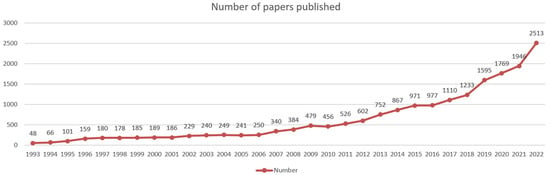
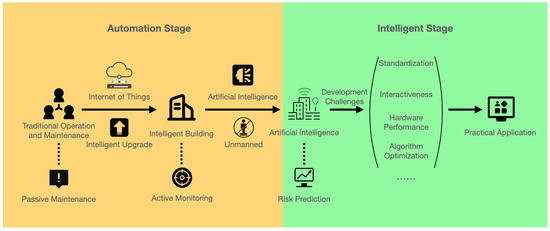
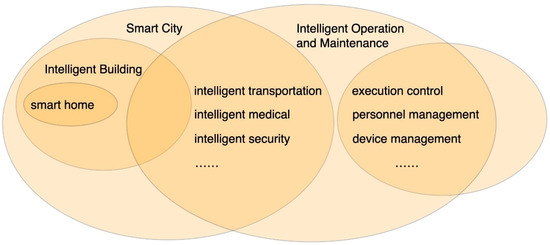
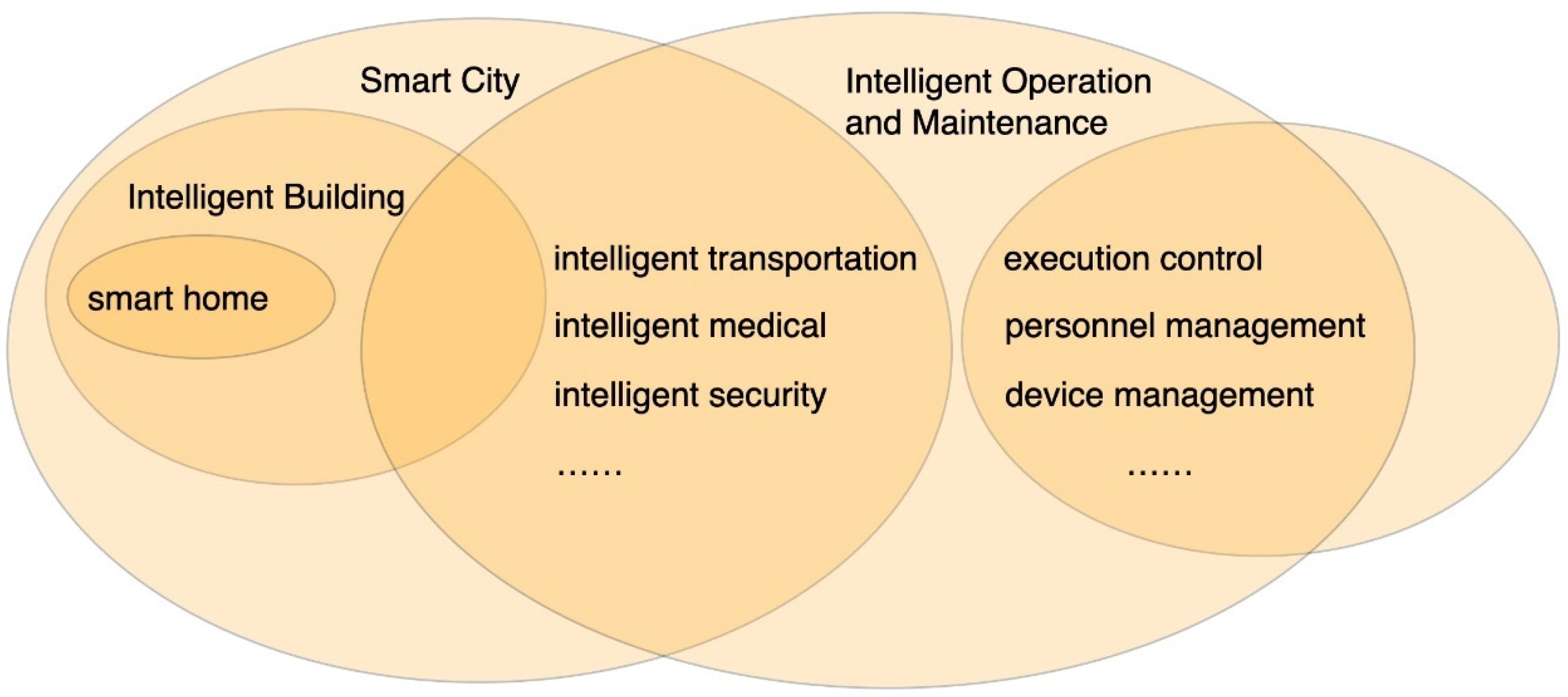
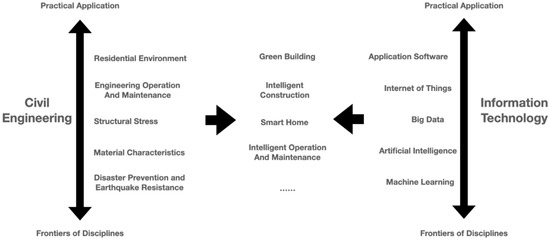
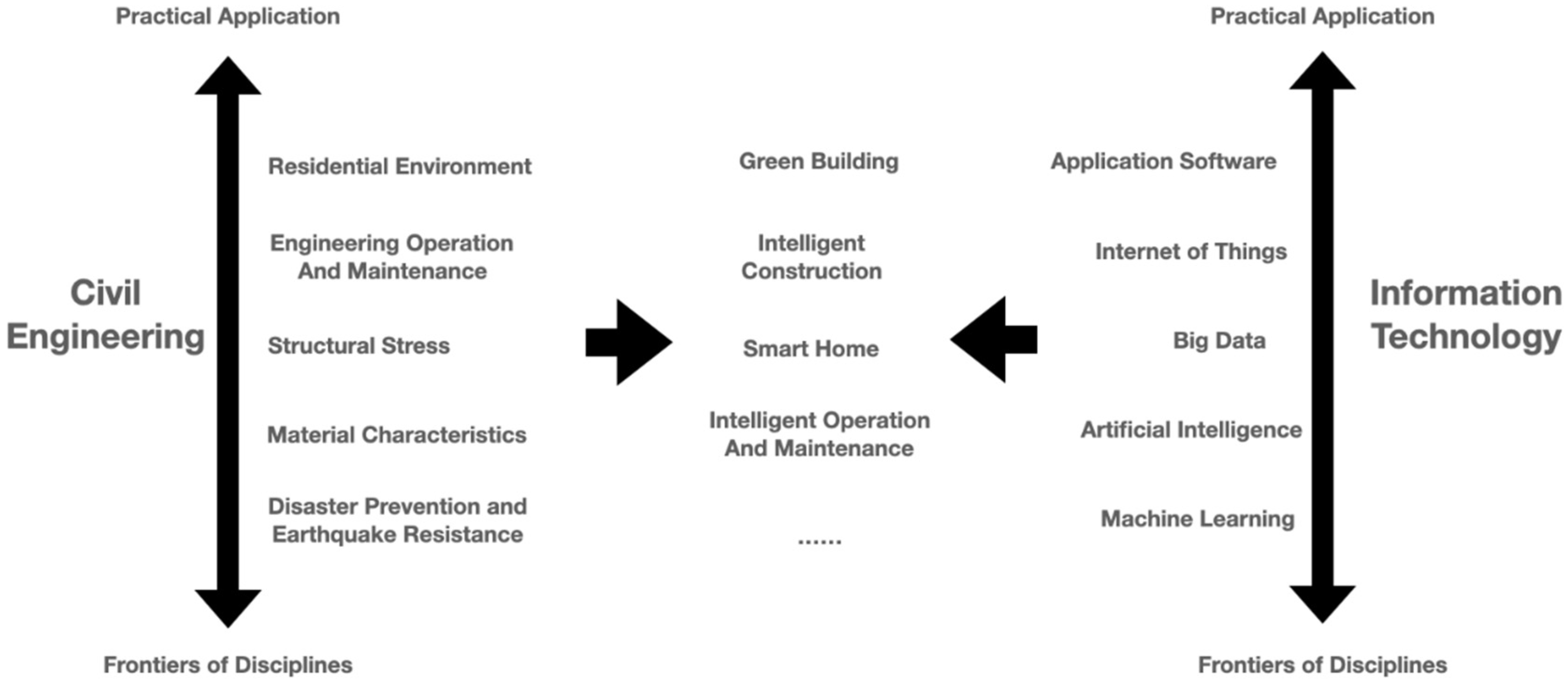
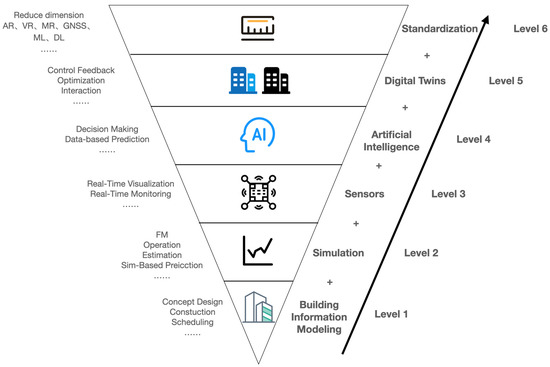
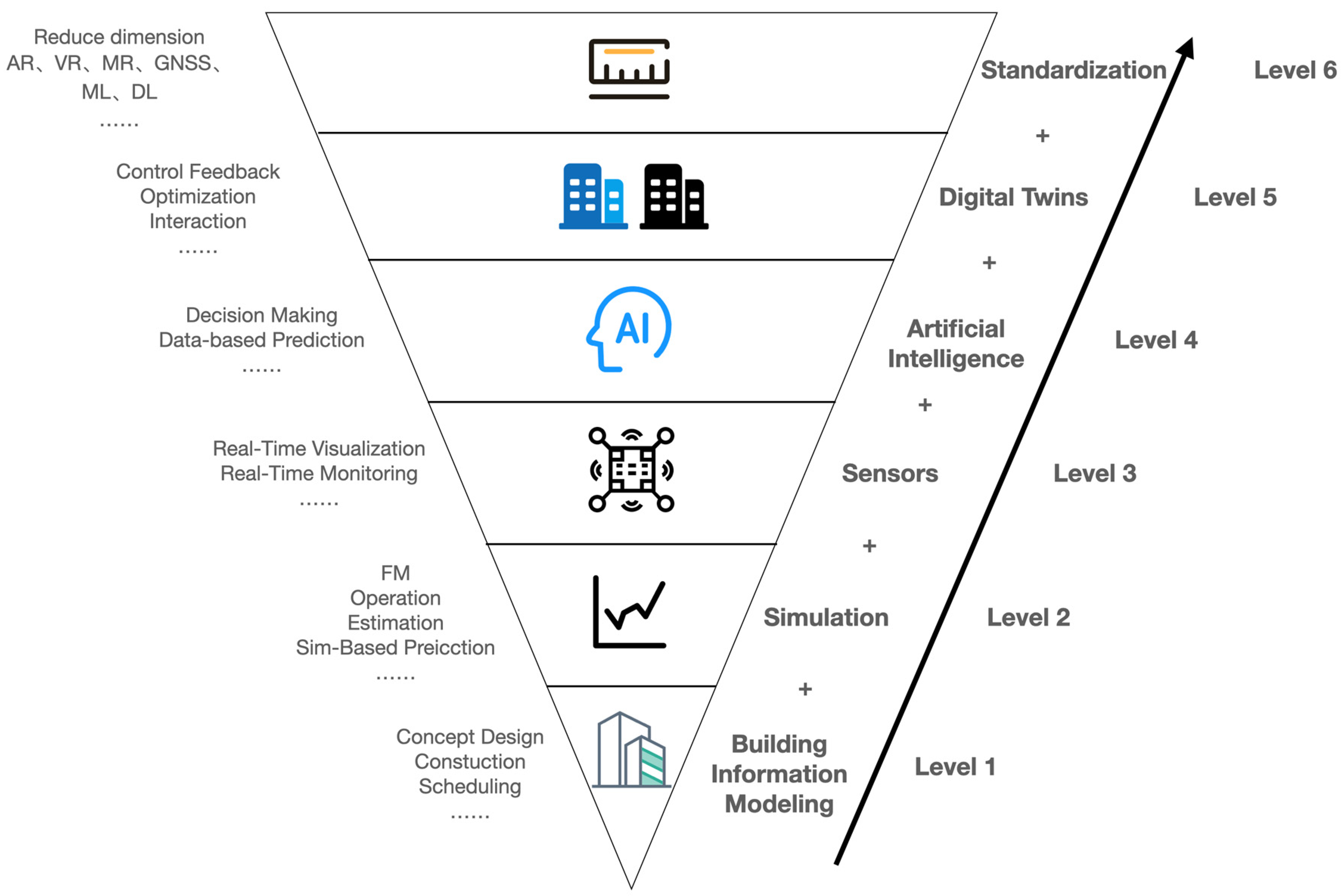
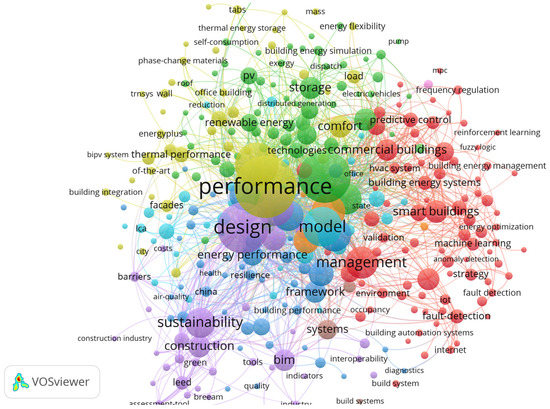
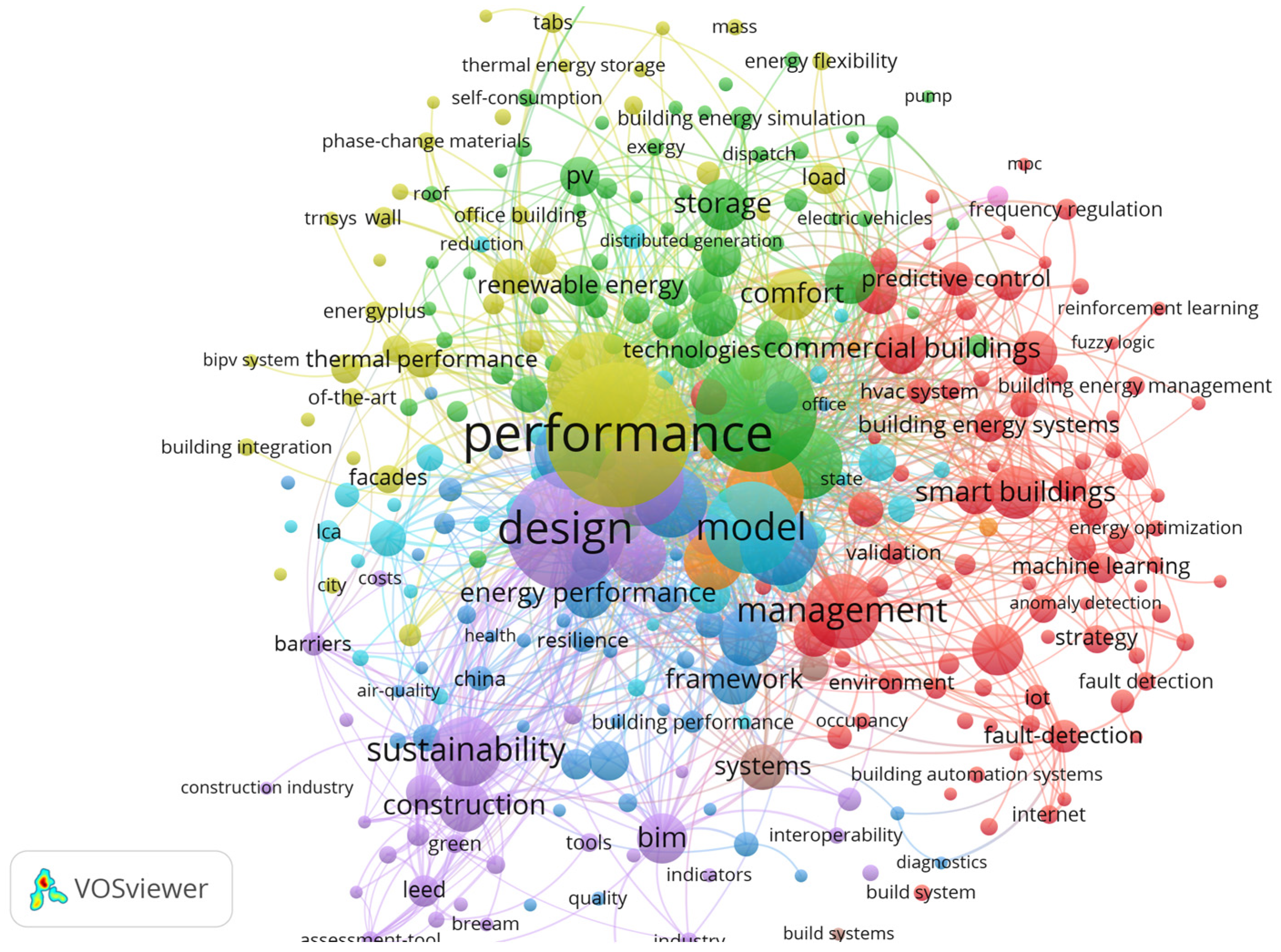
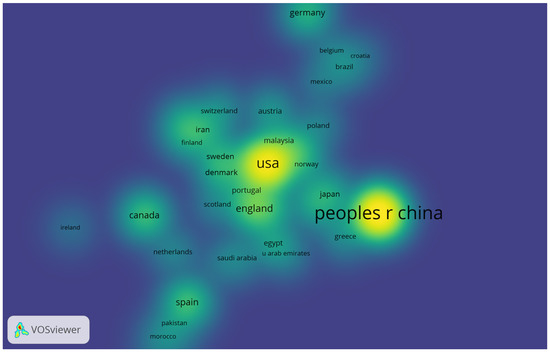
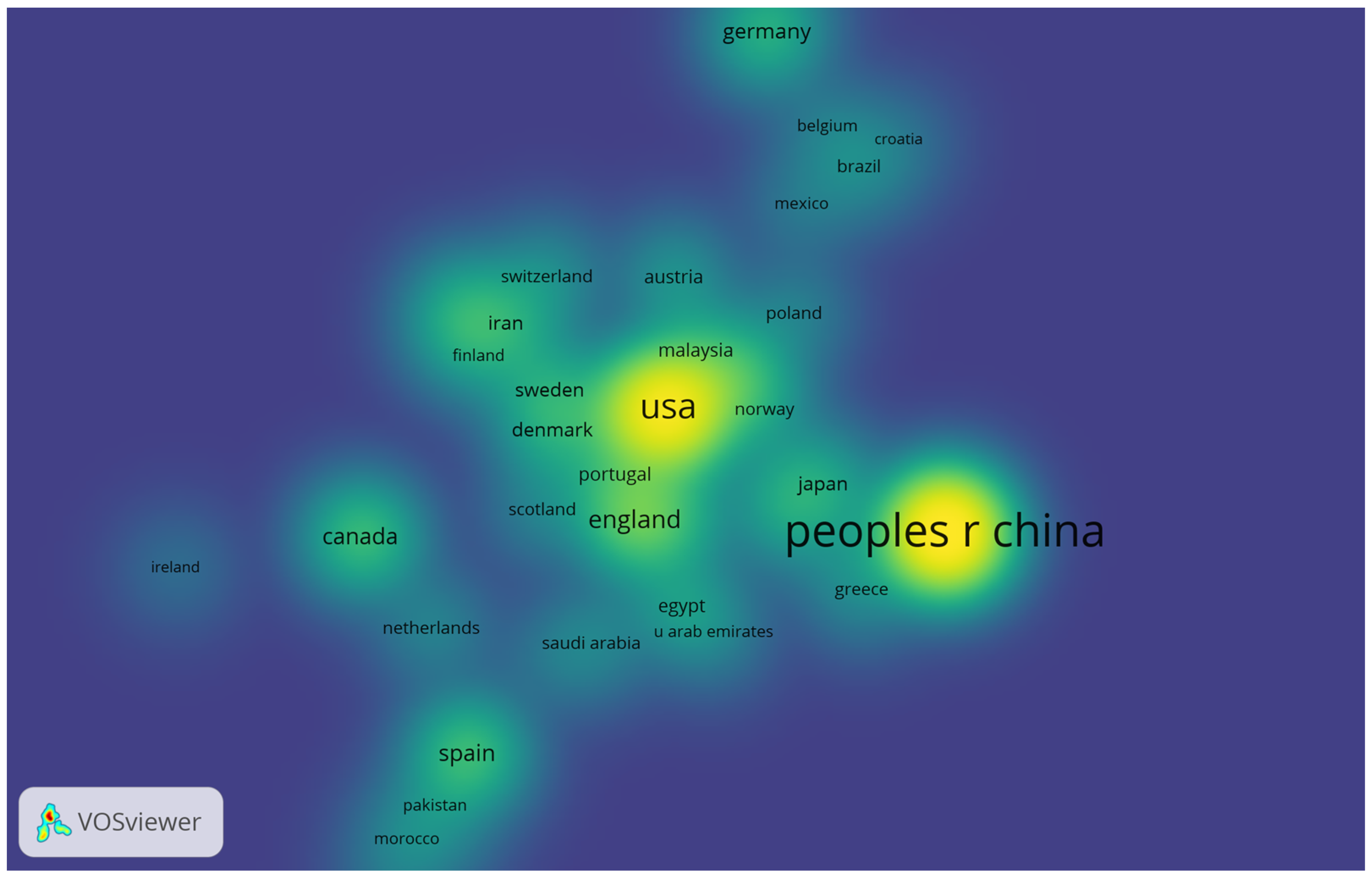
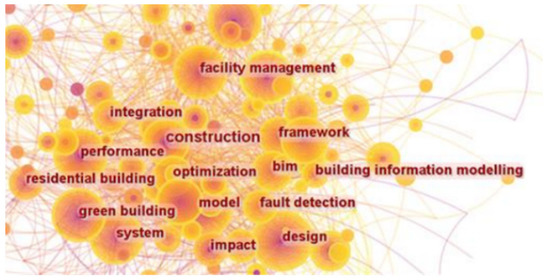
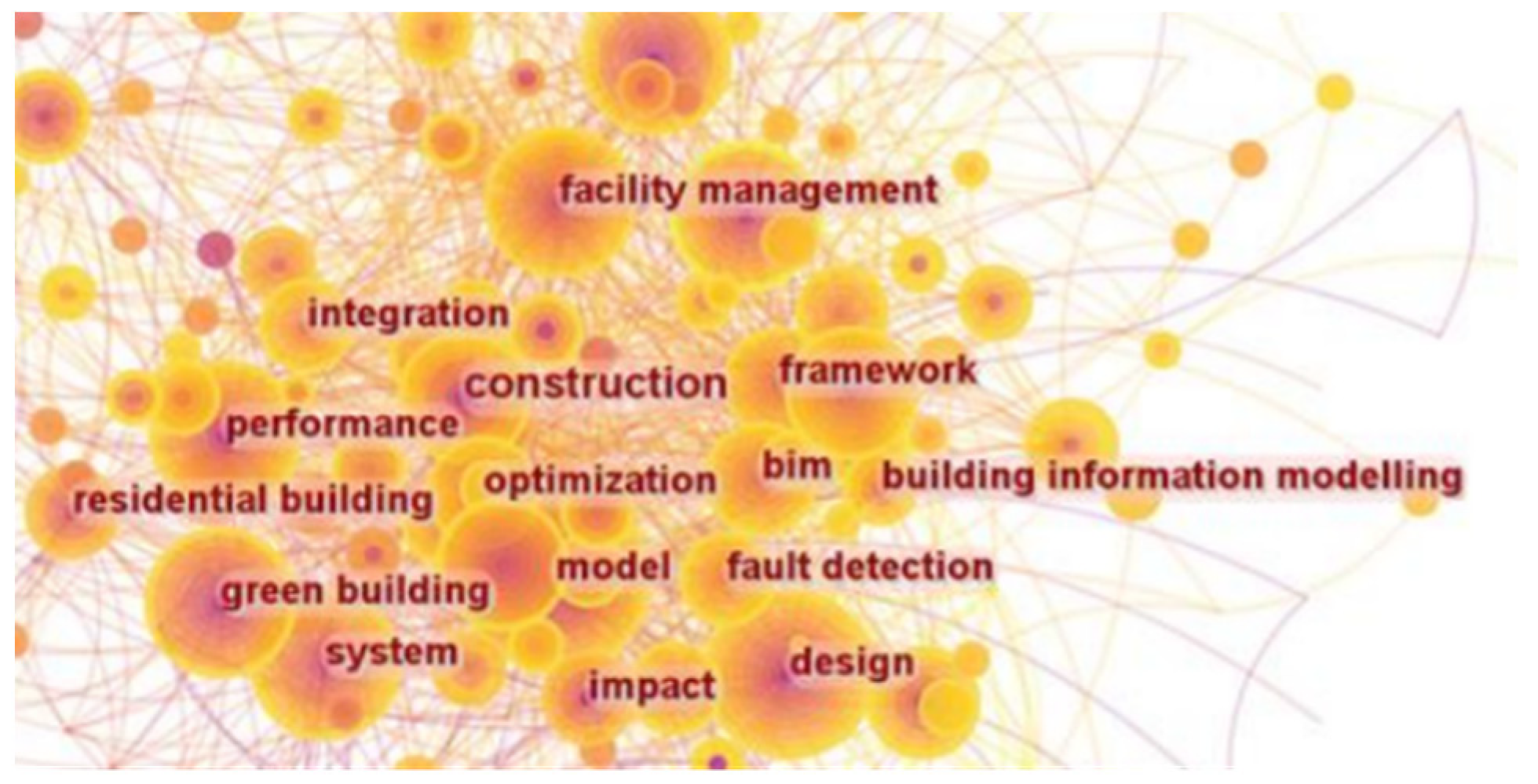
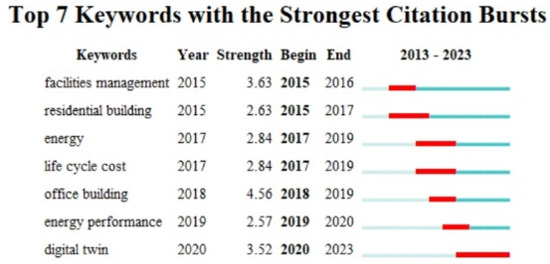
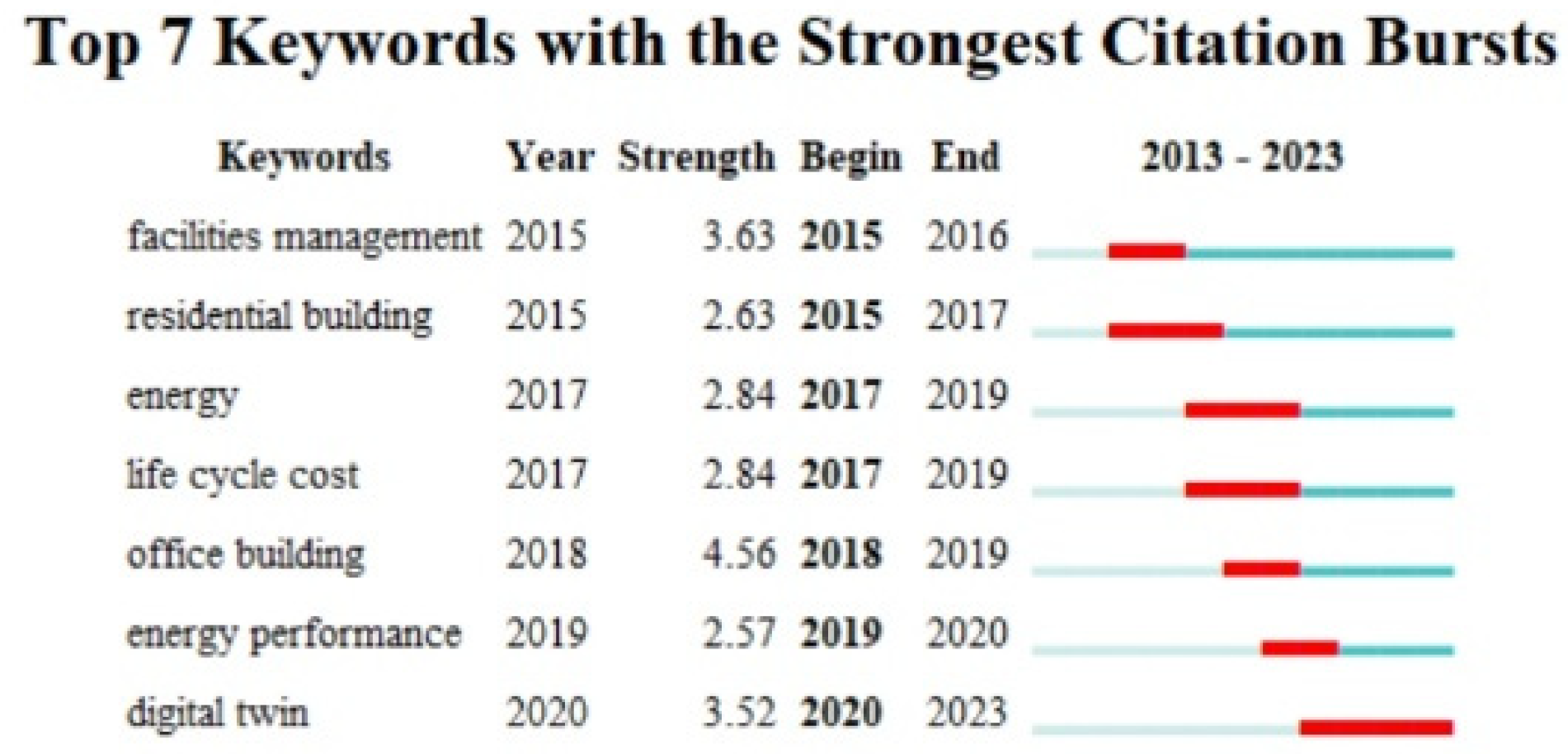
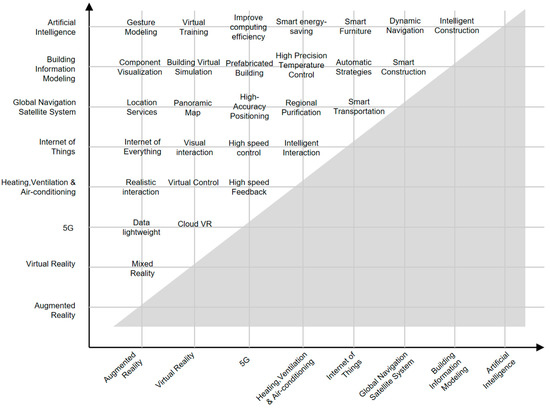
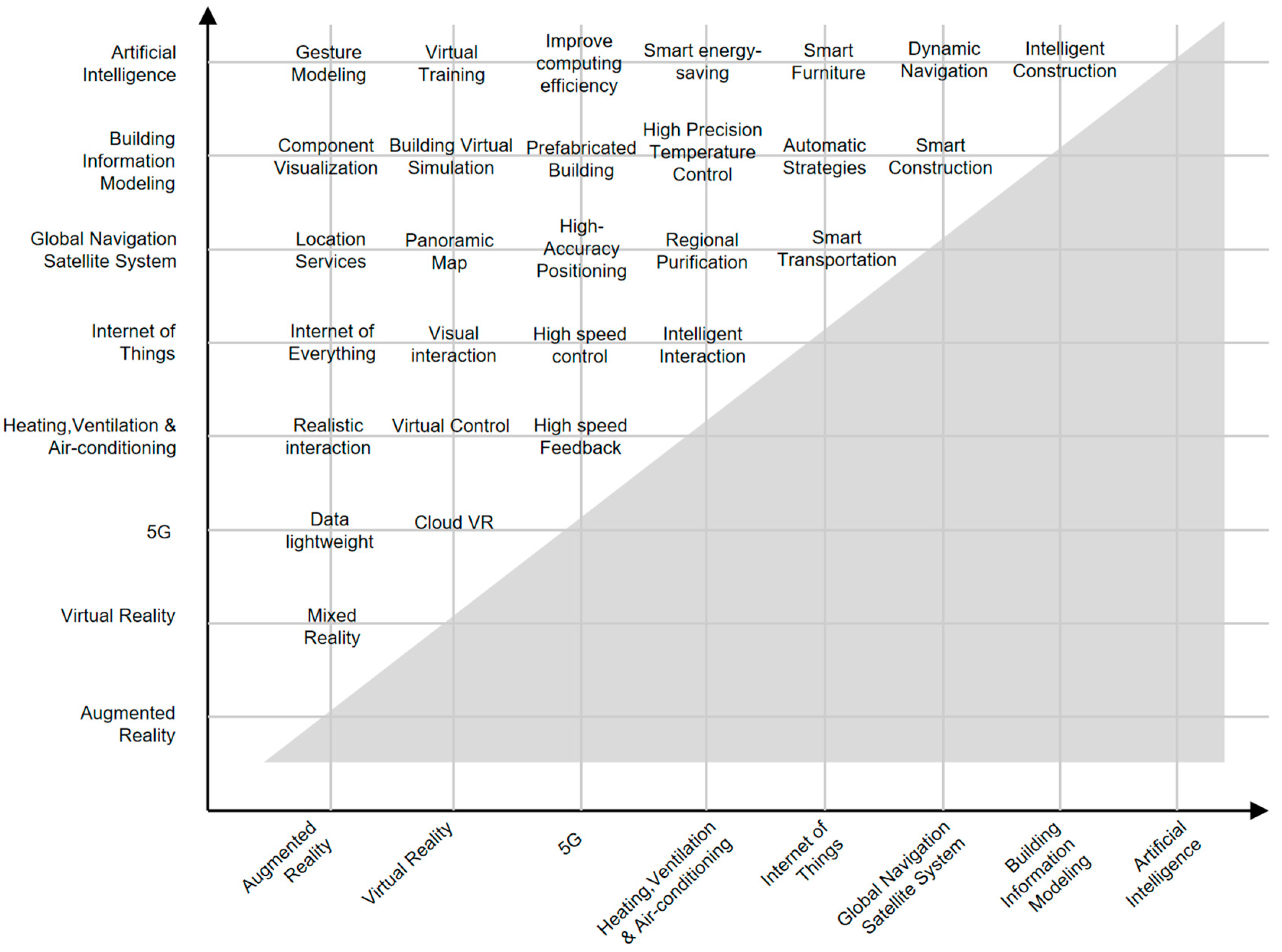
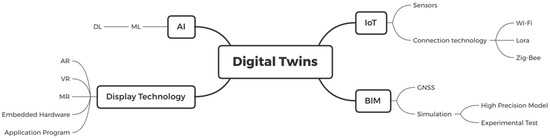
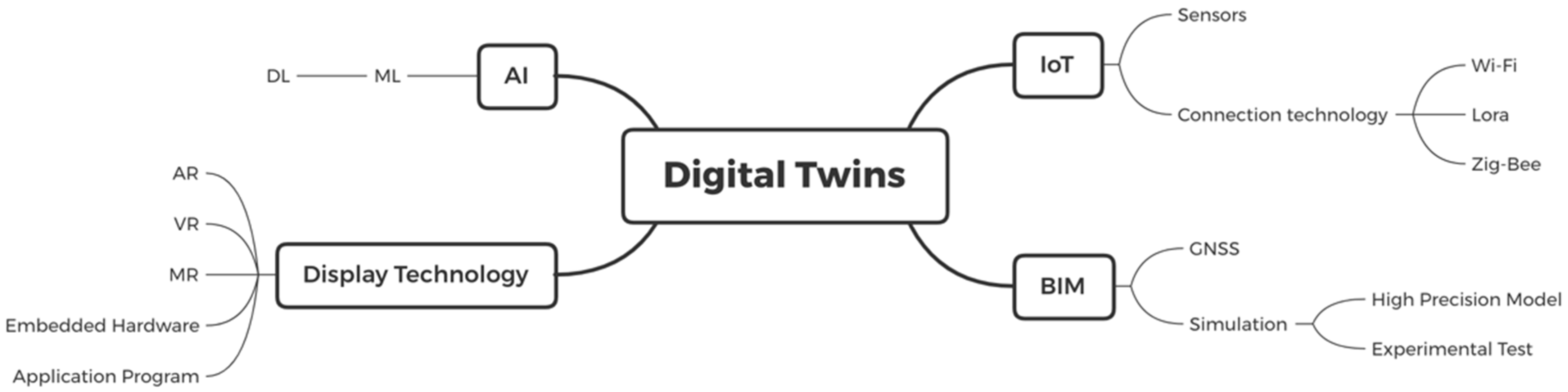
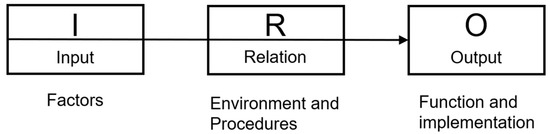
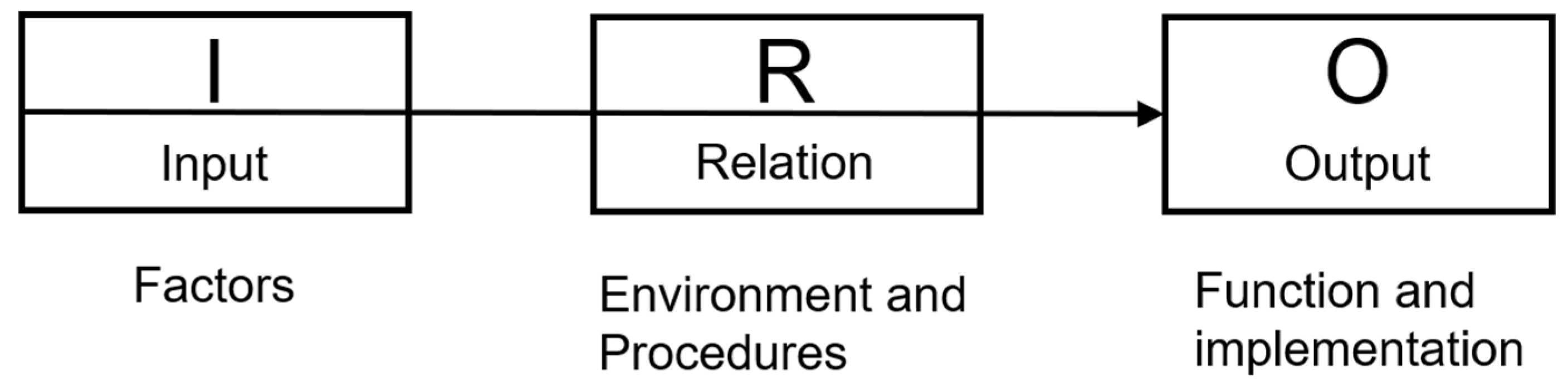
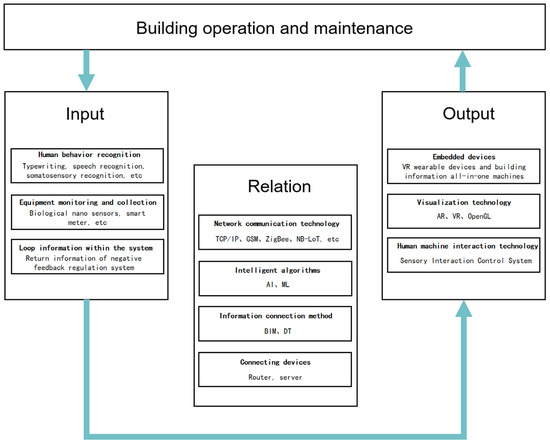
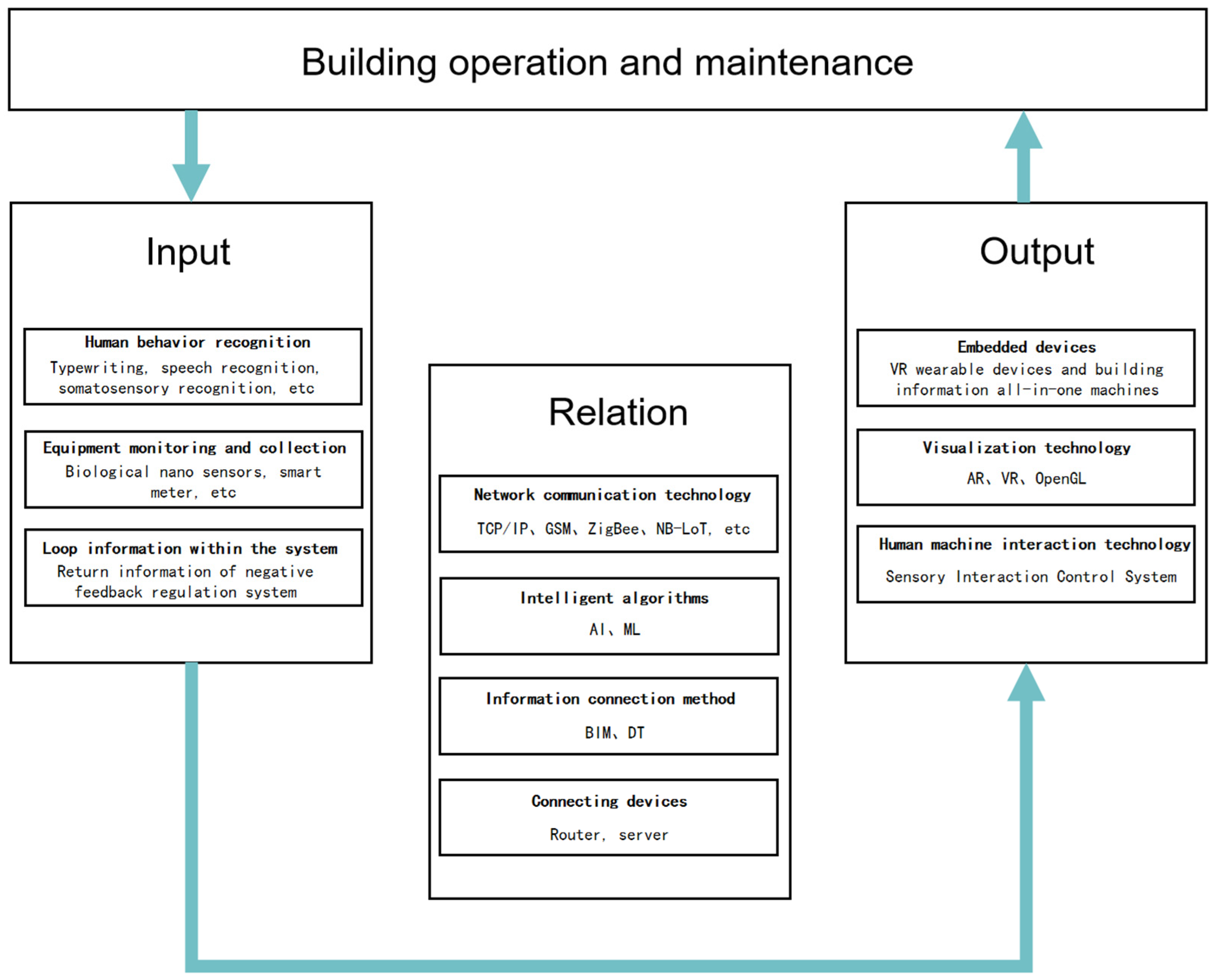
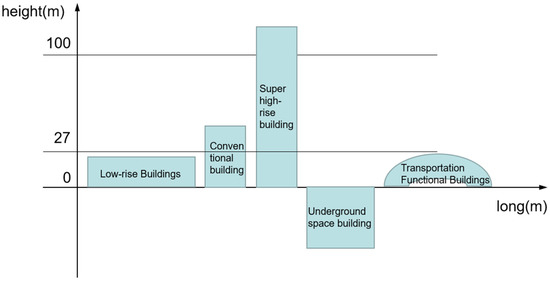
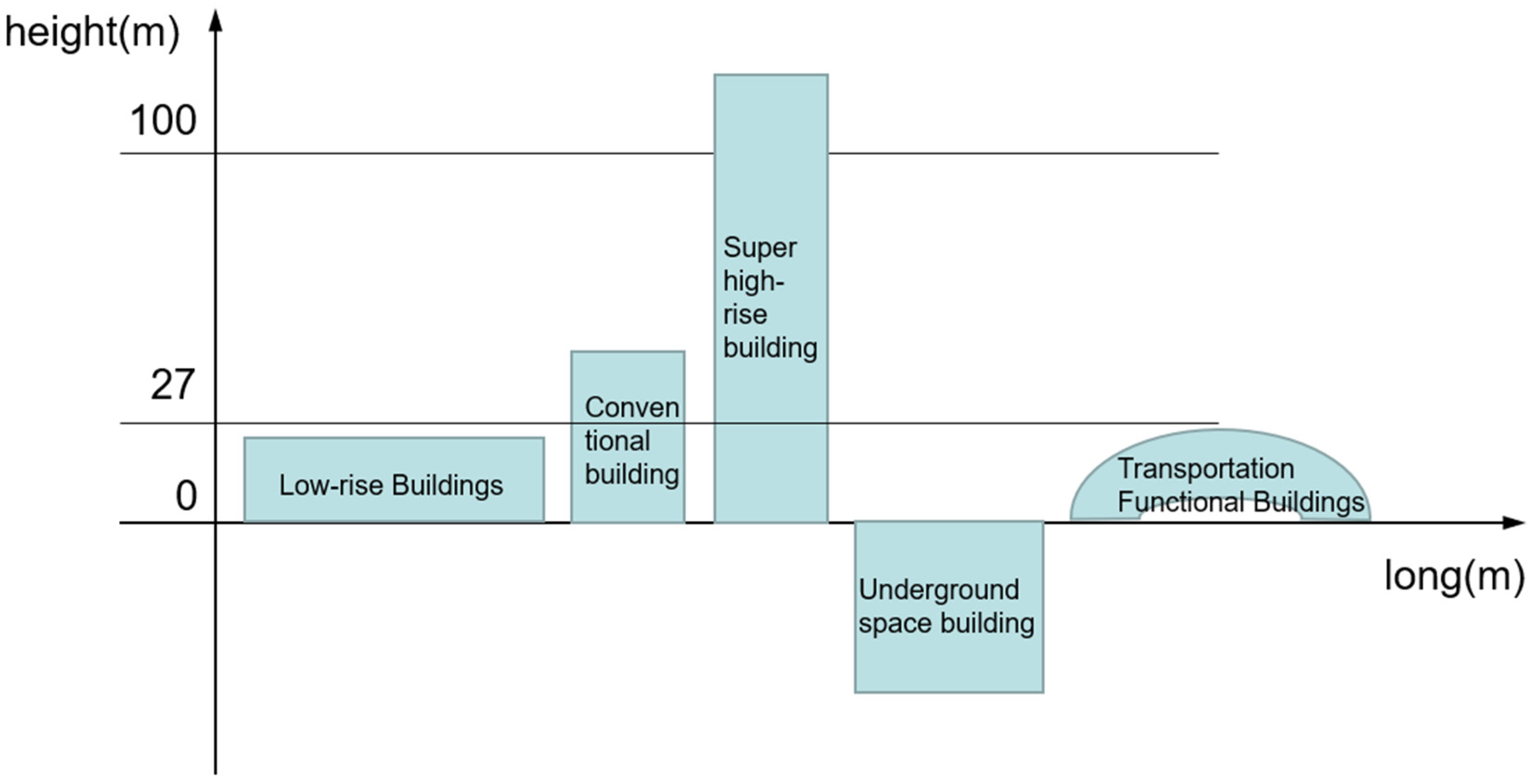
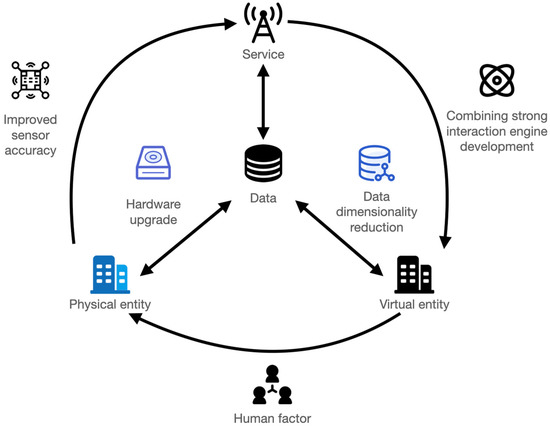
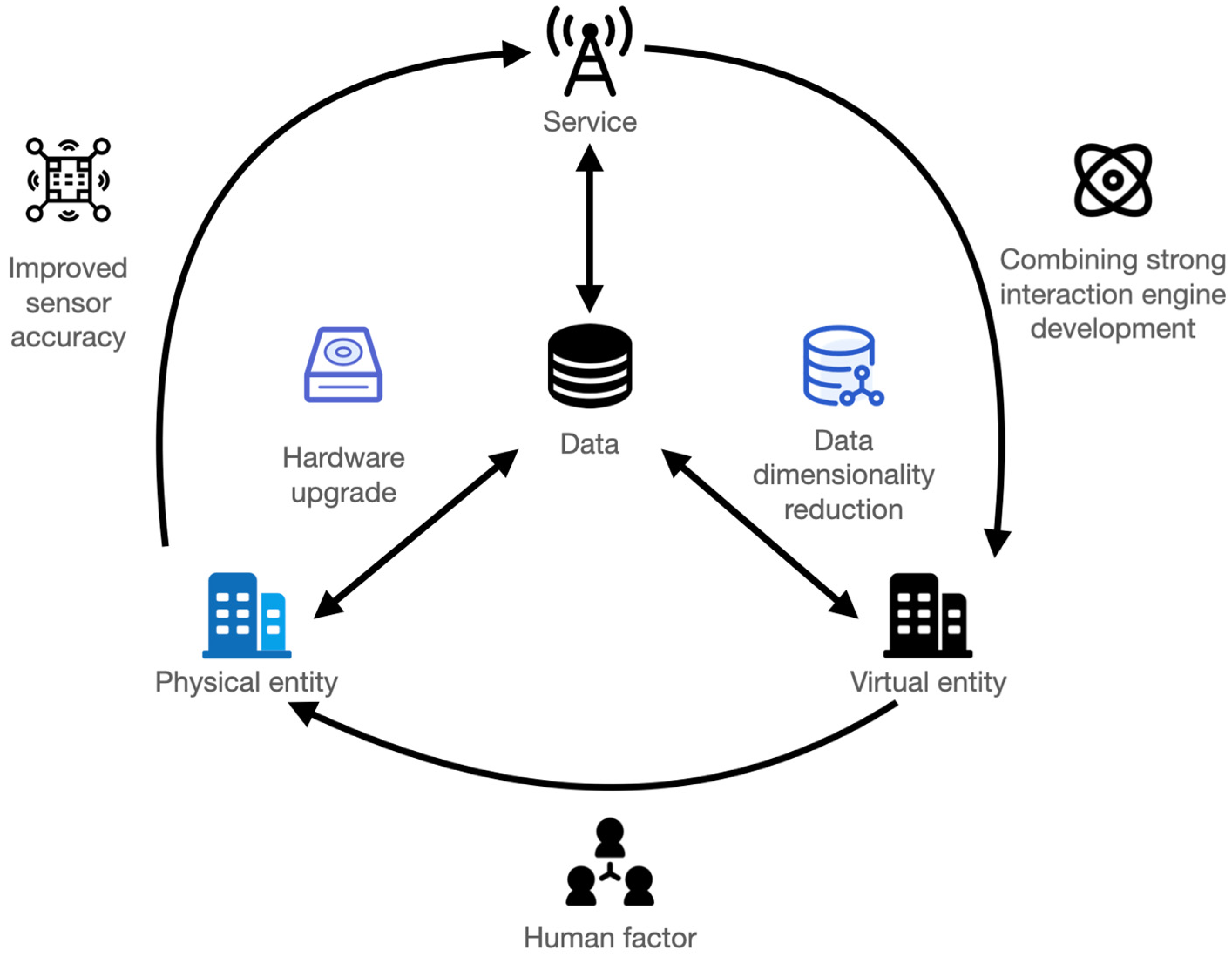

Disclaimer/Publisher’s Note: The statements, opinions and data contained in all publications are solely those of the individual author(s) and contributor(s) and not of MDPI and/or the editor(s). MDPI and/or the editor(s) disclaim responsibility for any injury to people or property resulting from any ideas, methods, instructions or products referred to in the content. |
© 2023 by the authors. Licensee MDPI, Basel, Switzerland. This article is an open access article distributed under the terms and conditions of the Creative Commons Attribution (CC BY) license (https://creativecommons.org/licenses/by/4.0/).