


Abstract
The objective of this article is to analyze the pre-existing studies that investigate the link between the circular economy and financial aspects in order to understand the evolution of the circular economy literature and its relationship with finance. In addition, it proposes an investigation of empirical evidence of economic-financial gains resulting from the adoption of circular production practices. The methodology used to achieve this goal was a systematic review of the literature and bibliometric analysis. Thus, it was possible to conclude that the barriers faced by companies adopting the circular economy in relation to financial performance are defined by (i) the size of the business and the initial investment cost, (ii) difficulties for micro and small companies, (iii) to a more complex structuring of the business, and (iv) greater exposure to risk, as the circular economy is a new concept and is and not as representative as a linear standard system. The results show that few studies investigate corporate gains from circular production, which is, therefore, an important topic for future research and the major contribution of this paper.
Keywords:
circular economy; finance; accounting; organization; financial performance; sustainability 1. Introduction
The current economic system is mainly based on a linear logic for obtaining capital: extraction of natural resources, production, consumption, and, finally, disposal [1,2]. As long as we live in an economy based on linear production and consumption processes, the destruction of ecosystems, the loss of biodiversity, and consequences such as climate change and water and air pollution will continue causing irreversible changes that render it difficult to sustain life on Earth [3].
An alternative to this model is a system that guarantees a continuous material flow, i.e., a closed loop. In this logic, the concept of circular economy comes into play, as it establishes a connection between the use of resources and waste disposal, thus converting the linear system into a circular system [4]. The circular economy can be defined as an economic system based on business models that replace the concept of linear logic through alternatives such as recycling, reuse, use of renewable energy, and product design, operating from the micro sphere to a macro perspective (eco-industrial parks, cities, governments), thus creating a balance between the environment and economic prosperity [5].
As the concept of a circular economy does not have a single definition—it is based on a collection of biases from different areas of study, such as environmental engineering, business, environmental sciences, among others [6,7]—it is still much debated and can be implemented in many ways. As well as the concept, the origin of the term is also studied and cannot be attributed to just one author or date. Although the momentum acquired in the 1970s can be registered, it has its own dynamics in different spheres [2]. The concept of a circular economy was introduced by Pearce and Turner [8], and the authors claim there is a strong interdependence between the economy and the environment when looking at their relationship through the first law of thermodynamics, which states that energy and natural resources cannot be destroyed, only transformed. A simple and linear economic system does not consider this fact as it is constantly generating waste that does not decompose naturally and cannot be transformed into environmentally friendly products [8]. Using an opposite strategy to the current system, CE strives to face the challenge of resource scarcity and waste disposal in a win-win approach [9].
A circular economy has been a current practice in several countries. It has been implemented by nations such as China, Germany, Japan, and members of the European Union (EU), through laws that guarantee good waste management, recycling targets, and directives against waste [10,11,12,13]. In addition to the benefits to society as a whole, the practice of the circular economy may also result in economic gains to the companies, thus having positive social, environmental, and financial effects [14,15]. Adopting sustainable practices is an attractive action; however, many studies report that strategies to implement a circular economy are still in their infancy [16,17,18]. In addition, few studies clarify how to develop a circular business model, making it difficult to replicate it in other companies [19]. Likewise, the relationship between the circular economy and finance has not yet been fully studied [20], demonstrating the pressing need to analyze the impact of circular economy practices on the companies’ economic and financial performance indicators, such as profitability, market value, capital cost, return on investment, production cost, etc. [21,22]. However, despite the growing importance of the circular economy in academic research—the number of studies on the subject had a significant increase in the last decade [18,21], little has been investigated regarding its impact on the performance of companies [20,23], showing a gap in the literature. In line with this argument, Camón Luis and Celma [24] found in a literature review that there is still a tendency to focus on the circular economy mostly from the environmental dimension, neglecting the financial and economic aspects. Additionally, Goyal et al. [21] revealed a lack of comprehensive research on CE metrics to provide an objective review of CE assessment frameworks and performance. Thus, once this perception of the financial benefits of a circular economy is evaluated, its attractiveness can be used as an incentive for its application in the business sphere.
Therefore, considering the importance of the theme from an economic, social, and financial point of view and the need to extend this area of research, the present study aims to analyze pre-existing studies on the circular economy and its relationship with finance. For that, a systematic literature review was conducted, using bibliometric and content analyses for the works assessment. Although there exist some bibliometric studies about the circular economy [14,21,24], they have approached different perspectives of the topic, such as mapping key research streams [21,24], and the role of the environment [14]. Furthermore, recent review works have attempted to explore the relationship of CE and performance but considering the digitalization context [15], and the development of a framework for circularity degree [22]. In this sense, this research contributes and expands the extant literature by disclosing findings of financial aspects related to CE, evidence of economic-financial gains arising from circular production practices, and financial barriers to the circular economy in companies. Thus, it brings managerial and theoretical contributions.
The remainder of this paper is organized as follows. This first section introduces the context and objective of the study, positing its importance in the literature. In the next section, the theoretical background of the research is presented. Section 3 displays the methodological steps taken to conduct the systematic literature review. Section 4 depicts the analysis and discussion of the results. Finally, Section 5 presents the conclusions of the study.
2. Theoretical Foundation
Some ecological economists are frequently cited in the debate about the origin of the term “circular economy” due to their strong influence on the construction of the concept over time. Boulding [25] points out that humans need to find their place in a cyclic ecological system, even if they are capable of continuously reproducing material, thus proposing a closed-loop system. Pearce and Turner [8] base their thoughts on Boulding [25] when developing their idea of a cyclical production and consumption system, citing the term “circular economy” when they explain that the term points to the environmental limits of extracting natural resources.
The concept of a circular economy is composed of different fragments, and it is possible to say that it relates to and/or derives from influential ecological concepts, such as cradle to cradle, industrial ecology, industrial symbiosis, sustainable supply chain management, performance-based economy, and blue economy [26,27]. As such, it can contain different interpretations. For Yuan, Bi, and Moriguich [13], the three pillars of the circular economy are industrial ecology, clean production, and ecological modernization. The origin of the concept itself comes from the collaboration of several authors and has a range of meanings. However, it is correct to state that all associations to the term have the understanding of a closed-loop system [7]. Another practical concept that relates sustainability and cooperation through the circular economy, renewable energy, and quality of life is the slow city concept. It’s becoming an important matter mainly in the European Union. The slow cities concept relates to the circular economy and aims to increase better living conditions in cities [28].
The circular economy is characterized as being regenerative, intensifying natural capital, optimizing stocks and the production of resources, and showing potential for innovation, job generation, and economic growth [2].
The circular economy can be promoted through government subsidies, effective legislation, economic incentives, and development and research [29]. Governments are important agents in this process, as they can prevent irregularities and unsustainable practices in industries through taxes and taxation, and offer subsidies to ecologically correct products [30]. Through effective legislation, products can be designed for recycling, thus resulting in a longer lifespan, and benefiting society and the environment [31]. The European Union is a reference in adopting sustainable directives. The Netherlands, for example, has promoted subsidies for product design and innovation, Belgium has adopted subsidies to encourage packaging recycling, and Austria has used subsidies to reduce pollution and waste [10], and Poland also has legal regulations to adopt a circular economy, although it faces a lack of organizational and financial solutions [32].
Still on the international scenario, Germany can be mentioned as an example of circular economy practices given that it enacted, in 1996, the Closed Substance Cycle Law and the Waste Management Act (Closed Substance Cycle and Waste Management Act) in order to preserve natural resources and ensure environmentally compatible waste disposal [12]. The Japanese government can also be cited for encouraging sustainable production and consumption practices, as they have created laws from 1995 to achieve recycling goals in a national plan to promote a more sustainable society [11]. Among these laws is the Basic Law for Promoting the Creation of a Recycling-Oriented Society, which aims to prevent waste generation and guarantee proper waste disposal. Since then, the 3R’s (reduction, reuse, and recycling) have been applied to different materials [11,33]. In China, the concept of a circular economy was identified as a national political objective in 2002 [13]. Given the huge neglect of the environment and the serious environmental problems faced by the country, the concept of a closed-loop was seen by the government as a strategic alternative [13,34], and China currently concentrates a large number of studies on the subject. The European Union can also be mentioned for adopting directives against waste production from the 2000s onwards, such as recycling, prevention and reduction of negative effects in landfills and the correct disposal of batteries, among others [10]. Based on these cases, the implementation of national circular economy practices appears to be recent. Such practice also depends on a massive adherence by society and change in consumer awareness, requiring integration between national leaders, companies, and consumers in order to create a path to the future of humanity [29].
In the organizational and financial dimension, Aranda-Usón et al. [20] aim to describe the influence of financial resources in circular economy practices in organizations. To that end, a survey was carried out in partnership with the Spanish Ministry of the Economy. The study identified some financial barriers to the transition from a linear to a circular economy. Among them, the authors cite the lack of assistance from public institutions; insufficient investments; and the size of the business, a crucial factor for the viability of a circular system. Being beneficial, the link between circular economy and finance can have a beneficial effect on the course of financial viability of companies in order to generate a great impact on society and the environment. Based on this, the present paper aims to synthesize preexisting studies on the circular economy and its relationship with finance or accounting.
Studies that analyze the impact of adopting circular economy practices on the financial performance of companies are still incipient [20,23]. Measuring the financial benefits of the circular economy and the financial profitability of companies that adhere to it are some of the barriers identified with regard to the adoption of the closed system by organizations [35] The current state of circular business models conveys the idea of a risky venture, in which the main issue is the added value of implementing the system. However, in the long term, a shortage in the supply of natural resources is expected to happen, forcing large companies to adapt to a circular system [36].
Corporate sustainability, a long-debated topic, has received more in-depth attention than the circular economy. Sustainable conducts are expected to add value to brands and increase market competitiveness. However, studies that compared the sustainable indexes of stock exchanges in some countries and analyzed the relationships between financial and environmental performance showed that there is no significant financial advantage between companies that adopt socially responsible attitudes and the ones that do not [37,38,39]. So, since profit maximization is one of the companies’ objectives to create value and attract investors, would it be feasible to exercise social responsibility and reduce returns? [40]. Other works, however, highlight positive aspects between the association of socially responsible investments, corporate sustainability and finance, stating that this factor does not harm investors’ interests. Instead, the authors state that it provides long-term financial leverage even if it is more sensitive to market variations and has a tendency for financial risks [41,42]. It’s important to mention that socially responsible investments are still under investigation, as studies show conflicting results. The results of these surveys depend on the location of the object studied, as the performance of different companies depends on macroeconomic aspects and also on the profile of the investor [41] and/or consumer.
The works that analyze corporate sustainability and finance present different conclusions. Some show that it is not possible to find statistical or financial advantages on the part of companies with socially responsible attitudes [37,38,39], while others indicate a positive relationship between companies that take this stance [41,42]. Therefore, the need for research that seeks to investigate the relationship between a circular economy and the financial viability of organizations is evident. Thus, the objective of this work is to analyze and group preexisting studies in the area through a bibliometric review and to contribute to the literature on circular economy and finance or accounting.
3. Materials and Methods
This research included a systematic literature review (SRL), which consolidates the results of different studies on a subject with the aim of achieving greater understanding and reaching a level of conceptual or theoretical development [43]. For performing the SRL, bibliometric and content analyses were used. Thomé et al. [44] explain that a qualitative SLR is often combined with quantitative methods, such as the bibliometric analysis to identify and visualize emerging themes. The approach and steps taken followed the instructions for SRL from the studies of Thome et al. [44], and Tranfield et al. [45]. First, the review scope and purpose were clearly defined, as well the database, keyworks, and criteria for the searches were chosen. Second, the search strategies were put in practice. This is, the search for articles was conducted in the database and the predefined filters and criteria were applied to the sample. In the sequence, all the abstracts were read to define the final sample. The third step involved performing a bibliometric analysis with the purpose of identifying the evolution of research topic, discover the most relevant articles and authors, countries and institutions to understand the stage of development of the theme [46]. Next, in the fourth phase, a content analysis was carried out to deepen the knowledge on the topic by synthesizing the main contributions of the studies in the analyzed sample. For that, a data gathering template was created to ease the extraction of the information [44]. Finally, the data retrieved from the bibliometric and content analyzes were interpretated and discussed. Figure 1 summarized the phases of the SRL, and the details of each phase are explained in the following sections.
Figure 1.
General phases of the SRL. Based on Thome et al. [44].
3.1. Planning the Systematic Literature Review
In this phase, the scope of the review was defined. That is, the objective was to analyze the existing literature relating the circular economy and financial aspects. For finding these studies, the database chosen was Scopus (Elsevier). The Scopus platform was selected because of its vast collection with more than 73 million records in 24 thousand journals [47]. Besides that, Scopus is one of the most used databases in the academic world [48,49,50].
Regarding the research keywords, the following search terms and Boolean operators were defined: “Circular Economy”, as the first search field, and “Finance” OR “Accounting” OR “Financial Performance” OR “Economic Performance” OR “Green Finance” as the second search field. It is important to point out that the research including the two search fields was essential to cover the topic more broadly and carry out more thorough research.
3.2. Searching in the Database
Data were collected on 30 March 2021, resulting in an initial sample of 308 documents on the Scopus platform. After applying the filter of type of document, articles published in congresses and conferences, book chapters, books and errata were excluded, resulting in 246 documents. In this first stage, documents such as articles, reviews and editorials were kept. Subsequently, only papers from journals were considered, returning 244 results. Finally, records were limited to the English language, excluding Russian and Chinese, showing 233 scientific publications. Table 1 presents the applied search criteria and the number of documents that remained in the process of the conducted analysis.
Table 1.
Search criteria in Scopus platform.
The next step involved the reading of the abstracts of the 233 resulting scientific publications. Only the articles approaching the scope of the study were selected. As a result, a total of 69 articles were considered relevant to the research. The number of papers considered in the dataset is suitable, considering similar studies that applied systematic review and bibliometric analysis, such as Thomas and Gupta [51] with a sample of 59 documents and Ferreira et al. [52] with 53 articles.
3.3. Bibliometric Analysis
The bibliometric analysis consists of “the application of mathematics and statistical methods to books and other media of communication” [53] (p. 349). In summary, it is a quantitative analysis of scientific publications, through which academic literature in relation to a given topic is mapped [54]. The bibliometric method analyses the literature observing the academic performance and mapping the relevant publications, authors, institutions and terms in a way that they can be interpreted and inferences can be made [55,56]. Besides, it applies rigor to the analysis and increases the objectivity of the research. Thus, the present work used the bibliometric analysis to synthesize the preexisting studies, map the scientific research field, and understand the stage of development of the theme.
The software used to assist data visualization and bibliometric analysis was the VOSviwer®, as it offers a detailed reading of bibliometric maps, in addition to supporting maps with more than 10 thousand items [57]. Furthermore, Pan et al. [58] found that VOSviewer is more frequently used and diffused than CiteSpace or HistCite in bibliometric studies [24,59]. Mendeley software was applied to read and organize the works analyzed, and Microsoft Excel to generate graphs outside the database.
Figure 2 presents the bibliometric analysis steps. At the first step, the data of the 69 publications were retrieved from the Scopus platform in the Excel format (.csv). In the second stage, the .csv file was incorporated into the VOSviewer software for running the analyses. For ensuring the reliability of the data, a data cleaning was conducted, and some references were formatted so that there would be no duplication of authors’ names later. At this step, a VOSviewer Thesaurus (.txt) file was produced and used to format the data and to avoid any duplicate results during network analysis. The third stage comprised the elaboration and analysis of networks, aiming to develop the bibliometric review. In the last stage, works with greater impact on the network map were read in full.
Figure 2.
Bibliometric analysis steps.
The present study focused on three types of networks analyses. First, a keyword network was created to determine the most cited words in the publications. As a result, it was possible to identify the trends and the scope of the theme, showing how many times the different keywords were mentioned in the sample [55]. Then, a cocitation network was elaborated to obtain the theoretical pillars of the subject. The cocitation network identifies the documents that are cited together in the sample’s works, that is, in case a third work references two others. [60]. The greater the apparent node in the cocitation network, the more a publication is identified as relevant to the topic, and the proximity of the nodes determines the degree of similarity between them. Subsequently, the citation network was produced. This includes the most influential articles, as it provides a view of most cited works [61]. The larger the apparent node on the map, the more the publication was cited. This section may be divided by subheadings. It should provide a concise and precise description of the experimental results, their interpretation, as well as the experimental conclusions that can be drawn.
3.4. Content Analysis
After the network analysis in VOSviewer, the full articles were downloaded and incorporated into the Mendeley software, which helped with the organization and their full reading for the content analysis phase.
For Seuring and Gold [62], a content analysis “represents an effective tool for analysing a sample of research documents in a systematic and rule-governed way”. While a content analysis can be performed using a quantitative or qualitative approach, this study followed the qualitative one to provide insights from summarizing the main contributions of the articles analyzed. Following the steps of Mayring [63], the process for a qualitative content analysis involved: (1) delimitating the sample of works; (2) assessing the formal characteristics of the articles, which consists in a descriptive analysis; (3) selecting a classification and categories for data extraction; and (4) analyzing the sample using the defined scheme. Therefore, the 69 articles were read in full and data extraction was performed using a coding scheme, which approached descriptive and content-related fields. The coding scheme encompassed six main categories, namely: author’s name, title of the article, purpose of the study, research method applied, type of financial aspect approached in the study, and main contributions to circular economy and financial aspect. Through the analysis of the articles, it was developed and is detailed in Appendix A.
3.5. Interpreting and Presenting the Results
At the final phase, the results of both quantitative and qualitative analyses were interpreted and discussed. The next section reveals the findings of this study.
4. Analysis and Discussion of Results
4.1. Temporal Analysis
Figure 3 presents a graph with the evolution of the annual publications of works related to the circular economy, finance, accounting, financial performance, economic performance and green finance after filtering. The graph shows a growing trend in publications. In 2020, a peak with 27 publications was reached. It also shows that the first publication on the topic was in 2012, pointing out that it is a recent topic which has grown over the years. It notable that the number of studies on the topic had a fundamental increase in the last decade due to the importance of the subject [18].
Figure 3.
To March 2021.
4.2. Analysis of Documents by Publication Area
Fifteen areas of knowledge with scientific papers on the circular economy and finance or accounting were verified. Of these, environmental sciences alone was the focus of 25% of the publications. The percentages were: environmental sciences (25%), business, management and accounting (18%), energy (14%), business engineering (13%) and social sciences (10%), which comprise approximately 81% of the total of works produced and make up the areas with the greatest predominance of research on the subject. Table 2 shows the values in percentage for better visualization, as it is common for two or more areas to act together in research.
Table 2.
Distribution of publications by area.
4.3. Analysis of Leading Journals, Countries and Institutions
Table 3 shows that the five journals with the highest number of publications on the topic are the Journal of Cleaner Production (13 publications), Resources Conservation and Recycling (five publications), Sustainability Switzerland (five publications), Journal of Industrial Ecology (four publications), and Business Strategy and The Environment (three publications). It is important to emphasize that the research studies in these important scientific journals were produced between 2015 and March 2021.
Table 3.
Publication distribution by periodicals.
Table 3 also includes SCImago Journal Rank (SJR) and H-Index, which are indicators that assess scientific journals. SJR indicates the prestige of a journal’s impact, and H-index represents its articles number [64]. The indicator values were based on Scopus data as of April 2021.
Regarding the distribution of publications by countries, Table 4 shows that China ranks first, with 11 documents. This can be explained by the strategy of the Chinese government to promote sustainability and the circular economy, given the pollution problems faced by the country [13]. Next are Italy, the United Kingdom, the United States, and Spain, with 10, 8, 8, and 7 scientific publications, respectively.
Table 4.
Publication distribution by country.
In Table 4, it is notable that China concentrates the largest number of publications, which can be explained by the serious environmental problems faced by the country, as the circular economy is an alternative for the Chinese government in reestablishing the socio environmental area [13,34]. Despite the United States and China, it can be observed that all countries listed are found in Europe, and some belong to the European Union, which can be explained by the European Union being referenced in adopting sustainable directives [10].
The distribution of publications by educational institutions is quite wide. It is important to point out that some works are carried out jointly by different research institutions, changing the original total of 69 publications. The same is illustrated in Table 5.
Table 5.
Distribution of publications by research institution.
Table 5 shows that the institution with the highest number of publications is the Universidad de Zaragoza (7 publications), followed by the Centro de Investigación de Recursos y Consumos Energéticos (6 publications), Universidad de La Rioja (3 publications), Central South University (3 publications) and Worcester Polytechnic (2 publications).
4.4. Co-Words Analysis (Keywords)
The keyword network presents the information provided by the authors of the publications. Figure 4 demonstrates the network of keywords generated from the sample extracted from Scopus and includes terms with at least five occurrences, that is, the number of publications in which the words occur together. The term “article” was excluded from the network, as it was not related to the topic. There are three groups: red, green and blue. The most popular words are “circular economy”, “sustainable development”, “recycling”, “sustainability” and “economics”.
Figure 4.
Keyword Network.
Regarding the groupings, the green cluster groups terms such as “economics”, “waste management”, “life cycle analysis” and “recycling”. The most relevant works in this group that mention the circular economy is the article by Haas et al. [65], with 330 citations. The aim of the article is the analysis and discussion of the global and European Union circularity of material flows in 2005, and it mentions energy derived from fossil fuels and metals, among others. The result shows that the European Union has a slightly higher index than the rest of the world in terms of recycling and circularity of materials. The study asserts the need for “ecodesign” (sustainable design) resulting in renewable energy, recycling and product design for the circular economy to advance. The second most cited article in this group is that by Pauliuk S. [66], which states that faulty indicators can be a risk for circular companies. This group has publications that analyze the flow of materials used in different segments and address future environmental consequences. Most studies in this group present sustainability strategies to avoid the depletion of finite natural resources [65,66,67,68,69].
The blue group contains words such as “circular economy”, “finance” and “innovation”. The article by Scarpellini et al. [70], cited 24 times, relates financial performance with the implementation of the circular economy in firms, while Dobrota, Dobrota and Dobrescu [71] focus on finance in relation to eco-innovations or new technologies. These studies investigate the preexisting theory, look for alternatives and analyze the barriers to the implementation of the circular economy in terms of financial feasibility, lifespan of materials and organizational processes.
Specifically in relation to finance, these works identify initial investment costs as being potential obstacles to circular economy initiatives, highlighting the importance of research and guidance on the financial feasibility of projects in this area, given that the structuring of circular business models demands more time [70,72,73]. They also mention the importance of public financial incentives (subsidies), which ensure both the reduction of exposure to risk and the profitability of certain projects. The works finish by highlighting the need for further research, as this is a new and important topic for the development of the circular economy.
In the red group, Svensson and Funck [74], with 17 citations, assess the environmental and economic feasibility of adopting circular economy practices, since both waste recovery and product management require investments, implying the need for new action plans, accounting and investment evaluations. As the circular economy does not have a single meaning and can be approached in different ways by organizations, Svensson and Funck [74] investigate the relationship between product life cycle, management control and business models that adapted to the circular economic system. For this, the authors use three case studies and interviews as their research method. The results show that, although there are several ways in which circular economy can be used in an organization, it is very important for management, organizational culture, planning and strategic objectives to be aligned with circular principles. On the other hand, the authors emphasize that the level of detail with regards to the control of production and investment costs are higher when it comes to expanding the product’s lifespan. Therefore, as it is a challenge for the long-term planning of circular businesses, this is a topic that should be further investigated. Their study also points out a challenge for research in relation to financial accounting control, process costs and product lifespan, such as calculating the cost of recycled material, as resources follow infinite life cycles for different products.
It is important to emphasize that the word “accounting”, an initial search term, does not occur in the generated network, although it is mentioned many times as a possibility of study by the sample articles [69,72,74,75,76]. Svensson and Funck [74] even mention accounting as a challenge for future research on the circular economy, which demonstrates the need for studies on the relationship between circular economy and accounting. “Finance” occurs together with “circular economy” only six times in the sample, which demonstrates the need for further research relating the two terms.
To sum up, the theme of circular economy and financial performance covers different areas and dimensions, such as waste recovery, product management, cost evaluations and investments related to product life cycle, proper accounting of recyclable material flows and alternatives to linear production steps. All these topics must be investigated if the circular economy is to be an option for organizations to replace the current system. The financial performance of circular business models is not limited to process costs, so financial viability is a success. It is necessary that in a previous stage, the product is analyzed in all its production stages and with regard to the different resources coming from recycling, reuse, and product design, among others.
4.5. Cocitation Analysis
The co-citation network (of the documents) demonstrates the co-occurrence of articles in the sample’s reference list, that is, two publications are co-cited. Figure 5 demonstrates the cocitation network generated based on the sample. The parameters adopted were (i) references and (ii) articles cited at least three times. Two groups were observed: red and green. In addition, we decided to show only items that had a connection.
Figure 5.
Cocitation Network.
The spare nodes indicate the theoretical pillars of the circular economy and its relationship to finance in general. The biggest node represents the study by Ghisellini, Cialani and Ulgiati [77]. Cited five times, as shown in the cocitation network, this work consists of a literary review of works from the last two decades, identifying the characteristics and perspectives of the circular economy, its origins, principles basics, advantages and disadvantages, modeling, and its implementation at different levels. The authors claim that the implementation of the circular economy is rooted in the ecological industry, a term that is mentioned several times in the text. The article also highlights the importance of taxation by the governments on non-renewable resources and incentives through financial subsidies that positively stimulate the circular economy and industrial symbiosis. In addition, the study presents several alternatives and examines the circular economy as a solution to businesses and the environment. The authors conclude by pointing the importance of creating an awareness among consumers, cities, legislation and countries, as it is crucial for the success of circular economy and the consequent preservation of the environment.
Industrial symbiosis is crucial for the ecological industry, as it constitutes a tool for the implementation of the circular economy [78]. The concept of ecological industry can be described as an industrial system that is not isolated, but connected to other industries (industrial symbiosis) and that applies product design in favor of the environment, preventing pollution and adopting circular models [79,80].
The study by Geng et al. [81], appearing with 4 citations in the cocitation network is a critical analysis of China’s national circular economy indicator system. The study exposes the urgency of developing appropriate indicators to assess the development of different businesses so that a circular economy model can be implemented. Barriers to the effectiveness of the circular economy are also presented. The results indicate that the existence of social, industrial, and material indicators in relation to clean production could be beneficial to the environment and to Chin, and, therefore, to society.
The authors mentioned in the paragraphs above belong to the red group, the largest group in the cocitation network, which is comprised of eight works. The majority of the articles in this group aim to elucidate the definitions and origins of the circular economy, relating different concepts such as ecological industry and industrial symbiosis [77]. The studies also raise possibilities for achieving sustainable development through the circular economy, pointing to it as an integration between economic activity and the “well-being” of the environment. The studies use different methods (theories based on data, interviews, the index method with a systematic approach, among others), but they all aim to explain the conceptualization of the term and possibilities for its development.
Andersen [1], with four citations in the generated network, is the author of the most cited article in the second group (the green group). It aims to highlight the fundamental principles of environmental economics and sustainability, leading to the fundamentals of the circular economy. With the same bias, the study by Elia [17] makes a literature review to present the state of the art of the circular economy and propose measures to monitor strategies related to its development. Another document from the green cluster is the study by Huysman et al. [82], which focuses on circular economy performance evaluation indicators aiming to guide decision-making, with a specific focus on the technical quality of plastic waste. The works presented in the green cluster were identified as the basis for understanding the circular economy and its principles, being of great relevance to the development of this study.
4.6. Citation Analysis
The citation network, or citation analysis, presents the most cited items in the sample. The greater the proximity between nodes, the more the works tend to be related. Figure 6 shows the citation network generated from the research relating circular economy, finance, accounting, financial performance, economic performance and green finance. The network was limited to articles with at least 3 citations, and that were connected to each other. It is important to note that the same figure is generated when choosing a minimum of 4 and 2 citations, demonstrating the incipience of studies on business finance and the circular economy. We chose to show only connected items.
Figure 6.
Citation Network.
The citation network above was created in order to better understand the relationship between the search terms and obtain the most influential publications for the study. The cocitation network was then analyzed to obtain the theoretical pillars of the studied topic. The term “accounting” was not found.
Figure 6 presents 12 items and three groupings: green, blue and red. The biggest items, i.e., the most cited publications, are located in the green group. The study by Haas et al. [65], the most cited work in the sample (330 citations), explores the level of global circularity through a systemic perspective, using a definition of indicators that results in circularity in different nations and in the European Union. To do this, the main groups of materials and their due flows, from their extraction to their disposal, for the year 2005, were tracked. The study concludes that the use of fossil sources is a problem for the circularity of resources and highlights the importance of reducing barriers to recycling in order to extend product lifespans. Product design is also mentioned as a way to improve overall circularity.
Also in the green group, Pauliuk [66], the second most cited study in the citation network (141 citations), evaluates a technical standardization on the circular economy for companies. This technical standardization was prepared by the British Standards Institution, a global institution responsible for creating standards to improve work effectiveness in companies [83]. The study points out that the monitoring and strategy of circular economy were not met by the technical standardization evaluated. It also states that, with regard to the life cycle of materials, circular economy indicators must refer to the depletion of natural resources, stock growth and the useful life of the materials. The author also points out that inconsistent indicators on circularity may be a risk for companies that adopt the circular economy.
Figure 6 shows that the green, blue and red groups are mainly connected by Scarpellini S. [23], the blue grouping, which encourages the existence of a positive relationship between the circular scope of companies and their corporate social responsibility (CSR) and accountability. In addition, the author indicates that the relationship between the circular economy and the financial performance of companies, as well as the relationship between companies and circular economy practices, should be more thoroughly explored, as the existing studies on these themes are at an early stage [23]. To reach this conclusion, a study by Scarpellini [23], which is located in the center of the image and is the link between the three groups, aims to define the environmental capacity in a business since the concepts of circular economy are introduced in the event that the authors used as a research method the modeling of partial least squares structural equations.
In the center of Figure 6, in the blue group, the article by Zhou Z. [84], cited 27 times, uses the material flow cost accounting (MFCA) model as a research method, which is widely used for calculating industrial process costs. The authors examine how to modify this model by adapting it to a circular, biased system for the iron and steel industry. The work provides the necessary technical support for industries in the iron and steel sector when it comes to decision making, internal controls and cost accounting [84]. The third publication in the blue group is the one by Li Z. [85]. Although it only has 9 citations, the work relates to the others in its group as it also analyzes businesses. The article uses a case study to analyze the value stream related to the use of resources from the perspective of the circular economy, developing an extension of material flow cost accounting (MFCA) and modifying it by accounting for environmental damage, as well as economic benefits, and concludes that the analysis of the resource value stream can both reduce resource consumption and minimize environmental damage, reinforcing the option of sustainable development in industries [85].
The red cluster was identified as the most important for the object of study. The group brings together publications with a financial bias in corporate businesses, describing the relevance of financial resources to achieve corporate sustainability. The four publications that make up this group date from 2017 to 2020, demonstrating, once again, that the studies are recent and can be further explored.
Among the publications in the red group are the studies by Portillo-Tarragona et al. [86] and Scarpellini et al. [70], which aim to measure the capacity of financial resources applied to eco-innovation investments in companies. The works identified relationships between managerial strategy and corporate social responsibility, as well as pointed out the importance of public financial incentives for companies that have eco-innovation processes to reduce their exposure to risk. The studies contributed by enhancing the knowledge about the impacts of resources and investments in eco-innovation projects. However, they present some limitations regarding the research method through which specific eco-innovation projects were evaluated. To tackle these limitations and obtain more satisfactory results, the authors propose a long-term research plan using a larger number of companies, including companies from other countries.
The article by Aranda-Usón et al. [20], also in the red group, aims to analyze the influence of financial resources applied to circular activities in companies. The study addresses the benefits of the circular economy and presents some financial barriers to its adoption, such as the lack of financial assistance from public institutions. It also states that the size of the business is a relevant factor in the transition to a circular model and that the smaller the business, the greater the difficulty to obtain investments, thus increasing risk. The article quantitatively analyzes a sample of companies with the intention of improving knowledge about resource management. It concludes that financial resources are still a barrier for adopting the circular economy, especially by organizations.
The studies by Aranda-Uson [87] and Zamfir [88], represented in the red group, relate business decision models with the adoption of circular economy practices. Zamfir [88] focuses on European micro and small companies and points out that the most important factor when it comes to adopting circular practices is the country where the companies operate.
4.7. Systematization and Contributions of the Analyzed Studies
Appendix A presents a summary, obtained through a systematic review of the literature, of the pre-existing articles that investigates the link between the circular economy and financial aspects. Based on that, the most relevant papers on this subject were analyzed. Thus, it was possible to conclude that the barriers faced by companies adopting the circular economy in relation to financial performance are defined by the size of the business and the initial investment cost; difficulties for micro and small companies, to a more complex structuring of the business and to greater exposure to risk, as the circular economy is a new and still not as representative as a linear standard system.
According to Aranda-Uson et al. [20] the size of the business is a crucial factor for the viability of a circular system. The smaller the business, the greater the difficulty to obtain investments will be. Another point is the cost of the circular production process that will be influenced by the size of the companies [89], perhaps because of the scale gains. Thus, one way to promote the adoption of circular practices by small and micro companies could be the implementation of public policy and tax incentives to stimulate this kind of initiative. In this way, based on previous literature, it is possible to obtain relevant research questions. First, what is the impact and importance of public policy on the economic viability of circular economic initiatives for micro and small companies? What is the importance of public financing lines for circular economic production practices in small and micro companies?
Additionally, the difficulties faced by a more complex structuring of the business that is required by the circular economy process could be mentioned, as could the difficulty of how to measure the impact of adopting circular economy practices on the financial performance of companies [20,23]. The current state of circular business models conveys the idea of a risky venture and the high-cost level of implementation, in which the main issue is the added value of implementing the system. However, in the long term, a shortage in the supply of natural resources is expected to happen, forcing large companies to adapt to a circular system [36]. Thus, the anticipation of this process could be a competitive advantage. From that, important questions need to be analyzed. Two points that needs to be addressed are how to incorporate future economic benefits from the circular production process on the business valuation and how to disclose these initiatives on accounting reports. The investments in the circular production process could be disclosed as intangible assets, considering that benefits for the companies and society will be measurable only in long term. Furthermore, how does one recognize the negative externalities of not adopting circular production practices?
Finally, the link between the circular economy and financial aspects is related to the risk. Some studies highlighted the greater exposure to risk, just because the circular economy is a new system of production. However, the linear system has risks as well, and the environmental risk that it represents needs to be considered. From that, how does one weigh the risks associated with the circular economy with the environmental risks that the standard system represents? Is it possible to create some financial ratio or financial report that discloses and measures those aspects in a less subjective way?
Besides these main topics, a large number of articles confirm the lack of indicators to measure circular economy performance or that bring supportive findings to policymakers [68,87,90,91,92,93]. Other analyses identified other topics related to the circular economy but were not focused on the corporate finance matters, and included topics such as the life cycle of the materials [67], financial eco-innovation projects [86], green and smart cities [94], blockchain technology related to the circular economy [95], eco-efficiency accounting method and its applications [96], etc. The results presented in Appendix A show that few studies investigate corporate gains from circular production, which is, therefore, an important topic for future research.
5. Conclusions
This study aimed to analyze pre-existing studies on the circular economy and its relationship with finance, as well as to investigate the economic-financial gains, barriers to the companies’ financial performance, and relevant aspects for the success of the circular economy in organizations by pointing out different guidelines for this type of economic practice. To that end, the study sought to analyze the most relevant articles in the literature in relation to the theoretical pillars, study trends and dimensions of the circular economy in different areas. The circular economy can be used in different ways and at different levels, in industrial processes, organizations, governments, and legislation. It does not have only one form of applicability. When implementing the circular economy in organizations, it is necessary that circular principles are aligned with the company’s strategic objectives and organizational culture.
The literature presents a few papers mentioning the supply chain and production stages, given the vast potential that the circular economy has to adapt to stages such as reuse, recycling, ecodesign and product design. A tool that helps insert the circular economy into organizations is industrial symbiosis, which integrates production hubs and connects industrial systems from different companies so that there is sustainable exchange and incentives, and less pollution and environmental degradation.
To sum up, it is possible to conclude that the barriers faced by companies adopting the circular economy in relation to financial performance are defined by (i) the size of the business and the initial investment cost, (ii) difficulties for micro and small companies, (iii) a more complex structuring of the business, and (iv) greater exposure to risk, as the circular economy is new and still not as representative as a linear standard system. In addition, an important point that hinders the implementation of the circular economy is the lack of financial, organizational, and national indicators to assess the development of different circular businesses. It is important to point out that prior to financial success, the analysis of the product’s costs in all its production phases needs to take into consideration resources from different sources (reuse, recycling, product design, etc.). Thus, there is a need for accounting control of process costs, since resources for different products can have different life cycles. Therefore, factors like financial incentives, subsidies for the projects, and the awareness of nations, companies and consumers are of great importance for the evolution of the circular economy.
Given that the theoretical environmental justification is extremely positive for the adoption of the circular economy and that, gradually, companies and large corporations will need to comply with environmentally responsible measures, it is necessary to have financial indicators that can reflect the beneficial impact on value market shares. And as long as corporate sustainability does not go against the investors’ interests, this will be the main lever for the adoption of sustainable management practices, which may be the economic incentive that is lacking and, consequently, a catalyst for the change from the linear to the circular economy. For this it is necessary to overcome the current challenges and barriers of costs, market value and process optimization.
Some limitations to the present study are the complexity and difficulty in detailing financial aspects. Given the methodology used and the incipience of studies on the financial performance of companies and the circular economy, only a few barriers need to be identified. No studies analyzing the direct impact of adopting circular economy practices on company performance (economic-financial performance) were found. Likewise, no works addressing the adoption of the circular economy and analyzing the way in which the results obtained are presented were detected. These points need to be investigated, as they can provide insight for future research.
Although important concepts that soften the subject have been synthesized, continuous research on the circular economy and its impact on the financial performance of firms is fundamental. These are responsible for progressively making the topic more recognized and for contemplating, in minute detail, the financial and especially the accounting relationship to the circular economy, which is seen little in the research sample. These are complex areas that demand operational strategies that are fundamental to the success of the business. Once related to the beneficial impact of the circular economy, they can potentially be a catalyst for its development and more widespread adoption.
Author Contributions
Conceptualization, B.d.S.M.G. and F.L.d.C.; methodology, B.d.S.M.G., F.L.d.C. and P.d.C.F.; software, B.d.S.M.G.; validation, B.d.S.M.G. and F.L.d.C.; formal analysis, B.d.S.M.G., F.L.d.C. and P.d.C.F.; investigation, B.d.S.M.G., F.L.d.C. and P.d.C.F.; resources, B.d.S.M.G., F.L.d.C. and P.d.C.F.; data curation, B.d.S.M.G.; writing—original draft preparation, B.d.S.M.G., F.L.d.C. and P.d.C.F.; writing—review and editing, B.d.S.M.G., F.L.d.C. and P.d.C.F.; visualization, B.d.S.M.G., F.L.d.C. and P.d.C.F.; supervision, F.L.d.C. and P.d.C.F.; project administration, F.L.d.C. and P.d.C.F.; funding acquisition, F.L.d.C. and P.d.C.F. All authors have read and agreed to the published version of the manuscript.
Funding
The APC funding was requested to São Paulo Research Foundation (FAPESP) grant number #2022/01706-3.
Institutional Review Board Statement
Not applicable.
Informed Consent Statement
Not applicable.
Data Availability Statement
Not applicable.
Conflicts of Interest
The authors declare no conflict of interest.
Appendix A
Table A1.
Systematization of analyzed articles.
References
- Andersen, M.S. An Introductory Note on the Environmental Economics of the Circular Economy. Sustain. Sci. 2006, 2, 133–140. [Google Scholar] [CrossRef] [Scilit]
- EMF. Towards the Circular Economy: Economic and Business Rationale for an Accelerated Transition; Ellen MacArthur Foundation: Cowes, UK, 2013; Volume 40, pp. 21–34. [Google Scholar]
- WWF. Living Planet Report—2018: Aiming Higher; Grooten, M., Almond, R.E.A., Eds.; WWF: Gland, Switzerland, 2018; Volume 108. [Google Scholar]
- Bilitewski, B. The Circular Economy and Its Risks. Waste Manag. 2012, 32, 1–2. [Google Scholar] [CrossRef] [Scilit] [PubMed]
- Kirchherr, J.; Reike, D.; Hekkert, M. Conceptualizing the Circular Economy: An Analysis of 114 Definitions. Resour. Conserv. Recycl. 2017, 127, 221–232. [Google Scholar] [CrossRef] [Scilit]
- Korhonen, J.; Honkasalo, A.; Seppälä, J. Circular Economy: The Concept and Its Limitations. Ecol. Econ. 2018, 143, 37–46. [Google Scholar] [CrossRef] [Scilit]
- Murray, A.; Skene, K.; Haynes, K. The Circular Economy: An Interdisciplinary Exploration of the Concept and Application in a Global Context. J. Bus. Ethics 2017, 140, 369–380. [Google Scholar] [CrossRef] [Scilit]
- Pearce, D.W.; Turner, R.K. Economics of Natural Resources and the Environment. Land Econ. 1991, 67, 272–276. [Google Scholar]
- Homrich, A.S.; Galvão, G.; Abadia, L.G.; Carvalho, M.M. The Circular Economy Umbrella: Trends and Gaps on Integrating Pathways. J. Clean. Prod. 2018, 175, 525–543. [Google Scholar] [CrossRef] [Scilit]
- European Commission, Directorate General For The Environment; Eunomia Research & Consulting Ltd. Report on the Implementation of the EU Waste Legislation Covering Directive 2008/98/EC on Waste: Directive 2002/96/EC on Waste Electrical and Electronic Equipment (WEEE); Directive 1999/31/EC on the Landfill of Waste; Directive 94/62/EC on Packaging An. 2015. Available online: https://www.google.com/search?q=.+Report+on+the+Implementation+of+the+EU+Waste+Legislation+Covering+Directive+2008%2F98%2FEC&rlz=1C1CHBD_enRS946RS957&oq=.+Report+on+the+Implementation+of+the+EU+Waste+Legislation+Covering+Directive+2008%2F98%2FEC&aqs=chrome..69i57.807j0j4&sourceid=chrome&ie=UTF-8 (accessed on 28 December 2021).
- Morioka, T.; Tsunemi, K.; Yamamoto, Y.; Yabar, H.; Yoshida, N. Eco-Efficiency of Advanced Loop-Closing Systems for Vehicles and Household Appliances in Hyogo Eco-Town. J. Ind. Ecol. 2005, 9, 205–221. [Google Scholar] [CrossRef] [Scilit]
- Su, B.; Heshmati, A.; Geng, Y.; Yu, X. A Review of the Circular Economy in China: Moving from Rhetoric to Implementation. J. Clean. Prod. 2013, 42, 215–227. [Google Scholar] [CrossRef] [Scilit]
- Yuan, Z.; Bi, J.; Moriguichi, Y. The Circular Economy: A New Development Strategy in China. J. Ind. Ecol. 2008, 10, 4–8. [Google Scholar] [CrossRef] [Scilit]
- Ruiz-Real, J.L.; Uribe-Toril, J.; Valenciano, J.D.P.; Gázquez-Abad, J.C. Worldwide Research on Circular Economy and Environment: A Bibliometric Analysis. Int. J. Environ. Res. Public Health 2018, 15, 2699. [Google Scholar] [CrossRef] [Scilit] [PubMed]
- Agrawal, R.; Wankhede, V.A.; Kumar, A.; Upadhyay, A.; Garza-Reyes, J.A. Nexus of Circular Economy and Sustainable Business Performance in the Era of Digitalization. Int. J. Product. Perform. Manag. 2021. ahead of print. [Google Scholar] [CrossRef] [Scilit]
- Bocken, N.M.P.; de Pauw, I.; Bakker, C.; van der Grinten, B. Product Design and Business Model Strategies for a Circular Economy. J. Ind. Prod. Eng. 2016, 33, 308–320. [Google Scholar] [CrossRef] [Scilit]
- Elia, V.; Gnoni, M.G.; Tornese, F. Measuring Circular Economy Strategies through Index Methods: A Critical Analysis. J. Clean. Prod. 2017, 142, 2741–2751. [Google Scholar] [CrossRef] [Scilit]
- Geissdoerfer, M.; Savaget, P.; Bocken, N.M.P.; Hultink, E.J. The Circular Economy—A New Sustainability Paradigm? J. Clean. Prod. 2017, 143, 757–768. [Google Scholar] [CrossRef] [Scilit]
- Lewandowski, M. Designing the Business Models for Circular Economy—Towards the Conceptual Framework. Sustainability 2016, 8, 43. [Google Scholar] [CrossRef] [Scilit]
- Aranda-Usón, A.; Portillo-Tarragona, P.; Marín-Vinuesa, L.; Scarpellini, S. Financial Resources for the Circular Economy: A Perspective from Businesses. Sustainability 2019, 11, 888. [Google Scholar] [CrossRef] [Scilit]
- Goyal, S.; Chauhan, S.; Mishra, P. Circular Economy Research: A Bibliometric Analysis (2000–2019) and Future Research Insights. J. Clean. Prod. 2021, 287, 125011. [Google Scholar] [CrossRef] [Scilit]
- Sassanelli, C.; Rosa, P.; Rocca, R.; Terzi, S. Circular Economy Performance Assessment Methods: A Systematic Literature Review. J. Clean. Prod. 2019, 229, 440–453. [Google Scholar] [CrossRef] [Scilit]
- Scarpellini, S.; Marín-Vinuesa, L.M.; Aranda-Usón, A.; Portillo-Tarragona, P. Dynamic Capabilities and Environmental Accounting for the Circular Economy in Businesses. Sustain. Account. Manag. Policy J. 2020, 11, 1129–1158. [Google Scholar] [CrossRef] [Scilit]
- Camón Luis, E.; Celma, D. Circular Economy. A Review and Bibliometric Analysis. Sustainability 2020, 12, 6381. [Google Scholar] [CrossRef] [Scilit]
- Boulding, K.E. Environmental Quality in a Growing Economy; Johns Hopkins University Press: Baltimore, MD, USA, 1966; pp. 3–14. [Google Scholar]
- EMF. Towards a Circular Economy: Business Rationale for an Accelerated Transition; Ellen MacArthur Foundation: Cowes, UK, 2015. [Google Scholar]
- Kalmykova, Y.; Sadagopan, M.; Rosado, L. Circular Economy—From Review of Theories and Practices to Development of Implementation Tools. Resour. Conserv. Recycl. 2018, 135, 190–201. [Google Scholar] [CrossRef] [Scilit]
- Batyk, I.M.; Farelnik, E.; Rakowska, J.; Maciejczak, M. Polish Cittaslow Local Governments’ Support for Renewable Energy Deployment vs. Slow City Concept. Energies 2022, 15, 201. [Google Scholar] [CrossRef] [Scilit]
- Pan, S.Y.; Du, M.A.; Huang, I.T.; Liu, I.H.; Chang, E.E.; Chiang, P.D.C.F. Strategies on Implementation of Waste-to-Energy (WTE) Supply Chain for Circular Economy System: A Review. J. Clean. Prod. 2015, 108, 409–421. [Google Scholar] [CrossRef] [Scilit]
- Di Maio, F.; Rem, P.D.C.F.; Baldé, K.; Polder, M. Measuring Resource Efficiency and Circular Economy: A Market Value Approach. Resour. Conserv. Recycl. 2017, 122, 163–171. [Google Scholar] [CrossRef] [Scilit]
- Asif, F.M.A.; Lieder, M.; Rashid, A. Multi-Method Simulation Based Tool to Evaluate Economic and Environmental Performance of Circular Product Systems. J. Clean. Prod. 2016, 139, 1261–1281. [Google Scholar] [CrossRef] [Scilit]
- Drejerska, N.; Vrontis, D.; Siachou, E.; Golebiewski, J. System Solutions for the Circular Economy on the Regional Level: The Case of Green Lungs of Poland. J. Glob. Bus. Adv. 2020, 13, 447–468. [Google Scholar] [CrossRef] [Scilit]
- METI. Handbook on Resource Recycling Legislation and 3R Trends in 2003; Ministry of Economy, Trade and Industry: Tokyo, Japan, 2003. [Google Scholar]
- Mathews, J.A.; Tan, H. Progress Toward a Circular Economy in China. J. Ind. Ecol. 2011, 15, 435–457. [Google Scholar] [CrossRef] [Scilit]
- Ritzén, S.; Sandström, G.Ö. Barriers to the Circular Economy—Integration of Perspectives and Domains. Procedia CIRP 2017, 64, 7–12. [Google Scholar] [CrossRef] [Scilit]
- Aboulamer, A. Adopting a Circular Business Model Improves Market Equity Value. Thunderbird Int. Bus. Rev. 2018, 60, 765–769. [Google Scholar] [CrossRef] [Scilit]
- Farias, K.T.R. A Relação Entre Divulgação Ambiental, Desempenho Ambiental e Desempenho Econômico Nas Empresas Brasileiras de Capital Aberto: Uma Pesquisa Utilizando Equações Simultâneas. Doctoral Dissertation, Universidade de São Paulo, Ribeirão Preto, Brazil, 2008. [Google Scholar]
- Lee, D.D.; Faff, R.W.; Langfield-Smith, K. Revisiting the Vexing Question: Does Superior Corporate Social Performance Lead to Improved Financial Performance? Aust. J. Manag. 2009, 34, 21–49. [Google Scholar] [CrossRef] [Scilit]
- Macedo, M.; Sousa, A.; Sousa, A.; Cípola, F. Análise Comparativa Do Desempenho Contábil-Financeiro de Empresas Socialmente Responsáveis. Pensar Contábil 2009, 11, 15–23. [Google Scholar]
- Friedman, M. The Social Responsibility of Business Is to Increase Its Profits. The New York Times Magazine, 13 September 1970; pp. 31–35.
- Charlo, M.J.; Moya, I.; Muñoz, A.M. Sustainable Development and Corporate Financial Performance: A Study Based on the FTSE4Good IBEX Index. Bus. Strategy Environ. 2013, 24, 277–288. [Google Scholar] [CrossRef] [Scilit]
- DiSegni, D.M.; Huly, M.; Akron, S. Corporate Social Responsibility, Environmental Leadership and Financial Performance. Soc. Responsib. J. 2015, 11, 131–148. [Google Scholar] [CrossRef] [Scilit]
- Campbell, R.; Pound, P.; Pope, C.; Britten, N.; Pill, R.; Morgan, M.; Donovan, J. Evaluating meta-ethnography: A synthesis of qualitative research on lay experiences of diabetes and diabetes care. Soc. Sci. Med. 2003, 53, 671–684. [Google Scholar] [CrossRef] [Scilit]
- Thomé, A.M.T.; Scavarda, L.F.; Scavarda, A.J. Conducting Systematic Literature Review in Operations Management. Prod. Plan. Control 2016, 27, 408–420. [Google Scholar] [CrossRef] [Scilit]
- Tranfield, D.; Denyer, D.; Smart, P. Towards a Methodology for Developing Evidence-Informed Management Knowledge by Means of Systematic Review. Br. J. Manag. 2003, 14, 207–222. [Google Scholar] [CrossRef] [Scilit]
- Cobo, M.J.; López-Herrera, A.G.; Herrera-Viedma, E.; Herrera, F. SciMAT: A New Science Mapping Analysis Software Tool. J. Am. Soc. Inf. Sci. Technol. 2012, 63, 1609–1630. [Google Scholar] [CrossRef] [Scilit]
- Elsevier. Elsevier at a Glance: Empowering Knowledge. 2019. Available online: https://www.elsevier.com/__data/assets/pdf_file/0011/874667/ELS-brochure-PDF-2019.pdf (accessed on 28 December 2021).
- Kipper, L.M.; Furstenau, L.B.; Hoppe, D.; Frozza, R.; Iepsen, S. Scopus Scientific Mapping Production in Industry 4.0 (2011–2018): A Bibliometric Analysis. Int. J. Prod. Res. 2020, 58, 1605–1627. [Google Scholar] [CrossRef] [Scilit]
- Geraldi, J.; Maylor, H.; Williams, T. Now, Let’s Make It Really Complex (Complicated). Int. J. Oper. Prod. Manag. 2011, 31, 966–990. [Google Scholar] [CrossRef] [Scilit]
- Harzing, A.-W.; Alakangas, S. Google Scholar, Scopus and the Web of Science: A Longitudinal and Cross-Disciplinary Comparison. Scientometrics 2016, 106, 787–804. [Google Scholar] [CrossRef] [Scilit]
- Thomas, A.; Gupta, V. Tacit knowledge in organizations: Bibliometrics and a framework-based systematic review of antecedents, outcomes, theories, methods and future directions. J. Knowl. Manag. 2021. ahead of print. [Google Scholar] [CrossRef] [Scilit]
- Ferreira, K.A.; Flávio, L.A.; Rodrigues, L.F. Postponement: Bibliometric analysis and systematic review of the literature. Int. J. Logist. Syst. Manag. 2018, 30, 69–94. [Google Scholar] [CrossRef] [Scilit]
- Groos, O.V.; Pritchard, A. Documentation Notes. J. Doc. 1969, 25, 344–349. [Google Scholar] [CrossRef] [Scilit]
- Araújo, C.A. Bibliometria: Evolução Histórica e Suas Questões Atuais. Questao 2006, 12, 11–32. [Google Scholar]
- Jugend, D.; Fiorini, P.D.C.; Armellini, F.; Ferrari, A.G. Public Support for Innovation: A Systematic Review of the Literature and Implications for Open Innovation. Technol. Forecast. Soc. Chang. 2020, 156, 119985. [Google Scholar] [CrossRef] [Scilit]
- Zupic, I.; Cater, T. Bibliometric Methods in Management and Organization. Organ. Res. Methods 2015, 18, 429–472. [Google Scholar] [CrossRef] [Scilit]
- Van Eck, N.J.; Waltman, L. Software Survey: VOSviewer, a Computer Program for Bibliometric Mapping. Scientometrics 2009, 84, 523–538. [Google Scholar] [CrossRef] [Scilit] [PubMed]
- Pan, X.; Yan, E.; Cui, M.; Hua, W. Examining the Usage, Citation, and Diffusion Patterns of Bibliometric Mapping Software: A Comparative Study of Three Tools. J. Informetr. 2018, 12, 481–493. [Google Scholar] [CrossRef] [Scilit]
- Cavalieri, A.; Reis, J.; Amorim, M. Circular Economy and Internet of Things: Mapping Science of Case Studies in Manufacturing Industry. Sustainability 2021, 13, 3299. [Google Scholar] [CrossRef] [Scilit]
- Grácio, M.C.C. Acoplamento Bibliográfico e Análise de Cocitação: Revisão Teórico-Conceitual. Encontros Bibli Rev. Eletrônica De Bibliotecon. E Ciência Da Inf. 2016, 21, 82–99. [Google Scholar] [CrossRef] [Scilit]
- Ikeziri, L.M.; de Souza, F.B.; Gupta, M.C.; de Camargo Fiorini, P. Theory of Constraints: Review and Bibliometric Analysis. Int. J. Prod. Res. 2019, 57, 5068–5102. [Google Scholar] [CrossRef] [Scilit]
- Seuring, S.; Gold, S. Conducting Content-analysis Based Literature Reviews in Supply Chain Management. Supply Chain Manag. Int. J. 2012, 17, 544–555. [Google Scholar] [CrossRef] [Scilit]
- Mayring, P. Qualitative Inhaltsanalyse. In Handbuch Qualitative Forschung in der Psychologie; Springer Fachmedien Wiesbaden: Wiesbaden, Germany, 2020; pp. 495–511. [Google Scholar]
- SJR—SCImago Journal & Country Rank Retrieved Date You Retrieve. Available online: https://www.scimagojr.com (accessed on 28 December 2021).
- Haas, W.; Krausmann, F.; Wiedenhofer, D.; Heinz, M. How Circular Is the Global Economy?: An Assessment of Material Flows, Waste Production, and Recycling in the European Union and the World in 2005. J. Ind. Ecol. 2015, 19, 765–777. [Google Scholar] [CrossRef] [Scilit]
- Pauliuk, S. Critical Appraisal of the Circular Economy Standard BS 8001:2017 and a Dashboard of Quantitative System Indicators for Its Implementation in Organizations. Resour. Conserv. Recycl. 2018, 129, 81–92. [Google Scholar] [CrossRef] [Scilit]
- Gigli, S.; Landi, D.; Germani, M. Cost-Benefit Analysis of a Circular Economy Project: A Study on a Recycling System for End-of-Life Tyres. J. Clean. Prod. 2019, 229, 680–694. [Google Scholar] [CrossRef] [Scilit]
- Helander, H.; Petit-Boix, A.; Leipold, S.; Bringezu, S. How to Monitor Environmental Pressures of a Circular Economy: An Assessment of Indicators. J. Ind. Ecol. 2019, 23, 1278–1291. [Google Scholar] [CrossRef] [Scilit]
- Zacho, K.O.; Mosgaard, M.; Riisgaard, H. Capturing Uncaptured Values—A Danish Case Study on Municipal Preparation for Reuse and Recycling of Waste. Resour. Conserv. Recycl. 2018, 136, 297–305. [Google Scholar] [CrossRef] [Scilit]
- Scarpellini, S.; Marín-Vinuesa, L.M.; Portillo-Tarragona, P.; Moneva, J.M. Defining and Measuring Different Dimensions of Financial Resources for Business Eco-Innovation and the Influence of the Firms’ Capabilities. J. Clean. Prod. 2018, 204, 258–269. [Google Scholar] [CrossRef] [Scilit]
- Dobrotă, D.; Dobrotă, G.; Dobrescu, T. Improvement of Waste Tyre Recycling Technology Based on a New Tyre Markings. J. Clean. Prod. 2020, 260, 121141. [Google Scholar] [CrossRef] [Scilit]
- Aboulamer, A.; Soufani, K.; Esposito, M. Financing the Circular Economic Model. Thunderbird Int. Bus. Rev. 2020, 62, 641–646. [Google Scholar] [CrossRef] [Scilit]
- Bockholt, M.T.; Hemdrup Kristensen, J.; Colli, M.; Meulengracht Jensen, P.; Vejrum Wæhrens, B. Exploring Factors Affecting the Financial Performance of End-of-Life Take-Back Program in a Discrete Manufacturing Context. J. Clean. Prod. 2020, 258, 120916. [Google Scholar] [CrossRef] [Scilit]
- Svensson, N.; Funck, E.K. Management Control in Circular Economy. Exploring and Theorizing the Adaptation of Management Control to Circular Business Models. J. Clean. Prod. 2019, 233, 390–398. [Google Scholar] [CrossRef] [Scilit]
- Bruckner, M.; Giljum, S.; Lutz, C.; Wiebe, K.S. Materials Embodied in International Trade—Global Material Extraction and Consumption between 1995 and 2005. Glob. Environ. Chang. 2012, 22, 568–576. [Google Scholar] [CrossRef] [Scilit]
- Ghisellini, P.; Ripa, M.; Ulgiati, S. Exploring Environmental and Economic Costs and Benefits of a Circular Economy Approach to the Construction and Demolition Sector. A Literature Review. J. Clean. Prod. 2018, 178, 618–643. [Google Scholar] [CrossRef] [Scilit]
- Ghisellini, P.; Cialani, C.; Ulgiati, S. A Review on Circular Economy: The Expected Transition to a Balanced Interplay of Environmental and Economic Systems. J. Clean. Prod. 2016, 114, 11–32. [Google Scholar] [CrossRef] [Scilit]
- Saavedra, Y.M.B.; Iritani, D.R.; Pavan, A.L.R.; Ometto, A.R. Theoretical Contribution of Industrial Ecology to Circular Economy. J. Clean. Prod. 2018, 170, 1514–1522. [Google Scholar] [CrossRef] [Scilit]
- Chertow, M.R. Industrial Symbiosis: Literature and Taxonomy. Annu. Rev. Energy Environ. 2000, 25, 313–337. [Google Scholar] [CrossRef] [Scilit]
- Trianni, A.; Cagno, E. Dealing with Barriers to Energy Efficiency and SMEs: Some Empirical Evidences. Energy 2012, 37, 494–504. [Google Scholar] [CrossRef] [Scilit]
- Geng, Y.; Fu, J.; Sarkis, J.; Xue, B. Towards a National Circular Economy Indicator System in China: An Evaluation and Critical Analysis. J. Clean. Prod. 2012, 23, 216–224. [Google Scholar] [CrossRef] [Scilit]
- Huysman, S.; De Schaepmeester, J.; Ragaert, K.; Dewulf, J.; De Meester, S. Performance Indicators for a Circular Economy: A Case Study on Post-Industrial Plastic Waste. Resour. Conserv. Recycl. 2017, 120, 46–54. [Google Scholar] [CrossRef] [Scilit]
- The British Standards Institution. Annual Report and Financial Statements 2015; The British Standards Institution: London, UK, 2015; Available online: https://www.bsigroup.com/Documents/about-bsi/financial-performance/2014/The-British-Standards-Institution-Annual-report-and-financial-statements.pdf (accessed on 28 December 2021).
- Zhou, Z.; Zhao, W.; Chen, X.; Zeng, H. MFCA Extension from a Circular Economy Perspective: Model Modifications and Case Study. J. Clean. Prod. 2017, 149, 110–125. [Google Scholar] [CrossRef] [Scilit]
- Li, Z.; Zeng, H.; Xiao, X.; Cao, J.; Yang, C.; Zhang, K. Resource Value Flow Analysis of Paper-Making Enterprises: A Chinese Case Study. J. Clean. Prod. 2019, 213, 577–587. [Google Scholar] [CrossRef] [Scilit]
- Portillo-Tarragona, P.; Scarpellini, S.; Moneva, J.; Valero-Gil, J.; Aranda-Usón, A. Classification and Measurement of the Firms’ Resources and Capabilities Applied to Eco-Innovation Projects from a Resource-Based View Perspective. Sustainability 2018, 10, 3161. [Google Scholar] [CrossRef] [Scilit]
- Aranda-Usón, A.; Portillo-Tarragona, P.; Scarpellini, S.; Llena-Macarulla, F. The Progressive Adoption of a Circular Economy by Businesses for Cleaner Production: An Approach from a Regional Study in Spain. J. Clean. Prod. 2020, 247. [Google Scholar] [CrossRef] [Scilit]
- Zamfir, A.M.; Mocanu, C.; Grigorescu, A. Circular Economy and Decision Models among European SMEs. Sustainability 2017, 9, 1507. [Google Scholar] [CrossRef] [Scilit]
- Bartolacci, F.; Del Gobbo, R.; Paolini, A.; Soverchia, M. Waste management companies towards circular economy: What impacts on production costs? Environ. Eng. Manag. J. 2017, 16, 1789–1796. [Google Scholar] [CrossRef] [Scilit]
- Almagtome, A.; Khaghaany, M.; Önce, S. Corporate Governance Quality, Stakeholders’ Pressure, and Sustainable Development: An Integrated Approach. Int. J. Math. Eng. Manag. Sci. 2020, 5, 1077–1090. [Google Scholar] [CrossRef] [Scilit]
- Almagtome, A.H.; Al-Yasiri, A.J.; Ali, R.S.; Kadhim, H.L.; Bekheet, H.N. Circular Economy Initiatives through Energy Accounting and Sustainable Energy Performance under Integrated Reporting Framework. Int. J. Math. Eng. Manag. Sci. 2020, 5, 1032–1045. [Google Scholar] [CrossRef] [Scilit]
- Aranda-Usón, A.; Moneva, J.M.; Portillo-Tarragona, P.; Llena-Macarulla, F. Measurement of the Circular Economy in Businesses: Impact and Implications for Regional Policies. Econ. Policy Energy Environ. 2019, 187–205. [Google Scholar] [CrossRef] [Scilit]
- Demirel, P.; Danisman, G.O. Eco-innovation and Firm Growth in the Circular Economy: Evidence from European Small- and Medium-sized Enterprises. Bus. Strategy Environ. 2019, 28, 1608–1618. [Google Scholar] [CrossRef] [Scilit]
- Da Silva Cunha, M.A.; Le Bourlegat, C.A. Inclusão e Perspectivas de Desenvolvimento Da Microempresa e Empresa de Pequeno Porte No Processo de Compras Governamentais Na Esfera Federal. Interações 2016, 17, 410–421. [Google Scholar] [CrossRef] [Scilit]
- Rieckhof, R.; Guenther, E. Integrating Life Cycle Assessment and Material Flow Cost Accounting to Account for Resource Productivity and Economic-Environmental Performance. Int. J. Life Cycle Assess. 2018, 23, 1491–1506. [Google Scholar] [CrossRef] [Scilit]
- Yin, K.; Wang, R.; Zhou, C.; Liang, J. Review of Eco-Efficiency Accounting Method and Its Applications. Acta Ecol. Sin. 2012, 32, 3595–3605. [Google Scholar] [CrossRef] [Scilit]
- Albertario, Pierpaolo. System of self-financing strategy for the policies aimed at the eco-innovation in the productive sectors. Procedia Eng. 2016, 3, 8–11. [Google Scholar]
- Alkhuzaim, L.; Zhu, Q.; Sarkis, J. Evaluating Emergy Analysis at the Nexus of Circular Economy and Sustainable Supply Chain Management. Sustain. Prod. Consum. 2021, 25, 413–424. [Google Scholar] [CrossRef] [Scilit]
- Anishchenko, V.; Marhasova, V.; Fedorenko, A.; Puzyrov, M.; Ivankov, O. Ensuring Environmental Safety Via Waste Management. J. Secur. Sustain. Issues 2019, 8, 507–519. [Google Scholar] [CrossRef] [Scilit]
- Bartolacci, F.; Paolini, A.; Quaranta, A.G.; Soverchia, M. The Relationship between Good Environmental Practices and Financial Performance: Evidence from Italian Waste Management Companies. Sustain. Prod. Consum. 2018, 14, 129–135. [Google Scholar] [CrossRef] [Scilit]
- Cong, L.; Zhao, F.; Sutherland, J.W. Value Recovery from End-of-Use Products Facilitated by Automated Dismantling Planning. Clean Technol. Environ. Policy 2017, 19, 1867–1882. [Google Scholar] [CrossRef] [Scilit]
- Coscieme, L.; Mortensen, L.F.; Anderson, S.; Ward, J.; Donohue, I.; Sutton, P.D.C.F. Going beyond Gross Domestic Product as an Indicator to Bring Coherence to the Sustainable Development Goals. J. Clean. Prod. 2020, 248, 119232. [Google Scholar] [CrossRef] [Scilit]
- Dewick, P.; Bengtsson, M.; Cohen, M.J.; Sarkis, J.; Schröder, P. Circular Economy Finance: Clear Winner or Risky Proposition? J. Ind. Ecol. 2020, 24, 1192–1200. [Google Scholar] [CrossRef] [Scilit]
- Dey, P.K.; Malesios, C.; De, D.; Budhwar, P.; Chowdhury, S.; Cheffi, W. Circular Economy to Enhance Sustainability of Small and Medium-Sized Enterprises. Bus. Strategy Environ. 2020, 29, 2145–2169. [Google Scholar] [CrossRef] [Scilit]
- Dheskali, E.; Koutinas, A.A.; Kookos, I.K. A Simple and Efficient Model for Calculating Fixed Capital Investment and Utilities Consumption of Large-Scale Biotransformation Processes. Biochem. Eng. J. 2020, 154, 107462. [Google Scholar] [CrossRef] [Scilit]
- Flygansvær, B.; Dahlstrom, R.; Nygaard, A. Exploring the Pursuit of Sustainability in Reverse Supply Chains for Electronics. J. Clean. Prod. 2018, 189, 472–484. [Google Scholar] [CrossRef] [Scilit]
- Fraccascia, L.; Yazan, D.M.; Albino, V.; Zijm, H. The Role of Redundancy in Industrial Symbiotic Business Development: A Theoretical Framework Explored by Agent-Based Simulation. Int. J. Prod. Econ. 2020, 221, 107471. [Google Scholar] [CrossRef] [Scilit]
- Gao, H.; Tian, X.; Zhang, Y.; Shi, L.; Shi, F. Evaluating Circular Economy Performance Based on Ecological Network Analysis: A Framework and Application at City Level. Resour. Conserv. Recycl. 2021, 168, 105257. [Google Scholar] [CrossRef] [Scilit]
- Gimeno, J.Á.; Llera-Sastresa, E.; Scarpellini, S. A Heuristic Approach to the Decision-Making Process of Energy Prosumers in a Circular Economy. Appl. Sci. 2020, 10, 6869. [Google Scholar] [CrossRef] [Scilit]
- Gu, Y.; Zhou, G.; Wu, Y.; Xu, M.; Chang, T.; Gong, Y.; Zuo, T. Environmental Performance Analysis on Resource Multiple-Life-Cycle Recycling System: Evidence from Waste Pet Bottles in China. Resour. Conserv. Recycl. 2020, 158, 104821. [Google Scholar] [CrossRef] [Scilit]
- Hald, K.S.; Wiik, S.; Larssen, A. Sustainable Procurement Initiatives and Their Risk-Related Costs: A Framework and a Case Study Application. Meas. Bus. Excell. 2021, 25, 230–243. [Google Scholar] [CrossRef] [Scilit]
- Hao, Y.; He, Q.; Zhou, Q.; Du, D. Modeling and Techno-Economic Analysis of a Novel Trans-Critical Carbon Dioxide Energy Storage System Based on Life Cycle Cost Method. J. Energy Storage 2020, 28, 101273. [Google Scholar] [CrossRef] [Scilit]
- Hens, L.; Block, C.; Cabello-Eras, J.J.; Sagastume-Gutierez, A.; Garcia-Lorenzo, D.; Chamorro, C.; Herrera Mendoza, K.; Haeseldonckx, D.; Vandecasteele, C. On the Evolution of “Cleaner Production” as a Concept and a Practice. J. Clean. Prod. 2018, 172, 3323–3333. [Google Scholar] [CrossRef] [Scilit]
- Ibrahim, A.J.; Shirazi, N.S. The Role of Islamic Finance in Fostering Circular Business Investments: The Case of OIC Countries. J. Econ. Coop. Dev. 2020, 41, 89–120. [Google Scholar]
- Ionascu, I.; Ionatcu, M. Business Models for Circular Economy and Sustainable Development: The Case of Lease Transactions. Amfiteatru Econ. 2018, 20, 356. [Google Scholar] [CrossRef] [Scilit]
- Jain, N.K.; Panda, A.; Choudhary, P. Institutional Pressures and Circular Economy Performance: The Role of Environmental Management System and Organizational Flexibility in Oil and Gas Sector. Bus. Strategy Environ. 2020, 29, 3509–3525. [Google Scholar] [CrossRef] [Scilit]
- Kerdlap, P.; Low, J.S.C.; Ramakrishna, S. Life Cycle Environmental and Economic Assessment of Industrial Symbiosis Networks: A Review of the Past Decade of Models and Computational Methods through a Multi-Level Analysis Lens. Int. J. Life Cycle Assess. 2020, 25, 1660–1679. [Google Scholar] [CrossRef] [Scilit]
- Khan, T.; BADJIE, F. Islamic Blended Finance for Circular Economy Impactful SMEs to Achieve SDGs. Singap. Econ. Rev. 2020, 1–26. [Google Scholar] [CrossRef] [Scilit]
- Kimata, A.; Itakura, H. Interactions between Organizational Culture, Capability, and Performance in the Technological Aspect of Society: Empirical Research into the Japanese Service Industry. Technol. Soc. 2021, 64, 101458. [Google Scholar] [CrossRef] [Scilit]
- Kuo, T.-C.; Chiu, M.-C.; Chung, W.-H.; Yang, T.-I. The Circular Economy of LCD Panel Shipping in a Packaging Logistics System. Resour. Conserv. Recycl. 2019, 149, 435–444. [Google Scholar] [CrossRef] [Scilit]
- Larsen, S.B.; Masi, D.; Feibert, D.C.; Jacobsen, P. How the Reverse Supply Chain Impacts the Firm’s Financial Performance. Int. J. Phys. Distrib. Logist. Manag. 2018, 48, 284–307. [Google Scholar] [CrossRef] [Scilit]
- Li, L.; Msaad, H.; Sun, H.; Tan, M.X.; Lu, Y.; Lau, A.K.W. Green Innovation and Business Sustainability: New Evidence from Energy Intensive Industry in China. Int. J. Environ. Res. Public Health 2020, 17, 7826. [Google Scholar] [CrossRef] [Scilit] [PubMed]
- Llanquileo-Melgarejo, P.; Molinos-Senante, M.; Romano, G.; Carosi, L. Evaluation of the Impact of Separative Collection and Recycling of Municipal Solid Waste on Performance: An Empirical Application for Chile. Sustainability 2021, 13, 2022. [Google Scholar] [CrossRef] [Scilit]
- Maranesi, C.; De Giovanni, P. Modern Circular Economy: Corporate Strategy, Supply Chain, and Industrial Symbiosis. Sustainability 2020, 12, 9383. [Google Scholar] [CrossRef] [Scilit]
- Marrone, M.; Linnenluecke, M.K.; Richardson, G.; Smith, T. Trends in Environmental Accounting Research within and Outside of the Accounting Discipline. Account. Audit. Account. J. 2020, 33, 2167–2193. [Google Scholar] [CrossRef] [Scilit]
- Millward-Hopkins, J.; Purnell, P. Circulating Blame in the Circular Economy: The Case of Wood-Waste Biofuels and Coal Ash. Energy Policy 2019, 129, 168–172. [Google Scholar] [CrossRef] [Scilit]
- Naims, H. Economic Aspirations Connected to Innovations in Carbon Capture and Utilization Value Chains. J. Ind. Ecol. 2020, 24, 1126–1139. [Google Scholar] [CrossRef] [Scilit]
- Ngan, S.L.; How, B.S.; Teng, S.Y.; Promentilla, M.A.B.; Yatim, P.; Er, A.C.; Lam, H.L. Prioritization of Sustainability Indicators for Promoting the Circular Economy: The Case of Developing Countries. Renew. Sustain. Energy Rev. 2019, 111, 314–331. [Google Scholar] [CrossRef] [Scilit]
- Pamfilie, R.; Firoiu, D.; Croitoru, A.-G.; Ionescu, G.H.I. Circular Economy—A New Direction for the Sustainability of the Hotel Industry in Romaniat. Amfiteatru Econ. 2018, 20, 388. [Google Scholar] [CrossRef] [Scilit]
- Rehman Khan, S.A.; Yu, Z.; Sarwat, S.; Godil, D.I.; Amin, S.; Shujaat, S. The Role of Block Chain Technology in Circular Economy Practices to Improve Organisational Performance. Int. J. Logist. Res. Appl. 2021. [Google Scholar] [CrossRef] [Scilit]
- Santagata, R.; Zucaro, A.; Viglia, S.; Ripa, M.; Tian, X.; Ulgiati, S. Assessing the Sustainability of Urban Eco-Systems through Emergy-Based Circular Economy Indicators. Ecol. Indic. 2020, 109, 105859. [Google Scholar] [CrossRef] [Scilit]
- Secondi, L. A Regression-Adjustment Approach with Control-Function for Estimating Economic Benefits of Targeted Circular Economy Practices: Evidence from European SMEs. Stud. Appl. Econ. 2021, 39, 4070. [Google Scholar] [CrossRef] [Scilit]
- Susanty, A.; Tjahjono, B.; Sulistyani, R.E. An Investigation into Circular Economy Practices in the Traditional Wooden Furniture Industry. Prod. Plan. Control 2020, 31, 1336–1348. [Google Scholar] [CrossRef] [Scilit]
- Taleb, M.A.; Al Farooque, O. Towards a Circular Economy for Sustainable Development: An Application of Full Cost Accounting to Municipal Waste Recyclables. J. Clean. Prod. 2021, 280, 124047. [Google Scholar] [CrossRef] [Scilit]
- Titova, N.Y.; Terentyeva, T.V. Principles of circular economy introduction in russian industry. Revista Univ. Y Soc. 2020, 12, 203–208. [Google Scholar]
- Tuccio, G.; Bua, P.; Teodoro, G.; Failla, F.; Giuffrida, V.A. Mass balance as economic and sustainable strategy in WEEE sector. Procedia Environ. Sci. Eng. Manag. 2017, 4, 191–197. [Google Scholar]
- Vegera, S.; Malei, A.; Sapeha, I.; Sushko, V. Information Support of the Circular Economy: The Objects of Accounting at Recycling Technological Cycle Stages of Industrial Waste. Entrep. Sustain. Issues 2018, 6, 190–210. [Google Scholar] [CrossRef] [Scilit]
- Wang, P.D.C.F.; Che, F.; Fan, S.S.; Gu, C. Ownership Governance, Institutional Pressures and Circular Economy Accounting Information Disclosure: An Institutional Theory and Corporate Governance Theory Perspective. Chin. Manag. Stud. 2014, 8, 487–501. [Google Scholar] [CrossRef] [Scilit]
- Whicher, A.; Harris, C.; Beverley, K.; Swiatek, P. Design for Circular Economy: Developing an Action Plan for Scotland. J. Clean. Prod. 2018, 172, 3237–3248. [Google Scholar] [CrossRef] [Scilit]
- Yang, L.; Xiao, X.; Gu, K.; Wang, Y. Optimization of circular economy of large-scale pig farm based on material flow cost accounting. Bol. Tec./Tech. Bull. 2017, 55, 513–518. [Google Scholar]




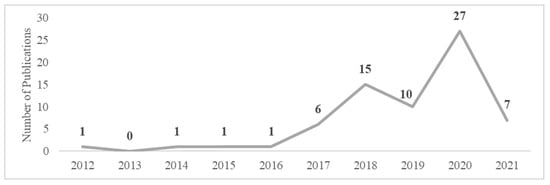
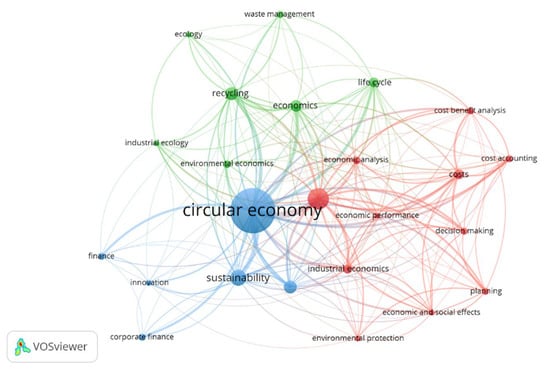
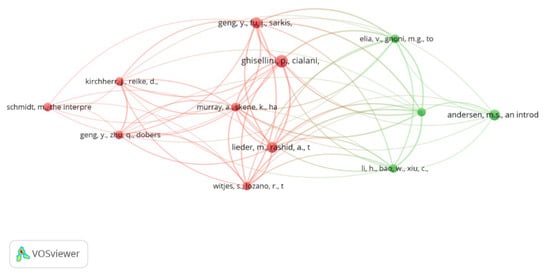
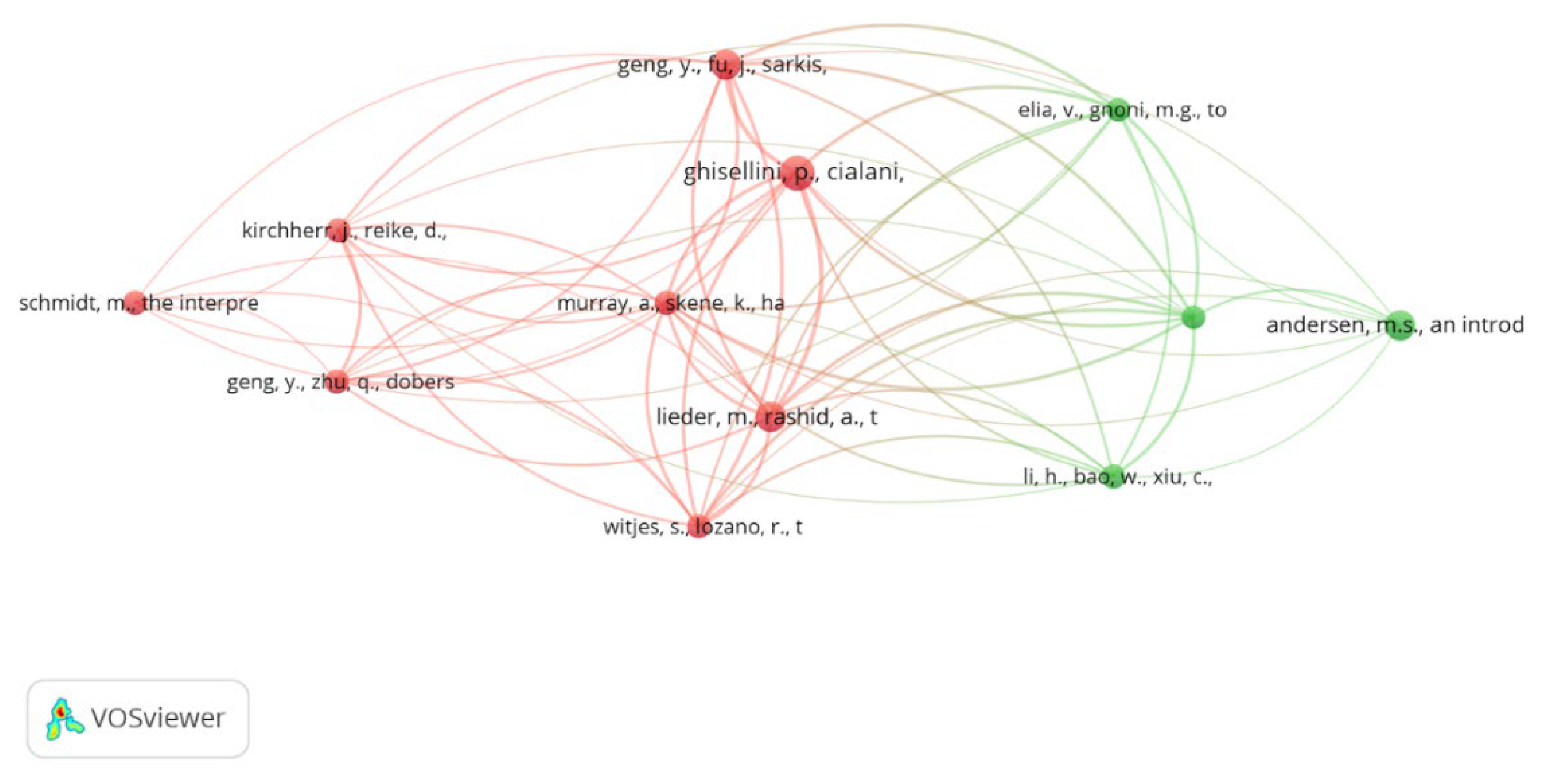
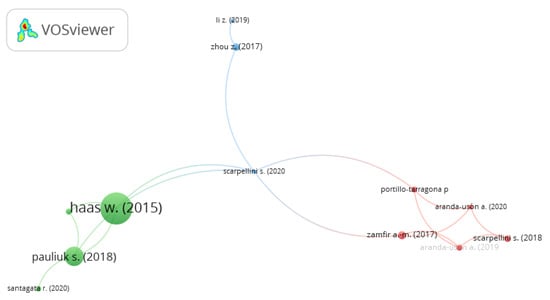
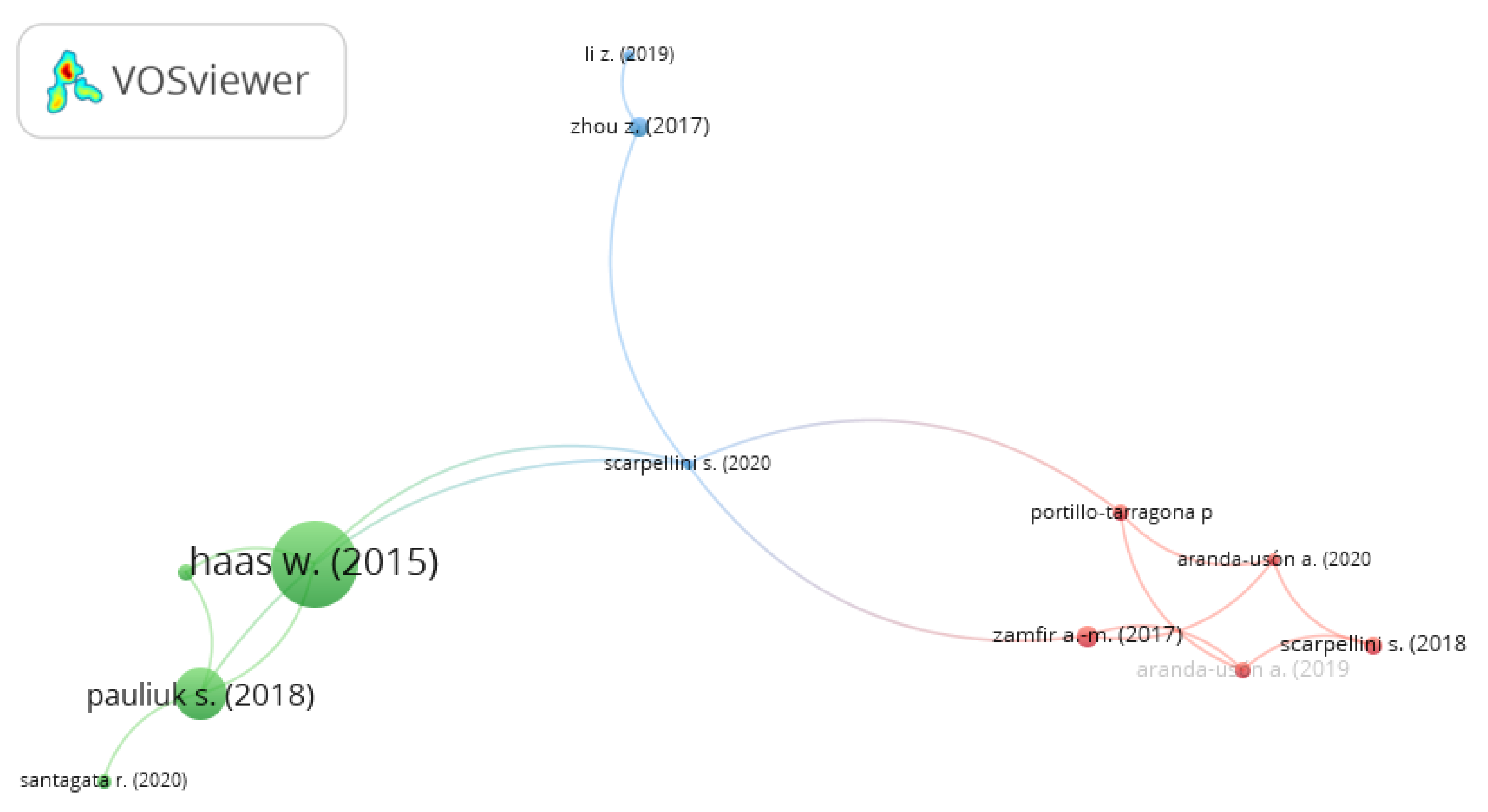

Publisher’s Note: MDPI stays neutral with regard to jurisdictional claims in published maps and institutional affiliations. |
© 2022 by the authors. Licensee MDPI, Basel, Switzerland. This article is an open access article distributed under the terms and conditions of the Creative Commons Attribution (CC BY) license (https://creativecommons.org/licenses/by/4.0/).