


Abstract
Injuries of repetitive efforts constitute one of the prime causes of absenteeism in the workplace, bear a considerable cost for the public health system and can cast doubt on the sustainability of a company. The objective of this paper is to build, in the researchers, the needed knowledge to choose a set of relevant scientific articles about repetitive strain injuries in the poultry meat industry, aiming to identify characteristics in those scientific publications that have the potential to contribute to the topic of this paper. The research is characterized as exploratory-descriptive, and draws on primary and secondary data sources. The study involves the application of a method for the selection and analysis of the selected articles. To this end, the method utilized was the knowledge development process—constructivist (Proknow-C), as the theoretical intervention instrument. Within the process development, a portfolio of 16 articles aligned to the research and scientifically recognized with the main periodicals, papers, authors and keywords was obtained. The ProKnow-C process allowed us to identify opportunities in the literature about injuries in the poultry meat industry and showed opportunities for future research. This paper, under the constructivist perspective, presents a structured process to build, in the researcher, the necessary knowledge for the identification, selection and analysis of relevant scientific articles relating to research context and, for these articles, find prominences and opportunities for a research theme without similar publications.
1. Introduction
The concept of sustainable development does imply limits—not absolute limits, but limitations imposed by the present state of technology and social organization. Both can be both managed and improved to make way for a new era of economic growth [1].
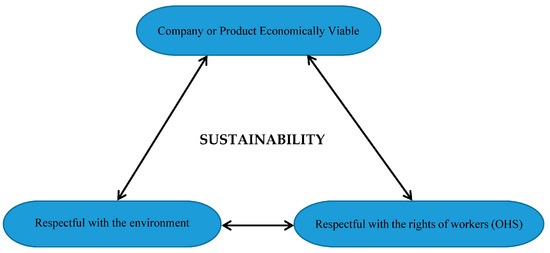
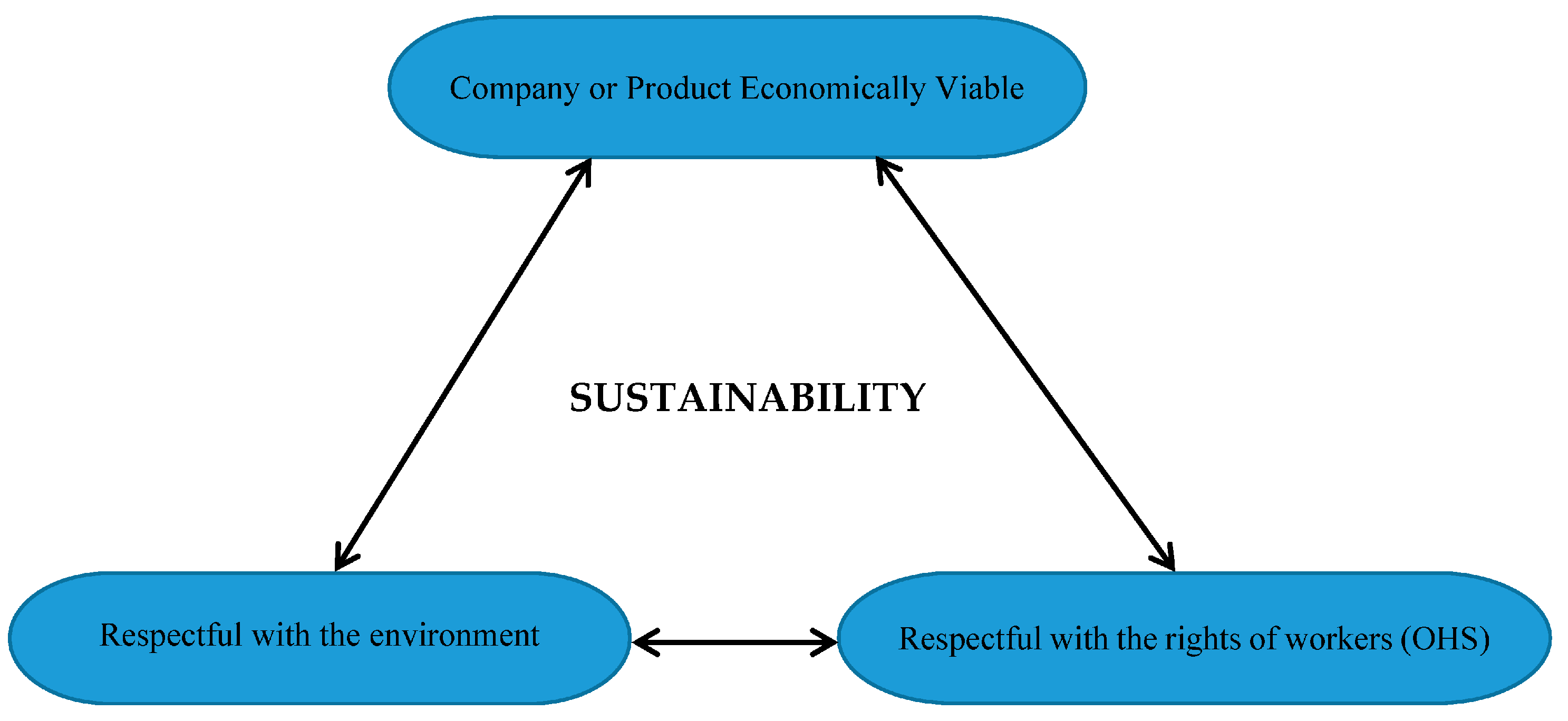
The sustainability of any company or process is based on economic, ecological, and social development maintained over time. Occupational health and safety, the improvement of workers’ physical, mental and social well-being are directly related to the sustainability of a company as this depends on respect for the rights of the workers. The Figure 1 shows the previous considerations of López-Aragón et al., according to them, repetitive strain injuries constitute one of the prime causes of absenteeism in the workplace, bear a considerable cost for the public health system and can cast doubt on the sustainability of a company or a product. They are the most frequent health problem at work, causing disability and long-term down time [1].
Figure 1.
Adapted from López-Aragón et al. [1].
Injuries of repetitive efforts are considered a worldwide concern in developed and developing countries. In developing countries, problems related to these injuries are severe, where poor working conditions and a lack of effective preventative programs have resulted in very high rates of musculoskeletal symptoms [2,3,4].
It is perceived that the poultry industry has a considerable participation in the economy with high impact on the generation of employment and income. Increasing levels of exports clearly indicate this fact, resulting in a large employment generation in this sector [5]. However, the research on ergonomic conditions of work stations in the meatpacking industry is not following the significant increase in the demand for workers’ physical and mental standards. The pace set by the production line at the slaughterhouse prevents that workers can auto-regulate where the work rate is imposed by the organization (machine), irrespective of turnover and pauses for recovery [6].
Organizational factors show the shortcomings of management practices to deal with the growing increase in repetitive strain injuries in the process of poultry production [7,8,9]. Poultry industry companies provide, to workers, limited training on security purposes and the effects of the pace of work on them, so that many do not understand how their activities in the production line are related to the musculoskeletal injuries they acquire [10,11]. Mohamed [12], mentions the importance of more focus on management measures that can align the strategic focus on security for the entire organization, and Kaminski [13] points out that the significant negative relationship between capital intensity and injury rates suggests a relationship between risk controls and injuries.
The superficial involvement of supervisors in safety training programs for employees have not been successful in reducing the risks in the development of musculoskeletal issues [7,14,15].
The meatpacking industry currently has a high level of technology and many work processes are semi-automated. There was an investment in plants to decrease the amount of hand movement, however, there still are processes, such as cutting meat (boning sector), which require the human hands to produce the required product quality [16,17].
The pace imposed by the production line prevents workers from auto-regulation, irrespective of turnover and pauses for recovery. The repetitive strain injuries have been predominantly occurring in workers who develop their activities with repetitive motions, dominated in the packing plant cutting rooms, where the relative lack of control over work generates stress and conditions for diseases [18,19,20]. This context raises the question: how to seek relevant information in scientific publications that are necessary to research the topic assessment of injuries of repetitive efforts with a focus on the poultry meats industry?
To answer this question, the aim of this study was to select, in the international literature, a set of articles aligned to the subject and to scientific recognition, and highlight in these publications features that may contribute scientifically to the theme of the assessment of injuries of repetitive efforts with a focus on the poultry meats industry.
2. Materials and Methods
2.1. Methodological Framework
In order to build a bibliographic portfolio on the theme of repetitive strain injuries with a focus on the poultry meat industry, this research is characterized as exploratory, since it aims to build, in the researcher, knowledge about a particular research topic through a process of selection and analysis of scientific articles (ProKnow-C) published in journals, and descriptive, because it describes the characteristics of the scientific publications in the portfolio and it illustrates references on the topic [21].
Regarding its nature, the research is classified as theoretical and illustrative, because it presents a process to search for the literature and also to carry out the analysis of these publications, working as a script to perform literature searches on the topic of the assessment of repetitive strain injuries focusing on the refrigerated poultry industry [22]. This type of research is complex and follows a unique methodology that allows knowing the state of the art of a given topic [23].
The research, as to the problem approach, is considered as qualitative and quantitative. As qualitative regarding the developed process for the construction of a bibliographic portfolio through articles and references; and as quantitative because of the bibliometrics carried out in the research by counting the investigated variables [24].
This research is considered as applied due to the use of knowledge generated in both the process of the selection of items to compose a bibliographic portfolio, and in the process of the article analysis for specific troubleshooting. It involves truths and local interests [25].
As for the intervention instrument, the bibliographic review process used is called “Knowledge Development Process-Construtivist” (ProKnow-C), proposed by Ensslin [21].
This tool creates a constructivist perspective and shows a structured process to build the necessary knowledge on which the researcher can begin research on a specified subject. The knowledge construction process that is crucial for conducting a survey is unique in relation to the researcher and the boundaries imposed for the research. The context within which the researcher is inserted and the availability of access to the means of dissemination of research influences this knowledge of the construction process. In this sense, the difficulty that many researchers face in justifying the selected theoretical framework to support their research, and the importance in the using a structured method that provides a consistent theoretical framework becomes relevant [26].
2.2. Intervention Instrument—Proknow-C
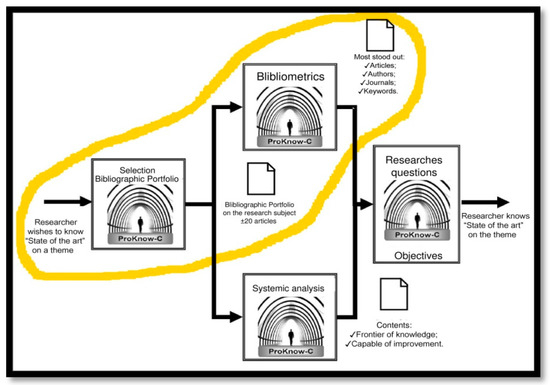
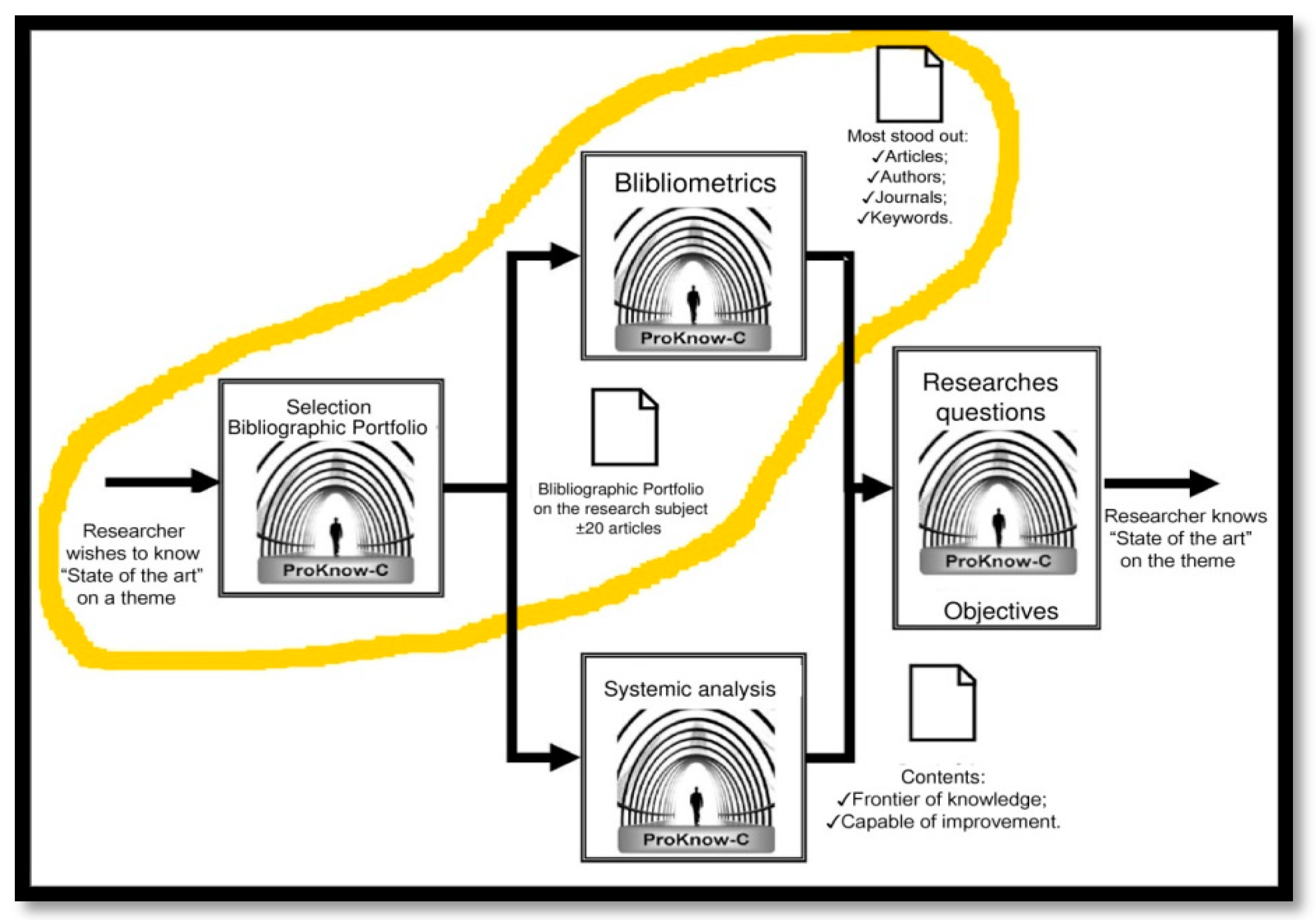
The Proknow-C (Figure 2) was created in 2009 and consolidated from 2010 on, when the first publications in the recent format appeared [27]. For this study, the intervention instrument used was proposed by Ensslin and Ensslin [28] and by Ensslin et al. [29]. Conceived in the Multicriteria Methodologies in Support to Decision Laboratory (LabMCDA), under the Department of Production Systems Engineering, Federal University of Santa Catarina, Brazil, since 1994, it has investigated the topic of organizational performance assessment as a tool for decision support, through the multicriteria for decision support methodology—constructivist (MCDA-C), in theoretical and practical terms, and as a result of these investigations has produced more than 30 international publications in the early 2000s [25].
Figure 2.
Intervention instrument—Proknow-C. Source. Ensslin et al., 2010.
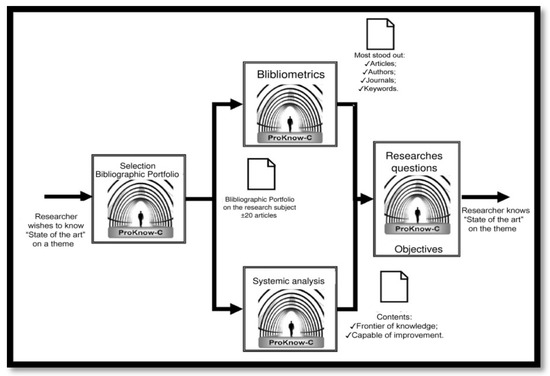
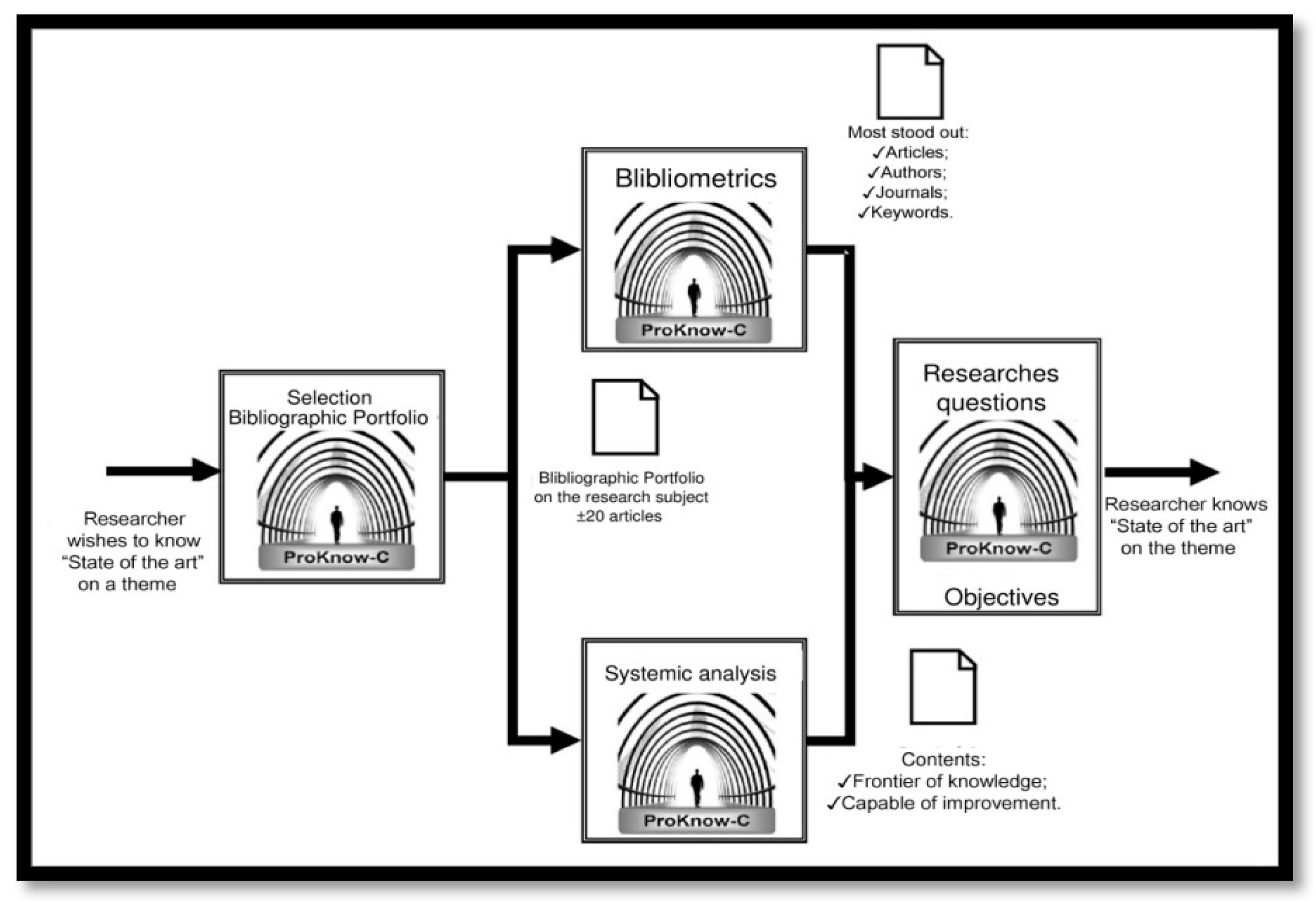
The process consists of four steps: (1) selection of an article portfolio on the research subject; (2) portfolio bibliometric analysis; (3) systemic analysis; and (4) defining the research question and research objective. For the purposes of this research, two steps of the process were developed: (1) the selection of an article portfolio on the research topic; and (2) the bibliometric analysis of the portfolio.
Therefore, part of the necessary knowledge on the topic searched was constructed [21,22,30,31,32,33,34,35,36,37,38], where the Figure 3, which follows, shows the steps of selecting the bibliographic portfolio and bibliometrics used in the Proknow-C and implemented in this article.
Figure 3.
ProKnow-C used steps. Source. Tasca et al., 2010.
To achieve the overall aim of this research, to select a set of articles in the international literature that are aligned to the theme and scientifically recognized, as well as to highlight the features of those publications that may contribute scientifically to the theme of the evaluation of repetitive strain injuries with a focus on the poultry meat industry. The procedures were divided into two stages which are detailed in the following subsections: Section 2.3, bibliographic portfolio selection and Section 2.4, bibliometric analysis, as proposed by ProKnow-C.
2.3. Selection of Bibliographic Portfolio (BP)
At this early stage, there was a selection of items to compose the BP, which enables the researcher to gather a set of related topics of research articles, aligned according to their perception and the delimitations imposed. The search took place in the months of November and December 2017, consisting of: (a) selection of the raw articles bank; (b) filtering the database items; and (c) test of representativeness.
To start this phase, three strands of research that represent the perception of the researchers on the topic were created. Each axis has a set of words that represents each one, the axes are: “performance evaluation”; “ergonomics” and “industry”. Thus, the axes allow the researcher to direct the construction of the necessary knowledge about their context, ensuring the presence of the axes content in the search.
The search happened in seven databases in international journals in the areas of engineering and health sciences: Scopus, Wiley, Web of Knowledge, Ebsco, Engineering Village, Proquest and Science Direct. The searches occurred through a combination of the following keywords in each axis, on the title, abstract or keywords in the article:
Axis 1—performance evaluation: (i) performance; (ii) measurement; (iii) evaluation; (iv) appraisal; (v) management; (vi) assessment; Axis 2—ergonomics: (vii) injuries and Axis 3—industry: (viii) industry.
2.4. Bibliometric Analysis
The purpose of this subsection is to perform a quantitative survey in articles and references in order to try to analyze the following aspects: (i) relevance of periodicals; (ii) relevance of the articles; (iii) the most prominent authors; and (iv) most used keywords. Identifying key journals that publish on a particular topic is important because it facilitates the search for publications in the first moment regarding the research topic and it also allows knowledge of which journals have accepted articles related to the research topic to be investigated, and, in this way, it helps to direct the topic to those journals [21].
3. Results and Discussion
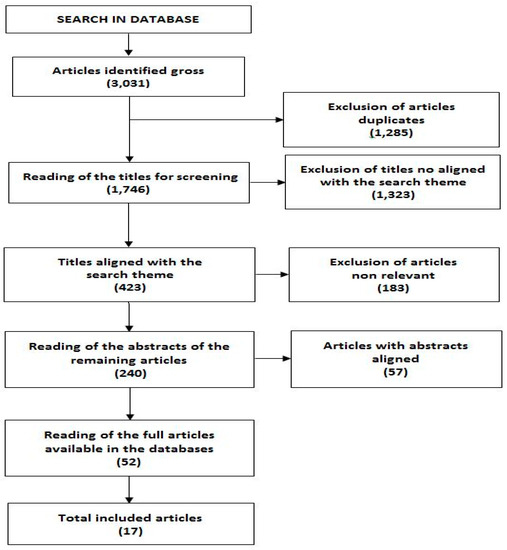
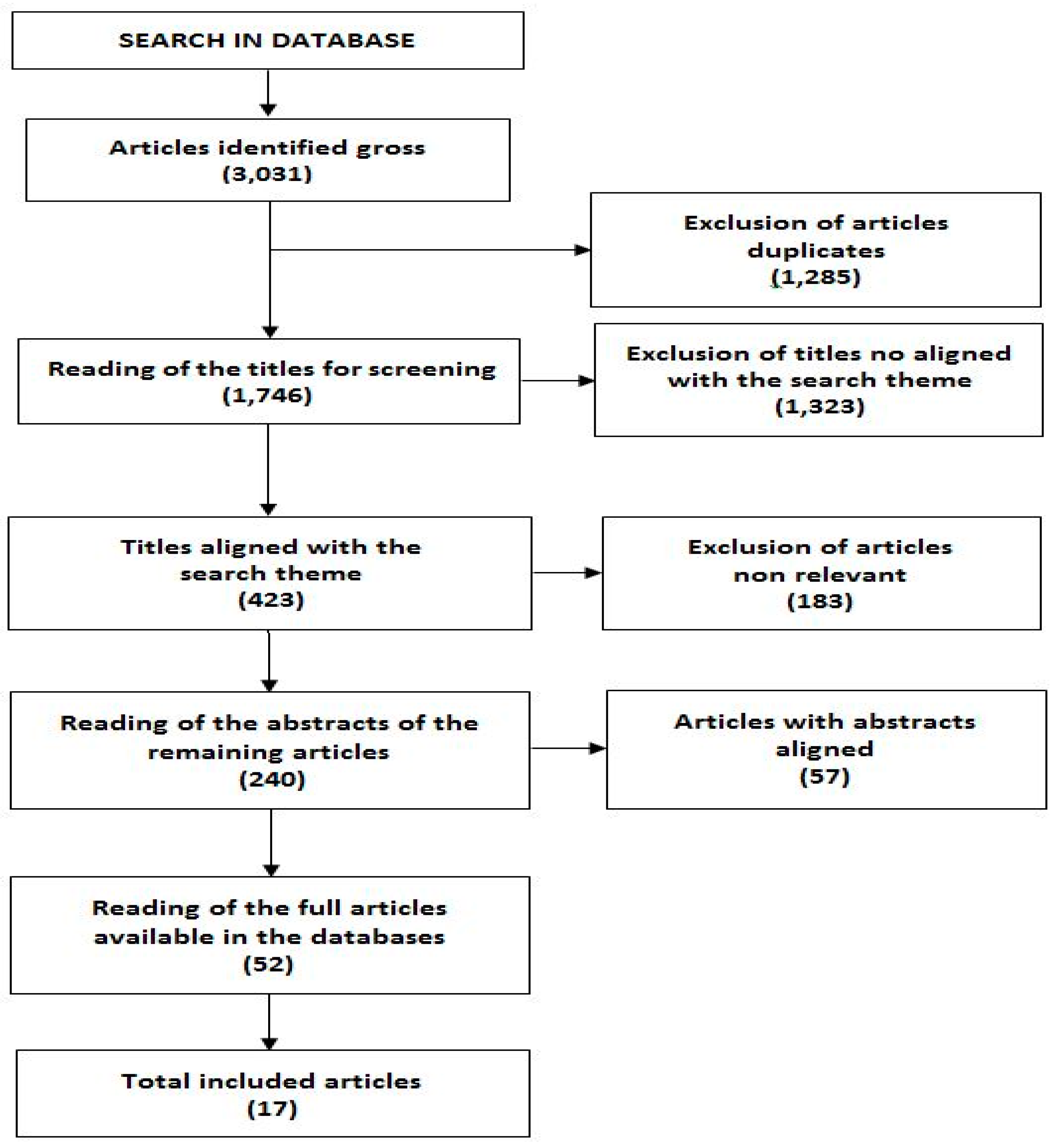
There were 3031 published scientific articles in international journals, which were exported to the Endnote X5 software (Clarivate Analytics®, Philadelphia, PA, USA). Figure 4 shows the flowchart for the identification of studies. The search strategy of the studies occurred between 2000 and 2017. After the exclusion of duplicate articles, the remaining number was 1746 articles. Then, the reading the titles of these articles was carried on in order to conclude that 423 articles were aligned with the research theme. With the assembled gross portfolio, the adherence of the keywords was tested. Three articles were chosen randomly, with the aim of identifying or not the need for including new keywords. For this research, it was concluded that it would not be necessary to include new keywords, which indicated alignment with these articles and the research theme.
Figure 4.
Flow diagram for study selection.
After that, the representativeness test was performed. In this process, scientific recognition is measured by citations in other scientific papers, identifying the number of times each article was cited. To evaluate the number of citations we used Google Scholar. The results of this step showed that 132 articles represented 80% of the total citations, because they obtained 13 citations or more, thus the cut-off point of this research was determined and the abstracts were read. The 291 remaining articles had less than 13 citations, and 110 of those were recent articles published between 2011 and 2017.
The next step consisted of reading the abstracts of the 240 articles and it was considered that 57 articles were aligned to the subject of the research and, subsequently, the full articles that were available in the databases were read, totaling 52 articles. Among these, the 17 that were considered aligned to the research compose the BP and were used in the bibliometric analysis (Table 1).
Table 1.
Articles selected for the bibliographic portfolio (BP).
The concept of the sustainability of any company or process does encounter limitations imposed by the present state of technology and social organization. Both can be managed and improved to make way for economic, ecological, and social development maintained over time. Occupational health and safety, and the improvement of workers’ physical, mental and social well-being are directly related to sustainability of a company. Repetitive strain injuries constitute one of the prime causes of absenteeism in the workplace, bear a considerable cost for the public health system and can cast doubt on the sustainability of a company or a product. They are the most frequent health problem at work, causing disability and long-term down time [1]. According to Mokarami et al. [41] one of the efficient strategies prevention of work-related diseases and promotion of worker health is identifying vulnerable workers and promoting their work ability.
The superficial involvement of supervisors in safety training programs for employees have not been successful in reducing the risks in the development of musculoskeletal issues. The decision and risk analysis were designed to improve judgments and decisions and to overcome many of these biases. However, when eliciting model components and parameters from decision makers or experts, analysts often face the very biases they are trying to help overcome. When these inputs are biased they can seriously reduce the quality of the model and resulting analysis. Some of these biases are due to faulty cognitive processes; some are due to motivations for preferred analysis outcomes. Cognitive biases in decision and risk analysts are difficult to correct. Motivational biases are important to analysts, but are rarely discussed in the literature. However, unlike cognitive biases, all motivational biases are relevant to decision and risk analysis [7,42].
In their paper, Komljenovic et al. [43] showed that the role of organizational performance appears to be a determining factor in creating unfavorable conditions, leading to a ‘‘drift to failure” through eroding safety margins throughout organizations. One of the dominant aspects in this context concerns various motivational biases, mainly at the management level, overwhelmingly focusing on the performance and efficiency, and neglecting safety.
The use of entropy in multiple factor situations can help occupational specialists to enhance ergonomic risk control as well as prevent incidents and reduce the prevalence of problems and the subsequent consequences. According to the results of the combination of both the art and entropy patterns surveyed, the need to focus more on engineering and administrative controls, especially in equipment, training and the reorganization of work, such as work-rest rhythm, is necessary [44].
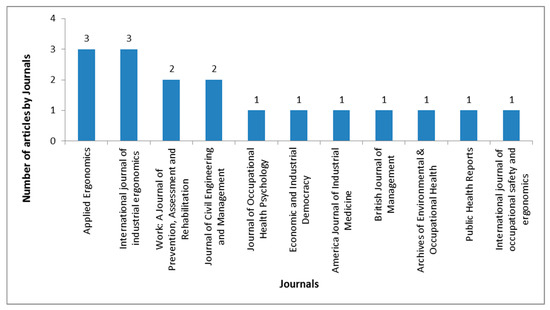
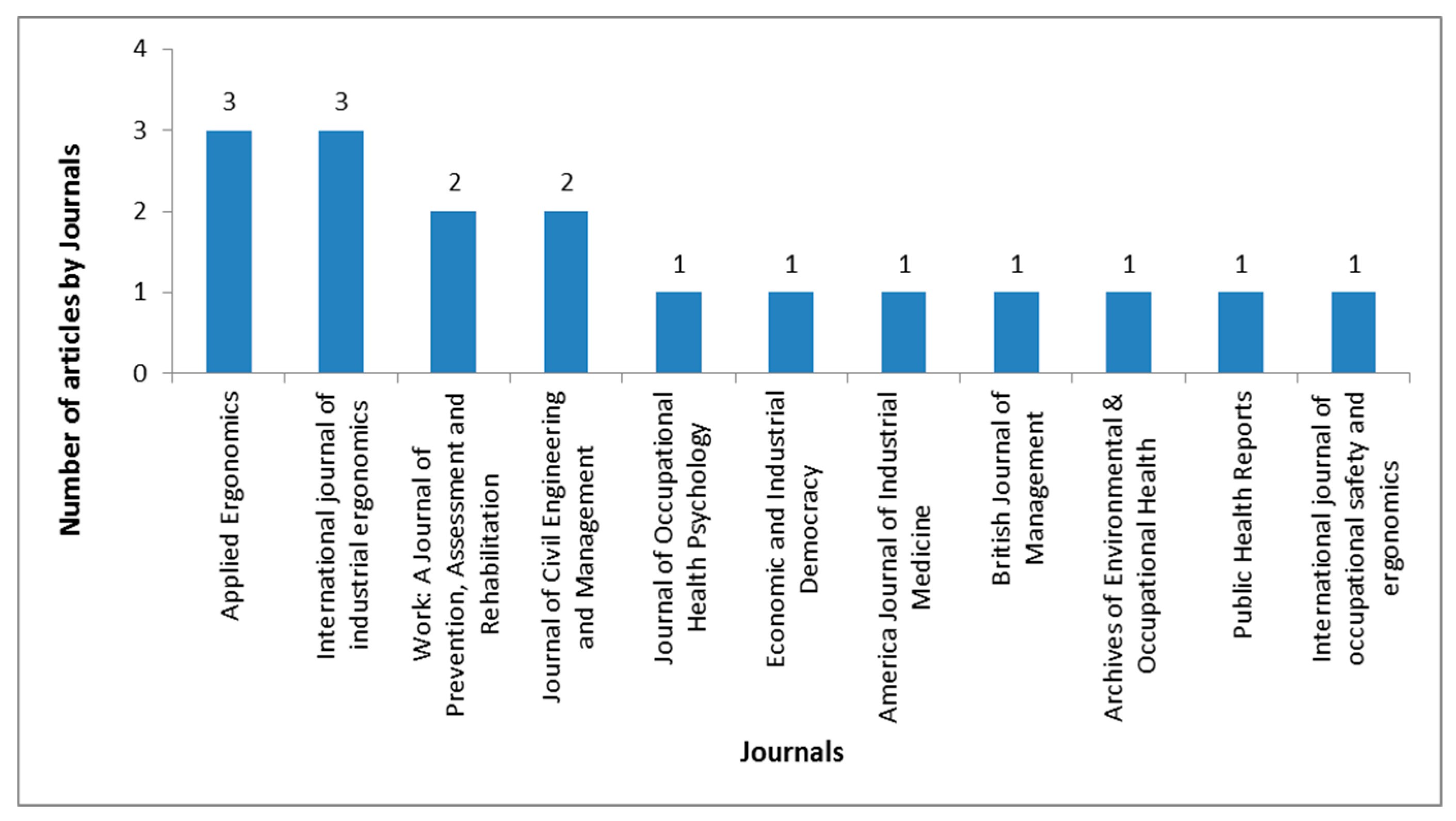
Figure 5 shows the journals that were more relevant in the articles present in the BP on the research theme. The results show that the standout journals in the BP on the assessment of injuries of repetitive efforts in the poultry meat industry were those related to applied ergonomics, industrial ergonomics, assessment and workplace prevention, management, and engineering.
Figure 5.
Participation of journals in the bibliographic portfolio.
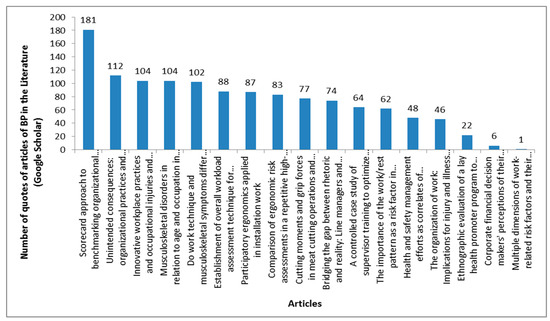
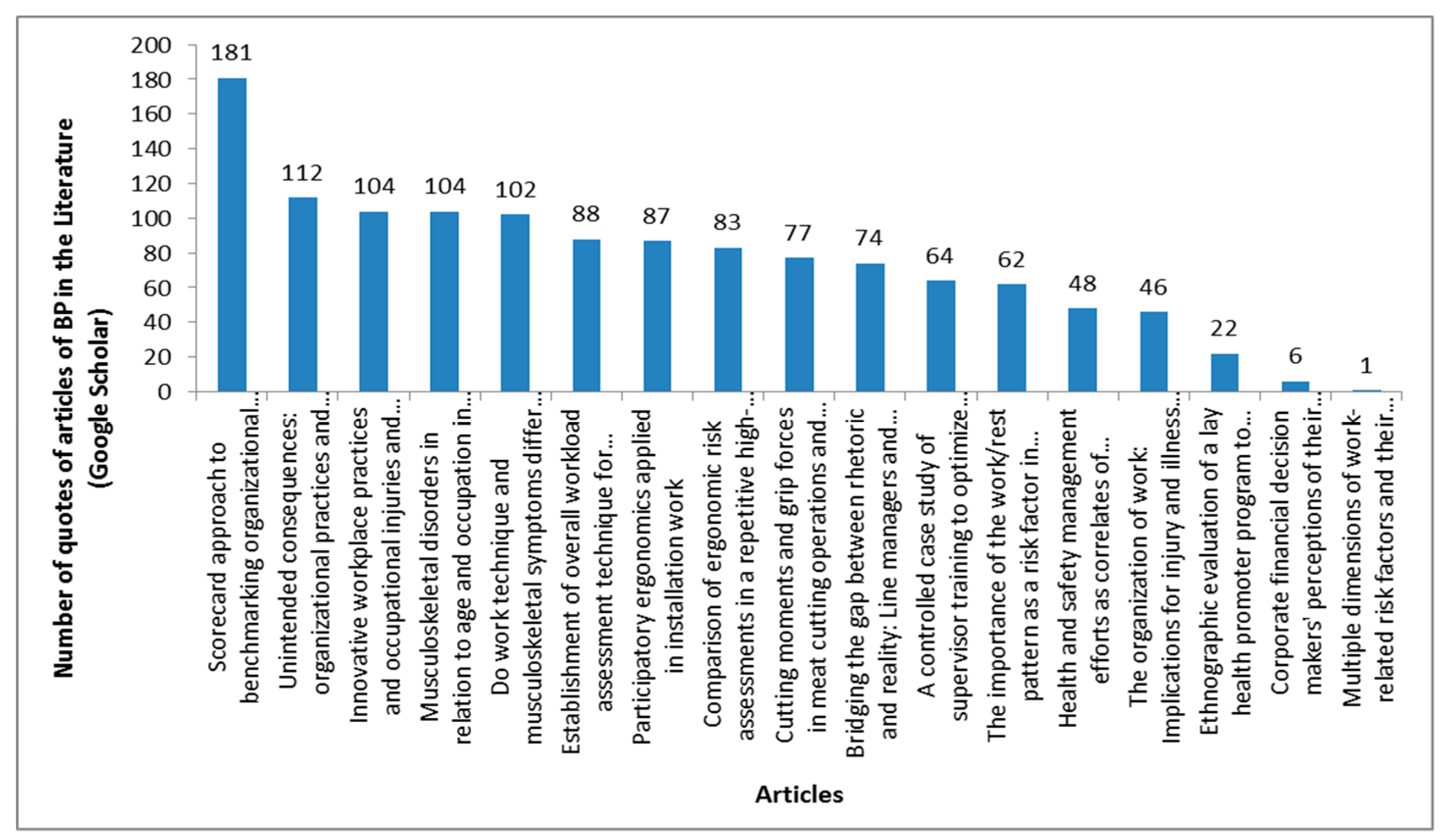
The next analysis concerns the scientific recognition of each article in the BP (Figure 6), which was identified by means of Google Scholar, that is, the number of times the article was quoted by other papers. The most prominent article in the bibliographic portfolio was “Scorecard approach to benchmarking organizational safety culture in construction” [12] with 181 quotes in Google Scholar and four quotes in references.
Figure 6.
Relevance of articles of bibliographic portfolio.
The second most prominent article in the portfolio was “Unintended consequences: organizational practices and their impact on workplace safety and productivity” [13], which had been quoted five times in references with 112 citations on Google Scholar. These articles are available, respectively, in the Journal of Construction Engineering and Management and Journal of Occupational Health Psychology.
The article “Innovative workplace practices and occupational injuries and illnesses in the United States” [18] and “Musculoskeletal disorders in relation to age and occupation in Swedish construction workers” [40] were the third most cited on Google Scholar, both with 104 quotes in the references of the bibliographic portfolio, available respectively in the journals Economic and Industrial Democracy and American Journal of Industrial Medicine. Next, the article “Do work technique and musculoskeletal symptoms differ between men and women performing the same type of work tasks?” [39] appears with 102 citations on Google Scholar.
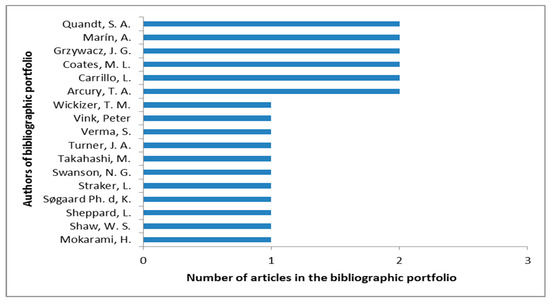
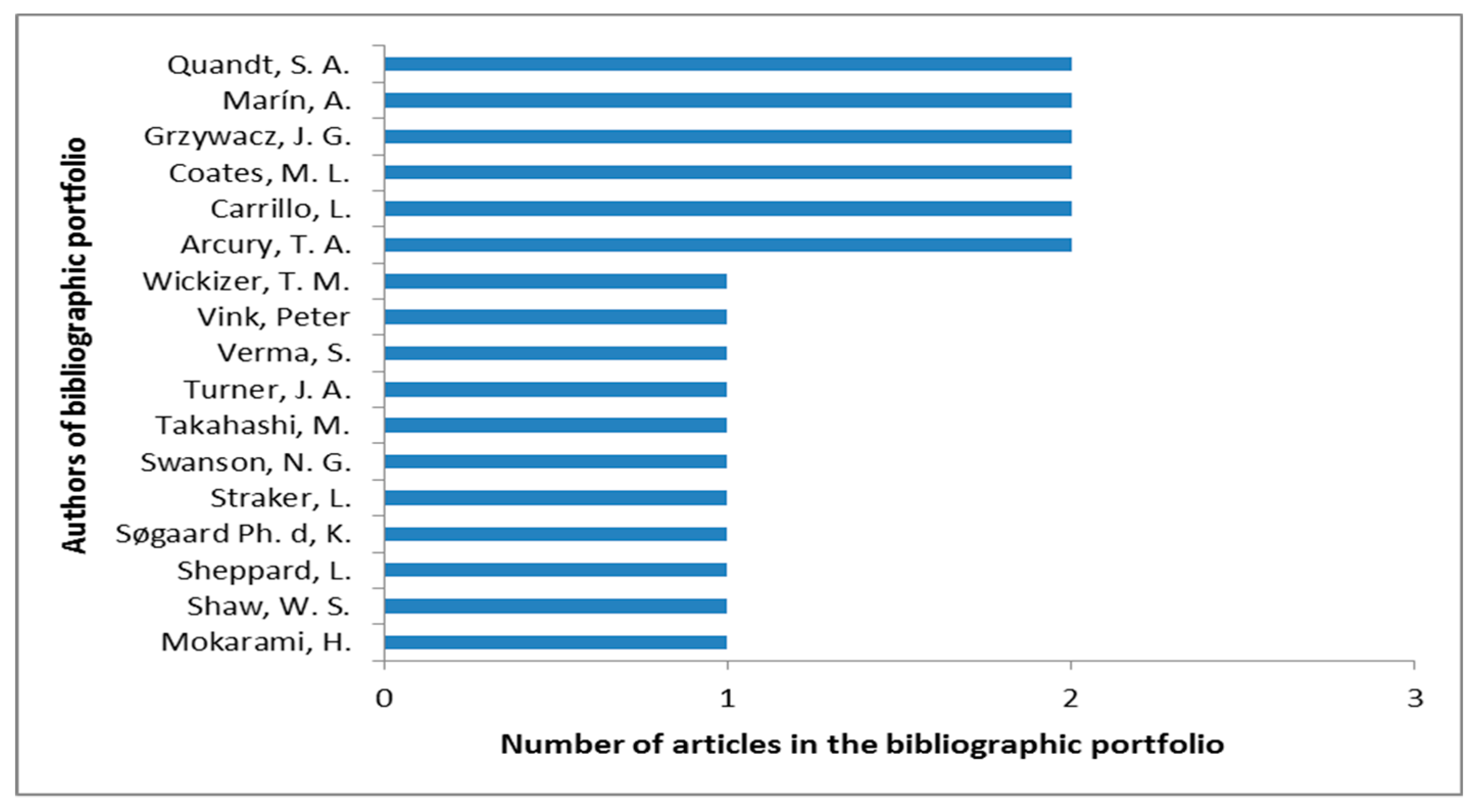
Figure 7 shows the authors of scientific literature with greater participation in portfolio items. The authors Joseph G. Grzywacz, Thomas A. Arcury, Antonio Marín, Lourdes Carrillo, Michael L. Coates and Sara A. Quandt appeared in two articles in the bibliographic portfolio and were the most commonly cited in the references with five citations each.
Figure 7.
Authors with greater participation in the bibliographic portfolio.
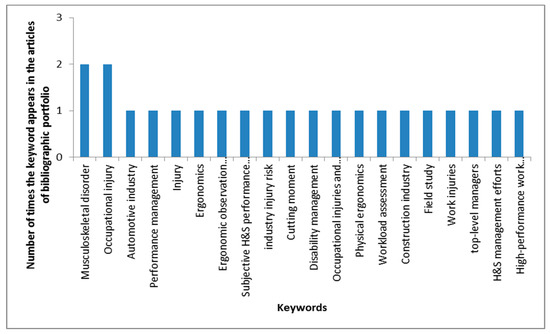
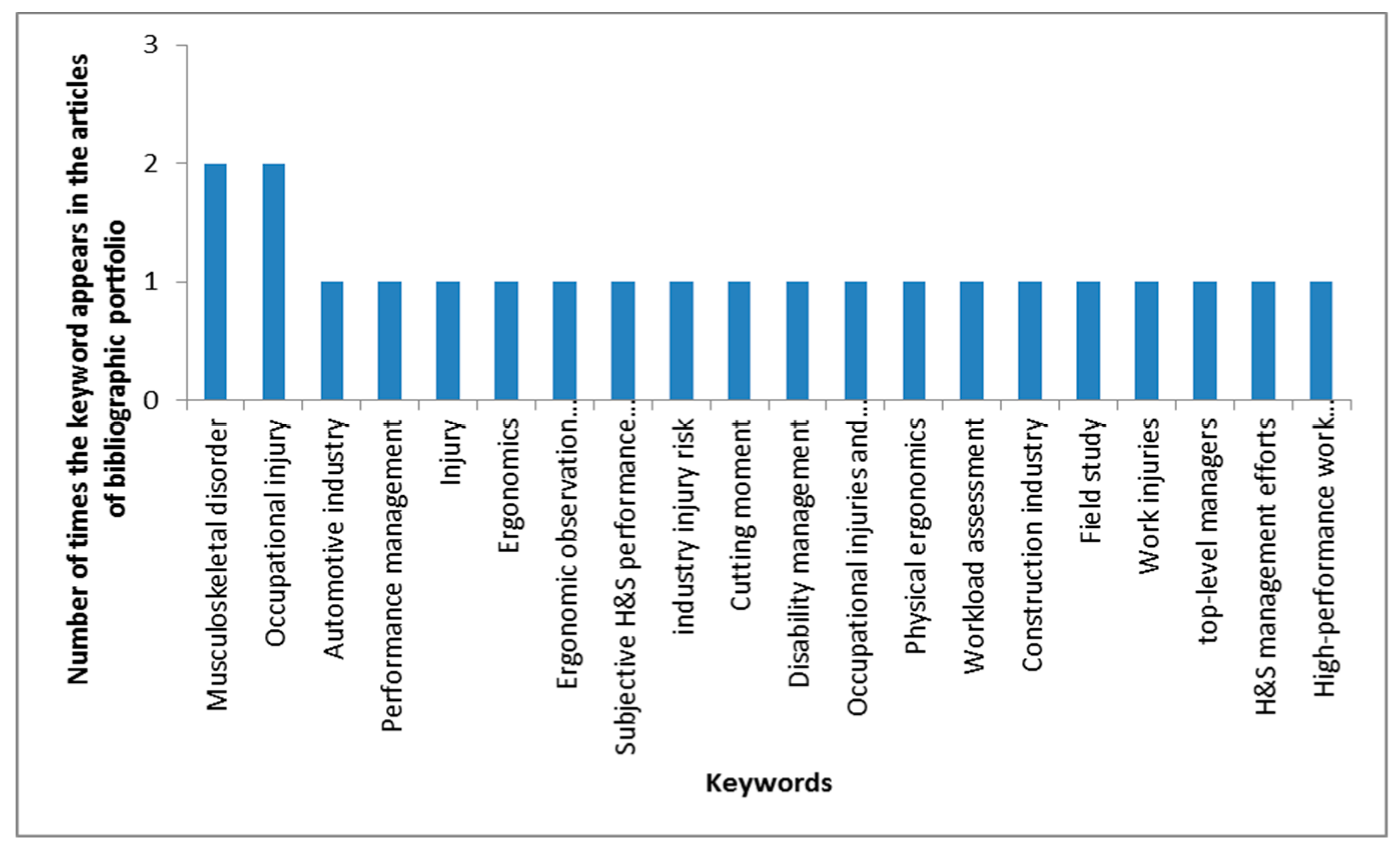
The next aspect to be analyzed regarding the bibliographic portfolio is related to the most commonly used keywords on the same (Figure 8). The searches occurred through a combination of the following keywords: (i) performance; (ii) measurement; (iii) evaluation; (iv) appraisal; (v) management; (vi) assessment; (vii) injuries and (viii) industry. In the databases, the search fields used were title, abstract or keywords of article.
Figure 8.
Most commonly used keywords in the bibliographic portfolio.
This process resulted in a preliminary database of raw articles with 3031 scientific articles published in international journals. For the completion of the raw articles bank selection phase to form the bibliographic portfolio, an adhesion test of the keywords was carried out to verify the need for the incorporation of new keywords, in order to ensure an aligned portfolio [27]. After the analysis, it was found that there was no need to incorporate new keywords.
The analysis was performed to identify the most commonly used keywords in the articles of the bibliographic portfolio. A total of 72 keywords were identified, and the most commonly used keywords, musculoskeletal disorder and occupational injury, appeared two times in the bibliographic portfolio.
4. Conclusions
In the last three decades it has been noticed that the poultry industry has had a growing involvement in the domestic economy, generating employment and income. However, the search for increased competitiveness has created a sustainability imbalance in this sector that has resulted in damage to the workers’ health, especially in relation to injuries of repetitive efforts.
The concept of the sustainability of any company or process can be both managed and improved to make way for economic, ecological, and social development maintained over time. Occupational health and safety, and the improvement of workers’ physical, mental and social well-being are directly related to the sustainability of a company. Injuries of repetitive efforts bear a considerable cost for the public health system and can cast doubt on the sustainability of a company or a product. They are the most frequent health problem at work, causing disability and long-term down time.
As for the intervention instrument, the ProKnow-C, under a constructivist perspective, presents a structured process to build, in the researcher, the necessary knowledge to start the search on the topic they wish to investigate.
These concerns led the authors to wish to know which research had been conducted and published in journals on this problem, namely injuries of repetitive efforts in the poultry meat industry, and to objectively select a set of articles from the literature that are aligned to the theme, scientifically recognized, and to highlight the characteristics of these publications.
To achieve the proposed objectives, this research used the Proknow-C process as an instrument of action to seek and identify articles with scientific recognition that could contribute to the theme. It was possible to construct a set of articles within a bibliographic portfolio aligned to the research theme.
Thus, it is suggested for future research: (i) to consider other research sources such as conference proceedings, books, dissertations and theses; and (ii) to perform a systemic analysis, allowing the identification of existing opportunities in the national and international literature on the topic of the assessment of repetitive strain injuries with a focus on the poultry meat industry.
Acknowledgments
Alexandre Crespo Coelho Silva Pinto thanks the Federal University of Pampa-UNIPAMPA, Brazil and Federal University of Santa Catarina-UFSC, Brazil.
Author Contributions
All authors contributed equally to the manuscript and have approved the final manuscript. Alexandre Crespo Coelho S. Pinto, Diego Augusto Santos Silva, Leonardo Ensslin, Pedro Ferreira Reis, José Mohamud Vilagra, Lizandra G. Lupi Vergara and Antônio R. Pereira Moro have conceived and designed the experiments, performed the experiments, analyzed the data, contributed reagents/materials/analysis tools and wrote the paper.
Conflicts of Interest
The authors declare no conflict of interest.
References
- López-Aragón, L.; López-Liria, R.; Callejón-Ferre, Á.-J.; Gómez-Galán, M. Applications of the Standardized Nordic Questionnaire: A Review. Sustainability 2017, 9, 1514. [Google Scholar] [CrossRef] [Scilit]
- Choobineh, A.R.; Daneshmandi, H.A.D.I.; Aghabeigi, M.; Haghayegh, A. Prevalence of musculoskeletal symptoms among employees of Iranian petrochemical industries: October 2009 to December 2012. Int. J. Occup. Environ. Med. 2013, 4, 195–204. [Google Scholar] [PubMed]
- Coluci, M.Z.O.; Alexandre, N.M.C. Psychometric properties evaluation of a new ergonomics-related job factors questionnaire developed for nursing workers. Appl. Ergon. 2014, 45, 1588–1596. [Google Scholar] [CrossRef] [Scilit] [PubMed]
- Govindu, N.K.; Babski-Reeves, K. Effects of personal, psychosocial and occupational factors on low back pain severity in workers. Int. J. Ind. Ergon. 2014, 44, 335–341. [Google Scholar] [CrossRef] [Scilit]
- Reis, P.F.; Moro, A.R.P. PREVENTING RSI/WRULD: Use of esthesiometry to assess hand tactile sensitivity of slaughterhouse workers. Work 2012, 41, 2556–2562. [Google Scholar] [PubMed]
- Reis, P.F.; Moro, A.R.P.; Vilagra, J.M.; Merino, E.A.D. Influence of gender on the prevalence of RSI/WLURD in meat-packing plants. Work 2012, 41, 4323–4329. [Google Scholar] [PubMed]
- Shaw, W.S.; Robertson, M.M.; McLellan, R.K.; Verma, S.; Pransky, G. A controlled case study of supervisor training to optimize response to injury in the food processing industry. Work 2006, 26, 107–114. [Google Scholar] [PubMed]
- Grzywacz, J.G.; Arcury, T.A.; Marín, A.; Carrillo, L.; Coates, M.L.; Burke, B.; Quandt, S.A. The organization of work: Implications for injury and illness among immigrant Latino poultry-processing workers. Arch. Environ. Occup. Health 2007, 62, 19–26. [Google Scholar] [CrossRef] [Scilit] [PubMed]
- Jonga, A.M.; Vink, P. Participatory ergonomics applied in installation work. Appl. Ergon. 2002, 33, 439–448. [Google Scholar] [CrossRef] [Scilit]
- Marín, A.; Carrillo, L.; Arcury, T.A.; Grzywacz, J.G.; Coates, M.L.; Quandt, S.A. Ethnographic evaluation of a lay health promoter program to reduce occupational injuries among Latino poultry processing workers. Public Health Rep. 2009, 124, 36–43. [Google Scholar] [CrossRef] [Scilit] [PubMed]
- Idoro, G.I. Health and safety management efforts as correlates of performance in the Nigerian construction industry. J. Civ. Eng. Manag. 2008, 14, 277–285. [Google Scholar] [CrossRef] [Scilit]
- Mohamed, S. Scorecard approach to benchmarking organizational safety culture in construction. J. Constr. Eng. Manag. 2003, 129, 80–88. [Google Scholar] [CrossRef] [Scilit]
- Kaminski, M. Unintended consequences: Organizational practices and their impact on workplace safety and productivity. J. Occup. Health Psychol. 2001, 6, 127–138. [Google Scholar] [CrossRef] [PubMed]
- DeArmond, S.; Huang, Y.H.; Chen, P.Y.; Courtney, T.K. Corporate financial decision makers’ perceptions of their company’s safety performance, programs and personnel: Do company size and industry injury risk matter? Work 2010, 37, 3–13. [Google Scholar] [PubMed]
- Cunningham, I.; Philip, J.; Pauline, D. Bridging the gap between rhetoric and reality: line managers and the protection of job security for ill workers in the modern workplace. Br. J. Manag. 2004, 15, 273–290. [Google Scholar] [CrossRef] [Scilit]
- Christensen, H.; Sogaard, K.; Pilegaard, M.; Olsen, H.B. The importance of the work/rest pattern as a risk factor in repetitive monotonous work. Int. J. Ind. Ergon. 2000, 25, 367–373. [Google Scholar] [CrossRef] [Scilit]
- McGorry, R.W.; Dowd, P.C.; Dempsey, P.G. Cutting moments and grip forces in meat cutting operations and the effect of knife sharpness. Appl. Ergon. 2003, 34, 375–382. [Google Scholar] [CrossRef] [Scilit]
- Askenazy, P. Innovative workplace practices and occupational injuries and illnesses in the United States. Econ. Ind. Democr. 2001, 22, 485–516. [Google Scholar] [CrossRef] [Scilit]
- Jones, T.; Kumar, S. Comparison of ergonomic risk assessments in a repetitive high-risk sawmill occupation: Saw-filer. Int. J. Ind. Ergon. 2007, 37, 744–753. [Google Scholar] [CrossRef] [Scilit]
- Jung, H.S.; Jung, H.S. Establishment of overall workload assessment technique for various tasks and workplaces. Int. J. Ind. Ergon. 2001, 28, 341–353. [Google Scholar] [CrossRef] [Scilit]
- Ensslin, L.; Ensslin, S.R. Orientações para elaboração dos artigos científicos do LabMCDA-C. In Apostila da Disciplina Avaliação de Desempenho do Programa de Pós-Graduação em Engenharia de Produção da Universidade Federal de Santa Catarina; Universidade Federal de Santa Catarina: Florianópolis, Brazil, 2007. [Google Scholar]
- Ensslin, L.; Lacerda, R.T.O.; Tasca, J.E. ProKnow-C, Knowledge Development Process-Constructivist. Processo Técnico com Patente de Registro Junto ao INPI; Instituto Nacional da Propriedade Industrial (INPI): Rio de Janeiro, Brazil, 2010; Volume 10. [Google Scholar]
- Della Bruna Junior, E.; Ensslin, L.; Ensslin, S.R. Seleção e análise de um portfólio de artigos sobre avaliação de desempenho na cadeia de suprimentos. Gest. Prod. Oper. Sist. 2012, 7, 113–125. [Google Scholar]
- Richardson, R.J. Pesquisa Social: Métodos e Técnicas, 4rd ed.; Atlas: São Paulo, Brazil, 2017; p. 424. ISBN 9788597013832. [Google Scholar]
- Rosa, F.S.; Ensslin, S.R.; Ensslin, L.; Lunkes, R.J. Environmental disclosure management: A constructivist case. Manag. Decis. 2012, 50, 1117–1136. [Google Scholar] [CrossRef] [Scilit]
- De Oliveira, C.C.; Moro, A.R.P.; Ulbricht, L.; Belinelli, M.; de Souza, G.F.; Gabriel, M.; Zattar, I.C. Ergonomic evaluation of workload by milk production—A bibliometric analysis. Ann. Agric. Environ. Med. 2017, 24, 376–382. [Google Scholar] [CrossRef] [Scilit] [PubMed]
- Afonso, M.H.F.; Souza, J.V.; Ensslin, S.R.; Ensslin, L. Como construir conhecimento sobre o tema de pesquisa? Aplicação do processo ProKnow-C na busca de literatura sobre avaliação do desenvolvimento sustentável. Rev. Gest. Soc. Ambient. 2012, 5, 47–62. [Google Scholar] [CrossRef] [Scilit]
- Lacerda, R.T.O.; Ensslin, L.; Ensslin, S.R. Uma análise bibliométrica da literatura sobre estratégia e avaliação de desempenho. Gest. Prod. 2012, 19, 59–78. [Google Scholar] [CrossRef] [Scilit]
- Lacerda, R.T.O.; Ensslin, L.; Ensslin, S.R. Contribuições à gestão estratégica de organizações quando analisados na visão de seu desempenho. GESTÃO Org-Rev. Eletrôn. Gestão Organ. 2011, 9, 327–362. [Google Scholar]
- Rosa, F.S.; Ensslin, S.R.; Ensslin, L.; Lunkes, R.J. Gestão da evidenciação ambiental: Um estudo sobre as potencialidades e oportunidades do tema. Eng. Sanit. Ambient. 2011, 16, 157–166. [Google Scholar] [CrossRef] [Scilit]
- Azevedo, R.C.; Ensslin, L.; Lacerda, R.T.O.; França, L.A.; González, C.J.I.; Jungles, A.E.; Ensslin, S.R. Avaliação de desempenho do processo de orçamento: Estudo de caso em uma obra de construção civil. Ambient. Constr. (Online) Porto Alegre 2011, 11, 85–104. [Google Scholar] [CrossRef] [Scilit]
- Tasca, J.E.; Ensslin, L.; Ensslin, S.R.; Alves, M.B.M. An approach for selecting a theoretical framework for the evaluation of training programs. J. Eur. Ind. Train. 2010, 34, 631–655. [Google Scholar] [CrossRef] [Scilit]
- Ensslin, L.; Ensslin, S.R.; Pacheco, G.C. Um estudo sobre segurança em estádios de futebol baseado na análise bibliométrica da literatura internacional. Perspect. Ciênc. Inf. 2012, 17, 71–91. [Google Scholar] [CrossRef] [Scilit]
- Bortoluzzi, S.C.; Ensslin, S.R.; Ensslin, L.; Valmorbida, S.M.I. Avaliação de Desempenho em Redes de Pequenas e Médias Empresas: Estado da arte para as delimitações postas pelo pesquisador. Rev. Estratég. Negóc. 2011, 4, 202–222. [Google Scholar] [CrossRef] [Scilit]
- Rojas-Sola, J.I.; Jordá-Albiñana, B. Análisis bibliométrico de las publicaciones Venezolanas en la categoría ciencias de la computación en la base de datos JCR (1997–2007). Intercienc. Rev. Cienc. Tecnol. Am. 2009, 34, 689–695. [Google Scholar]
- Ensslin, L.; Ensslin, S.R.; Pinto, H.M. Processo de Investigação e Análise Bibliométrica: Avaliação da Qualidade dos Serviços Bancários. Rev. Adm. Contemp. 2013, 17, 325–349. [Google Scholar] [CrossRef] [Scilit]
- Chaves, L.C.; Ensslin, L.; Ensslin, S.R.; Valmorbida, S.M.I.; Rosa, F.S. Sistemas de apoio à decisão: Mapeamento e análise de conteúdo. Rev. Eletrôn. Ciênc. Adm. (RECADM) 2013, 12, 6–22. [Google Scholar] [CrossRef] [Scilit]
- Lacerda, R.T.O.; Ensslin, L.; Ensslin, S.R. A performance measurement framework in portfolio management: A constructivist case. Manag. Decis. 2001, 49, 648–668. [Google Scholar] [CrossRef] [Scilit]
- Dahlberg, R.; Karlqvist, L.; Bildt, C.; Nykvist, K. Do work technique and musculoskeletal symptoms differ between men and women performing the same type of work tasks? Appl. Ergon. 2004, 35, 521–529. [Google Scholar] [CrossRef] [Scilit] [PubMed]
- Holmström, E.; Engholm, G. Musculoskeletal disorders in relation to age and occupation in Swedish construction workers. Am. J. Ind. Med. 2003, 44, 377–384. [Google Scholar] [CrossRef] [Scilit] [PubMed]
- Mokarami, H.; Mortazavi, S.B.; Asgari, A.; Choobineh, A.; Stallones, L. Multiple dimensions of work-related risk factors and their relationship to work ability among industrial workers in Iran. Int. J. Occup. Saf. Ergon. 2017, 23, 374–379. [Google Scholar] [CrossRef] [Scilit] [PubMed]
- Montibeller, G.; Winterfeldt, D. Cognitive and motivational biases in decision and risk analysis. Risk Anal. 2015, 35, 1230–1251. [Google Scholar] [CrossRef] [Scilit] [PubMed]
- Komljenovic, D.; Loiselle, G.; Kumral, M. Organization: A new focus on mine safety improvement in a complex operational and business environment. Int. J. Min. Sci. Technol. 2017, 27, 617–625. [Google Scholar] [CrossRef] [Scilit]
- Khandan, M.; Nili, M.; Koohpaei, A.; Mosaferchi, S. Integrating the Ergonomics Techniques with Multi Criteria Decision Making as a New Approach for Risk Management: An Assessment of Repetitive Tasks-Entropy Case Study. J. Res. Health Sci. 2016, 16, 85–89. [Google Scholar] [PubMed]

© 2018 by the authors. Licensee MDPI, Basel, Switzerland. This article is an open access article distributed under the terms and conditions of the Creative Commons Attribution (CC BY) license (http://creativecommons.org/licenses/by/4.0/).