


Abstract
Soil contamination by potentially toxic elements (PTEs) remains a major global challenge due to their persistence, toxicity, and bioaccumulation capacity. Despite being widely used for the ex situ remediation of soils polluted by organic contaminants, bioslurry reactors (BSRs) have been scarcely employed for the bioremediation of PTE-polluted soils. BSRs are indeed capable of treating a wide range of contaminated soils, which are often unsuitable for remediation by conventional biological treatments. BSRs allow control of mixing, aeration, and nutrient conditions, thus enhancing mass transfer, pollutant desorption, and microbe–pollutant interactions. In addition, diverse microbial metabolic mechanisms can be exploited to mobilize or transform PTEs through bioleaching, redox reactions, complexation, and acid generation. Numerous studies have demonstrated substantial removal efficiencies for PTEs, such as Cd, Co, Cu, Ni, Zn, and As. Despite their advantages, large-scale implementation of BSRs faces challenges related to operational costs, reactor design, energy demand, and the need for precise control of physicochemical parameters. Advances in microorganism immobilization, genetic engineering, and online parameter monitoring may represent levers for a wider application of this technology. This review represents the first systematical attempt to address the issue of BSR application to PTE-polluted soil remediation. The principles of BSR functioning are discussed together with the mechanisms of microbial bioleaching, highlighting the potentialities of BSR technology and addressing gaps and opportunities to fully exploit BSRs as a sustainable and economically viable tool for remediating PTE-polluted soils.
1. Introduction
Soil contamination is a form of land degradation mainly caused by the increasing number and intensity of anthropogenic activities beyond a sustainable limit for the environment [1,2]. In particular, the whole globe is facing the issue of soil pollution caused by potentially toxic elements (PTEs) that has raised concerns for human health and food security. Over the last two decades, soil pollution by PTEs has emerged as a major driver of land degradation and biodiversity loss, with reported adverse effects reaching 94.7% in plants, 77.4% in humans, and 68.4% in animals [3].
The PTEs that are reported to cause serious adverse effects on organisms include Sb, As, Cd, Cr(VI), Co, Cu, Pb, Hg, Mo, Ni, Se, Ag, Sn, Tl, V, and Zn [2,4,5]. These elements, comprising metals, metalloids, and non-metals, are characterized by persistence, toxicity, bioaccumulation, and biomagnification at elevated concentrations, posing risks to ecosystems and human health [6]. Although some of them are also micronutrients for many living organisms, high concentrations may result in toxicity [7,8]. Soils serve as major sinks for these elements, which can ultimately enter the food chain through leaching into water sources, plant uptake, and animal transfer [4,9].
The remediation of contaminated soils is essential for restoring polluted sites, supporting sustainable land use, and ensuring responsible environmental management. Physical, chemical, and biological methods are commonly used, whose selection depends on remediation targets and risk management needs [3,10].
In situ technologies treat contaminated soils directly on site, while ex situ methods involve soil excavation for treatment in dedicated facilities [11]. These approaches are categorized into five types: physical, chemical, electrical, thermal, and biological; or grouped into three broader classes: containment-based (e.g., capping), transformation-based (e.g., stabilization), and transport-based (e.g., extraction). Each technology has distinct mechanisms, benefits, and limitations, as discussed in Section 2.
Beyond containment, remediation may aim at repairing degraded ecosystems by approaches including halting degradation, restoring original conditions, or rehabilitating ecosystem functions. In this sense, bioremediation is a particularly important option, as it uses plants and microorganisms to mobilize, accumulate, or stabilize PTEs, thus reducing or eliminating their toxicity [12].
Among bioremediation technologies exploiting microbial activity, bioleaching can be used to remediate PTE-polluted soils by promoting their mobilization from insoluble or scarcely soluble forms by biological dissolution through complexation mechanisms or bio-oxidation. In fact, microbial metabolism can promote soil acidification or secrete complexing molecules which can dissolve PTEs from insoluble minerals and favor PTE leaching in nutritious environments [13]. Such processes are usually carried out off-site in suitable bioreactors to control all the parameters and avoid undesired migration of mobilized pollutants.
Slurry-phase biological treatment or bioslurry reactors (BSRs)—also referred to as soil-slurry bioreactors—are in fact preferred when a rapid and safe remediation is required, especially under conditions unsuitable for the use of conventional biological treatments, such as dry or low-permeable soils and/or recalcitrant/highly toxic pollutants and/or multiple contamination. Such systems enhance gas/liquid and solid/liquid mass transfers, improving contaminant bioavailability; reduce toxic pollutant concentrations via dilution with water; and allow the precise control of critical remediation parameters [14].
Recent reviews dealing with bioslurry technology have predominantly focused on organic contaminants, including PAHs, PCBs, petroleum hydrocarbons, pesticides, and other refractory organics [15,16,17]. On the other hand, no specific reviews dedicated to the application of BSRs for the remediation of soils polluted by PTEs have been published in the last few years. Moreover, most existing studies on the subject have focused on the application of different types of microorganisms or on the effects of external operating conditions on PTE mobilization and removal, while less attention has been given to maintaining or improving microbial activity and stability within the reactor. These limitations can be overcome by bacterial immobilization, representing a promising strategy to improve microbial retention, activity, and process efficiency in reactor systems. Yet, the potential for increasing stability, reproducibility, and practical performance of BSR-based PTE remediation has not been sufficiently evaluated.
In this review paper, besides describing the basic principles of BSR technology and its application to PTE-contaminated soils, an overview of the biochemical mechanisms of PTE bioleaching is presented, with particular attention to microbial siderophores as promising natural lixiviants for PTE extraction from polluted soils. Furthermore, a special focus has been dedicated to the methods and materials for bacteria immobilization, discussing advantages and disadvantages from the viewpoint of large-scale practical applications. For the preparation of this paper, a literature review has been conducted across major international bibliographic databases, including Web of Science, Scopus, and PubMed/MEDLINE. The search encompassed studies published mainly from 2011 to 2026, allowing both seminal and recent research to be captured. The last database search was conducted in August 2026. To ensure methodological rigor and the inclusion of high-quality evidence, priority was given to articles published in Q1-ranked journals, together with highly cited review articles and authoritative academic publications, including books and book chapters. Literature references dating before 2011 were also included, being cited as basic reference literature in the consulted bibliography. The main keywords used for the search were “soil remediation”, “potentially toxic elements (PTE)” or “potentially toxic metals (PTM)” or “heavy metals (HM) or “metals”, “bioreactors”, “bioslurry”, and “slurry bioremediation”. Other keywords such as “bacteria immobilization” or “immobilized bacteria”, “enzyme immobilization”, “bioleaching”, and “siderophores” were used for other topics covered in the manuscript.
2. Soil Contamination by Potentially Toxic Elements (PTEs) and Remediation
Potentially toxic elements can be present in soil, either naturally, due to rocks weathering and/or atmospheric depositions, or as a result of anthropogenic activities [8,18,19]. In particular, the most impacting human practices releasing PTEs in soil include mining and smelting activities, disposal of PTE-containing wastes and sludges, fossil fuel combustion, military operations, electronic waste disposal, irrigation with wastewater, and fertilizer application [3,20,21].
Soil is a highly complex and fragile system, composed of a mixture of solid phases (both organic and inorganic), water, air, and biological components. PTEs in soils may adsorb to clay minerals and/or soil organic matter and, depending on the PTE and soil characteristics, can also be partially available in the soil solution, thus endangering the entire soil ecosystem [22].
The fate and movement of PTEs in soil are largely determined by their chemical form and speciation. Once introduced into soil, PTEs undergo several processes such as precipitation/dissolution, adsorption/desorption, ion exchange, complexation with organic matter (OM, either solid or dissolved in water), and biological uptake (either by plants or soil (micro)organisms) [23].
The bioavailable fraction of PTEs is a crucial indicator for risk assessment and is controlled by soil physicochemical and biological conditions as well as element properties. Under typical soil conditions (i.e., pH 4–9, Eh +0.3–+0.9 V), cationic PTEs are adsorbed onto clay minerals, organic matter, and oxides, or precipitated as (hydr)oxides. Therefore, soil composition plays an important role, i.e., clay- and OM-rich soils with negative surface charges effectively retain cations, while sandy soils with poor OM content and low cation exchange capacity (CEC) promote their leaching. Furthermore, Fe and Al oxides, which are common in soils, can also bind PTEs in stable compounds, thus reducing their mobility and plant availability.
In general, a reduced cationic availability results from a higher content of negatively charged colloids (mainly OM, 2:1 phyllosilicates, and Fe/Mn oxides), and the formation of stable organometallic or insoluble inorganic compounds (e.g., with phosphates and carbonates). Thus, the identification of such soil factors is indispensable for proper environmental management. Among soil properties, pH plays a key role in influencing PTE mobility in soil; i.e., a low pH promotes PTEs mobilization while a high pH decreases the availability of cationic PTEs but increases that of anionic ones. For example, Cu and Pb sorption increases above pH 3–5, Co and Zn above 4–6, and Cd and Ni above 5–7 [24]. As pH declines, the increased activities of H+, Fe3+, Al3+, and their hydrolysed species enhance the competition with trace cationic metals for negatively charged sorption sites, thus promoting metal release into the soil liquid phase. Simultaneously, the protonation of mineral and organic surface functional groups reduces the net negative charge of soil colloids and may generate positive charges below the point of zero charge. Acidic conditions also destabilize key soil components, including Ca-carbonate and Al and Fe hydroxides, further increasing PTEs solubility. In particular, metal mobility below pH 6 typically increases in the order Cd > Zn > Ni > Mn > Cu > Pb > Hg. In contrast, elements that occur predominantly as anions, such as As, Mo, Se, and Cr (VI), are generally more mobile under alkaline conditions, as decreasing pH enhances anion sorption through the development of positive surface charges [25].
Over time, in situ and ex situ technologies have been developed to contain, clean, or restore soils contaminated by PTEs. Table 1 shows the mechanisms, advantages, disadvantages, and application status of the main available remediation techniques used for PTEs-contaminated soils.
Table 1.
Soil remediation techniques and their applicability, main mechanisms, advantages, limitations, and current uses.
Among available technologies, the BSR involves the mixing of contaminated soil with water (10–40% w/v) and nutrients, followed by mechanical or pneumatic stirring to favor dispersion and stimulate microbial activity [35]. Bioslurry remediation integrates multiple bioremediation approaches [15,36] and differs from other bioremediation methods in that soil is fully suspended in water, thus facilitating homogeneous treatment [14,15]. The equipment typically includes soil pretreatment and conditioning units, a bioslurry reactor, a power supply, and auxiliary devices such as sedimentation, sewage, and gas treatment units (Figure 1). Operating modes can be batch, semi-continuous, or continuous, with batch systems being the most common; aerobic processes dominate, although anaerobic and mixed modes are emerging [15]. Aerobic BSRs include spargers or diffusers, while ancillary equipment ensures slurry conditioning and gas treatment [36].
Figure 1.
Scheme of a bioslurry tank reactor.
A distinctive feature of BSRs is the treatment of soil in a near-homogeneous aqueous suspension and continuous mixing to enhance mass transfer, microbe–pollutant contact, and biodegradation rates, which result in shorter treatment times. BSRs also allow controlled use of different electron acceptors (O2, NO3−, SO42−, CO2), environmental parameters optimization, and increased pollutant desorption via surfactants, complexing agents, or solvents [15,36].
In BSRs, the microbial community can be stimulated under controlled conditions to produce biomass and metabolites, including bioactive molecules that promote PTE leaching or stabilization processes [37].
The efficiency of contaminant removal relies not only on microbial activity but also on slurry rheology, hydrodynamics, gas–liquid oxygen transfer, and solid–liquid mass transfer. Pino-Herrera et al. [14] highlighted that contaminant removal in aerobic soil-slurry systems evolves from the interaction of biochemical mechanisms with gas–liquid and solid–liquid mass-transfer processes, and that reactor operating conditions and soil properties can highly impact these processes. In particular, the relatively high concentration of suspended soil particles differentiates BSRs from conventional aqueous bioreactors and makes the physical properties of the slurry a crucial factor to consider while designing a bioreactor. Thus, slurry rheology is specifically significant since increasing soil concentration can change viscosity, density, particle suspension, mixing, and, consequently, oxygen transfer. This effect is particularly relevant for fine-textured soils containing substantial clay fraction. Pino-Herrera et al. [38] experimentally investigated oxygen transfer in aerated and stirred clay slurries, finding that the presence of clay imposes a negative impact on the oxygen diffusion. The results of those authors indicated that, at higher clay concentrations, alterations in slurry density and viscosity are important contributors to the decrease in the oxygen-transfer coefficient, whereas bubble-related effects are more relevant at lower clay concentrations. These findings suggest that soil concentration should be considered not only as a biological operating parameter but also as a key hydrodynamic and mass-transfer factor in BSRs.
The relationship between slurry properties and oxygen transfer is particularly significant because oxygen availability can act as a limiting factor in aerobic soil bioremediation. Consequently, from an engineering perspective, mixing and aeration must be optimized simultaneously. Adequate stirring is essential to maintain soil particles in suspension and alleviate concentration gradients, while aeration must maintain sufficient oxygen to sustain aerobic microbial activity. However, increasing stirring and aeration also increases energy consumption, and increasing soil concentration can progressively enhance the resistance to mixing and oxygen transfer. Thus, the optimum operating conditions must be a compromise between attaining a sufficiently homogeneous slurry, maximizing mass transfer, and minimizing energy requirements.
At full scale, BSRs may involve large-lined lagoons or manufactured tanks ranging 3–25 m in diameter and 4.5–8 m in height, with capacities from 60 to 1000 m3 [36]. Recent market analysis estimates the global bioreactor market at approximately USD 1.2–1.3 billion in 2019, with a projected compound annual growth rate (CAGR) of about 6.8% for the period 2019–2025 [39]. This growth drives the development of more efficient, cost-effective BSRs through the optimization of design and operational factors such as flow rate, microbial concentration, temperature, pH, and stirring rate. Thus, implementing optimal parameters remains a central challenge for the soil remediation industry [37].
BSR technology, while offering significant environmental and practical benefits, does incur additional costs compared to some other bioremediation methods. These costs, however, remain economically advantageous when compared with many traditional physical remediation technologies. A comprehensive study by Sun et al. [15] emphasizes the necessity for in-depth research into the bioslurry remediation process to fully understand its economic and operational dynamics. The study also highlights that large-scale implementation of bioslurry technology faces several challenges, including technical complexities, scalability issues, and the need for specialized infrastructure. Thus, addressing these challenges is crucial for the broader adoption of bioslurry technology in environmental remediation efforts, especially for PTEs.
3. Slurry-Phase Bioreactors for PTE Soil Bioremediation
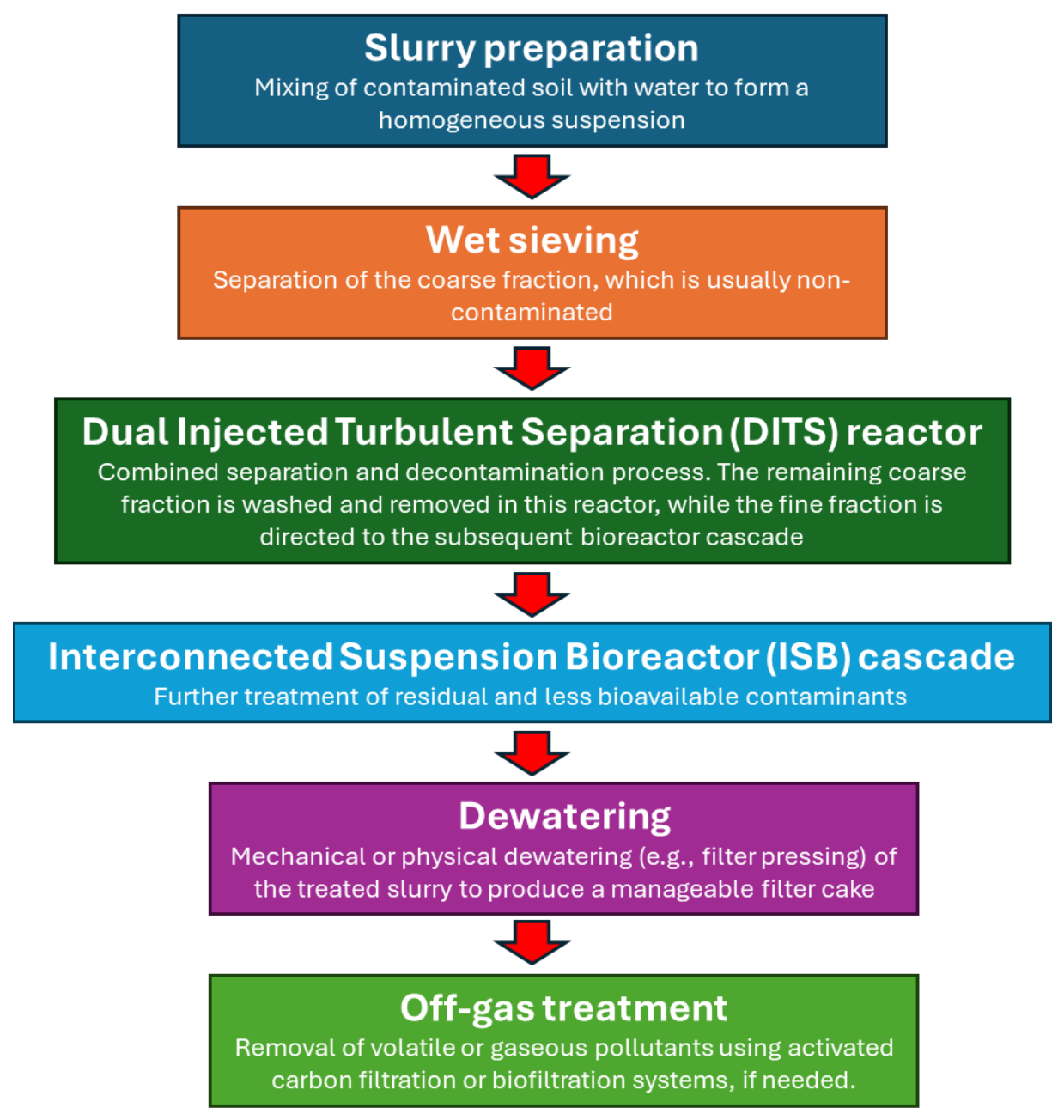
As mentioned in the previous section, most bioreactors for soil bioremediation are operated in the slurry phase to facilitate the homogeneous mixing of the polluted material with microorganisms and reagents, and to promote exchange processes and reaction kinetics. However, extremely fine-grained, cohesive soils and sludges, such as those generated from pretreatment processes like soil washing, cannot be effectively treated using heap or solid-state bioreactor techniques. Slurry-phase treatments are typically operated in impeller-driven mixing vessels, airlift reactors, or fluidized-bed systems, all of which ensure the adequate and homogeneous distribution of oxygen and nutrients throughout the slurry. The principal operational parameters of slurry-phase bioreactors are described in Table 2, while a scheme of a typical slurry-phase treatment sequence is reported in Figure 2.
Table 2.
Main operational parameters of BSRs for soil remediation.
Bioreactor design for PTE remediation is essential for scaling up processes from shake flasks to pilot or industrial scale. Design criteria include the culture requirements of the microorganism, operational simplicity, scalability, material demands, and cost-effectiveness [43]. In general, a bioreactor represents both an engineering and bioengineering challenge [44].
According to Morin [45], the design of a bioreactor unit that balances performance with practical considerations is influenced by several key parameters, including maximum head pressure, stirring system size, and reactor configuration. In addition, the design of a bioleach tank circuit at an industrial scale involves compromises based on criteria such as minimizing the number and volume of tanks, retention time, interchangeable tanks, secondary and tertiary stages, and gravity transfer.
Engineers must conceive the physical system to provide optimal conditions for gas, liquid, and solid transport while accommodating the biological processes occurring inside. Modern bioreactor engineering has dramatically improved, enabling faster process development, pretreatment handling, and utilization of renewable raw materials across a wide range of bioprocesses, including large-scale bioreactors and waste treatment plants [44].
Figure 2.
Sequence of operations in a typical slurry-phase treatment plant [46,47].
Gas–liquid and solid–liquid mass transfer is a key process in slurry bioreactors, as sorption and desorption reactions at the solid/liquid interface play a crucial role in PTE availability. In particular, sorption encompasses surface adsorption and other retention processes, including slow diffusion within soil pores or absorption onto OM, whereas desorption represents PTE release from the solid matrix to the liquid phase [14].
Key parameters influencing sorption/desorption, and therefore PTE leaching, include PTE biogeochemistry, soil pH, texture, OM content, redox conditions, and mineralogical composition, as well as soil/water ratio and mixing speed [14].
A low pH enhances metal solubility and desorption, thereby increasing PTE mobility. Coarse-textured soils with low CEC facilitate percolation and reduce sorption of mobilized PTEs but hinder particle dispersion and reduce contact with chemical lixiviants or microorganisms. Organic matter generally promotes PTE immobilization through complexation, although dissolved OM (DOM) can form mobile metal–organic complexes. Redox fluctuations strongly influence the stability of Fe/Mn oxides and sulfides. Reducing conditions favor PTE release from Fe/Mn oxides, while oxidizing conditions promote sulfide dissolution. Soil mineralogy, especially clay minerals, carbonates, and the above-mentioned Fe/Mn oxides, further regulate sorption and precipitation/dissolution processes. These properties act in combination with microbiological and hydrological drivers to determine the extent of PTE leaching from polluted soils [48].
Mixing devices, both mechanical and pneumatic, maintain solids in suspension, enhance turbulence, and increase mass transfer rates in BSRs. Mixing can be continuous or intermittent, the latter reducing energy costs but providing lower intensity. Effective mixing ensures slurry homogeneity, optimal aeration in aerobic BSRs, and improved adsorption/desorption of pollutants, which collectively enhance bioremediation rates and efficiency. The mixer selection depends on slurry properties and kinetic requirements, and are often determined via pilot studies. Power consumption is a critical factor, as denser slurries require more energy and pose challenges for oxygen transfer in aerobic systems. Therefore, strategies to reduce costs also include intermittent mixing and slurry dilution [36].
BSRs are usually employed for the bioremediation of soils contaminated with recalcitrant organic pollutants under controlled conditions, and also to assess the feasibility and potential of biological remediation strategies for restoring contaminated soils or sites [36]. Although a limited number of applications have been recorded so far, BSRs can be also successfully used to remediate PTE-contaminated soils, favoring either PTE leaching or PTE immobilization, the former being preferred.
White et al. [49] demonstrated that sulfuric acid generated by sulfur-oxidizing microorganisms in slurry bioreactors could effectively leach several metals (Cd, Co, Cr, Cu, Mn, Ni, and Zn) from artificially contaminated soils, although Pb solubilization proceeded slowly and remained incomplete even after 180 days. In a similar study, Gómez and Bosecker [50] observed successful removal of PTEs from contaminated soils using Thiobacillus ferrooxidans and Thiobacillus thiooxidans under slurry conditions. These authors observed that, depending on the growth medium, soil characteristics, and contaminant type, native isolates were able to solubilize more than half of the PTEs present, including As, Cd, Co, Cr, Cu, Ni, V, Zn, and Be. In particular, complete removal of Cd, Co, Cu, and Ni was achieved with T. ferrooxidans, while sulfur-oxidizing strains mobilized over 80% of Cd, Co, Cu, and Zn from rainwater sludge.
Zagury et al. [51] showed that semi-continuous stirred-tank reactors enriched with indigenous iron-oxidizing microorganisms could solubilize substantial proportions of Zn, Cu, and Mn from contaminated soils, reaching 40%, 47%, and 34% extraction, respectively. Nareshkumar et al. [52] demonstrated broad bioleaching capabilities using Acidithiobacillus thiooxidans in slurry bioreactors, with Cr, Zn, Cu, Pb, and Cd solubilization ranging from 11% to 99%. Using a different microbial strategy, Soda et al. [53] applied a dissimilatory arsenate-reducing bacterium in a slurry bioreactor, achieving an As removal efficiency of 63% and 41% from artificially contaminated forest and paddy soils, respectively, and 20% and 55% from two naturally contaminated soils. Kumar and Nagendran [54] reported the alteration of PTE-binding forms during bioleaching of metal-contaminated soils using Acidithiobacillus thiooxidans in shake flask experiments, and a good removal efficiency of Cr bound to non-reactive soil fractions (organic and residual) was achieved. Yang et al. [55] tested bioleaching using Burkholderia sp. Z-90, a biosurfactant-producing strain, obtaining a metal removal efficiency of 44% for Zn, 32.5% for Pb, 52.2% for Mn, 37.7% for Cd, 24.1% for Cu, and 31.6% for As. Furthermore, Mn, Zn, and Cd were more readily mobilized than Cu, Pb, and As, which was largely due to the strain capacity to adhere to contaminated soil particles and form metal–biosurfactant complexes. More recently, Sur et al. [56] showed that applying Thiobacillus ferrooxidans to contaminated soils enabled an effective bioleaching within short treatment periods, i.e., after 12 h, with removal efficiencies ranging from 29–76% for Cu, 10–32% for Pb, 39–72% for Cr, and 44–68% for Ni. Details about the type of microorganisms used in BSRs and their reactions are described in the next section.
Therefore, BSRs are potentially applicable to soils and sediments contaminated with a broad range of PTEs. In particular, the most convenient targets for bioleaching are PTEs that occur in relatively labile, exchangeable, carbonate-bound, oxide-associated, or otherwise acid-soluble fractions, because these forms are more readily mobilized by microbial production of acids and other lixiviants. On the contrary, PTEs strongly incorporated into resistant mineral phases are poorly removed and thereby imply additional or alternative treatment strategies [41,57].
Another crucial issue of soil leaching for the remediation of PTEs in BSRs is the formation of a secondary wastewater stream containing the PTEs mobilized from the soil matrix. Unlike organic contaminants, PTEs cannot be degraded; therefore, their elimination from soil via leaching simply represents a transfer of contaminants from the solid phase (soil) to the liquid phase (effluent). Although increasing the liquid-to-solid ratio may improve PTE extraction, these conditions can also increase the volume of wastewater generated and the associated requirements for downstream treatment [58,59]. The obtained leachate may indeed contain high concentrations of dissolved or complexed PTEs, residual lixiviants, and other dissolved soil constituents, often imposing the necessity for its treatment. Hence, the efficiency of soil leaching should not be assessed merely by relying on the reduction of PTE concentrations in the treated soil, but a comprehensive evaluation should also consider the overall mass balance of PTEs, the volume and composition of the generated wastewater, and the feasibility of recovering and recycling the leachate. Efficient treatment or recovery of PTEs from the effluent is vital to prevent secondary pollution and to enhance the environmental and economic sustainability of the remediation process [58,59].
4. Microorganisms in PTEs Bioleaching
4.1. Physiological and Biochemical Adaptations of Microorganisms to PTE Stress
When dealing with microorganisms for PTE soil remediation, particular attention must be paid to the PTE concentration, as high concentrations of PTEs may significantly affect microbial diversity, community structure, and metabolic activity. Concentrations above which PTEs can become toxic to microorganisms depend on the type of PTE (essential or non-essential), their speciation and bioavailability, and the type of microorganism (susceptible or tolerant). Susceptible species may decline, while tolerant species increase, often accompanied by upregulation of resistance mechanisms [60].
Based on their biological roles in microorganisms, PTEs can be categorized into essential or non-essential elements (Table 3) [61,62].
Table 3.
Classification of some PTEs according to their biochemical roles in microorganisms (modified from [61,62]).
Microorganisms can avoid PTE toxicity through a variety of passive and active mechanisms. Passive systems reduce intracellular metal exposure without involving the response of the expression of specific genes. Examples include complexation of metal ions with sulfate in acidic environments, chemiosmotic barriers in acidophiles that restrict metal entry, competition of metals with protons for cell surface binding sites, and biofilm formation that sequesters and immobilizes metals [60].
Acidophiles are notable for their high metal resistance, which is partly due to intrinsic tolerance linked to the acidic environments they colonize, rather than a higher abundance of specific resistance genes. At low pH, many metals exist as soluble toxic ions, yet acidophiles efficiently withstand such conditions through both passive and active resistance mechanisms. The latter involve intracellular metal-binding proteins and metal-transforming enzymes, encoded by metal resistance genes. Lateral gene transfer (LGT) facilitates the spread of resistance traits within microbial communities, thus contributing to genome evolution and adaptation to PTEs stress [60].
Another strategy that microorganisms use to survive in the presence of high concentrations of PTEs is by regulating their metal homeostasis. In particular, they maintain metal homeostasis via metal-regulatory proteins, which detect intracellular metal levels and regulate the expression of transporters, metallochaperones, and other proteins involved in metal influx or efflux. Binding of metal ions to these regulatory proteins induces conformational changes that modulate transcription of downstream genes, thus ensuring cellular metal balance [63].
4.2. Metabolic Features Underlying PTE Bioleaching
Bioleaching is the process mostly exploited in BSRs to remove PTEs from polluted soils. Bioleaching utilizes the natural metabolic capabilities of microorganisms to solubilize and mobilize metals, making them extractable from contaminated soils. Microorganisms employ both autotrophic (e.g., sulfur- and iron-oxidizing bacteria) and heterotrophic (e.g., biosurfactant- and siderophore-producing bacteria) pathways to promote metal solubilization. In the heterotrophic pathway, organic acids such as oxalic, gluconic, and malonic acids are secreted, lowering pH to 4–6 and enhancing metal solubility through chelation. Since microbial metabolites play central roles in the oxidation, solubilization, and mobilization of PTEs [41]; optimizing bioleaching efficiency requires understanding these mechanisms and tailoring microbial activity towards specific PTEs, or combinations of PTEs, in soil. As bioleaching is usually conducted under non-sterile conditions, native microbial communities can be identified, in laboratory-scale experiments, as novel and specially adapted microbes suitable for bioleaching applications [64].
Bioleaching depends on several physicochemical and biological factors, including the presence of suitable microbial species capable of solubilizing PTEs, the availability of nutrients to stimulate whole or specific microbial communities, and the maintenance of optimal pH, temperature, carbon dioxide, and oxygen supply. Therefore, the effectiveness of bioleaching requires a comprehensive understanding of these factors. For instance, the absence of nutrients compromises microbial activity, making the addition of various organic and inorganic nutrients necessary to enhance bacterial growth in PTE-contaminated soils. Moreover, bacterial solubilization of toxic metal(loid)s is strongly pH-dependent, with low pH required for metals to remain soluble and for Fe/S-oxidizing bacteria and archaea to thrive [41]. Optimizing oxygen and carbon dioxide concentrations further supports microbial growth and enhances PTE extraction yields. Despite increasing research on bioleaching, comprehensive reviews critically evaluating such optimization needs and mechanisms in PTE-contaminated soils are still limited.
Microbial metabolites are generally categorized into primary and secondary ones [65]. Primary metabolites, such as amino acids, carbohydrates, nucleotides, and fatty acids are essential for microbial growth. Secondary metabolites, including antibiotics, pigments, siderophores, and toxins, are produced in the stationary phase and often have ecological, adaptive, or defensive roles [65,66]. These secondary metabolites, unlike primary metabolites, are not required for survival but contribute to environmental adaptation (including PTEs-rich environments) and competitive interactions. In particular, many biosurfactants, which are important in bioremediation management, are products of secondary metabolism [66]. The production of secondary metabolites is tightly dependent on global (pleiotropic) and pathway-specific regulators. Environmental cues, such as nutrient limitation (e.g., nitrogen, phosphate), stressors (pH, temperature, oxidative stress), and signalling molecules like N-acetylglucosamine, trigger these regulatory systems, which control the expression of biosynthetic gene clusters (BGCs) responsible for metabolite production [67]. These BGCs often include genes for self-resistance and efflux systems, such as ATP-binding cassette (ABC) transporters, to prevent intracellular toxicity and feedback inhibition. For instance, in Cupriavidus metallidurans, the Rmet_2229-2234 ABC-type transporter is involved in Zn and Cd resistance in extreme environments [68].
4.3. Microbial Siderophores for PTE Mobilization
Among secondary metabolites, siderophores (molecules that show a high affinity for iron) have attracted significant interest for their role in PTEs bioremediation. These compounds not only enhance Fe acquisition but can also form complexes with a wide range of other metals, albeit with lower affinity than Fe, thereby improving microbial tolerance to metal-induced stress and promoting environmentally sustainable metal detoxification [69,70]. PTE mobilization by siderophores is not only favored by direct complexation reactions but also by Fe complexation, which promotes Fe-(hydr)oxides solubilization and therefore indirect PTE release, as PTEs are often associated with iron oxides.
Siderophores are divided into various classes based on the bidentate functional groups that make up the chelating moiety. These groups can be a hydroxamate, a catechol, an α-hydroxyacid, a 2-(2-hydroxyphenyl)-oxazoline, or a fluorescent quinoline chromophore. Siderophores typically have three bidentate groups in the chelating portion, which may be all the same, two the same and one different, or all different [71].
Bacterial siderophores are mainly categorized as hydroxamic acids, poly-catechol, substituted carboxyl-based, mixed types, and pseudomimetic catecholates (Table 4).
Table 4.
Structure of siderophores synthesized by Gram-positive and Gram-negative bacteria (modified from [70,72,73].
Pseudobactin and pyoverdine are typical siderophores synthesized by bacteria, whereas fungi predominantly synthesize hydroxamate-type siderophores such as rhodotorulic acid and ferrichromes [69].
Hydroxamate siderophores possess the functional group C(=O)/N–(OH)R, where R represents an amino acid or its derivative, providing two oxygen atoms that coordinate with Fe ions to form a bidentate ligand [70]. Each cluster of hydroxamate molecules can generate a hexadentate ligand, resulting in the formation of an octahedral Fe(III) complex. Fungi and some strains of bacteria mainly secrete hydrophilic tris hydroxamate siderophores characterized by high formation constants of ~1030 [74].
In catecholate-type siderophores, Fe(III) is chelated through the hydroxyl moieties of the catechol functional groups. The complexation process yields a hexadentate–octahedral structure, with the vicinal dihydroxyl group from each catechol moiety coordinating the Fe(III) ion. These siderophores are typically derivatives of salicylic acid or 2,3-dihydroxybenzoic acid (2,3-DHBA). An example is spirilobactin, a catecholate siderophore produced by Azospirillum brasilense under Fe-limiting conditions [70]. Catecholate siderophores form highly stable complexes with Fe(III), with tris-catecholate enterobactin exhibiting a formation constant of 1049, far exceeding that of EDTA (~1025). Under strongly basic conditions, fully deprotonated catecholates bind Fe(III) much more strongly than hydroxamates, corresponding to 1019-fold stronger complex formation. At physiological pH (7.4), however, the binding affinities of hydroxamate and catecholate siderophores become comparable. This arises from the greater acidity of hydroxamates, which increases the fraction of deprotonated molecules available for Fe(III) coordination, allowing effective metal binding under neutral conditions [74].
Hydroxycarboxylate siderophores coordinate Fe through carboxyl and hydroxyl groups and often occur as part of mixed-type siderophores containing multiple Fe-chelating moieties. A well-known group of mixed-type siderophores exhibiting high structural similarity with functional peptides is the pyoverdines, which are synthesized by fluorescent Pseudomonas spp. bacteria. Each pyoverdine molecule comprises a quinoline chromophore, a short peptide chain, and a dicarboxylic acid (or its amide) bound to the chromophore. While the peptide sequence remains constant within a bacterial strain, it varies among species and strains. For instance, Pseudomonas fluorescens produces several forms of pyoverdine: pyoverdine, pyoverdine 0, and pyoverdine A (ferribactin) (Figure 3) [75]. Pyoverdine is a peptide structurally related to ferribactin, sharing the same overall composition but lacking glutamine and containing a fluorescent chromophore replacing tyrosine [76]. Other Pseudomonas species, including P. syringae and P. aureofaciens, also synthesize pyoverdine-type siderophores. Moreover, P. fluorescens produces additional siderophores such as enantio-pyochelin, quinolobactin, ornicorrugatin, and pseudomonins [70].
Figure 3.
General structures attributed to pyoverdine macromolecules, including pyoverdine(s) and ferribactin produced by Pseudomonas fluorescens. R2 often includes peptidomimetic structural series, with L-Lysine cyclic dimers, while R1 is often a polar-bearing flag moiety. The 2 main categories differ in the macrocycle central ring, referred to as the chromophoric building block.
Siderophore biosynthesis occurs via two main pathways, i.e., non-ribosomal peptide synthetase (NRPS) and NRPS-independent siderophore (NIS) pathways. The NRPS pathway involves modular enzymatic complexes that activate, assemble, and modify amino acids into highly diverse peptides, while the NIS pathway uses specific enzymes such as IucA/IucC synthetases to condense citrate derivatives with amines or alcohols [77]. Genes encoding siderophore biosynthesis, regulation, and transport are usually organized in BGCs and regulated by Fe-responsive proteins, including ferric uptake regulator (Fur) and diphtheria toxin regulator (DtxR), which ensure homeostasis and efficient siderophore production [77].
Overall, integrating microbial chelating compounds, including siderophores, into bioleaching and bioremediation strategies represents an effective approach to address PTE pollution in soils by combining eco-friendly technology with microbial ecological processes to restore soil health and functionality [41,65,69]. In particular, when used in bioreactor technologies, bioleaching processes promoted by bacteria siderophores can extract PTEs from polluted soils in a controlled and isolated system, thus allowing PTE collection and secondary treatment while recovering a cleaner soil.
4.4. Microorganisms Used in PTE Bioleaching
As already mentioned in previous sections, both autotrophic and heterotrophic microorganisms can be exploited for the bioleaching of PTEs from polluted soils. In particular, autotrophic bioleaching utilizes acidophilic, aerobic, chemolithotrophic microorganisms, including both bacteria and archaea, which oxidize inorganic sulfur compounds and ferrous ions to produce sulfuric acid and ferric ions, which are the primary agents driving metal solubilization [57,78]. These microbes fix carbon via the Calvin–Benson cycle and are commonly found in acidic, sulfide-rich environments. Among bacteria, the genus Acidithiobacillus is the most extensively studied due to its high tolerance to PTEs and minimal nutrient requirements for metal mobilization [41,79].
Thiobacillus spp. are the most effective microorganisms used in bioleaching and thrive under aerobic conditions. The microorganisms belonging to the genus Thiobacillus are Gram-negative, non-spore-forming bacteria. Moderately thermophilic bacteria such as Thiobacillus-like bacteria (Th-bacteria) use Fe2+ to produce energy. They thrive at a temperature limit of 50 °C on pyrite, pentlandite, and chalcopyrite, and yeast extract is essential for their growth [80]. Most thiobacilli are chemolithoautotrophic species; bioleaching occurs at an acidic pH ranging between 1.5–3, where most metals are available in solution. Hence, the acidophilic species Thiobacillus ferrooxidans and T. thiooxidans are of peculiar significance, whereas other thiobacilli that oxidize sulfur and sulfides proliferate only at higher pH values where metals are often not available in solution [80].
Other microorganisms used in PTE bioleaching belong to the family Sulfolobaceae, within the order Sulfolobales. They are metal sulfide-oxidizing bacteria, either motile or non-motile cocci (single or pairs), that grow at temperatures within the range of 65–90 °C and pH 2. Such cells are characterized by being Gram-negative, highly irregular in shape, and frequently lobed or edged. Their growth can be aerobic, facultatively anaerobic, or anaerobic. Additionally, growth conditions are either autotrophic or heterotrophic. While oxidation of elemental sulfur, thiosulfate, metal sulfides, or molecular H2 helps them to obtain energy under autotrophic conditions, heterotrophic growth is maintained by aerobic respiration, anaerobic sulfur respiration, or fermentation of organic substrates [81,82,83,84].
Leptospirillum ferrooxidans, an acidophilic obligatory chemolithotroph, depends on Fe2+ to obtain energy. As compared to Acidithiobacillus ferrooxidans, this bacterium possesses higher endurance at a lower pH (about 1.2), as well as at higher concentrations of PTEs such as U, Mo, and Ag. However, it is highly sensitive to Cu and does not possess the ability to oxidize sulfur compounds. A. ferrooxidans is widely spread in the environment and proliferates at higher rates than L. ferrooxidans, but Zn2+ addition can stimulate L. ferrooxidans growth [85,86]. For Leptospirillum spp. growth, a temperature range of 20–45 °C is almost tolerable [86,87].
Heterotrophic microorganisms rely on the indirect production of organic acids, biosurfactants, and other metabolites to solubilize metal ions. Common organic acids include oxalic, gluconic, lactic, acetic, succinic, pyruvic, malonic, isocitric, and formic acids [41], which facilitate metal solubilization by maintaining low pH, promoting electron transfer, and forming soluble metal complexes. Key heterotrophs for bioleaching include Aspergillus niger and Penicillium simplicissimum, which are known for excreting significant quantities of organic acids and siderophores. Bioleaching using fungi (Penicillium and Aspergillus spp.) and sulfur- and iron-oxidizing bacteria has shown promising results for the remediation of Cd- and As-contaminated paddy fields [41]. Tran et al. [88] reported that the use of Shewanella putrefaciens with indigenous bacteria removed 57.5% of As from contaminated agricultural soil, compared to 16.4% and 30.1% removal by indigenous bacteria and S. putrefaciens alone, respectively.
The genera Bacillus and Pseudomonas are highly effective for bacterial bioleaching, while Aspergillus and Penicillium dominate among fungi. Deng et al. [89] demonstrated that Penicillium chrysogenum strain F1 achieved removal efficiencies of 74%, 59%, 24%, 55%, 57%, and 25% for Cd, Cu, Pb, Zn, Mn, and Cr, respectively, outperforming chemical leaching. Aspergillus niger-derived organic acids have also exhibited enhanced removal of toxic metal(loid)s from industrially contaminated soils [41]. Therefore, bioleaching using soil heterotrophic microorganisms provides an eco-friendly approach for extracting PTEs from contaminated soils.
Table 5 summarizes the various microorganisms involved in bioleaching processes, which includes bacterial, archaeal, and fungal species, also highlighting their type of metabolism, optimal temperature and pH conditions, target PTEs, and their ability to oxidize Fe or S.
Table 5.
Microorganisms used in bioleaching.
Genetically modified microorganisms (GMMs) represent a promising emerging approach for improving bioslurry-based PTE bioleaching. Bioleaching relies on sustained microbial production of leaching agents, such as protons, ferric iron, sulfuric acid, organic acids, and metal-complexing metabolites, which induce the dissolution and mobilization of PTEs from the solid phase into the aqueous phase [41,57]. However, bioleaching efficiency is often limited by the sensitivity of microorganisms to high concentrations of dissolved metal ions, prolonged exposure to acidic conditions, and other physicochemical stresses that can inhibit microbial growth and metabolism. Genetic engineering could potentially address these limitations by enhancing metal tolerance and stress resistance and by improving metabolic pathways associated with Fe and S oxidation or the production of biogenic leaching agents. Chen et al. [102] highlighted the potential of genetically engineered Acidithiobacillus spp. to enhance biomining performance, including ameliorated tolerance to harsh conditions and enhanced metal extraction, while recent reviews have demonstrated gene editing and synthetic biotechnology as promising approaches for establishing bioleaching microorganisms with greater resistance to metal-ion stress and better leaching efficiency [102,103]. Engineered yeast strains have been shown to sequester metals, including Cr, As, and Cd, at concentrations 10–100 times higher than typical hyperaccumulator thresholds [104].
Hence, in a bioslurry reactor, GMMs could potentially attain higher metabolic activity under conditions that limit the activity of conventional strains, leading to more sustained production of lixiviants and enhanced PTE mobilization. Genetic engineering may also enable the development of strains addressed to specific contaminated matrices or target PTEs, potentially enhancing the selectivity and efficiency of bioleaching. However, the application of GMMs for PTE bioleaching remains largely at the laboratory and proof-of-concept stages, and significant challenges include the stability of engineered traits, maintenance of performance under complex slurry conditions, and biosafety and regulatory requirements, as well as the establishment of efficient containment strategies. BSRs may provide an advantage in this respect because its ex situ and controlled operation could facilitate containment and monitoring compared with direct environmental application. Consequently, genetically engineered bioleaching microorganisms should currently be viewed as an emerging strategy with considerable potential for improving PTE mobilization and extraction but necessitating further validation under realistic bioslurry conditions.
4.5. Mechanisms of PTE Mobilization
In bioleaching, microorganisms remove metal ions from the contaminated soil via two main mechanisms, namely indirect and direct bioleaching. In the indirect mechanism, bacteria do not physically contact the solid substrate but promote PTE solubilization through the production of metabolites. In direct bioleaching, bacteria interact with the solid surface, facilitating metal solubilization through electrochemical reactions [42].
In indirect bioleaching, chemoautotrophic Fe-oxidizing microorganisms like Acidithiobacillus ferrooxidans or Leptospirillum ferrooxidans generate ferric ions by oxidation of ferrous iron [105,106]. Ferric iron then acts as a chemical oxidizing agent that disrupts the bonds, and therefore the structure, of PTE-containing minerals, mainly sulfides. Another mode of action involves a confined reaction zone between the microbial cell wall and the mineral surface, where ferric ions accumulate within biofilms to target the sulfide mineral locally [106]. Under natural conditions, ferrous-to-ferric iron oxidation is extremely slow; however, microbial activity accelerates this reaction by 105–106 times at pH 2–3 [107].
Acidophilic bacteria oxidize sulfide minerals such as pyrite, producing energy for microbial growth. Oxidation of sulfides then generates sulfuric acid, which further acidifies the environment and enhances metal dissolution. Thus, metals such as Cu, Zn, and Ni are released from minerals as soluble sulfate complexes in the acidic solution. Indirect bioleaching disrupts passivation layers on mineral surfaces, exposing fresh material for further oxidation and metal release. Microbes then continue to grow, sustaining ferric ion production and sulfuric acid generation over time.
Regarding the direct bioleaching mechanism, [108] described the following processes occurring during PTEs mobilization: (1) bacteria attachment to PTE-mineral surfaces; (2) oxidation of Fe and S, producing Fe3+ and SO42−; (3) acid generation, reaching about pH 2 around mineral particles which further facilitate PTEs dissolution; (4) PTE complexation with bacterial ligands, facilitating their transport away from the mineral matrix; (5) PTE uptake by bacteria possessing ion exchange and transport mechanisms allowing them to uptake metal ions into the cells; (6) bacterial SO42− reduction to generate energy, producing S2− and additional H+ that maintain the acidic conditions necessary for continued metal solubilization.
In these processes, both oxidation and reduction reactions sustain bacterial growth, maintaining a stable microbial population that drives the bioleaching processes. In addition, under certain conditions, metal ions within bacterial cells may precipitate as metal sulfides, which can be advantageous for recovering metals from solution.
Over the past few decades, a particular interest around bioleaching mechanisms has grown, especially by the metal recovery industry, as the microbial extraction of PTEs from sulfidic ores has become an established biotechnology [80,105,109,110,111,112,113].
Since metal sulfides can be divided into two distinct groups, two different oxidation mechanisms have been proposed: (i) the thiosulfate mechanism, which applies to acid-insoluble sulfides such as pyrite, and (ii) the polysulfide mechanism, which is relevant for acid-soluble sulfides like sphalerite (ZnS) or chalcopyrite (CuFeS2) [84].
The thiosulfate pathway for acid-insoluble metal sulfides such as pyrite, molybdenite, and tungstenite (FeS2, MoS2, and WS2, respectively) requires an oxidation process for their dissolution. The chemical bonds between the metal and sulfur atoms are not broken until six successive one-electron oxidation steps occur, which result in the formation of thiosulfate (S2O32−; [113,114,115,116]) (Equation (1)). Under bioleaching conditions, Fe(III) ions serve as the primary oxidant, accepting electrons mainly from the sulfide and being reduced to Fe(II) ions. Because the first free sulfur compound formed is thiosulfate, this process is referred to as the “thiosulfate pathway” [113,116].
FeS2 + 6 Fe3+ + 3 H2O → S2O32− + 7 Fe2++ 6 H+
Thiosulfate is then predominantly oxidized via tetrathionate, disulfane monosulfonic acid, and other polythionates to sulfate. However, significant amounts of elemental sulfur (10–20%) may form if bacterial S-compound oxidation is absent, which alternatively occurs through purely chemical oxidation by Fe(III) ions (Equation (2)) or by Leptospirillum ferrooxidans [113,117,118].
S2O32− + 8 Fe3+ + 5 H2O → 2 SO42− + 8 Fe2+ + 10 H+
Since electron extraction relies on Fe(III) ions, and Fe(II) ions are not significantly oxidized abiotically at around pH 2 [113,119], only Fe(II)-oxidizing bacteria, such as Acidithiobacillus ferrooxidans and Leptospirillum ferrooxidans, can efficiently leach acid-insoluble metal sulfides under acidic conditions. These microorganisms regenerate Fe(III) ions consumed during the initial oxidation, making the leaching rate largely dependent on bacterial Fe(II) oxidation activity [113,120]. In the absence of bacteria and under acidic conditions without significant Fe(III) ions, pyrite leaching rates are drastically reduced [113,117,118]. Nevertheless, even under such conditions, the thiosulfate mechanism appears to operate, although subsequent thiosulfate reactions may differ from those described above [113,121]. The occurrence of the thiosulfate pathway is confirmed in bioleaching experiments using A. ferrooxidans [122,123].
Acid-soluble metal sulfides, such as sphalerite, galena, arsenopyrite, chalcopyrite, and hauerite (ZnS, PbS, FeAsS, CuFeS2, and MnS2, respectively), are dissolved through a combined action of proton attack and electron extraction by Fe(III) ions, involving removal of valence-band electrons from metal–S bonds. In contrast to acid-insoluble sulfides, these bonds can be disrupted not only by Fe(III) ions but also directly by protons. In Fe-free systems, proton attack could theoretically lead to the release of hydrogen sulfide (H2S), as may occur for pure ZnS. However, Fe(III) ions are almost invariably present as impurities and promote simultaneous one-electron oxidation of the sulfur moiety during proton attack. As a result, the first free sulfur species formed is most likely a sulfide cation (HS+), which readily dimerizes to disulfide (H2S2) and is subsequently oxidized via higher polysulfides and polysulfide radicals to elemental S [113,124], according to Equations (3) and (4). This reaction sequence is known as the “polysulfide pathway” [125].
MS + Fe3+ + H+ → M2+ + 0.5 H2Sn + Fe2+ (n ≥ 2)
0.5 H2Sn + Fe3+ → 0.125 S8 + Fe2+ + H+
In the absence of S-oxidizing microorganisms, more than 90% of the sulfide-S is converted to elemental S during polysulfide oxidation, while minor amounts of thiosulfate, polythionates, and sulfate are also formed [113,124,125].
Acid-soluble metal sulfides may also be leached by S-oxidizing bacteria. Under Fe(III)-limited conditions, these microorganisms oxidize free sulfide produced by proton attack through elemental S to sulfuric acid, thereby regenerating protons consumed during mineral dissolution [113], according to Equation (5).
0.125 S8 + 1.5 O2 + H2O → SO42− + 2 H+
The polysulfide mechanism thus plays a central role in the dissolution of acid-soluble metal sulfides under acidic conditions, where sulfide is oxidized to elemental S via polysulfide intermediates [123,125]. The reaction sequence leading to elemental S formation through polysulfides has been widely documented [123,126,127]. Consistent with these findings, S- and O-containing oxidation products have been identified during bioleaching of sphalerite and chalcopyrite by Acidithiobacillus ferrooxidans [128,129], as cited in Pattanaik et al. [123].
Operational parameters modulate the relative contribution of the polysulfide and thiosulfate pathways by controlling proton activity, Fe3+/Fe2+ cycling, microbial oxidation rates, and the accessibility of sulfide surfaces. First of all, pH governs proton-promoted cleavage of acid-soluble sulfides and the stability of Fe3+, thereby influencing progression through polysulfide intermediates toward elemental S and sulfate. For acid-insoluble sulfides, pH primarily affects Fe3+ persistence and the subsequent oxidation of thiosulfate to higher-valence S-species [130]. Redox potential (Eh) determines the Fe3+/Fe2+ ratio and thus the oxidative capacity of the system. High Eh sustains Fe3+-driven attack on sulfides and oxidation of polysulfide-derived S. In the thiosulfate pathway, an oxidizing Eh favors Fe3+-mediated formation and stepwise oxidation of thiosulfate [64]. Temperature modulates microbial kinetics within the physiological optimum, with elevated temperatures accelerating Fe2+ oxidation, S oxidation, and overall reaction rates in both pathways; supra-optimal temperatures suppress microbial regeneration of Fe3+ and S oxidation [86,131]. Additionally, oxygen availability controls aerobic Fe- and S-oxidizing microbial activity. Adequate O2 ensures continuous Fe2+ → Fe3+ regeneration and oxidation of reduced S-species, while oxygen limitation reduces Fe3+ availability and slows thiosulfate formation and turnover [130]. The Fe3+/Fe2+ ratio is another key determinant of oxidative dissolution: high Fe3+ concentrations enhance attack on sulfides and sustain polysulfide oxidation. For acid-insoluble minerals (e.g., pyrite), Fe3+ is the primary oxidant generating thiosulfate, which is subsequently oxidized by microbial activity [64]. Particle size influences reactive surface area and mass-transfer efficiency. Finer particles enhance Fe3+ and microbial contact, increasing formation and oxidation of polysulfide and thiosulfate intermediates [131]. Slurry density affects oxygen transfer, dissolved-metal accumulation, and microbial inhibition, with excessive solids reducing Fe3+ regeneration and limiting oxidation rates in both pathways [86].
In practice, slurry stirring improves mass transfer of O2, Fe3+, and soluble S-species, thus sustaining continuous oxidation of polysulfides and thiosulfate, while longer residence allows complete oxidation of polysulfide-derived S and thiosulfate intermediates to sulfate, enhancing overall metal dissolution.
Heterotrophic bacteria and fungi, which rely on organic nutrients for growth and energy, can facilitate PTE mobilization either through enzymatic reduction of highly oxidized metal compounds or by secreting organic acids such as lactic, oxalic, citric, and gluconic acids and compounds with multiple hydrophilic reactive groups, including phenol derivatives [108]. Organic acids are employed by heterotrophic microorganisms to mobilize PTEs via two main mechanisms, i.e., acidolysis and complexolysis. In particular, acidolysis involves protonation of oxygen atoms on insoluble PTE compounds, thus increasing PTE solubility. The degree of protonation depends on the acid strength, making acid biosynthesis crucial for efficient PTE solubilization. Acidolysis is rapid and common for fungi and heterotrophic organisms like A. ferrooxidans and L. ferrooxidans. Complexolysis, or ligand-induced PTE solubilization, occurs when PTEs interact with microbial chelators at the surface of PTE-bearing phases, thus releasing PTEs from the mineral lattice or from OM. Among these chelators, oxalic acid forms complexes with Al, Fe, and Mg, while citric acid forms complexes with Ca and Mg. Therefore, these molecules facilitate the dissolution of soil minerals such as (hydr)oxides and carbonates, PTE leaching efficiency being then influenced by the complex stability and ligand strength. Microorganisms involved in complexolysis include Chromobacterium violaceum, Pseudomonas aeruginosa, Pseudomonas fluorescens, and Bacillus megaterium [41].
Among the metabolites produced by heterotrophic microorganisms, biosurfactants play also an important role in PTE mobilization and are increasingly applied in environmental remediation due to their biodegradability and eco-friendly nature. Biosurfactants contain hydrophilic polar groups (oligosaccharides, monosaccharides, proteins, or peptides) and hydrophobic moieties (saturated or unsaturated fatty alcohols or hydroxylated fatty acids), which confer high surface activity and strong tolerance to environmental stress, making these molecules highly effective for mobilizing metal ions from soil particles.
Two main mechanisms have been identified for biosurfactant-mediated PTE desorption from contaminated soils. First, biosurfactants can form complexes with free ionic PTE species. According to Le Chatelier’s principle, complexation reduces the solution-phase activity of PTE ions, increasing their desorption from soil. Second, biosurfactants can accumulate at the solid–solution interface, lowering the interfacial tension and promoting PTE complexation. The strong interactions between anionic biosurfactants and metal ions form stable complexes, which are often stronger than PTE–soil interactions. These neutral metal–biosurfactant complexes can further incorporate PTEs into micelles, facilitating their desorption into the soil liquid phase [132]. Table 6 lists some metabolites, substances, and microorganisms used for PTE bioleaching, and their mechanism of action.
Table 6.
Metabolites, substances, and microorganisms used in PTE bioleaching (adapted from [41]).
5. Immobilized Bacteria
Bacterial immobilization has been widely studied. In many applications, free-floating bacterial cells are typically utilized in bioreactors for bioleaching. Due to their small size (approximately 1–10 μm) and density, the cells are easily dispersed within the medium, but their further separation and recovering from the medium is challenging. To recycle cells for achieving high cell densities or for subsequent processing, centrifugation and other separation techniques are frequently employed. However, these methods often require substantial capital investment and high energy input, and feature the risk of contamination if the recycled cells are reintroduced into the bioreactor. In continuous systems, cell growth is counterbalanced by effluent washout, thus yielding low cell densities that can compromise their efficiency [133].
Whole-cell immobilization represents a solution to these limitations, as it allows the physical confinement or localization of intact cells to a defined region of space while maintaining the desired catalytic activity. Immobilization enables cells to be retained within bioreactors, facilitating high cell densities, and allows their straightforward separation when needed. This concept originates from enzyme immobilization, as both enzymes and whole cells act as biological catalysts from a chemical engineering perspective, also adding important advantages such as entrapment, adsorption, and encapsulation. However, immobilization presents additional challenges, particularly for living cells, which are more complex than enzymes. On the other side, whole cells offer unique advantages, which are unavailable for enzyme systems, such as yeast self-flocculation, aggregation of plant cells, and bacterial biofilm formation. Compared to free cells, immobilized cells, whether attached to surfaces, aggregated, or within biofilms, often exhibit an increased tolerance to environmental stresses. Moreover, advances in genetic engineering allow the introduction of additional desirable traits, such as self-flocculation and transfer between species, which further enhance the potential of immobilized cell technology for BSR applications.
Cell immobilization provides several benefits, primarily through the establishment of a favorable microenvironment, including enhanced cell–cell interactions and nutrient or pH gradients, which can enhance cellular activities. Key advantages include (i) maintenance of high cell densities in bioreactors; (ii) reduced cost and ease of cell separation from culture media; (iii) facilitation of continuous culture processes at high dilution rates; (iv) increased resistance to shear stress, particularly for shear-sensitive cells; (v) shortened lag phase in cell growth; (vi) improved volumetric productivity; (vii) enhanced substrate utilization; (viii) lower risk of microbial contamination; (ix) better tolerance to substrate or end-product inhibition; and (x) improved genetic stability.
Immobilizing a pure culture or laboratory-formed microbial consortium is generally more efficient than using a naturally growing microbial community from complex contaminated environments, which may contain diverse and sometimes antagonistic species.
In particular, studies suggest that immobilizing naturally occurring microbial consortia or sludge can be less efficient than laboratory-formulated consortia, due to the lack of co-metabolic or synergistic degradation pathways. Borrowing an example from biogas production, anaerobic sludge immobilized in macroporous polyvinyl alcohol (PVA) cryogels enhanced methanogenic activity (~55%) but reduced acidogenic activity (~16%) [134].
Immobilized enzymes are also largely employed in bioreactor technologies. While enzyme immobilization is a concept that has existed for over a century, its practical applications have flourished over the last fifty years. Immobilized enzymes have been successfully applied in the synthesis of complex drug intermediates, chemical transformations under mild conditions without toxic by-products, remediation of polluted environments, disease diagnostics, and correction of metabolic deficiencies [135]. Immobilized enzymes allow convenient handling, simplified product separation, reusability, stability under extreme conditions, and adaptability to all reactor types, including continuous and fixed-bed systems. Additionally, immobilized enzymes are particularly suitable for multi-enzyme or chemoenzymatic cascade processes.
Both bacterial and enzymatic immobilization need suitable support materials for successful practical applications. Attachment, entrapment, and encapsulation are widely used techniques for immobilizing whole cells on support materials. These methods are applicable to nearly all viable and nonviable cells of interest, including microorganisms and plant, mammalian, and insect cells. Although many principles of enzyme immobilization apply to cells, the relative importance of each method differs, due to the size and biochemical complexity of cells.
According to Ge et al. [133], the selection of support materials is crucial for effective immobilization. Ideal support materials should (i) be available in large quantities at low cost; (ii) exhibit mechanical, chemical, and thermal stability during operation and storage; (iii) provide large surface areas accessible to cells and substrates; (iv) contain functional groups to facilitate cell binding; (v) maintain cell activity without causing lysis; (vi) be easy to handle, recycle, or dispose of safely; and (vii) feature low affinity for contaminants.
Additional properties, such as porosity, swelling capacity, compressibility, biodegradability, and microbial growth potential, may be optimized for specific applications.
Various support materials have been developed, including polymeric matrices like alginate, agar, gelatine, K-carrageenan, chitosan, pectin, polyacrylamide, epoxy resin, and silica sol, as well as preformed supports like wood chips, stainless steel, cotton cloth, porous glass, diethylaminoethyl (DEAE) cellulose, porous ceramics, and diatomaceous earth. Table 7 shows the criteria that should be adopted while choosing the appropriate bulk material for cell and enzyme immobilization.
Table 7.
Criteria for the selection of support materials for cell and enzyme immobilization (compiled based on [133]).
5.1. Support Materials for Bacteria Immobilization
Carrier materials used for immobilizing cells are generally classified into inorganic materials, natural organic polymers, and synthetic organic polymers. The support matrix must provide adequate structural support and allow efficient mass transfer to achieve an effective bioremediation. Commonly used matrices include ceramics, activated carbon (AC), lignocellulosic biomasses, and natural or synthetic polymers for immobilization or entrapment of bacterial cells. The physical properties of these carriers are critical, as they determine matrix durability. Immobilization on these matrices can also stimulate cellular adaptations that promote attachment and growth within the support. Additionally, the bacterial cell membrane permeability facilitates nutrient uptake, which must remain unaffected after immobilization [134].
Organic carriers are preferred for whole-cell immobilization due to their biocompatibility. Both natural and synthetic polymers have been explored as matrices for bacterial immobilization in bioremediation. Natural organic carriers are readily available, inexpensive, biodegradable, and non-toxic. Their abundant surface functional groups further enhance adsorption capacity. Examples include carrageenan, pectate, agar, agarose, chitosan, charcoal, cellulose, gelatine, collagen, bacterial cellulose, and alginate. Natural polymers are usually gelled through cooling or ion-mediated gelation. Bacteria immobilized in matrices such as carrageenan and alginate maintain growth and viability. Alginate gels, for instance, are permeable and transparent and do not cause significant physicochemical changes to entrapped cells. Chitosan, with its reactive amino groups, enhances bacterial attachment to the support.
Despite these advantages, natural extracted carriers have limitations, including particle disruption under high bacterial density, excessive gas production, low mechanical and chemical stability, poor reproducibility, high contamination risk, rapid hydration, and loss of adhesiveness during relatively long-term storage (~20–25 days).
To overcome these drawbacks, synthetic polymeric gels, synthesized by chemical or photochemical polymerization of monomeric units, are used. Although less biodegradable and possessing lower diffusion than natural matrices, synthetic polymers provide superior mechanical stability. Widely used synthetic gels include polyvinyl alcohol (PVA), polyacrylamide (PAM), polycarbamoyl sulfonate (PCS), and polyethylene glycol (PEG). Common synthetic plastics include polyethylene (PE), polyurethane (PU), polypropylene (PP), polyacrylonitrile (PAN), and polyvinyl chloride (PVC). Additionally, composite matrices combining natural and synthetic polymers provide an optimal balance of mechanical strength and diffusion efficiency.
Hydrogels are particularly attractive for immobilization due to their water retention, swelling ability, and mechanical strength. Cell entrapment in hydrogels is a preferred immobilization method because it maintains high cell viability and imposes minimal stress to the cells [136]. Water within hydrogels generates osmotic pressure that promotes the interaction among pollutants, bacteria, and carrier material, thus making hydrogel-based immobilization highly suitable for bioremediation. Immobilized cells in natural or synthetic polymers have been used to remove hydrocarbons, organic and inorganic dyes, aromatic compounds (e.g., pyridine, toluene), PTEs, and excess nutrients like nitrogen and phosphorus from wastewater [134].
Among hydrogels, alginate, composed of guluronic (G) and mannuronic (M) acid blocks, is produced by the bacteria Azotobacter spp. and Pseudomonas spp., and seaweed. Calcium alginate, a widely used alginate, forms gels when calcium ions crosslink G blocks, thus forming a sol–gel matrix that protects entrapped cells. Pore sizes of typical 5–200 μm are produced by crosslinking rate and calcium diffusion. Despite excellent biocompatibility and water retention, alginate exhibits poor cell adhesion and is often modified with peptides, inorganic materials, or other polymers to improve its performance [136].
Synthetic polymers allow tailored control over porosity, hydrophilicity, and mechanical properties. Polyacrylamide (PAM) gels have been extensively used due to ease of fabrication, optical transparency, and mechanical tunability via bis-acrylamide crosslinking. Optimization of polymerization time and temperature is essential to maintain cell viability. PVA hydrogels are non-toxic and cost-effective, and can be gelled through repeated freeze–thaw cycles. Crosslinking with boric acid or incorporation of calcium alginate improves mechanical strength while retaining cellular activity. Advanced PVA hydrogels, crosslinked with 4-carboxyphenylboronic acid, offer tunable mechanical properties and show potential in tissue engineering. Polyurethane hydrogels, formed via polyaddition of isocyanates and polyols, allow cell entrapment through urea linkages or polycondensation. Methacrylate-based hydrogels, photo-crosslinked by UV light, are also widely employed with pre-polymers such as polyethylene glycol dimethacrylate and gelatine methacrylate, enabling rapid gelation [136].
5.2. Methods for Bacterial Immobilization
Various types of immobilized cell systems exist and can be chosen in BSR technology, based on the intended application and the characteristics of the immobilization matrix. Some of the commonly used techniques are described below.
5.2.1. Entrapment
Entrapment is a versatile method used to confine microbial cells within a porous polymeric matrix, thus enabling substrate and product diffusion while shielding the cells from external stress. Natural and synthetic polymers such as alginate, agarose, and polyacrylamide are frequently used.
In bioremediation, entrapment has been applied to nitrifying sludge cells to mitigate silver nanoparticle and ion toxicity, which are common contaminants in wastewater. Entrapped fungi and yeast have also been used to remove inorganic contaminants. For example, Aspergillus sydowii immobilized in magnetic chitosan microspheres absorbs Cu(II), and Saccharomyces cerevisiae entrapped in a graphene oxide/PVA/calcium alginate composite successfully sequesters U through ion exchange, complexation, and reduction [137].
5.2.2. Adhesion and Adsorption
Immobilization through adhesion or adsorption relies on electrostatic forces between the cell membrane and solid supports. Cells can form biofilms on porous or nonporous surfaces, thus acquiring protection and maintaining viability. This method allows direct contact to nutrients and efficient substrate conversion, though weak stabilization forces can result in cell detachment.
Materials such as bacterial cellulose (BC) have been used to immobilize diverse microorganisms, thus demonstrating the importance of cell size, shape, and contact area for successful adsorption [138]. Lapponi et al. [137] reported that Pleurotus ostreatus adhered to bentonite achieves >95% PTE removal.
Optimizing adhesion involves controlling support characteristics (e.g., particle size, porosity, reactive groups), cell properties (e.g., surface charge, hydrophobicity, size, age), and environmental factors (e.g., pH, temperature, flow rate). Chemical modifications or composite supports can enhance binding and prevent cell detachment.
5.2.3. Cross-Linking
Cross-linking stabilizes cells by forming covalent bonds between activated supports and cells or macromolecules by means of multifunctional agents such as glutaraldehyde, hexamethylene-diisocyanate, or bis-diazo-benzidine. For instance, Bacillus pseudomycoides immobilized in PVA hydrogel cross-linked with glutaraldehyde maintained high viability for nearly two months and efficiently treated municipal wastewater. Cross-linking agents have also been employed to immobilize nitrifying bacteria and other strains for diverse biotechnological applications [134].
Radiation-based cross-linking, including gamma or UV irradiation, offers an alternative that avoids cytotoxic agents while enabling polymerization at room temperature, sterilization, and simultaneous immobilization. Successful applications include immobilization of multiple bacterial strains for Sr remediation and PAH degradation [134].
5.2.4. Covalent Binding
Covalent binding provides strong, stable attachment of cells to surfaces, minimizing detachment. Glutaraldehyde is widely used to anchor cells, induce aggregation, or determine artificial flocculation [137].
Figure 4 summarizes the different methodologies used for whole-cell immobilization.
Figure 4.
Different methodologies used for whole-cell immobilization (adapted from [137]).
The type of immobilization procedure can involve the aforementioned reversible or irreversible interactions, and the choice of interaction depends on the intended application of the immobilized cell system and the specific reaction involved. Additionally, the advantages and limitations of each technology should be carefully considered to achieve the desired outcome [137].
The various types of cell immobilization and their advantages and disadvantages are reported in Table 8.
Table 8.
Types of cell immobilization (modified from [136]).
Despite the potential advantages of microbial immobilization, several challenges persist, including operational complexity, variable results in the presence of multiple contaminants, design considerations for large-scale operations, mass transfer limitations, accumulation of toxic substances or metabolic products near immobilized cells due to slow diffusion, and formation of thick biofilms that can obstruct bead pores and reduce substrate transport to the cells [134]. Although increasing biofilm thickness (Lf) enhances biomass retention and may therefore increase the potential substrate-conversion capacity, it simultaneously increases the diffusion distance through the biofilm, thus reducing substrate accessibility to microorganisms located in deeper layers. This trade-off is particularly crucial because the heterogeneous structure of biofilms can induce substantial spatial variations in substrate concentration and mass-transfer rates [139]. For a one-dimensional biofilm under steady-state diffusion and first-order substrate utilization, the relative importance of reaction and diffusion can be characterized by the Thiele modulus (φ) (Equation (6)):
where k is the first-order reaction constant and Deff is the effective substrate diffusivity within the biofilm [140]. The corresponding effectiveness factor for an idealized planar biofilm is given by Equation (7):
where ŋ represents the ratio of the actual reaction rate under internal diffusion limitation to the reaction rate that would occur if the entire biofilm were exposed to the bulk-substrate concentration [140]. Thus, as Lf increases, φ increases and ŋ decreases when internal diffusion becomes increasingly limiting. The observed conversion rate (Robs) can consequently be expressed by Equation (8):
which implies that an increase in biomass does not eventually result in a proportional increase in reactor performance because an increasing fraction of the biofilm may become substrate limited. In bioslurry reactors, this biofilm-associated resistance is superimposed on contaminant desorption from soil particles and external transport processes; consequently, the observed biodegradation rate reflects the coupled effects of contaminant bioavailability, mass transfer, and microbial activity [16].
Robs = ŋ Rintrinsic
6. Analytical Techniques to Assess PTEs in Bioleaching
When assessing PTEs bioleaching efficiency in bioslurries, it is important to determine PTE concentration in both liquid leachates and residual soil. For this purpose, the availability of suitable analytical methods is of paramount relevance.
The procedures for identifying and quantifying PTEs vary depending on the element’s chemical properties, the matrix type, and the chosen/available analytical technique. While direct analysis of the residual solid phase is possible only using techniques such as laser ablation (LA) coupled with inductively coupled plasma mass spectrometry (ICP-MS), laser-induced breakdown spectroscopy (LIBS), or X-ray fluorescence spectroscopy (XRF), most analyses are conducted on liquids, either on filtered leachate or on digested soil.
While the PTE determination in leachate is quite straightforward, soil samples usually need pretreatment steps, typically including oven drying to remove moisture, homogenization by grinding and, for techniques requiring the sample in the liquid form (e.g., atomic absorption spectroscopies—AAS, ICP-MS, ICP optical emission spectroscopy—ICP-OES, electrochemical methods), dissolution in an appropriate acid mixture to release the metals fully into solution [141]. Filtration is then applied to remove the residual particulate.
The selection of the analytical technique also depends on factors including cost, sample throughput, detection limits, sensitivity, regulatory requirements, and matrix complexity. Instrumental techniques for PTE analyses are broadly classified into spectroscopic and electrochemical methods, each with specific advantages and limitations [141].
Currently, most analytical approaches rely on absorption/emission or mass spectrometric techniques, including XRF, ICP-MS, or ICP-OES, atomic emission spectroscopy (AES), and AAS [142]. For instance, Gómez and Bosecker (1999) [50] employed ICP-MS and XRF for the assessment of metal contents in soil supernatants obtained from bioleaching of soils using inoculated Thiobacillus ferrooxidans and Thiobacillus thiooxidans. In most cases, bioleaching trials typically depend on the analytical method, such as ICP-OES, ICP-MS, or AAS, used for PTE quantification.
Recently, Peralta et al. [143] successfully employed portable XRF (pXRF) in combination with single leaching tests for the rapid risk assessment of Cu, Pb, Zn, and As. Another emerging type of XRF spectroscopy method is total reflection X-ray fluorescence (TXRF), which provides significantly lower detection limits compared to XRF, typically in the range of 10−7 to 10−12 g. In addition, TXRF can be applied to both solid and liquid samples, while enabling the simultaneous determination of multiple elements with a single measurement [144]. Despite its advantages, the use of TXRF in bioleaching studies is still limited to research and has never been used as a routine analytical tool within the bioreactor framework. Consequently, the application of TXRF remains largely unexplored. However, according to Marguí et al. [145], TXRF has the potential to be deployed for both screening and qualitative or quantitative analysis of leaching solutions.
Another advanced analytical technique that has the potential to provide rapid analysis, in situ measurement, and minimal sample preparation is LIBS. This technique employs a pulsed laser to ablate and atomize the material, forming a transient plasma that emits characteristic elemental spectral lines, allowing both qualitative and quantitative elemental analysis [146]. The LIBS method can analyze a wide range of materials, including gases, solids, liquids, and aerosols. Although LIBS has become an important analytical tool in many scientific fields, including environmental monitoring, its adoption for assessment of PTEs in soil samples is still limited. For example, Senesi et al. [147] showed that LIBS can reliably analyze Mg, Al, Si, Ca, Ti, V, Cr, Mn, Cu, Zn, and Pb in one sewage sludge and five soil samples. Quantitative analysis based on calibration curves was possible for V, Cr, Cu, Zn, and Pb. Likewise, Ma et al. [148] used LIBS for the direct analysis of PTEs, including Cd. Hence, LIBS has the potential to be considered for the analysis of PTEs in soil leachates or soil residues after bioleaching. Progress in LIBS soil analysis was reviewed by Nicolodelli et al. [149].
Furthermore, Arroyo et al. [150] reported that the PTE concentrations measured by LA-ICP-MS were comparable to data from solution ICP-MS analysis in terms of accuracy, precision, and limits of detection. Later, Shaheen et al. [151] validated the use of LA-ICP-MS for PTE quantification in soil. Additionally, Jantzi and Almirall [152] used both LIBS and LA-ICP-MS for soil elemental analysis. Although LA-ICP-MS has been primarily developed for solid sample analysis, dried-droplet deposition techniques have also allowed the determination of trace metals in liquid samples [153]. Analytical principles, advantages, and limitations of these innovative techniques are listed in Table 9, all of them having the potential for application in PTE monitoring in bioleaching research and technology.
Table 9.
Innovative spectroscopic techniques for elemental analysis of soil leachates and residues.
7. Conclusions
Despite BSRs having been mostly used for organic pollutant removal from contaminated soils, the possibility to use this technique also for PTE remediation is increasingly made possible by advances in bioslurry reactor technology, microbiology, genetics, real-time monitoring, and bacteria immobilization strategies.
Indeed, bioslurry systems are inherently more effective for organic pollutants because they rely on enhanced desorption and microbial degradation pathways that are well suited for organic compounds such as hydrocarbons and pesticides. In contrast, PTE remediation depends on microbial processes—biosorption, bioaccumulation, bioprecipitation, or bioleaching—that are more difficult to sustain under slurry conditions. Maintaining stable microbial performance is challenging due to PTE toxicity, shifts in redox conditions, and competition among microbial strains. Moreover, the selection of suitable carriers remains a critical bottleneck: carriers must ensure high microbial loading, mechanical stability, and resistance to metal-induced deterioration, yet many available materials show limited durability or inconsistent performance over time. These constraints highlight the need for more robust immobilization strategies and engineered carrier materials to extend bioslurry applications to metal-contaminated matrices.
Thus, the development of new support materials that enable rapid biomass retention with long-term operational stability is essential.
Traditional polymeric and AC carriers present economic and environmental challenges, as many are derived from non-renewable fossil resources, are difficult to degrade, and may generate secondary pollution. Industrial AC is commonly produced from coal, wood, coconut shell, peat, or lignite, with costs ranging from $1000–$1500 per ton, and its production contributes to environmental impacts such as ecotoxicity, ozone depletion, greenhouse gases emissions, smog formation, and waste handling issues. Likewise, plastic-based carriers pose concerns due to high production and transportation costs and environmental impacts including energy consumption, carbon emissions, and long-term waste management issues [154].
Consequently, the use of traditional carriers is often neither economically feasible nor environmentally sustainable, particularly given the actual persisting concerns about climate change, resource depletion, and pollution. Thus, cost-effective, environmentally friendly alternatives that utilize locally available or reusable materials are increasingly prioritized.
Natural and waste-derived materials, which are often biodegradable, low-cost, abundant, and require minimal processing, while supporting microbial adhesion and biofilm formation, have emerged as promising alternatives for immobilizing microorganisms. For instance, natural organic carriers, including agricultural residues and food wastes, promote microbial growth, serve as carbon sources, and are generally safe for cells, though they can suffer from low mechanical strength and limited reusability. On the other side, natural inorganic carriers, such as zeolites and clay minerals, offer mechanical strength and chemical stability, and their rough surfaces protect microorganisms under variable conditions, although issues such as poor permeability, high flow resistance, and pore clogging remain.
Among innovative carriers that can be used to immobilize cells and enzymes, hybrid and composite materials could provide suitable properties to enhance bioleaching processes. Such materials combine distinct components to generate properties that are not present in individual materials, thus offering a conducive environment for biomolecules and enhancing microbial stability, reusability, and resistance to harsh environmental conditions [155].
Organic–organic hybrids, formed by combining synthetic polymers (e.g., polyalanine, polyacrylonitrile) with biopolymers (e.g., chitosan, cellulose, alginate, lignin), can yield durable, reusable bioleaching systems by leveraging mechanical stability and biocompatibility. Organic–inorganic hybrids integrate organic polymers with inorganic materials like metal oxides, silica, or carbon compounds, supporting microbial adsorption, covalent binding, and encapsulation due to their high strength and affinity. Inorganic–inorganic hybrids, composed solely of inorganic materials, offer high thermal and chemical stability, mechanical resilience, and functional surface groups, thus enhancing biomolecule binding and hydrophilicity.
Scaling up to pilot or industrial scales is another crucial issue in the implementation of BSRs, as it poses challenges in maintaining parameters like aeration, oxygen transfer, and stirring, while preserving process efficiency and productivity. In this context, the use of immobilized microorganisms may allow for high biomass concentrations, efficient solid–liquid separation, and flexible operational control, thus providing advantages over suspended systems such as reduced hydraulic residence time, enhanced resilience, and improved remediation efficiency.
Real-time monitoring of optimal process conditions is essential to improving the efficiency of BSRs. Robust sensors measuring online operational parameters, such as pH, temperature, pressure, feed rates, oxygen levels, and pollutant concentrations, are needed, thus enabling reproducibility, efficiency, and early problem detection. Biosensors offer high selectivity, low detection limits, and reduced sample preparation requirements, which are suitable for determining both essential (e.g., Ca, Fe, Mg, K) and toxic elements (e.g., Hg, Cd, Pb). Biosensors also facilitate multielement analysis and speciation studies, which can be often enhanced through chemometric tools for differentiating analyte responses. In addition, innovative analytical techniques such as XRF, TXRF, LIBS, and LA-ICP-MS could offer advantages to assess final PTE remediation, allowing the direct analysis of soil, without the need of sample dissolution.
From an economic perspective, bioleaching includes advantages such as relatively low chemical and energy requirements as compared to conventional chemical leaching, but its relatively slow kinetics and the necessity for prolonged treatment may limit its economic competitiveness, specifically for large volumes of soil. Hence, BSRs are likely to be most economically attractive for highly contaminated, relatively fine-grained soils or sediments where excavation is feasible and where a substantial fraction of the target PTE is bioavailable or readily leachable and recoverable. Usually, a site-specific techno-economic assessment is necessary before full-scale implementation.
Bio-based technologies, including the use of siderophores, peptides, and bioelectrochemical systems (BESs), are increasingly applied for selective metal recovery from complex effluents [156].
8. Future Perspectives
Despite decades of research, bacteria immobilization in BSRs remains largely empirical, with outcomes often optimized retrospectively rather than predicted. Critical considerations should include the support material properties, immobilization method, and bacteria characteristics, such as structure, surface charge, and stability. Rational design approaches that account for these variables, rather than random protocols, are essential to improve microbial activity, stability, and overall performance.
Future research should also focus on understanding the interplay between microorganisms and carriers, as carriers influence microbial storage and efficiency. Functional carriers should offer multilayer protection and suitable triggering mechanisms, while immobilization strategies must be optimized for each carrier type to maximize microbial retention and performance. Emphasis on cost-effective and eco-friendly carriers, including recycled materials and agricultural or industrial wastes, would reduce costs and environmental impact.
Genetic engineering should be increasingly applied to improve the efficiency of bioslurry remediation of soils contaminated with PTEs. Through this approach, genes in microbial cells should be modified to enhance their ability to mobilize, stabilize, or accumulate metals through heterologous gene expression. Indeed, genetically engineered microbes can express functional genes, such as the CZC (cation zinc cadmium) cluster for Cd (component of Cd efflux system), to survive high metal-contaminated environments and facilitate PTE transformation or accumulation.
Furthermore, integrating biosensors inside bioreactors may provide cost-effective alternatives to off-line analytical techniques for detecting PTEs, converting biochemical processes into measurable optical, electrical, or thermal signals.
Nowadays, advances in artificial intelligence (AI) may allow predictive process optimization, rapid adjustments, and workflow improvements by analyzing large datasets, improving productivity, and identifying critical factors in bioreactor performance.
In general, research on soil bioremediation using bioreactors should not only focus on soil/sediment reuse and wastewater characterization, but also on PTE recovery from the leachate, as resource recovery enhances the economic viability of bioprocesses, especially if elements with an economic value are extracted.
Advances in peptide engineering, recombinant systems, and computational approaches have improved metal-binding specificity and tolerance to high PTE concentrations. The integration of AI and BESs with hydrometallurgical techniques may further promote industrial-scale, environmentally sustainable PTE recovery.
Overall, all these approaches demonstrate the potential for implementing bioremediation by combining resource recovery to treat polluted soils more efficiently and sustainably.
Author Contributions
Conceptualization, R.T. and C.C. (Claudio Cocozza); methodology, N.O. and R.T.; investigation, N.O.; writing—original draft preparation, N.O. and R.T.; writing—review and editing, C.C. (Claudio Cocozza), G.S.S., D.V., C.C. (Carmine Crecchio) and J.H.; visualization, R.T. and D.V.; supervision, R.T., C.C. (Claudio Cocozza) and G.S.S. All authors have read and agreed to the published version of the manuscript.
Funding
This research received no external funding.
Institutional Review Board Statement
Not applicable.
Informed Consent Statement
Not applicable.
Data Availability Statement
No new data were created or analyzed in this study. Data sharing is not applicable to this article.
Acknowledgments
During the preparation of this manuscript/study, the authors used Microsoft Copilot (Version 154.0.4258.37–64 bit) for the purposes of preparing Figure 1 and the graphical abstract. The authors have reviewed and edited the output and take full responsibility for the content of this publication.
Conflicts of Interest
The authors declare no conflicts of interest.
References
- Hohl, H.; Varma, A. Soil: The Living Matrix. In Soil Heavy Metals; Soil Biology; Sherameti, I., Varma, A., Eds.; Springer: Berlin/Heidelberg, Germany, 2010; Volume 19, pp. 1–18. [Google Scholar]
- Palansooriya, K.N.; Shaheen, S.M.; Chen, S.S.; Tsang, D.C.W.; Hashimoto, Y.; Hou, D.; Bolan, N.S.; Rinklebe, J.; Ok, Y.S. Soil Amendments for Immobilization of Potentially Toxic Elements in Contaminated Soils: A Critical Review. Environ. Int. 2020, 134, 105046. [Google Scholar] [CrossRef] [Scilit]
- Zhang, H.; Pu, M.; Li, H.; Lu, B.; Zhang, X.; Li, S.; Zhao, C.; Pu, W.; Liu, R.; Guo, K.; et al. Progress and Prospects for Remediation of Soil Potentially Toxic Elements Pollution: A State-of-the-Art Review. Environ. Technol. Innov. 2024, 35, 103703. [Google Scholar] [CrossRef] [Scilit]
- Hooda, P.S. Assessing Bioavailability of Soil Trace Elements. In Trace Elements in Soils; Hooda, P.S., Ed.; John Wiley & Sons: Chichester, UK, 2010; pp. 229–265. [Google Scholar]
- Wuana, R.A.; Okieimen, F.E. Heavy Metals in Contaminated Soils: A Review of Sources, Chemistry, Risks and Best Available Strategies for Remediation. ISRN Ecol. 2011, 2011, 402647. [Google Scholar] [CrossRef] [Scilit]
- Carvalho, M.A.R.; Botero, W.G.; Oliveira, L.C. Natural and Anthropogenic Sources of Potentially Toxic Elements to Aquatic Environment: A Systematic Literature Review. Environ. Sci. Pollut. Res. 2022, 29, 51318–51338. [Google Scholar] [CrossRef] [Scilit]
- Adriano, D.C. Trace Elements in Terrestrial Environments: Biogeochemistry, Bioavailability, and Risks of Metals, 2nd ed.; Springer: New York, NY, USA, 2001. [Google Scholar]
- Baize, D.; Van Oort, F. Potentially Harmful Elements in Forest Soils: A Pedological Viewpoint. In PHEs, Environment and Human Health: Potentially Harmful Elements in the Environment and the Impact on Human Health; Alloway, B.J., Ed.; Springer: Dordrecht, The Netherlands, 2014; pp. 151–198. [Google Scholar]
- Mustapha, L.S.; Obayomi, O.V.; Obayomi, K.S. A comprehensive review on potential heavy metals in the environment: Persistence, bioaccumulation, ecotoxicology, and agricultural impacts. Ecol. Front. 2026, 46, 434–449. [Google Scholar] [CrossRef] [Scilit]
- Mirsal, I.A. Soil Pollution: Origin, Monitoring and Remediation; Springer: Berlin/Heidelberg, Germany, 2004. [Google Scholar]
- Zhang, C. Soil and Groundwater Remediation: Fundamentals, Practices, and Sustainability; John Wiley & Sons: Hoboken, NJ, USA, 2020. [Google Scholar]
- da Silva, A.M.; Piña-Rodrigues, F.; Sabonaro, D.Z.; Piotrowski, I.; Santana, J.M.; Almeida, L.S.; Santos, V. Bioremediation Concepts, Management, Strategies and Applications. In Bioremediation Science; CRC Press: Boca Raton, FL, USA, 2021; pp. 1–14. [Google Scholar]
- Zheng, X.; Lin, H.; Du, D.; Li, G.; Alam, O.; Cheng, Z.; Liu, X.; Jiang, S.; Li, J. Remediation of Heavy Metals Polluted Soil Environment: A Critical Review on Biological Approaches. Ecotoxicol. Environ. Saf. 2024, 284, 116883. [Google Scholar] [CrossRef] [Scilit]
- Pino-Herrera, D.O.; Pechaud, Y.; Huguenot, D.; Esposito, G.; van Hullebusch, E.D.; Oturan, M.A. Removal Mechanisms in Aerobic Slurry Bioreactors for Remediation of Soils and Sediments Polluted with Hydrophobic Organic Compounds: An Overview. J. Hazard. Mater. 2017, 339, 427–449. [Google Scholar] [CrossRef] [Scilit]
- Sun, J.; Wang, F.; Jia, X.; Wang, X.; Xiao, X.; Dong, H. Research Progress of Bio-Slurry Remediation Technology for Organic Contaminated Soil. RSC Adv. 2023, 13, 9903–9917. [Google Scholar] [CrossRef] [Scilit]
- Wang, F.; Sun, J.; Pang, R.; Xiao, X.; Wang, X.; Lou, H. Bio-slurry-based biodegradation technology for organically contaminated soils: Current work and future directions. J. Environ. Chem. Eng. 2024, 12, 112033. [Google Scholar] [CrossRef] [Scilit]
- Ibrahim, A.; Oginga, B.; Zhang, Y.; Ling, W.; Tang, L.; Elatafi, E.; Abady, M.; Gao, Y. Bioremediation of soils with emerging organic contaminants using immobilized microorganisms. Environ. Technol. Innov. 2025, 40, 104345. [Google Scholar] [CrossRef] [Scilit]
- Simon, L.; Prokisch, J.; Győri, Z.; Kovács, B.; Várallyay, G. Potentially Harmful Elements in Agricultural Soils. In PHEs, Environment and Human Health: Potentially Harmful Elements in the Environment and the Impact on Human Health; Bini, C., Bech, J., Eds.; Springer: Dordrecht, The Netherlands, 2014; pp. 85–150. [Google Scholar]
- Khan, S.; Naushad, M.; Lima, E.C.; Zhang, S.; Shaheen, S.M.; Rinklebe, J. Global Soil Pollution by Toxic Elements: Current Status and Future Perspectives on the Risk Assessment and Remediation Strategies—A Review. J. Hazard. Mater. 2021, 417, 126039. [Google Scholar] [CrossRef] [Scilit]
- Siegel, F.R. Environmental Geochemistry of Potentially Toxic Metals; Springer: Berlin/Heidelberg, Germany, 2002; Volume 32. [Google Scholar]
- Desouki, S.H.; Feng, H. Metal Contaminant Source, Transport and Fate in the Environment and Phytoremediation Methods. In Metal Contamination: Sources, Detection and Environmental Impact; Nova Science Publishers, Inc.: Hauppauge, NY, USA, 2012; pp. 81–94. [Google Scholar]
- Nieder, R.; Benbi, D.K.; Reichl, F.X. Role of Potentially Toxic Elements in Soils. In Soil Components and Human Health; Springer: Dordrecht, The Netherlands, 2018; pp. 375–450. [Google Scholar]
- Asrari, E. (Ed.) Heavy Metal Contamination of Water and Soil: Analysis, Assessment, and Remediation Strategies; Apple Academic Press: Oakville, ON, Canada, 2014. [Google Scholar]
- Thalassinos, G.; Petropoulos, S.A.; Grammenou, A.; Antoniadis, V. Potentially Toxic Elements: A Review on Their Soil Behavior and Plant Attenuation Mechanisms against Their Toxicity. Agriculture 2023, 13, 1684. [Google Scholar] [CrossRef] [Scilit]
- Tack, F.M.G. Trace elements: General soil chemistry, principles and processes. In Trace Elements in Soils; Hooda, P.S., Ed.; Wiley-Blackwell: Chichester, UK, 2010; pp. 9–37. [Google Scholar]
- Padhye, L.P.; Srivastava, P.; Jasemizad, T.; Bolan, S.; Hou, D.; Shaheen, S.M.; Rinklebe, J.; O’Connor, D.; Lamb, D.; Wang, H.; et al. Contaminant Containment for Sustainable Remediation of Persistent Contaminants in Soil and Groundwater. J. Hazard. Mater. 2023, 455, 131575. [Google Scholar] [CrossRef] [Scilit]
- Akansha, J.; Thakur, S.; Chaithanya, M.S.; Gupta, B.S.; Das, S.; Das, B.; Rajasekar, N.; Priya, K. Technological and Economic Analysis of Electrokinetic Remediation of Contaminated Soil: A Global Perspective and Its Application in Indian Scenario. Heliyon 2024, 10, e24293. [Google Scholar] [CrossRef] [Scilit]
- Taneja, S.; Karaca, O.; Haritash, A.K. Electrokinetic Remediation: Past Experiences and Future Roadmap for Sustainable Remediation of Metal-Contaminated Soils. J. Geochem. Explor. 2024, 259, 107437. [Google Scholar] [CrossRef] [Scilit]
- Kwon, J.H.; Ji, M.K.; Kumar, R.; Islam, M.M.; Khan, M.A.; Park, Y.K.; Jeon, B.H.; Yadav, K.K.; Vaziri, R.; Hwang, J.-H.; et al. Recent Advancement in Enhanced Soil Flushing for Remediation of Petroleum Hydrocarbon-Contaminated Soil: A State-of-the-Art Review. Rev. Environ. Sci. Biotechnol. 2023, 22, 679–714. [Google Scholar] [CrossRef] [Scilit]
- Xu, S.; Cheema, A.I.; Zhang, Y.; Dong, B. Application of Phosphate-Based Binders for the Stabilization and Solidification of Metal-Contaminated Soil: Mechanisms and Efficacy Evaluation. Toxics 2024, 12, 907. [Google Scholar] [CrossRef] [Scilit]
- Deng, S.; Zhang, X.; Zhu, Y.; Zhuo, R. Recent Advances in Phyto-Combined Remediation of Heavy Metal Pollution in Soil. Biotechnol. Adv. 2024, 72, 108337. [Google Scholar] [CrossRef] [Scilit]
- Kaya, C.; Uğurlar, F.; Ashraf, M.; Hou, D.; Kirkham, M.B.; Bolan, N. Microbial Consortia-Mediated Arsenic Bioremediation in Agricultural Soils: Current Status, Challenges, and Solutions. Sci. Total Environ. 2024, 917, 170297. [Google Scholar] [CrossRef] [Scilit]
- Mekonnen, B.A.; Aragaw, T.A.; Genet, M.B. Bioremediation of Petroleum Hydrocarbon Contaminated Soil: A Review on Principles, Degradation Mechanisms, and Advancements. Front. Environ. Sci. 2024, 12, 1354422. [Google Scholar] [CrossRef] [Scilit]
- Liu, L.; Li, W.; Song, W.; Guo, M. Remediation Techniques for Heavy Metal-Contaminated Soils: Principles and Applicability. Sci. Total Environ. 2018, 633, 206–219. [Google Scholar] [CrossRef] [Scilit]
- Aparicio, J.D.; Raimondo, E.E.; Saez, J.M.; Costa-Gutierrez, S.B.; Alvarez, A.; Benimeli, C.S.; Polti, M.A. The current approach to soil remediation: A review of physicochemical and biological technologies, and the potential of their strategic combination. J. Environ. Chem. Eng. 2022, 10, 107141. [Google Scholar] [CrossRef] [Scilit]
- Robles-González, I.V.; Fava, F.; Poggi-Varaldo, H.M. A Review on Slurry Bioreactors for Bioremediation of Soils and Sediments. Microb. Cell Factories 2008, 7, 5. [Google Scholar] [CrossRef] [Scilit]
- Delavar, M.A.; Wang, J. Bioreactor Concepts, Types, and Modeling. In Advanced Methods and Mathematical Modeling of Biofilms: Applications in Health Care, Medicine, Food, Aquaculture, Environment, and Industry; Academic Press: London, UK, 2022; pp. 195–245. [Google Scholar]
- Pino-Herrera, D.O.; Fayolle, Y.; Pageot, S.; Huguenot, D.; Esposito, G.; Van Hullebusch, E.D.; Pechaud, Y. Gas-Liquid Oxygen Transfer in Aerated and Agitated Slurry Systems with High Solid Volume Fractions. Chem. Eng. J. 2018, 350, 1073–1083. [Google Scholar] [CrossRef] [Scilit]
- Envision Intelligence. Global Bioreactors Market—Size, Outlook, Trends and Forecast (2024–2032); Envision Intelligence Analysis & Experts Insights: Sheridan, WY, USA, 2026; Available online: https://www.envisioninteligence.com/industry-report/global-bioreactors-market (accessed on 10 July 2026).
- Tezyapar Kara, I.; Kremser, K.; Wagland, S.T.; Coulon, F. Bioleaching metal-bearing wastes and by-products for resource recovery: A review. Environ. Chem. Lett. 2023, 21, 3329–3350. [Google Scholar] [CrossRef] [Scilit]
- Sarkodie, E.K.; Jiang, L.; Li, K.; Yang, J.; Guo, Z.; Shi, J.; Deng, Y.; Liu, H.; Jiang, H.; Liang, Y.; et al. A Review on the Bioleaching of Toxic Metal(loid)s from Contaminated Soil: Insight into the Mechanism of Action and the Role of Influencing Factors. Front. Microbiol. 2022, 13, 1049277. [Google Scholar] [CrossRef] [Scilit]
- Naseri, T.; Beiki, V.; Mousavi, S.M.; Farnaud, S. A Comprehensive Review of Bioleaching Optimization by Statistical Approaches: Recycling Mechanisms, Factors Affecting, Challenges, and Sustainability. RSC Adv. 2023, 13, 23570–23589. [Google Scholar] [CrossRef] [Scilit]
- Shanmugam, M.K.; Mandari, V.; Devarai, S.K.; Gummadi, S.N. Types of Bioreactors and Important Design Considerations. In Current Developments in Biotechnology and Bioengineering: Advances in Bioprocess Engineering; Pandey, A., Sirohi, R., Larroche, C., Taherzadeh, M., Eds.; Elsevier: Amsterdam, The Netherlands, 2022; pp. 3–30. [Google Scholar]
- Bhatt, A.K.; Bhatia, R.K.; Bhalla, T.C. (Eds.) Basic Biotechniques for Bioprocess and Bioentrepreneurship; Academic Press: Cambridge, MA, USA, 2023. [Google Scholar]
- Morin, D.H.R. Bioleaching of Sulfide Minerals in Continuous Stirred Tanks. In Microbial Processing of Metal Sulfides; Donati, E.R., Sand, W., Eds.; Springer: Dordrecht, The Netherlands, 2007; pp. 133–150. [Google Scholar]
- Kleijntjens, R. The Slurry Decontamination Process: Bioprocessing of Contaminated Solid Waste Streams. In Proceedings of the 9th European Congress on Biotechnology (ECB9), Brussels, Belgium, 11–15 July 1999. [Google Scholar]
- Klein, J. Biological Soil Treatment: Status, Development and Perspectives. In Biotechnology for the Environment: Soil Remediation; Agathos, S.N., Reineke, W., Eds.; Kluwer Academic Publishers: Dordrecht, The Netherlands, 2002. [Google Scholar]
- Mu, L.; Zha, F.; Guo, H.; Bokade, M.; Pandey, S.; Singh, D.N.; Wang, Q.; Chen, T.; Tai, H.; Cai, P.; et al. A multiscale perspective on the occurrence, transport mechanisms, and molecular interactions of heavy metals in contaminated soils. Environ. Res. 2026, 296, 124042. [Google Scholar] [CrossRef] [Scilit]
- White, C.; Sharman, A.K.; Gadd, G.M. An Integrated Microbial Process for the Bioremediation of Soil Contaminated with Toxic Metals. Nat. Biotechnol. 1998, 16, 572–575. [Google Scholar] [CrossRef] [Scilit]
- Gómez, C.; Bosecker, K. Leaching Heavy Metals from Contaminated Soil by Using Thiobacillus ferrooxidans or Thiobacillus thiooxidans. Geomicrobiol. J. 1999, 16, 233–244. [Google Scholar] [CrossRef] [Scilit]
- Zagury, G.J.; Narasiah, K.S.; Tyagi, R.D. Bioleaching of Metal-Contaminated Soil in Semicontinuous Reactor. J. Environ. Eng. 2001, 127, 812–817. [Google Scholar] [CrossRef] [Scilit]
- Nareshkumar, R.; Nagendran, R.; Parvathi, K. Bioleaching of Heavy Metals from Contaminated Soil Using Acidithiobacillus thiooxidans: Effect of Sulfur/Soil Ratio. World J. Microbiol. Biotechnol. 2008, 24, 1539–1546. [Google Scholar] [CrossRef] [Scilit]
- Soda, S.; Kanzaki, M.; Yamamuara, S.; Kashiwa, M.; Fujita, M.; Ike, M. Slurry Bioreactor Modeling Using a Dissimilatory Arsenate-Reducing Bacterium for Remediation of Arsenic-Contaminated Soil. J. Biosci. Bioeng. 2009, 107, 130–137. [Google Scholar] [CrossRef] [Scilit]
- Kumar, R.N.; Nagendran, R. Fractionation Behavior of Heavy Metals in Soil During Bioleaching with Acidithiobacillus thiooxidans. J. Hazard. Mater. 2009, 169, 1119–1126. [Google Scholar] [CrossRef] [Scilit]
- Yang, Z.; Zhang, Z.; Chai, L.; Wang, Y.; Liu, Y.; Xiao, R. Bioleaching Remediation of Heavy Metal-Contaminated Soils Using Burkholderia sp. Z-90. J. Hazard. Mater. 2016, 301, 145–152. [Google Scholar] [CrossRef] [Scilit]
- Sur, I.M.; Micle, V.; Hegyi, A.; Lăzărescu, A.V. Extraction of Metals from Polluted Soils by Bioleaching in Relation to Environmental Risk Assessment. Materials 2022, 15, 3973. [Google Scholar] [CrossRef] [Scilit]
- Nguyen, T.H.; Won, S.; Ha, M.G.; Nguyen, D.D.; Kang, H.Y. Bioleaching for Environmental Remediation of Toxic Metals and Metalloids: A Review on Soils, Sediments, and Mine Tailings. Chemosphere 2021, 282, 131108. [Google Scholar] [CrossRef] [Scilit]
- Liu, J.; Zhao, L.; Liu, Q.; Li, J.; Qiao, Z.; Sun, P.; Yang, Y. A Critical Review on Soil Washing During Soil Remediation for Heavy Metals and Organic Pollutants. Int. J. Environ. Sci. Technol. 2021, 19, 601–624. [Google Scholar] [CrossRef] [Scilit]
- Gu, F.; Zhang, J.; Shen, Z.; Li, Y.; Ji, R.; Li, W.; Zhang, L.; Han, J.; Xue, J.; Cheng, H. A Review for Recent Advances on Soil Washing Remediation Technologies. Bull. Environ. Contam. Toxicol. 2022, 109, 651–658. [Google Scholar] [CrossRef] [Scilit]
- Lima, M.A.; Urbieta, M.S.; Donati, E.R. Microbial Communities and the Interaction with Heavy Metals and Metalloids: Impact and Adaptation. In Heavy Metals in the Environment; CRC Press: Boca Raton, FL, USA, 2018; pp. 3–14. [Google Scholar]
- Gottschalk, G. Nutrition of Bacteria. In Bacterial Metabolism; Springer: New York, NY, USA, 1979; pp. 1–11. [Google Scholar]
- Barra Caracciolo, A.; Terenzi, V. Rhizosphere Microbial Communities and Heavy Metals. Microorganisms 2021, 9, 1462. [Google Scholar] [CrossRef] [Scilit]
- Chandrangsu, P.; Rensing, C.; Helmann, J.D. Metal Homeostasis and Resistance in Bacteria. Nat. Rev. Microbiol. 2017, 15, 338–350. [Google Scholar] [CrossRef] [Scilit]
- Vera, M.; Schippers, A.; Hedrich, S.; Sand, W. Progress in Bioleaching: Fundamentals and Mechanisms of Microbial Metal Sulfide Oxidation—Part A. Appl. Microbiol. Biotechnol. 2022, 106, 6933–6952. [Google Scholar] [CrossRef] [Scilit]
- Minhas, B.; Katoch, P.; Singha, A.; Minhas, N.; Kaushik, N. Microbial Metabolites and Their Role to Improve Soil Health. In Advancements in Microbial Biotechnology for Soil Health; Springer Nature: Singapore, 2024; pp. 67–95. [Google Scholar]
- Marks, B.B.; Nogueira, M.A.; Hungria, M. Microbial Secondary Metabolites and Their Use in Achieving Sustainable Agriculture: Present Achievements and Future Challenges. Agronomy 2025, 15, 1350. [Google Scholar] [CrossRef] [Scilit]
- Baral, B.; Akhgari, A.; Metsä-Ketelä, M. Activation of Microbial Secondary Metabolic Pathways: Avenues and Challenges. Synth. Syst. Biotechnol. 2018, 3, 163–178. [Google Scholar] [CrossRef] [Scilit]
- Van Houdt, R.; Vandecraen, J.; Leys, N.; Monsieurs, P.; Aertsen, A. Adaptation of Cupriavidus metallidurans CH34 to Toxic Zinc Concentrations Involves an Uncharacterized ABC-Type Transporter. Microorganisms 2021, 9, 309. [Google Scholar] [CrossRef] [Scilit]
- Roskova, Z.; Skarohlid, R.; McGachy, L. Siderophores: An Alternative Bioremediation Strategy? Sci. Total Environ. 2022, 819, 153144. [Google Scholar] [CrossRef] [Scilit]
- Timofeeva, A.M.; Galyamova, M.R.; Sedykh, S.E. Bacterial Siderophores: Classification, Biosynthesis, Perspectives of Use in Agriculture. Plants 2022, 11, 3065. [Google Scholar] [CrossRef] [Scilit]
- Bossier, P.; Höfte, M.; Verstraete, W. Ecological Significance of Siderophores in Soil. In Advances in Microbial Ecology; Marshall, K.C., Ed.; Plenum Press: New York, NY, USA, 1988; Volume 10, pp. 385–414. [Google Scholar]
- Khasheii, B.; Mahmoodi, P.; Mohammadzadeh, A. Siderophores: Importance in Bacterial Pathogenesis and Applications in Medicine and Industry. Microbiol. Res. 2021, 250, 126790. [Google Scholar] [CrossRef] [Scilit]
- Xie, B.; Wei, X.; Wan, C.; Zhao, W.; Song, R.; Xin, S.; Song, K. Exploring the Biological Pathways of Siderophores and Their Multidisciplinary Applications: A Comprehensive Review. Molecules 2024, 29, 2318. [Google Scholar] [CrossRef] [Scilit]
- Al Shaer, D.; Al Musaimi, O.; de la Torre, B.G.; Albericio, F. Hydroxamate siderophores: Natural occurrence, chemical synthesis, iron binding affinity and use as Trojan horses against pathogens. Eur. J. Med. Chem. 2020, 208, 112791. [Google Scholar] [CrossRef] [Scilit]
- Ringer, T.; Brüser, T. The biosynthesis of pyoverdines. Microb. Cell 2018, 5, 424–437. [Google Scholar] [CrossRef] [Scilit]
- Philson, S.B.; Llinás, M. Siderochromes from Pseudomonas fluorescens. I. Isolation and Characterization. J. Biol. Chem. 1982, 257, 8081–8085. [Google Scholar] [CrossRef] [Scilit]
- Puja, H.; Mislin, G.L.; Rigouin, C. Engineering Siderophore Biosynthesis and Regulation Pathways to Increase Diversity and Availability. Biomolecules 2023, 13, 959. [Google Scholar] [CrossRef] [Scilit]
- Jerez, C.A. Bioleaching and Biomining for the Industrial Recovery of Metals. In Comprehensive Biotechnology, 2nd ed.; Moo-Young, M., Ed.; Elsevier: Oxford, UK, 2011; Volume 3, pp. 717–729. [Google Scholar]
- Roy, J.J.; Cao, B.; Madhavi, S. A Review on the Recycling of Spent Lithium-Ion Batteries (LIBs) by the Bioleaching Approach. Chemosphere 2021, 282, 130944. [Google Scholar] [CrossRef] [Scilit]
- Bosecker, K. Bioleaching: Metal Solubilization by Microorganisms. FEMS Microbiol. Rev. 1997, 20, 591–604. [Google Scholar] [CrossRef] [Scilit]
- Segerer, A.H.; Stetter, K.O. The Order Sulfolobales. In The Prokaryotes, 2nd ed.; Balows, A., Trüper, H.G., Dworkin, M., Harder, W., Schleifer, K.-H., Eds.; Springer: New York, NY, USA, 1992; pp. 684–701. [Google Scholar]
- Huber, H.; Stetter, K.O. Order III: Sulfolobales. In Bergey’s Manual of Systematic Bacteriology, 2nd ed.; Garrity, G., Ed.; Springer: New York, NY, USA, 2001; Volume 1, p. 198. [Google Scholar]
- Huber, H.; Prangishvili, D. Sulfolobales. In The Prokaryotes, Electronic Version, 1994–2004; Springer: New York, NY, USA, 2004. [Google Scholar]
- Schippers, A. Microorganisms Involved in Bioleaching and Nucleic Acid-Based Molecular Methods for Their Identification and Quantification. In Microbial Processing of Metal Sulfides; Donati, E.R., Sand, W., Eds.; Springer: Dordrecht, The Netherlands, 2007; pp. 3–33. [Google Scholar]
- Ewart, D.K.; Hughes, M.N. The Extraction of Metals from Ores Using Bacteria. In Advances in Inorganic Chemistry; Academic Press: San Diego, CA, USA, 1991; Volume 36, pp. 103–135. [Google Scholar]
- Gu, T.; Rastegar, S.O.; Mousavi, S.M.; Li, M.; Zhou, M. Advances in Bioleaching for Recovery of Metals and Bioremediation of Fuel Ash and Sewage Sludge. Bioresour. Technol. 2018, 261, 428–440. [Google Scholar] [CrossRef] [Scilit]
- Rawlings, D.E. (Ed.) Biomining: Theory, Microbes and Industrial Processes; Springer: Berlin/Heidelberg, Germany; New York, NY, USA, 2013. [Google Scholar]
- Tran, T.M.; Han, H.-J.; Ko, J.-I.; Lee, J.-U. Effect of Indigenous Microbial Consortium on Bioleaching of Arsenic from Contaminated Soil by Shewanella putrefaciens. Sustainability 2020, 12, 3286. [Google Scholar] [CrossRef] [Scilit]
- Deng, X.; Chai, L.; Yang, Z.; Tang, C.; Wang, Y.; Shi, Y. Bioleaching Mechanism of Heavy Metals in the Mixture of Contaminated Soil and Slag by Using Indigenous Penicillium chrysogenum Strain F1. J. Hazard. Mater. 2013, 248, 107–114. [Google Scholar] [CrossRef] [Scilit]
- Bulaev, A.; Belyi, A.; Panyushkina, A.; Solopova, N.; Pivovarova, T. Microbial Population of Industrial Biooxidation Reactors. Solid State Phenom. 2017, 262, 48–52. [Google Scholar] [CrossRef] [Scilit]
- Watkin, E.L.J.; Keeling, S.E.; Perrot, F.A.; Shiers, D.W.; Palmer, M.-L.; Watling, H.R. Metals Tolerance in Moderately Thermophilic Isolates from a Spent Copper Sulfide Heap, Closely Related to Acidithiobacillus caldus, Acidimicrobium ferrooxidans and Sulfobacillus thermosulfidooxidans. J. Ind. Microbiol. Biotechnol. 2009, 36, 461–465. [Google Scholar] [CrossRef] [Scilit]
- González, E.; González, F.; Muñoz, J.; Blázquez, M.L.; Ballester, A. Reductive Dissolution of Iron Oxides and Manganese Bioleaching by Acidiphilium cryptum JF-5. Adv. Mater. Res. 2015, 1130, 347–350. [Google Scholar] [CrossRef] [Scilit]
- Pangayao, D.C.; Van Hullebusch, E.D.; Gallardo, S.M.; Bacani, F.T. Bioleaching of Trace Metals from Coal Ash Using Mixed Culture of Acidithiobacillus albertensis and Acidithiobacillus thiooxidans. J. Eng. Sci. Technol. 2015, 10, 36–45. [Google Scholar]
- Ge, Y.; Cheng, H.; Zhou, W.; Zhou, H.; Wang, Y. Enhancing Zn and Cd Removal from Heavy Metal-Contaminated Paddy Soil Using an Artificial Microbial Consortium. J. Soils Sediments 2022, 22, 218–228. [Google Scholar] [CrossRef] [Scilit]
- Nicolova, M.; Spasova, I.; Georgiev, P.; Groudev, S. Microbial Removal of Toxic Metals from a Heavily Polluted Soil. J. Geochem. Explor. 2017, 182, 242–246. [Google Scholar] [CrossRef] [Scilit]
- Williamson, A.J.; Folens, K.; Matthijs, S.; Paz Cortes, Y.I.; Varia, J.; Du Laing, G.; Boon, N.; Hennebel, T. Selective Metal Extraction by Biologically Produced Siderophores during Bioleaching from Low-Grade Primary and Secondary Mineral Resources. Miner. Eng. 2021, 163, 106774. [Google Scholar] [CrossRef] [Scilit]
- Dinkla, I.J.; Gericke, M.; Geurkink, B.; Hallberg, K.B. Acidianus brierleyi Is the Dominant Thermoacidophile in a Bioleaching Community Processing Chalcopyrite-Containing Concentrates at 70 °C. Adv. Mater. Res. 2009, 71–73, 67–70. [Google Scholar] [CrossRef] [Scilit]
- Panda, S.; Akcil, A.; Pradhan, N.; Deveci, H. Current Scenario of Chalcopyrite Bioleaching: A Review on the Recent Advances to Its Heap-Leach Technology. Bioresour. Technol. 2015, 196, 694–706. [Google Scholar] [CrossRef] [Scilit]
- Roshani, M.; Shojaosadati, S.A.; Safdari, S.J.; Vasheghani-Farahani, E.; Mirjalili, K.; Manafi, Z. Bioleaching of Molybdenum by Two New Thermophilic Strains Isolated and Characterized. Iran. J. Chem. Chem. Eng. 2017, 36, 183–194. [Google Scholar]
- Ren, W.-X.; Li, P.-J.; Geng, Y.; Li, X.-J. Biological Leaching of Heavy Metals from a Contaminated Soil by Aspergillus niger. J. Hazard. Mater. 2009, 167, 164–169. [Google Scholar] [CrossRef] [Scilit]
- Deng, X.; Chai, L.; Yang, Z.; Tang, C.; Tong, H.; Yuan, P. Bioleaching of Heavy Metals from a Contaminated Soil Using Indigenous Penicillium chrysogenum Strain F1. J. Hazard. Mater. 2012, 233–234, 25–32. [Google Scholar] [CrossRef] [Scilit]
- Chen, J.; Liu, Y.; Diep, P.; Mahadevan, R. Genetic Engineering of Extremely Acidophilic Acidithiobacillus Species for Biomining: Progress and Perspectives. J. Hazard. Mater. 2022, 438, 129456. [Google Scholar] [CrossRef] [Scilit]
- Zhang, X.; Shi, H.; Tan, N.; Zhu, M.; Tan, W.; Daramola, D.; Gu, T. Advances in Bioleaching of Waste Lithium Batteries under Metal Ion Stress. Bioresour. Bioprocess. 2023, 10, 19. [Google Scholar] [CrossRef] [Scilit]
- Sun, G.L.; Reynolds, E.E.; Belcher, A.M. Designing Yeast as Plant-Like Hyperaccumulators for Heavy Metals. Nat. Commun. 2019, 10, 5080. [Google Scholar] [CrossRef] [Scilit]
- Rawlings, D.E. Heavy Metal Mining Using Microbes. Annu. Rev. Microbiol. 2002, 56, 65–91. [Google Scholar] [CrossRef] [Scilit]
- Brune, K.D.; Bayer, T.S. Engineering Microbial Consortia to Enhance Biomining and Bioremediation. Front. Microbiol. 2012, 3, 203. [Google Scholar] [CrossRef] [Scilit]
- Jafari, M.; Abdollahi, H.; Shafaei, S.Z.; Gharabaghi, M.; Jafari, H.; Akcil, A.; Panda, S. Acidophilic Bioleaching: A Review on the Process and Effect of Organic–Inorganic Reagents and Materials on Its Efficiency. Miner. Process. Extr. Metall. Rev. 2019, 40, 87–107. [Google Scholar] [CrossRef] [Scilit]
- Sethi, S.; Jonwal, H.; Parihar, R. Metal Solubilization Through Bioleaching: Microbial Action. In Extraction of Precious Metals from Industrial Waste Using Microbial Technology; Environmental Science and Engineering; Shah, M.P., Ed.; Springer Nature: Cham, Switzerland, 2025; pp. 21–41. [Google Scholar]
- Rawlings, D.E. Mesophilic, Autotrophic Bioleaching Bacteria: Description, Physiology and Role. In Biomining: Theory, Microbes and Industrial Processes; Rawlings, D.E., Ed.; Springer: Berlin/Heidelberg, Germany, 1997. [Google Scholar]
- Rohwerder, T.; Jozsa, P.-G.; Gehrke, T.; Sand, W. Bioleaching. In Encyclopedia of Environmental Microbiology; Bitton, G., Ed.; John Wiley & Sons: New York, NY, USA, 2002; Volume 2, pp. 632–641. [Google Scholar]
- Olson, G.J.; Brierley, J.A.; Brierley, C.L. Bioleaching Review Part B: Progress in Bioleaching: Applications of Microbial Processes by the Minerals Industries. Appl. Microbiol. Biotechnol. 2003, 63, 249–257. [Google Scholar]
- Rawlings, D.E.; Dew, D.; du Plessis, C. Biomineralization of Metal-Containing Ores and Concentrates. Trends Biotechnol. 2003, 21, 38–44. [Google Scholar] [CrossRef] [Scilit]
- Rohwerder, T.; Sand, W. Mechanisms and Biochemical Fundamentals of Bacterial Metal Sulfide Oxidation. In Microbial Processing of Metal Sulfides; Donati, E.R., Sand, W., Eds.; Springer: Dordrecht, The Netherlands, 2007; pp. 35–58. [Google Scholar]
- Luther, G.W., III. Pyrite Oxidation and Reduction: Molecular Orbital Theory Considerations. Geochim. Cosmochim. Acta 1987, 51, 3193–3199. [Google Scholar] [CrossRef] [Scilit]
- Moses, C.O.; Nordstrom, D.K.; Herman, J.S.; Mills, A.L. Aqueous Pyrite Oxidation by Dissolved Oxygen and by Ferric Iron. Geochim. Cosmochim. Acta 1987, 51, 1561–1571. [Google Scholar] [CrossRef] [Scilit]
- Schippers, A.; Jozsa, P.-G.; Sand, W. Sulfur Chemistry in Bacterial Leaching of Pyrite. Appl. Environ. Microbiol. 1996, 62, 3424–3431. [Google Scholar] [CrossRef] [Scilit]
- Rohwerder, T.; Jozsa, P.-G.; Gehrke, T.; Sand, W. Determination of Reaction Energy Values for Biological Pyrite Oxidation by Calorimetry. Thermochim. Acta 1998, 309, 79–85. [Google Scholar] [CrossRef] [Scilit]
- Schippers, A.; Rohwerder, T.; Sand, W. Intermediary Sulfur Compounds in Pyrite Oxidation: Implications for Bioleaching and Biodepyritization of Coal. Appl. Microbiol. Biotechnol. 1999, 52, 104–110. [Google Scholar] [CrossRef] [Scilit]
- Singer, P.C.; Stumm, W. Acidic Mine Drainage: The Rate-Determining Step. Science 1970, 167, 1121–1123. [Google Scholar] [CrossRef] [Scilit]
- Hansford, G.S. Recent Developments in Modelling the Kinetics of Bioleaching Sulphide Minerals. In Biomining: Theory, Microbes and Industrial Processes; Rawlings, D.E., Ed.; Springer: Berlin/Heidelberg, Germany, 1997; pp. 153–175. [Google Scholar]
- Descostes, M.; Vitorge, P.; Beaucaire, C. Pyrite Dissolution in Acidic Media. Geochim. Cosmochim. Acta 2004, 68, 4559–4569. [Google Scholar] [CrossRef] [Scilit]
- Balci, N.; Shanks, W.C., III; Mayer, B.; Mandernack, K.W. Oxygen and Sulfur Isotope Systematics of Sulfate Produced by Bacterial and Abiotic Oxidation of Pyrite. Geochim. Cosmochim. Acta 2007, 71, 3796–3811. [Google Scholar] [CrossRef] [Scilit]
- Pattanaik, A.; Sukla, L.B.; Pradhan, D.; Krishna Samal, D.P. Microbial Mechanism of Metal Sulfide Dissolution. Mater. Today Proc. 2020, 30, 326–331. [Google Scholar] [CrossRef] [Scilit]
- Steudel, R. Mechanism for the Formation of Elemental Sulfur from Aqueous Sulfide in Chemical and Microbiological Desulfurization Processes. Ind. Eng. Chem. Res. 1996, 35, 1417–1423. [Google Scholar] [CrossRef] [Scilit]
- Schippers, A.; Sand, W. Bacterial Leaching of Metal Sulfide Proceeds by Two Indirect Mechanisms via Thiosulfate or via Polysulfides and Sulfur. Appl. Environ. Microbiol. 1999, 65, 319–321. [Google Scholar] [CrossRef] [Scilit]
- Smart, R.S.C.; Jasieniak, M.; Prince, K.E.; Skinner, W.M. SIMS Studies of Oxidation Mechanisms and Polysulfide Formation in Reacted Sulfide Surfaces. Miner. Eng. 2000, 13, 857–870. [Google Scholar] [CrossRef] [Scilit]
- Thomas, J.E.; Skinner, W.M.; Smart, R.S.C. A Mechanism to Explain Sudden Changes in Rates and Products for Pyrrhotite Dissolution in Acid Solution. Geochim. Cosmochim. Acta 2001, 65, 1–12. [Google Scholar] [CrossRef] [Scilit]
- Thurston, R.S.; Mandernack, K.W.; Shanks, W.C., III. Laboratory Chalcopyrite Oxidation by Acidithiobacillus ferrooxidans: Oxygen and Sulfur Isotope Fractionation. Chem. Geol. 2010, 269, 252–261. [Google Scholar] [CrossRef] [Scilit]
- Balci, N.; Mayer, B.; Shanks, W.C., III; Mandernack, K.W. Oxygen and Sulfur Isotope Systematics of Sulfate Produced during Abiotic and Bacterial Oxidation of Sphalerite and Elemental Sulfur. Geochim. Cosmochim. Acta 2012, 77, 335–351. [Google Scholar] [CrossRef] [Scilit]
- Jones, S.; Santini, J.M. Mechanisms of Bioleaching: Iron and Sulfur Oxidation by Acidophilic Microorganisms. Essays Biochem. 2023, 67, 685–699. [Google Scholar] [CrossRef] [Scilit]
- Rasoulnia, P.; Barthen, R.; Lakaniemi, A.-M. A Critical Review of Bioleaching of Rare Earth Elements: The Mechanisms and Effect of Process Parameters. Crit. Rev. Environ. Sci. Technol. 2021, 51, 378–427. [Google Scholar] [CrossRef] [Scilit]
- Srivastava, S.; Mondal, M.K.; Agrawal, S.B. Biosurfactants for Heavy Metal Remediation and Bioeconomics. In Biosurfactants for a Sustainable Future: Production and Applications in the Environment and Biomedicine; Sarma, H., Prasad, M.N.V., Eds.; Wiley-Blackwell: Hoboken, NJ, USA, 2021; pp. 79–98. [Google Scholar]
- Ge, X.; Yang, L.; Xu, J. Cell Immobilization: Fundamentals, Technologies, and Applications. In Industrial Biotechnology: Products and Processes; Wittmann, C., Liao, J.C., Eds.; Wiley-VCH Verlag GmbH & Co. KGaA: Weinheim, Germany, 2017; pp. 205–235. [Google Scholar]
- Mehrotra, T.; Dev, S.; Banerjee, A.; Chatterjee, A.; Singh, R.; Aggarwal, S. Use of Immobilized Bacteria for Environmental Bioremediation: A Review. J. Environ. Chem. Eng. 2021, 9, 105920. [Google Scholar] [CrossRef] [Scilit]
- Dwevedi, A. Enzyme Immobilization: Advances in Industry, Agriculture, Medicine, and the Environment; Springer: Cham, Switzerland, 2016. [Google Scholar]
- Kulkarni, P.; Parkale, R.; Khare, S.; Kumar, P.; Arya, N. Cell Immobilization Strategies for Tissue Engineering: Recent Trends and Future Perspectives. In Immobilization Strategies: Biomedical, Bioengineering and Environmental Applications; Springer: Berlin/Heidelberg, Germany, 2021; pp. 85–139. [Google Scholar]
- Lapponi, M.J.; Méndez, M.B.; Trelles, J.A.; Rivero, C.W. Cell Immobilization Strategies for Biotransformations. Curr. Opin. Green Sustain. Chem. 2022, 33, 100565. [Google Scholar] [CrossRef] [Scilit]
- Zywicka, A.; Wenelska, K.; Junka, A.; Chodaczek, G.; Szymczyk, P.; Fijałkowski, K. Immobilization Pattern of Morphologically Different Microorganisms on Bacterial Cellulose Membranes. World J. Microbiol. Biotechnol. 2019, 35, 11. [Google Scholar] [CrossRef] [Scilit]
- Chen, H.; Xia, A.; Yan, H.; Huang, Y.; Zhu, X.; Zhu, X.; Liao, Q. Mass Transfer in Heterogeneous Biofilms: Key Issues in Biofilm Reactors and AI-Driven Performance Prediction. Environ. Sci. Ecotechnol. 2024, 22, 100480. [Google Scholar] [CrossRef] [Scilit]
- Fang, Y.; Govind, R. A New Thiele’s Modulus for the Monod Biofilm Model. Chin. J. Chem. Eng. 2008, 16, 277–286. [Google Scholar] [CrossRef] [Scilit]
- Inobeme, A.; Mathew, J.T.; Jatto, E.; Inobeme, J.; Adetunji, C.O.; Muniratu, M.; Onyeachu, B.I.; Adekoya, M.A.; Ajai, A.I.; Mann, A.; et al. Recent Advances in Instrumental Techniques for Heavy Metal Quantification. Environ. Monit. Assess. 2023, 195, 452. [Google Scholar] [CrossRef] [Scilit]
- Zhang, Y.; Zhang, T.; Li, H. Application of Laser-Induced Breakdown Spectroscopy (LIBS) in Environmental Monitoring. Spectrochim. Acta Part B At. Spectrosc. 2021, 181, 106218. [Google Scholar] [CrossRef] [Scilit]
- Peralta, E.; Pérez, G.; Ojeda, G.; Alcañiz, J.M.; Valiente, M.; López-Mesas, M.; Sánchez-Martín, M.J. Heavy Metal Availability Assessment Using Portable X-ray Fluorescence and Single Extraction Procedures on Former Vineyard Polluted Soils. Sci. Total Environ. 2020, 726, 138670. [Google Scholar] [CrossRef] [Scilit]
- Allegretta, I.; Krstajic, D.; Wobrauschek, P.; Kregsamer, P.; Ingerle, D.; Streli, C.; Porfido, C.; Terzano, R. Implementing light elements detection and quantification in aluminosilicate materials using a Low-Z total-reflection X-ray fluorescence spectrometer. Appl. Clay Sci. 2024, 251, 107326. [Google Scholar] [CrossRef] [Scilit]
- Marguí, E.; Eichert, D.; Jablan, J.; Bilo, F.; Depero, L.E.; Pejović-Milić, A.; Gross, A.; Stosnach, H.; Kubala-Kukuś, A.; Banaś, D.; et al. An Overview of the Applications of Total Reflection X-ray Fluorescence Spectrometry in Food, Cosmetics, and Pharmaceutical Research. J. Anal. At. Spectrom. 2024, 39, 1700–1719. [Google Scholar] [CrossRef] [Scilit]
- Gonçalves, D.A.; Senesi, G.S.; Nicolodelli, G. Laser-Induced Breakdown Spectroscopy Applied to Environmental Systems and Their Potential Contaminants: An Overview of Advances Achieved in the Last Few Years. Trends Environ. Anal. Chem. 2021, 30, e00121. [Google Scholar] [CrossRef] [Scilit]
- Senesi, G.S.; Dell’Aglio, M.; Gaudiuso, R.; De Giacomo, A.; Zaccone, C.; De Pascale, O.; Miano, T.M.; Capitelli, M. Heavy Metal Concentrations in Soils as Determined by Laser-Induced Breakdown Spectroscopy (LIBS), with Special Emphasis on Chromium. Environ. Res. 2009, 109, 413–420. [Google Scholar] [CrossRef] [Scilit]
- Ma, M.; Fang, L.; Zhao, N.; Ma, X. Detection of Cadmium and Lead Heavy Metals in Soil Samples by Portable Laser-Induced Break-down Spectroscopy. Chemosensors 2024, 12, 40. [Google Scholar] [CrossRef] [Scilit]
- Nicolodelli, G.; Cabral, J.; Menegatti, C.R.; Marangoni, B.; Senesi, G.S. Recent Advances and Future Trends in LIBS Applications to Agricultural Materials and Their Food Derivatives: An Overview of Developments in the Last Decade (2010–2019). Part I. Soils and Fertilizers. TrAC Trends Anal. Chem. 2019, 115, 70–82. [Google Scholar] [CrossRef] [Scilit]
- Arroyo, L.; Trejos, T.; Gardinali, P.R.; Almirall, J.R. Optimization and validation of a laser ablation inductively coupled plasma mass spectrometry method for the routine analysis of soils and sediments. Spectrochim. Acta Part B At. Spectrosc. 2009, 64, 16–25. [Google Scholar] [CrossRef] [Scilit]
- Shaheen, M.E.; Tawfik, W.; Mankoula, A.F.; Gagnon, J.E.; Fryer, B.J.; El-Mekawy, F. Determination of Heavy Metal Content and Pollution Indices in the Agricultural Soils Using Laser Ablation Inductively Coupled Plasma Mass Spectrometry. Environ. Sci. Pollut. Res. 2021, 28, 36039–36052. [Google Scholar] [CrossRef] [Scilit]
- Jantzi, S.C.; Almirall, J.R. Elemental Analysis of Soils Using Laser Ablation Inductively Coupled Plasma Mass Spectrometry (LA-ICP-MS) and Laser-Induced Breakdown Spectroscopy (LIBS) with Multivariate Discrimination: Tape Mounting as an Alternative to Pellets for Small Forensic Transfer Specimens. Appl. Spectrosc. 2014, 68, 963–974. [Google Scholar] [CrossRef] [Scilit]
- Russo, R.E.; Mao, X.; Liu, H.; Gonzalez, J.; Mao, S.S. Laser Ablation in Analytical Chemistry—A Review. Talanta 2002, 57, 425–451. [Google Scholar] [CrossRef] [Scilit]
- Lago, A.; Rocha, V.; Barros, O.; Silva, B.; Tavares, T. Bacterial Biofilm Attachment to Sustainable Carriers as a Clean-Up Strategy for Wastewater Treatment: A Review. J. Water Process Eng. 2024, 63, 105368. [Google Scholar] [CrossRef] [Scilit]
- Tadesse, M.; Liu, Y. Recent Advances in Enzyme Immobilization: The Role of Artificial Intelligence, Novel Nanomaterials, and Dynamic Carrier Systems. Catalysts 2025, 15, 571. [Google Scholar] [CrossRef] [Scilit]
- Sieber, A.; Spiess, S.; Rassy, W.Y.; Schild, D.; Rieß, T.; Singh, S.; Jain, R.; Schönberger, N.; Lederer, F.; Kremser, K.; et al. Fundamentals of Bio-Based Technologies for Selective Metal Recovery from Bio-Leachates and Liquid Waste Streams. Front. Bioeng. Biotechnol. 2025, 12, 1528992. [Google Scholar] [CrossRef] [Scilit]
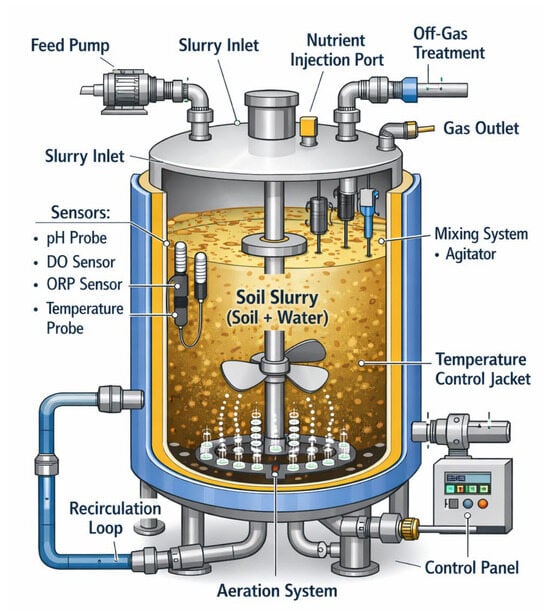
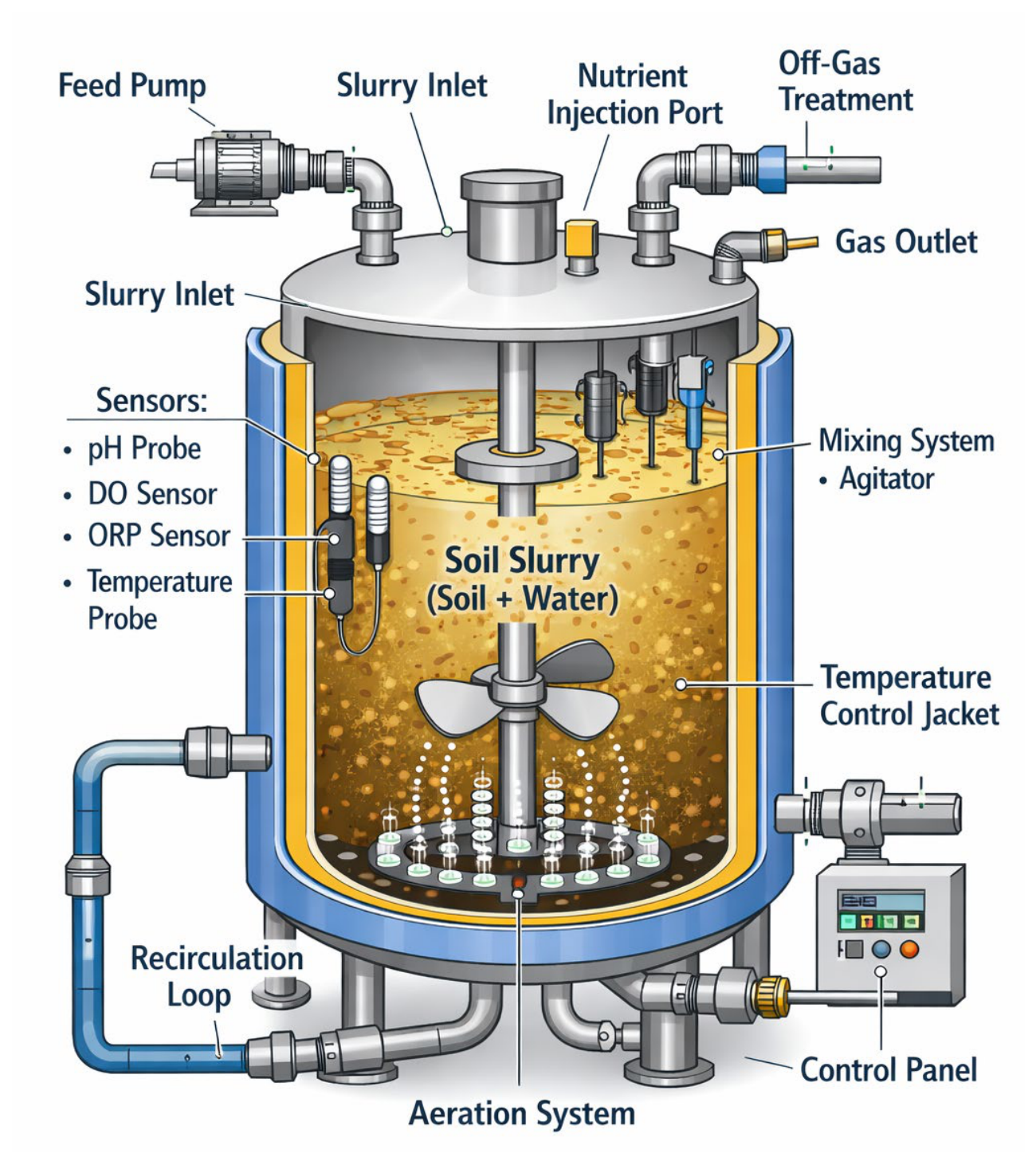
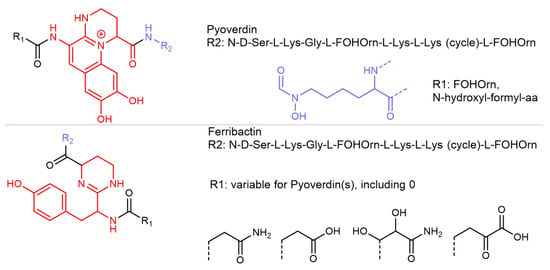
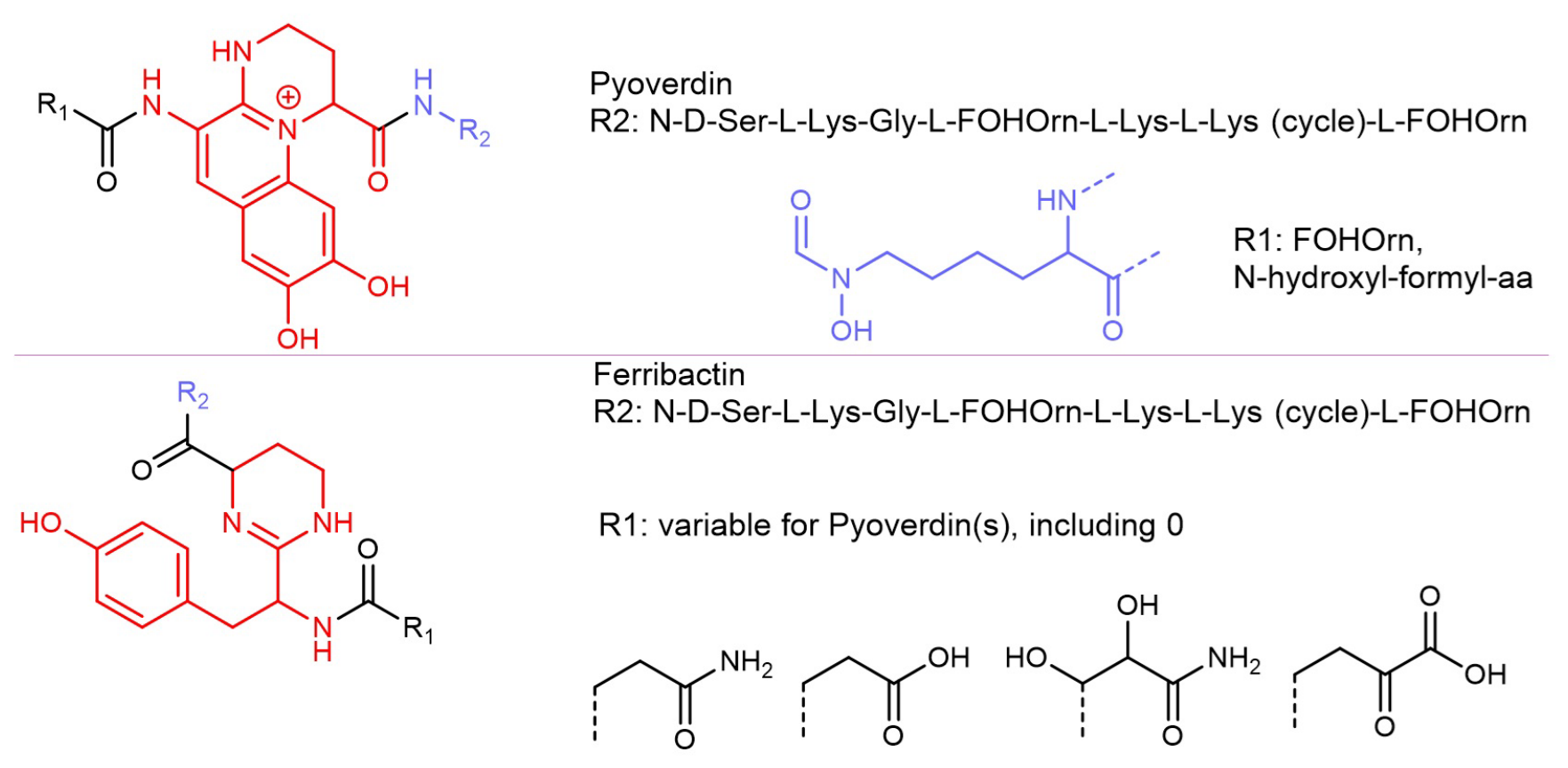
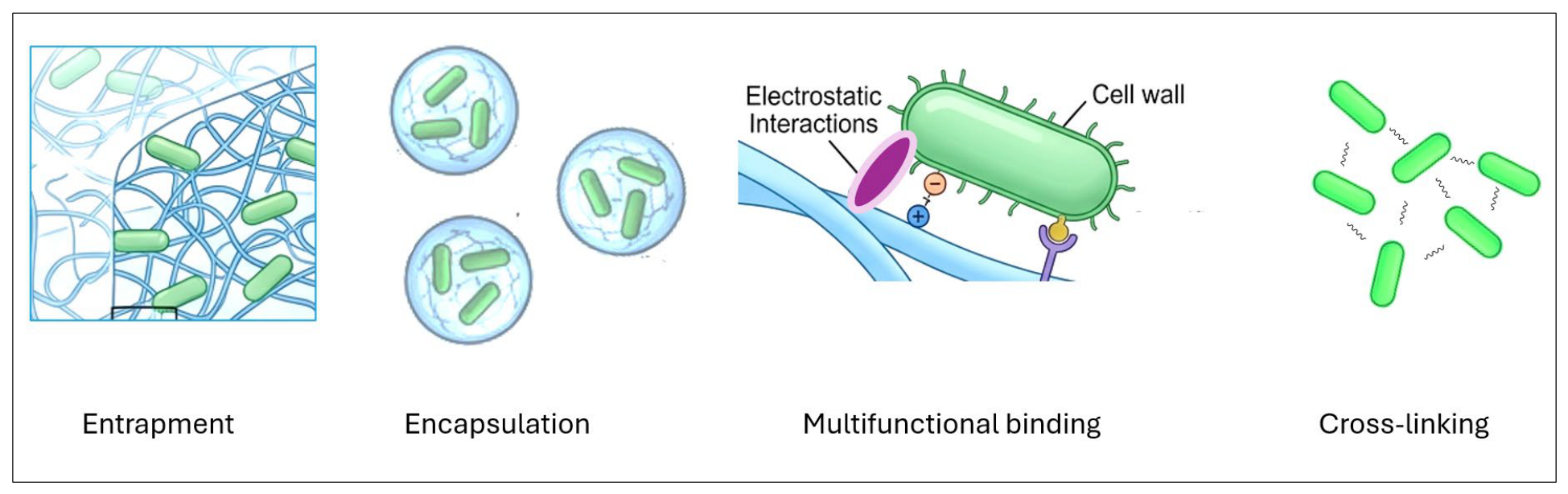



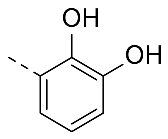
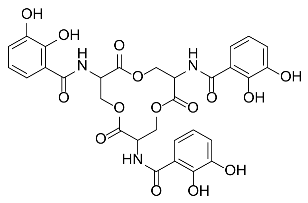
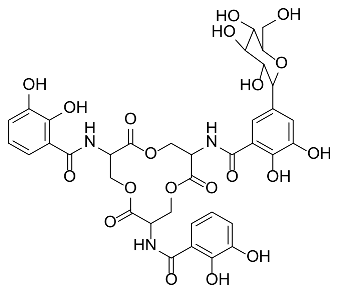
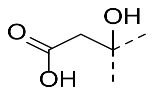
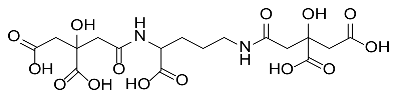
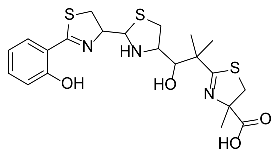
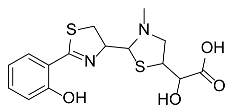
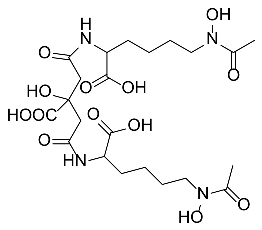
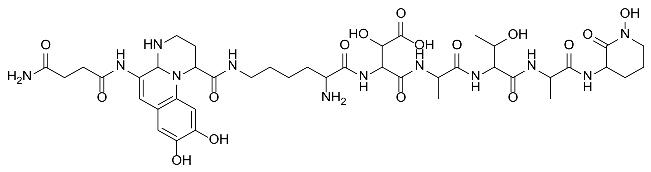
Disclaimer/Publisher’s Note: The statements, opinions and data contained in all publications are solely those of the individual author(s) and contributor(s) and not of MDPI and/or the editor(s). MDPI and/or the editor(s) disclaim responsibility for any injury to people or property resulting from any ideas, methods, instructions or products referred to in the content. |
© 2026 by the authors. Licensee MDPI, Basel, Switzerland. This article is an open access article distributed under the terms and conditions of the Creative Commons Attribution (CC BY) license.