


Abstract
β-thalassemia is one of the most prevalent inherited hemoglobin disorders worldwide and represents a major public health challenge in Southeast Asia, particularly in Vietnam. The disorder is caused by pathogenic variants in the β-globin (HBB) gene, resulting in reduced or absent β-globin synthesis, ineffective erythropoiesis, chronic hemolytic anemia, and progressive multi-organ complications. Vietnam exhibits a high burden of thalassemia and related hemoglobinopathies, with approximately 13.8% of the population carrying a hemoglobinopathy-associated variant and substantial heterogeneity in distribution across ethnic groups and geographic regions. This review provides a comprehensive overview of the epidemiology, molecular characteristics, diagnostic strategies, treatment approaches, and prevention programs for β-thalassemia in Vietnam. Current evidence indicates that a limited number of recurrent HBB variants account for the majority of β-thalassemia alleles in the Vietnamese population, including codon 17 (A>T) (HBB: c.52A>T), codons 41/42 deletion (-TTCT) (HBB: c.126_129delTTCT), codons 71/72 (+A) (HBB: c.216_217insA), codons 95 (+A) (HBB: c.287_288insA), IVS-I-1 (G>T) (HBB: c.92+1G>T), IVS-I-5 (G>C) (HBB: c.92+5G>C), IVS-II-654 (G>T) (HBB: c.316+197C>T), -28 (A>G) (HBB: c.-78A>G), and -88 (C>T) (HBB: c.-138C>T). Diagnostic strategies generally follow a stepwise approach integrating hematological screening and hemoglobin analysis with confirmatory molecular testing. Advances in molecular diagnostics, particularly targeted polymerase chain reaction (PCR)-based assays and next-generation sequencing (NGS), have significantly improved detection of both carriers and affected individuals. Despite these advances, β-thalassemia continues to impose a considerable clinical, economic, and societal burden because many patients require lifelong blood transfusions, iron chelation therapy, and multidisciplinary management of disease-related complications. Major challenges include limited access to screening, prenatal diagnosis, and genetic counseling services, particularly in rural and ethnic minority populations, as well as the financial and technical barriers associated with advanced molecular diagnostics and emerging therapies. Strengthening nationwide screening programs, expanding access to prenatal and preconception genetic services, improving public awareness, and enhancing healthcare infrastructure are essential for reducing disease incidence and improving patient outcomes. In parallel, the integration of advanced molecular diagnostics and emerging gene-based therapies will be critical for advancing long-term disease control. This review highlights current knowledge gaps and proposes strategic priorities to support evidence-based policy development and comprehensive β-thalassemia prevention and management in Vietnam.
1. Introduction
Thalassemia comprises a diverse group of inherited hemoglobin disorders characterized by reduced or absent synthesis of one or more globin chains, resulting in chronic anemia, ineffective erythropoiesis, and progressive multi-organ complications [1]. The two principal forms are α-thalassemia and β-thalassemia, which are classified according to the affected globin chain. α-thalassemia arises from decreased α-globin production, most commonly caused by deletions or, less frequently, by pathogenic variants affecting one or more of the four α-globin genes located on chromosome 16 [2]. In contrast, β-thalassemia is primarily caused by pathogenic variants in the β-globin (HBB) gene on chromosome 11p15.5, leading to reduced (β+) or absent (β0) β-globin synthesis [3]. The resulting imbalance between α- and β-globin chains promotes the intracellular accumulation and precipitation of excess unpaired α-globin chains within erythroid precursors, triggering oxidative damage, ineffective erythropoiesis and premature destruction of red blood cells in the bone marrow and peripheral circulation [3].
Clinically, thalassemia encompasses a broad phenotypic spectrum, ranging from asymptomatic carrier states to severe transfusion-dependent anemia associated with substantial morbidity and premature mortality. Patients with moderate-to-severe disease often require lifelong red blood cell transfusions and iron chelation therapy to maintain adequate hemoglobin levels and prevent transfusional iron overload [4]. Despite major advances in supportive care, disease-related complications involving the cardiovascular, hepatic, endocrine, and skeletal systems remain important causes of morbidity. Hematopoietic stem cell transplantation (HSCT) currently represents the only widely established curative treatment; however, its applicability is limited by donor availability, treatment-related risks, cost, and healthcare infrastructure constraints [5,6]. The emergence of gene addition and gene-editing therapies offers promising new therapeutic avenues, although their accessibility remains limited in many low- and middle-income countries.
β-thalassemia is highly prevalent in Vietnam and exhibits substantial clinical heterogeneity. Traditionally, the disorder has been classified into three major clinical forms: β-thalassemia major, β-thalassemia intermedia, and β-thalassemia minor (carrier state). β-thalassemia major typically resulted from homozygous or compound heterozygous severe β0- or β+-thalassemia mutations and is characterized by severe anemia presenting during early childhood, with most patients requiring lifelong regular red blood cell transfusions. β-thalassemia intermedia encompasses a clinically heterogeneous group with variable disease severity, ranging from mild chronic anemia to intermittent or regular transfusion requirements. In contrast, β-thalassemia minor is usually observed in heterozygous carriers and is generally asymptomatic or associated with mild microcytic anemia, often being identified incidentally during hematological screening [7,8]. Although this traditional classification remains widely used, contemporary clinical practice increasingly categorizes patients according to transfusion requirements such as transfusion-dependent thalassemia (TDT) and non-transfusion-dependent thalassemia (NTDT), reflecting differences in management strategies, disease burden, and long-term outcomes [9,10].
Vietnam is a highly diverse multiethnic nation comprising 54 officially recognized ethnic groups, each characterized by distinct genetic backgrounds and population histories that contribute to marked differences in the distribution of hemoglobinopathies. Ethnic minority populations account for approximately 15% of the national population and are predominantly concentrated in mountainous and geographically isolated regions. Epidemiological studies have consistently demonstrated substantial ethnic and regional heterogeneity in the prevalence of β-thalassemia, with the highest carrier frequencies reported in Northern and North-Central areas of the country [11,12,13,14,15,16]. Several ethnic groups exhibit particularly elevated prevalence rates, reflecting the influence of founder effects, endogamy, and limited gene flow. Notably, the Giay ethnic group has been reported to have one of the highest frequencies of β-thalassemia mutations in Vietnam [15,17]. These findings underscore the importance of incorporating ethnic and geographic considerations into national screening, genetic counseling, and disease prevention strategies.
At the molecular level, β-thalassemia is characterized by remarkable genetic heterogeneity, with more than 400 pathogenic variants of the HBB gene identified globally [1,18,19,20,21]. These variants include point mutations, small insertions and deletions (indels), promoter mutations, and, less commonly, large genomic deletions. Functionally, they result in either absent (β0) or reduced (β+) β-globin production, thereby contributing to the wide spectrum of clinical phenotypes observed among affected individuals. Despite this global diversity, the molecular landscape of β-thalassemia in Vietnam is dominated by a limited number of recurrent mutations. The most frequently reported variants include codon 17 (A>T) (HBB: c.52A>T), codons 41/42 deletion (-TTCT) (HBB: c.126_129delTTCT), codons 71/72 (+A) (HBB: c.216_217insA), codons 95 (+A) (HBB: c.287_288insA), IVS-I-1 (G>T) (HBB: c.92+1G>T), IVS-I-5 (G>C) (HBB: c.92+5G>C), IVS-II-654 (G>T) (HBB: c.316+197C>T), -28 (A>G) (HBB: c.-78A>G), and -88 (C>T) (HBB: c.-138C>T) [15]. Notably, the distribution of these mutations varies considerably among ethnic groups and geographic regions, reflecting the influence of population structure, founder effects, and historical migration patterns. Characterization of the national mutation spectrum is therefore essential for the development of cost-effective molecular diagnostic assays, targeted carrier screening programs, and population-specific prevention strategies.
Screening for β-thalassemia typically follows a stepwise diagnostic approach integrating hematological, biochemical, and molecular investigations. Initial evaluation is based on complete blood count, which commonly demonstrates microcytic, hypochromic anemia characterized by reduced mean corpuscular volume (MCV) and mean corpuscular hemoglobin (MCH). Peripheral blood smear examination often reveals characteristic morphological abnormalities, including microcytosis, hypochromia, anisopoikilocytosis, target cells, and basophilic stippling [22]. Hemoglobin analysis using high-performance liquid chromatography (HPLC), capillary electrophoresis, or conventional hemoglobin electrophoresis provides additional diagnostic information and plays a central role in carrier detection and population screening. Typical findings include elevated HbA2 levels, variable increases in fetal hemoglobin (HbF), and reduced or absent HbA depending on the underlying genotype [22,23].
Definitive diagnosis requires molecular characterization of the HBB gene. A range of molecular techniques is currently available, including polymerase chain reaction (PCR)-based assays, Sanger sequencing, and next-generation sequencing (NGS) [24,25]. Targeted methods such as amplification refractory mutation system PCR (ARMS-PCR), reverse dot-blot hybridization, and allele-specific PCR are particularly useful for detecting recurrent population-specific mutations and remain cost-effective options in resource-constrained settings. In contrast, Sanger sequencing and NGS provide broader mutation coverage and facilitate the identification of rare, complex, or previously unrecognized variants [24,25]. When conventional sequencing approaches fail to identify a causative variant, multiplex ligation-dependent probe amplification (MLPA) may be used to detect large deletions and copy-number alterations involving the HBB locus [24,25]. In Vietnam, the increasing implementation of molecular diagnostic technologies has substantially improved diagnostic accuracy, carrier detection, prenatal diagnosis, and genetic counseling, while also contributing to the identification of region-specific mutation spectra and novel pathogenic variants [26,27,28,29,30].
Management of β-thalassemia is determined by disease severity and aims to correct anemia, suppress ineffective erythropoiesis, prevent complications, and improve long-term survival and quality of life [31]. Contemporary management is guided by evidence-based recommendations from the Thalassemia International Federation (TIF), which provide comprehensive frameworks for management of both TDT and NTDT [9,10]. Recent guideline updates emphasize individualized, risk-adapted care, incorporating advances in transfusion practices, iron overload monitoring, iron chelation therapy, and multidisciplinary management of disease-related complications [32,33]. Regular red blood cell transfusion remains the cornerstone of treatment for patients with severe disease, while iron chelation therapy is essential for preventing progressive cardiac, hepatic, and endocrine complications associated with transfusional iron overload. Additional interventions, including splenectomy, may be considered in selected patients with specific clinical indications [32,33,34].
HSCT remains the only widely established curative treatment and can achieve long-term disease-free survival in appropriately selected patients [34]. More recently, advances in molecular medicine have transformed the therapeutic landscape through the development of gene-based therapies. Gene addition strategies and genome-editing technologies, particularly CRISPR-Cas9-mediated approaches targeting fetal hemoglobin reactivation, have demonstrated encouraging clinical outcomes and offer the potential for durable cure [35]. Notably, exagamglogene autotemcel, approved by the European Medicines Agency in 2024, became the first CRISPR-based therapy for β-thalassemia, marking a major milestone in the treatment of inherited hemoglobin disorders [36]. In Vietnam, conventional treatment modalities including transfusion therapy, iron chelation, and HSCT have become increasingly available at major hematology centers; however, access to advanced molecular diagnostics and novel gene-based therapies remains limited by economic and infrastructural constraints [15,37,38].
Despite substantial progress in epidemiological research and molecular diagnostics, available evidence remains fragmented across different regions and ethnic populations, and comprehensive syntheses focused specifically on Vietnam remain limited. Given its high prevalence, marked ethnic heterogeneity, and substantial clinical and socioeconomic burden, β-thalassemia continues to represent a major public health challenge in the country. This review therefore provides a comprehensive overview of the epidemiology, molecular characteristics, diagnostic strategies, treatment approaches, and prevention programs for β-thalassemia in Vietnam, while highlighting current knowledge gaps, implementation challenges, and future directions for disease control.
2. Epidemiology of β-Thalassemia
β-thalassemia and related hemoglobinopathies constitute a major public health concern in Vietnam, characterized by a high prevalence and marked heterogeneity in carrier distribution across populations. Current epidemiological estimates suggest that approximately 13.8% of the Vietnamese population carries a hemoglobinopathy-associated variant, including α-thalassemia, β-thalassemia, and structural hemoglobin variants, with substantial variation across ethnic groups and geographic regions [11,12,13,14,15,16]. Among pregnant women undergoing prenatal screening, the carrier frequency of β-thalassemia has been reported to be 5.31%, while additional individuals carry α-thalassemia or combined hemoglobinopathy variants [39]. These findings underscore the considerable genetic burden of hemoglobin disorders in Vietnam and highlight the importance of population-based screening, genetic counseling, and preventive strategies.
Vietnam’s ethnic diversity is a key determinant of the epidemiological landscape of β-thalassemia. Marked differences in carrier prevalence are observed among ethnic groups, particularly in the Northern and North-Central regions, where β-thalassemia is both highly prevalent and unevenly distributed (Table 1). The highest carrier frequencies have been reported in the Giay (11.5%), Sanchay (9.8%), Laha (9.5%), and Dao (9.3%) ethnic groups. Elevated prevalence rates have also been observed among the Lu (8.2%), Khang (7.5%), Lao (7.1%), and Sandiu (6.5%) populations, while intermediate frequencies occur in the Tay (6.2%), Muong (5.7%), Nung (5.5%), Pathen (4.9%), Chut (4.7%), and Lachi (4.0%) ethnic groups. Lower prevalence rates have been reported among the Thai (2.9%), Phula (2.6%), Khomu (2.1%), and H’Mong (1.5%) populations [15,17,40,41,42,43].
Table 1.
Prevalence of β-thalassemia among ethnic groups in the Northern and North-Central regions of Vietnam.
However, the contribution of each ethnic group to the overall burden of β-thalassemia is influenced not only by carrier frequency but also by population size. Although several groups, such as the Giay, Sanchay, Laha, Lu, Khang, and Lao, exhibit very high carrier frequencies, their relatively small population proportions limit their contribution to the national disease burden. In contrast, the Tay (1.9%), Thai (1.8%), Muong (1.5%), Nung (1.1%), and Dao (0.9%) populations combine relatively large population sizes with moderate-to-high carrier frequencies and are therefore likely to contribute substantially to the overall burden of β-thalassemia in Vietnam [15,17,40,41,42,43]. Moreover, although the Kinh population has a comparatively low carrier frequency, its large population size results in a substantial contribution to the total number of carriers nationwide. These findings highlight the need for a dual public health approach that combines targeted screening in high-prevalence minority populations with broader prevention strategies in larger population groups to maximize the effectiveness of national thalassemia control programs.
In contrast, epidemiological data on β-thalassemia in the Central Highlands and South-Central Coast regions remain limited, representing a significant gap in the current understanding of disease distribution in Vietnam. Available studies suggest generally lower carrier frequencies than those reported in the Northern and North-Central regions (Table 2). Among the ethnic groups for which data are available, the Xodang population exhibits the highest reported prevalence (1.37%), followed by the Cham and Ede groups (1.1% each). Several other ethnic groups, including Raglay, Bana, Co, Coho, Cotu, Gietrieng, Hre, M’nong, and Taoi, have reported prevalence rates below 1% [15,17,44,45].
Table 2.
Prevalence of β-thalassemia among ethnic groups in the Central Highlands and South-Central Coast regions of Vietnam.
However, interpretation of the regional burden is constrained by the limited scope of existing studies and the absence of data for several major ethnic groups. Notably, no published prevalence estimates are currently available for the Khmer, Choro, Giarai, S’Tieng, Bru Vankieu, Churu, and Ma populations. This limitation is particularly relevant because some of these groups constitute a substantial proportion of the national population. For example, the Khmer and Giarai populations account for approximately 1.3% and 0.6% of Vietnam’s total population, respectively [15,17,44,45]. Consequently, even moderate carrier frequencies within these groups could translate into a considerable number of carriers and affected individuals.
This lack of comprehensive epidemiological data may therefore lead to underestimation of the true burden of β-thalassemia in the Central Highlands and South-Central Coast regions, potentially affecting healthcare planning, resource allocation, and the design of targeted screening and prevention programs. These findings underscore the need for large-scale, population-based studies that incorporate underrepresented ethnic groups to provide a more accurate assessment of the regional and national burden of β-thalassemia in Vietnam.
The Kinh ethnic group, which comprises approximately 85.3% of Vietnam’s population, exhibits a relatively low β-thalassemia carrier frequency of approximately 0.8% [15,17,46] (Table 3). Nevertheless, owing to its overwhelming demographic predominance, the Kinh population accounts for a substantial proportion of β-thalassemia carriers nationwide. Consequently, despite the markedly higher carrier frequencies observed in several ethnic minority populations, the absolute number of carriers and at-risk couples remains considerable among the Kinh population.
Table 3.
Prevalence of β-thalassemia in the Kinh ethnic group in Vietnam.
These observations underscore the importance of considering both carrier prevalence and population size when evaluating the overall burden of β-thalassemia. From a public health perspective, effective disease control in Vietnam will require a balanced prevention strategy that combines population-wide carrier screening, genetic counseling, and reproductive risk assessment within the Kinh majority population with targeted interventions in ethnic minority groups exhibiting particularly high carrier frequencies. Such an approach is likely to maximize the impact, equity, and cost-effectiveness of national thalassemia prevention and control programs.
Collectively, these findings demonstrate that the epidemiology of β-thalassemia in Vietnam is highly heterogeneous and strongly influenced by ethnic composition and geographic distribution. Marked differences in carrier frequencies are observed across ethnic groups, with particularly high prevalences reported in several Northern and North-Central minority populations. Although the mechanisms underlying these patterns have not been fully elucidated, factors such as founder effects, genetic drift, geographic isolation, and preferential marriage within ethnic communities may contribute to the observed variation. In contrast, the Kinh population exhibits a comparatively low carrier frequency but accounts for a substantial proportion of the national disease burden because it comprises more than 85% of Vietnam’s population.
These observations have important implications for public health planning. The pronounced ethnic and geographic heterogeneity of β-thalassemia suggests that prevention strategies should be adapted to local epidemiological contexts rather than relying on a uniform nationwide approach. While targeted screening programs may be particularly effective in high-prevalence ethnic minority populations, population-wide carrier screening, genetic counseling, and reproductive risk assessment remain essential for addressing the considerable burden within the Kinh majority. Accordingly, an integrated strategy combining both targeted and population-based interventions is likely to provide the most effective framework for β-thalassemia prevention and control in Vietnam.
Despite the relatively high reported prevalence of β-thalassemia in Vietnam, these estimates should be interpreted with caution because of substantial heterogeneity in study design, sampling strategies, and diagnostic methodologies. Many available studies have been conducted in hospital-based settings or selected high-risk populations, potentially resulting in overestimation of carrier frequencies relative to the general population. Conversely, disease burden may be underestimated in underserved regions where screening programs are limited and population-based data remain scarce. Furthermore, diagnostic approaches have varied considerably among studies, ranging from hematological screening alone to comprehensive molecular confirmation, leading to inconsistencies in case ascertainment and reporting. The absence of standardized nationwide screening protocols further complicates comparisons across studies.
Consequently, currently available prevalence estimates should be regarded as approximate indicators of disease burden rather than precise population-level measurements. Future large-scale, population-based studies employing standardized diagnostic criteria and molecular methodologies will be essential for refining prevalence estimates, characterizing regional variation more accurately, and informing evidence-based national screening and prevention policies.
3. Molecular Characteristics of β-Thalassemia
β-thalassemia results from pathogenic variants in the HBB gene, which encodes the β-globin chain of hemoglobin. More than 400 disease-causing variants have been identified worldwide, reflecting the remarkable molecular heterogeneity of the disorder [18,19]. These variants can be broadly categorized into point mutations, small indels, promoter mutations, and, less commonly, large genomic deletions [1,18,20,21]. Point mutations, particularly single-nucleotide substitutions affecting coding sequences or splice-sites, represent the most common molecular defects, although small indels resulting in frameshift alterations are also frequently encountered. Large genomic deletions are relatively uncommon and may involve the HBB gene alone, extend to neighboring genes, or disrupt critical regulatory elements such as the β-globin locus control region [1].
Based on their effect on β-globin synthesis, HBB variants are functionally classified as β0 (complete absence of β-globin production), β+ (reduced but detectable production), and β++ or silent mutations (minimal reduction in β-globin synthesis) [47]. This functional classification is clinically important because it contributes to disease severity and, together with genetic modifiers and coinherited hemoglobin variants, influences the broad phenotypic spectrum observed among affected individuals.
The molecular spectrum of β-thalassemia in Vietnam exhibits marked regional and ethnic heterogeneity, as summarized in Table 4, Table 5 and Table 6. In the Northern and North-Central regions (Table 4), the mutation profile is relatively homogeneous and dominated by a limited number of recurrent variants. The most prevalent mutation is codon 17 (A>T) (HBB: c.52A>T), accounting for 44.3% of identified alleles, followed by the codons 41/42 deletion (-TTCT) (HBB: c.126_129delTTCT) at 32.5%. Together, these two β0-thalassemia mutations comprise more than three-quarters of all detected alleles, highlighting their major contribution to the regional disease burden. The third most common variant is codons 71/72 (+A) (HBB: c.216_217insA), which accounts for 11.1% of alleles. Among β+-thalassemia mutations, the promoter variant -28 (A>G) (HBB: c.-78A>G) is the most frequent, with a prevalence of 7.0%. Other variants, including IVS-I-1 (G>T) (HBB: c.92+1G>T) (1.8%) and IVS-II-654 (C>T) (HBB: c.316+197C>T) (1.6%), occur at lower frequencies, while codon 95 (+A) (HBB: c.287_288insA), -90 (C>T) (HBB: c.-140C>T), -88 (C>T) (HBB: c.-138C>T), -29 (A>G) (HBB: c.-79A>G), and codon 146 insertion (insAC) (HBB: c.441_442insAC) are rare, each accounting for less than 1% of identified alleles [15,28,29,48,49].
Table 4.
Mutation spectrum of β-thalassemia in the Northern and North-Central regions of Vietnam.
Table 5.
Mutation spectrum of β-thalassemia in the Central Highlands and South-Central Coast regions of Vietnam.
Table 6.
Mutation spectrum of β-thalassemia in the Kinh ethnic group in Vietnam.
The predominance of a small number of recurrent mutations has important implications for molecular diagnosis, carrier screening, and genetic counseling. In particular, targeted molecular panels incorporating codon 17 (A>T), codons 41/42 deletion (-TTCT), codons 71/72 (+A), and -28 (A>G) could achieve high detection rates in Northern Vietnam while reducing diagnostic costs. Moreover, the high frequency of β0-thalassemia mutations suggests a substantial burden of severe disease-associated genotypes in this region, although clinical severity may be modified by coinherited α-thalassemia, fetal hemoglobin-promoting variants, and other genetic or environmental factors. These findings support the development of region-specific screening strategies and molecular testing algorithms to optimize the effectiveness and cost-efficiency of thalassemia prevention and management programs in Vietnam.
In contrast, the Central Highlands and South-Central Coast regions (Table 5) exhibit a more heterogeneous spectrum of HBB variants than that observed in Northern Vietnam. The most prevalent variant is HbE (HBB: c.79G>A), accounting for 44.4% of identified alleles. HbE is a structural hemoglobin variant that also displays mild β+-thalassemia properties because the underlying nucleotide substitution activates an alternative splice site, resulting in reduced β-globin synthesis. The next most common variants are codon 15 (G>A) (HBB: c.48G>A) (16.6%) and the splice-site mutation IVS-I-1 (G>T) (HBB: c.92+1G>T) (11.1%), both of which are classified as β0-thalassemia mutations. Together, these variants constitute the majority of disease-associated alleles identified in this region. Among β+-thalassemia mutations, the promoter variant -30 (T>A) (HBB: c.-80T>A) is the most frequent, with a prevalence of 8.3%. Other variants, including codon 17 (A>T) (HBB: c.52A>T) (5.6%) and codons 41/42 deletion (-TTCT) (HBB: c.126_129delTTCT) (2.8%), occur at lower frequencies. Additional splice-site mutations, including IVS-II-848 (C>G) (HBB: c.316-3C>G), IVS-II-654 (C>T) (HBB: c.316+197C>T), and IVS-I-5 (G>C) (HBB: c.92+5G>C), as well as codon 146 insertion (insAC) (HBB: c.441_442insAC), are relatively uncommon, each accounting for approximately 2.8% of identified alleles [15,50].
The high prevalence of HbE is consistent with its well-established distribution throughout Southeast Asia and highlights the distinctive molecular epidemiology of β-globin disorders in this region. Although homozygous HbE disease is typically associated with a mild clinical phenotype, coinheritance of HbE with β-thalassemia mutations (HbE/β-thalassemia) represents one of the most common and clinically important hemoglobinopathies in Southeast Asia. This resulting phenotype is highly variable, ranging from mild anemia to severe transfusion-dependent disease. From a diagnostic perspective, the high frequency of HbE underscores the importance of screening strategies capable of detecting both β-thalassemia mutations and structural hemoglobin variants.
Furthermore, the broader molecular heterogeneity observed in the Central Highlands and South-Central Coast regions suggests that more comprehensive molecular testing panels may achieve higher diagnostic sensitivity than targeted assays designed primarily for the predominant mutations encountered in Northern Vietnam. These findings support the development of region-specific molecular screening strategies to optimize carrier detection, genetic counseling, and disease prevention programs.
The Kinh population (Table 6) exhibits a mutation spectrum dominated by a limited number of recurrent HBB variants. The most prevalent mutation is codon 17 (A>T) (HBB: c.52A>T), accounting for 41.5% of identified alleles, followed by the codons 41/42 deletion (-TTCT) (HBB: c.126_129delTTCT) at 26.8%. Together, these two β0-thalassemia mutations comprise more than two-thirds of detected alleles, highlighting their major contribution to the molecular epidemiology of β-thalassemia in the Kinh population. Among β+-thalassemia mutations, the promoter variant -28 (A>G) (HBB: c.-78A>G) is particularly common, accounting for 19.5% of alleles, a frequency higher than that reported in several regional populations. Other variants, including codons 71/72 (+A) (HBB: c.216_217insA) and IVS-I-1 (G>T) (HBB: c.92+1G>T), each account for 4.9% of identified alleles, while the promoter mutation -88 (C>T) (HBB: c.-138C>T) is relatively uncommon (2.4%) [15].
Overall, the mutation profile of the Kinh population is characterized by the predominance of a small number of recurrent β0 mutations together with a relatively substantial contribution of β+ promoter variants. This distribution may contribute to clinical heterogeneity, although disease severity is also influenced by additional genetic modifiers, coinherited hemoglobinopathies, and environmental factors. From a diagnostic perspective, the concentration of mutations within a limited number of recurrent variants suggests that targeted molecular screening panels could achieve high detection rates in the Kinh population. Nevertheless, the relatively high frequency of β+ promoter mutations highlights the importance of incorporating both severe and milder disease-associated variants into carrier screening and prenatal diagnostic strategies.
Collectively, these findings highlight both shared and region-specific features in the molecular epidemiology of β-thalassemia in Vietnam. Northern and North-Central populations are characterized by a predominance of β0-thalassemia mutations, particularly codon 17 (A>T and codons 41/42 deletion (-TTCT), whereas the Central Highland and South-Central Coast regions exhibit a more heterogeneous spectrum of HBB variants and a markedly higher prevalence of HbE. Consequently, HbE/β-thalassemia is likely to represent a more important contributor to the regional burden of clinically significant hemoglobinopathies in these areas. Similar geographic patterns have been reported in several neighboring Southeast Asian countries, suggesting the influence of shared population histories, migration patterns, and genetic backgrounds on the distribution of β-globin variants.
The interaction between HbE and β-thalassemia mutations gives rise to HbE/β-thalassemia, a disorder characterized by substantial phenotypic heterogeneity, ranging from mild anemia to severe transfusion-dependent disease. This variability poses important challenges for clinical management because hematological parameters alone may not reliably predict disease severity or long-term transfusion requirements. From a public health perspective, the high prevalence of HbE underscores the importance of incorporating structural hemoglobin variants into screening programs and molecular diagnostic panels. Failure to identify HbE carriers may result in underestimation of reproductive risk and missed opportunities for genetic counseling and prevention.
Although the mutation spectrum of β-thalassemia in Vietnam has been relatively well characterized, several limitations should be acknowledged. Most available studies have employed targeted molecular assays designed to detect common mutations, which may preferentially identify high-frequency variants while underestimating the contribution of rare or novel alleles. The limited application of comprehensive genomic approaches, including next-generation sequencing, further restricts the detection of uncommon pathogenic variants, complex genotypes and genetic modifier variants that may influence disease severity. In addition, many regional studies have been conducted in relatively small cohorts or clinically selected populations, potentially introducing ascertainment bias and overrepresenting severe phenotypes. Consequently, the current reported mutation spectrum may not fully capture the genetic diversity of β-thalassemia in the general Vietnamese population. Future large-scale, population-based studies using standardized molecular methodologies will be essential to refine estimates of mutation frequencies and support the development of evidence-based screening, diagnostic, and prevention strategies in Vietnam.
4. Diagnosis of β-Thalassemia
Early and accurate diagnosis of β-thalassemia is essential for appropriate clinical management, genetic counseling, and prevention of disease transmission. In Vietnam, a stepwise diagnostic strategy that combines hematological screening with confirmatory molecular testing is widely adopted to optimize both diagnostic accuracy and cost-effectiveness.
Initial assessment relies on routine hematological parameters (Table 7). Affected individuals commonly present with microcytic, hypochromic anemia, characterized by reduced MCV (typically <80 fL in adults and frequently <75 fL in affected individuals) and MCH (<27 pg). Despite the presence of anemia, the red blood cell (RBC) count is often normal or increased, reflecting ineffective erythropoiesis and compensatory erythroid expansion. In contrast to iron deficiency anemia, red blood cell distribution width (RDW) is often normal or only mildly increased, whereas serum ferritin concentrations are generally within the normal range or elevated [22]. The Mentzer index (MCV/RBC count) is a simple and widely used screening parameter, with values <13 suggesting β-thalassemia rather than iron deficiency anemia.
Table 7.
Hematological characteristics in the initial evaluation of β-thalassemia.
Peripheral blood smear examination provides additional diagnostic information and typically reveals characteristic morphological abnormalities, including microcytosis, hypochromia, anisocytosis, poikilocytosis, target cells, nucleated red blood cells, basophilic stippling, and varying degrees of reticulocytosis [22]. Hemoglobin analysis using electrophoresis or HPLC represents a key component of the diagnostic workup and is particularly useful for carrier detection. Characteristic findings include elevated HbA2 levels, variable increases in HbF, and reduced or absent HbA depending on the underlying genotype and clinical phenotype [22,23].
Definitive diagnosis of β-thalassemia requires molecular characterization of pathogenic variants in the HBB gene. A variety of molecular techniques are currently employed in Vietnam (Table 8). Targeted methods, including ARMS-PCR and reverse dot-blot hybridization, are widely utilized in carrier screening and routine diagnostic programs because of their relatively low cost, rapid turnaround time, and high analytical sensitivity for recurrent population-specific variants. These techniques are particularly effective for identifying the most prevalent mutations observed in Vietnam, such as codon 17 (A>T), codons 41/42 deletion (-TTCT), and IVS-I-1 mutations [24,25,26,27,28].
Table 8.
Comparison of Molecular Methods for Detecting β-thalassemia Mutations in Vietnam.
Sanger sequencing remains the conventional reference standard for mutation confirmation and provides high accuracy for the identification of both common and uncommon sequence variants. In addition, it is valuable for resolving inconclusive results obtained by targeted assays and for characterizing mutations not included in routine screening panels. However, its relatively high cost, limited throughput, and inability to efficiently analyze large numbers of samples restrict its application primarily to confirmatory testing and selected diagnostic cases [29,30].
More recently, NGS technologies have expanded the scope of molecular diagnosis by enabling comprehensive analysis of the HBB gene and related genomic regions. NGS facilitates the identification of rare, novel, and complex variants, including compound heterozygous genotypes and potential genetic modifiers that may influence clinical phenotypes. Consequently, NGS has emerged as a powerful tool for improving diagnostic yield and refining genotype–phenotype correlations. Nevertheless, widespread implementation of NGS in Vietnam remains limited by cost, infrastructure requirements, data interpretation challenges, and the need for specialized bioinformatics expertise [39,51,52].
From a public health perspective, the available evidence supports a tiered diagnostic strategy consisting of initial screening with cost-effective targeted assays, followed by confirmatory or expanded molecular testing in selected individuals. The effectiveness of such an approach depends on maintaining diagnostic panels that reflect the evolving regional mutation spectrum. Continuous updating of national mutation databases and diagnostic protocols will therefore be essential to ensure optimal detection rates, support genetic counseling, and enhance the effectiveness of thalassemia prevention programs in Vietnam.
In clinical practice, a tiered diagnostic strategy is commonly employed for the detection of β-thalassemia in Vietnam. Initial case identification is based on hematological screening and hemoglobin analysis, followed by targeted molecular testing for common population-specific mutations. More comprehensive approaches, including Sanger sequencing and NGS, are generally reserved for unresolved cases, atypical phenotypes, or situations in which targeted assays fail to identify a causative variant. This stepwise approach balances diagnostic accuracy with cost-effectiveness and is well suited to the current healthcare infrastructure and resource availability in Vietnam.
A major diagnostic challenge is the differentiation of β-thalassemia trait from iron deficiency anemia, as both conditions commonly present with microcytic, hypochromic anemia. Reliance on hematological indices alone may therefore lead to misclassification. Although indices such as the Mentzer index provide a useful initial screening tool, their diagnostic performance is not sufficient for definitive diagnosis. Interpretation may be further complicated by coexisting iron deficiency, which remains common in many populations. Consequently, iron studies and hemoglobin analysis should be incorporated into the diagnostic workup to improve diagnostic accuracy and avoid inappropriate management, including unnecessary iron supplementation in thalassemia carriers.
Despite substantial advances in diagnostic technology, several limitations remain. Hematological screening methods, while inexpensive and widely accessible, lack specificity in distinguishing β-thalassemia carriers from individuals with iron deficiency or other hemoglobin disorders. Similarly, targeted molecular assays may fail to detect rare, novel, or region-specific variants not included in predefined mutation panels. In addition, disparities in infrastructure and technical expertise across different regions of Vietnam may contribute to variability in diagnostic performance and reporting practices. Furthermore, relatively few studies have systematically evaluated the diagnostic accuracy, clinical utility, and cost-effectiveness of different testing algorithms within the Vietnamese healthcare setting.
Overall, the integration of hematological, biochemical, and molecular diagnostic approaches provides a robust framework for the early detection and accurate diagnosis of β-thalassemia. Expanding access to molecular diagnostic services, particularly in underserved regions, strengthening laboratory standardization, and implementing evidence-based diagnostic algorithms will be critical to improving screening coverage and supporting national thalassemia prevention and control strategies. The proposed stepwise diagnostic algorithm for β-thalassemia in Vietnam is presented in Figure 1.
Figure 1.
Proposed stepwise diagnostic algorithm for β-thalassemia in Vietnam. Hematological screening (MCV, MCH, and Mentzer index) and hemoglobin analysis (HPLC or electrophoresis). Individuals with suggestive findings undergo targeted molecular testing for common HBB mutations, while inconclusive results proceed to Sanger sequencing or next-generation sequencing (NGS) for comprehensive molecular characterization.
5. Treatment of β-Thalassemia
5.1. Blood Transfusion
Regular RBC transfusion remains the cornerstone of treatment for patients with TDT. The primary objectives of transfusion therapy are to correct chronic anemia, suppress ineffective erythropoiesis, prevent skeletal deformities and extramedullary hematopoiesis, reduce compensatory gastrointestinal iron absorption, and improve growth, functional capacity, and quality of life [9,10,20]. Current TIF guidelines recommend maintaining pre-transfusion hemoglobin concentrations between 9.5 and 10.5 g/dL through regular transfusions administered every 2–5 weeks, with transfusion intervals individualized according to clinical status, growth, activity level, and transfusion requirements [9,10].
The provision of transfusion therapy in Vietnam has improved substantially over the past three decades owing to the development of a nationwide blood donation and transfusion network coordinated by the National Institute of Hematology and Blood Transfusion (NIHBT), together with regional blood centers and hospital-based transfusion services. Voluntary blood donation currently accounts for more than 97–99% of all collected blood units, representing a major achievement in blood safety and sustainability [53,54,55]. Consequently, annual blood collection increased from approximately 138,000 units in 1994 to more than 1.5 million units in 2023 and approximately 1.78 million units in 2025, significantly enhancing national transfusion capacity and supporting the long-term care of patients with chronic hematological disorders [53,54,55].
Management of β-thalassemia in Vietnam is concentrated in specialized hematology centers, including the National Institute of Hematology and Blood Transfusion, National Children’s Hospital, Blood Transfusion Hematology Hospital in Ho Chi Minh City, Hue Central Hospital, and an expanding network of provincial referral centers [15,56,57]. According to estimates from NIHBT, more than 20,000 individuals currently require ongoing treatment for thalassemia, including approximately 8000–10,000 patients dependent on regular transfusion therapy [15,57]. Although comprehensive nationwide data on blood utilization remain limited, reports from major treatment centers indicate that transfusion-dependent patients consume a substantial proportion of RBC units because of their lifelong transfusion requirements, placing a significant burden on healthcare resources and transfusion services [15,57].
In accordance with international recommendations, leukocyte-reduced packed RBCs are preferred for chronically transfused patients because they reduce the risk of febrile non-hemolytic transfusion reactions, cytomegalovirus transmission, and alloimmunization [9,10,20]. Washed RBCs may be considered for individuals experiencing recurrent severe allergic reactions, whereas extended RBC phenotyping and routine antibody screening are recommended to minimize alloimmunization and facilitate compatible blood matching during long-term treatment [9,10,20].
Despite its indispensable role in improving survival and clinical outcomes, chronic transfusion therapy is associated with a range of short- and long-term complications. Transfusional iron overload remains the most important treatment-related adverse effect and is a major cause of morbidity and mortality through progressive cardiac, hepatic, endocrine, and metabolic dysfunction when inadequately controlled [9,10,58,59]. Additional complications include alloimmunization, febrile non-hemolytic transfusion reactions, allergic reactions, delayed hemolytic transfusion reactions, and, despite increasingly stringent donor screening procedures, a residual risk of transfusion-transmitted infections [9,10].
Comprehensive monitoring and haemovigilance are therefore essential components of modern thalassemia care. The TIF recommends integrated haemovigilance systems that facilitate systematic monitoring, reporting, investigation, and prevention of transfusion-related adverse events through coordinated collaboration among blood centers, transfusion laboratories, clinicians, and regulatory authorities [9,10]. Although Vietnam has made substantial progress in blood safety, donor screening, and quality management, published nationwide haemovigilance data specific to patients with thalassemia remain limited [53,55]. Strengthening national haemovigilance systems and establishing disease-specific transfusion surveillance programs may further improve transfusion safety, optimize resource utilization, and enhance long-term outcomes for patients with TDT [9,10,60].
5.2. Iron Chelation Therapy
Iron chelation therapy is therefore an essential component of long-term management in patients with TDT and is generally initiated after approximately 10–20 transfusions, when serum ferritin levels exceed 1000 ng/mL, or when evidence of tissue iron accumulation is detected by imaging studies [9,10,34]. Effective iron chelation is critical for preventing progressive cardiac, hepatic, endocrine, and metabolic complications associated with transfusional iron overload, which remains a major cause of morbidity and mortality in chronically transfused patients.
Three iron chelators are currently available for clinical use: deferoxamine, deferiprone and deferasirox. Deferoxamine, administered by prolonged subcutaneous or intravenous infusion, was the first effective chelator introduced into clinical practice and remains an important therapeutic option, particularly for patients with severe iron overload, cardiac siderosis, or intolerance to oral agents. However, the requirement for prolonged parenteral administration often compromises long-term adherence. In contrast, the oral chelators deferiprone and deferasirox offer greater convenience and have substantially improved treatment compliance and quality of life. Deferiprone has demonstrated efficacy in reducing myocardial iron deposition, whereas deferasirox provides once-daily dosing and has become the most widely prescribed iron chelator in many countries, including Vietnam [61,62].
For patients with severe iron overload or suboptimal response to monotherapy, combination chelation regimens may provide enhanced efficacy. The combination of deferoxamine and deferiprone has been shown to improve total body iron removal and reduce cardiac iron burden more effectively than either agent alone in selected patients [63,64]. More recently, combinations involving deferasirox and deferiprone have also demonstrated promising results in individuals with refractory iron overload [65,66]. Selection of chelation therapy should therefore be individualized according to iron burden, organ involvement, treatment response, adverse effects, patient preference, and local resource availability [9,10].
In Vietnam, access to iron chelation therapy has improved considerably over the past two decades, particularly following the introduction of oral chelators [15,53,56]. Deferasirox has become the most commonly prescribed chelator because of its convenient administration schedule and favorable adherence profile compared with subcutaneous deferoxamine. Nevertheless, treatment costs, drug availability, and long-term adherence remain significant challenges, particularly among patients living in rural areas and socioeconomically disadvantaged populations [15,53,56]. These barriers may contribute to inadequate iron control and increase the risk of long-term complications.
Monitoring iron overload is essential for guiding chelation therapy and assessing treatment efficacy. Serum ferritin measurement remains the most widely used monitoring tool because of its accessibility, low cost, and feasibility for serial assessment [9,10]. However, ferritin concentrations may be influenced by inflammation, infection, and liver disease, limiting their specificity as indicators of total body iron burden. Current international guidelines recommend periodic magnetic resonance imaging (MRI)-based assessment of liver iron concentration (LIC) and cardiac T2* MRI, which provide more accurate and reproducible quantification of tissue iron deposition and enable earlier detection of organ-specific iron overload [9,10,67,68]. In Vietnam, however, access to these advanced imaging modalities remains largely restricted to tertiary referral centers, limiting their routine application in many regions of the country.
Despite substantial progress in the availability of iron chelation therapy, iron overload continues to represent a major clinical challenge among Vietnamese patients with TDT. Expanding access to effective chelation regimens, improving adherence through patient education and structured long-term follow-up, and increasing the availability of advanced iron monitoring techniques will be critical to reducing iron-related morbidity and mortality and improving long-term clinical outcomes [9,10].
5.3. Hematopoietic Stem Cell Transplantation
Allogeneic HSCT remains the only widely established curative treatment for β-thalassemia. By replacing defective hematopoietic stem cells with healthy donor-derived cells capable of producing normal hemoglobin, HSCT can eliminate transfusion dependence and prevent the progressive complications associated with chronic anemia and iron overload [9,10,69,70]. Over the past three decades, transplantation outcomes have improved substantially, with overall survival rates approaching 90% in carefully selected patients, particularly younger individuals undergoing transplantation from HLA-matched sibling donors [69,70].
Despite its curative potential, HSCT is associated with significant risks, including conditioning-related toxicity, graft failure, graft-versus-host disease (GVHD), opportunistic infections, and transplant-related mortality. Clinical outcomes are influenced by several factors, including patient age, disease severity, pre-existing organ damage, iron burden, donor type, conditioning regimen, and transplant center experience. Consequently, careful patient selection and comprehensive pre-transplant evaluation remain essential for optimizing therapeutic outcomes [69,70,71].
Recent advances in transplantation strategies have expanded the applicability of HSCT beyond conventional matched sibling donor transplantation. The increasing use of matched unrelated donors, haploidentical donors, and umbilical cord blood transplantation has broadened donor availability and improved access for patients lacking HLA-identical siblings. In parallel, refinements in conditioning regimens, supportive care, infection prophylaxis, and GVHD prevention have contributed to improved engraftment rates, enhanced survival, and reduced treatment-related complications [6,71,72,73].
In Vietnam, HSCT has become an established therapeutic option at several specialized hematology centers, including NIHBT, National Children’s Hospital, Blood Transfusion Hematology Hospital in Ho Chi Minh City, and other tertiary referral institutions. Clinical outcomes have improved steadily owing to advances in transplant expertise, supportive care, donor selection, and molecular diagnostic technologies [15,53,57]. Nevertheless, access to HSCT remains limited by donor availability, procedure-related risks, infrastructure requirements, and substantial financial costs. As a result, only a minority of eligible patients currently undergo transplantation [53,57].
Although HSCT offers the possibility of long-term cure, its widespread implementation remains challenging in many low- and middle-income countries. Expanding donor registries, strengthening transplantation infrastructure, improving laboratory and supportive care capacity, and increasing financial support mechanisms will be essential to enhance access to this potentially curative therapy and improve long-term outcomes for patients with β-thalassemia in Vietnam [15,57].
5.4. Gene Therapy
Recent advances in molecular medicine have transformed the therapeutic landscape of β-thalassemia through the development of gene-based therapies that directly address the underlying genetic defect. Unlike allogeneic HSCT, these approaches utilize autologous hematopoietic stem and progenitor cells (HSPCs), thereby eliminating the risks of donor availability, graft rejection, and GVHD [9,10]. Current strategies can be broadly classified into gene addition and genome-editing approaches.
Gene addition therapy employs lentiviral vectors to introduce functional β-globin or β-like globin genes into autologous HSPCs, restoring effective hemoglobin production after reinfusion of genetically modified cells. Clinical studies have demonstrated sustained hemoglobin expression and significant reductions in transfusion requirements among patients with TDT [9,10].
More recently, genome-editing technologies, including zinc finger nucleases (ZFNs), transcription activator-like effector nucleases (TALENs), and CRISPR–Cas9 systems, have enabled precise modification of disease-associated genomic loci [74]. Among these platforms, CRISPR–Cas9 has emerged as the most promising owing to its high efficiency, relative simplicity, and capacity for targeting multiplex genomic regions simultaneously [35]. The most successful clinical strategy has focused on reactivating HbF production through disruption of regulatory elements controlling expression of the transcription factor BCL11A. Increased HbF synthesis can compensate for deficient β-globin production and substantially ameliorate disease severity.
The clinical potential of this approach was demonstrated by exagamglogene autotemcel, the first CRISPR-based therapy approved for β-thalassemia [36]. In pivotal clinical trials, the majority of patients with TDT achieved durable transfusion independence for at least 12 consecutive months following treatment, accompanied by sustained increases in total hemoglobin levels and improved quality of life [36,75,76,77,78]. These findings represent a major milestone in the treatment of inherited hemoglobin disorders and provide proof-of-concept for genome editing as a potentially curative therapeutic strategy.
Despite these encouraging results, several important challenges remain. Long-term safety data are still limited, and continued follow-up is required to assess the durability of therapeutic benefit and to monitor potential late adverse effects, including clonal hematopoiesis, insertional mutagenesis, and off-target genomic modifications [75,76,77,78]. In addition, current gene therapy protocols remain complex and resource-intensive, requiring autologous stem cell collection, ex vivo genetic modification, myeloablative conditioning, and prolonged post-treatment monitoring. Consequently, treatment is currently restricted to highly specialized centers.
Cost represents another major barrier to widespread implementation. Gene therapy products for β-thalassemia are among the most expensive medical interventions currently available, with treatment costs exceeding USD 2 million per patient in several healthcare systems [79,80]. Although these therapies may ultimately prove cost-effective when compared with lifelong transfusion and iron chelation therapy, the substantial upfront financial burden poses significant challenges for healthcare systems, particularly in low- and middle-income countries.
In Vietnam, gene therapy and genome-editing technologies remain largely unavailable outside research settings because of financial, regulatory, and infrastructural constraints. Nevertheless, continued advances in molecular diagnostics, stem cell transplantation programs, and precision medicine initiatives are expected to facilitate future adoption of these technologies. Although gene therapy is unlikely to become widely accessible in the immediate future, it represents one of the most promising long-term strategies for achieving durable cure and reducing the clinical burden of β-thalassemia in Vietnam.
The status of major treatment modalities for β-thalassemia in Vietnam is summarized in Table 9. At present, supportive therapies, particularly regular blood transfusion and iron chelation, remain the cornerstone of disease management because of their proven efficacy and widespread availability. However, these approaches require lifelong treatment and are associated with cumulative complications and substantial healthcare costs. HSCT provides an established curative option and has achieved encouraging outcomes in selected patients; nevertheless, its broader application remains limited by donor availability, infrastructure requirements, procedure-related risks, and financial constraints. Gene therapy and genome-editing technologies represent a promising new era of disease-modifying and potentially curative approaches. Although early clinical trial results have demonstrated remarkable efficacy, their implementation remains restricted by high costs, technical complexity, regulatory challenges, and limited long-term safety data.
Table 9.
The status of major treatment modalities for β-thalassemia in Vietnam.
6. Prevention and Control Strategy of β-Thalassemia
β-thalassemia imposes a substantial and persistent burden on affected individuals, families, and healthcare systems, owing to lifelong transfusion requirements, iron overload–related complications, and limited access to curative therapies. Consequently, prevention is widely recognized as the most effective and cost-efficient strategy for long-term disease control [9,10]. In Vietnam, a multi-tiered prevention framework has gradually evolved, integrating carrier screening, genetic counseling, prenatal diagnosis, and clinical management within the national healthcare system [15,53].
Carrier screening constitutes the cornerstone of β-thalassemia prevention [9,10]. In current practice, screening is increasingly incorporated into premarital, preconception, and antenatal care programs. Initial assessment typically relies on hematological parameters, including MCV and MCH, followed by hemoglobin analysis to quantify HbA2 levels. Individuals presenting with microcytosis and elevated HbA2 (≥3.5%) are considered potential carriers and undergo confirmatory molecular testing using PCR-based assays or DNA sequencing [9,10]. Although screening services have expanded considerably in recent years, implementation remains uneven. Coverage is substantially higher in urban centers and tertiary hospitals than in rural, mountainous, and ethnic minority regions, highlighting persistent disparities in access to diagnostic services. Expanding equitable access to screening remains a major public health priority [15,53].
Premarital and preconception screening programs are increasingly recognized as highly effective preventive strategies, particularly in populations with a high prevalence of thalassemia-associated variants. Early identification of at-risk couples facilitates informed reproductive decision-making and can significantly reduce the incidence of severe disease in subsequent generations [81]. However, broader implementation remains constrained by limited public awareness, sociocultural barriers, and resource limitations. Strengthening these programs through targeted health education, community engagement, and supportive public health policies will therefore be essential.
Genetic counseling is a fundamental component of comprehensive thalassemia prevention programs [9,10]. Counseling services provide individuals and couples with information regarding inheritance patterns, reproductive risks, and available reproductive options, including natural conception with prenatal diagnosis, in vitro fertilization combined with preimplantation genetic testing, and alternative family planning approaches [9,10]. Despite increasing recognition of its importance, access to professional genetic counseling remains limited in Vietnam [15,53]. Counseling services are often provided by clinicians without specialized training. Developing a standardized training program and expanding the genetic counseling workforce represents a key priority for improving service quality and accessibility nationwide.
Prenatal diagnosis remains one of the most effective interventions for preventing the birth of children with severe β-thalassemia [9,10]. In Vietnam, prenatal diagnostic services are available primarily at tertiary referral hospitals and specialized centers through procedures such as chorionic villus sampling at 10–13 weeks or amniocentesis at 16–18 weeks. Molecular analysis enables precise identification of fetal HBB mutations and facilitates informed reproductive decision-making when severe genotypes are detected. In healthcare systems where screening, counseling, and prenatal diagnosis are well integrated, substantial reductions in disease incidence have been achieved [81,82]. However, disparities in geographic accessibility, together with ethical, cultural, and legal considerations, continue to influence the utilization of prenatal diagnostic services.
Preimplantation genetic testing (PGT), performed in conjunction with in vitro fertilization, represents an advanced preventive strategy that enables the selection of unaffected embryos prior to implantation [83,84]. Although PGT offers an effective alternative to prenatal diagnosis and pregnancy termination, its application in Vietnam remains limited because of high costs, technical complexity, and restricted availability at specialized fertility centers.
In recent years, thalassemia prevention and control have increasingly been incorporated into national health policies. The implementation of population policy reforms under Resolution No. 21-NQ/TW (2017) and the Vietnam Population Strategy to 2030 shifted the focus of national population programs from fertility control toward improving population quality, including the prevention of hereditary and congenital disorders through premarital counseling, carrier screening, prenatal diagnosis, and newborn screening [85,86]. Efforts to expand screening and prevention services among ethnic minority populations were further strengthened through Resolution No. 88/QH14 (2019) and Resolution No. 12/NQ-CP [87,88]. A major policy milestone was the issuance of Decision No. 1807/QĐ-BYT (2020), which established national technical guidelines for prenatal and newborn screening, diagnosis, and management [89]. The guideline specifically recommends early screening for thalassemia during pregnancy and provides a standardized framework for risk assessment, genetic counseling, prenatal diagnosis, and clinical follow-up. These efforts were further strengthened by Decision No. 3845/QĐ-BYT (2021), which incorporated prenatal and newborn screening for selected congenital disorders, including thalassemia, into the basic health service package [90]. This policy has facilitated broader access to screening services through the public healthcare system and supported the expansion of preventive programs, particularly in populations at increased genetic risk.
In parallel, national and provincial health authorities have expanded public awareness, campaigns, professional training programs, and community-based screening initiatives aimed at improving early detection and prevention. Current policy discussions continue to emphasize the expansion of prenatal and newborn screening coverage, reflecting the growing recognition of thalassemia as a priority genetic disorder within Vietnam’s population health agenda.
Collectively, these policy developments reflect a gradual transition from a treatment-oriented approach toward a comprehensive prevention framework that emphasizes early detection, reproductive counseling, and population-based screening as key components of long-term thalassemia control in Vietnam.
7. Limitations of Current Evidence
Several limitations in the current evidence base on β-thalassemia in Vietnam should be acknowledged. First, most available studies are cross-sectional and observational, limiting longitudinal assessment of disease burden and temporal trends. Second, substantial heterogeneity exists in study design, sampling strategies, diagnostic methodologies, and population selection, complicating direct comparison across studies. Third, many investigations have been conducted in tertiary referral centers or high-prevalence populations, introducing potential selection bias and limiting generalizability to the broader Vietnamese population. Fourth, epidemiological and molecular data remain unavailable for several geographic regions and ethnic groups, resulting in an incomplete national picture of disease distribution. Finally, the limited integration of molecular and clinical datasets restricts comprehensive genotype–phenotype analyses and hinders the development of precision medicine approaches.
Addressing these gaps will require coordinated, large-scale, population-based studies employing standardized methodologies, broader geographic coverage, and integration of molecular, clinical, and health-system data. Such efforts will be essential for refining prevention strategies, optimizing resource allocation, and advancing evidence-based thalassemia control policies in Vietnam.
8. Conclusions and Future Perspectives
β-thalassemia remains one of the most inherited hematological disorders in Vietnam and continues to pose a substantial public health challenge. The disease is characterized by marked ethnic and geographic heterogeneity, with considerable variation in carrier frequencies and mutation spectra across different populations. Although the Kinh population exhibits a relatively low carrier frequency, its large population size contributes substantially to the national disease burden, while several ethnic minority groups demonstrate disproportionately high prevalences that warrant targeted public health interventions.
Over the past two decades, substantial progress has been achieved in the diagnosis, prevention, and management of β-thalassemia in Vietnam. Advances in molecular diagnostics have improved carrier detection, mutation characterization, and prenatal diagnosis, while expanded screening programs have strengthened prevention efforts. The identification of a limited number of recurrent HBB mutations that account for the majority of cases has facilitated the development of cost-effective diagnostic strategies tailored to the Vietnamese population. Concurrently, improvements in transfusion services, iron chelation therapy, and HSCT have contributed to better survival and quality of life among affected individuals.
Despite these advances, important challenges remain. Access to screening, molecular diagnostics, genetic counseling, and specialized treatment services remains uneven, particularly in rural, remote, and ethnic minority communities where disease burden is often greatest. Public awareness of thalassemia and its hereditary nature remains limited, and disparities in healthcare infrastructure continue to affect the implementation of comprehensive prevention and management programs. Furthermore, important gaps persist in epidemiological, molecular, and clinical data, particularly among underrepresented ethnic groups and geographic regions.
Addressing these challenges will require a coordinated national strategy that prioritizes population-based screening, expansion of genetic counseling services, strengthening of laboratory and diagnostic capacity, and integration of thalassemia prevention into maternal and child health programs. Establishment of a national thalassemia registry and broader implementation of standardized surveillance systems would further support evidence-based policy development and resource allocation.
Looking ahead, the integration of advanced genomic technologies, including NGS, non-invasive prenatal testing, and precision medicine approaches, has the potential to further improve diagnostic accuracy and prevention strategies. At the therapeutic level, continued expansion of hematopoietic stem cell transplantation programs and the future integration of gene therapy and genome-editing technologies may fundamentally transform the treatment landscape. However, successful implementation will depend on sustainable financing mechanisms, appropriate regulatory frameworks, healthcare infrastructure development, and continued investment in workforce training and research capacity.
In conclusion, β-thalassemia remains a major yet increasingly manageable public health challenge in Vietnam. Continued commitment to prevention, early detection, equitable access to care, and innovation in diagnostics and therapeutics will be essential for reducing the disease burden and improving long-term outcomes. Through sustained policy support, strengthened healthcare systems, and the gradual integration and adoption of precision medicine approaches, Vietnam is well positioned to advance toward more effective and comprehensive control of β-thalassemia in the coming decades.
Author Contributions
Conceptualization: H.-Q.D. and T.-K.T.; methodology: H.-Q.D. and T.-K.T.; software: T.-K.T., T.-H.N. and M.-C.H.; validation: H.-Q.D., T.-K.T., T.-H.N. and M.-C.H.; formal analysis: T.-K.T., T.-H.N. and M.-C.H.; investigation: H.-Q.D.; Writing—original draft: H.-Q.D. and T.-K.T.; writing—review & editing: H.-Q.D.; supervision: H.-Q.D. All authors have read and agreed to the published version of the manuscript.
Funding
This research received no external funding.
Institutional Review Board Statement
Not applicable.
Informed Consent Statement
Not applicable.
Data Availability Statement
No new data were created or analyzed in this study. Data sharing is not applicable to this article.
Conflicts of Interest
The authors declare no conflicts of interest.
Abbreviations
The following abbreviations are used in this manuscript:
| HBB | β-globin gene |
| HSCT | Hematopoietic stem cell transplantation |
| MCV | Mean corpuscular volume |
| HPLC | High-performance liquid chromatography |
| HbF | Fetal hemoglobin |
| PCR | Polymerase chain reaction |
| ARMS-PCR | Amplification refractory mutation system PCR |
| NGS | Next generation sequencing |
| MLPA | Multiplex ligation-dependent probe amplification |
| RDW | Red blood cell distribution width |
| MCH | Mean corpuscular hemoglobin |
| TIF | Thalassemia International Federation |
| RBC | Red blood cell |
| NIHBT | National Institute of Hematology and Blood Transfusion |
| MRI | Magnetic resonance imaging |
| LIC | Liver iron concentration |
| GVHD | Graft-versus-host disease |
| HSPC | Hematopoietic stem and progenitor cells |
References
- Mettananda, S.; Higgs, D.R. Molecular Basis and Genetic Modifiers of Thalassemia. Hematol. Oncol. Clin. N. Am. 2018, 32, 177–191. [Google Scholar] [CrossRef] [Scilit]
- Harteveld, C.L.; Higgs, D.R. Alpha-thalassaemia. Orphanet J. Rare Dis. 2010, 5, 13. [Google Scholar] [CrossRef] [Scilit] [PubMed]
- Galanello, R.; Origa, R. Beta-thalassemia. Orphanet J. Rare Dis. 2010, 5, 11. [Google Scholar] [CrossRef] [Scilit] [PubMed]
- Taher, A.T.; Weatherall, D.J.; Cappellini, M.D. Thalassaemia. Lancet 2018, 391, 155–167. [Google Scholar] [CrossRef] [Scilit] [PubMed]
- Marziali, M.; Isgrò, A.; Gaziev, J.; Lucarelli, G. Hematopoietic stem cell transplantation in thalassemia and sickle cell disease. Unicenter experience in a multi-ethnic population. Mediterr. J. Hematol. Infect. Dis. 2009, 1, e2009027. [Google Scholar] [PubMed]
- Anurathapan, U.; Pakakasama, S.; Songdej, D.; Pongphitcha, P.; Chuansumrit, A.; Andersson, B.S.; Hongeng, S. Haploidentical hematopoietic stem cell transplantation in thalassemia. Hemoglobin 2022, 46, 2–6. [Google Scholar] [CrossRef] [Scilit] [PubMed]
- Rund, D.; Rachmilewitz, E. Beta-thalassemia. N. Engl. J. Med. 2005, 353, 1135–1146. [Google Scholar] [PubMed]
- Steinberg, M.H.; Forget, B.G.; Higgs, D.R.; Nagel, R.L. Disorders of Hemoglobin: Genetics, Pathophysiology, and Clinical Management. J. R. Soc. Med. 2001, 94, 602–603. [Google Scholar] [CrossRef] [Scilit]
- Farmakis, D.; Porter, J.; Taher, A.; Cappellini, M.D.; Angastiniotis, M.; Eleftheriou, A.; for the 2021 TIF Guidelines Taskforce. 2021 Thalassaemia International Federation Guidelines for the Management of Transfusion-dependent Thalassemia. HemaSphere 2022, 6, e732. [Google Scholar] [PubMed]
- Musallam, K.M.; Cappellini, M.D.; Porter, J.B.; Farmakis, D.; Eleftheriou, A.; Angastiniotis, M.; Taher, A.T. TIF Guidelines for the Management of Transfusion-Dependent β-Thalassemia. HemaSphere 2025, 9, e70095. [Google Scholar] [CrossRef] [Scilit] [PubMed]
- Nguyen, V.H.; Sanchaisuriya, K.; Wongprachum, K.; Nguyen, M.D.; Phan, T.T.H.; Vo, V.T.; Sanchaisuriya, P.; Fucharoen, S.; Schelp, F.P. Hemoglobin Constant Spring is markedly high in women of an ethnic minority group in Vietnam: A community-based survey and hematologic features. Blood Cells Mol. Dis. 2014, 52, 161–165. [Google Scholar] [CrossRef] [Scilit] [PubMed]
- Nguyen, N.T.; Sanchaisuriya, K.; Sanchaisuriya, P.; Nguyen, H.V.; Phan, H.T.T.; Fucharoen, G.; Fucharoen, S. Thalassemia and hemoglobinopathies in an ethnic minority group in Central Vietnam: Implications to health burden and relationship between two ethnic minority groups. J. Community Genet. 2017, 8, 221–228. [Google Scholar] [CrossRef] [Scilit] [PubMed]
- O’Riordan, S.; Hien, T.T.; Miles, K.; Allen, A.; Quyen, N.N.; Hung, N.Q.; Anh, D.Q.; Tuyen, L.N.; Khoa, D.B.; Thai, C.Q.; et al. Large scale screening for haemoglobin disorders in southern Vietnam: Implications for avoidance and management. Br. J. Haematol. 2010, 150, 359–364. [Google Scholar] [CrossRef] [Scilit] [PubMed]
- Anh, T.M.; Sanchaisuriya, K.; Kieu, G.N.; Tien, D.N.; Thu, H.B.T.; Sanchaisuriya, P.; Fucharoen, S.; Fucharoen, G.; Schelp, F.P. Thalassemia and Hemoglobinopathies in an Ethnic Minority Group in Northern Vietnam. Hemoglobin 2019, 43, 249–253. [Google Scholar] [CrossRef] [Scilit] [PubMed]
- Bach, K.Q.; Nguyen, H.T.T.; Nguyen, T.H.; Nguyen, M.B.; Nguyen, T.A. Thalassemia in Viet Nam. Hemoglobin 2022, 46, 62–65. [Google Scholar] [CrossRef] [Scilit] [PubMed]
- Nguyen, H.T.; Nguyen, T.T.H.; Nguyen, T.C.; Phi, T.N.A.; Le, T.T.H.; Hoang, P.L.; Vu, D.B.; Nguyen, N.D. Subtype Distribution and Mutation Spectrum of Thalassemia in Children Under 10 Years in Northern Vietnam. Mediterr. J. Hematol. Infect. Dis. 2026, 18, e2026002. [Google Scholar] [CrossRef] [Scilit] [PubMed]
- Nguyen, H.T.T.; Nguyen, V.T.; Ngo, M.Q.; Ngo, H.M.; Nguyen, N.D.; Le, X.H.; Duong, Q.C.; Nguyen, A.T.; Bach, Q.K. Overview of thalassemia: Situation, risk, and measures to manage thalassemia in Viet Nam. Vietnam Med. J. 2021, 502, 3–16. [Google Scholar]
- Tesio, N.; Bauer, D.E. Molecular Basis and Genetic Modifiers of Thalassemia. Hematol. Oncol. Clin. N. Am. 2023, 37, 273–299. [Google Scholar] [CrossRef] [Scilit]
- Kountouris, P.; Lederer, C.W.; Fanis, P.; Feleki, X.; Old, J.; Kleanthous, M. IthaGenes: An interactive database for haemoglobin variations and epidemiology. PLoS ONE 2014, 9, e103020. [Google Scholar] [CrossRef] [Scilit] [PubMed]
- Origa, R. β-Thalassemia. Genet. Med. 2017, 19, 609–619. [Google Scholar] [CrossRef] [Scilit] [PubMed]
- Thein, S.L. Molecular basis of β thalassemia and potential therapeutic targets. Blood Cells Mol. Dis. 2018, 70, 54–65. [Google Scholar] [CrossRef] [Scilit] [PubMed]
- Baird, D.C.; Batten, S.H.; Sparks, S.K. Alpha- and Beta-thalassemia: Rapid Evidence Review. Am. Fam. Physician 2022, 105, 272–280. [Google Scholar] [PubMed]
- Munkongdee, T.; Chen, P.; Winichagoon, P.; Fucharoen, S.; Paiboonsukwong, K. Update in laboratory diagnosis of thalassemia. Front. Mol. Biosci. 2020, 7, 74. [Google Scholar] [CrossRef] [Scilit] [PubMed]
- Vrettou, C.; Traeger-Synodinos, J.; Tzetis, M.; Malamis, G.; Kanavakis, E. Rapid screening of multiple betaglobin gene mutations by real-time PCR on the LightCycler: Application to carrier screening and prenatal diagnosis of thalassemia syndromes. Clin. Chem. 2003, 49, 769–776. [Google Scholar] [PubMed]
- Cao, A.; Galanello, R. Beta-thalassemia. Genet. Med. 2010, 12, 61–76. [Google Scholar] [CrossRef] [Scilit] [PubMed]
- Filon, D.; Oppenheim, A.; Rachmilewitz, E.A.; Kot, R.; Truc, D.B. Molecular analysis of beta-thalassemia in Vietnam. Hemoglobin 2000, 24, 99–104. [Google Scholar] [PubMed]
- Svasti, S.; Hieu, T.M.; Munkongdee, T.; Winichagoon, P.; Be, T.V.; Binh, T.B.; Fucharoen, S. Molecular analysis of beta-thalassemia in South Vietnam. Am. J. Hematol. 2002, 71, 85–88. [Google Scholar] [CrossRef] [Scilit] [PubMed]
- Vo, L.T.T.; Nguyen, T.T.; Le, H.X.; Le, H.T.T. Analysis of Common beta-Thalassemia Mutations in North Vietnam. Hemoglobin 2018, 42, 16–22. [Google Scholar] [PubMed]
- Doro, M.G.; Casu, G.; Frogheri, L.; Persico, I.; Triet, L.P.M.; Hoa, P.T.T.; Hoang, N.H.; Pirastru, M.; Mereu, P.; Cucca, F.; et al. Molecular Characterization of β-Thalassemia Mutations in Central Vietnam. Hemoglobin 2017, 41, 96–99. [Google Scholar] [CrossRef] [Scilit] [PubMed]
- Xinh, P.T.; Chuong, H.Q.; Ha, N.T.T.; Tram, H.D.B.; Van-Dong, C.; Thanh, L.V.H.; Hoa, N.T.H.; Nghia, H.; Binh, N.T.; Dung, P.C.; et al. Spectrum of HBB gene mutations among 696 beta-thalassemia patients and carriers in Southern Vietnam. Mol. Biol. Rep. 2022, 49, 2601–2606. [Google Scholar] [PubMed]
- Saliba, A.N.; Musallam, K.M.; Taher, A.T. How I treat non-transfusion-dependent β-thalassemia. Blood 2023, 142, 949–960. [Google Scholar] [CrossRef] [Scilit] [PubMed]
- Taher, A.T.; Musallam, K.M.; Cappellini, M.D. Guidelines for the Management of Non-Transfusion Dependent β-Thalassemia, 3rd ed.; Thalassemia International Federation: Nicosia, Cyprus, 2023. [Google Scholar]
- Habeb, A.; Deeb, A.; Hamza, R.T.; Iughetti, L.; Jalaludin, M.Y.; Muze, K.C.; Oyenusi, E.E.; Rodda, C.; Singh, P.; Skordis, N.; et al. International Consensus Guideline on the Diagnosis and Management of Endocrine Complications of β and α Thalassemia in Children and Adolescents. Horm. Res. Paediatr. 2025, 24, 1–24. [Google Scholar] [CrossRef] [Scilit]
- Motta, I.; Bou-Fakhredin, R.; Taher, A.T.; Cappellini, M.D. Beta Thalassemia: New Therapeutic Options Beyond Transfusion and Iron Chelation. Drugs 2020, 80, 1053–1063. [Google Scholar] [CrossRef] [Scilit] [PubMed]
- Cromer, M.K.; Vaidyanathan, S.; Ryan, D.E.; Curry, B.; Lucas, A.B.; Camarena, J.; Kaushik, M.; Hay, S.R.; Martin, R.M.; Steinfeld, I.; et al. Global Transcriptional Response to CRISPR/Cas9-AAV6-Based Genome Editing in CD34+ Hematopoietic Stem and Progenitor Cells. Mol. Ther. 2018, 26, 2431–2442. [Google Scholar] [PubMed]
- European Union. Server Inaccessibility. Available online: https://www.ema.europa.eu/en/documents/assessment-report/casgevy-epar-public-assessment-report_en.pdf (accessed on 2 November 2024).
- Dang, T.H.V.; Vo, T.T.B.; Nguyen, B.K.; Nguyen, T.T.H.; Vu, H.T.; Tran, N.Q.; Bach, Q.K.; Nguyen, A.T. Initial assessment of allogeneic stem cell transplantation for treatment of major beta thalassemia at the National Institute of Hematology and Blood Transfusion from 2015 to 2020. Vietnam Med. J. 2021, 502, 166–172. [Google Scholar]
- Nguyen, T.K.K.; Pham, N.H.; Nguyen, T.X.; Pham, H.T.; Chau, V.H.; Hoang, T.L.H.; Nguyen, H.S.; Le, T.D.P.; Pham, K.L.; Tran, T.K.C. Preliminary evaluation of the effectiveness of allogeneic stem cell transplantation in treating severe thalassemia at Hue Central Hospital. J. Clin. Med.–Hue Cent. Hosp. 2025, 17, 43–50. [Google Scholar]
- Lam, T.T.; Nguyen, D.T.; Le, Q.T.; Nguyen, D.A.; Hoang, D.T.T.; Nguyen, H.D.; Nguyen, C.C.; Doan, K.P.T.; Tran, N.T.; Ha, T.M.T.; et al. Combined Gap-Polymerase Chain Reaction and Targeted Next-Generation Sequencing Improve α- and β-Thalassemia Carrier Screening in Pregnant Women in Vietnam. Hemoglobin 2022, 46, 233–239. [Google Scholar] [CrossRef] [Scilit] [PubMed]
- Bach, Q.K.; Nguyen, T.T.H.; Ngo, M.Q.; Vu, H.T.; Nguyen, T.C.; Nguyen, N.D.; Duong, Q.C.; Nguyen, A.T. Investigation of the situation about thalassemia and hemoglobinopathies in six ethnic groups in the northeast of Viet Nam. Vietnam Med. J. 2021, 502, 49–57. [Google Scholar]
- Bach, Q.K.; Nguyen, T.T.H.; Ngo, M.Q.; Vu, H.T.; Le, K.Q.; Le, T.T.H.; Nguyen, T.D.; Nguyen, A.T. Study on thalassemia/hemoglobinopathy in 7 ethnic minorities in Northwest of Viet Nam. Vietnam Med. J. 2021, 502, 58–65. [Google Scholar]
- Bach, Q.K.; Nguyen, T.T.H.; Nguyen, N.D.; Nguyen, T.V.; Duong, Q.C.; Le, X.H.; Nguyen, T.C.; Nguyen, A.T. Research on characteristics of thalassemia/hemoglobinopathy in the Thai and Muong ethnic groups. Vietnam Med. J. 2021, 502, 66–72. [Google Scholar]
- Bach, Q.K.; Nguyen, T.T.H.; Dang, T.V.H.; Vu, H.T.; Duong, Q.C.; Le, X.H.; Nguyen, T.V.; Nguyen, A.T. The characteristic of thalassemia/hemoglobinopathy carriers in three ethnic minorities in Northern Central Vietnam. Vietnam Med. J. 2021, 502, 73–79. [Google Scholar]
- Nguyen, A.T.; Bach, Q.K.; Nguyen, T.T.H.; Vu, H.T.; Ngo, M.Q.; Le, T.T.T.; Le, X.H.; Duong, Q.C. The study on the prevalence of thalassemia/hemoglobinopathy among the 16 ethnic minorities in Southern Central Coast and Central Highlands Vietnam. Vietnam Med. J. 2021, 502, 80–87. [Google Scholar]
- Bach, Q.K.; Vu, H.T.; Nguyen, T.T.H.; Duong, Q.C.; Le, X.H.; Nguyen, T.T.H.; Nguyen, A.T. Study on characteristics of thalassemia/hemoglobinopathy in ethnic minorities Choro, Khmer, S’Tieng in South of Vietnam. Vietnam Med. J. 2021, 502, 88–95. [Google Scholar]
- Bach, Q.K.; Nguyen, T.T.H.; Ngo, H.M.; Do, K.H.; Hoang, K.T.; Nguyen, A.T. The situation of thalassemia gene-carrying in the Kinh ethnic in 2017. Vietnam Med. J. 2021, 502, 96–102. [Google Scholar]
- Lee, J.S.; Cho, S.I.; Park, S.S.; Seong, M.W. Molecular basis and diagnosis of thalassemia. Blood Res. 2021, 56, S39–S43. [Google Scholar] [CrossRef] [Scilit] [PubMed]
- Nguyen, T.T.; Le, T.T.H.; Nguyen, T.N.; Trieu, T.S.; Pham, A.T.D.; Vo, T.P.L. Detection of Common Beta-thalassemia Mutations by Reverse Dot Blot Analysis. VNU J. Sci. Nat. Sci. Technol. 2016, 32, 398–403. [Google Scholar]
- Pham, T.T.P.; Duong, Q.C.; Nguyen, T.N.B.; Nguyen, Q.T. Spectrum of HBB gene variations in beta-thalassemia patients at the National Institute of Hematology and Blood Transfusion. J. Med. Res. 2024, 183, 11–18. [Google Scholar]
- Le, P.T.Q.; Ha, T.M.T.; Tran, T.N.N.; Le, P.M.T.; Ton, T.M.T.; Dong, S.S.; Phan, T.T.H.; Le, T.L. Molecular characterization of alpha globin and beta globin genes in patients with hemoglobinopathies in Central Vietnam. J. Med. Pharm. 2022, 12, 28–35. [Google Scholar] [CrossRef] [Scilit]
- Nguyen, H.S.; Tran, T.A.; Nguyen, L.A.; Nguyen, T.T.; Bach, Q.K.; Duong, Q.C. Characteristics of rare beta globin gene mutations in Vietnam by NGS method. Ho Chi Minh City J. Med. 2019, 23, 400–408. [Google Scholar]
- Mai, A.D.; Harton, G.L.; Quang, V.N.; Van, H.N.; Thi, N.H.; Thuy, N.P.; Le, T.T.H.; Minh, D.N.; Quoc, Q.T. Development and clinical application of a preimplantation genetic testing for monogenic disease (PGT-M) for beta thalassemia in Vietnam. J. Assist. Reprod. Genet. 2021, 38, 365–374. [Google Scholar] [PubMed]
- Ministry of Health of Vietnam. National Strategy on Voluntary Blood Donation and Blood Safety 2021–2030; Ministry of Health: Hanoi, Vietnam, 2021.
- National Institute of Hematology and Blood Transfusion (NIHBT). Annual Report on Blood Donation and Transfusion Activities in Vietnam 2023; NIHBT: Hanoi, Vietnam, 2024. [Google Scholar]
- National Steering Committee for Voluntary Blood Donation. National Blood Donation Report 2025; National Steering Committee for Voluntary Blood Donation: Hanoi, Vietnam, 2025.
- Nguyen, H.N. Thalassemia in Vietnam. Ann. Transl. Med. 2015, 3, AB035. [Google Scholar]
- National Institute of Hematology and Blood Transfusion. National Thalassemia Program Report; NIHBT: Hanoi, Vietnam, 2023. [Google Scholar]
- Pinto, V.M.; Forni, G.L. Management of Iron Overload in Beta-Thalassemia Patients: Clinical Practice Update Based on Case Series. Int. J. Mol. Sci. 2020, 21, 8771. [Google Scholar] [CrossRef] [Scilit] [PubMed]
- Cappellini, M.D.; Porter, J.B.; Viprakasit, V.; Taher, A.T. A paradigm shift on beta-thalassaemia treatment: How will we manage this old disease with new therapies? Blood Rev. 2018, 32, 300–311. [Google Scholar] [CrossRef] [Scilit] [PubMed]
- World Health Organization. Haemovigilance: A Guide to Establishing a National Haemovigilance System; World Health Organization: Geneva, Switzerland, 2016. [Google Scholar]
- Adramerina, A.; Economou, M. Challenges of Iron Chelation in Thalassemic Children. Thalass. Rep. 2024, 14, 1–9. [Google Scholar] [CrossRef] [Scilit]
- Adly, A.A.; Ismail, E.A. Management of Children With β-Thalassemia Intermedia: Overview, Recent Advances, and Treatment Challenges. J. Pediatr. Hematol. Oncol. 2018, 40, 253–268. [Google Scholar] [CrossRef] [Scilit]
- Galanello, R.; Agus, A.; Campus, S.; Danjou, F.; Giardina, P.J.; Grady, R.W. Combined iron chelation therapy. Ann. N. Y. Acad. Sci. 2010, 1202, 79–86. [Google Scholar] [CrossRef] [Scilit] [PubMed]
- Karami, H.; Kosaryan, M.; Amree, A.H.; Darvishi-Khezri, H.; Mousavi, M. Combination Iron Chelation Therapy with Deferiprone and Deferasirox in Iron-Overloaded Patients with Transfusion-Dependent β-Thalassemia Major. Clin. Pract. 2017, 7, 912. [Google Scholar] [PubMed]
- Totadri, S.; Bansal, D.; Bhatia, P.; Attri, S.V.; Trehan, A.; Marwaha, R.K. The deferiprone and deferasirox combination is efficacious in iron overloaded patients with β-thalassemia major: A prospective, single center, open-label study. Pediatr. Blood Cancer 2015, 62, 1592–1596. [Google Scholar]
- Elalfy, M.S.; Adly, A.M.; Wali, Y.; Tony, S.; Samir, A.; Elhenawy, Y.I. Efficacy and safety of a novel combination of two oral chelators deferasirox/deferiprone over deferoxamine/deferiprone in severely iron overloaded young beta thalassemia major patients. Eur. J. Haematol. 2015, 95, 411–420. [Google Scholar] [PubMed]
- Porter, J.; Garbowski, M. Consequences and management of iron overload in sickle cell disease. Hematol. Am. Soc. Hematol. Educ. Program 2013, 2013, 447–456. [Google Scholar] [CrossRef] [Scilit]
- Wood, J.C. Impact of iron assessment by MRI. Hematol. Am. Soc. Hematol. Educ. Program 2011, 2011, 443–450. [Google Scholar] [CrossRef] [Scilit]
- Oikonomopoulou, C.; Goussetis, E. HSCT remains the only cure for patients with transfusion-dependent thalassemia until gene therapy strategies are proven to be safe. Bone Marrow Transplant. 2021, 56, 2882–2888. [Google Scholar] [CrossRef] [Scilit] [PubMed]
- Baronciani, D.; Angelucci, E.; Potschger, U.; Gaziev, J.; Yesilipek, A.; Zecca, M.; Orofino, M.G.; Giardini, C.; Al-Ahmari, A.; Marktel, S.; et al. Hemopoietic stem cell transplantation in thalassemia: A report from the European Society for Blood and Bone Marrow Transplantation Hemoglobinopathy Registry, 2000–2010. Bone Marrow Transplant. 2016, 51, 536–541. [Google Scholar] [CrossRef] [Scilit]
- Algeri, M.; Lodi, M.; Locatelli, F. Hematopoietic Stem Cell Transplantation in Thalassemia. Hematol. Oncol. Clin. N. Am. 2023, 37, 413–432. [Google Scholar] [CrossRef] [Scilit]
- Gaziev, J.; Lucarelli, G. Hematopoietic stem cell transplantation for thalassemia. Curr. Stem Cell Res. Ther. 2011, 6, 162–169. [Google Scholar] [CrossRef] [Scilit] [PubMed]
- Lucarelli, G.; Gaziev, J. Advances in the allogeneic transplantation for thalassemia. Blood Rev. 2008, 22, 53–63. [Google Scholar] [CrossRef] [Scilit]
- Hu, J.; Zhong, Y.; Xu, P.; Xin, L.; Zhu, X.; Jiang, X.; Gao, W.; Yang, B.; Chen, Y. β-Thalassemia gene editing therapy: Advancements and difficulties. Medicine 2024, 103, e38036. [Google Scholar] [CrossRef] [Scilit] [PubMed]
- Ye, L.; Wang, J.; Tan, Y.; Beyer, A.I.; Xie, F.; Muench, M.O.; Kan, Y.W. Genome editing using CRISPR-Cas9 to create the HPFH genotype in HSPCs: An approach for treating sickle cell disease and β-thalassemia. Proc. Natl. Acad. Sci. USA 2016, 113, 10661–10665. [Google Scholar] [CrossRef] [Scilit] [PubMed]
- Frangoul, H.; Altshuler, D.; Cappellini, M.D.; Chen, Y.S.; Domm, J.; Eustace, B.K.; Foell, J.; de la Fuente, J.; Grupp, S.; Handgretinger, R.; et al. CRISPR-Cas9 Gene Editing for Sickle Cell Disease and beta-Thalassemia. N. Engl. J. Med. 2021, 384, 252–260. [Google Scholar] [PubMed]
- Malay, J.; Salama, R.A.S.; Qureshi, G.S.A.; Ammar, A.R.A.A.; Janardhan, G.; Safdar, M.; Elshamy, H.A.H. Gene Therapy: A Revolutionary Step in Treating Thalassemia. Hematol. Rep. 2024, 16, 656–668. [Google Scholar] [CrossRef] [Scilit] [PubMed]
- Liu, H.; Peng Zhang, P. Advances in β-Thalassemia Gene Therapy: CRISPR/Cas Systems and Delivery Innovations. Cells 2025, 14, 1595. [Google Scholar] [PubMed]
- Udeze, C.; Gargano, M.; Yang, H.; Ogunsile, F.J.; Li, N.; Fang, H.; Jeyakumar, S.; Lopez, A. Cost-effectiveness of exagamglogene autotemcel gene-edited therapy in patients with transfusion-dependent β-thalassemia in the United States. J. Med. Econ. 2026, 29, 1134–1148. [Google Scholar] [PubMed]
- Kansal, A.R.; Reifsnider, O.S.; Brand, S.B.; Hawkins, N.; Coughlan, A.; Li, S.; Cragin, L.; Paramore, C.; Dietz, A.C.; Caro, J.J. Economic evaluation of betibeglogene autotemcel (Beti-cel) gene addition therapy in transfusion-dependent β-thalassemia. J. Mark. Access Health Policy 2021, 9, 1922028. [Google Scholar] [PubMed]
- Cousens, N.E.; Gaff, C.L.; Metcalfe, S.A.; Delatycki, M.B. Carrier screening for beta-thalassaemia: A review of international practice. Eur. J. Hum. Genet. 2010, 18, 1077–1083. [Google Scholar] [CrossRef] [Scilit] [PubMed]
- Cao, A.; Kan, Y.W. The prevention of thalassemia. Cold Spring Harb. Perspect. Med. 2013, 3, a011775. [Google Scholar] [CrossRef] [Scilit] [PubMed]
- De Rycke, M.; Berckmoes, V. Preimplantation Genetic Testing for Monogenic Disorders. Genes 2020, 11, 871. [Google Scholar] [CrossRef] [Scilit] [PubMed]
- Tian, Y.; Li, M.; Yang, J.; Chen, H.; Lu, D. Preimplantation genetic testing in the current era, a review. Arch. Gynecol. Obstet. 2024, 309, 1787–1799. [Google Scholar] [CrossRef] [Scilit] [PubMed]
- Communist Party of Vietnam. Resolution No. 21-NQ/TW on Population Work in the New Situation; Central Committee of the Communist Party of Vietnam: Hanoi, Vietnam, 2017. [Google Scholar]
- Prime Minister of Vietnam. Decision No. 1679/QĐ-TTg Approving the Vietnam Population Strategy to 2030; Government of Vietnam: Hanoi, Vietnam, 2019.
- National Assembly of Vietnam. Resolution No. 88/2019/QH14 on the Master Plan for Socioeconomic Development in Ethnic Minority and Mountainous Areas for the Period 2021–2030; National Assembly of Vietnam: Hanoi, Vietnam, 2019. [Google Scholar]
- Government of Vietnam. Resolution No. 12/NQ-CP Promulgating the Government Action Program for the Implementation of Resolution No. 88/2019/QH14; Government of Vietnam: Hanoi, Vietnam, 2020.
- Ministry of Health of Vietnam. Decision No. 1807/QĐ-BYT on Technical Guidelines for Prenatal and Newborn Screening, Diagnosis, and Treatment; Ministry of Health: Hanoi, Vietnam, 2020.
- Ministry of Health of Vietnam. Decision No. 3845/QĐ-BYT Promulgating the Basic Health Service Package for Prenatal and Newborn Screening; Ministry of Health: Hanoi, Vietnam, 2021.
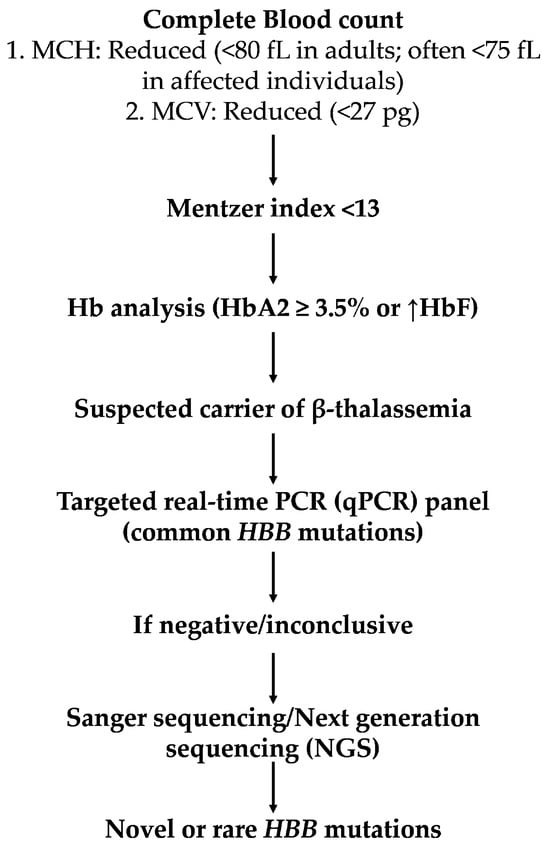
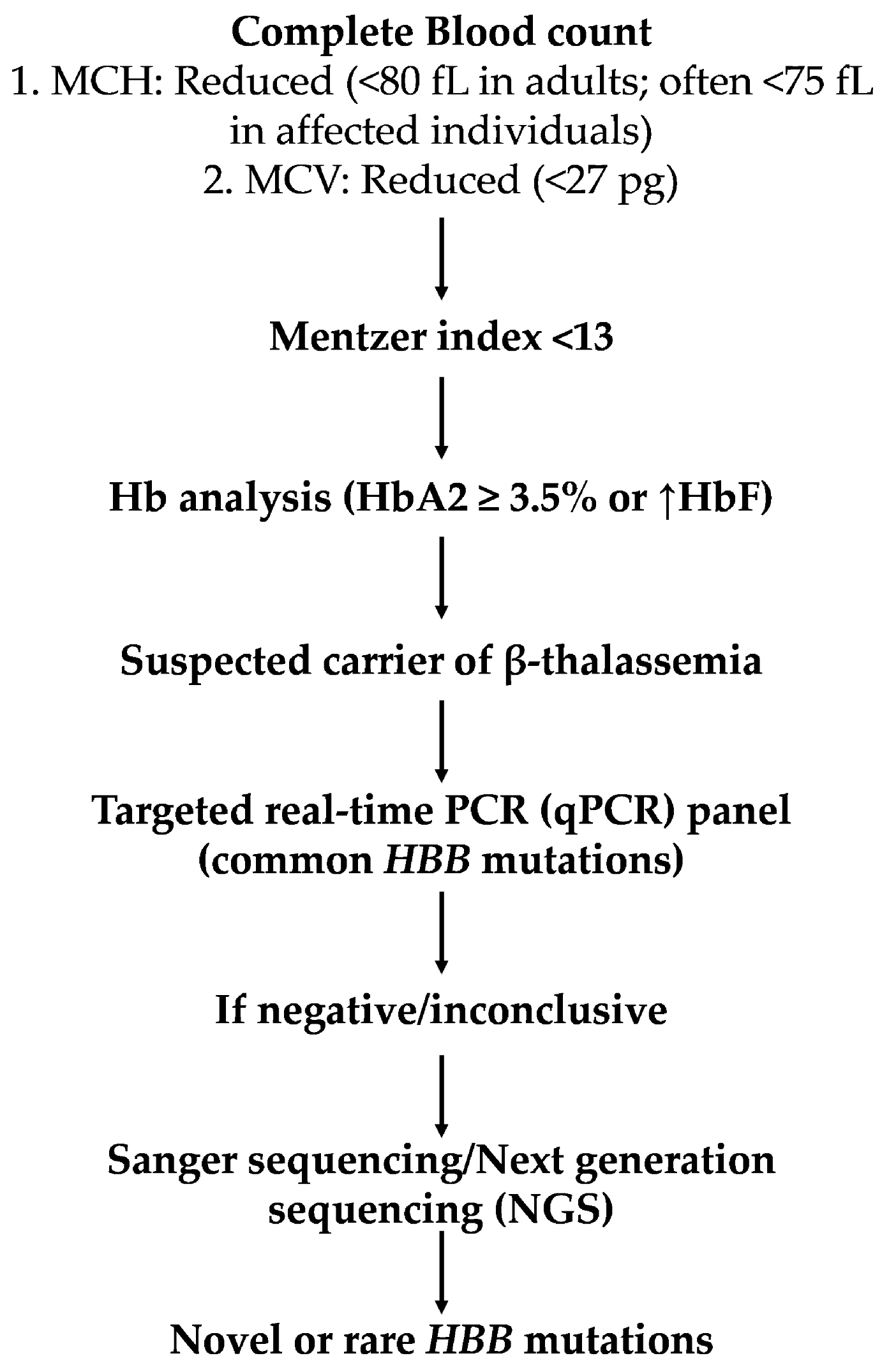

Disclaimer/Publisher’s Note: The statements, opinions and data contained in all publications are solely those of the individual author(s) and contributor(s) and not of MDPI and/or the editor(s). MDPI and/or the editor(s) disclaim responsibility for any injury to people or property resulting from any ideas, methods, instructions or products referred to in the content. |
© 2026 by the authors. Licensee MDPI, Basel, Switzerland. This article is an open access article distributed under the terms and conditions of the Creative Commons Attribution (CC BY) license.