


Abstract
Resin-producing scale insects generate chemically complex microenvironments that may harbor distinctive bacterial communities. However, bacterial differentiation across insect–plant–resin interfaces remains poorly understood. This study tested whether bacterial community composition, diversity, co-occurrence patterns, and predicted metabolic potential differed among phloem, the phloem–resin interface, and Ari resin–insect composites in the Tachardiella fulgens–Coursetia glandulosa system. Using 16S rRNA gene sequencing, co-occurrence network analysis, and PICRUSt2-based functional prediction, we examined bacterial communities from 42 biological samples and identified 5575 bacterial amplicon sequence variants. Ari resin–insect composites exhibited markedly higher bacterial richness and diversity, as well as a distinct community composition, compared with the plant-associated compartments. Ecological compartment was significantly associated with bacterial community composition after accounting for sampling locality (marginal PERMANOVA, R2 = 0.173, p = 0.001), although significant differences in multivariate dispersion warrant cautious interpretation. Thirty-seven bacterial genera showed significant compartment-associated differences in relative abundance after false discovery rate correction. The Ari resin–insect co-occurrence network exhibited higher observed modularity (Q = 0.6301) than the global network (Q = 0.1563), although differences in sample size and network construction limit direct comparisons. Functional prediction identified 402 MetaCyc pathways, including 342 that differed significantly among compartments. Predicted metabolic profiles also differed substantially among compartments (PERMANOVA, R2 = 0.864). These findings characterize Ari resin–insect composites as distinct bacterial microenvironments within the scale insect–plant system. The observed patterns are compatible with ecological filtering but do not establish its underlying mechanisms, which require direct experimental investigation.
1. Introduction
Symbiotic bacteria play a fundamental role in the ecological success of sap-feeding insects by supplementing the nutritionally imbalanced phloem diet. In Sternorrhyncha, obligate and facultative bacterial associates contribute to essential amino acid and vitamin provisioning, chemical defense, detoxification, stress tolerance, and adaptation to specific ecological niches [1,2,3,4]. Beyond intracellular symbionts, growing evidence indicates that insect surfaces, feeding structures, and extracellular secretions harbor diverse bacterial assemblages that may contribute to nutrient transformation, degradation of plant-derived compounds, biofilm formation, and environmental adaptation [2,5]. Secretions such as honeydew, waxes, and resinous coverings may therefore constitute chemically heterogeneous microbial habitats at the interface between insects, host plants, and the surrounding environment [6].
Resin-producing scale insects of the family Kerriidae offer a valuable system for investigating these extracellular microbial habitats. As they feed on plant phloem, these insects produce protective resinous matrices that reduce exposure to desiccation, ultraviolet radiation, predators, parasitoids, and environmental fluctuations while potentially providing substrates for microbial colonization [6,7]. However, research has focused predominantly on economically important Asian lac insects of the genus Kerria, whereas the microbial ecology of resin-producing species native to the Americas remains poorly characterized.
Tachardiella fulgens Cockerell is a resin-producing scale insect associated with the perennial leguminous shrub Coursetia glandulosa A. Gray in northern Mexico and the southwestern United States. The insect feeds on phloem and progressively secretes a hardened matrix locally known as Ari resin [8,9], also referred to as Sonora gum [10]. Ari resin has traditional uses in northern Mexico and represents a natural product of biocultural relevance. Recent chemical characterization has identified terpenoids, phenolic compounds, fatty acids, long-chain hydrocarbons, alcohols, esters, and other metabolites in Ari resin [10]. This chemical complexity suggests that Ari resin as a selective microbial microenvironment in which nutrient availability, oxidative conditions, water retention, and antimicrobial compounds could influence bacterial colonization.
High-throughput sequencing allows microbial communities to be investigated beyond taxonomic inventories by integrating diversity, community composition, ecological association networks, and predicted functional potential. Co-occurrence networks can identify patterns of bacterial association and community organization, whereas phylogeny-based approaches such as PICRUSt2 predict metabolic potential from 16S rRNA gene ASVs [11,12]. Within this framework, environmental filtering, dispersal, and species associations represent important processes potentially contributing to microbial community differentiation across adjacent ecological habitats [13,14].
Despite the ecological and biocultural relevance of Ari resin, its bacterial communities have not been characterized across the plant–insect–resin interface through an integrated assessment of taxonomic composition, community diversity, co-occurrence structure, and predicted metabolic potential. We therefore hypothesized that bacterial community structure and predicted functional potential would differ among Phloem, Phloem–Resin, and Ari Resin compartments, with patterns consistent with ecological filtering associated with the resin microenvironment. To test this hypothesis, we characterized bacterial communities across the T. fulgens-C. glandulosa-Ari Resin system using 16S rRNA gene amplicon sequencing, co-occurrence network analysis, and PICRUSt2-based functional prediction.
2. Materials and Methods
2.1. Study Area and Sampling Design
Bacterial communities associated with the Tachardiella fulgens–Coursetia glandulosa system were sampled at six localities in the Barranca de Urique region, Chihuahua, Mexico: Ocotillos, Playita, Ranchito, Agua Escondida, Carretera, and Tierra Mala (Figure 1; Table S1). Three ecological compartments representing the plant–insect–resin interface were analyzed: Phloem, Phloem–Resin, and Ari Resin. Sampling intensity depended on the natural availability of C. glandulosa plants bearing Ari resin at each locality. Ari-producing plants were more abundant at Ocotillos, whereas fewer resin-bearing plants were available at the other localities. Tierra Mala was the only locality where Ari resin was not observed during field sampling; consequently, only Phloem samples were collected at this site. A total of 42 biological samples were analyzed, comprising 13 Phloem, 12 Phloem–Resin, and 17 Ari Resin samples. The distribution of samples and geographic characteristics are provided in Supplementary Table S1.
Figure 1.
Geographic location of the study area and sampling sites in the Barranca de Urique region, Chihuahua, Mexico. The inset map shows the location of Chihuahua State within Mexico and the municipality of Urique, including a panoramic view of Urique town. The satellite image shows the spatial distribution of the six sampling localities within the study area: (1) Ocotillos, (2) Playita, (3) Ranchito, (4) Agua Escondida, (5) Carretera, and (6) Tierra Mala. The map includes a north arrow and a distance scale. Sampling sites correspond to the locations described in Supplementary Table S1.
Ari resin samples consisted of resinous material containing embedded individuals of Tachardiella fulgens. Because the insects remained enclosed within the compact resin matrix, the material was processed as a composite resin–insect sample. Consequently, the resulting bacterial profiles represent the combined microenvironment and cannot distinguish resin-associated microorganisms from those associated with the embedded insects. The Phloem–Resin compartment was operationally defined as phloem tissue immediately beneath resin deposits, after removal of overlying resin; it does not represent a separately isolated physical layer. Phloem samples were obtained from vascular tissue exposed after removal of resin deposits.
2.2. DNA Extraction, 16S rRNA Gene Amplification, Library Preparation, and Sequencing
Total genomic DNA was extracted using the Quick-DNA™ Fecal/Soil Microbe Microprep Kit (Zymo Research, Irvine, CA, USA) according to the manufacturer’s instructions. DNA concentration and purity were measured using a NanoDrop 2000 spectrophotometer (Thermo Fisher Scientific, Waltham, MA, USA), and DNA integrity was verified by electrophoresis on 1% agarose gels. The nearly full-length bacterial 16S rRNA gene (~1500 bp) was amplified using primers 27F (5′-AGAGTTTGATCMTGGCTCAG-3′) and 1492R (5′-TACGGYTACCTTGTTACGACTT-3′) [15]. PCR reactions were performed in a final volume of 25 μL containing 50 ng of template DNA, 1× PCR Master Mix (Promega, Madison, WI, USA; containing MgCl2, dNTPs, and Taq DNA polymerase), and 10 pmol of each primer. Thermal cycling consisted of an initial denaturation at 95 °C for 3 min, followed by 25 cycles of denaturation at 95 °C for 30 s, annealing at 55 °C for 30 s, and extension at 72 °C for 30 s, with a final extension at 72 °C for 5 min. Extraction blanks and PCR-negative controls were included to monitor potential contamination. Amplicons were purified and quantified, and sequencing libraries were prepared using the Nextera XT DNA Library Preparation Kit (Illumina Inc., San Diego, CA, USA) according to the manufacturer’s protocol. Libraries were sequenced on an Illumina MiniSeq platform at the Laboratorio Nacional de Nutrigenómica y Microbiómica Digestiva Animal, sede IPN (LANMDA-IPN). Raw sequencing data were deposited in the NCBI Sequence Read Archive (SRA) under BioProject accession PRJNA1482564 and will become publicly available upon publication.
2.3. Bioinformatic Processing and Taxonomic Assignment
Raw Illumina forward reads (R1) were processed in R v4.5.2 [16] using DADA2 v1.38.0 [17]. Read quality was evaluated using plotQualityProfile. Reads were then filtered using filterAndTrim with a maximum expected error threshold of two (maxEE = 2), a quality truncation threshold of two (truncQ = 2), and PhiX removal enabled. No fixed-length truncation was applied (truncLen = 0) because read lengths were variable. Error rates were learned using learnErrors, followed by dereplication with derepFastq and ASV inference using the DADA2 algorithm. The ASV table was generated with makeSequenceTable, and chimeric sequences were removed using removeBimeraDenovo with the consensus method. Taxonomic assignment was performed using the naïve Bayesian classifier implemented in DADA2 (assignTaxonomy) against the SILVA v138.2 reference database [18]. Taxonomy was initially assigned to the genus level using the silva_nr99_v138.2_toGenus_trainset database and complemented with silva_v138.2_assignSpecies for species-level assignment when supported. ASVs not assigned to Bacteria and those classified as chloroplasts or mitochondria were excluded. After taxonomic filtering, the final bacterial dataset comprised 5575 ASVs across 42 samples, representing 1,564,646 bacterial reads, and was used for subsequent diversity, community composition, and ecological analyses. For functional prediction with PICRUSt2, a filtered subset comprising 1345 ASVs from the final bacterial dataset was used. The complete sequence-processing and filtering workflow is summarized in Supplementary Figure S1.
The SILVA 138.2 reference database was used for taxonomic assignments. To further characterize ASVs lacking phylum-level assignments, we examined their sequence lengths, read abundances, and prevalence across samples and compartments. We also screened these sequences for extended homopolymeric regions and performed targeted nucleotide BLAST (version 2.17.0; BLASTn; National Center for Biotechnology Information, NCBI, https://blast.ncbi.nlm.nih.gov/Blast.cgi, accessed on 5 October 2026) searches on the five most abundant unclassified ASVs. An exploratory sensitivity assessment was conducted by hypothetically excluding these five ASVs together with unclassified ASVs containing homopolymeric stretches of at least 30 nucleotides, followed by recalculation of sample-level relative abundances. This assessment was used to examine the influence of these sequences on the unclassified fraction and did not modify the original dataset.
2.4. Bacterial Diversity and Community Composition
Alpha diversity was assessed using observed ASV richness and the Shannon and Simpson diversity indices calculated from the final bacterial ASV table without rarefaction. Differences among ecological compartments were evaluated using Kruskal–Wallis tests followed, when significant, by Dunn’s post hoc tests with Benjamini–Hochberg (BH) correction for multiple comparisons. Beta diversity was assessed from relative bacterial ASV abundances using Bray–Curtis dissimilarities and visualized by principal coordinates analysis (PCoA). Differences in bacterial community composition associated with ecological compartment and sampling locality were evaluated using PERMANOVA with 999 permutations. Pairwise PERMANOVA comparisons among ecological compartments were subsequently performed, and p-values were adjusted using the BH procedure. Homogeneity of multivariate dispersion among ecological compartments was evaluated using PERMDISP with 999 permutations. Pairwise comparisons of multivariate dispersion were also performed among ecological compartments, with BH adjustment of p-values. Because differences in sequencing depth can affect richness and diversity estimates, these results should be interpreted as comparisons without sequencing-depth normalization; a sequencing-depth sensitivity analysis was not performed.
Taxonomic composition was characterized at the phylum, class, order, family, and genus levels using relative abundances. For genus-level comparisons, classified genera present in at least 20% of samples (≥9 of 42 samples) were retained and tested for differences among ecological compartments using Kruskal–Wallis tests. p-values from the global genus-level tests were adjusted across genera using the BH false discovery rate procedure. Genera with significant global tests were subsequently evaluated using Dunn’s pairwise comparisons with BH correction within each genus. For heatmap visualization, genera with a BH-adjusted global p < 0.05 and a mean relative abundance ≥0.5% in at least one ecological compartment were retained. Relative abundances of the selected genera were standardized independently by genus using row-wise Z-scores for visualization.
2.5. Bacterial Co-Occurrence Network Analysis
Genus-level bacterial co-occurrence networks were inferred from relative-abundance matrices comprising all 42 samples (global network) and the 17 Ari Resin samples (compartment-specific network). Within each dataset, genera present in at least five samples were retained, and genera with no variation in relative abundance were excluded. Pairwise Spearman rank correlations were calculated using the rcorr function from the R package Hmisc. Resulting p-values were adjusted for multiple comparisons using the Benjamini–Hochberg false-discovery-rate procedure. Associations were retained when |ρ| ≥ 0.60 and FDR-adjusted p < 0.05. Undirected networks were constructed using igraph, retaining the sign of each correlation for graphical representation and its absolute magnitude as the edge weight for community detection. Communities were identified using the weighted fast-greedy algorithm, and weighted modularity (Q) was calculated from the corresponding community memberships.
To evaluate whether observed modularity exceeded expectations based on network connectivity, 1000 degree-preserving randomized networks were generated for each observed network. Empirical significance was assessed by comparing observed modularity with the corresponding null distribution. To assess the influence of unequal sample sizes, 1000 random subsets of 17 samples were drawn without replacement from the global dataset of 42 samples, using a fixed random seed (20261030). The full prevalence filtering, correlation analysis, FDR correction, network construction, and weighted fast-greedy community-detection procedure was repeated for each subset. When fast-greedy returned a negative modularity, the valid alternative partition assigning all connected nodes to one community (Q = 0) was selected, while the original fast-greedy value was retained for auditing. Iterations without an evaluable network were excluded from modularity summaries. The resulting distribution was compared descriptively with the observed Ari Resin modularity and component structure.
2.6. Functional Prediction Using PICRUSt2
Functional potential was predicted from a filtered bacterial ASV dataset using PICRUSt2 [12] through the Galaxy implementation of the standard workflow. The analysis included phylogenetic placement, hidden-state prediction of gene-family copy numbers, metagenome inference, and metabolic pathway reconstruction. The filtered dataset comprised 1345 ASVs retained from the final dataset of 5575 bacterial ASVs. Prediction quality was assessed using the weighted Nearest Sequenced Taxon Index (NSTI), which reflects the phylogenetic distance between ASVs and available reference genomes used for functional inference. Predicted functional profiles were generated as Enzyme Commission (EC) numbers, KEGG Orthologs (KOs), and MetaCyc pathways and exported for subsequent statistical analysis in R v4.5.2. Because PICRUSt2 infers functional potential from phylogenetic relationships rather than directly measuring gene content or metabolic activity, functional profiles were interpreted as predicted metabolic potential rather than experimentally measured microbial function. Prediction reliability was further assessed using per-sample weighted nearest sequenced taxon index (NSTI) values and the proportion of reads retained after filtering. The overall mean NSTI was 0.0604 (Phloem, 0.0843; Phloem–Resin, 0.0201; Ari Resin, 0.0705). Following filtering, 1345 of 5575 ASVs (24.13%) and 965,913 of 1,564,646 reads (61.73%) were retained. Per-sample weighted NSTI values and read-retention statistics are provided in Supplementary Table S2.
2.7. Statistical Analysis of Predicted Functional Profiles
Differences in predicted functional composition among ecological compartments were evaluated using MetaCyc pathway profiles. Pathway abundances were converted to relative abundances, and Bray–Curtis dissimilarities were calculated and visualized using principal coordinates analysis (PCoA). Compartment-associated differences were tested using PERMANOVA with 4999 permutations. Pairwise PERMANOVA comparisons were subsequently performed among ecological compartments, with p-values adjusted using the Benjamini–Hochberg (BH) procedure. Homogeneity of multivariate dispersion was assessed using PERMDISP with 4999 permutations. Individual MetaCyc pathways were compared among ecological compartments using one-way ANOVA. p-values from the pathway-level omnibus tests were adjusted for multiple testing using the BH false discovery rate (FDR) procedure, with statistical significance defined as FDR-adjusted p < 0.05. For each significant pathway, mean predicted relative abundance was calculated within each ecological compartment to identify the compartment with the highest predicted mean; this descriptive comparison was not interpreted as evidence of statistically significant pairwise pathway enrichment. For visualization of pathway-level patterns, a representative subset of 17 significantly differentiated pathways with curated functional assignments was selected to encompass major functional categories and contrasting compartment-associated abundance patterns. Relative pathway abundances for the selected pathways were standardized independently across the 42 samples using row-wise Z-scores. Samples were grouped by ecological compartment without column clustering. To evaluate the robustness of predicted functional differentiation, a sensitivity analysis excluded six samples with fewer than 30% of reads retained by the PICRUSt2 filtering pipeline. Global PERMANOVA and multivariate-dispersion analyses were repeated on the complete and reduced datasets.
3. Results
3.1. Sequencing Overview and Bacterial Dataset Construction
DADA2 processing of the 42 biological samples initially yielded 20,121 amplicon sequence variants (ASVs), of which 19,483 remained after chimera removal. Taxonomic assignment against the SILVA v138.2 reference database classified 7784 ASVs as Bacteria. Removal of 463 chloroplast and 1746 mitochondria-associated ASVs yielded a final dataset of 5575 bacterial ASVs, comprising 1,564,646 reads across the 42 samples. The final bacterial ASV dataset was used for taxonomic composition, alpha- and beta-diversity, and co-occurrence network analyses. For PICRUSt2 functional prediction, a filtered subset comprising 1345 ASVs was used. No detectable bacterial 16S rRNA gene amplification was observed in the DNA extraction blanks or PCR-negative controls. Thus, no negative-control amplicons were available for sequencing, and no control-derived ASV profiles could be generated for downstream contamination assessment. The bacterial ASV recovery and bioinformatic filtering results are summarized in Table 1.
Table 1.
Summary of bacterial ASV recovery and bioinformatic filtering.
3.2. Alpha Diversity Differs Among Ecological Compartments
Bacterial alpha diversity differed significantly among ecological compartments for observed ASV richness (Kruskal–Wallis, H = 30.42, df = 2, p < 0.001), Shannon diversity (H = 29.67, df = 2, p < 0.001), and Simpson diversity (H = 29.66, df = 2, p < 0.001) (Figure 2). Ari Resin showed substantially greater alpha diversity than both Phloem and Phloem–Resin. Median observed ASV richness was 263 in Ari Resin, compared with 7 in Phloem and 10.5 in Phloem–Resin. Similarly, median Shannon diversity was 4.71 in Ari Resin, compared with 1.40 and 1.39 in Phloem and Phloem–Resin, respectively, whereas median Simpson diversity was 0.984 in Ari Resin, compared with 0.677 and 0.678 in the other two compartments. Dunn’s post hoc tests with Benjamini–Hochberg correction confirmed significant differences between Ari Resin and Phloem for observed richness (padj = 1.06 × 10⁻⁶), Shannon diversity (padj = 7.637 × 10⁻⁶), and Simpson diversity (padj = 7.92 × 10⁻⁶). Ari Resin also differed significantly from Phloem–Resin for observed richness (padj = 6.91 × 10⁻⁵), Shannon diversity (padj = 1.096 × 10⁻⁵), and Simpson diversity (padj = 1.09 × 10⁻⁵). By contrast, no significant differences were detected between Phloem and Phloem–Resin for any alpha-diversity metric (all padj ≥ 0.396). Complete Shannon pairwise comparisons are reported in Supplementary Table S3.
Figure 2.
Bacterial alpha diversity across ecological compartments of the Tachardiella fulgens–Coursetia glandulosa system. Observed ASV richness (A), Shannon diversity (B), and Simpson diversity (C) in Phloem (n = 13), Phloem–Resin (n = 12), and Ari Resin (n = 17). Boxes represent the interquartile range, horizontal lines indicate medians, and points represent individual biological samples. Differences among compartments were evaluated using Kruskal–Wallis tests followed by Dunn’s post hoc tests with Benjamini–Hochberg correction. Different letters indicate significant pairwise differences at FDR-adjusted p < 0.05.
3.3. Bacterial Community Composition Differs Among Ecological Compartments
Bray–Curtis PERMANOVA incorporating sampling locality and ecological compartment identified a significant marginal association between ecological compartment and bacterial community composition (R2 = 0.1731, F = 4.2202, p = 0.001), whereas the marginal effect of locality was not statistically significant (R2 = 0.1227, F = 1.1965, p = 0.071) (Table 2). However, multivariate dispersion differed significantly among compartments (PERMDISP, F = 7.5875, p = 0.001). Mean distances to group centroids were 0.586 for phloem, 0.513 for the phloem–resin interface, and 0.622 for resin–insect composites. The ordination patterns were therefore interpreted in conjunction with these dispersion diagnostics rather than as unequivocal differences in group centroids (Figure 3).
Table 2.
Marginal PERMANOVA of Bray–Curtis bacterial community dissimilarities with ecological compartment and sampling locality.
Figure 3.
Principal coordinates analysis (PCoA) of bacterial community composition across ecological compartments of the Tachardiella fulgens–Coursetia glandulosa system. Ordination was based on Bray–Curtis dissimilarities calculated from relative bacterial ASV abundances. PCoA1 and PCoA2 explained 21.26% and 6.63% of the variation, respectively. Points represent individual samples, and shaded areas represent 95% confidence ellipses for Phloem, Phloem–Resin, and Ari Resin communities.
3.4. Taxonomic Differentiation of Bacterial Communities Across Ecological Compartments
3.4.1. Higher-Level Bacterial Taxonomic Composition
Bacterial communities differed in their higher-level taxonomic composition across ecological compartments (Figure 4). At the phylum level, Pseudomonadota was the predominant classified lineage, accounting, on average, for 44.93% of the bacterial community in Phloem, 49.08% in Phloem–Resin, and 73.76% in Ari Resin. Deinococcota represented 1.59%, 2.96%, and 3.61%, respectively, whereas Actinomycetota increased from 0.50% in Phloem and 0.24% in Phloem–Resin to 3.32% in Ari Resin. Cyanobacteriota showed the opposite pattern, representing 4.54% in Phloem but being nearly absent from Phloem–Resin and Ari Resin. A substantial fraction of sequences could not be assigned to a bacterial phylum. This unclassified fraction accounted on average for 48.20% and 47.33% of the communities in Phloem and Phloem–Resin, respectively, but decreased to 15.37% in Ari Resin (Figure 4A). At the class level, Gammaproteobacteria was the predominant classified lineage in all three ecological compartments, increasing from 36.54% in Phloem and 42.34% in Phloem–Resin to 61.71% in Ari Resin (Figure 4B). Alphaproteobacteria represented 8.33%, 3.60%, and 11.14% in Phloem, Phloem–Resin, and Ari Resin, respectively. Other represented classes included Deinococci, Actinobacteria, Cyanobacteriia, Bacteroidia, and Bacilli, with their relative contributions varying among compartments. At higher taxonomic ranks, differentiation primarily reflected shifts in bacterial lineage representation, with Ari Resin showing a higher mean relative abundance of Pseudomonadota, particularly Gammaproteobacteria, and a lower mean proportion of taxonomically unclassified sequences than Phloem and Phloem–Resin.
Figure 4.
Higher-level taxonomic composition of bacterial communities across ecological compartments of the Tachardiella fulgens–Coursetia glandulosa system. Relative abundance profiles are shown for individual biological samples from Phloem, Phloem–Resin, and Ari Resin. (A) Phylum-level composition. (B) Class-level composition. (C) Expanded visualization of less abundant bacterial phyla, excluding Pseudomonadota and the unclassified fraction to facilitate comparisons among less abundant taxa. Deinococcota, Actinomycetota, Cyanobacteriota, Bacteroidota, Bacillota, and Myxococcota are displayed individually, whereas the remaining low-abundance phyla are grouped as “Other minor phyla.” In panels (A,B), selected taxa are shown individually, whereas the remaining taxa are grouped as “Others.” “Unclassified” represents bacterial ASVs that could not be resolved at the corresponding taxonomic rank. Relative abundances in panel (C) retain their original percentages of total bacterial sequences per sample and were not renormalized. Note that panels (A,B) use a 0–100% scale, whereas panel (C) uses an expanded 0–40% scale.
Further examination of the fraction unclassified at the phylum level identified 925 ASVs (16.59% of the 5575 retained ASVs), representing 408,159 reads (26.09% of the dataset). These ASVs ranged from 50 to 149 bp in length, and most occurred in only one sample (759 ASVs; 82.05%). The 20 most abundant unclassified ASVs represented 50.18% of the reads in this category. An exploratory sequence-complexity assessment identified 67 ASVs containing homopolymeric stretches of at least 30 nucleotides, accounting for 34.68% of the unclassified reads. Targeted BLAST searches of the five most abundant unclassified ASVs revealed matches to fungal ribosomal or ITS sequences and plant plastid sequences, as well as one sequence characterized by an extensive homopolymeric region. In an exploratory sensitivity assessment, excluding of these five ASVs and the extended-homopolymer ASVs reduced the mean unclassified relative abundance to 26.50% in Phloem, 14.78% in Phloem–Resin, and 10.18% in Ari Resin, respectively.
3.4.2. Genus-Level Differentiation of the Ari Resin Bacteriome
Genus-level analysis identified pronounced differences in bacterial taxonomic composition among ecological compartments (Figure 5). Of the 183 genus-level taxonomic categories detected, 37 classified genera met the prevalence criterion of occurrence in at least 20% of samples and differed significantly among compartments after false-discovery-rate correction (Kruskal–Wallis, BH-adjusted p < 0.05). For visualization, 22 of these genera were retained based on a mean relative abundance ≥0.5% in at least one ecological compartment. Most genera displayed in the heatmap had higher mean relative abundances in Ari Resin. Among the most abundant, Massilia increased from mean relative abundances of 0.30% in Phloem and 0.09% in Phloem–Resin to 6.78% in Ari Resin, whereas Salmonella increased from 0.004% and 0.05% to 5.66%, respectively. Similarly, Kosakonia (2.84%), Pantoea (2.77%), Methylobacterium (2.40%), Duffyella (1.77%), Erwinia (1.72%), Klebsiella (1.47%), Hymenobacter (1.44%), and Microlunatus (1.30%) showed their highest mean relative abundances in Ari Resin. Pseudomonas and Sphingomonas also showed higher mean relative abundances in Ari Resin (1.00% and 0.74%, respectively) than in the other compartments. By contrast, Candidatus Profftella showed a markedly different distribution. It represented, on average, 33.54% of the bacterial community in Phloem and 41.64% in Phloem–Resin, but only 0.40% in Ari Resin. The genus-level Kruskal–Wallis tests identified significant overall differences among compartments; however, these omnibus tests do not establish which specific compartment pairs differed for each genus. Collectively, these genus-level patterns indicate pronounced compartment-associated taxonomic differentiation, particularly between Ari Resin and the other ecological compartments, consistent with the community-level patterns observed in the beta-diversity analysis. Complete omnibus statistics for the 37 selected genera are provided in Supplementary Table S4.
Figure 5.
Differential representation of bacterial genera across ecological compartments of the Tachardiella fulgens–Coursetia glandulosa system. Heatmap showing relative abundance patterns of 22 bacterial genera across 42 individual samples from Phloem, Phloem–Resin, and Ari Resin. Genera were selected based on global prevalence (≥20% of samples), significant differences among ecological compartments after false-discovery-rate correction (Kruskal–Wallis, BH-adjusted p < 0.05), and a mean relative abundance ≥0.5% in at least one compartment. Relative abundances were standardized independently for each genus using genus-wise Z-scores; therefore, colors represent within-genus variation across samples rather than absolute abundance differences among genera. Samples are grouped by ecological compartment without column clustering.
3.5. Distinct Bacterial Co-Occurrence Network Structure in Ari Resin
Genus-level bacterial co-occurrence networks were inferred using Spearman correlations with Benjamini–Hochberg false-discovery-rate correction (FDR-adjusted p < 0.05) and an absolute correlation threshold of |ρ| ≥ 0.60. Genera occurring in at least five samples were retained for network construction. The global network, based on 42 samples encompassing Phloem, Phloem–Resin, and Ari Resin, included 43 connected genera and 249 significant associations, comprising 230 positive and 19 negative edges (Figure 6A; Table 3). In contrast, the Ari Resin network, reconstructed from 17 samples, contained 12 connected genera and nine significant associations, including eight positive and one negative edge (Figure 6B; Table 3). The global network formed a single connected component and was partitioned into three communities using the weighted fast-greedy algorithm, with absolute correlation coefficients as edge weights (Q = 0.1563). The Ari Resin network exhibited a more fragmented structure, comprising five connected components and five detected communities, with higher observed modularity (Q = 0.6301). Degree-preserving null-model analyses based on 1000 randomized networks indicated that global network modularity exceeded random expectations (mean null Q = 0.1331; empirical p = 0.0060). In contrast, Ari Resin modularity did not differ significantly from its corresponding null distribution (mean null Q = 0.5854; empirical p = 0.1009). Therefore, the higher observed modularity of the Ari Resin network should not be interpreted as evidence of statistically significant modular organization. To evaluate sensitivity to unequal sample sizes, the global dataset was randomly subsampled to 17 samples in 1000 iterations, and the complete correlation filtering, FDR correction, network reconstruction, and weighted community-detection procedures were repeated. Of these iterations, 998 yielded evaluable modularity values. Their median modularity was Q = 0.0680, with 2.5th and 97.5th percentiles of 0.0000 and 0.2521, respectively. None of the 998 evaluable subsampled networks reached the observed Ari Resin modularity (Q = 0.6301). Most subsampled networks comprised a single connected component (995 iterations), while three contained two components; none reproduced the five-component structure of the Ari Resin network. Together, these findings indicate that the Ari Resin network displayed a distinct, sparsely connected and fragmented association structure that was not reproduced by random sample-size reduction in the pooled global dataset. Nevertheless, network modularity is sensitive to topology and fragmentation, and correlation-based associations do not establish direct microbial interactions. Accordingly, the results support descriptive differentiation of bacterial association patterns rather than definitive evidence of compartment-specific microbial interactions or statistically significant modular specialization.
Figure 6.
Genus-level bacterial co-occurrence networks in the Tachardiella fulgens–Coursetia glandulosa system. (A) Global network reconstructed from 42 samples encompassing Phloem, Phloem–Resin, and Ari Resin, comprising 43 connected nodes and 249 significant associations. (B) Ari Resin network reconstructed from 17 samples, comprising 12 connected nodes and nine significant associations. Nodes represent bacterial genera, and edges represent Spearman correlations retained after Benjamini–Hochberg correction (FDR-adjusted p < 0.05; |ρ| ≥ 0.60). Green edges indicate positive correlations and red edges indicate negative correlations. Communities were identified using the weighted fast-greedy algorithm with absolute correlation coefficients as edge weights. The global network comprised one connected component and three communities (Q = 0.1563), whereas the Ari Resin network comprised five connected components and five communities (Q = 0.6301). The higher observed modularity of the Ari Resin network was not statistically significant relative to its degree-preserving null model (p = 0.1009).
Table 3.
Topological properties of FDR-corrected global and Ari Resin bacterial co-occurrence networks.
3.6. Ari Resin Is Associated with Distinct Predicted Bacterial Metabolic Potential
Bacterial functional profiles were predicted using PICRUSt2 from the filtered bacterial 16S rRNA gene dataset comprising 1345 ASVs. Functional differentiation among ecological compartments was evaluated using the relative abundances of 402 predicted MetaCyc pathways and visualized by principal coordinates analysis (PCoA) based on Bray–Curtis dissimilarities (Figure 7). The predicted functional profiles differed markedly between Ari Resin and the two plant-associated compartments. PCoA1 explained 94.7% of the variation and clearly separated Ari Resin samples from Phloem and Phloem–Resin, whereas PCoA2 explained an additional 1.8%. In contrast, Phloem and Phloem–Resin showed substantial overlap in ordination space, suggesting broadly similar predicted functional profiles. PERMANOVA confirmed a strong association between ecological compartment and predicted functional composition (F = 124.336, R2 = 0.864, p = 0.0002; Table 4). Pairwise PERMANOVA showed pronounced differentiation between Ari Resin and Phloem (R2 = 0.883, F = 210.385, BH-adjusted p = 0.0015) and between Ari Resin and Phloem–Resin (R2 = 0.892, F = 223.065, BH-adjusted p = 0.0015). In contrast, Phloem and Phloem–Resin did not differ significantly (R2 = 0.046, F = 1.111, BH-adjusted p = 0.277). Multivariate dispersion did not differ significantly among ecological compartments (PERMDISP, F = 1.061, p = 0.3592), indicating no evidence of significant heterogeneity in within-group dispersion and supporting the interpretation of the PERMANOVA result as primarily reflecting differences in the centroids of predicted functional profiles. Predicted metabolic profiles broadly paralleled the compartment-associated pattern in bacterial community composition: Phloem and Phloem–Resin showed comparatively similar profiles, whereas Ari Resin exhibited pronounced differentiation. These results indicate that the distinct bacterial assemblage associated with Ari Resin is accompanied by a distinct predicted metabolic potential. The specific MetaCyc pathways underlying this functional differentiation are examined in the following section.
Figure 7.
Predicted bacterial metabolic profiles across ecological compartments of the Tachardiella fulgens–Coursetia glandulosa system. Principal coordinate analysis (PCoA) based on Bray–Curtis dissimilarities calculated from relative abundances of 402 MetaCyc pathways predicted using PICRUSt2. PCoA1 and PCoA2 explained 94.7% and 1.8% of the variation, respectively. Points represent individual biological samples, and shaded areas represent 95% confidence ellipses for Phloem, Phloem–Resin, and Ari Resin. Ari Resin differed significantly from both Phloem and Phloem–Resin in pairwise PERMANOVA tests (BH-adjusted p = 0.0015), whereas Phloem and Phloem–Resin did not differ significantly (BH-adjusted p = 0.277). Multivariate dispersion did not differ significantly among compartments (PERMDISP, p = 0.356).
Table 4.
PERMANOVA and PERMDISP analyses of PICRUSt2-predicted MetaCyc pathway profiles across ecological compartments. Full dataset (n = 42): PERMANOVA R2 = 0.8644, pseudo-F = 124.34, p = 0.0002; median-based PERMDISP F = 1.061, p = 0.3592. Reduced dataset (n = 36; samples with <30% read retention excluded): PERMANOVA R2 = 0.8708, pseudo-F = 111.21, p = 0.0002; median-based PERMDISP F = 1.099, p = 0.3560.
Sensitivity analyses were performed to evaluate the robustness of compartment-associated differences in PICRUSt2-predicted MetaCyc pathway profiles. PERMANOVA revealed significant differentiation among ecological compartments in the complete dataset (42 samples; R2 = 0.864, pseudo-F = 124.34, p = 0.0002). After excluding six samples with sequencing-read coverage below 30%, the differentiation remained significant (36 samples; R2 = 0.871, pseudo-F = 111.21, p = 0.0002). Multivariate dispersion, assessed using distances to spatial medians, did not differ significantly among compartments in either the complete dataset (PERMDISP, F2,39 = 1.061, p = 0.3592) or the reduced dataset (F2,33 = 1.099, p = 0.3560). However, centroid-based dispersion tests detected significant differences, indicating some sensitivity to the choice of group-center estimator. Accordingly, the predicted functional differentiation should be interpreted cautiously, particularly because PICRUSt2 estimates functional potential from 16S rRNA gene data rather than directly measuring metabolic activity. The detailed functional PERMANOVA and PERMDISP outputs are provided in Supplementary Tables S5–S7.
3.7. Differential Representation of Predicted Metabolic Pathways Across Ecological Compartments
Differential analysis of the 402 predicted MetaCyc pathways identified 342 pathways that differed significantly among ecological compartments after Benjamini–Hochberg false discovery rate correction (FDR < 0.05). Among these pathways, 241 showed their highest predicted mean relative abundance in Ari Resin, whereas 87 and 14 showed their highest predicted mean relative abundance in Phloem and Phloem–Resin, respectively. These results revealed widespread compartment-associated differentiation in predicted bacterial metabolic potential. A representative subset of 17 significantly differentiated pathways with curated functional assignments was selected for visualization to represent major functional categories and contrasting compartment-associated abundance patterns (Figure 8). Pathway-level profiles showed a pronounced contrast between Ari Resin and the two plant-associated compartments, whereas Phloem and Phloem–Resin generally displayed more similar standardized abundance patterns. Fourteen of the 17 selected pathways showed their highest predicted mean relative abundance in Ari Resin, spanning amino acid and polyamine metabolism, aromatic compound degradation, carbon metabolism, cofactor and vitamin metabolism, iron acquisition, and lipid/cell-envelope metabolism. Among the selected pathways showing their highest predicted mean relative abundance in Ari Resin, the strongest global differences included FASYN-INITIAL-PWY (F = 752.721, FDR = 1.33 × 10⁻²⁹), KDO-NAGLIPASYN-PWY (F = 733.285, FDR = 1.33 × 10⁻²⁹), BIOTIN-BIOSYNTHESIS-PWY (F = 682.724, FDR = 2.66 × 10⁻²⁹), PYRIDOXSYN-PWY (F = 353.599, FDR = 2.91 × 10⁻²⁴), and PROTOCATECHUATE-ORTHO-CLEAVAGE-PWY (F = 350.333, FDR = 3.22 × 10⁻²⁴). Additional differentiated pathways with higher predicted mean relative abundance in Ari Resin included ARG+POLYAMINE-SYN, ENTBACSYN-PWY, FAO-PWY, ALL-CHORISMATE-PWY, PPGPPMET-PWY, and AEROBACTINSYN-PWY. In contrast, ARGSYNBSUB-PWY, COMPLETE-ARO-PWY, and CALVIN-PWY showed their highest predicted mean relative abundance in Phloem. Thus, the compartment-associated functional differentiation was characterized by bidirectional shifts in predicted pathway representation rather than by a uniform increase in metabolic functions in Ari Resin. Pathway-level patterns corroborated the multivariate differentiation in predicted functional profiles described in Section 3.6, with Phloem and Phloem–Resin exhibiting comparatively similar predicted profiles and Ari Resin displaying a distinct distribution of predicted metabolic capabilities. These results support strong compartment-associated differentiation of the predicted bacterial metabolic repertoire while representing inferred functional potential rather than directly measured metabolic activity.
Figure 8.
Differential representation of selected predicted MetaCyc pathways across ecological compartments. Heatmap showing 17 representative predicted MetaCyc pathways that differed significantly among ecological compartments after Benjamini–Hochberg false discovery rate correction and were selected to represent major functional categories and contrasting compartment-associated abundance patterns. Columns represent the 42 individual biological samples grouped by ecological compartment (Phloem, Phloem–Resin, and Ari Resin), whereas rows represent predicted MetaCyc pathways. Relative pathway abundances were standardized independently for each pathway using row-wise Z-scores. Consequently, colors represent within-pathway variation across samples rather than absolute abundance differences among pathways, with red indicating relatively higher and blue relatively lower standardized predicted abundance. No clustering of samples was applied. A statistical summary of 12 representative pathways from the 17 pathways displayed in Figure 8 is provided in Table 5.
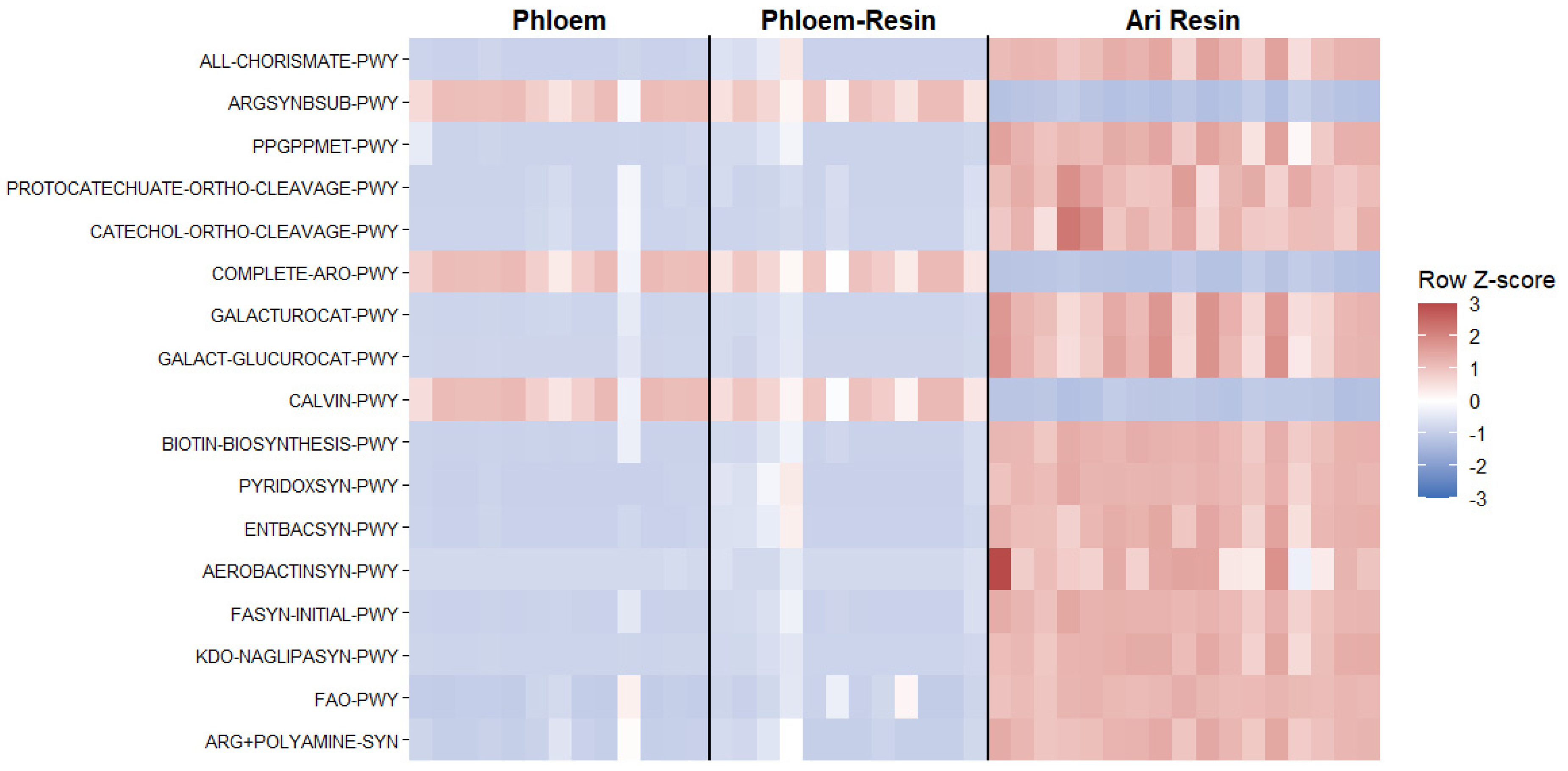
Table 5.
Statistical summary of 12 representative predicted MetaCyc pathways selected from the 17 pathways visualized in Figure 8.
4. Discussion
4.1. Ari Resin as a Potentially Chemically Selective Microenvironment
The present study indicates that Ari Resin represents a distinct ecological microenvironment within the Coursetia glandulosa-Tachardiella fulgens system. Across multiple levels of bacterial community organization, Ari Resin exhibited substantially higher alpha diversity than Phloem and Phloem–Resin (Figure 2), a distinct community composition (Figure 3), and pronounced taxonomic differentiation (Figure 4 and Figure 5). Collectively, these patterns suggest that the transition from host-associated tissues to the resin matrix is accompanied by marked ecological differentiation of the associated bacteriome and support the hypothesis that Ari Resin may act as a selective microbial habitat.
The distinct bacterial composition observed in the Ari resin–insect compartment may reflect the combined influence of the resinous matrix, insect-associated microorganisms, and their local microenvironment. Although these patterns may reflect ecological filtering, the present study does not directly establish the mechanisms responsible for bacterial community differentiation. Therefore, ecological filtering should be considered a plausible interpretation rather than a demonstrated causal process. Several ecological assembly processes may contribute to bacterial community differentiation among Phloem, Phloem–Resin, and Ari Resin. Environmental filtering represents one plausible explanation, as differences in local substrate characteristics and microenvironmental conditions could favor distinct bacterial assemblages [19,20]. However, the present study did not directly quantify environmental selection or distinguish deterministic from stochastic assembly processes. Alternative mechanisms, including dispersal limitation, ecological drift, priority effects, and differences in the sources of bacterial colonists, may also contribute to the observed patterns. Furthermore, because Ari Resin samples contained embedded scale insects, the resulting bacterial profiles represent a composite resin–insect microenvironment rather than the resin matrix alone. Accordingly, the observed community differentiation should not be interpreted as direct evidence of environmental filtering. Future studies incorporating independent resin and insect fractions, environmental measurements, and formal community assembly analyses would be necessary to evaluate the relative contributions of these processes.
The chemical complexity of Ari Resin provides a plausible context for this interpretation. Recent chemical characterization revealed a diverse mixture of terpenoids, anthraquinone derivatives, sesquiterpenes, phenolic compounds, fatty acids, long-chain hydrocarbons, alcohols, esters, and other bioactive metabolites [10]. Such chemical heterogeneity may generate differences in substrate availability, physicochemical conditions, and exposure to potentially antimicrobial or stress-inducing compounds, factors known to influence microbial community structure [21,22]. The combination of high bacterial diversity and pronounced compositional differentiation observed in Ari Resin is therefore compatible with a chemically heterogeneous habitat capable of supporting bacterial taxa with different ecological and metabolic attributes.
Although ecological compartment remained significantly associated with bacterial community composition after accounting for sampling locality, the significant heterogeneity in multivariate dispersion indicates that the observed differences may reflect variation in community centroids, within-group dispersion, or both. Furthermore, unequal sample sizes and incomplete representation of ecological compartments across localities limit the separation of spatial and compartment-associated effects. These findings therefore support compartment-associated bacterial community differentiation but do not establish ecological filtering as a causal mechanism.
An important consideration is that Ari Resin was analyzed as an intact biological matrix naturally enclosing sessile female insects. Consequently, the bacterial assemblage detected in this compartment should be interpreted as part of an integrated resin–insect–plant microenvironment rather than as the microbiota of the resin matrix in isolation. This perspective differs from previous studies of resin-producing Sternorrhyncha, particularly Kerria lacca, which have focused primarily on intracellular bacterial and yeast-like symbionts associated with insect nutrition, development, and other biological functions [6,23,24]. Our results extend this ecological perspective by indicating that the extracellular resin-associated environment itself harbors a distinctive bacterial assemblage. Ari Resin may therefore constitute a chemically complex microbial habitat whose bacterial community differs markedly from those associated with Phloem and Phloem–Resin. Ecological filtering provides a plausible framework for interpreting this differentiation, while the taxonomic, co-occurrence, and predicted functional patterns examined below provide complementary levels for understanding the ecological organization of the Ari Resin bacteriome.
4.2. Taxonomic Differentiation of the Resin-Associated Bacteriome
Taxonomic composition showed pronounced compartment-associated differentiation, particularly between Ari Resin and the two plant-associated compartments (Figure 4 and Figure 5). At higher taxonomic levels, Pseudomonadota dominated all three compartments but reached its highest mean relative abundance in Ari Resin, whereas the proportion of bacterial ASVs unresolved at the phylum level was substantially lower in Ari Resin than in Phloem and Phloem–Resin. At the genus level, differentiation was even more evident: all 37 classified genera retained after prevalence filtering differed significantly among ecological compartments after FDR correction, and 22 genera also met the abundance criterion used for visualization (Figure 5). These patterns show that the bacterial community associated with Ari Resin differs across multiple taxonomic levels, with particularly pronounced differentiation at finer taxonomic resolution.
The substantial fraction of sequences lacking phylum-level classification, particularly in Phloem and Phloem–Resin, warrants consideration when interpreting compartment-specific taxonomic patterns. The heterogeneous sequence lengths, prevalence, and abundance distributions suggest that incomplete classification may arise from multiple factors rather than a single biological explanation. Exploratory examination identified extended homopolymeric regions in a subset of ASVs, while targeted reference comparisons revealed similarities to fungal and plant plastid sequences. These observations indicate that limitations in taxonomic resolution and potential non-target sequence contributions may partly influence the reported unclassified fractions. Furthermore, the exploratory sensitivity assessment demonstrated that their relative abundances were affected by the inclusion of selected sequences. Nevertheless, this assessment did not constitute a validated artifact-removal procedure, and the original taxonomic profiles were retained. Therefore, compartment-level comparisons should be interpreted with appropriate caution, particularly regarding the unclassified fraction, without assuming that these ASVs necessarily represent previously undescribed bacterial lineages.
The differential representation of bacterial genera in Ari Resin may reflect multiple ecological processes operating within the resin–insect–plant system. Among the genera with higher mean relative abundance in this compartment, Massilia, Pantoea, and Methylobacterium are particularly relevant for developing mechanistic hypotheses. Certain Massilia strains have been reported to metabolize aromatic organic compounds, suggesting that the capacity to utilize chemically complex carbon sources may be relevant in some resin-associated environments. Members of Pantoea include plant-associated and insect-associated bacteria, making this genus potentially informative in a system where plant tissues and insect-derived material occur in close physical association [25]. Similarly, some Methylobacterium species can utilize methanol and other one-carbon compounds, a metabolic characteristic that may be relevant to plant-associated microbial communities. Although Pseudomonas was also differentially represented among compartments, the ecological versatility of this genus encompasses numerous metabolic strategies and cannot be reduced to a single mechanism of resin adaptation. These characteristics provide plausible ecological hypotheses rather than direct explanations for the observed abundance patterns. The present study did not measure the availability of the corresponding substrates, identify bacterial strains, or experimentally establish their metabolic capabilities. Furthermore, the Ari Resin samples comprised hardened resinous material associated with embedded female Tachardiella fulgens, meaning that bacterial DNA could originate from multiple biological components. Consequently, the differentiation of these genera may reflect differences in microbial sources, environmental selection, substrate availability, or combinations of these processes rather than exclusive adaptation to the resin matrix.
A contrasting pattern was observed for Candidatus Profftella, a bacterial lineage known primarily as an obligate defensive endosymbiont of psyllids [4]. Candidatus Profftella showed high mean relative abundance in both Phloem and Phloem–Resin but was markedly reduced in Ari Resin (Figure 5); pairwise comparisons confirmed significant differences between Ari Resin and each of the other two compartments, whereas Phloem and Phloem–Resin did not differ significantly. Given the insect-associated biology reported for this lineage, its distribution may reflect contributions from the insect–plant interface rather than adaptation to the Ari Resin matrix itself. However, because the present study did not independently characterize the microbiota of isolated insects, the biological origin of this signal cannot be established directly from these data.
Comparisons with other resin-producing Sternorrhyncha provide useful context for these patterns. Studies of the Asian lac insect Kerria lacca have documented complex microbial associations involving bacterial and yeast-like symbionts, while bacterial genera such as Pantoea, Enterobacter, and Pseudomonas have also been reported in insect-associated secretions and related microhabitats [6,23,24,26]. The present results extend this ecological perspective by showing that the Ari Resin-associated bacterial assemblage is strongly differentiated from those recovered from adjacent plant-associated compartments. This differentiation is compatible with the chemically selective microenvironment proposed in Section 4.1, although direct experimental evidence will be required to determine the mechanisms responsible for the observed taxonomic patterns. Taken together, the taxonomic data distinguish Ari Resin from adjacent Phloem and Phloem–Resin habitats. The marked differentiation observed at the genus level provides a taxonomic basis for examining whether the Ari Resin-associated assemblage also exhibits distinctive patterns of bacterial co-occurrence, as evaluated in the following section.
4.3. Distinct Co-Occurrence Network Structure of the Ari Resin Bacteriome
The co-occurrence analysis supports a cautious interpretation of bacterial association patterns in Ari Resin. Following multiple-testing correction, the Ari Resin network contained substantially fewer retained associations and exhibited greater fragmentation than the pooled global network. Although its observed modularity was higher, the degree-preserving null model indicated that this value was not significantly greater than expected from its network topology. Consequently, high modularity in Ari Resin cannot be taken as independent evidence of enhanced microbial compartmentalization or specialized ecological interactions.
Sample-size-matched reconstructions further indicated that randomly reducing the pooled global dataset to 17 samples did not reproduce the high modularity or five-component fragmentation observed in Ari Resin. These findings suggest that sample number alone is unlikely to explain the observed network differences under the applied reconstruction procedure. However, because the global dataset combines distinct ecological compartments, its correlation structure may also reflect between-compartment differences in bacterial abundance. The subsampling analysis therefore represents a sensitivity assessment rather than a fully controlled comparison of ecological network organization. Taken together, the findings indicate a distinctive bacterial association pattern in Ari Resin, while the mechanisms responsible for this differentiation remain unresolved. The observed correlations should be interpreted as statistical co-occurrences rather than evidence of direct interactions, ecological cooperation, competition, or experimentally demonstrated environmental filtering [27,28].
The heterogeneous composition of the Ari resin–insect material also informs interpretation of the observed network topology. Microorganisms detected in these samples may originate from plant-associated communities, insect-associated biological material, and environmental sources, potentially generating variation in community composition across individual resin deposits. Differences in the distribution of microbial sources and local physicochemical conditions could contribute to the modular association patterns observed within Ari Resin. However, these explanations remain hypothetical, particularly because the resin-associated and global networks were reconstructed from unequal sample sets and correlation-based networks cannot resolve direct microbial interactions. Therefore, the observed modularity should be interpreted as a descriptive property of the inferred association structure rather than evidence of established ecological niches or functional microbial consortia.
4.4. Predicted Functional Differentiation of the Ari Resin Bacteriome
Marked taxonomic differentiation in Ari Resin coincided with differences in predicted bacterial metabolic potential. MetaCyc pathway profiles clearly separated Ari Resin from Phloem and Phloem–Resin, with ecological compartment explaining a large proportion of the variation in predicted functional composition (PERMANOVA, R2 = 0.864; Figure 7; Table 4). Pairwise comparisons further showed strong differentiation of Ari Resin from both plant-associated compartments, whereas Phloem and Phloem–Resin did not differ significantly. Because multivariate dispersion was also homogeneous among compartments, these results provide strong evidence that the observed functional differentiation primarily reflects differences in predicted pathway composition rather than differences in within-group dispersion. The Ari Resin bacteriome therefore exhibited both taxonomic differentiation and a distinct predicted metabolic profile.
Pathway-level analysis also identified extensive compartment-associated differentiation. Of the 402 predicted MetaCyc pathways evaluated, 342 differed significantly among ecological compartments after FDR correction. Among these significant pathways, 241 showed their highest predicted mean relative abundance in Ari Resin, compared with 87 in Phloem and 14 in Phloem–Resin. Importantly, these values describe the compartment in which each significant pathway reached its highest predicted mean and should not be interpreted as evidence that 241 pathways were significantly enriched in Ari Resin. Rather, the bidirectional distribution of pathway maxima indicates broad restructuring of predicted functional representation across compartments, with the strongest overall contrast occurring between Ari Resin and the two plant-associated compartments.
Among the representative pathways with higher predicted mean relative abundance in Ari Resin, PROTOCATECHUATE-ORTHO-CLEAVAGE-PWY and CATECHOL-ORTHO-CLEAVAGE-PWY are of particular ecological interest because they are associated with the microbial catabolism of specific aromatic compounds. A chemical characterization of Ari Resin reported in [10] documented anthraquinone-related constituents and terpenoid derivatives, providing evidence that this resin-associated material contains chemically diverse organic compounds. Nevertheless, the identification of these constituents does not establish the presence of free catechol or protocatechuate, nor does it demonstrate that the detected bacterial communities can transform the characterized resin compounds through the predicted pathways. Accordingly, the higher predicted representation of aromatic-compound degradation pathways should be interpreted as a hypothesis about potential metabolic differentiation rather than evidence of active aromatic-substrate degradation. Establishing a direct relationship between resin chemistry and bacterial metabolism would require targeted chemical characterization of the sampled material, confirmation of the relevant microbial genes, and experimental assessment of substrate transformation. Moreover, because Ari Resin samples may contain insect-derived biological material, the predicted functional differences cannot be attributed exclusively to selective pressures imposed by the resinous matrix.
Other representative pathways with the highest predicted mean abundance in Ari Resin were associated with cofactor and vitamin metabolism (BIOTIN-BIOSYNTHESIS-PWY and PYRIDOXSYN-PWY), polyamine metabolism (ARG+POLYAMINE-SYN), carbon metabolism (GALACTUROCAT-PWY and GALACT-GLUCUROCAT-PWY), and lipid- or cell-envelope-related processes (FASYN-INITIAL-PWY, KDO-NAGLIPASYN-PWY, and FAO-PWY). AEROBACTINSYN-PWY additionally suggested differentiation in predicted iron-acquisition potential. These pathways span multiple metabolic processes, supporting broad differentiation of predicted metabolic potential in the Ari Resin-associated bacterial assemblage. Conversely, ARGSYNBSUB-PWY, COMPLETE-ARO-PWY, and CALVIN-PWY showed their highest predicted mean relative abundance in Phloem, reinforcing that functional differentiation involved shifts in both directions rather than a uniform increase in predicted metabolic functions within Ari Resin.
These predicted functional patterns broadly parallel the taxonomic differentiation described above, but they should not be interpreted as independent evidence that particular bacterial taxa or network modules perform specific metabolic functions. PICRUSt2 infers functional potential from phylogenetic relationships with reference genomes and does not directly measure gene content, gene expression, metabolite production, or metabolic activity [12]. Thus, these results identify predicted metabolic differences associated with ecological compartment and generate testable hypotheses regarding bacterial adaptation to the resin environment. Future integration of shotgun metagenomics, metatranscriptomics, and metabolomics will be necessary to determine whether these predicted functional differences correspond to realized metabolic processes. Taken together, the differences in predicted MetaCyc profiles and individual pathways suggest that the distinctive bacterial assemblage associated with Ari Resin is accompanied by a distinctive predicted metabolic repertoire. The correspondence between taxonomic and predicted functional differentiation is consistent with Ari Resin representing a chemically selective microbial habitat, while the mechanistic relationships among resin chemistry, bacterial community composition, and metabolic activity remain to be experimentally established.
4.5. Ecological Model of Bacterial Community Assembly Within the Ari Resin Microenvironment
The findings motivate a conceptual model in which Ari Resin represents a distinctive ecological microenvironment within the Tachardiella fulgens–Coursetia glandulosa system (Figure 9). Rather than functioning solely as an insect-derived protective secretion, the resin–insect composite may provide a chemically complex habitat in which plant-associated inputs, embedded insects, and the physicochemical characteristics of the resin collectively define the environmental context experienced by bacterial communities. Within this framework, ecological filtering is one plausible mechanism linking environmental heterogeneity with the pronounced taxonomic differentiation observed between Ari Resin and the adjacent plant-associated compartments. Bacterial community differentiation coincided with a distinct, more fragmented Ari Resin co-occurrence network, although its observed modularity did not exceed degree-preserving null-model expectations (empirical p = 0.1009). Predicted MetaCyc pathway profiles also differed among compartments, but these predictions do not establish active metabolism or specific bacterial functions.
Figure 9.
Conceptual ecological model of bacterial community differentiation and predicted functional potential across the Tachardiella fulgens–Coursetia glandulosa Ari resin system. (1) Host plant and ecological compartments, illustrating the transition from Phloem to the Phloem–Resin interface and Ari Resin. (2) Insect–plant context of resin production, illustrating the association of T. fulgens with host plant tissues and the penetration of its stylet into the phloem. (3) Ecological differentiation across compartments, including (3.1) taxonomic differences in bacterial community composition, (3.2) revised bacterial genus-level association networks, and (3.3) differences in predicted metabolic potential inferred using PICRUSt2. The global network comprises 43 genera and 249 associations, whereas the Ari Resin-specific network comprises 12 genera and nine associations. The model summarizes observed bacterial community patterns and inferred functional differences without implying experimentally demonstrated microbial interactions or metabolic activities.
The model places the Ari Resin bacteriome within the integrated resin–insect–plant system. Because intact Ari Resin naturally enclosing sessile female insects was analyzed, the recovered bacterial DNA may originate from microorganisms associated with the resin matrix, embedded insects, adjacent plant tissues, or their immediate extracellular environment. The resulting bacteriome therefore represents a composite biological signal rather than the microbiota of the resin matrix in strict isolation. This distinction is particularly relevant when comparing the present results with studies of other resin-producing Sternorrhyncha, such as Kerria lacca, which have primarily emphasized intracellular bacterial and yeast-like symbioses [6,23,24]. The present study extends this perspective by identifying the extracellular resin-associated environment as an additional microbial habitat that warrants further ecological investigation.
Multiple ecological assembly processes may contribute to the observed differentiation among Phloem, Phloem–Resin, and Ari Resin. Environmental filtering represents one plausible explanation, as differences in local substrate characteristics and microenvironmental conditions could favor distinct bacterial assemblages. However, the present study did not directly quantify environmental selection or distinguish deterministic from stochastic assembly processes. Alternative mechanisms, including dispersal limitation, ecological drift, priority effects, and differences in the sources of bacterial colonists, may also contribute to the observed patterns. Furthermore, because Ari Resin samples contained embedded scale insects, the resulting bacterial profiles represent a composite resin–insect microenvironment rather than the resin matrix alone. Accordingly, the observed community differentiation should not be interpreted as direct evidence of environmental filtering. Future studies incorporating independent resin and insect fractions, environmental measurements, and formal community assembly analyses are needed to evaluate the relative contributions of these processes. The proposed model is a testable ecological framework rather than a demonstrated causal sequence. Identifying the underlying mechanisms will require chemical, genomic, transcriptomic, and spatial analyses.
5. Conclusions
This study identified differences in bacterial community composition and observed alpha diversity among compartments of the Tachardiella fulgens–Coursetia glandulosa system. Ari resin–insect composites differed from plant-associated compartments, although variation in sequencing depth, sample composition, multivariate dispersion, and incomplete locality coverage limits causal interpretation. These patterns are compatible with environmental filtering but may also reflect dispersal-related and stochastic processes, as well as differences in microbial colonization sources. Therefore, ecological filtering remains a hypothesis requiring further investigation rather than a mechanism established by the present study.
The FDR-corrected Ari Resin co-occurrence network contained 12 connected genera and nine significant associations, compared with 43 genera and 249 associations in the global network. Ari Resin had higher observed modularity (Q = 0.6301 versus 0.1563), but its modularity was not significantly greater than degree-preserving null-model expectations (p = 0.1009). PICRUSt2 predicted differences in metabolic potential, supported by a read-retention sensitivity analysis, but these predictions cannot establish microbial activity.
Because bacterial DNA was recovered from intact resin naturally enclosing sessile female insects, the characterized assemblage represents an integrated resin–insect–plant microenvironment rather than the microbiota of the resin matrix in isolation. This perspective expands the ecological study of resin-producing insects beyond intracellular symbioses and highlights Ari Resin as an understudied habitat for bacterial communities.
Overall, our findings support a conceptual framework in which ecological filtering is one plausible explanation for the distinctive bacteriome associated with Ari Resin. Future investigations integrating direct physicochemical characterization, spatially resolved microbial analyses, genome-resolved metagenomics, and metabolomics will be essential to determine the mechanisms linking resin chemistry, bacterial community assembly, and realized metabolic activity.
Supplementary Materials
The following supporting information can be downloaded at: https://www.mdpi.com/article/10.3390/microbiolres17110232/s1, Figure S1: bioinformatic workflow; Table S1: sampling localities and compartment counts; Table S2: per-sample weighted NSTI; Table S3: Shannon diversity Dunn post hoc comparisons; Table S4: genus-level Kruskal–Wallis statistics; Tables S5 and S6: PICRUSt2 functional-profile PERMANOVA analyses; Table S7: PICRUSt2 functional-profile PERMDISP sensitivity analyses.
Author Contributions
Conceptualization, H.R.G.L. and S.H.D.; methodology, H.R.G.L. and P.M.M.; investigation, P.M.M.; formal analysis, H.R.G.L., P.M.M. and S.M. (bioinformatic and statistical analyses led by H.R.G.L., with support from P.M.M. and S.M.); supervision, S.H.D. and H.R.G.L.; writing—original draft preparation, H.R.G.L. The writing—review and editing contributions and final manuscript approval must be confirmed by all four authors before submission. All authors have read and agreed to the published version of the manuscript.
Funding
This research received no external funding.
Institutional Review Board Statement
Not applicable. This study did not involve human participants or vertebrate animals.
Informed Consent Statement
Not applicable.
Data Availability Statement
The sequencing data generated in this study have been deposited in the NCBI Sequence Read Archive (SRA) under BioProject accession number PRJNA1482564.
Acknowledgments
Pamela Melo Muñoz acknowledges the BEIFI scholarship program of the Instituto Politécnico Nacional (IPN) and graduate scholarship support from SECIHTI during her master’s studies in Genomic Biotechnology at CBG-IPN. Sanjuana Hernández Delgado and Homar Rene Gill Langarica acknowledge institutional support from IPN and the EDI program.
Conflicts of Interest
The authors declare no conflicts of interest.
References
- Moran, N.A.; McCutcheon, J.P.; Nakabachi, A. Genomics and evolution of heritable bacterial symbionts. Annu. Rev. Genet. 2008, 42, 165−190. [Google Scholar] [CrossRef] [Scilit] [PubMed]
- Douglas, A.E. Multiorganismal insects: Diversity and function of resident microorganisms. Annu. Rev. Entomol. 2015, 60, 17−34. [Google Scholar] [CrossRef] [Scilit] [PubMed]
- Douglas, A.E. Insects and Their Beneficial Microbes; Princeton University Press: Princeton, NJ, USA, 2022. [Google Scholar]
- Nakabachi, A.; Ueoka, R.; Oshima, K.; Teta, R.; Mangoni, A.; Gurgui, M.; Oldham, N.J.; van Echten-Deckert, G.; Okamura, K.; Yamamoto, K.; et al. Defensive bacteriome symbiont with a drastically reduced genome. Curr. Biol. 2013, 23, 1478−1484. [Google Scholar] [CrossRef] [Scilit] [PubMed]
- Engel, P.; Moran, N.A. The gut microbiota of insects—diversity in structure and function. FEMS Microbiol. Rev. 2013, 37, 699−735. [Google Scholar] [CrossRef] [Scilit] [PubMed]
- Bashir, N.H.; Chen, H.; Munir, S.; Wang, W.; Chen, H.; Sima, Y.-K.; An, J. Unraveling the role of lac insects in providing natural industrial products. Insects 2022, 13, 1117. [Google Scholar] [CrossRef] [Scilit] [PubMed]
- Varshney, R.K. Taxonomic studies on lac insects of India (Homoptera: Tachardiidae). Orient. Insects 1976, 10, 1−97. [Google Scholar] [CrossRef] [Scilit]
- Gill, R.J. The Scale Insects of California. Part 2: The Minor Families (Homoptera: Coccoidea); California Department of Food and Agriculture: Sacramento, CA, USA, 1993. [Google Scholar]
- Gullan, P.J.; Cook, L.G. Phylogeny and higher classification of the scale insects (Hemiptera: Sternorrhyncha: Coccoidea). Zootaxa 2007, 1668, 413−425. [Google Scholar] [CrossRef] [Scilit]
- Pérez-Vásquez, A.; Meneses-Pérez, V.; Reyes-Pérez, V.; Flores-Bocanegra, L.; Rangel-Grimaldo, M.; Linares, E.; Bye, R.; Mata, R. Chemical, nutritional, and antihyperglycemic studies on Sonora gum. ACS Omega 2025, 10, 26964−26974. [Google Scholar] [CrossRef] [Scilit] [PubMed]
- Langille, M.G.I.; Zaneveld, J.; Caporaso, J.G.; McDonald, D.; Knights, D.; Reyes, J.A.; Clemente, J.C.; Burkepile, D.E.; Vega Thurber, R.L.; Knight, R.; et al. Predictive functional profiling of microbial communities using 16S rRNA marker gene sequences. Nat. Biotechnol. 2013, 31, 814−821. [Google Scholar] [CrossRef] [Scilit] [PubMed]
- Douglas, G.M.; Maffei, V.J.; Zaneveld, J.R.; Yurgel, S.N.; Brown, J.R.; Taylor, C.M.; Huttenhower, C.; Langille, M.G.I. PICRUSt2 for prediction of metagenome functions. Nat. Biotechnol. 2020, 38, 685−688. [Google Scholar] [CrossRef] [Scilit] [PubMed]
- Nemergut, D.R.; Schmidt, S.K.; Fukami, T.; O’Neill, S.P.; Bilinski, T.M.; Stanish, L.F.; Knelman, J.E.; Darcy, J.L.; Lynch, R.C.; Wickey, P.; et al. Patterns and processes of microbial community assembly. Microbiol. Mol. Biol. Rev. 2013, 77, 342−356. [Google Scholar] [CrossRef] [Scilit] [PubMed]
- Zhou, J.; Ning, D. Stochastic community assembly: Does it matter in microbial ecology? Microbiol. Mol. Biol. Rev. 2017, 81, e00002-17. [Google Scholar] [CrossRef] [Scilit] [PubMed]
- Dos Santos, H.R.M.; Argolo, C.S.; Argôlo-Filho, R.C.; Loguercio, L.L. A theoretical approach based on real-time PCR of 16S rDNA on simulated cultivable communities revealed severe loss of information on diversity. BMC Microbiol. 2019, 19, 74. [Google Scholar] [CrossRef] [Scilit] [PubMed]
- R Core Team. R: A Language and Environment for Statistical Computing; R Foundation for Statistical Computing: Vienna, Austria, 2025; Available online: https://www.R-project.org/ (accessed on 11 October 2026).
- Callahan, B.J.; McMurdie, P.J.; Rosen, M.J.; Han, A.W.; Johnson, A.J.A.; Holmes, S.P. DADA2: High-resolution sample inference from Illumina amplicon data. Nat. Methods 2016, 13, 581−583. [Google Scholar] [CrossRef] [Scilit] [PubMed]
- Quast, C.; Pruesse, E.; Yilmaz, P.; Gerken, J.; Schweer, T.; Yarza, P.; Peplies, J.; Glöckner, F.O. The SILVA ribosomal RNA gene database project: Improved data processing and web-based tools. Nucleic Acids Res. 2013, 41, D590−D596. [Google Scholar] [CrossRef] [Scilit] [PubMed]
- Vellend, M. Conceptual synthesis in community ecology. Q. Rev. Biol. 2010, 85, 183−206. [Google Scholar] [CrossRef] [Scilit] [PubMed]
- Stegen, J.C.; Lin, X.; Fredrickson, J.K.; Chen, X.; Kennedy, D.W.; Murray, C.J.; Rockhold, M.L.; Konopka, A. Quantifying community assembly processes and identifying features that impose them. ISME J. 2013, 7, 2069−2079. [Google Scholar] [CrossRef] [Scilit] [PubMed]
- Fierer, N. Embracing the unknown: Disentangling the complexities of the soil microbiome. Nat. Rev. Microbiol. 2017, 15, 579−590. [Google Scholar] [CrossRef] [Scilit] [PubMed]
- Trivedi, P.; Leach, J.E.; Tringe, S.G.; Sa, T.; Singh, B.K. Plant-microbiome interactions: From community assembly to plant health. Nat. Rev. Microbiol. 2020, 18, 607−621, Erratum in Nat. Rev. Microbiol. 2021, 19, 72. https://doi.org/10.1038/s41579-020-00441-3. [Google Scholar] [CrossRef] [Scilit] [PubMed]
- Vashishtha, A.; Sharama, K.K.; Lakhanpaul, S. Co-existence, phylogeny and putative role of Wolbachia and yeast-like symbiont (YLS) in Kerria lacca (Kerr). Curr. Microbiol. 2011, 63, 206−212. [Google Scholar] [CrossRef] [Scilit] [PubMed]
- Vaishally; Pal, S.; Thyagarajan, K.R.; Shukla, S.P. An endosymbiotic origin of the crimson pigment from the lac insect. Proc. Natl. Acad. Sci. USA 2025, 122, e2501623122. [Google Scholar] [CrossRef] [Scilit] [PubMed]
- Vorholt, J.A. Microbial life in the phyllosphere. Nat. Rev. Microbiol. 2012, 10, 828−840. [Google Scholar] [CrossRef] [Scilit] [PubMed]
- Shamim, G.; Sharma, K.K.; Ramani, R. Isolation and identification of culturable bacteria from honeydew of Indian lac insect, Kerria lacca (Kerr) (Hemiptera: Tachardiidae). Meta Gene 2019, 19, 10−14. [Google Scholar] [CrossRef] [Scilit]
- Faust, K.; Raes, J. Microbial interactions: From networks to models. Nat. Rev. Microbiol. 2012, 10, 538−550. [Google Scholar] [CrossRef] [Scilit] [PubMed]
- Berry, D.; Widder, S. Deciphering microbial interactions and detecting keystone species with co-occurrence networks. Front. Microbiol. 2014, 5, 219. [Google Scholar] [CrossRef] [Scilit] [PubMed]
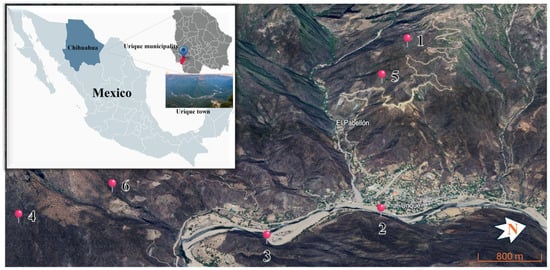
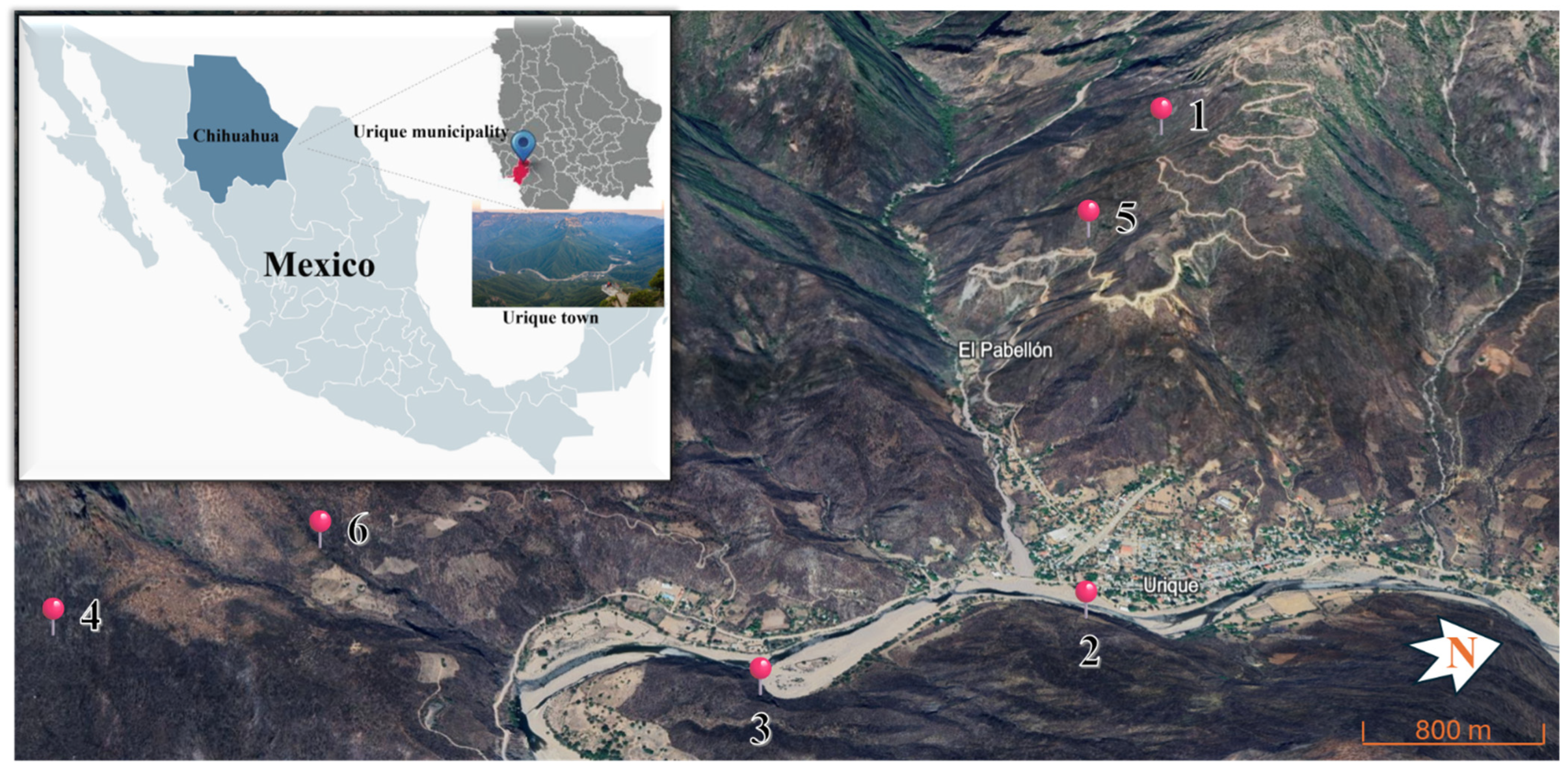
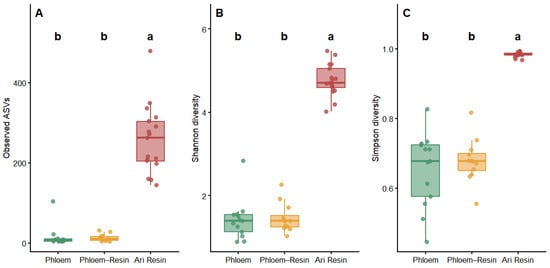
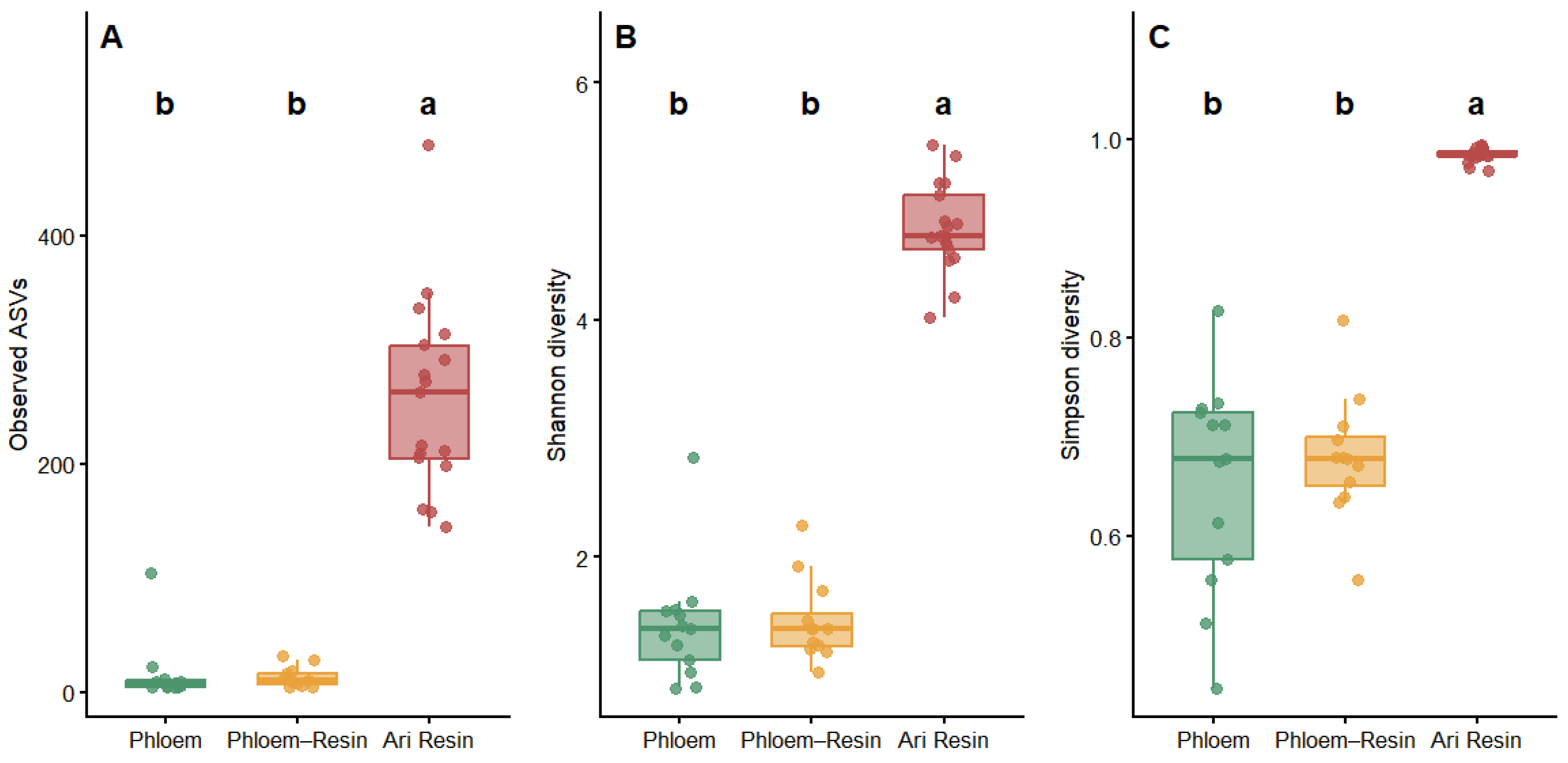
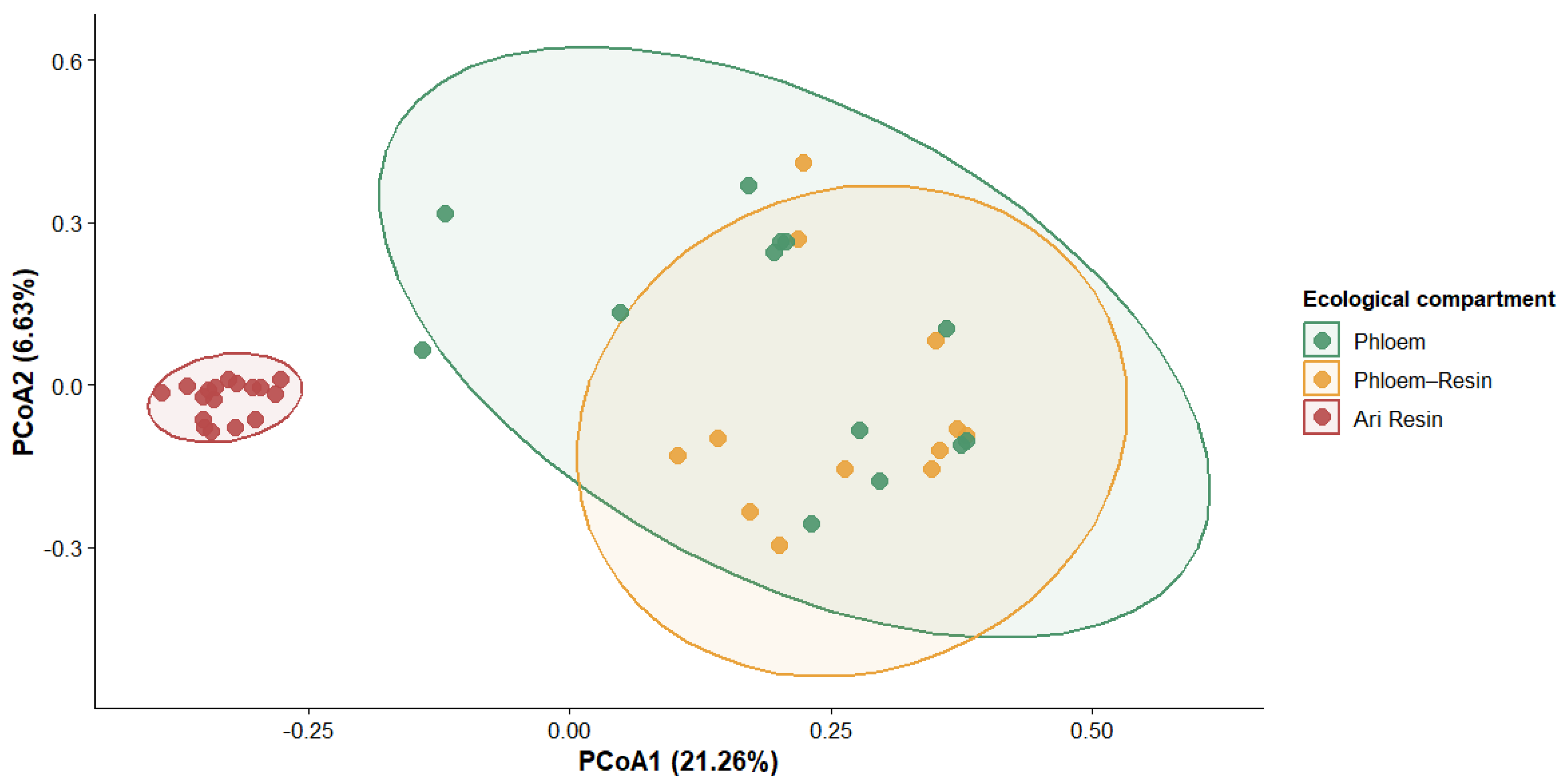
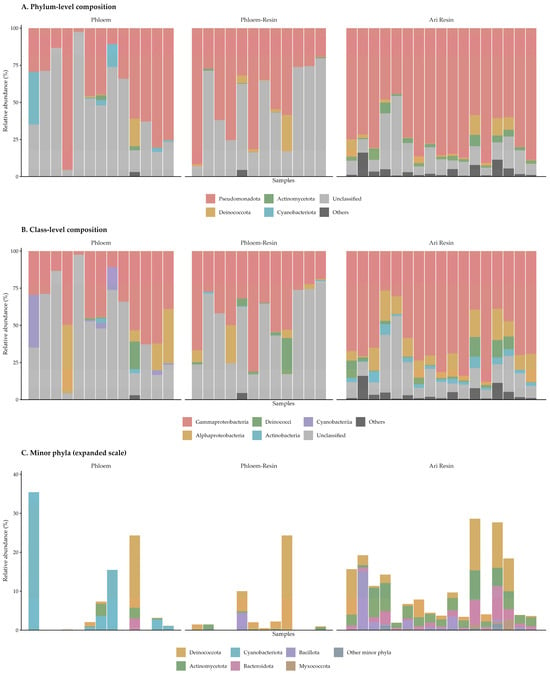
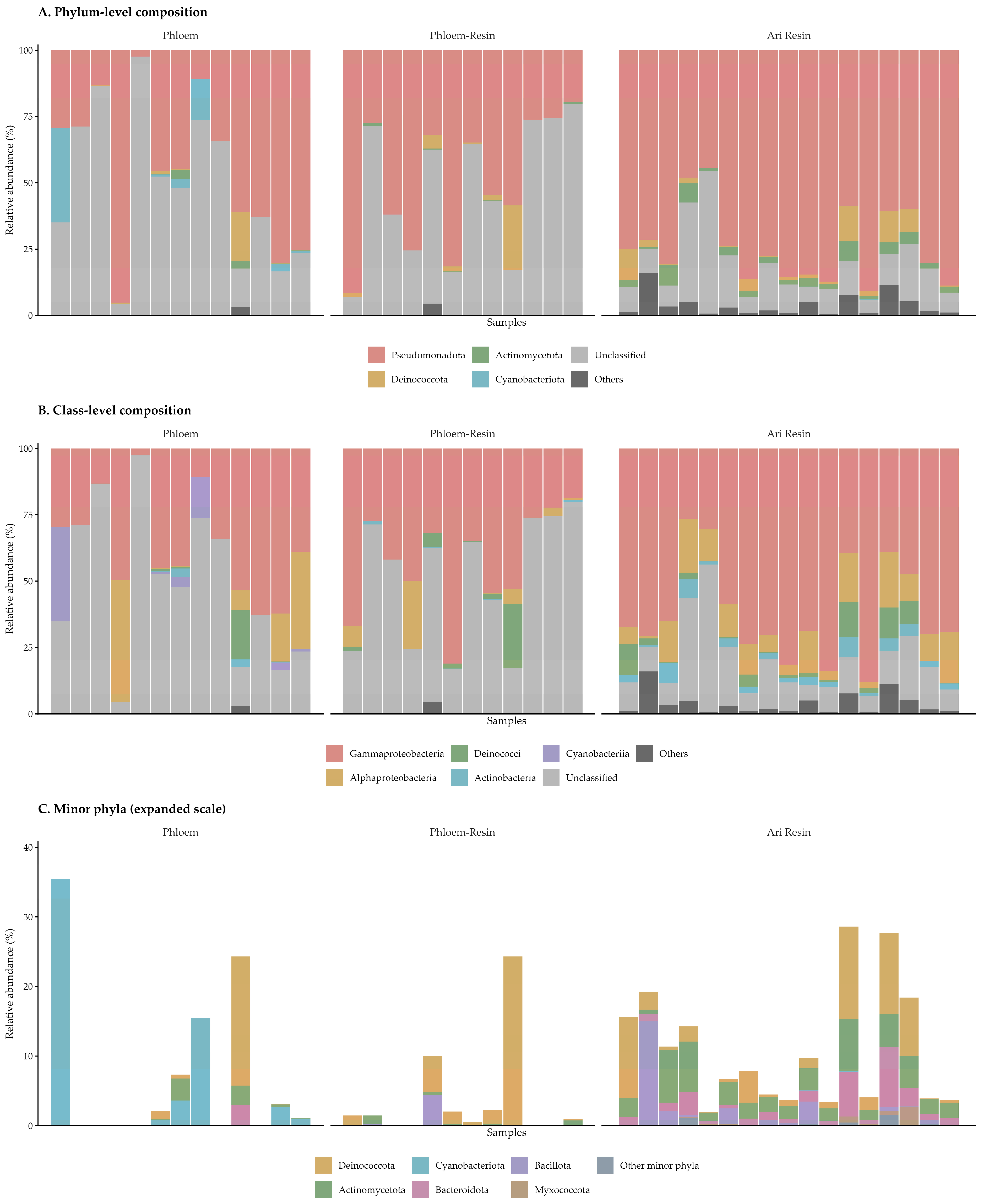
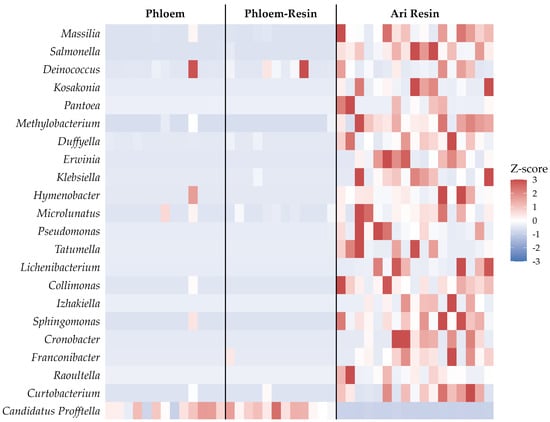
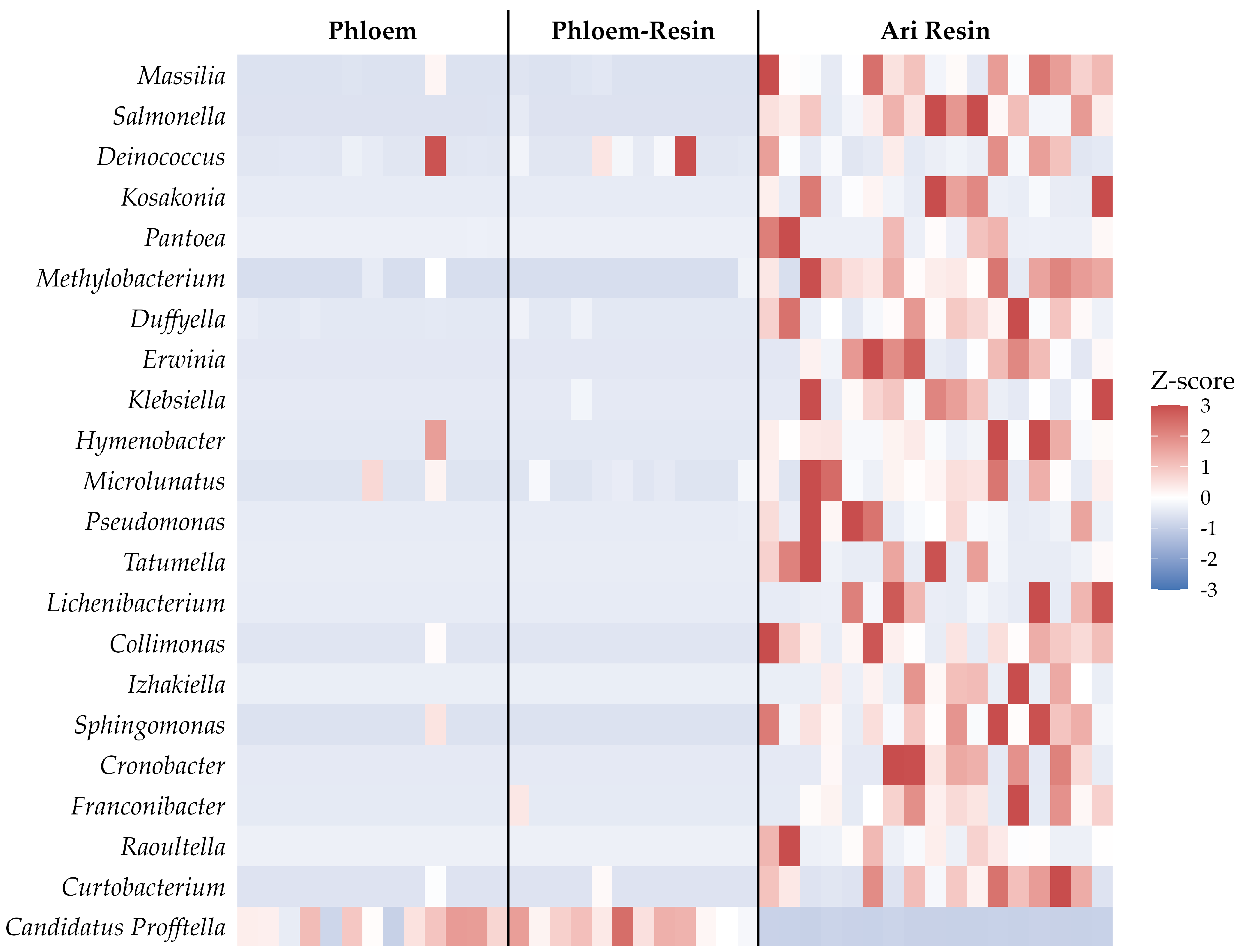
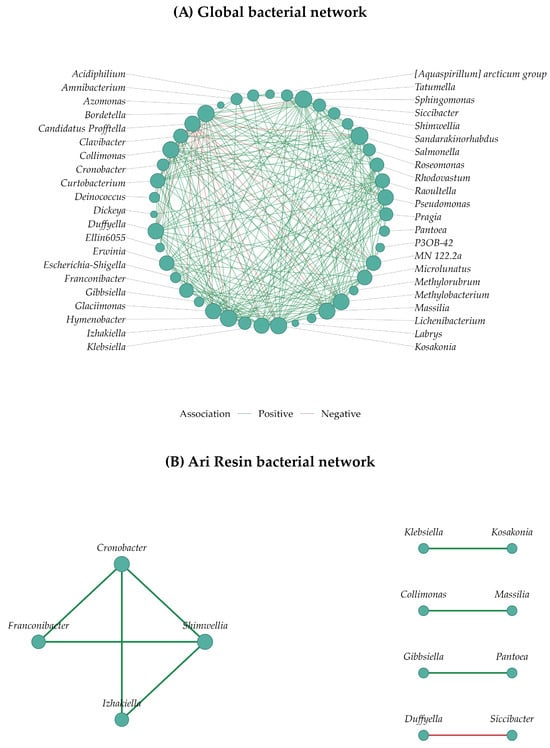
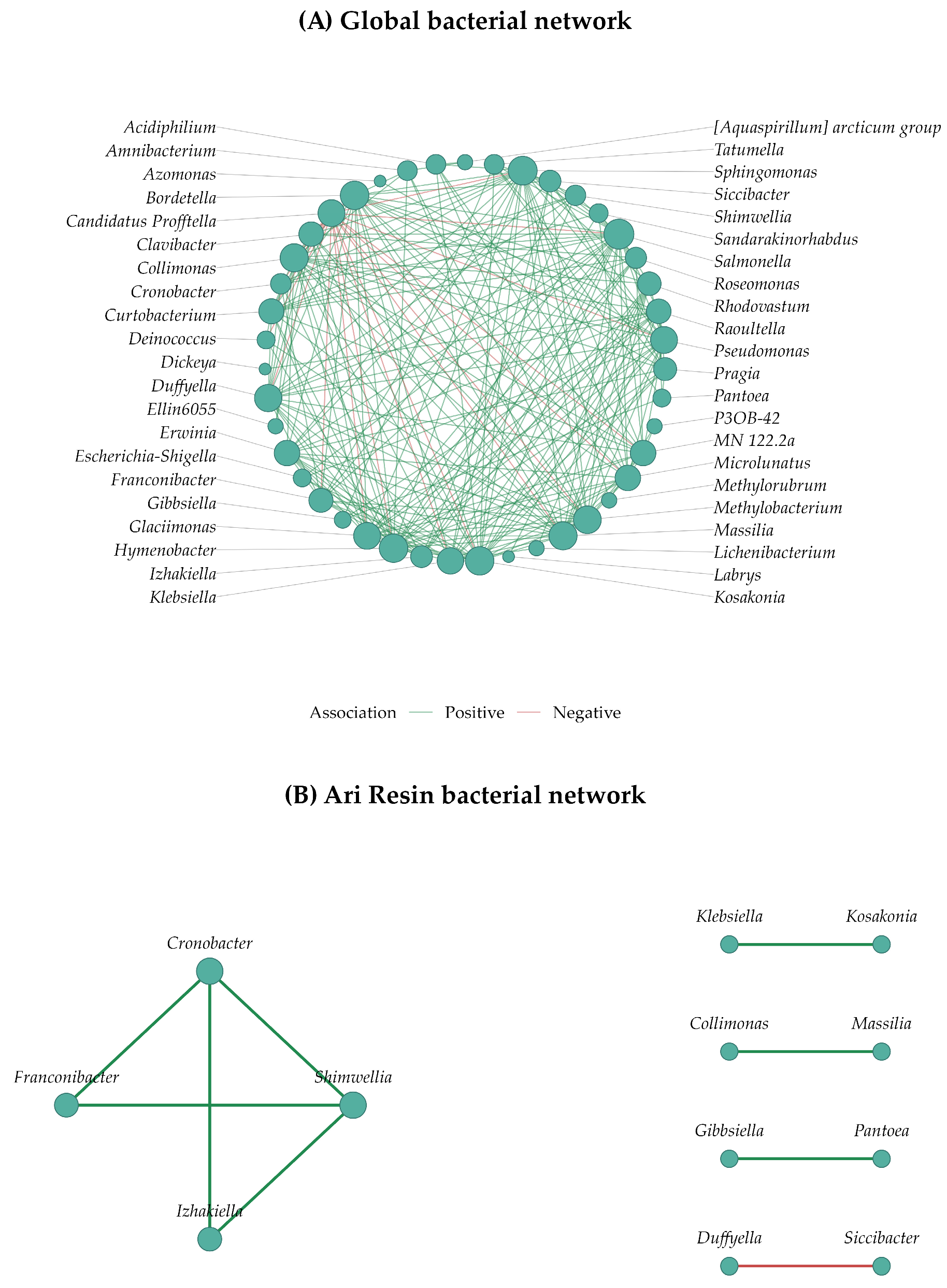
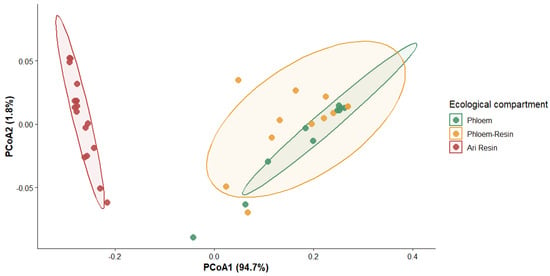
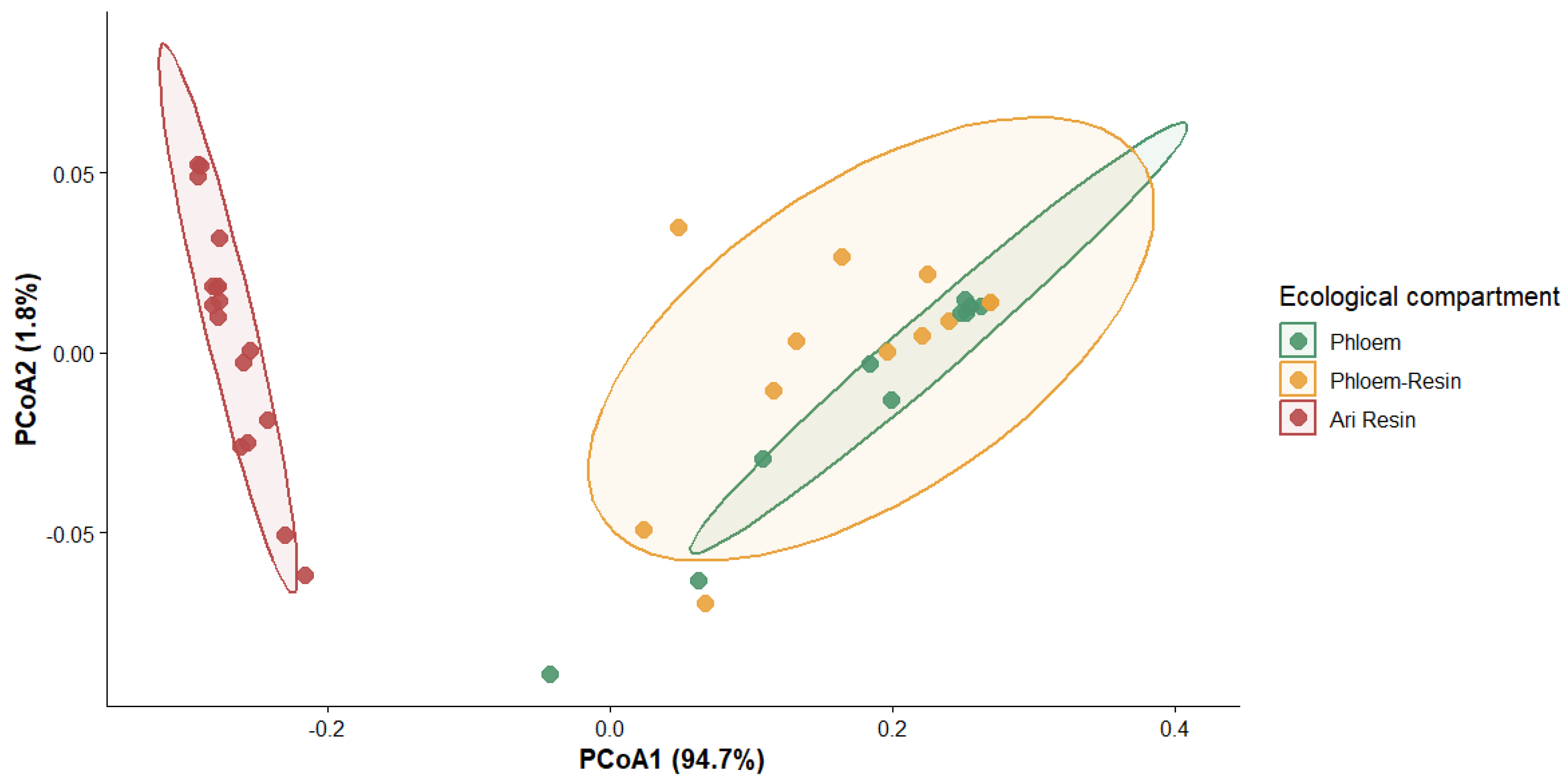
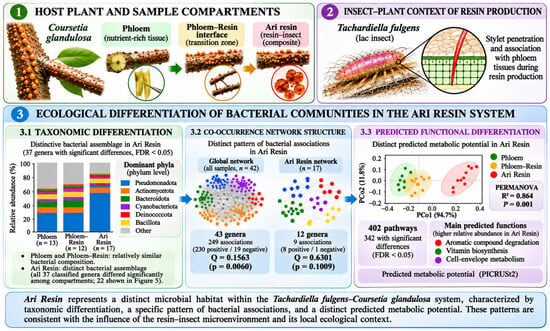
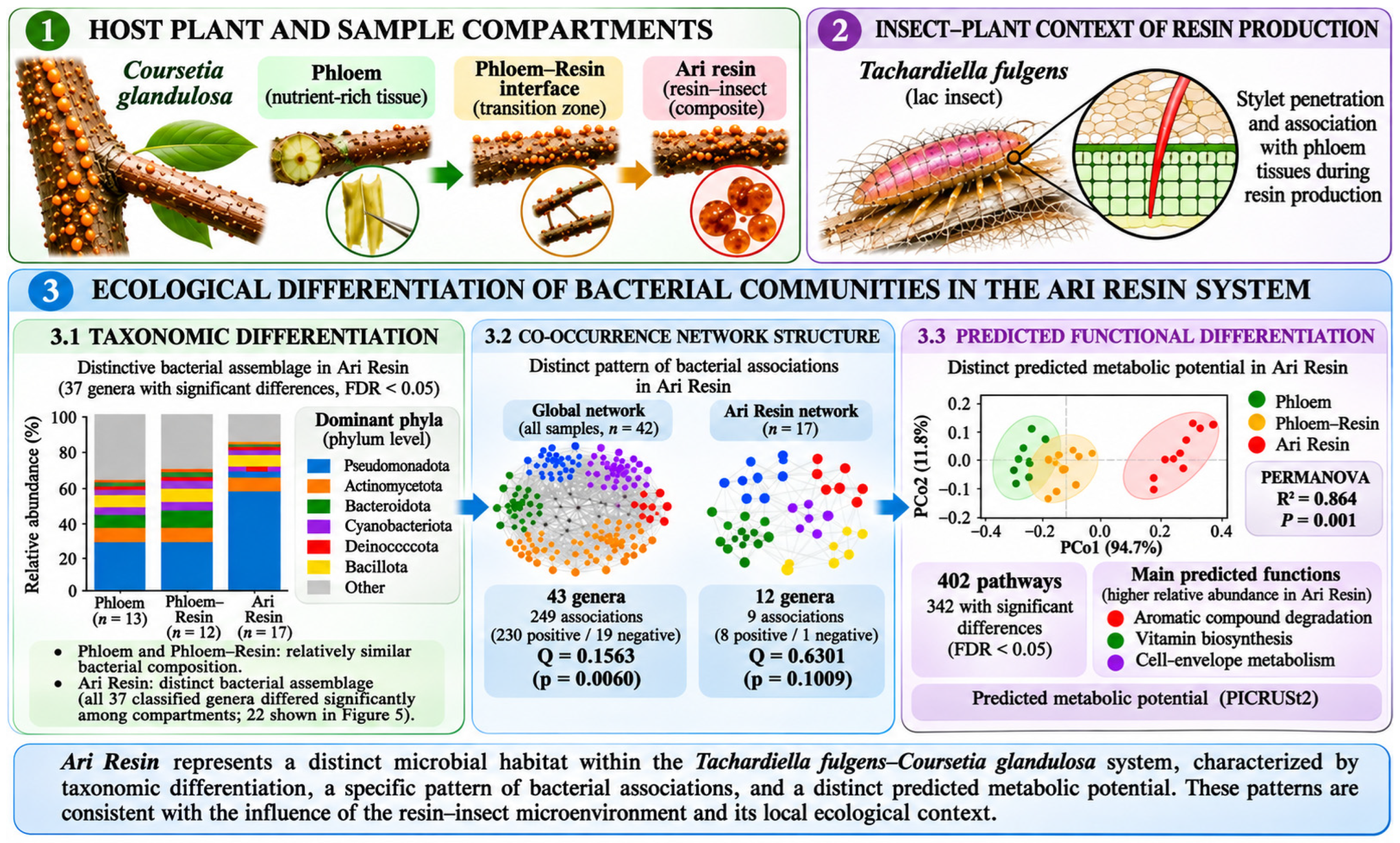

Disclaimer/Publisher’s Note: The statements, opinions and data contained in all publications are solely those of the individual author(s) and contributor(s) and not of MDPI and/or the editor(s). MDPI and/or the editor(s) disclaim responsibility for any injury to people or property resulting from any ideas, methods, instructions or products referred to in the content. |
© 2026 by the authors. Licensee MDPI, Basel, Switzerland. This article is an open access article distributed under the terms and conditions of the Creative Commons Attribution (CC BY) license.