


Abstract
In the context of product diversification and personalized requirement, deeply exploring the unstructured characteristics of online reviews and conducting differentiated analyses empowered by big data can enhance the precision of differentiated product design. However, although traditional research has recognized the asymmetry between satisfaction and dissatisfaction when analyzing online reviews, insufficient attention has been paid to the asymmetry of emotional causes, resulting in deviations in product design and limitations in satisfaction improvement. Accordingly, this study takes intelligent In-Vehicle Infotainment Systems (IVISs) of New Electric Vehicles (NEVs) as a case, employs fine grained structural deconstruction methods and natural language analysis to analyze factors influencing satisfaction, examines the types of cause symmetry, proposes a cause asymmetry analysis framework, and conducts differentiated product design strategy analysis for IVISs from the perspective of cause asymmetry. The findings indicate that both symmetry and asymmetry exist between the factors causing user satisfaction and dissatisfaction. Symmetry mainly involves single technical or functional indicators, and their causes exhibit linear symmetric characteristics. Asymmetry manifests in four forms, specifically embodied asymmetry, pluralistic asymmetry, interval asymmetry, and contradictory asymmetry. Based on different symmetry characteristics, this study integrates the theory of inventive problem solving (TRIZ) method to propose targeted product design strategies to better satisfy users’ differentiated requirements. The results of this study not only provide a digital intelligence path of requirement identification, differentiated design, and innovative iteration for optimizing intelligent IVISs of NEVs, but its universal methodology also offers a powerful tool for broader intelligent interaction product innovation.
1. Introduction
The In-Vehicle Infotainment System (IVIS) is the culmination of automotive intelligence and has become an increasingly important factor influencing user satisfaction. As the core emotional feedback of consumption experience [1], user satisfaction is directly related to customer loyalty [2], purchase decisions [3], and corporate profitability [4]. In this field, numerous studies have fully recognized the asymmetry between satisfaction and dissatisfaction in terms of linearity and dynamics, and many scholars have adopted the asymmetric Kano model to analyze satisfaction characteristics [5]. This asymmetry is manifested in the nonlinear and asymmetric characteristics of satisfaction and dissatisfaction levels for different attributes as performance varies [6]. This model contains three core attributes, namely attractive attributes, expected attributes, and must-be attributes. The decrease in performance of must-be attributes will trigger strong customer dissatisfaction while their good performance can only meet basic expectations without significantly enhancing satisfaction [7]. The absence of attractive attributes will not incur dissatisfaction, yet the optimization of their performance can greatly enhance satisfaction. Expected attributes are sensitive to both satisfaction and dissatisfaction [8]. These studies have made important contributions to understanding the asymmetry between satisfaction and dissatisfaction, yet they are limited to quantitative comparisons or emotional category comparisons [9], and the analysis of causes leading to satisfaction and dissatisfaction remains insufficient. This deficiency restricts enterprises from precisely optimizing resource allocation and making more diversified product improvements, thereby affecting their ability to enhance user satisfaction.
In terms of data analysis, online review data provides a new path for deeply mining asymmetric requirements with its advantages of authentic users, convenient acquisition, fine granularity, multiple dimensions, and collective intelligence [10]. Therefore, online review data has been widely applied to product design improvement [11] and service design optimization [12], including smart products or intelligent interaction products [13]. In online reviews, evaluations of satisfaction or dissatisfaction regarding specific objects do not come from the same consumer or the same usage scenario, so the causes leading to satisfaction and dissatisfaction are necessarily diverse, and these diverse causes may be asymmetric. Due to the universality of individual preference differences and scenario differences, this asymmetry is widely present in reality, which also includes IVISs. Ignoring the issue of cause asymmetry may lead to incorrect product improvement directions or neglect of key market segments, thereby increasing corporate costs and reducing competitive advantages. Examining IVIS satisfaction determinants from the dimension of cause asymmetry offers a more fundamental understanding of nuanced user need differentiations. This approach deepens and refines satisfaction analysis, providing critical value for targeted, precise, and comprehensive user satisfaction enhancement.
Since this cause asymmetry mainly originates from the differentiation of user preferences and the diversification of scenarios, analysis of it will be mainly applied to the differentiated design of products. New energy vehicles (NEVs) refer to automobiles that use batteries as all or part of their power source, mainly including hybrid electric vehicles and battery electric vehicles. Under the accelerating wave of intelligence in the global automotive industry, the IVISs of NEVs have become one of the core carriers for differentiated competition [14]. By systematically analyzing the categories and manifestation characteristics of cause asymmetry, this study can provide theoretical support for differentiated design strategies of IVISs, and provide a basis for the segmentation of user group preferences. Regarding differentiated product design, existing research has formed multidimensional perspectives around differentiated design, and successful differentiated product design can enhance user satisfaction [15], loyalty [16], product value [17], and so on. In terms of differentiated design, current research mostly focuses on the optimization of single products or services [18], or conducts analysis directly through quantitative analysis of satisfaction or dissatisfaction [19,20]. No research has analyzed the cause asymmetry behind satisfaction differences, nor has any study on differentiated design been conducted from this perspective.
In summary, this study will deeply investigate the manifestation forms, categories, and causes of cause asymmetry, as well as its application in differentiated product design, by using online review data. Regarding the research process, this study first collects online review data of IVISs and divides consumer needs into multiple different Kano requirement categories through data preprocessing and analysis. Second, it identifies the causes leading to consumer satisfaction and dissatisfaction while analyzing the quantities of satisfaction and dissatisfaction. Third, this study analyzes the causes of satisfaction and dissatisfaction within each attribute to explore the reasons and categories of asymmetry formation, and further analyzes its theoretical foundation and analytical framework. Finally, this study integrates cause asymmetry with differentiated product design and proposes differentiated optimization strategies for IVIS design by using TRIZ theory. In terms of contribution, this study constructs the theory and analytical framework of cause asymmetry, remedies the problem of generalized cause identification in previous studies, and provides ideas for the differentiated design of IVISs and similar products.
The remainder of this study is organized as follows. Section 2 reviews literature related to satisfaction analysis and differentiated product design regarding intelligent IVISs of NEVs. Section 3 mainly performs data processing and further derives preliminary analysis results of satisfaction influencing factors by employing sentiment analysis methods and the Kano model. Section 4 mainly determines the requirement category of each attribute and elaborates in detail on five major cause asymmetry categories. Section 5 proposes differentiated product design strategies based on cause asymmetry categories. Section 6 presents conclusions, discusses relevant issues regarding asymmetric cause, and proposes future directions based on study limitations.
2. Literature Review
2.1. Current Status of Intelligent IVIS Research in NEVs
As global energy transition accelerates, NEVs are gradually reshaping the automotive industry landscape by virtue of their core advantages in environmental friendliness, low operating costs, and technological sophistication [21,22]. NEVs have inherent advantages in battery energy storage and latecomer advantages in intelligent connectivity, which enable their IVISs to exhibit significant characteristics of large screens, functional integration, and diversified interaction [6,23]. IVISs serve as an important carrier of vehicle intelligence and has become a key consideration in consumers’ purchase decisions. The design innovation of IVISs is related to interface aesthetics and interaction experiences [24,25]. As the core hub integrating vehicle intelligence, automation, and multiple functions [26], IVIS performance profoundly influences consumers’ purchase decisions and overall satisfaction [27,28].
In recent years, research on intelligent IVISs of NEVs has shown a trend of multidimensional deepening. On the design side, safe driving and technological innovation are among the most concentrated research areas in this field. Safety performance serves as the most fundamental requirement and is also one of the core concerns. As highlighted by Krstačić et al. [29], head-up displays (HUD) and touch screens may cause issues such as driving distraction and increased cognitive load, while voice interaction and integrated Bluetooth systems have been proven to significantly enhance safety. Beyond driving safety, cybersecurity threats [30] and multimodal interaction [31] have become emerging challenges in technological evolution. Regarding technological innovation, optimization of interaction technology has further extended to the hardware layout and interface design of IVIS, including touch screen position [32], animation transition effects [33], and multi-screen collaborative design [34]. These studies attempt to optimize user experience through technological innovation, and their ultimate goal inevitably involves improving user satisfaction, yet their effectiveness needs to be verified through customer-oriented satisfaction analysis.
On the application side or client side, the emotionalization and sustainability of user experience have become important directions in research on intelligent IVISs of NEVs. As indicated by Jiang et al. [35], improving functional value and emotional value can enhance interface aesthetics and further motivate users’ continuous usage intention. Focusing on front seat passengers’ experience with IVISs, satisfying their personalized requirements, and enhancing their sense of control can significantly improve user experience and satisfaction [36]. The collaborative design experiment by Zhou et al. [37] paid more attention to users’ emotional requirements and pointed out that emotional design plays a key role in enhancing interaction satisfaction between users and IVISs. Meanwhile, some scholars have pointed out the negative impact of IVIS design on satisfaction. For example, Tang [38] noted that low icon recognition rates can bring dissatisfaction, while Chen and De Tee [39] pointed out that insufficient layout flexibility can reduce satisfaction. These studies focus on detailed aspects of user experience, emphasize analyzing the impact of specific scenarios or functional settings on customer satisfaction, and have contributed to the direction of IVIS design optimization, yet they did not mention the asymmetry of satisfaction or causes.
Under the asymmetric perspective of user satisfaction and dissatisfaction, some scholars have also conducted research. He et al. [40] employed the Kano model to fully identify intelligent requirements of NEV and found that expected requirements such as intelligent connectivity and assisted driving should be prioritized. Du et al. [41] adopted the quantitative Kano model to analyze personalized requirements such as voice recognition and understood the differences in requirement preferences among different user groups. Zhang et al. [42] systematically analyzed the factors influencing IVIS satisfaction by combining the Kano model and cumulative prospect theory, and conducted asymmetry analysis and influence analysis to explore the attribute requirement characteristics and future changes of IVIS. These studies have conducted relatively systematic analyses of the factors influencing IVIS satisfaction and requirement characteristics, yet they still remain at the asymmetry level of single attributes or quantities, and no research has conducted in-depth analysis from the perspective of cause asymmetry yet.
Conducting asymmetry analysis on IVIS can reveal the differences in causes that trigger satisfaction and dissatisfaction among various user groups within the same attribute. The diverse information contained in these differences can help designers better understand variations in user requirements, and subsequently propose more aligned IVIS optimization and innovation solutions. When the factors causing user satisfaction and dissatisfaction are linearly symmetric, technological innovation directly affects consumer satisfaction. Conversely, when these factors are asymmetric, it is necessary to better distinguish the forms and causes of such asymmetry, and subsequently propose differentiated product design innovation solutions to better meet market requirements. Based on it, this study will conduct detailed exploration of each attribute influencing satisfaction with intelligent IVISs of NEV, distinguish the cause asymmetry between various customers feeling satisfied and dissatisfied with intelligent IVIS of NEV, and thereby provide constructive suggestions for the intelligent, diversified, and convenient development of IVIS design.
2.2. Former Studies of Differentiated Product Design
Differentiated design is the core strategy for enterprises to build competitive barriers, and product differentiated design has become a key element in building positive consumer relationships [43], and its essence lies in making products distinct from competitors in consumers’ minds through uniqueness in dimensions such as function, design, service, or image [44]. A large number of empirical studies have shown that successful differentiated design can effectively enhance consumers’ perceived value and directly affect their satisfaction [45]. Especially in complex industrial products or service fields, such as the NEV industry, the diversification of user needs requires design to be precisely optimized for the preferences of different target groups. Product development requirements to consider the complex and changeable relationships among key elements such as users, requirements, products, and requirement development teams; therefore, it is necessary to construct a systematic node influence analysis method to better satisfy customer requirements [46].
To achieve product differentiation with high satisfaction, Wang et al. [47] developed a customization method for high satisfaction targeting different customer groups, which innovatively combines emotional preferences and migration behavior clustering to identify representative customers, and constructs a product evolutionary design system by coupling Kansei Engineering (KE) with interactive genetic algorithms, thereby reducing research costs, enhancing satisfaction, and capturing personalized emotional information. Similarly, Jin et al. [48] integrated KE with the Kano model, utilized text mining to extract emotional requirements from massive online reviews, and achieved dynamic matching between product features and user emotional preferences. In the automotive field, Avikal et al. [49] combined fuzzy Kano with QFD to address the ambiguity of design attributes, allowing customers to select multiple responses for the same attribute, and provided a more precise customer requirements analysis tool for the exterior design of SUV models. However, the process by which differentiation strategies drive user satisfaction is not simply linear [50]. These studies have recognized the differentiation of user requirements and have innovated product differentiated design based on it, yet the revelation of the pluralistic structure or multiple categories of differentiation remains insufficient.
At the specific product design dimension, functional differentiation and perceived differentiation of products influence customer decision making, yet the specific effects vary by category and audience. For example, in the smartphone domain [17] and motorcycle market [15], differences in technical characteristics directly enhance purchase intention and synergistically strengthen satisfaction with brand reputation. Liu et al. [51] found that product differentiated design must not deviate from user needs, and the provision of products or services needs to consider physical differences to provide differentiated services, verifying that differentiated design must return to human-centered need hierarchies. This indicates that differentiation is universally present in the product design field, and such differentiation needs to be based on satisfying users’ fundamental requirements rather than being excessively ahead of or deviating from users’ cognition [52]. Successful product differentiated design can weaken price competition, precisely match heterogeneous requirements, and raise industry entry barriers by constructing unique value propositions, thereby establishing sustainable competitive advantages and premium capabilities.
Existing differentiated strategy research often neglects the “cause asymmetry” of satisfaction among different groups. The existence of this asymmetry originates from user differences and scenario differences, and is reflected in the contradiction that a single product design cannot satisfy multiple requirements. In terms of conducting differentiated product design from a contradiction-based perspective, the theory of inventive problem solving (TRIZ) can provide effective theoretical support and innovation guidance. Systematically applying TRIZ methods to solve contradictions can enhance product design effectiveness and thereby improve customer satisfaction. Shahin et al. [53] combined the Kano model and TRIZ method to propose a new customer requirement evaluation method, utilizing the contradiction matrix to prioritize methods that satisfy manufacturer requirements, and further screen customer satisfaction requirements. Yang [54] introduced TRIZ methods to solve contradictions caused by pursuing high functionality in product service design, and through systematically coordinating multiple requirements of customers, industry, and environment, ultimately created innovative service solutions that can significantly enhance customer satisfaction. These studies highlight the effectiveness of TRIZ in differentiated design; therefore, this study also adopts this method for differentiated product design.
The design of intelligent IVIS has become a critical component of differentiated competition in the NEV sector, with its design quality directly influencing user satisfaction and market competitiveness. In previous research, the impact of cause asymmetry on user satisfaction has often been overlooked, which gives rise to a theoretical limitation that tends to undermine the effectiveness of design decisions. Therefore, this study systematically deconstructs the key factors influencing user satisfaction and their underlying mechanisms, with a particular focus on revealing the specific cause differences behind the quantitative disparities between satisfied and dissatisfied evaluations. Furthermore, it integrates the TRIZ method to develop differentiated design strategies. By transcending the constraints of traditional symmetry-based analytical frameworks and analyses limited to quantitative differences, this study provides actionable theoretical foundations and strategic guidance for the precise, differentiated design of IVIS products.
3. Material and Methods
3.1. Analysis Processing
This study adopts a systematic research approach (Figure 1). First, data analysis is conducted by crawling and preprocessing the collected online reviews. Second, product attributes are identified through cluster analysis and keywords within each attribute are recognized through text analysis. Based on the Kano model, the requirement characteristic category of each attribute is analyzed and factors influencing satisfaction are examined to determine the specific factors causing satisfaction and dissatisfaction. In the process of analyzing these factors, some attributes are found to be symmetric while others are asymmetric, thus leading to further asymmetry analysis. The previously identified key attributes are classified into linear symmetry, embodied asymmetry, pluralistic asymmetry, interval asymmetry, and contradictory asymmetry based on whether their performance is symmetric, and these cause symmetries are explained and elaborated in detail. On this basis, drawing on TRIZ theory, targeted differentiated design strategies are proposed to provide differentiated innovation and optimization paths for IVIS products.
Figure 1.
Research Framework.
3.2. Data Crawling and Preprocessing
This study utilizes data from the Autohome Forum (https://k.autohome.com.cn/#pvareaid=3311255, accessed on 1 May 2025), and approximately 53,000 review entries regarding NEVs were crawled using Python 3.9.4 software. These data include mainstream vehicle brands such as BYD, Tesla, and AITO. The data are semi-structured, meaning that customers were required to comment on the most satisfactory content, the most unsatisfactory content, and other content when writing reviews. This study mainly adopts the two parts of “most satisfactory” and “most unsatisfactory”, as these data can ensure that the quantities of causes for user satisfaction and dissatisfaction with IVIS are similar. Through deduplication processing, the study obtained approximately 52,000 valid reviews. By extracting IVIS-related data through keywords, 8742 IVIS-related comments were obtained.
A portion of the data was manually processed to extract attribute keywords, which were then identified and organized through structured analysis. For the remaining large-scale data, Python is first employed to segment the original comments based on attribute keywords. The jieba word segmentation tool is then applied, combined with a stop-word dictionary, to conduct tokenization and word frequency statistical analysis. Subsequently, satisfaction and dissatisfaction causes are statistically examined based on the principles of functional similarity and consistency in requirement categories [43]. This study obtained thirteen attributes and their corresponding keywords (Table 1). Let denote the set of attributes; is the -th attribute, with and . The extraction of keywords followed certain principles. First, each keyword could only belong to one attribute; otherwise, duplicate extraction of original reviews might occur in subsequent analyses. Second, keyword extraction must not involve other unrelated attributes; otherwise, a large amount of interfering information would be extracted during review classification, wasting human and material resources. Third, keywords included proper nouns, exclusive adjectives, and phrases under each attribute. Based on these keywords, the data could be rapidly classified.
Table 1.
Thirteen attributes and corresponding keywords.
During keyword extraction, some specific words indicating satisfaction and dissatisfaction were categorized into attributes. However, the coverage of these sentiment words remains insufficient, as many more terms can describe satisfaction or dissatisfaction across various attributes, such as “not bad,” “satisfied,” “happy,” “poor,” “trash,” and “not user-friendly.” Based on it, to facilitate subsequent sentiment analysis, this study used Python software to extract keywords representing satisfaction, dissatisfaction, and negation through word segmentation and word frequency analysis (Table 2). Words representing satisfaction were primarily extracted from the “most satisfied” dimension, while words representing dissatisfaction were extracted from the “most dissatisfied” dimension. These keywords include both attribute-specific sentiment words and general sentiment words. These general sentiment words, when combined with specific attributes, can better help understand the reasons behind user satisfaction or dissatisfaction, such as “network lag” and “response lag,” or “accurate navigation” and “accurate voice recognition,” thereby better understanding the specific triggers causing user satisfaction or dissatisfaction. Through sentiment word analysis, this study can better analyze the distribution of emotional triggers in the data.
Table 2.
Sentiment word extraction.
3.3. Sentiment Analysis Method
For sentiment analysis, this study employed the sentiment dictionary method on the data. Based on Table 1, the original reviews are classified into different attributes, and Table 2 is used to analyze the emotional distribution within each attribute. Let be the -th comment in a certain attribute, then satisfies . Let be the -th attribute, then satisfies . Let represent positive words, represent negative words, represent negation words, represent the sentiment score of the “most satisfied” data, and represent the sentiment score of the “most dissatisfied” data. To accommodate the circumstances of this case study, this study set , , , and the sentiment score calculation for one attribute comment is as follows:
Based on the value conditions, can be determined. When negation words exist in a comment, ; otherwise, . In an actual case analysis, situations where positive and negative words simultaneously describe one attribute rarely occur, though differences in degree adverbs and a few cases with multiple positive words or multiple negation words do exist. Since the focus of this study lies in analyzing inducement asymmetry rather than sentiment intensity, this study limited the value range of sentiment scores. Combined with data analysis, this study can determine which specific inducements cause satisfaction and dissatisfaction by analyzing the keyword frequency in the adjusted “most satisfied” and “most dissatisfied” data.
3.4. Kano Requirement Category Analysis Method
This study employs the dual-ratio algorithm to determine the requirement categories of different attributes [55]. Let and represent the total satisfaction count and total dissatisfaction count in attribute respectively, and the number of satisfaction and dissatisfaction can be calculated as follows:
Given that this study employs semi-structured data, there is no order-of-magnitude disparity between the numbers of satisfaction and dissatisfaction reviews; therefore, normalization processing alone is sufficient. Let represent the normalized satisfaction rate and represent the normalized dissatisfaction rate, and their calculation methods are as follows:
According to the calculation method, the means of these two values are equal; let the mean be denoted as . Then,
Based on the dual-ratio algorithm, when and , the is an expected requirement; when and , the is a must-be requirement; when and , the is an attractive requirement; and when and , the is an indifferent requirement.
3.5. Asymmetry Analysis Theory
Through preliminary analysis of satisfaction influencing factors in the data, it was revealed that the “emotional causes” expressed by users regarding satisfaction are symmetrical in some attributes but asymmetrical in most attributes. For example, regarding the encapsulation material attribute, some customers are dissatisfied because it reflects sunlight, while others are dissatisfied because it easily leaves fingerprints, yet these two aspects are integrated into the indivisible design of this single attribute. Beyond this type of indivisible multiple aspects within one attribute, cause asymmetry also manifests in various types. For instance, the reasons behind user satisfaction or dissatisfaction regarding whether to retain certain physical buttons are contradictory, while satisfaction with screen size exists within a specific size range. Through preliminary analysis, this study categorizes the symmetry of these triggers into five scenarios: linear symmetry, embodied asymmetry, pluralistic asymmetry, contradictory asymmetry, and interval asymmetry.
Through preliminary analysis, this study developed a classification standard for “cause asymmetry” to assign specific attributes to different asymmetry categories (Table 3). This standard comprises five dimensions, namely symmetric incentive, multiple manifestations, whether simultaneous improvement is required, whether it varies by individual traits, and whether improvement measures can simultaneously satisfy all user groups. Symmetric incentive refers to the absence of overlap between triggers causing satisfaction and triggers causing dissatisfaction, that is, determining whether there exists a factor that can simultaneously cause both satisfaction and dissatisfaction. Multiple manifestations refer to users focusing on multiple aspects of one attribute. Simultaneous improvement is used in conjunction with multiple manifestations, and when multiple manifestations exist, it is necessary to determine whether simultaneous improvement of these manifestations is required to achieve the objective in order to identify the specific asymmetry category. Varying by individual traits means that the reasons causing satisfaction and dissatisfaction stem from users’ physical characteristics and inherent behavioral characteristics. Whether all groups can be simultaneously satisfied is a necessary condition for determining the presence of cause asymmetry.
Table 3.
Criteria for determining cause asymmetry of satisfaction and dissatisfaction.
Based on the criteria in Table 3, it can be determined whether the causes are symmetrical and which category they belong to. Linear symmetry factors refer to those with symmetrical triggers that can satisfy the requirements of all groups. Embodied asymmetry factors refer to those where the causes of satisfaction and dissatisfaction vary due to physical conditions, language characteristics, or widely existing operating habits. These triggers are generally symmetrical among people with similar characteristics, but other groups generally do not have similar experiences. Pluralistic asymmetry factors refer to those where triggers in a certain aspect of an inseparable attribute are symmetrical, but different customers show various satisfaction performances regarding different aspects of the same attribute, and these satisfaction issues require simultaneous improvement. Contradictory asymmetry reflects that different customers show contradictory or even opposite satisfaction performances regarding different aspects of the same attribute, and the factors causing satisfaction and dissatisfaction cannot be improved to satisfy all user groups. Interval asymmetry refers to users being satisfied with the numerical value or performance of a certain attribute within a specific range, but when this value deviates from the specific range and becomes too large or too small, their satisfaction decreases significantly. If the concept is switched to performance appropriateness, then the triggers of interval asymmetry can also be considered to have a certain degree of symmetry.
4. Results
4.1. Requirements Category Analysis
By comparing the ratio of satisfaction rate to dissatisfaction rate, the requirement category of each attribute was determined (Figure 2). It can be found that attributes such as encapsulation material (C1) and basic functions (C5) belong to must-be requirements. Entertainment (C6) and voice interaction (C7) belong to attractive requirements. Size (C3), performance (C11), and driver assistance (C12) are classified as expected requirements. Operational integration (C2), compatibility (C4), appearance (C8), network (C9), display (C10), and panoramic view (C13) are classified as indifferent requirements. Unlike the satisfaction and dissatisfaction data collected under specific scenarios in questionnaires, the sentiment expressed in online reviews reflects the discrepancy between performance and expectation. Given the characteristics of the employed algorithms, these results represent a relative comparison of the gap between performance and expectation.
Figure 2.
Determination of requirement categories.
Must-be requirements refer to attributes for which users tend to express dissatisfaction, with the ratio of dissatisfaction exceeding that of satisfaction. From the perspective of the two attributes, they typically represent fundamental technologies that should have been adequately implemented. Expected requirements refer to attributes for which the ratios of expressed satisfaction and dissatisfaction are comparable. From the characteristics of the three attributes, the performance of these technologies varies across different vehicles, or the expectation levels differ among user groups, resulting in both high satisfaction and high dissatisfaction. Attractive requirements refer to attributes for which a larger proportion of users tend to express satisfaction, with the ratio of satisfaction exceeding that of dissatisfaction. From the perspective of the two attributes, these are often technologies capable of delivering relatively novel experiences; therefore, the overall performance exceeds expectations, with voice interaction being particularly prominent.
Indifferent requirements refer to attributes for which the ratios of expressed satisfaction and dissatisfaction are comparable, with both quantities being low. These technologies generally receive relatively lower attention compared to others, and neither significant deficiencies nor notably positive experiences are evident. However, in contrast to the indifferent requirements identified in questionnaires, these requirements should not be disregarded. Since these are issues spontaneously raised by consumers themselves, it indicates that users do care about the performance of these attributes. Their relatively lower attention merely reflects a lack of prompting; this does not imply that satisfaction would not change significantly when problems arise or when new performance experiences are introduced.
4.2. Analysis of Satisfaction Triggers by Attribute
4.2.1. Analysis of Linear Symmetry Factors
Through analysis it was found that the triggers causing satisfaction variation in compatibility (Figure 3a), network (Figure 3b), basic functions (Figure 3c), entertainment (Figure 3d), performance (Figure 3e), and driver assistance (Figure 3f) exhibit obvious symmetry; therefore, the triggers of these attributes possess symmetry.
Figure 3.
Analysis of satisfaction impact causes for linear symmetry.
This symmetry stems from the single functionality of attributes. For example, network speed directly maps to efficiency: when the speed is fast, customers perceive smoothness and satisfaction increases, when the speed is slow, dissatisfaction intensifies. Similarly, higher display resolution enhances visual experience and brings satisfaction, while insufficient resolution leads to blurriness or distortion and triggers dissatisfaction. Notably, these attributes are often highly bound to technical indicators, and their representations are simple and intuitive, avoiding the complexity of multidimensional interactions. Under the premise that triggers possess symmetry, the performance differences in these attributes in satisfaction are relatively obvious, and asymmetry still exists between their satisfaction and dissatisfaction. For instance, compatibility, network, and display are classified as indifferent requirements, whereas driver assistance is categorized as an expected requirement.
Compatibility falls within the scope of software, and the inability to install software may involve business interest considerations rather than technical infeasibility; therefore, some dissatisfaction may produce obvious negative effects on potential consumers. Network belongs to very mature technology, and this dissatisfaction should be resolved as soon as possible. Display is closely related to users’ visual experience; manufacturers need to enhance user satisfaction through procuring high-resolution display screens and improving layout design. Driver assistance technology is rapidly developing [56] and will become the main field for intelligent vehicle competition in the future. With continuous innovation from competitors and rising user expectations, lagging products will inevitably be gradually eliminated.
4.2.2. Analysis of Embodied Asymmetry Factors
When technical systems fail to fully recognize, adapt to, or accommodate users’ diverse embodied characteristics, embodied asymmetry emerges. Dialect accents, specific operating habits, height differences, and gender characteristics are all concrete manifestations of embodiment. This stems from systematic inequality in technical access, user experience, and empowerment effects resulting from bodily differences themselves. For example, regarding the voice interaction attribute, the system tends to favor common pronunciations and exhibits deviations in recognizing less commonly used regional languages, causing specific dissatisfaction triggers for users of these languages (Figure 4).
Figure 4.
Analysis of satisfaction impact causes for embodied asymmetry.
This asymmetry originates from training models that neglect certain groups, particularly dialect users or people with non-standard pronunciation, which requires sufficient attention. Embodied asymmetry focuses more on the inherent differences among customer groups, which drives the system to produce differentiated responses, thereby further affecting customer satisfaction with functional usage. Since the online reviews adopted in this study lack sufficient sample statistical information, adequate judgment cannot be provided regarding differences caused by height, gender, age, beliefs, and handedness. However, this does not deny the existence of cause asymmetry caused by such differences. Future research can compensate for this limitation through questionnaire surveys or big data analysis with higher-access privileges.
4.2.3. Analysis of Pluralistic Asymmetry Factors
The essence of pluralistic asymmetry stems from the heterogeneity of user concerns and the interrelatedness of attribute factors. The panoramic view function (Figure 5a) and encapsulation material (Figure 5b) attribute exhibit obvious characteristics of pluralistic asymmetry. Regarding panoramic view, users focus on multiple aspects of one function including trajectory line accuracy, image distortion and warping, and blind spot issues, all of which involve technical problems in software processing that need to be simultaneously resolved during improvement to significantly enhance user satisfaction. Regarding encapsulation material, reflection and fingerprint smudges are the most frequently reported issues by users, and neither of these problems can be separated from material optimization or other related aspects. These two factors actually possess significant interrelatedness. On one hand, reflection and susceptibility to fingerprints are physically connected; for example, high-gloss materials tend to reflect light more easily while their smooth surfaces also make them prone to soiling, which easily causes the two to reinforce each other in certain usage scenarios and trigger cumulative dissatisfaction. On the other hand, under specific circumstances, the two can be simultaneously addressed, such as through matte or frosted surface treatment to reduce both reflection and fingerprint issues.
Figure 5.
Analysis of satisfaction impact causes for pluralistic asymmetry.
4.2.4. Analysis of Interval Asymmetry Factors
Interval asymmetry refers to a specific attribute where some customers follow the threshold effect model, meaning when the value deviates from a specific range their satisfaction significantly decreases, and satisfaction is maximized only within that range. The size attribute (Figure 6a) and screen brightness, character size, and other aspects within the display attribute (Figure 6b) exhibit typical interval asymmetry. For example, customers are dissatisfied with sizes that are either too large or too small, but when the size falls within a certain range, it can trigger customer satisfaction. Previous research has focused on vehicle size [57], yet studies on the size of IVIS remain limited. User satisfaction with specific size ranges of head units is influenced by factors such as vehicle size, screen aspect ratio, screen position, screen angle, and driver height; confirming this range requires more detailed analysis.
Figure 6.
Analysis of satisfaction impact causes for interval asymmetry.
Interval symmetry shares certain similarities with linear symmetry to some extent. For instance, if interval symmetry is abstracted qualitatively and setting appropriate size as the satisfaction standard, then as long as the size remains within the customer’s satisfaction threshold, it can satisfy the customer; otherwise, dissatisfaction occurs. However, in real life, appropriateness is a relatively abstract concept with individual differences, and different customers have different definitions of what is appropriate. Therefore, such attributes cannot be simply classified as linear symmetry attributes, and it can only be said that the two share certain similarities to some extent.
4.2.5. Analysis of Contradictory Asymmetry Factors
Contradictory asymmetry refers to binary opposition attributes that emerge in product design decisions, meaning that regarding the retention or removal of the same attribute, different user groups exhibit completely opposite emotional reactions and satisfaction evaluations, or satisfying one group of users fails to satisfy another group. In this case study, this mainly includes the appearance (Figure 7a) and operational integration (Figure 7b) attributes.
Figure 7.
Analysis of satisfaction impact causes for contradictory asymmetry.
Contradictory asymmetry factors are key attributes for differentiated design, stemming from their direct confrontation with the core conflicts in users’ value perception. First, opposing preferences are often rooted in users’ different lifestyles, usage scenarios, or cultural backgrounds. For example, regarding the choice to retain or remove physical buttons, some customers may be dissatisfied with retaining physical buttons and satisfied with removing them due to aesthetic simplicity or interaction efficiency requirements, while other customers based on functional reliability or operating habit preferences will make opposite satisfaction evaluations. Second, extreme biases on both sides of the contradiction lead to increased utility for one party precisely equaling decreased utility for the other party, and any single decision will diminish large-scale user value. For instance, if dual screens receive many positives reviews regarding appearance, enterprises tend to design appearances accordingly. However, users exhibit differentiated requirements for various multi-screen interface designs [35]. Users who prefer single screens or fixed screens may have their opportunities to express diminished satisfaction because traditional screens do not trigger comments, subsequently causing a reduction in available product options. Therefore, designers must seek balance among contradictory requirements or engage in differentiated product design; otherwise, user attrition or product failure may be triggered.
5. Differentiated Product Design
Based on the systematic analysis of the aforementioned symmetry mechanisms, this study profoundly reveals the complex drivers affecting intelligent IVIS satisfaction and the essence of their asymmetry, clarifying that different customer groups feel satisfied or dissatisfied due to different emotional triggers, accurately identifying the asymmetry mechanisms behind attributes, and thereby further establishing a dynamic mapping relationship between requirement characteristics and design strategies. TRIZ theory is an important method in product design which can provide systematic innovation pathways to find differentiated breakthrough points [58]. Therefore, the TRIZ theory is adopted as the foundation to construct a differentiated product design strategy system that matches various asymmetry characteristics in a targeted manner. Integrating cause asymmetry with TRIZ for differentiated product design represents an innovation in methodology and conceptual approach.
5.1. Differentiated Product Design for Linear Symmetry Attributes
For basic functions, entertainment, network, and performance, these attributes are the foundation of IVIS. These attributes tend to rely on a single technical foundation or a single manifestation, and user requirements are relatively consistent; therefore, differentiated design is not recommended. Regarding compatibility, since intelligent vehicles mostly adopt manufacturer self-developed systems or manufacturers have their own considerations, situations exist where software cannot be downloaded or downloading software is not allowed. Compatibility design should strive toward better satisfying user requirements, especially under the current background where IVIS increasingly focuses on front passenger entertainment functions. Software compatibility should be achieved as soon as possible or matching system software should be developed promptly to satisfy user requirements. Regarding driver assistance, it involves the key aspect of technological innovation and possesses certain differentiated design space. Differentiated design of driver assistance can unfold from various different angles, and this study will provide some examples based on the analysis results (Table 4).
Table 4.
Analysis of differentiated product design of driver assistance.
Implementing differentiated configuration strategies first adopts the segmentation principle, dividing system functions into a basic layer and an advanced layer, ensuring that all vehicle models are equipped with life-saving functions such as AEB and lane keeping, namely the basic layer, to avoid accidents caused by missing safety capabilities in low-configuration vehicles. Meanwhile, users are allowed to pay for high-end capabilities such as LiDAR and urban NOA, namely the advanced layer, which controls overall vehicle costs while precisely matching requirements. Adopting scenario-based voice and gesture interaction combinations to enhance interaction dimensions reduces the risk of gaze diversion during driving and solves problems such as low efficiency of traditional touchscreen interaction. Adopting the self-service principle, allowing customization of certain physical buttons on the steering wheel, serves as redundant design for emergency scenarios, such as one-touch activation of cruise control. Fully utilizing the blind operation reliability and zero-delay characteristics of physical buttons avoids response failures caused by system lag or environmental noise in touchscreens or voice systems. Adopting the dynamism principle, based on DMS (Driver Monitoring System) real-time analysis of driver concentration, dynamically adjusts driver assistance permissions and reminds drivers of permission changes to enhance driver vigilance during driving.
5.2. Differentiated Product Design for Embodied Asymmetry Attributes
To enable users of less commonly used regional languages and users of common pronunciations to enjoy equal convenience and enhance their satisfaction, improvements can be made from technical optimization and user interaction, to enhance the human–machine interaction experience. At the technical level, during product design, the voice recognition engine can be upgraded, parameters improved, and advanced deep learning models and language pronunciation databases integrated. By collecting large amounts of voice samples of both common and uncommon usage for training, the system can automatically adapt to different accents and intonations, improving the recognition rate of wake words. Meanwhile, introducing a hybrid processing mechanism and adopting the segmentation principle, the processing flow is divided into a local real-time layer and a cloud deep layer, with the two combined to ensure rapid response to language commands even in offline states, avoiding failures caused by network delays. Additionally, adding real-time feedback functionality allows users to correct recognition errors during use, and the system continuously learns and optimizes based on it, gradually improving voice recognition compatibility. From the user interaction perspective, adopting the self-service principle, customizable settings are added during product design, allowing users to independently select or record wake words in regional languages. Meanwhile, introducing multimodal alternative options constitutes a preparatory emergency system, with alternative interaction channels pre-deployed. For example, when voice recognition fails, the system automatically prompts touchscreen or gesture operations, ensuring seamless function switching (Table 5). These measures not only solve language barriers but also enhance user trust and satisfaction with the system.
Table 5.
Analysis of differentiated product design of embodied asymmetry.
5.3. Differentiated Product Design for Pluralistic Asymmetry Attributes
User satisfaction evaluations of encapsulation material mainly come from user requirements such as leaving no fingerprints, stain resistance, and reducing reflection. Therefore, during product design, issues such as susceptibility to fingerprints, poor stain resistance, and reflection should be simultaneously resolved to enhance customer satisfaction. Adopting the pre-emptive precaution principle, develop fingerprint-resistant and anti-glare protective films as separate complimentary items or independent sales products. Adopting the dimension change principle, develop matte packaging surfaces that do not reflect light or leave fingerprints, transforming smooth surfaces into matte-textured materials to alter light reflection paths and avoid fingerprint retention. Adopting the local quality principle for partitioned material design of the IVIS screen, the LCD screen uses optional AG anti-glare glass specifically targeting screen glare. A 15-degree tilt angle dynamic installation is adopted to optimize viewing angles and reduce direct light exposure to enhance user comfort (Table 6).
Table 6.
Analysis of differentiated product design of pluralistic asymmetry.
To address customer requirements for 360 panoramic views, a tiered strategy can be adopted based on the parameter change principle, splitting the function into a basic layer and a value-added layer. The basic image coverage is fully open, while higher-tier image services are charged, resolving the contradiction between commercial sustainability and user coverage through differentiated services. Adopting the combination principle, ultrasonic radar and wheel speed pulse signals are introduced to deeply integrate obstacle distance data detected by radar with camera footage, overlaying dynamic guidance lines on the image and real-time adjusting trajectory prediction positions based on steering wheel rotation angles to enhance the accuracy of 360 view. In addition, through the mediator principle, all cameras undergo unified optical calibration before leaving the factory to improve precision, while through the vehicle-wide OTA remote upgrade capability, image stitching algorithms and fusion strategies are continuously optimized, allowing the image system to become increasingly accurate with algorithm iterations. Finally, through the feedback principle, enhance the intelligent early warning and assistance mechanisms of the 360 view when encountering special circumstances (Table 6).
5.4. Differentiated Product Design for Interval Asymmetry Attributes
When conducting differentiated product design from the perspective of interval asymmetry, consideration must be given to how to accommodate the differentiated preferences of different customers. Customer requirements for size differentiation mainly stem from different vehicle model space constraints, driving scenarios, and user habits. Therefore, a combination of tiered strategy and standardized mounting slots can be adopted (Table 7).
Table 7.
Analysis of differentiated product design of interval asymmetry.
Based on the segmentation principle, hardware configurations are divided according to vehicle model positioning. All vehicle models reserve standardized mounting slots to achieve nesting purposes and realize module compatibility, with several common sizes preset for users to choose their preferred size. Applying the feedback principle, user dimensional requirement data is regularly collected to optimize size combinations. Adopting L-shaped curved screens supports dynamic switching between wide and narrow surfaces, with wide surfaces displaying panoramic navigation on highways and narrow surfaces switching to streamlined information on urban roads. Additionally, adopting the universality principle, external expansion interfaces reserve iteration space to avoid rapid obsolescence of in-vehicle hardware, while simultaneously satisfying users’ temporary large-screen requirements such as front passenger entertainment. Similarly, the feedback principle, periodicity principle, nesting principle, and dynamics principle can be applied to achieve differentiated design of display attributes (Table 7).
5.5. Differentiated Product Design for Contradictory Asymmetry Attributes
When conducting differentiated product design from the perspective of contradictory asymmetry, it is necessary to consider customers’ extreme requirements for the same attribute, namely whether to “retain” or “remove,” which sets high standards for how to better satisfy different customer requirements during product design. Operational integration and appearance belong to contradictory asymmetry factors. How to simultaneously satisfy customers with contradictory requirements during product design is an urgent problem that needs to be solved (Table 8).
Table 8.
Analysis of differentiated product design of contradictory asymmetry.
To address this problem, the segmentation principle can be adopted to divide interaction modes by safety level, applying a hierarchical control strategy where physical buttons for safety functions must be mandatorily retained, such as core functions including air conditioning, windows, and lighting, thereby reducing driving safety risks. The remainder can be configured differently based on vehicle positioning differences. This problem can also apply the nesting principle, using magnetic design to embed buttons into the center console framework and allowing users to modify them later as needed. Applying the precautionary principle, thermal-sensitive buttons support custom function memory, improving operational efficiency by solidifying high-frequency operation paths. Applying the asymmetry principle, physical buttons are designed as optional user-installable components, with interfaces reserved below the center screen or on the control panel. Regarding IVIS appearance design, principles including but not limited to universality, nesting, dynamism, feedback, and flexible shell principle can be applied for design (Table 8).
In summary, partial evaluations of user satisfaction and dissatisfaction with intelligent IVIS are symmetrical, but most evaluations exhibit obvious asymmetry. Asymmetry provides a scientific decision-making basis for prioritizing and allocating resources in differentiated product design, and differentiated design strategies under different trigger asymmetries are completely different. For differentiated product design under linear symmetry, the primary design goal is to achieve the basic line of “zero defects,” investing resources to eliminate “pain points” that may trigger strong user dissatisfaction. For differentiated product design under pluralistic asymmetry and interval asymmetry, precise satisfaction of segmented requirements should be pursued, investing resources in innovative exploration. Contradictory asymmetry reveals the diversity and potential conflicts of user requirements, directly driving differentiated design. For example, some users are satisfied due to “no physical buttons,” while other users are dissatisfied for the same reason. This asymmetry indicates that attempting to design a symmetrical design satisfying all user requirements is futile. It strongly demonstrates the necessity of differentiated design. The solutions provided by this study can help enterprises identify these differentiated requirement groups and their core appeals, thereby guiding design strategies.
The recommendations for differentiated design provided in this study can serve as a reference for industrial designers. However, enterprises must still make choices based on their own technical characteristics and cost control considerations. They should establish a relatively explicit metric between performance improvement and user perception, while simultaneously discerning the unit cost-effectiveness ratio of specific improvement measures as ultimately reflected in satisfaction changes. This effectiveness ratio is contingent upon a firm’s technological strengths and innovation capabilities; what constitutes high cost for one firm may require minimal investment for another, necessitating that different enterprises analyze this in light of their own circumstances. Naturally, this effectiveness ratio should also account for the overall cost of differentiated design, as well as variations in corporate branding and competitive positioning. A lower effectiveness ratio in the short term may not be unworthy of consideration, as extensive improvements can attract additional customers through word-of-mouth effects, and technological leadership in certain domains can generate excess profits. The primary contribution of this study lies in integrating this asymmetric cause analysis with differentiation; engineers are likely to develop superior ideas regarding specific strategies, and this study can merely serve as a modest catalyst in this regard.
6. Conclusions and Discussion
6.1. Conclusions
From the perspective of cause asymmetry, this study employs online review data to analyze and summarize the factors affecting intelligent IVIS satisfaction. Thirteen IVIS attributes are identified and their requirement categories determined. Through analyzing the causes underlying satisfaction and dissatisfaction, the study identifies five types of cause symmetric relationships, encompassing one linear symmetric relationship and four categories of cause asymmetry. Asymmetry mainly manifests in four forms: embodied asymmetry, pluralistic asymmetry, interval asymmetry, and contradictory asymmetry. Specifically, for attributes under embodied asymmetry, if human natural and social characteristics cannot be fully recognized and satisfied by technical systems, ignored customers’ satisfaction will significantly reduce. For attributes under pluralistic asymmetry, constrained by the heterogeneity of customer requirements and the internal relatedness of different attributes, customers may feel satisfied or dissatisfied with different sub-aspects of different attributes. Meanwhile, attributes under interval asymmetry produce threshold effects on satisfaction improvement for different customers. Additionally, contradictory asymmetry is a key attribute for differentiated design, manifested as different customers easily developing polarized requirements for the same attribute, which readily triggers customer dissatisfaction.
Based on the refined classification of asymmetry mechanisms and user group requirements, this study combines TRIZ theory to propose a differentiated design strategy matrix targeting the five major trigger symmetries. Design under linear symmetry should be determined by specific attributes; most attributes should prioritize enhancing technical performance rather than pursuing differentiated design. Design under embodied asymmetry should enhance product adaptability to differences in natural and social traits among different populations. Design under pluralistic asymmetry should ideally simultaneously resolve issues in different sub-aspects of the same attribute. Design under interval asymmetry should separately improve hardware and software, fitting appropriate ranges in hardware while providing customers sufficient setting freedom in software. Design under contradictory asymmetry should emphasize balancing contradictory requirements. Constructing a rational product portfolio and pursuing designs that achieve dual benefits are both commendable approaches. Starting from the perspective of cause asymmetry, this study deeply deconstructs the cause asymmetry of intelligent IVIS satisfaction differences, reduces research deficiencies in this field, and precisely matches asymmetry triggers with differentiated product design. This provides actionable solutions for NEV enterprises to precisely allocate resources and deeply optimize IVISs of NEV hardware and software.
6.2. Discussion
The core strength of this study lies in transcending the single-dimension limitation of previous research on satisfaction asymmetry analysis. Prior studies primarily investigated satisfaction-influencing factors from the perspective of quantitative asymmetry. For instance, Du et al. employed the quantitative Kano model to establish asymmetric satisfaction quantification criteria, thereby reflecting the cumulative quantitative differences between satisfaction and dissatisfaction [42]. Although this kind of study revealed asymmetric characteristics at the quantitative level, it failed to provide in-depth explanations for why identical antecedents generate varying degrees of satisfaction or dissatisfaction responses. Other studies have emphasized engineering design optimization across different affective categories [9] or integrated Kansei with Kano analysis [49,59]; however, the analysis of specific antecedents remained confined to quantitative comparison. In light of these limitations, this study shifts the analytical perspective from “quantitative asymmetry” to “cause asymmetry”, fully recognizing that the formation mechanism of satisfaction exhibits essential differences at the antecedent level. Accordingly, five categories of cause asymmetry are delineated, thereby more accurately characterizing the deep-seated operational logic of factors influencing automotive user satisfaction and providing actionable design strategies for differentiated innovation of IVIS products.
In the automotive field, the asymmetry of emotional triggers in intelligent IVISs is essentially the product of dynamic interweaving between technical attributes and user characteristics in practice. First, this high degree of functional integration gives user experience asymmetric characteristics. Users easily feel satisfied with one aspect of a certain attribute while feeling dissatisfied with one aspect of another attribute. This asymmetric perception of different attributes is caused by technical architecture complexity. Second, the diversity of applicable scenarios further amplifies this evaluation divergence. In different scenarios such as commuting routes and long-distance highway driving, customers exhibit different requirements, easily causing the performance of a certain attribute to appear comfortable and satisfactory in some scenarios while redundant and lagging in others. Thirdly, the significance of user differences further amplifies the perception gap, including user age, technical literacy, driving experience and so on. For example, younger groups prefer touchscreens, while some older groups with more exposure to buttons may favor button design. Therefore, intelligent IVIS design must move beyond the mindset of simply pursuing function stacking or interface optimization, and instead confront and respond to the roots of this asymmetric trigger. Only on this basis can differentiated design narrow the asymmetric differences in emotional evaluation and truly enhance the overall experience.
Attribute classification is the categorization based on different characteristics possessed by things. The attribute classification conducted in this study, such as unifying detailed attributes like Bluetooth and navigation into basic functions, may involve incomplete classification. This situation mainly stems from the limited cognition of researchers or limitations of the analytical framework, and is a methodological problem that can be approached and resolved by improving classification granularity. However, the cause asymmetry mainly discussed in this paper will still exist even under sufficiently detailed classification. The essence of this asymmetry is not caused by insufficient human classification, but rather by the indivisibility of the attribute unit itself and the inability to symmetrically reflect external scenario changes and diverse personalized user requirements. For example, the detailed attribute “voice control matching degree” is already an indivisible attribute unit. But when it is deployed in vastly different actual driving scenarios and faces user differences and personalized requirements, it will inevitably cause customer satisfaction to fluctuate due to external changes. Therefore, asymmetry reveals the internal friction that remains unresolved even after highly refined attribute segmentation, representing a latent characteristic that has not yet been fully attended to, rather than simply being defined as insufficient attribute classification.
Differentiated product design is a systematic strategy that proactively addresses user requirement heterogeneity and scenario diversity. Cause asymmetry effectively identifies and articulates the complex relationships among user, scenario and requirement, which aligns with the core characteristics of differentiated product design. When enterprises reposition asymmetric triggers from passive satisfaction interference factors to active design reference coordinates, their application potential is unleashed. Enterprises can dynamically adjust the allocation focus of innovation resources based on trigger types, combined with mature TRIZ theory, and design interaction logic or function combinations that better align with specific user experiences. The core of this strategy is not to require users to forcibly adapt to a rigid standard system, but rather to grant intelligent IVIS variable space to precisely match the requirements of different customers at specific moments. The deep application value of cause asymmetry is manifested in providing enterprises with a realistic, feasible, and economically efficient path to finding local optimal solutions when facing users’ asymmetric satisfaction and dissatisfaction evaluations. It also helps enterprises explore more segmented markets, thereby achieving effective commercial coverage and attaining efficiency improvement effects.
The asymmetric analysis framework proposed in this study indeed possesses transferability across product domains, with its universal value primarily manifested in the generality of the analytical methodology. IVISs possess deep asymmetry traits due to its profound hardware-software coupling and the highly personalized interaction experiences shaped by individual user differences. This represents a crucial distinction from products with relatively stable functional structures and more singular usage contexts. Therefore, asymmetry triggers may not necessarily exist in other products. This framework can be migrated and applied to other products to uncover domain-specific asymmetries embedded in user evaluations of various products. However, it must be clarified that the transferability of the method does not equate to the replicability of the research conclusions. A robustness analysis must first be conducted to empirically determine whether cause asymmetry exists within their user evaluation systems. This identification can proceed along three dimensions. First, examine whether the product itself possesses highly integrated and difficult-to-deconstruct technical characteristics. Second, assess whether its usage scenarios are sufficiently diverse to generate significant evaluation divergence for a particular function. Third, analyze whether heterogeneity within the user group can foster a sufficient number of distinct value coordinate systems. If the robustness analysis fails to capture similar instances of cause asymmetry, there is no need to apply this method. This avoids distorting genuine product requirements and subsequently undermining the accuracy of product decision making.
6.3. Prospects
Looking ahead, this study still has several limitations that warrant further exploration. First, the data source is limited to a single platform in China, and future research could integrate multi-source consumer comments in various countries to enhance the generalizability of the conclusions. Second, the induction in this study is confined to a single case of intelligent IVISs of NEVs, so the adaptability of this study has not yet been extensively validated. Future research could delve deeper into the potential relationships between attribute characteristics and symmetry. Third, when providing differentiated design solutions, this study only offered a partial set of solutions based on TRIZ theory without conducting in-depth research and evaluation of these solutions. Subsequent research could focus on proposing more comprehensive solutions and conducting integrated assessments of different solutions from the perspectives of cost and effect. Finally, the dynamic evolutionary characteristics have been insufficiently considered. Future research could incorporate time series analysis into the model to study the intertemporal interaction effects between user requirement preferences and market technology iteration.
Author Contributions
Conceptualization, D.Z. and X.H.; Methodology, D.Z., Q.M. and X.H.; Software, Q.M.; Validation, Y.L.; Formal analysis, Q.M. and X.H.; Investigation, D.Z.; Resources, Y.L.; Data curation, Q.M.; Writing—original draft, Q.M.; Writing—review & editing, D.Z., Q.M., X.H. and Y.L.; Visualization, Q.M. and X.H.; Supervision, D.Z., X.H. and Y.L.; Project administration, D.Z.; Funding acquisition, D.Z. All authors have read and agreed to the published version of the manuscript.
Funding
This Research was funded by Youth Project of Shandong Provincial Soft Science Program grant number 2025RKY0208.
Institutional Review Board Statement
Not applicable
Informed Consent Statement
Not applicable.
Data Availability Statement
The original contributions presented in this study are included in the article. Further inquiries can be directed to the corresponding author.
Conflicts of Interest
The authors declare no conflict of interest.
References
- Oliver, R.L. Varieties of value in the consumption satisfaction response. Adv. Consum. Res. 1996, 23, 143. [Google Scholar]
- Naini, N.F.; Santoso, S.; Andriani, T.S.; Claudia, U.G. The effect of product quality, service quality, customer satisfaction on customer loyalty. J. Consum. Sci. 2022, 7, 34–50. [Google Scholar] [CrossRef] [Scilit]
- Ilham, I.; Widjaja, W.; Sutaguna, I.N.T.; Rukmana, A.Y.; Yusuf, M. Digital marketing’s effect on purchase decisions through customer satisfaction. Cemerlang J. Manaj. Dan Ekon. Bisnis 2023, 3, 185–202. [Google Scholar] [CrossRef] [Scilit]
- Agag, G.; Eid, R. Which consumer feedback metrics are the most valuable in driving consumer expenditure in the tourism industries? A view from macroeconomic perspective. Tour. Manag. 2020, 80, 104109. [Google Scholar] [CrossRef] [Scilit]
- Akmal, S.; Hambali, R.H.; Tormudzi, U.N.; Kamalrudin, M.; Hakimi, H. Identifying aesthetic quality attributes using Kano model: Case study of Malay women’s office outfit design. Int. J. Sustain. Constr. Eng. Technol. 2023, 14, 168–175. [Google Scholar] [CrossRef] [Scilit]
- Cano, Z.P.; Banham, D.; Ye, S.; Hintennach, A.; Lu, J.; Fowler, M.; Chen, Z. Batteries and fuel cells for emerging electric vehicle markets. Nat. Energy 2018, 3, 279–289. [Google Scholar] [CrossRef] [Scilit]
- Zhao, M.; Roy Dholakia, R. A multi-attribute model of web site interactivity and customer satisfaction: An application of the Kano model. Manag. Serv. Qual. Int. J. 2009, 19, 286–307. [Google Scholar] [CrossRef] [Scilit]
- Chen, C.; Zhang, C.; Xu, Z. Online reviews-driven Kano-QFD method for service design. IEEE Trans. Eng. Manag. 2024, 71, 8153–8165. [Google Scholar] [CrossRef] [Scilit]
- Kang, X.; Zhao, Z. A study on kansei attraction of products’ online reviews by using text mining and kano model. J. Adv. Mech. Des. Syst. Manuf. 2024, 18, JAMDSM0010. [Google Scholar] [CrossRef] [Scilit]
- Xu, X.; Wang, Y.; Zhu, Q.; Zhuang, Y. Time matters: Investigating the asymmetric reflection of online reviews on customer satisfaction and recommendation across temporal lenses. Int. J. Inf. Manag. 2024, 75, 102733. [Google Scholar] [CrossRef] [Scilit]
- Cheng, F.M.; Wang, J.; Chen, C.; Hu, G.R.; Cao, Z.J. Product design improvement method driven by online product reviews. Sci. Rep. 2025, 15, 10252. [Google Scholar] [CrossRef] [Scilit] [PubMed]
- Wu, J.; Yang, T. Service attributes for sustainable rural tourism from online comments: Tourist satisfaction perspective. J. Destin. Mark. Manag. 2023, 30, 100822. [Google Scholar] [CrossRef] [Scilit]
- Zhang, J.; Yin, A.; Chen, G.; Li, Y.; Lu, Z.; Wang, B. Research on the intelligent design of office chair patterns. Appl. Sci. 2022, 12, 2124. [Google Scholar] [CrossRef] [Scilit]
- Dudziak, A.; Droździel, P.; Stoma, M.; Caban, J. Market Electrification for BEV and PHEV in Relation to the Level of Vehicle Autonomy. Energies 2022, 15, 3120. [Google Scholar] [CrossRef] [Scilit]
- Harjadi, D. Customer Satisfaction on Yamaha Motorcycles: A Study of Product Differentiation and Brand Reputation. J. Ekon. Keuang. Investasi Dan Syariah (EKUITAS) 2022, 3, 591–595. [Google Scholar] [CrossRef] [Scilit]
- Banjarnahor, S.; Hardini, S.Y.P.K.; Gandhy, A. The effect of positioning and product differentiation on consumer loyalty of Indomie instant noodles. In Proceedings of the International Seminar of Science and Technology, Bali, Indonesia, 17 October 2024; Volume 3, pp. 187–201. [Google Scholar] [CrossRef] [Scilit]
- Owenda, Y.S.; Samboro, J. The Influence of Product Differentiation and Reference Groups on Xiaomi Smartphone Purchasing Decisions. J. Impresi Indones. 2024, 3, 471–480. [Google Scholar] [CrossRef] [Scilit]
- Liu, W.; Jia, W.Q.; Gao, J. Research on Enhancing Customer Satisfaction in Community Group Buying at M University Based on KANO-IPA. In Proceedings of the International Conference on Human-Computer Interaction; Springer Nature: Cham, Switzerland, 2025; pp. 267–279. [Google Scholar] [CrossRef] [Scilit]
- Cheng, A.; Shen, M.; Bi, Y. Approach for Kano-IPA analysis of product attributes from online reviews and product maintenance records. In ASME International Mechanical Engineering Congress and Exposition; American Society of Mechanical Engineers: New York, NY, USA, 2022; Volume 86663, p. V004T06A014. [Google Scholar] [CrossRef] [Scilit]
- Oey, E.; Librianne, G.; Elvira, N.; Irawan, D.A. Comparing two ways of integrating fuzzy Kano and importance performance analysis–with a case study in a beauty clinic. Int. J. Product. Qual. Manag. 2023, 38, 285–311. [Google Scholar] [CrossRef] [Scilit]
- Kumar, M.S.; Revankar, S.T. Development scheme and key technology of an electric vehicle: An overview. Renew. Sustain. Energy Rev. 2017, 70, 1266–1285. [Google Scholar] [CrossRef] [Scilit]
- Tian, J.; Wang, P.; Zhu, D. Overview of Chinese new energy vehicle industry and policy development. Green Energy Resour. 2024, 2, 100075. [Google Scholar] [CrossRef] [Scilit]
- Yu, Z.; Jin, D. Determinants of users’ attitude and intention to intelligent connected vehicle infotainment in the 5G-V2X mobile ecosystem. Int. J. Environ. Res. Public Health 2021, 18, 10069. [Google Scholar] [CrossRef] [Scilit] [PubMed]
- Fan, Q.S. Research on the Interaction Design Model of New Energy Vehicle Center Console Based on User Subjective Preference. Master’s Thesis, Shenyang Aerospace University, Shenyang, China, 2022. [Google Scholar] [CrossRef]
- Wang, Y.N. Research on the Design of Human-Computer Interaction Interface for New Energy Vehicles Based on User Experience. Master’s Thesis, Sichuan Normal University, Chengdu, China, 2022. [Google Scholar] [CrossRef]
- Cai, M.Y.; Wang, W.L. Review of Interaction Design in Automotive Intelligent Cockpit. Packag. Eng. 2023, 44, 430–440. [Google Scholar] [CrossRef]
- Zhang, L.; Tong, H.; Liang, Y.; Qin, Q. Consumer purchase intention of new energy vehicles with an extended technology acceptance model: The role of attitudinal ambivalence. Transp. Res. Part A Policy Pract. 2023, 174, 103742. [Google Scholar] [CrossRef] [Scilit]
- Lv, Z.; Zhao, W.; Liu, Y.; Wu, J.; Hou, M. Impact of perceived value, positive emotion, product coolness and Mianzi on new energy vehicle purchase intention. J. Retail. Consum. Serv. 2024, 76, 103564. [Google Scholar] [CrossRef] [Scilit]
- Krstačić, R.; Žužić, A.; Orehovački, T. Safety aspects of in-vehicle infotainment systems: A systematic literature review from 2012 to 2023. Electronics 2024, 13, 2563. [Google Scholar] [CrossRef] [Scilit]
- Das, P.; Al Asif, R.; Jahan, S.; Ahmed, K.; Bui, F.M.; Khondoker, R. STRIDE-based cybersecurity threat modeling, risk assessment and treatment of an in-vehicle infotainment system. Vehicles 2024, 6, 1140–1163. [Google Scholar] [CrossRef] [Scilit]
- Baghdadi, M.; Ebert, A. Approaching intelligent in-vehicle infotainment systems through fusion visual-speech multimodal interaction: A state-of-the-art review. In Proceedings of the European Conference on Cognitive Ergonomics, Paris, France, 8–11 October 2024; Volume 2024, pp. 1–7. [Google Scholar] [CrossRef] [Scilit]
- Patel, S.; Liu, Y.; Zhao, R.; Liu, X.; Li, Y. Inspection of in-vehicle touchscreen infotainment display for different screen locations, menu types, and positions. In Proceedings of the International Conference on Human-Computer Interaction; Springer International Publishing: Cham, Switzerland, 2022; pp. 258–279. [Google Scholar] [CrossRef] [Scilit]
- Kim, G.Y.; Kim, S.R.; Kim, M.J.; Shim, J.M.; Ji, Y.G. Effects of animated screen transition in in-vehicle infotainment systems: Perceived duration, delay time, and satisfaction. Int. J. Hum.-Comput. Interact. 2023, 39, 203–216. [Google Scholar] [CrossRef] [Scilit]
- Chen, S.C.; Chen, T.A. Exploring the Layout and Interaction Requirements of Multi-screen Interfaces in In-Vehicle Infotainment Systems for Electric Vehicles Using IPA and Kano Models. In Proceedings of the International Conference on Human-Computer Interaction; Springer Nature: Cham, Switzerland, 2025; pp. 3–19. [Google Scholar] [CrossRef] [Scilit]
- Jiang, Q.; Deng, L.; Zhang, J. How does aesthetic design affect continuance intention in in-vehicle infotainment systems? An exploratory study. Int. J. Hum.-Comput. Interact. 2025, 41, 429–444. [Google Scholar] [CrossRef] [Scilit]
- Yang, L.; Shi, S. Sustaining Front-Seat Passenger Engagement: User Experience and Perceived Interactivity of In-Vehicle Information Systems. IEEE Access 2025, 13, 47763–47775. [Google Scholar] [CrossRef] [Scilit]
- Zhou, S.; Lan, R.; Sun, X.; Bai, J.; Zhang, Y.; Jiang, X. Emotional design for in-vehicle infotainment systems: An exploratory co-design study. In Proceedings of the International Conference on Human-Computer Interaction; Springer International Publishing: Cham, Switzerland, 2022; pp. 326–336. [Google Scholar] [CrossRef] [Scilit]
- Tang, S. Recognition research and innovative design of icons in in-vehicle infotainment system. In Proceedings of the International Conference on Human-Computer Interaction; Springer International Publishing: Cham, Switzerland, 2022; pp. 248–259. [Google Scholar] [CrossRef] [Scilit]
- Chen, S.C.; De Tee, C. A Research on the Usability Evaluation of Telecommunication and Navigation Applications in In-Vehicle Infotainment Systems. In Proceedings of the 2024 21st International Joint Conference on Computer Science and Software Engineering (JCSSE); IEEE: New York, NY, USA, 2024; pp. 53–60. [Google Scholar] [CrossRef] [Scilit]
- He, S.; Zhang, Y.; Tian, M.; Li, R.; Chen, K. A Study on the Product Demand of New Energy Vehicles Based on the Kano Model. J. Serv. Sci. Manag. 2024, 17, 464–477. [Google Scholar] [CrossRef]
- Du, L.; Chen, H.; Fang, Y.; Liang, X.; Zhang, Y.; Qiao, Y.; Guo, Z. Research on the method of acquiring customer individual demand based on the Quantitative Kano Model. Comput. Intell. Neurosci. 2022, 2022, 5052711. [Google Scholar] [CrossRef] [Scilit] [PubMed]
- Zhang, D.; Li, Y.; Li, Y. Fine-grained satisfaction analysis of in-vehicle infotainment systems using improved kano model and cumulative prospect theory. IEEE Trans. Intell. Transp. Syst. 2024, 25, 15547–15561. [Google Scholar] [CrossRef] [Scilit]
- Isnawati, I.; Adiansyah, A.; Dahlena, A.; Alam Hamdani, N.; Maulani, G.A.F.; Solihat, A.; Soni, M. The Effect of Product Differentiation and Service Quality Satisfaction on Consumer Satisfaction. Bus. Innov. Entrep. J. 2024, 6, 242–248. [Google Scholar] [CrossRef] [Scilit]
- Zulfikar, I. Building a strong brand: Marketing strategy to increase brand awareness and consumer loyalty. Neo J. Econ. Soc. Humanit. 2022, 1, 280–284. [Google Scholar] [CrossRef] [Scilit]
- Mariam, S.; Panji Kresna, E.; Ramli, A.H. The Effect of Diferentiation, Price, and Facility on Customers’ Satisfaction (Case Study on Goen Authentic in East Jakarta). Maj. Ilm. Bijak 2022, 19, 96–106. [Google Scholar] [CrossRef] [Scilit]
- Xu, X.; Dou, Y.; Ouyang, W.; Jiang, J.; Yang, K.; Tan, Y. A product requirement influence analysis method based on multilayer dynamic heterogeneous networks. Adv. Eng. Inform. 2024, 59, 102352. [Google Scholar] [CrossRef] [Scilit]
- Wang, Z.; Dai, M.; Sun, X.; Zhou, M. A higher satisfaction product customization method for different customer groups. Multimed. Tools Appl. 2024, 83, 36571–36601. [Google Scholar] [CrossRef] [Scilit]
- Jin, J.; Jia, D.; Chen, K. Mining online reviews with a Kansei-integrated Kano model for innovative product design. Int. J. Prod. Res. 2022, 60, 6708–6727. [Google Scholar] [CrossRef] [Scilit]
- Avikal, S.; Singh, R.; Rashmi, R. QFD and Fuzzy Kano model based approach for classification of aesthetic attributes of SUV car profile. J. Intell. Manuf. 2020, 31, 271–284. [Google Scholar] [CrossRef] [Scilit]
- Bhardwaj, J.; Yadav, A.; Chauhan, M.S.; Chauhan, A.S. Kano model analysis for enhancing customer satisfaction of an automotive product for Indian market. Mater. Today Proc. 2021, 46, 10996–11001. [Google Scholar] [CrossRef] [Scilit]
- Liu, Y.; Wang, Y.; Guo, G.; Yang, T.; Liu, Y.; Gao, H.; Jiang, T.; Li, X. Analysis of community older adult care facility construction and demand differentiation based on residential area and population attribute differences. Front. Public Health 2025, 13, 1495608. [Google Scholar] [CrossRef] [Scilit] [PubMed]
- Aguiar, M.F.; Mesa, J.A.; Jugend, D.; Pinheiro, M.A.P.; Fiorini, P.D.C. Circular product design: Strategies, challenges and relationships with new product development. Manag. Environ. Qual. Int. J. 2022, 33, 300–329. [Google Scholar] [CrossRef] [Scilit]
- Shahin, A.; Abedi, S.; Ranjbar, M.J.; Kamali, A. TRIZ and the Kano model: Proposing an integrated approach for improving product quality according to customer needs. Int. J. Product. Qual. Manag. 2017, 20, 392–404. [Google Scholar] [CrossRef] [Scilit]
- Yang, W. Fresh flower product-service systems designed with TRIZ-based method. J. Des. Think. 2023, 4, 203–218. [Google Scholar] [CrossRef] [Scilit]
- Zhang, D.; Shen, Z.; Li, Y. Requirement analysis and service optimization of multiple category fresh products in online retailing using importance-Kano analysis. J. Retail. Consum. Serv. 2023, 72, 103253. [Google Scholar] [CrossRef] [Scilit]
- Rana, K.; Khatri, N. Automotive intelligence: Unleashing the potential of AI beyond advance driver assisting system, a comprehensive review. Comput. Electr. Eng. 2024, 117, 109237. [Google Scholar] [CrossRef] [Scilit]
- Zhao, D.; Gao, J.; Liu, N. Exploring user satisfaction and improvement priorities in electric vehicle segments. Transp. Res. Part D Transp. Environ. 2023, 125, 103996. [Google Scholar] [CrossRef] [Scilit]
- Ma, J.; Shao, K.; Liu, M.; Ma, S.; Aljuaid, M.M. Improved Design of the Generator for Vehicles Based on TRIZ Theory. Recent Adv. Electr. Electron. Eng. 2026, 19, E23520965393432. [Google Scholar] [CrossRef] [Scilit]
- Yu, C.; Qian, Y.; Li, Y. Emotion-driven front-end design of NEVs using an improved LSTM with LDA-based emotion mining. Sci. Rep. 2026, 16, 15786. [Google Scholar] [CrossRef] [Scilit] [PubMed]
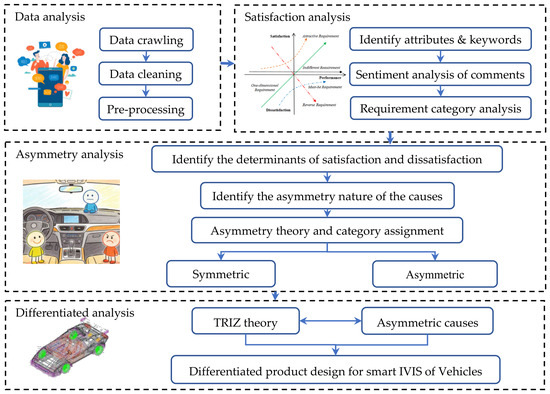
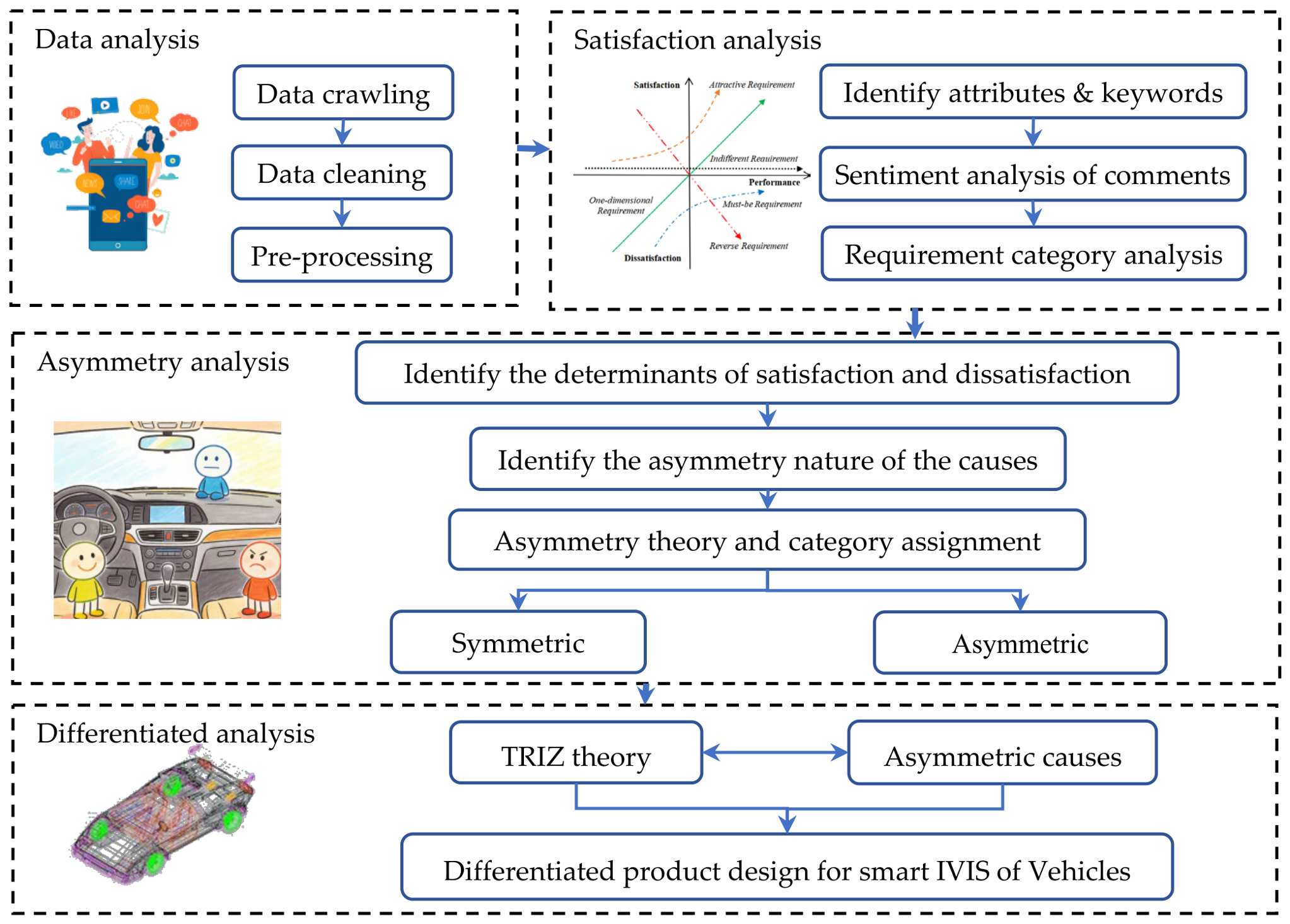
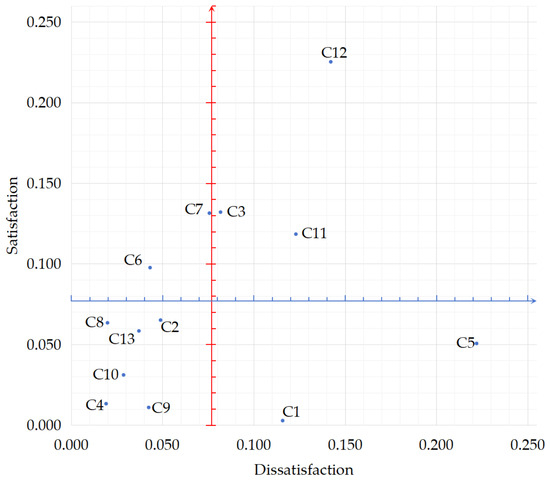
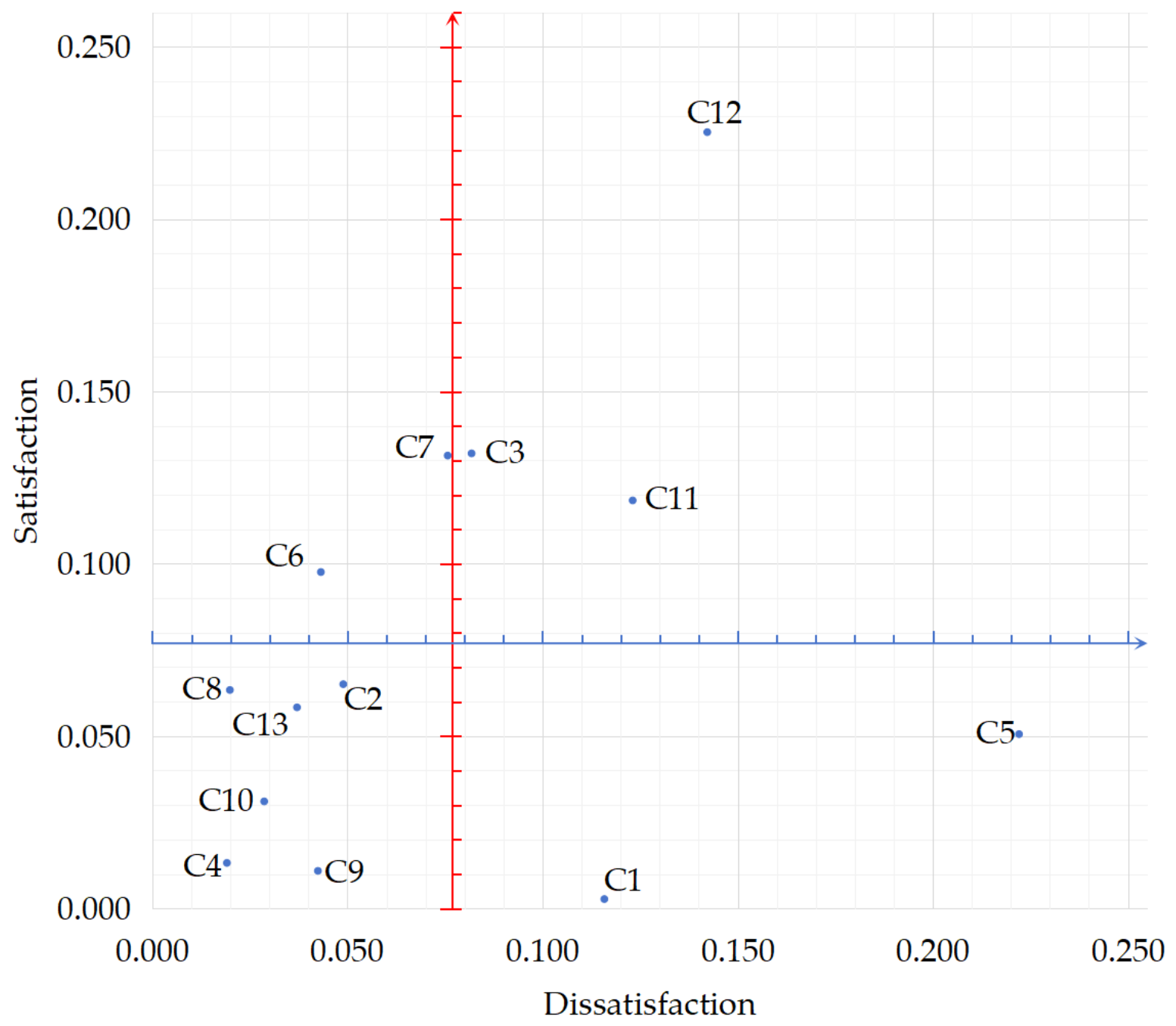
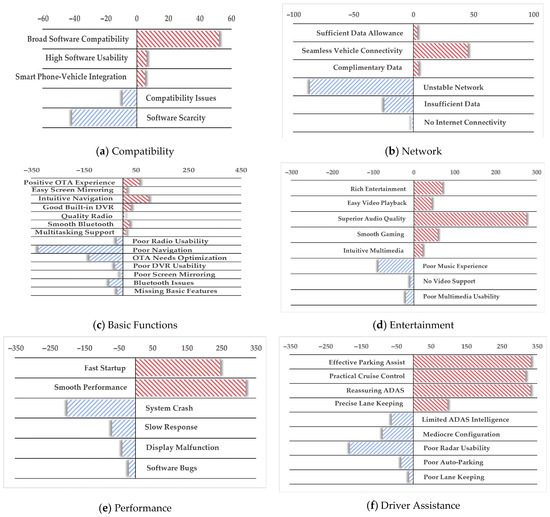
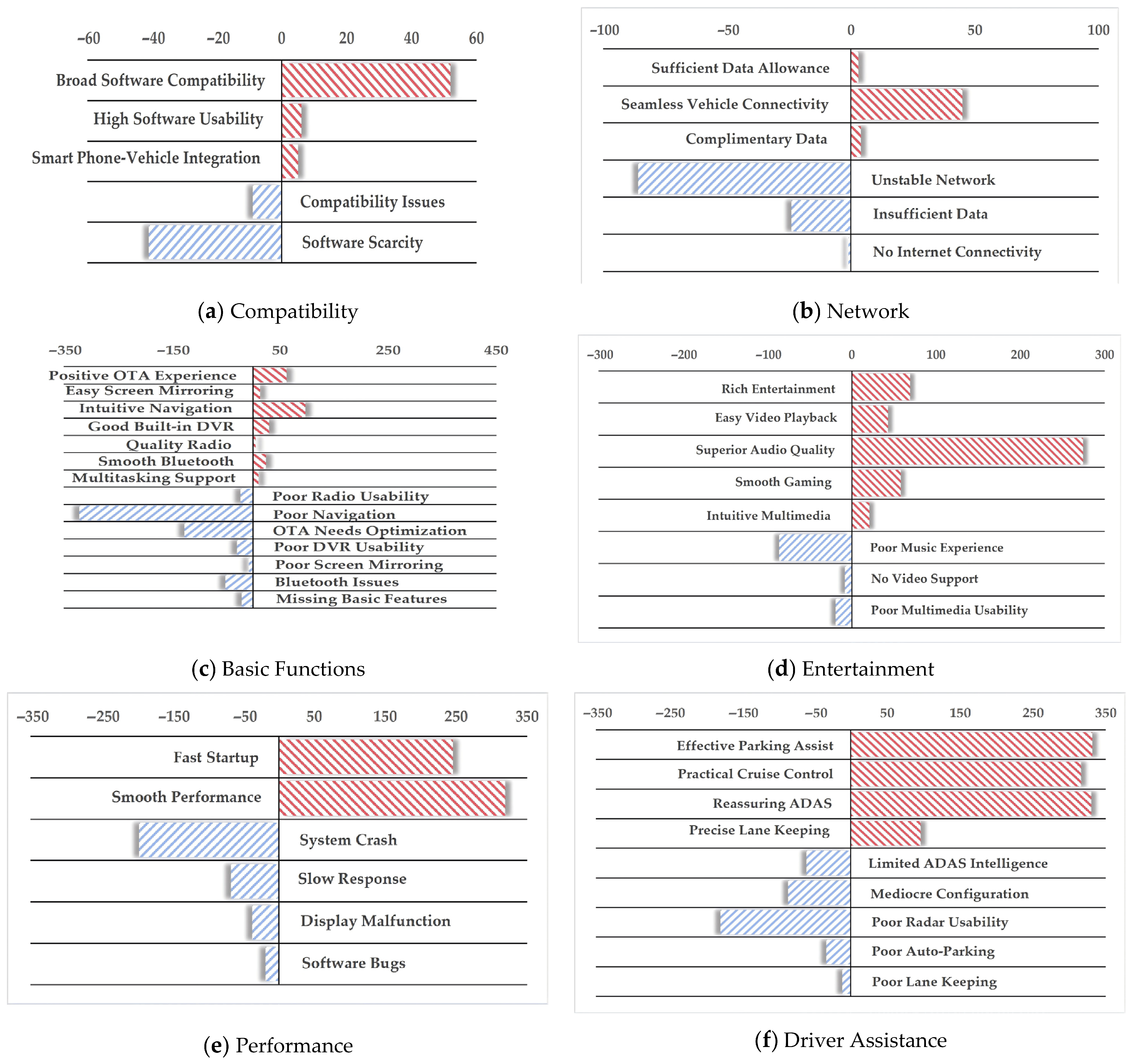
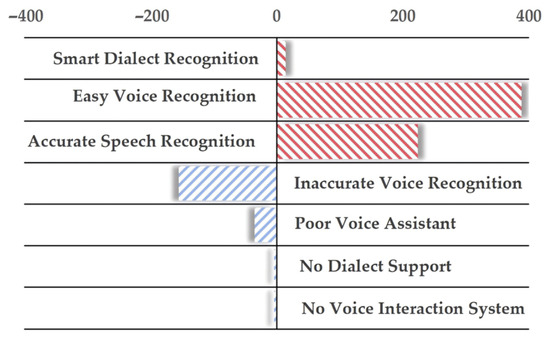
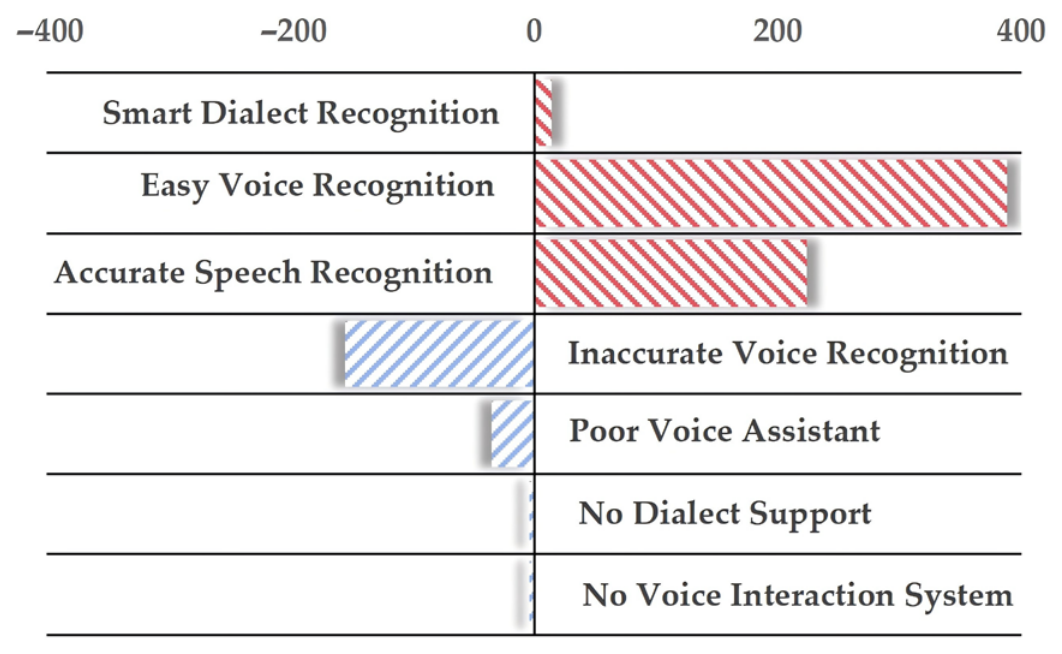
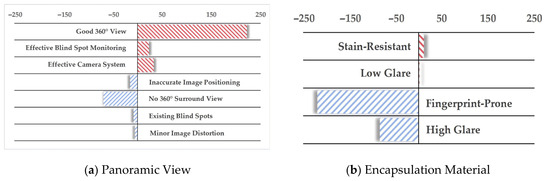
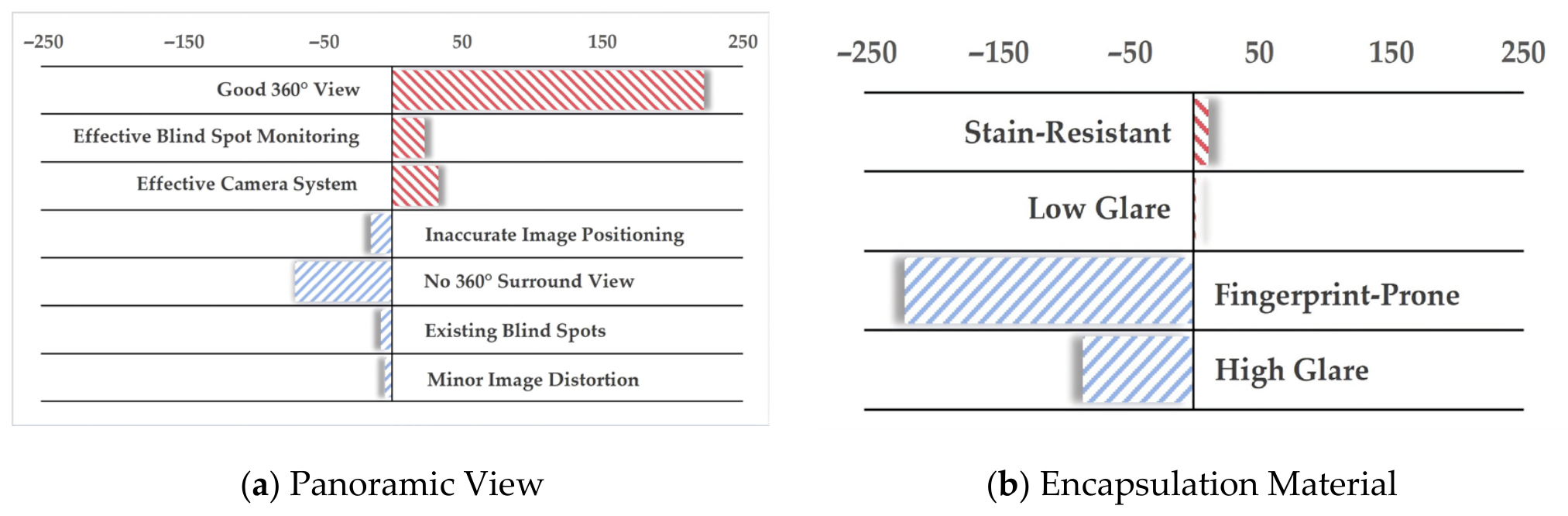
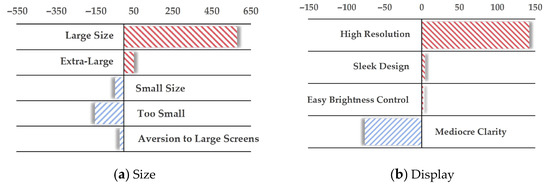
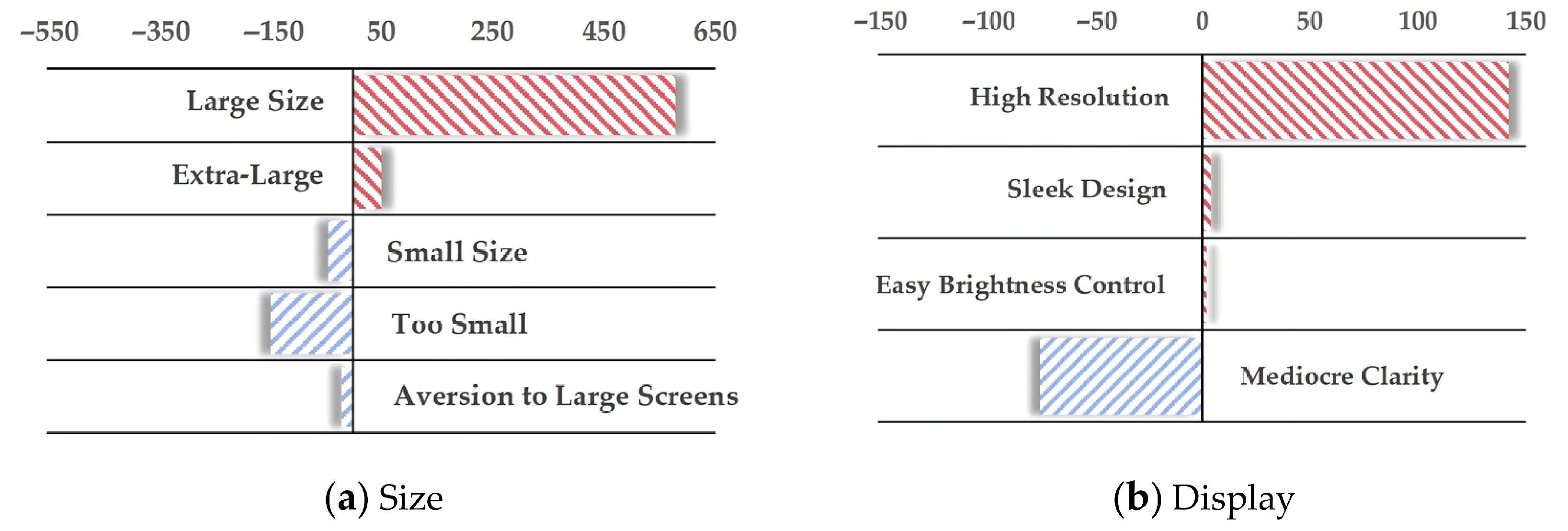
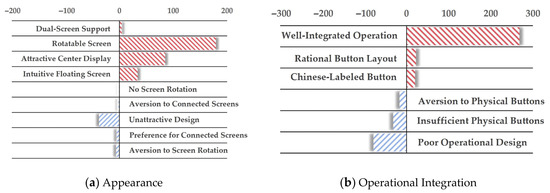
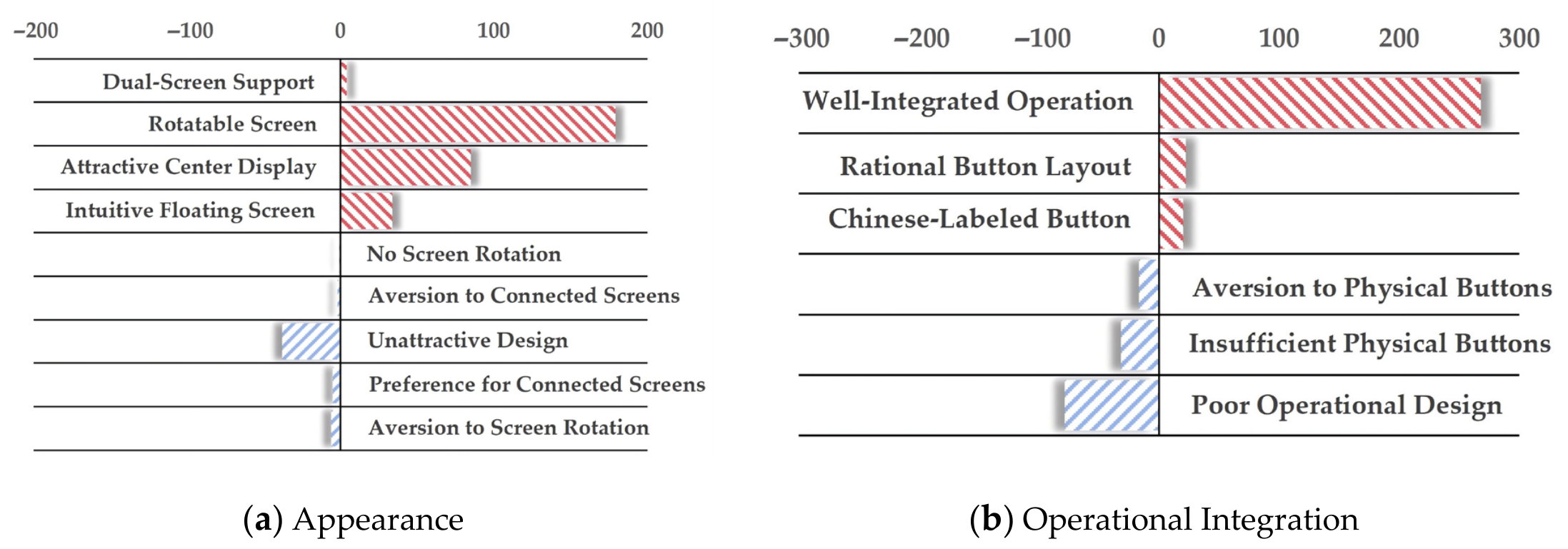

Disclaimer/Publisher’s Note: The statements, opinions and data contained in all publications are solely those of the individual author(s) and contributor(s) and not of MDPI and/or the editor(s). MDPI and/or the editor(s) disclaim responsibility for any injury to people or property resulting from any ideas, methods, instructions or products referred to in the content. |
© 2026 by the authors. Published by MDPI on behalf of the World Electric Vehicle Association. Licensee MDPI, Basel, Switzerland. This article is an open access article distributed under the terms and conditions of the Creative Commons Attribution (CC BY) license.