


Abstract
Electric vehicle (EV) remanufacturing is critical to circular economy development. However, consumers suffer from battery-induced range anxiety, limited transferable factory warranties for pre-owned EVs, and low trust in remanufactured components due to unstandardized aftermarket supervision. To mitigate these quality concerns, secondhand EV retailers have adopted a full original-price refund guarantee. While existing studies primarily focus on subsidies, carbon policies, and quality disclosure, few explore refund guarantee mechanisms in EV remanufacturing, especially their threshold effects and interactions with pure and hybrid component sourcing strategies. This study addresses this gap by establishing six game-theoretic models and deriving market equilibria via backward induction. We systematically analyze how failure rates, procurement costs, consumer-perceived quality, and guarantee strength affect market performance, optimal sourcing strategies, and social welfare, with numerical simulations validating our theoretical results. The findings reveal a universal threshold effect: refund guarantees boost sales only beyond a critical strength level, whereas weak guarantees fail to cover compensation costs and may even reduce social welfare. In particular, refund guarantees significantly improve social welfare under pure-remanufactured sourcing. This work offers actionable insights for remanufacturers, consumers, and regulators. Firms can optimize guarantee efficiency by simplifying claim processes, while policymakers can implement differentiated warranty regulations and tiered incentives.
1. Introduction
As resource scarcity and carbon mitigation emerge as shared global imperatives, circular economy agendas have gained worldwide traction across automotive and energy sectors. Centered on extending product, component and material lifespans to cut waste and raw-material reliance, circularity has become a core pillar of global electric vehicle (EV) industrial transition [1,2]. Cross-border EV circular economy initiatives have been rolled out. The EU Battery Regulation enforces full lifecycle governance, mandatory extended producer responsibility (EPR) and digital battery passports to standardize battery remanufacturing, recycling and second-life repurposing [2]. The U.S. EPA and China’s MIIT have separately launched EPR frameworks that oblige battery manufacturers to manage end-of-life (EOL) power batteries, prioritizing battery remanufacturing and stationary energy storage second-life applications [3,4]. As a core circular practice, battery remanufacturing recovers retired power batteries with acceptable quality to restore driving performance, alleviating shortages of virgin lithium, cobalt and nickel while lowering carbon footprints [5].
Remanufacturing is formally defined as restoring end-of-use goods to like-new performance via systematic disassembly, refurbishment and component replacement [6,7]. For secondhand EVs, power battery overhaul is indispensable to recover driving range, where replacement cores can be either brand-new or remanufactured units. Chinese regulators have issued clear policies encouraging wider uptake of remanufactured auto and battery components in maintenance and remanufacturing workflows [8]. Nevertheless, consumer-side market barriers persist, a topic extensively covered in EV-specific research. Previous EV consumer studies identify four intertwined demand barriers: inherent uncertainty over long-term battery degradation and inconsistent quality testing [9]; range anxiety stemming from capacity decay, which disproportionately suppresses willingness to purchase used EVs [10,11]; insufficient perceived protection from limited transferable factory warranties on secondhand vehicles [12]; and pervasive low consumer trust in reused and remanufactured EV assemblies due to unstandardized aftermarket oversight [13]. These four psychological frictions jointly curb consumer demand, constrain upstream remanufactured-component procurement volumes, hinder battery circular circulation and weaken national circular economy outcomes.
China’s secondhand market has undergone explosive expansion, hitting a total transaction scale exceeding 3 trillion yuan by 2025 [14]. Xianyu, one of China’s dominant secondhand trading platforms, disclosed that its fiscal 2023 secondhand commodity transactions delivered over 3 million tons of carbon emission reductions, highlighting the untapped decarbonization potential of circulating secondhand products [15]. To unlock remanufactured EV consumption, domestic secondhand vehicle retailers have launched innovative risk-mitigation instruments. Guazi, a leading national used-EV dealer, recently rolled out full original-price refund guarantees covering all its secondhand and remanufactured EV inventory [16]. While conventional logic anticipates such guarantees to boost consumer confidence and lift market demand, the actual efficacy under mixed single/hybrid core component sourcing structures remains theoretically underexplored. On the demand side, the EV literature mainly evaluates recycling subsidies, carbon regulatory instruments and quality disclosure mechanisms, with minimal analytical attention given to refund guarantee schemes and their interactions with component failure rates, warranty perception and consumer trust. On the supply side, two critical research gaps remain unresolved: whether original-price refund guarantees impose cost pressure that pushes remanufacturers to shift toward new core components and abandon remanufactured alternatives; or conversely, whether guarantee mechanisms can offset consumer quality bias, incentivize higher remanufactured core component adoption and advance battery circular economy targets. This research addresses these unresolved theoretical questions via game-theoretical equilibrium modeling.
Ultimately, this study focuses on remanufacturers who implement the original-price refund guarantee under different component sourcing structures. Through game-theoretical analysis, the following questions are addressed:
RQ1: What determines the effectiveness of full original-price refund guarantees under single and hybrid core component sourcing? Can such refund guarantees improve remanufacturers’ profitability?
RQ2: Under which parameter conditions does hybrid core component sourcing outperform single core component sourcing for remanufacturers? In what scenarios will remanufacturers prioritize procuring remanufactured core components? Furthermore, how do refund guarantee policies reshape remanufacturers’ optimal component procurement strategies?
RQ3: How does the original-price refund guarantee affect social welfare across different sourcing models? Which component sourcing scheme yields the highest social welfare?
By constructing six game models covering single and hybrid core component sourcing with or without full original-price refund guarantees, this study derives equilibrium outcomes and theoretical propositions to unpack the interrelated research questions. The effectiveness of refund guarantees varies with component costs, failure rates, consumer-perceived quality and guarantee influence strength across distinct sourcing structures. Such guarantees exert dual influences: they boost consumer utility and market demand only when the guarantee influence strength exceeds a critical threshold, while insufficient guarantee power brings heavy compensation costs that fail to lift remanufacturers’ profits. Derived threshold rules indicate hybrid core component sourcing surpasses single sourcing merely within specific intervals of guarantee influence strength, and full adoption of remanufactured core components becomes viable only when remanufactured parts have high inherent reliability and guarantee influence strength meets the required standard; refund guarantee policies fundamentally restructure remanufacturers’ optimal procurement choices by shifting compensation burdens and consumer purchase willingness. Numerical simulations further demonstrate that social welfare rises alongside guarantee influence strength for all guaranteed sourcing formats, though weak guarantees lead to poorer welfare performance than no-guarantee benchmarks due to accumulated after-sales expenses, and hybrid core component sourcing generates the maximum social welfare in most scenarios by reconciling resource circulation, corporate profitability and consumer surplus.
The remainder of this article is structured as follows. Section 2 presents a comprehensive review of the relevant existing literature. Section 3 establishes six game-theoretical models and derives their equilibrium solutions, further analyzing the impacts of core parameters including component procurement costs, failure rates, consumer-perceived quality and refund guarantee influence strength. Section 4 carries out cross-model comparisons and numerical simulations in terms of sales volume, remanufacturer profit, and social welfare. Section 5 discusses theoretical findings and delivers targeted implications for EV and battery remanufacturers, consumers, and regulators responsible for circular economy governance. Section 6 provides conclusions and outlines limitations and future research directions.
2. Literature Review
This study categorizes and integrates the relevant literature covering remanufacturing policies, battery cascade utilization, remanufacturing operation, quality difference and MBG policies. Figure 1 presents the conceptual framework of previous studies, which intuitively demonstrates the research focus of existing works and reveals the neglected research gap this study intends to fill.
Figure 1.
Conceptual framework of this study constructed based on the relevant literature.
The literature stream that is closely related to this study is the remanufacturing strategy under different policies. Remanufacturing is widely studied from various aspects, including outsourcing strategy [17,18], process innovation [19], green innovation [20], market structure [21], influence factors and so forth [22,23]. Chai et al. [24] show that the implementation of carbon trading policies can promote remanufacturing industry growth in both traditional and green markets. Zhang and Zhang [25] conclude that trade-in remanufacturing can capitalize on strategic consumers’ forward-looking tendencies to enhance overall performance. Zhao et al. [26] analyze the operational strategies of competing remanufacturing supply chains under carbon trading policies while accounting for quality uncertainty. Miao et al. [27] analyze the pricing and production strategies of independent remanufacturers under a carbon cap-and-trade framework. Haddadsisakht and Ryan [28] explore how remanufacturers adjust their strategies when facing both carbon taxation and uncertain demand conditions. Luo et al. [29] contend that the imposition of a carbon tax motivates firms to engage more actively in remanufacturing and to invest in emission-reducing technologies. Chai et al. [30] analyze the combined influence of subsidy and carbon trading policies on remanufacturing and conclude that in many cases carbon trading can substitute direct subsidies. Liu et al. [31] propose four operational decision models for a leasing/selling closed-loop supply chain (CLSC) under a royalty/fixed-fee authorization remanufacturing strategy with and without the carbon cap-and-trade policy. Existing studies have largely concentrated on the impact of environmental management policies and economic subsidies on the development of the remanufacturing market. In terms of EVs and EV batteries, various EOL strategies can be implemented, including remanufacturing, repurposing and recycling [32]. Neri et al. [33] conclude that technology challenges along with the uncertainty of a relatively new market are of great concern when considering the EV battery remanufacturing supply chain (SC). Moreover, many studies focus on recycling of EV batteries from various perspectives without considering remanufacturing in the SC network [34,35,36]. Li et al. [37] propose an advanced closed-loop supply chain network model for EV battery remanufacturing, which accounts for varying quality levels of returned spent batteries. They develop an optimization model to maximize network profits and examine how key parameters affect the supply chain’s profitability. Dababneh et al. [38] develop a mathematical model for the independent remanufacturing supply chain to address the battery replacement demand of operational EVs. The model accounts for remanufacturers’ self-sufficiency, the varying quality of spent batteries, and rush order demands.
Focusing on the money-back guarantee (MBG), McWilliams [39] shows that it may favor low-quality firms while disadvantaging high-quality ones under complete information. Focusing on supply chain coordination, Heydari et al. [40] examine scenarios in which retailers strategically determine the market coverage of MBG services. In a dual-channel context, Chen and Chen [41] derive conditions under which retailers should adopt MBGs, demonstrating that implementation is optimal whenever the channel-specific net salvage value of returns is positive. Extending this line of inquiry, Huang et al. [42] incorporate quality-dependent salvage values and reveal that MBGs can undermine low-quality firms yet enhance the performance of high-quality firms. Assarzadegan and Rasti-Barzoki [43] analyze pricing decisions in a closed-loop supply chain that integrates MBGs and discount policies while allowing for remanufacturing. Xie et al. [44] investigate pricing decisions for battery-leasing services under performance-guaranteed warranty policies and analyze how diverse manufacturer/battery asset company cooperation modes affect EV manufacturers’ operations. The current secondhand electric vehicle (EV) market remains immature, with widespread information asymmetry that significantly increases consumers’ purchase concerns. Meanwhile, high acquisition costs further discourage consumers from purchasing used EVs. As an effective mitigation strategy, MBG-based warranty schemes have been widely recognized by the secondhand EV industry, as exemplified by the practical implementation of such policies by Guazi in China [16].
Another relevant literature stream concerns sourcing strategy. Wang et al. [45] show that hospitals tend to favor star vendors and gradually converge toward a single-sourcing structure. Similarly, Lv and Yin [46] demonstrate that widening cost differentials under single sourcing can induce a transition from responsible suppliers to riskier ones. In contrast, Lou et al. [47] analyze manufacturers’ resilience strategies and find that dual sourcing effectively enhances profitability in the presence of supply disruptions. Moreover, Niu et al. [48] examine a manufacturer’s sourcing decision between an overseas supplier that offers cost advantages but is vulnerable to disruptions and a reliable local supplier that markets its own brand, revealing the tradeoffs between cost efficiency and supply reliability. Focusing on energy supply chains, Rajabzadeh and Wiens [49] further highlight the role of dual-sourcing mechanisms and cooperative arrangements in mitigating disruption risks while improving sustainability outcomes. Parallel to the sourcing literature, several studies investigate production and remanufacturing coordination. Inderfurth and Kleber [50] develop a heuristic order-up-to policy for integrated production and remanufacturing systems, minimizing total costs that include ordering, production, remanufacturing, maintenance, backordering, and unmet demand penalties. Building on this framework, Bansal et al. [51] formulate an economic procurement model for new and used components in remanufacturing, aiming to maximize remanufacturers’ profits while accounting for fixed, inventory and production costs.
The research streams that concentrate on quality improvement and information disclosure are also relevant. Empirical and behavioral studies indicate that consumers often associate remanufactured products with greater perceived quality risks [22]. The growth of the remanufacturing industry largely depends on consumer perception and acceptance of remanufactured products [52]. Sun et al. [53] point out that consumers place greater emphasis on the quality of remanufactured products than on price considerations. Zhou et al. [54] investigate how the presence of a secondary market influences remanufacturing authorization decisions and identify the conditions that facilitate cooperation. Fang et al. [55] emphasize that the quality of returned products can also affect consumer perceptions, thereby enhancing the utility derived from remanufactured goods. Taleizadeh et al. [56] show that product quality influences recycling rates for remanufactured items. Ding et al. [57] examine the impact of risk aversion under quality uncertainty of used products in a remanufacturing supply chain. Hong et al. [58] report that firms are more likely to disclose product quality information to enhance profitability, particularly when consumer preferences are biased toward higher quality. Considering the quality of upstream components plays a decisive role in shaping the quality of downstream manufacturers’ products (e.g., smartphone screens and chips or electric vehicle batteries), Wang et al. [20] analyze how upstream suppliers’ research and development investment affects the quality performance of downstream manufacturers.
Unlike existing work (Table 1), this study integrates the original-price refund guarantee introduced by remanufacturers with the quality heterogeneity of core components used in remanufacturing. It evaluates the effectiveness of this guarantee across alternative sourcing structures and explores its influence on remanufacturers’ upstream procurement strategy. In particular, this work makes three main contributions. Firstly, we integrate full original-price refund guarantee mechanisms into the EV remanufacturing framework. Accordingly, we investigate the drivers of guarantee effectiveness under single and hybrid core component sourcing and examine whether refund guarantees can boost remanufacturer profitability. Secondly, we distinguish the quality gap between new and remanufactured core components and quantify its influence on consumer acceptance. Building on game models for single and hybrid sourcing, we identify the conditions where hybrid sourcing outperforms single sourcing, scenarios favorable to remanufactured-component procurement, and how refund guarantees reshape optimal procurement portfolios. Thirdly, we model social welfare consisting of consumer surplus, the remanufacturer’s profit, and environmental stress. Then we analyze how refund guarantees affect social welfare across different sourcing models and compare which sourcing scheme delivers the highest social welfare.
Table 1.
Comparison of related research.
3. Model Development and Results
Remanufacturing often involves replacing damaged core components with high-quality ones. In this study, we suppose that replacing a core component is necessary for remanufacturing, for example, degraded batteries in smartphones or EVs. The core component that needs to be replaced can be either a new core component (NC) or a remanufactured core component (RC) that has been salvaged and refurbished from old products. The distinction between new and remanufactured core components is twofold: on the one hand, the new core component is associated with a higher price compared to the remanufactured alternative () (Table 2); on the other hand, the remanufactured core component is subject to a considerably higher failure rate ().
Table 2.
Definition of notations.
For consumers, the willingness to pay (WTP) for a remanufactured product varies depending on the supply source of the core component used in the reconditioning process. For remanufactured products with new core components, the consumer WTP is defined as (). In line with most of the literature ([6,7,20,21,22,23,24,25,26,27,28], etc.), the willingness-to-pay variable is assumed to obey a uniform distribution. Due to consumers’ widespread prejudice that remanufactured goods are inferior and less valuable [59], the WTP for remanufactured products using remanufactured core components is discounted to (). To promote sales of remanufactured products, the remanufacturer launches some incentives. For instance, Guazi—one of the largest secondhand vehicle transaction and service platforms in China—announced in the middle of 2025 that it would provide an original-price refund guarantee for secondhand EVs sold through its platform if the battery degradation exceeds 10% [16]. Such a guarantee would increase the utility of buying a remanufactured product for consumers. In summary, under the original-price refund guarantee, the utility of buying a remanufactured product with a new core component is denoted as (Model NH), while the utility of buying a remanufactured product with a remanufactured core component is (Model RH), where is the influence strength of the original-price refund guarantee, and is the sales price of the remanufactured products. When there is no original-price refund guarantee, is reduced to zero in these utilities ( for Model NN and for Model RN). If the claim settlement procedures of the full original-price refund guarantee are streamlined and backed by reliable compensation mechanisms, the influence strength of this guarantee, , will be amplified. The superscripts in the models of this study represent the cases in Models NN, NH, RN, RH, NRN and NRH (Figure 2).
Figure 2.
Model structure in this study.
3.1. New Core Component Sourcing
In this section, we establish two models in which the remanufacturer procures new core components for remanufacturing. These two models are different in the adoption of an original-price refund guarantee.
NN (New core component sourcing and no refund guarantee):
The remanufacturer utilizes new core components to refurbish products and sells them to consumers without offering an original-price refund guarantee. Since there is no guarantee, the remanufacturer is not liable for the losses caused by quality failures. Therefore, the remanufacturer has no need to pay the refund for the products with failed components. Accordingly, the profit of the remanufacturer in Model NN is derived as follows:
Based on the utility definition introduced at the beginning of this section, the consumer utility associated with products remanufactured by the remanufacturer using new core components can be derived and is denoted by when the original-price refund guarantee is absent. Letting , it can be derived that . Then, is derived and substituted in the above equation. Based on backward induction, the equilibrium results are summarized as shown in Table 3 (proofs are listed in the Supplementary Materials). Since and are both non-negative in the equilibrium results, the constraint should be satisfied.
Table 3.
Equilibrium results.
Proposition 1.
(1) The sales price rises with the growth of ; (2) the market demand decreases in ; (3) the remanufacturer’s profit decreases in .
Under Model NN, higher component costs push up the equilibrium product price, thereby curbing consumers’ willingness to purchase. Consequently, the remanufacturer’s total revenue falls with rising component costs.
NH (New core component sourcing with refund guarantee):
The remanufacturer utilizes new core components to refurbish products and sells them to consumers with an original-price refund guarantee. Because of the guarantee, the remanufacturer is responsible for products with quality problems and therefore bears the losses caused by quality failures. When consumers abandon refund claims due to transaction costs or other frictions, this behavior equivalently reduces the effective failure risk perceived by the firm. Therefore, the real-world scenario of partial claim abandonment can be equivalently captured by adjusting the failure rate parameter in our model. Meanwhile, the remanufacturer incurs the service cost of implementing a refund guarantee ().
Given the sales price of the new core component and its corresponding failure rate , the profit of the remanufacturer in Model NH can be derived as
Similarly, the consumer utility associated with products remanufactured by the remanufacturer using new core components can be derived and is denoted by , where is the influence degree of the original-price refund guarantee on consumer utility. Letting , we obtain . Then, the sales quantity is increased to . To solve the equilibrium results, we substitute the solved in the above equation. Based on backward induction, the equilibrium results are summarized in Table 3 (proofs are listed in the Supplementary Materials). Since and are both non-negative in the equilibrium results, the constraint should be satisfied.
Proposition 2.
(1) The sales price increases in ; (2) the market demand increases but decreases in ; (3) the remanufacturer’s profit rises with , whereas it falls as grow.
For the pure-new core component sourcing (NH) scenario, the refund guarantee influence strength boosts consumer-perceived utility, which allows the remanufacturer to set a higher equilibrium price and expand market demand, thereby lifting total profit. By contrast, higher service cost , new core component procurement cost , and new core component failure rate raise the remanufacturer’s overall operating costs. Such cost growth suppresses market demand and erodes equilibrium profit, even though the firm will raise the selling price to offset partial losses.
3.2. Remanufactured Core Component Sourcing
In this section, we establish two models in which the remanufacturer procures remanufactured core components for remanufacturing. These two models are different in the adoption of an original-price refund guarantee.
RN (remanufactured core component sourcing and no refund guarantee):
The remanufacturer utilizes remanufactured core components to refurbish products and sells them to consumers without offering an original-price refund guarantee.
Similar to Model NN, the profit of the remanufacturer in Model RN is derived as follows:
Similarly, when there is no original-price refund guarantee, is formulated in this model. Letting , we obtain . Therefore, is obtained and substituted in the above equation. Based on backward induction, the equilibrium results can be derived. Since and are both non-negative, must hold.
Proposition 3.
(1) The sales price rises with ; (2) the market demand increases in but decreases in ; (3) the remanufacturer’s profit rises with , whereas it decreases as grows.
For the pure-remanufactured core component sourcing scenario RN, the consumer-perceived quality coefficient positively affects consumer utility: a higher weakens the utility discount of remanufactured goods, expands market demand and enables the remanufacturer to set a higher selling price, thereby lifting equilibrium profit. In contrast, the remanufactured core component procurement cost raises the marginal operating cost. Although the firm will raise the product price to offset higher sourcing costs, the rising cost suppresses market demand and ultimately reduces the remanufacturer’s total profit.
RH (remanufactured core component sourcing with refund guarantee):
The remanufacturer utilizes remanufactured core components to refurbish products and sells them to consumers with an original-price refund guarantee.
Given the price of the remanufactured core component as and its corresponding failure rate , the profit of the remanufacturer in Model RH can be derived as
Based on the utility definition at the beginning of this section, we derive the consumer utility for products remanufactured by the remanufacturer using remanufactured core components, denoted as . By letting , is derived. Then, is derived for the above equation. The equilibrium results are summarized in Table 3. Since and are both non-negative, should be obeyed.
Proposition 4.
(1) rises with ; (2) rises in and falls in , and it also increases with if and decreases with if ; (3) rises with while falling in , and the directional change of profit with respect to the consumer discount coefficient is governed by the sign of an aggregated function of core model parameters.
This proposition characterizes monotonic trends in sales price, market demand and remanufacturer profit under pure-remanufactured core component sourcing (RH). A higher refund guarantee influence strength , service cost , remanufactured core component cost , remanufactured core component failure rate or consumer-perceived quality coefficient all push up the optimal sales price . Higher costs and failure rate raise the remanufacturer’s expected loss, while stronger consumer perception () and guarantee influence strength () support higher pricing power. For market demand , the refund guarantee improves consumer utility and expands demand. By contrast, higher service costs, component sourcing costs and failure rates reduce consumer willingness to purchase and shrink demand. The impact of perceived quality on demand is conditional: when the guarantee influence strength is relatively low (), improving perceived quality effectively lifts consumer utility and increases demand; when is sufficiently high (), the refund guarantee already offsets most failure risks, so higher barely stimulates demand and even suppresses sales volume. A stronger refund guarantee boosts market demand and raises equilibrium profit, whereas higher service cost, component cost and failure rate erode profit margins and lower total profit . The effect of on profit depends on a combined threshold condition integrating consumer perception, guarantee policy and operating costs. If the composite threshold expression is positive, higher improves profit; otherwise, profit declines with rising .
3.3. Hybrid Sourcing of New and Remanufactured Core Components
In this section, we extend the analysis to the case of hybrid supply of the core component. Remanufactured core components are widely acknowledged as contributing to the circular economy, and the Chinese government has launched regulations to encourage their adoption [8]. Let denote the proportion of remanufactured core components in the total sales of remanufactured products. Then, the quantities of new core components occupy a proportion of the total sold remanufactured products. Taking consumers’ differentiated valuations of products remanufactured with new and remanufactured core components into account, the utility of consumers is modeled as . Parameter represents consumers’ quality trust in remanufactured products under hybrid sourcing, which reduces consumers’ WTP for remanufactured goods. The value of is higher than that under pure-remanufactured core component sourcing and lower than that under pure-new core component sourcing (). Similarly, the profit of the remanufacturer in this section can be obtained.
NRN (hybrid core component sourcing and no refund guarantee):
The remanufacturer utilizes both new and remanufactured core components to refurbish products and sells them to consumers without offering an original-price refund guarantee.
Similarly, is obtained to represent consumer utility associated with products remanufactured by the remanufacturer using both new and remanufactured core components in this model. Given , we obtain . Therefore, is derived and substituted in the above equation. This study sets , , in the equilibrium results. denotes the composite reliability coefficient of hybrid core component sourcing products, represents the weighted average unit procurement cost for hybrid core component sourcing, and stands for the weighted average environmental stress per hybrid core component sourcing product. Based on backward induction, the equilibrium results can be derived as in Table 3. Since and are both non-negative, should be satisfied.
Proposition 5.
(1) rises with , yet falls with ; (2) increases with and declines with ; (3) grows with and falls with .
Higher procurement costs of new core components () and remanufactured core components (), as well as the consumer trust discount coefficient , push up the optimal product price . In contrast, a higher failure rate reduces consumers’ willingness to pay, which forces the remanufacturer to lower the equilibrium price to sustain market sales. For market demand , the failure rate exerts a positive influence on total market demand in the hybrid sourcing setting. However, rising component sourcing costs and stronger consumer valuation discount weaken consumer purchase intention, thereby shrinking market demand. Both the component failure rate and trust discount coefficient positively contribute to the manufacturer’s profit. Nevertheless, the procurement costs of new and remanufactured parts cut profit margins directly, so profit declines as increases.
NRH (hybrid core component sourcing with refund guarantee):
The remanufacturer utilizes both new and remanufactured core components to remanufacture products and then sells them to consumers with an original-price refund guarantee.
Based on the utility definition at the beginning of this section, we derive the consumer utility for products remanufactured by the remanufacturer using both new and remanufactured core components, denoted as . Therefore, is derived given . Then, is derived and substituted in the above equation. Based on backward induction, the equilibrium results can be derived as in Table 3. Since and are both non-negative, is derived.
Proposition 6.
(1) rises with , the monotonic trend of with respect to depends on the sign of a composite parametric term composed of core cost and failure rate parameters; (2) rises in and declines in . It increases with when and decreases with when . The directional change of as varies is governed by another aggregated combination of cost and failure rate parameters. (3) grows with and falls with . The positive or negative correlation between and is determined by the sign of a combined expression of product failure rates and consumer preference parameters.
The refund guarantee influence strength , service cost , procurement costs , failure rates and consumer trust discount coefficient all positively lift the optimal sales price . The marginal effect of on pricing is conditional and depends on the combined threshold integrating component costs, failure risks and after-sales service expenditures. A stronger refund guarantee improves consumer-perceived utility and expands market demand . By contrast, higher service cost, component sourcing costs and failure rates suppress consumer purchase intention and shrink sales volume . The impact of trust discount on demand is governed by the threshold of guarantee influence strength . Moreover, the composite cost/failure threshold expression determines whether demand rises or falls with the proportion of remanufactured core components in the total sales quantity . A higher refund guarantee level expands market scale and boosts total profit , while higher service cost, component costs, failure rates and consumer trust discounts erode profit margins. The direction of profit variation with is determined by a composite threshold condition incorporating market scale, consumer valuation and product failure rates.
4. Model Comparison and Numerical Simulation
This section focuses on cross-model equilibrium comparisons. Building on our analytical results, we implement numerical simulations via MATLAB-R2021b. The original data and corresponding sources are summarized in Table 4. In addition, the sensitivity analysis parameters are randomly selected, and all constraints specified in this study are satisfied. We analyze how refund guarantee mechanisms and alternative component sourcing strategies jointly influence sales volume, remanufacturer profit, and overall social welfare.
Table 4.
Data and related sources for base case.
Then, we nondimensionalize the data in accordance with the model assumptions. The nondimensionalized data are applied as the base case (Table 5). Besides the base case, the data are changed for the main parameters to analyze the influences.
Table 5.
Case data applied for numerical simulation.
4.1. Influence of Introducing the Refund Guarantee on Sales Quantity
Proposition 7.
The effectiveness of the original-price refund guarantee hinges on a threshold of under both all-new and all-remanufactured core component sourcing modes. Sales volume rises with only when exceeds the threshold, where the thresholds equal and for the two sourcing scenarios in sequence.
Combining with Models NH and NN (Models RH and RN), Proposition 7 can be derived. This proposition reveals the threshold effect of the original-price refund guarantee on market demand under single-component sourcing strategies. The refund guarantee improves consumer-perceived utility and expands sales volume only when its strength is sufficiently large to offset the expected failure loss caused by defective components. If the guarantee influence strength fails to reach the critical threshold, the compensation cost brought by the refund policy outweighs its demand-stimulating benefit, so the guarantee cannot drive up sales. The threshold value differs across sourcing modes, and the discrepancy between the two thresholds stems from the differences in component procurement costs and product failure rates between new and remanufactured parts. The results indicate that reducing the failure rate and lowering the sales price of the core components are critical for improving the effectiveness of the original-price refund guarantee, whether remanufacturing with new or remanufactured core components.
Proposition 8.
Under the hybrid core component sourcing strategy, the critical threshold of guarantee influence strength that enables the full original-price refund guarantee to raise market sales volume is expressed as .
This proposition extends the threshold rule of refund guarantee derived from single-component sourcing to the hybrid procurement scenario (Models NRH and NRN). Unlike the fixed thresholds under pure-new or pure-remanufactured core component sourcing strategies, the threshold expression for mixed-component sourcing integrates comprehensive parameters captured by and . Only when the refund guarantee influence strength exceeds can the original-price refund policy offset consumer utility losses caused by information asymmetry and component failure risks, thereby expanding market sales volume. If is below this critical value, the compensation cost of the refund mechanism outweighs its demand-stimulating effect, failing to lift sales. Combining Propositions 7 and 8, it is concluded that the original-price refund guarantee yields benefits for the sales quantity of remanufactured products only when its influence is sufficiently strong, irrespective of whether the supply structure is sole or hybrid.
4.2. Optimal Component Sourcing Strategy Under the Refund Guarantee
Proposition 9.
(1) When remanufactured core components lag far behind new core components in failure rate performance (i.e., remanufactured cores have much higher failure rates and poorer reliability), pure-remanufactured sourcing becomes optimal for manufacturers only when the refund guarantee influence strength is lower than the threshold . (2) When remanufactured cores are only slightly inferior to new core components in failure rate performance (i.e., the two component types have similar quality), pure-remanufactured sourcing becomes optimal for manufacturers only when the refund guarantee influence strength is higher than the threshold . The larger the value of , the higher the probability that scenario (1) occurs.
Comparing the profits between Models NH and RH, Proposition 9 can be derived, and the threshold is denoted as . denotes the consumer influence strength generated by the refund guarantee, and a larger value of indicates the policy delivers stronger positive utility to consumers and better stimulates purchase intention. For Scenario (1), remanufactured cores carry obvious reliability disadvantages with far higher failure rates. If the remanufacturer adopts a refund guarantee with strong consumer impact (high ), frequent product failures will repeatedly trigger guarantee compensation and cause severe operational losses, so pure-remanufactured core component sourcing only achieves profit optimality under a low level of guarantee influence strength. For Scenario (2), the reliability gap between new and remanufactured cores is negligible, and the primary sales barrier stems from consumers’ inherent discounted valuation of remanufactured-component products, which forces remanufacturers to implement a high-impact refund guarantee (high ) to offset consumers’ perceived value loss and make pure-remanufactured sourcing the profit-maximizing choice. The parameter is consumers’ discounted valuation factor for products assembled from remanufactured cores and is always less than 1. A larger means consumers suffer smaller perceived value loss and hold weaker negative bias toward remanufactured-component goods. As rises, consumers no longer heavily rely on high-impact refund guarantees to accept remanufactured-component products with poor reliability, which expands the set of parameter combinations satisfying Scenario (1) and accordingly increases the probability that Scenario (1) occurs. In contrast, a small represents strong consumer aversion to remanufactured items, where remanufacturers have to deploy high-impact refund policies to boost demand, making Scenario (2) the dominant outcome and Scenario (1) much less likely to appear.
Under the low-failure-rate condition prevailing in today’s EV remanufacturing market, the market operates under Scenario (2) (Figure 3). Higher refund guarantee influence strength () makes remanufacturing with remanufactured core components more appealing to remanufacturers. Specifically, guarantee service cost (), remanufactured core component prices () and their failure rates () mitigate this trend, while new core component prices () and failure rates () amplify it.
Figure 3.
(a) Comparison of remanufacturer’s profit between Models NH and RH when changes to 0.1; (b) Comparison of remanufacturer’s profit between Models NH and RH when changes to 0.02; (c) Comparison of remanufacturer’s profit between Models NH and RH under base case; (d) Comparison of remanufacturer’s profit between Models NH and RH when changes to 0.008; (e) Comparison of remanufacturer’s profit between Models NH and RH when changes to 0.7; (f) Comparison of remanufacturer’s profit between Models NH and RH when changes to 0.1.
Proposition 10.
Define composite reliability metric based on the failure rates of new and remanufactured core components, as well as the proportion of remanufactured core components in hybrid products. Two profitability regimes exist for comparing hybrid remanufactured product profit () and all-new product profit (), governed by guarantee impact strength threshold : (1) If the composite reliability of hybrid-sourcing products exceeds the discounted reliability of full-new-component products (), hybrid-sourcing products yield higher profit only when the guarantee impact strength is larger than threshold . (2) If the composite reliability of hybrid-sourcing products is lower than the discounted reliability of full-new-component products, hybrid-sourcing products yield higher profit only when the guarantee impact strength is smaller than threshold . Moreover, a larger consumer acceptance coefficient for hybrid-sourcing products makes Scenario (2) more likely to occur.
Proposition 11.
(1) If the composite reliability of hybrid-sourcing products exceeds the discounted reliability of remanufactured-component products (), hybrid-sourcing products yield higher profit only when the guarantee impact strength is larger than threshold . (2) If the composite reliability of hybrid-sourcing products is lower than the discounted reliability of remanufactured-component products, hybrid-sourcing products yield higher profit only when the guarantee impact strength is smaller than threshold . Moreover, a larger consumer acceptance coefficient for hybrid-sourcing products and a smaller consumer valuation discount factor for remanufactured-component goods both make Scenario (2) more likely to occur.
Propositions 10 and 11 derive two critical thresholds and of refund guarantee influence strength , which identify the boundary where hybrid core component sourcing becomes more profitable than single-component sourcing modes. The profitability comparison of hybrid core component sourcing products against pure-new core component sourcing goods (Proposition 10) and pure-remanufactured core component sourcing goods (Proposition 11) is governed by the composite reliability of hybrid-sourcing products , discounted reliability reference for the rival product type (, ) and a corresponding critical guarantee impact strength threshold ( for pure-new core component sourcing rivals and for pure-remanufactured core component sourcing rivals): when hybrid-sourcing products hold an edge in composite reliability over the discounted standard of competing products, hybrid-sourcing items yield higher profit only if guarantee impact strength exceeds the relevant threshold to amplify their reliability advantage and convert inherent quality superiority into sufficient consumer purchasing willingness. When hybrid-sourcing products lag in composite reliability below the rival reference, hybrid-sourcing goods outperform competitors in profit only under weaker guarantee impact strength below the threshold, as strong guarantee policies would trigger prohibitive after-sales compensation costs from more frequent product failures. For Proposition 10, a larger consumer acceptance coefficient for hybrid-sourcing products lifts the discounted reliability of all-new-component goods and makes Scenario 2 (low guarantee intensity as optimal) more likely to occur. For Proposition 11, both a smaller consumer valuation discount factor for pure-remanufactured-component items and a larger raise the discounted perceived reliability of pure-remanufactured-component rivals, expanding the parameter range where hybrid-sourcing products suffer weaker composite reliability, rendering Scenario 2 more prevalent. Intuitively, greater baseline consumer recognition of remanufacturing-involved products lessens firms’ dependence on robust guarantee incentives to boost demand, shifting the core operational tradeoff toward curbing excessive guarantee expenditure caused by hybrid-sourcing products’ inferior inherent reliability.
Against the backdrop of the EV remanufacturing market, adopting remanufactured core components for remanufacturing constitutes the optimal strategy when guarantee impact strength rises (Figure 4). As guarantee impact strength declines, remanufacturing under the hybrid sourcing model and remanufacturing with new core components sequentially become the optimal options. Notably, under certain conditions (such as when the selling price of new core components climbs to a certain level (Figure 4f), the resale price of remanufactured core components falls to a certain level (Figure 4g), or consumer acceptance of hybrid-sourcing products rises to a certain level (Figure 4c)), remanufacturing based on new core components will no longer be the optimal decision. In addition, once the procurement proportion of remanufactured core components within hybrid sourcing drops below a certain critical level, hybrid-sourcing remanufacturing ceases to be the optimal choice (Figure 4a). The simulation results further reveal that a higher selling price of new core components and a lower selling price of remanufactured core components both significantly boost remanufacturing activities that rely on pure-remanufactured core components. Although improved consumer acceptance of hybrid-sourcing products weakens the profit advantage of remanufacturing using new core components, it also erodes the competitive edge of remanufacturing built upon remanufactured core components (Figure 4c). The underlying rationale lies in the dual strengths of hybrid-sourcing remanufacturing: it delivers superior cost advantages while lowering overall product failure rates and elevating consumer recognition of finished goods.
Figure 4.
(a) Comparison of the remanufacturer’s profit among Models NH, RH and NRH when changes to 0.5; (b) Comparison of the remanufacturer’s profit among Models NH, RH and NRH when changes to 0.1; (c) Comparison of the remanufacturer’s profit among Models NH, RH and NRH when changes to 0.9; (d) Comparison of the remanufacturer’s profit among Models NH, RH and NRH under base case; (e) Comparison of the remanufacturer’s profit among Models NH, RH and NRH when changes to 0.006; (f) Comparison of the remanufacturer’s profit among Models NH, RH and NRH when changes to 0.7; (g) Comparison of the remanufacturer’s profit among Models NH, RH and NRH when changes to 0.15; (h) Comparison of the remanufacturer’s profit among Models NH, RH and NRH when changes to 0.008.
4.3. Social Welfare Comparison Among the Models
We construct the social welfare function (W) consisting of consumer surplus (), the remanufacturer’s profit (), and environmental stress () (Table 6). Consumer surplus measures the surplus utility of consumers when purchasing remanufactured products, while the remanufacturer’s profit denotes its net operating income after covering component procurement and after-sales service costs. Environmental stress is negative and is caused by resource utilization and emission generation along with the production process. This welfare framework enables us to evaluate the comprehensive social benefits brought by refund guarantee and various component sourcing strategies and identify parameter thresholds that maximize social welfare.
Table 6.
Social welfare under each model.
Numerical simulations (Table 5) are conducted to compare social welfare under different strategies, as depicted in Figure 5. As shown in Figure 5a–f, social welfare W increases monotonically with refund guarantee influence strength s under all three component sourcing strategies with original-price refund guarantees. However, when s falls within a low range, the social welfare generated by guaranteed schemes is inferior to that of the corresponding benchmark models without refund guarantees. This result stems from two rigid cost burdens imposed by the refund guarantee policy. On the one hand, offering original-price refund guarantees creates persistent after-sales operational costs for remanufacturers. On the other hand, the guarantee mechanism requires firms to fully compensate consumers for losses caused by component failures, which leads to substantial financial outlays if the guarantee influence strength is insufficient. In the low s interval, compensation and service costs outweigh the positive benefits of demand expansion and higher consumer utility brought by guarantees; accordingly, abandoning refund guarantees delivers better social welfare outcomes. Only after s crosses a critical threshold can the demand-stimulating advantages of refund guarantees offset cost losses, enabling all guaranteed sourcing modes to achieve higher social welfare than their no-guarantee counterparts.
Figure 5.
(a) Comparison of social-welfare across all models under the base case; (b) Comparison of social-welfare across all models under the case 1; (c) Comparison of social-welfare across all models under the case 2; (d) Comparison of social-welfare across all models under the case 3; (e) Comparison of social-welfare across all models under the case 4; (f) Comparison of social-welfare across all models under the case 5.
Horizontal comparison of the three models without the refund guarantee reveals that pure-remanufactured core component sourcing yields the lowest social welfare in the absence of guarantee policies. When horizontally comparing social welfare under the three guarantee schemes, EV remanufacturing relying entirely on pure-new core components delivers the minimum social welfare in most scenarios. When guarantee influence strength remains at a low level, hybrid core component sourcing achieves the optimal social welfare, as this hybrid strategy balances EV component remanufacturing and product reliability management, simultaneously lifting remanufacturer profit and consumer surplus to attain the highest long-term social welfare. After the guarantee influence strength rises above a certain critical threshold, pure-remanufactured core component sourcing becomes the option that maximizes social welfare. Collectively, the refund guarantee substantially reshapes the social welfare performance of pure-remanufactured core component sourcing and facilitates the further popularization of this pure-remanufactured core component sourcing mode.
5. Discussion and Implications
5.1. Discussion
This study establishes six analytical game models covering no-guarantee single-component sourcing (NN and RN), guaranteed single-component sourcing (NH and RH) and hybrid core component sourcing with and without refund guarantees (NRN and NRH). Using backward induction, we derive closed-form equilibrium solutions for product price, market demand and remanufacturer profit under each model and further propose a series of propositions to clarify the monotonic impacts of core parameters, including component procurement costs, failure rates, consumer-perceived quality and refund guarantee influence strength. Propositions 1–6 characterize how each exogenous parameter reshapes equilibrium outcomes under six separate operational modes. Component costs and failure rates consistently raise production and expected compensation expenses, pushing up selling prices while suppressing market demand and corporate profit. Consumer-perceived quality exerts a positive effect on demand and profitability for remanufactured products, whereas the consumer trust discount on remanufactured core components weakens purchasing willingness. Distinct from cost-related parameters, the original-price refund guarantee acts as a dual-edged tool: stronger guarantee intensity lifts consumer-perceived utility and expands market demand, yet it also generates persistent after-sales service and failure compensation costs that squeeze profit margins. Propositions 7 and 8 identify the universal threshold effect of refund guarantees on sales volume. Whether remanufacturers adopt pure-new, pure-remanufactured or hybrid core component portfolios, refund guarantees only boost market demand when guarantee influence strength exceeds a unique critical threshold. Below this threshold, compensation costs exceed demand growth benefits, making guarantee services economically inefficient for sales expansion. Hybrid sourcing bears a more complex threshold formula integrating multiple composite indices, reflecting the intertwined reliability and cost features of mixed new and remanufactured core components. Propositions 9–11 identify guarantee impact strength thresholds governing optimal component sourcing profits. In EV remanufacturing, pure-remanufactured core component sourcing is optimal under strong guarantee impact strength; weaker guarantees shift optimality to hybrid and then pure-new core component sourcing. New core component price hikes, cheaper remanufactured core components or high consumer acceptance for hybrid core component sourcing eliminate pure-new core component sourcing’s superiority, while insufficient remanufactured core component ratios make hybrid core component sourcing suboptimal. Higher hybrid sourcing acceptance damages both pure-new and pure-remanufactured profits, as hybrid remanufacturing balances low costs, fewer failures and greater consumer recognition.
Social welfare grows with guarantee influence strength across all guaranteed models, yet weak guarantees lead to worse welfare than no-guarantee benchmarks due to heavy service and compensation costs. Without guarantees, pure-remanufactured core component sourcing yields the lowest welfare; with guarantees, pure-new core component sourcing delivers minimal welfare in most cases. Low guarantee influence strength maximizes welfare via hybrid core component sourcing that balances environmental performance, manufacturer profit and consumer surplus, whereas sufficiently strong guarantees shift welfare optimality to pure-remanufactured core component sourcing. Refund guarantees drastically improve pure-remanufactured core component sourcing’s social welfare and promote its market adoption.
5.2. Implications for EV and Battery Remanufacturers
First, remanufacturers should treat refund guarantee influence strength as a flexible and controllable marketing tool and dynamically calibrate it according to the critical equilibrium thresholds derived in Propositions 7–11. Before implementing refund guarantee programs, firms must evaluate the threshold conditions corresponding to pure-new sourcing, pure-remanufactured sourcing and hybrid sourcing strategies. Specifically, if the current consumer perceived guarantee influence strength falls below the critical threshold, remanufacturers should avoid blindly launching full original-price refund guarantees, as excessive compensation costs will erode firm profitability and deteriorate overall social welfare. In contrast, when market conditions favor circular production objectives, firms can substantially amplify guarantee effectiveness by streamlining claim settlement procedures, establishing reliable compensation mechanisms, removing unnecessary claim restrictions, relaxing excessive coverage limitations and simplifying verification requirements. These operational improvements effectively elevate the actual guarantee influence strength perceived by consumers, enabling the guarantee policy to cross the critical threshold and activate its demand-stimulating and profit-enhancing effects. Second, remanufacturers should optimize component sourcing portfolios matching different guarantee influence strength intervals to achieve profit maximization and sustainable circular operations. When the inherent reliability of remanufactured core components is sufficiently high, raising the guarantee influence strength above the corresponding threshold renders pure-remanufactured sourcing the optimal profit-driven strategy, which also maximizes resource efficiency. When consumers hold positive quality perceptions of remanufactured products, firms should maintain a relatively moderate guarantee influence strength below the critical level to avoid excessive after-sales compensation losses. For long-term industrial circular development, hybrid sourcing can serve as a reliable transitional strategy when large-scale pure-remanufactured production is constrained by component supply shortages. In this case, firms must dynamically adjust their guarantee influence strength to cross the corresponding threshold boundaries and maintain stable profitability amid flexible sourcing configurations. Third, proactive quality control investment is essential to reduce the failure rate of recycled and remanufactured core components. A lower component failure rate reduces the critical guarantee threshold for remanufactured sourcing dominance, significantly alleviating the financial burden of providing high-intensity refund guarantees. In addition, standardized quality inspection and aging screening procedures can effectively mitigate consumer quality distrust and reduce perceived risk toward remanufactured products. Such quality improvement practices further lower the threshold barriers for adopting circular component procurement strategies, helping remanufacturers coordinate high-quality product supply, stable guarantee operation and sustainable circular development.
5.3. Implications for Consumers
Consumers should develop rational product selection strategies based on the actual strength of refund guarantee policies, which can be effectively amplified by streamlined claim procedures, reliable compensation mechanisms and simplified verification rules in practice. When the consumer perceived guarantee influence strength crosses the critical threshold, remanufactured and hybrid-structure EVs deliver superior comprehensive utility and cost performance compared with vehicles assembled purely from new core components. In contrast, blindly purchasing remanufactured EVs with weak guarantee systems—characterized by cumbersome claim settlement, restrictive compensation rules and insufficient after-sales protection—will expose consumers to elevated component failure risks and limited loss reimbursement, resulting in reduced consumption welfare. From the perspective of sustainable low-carbon consumption, consumers are advised to prioritize hybrid core component remanufactured EVs equipped with moderate- or high-intensity refund guarantees. Such products well balance economic affordability, reliable after-sales protection and circular carbon reduction value, achieving the optimal consumption tradeoff. Fully remanufactured EVs serve as a high-quality alternative when supported by mature, high-strength refund warranty mechanisms. Furthermore, third-party trading platforms and manufacturers should fully disclose transparent information regarding component assembly structures, specific guarantee clauses and warranty effectiveness thresholds. Eliminating market information asymmetry enables consumers to accurately identify reliable circular products and make science-based, low-carbon consumption decisions that benefit both individual interests and environmental sustainability.
5.4. Policy Implications for Regulators and Circular Economy Governance
First, policymakers can formulate differentiated guarantee regulatory standards to drive the low-carbon circular transition of the EV battery industry. Our welfare comparison reveals that pure-remanufactured core component sourcing generates the lowest social welfare in the absence of refund guarantees yet achieves the highest welfare under strong guarantee regimes. Accordingly, regulators need to adopt context-specific measures to promote distinct sourcing strategies and shape effective guarantee strength via institutional design. Full original-price refund guarantees deliver amplified market stimulation when supported by streamlined claim settlement, credible compensation mechanisms, unrestricted claim rights, reasonable coverage and simplified verification. Building on this feature, hierarchical guarantee supervision can be implemented. Specifically, stricter warranty compliance and higher after-sales requirements may be imposed on vehicles equipped with pure-new core components, raising their operating and compliance costs, weakening their market competitiveness, and fostering an institutional environment conducive to the market uptake of remanufactured core components. Second, tiered fiscal incentive and penalty frameworks should be aligned with the social welfare and environmental performance of alternative sourcing modes. Pure-remanufactured core component sourcing yields the best social welfare outcomes under strong guarantees and deserves the highest remanufacturing subsidies and carbon credit incentives. Hybrid sourcing with moderate circular value can receive partial policy support, while production relying purely on pure-new core components—associated with greater resource depletion and carbon emissions—should bear corresponding resource surcharges. Such differentiated policies reduce the critical guarantee threshold at which circular sourcing becomes dominant, expand the parameter space where pure-remanufactured core component sourcing strategies achieve superior profitability and social welfare, and incentivize firms to adopt remanufactured core component sourcing actively. Third, regulatory authorities should scale up public investment in remanufacturing, testing, and processing infrastructure for retired EV batteries and core components. Improved public infrastructure stabilizes the steady supply of high-quality remanufactured components, cuts corporate procurement costs, and lifts the intrinsic reliability of remanufactured assemblies. Meanwhile, targeted public outreach and science communication can raise consumers’ perceived quality of remanufactured components and alleviate prevailing quality prejudices and risk concerns. Enhanced consumer acceptance further reduces the minimum guarantee strength required for large-scale adoption of pure-remanufactured core components. Together with optimized guarantee mechanisms, these measures accelerate the sustainable development of the EV circular economy.
6. Conclusions
Against the global backdrop of circular economy advancement, remanufacturing serves as a core route to reuse retired electric vehicle components. To address consumer quality concerns over remanufactured goods, full original-price refund guarantees have been widely adopted by domestic used-EV retailers. This study constructs six game-theoretical models covering no-guarantee single-component sourcing, guaranteed single core component sourcing and hybrid core component sourcing with or without a refund guarantee. Using backward induction, we solve equilibrium prices, market demand and remanufacturer profits and make a series of propositions to quantify how key parameters—component procurement costs, failure rates, consumer-perceived quality and refund guarantee influence strength—shape market outcomes, optimal sourcing choices and social welfare.
The analytical results reveal dual-sided effects of refund guarantees. While stronger guarantee intensity raises consumer utility and expands sales, it also generates heavy after-sales and compensation costs that erode firm profits. More importantly, refund guarantees exhibit a universal threshold effect across all sourcing modes: they only stimulate demand when guarantee influence strength surpasses a critical value; weak guarantees fail to offset compensation expenses and even reduce social welfare. Propositions 9–11 further identify threshold boundaries governing the profit-dominant sourcing strategy (pure-new, pure-remanufactured or hybrid). Hybrid sourcing merely outperforms single-component modes within specific guarantee intervals, acting as a transitional circular solution rather than an all-round optimal option. Numerical simulations validate all theoretical deductions and demonstrate that hybrid core component sourcing maximizes welfare at low guarantee intensity, while pure-remanufactured core component sourcing performs best with strong guarantees. Moreover, refund guarantees greatly improve social welfare under a pure-remanufactured core component sourcing strategy.
This research delivers targeted multi-stakeholder managerial and policy insights. For EV and battery remanufacturers, refund guarantee influence strength can be dynamically adjusted to cross derived thresholds; simplifying claim procedures and building reliable compensation systems effectively enhance guarantee power. Firms should also boost quality control to cut component failure rates and lower the threshold barriers for adopting remanufactured parts. For consumers, vehicles equipped with moderate or high-intensity refund guarantees deliver superior utility and sustainability. For regulators, differentiated guarantee rules and tiered fiscal incentives can accelerate industrial circular transformation, while public remanufacturing infrastructure and consumer advocacy help reduce prejudice against remanufactured products.
This study contains several notable limitations stemming from its simplified theoretical assumptions, which deviate from the complex reality of actual EV markets. Real-world EV markets feature heterogeneous consumer groups and varying battery health conditions. Nevertheless, our baseline model adopts complete information and static single-period decision settings, while neglecting multiple practical factors. Accordingly, future research can extend this analytical framework along several promising directions. First, the static model can be extended to multi-period dynamic closed-loop supply chains, while integrating battery health information and the interactive effects of government subsidies. Second, further studies can explore how consumer behavioral heterogeneity and differentiated guarantee durations affect remanufacturing operational strategies. Third, the model can be generalized to remanufacturing sectors beyond EV batteries, such as consumer electronics and industrial equipment, to compare the effects of refund guarantee mechanisms across different industrial contexts.
Supplementary Materials
The following supporting information can be downloaded at: https://www.mdpi.com/article/10.3390/wevj17080396/s1, Table S1: The nondimensionalization data for base case.
Author Contributions
Conceptualization, Methodology, Software, Validation, Writing—Original Draft Preparation, J.W.; Formal Analysis, Data Curation, Writing—Review and Editing, J.W., W.L. and T.A.; Funding Acquisition, J.W. and W.L. All authors have read and agreed to the published version of the manuscript.
Funding
This work was supported by the National Natural Science Foundation of China [grant number 72303058] and the National Office for Philosophy and Social Sciences, China [grant number 23CGL039].
Data Availability Statement
The original contributions presented in this study are included in the article/Supplementary Materials. Further inquiries can be directed to the corresponding author.
Conflicts of Interest
The authors declare no conflicts of interest.
References
- Parkinson, L.; Cheung, W.M. Predicting the most economical option of managing electric vehicle battery at the end of its serviceable life. Clean. Eng. Technol. 2024, 23, 100829. [Google Scholar] [CrossRef] [Scilit]
- European Union. Sustainability Rules for Batteries and Waste Batteries. 2025. Available online: https://eur-lex.europa.eu/EN/legal-content/summary/sustainability-rules-for-batteries-and-waste-batteries.html (accessed on 6 July 2026).
- U.S. Environmental Protection Agency. Extended Battery Producer Responsibility (EPR) Framework. 2026. Available online: https://www.epa.gov/electronics-batteries-management/extended-battery-producer-responsibility-epr-framework (accessed on 7 July 2026).
- Ministry of Industry and Information Technology of the People’s Republic of China. Interim Measures for the Management of Recycling and Comprehensive Utilization of Waste Power Batteries for New Energy Vehicles. 2025. Available online: https://www.miit.gov.cn/zcfg/jdcjxl/art/2026/art_640a0abfac6549feb6ead9c591b7680d.html (accessed on 6 July 2026).
- Hua, Y.; Zhou, S.; Huang, Y.; Liu, X.; Ling, H.; Zhou, X.; Zhang, C.; Yang, S. Sustainable value chain of retired lithium-ion batteries for electric vehicles. J. Power Sources 2020, 478, 228753. [Google Scholar] [CrossRef] [Scilit]
- Agrawal, V.V.; Atasu, A.; Van Ittersum, K. Remanufacturing, third-party competition, and consumers’ perceived value of new products. Manag. Sci. 2015, 61, 60–72. [Google Scholar] [CrossRef] [Scilit]
- Reimann, M.; Xiong, Y.; Zhou, Y. Managing a closed-loop supply chain with process innovation for remanufacturing. Eur. J. Oper. Res. 2019, 276, 510–518. [Google Scholar] [CrossRef] [Scilit]
- National Development and Reform Commission. Interim Measures for the Standardized Management of Auto Parts Remanufacturing. 2021. Available online: https://www.gov.cn/zhengce/zhengceku/2021-04/25/5601957/files/f6552d6ba8924cfaac4f5c823c7a4c63.pdf (accessed on 23 July 2025).
- Hu, Y.; Li, Z.; Cui, J. An economic model predictive control strategy for EV-integrated microgrids considering battery degradation. Energy 2025, 335, 138205. [Google Scholar] [CrossRef] [Scilit]
- Sheykhfard, A.; Azmoodeh, M.; Das, S.; Kutela, B. Analyzing purchase intentions of used electric vehicles through consumer experiences: A structural equation modeling approach. Transp. Policy 2025, 160, 125–137. [Google Scholar] [CrossRef] [Scilit]
- Kumar, V.; Kaushik, A.K.; Noravesh, F.; Sindhwani, R.; Mathiyazhagan, K. Green drives: Understanding how environmental propensity, range and technological anxiety shape electric vehicle adoption intentions. Technol. Forecast. Soc. Change 2025, 210, 123859. [Google Scholar] [CrossRef] [Scilit]
- Toutiao. Is There a Condition for BYD’s First Electric Vehicle Owner to Have a Lifetime Battery Warranty? 2026. Available online: https://www.toutiao.com/article/7624899449688556095/ (accessed on 7 July 2026).
- Huster, S.; Heck, R.; Rudi, A.; Rosenberg, S.; Schultmann, F. Will electric vehicle battery reconditioning succeed?—A flexible simulation approach considering stakeholders’ interests. J. Environ. Manag. 2025, 389, 125783. [Google Scholar] [CrossRef] [Scilit] [PubMed]
- Hong Kong Media. China’s Second-Hand Trading Market Is Booming and May Reach 3 Trillion Yuan in 2025. 2022. Available online: https://oversea.huanqiu.com/article/49pb0kk5BYp (accessed on 10 July 2025).
- People’s Daily Overseas Edition. Secondhand Trading Booms, Circular Economy Booms. 2024. Available online: http://www.xinhuanet.com/fortune/20240408/238a3d1e5e5b48cabdf87b42c46e4912/c.html (accessed on 21 June 2025).
- Xinhuanet. Guazi Offers an Original-Price Refund Guarantee for the Secondhand EVs if Battery Degradation Exceeds 10%. 2025. Available online: http://www.news.cn/enterprise/20250528/23c936b63f104f9d9afb1191049c29fb/c.html (accessed on 16 July 2025).
- Zou, Z.B.; Wang, J.J.; Deng, G.S.; Chen, H. Third-party remanufacturing mode selection: Outsourcing or authorization? Transp. Res. E Logist. Transp. Rev. 2016, 87, 1–19. [Google Scholar] [CrossRef] [Scilit]
- Chen, K.; Zhao, H.; Xiao, T. Outsourcing contracts and ordering decisions of a supply chain under multi-dimensional uncertainties. Comput. Ind. Eng. 2019, 130, 127–141. [Google Scholar] [CrossRef] [Scilit]
- Chai, J.; Qian, Z.; Wang, F.; Zhu, J. Process innovation for green product in a closed loop supply chain with remanufacturing. Ann. Oper. Res. 2024, 333, 533–557. [Google Scholar]
- Wang, J.; Shao, X.; Liu, G.; Yuan, Z. Domestic substitution and supply chain performance: The impact of technology and price subsidies. Transp. Res. Part E 2025, 201, 104218. [Google Scholar] [CrossRef] [Scilit]
- Yang, L.; Gao, M.; Feng, L. Competition versus cooperation? Which is better in a remanufacturing supply chain considering blockchain. Transp. Res. Part E 2022, 165, 102855. [Google Scholar] [CrossRef] [Scilit]
- Abbey, J.D.; Kleber, R.; Souza, G.C.; Voigt, G. The role of perceived quality risk in pricing remanufactured products. Prod. Oper. Manag. 2017, 26, 100–115. [Google Scholar] [CrossRef] [Scilit]
- Xu, X.; Zeng, S.; He, Y. The influence of e-services on customer online purchasing behavior toward remanufactured products. Int. J. Prod. Econ. 2017, 187, 113–125. [Google Scholar] [CrossRef] [Scilit]
- Chai, Q.; Xiao, Z.; Lai, K.H.; Zhou, G. Can carbon cap and trade mechanism be beneficial for remanufacturing? Int. J. Prod. Econ. 2018, 203, 311–321. [Google Scholar] [CrossRef] [Scilit]
- Zhang, F.; Zhang, R. Trade-in remanufacturing, customer purchasing behavior, and government policy. Manuf. Serv. Oper. Manag. 2018, 20, 601–616. [Google Scholar] [CrossRef] [Scilit]
- Zhao, P.; Deng, Q.; Zhou, J.; Han, W.; Gong, G.; Jiang, C. Optimal production decisions for remanufacturing end-of-life products under quality uncertainty and a carbon cap-and-trade policy. Comput. Ind. Eng. 2021, 162, 107646. [Google Scholar] [CrossRef] [Scilit]
- Miao, Z.; Mao, H.; Fu, K.; Wang, Y. Remanufacturing with trade-ins under carbon regulations. Comput. Oper. Res. 2018, 89, 253–268. [Google Scholar] [CrossRef] [Scilit]
- Haddadsisakht, A.; Ryan, S.M. Closed-loop supply chain network design with multiple transportation modes under stochastic demand and uncertain carbon tax. Int. J. Prod. Econ. 2018, 195, 118–131. [Google Scholar] [CrossRef] [Scilit]
- Luo, R.; Zhou, L.; Song, Y.; Fan, T. Evaluating the impact of carbon tax policy on manufacturing and remanufacturing decisions in a closed-loop supply chain. Int. J. Prod. Econ. 2022, 245, 108408. [Google Scholar] [CrossRef] [Scilit]
- Chai, Q.; Sun, M.; Lai, K.; Xiao, Z. The effects of government subsidies and environmental regulation on remanufacturing. Comput. Ind. Eng. 2023, 178, 109126. [Google Scholar] [CrossRef] [Scilit]
- Liu, B.; Chen, W.; Yang, H. Operational decision-making for a leasing-selling closed-loop supply chain with authorized remanufacturing under carbon cap and trade policy. Socio-Econ. Plan. Sci. 2026, 103, 102356. [Google Scholar] [CrossRef] [Scilit]
- Chen, M.; Ma, X.; Chen, B.; Arsenault, R.; Karlson, P.; Simon, N.; Wang, Y. Recycling end-of-life electric vehicle lithium-ion batteries. Joule 2019, 3, 2622–2646. [Google Scholar] [CrossRef] [Scilit]
- Neri, A.; Butturi, M.A.; Gamberini, R. Sustainable management of electric vehicle battery remanufacturing: A systematic literature review and future directions. J. Manuf. Syst. 2024, 77, 859–874. [Google Scholar] [CrossRef] [Scilit]
- Rosenberg, S.; Kurz, L.; Huster, S.; Wehrstein, S.; Kiemel, S.; Schultmann, F.; Reichert, F.; Wörner, R.; Glöser-Chahoud, S. Combining dynamic material flow analysis and life cycle assessment to evaluate environmental benefits of recycling-A case study for direct and hydrometallurgical closed-loop recycling of electric vehicle battery systems. Resour. Conserv. Recycl. 2023, 198, 107145. [Google Scholar] [CrossRef] [Scilit]
- Lander, L.; Cleaver, T.; Rajaeifar, M.; Nguyen-Tien, V.; Elliott, R.; Heidrich, O.; Kendrick, E.; Edge, J.S.; Offer, G. Financial viability of electric vehicle lithium-ion battery recycling. iScience 2021, 24, 102787. [Google Scholar] [CrossRef] [Scilit] [PubMed]
- Wu, W.; Li, M.; Huang, G.Q. Comparisons of government policies for electric automobile battery recycling using system dynamics. Waste Manag. 2025, 203, 114892. [Google Scholar] [CrossRef] [Scilit] [PubMed]
- Li, L.; Dababneh, F.; Zhao, J. Cost-effective supply chain for electric vehicle battery remanufacturing. Appl. Energy 2018, 226, 277–286. [Google Scholar] [CrossRef] [Scilit]
- Dababneh, F.; Aldababneh, H.; Yang, Y. Third-party electric vehicle battery remanufacturing supply chains. Clean. Logist. Supply Chain 2025, 15, 100218. [Google Scholar] [CrossRef] [Scilit]
- McWilliams, B. Money-back guarantees: Helping the low-quality retailer. Manag. Sci. 2012, 58, 1521–1524. [Google Scholar] [CrossRef] [Scilit]
- Heydari, J.; Choi, T.M.; Radkhah, S. Pareto improving supply chain coordination under a money-back guarantee service program. Serv. Sci. 2017, 9, 91–105. [Google Scholar] [CrossRef] [Scilit]
- Chen, B.; Chen, J. When to introduce an online channel, and offer money back guarantees and personalized pricing? Eur. J. Oper. Res. 2017, 257, 614–624. [Google Scholar] [CrossRef] [Scilit]
- Huang, T.; Ren, H.; Chen, Y. Consumer return policies in competitive markets: An operations perspective. Nav. Res. Logist. 2018, 65, 462–476. [Google Scholar] [CrossRef] [Scilit]
- Assarzadegan, P.; Rasti-Barzoki, M. A game theoretic approach for pricing under a return policy and a money back guarantee in a closed loop supply chain. Int. J. Prod. Econ. 2019, 222, 107486. [Google Scholar] [CrossRef] [Scilit]
- Xie, W.; Han, G.; Zhong, Y. Battery-leasing strategies for electric vehicles considering a performance guarantee. Omega 2026, 138, 103398. [Google Scholar] [CrossRef] [Scilit]
- Wang, Q.; Jiang, S.; Ngai, E.; Huo, B. Vendor selection in the wake of data breaches: A longitudinal study. J. Oper. Manag. 2024, 70, 568–599. [Google Scholar] [CrossRef] [Scilit]
- Lv, F.; Yin, Z. Mitigating risky sourcing with a responsible supplier in a competitive environment: The implication of product line design and sourcing diversification. Int. J. Prod. Res. 2024, 62, 6146–6166. [Google Scholar] [CrossRef] [Scilit]
- Lou, G.; Guo, Y.; Lai, Z.; Ma, H.; Tu, X. Optimal resilience strategy for manufacturers to deal with supply disruptions: Investment in supply stability versus dual sourcing. Comput. Ind. Eng. 2024, 190, 110030. [Google Scholar] [CrossRef] [Scilit]
- Niu, B.; Xie, F.; Chen, L. Analysis of global brands’ green procurement strategy: Co-opetitive local sourcing vs. overseas sourcing under delivery disruption. Omega 2024, 123, 102991. [Google Scholar] [CrossRef] [Scilit]
- Rajabzadeh, H.; Wiens, M. Resilient and sustainable energy supply chains: Insights on sourcing and pricing strategies in a non-collaborative and collaborative environment. Int. J. Prod. Res. 2024, 62, 9011–9042. [Google Scholar] [CrossRef] [Scilit]
- Inderfurth, K.; Kleber, R. An advanced heuristic for multiple-option spare parts procurement after end-of-production. Prod. Oper. Manag. 2013, 22, 54–70. [Google Scholar] [CrossRef] [Scilit]
- Bansal, G.; Anand, A.; Tiwari, S. Role of remanufacturing in product development and related profit estimation. J. Clean. Prod. 2020, 277, 124016. [Google Scholar] [CrossRef] [Scilit]
- Hazen, B.T.; Mollenkopf, D.A.; Wang, Y. Remanufacturing for the circular economy: An examination of consumer switching behavior. Bus. Strategy Environ. 2017, 26, 451–464. [Google Scholar] [CrossRef] [Scilit]
- Sun, X.; Zhou, Y.; Li, Y.; Govindan, K.; Han, X. Differentiation competition between new and remanufactured products considering third-party remanufacturing. J. Oper. Res. Soc. 2020, 71, 161–180. [Google Scholar] [CrossRef] [Scilit]
- Zhou, Q.; Meng, C.; Yuen, K.F. The impact of secondary market competition on refurbishing authorization strategies. Int. J. Prod. Econ. 2020, 228, 107728. [Google Scholar] [CrossRef] [Scilit]
- Fang, C.; Fan, S.; Qiu, Y. The choice of remanufacturing strategy for the OEM with third-party remanufacturers’ advantages. Comput. Ind. Eng. 2023, 176, 108973. [Google Scholar] [CrossRef] [Scilit]
- Taleizadeh, A.; Moshtagh, M.; Vahedi-Nouri, B.; Biswajit, S. New products or remanufactured products: Which is consumer-friendly under a closed-loop multilevel supply chain? J. Retail. Consum. Serv. 2023, 73, 103295. [Google Scholar] [CrossRef] [Scilit]
- Ding, J.; Wang, Y.; Tuerxun, T. The impact of risk aversion on remanufacturing supply chain decisions under quality uncertainty. Kybernetes 2026, 55, 806–824. [Google Scholar] [CrossRef] [Scilit]
- Hong, X.; Cao, X.; Gong, Y.; Chen, W. Quality information acquisition and disclosure with green manufacturing in a closed-loop supply chain. Int. J. Prod. Econ. 2021, 232, 107997. [Google Scholar] [CrossRef] [Scilit]
- Liu, B.; Liu, X.; Zhou, T.; Zheng, H.; Jin, X.; Li, K. Research on supply chain optimization under different government subsidy strategies in the remanufacturing-insurance combination system. Expert Syst. Appl. 2026, 304, 130726. [Google Scholar] [CrossRef] [Scilit]
- Seo, J.M.; Kwak, M. Evaluating Remanufacturability of Electric Vehicle Batteries. Korean J. Life Cycle Assess. 2024, 25, 55–64. [Google Scholar] [CrossRef] [Scilit]
- China Power Battery Recycling Alliance. Research: The Failure Rate of Electric Vehicle Batteries Has Significantly Decreased. 2024. Available online: https://www.dchslm.com/index.php?m=home&c=View&a=index&aid=2583 (accessed on 14 July 2026).
- Originality. Report on the Commercialization Path of Lithium Battery Cascade Utilization Technology in 2025. 2025. Available online: https://max.book118.com/html/2025/1211/6101044014012025.shtm (accessed on 14 July 2026).
- Peiseler, L.; Schenker, V.; Schatzmann, K.; Pfister, S.; Wood, V.; Schmidt, T. Carbon footprint distributions of lithium-ion batteries and their materials. Nat. Commun. 2024, 15, 10301. [Google Scholar] [CrossRef] [Scilit] [PubMed]
- Wu, S.; Staines, J.; Moonen, B.; Li, W. Life Cycle Assessment of Remanufacturing Hybrid Vehicle Batteries: An Australia Case. Procedia CIRP 2025, 135, 654–659. [Google Scholar] [CrossRef] [Scilit]
- OECD. Effective Carbon Rates 2021: Pricing Carbon Emissions through Taxes and Emissions Trading. 2021. Available online: https://www.oecd.org/en/publications/effective-carbon-rates-2021_0e8e24f5-en.html (accessed on 13 July 2026).
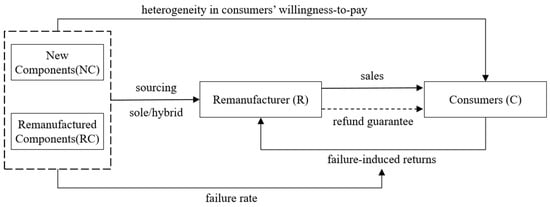
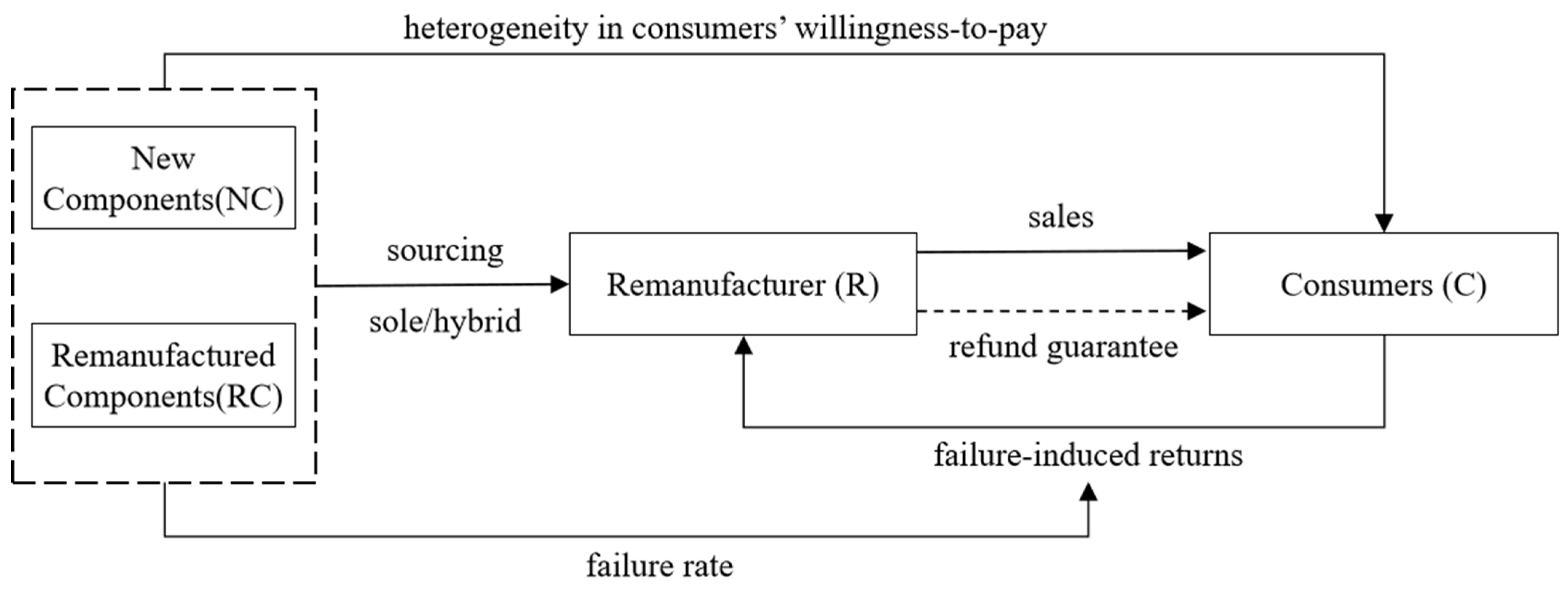
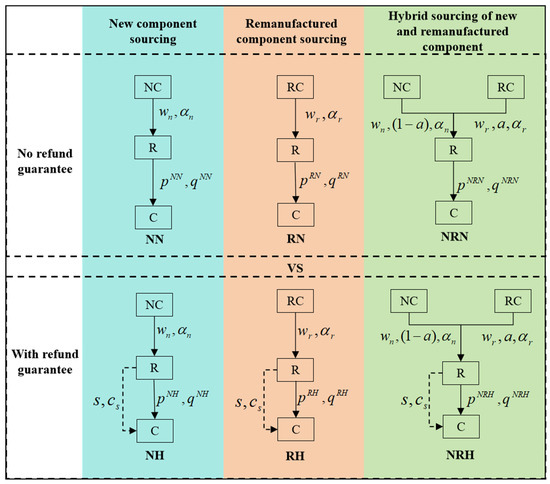
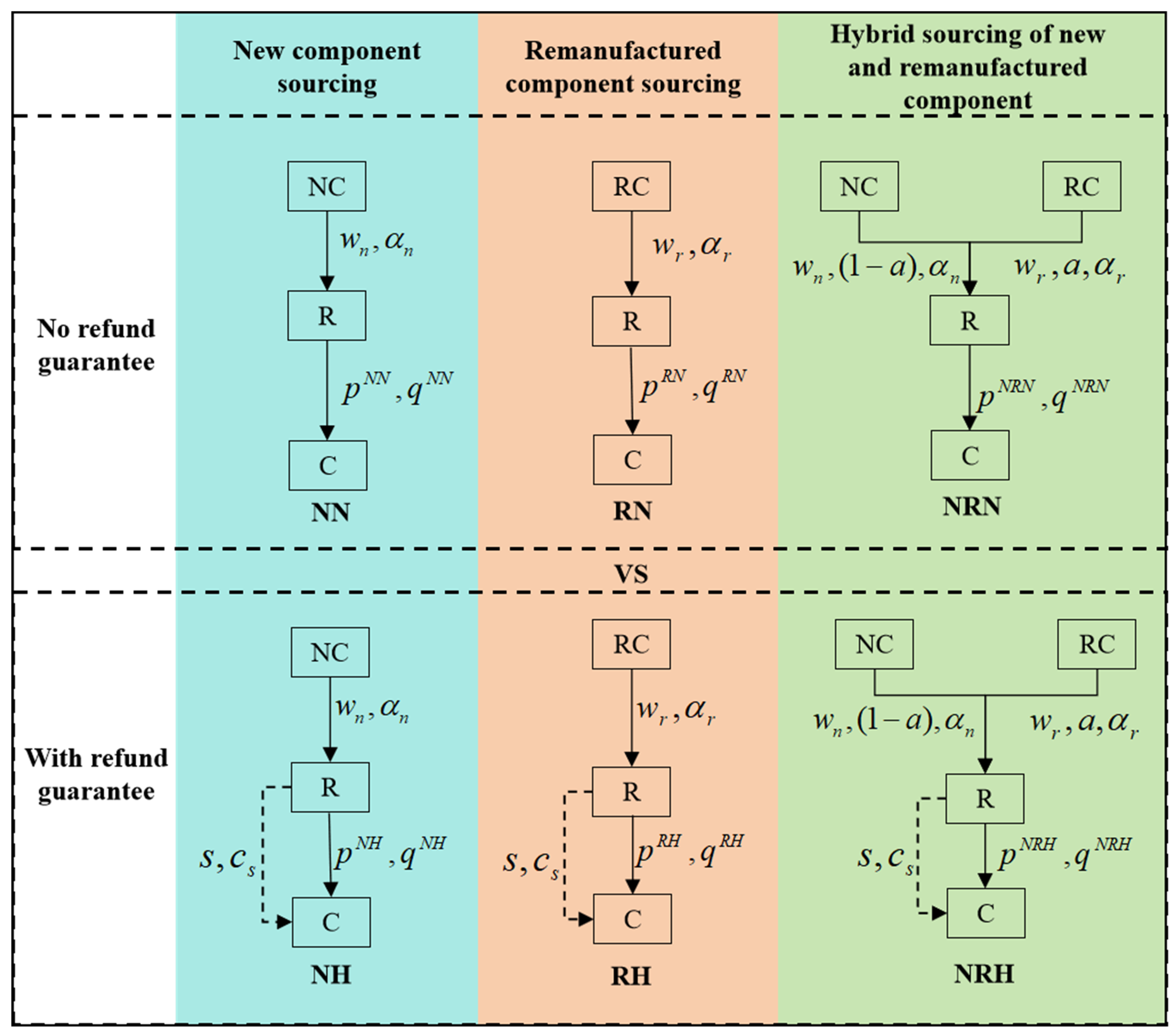
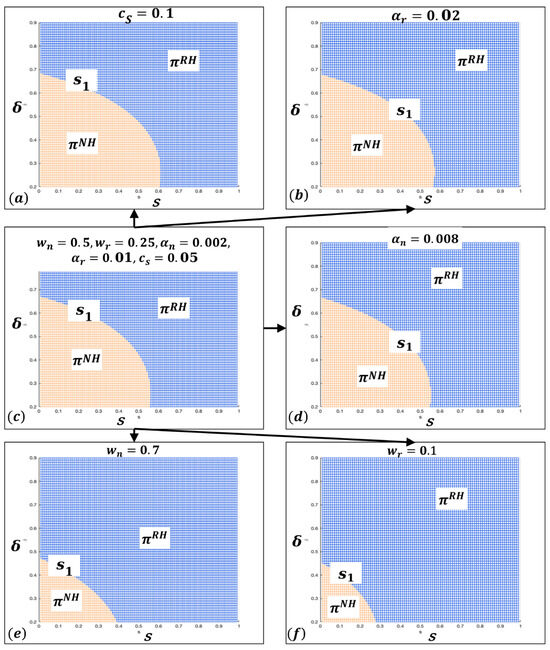
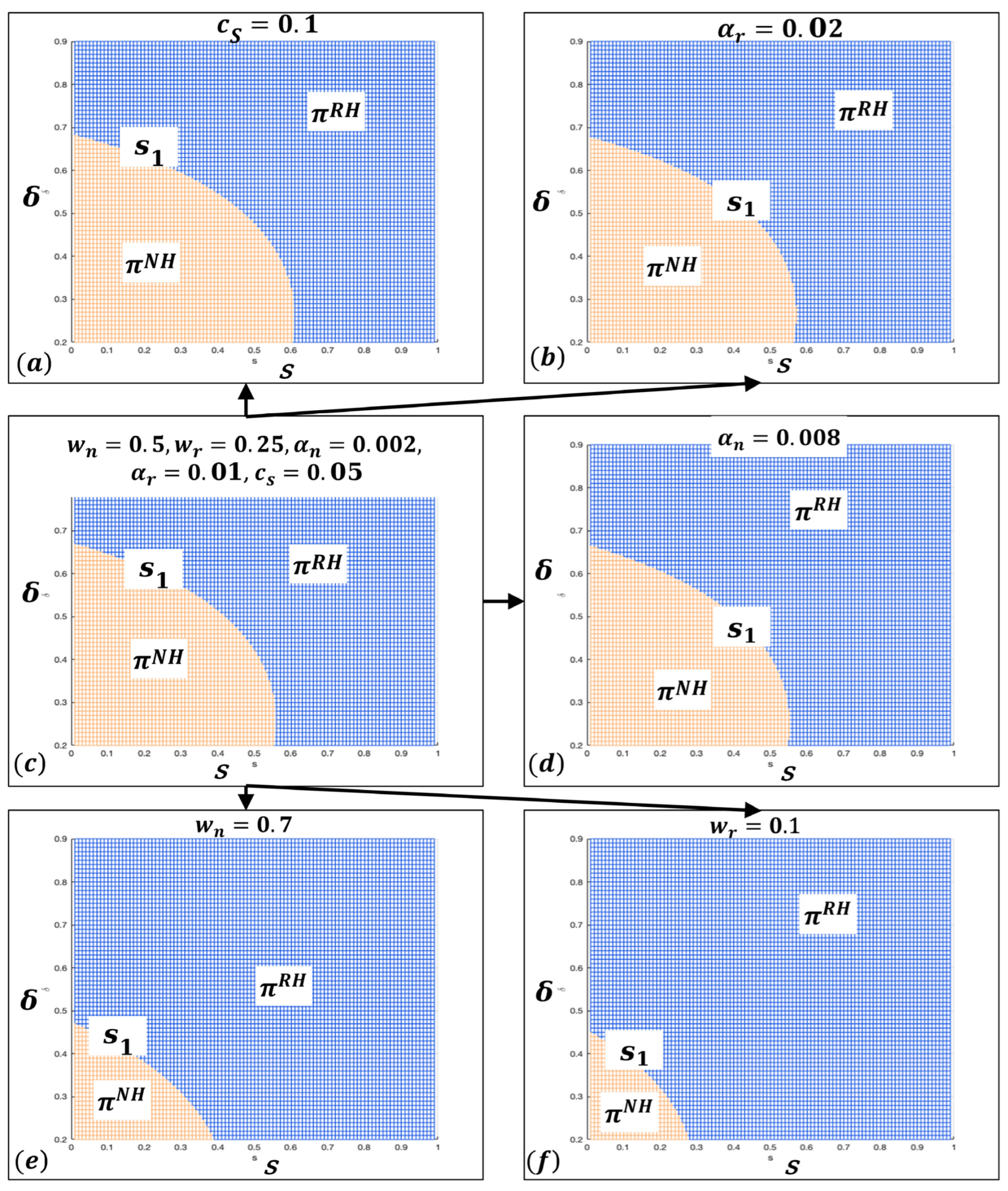
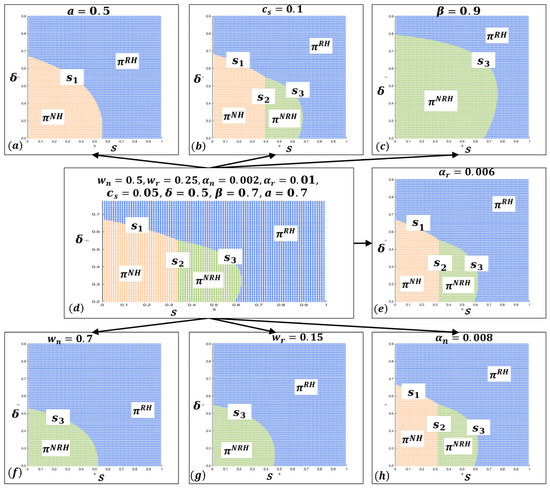
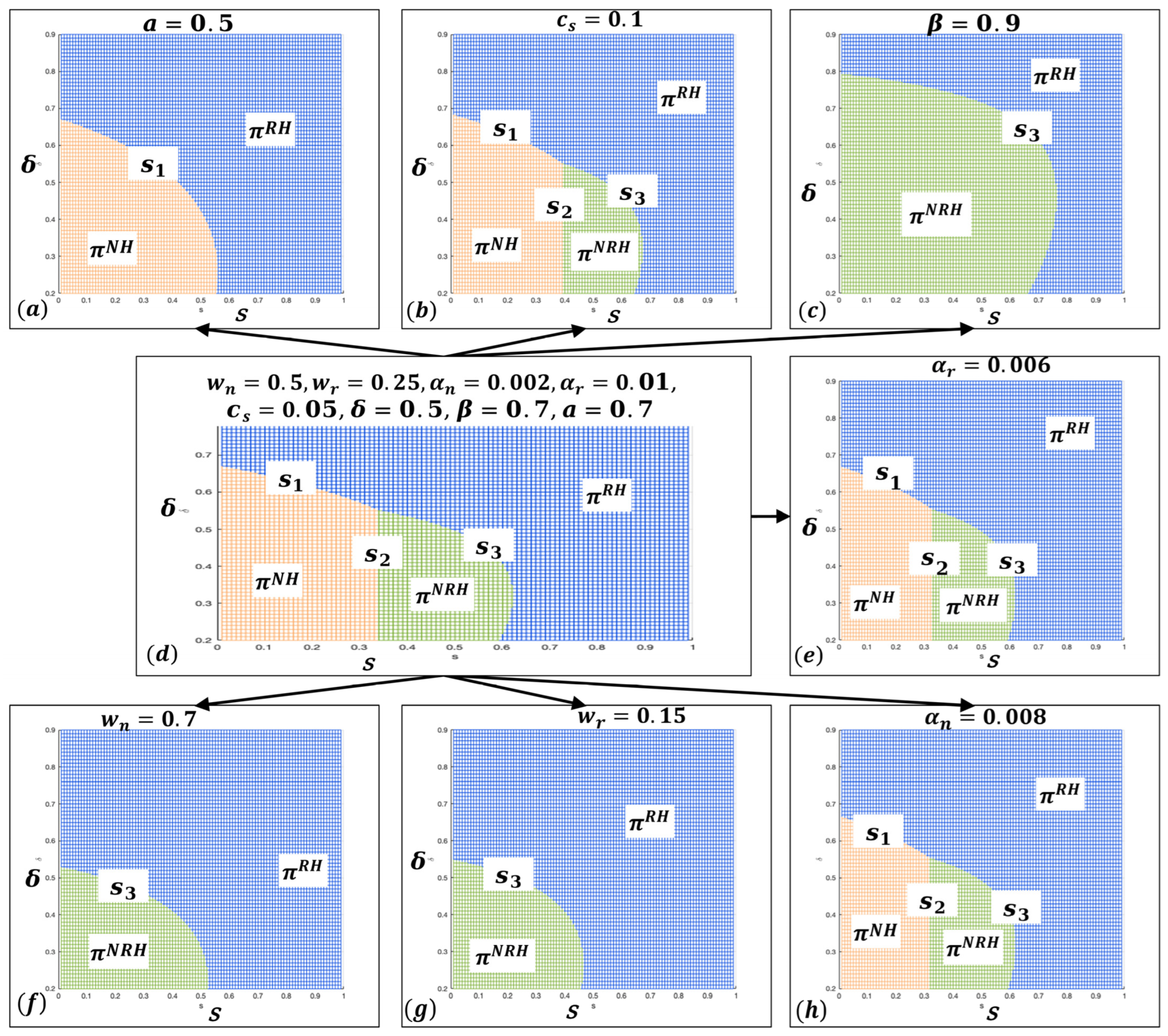
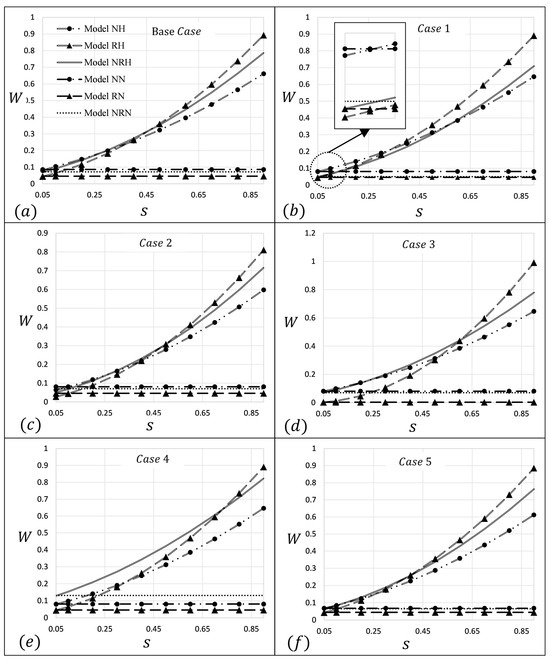
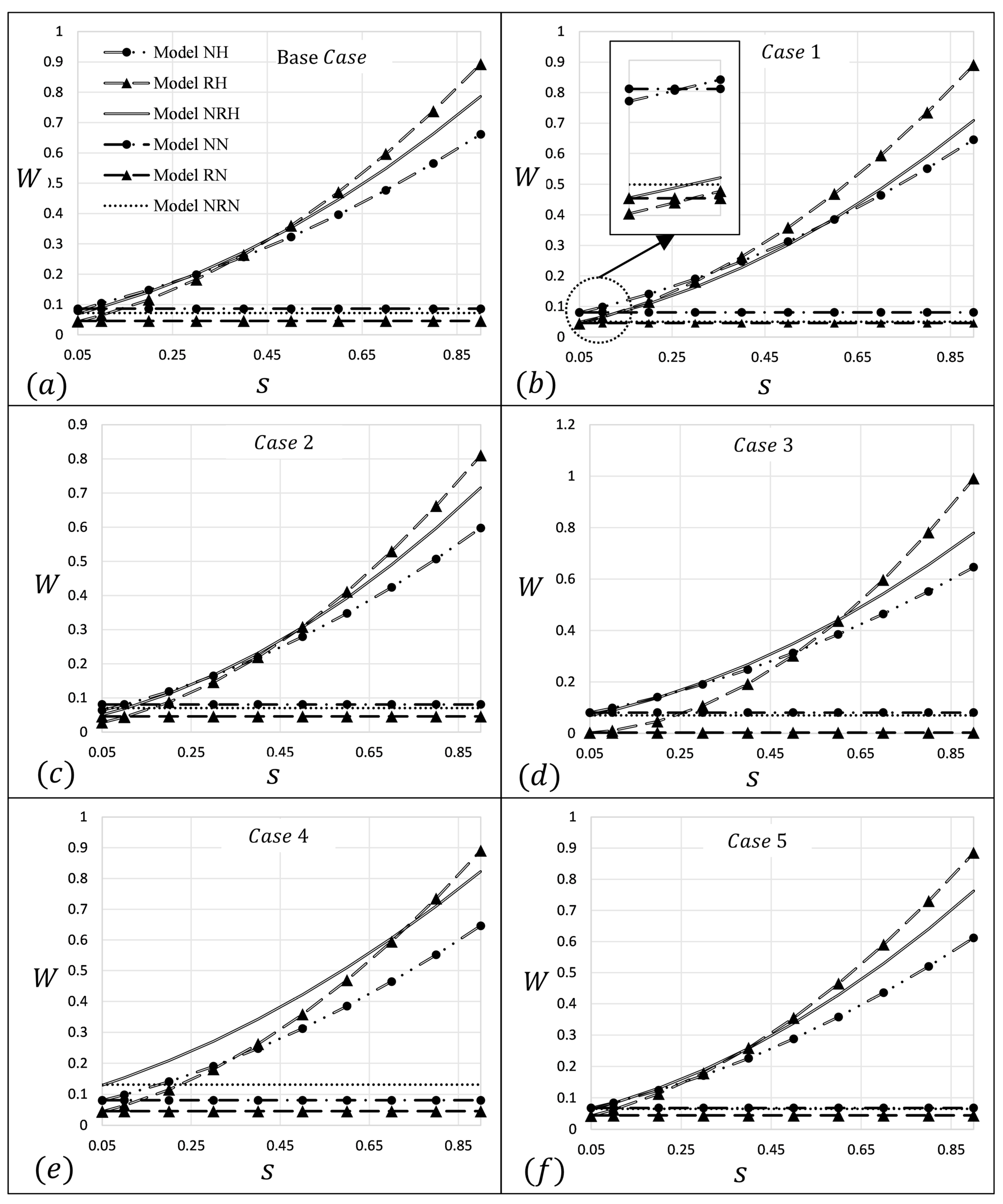

Disclaimer/Publisher’s Note: The statements, opinions and data contained in all publications are solely those of the individual author(s) and contributor(s) and not of MDPI and/or the editor(s). MDPI and/or the editor(s) disclaim responsibility for any injury to people or property resulting from any ideas, methods, instructions or products referred to in the content. |
© 2026 by the authors. Published by MDPI on behalf of the World Electric Vehicle Association. Licensee MDPI, Basel, Switzerland. This article is an open access article distributed under the terms and conditions of the Creative Commons Attribution (CC BY) license.