


Abstract
Driven by the global agenda of low-carbon urban development, local governments in China have implemented targeted policies requiring new energy vehicle adoption in the ride-hailing industry. This study focuses on a key issue in the development of sustainable smart public transportation systems: the factors affecting the acceptance of electric vehicles (EVs) in ride-hailing services among full-time and part-time drivers. Using 432 valid samples of ride-hailing drivers from Zhangzhou, a third-tier city in China, we compared the basic personal attributes of full-time and part-time drivers. Ordered logit models were developed to explore differences in factors influencing their acceptance of electric ride hailing (ER). Findings reveal: (1) Drivers’ perceived significance of EVs in green transportation is positively associated with their acceptance of ER. (2) Endurance mileage and charging efficiency have no significant effect on acceptance among drivers in underdeveloped cities. (3) Full-time drivers exhibit relatively low concern for subsidy policies, whereas part-time drivers express a pressing need for vehicle purchase subsidies and operational subsidies. (4) Overall, part-time drivers demonstrate higher acceptance of ER than full-time drivers. Based on these findings, this paper offers policy recommendations for governments to enhance ER acceptance among both driver groups. It is important to note that the present study utilizes survey data collected from Zhangzhou. The research conclusions should be treated with caution when applied to other cities, and further studies can be conducted in different regions to verify the results.
1. Introduction
In recent years, the ride-hailing sector has experienced substantial growth, driven by consistent market demand that results in a yearly expansion of its vehicle fleet. Reducing the carbon emissions from this growing fleet presents a crucial complementary measure to the decarbonization of private car use for reducing the overall carbon footprint of road passenger transportation. Electric vehicles (EVs), with their low carbon emissions and high energy efficiency, are considered a key element for achieving sustainable transportation systems [1]. To date, approximately 68% of the mileage covered by China’s ride-hailing services is driven by EVs [2]. In pursuit of sustainable urban mobility, multiple local governments have introduced new regulations for ride-hailing vehicles, requiring that newly added vehicles in urban areas must be new energy EVs or mandating the early phase-out of fuel-powered vehicles. The implementation status in some cities is presented in Table 1. For instance, the Ningbo Municipal Transport Bureau’s “Notice on Matters Related to the Use of New Energy Vehicles for Online Ride-Hailing Taxis” explicitly specifies that, effective 7 July 2021, all newly registered ride-hailing vehicles in Ningbo must be new energy vehicles, banning the operation of other types such as gasoline or gas-powered vehicles [3]. Among underdeveloped cities, Haikou mandates that all new online ride-hailing vehicles registered in 2023 must be new energy EVs [4]. Cities including Beijing, Shenzhen, Puyang, Huizhou, Lüliang, Jincheng, Shuozhou, Zhengzhou, and Luoyang have either established phase-out timelines for gasoline-powered ride-hailing vehicles or mandated that all new ride-hailing vehicles must adopt new energy vehicles, gradually realizing complete green transformation.
Table 1.
Policies of some cities requiring new online ride-hailing vehicles to be EVs.
The accelerating electrification of ride-hailing (ER) services hinges on drivers’ acceptance of such vehicles. Drivers’ decisions are influenced by multiple factors, including infrastructure construction, endurance mileage, vehicle performance, and incentive policies [5,6]. In more developed urban centers, certain regions have achieved higher electrification of their ride-hailing fleets; for example, in 2024, the EV adoption rate of ride-hailing services in Ningbo City reached 92.4% [7]. Meanwhile, in Shenzhen City, the ride-hailing industry achieved complete electrification in 2024 [8], where the determinants of driver acceptance for ER have been thoroughly examined. However, underdeveloped cities display marked disparities in resources and social environments, including economic development level, infrastructure capacity, household income levels, urban population dynamics (e.g., migration inflows, labor force participation, and consumption activity), long-term growth potential and so on, compared to developed cities such as Beijing, Shanghai, Guangzhou and Shenzhen. These disparities can influence drivers’ decision-making psychology, and the effectiveness of the same policy will be reduced in this case, reducing the effectiveness of identical policies in such settings. For example, in Nanchong, Sichuan Province, the proportion of new energy vehicles was roughly 55.21% as of 31 December 2025 [9]. Consequently, underdeveloped cities are far from achieving full electrification of their ride-hailing fleets, and addressing the gap in ride-hailing electrification within less developed regions requires both updated policy frameworks and further academic investigation. Moreover, research on the acceptance of EVs has largely focused on factors commonly affecting all drivers, while comparative analyses distinguishing full-time from part-time drivers are limited. Given that ride-sharing drivers are pivotal to the diffusion of EVs, their acceptance attitudes largely shape both the effectiveness of policy implementation and the efficiency of industry transformation. However, full-time and part-time drivers are not a homogeneous group; there are essential distinctions between the two regarding operational goals, work intensity, cost sensitivity and other core dimensions. Moreover, government incentive policies impact these two groups in distinct ways [10]. For example, Xiong et al. [11] conducted a study in Xiamen, a city neighboring Zhangzhou with a slightly different economic level, and found that the operational model of full-time ride-hailing drivers was similar to that of traditional taxis, but their work intensity and stability were slightly lower due to reduced workloads and more flexible scheduling. Conversely, part-time ride-hailing drivers operated for shorter daily hours and displayed the weakest operational stability and regularity. Therefore, conducting focused investigation on the differences in acceptance between the two has considerable practical significance for the formulation of refined policies and the promotion of ride-hailing electrification.
To this end, this scientific study aims to investigate and compare the factors influencing the acceptance of ER among full-time and part-time ride-sharing drivers in Zhangzhou City. Its main contributions are summarized as follows: (1) Firstly, separate ordered logit models are developed for full-time and part-time drivers to examine the factors influencing their acceptance of EVs, as well as the similarities and differences in these effects. (2) Secondly, the questionnaire design includes distinctive variables concerning driver attributes (whether they have driven fuel-powered vehicles, whether they are currently driving EVs, whether they intend to exit the online ride-hailing market), environmental awareness (perceived importance of EVs in green transportation, attitude towards e-bike sharing’s popularization, and perceived impact of EVs’ development on public transportation), the performance of vehicles (health concerns about EVs’ radiation, attitudes toward autonomous driving, safety features, user experience and comfort level, and driving operation feel), and attitudes towards government policies (perceived rationality of the platform’s commission rules and preferred types of government subsidies). These factors remain essential and must be considered when assessing driver acceptance of ER in underdeveloped urban settings. (3) Finally, actionable policy measures are proposed to improve the acceptance of EVs among diverse driver segments in underdeveloped regions.
Accordingly, the structure arrangement of the subsequent chapters of this article is as follows: Section 2 provides a literature review encompassing studies on factors influencing consumer acceptance of EVs, factors influencing ride-sharing drivers’ acceptance of ER, and behavioral differences between full-time and part-time drivers. Section 3 details the questionnaire design, data collection, and basic analysis. Section 4 presents the theoretical framework and the specific steps of the logit model regression. Section 5 analyzes the model results. Section 6 summarizes the study and identifies its limitations and directions for future research.
Before conducting the research, the following hypotheses were made in this study, as shown in Table 2.
Table 2.
Variable hypotheses.
2. Literature Review
This study provides a systematic review of the literature from 2012 to 2025 on determinants of consumer acceptance of EVs, factors influencing drivers’ acceptance of EVs, and the driving attributes and behavioral characteristics of different types of drivers.
2.1. Factors Influencing Consumers’ Acceptance of EVs
A substantial body of literature demonstrates that EV adoption is recognized as a significant and feasible measure to reduce carbon emissions and mitigate environmental pollution [12]. Furthermore, introducing ER fleets alongside complementary technologies can amplify the emission benefits of vehicle electrification [13,14]. In recent years, growing pollution concerns and the high compatibility of vehicle electrification with green mobility demands have motivated numerous scholars to investigate factors influencing EV acceptance.
First of all, consumers’ environmental awareness positively affects their acceptance of EVs. For example, Lu and Xu combined the Expectation Confirmation Model and the Technology Acceptance Model to examine passengers’ continuous intention toward ER, using Nanjing, China, as a case study with partial least squares structural equation modeling and fuzzy-set qualitative comparative analysis. Their findings revealed that both the direct and indirect effects of environmental awareness underscore its significance in promoting electric mobility initiatives [15]. To gain a more nuanced understanding of the evolutionary process of acceptance, based on three-wave longitudinal panel survey data in Germany, Roemer et al. [16] found that while environmental concerns were the sole trigger for initial EV acceptance, their influence waned over the long term. In terms of external factors, charging infrastructure is also an important factor that influences consumers’ acceptance of EVs. For instance, Berg Mårtensson et al. [17] contended that realizing full emission reduction benefits from upgrading and expanding existing charging infrastructure. Singh et al. [18] similarly observed that concerns about charging infrastructure were a significant obstacle to EV acceptance among Indian users. Mutavdžija et al. [19] examined survey data from 578 respondents in Croatia, using linear regression models, and similarly advocated that greater investment in EV-supporting infrastructure is crucial to stimulate household EV acceptance.
Moreover, Roemer et al. [16] proposed that product-specific attributes will gradually become more important for consumer acceptance of EVs over the long term. Consequently, initially, insufficient range is a key determinant affecting consumer purchase of pure EVs. For example, Sanguinetti et al. [6] investigated the perceptions of U.S. and Canadian drivers concerning their experiences operating PEVs (plug-in electric vehicles) for TNCs (transportation network companies) through an email survey. They reported that range limitations were one reason PHEV (plug-in hybrid electric vehicle) drivers refrained from selecting BEVs (battery electric vehicles). At the same time, increasing range was the principal reason PEV drivers could support PEVs for TNC operations. Malima et al. [20] pinpointed extended range as another highly valued factor among Tanzanian consumers, who expressed greatest reluctance to short range. However, this effect was not significant in underdeveloped regions. Wang et al. used a sample of 630 ride-sharing drivers in Zhangzhou, Fujian Province, and utilized an ordered logit model to analyze the acceptance of EVs and market exit decisions among drivers in underdeveloped cities. The study found that, in contrast to developed regions, range anxiety was not a significant obstacle in underdeveloped cities where operational ranges are constrained [21]. Furthermore, charging duration significantly affects EV acceptance. For instance, Wang et al. [22] adopted an extended framework of the Technology Acceptance Model (TAM) based on 426 questionnaires from Hangzhou, China, employing Structural Equation Modeling (SEM) and mean difference tests (t-tests and ANOVA) to explore public acceptance of EV Charging Schedules (EVCS) and its influencing factors. Results revealed that 81.2% of respondents were willing to participate in EVCS, demonstrating greater preference for flexible charging time arrangements compared to charging location arrangements. However, Sanguinetti et al. [6] argued that rational charging station location planning was the second-most effective approach, following only the extension of driving range, to boost drivers’ willingness to adopt EVs. In addition, price significantly shapes consumers’ acceptance of EVs. Zang et al. utilized grounded theory and agent-based modeling (ABM) to comprehensively examine the six-dimensional driving factors of ride-sharing electrification, including economic incentives, product utility, psychological factors, supporting infrastructure, market elements, and policy interventions. The study estimated that a 20% reduction in vehicle prices would advance the timeline for full electrification to approximately 2032 [23]. Malima et al. [20] conducted a stated preference survey combined with discrete choice modeling to quantitatively assess Tanzanian urban consumers’ EV selection behavior. They determined that Tanzanian consumers prioritize low prices for EVs, with high prices being the most unfavorable factor. Limon et al. [24] applied the Bayesian best–worst method, a multi-criteria decision-making approach, to identify and prioritize the drivers of hybrid electric vehicle acceptance in emerging economies, using Bangladesh as a case study. Their results pinpointed the reduction of routine maintenance costs as the fourth-most influential factor promoting user acceptance. Lastly, safety remains a significant factor influencing consumer decision-making regarding EV purchases. As Singh et al. [18] emphasized, the potential for major innovations in EV battery technology also influences acceptance decisions. Limon et al. [24] also identified the integration of sufficient safety features as the fifth-most important factor influencing consumer acceptance of hybrid electric vehicles.
Moreover, government subsidies and incentive policies represent another aspect meriting investigation. A number of studies have already examined the impact of governmental measures on EV acceptance. To begin with, government subsidies and reduced purchase costs exert a considerable influence on the willingness to purchase EVs. For instance, Lin et al. [25] employed logistic regression to analyze survey results from EV users in China’s four major first-tier cities, demonstrating a significant positive impact of government subsidies on purchase intent. Likewise, applying logistic regression to survey data from the Norwegian EV Association, Bjerkan et al. [26] reported that tax exemptions—specifically from purchase and value-added tax—were regarded as the most important incentive by over 80% of respondents. Shafiei et al. [27] showed that upfront cost incentives were more effective than usage tax incentives in enhancing the market penetration of EVs in both light-duty and heavy-duty vehicle segments. However, some scholars hold opposing views. For example, Jenn et al. [12] argued that purchase incentives alone were inadequate to encourage taxi companies to adopt EVs. To incentivize multinational corporations to adopt plug-in hybrid electric vehicles, complementary incentives for infrastructure installation were also necessary. Lastly, at the level of policy implementation, Li et al. [28] integrated psychological and policy factors. Drawing upon an extended Theory of Planned Behavior (TPB) framework, they used structural equation modeling (SEM) to examine whether policy mix characteristics influenced individual willingness to purchase EVs. Results revealed that higher consistency, coherence, and credibility of the policy mix was associated with increased willingness to purchase EVs.
In addition to these influencing factors, Egbue et al. [29] investigated potential socio-technical barriers to European consumer acceptance of EVs and examined technologically minded groups’ perceptions and attitudes toward EVs. Findings showed that attitudes, knowledge, and perceptions related to EVs differ by gender, age, and educational groups. Similarly, in recent years, scholars have increasingly focused on the influence of individual attributes and perceived attitudes on EV acceptance. To begin with, regarding personal attributes, Lin et al. [25] further identified demographic influences, revealing that age had a significant negative effect on purchase intention, whereas marital status facilitated EV acceptance; factors such as gender also played a role, while education level, income, and car ownership showed no significant impact. Wang et al. similarly employed Zhangzhou as a case study, employing ordered logit and binary logit models to distinguish between full-time and potential drivers, and investigated the acceptance of electric ride-sharing vehicles and willingness to participate. The study found that for drivers, environmental awareness was a primary driver of their acceptance of electric ride-sharing services (ERHS), whereas drivers concerned about potential health effects from electric radiation were more reluctant to adopt ERHS [30]. Secondly, in terms of attitude perception, Vafaei-Zadeh et al. [31] identified attitude, subjective norms, perceived behavioral control, perceived risk, and environmental self-image as key determinants of the willingness to purchase EVs. In the Netherlands, Curtale et al. [32] applied Structural Equation Modeling (SEM) within the Extended Unified Theory of Acceptance and Use of Technology (UTAUT) model. They investigated the influence of six psychological constructs on intention to use electric car sharing (ECS). The results showed that social influence served as the primary determinant of behavioral intention, whereas personal attitude was the third-most influential factor influencing the willingness to adopt ECS.
2.2. Factors Influencing Ride-Hailing Drivers’ Acceptance of EVs
The rapid expansion of the ride-hailing sector has witnessed the growing integration of EVs into these platforms. In recent years, scholars have turned their attention to investigate drivers’ acceptance of EVs through the lens of various objective determinants. Firstly, regarding external factors such as charging infrastructure, Tu et al. [33] employed GPS data from Beijing-based DiDi drivers to develop a machine learning method for assessing EV suitability for ride-hailing needs. Their findings suggested that large-scale EV adoption in Beijing required long-range vehicles and extensive secondary charging infrastructure. Secondly, with respect to factors such as endurance mileage, Du et al. [34] applied an ordered logit model to survey data from Shenzhen taxi drivers and found insufficient range to be a major barrier to EV acceptance among pure electric vehicle (PEV) drivers, particularly for non-local drivers. Their subsequent work, however, showed that fuel vehicle drivers’ rejection of range limitations faded after switching to pure EVs [35]. Furthermore, Du et al. [34] provided an insightful examination of household registration policies in cities like Shenzhen. Integrating government incentives with license plate restrictions in China’s first-tier cities, they conducted a novel comparison of levels of acceptance of ER services among drivers with and without local household registration. Their findings revealed that purchasing EVs exempt from license plate lotteries and fulfilling delivery orders across different cities markedly enhanced non-local drivers’ acceptance of ER. The removal of odd–even license plate restrictions was found to enhance local drivers’ acceptance of ER; in contrast, financial subsidies and purchasing EVs without license plate fees proved to be insignificant for them.
2.3. Driving Attributes and Behavioral Characteristics of Full-Time and Part-Time Drivers
Recent years have witnessed a substantial influx of drivers entering the online ride-hailing sector. Differences in their order acceptance rates and the flexibility of their working schedules have led to their categorization into two primary groups, full-time and part-time drivers, whose proportional representation varies significantly across regions. For example, using an enhanced k-means++ clustering algorithm to analyze ride-hailing operations in Xiamen, Xiong et al. [11] found that full-time drivers accounted for the largest share (52.801%), followed by part-time (29.502%) and temporary drivers (17.697%). By contrast, a study by Nicholas et al. [36] calculated that part-time drivers represented roughly 94% of all ride-hailing drivers in major California cities, while full-time drivers comprised only about 6% of the total driver population.
Comparison of the driving attributes of the two driver types follows. Firstly, in terms of daily mileage, Liu et al. [37] examined charging data to estimate daily driving distances for both groups. The results showed that more than half of part-time drivers drove less than 70 miles per day, whereas the majority of full-time drivers covered between 80 and 250 miles daily. Secondly, with respect to working hours, Xiong et al. [11] observed that full-time ride-hailing drivers operated similarly to traditional taxis but exhibited lower intensity and stability due to reduced workload and flexible scheduling. Part-time drivers, however, worked shorter daily hours and displayed lower stability and regularity. Liu et al. [37] reported that part-time drivers working less than 2 h daily accounted for the largest proportion, at 50.67%. Subsequently, with regard to driving patience, Shi et al. [38] further proposed that part-time drivers exhibited less patience than full-time counterparts and were more sensitive to waiting times during the matching process. In addition, regarding the impact of government policies on both driver types, Liu et al. [10] compared the two driver groups’ responses to incentive policies using a dynamic discrete choice model, demonstrating that threshold-based incentives substantially improved the welfare of full-time drivers yet had only a marginal effect on their part-time counterparts. Finally, in terms of the management of full-time and part-time drivers, Slowik et al. [39] developed a model to project the timeline and requirements for achieving complete ride-hailing electrification in Massachusetts. According to their projections, around 12,500 full-time drivers could adopt EVs between 2023 and 2025, with the remaining 200,000 part-time drivers expected to transition to both new and pre-owned electric vehicles by 2029.
2.4. Summary of Existing Research
As shown in the literature review, existing studies have fully analyzed the key factors influencing public acceptance of EVs, and several studies have also examined drivers’ acceptance of ER. However, there are still two obvious research limitations. First, most existing research is centered on developed cities, with scarce empirical data from less-developed cities, which makes it hard to support policy making in resource-constrained regions. Second, relevant studies regard ride-hailing drivers as a single group, ignoring the essential differences between full-time and part-time drivers in operation goals, working intensity, and cost sensitivity. Therefore, undifferentiated policies cannot precisely meet the key demands of these two driver groups.
To fill these two research gaps, this study uses Random Utility Theory (RUT) and analyzes the ordered logit regression results of different samples to study the differences in ER acceptance between full-time and part-time drivers in underdeveloped cities. Different from previous studies that treat ride-hailing drivers as a single group, this study aims to find the different influence mechanisms of ER acceptance between full-time and part-time drivers. It analyzes the influence direction and strength of personal attributes, driving characteristics, environmental awareness, vehicle performance evaluation, infrastructure satisfaction and subsidy policy preferences on acceptance for the two groups. In addition, we add rarely studied factors that may have special effects on drivers’ acceptance in underdeveloped cities into the research framework, including perceived rationality of platform commission rules and perceived ease of obtaining ride-hailing certificates. This helps to fully explain the different decision-making logic of the two driver groups and expands the research scope of existing studies that treat ride-hailing drivers as a unified group. The findings of this study are also practically significant for providing empirical support for formulating targeted ER promotion policies for different driver types in less-developed cities and for advancing the sustainable popularization and low-carbon transition of regional ER.
3. Data
3.1. City Context
Zhangzhou City lies in the southeast of Fujian Province, China. Based on its performance across dimensions such as commercial resource concentration, urban connectivity, urban population activity, new economic competitiveness, and future plasticity, the city is designated as a third-tier city [40], as shown in Figure 1. As reported in the “Statistical Bulletin of the National Economic and Social Development of Zhangzhou City in 2024”, by the end of 2024, Zhangzhou recorded a permanent resident population of 5.076 million, including 3.308 million urban residents. Its regional gross domestic product (GDP) amounted to 606.371 billion CNY (approximately 84.548 billion USD) in 2024. Private vehicle ownership totaled 737,800 units [41]. In 2024, Zhangzhou added more than 1200 new energy EVs, raising the total operational fleet to over 8000 units by the end of the year.
Figure 1.
Study area.
Although classified as an underdeveloped city, Zhangzhou has taken a leading role in implementing national sustainable transportation mandates under the “dual-carbon” goals, while actively promoting the integration of new energy EVs. In 2022, the city issued policy documents that set a target for achieving full new energy transition of public buses by 2025 [42]. Effective from 2023, all new added taxis (including ride-hailing vehicles) are required to be pure new energy EVs [43]. At the same time, the city has been accelerating the construction of supporting infrastructure such as charging stations. Within this context, Zhangzhou provides an ideal case for an in-depth exploration of the factors influencing drivers’ acceptance of ER in response to multiple policy interventions, particularly given their distinct occupational profiles. The outcomes of this study will offer valuable insights and inform the formulation of policies for the widespread adoption of EVs. This work holds significant implications for achieving full electrification of the city’s ride-hailing sector, while also offering a reference for advancing EV deployment and refining associated policies in similar urban contexts across the nation.
3.2. Questionnaire Design
Existing studies have shown that socio-demographic characteristics such as income level [26] and educational attainment [25,29] are positive factors promoting the purchase and use of EVs. This study examines basic demographic attributes including gender, age, educational level and average monthly net income, and also incorporates other driver attributes identified in the literature [11,37,38], such as full-time or part-time driving status [10], driving intensity [11], local household registration status [34], current use of ER, previous experience with fuel vehicles, and intention to exit the ride-hailing market [35]. In addition, environmental awareness can improve drivers’ acceptance of ER [16]. In this study, drivers’ environmental awareness is measured by three attitudinal variables, so as to reveal their impact on acceptance: their recognition of the environmental importance of new energy vehicles, their attitude toward the popularization of shared e-bikes, and their perception of how EV development affects public transport. Similarly, regarding infrastructure, this study investigates drivers’ evaluations of local charging piles and maintenance stations for ride-hailing vehicles [19]. In terms of vehicle performance, safety [18,24] promotes the use of EVs, while insufficient driving range [44], long charging time [22] and other factors discourage consumers from choosing EVs. In addition to considering the above variables, this study includes the effects of maintenance costs, insurance premiums, driving experience and comfort, and perceived radiation of EVs. Policies at national and local levels, such as purchase tax exemptions [25,26], cash incentives and subsidy schemes [27,28], and the ease of obtaining two required certificates [45], can all encourage drivers to adopt ER. Apart from the above variables, this survey examines whether policies including platform commission rules, fuel price fluctuations, purchase subsidies, operation subsidies and charging subsidies [10] can improve drivers’ acceptance of ER.
Given this, this study sought to explore the acceptance of ER among full-time and part-time drivers. Field survey was carried out using a questionnaire designed to elicit the authentic views and demands of drivers with different employment statuses regarding the psychological aspects of ER. In the questionnaire, the dependent variable (the acceptance level) was measured using a five-level scale (very unacceptable = 1, unacceptable = 2, general = 3, acceptable = 4, and very acceptable = 5). Independent variables encompassed personal attributes, driving attributes, infrastructure construction, vehicle performance, and drivers’ environmental awareness and attitudes toward government policies. Research contents are shown in Figure 2.
Figure 2.
Research contents.
Specifically, the driving attribute variable is defined as daily work intensity. Personal attribute variables comprise the respondent’s age, years of driving experience, education level, average monthly net income (CNY), gender, driver type, whether they have a local household registration, whether they have driven a fuel-powered vehicle before, whether they are driving EVs at present, and whether they have the intention to exit the online ride-hailing market.
The infrastructure variable assesses respondents’ evaluation of local ride-hailing vehicle charging piles and maintenance stations, using a five-point scale (highly inadequate, inadequate, moderate, adequate, highly adequate).
Vehicle performance variables include endurance mileage, charging efficiency and duration, automatic driving [46], safety, driving experience and ride comfort, maintenance and repair cost, insurance costs, driving feel, and health concerns about EVs’ radiation. For this section, driver evaluations were similarly collected using five levels (strongly dissatisfied, dissatisfied, average, satisfied, strongly satisfied). Among these indicators, 1 is typically assigned to represent the lowest satisfaction level.
Additionally, three items capture the driver’s environmental awareness variables, which are reflected through three aspects: perceived importance of EVs in green transportation, attitude towards e-bike sharing’s popularization, and perceived impact of EVs’ development on public transportation. These items are also measured on a five-point scale.
Finally, the attitude perception variables of government policies comprise the perceived rationality of the platform’s commission rules, perceived impact level of fuel price fluctuations on business operations, perceived ease of obtaining the ride-hailing certificates, and preferred types of government subsidies.
Existing studies on the acceptance of EVs have integrated personal attributes, driving attributes, infrastructure construction, vehicle performance, and drivers’ environmental awareness and attitudes toward government policies into a unified analytical framework. It is suggested that these variables jointly shape drivers’ acceptance of EVs. This study posits that drivers with different individual attributes may display varying driving characteristics, environmental awareness, and perceptions of vehicle performance, infrastructure, and policy factors, thereby producing differential effects on the acceptance of ER. Grounded in random utility theory, this study applies an ordered logit model to estimate the relationships among these variables.
3.3. Data Sources
This survey was conducted from 13 November to 1 December 2024, in Zhangzhou City, Fujian Province, and focused on ride-hailing drivers within the city, including both full-time and part-time drivers. Both online and offline methods were employed for data collection. In the offline component, we partnered with institutions such as the Fujian Provincial Transportation Bureau in distributing questionnaires at public venues like government service counters and ride-hailing qualification examination sites. The online component drew upon ride-hailing driver communities on social media to recruit additional respondents, thus broadening the sample size. To ensure survey quality and data consistency, the following quality control measures were adopted:
- (1)
- To ensure data comparability and uniformity, the online and offline questionnaires were identical in structure and content.
- (2)
- Prior to survey, all investigators had received standardized training so as to ensure consistent and accurate understanding of questionnaire items and terminology.
- (3)
- Standardized operational procedures were established as follows: detailed instructions were provided alongside online questionnaire distribution, while systematically trained field staff assisted offline respondents in completing questionnaires according to standardized protocols. Once collected, all data were coded and entered according to predetermined rules, and subsequently consolidated into a unified data management platform.
- (4)
- Ahead of the formal study, a pre-test was carried out with 15 volunteer drivers who were selected through random sampling in order to ensure coverage of part-time and full-time drivers across different educational levels and age groups. This phase aimed at refining questionnaire design and ascertaining completion time; ultimately, an average completion time of approximately 4 min was established.
- (5)
- During the survey period, participants who submitted a complete and valid questionnaire received a compensation incentive of 3 CNY (0.4 dollar).
A total of 497 questionnaires were gathered in this study. Following data cleaning, invalid samples characterized by incomplete answers, logical contradictions, or completion times shorter than 3 min were removed, resulting in an effective response rate of 86.92%.
The sample size of this scientific study is 432, with 30 independent variables. The resulting ratio of sample size to number of variables is 14.4. This satisfies the criterion of the rule of thumb stipulating that the sample size should be no less than 10 times the number of variables (10 × 30 = 300, 432 > 300). Findings from similar studies lend further support to this position. For example, Li et al. investigated the continuous usage intention of bike sharing and subway transfers using 18 variables and a sample of 244 responses [47]. They also employed an ordered logit model to analyze the effects of multiple variables. As noted in their study, from an empirical perspective, the sample size met the minimum sample requirement [48,49]. Therefore, the sample size of this study demonstrates, to a certain extent, the adequacy of the sample.
3.4. Analysis of Respondents’ Basic Information
Due to the unavailability of relevant data on non-respondents, a non-response bias test was not feasible. Nevertheless, the data in this study closely align with the findings of existing studies on the same city, which to a certain degree supports the representativeness of the sample [30]. Table 3 summarizes the basic attributes of ride-hailing drivers in this survey. The results show that full-time drivers comprised the largest share, accounting for 71.99% of respondents. With respect to gender distribution, female drivers represent a relatively low proportion overall (23.61%), with this trend more pronounced among full-time drivers (only 18.97%). Conversely, female drivers account for a higher proportion (35.54%) among part-time drivers. In terms of age, drivers aged 26–35 constitute the largest group, exceeding 60%, and are followed by those aged 36–45, who account for approximately 23.15%. Furthermore, local drivers constitute the overwhelming majority of all drivers, at 89.12%.
Table 3.
Statistical analysis of respondents’ attributes.
In terms of education level, drivers with a junior high school education level or below account for only 8.80%. Among full-time drivers, senior high school education level is the most common (37.30%), followed by junior college education level (36.98%). By comparison, part-time drivers exhibit a greater share of bachelor’s degree holders (42.15%), followed by junior college (30.58%), implying that part-time drivers generally possess higher educational qualifications than their full-time counterparts. Work intensity also differs markedly between the two groups: approximately 71.70% of full-time drivers work 8–12 h daily; conversely, over half of part-time drivers work 4–8 h daily, with an additional 28.1% working less than 4 h daily, indicating significantly longer average daily working hours for full-time drivers. Finally, with regard to average monthly net income, approximately 55.95% of full-time drivers earn between 5000 and 7500 CNY, while 58.68% of part-time drivers earn only between 2500 and 5000 CNY. This indicates that most part-time drivers earn less than full-time drivers, and this finding is consistent with the aforementioned distribution of daily work intensity.
4. Method
4.1. Theoretical Framework
This scientific study employs Random Utility Theory (RUT) as the guiding theoretical framework. Originally advanced by McFadden, the theory holds that individual choice behavior stems from comparing the utilities of available alternatives, with decision-makers aiming to maximize utility. The total utility of an alternative comprises an observable deterministic component and an unobservable random error component [50].
In the decision-making scenario of a ride-hailing driver regarding the acceptance of ER, the potential utility of driver can be expressed as:
In this formulation, denotes the latent utility of driver for selecting a corresponding acceptance level; the term represents the deterministic utility component, determined by observable characteristic variables such as individual attributes, vehicle performance satisfaction, environmental awareness, and policy perception; and is the random error term, accounting for unobservable factors including individual preferences and momentary emotions.
The dependent variable in this scientific study, “acceptance of ER,” is specified as a five-level ordinal categorical variable. Its classification captures gradations in drivers’ latent utility. In essence, a higher latent utility corresponds to a greater likelihood of selecting a higher acceptance level. Consistent with the mathematical logic of RUT, this study utilizes an ordered logit model for parameter estimation. This model is particularly appropriate for analyzing ordinal dependent variables and enables the precise estimation of both the direction and magnitude of the effects of various explanatory variables on acceptance.
4.2. Ordered Logit Model
Ordered logistic regression extends ordinary binary logistic regression and serves to examine the relationship between a dependent variable that that takes the form of an ordered categorical variable and multiple independent variables [51]. In cases with few response categories, the logit function is generally selected as the link function for ordered logistic regression so as to mitigate the impact on parallelism tests [52]. The ordered logit model is a statistical method used to analyze the relationship between an ordinal dependent variable and multiple independent variables. Given that the dependent variable in this study is inherently ordinal, the ordered logit model constitutes a suitable method for analyzing such data. Compared with the multinomial logit model, the ordered logit model makes full use of the ordinal information in the dependent variable rather than treating it as unordered categories, thereby improving estimation efficiency and reducing the number of parameters. Moreover, the main objective of the mixed logit model is to capture the random heterogeneity of preferences, whereas this study aims to compare the differences in the effects of observable characteristics between full-time and part-time drivers. Therefore, the ordered logit model is more parsimonious and yields more easily interpretable results than the mixed logit model. Furthermore, structural equation modeling is designed to explore complex path relationships among latent variables and is less suitable than the ordered logit model for examining the direct effects of specific observed variables on acceptance. In this study, drivers rated their acceptance of ER on a five-point scale from 1 (very unacceptable) to 5 (very acceptable), which aligns closely with the application context of the ordered logit model. The specific formula is presented as follows.
The ordered logit model is applicable when the dependent variable is an ordered multi-classified [53]. The ordered logit model for an ordered dependent variable with J levels is [54,55]:
In the formula, X denotes the set of all explanatory variables included in the questionnaire, such as the driver’s personal attributes, attitude perception, and environmental awareness, etc.; Y represents the set of dependent variable, i.e., drivers’ acceptance of ER; represents the intercept of the jth rank, j = 1, 2, …, J; denotes the regression coefficient of the kth independent variable; refers to the kth independent variable, k = 1, 2, …, K; and is the cumulative probability, where .
The probabilistic model for the ordered logit model is:
4.3. Variable Calibration and Model Construction
The construction process of the ordered logit model in this study is shown in Figure 3.
Figure 3.
Solution process of ordered logit model.
- (1)
- Variable Calibration. Various factors affect different drivers’ acceptance of ER, including personal attributes, driving-related characteristics, infrastructure development, vehicle performance, drivers’ environmental awareness, and their attitudes toward government policies. Details of the questionnaire design and variable calibration employed in this study are presented in Table 4. In SPSS 27, this study defined and assigned values to variables following the method proposed by Wang and Xie [30,56]. Variables with distinct ascending intervals, including age, driving experience, educational level, average monthly net income, and daily working intensity, were treated as ordinal variables and coded sequentially from 1 in ascending order. Categorical variables such as gender, local household registration status, current EV usage, previous fuel vehicle experience, intention to exit the ride-hailing industry, driver type, and preferred subsidy type were defined as nominal variables and included in the model as influencing factors. Variables measured by a five-point Likert scale, including acceptance, vehicle performance evaluation, infrastructure satisfaction, environmental awareness, and policy attitude perception, were uniformly specified as ordinal variables.Table 4. Calibration and definition of variables.
- (2)
- Multicollinearity diagnostics for the specified variables were performed in this paper based on the variance inflation factor (VIF). Given that multicollinearity may undermine the accuracy of model estimation, it is generally recognized that variables with a VIF value below 5 can be retained so as to ensure more robust parameter estimation [34].
- (3)
- After variable selection, we established separate ordered logit models to analyze the acceptance of ER for full-time drivers, part-time drivers, and all drivers.
- (4)
- The application of the ordered logit model requires the proportional odds assumption, which states that the coefficients of the explanatory variables are equal across different cumulative cut-off points. This assumption implies that the effect of an explanatory variable on moving the dependent variable from a lower category to a higher category is constant and does not depend on the specific cut-off point. If this assumption is violated, alternative models such as the generalized ordered logit model should be considered. This study performs the parallel lines test to verify the proportional odds assumption. If the significance level of the parallelism test exceeds 0.05, the model is deemed to satisfy the proportional dominance assumption, indicating that the ordered logit model is appropriate for the analysis [45].
- (5)
- Likelihood ratio tests were adopted to examine the model performance. When the significance p-value of the test is below 0.05, it suggests that the variables incorporated in the model are statistically meaningful, the model is superior to the null model, and the goodness of fit is satisfactory [57,58].
- (6)
- Finally, based on the parameter estimates combined with the marginal effect analysis, we interpret the factors influencing drivers’ acceptance of ER.
5. Model Results and Discussion
5.1. Model Results
After performing the collinearity diagnosis, the VIF values for all variables with respect to drivers’ acceptance of ER were less than 5. This indicates that multicollinearity does not affect the model.
Prior to estimating the ordered logit models, parallelism tests and goodness-of-fit evaluations were performed for the three models (full-time drivers, part-time drivers, and all drivers). The corresponding results are summarized in Table 5, Table 6, Table 7, Table 8, Table 9 and Table 10. Table 11 presents the pseudo-R2 values for the three models.
Table 5.
Parallel lines test for full-time drivers.
Table 6.
Parallel lines test for part-time drivers.
Table 7.
Parallel lines test for all drivers.
Table 8.
Likelihood ratio test for full-time drivers.
Table 9.
Likelihood ratio test for part-time drivers.
Table 10.
Likelihood ratio test for all drivers.
Table 11.
Pseudo-R2 values for the three models.
The test of parallel lines examines whether the coefficients of the independent variables are equal across different cut-off points. The p-values for all three models were greater than 0.05, indicating that the proportional odds assumption was satisfied and that the use of the ordered logit model is appropriate.
For all three models, the likelihood ratio test produced p-values below 0.001, demonstrating that each model represented a significant improvement over the intercept-only model.
In terms of model goodness of fit, we present −2 log likelihood, Akaike Information Criterion (AIC), Bayesian Information Criterion (BIC), and three pseudo-R2 measures. The Cox & Snell R2 for full-time, part-time and all drivers values equaled 0.714, 0.667, and 0.684, respectively; the Nagelkerke R2 values were 0.748, 0.731, and 0.719, respectively; McFadden R2 values stood at 0.403, 0.451, and 0.381, respectively. The −2 log-likelihood values were 576.605, 161.649, and 806.767, respectively; the AIC values were 642.605, 227.649, and 874.767, respectively; the BIC values were 766.018, 319.910, and 1013.094, respectively.
In addition, the model results for full-time and part-time drivers are summarized in Table 12, and the corresponding marginal effects are presented in Table 13 and Table 14, respectively. Results for all drivers are shown in Table 15, with marginal effects presented in Table 16.
Table 12.
Estimation results of ordered logit models of full-time drivers and part-time drivers.
Table 13.
Marginal effects for full-time drivers.
Table 14.
Marginal effects for part-time drivers.
Table 15.
Estimation results of ordered logit model of all drivers.
Table 16.
Marginal effects for all drivers.
In terms of personal attributes, for part-time drivers, age exerts a significantly negative impact on the acceptance of ER. The regression coefficient equals −1.076, which corresponds to an odds ratio (OR) of exp(−1.076) = 0.341. This implies that, all else being equal, each one-unit increase in age multiplies the odds of being in a higher acceptance category (versus a lower one) by a factor of 0.341 [45]. This finding is borne out by the marginal effects analysis. For each one-unit increase in age, the probability of a driver being “very satisfied” with the acceptance of ER declines by 11.9%. This implies that the older the part-time drivers are, the lower their acceptance of ER tends to be. Older individuals often require more time for information processing and decision making when confronted with new technologies, which may be related to diminished adaptability due to cognitive aging [59]. Furthermore, part-time drivers are less familiar with and adaptable to the industry compared to full-time drivers, and may be more reluctant to embrace new developments. Educational level exhibited a negative association with part-time drivers’ acceptance of ER (the coefficients of them is −0.956, the odds ratio of them is exp(−0.956) = 0.384), and this is also reflected in the marginal effects analysis. For each one-unit increase in education level, the probability of a driver being “very satisfied” with the acceptance of ER decreases by 10.6%. This suggests that drivers with higher educational attainment exhibit a lower level of acceptance toward ER. One possible explanation is that highly educated individuals place greater emphasis on “overall optimality”. In contrast, part-time drivers view the ride-sharing industry simply as a short-term means of increasing income and are less responsive to factors like “fuel cost savings” and “ease of driving” compared to less-educated drivers. Having weighed the monetary, time, and labor costs associated with switching from fuel vehicles to EVs, they may find the transition not cost-effective. Furthermore, the sample data of this study also reveals that part-time drivers generally have higher education levels than full-time drivers, which may further account for the more pronounced negative effect observed.
In addition, having local household registration negatively affected drivers’ acceptance of ER, and this effect was particularly pronounced among full-time drivers. This indicates that drivers without local household registration are more receptive to ER. This is also reflected in the marginal effects analysis. A one-unit increase in the probability of falling within the registered residence interval reduces the likelihood of full-time drivers being “very satisfied” with the acceptance of ER by 8.8%, compared with a reduction of 6.5% for part-time drives. This may stem from the increasing financial pressure on housing for migrant workers in cities [60], who face a more pressing need for short-term stable income. At the same time, Zhangzhou has lifted the household registration restriction for ride-sharing drivers [43], thereby enabling drivers without local household registration to enter ride-sharing platforms directly by purchasing or leasing EVs. This meets their employment requirements, and, for this reason, they hold a more positive attitude toward ER.
Drivers who currently operate EVs demonstrate higher acceptance of ER, and this effect is particularly evident for full-time drivers. This may may be ascribed to the vehicle assignment policies widely implemented by major ride-sharing platforms (e.g., Didi, T3 Mobility) in the study area. Based on operational needs, government electrification promotion requirements, and drivers’ registration information, these platforms assign electric or fuel vehicles to drivers, affording drivers limited discretion in choosing their vehicle type. To further address potential endogeneity issues, this paper assesses the impact of the variable by comparing the model results with and without its inclusion. A comparison of the model results with and without this variable, as presented in Table A1 and Table A2 in Appendix A, showed no alteration in the number or composition of significant variables across the three model specifications. The magnitudes of the estimated coefficients varied only slightly, with no shift in direction, thus corroborating the robustness of the model estimates. Relative to drivers who have never used fuel-powered vehicles, full-time drivers with prior fuel vehicle experience display a marked negative effect on ER acceptance, whereas part-time drivers exhibit the opposite effect. This pattern is likewise evident in the marginal effects analysis. Specifically, in comparison with drivers who have no prior experience driving fuel vehicles, a one-unit increase in the likelihood of having driven a fuel vehicle corresponds to an 11.7% decline in the probability of being “very satisfied” with the acceptance of ER among full-time drivers, and a 19.3% rise among part-time drivers. This indicates that full-time drivers with prior fuel vehicle experience are less willing to accept ER services than those without such experience, whereas part-time drivers who have driven fuel vehicles are more receptive to ER than their counterparts with no fuel vehicle driving experience. This divergence may stem from full-time drivers’ greater entrenched familiarity with traditional vehicles and accumulated experience, which makes them less willing to adjust to new driving patterns when switching to EVs. By contrast, part-time drivers, who face lower work intensity and are less sensitive to such transitions, show greater openness toward the lower operational expenses associated with EVs.
The intention to leave the online ride-hailing market negatively affects drivers’ acceptance of ER, and this effect is more pronounced for part-time drivers. The inclination to exit the ride-hailing market reflects a certain level of dissatisfaction with the industry, which in turn reduces their acceptance of ER. This negative impact is particularly salient for part-time drivers considering exiting, largely because they perceive ride hailing as a supplementary source of income and have less tolerance for interruptions in that income compared to their full-time counterparts.
Drivers’ perceived importance of EVs in green transportation and perceived impact of EVs’ development on public transportation were positively associated with their acceptance of ER. These two factors exert a stronger influence on part-time drivers. Meanwhile, full-time drivers demonstrate higher acceptance of ER services when they hold a more positive attitude towards e-bike sharing’s popularization. This indicates that drivers’ environmental awareness significantly enhances their acceptance of ER. This observation aligns with the findings of Roemer et al. [16], who similarly concluded that environmental factors constitute the key motivator for EV acceptance among drivers. This finding can be explained by the Norm Activation Model. When applied in the environmental domain, the model proposes that individuals’ awareness of the positive environmental consequences of a behavior activates their personal norms, thereby promoting behavioral intention. In this study, drivers’ perceived importance of EVs in green transportation represents their awareness of the environmental benefits brought by using ER, which may further positively influence their acceptance.
With respect to vehicle performance, the safety of EVs exerts a significant influence on acceptance for both driver types. However, in the part-time driver model, safety displayed a significant negative effect. This counterintuitive result may stem from the circumstance that two other variables, namely satisfaction with “driving feel” and agreement with the statement that “the development of EVs has a positive impact on the urban public transportation system”, yield strong positive effects in the model, thereby weakening the impact of safety on acceptance to some degree and ultimately producing a negative effect. This finding does not necessarily indicate that part-time drivers dismiss the importance of safety itself.
Health concerns about EVs’ radiation markedly diminish acceptance of ER among both driver types, underscoring drivers’ high level of concern for their own health. This pattern is likewise evident in the marginal effects analysis. A one-unit increase in the likelihood of being concerned about potential health effects from EV radiation corresponded to a decrease in the probability of being “very satisfied” with the acceptance of ER of 4.0% among full-time drivers and 5.4% among part-time drivers. This result is consistent with the findings of Tchetchik et al. [61], who noted that infrared radiation negatively affects the choice of hybrid EVs. Additionally, the model results reveal greater statistical significance in the parameter estimates for full-time drivers, implying that radiation from EVs exerts a stronger influence on their acceptance of EVs. A plausible explanation is that full-time drivers spend longer hours in the vehicle daily, which gives rise to greater health concerns about battery radiation.
The effects of endurance mileage and charging efficiency on drivers is not significant. This contrasts with findings from other studies. For instance, Yang et al. [44] identified driving range and charging efficiency as critical factors affecting Hong Kong drivers’ acceptance of EVs, and Du et al. [35] highlighted endurance mileage as a primary determinant for Shenzhen ride-hailing drivers choosing EVs. This disparity may be attributable to the operational context in underdeveloped cities such as Zhangzhou. In contrast to metropolitan hubs like Hong Kong or Shenzhen, drivers in these areas typically operate within a more confined geographic area, handle fewer daily orders, and travel shorter distances. Consequently, they demonstrate reduced dependence on frequent charging and are less preoccupied with driving range limitations. Moreover, Zhangzhou has substantially expanded its urban charging infrastructure since 2022 [62], which also helps explain why drivers’ evaluations of local ride-hailing charging stations and maintenance points exerted a negligible influence. Finally, drivers can charge EVs during their rest periods, which further mitigates the impact of range limitations on operational performance [63].
In terms of policies and subsidies, greater ease in obtaining the ride-hailing certificates is associated with higher driver acceptance rates, particularly among full-time drivers. However, government subsidies have a limited impact on this group. In contrast, part-time drivers displayed a strong preference for both purchase subsidies and operational subsidies. The model results indicate that for each one-unit increase in the likelihood of subsidy policies moving from recycling subsidies to purchase or operational subsidies, the odds of drivers reporting a higher level of acceptance (compared to a lower level) are 8.02 times and 9.84 times higher, respectively. This is also reflected in the marginal effects analysis. Compared with the provision of recycling subsidies, a one-unit increase in the likelihood of offering purchase subsidies and operational subsidies corresponds to a 22.2% and 24.8% increase, respectively, in the probability of part-time drivers being “very satisfied” with the acceptance of ER. This phenomenon may be explained as follows. According to the data from this study, part-time drivers have relatively short average daily working hours and lower average monthly net income, whereas the cost of purchasing an EV is relatively high [64]. Given that they treat ride sharing as a supplementary source of income, they are disinclined to bear substantial costs for this work. However, their low operational intensity and earnings may imply a longer time required to recover the premium associated with purchasing an EV, rendering them more sensitive to vehicle purchase costs. This finding aligns with that of Ju et al. [65]. Meanwhile, operational subsidies may help part-time drivers improve their profitability during the operational phase, thus enhancing the attractiveness of EVs. From a behavioral economics perspective, this difference can also be explained by Prospect Theory: part-time drivers perceive the upfront cost of purchasing an EV as a clear loss and are more sensitive to losses than to uncertain operating gains, whereas purchase and operating subsidies can significantly reduce their perceived loss in the short term, thereby enhancing their willingness to adopt.
For drivers overall, with respect to individual attributes, those with higher education levels exhibit lower acceptance of ER. This is also reflected in the marginal effects analysis. For each one-unit increase in education level, the probability of a driver being “very satisfied” with the acceptance of ER decreases by 3.5%. Drivers currently driving EVs show a greater inclination toward ER. Relative to part-time drivers, full-time drivers exhibit lower acceptance of ER. Corroborating this, the marginal effects analysis indicates that, compared with part-time drivers, a one-unit increase in the likelihood of being a full-time driver corresponds to a 6.8% decrease in the probability of being “very satisfied” with the acceptance of ER. One plausible explanation is that full-time ride-hailing drivers operate for longer daily hours and handle a higher volume of orders. The time required for charging EVs results in significant lost order opportunities, thus diminishing driver acceptance to some degree. Drivers’ environmental awareness enhances their acceptance of EVs. For the variable of vehicle performance, health concerns about EVs’ radiation also markedly diminish their acceptance of such vehicles. Safety exhibits a positive association with driver acceptance of EVs. This finding is further supported by the marginal effects analysis. For a one-unit increase in drivers’ perception of the safety of EVs, the probability of being “very satisfied” with the acceptance of ER increases by 2.8%. This may be ascribed to the gradual maturity of EV battery technology in recent years. For instance, the Chinese government released updated mandates [66] specifying that all EV batteries must adhere to stipulated standards by 1 July 2026, or be subject to corrective measures. Such regulations mitigate certain drivers’ apprehensions regarding battery integrity and combustion hazards, thereby modestly enhancing their perception of EV safety and, in turn, elevating acceptance of ER. Finally, concerning government policies, simplifying the process for obtaining the ride-hailing certificates will also enhance EV acceptance rates.
Based on the model estimation results, the validation of the hypotheses in this study is summarized below. Firstly, some hypotheses received support only within specific groups, reflecting marked differences in how different types of drivers perceive various attributes. Specifically, the safety hypothesis failed to gain support among part-time drivers (exhibiting a negative effect); the age hypothesis was supported solely among part-time drivers (negative); and the attitude toward shared electric bicycles proved non-significant for part-time drivers. These findings point to a pronounced divergence in the mechanisms through which the same factors influence acceptance across the two driver groups. Secondly, certain hypotheses, although significant, yielded effects contrary to expectations. These include the negative effect of education level among part-time drivers, the positive effect of previous experience driving fuel vehicles among part-time drivers, the negative effect of the intention to exit the ride-sharing market among part-time drivers, and the negative effect of platform commission rules among all drivers. Such unanticipated findings illuminate the distinctive decision-making logic and value trade-offs characteristic of part-time drivers. Finally, several hypothesized factors were found to exert no significant effect on acceptance across all models, including range mileage, charging efficiency, infrastructure evaluation, autonomous driving, comfort, insurance costs, and the impact of fuel prices. This suggests that, in the context of third-tier cities, these factors do not yet constitute major constraints on the acceptance of ER.
In conclusion, as noted by Peráček & Kaššaj, the realization of macro-level goals for urban sustainable development can be effectively advanced through the coordinated integration of policy, legal, managerial, and strategic frameworks [67]. The finding in this scientific study that “factors such as range, charging efficiency, and infrastructure evaluation were not significant” departs from evidence accrued in developed cities. This implies that the electrification pathway in less-developed cities should prioritize differentiated policies tailored to distinct driver groups. For part-time drivers, lowering entry barriers for vehicle purchase and operation may prove especially critical; for full-time drivers, lowering institutional costs through streamlined access procedures may be more consequential. This resonates with the inclusive transition principle emphasized by the European Union—that “no city is left behind”—which recognizes the need for policy design to account for regional development imbalances [67], while also attending to the divergent needs of different driver groups within the same city. Navigating this complexity constitutes a central challenge in the strategic management of smart cities.
5.2. Policy Recommendations
Drawing on the preceding analysis, several policy recommendations are put forward to promote the acceptance of ER among drivers:
- (1)
- The model results indicate that easing the requirements for obtaining ride-hailing certificates would significantly enhance acceptance among full-time drivers. According to the marginal effects analysis, for full-time drivers, a one-unit increase in the perceived ease of obtaining the two permits corresponds to a 1.373-fold increase in the odds of having a higher level of acceptance of ER. It is therefore recommended that relevant authorities simplify the corresponding certification processes. Reducing procedural barriers to certification, while maintaining safety standards, would likely encourage a greater number of full-time drivers to switch to EVs. However, to avert the disconnect between platform review mechanisms and simplified policies that could lead to unauthorized vehicles and drivers being improperly onboarded to platforms, which could result in safety hazards, the government should promote a gradual compliance transition. This may involve establishing a reasonable transition period, clearly defining qualification requirements, strictly enforcing the dual-permit standard for newly registered drivers, and providing training and examination support for existing drivers. Furthermore, platform accountability should be strengthened. Aggregator platforms should be integrated into unified industry regulations, with their carrier responsibility and first-contact accountability clearly defined. Platforms should also be required to integrate with the insurance system to ensure that vehicles without valid insurance coverage cannot accept ride orders. Platforms found to be non-compliant should be subject to investigation, penalties, and suspension mechanisms.
- (2)
- Drivers’ perceived importance of EVs in green transportation and perceived impact of EVs’ development on public transportation are positively associated with their acceptance of ER. This association is more pronounced among part-time drivers. The results indicate that for each one-unit increase in the perceived importance of new energy vehicles for environmental protection and the perceived positive impact of new energy vehicles on the urban public transportation system, the odds of full-time drivers reporting a higher level of acceptance (compared to a lower level) were 1.516 and 1.840 times greater, respectively. For part-time drivers, the corresponding odds were 1.994 and 2.633 times greater. Only full-time drivers displayed higher acceptance of ER services when they hold a more favorable attitude toward e-bike sharing’s popularization. The results indicate that for each one-unit increase in the perceived prevalence of bike sharing, the odds of full-time drivers reporting a higher level of acceptance (compared to a lower level) were 1.366 times greater. Therefore, in underdeveloped urban areas like Zhangzhou, raising public awareness via campaigns and educational sessions highlighting the environmental benefits of EVs would be effective. At the same time, the government should implement policies that encourage continuous upgrades in EVs’ emission reduction and environmental performance to expedite the shift of part-time drivers toward ER.
- (3)
- Health concerns about EVs’ radiation negatively influence acceptance among both driver categories, with a more pronounced effect among full-time drivers. According to the results, for each one-unit increase in the perceived likelihood that EV radiation may affect health, the odds of full-time and part-time drivers reporting a higher level of acceptance (compared to a lower level) were 0.725 and 0.616 times greater, respectively. Consequently, governments may incentivize manufacturers and relevant enterprises to intensify research and development efforts directed toward reducing radiation emissions. Complementary measures should include enhancing public awareness campaigns to ensure drivers properly understand potential risks while avoiding unwarranted or excessive concern.
- (4)
- With regard to policy subsidies, part-time drivers display a strong preference for both the purchase subsidy and operating subsidy. The model results indicate that for each one-unit increase in the likelihood of subsidy policies moving from recycling subsidies toward purchase or operational subsidies, the odds of drivers reporting a higher level of acceptance (compared to a lower level) were 8.02 times and 9.84 times greater, respectively. Existing research by Liu et al. [10] indicated that government incentive policies significantly increased welfare for full-time drivers but provided relatively insufficient benefits for part-time drivers. At the same time, this study reveals that full-time drivers show limited awareness of government subsidy policies, whereas part-time drivers have an urgent need for both vehicle purchase subsidies and operating subsidies. Therefore, to address this perceived inequity, and considering the announced phase-out of national EV subsidies by the end of 2027 [68,69], this study proposes that authorities in fiscally constrained, underserved regions such as Zhangzhou City shift their policy focus to direct limited fiscal resources toward part-time drivers. Moreover, a moderate level of purchase subsidies could be extended to eligible part-time drivers (such as those with low income or compliant operation records). Alternatively, priority could be given to purchase-related tax reductions, which would directly lower the initial vehicle acquisition cost for part-time drivers and directly meet their needs while effectively controlling local fiscal expenditure and avoiding excessive financial pressure. Second, in response to part-time drivers’ strong demand for operational subsidies, small-scale and regular operational subsidies could be introduced, such as monthly subsidies based on compliant mileage or rewards for meeting compliance operation targets. The subsidy levels should be commensurate with local fiscal capacity, entailing only a modest outlay to enhance part-time drivers’ expected operational income. Meanwhile, for full-time drivers who have reached certain mileage or operational milestones, the form of operational subsidies could be simultaneously optimized. Adding service-quality subsidies or long-term operation subsidies on top of existing support would accommodate full-time drivers’ relatively lower sensitivity to subsidies while maintaining policy equity across both driver groups.
6. Conclusions
To promote ER adoption in third-tier cities, this study utilizes ordered logit models drawing on valid responses from full-time and part-time ride-hailing drivers in Zhangzhou City, Fujian Province, China. The study investigates factors that shape their acceptance of ER and delineates both parallels and divergences in these influences. The innovation of this study lies in its unique research perspective. First, this study extends the analytical boundary of existing research that treats ride-hailing drivers as a homogeneous group. By employing a group-comparative ordered logit model, it systematically analyzes the direction and magnitude of factors influencing acceptance across the two driver groups from multiple dimensions, including personal attributes, driving characteristics, environmental awareness, vehicle performance, infrastructure, and subsidy policies. This reveals the differentiated influence mechanisms of full-time versus part-time drivers on the acceptance of ER. Second, it further fills the gap left by previous studies that have largely focused on developed cities while overlooking the insufficient effectiveness of identical promotion policies in less-developed regions, thus providing both theoretical and empirical foundations for differentiated policy design in less-developed cities. The principal findings are as follows: (1) Part-time drivers typically possess higher educational attainment than full-time drivers; however, within the part-time group, elevated education levels are negatively associated with acceptance of ER. (2) Drivers’ perceived importance of EVs in green transportation and perceived impact of EVs’ development on public transportation are positively associated with their acceptance of ER. This association is more pronounced for part-time drivers. Moreover, full-time drivers displayed higher acceptance of ER services when they hold a more favorable attitude toward e-bike sharing’s popularization. (3) Health concerns about EVs’ radiation diminish acceptance among both driver group, with a more pronounced impact on full-time drivers. (4) In the context of rapidly advancing EVs’ endurance mileage, charging efficiency, and infrastructure construction, these factors no longer exert a significant influence on drivers’ acceptance of ER in underdeveloped cities. (5) Full-time drivers demonstrate limited interest in government subsidy policies, while part-time drivers exhibit a pressing need for vehicle purchase and operating subsidies. Additionally, easing the standards for obtaining the ride-hailing certificates significantly increases full-time drivers’ acceptance of ER. (6) Overall, part-time drivers display greater acceptance of ER compared to full-time drivers.
The present study has certain limitations. For example, although we assessed the impact of the variable of “existing EVs” on the model, it remains challenging to fully resolve the endogeneity problem associated with this variable. Moreover, self-administered questionnaires may have some potential recall biases and cannot fully represent the entire sample. Future research could fill the research gaps from the following perspectives: First, from the perspective of research scope, this study only conducted surveys in a single city, Zhangzhou, which limits the generalizability of the findings. The conclusions may be transferable to third-tier underdeveloped cities that share similar economic development levels, urban size, and ride-hailing operation patterns with Zhangzhou. However, for first-tier cities, remote small towns in western China, or cities where the intensity of electrification policies or the density of charging networks differs significantly, caution should be exercised when applying these conclusions, as the structure of transport capacity, drivers’ operational intensity, and cost-constraint logics may vary considerably. Future cross-city and cross-regional comparative studies could further validate the generalizability of the findings and provide more universally applicable support for ride-hailing electrification policy formulation across cities at different tiers. As for variables, the unexpected negative effects associated with highly educated part-time drivers and safety concerns could be examined in greater depth in future research through a mixed-methods approach. Moreover, although this research assessed how drivers’ perceptions of government policies shape their acceptance of ER, subsequent studies could explore the long-term impacts of these policies on driver acceptance. Finally, this study did not fully investigate the impact of platform behavior on drivers’ acceptance. Although the study addressed government policies and subsidies, it insufficiently examined the influence of ride-sharing platform practices, such as incentive and penalty mechanisms, and order allocation algorithms on drivers’ acceptance of ER. Future research could undertake a more comprehensive analysis of these variables from the perspective of protecting legitimate rights and interests, including privacy and labor rights [70].
Author Contributions
Conceptualization, M.D. and X.L.; Data curation, M.D. and X.L.; Formal analysis, Z.W., M.D. and X.L.; Writing—original draft, Z.W., M.D., X.L. and D.L.; Writing—review & editing, M.D., D.L. and J.Y. All authors have read and agreed to the published version of the manuscript.
Funding
This research was funded by the General Project for Philosophy and Social Science Research in Jiangsu Higher Education Institutions of China (2024SJYB0135), Humanities and Social Science Fund of the Ministry of Education of China (No. 23YJCZH042), China Postdoctoral Science Foundation (No. 2025M771623), National Natural Science Foundation of China (No. 52302392), and Nanjing Forestry University College Students’ Innovation Training Program Project: Research on the Influential Factors of Ride-Hailing Drivers’ Acceptance of Electric Ride-Hailing Vehicles (2025NFUSPITP0180).
Institutional Review Board Statement
Ethical review and approval were waived for this study due to the Ethics Committee of the Nanjing Forestry University.
Informed Consent Statement
Informed consent was obtained from all individual participants included in the study.
Data Availability Statement
The original contributions presented in this study are included in the article. Further inquiries can be directed to the corresponding author.
Acknowledgments
Thank you to all those who participated in the investigation.
Conflicts of Interest
The authors declare no conflicts of interest.
Appendix A
Table A1.
Estimation results of ordered logit models of full-time and part-time drivers (without the variable of “Drives an EV at present”).
Table A2.
Estimation results of ordered logit models of all drivers (without the variable of “Drives an EV at present”).
References
- Jiang, X.; Guo, X. Evaluation of performance and technological characteristics of battery electric logistics vehicles: China as a case study. Energies 2020, 13, 2455. [Google Scholar] [CrossRef] [Scilit]
- Finance, S. Didi’s Q1 Performance in 2025 Was Outstanding, with its International Business Expanding Green Transportation Services. Available online: https://finance.sina.com.cn/tech/roll/2025-06-05/doc-ineyznmf6354186.shtml (accessed on 5 June 2025).
- Bureau, N.M.T. Notice on Matters Concerning the Use of New Energy Vehicles for Online Ride-Hailing Services. Available online: http://www.gev.org.cn/news/5112.html (accessed on 7 July 2021).
- Haikou Municipal Transportation and Port Administration. Implementation Rules for the Management of Online Ride-Hailing Services in Haikou City (Revised Draft). Available online: https://jtj.haikou.gov.cn/hksjtj/gsgg/202309/92f6e42fa05549228e7b2a071510a02f.shtml (accessed on 28 September 2023).
- Asadi, S.; Nilashi, M.; Samad, S.; Abdullah, R.; Mahmoud, M.; Alkinani, M.H.; Yadegaridehkordi, E. Factors impacting consumers’ intention toward adoption of electric vehicles in Malaysia. J. Clean. Prod. 2021, 282, 124474. [Google Scholar] [CrossRef] [Scilit]
- Sanguinetti, A.; Kurani, K. Characteristics and Experiences of Ride-Hailing Drivers with Plug-in Electric Vehicles; Institute of Transportation Studies: Davis, CA, USA; University of California: Davis, CA, USA, 2020. [Google Scholar]
- Bureau, N.T. Our City Has Released the 2024 White Paper on the Taxi Industry. Available online: https://jtj.ningbo.gov.cn/art/2025/4/3/art_1229849753_59038244.html (accessed on 3 April 2025).
- Southern Finance Omnimedia Corporation. Shenzhen Officially Announces “Super Charging City 2.0”—The Number of Charging Guns Has Exceeded That of Fueling Pumps. Available online: https://www.sfccn.com/2025/6-27/zMMDE0NzNfMjA0MjkzMg.html (accessed on 27 June 2025).
- Bureau, N.M.T. Monitoring Report on the Operation of the Taxi Market in the Districts of Nanchong City in the Second Half of 2025. Available online: https://www.nanchong.gov.cn/jtysj/xwdt/tzgg/202603/t20260306_2314656.html (accessed on 6 March 2026).
- Liu, T.; Xu, Z.; Vignon, D.; Yin, Y.; Qin, Z.; Li, Q. Threshold-based incentives for ride-sourcing drivers: Implications on supply management and welfare effects. Transp. Res. Part C Emerg. Technol. 2023, 156, 104323. [Google Scholar] [CrossRef] [Scilit]
- Xiong, Z.; Li, J.; Wu, H. Understanding operation patterns of urban online ride-hailing services: A case study of Xiamen. Transp. Policy 2021, 101, 100–118. [Google Scholar] [CrossRef] [Scilit]
- Jenn, A. Electrifying Ride-Sharing: Transitioning to a Cleaner Future; National Center for Sustainable Transportation: Davis, CA, USA; University of California: Davis, CA, USA, 2019. [Google Scholar]
- Jenn, A. Emissions Benefits of Electric Vehicles in Uber and Lyft Services; National Center for Sustainable Transportation: Davis, CA, USA; University of California: Davis, CA, USA, 2019. [Google Scholar]
- Zhang, Z.; Yu, Q.; Gao, K.; He, H.-D.; Liu, Y.; Huang, H. Carbon emission reduction benefits of ride-hailing vehicle electrification considering energy structure. Appl. Energy 2025, 377, 124548. [Google Scholar] [CrossRef] [Scilit]
- Lu, K.; Xu, Y. The continuance behavioral intention to adopt electrified ride-sourcing: Empirical evidence from China. Technol. Forecast. Soc. Change 2024, 209, 123805. [Google Scholar] [CrossRef] [Scilit]
- Roemer, E.; Henseler, J. The dynamics of electric vehicle acceptance in corporate fleets: Evidence from Germany. Technol. Soc. 2022, 68, 101938. [Google Scholar] [CrossRef] [Scilit]
- Berg Mårtensson, H.; Höjer, M.; Åkerman, J. Low emission scenarios with shared and electric cars: Analyzing life cycle emissions, biofuel use, battery utilization, and fleet development. Int. J. Sustain. Transp. 2024, 18, 115–133. [Google Scholar] [CrossRef] [Scilit]
- Singh, D.; Paul, U.K. Beyond the buzz: Unravelling the barriers and drivers of electric car adoption in India—A qualitative study. J. Clean. Prod. 2025, 505, 145344. [Google Scholar] [CrossRef] [Scilit]
- Mutavdžija, M.; Kovačić, M.; Buntak, K. Assessment of Selected Factors Influencing the Purchase of Electric Vehicles—A Case Study of the Republic of Croatia. Energies 2022, 15, 5987. [Google Scholar] [CrossRef] [Scilit]
- Malima, G.C. Adoption of electric cars in sub-Saharan Africa: Understanding consumers’ choice behaviour in urban Tanzania. Res. Transp. Bus. Manag. 2025, 62, 101437. [Google Scholar] [CrossRef] [Scilit]
- Wang, C.; Li, X.; Du, M.; Yang, J.; Shen, Y. Factors Influencing the Acceptance of Electric Ride-Hailing Vehicles and Market-Exit Decisions Among Drivers in Underdeveloped Cities. Sustainability 2025, 17, 7869. [Google Scholar] [CrossRef] [Scilit]
- Wang, N.; Tian, H.; Zhu, S.; Li, Y. Analysis of public acceptance of electric vehicle charging scheduling based on the technology acceptance model. Energy Policy 2022, 258, 124804. [Google Scholar] [CrossRef] [Scilit]
- Zang, X.; Lv, T.; Hou, X.; Guo, J.; Yang, Q. Agent-based modeling of driving mechanisms for urban ride-hailing electrification. Sustain. Cities Soc. 2025, 134, 106896. [Google Scholar] [CrossRef] [Scilit]
- Limon, M.H.; Debnath, B.; Bari, A.M. Exploration of the drivers influencing the growth of hybrid electric vehicle adoption in the emerging economies: Implications towards sustainability and low-carbon economy. Sustain. Oper. Comput. 2023, 4, 76–87. [Google Scholar] [CrossRef] [Scilit]
- Lin, B.; Wu, W. Why people want to buy electric vehicle: An empirical study in first-tier cities of China. Energy Policy 2018, 112, 233–241. [Google Scholar] [CrossRef] [Scilit]
- Bjerkan, K.Y.; Nørbech, T.E.; Nordtømme, M.E. Incentives for promoting battery electric vehicle (BEV) adoption in Norway. Transp. Res. Part D Transp. Environ. 2016, 43, 169–180. [Google Scholar] [CrossRef] [Scilit]
- Shafiei, E.; Davidsdottir, B.; Fazeli, R.; Leaver, J.; Stefansson, H.; Asgeirsson, E.I. Macroeconomic effects of fiscal incentives to promote electric vehicles in Iceland: Implications for government and consumer costs. Energy Policy 2018, 114, 431–443. [Google Scholar] [CrossRef] [Scilit]
- Li, L.; Wang, Z.; Wang, Q. Do policy mix characteristics matter for electric vehicle adoption? A survey-based exploration. Transp. Res. Part D Transp. Environ. 2020, 87, 102488. [Google Scholar] [CrossRef] [Scilit]
- Egbue, O.; Long, S. Barriers to widespread adoption of electric vehicles: An analysis of consumer attitudes and perceptions. Energy Policy 2012, 48, 717–729. [Google Scholar] [CrossRef] [Scilit]
- Wang, M.; Du, M.; Li, X.; Yang, J.; Shen, Y. Driving Sustainable Mobility: Adoption and the Willingness to Participate in Electric Ride-Hailing Service Among Driver Groups in Less-Developed Cities. Sustainability 2025, 17, 8077. [Google Scholar] [CrossRef] [Scilit]
- Vafaei-Zadeh, A.; Wong, T.-K.; Hanifah, H.; Teoh, A.P.; Nawaser, K. Modelling electric vehicle purchase intention among generation Y consumers in Malaysia. Res. Transp. Bus. Manag. 2022, 43, 100784. [Google Scholar] [CrossRef] [Scilit]
- Curtale, R.; Liao, F.; Van Der Waerden, P. User acceptance of electric car-sharing services: The case of the Netherlands. Transp. Res. Part A Policy Pract. 2021, 149, 266–282. [Google Scholar] [CrossRef] [Scilit]
- Tu, W.; Santi, P.; Zhao, T.; He, X.; Li, Q.; Dong, L.; Wallington, T.J.; Ratti, C. Acceptability, energy consumption, and costs of electric vehicle for ride-hailing drivers in Beijing. Appl. Energy 2019, 250, 147–160. [Google Scholar] [CrossRef] [Scilit]
- Du, M.; Cheng, L.; Li, X.; Xiong, J. Analyzing the acceptance of electric ridesharing by drivers with and without local registered permanent residence. J. Clean. Prod. 2020, 265, 121868. [Google Scholar] [CrossRef] [Scilit]
- Du, M.; Cheng, L.; Li, X.; Yang, J. Acceptance of electric ride-hailing under the new policy in Shenzhen, China: Influence factors from the driver’s perspective. Sustain. Cities Soc. 2020, 61, 102307. [Google Scholar] [CrossRef] [Scilit]
- Nicholas, M.; Slowik, P.; Lutsey, N.; International Council on Clean Transportation (ICCT). Charging Infrastructure Requirements to Support Electric Ride-Hailing in US Cities; Publisher International Council for Clean Transport: Washington, DC, USA, 2020. [Google Scholar]
- Liu, C.; Lu, Y. Modeling and Optimization for the Employment of Ful-Time and Part-Time Drivers in Ride-HailingPlatforms. Int. J. Econ. Financ. Manag. Sci. 2021, 9, 221–224. [Google Scholar] [CrossRef] [Scilit]
- Shi, J.; Li, X.; Aneja, Y.; Li, X. Ride-matching for the ride-hailing platform with heterogeneous drivers. Transp. Policy 2023, 136, 169–192. [Google Scholar] [CrossRef] [Scilit]
- Slowik, P.; International Council on Clean Transportation (ICCT). How Electric Ride-Hailing Can Support Massachusetts’ 100% Electric Vehicle Goals; Publisher International Council for Clean Transport: Washington, DC, USA, 2022; Available online: https://theicct.org/wp-content/uploads/2022/01/electric-ride-hailing-ma-jan22.pdf (accessed on 10 January 2026).
- Network, C.B. 2024 New First-Tier Cities Attractiveness Ranking Latest Release: Wuxi Returns, Kunming Falls Out Again. Available online: https://www.yicai.com/news/102130290.html (accessed on 30 May 2024).
- Zhangzhou Municipal Bureau of Statistics. Statistical Bulletin of the National Economic and Social Development of Zhangzhou City in 2024. Available online: https://www.zhangzhou.gov.cn/cms/infopublic/publicInfo.shtml?id=830649290698700004&siteId=620416811908440000 (accessed on 30 March 2025).
- Zhangzhou Municipal Government Office. The Office of the People’s Government of Zhangzhou City Interprets the “Notice of the Office of the People’s Government of Zhangzhou City on Issuing the Work Plan for the Implementation of the ‘Five Major Projects’ for Optimizing and Upgrading the Urban Public Transport Operation Management in Zhangzhou City”. Available online: https://www.zhangzhou.gov.cn/cms/siteresource/article.shtml?id=830568269797210000&siteId=620416811908440000 (accessed on 5 September 2022).
- Zhangzhou Municipal Transportation Bureau. Notice of the Zhangzhou Municipal Transportation Bureau and Five Other Departments on Issuing the Revised “Implementation Rules for the Management of Online Car-Hailing Services in Zhangzhou”. Available online: http://www.zhaoan.gov.cn/cms/html/zaxrmzf/2023-11-14/1414606723.html (accessed on 14 November 2023).
- Yang, W.; Wong, R.; Szeto, W. Modeling the acceptance of taxi owners and drivers to operate premium electric taxis: Policy insights into improving taxi service quality and reducing air pollution. Transp. Res. Part A Policy Pract. 2018, 118, 581–593. [Google Scholar] [CrossRef] [Scilit]
- Zhang, B.; Chen, S.; Ma, Y.; Li, T.; Tang, K. Analysis on spatiotemporal urban mobility based on online car-hailing data. J. Transp. Geogr. 2020, 82, 102568. [Google Scholar] [CrossRef] [Scilit]
- Tang, W.; Xu, L.; Ma, J. Modeling Autonomous Vehicles’ Altruistic Behavior to Human-Driven Vehicles in the Car following Events and Impact Analysis. J. Adv. Transp. 2023, 2023, 4060451. [Google Scholar] [CrossRef] [Scilit]
- Li, X.; Du, M.; Shen, Y.; Yang, J. The intention of continual use of dockless bike sharing connecting with metro: A perspective based on loyal users. Res. Transp. Bus. Manag. 2024, 54, 101126. [Google Scholar] [CrossRef] [Scilit]
- Liu, Q.; Liu, Y.; Zhang, C.; An, Z.; Zhao, P. Elderly mobility during the COVID-19 pandemic: A qualitative exploration in Kunming, China. J. Transp. Geogr. 2021, 96, 103176. [Google Scholar] [CrossRef] [Scilit]
- Liu, Q.; Lucas, K.; Marsden, G.; Liu, Y. Egalitarianism and public perception of social inequities: A case study of Beijing congestion charge. Transp. Policy 2019, 74, 47–62. [Google Scholar] [CrossRef] [Scilit]
- McFadden, D. Conditional Logit Analysis of Qualitative Choice Behavior; Institute of Urban & Regional Development: Berkeley, CA, USA, 1972. [Google Scholar]
- Majid, S.; Zhang, X.; Khaskheli, M.B.; Hong, F.; King, P.J.H.; Shamsi, I.H. Eco-Efficiency, Environmental and Sustainable Innovation in Recycling Energy and Their Effect on Business Performance: Evidence from European SMEs. Sustainability 2023, 15, 9465. [Google Scholar] [CrossRef] [Scilit]
- Ling, Z.; Cherry, C.R.; MacArthur, J.H.; Weinert, J.X. Differences of Cycling Experiences and Perceptions between E-Bike and Bicycle Users in the United States. Sustainability 2017, 9, 1662. [Google Scholar] [CrossRef] [Scilit]
- Tang, W.; Tao, Y.; Gu, J.; Chen, J.; Yin, C. Understanding Bicycle Riding Behavior and Attention on University Campuses: A Hierarchical Modeling Approach. Behav. Sci. 2025, 15, 327. [Google Scholar] [CrossRef] [Scilit]
- Erdoğan, S.; Cirillo, C.; Tremblay, J.-M. Ridesharing as a green commute alternative: A campus case study. Int. J. Sustain. Transp. 2015, 9, 377–388. [Google Scholar] [CrossRef] [Scilit]
- Reynaud, F.; Faghih-Imani, A.; Eluru, N. Modelling bicycle availability in bicycle sharing systems: A case study from Montreal. Sustain. Cities Soc. 2018, 43, 32–40. [Google Scholar] [CrossRef] [Scilit]
- Xie, X.; Du, M.; Li, X.; Jiang, Y. Exploring influential factors of free-floating bike-sharing usage frequency before and after COVID-19. Sustainability 2023, 15, 8710. [Google Scholar] [CrossRef] [Scilit]
- Han, B.; Zhu, R.; Dong, R.; Zhang, M.; Song, W.; Zhu, Z. Research on vehicle driving characteristics in narrow lanes based on different vehicle-following states. Transp. B Transp. Dyn. 2023, 11, 938–957. [Google Scholar] [CrossRef] [Scilit]
- Zhao, Y.; Zhou, Z.; Pan, Q.; Zhou, T. G/M/N Queuing Model-Based Research on the Parking Spaces for Primary and Secondary School. Discret. Dyn. Nat. Soc. 2020, 2020, 8870862. [Google Scholar] [CrossRef] [Scilit]
- Charness, N.; Boot, W.R. Technology, gaming, and social networking. In Handbook of the Psychology of Aging; Elsevier: Amsterdam, The Netherlands, 2016; pp. 389–407. [Google Scholar]
- Zeng, H.; Yu, X.; Zhang, J. Urban village demolition, migrant workers’ rental costs and housing choices: Evidence from Hangzhou, China. Cities 2019, 94, 70–79. [Google Scholar] [CrossRef] [Scilit]
- Tchetchik, A.; Kaplan, S.; Rotem-Mindali, O. Do non-ionizing radiation concerns affect people’s choice between hybrid and traditional cars? Transp. Res. Part D Transp. Environ. 2024, 131, 104226. [Google Scholar] [CrossRef] [Scilit]
- Zhangzhou Municipal Bureau of Industry and Information Technology. Reply of the Industry and Information Technology Bureau of Zhangzhou City on the Handling of the 22A015 Proposal of the 14th Session of the Zhangzhou Municipal Committee of the Chinese People’s Political Consultative Conference. Available online: https://www.zhangzhou.gov.cn/cms/infopublic/publicInfo.shtml?id=830561338142930004&siteId=620416811908440000#:~:text (accessed on 8 June 2022).
- Bauer, G.S.; Zheng, C.; Shaheen, S.; Kammen, D.M. Leveraging big data and coordinated charging for effective taxi fleet electrification: The 100% EV conversion of Shenzhen, China. IEEE Trans. Intell. Transp. Syst. 2021, 23, 10343–10353. [Google Scholar] [CrossRef] [Scilit]
- Shaheen, S.; Martin, E.; Ju, M. Acquiring and Operating an Electric Vehicle is Largely Out of Reach for Most Ridehailing Drivers; University of California Institute of Transportation Studies (UC ITS): Berkeley, CA, USA; University of California: Berkeley, CA, USA, 2025; Available online: https://escholarship.org/content/qt4rf2191v/qt4rf2191v.pdf (accessed on 10 January 2026).
- Ju, M.; Martin, E.; Shaheen, S. Charging Ahead: Perceptions and Adoption of Electric Vehicles Among Full- and Part-Time Ridehailing Drivers in California. World Electr. Veh. J. 2025, 16, 368. [Google Scholar] [CrossRef] [Scilit]
- Central People’s Government of the People’s Republic of China. The New National Standard for Electric Vehicle Batteries will Come into Effect on 1 July 2026. Available online: https://www.gov.cn/lianbo/bumen/202504/content_7018797.htm (accessed on 15 April 2025).
- Peráček, T.; Kaššaj, M. Strategic Management of Urban Services Using Artificial Intelligence in the Development of Sustainable Smart Cities—Managerial and Legal Challenges. Sustainability 2026, 18, 582. [Google Scholar] [CrossRef] [Scilit]
- People’s Daily Overseas Edition. Starting from 2023, the Purchase Subsidy Policy for New Energy Vehicles will Come to an End. with Subsidies Phasing Out, How Will New Energy Vehicles Maintain Their Momentum? Available online: https://politics.gmw.cn/2023-02/21/content_36380129.htm (accessed on 21 February 2023).
- Central People’s Government of the People’s Republic of China. The Tax Reduction and Exemption Policy for the Purchase of New Energy Vehicles Will be Extended Until the End of 2027. Available online: https://www.gov.cn/zhengce/202306/content_6887717.htm (accessed on 21 June 2023).
- Pană, N. Artificial Intelligence, Industry 4.0 and Human Rights. Jurid. Trib. Rev. Comp. Int. Law 2025, 15, 561–577. [Google Scholar]
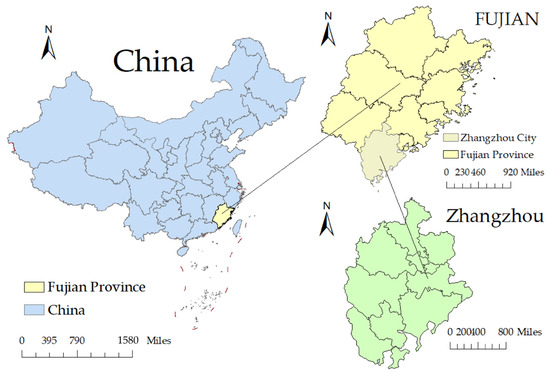
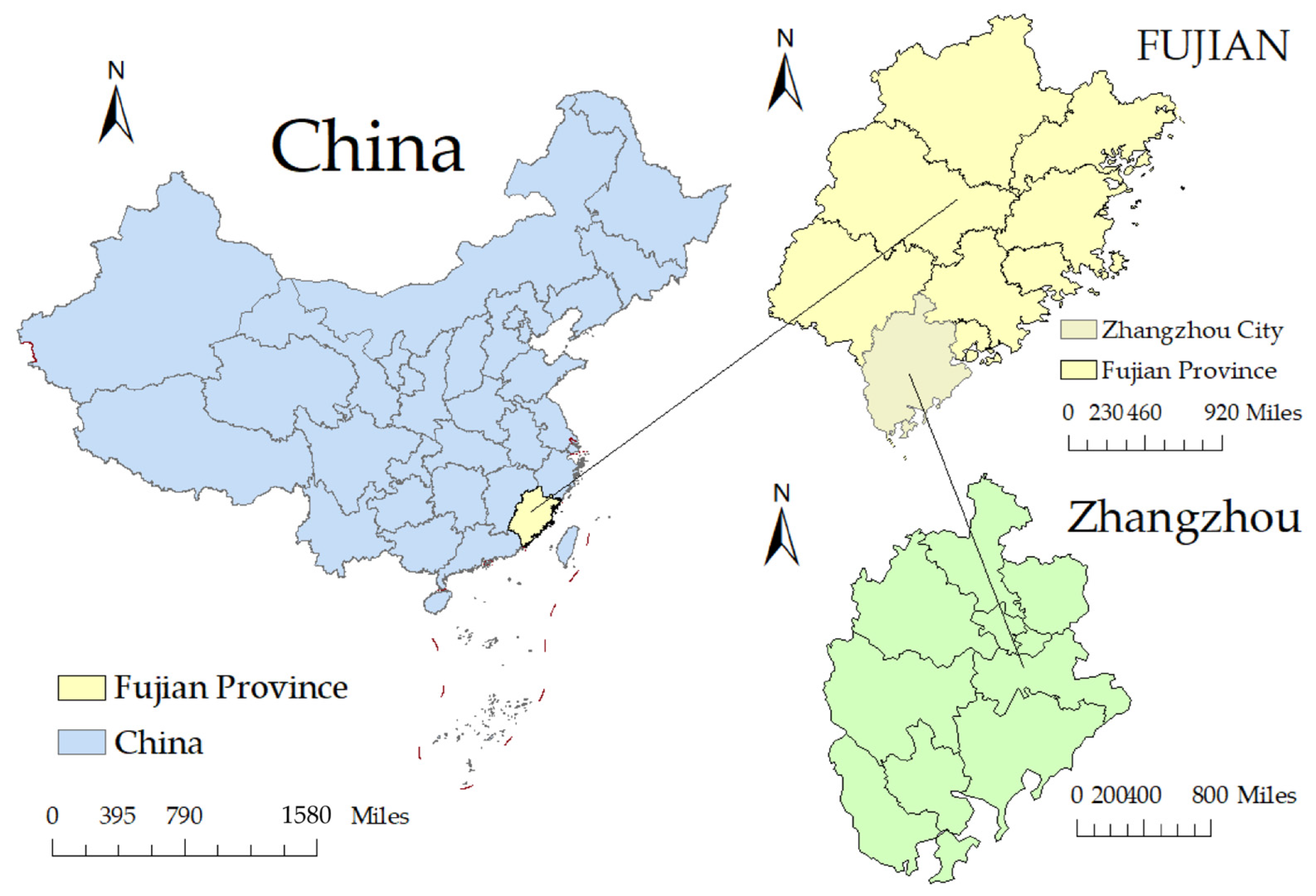
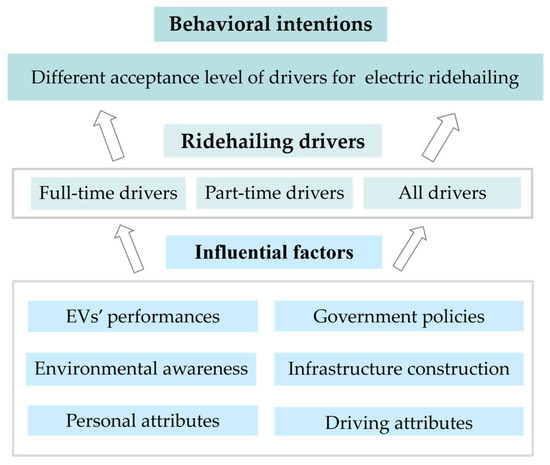
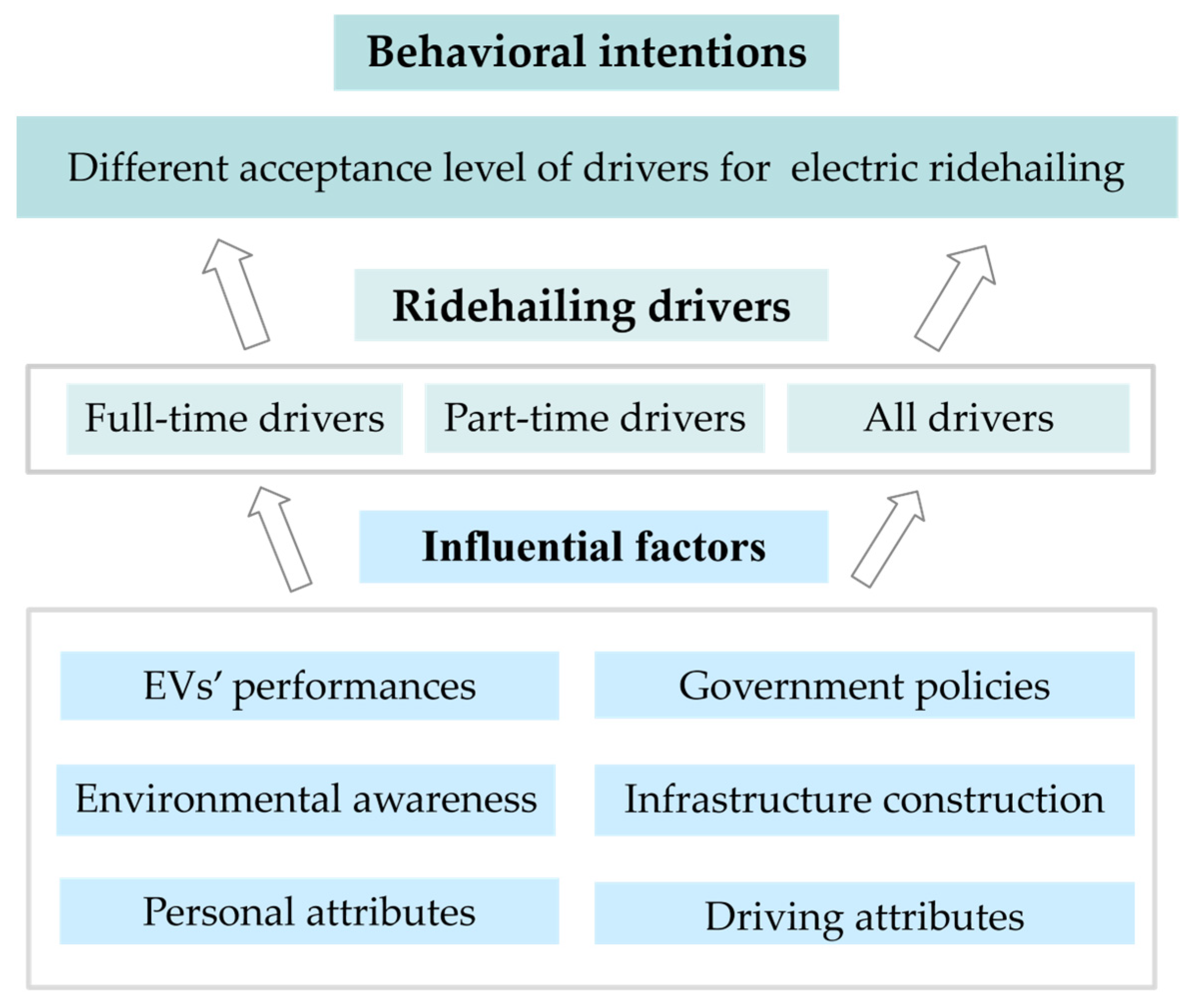
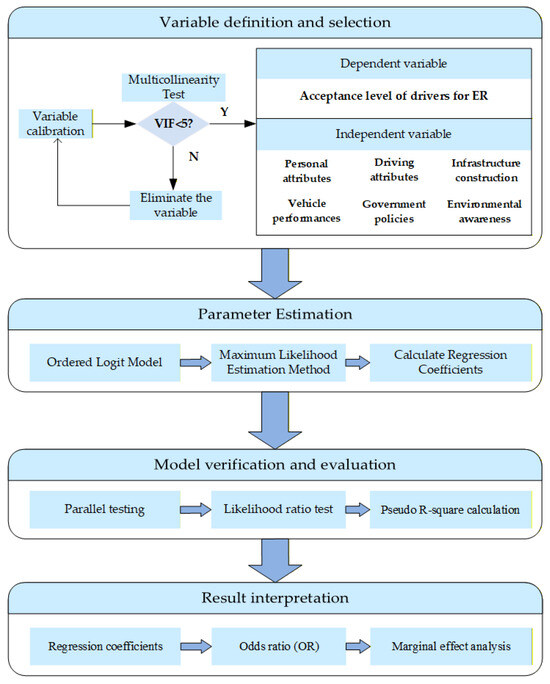
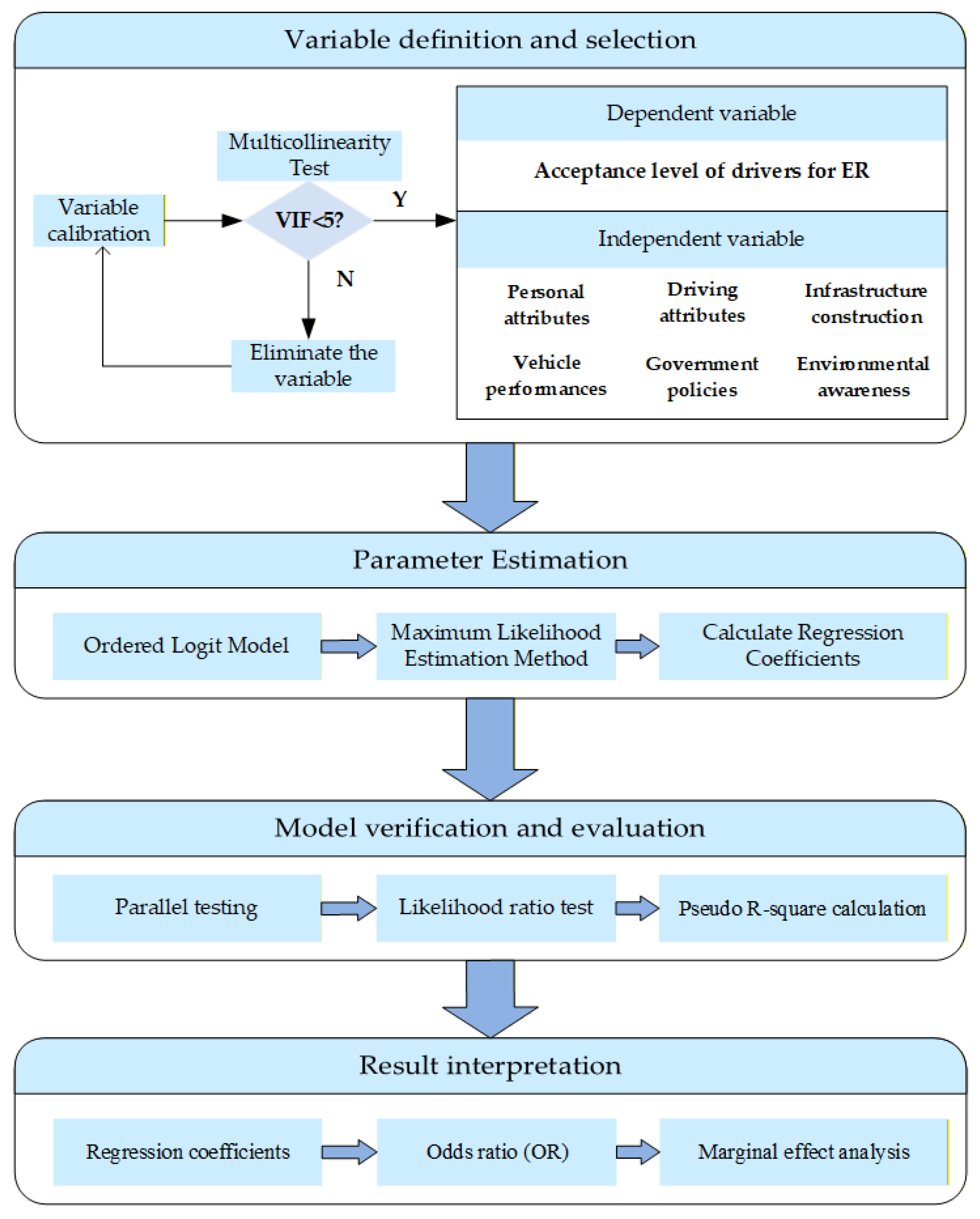

Disclaimer/Publisher’s Note: The statements, opinions and data contained in all publications are solely those of the individual author(s) and contributor(s) and not of MDPI and/or the editor(s). MDPI and/or the editor(s) disclaim responsibility for any injury to people or property resulting from any ideas, methods, instructions or products referred to in the content. |
© 2026 by the authors. Published by MDPI on behalf of the World Electric Vehicle Association. Licensee MDPI, Basel, Switzerland. This article is an open access article distributed under the terms and conditions of the Creative Commons Attribution (CC BY) license.