


Highlights
What are the main findings?
- AI–E2W output rose from 8 papers in 2015 to 166 in 2025; 52.5% of the Direct corpus was published in 2024–2025.
- AI paradigms evolved cumulatively but unevenly, with the strongest specialization in generative AI–design/HMI, reinforcement learning–routing/logistics, and computer vision–safety/perception.
What are the implications of the main findings?
- AI in E2Ws follows problem-dependent technological trajectories, so deployment priorities should be matched to component, rider, fleet, and urban decision contexts.
- AI-family coding was highly reproducible, but several application-domain boundaries were less stable; the technology–application matrix should therefore be read as a structured descriptive map rather than a fixed ontology.
Abstract
Artificial intelligence (AI) is increasingly embedded in electric mobility, but evidence on electric two-wheelers (E2Ws) remains dispersed across engineering, safety, shared mobility, and user-oriented research. This bibliometric science-mapping study examines how AI paradigms have evolved and specialized across E2W problem domains from 2015 to 2025. A reproducible Scopus search retrieved 759 records; focality screening retained 568 Direct publications, 118 Adjacent records for sensitivity analysis, and 73 Exclusions. The analysis combined performance mapping, co-word/co-citation/coupling networks, non-exclusive AI-family and application-domain coding, specialization lift with enrichment testing, and robustness checks. Annual output rose from 8 papers in 2015 to 166 in 2025 (CAGR = 35.4%), with 52.5% of the Direct corpus published in 2024–2025. Computational-intelligence prevalence fell from 48.2% to 20.7%, while classical machine learning and deep learning each reached about 41% in 2023–2025. The strongest specialization signals were generative AI–design/HMI (lift = 4.70), reinforcement learning–routing/logistics (2.63), and computer vision–safety/perception (2.24). AI-family coding was highly reproducible, although several application-domain boundaries were less stable. Overall, AI–E2W research follows problem-dependent technological trajectories rather than a single linear maturity path.
1. Introduction
Electric two-wheelers (E2Ws), including electric bicycles, electric scooters, electric mopeds, and electric motorcycles, occupy a distinctive position within the broader transition to electric mobility. Compared with passenger electric vehicles, E2Ws typically use smaller batteries, have lower vehicle mass and shorter trip lengths, encompass more heterogeneous ownership and sharing models, and interact more closely with pedestrians and urban street environments. Earlier reviews established the relevance of E2Ws to low-carbon urban mobility, first- and last-mile travel, energy efficiency, and transport accessibility, while also identifying persistent challenges involving battery performance, charging, safety, regulation, and infrastructure [1,2,3]. These characteristics support treating E2Ws as a coherent but internally diverse research domain rather than as a minor subset of generic electric-vehicle research.
Artificial intelligence is becoming a cross-cutting capability within this domain. AI and data-driven models have been applied to range prediction, battery-state estimation and fault detection, abnormal electricity-consumption detection, charging and battery-swapping optimization, vehicle and helmet recognition, shared-fleet demand forecasting, rebalancing, route choice, user-retention analysis, and built-environment modeling [4,5,6,7,8,9,10,11,12,13]. These applications reflect the multiple data streams generated by E2W systems, including battery and motor signals, vehicle trajectories, rider and road images, trip records, fleet inventories, charging events, app-based service interactions, and urban spatial data. Accordingly, relevant methods range from fuzzy systems and evolutionary optimization to classical machine learning, deep neural networks, computer vision, reinforcement learning, graph methods, explainable AI, and emerging generative approaches.
The review landscape, however, remains fragmented. General E2W reviews have synthesized environmental, transport, and technological issues [1,2,3]. A dedicated bibliometric review of e-bike research mapped 2101 publications and identified energy/charging, behavior/safety, environmental/health, and usage themes [14]. A recent bibliometric and systematic review of e-scooters organized 313 studies into demand forecasting, optimization, marketing, policy/user behavior, health/safety, and related domains [15]. At the broader vehicle level, bibliometric work on AI, machine learning, deep learning, and electric vehicles has highlighted battery optimization, charging, energy consumption, renewable integration, and information-security issues [16]. A systematic review of electric motorcycles likewise documented machine-learning applications in motors, energy storage, charging technologies, and electronic components [17]. In addition, an E2W-specific review linked AI with circular-economy and sustainability issues in the Indian two-wheeler industry [18]. Collectively, these streams are valuable, but they do not provide an integrated map of how AI paradigms have evolved across the full E2W spectrum or how specific AI technologies are distributed across E2W application domains.
This gap matters for both scholarship and practice. A conventional co-word map can identify frequent topics, but it does not show whether a technology such as reinforcement learning is used primarily for battery control, shared-fleet operations, charging, or safety. Similarly, an application review can catalog use cases without revealing whether the field is shifting from computational intelligence toward deep learning, reinforcement learning, and trustworthy AI. Bibliometric science mapping is well suited to identifying intellectual foundations, conceptual communities, and contemporary research fronts across heterogeneous studies [19,20,21]. Rather than treating AI as a single topic layer, the present study operationalizes AI paradigms and E2W application domains as two intersecting, non-exclusive analytical dimensions and tests their specialization statistically.
Accordingly, this study makes four substantive contributions, supported by a multi-level robustness assessment. First, it constructs a focal E2W-specific Scopus corpus and combines performance analysis, co-citation, co-word analysis, bibliographic coupling, and fixed-community temporal prevalence to distinguish accumulated intellectual foundations, conceptual structure, and contemporary research fronts. Second, it treats AI paradigms as an explicit temporal object of analysis rather than collapsing heterogeneous computational methods into a single AI category. Third, it links AI families to substantive E2W application domains and quantifies technology–application specialization using observed-to-expected lift and matrix-wide enrichment testing, moving beyond a descriptive heat map alone. Fourth, it triangulates the canonical scripted workflow with independent VOSviewer (version 1.6.20) mapping and a strategic-map/thematic-lineage analysis implemented in Python (version 3.13.5) following bibliometrix/Biblioshiny logic. Robustness checks across corpus boundaries, document types, AI-definition boundaries, frontier thresholds, and network thresholds distinguish stable field-level conclusions from parameter-sensitive detail. Together, these steps move the analysis from asking which keywords are common to examining which AI capabilities align with which E2W problems, how those alignments have changed, how specialized they are, and where the field is moving next.
This study addresses the following research questions:
RQ1. How has research on artificial intelligence in electric two-wheelers evolved from 2015 to 2025 in terms of publication growth, geographic distribution, institutions, authors, and publication sources?
RQ2. What intellectual foundations underpin AI research in the electric two-wheeler domain?
RQ3. What major conceptual and thematic structures characterize AI–E2W research, and how have these themes evolved over time?
RQ4. How have AI paradigms evolved within electric two-wheeler research, from computational intelligence and conventional machine learning to deep learning, reinforcement learning, explainable AI, federated learning, and generative AI?
RQ5. How are different AI technologies associated with specific electric two-wheeler application domains, and what emerging research frontiers can be identified?
The remainder of this paper positions this study against adjacent E2W and AI review streams, documents the search and science-mapping protocol, reports the empirical knowledge structure and technology–application relationships, and discusses the implications, limitations, and future research agenda.
2. Literature Background and Review Positioning
2.1. Electric Two-Wheelers as a Distinct Electric-Mobility Domain
E2Ws share the core electrification architecture of larger electric vehicles, including electric drive, battery storage, charging, and power electronics, but their operating conditions differ materially. Low mass and limited battery capacity make range and energy consumption highly sensitive to rider load, speed, acceleration, terrain, and driving behavior. The coexistence of pedal-assisted e-bikes, throttle-controlled scooters, electric motorcycles, private vehicles, and shared fleets also creates substantial heterogeneity in duty cycles and service models. Earlier E2W research therefore developed around vehicle technology, battery and charging systems, transport behavior, environmental performance, safety, and urban use [1,2,3,14].
The micromobility literature adds another layer. E-scooters and shared e-bikes are embedded in dense urban networks and can complement or substitute for walking, public transit, bicycles, and cars. Their performance is therefore shaped not only by vehicle engineering but also by street design, land use, service boundaries, fleet availability, user behavior, and regulation. Recent reviews show strong growth in demand forecasting and optimization alongside continuing gaps in safety, health, and legal/regulatory research [15]. This combination of engineering and urban-system characteristics makes E2Ws a particularly suitable setting for AI methods that can model nonlinearity, high-frequency sensor data, spatial dependence, sequential decisions, and heterogeneous users.
2.2. Artificial Intelligence Paradigms in Electric Mobility
AI in E2Ws is not a single technological category. Early and continuing work uses computational intelligence and metaheuristics, including fuzzy logic, genetic algorithms, evolutionary search, and particle-swarm methods, to address control and constrained-optimization problems. Classical machine learning adds supervised and unsupervised prediction through methods such as support-vector machines, random forests, decision trees, Bayesian networks, nearest-neighbor methods, and gradient boosting. Deep learning extends these capabilities to representation learning from high-dimensional signals and images; convolutional architectures support perception, while recurrent architectures support temporal battery, demand, and trajectory data. Reinforcement learning introduces sequential decision-making in which actions alter future system states, an especially relevant property for rebalancing, charging, routing, and battery swapping. More recent work adds graph learning, explainable AI, federated learning, privacy-preserving learning, and generative or language-model-based interfaces.
This progression does not imply simple technological replacement. Random forests remain useful when nonlinear prediction and interpretable tabular modeling are required [22], whereas deep neural networks are suited to complex signal and perception tasks [23]. In E2W applications, the appropriate method depends on the decision problem, data-generating process, computational constraints, and deployment environment. A central premise of this study is therefore that AI evolution should be analyzed as layered accumulation and specialization rather than as a single chronological sequence from older to newer AI methods.
2.3. AI Applications in Electric Two-Wheelers
Battery, energy, and range intelligence represent one of the clearest AI–E2W interfaces. Machine-learning models have been used to predict E2W range [4], recurrent models have been applied to state-of-charge and voltage forecasting in electric-motorcycle applications [8], and artificial neural networks have been used to predict real-driving energy consumption [24]. Related work addresses abnormal electricity consumption and battery safety in electric bicycles [6]. These studies illustrate a broader shift from static component design toward data-driven monitoring, estimation, diagnosis, and lifecycle support.
Charging, battery swapping, and infrastructure planning form a second application family. Optimization studies have addressed the siting of multiple charging-station types for electric scooters [7], while AI-enabled battery-exchange research increasingly combines demand prediction, network optimization, and sequential control. Reinforcement-learning approaches to electric micromobility battery swapping illustrate how the field is moving from one-shot optimization toward adaptive operational policies [11,25]. Beyond operational optimization, battery-swapping deployment also depends on infrastructure governance and standardization; work on electric-motorcycle applications in Indonesia has linked open innovation with early national standardization of battery-swapping systems [26].
Vehicle control and powertrain intelligence remain foundational, particularly for electric motorcycles and e-bikes. Electric-motorcycle reviews show machine-learning applications in motors, energy storage, charging, and electronic components [17], while component-level studies examine direct-drive motors, control systems, and energy management [27]. This stream overlaps with computational intelligence because many vehicle-control problems are multi-objective, nonlinear, and subject to strict real-time constraints.
Safety and perception have expanded rapidly with deep learning and computer vision. AI-based safety monitoring for e-scooters can combine rider counts and road-type information [5], and improved YOLO architectures have been developed for electric-motorcycle or electric-bicycle detection in elevators and road environments [28]. These studies move E2W safety research beyond retrospective crash analysis toward real-time detection, monitoring, and intervention. Recent post-cutoff evidence from adjacent motorcycle-safety research further extends this real-time perception trajectory by combining YOLOv8 with IoT-based analytics for traffic-violation detection [29].
A fifth application family concerns shared mobility, urban analytics, and user behavior. Random forests have been used for electric bicycle-sharing demand prediction [9], reinforcement learning has been applied to hybrid bike-sharing operations [10], machine learning has been used to analyze socioeconomic influences on e-scooter use [12], and Bayesian learning has been used to model built-environment effects on shared e-scooter expenses [13]. Studies of adoption, user retention, travel substitution, and multimodal use further show that E2W intelligence increasingly spans technical and behavioral levels [30,31,32,33,34,35,36].
Finally, AI is entering design, service, and user interaction. Earlier computational design work for electric bicycles has been complemented by generative-AI concept ideation for lightweight two-wheeled vehicles [37,38]. These emerging applications remain less mature than battery, control, shared-mobility, and perception research, but they indicate that the AI–E2W interface is broadening from operational optimization toward product and service intelligence.
Recent application-specific studies illustrate several emerging directions. Machine-learning models have been used to support electric two-wheeler battery-swapping station deployment and operations [39]; mixed-method AI has been applied to e-scooter air-quality and physical-risk assessment [40]; an embedded e-scooter platform has been used for real-time estimation of rear-vehicle trajectories for rider protection [41]; and fuzzy reinforcement learning has been developed for E2W hybrid energy management under real-world driving conditions [42]. Together, these studies indicate movement from offline prediction toward closed-loop sensing, estimation, optimization, and intervention.
Adjacent studies also indicate where the next methodological layer may develop. Federated learning in intelligent transportation emphasizes privacy-preserving collaboration across distributed mobility data [43], while electric-vehicle digital-twin reviews connect AI with battery management, vehicle health monitoring, powertrain optimization, and lifecycle intelligence [44,45]. Systematic and conceptual work in supply chain management, marketing, e-commerce, and sustainability further identifies forecasting, personalization, decision support, governance, and responsible deployment as transferable AI capabilities [46,47,48,49,50,51]. These adjacent streams are used here to interpret emerging E2W frontiers, not as substitutes for direct E2W evidence.
2.4. Existing Bibliometric and Review Studies
Four adjacent review streams define the closest scholarly context. First, E2W technology reviews synthesize batteries, motors, charging, control, and sustainability but do not center AI evolution [3,17,18]. Second, e-bike bibliometric work maps a much broader mobility literature in which AI is only one of many analytical approaches [14]. Third, e-scooter reviews emphasize demand, optimization, user behavior, policy, health, and safety rather than the cross-vehicle evolution of AI methods [15]. Fourth, AI-and-EV bibliometrics cover passenger cars, charging systems, batteries, smart grids, and autonomous-vehicle topics at a scale that can obscure two-wheeler-specific dynamics [16]. A 2026 structured review of AI for electric-motorcycle retrofitting further synthesizes battery management, predictive maintenance, component selection, energy optimization, and decision-support applications, but remains focused on retrofitting and a conceptual Retrofit-as-a-Service framework rather than field-wide AI-paradigm evolution [52]. Because the analytical corpus is frozen at 2015–2025, publications from 2026 are used only for post-cutoff review/frontier positioning and contextual interpretation and were not eligible for corpus inclusion.
The unresolved gap is therefore not an absence of reviews, but the limited integration of three analytical dimensions across the closest review streams identified here: the historical and intellectual structure of the field, the temporal evolution of AI paradigms, and the mapping between AI technologies and E2W application domains. Table 1 positions the present study against these review streams. Within this comparison, we did not identify an E2W-specific synthesis that combines Direct corpus construction, AI-paradigm evolution, technology–application specialization, current-front detection, and robustness testing within a single analytical design.
Table 1.
Positioning of the present study against the closest review streams.
2.5. Review Positioning and Analytical Framework
This study treats AI–E2W research as a multi-level knowledge system. At the component level, AI can support batteries, motors, charging, diagnostics, and energy management. At the vehicle and rider level, it can support perception, safety, human–machine interfaces (HMIs), and behavioral monitoring. At the fleet level, it can support demand forecasting, routing, rebalancing, charging/swapping, maintenance, and service operations. At the urban-system level, it can support built-environment analysis, mode choice, accessibility, policy, and infrastructure planning. The analytical framework therefore links AI paradigm → E2W application domain → knowledge structure → temporal evolution → emerging research frontier.
The framework is deliberately evidence-bounded. Bibliometric associations reveal where concepts, references, and research communities are connected; they do not demonstrate that a given AI method causes improvements in range, safety, adoption, emissions, or commercial performance. This paper therefore separates science-mapping evidence from causal or effect-size claims and uses applied studies only to illustrate the types of problems represented within the mapped structure.
3. Materials and Methods
3.1. Research Design
This study used a bibliometric science-mapping design supplemented by structured metadata coding. Bibliometric methods are appropriate for reconstructing performance, intellectual structure, conceptual structure, and research fronts in large heterogeneous studies [19,20], while science-mapping workflows emphasize transparent data preparation, network construction, clustering, and interpretation [53,54]. This work is a bibliometric study of published metadata rather than a systematic review of intervention effects: the screening stage establishes topical focality and does not perform full-text quality appraisal or effect synthesis. The workflow comprised five linked layers: publication and citation performance; knowledge-structure reconstruction through keyword co-occurrence, cited-reference co-citation, and bibliographic coupling; longitudinal thematic prevalence; structured AI-paradigm and application-domain coding for technology–application specialization and frontier detection; and cross-method thematic triangulation using independent VOSviewer (version 1.6.20) mapping and a strategic-map/thematic-evolution workflow implemented in Python 3.13.5 following bibliometrix/Biblioshiny logic.
The main unit of analysis was the Direct AI–E2W publication. A broader Adjacent evidence set was retained only for robustness testing. This separation prevents the core map from being dominated by generic electric-vehicle, bicycle, motorcycle, or micromobility records while allowing the analysis to test whether alternative corpus boundaries materially alter the macro-structure. Table 2 summarizes the analytical layers, units, thresholds, and interpretive purposes.
Table 2.
Analytical layers, units of analysis, thresholds, and interpretive purpose.
3.2. Database Selection and Search Strategy
Scopus was selected as the bibliographic source because it provides broad multidisciplinary coverage and structured export fields for titles, abstracts, authors and indexed keywords, affiliations, citations, and cited references. Scopus and Web of Science are widely used multidisciplinary bibliographic databases, but their coverage differs across fields and document types; database choice should therefore be explicit and reproducible [55]. The search window was fixed at 2015–2025 to capture the recent expansion of AI while retaining sufficient historical depth to observe methodological change.
The final query combined an E2W block with an AI block in TITLE-ABS-KEY. The E2W block covered electric two-wheelers, electric bicycles/e-bikes/pedelecs, electric motorcycles/motorbikes, electric scooters/e-scooters, and electric mopeds, together with controlled proximity variants. The AI block covered artificial intelligence, machine learning, deep learning, neural networks, recurrent and convolutional architectures, reinforcement learning, computer vision and YOLO, support-vector methods, tree and ensemble methods, AutoML, graph learning, federated and explainable AI, NLP/generative AI, fuzzy logic/ANFIS, genetic and evolutionary algorithms, particle-swarm methods, expert systems, pattern recognition, and data mining. Unqualified ‘transformer*’ and ‘SVM’ abbreviations were not used because they generate domain-specific false positives in power electronics (electrical transformers and space-vector modulation). The exact query is reproduced in Appendix A.
The search was executed on 13 September 2026 and restricted to English-language Articles, Reviews, and Conference Papers at the final publication stage, published from 2015 through 2025. Conference papers were retained because AI, computer vision, control, and intelligent-transport research often disseminate frontier methods through peer-reviewed conference proceedings. The search returned 759 records.
3.3. Screening and Corpus Construction
A rule-based focality audit was applied to titles, abstracts, author keywords, and indexed keywords. Records were classified as Direct when an E2W was explicitly focal in the title or served as the principal empirical platform, dataset, technical system, user population, or operational case in the abstract. Records were classified as Adjacent when E2Ws were substantively relevant but embedded in a broader electric-vehicle, micromobility, shared-mobility, or transport context. Records were classified as Excluded when E2W terminology was incidental, represented a lexical false positive, or referred to an out-of-scope vehicle or problem. The audit retained 568 Direct publications, 118 Adjacent publications, and 73 Exclusions. The Direct corpus was used for all primary analyses; Direct + Adjacent records formed a 686-publication sensitivity corpus. Because this procedure was a metadata-based focality audit rather than an independent dual-reviewer full-text systematic review, no inter-rater reliability statistic is claimed; explicit record-level reasons were retained to make the classification boundary auditable.
Integrity checks on the final export detected no duplicate EIDs, duplicate DOIs, duplicate normalized titles, or retracted records. The screening logic and record-level reasons were retained in an audit file. Because the audit is based on bibliographic metadata rather than full-text effect extraction, the classification operationalizes topical focality rather than methodological quality or intervention effectiveness.
3.4. Data Cleaning and Keyword Normalization
Bibliographic records were standardized before network construction. EID and DOI fields were used to test for duplicate records, while normalized titles provided an additional integrity check. Author keywords and indexed keywords were combined at the document level and normalized for capitalization, punctuation, singular/plural variants, and common synonyms. Examples include merging electric bicycle/e-bike variants, electric scooter/e-scooter variants, neural-network variants, lithium-ion battery variants, state-of-charge/SOC variants, and related machine-learning labels. Very general indexing terms that did not add substantive meaning to the AI–E2W map were removed. Keyword counts were document-based, so repeated occurrences within the same record did not inflate frequency.
The normalization procedure was intentionally conservative. Terms were merged only when their conceptual equivalence was clear; related but distinct technologies such as machine learning, deep learning, reinforcement learning, and computer vision were retained separately. This decision was necessary because this study explicitly examines the evolution and specialization of different AI paradigms.
3.5. Performance Analysis
Performance analysis described annual publication output, total and average Scopus citations, leading countries, institutions, authors, publication sources, and highly cited papers. Country counts were based on unique affiliation countries per publication. International collaboration was identified when a paper contained affiliations from more than one country. Citation indicators were interpreted descriptively because older papers have had more time to accumulate citations, and conference-heavy AI fields may follow different citation trajectories from transport- or energy-journal research.
3.6. Keyword Co-Occurrence and Conceptual Structure
The conceptual structure was reconstructed from normalized author and indexed keywords. Terms occurring in at least eight Direct corpus documents were eligible, and the 60 most frequent terms were retained for the main map. Pairwise co-occurrence weights were calculated at the document level; links with at least two co-occurrences were retained. The resulting network contained 60 nodes and 517 edges. Communities were identified using Louvain modularity optimization [56]. Cluster labels were assigned after inspection of the highest-frequency and highest-link-strength terms within each community; labels were then checked against the underlying term lists to avoid naming a community from a single cross-theme keyword. The labels are interpretive summaries of term concentrations rather than independent latent constructs.
3.7. Cited-Reference Co-Citation Analysis
Co-citation analysis was used to identify the intellectual foundations shared by the corpus, following the premise that references frequently cited together indicate a related knowledge base [57]. Cited-reference strings were canonicalized using the first-author surname, publication year, and normalized leading title/reference tokens. The canonicalized core was manually checked for obvious false merges, false splits, and same-author/same-year collisions before network construction. References cited by at least eight Direct corpus documents were retained; pairwise co-citation links required a minimum weight of two. The final core contained 52 cited references and 420 edges. Louvain communities were interpreted as intellectual foundations rather than as evidence that every highly co-cited reference directly studied E2Ws.
3.8. Bibliographic Coupling and Current Research Fronts
Bibliographic coupling was used to identify contemporary research fronts because papers are coupled when they share cited references [58]. Document pairs sharing at least three references were linked. This criterion yielded connected structures involving 224 Direct corpus papers; the largest connected component contained 155 papers and was partitioned into research fronts. In contrast to co-citation, which emphasizes accumulated intellectual foundations, bibliographic coupling highlights current papers drawing on similar knowledge bases [20].
3.9. Longitudinal Prevalence of Fixed Conceptual Communities
Temporal change was examined across three windows: 2015–2019, 2020–2022, and 2023–2025. The four communities identified in the global co-word network were held constant across periods. For each window, thematic prevalence was calculated as the proportion of documents containing at least one keyword assigned to a given community. Because documents could contain terms from more than one community, thematic prevalence was non-exclusive. Holding cluster definitions constant reduces the risk of conflating genuine temporal change with period-specific reclustering.
3.10. AI Paradigm Classification
A second coding layer classified AI methods using titles, abstracts, author keywords, and indexed keywords. Eight non-exclusive families were defined: (1) computational intelligence/metaheuristics; (2) classical machine learning; (3) deep learning/neural networks; (4) computer vision/perception; (5) reinforcement learning; (6) graph learning; (7) explainable/federated/trustworthy AI; and (8) natural language processing (NLP)/generative AI/transformers. The categories were intentionally non-exclusive because a single study may combine, for example, deep learning and computer vision, or machine learning and explainable AI. Operational inclusion and exclusion rules were specified in a coding dictionary (Supplementary S7); a category was assigned only when the method was substantively used or analyzed, not when it appeared only as background terminology. Counts therefore describe the presence of technological paradigms rather than mutually exclusive publication types.
3.11. E2W Application-Domain Classification
Publications were also coded into non-exclusive E2W application domains: battery/energy/range intelligence; charging/battery swapping/infrastructure; powertrain/motor/control; safety/perception/rider assistance; shared mobility/fleet/demand; consumer/adoption/marketing/user experience; routing/logistics/delivery/planning; design/HMI/product development; and urban planning/built environment/mode choice. This application taxonomy was derived from recurring problem structures in the corpus and aligned with the literature background. Operational inclusion and exclusion rules are reported in Supplementary S7. Because application domains can overlap substantively—for example, shared mobility with routing, or battery intelligence with charging—the resulting categories are analytical domains rather than mutually exclusive ontological classes. Cross-tabulation of AI families and application domains produced the technology–application matrix used in Section 4.8.
3.12. Coding Reproducibility Audit Against Independent Human Coding
A revision-stage reproducibility audit evaluated the metadata-based AI-family and application-domain coding. A proportional stratified random sample of 114 Direct corpus records (20.1% of 568) was drawn by publication year using a fixed random seed (20260917) and shuffled before coding. A doctoral-level independent coder, blinded to the rule-based labels, classified each record from the title, abstract, author keywords, and indexed keywords using the predefined codebook. One sampled record was excluded from the reliability calculation because the Scopus title and abstract were internally mismatched, leaving 113 evaluable records. Because the original record-level coding file was not retained, the comparison used a reconstructed rule-based implementation of the published coding definitions rather than a second human coder; the exercise therefore evaluates rule-to-human reproducibility rather than two-human inter-rater reliability. Percent agreement and Cohen’s kappa were reported as agreement statistics, while precision, recall, and F1 treated the independent human coding as the reference. Full category-level results and the coding dictionary are reported in Supplementary S7 and S8.
3.13. Technology-Application Specialization, Emerging-Frontier Detection, and Robustness Analysis
Technology–application specialization was evaluated in addition to raw cross-tabulation counts. For AI family i and application domain j, specialization lift was calculated as Lift_ij = (n_ij × N)/(n_i × n_j), where n_ij is the number of publications coded in both categories, n_i and n_j are the marginal category counts, and N = 568 is the Direct corpus size. A lift above 1 indicates a pairing that occurs more often than expected under marginal independence. To quantify enrichment uncertainty, each of the 72 AI-family × application-domain cells was additionally tested using a one-sided hypergeometric enrichment test conditional on the observed margins; Benjamini–Hochberg false-discovery-rate (FDR) correction was applied across all 72 cells. The main specialization table reports pairs with at least eight observed documents and presents FDR-adjusted q-values alongside lift. Emerging-frontier signals were initially identified by combining bibliographic coupling with author-keyword recency (minimum total occurrence of 4 and recent share ≥65% in 2023–2025), then subjected to a 3 × 3 threshold sensitivity grid using minimum total occurrences of 4/6/8 and recent shares of 60%/70%/80%. Terms satisfying at least six of the nine combinations were classified as robust emerging signals; lower-persistence terms were retained only as candidate signals.
Robustness was evaluated at six levels. First, corpus-boundary sensitivity compared the 568-publication Direct corpus with the 686-publication Direct + Adjacent corpus. Second, document-type sensitivity restricted the Direct corpus to Articles and Reviews (n = 316), separating journal evidence from the conference-heavy AI frontier. Third, keyword-threshold sensitivity compared minimum term frequencies of 6, 8, and 10; because the 60th-ranked normalized term occurred 11 times, the top-60 map itself was invariant across these thresholds. Fourth, network-threshold sensitivity compared co-citation minimum corpus-citation cutoffs of 6/8/10 and bibliographic-coupling cutoffs of 2/3/4 shared references. Fifth, AI-definition sensitivity treated computational-intelligence/metaheuristic-only records as a legacy boundary and re-examined the retained contemporary-AI share across periods. Sixth, emerging-frontier sensitivity used the nine frequency × recency threshold combinations described above. Robustness was assessed from the stability of high-level rankings, central terms/documents, and field-level conclusions rather than by requiring identical cluster partitions at every threshold.
3.14. Analytical Software and Reproducibility
The analysis was implemented in Python 3.13.5 using pandas 2.2.3 for structured data processing, NetworkX 3.6.1 for network construction and graph analytics [59], Louvain community detection [56], and Matplotlib 3.10.8 for visualization. For the reported canonical network partitions, node and edge identifiers were sorted before graph construction, and Louvain clustering used a fixed random seed of 42 with resolution 1.0. This deterministic construction controls insertion-order sensitivity for the frozen node and edge sets. All thresholds, normalization rules, screening decisions, node and edge files, annual output tables, coding rules, and sensitivity results were retained as reproducibility artifacts. Network partitions should nevertheless be interpreted as threshold- and resolution-dependent representations rather than as unique or causal decompositions of the field. Python remained the canonical environment for data cleaning, network construction, coding, specialization analysis, and robustness testing; the cross-method analyses in Section 3.15 served only as complementary triangulation layers.
3.15. Cross-Method Thematic Triangulation
To complement the canonical scripted workflow, cross-method thematic triangulation was conducted on the same 568-publication Direct corpus. VOSviewer (version 1.6.20) was used independently to visualize keyword co-occurrence and cited-reference co-citation structures and to assess whether the dominant field-level concentrations remained visible under an alternative bibliometric mapping environment [21]. These maps were treated as cross-software structural checks rather than as replacements for the canonical Python partitions or as independent validation of a ground truth.
In parallel, a strategic-map and thematic-evolution analysis following bibliometrix/Biblioshiny logic was implemented in Python 3.13.5 (pandas 2.2.3 for data processing, NetworkX 3.6.1 for network construction, and Matplotlib 3.10.8 for visualization) using normalized author keywords [53,60]. The 80 most frequent eligible author keywords were analyzed after thesaurus-based normalization; the effective minimum frequency was two occurrences. A document-level co-occurrence matrix was normalized by association strength and clustered with the Louvain algorithm (seed = 1234). Themes were positioned using Callon centrality (external connectivity/relevance) and Callon density (internal development/cohesion). Thematic evolution was evaluated across 2015–2019, 2020–2022, and 2023–2025 using inclusion-based continuity and weighted inclusion; links with weighted inclusion ≥ 0.12 were retained in the lineage visualization. Trend topics were summarized for normalized author keywords occurring at least four times. Because the R/Biblioshiny interface itself was not executed, this layer is explicitly reported as a Python implementation of its strategic-map and thematic-evolution logic rather than as a direct Biblioshiny software run. Cross-method evidence was interpreted at the level of field structure and thematic convergence rather than identical cluster assignment.
4. Results
4.1. Corpus Refinement and Growth of AI–E2W Research
The finalized Scopus query retrieved 759 English-language Articles, Reviews, and Conference Papers at the final publication stage, published between 2015 and 2025. A focality audit then distinguished papers in which an electric two-wheeler (E2W) was the principal vehicle, empirical platform, dataset, technical system, or application context from records in which E2Ws appeared only as one component of a broader electric-vehicle, micromobility, or transport study. This procedure retained 568 publications as the Direct analytical corpus, classified 118 records as Adjacent evidence for sensitivity analysis, and excluded 73 records whose E2W relevance was incidental or outside the study boundary. The expanded sensitivity corpus therefore comprised 686 publications.
The temporal profile shows that AI–E2W research expanded from a small and fragmented base into a rapidly growing interdisciplinary field. Annual output increased from 8 publications in 2015 to 166 in 2025, corresponding to a compound annual growth rate of approximately 35.4%. Growth was modest during 2015–2019, accelerated after 2020, and became especially pronounced in the final three years: 78 papers were published in 2023, 132 in 2024, and 166 in 2025. The 298 papers published in 2024–2025 account for 52.5% of the Direct corpus, while 376 papers, or about two-thirds of the corpus, appeared during 2023–2025. This pattern indicates a period of rapid knowledge accumulation and thematic diversification rather than a mature, stable engineering niche. Figure 1 visualizes the annual growth trajectory, while Table 3 summarizes the three temporal phases used in the subsequent analysis.
Figure 1.
Annual publication output in AI–E2W research, 2015–2025.
Table 3.
Temporal phases of the direct AI–E2W corpus.
4.2. Geographic, Institutional, Author, and Source Structure
Geographically, the literature is led by China, which contributed 201 publications and accumulated 2622 Scopus citations. The United States ranked second with 68 publications, followed by India with 62, the United Kingdom with 36, and South Korea and Taiwan with 29 each. The pattern combines two forms of leadership. China, the United States, and India dominate by publication volume, whereas several European and internationally connected research systems exhibit higher collaboration intensity. For example, 75.0% of United Kingdom papers and 78.6% of French papers were internationally coauthored, compared with 26.4% for China and 16.1% for India. The results therefore show that field leadership is shaped by both high domestic research activity and cross-border collaboration in transport, AI, and urban-mobility research. Figure 2 summarizes the leading countries by publication output.
Figure 2.
Leading countries by publication output in the direct corpus.
Institutional productivity is dispersed rather than dominated by a single center. Southeast University produced 12 papers and Tongji University 11, while Kunming University of Science and Technology and Chongqing University each produced 9. Tsinghua University and Hefei University of Technology contributed 7 papers each. A similar pattern appears at the author level. Using Scopus full-name identifiers, Hassan Soubra was the most productive author with seven publications, followed by Zheng Chen with six; Zhao Li, Jin-Shyan Lee, Tianxiong Wang, Yonggang Liu, and Suining He each contributed five. This relatively flat productivity profile indicates that AI–E2W research is distributed across engineering, transport, energy, and computing groups rather than concentrated in a single dominant scholarly center.
The source distribution reinforces the interdisciplinary character of the field. Applied Sciences, Proceedings of SPIE, and IEEE Access each contained 10 corpus papers; Sustainability and Journal of Transport Geography each contained 9; Transportation Research Part D published 8; and Energies published 7. The leading sources therefore span engineering, intelligent transportation, urban mobility, sustainability, and energy. No single journal dominates publication output, consistent with an emerging field whose technical and behavioral substreams have not yet consolidated around one disciplinary outlet. Figure 3 shows the leading publication sources in the Direct corpus.
Figure 3.
Leading publication sources in the direct corpus.
4.3. Citation Impact and Influential Contributions
The 568 Direct publications had accumulated 5989 Scopus citations by the retrieval date, with a mean of 10.54 citations per paper and a median of 4. The difference between the mean and median indicates a right-skewed impact distribution in which a small number of influential technical and mobility studies account for a substantial share of citations. The most cited paper in the corpus addressed lithium-ion battery-pack fault diagnosis and abnormality detection and had 160 citations. A related study combining an improved cubature Kalman filter with a long short-term memory model for battery state-of-charge estimation had 126 citations. Other highly cited contributions included deep inverse reinforcement learning for delivery-route planning (112 citations), random-forest-based travel-mode detection (108), and mining e-scooter rider satisfaction from app-store reviews (104).
These highly cited papers span three broad problem classes. The first is component and energy intelligence, represented by battery fault diagnosis, state estimation, and voltage prediction. The second is mobility and operations intelligence, represented by routing, demand, mode detection, and sharing-system optimization. The third is user and service intelligence, represented by satisfaction mining, adoption, and behavioral analysis. The citation profile therefore illustrates a central characteristic of AI–E2W research: influential work is distributed across component-level engineering, vehicle and fleet operations, user analysis, and urban-system decision-making rather than concentrated in a single vehicle subsystem. Selected influential contributions are summarized in Table 4.
Table 4.
Selected highly cited papers in the direct corpus.
4.4. Intellectual Foundations: Cited-Reference Co-Citation Structure
Cited-reference co-citation analysis was used to identify the intellectual foundations shared by the Direct corpus. At a minimum corpus-citation threshold of eight and a minimum pairwise co-citation weight of two, the core network contained 52 cited references connected by 420 edges. Using the canonical sorted graph construction, a fixed random seed of 42, and resolution 1.0, Louvain partitioning yielded seven communities: five multi-reference communities (13, 13, 12, 8, and 4 nodes) and two singleton peripheral references. The largest community centers on shared-micromobility usage and built-environment research, indicating that AI–E2W studies draw substantially on earlier work concerning how shared scooters and bicycles are used across urban space and time.
The remaining multi-reference communities represent, respectively, safety/sustainability/policy context; user behavior, mode choice, and substitution; data-driven demand prediction and machine-learning foundations; and computer-vision foundations for automated detection. The two singleton references correspond to a general electric-bicycle technology review and a naturalistic e-bike riding study. This partition indicates that the intellectual base combines mobility behavior, urban context, predictive analytics, and visual perception rather than converging on a single engineering canon.
Taken together, the co-citation results show an intellectual base broader than conventional electric-vehicle engineering. Urban micromobility and built-environment research coexist with machine-learning methodology and increasingly with computer-vision foundations. This breadth helps explain why contemporary AI–E2W studies span vehicle engineering, shared-mobility operations, user behavior, and automated safety monitoring without relying on a single disciplinary canon. Figure 4 visualizes the resulting cited-reference co-citation structure.
Figure 4.
Cited-reference co-citation network of the Direct corpus (52 references, 420 edges; canonical fixed-seed partition with seven communities). Labeled references are McKenzie [61], Bai and Jiao [62], Gössling [63], Ham et al. [64], Ren et al. [65], Hung and Lim [66], and Schleinitz et al. [67].
4.5. Conceptual Structure and Longitudinal Community Prevalence
The normalized keyword co-occurrence network retained the 60 most frequent terms meeting the frequency threshold and contained 517 weighted links. Four broad conceptual communities were identified. Community 1, labeled ‘E-bike AI, safety, vision and design,’ is anchored by electric bicycle/e-bike (200 documents), deep learning (60), neural network (50), and genetic algorithm (45). Community 2, ‘Shared e-scooter mobility, forecasting and behavior,’ is organized around machine learning (106), electric scooter/e-scooter (85), micromobility (72), urban transport (63), forecasting (44), and artificial intelligence (43). Community 3, ‘Battery intelligence and data-driven management,’ contains battery management system and battery charging (38 each), together with battery-state and energy-management terminology. Community 4, ‘E2W powertrain, energy and computational control,’ includes fuzzy logic (40), electric two-wheeler (36), electric motorcycle (33), and control-oriented terminology. The four-community conceptual structure is visualized in Figure 5.
Figure 5.
Keyword co-occurrence network of the 60 most frequent normalized terms.
The longitudinal prevalence analysis shows that these communities evolved at different rates. E-bike AI/safety/vision/design was already visible in 2015–2019, appearing in 55.4% of papers in that period, and rose to 66.9% in 2020–2022 before remaining prominent at 59.6% in 2023–2025. The shared e-scooter mobility/forecasting/behavior community increased more steadily, from 41.1% to 50.0% and then to 58.8%, indicating the growing importance of operational and urban-mobility analytics. Battery intelligence increased from 14.3% to 21.3% and 24.7%. By contrast, the relative prevalence of the powertrain/energy/computational-control community declined from 46.4% in 2015–2019 to 23.5% in 2020–2022 and 22.1% in 2023–2025. This pattern does not indicate the disappearance of technical control research; rather, it shows that the field expanded more rapidly into safety, sharing, battery analytics, and urban-system applications than into traditional control topics. Table 5 reports the period-specific prevalence of the four fixed communities.
Table 5.
Longitudinal prevalence of the four conceptual communities.
Cross-Method Thematic Triangulation and Theme Lineages
The Biblioshiny-style strategic diagram identified ten author-keyword themes and added a maturity dimension to the fixed-cluster prevalence analysis. Motor themes comprised fuzzy-control/electric-motorcycle/energy applications, neural-network battery intelligence, and urban-mobility demand prediction. Machine-learning/micromobility/shared operations and classical-ML sustainability/decision analytics appeared as Basic themes, whereas deep-learning/computer-vision detection and PMSM/Lyapunov control were more specialized Niche themes. E-bike traffic-safety/Bayesian-risk analysis, evolutionary-optimization/reinforcement-learning rebalancing, and Kansei/product-design research occupied the lower-density Emerging/Declining quadrant. Theme size and thematic maturity were not equivalent: ML–micromobility and shared operations was the largest theme (frequency = 262) and had the highest external connectivity (centrality = 0.831), yet remained a Basic theme because its internal density was more moderate (5.248). By contrast, neural networks and battery intelligence were smaller (frequency = 79) but combined high centrality (0.760) with the highest density (9.065), placing them firmly in the Motor quadrant. This strategic positioning complements Figure 5 by distinguishing topic volume from external relevance and internal development.
The period-specific thematic analysis indicates diversification followed by recombination (Figure 6). Four recurrent themes in 2015–2019 centered on motor/control engineering, e-bike energy and optimization, fuzzy logic, and neural-network modeling. The structure expanded to eight themes in 2020–2022, adding ML/DL prediction, micromobility reinforcement learning, battery swapping/optimization, data-driven product/shared-mobility analytics, and electric-motorcycle AI. By 2023–2025, seven broader fronts had emerged around ML–micromobility/built-environment analytics, deep-learning/computer-vision safety, smart e-bike/predictive-maintenance applications, battery/state-of-charge (SoC) intelligence, classical ML for electric motorcycles and sustainability, fuzzy/deep-RL control, and RL/GA shared-mobility rebalancing. The 2020–2022 e-bike/e-scooter neural analytics and safety theme functioned as an important transition hub, integrating four predecessor themes and subsequently splitting into four successor fronts. This pattern indicates that the middle period was not simply a phase of thematic proliferation but also a structural recombination point between earlier engineering-oriented work and later safety, mobility, battery, and intelligent-control streams. The strongest lineage connected genetic optimization, battery swapping, and RL in 2020–2022 with RL/GA shared-micromobility rebalancing in 2023–2025 (weighted inclusion = 0.733). Other substantive links included fuzzy-logic control (0.625), micromobility RL to ML/built-environment analytics (0.625), e-bike energy/optimization to neural safety analytics (0.545), and fuzzy/PSO control to fuzzy/deep-RL control (0.500). The split-and-merge structure therefore indicates recombination across technical and mobility-oriented streams rather than simple one-to-one topic replacement.
Figure 6.
Thematic evolution of AI–E2W research across 2015–2019, 2020–2022, and 2023–2025. Line width is proportional to weighted inclusion; only links with weighted inclusion ≥ 0.12 are displayed.
Cross-method triangulation produced broad field-level convergence without requiring identical partitions. The independent VOSviewer keyword map displayed concentrations around machine learning/micromobility, deep learning/computer vision/safety, lithium-ion battery/BMS/state-of-charge intelligence, and fuzzy-control/electric-machine optimization. These concentrations correspond closely to the canonical Python communities for shared mobility/ML, e-bike safety/vision, battery intelligence, and powertrain/control. The VOSviewer co-citation map also preserved broad separation among micromobility/behavioral foundations, machine-learning methodology, safety-oriented research, and emerging computer-vision/ITS references. Convergence was strongest for shared-mobility/ML, computer-vision/safety, battery intelligence, and control/optimization; design/HMI remained a smaller niche. This agreement strengthens the field-level interpretation and reduces dependence on any single mapping environment.
4.6. Current Research Fronts from Bibliographic Coupling
Bibliographic coupling was used to identify current research fronts represented by contemporary papers sharing reference bases. At a threshold of at least three shared references, 224 papers formed connected structures; the largest connected component contained 155 papers and was partitioned into nine fronts. The two largest fronts concern, respectively, built-environment and machine-learning analysis of e-bike/e-scooter use (27 papers) and e-bike safety, ownership, and Bayesian/machine-learning analysis (26 papers). These fronts indicate that AI is increasingly used not only to predict vehicle states but also to model nonlinear relationships among urban context, user behavior, ownership, risk, and ridership.
A third front of 25 papers centers on shared e-scooter operations, rebalancing, and reinforcement learning. Representative high-connectivity contributions address sparse trip-demand prediction, machine-learning-assisted operations under demand uncertainty, genetic-algorithm rebalancing, and deep-Q-network-based battery swapping and fleet repositioning. A fourth front of 24 papers captures shared E2W demand, urban mobility, and usage patterns, while a fifth 24-paper front focuses on e-scooter safety, user satisfaction, risk, and adoption. Two technically distinct fronts are also visible: computer vision for helmet/E2W detection (12 papers) and flow forecasting, reconfiguration, and intelligent scheduling (11 papers). Finally, two smaller niches address deep-learning demand prediction and fuzzy multi-criteria decision-making for sustainable E2W selection.
The coupling structure suggests a shift from isolated algorithm applications toward problem-centered AI systems. Built-environment effects are increasingly analyzed with nonlinear and explainable models; shared fleets are linked to demand prediction and rebalancing; and visual perception forms a dedicated E2W safety stream. Taken together, the current fronts are increasingly organized around operational decision loops that connect sensing, prediction, optimization, and intervention. Figure 7 visualizes the nine canonical current research fronts in the largest coupling component.
Figure 7.
Bibliographic coupling network of the largest connected component (155 publications, 657 links; nine canonical research fronts). Colors and C1–C9 identify the communities listed in the legend. Node size increases with weighted degree; link width increases with shared-reference count (minimum = 3). The original nodes, links, weights, and community assignments are preserved. Community identifiers replace long article-title labels for readability.
4.7. Evolution of AI Paradigms in E2W Research
Period-normalized analysis shows that computational intelligence and metaheuristics formed the earliest dominant layer: 27 of 56 papers in 2015–2019 (48.2%) used fuzzy systems, genetic/evolutionary algorithms, particle-swarm approaches, or related methods. Their absolute output continued to grow to 44 papers in 2020–2022 and 78 in 2023–2025, but their prevalence declined to 32.4% and 20.7%, respectively. The decline is therefore relative rather than absolute and indicates diversification away from an early structure dominated by optimization and control.
Classical machine learning and deep learning became the dominant later-period paradigms. Classical machine learning increased from 14 papers (25.0%) in 2015–2019 to 48 (35.3%) in 2020–2022 and 154 (41.0%) in 2023–2025. Deep learning/neural networks rose from 13 papers (23.2%) to 46 (33.8%) and 155 (41.2%) across the same periods. Computer vision/perception also increased structurally, from 8.9% to 10.3% and then 18.6% of period output. These normalized rates show that the expansion is not merely a by-product of overall publication growth; ML, DL, and vision occupy progressively larger shares of the AI–E2W knowledge base.
A second wave is visible beyond mainstream ML/DL. Reinforcement learning increased from 1.8% of 2015–2019 output to 4.4% in 2020–2022 and 6.6% in 2023–2025, with applications concentrated in fleet management, routing, rebalancing, charging, and swapping. Graph learning remains small, at about 1–2% of recent-period output. Most notably, all 20 publications coded as explainable, federated, or trustworthy AI occur in 2023–2025, giving this family a recent-period prevalence of 5.3%. NLP/generative-AI/transformer-related work emerges after 2020 and remains at approximately 6% of recent output. The technological trajectory is therefore best described as layered accumulation: computational intelligence remains embedded in optimization and control, ML/DL dominate prediction, computer vision establishes a safety/perception layer, RL adds sequential decision-making, and trustworthy/distributed/generative approaches address interpretability, privacy, interaction, and system integration [38,43,44,45]. Figure 8 visualizes the period-normalized evolution of AI families, and Table 6 reports the corresponding non-exclusive counts and prevalence values.
Figure 8.
Evolution of AI technology families across three temporal periods.
Table 6.
Non-exclusive AI paradigm families in the direct corpus (counts and period-normalized prevalence).
4.8. AI Technology × E2W Application Matrix and Emerging Frontiers
The AI technology × E2W application matrix maps where particular AI paradigms are deployed rather than reporting technology and application trends separately. Across the corpus, powertrain/motor/control was the most frequently coded application domain (244 papers), followed by safety/perception/rider assistance (225), shared mobility/fleet/demand (161), battery/energy/range intelligence (152), charging/swapping/infrastructure (97), consumer/adoption/marketing/user experience (97), routing/logistics/planning (81), urban planning/built environment/mode choice (56), and design/HMI/product development (34). These categories are non-exclusive and therefore describe the breadth of AI application rather than a partition of the corpus.
The raw cross-tabulation shows marked concentration, but specialization lift clarifies which pairings are unusually concentrated after accounting for the marginal size of each category. Among pairs meeting the minimum observed-count criterion, the highest observed lift is for NLP/generative AI/transformers with design/HMI/product development (9 observed versus 1.92 expected; lift = 4.70; FDR q < 0.001), followed by NLP/generative AI with consumer/adoption/marketing/UX (16 versus 5.46; lift = 2.93; q < 0.001). Reinforcement learning is disproportionately associated with routing/logistics/planning (12 versus 4.56; lift = 2.63; q = 0.005) and shared mobility/fleet/demand (22 versus 9.07; lift = 2.43; q < 0.001). Computer vision/perception is strongly specialized toward safety/perception/rider assistance (79 versus 35.26; lift = 2.24; q < 0.001), and classical machine learning toward urban planning/built-environment/mode-choice analysis (43 versus 21.30; lift = 2.02; q < 0.001). Reinforcement learning–charging/swapping (lift = 2.01) and explainable/federated/trustworthy AI–shared mobility (1.94) were descriptively elevated but did not remain below q = 0.05 after FDR correction across all 72 cells. These results distinguish robust enrichment from high descriptive lift in smaller pairings.
Other pairings show broader but still meaningful specialization. Computational intelligence is concentrated in powertrain/motor/control (lift = 1.42) and battery/energy/range intelligence (1.35), whereas classical machine learning is associated with shared mobility/fleet/demand (1.42) as well as urban-context analysis. Several of these lower-lift but larger-count pairings remain statistically enriched after FDR correction, illustrating why lift magnitude and inferential support should be interpreted jointly. The matrix therefore suggests differentiated AI architectures spanning technical, operational, behavioral, and human–machine layers rather than a uniform algorithm-to-component pattern. Table 7 summarizes the highest observed specialization lifts, while Figure 9 displays the complete AI technology × E2W application count matrix.
Table 7.
Highest observed AI technology × E2W application specialization lifts among pairs with observed count ≥ 8, with FDR-adjusted enrichment tests.
Figure 9.
AI technology × E2W application matrix based on observed non-exclusive document counts. Asterisks indicate one-sided hypergeometric enrichment significance after Benjamini–Hochberg FDR correction across all 72 matrix cells (q < 0.05).
Trend-topic and emerging-keyword analyses provide a complementary temporal check on the recent-front interpretation. Under the original baseline rule, lithium-ion battery had 92.9% of its occurrences in 2023–2025, while artificial intelligence and reinforcement learning each reached 83.3%, machine learning 80.3%, micromobility 78.7%, and deep learning and object detection 75.0% each. However, several 100%-recent terms were based on only four to seven occurrences. The threshold-sensitivity grid therefore distinguishes robust from candidate signals: machine learning, artificial intelligence, random forest, lithium-ion battery, electric two-wheeler, reinforcement learning, computer vision, sustainability, YOLO, and built environment satisfied all nine tested threshold combinations, whereas several n = 4 terms satisfied only the three settings that retained the lowest frequency threshold. The latter are consequently described as candidate emerging signals rather than established research fronts. Full trend-topic and sensitivity results are reported in Supplementary S2 and S10. Figure 10 shows the persistence of recent keyword signals across the nine threshold combinations.
Figure 10.
Persistence of recent author-keyword signals across nine frontier-threshold combinations (minimum total occurrence 4/6/8 × recent share 60%/70%/80%). Terms satisfying at least six combinations are treated as robust signals.
Robustness analysis supports the principal field-level conclusions while also showing where the map is most sensitive. Expanding the corpus from 568 Direct to 686 Direct + Adjacent records produced a top-50 keyword Jaccard similarity of 0.786, with 13/15 overlap among leading countries and 13/15 among leading sources. Restricting the Direct corpus to Articles and Reviews retained 316 records (55.6%) but 86.9% of Scopus citations; the 2024–2025 concentration remained similar (50.6% versus 52.5% in the full Direct corpus). The top-50 keyword Jaccard was lower (0.587), with 12/15 country and 11/15 source overlap, indicating that conference papers contribute materially to frontier terminology without reversing the temporal-growth conclusion. The top-60 keyword map was invariant under minimum term frequencies of 6, 8, or 10 because the 60th-ranked term occurred 11 times. Co-citation thresholds of 6/8/10 corpus citations yielded progressively smaller nested cores (122/52/26 nodes), while coupling thresholds of 2/3/4 shared references produced 321/224/176 connected papers. The most central coupling documents were stable: 18 of the top-20 weighted-degree papers overlapped between thresholds 2 and 3, and 16 of 20 between thresholds 3 and 4. Table 8 summarizes the robustness and sensitivity tests used to qualify the main conclusions.
Table 8.
Robustness and sensitivity checks for the main analytical conclusions.
4.9. Coding Reproducibility and Definition/Threshold Sensitivity
The rule-to-human reproducibility audit showed strong agreement for the eight AI-family categories. Across the 113 evaluable records, Cohen’s κ ranged from 0.796 to 1.000 and F1 from 0.800 to 1.000. Application-domain agreement was more heterogeneous (κ = 0.194–0.825), with the lowest values occurring in sparse or semantically overlapping categories such as design/HMI, consumer/adoption/UX, and routing/logistics. These results support the stability of the AI-paradigm analysis but require the application matrix to be interpreted as a structured descriptive map rather than a definitive ontology. Full agreement, precision, recall, and F1 values are reported in Supplementary S8.
AI-definition sensitivity produced the same directional conclusion as the broad classification. In the reconstructed rule-based sensitivity coding, a narrow contemporary-AI definition retaining at least one of classical ML, deep learning, computer vision, reinforcement learning, graph learning, XAI/federated/trustworthy AI, or NLP/generative AI retained 29 of 56 records (51.8%) in 2015–2019, 97 of 136 (71.3%) in 2020–2022, and 301 of 376 (80.1%) in 2023–2025. Thus, the increasing prominence of contemporary AI families is not solely an artifact of grouping fuzzy logic, genetic algorithms, PSO, and related methods under the broad AI boundary. This post hoc sensitivity analysis is reported separately from the original Table 6 counts because the original record-level label file was not retained.
Frontier-threshold sensitivity further qualifies the recency interpretation. Terms that remained above threshold in at least six of the nine occurrence × recent-share combinations are treated as robust emerging signals, whereas low-frequency terms that pass only the least restrictive settings are treated as candidates. This distinction prevents a term with four recent occurrences from being interpreted as equally mature as a much larger recent concentration and directly addresses small-n amplification in frontier detection.
5. Discussion
5.1. Principal Findings and the Structure of an Emerging AI–E2W Field
This study shows that AI–E2W research has moved beyond a small collection of engineering applications and is developing into a multi-level knowledge domain. The 35.4%publication CAGR and the concentration of more than half of the corpus in 2024–2025 indicate that the field remains in a high-growth phase. Growth, however, is not merely numerical. The science-mapping results show structural expansion from early control, optimization, and e-bike engineering toward shared-mobility analytics, battery intelligence, computer vision, reinforcement learning, and emerging trustworthy/generative AI. The four co-word communities, nine bibliographic-coupling fronts, and AI × application matrix collectively support a broader interpretation in which E2W intelligence is increasingly studied as a system-level problem rather than a single-algorithm problem.
This finding also distinguishes the present study from broader reviews of e-bikes, e-scooters, electric motorcycles, and generic electric-vehicle AI [14,15,16,17,18]. Those reviews establish the importance of energy systems, batteries, vehicle technology, demand forecasting, optimization, safety, user behavior, and sustainability. The present results show how these elements are reorganized when AI is treated as an evolving set of methods and E2Ws are treated as the focal vehicle and mobility class.
5.2. AI Paradigm Evolution: Accumulation Rather than Simple Substitution
The period-normalized results indicate that AI evolution in E2Ws is cumulative but structurally reweighted. Computational-intelligence methods continue to grow in absolute terms, yet their period prevalence falls from 48.2% to 20.7%, while classical ML and deep learning each rise to about 41% of 2023–2025 output and computer vision reaches 18.6%. The finding is therefore stronger than a raw-count narrative: the composition of the field is changing. Fuzzy logic, genetic algorithms, and related methods remain appropriate where problems are dominated by control rules, multi-objective design, or constrained optimization; ML/DL add nonlinear prediction and representation learning [22,23]; RL extends prediction to sequential action; and emerging explainable/federated approaches respond to deployment constraints involving transparency, distributed data, and governance [43].
This layered pattern matters for how the field should be conceptualized. Describing the evolution as a linear movement from older to newer AI would be misleading because different AI families align with different E2W problem structures. Powertrain control may continue to benefit from fuzzy or hybrid optimization even when deep learning dominates perception. A shared-fleet problem may combine machine-learning demand forecasts with reinforcement-learning repositioning. A battery-management system may combine physical estimation, neural prediction, and explainability. Future studies should therefore compare hybrid AI architectures and method performance explicitly rather than assume that the newest algorithm is automatically the most appropriate.
5.3. Application Convergence: From Component Intelligence to Integrated E2W Systems
The AI × application matrix suggests a second shift in research emphasis: AI is extending from component-level intelligence toward more integrated E2W systems, although the transition is uneven. Battery and powertrain research remain large and important, while recent work expands into safety, shared mobility, routing, and urban-context analysis. Direct E2W evidence includes range and energy prediction [4,24], data-driven battery-swapping deployment and control [11,39], E2W-specific fuzzy reinforcement learning for hybrid energy management [42], AI-based risk assessment and rider-protection systems [40,41], and shared-fleet demand and operations [9,10,12,13]. After matrix-wide FDR correction, the clearest high-lift enrichments include computer vision–safety, reinforcement learning–routing and shared-fleet operations, NLP/generative AI–design/HMI and consumer/UX, and classical ML–urban-context analysis. Because application-domain validation was more heterogeneous than AI-family validation, these pairings are interpreted as problem-dependent research concentrations rather than fixed ontological assignments.
The safety/perception domain provides a clear example of this convergence. Deep learning and computer vision increasingly connect physical vehicle detection, helmet compliance, rider behavior, and crash-risk analysis, while text-derived evidence can provide a complementary source of safety information. Shared-mobility research likewise connects demand forecasting with rebalancing, pricing, and battery-swapping decisions, while battery intelligence links state estimation and fault detection with charging and service planning. Future E2W AI studies may therefore be more informative when they specify the full decision chain—sensing, inference, prediction, optimization, intervention, and outcome—rather than presenting an isolated model with accuracy as the sole endpoint.
5.4. Distinct Knowledge Worlds Within the E2W AI Domain
The science maps also show that the AI–E2W field is internally heterogeneous. Shared e-scooter and e-bike research is closely tied to urban analytics, the built environment, ridership, rebalancing, and user behavior. Electric-motorcycle and broader E2W engineering research is more closely tied to powertrain, control, energy management, and battery systems. Computer-vision research forms a partially distinct technical stream around helmet, rider, and vehicle detection. These differences should not be treated as noise; they reflect different operating environments, data sources, decision horizons, and performance criteria.
This heterogeneity creates an opportunity for comparative research. Methods that perform well in one E2W context may not transfer automatically to another. For example, a deep-learning model trained on dockless e-scooter demand may have little direct relevance to electric-motorcycle battery health, while a battery-state estimator does not address the human-behavior uncertainties of shared mobility. Cross-domain studies should therefore examine which AI capabilities are generalizable, which require product-specific adaptation, and which depend on local regulatory, infrastructure, climate, and mobility conditions.
5.5. Conceptual and Methodological Contributions
This study contributes conceptually and methodologically in four integrated ways. First, it constructs an E2W-focused Direct corpus and uses complementary performance and science-mapping techniques to distinguish accumulated intellectual foundations, conceptual communities, and current research fronts. Second, it makes AI paradigms an explicit temporal object of analysis, using period-normalized prevalence to distinguish compositional change from simple publication growth. Third, it links AI families to application domains and combines observed-to-expected lift with matrix-wide enrichment testing, distinguishing high descriptive concentration from pairings that remain enriched after FDR correction. Fourth, it triangulates the canonical Python workflow with independent VOSviewer maps and a strategic-map/thematic-lineage analysis implemented in Python following bibliometrix/Biblioshiny logic. Multi-level sensitivity analysis functions as a robustness layer across these contributions by distinguishing stable field-level conclusions from parameter- and definition-dependent detail. The contribution is therefore methodological integration and domain-specific operationalization rather than the invention of a new bibliometric metric.
Conceptually, the results suggest that AI-enabled E2W research can be viewed as a multi-level intelligence architecture. At the component level, AI supports battery, motor, energy, and fault intelligence. At the vehicle/rider level, it supports perception, safety, HMI, and behavioral monitoring. At the fleet level, it supports demand forecasting, rebalancing, routing, pricing, maintenance, and charging/swapping. At the urban-system level, it supports built-environment analysis, mode choice, accessibility, and policy-oriented planning. This architecture provides an organizing framework for future empirical research by linking AI capability to the level at which E2W decisions are made. Read across the results, the four broad conceptual communities provide the stable field backbone, the nine bibliographic-coupling fronts show its current problem-centered differentiation, and the robust emerging signals indicate where newer AI capabilities are entering that architecture.
5.6. Practical Implications for E2W Manufacturers, Operators, and Policymakers
For manufacturers, the results indicate that substantial AI research streams are not confined to autonomous driving. Battery diagnostics, state estimation, energy/range prediction, motor/control intelligence, rider-safety perception, and after-sales monitoring are already prominent research areas [4,5,6,8,17,24,28,39,40,41,42]. Digital-twin research in the wider EV literature suggests a further path toward lifecycle integration of battery, powertrain, health-monitoring, and maintenance intelligence [44,45]. Deployment-oriented evaluation should therefore report not only predictive accuracy but also latency, computational cost, robustness, energy overhead, explainability, cybersecurity, and transferability across E2W platforms. Within the mapped literature, battery diagnostics/range intelligence and computer-vision safety/perception represent comparatively established E2W research concentrations, whereas federated/trustworthy AI and generative-AI design/HMI remain much smaller emerging streams; this distinction reflects research maturity, not demonstrated commercial readiness.
For shared-mobility operators, the research front is increasingly operational, encompassing demand forecasting, rebalancing, route and fleet optimization, battery swapping, pricing, and service-area management. Reinforcement learning is especially relevant where actions must adapt sequentially to time-varying demand and spatial constraints [10,11]. For policymakers and city authorities, AI-enabled E2W research is increasingly connected to safety monitoring, built-environment effects, mode substitution, infrastructure location, and travel behavior [7,12,13,30,31,32,33,34,35,36]. The problem-dependent trajectories observed in the science map therefore imply different adoption priorities across stakeholder groups rather than a common AI maturity pathway. Bibliometric prominence, however, should not be interpreted as evidence of policy effectiveness; real-world deployment requires local validation, transparent performance metrics, and explicit attention to fairness, privacy, and data governance. A particularly testable systems pathway is to combine machine-learning demand forecasts with reinforcement-learning rebalancing, routing, and charging/swapping decisions, then evaluate service level, energy use, safety, and robustness rather than prediction accuracy alone. For cross-operator or cross-city data, federated and trustworthy AI are relevant governance-oriented directions, but the current direct E2W evidence base remains limited.
5.7. Evidence-Bounded Research Agenda
The emerging-frontier results can be translated into a testable research agenda rather than a generic call for more studies. Priority questions should connect the mapped knowledge gaps to explicit data requirements, validation designs, and deployment outcomes. Battery research should integrate state-of-charge (SoC), state-of-health (SoH), fault, and range prediction under real operating conditions; safety research should move from object detection toward multimodal rider-state and trajectory-risk prediction; shared-mobility research should connect forecasting with sequential repositioning, charging, and swapping; privacy-sensitive multi-operator settings should test federated and explainable learning [43]; and generative AI should be evaluated in design, diagnostics, service interaction, and human–machine support rather than assumed beneficial a priori [38]. Table 9 summarizes an evidence-bounded agenda derived from the mapped frontiers.
Table 9.
Evidence-bounded future research agenda for AI in electric two-wheelers.
5.8. Evidence Boundaries and Robustness Interpretation
Several interpretive boundaries remain important. Bibliometric co-occurrence, co-citation, coupling, and specialization lift describe the structure of scholarship; they do not establish that a particular AI technique improves safety, range, adoption, emissions, or sustainability in practice. Citation counts are age-dependent, and conference-heavy AI fields can accumulate and diffuse impact differently from journal-dominated transport or energy research. The focality audit remains a metadata-based screening step without a second independent reviewer. For the AI/application coding, the rule-to-human reproducibility audit demonstrated strong agreement for AI families but more heterogeneous agreement for overlapping application domains, so the application matrix should be interpreted as an auditable descriptive science map rather than an effect synthesis or a definitive ontology. Robustness checks indicate that the principal field-level patterns remain similar under broader corpus boundaries and reasonable network-threshold changes, but the Articles-and-Reviews-only keyword Jaccard of 0.587 also indicates moderate sensitivity of frontier terminology to conference inclusion. The narrower contemporary-AI sensitivity analysis reduces, but cannot eliminate, definitional dependence on how computational-intelligence and metaheuristic methods are positioned within the AI boundary.
The lower application-domain κ values are partly attributable to the combination of low category prevalence and semantic overlap in metadata-only coding. Design/HMI records can blend product development with interface or user-experience content; consumer/adoption/UX records often overlap with service experience and behavioral studies; and routing/logistics records frequently co-occur with shared-fleet rebalancing, delivery, or charging decisions. Consequently, cell-level counts and lift estimates involving these categories should be read as evidence of concentration under the stated codebook, not as precise boundaries between mutually exclusive domains. Future work should use two independent full-text coders blinded to the rule-based labels, a piloted hierarchical multi-label codebook with explicit tie-break rules, and adjudication of discordant cases before recalculating category-level agreement.
6. Conclusions
6.1. Main Conclusions
This study provides an E2W-specific map of artificial intelligence research from 2015 to 2025. The final Scopus search retrieved 759 records; a rule-based focality audit retained 568 Direct publications for the main analysis, 118 Adjacent publications for sensitivity testing, and 73 Exclusions. Annual output rose from 8 publications in 2015 to 166 in 2025, yielding a 35.4% compound annual growth rate, while 52.5% of the Direct corpus was published in 2024–2025. Period-normalized analysis indicates compositional reweighting: computational intelligence/metaheuristics declined from 48.2% to 20.7% of period output, whereas classical ML and deep learning each rose to about 41% in 2023–2025 and computer vision reached 18.6%.
The knowledge structure is multidisciplinary. Four conceptual communities connect e-bike AI/safety/vision/design, shared e-scooter mobility/forecasting/behavior, battery intelligence/data-driven management, and E2W powertrain/energy/computational control. Co-citation indicates that this structure draws simultaneously on micromobility behavior, urban context, machine-learning methods, and computer-vision foundations. Bibliographic coupling identifies contemporary fronts around built-environment analytics, safety and Bayesian/ML analysis, shared-fleet operations and reinforcement learning, demand and usage patterns, user risk and adoption, and dedicated computer-vision detection. The complementary thematic-lineage analysis further shows a diversification-and-recombination pattern: four themes in 2015–2019 expanded to eight in 2020–2022 before consolidating into seven broader fronts in 2023–2025. Convergence between the canonical Python results, independent VOSviewer maps, and Biblioshiny-style strategic mapping strengthens this field-level interpretation without implying identical software-specific partitions.
The central technological finding is cumulative but differentiated AI evolution. Computer vision is strongly specialized toward safety/perception (lift = 2.24), reinforcement learning toward routing/logistics (2.63) and shared-fleet operations (2.43), while NLP/generative-AI methods show the highest relative specialization in design/HMI (4.70) and consumer/UX (2.93); these principal high-lift pairings remain enriched after matrix-wide FDR correction. The narrower contemporary-AI sensitivity analysis also preserves the directional rise of modern AI families. At the same time, the rule-to-human coding audit shows that application-domain boundaries are less reproducible than AI-family labels, requiring the matrix to be interpreted as a structured descriptive map. Taken together, the evidence is more consistent with problem-dependent technological trajectories than with a single maturity ladder.
6.2. Scientific Contributions
Relative to prior e-bike bibliometrics, e-scooter interdisciplinary reviews, electric-motorcycle machine-learning syntheses, and broader EV–AI bibliometrics, this study adds an E2W-specific analytical architecture that integrates four elements rarely combined in a single design: an auditable Direct corpus, temporal AI-paradigm analysis, technology–application specialization via observed-to-expected lift with enrichment testing, and cross-method triangulation of knowledge structure and theme lineages. The contribution is therefore not simply a larger science map; it shows how AI families accumulate and specialize around distinct E2W problems while separating stable field-level patterns from corpus-, definition-, document type-, and threshold-dependent detail. This analytical architecture is transferable to other fast-moving engineering domains.
6.3. Practical Implications
Practical priorities differ by decision context: manufacturers should focus on battery/range, motor/control, safety perception, and diagnostic intelligence; fleet operators on forecasting, rebalancing, routing, and charging/swapping; and policymakers on safety monitoring, infrastructure, built-environment analysis, and governance. This problem-dependent pattern argues against a uniform AI maturity pathway; deployment should instead be matched to the use case and assessed for robustness, computational cost, privacy, fairness, interoperability, and transferability, as well as predictive accuracy.
6.4. Limitations
Several limitations bound the findings. The database is Scopus-only and English-only, so regional, non-English, and non-indexed E2W research may be absent. The observation window ends in 2025; developments published in 2026 fall outside the mapped corpus. Including conference papers improves coverage of fast-moving AI and computer-vision work but introduces venue heterogeneity; the Articles-and-Reviews-only sensitivity check indicates that conference proceedings affect frontier terminology. Citation indicators also remain age-dependent. In addition, conclusions about long-run AI evolution depend partly on how broad computational-intelligence and metaheuristic methods are operationally positioned within the AI boundary; the narrow-definition sensitivity analysis reduces, but does not remove, this definitional dependence.
The focality audit was based on bibliographic metadata rather than dual-reviewer full-text screening. The AI/application coding was likewise metadata-centered, but a revision-stage rule-to-human reproducibility audit was added: AI-family agreement was strong, whereas application-domain agreement was heterogeneous for several sparse or overlapping categories. Explicit codebook rules and sensitivity analyses improve transparency, but borderline application assignments may still vary under alternative operational definitions. Keyword harmonization, reference canonicalization, frequency thresholds, and Louvain resolution also affect exact cluster appearance. The threshold tests show that central structures persist, but they do not eliminate analytical discretion. Finally, bibliometric association and specialization lift—even when statistically enriched—do not establish real-world AI effectiveness; such claims require experiments, field data, causal designs, engineering benchmarks, and external validation.
6.5. Future Research
Prominent future opportunities suggested by the mapped gaps lie at the boundaries between currently separate streams. Priority work should connect battery health, range, and service intelligence; integrate rider-state, trajectory, and road-context perception; combine demand forecasting with sequential fleet and charging decisions; test federated and explainable learning across operators and cities; and evaluate generative AI under controlled design, diagnostic, and service scenarios. Cross-product and cross-country validation is especially important because E2W duty cycles, infrastructure, climate, regulation, and mobility cultures vary substantially. Future reviews should also add independent full-text coding and cross-database replication to complement the present metadata-centered science map.
Supplementary Materials
The following supporting information can be downloaded at: https://www.mdpi.com/article/10.3390/wevj17100547/s1, Supplementary Materials file: S1, Biblioshiny-style strategic thematic map and associated centrality, density, and frequency table; S2, trend-topic and temporal-concentration evidence; S3, independent VOSviewer keyword co-occurrence structural check; S4, independent VOSviewer cited-reference co-citation structural check; S5, thematic-lineage evidence; S6, cross-method triangulation summary; S7, AI-family and application-domain coding dictionary; S8, rule-to-human coding-reproducibility metrics; S9, broad-versus-narrow AI-definition sensitivity; S10, emerging-frontier threshold sensitivity; and S11, reproducibility and audit-artifact inventory. Additional reproducibility artifacts, including screening audit files, normalization specifications, network node/edge files, reconstructed rule-based labels, and analysis scripts, are retained by the authors subject to Scopus licensing restrictions.
Author Contributions
S.M.: Conceptualization; Methodology; Formal analysis; Investigation; Visualization; Writing—original draft; Writing—review & editing; Project administration. A.R.: Conceptualization; Supervision; Writing—review & editing. M.T.: Methodology; Supervision; Writing—review & editing. D.L.: Investigation; Data curation; Writing—review & editing. K.D.: Data curation; Formal analysis; Investigation; Writing—review & editing. G.X.: Data curation; Investigation; Formal analysis; Writing—review & editing. H.H.: Data curation; Investigation; Writing—review & editing. W.L.: Data curation; Investigation; Writing—review & editing. All authors have read and agreed to the published version of the manuscript.
Funding
This research was supported by the Faculty of Business and Communication, INTI International University, Nilai, Malaysia. No external funding was received, and no grant number is applicable.
Institutional Review Board Statement
Not applicable.
Informed Consent Statement
Not applicable.
Data Availability Statement
The original contributions presented in this study are included in the article. Further inquiries can be directed to the corresponding author.
Conflicts of Interest
The authors declare no conflicts of interest.
Appendix A. Final Scopus Search Strategy and Corpus Construction
The following search expression is the frozen V4-Revised strategy used to retrieve the 759 records. It is reproduced here to support search transparency and replication.
TITLE-ABS-KEY(
“electric two wheeler” OR “electric two-wheeler” OR “two wheeled electric vehicle” OR
“two-wheeled electric vehicle” OR “electric powered two wheeler” OR “battery electric two wheeler” OR
“electric bicycle” OR “electric bike” OR “e-bike” OR ebike* OR pedelec* OR
“electric motorcycle” OR “e-motorcycle” OR “electric motorbike” OR “e-motorbike” OR emotorcycle* OR emotorbike* OR
“electric scooter” OR “e-scooter” OR escooter* OR “electric moped” OR “e-moped” OR emoped* OR
(electric W/2 bicycle*) OR (electric W/2 bike*) OR (electric W/2 motorcycle*) OR
(electric W/2 motorbike*) OR (electric W/2 scooter*) OR (electric W/2 moped*)
)
AND TITLE-ABS-KEY(
“artificial intelligence” OR “AI-driven” OR “AI based” OR “AI-based” OR “AI enabled” OR “AI-enabled” OR
“machine learning” OR “deep learning” OR “neural network” OR “artificial neural network” OR
“deep neural network” OR “convolutional neural network” OR “recurrent neural network” OR
“feedforward neural network” OR “long short-term memory” OR LSTM OR “gated recurrent unit” OR GRU OR
“reinforcement learning” OR “deep reinforcement learning” OR “Q-learning” OR “deep Q-network” OR
“computer vision” OR “object detection” OR “image recognition” OR YOLO* OR
“support vector machine” OR “support vector regression” OR “random forest” OR “decision tree” OR
“Bayesian network” OR “k-nearest neighbor” OR KNN OR “gradient boosting” OR XGBoost OR LightGBM OR CatBoost OR
“automated machine learning” OR AutoML OR autoencoder* OR “graph neural network” OR “graph attention network” OR
“federated learning” OR “explainable artificial intelligence” OR “explainable AI” OR XAI OR
“natural language processing” OR “generative AI” OR “large language model” OR “vision transformer” OR
“transformer neural network” OR “transformer-based neural network” OR “fuzzy logic” OR
“adaptive neuro fuzzy inference system” OR ANFIS OR “genetic algorithm” OR “evolutionary algorithm” OR
“particle swarm optimization” OR “swarm intelligence” OR “expert system” OR “pattern recognition” OR “data mining”
)
AND PUBYEAR > 2014 AND PUBYEAR < 2026
AND (DOCTYPE(ar) OR DOCTYPE(re) OR DOCTYPE(cp))
AND (LIMIT-TO(LANGUAGE, “English”))
AND (LIMIT-TO(PUBSTAGE, “final”))
Figure A1.
Corpus-construction logic used for the main and sensitivity analyses.
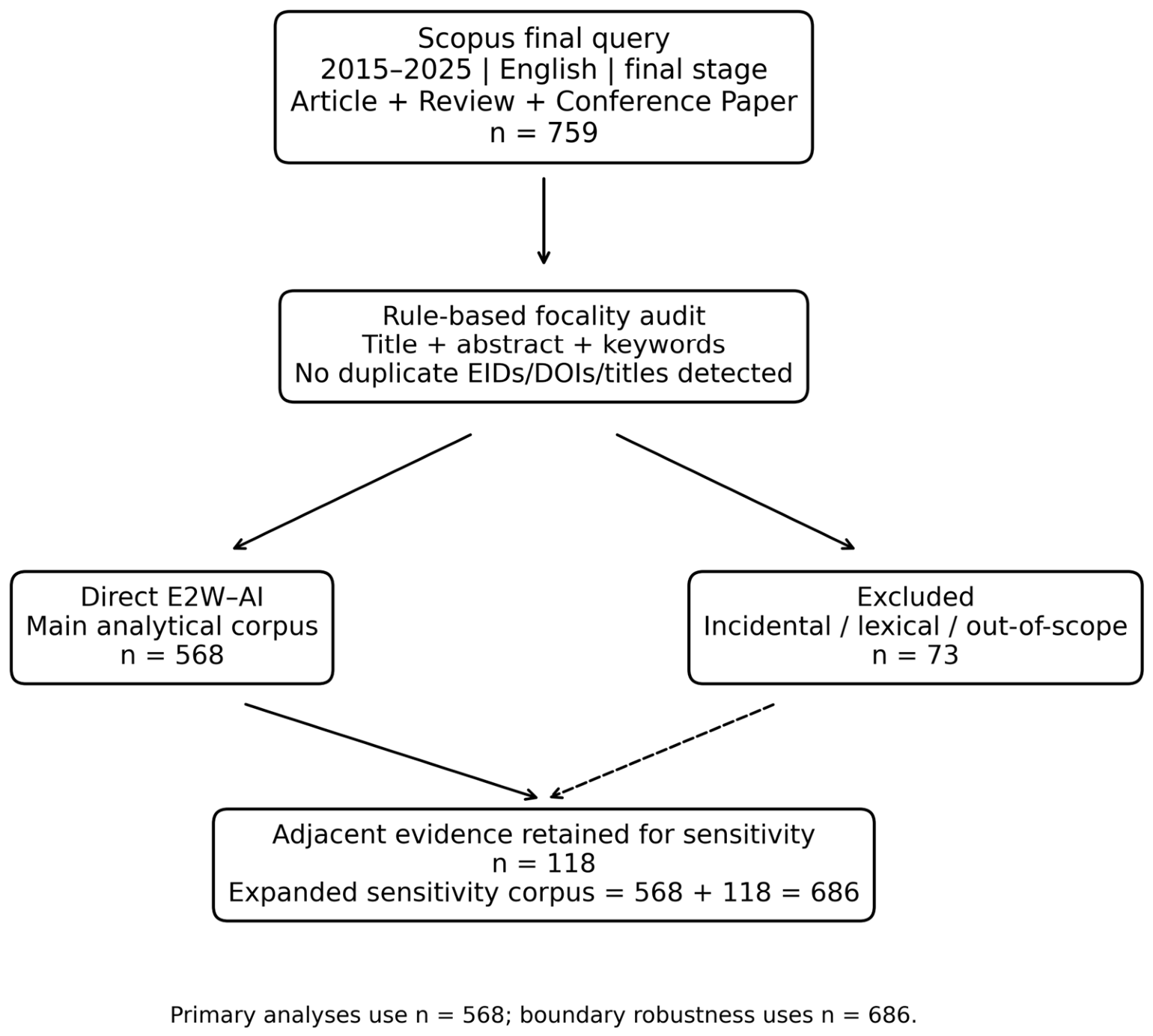
References
- Weiss, M.; Dekker, P.; Moro, A.; Scholz, H.; Patel, M.K. On the electrification of road transportation—A review of the environmental, economic, and social performance of electric two-wheelers. Transp. Res. Part D Transp. Environ. 2015, 41, 348–366. [Google Scholar] [CrossRef] [Scilit] [PubMed]
- Fishman, E.; Cherry, C. E-bikes in the mainstream: Reviewing a decade of research. Transp. Rev. 2016, 36, 72–91. [Google Scholar] [CrossRef] [Scilit]
- Nayak, A.K.; Ganguli, B.; Ajayan, P.M. Advances in electric two-wheeler technologies. Energy Rep. 2023, 9, 3508–3530. [Google Scholar] [CrossRef] [Scilit]
- Amin, A.; Amin, M.S.; Cho, C. An Application to Predict Range of Electric Two-Wheeler Using Machine Learning Techniques. Appl. Sci. 2023, 13, 5840. [Google Scholar] [CrossRef] [Scilit]
- Jang, W.-J.; Kim, D.-H.; Lim, S.-H. An AI Safety Monitoring System for Electric Scooters Based on the Number of Riders and Road Types. Sensors 2023, 23, 9181. [Google Scholar] [CrossRef] [Scilit] [PubMed]
- Li, J.; Li, W.; Zhang, X.; Tang, Y.; He, X.; Tai, W. A non-intrusive method based on deep learning for abnormal electricity consumption detection of electric bicycles. In Proceedings of the 2021 IEEE 2nd China International Youth Conference on Electrical Engineering (CIYCEE), Chengdu, China, 15–17 December 2021. [Google Scholar] [CrossRef] [Scilit]
- Chen, Y.-W.; Cheng, C.-Y.; Li, S.-F.; Yu, C.-H. Location optimization for multiple types of charging stations for electric scooters. Appl. Soft Comput. 2018, 67, 519–528. [Google Scholar] [CrossRef] [Scilit]
- Caliwag, A.C.; Lim, W. Hybrid VARMA and LSTM Method for Lithium-Ion Battery State-of-Charge and Output Voltage Forecasting in Electric Motorcycle Applications. IEEE Access 2019, 7, 59680–59689. [Google Scholar] [CrossRef] [Scilit]
- Guidon, S.; Reck, D.J.; Axhausen, K.W. Expanding a(n) (electric) bicycle-sharing system to a new city: Prediction of demand with spatial regression and random forests. J. Transp. Geogr. 2020, 84, 102692. [Google Scholar] [CrossRef] [Scilit]
- Shi, Z.; Xu, M.; Song, Y.; Zhu, Z. Multi-platform dynamic game and operation of hybrid bike-sharing systems based on reinforcement learning. Transp. Res. Part E Logist. Transp. Rev. 2024, 181, 103374. [Google Scholar] [CrossRef] [Scilit]
- Zhang, F.; Lv, H.; Liu, Y.; Yang, Y.; Wong, M.; Qu, X. Optimizing battery-swapping systems management for electric micro-mobility: A reinforcement learning approach. Transp. Res. Part A Policy Pract. 2025, 195, 104450. [Google Scholar] [CrossRef] [Scilit]
- Campisi, T.; Kuskapan, E.; Codur, M.Y.; Dissanayake, D. Exploring the influence of socio-economic aspects on the use of electric scooters using machine learning applications: A case study in the city of Palermo. Res. Transp. Bus. Manag. 2024, 56, 101172. [Google Scholar] [CrossRef] [Scilit]
- Zhai, G.; Wang, R.; Liu, X.; Mladenović, M.N.; Tang, Y.; Mu, H.; Liu, X.; Yang, H. Built environment impacts on zonal shared e-scooter expenses: A Bayesian learning approach. Transp. Res. Part D Transp. Environ. 2025, 148, 105020. [Google Scholar] [CrossRef] [Scilit]
- Zhou, J.; Li, Z.; Dong, S.; Sun, J.; Zhang, Y. Visualization and bibliometric analysis of e-bike studies: A systematic literature review (1976–2023). Transp. Res. Part D Transp. Environ. 2023, 122, 103891. [Google Scholar] [CrossRef] [Scilit]
- Yurdakul, G.; Aydin, N.; Olanrewaju, O.A. Interdisciplinary perspectives on e-scooters: A bibliometric and systematic analysis of the current research. IET Intell. Transp. Syst. 2025, 19, e70107. [Google Scholar] [CrossRef] [Scilit]
- Domenteanu, A.; Cotfas, L.-A.; Diaconu, P.; Tudor, G.-A.; Delcea, C. AI on Wheels: Bibliometric approach to mapping of research on machine learning and deep learning in electric vehicles. Electronics 2025, 14, 378. [Google Scholar] [CrossRef] [Scilit]
- Pawlik, L.; Wilk-Jakubowski, J.L.; Podosek, K.; Wilk-Jakubowski, G. Machine Learning-Driven Advancements in Electric Motorcycles: A Systematic Review of Electric Motors, Energy Storage, Charging Technologies, and Electronic Components. Energies 2025, 18, 4529. [Google Scholar] [CrossRef] [Scilit]
- Achal, D.K.; Vijaya, G.S. AI-enhanced circular economy and sustainability in the Indian electric two-wheeler industry: A review. World Electr. Veh. J. 2025, 16, 638. [Google Scholar] [CrossRef] [Scilit]
- Donthu, N.; Kumar, S.; Mukherjee, D.; Pandey, N.; Lim, W.M. How to conduct a bibliometric analysis: An overview and guidelines. J. Bus. Res. 2021, 133, 285–296. [Google Scholar] [CrossRef] [Scilit]
- Zupic, I.; Čater, T. Bibliometric methods in management and organization. Organ. Res. Methods 2015, 18, 429–472. [Google Scholar] [CrossRef] [Scilit]
- van Eck, N.J.; Waltman, L. Software survey: VOSviewer, a computer program for bibliometric mapping. Scientometrics 2010, 84, 523–538. [Google Scholar] [CrossRef] [Scilit] [PubMed]
- Breiman, L. Random forests. Mach. Learn. 2001, 45, 5–32. [Google Scholar] [CrossRef] [Scilit]
- LeCun, Y.; Bengio, Y.; Hinton, G. Deep learning. Nature 2015, 521, 436–444. [Google Scholar] [CrossRef] [Scilit] [PubMed]
- Nguyen Duc, K.; Nguyen Duy, T.; Nguyen The, T.; Nguyen, Y.-L.T.; Le, A.T. Predicting energy consumption of electric two-wheelers under real-driving conditions in urban area: An application of Artificial Neural Network. Energy Sustain. Dev. 2025, 87, 101745. [Google Scholar] [CrossRef] [Scilit]
- Jiang, L.; Zhao, B.; Li, Z.; Zhou, Z.; Sun, G. Optimization and management strategies of electric two wheeled vehicle battery exchange network based on artificial intelligence. In Proceedings of the 2024 International Conference on Power, Electrical Engineering, Electronics and Control (PEEEC), Athens, Greece, 14–16 August 2024; pp. 209–213. [Google Scholar] [CrossRef] [Scilit]
- Sutopo, W.; Prianjani, D.; Fahma, F.; Pujiyanto, E.; Rasli, A.; Kowang, T.O. Open Innovation in Developing an Early Standardization of Battery Swapping According to the Indonesian National Standard for Electric Motorcycle Applications. J. Open Innov. Technol. Mark. Complex. 2022, 8, 219. [Google Scholar] [CrossRef] [Scilit]
- Howey, B.; Bilgin, B.; Emadi, A. Design of an External-Rotor Direct Drive E-Bike Switched Reluctance Motor. IEEE Trans. Veh. Technol. 2020, 69, 2552–2562. [Google Scholar] [CrossRef] [Scilit]
- He, Y. Automatic Detection of Electric Motorcycle Based on Improved YOLOv5s Network. J. Electr. Comput. Eng. 2024, 2024, 4889707. [Google Scholar] [CrossRef] [Scilit]
- Bashir, M.T.; Almutairi, A.; Sikandar, M.A.; Khan, M.M.H.; Alanazi, A.O.; Khan, M.H.N. AI-driven real-time detection of motorcycle traffic violations using YOLOv8 and IoT-based analytics. Sci. Rep. 2026, 16, 21494. [Google Scholar] [CrossRef] [Scilit] [PubMed]
- Guo, Y.; Li, Z.; Wu, Y.; Xu, C. Evaluating factors affecting electric bike users’ registration of license plate in China using Bayesian approach. Transp. Res. Part F Traffic Psychol. Behav. 2018, 59, 212–221. [Google Scholar] [CrossRef] [Scilit]
- Yang, Y.; Saridakis, C.; Wadud, Z.; Kothawala, A.; Jena, A.; Ozbilen, B.; Wang, K.; Circella, G.; Castellanos, S.; Grant-Muller, S. Understanding factors influencing user retention in shared e-scooter schemes: A comparative study of the UK/EU and the US. Travel Behav. Soc. 2025, 41, 101067. [Google Scholar] [CrossRef] [Scilit]
- Çallı, L.; Çallı, B.A. Value-centric analysis of user adoption for sustainable urban micro-mobility transportation through shared e-scooter services. Sustain. Dev. 2024, 32, 6408–6433. [Google Scholar] [CrossRef] [Scilit]
- Jafarzadehfadaki, M.; Sisiopiku, V.P. Embracing urban micromobility: A comparative study of e-scooter adoption in Washington, D.C., Miami, and Los Angeles. Urban Sci. 2024, 8, 71. [Google Scholar] [CrossRef] [Scilit]
- Tuli, F.M.; Mitra, S. Dissecting shared e-scooters usage patterns and its impact on other transportation modes: A case study of Portland city. Travel Behav. Soc. 2024, 36, 100812. [Google Scholar] [CrossRef] [Scilit]
- Zhou, Y.; Yu, Y.; Wang, Y.; He, B.; Yang, L. Mode substitution and carbon emission impacts of electric bike sharing systems. Sustain. Cities Soc. 2023, 89, 104312. [Google Scholar] [CrossRef] [Scilit]
- Zuniga-Garcia, N.; Tec, M.; Scott, J.G.; Machemehl, R.B. Evaluation of e-scooters as transit last-mile solution. Transp. Res. Part C Emerg. Technol. 2022, 139, 103660. [Google Scholar] [CrossRef] [Scilit]
- Xie, J.; Xiong, Z. Analysis and research of electric bicycle design based on Hall three-dimensional structure. J. Phys. Conf. Ser. 2020, 1631, 012163. [Google Scholar] [CrossRef] [Scilit]
- Cheng, S.-H. The impact of generative artificial intelligence on design concept ideation: Case study on lightweight two-wheeled vehicles. In HCI International 2023—Late Breaking Papers, Proceedings of the 25th International Conference on Human-Computer Interaction (HCII 2023), Copenhagen, Denmark, 23–28 July 2023; Degen, H., Ntoa, S., Moallem, A., Eds.; Lecture Notes in Computer Science; Springer Nature Switzerland: Cham, Switzerland, 2023; Volume 14059, pp. 39–57. [Google Scholar] [CrossRef] [Scilit]
- Feng, Y.; Lu, X. Deployment and Operation of Battery Swapping Stations for Electric Two-Wheelers Based on Machine Learning. J. Adv. Transp. 2022, 2022, 8351412. [Google Scholar] [CrossRef] [Scilit]
- Al-Habaibeh, A.; Watkins, M.; Shakmak, B.; Javareshk, M.B.; Allison, S. Assessing air quality and physical risks to E-scooter riders in urban environments through artificial intelligence and a mixed methods approach. Appl. Energy 2024, 376, 124282. [Google Scholar] [CrossRef] [Scilit]
- Alai, H.; Jeon, W.; Alexander, L.; Rajamani, R. A smart e-scooter with embedded estimation of rear vehicle trajectories for rider protection. Mech. Syst. Signal Process. 2025, 222, 111786. [Google Scholar] [CrossRef] [Scilit]
- Kumaresan, N.; Rammohan, A. Fuzzy reinforcement learning-based energy management strategy for the integration of hybrid energy storage system of electric vehicle. Results Eng. 2025, 28, 107875. [Google Scholar] [CrossRef] [Scilit]
- Zhang, R.; Mao, J.; Wang, H.; Li, B.; Cheng, X.; Yang, L. A Survey on Federated Learning in Intelligent Transportation Systems. IEEE Trans. Intell. Veh. 2025, 10, 3043–3059. [Google Scholar] [CrossRef] [Scilit]
- Verma, S.; Sharma, A.; Tran, B.; Alahakoon, D. A systematic review of digital twins for electric vehicles. J. Traffic Transp. Eng. Engl. Ed. 2024, 11, 815–834. [Google Scholar] [CrossRef] [Scilit]
- Bhatti, G.; Mohan, H.; Raja Singh, R. Towards the future of smart electric vehicles: Digital twin technology. Renew. Sustain. Energy Rev. 2021, 141, 110801. [Google Scholar] [CrossRef] [Scilit]
- Toorajipour, R.; Sohrabpour, V.; Nazarpour, A.; Oghazi, P.; Fischl, M. Artificial intelligence in supply chain management: A systematic literature review. J. Bus. Res. 2021, 122, 502–517. [Google Scholar] [CrossRef] [Scilit]
- Davenport, T.; Guha, A.; Grewal, D.; Bressgott, T. How artificial intelligence will change the future of marketing. J. Acad. Mark. Sci. 2020, 48, 24–42. [Google Scholar] [CrossRef] [Scilit]
- Huang, M.-H.; Rust, R.T. A strategic framework for artificial intelligence in marketing. J. Acad. Mark. Sci. 2021, 49, 30–50. [Google Scholar] [CrossRef] [Scilit]
- Bawack, R.E.; Wamba, S.F.; Carillo, K.D.A.; Akter, S. Artificial intelligence in E-Commerce: A bibliometric study and literature review. Electron. Mark. 2022, 32, 297–338. [Google Scholar] [CrossRef] [Scilit] [PubMed]
- Nishant, R.; Kennedy, M.; Corbett, J. Artificial intelligence for sustainability: Challenges, opportunities, and a research agenda. Int. J. Inf. Manag. 2020, 53, 102104. [Google Scholar] [CrossRef] [Scilit]
- Vinuesa, R.; Azizpour, H.; Leite, I.; Balaam, M.; Dignum, V.; Domisch, S.; Felländer, A.; Langhans, S.D.; Tegmark, M.; Fuso Nerini, F. The role of artificial intelligence in achieving the Sustainable Development Goals. Nat. Commun. 2020, 11, 233. [Google Scholar] [CrossRef] [Scilit] [PubMed]
- Alqedra, A.; Toha, S.F.; Ibrahim, B.S.K.S.M.K.; Abdullah, M.; Husman, M.A.; Idris, A.S.; Tokhi, M.O. Artificial intelligence for electric motorcycle retrofitting: A structured review and conceptual RaaS framework. Sustain. Futures 2026, 11, 101939. [Google Scholar] [CrossRef] [Scilit]
- Aria, M.; Cuccurullo, C. bibliometrix: An R-tool for comprehensive science mapping analysis. J. Informetr. 2017, 11, 959–975. [Google Scholar] [CrossRef] [Scilit]
- Cobo, M.J.; López-Herrera, A.G.; Herrera-Viedma, E.; Herrera, F. Science mapping software tools: Review, analysis, and cooperative study among tools. J. Am. Soc. Inf. Sci. Technol. 2011, 62, 1382–1402. [Google Scholar] [CrossRef] [Scilit]
- Pranckutė, R. Web of Science (WoS) and Scopus: The titans of bibliographic information in today’s academic world. Publications 2021, 9, 12. [Google Scholar] [CrossRef] [Scilit]
- Blondel, V.D.; Guillaume, J.-L.; Lambiotte, R.; Lefebvre, E. Fast unfolding of communities in large networks. J. Stat. Mech. Theory Exp. 2008, 2008, P10008. [Google Scholar] [CrossRef] [Scilit]
- Small, H. Co-citation in the scientific literature: A new measure of the relationship between two documents. J. Am. Soc. Inf. Sci. 1973, 24, 265–269. [Google Scholar] [CrossRef] [Scilit]
- Kessler, M.M. Bibliographic coupling between scientific papers. Am. Doc. 1963, 14, 10–25. [Google Scholar] [CrossRef] [Scilit]
- Hagberg, A.A.; Schult, D.A.; Swart, P.J. Exploring network structure, dynamics, and function using NetworkX. In Proceedings of the 7th Python in Science Conference (SciPy 2008), Pasadena, CA, USA, 19–24 August 2008; pp. 11–15. [Google Scholar] [CrossRef] [Scilit]
- Cobo, M.J.; López-Herrera, A.G.; Herrera-Viedma, E.; Herrera, F. An approach for detecting, quantifying, and visualizing the evolution of a research field: A practical application to the Fuzzy Sets Theory field. J. Informetr. 2011, 5, 146–166. [Google Scholar] [CrossRef] [Scilit]
- McKenzie, G. Spatiotemporal comparative analysis of scooter-share and bike-share usage patterns in Washington, D.C. J. Transp. Geogr. 2019, 78, 19–28. [Google Scholar] [CrossRef] [Scilit]
- Bai, S.; Jiao, J. Dockless E-scooter usage patterns and urban built environments: A comparison study of Austin, TX, and Minneapolis, MN. Travel Behav. Soc. 2020, 20, 264–272. [Google Scholar] [CrossRef] [Scilit]
- Gössling, S. Integrating e-scooters in urban transportation: Problems, policies, and the prospect of system change. Transp. Res. Part D Transp. Environ. 2020, 79, 102230. [Google Scholar] [CrossRef] [Scilit]
- Ham, S.W.; Cho, J.-H.; Park, S.; Kim, D.-K. Spatiotemporal Demand Prediction Model for E-Scooter Sharing Services with Latent Feature and Deep Learning. Transp. Res. Rec. 2021, 2675, 34–43. [Google Scholar] [CrossRef] [Scilit]
- Ren, S.; He, K.; Girshick, R.; Sun, J. Faster R-CNN: Towards Real-Time Object Detection with Region Proposal Networks. In Advances in Neural Information Processing Systems 28; Cortes, C., Lawrence, N.D., Lee, D.D., Sugiyama, M., Garnett, R., Eds.; Curran Associates, Inc.: Red Hook, NY, USA, 2015; pp. 91–99. Available online: https://papers.neurips.cc/paper_files/paper/2015/hash/14bfa6bb14875e45bba028a21ed38046-Abstract.html (accessed on 29 July 2026).
- Hung, N.B.; Lim, O. A review of history, development, design and research of electric bicycles. Appl. Energy 2020, 260, 114323. [Google Scholar] [CrossRef] [Scilit]
- Schleinitz, K.; Petzoldt, T.; Franke-Bartholdt, L.; Krems, J.; Gehlert, T. The German Naturalistic Cycling Study—Comparing cycling speed of riders of different e-bikes and conventional bicycles. Saf. Sci. 2017, 92, 290–297. [Google Scholar] [CrossRef] [Scilit]
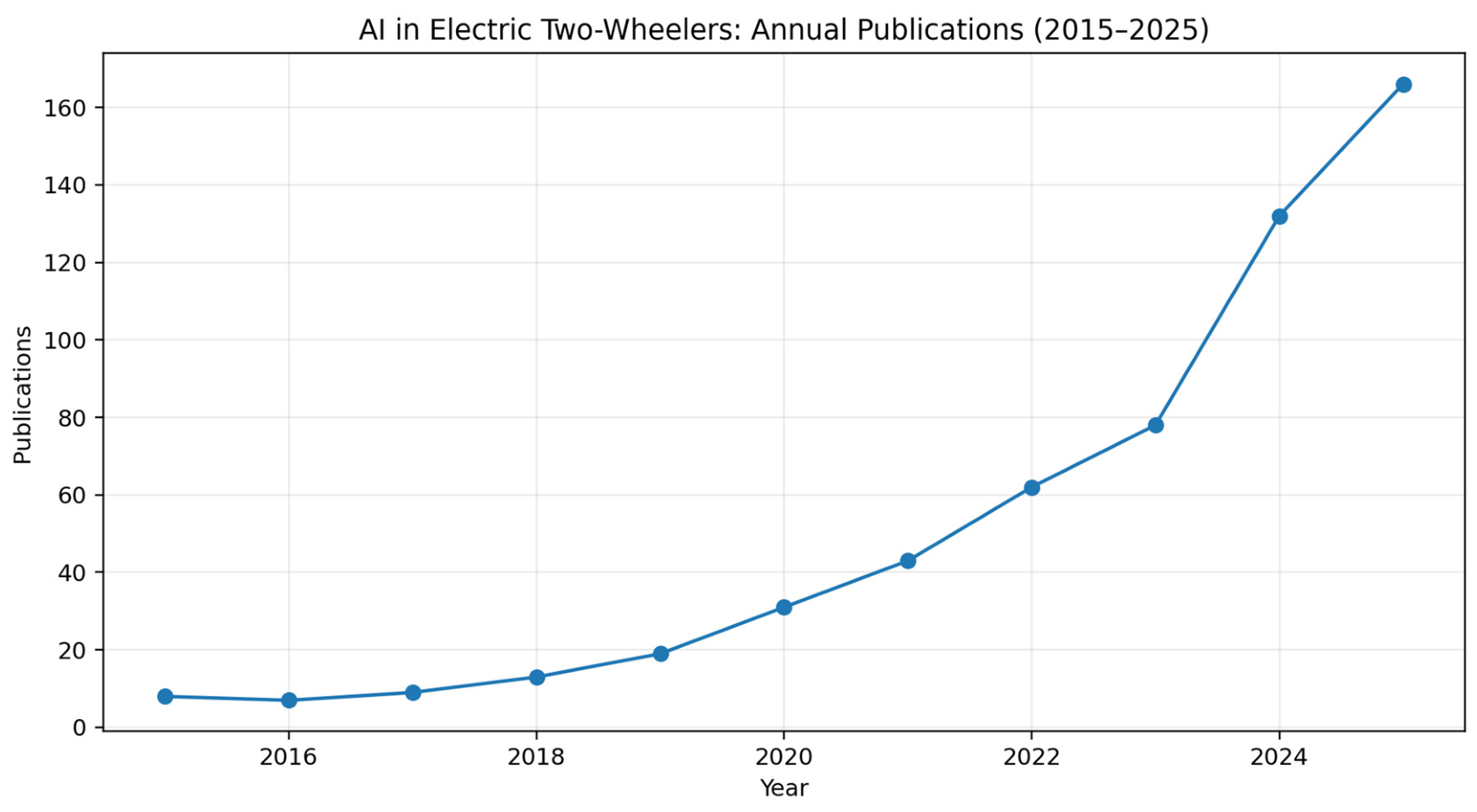
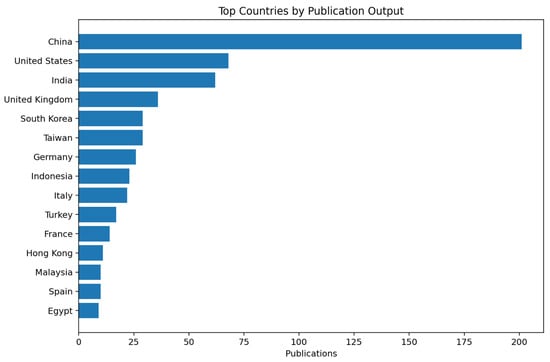
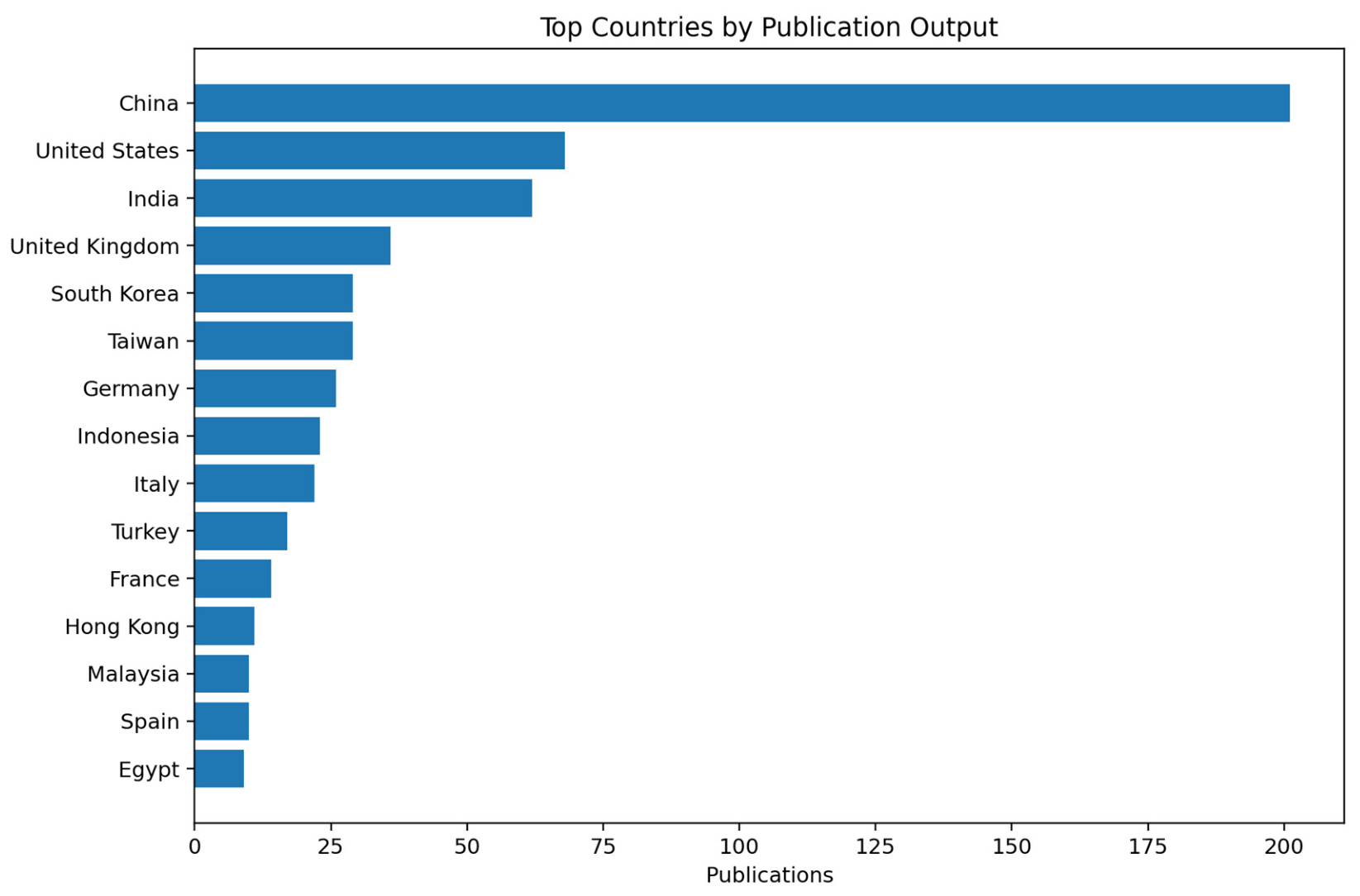
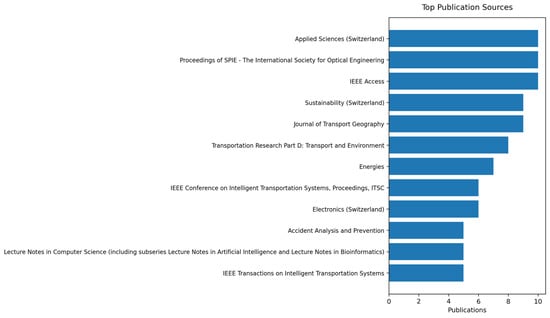
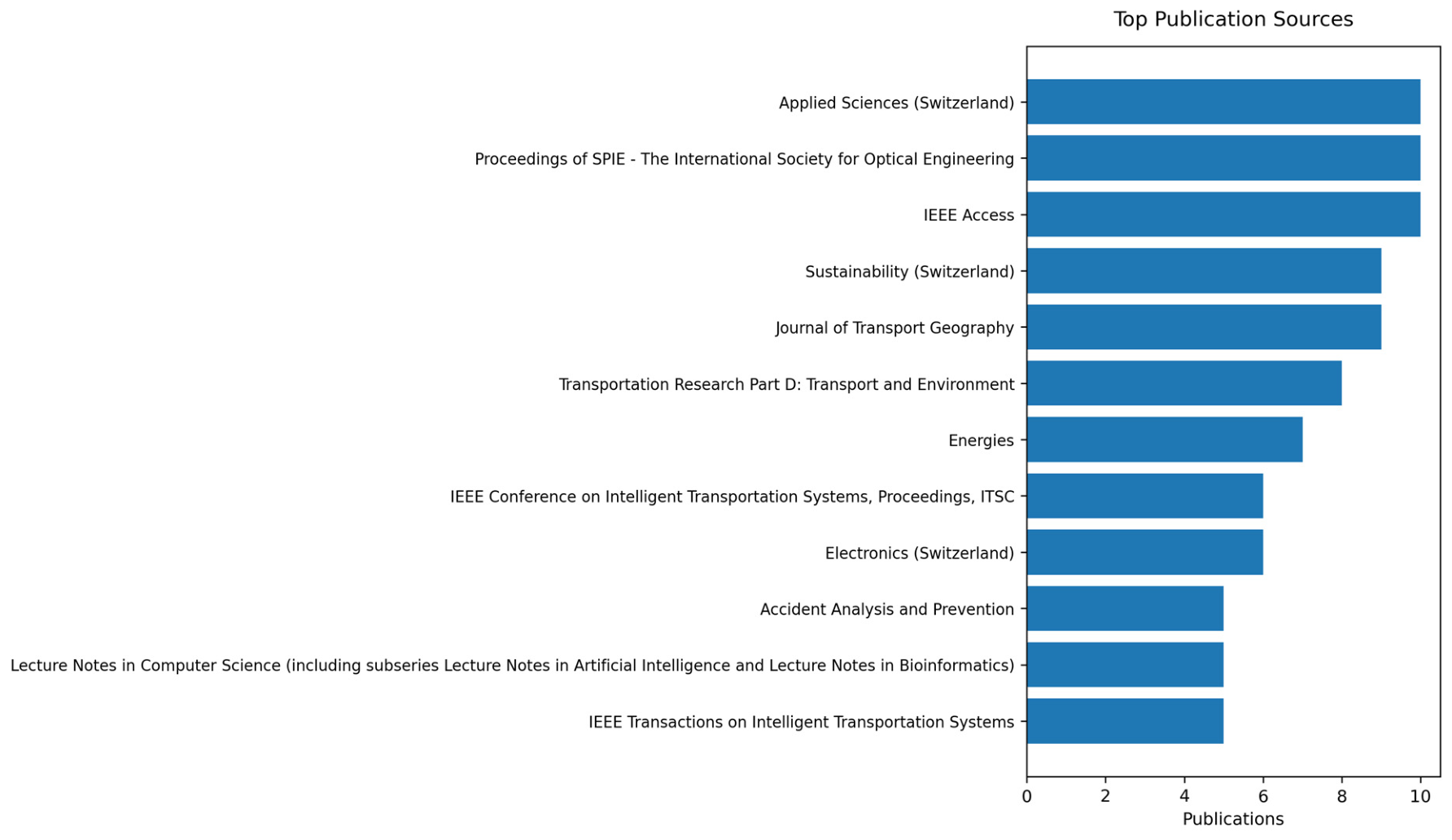
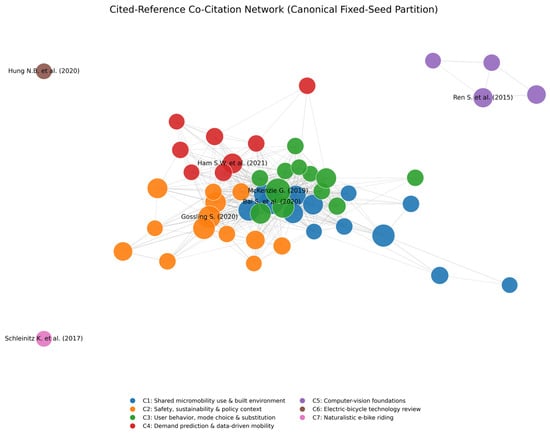
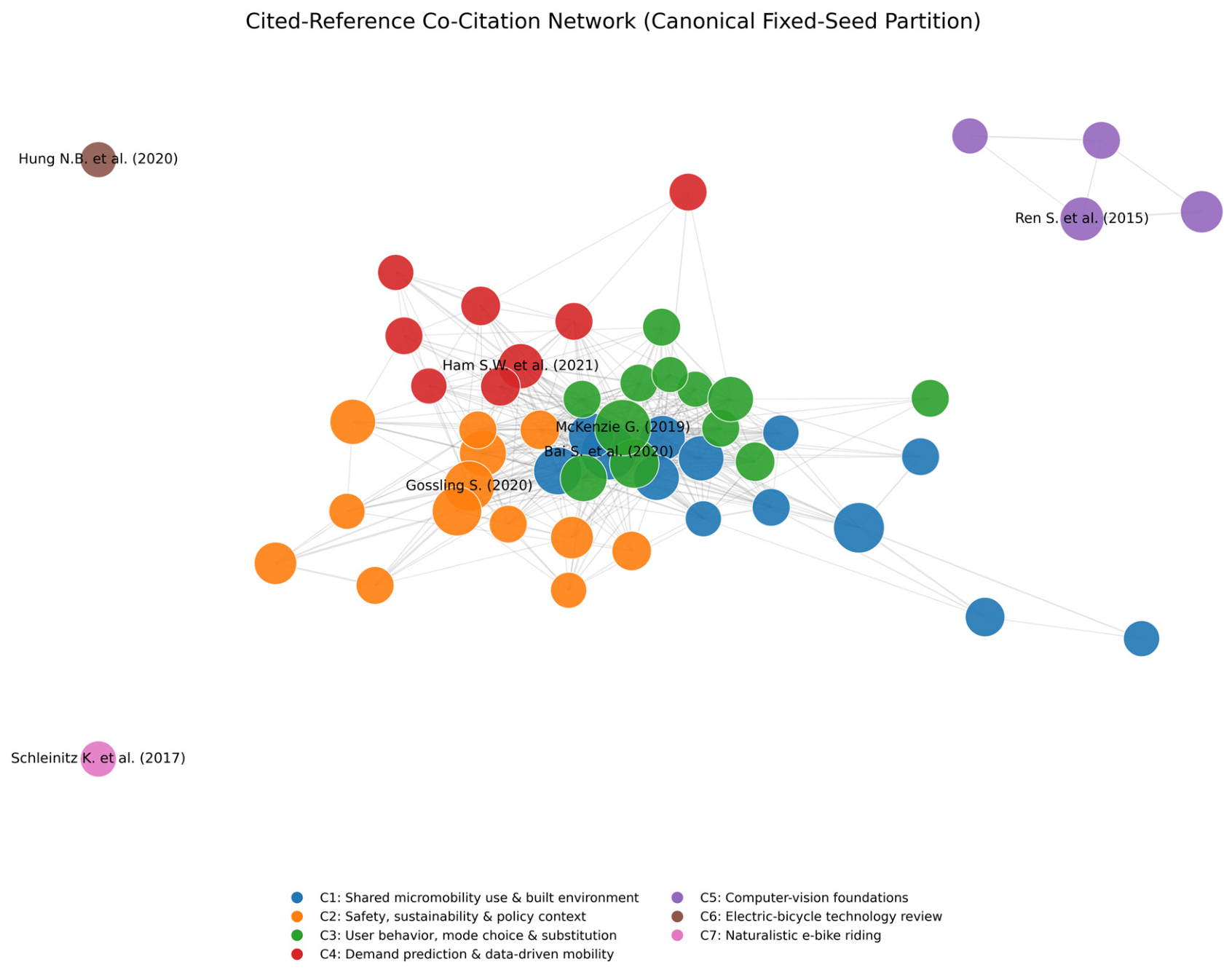
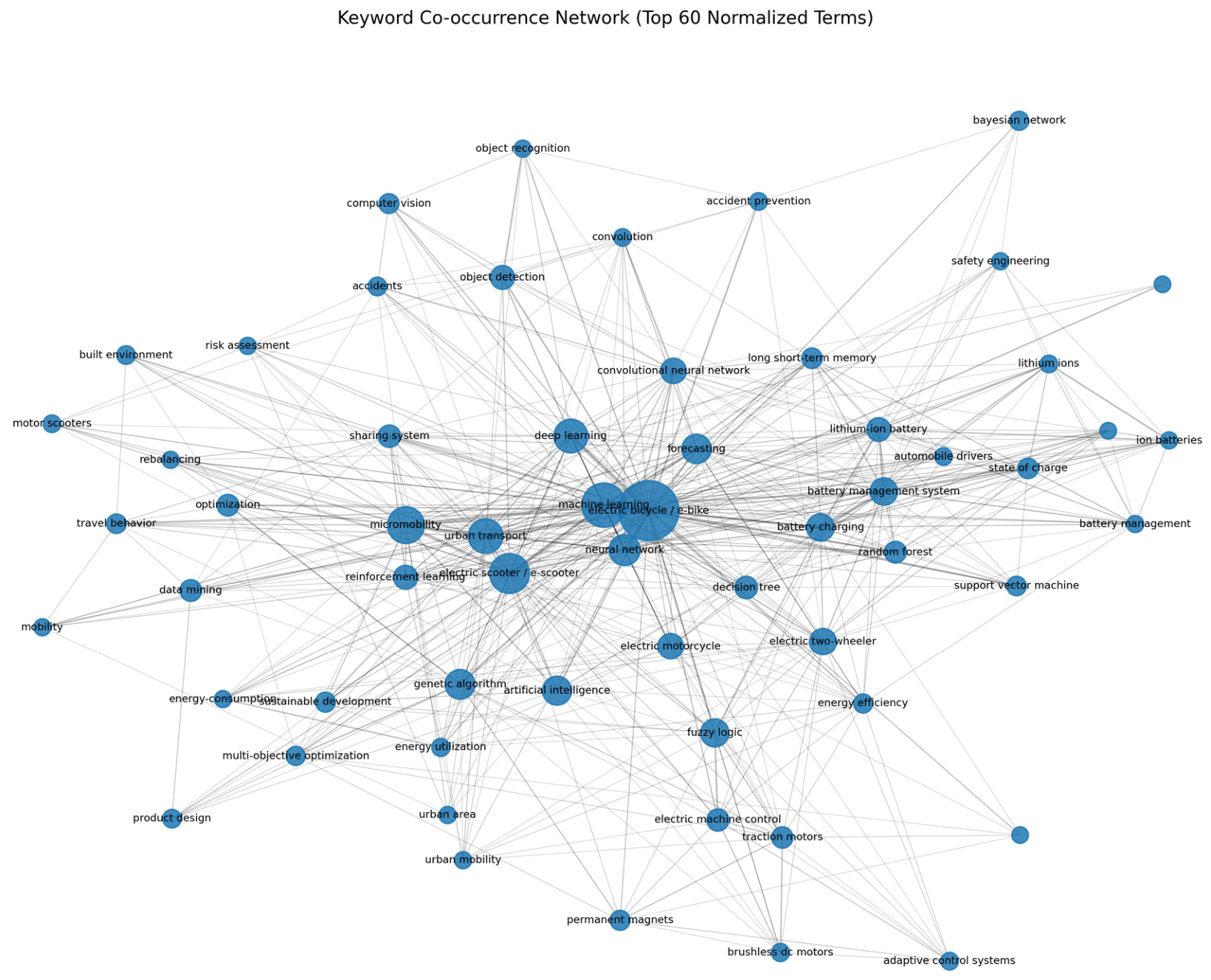
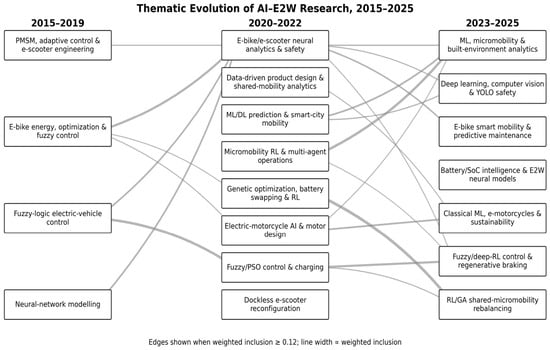
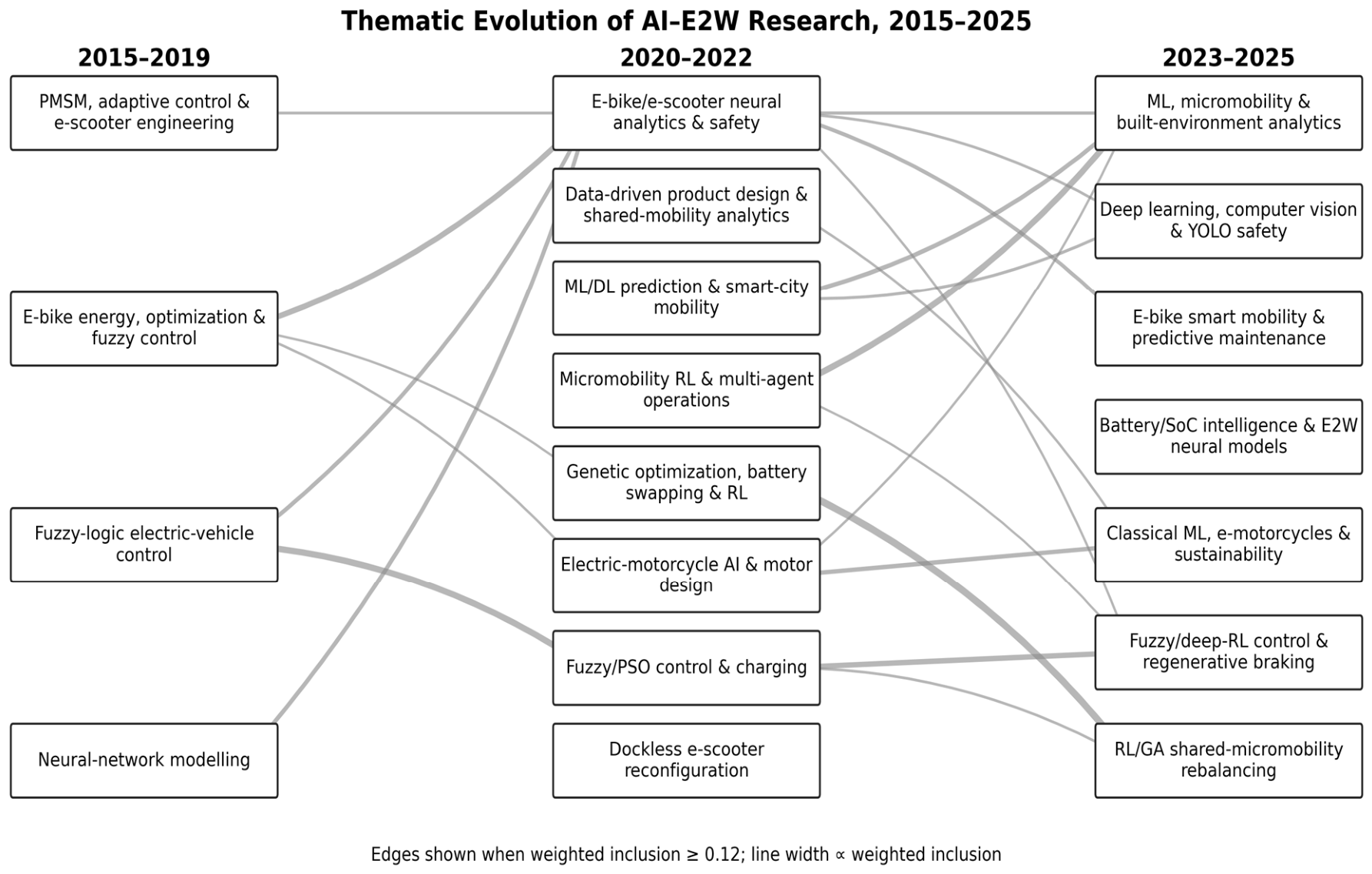
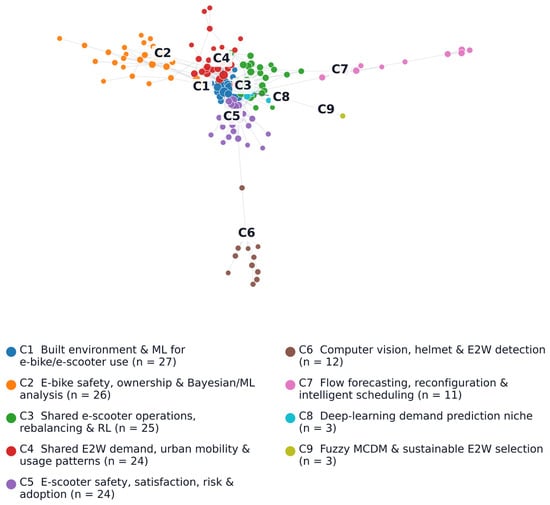
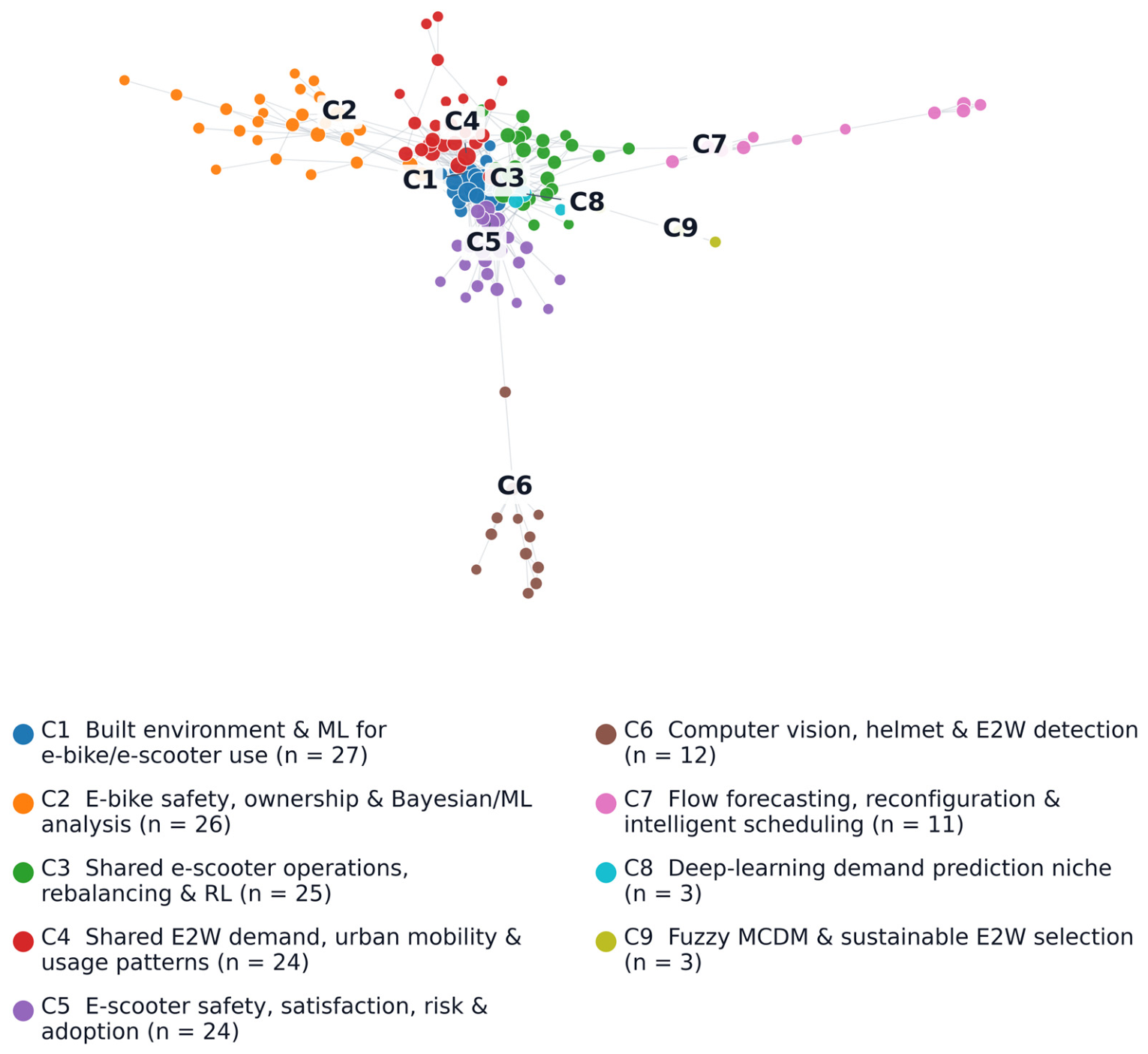
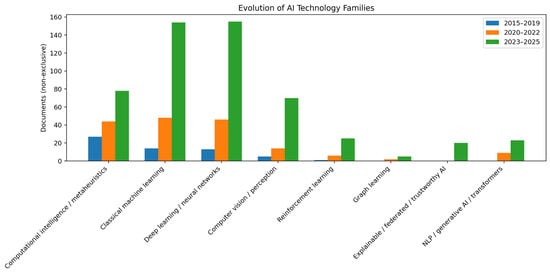
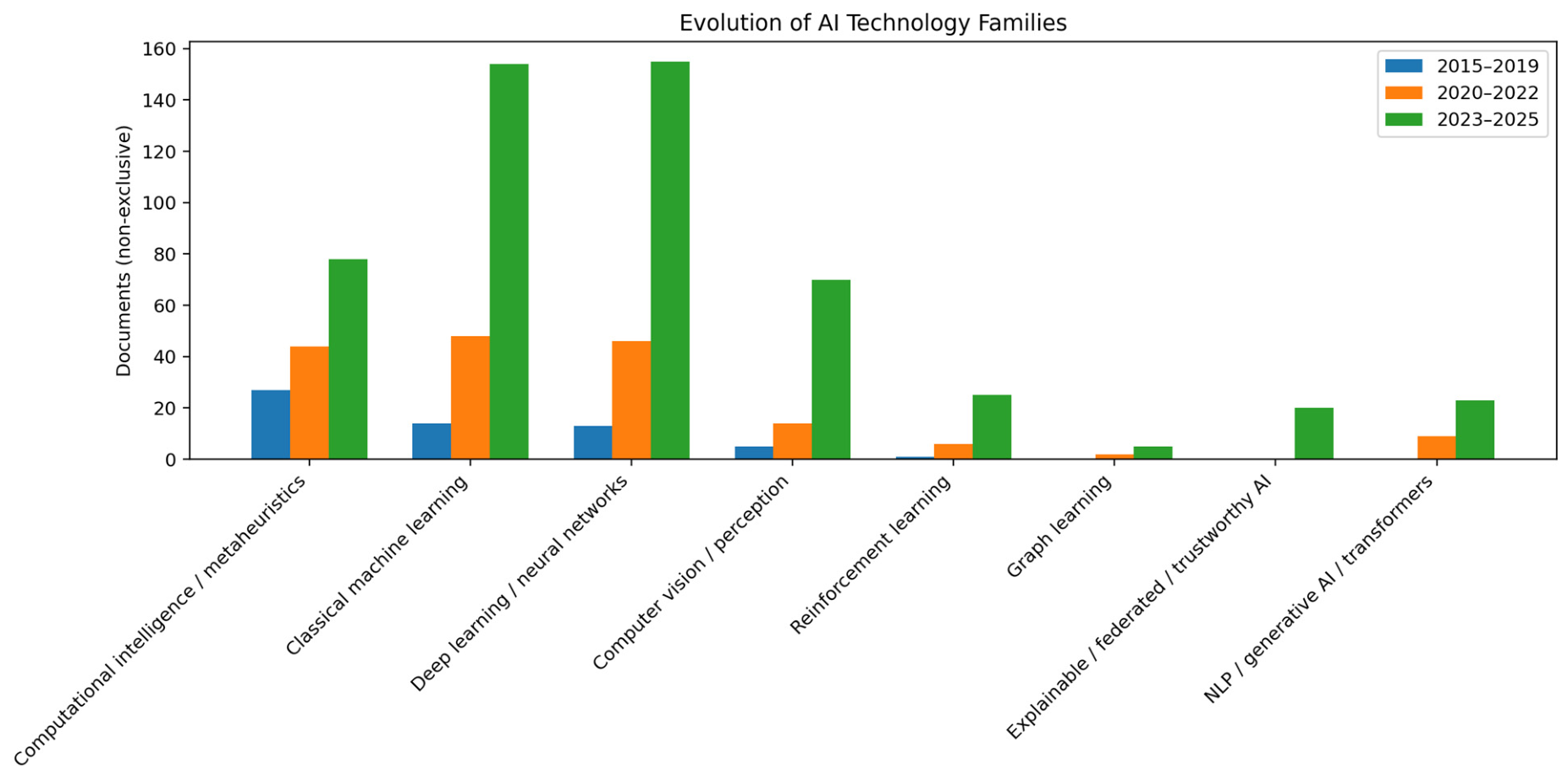
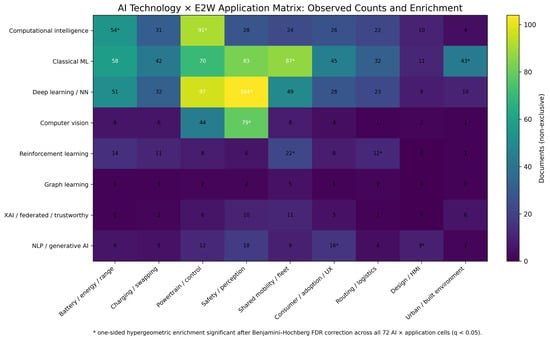
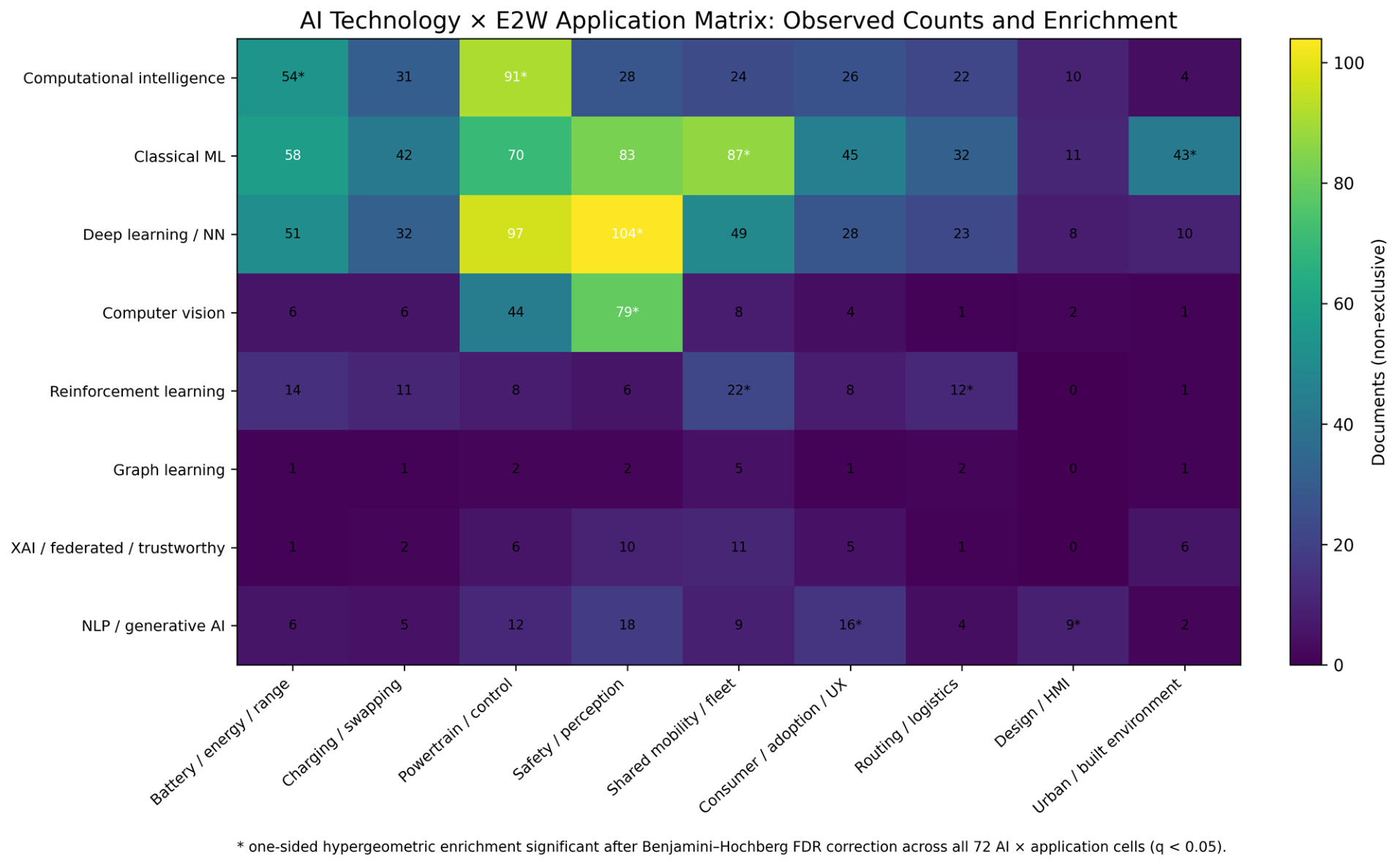
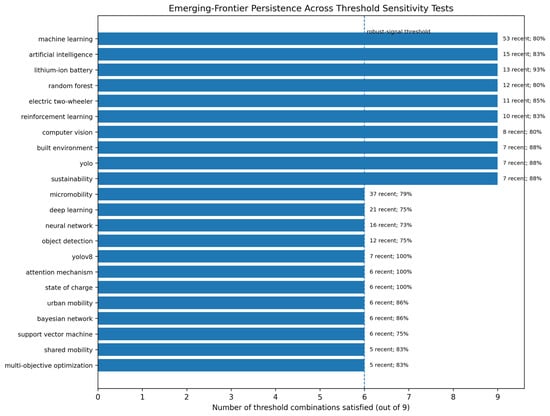
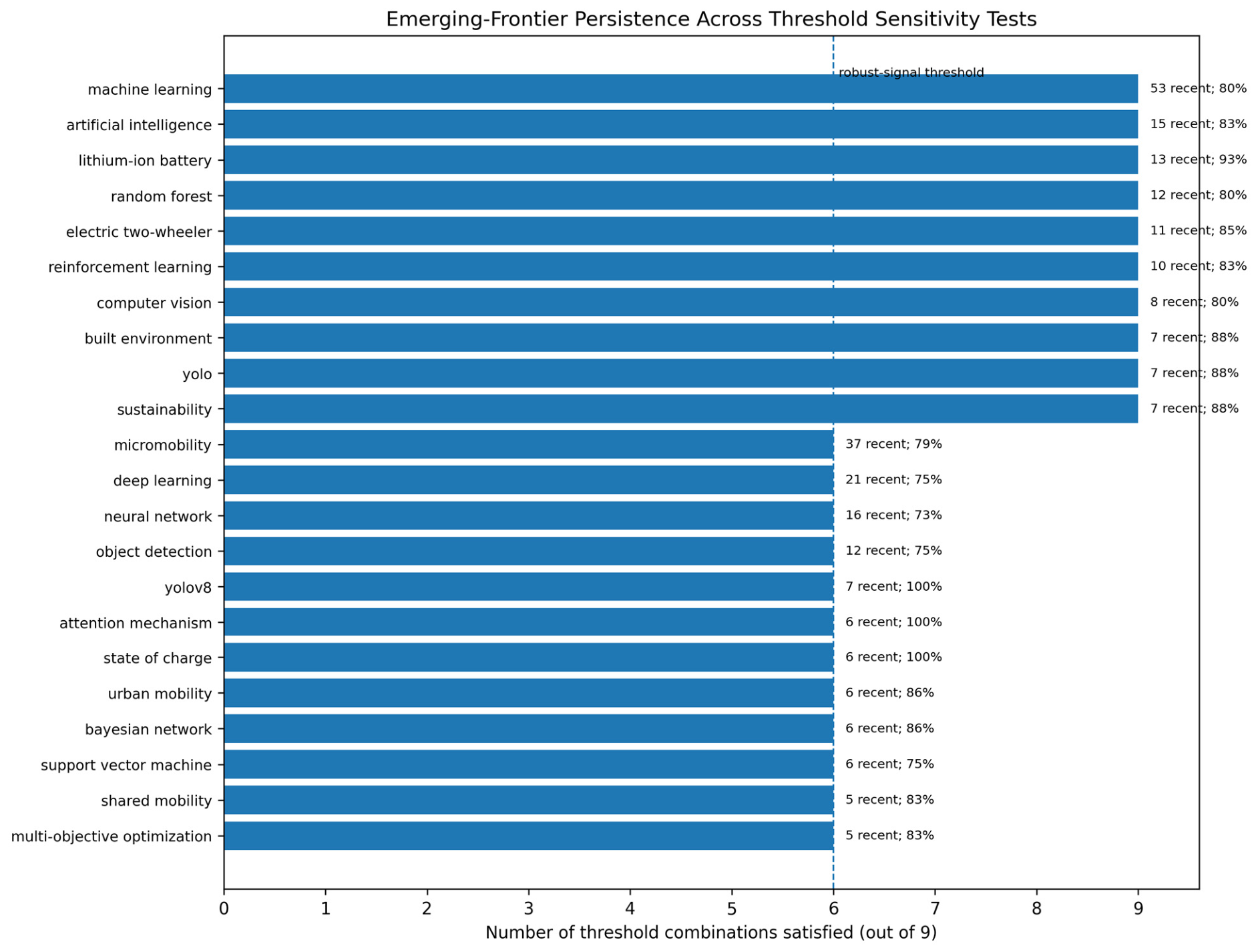

Disclaimer/Publisher’s Note: The statements, opinions and data contained in all publications are solely those of the individual author(s) and contributor(s) and not of MDPI and/or the editor(s). MDPI and/or the editor(s) disclaim responsibility for any injury to people or property resulting from any ideas, methods, instructions or products referred to in the content. |
© 2026 by the authors. Published by MDPI on behalf of the World Electric Vehicle Association. Licensee MDPI, Basel, Switzerland. This article is an open access article distributed under the terms and conditions of the Creative Commons Attribution (CC BY) license.