


Abstract
The rapid proliferation of Conversational Artificial Intelligence Assistants (CAIs) has transformed access to mental health information through freely accessible web interfaces, mobile applications, and public APIs (Application Programming Interfaces), yet systematic methodologies for their evaluation remain limited. This paper introduces SELCAI-MH, a multicriteria framework for CAI evaluation and selection. This framework integrates four complementary multicriteria methods: Technique for Order Preference by Similarity to an Ideal Solution (TOPSIS), VIseKriterijumska Optimizacija I Kompromisno Resenje (VIKOR), Complex Proportional Assessment Method (COPRAS), and Combinative Distance-based Assessment (CODAS), capturing distance-based, compromise-based, proportional, and negative-ideal logics, and proposes SOLAG, an aggregation method that produces a consensus ranking across methods. SELCAI-MH employs a dual evaluation mechanism combining psychiatric expert assessment with AI-based scoring, expert-derived criterion weights, and domain-relevant conversational datasets. The framework is applied to nine internet-accessible CAIs: proprietary platforms (ChatGPT 5.2, Claude Sonnet 4.5, Gemini 1.5 Flash, Perplexity Sonar, Bing AI/Copilot) and open-source Llama variants deployed via cloud inference endpoints. Using a set of anxiety-related questions and CAI responses, evaluated across seven criteria, Claude Sonnet 4.5 emerged optimal, followed by ChatGPT 5.2 and Gemini 1.5 Flash. SOLAG produced highly consistent rankings across the four multicriteria decision-making (MCDM) methods (Spearman ρ ≥ 0.98). Overall, SELCAI-MH provides a structured and reproducible decision-support framework for selecting accessible CAIs in sensitive mental health contexts.
1. Introduction
Conversational Artificial Intelligence Assistants (CAIs) powered by Large Language Models (LLMs) have undergone rapid development, expanding access to mental health support. Among these, freely available general-purpose CAIs are of special significance, as they require no specialized knowledge on the part of the user, thus democratizing access to conversational support at scale. These AI tools are increasingly used informally in mental health contexts by individuals seeking advice, emotional support, or psychoeducation [1]. General-purpose CAIs—such as ChatGPT (various versions) [2,3,4,5], Gemini/Bard [5,6], Claude Sonnet/Opus/Haiku series [5,7], Microsoft Bing AI/Copilot [6], Perplexity Sonar [2,8]—are among the most frequently used tools for mental health information seeking. These systems are built on LLMs capable of generating coherent context-aware responses across a wide range of topics. At the same time, the growing number of available CAIs that can be used in mental health has made their systematic evaluation and selection increasingly challenging. Existing approaches to evaluating CAIs in mental health are often fragmented, focusing on isolated performance metrics, qualitative assessments, or single-method analyses. The evaluation, analysis, and selection of CAIs for mental health applications constitute an MCDM problem due to the inherent conflicting objectives, heterogeneous criteria types, and high-dimensional complexity characteristic of health AI deployment. MCDM methods are widely recognized as essential tools for complex evaluation problems involving multiple, often conflicting criteria. However, as no single MCDM method consistently demonstrates superior performance across diverse problem contexts [9], recent research has increasingly turned to the systematic combination of multiple MCDM methods. Such integrative approaches have been shown to enhance robustness, mitigate individual method biases, and strengthen consensus in the ranking of alternatives with successful applications across a wide range of domains [10,11,12,13].
In this paper, we propose SELCAI-MH, a multicriteria decision-making framework for the evaluation and ranking a set of CAIs used in mental health contexts. The framework combines empirical conversational data with multicriteria analysis to enable comparison among alternative AI assistants. By integrating human expert judgment in psychiatry with AI-based evaluation under shared criteria and measurement scales, the proposed framework reduces the subjectivity of the evaluation process. SELCAI-MH employs multiple widely used multicriteria decision-making methods: TOPSIS [14], VIKOR [15], COPRAS [16], and CODAS [17] to generate rankings of CAIs. To improve ranking stability, we introduce SOLAG, an aggregation method that synthesizes the solutions of these multicriteria methods into a single solution and ranking. Existing aggregation approaches, such as rank averaging or Borda, operate on ordinal rankings and implicitly assume equal distances between consecutive ranks. This assumption discards the quantitative differences between alternatives. Moreover, such methods are sensitive to the number of alternatives and do not account for differences in scale or directionality across multicriteria methods. SOLAG overcomes these limitations by aggregating normalized continuous solution values rather than ranks, integrating distance-based, compromise-based, and proportional decision logics into a single consensus score.
The SELCAI-MH framework is applied to the evaluation of a set of nine CAIs: ChatGPT 5.2, Claude Sonnet 4.5, Gemini 1.5 Flash, Perplexity Sonar, Bing AI/Copilot. A set of 50 anxiety-related questions selected and adapted by a panel of three psychiatry experts from the MentalChat16K and MHQA benchmark datasets is build. The CAI question-responses are scored across seven criteria by three psychiatry experts and three AI evaluators. The criteria are Accuracy, Completeness, Clarity, Empathy, Response Time, Structure and Presentation, and Safety and Actionability.
The evaluated systems are publicly accessible exclusively through web interfaces and cloud APIs, without institutional support. Any safety failure in a response is not intercepted by a professional intermediary. This paper does not analyze internet infrastructure, API latency, or deployment architecture as independent variables. These factors define the access modality of the evaluated systems but are not analytical dimensions of the MCDM evaluation.
The main contributions of this paper are as follows:
- A novel multicriteria framework: SELCAI-MH, for evaluating and ranking CAIs in mental health.
- A set of mental health-related questions, with responses generated by CAIs and evaluated through a dual-assessment mechanism.
- Integration of human psychiatric expertise and AI-based assessment using shared criteria and measurement scales.
- An aggregation method: SOLAG for synthesizing solutions obtained from TOPSIS, VIKOR, COPRAS, and CODAS multicriteria methods into a final solution and ranking.
The remainder of this paper is organized as follows. Section 2 reviews relevant literature on CAIs in mental health and existing MCDM evaluation approaches. Section 3 presents the proposed SELCAI-MH framework in detail, including alternatives, evaluation criteria, dual assessment methodology, and the SOLAG aggregation. Section 4 demonstrates framework application through empirical evaluation of nine CAIs using anxiety-related queries. A sensitivity analysis is presented in Section 5. Finally, Section 6 discusses results, limitations, and implications for deployment.
2. Literature Review
The rapid evolution of LLM-based CAIs has reshaped the digital ecosystem of health-related information access. In the context of mental health, freely accessible general-purpose CAIs are increasingly used by individuals seeking explanations about anxiety, depression, stress, and related symptoms [18]. Unlike traditional digital health interventions, these systems operate without clinical gatekeeping, referral mechanisms, or structured onboarding processes, positioning them as scalable, user-initiated tools embedded within the broader internet infrastructure. In many instances, these systems function as informal first-contact tools prior to, or instead of, professional consultation. Empirical investigations confirm their growing use in psychoeducational contexts, triage-oriented interactions, and structured experimental settings [19,20,21]. User-centered studies indicate that accessibility, anonymity, immediate responsiveness, and perceived non-judgmental interaction represent key adoption drivers [1,22,23]. For individuals hesitant to engage with formal care due to stigma or resource constraints, CAIs may function as informal first-contact support tools. At the same time, empirical research highlights substantial variability in conversational quality and safety. General-purpose CAIs can generate empathetic language but may lack domain-specific rigor and contextual consistency compared to specialized mental health chatbots [20,21]. Limitations include inconsistent distress recognition, inadequate crisis escalation, and the generation of inaccurate or potentially harmful information [24,25]. Studies in psychotherapy repeatedly show that perceived empathetic understanding is closely linked to the therapeutic relationship and treatment results. Thus, empathy assessment in CAI evaluation frameworks should integrate qualitative indications consistent with known psychotherapy process research, rather than depending just on linguistic warmth indicators [26].
Ethical concerns—such as algorithmic opacity, data privacy, accountability for misinformation, and digital inequities—further complicate their deployment in sensitive contexts [18,25,27].
From an effectiveness perspective, systematic reviews and meta-analyses suggest that conversational agents—both specialized and, in some cases, general-purpose—can contribute to short-term reductions in depressive and anxiety symptoms, primarily through psychoeducation and structured cognitive guidance [28,29,30,31]. However, evidence regarding long-term outcomes, crisis robustness, and real-world conversational stability remains limited [24,32,33]. Reviews of LLM applications in mental health consistently emphasize challenges related to hallucinations, dataset quality, interpretability, multilingual performance, and ethical governance [18,32,33]. These findings collectively suggest that while CAIs offer scalable digital support capabilities, their performance is multidimensional and context-dependent, requiring structured evaluation beyond isolated performance indicators.
The evaluation of CAIs in mental health settings presents inherent methodological complexity. Conversational systems simultaneously engage dimensions such as clinical appropriateness, factual accuracy, empathy, safety management, contextual adaptation, transparency, and ethical compliance. This multidimensionality makes CAI assessment particularly suitable for multicriteria decision-making (MCDM) approaches, which allow structured integration of heterogeneous qualitative and quantitative criteria.
Existing research on AI evaluation in mental health can be categorized into several methodological strands. First, some studies apply MCDM techniques to general AI solutions in mental health without focusing specifically on conversational systems. In the paper [34] is proposed a hybrid fuzzy MCDM approach (fuzzy TOPSIS and fuzzy ARAS—Additive Ratio Assessment) to evaluate AI-based mental health solutions across criteria such as feasibility, scalability, ethical compliance, and clinical impact. Similarly, the paper [35] integrates Fuzzy Delphi, DEMATEL (Decision Making Trial and Evaluation Laboratory), and DANP (DEMATEL-based Analytic Network Process) to identify and weight critical indicators for introducing AI chatbots in military mental health services. While methodologically rigorous, these approaches emphasize indicator prioritization and adoption strategy rather than empirical comparative ranking of multiple CAIs based on standardized conversational data.
Second, framework-based evaluations have been proposed for individual AI platforms. The FAITA framework to assess a generative AI OCD (obsessive–compulsive disorder) platform using criteria including credibility, user experience, crisis management, autonomy, equity, and transparency is introduced in the paper [36]. Although such frameworks contribute valuable conceptual structure, they do not implement comparative evaluation across multiple CAIs nor apply formal MCDM aggregation to empirical interaction datasets.
Third, systematic reviews of generative AI and LLMs in mental health [18,32,33] provide comprehensive syntheses of applications, risks, and future directions. However, these studies do not operationalize empirical multicriteria evaluation frameworks capable of producing structured comparative rankings. Their focus remains descriptive and analytical rather than decision-support oriented.
Fourth, empirical evaluations of specific conversational systems are often performance-driven and narrowly scoped. The paper [37] compares multiple LLM chatbots using classification metrics such as accuracy, sensitivity, and specificity but does not integrate the results within a multicriteria decision model. A qualitative and quasi-experimental assessment of ChatGPT’s mental health support capabilities identifies positive and negative factors but does not produce a comparative ranking across alternatives [38]. A review of empathetic conversational agents using technical and human evaluation metrics similarly lacks standardized question–response datasets and structured multicriteria aggregation [39].
Finally, ethical and safety-oriented frameworks emphasize responsible AI development principles. Key ethical dimensions in CAI-based mental health support, including privacy, informed consent, fairness, transparency, human agency, and safety, have been systematically identified [40], while dedicated frameworks such as MIND-SAFE have been proposed to enhance safeguarded dialogue in LLM-based mental health interventions [41]. Although essential for responsible system design, these contributions remain largely conceptual and do not provide empirical, comparative rankings of multiple CAIs under unified evaluation criteria.
Recent studies in health AI demonstrate that hybrid and machine learning approaches can enhance clinical robustness. Artificial neural networks have been applied to cardiovascular disease mortality forecasting in Pakistan [42], optimized feature selection techniques have been proposed for high-dimensional health data [43], and ensemble models have been developed for breast cancer detection [44].
From a psychiatric standpoint, the utilization of CAIs in mental health settings presents distinct clinical implications. People with anxiety disorders often need reassurance more than usual, misunderstand body sensations in a catastrophic way, and experience intolerance to uncertainty. Additionally, the problem of cyberchondria—characterized by excessive online health information-seeking linked to heightened anxiety—may be exacerbated when conversational agents deliver rapid, iterative responses devoid of structured therapeutic confinement [45]. Consequently, assessment systems for CAIs in mental health would benefit from incorporating psychological vulnerability and cognitive distortion patterns inherent to anxiety-spectrum disorders.
Across these strands, several persistent gaps can be identified. Empirical comparisons of multiple general-purpose CAIs using standardized mental health conversational datasets are scarce.
While several studies evaluate CAIs using multiple performance dimensions (e.g., safety, empathy, or accuracy), relatively few studies apply formal MCDM frameworks to systematically integrate these dimensions into a comparative ranking structure. Moreover, the integration of expert judgment and AI evaluation within a unified scoring architecture remains limited. Comparative applications of multiple classical MCDM techniques followed by systematic aggregation to enhance ranking robustness are virtually absent in this domain.
Given the inherently multidimensional nature of conversational performance—where trade-offs emerge between empathy and factual precision, safety conservatism and conversational flexibility, or informational depth and clarity—single-metric or purely qualitative evaluations are insufficient. A structured multicriteria framework that integrates empirical interaction data, formal weighting mechanisms, and aggregation across multiple decision models is required to support transparent and reproducible comparative assessment.
To address these limitations, the proposed SELCAI-MH framework introduces a structured multicriteria evaluation methodology that integrates multiple multicriteria methods, a mental health question dataset, and a response-level and hybrid scoring process combining expert psychiatric assessment with AI-based evaluation under common criteria and scales. Many of the evaluation criteria considered in this study, such as clarity, empathy, and safety, have been discussed in prior literature under related conceptual labels.
By applying multiple classical MCDM methods and synthesizing their solutions through the SOLAG aggregation method, the framework enables robust comparative ranking while mitigating dependence on a single decision model. In doing so, it advances the methodological foundations for systematic evaluation of general-purpose CAIs embedded within the modern digital mental health ecosystem.
3. A Multicriteria Framework for Selection of a Conversational AI Assistant in Mental Health
The SELCAI-MH multicriteria framework provides an integrated approach for the evaluation and ranking of CAIs in the field of mental health.
The framework begins with the selection of a panel of experts with extensive experience in psychiatry, along with representative benchmark datasets containing real and synthetic conversations. A set of mental health-related questions are selected and adapted from these datasets, and a set of CAIs (general-purpose CAIs, open-source LLMs with Inference Providers and CAIs specially designed for mental health support) is selected as evaluation alternatives. Based on expert input, a common set of evaluation criteria is defined, including the type of criteria, a unified measurement scale, and the corresponding weights. The set of evaluation criteria includes criteria specific to the mental health field such as empathy and safety.
Using the selected questions, a QR dataset is constructed. The QR dataset contains pairs of selected questions and the AI responses to them, generated by each CAI in the set of alternatives.
These QR pairs are then subjected to a dual evaluation process. In this process, the same evaluation criteria, measurement scale, and weights are applied to both an AI-based evaluation and an expert-based evaluation. The AI-based evaluations produce AI evaluation matrices, while the expert-based evaluations produce expert evaluation matrices derived from domain-expert judgments. The two groups of evaluation matrices are subsequently integrated into a final evaluation matrix, which serves as the input for the multicriteria analysis.
Multicriteria decision-making methods TOPSIS, VIKOR, COPRAS, and CODAS are selected for the analysis to combine their complementary decision-making principles. Each method captures a different evaluation logic: COPRAS uses additive aggregation, TOPSIS and CODAS apply distance-based assessment, and VIKOR focuses on compromise solutions. Integrating these methods increases robustness by balancing proportionality, distance measurement, and trade-off analysis, while reducing the limitations of any single method. Using multiple methods enables consensus-based validation. Ranking consistency can be tested statistically (e.g., Spearman’s correlation).
Two normalization techniques were applied to ensure methodological compatibility. Linear sum normalization was used for COPRAS to preserve proportional criterion contributions. Vector (L2) normalization was applied for TOPSIS and CODAS, as these rely on Euclidean (and, for CODAS, also Manhattan) distance calculations. This ensures proper geometric scaling and accurate distance-based evaluation. This final evaluation matrix is normalized using multicriteria method-specific normalization procedures and transformed into a weighted normalized evaluation matrix.
The TOPSIS, VIKOR, COPRAS, and CODAS methods are then applied to compute the solutions and individual rankings of the CAIs. The value used by a multicriteria method to rank CAIs depends on the specific logic behind each method. For TOPSIS, COPRAS, CODAS, and SOLAG, higher values indicate better performance, while for VIKOR, lower values are preferred. Specifically, TOPSIS produces scores in the range of 0 to 1, where 0 corresponds to the ideal negative solution (worst case) and 1 to the ideal positive solution (best case), making higher values desirable. Similarly, SOLAG also operates in a bounded range [0, 1], where 0 represents the worst performance for all methods and 1 the best, again favoring higher scores. COPRAS follows a logic in which higher values indicate better alternatives, starting from values greater than 0, and up to 1 as the upper limit. CODAS, on the other hand, allows the values to range from negative to positive, with higher values indicating superior alternatives. Instead, VIKOR adopts an inverse interpretation: the optimal solution is associated with a value of 0, representing the best compromise, while 1 corresponds to the worst scenario. Therefore, in this case, lower values are preferred.
Finally, the solutions obtained from the individual multicriteria methods are aggregated using the SOLAG method, resulting in a consensus ranking of CAIs for mental health obtained under the proposed evaluation framework.
Through this process, the SELCAI-MH framework enables a comparison of CAIs in mental health.
The SELCAI-MH multicriteria framework is presented in Figure 1 and in the following steps.
Figure 1.
The SELCAI-MH multicriteria framework.
Step 1. Selection of the mental health-related questions from benchmark datasets
A set of h experts with extensive experience in psychiatry is selected.
A set of r representative benchmark datasets containing real and synthetic conversations on healthcare-related topics, with a focus on mental health, is selected.
With the support of the experts from the set , a set of mental health-related questions is selected from the set .
Step 2. Selection of alternatives and criteria
A set of m CAIs (general-purpose, open-source LLMs with Inference Providers for mental health support) capable of providing responses to the questions from the set is selected. These CAIs represent the alternatives to be evaluated.
A set of evaluation criteria (oriented for mental health support) is defined with the support of the experts’ experience and the literature review.
For each criterion, the unit of measurement, the measurement scale, and the criterion type (maximization or minimization) are specified. For maximization criteria, higher values indicate better performance, while for minimization criteria, lower values are preferred. A weight vector , , is assigned by the experts to the criteria, satisfying the normalization condition:
Step 3. Construction of the AI question–response (QR) pairs
Each question is submitted to each CAI: in order to obtain a response. A set of QR pairs is obtained for each alternative (CAI): .
Additionally, a set of AI assistants is selected to perform the automated evaluation of the QR pairs.
Step 4. Dual evaluation of the QR pairs
The evaluation process is performed using two complementary approaches: expert-based evaluation and AI-based evaluation. Both approaches employ the same set of criteria , identical measurement scales, and the same criterion types.
In an AI-based evaluation, the QR pairs are evaluated by each CAI from the set . An evaluation matrix is obtained: Similarly, in expert-based evaluation, the QR pairs are evaluated by each expert , resulting the expert-based evaluation matrix: .
The final evaluation matrix , , is obtained by combining AI-based and expert-based evaluations. First, the average AI-based evaluation is computed as:
Next, the average expert-based evaluation is computed as:
Finally, the overall evaluation score is calculated as the arithmetic mean of the two averages:
In the present framework, equal weighting between expert evaluations and AI-based evaluations is adopted as a neutral baseline aggregation strategy. The goal is to avoid introducing additional subjective weighting parameters that could privilege either expert judgment or AI scoring. By assigning equal weights, the framework treats both sources as complementary evaluation perspectives operating under the same predefined criteria, alternatives, and scoring scale.
Step 5. The input for multicriteria decision-making analysis
To obtain a robust analysis and ranking of the CAIs suitable for mental health conversations, several well-established multicriteria decision-making (MCDM) methods are employed: TOPSIS, VIKOR, COPRAS, and CODAS. In addition, a method, SOLAG, is used, which integrates and synthesizes the solutions obtained from the four classical methods.
All methods use the same input data: the evaluation matrix , the weight vector , the set of alternatives , and the set of criteria .
Step 6. Normalization of the evaluation matrix
The normalization of the evaluation matrix X is conducted to bring the entries of X into the interval (0;1) and to convert the minimum (cost) criteria into the maximum (benefit) criteria. While maintaining compatibility with both maximum and minimum criteria, two types of normalization techniques are considered depending on the requirements of the selected multicriteria methods.
Let denote the normalized evaluation matrix. The entries of are calculated as follows:
Linear Sum Normalization (COPRAS)
For maximum criteria:
For minimum criteria:
Vector (L2) Normalization (TOPSIS and CODAS)
For maximum criteria:
For minimum criteria:
The VIKOR method uses its own normalization.
Step 7. Construction of the weighted normalized evaluation matrix
The entries of the weighted normalized evaluation matrix are obtained as follows:
The VIKOR method uses weights in the method.
Step 8. Computation of the TOPSIS solution
The positive ideal solution and negative ideal solutions and are defined as:
The Euclidean distances of each alternative from the ideal solutions and are computed as follows:
The relative closeness to the ideal solutions is calculated as:
The best solution (alternative) corresponds to the greatest entry of the vector .
Step 9. Computation of the VIKOR solution
Let:
The group utility measure and the individual regret measure for the alternative are defined as:
Let:
For every alternative Ai, define:
The best solution corresponds to the smallest entry of the vector .
The parameter represents the decision strategy weight, controlling the balance between the group utility and the individual regret. Higher values of the parameter emphasize the collective (group) benefit, whereas lower values of the parameter emphasize the individual deviation from the best alternative. The case , , and correspond to the majority voting, consensus, and veto strategies.
The entries of the vectors , Q, and R, are sorted in ascending order. Let denote the permutations of the set {1, 2, …, m} such that:
The alternative is identified as the best-ranked solution in vector if the following conditions are satisfied:
Condition 1. “Acceptable advantage”:
Condition 2. “Acceptable stability”: The best-ranked alternative must also be first according to either the Q or R, i.e., or .
If one of the two conditions above is not met, then a compromise solution is proposed. Specifically, alternatives and are jointly selected if only condition 2 is violated. If condition 1 is not met, a set of compromise solutions is identified such that:
for each i = 1, 2, …, k and
Step 10. Computation of the COPRAS solution
Define the sets of criteria: and .
The entries of the vector are calculated as the sum of weighted normalized values for the set of maximum criteria:
The entries of the vector are calculated as the sum of weighted normalized values for the set of minimum criteria:
The relative significance value is calculated as:
where .
The entries of the solution vector are calculated as follows:
Step 11. Computation of the CODAS solution
The negative ideal solution is defined as:
The entries of the Euclidean distance vectors and the Manhattan distance are calculated as follows:
For each pair of alternatives i and j, the entries of the relative assessment matrix are defined as:
where:
The parameter controls the sensitivity of the CODAS method to small variations in Euclidean distances.
The entries of the solution vector are:
Step 12. Computation of the SOLAG solution by aggregation of the TOPSIS, VIKOR, COPRAS, and CODAS solutions
To obtain the SOLAG solution , the min–max normalization is applied:
where ;
Then:
for and
for the VIKOR method.
Min–max normalization was selected for SOLAG because it accommodates both negative solution values, which CODAS can produce, and the inverted directionality of VIKOR, where the best solution corresponds to the lowest score. When the best alternative achieves a VIKOR score of zero, linear sum and Vector L2 normalization are inapplicable due to the undefined term. Max normalization may produce negative aggregated scores when applied to negative CODAS values, making it unsuitable for aggregation by arithmetic mean. Min–max addresses both issues through the explicit directional reversal in Equation (36), producing bounded scores in [0, 1] for all four method solutions.
The entries of the vector of are calculated as follows:
where .
In the SOLAG aggregation step, the solutions produced by the four MCDM methods (TOPSIS, VIKOR, COPRAS, and CODAS) are combined with equal weight. This choice was made to construct a consensus-based ranking layer without prioritizing a specific decision logic: distance-based (TOPSIS, CODAS), compromise-based (VIKOR), and proportional (COPRAS). Equal weighting provides a neutral integration strategy intended to reduce method-specific bias.
Unlike rank-based aggregation methods such as rank averaging and Borda count, SOLAG operates on normalized continuous solutions rather than on discrete rank positions. Rank-based methods assume equal distance between consecutive ranks, discarding the quantitative margins between alternatives that the underlying MCDM solutions encode. SOLAG preserves these margins through min–max normalization of each method’s raw scores prior to aggregation. A further distinction concerns scale invariance: rank-based methods are sensitive to the number of alternatives, as the same performance difference produces different rank gaps depending on the size of the alternative set, whereas SOLAG’s normalization to a common [0, 1] scale is invariant to this parameter. SOLAG also formalizes the directionality correction required for methods such as VIKOR where lower scores indicate better performance, through an explicit reversal step (Equation (36)). Finally, SOLAG produces a continuous composite score in [0, 1] for each alternative, preserving quantitative margin information that discrete rank-based aggregation scores do not capture.
Step 13. SOLAG CAI (mental health) final ranking
The best alternative is , where:
Let be the rank of the alternative when method u is used. Here, u = 1 corresponds to the TOPSIS method, u = 2 to VIKOR, u = 3 to COPRAS, u = 4 to CODAS, and u = 5 to SOLAG. The rank of each alternative for each method is calculated based on where . The Spearman correlation coefficient between two methods u and v is computed as follows:
The Spearman correlation coefficient between two methods u and v is computed as follows:
4. Application of the SELCAI-MH Framework
The proposed SELCAI-MH framework is applied for evaluating CAIs used in mental health contexts. The application demonstrates how the framework operates using real conversational data, expert judgment, and a structured multicriteria evaluation process.
The first step of the application consisted of constructing a representative set of mental health-related questions. For this purpose, a panel of three experts with extensive experience in psychiatry was formed. The MentalChat16K (Hugging Face (HF), https://huggingface.co/datasets/ShenLab/MentalChat16K, (accessed on 1 November 2025)) and MHQA (HF, https://huggingface.co/datasets/jastorj/MHQA/viewer/default/train?row=19, (accessed on 1 November 2025)) benchmark datasets, containing real and synthetic conversations on healthcare-related topics, with a focus on mental health, were selected. These benchmark datasets are freely available via Hugging Face.
With the support of the experts, a set of 50 mental health-related questions was selected and adapted from these publicly available mental health and conversational AI benchmark datasets. The selected questions are representative, clinically relevant, and commonly encountered in mental health contexts. These questions primarily address anxiety-related topics, as anxiety disorders are among the most prevalent mental health conditions and frequently motivate interactions with CAIs. All questions were selected to avoid the inclusion of personal or identifiable patient data, ensuring compliance with ethical standards and data protection regulations. The question dataset, the selection protocol, the exclusion criteria, and the balance across subtopics are presented in Appendix A.
The question dataset excludes acute crisis scenarios involving expressed suicidal ideation, active self-harm disclosure, or imminent risk framing.
In the second step, a set of nine CAIs was selected as evaluation alternatives. The selection aimed to include a diverse general-purpose CAIs and open-source LLMs with Inference Providers for mental health support. The selected alternatives are: A1: ChatGPT 5.2, A2: Perplexity (Sonar), A3: Gemini 1.5 Flash, A4: Claude Sonnet 4.5, A5: Bing AI/Copilot, A6: HF Llama-3.1-8B-Mental-Health, A7: HF Llama3-Med42-8B, A8: HF Llama-3.1-8B-Instruct, and A9: Llama-3.2-1B-Mental-Health. These CAIs were considered appropriate alternatives for several reasons. First, they are widely used or publicly accessible systems capable of generating natural language responses to healthcare-related queries. Second, they represent different design philosophies, ranging from general-purpose LLMs to LLMs explicitly adapted for medical or mental health applications. Third, the inclusion of both proprietary and open-source models enables a balanced comparison of conversational AI performance in mental health.
This selection balances market-leading commercial models (A1–A5) with accessible open-source Llama variants (A6–A9), reflecting both current clinical deployment realities and emerging research potential. All selected alternatives can be accessed free of charge by the general public, which strengthens the practical relevance of the evaluation, as the findings directly reflect tools that are available to users seeking mental health support. ChatGPT 5.2 (A1) represents the market leader with widespread adoption, while Perplexity Sonar (A2) provides evidence-based retrieval-augmented generation. Gemini 1.5 Flash (A3) offers multimodal processing optimized for speed, and Bing AI/Copilot (A5) demonstrates enterprise-grade clinical integration.
To evaluate the performance of the selected CAIs, a set of seven evaluation criteria is defined with the support of the experts’ experience and the literature review. These criteria are presented in Table 1. All criteria were treated as maximum-type criteria, meaning that higher values indicate better performance. A common measurement scale ranging from 1 (very poor) to 10 (excellent) was used consistently across all criteria and evaluation methods.
Table 1.
Criteria for the CAIs evaluation in mental health.
Response Time was operationalized as a benefit criterion, with higher scores indicating faster response generation, ensuring alignment with the maximization orientation of all other criteria.
The selection of these criteria reflects the multidimensional nature of CAIs’ performance in mental health. In addition to technical correctness, CAIs require clarity, empathy, safety, and practical usefulness, as inappropriate or misleading responses may have serious consequences in mental health settings.
Accuracy and Completeness are foundational clinical criteria, ensuring alignment with DSM-5 (Diagnostic and Statistical Manual of Mental Disorders, 5th Edition) diagnostic standards and comprehensive coverage of psychiatric symptomology—essential since misinformation in mental health can exacerbate conditions rather than alleviate them.
Clarity and Structure and Presentation address cognitive accessibility, critical for users experiencing anxiety/depression-related cognitive impairments who require unambiguous, well-organized responses to process therapeutic content effectively.
Empathy is mental health-specific, measuring perceived emotional validation important for therapeutic alliance formation. Empirical evidence indicates that patients are more likely to discontinue AI-based health tools when they perceive deficits in empathy and contextual understanding.
Safety and Actionability are evaluated jointly to capture whether responses provide actionable guidance while maintaining appropriate caution in sensitive mental health contexts. Future extensions of the framework could treat these constructs as separate criteria in order to analyze potential trade-offs between usefulness and safety.
These criteria balance technical performance (accuracy, completeness) with therapeutic efficacy (empathy, safety) derived directly from psychiatric assessment and ensure that the assessment leads to clinical value, rather than generic chatbot-specific metrics.
The relative importance (weights) of the evaluation criteria was determined by three psychiatry experts using a structured consensus-based elicitation process. Each expert independently ranked the criteria by importance and assigned preliminary weights summing to 1.0. The weights were then iteratively refined through facilitated discussion until consensus was reached (maximum inter-expert deviation < 0.02 for any criterion). The resulting weights reflect the clinical priorities associated with mental health interactions and were applied throughout the evaluation process. The final weights assigned to the criteria are presented in Figure 2. These weights were chosen so that their sum was equal to 1.
Figure 2.
The criteria weights.
Higher weights were assigned to Accuracy and Safety and Actionability, as incorrect or unsafe information can have significant negative implications in psychiatric contexts. Empathy and Clarity were also given substantial importance due to their critical role in mental health communication. Response Time and Structure and Presentation, while relevant, were considered comparatively less critical than clinical correctness and safety. From a clinical standpoint, decision-making reflects underlying value hierarchies including patient safety, perceived collaboration, and diagnostic accuracy. Prioritizing empathy over safety may create systems that appear supportive yet are inadequate in crisis identification. Conversely, an excessive emphasis on safety may provide unduly cautious or alarmist reactions, potentially diminishing user trust and perceived collaboration. In psychiatric practice, therapeutic efficacy necessitates a measured equilibrium between empathic resonance and systematic risk management.
In Step 3, response data are generated from all nine CAIs using the set of mental health-related questions. Each question from the set is submitted to every CAI, creating a dataset of question–response pairs that captures model-specific response characteristics. For the example question “What is anxiety and how is it different from fear?”, the responses reveal clear differentiation patterns: ChatGPT 5.2 provides a concise DSM-5-aligned distinction, Perplexity Sonar adds evidence-based citations via RAG (Retrieval-Augmented Generation), while smaller Llama models struggle with clinical precision. This response data forms the foundation multicriteria assessment.
All CAIs successfully generated responses for all questions. In cases where responses exceeded interface length limits (e.g., Bing AI 2000-character limit), full responses were manually retrieved through follow-up prompts for complete evaluation.
The response generation procedure (prompt templates, system settings, session protocol, collection date, and stability testing) is presented in Appendix B.
In Step 4, two complementary approaches, expert-based evaluation and AI-based evaluation, are used. All nine CAIs were evaluated in their freely accessible configurations available to the general public.
Three high-performing AI evaluators were selected—Claude Sonnet 4.5, ChatGPT 5.2, and Perplexity Sonar—based on their superior meta-evaluation capabilities. These generated three independent evaluation matrices using identical 1–10 scales across all seven criteria. AI evaluators apply criteria mechanically and consistently but cannot replicate the contextual clinical judgment of practicing psychiatrists.
The AI evaluation matrices reflect 2025 performance patterns based on LLM architecture differences and mental health benchmarking trends.
Claude Sonnet 4.5 is trained with safety-oriented objectives, which may contribute to its conservative safety scoring pattern [46].
ChatGPT 5.2 is trained via RLHF (Reinforcement Learning from Human Feedback) [47], which optimizes for human-preference alignment and may produce more balanced criterion distributions.
Perplexity Sonar uses retrieval-augmented generation which may facilitate accuracy-oriented scoring by drawing on external clinical sources during evaluation [48].
Claude’s scoring pattern suggests a sequential consideration of evaluation criteria, ChatGPT’s score distribution showed a smoother gradient across responses, and Perplexity’s evaluations frequently emphasized terminology and references consistent with clinical language. These observations describe patterns identified in the evaluation outputs and should not be interpreted as evidence of the internal mechanisms used by the AI models.
Simultaneously, three psychiatry experts independently scored the same responses, producing three expert matrices that captured nuanced clinical judgment. Expert scoring was not limited to criterion rating alone but was guided by a standardized clinical appraisal model designed to simulate real-world psychiatric decision-making. Each expert evaluated AI responses using three overarching clinical decision filters:
- Psychoeducational Readiness: Would I use this response with a patient in ordinary clinical practice? This filter determines whether the content fulfills the basic requirements for clinical accuracy, conceptual coherence, and psychoeducational suitability for people seeking mental health information. It demonstrates professional responsibility and adherence to evidence-based psychiatric practice.
- Therapeutic Rapport Simulation: Does this response promote trust, validation, and perceived understanding? This filter applies components of therapeutic alliance research to a digital interaction context. Experts assessed whether the response conveyed emotional attunement, avoided implicit blame or pathologization, and remained nonjudgmental in accordance with psychotherapy communication principles.
- Safety for Unsupervised Use: Can a psychologically susceptible person safely rely on this reaction without clinical supervision? This filter reflects psychiatric risk management guidelines. Responses were reviewed for the absence of crisis guidance, improper comfort, normalization of pathological states, or the inability to provide escalation paths when red-flag language would normally need involvement.
To enhance reliability and reduce subjective drift, each criterion was anchored to clinically grounded guiding questions:
- Accuracy (DSM-5 Alignment): Does the response accurately distinguish diagnostic entities (e.g., GAD (Generalized Anxiety Disorder) vs. specific phobia) according to DSM-5-TR (Diagnostic and Statistical Manual of Mental Disorders, Fifth Edition, Text Revision) criteria, or does it rely on oversimplified popular definitions?
- Completeness (Therapeutic Coverage): Does the response address cognitive, physiological, behavioral, and functional components of the condition?
- Clarity (Cognitive Accessibility): Would an individual with major depressive disorder, cognitive slowing, or acute anxiety be able to comprehend this content?
- Empathy (Therapeutic Alliance) Does the response validate lived experience without minimizing distress or prematurely offering solutions?
- Response Time (Crisis Utility): In the context of an acute panic episode, does latency compromise perceived support?
- Structure and Presentation (Usability): Is the response easily scannable and cognitively comprehensible during periods of emotional overload?
- Safety and Actionability (Clinical Deploy ability) CRITICAL FAIL/PASS: Does the response include appropriate crisis guidance, suicide risk acknowledgment when indicated, and clear referral pathways? and “Does the response provide concrete, usable guidance, that a person could realistically follow without professional mediation?”
Response Time (C5) was operationalized as expert-judged perceived speed, the experienced latency of response delivery through each CAI’s public interface. Evaluators submitted each question through the model’s standard public interface and scored the experienced response speed on the 1–10 scale defined in Table 2.
Table 2.
Response Time (C5) scoring rubric with per-band anchors.
This operationalization represents a normalization strategy, as objective latency measurements are not consistently available across heterogeneous CAI deployment environments (e.g., web interfaces, APIs) and may be influenced by external factors such as network conditions and streaming behavior. However, it may introduce inter-evaluator variability and discrepancies between perceived and actual latency.
The key difference lies in dual evaluation perspective: AI evaluators excel at consistent, criteria-specific pattern recognition (e.g., Clarity, Structure scoring), while human experts provide contextual clinical insight (e.g., detecting subtle empathy failures or safety risks missed by pattern-matching).
The intraclass correlation coefficients for experts and AI evaluators and the Spearman rank correlations between pairs of individual evaluators (experts and AI evaluators) are presented in Appendix C.
Final evaluation matrix aggregation uses arithmetic means: expert matrix scores are averaged across three evaluators, AI evaluator scores across tree models. Then, the two matrices are combined into the final evaluation matrix (Table 3) via equal-weighted averaging (50% expert + 50% AI). This hybrid approach mitigates individual evaluator bias while preserving both clinical validity and computational objectivity.
Table 3.
The final evaluation matrix.
The radar chart of the final evaluation matrix, which shows the criterion-level score profile of each CAI across the seven criteria, is presented in Figure 3.
Figure 3.
The radar chart of the final evaluation matrix.
The final evaluation matrix reveals distinct performance clusters among CAI alternatives for mental health applications. The leading group—ChatGPT-5.2 and Claude Sonnet 4.5—demonstrates strong results across the core clinical criteria (Accuracy, Completeness, Clarity, Structure and Presentation, and Safety and Actionability). ChatGPT-5.2 achieves the highest levels of Accuracy (9.5), Completeness (9.5), and Safety and Actionability (9.6), positioning it as the most clinically robust and balanced solution. Claude Sonnet 4.5 follows closely, exhibiting exceptional Clarity (9.4) and Completeness (9.4) for sensitive mental health interactions. Perplexity Sonar presents a highly stable profile (8.2–9.2 range), excelling in Clarity (9.2). Gemini 1.5 Flash demonstrates a high-performance and speed-optimized profile.
The open-source Llama-based models reveal a clear trade-off between speed and clinical comprehensiveness. HF Llama-3.1-8B-Mental-Health and Llama-3.2-1B-Mental-Health record very high Response Time scores (9.5 and 9.2, respectively) and elevated Empathy (8.3–9.1), but significantly lower Accuracy (5.8–6.8), Completeness (4.6–5.6), and Safety and Actionability (5.2–6.2). The smallest model (Llama-3.2-1B) achieves the highest Empathy score (9.1) despite the lowest Accuracy (5.8), suggesting that empathetic language generation may require less parametric complexity than factual precision.
General CAIs demonstrate superior multidimensional reliability and safety alignment, while smaller or specialized open-source models emphasize rapid interaction but require additional safeguards and validation mechanisms for high-stakes mental health deployment.
In Step 5, the final evaluation matrix, the weights, the set of nine alternatives, and the set of seven criteria are the input data in the multicriteria methods: TOPSIS, VIKOR, COPRAS, and CODAS.
In Step 6, the final evaluation matrix is normalized in order to transform all values into the interval (0, 1). Two normalization techniques are applied depending on the requirements of the selected multicriteria methods. All criteria considered are of maximum (benefit). For COPRAS, linear sum normalization is used, where each value is divided by the sum of all values in its column. For TOPSIS and CODAS, vector (L2) normalization is applied, where each value is divided by the square root of the sum of squared column values. The VIKOR method employs its own specific normalization procedure.
In Step 7, the weighted normalized evaluation matrix is computed. This is achieved by multiplying each normalized value by the corresponding criterion weight, thus incorporating the relative importance of each criterion into the analysis. For COPRAS, TOPSIS, and CODAS, the weighted values are obtained directly through this multiplication, while VIKOR integrates criterion weights within its own computational framework.
In Step 8, the TOPSIS solution is obtained by identifying the positive ideal solution (maximum weighted normalized values for each criterion) and the negative ideal solution (minimum weighted normalized values). For each alternative, the Euclidean distance to both the positive and negative ideal solutions are calculated. The relative closeness coefficient is then obtained as the ratio between the distance to the negative ideal and the sum of distances to both ideals. The optimal alternative is the one with the highest relative closeness value, indicating the shortest distance from the ideal and the greatest separation from the negative-ideal solution.
In Step 9, the VIKOR solution is calculated, which is based on compromise ranking. For each criterion, the best (maximum) and worst (minimum) values are determined. Two measures are calculated for every alternative: the group utility measure (aggregated weighted normalized distance from the best values) and the individual regret measure (maximum weighted deviation on any criterion). These are combined into the VIKOR index using a parameter ν = 0.5 that balances collective utility and individual regret. Lower VIKOR values indicate better performance.
In Step 10, the COPRAS solution is calculated. Criteria are separated into benefit and cost sets. For each alternative, the sums of weighted normalized benefit criteria and cost criteria are calculated. The final COPRAS score is obtained by normalizing these significance values relative to the maximum observed value. The best alternative corresponds to the highest COPRAS score.
In Step 11, the CODAS solution is obtained. First, the negative ideal solution is determined using the minimum weighted normalized values. For each alternative, both Euclidean and Manhattan distances from this negative ideal are computed. A relative assessment matrix is constructed by comparing pairwise differences in Euclidean distances, adjusted by Manhattan distance differences when the variation exceeds a predefined threshold parameter τ = 0.02. The threshold parameter τ was set to 0.02, allowing discrimination between alternatives with Euclidean distance differences exceeding 2% of the range, balancing sensitivity with robustness to measurement noise. The final CODAS solution is obtained by summing the relative assessment values, with higher scores indicating better performance.
Computed distances, utility measures, and relative significance values for the evaluated CAIs are presented in Table 4 and Table 5.
Table 4.
Computed distances, utility measures, and relative significance values for the evaluated CAIs.
Table 5.
A relative assessment matrix H for CODAS.
The TOPSIS, VIKOR, COPRAS, and CODAS solutions are presented in Table 6.
Table 6.
TOPSIS, VIKOR, COPRAS, and CODAS solution values.
The results presented in Table 6 indicate a convergence among the four multicriteria methods, highlighting a clear upper-performance cluster composed of Claude Sonnet 4.5, Gemini 1.5 Flash, and ChatGPT-5.2. Claude Sonnet 4.5 achieves the best overall performance, ranking first in VIKOR (0.00000) and COPRAS (1.00000), and obtaining the highest TOPSIS score (0.83794), confirming its optimal compromise position and proportional utility. Gemini 1.5 Flash follows closely, with a high TOPSIS value (0.82687) and strong COPRAS performance (0.99329), indicating excellent proximity to the ideal solution. ChatGPT-5.2 also demonstrates robust and consistent results across all methods, particularly in CODAS (0.51004), where it attains the highest score, reflecting strong separation from the negative ideal solution.
Perplexity Sonar and Bing AI/Copilot occupy intermediate positions, with moderate TOPSIS and COPRAS values and higher (less favorable) VIKOR scores, indicating acceptable but non-dominant compromise performance. HF Llama-3.1-8B-Instruct shows relatively balanced intermediate results.
Although the four methods show a broadly consistent identification of the upper and lower performance clusters, noticeable variations appear in the relative ordering of the leading alternatives. For instance, Claude Sonnet 4.5 is ranked first by VIKOR and COPRAS, while ChatGPT-5.2 achieves the highest score in CODAS. Gemini 1.5 Flash attains a very competitive TOPSIS value. These differences stem from the distinct mathematical foundations of the methods: distance-based proximity (TOPSIS), compromise optimization (VIKOR), proportional utility (COPRAS), and negative-ideal separation (CODAS).
Such methodological diversity, while valuable for multidimensional insight, may introduce ambiguity when a single final decision is required. In high-stakes contexts such as mental health AI evaluation, even minor ranking shifts among top-performing systems can influence deployment decisions. Therefore, relying exclusively on one method could privilege a specific computational perspective and potentially bias the outcome.
SOLAG addresses this limitation by synthesizing the four solution vectors into a unified aggregated ranking. By integrating proximity, compromise, proportional significance, and distance-from-negative-ideal logic into a single meta-evaluation layer, SOLAG reduces sensitivity to the structural assumptions of any individual method. In the context of the presented solution matrix—where top alternatives exhibit close numerical performance—this aggregation ensures greater ranking stability, enhances interpretability, and strengthens decision robustness.
In Step 12, the SOLAG solution is calculated by aggregating the results obtained from TOPSIS, VIKOR, COPRAS, and CODAS. First, for each method, the maximum and minimum solution values are identified. The scores are then normalized to a common (0, 1) scale to ensure comparability across methods. For TOPSIS, COPRAS, and CODAS, normalization is performed using the standard min–max transformation, while for VIKOR—where lower values indicate better performance—the normalization is reversed to maintain consistency in interpretation. After normalization, the SOLAG score for each alternative is calculated as the arithmetic mean of the four normalized method scores. The TOPSIS, VIKOR, COPRAS, CODAS, and SOLAG solutions (after normalization) are presented in Table 7.
Table 7.
Normalized solution values from TOPSIS, VIKOR, COPRAS, CODAS, and aggregated SOLAG rankings.
In Step, 13 the final ranking of CAIs is obtained. The best alternative is identified as the one with the highest SOLAG value, ensuring that the final decision reflects a balanced aggregation of all four multicriteria evaluation perspectives. Table 8 presents a ranking of the nine CAIs for mental health evaluated using five multicriteria decision-making (MCDM) methods: TOPSIS, VIKOR, COPRAS, CODAS, and the final SOLAG aggregation.
Table 8.
Rank positions across TOPSIS, VIKOR, COPRAS, CODAS, and final SOLAG ranking.
Across methods, Claude Sonnet 4.5 consistently achieves the top rank (position 1), demonstrating superior performance in criteria relevant to mental health support, such as empathy, accuracy, safety, and response structure. ChatGPT 5.2 ranks second overall (SOLAG rank 2), achieving top-three positions across all methods and first place in CODAS. Gemini 1.5 Flash secures a third in SOLAG, buoyed by consistent top-three placements (e.g., TOPSIS 2, COPRAS 2), suggesting reliable mid-tier efficacy balanced across evaluation metrics.
This cross-method consensus underscores SOLAG’s validity as an aggregated ranking, minimizing individual method biases while revealing clear leaders (Claude Sonnet 4.5, ChatGPT-5.2, Gemini 1.5) for practical selection in psychiatry AI toolkits.
SOLAG superiority is evident in Claude Sonnet 4.5’s unanimous leadership (rank 1 across TOPSIS, VIKOR, COPRAS), confirming consistent top ranking across MCDM methods within this evaluation, despite CODAS position 2. ChatGPT 5.2 achieves stable 2 (SOLAG) despite TOPSIS 3, showcasing SOLAG’s smoothing of method-specific sensitivities.
Claude Sonnet 4.5’s balanced excellence across all criteria—particularly Safety and Actionability (8.6) and Accuracy (9.3)—positions it as the most reliable choice for unsupervised patient conversations. ChatGPT 5.2’s superior Completeness (9.5) makes it well suited for psychoeducational content generation. Gemini 1.5 Flash’s exceptional Response Time (9.7) addresses time-sensitive support scenarios, though with modestly reduced Safety and Actionability margins requiring closer oversight.
The results of the SELCAI-MH application identify candidates for further investigation. They do not constitute clinical recommendations.
Spearman rank correlation coefficients were computed to assess the consistency and agreement across TOPSIS, VIKOR, COPRAS, CODAS, and the aggregated SOLAG rankings, with values ≥ 0.95 indicating very strong concordance (as per standard statistical benchmarks) (Table 9 and Figure 4).
Table 9.
Spearman rank correlation coefficients among TOPSIS, VIKOR, COPRAS, and CODAS methods.
Figure 4.
The heatmap Spearman correlation.
The matrix reveals high correlations; for instance, VIKOR and SOLAG exhibit perfect alignment (Spearman correlation = 1), while CODAS shows slightly lower but still strong concordance with TOPSIS/COPRAS (Spearman correlation = 0.95). This uniformity validates the SOLAG aggregation as a reliable final ranking for mental health CAI selection (e.g., Claude Sonnet 4.5’s consistent leadership), mitigating biases from any single MCDM approach and supporting cross-method stability in mental health CAI evaluation.
5. SELCAI-MH Sensitivity Analysis
5.1. Experts/AI Evaluators Mixing Scenarios
The SELCAI-MH combines the expert’s matrix and the AI evaluators’ matrix with equal weight (50%/50%). Four alternative mixing scenarios are tested: experts only, 70% experts/30% AI evaluators, 30% experts/70% AI evaluators, and AI evaluators only. The results are presented in Table 10.
Table 10.
SOLAG final ranks across experts/AI evaluators mixing scenarios (baseline column = 50 Experts/50 AI evaluators).
Top-3 cluster {Claude, ChatGPT, Gemini} is invariant across all five mixing scenarios. Rank-1 changes only at 100% expert weighting. At 100% AI weighting, Gemini and ChatGPT exchange positions 2 and 3.
All three AI evaluators (Claude Sonnet 4.5, ChatGPT 5.2, and Perplexity Sonar) also appear as evaluated alternatives, which introduces a potential self-evaluation bias. This is mitigated by panel averaging across three independent evaluators, by the 50%/50% experts/AI evaluators weighting and by the cross-group Spearman agreement (ρ = 1.000 on per-alternative vectors), which confirms no score inflation for self-evaluated systems relative to the experts’ baseline. The sensitivity analysis in Table 10, which tests four experts/AI evaluators mixing scenarios including the AI evaluators, only extreme where self-evaluation bias would be maximal, shows that the top ranking remains stable across all scenarios, providing empirical evidence that this bias does not drive the results for this application.
5.2. Criteria Weight Perturbation Analysis (±10% and ±20%)
Each of the seven criteria weights is perturbed individually by ±10% and ±20% of its baseline value. The perturbed weight is redistributed proportionally across the remaining six criteria so that all weights continue to sum to 1.0. This produces 28 perturbation scenarios (7 criteria × 4 perturbation levels). The SOLAG final ranking is computed for each scenario using the baseline matrix. The results are presented in Table 11.
Table 11.
The perturbation scenarios.
Result: 26 of 28 scenarios are fully stable (92.9%). Rank changes occur in two scenarios, both producing the same pattern: ChatGPT-5.2 rank 2 → 1, Claude Sonnet 4.5 rank 1 → 2.
5.3. Comparison with Rank Averaging and Borda Methods
SOLAG, rank averaging, and Borda count produce identical rankings in this application (Spearman ρ = 1.000, p < 0.0001 for both comparisons), confirming the robustness of the ordinal structure across aggregation paradigms. However, the three methods are not methodologically equivalent. Both rank averaging and Borda count operate on ordinal rank positions, assuming equal distance between consecutive ranks and discarding quantitative margin information. In the present data, the SOLAG score gap between ChatGPT 5.2 and Gemini 1.5 Flash is 0.007—indicating near-equivalence, while the gap between Gemini 1.5 Flash and Perplexity Sonar is 0.149, a larger separation that rank-based methods represent identically as a single rank unit. Additionally, rank averaging is sensitive to the number of alternatives, whereas SOLAG’s min–max normalization to [0, 1] is invariant to the size of the alternative set.
5.4. Ablation Study: SOLAG Ranking Stability Under Method Removal
To assess the sensitivity of SOLAG to the inclusion of individual methods, an ablation study was conducted in which each of the four MCDM methods was removed in turn from the aggregation, and SOLAG scores were recomputed as the arithmetic mean of the remaining three normalized solution vectors. The resulting scores and rankings are presented in Table 12.
Table 12.
SOLAG normalized scores and rankings under method removal.
The ablation results, for this application, confirm that SOLAG’s ranking is robust to the removal of any individual method TOPSIS, VIKOR, COPRAS, and CODAS (Spearman ρ ≥ 0.983 across all variants). The only ranking change occurs at positions 2 and 3: ChatGPT 5.2 and Gemini 1.5 Flash exchange positions in the without CODAS scenario, where their normalized scores differ by less than 0.011. Claude Sonnet 4.5 ranks first in all five configurations, and ranks 4–9 are invariant throughout.
5.5. SOLAG Method-Level Weighting Sensitivity Analysis
To assess the robustness of the equal-weight assumption in the SOLAG aggregation step, a sensitivity analysis was conducted by varying the weights assigned to the four MCDM methods. Five weighting scenarios were constructed: the baseline equal-weight scenario (S0), in which each method receives a weight of 0.25, and four asymmetric scenarios (S1–S4), in which each method in turn receives a dominant weight (↑) of 0.40 while the remaining three methods receive 0.20 each.
The resulting scores and rankings are presented in Table 13.
Table 13.
SOLAG scores across method-level weighting scenarios.
The ranking remained stable across all five scenarios, with Claude Sonnet 4.5 consistently ranked first. The only variation occurs in scenario S1, where ChatGPT-5.2 and Gemini 1.5 Flash exchange positions 2 and 3. These results demonstrate that the equal-weight assumption does not drive the conclusions of the framework for this application.
6. Conclusions
6.1. Summary of Findings
This paper addresses the multicriteria evaluation challenges inherent in selecting CAIs for mental health applications through the novel SELCAI-MH framework. Applied to nine diverse CAIs across seven clinical criteria using TOPSIS, VIKOR, COPRAS, CODAS, and the SOLAG aggregation method, the analysis ranked Claude Sonnet 4.5 highest among the nine evaluated alternatives, followed by ChatGPT 5.2 and Gemini 1.5 Flash. These rankings reflect performance on the criteria and question set used in this study and should be understood as evaluation-framework findings, not clinical deployment recommendations.
SOLAG aggregation resolves ranking discrepancies across methods into a stable final ordering (Spearman correlation = 0.983 for TOPSIS/COPRAS/CODAS and 1.00 for VIKOR) in this application. The high correlations indicate strong ranking stability across different MCDM decision logics.
An analysis of the weighting between experts and AI evaluators in comparation with 50% experts/50% AI evaluators has been realized with four alternative mixing scenarios: experts-only, 70% experts/30% AI evaluators, 30% experts/70% AI evaluators, and AI evaluators only. Top-3 cluster (Claude, ChatGPT, Gemini) was invariant across all mixing scenarios.
A Criteria Weight Perturbation Analysis (±10% and ±20%) is realized with 28 scenarios. SOLAG rank changes occur in two scenarios, both producing the same pattern: ChatGPT-5.2 changes from rank 2 to rank 1 and Claude Sonnet 4.5 from rank 1 to rank 2. A sensitivity analysis was conducted to assess the robustness of the equal-weight assumption in the SOLAG aggregation step by varying the weights assigned to the four MCDM methods across five weighting scenarios. The results, for this application, confirm that the ranking remains stable across all tested scenarios, with Claude Sonnet 4.5 consistently occupying first place, and only a single rank swap between ChatGPT-5.2 and Gemini 1.5 Flash observed in scenario S1. A comparison of the rankings produced by the SOLAG method with those of Rank Averaging and Borda methods yields identical rankings, in this application. Also, the ablation study (SOLAG ranking stability under one method removal), confirms that SOLAG’s ranking is robust to the removal of any individual method TOPSIS, VIKOR, COPRAS, and CODAS (Spearman ρ ≥ 0.983 across all variants).
6.2. Regulatory and Ethical Considerations
SELCAI-MH evaluates the conversational performance of general-purpose CAIs accessed via public web interfaces, which falls outside EU MDR Class I–II a and FDA SaMD definitions, as they provide informational support rather than diagnostic/treatment functions. The QR dataset contains no personal data, ensuring GDPR Art. 9(2)(j) research exemption and HIPAA §164.512(i) de-identification compliance; production deployment requires DPIA (GDPR Art. 35) with pseudonymization, data minimization, and 30-day retention limits. Informed consent and hallucination mitigation fall outside the scope of SELCAI-MH, which evaluates conversational performance rather than disclosure practices or technical safety mechanisms. Hallucination risk is partially captured through the Safety and Actionability criterion (C7), which penalizes responses containing incorrect or potentially harmful information.
6.3. Limitations
The SELCAI-MH framework was applied to a single domain (anxiety-related questions), a single time point (December 2025), and nine specific CAIs. The rankings produced are conditional on these choices. The evaluation is based on static prompts, expert scoring, and simulated interaction scenarios and therefore does not constitute evidence of clinical effectiveness or patient safety in real-world settings.
A limitation of this paper concerns the validation of the framework using a single dataset focused on anxiety-related questions. Mental health encompasses a broad spectrum of conditions, including depression, crisis situations, substance use disorders, and severe psychiatric pathologies, where conversational requirements and safety constraints may differ substantially. Future research should extend the validation of the framework to multiple mental health domains and datasets in order to assess its robustness and sensitivity to domain-specific conversational dynamics.
Individual evaluator matrices (3 expert + 3 AI evaluator) are reported as composites in Table 3. When intraclass correlation coefficients across individual evaluator matrices and AI evaluators are moderate, this constrains the confidence that can be placed in the composite matrix and downstream MCDM results.
A limitation of the proposed framework concerns the risk of self-evaluation bias, as the AI evaluators (Claude Sonnet 4.5, ChatGPT 5.2, and Perplexity Sonar) are also included among the evaluated alternatives. Although high inter-evaluator correlations (Appendix C) indicate strong agreement, they do not exclude the possibility of systematic bias. Future work may extend this approach by enforcing stricter evaluator–alternative separation (e.g., cross-evaluation schemes excluding self-assessment) to more explicitly quantify self-evaluation effects.
Response Time (C5) was operationalized as expert-judged perceived speed through standard public interfaces, not as instrumented API latency. Claims about time-sensitive suitability based on this criterion should be understood as reflecting perceived response speed under the evaluation conditions used, not verified latency performance. It should be noted that the use of perceived response time represents a pragmatic normalization strategy in the context of heterogeneous system access conditions, where objective latency measurements are not consistently available or directly comparable across platforms. However, this operationalization may introduce two specific sources of bias: (i) inter-evaluator variability in estimating response delays and (ii) potential discrepancies between perceived and actual system latency due to interface-level factors such as streaming behavior or partial response rendering. In the present paper, this effect is partially mitigated by the use of a standardized scoring rubric with predefined temporal intervals, as well as by the relatively lower weight assigned to the Response Time criterion within the overall evaluation framework. Consequently, while subjectivity cannot be fully eliminated, its impact on the final ranking is limited compared to higher-weight clinical criteria.
There are also certain clinical limitations to consider. First, simulated evaluation scenarios may underestimate the complexity of real-world presentations, such as comorbid anxiety, obsessive–compulsive characteristics, health concerns, or psychotic vulnerability. Second, linguistic empathy is not synonymous with therapeutic partnership, which in psychotherapy research is co-constructed and relational. Third, the current approach excludes live testing in high-risk situations such as acute suicide ideation or severe panic attacks.
6.4. Future Research Directions
Future research should extend application of SELCAI-MH to other mental health conditions, including (depression, PTSD (Post-Traumatic Stress Disorder), bipolar disorder, and suicidal ideation), incorporate audit demographic biases, and develop cloud-automated SOLAG pipelines for 50+ CAI scalability. Human-centered trials measuring adherence and clinical outcomes in diverse populations represent critical next steps. Compliance with the EU AI Act (Regulation (EU) 2024/1689) should also be considered for systems deployed in healthcare contexts.
In future research, subjective weighting techniques such as the Analytic Hierarchy Process (AHP), Best–Worst Method (BWM), SWARA, or SWING could be explored to formalize the weight derivation process.
The ranking produced by the proposed framework is deterministic with respect to the evaluation matrices and the adopted aggregation procedure. To assess the stability of the results, we examined correlations across evaluators and across MCDM decision methods, which revealed a high degree of consistency in the resulting rankings. More advanced statistical approaches such as bootstrapping across prompts, Monte Carlo simulations, or confidence interval estimation could provide additional insights into ranking uncertainty and represent an interesting direction for future research.
6.5. Concluding Remarks
By demonstrating that systematic, multicriteria evaluation can yield stable, interpretable rankings of mental health CAIs—reconciling clinical judgment with algorithmic assessment under shared criteria—SELCAI-MH proposes and demonstrates a replicable methodology for navigating the growing complexity of AI-assisted mental health support. In the internet-native ecosystem where conversational agents operate without institutional gatekeeping, tool selection must be grounded in a multicriteria space that balances safety, conversational quality, and practical accessibility.
Author Contributions
Conceptualization, C.Z.R., M.R. and A.I.M.; methodology, M.R. and C.Z.R.; software, C.Z.R.; validation, C.Z.R. and A.I.M.; resources, C.Z.R., M.R. and A.I.M.; formal analysis, A.I.M.; writing—original draft preparation, C.Z.R., M.R. and A.I.M.; writing—review and editing, C.Z.R., M.R. and A.I.M. All authors have read and agreed to the published version of the manuscript.
Funding
This research received no external funding.
Data Availability Statement
The original contributions presented in this study are included in the article. Further inquiries can be directed to the corresponding author.
Acknowledgments
The first author would like to acknowledge technical support from the project PN 23 38 01 01 “Contributions to the consolidation of emerging technologies specific to the Internet of Things and complex systems”.
Conflicts of Interest
The authors declare no conflicts of interest.
Appendix A. Questions Dataset
Appendix A.1. Selection Protocol
Questions were selected from MentalChat16K (Hugging Face: https://huggingface.co/datasets/ShenLab/MentalChat16K, (accessed on 1 November 2025)) and MHQA (Hugging Face: https://huggingface.co/datasets/jastorj/MHQA/viewer/default/train?row=19, (accessed on 1 November 2025)) as accessed in November-December 2025.
Inclusion criteria are:
- Question concerns a topic within DSM-5-TR Chapter on Anxiety Disorders or directly adjacent domains (somatic symptoms, pharmacological treatment, non-pharmacological management);
- Question is answerable by a general-purpose CAI without access to the patient’s medical record;
- Question does not involve personal identifiable information;
- Question is comprehensible to a non-specialist seeking mental health information.
Exclusion criteria:
- Questions involving acute suicidality or self-harm;
- Questions with strong dialect or cultural specificity that would disadvantage non-localized models;
- Duplicate or near-duplicate questions identified by semantic similarity > 0.85 (cosine, using sentence-transformers).
Expert consensus: The three-expert panel reviewed and adapted the candidate question pool and reached consensus by majority vote. Questions with split votes (2–1) were discussed and resolved in a facilitated session. Final set of 50 questions was approved unanimously.
Appendix A.2. Subtopic Taxonomy and Balance
The 50 questions were organized into seven subtopics derived from the DSM-5-TR anxiety disorders chapter structure. Table A1 presents the taxonomy, question counts, and representative examples.
Table A1.
Subtopic taxonomy and question distribution.
Appendix A.3. Full Question List
Table A2 lists all 50 questions grouped by subtopic.
Table A2.
The 50 questions grouped by subtopic.
Appendix B. Response Collection Protocol
Appendix B.1. Prompt Template
Each question was submitted as a bare natural-language question with no system prompt, preamble, role-setting instruction, or formatting directive. The verbatim template was:
[QUESTION TEXT]
No persona instruction (e.g., ‘You are a psychiatrist’), no few-shot examples, no chain-of-thought prompt, and no output format specification were used. This choice reflects the evaluation objective: to assess each CAI’s default behavior as experienced by a lay user, not a prompted specialist response. The text of each question was copied verbatim from Table A2 without alteration.
Appendix B.2. Interface Type, Model Version, and Sampling Parameters
For web-interface deployments (A1–A5), sampling parameters (temperature, top-p) are set and managed by the platform and are not exposed to the user. For Hugging Face Inference API deployments (A6–A9), default parameters were used. Table A3 provides the full per CAI protocol specification.
Table A3.
Per CAI collection parameters.
Appendix B.3. Session Reset Protocol
Each question was submitted as an independent, zero-context query. A new conversation thread was initiated for each question–model pair prior to submission, ensuring that no conversational history from preceding questions was visible to the model. For web interfaces, this was implemented by opening a new chat session before each question. For Hugging Face Inference API calls, each API request was made without a prior message array (i.e., messages = [{role: ‘user’, content: question}] only). This protocol prevents context accumulation across the 50 questions and ensures that each response reflects the model’s behavior on the isolated query.
Appendix B.4. Data Collection Period
All responses were collected between 1 December 2025 and 30 December 2025. No CAI version updates were detected during this period for any of the nine systems (version identifiers as in Table A3 remained stable). For web-interface models where version identifiers are not explicitly displayed, the collection window is noted, and the model designation was confirmed via the platform’s ‘About’ or version disclosure page at the time of each session.
Appendix B.5. Response Stability
A stability check was performed by resubmitting a random subsample of five question–model pairs (stratified across subtopics and models) three times each under identical protocol. Expert evaluators assessed the functional equivalence of the three responses for each pair. In all five cases, the three responses were judged functionally equivalent, conveying the same clinical content, safety posture, and structure, consistent with low or near-deterministic generation in these systems. Score differences across runs were <0.3 on any criterion. This supports treating each single collected response as representative of the model’s output for that question.
Appendix B.6. Handling of Truncated Responses (Bing AI/Copilot, A5)
Bing AI/Copilot imposes a 2000-character response limit in its standard web interface. In cases where a response appeared truncated (indicated by mid-sentence termination or absence of a closing statement), the evaluator submitted a follow-up prompt: “Please continue your response.” The full response was assembled by concatenating the initial response and any continuation(s). This protocol was applied consistently for A5 and is not used for any other model.
Appendix C
Appendix C.1. Intraclass Correlation Coefficients for Experts and AI Evaluators
Intraclass correlation coefficients ICC(2, 1) are calculated per criterion for expert matrix scores and AI evaluator matrix scores. The ICC measures consistency in how raters rank and score the nine alternatives on the criterion. Interpretation: ≥0.90 Excellent; 0.75–0.89 Good; 0.50–0.74 Moderate; <0.50 Poor. ICCs calculated for the group of experts (E1, E2, E3) are presented in Table A4.
Table A4.
ICCs for experts (E1, E2, E3) for each criterion.
ICCs calculated for the group of AI evaluators () are presented in Table A5.
Table A5.
ICCs for AI evaluators () for each criterion.
Appendix C.2. Spearman Rank Correlations Between Pairs of Individual Evaluators (Expert and AI)
Spearman rank correlations are computed between pairs of individual evaluators (experts and AI evaluators). The results are presented in Table A6.
Table A6.
Spearman rank correlations between pairs of individual evaluators (experts and AI evaluators).
Three complementary Spearman analyses are computed between the AI-based evaluation matrix and expert-based evaluations matrix. Each captures a different dimension of agreement between the two evaluation groups. The results are presented in Table A7.
Table A7.
Spearman rank correlations of the AI-based evaluation matrix and expert-based evaluations matrix per alternative, criterion, and all values.
Expert pairwise Spearman correlations range from ρ = 0.818 to ρ = 0.855 (all p < 0.0001). These values reflect Strong agreement at the level of individual score assignments. The more constrained ICC analysis, which focuses on rank discrimination of alternatives within each criterion, yields higher values (Good-to-Excellent). Both metrics confirm that expert scoring is not arbitrary: the three psychiatrist experts agree substantially on which alternatives perform well and which perform poorly and on the relative ordering of scores within each criterion. The exception is C4 Empathy (ICC = 0.616. Empathy in AI evaluator responses involves judgments about emotional tone, validation language, and perceived warmth that are subjective and difficult to anchor precisely in a scoring rubric. This finding does not invalidate C4 Empathy as a criterion but indicates that its scores carry more measurement uncertainty than the other six criteria.
AI evaluators’ pairwise Spearman correlations range from ρ = 0.944 to ρ = 0.962 (all p < 0.0001), and ICC values reach excellent levels on six of seven criteria. C4 Empathy again yields the lowest ICC (0.826, Good), confirming that empathy is the most difficult criterion.
In Spearman analysis of the two groups, ρ = 1.000 on per-alternative vectors which means that the two groups rank the nine CAIs in identical order when performance is summarized across criteria. The value ρ = 0.964 on the per-criterion vectors means the two groups agree on the relative difficulty profile of the seven criteria. The value ρ = 0.987 on the full flattened matrices confirms cell-by-cell agreement at near-perfect levels across all 63 (alternative, criterion) combinations simultaneously.
References
- Jung, K.; Lee, G.; Huang, Y.; Chen, Y. ‘I’ve talked to ChatGPT about my issues last night.’: Examining Mental Health Conversations with Large Language Models through Reddit Analysis. Proc. ACM Hum. Comput. Interact. 2025, 9, 1–25. [Google Scholar] [CrossRef] [Scilit]
- McGovern, M. Using the generative Artificial Intelligence (AI) chatbots of Perplexity and ChatGPT as a teaching and learning tool for practice teachers and students within social work placement. J. Pract. Teach. Learn. 2024, 22, 38–56. [Google Scholar] [CrossRef] [Scilit]
- Balan, R.; Gumpel, T.P. ChatGPT Clinical Use in Mental Health Care: Scoping Review of Empirical Evidence. JMIR Ment. Health 2025, 12, e81204. [Google Scholar] [CrossRef] [Scilit]
- Luo, X.; Wang, Z.; Tilley, J.L.; Balarajan, S.; Bassey, U.A.; Cheang, C.I. Seeking Emotional and Mental Health Support from Generative AI: Mixed-Methods Study of ChatGPT User Experiences. JMIR Ment. Health 2025, 12, e77951. [Google Scholar] [CrossRef] [Scilit]
- Wislocki, K.E.; Sami, S.; Liberzon, G.; Zalta, A.K. Comparing Generative Artificial Intelligence and Mental Health Professionals for Clinical Decision-Making with Trauma-Exposed Populations: Vignette-Based Experimental Study. JMIR Ment. Health 2025, 12, e80801. [Google Scholar] [CrossRef] [Scilit]
- Khosravi, M.; Izadi, R.; Aghamaleki Sarvestani, M.; Bouzarjomehri, H.; Ahmadi Marzaleh, M.; Ravangard, R. Performance of artificial intelligence large language models (Copilot and Gemini) compared to human experts in healthcare policy making: A mixed-methods cross-sectional study. Health Inform. J. 2025, 31, 14604582251381269. [Google Scholar] [CrossRef] [Scilit]
- Levkovich, I. Evaluating Diagnostic Accuracy and Treatment Efficacy in Mental Health: A Comparative Analysis of Large Language Model Tools and Mental Health Professionals. Eur. J. Investig. Health Psychol. Educ. 2025, 15, 9. [Google Scholar] [CrossRef] [Scilit]
- You, Q.; Luo, Y.; Chen, Z.; Song, X.; Wang, F.; Wen, S.; Ding, Q.; Chen, J. How Large language model Responds to Common Depression Questions: A comparative analysis of ChatGPT-4.0, DeepSeek, Google Gemini and Perplexity. Nurse Educ. Pract. 2025, 90, 104668. [Google Scholar] [CrossRef] [Scilit] [PubMed]
- Thakkar, N.; Paliwal, P. Multi-criteria valuation for sustainable autonomous microgrid planning: A comparative analysis of technology mix with different MADM techniques. Iran. J. Sci. Technol. Trans. Electr. Eng. 2023, 47, 1283–1306. [Google Scholar] [CrossRef] [Scilit]
- Damjanović, S.; Katanić, P.; Zavadskas, E.K.; Stević, Ž.; Krsmanović, B.; Djalić, N. Novel fuzzy MCDM model for comparison of programming languages. Stud. Inform. Control 2024, 33, 5–14. [Google Scholar] [CrossRef] [Scilit]
- Wei, Y.M. A hybrid multi-criteria decision-making framework for the strategic evaluation of business development models. Information 2025, 16, 454. [Google Scholar] [CrossRef] [Scilit]
- Radulescu, C.Z.; Radulescu, M. A hybrid group multi-criteria approach based on SAW, TOPSIS, VIKOR, and COPRAS methods for complex IoT selection problems. Electronics 2024, 13, 789. [Google Scholar] [CrossRef] [Scilit]
- Zhao, H.; Guo, S. Urban integrated energy system construction plan selection: A hybrid multi-criteria decision-making framework. Environ. Dev. Sustain. 2025, 27, 14223–14252. [Google Scholar] [CrossRef] [Scilit]
- Hwang, C.; Yoon, K. Multiple Attribute Decision Making: Methods and Applications, A State of the Art Survey; Springer: New York, NY, USA, 1981. [Google Scholar]
- Opricovic, S.; Tzeng, G.H. Compromise solution by MCDM methods: A comparative analysis of VIKOR and TOPSIS. Eur. J. Oper. Res. 2004, 156, 445–455. [Google Scholar] [CrossRef] [Scilit]
- Zavadskas, E.K.; Kaklauskas, A.; Sarka, V. The new method of multicriteria complex proportional assessment of projects. Technol. Econ. Dev. Econ. 1994, 1, 131–139. [Google Scholar]
- Ghorabaee, M.K.; Zavadskas, E.K.; Turskis, Z.; Antucheviciene, J. A new combinative distance-based assessment (CODAS) method for multi-criteria decision-making. Econ. Comput. Econ. Cybern. Stud. Res. 2016, 50, 25–44. [Google Scholar]
- Guo, Z.; Lai, A.; Thygesen, J.; Farrington, J.; Keen, T.; Li, K. Large Language Models for Mental Health Applications: Systematic Review. JMIR Ment. Health 2024, 11, e57400. [Google Scholar] [CrossRef] [Scilit] [PubMed]
- Elyoseph, Z.; Levkovich, I.; Shinan-Altman, S. Assessing prognosis in depression: Comparing perspectives of AI models, mental health professionals and the general public. Fam. Med. Community Health 2024, 12, e002583. [Google Scholar] [CrossRef] [Scilit] [PubMed]
- Omar, M.; Soffer, S.; Charney, A.; Landi, I.; Nadkarni, G.; Klang, E. Applications of large language models in psychiatry: A systematic review. Front. Psychiatry 2024, 15, 1422807. [Google Scholar] [CrossRef] [Scilit]
- Settanni, M.; Quilghini, F.; Toscano, A.; Marengo, D. Assessing the accuracy and consistency of large language models in triaging social media posts for psychological distress. Psychiatry Res. 2025, 351, 116583. [Google Scholar] [CrossRef] [Scilit]
- Lee, H.; Wright, C.; Ferranto, J.; Buttimer, J.; Palmer, C.; Welchman, A.; Mazor, K.; Fisher, K.; Smelson, D.; O’Connor, L.; et al. Artificial intelligence conversational agents in mental health: Patients see potential, but prefer humans in the loop. Front. Psychiatry 2025, 15, 1505024. [Google Scholar] [CrossRef] [Scilit]
- Haque, M.; Rubya, S. An Overview of Chatbot-Based Mobile Mental Health Apps: Insights from App Description and User Reviews. JMIR mHealth uHealth 2022, 11, e44838. [Google Scholar] [CrossRef] [Scilit]
- De Freitas, J.; Uğuralp, A.; Oğuz-Uğuralp, Z.; Puntoni, S. Chatbots and Mental Health: Insights into the Safety of Generative AI. J. Consum. Psychol. 2023, 34, 481–491. [Google Scholar] [CrossRef] [Scilit]
- Meadi, M.; Sillekens, T.; Metselaar, S.; Van Balkom, A.; Bernstein, J.; Batelaan, N. Exploring the Ethical Challenges of Conversational AI in Mental Health Care: Scoping Review. JMIR Ment. Health 2025, 12, e60432. [Google Scholar] [CrossRef] [Scilit]
- Norcross, J.C.; Lambert, M.J. Psychotherapy relationships that work III. Psychotherapy 2018, 55, 303. [Google Scholar] [CrossRef] [Scilit] [PubMed]
- Blease, C.; Torous, J. ChatGPT and mental healthcare: Balancing benefits with risks of harms. BMJ Ment. Health 2023, 26, e300884. [Google Scholar] [CrossRef] [Scilit]
- Li, H.; Zhang, R.; Lee, Y.; Kraut, R.; Mohr, D. Systematic review and meta-analysis of AI-based conversational agents for promoting mental health and well-being. npj Digit. Med. 2023, 6, 979. [Google Scholar] [CrossRef] [Scilit]
- Zhong, W.; Luo, J.; Zhang, H. The therapeutic effectiveness of artificial intelligence-based chatbots in alleviation of depressive and anxiety symptoms in short-course treatments: A systematic review and meta-analysis. J. Affect. Disord. 2024, 356, 459–469. [Google Scholar] [CrossRef] [Scilit]
- He, Y.; Yang, L.; Qian, C.; Li, T.; Zhang, Q.; Hou, X. Conversational Agent Interventions for Mental Health Problems: Systematic Review and Meta-analysis of Randomized Controlled Trials. J. Med. Internet Res. 2022, 25, e43862. [Google Scholar] [CrossRef] [Scilit]
- Feng, Y.; Hang, Y.; Wu, W.; Song, X.; Xiao, X.; Dong, F.; Qiao, Z. Effectiveness of AI-Driven Conversational Agents in Improving Mental Health Among Young People: Systematic Review and Meta-Analysis. J. Med. Internet Res. 2024, 27, e69639. [Google Scholar] [CrossRef] [Scilit] [PubMed]
- Hua, Y.; Na, H.; Li, Z.; Liu, F.; Fang, X.; Clifton, D.; Torous, J. A scoping review of large language models for generative tasks in mental health care. npj Digit. Med. 2025, 8, 1611. [Google Scholar] [CrossRef] [Scilit]
- Wang, L.; Bhanushali, T.; Huang, Z.; Yang, J.; Badami, S.; Hightow-Weidman, L. Evaluating Generative AI in Mental Health: Systematic Review of Capabilities and Limitations. JMIR Ment. Health 2024, 12, e70014. [Google Scholar] [CrossRef] [Scilit]
- Ojo, Y.; Makinde, O.; Babatunde, O.; Babatunde, G.; Okeowo, S. Evaluating AI-Driven Mental Health Solutions: A Hybrid Fuzzy Multi-Criteria Decision-Making Approach. AI 2025, 6, 14. [Google Scholar] [CrossRef] [Scilit]
- Hsu, M.C. The construction of critical factors for successfully introducing chatbots into mental health services in the army: Using a hybrid MCDM approach. Sustainability 2023, 15, 7905. [Google Scholar] [CrossRef] [Scilit]
- Golden, A.; Aboujaoude, E. Describing the Framework for AI Tool Assessment in Mental Health and Applying It to a Generative AI Obsessive-Compulsive Disorder Platform: Tutorial. JMIR Form. Res. 2024, 8, e62963. [Google Scholar] [CrossRef] [Scilit]
- Balamurali, B.T.; Chen, J.M. Performance assessment of CHATGPT versus bard in detecting Alzheimer’s dementia. Diagnostics 2024, 14, 817. [Google Scholar] [CrossRef] [Scilit]
- Alanezi, F. Assessing the effectiveness of ChatGPT in delivering mental health support: A qualitative study. J. Multidiscip. Healthc. 2024, 17, 461–471. [Google Scholar] [CrossRef] [Scilit] [PubMed]
- Sanjeewa, R.; Iyer, R.; Apputhurai, P.; Wickramasinghe, N.; Meyer, D. Empathic Conversational Agent Platform Designs and Their Evaluation in the Context of Mental Health: Systematic Review. JMIR Ment. Health 2024, 11, e58974. [Google Scholar] [CrossRef] [Scilit]
- Saeidnia, H.R.; Hashemi Fotami, S.G.; Lund, B.; Ghiasi, N. Ethical considerations in artificial intelligence interventions for mental health and well-being: Ensuring responsible implementation and impact. Soc. Sci. 2024, 13, 381. [Google Scholar] [CrossRef] [Scilit]
- Boit, S.; Patil, R. A Prompt Engineering Framework for Large Language Model–Based Mental Health Chatbots: Conceptual Framework. JMIR Ment. Health 2025, 12, e75078. [Google Scholar] [CrossRef] [Scilit]
- Qureshi, M.; Ishaq, K.; Daniyal, M.; Iftikhar, H.; Rehman, M.Z.; Salar, S.A. Forecasting cardiovascular disease mortality using artificial neural networks in Sindh, Pakistan. BMC Public Health 2025, 25, 34. [Google Scholar] [CrossRef] [Scilit]
- Hussain, I.; Qureshi, M.; Ismail, M.; Iftikhar, H.; Zywiołek, J.; López-Gonzales, J.L. Optimal features selection in high-dimensional data based on a robust technique: Application to different health databases. Heliyon 2024, 10, e37241. [Google Scholar] [CrossRef] [Scilit]
- Iftikhar, H.; Hashem, A.F.; Qureshi, M.; Rodrigues, P.C.; Ali, S.O.; Gonzales Medina, R.I.; López-Gonzales, J.L. An intelligent hybrid ensemble model for early detection of breast cancer in multidisciplinary healthcare systems. Diagnostics 2026, 16, 377. [Google Scholar] [CrossRef] [Scilit] [PubMed]
- Starcevic, V.; Berle, D. Cyberchondria: Towards a better understanding of excessive health-related Internet use. Expert Rev. Neurother. 2013, 13, 205–213. [Google Scholar] [CrossRef] [Scilit] [PubMed]
- Sobo, A.; Mubarak, A.; Baimagambetov, A.; Polatidis, N. Evaluating LLMs for code generation in HRI: A comparative study of ChatGPT, Gemini, and Claude. Appl. Artif. Intell. 2025, 39, 2439610. [Google Scholar] [CrossRef] [Scilit]
- Chaudhari, S.; Aggarwal, P.; Murahari, V.; Rajpurohit, T.; Kalyan, A.; Narasimhan, K.; Deshpande, A.; Castro da Silva, B. RLHF deciphered: A critical analysis of reinforcement learning from human feedback for LLMs. ACM Comput. Surv. 2025, 58, 1–37. [Google Scholar] [CrossRef] [Scilit]
- Wong, L.; Ali, A.; Xiong, R.M.; Shen, Z.; Kim, Y.; Agrawal, M. Position: Retrieval-augmented systems can be dangerous medical communicators. In Proceedings of the Forty-Second International Conference on Machine Learning (ICML), Position Paper Track, Vancouver, BC, Canada, 13–19 July 2025. [Google Scholar]
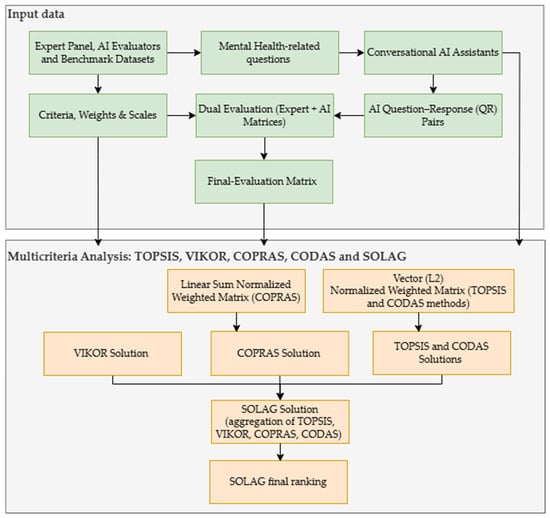
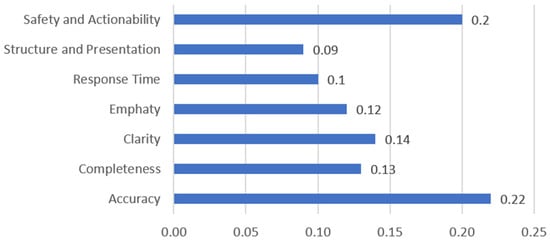
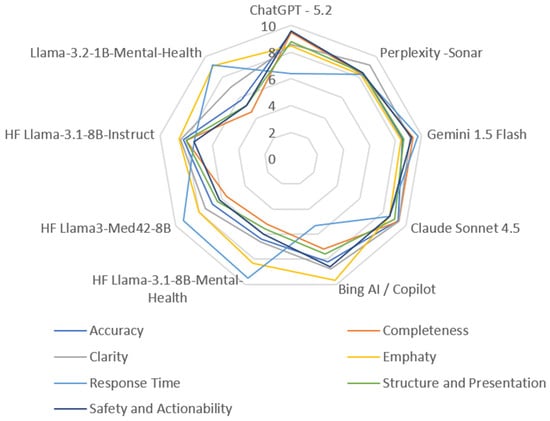
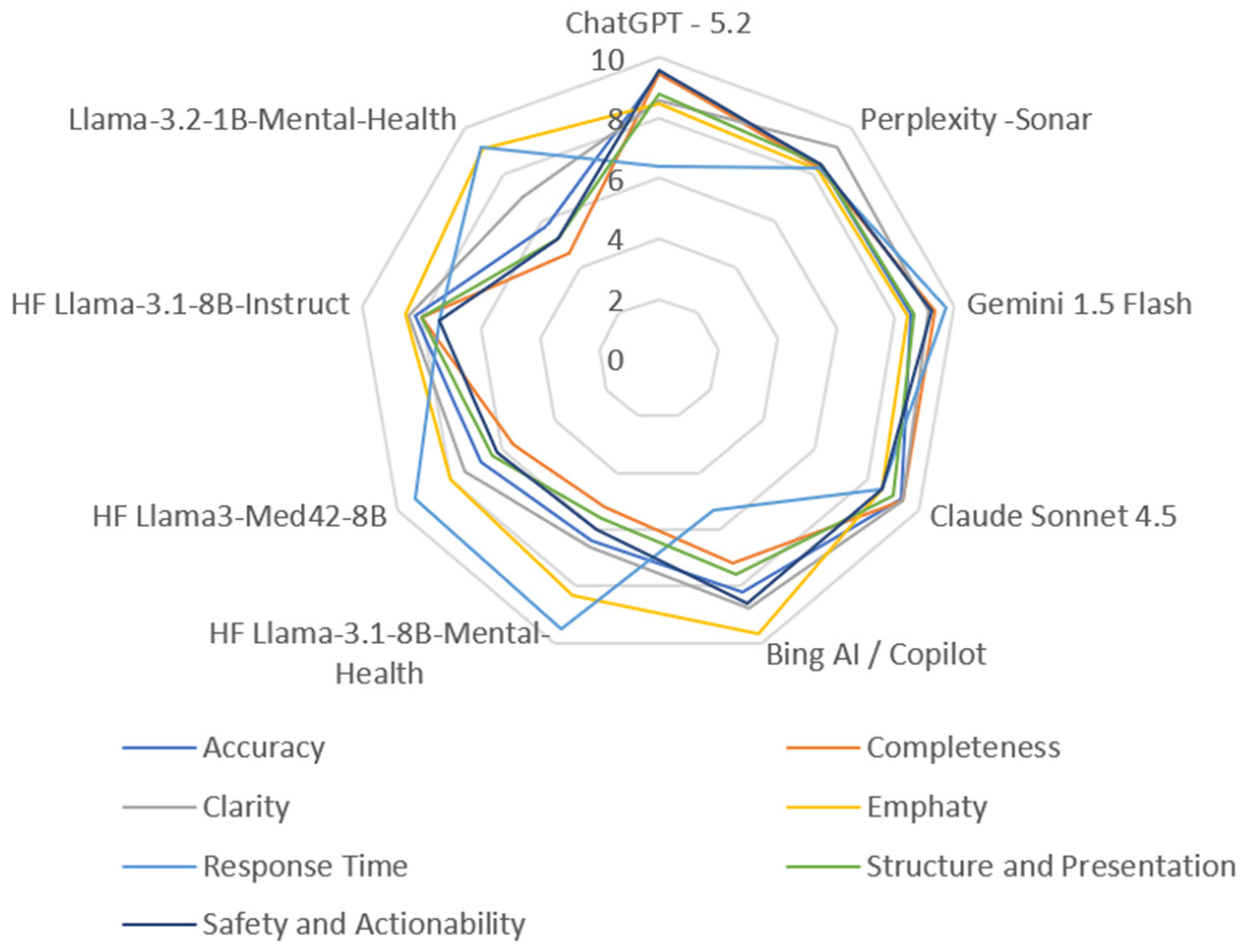
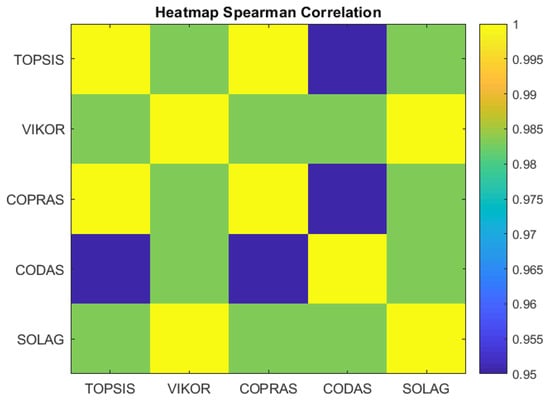
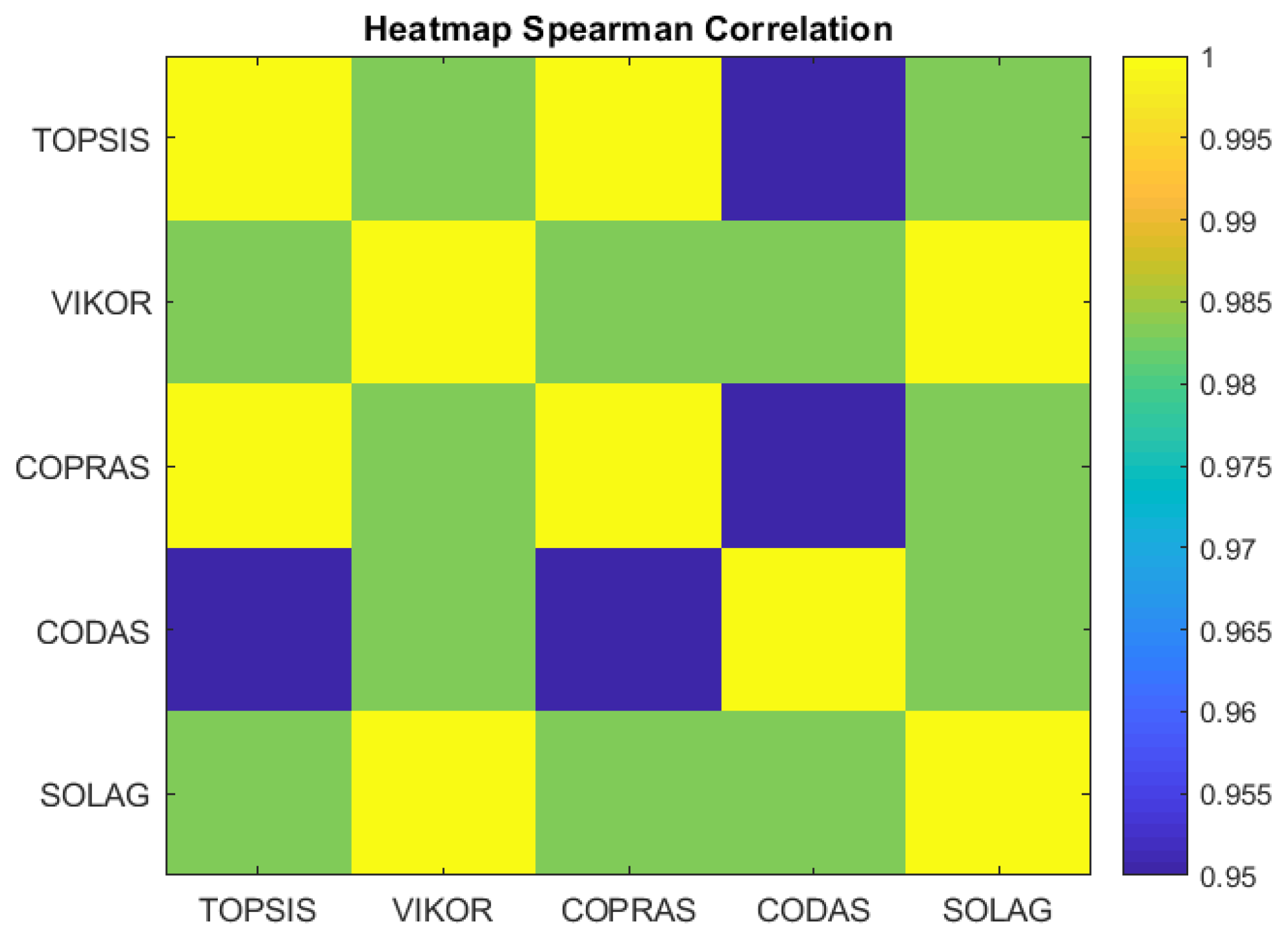

Disclaimer/Publisher’s Note: The statements, opinions and data contained in all publications are solely those of the individual author(s) and contributor(s) and not of MDPI and/or the editor(s). MDPI and/or the editor(s) disclaim responsibility for any injury to people or property resulting from any ideas, methods, instructions or products referred to in the content. |
© 2026 by the authors. Licensee MDPI, Basel, Switzerland. This article is an open access article distributed under the terms and conditions of the Creative Commons Attribution (CC BY) license.