


Abstract
Background/Objectives: Glucagon-like peptide-1 receptor agonists (GLP-1RAs) are widely used to treat type 2 diabetes and obesity, yet their periodontal, peri-implant, salivary, and oral microbial effects remain incompletely characterized. This scoping review mapped the clinical and preclinical evidence on GLP-1RA-related oral effects, investigated mechanisms, and knowledge gaps. Methods: PubMed, Scopus, and the Web of Science Core Collection were searched from inception to 9 September 2026. Original human, animal in vivo, in vitro/ex vivo, and mixed-design studies were eligible when a GLP-1RA was a principal intervention or exposure and a relevant oral or orofacial outcome was reported. Two reviewers independently screened records. Study characteristics, interventions, outcomes, and findings were charted and synthesized descriptively. The review followed Joanna Briggs Institute methodology and PRISMA-ScR guidance and was registered on the Open Science Framework after study selection but before completion of the methodological appraisal and manuscript. Results: Twenty-seven publications were included, 23 of which were wholly or partly preclinical. Four publications were exclusively human, and one mixed-design publication included an additional human observational component. Experimental findings suggested anti-inflammatory, antioxidant, and osteogenic effects, but molecular responses were not consistently accompanied by structural benefits. Evidence concerning salivary function, oral microbial changes, and orofacial adverse events was limited and heterogeneous. Human findings were derived from non-randomized observational and descriptive designs. Conclusions: Evidence of potential oral effects is predominantly experimental, and human data are insufficient to establish clinical benefit or causality. Prospective controlled studies with standardized clinical outcomes are needed to determine whether experimental findings translate into meaningful oral-health benefits.
1. Introduction
The increasing burden of diabetes and obesity provides the clinical context for the expanding use of glucagon-like peptide-1 receptor agonists (GLP-1RAs). In 2021, an estimated 529 million people worldwide were living with diabetes, with the number projected to exceed 1.31 billion by 2050 [1]. Global estimates also indicate that more than one billion people were living with obesity in 2022 [2].
Initially developed for type 2 diabetes, GLP-1RAs improve glycemic control through glucose-dependent insulin secretion, glucagon suppression, and delayed gastric emptying, while also reducing appetite and body weight. Evidence of cardiovascular benefit and efficacy in obesity has subsequently expanded their therapeutic relevance beyond glucose regulation, establishing GLP-1RAs as important systemic cardiometabolic therapies [3,4,5,6].
This expanding therapeutic reach makes it increasingly important to investigate effects in tissues and organs that were not the primary focus of early clinical trials. The oral cavity is especially relevant because it is simultaneously exposed to metabolic disturbance, microbial challenge, inflammatory injury, and continuous tissue remodeling. Periodontal tissues, salivary glands, the oral microbiome, and the bone–implant interface may therefore respond to both the direct biological actions of GLP-1 receptor activation and the indirect consequences of improved glycemic control, weight reduction, altered dietary behavior, and decreased systemic inflammation. Distinguishing these pathways is essential: an oral change observed during GLP-1RA therapy may represent a receptor-mediated tissue response, a consequence of improved metabolic health, an adverse effect of treatment, or an interaction among these mechanisms [1,7,8].
Persistent hyperglycemia may amplify periodontal injury through several interconnected pathways. Advanced glycation end products and their receptor-mediated signaling promote oxidative stress, endothelial dysfunction, cytokine production, altered immune-cell activity, impaired collagen turnover, and defective resolution of inflammation [9]. Diabetes may also impair neutrophil function, macrophage responses, microvascular homeostasis, osteoblast activity, and bone remodeling, thereby weakening periodontal repair and increasing susceptibility to progressive tissue destruction [10]. Obesity is also associated with macrophage accumulation and increased expression of inflammatory mediators in adipose tissue [11]. Because GLP-1RAs improve several of these metabolic abnormalities, favorable periodontal outcomes during treatment may arise even in the absence of a direct pharmacological action within periodontal tissues.
Experimental evidence supports the biological plausibility of direct oral effects mediated by GLP-1 receptor signaling, particularly through anti-inflammatory, cytoprotective, and bone-remodeling pathways. However, receptor distribution and cellular specificity in oral tissues remain incompletely defined, and direct pharmacological actions cannot yet be clearly separated from systemic metabolic effects. Moreover, favorable changes in molecular biomarkers should not be interpreted as evidence of clinically meaningful prevention of periodontal destruction [4,12,13,14].
GLP-1 receptor activation may also influence osteogenic differentiation and oral tissue regeneration. Because hyperglycemia impairs progenitor-cell function and bone repair, the reported pro-osteogenic and cytoprotective actions of GLP-1RAs suggest potential regenerative effects within metabolically compromised periodontal and alveolar environments [15,16,17,18].
The potential relevance of GLP-1RAs also extends to implant therapy, where successful osseointegration depends on a coordinated interaction between inflammatory resolution, vascular responses, extracellular-matrix formation, and bone remodeling. Diabetes can disturb this balance, particularly in the presence of poor glycemic control, thereby compromising peri-implant healing and long-term tissue stability. In experimental diabetic models, exenatide and liraglutide enhanced peri-implant osteogenesis, bone microarchitecture, and bone–implant integration, providing a biological rationale for a possible beneficial effect. A retrospective clinical study also reported lower marginal bone loss among patients receiving GLP-1-based medication than among those treated with insulin or metformin. Although clinically intriguing, these findings remain preliminary and do not establish that GLP-1RA therapy independently improves implant outcomes [10,19,20].
The potential oral consequences of GLP-1RA exposure are not necessarily limited to periodontal inflammation and bone metabolism. Saliva is essential for lubrication, mucosal integrity, taste, swallowing, antimicrobial defense, buffering, remineralization, and maintenance of microbial homeostasis. Changes in salivary function may therefore affect several oral outcomes simultaneously, including discomfort, dietary behavior, caries susceptibility, mucosal disease, plaque accumulation, and quality of life. A small human case series described severe oral dryness and reduced salivary secretion temporally associated with semaglutide treatment for weight management. A subsequent pharmacovigilance analysis identified disproportionate reporting signals for dry mouth and dysgeusia with semaglutide and for dysgeusia with other GLP-1RAs, although spontaneous-report data cannot establish incidence or causality. Conversely, exendin-4 improved salivary secretion and reduced salivary-gland injury in a D-galactose-induced experimental aging model. These findings highlight the possibility of molecule-specific, context-dependent, or indirect salivary effects and emphasize the need to distinguish subjective xerostomia from objectively measured hyposalivation [21,22,23,24].
The oral microbiome may represent an additional link between GLP-1RA therapy and oral health. Metabolic, inflammatory, dietary, and salivary changes associated with diabetes, obesity, and their treatment may alter oral microbial ecology. However, whether GLP-1RAs directly modify oral microbial communities or act indirectly through improved metabolic and immune homeostasis remains uncertain [7,10,25,26].
Previous reviews have characterized periodontal inflammation, bone remodeling, and regeneration in relation to GLP-1-based therapies [27,28]. Some syntheses have also incorporated endogenous incretin profiles and pathways involving dipeptidyl peptidase-4 (DPP-4) [29,30], while narrative reviews have discussed broader oral-health implications and considerations for dental care [31,32]. These reviews address overlapping questions but differ in their intervention definitions, eligibility criteria, and outcome coverage, limiting direct comparison of the evidence available across oral-health domains.
A remaining need is to integrate original studies in which a GLP-1RA is a principal intervention or exposure across periodontal, regenerative, peri-implant, salivary, oral microbial, and orofacial adverse-event domains. Such a synthesis can distinguish evidence arising from pharmacological exposure from investigations limited to endogenous incretin levels or DPP-4-related biology, while separating experimental mechanisms from patient-level observations. This distinction is essential because favorable molecular findings do not establish clinical benefit, and observational associations or pharmacovigilance signals alone do not establish causality.
Accordingly, this scoping review aimed to map and critically characterize original clinical and preclinical evidence across these oral-health domains, examining differences among agents, study designs, and experimental contexts. The scoping approach was selected to characterize the extent, distribution, and heterogeneity of the evidence and identify translational gaps, rather than to estimate treatment efficacy. A complementary exploratory bibliometric analysis examined the thematic and geographical structure of the included literature.
2. Materials and Methods
2.1. Review Design and Protocol
This scoping review was conducted in accordance with the Joanna Briggs Institute methodology for scoping reviews and reported in accordance with the PRISMA Extension for Scoping Reviews (PRISMA-ScR) [33], with additional reporting elements cross-checked against the PRISMA 2020 statement. The protocol was registered on the Open Science Framework after completion of study selection and preliminary data charting, but before completion of the design-specific methodological appraisal and finalization of the manuscript (OSF DOI: 10.17605/OSF.IO/MHK9U). The timing of registration and the review procedures completed before registration were transparently documented in the registered record.
The review was designed to map the extent, characteristics, and principal findings of the clinical and preclinical evidence concerning the effects of glucagon-like peptide-1 receptor agonists (GLP-1RAs) on periodontal and peri-implant tissues, salivary function, oral microbial communities, and other directly relevant oral or orofacial outcomes. The primary review question was: What clinical and preclinical evidence is available regarding the effects of GLP-1RAs on periodontal and peri-implant tissues, salivary function, oral microbial communities, and other clinically relevant oral or orofacial outcomes?
The review question was structured according to the Population–Concept–Context framework. The population encompassed human participants, experimental animals, and oral or dental cellular and tissue models; the concept comprised intervention with or exposure to a GLP-1RA; and the context included periodontal, peri-implant, salivary, oral microbiological, and other directly relevant oral-health settings. An adapted Population–Intervention–Comparator–Outcomes–Study design framework was additionally used to operationalize the eligibility criteria consistently across human, animal in vivo, in vitro/ex vivo, and mixed-design studies.
2.2. Information Sources and Search Strategy
A systematic literature search was conducted in PubMed, Scopus, and the Web of Science Core Collection from database inception to 9 September 2026. A common combination of free-text terms and Boolean operators was used across all three databases, with field codes and syntax adapted to the requirements of each platform.
The search comprised two conceptual blocks: terms identifying GLP-1RAs and terms identifying periodontal, salivary, peri-implant, or oral microbiome outcomes. The complete core search strategy was: (“GLP-1 receptor agonist*” OR “glucagon-like peptide-1 receptor agonist*” OR “glucagon like peptide 1 receptor agonist*” OR GLP-1RA* OR GLP1RA* OR semaglutide OR liraglutide OR dulaglutide OR exenatide OR lixisenatide OR albiglutide) AND (periodont* OR gingiv* OR “periodontal disease*” OR “periodontal inflammation” OR “periodontal tissue*” OR “periodontal ligament” OR “oral health” OR “oral microbiom*” OR “oral microbiota” OR “subgingival microbiom*” OR “subgingival microbiota” OR “dental plaque” OR “subgingival plaque” OR saliva* OR xerostomi* OR hyposalivat* OR “dry mouth” OR “salivary flow” OR peri-implant* OR periimplant* OR “alveolar bone”).
Searches were restricted, where database filtering options permitted, to English-language records indexed as articles. Publication type and full-text language were subsequently verified during study selection. These filters were intended to prioritize original research and may have limited the retrieval of review articles. No restrictions were applied regarding publication year, participant age, geographical location, or experimental model. Individual drug names were incorporated to identify studies that did not explicitly use the broader GLP-1RA terminology. Review articles were ineligible for the evidence synthesis, irrespective of publication date, but were considered separately as contextual sources for the rationale and discussion. The complete database-specific search strategies, including platform-specific syntax, field codes, applied limits, search dates, and retrieval counts, are provided in Supplementary Table S1. Exendin-4 was not included as a separate search term, although publications investigating this agent were identified and included. No supplementary search incorporating this term was performed, and its potential additional yield was not assessed.
2.3. Eligibility Criteria and Study Selection
Eligibility criteria were operationalized using an adapted Population–Intervention–Comparator–Outcomes–Study design (PICOS) framework to accommodate the heterogeneous clinical and preclinical evidence base.
- •
- Population (P): Human participants exposed to GLP-1RA therapy, irrespective of treatment indication, as well as experimental animals and oral or dental cellular and tissue models relevant to periodontal, peri-implant, salivary, microbiological, or other directly related oral-health outcomes. Populations and models with diabetes, hyperglycemia, obesity, metabolic dysfunction, periodontal disease, or peri-implant conditions were of particular interest, although the presence of metabolic disease was not required for eligibility.
- •
- Intervention (I): Systemic or local administration, exposure, or experimental evaluation of a GLP-1RA as a principal study factor. Eligible agents included liraglutide, semaglutide, exenatide, exendin-4, dulaglutide, lixisenatide, and albiglutide, as well as GLP-1 receptor activation achieved through experimental delivery systems. Studies involving multi-receptor agonists were eligible only when GLP-1RA-specific oral findings could be distinguished from the effects of other interventions.
- •
- Comparator (C): Placebo, vehicle, untreated or healthy controls, disease controls, alternative glucose-lowering therapies, active experimental comparators, or different GLP-1RA doses, formulations, administration routes, or exposure durations. A comparator was not mandatory when the study otherwise provided eligible original evidence, as in case reports, case series, or pharmacovigilance analyses.
- •
- Outcomes (O): Eligible outcomes included periodontal inflammation and tissue destruction; gingival and periodontal biomarkers; inflammatory cytokines, matrix metalloproteinases, and oxidative-stress markers; alveolar bone loss, microarchitecture, and remodeling; osteogenic and osteoclastic activity; periodontal ligament, dental pulp, or bone-marrow stem-cell responses; peri-implant osseointegration and marginal bone changes; salivary flow, salivary-gland function, xerostomia, or hyposalivation; oral or subgingival microbiome composition; and clinically relevant oral or orofacial manifestations and adverse events.
- •
- Study design (S): Eligible publications comprised original human clinical or observational research, including cohort, case–control, registry-based, pharmacovigilance, case-series, and case-report studies; animal in vivo investigations; in vitro or ex vivo studies using eligible oral or dental cells or tissues; and mixed-design investigations combining in vitro, ex vivo, animal, or human components.
Studies were included when a GLP-1RA represented a principal intervention, exposure, or experimental factor and at least one eligible periodontal, peri-implant, salivary, microbiological, oral, or orofacial outcome was reported. Studies conducted under non-diabetic conditions remained eligible when they provided relevant mechanistic evidence concerning oral tissues or GLP-1 receptor activation. Metabolic and diabetic status was recorded during data charting and considered when interpreting the applicability of the findings.
Studies were excluded for any of the following reasons:
- •
- Evidence syntheses, including narrative, systematic, or scoping reviews, meta-analyses, and bibliometric analyses;
- •
- Editorials, commentaries, protocols, guidelines, corrections, corrigenda, or letters without original data;
- •
- Publications not written in English;
- •
- Absence of original results;
- •
- Absence of an eligible periodontal, peri-implant, salivary, oral microbiome, oral, or orofacial outcome;
- •
- Absence of a GLP-1RA as a principal intervention, exposure, or experimental factor;
- •
- Evaluation of another antidiabetic medication without a distinct GLP-1RA intervention or exposure group;
- •
- Use of the term “oral” exclusively to denote the route of drug administration;
- •
- Use of the salivary glands exclusively as a drug-delivery or gene-therapy site without assessment of salivary or oral outcomes; or
- •
- General skeletal, calvarial, or bone-regeneration research lacking a direct dental, periodontal, alveolar, or peri-implant context.
All retrieved records were imported into Rayyan and consolidated into a single review database. Potential duplicates were identified using Rayyan and verified through hierarchical comparison of the DOI, PMID, and normalized article title. DOI normalization involved removing URL prefixes, converting characters to lowercase, and eliminating terminal punctuation. Titles were normalized by harmonizing capitalization, punctuation, spacing, and typographical characters. Duplicate decisions were manually confirmed before screening.
Two reviewers (RD and VB) independently screened titles and abstracts against the predefined eligibility criteria. Records judged potentially eligible or insufficiently documented at this stage were retained for full-text assessment. The same reviewers subsequently evaluated the retrieved full texts and assigned one primary exclusion reason to each ineligible report. Disagreements at either stage were resolved through discussion and consensus. Reviews and other non-original publications retrieved despite application of the article filter were excluded during screening. The numbers of identified, deduplicated, screened, excluded, and included records, together with the reasons for exclusion following full-text assessment, are reported in the PRISMA 2020 flow diagram (Figure 1) [34].
Figure 1.
PRISMA 2020 Flow Diagram of Study Identification, Screening, Eligibility Assessment, and Inclusion.
2.4. Data Charting and Methodological Appraisal
A standardized data-charting form was developed specifically for this review. To ensure consistent application across the heterogeneous evidence base, RD and VB independently applied the form to four studies representing the human, animal in vivo, in vitro/ex vivo, and mixed-design categories. Differences in interpretation were discussed, and the charting instructions were clarified before full data charting and verification. Data were charted by RD and VB and independently verified by AG. Discrepancies were resolved through consultation of the full-text reports and discussion until consensus was reached. Information unavailable in the original publications was recorded as “not reported” and was not inferred from secondary sources.
Extracted information comprised bibliographic characteristics; study design and evidence category; population, biological material, or experimental model; metabolic status; sample size, experimental groups, and comparators; and the investigated GLP-1RA, including dose, formulation, administration route, treatment frequency, and exposure duration. Oral-health variables encompassed periodontal, peri-implant, salivary, cellular, tissue, and microbiome models, together with the corresponding clinical, radiographic, histological, microbiological, biochemical, cellular, and molecular outcomes. Data on inflammatory mediators, matrix metalloproteinases, oxidative-stress and immune responses, osteogenic and osteoclastic pathways, bone-remodeling indices, salivary function, microbial alterations, and oral or orofacial adverse events were also charted. Statistical methods, principal findings, direction of effect, funding sources, and declared conflicts of interest were recorded.
Mixed-design publications were counted once in the overall evidence base, while their human, animal, in vitro, and ex vivo components were charted separately to preserve their distinct methodological characteristics and outcomes.
A design-specific methodological appraisal was undertaken to support interpretation of the mapped evidence. Human studies were evaluated using the Joanna Briggs Institute critical-appraisal checklist appropriate to each design, animal in vivo studies using the SYRCLE risk-of-bias tool, and in vitro dental studies using the QUIN tool. Components of mixed-design publications were assessed separately with the corresponding instrument. JBI items were recorded as “yes”, “no”, “unclear”, or “not applicable”; SYRCLE domains were classified as presenting a low, high, or unclear risk of bias; and QUIN assessments were scored and interpreted according to the instrument-specific guidance. Two reviewers performed the assessments independently and resolved disagreements through discussion and consensus. Because the instruments evaluate different methodological constructs, their findings were synthesized separately and were not combined into a single overall score. Methodological appraisal did not determine study eligibility but was used to contextualize the reliability, limitations, and translational relevance of the evidence.
2.5. Evidence Classification and Synthesis
The included publications were assigned to one of four predefined evidence categories: human clinical or observational studies, animal in vivo investigations, in vitro or ex vivo studies, and mixed-design investigations combining two or more methodological components. Mixed-design publications were classified at the publication level, while their individual components were considered separately during data charting and interpretation.
Evidence was organized according to the investigated GLP-1RA, population or experimental model, metabolic context, oral-health domain, comparator, evaluated outcomes, and proposed biological mechanisms. The synthesis encompassed periodontal inflammation and tissue destruction, oxidative stress, alveolar bone remodeling, osteogenic and osteoclastic activity, periodontal ligament and dental pulp stem-cell responses, peri-implant osseointegration, salivary dysfunction, oral or orofacial adverse events, and oral microbiome alterations. Reported effects were interpreted in relation to the relevant comparators, statistical findings, and methodological context of each study.
Quantitative meta-analysis was not undertaken because the evidence-mapping objective of the review and substantial heterogeneity in study designs, biological models, interventions, comparators, treatment protocols, and outcome definitions precluded meaningful statistical pooling. Findings were therefore synthesized descriptively using evidence tables, frequency distributions, and a structured narrative approach. Human, animal in vivo, in vitro/ex vivo, and mixed-design evidence streams were presented according to their respective methodological contexts and integrated to identify convergent findings, divergent results, and evidence gaps. Mechanistic and preclinical findings were interpreted as evidence of biological plausibility and were not extrapolated directly to clinical effectiveness or causality.
2.6. Bibliometric Analysis
A complementary exploratory bibliometric analysis was conducted using metadata from the 27 publications included in the final evidence synthesis. Records retrieved from PubMed, Scopus, and the Web of Science Core Collection were consolidated using DOI, PMID, and normalized article title as matching identifiers. When a publication was indexed in more than one database, the corresponding records were reconciled to obtain the most complete author-keyword and affiliation data while preserving the terminology reported in the original publication.
Bibliometric networks were constructed and visualized using VOSviewer version 1.6.20. The conceptual structure of the evidence base was examined through author-keyword co-occurrence analysis using full counting and association-strength normalization. Given the limited size and terminological diversity of the corpus, the minimum occurrence threshold was set at one. Publications without author-supplied keywords did not contribute terms to this analysis. A thesaurus file was used to harmonize differences in capitalization, hyphenation, spelling, and singular or plural forms. Terms representing distinct pharmacological agents or experimental agonists—including liraglutide, semaglutide, exenatide, and exendin-4—were retained as separate nodes. Node size represented keyword occurrence, links indicated co-occurrence within the same publication, and link strength reflected the frequency of these relationships.
Geographical distribution and international collaboration were examined using country information derived from all author affiliations reported for each publication. Country-name variants were standardized before analysis, and affiliation assignments were verified against the source publications when exported metadata were incomplete or inconsistent. A country-level co-authorship network was generated using full counting, fractionalization normalization, and a minimum threshold of one publication per country. Under full counting, each country received one publication credit for every article in which it appeared, irrespective of the number of contributing authors or affiliations from that country; consequently, the sum of country-level publication counts could exceed the number of included publications. Links represented co-authorship between countries within the same publication, whereas countries without international co-authorship remained unconnected. Overlay visualization was used to represent the average publication year associated with each country.
Because the analysis was based on a small and methodologically heterogeneous corpus, both networks were interpreted descriptively as exploratory representations of thematic structure, geographical distribution, international collaboration, and temporal development. Node size, link strength, network position, and average publication year were not interpreted as measures of scientific quality, clinical importance, or comparative research performance.
3. Results
3.1. Study Selection
The database searches identified 289 records: 92 from PubMed, 159 from Scopus, and 38 from the Web of Science Core Collection. After 132 duplicate records were removed, 157 unique records underwent title and abstract screening, of which 122 were excluded. The full texts of the remaining 35 reports were retrieved and assessed for eligibility. Eight reports were excluded following full-text assessment. The primary reasons for exclusion are summarized in Figure 1, while the individual excluded reports and the corresponding primary reason for exclusion are provided in Supplementary Table S2. Consequently, 27 studies met the eligibility criteria and were included in the final evidence synthesis.
3.2. Characteristics of the Included Evidence
The 27 included publications were published between 2015 and 2026 and constituted a methodologically heterogeneous evidence base. Four were exclusively human clinical or observational studies, eight were animal in vivo investigations, four were in vitro or ex vivo studies, and eleven employed mixed designs integrating two or more methodological components. Overall, 23 publications (85.2%) were exclusively preclinical or incorporated at least one preclinical component.
Liraglutide and exendin-4 were the most frequently investigated agents, whereas semaglutide and exenatide were represented less extensively. Human database-based investigations additionally evaluated several marketed GLP-1-based therapies, including dulaglutide and the dual GIP/GLP-1 receptor agonist tirzepatide, in comparative exposure or safety analyses. The evidence encompassed periodontal inflammation and tissue destruction, alveolar bone loss and remodeling, osteogenic differentiation and periodontal regeneration, peri-implant bone formation and osseointegration, salivary dysfunction and hyposalivation, oral and peri-implant microbial alterations, and oral or orofacial adverse-event signals. Considerable heterogeneity was observed across experimental models, metabolic conditions, interventions, administration protocols, comparators, outcome definitions, and analytical methods. The methodological characteristics and principal findings of the included publications are summarized in Table 1.
Table 1.
Design Characteristics, Experimental Models, Interventions, Outcomes, and Principal Findings of the Included Studies.
3.3. Bibliometric Analysis
The exploratory bibliometric analysis of the 27 included publications characterized the thematic structure, geographical distribution, international collaboration, and temporal development of the literature. The author-keyword co-occurrence network is presented in Figure 2, while country-level co-authorship patterns and their distribution by average publication year are shown in Figure 3.
Figure 2.
Keyword Co-Occurrence Network of GLP-1 Receptor Agonist Research in Periodontal and Oral Health.
Figure 3.
Country-Level Co-Authorship and Temporal Distribution.
3.3.1. Keyword Co-Occurrence Analysis
Author-keyword co-occurrence analysis was conducted using a minimum occurrence threshold of one to preserve the terminological breadth of the comparatively small evidence base. The resulting network displayed an interconnected multicluster structure linking agent-specific terminology with metabolic, inflammatory, osteogenic, salivary, and implant-related concepts (Figure 2).
Liraglutide formed one of the most prominent and centrally positioned nodes, with visible connections to osteogenesis, Wnt/β-catenin signaling, dental pulp stem cells, diabetes, and bone–implant contact. Exendin-4 and semaglutide also formed prominent but spatially distinct nodes, whereas exenatide appeared as a smaller node within the implant- and osseointegration-related region. Semaglutide was positioned near terms related to hyposalivation, frothy saliva, AMPK signaling, and ferroptosis, while exendin-4 was associated with anti-inflammatory and diabetes-related terminology. Osteogenesis represented another prominent theme and was connected to terms describing cell proliferation, antibacterial activity, ferroptosis, and bone–implant contact.
The implant-related portion of the network included dental implant, osseointegration, hyperglycemia, diabetes mellitus, guided bone regeneration, osteocalcin, and bone–implant contact. Microbiome appeared as a comparatively small node positioned between the metabolic, periodontal, and implant-related regions. Diabetes and GLP-1 occupied an intermediary position linking several compound-specific and oral-health domains.
The separate representation of liraglutide, semaglutide, exenatide, and exendin-4 indicates that the included publications commonly used individual compound names rather than a consistent GLP-1RA class descriptor. Overall, the network depicts an interconnected but pharmacologically and methodologically heterogeneous literature organized around specific agonists and their experimental or oral-health applications. Node size and connectivity represent keyword occurrence and co-occurrence within the analyzed corpus and should not be interpreted as evidence of comparative efficacy, biological causality, temporal progression, or methodological quality.
3.3.2. Geographical Distribution and International Collaboration
The country-level co-authorship analysis identified contributions from eight countries distributed across four clusters and connected by five international co-authorship links (Figure 3). China formed the largest node, indicating the highest publication count within the analyzed corpus. Austria, Brazil, India, Japan, Saudi Arabia, South Korea, and the United States were represented by smaller publication outputs.
The largest connected component comprised China, Austria, India, and Saudi Arabia. China was linked to each of the other three countries, and an additional collaboration was identified between India and Saudi Arabia. A separate bilateral link connected the United States and Japan. Brazil and South Korea appeared as isolated nodes, indicating that their contributions did not involve international co-authorship with other countries represented in the corpus. Overall, international collaboration was limited to a small number of partnerships, while most research activity remained nationally concentrated.
The overlay visualization indicated variation in the average publication year of national contributions. Austria was positioned toward the earlier end of the temporal scale, whereas the United States and South Korea were associated with more recent average publication years. China occupied an intermediate position. Because several countries contributed only a small number of publications, their average publication years may be strongly influenced by individual studies and should therefore be interpreted descriptively rather than as evidence of stable temporal trends.
3.4. Risk of Bias Assessment
Methodological appraisal was performed at the level of the eligible evidence component. The 27 included publications generated 38 component-level assessments: five human, 19 animal in vivo, and 14 in vitro components. Mixed-design publications were therefore represented in more than one appraisal when appropriate. Human evidence was assessed with design-specific JBI checklists, animal evidence with SYRCLE, and in vitro evidence with QUIN (Table 2, Table 3 and Table 4). Judgments were based on information reported in the source publications; insufficient reporting was classified as unclear or not reported rather than being treated as evidence that a methodological safeguard had not been implemented. No cross-design summary score was calculated.
Table 2.
JBI Critical Appraisal of the Human Evidence Components. (A) Cohort studies. (B) Pharmacovigilance and cross-sectional survey components. (C) Case series.
Table 3.
SYRCLE Risk-of-Bias Assessment of the Animal In Vivo Components.
Table 4.
QUIN Methodological Appraisal of the In Vitro Components.
The five human components comprised a retrospective implant cohort [20], a retrospective matched electronic-health-record cohort [45], a pharmacovigilance analysis [23], a three-patient case series [22], and the questionnaire-based observational component of the mixed-design study by Shen et al. [36] (Table 2).
The implant cohort described exposure groups, outcomes, and statistical analyses comparatively well, but attrition between the one- and two-year assessments and the use of implants rather than patients as the analytical unit remained important limitations. In the multinational electronic-health-record cohort, matching was restricted to age and sex; residual confounding, outcome ascertainment, and completeness of follow-up therefore remained concerns. Neither cohort provided sufficient information to conclude that incomplete observations were handled without risk of bias. JBI results were reported item by item because the checklists do not support a validated universal numerical score across designs.
The pharmacovigilance and survey components identified their data sources, populations, comparisons, and analytical approaches, but exposure or outcome measurement and control of confounding were incompletely documented. The FAERS analysis was therefore interpreted as evidence of disproportionate reporting rather than incidence or causality. The three-patient case series reported clinical presentation, assessment, management, and follow-up, but did not establish consecutive or complete case inclusion. Its descriptive analysis was considered appropriate for the design. These limitations informed interpretation but were not used to exclude human studies.
Nineteen animal in vivo components were assessed using SYRCLE (Table 3). Baseline characteristics were judged at low risk in 16 components and unclear in three. For incomplete outcome data, nine components were judged at low risk, eight at unclear risk, and two at high risk. The high-risk judgments reflected conditioning analyses on successful osseointegration or substantial mortality followed by changes in group composition. The “other bias” domain was judged at low risk in five components, unclear in twelve, and high in two. High risk in this domain was assigned only when a specific concern was documented, including post-induction reallocation after mortality or internally inconsistent reporting of the intervention; incomplete reporting alone resulted in an unclear judgment.
Sequence generation, allocation concealment, random housing, blinding of caregivers or investigators, random selection for outcome assessment, blinding of outcome assessors, and selective outcome reporting were generally insufficiently described. These domains were therefore judged unclear unless the publication provided explicit information supporting another judgment. No overall SYRCLE category was assigned because the tool is domain-based and does not prescribe a validated algorithm for collapsing heterogeneous domain judgments into a single rating. Accordingly, high-risk judgments in individual domains are presented directly rather than being obscured by a global label.
The 14 in vitro components were evaluated using QUIN (Table 4). Aims, comparison groups, outcome-assessment methods, statistical analyses, and results were generally reported. None of the components documented a formal sample-size calculation or adequate blinding, and reporting of sampling procedures, operator characteristics, random allocation, and outcome-assessor characteristics was limited. After criterion-level reassessment, QUIN scores ranged from 50.0% to 58.3%; all 14 components were classified as having a moderate risk of bias. These ratings primarily reflect incomplete reporting of design safeguards rather than evidence that the experimental findings were invalid.
Across evidence streams, the principal limitations were residual confounding and incomplete follow-up in human observational studies, insufficient reporting of allocation and blinding procedures in animal experiments, and insufficient reporting of sample-size justification and blinding in in vitro studies. The appraisal did not support a single hierarchy or pooled quality estimate because JBI, SYRCLE, and QUIN address different constructs. Its purpose was to qualify the certainty and translational relevance of each evidence stream, not to exclude studies or convert methodological reporting into an estimate of treatment effect.
3.5. Periodontal Inflammation, Immune Regulation, and Alveolar Bone Loss
A substantial proportion of the preclinical evidence investigated the effects of GLP-1 receptor activation on periodontal inflammation and alveolar bone destruction. Across ligature-induced, bacterial lipopolysaccharide-stimulated, diabetic, and obesity-associated models, liraglutide, semaglutide, exenatide, and exendin-4 were generally associated with lower expression or concentrations of pro-inflammatory mediators. In a ligature-induced periodontitis model, Sawada et al. [12] reported that liraglutide reduced inflammatory-cell infiltration, macrophage accumulation, TNF-α and inducible nitric oxide synthase expression, M1 macrophage polarization, osteoclast numbers, and alveolar bone resorption. Similarly, Zhang et al. [39] found that liraglutide reduced periodontal inflammatory infiltration and the expression of TNF-α, IL-1β, and IL-6, while attenuating alveolar bone loss. In another rat investigation, liraglutide exerted dose-dependent antioxidant and anti-inflammatory effects associated with activation of the Nrf2/HO-1 pathway.
These effects included reduced malondialdehyde, TNF-α, IL-1β, IL-6, and osteoclast numbers, together with increased glutathione peroxidase, Nrf2, HO-1, and NQO1 expression. Experimental Nrf2 knockdown diminished these responses. Exenatide and exendin-4 also modified inflammatory pathways in periodontal models. Moraes et al. [14] found that exenatide reduced Il1b, Nos2, and Mmp9 expression in ligature-induced periodontitis. However, these molecular changes were not accompanied by a significant reduction in alveolar bone loss or collagen degradation. In LPS-stimulated periodontal ligament stem cells, exendin-4 reduced TNF-α and IL-6 expression and modulated NF-κB- and Wnt-related signaling. Liraglutide similarly suppressed LPS-induced IL-6 and TNF-α expression in human periodontal ligament cells. Recent investigations expanded the proposed mechanisms beyond conventional cytokine suppression. Semaglutide reduced oxidative stress, lipid peroxidation, iron accumulation, and osteoblast ferroptosis in diabetic periodontitis through modulation of the Wnt5a/Ror2/p38 MAPK pathway. A locally delivered liraglutide formulation reduced the expression of RIPK1, RIPK3, and MLKL in diabetic periodontal tissues, consistent with inhibition of necroptosis. Another liraglutide-containing hydrogel reduced intracellular reactive oxygen species and local periodontal inflammation in addition to improving clinical and bone-related outcomes in diabetic rats. Immune-cell regulation was assessed in a diabetic periodontal and peri-implant model by Memida et al. [26] who reported that liraglutide reduced local bone loss and immune dysregulation and restored Foxp3-positive regulatory T-cell responses. The study also compared the effects of glycemic control through liraglutide with those of systemic inflammatory suppression through indomethacin, alone and in combination. Collectively, the periodontal studies showed a predominantly favorable direction of effect for inflammatory, oxidative-stress, immune, and osteoclast-related outcomes. Nevertheless, improvements in molecular inflammatory markers were not uniformly accompanied by measurable preservation of periodontal hard tissues.
3.6. Osteogenic Differentiation and Periodontal Regeneration
Multiple in vitro and mixed-design studies [25,46] examined the influence of GLP-1 receptor activation on osteogenic differentiation, mineralization, and periodontal regenerative capacity. The cellular models included human periodontal ligament cells, periodontal ligament stem cells, dental pulp stem cells, human and rat bone-marrow stromal cells, and MC3T3-E1 osteoblast-lineage cells. Liraglutide increased alkaline phosphatase activity, mineralized nodule formation, and the expression of osteogenic markers in periodontal ligament cells and bone-marrow stromal cells. The reported signaling pathways included BMP2/Smad/Runx2 and Wnt/β-catenin. In human alveolar bone-marrow stromal cells obtained from participants with and without type 2 diabetes, liraglutide produced a concentration-dependent osteogenic response. A concentration of 10−8 mol/L was reported as optimal, whereas concentrations above 10−7 mol/L adversely affected the assessed cellular responses. Liraglutide also enhanced dental pulp stem-cell proliferation and osteogenic differentiation through increased H3K18 lactylation and DSPP transcription. Pharmacological modulation and DSPP rescue experiments supported the involvement of this pathway.
Zhai et al. reported that GLP-1 receptor activation promoted osteogenic differentiation of dental pulp stem cells and mineralized-tissue regeneration in a zebrafish scale model [17]. Exendin-4 enhanced periodontal ligament stem-cell proliferation, migration, alkaline phosphatase activity, mineralization, and the expression of Runx2, osterix, and other osteogenic markers. Under high-glucose conditions, exendin-4 counteracted the impairment of periodontal ligament stem-cell proliferation, migration, and osteogenic differentiation. When combined with stromal cell-derived factor 1, exendin-4 enhanced cell recruitment and periodontal bone regeneration in an experimental periodontal-defect model. The regenerative effects of receptor signaling were further examined by Shen et al. [36] who reported that GLP1R/GIPR signaling contributed to periodontal ligament stem-cell maintenance and multilineage differentiation, while receptor loss impaired regenerative responses. Agonist exposure suppressed IFIT1/2/3-mediated translational inhibition and enhanced periodontal tissue regeneration in the experimental models. Local drug-delivery approaches were evaluated in several recent studies. Liraglutide-loaded PLGA/hydroxyapatite particles and an injectable liraglutide-containing hydrogel improved osteogenic responses and periodontal bone formation in diabetic models. Jiang et al. evaluated systemic semaglutide with locally delivered Met@MPDA-Gel, a metformin-loaded material. Regenerative improvements observed with the combined intervention cannot be attributed to semaglutide alone [42]. Osteogenic and regenerative responses were reported in several experimental settings, but were not uniform and depended on the investigated agent, dose, metabolic context, delivery system, and model.
3.7. Peri-Implant Bone Formation and Osseointegration
Evidence regarding peri-implant outcomes was derived from animal experiments, mixed cellular–animal studies, one retrospective clinical cohort, and one investigation combining periodontal, peri-implant, immune, and microbiome analyses. In diabetic rat models, exenatide improved biological markers associated with early osseointegration. Liu et al. [37] found that exenatide administered after prior glycemic stabilization increased peri-implant integrin α5β1 and fibronectin expression and altered osteoclast dynamics. Chen et al. [38] subsequently reported that exenatide produced greater peri-implant osteogenesis than insulin in a type 2 diabetes model. These responses were associated with activation of LRP5/6/GSK-3β/β-catenin signaling and modulation of BMPR1A- and β-TrCP-related pathways. Liraglutide enhanced peri-implant bone formation and integration in both non-diabetic Wistar rats and Goto-Kakizaki rats. The accompanying in vitro experiments showed enhanced osteogenesis of human alveolar bone-marrow stromal cells, including cells obtained from participants with type 2 diabetes.
The available clinical evidence was limited to a retrospective cohort comparing implants placed in patients receiving insulin, metformin, or GLP-1 receptor agonist monotherapy. Marginal bone loss was lower in the GLP-1 receptor agonist group than in the insulin and metformin groups at one year and lower than in the metformin group at two years. No significant differences were observed in probing depth or bleeding on probing. The analysis used the implant as its unit, with multiple implants contributed by some participants.
In the diabetic mouse model evaluated by Memida et al. [26], liraglutide reduced peri-implant bone destruction and immune dysregulation. However, peri-implant microbial communities appeared less responsive to metabolic and anti-inflammatory interventions than periodontal communities.
Overall, the peri-implant findings favored improved bone formation or reduced marginal bone loss during GLP-1 receptor agonist exposure. Nevertheless, the clinical evidence was derived from a single retrospective cohort, while most mechanistic findings originated from small animal studies.
3.8. Salivary Function, Xerostomia, and Salivary-Gland Outcomes
The evidence concerning salivary outcomes was limited and showed different directions of effect across clinical and preclinical settings. A human case series described three women who developed severe oral dryness and clinically reduced salivary secretion after receiving semaglutide for weight management. Oral examination showed minimal, frothy saliva. The reported modified Schirmer measurements have an unresolved unit inconsistency and are not interpreted quantitatively as salivary volume or flow rate (Table 1). Improvement following individualized management was descriptive and did not establish a causal relationship with semaglutide exposure. The pharmacovigilance analysis by Khan et al. [23] identified a disproportionate reporting signal for dry mouth associated with semaglutide. Because the analysis was based on spontaneous adverse-event reports, it did not provide incidence estimates or control for all potential clinical and reporting-related confounders. In contrast, exendin-4 improved salivary secretion in a D-galactose-induced aging model. Treatment preserved salivary acinar morphology, reduced the accumulation of acidic and neutral mucins, and decreased salivary-gland apoptosis. Thus, the available human evidence primarily identified potential treatment-associated salivary dysfunction, whereas the experimental animal evidence indicated a protective effect on salivary-gland structure and secretion in an aging-related injury model. No controlled prospective human studies objectively evaluating unstimulated or stimulated salivary flow during GLP-1 receptor agonist therapy were identified.
3.9. Oral and Peri-Implant Microbiome Findings
Direct evidence concerning the oral microbiome was scarce. The most comprehensive microbiome assessment was reported by Memida et al. [26] in diabetic mice with periodontal or peri-implant disease. Liraglutide shifted the periodontal oral microbiota toward the profile observed in normoglycemic controls. The intervention was also associated with changes in inflammatory and regulatory immune responses. Functional experiments using the recovered microbiota evaluated their capacity to induce cytokine responses. The microbial response differed according to the oral site. Periodontal microbial communities showed greater responsiveness to liraglutide and the investigated anti-inflammatory interventions, whereas peri-implant communities were comparatively resistant to change. Beta-diversity differences were assessed using permutational multivariate analysis of variance. An additional study [25] evaluated a liraglutide-containing injectable hydrogel against Porphyromonas gingivalis and reported antibacterial activity. However, this single-species experimental assessment was distinct from a community-level oral microbiome analysis, and the antibacterial properties could not be attributed exclusively to systemic GLP-1 receptor activation. Overall, community-level oral microbiome evidence was represented by a very limited number of preclinical investigations. No prospective human oral or subgingival microbiome studies evaluating changes before and after GLP-1 receptor agonist initiation were identified.
3.10. Oral and Orofacial Adverse Events
Two large real-world datasets and one small case series contributed evidence concerning oral or orofacial adverse events. In a FAERS pharmacovigilance analysis, semaglutide showed reporting signals for dry mouth and dysgeusia, while liraglutide and exenatide showed signals for dysgeusia. These findings represented disproportionate reporting patterns rather than event incidence or confirmed drug-related causality. A multinational propensity-matched electronic-health-record study compared 226,485 GLP-1 receptor agonist users with an age- and sex-matched comparator cohort. Most of the evaluated orofacial outcomes were not increased among users, and several outcomes showed inverse associations. Gastroesophageal reflux disease was more frequent among exposed individuals, with a reported odds ratio of 1.329 (95% CI 1.291–1.367). Outcome-specific denominators varied following the exclusion of prevalent conditions, and the matching procedure was limited to age and sex. The semaglutide-associated hyposalivation case series provided additional clinical descriptions of severe dryness and reduced salivary secretion. Taken together, the available safety evidence identified potential signals related primarily to oral dryness and taste disturbance, but the designs did not establish incidence, dose–response relationships, or causality [22,23,45].
3.11. Findings According to the Investigated GLP-1 Receptor Agonist
Liraglutide had the broadest experimental evidence base and was evaluated in relation to periodontal inflammation, oxidative stress, osteoclast activity, osteogenic differentiation, periodontal regeneration, peri-implant bone formation, dental pulp stem-cell function, and local drug-delivery systems [39]. Its reported effects were predominantly anti-inflammatory, antioxidant, anti-resorptive, and pro-osteogenic.
Exendin-4 was investigated primarily in periodontal ligament stem cells, periodontal bone regeneration, orthodontic tooth movement, and salivary-gland injury. Most studies reported enhanced cellular migration, osteogenic differentiation, or tissue-regenerative responses [43], although locally administered high-dose exendin-4 inhibited orthodontic tooth movement.
Exenatide was studied mainly in experimental periodontitis and diabetic implant models. It reduced selected inflammatory mediators and enhanced peri-implant osteogenic responses; however, improvements in inflammatory markers were not consistently accompanied by reduced periodontal bone loss or collagen degradation [14].
Semaglutide was represented by a smaller and more recent evidence base encompassing both preclinical investigations and human safety observations. Experimental findings varied by model and intervention; regenerative outcomes from combination regimens should not be attributed to semaglutide alone [42]. Human pharmacovigilance data identified potential reporting signals for dry mouth and dysgeusia [23]. Owing to substantial heterogeneity in experimental models, doses, administration routes, treatment durations, comparators, and outcome definitions, direct comparisons among individual GLP-1 receptor agonists were not considered appropriate.
4. Discussion
This scoping review maps a predominantly preclinical body of evidence on the oral effects of GLP-1RAs, with limited direct human evidence. Its contribution should be considered alongside previous syntheses, which differ in their scope, eligibility criteria, and coverage of oral outcomes.
Jeong et al. searched PubMed, Embase, and the Cochrane Library to examine the broader relationship between periodontitis and GLP-1 pathways. Their eligibility criteria encompassed DPP-4 inhibitors and relevant scoping or systematic reviews, extending beyond original studies of GLP-1RA exposure [29]. Polymeri et al. searched MEDLINE/PubMed and Embase for English-language preclinical and clinical studies addressing periodontal mechanisms and emerging clinical implications. Their synthesis also incorporated human observations concerning endogenous incretin profiles; this evidence was considered indirect and insufficient to establish therapeutic benefit [30].
Henriques et al. searched PubMed/MEDLINE, Web of Science, Scopus, Embase, LILACS, and the Cochrane Library for studies evaluating GLP-1RA effects in periodontal tissues or models. They included seven preclinical studies and concluded that the evidence was insufficient to support a therapeutic indication [27]. In their systematic review, Nijakowski et al. searched PubMed, Web of Science, and Embase and synthesized human observational, animal, and in vitro evidence concerning periodontal inflammation and regeneration. Their reported eligibility criteria excluded case reports and other oral outcomes [28].
The present review searched PubMed, Scopus, and the Web of Science Core Collection and restricted eligibility to original studies in which a GLP-1RA was a principal intervention, exposure, or experimental factor. Studies limited to endogenous incretin concentrations or DPP-4-related biology without GLP-1RA exposure were therefore ineligible. Eligible designs included case reports, case series, and pharmacovigilance studies, allowing periodontal and regenerative findings to be considered alongside peri-implant, salivary, oral microbial, and orofacial adverse-event evidence. This broader oral perspective overlaps with narrative reviews by Sufaru et al. and Bijoch, which discuss mechanisms, oral-health implications, and considerations for dental care [31,32].
The contribution of the present review is the structured integration of original GLP-1RA exposure studies across these domains, with differentiation by agent, study design, and experimental or clinical context. Its conclusions align with previous periodontal syntheses in supporting biological plausibility while emphasizing the need for clinical validation [27,28,29,30].
Oral changes during GLP-1RA exposure may reflect local receptor-mediated actions, systemic metabolic improvements, or both. Findings from cellular models, non-diabetic animals, and local delivery systems support investigation of tissue-level mechanisms, but do not by themselves establish receptor specificity. Most studies did not isolate the contributions of glycemia, body weight, systemic inflammation, and local signaling; attribution of an oral outcome to a specific pathway therefore requires caution.
Modulation of periodontal inflammation was among the most consistent findings. Liraglutide reduced inflammatory-cell infiltration, macrophage accumulation, M1 polarization, pro-inflammatory mediator expression, osteoclast formation, and alveolar bone resorption in experimental periodontitis [12]. Exendin-4 attenuated LPS-induced TNF-α and IL-6 expression in periodontal ligament stem cells through NF-κB- and Wnt-related signaling [13]. Molecular responses did not invariably coincide with preservation of periodontal structure. In the ligature-induced rat model reported by Moraes et al., exenatide reduced gingival Il1b, Mmp9, and Nos2 expression without a statistically significant reduction in alveolar bone loss or collagen degradation [14]. This illustrates why changes in inflammatory biomarkers alone are insufficient to infer tissue preservation within an experimental model or clinical benefit in humans.
The mechanistic spectrum extended beyond conventional cytokine suppression. Liraglutide enhanced Nrf2/HO-1-associated antioxidant responses and reduced oxidative and inflammatory injury in experimental periodontitis [47]. Semaglutide attenuated osteoblast ferroptosis through modulation of Wnt5a/Ror2/p38 MAPK signaling [41], whereas locally delivered liraglutide suppressed RIPK1/RIPK3/MLKL-associated necroptotic signaling in diabetic periodontal tissues [46]. In diabetic mice, liraglutide also modified RAGE- and IL-17A-related responses and restored Foxp3-positive regulatory T-cell representation in periodontal and peri-implant tissues [26]. Together, these findings suggest that GLP-1 receptor activation may influence interconnected pathways involving oxidative injury, regulated cell death, immune-cell balance, osteoclast activity, and tissue remodeling. Nevertheless, each pathway was demonstrated in a specific model, frequently with a single agonist and a limited set of experimental conditions. They should therefore be viewed as complementary mechanistic hypotheses rather than as established, interchangeable, or class-wide effects.
A second major pattern was the enhancement of osteogenic and regenerative competence. Liraglutide increased alkaline phosphatase activity, mineralized-matrix formation, and osteogenic-marker expression in periodontal ligament cells and bone-marrow stromal cells [19,40]. Exendin-4 partly reversed the impairment of proliferation, migration, mineralization, and osteogenic differentiation produced by high-glucose or inflammatory conditions in periodontal ligament stem cells [13,16]. More recent work implicated metabolic–epigenetic regulation, including H3K18 lactylation-dependent activation of DSPP, in liraglutide-induced dental pulp stem-cell differentiation [18]. However, concentration-dependent findings caution against assuming a linear relationship between exposure and benefit. In human alveolar bone-marrow stromal cells, liraglutide produced its most favorable response at 10−8 mol/L, whereas higher concentrations were detrimental to selected cellular outcomes [19]. Cell source, donor metabolic status, receptor expression, exposure duration, and local drug concentration are therefore likely to determine the magnitude and direction of response.
Local delivery represents a distinct translational strategy and should not be conflated with systemic GLP-1RA therapy used for diabetes or obesity. Liraglutide-containing PLGA/hydroxyapatite particles and an injectable carboxymethyl-chitosan–oxidized-dextran hydrogel improved inflammatory, osteogenic, and bone-regenerative outcomes in diabetic periodontal models [25,46]. A mechanistically different platform combined systemic semaglutide exposure with a metformin-loaded mesoporous polydopamine material rather than delivering semaglutide locally [42]. Because these systems contain active carriers or additional therapeutic agents, observed effects should be attributed to the complete intervention unless factorial designs isolate the contribution of each component. These studies support the feasibility of incorporating GLP-1RA-related signaling into combination regenerative strategies, but they do not demonstrate that conventional systemic dosing achieves equivalent periodontal exposure or therapeutic activity.
The peri-implant evidence broadly paralleled the osteogenic findings. In diabetic animal models, exenatide improved peri-implant bone microarchitecture, osteogenic activity, bone–implant integration, and biomechanical fixation, with evidence implicating LRP5/6/GSK-3β/β-catenin-related signaling [38]. Liraglutide also enhanced peri-implant bone formation in experimental models and promoted BMP2/Smad/Runx2-associated osteogenesis in alveolar bone-marrow stromal cells [19]. Comparisons suggesting more favorable responses to exenatide than to insulin raise the possibility of osteomodulatory activity beyond glycemic lowering, but this interpretation remains provisional because equivalence in glycemic exposure, body weight, insulin sensitivity, and systemic inflammation cannot be assumed.
The retrospective clinical study by Shi et al. provided a preliminary human signal: marginal bone loss was lower among patients receiving GLP-1-based medication than among those treated with insulin or metformin at selected follow-up points [20]. Several design features limit causal interpretation. Treatment allocation reflected routine prescribing rather than randomization, creating potential confounding by indication and by differences in diabetes severity, duration, metabolic control, obesity, and comorbidity. Attrition substantially reduced the sample available at two years, and multiple implants were contributed by individual patients, requiring analytical methods that account for within-patient clustering. Moreover, radiographic differences were not accompanied by corresponding differences in probing depth or bleeding on probing. The study should therefore be interpreted as hypothesis-generating rather than as evidence that GLP-1RA therapy independently protects peri-implant tissues.
Salivary findings were limited and appeared directionally inconsistent only when viewed without regard to molecule, species, and biological context. A three-patient case series described severe oral dryness, minimal frothy saliva, and reduced secretion temporally associated with semaglutide treatment [22]. A FAERS analysis identified disproportionate reporting signals for dry mouth and dysgeusia with semaglutide and for dysgeusia with selected other GLP-1RAs, but such signals cannot establish incidence or causality [23]. Conversely, exendin-4 improved secretion, preserved acinar morphology, reduced mucin accumulation, and decreased salivary-gland apoptosis in a D-galactose-induced rat model of aging-related hyposalivation [24]. These findings are not directly contradictory: they involve different agonists, species, indications, doses, and mechanisms of salivary injury. A protective response in an experimentally injured rat gland cannot exclude treatment-associated oral dryness in humans, just as a small uncontrolled case series cannot establish a direct toxic effect of semaglutide on salivary tissue.
Clinical interpretation also requires a clear distinction between xerostomia, a subjective sensation of oral dryness, and hyposalivation, an objectively measured reduction in salivary secretion [21]. Gastrointestinal adverse effects, reduced fluid intake, dehydration, dietary change, concomitant xerogenic medications, and underlying metabolic disease could contribute to symptoms during GLP-1RA therapy. The modified Schirmer results require caution because of the reported unit inconsistency and should not be equated with standardized whole-saliva flow measurements. No prospective controlled human study with baseline and follow-up salivary measurements was identified. Consequently, the incidence, dose dependence, reversibility, and molecule-specific nature of any GLP-1RA-associated salivary effect remain undetermined.
Interpretation of the human safety findings is limited by the observational designs and potential biases. A large propensity-matched electronic-health-record analysis found no increased occurrence of most evaluated orofacial outcomes among GLP-1RA users and reported inverse associations for several outcomes, while gastroesophageal reflux disease was more frequent [45]. These associations should not be interpreted as protective or causal. Matching was limited to age and sex, outcome-specific denominators varied, and the analysis depended on diagnostic coding and clinical documentation. Similarly, FAERS is affected by underreporting, stimulated reporting, duplicate submissions, missing exposure denominators, incomplete clinical information, and confounding by indication. The available safety findings therefore warrant clinical awareness and prospective investigation, but they do not provide reliable estimates of absolute risk or comparative safety across individual GLP-1RAs.
Despite the relevance of microbial dysbiosis to periodontal pathogenesis, the oral microbiome was one of the least developed evidence domains. In diabetic mice, liraglutide shifted periodontal microbial composition toward that observed in normoglycemic controls, and recovered microbial communities induced weaker inflammatory responses in coculture experiments; peri-implant communities appeared less responsive [26]. Because liraglutide simultaneously altered glycemia, inflammatory signaling, immune regulation, and tissue destruction, the study could not determine whether microbial changes reflected direct receptor-mediated effects or secondary ecological responses. Altered glucose availability, gingival inflammatory exudate, immune-selection pressures, and tissue integrity could each modify microbial composition. Conversely, changes in microbial communities could contribute to inflammatory attenuation, making causal direction impossible to establish from endpoint measurements alone. Antibacterial activity reported for a liraglutide-containing hydrogel against Porphyromonas gingivalis should also be distinguished from modulation of a complex microbial community, particularly because the carrier possessed intrinsic antibacterial and antioxidant properties [25]. The microbiome findings should therefore be regarded as preliminary mechanistic evidence rather than an established clinical effect.
Future research should prioritize prospective controlled human studies with baseline assessments and prespecified follow-up. Standardized clinical, radiographic, and patient-reported oral outcomes should be evaluated, with randomized treatment comparisons where clinically appropriate and feasible. Periodontal outcomes should include probing depth, clinical attachment level, bleeding on probing, plaque indices, and standardized radiographic measurements, while salivary assessment should incorporate validated xerostomia instruments and unstimulated and stimulated whole-saliva flow. HbA1c, body weight, smoking, diet, oral-hygiene behavior, concomitant medication, treatment indication, GLP-1RA dose, and exposure duration should be measured concurrently. Active-comparator designs involving other glucose-lowering or anti-obesity therapies would help distinguish effects associated with GLP-1 receptor agonism from those mediated by changes in glycemia or adiposity. Repeated measurements and appropriately specified mediation analyses may further clarify whether metabolic improvement, systemic inflammation, salivary function, or other pathways account for observed oral outcomes.
Microbiome investigations require longitudinal sampling, standardized periodontal-site selection, appropriate technical and negative controls, and integrated analysis of microbial composition, functional potential, inflammatory mediators, salivary variables, and clinical periodontal outcomes. Reporting should account for antibiotic exposure, diet, smoking, oral-hygiene practices, periodontal treatment, glycemic control, and sequencing batch effects; the STORMS framework offers a relevant reporting standard [50]. Implant studies should treat the patient as the principal analytical unit or use multilevel models when several implants are contributed by the same participant. Where randomization is not feasible, carefully designed longitudinal cohorts and target-trial emulations could improve causal interpretability by explicitly defining eligibility, treatment strategies, baseline, follow-up, outcomes, and causal contrasts [51].
This review has several strengths. It applied a structured scoping-review methodology, searched three major bibliographic databases, and integrated human, animal, in vitro, ex vivo, and mixed-design evidence across periodontal, peri-implant, salivary, microbial, regenerative, and adverse-event domains. Design-specific methodological appraisal was incorporated to contextualize evidence generated through fundamentally different research approaches. The accompanying bibliometric analysis additionally characterized the thematic and geographical development of the field, although its findings should be regarded as exploratory because of the small corpus and sensitivity of network structure to individual publications and author-selected terminology.
Interpretation is limited by the predominance of preclinical evidence and substantial heterogeneity in species, metabolic status, disease models, agents, doses, administration routes, treatment durations, comparators, and outcome definitions. These differences limit cross-study comparability and do not support reliable comparisons of clinical efficacy among agents. Reporting of randomization, allocation concealment, blinding, and sample-size justification was frequently incomplete, limiting assessment of internal validity and precision. Unreported safeguards were not assumed to have been absent. Human findings were additionally constrained by residual confounding, selection and measurement biases, incomplete follow-up, and the limitations of spontaneous reporting.
Search sensitivity may have been affected by English-language and publication-type restrictions and the omission of exendin-4 as an explicit search term. Publication and selective-reporting biases may also have favored positive findings. These limitations restrict confidence in the magnitude, consistency, and clinical applicability of the mapped effects. Additional eligible studies indexed under terminology not captured by the search strategy may therefore have been missed. The findings should be interpreted as a synthesis of the retrieved evidence rather than an exhaustive account of all eligible studies.
Future research should prioritize well-designed prospective human studies capable of distinguishing direct GLP-1 receptor-mediated effects from improvements secondary to glycemic control, weight loss, and reductions in systemic inflammation. Standardized assessment of periodontal, peri-implant, salivary, and microbiome outcomes, together with detailed characterization of treatment exposure, metabolic status, and potential confounders, will be essential to improve comparability across studies. Longitudinal investigations integrating clinical, microbiological, salivary, and molecular endpoints may help clarify the mechanisms linking GLP-1RA therapy to oral health. Comparative studies across individual GLP-1RAs and emerging incretin-based therapies are also needed to determine whether observed effects represent class-wide phenomena or agent-specific responses.
5. Conclusions
This scoping review maps a predominantly preclinical and heterogeneous body of evidence on the oral effects of GLP-1RAs. Experimental findings support the biological plausibility of effects on periodontal and peri-implant tissues, but favorable molecular and cellular responses alone do not establish clinically meaningful tissue preservation. Human evidence remains limited and non-randomized, leaving therapeutic benefit and the causal interpretation of reported oral adverse events unresolved.
Accordingly, the available evidence does not justify recommending GLP-1RAs for periodontal treatment or selecting these agents to improve oral-health outcomes. Further investigation should prioritize prospective controlled human studies with standardized clinical, radiographic, and patient-reported outcomes, including objective assessments of salivary function where relevant. These studies should determine whether oral changes are sustained and clinically meaningful and clarify the contributions of glycemic control, body weight, and concomitant care.
Supplementary Materials
The following supporting information can be downloaded at https://www.mdpi.com/article/10.3390/pharmaceutics18111410/s1: Table S1: Complete database-specific search strategies; Table S2: Reports excluded after full-text assessment and reasons.
Author Contributions
Conceptualization, V.B., A.D.F. and D.C.; methodology, V.B., A.D.F., R.D. and D.C.; software, L.F. and V.T.A.; validation, R.D., S.P., A.G. and D.C.; formal analysis, V.B., A.D.F., S.P. and V.T.A.; investigation, V.B., A.D.F., O.P., O.B. and D.A.-L.; resources, D.J. and D.C.; data curation, V.B., A.D.F., O.P., O.B. and D.A.-L.; writing—original draft preparation, V.B. and A.D.F.; writing—review and editing, R.D., S.P., A.G., D.A.-L. and D.C.; visualization, V.B., L.F. and V.T.A.; supervision, R.D., S.P. and D.C.; project administration, V.B., A.G. and D.C.; funding acquisition, D.J. All authors have read and agreed to the published version of the manuscript.
Funding
We would like to acknowledge the “VICTOR BABES” UNIVERSITY OF MEDICINE AND PHARMACY, TIMISOARA, ROMANIA for their support in covering the costs of publication for this research paper.
Institutional Review Board Statement
Not applicable.
Informed Consent Statement
Not applicable.
Data Availability Statement
All data supporting the findings of this scoping review are contained within the article and its Supplementary Materials. Additional information is available from the corresponding author upon reasonable request.
Acknowledgments
The authors are very grateful to the staff from the Faculty of Dental Medicine, University of Medicine and Pharmacy “Victor Babes”, Timisoara, Romania. The authors used ChatGPT, an AI language model developed by OpenAI, to exclusively improve the manuscript’s language and readability. All of the scientific content, the interpretations, and conclusions are the original work of the authors.
Conflicts of Interest
The authors declare no conflicts of interest.
Abbreviations
The following abbreviations are used in this manuscript:
| GLP-1 | glucagon-like peptide-1 |
| GLP-1RA(s) | glucagon-like peptide-1 receptor agonist(s) |
| PRISMA-ScR | Preferred Reporting Items for Systematic Reviews and Meta-Analyses Extension for Scoping Reviews |
| OSF | Open Science Framework |
| DOI | Digital Object Identifier |
| PICOS | Population, Intervention, Comparator, Outcomes, and Study design |
| PMID | PubMed Identifier |
| URL | Uniform Resource Locator |
| JBI | Joanna Briggs Institute |
| SYRCLE | Systematic Review Centre for Laboratory Animal Experimentation |
| QUIN | Quality Assessment Tool for In Vitro Studies |
| PRISMA | Preferred Reporting Items for Systematic Reviews and Meta-Analyses |
| GIP | glucose-dependent insulinotropic polypeptide |
| SD | standard deviation |
| IL-6 | interleukin-6 |
| TNF-α | tumor necrosis factor alpha |
| ANOVA | analysis of variance |
| ELISA | enzyme-linked immunosorbent assay |
| SPSS | Statistical Package for the Social Sciences |
| IL-1β | interleukin-1 beta |
| micro-CT | micro-computed tomography |
| RANKL | receptor activator of nuclear factor kappa-B ligand |
| OPG | osteoprotegerin |
| Runx2 | runt-related transcription factor 2 |
| ALP | alkaline phosphatase |
| mRNA | messenger ribonucleic acid |
| qRT-PCR | quantitative reverse-transcription polymerase chain reaction |
| FAERS | FDA Adverse Event Reporting System |
| ROR | reporting odds ratio |
| PRR | proportional reporting ratio |
| CI | confidence interval |
| SEM | standard error of the mean |
| ARS | Alizarin Red S |
| BMSC(s) | bone marrow mesenchymal stem cell(s) |
| RT-PCR | reverse-transcription polymerase chain reaction |
| BMP2 | bone morphogenetic protein 2 |
| T2DM | type 2 diabetes mellitus |
| GK | Goto–Kakizaki |
| RNA-seq | RNA sequencing |
| GLP1R | glucagon-like peptide-1 receptor |
| GIPR | glucose-dependent insulinotropic polypeptide receptor |
| PDLSC(s) | periodontal ligament stem cell(s) |
| RIP-seq | RNA immunoprecipitation sequencing |
| ChIP-seq | chromatin immunoprecipitation sequencing |
| IFIT1/2/3 | interferon-induced proteins with tetratricopeptide repeats 1, 2, and 3 |
| TRAP | tartrate-resistant acid phosphatase |
| T2D | type 2 diabetes |
| PBS | phosphate-buffered saline |
| IHC | immunohistochemistry |
| LRP5/6 | low-density lipoprotein receptor-related proteins 5 and 6 |
| GSK-3β | glycogen synthase kinase 3 beta |
| BMPR1A | bone morphogenetic protein receptor type 1A |
| β-TrCP | beta-transducin repeat-containing protein |
| MTT | 3-(4,5-dimethylthiazol-2-yl)-2,5-diphenyltetrazolium bromide |
| LPS | lipopolysaccharide |
| Wnt5a | Wnt family member 5A |
| EdU | 5-ethynyl-2′-deoxyuridine |
| ROS | reactive oxygen species |
| MAPK | mitogen-activated protein kinase |
| CCK-8 | Cell Counting Kit-8 |
| Osx | osterix |
| NF-κB | nuclear factor kappa B |
| MPDA | mesoporous polydopamine |
| RNA | ribonucleic acid |
| DPSC(s) | dental pulp stem cell(s) |
| SDF-1 | stromal cell-derived factor 1 |
| hPDLC(s) | human periodontal ligament cell(s) |
| LSD | least significant difference |
| MMP-9 | matrix metalloproteinase 9 |
| NOS2 | nitric oxide synthase 2 |
| ICD-10 | International Classification of Diseases, 10th Revision |
| GERD | gastroesophageal reflux disease |
| OR | odds ratio |
| RAGE | receptor for advanced glycation end products |
| Treg | regulatory T cell |
| PERMANOVA | permutational multivariate analysis of variance |
| ChIP | chromatin immunoprecipitation |
| DSPP | dentin sialophosphoprotein |
| RT-qPCR | reverse-transcription quantitative polymerase chain reaction |
| H3K18 | histone H3 lysine 18 |
| LIRA | liraglutide |
| PLGA/HA | Poly (lactic-co-glycolic acid)/hydroxyapatite |
| RIPK1 | receptor-interacting serine/threonine-protein kinase 1 |
| RIPK3 | receptor-interacting serine/threonine-protein kinase 3 |
| MLKL | mixed lineage kinase domain-like protein |
| CMCS-OD | carboxymethyl chitosan–oxidized dextran |
| TUNEL | terminal deoxynucleotidyl transferase dUTP nick-end labeling |
| Nrf2 | nuclear factor erythroid 2-related factor 2 |
| HO-1 | heme oxygenase 1 |
| MDA | malondialdehyde |
| GSH-Px | glutathione peroxidase |
| NQO1 | NAD(P)H quinone oxidoreductase 1 |
| ANCOVA | analysis of covariance |
| BGP | bone Gla protein |
| AMPK | AMP-activated protein kinase |
| HbA1c | glycated hemoglobin A1c |
| STORMS | Strengthening The Organization and Reporting of Microbiome Studies |
References
- Ong, K.L.; Stafford, L.K.; McLaughlin, S.A.; Boyko, E.J.; Vollset, S.E.; Smith, A.E.; Dalton, B.E.; Duprey, J.; Cruz, J.A.; Hagins, H.; et al. Global, Regional, and National Burden of Diabetes from 1990 to 2021, with Projections of Prevalence to 2050: A Systematic Analysis for the Global Burden of Disease Study 2021. Lancet 2023, 402, 203–234. [Google Scholar] [CrossRef] [Scilit] [PubMed]
- Phelps, N.H.; Singleton, R.K.; Zhou, B.; Heap, R.A.; Mishra, A.; Bennett, J.E.; Paciorek, C.J.; Lhoste, V.P.; Carrillo-Larco, R.M.; Stevens, G.A.; et al. Worldwide Trends in Underweight and Obesity from 1990 to 2022: A Pooled Analysis of 3663 Population-Representative Studies with 222 Million Children, Adolescents, and Adults. Lancet 2024, 403, 1027–1050. [Google Scholar] [CrossRef] [Scilit] [PubMed]
- Marso, S.P.; Daniels, G.H.; Brown-Frandsen, K.; Kristensen, P.; Mann, J.F.E.; Nauck, M.A.; Nissen, S.E.; Pocock, S.; Poulter, N.R.; Ravn, L.S.; et al. Liraglutide and Cardiovascular Outcomes in Type 2 Diabetes. N. Engl. J. Med. 2016, 375, 311–322. [Google Scholar] [CrossRef] [Scilit] [PubMed]
- Drucker, D.J. Mechanisms of Action and Therapeutic Application of Glucagon-like Peptide-1. Cell Metab. 2018, 27, 740–756. [Google Scholar] [CrossRef] [Scilit] [PubMed]
- Wilding, J.P.H.; Batterham, R.L.; Calanna, S.; Davies, M.; Van Gaal, L.F.; Lingvay, I.; McGowan, B.M.; Rosenstock, J.; Tran, M.T.D.; Wadden, T.A.; et al. Once-Weekly Semaglutide in Adults with Overweight or Obesity. N. Engl. J. Med. 2021, 384, 989–1002. [Google Scholar] [CrossRef] [Scilit] [PubMed]
- Lincoff, A.M.; Brown-Frandsen, K.; Colhoun, H.M.; Deanfield, J.; Emerson, S.S.; Esbjerg, S.; Hardt-Lindberg, S.; Hovingh, G.K.; Kahn, S.E.; Kushner, R.F.; et al. Semaglutide and Cardiovascular Outcomes in Obesity without Diabetes. N. Engl. J. Med. 2023, 389, 2221–2232. [Google Scholar] [CrossRef] [Scilit] [PubMed]
- Sanz, M.; Ceriello, A.; Buysschaert, M.; Chapple, I.; Demmer, R.T.; Graziani, F.; Herrera, D.; Jepsen, S.; Lione, L.; Madianos, P.; et al. Scientific Evidence on the Links between Periodontal Diseases and Diabetes: Consensus Report and Guidelines of the Joint Workshop on Periodontal Diseases and Diabetes by the International Diabetes Federation and the European Federation of Periodontology. J. Clin. Periodontol. 2018, 45, 138–149. [Google Scholar] [CrossRef] [PubMed]
- Papapanou, P.N.; Sanz, M.; Buduneli, N.; Dietrich, T.; Feres, M.; Fine, D.H.; Flemmig, T.F.; Garcia, R.; Giannobile, W.V.; Graziani, F.; et al. Periodontitis: Consensus Report of Workgroup 2 of the 2017 World Workshop on the Classification of Periodontal and Peri-Implant Diseases and Conditions. J. Clin. Periodontol. 2018, 45, S162–S170. [Google Scholar] [CrossRef] [Scilit] [PubMed]
- Preshaw, P.M.; Alba, A.L.; Herrera, D.; Jepsen, S.; Konstantinidis, A.; Makrilakis, K.; Taylor, R. Periodontitis and Diabetes: A Two-Way Relationship. Diabetologia 2012, 55, 21–31. [Google Scholar] [CrossRef] [Scilit] [PubMed]
- Graves, D.T.; Ding, Z.; Yang, Y. The Impact of Diabetes on Periodontal Diseases. Periodontology 2000 2020, 82, 214–224. [Google Scholar] [CrossRef] [Scilit] [PubMed]
- Weisberg, S.P.; McCann, D.; Desai, M.; Rosenbaum, M.; Leibel, R.L.; Ferrante, A.W. Obesity Is Associated with Macrophage Accumulation in Adipose Tissue. J. Clin. Investig. 2003, 112, 1796–1808. [Google Scholar] [CrossRef]
- Sawada, N.; Adachi, K.; Nakamura, N.; Miyabe, M.; Ito, M.; Kobayashi, S.; Miyajima, S.; Suzuki, Y.; Kikuchi, T.; Mizutani, M.; et al. Glucagon-Like Peptide-1 Receptor Agonist Liraglutide Ameliorates the Development of Periodontitis. J. Diabetes Res. 2020, 2020, 8843310. [Google Scholar] [CrossRef] [Scilit] [PubMed]
- Liu, H.; Zheng, J.; Zheng, T.; Wang, P. Exendin-4 Regulates Wnt and NF-κB Signaling in Lipopolysaccharide-Induced Human Periodontal Ligament Stem Cells to Promote Osteogenic Differentiation. Int. Immunopharmacol. 2019, 75, 105801. [Google Scholar] [CrossRef] [Scilit] [PubMed]
- Moraes, R.M.; Lima, G.M.G.; Oliveira, F.E.; Brito, A.C.V.; Pereira, R.C.; Oliveira, L.D.; Barros, P.P.; Franco, G.C.N.; Anbinder, A.L. Exenatide and Sitagliptin Decrease Interleukin 1β, Matrix Metalloproteinase 9, and Nitric Oxide Synthase 2 Gene Expression But Does Not Reduce Alveolar Bone Loss in Rats With Periodontitis. J. Periodontol. 2015, 86, 1287–1295. [Google Scholar] [CrossRef] [Scilit] [PubMed]
- Figeac, F.; Tencerova, M.; Ali, D.; Andersen, T.L.; Appadoo, D.R.C.; Kerckhofs, G.; Ditzel, N.; Kowal, J.M.; Rauch, A.; Kassem, M. Impaired Bone Fracture Healing in Type 2 Diabetes Is Caused by Defective Functions of Skeletal Progenitor Cells. Stem Cells 2022, 40, 149–164. [Google Scholar] [CrossRef] [Scilit] [PubMed]
- Guo, Z.; Chen, R.; Zhang, F.; Ding, M.; Wang, P. Exendin-4 Relieves the Inhibitory Effects of High Glucose on the Proliferation and Osteoblastic Differentiation of Periodontal Ligament Stem Cells. Arch. Oral Biol. 2018, 91, 9–16. [Google Scholar] [CrossRef] [Scilit] [PubMed]
- Zhai, S.; Liu, C.; Vimalraj, S.; Subramanian, R.; Abullais, S.S.; Arora, S.; Saravanan, S. Glucagon-like Peptide-1 Receptor Promotes Osteoblast Differentiation of Dental Pulp Stem Cells and Bone Formation in a Zebrafish Scale Regeneration Model. Peptides 2023, 163, 170974. [Google Scholar] [CrossRef] [Scilit] [PubMed]
- Li, R.; Zhang, J.; Song, X.; Han, L.; Yao, M. Liraglutide Promoted Osteogenic Differentiation of Dental Pulp Stem Cells via H3K18 Lactylation-Dependent DSPP Activation. Tissue Eng. Regen. Med. 2026, 23, 573–582. [Google Scholar] [CrossRef] [Scilit] [PubMed]
- Wang, Y.; Sun, Y.; Yang, B.; Li, J.; Liang, C. The Effect and Mechanism of Liraglutide on the Biological Functions of BMSCs in Diabetic Patients. Oral. Dis. 2024, 30, 5160–5174. [Google Scholar] [CrossRef] [Scilit] [PubMed]
- Shi, S.; Ding, F.; Liu, X.; Wang, L.; Wang, X.; Zhang, S.; Zhao, G.; Song, Y. Clinical and Radiographic Variables Related to Implants with Simultaneous Grafts among Type 2 Diabetic Patients Treated with Different Hypoglycemic Medications: A Retrospective Study. BMC Oral Health 2021, 21, 214. [Google Scholar] [CrossRef] [Scilit] [PubMed]
- Villa, A.; Connell, C.; Abati, S. Diagnosis and Management of Xerostomia and Hyposalivation. TCRM 2014, 11, 45–51. [Google Scholar] [CrossRef] [Scilit] [PubMed]
- Mawardi, H.H.; Almazrooa, S.A.; Dakhil, S.A.; Aboalola, A.A.; Al-Ghalib, T.A.; Eshky, R.T.; Niyazi, A.A.; Mawardi, M.H. Semaglutide-Associated Hyposalivation: A Report of Case Series. Medicine 2023, 102, e36730. [Google Scholar] [CrossRef] [Scilit] [PubMed]
- Khan, F.I.; Vazquez, S.G.; Mehdi, Z.; Somawardana, I.; Dongre, R.; Razmi, S.; Rashidi, K.; Shenoi, J.; Khan, N.; Dhanda, A.; et al. Otolaryngologic Side Effects of GLP -1 Receptor Agonists. Laryngoscope 2025, 135, 2291–2298. [Google Scholar] [CrossRef] [Scilit] [PubMed]
- Jung, J.-E.; Park, S.-B.; Yu, H.Y.; Yoon, S.-B.; Kim, J. Amelioration of D-Galactose-Induced Hyposalivation in Aging Rats by the GLP-1 Receptor Agonist Exendin-4. Eur. J. Pharmacol. 2026, 1011, 178445. [Google Scholar] [CrossRef] [Scilit] [PubMed]
- Li, J.; Li, R.; Zhou, Y.; Zheng, S.; Xu, J.; Zhu, J.; Pang, Y.; Wang, J. Injectable Schiff Base-Engineered Hydrogel for Spatiotemporal Liraglutide Delivery Orchestrates Diabetic Periodontitis Regression via Multimodal Microenvironment Reprogramming. J. Control. Release 2026, 392, 114688. [Google Scholar] [CrossRef] [Scilit] [PubMed]
- Memida, T.; Jaar, J.C.; Chen, T.; Cao, G.; Kuriki, N.; Abdolahinia, E.D.; Okamoto, M.; Shindo, S.; Yamashita, S.; He, X.; et al. Hyperglycemia and Systemic Inflammation Differentially Shape Immune Dysregulation, Tissue Destruction, and Microbiota in Experimental Periodontitis and Peri-Implantitis in Diabetic Mice. Front. Immunol. 2026, 17, 1847456. [Google Scholar] [CrossRef] [Scilit]
- Henriques, J.P.; Weckwerth, A.V.B.; Santana, A.C.P.; Damante, C.A.; Santos, C.F.D.; Negrato, C.A. Effects of GLP-1 receptor agonists on periodontal tissue: An interdisciplinary evidence mapping—Scoping review. Ann. Pharm. Fr. 2026, 84, 988–997. [Google Scholar] [CrossRef] [Scilit] [PubMed]
- Nijakowski, K.; Gruszczyński, D.; Łacinik, S.; Zdrojewski, J.; Ottolenghi, L.; Mazur, M. Relationship Between GLP-1-Based Therapies and Periodontal Health: A Systematic Review of Current Evidence and Future Perspectives. IJMS 2026, 27, 6447. [Google Scholar] [CrossRef] [Scilit] [PubMed]
- Jeong, N.; Chuang, L.-H.; Ho, Y. Periodontitis and GLP-1 Pathways: A New Frontier in Oral-Systemic Health Connections —A Scoping Review. Front. Clin. Diabetes Healthc. 2025, 6, 1679511. [Google Scholar] [CrossRef] [Scilit] [PubMed]
- Polymeri, A.; Feres, M.; Giannobile, W.V.; Loos, B.G. GLP-1 Receptor Agonists: Bridging Diabetes, Obesity, and Periodontitis—A Scoping Review of Emerging Evidence. J. Periodontol. 2026, 97, 1243–1256. [Google Scholar] [CrossRef] [Scilit] [PubMed]
- Sufaru, I.-G.; Vasiliu, B.C.; Hancianu, M.; Stratul, S.-I.; Tatarciuc, M.S.; Iovan, G.; Tatarciuc, D.; Rudnic, I.; Hanu, D.; Paduraru, S.; et al. GLP-1 Receptor Agonists in Periodontology: Mechanisms, Clinical Evidence, and Implications for Care. Biomolecules 2026, 16, 857. [Google Scholar] [CrossRef] [Scilit] [PubMed]
- Bijoch, J. Oral Health Implications of GLP-1 Receptor Agonists and Other Incretin-Based Therapies. JCM 2026, 15, 5358. [Google Scholar] [CrossRef] [Scilit] [PubMed]
- Tricco, A.C.; Lillie, E.; Zarin, W.; O’Brien, K.K.; Colquhoun, H.; Levac, D.; Moher, D.; Peters, M.D.J.; Horsley, T.; Weeks, L.; et al. PRISMA Extension for Scoping Reviews (PRISMA-ScR): Checklist and Explanation. Ann. Intern. Med. 2018, 169, 467–473. [Google Scholar] [CrossRef] [Scilit] [PubMed]
- Haddaway, N.R.; Page, M.J.; Pritchard, C.C.; McGuinness, L.A. PRISMA2020: An R Package and Shiny App for Producing PRISMA 2020-compliant Flow Diagrams, with Interactivity for Optimised Digital Transparency and Open Synthesis. Campbell Syst. Rev. 2022, 18, e1230. [Google Scholar] [CrossRef] [Scilit] [PubMed]
- Yang, M.; Pang, Y.; Pei, M.; Li, Y.; Yuan, X.; Tang, R.; Wang, J. Therapeutic Potential of Liraglutide for Diabetes–Periodontitis Comorbidity: Killing Two Birds with One Stone. J. Diabetes Res. 2022, 2022, 8260111. [Google Scholar] [CrossRef] [Scilit] [PubMed]
- Shen, Y.; Zhang, M.; Yang, T.; Wu, Y.; Qiu, Y.; Zhang, L.; Li, F.; Chen, M.; Chen, Q.; Wei, W.; et al. The Promoting Roles of GLP1R and GIPR in Stemness Maintenance and Multiple Lineage-Specific Differentiation of PDLSCs. Cell Mol. Biol. Lett. 2026, 31, 22. [Google Scholar] [CrossRef] [Scilit] [PubMed]
- Liu, Z.; Zhou, W.; Tangl, S.; Liu, S.; Xu, X.; Rausch-Fan, X. Potential Mechanism for Osseointegration of Dental Implants in Zucker Diabetic Fatty Rats. Br. J. Oral Maxillofac. Surg. 2015, 53, 748–753. [Google Scholar] [CrossRef] [Scilit] [PubMed]
- Chen, Z.; Wang, Y.; Zhang, G.; Zheng, J.; Tian, L.; Song, Y.; Liu, X. Role of LRP5/6/GSK-3β/Β-catenin in the Differences in Exenatide- and Insulin-promoted T2D Osteogenesis and Osteomodulation. Br. J. Pharmacol. 2024, 181, 3556–3575. [Google Scholar] [CrossRef] [Scilit] [PubMed]
- Zhang, Y.; Yuan, X.; Wu, Y.; Pei, M.; Yang, M.; Wu, X.; Pang, Y.; Wang, J. Liraglutide Regulates Bone Destruction and Exhibits Anti-Inflammatory Effects in Periodontitis in Vitro and in Vivo. J. Dent. 2020, 94, 103310. [Google Scholar] [CrossRef] [Scilit] [PubMed]
- Pang, Y.; Yuan, X.; Guo, J.; Wang, X.; Yang, M.; Zhu, J.; Wang, J. The Effect of Liraglutide on the Proliferation, Migration, and Osteogenic Differentiation of Human Periodontal Ligament Cells. J. Periodontal Res. 2019, 54, 106–114. [Google Scholar] [CrossRef] [Scilit] [PubMed]
- Zhang, Z.; Niu, D.; Qiu, W.; Feng, H.; Jia, L.; Zhou, W. Semaglutide Inhibits Osteoblast Ferroptosis Induced by Diabetic Periodontitis via Modulating the Wnt5a/Ror2/P38 MAPK Signaling Pathway. DDDT 2026, 20, 599539. [Google Scholar] [CrossRef] [Scilit] [PubMed]
- Jiang, T.; Wan, T.-H.; Wang, M.-J.; Zhu, X.-Q.; Jiang, Y.-R.; Yang, F.; Ling, Z.-C.; Tan, X.-Y.; Wang, J.; Ouyang, N.-J. Met@MPDA Rejuvenates BMSC Energy Metabolism to Promote Bone Regeneration in Semaglutide-Treated Obese Periodontitis. Mater. Today Bio 2026, 38, 103231. [Google Scholar] [CrossRef] [Scilit] [PubMed]
- Liang, Q.; Du, L.; Zhang, R.; Kang, W.; Ge, S. Stromal Cell-derived Factor-1/Exendin-4 Cotherapy Facilitates the Proliferation, Migration and Osteogenic Differentiation of Human Periodontal Ligament Stem Cells in Vitro and Promotes Periodontal Bone Regeneration in Vivo. Cell Prolif. 2021, 54, e12997. [Google Scholar] [CrossRef] [Scilit] [PubMed]
- Shen, W.-R.; Kitaura, H.; Qi, J.; Ogawa, S.; Ohori, F.; Noguchi, T.; Marahleh, A.; Nara, Y.; Adya, P.; Mizoguchi, I. Local Administration of High-Dose Diabetes Medicine Exendin-4 Inhibits Orthodontic Tooth Movement in Mice. Angle Orthod. 2021, 91, 111–118. [Google Scholar] [CrossRef] [Scilit] [PubMed]
- Oyewole, S.O.; Owosho, A.A. Orofacial Adverse Events Associated with Glucagon-like Peptide-1 Receptor Agonists: A Real-World Multinational Retrospective Matched Cohort Study. Oral Surg. Oral Med. Oral Pathol. Oral Radiol. 2026, 142, 609–615. [Google Scholar] [CrossRef] [Scilit] [PubMed]
- Pang, Y.; Kong, L.; Li, Y.; Li, J.; Ma, Q.; Qiu, J.; Wang, J. PLGA/HA Sustained-Release System Loaded with Liraglutide for the Treatment of Diabetic Periodontitis through Inhibition of Necroptosis. Mater. Today Bio 2025, 31, 101582. [Google Scholar] [CrossRef] [Scilit] [PubMed]
- Li, F.; Huang, Y.; Li, F. Liraglutide Ameliorates Inflammation and Oxidative Stress of Periodontitis through Activating Nrf2/HO-1 Signaling Pathway. J. Biol. Regul. Homeost. Agents 2023, 37, 997–1007. [Google Scholar] [CrossRef] [Scilit]
- Zhou, W.; Liu, Z.; Yao, J.; Chi, F.; Dong, K.; Yue, X.; Teng, T.; Rausch, X. The Effects of Exenatide Microsphere on Serum BGP and ALP Levels in ZDF Rats after Implantation. Clin. Implant Dent. Relat. Res. 2015, 17, 765–770. [Google Scholar] [CrossRef] [Scilit] [PubMed]
- Chen, A.; Wai, Y.; Lee, L.; Lake, S.; Woo, S.-B. Using the Modified Schirmer Test to Measure Mouth Dryness. J. Am. Dent. Assoc. 2005, 136, 164–170. [Google Scholar] [CrossRef] [Scilit] [PubMed]
- Mirzayi, C.; Renson, A.; Genomic Standards Consortium; Massive Analysis and Quality Control Society; Furlanello, C.; Sansone, S.-A.; Zohra, F.; Elsafoury, S.; Geistlinger, L.; Kasselman, L.J.; et al. Reporting Guidelines for Human Microbiome Research: The STORMS Checklist. Nat. Med. 2021, 27, 1885–1892. [Google Scholar] [CrossRef] [Scilit] [PubMed]
- Hernán, M.A.; Robins, J.M. Using Big Data to Emulate a Target Trial When a Randomized Trial Is Not Available. Am. J. Epidemiol. 2016, 183, 758–764. [Google Scholar] [CrossRef] [Scilit] [PubMed]
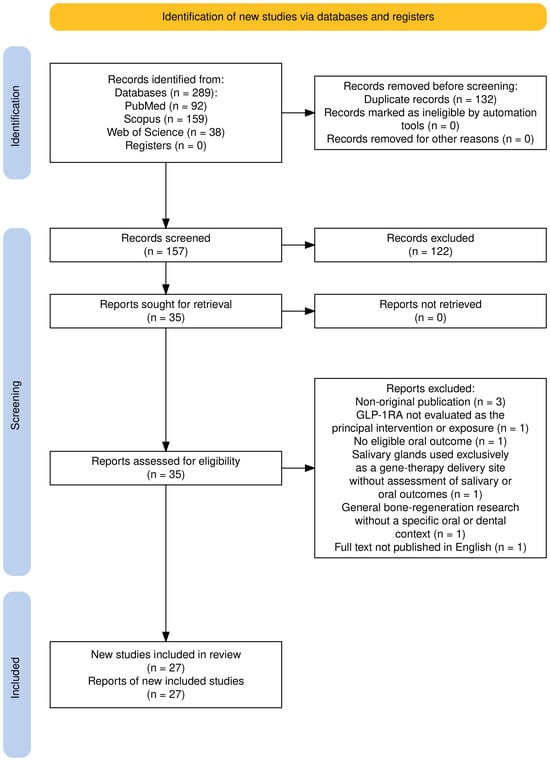
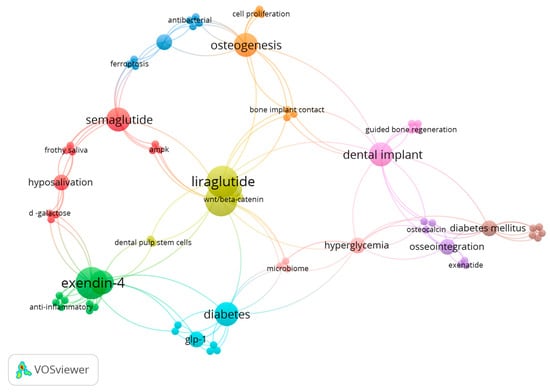
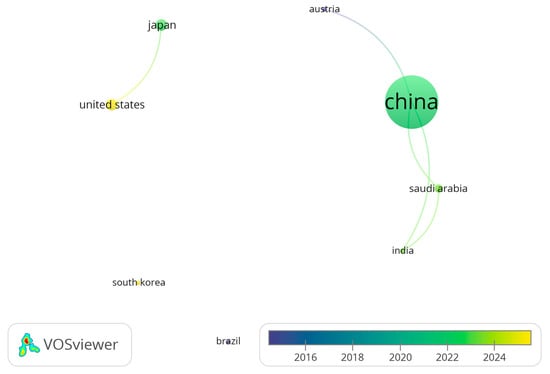
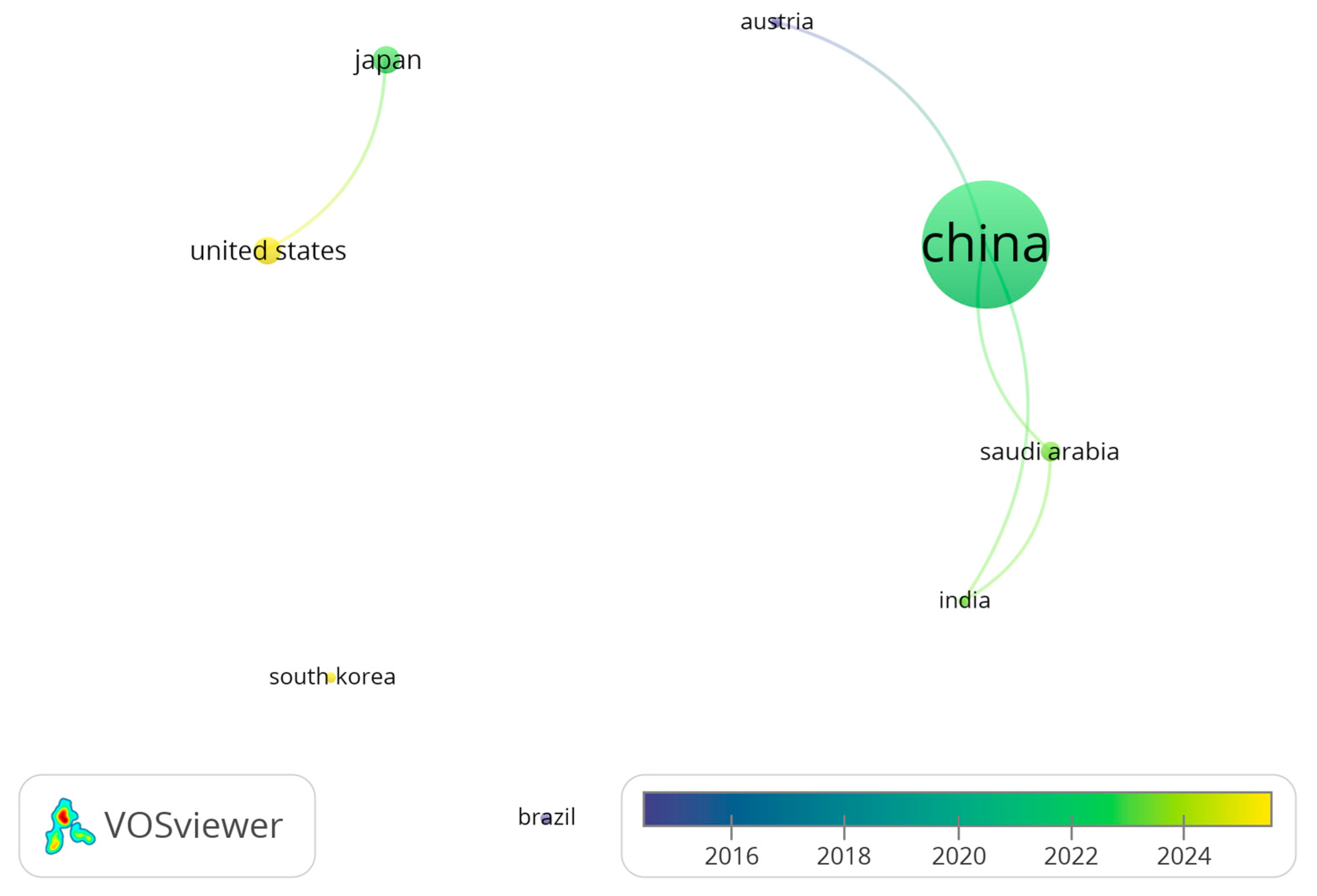

Disclaimer/Publisher’s Note: The statements, opinions and data contained in all publications are solely those of the individual author(s) and contributor(s) and not of MDPI and/or the editor(s). MDPI and/or the editor(s) disclaim responsibility for any injury to people or property resulting from any ideas, methods, instructions or products referred to in the content. |
© 2026 by the authors. Licensee MDPI, Basel, Switzerland. This article is an open access article distributed under the terms and conditions of the Creative Commons Attribution (CC BY) license.