


Abstract
Precision oncology increasingly requires multi-target strategies addressing tumor heterogeneity, microenvironmental barriers, immune evasion, and drug resistance. This narrative review critically examines the convergence of artificial intelligence (AI), microrobotic/nanorobotic systems, and pharmaceutically optimized nanocarriers for precision tumor multi-targeting. It highlights emerging intelligent nanomedicine strategies while distinguishing clinical evidence for selected nanocarrier products from preclinical and conceptual integration. This review explores AI-guided formulation design and patient stratification; microrobots and nano/micromotors for active delivery and intratumoral penetration; and optimized, stimuli-responsive nanocarriers for co-delivery of chemotherapeutics, immunomodulators, nucleic acids, and gene-editing agents. Tumor multi-targeting, microenvironment-responsive release, and synchronized drug delivery are critically assessed. AI-guided formulation studies include computational prediction and prospective laboratory validation, whereas active delivery platforms have predominantly been evaluated in vitro and in animal models. Preclinical and conceptual findings suggest that integrating AI-guided design, active navigation, and responsive nanocarriers may enhance spatial and temporal delivery control; reductions in systemic toxicity require system-specific validation. Study-specific quantitative matrices compare model validation, actuation conditions, payloads, release characteristics, and exposure measures, explicitly identifying missing data and non-comparable endpoints. Target prioritization incorporates biological validity, druggability, delivery feasibility, and clinical actionability. Investigational digital twins require longitudinal data quality control, calibrated uncertainty, drift surveillance, and clinician oversight. Although selected robotic–carrier combinations demonstrate preclinical benefits, fully integrated platforms enabling patient-specific adaptive treatment lack clinical validation. Translation requires indication-specific comparisons with simpler formulations, reproducible manufacturing, validated navigation, and prospective benefit–risk assessment. Future research should prioritize pharmaco-nanotechnologies, refined cancer molecular classification, and clinician-governed decision support before adaptive AI-assisted multi-target nanomedicine.
1. Introduction
Cancer treatment has shifted from organ-based therapy toward molecularly stratified and increasingly patient-specific intervention. Nevertheless, the clinical performance of many targeted therapies is constrained by intra- and intertumoral heterogeneity, adaptive resistance, stromal exclusion, abnormal vasculature, immunosuppressive niches and pharmacokinetic variability. Nanomedicine was introduced partly to overcome the limitations of freely circulating drugs by improving solubility, biodistribution, payload protection and controlled release [1,2,3,4]. Yet, the clinical translation of nanocarriers remains limited by variable tumor deposition, insufficient tissue penetration, batch-to-batch complexity and incomplete prediction of nano–bio interactions [5,6,7,8,9,10,11].
Precision tumor multi-targeting may benefit from coordinated target selection, formulation design and transport; however, integrating these functions is a research objective rather than an established requirement for clinically effective treatment. A proposed integrated platform would aim to (i) select target combinations from high-dimensional patient data; (ii) engineer nanocarriers with reproducible critical quality attributes (CQAs); (iii) deliver payloads across vascular, stromal, cellular and subcellular barriers; and (iv) support clinician-reviewed treatment adaptation after validation. AI, microrobots and pharmaceutically optimized nanocarriers address complementary parts of this problem. AI supports computational design, patient stratification and adaptive decision-making. Microrobots introduce active, externally or biologically powered transport. Nanocarriers provide the dosage-form architecture necessary for payload stabilization, biodistribution control and synchronized multi-agent release.
This review examines how these technologies can be combined in a translational Pharmaceutics framework. The focus is not simply on futuristic “nanorobots” but on realistic convergence: AI-guided product design, microactuated local delivery and manufacturable nanocarrier systems that can satisfy safety, quality and regulatory requirements.
2. Scope and Narrative Search Approach
This focused narrative review employed targeted, up-to-date literature searches to address three interconnected questions: how artificial intelligence (AI) guides tumor target and formulation design; how microrobots and nanorobots achieve active delivery; and how pharmaceutical nanocarriers support precision, multi-agent treatment. PubMed and Crossref searches combined (cancer OR tumor OR tumour OR oncology) with three topic blocks: (artificial intelligence OR machine learning OR Bayesian optimization OR quality by design) AND (nanocarrier OR nanoparticle OR formulation); (microrobot OR nanorobot OR micro/nanomotor OR magnetic microrobot OR biohybrid robot) AND (drug delivery OR targeted delivery); and (nanocarrier OR liposome OR lipid nanoparticle OR polymeric nanoparticle) AND (co-delivery OR combination therapy OR stimuli-responsive OR immunotherapy).
Related terminology and backward citation tracking were used to identify foundational studies, including papers predating current terminology. Recent literature from 2025–2026 was considered alongside earlier primary studies. Targeted bibliographic and numerical source checks for this revision were completed on 13 October 2026; this focused update is not a systematic quantitative synthesis.
Records were assessed for relevance from title and abstract, with methods and full text examined where needed. Eligible sources included experimental and clinical studies, pharmaceutical development work, methodological papers, and critical reviews with a direct bearing on at least one of the three questions. Selection favored clear mechanisms, adequate description of formulation or propulsion methods, evaluation of tumor delivery barriers, product quality, safety, and translational relevance. Duplicate records, papers outside the oncology and drug-delivery scope, reports with insufficient methods for interpretation, unresolved bibliographic identifiers, and unsupported speculative claims were set aside. Foundational studies and well-substantiated limitations were retained alongside recent advances.
Figure 1 summarizes this purposeful narrative selection and the reasons for retaining or excluding publications. The included studies were qualitatively synthesized based on theme and the maturity of the evidence, distinguishing between approved products and clinical findings, and animal experiments and conceptual proposals.
Figure 1.
Targeted literature identification and qualitative synthesis. Note: This figure was prepared with assistance from ChatGPT 6.1 (OpenAI), based on the authors’ concepts and the cited literature. The authors reviewed and edited the figure and take full responsibility for its scientific content.
Searches in PubMed and Crossref, backward citation tracking, and a focused 2025–2026 update were used to identify literature across three interconnected areas: AI-guided nanocarrier design, active micro/nanorobotics for cancer drug delivery, and pharmaceutical nanocarriers for combination or responsive therapy. After duplicate records were removed, titles and abstracts were assessed for relevance and interpretability; methods and full texts were examined when needed. Experimental and clinical studies, pharmaceutical development reports, methods papers, critical reviews, and foundational work were considered. Records outside the oncology or drug-delivery scope, reports with insufficient methods, and records with unresolved bibliographic identifiers were set aside. The retained literature was synthesized qualitatively according to the review question and maturity of evidence: established or clinical findings, experimental animal and laboratory findings, and conceptual proposals or future directions.
The synthesis distinguishes four evidence settings: H, human clinical evidence for the specified product or decision-support application; A, animal experiments; L, in vitro or ex vivo experiments; and C, computational studies. P denotes a proposed integration for which end-to-end experimental validation has not been established in the cited evidence. These labels describe the setting of evidence, not a formal GRADE (Grading of Recommendations Assessment, Development and Evaluation) certainty assessment. A component may carry several labels because computational development can be followed by laboratory or animal testing. Human evidence for one component does not establish human evidence for their combination. Table 1 applies this framework to representative components and interfaces.
Table 1.
Evidence settings for components and their integration.
The quantitative comparison is study-specific rather than a pooled meta-analysis. Model architecture, dataset size, split strategy and validation setting are considered alongside performance. Actuation and propulsion are interpreted within their measurement medium and administration route. Encapsulation, loading, plasma exposure, tumor uptake and release are separated by denominator, time point and assay. NR denotes a parameter not reported for the stated comparison in the selected source; NV denotes a parameter that could not be verified from the source material accessed for this revision; NA denotes a parameter not applicable to the endpoint. Missing values are not imputed. No cross-platform superiority is inferred from heterogeneous studies.
3. AI-Driven Design for Precision Tumor Multi-Targeting
3.1. AI for Formulation Optimization and Quality by Design (QbD)
Nanocarrier development is a multidimensional optimization problem. Particle size, polydispersity index (PDI), morphology, surface charge, lipid/polymer composition, polyethylene glycol (PEG) density, ligand density, encapsulation efficiency, drug ratio, release kinetics, osmolality, sterility, residual solvent and storage stability can all influence biological performance [2,8,10,20]. Classical design of experiments (DoE) remains essential, but AI and machine learning (ML) can extend QbD by learning nonlinear relationships among material attributes, process parameters and CQAs [12,17,20,21,22,23].
In an AI-supported QbD workflow, historical formulation data, automated high-throughput experiments and mechanistic priors are used to define a design space. Supervised models predict CQAs; Bayesian optimization proposes new experiments; active learning reduces the number of wet-lab iterations; and uncertainty-aware models identify regions requiring confirmatory testing [17,22]. For regulatory credibility, such workflows must preserve traceability between input variables, model predictions, experimental confirmation and clinically relevant product performance [15,20,23].
Four representative primary studies illustrate different validation questions (Table 2). TuNa-AI predicts formulation success from molecular and compositional information; a prospective formulation result is stronger than random cross-validation but does not establish clinical benefit [12]. Reker et al. screen drug–excipient co-assembly [24]. Ortiz-Perez et al. optimize cellular uptake through an experimental active-learning loop [25]. Chou et al. predict kinetic parameters for a mechanistic mouse PBPK (physiologically based pharmacokinetic) model [26]. These endpoints are not interchangeable: ROC-AUC (Area Under the Receiver Operating Characteristic Curve) evaluates ranking of binary outcomes, R2 measures explained variation for a regression endpoint, and RMSE (Root Mean Square Error) depends on the endpoint scale. Uptake gain and plasma AUC are experimental outcomes, not measures of algorithmic discrimination.
Table 2.
Comparative validation and evidence limits of representative AI studies.
TuNa-AI has prospective laboratory validation, rather than being a formulation-screening concept alone. Nevertheless, colloidal formation does not establish sterility, storage stability, tolerated excipient exposure or efficacy in heterogeneous tumors [12]. More generally, splits should keep related compounds, batches and source studies together when those dependencies could leak into a test set. Code availability permits inspection but does not substitute for independent replication. Model uncertainty must be tested for calibration, not inferred from model architecture. Failures to form nanoparticles and unsuccessful biological experiments should be retained in the dataset.
The cited QbD sources are reviews and therefore do not provide a common primary experimental dataset from which a valid numerical league table of DoE performance can be reconstructed [20,23]. QbD/DoE should report design terms, lack of fit, residual diagnostics, adjusted and predicted R2 and independent confirmation of the design space. Mechanistic PBPK modeling must be evaluated separately from purely statistical formulation models. The original tumor-delivery analysis used 376 datasets and reported a median terminal delivery efficiency of 0.76% of injected dose [15]; this population summary is neither an individual formulation value nor an AI accuracy metric. The AI-PBPK results in Table 2 show that performance also depends on the observation horizon [26].
3.2. Multi-Omics-Guided Target Selection
Multi-omics analysis nominates candidate targets; it does not itself establish a treatment indication. Four distinct questions must be answered: is the target a causal and sufficiently prevalent disease dependency? Can a therapeutic modality alter it selectively? Can that modality reach the relevant tissue, cell and intracellular compartment at an active concentration? Does clinical evidence support a favorable benefit–risk profile in the specified indication? Genomic findings can be ranked using ESCAT (ESMO Scale for Clinical Actionability of Molecular Targets, where ESMO = European Society for Medical Oncology), but its clinical actionability tiers should not be assigned directly to exploratory transcriptomic signatures or delivery mechanisms [27]. Table 3 and Figure 2 provide a separate pharmaceutical delivery gate.
Table 3.
Gates from multi-omics target nomination to an actionable treatment.
Figure 2.
From multi-omics target nomination to an actionable intervention. Notes: Each candidate passes biological, therapeutic-modulation, delivery and clinical-evidence gates. Failure at a gate redirects the candidate to research or reassessment. The diagram is an original author-proposed translational synthesis; the clinical evidence vocabulary is informed by ESCAT [27]. It is not a validated prediction algorithm or decision score. This figure was prepared with assistance from ChatGPT 6.1 (OpenAI), based on the authors’ concepts and the cited literature. The authors reviewed and edited the figure and take full responsibility for its scientific content.
Clinical experience demonstrates substantial attrition between profiling and treatment. In MOSCATO 01 (Molecular Screening for Cancer Treatment Optimization 01 trial), 843 patients obtained a molecular portrait, 411 had an actionable alteration and 199 received matched treatment; 63/193 evaluable patients achieved a progression-free-survival ratio greater than 1.3 [28]. This was a selected, non-randomized experience with an intrapatient comparison. In the randomized SHIVA trial (NCT01771458), the tested off-label molecular-matching strategy did not significantly improve progression-free survival over physician-selected therapy (2.3 versus 2.0 months; hazard ratio 0.88, 95% CI 0.65–1.19; p = 0.41) [29]. These studies do not invalidate established biomarker–drug indications, but they show why an association or a drug match cannot be assumed to predict benefit.
For a proposed combination, each payload needs a measurable exposure–target-engagement relation and evidence that the second target adds benefit at jointly tolerated doses. Expression of a receptor may facilitate delivery while failing to define a therapeutic dependency. Conversely, a compelling intracellular target may remain inaccessible because of endosomal trapping, heterogeneous perfusion or insufficient tissue exposure. Candidate combinations should progress only after matched controls establish target engagement, incremental efficacy and acceptable toxicity; unsupported targets should remain hypotheses [6,10,11,27].
3.3. Predictive PK and PD Models and Clinician-Governed Digital Decision Support
Combined pharmacokinetic/pharmacodynamic (PK/PD) modeling connects formulation design to therapeutic effect. Nanocarriers often exhibit complex biodistribution, nonlinear clearance, mononuclear phagocyte system uptake and tumor-type-dependent extravasation [5,8,10,15]. Mechanistic PBPK models can characterize nanoparticle biodistribution and tumor delivery [15], while QSP models can simulate treatment scenarios and virtual patients [16]. AI-assisted extensions may help estimate uncertain parameters and test dosing schedules [21].
A digital twin is a candidate patient-specific model whose state can be updated as new observations become available; it should not be equated with a validated autonomous treatment controller. Existing mechanistic QSP work supports virtual-patient simulations, but patient-specific identifiability, longitudinal validation and uncertainty remain limiting [16,21]. For a nanomedicine twin, the observations must distinguish carrier-associated and released drug, exposure at the target compartment and evidence of target engagement. Tumor size or a circulating marker alone may not identify the processes governing delivery or resistance.
Longitudinal integration should preserve specimen and acquisition timestamps, provenance, units, missingness and assay versions. An event-driven ingestion service can update fast physiological or imaging measurements, while laboratory and omics inputs will generally arrive asynchronously. Only quality-checked observations should update a versioned state estimator; stale or contradictory data should suspend recommendations. A deployment would require secure electronic-record interfaces, an auditable data store, reproducible model containers, access control, monitoring and tested fallback procedures. CPU-based inference may suffice for some mechanistic models; GPU training or image analysis may be needed for others. Infrastructure and latency targets must be justified for the model and clinical task rather than presented as universal requirements [16,30].
Data drift should be separated from concept drift and calibration failure. Prespecified surveillance should evaluate missingness, input distributions, subgroup coverage, prediction residuals and interval coverage as outcome labels become available. Alarm limits must be set on validation data and tied to a safe response: stop recommendations, investigate, recalibrate or retrain offline, then revalidate a locked version. Automatic online retraining should not alter the deployed therapeutic policy without review. Clinicians should receive the predicted outcome range, assumptions, data freshness and out-of-domain status, including an explicit option to abstain. Closed-loop faults and mitigations are summarized in Table 4 as design proposals, not experimentally validated safeguards [30].
Table 4.
Failure modes and proposed safeguards for digital decision support.
MatchMiner, a platform for matching patients to clinical trials based on molecular and clinical data, is a more realistic clinical comparator than an autonomous tumor robot. It matches genomic and clinical data to curated trial criteria with daily updates and clinician eligibility review. In its institutional deployment, it facilitated 166 trial consents in 159 patients; consent occurred 55 days earlier than in the observational comparison group [31]. This supports a workflow endpoint, not a causal survival benefit, automatic prescribing or robotic control. Curated rules, incomplete eligibility fields, local trial availability and patient readiness limit its recommendations. A future twin should demonstrate added value over this type of rule-based support and a molecular tumor board, then undergo prospective silent-mode and clinician-assisted evaluation using DECIDE-AI (Developmental and Exploratory Clinical Investigations of DEcision support systems driven by Artificial Intelligence) reporting principles before any controlled adaptive intervention [30,31].
4. Microrobots and Nano/Micromotors as Active Delivery Vectors
Passive nanocarrier delivery depends heavily on circulation time, vascular permeability and tumor retention. These parameters vary substantially among tumors and patients [7,15]. Microrobots and nano/micromotors seek to add an active transport component by using external fields, chemical gradients, biological propulsion or hybrid cell-based motility [13,14,18,19,32,33,34].
4.1. Magnetic Microrobots
Magnetically actuated microrobots are attractive because magnetic fields can penetrate tissue and provide remote control without relying on local chemical fuel [18,19,32,33]. Designs include helical swimmers, magnetic beads, soft hydrogel carriers, magnetic bacteria-based systems and magnetically steerable cell-particle hybrids [18,19,32,33]. Payloads can be incorporated by adsorption, encapsulation, covalent conjugation or attachment of drug-loaded nanoparticles [18,19,32,33,34]. Magnetic systems are comparatively strong candidates for translation because clinical magnetic resonance and magnetic-navigation infrastructure provide conceptual precedents; however, steering in deep, heterogeneous human anatomy remains a major engineering challenge [18,19,32,33].
4.2. Acoustic, Enzymatic and Chemically Powered Systems
Acoustic propulsion can move microstructures using ultrasound-induced streaming, cavitation or asymmetric oscillation [18,19]. Ultrasound is clinically established and can be combined with sonosensitive release systems, but spatial control and heating effects must be managed [18,19,35]. An imaging-guided bioresorbable hydrogel microrobot combines acoustic propulsion with magnetic guidance and ultrasound tracking in a preclinical bladder-tumor model [13]. Enzymatic micromotors exploit biochemical substrates such as urea, glucose or hydrogen peroxide [18,19,33,34]. While elegant in vitro, enzyme-powered systems face variable substrate availability, immunogenicity and safety concerns [18,34]. Chemically powered catalytic micromotors using peroxide are generally unsuitable for systemic human use unless redesigned around biocompatible fuels [18,19].
4.3. Biohybrid Microrobots
Biohybrid systems can use living bacteria, algae, sperm cells or selected immune cells for motility or homing; red blood cell membranes can provide camouflage for attached cargo [14,18,34]. These systems are particularly relevant for oncology because some cells naturally migrate toward hypoxic, inflamed or tumor-associated niches [14,18,34]. For example, bacteria-based carriers may exploit tumor tropism, while immune-cell carriers may combine homing capacity with immunological function [14,18,34]. Biohybrid approaches also introduce complex safety questions: replication control, genetic stability, immune activation, off-target colonization, sterilization, storage and release specifications [14,18,34].
4.4. Payload Integration and Regulatory Feasibility
For pharmaceutical translation, microrobots may require evaluation as devices, drug–device, biologic–device or other combination products, depending on their components and intended use [18,19,32]. Critical questions include the following: Can the propulsion mechanism be validated in clinically relevant anatomy? Can the carrier be manufactured reproducibly? Can the dose be quantified? What happens after payload release? Is the robot biodegradable, recoverable or permanently retained? Can imaging confirm localization? Regulatory feasibility will favor biodegradable materials, clinically familiar actuation modalities, externally measurable localization and clear release mechanisms [13,14,18,19,32,33,34,35].
Actuation strength is meaningful only alongside robot size, magnetic moment, gradient, flow and imaging geometry (Table 5). Magnetic torque aligns a moment in a field; translational pulling additionally requires a spatial field gradient. Magnetic penetration through tissue is therefore not equivalent to sufficient force at a human-scale target. Landers et al. report a human-scale navigation architecture with a 30 mT field and gradients up to 350 mT/m for a specified flow-bifurcation experiment; branch selection was demonstrated against a background flow of 37 cm/s [36]. These are engineering benchmarks in the reported anatomy/model, not a universal clinical field prescription or proof of treatment in human tumors.
Table 5.
Study-specific quantitative benchmarks for active delivery.
The acoustic BAM study separates fast laboratory propulsion from local animal navigation. Table 5 retains the measured PBS speed, payload and ultrasound settings and the 5 mm focal-depth setting used for the mouse experiment [13]. That depth is a setup condition, not a measured maximum through human tissue. Imaging visibility is not a validated numerical localization error. Thrust, human-scale maximum depth and quantitative path-tracking accuracy remain unverified for this comparison and are marked accordingly. Hydrogel breakdown in a subcutaneous implantation experiment is also distinct from drug-release time or urinary clearance.
Locally administered biohybrids and enzyme-powered systems address different environments. Magneto-aerotactic bacteria transported attached liposomes into mouse tumor regions [37], and intravesical urease-powered nanobots increased tumor accumulation and reduced tumor volume in mice [38]. Algae-associated nanoparticle delivery was demonstrated after pulmonary administration, with median survival of 37 days versus 27 days for the free-drug and nanoparticle comparator groups [14]. None of these results establishes safe intravenous access to arbitrary human lesions. Translation requires route-specific perfused anatomy, field and heating maps, imaging error distributions, dose accounting, off-target capture and clearance measurements.
5. Pharmaceutically Optimized Nanocarriers for Multi-Agent Oncology
5.1. Liposomes and Lipid Nanoparticles
Liposomes remain one of the most clinically established nanocarrier classes [3,4,9]. Their advantages include biocompatibility, capacity for hydrophilic and lipophilic drugs, surface modification and controlled release engineering [1,2,3,4]. PEGylated liposomes can extend circulation time, while ligand-functionalized liposomes can promote cellular uptake [3,4]. For multi-targeting, liposomes may co-encapsulate synergistic drug ratios or separately carry agents with complementary release profiles [3,4,11]. Lipid nanoparticles (LNPs), particularly ionizable lipid systems, have expanded interest in ribonucleic acid (RNA) delivery, including messenger RNA (mRNA) and siRNA [35,39]. For ionizable lipids, the negative logarithm of the acid dissociation constant (pKa) is a relevant parameter [39].
5.2. Polymeric Nanoparticles and Micelles
Polymeric nanoparticles offer tunable degradation, mechanical properties and release kinetics [8,35,40]. Materials such as poly(lactic-co-glycolic acid) (PLGA), poly(lactic acid) (PLA), PEG–polyester block copolymers and stimuli-responsive polymers can be used to tailor drug loading and release [35,40,41,42,43,44,45]. Polymeric micelles are useful for hydrophobic drugs, although dilution instability remains a common challenge [41]. Polymer chemistry can be engineered to respond to pH (a logarithmic measure of acidity), redox gradients, enzymes, hypoxia or reactive oxygen species (ROS) in the tumor microenvironment [40,44,45]. Polymer molecular weight (MW) is another formulation variable [40].
5.3. Lipid–Polymer Hybrids and Extracellular Vesicles
Lipid–polymer hybrids combine polymeric core stability with lipid-shell biocompatibility and surface functionalization [42]. Their core–shell architecture can accommodate different types of payloads, with release behavior depending on the formulation [42]. Extracellular vesicles carry biological cargo and mediate cell interactions; engineered targeting must be demonstrated for a given preparation [43]. Cell-membrane-coated nanoparticles are a related but distinct biomimetic platform [14,43].
The translational challenge for extracellular vesicles lies in source variability, purification, potency assays and scalable manufacturing [43].
5.4. Stimuli-Responsive Release
Stimuli-responsive nanocarriers exploit endogenous tumor features—acidic pH, high glutathione, overexpressed enzymes, hypoxia or ROS—or exogenous triggers such as ultrasound, light, heat and magnetic fields [44,45]. For multi-target therapy, stimuli-responsiveness may reduce systemic exposure while synchronizing release at the desired site [44,45]. The central design issue is specificity: the trigger threshold must distinguish diseased from healthy tissues while preserving stability during manufacturing, storage and circulation [10,20,44,45].
5.5. Co-Delivery and Multi-Drug Synchronization
Combination therapy requires attention to drug ratio, sequence and temporal exposure [1,3]. A nanocarrier that delivers two agents at a fixed synergistic ratio may outperform separate administration if the drugs share an optimal exposure window [1,3]. Conversely, some combinations require sequential release, such as stromal modulation before cytotoxic therapy or immune priming before checkpoint blockade [1,3,40]. AI-guided release modeling can help select materials and architectures that produce desired temporal profiles [12,17,22].
Table 6 provides the qualitative pharmaceutical comparison; the study-specific quantitative benchmarks in Table 7 complement it without treating formulation-dependent values as class-wide constants.
Table 6.
Pharmaceutically optimized nanocarrier platforms for targeted and combination therapy.
Table 7.
Quantitative formulation benchmarks with preserved endpoints and denominators.
5.6. Quantitative Performance and Matched Comparisons
Encapsulation efficiency is the fraction of input drug recovered within the carrier, whereas loading is the mass of drug relative to the stated carrier or formulation denominator. A high encapsulation percentage can coexist with low drug loading. Plasma carrier-associated half-life, free-drug exposure, tumor % injected dose and intracellular active drug are different endpoints. Table 7 preserves reported denominators and experimental conditions; the entries illustrate feasible formulation performance, not typical values for all members of a class. Stimuli-responsiveness is a design feature spanning carrier classes rather than an eighth mutually exclusive material class.
Matched comparisons provide firmer evidence than cross-study averages. In the docetaxel comparison, hybrid particles had greater encapsulation and slower release than the PLGA and PLGA–PEG comparators at the reported input and loading conditions; this is a formulation-level result, not proof of improved in vivo therapeutic index [46]. NK105 increased plasma and tumor paclitaxel AUC relative to free paclitaxel in the mouse experiment [47]. However, its later phase III study did not establish the prespecified progression-free-survival non-inferiority endpoint [48]. Improved preclinical exposure is therefore insufficient to establish a clinically superior platform.
For triggered co-delivery, DOX/IR-780 thermosensitive liposomes provide a matched release and efficacy experiment, but the laser settings and local administration route are part of the intervention [49]. They cannot be generalized to a deep systemic tumor. Human PET imaging of HER2-targeted liposomes showed 0.52–18.5% injected dose per kg in lesions at 24–48 h, illustrating substantial heterogeneity rather than a universal liposome accumulation percentage [50]. A label-based clinical PK value for DOXIL and an in vitro loading value for another liposome should never be merged into the profile of a fictitious common product [50,51].
No representative dataset here supplies matched tumor uptake, plasma half-life, release and toxicity-adjusted efficacy for every class. Consequently, a quantitative class-wide therapeutic-index ranking would be unsupported. Therapeutic index should be evaluated with a prespecified efficacy-to-toxicity exposure or dose measure, rather than inferred from tumor-growth inhibition or body-weight preservation alone. For co-delivery, the indication-specific choice should prioritize maintained active drug ratio, intracellular target engagement and benefit against both single agents and their free combination, while accounting for batch reproducibility and the accessible delivery route. Fixed-ratio small-molecule combinations may favor a liposome or hybrid architecture if the measured ratio is maintained; RNA payloads require an LNP or other experimentally validated cytosolic delivery system. Hydrophobic drugs may benefit from micellar solubilization provided dilution stability is demonstrated. EV selection requires source-specific purity and potency evidence. Externally triggered carriers are relevant when optical or acoustic access and release specificity can be demonstrated. These are payload- and route-dependent selection criteria, not a numerical ranking of classes [3,39,41,42,43].
6. Integrated Platform: From AI-Guided Design to Microactuated Nanomedicine
A proposed integrated system would connect target prioritization, pharmaceutical design, active transport and monitoring. The component studies support particular interfaces, including laboratory AI–formulation optimization and preclinical robot–carrier delivery, but do not establish the efficacy of the complete adaptive platform [12,13,14]. The value of adding a robot or a predictive model should be demonstrated against a matched optimized carrier and a simpler clinical workflow. Figure 3 presents the investigational architecture; Table 1 identifies the evidence settings supporting its constituent functions. AI-enabled extracellular-vesicle delivery is also discussed as a research direction rather than a clinically validated interface [54].
Figure 3.
Proposed conceptual workflow for the AI-assisted design and clinician-reviewed evaluation of nanocarrier–microrobot systems. Note: Arrows indicate dependencies between successive stages; they do not represent demonstrated clinical efficacy or a clinically validated integrated platform. This figure was prepared with assistance from ChatGPT 6.1 (OpenAI), based on the authors’ concepts and the cited literature. The authors reviewed and edited the figure and take full responsibility for its scientific content.
Patient and tumor measurements inform target nomination, followed by assessment of biological relevance, druggability, delivery feasibility, and clinical actionability (Figure 3). Formulation design, evaluation of CQAs, manufacturing reproducibility, microrobot integration, and preclinical actuation and imaging tests precede any investigational administration under an authorized protocol. Localization, payload release, interactions with the tumor microenvironment, and therapeutic and safety endpoints are subsequently evaluated within the investigational setting. Longitudinal monitoring supports clinician-reviewed assessment of pharmacokinetics and pharmacodynamics, potential benefits and harms, and uncertainty.
Selected components and interfaces have been investigated in laboratory or animal studies [12,13,14]; however, the complete integrated, patient-specific workflow remains conceptual and has not been clinically validated. Clinician-reviewed findings could inform a subsequent protocol-bound evaluation, although this feedback connection is not explicitly depicted. Any treatment selection or subsequent adaptation requires clinician authorization within the applicable investigational protocol.
7. Multi-Target Therapeutic Strategies
7.1. Targeting Tumor Cells and Resistance Pathways
A core multi-targeting use case is co-delivery of a cytotoxic agent with a resistance-pathway inhibitor [6,11]. Examples include chemotherapy plus siRNA against efflux pumps, kinase inhibitors plus apoptosis sensitizers, or deoxyribonucleic acid (DNA)-damaging drugs plus DNA repair inhibitors [6,11]. Co-encapsulation can coordinate administered drug ratios, but cellular co-localization and active intracellular exposure must be measured. AI may nominate resistance-related target combinations; indication-specific validation is required before those predictions guide treatment [6,11,17,22].
Figure 4 maps tumor, stromal, vascular, and immune components to potential targets for coordinated delivery of complementary therapeutic payloads.
Figure 4.
Tumor microenvironment and potential targets for coordinated therapeutic delivery. Note: This figure was prepared with assistance from ChatGPT 6.1 (OpenAI), based on the authors’ concepts and the cited literature. The authors reviewed and edited the figure and take full responsibility for its scientific content.
The schematic diagram depicts a vascularized tumor containing malignant cells, cancer-associated fibroblasts (CAFs), extracellular matrix (ECM), and immune-cell populations. Hypoxia and low pH are shown as features of the local microenvironment, while drug efflux, DNA repair, antigen loss, PD-1/PD-L1 signaling, and suppression by regulatory T cells (Tregs) and tumor-associated macrophages (TAMs) illustrate potential mechanisms of treatment resistance or immune evasion. Three therapeutic payloads—a cytotoxic agent, a stromal modulator, and an immune-directed or RNA-based agent—are shown as a possible coordinated strategy targeting tumor cells, stromal barriers, and the immune niche. They may be administered at the same time, although their release kinetics and effective doses need not be identical. Effects on vascular access, distribution, and resistance are additional targets for evaluation. The diagram is conceptual; the delivery, the therapeutic benefit, and safety require validation for each specific formulation and tumor setting. Target nomination does not establish druggability, delivery feasibility or clinical actionability; these are assessed separately in Figure 2 and Table 3.
7.2. Targeting the Tumor Microenvironment
The tumor microenvironment (TME) is not a passive barrier. Cancer-associated fibroblasts, extracellular matrix, hypoxia, abnormal vasculature, tumor-associated macrophages and immunosuppressive cytokines shape therapeutic response [5,6,7,11,15,35]. Multi-target nanomedicine can combine matrix modulation, vascular normalization, macrophage repolarization or hypoxia-activated release with direct tumor-cell killing [6,11,35,44,45]. Microrobotic transport may be especially valuable where stromal density or interstitial pressure limits diffusion [14,18,19,32,33,34].
7.3. Targeting Immune Evasion
Nanocarriers can deliver immunomodulators, antigens, adjuvants, checkpoint inhibitors, cytokines or RNA constructs to reprogram antitumor immunity [2,6,11,35]. Spatial targeting matters because systemic immune activation can cause severe toxicity [2,6,35]. AI-supported patient stratification can help identify immune-cold tumors requiring priming, immune-excluded tumors requiring stromal intervention and inflamed tumors suitable for checkpoint augmentation [16,17,21,22].
7.4. Subcellular and Temporal Targeting
Some payloads require cytosolic, nuclear, mitochondrial or lysosomal delivery [6]. Nanocarrier surface chemistry, endosomal escape strategies and stimuli-responsive release can be tuned accordingly [6,44,45]. Temporal targeting is equally important: a tumor-penetrating peptide or stromal modulator may need to act before chemotherapy; an immunogenic cell death inducer may need to precede checkpoint blockade [6,11,35]. AI-driven optimization can model these schedules, but biological validation remains indispensable [17,20,22,23].
8. Safety, Chemistry, Manufacturing, and Controls (CMC), and Regulatory Considerations
8.1. Safety and Biodistribution
Integrated microrobot–nanocarrier systems introduce layered safety questions [14,18,19,32,33,34]. Nanocarrier risks include complement activation, infusion reactions, liver and spleen accumulation, accelerated blood clearance, unexpected immunogenicity and long-term material persistence [4,8,9,10]. Microrobot-specific risks include embolization, off-target navigation, incomplete degradation, local inflammation, biohybrid replication, magnetic-material retention and uncertain interactions with implanted devices [14,18,19,32,33,34].
8.2. Manufacturing and Quality Control
Manufacturing must define reproducible CQAs for both carrier and actuation components [10,20,23]. For nanocarriers, CQAs include size distribution, morphology, surface chemistry, drug loading, release kinetics, sterility, endotoxin, residual solvents and storage stability [10,20,23]. For microrobots, additional specifications may include shape, magnetic moment, propulsion response, biodegradation rate, imaging visibility, payload attachment strength and actuation-field thresholds [18,19,32,33]. Combination systems will need integrated release and navigation assays, not isolated material characterization alone [18,19,20,23].
8.3. Regulatory Classification
Depending on design, the final product may be regulated as a drug, biologic, device or combination product [10,18,19]. Early regulatory dialogue is essential because product classification affects preclinical testing, manufacturing controls, clinical endpoints and post-market surveillance [10,18,20,23]. Explainable AI documentation will also be needed if algorithmic predictions influence formulation design, patient selection or treatment adaptation [16,17,21,22]. Figure 5 depicts a proposed clinician-governed decision-support architecture with explicit data-quality, uncertainty and stopping gates.
Figure 5.
Proposed conceptual architecture for clinician-governed digital decision support and investigational delivery. Note: Solid arrows indicate the supervised workflow; dashed blue arrows indicate quality-checked feedback, whereas dashed orange arrows indicate pathways for abstention from model-guided action and clinician-directed use of standard care. This figure was prepared with assistance from ChatGPT 6.1 (OpenAI), based on the authors’ concepts and the cited literature. The authors reviewed and edited the figure and take full responsibility for its scientific content.
Figure 5 distinguishes data assimilation, model recommendation, clinician authorization and treatment execution. A locked version, prespecified uncertainty display, input-quality gates and an auditable override should be part of any future clinical evaluation [30]. An image-guided experimental carrier should not proceed on a predicted location alone. Loss of reliable localization requires a robot-specific fail-safe plan; payload exposure, field heating and dose limits must remain independently constrained. These are proposed safeguards whose effectiveness must be tested, not features already validated for the complete integrated platform.
Longitudinal observations, including imaging, exposure measurements, and laboratory and omics data, undergo checks for provenance, freshness, and consistency before informing a versioned patient model. Model predictions are accompanied by prediction intervals and explicit applicability limits. A clinician assesses potential benefits and harms, reviews the applicable protocol, and authorizes any investigational action. Protocol-bound execution includes investigational delivery and monitoring, which may generate quality-checked feedback for a subsequent, controlled model update. Stale inputs, model drift, uncertain localization, or unacceptable risk prompt abstention from model-guided action and clinician-directed use of standard care.
The diagram is an original conceptual synthesis drawing on mechanistic quantitative systems pharmacology (QSP) approaches to virtual patients and digital twins in immuno-oncology [16] and on the DECIDE-AI reporting framework for early stage clinical evaluation of AI-based decision support systems [30]. These references inform the conceptual rationale and evaluation considerations; they do not establish the clinical validity of the proposed integrated architecture.
Any future implementation would require locked model versions during each evaluation phase, predefined dose limits, an auditable record of decisions and updates, and clinician authorization of treatment changes. Autonomous prescribing is not part of the proposed architecture.
9. Future Directions
The next phase of precision tumor multi-targeting should prioritize validation over novelty. Four directions are especially important [10,16,17,18,20,21,23].
First, standardized datasets are required for AI-driven nanocarrier design. Public and industrial datasets should capture composition, process conditions, CQAs, biological assays and negative results using harmonized ontologies [17,20,22,23]. Second, microrobot studies need clinically relevant models, including tissue phantoms, organoids, perfused tumor models, immune-competent animal models and imaging-guided biodistribution studies [14,18,19,32,33,34]. Third, nanocarrier optimization should shift from single CQA maximization toward multi-objective therapeutic performance, including manufacturability, stability, payload ratio and patient-specific safety [10,20,23]. Fourth, closed-loop systems should be introduced gradually, beginning with decision support and prospective observational validation before adaptive interventional trials [16,21].
Prospective evaluation should first compare a locked model against a simple statistical or rule-based baseline in silent mode, then measure how clinician-assisted use changes decisions, workload and adverse events. Every carrier study should state whether the payload reaches its target in an active form; every robot study should report route-specific navigation success, tracking error and material fate. Additional components should be retained only if ablation comparisons demonstrate incremental benefit. Standardization should preserve negative experiments and uncertainty, rather than selecting only successful integrations [30].
10. Synthesis of Convergent Evidence
The convergent evidence supports complementary functions with different maturity levels (Table 1). Clinical carrier precedents do not validate an AI-selected robotic combination; laboratory formulation prediction does not validate in vivo robotic control; and local animal delivery does not establish systemic human navigation. The complete AI–robot–carrier feedback platform remains a proposed integration. Its most credible evaluation path is an indication-specific, clinician-governed product with measured target engagement, reproducible CMC, validated image-guided transport and comparative benefit–risk assessment.
11. Recent Advances in 2025–2026
Recent work on artificial intelligence in nanomedicine includes primary formulation studies summarized in Table 2 and broader reviews of AI-assisted design and stimuli-responsive carriers [12,55,56,57,58,59,60,61,62,63,64]. Computational studies also discuss molecular imaging and mathematical modeling of carrier behavior [65,66]. General deep-learning methods and adjacent neurological nanomedicine applications provide methodological context, not direct evidence of tumor efficacy [67,68,69]. The correct validation unit is a locked formulation tested independently, with calibration and failures reported. Figure 6 summarizes how molecular stratification and immune-evasion assessment could inform coordinated payload delivery, together with the barriers that must be addressed before clinical translation.
Figure 6.
Molecular stratification, immune evasion, coordinated payload delivery, and barriers to clinical translation. Note: This figure was prepared with assistance from ChatGPT 6.1 (OpenAI), based on the authors’ concepts and the cited literature. The authors reviewed and edited the figure and take full responsibility for its scientific content.
Tumor tissue and liquid-biopsy data may be integrated with genomic, transcriptomic, proteomic, single-cell, and spatial analyses to identify molecular subtypes, heterogeneous cell populations, immune states, and potential resistance mechanisms. These findings can inform AI-assisted patient stratification and target selection. The figure highlights candidate mechanisms of immune evasion, including antigen loss or impaired presentation, PD-1/PD-L1 signaling, suppressive immune-cell populations, and limited cytotoxic T-cell infiltration. Microrobots and nanorobots are shown as distinct, investigational delivery platforms with potential roles in guided transport, tumor localization, barrier penetration, and controlled payload release. Co-delivery or programmed sequencing of a barrier-modulating agent, a cytotoxic drug, and an immune-directed or RNA-based payload illustrates one possible multi-target strategy; its timing and doses require optimization for each system. Translation to clinical use further depends on reproducible manufacture, sterility, biodistribution and clearance, safety, reliable actuation and imaging, and appropriate preclinical, clinical, and regulatory evidence. The workflow in Figure 6 is conceptual and does not imply demonstrated efficacy of the integrated approach.
Motion-enhanced delivery, magnetic actuation and biohybrid transport offer proof of concept in preclinical or selected compartmental settings [13,14,18,33,34,70,71,72,73,74,75,76,77]. Acoustic hydrogel microrobots [13], self-propelled magnetic nanorobots [74] and bacteria-based systems [75] represent distinct engineering approaches; they should not be presented as equivalent to validated human tumor navigation. DNA nanostructures provide programmable drug-delivery approaches but do not by themselves demonstrate robotic locomotion [78,79].
Human-scale magnetic navigation advances should be separated from validated human oncology outcomes. A clinically oriented capsule architecture provides engineering benchmarks [36], while the primary acoustic, algal and urease examples remain route-specific animal studies [13,14,38]. The comparative evidence is summarized in Table 5 and Table 7; the conceptual pathways in Figure 3, Figure 5 and Figure 6 are not additional independent demonstrations of integration.
Recent carrier reviews and experimental reports address tumor barriers, resistance, co-delivery, nanovaccines, gene therapy and immunotherapy [42,55,80,81,82,83,84,85,86,87,88,89,90,91,92,93,94,95,96,97,98,99,100,101,102,103,104,105,106,107,108,109,110,111,112,113,114,115,116,117,118,119,120]. The broader use of vascular-targeted carriers is relevant to endothelial interactions, although it does not establish tumor-specific benefit [121]. Multiple payloads should be justified by response at measured intratumoral concentrations, and a multi-agent label alone does not establish synergy [6,11,88,89]. Clinical precedents for liposomes are stronger than those for bespoke integrated microrobot–carrier systems [3,4,9,10,92,122].
12. Practical Research Agenda and Limitations
A practical translational study should specify a tumor indication and accessible delivery route; select two or more complementary target compartments; establish the comparative value of every added component; and define a target product profile before optimization [10,18,20,23,35,85,86]. Benchmarks should include free drug, optimized carrier alone, propelled vehicle alone and the integrated combination. Measurements should report drug ratio over time, tissue-level and cell-level exposure, clearance, material persistence, immunogenicity and clinically meaningful efficacy alongside tumor size [5,7,14,15,18,34,85].
The evidence base has important limitations. Carrier retention in rodent xenografts does not establish human uptake, nominal drug loading is not delivered dose, and observed motility in simplified media does not establish navigation in living tumors [5,7,14,15,18,19,32,33,34,85,123]. Digital twins, autonomous feedback and personalized in vivo robotic control are research concepts rather than routine oncology interventions [16,21]. Narrative selection may omit relevant negative studies; the present synthesis should therefore guide hypothesis formation, not be interpreted as comparative proof of superiority. Future clinical studies need prespecified endpoints, independent replication and transparent reporting of manufacturing variability and failures [10,20,23,103]. Where photoactivated therapies are incorporated into these platforms, their evaluation should also address the coordination of targeted delivery with light exposure, heterogeneous intratumoral distribution, and modality-specific biological constraints, drawing on the opportunities and translational limitations identified in photoimmunotherapy and nanotechnology-assisted photodynamic therapy [124,125].
The quantitative matrices are purposive, study-level comparisons. They do not constitute a systematic quantitative synthesis and cannot estimate a pooled superiority or therapeutic index across platforms. Some requested metrics are missing or could not be verified for the stated experimental setting. Complete source datasets, independent model replication, standardized biodistribution denominators and matched efficacy–toxicity comparisons are needed to close these gaps. Experimental or clinical validation of the full adaptive AI–microrobot–nanocarrier architecture has not been established in the reviewed evidence.
13. Conclusions
AI-guided formulation, active micro/nanorobotic transport and optimized nanocarriers have been demonstrated in different computational, laboratory, animal and selected component-level clinical settings. Their full adaptive integration has not been clinically validated. A target is useful only when it is biologically valid, therapeutically modifiable, deliverable and actionable in the specified indication. Translational progress should be judged by matched improvements in target engagement, efficacy, safety and manufacturing reproducibility, with quantitative reporting of model uncertainty, navigation and delivered payload. The near-term digital comparator is clinician-governed decision support; autonomous personalized tumor therapy remains investigational.
Author Contributions
Conceptualization of the review article, L.M.A., C.A. and D.A.C.; validation, L.M.A. and C.A.; writing—original draft preparation, D.A.C., C.A., L.M.A. and. R.T.S.; software for Figures, L.M.A. and C.A.; writing—review and editing, L.M.A. and C.A.; reorganization and management, R.T.S. and D.A.C.; supervision, L.M.A. and C.A. All authors have read and agreed to the published version of the manuscript.
Funding
This research received no external funding.
Institutional Review Board Statement
Not applicable.
Informed Consent Statement
Not applicable.
Data Availability Statement
The data (selected literature) presented in this review article are available on request from the first author. All numerical values summarized in this review are derived from the cited publications or prescribing information. The study-level extraction tables and evidence classifications are included in the article. No new experimental dataset was generated.
Acknowledgments
During the preparation and revision of this manuscript, the authors Laura Marinela Ailioaie and Constantin Ailioaie used ChatGPT 6.1 (OpenAI) for linguistic editing, paraphrasing of selected paragraphs, drafting support, literature comparison, and assistance in generating technical figures based on the manuscript content, published sources, and the authors’ original concepts. The authors are responsible for reviewing and editing all results, including illustrations, assuming responsibility for their accuracy, verifying the cited evidence, and approving the final manuscript. All authors take full responsibility for the content of this publication.
Conflicts of Interest
The authors declare no conflicts of interest.
Abbreviations
The following abbreviations are used in this manuscript:
| Abbreviation | Full Term or Definition |
| A | animal |
| AI | artificial intelligence |
| AI/ML | artificial intelligence/machine learning |
| AIDS | acquired immunodeficiency syndrome |
| AUC | area under the concentration–time curve |
| BAM | bioresorbable acoustic microrobot |
| C | computational |
| CAF | cancer-associated fibroblast |
| CAFs | cancer-associated fibroblasts |
| Cas9 | CRISPR-associated protein 9 |
| CD8+ | cluster of differentiation 8-positive (cytotoxic T cell marker) |
| cm | centimeter |
| CMC | chemistry, manufacturing, and controls (regulatory drug-product context) |
| CQA | critical quality attribute (singular) |
| CQAs | critical quality attributes (plural) |
| CRISPR | clustered regularly interspaced short palindromic repeats |
| CT | computed tomography |
| CT/MRI | computed tomography/magnetic resonance imaging |
| CV | cross-validation |
| DECIDE-AI | developmental and exploratory clinical investigations of DEcision support systems driven by artificial intelligence |
| DNA | deoxyribonucleic acid |
| DNN | deep neural network |
| DoE | design of experiments |
| DOI | digital object identifier |
| DOX | doxorubicin |
| ECM | extracellular matrix |
| EE | encapsulation efficiency |
| EPR | enhanced permeability and retention |
| ESCAT | ESMO scale for clinical actionability of molecular targets |
| ESMO | European Society for Medical Oncology |
| EVs | extracellular vesicles |
| Fig. | figure |
| FUS | focused ultrasound |
| GRADE | grading of recommendations assessment, development and evaluation |
| H | human |
| h | hour |
| HER2 | human epidermal growth factor receptor 2 |
| iRGD | internalizing Arg–Gly–Asp tumor-penetrating peptide |
| kHz | kilohertz |
| kPa | kilopascal |
| L | laboratory or ex vivo |
| Lamp2b | lysosome-associated membrane protein 2b |
| LNPs | lipid nanoparticles |
| MBq | megabecquerel |
| MC-1 | Magnetococcus marinus strain MC-1 |
| MD | molecular dynamics |
| ML | machine learning |
| mM | millimolar |
| mm | millimeter |
| MOSCATO | molecular screening for cancer treatment optimization |
| MOSCATO 01 | molecular screening for cancer treatment optimization 01 trial |
| MRI | magnetic resonance imaging |
| MRI/PET | magnetic resonance imaging/positron emission tomography |
| mRNA | messenger ribonucleic acid |
| ms | millisecond |
| mT | millitesla |
| mT/m | millitesla per meter |
| MW | molecular weight |
| n | number of formulations or replicates, as specified |
| n/N | sample-size notation, as specified |
| NA | not applicable |
| ng | nanogram |
| nm | nanometer |
| NP | nanoparticle |
| NP(DOX) | doxorubicin-loaded nanoparticles |
| NR | not reported |
| NV | not verified |
| P | proposed |
| PBPK | physiologically based pharmacokinetic |
| PBS | phosphate-buffered saline |
| PD | pharmacodynamics/pharmacodynamic |
| PD-1 | programmed cell death protein 1 |
| PD-1/PD-L1 | programmed cell death protein 1/programmed death-ligand 1 |
| PD-L1 | programmed death-ligand 1 |
| PDI | polydispersity index |
| PEG | polyethylene glycol |
| PET | positron emission tomography |
| pH | negative logarithm of hydrogen-ion activity; measure of acidity |
| PK | pharmacokinetics/pharmacokinetic |
| PK/PD | pharmacokinetic/pharmacodynamic |
| pKa | negative logarithm of the acid dissociation constant |
| PLA | poly(lactic acid) |
| PLGA | poly(lactic-co-glycolic acid) |
| PRISMA | Preferred Reporting Items for Systematic Reviews and Meta-Analyses |
| Pt | platinum (chemical symbol) |
| QbD | quality by design |
| QbD/DoE | quality by design/design of experiments |
| QC | quality control |
| QC/CMC | quality control/chemistry, manufacturing, and controls |
| QSAR | quantitative structure–activity relationship |
| QSP | quantitative systems pharmacology |
| R2 | coefficient of determination |
| RBC | red blood cell |
| RMSE | root mean square error |
| RNA | ribonucleic acid |
| ROC-AUC | area under the receiver operating characteristic curve |
| ROS | reactive oxygen species |
| s | second |
| SD | standard deviation |
| SE | standard error |
| sgRNA | single-guide RNA |
| SHIVA | trial name used by Le Tourneau et al. [29] (not expanded as a conventional acronym in the cited report) |
| siRNA | small interfering ribonucleic acid |
| SN-38 | 7-ethyl-10-hydroxycamptothecin, the active metabolite of irinotecan |
| SVM | support vector machine |
| t50 | time to 50% cumulative drug release |
| TAM | tumor-associated macrophage |
| TAMs | tumor-associated macrophages |
| TME | tumor microenvironment |
| Treg | regulatory T cell |
| Tregs | regulatory T cells |
| TuNa-AI | tunable nanoparticle platform guided by AI |
| w/w | mass fraction |
| wt% | percentage by mass |
| XGBoost | extreme gradient boosting |
| %ID | percentage of injected dose |
| %ID/g | percentage of injected dose per gram of tissue |
| %ID/kg | percentage of injected dose per kilogram of tissue |
| 131I | iodine-131 |
| 18F | fluorine-18 |
| 5-FU | 5-fluorouracil |
| 64Cu | copper-64 |
| °C | degrees Celsius |
| μg | microgram |
| μm | micrometer |
References
- Peer, D.; Karp, J.M.; Hong, S.; Farokhzad, O.C.; Margalit, R.; Langer, R. Nanocarriers as an emerging platform for cancer therapy. Nat. Nanotechnol. 2007, 2, 751–760. [Google Scholar] [CrossRef] [Scilit]
- Mitchell, M.J.; Billingsley, M.M.; Haley, R.M.; Wechsler, M.E.; Peppas, N.A.; Langer, R. Engineering precision nanoparticles for drug delivery. Nat. Rev. Drug Discov. 2021, 20, 101–124. [Google Scholar] [CrossRef] [Scilit]
- Kozak, A.; Lavrih, E.; Mikhaylov, G.; Turk, B.; Vasiljeva, O. Navigating the Clinical Landscape of Liposomal Therapeutics in Cancer Treatment. Pharmaceutics 2025, 17, 276. [Google Scholar] [CrossRef] [Scilit]
- Allen, T.M.; Cullis, P.R. Liposomal drug delivery systems: From concept to clinical applications. Adv. Drug Deliv. Rev. 2013, 65, 36–48. [Google Scholar] [CrossRef] [Scilit]
- Wilhelm, S.; Tavares, A.J.; Dai, Q.; Ohta, S.; Audet, J.; Dvorak, H.F.; Chan, W.C.W. Analysis of nanoparticle delivery to tumours. Nat. Rev. Mater. 2016, 1, 16014. [Google Scholar] [CrossRef] [Scilit]
- Fu, X.; Shi, Y.; Qi, T.; Qiu, S.; Huang, Y.; Zhao, X.; Sun, Q.; Lin, G. Precise design strategies of nanomedicine for improving cancer therapeutic efficacy using subcellular targeting. Signal Transduct. Target. Ther. 2020, 5, 262. [Google Scholar] [CrossRef] [Scilit]
- Shi, Y.; van der Meel, R.; Chen, X.; Lammers, T. The EPR effect and beyond: Strategies to improve tumor targeting and cancer nanomedicine treatment efficacy. Theranostics 2020, 10, 7921–7924. [Google Scholar] [CrossRef] [Scilit]
- Min, Y.; Caster, J.M.; Eblan, M.J.; Wang, A.Z. Clinical Translation of Nanomedicine. Chem. Rev. 2015, 115, 11147–11190. [Google Scholar] [CrossRef] [Scilit]
- Bobo, D.; Robinson, K.J.; Islam, J.; Thurecht, K.J.; Corrie, S.R. Nanoparticle-Based Medicines: A Review of FDA-Approved Materials and Clinical Trials to Date. Pharm. Res. 2016, 33, 2373–2387. [Google Scholar] [CrossRef] [Scilit]
- Hare, J.I.; Lammers, T.; Ashford, M.B.; Puri, S.; Storm, G.; Barry, S.T. Challenges and strategies in anti-cancer nanomedicine development: An industry perspective. Adv. Drug Deliv. Rev. 2017, 108, 25–38. [Google Scholar] [CrossRef] [Scilit]
- Yao, Y.; Zhou, Y.; Liu, L.; Xu, Y.; Chen, Q.; Wang, Y.; Wu, S.; Deng, Y.; Zhang, J.; Shao, A. Nanoparticle-Based Drug Delivery in Cancer Therapy and Its Role in Overcoming Drug Resistance. Front. Mol. Biosci. 2020, 7, 193. [Google Scholar] [CrossRef] [Scilit]
- Zhang, Z.; Xiang, Y.; Laforet, J.; Spasojevic, I.; Fan, P.; Heffernan, A.; Eyler, C.E.; Wood, K.C.; Hartman, Z.C.; Reker, D. TuNa-AI: A Hybrid Kernel Machine to Design Tunable Nanoparticles for Drug Delivery. ACS Nano 2025, 19, 33288–33296. [Google Scholar] [CrossRef] [Scilit]
- Han, H.; Ma, X.; Deng, W.; Zhang, J.; Tang, S.; Pak, O.S.; Zhu, L.; Criado-Hidalgo, E.; Gong, C.; Karshalev, E.; et al. Imaging-guided bioresorbable acoustic hydrogel microrobots. Sci. Robot. 2024, 9, eadp3593. [Google Scholar] [CrossRef] [Scilit]
- Zhang, F.; Guo, Z.; Li, Z.; Luan, H.; Yu, Y.; Zhu, A.T.; Ding, S.; Gao, W.; Fang, R.H.; Zhang, L.; et al. Biohybrid microrobots locally and actively deliver drug-loaded nanoparticles to inhibit the progression of lung metastasis. Sci. Adv. 2024, 10, eadn6157. [Google Scholar] [CrossRef] [Scilit]
- Cheng, Y.H.; He, C.; Riviere, J.E.; Monteiro-Riviere, N.A.; Lin, Z. Meta-Analysis of Nanoparticle Delivery to Tumors Using a Physiologically Based Pharmacokinetic Modeling and Simulation Approach. ACS Nano 2020, 14, 3075–3095. [Google Scholar] [CrossRef] [Scilit]
- Wang, H.; Arulraj, T.; Ippolito, A.; Popel, A.S. From virtual patients to digital twins in immuno-oncology: Lessons learned from mechanistic quantitative systems pharmacology modeling. npj Digit. Med. 2024, 7, 189. [Google Scholar] [CrossRef] [Scilit]
- Adir, O.; Poley, M.; Chen, G.; Froim, S.; Krinsky, N.; Shklover, J.; Shainsky-Roitman, J.; Lammers, T.; Schroeder, A. Integrating Artificial Intelligence and Nanotechnology for Precision Cancer Medicine. Adv. Mater. 2020, 32, 1901989. [Google Scholar] [CrossRef] [Scilit]
- Schmidt, C.K.; Medina-Sánchez, M.; Edmondson, R.J.; Schmidt, O.G. Engineering microrobots for targeted cancer therapies from a medical perspective. Nat. Commun. 2020, 11, 5618. [Google Scholar] [CrossRef] [Scilit]
- Li, J.; Esteban-Fernández de Ávila, B.; Gao, W.; Zhang, L.; Wang, J. Micro/nanorobots for biomedicine: Delivery, surgery, sensing, and detoxification. Sci. Robot. 2017, 2, eaam6431. [Google Scholar] [CrossRef] [Scilit]
- Zagalo, D.M.; Silva, B.M.A.; Silva, C.; Simões, S.; Sousa, J.J. A quality by design (QbD) approach in pharmaceutical development of lipid-based nanosystems: A systematic review. J. Drug Deliv. Sci. Technol. 2022, 70, 103207. [Google Scholar] [CrossRef] [Scilit]
- Stahlberg, E.A.; Abdel-Rahman, M.; Aguilar, B.; Asadpoure, A.; Beckman, R.A.; Borkon, L.L.; Bryan, J.N.; Cebulla, C.M.; Chang, Y.H.; Chatterjee, A.; et al. Exploring approaches for predictive cancer patient digital twins: Opportunities for collaboration and innovation. Front. Digit. Health 2022, 4, 1007784. [Google Scholar] [CrossRef] [Scilit]
- Sheikh, M.; Jirvankar, P.S. Harnessing artificial intelligence for enhanced nanoparticle design in precision oncology. AIMS Bioeng. 2024, 11, 574–597. [Google Scholar] [CrossRef] [Scilit]
- Cunha, S.; Costa, C.P.; Moreira, J.N.; Sousa Lobo, J.M.; Silva, A.C. Using the quality by design (QbD) approach to optimize formulations of lipid nanoparticles and nanoemulsions: A review. Nanomed. Nanotechnol. Biol. Med. 2020, 28, 102206. [Google Scholar] [CrossRef] [Scilit]
- Reker, D.; Rybakova, Y.; Kirtane, A.R.; Cao, R.; Yang, J.W.; Navamajiti, N.; Gardner, A.; Zhang, R.M.; Esfandiary, T.; L’Heureux, J.; et al. Computationally guided high-throughput design of self-assembling drug nanoparticles. Nat. Nanotechnol. 2021, 16, 725–733. [Google Scholar] [CrossRef] [Scilit]
- Ortiz-Perez, A.; van Tilborg, D.; van der Meel, R.; Grisoni, F.; Albertazzi, L. Machine learning-guided high throughput nanoparticle design. Digit. Discov. 2024, 3, 1280–1291. [Google Scholar] [CrossRef] [Scilit]
- Chou, W.-C.; Chen, Q.; Yuan, L.; Cheng, Y.-H.; He, C.; Monteiro-Riviere, N.A.; Riviere, J.E.; Lin, Z. An artificial intelligence-assisted physiologically-based pharmacokinetic model to predict nanoparticle delivery to tumors in mice. J. Control. Release 2023, 361, 53–63. [Google Scholar] [CrossRef] [Scilit]
- Mateo, J.; Chakravarty, D.; Dienstmann, R.; Jezdic, S.; Gonzalez-Perez, A.; Lopez-Bigas, N.; Ng, C.K.Y.; Bedard, P.L.; Tortora, G.; Douillard, J.-Y.; et al. A framework to rank genomic alterations as targets for cancer precision medicine: The ESMO Scale for Clinical Actionability of molecular Targets (ESCAT). Ann. Oncol. 2018, 29, 1895–1902. [Google Scholar] [CrossRef] [Scilit]
- Massard, C.; Michiels, S.; Ferté, C.; Le Deley, M.-C.; Lacroix, L.; Hollebecque, A.; Verlingue, L.; Ileana, E.; Rosellini, S.; Ammari, S.; et al. High-Throughput Genomics and Clinical Outcome in Hard-to-Treat Advanced Cancers: Results of the MOSCATO 01 Trial. Cancer Discov. 2017, 7, 586–595. [Google Scholar] [CrossRef] [Scilit]
- Le Tourneau, C.; Delord, J.-P.; Gonçalves, A.; Gavoille, C.; Dubot, C.; Isambert, N.; Campone, M.; Trédan, O.; Massiani, M.-A.; Mauborgne, C.; et al. Molecularly targeted therapy based on tumour molecular profiling versus conventional therapy for advanced cancer (SHIVA): A multicentre, open-label, proof-of-concept, randomised, controlled phase 2 trial. Lancet Oncol. 2015, 16, 1324–1334. [Google Scholar] [CrossRef] [Scilit]
- Vasey, B.; Nagendran, M.; Campbell, B.; Clifton, D.A.; Collins, G.S.; Denaxas, S.; Denniston, A.K.; Faes, L.; Geerts, B.; Ibrahim, M.; et al. Reporting guideline for the early-stage clinical evaluation of decision support systems driven by artificial intelligence: DECIDE-AI. Nat. Med. 2022, 28, 924–933, Correction in Nat. Med. 2022, 28, 2218. https://doi.org/10.1038/s41591-022-01951-8. [Google Scholar] [CrossRef]
- Klein, H.; Mazor, T.; Siegel, E.; Trukhanov, P.; Ovalle, A.; Del Vecchio Fitz, C.; Zwiesler, Z.; Kumari, P.; Van Der Veen, B.; Marriott, E.; et al. MatchMiner: An open-source platform for cancer precision medicine. npj Precis. Oncol. 2022, 6, 69. [Google Scholar] [CrossRef] [Scilit]
- Lin, J.; Cong, Q.; Zhang, D. Magnetic Microrobots for In Vivo Cargo Delivery: A Review. Micromachines 2024, 15, 664. [Google Scholar] [CrossRef] [Scilit]
- Zhou, H.; Mayorga-Martinez, C.C.; Pané, S.; Zhang, L.; Pumera, M. Magnetically Driven Micro and Nanorobots. Chem. Rev. 2021, 121, 4999–5041. [Google Scholar] [CrossRef] [Scilit]
- Li, J.; Dekanovsky, L.; Khezri, B.; Wu, B.; Zhou, H.; Sofer, Z. Biohybrid Micro- and Nanorobots for Intelligent Drug Delivery. Cyborg Bionic Syst. 2022, 2022, 9824057. [Google Scholar] [CrossRef] [Scilit]
- Hristova-Panusheva, K.; Xenodochidis, C.; Georgieva, M.; Krasteva, N. Nanoparticle-Mediated Drug Delivery Systems for Precision Targeting in Oncology. Pharmaceuticals 2024, 17, 677. [Google Scholar] [CrossRef] [Scilit]
- Landers, F.C.; Hertle, L.; Pustovalov, V.; Sivakumaran, D.; Oral, C.M.; Brinkmann, O.; Meiners, K.; Theiler, P.; Gantenbein, V.; Veciana, A.; et al. Clinically ready magnetic microrobots for targeted therapies. Science 2025, 390, 710–715. [Google Scholar] [CrossRef] [Scilit]
- Felfoul, O.; Mohammadi, M.; Taherkhani, S.; de Lanauze, D.; Xu, Y.Z.; Loghin, D.; Essa, S.; Jančík, S.; Houle, D.; Lafleur, M.; et al. Magneto-aerotactic bacteria deliver drug-containing nanoliposomes to tumour hypoxic regions. Nat. Nanotechnol. 2016, 11, 941–947. [Google Scholar] [CrossRef] [Scilit]
- Simó, C.; Serra-Casablancas, M.; Hortelão, A.C.; Di Carlo, V.; Guallar-Garrido, S.; Plaza-García, S.; Rabanal, R.M.; Ramos-Cabrer, P.; Yagüe, B.; Aguado, L.; et al. Urease-powered nanobots for radionuclide bladder cancer therapy. Nat. Nanotechnol. 2024, 19, 554–564. [Google Scholar] [CrossRef] [Scilit]
- Hou, X.; Zaks, T.; Langer, R.; Dong, Y. Lipid nanoparticles for mRNA delivery. Nat. Rev. Mater. 2021, 6, 1078–1094. [Google Scholar] [CrossRef] [Scilit]
- Gagliardi, A.; Giuliano, E.; Venkateswararao, E.; Fresta, M.; Bulotta, S.; Awasthi, V.; Cosco, D. Biodegradable Polymeric Nanoparticles for Drug Delivery to Solid Tumors. Front. Pharmacol. 2021, 12, 601626. [Google Scholar] [CrossRef] [Scilit]
- Hwang, D.; Ramsey, J.D.; Kabanov, A.V. Polymeric micelles for the delivery of poorly soluble drugs: From nanoformulation to clinical approval. Adv. Drug Deliv. Rev. 2020, 156, 80–118. [Google Scholar] [CrossRef] [Scilit]
- Jain, S.; Kumar, M.; Kumar, P.; Verma, J.; Rosenholm, J.M.; Bansal, K.K.; Vaidya, A. Lipid–Polymer Hybrid Nanosystems: A Rational Fusion for Advanced Therapeutic Delivery. J. Funct. Biomater. 2023, 14, 437. [Google Scholar] [CrossRef] [Scilit]
- Xu, G.; Jin, J.; Fu, Z.; Wang, G.; Lei, X.; Xu, J.; Wang, J. Extracellular vesicle-based drug overview: Research landscape, quality control and nonclinical evaluation strategies. Signal Transduct. Target. Ther. 2025, 10, 255. [Google Scholar] [CrossRef] [Scilit]
- Mi, P. Stimuli-responsive nanocarriers for drug delivery, tumor imaging, therapy and theranostics. Theranostics 2020, 10, 4557–4588. [Google Scholar] [CrossRef] [Scilit]
- Kaushik, N.; Borkar, S.B.; Nandanwar, S.K.; Panda, P.K.; Choi, E.H.; Kaushik, N.K. Nanocarrier cancer therapeutics with functional stimuli-responsive mechanisms. J. Nanobiotechnol. 2022, 20, 152. [Google Scholar] [CrossRef] [Scilit]
- Zhang, L.; Chan, J.M.; Gu, F.X.; Rhee, J.-W.; Wang, A.Z.; Radovic-Moreno, A.F.; Alexis, F.; Langer, R.; Farokhzad, O.C. Self-assembled lipid–polymer hybrid nanoparticles: A robust drug delivery platform. ACS Nano 2008, 2, 1696–1702. [Google Scholar] [CrossRef] [Scilit]
- Hamaguchi, T.; Matsumura, Y.; Suzuki, M.; Shimizu, K.; Goda, R.; Nakamura, I.; Nakatomi, I.; Yokoyama, M.; Kataoka, K.; Kakizoe, T. NK105, a paclitaxel-incorporating micellar nanoparticle formulation, can extend in vivo antitumour activity and reduce the neurotoxicity of paclitaxel. Br. J. Cancer 2005, 92, 1240–1246. [Google Scholar] [CrossRef] [Scilit]
- Fujiwara, Y.; Mukai, H.; Saeki, T.; Ro, J.; Lin, Y.-C.; Nagai, S.E.; Lee, K.S.; Watanabe, J.; Ohtani, S.; Kim, S.B.; et al. A multi-national, randomised, open-label, parallel, phase III non-inferiority study comparing NK105 and paclitaxel in metastatic or recurrent breast cancer patients. Br. J. Cancer 2019, 120, 475–480. [Google Scholar] [CrossRef] [Scilit]
- Yan, F.; Duan, W.; Li, Y.; Wu, H.; Zhou, Y.; Pan, M.; Liu, H.; Liu, X.; Zheng, H. NIR-Laser-Controlled Drug Release from DOX/IR-780-Loaded Temperature-Sensitive-Liposomes for Chemo-Photothermal Synergistic Tumor Therapy. Theranostics 2016, 6, 2337–2351. [Google Scholar] [CrossRef] [Scilit]
- Lee, H.; Shields, A.F.; Siegel, B.A.; Miller, K.D.; Krop, I.; Ma, C.X.; LoRusso, P.M.; Munster, P.N.; Campbell, K.; Gaddy, D.F.; et al. 64Cu-MM-302 Positron Emission Tomography Quantifies Variability of Enhanced Permeability and Retention of Nanoparticles in Relation to Treatment Response in Patients with Metastatic Breast Cancer. Clin. Cancer Res. 2017, 23, 4190–4202. [Google Scholar] [CrossRef] [Scilit]
- Baxter Healthcare Corporation. DOXIL Doxorubicin Hydrochloride Liposome Injection Prescribing Information. Available online: https://dailymed.nlm.nih.gov/dailymed/fda/fdaDrugXsl.cfm?setid=1c153e9e-4cf2-4ac7-9cf9-16f9b48d7dce (accessed on 13 October 2026).
- Tian, Y.; Li, S.; Song, J.; Ji, T.; Zhu, M.; Anderson, G.J.; Wei, J.; Nie, G. A doxorubicin delivery platform using engineered natural membrane vesicle exosomes for targeted tumor therapy. Biomaterials 2014, 35, 2383–2390. [Google Scholar] [CrossRef] [Scilit]
- Rosenblum, D.; Gutkin, A.; Kedmi, R.; Ramishetti, S.; Veiga, N.; Jacobi, A.M.; Schubert, M.S.; Friedmann-Morvinski, D.; Cohen, Z.R.; Behlke, M.A.; et al. CRISPR-Cas9 genome editing using targeted lipid nanoparticles for cancer therapy. Sci. Adv. 2020, 6, eabc9450. [Google Scholar] [CrossRef] [Scilit]
- Greenberg, Z.F.; Graim, K.S.; He, M. Towards artificial intelligence-enabled extracellular vesicle precision drug delivery. Adv. Drug Deliv. Rev. 2023, 199, 114974. [Google Scholar] [CrossRef] [Scilit]
- Ganpisetti, R.; Giridharan, S.; Vaskuri, G.S.S.J.; Narang, N.; Basim, P.; Dokmeci, M.R.; Ermis, M.; Rojekar, S.; Gholap, A.D.; Kommineni, N. Biological Nanocarriers in Cancer Therapy: Cutting Edge Innovations in Precision Drug Delivery. Biomolecules 2025, 15, 802. [Google Scholar] [CrossRef] [Scilit]
- Luo, G.; Jiang, X.; Hu, C.; Li, L.; Yan, L.; Xiao, G.; Duo, Y.; Zhang, X. Artificial intelligence-powered nanomedicine. Chem. Soc. Rev. 2026, 55, 2070–2119. [Google Scholar] [CrossRef] [Scilit]
- Wang, Q.; Liu, Y.; Li, C.; Xu, B.; Xu, S.; Liu, B. Machine Learning-Enhanced Nanoparticle Design for Precision Cancer Drug Delivery. Adv. Sci. 2025, 12, e03138. [Google Scholar] [CrossRef] [Scilit]
- Guan, C.; Mendes, B.B.; Conniot, J.; Dias, A.L.; Hammad, L.; Thambi, T.; Langer, R.; Rodrigues, T.; Conde, J.; de la Fuente-Nunez, C. Accelerating discoveries in cancer nanomedicine using AI. Cell Biomater. 2025, 1, 100279. [Google Scholar] [CrossRef] [Scilit]
- Shirzad, M.; Salahvarzi, A.; Razzaq, S.; Javid-Naderi, M.J.; Rahdar, A.; Fathi-karkan, S.; Ghadami, A.; Kharaba, Z.; Romanholo Ferreira, L.F. Revolutionizing prostate cancer therapy: Artificial intelligence—Based nanocarriers for precision diagnosis and treatment. Crit. Rev. Oncol. Hematol. 2025, 208, 104653. [Google Scholar] [CrossRef] [Scilit]
- Agrahari, V.; Choonara, Y.E.; Mosharraf, M.; Patel, S.K.; Zhang, F. The Role of Artificial Intelligence and Machine Learning in Accelerating the Discovery and Development of Nanomedicine. Pharm. Res. 2024, 41, 2289–2297. [Google Scholar] [CrossRef] [Scilit]
- Wang, J.; Liu, G.; Zhou, C.; Cui, X.; Wang, W.; Wang, J.; Huang, Y.; Jiang, J.; Wang, Z.; Tang, Z.; et al. Application of artificial intelligence in cancer diagnosis and tumor nanomedicine. Nanoscale 2024, 16, 14213–14246. [Google Scholar] [CrossRef] [Scilit]
- Tiwari, A.; Widodo; Krisnawati, D.I.; Chen, C.Y.; Kuo, T.R. AI-driven nanomedicine for cancer theranostics. Mol. Cancer 2026, 25, 78. [Google Scholar] [CrossRef] [Scilit]
- Kumar, P.; Bhardwaj, S.; Kumar, A.; Sharma, T.K.; Sharma, D.R.; Ashawat, M.S.; Sharma, A. Integrating artificial intelligence with liposomal nanocarriers for advanced drug delivery. Recent Adv. Drug Deliv. Formul. 2026. Epub ahead of printing. [Google Scholar] [CrossRef] [Scilit]
- Yazdani, S.; Mozaffarian, M.; Pazuki, G.; Hadidi, N. Artificial intelligence-assisted design and optimization of stimuli-responsive nanocarriers for smart drug delivery. Mater. Today Bio 2026, 38, 103153. [Google Scholar] [CrossRef] [Scilit]
- Chow, J.C.L. Nanomaterial-Based Molecular Imaging in Cancer: Advances in Simulation and AI Integration. Biomolecules 2025, 15, 444. [Google Scholar] [CrossRef] [Scilit]
- Munyayi, T.A.; Crous, A. Advancing Cancer Drug Delivery with Nanoparticles: Challenges and Prospects in Mathematical Modeling for In Vivo and In Vitro Systems. Cancers 2025, 17, 198. [Google Scholar] [CrossRef] [Scilit]
- Dipankar, P.; Salazar, D.; Dennard, E.; Mohiyuddin, S.; Nguyen, Q.C. Artificial intelligence-based advancements in nanomedicine for brain disorder management: An updated narrative review. Front. Med. 2025, 12, 1599340. [Google Scholar] [CrossRef] [Scilit]
- Couvreur, P.; Vauthier, C. Nanotechnology: Intelligent Design to Treat Complex Disease. Pharm. Res. 2006, 23, 1417–1450. [Google Scholar] [CrossRef] [Scilit]
- Esteva, A.; Robicquet, A.; Ramsundar, B.; Kuleshov, V.; DePristo, M.; Chou, K.; Cui, C.; Corrado, G.; Thrun, S.; Dean, J. A guide to deep learning in healthcare. Nat. Med. 2019, 25, 24–29. [Google Scholar] [CrossRef] [Scilit]
- Gao, Z.; Yang, Z.; Xu, W.; Luo, M.; Guan, J. Injectable nanorobots for precision cancer therapy: Motion-enhanced drug delivery. Chem. Soc. Rev. 2025, 54, 10487–10530. [Google Scholar] [CrossRef] [Scilit]
- Xu, M.; Qin, Z.; Chen, Z.; Wang, S.; Peng, L.; Li, X.; Yuan, Z. Nanorobots mediated drug delivery for brain cancer active targeting and controllable therapeutics. Discov. Nano 2024, 19, 183. [Google Scholar] [CrossRef] [Scilit]
- Qin, X.; Xu, R.; Wu, J.; Liu, Y.; Wang, T.; Tu, H.; Li, J.; Pang, Z. Recent advances in engineering nano/microrobots for tumor treatment. Acta Pharm. Sin. B 2025, 15, 6222–6252. [Google Scholar] [CrossRef] [Scilit]
- Li, Z.; Luan, H.; Fang, Z.; Ding, S.; Kobrin, R.; Fang, R.H.; Zhang, L.; Wang, J. Microrobots for pulmonary drug delivery. Nat. Rev. Bioeng. 2026, 4, 319–335. [Google Scholar] [CrossRef] [Scilit]
- Liu, S.; Lu, Y.; Feng, Q.; Ma, Z.; Li, X.; Chen, L.; Wang, Z. Self-Propelled Magnetic Nanorobots Alleviating Tumor Hypoxia for Targeted Drug Delivery. Small 2025, 21, e04801. [Google Scholar] [CrossRef] [Scilit]
- Totter, E.; von Einsiedel, E.; Regazzoni, L.; Schuerle, S. Paving the way for bacteria-based drug delivery: Biohybrid microrobots emerging from microrobotics and synthetic biology. Adv. Drug Deliv. Rev. 2025, 221, 115577. [Google Scholar] [CrossRef] [Scilit]
- Ummarino, D. Magnetic microrobots for gastrointestinal drug delivery. Nat. Biotechnol. 2026, 44, 1281. [Google Scholar] [CrossRef] [Scilit]
- Shi, J.; Li, Y.; Dong, D.; Li, J.; Wen, T.; Tang, Y.; Zhang, Q.; Pan, F.; Yan, L.; Wu, D.; et al. Magnetic Microrobots for Drug Delivery: A Review of Fabrication Materials, Structure Designs and Drug Delivery Strategies. Molecules 2025, 31, 86. [Google Scholar] [CrossRef] [Scilit]
- Abdollahzadeh, H.; Peeples, T.L.; Shahcheraghi, M. DNA nanotechnology in oligonucleotide drug delivery systems: Prospects for Bio-nanorobots in cancer treatment. Adv. Drug Deliv. Rev. 2025, 225, 115673. [Google Scholar] [CrossRef] [Scilit]
- Li, S.; Xu, M.; Yao, C.; Yang, D. DNA-Based nanostructures for tumor microenvironment-responsive drug delivery. Adv. Drug Deliv. Rev. 2025, 223, 115610. [Google Scholar] [CrossRef] [Scilit]
- He, X.; Wang, L.; Zhang, T.; Lu, T. Progress in the Application of Nanomaterials in Tumor Treatment. Biomedicines 2025, 13, 2666. [Google Scholar] [CrossRef] [Scilit]
- Cheng, H.; Liao, J.; Ma, Y.; Sarwar, M.T.; Yang, H. Advances in targeted therapy for tumor with nanocarriers: A review. Mater. Today Bio 2025, 31, 101583. [Google Scholar] [CrossRef] [Scilit]
- Dehghani, M.; Hajipour-Verdom, B.; Rahimzadeh, F.; Abdolmaleki, P. Nano-biomaterials in cancer therapy: Advances in targeting and overcoming cancer stem cell resistance. ADMET DMPK 2025, 13, 3007. [Google Scholar] [CrossRef] [Scilit]
- Peng, L.; Liang, Y.; Guo, X.; Zhang, Q.; Gao, Z.; Kong, X.; Zhang, H.; Zhu, B.; Cui, D. Nanomedicine breakthroughs overcoming pancreatic cancer drug resistance through precision nano-interventions. Nanoscale Adv. 2025, 7, 5888–5904. [Google Scholar] [CrossRef] [Scilit]
- Wang, B.; Hu, S.; Teng, Y.; Chen, J.; Wang, H.; Xu, Y.; Wang, K.; Xu, J.; Cheng, Y.; Gao, X. Current advance of nanotechnology in diagnosis and treatment for malignant tumors. Signal Transduct. Target. Ther. 2024, 9, 200. [Google Scholar] [CrossRef] [Scilit]
- Gomerdinger, V.F.; Nabar, N.; Hammond, P.T. Advancing engineering design strategies for targeted cancer nanomedicine. Nat. Rev. Cancer 2025, 25, 657–683. [Google Scholar] [CrossRef] [Scilit]
- Nguyen, L.N.M.; Ngo, W.; Lin, Z.P.; Sindhwani, S.; MacMillan, P.; Mladjenovic, S.M.; Chan, W.C.W. The mechanisms of nanoparticle delivery to solid tumours. Nat. Rev. Bioeng. 2024, 2, 201–213. [Google Scholar] [CrossRef] [Scilit]
- Li, Y.; Dou, J.; Fu, Y.; Ma, X.; Yang, Y.; Lin, Z. Targeted immunotherapies and nanomedicines for ovarian cancer: The way forward. npj Precis. Oncol. 2026, 10, 80. [Google Scholar] [CrossRef] [Scilit]
- Zaccariotto, G.D.C.; Bistaffa, M.J.; Zapata, A.M.M.; Rodero, C.; Coelho, F.; Quitiba, J.V.B.; Lima, L.; Sterman, R.; Cardoso, V.M.D.O.; Zucolotto, V. Cancer Nanovaccines: Mechanisms, Design Principles, and Clinical Translation. ACS Nano 2025, 19, 16204–16223. [Google Scholar] [CrossRef] [Scilit]
- Wang, M.; Liu, H.; Huang, J.; Cai, T.; Xu, Z.P.; Zhang, L. Advancing cancer gene therapy: The emerging role of nanoparticle delivery systems. J. Nanobiotechnol. 2025, 23, 362. [Google Scholar] [CrossRef] [Scilit]
- Qiao, Y.; Wan, J.; Zhou, L.; Ma, W.; Yang, Y.; Luo, W.; Yu, Z.; Wang, H. Stimuli-responsive nanotherapeutics for precision drug delivery and cancer therapy. Wiley Interdiscip. Rev. Nanomed. Nanobiotechnol. 2019, 11, e1527. [Google Scholar] [CrossRef] [Scilit]
- Akpe, V.; Cock, I.E. Advances in Cancer Treatment Through Nanotheranostics and Emerging Therapies. J. Nanotheranostics 2025, 6, 29. [Google Scholar] [CrossRef] [Scilit]
- Rahiman, N. Updates and current states on liposomal vehicles for tumor targeting: Precision therapy in the spotlight. Cancer Nanotechnol. 2025, 16, 12. [Google Scholar] [CrossRef] [Scilit]
- Drabczyk, A.; Kudłacik-Kramarczyk, S.; Jamroży, M.; Krzan, M. Biomaterials in Drug Delivery: Advancements in Cancer and Diverse Therapies—Review. Int. J. Mol. Sci. 2024, 25, 3126. [Google Scholar] [CrossRef] [Scilit]
- Naumenko, E.; Guryanov, I.; Gomzikova, M. Drug Delivery Nano-Platforms for Advanced Cancer Therapy. Sci. Pharm. 2024, 92, 28. [Google Scholar] [CrossRef] [Scilit]
- Ajith, S.; Almomani, F.; Elhissi, A.; Husseini, G.A. Nanoparticle-based materials in anticancer drug delivery: Current and future prospects. Heliyon 2023, 9, e21227. [Google Scholar] [CrossRef] [Scilit]
- Tiwari, H.; Rai, N.; Singh, S.; Gupta, P.; Verma, A.; Singh, A.K.; Kajal; Salvi, P.; Singh, S.K.; Gautam, V. Recent Advances in Nanomaterials-Based Targeted Drug Delivery for Preclinical Cancer Diagnosis and Therapeutics. Bioengineering 2023, 10, 760. [Google Scholar] [CrossRef] [Scilit]
- Wang, S.; Li, J.; Zhang, Z.; Cao, S.; Zhang, Z.; Bian, Y.; Xu, Y.; Ma, C. Advances in nanomedicine and delivery systems for gastric cancer research. Front. Bioeng. Biotechnol. 2025, 13, 1565999. [Google Scholar] [CrossRef] [Scilit]
- Bokhari, S.S.; Ali, T.; Naeem, M.; Hussain, F.; Nasir, A. Recent advances in nanoformulation-based delivery for cancer immunotherapy. Nanomedicine 2024, 19, 1253–1269. [Google Scholar] [CrossRef] [Scilit]
- Deivayanai, V.C.; Thamarai, P.; Karishma, S.; Saravanan, A.; Yaashikaa, P.R.; Vickram, A.S.; Hemavathy, R.V.; Kumar, R.R.; Rishikesavan, S.; Shruthi, S. Advances in nanoparticle-mediated cancer therapeutics: Current research and future perspectives. Cancer Pathog. Ther. 2025, 3, 293–308. [Google Scholar] [CrossRef] [Scilit]
- Sabir, S.; Thani, A.S.B.; Abbas, Q. Nanotechnology in cancer treatment: Revolutionizing strategies against drug resistance. Front. Bioeng. Biotechnol. 2025, 13, 1548588. [Google Scholar] [CrossRef] [Scilit]
- Ciftci, F.; Özarslan, A.C.; Kantarci, İ.C.; Yelkenci, A.; Tavukcuoglu, O.; Ghorbanpour, M. Advances in Drug Targeting, Drug Delivery, and Nanotechnology Applications: Therapeutic Significance in Cancer Treatment. Pharmaceutics 2025, 17, 121. [Google Scholar] [CrossRef] [Scilit]
- Hu, W.; Ye, B.; Yu, G.; Huang, F.; Mao, Z. Stimuli-Responsive Supramolecular Biomaterials for Cancer Theranostics. Adv. Sci. 2026, 13, e15860. [Google Scholar] [CrossRef] [Scilit]
- Giri, P.M.; Banerjee, A.; Layek, B. A Recent Review on Cancer Nanomedicine. Cancers 2023, 15, 2256. [Google Scholar] [CrossRef] [Scilit]
- Arafat, M.; Sakkal, M.; Beiram, R.; AbuRuz, S. Nanomedicines: Emerging Platforms in Smart Chemotherapy Treatment—A Recent Review. Pharmaceuticals 2024, 17, 315. [Google Scholar] [CrossRef] [Scilit]
- Ma, J.; Zhao, C.F.; Liu, X. Advances in targeted therapeutics and smart delivery systems based on precision nano-oncology. Int. Immunopharmacol. 2026, 169, 115946. [Google Scholar] [CrossRef] [Scilit]
- Xu, Y.; Zhu, M.; Zhao, Y.; Chai, E.; Wu, M.; Zhang, M. Recent advances in gut microbiota-based nanotherapies for cancer treatment. Front. Pharmacol. 2025, 16, 1617942. [Google Scholar] [CrossRef] [Scilit]
- Wen, F.; Wang, L.; Li, X.; Zhao, J.; Xu, T.; Zhu, J.; Ma, L.; Wang, X. Precision Nanomedicine for Cancer: Innovations, Strategies, and Translational Challenges. Onco Targets Ther. 2025, 18, 1125–1148. [Google Scholar] [CrossRef] [Scilit]
- Thakur, N.S.; Saleh, N.; Khan, A.F.; Chakrabarty, B.; Agrahari, V. Progress and promise of photoresponsive nanocarriers for precision drug delivery in cancer. J. Photochem. Photobiol. C 2024, 59, 100665. [Google Scholar] [CrossRef] [Scilit]
- Zhang, W.; Dai, L.; Wang, N.; Liu, Y.; Hao, Z.; He, Y.; Ni, S.; Wang, Y.; Gao, D. Dual-targeting nanomedicine achieves synergistic multimodal therapy for tumor. Cancer Nanotechnol. 2024, 15, 6. [Google Scholar] [CrossRef] [Scilit]
- ChenLiu, Z.; Gu, C.; Wang, L.; Wu, Q.; Tang, D. Nanocarrier-mediated photothermal therapy and its combined strategies: Mechanism exploration and application in tumour treatment. Cancer Nanotechnol. 2025, 16, 47. [Google Scholar] [CrossRef] [Scilit]
- Sabit, H.; Pawlik, T.M.; Radwan, F.; Abdel-Hakeem, M.; Abdel-Ghany, S.; Wadan, A.H.S.; Elzawahri, M.; El-Hashash, A.; Arneth, B. Precision nanomedicine: Navigating the tumor microenvironment for enhanced cancer immunotherapy and targeted drug delivery. Mol. Cancer 2025, 24, 160. [Google Scholar] [CrossRef] [Scilit]
- Rajankar, N.; Kumar, A.; Gulbake, A. Navigating tumor microenvironment with TME-responsive nanocarriers: Strategies for targeted drug delivery in solid tumor. J. Drug Deliv. Sci. Technol. 2025, 110, 107050. [Google Scholar] [CrossRef] [Scilit]
- Mao, D.; Li, B.; Li, J.; Pan, J.; Wu, Z.; Feng, N. Nanodrug delivery systems in tumor immunotherapy: From immune activation to tumor reprogramming. Adv. Drug Deliv. Rev. 2026, 232, 115838. [Google Scholar] [CrossRef] [Scilit]
- Mirala, F.; Soltani, M. A mechanical reprogramming: Synergistic tumor microenvironment normalization improves nano-immunotherapy delivery in prostate cancer via multiphysics modeling. Drug Deliv. Transl. Res. 2026, 16, 3420–3438. [Google Scholar] [CrossRef] [Scilit]
- Silva, P.M.A.; Queirós, O. Advances in Nano-Drug Delivery for Tumor Microenvironment and Drug Resistance—Insights from the Special Issue “Nano-Drug Delivery Systems for Targeting the Tumor Microenvironment and Simultaneously Overcoming Drug Resistance Properties”. Pharmaceutics 2025, 17, 942. [Google Scholar] [CrossRef] [Scilit]
- Jiang, L.; Fu, Z.; Ye, B.; Feng, X.; Chen, Z.; Chen, Q.; Long, Y.; Wang, S.; Deng, G. Metal nanoparticles in cancer theranostics: From synthesis to tumor microenvironment-responsive applications. Drug Deliv. 2025, 32, 2565480. [Google Scholar] [CrossRef] [Scilit]
- Song, W.; Huang, L. Targeting tumor-associated microbiome: A new aspect of modulating tumor microenvironment for cancer therapy. Adv. Drug Deliv. Rev. 2025, 220, 115554. [Google Scholar] [CrossRef] [Scilit]
- Wang, Z.; Li, M.; Wang, Z.; Wang, Y. Advancements in polymer-based drug delivery systems targeting the tumor microenvironment for immunotherapy of triple-negative breast cancer. Front. Immunol. 2026, 17, 1927103. [Google Scholar] [CrossRef] [Scilit]
- Liu, W.; Liu, C.; Yang, Y.; Wu, Y.; Yang, S.; Wang, B.; Wang, T. Plant-derived exosome-like nanoparticles remodel the tumor microenvironment for cancer therapy. J. Drug Deliv. Sci. Technol. 2026, 121, 108305. [Google Scholar] [CrossRef] [Scilit]
- Shamim, S.; Singh, A.P.; Sharma, H.; Gohri, S.; Taumar, D.; Chaudhary, V. Silica based nanocarriers for combination immunotherapy targeting the tumor immune microenvironment. Drug Deliv. Transl. Res. 2026, 16, 2640–2659. [Google Scholar] [CrossRef] [Scilit]
- Cong, X.; Zhang, Z.; Li, H.; Yang, Y.G.; Zhang, Y.; Sun, T. Nanocarriers for targeted drug delivery in the vascular system: Focus on endothelium. J. Nanobiotechnol. 2024, 22, 620. [Google Scholar] [CrossRef] [Scilit]
- Nature Communications. Q&A Translational Cancer Nanomedicine. Nat. Commun. 2025, 16, 8288. [Google Scholar] [CrossRef] [Scilit]
- Blanco, E.; Shen, H.; Ferrari, M. Principles of nanoparticle design for overcoming biological barriers to drug delivery. Nat. Biotechnol. 2015, 33, 941–951. [Google Scholar] [CrossRef] [Scilit]
- Ailioaie, L.M.; Ailioaie, C.; Litscher, G. Next-Generation Cancer Treatment: Photoimmunotherapy’s Promise for Unresectable Head and Neck Cancers. Pharmaceutics 2025, 17, 716. [Google Scholar] [CrossRef] [Scilit]
- Ailioaie, L.M.; Ailioaie, C.; Litscher, G. Fighting Cancer with Photodynamic Therapy and Nanotechnologies: Current Challenges and Future Directions. Int. J. Mol. Sci. 2025, 26, 2969. [Google Scholar] [CrossRef] [Scilit]
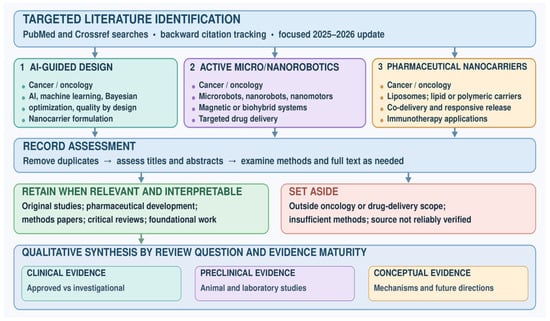
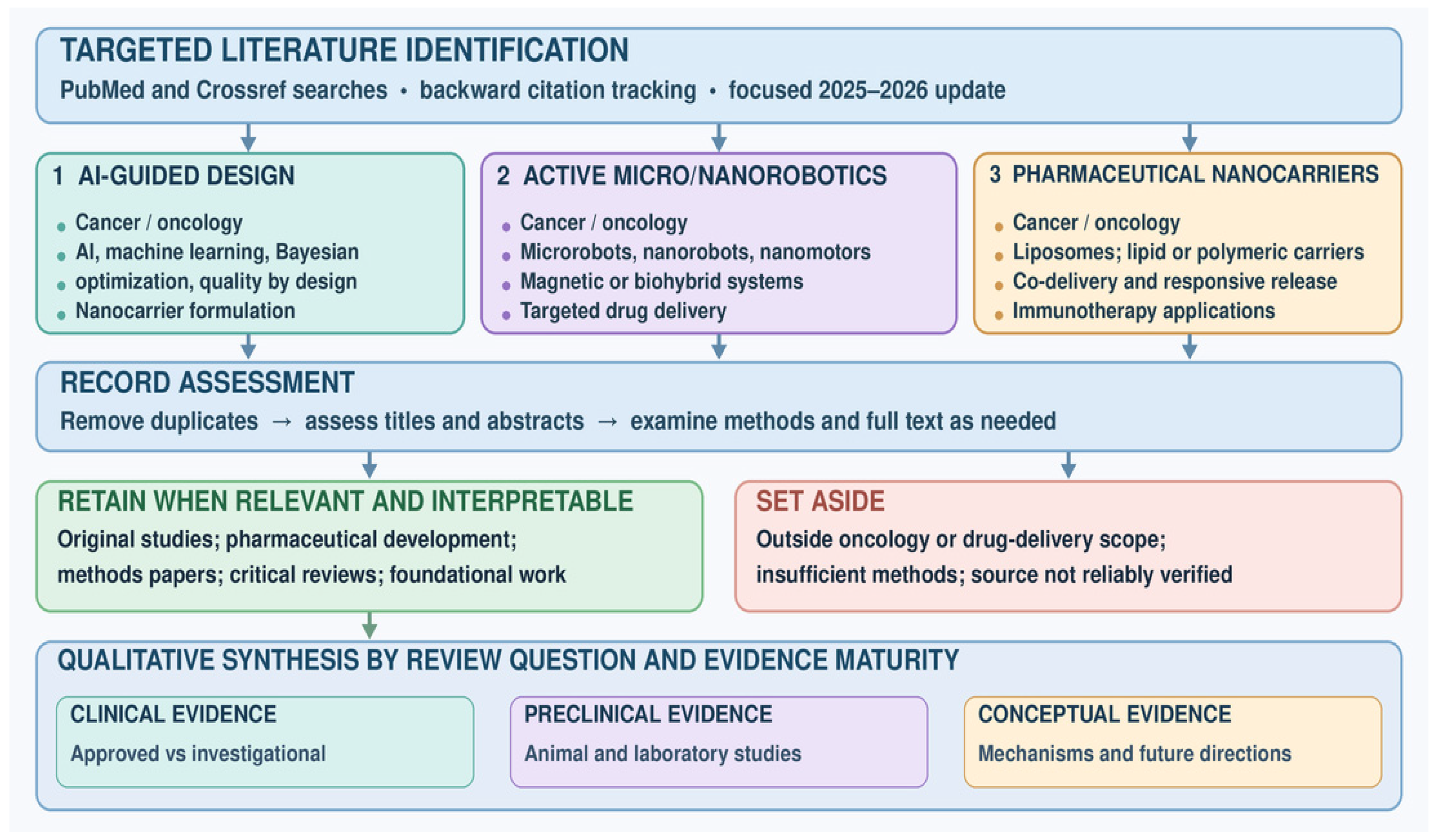
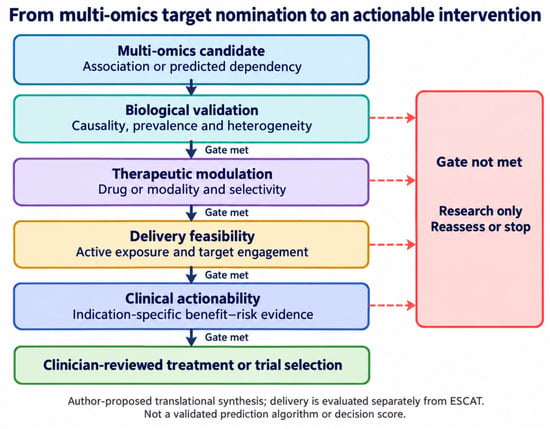
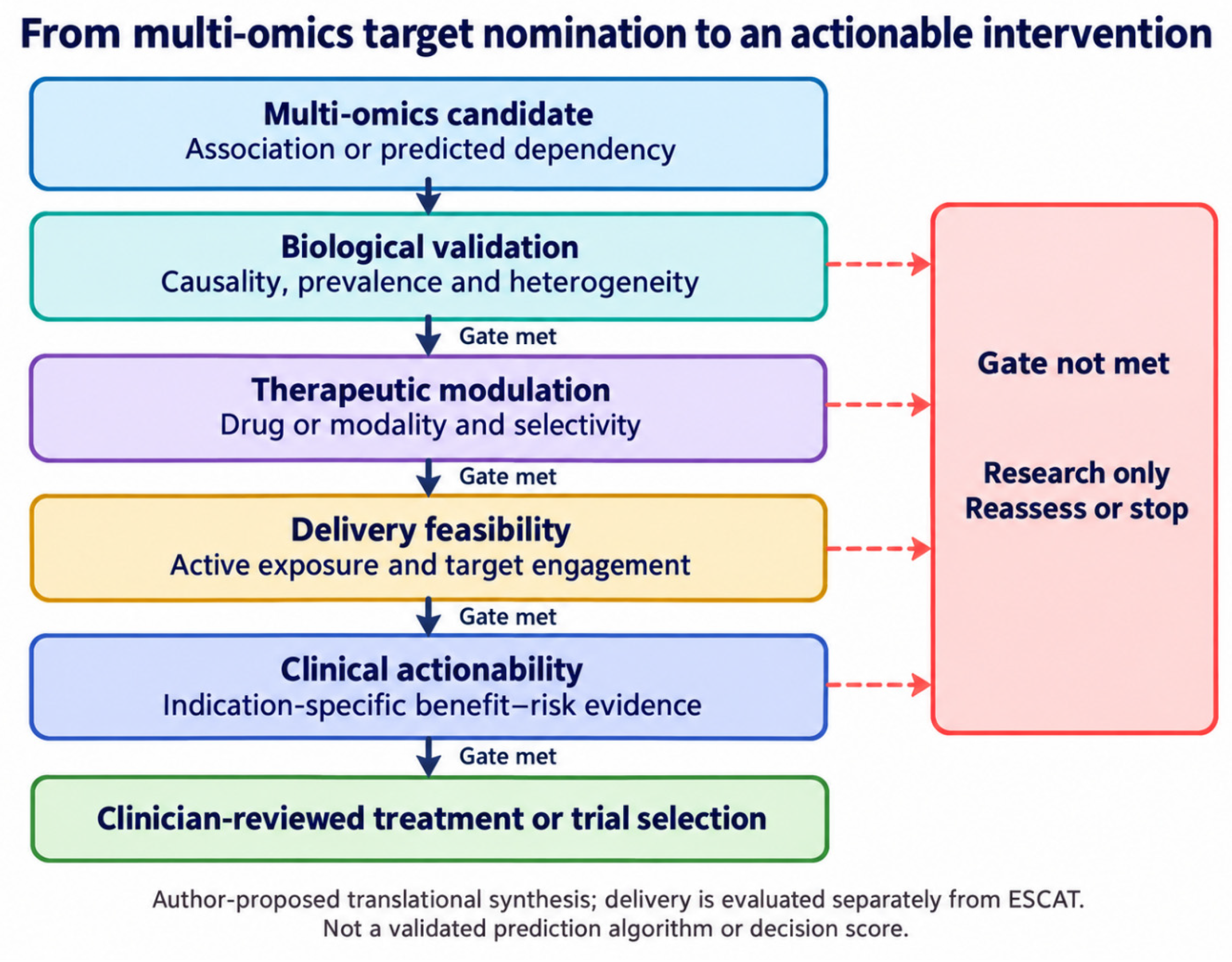
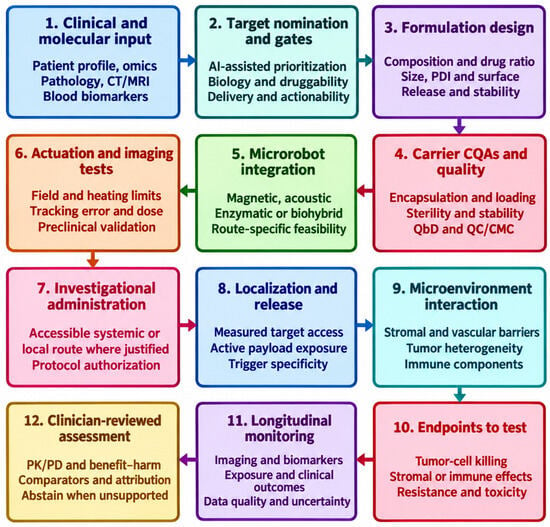
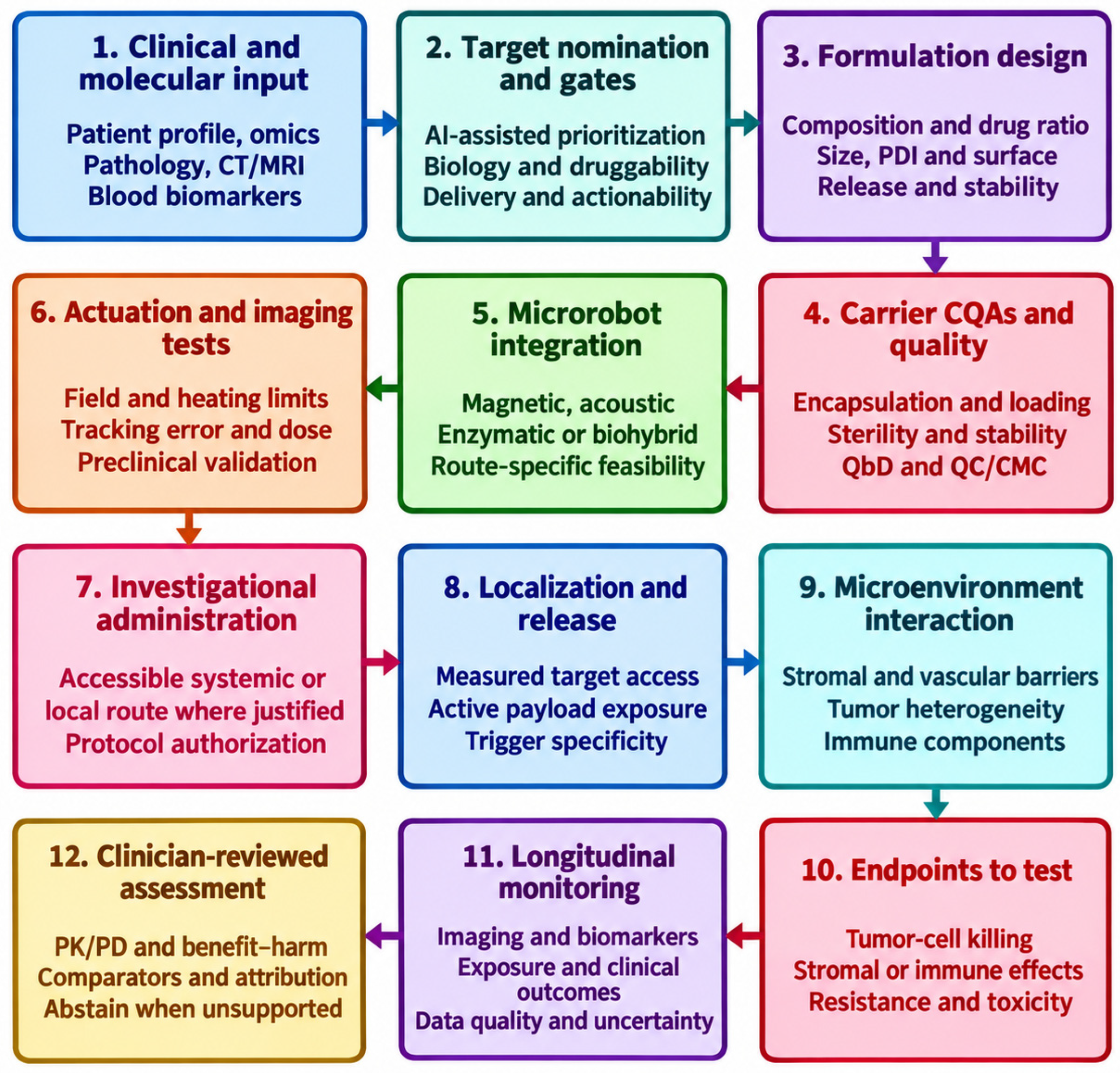
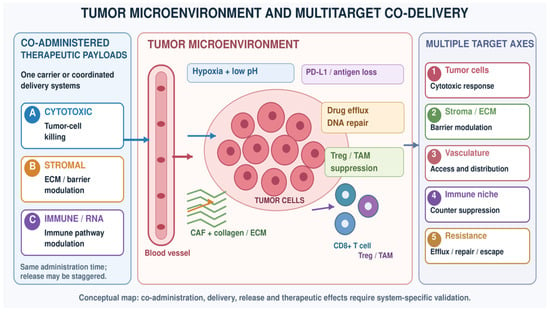
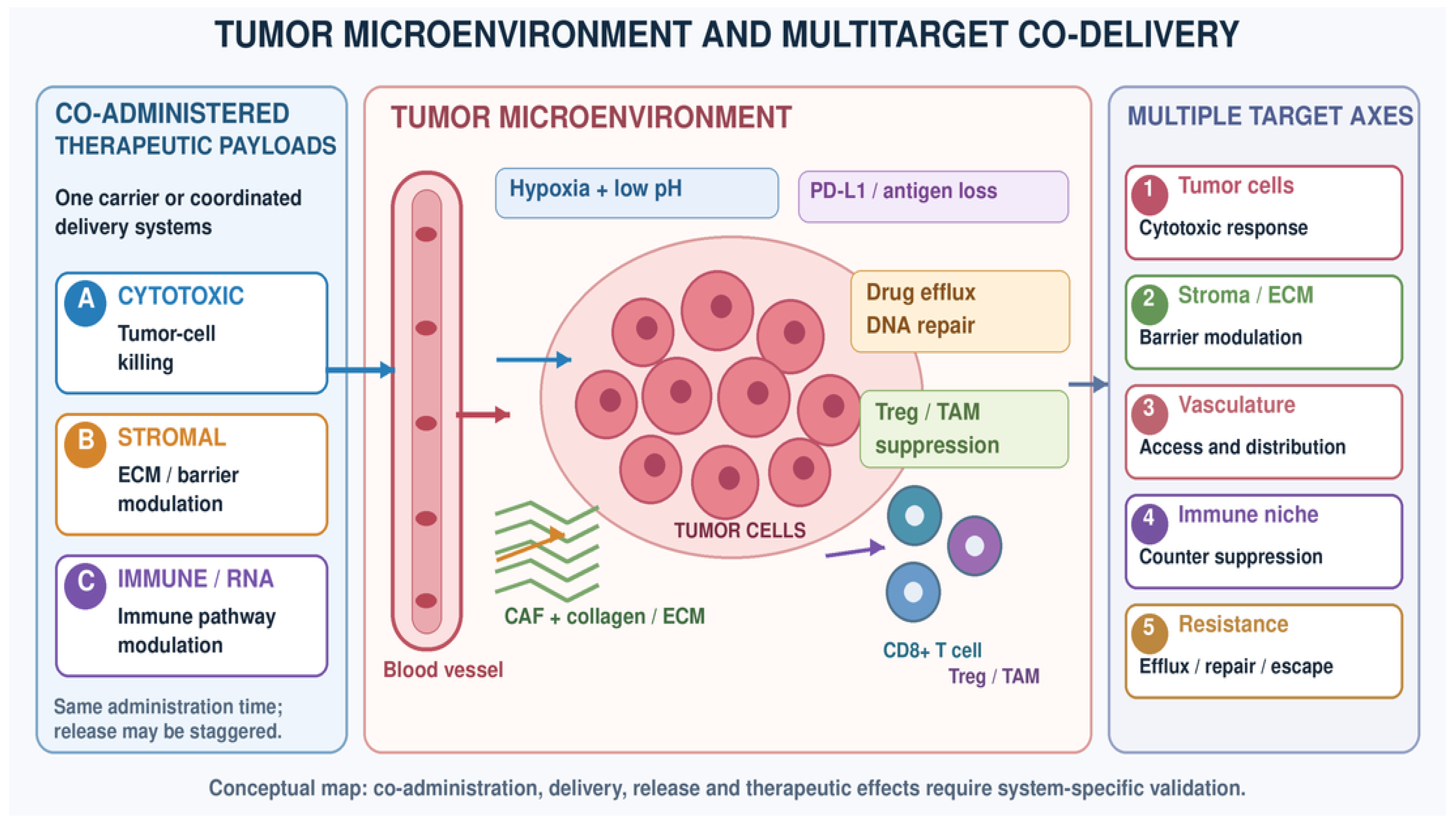
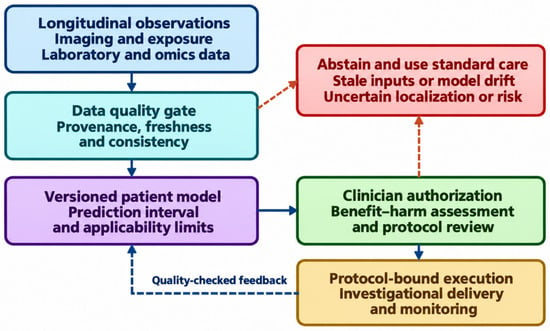
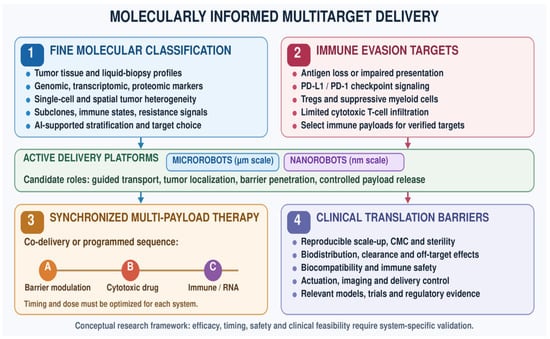
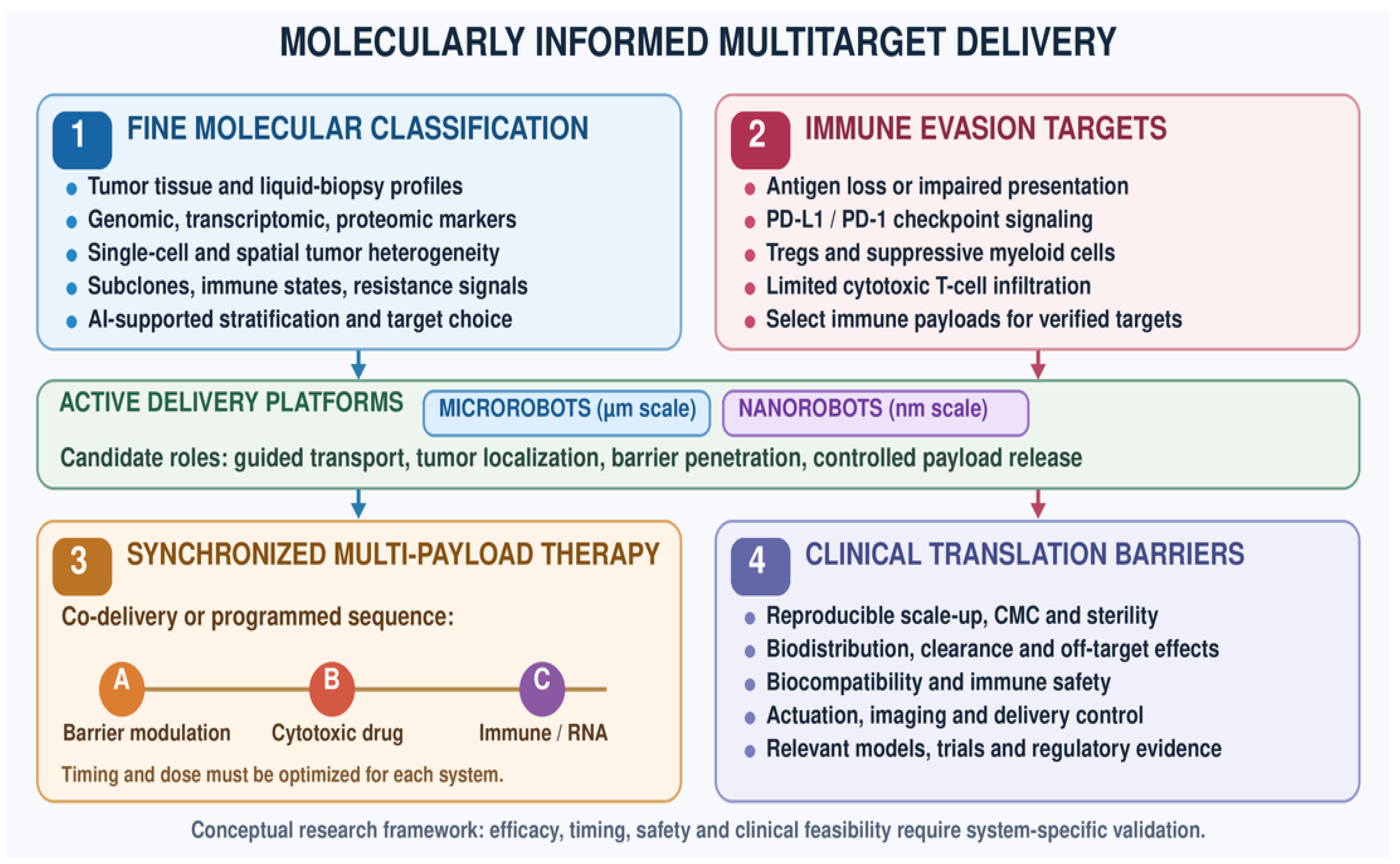

Disclaimer/Publisher’s Note: The statements, opinions and data contained in all publications are solely those of the individual author(s) and contributor(s) and not of MDPI and/or the editor(s). MDPI and/or the editor(s) disclaim responsibility for any injury to people or property resulting from any ideas, methods, instructions or products referred to in the content. |
© 2026 by the authors. Licensee MDPI, Basel, Switzerland. This article is an open access article distributed under the terms and conditions of the Creative Commons Attribution (CC BY) license.