


Abstract
Dengue virus (DENV), a mosquito-borne flavivirus with four antigenically distinct serotypes, causes disease ranging from self-limiting dengue fever to severe dengue. Its global burden continues to grow, and vaccine development remains a formidable challenge. A central immunological obstacle is that sub-neutralizing antibodies can exacerbate infection through antibody-dependent enhancement (ADE), so a vaccine must protect against all four serotypes without creating an unbalanced immune response. Three live-attenuated vaccines have been licensed, each with limitations: Dengvaxia requires pre-vaccination screening and has been withdrawn; Qdenga shows an efficacy gap against DENV-3 in baseline-seronegative individuals; and Butantan-DV, despite single-dose efficacy, was suspended over safety signals of undetermined causality. A profound comprehension of the mechanistic roots of the challenges facing dengue vaccine development will help bring a next-generation dengue vaccine that is safe and effective for all populations within reach. This review summarizes the clinical status of licensed dengue vaccines and dissects the mechanistic and evaluative dimensions of these challenges: the antigenic epitopes and structural dynamics of DENV, particle structural heterogeneity, the protective and pathogenic duality of antibodies, and the absence of an accepted correlate of protection (CoP). Finally, it outlines future directions: antigen optimization aimed at precise presentation of protective epitopes and a transition toward precise assessment of dengue vaccine performance through a composite CoP.
1. Introduction
Dengue virus (DENV) is a major mosquito-borne human pathogen that causes diseases ranging from self-limiting dengue fever to severe dengue hemorrhagic fever and dengue shock syndrome [1,2]. Roughly half of the population across more than 100 countries is at risk of DENV infection, especially in tropical and subtropical regions such as Latin America, Southeast Asia, and South Asia, where abundant mosquito breeding habitats sustain year-round endemic circulation, with outbreaks of varying scale occurring almost annually [3]. An estimated 390 million DENV infections occur worldwide each year. Most are asymptomatic or mild; underreporting and misdiagnosis are widespread, compounded by regional disparities in diagnostic capacity [4,5]. Over the past fifty years, the number of reported dengue cases worldwide has increased approximately 30-fold [1]; in 2024, the World Health Organization (WHO) reported approximately 14.6 million dengue cases and more than 12,000 dengue-related deaths [6]. Factors such as climate change, inadequate vector control, population growth, rapid urbanization, and increased international travel and exchange have both expanded mosquito populations and increased human exposure to DENV [1,3]. Meanwhile, the continued evolution of DENV and the frequent turnover of circulating strains have further accelerated its spread; together, these factors sustain the ongoing expansion of dengue epidemics [2,7].
DENV is an enveloped, single-stranded, positive-sense RNA virus of the genus Flavivirus, family Flaviviridae, with an approximately 11-kb genome encoding three structural proteins (capsid [C], precursor membrane [prM], and envelope [E]) and seven nonstructural proteins (NS1, NS2A, NS2B, NS3, NS4A, NS4B, and NS5) [8]. Antigenically, DENV comprises four serotypes (DENV-1 to DENV-4), whose genomes differ by approximately 30–35% (a divergence approaching the genetic distance between distinct flavivirus species). Because of this divergence, homologous infection confers lifelong protection, whereas heterotypic infection provides only transient cross-protection lasting from several months to about 2 years [9,10]. During secondary infection, pre-existing antibodies at sub-neutralizing levels can permit antibody-dependent enhancement (ADE) and are associated with an increased risk of severe dengue [11,12,13]. Because a monovalent vaccine would both fail to cover all serotypes and expose vaccinees to ADE-mediated risk during later heterotypic infection, dengue vaccines have been compelled from the outset to adopt a tetravalent design. However, cross-immunity among the four serotypes is asymmetric, and a tetravalent vaccine is more than a simple sum of four individually effective components: if one component dominates and its response overwhelms the others, the vaccine is functionally reduced to a monovalent vaccine. Therefore, immune balance has become a long-standing challenge in the development and application of dengue vaccines [14,15].
This review addresses the current status, challenges, and future directions of dengue vaccine development. It first summarizes the clinical performance and deployment experience of the three currently licensed dengue vaccines: Dengvaxia, Qdenga, and Butantan-DV. It then dissects, at the mechanistic level, the core dilemmas of dengue vaccine design: the antigenic epitopes and structural dynamics of DENV, the structural heterogeneity of DENV particles, and the dual roles of DENV antibodies in protection and pathogenesis; it also discusses the current bottlenecks in vaccine evaluation, including the absence of a correlate of protection (CoP) and the limitations of in vitro and in vivo models. Finally, it outlines future directions for next-generation dengue vaccines, focusing on the shift in antigen design from “mimicking the virus” to “precisely presenting protective epitopes”, and in evaluation from “single neutralizing antibody assessment” to a “composite CoP”.
2. Current Status of Dengue Vaccines
All three currently licensed dengue vaccines are based on the live-attenuated platform, and further live-attenuated candidates span phases I to III (Table 1 and Table 2). Candidates built on other platforms sit at earlier stages of development. Purified inactivated, recombinant subunit, virus-like particle, DNA and peptide vaccines have entered clinical development, but none has progressed beyond phase II; no mRNA-based dengue vaccine had entered clinical evaluation as of November 2026 (Table 2). The three licensed vaccines are described below.
Table 1.
Licensed dengue vaccines.
The first licensed dengue vaccine, Dengvaxia (CYD-TDV), was developed by Sanofi Pasteur. It uses the attenuated yellow fever virus 17D strain (YFV-17D) as its backbone, in which prM and E are replaced with the homologous sequences of DENV-1 to DENV-4, yielding a tetravalent chimeric live-attenuated vaccine [23]. In a pooled analysis of the two phase III trials (CYD14 and CYD15), efficacy against symptomatic, virologically confirmed dengue over 25 months was 60.3% (95% CI 55.7–64.5) overall and 65.6% (60.7–69.9) in participants aged ≥9 years. In the latter group, serotype-specific efficacy was 58.4% (95% CI 47.7–66.9) for DENV-1, 47.1% (31.3–59.2) for DENV-2, 73.6% (64.4–80.4) for DENV-3 and 83.2% (76.2–88.2) for DENV-4 [16]. Moreover, long-term safety surveillance revealed that vaccination of baseline-seronegative children or adolescents was, paradoxically, associated with a higher risk of dengue-related hospitalization and severe dengue [16,24]. Consequently, Dengvaxia is recommended only for individuals with prior DENV infection. Screening requirements narrowed the target population and adherence to the three-dose schedule was poor, leading to discontinuation of production in 2024–2025 and withdrawal of the EU marketing authorization in October 2025.
The second-generation vaccine Qdenga (TAK-003), developed by Takeda as DENVax, was the first dengue vaccine approved without pre-vaccination serological screening and is now authorized in 43 countries (as of November 2026) and was WHO-prequalified in May 2024. It is based on the attenuated DENV-2 PDK-53 strain, in which prM and E are replaced with the homologous sequences of DENV-1, DENV-3 and DENV-4; these three chimeras, together with the full-length PDK-53 strain itself, constitute the tetravalent vaccine [25]. All four components share the DENV-2 backbone, and DENV-2-directed responses dominate the measured immunogenicity profile. This predominance may reflect several potentially interacting factors rather than the shared backbone alone [24,25]. These include differences in replication fitness among the four components, viral interference within the tetravalent formulation, immunodominance of backbone-derived epitopes, and differences in antigen expression. On day 120 after vaccination, DENV-2 GMTs exceeded those of the other three serotypes in both baseline-serostatus groups, and the imbalance was widest in baseline-seronegative individuals, with DENV-2 at 1730 versus 144–228 for the other three serotypes [19,26]. In the efficacy analysis, cumulative efficacy over three years among baseline-seronegative participants against virologically confirmed dengue was 91.9% (95% CI 83.6–96.0) for DENV-2, −23.4% (95% CI −125.3 to 32.4; 36 vs. 15 cases) for DENV-3, and −105.5% (95% CI −867.5 to 56.4; 8 vs. 2 cases) for DENV-4 [20,27]. These intervals are wide and cross zero, indicating that efficacy was not demonstrated in these subgroups rather than an increased risk of vaccine-enhanced disease. Accordingly, WHO recommends vaccination (two doses) for children aged 6–16 years in high-transmission settings and advises against programmatic use in low-to-moderate transmission areas until the efficacy-risk profiles of DENV-3 and DENV-4 in populations that are seronegative at baseline are better established [28,29].
The latest-generation dengue vaccine, Butantan-DV, developed by the Butantan Institute in Brazil, is a locally produced, lyophilized formulation of the National Institute of Allergy and Infectious Diseases (NIAID) TV003 vaccine. It was licensed in Brazil in November 2025, making it the world’s first single-dose dengue vaccine. TV003 comprises three recombinant attenuated strains: rDEN1Δ30, rDEN3Δ30,31, and rDEN4Δ30 (generated by truncating the 3′ UTR of DENV-1, DENV-3, and DENV-4, respectively), plus a chimera, rDEN2/4Δ30, in which the prM and E of rDEN4Δ30 are replaced with the homologous sequences of DENV-2 NGC strain; each component is administered at 103 PFU [30]. In a phase II trial, 91 days after a single dose, seroconversion rates among 85 DENV-naive participants were 87% (74/85), 92% (78/85), 76% (65/85) and 89% (76/85) against DENV-1 to DENV-4, respectively [21]. In the phase III trial (participants aged 2–59 years), efficacy against virologically confirmed dengue was 79.6% (95% CI 70.0–86.3) at 2 years [22]. Over 5 years it was 65.0% (95% CI 57.8–71.0), with 77.1% (67.6–83.9) in participants with prior dengue exposure and 58.9% (48.0–67.6) in those without [31]. However, in June 2026, the Brazilian Ministry of Health and the Brazilian Health Regulatory Agency (ANVISA) suspended Butantan-DV vaccination after 2 deaths and 42 with warning signs among approximately 501,044 vaccinees (0.008%), of whom 3 were hospitalized. ANVISA subsequently established an expert panel to conduct an in-depth epidemiological investigation. As of November 2026, no announcement lifting the suspension has been issued. Importantly, Butantan-DV still holds its ANVISA marketing authorization; these events are pharmacovigilance signals during deployment, not a failure of the clinical trial (no safety issues emerged during the 5-year phase III follow-up). Nevertheless, this event holds an important lesson: a phase III efficacy trial can detect common adverse events but can hardly identify serious events with an incidence of 0.008%, let alone establish causality without a control group. For vaccines such as dengue vaccines, deployed at the scale of millions to tens of millions of people, licensure is not the endpoint of evaluation but another starting point.
Table 2.
Dengue vaccine candidates in clinical development.
3. Challenges in Dengue Vaccine Development
3.1. Antigenic Epitopes and Structural Dynamics of Dengue Virus
The E protein of DENV is the primary target of neutralizing antibodies and comprises three domains: EDI (domain I, a central β-barrel scaffold), EDII (domain II, containing the highly conserved fusion loop (FL)), and EDIII (domain III, containing serotype-specific epitopes and mediating receptor binding) [47]. The immunological properties of E protein epitopes vary widely [48]. The FL sits at the distal tip of EDII, is highly conserved among flaviviruses, and mediates membrane fusion. After endocytic uptake, the low pH of the endosome triggers E protein rearrangement, allowing the FL to insert into the endosomal membrane and drive viral–endosomal membrane fusion [49]. On mature particles at neutral pH, by contrast, the FL is hidden by the dimer interface and exposed only on partially mature particles or open conformations; FL-targeting antibodies therefore show strong cross-reactivity, weak neutralization, and high ADE potential. EDIII is enriched in serotype-specific epitopes; antibodies against it neutralize potently with low ADE potential, making EDIII a favored antigen for subunit vaccines [50]. Beyond epitopes within individual E molecules, quaternary structure epitopes formed by multiple E molecules also exist; their conformation does not depend on the folding of a single E protein but emerges only after E molecules assemble and form correct intermolecular interfaces [51]. Notably, although the DENV particle is icosahedral overall, its surface is not a strictly symmetric array: the 90 E homodimers are arranged in a “herringbone pattern”, and dimers at different positions occupy non-equivalent environments; flavivirus particles are therefore described as possessing only “imperfect icosahedral symmetry” [52,53]. This feature makes such epitopes structurally distinctive, and their minimal assembly requirements differ: the E-dimer epitope (EDE) is the least demanding, requiring only an intact E dimer for presentation [54]; whereas other quaternary epitopes (such as the EDIII-centered 2D22-like class) require the surface of intact virions [55]. Antibodies against such quaternary structure epitopes generally combine potent neutralizing activity with low ADE potential [54,56,57]. Systematic analysis of human monoclonal antibodies has shown that potently neutralizing antibodies recognizing EDIII, the EDI/EDII hinge, or EDE preferentially bind mature particles, requiring only 20–38% epitope occupancy for half-maximal neutralization, versus 57–87% for fusion loop antibodies [58]. Another major antibody target is prM, also a surface protein: during particle maturation, prM is cleaved by furin into the pr peptide and the M protein, and anti-prM antibodies are classic mediators of ADE [59]. Studies have found that cross-reactive antibodies play the principal role in ADE: depleting them with heterotypic viruses eliminates in vitro ADE; after depletion of most fusion loop epitope (FLE) antibodies with recombinant E protein, residual enhancement remained, and further blocking of prM abolished ADE, confirming that FLE and prM antibodies each independently contribute to ADE activity [60]. Human monoclonal antibody data further confirmed that in the antibody repertoire derived from B cells of dengue-infected individuals, approximately 60% of antibodies target prM, yet their neutralization plateaus at 10–60%, and they almost never fully neutralize the virus [61]. Because antibodies targeting EDIII and quaternary structure epitopes (such as EDE) are strongly serotype-specific, potently neutralizing, and low in ADE potential, whereas antibodies targeting prM and FLE are strongly cross-reactive, weakly neutralizing, and high in ADE potential, shifting immunodominance from the latter to the former has become a central goal of many vaccine design efforts.
The outer surface of a fully mature DENV particle comprises 90 E protein homodimers (the M protein lies beneath, shielded by the E layer). These dimers undergo reversible dissociation (virus breathing), which transiently exposes epitopes that are cryptic in static structures, thereby altering antibody accessibility and neutralization efficiency. Dowd et al. found that an approximately 175-fold difference in neutralization between two DENV-1 genotypes is determined by a single amino acid substitution at position 204 of E protein domain II and demonstrated that virus breathing can be modulated by a single residue [62]. Temperature also governs conformational state and epitope accessibility: the virus has a smooth surface at the mosquito vector temperature (28 °C), becomes bumpy above 33 °C, and at 37 °C, 96% of particles adopt the bumpy conformation; the two morphologies differ antigenically, both are infectious, and the bumpy form infects mammalian cells more efficiently [63,64]. Another study found that most clinical isolates remain smooth at 37 °C and become bumpy only at 40 °C [65]. Cryptic epitopes are important targets for pathogenic antibodies, the FLE being a classic example: it is both cryptic and a well-recognized pro-ADE epitope, with a minimal accessible surface area, yet fully exposed on the open dimers formed during “virus breathing” or on the soluble E monomers used in subunit vaccines [66].
3.2. Structural Heterogeneity of Dengue Virus Particles
Structural heterogeneity is an unavoidable challenge for any dengue vaccine based on virus particles. The M region of prM associates with E in the neutral-pH lumen of the endoplasmic reticulum and assembles into 60 trimeric spikes that, together with the lipid bilayer and the nucleocapsid, form immature virions [67]; these particles then enter the trans-Golgi network (TGN), where the acidic environment drives the spikes to a smooth dimer conformation, exposes the furin cleavage site on prM, and completes cleavage and particle maturation. The pr peptide remains attached after cleavage and is released only when the virus is secreted into the neutral extracellular environment; meanwhile, the E protein rearranges into homodimers that conceal the M protein beneath [52,68]. Nonetheless, furin cleavage is not fully efficient; incomplete prM cleavage is the norm rather than the exception, so DENV particles produced in vivo constitute a continuum of varying maturity [69]. On immature or partially mature particles, prM sits at the tip of the spikes [70]; consequently, anti-prM antibodies are an unavoidable byproduct of any vaccine using intact virions as antigen. Surface pr peptide on immature or partially mature particles not only provides the substrate for inducing anti-prM antibodies but also serves as the effector substrate for their pathogenic effects. Immature particles are approximately 10,000-fold less infectious than wild-type (mixed-maturity) particles; however, when they form immune complexes with anti-prM antibodies and are taken up by target cells via Fcγ receptor (FcγR)-mediated endocytosis, these otherwise nearly non-infectious particles become highly infectious [58,71,72]. Studies have shown that when mature, partially mature, and immature particles from the same chimeric vaccine candidate (bDENV-2) were used to immunize AG129 mice separately, all three provided homologous protection (80–100%) with comparable total IgG titers, yet partially mature particles induced the strongest cross-neutralizing antibodies, and sera from mature particle-immunized animals showed the lowest in vitro ADE at sub-neutralizing concentrations [73]. Thus, maturity affects both the magnitude of induced antibody titers and the composition of the antibody repertoire, which in turn shapes whether the response is protective or pathogenic. Mechanistically, partially mature particles present both the highly exposed epitopes of mature particles (EDE, the EDIII lateral ridge) and those of immature particles (prM, FLE), inducing broader and stronger cross-neutralization; mature particles lose prM epitopes and shield FLEs, reducing the ADE tendency of their immune sera; immature particles mainly induce prM/FLE antibodies, with weak neutralization and high ADE tendency (Figure 1). The heterogeneous maturity of virions during natural infection increases prM and FLE antibody exposure on non-mature particles, providing an important antigenic basis for ADE [74].
Figure 1.
Maturation-dependent epitope accessibility on dengue virus particles. DENV particles are released as a structurally heterogeneous population spanning fully immature, partially mature, and fully mature forms. Immature particles display prM at the spike tips and keep FL accessible; mature particles expose FL only transiently through “virus breathing”; partially mature particles co-display both arrangements. Consequently, prM- and FLE-directed antibodies bind immature particles most efficiently, whereas EDE-directed antibodies cannot engage fully immature particles (which lack E dimers); rather, they bind partially mature particles retaining >60% prM as efficiently as fully mature virions, through conformational selection [54,56]. This maturation-dependent epitope display shapes the immunogenicity of particle-based vaccine antigens and their potential to induce ADE. Red dots represent the M or prM protein; green sticks represent the E protein.
The producer cell type directly affects the maturation profile of the virus: particles from insect cells or mammalian cell lines (such as Vero) are significantly less mature than those from primary human dendritic cells, which in turn alters the sensitivity of the virus to antibody neutralization. In vitro, only EDE monoclonal antibodies fully neutralized dendritic cell-derived (highly mature) virus, whereas both FLE and EDE antibodies effectively neutralized insect cell-derived (poorly mature) virus [56]. Another line of evidence comes from a direct comparison of virus circulating in humans with its cell culture isolate: DENV-1 in acute-phase patient plasma is more mature than its own culture isolate and exhibits 50 to 700-fold higher infectivity; cross-reactive fusion loop antibodies and heterotypic immune sera effectively neutralize cell culture-derived virus but hardly plasma-derived virus, whereas serotype-specific antibodies and homologous sera potently neutralize both [74]. These findings imply that the same virus strain grown in different cells can differ completely in maturity and that high neutralizing titers against cell culture-derived virus do not necessarily reflect equal potency against virus actually circulating in vivo. This suggests that the maturity profile of vaccine antigens and of the viruses used for in vitro neutralization assays is a quality attribute that should be controlled.
3.3. Protective and Pathogenic Roles of Dengue Virus Antibodies
Antibody complexity poses one of the central challenges in dengue vaccine evaluation: an antibody that neutralizes virus at high concentrations can, at sub-neutralizing concentrations, instead enhance infection [75]. Mechanistically, this concentration-dependent switch between neutralization and enhancement can be understood through the occupancy threshold model of neutralization: neutralization is a multiple-hit process requiring antibodies to bind the virion surface with a stoichiometry above a threshold; below that threshold, antibody–virus complexes can still enter target cells via FcγR but fail to block fusion, instead increasing the proportion of infected cells and progeny virus yield [76]. Experimental measurements with West Nile virus (WNV) showed that the most potent neutralizing antibodies achieve half-maximal neutralization when as few as 30 of the 180 E proteins are bound, whereas weakly neutralizing antibodies require near-complete occupancy; when occupancy falls below this stoichiometry, infection is instead enhanced [77]. Experiments with DENV reproduced the same principle and provided epitope-dependent quantitative differences [58]. In vivo evidence that enhancement can be lethal comes from AG129 mice. Passive transfer of heterotypic anti-DENV-1 serum converted sublethal DENV-2 infection into 92–100% lethality. Critically, lethal enhancement still occurred in mice with detectable neutralizing antibodies, whereas no lethality was observed when pre-infection 50% plaque reduction neutralization test (PRNT50) titers exceeded 200. In this model, therefore, the same antibody is protective at high doses and lethal at low doses [78]. In a prospective paediatric cohort in Nicaragua, ADE risk was concentrated within a relatively narrow sub-neutralizing titer window: individuals with pre-infection anti-DENV antibody titers of 1:21 to 1:80 faced the highest risk of dengue hemorrhagic fever/dengue shock syndrome (DHF/DSS), providing the first human demonstration of a peak enhancement titer. The same cohort established the timescale of antibody decay into the sub-neutralizing window: anti-DENV antibody half-life is approximately 4 years; by about 3 years after infection, 22% of children had fallen into the 1:21 to 1:80 enhancement window [12]. Notably, when antibody titers decline to sub-neutralizing levels, infection enhancement can occur even against the homologous serotype [51]. Taken together, these studies show that pre-existing antibody titer is associated with ADE risk and that as protective antibodies wane, neutralizing titers drift into a sub-neutralizing window in which enhancement may occur. The thresholds and titer windows described above are reference points rather than universally applicable risk thresholds, and entry into this window permits enhancement without determining outcome. Waning efficacy and safety are therefore not independent issues in dengue vaccine evaluation, because both track the decay of neutralizing antibody into the same window. This is why dengue vaccine safety evaluation requires follow-up long enough to cover that decay, with results stratified by baseline serostatus and interpreted alongside measures of antibody quality.
Antibody Fc glycosylation is another easily overlooked factor [79]. Studies have shown that anti-dengue IgG from patients with DHF/DSS is enriched in afucosylated Fc glycoforms and skewed toward the IgG1 subclass, enhancing affinity for the activating Fcγ receptor IIIa (FcγRIIIa) [80]. Additionally, an afucosylation level of ≥10% in anti-E protein IgG was associated with thrombocytopenia (odds ratio 11.00, 95% CI 1.635–74.00; risk ratio 1.833; p = 0.0139) [80]. Another cohort study showed that dengue infection itself induces elevated IgG1 afucosylation, whose level predicts disease severity in secondary infection [81]. In an ancillary cohort of the Dengvaxia phase III trial, participants with more than 9% afucosylated IgG1 (F0N0) against DENV before vaccination had a higher risk of subsequent infection (risk ratio 2.35, 95% CI 1.29–4.39; sensitivity 0.55, specificity 0.85), and this effect enhanced in vivo viral replication through a CD16-dependent mechanism [82]. These results reveal that the antibodies’ own Fc modifications are also associated with ADE intensity. The broader implication is that severe dengue is associated not merely with the presence of cross-reactive antibodies, but with whether their Fc structures can efficiently recruit activating FcγRs. This also explains why only a small fraction of individuals with such antibodies progress to severe dengue. For vaccine development, this suggests that adjuvant selection and immunization schedules may indirectly affect safety by shaping antibody glycosylation.
3.4. Dilemmas in Dengue Vaccine Evaluation
A major difficulty in dengue vaccine evaluation is the lack of tools that can precisely determine whether a given immune response is protective or pathogenic. No correlate of protection (CoP) is currently accepted for DENV vaccines [83,84]. The plaque reduction neutralization test (PRNT) is the most widely used surrogate endpoint, but it has three major limitations: (1) The cell–substrate problem: PRNT is typically performed on Vero or LLC-MK2 cells, which do not express FcγR, whereas the target cells of ADE in vivo (monocytes and macrophages) express high levels of FcγR [85]. (2) The virus heterogeneity problem: PRNT uses cell culture-derived virus of lower maturity than virus circulating in humans; the latter is more infectious and markedly less sensitive to cross-reactive antibodies and heterotypic immune sera, so titers measured with cell culture-derived virus may systematically overestimate protection [74]. (3) Neutralizing titers cannot fully predict protection: in non-human primates (NHPs), animals meeting PRNT thresholds can still develop breakthrough viremia, indicating that neutralizing titers alone cannot fully predict protection [86]. Although immunogenicity is often assessed by antibody titers alone, antibody affinity, epitope specificity, and Fc effector functions also shape a vaccine’s protective outcome [87]. None of these metrics (including T-cell responses, which help prevent severe dengue) has yet to be incorporated into routine immunogenicity testing in clinical trials [14].
The animal models commonly used at present all have limitations for dengue vaccine preclinical assessment [88,89]. Immunocompetent wild-type mice support only limited DENV replication and develop no significant viremia; consequently, the standard mouse models are transgenic strains such as AG129, deficient in both type I and type II interferon receptors. AG129 mice support all four serotypes and are well suited to measuring vaccine-induced viraemia and lethal ADE, though not to verifying vaccine efficacy, since their immunodeficient background cannot reflect intact immunity [88,90]. In mouse models of ADE, the same antibody can return protection or pathogenesis depending on the concentration achieved, the challenge dose and the readout chosen [91]. HLA-transgenic mice allow T-cell epitopes to be presented in a human MHC context, which conventional mice cannot provide, and can therefore be used to assess cell-mediated immunity [92,93]. They support DENV replication only when crossed onto an interferon-deficient background, however, and the resulting immunocompromise undermines the very response being measured; this weighs most on live-attenuated vaccines, because all three licensed products depend on vaccine-virus replication to immunize. NHPs are also commonly used. Although they develop viremia after DENV infection, they rarely develop disease; thus, neutralizing antibody responses and protection against challenge can be assessed, whereas ADE-caused severe dengue cannot be evaluated [94]. Yet severe dengue is precisely the most critical safety endpoint for dengue vaccines. In vitro-in vivo inconsistencies further weaken the predictive power of preclinical studies. One study found that a panel of monoclonal antibodies with similar neutralizing activity against DENV-2 in Vero cells differed dramatically in their protective efficacy in vivo [95]. Another classic example is the 4G2 paradox: 4G2, a cross-reactive monoclonal antibody targeting EDII, neutralized more than 98% of the virus in vitro; yet at an identical dose its passive transfer resulted in high mortality in AG129 mice without elevated peak viremia [96,97]. One possible explanation is that virus particles produced in vitro and in vivo differ in maturity. Watanabe et al. further found that ADE can bypass antibody-mediated protection in a tissue-dependent manner: even when initial infection was suppressed below 5% and peak viremia was not elevated, mice died acutely from TNF-α-mediated increases in vascular permeability and elevated local viral loads in the small intestine [96].
4. Future Directions for Dengue Vaccine Development
4.1. Attenuation Strategies for Dengue Vaccines
The licensed dengue vaccines collectively illustrate how attenuation strategies have evolved. Dengvaxia, the earliest of these, is built on the YFV-17D vaccine backbone and carries the DENV prM and E genes, so the virion contains no DENV nonstructural proteins [23]. Clinical trials showed that the CD8+ T-cell responses detected in vaccinees were directed mainly at NS3 of the YFV-17D backbone and did not cross-react with DENV NS3-specific responses [98]. The vaccine therefore relies largely on humoral immunity and elicits little of the CD8+ T-cell immunity against DENV nonstructural proteins that natural infection induces; this has been proposed as one explanation for its unbalanced efficacy in baseline-seronegative individuals [15,99]. The PDK-53 backbone of Qdenga was derived by 53 serial passages of the DENV-2 16681 strain in primary dog kidney (PDK) cells [25,100]. Empirical attenuation by serial passage in cell culture or animal hosts is slow and costly, and the degree of attenuation is difficult to control [101]. The Mahidol series illustrates the problem. The DENV-1 PDK13 and DENV-4 PDK48 strains, both attenuated in PDK cells, were clinically attenuated. The DENV-3 strain PGMK30/FRhL3, attenuated by passage in primary green monkey kidney (PGMK) and fetal rhesus lung (FRhL) cells, was under-attenuated and caused dengue-like illness in vaccinees [102]. Genetic stability is a separate concern. Attenuation of passaged strains often depends on a small number of loci, and reversion at these loci during prolonged culture can erode the attenuated phenotype [25,100]. The attenuated phenotype of PDK-53 is determined by three changes at 5′NC-57, NS1-53 and NS3-250 [25,100]. This makes the phenotype more stable than one determined by a single point mutation, yet reversion at the two principal loci can restore virulence [25,100]. In developing Qdenga, Takeda placed the prM and E of all four serotypes on the same PDK-53 backbone. Reversion at 5′NC-57 was quantified with a mismatch amplification assay with a detection limit of 0.05%, which enabled release criteria to be set for vaccine lots [25]. Butantan-DV replaced empirical attenuation with rational design. Reverse genetics was used to introduce defined deletions in the 3′ UTR, and a similar strategy was applied across serotypes [30]. Its DENV-1, DENV-3 and DENV-4 components retain the full complement of nonstructural proteins of the corresponding serotype, which may contribute to a more balanced tetravalent response [22,30].
Future attenuation strategies will depend increasingly on genetic engineering and rational design and will benefit from advances in bioinformatics and artificial intelligence. Genome recoding driven by sequence algorithms replaces common codons with rare synonymous codons, rearranges codon pairs, or raises the frequency of CpG and UpA dinucleotides that are under-represented in RNA virus genomes. These changes reduce translation efficiency and replication without altering the amino acid sequence [101,103]. Because the determinants of attenuation are then distributed over hundreds of loci, reversion at a single site is unlikely to restore virulence [103,104]. This matters for a tetravalent formulation, where reversion of any one component would compromise the entire formulation. A respiratory syncytial virus vaccine based on this strategy, CodaVax-RSV, has been evaluated in phase I trials, and the same approach has conferred substantial attenuation in preclinical studies of DENV and Zika virus (ZIKV) [104,105,106,107]. Machine learning and generative models are already used in vaccine design for messenger RNA (mRNA) sequence optimization, epitope prediction and structural modeling [108,109]. Extending them to attenuation target selection, sequence design and reversion risk assessment is a promising next step. Regardless of how attenuation technology develops, the central question remains the same: whether the resulting candidate can induce a balanced immune response that engages both the antibody-mediated and cell-mediated arms, as natural infection does.
4.2. Antigen Optimization for Dengue Vaccines
A major direction in current dengue vaccine optimization is structural optimization through antigen engineering (Figure 2). One line of approach is rational design targeting the FL region. Early work on a DENV-1 DNA vaccine followed this logic: after removing two immunodominant cross-reactive epitopes (the EDII fusion peptide and the EDIII cross-reactive region), the vaccine maintained homologous protection and significantly reduced ADE risk [110]. In addition, replacing the FL region of ZIKV with the corresponding FL of an arthropod-specific flavivirus eliminated infection enhancement of DENV-1 to DENV-4 by an adenovirus-based ZIKV vaccine [111]; the same FL design has since been transferred to an mRNA-LNP platform: an FL-engineered ZIKV mRNA vaccine protected macaques against ZIKV challenge while eliciting almost no enhancement of DENV-1 to DENV-4 [112]; introducing the G106V mutation into the FL of a Japanese encephalitis virus (JEV) DNA vaccine reduced cross-reactive and ADE-prone antibodies against all four dengue serotypes by approximately 64-fold [113]. A second line of approach is locking the E protein dimer conformation. Introducing G5C/G102C inter-chain disulfide bonds into the flavivirus E protein covalently tethers the fusion loop to the N-terminus of the adjacent protomer to physically mask pro-ADE epitopes; this work showed that enforcing the closed dimer conformation through an inter-chain disulfide bond occludes the FL epitope [114]. Furthermore, three cysteine mutations (L107C/A264C/A319C) can lock the ZIKV E dimer, hiding the immunodominant FL epitope while preserving EDE, and the induced antibodies hardly trigger DENV ADE [115]. A third strategy is glycan masking. Introducing an N-glycosylation site into the E protein ij loop (ZIKV E-248NHT) eliminated cross-reactive antibody induction and thus infection enhancement of both DENV and ZIKV. In contrast, masking the equivalent site was ineffective in DENV-2 (E-242NHT), suggesting that site selection for glycan masking is strongly sequence context-dependent [116]. Moreover, this strategy must also be weighed against its impact on protective epitopes. prM epitopes can likewise be engineered: residue substitutions at non-furin consensus positions of the pr-M junction modulate cleavage efficiency, and improving cleavage completeness reduces the proportion of prM-containing particles, removing the substrate for anti-prM antibody induction [117]; replacing the DENV pr sequence with that of JEV prevents induced antibodies from recognizing the DENV pr enhancement epitope, eliminating anti-prM antibody-mediated ADE while preserving neutralizing capacity [118]. In summary, antigen engineering aims to shift the antibody response toward epitopes that preferentially elicit potently neutralizing antibodies (such as EDIII and EDE) and away from those that preferentially elicit poorly neutralizing, FcγR-engaging antibodies (such as FLE and prM) [119].
Figure 2.
Antigen optimization for dengue vaccines. (a) Rational design targeting the FL region. The FL-encoding region of the E protein is either replaced by a heterologous sequence or deleted so that FL-directed cross-reactive antibodies are less readily induced while protection against the homologous virus is retained. (b) Disulfide-bond locking of the E protein dimer. Engineered inter-chain bonds tether the two protomers in the closed conformation, burying the FL at the dimer interface while leaving the EDE accessible. (c) Glycan masking. An N-glycosylation site is introduced so that a branched glycan sterically shields the adjacent cross-reactive surface, reducing the induction of cross-reactive antibodies. (d) prM engineering. prM cleavage is made more efficient, or the pr sequence is exchanged for a heterologous one, so that fewer DENV prM-bearing epitopes are displayed on the particle surface. (e) Incorporation of T-cell epitopes. Conserved T-cell epitopes are added to the immunogen so that cell-mediated immunity can act alongside neutralizing antibodies. (f) Secreted NS1 as an additional antigen. Anti-NS1 antibodies contribute to protection by blocking NS1-induced immunopathology and by clearing NS1-expressing cells through Fc effector functions.
Another direction is exploring new antigenic targets, such as incorporating T-cell epitopes and NS1 into antigen selection (Figure 2). Current dengue vaccine development mostly targets humoral immunity, whereas cellular immunity plays an independent role in preventing severe dengue [120,121]. Moreover, the TV003 trial has shown that after tetravalent vaccination, CD8+ T-cell responses converge on highly conserved epitopes across the four serotypes, and NS proteins account for 99.8% of the IFN-γ responses of peripheral blood mononuclear cells (PBMCs) from vaccinees, resembling the phenotype and cytokine profile of natural infection (one of the cellular immune bases of the cross-serotype protection achieved by a single dose of TV003) [122,123]. Therefore, future immunogen design could consider humoral and cellular epitopes in tandem rather than optimizing only neutralizing antibody responses. NS1 is also a distinctive and promising dengue antigen: because it is absent from the virion surface, it lacks, in principle, the structural basis for mediating ADE [124]. NS1 itself triggers endothelial barrier dysfunction and vascular leakage, and its roles in immune evasion and complement regulation have been systematically reviewed [125,126]. Accordingly, protection by anti-NS1 antibodies does not require virus neutralization but mainly derives from blocking NS1’s immunopathological effects (endothelial barrier disruption and complement activation) and from clearing NS1-expressing infected cells through Fc effector functions, including complement-dependent cytotoxicity [127]. Incorporating NS1 into a multicomponent vaccine could, in theory, add a layer of protection without increasing ADE risk. Nevertheless, other studies have shown that NS1 can induce antiplatelet autoantibodies and cause thrombocytopenia through cross-reactivity with platelet antigens [128]; this cross-reactivity maps to residues 271–352 at the NS1 C-terminus, and deleting this region (ΔC NS1) eliminated platelet dysfunction and bleeding tendency [129]. Thus, although anti-NS1 responses do not mediate classical ADE, they are not entirely devoid of immunopathological potential, an issue warranting particular consideration for future NS1-based immunogens.
4.3. Evaluation Optimization for Dengue Vaccines
Neutralizing titres remain a meaningful predictor of protection, yet a single titre cannot by itself determine whether an individual is protected, nor does it capture enhancing potential. Composite measures are therefore being explored. For example, the phase I trial of KD-382 reported infection enhancement alongside neutralization: using the peak enhancement titer (PET) as a safety readout together with serotype-specific GMTs, the authors argued that vaccine safety evaluation should report both neutralizing and enhancing functions [130]. In addition, a review has proposed a Tier A comprising a neutralization breadth index (cross-serotype coverage adjusted for epitope quality) and an avidity index, and a Tier B comprising memory B cell breadth and NS-directed CD8+ T-cell polyfunctionality, with specified sampling windows and example decision thresholds for each component [15]. We propose that a composite CoP should comprise four components: serotype-specific neutralizing titers; epitope-specific antibody composition; cellular immune responses; and antibody Fc characteristics, of which the latter two are treated as exploratory (Table 3). For this panel to be operational, each component would be reported separately by serotype and stratified by baseline serostatus, since the same titer carries different implications in baseline-seronegative and baseline-seropositive vaccinees [15,83]. The clinical endpoint against which this panel would be validated is virologically confirmed dengue, with hospitalization and severe dengue as secondary endpoints. No weighting scheme has been validated for these components, so their combination remains an object of prospective study rather than a fixed score.
Table 3.
Candidate components of a composite correlate of protection for dengue vaccines.
Given that current animal models all have limitations for dengue vaccine evaluation, one future direction is to advance standardization of the dengue human infection model (DHIM). The rDEN2Δ30 challenge model is an established example: TV003 achieved complete protection, with none of the 21 vaccinees developing detectable viremia; 12 met the strict definition of sterilizing immunity (less than a 4-fold rise in neutralizing antibodies after challenge), whereas the remaining 9 showed ≥4-fold antibody increases despite undetectable viremia, suggesting weak replication below the detection limit [123]. With DHIM performance parameters (challenge dose, proportion with detectable viremia, symptomatic attack rate, and safety) now defined, the model provides direct evidence of protection against homologous challenge in humans (the presence, magnitude and duration of viremia, and an operational definition of sterilizing immunity) and allows candidate formulations to be compared at a small scale and in short timeframes, substantially shortening the screening cycle [131]. Beyond the DENV-2 model, human challenge models for DENV-3 and DENV-4 have been established [132,133]. Although human challenge models have limitations (such as a single challenge time point, small sample sizes, and the lack of a unified standardized protocol across serotype models developed by different groups), they cannot yet replace phase III efficacy trials; their value as models for vaccine efficacy assessment rather than confirmatory tools, however, remains substantial.
5. Conclusions and Perspectives
Three dengue vaccines have been licensed over the past seven decades, yet none can be used in all populations without qualification. This review is not a systematic survey of vaccine platforms, which other reviews have covered thoroughly [14,85,134]. It focuses instead on one mechanistic question: why the problems encountered in dengue vaccine development have been so difficult to resolve. We consider the root cause to be that protective and pathogenic immunity both arise from the same system of antigen recognition. Whether a response protects or enhances infection depends on the composition of the antibody repertoire (e.g., the amount of antibody present, the epitopes recognized, and the Fc modifications carried) and the state of the virus particles during infection. This complexity constrains both the design of dengue vaccines and the way their performance can be evaluated, because the boundary between protection and pathogenesis cannot be defined by any single metric.
What constitutes protective immunity after natural dengue infection, and what determines whether a response protects or enhances, remain incompletely understood. For as long as these questions remained unresolved, live-attenuated vaccines that reproduce natural infection more closely were the practical choice. That approach is now increasingly informed by rational design, genetic engineering and bioinformatics. Future advances in dengue vaccine development are more likely to come from a deeper analysis of what the immune response to dengue infection consists of. Much of the evidence discussed here comes from cell culture, mice, non-human primates and other flaviviruses rather than from human vaccine trials. Future analyses of this kind would need evidence from humans rather than from model systems. They would also have to answer questions such as which epitope specificities carry protection after natural infection, how durable each of them is, and how the humoral and cellular arms are balanced. Such understanding would allow antigen design to avoid eliciting pathogenic responses. It would also support the development of new evaluation models and of a CoP assembled from multiple measures, which together could more accurately separate protective from pathogenic responses and predict clinical outcome.
Author Contributions
Conceptualization, X.Z. and G.C.; writing—original draft preparation, X.Z.; writing—review and editing, X.Z., M.H. and D.H.; supervision, G.C.; funding acquisition, X.Z. and G.C. All authors have read and agreed to the published version of the manuscript.
Funding
This work was supported by Shenzhen Medical Research Funds (A2303036), Guangdong Provincial Project (2025TQ09A362), Young Elite Scientists Sponsorship Program (YESS20240338), Shenzhen San-Ming Project for Prevention and Research on Vector-borne Diseases (SZSM202211023), Yunnan Provincial Science and Technology Project at Southwest United Graduate School (202302AO370010), and by the New Cornerstone Science Foundation through the New Cornerstone Investigator Program and the Xplorer Prize from the Tencent Foundation.
Institutional Review Board Statement
Not applicable.
Informed Consent Statement
Not applicable.
Data Availability Statement
No new data were created or analyzed in this study. Data sharing is not applicable to this article.
Conflicts of Interest
The authors declare no conflicts of interest.
References
- Guzman, M.G.; Harris, E. Dengue. Lancet 2015, 385, 453–465. [Google Scholar] [PubMed]
- Paz-Bailey, G.; Adams, L.E.; Deen, J.; Anderson, K.B.; Katzelnick, L.C. Dengue. Lancet 2024, 403, 667–682. [Google Scholar] [PubMed]
- Brady, O.J.; Gething, P.W.; Bhatt, S.; Messina, J.P.; Brownstein, J.S.; Hoen, A.G.; Moyes, C.L.; Farlow, A.W.; Scott, T.W.; Hay, S.I. Refining the global spatial limits of dengue virus transmission by evidence-based consensus. PLoS Negl. Trop. Dis. 2012, 6, e1760. [Google Scholar] [CrossRef] [Scilit] [PubMed]
- Bhatt, S.; Gething, P.W.; Brady, O.J.; Messina, J.P.; Farlow, A.W.; Moyes, C.L.; Drake, J.M.; Brownstein, J.S.; Hoen, A.G.; Sankoh, O.; et al. The global distribution and burden of dengue. Nature 2013, 496, 504–507. [Google Scholar] [CrossRef] [Scilit] [PubMed]
- Stanaway, J.D.; Shepard, D.S.; Undurraga, E.A.; Halasa, Y.A.; Coffeng, L.E.; Brady, O.J.; Hay, S.I.; Bedi, N.; Bensenor, I.M.; Castañeda-Orjuela, C.A.; et al. The global burden of dengue: An analysis from the Global Burden of Disease Study 2013. Lancet Infect. Dis. 2016, 16, 712–723. [Google Scholar] [CrossRef] [Scilit] [PubMed]
- World Health Organization. Dengue and Severe Dengue: Fact Sheet. Available online: https://www.who.int/news-room/fact-sheets/detail/dengue-and-severe-dengue (accessed on 16 November 2026).
- Campos, R.K.; Rossi, S.L.; Tesh, R.B.; Weaver, S.C. Zoonotic mosquito-borne arboviruses: Spillover, spillback, and realistic mitigation strategies. Sci. Transl. Med. 2023, 15, eadj2166. [Google Scholar] [CrossRef] [Scilit] [PubMed]
- Mukhopadhyay, S.; Kuhn, R.J.; Rossmann, M.G. A structural perspective of the flavivirus life cycle. Nat. Rev. Microbiol. 2005, 3, 13–22. [Google Scholar] [CrossRef] [Scilit] [PubMed]
- Wilder-Smith, A.; Ooi, E.E.; Horstick, O.; Wills, B. Dengue. Lancet 2019, 393, 350–363. [Google Scholar] [CrossRef] [Scilit] [PubMed]
- Zambrana, J.V.; Hasund, C.M.; Aogo, R.A.; Bos, S.; Arguello, S.; Gonzalez, K.; Collado, D.; Miranda, T.; Kuan, G.; Gordon, A.; et al. Primary exposure to Zika virus is linked with increased risk of symptomatic dengue virus infection with serotypes 2, 3, and 4, but not 1. Sci. Transl. Med. 2024, 16, eadn2199. [Google Scholar] [CrossRef] [Scilit] [PubMed]
- Slon Campos, J.L.; Mongkolsapaya, J.; Screaton, G.R. The immune response against flaviviruses. Nat. Immunol. 2018, 19, 1189–1198. [Google Scholar] [CrossRef] [Scilit] [PubMed]
- Katzelnick, L.C.; Gresh, L.; Halloran, M.E.; Mercado, J.C.; Kuan, G.; Gordon, A.; Balmaseda, A.; Harris, E. Antibody-dependent enhancement of severe dengue disease in humans. Science 2017, 358, 929–932. [Google Scholar] [CrossRef] [Scilit] [PubMed]
- Sinha, S.; Singh, K.; Ravi Kumar, Y.S.; Roy, R.; Phadnis, S.; Meena, V.; Bhattacharyya, S.; Verma, B. Dengue virus pathogenesis and host molecular machineries. J. Biomed. Sci. 2024, 31, 43. [Google Scholar] [CrossRef] [Scilit] [PubMed]
- Pintado Silva, J.; Fernandez-Sesma, A. Challenges on the development of a dengue vaccine: A comprehensive review of the state of the art. J. Gen. Virol. 2023, 104, 001831. [Google Scholar] [CrossRef] [Scilit] [PubMed]
- Estofolete, C.F.; Saivish, M.V.; Nogueira, M.L.; Vasilakis, N. From promise to pitfalls: Immunological lessons from dengue vaccines and their implications. npj Vaccines 2026, 11, 68. [Google Scholar] [CrossRef] [Scilit] [PubMed]
- Hadinegoro, S.R.; Arredondo-García, J.L.; Capeding, M.R.; Deseda, C.; Chotpitayasunondh, T.; Dietze, R.; Muhammad Ismail, H.I.; Reynales, H.; Limkittikul, K.; Rivera-Medina, D.M.; et al. Efficacy and Long-Term Safety of a Dengue Vaccine in Regions of Endemic Disease. N. Engl. J. Med. 2015, 373, 1195–1206. [Google Scholar] [CrossRef] [Scilit] [PubMed]
- Capeding, M.R.; Tran, N.H.; Hadinegoro, S.R.; Ismail, H.I.; Chotpitayasunondh, T.; Chua, M.N.; Luong, C.Q.; Rusmil, K.; Wirawan, D.N.; Nallusamy, R.; et al. Clinical efficacy and safety of a novel tetravalent dengue vaccine in healthy children in Asia: A phase 3, randomised, observer-masked, placebo-controlled trial. Lancet 2014, 384, 1358–1365. [Google Scholar] [CrossRef] [Scilit] [PubMed]
- Villar, L.; Dayan, G.H.; Arredondo-García, J.L.; Rivera, D.M.; Cunha, R.; Deseda, C.; Reynales, H.; Costa, M.S.; Morales-Ramírez, J.O.; Carrasquilla, G.; et al. Efficacy of a tetravalent dengue vaccine in children in Latin America. N. Engl. J. Med. 2015, 372, 113–123. [Google Scholar] [CrossRef] [Scilit] [PubMed]
- Biswal, S.; Borja-Tabora, C.; Martinez Vargas, L.; Velásquez, H.; Theresa Alera, M.; Sierra, V.; Johana Rodriguez-Arenales, E.; Yu, D.; Wickramasinghe, V.P.; Duarte Moreira, E., Jr.; et al. Efficacy of a tetravalent dengue vaccine in healthy children aged 4–16 years: A randomised, placebo-controlled, phase 3 trial. Lancet 2020, 395, 1423–1433, Erratum in Lancet 2020, 395, 1114. [Google Scholar] [CrossRef] [Scilit] [PubMed]
- Rivera, L.; Biswal, S.; Sáez-Llorens, X.; Reynales, H.; López-Medina, E.; Borja-Tabora, C.; Bravo, L.; Sirivichayakul, C.; Kosalaraksa, P.; Martinez Vargas, L.; et al. Three-year Efficacy and Safety of Takeda’s Dengue Vaccine Candidate (TAK-003). Clin. Infect. Dis. 2022, 75, 107–117. [Google Scholar] [CrossRef] [Scilit] [PubMed]
- Kallas, E.G.; Precioso, A.R.; Palacios, R.; Thomé, B.; Braga, P.E.; Vanni, T.; Campos, L.M.A.; Ferrari, L.; Mondini, G.; da Graça Salomão, M.; et al. Safety and immunogenicity of the tetravalent, live-attenuated dengue vaccine Butantan-DV in adults in Brazil: A two-step, double-blind, randomised placebo-controlled phase 2 trial. Lancet Infect. Dis. 2020, 20, 839–850. [Google Scholar] [CrossRef] [Scilit] [PubMed]
- Kallás, E.G.; Cintra, M.A.T.; Moreira, J.A.; Patiño, E.G.; Braga, P.E.; Tenório, J.C.V.; Infante, V.; Palacios, R.; de Lacerda, M.V.G.; Batista Pereira, D.; et al. Live, Attenuated, Tetravalent Butantan-Dengue Vaccine in Children and Adults. N. Engl. J. Med. 2024, 390, 397–408. [Google Scholar] [CrossRef] [Scilit] [PubMed]
- Guy, B.; Barrere, B.; Malinowski, C.; Saville, M.; Teyssou, R.; Lang, J. From research to phase III: Preclinical, industrial and clinical development of the Sanofi Pasteur tetravalent dengue vaccine. Vaccine 2011, 29, 7229–7241. [Google Scholar] [CrossRef] [Scilit] [PubMed]
- Hou, J.; Ye, W.; Chen, J. Current Development and Challenges of Tetravalent Live-Attenuated Dengue Vaccines. Front. Immunol. 2022, 13, 840104. [Google Scholar] [CrossRef] [Scilit] [PubMed]
- Osorio, J.E.; Huang, C.Y.; Kinney, R.M.; Stinchcomb, D.T. Development of DENVax: A chimeric dengue-2 PDK-53-based tetravalent vaccine for protection against dengue fever. Vaccine 2011, 29, 7251–7260. [Google Scholar] [CrossRef] [Scilit] [PubMed]
- Vashishtha, V.M.; Kumar, P. Dengue vaccines and serotype complexity: Why India needs a calibrated strategy. Indian J. Med. Res. 2026, 164, 535–541. [Google Scholar] [CrossRef] [Scilit] [PubMed]
- de Silva, A.; White, L. Immunogenicity of a Live Dengue Vaccine (TAK-003). J. Infect. Dis. 2022, 227, 163–164. [Google Scholar] [CrossRef] [Scilit] [PubMed]
- World Health Organization. WHO Position Paper on Dengue Vaccines, May 2024. Available online: https://www.who.int/publications/i/item/who-wer-9918-203-224 (accessed on 16 November 2026).
- World Health Organization. Vaccines and Immunization: Dengue. Available online: https://www.who.int/news-room/questions-and-answers/item/dengue-vaccines (accessed on 16 November 2026).
- Durbin, A.P. Historical discourse on the development of the live attenuated tetravalent dengue vaccine candidate TV003/TV005. Curr. Opin. Virol. 2020, 43, 79–87. [Google Scholar] [CrossRef] [Scilit] [PubMed]
- Kallás, E.G.; Moreira, J.A.; Patiño, E.G.; Braga, P.E.; Tenório, J.C.V.; Alves, L.B.O.; Infante, V.; Silveira, D.H.R.; Miraglia, J.L.; Cintra, M.A.T.; et al. Long-term efficacy and safety of the single-dose tetravalent Butantan dengue vaccine. Nat. Med. 2026, 32, 1393–1400. [Google Scholar] [CrossRef] [Scilit] [PubMed]
- Russell, K.L.; Rupp, R.E.; Morales-Ramirez, J.O.; Diaz-Perez, C.; Andrews, C.P.; Lee, A.W.; Finn, T.S.; Cox, K.S.; Falk Russell, A.; Schaller, M.M.; et al. A phase I randomized, double-blind, placebo-controlled study to evaluate the safety, tolerability, and immunogenicity of a live-attenuated quadrivalent dengue vaccine in flavivirus-naïve and flavivirus-experienced healthy adults. Hum. Vaccin Immunother. 2022, 18, 2046960. [Google Scholar] [CrossRef] [Scilit] [PubMed]
- Alexanderian, D.; Ramos, F.; Chatterjee, S.; Schwarzbold, A.V.; Loch, A.P.; Zanetti, A.C.B.; Chen, Q.; Martin, J.; Onorato, M.T.; Áñez, G. Safety and Immunogenicity of the Live-Attenuated Quadrivalent Dengue Vaccine V181 Compared With Butantan-DV Among Healthy Adults in Brazil: A Randomized, Double-Blind, Phase 2 Trial. Clin. Infect. Dis. 2026, 83, e629–e638. [Google Scholar] [CrossRef] [Scilit] [PubMed]
- Mohanty, L.; Prabhu, M.; Kumar Mishra, A.; Purty, A.J.; Kanungo, R.; Ghosh, G.; Prahan Kumar, R.; Newton Raj, A.; Bhushan, S.; Kumar Jangir, M.; et al. Safety and immunogenicity of a single dose, live-attenuated ‘tetravalent dengue vaccine’ in healthy Indian adults; a randomized, double-blind, placebo controlled phase I/II trial. Vaccine X 2022, 10, 100142. [Google Scholar] [CrossRef] [Scilit] [PubMed]
- Walsh, M.R.; Alam, M.S.; Pierce, K.K.; Carmolli, M.; Alam, M.; Dickson, D.M.; Bak, D.M.; Afreen, S.; Nazib, F.; Golam, K.; et al. Safety and durable immunogenicity of the TV005 tetravalent dengue vaccine, across serotypes and age groups, in dengue-endemic Bangladesh: A randomised, controlled trial. Lancet Infect. Dis. 2024, 24, 150–160. [Google Scholar] [CrossRef] [Scilit] [PubMed]
- Watanaveeradej, V.; Gibbons, R.V.; Simasathien, S.; Nisalak, A.; Jarman, R.G.; Kerdpanich, A.; Tournay, E.; De La Barrerra, R.; Dessy, F.; Toussaint, J.F.; et al. Safety and immunogenicity of a rederived, live-attenuated dengue virus vaccine in healthy adults living in Thailand: A randomized trial. Am. J. Trop. Med. Hyg. 2014, 91, 119–128. [Google Scholar] [CrossRef] [Scilit] [PubMed]
- Bauer, K.; Esquilin, I.O.; Cornier, A.S.; Thomas, S.J.; Quintero Del Rio, A.I.; Bertran-Pasarell, J.; Morales Ramirez, J.O.; Diaz, C.; Carlo, S.; Eckels, K.H.; et al. A Phase II, Randomized, Safety and Immunogenicity Trial of a Re-Derived, Live-Attenuated Dengue Virus Vaccine in Healthy Children and Adults Living in Puerto Rico. Am. J. Trop. Med. Hyg. 2015, 93, 441–453. [Google Scholar] [CrossRef] [Scilit] [PubMed]
- Schmidt, A.C.; Lin, L.; Martinez, L.J.; Ruck, R.C.; Eckels, K.H.; Collard, A.; De La Barrera, R.; Paolino, K.M.; Toussaint, J.F.; Lepine, E.; et al. Phase 1 Randomized Study of a Tetravalent Dengue Purified Inactivated Vaccine in Healthy Adults in the United States. Am. J. Trop. Med. Hyg. 2017, 96, 1325–1337. [Google Scholar] [CrossRef] [Scilit] [PubMed]
- Lin, L.; Lyke, K.E.; Koren, M.; Jarman, R.G.; Eckels, K.H.; Lepine, E.; McArthur, M.A.; Currier, J.R.; Friberg, H.; Moris, P.; et al. Safety and Immunogenicity of an AS03(B)-Adjuvanted Inactivated Tetravalent Dengue Virus Vaccine Administered on Varying Schedules to Healthy U.S. Adults: A Phase 1/2 Randomized Study. Am. J. Trop. Med. Hyg. 2020, 103, 132–141. [Google Scholar] [CrossRef] [Scilit] [PubMed]
- Diaz, C.; Lin, L.; Martinez, L.J.; Eckels, K.H.; Campos, M.; Jarman, R.G.; De La Barrera, R.; Lepine, E.; Toussaint, J.F.; Febo, I.; et al. Phase I Randomized Study of a Tetravalent Dengue Purified Inactivated Vaccine in Healthy Adults from Puerto Rico. Am. J. Trop. Med. Hyg. 2018, 98, 1435–1443. [Google Scholar] [CrossRef] [Scilit] [PubMed]
- Abe, M.; Shinmura, Y.; Tokieda, Y.; Mitsuhiro, Y.; Sonoda, K. A phase I, randomized, placebo-controlled, double-blind, ascending-dose and single-center study to evaluate immunogenicity and safety of a live attenuated tetravalent dengue vaccine (KD-382) in Flavivirus antibody-naïve healthy adults. Vaccine 2025, 60, 127313. [Google Scholar] [CrossRef] [Scilit] [PubMed]
- Gunale, B.; Farinola, N.; Yeolekar, L.; Shrivastava, S.; Girgis, H.; Poonawalla, C.S.; Dhere, R.M.; Arankalle, V.; Chandra Mishra, A.; Mehla, R.; et al. A Phase 1, double-blind, randomized, placebo-controlled study to evaluate the safety and immunogenicity of a tetravalent live attenuated dengue vaccine in adults. Vaccine 2023, 41, 5614–5621. [Google Scholar] [CrossRef] [Scilit] [PubMed]
- Miauton, A.; Audran, R.; Besson, J.; Maby-El Hajjami, H.; Karlen, M.; Warpelin-Decrausaz, L.; Sene, L.; Schaufelberger, S.; Faivre, V.; Faouzi, M.; et al. Safety and immunogenicity of a synthetic nanoparticle-based, T cell priming peptide vaccine against dengue in healthy adults in Switzerland: A double-blind, randomized, vehicle-controlled, phase 1 study. EBioMedicine 2024, 99, 104922. [Google Scholar] [CrossRef] [Scilit] [PubMed]
- Danko, J.R.; Kochel, T.; Teneza-Mora, N.; Luke, T.C.; Raviprakash, K.; Sun, P.; Simmons, M.; Moon, J.E.; De La Barrera, R.; Martinez, L.J.; et al. Safety and Immunogenicity of a Tetravalent Dengue DNA Vaccine Administered with a Cationic Lipid-Based Adjuvant in a Phase 1 Clinical Trial. Am. J. Trop. Med. Hyg. 2018, 98, 849–856. [Google Scholar] [CrossRef] [Scilit] [PubMed]
- Manoff, S.B.; Sausser, M.; Falk Russell, A.; Martin, J.; Radley, D.; Hyatt, D.; Roberts, C.C.; Lickliter, J.; Krishnarajah, J.; Bett, A.; et al. Immunogenicity and safety of an investigational tetravalent recombinant subunit vaccine for dengue: Results of a Phase I randomized clinical trial in flavivirus-naïve adults. Hum. Vaccin Immunother. 2019, 15, 2195–2204. [Google Scholar] [CrossRef] [Scilit] [PubMed]
- Thoresen, D.; Matsuda, K.; Urakami, A.; Ngwe Tun, M.M.; Nomura, T.; Moi, M.L.; Watanabe, Y.; Ishikawa, M.; Hau, T.T.T.; Yamamoto, H.; et al. A tetravalent dengue virus-like particle vaccine induces high levels of neutralizing antibodies and reduces dengue replication in non-human primates. J. Virol. 2024, 98, e0023924. [Google Scholar] [CrossRef] [Scilit] [PubMed]
- Zhang, X.; Jia, R.; Shen, H.; Wang, M.; Yin, Z.; Cheng, A. Structures and Functions of the Envelope Glycoprotein in Flavivirus Infections. Viruses 2017, 9, 338. [Google Scholar] [CrossRef] [Scilit] [PubMed]
- Rey, F.A.; Stiasny, K.; Vaney, M.C.; Dellarole, M.; Heinz, F.X. The bright and the dark side of human antibody responses to flaviviruses: Lessons for vaccine design. EMBO Rep. 2018, 19, 206–224. [Google Scholar] [CrossRef] [Scilit] [PubMed]
- Stiasny, K.; Fritz, R.; Pangerl, K.; Heinz, F.X. Molecular mechanisms of flavivirus membrane fusion. Amino Acids 2011, 41, 1159–1163. [Google Scholar] [CrossRef] [Scilit] [PubMed]
- Fahimi, H.; Mohammadipour, M.; Haddad Kashani, H.; Parvini, F.; Sadeghizadeh, M. Dengue viruses and promising envelope protein domain III-based vaccines. Appl. Microbiol. Biotechnol. 2018, 102, 2977–2996. [Google Scholar] [CrossRef] [Scilit] [PubMed]
- de Alwis, R.; Smith, S.A.; Olivarez, N.P.; Messer, W.B.; Huynh, J.P.; Wahala, W.M.; White, L.J.; Diamond, M.S.; Baric, R.S.; Crowe, J.E., Jr.; et al. Identification of human neutralizing antibodies that bind to complex epitopes on dengue virions. Proc. Natl. Acad. Sci. USA 2012, 109, 7439–7444. [Google Scholar] [CrossRef] [Scilit] [PubMed]
- Kuhn, R.J.; Zhang, W.; Rossmann, M.G.; Pletnev, S.V.; Corver, J.; Lenches, E.; Jones, C.T.; Mukhopadhyay, S.; Chipman, P.R.; Strauss, E.G.; et al. Structure of dengue virus: Implications for flavivirus organization, maturation, and fusion. Cell 2002, 108, 717–725. [Google Scholar] [PubMed]
- Therkelsen, M.D.; Klose, T.; Vago, F.; Jiang, W.; Rossmann, M.G.; Kuhn, R.J. Flaviviruses have imperfect icosahedral symmetry. Proc. Natl. Acad. Sci. USA 2018, 115, 11608–11612. [Google Scholar] [CrossRef] [Scilit] [PubMed]
- Rouvinski, A.; Guardado-Calvo, P.; Barba-Spaeth, G.; Duquerroy, S.; Vaney, M.C.; Kikuti, C.M.; Navarro Sanchez, M.E.; Dejnirattisai, W.; Wongwiwat, W.; Haouz, A.; et al. Recognition determinants of broadly neutralizing human antibodies against dengue viruses. Nature 2015, 520, 109–113. [Google Scholar] [CrossRef] [Scilit] [PubMed]
- Gallichotte, E.N.; Baric, T.J.; Yount, B.L., Jr.; Widman, D.G.; Durbin, A.; Whitehead, S.; Baric, R.S.; de Silva, A.M. Human dengue virus serotype 2 neutralizing antibodies target two distinct quaternary epitopes. PLoS Pathog. 2018, 14, e1006934. [Google Scholar] [CrossRef] [Scilit] [PubMed]
- Dejnirattisai, W.; Wongwiwat, W.; Supasa, S.; Zhang, X.; Dai, X.; Rouvinski, A.; Jumnainsong, A.; Edwards, C.; Quyen, N.T.H.; Duangchinda, T.; et al. A new class of highly potent, broadly neutralizing antibodies isolated from viremic patients infected with dengue virus. Nat. Immunol. 2015, 16, 170–177, Corrigendum in Nat. Immunol. 2015, 16, 544. [Google Scholar] [CrossRef] [Scilit] [PubMed]
- Sharma, A.; Zhang, X.; Dejnirattisai, W.; Dai, X.; Gong, D.; Wongwiwat, W.; Duquerroy, S.; Rouvinski, A.; Vaney, M.C.; Guardado-Calvo, P.; et al. The epitope arrangement on flavivirus particles contributes to Mab C10’s extraordinary neutralization breadth across Zika and dengue viruses. Cell 2021, 184, 6052–6066.e18. [Google Scholar] [CrossRef] [Scilit] [PubMed]
- Tsai, W.Y.; Chen, H.L.; Tsai, J.J.; Dejnirattisai, W.; Jumnainsong, A.; Mongkolsapaya, J.; Screaton, G.; Crowe, J.E., Jr.; Wang, W.K. Potent Neutralizing Human Monoclonal Antibodies Preferentially Target Mature Dengue Virus Particles: Implication for Novel Strategy for Dengue Vaccine. J. Virol. 2018, 92, e00556-18. [Google Scholar] [CrossRef] [Scilit] [PubMed]
- Keelapang, P.; Supasa, P.; Sriburi, R.; Puttikhunt, C.; Cardosa, J.; Kasinrerk, W.; Malasit, P.; Sittisombut, N. A group of infection-enhancing and focus size-reducing monoclonal antibodies recognized an ‘a and c’ strands epitope in the pr domain of Dengue Virus prM. Virus Res. 2023, 323, 199015. [Google Scholar] [CrossRef] [Scilit] [PubMed]
- de Alwis, R.; Williams, K.L.; Schmid, M.A.; Lai, C.Y.; Patel, B.; Smith, S.A.; Crowe, J.E.; Wang, W.K.; Harris, E.; de Silva, A.M. Dengue viruses are enhanced by distinct populations of serotype cross-reactive antibodies in human immune sera. PLoS Pathog. 2014, 10, e1004386. [Google Scholar] [CrossRef] [Scilit] [PubMed]
- Dejnirattisai, W.; Jumnainsong, A.; Onsirisakul, N.; Fitton, P.; Vasanawathana, S.; Limpitikul, W.; Puttikhunt, C.; Edwards, C.; Duangchinda, T.; Supasa, S.; et al. Cross-reacting antibodies enhance dengue virus infection in humans. Science 2010, 328, 745–748. [Google Scholar] [CrossRef] [Scilit] [PubMed]
- Dowd, K.A.; DeMaso, C.R.; Pierson, T.C. Genotypic Differences in Dengue Virus Neutralization Are Explained by a Single Amino Acid Mutation That Modulates Virus Breathing. mBio 2015, 6, e01559-15. [Google Scholar] [CrossRef] [Scilit] [PubMed]
- Zhang, X.; Sheng, J.; Plevka, P.; Kuhn, R.J.; Diamond, M.S.; Rossmann, M.G. Dengue structure differs at the temperatures of its human and mosquito hosts. Proc. Natl. Acad. Sci. USA 2013, 110, 6795–6799. [Google Scholar] [CrossRef] [Scilit] [PubMed]
- Lim, X.X.; Chandramohan, A.; Lim, X.Y.; Bag, N.; Sharma, K.K.; Wirawan, M.; Wohland, T.; Lok, S.M.; Anand, G.S. Conformational changes in intact dengue virus reveal serotype-specific expansion. Nat. Commun. 2017, 8, 14339. [Google Scholar] [CrossRef] [Scilit] [PubMed]
- Lim, X.N.; Shan, C.; Marzinek, J.K.; Dong, H.; Ng, T.S.; Ooi, J.S.G.; Fibriansah, G.; Wang, J.; Verma, C.S.; Bond, P.J.; et al. Molecular basis of dengue virus serotype 2 morphological switch from 29 °C to 37 °C. PLoS Pathog. 2019, 15, e1007996. [Google Scholar] [CrossRef] [Scilit] [PubMed]
- Phan, T.T.N.; Hvasta, M.G.; Kudlacek, S.T.; Thiono, D.J.; Tripathy, A.; Nicely, N.I.; de Silva, A.M.; Kuhlman, B. A conserved set of mutations for stabilizing soluble envelope protein dimers from dengue and Zika viruses to advance the development of subunit vaccines. J. Biol. Chem. 2022, 298, 102079. [Google Scholar] [CrossRef] [Scilit] [PubMed]
- Zheng, A.; Yuan, F.; Kleinfelter, L.M.; Kielian, M. A toggle switch controls the low pH-triggered rearrangement and maturation of the dengue virus envelope proteins. Nat. Commun. 2014, 5, 3877. [Google Scholar] [CrossRef] [Scilit] [PubMed]
- Yu, I.M.; Zhang, W.; Holdaway, H.A.; Li, L.; Kostyuchenko, V.A.; Chipman, P.R.; Kuhn, R.J.; Rossmann, M.G.; Chen, J. Structure of the immature dengue virus at low pH primes proteolytic maturation. Science 2008, 319, 1834–1837. [Google Scholar] [CrossRef] [Scilit] [PubMed]
- Pierson, T.C.; Diamond, M.S. Degrees of maturity: The complex structure and biology of flaviviruses. Curr. Opin. Virol. 2012, 2, 168–175. [Google Scholar] [CrossRef] [Scilit] [PubMed]
- Newton, N.D.; Hardy, J.M.; Modhiran, N.; Hugo, L.E.; Amarilla, A.A.; Bibby, S.; Venugopal, H.; Harrison, J.J.; Traves, R.J.; Hall, R.A.; et al. The structure of an infectious immature flavivirus redefines viral architecture and maturation. Sci. Adv. 2021, 7, eabe4507. [Google Scholar] [CrossRef] [Scilit] [PubMed]
- Rodenhuis-Zybert, I.A.; van der Schaar, H.M.; da Silva Voorham, J.M.; van der Ende-Metselaar, H.; Lei, H.Y.; Wilschut, J.; Smit, J.M. Immature dengue virus: A veiled pathogen? PLoS Pathog. 2010, 6, e1000718. [Google Scholar] [CrossRef] [Scilit] [PubMed]
- Smit, J.M.; Moesker, B.; Rodenhuis-Zybert, I.; Wilschut, J. Flavivirus cell entry and membrane fusion. Viruses 2011, 3, 160–171. [Google Scholar] [CrossRef] [Scilit] [PubMed]
- Scott, C.A.P.; Amarilla, A.A.; Bibby, S.; Newton, N.D.; Hall, R.A.; Hobson-Peters, J.; Muller, D.A.; Chappell, K.J.; Young, P.R.; Modhiran, N.; et al. Implications of Dengue Virus Maturation on Vaccine Induced Humoral Immunity in Mice. Viruses 2021, 13, 1843. [Google Scholar] [CrossRef] [Scilit] [PubMed]
- Raut, R.; Corbett, K.S.; Tennekoon, R.N.; Premawansa, S.; Wijewickrama, A.; Premawansa, G.; Mieczkowski, P.; Rückert, C.; Ebel, G.D.; De Silva, A.D.; et al. Dengue type 1 viruses circulating in humans are highly infectious and poorly neutralized by human antibodies. Proc. Natl. Acad. Sci. USA 2019, 116, 227–232. [Google Scholar] [CrossRef] [Scilit] [PubMed]
- Morvan, C.; Nekoua, M.P.; Debuysschere, C.; Alidjinou, E.K.; Hober, D. Enhancement of viral infection by antibodies and consequences. Microbiol. Mol. Biol. Rev. 2025, 89, e0024025. [Google Scholar] [CrossRef] [Scilit] [PubMed]
- Pierson, T.C.; Fremont, D.H.; Kuhn, R.J.; Diamond, M.S. Structural insights into the mechanisms of antibody-mediated neutralization of flavivirus infection: Implications for vaccine development. Cell Host Microbe 2008, 4, 229–238. [Google Scholar] [CrossRef] [Scilit] [PubMed]
- Pierson, T.C.; Xu, Q.; Nelson, S.; Oliphant, T.; Nybakken, G.E.; Fremont, D.H.; Diamond, M.S. The stoichiometry of antibody-mediated neutralization and enhancement of West Nile virus infection. Cell Host Microbe 2007, 1, 135–145. [Google Scholar] [CrossRef] [Scilit] [PubMed]
- Balsitis, S.J.; Williams, K.L.; Lachica, R.; Flores, D.; Kyle, J.L.; Mehlhop, E.; Johnson, S.; Diamond, M.S.; Beatty, P.R.; Harris, E. Lethal antibody enhancement of dengue disease in mice is prevented by Fc modification. PLoS Pathog. 2010, 6, e1000790. [Google Scholar] [CrossRef] [Scilit] [PubMed]
- Teo, A.; Tan, H.D.; Loy, T.; Chia, P.Y.; Chua, C.L.L. Understanding antibody-dependent enhancement in dengue: Are afucosylated IgG1s a concern? PLoS Pathog. 2023, 19, e1011223, Erratum in PLoS Pathog. 2023, 19, e1011736. [Google Scholar] [CrossRef] [Scilit] [PubMed]
- Wang, T.T.; Sewatanon, J.; Memoli, M.J.; Wrammert, J.; Bournazos, S.; Bhaumik, S.K.; Pinsky, B.A.; Chokephaibulkit, K.; Onlamoon, N.; Pattanapanyasat, K.; et al. IgG antibodies to dengue enhanced for FcγRIIIA binding determine disease severity. Science 2017, 355, 395–398. [Google Scholar] [CrossRef] [Scilit] [PubMed]
- Bournazos, S.; Vo, H.T.M.; Duong, V.; Auerswald, H.; Ly, S.; Sakuntabhai, A.; Dussart, P.; Cantaert, T.; Ravetch, J.V. Antibody fucosylation predicts disease severity in secondary dengue infection. Science 2021, 372, 1102–1105. [Google Scholar] [CrossRef] [Scilit] [PubMed]
- Ashraf, U.; Chakraborty, S.; Scallan, C.; Lo, N.C.; Alera, M.T.; Farmer, A.; Cabalfin-Chua, M.N.; Michael, N.L.; Rothman, A.L.; Wang, T.T. Afucosylation of anti-dengue IgG is associated with enhanced susceptibility to dengue virus infection postvaccination. Sci. Transl. Med. 2025, 17, eadx7231. [Google Scholar] [CrossRef] [Scilit] [PubMed]
- Wong, J.M.; Acevedo, P.K.; Whitehead, S.; Durbin, A.; DeSale, H.; Jones, F.K.; Medina, F.A.; Rovira-Diaz, E.; Prutzman, K.; Leao, I.C.; et al. Dengue vaccines: The role of a correlate of protection in evaluating vaccine safety and risk. Vaccine 2026, 88, 128599. [Google Scholar] [CrossRef] [Scilit] [PubMed]
- Durbin, A.P. Wanted: A Relevant Correlate of Protection for Dengue Vaccines. Clin. Infect. Dis. 2026, 83, e639–e640. [Google Scholar] [CrossRef] [Scilit] [PubMed]
- Ghosh, A.; Dar, L. Dengue vaccines: Challenges, development, current status and prospects. Indian J. Med. Microbiol. 2015, 33, 3–15. [Google Scholar] [CrossRef] [Scilit] [PubMed]
- Sariol, C.A.; White, L.J. Utility, limitations, and future of non-human primates for dengue research and vaccine development. Front Immunol. 2014, 5, 452. [Google Scholar] [CrossRef] [Scilit] [PubMed]
- Dias, A.G., Jr.; Duarte, E.M.; Zambrana, J.V.; Cardona-Ospina, J.A.; Bos, S.; Roy, V.; Huffaker, J.; Kuan, G.; Balmaseda, A.; Alter, G.; et al. Anti-dengue virus antibodies that elicit complement-mediated lysis of Zika virion correlate with protection from severe dengue disease. Cell Rep. 2025, 44, 115613. [Google Scholar] [CrossRef] [Scilit] [PubMed]
- Kayesh, M.E.H.; Tsukiyama-Kohara, K. Mammalian animal models for dengue virus infection: A recent overview. Arch. Virol. 2022, 167, 31–44. [Google Scholar] [CrossRef] [Scilit] [PubMed]
- Chesnut, M.; Muñoz, L.S.; Harris, G.; Freeman, D.; Gama, L.; Pardo, C.A.; Pamies, D. In vitro and in silico Models to Study Mosquito-Borne Flavivirus Neuropathogenesis, Prevention, and Treatment. Front Cell Infect. Microbiol. 2019, 9, 223. [Google Scholar] [CrossRef] [Scilit] [PubMed]
- Henriques, P.; Rosa, A.; Caldeira-Araújo, H.; Vigário, A.M. Mouse models as a tool to study asymptomatic DENV infections. Front Cell Infect. Microbiol. 2025, 15, 1554090. [Google Scholar] [CrossRef] [Scilit] [PubMed]
- Pierson, T.C. Modeling antibody-enhanced dengue virus infection and disease in mice: Protection or pathogenesis? Cell Host Microbe 2010, 7, 85–86. [Google Scholar] [CrossRef] [Scilit] [PubMed]
- Weiskopf, D.; Yauch, L.E.; Angelo, M.A.; John, D.V.; Greenbaum, J.A.; Sidney, J.; Kolla, R.V.; De Silva, A.D.; de Silva, A.M.; Grey, H.; et al. Insights into HLA-restricted T cell responses in a novel mouse model of dengue virus infection point toward new implications for vaccine design. J. Immunol. 2011, 187, 4268–4279. [Google Scholar] [CrossRef] [Scilit] [PubMed]
- Roth, C.; Cantaert, T.; Colas, C.; Prot, M.; Casadémont, I.; Levillayer, L.; Thalmensi, J.; Langlade-Demoyen, P.; Gerke, C.; Bahl, K.; et al. A Modified mRNA Vaccine Targeting Immunodominant NS Epitopes Protects Against Dengue Virus Infection in HLA Class I Transgenic Mice. Front. Immunol. 2019, 10, 1424. [Google Scholar] [CrossRef] [Scilit] [PubMed]
- Zompi, S.; Harris, E. Animal models of dengue virus infection. Viruses 2012, 4, 62–82. [Google Scholar] [CrossRef] [Scilit] [PubMed]
- Kurosu, T.; Hanabara, K.; Asai, A.; Pambudi, S.; Phanthanawiboon, S.; Omokoko, M.D.; Ono, K.I.; Saijo, M.; Ramasoota, P.; Ikuta, K. Chimeric flavivirus enables evaluation of antibodies against dengue virus envelope protein in vitro and in vivo. Sci. Rep. 2020, 10, 21561. [Google Scholar] [CrossRef] [Scilit] [PubMed]
- Watanabe, S.; Chan, K.W.; Wang, J.; Rivino, L.; Lok, S.M.; Vasudevan, S.G. Dengue Virus Infection with Highly Neutralizing Levels of Cross-Reactive Antibodies Causes Acute Lethal Small Intestinal Pathology without a High Level of Viremia in Mice. J. Virol. 2015, 89, 5847–5861. [Google Scholar] [CrossRef] [Scilit] [PubMed]
- Ramasamy, V.; Arora, U.; Shukla, R.; Poddar, A.; Shanmugam, R.K.; White, L.J.; Mattocks, M.M.; Raut, R.; Perween, A.; Tyagi, P.; et al. A tetravalent virus-like particle vaccine designed to display domain III of dengue envelope proteins induces multi-serotype neutralizing antibodies in mice and macaques which confer protection against antibody dependent enhancement in AG129 mice. PLoS Negl. Trop. Dis. 2018, 12, e0006191. [Google Scholar] [CrossRef] [Scilit] [PubMed]
- Guy, B.; Nougarede, N.; Begue, S.; Sanchez, V.; Souag, N.; Carre, M.; Chambonneau, L.; Morrisson, D.N.; Shaw, D.; Qiao, M.; et al. Cell-mediated immunity induced by chimeric tetravalent dengue vaccine in naive or flavivirus-primed subjects. Vaccine 2008, 26, 5712–5721. [Google Scholar] [CrossRef] [Scilit] [PubMed]
- Halstead, S.B. Which Dengue Vaccine Approach Is the Most Promising, and Should We Be Concerned about Enhanced Disease after Vaccination? There Is Only One True Winner. Cold Spring Harb. Perspect. Biol. 2018, 10, a030700. [Google Scholar] [PubMed]
- Butrapet, S.; Huang, C.Y.; Pierro, D.J.; Bhamarapravati, N.; Gubler, D.J.; Kinney, R.M. Attenuation markers of a candidate dengue type 2 vaccine virus, strain 16681 (PDK-53), are defined by mutations in the 5’ noncoding region and nonstructural proteins 1 and 3. J. Virol. 2000, 74, 3011–3019. [Google Scholar] [CrossRef] [Scilit] [PubMed]
- Gonçalves-Carneiro, D.; Bieniasz, P.D. Mechanisms of Attenuation by Genetic Recoding of Viruses. mBio 2021, 12, e02238-20. [Google Scholar] [CrossRef] [Scilit] [PubMed]
- Bifani, A.M.; Choy, M.M.; Tan, H.C.; Ooi, E.E. Attenuated dengue viruses are genetically more diverse than their respective wild-type parents. npj Vaccines 2021, 6, 76. [Google Scholar] [CrossRef] [Scilit] [PubMed]
- Coleman, J.R.; Papamichail, D.; Skiena, S.; Futcher, B.; Wimmer, E.; Mueller, S. Virus attenuation by genome-scale changes in codon pair bias. Science 2008, 320, 1784–1787. [Google Scholar] [CrossRef] [Scilit] [PubMed]
- Mueller, S.; Stauft, C.B.; Kalkeri, R.; Koidei, F.; Kushnir, A.; Tasker, S.; Coleman, J.R. A codon-pair deoptimized live-attenuated vaccine against respiratory syncytial virus is immunogenic and efficacious in non-human primates. Vaccine 2020, 38, 2943–2948. [Google Scholar] [CrossRef] [Scilit] [PubMed]
- Stauft, C.B.; Song, Y.; Gorbatsevych, O.; Pantoja, P.; Rodriguez, I.V.; Futcher, B.; Sariol, C.A.; Wimmer, E. Extensive genomic recoding by codon-pair deoptimization selective for mammals is a flexible tool to generate attenuated vaccine candidates for dengue virus 2. Virology 2019, 537, 237–245. [Google Scholar] [CrossRef] [Scilit] [PubMed]
- Li, P.; Ke, X.; Wang, T.; Tan, Z.; Luo, D.; Miao, Y.; Sun, J.; Zhang, Y.; Liu, Y.; Hu, Q.; et al. Zika Virus Attenuation by Codon Pair Deoptimization Induces Sterilizing Immunity in Mouse Models. J. Virol. 2018, 92, e00701-18. [Google Scholar] [CrossRef] [Scilit] [PubMed]
- Shen, S.H.; Stauft, C.B.; Gorbatsevych, O.; Song, Y.; Ward, C.B.; Yurovsky, A.; Mueller, S.; Futcher, B.; Wimmer, E. Large-scale recoding of an arbovirus genome to rebalance its insect versus mammalian preference. Proc. Natl. Acad. Sci. USA 2015, 112, 4749–4754. [Google Scholar] [CrossRef] [Scilit] [PubMed]
- Zhang, H.; Zhang, L.; Lin, A.; Xu, C.; Li, Z.; Liu, K.; Liu, B.; Ma, X.; Zhao, F.; Jiang, H.; et al. Algorithm for optimized mRNA design improves stability and immunogenicity. Nature 2023, 621, 396–403. [Google Scholar] [CrossRef] [Scilit] [PubMed]
- Yang, Z.; Bogdan, P.; Nazarian, S. An in silico deep learning approach to multi-epitope vaccine design: A SARS-CoV-2 case study. Sci. Rep. 2021, 11, 3238. [Google Scholar] [CrossRef] [Scilit] [PubMed]
- Crill, W.D.; Hughes, H.R.; Trainor, N.B.; Davis, B.S.; Whitney, M.T.; Chang, G.J. Sculpting humoral immunity through dengue vaccination to enhance protective immunity. Front. Immunol. 2012, 3, 334. [Google Scholar] [CrossRef] [Scilit] [PubMed]
- Dai, L.; Xu, K.; Li, J.; Huang, Q.; Song, J.; Han, Y.; Zheng, T.; Gao, P.; Lu, X.; Yang, H.; et al. Protective Zika vaccines engineered to eliminate enhancement of dengue infection via immunodominance switch. Nat. Immunol. 2021, 22, 958–968. [Google Scholar] [CrossRef] [Scilit] [PubMed]
- Yang, C.; Guo, S.; Lu, Y.; Duan, M.; Yang, H.; He, W.; Cheng, Y.; Wan, F.; Han, Y.; Wan, S.; et al. Fusion-loop-engineered Zika mRNA vaccine elicits convergent B cell immunodominance to uncouple protection from ADE in macaques. Cell Rep. Med. 2026, 7, 103091. [Google Scholar] [CrossRef] [Scilit] [PubMed]
- Kotaki, T.; Nagai, Y.; Yamanaka, A.; Konishi, E.; Kameoka, M. Japanese Encephalitis DNA Vaccines with Epitope Modification Reduce the Induction of Cross-Reactive Antibodies against Dengue Virus and Antibody-Dependent Enhancement of Dengue Virus Infection. Vaccines 2022, 10, 1411. [Google Scholar] [CrossRef] [Scilit] [PubMed]
- Wang, Y.; Galkin, A.; Shang, X.; Marin, A.; Jin, S.; Ye, T.J.; Bale, S.; Chiang, C.I.; Chowdhury, A.; Chenine, A.L.; et al. Rational design of flavivirus E protein vaccine optimizes immunogenicity and mitigates antibody dependent enhancement risk. Nat. Commun. 2025, 16, 11558. [Google Scholar] [CrossRef] [Scilit] [PubMed]
- Slon-Campos, J.L.; Dejnirattisai, W.; Jagger, B.W.; López-Camacho, C.; Wongwiwat, W.; Durnell, L.A.; Winkler, E.S.; Chen, R.E.; Reyes-Sandoval, A.; Rey, F.A.; et al. A protective Zika virus E-dimer-based subunit vaccine engineered to abrogate antibody-dependent enhancement of dengue infection. Nat. Immunol. 2019, 20, 1291–1298. [Google Scholar] [CrossRef] [Scilit] [PubMed]
- Lin, H.H.; Yang, S.P.; Tsai, M.J.; Lin, G.C.; Wu, H.C.; Wu, S.C. Dengue and Zika Virus Domain III-Flagellin Fusion and Glycan-Masking E Antigen for Prime-Boost Immunization. Theranostics 2019, 9, 4811–4826. [Google Scholar] [CrossRef] [Scilit] [PubMed]
- Junjhon, J.; Lausumpao, M.; Supasa, S.; Noisakran, S.; Songjaeng, A.; Saraithong, P.; Chaichoun, K.; Utaipat, U.; Keelapang, P.; Kanjanahaluethai, A.; et al. Differential modulation of prM cleavage, extracellular particle distribution, and virus infectivity by conserved residues at nonfurin consensus positions of the dengue virus pr-M junction. J. Virol. 2008, 82, 10776–10791. [Google Scholar] [CrossRef] [Scilit] [PubMed]
- Wang, Y.; Si, L.L.; Guo, X.L.; Cui, G.H.; Fang, D.Y.; Zhou, J.M.; Yan, H.J.; Jiang, L.F. Substitution of the precursor peptide prevents anti-prM antibody-mediated antibody-dependent enhancement of dengue virus infection. Virus Res. 2017, 229, 57–64. [Google Scholar] [CrossRef] [Scilit] [PubMed]
- Remmel, J.L.; Beauchemin, K.S.; Mishra, A.K.; Frei, J.C.; Lai, J.R.; Bailey-Kellogg, C.; Ackerman, M.E. Combinatorial Resurfacing of Dengue Envelope Protein Domain III Antigens Selectively Ablates Epitopes Associated with Serotype-Specific or Infection-Enhancing Antibody Responses. ACS Comb. Sci. 2020, 22, 446–456. [Google Scholar] [CrossRef] [Scilit] [PubMed]
- Zellweger, R.M.; Tang, W.W.; Eddy, W.E.; King, K.; Sanchez, M.C.; Shresta, S. CD8+ T Cells Can Mediate Short-Term Protection against Heterotypic Dengue Virus Reinfection in Mice. J. Virol. 2015, 89, 6494–6505. [Google Scholar] [CrossRef] [Scilit] [PubMed]
- Vaughn, D.W.; Green, S.; Kalayanarooj, S.; Innis, B.L.; Nimmannitya, S.; Suntayakorn, S.; Endy, T.P.; Raengsakulrach, B.; Rothman, A.L.; Ennis, F.A.; et al. Dengue viremia titer, antibody response pattern, and virus serotype correlate with disease severity. J. Infect. Dis. 2000, 181, 2–9. [Google Scholar] [CrossRef] [Scilit] [PubMed]
- Weiskopf, D.; Angelo, M.A.; Bangs, D.J.; Sidney, J.; Paul, S.; Peters, B.; de Silva, A.D.; Lindow, J.C.; Diehl, S.A.; Whitehead, S.; et al. The human CD8+ T cell responses induced by a live attenuated tetravalent dengue vaccine are directed against highly conserved epitopes. J. Virol. 2015, 89, 120–128. [Google Scholar] [CrossRef] [Scilit] [PubMed]
- Kirkpatrick, B.D.; Whitehead, S.S.; Pierce, K.K.; Tibery, C.M.; Grier, P.L.; Hynes, N.A.; Larsson, C.J.; Sabundayo, B.P.; Talaat, K.R.; Janiak, A.; et al. The live attenuated dengue vaccine TV003 elicits complete protection against dengue in a human challenge model. Sci. Transl. Med. 2016, 8, 330ra36. [Google Scholar] [CrossRef] [Scilit] [PubMed]
- Edeling, M.A.; Diamond, M.S.; Fremont, D.H. Structural basis of Flavivirus NS1 assembly and antibody recognition. Proc. Natl. Acad. Sci. USA 2014, 111, 4285–4290. [Google Scholar] [CrossRef] [Scilit] [PubMed]
- Beatty, P.R.; Puerta-Guardo, H.; Killingbeck, S.S.; Glasner, D.R.; Hopkins, K.; Harris, E. Dengue virus NS1 triggers endothelial permeability and vascular leak that is prevented by NS1 vaccination. Sci. Transl. Med. 2015, 7, 304ra141. [Google Scholar] [CrossRef] [Scilit] [PubMed]
- Rastogi, M.; Sharma, N.; Singh, S.K. Flavivirus NS1: A multifaceted enigmatic viral protein. Virol. J. 2016, 13, 131. [Google Scholar] [CrossRef] [Scilit] [PubMed]
- Bailey, M.J.; Broecker, F.; Duehr, J.; Arumemi, F.; Krammer, F.; Palese, P.; Tan, G.S. Antibodies Elicited by an NS1-Based Vaccine Protect Mice against Zika Virus. mBio 2019, 10, e02861-18. [Google Scholar] [CrossRef] [Scilit] [PubMed]
- Sun, D.S.; King, C.C.; Huang, H.S.; Shih, Y.L.; Lee, C.C.; Tsai, W.J.; Yu, C.C.; Chang, H.H. Antiplatelet autoantibodies elicited by dengue virus non-structural protein 1 cause thrombocytopenia and mortality in mice. J. Thromb. Haemost. 2007, 5, 2291–2299. [Google Scholar] [CrossRef] [Scilit] [PubMed]
- Chen, M.C.; Lin, C.F.; Lei, H.Y.; Lin, S.C.; Liu, H.S.; Yeh, T.M.; Anderson, R.; Lin, Y.S. Deletion of the C-terminal region of dengue virus nonstructural protein 1 (NS1) abolishes anti-NS1-mediated platelet dysfunction and bleeding tendency. J. Immunol. 2009, 183, 1797–1803. [Google Scholar] [CrossRef] [Scilit] [PubMed]
- Balingit, J.C.; Abe, M.; Suzuki, R.; Xayavong, D.; Ngwe Tun, M.M.; Takamatsu, Y.; Sonoda, K.; Morita, K. Cross-genotype immunogenicity and antibody-dependent enhancement of KD-382 dengue vaccine in flavivirus-naïve adults. npj Vaccines 2025, 10, 148. [Google Scholar] [CrossRef] [Scilit] [PubMed]
- Endy, T.P. Dengue human infection model performance parameters. J. Infect. Dis. 2014, 209, S56–S60. [Google Scholar] [CrossRef] [Scilit] [PubMed]
- Waickman, A.T.; Newell, K.; Lu, J.Q.; Fang, H.; Waldran, M.; Gebo, C.; Currier, J.R.; Friberg, H.; Jarman, R.G.; Klick, M.D.; et al. Low-dose dengue virus 3 human challenge model: A phase 1 open-label study. Nat. Microbiol. 2024, 9, 1356–1367. [Google Scholar] [CrossRef] [Scilit] [PubMed]
- Zheng, Y.Y.; Currier, J.; Fribert, H.; Morwitzer, J. Characterization of Non-Neutralizing Antibody Responses in a Dengue Virus-4 Human Challenge Model 2243013. J. Immunol. 2026, 215, vkag141.049. [Google Scholar] [CrossRef] [Scilit]
- Simon, C.A.; Chua, J.V.; Lyke, K.E. Progress on Dengue Vaccines: A Comprehensive Review of Current and Emerging Vaccines. J. Pediatr. Infect. Dis. Soc. 2026. online ahead of print. [Google Scholar] [CrossRef] [Scilit] [PubMed]
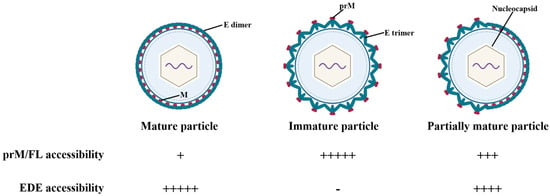
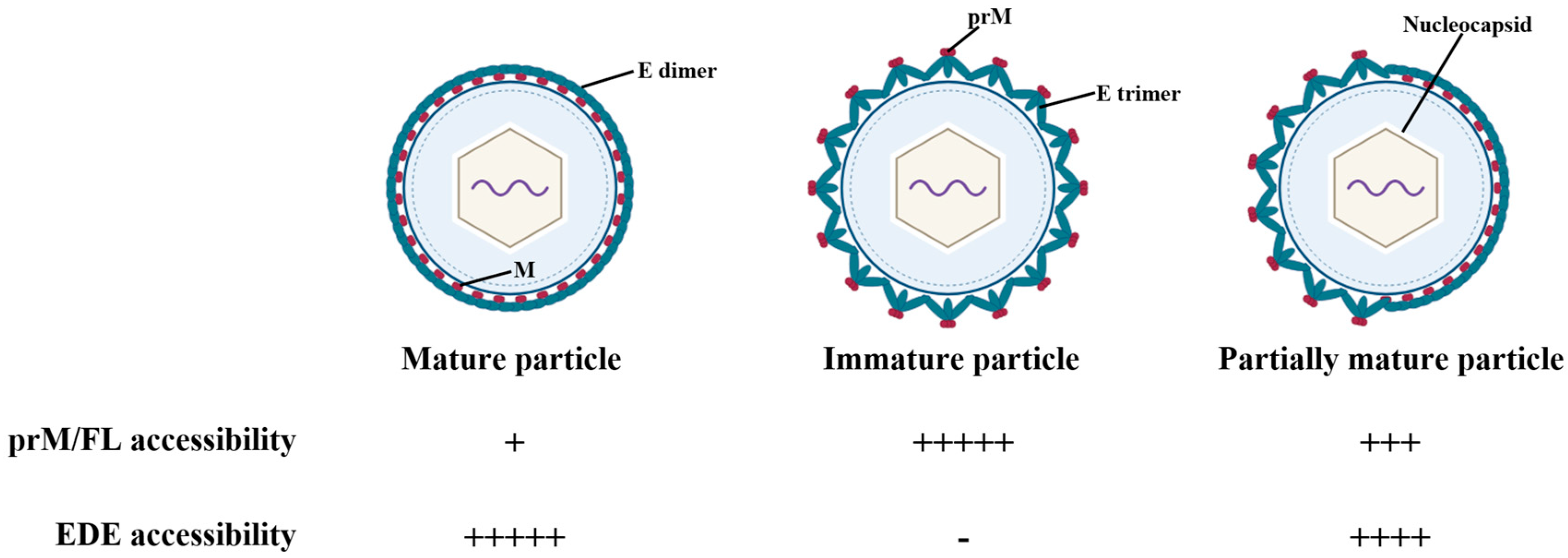
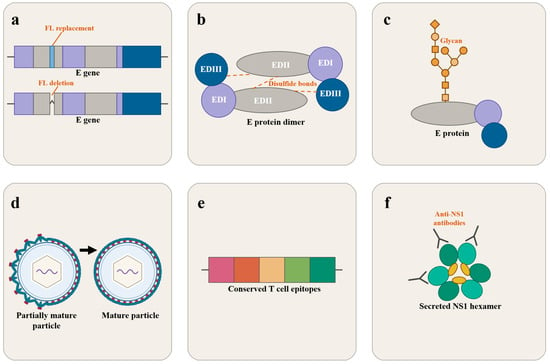
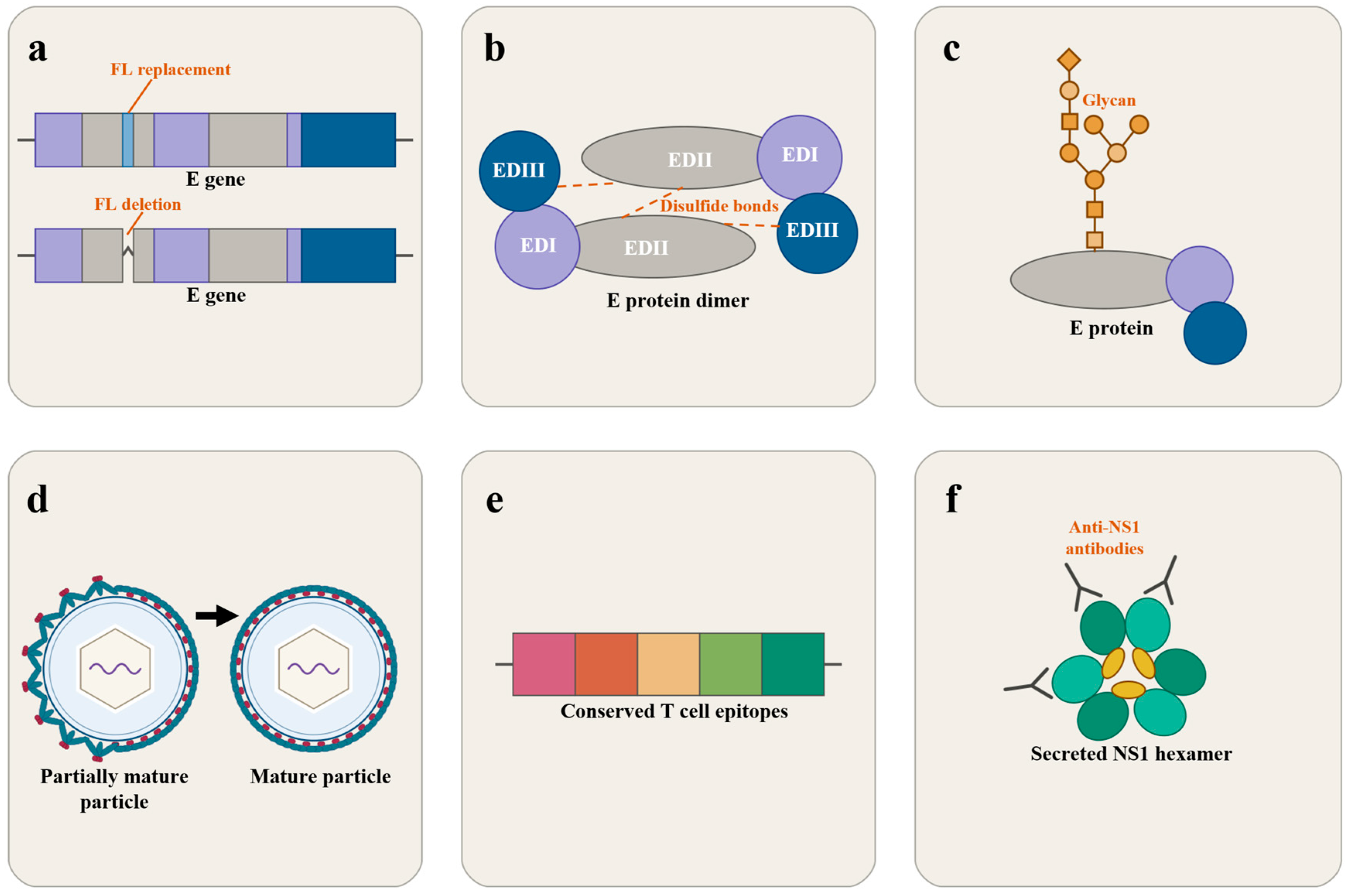

Disclaimer/Publisher’s Note: The statements, opinions and data contained in all publications are solely those of the individual author(s) and contributor(s) and not of MDPI and/or the editor(s). MDPI and/or the editor(s) disclaim responsibility for any injury to people or property resulting from any ideas, methods, instructions or products referred to in the content. |
© 2026 by the authors. Licensee MDPI, Basel, Switzerland. This article is an open access article distributed under the terms and conditions of the Creative Commons Attribution (CC BY) license.