


Abstract
(1) Objective: This study explores the association between government attention and the value realization efficiency of forest ecological products, as well as potential transmission channels, to provide evidence for local governments to optimize policy-resource allocation and formulate differentiated ecological governance strategies. (2) Methods: Based on provincial panel data covering 30 Chinese provinces from 2014 to 2023, the slacks-based measure (SBM) model is used to measure forest ecological-product value-realization efficiency. Government attention indicators are constructed using textual data from provincial government work reports. The empirical analysis employs a random-effects model with province-clustered robust standard errors, as well as mechanism and moderation models, and further assesses specification robustness using fixed-effects and Mundlak correlated random-effects models. (3) Results: A one-standard-deviation increase in government attention is associated with a 0.047 increase in value realization efficiency, equivalent to 10.0% of the sample mean. By product category, the association is statistically significant for material products but not for regulating or cultural products. Government attention is significantly associated with forestry industrial-structure rationalization, whereas its association with forestry digitalization is positive but statistically insignificant. Industrial-structure advancement weakens the positive association. The association is significant in Northeast and Northern forest regions and non-collective forest areas and within the low-fiscal-self-sufficiency group; however, the difference between fiscal self-sufficiency groups is not statistically significant. (4) Conclusions: Government attention may support forest ecological-product value realization through policy prioritization and resource allocation, particularly in government-led forest governance contexts. Policy design should account for differences in forest region type, fiscal capacity, forest ownership, and industrial development stage. The findings support differentiated, region-specific governance, but they do not establish causal effects or universal effects across all ecosystem-service categories.
1. Introduction
Ecological products are supplied by natural ecosystems and contribute to human well-being by improving environmental quality [1]. Realizing their value is an important means of reconciling economic development with environmental protection. Forest ecosystems provide provisioning, regulating, and cultural services, including timber and non-timber products, climate and water regulation, and recreation and health benefits [2,3,4]. As a major component of terrestrial ecosystems, forests therefore generate both marketable products and non-market ecosystem services. China’s forest resource accounting reports a total value of CNY 25.05 trillion for forestland and standing timber resources and CNY 15.88 trillion for forest ecosystem services, including water conservation and climate regulation [5]. These accounting estimates represent the assessed value of resource stocks and ecosystem services; they should not be equated with revenues already realized through market transactions [3]. International estimates also indicate that forests contain up to 80% of global aboveground carbon and about 40% of belowground terrestrial carbon [6]. This global estimate should not be interpreted as China’s share of the terrestrial carbon pool. A separate global carbon-budget analysis estimates a net forest carbon sink of 1.1 ± 0.8 Pg C per year for 1990–2007 [7].
Despite their ecological and economic importance, the value realization of forest ecological products remains constrained by inconsistent valuation standards, underdeveloped market mechanisms, and low conversion efficiency [8,9]. These constraints limit the conversion of ecological assets and services into measurable economic returns. Improving value realization efficiency is therefore central to establishing a functioning institutional and market framework for forest ecological products. China has progressively strengthened its policy framework. The 2021 Opinions on Establishing and Improving the Mechanism for Realizing the Value of Ecological Products established an overarching institutional basis, while the 2023 Plan for Deepening the Reform of the Collective Forest Tenure System extended this agenda to the forestry sector. In addition, the national standard GB/T 46869-2025, Ecosystem assessment—Technical guidelines for terrestrial gross ecosystem product accounting, was issued and took effect on 31 December 2025 [10]. These initiatives strengthen valuation and institutional capacity, although accounting and policy recognition alone do not ensure that ecological value is converted into economic returns.
This study asks whether and through what mechanisms government attention affects the efficiency with which forest ecological products are converted into economic value. The distinction is consequential: government attention may promote forestry-sector expansion or forest protection, but neither outcome by itself demonstrates more efficient economic use of ecological resources and services. The present study focuses on the latter outcome.
2. Literature Review
In recent years, scholars have paid growing attention to government attention and the value realization of forest ecological products, with relevant discussions mainly falling into two strands as follows.
Research on government attention has examined its conceptual foundations, measurement, and effects. Attention-based accounts view attention as a scarce organizational resource: because governments cannot address all policy issues simultaneously, agenda setting determines which issues receive decision-makers’ consideration and resources [11,12,13,14,15,16]. Empirical studies use policy texts and other political communications to measure issue salience and agenda setting [17,18,19]. Keyword frequency can thus indicate an issue’s formal prominence on government agendas, but reflects stated priorities rather than implementation, expenditure, or policy effectiveness. Government attention can shape agenda setting, policy provision, and fiscal allocation [20], with implications for ecological conservation, rural development, and digitalization [21,22,23]. In forestry, it may support policy coordination, factor allocation, and industrial upgrading [24,25,26,27,28]. However, evidence that attention promotes forestry development does not show whether it improves the efficiency of converting forest ecological resources and services into economic value. This distinction motivates the present analysis.
Research on forest ecological products has examined their definition, valuation, efficiency, and determinants. These products encompass material outputs and ecosystem services generated by forests, including provisioning, regulating, and cultural benefits [3,29,30,31]. Here, value realization refers to converting usable forest resources and tradable ecosystem services into economic value through institutional and market mechanisms [32,33]. International meta-analysis finds that ecosystem-service values vary substantially by forest type, service, location, and valuation method, cautioning against valuing services in isolation [3]. Estimated ecosystem-service values therefore do not automatically translate into market returns. Research on forest-related payments for ecosystem services (PES) further examines how non-market service values can be converted into financial incentives, emphasizing program design, effectiveness, and distributional effects [34]. While this literature primarily evaluates conservation and service-provision outcomes, it offers less direct evidence on the efficiency of converting forest ecological products into economic value.
For efficiency measurement, studies use input–output frameworks and apply SBM-Malmquist and Super-SBM models to provincial and prefectural samples [32,35,36]. The slacks-based measure accounts for input excesses and output shortfalls, while its super-efficiency extension differentiates units already classified as efficient [37,38]. Building on DEA’s mathematical programming framework, these methods assess relative efficiency and distinguish technical from scale inefficiency [39]. They are suited to measuring the efficiency of transforming resource inputs into economic outputs, rather than the scale of forestry production. Studies of efficiency determinants consider new quality productive forces, industrial upgrading, the digital economy, and human capital [32,36,40,41,42]. Yet government attention remains insufficiently distinguished from its broader effects on forestry development and environmental governance. In particular, limited evidence shows whether attention improves economic value-conversion efficiency and whether industrial-structure rationalization, industrial upgrading, and forestry digitalization serve as transmission channels.
Prior research has examined government attention and the value realization of ecological products, but the efficiency with which forest resources and services are converted into economic value remains less well understood. Using provincial panel data for China, this study constructs measures of government attention and forest ecological-product value realization efficiency and examines their association. It makes two contributions. First, it develops an evaluation system that incorporates forestry resource endowments. Second, it assesses whether forestry industrial-structure rationalization, industrial upgrading, and digitalization are associated with government attention and may be relevant transmission channels. The results inform policy discussion but do not identify causal effects.
3. Theoretical Analysis and Research Hypotheses
3.1. Direct Association Between Government Attention and the Value Realization Efficiency of Forest Ecological Products
According to the attention-based theory, policymaking essentially refers to the allocation of decision-makers’ attention within a given time horizon [11]. Forest ecological products feature public attributes and externalities. Their value transformation relies not only on market mechanisms but also on governmental interventions via institutional provision and policy guidance. Accordingly, sustained government attention to forest ecological products may help address bottlenecks in value realization where policy priorities are translated into effective institutions, implementation, and market access in their value realization. Following the Millennium Ecosystem Assessment (MA) framework, all benefits humans derive from ecosystems fall into four categories: provisioning, regulating, cultural, and supporting services. This study focuses on the conversion of forestry resources and services into economic value. Therefore, forest ecological products are classified into three dimensions by functional attributes: material products, regulating products, and cultural services [43]. Distinct types of forest ecological products differ in resource attributes, transaction modes, and value formation, and may therefore face different constraints on value realization. To examine how differentiated government attention affects value realization, this paper categorizes government attention into three types: government attention toward material products, regulating products, and cultural products.
First, government attention toward material products may be associated with higher value realization efficiency, where policy support improves factor allocation and market access of forest ecological products. Forest biomass products in forestry mainly include timber, bamboo and under-forest economic products. These products have clearly defined property rights, tangible returns and strong marketability, yet they are constrained by limited resource utilization and poor market connectivity. Greater government attention to material products may accompany rational factor allocation and the adoption of advanced technologies to realize refined forestry management [44]. Where implementation is effective, fiscal and research investment may support the scaling and standardization of wood processing and characteristic planting industries, improve storage, logistics and production-marketing systems, and accelerate the transformation of forest resources from natural assets into marketable commodities. These measures could support value realization while respecting ecological constraints and maintaining the resource base [5,45].
Second, government attention toward regulating products may help address constraints on efficiency improvement. Regulating services such as forest climate regulation and water conservation are mostly intangible and highly public goods. Their value cannot be readily captured through conventional market transactions; unclear property rights and difficulties in value measurement hinder value realization. Where institutional and market conditions permit, greater attention may support clearer property rights, ecological compensation, and carbon-sink accounting and trading standards, making some regulating services easier to value and exchange. Additionally, forest ecosystem restoration and conservation may strengthen the supply capacity of forest ecological products, providing material support for the co-benefits of ecological, economic and social values [46].
Finally, government attention toward cultural products may support value realization where infrastructure, market demand, and local capacity are in place. Cultural products, including forest-based health and wellness, ecotourism and nature education, are experience-oriented consumption goods. They constitute a promising direction for diversified value realization and a new growth driver of forest ecosystem service provision [45]. Nevertheless, their development is restricted by inadequate infrastructure and weak brand building. Greater government attention to cultural products may support the industrial integration of forest resources with regional culture and tourism, amplify the cultural and affective value of ecological products, and may improve market attractiveness, with possible implications for value realization efficiency. Furthermore, government planning that reflects distinctive local resources may limit homogenized development and support the added value and market competitiveness of forest ecological products [47]. Accordingly, Hypothesis 1 is proposed.
Hypothesis 1.
Government attention is positively associated with the value realization efficiency of forest ecological products, conditional on policy implementation and the availability of value-conversion channels.
3.2. Potential Transmission Channels Linking Government Attention and the Value Realization Efficiency of Forest Ecological Products
The allocation and adjustment of government attention exert impacts on the value realization efficiency of forest ecological products. Drawing on relevant studies on forest ecological products value realization [41,48], this paper analyzes the underlying mechanisms from three dimensions: resource allocation, industrial evolution and technological support. We select forestry industrial structure rationalization and forestry digitalization level as mechanism variables to explore the transmission pathways through which government attention affects the value realization efficiency.
First, government attention may be associated with greater rationalization of the forestry industrial structure when policies reflect local resource endowments and market conditions. Input of government attention guides local governments to rationally arrange industrial layouts according to resource endowments, climatic conditions and market demand, thereby avoiding resource waste and misallocation arising from blind regional competition [49,50]. Meanwhile, fiscal transfer payments and industrial support policies facilitate the rational flow and allocation of core factors such as labor and capital across different forestry sectors. Such factor reallocation may accompany improved factor utilization within forestry and greater inter-industry specialization and cooperation, with potential implications for production performance and redundant investment [51,52]. Accordingly, a more rational forestry industrial structure may be one pathway through which government attention is associated with value realization efficiency. The empirical analysis below tests the association with the proposed mechanism variable; it does not identify a causal indirect effect.
Second, government attention may be associated with forestry digitalization. Potential pathways linking policy priorities and value realization include digital infrastructure construction, digital innovation capacity enhancement and digital ecological management. (1) Strengthening the carrying capacity of digital facilities. By prioritizing forestry digitalization in policy agendas, governments may support technical staffing and investment in a solid foundation for ecological value conversion [53]. (2) Boosting digital innovation capacity. Policy support may channel innovation and digital-service resources toward forestry, including through forestry science and technology institutions and research investment [54]. Digital technologies may lower factor costs and expand market reach across the industrial chain, potentially supporting the conversion of ecological assets into economic value [55]. (3) Improving ecological digital governance. Remote sensing, big-data analysis, and related technologies can support monitoring of key indicators including forest carbon sequestration, standing timber volume and growth status of under-forest crops. Such monitoring may improve measurement and management of forest ecological products; whether it is associated with higher value realization efficiency is an empirical question [56,57].
Forestry industrial structure advancement serves as an important contextual condition moderating the magnitude of government attention’s effects. Industrial structure advancement denotes the transition of forestry from a traditional resource-dependent model toward value upgrading, with the core goal of converting resource advantages into economic benefits [58]. Through the integration of forestry resources with tourism, wellness, cultural and other industries, ecological resources are transformed into service values. Research and development of high-value forest products using biological and information technologies extend industrial chains and broaden value realization channels [41,59,60].
In regions with low industrial advancement, forestry is dominated by primary industries such as afforestation, timber harvesting and economic forest planting. These regions feature low product added value, limited processing capacity and immature market channels. The value realization of forest ecological products heavily relies on governmental organization in infrastructure construction, ecological compensation and production–market coordination. Policy resources induced by government attention yield high marginal returns in such areas. As the share of secondary and tertiary industries, including wood processing, forest tourism and forest-based health and wellness, rises, market entities such as enterprises and cooperatives can realize product transformation and value monetization relying on mature industrial chains and consumer markets. The role of government attention gradually shifts from direct dominance to supplementary guidance, and its marginal contribution declines correspondingly. Furthermore, constrained by limited attention, local governments tend to prioritize policy resources toward regions and sectors with weak industrial foundations and underdeveloped market mechanisms. Therefore, higher levels of forestry industrial structure advancement weaken the positive effect of government attention on the value realization efficiency of forest ecological products. Hypothesis 2 is thus proposed.
Hypothesis 2.
Government attention is negatively associated with the modified Theil index of forestry industrial-structure rationalization. This may represent a potential transmission channel, but the model does not identify an indirect effect on efficiency.
Hypothesis 3.
Forestry industrial-structure advancement negatively moderates the positive association between government attention and forest ecological-product value realization efficiency; the association is expected to weaken as industrial-structure advancement increases.
Hypothesis 4.
Government attention is positively associated with the level of forestry digitalization, which is considered a potential transmission channel rather than an established mediation effect.
3.3. Heterogeneity in Associations Between Government Attention and the Value Realization Efficiency of Forest Ecological Products
According to spatial heterogeneity theory, regions across China differ substantially in geographic conditions, resource endowments and economic development [51]. Divergent pathways adopted to advance the value realization of forest ecological products generate regional disparities in value realization efficiency. The effectiveness of government attention hinges on whether policy signals can be translated into funding, projects and conservation practices through administrative hierarchies. A higher degree of government dominance in forestry operations shortens such transmission chains.
In terms of forest zones, the Northeast Forest Region is dominated by key state-owned forest areas. Forest resources in the Northern Forest Region are mainly derived from government-led ecological programs such as the Three-North Shelter Forest Program and the Beijing–Tianjin Sand Source Control Project. Afforestation, forest management and industrial development in these two regions rely heavily on state forestry bureaus, state-owned forest farms and special fiscal funds. By contrast, the Southern Forest Region features a high proportion of collective forests and relatively mature markets for forest products, where value realization is primarily driven by rural households and enterprises. Following the ban on commercial logging in natural forests, the Southwest Forest Region prioritizes ecological conservation with limited room for industrial value conversion.
Forest ecological products are characterized by high value uncertainty and imperfect markets. Their value realization is constrained simultaneously by market failure and excessive transaction costs [61]. Pigou’s theory suggests that governments can correct externalities via taxation or subsidies; positive externalities in ecological domains are suitable for public payment by governmental actors [62]. This theoretical framework provides a foundation for policy instruments including ecological compensation, fiscal support and financial incentives. Existing literature demonstrates that policy guidance and fiscal investment by governments can effectively mitigate market failure arising from the externalities of ecological products and motivate diverse stakeholders to participate in value realization [63]. From the perspective of policy equity and efficiency, the allocation of government attention should favor regions with weak fiscal capacity, and policy compensation can narrow interregional gaps in opportunities for ecological value realization [64].
Regions with low fiscal self-sufficiency rely heavily on central transfer payments for forestry investment. Special funds such as transfers for key ecological function zones, natural forest protection and public welfare forest compensation constitute their primary financing sources for forestry development. Local governments’ attention toward forest ecological products directly determines the acquisition and deployment of such funds. In regions with high fiscal self-sufficiency, social capital and market participants are more active, and the marginal effect of government attention is relatively limited. This study splits the full sample into sub-samples of high and low fiscal self-sufficiency based on the median provincial fiscal balance over the sample period [65].
Forest tenure arrangements define the boundaries for forest resource exploitation and utilization. The clarity of property rights directly affects resource transfer efficiency, the supply of ecological products, and the orientation of relevant policy support [32]. Classified by forest ownership, non-collective forest areas are dominated by state-owned forests, where governments act as both owners and regulators. Government attention can be directly translated into operational decisions and project arrangements. After the reform of collective forest tenure, management rights in collective forest areas are distributed among rural households. Government attention must influence the decisions of scattered smallholders through intermediaries such as subsidies, credit programs and cooperative organizations, forming a longer transmission chain. Small-scale operations also struggle to absorb concentrated policy inputs. Accordingly, forest ownership shapes the magnitude of the efficiency-enhancing effect of government attention. Based on the above reasoning, Hypothesis 5 is proposed.
Hypothesis 5.
The association between government attention and forest ecological-product value realization efficiency varies across forest zones and is expected to be more positive in the Northeast and Northern Forest Regions.
Hypothesis 6.
Government attention is expected to have a positive association with efficiency in regions with low fiscal self-sufficiency; any difference between groups must be tested directly.
Hypothesis 7.
The association between government attention and forest ecological-product value realization efficiency differs between collective and non-collective forest areas and is expected to be more positive in non-collective areas.
4. Research Design
4.1. Model Specification
4.1.1. Baseline Regression Model
The random-effects model exploits both within- and between-province variation, assuming that unobserved time-invariant provincial characteristics are uncorrelated with the explanatory variables. Three tests are conducted to assess this specification. First, the Breusch–Pagan LM test rejects the null hypothesis of no province-specific effects (χ2(1) = 368.57, p < 0.001), ruling out pooled OLS (Breusch and Pagan [66]). Second, following Mundlak [67], we incorporate provincial means of government attention and all control variables into the random-effects model, using province-clustered robust standard errors. The coefficient on the provincial mean of government attention is insignificant (χ2(1) = 0.59, p = 0.444), as is the joint test of all provincial means at the 5% level (χ2(6) = 12.16, p = 0.058), providing qualified support for the random-effects specification. Third, following Bell and Jones [68], government attention is decomposed into within-province deviations and between-province means and jointly included in the random-effects model. The within-province effect is 0.052 (p = 0.020), whereas the between-province effect is −0.146 and statistically insignificant (p = 0.255). The difference between the two effects is also statistically insignificant. The baseline random-effects estimate (0.047) is close to the within-province estimate, suggesting that the main finding is primarily driven by within-province variation. Although the conventional Hausman test rejects the random-effects specification (χ2(6) = 12.92, p = 0.044), fixed-effects and Mundlak model estimates (both 0.050) are close to the baseline estimate, supporting the robustness of the main finding. Accordingly, we adopt the random-effects model as the baseline specification:
where i denotes province, t denotes year, EFF represents the value realization efficiency of forest ecological products, Att is government attention, C denotes the set of control variables, captures year fixed effects, ui is the province random-effect term, and is the random disturbance term. Standard errors are clustered at the provincial level to account for heteroskedasticity and allow for within-province serial correlation across years.
4.1.2. Mechanism Test Model
To examine whether the rationalization and upgrading of the forestry industrial structure, as well as the level of forestry digitalization, are potential transmission channels linking government attention to the value realization efficiency of forest ecological products, this study follows Jiang [69]. Specifically, we estimate the association between government attention and each proposed mechanism variable. The hypothesized links between these variables and value realization efficiency are motivated by theoretical arguments and prior studies. This approach helps mitigate the potential endogeneity that can arise in conventional stepwise mechanism regressions. Accordingly, our analysis identifies associations between government attention and the proposed mechanism variables; it does not separately estimate indirect effects. The model is specified as follows:
where Med denotes the mechanism variable, and all other variables retain the definitions in Equation (1). This model examines the association between government attention and the mechanism variables rather than formally identifying indirect effects. Accordingly, the following results are interpreted as potential transmission channels rather than established mediation effects.
4.1.3. Moderating Effect Model
To test the moderating effect of forestry industrial structure advancement on the impact of government attention, an interaction term between government attention and forestry industrial structure advancement is incorporated into the baseline model:
where is the standardized level of forestry industrial structure advancement. A negative interaction coefficient is consistent with a weaker positive association between government attention and efficiency at higher levels of forestry industrial-structure advancement.
4.1.4. Heterogeneity Test Model
To compare the heterogeneous associations with government attention across groups, interaction terms between government attention and group dummy variables are introduced into the full-sample regression. This specification directly estimates group-specific coefficients of government attention, and the Wald test is adopted to examine the equality of coefficients across groups:
where is a dummy variable indicating whether province i belongs to group g, is the coefficient of government attention for group g, and the remaining variables follow the definitions in Equation (1). Compared with separate subsample regressions, this specification imposes identical coefficients for control variables and year effects across all groups, which mitigates unstable estimates caused by the small number of provinces in some subgroups Dg,iδg.
4.2. Variable Selection
4.2.1. Dependent Variable
Value realization efficiency of forest ecological products. From an input–output perspective, this study constructs the evaluation indicator system shown in Table 1 [70]. The input side includes the value of forest ecological products, forestry physical capital, forestry labor, and forestland input. The output side consists of the output values of the primary, secondary, and tertiary forestry industries. Only desirable outputs are adopted. Value realization efficiency is intended to quantify how forestry-industry output relates to the ecological-product resource base specified as inputs; this differs from green-efficiency measures that treat pollutant emissions as undesirable outputs. Primary and tertiary forestry activities mainly involve afforestation, under-forest economies, and forest tourism, which have relatively low pollutant emissions. Emissions from secondary forestry activities are reported within broader industrial sectors such as wood processing and papermaking and cannot be separately extracted from provincial data. This specification follows the indicator system proposed by Kong et al. [70].
Table 1.
Evaluation index system and assessment methods for the efficiency of forest ecological product value realization.
Regarding accounting methods, the value of forest ecological products is decomposed into three categories: material product value, regulating service value and cultural service value [33]. The value of material products is calculated by market pricing, obtained as the sum of total forest product quantity multiplied by corresponding market unit prices. The value of regulating services is quantified using the InVEST model together with the market value method, shadow project approach and other valuation techniques. Constrained by the limited availability of disaggregated forest tourism revenue data, this study adopts the approach of Ma et al. and estimates forest tourism revenue as 70% of provincial tourism revenue [71]; accordingly, cultural service value is proxied by 70% of each province’s total tourism revenue. This uniform ratio is used to harmonize the accounting benchmark and does not reflect province-specific actual shares estimated from our sample. Forestry physical capital is measured by forestry capital stock estimated via the perpetual inventory method. Following the perpetual inventory method used by Zhang et al. to estimate interprovincial physical capital stocks, this paper uses the completed forestry fixed-asset investment as the current-period investment flow to estimate the forestry physical capital stock and adopts the 9.6% economic depreciation rate they calculated [72]. The base-year capital stock is calculated as the 2014 investment divided by the sum of the investment growth rate (10%) and the depreciation rate. The output value of the secondary forestry industry is derived by subtracting the output values of primary and tertiary industries from the total forestry industrial output value. Given cross-provincial heterogeneity in forest resource endowments, tourism product mix and statistical calibers, the adoption of a uniform ratio may induce measurement error in the valuation of cultural services and thereby bias the associated efficiency indicators. Hence, the findings of this study should be interpreted with caution. For water conservation, the market value method is operationalized by valuing the water retained by forest ecosystems at the market price of water supply and, where a direct price is unavailable, at the replacement cost of equivalent reservoir storage, thereby converting the regulated water volume into a monetary value. The travel cost method reported in Table 1 provides the conceptual basis for this 70% proxy rather than relying on individual travel-cost data.
For efficiency measurement, this paper adopts the SBM method proposed by Tone [37] and, following the VRS specification of Banker et al. [39], this study adds the corresponding convexity constraint to the model. The intertemporal frontier approach follows Cotte Poveda [73]. Forestry secondary-sector output is zero in some years in Beijing, Tianjin, and Qinghai, while soil conservation and water conservation values are zero in certain province-year observations. The corresponding slack variables are excluded from the objective functions of the respective DMUs. A total of 94 observations lie on the efficiency frontier, with scores of 1. All monetary variables are deflated to constant 2014 prices using the national CPI, and forestry capital stock is recalculated accordingly. Constant-price efficiency is used in the baseline regression, while current-price efficiency serves as a robustness check. To assess sensitivity to zero values (25 observations), we re-estimate efficiency by replacing zeros with 0.01% of the sample mean and including all slack variables in the objective function, and by aggregating the four regulating services into one input and secondary- and tertiary-sector outputs into one output.
4.2.2. Core Explanatory Variable
Government attention. To quantify the degree of local governmental focus on the development of forest ecological products, this study constructs the government attention indicator via textual analysis based on the work reports of 31 provincial governments spanning 2014–2023. First, government attention is quantified across three dimensions: material products, regulating products, and cultural services. A seed keyword corpus containing 303 terms is established. The material-product dimension covers functions including timber supply, under-forest economy, forest product processing, national reserve forests, and gross ecosystem product (GEP) accounting. The regulating-product dimension includes ecological regulating functions such as carbon sinks, carbon neutrality, water conservation, biodiversity, and the integrated management of mountains, rivers, forests, farmlands, lakes, grasslands and deserts. The cultural-service dimension comprises ecotourism, forest-based health and wellness, cultural-tourism integration, national parks, and nature education. Second, the TF-IDF weighted word-frequency approach is adopted to establish the coefficient calculation pipeline. Term frequency (TF) captures the occurrence frequency of keywords within government reports, while inverse document frequency (IDF) differentiates weight gaps between common high-frequency words and domain-specific keywords, enhancing the identification of professional terminology. The TF-IDF weighted scores for the three dimensions are computed separately. Summing these dimensional scores yields the composite government attention score, which is further standardized into a variable with a mean of 0 and standard deviation of 1. The regression coefficient thus represents the change in the dependent variable induced by a one-standard-deviation increase in government attention. For dimensional heterogeneity tests, the three sub-dimensional scores are standardized using the same procedure.
4.2.3. Potential Mechanism and Moderating Variables
Drawing on prior studies on the value realization of forest ecological products [41,48], forestry industrial structure rationalization and forestry digitalization level are selected as potential mechanism variables, while forestry industrial structure advancement serves as the moderating variable. The specific measurement of each variable is described below.
First, forestry industrial structure rationalization. Following the criterion that growth rates of output value across forestry sub-industries should match the growth rate of total forestry output value, this study adopts the modified Theil index to quantify forestry industrial structure rationalization [74,75]. The calculation formula is expressed as:
Here, gi denotes the annual growth rate of output in forestry industry i, g is the annual growth rate of total forestry output, and Iwi is industry i’s share of total output; the industry shares sum to one. In the index, the weighted sum of squared differences between industry and aggregate growth rates forms the numerator, while the absolute value of aggregate growth is the denominator; the entire ratio lies under the square root. The numerator is nonnegative. We use the absolute value of g because using a negative growth rate directly would make the expression under the square root negative. The sample contains 59 negative-growth observations (about 22%). When industry growth rates match aggregate growth, IR equals zero, indicating balanced growth and a more rational industrial structure. Higher IR values indicate greater divergence. When aggregate growth is close to zero, the small denominator can increase IR, although the square root dampens this sensitivity. No observation has zero aggregate growth; 24 have an absolute growth rate below 0.02. Tianjin’s tertiary-sector growth rate in 2023 is anomalously high due to a low-base effect, rather than a genuine structural imbalance, generating an extreme IR value. We winsorize IR at the 1st and 99th percentiles and assess robustness using log changes, 5% winsorization, and sectoral growth-rate deviations.
Second, forestry industrial structure advancement. Industrial structure advancement describes the dynamic upgrading of industrial configuration following economic laws. This study measures advancement using the forestry industrial structure hierarchy coefficient. We assign weights according to the relative importance of the three forestry sub-industries and compute the weighted sum of output value shares. The formula is specified as:
In Equation (6), the dependent variable is the hierarchy coefficient Ind_gi,t The weights n equal n and are assigned in ascending order across the three sub-industries: n = 1 for the primary industry, n = 2 for the secondary industry, and n = 3 for the tertiary industry. The larger weight on the tertiary industry ensures that a rising share of forestry services increases the coefficient, directly reflecting industrial structure advancement.
Where denotes the forestry industrial structure hierarchy coefficient of region i in year t, and refers to the share of the n-th sub-industry in total forestry output value for region i in year t. Forestry industrial structure advancement is characterized by an increasing share of tertiary forestry industry and a declining share of primary forestry industry. Decreasing weights are assigned sequentially to the tertiary, secondary and primary forestry industries when calculating the hierarchy coefficient. This variable is standardized before entering the model as a moderator Ind_gi,tyi,n,t.
Third, forestry digitalization level. This study constructs an indicator system for forestry digitalization level with three first-tier dimensions: forestry digital infrastructure, digital innovation capacity and ecological digital governance (Table 2). The forestry digitalization index comprises three dimensions. For forestry digital infrastructure, mobile switching capacity and the number of forestry stations equipped with computers directly measure communications-network capacity and digital-terminal penetration. The shares of intermediate- and senior-level professionals and staff with college education or above proxy the human capital needed to adopt digital technologies, while the shares of self-owned office buildings and vehicles reflect the physical capacity to deploy digital equipment and collect data; these are indirect supporting indicators. For digital innovation capacity, the number of forestry and grassland science and technology institutions reflects the scale of regional R&D and innovation platforms, while employment in information transmission, software, and information technology services proxies the concentration of digital professionals; both are direct indicators. For ecological digital governance, investment in ecological restoration and governance and expenditure on agriculture, forestry, and water conservancy capture funding support for digital development. The number of forestry stations that also operate technology-extension and pest-control services reflects grassroots capacity for technology diffusion and disaster monitoring. These four indicators are indirect components.
Table 2.
Evaluation index system of the forestry digitalization level.
Because the indicators differ in scale, and some exhibit trends associated with organizational changes at grassroots forestry stations, we apply entropy weighting annually. Indicators are range-normalized within each year, their information entropy and weights are calculated, and the weighted values are summed to construct the index.
4.2.4. Control Variables
To mitigate confounding effects from other factors on the empirical results, control variables are selected from economic, social and natural dimensions. (1) Economic development level. Regions with rapid economic growth tend to obtain greater governmental support to improve the value realization efficiency of forest ecological products. This variable is measured by the natural logarithm of per capita GDP [76]. (2) Regional openness. Regions with high openness maintain close external economic linkages and can foster industrial upgrading via technology spillovers. Following Zhao et al. [77], regional openness is proxied by the ratio of total foreign trade volume to GDP. (3) Social security level. A sound social security system enhances the economic security of rural residents, affects labor willingness to engage in forestry production, and partly reflects the structure of government expenditure. Drawing on Cai et al. [78], social security level is measured as the share of social security expenditure in GDP. (4) Annual average temperature and annual average precipitation. Temperature and precipitation affect forest growth and the stability of forest ecosystems. Annual average temperature and annual average precipitation (in hundred millimeters) are included as controls [79].
4.2.5. Data Sources
This study uses a sample of 30 provincial-level administrative regions excluding Xizang, Hong Kong, Macao and Taiwan, covering the period 2014–2023. Data are collected from statistical yearbooks, remote sensing datasets and provincial government work reports. Fiscal self-sufficiency is measured as the ratio of cumulative general public budget revenue to expenditure for each province over 2014–2023, with prefecture-level city data aggregated to the provincial level. A lower ratio indicates greater reliance on intergovernmental transfers. Provinces are classified as having high or low fiscal self-sufficiency based on the sample median. By adjustment type, imputation of forestry fixed-asset investment affects 19 observations, estimation of forestry secondary-sector output from total forestry output affects 14, winsorization of the Theil index of industrial structure rationalization affects 6, and the digitalization indicator contains 100 observations with imputed or substituted values. For indicators of forestry digitalization, the statistical caliber of employment in information transmission, software and information technology services differs in 2014 and 2023 from other years. The 2018 values of the proportion of senior staff and personnel with college education or above in forestry stations deviate substantially from preceding and subsequent years. These problematic data points are replaced by linear interpolation from adjacent years, while values for the start and end years are extrapolated using the growth rate of the neighboring two years. Descriptive statistics for all variables are reported in Table 3.
Table 3.
Descriptive statistics of variables.
The mean forest ecological product value realization efficiency is 0.465 (SD = 0.404), ranging from nearly zero to 1. Of the 300 observations, 94 lie on the efficiency frontier, indicating substantial variation across provinces. Constant-price and current-price efficiency have similar means (0.470 and 0.465, respectively) and dispersion, suggesting that price adjustment does not materially alter the overall distribution but mainly affects the relative positions of observations against the common frontier. Standardized government attention has a mean of 0, an SD of 1, and ranges from −1.977 to 2.840. Among the mechanism variables, forestry industrial structure rationalization has a mean of 0.619 (SD = 2.305) and a maximum of 20.449, indicating a pronounced right-skewed distribution. Forestry digitalization averages 0.270, ranging from 0.027 to 0.627, reflecting substantial interprovincial disparities. Forestry industrial structure upgrading, the moderating variable, has a mean of 1.720 (SD = 0.301), ranging from 1.002 to 2.355, indicating that forestry industries remain predominantly concentrated in the primary and secondary sectors.
5. Empirical Results and Analysis
5.1. Baseline Regression Results and Analysis
The estimation results of the baseline model are presented in Table 4. In Column (1), the estimated coefficient of government attention is 0.047 and statistically significant at the 5% level (p = 0.039, with a 95% confidence interval of [0.002, 0.092]). A one-standard-deviation increase in government attention is associated with a 0.047 increase in forest ecological product value realization efficiency, equivalent to 10.0% of its sample mean. Given the confidence interval’s lower bound near zero, the effect size should be interpreted cautiously. By dimension, material product attention has a positive coefficient of 0.030 (p = 0.084), significant at the 10% level, while regulating-service and cultural-product attention are insignificant. Hypothesis 1 is supported, with the positive association primarily driven by material product attention.
Table 4.
Baseline regression results.
A possible explanation for the differing estimates lies in how efficiency is measured: forestry output value captures the conversion of ecological inputs into economic output across the primary, secondary, and tertiary sectors. Government attention to material products—such as timber, under-forest economies, and processing—can translate relatively directly into production and market linkages. By contrast, policies for regulating services mainly expand ecological-service supply; during the sample period, carbon trading and ecological compensation were still largely at the pilot stage, limiting the translation of these services into measurable output. Cultural services, including forest tourism and wellness, depend on long-term investment in branding and infrastructure, while tourism was disrupted in 2020–2022. These differences may help explain why the regulating- and cultural-product coefficients are insignificant. The current evidence cannot establish whether these dimensions affect measured efficiency, or in what direction; longer-term data and more mature market mechanisms are needed to assess their effects.
The three dimensions of government attention are highly correlated, with variance inflation factors (VIFs) of 9.75, 9.93, and 10.07 when jointly included, approaching the conventional threshold of 10. Their coefficients remain positive and significant (0.167, 0.145, and 0.140), but standard errors increase three- to fourfold, making their independent effects difficult to distinguish. Accordingly, separate regressions provide the basis for dimension-specific conclusions, while joint estimates are reported only to illustrate the impact of multicollinearity.
5.2. Potential Mechanism Associations
5.2.1. Transmission Mechanism Tests
Building on the preceding theoretical analysis, this study considers the rationalization of the forestry industrial structure and the level of forestry digitalization as potential mechanism variables, and estimates their associations with government attention. The results are reported in Table 5.
Table 5.
Results of mechanism analysis.
Column (1) shows that government attention is negatively associated with the Theil index of forestry industrial structure rationalization (β = −0.365, p = 0.096), significant at the 10% level. A lower Theil index indicates closer alignment between sectoral output growth and overall forestry output growth. A one-standard-deviation increase in government attention is associated with a 0.365 lower index, equivalent to 0.16 standard deviations. This association may reflect coordinated policy support through ecological compensation, industrial subsidies, and understory economies, helping alleviate structural imbalances across forestry sectors. Alternative measures yield consistent negative coefficients, although statistical significance is not robust. Thus, Hypothesis 2 receives partial support, with the result sensitive to measurement choices.
Column (2) shows a positive but insignificant association between government attention and forestry digitalization (β = 0.0084, p = 0.137). Alternative measurement approaches also yield insignificant results. Although greater government attention may prioritize investment in forestry information infrastructure and technology services, its translation into overall digitalization improvements may require a longer period. Therefore, Hypothesis 4 is not supported.
Overall, government attention is significantly associated with forestry industrial structure rationalization at the 10% level, while its association with digitalization is positive but insignificant. These findings provide suggestive evidence for the proposed mechanisms. However, as the causal relationships between mechanism variables and the outcome, as well as indirect effects, are not separately identified, the results should not be interpreted as establishing causal transmission channels or mediation effects.
5.2.2. Moderating Association of Forestry Industrial Structure Advancement
Table 6 presents the moderation results of forestry industrial structure advancement. The interaction between government attention and forestry industrial-structure advancement is negative and significant at the 5% level (β = −0.041, p = 0.042), while the main effect of government attention is 0.047. The estimated marginal association of government attention is 0.047 at the mean level of industrial upgrading, decreases to 0.006 and becomes insignificant one standard deviation above the mean, and increases to 0.088 (p < 0.01) one standard deviation below the mean. The estimated positive association is stronger where forestry remains more concentrated in the primary sector. The interaction estimate is consistent with Hypothesis 3. In regions with underdeveloped industrial structures, forest ecological products lack processing capacity and mature market channels. Policy resources associated with government attention may help address market imperfections. In regions with high industrial advancement, processing and service sectors have established mature value monetization channels, so the marginal association of policy resources may diminish. Forestry industrial structure upgrading has a coefficient of 0.080, significant only at the 10% level, suggesting that its association with efficiency is less precisely estimated than the interaction term.
Table 6.
Results of moderating effect test.
5.3. Robustness Tests
To ensure the robustness of the conclusions, three approaches are adopted for further checks: excluding municipal samples, replacing the measurement of the core explanatory variable, and applying winsorization. The results are reported in Table 7. We compare estimates across alternative model specifications (Table 8) and conduct additional sensitivity tests addressing reverse causality, price adjustments, zero-value treatment, data adjustments, and pandemic shocks (Table 9).
Table 7.
Robustness test results.
Table 8.
Robustness checks across price measures and model specifications.
Table 9.
Additional sensitivity analyses.
Three robustness checks are conducted. First, excluding the four municipalities (Beijing, Tianjin, Shanghai, and Chongqing), which have distinctive forestry characteristics and socioeconomic conditions, yields a positive coefficient of 0.053 (p < 0.05) in Column (1). Second, replacing the core explanatory variable with the standardized natural logarithm of its original score produces a coefficient of 0.047 (p < 0.05) in Column (2). Third, winsorizing all continuous variables at the 1st and 99th percentiles yields a coefficient of 0.047 (p < 0.05) in Column (3). Across all three checks, the coefficients remain positive and stable (0.047–0.053), supporting the stability of the positive baseline association.
Fourth, we compare alternative model specifications. To account for potential correlations between unobserved provincial characteristics, government attention, and efficiency, we estimate fixed-effects and Mundlak correlated random-effects models (Table 8). Column (1), using current-price efficiency and conventional standard errors, yields a coefficient of 0.0449 (p = 0.050). Column (2) reports the baseline specification, with constant-price efficiency and province-clustered robust standard errors, yielding a coefficient of 0.0471 (p = 0.039). In Column (3), the Mundlak model produces a coefficient of 0.0501. The provincial mean of government attention is insignificant (p = 0.444), as is the joint test of all provincial means at the 5% level (p = 0.058), providing qualified support for the random-effects specification. Column (4), using two-way fixed effects, yields a coefficient of 0.0501 (exact p = 0.035), with a conventional 95% confidence interval of [0.0038, 0.0964]. The wild-cluster bootstrap procedure was applied only to this two-way fixed-effects specification, not to the baseline random-effects model; it yields p = 0.041 and a bootstrap confidence interval of [0.0022, 0.0993]. Thus, the bootstrap results support the two-way fixed-effects inference but should not be interpreted as bootstrap confirmation of the baseline random-effects model. Across specifications, coefficients range from 0.045 to 0.050, indicating that the main finding is not driven by model selection, although confidence interval lower bounds remain close to zero.
Fifth, we conduct additional sensitivity analyses (Table 9). To examine potential reverse causality, we replace contemporaneous government attention with its one-period lag. The coefficient remains positive (0.037) but is insignificant (p = 0.249), with the sample reduced to 270 observations. Accordingly, absent a more credible identification strategy, the baseline results are interpreted as statistical associations rather than established causal effects. Using current-price efficiency yields a coefficient of 0.045 (p = 0.084). Regarding zero-value treatment, replacing zeros with one ten-thousandth of the sample mean, aggregating indicators containing zeros, and excluding zero-value observations produce coefficients of 0.046 (p = 0.089), 0.024 (p = 0.134), and 0.041 (p = 0.119), respectively. Excluding observations involving imputed or estimated values yields a coefficient of 0.048 (p = 0.074), while excluding the pandemic period (2020–2022) produces a coefficient of 0.038 (p = 0.087). All estimates remain positive, ranging from 0.024 to 0.048, although most are significant only at the 10% level or statistically insignificant. These findings suggest that the statistical significance of the main effect is sensitive to sample selection and model specification; therefore, the magnitude of the estimated effect should be interpreted cautiously.
5.4. Heterogeneity Analysis and Results
This study further explores the heterogeneous associations with government attention on the value realization efficiency of forest ecological products across different forest zones, fiscal self-sufficiency levels and forest tenure regimes.
5.4.1. Forest-Zone Heterogeneity
Following Xue et al. [80], the sample is divided into four forest regions based on classifications from the National Bureau of Statistics and the *China Forestry Development Report*: Northeast, Southwest, Southern, and Northern China (Table 10). Government attention is positively associated with efficiency, with statistically significant coefficients in the Northeast (0.113) and North (0.087), both significant at the 1% level, with the former approximately 2.4 times the baseline estimate. The coefficients for the Southern and Southwest regions are −0.014 and −0.075, respectively, and are insignificant. A Wald test rejects equality across the four regional coefficients (χ2(3) = 21.94, p < 0.001), consistent with Hypothesis 5.
Table 10.
Heterogeneity results by forest region.
This heterogeneity may reflect differences in forestry ownership and institutional arrangements. Forestry development in the Northeast and North relies more heavily on state-owned forestry institutions and government-led ecological programs, which may allow policy priorities to be reflected more directly in project implementation and fiscal investment. By contrast, collective forests and market-oriented forestry activities are more prevalent in the Southern and Southwest regions, where value realization depends more heavily on market participants. However, the Northeast and Southwest subsamples contain only 40 and 30 observations, respectively, with relatively large standard errors (0.039 and 0.049). Their coefficient magnitudes should therefore be interpreted cautiously. Moreover, insignificant estimates in the Southern and Southwest regions do not imply an absence of government influence; rather, its association may reflect indirect pathways through market incentives and intermediary organizations, warranting further investigation using longer panels and more disaggregated data.
5.4.2. Fiscal Self-Sufficiency Heterogeneity
Fiscal self-sufficiency is measured as the ratio of aggregated general public budget revenue to aggregated general public budget expenditure of prefecture-level cities within each province over the sample period. The full sample is split into high and low fiscal self-sufficiency groups based on the median value, and the results are shown in Table 11. The coefficient for government attention is 0.076 and statistically significant in the low fiscal self-sufficiency group, compared with 0.024 in the high fiscal self-sufficiency group, which is statistically insignificant. However, the difference between the two coefficients is not statistically significant (χ2(1) = 1.35, p = 0.245). Therefore, the evidence supports a detectable within-group association in the low self-sufficiency group but does not establish an across-group difference. Thus, Hypothesis 36 is partially supported. The low fiscal self-sufficiency group mainly includes Heilongjiang, Jilin, Inner Mongolia, Gansu, Qinghai, Ningxia, Yunnan and Guizhou. These provinces are rich in forest resources, and their forestry investment primarily relies on central transfer payments and ecological compensation funds. Local governments’ attention to forest ecological products may influence efforts to obtain special funds and shape fund allocation. Regions with high fiscal self-sufficiency have more diversified sources of forestry investment and greater participation of social capital and market actors, so the marginal association with government attention may differ. Fiscal self-sufficiency is classified by the sample median, a relative rather than absolute threshold. Because it correlates with forest region and ownership, observed patterns should not be attributed to fiscal self-sufficiency alone. The insignificant coefficient in the high self-sufficiency group suggests that stronger social capital and market mechanisms may substitute for government attention at the margin, not that government attention is unrelated to value realization.
Table 11.
Heterogeneity results by fiscal self-sufficiency.
5.4.3. Heterogeneity of Forest Resource Ownership
This study classifies twelve provinces in the southern collective forest region (Zhejiang, Fujian, Jiangxi, Anhui, Hunan, Hubei, Guangdong, Guangxi, Guizhou, Sichuan, Chongqing, Yunnan) as collective forest areas, and the remaining provinces as non-collective forest areas. The results are presented in Table 12. The coefficient for government attention is 0.098 in non-collective forest regions, significant at the 1% level, compared with −0.057 in collective forest regions, significant at the 5% level. The difference is statistically significant (χ2(1) = 31.51, p < 0.001), supporting Hypothesis 7. This contrast may reflect differences in forest ownership and management. In non-collective forest regions, where state-owned forests predominate, the government acts as both owner and regulator, enabling policy attention to translate more directly into management decisions and project implementation. In collective forest regions, fragmented household management may require policy priorities to be channeled through intermediaries such as subsidies, credit, and cooperatives, which may lengthen transmission chains and constrain the reach of policy support. However, the negative coefficient indicates a statistical association, not a causal effect. Given the substantial overlap between collective forest regions and the Southern and Southwest regions, this result should be interpreted cautiously. Policy attention in collective forest regions may also prioritize ecological conservation and logging restrictions, temporarily constraining output-based value realization, while its positive effects may emerge through stronger cooperatives and benefit-sharing mechanisms.
Table 12.
Heterogeneity results by forest resource ownership.
The three dimensions of heterogeneity—forest region, fiscal self-sufficiency, and forest ownership—are closely interconnected. Low fiscal self-sufficiency regions overlap substantially with the Northeast and Northern forest regions, while collective forest regions overlap with the Southern and Southwest regions. Thus, the significant associations may largely reflect a common set of provinces characterized by government-led management, state ownership, and reliance on fiscal transfers, rather than three independent causal relationships. The analysis cannot disentangle the separate contributions of these factors, which require further examination using more disaggregated data or joint specifications. Figure 1 reports the group-specific coefficients and 95% confidence intervals. The Northeast and Southwest subsamples each contain only three to four provinces, resulting in wide confidence intervals; their coefficient magnitudes should therefore be interpreted with caution.
Figure 1.
Coefficients of government attention and 95% confidence intervals by group.
6. Conclusions and Policy Implications
6.1. Research Conclusions
Using a provincial panel of 30 Chinese provinces (excluding Tibet, Hong Kong, Macao, and Taiwan) from 2014 to 2023, this study examines the association between government attention and forest ecological product value realization efficiency. The results reveal a positive association with regional heterogeneity. Given the observational nature of the data, the random-effects model relies on the assumption that unobserved provincial characteristics are uncorrelated with the explanatory variables, which is not rejected by the cluster-robust Mundlak test. Moreover, the mechanism tests do not identify causal mediation effects, and forest tourism revenue is estimated using a uniform proportion. The findings should therefore be interpreted as empirical associations rather than causal effects. The main conclusions are as follows:
(1) A one-standard-deviation increase in government attention is associated with 0.047 higher efficiency, equivalent to 10.0% of the sample mean (p = 0.039). However, the confidence interval’s lower bound is close to zero, warranting caution in interpreting the effect size. This association is mainly driven by attention to material products, while the associations for attention to regulating and cultural services are statistically insignificant, potentially reflecting underdeveloped market mechanisms and long value-realization cycles. Robustness tests generally yield positive coefficients, although significance weakens in some specifications. (2) Government attention is negatively associated with the modified Theil index, consistent with greater forestry industrial-structure rationalization at the 10% level, while its association with forestry digitalization is positive but statistically insignificant. Evidence for these potential transmission channels is therefore limited. (3) Forestry industrial structure upgrading negatively moderates the association between government attention and efficiency, which is stronger where forestry remains more concentrated in the primary sector. (4) The positive associations are statistically significant in the Northeast and Northern forest regions but insignificant in the Southern and Southwest regions. (5) The association is positive and statistically significant in non-collective forest regions. It is also significant in regions with low fiscal self-sufficiency, although the difference between fiscal self-sufficiency groups is insignificant.
Overall, government attention is more strongly associated with efficiency in regions where forest ecological product value realization relies more heavily on government-led governance. These findings are primarily applicable to China’s institutional context of government-led ecological governance and its state-owned and collectively owned forest structure; extrapolation to other contexts requires caution.
6.2. Policy Recommendations
Based on the above conclusions, the following policy recommendations are proposed to better leverage the observed association between government attention and value realization efficiency on the value realization of forest ecological products.
- (1)
- The baseline results show a positive association between government attention and efficiency, driven mainly by material-product attention. Policymakers may maintain balanced attention across material, regulating, and cultural products while improving valuation and market arrangements for regulating services. Because the estimated associations for regulating and cultural attention are not statistically significant, pilot instruments such as ecosystem-service payments, ecological compensation, and green procurement should be evaluated before they are scaled. GEP accounting, carbon-sink pledge loans, green bonds, ecological banks, and digital monitoring platforms may support transparent measurement and evaluation, but their effectiveness should be assessed with implementation data. For cultural services, policy design can address gaps in infrastructure and branding while accounting for local demand and resource capacity.
- (2)
- The mechanism tests provide limited evidence: government attention is weakly associated with the modified Theil index, while its association with forestry digitalization is positive but statistically insignificant. Policy options could include coordinating primary, secondary, and tertiary forestry activities, strengthening links across production and services, and supporting digital infrastructure and research. These measures should be treated as proposals for evaluation, rather than as demonstrated causal pathways. Forestry investment funds, ecological bonds, and EOD or PPP models may be considered where fiscal and market conditions are suitable. Carbon-sink and energy-use-right trading may also be assessed as routes to broaden market-based returns.
- (3)
- Policies should reflect regional conditions. In the South and Southwest, strengthen market incentives, cooperatives, and socialized services to develop high-value forest products and ecosystem services, supported by incubators, CCER carbon-sink projects, forest tourism, and targeted finance. In the Northeast and North, maintain stable funding for state-owned forests and government-led ecological programs while expanding market-oriented operations to avoid path dependence.
- (4)
- Adopt differentiated strategies based on fiscal self-sufficiency. In regions with high fiscal self-sufficiency, focus government attention on upgrading forest ecological products and mobilize private capital through EOD and PPP models. In regions with low fiscal self-sufficiency, prioritize basic production and market access, supported by transfer payments, ecological compensation, microcredit, and forest insurance. These are tailored implementation options rather than evidence of a statistically significant difference between the two fiscal groups.
- (5)
- Given regional heterogeneity in forest ownership, policies should be ownership-specific. In non-collective forest areas, leverage governments’ roles as owner and regulator to improve direct policy implementation; in collective forest areas, strengthen new-type forest operators and benefit-sharing arrangements, using cooperatives, family forest farms, and leading enterprises to improve policy transmission and channel investment to fragmented operations. Increase funding and oversight for forest conservation and development to strengthen the capacity to realize the value of forest ecological products. Enforce ecological redlines, strengthen pest and fire prevention, coordinate conservation and restoration funds with national reserve forest projects, and promote forest-tenure mortgage lending, forestry carbon sinks, and forest insurance. Support cooperatives and family forest farms in collective areas, and explore ecological banks and other resource-integration platforms in state-owned forests to secure the resource base for value realization.
Author Contributions
Conceptualization, X.Y.; methodology, X.Y.; software, X.Y.; validation, X.Y.; formal analysis, X.Y.; investigation, X.Y.; resources, X.Y.; data curation, X.Y.; writing—original draft preparation, X.Y.; writing—review and editing, J.Z. and K.C.; visualization, X.Y.; supervision, J.Z. and K.C.; project administration, K.C.; funding acquisition, K.C. All authors have read and agreed to the published version of the manuscript.
Funding
This work was supported by the Humanities and Social Sciences Planning Fund of the Ministry of Education of China (No. 25YJA790003) and the National Social Science Fund of China (Major Project, No. 24&ZD109).
Data Availability Statement
The original contributions presented in this study are included in the article. Further inquiries can be directed to the corresponding author.
Conflicts of Interest
The authors declare no conflicts of interest.
References
- Sun, Y.H.; Zhang, X.D.; Liang, Y.Q.; Ding, J. Integrated Urban-rural Development: An Empirical Study Based on Urban-rural Integrated Development Pilot Zones. Stat. Res. 2024, 41, 87–99. (In Chinese) [Google Scholar]
- Xu, C.Y.; Wang, N.; Kong, F.B.; Shen, Y.Q. Impact of Value Realization of Forest Ecological Products on County Level Development Gaps: A case Study of 26 Counties in Mountainous Regions of Zhejiang Province. Sci. Silvae Sin. 2023, 59, 12–30. (In Chinese) [Google Scholar]
- Taye, F.A.; Folkersen, M.V.; Fleming, C.M.; Buckwell, A.; Mackey, B.; Diwakar, K.C.; Le, D.; Hasan, S.; Saint Ange, C. The economic values of global forest ecosystem services: A meta-analysis. Ecol. Econ. 2021, 189, 107145. [Google Scholar] [CrossRef] [Scilit]
- Costanza, R.; d’Arge, R.; de Groot, R.; Farber, S.; Grasso, M.; Hannon, B.; Limburg, K.; Naeem, S.; O’Neill, R.V.; Paruelo, J.; et al. The value of the world’s ecosystem services and natural capital. Nature 1997, 387, 253–260. [Google Scholar] [CrossRef] [Scilit]
- Liao, W.M.; Zheng, X.X.; Jiang, L.W.; Wang, Z.P.; Gao, X.P.; Kong, F.B. Impact Mechanism of New Quality Productivity in Forestry on the Efficiency of Forest Ecological Product Value Realization. Sci. Silvae Sin. 2025, 61, 177–191. (In Chinese) [Google Scholar]
- Dixon, R.K.; Brown, S.; Houghton, R.A.; Solomon, A.M.; Trexler, M.C.; Wisniewski, J. Carbon pools and flux of global forest ecosystems. Science 1994, 263, 185–190. [Google Scholar] [CrossRef] [Scilit] [PubMed]
- Pan, Y.; Birdsey, R.A.; Fang, J.; Houghton, R.; Kauppi, P.E.; Kurz, W.A.; Phillips, O.L.; Shvidenko, A.; Lewis, S.L.; Canadell, J.G.; et al. A large and persistent carbon sink in the world’s forests. Science 2011, 333, 988–993. [Google Scholar] [CrossRef] [Scilit] [PubMed]
- Luo, X.Y.; Huang, D.L.; Wang, Y.X. On Forests as Reservoirs, Money Banks, Grain Depot and Carbon Pool: Theoretical Context, Scientific Connotation and Practiceal path. Southeast Acad. Res. 2023, 4, 81–91. (In Chinese) [Google Scholar]
- He, S.K. Low-altitude Economy and Green Finance Cooperate to Crack the Mechanism and Policy Mechanism of Realizing Inefficient Locking of Ecological Product Value. Contemp. Econ. Manag. 2026, 5, 1–14. (In Chinese) [Google Scholar]
- GB/T 46869-2025; Ecosystem Assessment—Technical Guidelines for Terrestrial Gross Ecosystem Product Accounting. State Administration for Market Regulation and Standardization Administration of China: Beijing, China, 2025.
- Jones, B. Rethinking Decision Making in Democratic Politics; Li, D.Y., Translator; Peking University Press: Beijing, China, 2010; pp. 62–65. (In Chinese) [Google Scholar]
- Simon, H.A. Administrative Behavior; Zhan, Z.M., Translator; Collector’s Edition; China Machine Press: Beijing, China, 2023; p. 97. (In Chinese) [Google Scholar]
- Shang, H.P. The allocation and improvement path of government attention. People’s Trib. 2022, 7, 56–60. (In Chinese) [Google Scholar]
- Xiao, H.J.; Yang, Z.; Jiang, B.N. The Government’s Attention Evolution of Corporate Social Responsibility Governance—Text Analysis Based on the Report on the Work of the Central Government from 1978 to 2019. Mod. Econ. Sci. 2021, 43, 58–73. (In Chinese) [Google Scholar]
- Zhao, R.R.; Gao, J.; Yang, Y.; Liu, Z.J. Change and Evolution Logic of Black Soil Protection Policy from the Perspective of Government Attention Allocation. China Land Sci. 2025, 39, 59–68. (In Chinese) [Google Scholar]
- Jones, B.D.; Baumgartner, F.R. The Politics of Attention: How Government Prioritizes Problems; University of Chicago Press: Chicago, IL, USA, 2005. [Google Scholar]
- Jennings, W.; Bevan, S.; John, P. The agenda of british government: The speech from the throne, 1911–2008. Political Stud. 2011, 59, 74–98. [Google Scholar] [CrossRef] [Scilit]
- Li, Z.; Guo, X.; He, Q. A study of Chinese policy attention on cybersecurity. IEEE Trans. Eng. Manag. 2022, 69, 3739–3756. [Google Scholar] [CrossRef] [Scilit]
- Barberá, P.; Casas, A.; Nagler, J.; Egan, P.J.; Bonneau, R.; Jost, J.T.; Tucker, J.A. Who leads? Who follows? Measuring issue attention and agenda setting by legislators and the mass public using social media data. Am. Political Sci. Rev. 2019, 113, 883–901. [Google Scholar] [CrossRef] [Scilit] [PubMed]
- Wang, H.N.; Ma, L. How does government attention affect environmental governance performance? An empirical test of the mediating role of environmental supervision and moderating role of promotion incentives. Comp. Econ. Soc. Syst. 2024, 2, 119–129. (In Chinese) [Google Scholar]
- Huang, H.; Huang, H.; Xiao, Y.; Xiang, X. Industrial structure upgrading, government’s attention to ecological environment and efficiency of green innovation: Evidence from 115 resource-based cities in China. J. Nat. Resour. 2024, 39, 104–124. (In Chinese) [Google Scholar] [CrossRef] [Scilit]
- Xiao, H.J.; Yang, Z.; Ling, H.C. Study on the Mechanism of local Governments Driving Enterprises to Participate in Rural Revitalization: An Analysis of the Attention perspective of Rural Revitalization. Chin. Rural Econ. 2025, 2, 131–152. (In Chinese) [Google Scholar]
- Zhou, M.; Xu, M.; Yu, H.S.; Huang, L. Research on the Influence of Government Digital Technology Attention on the Employment Quality of Migrant Workers. Popul. Dev. 2025, 31, 59–69. (In Chinese) [Google Scholar]
- Dong, H.Y.; Sun, J.W. The impact of government attention allocation on the characteristics of local collaborative innovation: Analysis from the perspective of innovation incentives and resource allocation distortion. Soc. Sci. 2025, 2, 107–119. (In Chinese) [Google Scholar]
- Xu, Y.; Du, F.L.; Xu, Z. The influence of local government attention to new-quality productive forces on industrial structure upgrading: Evidence from seven urban agglomerations in China. Urban Probl. 2024, 7, 46–57. (In Chinese) [Google Scholar]
- Wu, C.Z.; Chen, P. Effect and mechanism of local government attention to cultural-tourism integration on tourism economic growth. J. Shenzhen Univ. (Humanit. Soc. Sci.) 2025, 42, 44–56. (In Chinese) [Google Scholar]
- Tan, T. Adaptive integration: How can local governments achieve advanced policy integration? A case study on the value transformation of ecological products in City L. J. Tianjin Adm. Inst. 2026, 28, 34–46. (In Chinese) [Google Scholar]
- Xu, Z.; Hu, H.; Tan, R. Reconsidering ecosystem services marketization: Subnational government behaviour and motivation in China. Ecosyst. Serv. 2026, 80, 101870. [Google Scholar] [CrossRef] [Scilit]
- Dou, Y.Q.; Yang, C.; Zhao, X.D.; Wang, H.Y.; Li, Y.; He, Y.J. Theory of and Approach to Realizing the Value of Forest Ecological Products. Sci. Silvae Sin. 2022, 58, 1–11. (In Chinese) [Google Scholar]
- Huang, T.; Yang, J.Z. Research on value realization mechanism of forest ecological products under the goal of “dual carbon”: Taking carbon ticket trading as an example. Fujian Trib. 2023, 5, 92–100. (In Chinese) [Google Scholar]
- Tang, C.; Xu, C.Y.; Zhai, J.; Kong, F.B. The construction of high-quality rural roads empowers the realization of the value of forest ecological products: Theoretical elucidation and implementation pathway. Acta Ecol. Sin. 2026, 46, 1–15. (In Chinese) [Google Scholar]
- Xu, C.Y.; Ren, Y.; Kong, F.B. The Impact of Forestry Industry Upgrading on the Value Realization Efficiency of Forest Ecological Products—Examining the Roles of Rural Digitalization and Environmental Regulations. Issues For. Econ. 2024, 44, 561–573. (In Chinese) [Google Scholar]
- Kong, F.B.; Wang, N.; Xu, C.Y.; Lu, Y.; Shen, Y.Q. Impact of Value Realization of Forest Ecological Products on Urban-Rural Income Gap in 26 Mountainous Counties of Zhejiang Province. Sci. Silvae Sin. 2023, 59, 44–58. (In Chinese) [Google Scholar]
- Engel, S.; Pagiola, S.; Wunder, S. Designing payments for environmental services in theory and practice: An overview of the issues. Ecol. Econ. 2008, 65, 663–674. [Google Scholar] [CrossRef] [Scilit]
- Kong, F.B.; Wang, N.; Xu, C.Y. Value Realization Efficiency of Forest Ecological Products in the Birthplace of the “Two Mountains” Idea. Sci. Silvae Sin. 2022, 58, 12–22. (In Chinese) [Google Scholar]
- Kong, F.B.; Cheng, W.J.; Xu, C.Y. Does the Development of Digital Economy Improve the Value Transformation efficiency of Forest Ecological Products: An Empirical Analysis in Lishui, Zhejiang Province. China Rural Econ. 2023, 5, 163–184. (In Chinese) [Google Scholar]
- Tone, K. A slacks-based measure of efficiency in data envelopment analysis. Eur. J. Oper. Res. 2001, 130, 498–509. [Google Scholar] [CrossRef] [Scilit]
- Tone, K. A slacks-based measure of super-efficiency in data envelopment analysis. Eur. J. Oper. Res. 2002, 143, 32–41. [Google Scholar] [CrossRef] [Scilit]
- Banker, R.D.; Charnes, A.; Cooper, W.W. Some models for estimating technical and scale inefficiencies in data envelopment analysis. Manag. Sci. 1984, 30, 1078–1092. [Google Scholar] [CrossRef] [Scilit]
- Dong, X.G.; Chen, L.P.; Zhang, M.; Lin, Q.Q.; You, X.D.; Yan, Y.Z. The Impact of Digital Rural construction on the Value Transformation Efficiency of Forest Ecological Products in Southern Collective Forest Areas. Issues For. Econ. 2024, 44, 574–582. (In Chinese) [Google Scholar]
- Xu, C.Y.; Ren, Y.; Kong, F.B. Impact of human capital on efficiency of ecological products value realization. J. Agro-For. Econ. Manag. 2025, 24, 418–429. (In Chinese) [Google Scholar] [CrossRef] [Scilit]
- Zhang, J.N.; Hu, X.F.; Gu, D.M. How can new quality productive forces empower the value realization efficiency of forest ecological products?Empirical analysis based on dynamic QCA method. J. Nat. Resour. 2025, 40, 1681–1697. (In Chinese) [Google Scholar] [CrossRef] [Scilit]
- Shi, Z.H.; Zhou, S.; Hou, F.M.; Bai, Y.J.; Wu, C.L. Theoretical Logic and Development Pathways of How the Collective Forest Tenure Reform Facilitates the Realization of the Value of Material-Supply Forest Ecological Products. World For. Res. 2026, 39, 70–78. (In Chinese) [Google Scholar]
- Gong, B.L.; Yuan, L.R. Agricultural Total Factor Productivity from the Perspective of New Quality Productivity: Theory, Measurement and Empirical Research. Issues Agric. Econ. 2024, 4, 68–80. (In Chinese) [Google Scholar]
- Ren, L.J.; Mao, J.N.; Song, Y.; Wang, Z.Y.; Yang, X.J. The Logic and Dilemmas of the Value Realization of Forest Ecological Products from a Whole process Perspective. Issues For. Econ. 2025, 45, 263–274. (In Chinese) [Google Scholar]
- Chazdon, R.L. Beyond deforestation: Restoring forests and ecosystem services on degraded lands. Science 2008, 320, 1458–1460. [Google Scholar] [CrossRef] [Scilit] [PubMed]
- Cui, H.X.; Chen, N.; Lü, M.M.; Wang, H.Y. The Path and Content of Forest Culture Construction under Supply-side Structural Reform. For. Econ. 2018, 40, 20–24. (In Chinese) [Google Scholar]
- Zou, Y.Y.; Yuan, H.; Li, S.Y.; Tian, G.S. Smart Forestry Helps Realize the Value of Forest Ecological Products: Internal Logic, Extraterritoral Experience and Development Path. World For. Res. 2026, 39, 79–84. (In Chinese) [Google Scholar]
- Ding, Y.L. New Quality Productivity and Chinese-style Modernization: Impact Effect and Action Mechanism. Stat. Decis. 2026, 42, 5–11. (In Chinese) [Google Scholar]
- Tang, K.; Cai, X.P.; Wang, H.J. Impact of Digital Technology on Urban Innovation Capability. Res. Econ. Manag. 2026, 47, 83–99. (In Chinese) [Google Scholar]
- Lu, Y.; Kong, F.B.; Xu, C.Y. Impact of digital new quality productive forces on the urban-rural income gap in mountainous areas. J. China Agric. Univ. 2026, 31, 253–275. (In Chinese) [Google Scholar]
- Zhang, H.M.; Zheng, Z.Y.; Tong, L.J. Impact and Spatial Effects of Digital Finance on Carbon Emission Intensity in Counties of China’s Provincial Borders. Econ. Geogr. 2025, 45, 25–33. (In Chinese) [Google Scholar]
- Cai, F. Productivity, Growth Momentum, and Manufacturing: How China Can Regain Its Resources Reallocative Efficiency. China Ind. Econ. 2021, 5, 5–18. (In Chinese) [Google Scholar]
- Zhao, M.H.; Zhu, H.G.; Zhang, S.P.; Ying, W. Measurement of the forestry new quality productivity level in key state-owned forest areas of China. J. Nanjing For. Univ. (Nat. Sci. Ed.) 2026, 50, 285–292. (In Chinese) [Google Scholar]
- Chen, Z.Y. Research on operation mechanism and realization path of rural e-commerce logistics from the perspective of digital countryside. Agric. Econ. 2020, 10, 130–132. (In Chinese) [Google Scholar]
- Hou, F.M.; Li, X.Y.; Xiao, H.; Wu, C.L. Digital Economy Enabling Rural Forestry Development in China: Theoretical Framework, Effect Analysis and Policy Implications. World For. Res. 2023, 36, 1–6. (In Chinese) [Google Scholar]
- Cao, L.F.; Li, J.C.; Chen, Q.Q. Research on the Realization of Forest Ecological Product Values in State-owned Forest Farms within Collective Forest Areas: Taking 216 State-owned Forest Farms in Hunan Province as an Examples. J. Cent. South Univ. For. Technol. (Soc. Sci.) 2025, 19, 23–36. (In Chinese) [Google Scholar]
- Lang, Y.; Wang, G.X. The logical mechanism and breakthrough path for the activation of ecological resources value to promote rural revitalization. J. Nat. Resour. 2024, 39, 29–48. (In Chinese) [Google Scholar] [CrossRef] [Scilit]
- Yuan, B.L.; Zhang, R. New Quality Productive Forces Enabling High-Quality Development of China’s Forestry: Theoretical Logic, Realistic Dilemma and Practical Progress. World For. Res. 2024, 37, 1–8. (In Chinese) [Google Scholar]
- Liu, J.M.; Hou, X.H.; Wang, Z.Q.; Shen, Y. Study the effect of industrial structure optimization on urban land-use efficiency in China. Land Use Policy 2021, 105, 105390. [Google Scholar] [CrossRef] [Scilit]
- Zhu, Q.; Niu, M.L.A. Tentative Discussion on the Value Realization of Ecological products with Triple Realtionships and Pathways. Nat. Resour. Econ. China 2023, 36, 39–45. (In Chinese) [Google Scholar]
- Pigou, A.C. Welfare Economics; Zhu, Y.; Zhang, S.J.; Wu, L.J., Translators; The Commercial Press: Beijing, China, 2017; Volume 1. (In Chinese) [Google Scholar]
- Xie, R.H. Green Technological Progress, Positive Externality and Environmental Pollution Control of China. Manag. Rev. 2021, 33, 111–121. (In Chinese) [Google Scholar]
- Hou, C.C.; Zhao, X.Y.; Zhang, L.; Jiang, J.D.; Li, W.; Yan, J.P. The Impacts of Ecological Compensation on Regional Development: A Case of the Yellow River Water Supply Areas of Gannan. J. Nat. Resour. 2012, 27, 50–61. (In Chinese) [Google Scholar]
- Deng, W.F.; Liu, Y.B.; Li, S.S.; Wei, G.E. Research on the Driving Mechanism of Transfer Payments in National Key Ecological Functional Zones on Conversion Efficiency of Ecological Product Value. China Land Sci. 2024, 38, 57–67. (In Chinese) [Google Scholar]
- Breusch, T.S.; Pagan, A.R. The Lagrange multiplier test and its applications to model specification in econometrics. Rev. Econ. Stud. 1980, 47, 239–253. [Google Scholar] [CrossRef] [Scilit]
- Mundlak, Y. On the pooling of time series and cross section data. Econometrica 1978, 46, 69–85. [Google Scholar] [CrossRef] [Scilit]
- Bell, A.; Jones, K. Explaining fixed effects: Random-effects modeling of time-series cross-sectional and panel data. Political Sci. Res. Methods 2015, 3, 133–153. [Google Scholar] [CrossRef] [Scilit]
- Jiang, T. Mediating Effects and Moderating Effects in Causal Inference. China Ind. Econ. 2022, 5, 100–120. (In Chinese) [Google Scholar]
- Kong, F.B.; Lu, Y.; Xu, C.Y. Digital Economy Development, Value Realization of Forest Ecological Products, and Urban-Rural Income Gap. Sci. Silvae Sin. 2024, 60, 1–21. (In Chinese) [Google Scholar]
- Ma, G.X.; Yu, F.; Wang, J.N.; Zhou, X.F.; Yuan, J.; Mou, X.H.; Zhou, Y.; Yang, W.B.; Peng, F. Measuring gross ecosystem product (GEP) of 2015 for terrestril ecosystems in China. China Environ. Sci. 2017, 37, 1474–1482. (In Chinese) [Google Scholar]
- Zhang, J.; Wu, G.Y.; Zhang, J.P. The estimation of provincial physical capital stock in China: 1952—2000. Econ. Res. J. 2004, 10, 35–44. (In Chinese) [Google Scholar]
- Cotte Poveda, A. Estimating effectiveness of the control of violence and socioeconomic development in Colombia: An application of dynamic data envelopment analysis and data panel approach. Soc. Indic. Res. 2012, 105, 343–366. [Google Scholar] [PubMed]
- Zhang, N.L.; Ou, J.Y. Industrial Structure, Productivity, and Economic Growth “Slowdown”: An Empirical Analysis of Panel Data from Japan at County Level. J. Shandong Univ. (Philos. Soc. Sci.) 2018, 1, 102–110. (In Chinese) [Google Scholar]
- Fan, D.S. Agricultural technological progress, rationalization of agricultural structure and agricultural carbon emission intensity. Stat. Decis. 2022, 38, 154–158. (In Chinese) [Google Scholar]
- Gong, R.C.; Yao, J.Q.; Liu, X.L. Isometric logratio transformation of industrial structure data and its application. Stat. Decis. 2023, 39, 53–59. (In Chinese) [Google Scholar]
- Zhao, M.; Xia, T.S.; Ma, Z.G. Evaluation of Ecological Protection and High Quality Development of Agricultural Industry in the Yellow River Basin. Resour. Environ. Yangtze Basin 2022, 31, 2096–2107. (In Chinese) [Google Scholar]
- Cai, X.X.; Cheng, Q.W.; Shi, Y.T. Influence, Mechanism and Heterogeneity Analysis of Digital Inclusive Finance on Farmland Transfer. Econ. Rev. J. 2023, 4, 118–128. (In Chinese) [Google Scholar]
- Liu, S.M.; Wang, Y.F. How does Human Capital Agglomeration Promote Employment Growth of Cites: Mechanism Decomposition from Perspectives of Productivity and Quality of Life. Econ. Sci. 2023, 45, 219–240. (In Chinese) [Google Scholar]
- Xue, L.F.; Luo, X.F.; Wu, X.R. Carbon sequestration efficiency of China′s four major forest regions: Measurement, driving factors and convergence. J. Nat. Resour. 2016, 31, 1351–1363. (In Chinese) [Google Scholar]
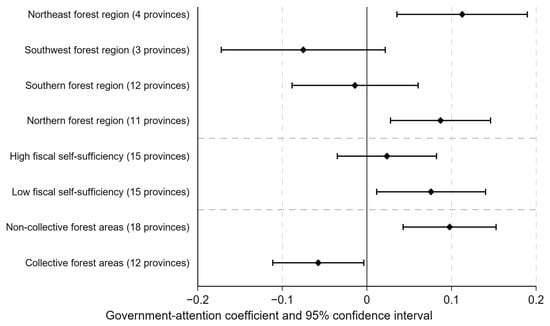
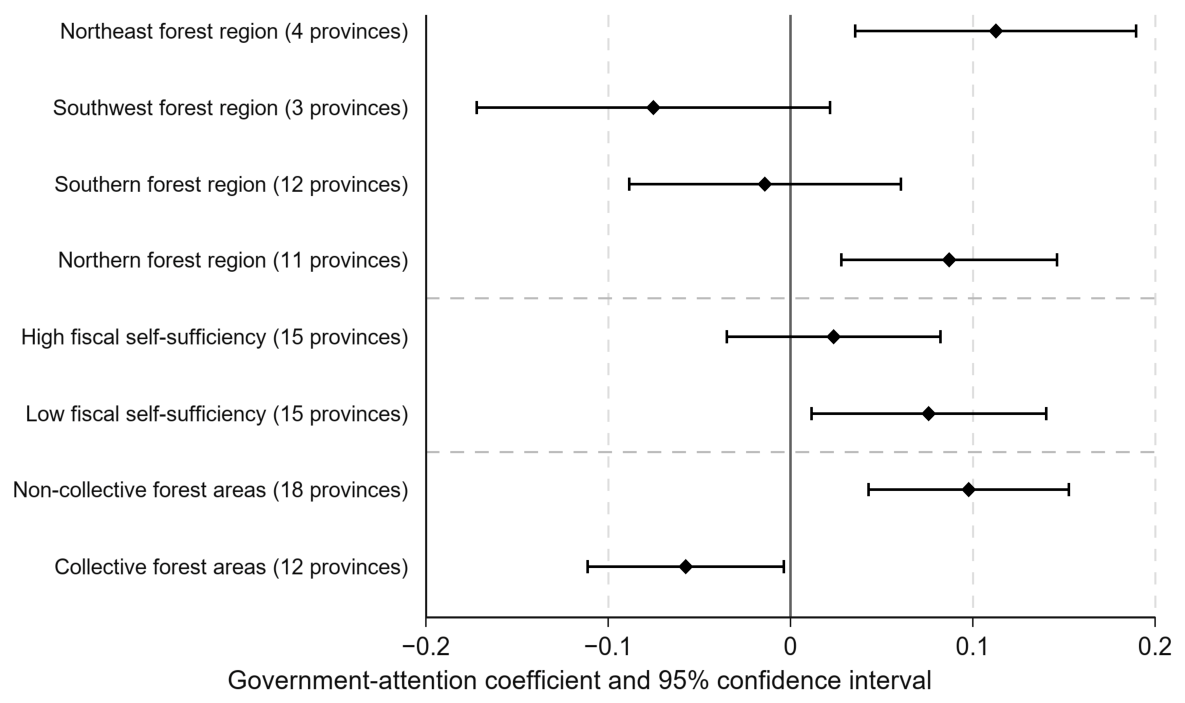

Disclaimer/Publisher’s Note: The statements, opinions and data contained in all publications are solely those of the individual author(s) and contributor(s) and not of MDPI and/or the editor(s). MDPI and/or the editor(s) disclaim responsibility for any injury to people or property resulting from any ideas, methods, instructions or products referred to in the content. |
© 2026 by the authors. Licensee MDPI, Basel, Switzerland. This article is an open access article distributed under the terms and conditions of the Creative Commons Attribution (CC BY) license.