Article

Plant Community Degradation Inquiry and Ecological Restoration Design in South Lake Scenic Area of China


1
College of Landscape Architecture and Arts, Northwest A&F University, Xianyang 712100, China
2
College of Grassland and Agriculture, Northwest A&F University, Xianyang 712100, China
3
Shaanxi Forestry Survey & Planning Institute, Xi’an 710127, China
4
Xi’an Northwest University Research Institute of Urban-Rural Planning and Environment Engineering, Xi’an 710127, China
*
Author to whom correspondence should be addressed.
These authors contributed equally to this work and should be considered co-first authors.
Forests 2023, 14(2), 181; https://doi.org/10.3390/f14020181
Submission received: 1 December 2022 / Revised: 10 January 2023 / Accepted: 13 January 2023 / Published: 18 January 2023

Abstract

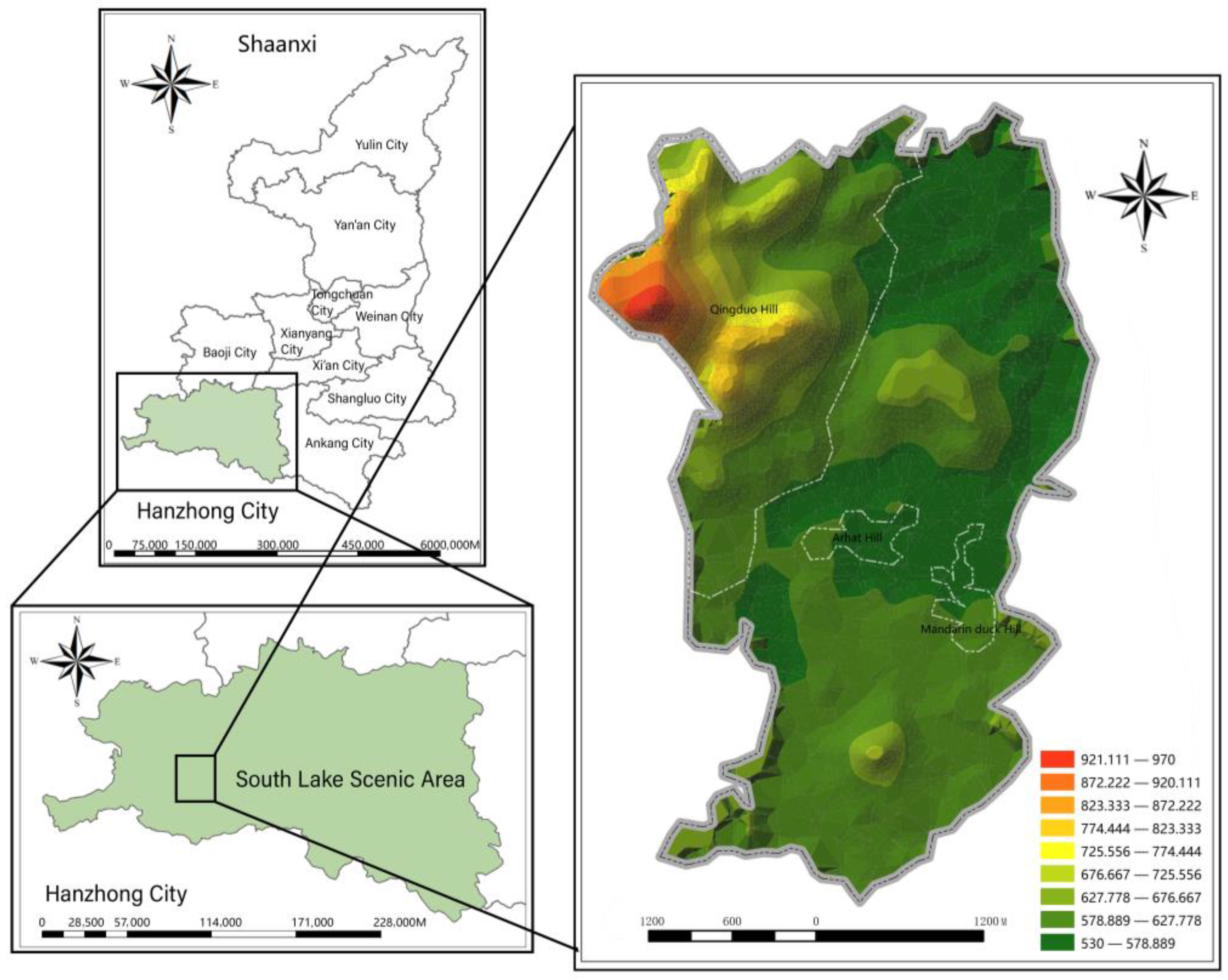
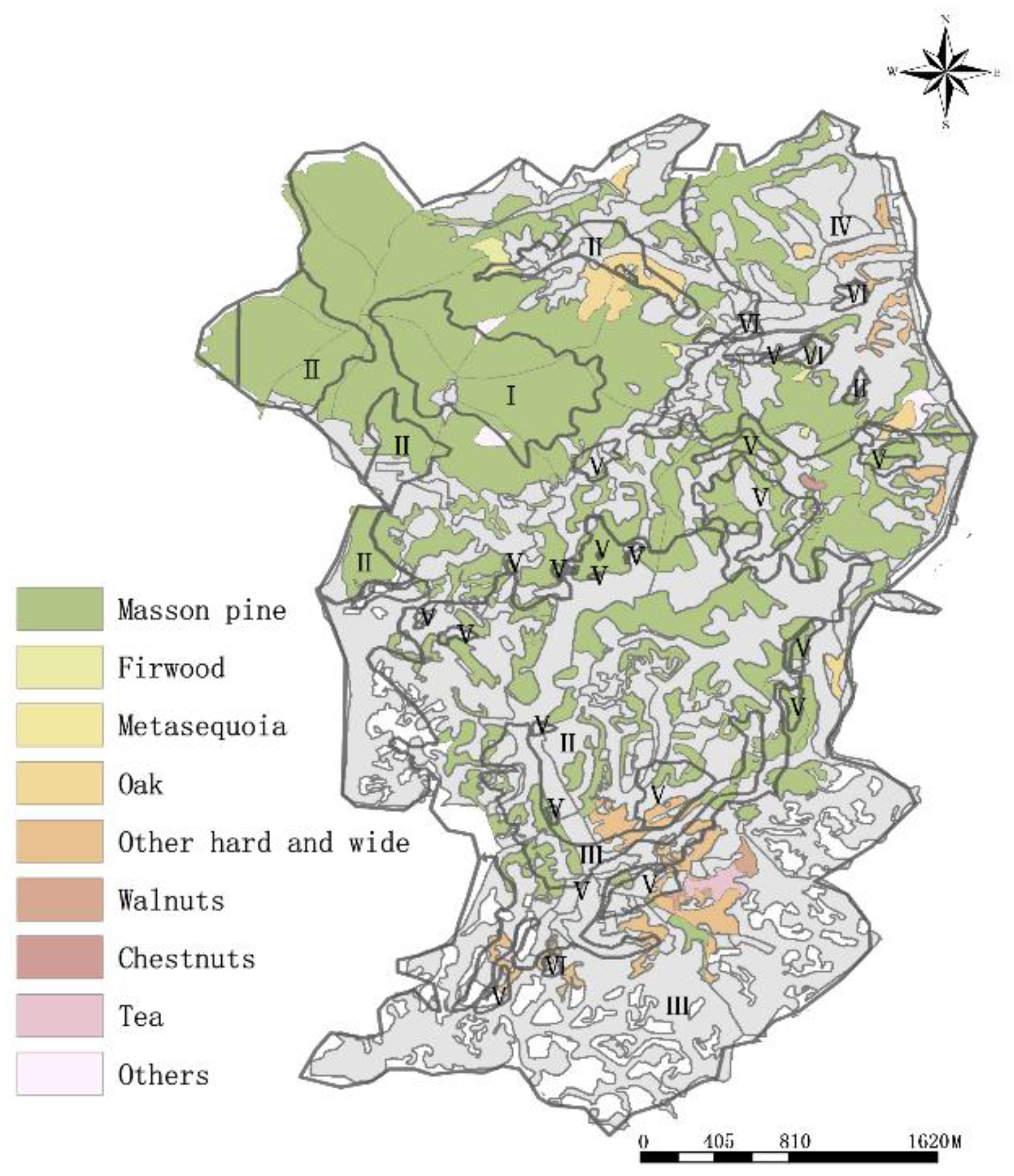
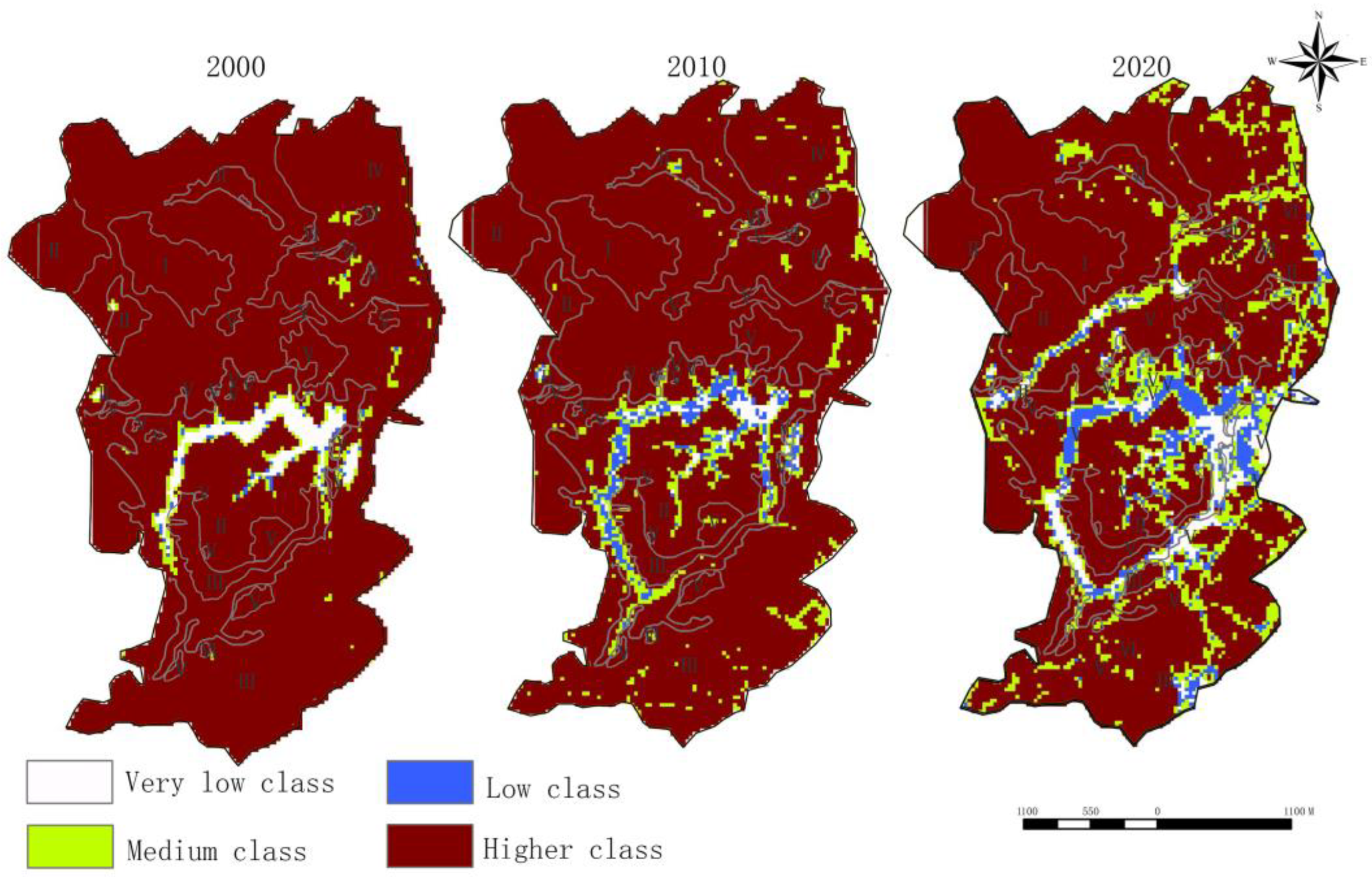
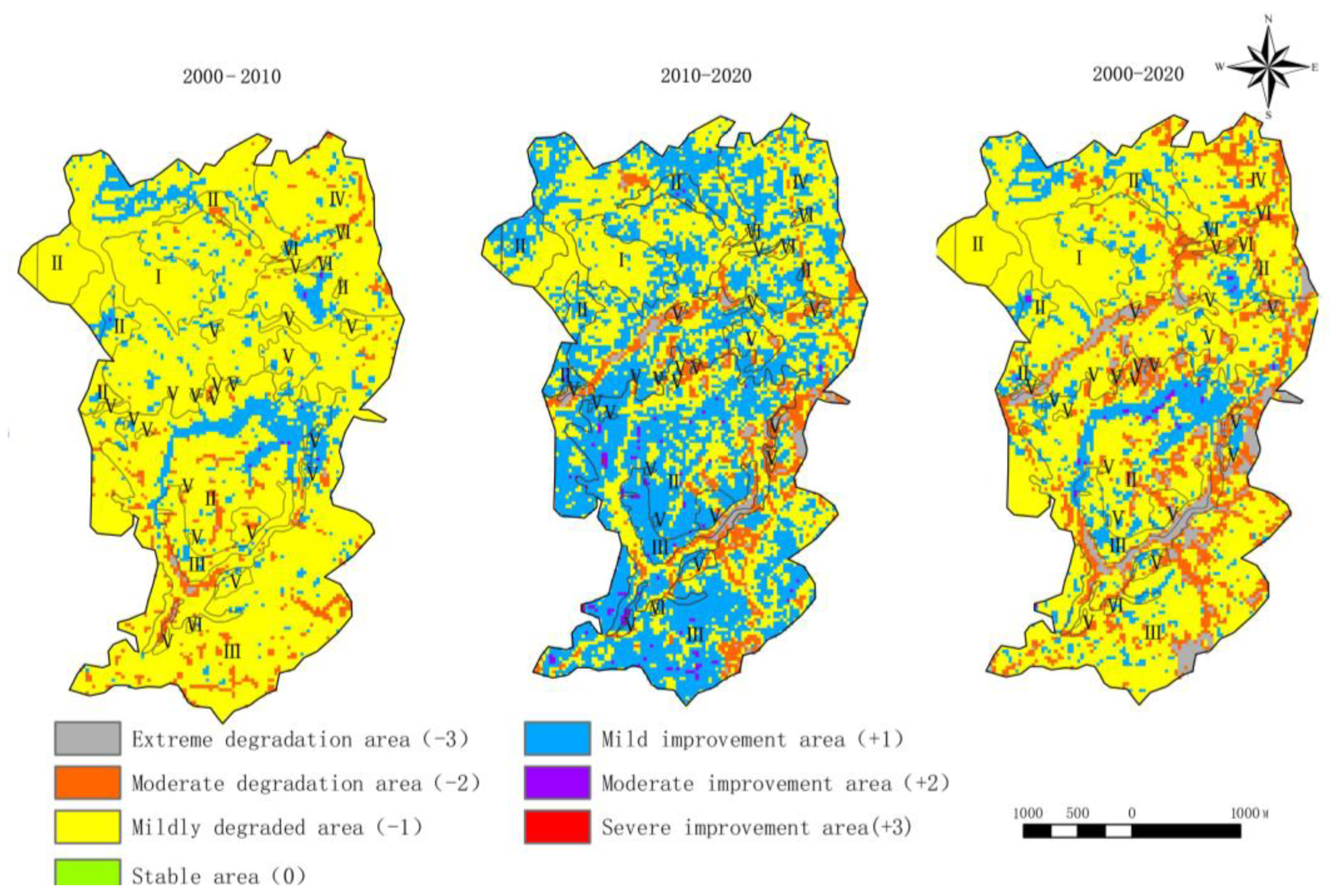
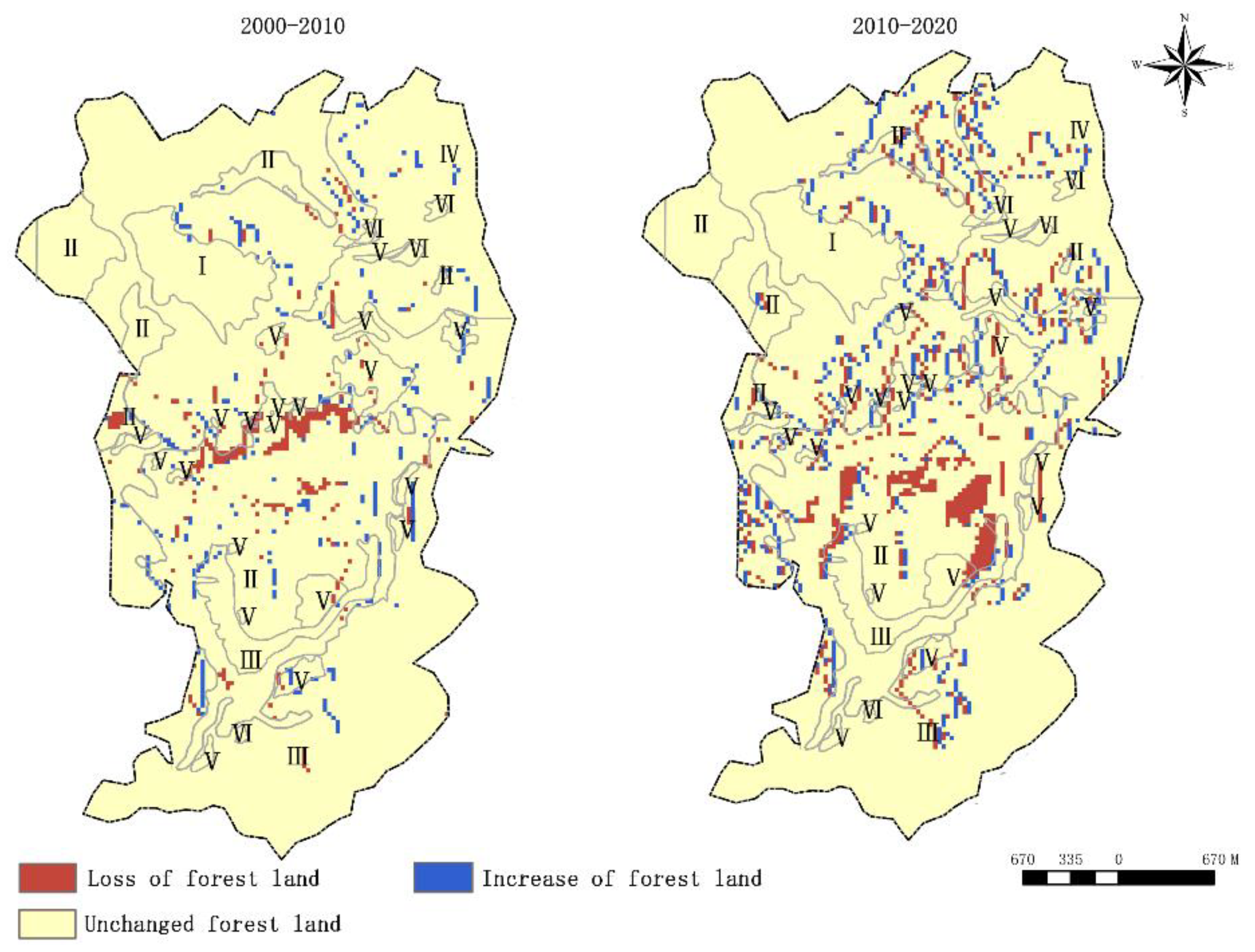
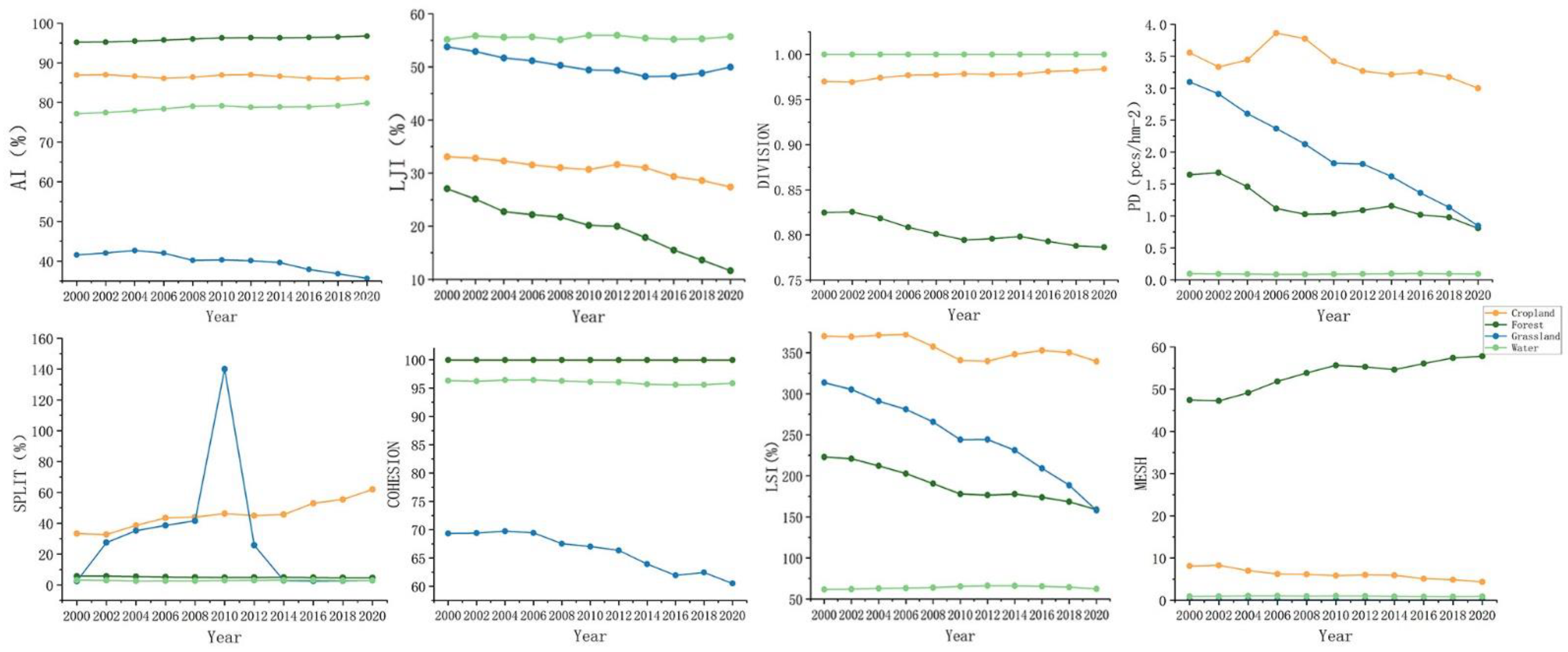
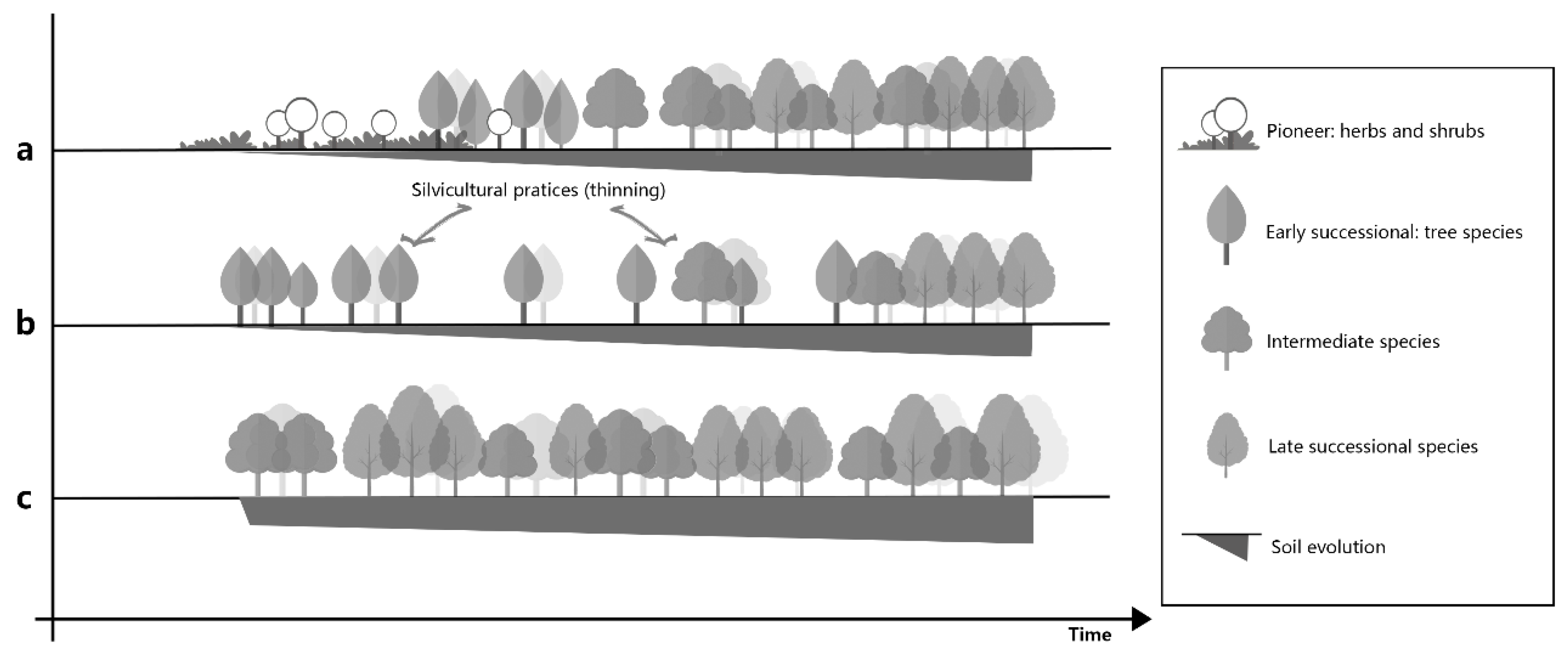
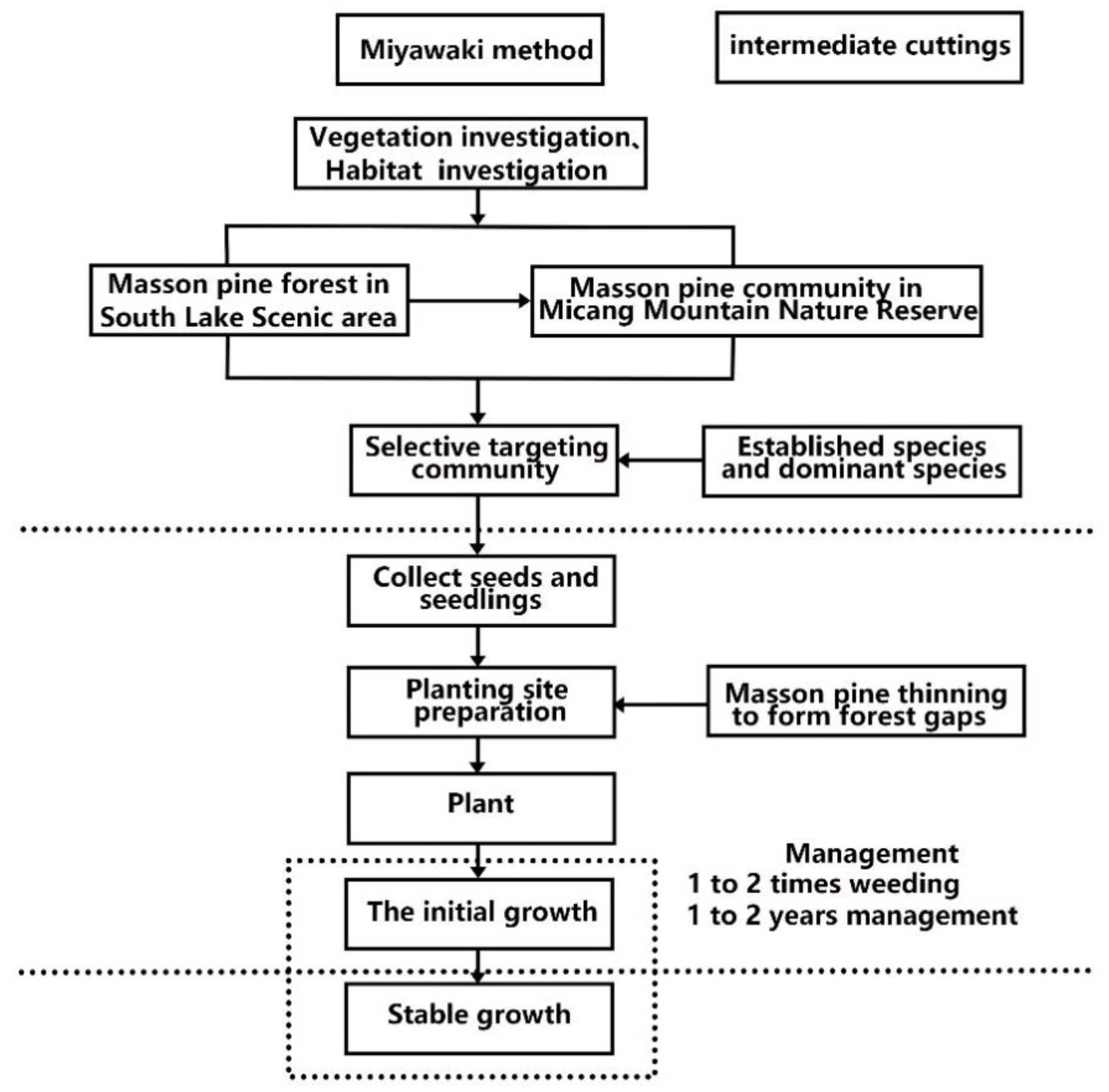
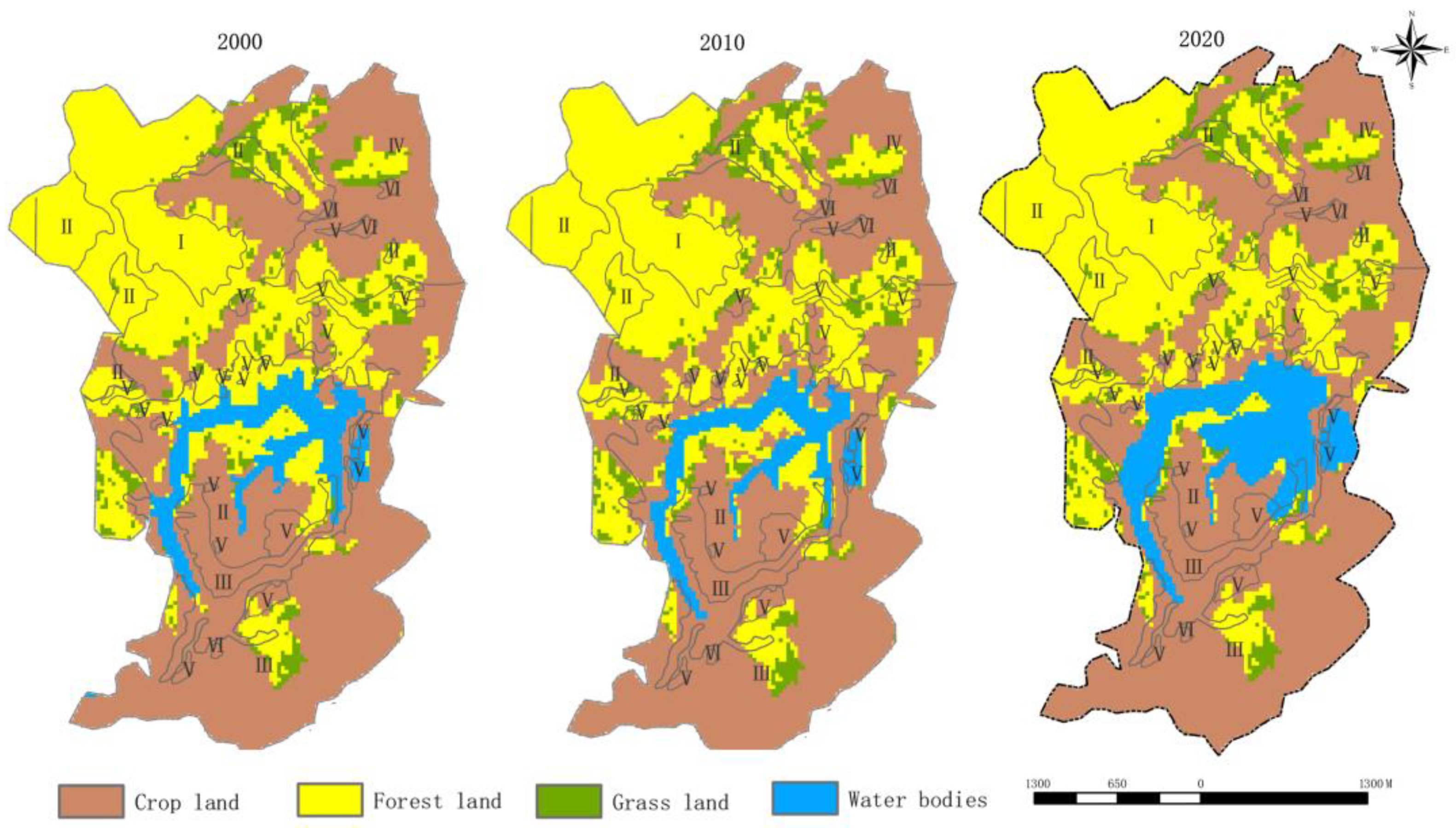
The most visited provincially administered park in Hanzhong City, the South Lake Scenic Area, is degrading the Masson Pine forest communities. Determining and repairing the landscape degradation and impacts on recreational value due to the degraded community structure is essential for restoring the environment of the southern Qinling Mountains. By evaluating the degree, trend, and pattern (DTP) of impacts, we identified the degradation status of the plant community in the South Lake Scenic Area in the past 20 years. We show that the scenic area has experienced an increase in the degradation of vegetation cover in the last 20 years. The area of degraded vegetation cover is significantly larger than the area of improvement, and the overall area is changing, with fewer stable areas. The area of reduced forest cover in the South Lake Scenic Area from 2000–2010 and 2010–2020 has been expanding, and the area of forest land transferred to nonforest land from 2010–2020 has been accelerating compared with 2000–2010; the landscape pattern index has decreased year over year, fragmentation has become serious, landscape connectivity is declining, woodland patches are subject to human disturbance, and patch shapes are simplifying. Based on theories of natural succession and moderate disturbance, the Miyawaki method and interlogging are used to promote plant community renewal and biodiversity restoration. This is intended to shorten the natural succession process in the scenic area and to rapidly restore the ecological foundation of the scenic area. Recovery will meet the aesthetic and ecological values of the South Lake Scenic Area.
Keywords: scenic spots; forest degradation; ecological restoration; Miyawaki method scenic spots; forest degradation; ecological restoration; Miyawaki method