


Abstract
Due to the perishable nature of products, high uncertainty, and conflicting objectives, food supply chain logistics management requires dynamic and adaptive decision-making frameworks. In this study, an integrated decision-making architecture is presented that integrates a multi-objective fuzzy optimization model into an adaptive digital twin along with an agentic AI-based dynamic goal reset mechanism. The main methodological innovation of this study is not in the separate development of each of these components but in their structured integration in the form of a self-regulating decision-making loop in which the priority of goals is dynamically adjusted based on the current state of the system. Computational results based on real and simulated data show that the proposed framework reduces the total logistics cost by about 4–5% and reduces product waste by about 13% while simultaneously improving the service level by about 4%. Resilience analysis shows faster performance recovery in the face of operational disruptions, and scalability results confirm the controlled growth of computational time with increasing problem size. These findings demonstrate the effectiveness of integrating adaptive digital twins and agentic AI in a multi-objective fuzzy optimization environment for intelligent and resilient food logistics management.
1. Introduction
Food supply chains are considered to be among the most complex and challenging logistics systems due to the perishable nature of products, high time sensitivity, strong dependence on environmental conditions, and demand fluctuations. Decision-making in these chains is usually accompanied by conflicting objectives, such as reducing operating costs, minimizing waste, maintaining product quality, and ensuring an appropriate level of service. Meanwhile, structural, operational, and environmental uncertainties have severely limited the effectiveness of classical and static approaches in managing such systems. Therefore, the development of advanced decision-making frameworks that can simultaneously consider multi-objective uncertainty and system dynamics has become one of the main research areas in the field of food logistics [1].
In recent years, multi-objective optimization has been considered as a powerful tool for modeling and solving complex logistics problems. However, many existing models are based on the assumption of parameter determinism or the use of fixed weights for objectives, which reduces the flexibility of decisions in real environments. On the other hand, the nature of data and information in food supply chains is often ambiguous, incomplete, or variable, and the use of fuzzy approaches can provide a more realistic representation of these uncertainties [2]. However, a significant portion of existing studies remains limited to fuzzy models, and their interaction with dynamic and adaptive decision-making mechanisms has not been investigated in depth.
Along with these developments, the concept of digital twin has been proposed as an emerging technology in the management and control of complex systems. Digital twin allows the creation of a digital representation of a physical system that is able to reflect the current state of the system and evaluate different decision-making scenarios before implementation [3]. However, in many existing applications, the digital twin plays only the role of a simulation or monitoring tool and is rarely used as an active component in the decision-making process. This gap is especially important in food supply chains, which require rapid and adaptive responses to changes.
In addition to the digital twin, recent advances in artificial intelligence have led to the emergence of concepts that go beyond traditional decision-support systems. One such concept is agentic AI, which emphasizes the ability of intelligent agents to interpret the state of the system, evaluate the consequences of decisions, and adjust their behavior based on feedback [4]. Unlike approaches based on fixed rules or setting predetermined weights, agentic AI can dynamically change the priority of goals and modify the decision-making path according to the actual conditions of the system. However, the effective integration of this concept with multi-objective optimization models and digital twins has not yet been systematically investigated [5].
A review of the literature shows that existing studies often address these components in isolation, focusing on multi-objective optimization (fuzzy or non-fuzzy) [6], applying digital twins to system monitoring and simulation [7], or using artificial intelligence mechanisms for decision support [8]. However, an integrated framework that can simultaneously cover uncertainty, multi-objectiveness, system dynamics, and agent-based decision-making in food logistics is seriously lacking in the literature. This research gap is particularly important in the field of adaptive and resilient decision-making in the face of disruptions.
In response to this gap, the present study presents an innovative decision-making framework for optimizing food supply chain logistics, in which a fuzzy multi-objective optimization model is integrated with an adaptive digital twin and an agentic AI mechanism. The main innovation of this study is to move beyond static and simulation-based approaches and introduce a dynamic decision-making system that is able to continuously receive the system state, reprioritize objectives, and modify decisions in accordance with environmental changes. The use of triangular fuzzy numbers for modeling uncertainty, simultaneous analysis of stability, resilience, and scalability, and evaluation of the proposed framework with a combination of real and simulated data are other distinctive aspects of this study.
The main methodological innovation of this research is in providing an integrated framework that places the multi-objective fuzzy optimization model within an adaptive digital twin with a dynamic goal reset mechanism based on agentic AI so that the decision-making process is removed from a static state and transformed into an adaptive cycle dependent on the system state.
The structure of the paper is arranged in such a way that after describing the problem and providing an overview of the system, the adaptive digital twin architecture and the agentic AI decision-making mechanism are introduced. Then, the fuzzy multi-objective optimization model and the solution methods used are described, and numerical results, including Pareto front analysis, sensitivity analysis, resilience, and scalability, are presented. Finally, managerial insights and conclusions are discussed, along with limitations and future research directions.
2. Related Work and Research Gaps
Food supply chain logistics has always been one of the most complex areas in operational and strategic decision-making due to features such as product perishability, time constraints, quality requirements, and sensitivity to environmental conditions. This complexity has caused classical models based on single-objective optimization or static decision-making to be unable to effectively respond to the real needs of these chains. Therefore, in recent decades, research attention has been directed towards multi-objective optimization and advanced decision-making approaches [9].
Multi-objective optimization is known as a suitable tool for modeling the conflict between objectives such as cost, quality, waste, and service level. Several studies have shown that the use of multi-objective frameworks allows the extraction of a set of non-dominated solutions that can be the basis for managerial decision-making [10]. However, a significant portion of these studies has accepted the assumption of parameter determinism, which has limited relevance to the operational realities of food supply chains.
In response to this limitation, fuzzy optimization has been introduced as an effective approach to modeling uncertainty and ambiguity in parameters and objectives. The use of fuzzy sets, and, in particular, triangular fuzzy numbers, allows for a more flexible representation of incomplete or subjective information [11]. Several studies have reported the application of fuzzy multi-objective optimization in logistics and production problems, and their results indicate an improvement in the quality of decisions under uncertainty [12]. However, in many of these studies, fuzzification has been used solely as a modeling tool, and its relationship with adaptive decision-making mechanisms has been investigated to a limited extent.
Along with these approaches, metaheuristic algorithms have played an important role in solving complex multi-objective problems. Methods such as evolutionary and population-based algorithms have been able to produce high-quality Pareto fronts at a reasonable computational cost [13]. Despite the efficiency of these algorithms, most studies have considered them as stand-alone solution tools, and their interaction with the dynamic structures of the system has received less attention. This is a major limitation, especially in dynamic logistics problems.
In recent years, the concept of digital twin has been introduced as a new approach to represent and analyze complex systems. By creating a digital version of the physical system, a digital twin allows for monitoring, simulation, and analysis of different scenarios [14]. The application of this concept in industrial, manufacturing, and logistics fields is expanding, and some studies have pointed to its potential in improving operational decision-making [15]. However, in most reported applications, the digital twin has played the role of an analytical or predictive tool rather than being actively integrated into the decision-making loop.
One of the major limitations in the existing literature is that the digital twin is often considered static or with limited updates. This is why real logistics environments, especially in the food industry, require adaptive mechanisms that can modify decisions according to the momentary changes in the system [16]. Few studies have addressed the concept of adaptive digital twins, and these studies mostly lack integrated multi-objective optimization frameworks.
On the other hand, recent advances in the field of artificial intelligence have led to the emergence of approaches that go beyond traditional decision-support systems. The concept of agentic AI emphasizes the ability of intelligent agents to analyze the situation, make decisions, and adjust their behavior based on environmental feedback [17]. This approach enables dynamic and goal-oriented decision-making and has high potential applications, especially in complex and non-static systems. However, the application of agentic AI to logistics optimization problems and its integration with fuzzy models and digital twins is still in its infancy [18].
A review of existing research shows that each of the components of multi-objective optimization, fuzzy modeling, digital twins, and agent-based artificial intelligence has been studied separately [19]. However, a comprehensive framework that can integrate these components into food industry logistics decision-making has not been systematically developed [20]. In particular, the role of agentic AI in dynamic reprioritization of goals in the context of an adaptive digital twin and fuzzy optimization model is a clear gap in the literature [21].
Furthermore, many existing studies have placed limited focus on issues such as resilience, sustainability, and scalability, even though these concepts are crucial for assessing the practical applicability of models in real supply chains [22]. The lack of comprehensive analyses examining both the quality of decisions and the behavior of the system under disruption and scale-up is another important gap in the literature [23].
In many studies related to multi-objective optimization, dynamic adjustment of objective weights is performed through adaptive or rule-based methods. In these approaches, weights are usually updated based on a predefined function or a set of conditional rules [24]. However, these mechanisms often lack an interpretation layer based on the macro-system state, and priority changes are made locally and in a predetermined manner [25]. In contrast, the agentic AI-based approach in this study is designed based on the interpretation of the system state at the digital twin level and the assessment of the systemic consequences of decisions. The readjustment of objectives is not simply based on a fixed rule but on dynamic analysis and feedback [26].
In order to clarify the position of the present study compared to previous studies and to show its structural distinction, the following table presents a systematic comparison between some of the leading studies in the field of food supply chain optimization and the proposed framework. This comparison is based on criteria such as the use of fuzzy models, multi-objectiveness, the use of digital twins, the existence of an adaptive decision-making mechanism, and the use of agent-based artificial intelligence. Table 1 shows the comparison of research based on the literature review.
Table 1.
Comparative analysis of related studies and the proposed framework.
In response to these gaps, the present study attempts to go a step further than existing studies by presenting an integrated framework that combines fuzzy multi-objective optimization with adaptive digital twins and agentic AI. The focus of this study on dynamic, resilient, and scalable decision-making in food industry logistics distinguishes it from previous approaches and paves the way for the development of next-generation decision-support systems.
3. Research Methodology
Multi-stage methodological designs are widely used in complex supply chain optimization studies [27]. This research is based on a multi-stage methodological framework that aims to develop, integrate, and evaluate an adaptive decision-making mechanism for managing food supply chain logistics under conditions of uncertainty and conflicting objectives. The structure of this methodology is designed in such a way that a logical and coherent continuity is established from the conceptualization of the problem to the computational implementation and performance analysis.
In the first step, the structure of the studied logistics network, including suppliers, processing centers, cold stores, distribution centers, and transportation routes, was modeled. In this step, the multi-product nature of the network, capacity constraints, perishability characteristics of food products, and the conflict between economic and quality objectives were identified. Also, the main sources of uncertainty, including demand changes, quality fluctuations, and transportation time sensitivity, were extracted and analyzed. This step provided the conceptual basis for the design of the mathematical model and decision-making architecture.
In the second step, a multi-objective fuzzy optimization model was developed that simultaneously minimizes or maximizes the total logistics cost, waste, and service level within operational and quality constraints. Triangular fuzzy numbers were used to model the uncertainty in key parameters to reflect the ambiguity within the acceptable limits of system performance. This model was designed to be interoperable with external adaptive mechanisms, and the weights of the objectives in it could be dynamically adjusted.
In the third step, an adaptive digital twin architecture was designed. This architecture plays the role of the system observation and monitoring layer and extracts the current state of the network from the perspective of performance indicators at each decision-making period. The digital twin not only represents the current state of the system but also allows for the analysis of possible consequences of decisions. In this way, a feedback loop is created between the real or simulated state of the system and the decision-making layer.
In the fourth step, the agentic AI-based dynamic goal reordering mechanism was integrated into the digital twin framework. This mechanism dynamically adjusts the priority of goals based on the analysis of the deviation of performance indicators from the reference values. Unlike static or fixed rule-based weighting approaches, in this framework, the adjustment of goal weights is the result of a systematic analysis of the state of the entire network. Thus, the decision-making process is transformed from a static structure into a state-dependent adaptive cycle in which the priority of goals is rearranged in response to environmental changes.
In the fifth step, suitable metaheuristic algorithms were implemented to solve the multi-objective optimization model. These algorithms were selected to effectively search the nonlinear and multi-objective solution space. Their performance was validated by comparing them with the results obtained from the exact solution in small-scale scenarios. This step allowed for the evaluation of computational efficiency and the quality of Pareto solutions.
In the final step, the proposed framework was evaluated from the perspective of stability and practical applicability. Sensitivity analysis was performed to examine the behavior of the model against changes in key parameters. Resilience analysis was also performed to measure the speed of system recovery in the face of logistical disturbances. In addition, scalability experiments were performed to evaluate the growth of computational time and the preservation of the quality of responses in larger problem dimensions to examine the scalability of the framework in wider operational environments.
This multi-stage methodological structure provides coherence between conceptual design, mathematical modeling, adaptive integration, algorithmic implementation, and experimental evaluation.
4. Problem Description and System Overview
The logistics of the food supply chain is known for its dynamic and time-sensitive structure, rooted in the inherent perishability of products, the dependence of quality on temperature and time, demand fluctuations, and the cumulative effects of decisions along the network. Logistics decisions in such a system must inevitably balance conflicting goals such as cost minimization, waste reduction, and service level maintenance, while many of the parameters affecting these decisions are associated with uncertainty and ambiguity. Relying solely on deterministic and static models limits the ability to represent these dynamics and the inter-period consequences of decisions and often leads to solutions that are not sufficiently sustainable in practice.
The network under study consists of several interconnected layers that start with raw material suppliers and end with processing centers, cold storage, transportation fleets, distribution centers, and retail outlets. At each of these layers, decisions such as shipment quantity, shipment scheduling, allocation of logistics resources, and inventory policies are made. These decisions simultaneously affect operating costs, product quality, waste rates, and service levels. The inherent conflict between these objectives means that improving one measure often leads to a deterioration in another. Furthermore, factors such as quality degradation rates, delay severity, or demand behavior are often expressed in verbal or conceptual terms, and it is difficult to determine precise values for them.
In such a situation, the food industry logistics problem can be defined as a multi-objective decision-making problem under uncertainty and ambiguity, which requires an integrated model to simultaneously represent the physical structure of the network and the dynamics of decision-making. The basic assumption is that the logistics situation changes over time and that decisions made at any point in time have effects beyond that point in time. Therefore, the evaluation of decisions should be done in such a way that their consequences on the future performance of the network are also reflected.
Figure 1 shows the multi-level structure of the food industry logistics network, including supply, storage, and distribution nodes and the main flows of goods between these nodes. In addition to the physical structure, the main sources of uncertainty that affect the performance of the network are also identified. These uncertainties include demand fluctuations, variability of transport time, cold chain temperature conditions, and product spoilage rates, which can cause the actual performance of the system to deviate from the initial planning. The simultaneous display of the network structure and these layers of uncertainty shows that logistics decisions are highly dependent on variable environmental conditions and cannot be analyzed independently or statically.
Figure 1.
Conceptual view of the food industry logistics network and layers of uncertainty.
This general description of the problem reveals the necessity of using a framework that is able to realistically represent the ambiguity in the parameters and enable the simultaneous evaluation of multiple performance measures.
The proposed multi-objective fuzzy model in this study is based on a set of structural and operational assumptions that define the decision-making framework and, while maintaining realism, allow for mathematical modeling and computational solutions. The most important assumptions of the model are as follows:
- The logistics network structure, including suppliers, processing centers, cold stores, distribution centers, and transportation routes, is predetermined and considered fixed during the planning horizon.
- The planning horizon is divided into discrete time periods.
- Several types of food products are modeled simultaneously, and the flow of each product is tracked independently.
- The demand values are known for each time period, but the performance of the objectives can be evaluated under fuzzy uncertainty.
- The deterioration of food product quality is a function of transportation time and logistics conditions and follows a specific relationship in each time period.
- The constraints on supply, processing, storage, and transportation capacity are strictly enforced and cannot be violated.
- Vehicle allocation is modeled as a binary variable, and shipments are only allowed if a vehicle is allocated.
- Demand shortfalls are allowed but are penalized in the objective function.
- Uncertainties in indicators such as acceptable cost, acceptable waste level, and desired delivery quality are modeled using triangular fuzzy numbers.
- The adaptive digital twin provides an up-to-date state of the system at each decision-making period but does not change the physical structure of the network.
These assumptions provide the basis for integrating the multi-objective fuzzy optimization model with the adaptive digital twin architecture and the agentic AI-based decision-making mechanism.
5. Self-Deciding Adaptive Digital Twin Architecture
The adaptive self-decision-making digital twin architecture is based on the idea that the digital twin should not act merely as a passive simulation or monitoring tool but should become an active core for dynamic decision-making in the logistics system. In food industry logistics, continuous changes in operating conditions, product quality, and demand status require a framework that can simultaneously reflect the physical state of the system and adjust the decision-making logic accordingly. The proposed architecture is designed to achieve such a capability and relies on a continuous interaction between the physical, digital, and cognitive layers.
In this architecture, the physical layer includes all the real components of the food logistics network, including goods flows, cold storage infrastructure, transportation fleets, and distribution points. This layer is the main source of operational data, and through it, real changes in the system, such as temperature fluctuations, shipping delays, or inventory changes, occur. The digital twin acts as a dynamic and synchronized representation of this layer, continuously updating the state of the system. This representation does not simply reflect the data but also provides a platform for analyzing the consequences of decisions and evaluating alternative scenarios.
The autonomous decision-making layer, designed based on agent-based artificial intelligence, plays a central role in this architecture. In this layer, goal-oriented agents, with access to the updated state of the digital twin, interpret the system conditions and simultaneously evaluate conflicting goals. These agents are able to rearrange decision-making priorities according to current conditions and dynamically propose operational policies. The distinctive feature of this mechanism is that decision-making is not made statically or predetermined but is the result of an adaptive process in which goals, constraints, and environmental conditions are continuously reviewed.
Figure 2 shows the overall architecture of an adaptive digital twin, focusing on the interaction between the physical layer, the digital twin, and the autonomous decision-making layer. In this figure, the two-way flow of information between the physical system and the digital twin is specified, such that operational data is transferred from the physical layer to the digital twin, and analytics and predictions are fed back to the real system as feedback. In addition, the adaptive loop between the digital twin and the decision-making layer plays a key role in the system’s self-decision-making. This loop allows the proposed decisions to be evaluated before implementation and modified if conditions change.
Figure 2.
Conceptual architecture of a self-decision-making adaptive digital twin in food logistics.
The demonstration of this architecture shows that the digital twin in the proposed framework plays a role beyond a simulation model and becomes a decision-making entity that is able to predict the future behavior of the system and adjust logistics policies adaptively.
The proposed digital twin in this research is designed as an adaptive and state-aware decision-support layer and is not simply a static simulation model. Although the current implementation is carried out within a simulation-based evaluation environment, its architecture is explicitly designed to synchronize with real-time data. The digital twin continuously updates the system state vector , which includes operational performance indicators such as cost, waste level, and service level. This update can be obtained from the simulated data stream in research scenarios and from operational databases or enterprise information systems in practical applications.
Unlike conventional rolling-horizon simulation-optimization frameworks, in which the model is periodically re-solved with updated parameters, the proposed digital twin creates a structured interpretation layer between observing the system state and reprioritizing the objectives. In this framework, the twin does not simply update the parameters but rather assesses system deviations at the network-wide level and activates the adaptive weighting of the objectives through the agentic AI mechanism. Thus, a feedback-based decision-making cycle is formed that goes beyond a sequential re-optimization process.
From the perspective of the level of autonomy, the proposed digital twin operates at the level of a semi-autonomous decision-support system. It independently monitors the system state and dynamically adjusts the priorities of the objectives; however, the final execution of the selected policies is performed within the framework of the optimization engine. Therefore, this architecture has the characteristics of a decision-oriented digital twin, as it maintains a synchronized representation of the system, performs data-driven state interpretation, and actively influences decision-making outcomes in a closed adaptive loop.
6. Agentic AI Decision Mechanism
The decision-making mechanism based on agent-based artificial intelligence in this research assumes that decision-making in food industry logistics cannot be limited to a set of predefined rules or simple interactions between agents. The complexity arising from conflicting goals, perceptual uncertainties, and the dynamics of operational conditions requires a type of intelligence that is able to interpret the meaning and consequences of decisions in the overall context of the system. From this perspective, agentic AI is proposed as a cognitive decision-making framework in which agents are not simply executors or simulators of behavior but actively participate in the process of defining, redefining, and prioritizing goals [28].
In the proposed framework, each decision-making agent has an independent understanding of the system state, performance goals, and environmental constraints, but the final decision is not the result of a simple interaction of these agents with each other. Unlike classical agent-based simulations, where the behavior of the system is shaped by the accumulation of local reactions of agents, here agents have access to high-level decision logic and can evaluate the systemic consequences of their decisions. These agents not only react to the current situation but are also able to dynamically negotiate goals and readjust their relative importance to changing conditions.
Decision-making in this mechanism is based on a goal-oriented and context-sensitive process. Instead of goals such as cost minimization, waste reduction, or quality maintenance being fixed and pre-weighted, agents consider these goals as flexible concepts whose intensity and priority depend on the state of the system [29]. For example, in conditions where the risk of product spoilage increases, the decision-making logic changes in such a way that quality maintenance and waste reduction prevail over cost considerations. This priority change is not achieved through hard-coded rules but through agent-based reasoning and interpretation of the overall system state.
Figure 3 shows the decision-making logic of agentic AI in interaction with an adaptive digital twin, highlighting its fundamental differences from conventional agent-based simulation approaches. In this figure, agents are represented not as independent entities with local behaviors, but as goal-oriented decision-makers that have access to a layer of goal interpretation and negotiation. This layer allows conflicting goals to be evaluated simultaneously and to be reconciled based on the current system conditions. The information flows shown in the figure indicate that decisions are analyzed in the digital twin context before being executed and are only transferred to the execution phase after assessing the systemic consequences.
Figure 3.
Agentic AI decision-making mechanism and its differences from classic agent-based simulation.
Demonstrating this mechanism makes it clear that agentic AI in this framework is not simply a tool for imitating the behavior of agents but rather acts as a cognitive decision-making logic that is able to establish links between goals, conditions, and consequences [30].
In order to increase the transparency and scientific reproducibility of the decision-making mechanism based on agentic AI, the process of dynamic goal resetting is formally and computably defined. Suppose that the set of goals is defined as and the weight of each goal in the time period t is equal to . The state of the system extracted by the digital twin is represented by the vector , which includes key performance indicators such as cost, service level, and scrap rate.
In the proposed mechanism, agentic AI first calculates the deviation of each performance indicator from the desired reference level through an interpretive function, which is represented as . This value represents the intensity of the system’s current performance distance from the target state for each target function. Then, the weights of the targets in the next period are updated based on the implicit relationship , where α is the parameter for adjusting the intensity of adaptation and controlling the sensitivity of the system to changes in the state. After this update, the weights are normalized such that the condition holds, and the balance between the objectives is maintained.
The key point in this mechanism is that the value of is not simply calculated based on a fixed conditional rule or predetermined threshold but is the result of a system analysis in the digital twin environment that evaluates the network consequences of decisions at the level of the entire logistics chain. Thus, the resetting of goals is based on a dynamic interpretation of the macro-system state and not a simple adaptive weighting system.
In order to clarify the implementation process, the decision-making steps of agentic AI are summarized in the form of Algorithm 1.
| Algorithm 1: Agentic AI Dynamic Reprioritization Procedure |
| Initialize objective weights For each decision epoch t: Extract system state St from the digital twin For each objective i: Compute deviation Δi(St) Update weight Normalize weights Solve fuzzy multi-objective model with updated weights Select and implement the preferred Pareto solution End |
This algorithm shows that agentic AI not only dynamically adjusts the weights of the objectives but also carries out this adjustment within the framework of a feedback loop between the digital twin and the optimization model. Therefore, the main difference of this mechanism from rules-based systems or classic adaptive weighting is the presence of a system interpretation layer and its direct dependence on the current state of the entire logistics network.
7. Fuzzy Multi-Objective Optimization Model
Decision-making in food industry logistics is multi-objective, dynamic, and fraught with perceptual uncertainty. Objectives such as minimizing logistics costs, reducing spoilage, and maintaining service levels and product quality are inherently in conflict with each other, and their precise assessment is often ambiguous [31]. Many key variables, such as quality degradation rates, customer satisfaction levels, or spoilage risk, are expressed in terms of linguistic judgments and acceptable limits rather than as definite values. Therefore, the use of a fuzzy multi-objective optimization framework allows for a more realistic representation of decision-makers’ preferences and operational conditions.
In this study, the food industry logistics model is formulated as a fuzzy multi-objective optimization problem in which conflicting objectives are considered simultaneously and under a comprehensive set of operational, capacity, time, and quality constraints. The output of this model is a set of consistent solutions that form the basis for adaptive decision-making in the agentic AI layer and the adaptive digital twin.
| Sets: | |
| set of suppliers | |
| set of processing centers | |
| set of cold storage facilities | |
| set of distribution/retail centers | |
| set of time periods | |
| set of transportation vehicles | |
| set of food products | |
| Parameters: | |
| transportation cost of product from to | |
| transportation costs at other stages | |
| holding cost of product at storage | |
| demand for product at in period | |
| supply capacity of supplier | |
| processing and storage capacities | |
| quality degradation rate of product | |
| transportation times between nodes | |
| minimum acceptable quality threshold for product | |
| M | sufficiently large constant |
| Decision Variables: | |
| quantity of product shipped from to in period | |
| shipment quantities at other stages | |
| inventory level of product at storage in period | |
| binary variable indicating vehicle usage in period | |
| unmet demand (shortage) of product at | |
| effective quality level of product in period | |
Fuzzy Multi-Objective Functions:
S.t:
Objective function (1) represents the minimization of the total logistics cost in the food industry supply chain network. This function simultaneously considers all costs associated with transportation at different levels of the network, from procurement to distribution, as well as the costs of maintaining inventory in cold storage, and attempts to create an economic structure for the flow of goods. Objective function (2) is dedicated to minimizing waste and quality loss of food products. This function considers the effect of transportation and handling times on the reduction in product quality and represents the system’s effort to reduce the consequences of spoilage along logistics routes. Objective function (3) pursues the maximization of the level of service and quality of delivery to customers. In this function, the level of satisfied demand is evaluated by considering the level of product quality in order to prefer solutions that, in addition to meeting demand, also maintain acceptable product quality. Constraint (4) enforces the capacity of the supply centers and ensures that the quantity of each product shipped from each supplier does not exceed its permitted capacity. Constraint (5) balances the flow in the processing centers and states that the quantity of each product entering these centers must equal the quantity leaving them. Constraint (6) controls the inventory balance in the cold stores and specifies the relationship between the beginning inventory, the inputs, the outputs, and the ending inventory. Constraint (7) ensures that the demand of each distribution or retail center is either met by shipping the goods or recorded as a shortage. Constraint (8) enforces the storage capacity ceiling of the cold stores and prevents the accumulation of excessive goods. Constraint (9) ensures that the inventory level is non-negative to prevent unrealistic quantities. Constraint (10) establishes the relationship between transportation volume and vehicle allocation, stating that the shipment of goods is possible only if a vehicle is allocated. Constraint (11) limits the number of vehicles available in each time period and reflects the operational constraints of the transportation fleet. Constraint (12) ensures that the transportation variables at the supply-to-processing level are non-negative. Constraint (13) enforces that the transportation variables at the processing-to-warehouse level are non-negative. Constraint (14) enforces that the transportation variables from the warehouse to the distribution level are non-negative. Constraint (15) specifies the relationship between transportation time and product quality degradation and makes the effective quality level of each product dependent on its logistical conditions. Constraint (16) enforces the minimum acceptable product quality threshold to prevent the delivery of products with unsatisfactory quality. Constraint (17) ensures that the demand shortfall is non-negative. Constraint (18) sets the ceiling of unmet demand equal to the actual demand and prevents overestimation of shortages. Constraint (19) imposes an upper bound on inventories, which serves as a computational and operational stability of the model. Constraint (20) specifies the upper bound on product quality and prevents unrealistic values. Constraint (21) imposes time constraints on transportation at the supply level to processing and ensures that the transfer time does not exceed the planning horizon. Constraint (22) controls time constraints on transportation at the processing level to the warehouse. Constraint (23) imposes time constraints on transportation at the warehouse level to the distribution centers. Constraint (24) specifies the binary nature of the vehicle allocation variable and formalizes the decision to use or not to use each vehicle. Constraint (25) fixes the initial inventory value at the beginning of the planning horizon and ensures the temporal continuity of the model. Constraint (26) imposes a general upper bound on the shipments from supply to processing to avoid unrealistic values. Constraint (27) imposes a similar upper bound on the shipments from processing to the warehouse. Finally, constraint (28) imposes an upper bound on the shipments from the warehouse to distribution centers and completes the numerical and operational stability of the model.
Uncertainty in food industry logistics decision-making is not simply due to random fluctuations; in many cases, it arises from the perceptual ambiguity and linguistic preferences of decision-makers. Indicators such as acceptable cost, permissible amount of waste, and desired level of delivery quality are often defined as approximate limits rather than definitive values. In order to represent this type of uncertainty, a fuzzy approach based on triangular fuzzy numbers is used in this research.
In this study, uncertainty in selected key parameters is modeled using triangular fuzzy numbers. A triangular fuzzy number is defined as , where , and represent the lower bound, the most plausible value, and the upper bound of the parameter, respectively. The membership function of this fuzzy number is defined as a piecewise function such that the degree of membership for a value is equal to zero for values less than or greater than . Within the interval , the membership function increases linearly, and within the interval , it decreases linearly. Formally, the membership degree is expressed as follows: for , the membership value is given by , and for , it is given by .
After formulating the model in the fuzzy domain, the fuzzy parameters are converted into crisp values to enable numerical solution. In this study, the expected value method is employed for defuzzification, in which the crisp equivalent of a triangular fuzzy number is calculated as . This approach is selected because it assigns greater weight to the most plausible value while maintaining balance between the lower and upper bounds. The use of this method preserves uncertainty-related information in the decision-making process while allowing the model to remain computationally tractable within metaheuristic solution frameworks.
Triangular fuzzy numbers are chosen due to their computational simplicity, managerial interpretability, and compatibility with multi-objective optimization models. Although more complex fuzzy structures can also be used, the aim of this research is to focus on integrating the adaptive decision-making mechanism, and hence, a conventional and interpretable fuzzy structure is chosen.
8. Computational Solution and Implementation Methods
The multi-objective, fuzzy, and nonlinear nature of the presented model, along with the dimensions of the logistic network and time dependencies, makes it computationally very expensive or impractical to solve exactly with classical optimization methods for real-scale problems. Therefore, metaheuristic approaches are used in this study as efficient approximate solution tools. In order to simultaneously cover the aspects of global search and extract a set of non-dominated solutions, two algorithms—gray wolf and SPEA2—are used. In addition, to validate the results and assess the quality of the solutions, the exact version of the model is solved for small and medium samples in the GAMS environment, and its results are used as a basis for comparison.
The gray wolf algorithm is selected due to its simple structure, high global search power, and good convergence capability in complex problems. Inspired by the social behavior and hunting hierarchy of wolves, this algorithm explores the solution space by updating the positions of solutions relative to the best members of the population. In this study, a multi-objective version of the gray wolf algorithm is used to generate a set of compatible solutions, and fuzzy objective functions are simultaneously included in the solution evaluation process. The position updating mechanism is designed to maintain a balance between exploration and exploitation during iterations [32].
In addition, the SPEA2 algorithm is used as one of the well-known and reliable evolutionary algorithms in the field of multi-objective optimization. By utilizing an external archive, the concept of Pareto dominance, and the density criterion, this algorithm is able to produce a diverse and high-quality set of non-dominated solutions. The use of SPEA2 in this study allows for comparison of results with a reference algorithm and the validation of multi-objective analyses. In both algorithms, fuzzy criteria derived from membership functions are considered as the basis for evaluating the merit of solutions [33].
The interaction of the adaptive digital twin with the solution algorithms plays an important role in this framework. The digital twin acts as an interface layer between the mathematical model and the metaheuristic algorithms and provides the algorithm with the up-to-date state of the logistics system, including flows, inventories, and quality indicators. The output of the solution algorithms, including a set of proposed logistics policies, is evaluated in the digital twin environment, and their consequences are analyzed before being applied to the real system. This two-way interaction makes the solution process not just a static optimization but also adaptive and in sync with system changes [34]. In other words, the digital twin guides the search path of the algorithms by providing continuous feedback and improving the quality of the final decisions [35].
The parameters of the gray wolf and SPEA2 algorithms are adjusted based on previous studies and initial experiments to achieve a good balance between the quality of the solutions and the computational time. The final values of the parameters used in this study are presented in Table 2.
Table 2.
Parameter settings of the algorithms used in the study.
The implementation of metaheuristic algorithms and the digital twin framework is done in the Python environment. All calculations are done using Python version 3.10, and the standard libraries of this language are used for numerical processing and data management. The exact optimization model is implemented in the GAMS version 38 environment for validation of the results and run with the appropriate solver. The computational experiments are performed on a computer system with an Intel Core i7 processor, a 3.2 GHz frequency, 32 GB RAM, and the Windows 11 operating system. In order to reduce the inherent random effects of metaheuristic algorithms, each test scenario for each algorithm is run independently 30 times, and the reported results are based on the mean values and analysis of dispersion of the solutions. This approach allows for a fair assessment of the performance of the algorithms and prevents any ambiguity in reproducing the results.
9. Analysis of Results and Discussion
The performance analysis of the model and the solution algorithms presented in this study is based on a combination of real and simulated data. The simultaneous use of these two types of data aims to increase the validity of the results, examine the stability of the model under different conditions, and evaluate the behavior of the proposed framework in the face of different levels of uncertainty. This approach allows the performance of the model to be examined not only in close-to-real conditions but also in controlled and generalizable scenarios.
The real data used in this study are extracted from an active supply chain in the food industry, which includes operational information related to transportation, cold storage, demand, and product quality over consecutive time periods. These data include transportation costs between different levels of the network, the capacity of supply, processing, and storage centers, actual transportation times, and demand patterns recorded in distribution centers. In addition, indicators related to product quality and its rate of decline over time, extracted from quality control records and operational data, are used as the basis for calibrating the model parameters.
In order to maintain confidentiality, the real data are normalized and scaled before being used in the model, but the relative relationships between parameters, network structure, and time patterns are kept unchanged. This ensures that the results still reflect the real behavior of the system, without revealing sensitive information. The real data are mainly used to evaluate the performance of the proposed framework under real operating conditions and to compare the results of metaheuristic algorithms with the exact solution of the model at limited scales.
In addition to the real data, a set of simulated data is generated to perform more extensive analyses and examine the behavior of the model in various scenarios. The simulated data are designed to control the level of uncertainty, change the network scale, and create critical conditions that may be observed in real data in a limited or sparse manner. In the simulation process, the structure of the logistics network is maintained, but the values of parameters such as demand, transport time, and quality deterioration rate are generated based on predefined distributions consistent with the logic of the food industry.
The use of simulated data allows for the stability of the proposed algorithms and decision-making framework under extreme conditions, such as sudden increases in demand or increased product spoilage. These data also play an important role in assessing the generalizability of the results and analyzing the sensitivity of the model to changes in key parameters.
For a comprehensive analysis of the results, a set of scenarios is defined based on a combination of real and simulated data. These scenarios are designed to cover different levels of complexity and uncertainty. In some scenarios, the focus is on stable operating conditions with limited fluctuations in demand and delivery times, while in other scenarios, more unstable conditions with large demand fluctuations, delivery delays, and increased quality degradation rates are investigated.
In addition, scenarios with different network scales are considered to compare the performance of the algorithms on small, medium, and large networks. These scenarios allow for the assessment of the impact of problem size on the quality of solutions and computational time. In all scenarios, the model structure, objective functions, and constraints are kept constant, and only the input parameters and environmental conditions are changed to allow for a fair and meaningful comparison of the results.
In this study, a systematic framework for data design and experimental execution is developed to ensure methodological consistency between real-world operational data and the developed analytical scenarios. The experimental data set consists of operational information extracted from a food logistics network, including demand patterns, transportation times, processing capacities, storage constraints, and cost structures. The experimental data set serves as the baseline configuration of the optimization model and defines the operational reference state of the system in the digital twin environment.
In order to evaluate the system behavior under the developed conditions, such as network scaling, disturbances, or structural changes in parameters, a set of analytical data sets is generated. These data sets are not randomly generated independently but are designed based on gradual scaling and controlled perturbation of the experimental parameters. In this process, the structural relationships between demand, capacity, transit time, and costs are maintained so that the generated scenarios remain logically and operationally consistent with the real environment. In other words, the extended analytical data is the same as the original empirical structure and not a separate and unrelated set.
Therefore, the distinction between real data and generated data is a functional rather than a conceptual one. The empirical data provide the basis for evaluating the performance of the framework under real operational conditions, while the analytical data allow for examining the resilience, adaptability, and scalability of the model under controlled conditions. This dual approach makes the numerical evaluation of the proposed framework comprehensive and reliable from the perspective of both operational realism and structural analysis.
In order to evaluate the validity of the mathematical model and the proposed decision-making framework, the results of the metaheuristic algorithms are compared with the exact solutions obtained from solving the model in the GAMS environment. This validation is carried out with a focus on small- and medium-sized samples, whose exact solution is computationally feasible and can be used as a reliable reference for measuring the quality of the solutions. The purpose of this comparison is to examine the degree of deviation of the approximate solutions from the optimal solutions and to ensure the compatibility of the model behavior with the real decision-making logic in the food industry logistics.
In this step, key performance indicators, including total logistics cost, product waste rate and achieved service level, are extracted for the selected scenarios, and the average results of the gray wolf and SPEA2 algorithms are compared with the optimal values obtained from GAMS. Table 3 provides a summary of this comparison.
Table 3.
Validation of the proposed model using exact solutions obtained from GAMS.
The results presented in Table 2 show that both metaheuristic algorithms are able to produce solutions very close to the optimal solutions. The observed relative differences in cost and waste in all scenarios are limited and within an acceptable range, while the achieved service level does not show a significant deviation from the optimal value. These results indicate that the proposed model, even in the form of an approximate solution, exhibits a behavior consistent with the exact solution, and its decision-making structure is not biased or unstable.
Furthermore, it is observed that the performance difference between the gray wolf and SPEA2 algorithms is at a limited level, indicating the stability of the decision-making framework independent of the solution tool. This is important from the perspective of model validity, as it shows that the improvements observed in the later stages of the analysis are attributed to the conceptual framework, the adaptive digital twin, and the agent-based decision-making mechanism, and not simply to the characteristics of a specific algorithm.
Due to the multi-objective nature of the proposed model, it is not possible to evaluate the quality of decisions based solely on a single criterion and requires examining the simultaneous behavior of conflicting objectives in the form of Pareto fronts. In this study, Pareto fronts resulting from the implementation of the gray wolf and SPEA2 algorithms for selected scenarios are extracted to analyze the conflict structure between key objectives and the quality of the proposed decisions. The main focus of this analysis is on the dispersion of solutions, their uniformity of distribution, and the power of the algorithms in covering different regions of the decision space.
Figure 4 shows the obtained Pareto fronts in the form of an attractive and interpretable curve diagram. In this diagram, each point represents a non-dominated logistics policy that establishes a specific balance between the cost, waste, and service level objectives. The distribution of points on the curves indicates the existence of a real conflict between objectives, such that the improvement of one objective is naturally accompanied by a relative decline in the other objective.
Figure 4.
Pareto fronts obtained for the proposed fuzzy multi-objective logistics model.
Figure 4 shows that both algorithms are able to produce a diverse set of Pareto solutions; however, some differences in the quality of the fronts are observed. The fronts obtained by SPEA2 show a more stable and homogeneous behavior in terms of uniform distribution and coverage of the middle regions of the curve, while the gray wolf algorithm tends to focus more on the extreme regions of the fronts. This difference allows the decision-maker to choose a more diverse set of decisions and shows that the proposed framework correctly reveals the decision space.
It is noteworthy that the shape of the Pareto fronts in different scenarios, in terms of the overall geometry and the slope of the curves, shows a high consistency. This indicates the stability of the model’s decision-making structure and the relative independence of the quality of the fronts from minor changes in the input conditions. Overall, Pareto analysis confirms that the proposed decision-making model and framework are able to display the conflict between logistical objectives in a transparent and interpretable manner and provide a suitable platform for informed decision-making in the food industry supply chain.
To investigate the role of an adaptive digital twin in the logistics decision-making process, the performance of the proposed framework is compared in two cases: the first case with the adaptive digital twin active and receiving continuous feedback from the system state, and the second case without using this adaptive mechanism. The purpose of this comparison is to evaluate the impact of the digital twin on the quality of decisions, the stability of results, and the speed of convergence of logistics policies.
Figure 5 shows the trend of changes in the normalized total logistics cost over successive decision epochs for both cases. This graph represents the dynamic behavior of the system in the face of operational feedback and continuous network status updates.
Figure 5.
Impact of adaptive digital twin on decision performance over successive decision epochs.
According to Figure 5, in the case where the adaptive digital twin is active, decisions gradually converge towards more efficient policies, and a more uniform reduction in logistics cost is observed. In contrast, the case without an adaptive digital twin experiences more fluctuations, and its performance improvement is more limited and slower. This difference indicates that real-time feedback and adaptation of decisions to the current state of the system play an effective role in guiding the solution process towards more favorable regions of the decision space.
To complete this analysis, the key performance indicators are summarized in the form of numerical values and presented in Table 4 to make a clear quantitative comparison between the two cases.
Table 4.
Quantitative comparison of system performance with and without adaptive digital twin.
The numerical results in Table 3 confirm that the use of adaptive digital twins leads to a significant reduction in logistics costs and product waste, while providing a higher level of service for the system. The simultaneous improvement of these indicators shows that the digital twin in this framework does not simply play the role of a simulation tool, but acts as an active component in the decision-making process and dynamically modifies the path of logistics policy selection. This feature provides the necessary basis for effective integration with the agentic AI decision-making mechanism and strengthens the adaptive decision-making platform in the food industry supply chain.
To evaluate the role of agentic AI in the decision-making process, the behavior of the proposed framework is examined in a situation where the priority of objectives is dynamically readjusted according to the system state. Unlike static approaches in which the weights of objectives are predetermined and remain fixed, in this study, agentic AI actively participates in redefining the priority of objectives by interpreting digital twin outputs, environmental changes, and performance indicators. The purpose of this analysis is to investigate the impact of this mechanism on the quality of decisions and their adaptation to changing operational conditions.
Figure 6 shows the trend of changing the relative priority of objectives during successive decision-making periods. This diagram illustrates how agentic AI intervenes in the decision-making process and gradually shifts the focus from cost-oriented objectives to objectives related to quality and service levels in response to system conditions.
Figure 6.
Agentic AI-driven adaptive objective prioritization over successive decision epochs.
According to Figure 6, in the early stages of decision-making, the priority of cost objectives is dominant, which is consistent with the goal of stabilizing the basic performance of the logistics network. As the decision-making periods progress and the system state changes, agentic AI gradually increases the weight of the quality and service level-related objectives. This continuous change without sharp fluctuations indicates informed decision-making based on the actual state of the system and indicates that agentic AI is not simply a parameter adjustment mechanism but plays an active role in guiding the decision-making logic.
To complete this analysis, the quantitative effect of agentic AI on key performance indicators is presented in Table 5 to numerically compare the differences between the results of static decision-making and agent-driven decision-making.
Table 5.
Performance comparison with and without agentic AI-based decision-making.
The results in Table 4 show that the use of agentic AI leads to simultaneous improvements in several key indicators. The reduction in cost and waste, along with the increase in service level, indicates that the dynamic reprioritization of objectives leads to decisions that better balance conflicting objectives. These results confirm that agentic AI in the proposed framework acts beyond an auxiliary tool and plays a central role in adaptive decision-making. Combined with the adaptive digital twin, this mechanism enables intelligent and timely responses to system changes, clearly demonstrating the practical added value of the proposed framework.
In order to assess the stability of the proposed model and to examine the degree of dependence of the results on the change in key parameters, a sensitivity analysis is performed on a set of influential parameters. The focus of this analysis is on the parameters that play the most significant role in logistics decisions, including parameters related to transportation costs, quality deterioration rates, and demand conditions. In this analysis, each parameter is changed independently within a certain range, and the response of the main performance indicators is examined.
Figure 7 shows the changes in the normalized total logistics cost and the amount of product waste against the relative changes in one of the key parameters. This diagram allows examining the behavior of the model in the face of positive and negative deviations of the input parameters.
Figure 7.
Sensitivity analysis of key model parameters on system performance.
According to Figure 7, increasing the value of the parameter under study leads to a gradual growth of logistics cost and product waste, while decreasing it creates the opposite effect but with a gentler slope. This behavior shows that the model is sensitive to changes in key parameters, but its response remains smooth and predictable. The absence of sharp fluctuations or sudden jumps in the curves indicates the stability of the decision-making structure and the lack of fragility of the model against reasonable changes in parameters.
From a decision-making perspective, the results of this analysis indicate that the proposed framework, especially in combination with the adaptive digital twin and agentic AI, is able to gradually absorb the effect of changes in key parameters and reset decisions without introducing fundamental instability. This feature increases the reliability of the model under variable operating conditions and makes it suitable for application in real food industry logistics environments.
In order to investigate the stability and resilience of the proposed framework, the system behavior in the face of a sudden operational disruption over the decision horizon is analyzed. The disruption is designed to represent realistic conditions such as transportation disruption, capacity constraints, or demand shocks. The system response is compared in two cases: the first case with the adaptive digital twin and the agentic AI decision-making mechanism enabled, and the second case in the absence of these adaptive mechanisms. The analysis focuses on the amount of performance degradation, the recovery speed, and the level of sustained performance after the disruption.
Figure 8 shows the time behavior of the normalized system performance before, during, and after the disruption. In this diagram, the difference between the adaptive and non-adaptive systems is clearly visible and meaningful, and the performance degradation and recovery paths are clearly separated.
Figure 8.
Resilience and recovery behavior under operational disruption.
As shown in Figure 8, both systems experience a performance degradation upon disruption; however, the severity of the degradation and the recovery pattern are significantly different. In the system equipped with the adaptive digital twin and agentic AI, the performance degradation is more limited, and the recovery path begins with a steeper slope, such that the system approaches a stable performance level in a shorter period of time. This behavior indicates the system’s ability to quickly readjust decisions and reallocate logistical resources based on the updated state of the system. In contrast, the non-adaptive system experiences a more severe degradation, and its recovery continues gradually and with a lower level of stability.
In order to evaluate the scalability of the proposed framework, the computational performance of the model is investigated in different dimensions of the problem. In this analysis, the problem size is gradually increased, and the time behavior of the solution algorithm is compared in two cases: the first case includes the full framework with adaptive digital twin and agentic AI, and the second case includes non-adaptive optimization without these components. The main goal of this section is to investigate the growth of computational complexity and the feasibility of applying the model to large-scale problems in the food industry logistics.
Figure 9 shows the relationship between problem size and computational time for both cases. The problem size is defined in terms of the number of decision variables, and the total solution time is considered as the main indicator of the computational load.
Figure 9.
Scalability analysis of the proposed optimization framework.
According to Figure 9, with increasing problem size, the computational time in both cases grows incrementally, which is a natural phenomenon in multi-objective optimization problems. However, the difference between the two curves shows that the addition of the adaptive digital twin and the agentic AI leads to a controlled increase in computational time, without any exponential growth or explosive behavior. The almost linear slope of the curves indicates that the proposed framework is computationally stable and remains feasible as the problem size increases.
To complete this analysis, a numerical comparison of the computational performance under different problem sizes is presented in Table 6.
Table 6.
Computational scalability results under increasing problem size.
The results in Table 5 show that although the adaptive framework has a slightly higher computational cost than the non-adaptive case, this increase remains limited and predictable at all scales. More importantly, this computational overhead is justified by the significant improvements in decision quality, stability, and system resilience. From this perspective, the proposed framework has the potential to be applied to large-scale logistics problems and is considered operationally suitable for implementation in real food industry supply chain networks.
In order to evaluate the relative performance of the proposed framework, a non-adaptive baseline model is defined as a comparison. In this baseline model, the logistics network structure and the multi-objective fuzzy model without the agentic AI-based dynamic goal reset mechanism are considered, and the weights of the goals are kept constant throughout the planning horizon. Thus, the difference between the proposed framework and the baseline model is solely in the presence of the adaptive and feedback layer of the digital twin and agentic AI.
The comparison results show that the proposed adaptive framework leads to a greater reduction in total logistics cost, a reduction in waste rates, and an improvement in service levels compared to the baseline model in different scenarios. This performance difference indicates that the main advantage of the proposed framework lies not in the use of metaheuristic algorithms but in the integration of the adaptive decision-making mechanism into the digital twin loop.
From a computational perspective, both population-based algorithms used show stable convergence behavior, with most of the improvement in target values occurring in the early generations. Their implementation complexity is a function of the population size and the number of generations, and the growth of execution time remains within a manageable range with increasing problem dimensions. Also, memory consumption is proportional to the population size and does not create any specific operational limitations in the experiments. These results indicate that the proposed framework is at an acceptable level in terms of computational load.
From a theoretical perspective, this research goes beyond traditional multi-objective fuzzy optimization models and shows that integrating a dynamic goal-resetting mechanism into a digital twin can transform the decision-making framework from a static structure to an adaptive system. Unlike classical approaches that consider the weights of goals as fixed, the proposed framework shows that dynamically changing priorities in the face of changing environmental conditions can lead to improved system performance. From this perspective, the theoretical contribution of the research in linking the concepts of fuzzy optimization, digital twin, and adaptive decision-making mechanism in an integrated framework can be explained.
From a managerial perspective, the results of this research show that logistics network managers can respond more quickly to demand changes, operational disruptions, and capacity constraints by utilizing adaptive decision-making mechanisms. The proposed framework allows decision priorities to be readjusted based on real system conditions without the need for a complete redesign of the model. This capability can lead to increased resilience and improved service levels in environments with high uncertainty, such as food supply chains or perishable products.
10. Conclusions
This research presents an advanced decision-making framework for logistics optimization in the food industry supply chain, in which uncertainty, multi-objectiveness, system dynamics, and operational disturbances are simultaneously considered. In this framework, a fuzzy multi-objective optimization model is integrated with an adaptive digital twin and an agentic AI decision-making mechanism to enable dynamic decision-making that is aware of the system state and adaptable to environmental changes. The main focus of the research is to move beyond static and simulation-based approaches, and an attempt has been made to model logistics decision-making as a living and self-regulating process.
The results obtained show that the proposed framework is able to effectively balance conflicting goals such as reducing logistics costs, reducing product waste, and improving service levels. Pareto front analysis indicates that the solutions obtained from the model have appropriate diversity and quality and allow the selection of decision-making policies that are appropriate to management preferences. In addition, validation results show that the solutions obtained from the metaheuristic algorithms used have acceptable agreement with the exact solution results and are reliable in terms of decision-making quality.
Analysis of the role of the adaptive digital twin shows that this component does not simply act as a simulation tool but also dynamically corrects the decision-making path by providing continuous feedback on the system state. This feature simultaneously improves performance indicators and reduces decision fluctuations over time. Further, the investigation of the role of agentic AI shows that dynamic reprioritization of objectives can lead to decisions that are more consistent with real operational conditions and prevent the system from locking into inefficient policies. These results confirm that agent-based decision-making provides added value beyond setting fixed weights or predefined scenarios.
Sensitivity and resilience analyses also show that the proposed framework is robust to key parameter changes and operational disturbances. The controlled response of the model to parameter changes and faster recovery after disturbances indicate that adaptive decision-making plays an important role in increasing the resilience of the supply chain. In addition, scalability analysis shows that increasing the problem dimensions leads to a controlled growth of the computational time, and the proposed framework is operationally capable of being applied to large-scale food industry logistics problems.
Despite the promising results, this research also has limitations that should be noted. First, although this study uses real data alongside simulated data, the range of real data is limited, and generalization of the results to all food industry logistics networks requires broader studies. Second, the fuzzy model used is based on triangular fuzzy numbers, which, although computationally efficient, may not fully represent all forms of uncertainty present in real systems. Third, the agentic AI mechanism in this study is designed based on decision-making rules and priority resetting, and the use of more advanced learning approaches can enrich the agent’s behavior in the long run.
Despite the promising results of the proposed framework, several development paths for improving this model are conceivable. One of the most important future directions could be to move towards a fully real-time implementation of the digital twin and its direct connection to the operational data of the supply chain so that the decision-making process is based not only on historical or simulated data but also on the flow of real-time data. Such an extension can significantly increase the system’s ability to respond quickly to unforeseen disturbances and fluctuations.
The agentic AI mechanism presented in this research is designed based on dynamic and goal-oriented resetting of priorities, but it can be combined with more advanced learning approaches so that decision-making agents can learn and gradually adapt to more complex behavioral patterns over time. Developing self-learning agents that can incorporate past experiences into future decisions can elevate the proposed framework to a higher level of adaptive intelligence.
Also, extending the uncertainty model from triangular fuzzy numbers to hybrid structures, including random and fuzzy uncertainty, can provide a more accurate representation of the real conditions of food supply chains. In real environments, some parameters have clear statistical fluctuations, and others have perceptual ambiguity, and the combination of these two types of uncertainty can increase the analytical power of the model.
Furthermore, developing the framework on larger network scales and in multi-regional or multi-country environments can evaluate the generalizability of the model. Examining the performance of the proposed framework in international scenarios with more complex logistic structures can provide new management perspectives.
Finally, the integration of emerging technologies such as IoT sensors, big data analytics, and advanced tracking mechanisms can enhance the accuracy of the information input to the digital twin, thereby improving the quality of optimal decision-making. Such developments can transform the proposed framework into a comprehensive platform for smart, sustainable, and resilient management of food supply chains in dynamic operational conditions.
Overall, this research shows that combining fuzzy multi-objective optimization with adaptive digital twin and agentic AI can provide a powerful platform for intelligent, sustainable, and resilient decision-making in food industry logistics and can be considered an effective step towards developing a new generation of decision-support systems in complex supply chains.
Author Contributions
Conceptualization, H.N.; Methodology, H.N.; Software, H.N.; Validation, H.N. and Z.Y.; Formal analysis, H.N.; Investigation, H.N.; Resources, H.N.; Data curation, H.N. and Z.Y.; Writing—original draft, H.N.; Writing—review and editing, H.N. and Z.Y.; Visualization, H.N.; Supervision, H.N.; Project administration, H.N. All authors have read and agreed to the published version of the manuscript.
Funding
This study was financially supported by the UNWE Research Program.
Institutional Review Board Statement
Not applicable.
Informed Consent Statement
Not applicable.
Data Availability Statement
The data presented in this study are available on reasonable request from the corresponding author due to confidentiality restrictions.
Conflicts of Interest
The authors declare no conflicts of interest.
References
- Arteaga-Cabrera, E.; Ramírez-Márquez, C.; Sánchez-Ramírez, E.; Segovia-Hernández, J.G.; Osorio-Mora, O.; Gómez-Salazar, J.A. Advancing Optimization Strategies in the Food Industry: From Traditional Approaches to Multi-Objective and Technology-Integrated Solutions. Appl. Sci. 2025, 15, 3846. [Google Scholar] [CrossRef] [Scilit]
- Chen, W.; Men, Y.; Fuster, N.; Osorio, C.; Juan, A.A. Artificial intelligence in logistics optimization with sustainable criteria: A review. Sustainability 2024, 16, 9145. [Google Scholar] [CrossRef] [Scilit]
- Chen, X.; Cheng, G.; He, Y. Mathematical modeling and optimization of platform supply chain in the digital era: A systematic review. Mathematics 2025, 13, 2863. [Google Scholar] [CrossRef] [Scilit]
- Lin, K.-Y. Generative artificial intelligence–driven sustainable supply chain management: A UNISONE framework for smart logistics and predictive analytics under Industry 5.0. Int. J. Logist. Res. Appl. 2025, 1–32. [Google Scholar] [CrossRef] [Scilit]
- Nozari, H.; Yordanova, Z. An Adaptive Fuzzy Multi-Objective Digital Twin Framework for Multi-Depot Cold-Chain Vehicle Routing in Agri-Biotech Supply Networks. Logistics 2026, 10, 27. [Google Scholar] [CrossRef] [Scilit]
- Guerrero, B.; Mula, J.; Poler, R. Sustainable optimisation approaches for production planning and control to evolve towards industry 5.0. Int. J. Prod. Res. 2025, 63, 8091–8123. [Google Scholar] [CrossRef] [Scilit]
- Lim, K.Y.H. Graph-enabled digital twins for intelligent product lifecycle management: A multi-dimensional approach to design, manufacturing, and supply chain transformation. Doctoral Dissertation, Nanyang Technological University, Singapore, 2023. [Google Scholar]
- Fernández-Miguel, A.; Ortíz-Marcos, S.; Jiménez-Calzado, M.; del Hoyo, A.P.F.; García-Muiña, F.E.; Settembre-Blundo, D. Agentic AI in Smart Manufacturing: Enabling Human-Centric Predictive Maintenance Ecosystems. Appl. Sci. 2025, 15, 11414. [Google Scholar] [CrossRef] [Scilit]
- Vlachos, I.; Graham, G. The internet of things in supply chain management: Past, present, and future—A systematic literature review and implementation framework. Int. J. Prod. Res. 2025, 63, 10555–10585. [Google Scholar] [CrossRef] [Scilit]
- Nozari, H.; Yordanova, Z. An intelligent digital twin approach for optimizing multi-channel supply chains in uncertain environments. Green Technol. Sustain. 2025, 4, 100309. [Google Scholar] [CrossRef] [Scilit]
- Dossou, P.-E.; Alvarez-de-los-Mozos, E.; Pawlewski, P. A Conceptual Framework for Optimizing Performance in Sustainable Supply Chain Management and Digital Transformation towards Industry 5.0. Mathematics 2024, 12, 2737. [Google Scholar] [CrossRef] [Scilit]
- Gálvez del Postigo Gallego, L.; Lazarova-Molnar, S.; del Real Torres, A.; Acevedo Galicia, L.E. Decision Support Within Digital Twins in Manufacturing Ecosystems: A Review. IET Collab. Intell. Manuf. 2025, 7, e70041. [Google Scholar] [CrossRef] [Scilit]
- Cuartas-Micieces, J.A.; Serrano-Ruiz, J.C.; Verdecho, M.-J.; Poler, R. Optimization Approaches in Wood Supply Chain Management: A Multi-Problem Perspective Based on Sustainability and Circular Economy. In 2025 IEEE International Conference on Engineering, Technology, and Innovation (ICE/ITMC); IEEE: New York, NY, USA, 2025; pp. 1–10. [Google Scholar]
- Diniz, P.; Grimm, B.; Garcia, F.; Fayad, J.; Ley, C.; Mouton, C.; Oeding, J.F.; Hirschmann, M.T.; Samuelsson, K.; Seil, R. Digital twin systems for musculoskeletal applications: A current concepts review. Knee Surg. Sports Traumatol. Arthrosc. 2025, 33, 1892–1910. [Google Scholar] [CrossRef] [Scilit] [PubMed]
- Butean, A.; Cutean, I.; Barbero, R.; Enriquez, J.; Matei, A. A review of artificial intelligence applications for biorefineries and bioprocessing: From data-driven processes to optimization strategies and real-time control. Processes 2025, 13, 2544. [Google Scholar] [CrossRef] [Scilit]
- Nozari, H.; Yordanova, Z. A fuzzy–digital twin optimization framework for simultaneous management of waste and energy consumption in sustainable manufacturing. Int. J. Optim. Control. Theor. Appl. 2025, 16, 160. [Google Scholar] [CrossRef] [Scilit]
- Xu, Z.; Elomri, A.; Baldacci, R.; Kerbache, L.; Wu, Z. Frontiers and trends of supply chain optimization in the age of industry 4.0: An operations research perspective. Ann. Oper. Res. 2024, 338, 1359–1401. [Google Scholar] [CrossRef] [Scilit]
- Angelova, D.D.; Fernández, D.C.; Godoy, M.C.; Moreno, J.A.Á.; González, J.F.G. A review on digital twins and its application in the modeling of photovoltaic installations. Energies 2024, 17, 1227. [Google Scholar] [CrossRef] [Scilit]
- Filho, J.J.D.S.; Paço, A.D.; Gaspar, P.D. Artificial Intelligence and MCDA in Circular Economy: Governance Strategies and Optimization for Reverse Supply Chains of Solid Waste. Appl. Sci. 2025, 15, 4758. [Google Scholar] [CrossRef] [Scilit]
- Nozari, H. Integrating Neuromorphic Intelligence with Fuzzy Multi-Objective Models in Resilient Green Supply Chain Design. Process. Integr. Optim. Sustain. 2025, 1–14. [Google Scholar] [CrossRef] [Scilit]
- Becerra, P.; Mula, J.; Sanchis, R. Optimising location, inventory and transportation in a sustainable closed-loop supply chain. Int. J. Prod. Res. 2024, 62, 1609–1632. [Google Scholar] [CrossRef] [Scilit]
- Gacu, J.G.; Monjardin, C.E.F.; Mangulabnan, R.G.T.; Pugat, G.C.E.; Solmerin, J.G. Artificial Intelligence (AI) in Surface Water Management: A Comprehensive Review of Methods, Applications, and Challenges. Water 2025, 17, 1707. [Google Scholar] [CrossRef] [Scilit]
- Riahi, Y.; Saikouk, T.; Badraoui, I.; Wamba, S.F. Researched topics, patterns, barriers and enablers of artificial intelligence implementation in supply chain: A Latent-Dirichlet-allocation-based topic-modelling and expert validation. Prod. Plan. Control. 2025, 36, 565–592. [Google Scholar] [CrossRef] [Scilit]
- Herrera-Granda, I.D.; Alemany, M.M.E.; Peluffo, D.; Herrera-Granda, E.P.; D’Ambrosio, G. A systematic review of recent models for agri-food supply chain management with emphasis on the application of artificial intelligence and sustainability. IEEE Access 2026, 14, 21213–21256. [Google Scholar] [CrossRef] [Scilit]
- Karagoz, S. Resolving Conflicting Goals in Manufacturing Supply Chains: A Deterministic Multi-Objective Approach. Systems 2026, 14, 126. [Google Scholar] [CrossRef] [Scilit]
- Tırınk, S. Multi-Objective Optimization in Sustainable Energy. In Optimization in Sustainable Energy: Methods and Applications; John Wiley & Sons: Hoboken, NJ, USA, 2026; pp. 267–289. [Google Scholar]
- Fontana, G.; Kartsonaki, A.; Neudorfer, N.S.; Wolff, S. The Multi-Stage Mixed Methods Framework: A new research design to combine hypothesis development and hypothesis testing and to embed machine learning and practitioner engagement in the social sciences. Int. Political Sci. Rev. 2026, 47, 3–22. [Google Scholar] [CrossRef] [Scilit]
- Kumar, N.; Wei, X.; Zhang, H. Agentic Artificial Intelligence as a New Frontier in Information Systems: Promise, Peril, and Research Opportunities. Inf. Manag. 2026, 63, 104317. [Google Scholar] [CrossRef] [Scilit]
- Nicoletti, B.; Appolloni, A. A digital twin framework for enhancing human–agentic AI–machine collaboration. J. Intell. Manuf. 2025, 1–17. [Google Scholar] [CrossRef] [Scilit]
- Timms, A.; Langbridge, A.; Antonopoulos, A.; Mygiakis, A.; Voulgari, E.; O’DOnncha, F. Agentic AI for Digital Twin. Proc. AAAI Conf. Artif. Intell. 2025, 39, 29703–29705. [Google Scholar] [CrossRef] [Scilit]
- Toufighi, S.P.; Tafazoli, R.; Habibi, S.; Vang, J. A Delphi-Informed Fuzzy Multi-Criteria Decision Framework for Prioritizing Sustainable Development Goals in Industrial Strategy: An Application to the Paint and Coatings Sector. J. Ind. Inf. Integr. 2026, 51, 101091. [Google Scholar] [CrossRef] [Scilit]
- Li, Y.; Lin, X.; Liu, J. An improved gray wolf optimization algorithm to solve engineering problems. Sustainability 2021, 13, 3208. [Google Scholar] [CrossRef] [Scilit]
- Gadhvi, B.; Savsani, V.; Patel, V. Multi-objective optimization of vehicle passive suspension system using NSGA-II, SPEA2 and PESA-II. Procedia Technol. 2016, 23, 361–368. [Google Scholar] [CrossRef] [Scilit]
- Okimi, T.O.; Adeoye, O.; Omoboye, O. Integrating digital twins and decision support systems for predictive risk management in urban renewal. Digit. Twin 2026, 2612464. [Google Scholar] [CrossRef] [Scilit]
- Nozari, H.; Szmelter-Jarosz, A.; Weiland, D. A Fuzzy Multi-Objective Sustainable and Agile Supply Chain Model Based on Digital Twin and Internet of Things with Adaptive Learning Under Environmental Uncertainty. Appl. Sci. 2025, 15, 10399. [Google Scholar] [CrossRef] [Scilit]
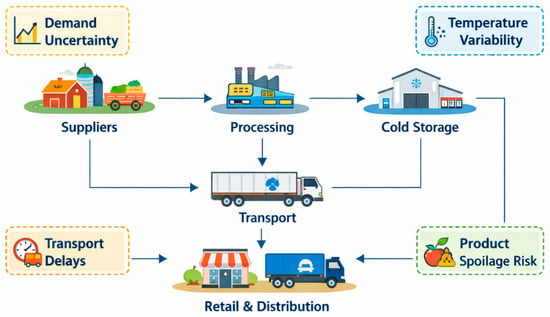
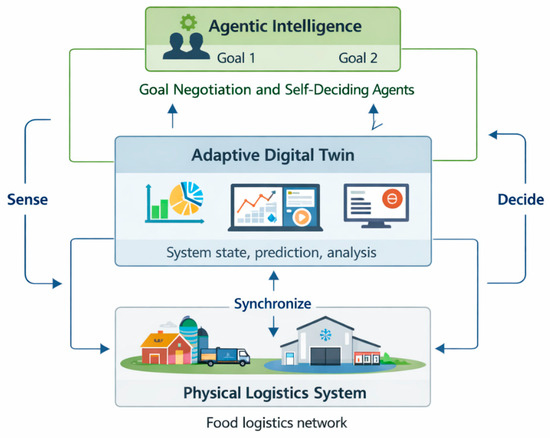
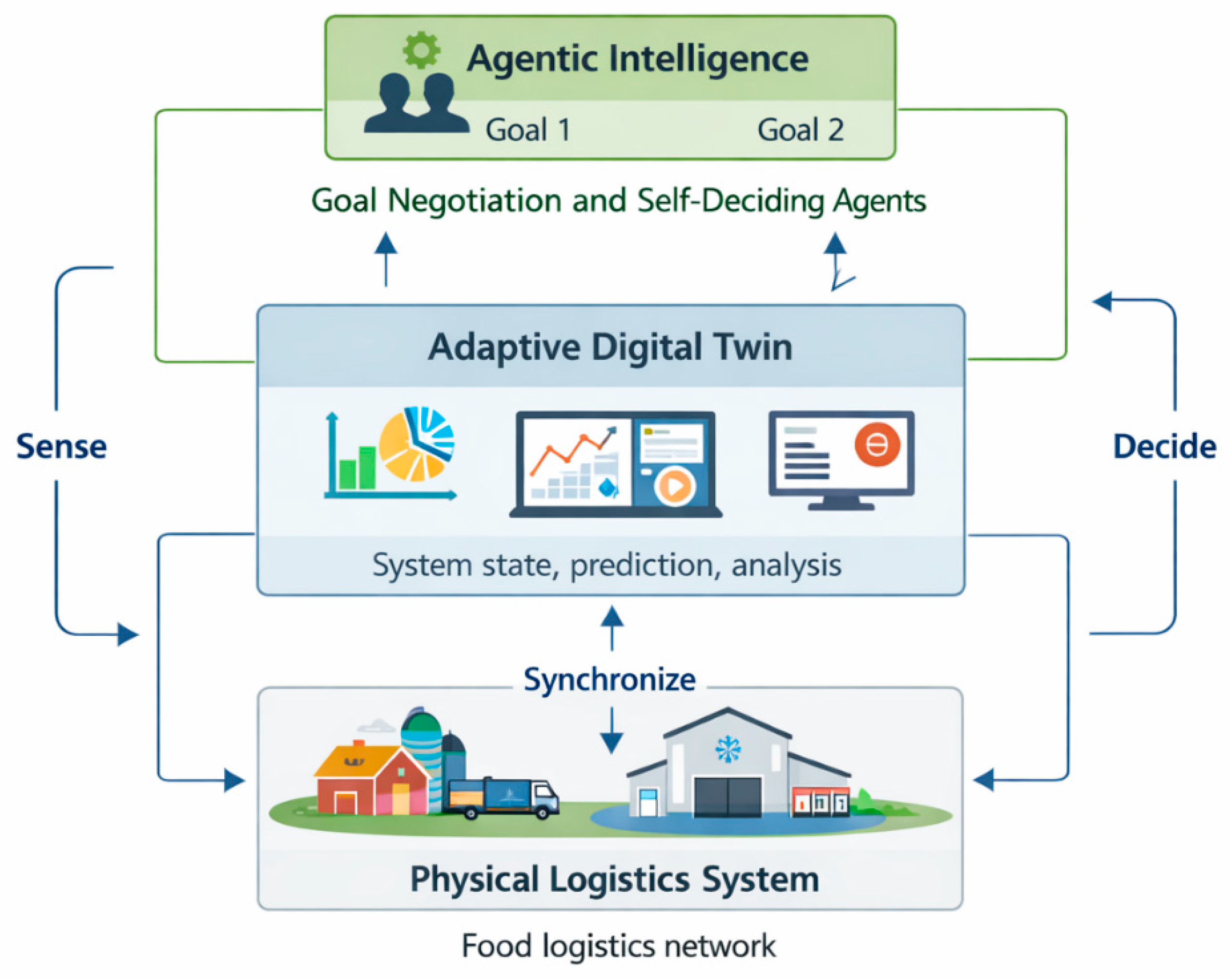
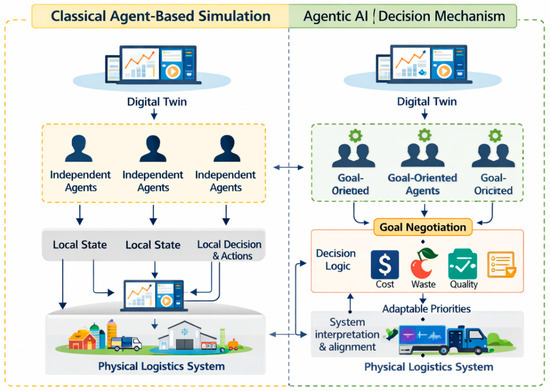
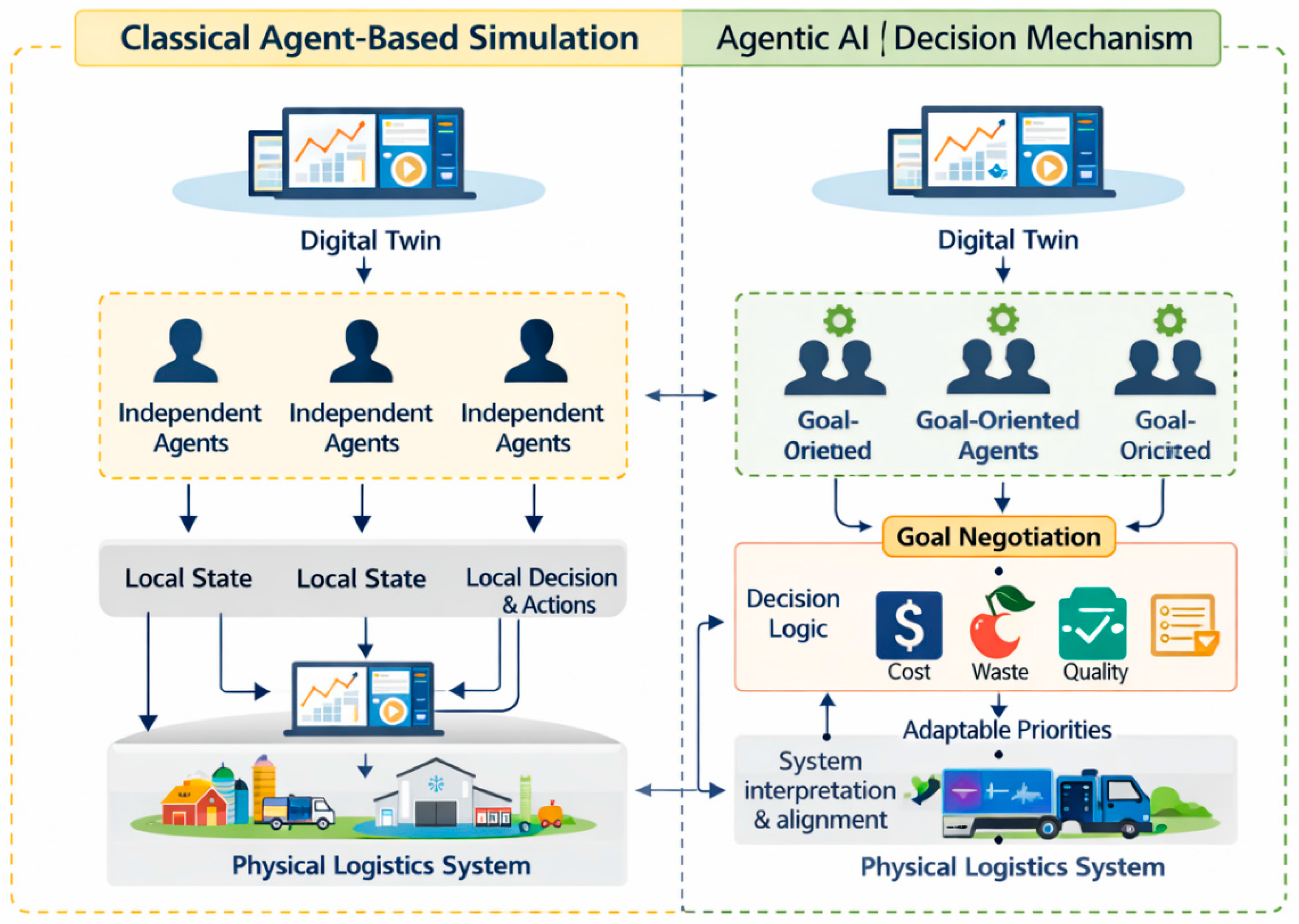
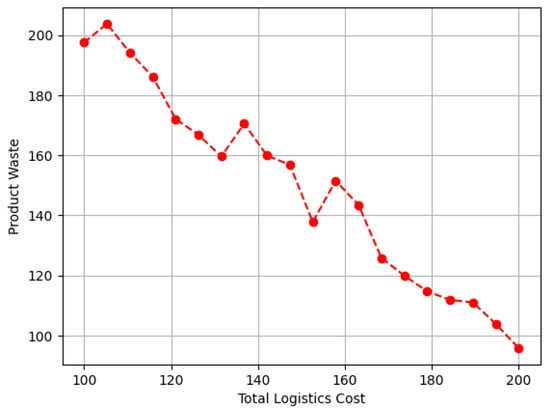
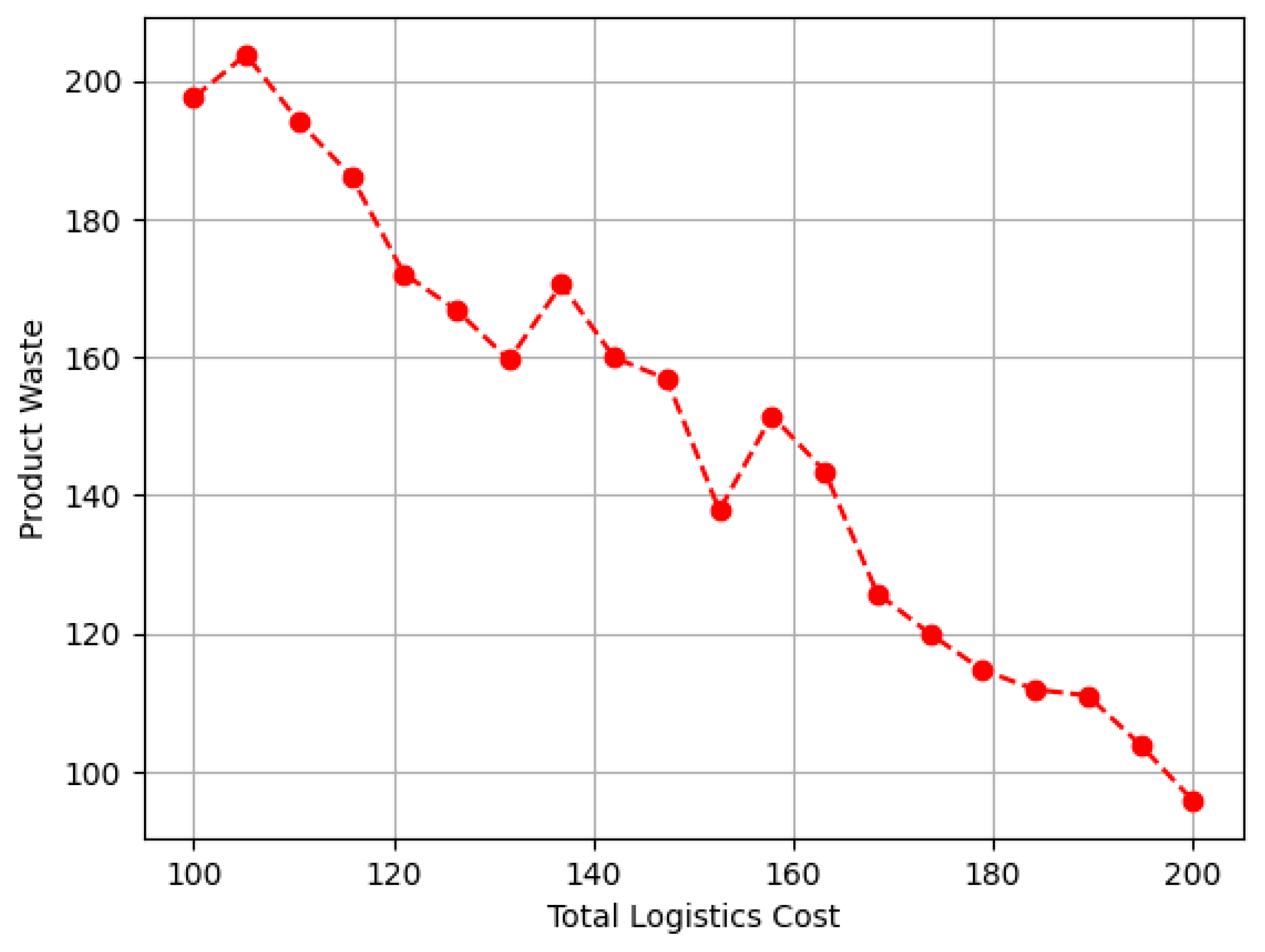
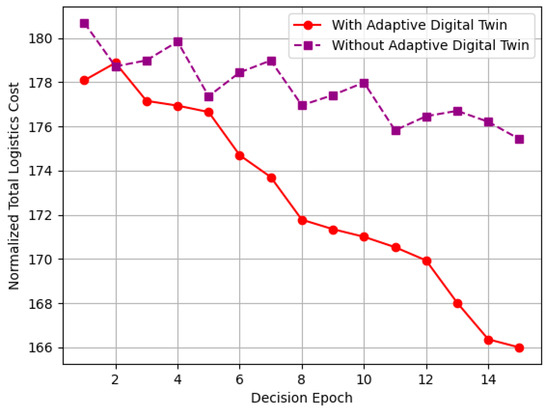
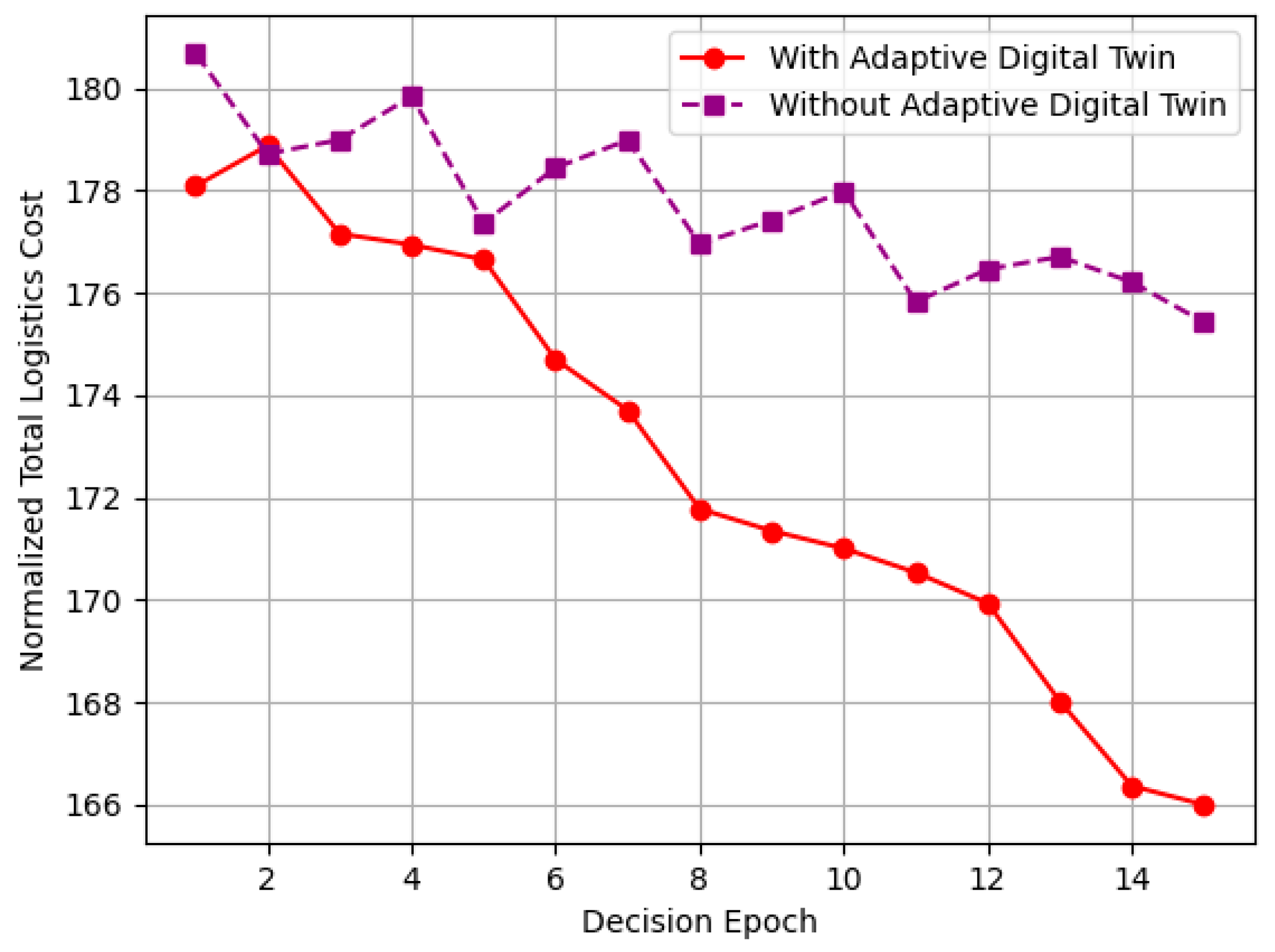
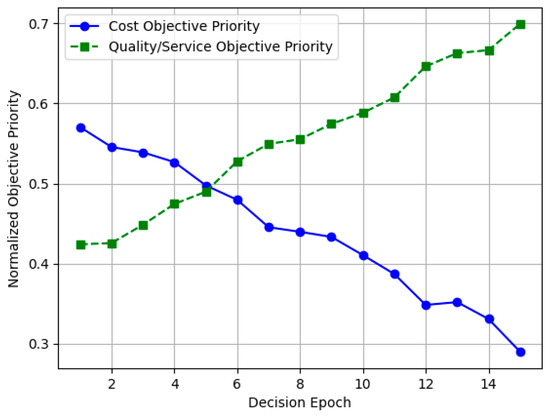
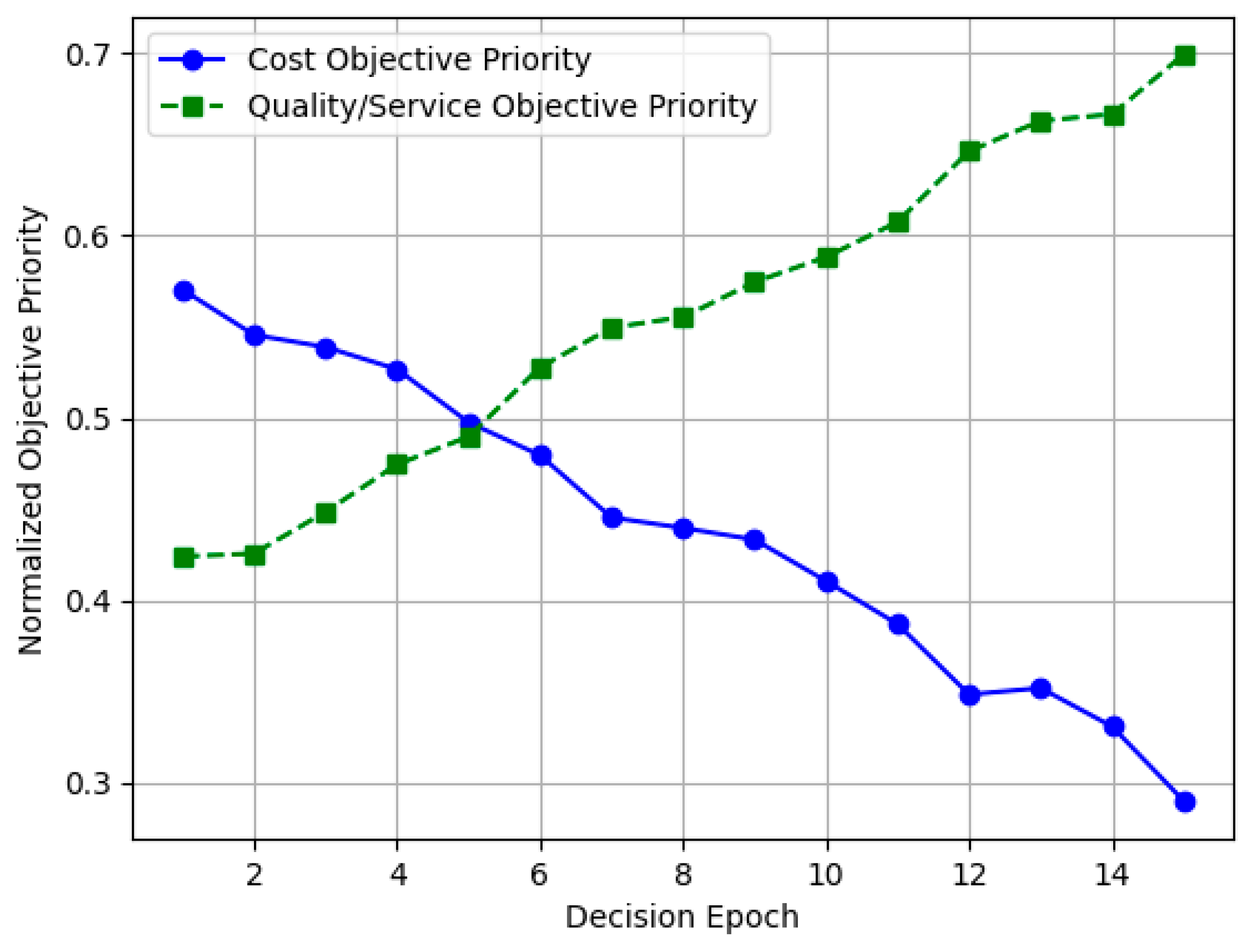
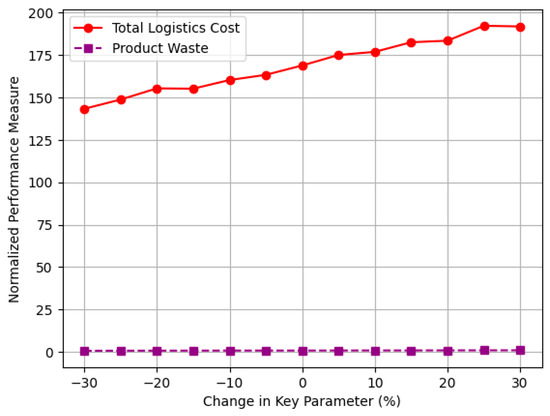
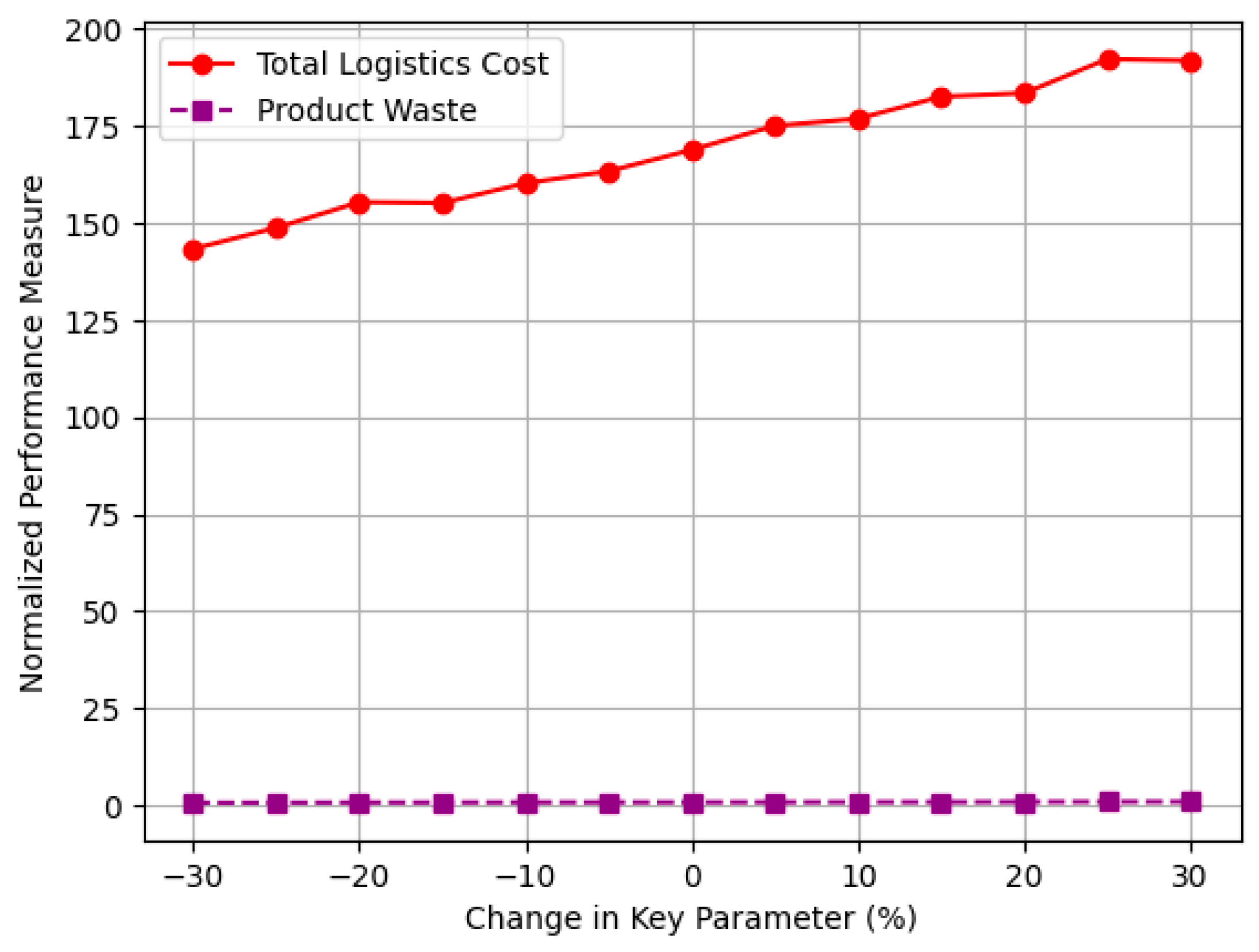
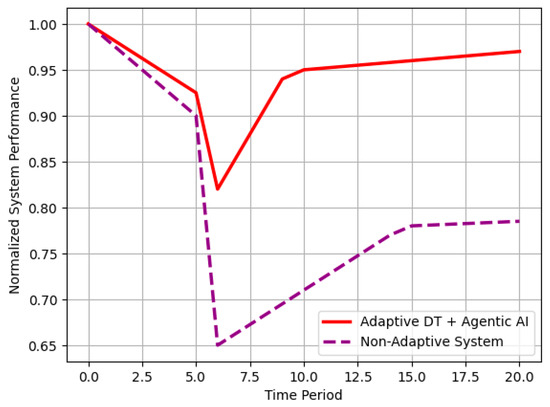
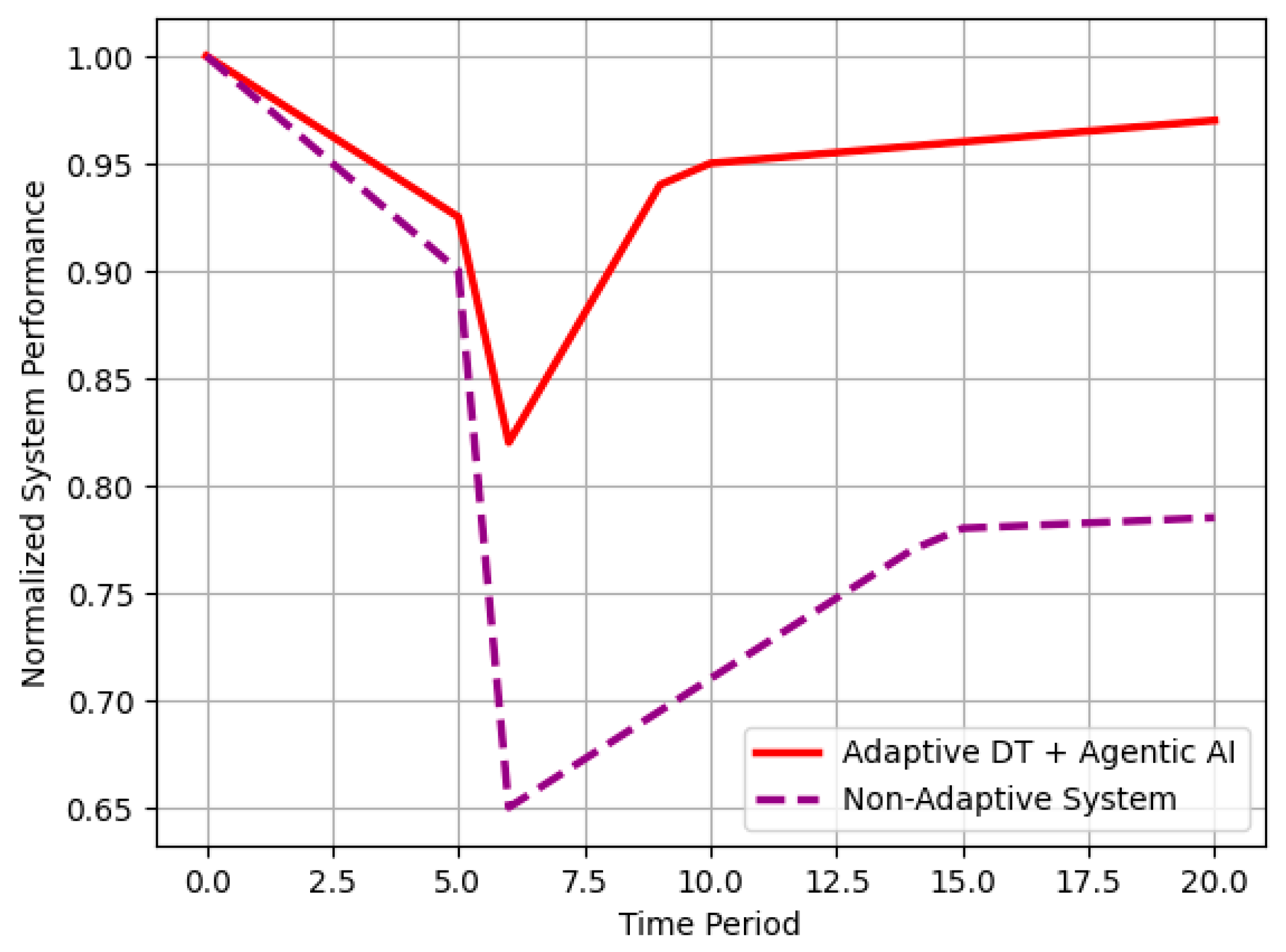
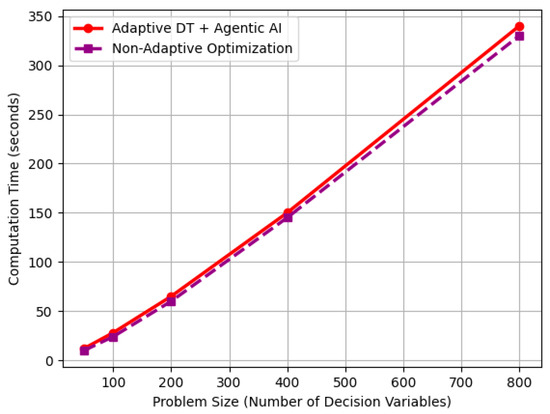
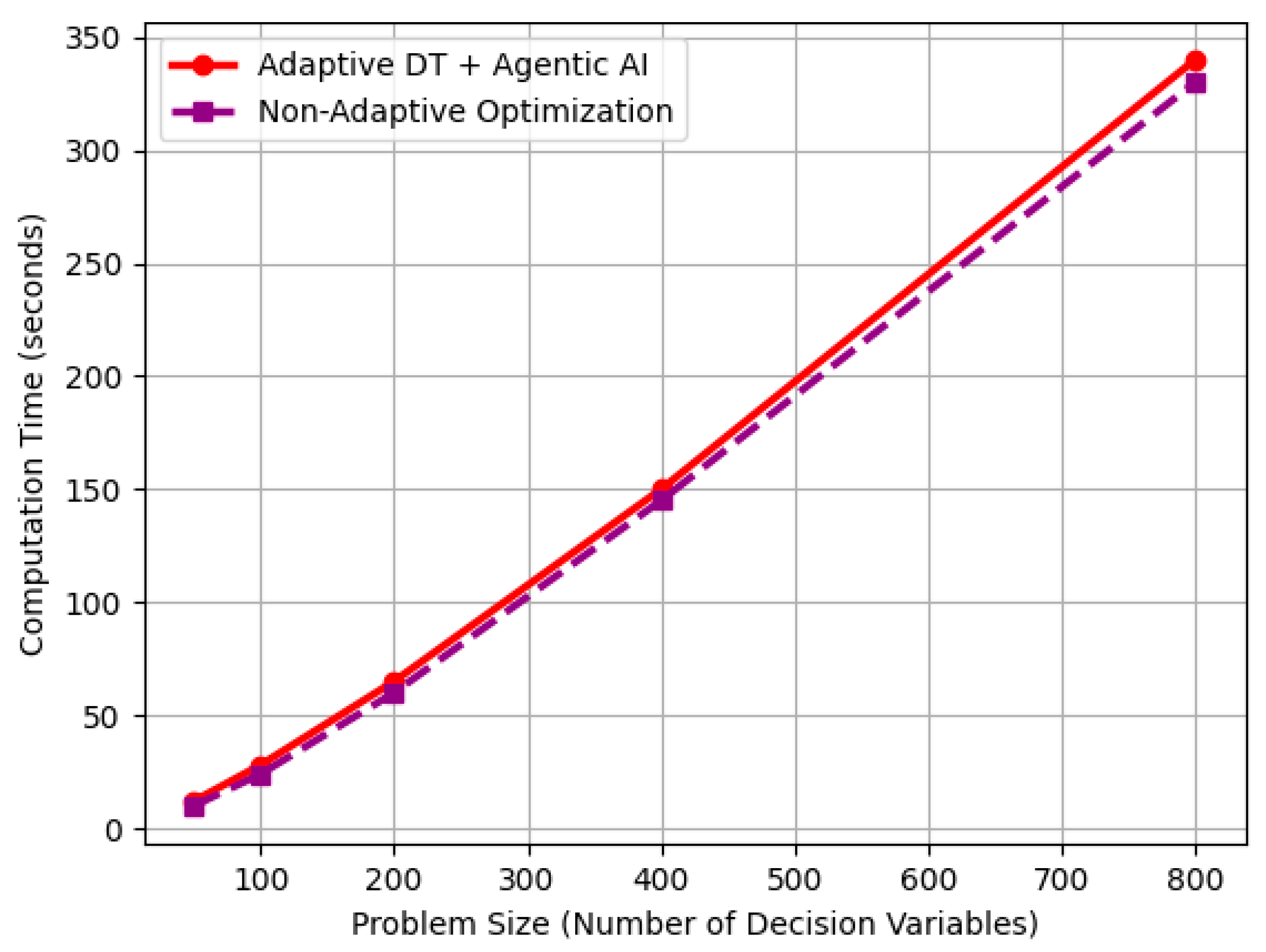

Disclaimer/Publisher’s Note: The statements, opinions and data contained in all publications are solely those of the individual author(s) and contributor(s) and not of MDPI and/or the editor(s). MDPI and/or the editor(s) disclaim responsibility for any injury to people or property resulting from any ideas, methods, instructions or products referred to in the content. |
© 2026 by the authors. Licensee MDPI, Basel, Switzerland. This article is an open access article distributed under the terms and conditions of the Creative Commons Attribution (CC BY) license.