


Abstract
Population aging is placing growing pressure on elderly care systems, and artificial intelligence (AI) is increasingly viewed as a potential solution. In community-based elderly care, multimodal AI can integrate sensing, data fusion, risk prediction, explanation, and intervention. Such systems may enable a shift from post-event response to early warning and proactive care. However, existing reviews have often examined these components separately. As a result, the dependencies between different stages—particularly the transition from risk prediction to closed-loop intervention—remain insufficiently explored. To address this gap, this narrative review organizes the literature around an end-to-end framework comprising “sensing–fusion–prediction–explanation–intervention–feedback.” This review includes 94 publications up to 30 June 2026. Each publication was classified as providing either direct or indirect evidence relevant to community-dwelling older adults. This review compares major algorithmic approaches to multimodal fusion and temporal risk prediction across several deployment-related dimensions, including temporal modeling, robustness to missing modalities, calibration, interpretability, validation design, and computational cost. It also examines explainable AI and intervention-generation methods, ranging from post hoc attribution and tiered rule-based alerts to reinforcement learning policies. This review also identifies key challenges at the data, model, intervention, and system levels. It highlights the need for uncertainty-aware, privacy-preserving, and closed-loop solutions. By treating the entire care loop, rather than any single algorithm, as the unit of analysis, this review bridges the gap between component-focused research and the integrated systems required for effective community-based elderly care.
1. Introduction
Populations around the world are growing older, and China sits at the leading edge of this shift. By 2035, the number of Chinese residents aged 60 and above is projected to exceed 400 million, more than 30% of the total population [1]. By 2050, the country is expected to have nearly 100 million disabled or semi-disabled older adults [2]. Healthcare systems, long-term care services, and social governance are already feeling the strain [3].
Community-based and home-based care has become the dominant mode of elderly care in China, following the so-called “9073” pattern: about 90% of older adults age at home, 7% rely on community-based support, and only 3% reside in institutions [4]. The most vulnerable subgroup is community-dwelling disabled older adults, commonly operationalized as individuals aged 60 and above who cannot independently perform one or more of the six basic activities of daily living (ADL) in the Katz Index [5]. Vulnerability is compounded for solitary older adults and for those in urban–rural fringe communities, where refined urban services barely reach and traditional rural mutual-support networks have weakened. It is no surprise that falls and acute illnesses strike these settings more often, and more fatally.
Despite the severity of these risks, community elderly-care services remain largely reactive: intervention begins only after an emergency, often past the optimal window for rescue and prevention. Much of this passivity can be traced to how risk is assessed. Conventional assessments rely on static scales or periodic home visits [6]; a scale captures a snapshot rather than the evolution of health status, scores vary with the assessor, and a single-dimension instrument misses behavioral patterns and environmental hazards. At the same time, potentially valuable data—physiological signals in smart wristbands, ambient events in home sensors, medical histories in electronic health archives—sit in isolated silos, and their early-warning value has barely been tapped.
Recent advances in artificial intelligence (AI) offer a way out of this impasse. Multimodal sensing technologies for older adults have matured rapidly [7], and multimodal data fusion has shown clear advantages over single-modality analysis in health risk assessment and ADL monitoring [8,9,10,11,12]. Machine learning and deep learning models, meanwhile, have achieved substantial gains in predicting adverse events among community-dwelling older adults, most notably falls [13,14,15,16]. Explainable AI (XAI) techniques have begun to open the “black box” of these models and thereby foster clinical trust [17,18,19,20], and reinforcement learning (RL) has emerged as a promising framework for generating personalized, adaptive interventions [21,22]. Policy has added momentum: China’s 2025 guideline on deepening the “AI Plus” initiative explicitly calls for accelerating such applications in public welfare and livelihood domains [23].
Existing reviews have generally taken one component at a time: remote health monitoring [24], abnormal behavior detection in daily activities [25], fall prediction [16], machine learning for ambient assisted living [26], explainable health prediction [18,19], or reinforcement-learning-based treatment optimization [22]. What has received less attention is how the stages depend on one another—how sensing and fusion choices shape prediction, how prediction quality constrains explanation, and how all of these bear on intervention.
This review therefore organizes the literature along the full pathway from multimodal observation to proactive action: a “sensing–fusion–prediction–explanation–intervention–feedback” loop. The reason for taking this view is practical. Algorithmic choices at one stage constrain what downstream stages can do, and the value of an elderly-care system depends on the whole loop working together, not on the accuracy of any isolated model.
This review makes three contributions. It proposes a closed-loop taxonomy that links multimodal sensing, data fusion, temporal risk prediction, explainable decision-making, and proactive intervention through a feedback pathway. It then compares representative algorithm families on the dimensions that matter most for deployment (data requirements, temporal modeling capability, robustness to missing modalities, calibration, interpretability, validation design, and deployment constraints), grading the underlying evidence as direct or indirect for community-dwelling older adults. Finally, it examines the methodological gap between accurate prediction and effective intervention, and sketches a research agenda for trustworthy, deployable closed-loop elderly-care systems.
The remainder of this review follows the loop. Section 1.1 describes the review approach (information sources, search terms, eligibility criteria, and evidence appraisal), and Section 1.2 introduces the conceptual framework and positions this review against existing surveys. Section 2, Section 3, Section 4 and Section 5 take up the stages in turn: multimodal sensing and data fusion (Section 2), dynamic risk prediction (Section 3), explainable decision-making (Section 4), and proactive intervention and its evaluation (Section 5). Section 6 discusses cross-cutting challenges and future directions, and Section 7 concludes this review.
1.1. Scope and Review Approach
This is a narrative review, and it does not attempt the exhaustive, protocol-driven coverage of a systematic review [27]. Its aim is more focused: to build a structured taxonomy of the algorithms involved, to compare representative approaches, to clarify how the stages of the technical pipeline depend on one another, and to identify the methodological gaps that separate risk prediction from closed-loop intervention. So that the selection of the literature remains transparent and broadly reproducible, we proceed in four explicit steps—iterative literature searching, eligibility screening, evidence grading, and algorithmic comparison—and report the information sources, search terms, eligibility criteria, and appraisal considerations for each step below.
The target population is community-dwelling older adults (persons aged 60 years and above living at home or in community settings), within whom disabled and semi-disabled, frail, and cognitively impaired individuals constitute the priority subgroups because of their elevated risk profiles. To keep the population scope explicit throughout, the reviewed evidence is classified into two categories. Direct evidence comprises studies conducted with community-dwelling older adults—including disabled, frail, or cognitively impaired subgroups—in home or community settings. Indirect (transferable) evidence comprises studies conducted in other populations (e.g., hospital inpatients or general chronic-disease cohorts), in non-elderly samples, or in simulated environments; such studies are included only when they offer methodological insights that are transferable to the target population. Evidence labels are reported in the evidence tables presented in Section 3, Section 4 and Section 5, and conclusions are drawn primarily from direct evidence, with indirect evidence used to inform algorithm design rather than to estimate effects in the target population.
The literature was identified through iterative searches in Google Scholar and the China National Knowledge Infrastructure (CNKI), complemented by backward and forward citation tracking and hand-searches of selected journals and publisher websites. Searches combined terms from three concept blocks: (i) population (“older adults” OR elderly OR ageing); (ii) data modality (multimodal OR “sensor fusion” OR “data fusion” OR wearable OR ambient); and (iii) task and method ((“risk prediction” OR “early warning” OR “fall prediction” OR intervention) AND (“machine learning” OR “deep learning” OR “reinforcement learning” OR explainable)). The search covered publications from January 2015 onward, with earlier seminal works retained where necessary to explain methodological foundations; the last search was conducted on 30 June 2026.
Publications were eligible if they (i) reported an algorithm, model, or system relevant to at least one stage of the closed loop (sensing, fusion, prediction, explanation, or intervention); (ii) targeted older adults or provided transferable methodological evidence as defined above; and (iii) were available in English or Chinese with retrievable bibliographic metadata. Purely clinical or sociological studies without algorithmic content, and editorials or commentaries without methodological substance, were excluded. Within these criteria, publications were purposively selected for their conceptual relevance, algorithmic representativeness, empirical contribution, and applicability to community-dwelling older adults. The final bibliography comprises 94 publications, supplemented by sixteen methodological references on multimodal fusion, class imbalance, calibration, uncertainty quantification, conformal prediction, safe and offline reinforcement learning, interpretable modeling, network resource management, and privacy-preserving learning that support the algorithmic comparison.
In appraising the included studies, particular attention was paid to validation design (retrospective versus prospective or longitudinal), sample size, calibration and confidence-interval reporting, and potential data leakage; the resulting judgments are summarized as evidence-type labels and risk-of-bias grades in the evidence tables of Section 3, Section 4 and Section 5 and guide the interpretation of results throughout this review. Intervention and reinforcement-learning studies were further distinguished by evidence level (randomized, quasi-experimental, observational deployment, or simulation). In reporting results, we also distinguish established evidence (prospective, longitudinal, or randomized designs) from exploratory evidence (retrospective, single-site, simulated, or non-randomized designs), and we flag the latter explicitly where it appears.
1.2. Closed-Loop Conceptual Framework
Figure 1 presents the closed-loop conceptual framework used to organize this review. Five functional stages—multimodal sensing, data fusion, dynamic risk prediction, explainable decision support, and proactive intervention—are linked by a feedback pathway, closing the loop from sensing to intervention and back. The point of drawing it this way is that the stages are not independent tasks: the output and limitations of each one constrain the algorithmic choices available downstream, and ultimately the performance of the whole system.
Figure 1.
Proposed closed-loop conceptual framework for multimodal AI-enabled risk early warning and proactive intervention in community-based elderly care. Blue arrows indicate the forward information flow between consecutive stages, and the red arrow denotes the feedback loop through which outcomes are returned for risk reassessment and model updating.
Multimodal sensing captures complementary physiological, behavioral, environmental, and archival information from wearable, ambient, vision-based, and record-based sources. These modalities differ in sampling frequency, reliability, availability, and privacy sensitivity, so the sensing layer largely determines the quality and uncertainty of the evidence available downstream. The fusion layer then aligns and integrates these heterogeneous observations at the data, feature, or decision level. Designing it means handling asynchronous sampling, noise, and missing modalities, while trading cross-modal interaction against computational cost, robustness, and interpretability.
Dynamic risk prediction uses the fused representation to estimate the probability, severity, or timing of adverse outcomes. For proactive care, discrimination alone is not enough: a useful model also yields calibrated probabilities, clinically meaningful lead time, and a tolerable false-alarm burden. Explainable decision-making then asks why a warning was generated and which factors contributed to it. Model attribution, however, should not be read automatically as causal evidence or as an intervention target; a useful explanation is faithful, stable, clinically plausible, and actionable.
Proactive intervention translates predicted risk and contextual information into an appropriate response, ranging from tiered rule-based alerts and knowledge-driven recommendations to adaptive reinforcement-learning policies. The loop is closed when intervention outcomes and caregiver responses are recorded and used for risk reassessment, model recalibration, or policy adaptation. In this review, the closed loop is primarily an organizing and evaluative framework rather than an assumption that existing systems have already achieved fully autonomous end-to-end learning. Most available studies address isolated components, and many systems terminate at prediction or alerting without evaluating the downstream effects of intervention.
Accordingly, the framework supports evaluation at multiple levels: sensing quality and acceptability; fusion robustness; predictive discrimination, calibration, and generalization; explanation fidelity and actionability; intervention safety and utility; and, ultimately, whether the integrated system improves outcomes for older adults and caregivers.
Table 1 positions this review against representative existing surveys across the six elements of the closed loop. It serves to define the scope gap that motivates this review rather than to rank prior work. As the table makes clear, earlier reviews usually stop at one or two components and rarely discuss how the stages depend on each other; calibration and lead time, explanation faithfulness, and intervention feedback fall largely outside their scope. The present review covers all six elements within a single synthesis.
Table 1.
Representative existing reviews versus this review.
2. Multimodal Sensing and Data Fusion
Every early-warning system begins with sensing. This section first categorizes the sensing modalities used for community-dwelling older adults, then reviews strategies for fusing heterogeneous data streams, and closes with representative systems and datasets.
2.1. Sensing Modalities
Wearable sensing: Inertial measurement units (IMUs) and photo plethysmography (PPG) sensors embedded in wristbands, pendants, and smart canes provide continuous streams of gait, heart rate, and activity-volume data. Hybrid multimodal wearable platforms that jointly capture biophysical and biochemical signals have been surveyed comprehensively by Mahato et al. [7], and Ding and Wang have discussed hybrid wearable sensing specifically for longitudinal geriatric monitoring [28]. User acceptance remains a practical prerequisite: Chen et al. analyzed elderly users’ intentions to adopt wearable devices using an extended Unified Theory of Acceptance and Use of Technology (UTAUT) model, highlighting perceived usefulness and ease of use as dominant factors [29]. Multimodal biosensor frameworks tailored to fall detection have also been proposed [30], together with lightweight fusion-based wearable systems for continuous monitoring and location tracking [31].
Ambient sensing: Passive infrared, pressure, and door-contact sensors embedded in the home enable unobtrusive, privacy-preserving behavioral monitoring. Door-contact sensors, in particular, log entries, exits, and room-to-room transitions, from which outings, visits, toileting frequency, and nighttime wandering can be inferred. Yebda et al. combined ambient and wearable streams to detect risky situations of frail people at home [11], and Gnarra et al. reported a pilot deployment of a multimodal sensor system for continuous elderly-care monitoring [32]. Even binary ambient sensors alone already support meaningful inference: deep convolutional networks applied to binary activity maps recognized the daily activities of solitary older residents [33], probabilistic spatio-temporal behavior models detected daily-behavior anomalies across elderly households [34], and unsupervised behavioral modeling has been translated into alerting systems for post-stroke home care [35] and dementia home monitoring [36]. Ambient modalities are particularly suitable for solitary older adults, for whom wearable compliance is often low. Compliance typically erodes due to everyday issues like forgotten charging, skin discomfort, and privacy concerns, rather than cultural barriers. Consequently, passive ambient sensing provides a practical fallback, while low-burden designs (e.g., long battery life, automatic uploading, and caregiver assistance) can further enhance adherence.
Vision-based sensing: RGB and depth cameras, often coupled with skeleton extraction, support fine-grained posture and activity analysis. Deep learning has enabled real-time vision-based fall-event detection [37] and even emotion recognition in nursing-home residents [38]; Transformer-based models have further been applied to emotion recognition from physiological signals [39]. However, vision-based sensing raises the strongest privacy concerns and is often restricted to common areas or privacy-filtered representations.
Archival data: Electronic health records, medication histories, and insurance claims provide low-cost, large-scale complements to sensor data. Nationwide claims databases have supported fall-injury risk modeling at population scale [40], although such data lack the temporal granularity needed for short-horizon early warning. Moreover, claims databases are organized for reimbursement rather than clinical care: coding practices may omit clinically relevant variables or restructure information in ways that reduce its clinical value, so claims-based models are best read as population-scale complements rather than substitutes for sensor-based warning. Figure 2 summarizes the four sensing modality families and their respective trade-offs.
Figure 2.
Four families of sensing modalities for elderly risk monitoring and their trade-offs. The connecting lines indicate that each sensing-modality family provides data streams pertaining to the central target population.
2.2. Fusion Algorithms
Fusion strategies are conventionally divided into three levels: early (data-level), intermediate (feature-level), and late (decision-level). The choice among them is essentially a choice about where missing or misaligned data can be tolerated, and each level trades information preservation against robustness differently.
Formally, consider M sensing modalities with observations , m = 1, …, M, differing in sampling rate, dimensionality, and missingness patterns [41]. A fusion model comprises modality-specific encoders that produce latent representations and a fusion operator g. Early (data-level) fusion forms after low-level alignment ; it preserves maximal information but fails outright when any modality is missing at inference and is highly sensitive to sampling-rate mismatch. Intermediate (feature-level) fusion computes , typically with attention weights that modulate each modality’s contribution; it is the dominant paradigm in elderly-care applications but degrades when encoders are trained on modalities that are unavailable at deployment. Late (decision-level) fusion aggregates modality-specific predictions, , via stacking, weighted voting, or Bayesian aggregation; it is the most robust to missing modalities but discards cross-modal interactions.
Two practical problems dominate fusion design in community settings. The first is temporal alignment under asynchronous sampling: physiological streams (50–100 Hz inertial data alongside 1 Hz photo plethysmography), irregular ambient events, and episodic archival records must be mapped onto a common time base. Windowed aggregation, resampling with interpolation, dynamic time warping, and learned alignment via cross-attention over time-indexed tokens are the usual tools [41].
The second problem is missing modalities, caused by sensor non-compliance, battery depletion, or network failures. In urban–rural fringe deployments, the dominant cause is often not the sensor but the network itself: 5G or Wi-Fi packet loss and bandwidth degradation can drop or delay entire streams. A practical response is network-aware fusion, in which the fusion layer ingests network telemetry—for example, from software-defined networking (SDN) controllers that monitor link quality in real time [42]—and sheds bandwidth-heavy modalities such as video first when capacity degrades, instead of failing unpredictably. Four mitigation families are used in practice: (i) modality masking or dropout during training, which teaches the fusion operator to function with any subset of inputs; (ii) knowledge distillation from a multimodal teacher to a reduced-modality student; (iii) generative completion with a variational autoencoder or generative adversarial network imputing the missing stream; and (iv) robust late fusion, which abstains from absent channels. None is free. Masking is cheap and effective when missingness is sporadic; distillation suits fixed deployment constraints; generative completion can produce plausible-but-wrong imputations that silently bias risk estimates; and late fusion buys robustness at the price of weaker cross-modal interaction.
Within intermediate fusion, attention mechanisms have become the method of choice for dynamic, context-dependent weighting of modalities. Dual-stream architectures that encode physiological time series with temporal convolutional networks (TCNs) or long short-term memory (LSTM) networks in parallel with three-dimensional convolutional neural network (3D-CNN) encoding of behavioral video exemplify this design, with cross-modal attention learning which stream to trust under which circumstances. Transformer-based multimodal systems have been demonstrated for on-device elderly care [43], and hybrid neural networks operating on multimodal health data have shown improved detection of risky situations compared with single-modality baselines [12]. At the system level, Internet of Medical Things (IoMT)-enabled multimodal ADL fusion [10] and multimodal ADL monitoring frameworks [9] illustrate how fusion algorithms are embedded into end-to-end pipelines, while Lu and Lee demonstrated multimodal fusion specifically for health risk assessment in smart elderly care [8]. Figure 3 contrasts the three fusion levels and their respective trade-offs.
Figure 3.
Three levels of multimodal fusion strategies and their trade-offs. M1–M3 denote the input data streams from individual sensing modalities, and arrows indicate the direction of data flow through each fusion pipeline.
2.3. Representative Systems and Datasets
Table 2 summarizes representative multimodal systems. A recurring observation is the scarcity of publicly available datasets: the community-setting dataset of Abedi et al. [44] is a notable exception, and most studies rely on private, single-site cohorts. Mixed-methods evaluations such as that of Xue et al. [45] further indicate that multimodal integration improves monitoring robustness but increases system complexity and cost. Beyond summarizing individual systems, Table 2 also informed the design guidance in Section 3.5. Its findings, particularly the dominance of feature-level fusion and the limited availability of public datasets, underpin the missing-modality recommendations in Section 3 and the call for shared benchmarks in Section 6.5.
Table 2.
Representative multimodal sensing and fusion studies for elderly care.
In summary, the fusion layer has matured algorithmically but remains fragmented empirically. Most systems fuse two modalities at the feature level, public benchmarks are lacking, and fusion under non-standardized deployment conditions—variable sensor layouts, missing channels, the noisy environments typical of urban–rural fringe housing—has rarely been stress-tested.
3. Dynamic Risk Prediction Algorithms
Building on fused representations, prediction algorithms estimate the probability of adverse events within a future time window. This section traces the methodological evolution from classical statistical models to deep temporal architectures, then discusses prediction tasks and evaluation practice.
3.1. Classical Statistical and Machine Learning Models
Early work relied on interpretable statistical models. Logistic regression and regression-tree analyses identified major fall-risk factors in community-dwelling older adults [46], and decision-tree analyses clarified factor hierarchies [47]; principal component analysis combined with logistic regression has been used for multifactorial fall-risk prediction [48]. Support vector machines were applied to fall prediction for home-dwelling elderly in China [49], and random forests proved effective for depression prediction among disabled older adults [50] and for activity recognition in home-based elderly-care services [51]. These models offer transparency and require modest data, but their capacity to capture nonlinear temporal dynamics is limited. Because adverse events are rare, the training objectives of such models must also handle severe class imbalance—class-weighted cross-entropy and focal loss [52], resampling, and decision-threshold tuning are the standard remedies, usually at the cost of degraded probability calibration (Section 3.4).
3.2. Deep Temporal Models
Deep learning reframed risk prediction as sequence modeling. Recurrent neural networks (RNNs), including LSTM and gated recurrent unit (GRU) variants, learn directly from physiological and behavioral sequences. Temporal convolutional networks encode long ranges in parallel. Sequence-to-sequence models output multi-step risk-probability sequences, a natural fit for the “past 72 h → next 24 h” early-warning setting, and Transformers capture long-range dependencies and multivariate coupling through self-attention. In the vision stream, deep networks enabled real-time fall-event detection [37], while gait-parameter-based models linked walking patterns to fall risk [53]. Multi-task architectures that jointly learn activity recognition and fall prediction from daily-life trunk accelerometry show how representation learning is replacing hand-crafted features in this setting [54]. Recent community-based studies in China and elsewhere have compared advanced machine learning techniques [55,56,57,58], combined latent class analysis with machine learning [59], and derived severity-aware fall-risk scores [60]. Chinese researchers have also built fall-risk models for integrated medical–elderly care settings [61] and empirical early-warning systems for home-based dementia care [62]. Figure 4 traces this evolution from static scales to closed-loop intervention learning.
Figure 4.
Methodological evolution of risk prediction and intervention algorithms for elderly care.
The three deep families differ markedly in computational profile. Recurrent networks process sequences step by step with O(T·d2) time and O(d2) memory per layer; inference is inherently sequential, which limits throughput but keeps per-step latency low. Temporal convolutional networks use dilated causal convolutions with O(k·T·d2) cost that parallelizes across time and provides a stable receptive field. Transformer encoders incur O(T2·d) self-attention cost and higher memory consumption, motivating efficient variants with sparse, low-rank, or linearized attention for long monitoring windows. These differences matter for edge deployment in community settings, where on-device inference favors compact recurrent or convolutional encoders, while Transformer models typically require distillation, quantization, or cloud offloading [43].
3.3. Prediction Tasks and Time Horizons
Falls dominate the task landscape [13,14,15,16,46,47,48,49,53,54,55,56,57,58,59,60,63,64,65,66], followed by fall-related injury [40], frailty and functional disability [67,68], depression and cognitive decline [50,69,70], agitation in community-dwelling people with dementia [71], wandering, and acute illness. Task formulations vary from binary event classification to time-to-event regression and multi-horizon probability forecasting, with direct consequences for the choice of loss functions and evaluation metrics.
3.4. Evaluation Methodologies
Discrimination metrics (the area under the receiver operating characteristic curve (ROC–AUC), sensitivity/specificity, F1) dominate reported results; calibration and clinically meaningful quantities such as achievable lead time and alarm burden are rarely reported. Under class imbalance, precision–recall curves and average precision are more informative than ROC–AUC, and decision thresholds should be reported together with the alert volume they produce. A discriminative score is also not automatically a usable risk probability. Calibration transforms—Platt scaling, isotonic regression [72], temperature scaling [73]—assessed with reliability diagrams and the expected calibration error are prerequisites for thresholded alerting, yet almost none of the reviewed studies apply them. The same holds for uncertainty quantification. Monte Carlo dropout [74] and deep ensembles [75] are the common options, but their memory and computation costs are poorly matched to continuous inference on battery-powered edge gateways. Conformal prediction [76] is the more practical alternative for community deployment: it is lightweight and distribution-free, and it wraps any pretrained model to produce prediction sets with finite-sample coverage guarantees, properties that suit medical-grade alerting. Such techniques are likewise absent from current elderly-care practice.
Validation design is a further differentiator. Retrospective, single-site splits are common; prospective validation [63,64,67,68] and longitudinal designs [14] remain uncommon; and data-leakage risks, such as random record-level splits of longitudinal data from the same individual, are rarely discussed. The recent systematic review and meta-analysis by Gao et al. [16] confirms both the rapid progress of machine and deep learning for fall prediction and the heterogeneity of evaluation practice, which complicates cross-study comparison. Robustness under distribution shift—across sites, devices, and populations—is seldom stress-tested, a gap that matters directly for deployment in non-standardized community environments.
The studies in Table 3 differ in task definition, prediction horizon, event prevalence, and evaluation design, so their reported metrics are not directly comparable and should not be read as a ranking. Across the studies that report discrimination, AUC values range from 0.70 to 0.93 and classification accuracies reach 89.2%, with sensitivity as high as 86.7%; these figures are encouraging, but they rest almost entirely on retrospective or single-site evaluations. Only a minority report confidence interval; almost none assess calibration; and event counts and events-per-variable ratios—key determinants of overfitting risk—are frequently missing altogether. The evidence and risk-of-bias columns in Table 3 summarize these limitations. Only a small minority of studies combine large samples with prospective or longitudinal validation [14,63,64,67,68], and external validation in independent community settings is essentially absent. Beyond documenting performance, Table 3 also shaped this review’s design guidance: the near-absence of calibration reporting and prospective validation visible in the table directly motivates the calibration and validation recommendations in Section 3.5.
Table 3.
Representative risk prediction studies for community-dwelling older adults. Evid.: evidence type—D = direct evidence (community-dwelling older adults) (definitions in Section 1.1); RoB: risk of bias—L = low, M = moderate, H = high. Reported metrics are not directly comparable across studies (Section 3.4).
3.5. Algorithmic Comparison and Design Guidance
Table 4 consolidates the reviewed algorithm families into a design-oriented comparison across the dimensions that matter most for community deployment: temporal alignment, fusion level, training objectives, missing-modality handling, calibration and uncertainty, interpretability, computational cost, and the conditions under which each family succeeds or fails.
Table 4.
Design-oriented comparison of algorithm families for multimodal elderly risk prediction.
Three recommendations follow. First, choose the fusion level from the deployment missingness profile rather than from accuracy alone: when modalities can disappear at inference, late or robust fusion—or intermediate fusion trained with modality dropout—is preferable to early fusion. Second, treat calibration as a first-class output of any early-warning model: post hoc calibration [72,73], reported together with the expected calibration error and the resulting alert volume, is a prerequisite for thresholded alerting. Third, match the temporal architecture to both the prediction window and the hardware budget—compact recurrent or convolutional encoders for on-device inference, Transformer models when data scale and compute permit—and in every case validate prospectively, reporting lead time and false-alarm burden.
4. Explainable AI Algorithms in Elderly Risk Prediction
High predictive accuracy alone does not translate into clinical adoption. Nurses and community health workers must understand why a model issues a high-risk alert before they act on it, and accountability requirements in care settings make opaque recommendations problematic [20]. Explainable AI (XAI) therefore serves two functions in this domain: building calibrated trust among caregivers and surfacing modifiable risk factors that interventions can target. A reasonable objection is that a neural network with thousands of units can never explain its computation the way a human explains a decision, and that one could instead focus on output quality alone, accepting predictions that appear reasonable. We partly agree: explanation is not a substitute for validation, and no explanation method can make an unvalidated model safe. The case for explanation in elderly care is narrower and practical. Caregivers must decide whether to trust a specific alert; explanations help them catch systematic errors, such as a model that keys on an irrelevant sensor; and they surface modifiable risk factors that interventions can act on. Attribution is therefore a complement to, not a replacement for, outcome-level evaluation. Table 5 summarizes the scopes, strengths, limitations, and elderly-care applications of the explanation methods discussed in this section.
4.1. Post Hoc Explanation
SHAP (SHapley Additive exPlanations) is the most widely adopted post hoc method. Its global feature-attribution rankings can flag leading “precursor” indicators—sleep duration, activity volume, or indoor temperature in longitudinal risk prediction, for example. LIME (Local Interpretable Model-agnostic Explanations) complements it with instance-level rationales: when a specific high-risk alert fires, LIME can show which feature combination, such as abnormal heart-rate elevation plus prolonged immobility, drove that alert. In elderly care specifically, Liang et al. combined posturographic parameters with machine learning and XAI for fall-risk classification [17], Chen et al. developed interpretable machine learning for fall prediction among older adults in China [15], and Tang and Romero-Ortuno applied both SHAP and LIME to fall prediction in the older population [77]. At population scale, the IMPACT framework showed how tree-ensemble explanations yield auditable mortality-risk scores [78], and similar pipelines have been demonstrated for cardiovascular, chronic-disease, and general healthcare prediction tasks [79,80,81,82,83,84,85]. Systematic and scoping reviews confirm SHAP’s dominance among post hoc methods while noting that explanation quality is rarely assessed [18,19,86]. These adjacent-domain studies constitute indirect evidence (Section 1.1): they demonstrate methodological feasibility but do not by themselves establish that the same explanation pipelines are faithful or actionable for community-dwelling older adults.
Table 5.
XAI methods applied to health risk prediction. Fall-risk applications are direct evidence; chronic-disease and general-healthcare applications are indirect (transferable) evidence (Section 1.1).
4.2. Intrinsically Interpretable Models
An alternative route is to constrain the model class itself: generalized additive models and explainable boosting machines, monotonicity-constrained models, and rule-extraction approaches trade a modest amount of accuracy for transparency by design. Comparative analyses in hospital mortality prediction suggest that intrinsically interpretable models can approach the performance of black-box models while remaining auditable [87]. Attention weights are sometimes presented as explanations, but their reliability as faithful attributions is contested and they should be treated as diagnostic cues rather than rigorous explanations. A further option deserves attention in this domain: the concept bottleneck model (CBM) [88], in which the network first predicts human-interpretable clinical concepts, such as gait instability or sleep disruption, and only then combines them into a risk score. Because the intermediate concepts are explicit and editable, a nurse can inspect and correct them without parsing post hoc attribution plots; CBMs therefore offer a promising route to explanations that busy community staff can actually use.
4.3. Evaluating Explanations
Explanation quality itself is seldom evaluated. Desirable properties include fidelity (does the explanation reflect the model’s true reasoning?), stability (do small input perturbations preserve the explanation?), and clinical consistency (does the attribution align with nursing knowledge?). Few elderly-care studies assess any of these; most stop at presenting feature-importance charts [17,87]. Moreover, the translation from explanation to action—how an attribution should change a caregiver’s decision—remains an open methodological question that connects directly to the intervention layer discussed next.
5. Proactive Intervention and Closed-Loop Learning
Prediction creates value only when it changes what caregivers do. Most deployed systems, however, stop at alerting: a high-risk score triggers a message, and the response is left to standardized rules or individual judgment. Proactive intervention generation asks more of the algorithm—which action, for whom, when, and delivered by whom—turning risk scores into decision support and, ideally, into a closed “prediction–intervention–feedback” loop. The connection runs in both directions: the calibration properties discussed in Section 3.4 determine where alert thresholds can be set, and the explanation outputs discussed in Section 4 determine which interventions can be targeted, so prediction quality propagates directly into intervention quality.
5.1. Rule-Based and Knowledge-Driven Intervention Generation
The prevailing practice is tiered, rule-based response: a low-risk alert triggers a voice reminder, a medium-risk alert notifies family members, and a high-risk alert escalates to community nurses. Such rules are transparent and auditable, but they are blind to individual context. Knowledge-driven approaches generalize the idea. A “risk–cause–action” knowledge graph links each risk type to candidate causes and countermeasures—fall risk, for instance, maps to a slippery floor and then to a voice reminder plus a grid-worker inspection—so recommendations remain structured and explainable. Knowledge graphs are well established in clinical decision support, but their use for generating elderly-care interventions is still limited. The broader evidence that coupling systematic assessment with follow-up intervention improves outcomes goes back to randomized trials of preventive home visits [89], and community studies such as heat-risk interventions for rural older adults [90] show that targeted non-clinical interventions are feasible.
5.2. Reinforcement Learning and Adaptive Intervention
Reinforcement learning (RL) formalizes intervention generation as sequential decision-making: the state summarizes the older adult’s current risk level, risk causes, and personal profile; the action space comprises the available interventions; and the reward encodes risk reduction net of intervention burden. Three strands are visible in the literature. The first is online RL under the just-in-time adaptive intervention (JITAI) paradigm. The HeartSteps algorithm, which continuously optimizes physical-activity prompts [21], showed that personalization can be learned from streaming data, though establishing that personalization actually materialized takes dedicated analysis [91].
The second strand is offline RL, which learns intervention policies from a fixed dataset of state–action–reward transitions logged under a behavior policy, such as historical caregiver responses. This is the ethically acceptable route in care settings, because no exploratory actions are taken. Its central technical risk is distributional shift: the learned policy may choose actions that are rare or absent in the log, where value estimates extrapolate arbitrarily. Batch-constrained and conservative algorithms mitigate this by restricting the policy to the support of the logged data (batch-constrained Q-learning, BCQ [92]) or by penalizing optimistic value estimates (conservative Q-learning, CQL [93]), and candidate policies should be vetted before deployment with off-policy evaluation—importance sampling, doubly robust estimators [94], or fitted Q evaluation—preferably under explicit safety constraints such as constrained Markov decision processes that bound alert burden and intervention intensity. A complementary safeguard is needed for interventions that trigger physical actions, such as bed-exit alarms that prompt repositioning or robot-assisted support: the learned policy should be wrapped in a safety shield based on control barrier functions (CBFs) [95], which can mathematically veto any action that would drive the system into an unsafe state before it is executed. These safeguards fail when logs do not cover the intervention space, when confounders go unrecorded, or when rewards are delayed and heavily confounded. Such conditions are common in community care, and they motivate the digital-twin direction discussed in Section 6.5.
The third strand is multi-agent and resource-aware RL, with applications to coordinating caregiver interventions [96], adaptive chronic-disease therapy management under federated constraints [97], decentralized RL for secure assistive healthcare [98], and deep RL (DRL)-based dynamic resource management in smart elderly care [99]. Adjacent work includes RL-optimized persuasive messaging in mobile health (mHealth) [100], DRL matching of message frames to recipient profiles among middle-aged and older adults [101], and RL strategies that dynamically adjust social space for people with dementia [102]. Broader reviews of RL in personalized medicine [22] and of adaptive personalized health systems [103] corroborate both the promise and the early stage of this literature, and recent commentary highlights AI-enabled personalized prevention for social isolation in elderly care [104].
5.3. Evaluating Intervention Utility
Intervention algorithms demand outcome-level evidence. The gold standard is a randomized or quasi-experimental comparison—A/B tests in which an intervention group receives algorithm-generated recommendations while a control group receives usual care—with endpoints such as adverse-event incidence and quality-of-life scales (e.g., the 36-Item Short Form Survey, SF-36) over months of follow-up. Such evaluation must address confounding, delayed effects, and interference between individuals. Where randomization is impractical, quasi-experimental alternatives such as stepped-wedge rollout across communities, interrupted time-series analysis, or target-trial emulation on observational records offer progressively weaker but more feasible designs for validating real-world impact. At present, outcome evaluations are rare. Most RL studies validate in simulation or offline replay [22,91], and closed-loop field trials in community elderly care are rarer still.
The most relevant direct evidence is an exploratory A/B deployment of a four-tier rule-engine alert system driven by multimodal deep learning and wearable sensor fusion, which reported a 62% between-group difference in fall incidence [105]. That figure needs careful reading: the deployment was not randomized, the number of fall events in the test data was small, and the positive predictive value of high-risk alerts was low. The reported difference is therefore susceptible to confounding by population characteristics, adherence, and concurrent care practices, and it cannot be interpreted as a causal effect of algorithmic intervention. Randomized confirmation is still lacking. Table 6 summarizes representative intervention-generation and personalization studies with their evidence levels and types. This evidence gap, rather than any algorithmic limitation, is currently the main bottleneck of the intervention layer.
Table 6.
Representative intervention-generation and personalization studies. Evidence type follows Section 1.1 (direct = community-dwelling older adults; indirect = other populations or simulation only).
6. Challenges and Future Directions
The algorithmic advances surveyed in Section 2, Section 3, Section 4 and Section 5 are substantial, but they do not yet add up to deployable, trustworthy closed-loop systems. This section examines why, at four levels—data, model, intervention, and system—and then turns to future directions.
6.1. Data-Level Challenges: Fragmentation, Scarcity, and Privacy
The first obstacle is the persistent fragmentation of multimodal elderly-care data. Physiological, behavioral, environmental, and archival data are typically collected by different devices, vendors, and institutions, with heterogeneous formats, sampling rates, and semantic standards, which complicates temporal alignment and cross-modal fusion [8,9,10]. Second, publicly available multimodal datasets for older adults remain extremely scarce; the dataset released by Abedi et al., which monitors older adults after lower-limb fractures in community settings, is a rare exception [44]. Most studies are trained on small, single-site, and demographically homogeneous cohorts, which limits both reproducibility and generalizability. Third, data collection in non-standardized living environments—typified by urban–rural fringe communities—faces additional variability in housing layouts, sensor deployment conditions, and network connectivity, as well as severe label scarcity for rare adverse events. Finally, privacy concerns are particularly acute in elderly care, where continuous in-home monitoring, and especially vision-based sensing, intrudes into private living spaces. The practical consequence is that raw physiological or video data should not leave the home gateway: federated learning trains shared models across care sites without moving raw data [97,108], differential privacy formalizes the anonymity of the transmitted parameter updates [109], and on-device inference keeps computation on the local device [43], so that only anonymized latent representations or parameter updates are transmitted. Recent healthcare reviews confirm the maturity of these privacy-preserving techniques [110], but they remain under-explored in elderly care specifically.
6.2. Model-Level Challenges: Accuracy, Interpretability, and Generalization
At the model level, three tensions stand out. The first is between interpretability and accuracy. Deep temporal models deliver the best predictive performance but little transparency, and post hoc methods such as SHAP and LIME mostly produce feature-importance rankings whose fidelity and stability are rarely checked against clinical reasoning [17,87]. Explanation in elderly care should ultimately serve nursing decisions, and the step from “feature attribution” to “actionable explanation” remains largely unresolved [20]. The second tension involves class imbalance and lead time: adverse events such as falls are rare, models that predict earlier usually sacrifice precision, and yet early prediction is exactly what proactive intervention requires. The third is robustness. Models trained on homogeneous datasets often degrade sharply in heterogeneous real-world environments, and prospective or external validation is still uncommon—prospective designs such as those of Cella et al. [63], Howcroft et al. [64], Fan et al. [67], and Lu et al. [68], together with the nationwide claims-based validation of Heo et al. [40], remain exceptions rather than the rule. A related limitation is that most fusion models capture correlation rather than the causal mechanisms by which physiological, behavioral, and environmental factors jointly amplify risk.
6.3. Intervention-Level Challenges: From Alerts to Closed-Loop Action
The weakest link in the current pipeline is the step from prediction to intervention. Most systems stop at alerting, leaving the question of “what to do after a high-risk prediction” to ad hoc, standardized rules. Generating personalized interventions algorithmically raises several difficulties. For RL-based approaches, online trial-and-error learning is ethically and practically unacceptable in care settings; offline RL is safer but suffers from distributional shift between logged and learned policies, and its personalization benefits still need rigorous assessment [91]. Reward design is equally delicate: an effective reward must balance immediate risk reduction against intervention burden and long-term outcomes, and credit assignment is complicated by delayed, confounded effects. Multi-agent formulations that coordinate families, community nurses, and other caregivers under resource constraints are only beginning to appear [96,99]. Empirically, evidence of intervention utility is scarce: A/B tests and quasi-experiments are costly and rare, few studies quantify the causal effect of an intervention on subsequent risk trajectories [100,101], and exploratory deployments such as that of Li et al. [105] remain exceptions. Finally, the human side of the loop—alert fatigue, trust calibration, the division of labor between algorithms and caregivers—has received little systematic attention.
6.4. System-Level Challenges: Deployment, Integration, and Evaluation Standards
Even accurate and interpretable models must survive contact with real care systems. Deployment constraints are non-trivial: many community settings, particularly in urban–rural fringe areas, have limited computational and network resources, which motivates lightweight and on-device architectures [28,43]. Integration into nursing workflows requires that algorithmic outputs align with the routines of community health centers and the capabilities of family caregivers, a requirement that most algorithm papers do not address. Above all, the field lacks shared benchmarks and evaluation standards for closed-loop “prediction–intervention–feedback” systems: components are typically evaluated in isolation, with different datasets, metrics, and baselines, making it impossible to compare end-to-end systems or to accumulate evidence across studies.
6.5. Future Directions
We highlight five directions that look most promising. (1) Trustworthy and calibrated AI: uncertainty quantification and calibrated risk scores, including lightweight conformal prediction suitable for edge deployment [76], combined with explanation-to-action pathways, are prerequisites for clinical adoption [18,20]. (2) Foundation models for elderly multimodal time series: self-supervised pretraining on large-scale unlabeled sensor data could ease label scarcity and improve cross-scenario transfer. (3) Digital twins for in silico intervention testing: simulating individualized risk trajectories would let intervention policies, including offline RL policies, be evaluated safely before real-world deployment. (4) Privacy-preserving and edge intelligence: federated and decentralized learning [97,98], together with on-device multimodal inference [43], offer a realistic route to deployment in privacy-sensitive, resource-limited communities. (5) Closed-loop benchmarks and prospective multi-site trials: the field needs shared datasets, tasks, and metrics covering the full loop, validated prospectively across heterogeneous sites—including underserved settings such as urban–rural fringe communities—so that algorithmic progress shows up as measurable reductions in adverse events and better quality of life for older adults [45,103,104].
7. Conclusions
Multimodal sensing and risk prediction have advanced more rapidly than intervention generation and outcome-level validation. The main challenge is therefore no longer the performance of any single algorithm, but the integration of heterogeneous sensing, well-calibrated prediction, actionable explanations, and safe interventions into a functional closed-loop system. Future progress should be evaluated not only by discrimination metrics such as AUC, but also by robustness to missing modalities, prediction lead time, false-alarm burden, calibration, caregiver usability, and intervention safety. Most importantly, these systems should demonstrate measurable improvements in outcomes that matter to older adults and their caregivers.
Author Contributions
Conceptualization, L.Y. and Q.X.; methodology, L.Y. and Q.X.; validation, H.L.; formal analysis, Q.X. and L.G.; investigation, H.L., L.G., J.D. and X.L.; data curation, J.D. and X.L.; writing—original draft preparation, Q.X. and L.Y.; writing—review and editing, L.Y., Q.X., H.L. and L.G.; visualization, X.L.; supervision, L.Y.; project administration, L.Y. and J.D.; funding acquisition, L.Y. All authors have read and agreed to the published version of the manuscript.
Funding
This work was supported by the Natural Science Foundation of Hunan Province under Grant No. 2026JJ80287 with the title “Research on Risk Early-Warning Mechanisms and Proactive Intervention Model for Elderly People Living Alone or with Disabilities in Urban–Rural Fringe Communities of Changde City Driven by Multimodal AI”. The funder is Department of Science and Technology of Hunan Province.
Institutional Review Board Statement
Not applicable. This article is a literature-based review and did not involve humans or animals.
Informed Consent Statement
Not applicable.
Data Availability Statement
No new data were created or analyzed in this study. Data sharing is not applicable to this article.
Acknowledgments
During the preparation of this manuscript, the authors used Kimi (version K3, Moonshot AI) for the purposes of language polishing and translation assistance. The authors have reviewed and edited the output and take full responsibility for the content of this publication.
Conflicts of Interest
The authors declare no conflicts of interest.
References
- The Drafting Group of General Report. The General Research Report of Chinese Strategic for Dealing with Population Aging. Sci. Res. Aging 2015, 3, 4–38. [CrossRef]
- Zhang, L.; Fang, Y. Projections of the Number of Disabled Older Adults and Their Care Costs in Urban and Rural China, 2020–2050. Chin. J. Health Stat. 2021, 38, 39–42. [Google Scholar]
- Zheng, S. Family-Based Care for Older Adults with Disabilities: Current Landscape and Policy Options. Chin. Soc. Secur. Rev. 2024, 8, 108–126. [Google Scholar]
- Sun, Z. The Use of Community-Based Home Care Services and Improvements in Life Satisfaction Among Older Adults: An Analysis Based on 2016–2020 Data from the China Longitudinal Aging Social Survey. Soc. Dev. Res. 2025, 12, 206–225+246. [Google Scholar]
- Katz, S.; Downs, T.D.; Cash, H.R.; Grotz, R.C. Progress in Development of the Index of ADL. Gerontologist 1970, 10, 20–30. [Google Scholar] [CrossRef] [Scilit]
- Wu, X.; Yan, Q. Development and validation of a pressure injury risk scale for the home-based disabled elderly. Chin. J. Nurs. Educ. 2023, 20, 1253–1260. [Google Scholar] [CrossRef]
- Mahato, K.; Saha, T.; Ding, S.; Sandhu, S.S.; Chang, A.Y.; Wang, J. Hybrid multimodal wearable sensors for comprehensive health monitoring. Nat. Electron. 2024, 7, 735–750. [Google Scholar] [CrossRef] [Scilit]
- Lu, W.; Lee, S. Health Risk Assessment in Smart Elderly Care Using Multimodal Data Fusion. IEEE Access 2026, 14, 81068–81091. [Google Scholar] [CrossRef] [Scilit]
- Liang, F.; Su, Z.; Sheng, W. Multimodal monitoring of activities of daily living for elderly care. IEEE Sens. J. 2024, 24, 11459–11471. [Google Scholar] [CrossRef] [Scilit]
- Ghayvat, H.; Awais, M.; Geddam, R.; Tiwari, P.; Löwe, W. Revolutionizing healthcare: IoMT-enabled digital enhancement via multimodal ADL data fusion. Inf. Fusion 2024, 111, 102518. [Google Scholar] [CrossRef] [Scilit]
- Yebda, T.; Benois-Pineau, J.; Pech, M.; Amieva, H.; Middleton, L.; Bergelt, M. Multimodal sensor data analysis for detection of risk situations of fragile people in home environments. In MultiMedia Modeling; Lecture Notes in Computer Science; Springer International Publishing: Cham, Switzerland, 2021; pp. 342–353. [Google Scholar] [CrossRef] [Scilit]
- Mallick, R.; Yebda, T.; Benois-Pineau, J.; Zemmari, A.; Pech, M.; Amieva, H. Detection of risky situations for frail adults with hybrid neural networks on multimodal health data. IEEE Multimed. 2022, 29, 7–17. [Google Scholar] [CrossRef] [Scilit]
- Lockhart, T.E.; Soangra, R.; Yoon, H.; Wu, T.; Frames, C.W.; Weaver, R.; Roberto, K.A. Prediction of fall risk among community-dwelling older adults using a wearable system. Sci. Rep. 2021, 11, 20976. [Google Scholar] [CrossRef] [Scilit]
- Ikeda, T.; Cooray, U.; Hariyama, M.; Aida, J.; Kondo, K.; Murakami, M.; Osaka, K. An interpretable machine learning approach to predict fall risk among community-dwelling older adults: A three-year longitudinal study. J. Gen. Intern. Med. 2022, 37, 2727–2735. [Google Scholar] [CrossRef] [Scilit]
- Chen, X.; He, L.; Shi, K.; Wu, Y.; Lin, S.; Fang, Y. Interpretable machine learning for fall prediction among older adults in China. Am. J. Prev. Med. 2023, 65, 579–586. [Google Scholar] [CrossRef] [Scilit]
- Gao, Y.; Xu, D.; Li, X.; Wang, J.; Wang, L.; Wu, B.; Zhao, H.; Qiu, X.; Zhu, W. Machine Learning and Deep Learning Models for Predicting Future Falls in Community-Dwelling Older Adults: Systematic Review and Meta-Analysis of Longitudinal Evidence. J. Med. Internet Res. 2026, 28, e84844. [Google Scholar] [CrossRef] [Scilit]
- Liang, H.W.; Ameri, R.; Band, S.; Chen, H.S.; Ho, S.Y.; Zaidan, B.; Chang, K.C.; Chang, A. Fall risk classification with posturographic parameters in community-dwelling older adults: A machine learning and explainable artificial intelligence approach. J. Neuroeng. Rehabil. 2024, 21, 15. [Google Scholar] [CrossRef] [Scilit]
- Alkhanbouli, R.; Almadhaani, H.M.A.; Alhosani, F.; Simsekler, M.C.E. The role of explainable artificial intelligence in disease prediction: A systematic literature review and future research directions. BMC Med. Inform. Decis. Mak. 2025, 25, 110. [Google Scholar] [CrossRef] [Scilit]
- Hoghooghi Esfahani, H.; Toyonaga, S.; Oyibo, K. The application of explainable artificial intelligence in the prediction, diagnoses, treatment, and management of chronic diseases: A systematic review. Digit. Health 2025, 11, 20552076251355669. [Google Scholar] [CrossRef] [Scilit]
- Niu, S.; Yin, Q.; Ma, J.; Song, Y.; Xu, Y.; Bai, L.; Pan, W.; Yang, X. Enhancing healthcare decision support through explainable AI models for risk prediction. Decis. Support Syst. 2024, 181, 114228. [Google Scholar] [CrossRef] [Scilit]
- Liao, P.; Greenewald, K.; Klasnja, P.; Murphy, S. Personalized heartsteps: A reinforcement learning algorithm for optimizing physical activity. In Proceedings of the ACM on Interactive, Mobile, Wearable and Ubiquitous Technologies; Association for Computing Machinery: New York, NY, USA, 2020; Volume 4, pp. 1–22. [Google Scholar] [CrossRef] [Scilit]
- K, B.; Venkatesan, L.; Benjamin, L.S.; K, V.; Satchi, N.S. Reinforcement Learning in Personalized Medicine: A Comprehensive Review of Treatment Optimization Strategies. Cureus 2025, 17, e82756. [Google Scholar] [CrossRef] [Scilit]
- The State Council of the People’s Republic of China. Guidelines on Deepening the Implementation of the “Artificial Intelligence Plus” Initiative. 2025. Available online: https://www.gov.cn/gongbao/2025/issue_12266/202509/content_7039598.html (accessed on 25 July 2026).
- Ahmed, S.; Irfan, S.; Kiran, N.; Masood, N.; Anjum, N.; Ramzan, N. Remote Health Monitoring Systems for Elderly People: A Survey. Sensors 2023, 23, 7095. [Google Scholar] [CrossRef] [Scilit]
- Tay, N.C.; Connie, T.; Ong, T.S.; Teoh, A.B.J.; Teh, P.S. A Review of Abnormal Behavior Detection in Activities of Daily Living. IEEE Access 2023, 11, 5069–5088. [Google Scholar] [CrossRef] [Scilit]
- Mir, A.A.; Khalid, A.S.; Musa, S.; Fauzi, M.F.A.; Razak, N.N.A.; Tang, T.B. Machine learning in ambient assisted living for enhanced elderly healthcare: A systematic literature review. IEEE Access 2025, 13, 110508–110527. [Google Scholar] [CrossRef] [Scilit]
- Page, M.J.; McKenzie, J.E.; Bossuyt, P.M.; Boutron, I.; Hoffmann, T.C.; Mulrow, C.D.; Shamseer, L.; Tetzlaff, J.M.; Akl, E.A.; Brennan, S.E.; et al. The PRISMA 2020 Statement: An Updated Guideline for Reporting Systematic Reviews. BMJ 2021, 372, n71. [Google Scholar] [CrossRef] [Scilit]
- Kim, B.; Ding, S.; Wang, J. Wearable multimodal sensing for geriatric healthcare. Soft Sci. 2026, 6, 26. [Google Scholar] [CrossRef] [Scilit]
- Chen, J.; Wang, T.; Fang, Z.; Wang, H. Research on Elderly Users’ Intentions to Accept Wearable Devices Based on the Improved UTAUT Model. Front. Public Health 2022, 10, 1035398. [Google Scholar] [CrossRef] [Scilit]
- Abro, I.A.; Alharbi, S.S.; Alshammari, N.S.; Algarni, A.; Almujally, N.A.; Jalal, A.; Liu, H. Multimodal intelligent biosensors framework for fall disease detection and healthcare monitoring. Front. Bioeng. Biotechnol. 2025, 13, 1544968. [Google Scholar] [CrossRef] [Scilit]
- Wang, J.; Xia, M.; Xie, Y.; Shi, C. Multimodal Sensor Fusion-Based Lightweight Pedestrian Wearable System for Continuous Health Monitoring and Location Tracking. IEEE Sens. J. 2026, 26, 14558–14575. [Google Scholar] [CrossRef] [Scilit]
- Gnarra, O.; Ejtehadi, M.; Amrein, S.; Shimotori, D.; Yoshimi, T.; Kato, K.; Paez-Granados, D. Multimodal Sensor System for Continuous Monitoring in Elderly Care: A Pilot Study. In Proceedings of the 2025 International Conference on Rehabilitation Robotics (ICORR), Chicago, IL, USA, 12–16 May 2025; pp. 1041–1046. [Google Scholar] [CrossRef] [Scilit]
- Gochoo, M.; Tan, T.; Liu, S.; Jean, F.; Alnajjar, F.; Huang, S. Unobtrusive Activity Recognition of Elderly People Living Alone Using Anonymous Binary Sensors and DCNN. IEEE J. Biomed. Health Inform. 2019, 23, 693–702. [Google Scholar] [CrossRef] [Scilit]
- Aran, O.; Sanchez-Cortes, D.; Do, M.; Gatica-Perez, D. Anomaly Detection in Elderly Daily Behavior in Ambient Sensing Environments. In Human Behavior Understanding; Lecture Notes in Computer Science; Springer International Publishing: Cham, Switzerland, 2016; pp. 51–67. [Google Scholar] [CrossRef] [Scilit]
- Hu, R.; Michel, B.; Russo, D.; Mora, N.; Matrella, G.; Ciampolini, P.; Cocchi, F.; Montanari, E.; Nunziata, S.; Brunschwiler, T. An Unsupervised Behavioral Modeling and Alerting System Based on Passive Sensing for Elderly Care. Future Internet 2020, 13, 6. [Google Scholar] [CrossRef] [Scilit]
- Bijlani, N.; Nilforooshan, R.; Kouchaki, S. An Unsupervised Data-Driven Anomaly Detection Approach for Adverse Health Conditions in People Living with Dementia: Cohort Study. JMIR Aging 2022, 5, e38211. [Google Scholar] [CrossRef] [Scilit]
- Anitha, G.; Priya, S.B. Vision Based Real Time Monitoring System for Elderly Fall Event Detection Using Deep Learning. Comput. Syst. Sci. Eng. 2022, 42, 87–103. [Google Scholar] [CrossRef] [Scilit]
- Song, S. Emotion Detection of Elderly People in Nursing Homes Based on AI Robot Vision. Soft Comput. 2024, 28, 13989–14002. [Google Scholar] [CrossRef] [Scilit]
- Feng, G.; Wang, H.; Wang, M.; Zheng, X.; Zhang, R. A Research on Emotion Recognition of the Elderly Based on Transformer and Physiological Signals. Electronics 2024, 13, 3019. [Google Scholar] [CrossRef] [Scilit]
- Heo, K.N.; Seok, J.Y.; Ah, Y.M.; Kim, K.; Lee, S.B.; Lee, J.Y. Development and validation of a machine learning-based fall-related injury risk prediction model using nationwide claims database in Korean community-dwelling older population. BMC Geriatr. 2023, 23, 830. [Google Scholar] [CrossRef] [Scilit]
- Baltrušaitis, T.; Ahuja, C.; Morency, L.-P. Multimodal machine learning: A survey and taxonomy. IEEE Trans. Pattern Anal. Mach. Intell. 2019, 41, 423–443. [Google Scholar] [CrossRef] [Scilit]
- Montazerolghaem, A.; Yaghmaee, M.H. Load-Balanced and QoS-Aware Software-Defined Internet of Things. IEEE Internet Things J. 2020, 7, 3323–3337. [Google Scholar] [CrossRef] [Scilit]
- Lee, L.J. A Transformer-Based Multimodal On-Device AI System for Vulnerable Elderly Care in Aging Societies. In Proceedings of the Computer Vision Conference (CVC) 2026, Volume 2; Lecture Notes in Networks and Systems; Springer International Publishing: Cham, Switzerland, 2026; pp. 10–27. [Google Scholar] [CrossRef] [Scilit]
- Abedi, A.; Chu, C.H.; Khan, S.S. Multimodal sensor dataset for monitoring older adults post lower limb fractures in community settings. Sci. Data 2025, 12, 733. [Google Scholar] [CrossRef] [Scilit]
- Xue, W.; Duan, A.I.; Zhao, Y.H.; Zuo, H.; Isleem, H.F. AI-enabled multimodal monitoring for enhanced safety and functional recovery in elderly and post-stroke care: A mixed-methods study. Digit. Health 2025, 11, 20552076251384834. [Google Scholar] [CrossRef] [Scilit]
- Yamashita, T.; Noe, D.A.; Bailer, A.J. Risk Factors of Falls in Community-Dwelling Older Adults: Logistic Regression Tree Analysis. Gerontologist 2012, 52, 822–832. [Google Scholar] [CrossRef] [Scilit]
- Fong, K.N.K.; Chung, R.C.K.; Sze, P.P.C.; Ng, C.K.M. Factors Associated with Fall Risk of Community-Dwelling Older People: A Decision Tree Analysis. Digit. Health 2023, 9, 20552076231181202. [Google Scholar] [CrossRef] [Scilit]
- Pan, P.J.; Lee, C.H.; Hsu, N.W.; Sun, T.L. Combining principal component analysis and logistic regression for multifactorial fall risk prediction among community-dwelling older adults. Geriatr. Nurs. 2024, 57, 208–216. [Google Scholar] [CrossRef] [Scilit]
- Ma, Y.; Lv, Z.; Gao, X.; Wang, Y. Research on fall prediction method for elderly at home based on SVM. China Saf. Sci. J. 2019, 29, 43–48. [Google Scholar] [CrossRef]
- Xin, Y.; Ren, X. Predicting Depression Among Rural and Urban Disabled Elderly in China Using a Random Forest Classifier. BMC Psychiatry 2022, 22, 118. [Google Scholar] [CrossRef] [Scilit]
- Xu, H.; Pan, Y.; Li, J.; Nie, L.; Xu, X. Activity Recognition Method for Home-Based Elderly Care Service Based on Random Forest and Activity Similarity. IEEE Access 2019, 7, 16217–16225. [Google Scholar] [CrossRef] [Scilit]
- Lin, T.-Y.; Goyal, P.; Girshick, R.; He, K.; Dollár, P. Focal loss for dense object detection. In Proceedings of the IEEE International Conference on Computer Vision (ICCV), Venice, Italy, 22–29 October 2017; pp. 2999–3007. [Google Scholar] [CrossRef] [Scilit]
- Zhang, K.; Liu, W.; Zhang, J.; Li, Z.; Liu, J. A fall risk assessment model for community-dwelling elderly individuals based on gait parameters. IEEE Access 2023, 11, 120857–120867. [Google Scholar] [CrossRef] [Scilit]
- Nait Aicha, A.; Englebienne, G.; Van Schooten, K.S.; Pijnappels, M.; Kröse, B. Deep Learning to Predict Falls in Older Adults Based on Daily-Life Trunk Accelerometry. Sensors 2018, 18, 1654. [Google Scholar] [CrossRef] [Scilit]
- Zhou, Z.; Wang, D.; Sun, J.; Zhu, M.; Teng, L. A machine learning–based prediction model for the probability of fall risk among Chinese community-dwelling older adults. CIN Comput. Inform. Nurs. 2024, 42, 913–921. [Google Scholar] [CrossRef] [Scilit]
- Lathouwers, E.; Dillen, A.; Díaz, M.A.; Tassignon, B.; Verschueren, J.; Verté, D.; De Witte, N.; De Pauw, K. Characterizing fall risk factors in Belgian older adults through machine learning: A data-driven approach. BMC Public Health 2022, 22, 2210. [Google Scholar] [CrossRef] [Scilit]
- Liu, A.; Zhang, L.; Huang, D.; Qu, L. Predicting fall risk among older adults in Chinese communities with advanced machine learning techniques: A retrospective study. Front. Public Health 2025, 13, 1628493. [Google Scholar] [CrossRef] [Scilit]
- Chai, J.L.; Zhao, Y.; Li, G.Z.; Sun, Y.X.; Sun, T.F.; Gao, Z.; Yu, H.Y.; Liang, X.Z. Comparison and validation of machine learning models to predict 5-year fall risk among community-dwelling older adults in China. BMC Geriatr. 2026, 26, 836. [Google Scholar] [CrossRef] [Scilit]
- Bae, S.; Lee, M.J.; Pak, D.; Yoo, E.Y.; Kim, J.; Hong, I. Development of Fall Risk Classification Models for Community-Dwelling Older Adults using Latent Class Analysis and Machine Learning. Gerontology 2025, 71, 337–350. [Google Scholar] [CrossRef] [Scilit]
- Chen, H.; Ling, T.; Huang, L.; Wang, L.; Guan, X.; Gao, M.; Wang, Z.; Lan, W.; Xu, J.W.; Wei, Z. A machine learning-based fall-risk score for severity of fall-related adverse outcomes in community older adults. BMC Geriatr. 2025, 25, 724. [Google Scholar] [CrossRef] [Scilit]
- Shi, H. Construction of Fall Risk Prediction Model for Disabled Elderly Under the Combination of Medical and Nursing Care. Master’s Thesis, Zhengzhou University, Zhengzhou, China, 2023. Available online: https://d.wanfangdata.com.cn/thesis/ChhUaGVzaXNOZXdTMjAyNDA5MjAxNTE3MjUSCFk0MTYyNzA3GghtY2gxanFweg%3D%3D (accessed on 10 September 2026).
- Dong, X.; Sun, T.; Zhao, L. Research on the Early Warning System of Care Risk for Home bound Elders with Dementia Based on Structural Equation Mode. Chin. Health Econ. 2022, 41, 50–53. [Google Scholar]
- Cella, A.; De Luca, A.; Squeri, V.; Parodi, S.; Vallone, F.; Giorgeschi, A.; Senesi, B.; Zigoura, E.; Guerrero, K.L.Q.; Siri, G.; et al. Development and validation of a robotic multifactorial fall-risk predictive model: A one-year prospective study in community-dwelling older adults. PLoS ONE 2020, 15, e0234904. [Google Scholar] [CrossRef] [Scilit]
- Howcroft, J.; Kofman, J.; Lemaire, E.D. Prospective Fall-Risk Prediction Models for Older Adults Based on Wearable Sensors. IEEE Trans. Neural Syst. Rehabil. Eng. 2017, 25, 1812–1820. [Google Scholar] [CrossRef] [Scilit]
- Noh, B.; Youm, C.; Goh, E.; Lee, M.; Park, H.; Jeon, H.; Kim, O.Y. XGBoost Based Machine Learning Approach to Predict the Risk of Fall in Older Adults Using Gait Outcomes. Sci. Rep. 2021, 11, 12183. [Google Scholar] [CrossRef] [Scilit]
- Millet, A.; Madrid, A.; Alonso-Weber, J.M.; Rodríguez-Mañas, L.; Pérez-Rodrá-Guez, R. Machine Learning Techniques Applied to the Development of a Fall Risk Index for Older Adults. IEEE Access 2023, 11, 84795–84809. [Google Scholar] [CrossRef] [Scilit]
- Fan, S.; Ye, J.; Xu, Q.; Peng, R.; Hu, B.; Pei, Z.; Yang, Z.; Xu, F. Digital Health Technology Combining Wearable Gait Sensors and Machine Learning Improve the Accuracy in Prediction of Frailty. Front. Public Health 2023, 11, 1169083. [Google Scholar] [CrossRef] [Scilit]
- Lu, Y.; Sato, K.; Nagai, M.; Miyatake, H.; Kondo, K.; Kondo, N. Machine Learning–Based Prediction of Functional Disability: A Cohort Study of Japanese Older Adults in 2013–2019. J. Gen. Intern. Med. 2023, 38, 2486–2493. [Google Scholar] [CrossRef] [Scilit]
- Yue, L.; Chen, W.; Liu, S.; Chen, S.; Xiao, S. An Explainable Machine Learning Based Prediction Model for Alzheimer’s Disease in China Longitudinal Aging Study. Front. Aging Neurosci. 2023, 15, 1267020. [Google Scholar] [CrossRef] [Scilit]
- Sakal, C.; Li, T.; Li, J.; Li, X. Predicting Poor Performance on Cognitive Tests Among Older Adults Using Wearable Device Data and Machine Learning: A Feasibility Study. npj Aging 2024, 10, 56. [Google Scholar] [CrossRef] [Scilit]
- Abedi, A.; Chu, C.H.; Khan, S.S. Early Prediction of Agitation in Community-Dwelling People with Dementia Using Multimodal Sensors and Machine Learning: Benchmarking of State-of-the-Art Techniques. In ArtifiAI for Aging Rehabilitation and Intelligent Assisted Living; Communications in Computer and Information Science; Springer Nature: Singapore, 2025; pp. 1–16. [Google Scholar] [CrossRef] [Scilit]
- Niculescu-Mizil, A.; Caruana, R. Predicting good probabilities with supervised learning. In Proceedings of the 22nd International Conference on Machine Learning (ICML ’05), Bonn, Germany, 7–11 August 2005; pp. 625–632. [Google Scholar] [CrossRef] [Scilit]
- Guo, C.; Pleiss, G.; Sun, Y.; Weinberger, K.Q. On calibration of modern neural networks. In Proceedings of the 34th International Conference on Machine Learning (PMLR 70), Sydney, Australia, 6–11 August 2017; pp. 1321–1330. Available online: https://proceedings.mlr.press/v70/guo17a.html (accessed on 10 September 2026).
- Gal, Y.; Ghahramani, Z. Dropout as a Bayesian approximation: Representing model uncertainty in deep learning. In Proceedings of the 33rd International Conference on Machine Learning (PMLR 48), New York, NY, USA, 20–22 June 2016; pp. 1050–1059. Available online: https://proceedings.mlr.press/v48/gal16.html (accessed on 10 September 2026).
- Lakshminarayanan, B.; Pritzel, A.; Blundell, C. Simple and scalable predictive uncertainty estimation using deep ensembles. In Proceedings of the Advances in Neural Information Processing Systems 30 (NIPS 2017), Long Beach, CA, USA, 4–9 December 2017; pp. 6402–6413. [Google Scholar]
- Angelopoulos, A.N.; Bates, S. Conformal Prediction: A Gentle Introduction. Found. Trends Mach. Learn. 2023, 16, 494–591. [Google Scholar] [CrossRef] [Scilit]
- Tang, Y.T.; Romero-Ortuno, R. Using Explainable AI (XAI) for the Prediction of Falls in the Older Population. Algorithms 2022, 15, 353. [Google Scholar] [CrossRef] [Scilit]
- Qiu, W.; Chen, H.; Dincer, A.B.; Lundberg, S.; Kaeberlein, M.; Lee, S.I. Interpretable Machine Learning Prediction of All-Cause Mortality. Commun. Med. 2022, 2, 125. [Google Scholar] [CrossRef] [Scilit]
- Paul, V.V.; Syed Masood, J.A.I. An explainable machine learning framework for cardiovascular risk prediction using structured health data. Front. Artif. Intell. 2026, 9, 1812622. [Google Scholar] [CrossRef] [Scilit]
- Oei, C.W.; Chan, Y.M.; Zhang, X.; Leo, K.H.; Yong, E.; Chong, R.C.; Hong, Q.; Zhang, L.; Pan, Y.; Tan, G.W.L.; et al. Risk prediction of diabetic foot amputation using machine learning and explainable artificial intelligence. J. Diabetes Sci. Technol. 2025, 19, 1008–1022. [Google Scholar] [CrossRef] [Scilit]
- Vershinina, O.; Sabbatinelli, J.; Bonfigli, A.R.; Colombaretti, D.; Giuliani, A.; Krivonosov, M.; Trukhanov, A.; Franceschi, C.; Ivanchenko, M.; Olivieri, F. Explainable artificial intelligence model predicting the risk of all-cause mortality in patients with type 2 diabetes mellitus. Front. Endocrinol. 2025, 16, 1689312. [Google Scholar] [CrossRef] [Scilit]
- Sethi, A.; Dharmavaram, S.; Somasundaram, S.K. Explainable artificial intelligence (xai) approach to heart disease prediction. In Proceedings of the 2024 3rd International Conference on Artificial Intelligence For Internet of Things (AIIoT), Vellore, India, 3–4 May 2024; pp. 1–6. [Google Scholar] [CrossRef] [Scilit]
- Mokheleli, T. Age-Stratified Mental Health Prediction Using SHAP: An Explainable Artificial Intelligence Framework. ADCAIJ Adv. Distrib. Comput. Artif. Intell. J. 2026, 14, e32910. [Google Scholar] [CrossRef] [Scilit]
- Ahmad, M.S.; Canessane, R.A. Explainable AI for Public Health: Predictive Modelling of Non-Communicable Diseases Risk using SHAP and LIME. In Proceedings of the 2025 3rd International Conference on Sustainable Computing and Data Communication Systems (ICSCDS), Erode, India, 6–8 August 2025; pp. 1942–1948. [Google Scholar] [CrossRef] [Scilit]
- Panda, M.; Mahanta, S.R. Explainable Artificial Intelligence for Healthcare Applications Using Random Forest Classifier with LIME and SHAP. In Explainable, Interpretable, and Transparent AI Systems; CRC Press: Boca Raton, FL, USA, 2024; pp. 89–105. [Google Scholar] [CrossRef] [Scilit]
- Ghasemi, A.; Hashtarkhani, S.; Schwartz, D.L.; Shaban-Nejad, A. Explainable artificial intelligence in breast cancer detection and risk prediction: A systematic scoping review. Cancer Innov. 2024, 3, e136. [Google Scholar] [CrossRef] [Scilit]
- Stenwig, E.; Salvi, G.; Rossi, P.S.; Skjærvold, N.K. Comparative analysis of explainable machine learning prediction models for hospital mortality. BMC Med. Res. Methodol. 2022, 22, 53. [Google Scholar] [CrossRef] [Scilit]
- Koh, P.W.; Nguyen, T.; Tang, Y.S.; Mussmann, S.; Pierson, E.; Kim, B.; Liang, P. Concept Bottleneck Models. In Proceedings of the 37th International Conference on Machine Learning (ICML 2020), Virtual, 13–18 July 2020; pp. 5338–5348. Available online: https://proceedings.mlr.press/v119/koh20a.html (accessed on 10 September 2026).
- Hendriksen, C.; Lund, E.; Strømgård, E. Consequences of Assessment and Intervention Among Elderly People: A Three-Year Randomised Controlled Trial. Br. Med. J. (Clin. Res. Ed.) 1984, 289, 1522–1524. [Google Scholar] [CrossRef] [Scilit]
- Lou, J.; Ban, J.; Zhang, T.; Wang, P.; Wu, Y.; Huang, L.; Li, T.; Bi, J. An Intervention Study of the Rural Elderly for Improving Exposure, Risk Perception and Behavioral Responses Under High Temperature. Environ. Res. Lett. 2021, 16, 055029. [Google Scholar] [CrossRef] [Scilit]
- Ghosh, S.; Kim, R.; Chhabria, P.; Dwivedi, R.; Klasnja, P.; Liao, P.; Zhang, K.; Murphy, S. Did we personalize? Assessing personalization by an online reinforcement learning algorithm using resampling. Mach. Learn. 2024, 113, 3961–3997. [Google Scholar] [CrossRef] [Scilit]
- Fujimoto, S.; Meger, D.; Precup, D. Off-policy deep reinforcement learning without exploration. In Proceedings of the 36th International Conference on Machine Learning (PMLR 97), Long Beach, CA, USA, 9–15 June 2019; pp. 2052–2062. Available online: https://proceedings.mlr.press/v97/fujimoto19a.html (accessed on 10 September 2026).
- Kumar, A.; Zhou, A.; Tucker, G.; Levine, S. Conservative Q-learning for offline reinforcement learning. In Proceedings of the Advances in Neural Information Processing Systems 33 (NeurIPS 2020), Virtual, 6–12 December 2020; pp. 1179–1191. Available online: https://proceedings.neurips.cc/paper/2020/hash/0d2b2061826a5df3221116a5085a6052-Abstract.html (accessed on 10 September 2026).
- Jiang, N.; Li, L. Doubly robust off-policy value evaluation for reinforcement learning. In Proceedings of the 33rd International Conference on Machine Learning (PMLR 48), New York, NY, USA, 20–22 June 2016; pp. 652–661. Available online: https://proceedings.mlr.press/v48/jiang16.html (accessed on 10 September 2026).
- Ames, A.D.; Xu, X.; Grizzle, J.W.; Tabuada, P. Control Barrier Function Based Quadratic Programs for Safety Critical Systems. IEEE Trans. Autom. Control 2017, 62, 3861–3876. [Google Scholar] [CrossRef] [Scilit]
- Shaik, T.; Tao, X.; Li, L.; Xie, H.; Dai, H.-N.; Zhao, F.; Yong, J. Adaptive multi-agent deep reinforcement learning for timely healthcare interventions. arXiv 2023, arXiv:2309.10980. [Google Scholar] [CrossRef] [Scilit]
- Ahmad, F.; AlGhamdi, R. Personalized multi-agent reinforcement learning framework for adaptive chronic disease therapy management. Sci. Rep. 2026, 16, 11025. [Google Scholar] [CrossRef] [Scilit]
- Mane, M.M.B.; Deshmukh, S.S. Decentralized Reinforcement Learning Framework for Secure and Personalized Assistive Healthcare. Int. J. Adv. Signal Image Sci. 2026, 12, 1677–1694. [Google Scholar] [CrossRef] [Scilit]
- Shaji, K.V.; Rethy, S.S.; Surendran, S.; George, L.; Suresh, N.; Dayan, H. Dynamic Resource Management in 5G-Enabled Smart Elderly Care Using Deep Reinforcement Learning. Future Internet 2025, 17, 402. [Google Scholar] [CrossRef] [Scilit]
- Brons, A.; Wang, S.; Visser, B.; Kröse, B.; Bakkes, S.; Veltkamp, R. Machine Learning Methods to Personalize Persuasive Strategies in mHealth Interventions That Promote Physical Activity: Scoping Review and Categorization Overview. J. Med. Internet Res. 2024, 26, e47774. [Google Scholar] [CrossRef] [Scilit]
- Catellani, P.; Piastra, M. Promoting physical activity in middle-aged and older adults through digital intervention: Matching message frame and recipient profile through deep reinforcement learning. Cogent Psychol. 2025, 12, 2541720. [Google Scholar] [CrossRef] [Scilit]
- Wang, H.; Wang, X. Strategy Design of Reinforcement Learning in Dynamic Adjustment of Social Space for Elderly People with Dementia. In Proceedings of the 2025 2nd International Conference on Digital Society and Artificial Intelligence, Wuhan, China, 23–25 May 2025; pp. 29–32. [Google Scholar] [CrossRef] [Scilit]
- Oyebode, O.; Fowles, J.; Steeves, D.; Orji, R. Machine learning techniques in adaptive and personalized systems for health and wellness. Int. J. Hum.–Comput. Interact. 2023, 39, 1938–1962. [Google Scholar] [CrossRef] [Scilit]
- Gocer, H.; Durukan, A.B.; Gun, T. Integrating artificial intelligence into personalized preventive medicine: Addressing social isolation and elderly care. JMA J. 2026, 9, 52–57. [Google Scholar] [CrossRef] [Scilit]
- Li, X.; Liu, Z.; Wu, Y.; Zhu, H.; Liu, L. Intelligent Fall Risk Prediction and Real-Time Warning System for Elderly Care Based on Multimodal Deep Learning and Wearable Sensor Fusion. Sci. Rep. 2026, 16, 27166. [Google Scholar] [CrossRef] [Scilit]
- Martinho, D.; Crista, V.; Carneiro, J.; Matsui, K.; Corchado, J.M.; Marreiros, G. Effects of a Gamified Agent-Based System for Personalized Elderly Care: Pilot Usability Study. JMIR Serious Games 2023, 11, e48063. [Google Scholar] [CrossRef] [Scilit]
- Yu, Z.; Dang, J. The Effects of the Generative Adversarial Network and Personalized Virtual Reality Platform in Improving Frailty Among the Elderly. Sci. Rep. 2025, 15, 8220. [Google Scholar] [CrossRef] [Scilit]
- McMahan, B.; Moore, E.; Ramage, D.; Hampson, S.; Arcas, B.A. Communication-Efficient Learning of Deep Networks from Decentralized Data. In Proceedings of the 20th International Conference on Artificial Intelligence and Statistics (AISTATS 2017), Fort Lauderdale, FL, USA, 20–22 April 2017; pp. 1273–1282. Available online: https://proceedings.mlr.press/v54/mcmahan17a.html (accessed on 10 September 2026).
- Abadi, M.; Chu, A.; Goodfellow, I.; McMahan, H.B.; Mironov, I.; Talwar, K.; Zhang, L. Deep Learning with Differential Privacy. In Proceedings of the 2016 ACM SIGSAC Conference on Computer and Communications Security, Vienna, Austria, 24–28 October 2016; pp. 308–318. [Google Scholar] [CrossRef] [Scilit]
- Mir, B.A.; Abbas, S.R.; Lee, S.W. Federated Learning in Healthcare Ethics: A Systematic Review of Privacy-Preserving and Equitable Medical AI. Healthcare 2026, 14, 306. [Google Scholar] [CrossRef] [Scilit]
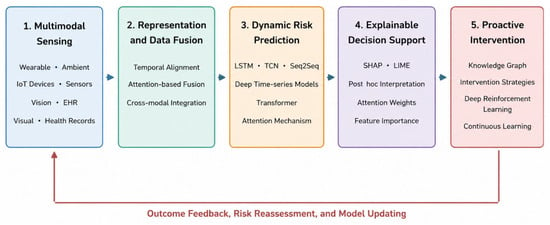
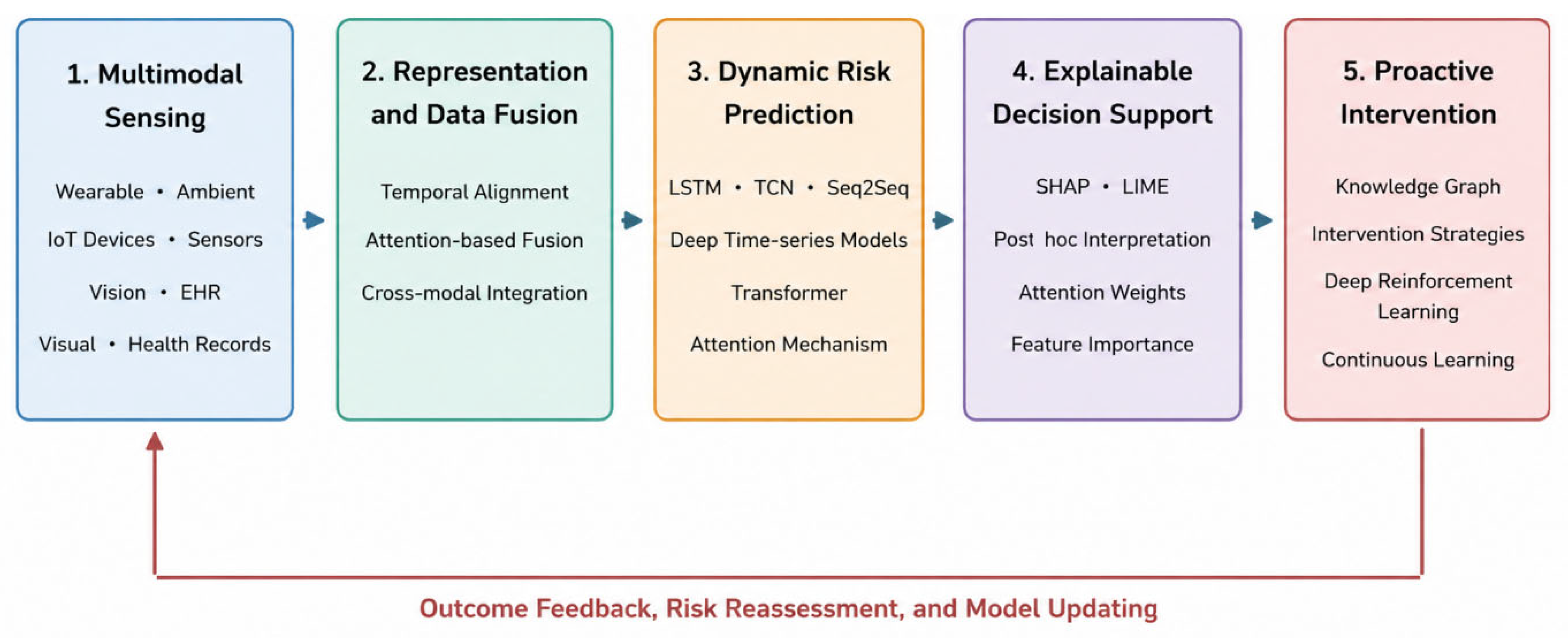
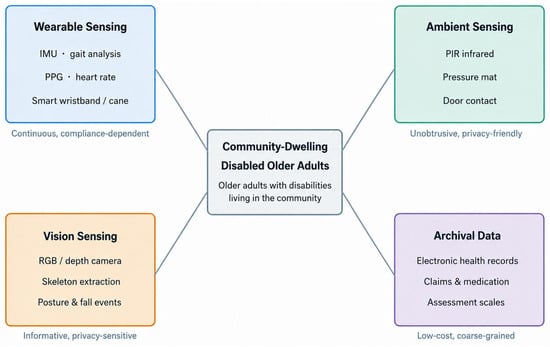
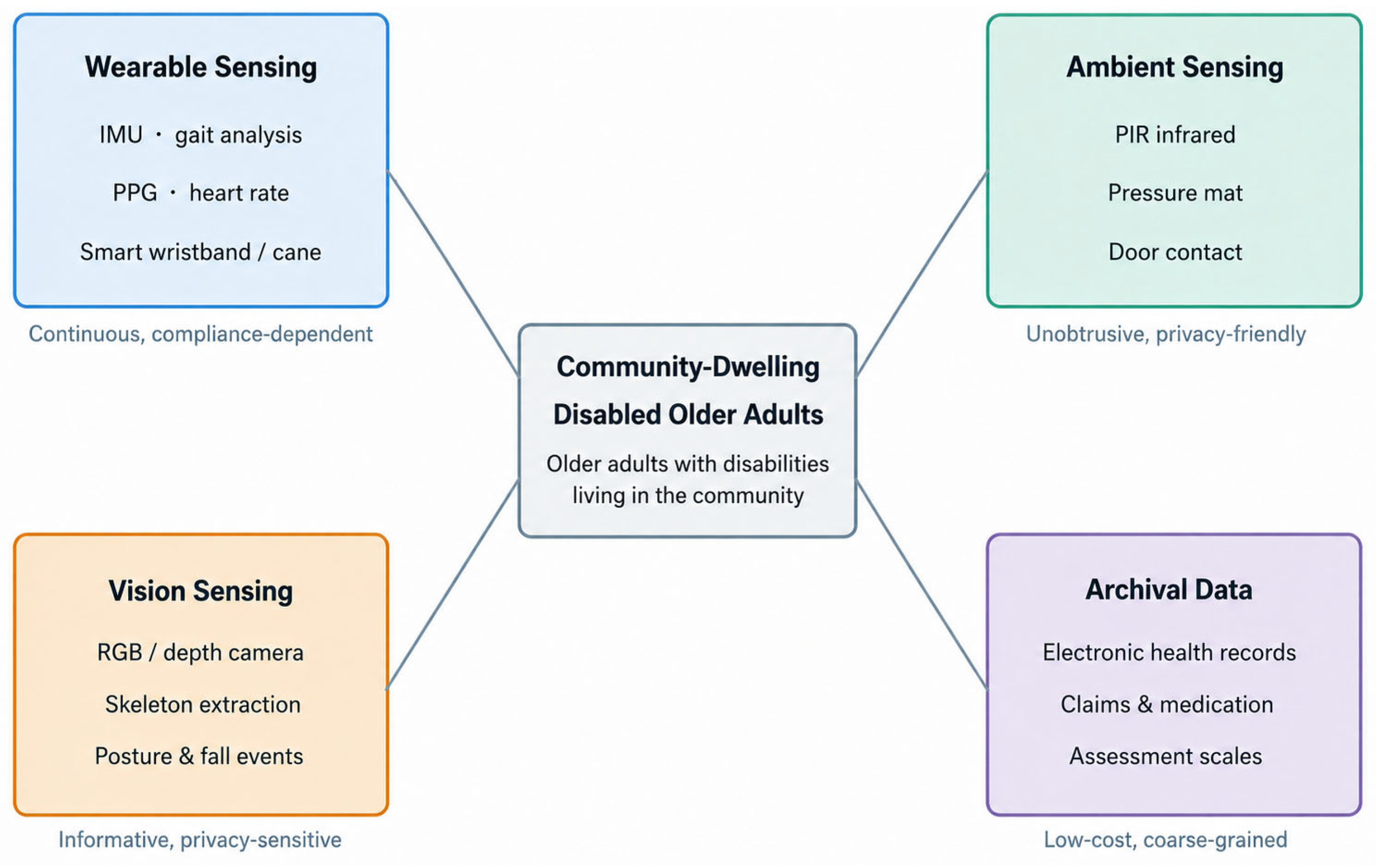
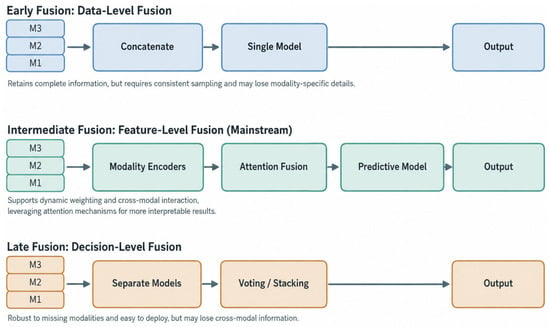
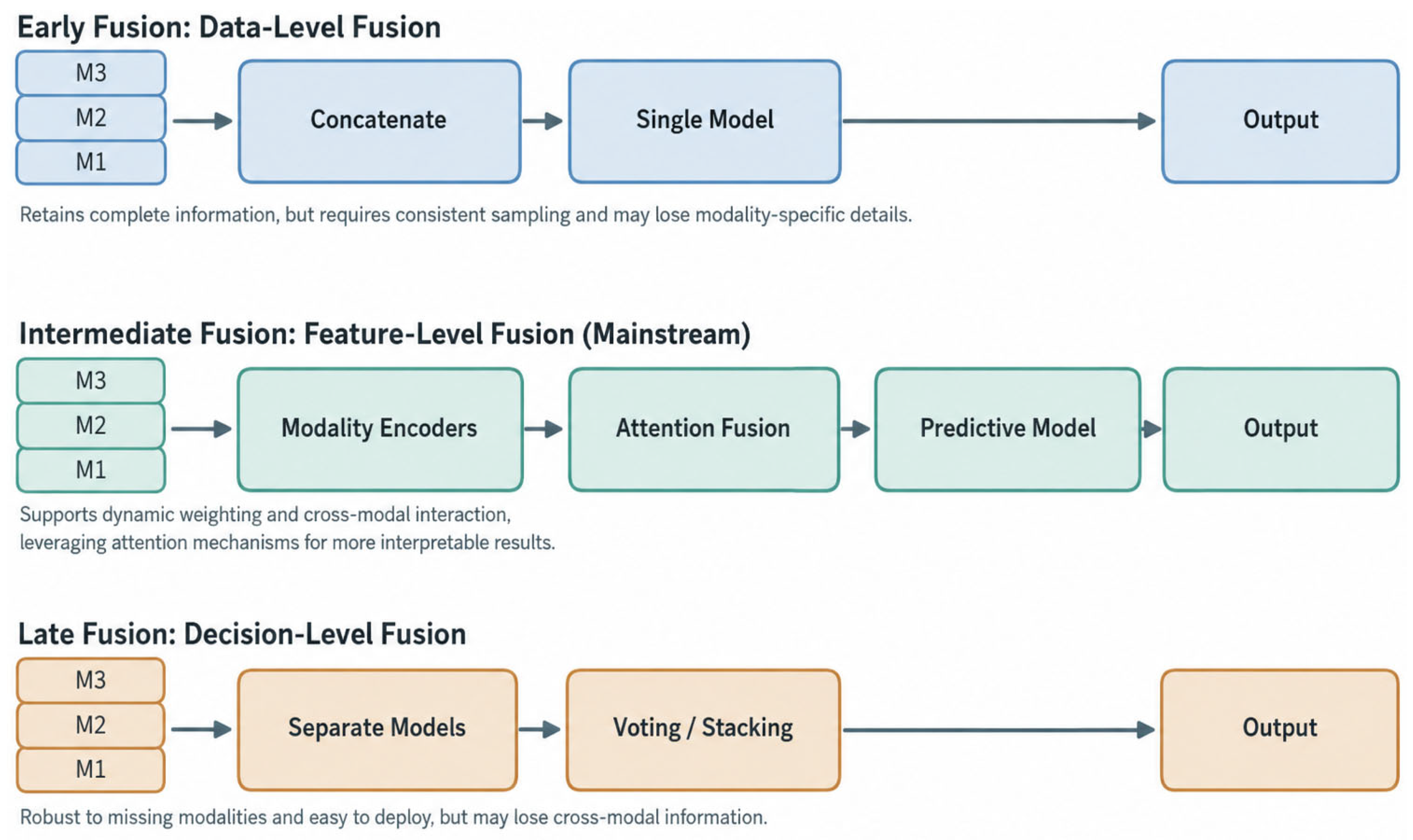
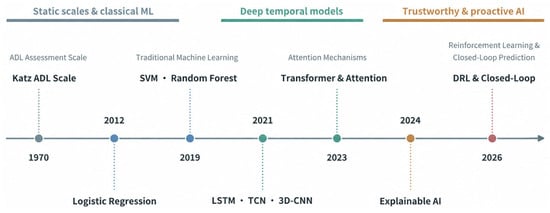
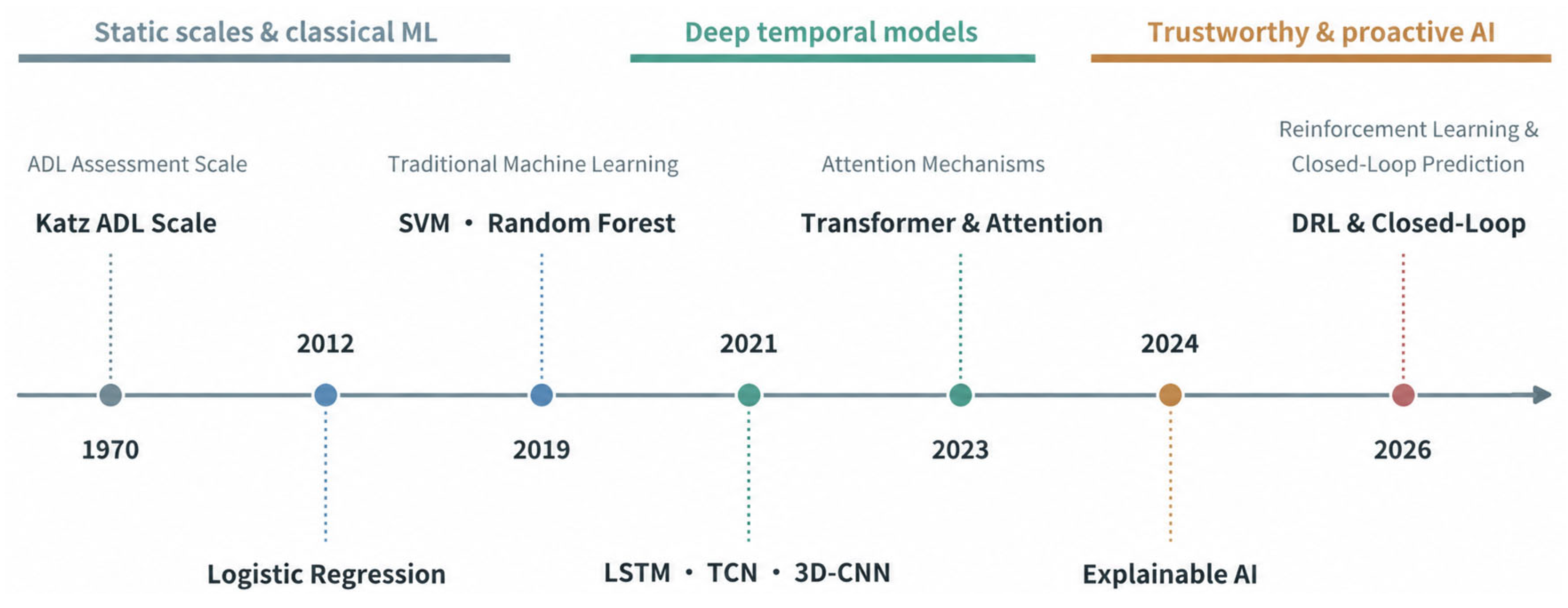

Disclaimer/Publisher’s Note: The statements, opinions and data contained in all publications are solely those of the individual author(s) and contributor(s) and not of MDPI and/or the editor(s). MDPI and/or the editor(s) disclaim responsibility for any injury to people or property resulting from any ideas, methods, instructions or products referred to in the content. |
© 2026 by the authors. Licensee MDPI, Basel, Switzerland. This article is an open access article distributed under the terms and conditions of the Creative Commons Attribution (CC BY) license.