


Highlights
- MPC is reviewed for two marine-maintenance tasks: rapid repair and surface protection.
- Application performance is governed by mechanical load transfer, mass transport, and barrier–electrochemical coupling.
- Long-term marine-field validation remains limited for complete repair and protection systems.
Abstract
Marine infrastructure is continuously exposed to seawater, salt spray, tidal action, and wet–dry cycles, creating persistent demands for rapid repair and surface protection. Magnesium phosphate cement (MPC) offers rapid hardening, high early strength, good dimensional stability, and strong substrate bonding, making it a promising material for marine maintenance. This review organizes MPC-based maintenance into two application categories: rapid repair and surface protection, with the latter further covering concrete surface protection and steel corrosion protection. Rapid repair is mainly governed by constructability and early performance, the MPC–existing concrete interface, and crack propagation. Concrete surface protection depends on layer integrity, interfacial stability, and resistance to water and salt transport, whereas steel protection additionally involves coating adhesion, barrier action, and passivation, with hydrophobic and self-healing strategies extending functionality. Across these three application forms, the dominant service processes correspond mainly to mechanical transfer, mass transport, and barrier–electrochemical coupling. Natural marine exposure studies provide material-level evidence for MPC repair materials, whereas concrete protective layers and steel coatings are supported mainly by laboratory or accelerated tests; long-term field validation of complete repair and protection systems remains limited. Function-oriented design and marine engineering applicability therefore remain key priorities for future development.
1. Introduction
Marine infrastructure, including ports and terminals, sea-crossing bridges, offshore wind turbine foundations, and offshore platforms, is continuously exposed to seawater wetting, salt-spray deposition, tidal fluctuations, and cyclic wetting and drying; some components are also subjected to wave impact and surface abrasion. Moisture and aggressive ions migrate inward from structural surfaces and accumulate during repeated wetting–drying cycles. In reinforced concrete structures, these processes can cause reinforcement depassivation and corrosion, followed by cracking and spalling of the concrete cover; directly exposed steel structures can likewise undergo corrosion and deterioration of protective systems under the combined action of salts, moisture, and oxygen [1,2,3,4]. Accordingly, the near-surface zone is both the region most directly affected by marine exposure and the principal target of protection, maintenance, and repair during service.
Compared with demolition and reconstruction, localized repair and surface intervention can restore structural function and retard further deterioration with less disruption, which is particularly important for marine infrastructure with long service lives, high shutdown costs, and restricted on-site construction periods [5]. Maintenance strategies should be selected according to the surface condition of the structure and the maintenance objective, distinguishing between repair of physical damage and surface protection while accounting for constructability during application and performance stability under subsequent saline exposure. For marine structures composed primarily of concrete and reinforced concrete, cement-based materials offer good material compatibility with existing substrates and can be applied across scales ranging from localized patching to surface coverage; they therefore constitute an important class of maintenance materials [4,5].
Cement-based materials currently used for rapid repair mainly include early-strength ordinary Portland cement (OPC) systems, calcium sulfoaluminate cement (CSA), and magnesium phosphate cement (MPC) [6,7,8]. MPC rapidly forms a chemically bonded phosphate matrix through the acid–base reaction between MgO and soluble phosphates and is characterized by rapid setting and hardening, rapid early-strength development, low dimensional deformation, and good bonding to existing cementitious materials [6,9,10,11,12,13]. These characteristics are well aligned with the need for short-duration construction and rapid functional recovery in marine engineering maintenance. In addition, the composition of MPC can be tailored to balance constructability, load-bearing capacity, and durability. Its good layer-forming ability, substrate adhesion, and corrosion-inhibition potential further allow its use to extend from repair of physical damage to surface protection of concrete and steel substrates [14,15]. MPC therefore has application potential in both rapid repair and surface protection for marine infrastructure maintenance.
Previous reviews have addressed MPC composition and reaction mechanisms, engineering properties, characterization methods, MKPC repair applications, and resistance to salt-induced deterioration [6,12,13,16,17]. Some studies have also examined the engineering suitability of MKPC repair materials and the corrosion-protection applications of MPC-based coatings [6,17]. These studies provide a foundation for examining MPC in marine infrastructure maintenance. The present review considers rapid repair, concrete surface protection, and steel corrosion protection together, with particular attention to their functional requirements, interfacial roles, and dominant failure pathways. The available evidence for marine applications is further examined in relation to exposure conditions and evaluation scales. Table 1 compares the principal emphases of representative previous reviews with the analytical scope of the present review.
Table 1.
Principal emphases of representative MPC reviews and the scope of the present review.
Accordingly, this review takes the maintenance needs of marine infrastructure as its central theme and classifies MPC-based applications into two broad tasks: rapid repair and surface protection, with the latter further divided into concrete surface protection and corrosion protection of steel substrates. After summarizing MPC material systems and performance fundamentals, the review compares the performance requirements, interfacial roles, and dominant failure processes of the three specific applications; examines the relationships between material-design strategies and target maintenance functions; and evaluates their applicability to marine engineering and the principal evidence gaps on the basis of marine-related exposure studies and marine field validation. The review thereby aims to support material selection, design, and long-term performance assessment of MPC for marine infrastructure maintenance. The overall review framework is shown in Figure 1.
Figure 1.
Review framework of MPC-based materials for marine infrastructure maintenance.
Relevant literature was primarily searched in the Web of Science Core Collection and Scopus, with Google Scholar used for supplementary searches and citation tracking. The literature coverage extended to 30 September 2026. The final database searches were conducted on 1 October 2026. The core search terms included “magnesium phosphate cement (MPC)”, “magnesium potassium phosphate cement (MKPC)”, and “magnesium ammonium phosphate cement (MAPC)”, combined with application-specific terms such as “rapid repair”, “repair interface”, “marine environment”, “seawater”, “surface protection”, “protective coating”, and “corrosion protection” using Boolean operators (AND/OR). This study adopted a critical narrative review approach. No formal restrictions were imposed on publication language or document type. Records were screened by title, abstract, and full text based on their relevance to MPC composition and properties, rapid repair, marine durability, concrete surface protection, and steel corrosion protection, together with the availability of quantitative results or mechanistic evidence. Duplicate records were identified using DOIs and titles, while studies reporting overlapping experimental datasets were evaluated together to avoid double-counting evidence. Approximately 300 records were initially identified, of which 175 remained after deduplication and preliminary screening; 122 research publications were retained following further assessment. Relevant foundational studies were also included to support the interpretation of application areas with limited direct marine-exposure evidence.
2. MPC Material Systems and Performance Fundamentals
MPC is a class of rapid-hardening chemically bonded phosphate cement in which MgO and soluble phosphates serve as the principal reactive constituents and form a chemically bonded phosphate matrix through an acid–base reaction [9,10,11]. Depending on the phosphate source, common systems include magnesium potassium phosphate cement (MKPC) and magnesium ammonium phosphate cement (MAPC) [12,18]. Throughout this review, MPC is used as the general term for magnesium phosphate cement systems, while MKPC and MAPC refer specifically to potassium- and ammonium-based systems, respectively. System-specific findings are identified according to the phosphate chemistry investigated in the cited studies. The reaction and hardening of MPC are highly sensitive to raw-material characteristics and mixture proportions. MgO reactivity, phosphate composition, the magnesia-to-phosphate molar ratio (Mg/P), water content, admixtures, and mineral additions can all alter the reaction process and hardened structure, thereby affecting workability, setting, mechanical properties, dimensional stability, and pore structure [19,20,21]. Clarifying the MPC system and the roles of its principal compositional parameters is therefore fundamental to understanding its performance in rapid repair and surface protection.
2.1. MPC Systems and Reaction Characteristics
The hardening of MPC mainly involves MgO dissolution, formation of Mg-containing phosphate precursors, precipitation of reaction products, and subsequent structural development. At the early stage, phosphate dissolution creates an acidic liquid phase that promotes MgO dissolution and the release of Mg2+. Mg2+ then reacts with phosphate species to form magnesium phosphate hydrates and gel-like intermediate phases. As the reaction proceeds, the hydration products progressively polymerize, crystallize, and interconnect, eventually forming a continuous cementitious structure [9,10,11,22,23]. Rapid ionic dissolution and product precipitation generally result in short setting times, concentrated early heat release, and rapid strength development. A representative dissolution–reaction–precipitation sequence and the associated formation of the binding structure are illustrated in Figure 2.
Figure 2.
Schematic representation of the hydration and hardening process of MPC: (a) early hydration; (b) middle-stage hydration; and (c) later-stage hydration and crystallization. (Reprinted from Ref. [24]).
Different phosphate systems produce different principal reaction products. In MKPC, the main binding product is typically MgKPO4·6H2O (K-struvite), whereas MAPC mainly forms MgNH4PO4·6H2O (struvite) [10,12,22,23]. Hardened MPC also contains residual MgO to varying degrees and pores, and the relative proportions of these constituents depend on the basic mixture design, reaction extent, and curing conditions [25,26,27,28]. The macroscopic properties of MPC therefore arise from the combined effects of reaction rate, reaction extent, and development of the hardened structure, all of which are further regulated by the basic mixture proportions and additional constituents.
2.2. Basic Mixture Parameters and Their Effects
MgO reactivity, phosphate composition, the Mg/P ratio, and water content jointly govern the liquid-phase chemistry, reaction kinetics, and hardened structure of MPC [22,23,25,26,27,28,29,30,31,32,33,34,35,36,37,38]. MgO characteristics determine dissolution reactivity, while phosphate type and acidity affect reaction rate and the principal products; the Mg/P ratio and water content further regulate reaction extent, residual MgO content, paste flowability, and pore structure. Strong system dependence is evident across the literature, and the effects of Mg/P and water content vary with MgO characteristics, phosphate chemistry, and the overall formulation. Representative effects of the main mixture parameters are summarized in Table 2. The studies summarized in Tables 2–7 were selected for their relevance to the discussed performance factors and the availability of quantitative or mechanistic evidence, with reported trends interpreted within the corresponding formulation and testing conditions.
Table 2.
Representative reported effects of key mixture parameters on MPC reaction and performance.
Accordingly, there is no universally optimal MPC mixture proportion independent of raw-material characteristics and application objectives. MgO reactivity, phosphate composition, the Mg/P ratio, and water content should be coordinated to balance constructability, early strength, dimensional stability, and pore structure, thereby providing an appropriate performance basis for subsequent rapid-repair and surface-protection applications.
2.3. Admixtures and Mineral Additions
Admixtures and mineral additions regulate MPC performance primarily through reaction kinetics and development of the hardened structure, respectively. Boron-based and other retarding components mainly extend the workable period by affecting MgO dissolution, ionic interactions, and early precipitation, but their effects on early strength and subsequent structural development must be considered concurrently [40,41,42,43,44,45,46,47]. Mineral additions such as fly ash, silica fume, metakaolin, and slag further influence rheology, strength, pore structure, dimensional stability, and water resistance through particle filling, heterogeneous nucleation, and varying degrees of reaction participation [48,49,50,51,52,53,54,55,56,57,58,59,60,61]. Representative systems and quantitative results are summarized in Table 3.
Table 3.
Representative effects of additives and mineral admixtures on MPC properties.
Overall, regulation of MPC performance is strongly system-dependent. Basic mixture proportions establish the fundamental reaction and hardening characteristics, while admixtures and mineral additions further adjust the workable period, strength development, dimensional stability, and pore structure. For rapid repair, the primary objective is to balance constructability, early functional recovery, and dimensional stability; for surface protection, greater emphasis is placed on continuous layer formation, interfacial stability, and control of mass transport. Material composition should therefore be optimized with the target maintenance function as the governing constraint rather than on the basis of a single strength or setting-time metric.
3. MPC-Based Materials for Rapid Repair of Marine Concrete Structures
When marine concrete develops potholes, spalling, corner loss, or localized section loss, rapid repair must not only restore the missing material but also re-establish local load-bearing and load-transfer capacity within a limited construction window. The rapid setting and early-strength development of MPC are well suited to this requirement; however, actual repair performance also depends on constructability and early-age behavior, the MPC–existing concrete interface, and retention of performance under subsequent marine exposure [62,63]. This section therefore discusses MPC rapid-repair applications from three perspectives: early-age performance, repair-interface and system response, and marine durability.
3.1. Workability and Early-Age Performance
Rapid repair does not simply require the shortest possible setting time or the highest early-age strength; rather, it requires an appropriate balance among the workable period, functional recovery, and dimensional stability [62,63,64]. Workability and setting time must allow sufficient time for mixing, placement, and finishing, followed by rapid development of adequate load-bearing capacity. At the same time, because the repair layer is restrained by the existing concrete, early expansion or shrinkage can affect its integrity. Previous studies have shown that dimensional changes in MPC are concentrated at early ages and are influenced by mineral additions and modifying components [59,60,61]. Early-age performance of rapid-repair materials should therefore be evaluated through coordinated control of the workable period, early load-bearing capacity, and dimensional stability rather than by a single setting-time or strength metric.
3.2. MPC–Existing Concrete Interfaces and Repair-System Response
Research on MPC repair has progressively expanded from evaluation of the material matrix to the interface between the repair material and existing concrete and to the response of the composite repair system [65,66]. The interface transfers tensile, shear, and flexural loads and also influences crack initiation and propagation between the new and existing materials [67,68,69]. Correspondingly, research has progressed from macroscopic bond strength to the microstructure and micromechanics of the interfacial transition zone (ITZ) and the fracture response of composite repair systems [70]. Representative studies are summarized in Table 4.
3.2.1. Interfacial Bonding and Substrate Treatment
MPC can rapidly develop adhesion to cementitious substrates [66,71], but the measured bond response depends on the test configuration and failure location. Direct-tension and pull-off tests assess tensile bond response, splitting tests impose indirect tensile stresses, shear tests evaluate resistance to relative sliding, and flexural tests characterize composite behavior under bending [66,71,72]. The resulting strengths reflect different stress states and should be interpreted together with specimen geometry, substrate strength, and failure location. Substrate roughening can improve interfacial load transfer through increased contact and mechanical interlocking [70,73], while repair geometry and local edge stresses further influence the failure process [74]. For marine repairs, substrate moisture or saturation, residual salt contamination, and surface preparation are important considerations during interface formation. The initial curing period before seawater exposure also affects the development and stability of the MPC matrix [75]. These conditions should be considered together when evaluating interfacial bonding and subsequent bond retention.
3.2.2. Interfacial Transition Zone Structure and Bonding Mechanisms
Microscopic observations show that fresh MKPC paste can penetrate substrate surface asperities and open pores and form local mechanical interlocking after hardening. The MPC–concrete interface is spatially heterogeneous and comprises cement paste, exposed aggregate, pre-existing ITZs, and newly formed MPC contact regions [71,76,77,78,79,80,81]. Representative macro- and micro-scale morphologies of the MKPC–existing concrete interface are shown in Figure 3.
Figure 3.
Representative macro- and micro-scale morphology of the interface between MKPC repair material and existing concrete. (Reprinted from Ref. [67]).
Microstructural observations further indicate that the MKPC–OPC interfacial region contains a thin contact/infiltration zone adjacent to the MKPC and a wider K-struvite-enriched zone toward the OPC substrate [67] (Figure 4). Nanomechanical studies further show marked differences in elastic modulus and damage sensitivity among local ITZs, while substrate composition affects local pore structure and micromechanical characteristics [76,77,78,79,80,81]. Macroscopic bond strength therefore reflects the collective response of multiple heterogeneous interfacial regions. Evaluation of the MPC–existing concrete interface should consequently consider ITZ structure, local chemical interactions, and micromechanical heterogeneity.
Figure 4.
Schematic representation of the interfacial transition zone between MKPC and OPC. (Reprinted from Ref. [67]).
3.2.3. Interfacial Fracture and Mechanical Response of Repair Systems
Once the repair layer participates in load transfer, cracks may propagate along the interface or deflect into the MPC layer or existing concrete, making interfacial fracture and crack propagation important dimensions of repair-system evaluation [77,82,83]. Four-point bending tests showed that substrate-interface morphology can markedly affect the fracture location and failure characteristics of repaired specimens, with different interface treatments producing distinct fracture surfaces [67] (Figure 5). Bilayer-beam, digital image correlation (DIC), and mixed-mode fracture tests further showed that MPC overlays can improve the flexural load-bearing capacity and crack resistance of composite specimens, while crack paths are jointly controlled by interfacial strength, the properties of the adjoining materials, and the local stress state [82,83].
Figure 5.
Fracture surfaces of MKPC–concrete repaired specimens with different substrate-interface morphologies. (Reprinted from Ref. [67]).
Studies on localized pothole repairs and component-scale specimens further show that repair geometry and edge shear can alter the failure process. Once interfacial bonding reaches a sufficiently high level, the weakest region may shift to the substrate, the repair layer, or other local interfaces [74,84,85]. Accordingly, bond strength, interfacial fracture parameters, and component load-bearing capacity describe different aspects of repair-system performance and should be considered together with failure location and crack propagation.
Table 4.
Representative studies on MPC–existing concrete interfaces and repair-system responses.
3.3. Marine Durability of MPC-Based Repairs
The marine durability of MPC rapid repairs can be evaluated at two levels: the material matrix and the repair system [75,86,87,88,89,90]. The former concerns changes in reaction products, pore structure, and mechanical properties under early seawater contact and long-term saline exposure, whereas the latter further involves bond retention at the MPC–existing concrete interface and evolution of local damage. Together, these two levels provide the basis for evaluating the marine durability of MPC rapid repairs. Representative exposure conditions and results are summarized in Table 5.
3.3.1. Marine Durability of the MPC Matrix
Existing studies indicate that the marine durability of MPC is jointly affected by the degree of initial curing, basic mixture proportions, and the external medium. When seawater contact occurs too early, a hardened structure that has not yet fully stabilized is more susceptible to performance loss, whereas sufficient initial curing and appropriate microstructural regulation can improve long-term strength retention [75]. Long-term exposure to water, NaCl, sulfate solutions, and seawater further shows that performance evolution involves not only changes in strength and porosity but also local instability of K-struvite, dissolution–reprecipitation, and formation of secondary phases [86,91,92]. The one-year immersion results in Ref. [86] further illustrate the distinct compressive-strength evolution of MKPCs in deionized water, sulfate solution, and seawater (Figure 6).
Figure 6.
Compressive strength evolution of MKPCs during one-year immersion in (a) deionized water, (b) 4 wt.% Na2SO4 solution, and (c) seawater. (Reprinted from Ref. [86]).
Natural intertidal exposure further demonstrates that tidal action, temperature and humidity variations, hydrodynamic effects, and sediment abrasion in real marine environments can produce coupled effects that are difficult to reproduce fully by single-solution laboratory immersion. The same repair material may therefore exhibit markedly different performance evolution at different marine sites [87,93]. Laboratory salt-solution tests are useful for isolating individual environmental factors, but their engineering interpretation should be linked to actual marine exposure conditions.
Direct comparisons between laboratory seawater wet–dry cycling and marine field exposure also reveal differences in the surface deterioration patterns of repair materials. He et al. [94] compared MPC, CSA, and two polymer-based repair materials under laboratory seawater wet–dry cycling and marine field exposure. MPC maintained good surface integrity under both environments, whereas the deterioration characteristics of the different materials under marine field exposure did not fully correspond to those observed under laboratory cycling. Laboratory accelerated tests and marine field exposure can therefore provide complementary evidence for evaluating the durability of repair materials in marine environments.
3.3.2. Marine Durability of Repair Systems
After a repair system enters a marine environment, both the material matrix and the MPC–existing concrete interface may evolve; strength retention and interfacial bonding should therefore be evaluated together. Recent studies indicate that fly ash and related mineral additions can improve packing and filling within the matrix and at the interface, thereby enhancing strength retention and interfacial stability under cold marine exposure conditions [89,90]. In addition, long-term seawater studies of MKPC recycled concrete show that a denser MKPC–recycled aggregate ITZ can reduce chloride ingress and local damage caused by salt crystallization [95], providing useful mechanistic insight into the long-term stability of MPC interfaces under seawater exposure.
Overall, the marine durability of MPC rapid repairs is governed by the degree of initial hardening, repair-material structure, interfacial state, and external environment. Compared with the evidence available for the material matrix, long-term marine field validation of the MPC–existing concrete interface and complete repair systems remains relatively limited.
Table 5.
Marine-related durability evidence for MPC repair materials and systems.
4. MPC-Based Materials for Surface Protection of Marine Infrastructure
Surface protection of marine infrastructure is primarily intended for newly built structures, in-service structures that remain largely intact, and regions that require further restriction of moisture and aggressive-ion ingress after localized repair [4]. On concrete substrates, MPC can form an additional protective layer that functions through continuous coverage, substrate bonding, and reduced mass transport; on steel substrates, MPC acts as an inorganic anticorrosive coating and further influences corrosion through the local chemical environment and passivation at the steel–MPC interface [15]. Because these two applications differ in the protected substrate and functional requirements, concrete surface protection and corrosion protection of steel substrates are discussed separately below.
4.1. MPC Protective Layers on Concrete Surfaces
Direct studies of MPC for concrete surface protection remain relatively limited, and existing work has mainly examined the effects of protective-layer integrity, pore structure, layer thickness, and interfacial bonding on protective performance. The core function of the MPC layer is to form a continuous and stable additional barrier that restricts the migration of moisture and aggressive ions into the substrate. Under long-term sulfate exposure, MPC protective layers have maintained relatively stable interfaces and reduced ingress of aggressive species and substrate deterioration [96,97]. Chloride-related studies show that increasing layer thickness improves barrier performance, although the incremental benefit diminishes with increasing thickness [14]. Silica fume can further improve layer densification by modifying early strength and pore structure [98]. After the electrical flux test and AgNO3 spraying, distinct precipitation patterns were observed in specimens with different MPC protective-layer thicknesses (Figure 7). Together with the electrical-charge results, these observations suggest improved resistance to chloride-related transport with increasing layer thickness under the tested conditions [14]. Electrical-charge and accelerated-migration measurements are also influenced by specimen conductivity and testing conditions and should be interpreted alongside direct transport and long-term exposure data. Representative studies are summarized in Table 6.
Figure 7.
Split surfaces of mortar specimens after electrical flux testing and AgNO3 spraying. (a) OPC-only specimen. (b) A 1 cm MPC layer over 4 cm of OPC mortar. (c) A 2 cm MPC layer over 3 cm of OPC mortar. (d) A 3 cm MPC layer over 2 cm of OPC mortar. (e) A 4 cm MPC layer over 1 cm of OPC mortar. (f) MPC-only specimen. (Reprinted from Ref. [14].)
Table 6.
Representative studies on MPC protective layers for concrete surfaces.
Recent work has extended MPC protective layers to sub-millimeter thicknesses and evaluated their interfacial stability and chloride-barrier performance under seawater immersion and wet–dry cycling [99]. Notably, migration of Mg2+ and phosphate species toward the substrate together with densification of the interfacial region indicates that protection arises not only from surface coverage but also from continued evolution of the protective layer–substrate interface. During exposure, locally thin regions, pinholes, cracking, and interfacial debonding can create preferential paths for water and chloride ingress, while substrate preparation influences the continuity and adhesion of the protective layer. Overall, the design of MPC surface protection for concrete should focus not simply on increasing material strength but on maintaining layer integrity, interfacial stability, and low water/salt transport. The seawater-immersion and wet–dry cycling results reported in [99] support the protective potential of thin MPC layers under the tested conditions, while long-term field performance of complete MPC-coated concrete systems remains to be established.
4.2. MPC Anticorrosive Coatings for Steel Substrates
When MPC is applied directly to carbon steel, structural steel, reinforcing bars, or prestressing steel, the resulting protection system involves coating barrier performance, interfacial adhesion, and the electrochemical state of the steel surface [15,100,101,102,103]. For steel plates and structural steel, the priority is to form a continuous, low-defect protective layer; for reinforcing bars and prestressing strands, post-coating anchorage and load-transfer performance must also be maintained.
4.2.1. Coating Integrity and Interfacial Adhesion
The service performance of an MPC coating first depends on whether a continuous and stable steel–MPC interface can be formed during application. The initially acidic environment of fresh MPC paste may induce hydrogen evolution at the steel surface and generate interfacial pores, whereas appropriate regulation of the reaction rate and paste composition can markedly reduce such defects [102]. Representative interfacial morphologies are shown in Figure 8.
Figure 8.
Morphology of the MPC coating and steel–MPC interface: (a,b) SEM images of the optimized MPC coating; (c) fracture-exposed interface of the optimized coating; and (d) interface of the unmodified MPC coating showing interfacial pores. (Reprinted from Ref. [102].).
Coating thickness, layered configuration, and steel surface morphology also influence adhesion and subsequent mechanical response [101,104,105,106]. In one study, MPC coating increased the steel–concrete bond strength of plain bars from 2.53 to 3.13 MPa but reduced that of ribbed bars from 21.83 to 17.35 MPa [106]. This contrasting response highlights the importance of bar geometry and mechanical interlocking in coating design. Accordingly, coating evaluation should consider steel–MPC adhesion together with steel–concrete anchorage and load-transfer performance, particularly for reinforcing bars and prestressing strands.
4.2.2. Steel–MPC Interfacial Passivation and Corrosion-Protection Mechanisms
Protection of steel by MPC arises from the combined effects of a physical barrier and interfacial chemical processes. A dense coating delays the arrival of water, oxygen, and Cl− at the steel surface, while the pH and phosphate species in the MPC pore solution can participate in the formation of a protective film on the steel [15,102,107,108]. Surface analyses have identified iron-phosphate-related species, and simulated pore-solution studies further indicate a relatively high critical chloride level for chloride-induced depassivation of steel in MKPC; this threshold varies with the local chemical environment associated with the Mg/P ratio [107,108].
Accordingly, pores, cracks, and local debonding in the coating not only shorten transport paths for aggressive species but may also alter passivation conditions at the steel–MPC interface. Evaluation of the corrosion-protection performance of steel coatings should therefore consider not only coating density but also barrier performance, interfacial chemistry, and the electrochemical response of the steel.
4.2.3. Corrosion Protection and Material Regulation Under Chloride Exposure
Immersion in 3.5 wt.% NaCl and neutral salt-spray testing are currently the most widely used corrosion-evaluation environments for MPC coatings on steel. Existing studies generally show that intact MPC coatings can substantially increase polarization resistance and charge-transfer resistance and delay corrosion under sustained chloride exposure [100,102,109]. Polarization resistance, corrosion current density, and low-frequency impedance characterize the electrochemical response of coated steel under the specified exposure conditions. Coating integrity, interfacial adhesion, and observed corrosion morphology provide complementary evidence for evaluating the effectiveness and persistence of corrosion protection.
Further material modification shows that silica fume (SF), metakaolin (MK), ZnO, calcium sulfoaluminate cement (CSA), and calcium sulfate whiskers (CSW) can improve electrochemical protection by modifying pore structure, cracking, and interfacial conditions [110,111,112,113,114,115], although the benefits are strongly system- and dosage-dependent. Of particular importance, the relationship between constructability and service performance is formulation-dependent: boric-acid retardation can extend the workable period but may increase pores within specific size ranges and weaken steel passivation and electrochemical protection [116], whereas mixed-phosphate systems can prolong setting while improving corrosion-protection efficiency [117]. After 10,080 h of electrochemical corrosion testing, no obvious rust spots were observed on the external surfaces of the MKPC- and boric-acid-modified MKPC-coated steel bars, and most of the steel surfaces retained a metallic appearance after coating removal [116] (Figure 9). Nevertheless, the electrochemical results showed that boric-acid modification reduced the overall corrosion-protection performance relative to the unmodified MKPC coating [116]. Steel-coating formulations should therefore be constrained by the final corrosion-protection performance rather than judged solely on fresh-state or mechanical properties.
Figure 9.
Surface conditions of MKPC- and boric-acid-modified MKPC-coated steel bars after a 10,080 h electrochemical corrosion test: (a) MKPC; (b) boric-acid-modified MKPC; (1) samples with coating and (2) samples after coating removal. (Reprinted from Ref. [116]).
4.2.4. Hydrophobic and Self-Healing Functionalization
In recent years, functional design of MPC coatings on steel has expanded from reducing pore connectivity to controlling water/salt ingress and restoring protection after damage. Hydrophobic modification lowers surface free energy and wettability, thereby reducing ingress of liquid water and Cl−, and can act synergistically with passivation at the steel–MPC interface [118,119,120]. Recent studies show that polydimethylsiloxane (PDMS) modification reduces surface wetting, forms a hydrophobic protective layer, and increases the tortuosity of transport pathways for aggressive species, thereby limiting the ingress of H2O, Cl−, and O2 toward the steel–MPC interface and delaying corrosion of the steel substrate [120]. Another study reported that enhanced coating hydrophobicity improved the barrier response while slightly reducing the resistance of the protective oxide film on steel [118], indicating that coating hydrophobicity and interfacial passivation should be evaluated together.
For coatings in which cracks have already formed, self-healing strategies are intended primarily to restore the damaged protective function. Microbial mineralization can seal cracks through CaCO3 precipitation and block migration of corrosive species [121]. When further combined with ion exchange by layered double hydroxides (LDHs), crack sealing can be accompanied by Cl− adsorption and release of corrosion-inhibiting ions, enabling synergistic recovery of the physical barrier and interfacial chemical protection [122]. The effectiveness of these strategies should also be evaluated through the retention of barrier and electrochemical performance after repeated wetting and successive damage events.
Overall, existing studies have reported improvements in electrochemical response, hydrophobicity, and damage-triggered barrier recovery for specific MPC coating formulations [100,102,118,119,120,121,122]. Long-term performance evaluation should further address coating integrity and adhesion, retention of hydrophobicity, repeatable recovery after damage, and corrosion protection under natural marine exposure. Representative material-design strategies and quantitative results are summarized in Table 7.
Table 7.
Representative studies and performance-regulation strategies for MPC anticorrosive coatings on steel substrates.
5. Application Selection and Design Principles for MPC-Based Materials in Marine Infrastructure Maintenance
The preceding studies show that MPC applications in marine infrastructure maintenance can be grouped into rapid repair and surface protection, with surface protection further including protective layers for concrete and anticorrosive coatings for steel substrates. These three specific material forms share the same MgO–phosphate reaction basis but differ markedly in maintenance target, functional objective, interfacial role, and failure mode. The applicability of MPC should therefore not be judged on the basis of a single property such as strength or durability; instead, the material form should be selected according to structural condition and maintenance objective, followed by identification of the corresponding performance requirements and dominant failure processes.
5.1. Application Forms, Performance Requirements, and Failure Pathways
Structural condition determines the material form in which MPC should be deployed. For concrete with potholes, spalling, corner loss, or localized section loss, MPC is typically used as a repair mortar, patching layer, or overlay to restore missing material and establish effective load transfer with the existing concrete within a limited construction period [6,62,66]. For concrete that remains largely intact, or after physical damage has been repaired but further restriction of water and salt ingress is required, MPC can be applied as a thin protective layer that increases transport resistance through continuous coverage and stable bonding [14,96,99]. For structural steel, steel plates, reinforcing bars, and prestressing steel, MPC acts as an inorganic anticorrosive coating, extending its function from mass-transport resistance to chemical passivation at the steel–MPC interface; for reinforcing-steel substrates, the influence of the coating on subsequent anchorage behavior must also be considered [15,100,101,106]. The material forms, functional requirements, interfacial roles, and major failure characteristics of these applications are summarized in Table 8.
Table 8.
Cross-application comparison of design considerations, interface functions, failure pathways, and supporting evidence for MPC-based marine maintenance.
Compared with established repair materials, MPC offers rapid setting and early strength development, making it a potential option for localized repairs requiring short construction windows. However, its short workable period and sensitivity to mixing, substrate conditions, and early water exposure require particular attention when selecting a formulation for large-area application or complex on-site repairs. Rapid-hardening OPC-based and CSA systems also provide early strength, while polymer-modified repair materials offer alternative approaches to improving bonding and deformation-related performance [6,8]. Material selection should therefore consider workable time, dimensional compatibility, substrate bonding, and durability under the intended exposure conditions. In a direct comparison involving MPC, CSA, and polymer-based repair materials, MPC showed favorable resistance to seawater-induced deterioration under laboratory wet–dry cycling and natural marine exposure [94]. For concrete surface protection, MPC coatings exhibited better sulfate resistance than epoxy coatings under the conditions investigated in Ref. [96], while layer continuity, adhesion, and water/chloride transport remain important selection criteria. For steel protection, MPC coatings provide barrier protection and phosphate-related interfacial passivation [15,100,102], whereas conventional coating systems offer established alternatives [3]. Their selection should consider corrosion protection, coating integrity, substrate compatibility, and the available marine-service evidence.
From the perspective of functional degradation mechanisms, the three applications are governed by different processes. Rapid repair involves reconstruction of a load-bearing system: early dimensional incompatibility, stress concentration at repair edges, and local interfacial heterogeneity can induce cracking, after which failure may propagate along the interface or shift into the MPC layer or existing concrete [74,77,82,83,84]. Concrete surface protection is governed mainly by defect-controlled mass transport; once pinholes, cracks, locally thin regions, or delamination form rapid transport pathways, protective performance can decline markedly even if the protective material itself retains high strength [14,96,97,98,99]. MPC coatings on steel additionally involve electrochemical processes: coating defects facilitate the ingress of water, oxygen, and Cl− to the steel–MPC interface and can trigger loss of passivity and corrosion development [100,102,107,108]. The dominant failure pathways of the three applications are therefore characterized by mechanical load transfer, mass transport, and barrier–electrochemical coupling, respectively.
These differences also change the engineering significance of the same performance metric. Strength is directly related to recovery of load-bearing capacity in rapid repair, whereas in thin protective layers it is more relevant to maintaining layer integrity. Pore connectivity influences long-term performance retention in repair materials but directly controls mass ingress in surface-protection applications. The interface transfers load in rapid repair, maintains continuous coverage in concrete surface protection, and additionally participates in passivation and corrosion control in steel protection. The same performance metric should therefore be interpreted according to its functional role and the object being evaluated in each application.
Existing repair and protection standards provide useful references for the engineering evaluation of MPC-based maintenance materials. For rapid concrete repair, ASTM C928/C928M-25 specifies performance requirements for packaged, dry, rapid-hardening cementitious repair mortars and concretes, including compressive strength, length change, scaling resistance, and slant-shear bond strength [123]. EN 1504-3:2005 provides relevant criteria for structural and non-structural concrete repair products, including strength, adhesion, dimensional compatibility, and durability-related properties [124], while ACI PRC-546-23 offers guidance on material selection, substrate preparation, and repair procedures [125]. For concrete surface protection, EN 1504-2:2004 provides an evaluation framework for surface protection systems, including coating adhesion, water absorption, and durability [126]. For steel corrosion protection, ISO 12944-9:2018 specifies performance requirements and laboratory test methods for protective coating systems on offshore and related carbon-steel structures, including coating adhesion, film integrity, cyclic ageing, and seawater exposure [127]. These documents serve as engineering reference and benchmarking frameworks for MPC-based maintenance applications. Conformity or qualification of a specific MPC-based repair or coating system requires application-specific assessment and testing against the applicable scope and performance requirements, particularly when ISO 12944-9 [127] is referenced for inorganic MPC coatings.
5.2. Function-Oriented Design Principles for MPC Materials
On the basis of these differences, MPC material design can be linked through the sequence of reaction process–hardened structure–interfacial state–service function. Different maintenance tasks assign different priorities to material properties; compositional regulation should therefore serve the required construction conditions, hardened structure, and interfacial characteristics, and ultimately the target maintenance function.
First, an appropriate reaction-time window should be selected according to the construction method. Rapid repair requires sufficient time for mixing, placement, and finishing while also demanding rapid development of load-bearing capacity; the effect of retardation should therefore be considered together with early strength and dimensional stability. Thin protective layers and steel coatings also require sufficient application time to achieve uniform coverage, but their performance further depends on layer continuity and the interfacial environment. For example, a boric-acid-modified MKPC coating showed longer setting but lower polarization resistance under the investigated conditions [116], whereas adjustment of the phosphate system in another coating study extended setting while improving the reported corrosion-protection efficiency [117]. These results indicate that the consequences of setting-time adjustment are formulation-specific and should be evaluated against the intended maintenance function.
Second, the hardened structure should be designed around the specific controlling function. Rapid repair requires a balance among early load-bearing capacity, dimensional stability, and long-term stability under water and salt exposure; concrete protective layers emphasize thin-layer continuity and low water/salt transport; and steel coatings require pore-structure optimization to translate into higher impedance and lower corrosion rates. Although fly ash, silica fume, and metakaolin can all alter particle packing, reaction extent, and pore structure, the relevant evaluation metrics for the same modification strategy differ among applications [54,98,110,111]. Material optimization should therefore be guided by the target maintenance function, linking material-level metrics such as strength and pore structure to actual repair or protection performance.
The interfacial state should likewise be treated as a material-design variable. In rapid repair, the interface should provide stable load transfer and control crack propagation between the new and existing materials; in concrete surface protection, it should maintain long-term adhesion and avoid formation of rapid transport pathways along the interface; and in coatings on steel substrates, it should provide both stable adhesion and a local chemical environment favorable for passivation [70,96,107,108]. Substrate treatment, paste rheology, reaction rate, and interfacial chemistry should therefore be considered jointly in material and construction design. For reinforcing steel, one study reported lower steel–concrete bond strength for MPC-coated ribbed bars than for uncoated bars [106], highlighting the need to assess anchorage performance when designing protective coatings.
For coatings on steel substrates, hydrophobicity and self-healing further extend the design objective from initial performance to defect control during service. Hydrophobic modification is intended primarily to reduce surface wetting and water/salt ingress through intact coatings, whereas self-healing strategies restore part of the barrier and interfacial protection after cracking through mineral deposition, crack sealing, and ion exchange [118,119,120,121,122]. This development indicates that design of MPC coatings for steel is progressing from static material properties toward control of the entire sequence of environmental ingress, defect formation, and functional recovery.
Overall, different applications require different combinations of properties, and there is no single MPC formulation that is optimal for all maintenance tasks. Design should proceed from the target maintenance function backward to the reaction conditions, hardened structure, and interfacial state, while balancing constructability, early functional performance, interfacial stability, and long-term protection.
5.3. Marine Field Validation and Engineering Applicability
The engineering applicability of MPC-based materials depends not only on laboratory-scale material properties but also on the extent to which those properties are retained under realistic interfacial conditions, application thicknesses, and marine exposure. Once the material form and design objectives have been established, marine field exposure and tests that approximate actual service conditions are needed to evaluate applicability to marine engineering. The degree of validation currently differs markedly among rapid repair, concrete surface protection, and corrosion protection of steel substrates; the available evidence and major limitations are summarized in Table 9.
Table 9.
Marine-exposure evidence and engineering implications for MPC-based maintenance applications.
Marine exposure conditions differ across atmospheric/salt-spray, splash, tidal/intertidal, and continuously submerged zones, with cold conditions introducing additional freeze–thaw effects. In marine atmospheric zones, airborne salt deposition and intermittent wetting place emphasis on surface integrity and resistance to chloride ingress; the MPC steel-coating studies reviewed here mainly provide laboratory salt-spray and electrochemical evidence [100,102]. In splash zones, frequent seawater wetting and local hydrodynamic impact increase the importance of adhesion, crack resistance, and barrier continuity, with supporting evidence primarily available from simulated wet–dry tests [94,99]. Tidal/intertidal exposure involves periodic immersion, drying, salt accumulation, and possible abrasion, placing demands on matrix stability and interfacial bond retention; one-year natural intertidal exposure provides material-level evidence for MPC repair materials [87]. Under continuous submergence, prolonged contact with water and dissolved ions emphasizes matrix stability, transport resistance, and protective-layer integrity; relevant laboratory evidence includes seawater immersion of MPC matrices [75,86] and thin protective layers [99]. In cold marine environments, low-temperature curing and salt freeze–thaw introduce further requirements for early strength development and resistance to cracking and interfacial deterioration, mainly supported by laboratory investigations of MPC repair materials [88,89,90].
The available evidence can be grouped into four categories: natural marine field exposure, simulated seawater or saline wet–dry exposure, accelerated chloride/salt-spray and electrochemical testing, and mechanistic supporting investigations. These categories provide complementary information on environmental effects and material behavior, while their engineering relevance also depends on the scale of the tested object. Representative studies and their supporting evidence are summarized in Table 9.
In addition to environmental conditions, the scale of the evaluated object also affects the engineering interpretation of results. Material-matrix tests mainly assess the stability of composition, reaction products, and pore structure; interface and repair/protection-system tests further incorporate substrate condition, actual layer thickness, local defects, and stress transfer; and component-scale and field-exposure studies more closely represent actual construction and multifactor marine environments. When selecting MPC for marine infrastructure maintenance, priority should therefore be given to validation results that match the target maintenance form, evaluation scale, and service conditions.
Overall, the available marine-service evidence differs across the three MPC maintenance applications. Natural marine exposure studies mainly provide material-level evidence for repair mortars [87,93,94], whereas the performance of concrete protective layers and steel coatings is supported predominantly by laboratory or accelerated tests. Long-term field validation of complete repair and protection systems remains limited.
5.4. Field Implementation Considerations
Field implementation of MPC-based maintenance materials involves coordinated control of substrate conditions, application procedures, and early curing. Before application, substrate moisture or saturation, residual salt contamination, surface soundness and roughness, repair geometry, and environmental temperature should be assessed. Existing studies have demonstrated that surface roughness and repair geometry influence interfacial bonding and local shear behavior [70,73,74], while temperature and initial curing conditions affect the early performance and durability of MPC repair materials [65,75,89,90]. During application, mixing procedures, available working time, placement and finishing operations, and layer-thickness uniformity should be controlled according to the selected formulation and construction environment [62,63,64]. Initial curing and the timing of seawater contact are also important for subsequent performance retention [75].
The main implementation and inspection priorities vary among maintenance applications. Rapid concrete repair requires adequate early strength, stable bonding to the existing substrate, and attention to repair edges and geometry [62,66,74]. Concrete surface protection emphasizes uniform layer thickness, continuous coverage, interfacial adhesion, and control of cracks, pinholes, and local debonding to maintain resistance to water and chloride ingress [14,99]. Steel corrosion protection additionally requires coating integrity, interfacial adhesion, and electrochemical protection, with anchorage performance considered for coated reinforcement [100,102,106]. Accordingly, field evaluation should combine records of substrate conditions, mixing and application procedures, layer thickness, and early curing with performance measurements and defect inspections appropriate to the specific maintenance function.
6. Conclusions and Outlook
6.1. Conclusions
This review examined the performance fundamentals of MPC-based materials and research progress in rapid repair and surface protection from the perspective of marine infrastructure maintenance, and further compared the performance requirements, interfacial roles, failure pathways, marine field validation evidence, and applicability to marine engineering across different applications. The main conclusions are as follows.
(1) Rapid hardening of MPC arises from the dissolution, reaction, and precipitation processes of the MgO–phosphate system. Its workability, setting, mechanical properties, dimensional stability, and pore structure are jointly controlled by MgO reactivity, phosphate composition, the Mg/P ratio, water content, admixtures, and mineral additions. These compositional parameters are strongly coupled, and no universally optimal mixture exists independently of raw-material characteristics and application objectives; the composition should instead be optimized for the specific maintenance function.
(2) Evaluation of MPC rapid repair should extend from the material matrix to the complete MPC–existing concrete repair system. The workable period, early load-bearing capacity, and dimensional stability govern initial formation of the repair layer, while interfacial heterogeneity, crack propagation, and repair geometry further control the response of the composite system. Laboratory investigations have advanced the understanding of interfacial micromechanics, fracture behavior, and composite-system response, while natural marine exposure has provided material-level durability evidence for MPC repairs. Future field investigations should further evaluate long-term bond retention and load-transfer performance in complete MPC–concrete repair systems.
(3) MPC surface protection comprises two functional systems: protective layers for concrete and anticorrosive coatings for steel substrates. The former relies primarily on layer integrity, interfacial stability, and low water/salt transport, whereas the latter additionally combines coating barrier performance, interfacial adhesion, and steel passivation and can be further functionalized through hydrophobicity and self-healing. Existing evidence for these protective functions is derived predominantly from laboratory and simulated-exposure investigations. Future marine field studies should focus on the long-term retention of coating integrity, interfacial stability, and corrosion-protection performance in complete protection systems.
(4) Although rapid repair, concrete surface protection, and corrosion protection of steel substrates share the same MPC material basis, they are governed primarily by mechanical load transfer, mass transport, and barrier–electrochemical coupling, respectively. Selection of MPC for marine infrastructure maintenance should therefore not rely on a single material metric; the application form should be chosen according to structural condition and maintenance objective, material design should be constrained by the target function, and engineering applicability should be evaluated using validation results that match actual marine service conditions.
6.2. Outlook
6.2.1. Establishing Reproducible, Function-Oriented Material Design Frameworks
Existing MPC studies employ widely varying MgO sources and reactivities, phosphate systems, Mg/P ratios, water contents, and additional constituents, making mixture-design trends and performance results difficult to compare directly across studies. Future work should improve reporting of raw-material characteristics, mixture proportions, construction procedures, and curing conditions and establish multi-performance design windows for different maintenance tasks under comparable conditions. For rapid repair, the workable period, early load-bearing capacity, and dimensional stability should be coordinated; for concrete surface protection and corrosion protection of steel substrates, layer-forming quality, interfacial stability, mass transport, and electrochemical protection should also be considered so that material design is explicitly linked to the target maintenance function.
6.2.2. Strengthening Long-Term Evaluation of Interfaces and Local Defects
Future research should quantify the formation and long-term performance of MPC–existing concrete interfaces on moist and salt-contaminated substrates. Controlled variations in substrate moisture, surface salt content, and roughness should be combined with seawater wet–dry cycling to evaluate early and residual bond strength, interfacial fracture parameters, and failure locations. For thin MPC protective layers on concrete, the effects of local thickness, pinholes, cracking, and interfacial debonding should be related to water absorption, chloride ingress, and bond retention. For steel coatings with hydrophobic or self-healing functions, repeated damage and recovery tests should quantify changes in barrier integrity, electrochemical response, and the retention of protective performance.
6.2.3. Strengthening Marine Field Validation and Engineering Applicability Assessment
Future studies should establish matched laboratory and natural marine exposure programs for MPC repair and protection systems, with particular attention to the long-term field performance of steel coatings. Under representative atmospheric, splash, tidal/intertidal, and submerged conditions, the performance of coated steel should be evaluated through coating integrity, adhesion retention, electrochemical indicators, and observed corrosion damage. Complete MPC–concrete repair systems and thin protective layers should also be assessed for interfacial bond retention and resistance to water and chloride ingress under relevant marine exposure conditions. Parallel accelerated tests using comparable formulations, substrate preparation, and layer thicknesses would enable quantitative relationships between laboratory indicators and field deterioration to be established and validated. Such relationships could support application-specific transfer models for predicting the retention of repair and protection functions under marine service conditions.
Author Contributions
Conceptualization, Y.H. and Q.X.; Methodology, Y.H.; Validation, Q.X. and Y.C.; Investigation, Y.H., Y.L. and J.H.; Resources, Q.X.; Data curation, Y.H., Y.L. and J.H.; Writing—original draft preparation, Y.H.; Writing—review and editing, Y.H., Y.L., Q.X., Y.C. and J.H.; Visualization, Y.H. and Y.L.; Supervision, Q.X.; Project administration, Q.X.; Funding acquisition, Q.X. All authors have read and agreed to the published version of the manuscript.
Funding
This research was funded by the Major Science and Technology Projects of Zhejiang Province, grant number 2026LDC01051(GZ), and the Fundamental Research Funds for the Central Universities, grant number 226202600029.
Institutional Review Board Statement
Not applicable.
Informed Consent Statement
Not applicable.
Data Availability Statement
No new data were created or analyzed in this review. Data sharing is not applicable to this article.
Conflicts of Interest
The authors declare no conflicts of interest.
Abbreviations
The following abbreviations are used in this manuscript:
| MPC | magnesium phosphate cement |
| MKPC | magnesium potassium phosphate cement |
| MAPC | magnesium ammonium phosphate cement |
| OPC | ordinary Portland cement |
| CSA | calcium sulfoaluminate cement |
| ITZ | interfacial transition zone |
| DIC | digital image correlation |
| PDMS | polydimethylsiloxane |
| LDH | layered double hydroxide |
| EIS | electrochemical impedance spectroscopy |
References
- Medeiros, M.H.F.; Helene, P. Surface Treatment of Reinforced Concrete in Marine Environment: Influence on Chloride Diffusion Coefficient and Capillary Water Absorption. Constr. Build. Mater. 2009, 23, 1476–1484. [Google Scholar] [CrossRef] [Scilit]
- Dai, J.G.; Akira, Y.; Wittmann, F.H.; Yokota, H.; Zhang, P. Water Repellent Surface Impregnation for Extension of Service Life of Reinforced Concrete Structures in Marine Environments: The Role of Cracks. Cem. Concr. Compos. 2010, 32, 101–109. [Google Scholar] [CrossRef] [Scilit]
- Xu, J.; Lu, H.; Cai, L.; Liao, Y.; Lian, J. Surface Protection Technology for Metallic Materials in Marine Environments. Materials 2023, 16, 6822. [Google Scholar] [CrossRef] [Scilit] [PubMed]
- Liao, J.; Wang, Y.; Sun, X.; Wang, Y. Chloride Penetration of Surface-Coated Concrete: Review and Outlook. Materials 2024, 17, 4121. [Google Scholar] [CrossRef] [Scilit] [PubMed]
- Czarnecki, L.; Gerylo, R.; Kuczynski, K. Concrete Repair Durability. Materials 2020, 13, 4535. [Google Scholar] [CrossRef] [Scilit] [PubMed]
- Dabarera, A.; Fernández, R.; Provis, J.L. A Systematic Review of Engineering Properties of Magnesium Potassium Phosphate Cement as a Repair Material. Front. Mater. 2024, 11, 1451079. [Google Scholar] [CrossRef] [Scilit]
- Seehra, S.S.; Gupta, S.; Kumar, S. Rapid Setting Magnesium Phosphate Cement for Quick Repair of Concrete Pavements—Characterisation and Durability Aspects. Cem. Concr. Res. 1993, 23, 254–266. [Google Scholar] [CrossRef] [Scilit]
- Song, X.; Song, X.; Liu, H.; Huang, H.; Anvarovna, K.G.; Ugli, N.A.D.; Huang, Y.; Hu, J.; Wei, J.; Yu, Q. Cement-Based Repair Materials and the Interface with Concrete Substrates: Characterization, Evaluation and Improvement. Polymers 2022, 14, 1485. [Google Scholar] [CrossRef] [Scilit] [PubMed]
- Walling, S.A.; Provis, J.L. Magnesia-Based Cements: A Journey of 150 Years, and Cements for the Future? Chem. Rev. 2016, 116, 4170–4204. [Google Scholar] [CrossRef] [Scilit] [PubMed]
- Ding, Z.; Dong, B.; Xing, F.; Han, N.; Li, Z. Cementing Mechanism of Potassium Phosphate Based Magnesium Phosphate Cement. Ceram. Int. 2012, 38, 6281–6288. [Google Scholar] [CrossRef] [Scilit]
- Soudée, E.; Péra, J. Mechanism of Setting Reaction in Magnesia-Phosphate Cements. Cem. Concr. Res. 2000, 30, 315–321. [Google Scholar] [CrossRef] [Scilit]
- Haque, M.A.; Chen, B. Research Progresses on Magnesium Phosphate Cement: A Review. Constr. Build. Mater. 2019, 211, 885–898. [Google Scholar] [CrossRef] [Scilit]
- Yang, N.; Shi, C.; Yang, J.; Chang, Y. Research Progresses in Magnesium Phosphate Cement-Based Materials. J. Mater. Civ. Eng. 2014, 26, 04014071. [Google Scholar] [CrossRef] [Scilit]
- Du, Y.; Gao, P.; Yang, J.; Shi, F. Research on the Chloride Ion Penetration Resistance of Magnesium Phosphate Cement Material as Coating for Reinforced Concrete Structures. Coatings 2020, 10, 1145. [Google Scholar] [CrossRef] [Scilit]
- Tang, H.; Qian, J.; Ji, Z.; Dai, X.; Li, Z. The Protective Effect of Magnesium Phosphate Cement on Steel Corrosion. Constr. Build. Mater. 2020, 255, 119422. [Google Scholar] [CrossRef] [Scilit]
- Xu, C.; Han, J.; Yang, Y. A Review on Magnesium Potassium Phosphate Cement: Characterization Methods. J. Build. Eng. 2024, 82, 108284. [Google Scholar] [CrossRef] [Scilit]
- Sheng, C.; Dong, J.; Yang, L.; Wen, J.; Zheng, W.; Chang, C.; Qiao, H.; Zhao, Y.; Cui, L.; An, S. Research Progress in the Properties of Magnesium Phosphate Cement and Its Application in Resisting Salt Corrosion. J. Wuhan Univ. Technol.-Mater. Sci. Ed. 2025, 40, 821–835. [Google Scholar] [CrossRef] [Scilit]
- Chau, C.K.; Qiao, F.; Li, Z. Microstructure of Magnesium Potassium Phosphate Cement. Constr. Build. Mater. 2011, 25, 2911–2917. [Google Scholar] [CrossRef] [Scilit]
- Le Rouzic, M.; Chaussadent, T.; Stefan, L.; Saillio, M. On the Influence of Mg/P Ratio on the Properties and Durability of Magnesium Potassium Phosphate Cement Pastes. Cem. Concr. Res. 2017, 96, 27–41. [Google Scholar] [CrossRef] [Scilit]
- Xu, B.; Winnefeld, F.; Kaufmann, J.; Lothenbach, B. Influence of Magnesium-to-Phosphate Ratio and Water-to-Cement Ratio on Hydration and Properties of Magnesium Potassium Phosphate Cements. Cem. Concr. Res. 2019, 123, 105781. [Google Scholar] [CrossRef] [Scilit]
- Wang, Y.; Lin, B.; He, F.; Zhou, J.; Chen, C.; He, Z.; Wang, L. Understanding Hydration Process and Paste Viscosity Evolution of Magnesium Potassium Phosphate Cement. Cem. Concr. Res. 2023, 169, 107177. [Google Scholar] [CrossRef] [Scilit]
- Le Rouzic, M.; Chaussadent, T.; Platret, G.; Stefan, L. Mechanisms of K-Struvite Formation in Magnesium Phosphate Cements. Cem. Concr. Res. 2017, 91, 117–122. [Google Scholar] [CrossRef] [Scilit]
- Zhang, T.; Chen, H.; Li, X.; Zhu, Z. Hydration Behavior of Magnesium Potassium Phosphate Cement and Stability Analysis of Its Hydration Products through Thermodynamic Modeling. Cem. Concr. Res. 2017, 98, 101–110. [Google Scholar] [CrossRef] [Scilit]
- Li, J.; Ji, Y.; Huang, G.; Jin, C. Retardation and Reaction Mechanisms of Magnesium Phosphate Cement Mixed with Glacial Acetic Acid. RSC Adv. 2017, 7, 46852–46857. [Google Scholar] [CrossRef] [Scilit]
- Xu, B.; Ma, H.; Li, Z. Influence of Magnesia-to-Phosphate Molar Ratio on Microstructures, Mechanical Properties and Thermal Conductivity of Magnesium Potassium Phosphate Cement Paste with Large Water-to-Solid Ratio. Cem. Concr. Res. 2015, 68, 1–9. [Google Scholar] [CrossRef] [Scilit]
- Ma, H.; Xu, B.; Liu, J.; Pei, H.; Li, Z. Effects of Water Content, Magnesia-to-Phosphate Molar Ratio and Age on Pore Structure, Strength and Permeability of Magnesium Potassium Phosphate Cement Paste. Mater. Des. 2014, 64, 497–502. [Google Scholar] [CrossRef] [Scilit]
- Ma, H.; Xu, B.; Li, Z. Magnesium Potassium Phosphate Cement Paste: Degree of Reaction, Porosity and Pore Structure. Cem. Concr. Res. 2014, 65, 96–104. [Google Scholar] [CrossRef] [Scilit]
- Xu, B.; Lothenbach, B.; Leemann, A.; Winnefeld, F. Reaction Mechanism of Magnesium Potassium Phosphate Cement with High Magnesium-to-Phosphate Ratio. Cem. Concr. Res. 2018, 108, 140–151. [Google Scholar] [CrossRef] [Scilit]
- Li, Y.; Sun, J.; Chen, B. Experimental Study of Magnesia and M/P Ratio Influencing Properties of Magnesium Phosphate Cement. Constr. Build. Mater. 2014, 65, 177–183. [Google Scholar] [CrossRef] [Scilit]
- Yang, Q.; Wu, X. Factors Influencing Properties of Phosphate Cement-Based Binder for Rapid Repair of Concrete. Cem. Concr. Res. 1999, 29, 389–396. [Google Scholar] [CrossRef] [Scilit]
- Soudée, E.; Péra, J. Influence of Magnesia Surface on the Setting Time of Magnesia-Phosphate Cement. Cem. Concr. Res. 2002, 32, 153–157. [Google Scholar] [CrossRef] [Scilit]
- Li, Y.; Chen, B. Factors That Affect the Properties of Magnesium Phosphate Cement. Constr. Build. Mater. 2013, 47, 977–983. [Google Scholar] [CrossRef] [Scilit]
- Formosa, J.; Chimenos, J.M.; Lacasta, A.M.; Niubó, M. Interaction between Low-Grade Magnesium Oxide and Boric Acid in Chemically Bonded Phosphate Ceramics Formulation. Ceram. Int. 2012, 38, 2483–2493. [Google Scholar] [CrossRef] [Scilit]
- Qiao, F.; Chau, C.K.; Li, Z. Calorimetric Study of Magnesium Potassium Phosphate Cement. Mater. Struct. 2012, 45, 447–456. [Google Scholar] [CrossRef] [Scilit]
- Fan, S.; Chen, B. Experimental Study of Phosphate Salts Influencing Properties of Magnesium Phosphate Cement. Constr. Build. Mater. 2014, 65, 480–486. [Google Scholar] [CrossRef] [Scilit]
- Li, J.; Zhang, W.; Cao, Y. Laboratory Evaluation of Magnesium Phosphate Cement Paste and Mortar for Rapid Repair of Cement Concrete Pavement. Constr. Build. Mater. 2014, 58, 122–128. [Google Scholar] [CrossRef] [Scilit]
- Hou, D.; Yan, H.; Zhang, J.; Wang, P.; Li, Z. Experimental and Computational Investigation of Magnesium Phosphate Cement Mortar. Constr. Build. Mater. 2016, 112, 331–342. [Google Scholar] [CrossRef] [Scilit]
- Sun, H.; Sun, X.; Kang, S.; Lin, X.; Qian, J.; Wu, W. New Magnesium Cement Optimized in MgO–K2HPO4–SiO2 System and Its Hardening Performance. Constr. Build. Mater. 2024, 446, 137942. [Google Scholar] [CrossRef] [Scilit]
- Li, Y.; Shi, T.; Chen, B. Experimental Study of Dipotassium Hydrogen Phosphate Influencing Properties of Magnesium Phosphate Cement. J. Mater. Civ. Eng. 2016, 28, 04015170. [Google Scholar] [CrossRef] [Scilit]
- Gelli, R.; Tonelli, M.; Martini, F.; Calucci, L.; Borsacchi, S.; Ridi, F. Effect of Borax on the Hydration and Setting of Magnesium Phosphate Cements. Constr. Build. Mater. 2022, 348, 128686. [Google Scholar] [CrossRef] [Scilit]
- Ma, C.; Wang, F.; Zhou, H.; Jiang, Z.; Ren, W.; Du, Y. Effect of Early-Hydration Behavior on Rheological Properties of Borax-Admixed Magnesium Phosphate Cement. Constr. Build. Mater. 2021, 283, 122701. [Google Scholar] [CrossRef] [Scilit]
- Qiao, F.; Chau, C.K.; Li, Z. Setting and Strength Development of Magnesium Phosphate Cement Paste. Adv. Cem. Res. 2009, 21, 175–180. [Google Scholar] [CrossRef] [Scilit]
- Wei, X.; Lin, L.; Zhang, X.; Zhao, G.; Wang, J.; Jiang, C.; Feng, S. Effect of Boric Acid and Triethanolamine Compound on Early Hydration Properties of Magnesium Potassium Phosphate Cement. Constr. Build. Mater. 2024, 449, 138364. [Google Scholar] [CrossRef] [Scilit]
- Cau Dit Coumes, C.; Rousselet, A.; Xu, B.; Mercier, C.A.; Gauffinet, S. Investigation of Aluminum Nitrate as a Set Retarder of Magnesium Potassium Phosphate Cement: Mechanisms Involved in Diluted Suspension. Cem. Concr. Res. 2021, 150, 106608. [Google Scholar] [CrossRef] [Scilit]
- Yang, Y.; Fang, B.; Zhang, G.; Guo, J.; Liu, R. Hydration Performance of Magnesium Potassium Phosphate Cement Using Sodium Alginate as a Candidate Retarder. Materials 2022, 15, 943. [Google Scholar] [CrossRef] [Scilit] [PubMed]
- Ma, C.; Liu, Y.; Zhou, H.; He, F.; Li, Y.; Ren, W.; Du, Y. Influencing Mechanism of Sodium Tripolyphosphate on the Rheological Properties of Magnesium Phosphate Cement. Powder Technol. 2021, 387, 406–414. [Google Scholar] [CrossRef] [Scilit]
- Meng, X.; Jiang, Y.; Chen, B.; Wang, L. Research Progress on the Setting Time and Solidification Mechanism of Magnesium Phosphate Cement: A Review. Constr. Build. Mater. 2023, 408, 133612. [Google Scholar] [CrossRef] [Scilit]
- Zhang, Y.; Wang, S.; Zhang, B.; Hou, D.; Li, H.; Li, L.; Wang, J.; Lin, C. A Preliminary Investigation of the Properties of Potassium Magnesium Phosphate Cement-Based Grouts Mixed with Fly Ash, Water Glass and Bentonite. Constr. Build. Mater. 2020, 237, 117501. [Google Scholar] [CrossRef] [Scilit]
- Liu, Y.; Chen, B.; Dong, B.; Wang, Y.; Xing, F. Influence Mechanisms of Fly Ash in Magnesium Ammonium Phosphate Cement. Constr. Build. Mater. 2022, 314, 125581. [Google Scholar] [CrossRef] [Scilit]
- Xu, B.; Lothenbach, B.; Ma, H. Properties of Fly Ash Blended Magnesium Potassium Phosphate Mortars: Effect of the Ratio between Fly Ash and Magnesia. Cem. Concr. Compos. 2018, 90, 169–177. [Google Scholar] [CrossRef] [Scilit]
- Tan, Y.; Gardner, L.J.; Walkley, B.; Hussein, O.H.; Ding, H.; Sun, S.; Yu, H.; Hyatt, N.C. Optimization of Magnesium Potassium Phosphate Cements Using Ultrafine Fly Ash and Fly Ash. ACS Sustain. Chem. Eng. 2023, 11, 3194–3207. [Google Scholar] [CrossRef] [Scilit] [PubMed]
- Xu, X.; Lin, X.; Pan, X.; Ji, T.; Liang, Y.; Zhang, H. Influence of Silica Fume on the Setting Time and Mechanical Properties of a New Magnesium Phosphate Cement. Constr. Build. Mater. 2020, 235, 117544. [Google Scholar] [CrossRef] [Scilit]
- Gao, M.; Chen, B.; Lang, L.; Ahmad, M.R. Influence of Silica Fume on Mechanical Properties and Water Resistance of Magnesium–Ammonium Phosphate Cement. J. Mater. Civ. Eng. 2020, 32, 04019368. [Google Scholar] [CrossRef] [Scilit]
- Zheng, D.-D.; Ji, T.; Wang, C.-Q.; Sun, C.-J.; Lin, X.-J.; Hossain, K.M.A. Effect of the Combination of Fly Ash and Silica Fume on Water Resistance of Magnesium–Potassium Phosphate Cement. Constr. Build. Mater. 2016, 106, 415–421. [Google Scholar] [CrossRef] [Scilit]
- Tan, Y.; Yu, H.; Li, Y.; Bi, W.; Yao, X. The Effect of Slag on the Properties of Magnesium Potassium Phosphate Cement. Constr. Build. Mater. 2016, 126, 313–320. [Google Scholar] [CrossRef] [Scilit]
- Mo, L.; Lv, L.; Deng, M.; Qian, J. Influence of Fly Ash and Metakaolin on the Microstructure and Compressive Strength of Magnesium Potassium Phosphate Cement Paste. Cem. Concr. Res. 2018, 111, 116–129. [Google Scholar] [CrossRef] [Scilit]
- Qin, Z.; Ma, C.; Zheng, Z.; Long, G.; Chen, B. Effects of Metakaolin on Properties and Microstructure of Magnesium Phosphate Cement. Constr. Build. Mater. 2020, 234, 117353. [Google Scholar] [CrossRef] [Scilit]
- Gardner, L.J.; Bernal, S.A.; Walling, S.A.; Corkhill, C.L.; Provis, J.L.; Hyatt, N.C. Characterisation of Magnesium Potassium Phosphate Cements Blended with Fly Ash and Ground Granulated Blast Furnace Slag. Cem. Concr. Res. 2015, 74, 78–87. [Google Scholar] [CrossRef] [Scilit]
- Jiang, Z.; Qian, C.; Chen, Q. Experimental Investigation on the Volume Stability of Magnesium Phosphate Cement with Different Types of Mineral Admixtures. Constr. Build. Mater. 2017, 157, 10–17. [Google Scholar] [CrossRef] [Scilit]
- Dong, D.; Huang, Y.; Pei, Y.; Zhang, X.; Cui, N.; Zhao, P.; Hou, P.; Lu, L. Effect of Spherical Silica Fume and Fly Ash on the Rheological Property, Fluidity, Setting Time, Compressive Strength, Water Resistance and Drying Shrinkage of Magnesium Ammonium Phosphate Cement. J. Build. Eng. 2023, 63, 105484. [Google Scholar] [CrossRef] [Scilit]
- Ma, S.; Cao, Z.; Wei, C.; Shao, Y.; Wu, P.; Zhang, Z.; Liu, X. Red Mud-Modified Magnesium Potassium Phosphate Cement Used as Rapid Repair Materials: Durability, Bonding Property, Volume Stability and Environment Performance Optimization. Constr. Build. Mater. 2024, 415, 135144. [Google Scholar] [CrossRef] [Scilit]
- Qiao, F.; Chau, C.K.; Li, Z. Property Evaluation of Magnesium Phosphate Cement Mortar as Patch Repair Material. Constr. Build. Mater. 2010, 24, 695–700. [Google Scholar] [CrossRef] [Scilit]
- Yang, Q.; Zhu, B.; Wu, X. Characteristics and Durability Test of Magnesium Phosphate Cement-Based Material for Rapid Repair of Concrete. Mater. Struct. 2000, 33, 229–234. [Google Scholar] [CrossRef] [Scilit]
- Feng, H.; Yao, C.; Yu, Z.; Guo, A.; Chen, B.; Zhu, P. Mechanical Properties of Sprayable Ultra-High Ductility Magnesium Phosphate Cement-Based Composites. J. Build. Eng. 2023, 78, 107576. [Google Scholar] [CrossRef] [Scilit]
- Jia, X.; Luo, J.; Zhang, W.; Qian, J.; Li, J.; Wang, P.; Tang, M. Preparation and Application of Self-Curing Magnesium Phosphate Cement Concrete with High Early Strength in Severe Cold Environments. Materials 2020, 13, 5587. [Google Scholar] [CrossRef] [Scilit] [PubMed]
- Li, Y.; Bai, W.; Shi, T. A Study of the Bonding Performance of Magnesium Phosphate Cement on Mortar and Concrete. Constr. Build. Mater. 2017, 142, 459–468. [Google Scholar] [CrossRef] [Scilit]
- Zhang, J.; Ji, Y.; Xu, Z.; Xue, Q.; Zhou, Y.; Jin, C. Study on Improving Interface Bonding Performance of Magnesium Potassium Phosphate Cement Mortar. Mater. Constr. 2021, 71, e255. [Google Scholar] [CrossRef] [Scilit]
- Kim, H.; Han, D.; Kim, K.; Romero, P. Performance Assessment of Chemically Bonded Repair Materials for Deteriorated Concrete Slabs. Constr. Build. Mater. 2020, 237, 117468. [Google Scholar] [CrossRef] [Scilit]
- Liu, S.; Yang, K.; Yu, L.; Xu, L.; Yuan, Q.; Wu, K.; Yang, Z. Integrated Assessment of Magnesium Phosphate Cement Repaired Concrete from the Perspective of Mechanical, Geometric and Electrochemical Compatibility. Cem. Concr. Compos. 2025, 157, 105958. [Google Scholar] [CrossRef] [Scilit]
- Zhang, S.; Li, Q.; Yuan, Q.; Yang, S.; Dai, X. Effect of Roughness on Bonding Performance between Portland Cement Concrete and Magnesium Phosphate Cement Concrete. Constr. Build. Mater. 2022, 323, 126585. [Google Scholar] [CrossRef] [Scilit]
- Qin, J.; Qian, J.; You, C.; Fan, Y.; Li, Z.; Wang, H. Bond Behavior and Interfacial Micro-Characteristics of Magnesium Phosphate Cement onto Old Concrete Substrate. Constr. Build. Mater. 2018, 167, 166–176. [Google Scholar] [CrossRef] [Scilit]
- Manawadu, A.; Qiao, P.; Wen, H. Characterization of Substrate-to-Overlay Interface Bond in Concrete Repairs: A Review. Constr. Build. Mater. 2023, 373, 130828. [Google Scholar] [CrossRef] [Scilit]
- Ye, Y.; Ma, S.; Li, R.; Han, Y.; Liu, Y. Bonding Properties and Mechanism of Magnesium Phosphate Cement Mortar-Normal Concrete Interface. J. Build. Eng. 2024, 85, 108700. [Google Scholar] [CrossRef] [Scilit]
- Liu, F.; Wang, B.; Zhou, C.; Chen, Z.; Fan, C. Investigating the Interfacial Vertical Shear Behavior of BFPMPC Mortar and Cement Concrete with Pothole Repair. J. Build. Eng. 2024, 97, 110992. [Google Scholar] [CrossRef] [Scilit]
- Yang, J.; Tang, Q.; Wu, Q.; Li, X.; Sun, Z. The Effect of Seawater Curing on Properties of Magnesium Potassium Phosphate Cement. Constr. Build. Mater. 2017, 141, 470–478. [Google Scholar] [CrossRef] [Scilit]
- Zhang, S.; Yuan, Q.; Li, Q.; Zhang, F.; Xie, Z. Microstructural Characteristics of Bonding Interfacial Transition Zone of Concrete and Magnesium Ammonium Phosphate Cement. J. Build. Eng. 2023, 76, 107208. [Google Scholar] [CrossRef] [Scilit]
- Liu, F.; Pan, B.; Cao, P.; Zhou, C. Multi-Scale Characterization on Behaviors of the Interface between Magnesium Phosphate Cement and Portland Cement. Constr. Build. Mater. 2021, 275, 122139. [Google Scholar] [CrossRef] [Scilit]
- Liu, F.; Pan, B.; Zhou, C. Multilayer Microstructure Characterization of the Interfacial Transition Zone between Polymer-Modified Magnesium Phosphate Cement and Portland Cement. J. Mater. Civ. Eng. 2022, 34, 04022004. [Google Scholar] [CrossRef] [Scilit]
- Liu, F.; Pan, B.; Zhou, C.; Li, G.; Wang, X.; Li, J. Study of Interfacial Transition Zones between Magnesium Phosphate Cement and Portland Cement Concrete Pavement. J. Traffic Transp. Eng. Engl. Ed. 2024, 11, 523–537. [Google Scholar] [CrossRef] [Scilit]
- Liu, F.; Pan, B.; Zhou, C.; Chen, Z.; Wang, B.; Sha, D.; Fan, C. Role of Fly Ash in the Repair Interface between Magnesium Phosphate Cement and Cement Concrete. Transp. Res. Rec. 2024, 2678, 518–539. [Google Scholar] [CrossRef] [Scilit]
- Liu, F.; Wang, B.; Li, X.; Chen, Z.; Zhou, C. Hydration Time-Dependent Evolution of Interfacial Micromechanical Behavior between Magnesium Potassium Phosphate Cement and Cement Concrete. Cem. Concr. Compos. 2026, 166, 106362. [Google Scholar] [CrossRef] [Scilit]
- Liu, F.; Pan, B.; Zhou, C.; Nie, J. Repair Interface Crack Resistance Mechanism: A Case of Magnesium Phosphate Cement Overlay Repair Cement Concrete Pavement Surface. Dev. Built Environ. 2024, 17, 100355. [Google Scholar] [CrossRef] [Scilit]
- Liu, F.; Pan, B.; Zhou, C.; Fan, C. Mixed Mode Fracture Properties of Interface for Composite MPC and Cement Concrete Specimen with Asymmetric Semicircular Bending Beam. Eng. Fract. Mech. 2024, 306, 110196. [Google Scholar] [CrossRef] [Scilit]
- Jiang, H.; Zhang, J.; Li, T.; Wang, Y.; Liu, Y.; De Backer, H. Feasibility Analysis of Magnesium Phosphate Cement as a Repair Material for Base Slab of China Railway Track System II Ballastless Track. Constr. Build. Mater. 2022, 326, 126821. [Google Scholar] [CrossRef] [Scilit]
- Liu, S.; Yu, L.; Han, H.; Pan, F.; Wu, K.; Yang, Z. Effect of Vehicle–Bridge Coupled Vibration on the Performance of Magnesium Phosphate Cement Repair Materials. Materials 2021, 14, 7743. [Google Scholar] [CrossRef] [Scilit] [PubMed]
- Chhaiba, S.; Martinez-Sanchez, S.; Husillos-Rodriguez, N.; Palomo, Á.; Kinoshita, H.; Garcia-Lodeiro, I. Durability of Magnesium Potassium Phosphate Cements (MKPCs) under Chemical Attack. Materials 2024, 17, 4252. [Google Scholar] [CrossRef] [Scilit] [PubMed]
- Cui, Z.; Li, Y.; Bao, Q.; Chen, Y.; Xu, Q.; He, Y.; Wu, F. The Impact of Multi-Marine Intertidal Service on the Durability of Concrete Repair Materials. Case Stud. Constr. Mater. 2025, 22, e04358. [Google Scholar] [CrossRef] [Scilit]
- Chong, L.; Yang, J.; Xu, Z.Z.; Xu, X. Freeze–Thaw Resistance of Magnesium Potassium Phosphate Cement Mortar under Corrosion Solutions. Constr. Build. Mater. 2019, 212, 663–674. [Google Scholar] [CrossRef] [Scilit]
- Li, D.; Xiong, H.; Wen, Z.; Zhu, J.; Zhang, M.; Lang, L.; Gu, L.; Chen, B. Durability and Repair Performance of Magnesium Phosphate Cement with Partial MgO Replacement by Fly Ash under Cold Marine Exposure. Constr. Build. Mater. 2026, 539, 147452. [Google Scholar] [CrossRef] [Scilit]
- Li, D.; Xiong, H.; Zhang, M.; Wen, Z.; Zhu, J.; Zheng, H.; Snoeck, D.; Wang, Q.; Wang, Z.; Chen, B. Performance-Based Selection of Mineral Admixture Modified Magnesium Phosphate Cement (MPC) Repair Mortar in Cold Marine Environments. Constr. Build. Mater. 2026, 540, 147717. [Google Scholar] [CrossRef] [Scilit]
- Lahalle, H.; Patapy, C.; Glid, M.; Renaudin, G.; Cyr, M. Microstructural Evolution and Durability of Magnesium Phosphate Cement in Neutral and Basic Environments. Cem. Concr. Res. 2019, 122, 42–58. [Google Scholar] [CrossRef] [Scilit]
- Li, C.; Meng, X.; Zhu, J. Corrosion Resistance of Magnesium Phosphate Cement under Long-Term Immersion in Different Solutions. J. Build. Eng. 2023, 66, 105879. [Google Scholar] [CrossRef] [Scilit]
- Li, Y.; Xu, Q.; Cui, Z.; Guo, Z.; Wang, L. Impact of Seawater Exposure on the Mechanical Properties of Fast-Hardening Cementitious Materials: An Experimental Study. J. Build. Eng. 2025, 105, 112395. [Google Scholar] [CrossRef] [Scilit]
- He, Y.; Li, Y.; Jia, J.; Xu, Q.; He, K. Effect of Seawater Dry-Wet Cycling on the Durability of Concrete Repair Materials. J. Sustain. Cem.-Based Mater. 2024, 13, 402–415. [Google Scholar] [CrossRef] [Scilit]
- Lu, Z.; Hu, C.; Lin, T.; Dai, M. Interface Bonding Mechanism and Strength Evolution of Magnesium Potassium Phosphate Recycled Concrete under Long-Term Seawater Immersion. Constr. Build. Mater. 2025, 505, 144748. [Google Scholar] [CrossRef] [Scilit]
- Li, J.; Ji, Y.; Zhang, L.; Li, B. Resistance to Sulfate Attack of Magnesium Phosphate Cement-Coated Concrete. Constr. Build. Mater. 2019, 195, 156–164. [Google Scholar] [CrossRef] [Scilit]
- Li, J.; Ji, Y.; Huang, G.; Zhang, L. Microstructure Evolution of a Magnesium Phosphate Protective Layer on Concrete Structures in a Sulfate Environment. Coatings 2018, 8, 140. [Google Scholar] [CrossRef] [Scilit]
- Ma, C.; Liu, Y.; Shi, J.; Zhang, A.; Song, D.; Zhou, H.; Du, Y. Influencing Mechanism of Silica Fume on Early-Age Properties of Magnesium Phosphate Cement-Based Coating for Hydraulic Structure. J. Build. Eng. 2022, 54, 104623. [Google Scholar] [CrossRef] [Scilit]
- Luo, Z.; Gao, X.; Liu, Y.; Zhang, Z.; Qian, J.; Yue, Y. Properties of Magnesium Phosphate Cement Protective Layer for Marine Concrete Structures. Constr. Build. Mater. 2026, 538, 147276. [Google Scholar] [CrossRef] [Scilit]
- Zhang, F.; Myers, J.J.; Liao, W.; Ma, H. Investigation of Corrosion Mechanism of Ribbed Mild Steel Bars Coated with Magnesium Potassium Phosphate Cement Paste. Constr. Build. Mater. 2023, 371, 130639. [Google Scholar] [CrossRef] [Scilit]
- Yi, J.; Wang, L. Effect of Magnesium Phosphate Cement Mortar Coating on Strand Bond Behaviour. J. Build. Eng. 2023, 64, 105613. [Google Scholar] [CrossRef] [Scilit]
- Yin, S.; Yang, H.; Dong, Y.; Qu, C.; Liu, J.; Guo, T.; Duan, K. Environmentally Favorable Magnesium Phosphate Anti-Corrosive Coating on Carbon Steel and Protective Mechanisms. Sci. Rep. 2021, 11, 197. [Google Scholar] [CrossRef] [Scilit] [PubMed]
- Wang, X.; Hu, X.; Yang, J.; Chong, L.; Shi, C. Research Progress on Interfacial Bonding between Magnesium Phosphate Cement and Steel: A Review. Constr. Build. Mater. 2022, 342, 127925. [Google Scholar] [CrossRef] [Scilit]
- Dai, X.; Qian, J.; Qin, J.; Jia, X.; Tang, H. Preparation and Properties of Gradient Fire & Corrosion Protection Magnesium Phosphate Cement Coatings. Dev. Built Environ. 2024, 17, 100327. [Google Scholar] [CrossRef] [Scilit]
- Williams, E.; Annooz, S.; Myers, J.J. Bond Behavior of Magnesium Potassium Phosphate Cement (MKPC) Coating for Steel Reinforcement in Conventional Concrete and Related Repair Materials. Procedia Struct. Integr. 2024, 64, 1573–1580. [Google Scholar] [CrossRef] [Scilit]
- Zhang, S.; Yang, J.; Li, Y.; Wang, Z.; Zhong, S.; Zhuang, L.; Wang, T. Study on the Adhesive Property of Sludge-Modified Magnesium Phosphate Cement Reinforcement Coating for Steel Bars. Front. Mater. 2024, 11, 1490442. [Google Scholar] [CrossRef] [Scilit]
- Tang, H.; Qian, J.; Qin, J.; Li, Z.; Jia, X.; Yue, Y.; Dai, F. Electrochemical Behavior of Steel Bars in Magnesium Phosphate Cement. Cem. Concr. Res. 2023, 169, 107167. [Google Scholar] [CrossRef] [Scilit]
- Wang, D.; Yue, Y.; Xie, Z.; Mi, T.; Yang, S.; McCague, C. Chloride-Induced Depassivation and Corrosion of Mild Steel in Magnesium Potassium Phosphate Cement. Corros. Sci. 2022, 206, 110482. [Google Scholar] [CrossRef] [Scilit]
- Zhang, L.; Wu, Q.; Akbar, M.; Fei, Y.; Ghazouani, N.; Jia, J. Multiscale Investigation of Differential Corrosion Mechanisms in Magnesium Potassium Phosphate Cement Coatings under Chloride and Sulfate Attack. J. Build. Eng. 2025, 112, 113842. [Google Scholar] [CrossRef] [Scilit]
- Wang, B.; Lu, K.; Han, C.; Wu, Q. Study on Anti-Corrosion Performance of Silica Fume Modified Magnesium Potassium Phosphate Cement-Based Coating on Steel. Case Stud. Constr. Mater. 2022, 17, e01467. [Google Scholar] [CrossRef] [Scilit]
- Yu, C.; Wu, Q.; Ma, H.; Yang, N.; Darkwah, K.K.; Akbar, M. Study on Corrosion Resistance of Magnesium Phosphate Cement-Based Coating Modified by Metakaolin. KSCE J. Civ. Eng. 2024, 28, 302–314. [Google Scholar] [CrossRef] [Scilit]
- Zhi, Y.; Wu, Q.; Ma, H.; Wu, Y.; Akbar, M.; Zhao, X.; Yang, N. Effect of Zinc Oxide on Corrosion Resistance of Magnesium Ammonium Phosphate Cement-Based Coating. Constr. Build. Mater. 2023, 398, 132473. [Google Scholar] [CrossRef] [Scilit]
- Lv, Y.; Du, Y.; Xu, X.; Jiang, P. Experimental Evaluation of Salt Corrosion Resistance of Potassium Salt Magnesium Phosphate Cement Coating Slurry. Case Stud. Constr. Mater. 2024, 21, e03633. [Google Scholar] [CrossRef] [Scilit]
- Zhang, L.; Wu, Q.; Ma, H.; Yang, N.; Ma, S.; Akbar, M. Corrosion Resistance of Magnesium Ammonium Phosphate Cement-Based Coatings Modified by Calcium Sulfoaluminate Cement on Carbon Steel in a Saline Medium. J. Mater. Civ. Eng. 2024, 36, 04024146. [Google Scholar] [CrossRef] [Scilit]
- Zheng, Y.; Chen, H.; Liu, Y.; Gao, X. Calcium Sulfate Whiskers Dual-Enhance Mechanical and Anti-Corrosion Properties of Magnesium Phosphate Coatings. Materials 2026, 19, 1032. [Google Scholar] [CrossRef] [Scilit] [PubMed]
- Zhang, F.; Qin, J.; Cai, K.; Myers, J.J.; Ma, H. Anti-Corrosion Performance of Magnesium Potassium Phosphate Cement Coating on Steel Reinforcement: The Effect of Boric Acid. Materials 2024, 17, 5310. [Google Scholar] [CrossRef] [Scilit] [PubMed]
- Wang, M.; Ming, X.; Wang, Q.; Ding, H.; Dai, Z.; Tian, L.; Zhu, H. Environmentally Friendly Magnesium Potassium Phosphate Cement-Based Coating with High Anti-Corrosion Performance on Iron. J. Mater. Res. Technol. 2024, 33, 9951–9959. [Google Scholar] [CrossRef] [Scilit]
- Zhou, H.; Deng, W.; Wang, Q.; Wang, D. Synergetic Effect of Passivity and Hydrophobicity on the Anticorrosion of Magnesium Phosphate Cement-Based Coating on Mild Steel in Portland Cement Paste. Constr. Build. Mater. 2025, 492, 143007. [Google Scholar] [CrossRef] [Scilit]
- Wang, X.; Khaskhoussi, A.; Hu, X.; Yang, J.; Shi, C. Surface Energy and Microstructural Analyses of Novel Highly Hydrophobic Magnesium Phosphate Cement Coatings. Cem. Concr. Compos. 2025, 163, 106168. [Google Scholar] [CrossRef] [Scilit]
- Wang, X.; Khaskhoussi, A.; Hu, X.; Yang, J.; Shi, C. Performance of Hydroxy-Terminated Polydimethylsiloxane-Modified Magnesium Phosphate Cement Coatings on Steel. Cem. Concr. Res. 2026, 207, 108278. [Google Scholar] [CrossRef] [Scilit]
- Xiong, Y.M.; Zhan, Q.W.; Fu, C.H.; Pan, Z.H.H. Self-Repairing and Anti-Corrosion Performance of Potassium Magnesium Phosphate Cement Coating Based on Microbial Mineralization and Its Mechanism. Constr. Build. Mater. 2025, 489, 142340. [Google Scholar] [CrossRef] [Scilit]
- Xiong, Y.M.; Zhan, Q.W.; Zhang, X.; Fu, C.H.; Pan, Z.H.H. Study on Improving the Corrosion Resistance of Potassium Magnesium Phosphate Cement Coatings in Marine Environments through the Synergistic Effects of Crack Sealing and Ion Exchange. J. Build. Eng. 2025, 116, 114483. [Google Scholar] [CrossRef] [Scilit]
- ASTM C928/C928M-25; Standard Specification for Packaged, Dry, Rapid-Hardening Cementitious Materials for Concrete Repairs. ASTM International: West Conshohocken, PA, USA, 2025.
- EN 1504-3:2005; Products and Systems for the Protection and Repair of Concrete Structures—Definitions, Requirements, Quality Control and Evaluation of Conformity—Part 3: Structural and Non-Structural Repair. European Committee for Standardization: Brussels, Belgium, 2005.
- ACI PRC-546-23; Concrete Repair—Guide. American Concrete Institute: Farmington Hills, MI, USA, 2023.
- EN 1504-2:2004; Products and Systems for the Protection and Repair of Concrete Structures—Definitions, Requirements, Quality Control and Evaluation of Conformity—Part 2: Surface Protection Systems for Concrete. European Committee for Standardization: Brussels, Belgium, 2004.
- ISO 12944-9:2018; Paints and Varnishes—Corrosion Protection of Steel Structures by Protective Paint Systems—Part 9: Protective Paint Systems and Laboratory Performance Test Methods for Offshore and Related Structures. International Organization for Standardization: Geneva, Switzerland, 2018.
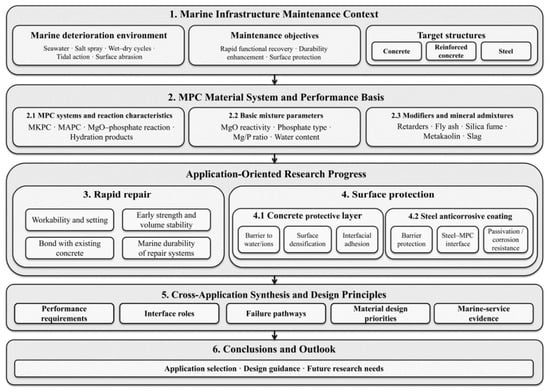
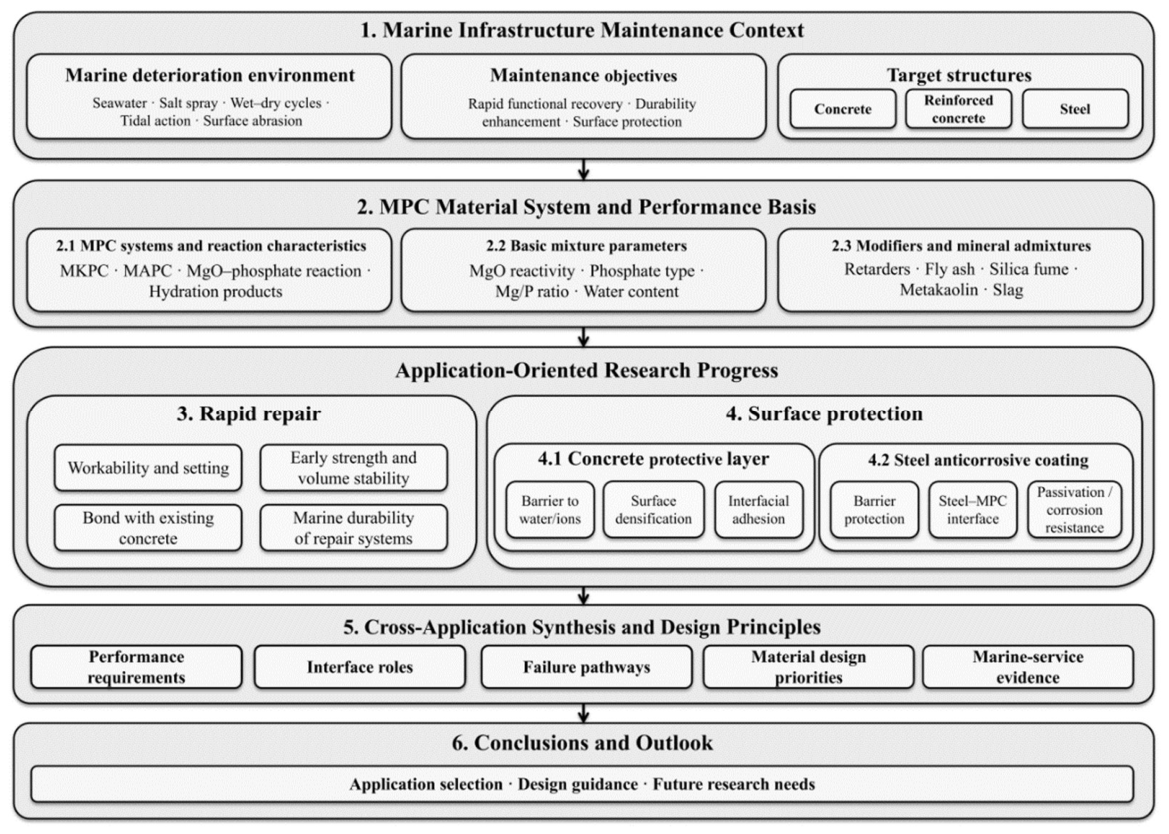
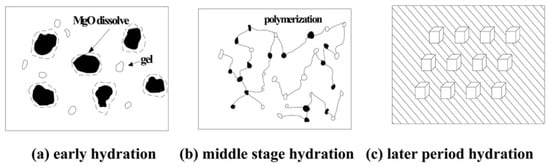
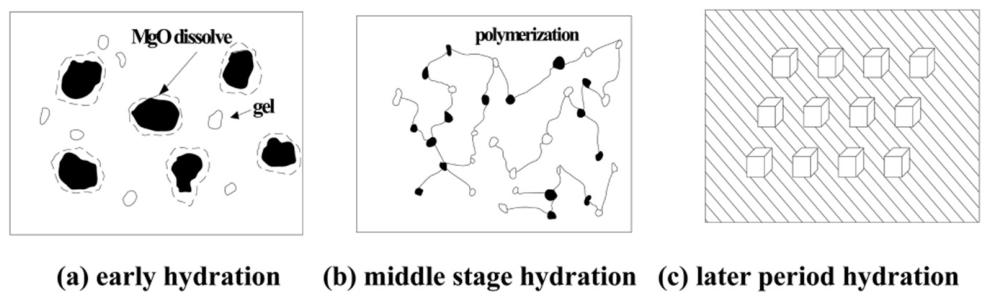
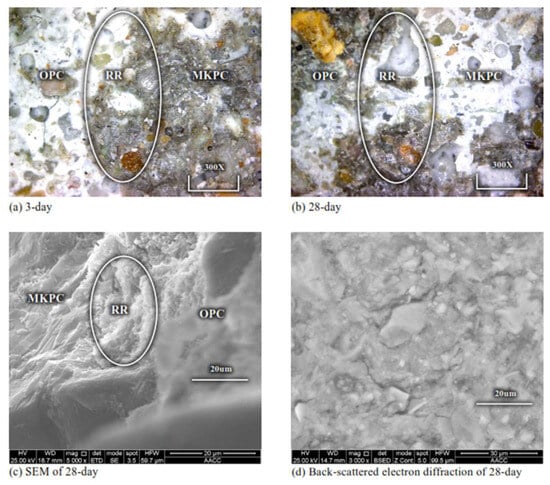
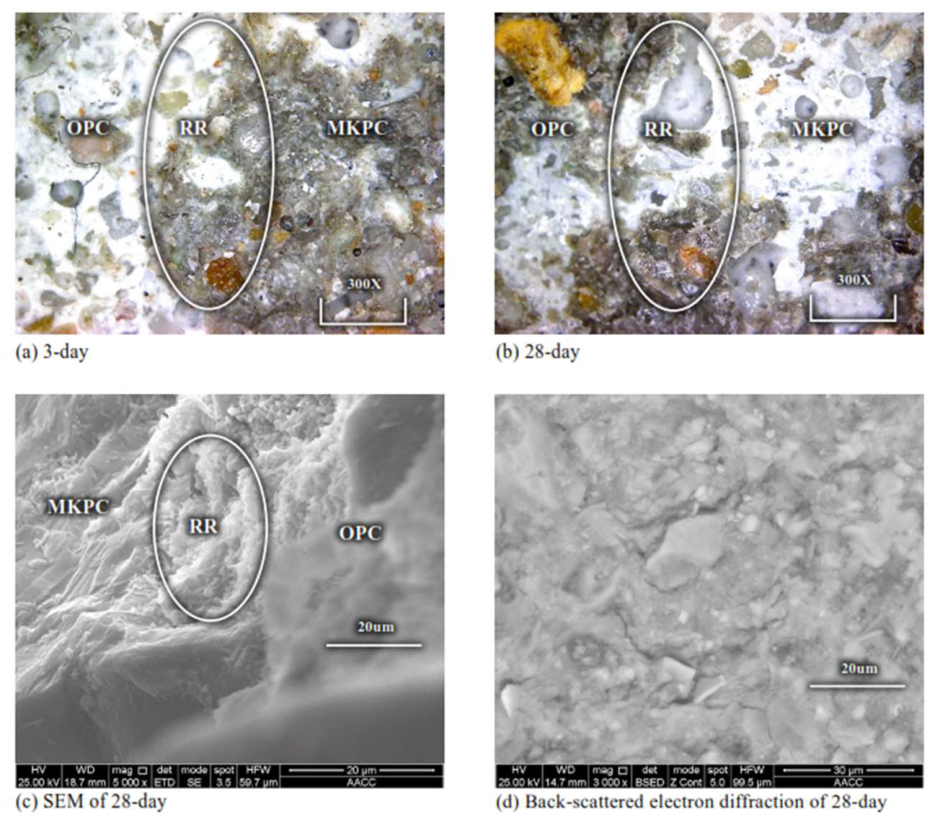
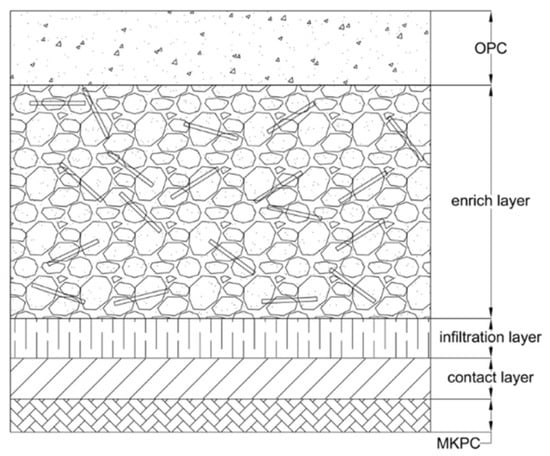
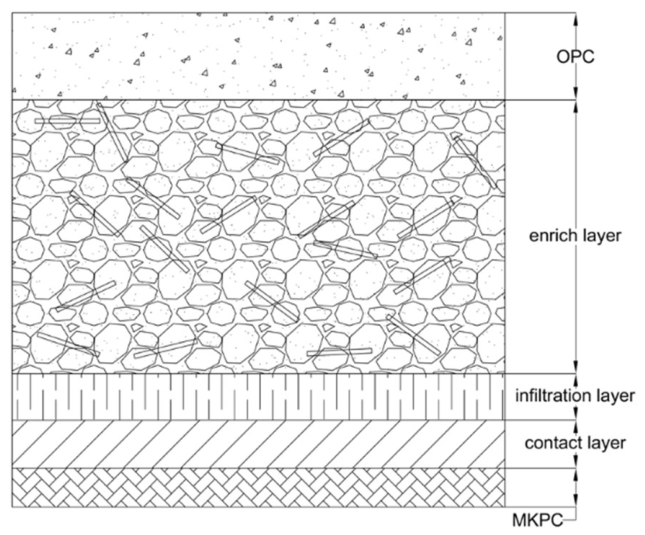
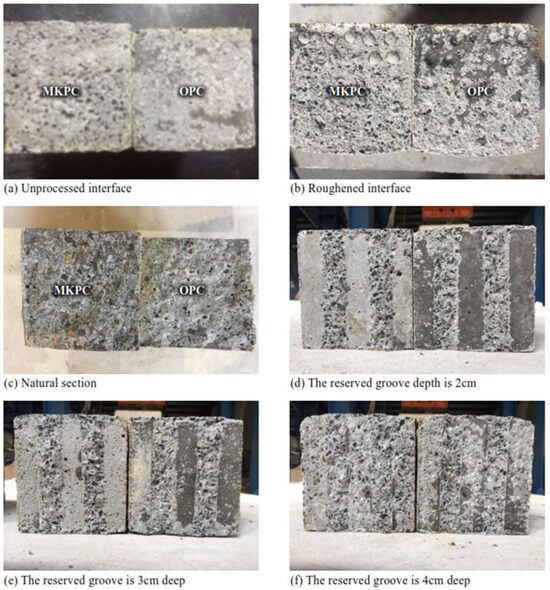
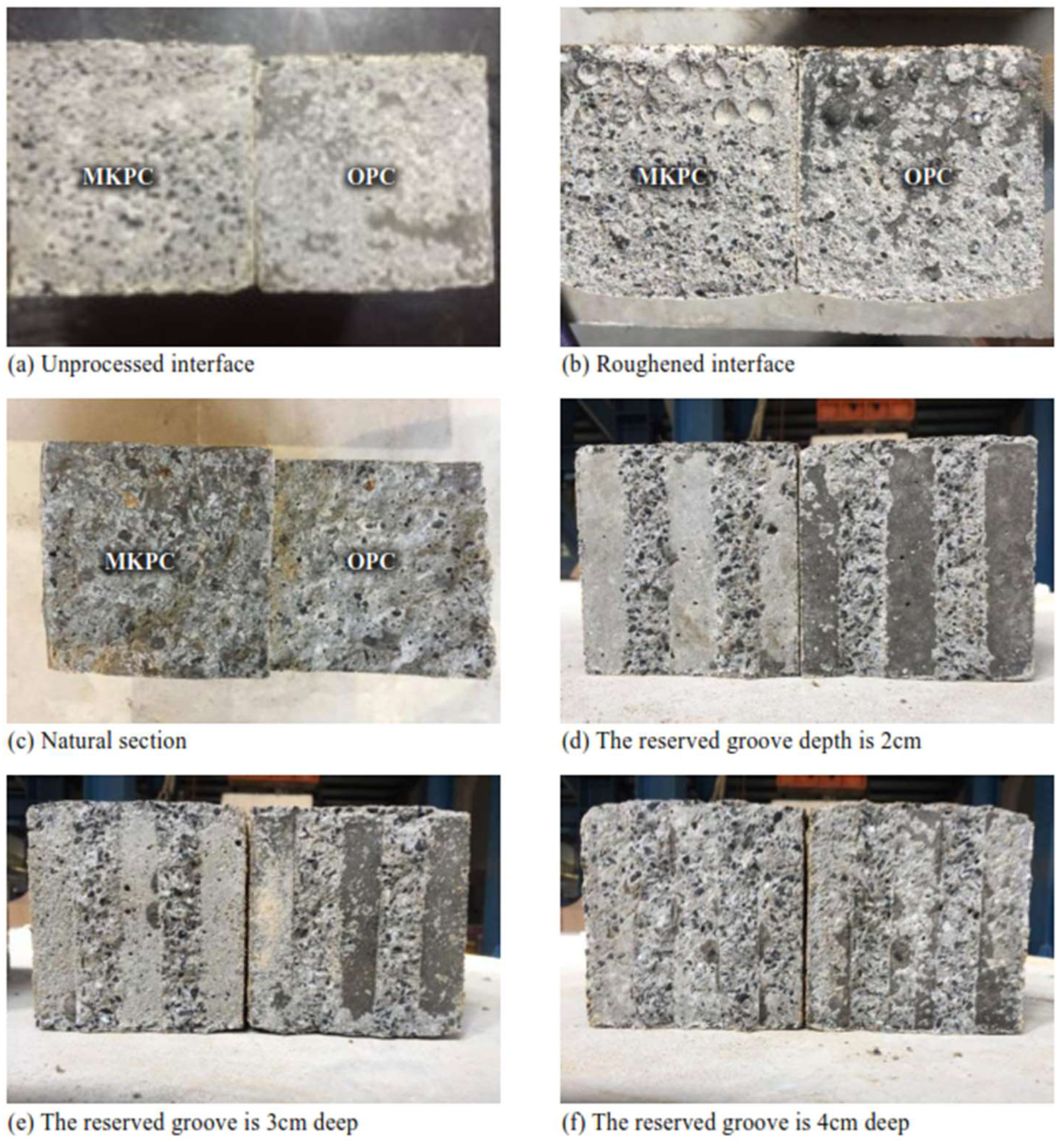
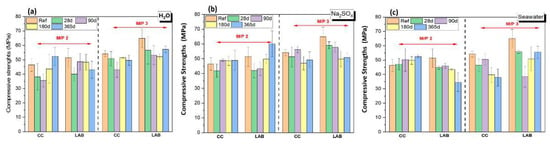
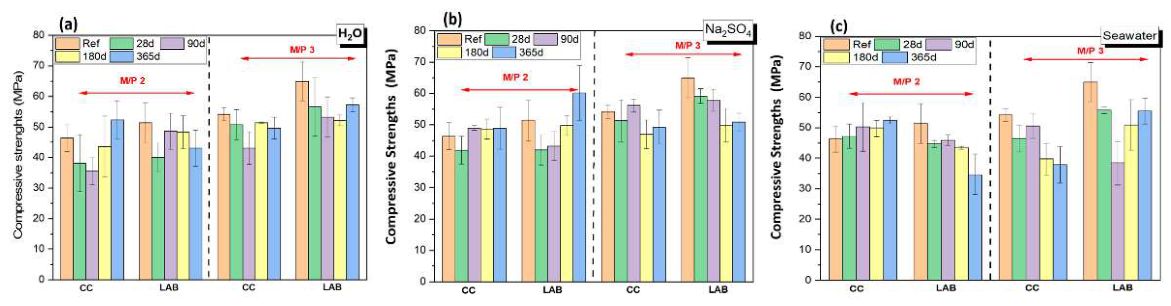
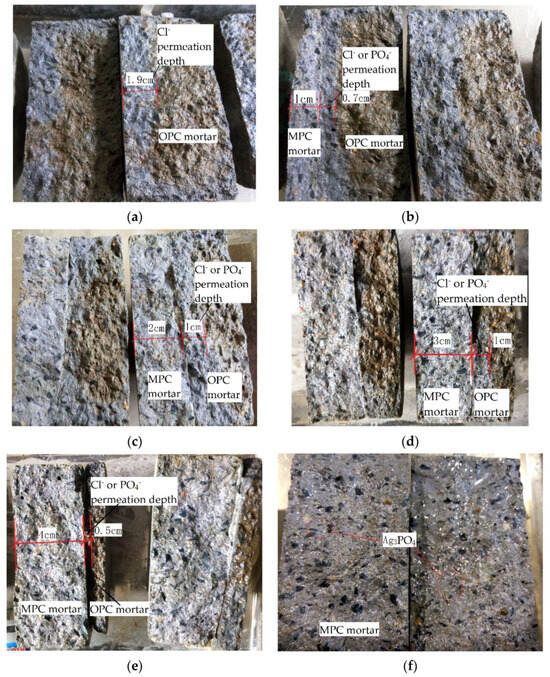
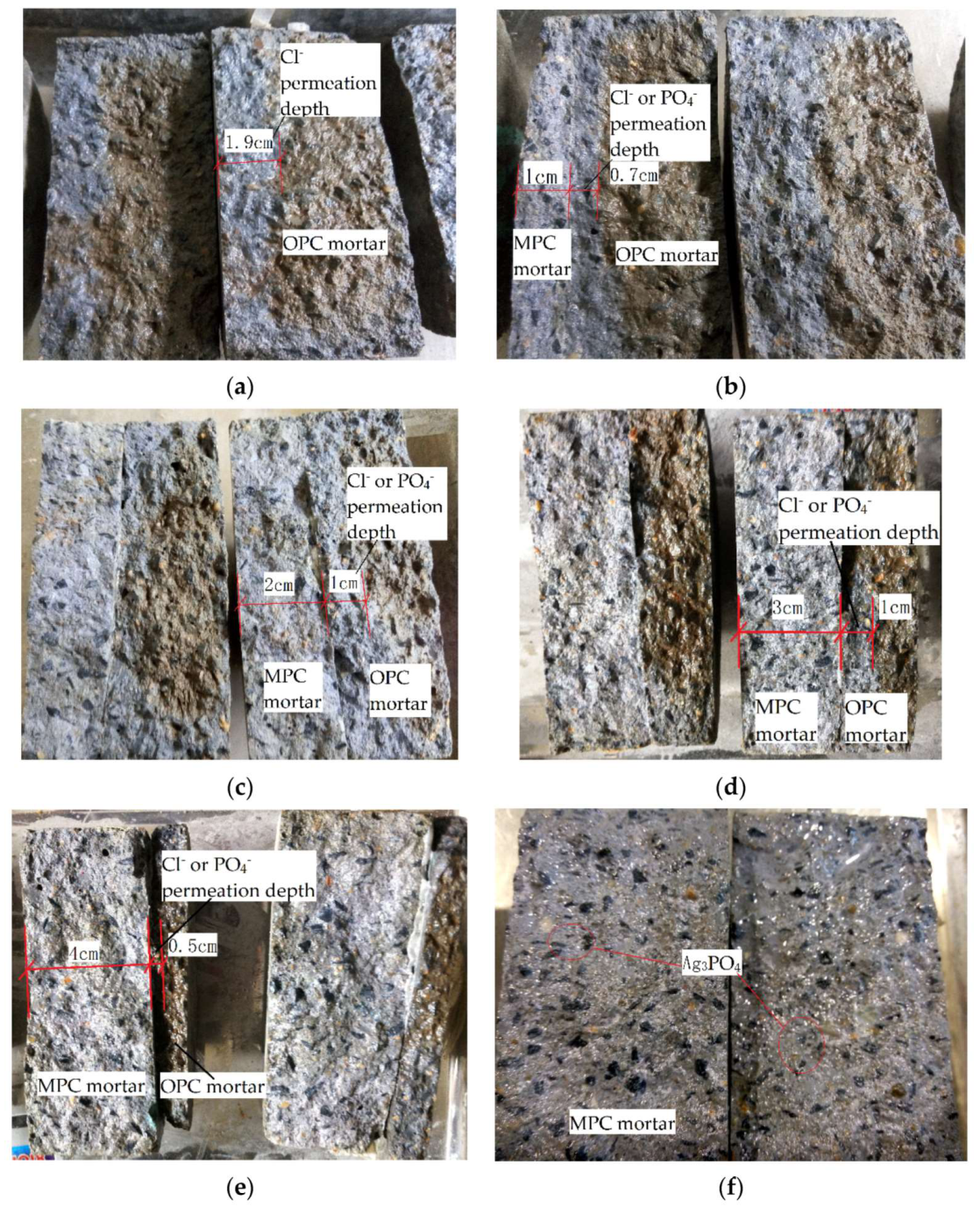
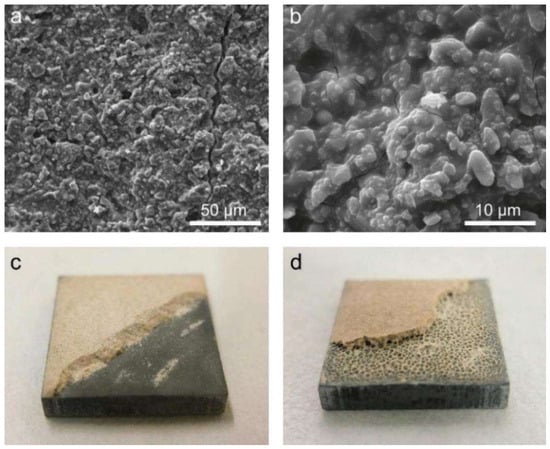
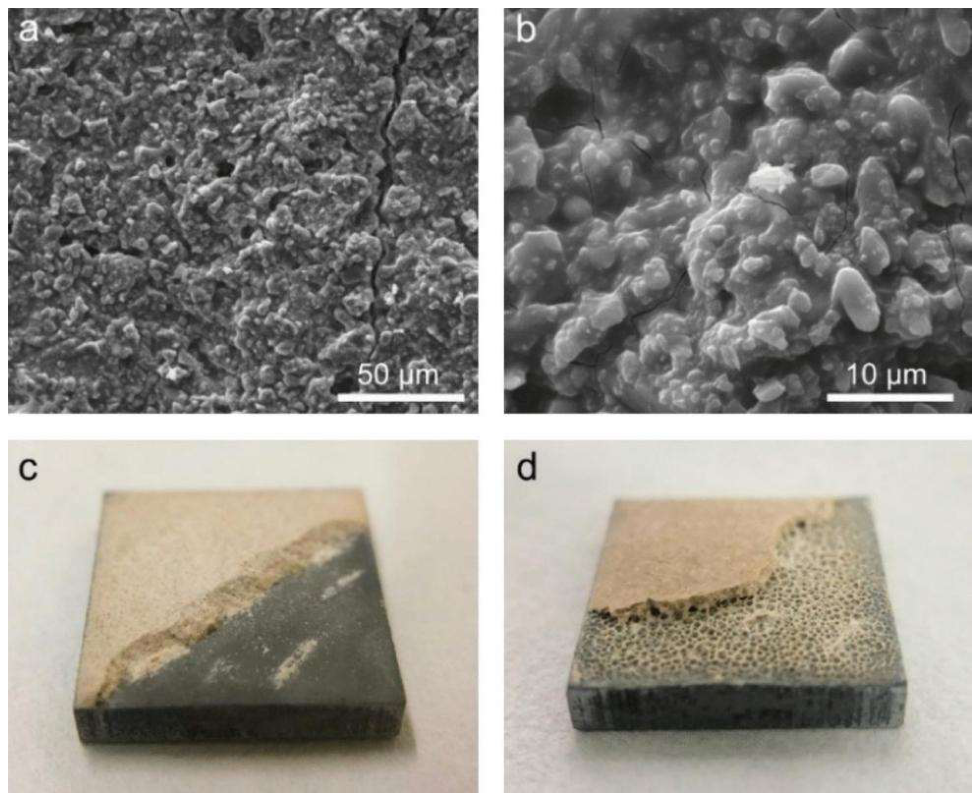

Disclaimer/Publisher’s Note: The statements, opinions and data contained in all publications are solely those of the individual author(s) and contributor(s) and not of MDPI and/or the editor(s). MDPI and/or the editor(s) disclaim responsibility for any injury to people or property resulting from any ideas, methods, instructions or products referred to in the content. |
© 2026 by the authors. Licensee MDPI, Basel, Switzerland. This article is an open access article distributed under the terms and conditions of the Creative Commons Attribution (CC BY) license.