


Abstract
As a clean energy source, the hydrogen transportation via pipelines is increasingly crucial due to the global adoption and low cost of hydrogen. However, the hydrogen-embrittlement (HE) effect can be caused by the inevitable penetration of H atoms into pipeline materials. The degradation of mechanical properties such as strength, ductility and toughness of piping materials is caused by hydrogen doping. Consequently, the compatibility of pipeline materials with liquid hydrogen significantly affects pipeline safety during service. In this paper, a comprehensive overview of the compatibility of hydrogen pipeline materials with liquid hydrogen was provided. The mechanism of HE in liquid-hydrogen pipelines was analyzed. The compatibility of liquid hydrogen with low-temperature materials such as austenitic stainless steels (ASSs), aluminum alloys, titanium alloys, and composite materials are analyzed. Also, the performance-enhancement methods for these materials are discussed, and current manufacturing processes for cryogenic piping are introduced. Distinct from reviews centered on storage vessels, gaseous-hydrogen pipelines, or individual alloy classes, this review links atomic-scale degradation mechanisms to cryogenic behavior across metals and composites, then integrates material selection with manufacturing, joining, qualification standards, life-cycle economics, and future research priorities for liquid-hydrogen transfer piping.
1. Introduction
Escalating levels of global pollution and greenhouse gas emissions have prompted urgent calls for effective measures to mitigate these environmental impacts [1]. In response, nations are accelerating their energy transitions by adopting more efficient, green, low-carbon, and clean energy sources to reduce their reliance on fossil fuels [2]. Hydrogen energy emerges as a viable sustainable alternative, valued for its green and efficient attributes. As depicted in Figure 1, it incorporates a closed-loop hydrogen cycle within industrial frameworks and offers a low-carbon and efficient energy supply [3]. Consequently, hydrogen energy is progressively replacing fossil fuels and is emerging as a significant contender in future clean energy landscape.
Figure 1.
Sources of hydrogen and the internal cycle of hydrogen in industrial industries. Colors distinguish hydrogen sources, supply-chain stages, and application groups. Arrows indicate the depicted sequence and links between these groups; the arrowheads and list markers do not encode measured quantities.
As an alternative energy source, an efficient hydrogen transportation method is needed. Various methods of transporting hydrogen along with hydrogen production, storage, and liquefaction are shown in Figure 2 [4,5,6,7]. Transport modes for liquid hydrogen include rail, trucks, vessels, or pipeline systems [8,9,10]. The use and transportation of liquid hydrogen in energy systems are advantageous due to its high energy density, bulk storage capability, and pollution-free nature [11]. Transporting liquid hydrogen allows for a more modular and flexible organization compared to gaseous hydrogen pipelines [12]. The utilization of pipeline systems for liquid-hydrogen transportation not only decreases refueling times but also enhances the overall flexibility of hydrogen distribution. However, transporting liquid hydrogen via pipelines has not yet reached an industrial scale. Such pipelines are typically reserved for specific, specialized situations [13,14]. For example, at the Kennedy Space Center, a specialized transfer piping system for liquid hydrogen was employed. This system was designed to transport liquid hydrogen from spherical storage tanks to the launch site, which was 440 m away, and was equipped with twenty layers of vacuum multilayer insulation [15]. The U.S. Space Shuttle was refueled by a 254 mm vacuum-insulated pipeline with a reflective screen. The pipeline had 20 layers of very thin aluminum foil and was also insulated with many layers of thin fiberglass paper [13]. In addition, ship-to-land tank transfers of liquid hydrogen were accomplished using a loading arm system (LAS), which was composed of flexible liquid-hydrogen hoses, valves, fixed piping, dry break fittings, and safety devices [16].
Figure 2.
Overview of the four basic links in liquid-hydrogen supply chains. Background colors distinguish the four supply-chain stages, and connecting arrows indicate their sequence.
Contemporary projects confirm that liquid-hydrogen transfer is no longer confined to legacy launch systems. The HESC pilot completed international liquid-hydrogen shipment and terminal transfer in 2022, Rotterdam’s new large-scale hydrogen liquefier is expected to enter operation in 2027, and the port of Rotterdam and EDGE navigation are preparing ship-to-shore and ship-to-ship liquid-hydrogen infrastructure for vessels expected from 2028 [17,18,19]. Although these projects are not yet long-distance liquid-hydrogen pipelines, each depends on cryogenic transfer piping, joints, valves, loading arms, and monitoring systems. Their scale-up therefore makes material qualification an immediate engineering issue.
Currently, the global production capacity for liquid hydrogen exceeds the market demand [20]. As the intermediary between production facilities and end-users, the storage and transportation of liquid hydrogen are critical within the industry chain. The efficiency and reliability of these processes are crucial for the strategic distribution of hydrogen resources. The transport of liquid hydrogen can bring some logistical challenges in utilizing pipelines. However, prolonged contact with liquid hydrogen may compromise the integrity of metal materials and further increase the risk of damage to components such as pipelines, valves, welds, etc. This deterioration poses significant safety concerns for the transportation of liquid hydrogen through pipelines [21]. Recent studies have reported on materials for hydrogen energy storage and transportation. Qiu et al. [22] reviewed the current research on cryogenic materials for transportation vessels and liquid-hydrogen storage. This includes an analysis of material types and their low-temperature mechanical properties. Similarly, Kim et al. [23] assessed the impact of both liquid and gaseous hydrogen environments on metallic materials. Sun et al. [24] specifically discussed the issue of hydrogen cracking in girth welds, and Wu et al. [25] examined the synergistic effects of multiple mechanisms in HE. However, few reviews connect the dual effects of ultra-low temperature and hydrogen with material-specific degradation, welded-joint behavior, pipeline manufacturing, qualification testing, and economic scale-up. The added value of this review is therefore a cross-material, mechanism-to-engineering framework intended specifically for liquid-hydrogen-transfer piping rather than a general survey of storage vessels or gaseous-hydrogen pipelines. The primary challenges associated with the compatibility of liquid hydrogen and metallic materials are as follows:
- (1)
- Hydrogen penetration and HE: HE occurs due to the high permeability of hydrogen, which enables its penetration into metal crystals. This process results in the diffusion and accumulation of hydrogen atoms within the crystal lattice, subsequently rendering the metal brittle and susceptible to cracking and fracture [3].
- (2)
- Cryogenic damage: This type of damage stems from the operational conditions required for liquid hydrogen, which is maintained at extremely low temperatures (approximately −253 °C). These conditions can also significantly alter the mechanical properties of metals and composites, reduce their strength, increase brittleness, and affect the plastic deformation behaviors of pipeline materials [26].
In this paper, research progress in liquid-hydrogen pipeline technology is reviewed with the challenges encountered in safe transportation. It was particularly noticed with those issues regarding liquid-hydrogen compatibility and low-temperature mechanical properties. Currently available solutions are also discussed for these challenges. Additionally, various manufacturing processes are examined in cryogenic pipeline constructions. Lastly, future prospects for the development of liquid-hydrogen pipelines are explored. The insights from this review will contribute to the development of innovative solutions and strategies to enhance the efficiency, safety, and performance of liquid-hydrogen storage and transportation systems.
2. Hydrogen-Induced Degradation of Materials
2.1. Hydrogen Embrittlement
Hydrogen embrittlement (HE) is defined as brittle fracture of metals caused by mechanical stress and hydrogen ingress [27]. Ductility and strength are degraded by HE in hydrogen-energy components [28]. HE is broadly classified into Type I and Type II [29]. Type I is associated with pre-existing defects (e.g., cracks and voids), by which embrittlement sensitivity is raised with increasing deformation rate. Such precursors are lacked by Type II, and susceptibility is not increased.
Liquid hydrogen is odorless, tasteless, colorless, and cryogenic, with a much higher density than gaseous hydrogen. H2 molecules can adsorb on metal surfaces and dissociate into atomic hydrogen at active sites such as steps, defects, weld discontinuities, and newly formed crack surfaces [30]. Atomic hydrogen then enters the near-surface lattice and migrates through interstitial sites, grain boundaries, dislocations, and vacancies. Figure 3 [31] illustrates hydrogen trapping and representative mechanisms of hydrogen-assisted cracking, including HELP, HEDE, and AIDE. The resulting loss of ductility, fracture resistance, and fatigue performance creates a major integrity concern for hydrogen-transport components.
Figure 3.
Schematic hydrogen-trapping sites and hydrogen-embrittlement mechanisms: (A) hydrogen at interstitial sites, vacancies, grain boundaries, dislocations, and surfaces; (B) HELP, showing localized plasticity and void coalescence; (C) HEDE, showing hydrogen-weakened atomic bonding in the lattice, at surfaces, and at particle–matrix interfaces; (D) AIDE, showing adsorption-assisted dislocation emission and alternate slip at the crack tip. Adapted from Ref. [31], Figure 2. Filled circles labelled H represent hydrogen in panels (C,D). In (B), dashed boundaries distinguish the plastic zones with and without hydrogen; arrows identify the features and directions labelled within the individual panels.
Molecular hydrogen and atomic hydrogen play different roles. Intact H2 molecules are too large to diffuse through a defect-free metallic lattice; degradation is initiated when H2 adsorbs on catalytically active surfaces, oxide defects, welds, or freshly created crack surfaces and dissociates into atomic hydrogen. Atomic H then enters interstitial sites and migrates along chemical-potential and hydrostatic-stress gradients through the lattice, grain boundaries, dislocations, and interfaces. Reversible and irreversible traps locally raise hydrogen concentration, while recombination within voids can generate molecular H2 and internal pressure.
These stages change performance through several coupled pathways: hydrogen reduces cohesive strength (HEDE), enhances localized dislocation motion (HELP), promotes dislocation emission from adsorbed crack-tip surfaces (AIDE), stabilizes vacancies and nanovoids (HESIV), and forms brittle hydrides in susceptible titanium alloys. The resulting microstructural changes reduce elongation, area, fracture toughness, and fatigue resistance and accelerate crack initiation and growth. The cryogenic temperature lowers bulk diffusion but does not eliminate risk, because pre-existing hydrogen, strong traps, strain-induced phase transformation, thermal stress, and cyclic loading can concentrate hydrogen at critical sites. In polymers and composites, molecular permeation through free volume and connected microcracks, rather than metallic-lattice embrittlement, is the dominant leakage route.
2.2. Hydrogen-Embrittlement Mechanism
Based on various fracture phenomena from HE, the mechanism for HE has been proposed. However, there is no consensus on a unified theory of HE. Currently, the generally recognized mechanisms include hydrogen pressure theory (HP), hydrogen-enhanced decohesion (HEDE), hydrogen-enhanced localized plasticity mechanism (HELP), adsorption-induced dislocation emission (AIDE), and hydrogen-enhanced strain-induced vacancies (HESIV) [32,33,34,35]. The information on the study of hydrogen-embrittlement mechanisms is given in Table 1.
Table 1.
Information on HE mechanism research.
2.2.1. Hydrogen Pressure Theory
The HP theory, originally proposed by Zapffe in 1941 [36], suggests that HE results from high hydrogen concentrations within internal micropores. This theory aligns with Sieverts’ law, which outlines the principles of gas dissolution and the theoretical equilibrium of hydrogenation processes. Kazinczy further elaborated on this concept, particularly focusing on the relationship between hydrogen pressure and the quantity of hydrogen dissolved in the metal [35,41]. This relationship is quantified by Equation (1):
where T is the absolute temperature (K), P represents the hydrogen compressive strength within these spaces (0.1 MPa), and CH is the average hydrogen content in the microporous spaces (cm3/100 g).
2.2.2. Hydrogen-Enhanced Decohesion
Pfeil et al. [37] introduced the HEDE mechanism, suggesting that hydrogen reduces the cohesive force between metallic atoms and further facilitates atomic separation under relatively low tensile stress. Oriani et al. further refined this theory through detailed quantitative studies [42]. It is documented that brittle fractures occur when the maximum stress (σy) at the crack tip reaches or exceeds the threshold of atomic bonding (σth) (σy>σth). Under such conditions, atomic pairs at the crack tip may separate, initiating crack formation. Additionally, they established the relationship for the critical stress intensity factor both before and after hydrogen exposure, denoted as Equation (2):
where α and β are constants to be determined, C0 represents the hydrogen concentration at which the atomic bonding force becomes zero, K is the stress intensity factor, ρ is the curvature radius of the idealized model crack tip, and is the partial molar volume of hydrogen in the material.
2.2.3. Hydrogen-Enhanced Localized Plasticity Mechanism
The HELP theory postulates that hydrogen can reduce the interaction force between dislocations through shielding, thereby facilitating dislocation motion. Birnbaum et al. [43,44] argued that dislocations serve as trap sites for hydrogen. Equation (3) quantitatively characterizes the hydrogen concentration around dislocations:
where CH is the hydrogen concentration in the atmosphere, C0 is the hydrogen concentration far from the defect in a zero-stress field, and W is the interaction energy between the dislocation and hydrogen. The interaction force of hydrogen on dislocation is expressed in Equation (4):
Further, the interaction force among dislocations is presented in Equation (5):
where τD is the shear stress arising from the elastic interaction between dislocations, μ is the shear modulus of the material, b1 is the magnitude of the Burgers vector of the source dislocation, ν is Poisson’s ratio of the material, ω is the azimuth angle between the connecting line of two dislocations and the Burgers vector direction, and I is the perpendicular distance between two parallel dislocations.
2.2.4. Adsorption-Induced Dislocation Emission
The AIDE mechanism proposed by Lynch emphasizes surface adsorption and crack-tip dislocation nucleation [39,45]. Dissociated hydrogen adsorbed at a stressed crack surface lowers the barrier for dislocation emission. The emitted dislocations move into the material, produce intense, localized slip, and leave a fresh crack surface on which the adsorption–emission cycle can repeat; continued cycling advances the crack by a ductile process at the microscale, while the macroscopic fracture appears brittle.
AIDE differs from HELP in its principal location and rate-controlling event: AIDE focuses on adsorption-controlled emission from a surface or crack tip, whereas HELP describes the enhanced mobility of dislocations interacting with dissolved hydrogen within the bulk. In liquid-hydrogen piping, fresh surfaces at weld defects, joints, and growing cracks make AIDE relevant after local H2 dissociation. AIDE is not expected to operate alone and is most plausibly coupled with HELP and HEDE during the crack initiation and propagation [45].
2.2.5. Hydrogen-Enhanced Strain-Induced Vacancies
The HESIV theory posits that hydrogen atoms in solution reduce the energy barrier for the formation of vacancies, thus facilitating strain-induced vacancy creation. Additionally, hydrogen atoms tend to form stable complexes with these vacancies, which interact with dislocations to promote the aggregation of micropores and subsequent crack propagation. Experimental studies support the role of hydrogen in enhancing vacancy formation. However, the precise mechanisms of vacancy–hydrogen complexes can contribute to the brittle fracture and remain inadequately defined [46].
Although the HESIV theory elucidates the process by which hydrogen facilitates the creation of vacancies, it does not fully account for all manifestations of HE. HE is generally acknowledged to result from a confluence of factors. For instance, the combined effects of the AIDE, HELP, and HEDE mechanisms explain the accelerated formation of pores ahead of crack tips, especially in instances of surface-exposed hydrogen-induced brittle fractures [45]. Further, the synergistic effects of the HELP and HESIV theories may elucidate the occurrence of brittle fractures associated with nanopores. However, experimental validation of the linkage between vacancy formation and local plasticity continues to pose significant challenges [39].
3. Low-Temperature Compatibility of Pipeline Materials
The selection of materials for low-temperature applications must consider a variety of critical factors, including the physical and chemical properties of the materials (e.g., microstructure, alloy composition, yield and tensile strengths, weld strength and weldability, external treatments, operational temperature ranges, and applied coatings), as well as the methods used for forming and processing these materials. To date, materials such as ASSs, aluminum alloys, titanium alloys, and composites have demonstrated exceptional low-temperature toughness, making them highly suitable for use in hydrogen technology infrastructure [47]. Table 2 presents the tensile strength and elongation at break of representative metallic materials under low-temperature conditions.
Table 2.
Tensile strength and elongation at break of low-temperature-resistant metallic materials [47].
The four material classes were selected using five criteria: documented use or credible near-term use in cryogenic hydrogen infrastructure; retention of strength, ductility, and fracture resistance near 20 K; resistance to hydrogen uptake, transport, and hydrogen-assisted cracking; manufacturability and joinability for pipes, fittings, valves, and flexible connections; and availability of service-relevant evidence. Austenitic stainless steels provide a mature baseline, aluminum alloys represent lightweight weldable metals, titanium alloys represent high-specific-strength cryogenic metals, and composites/liners represent low-mass nonmetallic barrier systems. The review does not imply equal technology readiness among these classes.
In this review, liquid-hydrogen compatibility means that a material and its joints retain acceptable mechanical integrity, leak tightness, and dimensional stability throughout the intended temperature, pressure, hydrogen-activity, and cycling envelope. The relevant parameters are tensile-strength and ductility retention; reduction of area and reduction in the hydrogen-embrittlement index; fracture toughness and fatigue-crack-growth behavior; impact toughness and phase stability; hydrogen solubility, diffusivity, trapping, and permeation; thermal expansion and thermal-cycle damage; weld/HAZ and seal integrity; inspectability, repairability, and aging. No single threshold is universal across metals, polymers, and composites; acceptance criteria must be tied to component function and design life.
3.1. Austenitic Stainless Steel
ASSs have a face-centered cubic structure that provides a favorable combination of toughness, strength, corrosion resistance, formability, and weldability at cryogenic temperatures [48]. Their relatively stable austenitic matrix generally offers lower hydrogen diffusivity and better resistance to HE than martensitic structures [49]. Cryogenic deformation, however, can promote strain-induced martensitic transformation and increase the number of fast diffusion paths for hydrogen [50,51,52,53]. Figure 4 illustrates hydrogen-assisted cracking in pre-strained 304L steel [54]. Deformation twins and grain boundaries provide sites for hydrogen accumulation, while α′ martensite facilitates hydrogen transport. These local effects, together with stress concentration, can promote crack initiation and propagation at grain/twin–boundary intersections [54].
Figure 4.
Schematic of hydrogen-assisted cracking in pre-strained 304L austenitic stainless steel: (a) stress concentration at grain/twin–boundary intersections, with deformation twins and α′ martensite; (b) hydrogen transport by moving dislocations, stress-gradient-driven diffusion, and transport along α′-martensite pathways; (c) intergranular cracking and the corresponding fracture morphology. Adapted from Ref. [54].
In low-temperature environments, HE in ASSs depends on hydrogen mobility, austenite stability, and deformation history. Several RRA datasets in Figure 5A show maximum embrittlement near 200 K and partial recovery at lower temperatures [55]. Figure 5B shows near-surface deformation and martensite in 304 steel after 30 years of liquid-hydrogen service [56]. These features were associated with prior processing and do not, by themselves, demonstrate hydrogen-induced transformation. Figure 5C compares initial uncharged 316L with a hydrogen-charged specimen deformed at −196 °C, although their different deformation histories preclude a direct hydrogen-only comparison [57]. The source study reports that hydrogen can suppress martensitic transformation, emphasizing the importance of charging and deformation conditions when assessing cryogenic compatibility.
Figure 5.
Temperature-dependent hydrogen susceptibility and microstructural observations in austenitic stainless steels. (A) Relative reduction of area (RRA) as a function of test temperature. (B) Cross-sectional SEM-BSE images and near-surface EBSD image-quality and phase maps of 304 steel after 30 years of liquid-hydrogen service. (C) EBSD image-quality (IQ), IPF, and phase maps of initial uncharged 316L before tensile testing (left) and charged 316L using the modified method, strained to 0.2 and unloaded at −196 °C (right). Panels (A–C) adapted from Refs. [55,56,57], respectively. In (A), the literature-series labels are 316 [58], 316 [59], 316 [60], and 316L [59], as reproduced in the source figure. In (B), (a,b) show the cross-section near the liquid-hydrogen and vacuum interfaces, respectively; (c) is an enlarged near-surface SEM-BSE view, (d) the EBSD image-quality map, and (e) the corresponding phase map. Red arrows mark annealing twins, black arrows mark pores, and red/green phase-map areas denote austenite/martensite. In (C), source subpanels (a,d) identify the initial uncharged and modified-method charged conditions, respectively; phase colors follow the embedded phase legend, and IPF colors follow the orientation key.
Suppressing strain-induced martensitic transformation and controlling hydrogen traps are important strategies for improving the resistance of ASSs. Interstitial carbon and nitrogen can stabilize austenite and modify hydrogen transport [60]. Improved HE resistance has also been reported for nitrogen-alloyed steels and grain-refined 304 stainless steel [61,62]. Figure 6 illustrates another strategy, laser shock peening (LSP), applied to 316L stainless steel fabricated by laser-directed energy deposition (L-DED) [63]. The hydrogen-embrittlement index in Equation (6) quantifies the relative loss of fracture elongation after hydrogen pre-charging [63]. Here, δair and δsol denote the fracture elongations of uncharged and electrochemically hydrogen-precharged specimens, respectively.
IHE = [(δair − δsol)/δair] × 100%
Figure 6.
Effects of laser shock peening on the microstructure and hydrogen response of L-DED 316L stainless steel. (A) IPF maps, (B) KAM maps, and (C) grain-size distributions for untreated (LSP X) and seven-pass LSP-treated (LSP 7) specimens. (D) Stress–elongation curves without hydrogen pre-charging (a) and after hydrogen pre-charging (b) for specimens subjected to 0, 3, 5, and 7 LSP passes. Panels (A–D) adapted from Ref. [63]. In (A), IPF colors follow the orientation key. In (B), the color scale represents local misorientation from 0 to 5 degrees. In (D), black, red, blue, and green curves correspond to 0, 3, 5, and 7 LSP passes, respectively, with the hydrogen-charged condition identified by the suffix H.
The inverse pole figure (IPF) maps and grain-size distributions in Figure 6A,C show grain refinement after seven LSP passes. The kernel average misorientation (KAM) maps indicate increased local lattice misorientation (Figure 6B). The stress–elongation curves compare untreated and LSP-treated specimens before and after hydrogen pre-charging (Figure 6D). After charging, LSP-treated specimens retained higher strength and elongation than the untreated material under the tested conditions [63]. These findings support LSP as a microstructural modification route but do not directly establish its performance in liquid hydrogen.
Hydrogen generally diffuses more slowly in FCC austenite than in BCC martensite, whereas its solubility is higher in austenite [54]. The penetration depth depends on the exposure time, temperature, charging conditions, and microstructure. Reduced diffusivity at low temperatures can limit further hydrogen uptake. However, pre-existing hydrogen, local trapping, and deformation-induced phase transformation can still contribute to damage [64,65]. Austenite stability and defect distribution therefore remain important when assessing the hydrogen resistance of ASSs.
3.2. Aluminum Alloys
Aluminum alloys are widely used in liquid-hydrogen tanks for their strength and weldability [22,66]. Resistance to hydrogen embrittlement (HE) is generally exhibited by these alloys, owing to low hydrogen uptake and a protective oxide layer; HE sensitivity in other steels is also reduced by Al addition [67]. However, moisture can promote hydrogen uptake under ambient exposure conditions, which should be distinguished from dry, cryogenic liquid-hydrogen service [68]. Compared with stainless steel, aluminum alloys are favored for their light weight, formability, and weldability. Current research has been focused on weld performance at low temperatures. Welding defects, HAZ heterogeneity, and residual stress can promote hydrogen ingress and crack growth; the broader vulnerability of hydrogen-service welds is discussed in Refs. [69,70,71].
Figure 7 summarizes joint performance and hydrogen-related degradation in selected aluminum alloys. The 2219-T87/T852 joint exhibits weld-zone heterogeneity and lower strength and elongation than the T852 base metal at −196 °C (Figure 7A,B) [72]. AlMg4.5Mn weld metal shows decreasing impact energy with decreasing temperature (Figure 7C) [73]. Hydrogen-charged, wire-arc additively manufactured (WAAM) AA2319 shows lower impact energy and more quasi-cleavage features (Figure 7D) [74]. These independent studies highlight the importance of joint microstructure, test temperature, and hydrogen exposure when assessing aluminum alloys for cryogenic piping.
Figure 7.
Cryogenic joint performance and hydrogen effects in aluminum alloys. (A) Cross-sectional macrograph and weld-zone microstructures of a 2219-T87/T852 variable-polarity TIG joint. (B) Tensile properties of the joint and T852 base metal at −196 °C, plotted using data from Table 1 of Ref. [72]. (C) Total, crack-initiation, and crack-propagation impact energies of AlMg4.5Mn weld metal at 20, −90, and −196 °C. (D) Charpy impact energy and fracture morphology of WAAM AA2319 before and after hydrogen charging. Panel (A) adapted from Ref. [72]; (B) plotted using data from Ref. [72]; (C) adapted from Ref. [73]; and (D) adapted from Ref. [74]. In (A), the dashed boundaries identify the fusion zones. In (B), dark blue and gray bars identify the joint and T852 base metal, respectively. In (C), Et, Epr, and Ein denote total, crack-propagation, and crack-initiation impact energies. In (D), source subpanels (c,d) show the uncharged and hydrogen-charged fracture surfaces, respectively; arrows identify the labelled pores, dimples, and quasi-cleavage features.
Aluminum-alloy welds can retain useful cryogenic properties, but the combined effects of hydrogen exposure and liquid-hydrogen temperatures require further investigation. The fracture behavior of aluminum alloys under HE is primarily dictated by their chemical composition. Further, weld metals in aluminum alloys often exhibit macro-segregation, owing to inherent compositional differences between the filler and base materials. To enhance HE resistance in aluminum alloys, it is essential to minimize hydrogen segregation at grain boundaries [75]. This can be achieved by the incorporation of second-phase particles or precipitates within the grains. They can act as effective hydrogen traps and facilitate a beneficial redistribution of hydrogen between grain boundaries and the matrix [76]. For example, Xu et al. [77] demonstrated that the introduction of Mn-rich intermetallic compounds as hydrogen-trapping agents significantly reduced HE susceptibility in high-strength aluminum alloys. Additionally, Safyari et al. [78] discovered that the addition of Zr to 7xxx series aluminum alloys improved HE resistance due to the efficient hydrogen-trapping ability of dispersed Al3Zr.
3.3. Titanium Alloys
Titanium alloys are renowned for their exceptional properties, including low density, high specific strength, robust corrosion resistance, and a broad service temperature range (from −269 °C to 600 °C). Consequently, titanium alloys can be used for the forming of parts, welding, and machining [79]. Titanium alloys are primarily classified into five categories: metastable-β, near-β, stable-β, near-α, and (α+β). Notably, near-α titanium alloys are utilized in applications that require performance at both elevated and cryogenic temperatures [80]. The TC4 titanium alloy, in particular, played a pivotal role in the pipelines of the Apollo program and in the liquid-hydrogen pipelines in the USA [81]. Recent advancements have been made by China’s Northwest Institute for Nonferrous Metal Research on low-temperature titanium alloys for pipeline applications [82]. These innovations include alloys, such as Ti-3Al-2.5Zr, Ti-2Al-2.5Zr and CT20. Notably, CT20 is the first low-temperature titanium alloy with independent intellectual properties in China. CT20 can be effectively utilized at a low temperature of 20 K [83]. Currently, titanium alloys are applied in the low-temperature pipelines of aerospace systems. And they are increasingly utilized in cryogenic liquid rocket engines, primarily as structural materials for liquid-hydrogen storage tanks and impellers in hydrogen–oxygen engines [84].
Hydrogen ingress into the titanium lattice can alter phase stability, defect evolution, and mechanical behavior [85,86]. In α+β alloys, hydrogen may diffuse preferentially through the β phase and accumulate near α/β interfaces, while cryogenic deformation changes the balance between slip and twinning [87,88]. Figure 8A,B shows secondary cracks and the room-temperature tensile response of Ti–6Al–4V containing either dissolved hydrogen or a hydride phase [89]. The hydride-containing specimens show a greater loss of ductility. In a separate study, IPF/KAM maps and TKD analysis reveal temperature-dependent deformation and {10–12} tensile twinning at 77 K (Figure 8C,D) [90]. These comparisons help distinguish hydrogen-induced damage from cryogenic deformation when selecting titanium alloys for liquid-hydrogen piping.
Figure 8.
Hydrogen effects and cryogenic deformation in titanium alloys. (A) ECCI/EBSD maps of secondary cracks in hydrogen-charged Ti–6Al–4V. (B) Room-temperature tensile curves for uncharged, solute-hydrogen, and hydride-containing specimens. (C) IPF/KAM maps of Ti–6Al–4V ELI strained to 6.2% at 77 and 298 K. (D) TKD evidence of {10–12} tensile twinning at 77 K. Panels (A,B) adapted from Ref. [89]; (C,D) adapted from Ref. [90]. In (A), phase-map red, blue, and yellow identify Ti-alpha, Ti-beta, and TiH2, respectively; IPF colors follow the orientation keys, and KAM colors follow the displayed scale. In (B), black, blue, and red curves identify uncharged, solute-hydrogen, and hydride-containing specimens, respectively. In (C), source subpanels (c,f) show the 77 K IPF and KAM maps, and (i,l) the corresponding 298 K maps.
Hydrogen can be useful as a temporary alloying element during controlled thermohydrogen processing [91]. Huang et al. [92] showed that laser peening improved the resistance of TC4 titanium alloy to hydrogen-induced degradation. During high-temperature deformation, Zong et al. [93] found that adding 0.3 wt.% hydrogen improved the plasticity of Ti–6Al–4V by 20%. This improvement is primarily attributed to hydrogen’s role in reducing stacking fault energy (SFE) and dislocation density, thereby enhancing the mobility of dislocations during high-temperature deformation. These findings illustrate that the microstructure and mechanical properties of titanium alloys can be significantly influenced by thermohydrogen processing due to thermal effects with reversible hydrogenation [85]. During this process, hydrogen serves as a temporary alloying element, modifies the microstructure, and enhances the hot workability of titanium alloys. Thermohydrogen processing can improve mechanical properties and refine the microstructure [94]. These processing benefits do not imply that retained hydrogen improves cryogenic service performance.
3.4. Composite Materials
Composite materials combine low mass and low thermal conductivity with a flexible laminate design [95]. In polymer liners and composite walls, hydrogen can be adsorbed, dissolved, transported through free volume, and desorbed at the downstream surface. Cryogenic contraction and thermal-expansion mismatch can generate matrix cracks and interfacial debonding. Once cracks connect through successive 0° and 90° plies, the resulting through-thickness pathway provides a direct leakage route [96,97]. Pressure and mechanical cycling can repeatedly open these paths and promote delamination, so permeability and structural damage should be evaluated together.
Experiments and modeling provide complementary evidence for cryogenic composite damage. Figure 9A contrasts fiber-dominated longitudinal fracture with matrix cracking and interfacial debonding under transverse tension. The longitudinal tensile curves cover temperatures from room temperature to 90 K (Figure 9B) [98]. Separate dynamic-compression experiments and simulations illustrate the effects of temperature and strain rate (Figure 9C) [99]. Microscale predictions compare cooldown damage in AS4/PEI and AS4/LM-PAEK, highlighting the influence of matrix selection (Figure 9D) [100]. These studies concern different materials and loading conditions, and mechanical strength alone does not establish resistance to hydrogen permeation. Resin toughness, cure shrinkage, fiber architecture, ply thickness, and interlaminar reinforcement therefore remain important for controlling crack connectivity and leakage [101,102].
Figure 9.
Fracture morphologies, mechanical responses, and microscale damage predictions for carbon fiber-reinforced composites. (A) SEM images of tensile fracture surfaces of CFRP-0° and CFRP-90° specimens tested at 300, 200, and 90 K. (B) Tensile stress–strain curves of CFRP-0° specimens from room temperature to 90 K. (C) Experimental and finite element dynamic-compression stress–strain curves at strain rates of 800, 1200, and 1600 s−1 at room temperature, −80 °C, and −180 °C. (D) Predicted microscale damage patterns in the 0° plies of AS4/PEI and AS4/LM-PAEK composites during cooldown. RT, room temperature; EXP, experiment; FEM, finite element simulation. Panels (A,B) adapted from Ref. [98]; (C) adapted from Ref. [99]; and (D) adapted from Ref. [100]. In (A), source subpanels (a–c) show CFRP-0-degree specimens at 300, 200, and 90 K, respectively, and (d–f) the corresponding CFRP-90-degree specimens. In (B), curve colors identify the temperatures in the legend. In (C), source subpanels (a–c) compare strain rates at room temperature, −80 °C, and −180 °C, respectively; (d–f) compare temperatures at 800, 1200, and 1600 inverse seconds, respectively. Solid lines denote experiments and dashed lines finite element predictions, as labelled in each legend.
Candidate mitigation routes include toughened epoxy or thermoplastic matrices, thin-ply and stitched laminates, nanofiller-modified barrier layers, and metallic or polymer liners. Type IV and linerless Type V vessel research is relevant because it tests liner/fiber interfaces, permeation barriers, and cyclic damage under hydrogen service; however, these vessel concepts cannot be transferred directly to pipelines without validating long seams, field joints, bends, supports, repair procedures, fire behavior, and nondestructive inspection. Composites are therefore retained as a coequal material class in this review but are identified as less mature than austenitic stainless steels for primary liquid-hydrogen pipeline containment [98,101,102,103,104,105,106,107,108].
Material selection must combine cryogenic mechanical performance with resistance to hydrogen uptake, diffusion, and permeation. Heat treatments such as quenching, tempering, and aging can tailor phase stability and trap populations, while shot, cavitation, and laser peening can introduce beneficial near-surface compressive stress [109]. These treatments are material-specific and must be qualified on the final product form, including welds and joints, rather than inferred from base-metal coupons. A comparative assessment of the candidate material classes is provided in Table 3.
Table 3.
Comparative assessment of candidate materials for liquid-hydrogen pipeline service.
On balance, stable austenitic stainless steels presently offer the strongest combination of cryogenic toughness, hydrogen compatibility, fabrication maturity, and maintainability for large-scale liquid-hydrogen-transfer piping. Aluminum alloys are attractive where mass is critical, titanium alloys remain technically capable but economically restricted to niche components, and composites/liners are promising only after service-representative permeation, joint, cycling, and inspection qualification.
4. Manufacturing Process of Liquid-Hydrogen Pipelines
4.1. Low-Temperature Metal Piping Structure
A vacuum-separated structure is employed for transporting liquid hydrogen at cryogenic temperatures. This design consists of an inner pipe, an outer pipe, pipe joints, bellows, supports, and multiple layers of insulation materials, as shown in Figure 10 [110]. The vacuum design significantly reduces heat transfer, helping maintain the cryogenic temperature and limit hydrogen boil-off. Further, the insulation system incorporates a blend of various filler materials and is integrated into a high-performance vacuum insulation system designed specifically for the transport of liquid hydrogen at near −253 °C [111]. The vacuum environment is designed to reduce heat loss caused by conduction and convection. By incorporating insulating materials into the annular space between the inner and outer shells, the radiation heat loss can be further minimized.
Figure 10.
Schematic diagram of the liquid-hydrogen cryogenic transportation pipeline structure [110]. Arrows connect component labels to the indicated locations or enlarged component views; the dashed outline groups the illustrated assembly.
Common low-temperature insulation technologies include stacked insulation, high-vacuum insulation, vacuum powder insulation, vacuum multilayer insulation, and vacuum multilayer shielding insulation, among others [112]. Stacked insulation achieves thermal insulation by covering the surface of an object with materials that have low thermal conductivity. High-vacuum insulation technology reduces gas convection and most thermal conduction by reducing the insulating space to a vacuum level lower than 1 mPa. Vacuum multilayer insulation involves alternately setting up high-reflectivity radiation shielding layers and low-conductivity gaskets in a high-vacuum environment. Vacuum multilayer shielding insulation technology, widely applied in the storage and transportation of liquid hydrogen, combines multiple layers of radiation protection with steam cooling shielding. Low-temperature insulation technologies can be categorized into passive thermal protection and active heat-transfer systems [113]. Passive thermal protection primarily utilizes high-efficiency materials to reduce heat transfer and maintain a low-temperature environment. On the other hand, active heat-transfer technologies, such as cryogenic chillers, cool the liquid hydrogen in storage tanks by consuming electrical energy or other input forms of energy. While active cooling can facilitate long-term storage of liquid hydrogen, its system complexity and operational costs are relatively high. These costs include the need for additional auxiliary equipment, larger system size, increased weight, and complexity, as well as lower cooling efficiency, higher energy consumption, and overall operational costs, making it less suitable for mobile platforms. In contrast, passive insulation technologies focus on enhancing materials and structural design, maximizing the reduction in evaporation losses, and eliminating the need for external energy input, thus offering greater cost efficiency and operational simplicity.
4.2. Manufacturing Process of Low-Temperature Composite Pipes
Low-temperature composite hoses are multilayered tubular structures formed by winding polymer films and polymer woven materials. The inner and outer spiral metal wires tighten the structure, creating a sealed hose. The fabrication of low-temperature composite pipes is conducted on a rotating axis, as illustrated in Figure 11. Initially, the inner thread is wound onto the shaft and aligned with the specified pitch dimensions of the pipe. Subsequently, layers of film, fabric, and other insulating materials are sequentially applied around the thread at the designated angle. After completing the layering process, the outer material is wrapped around the inner thread, maintaining a pitch equivalent to that of the inner thread. This configuration forms a self-locking structure. The final steps involve removing the pipe from the axis, trimming excess material, and attaching the connector [114]. Leakage is prevented by the polymer film layer during the medium-transfer process. The strength of the low-temperature composite hose is determined by the polymer woven layer, which enhances the axial and radial strength, as well as the inner and outer spiral metal wires. Therefore, the design of the low-temperature composite hose considers factors such as the inner diameter, pitch, film type and thickness, the number of winding layers, and the specifications of the internal and external reinforcing wires, all of which are tailored to meet the specific operational requirements. The selection of the polymer film depends on the type of liquid medium being transported. Further, considerations must include the low-temperature mechanical properties, the compatibility of the film with the medium, and the film’s barrier performance to the liquid medium.
Figure 11.
Schematic diagram of the manufacturing process. (Figures adapted from [114].) Red, yellow, and gray distinguish successive assembly components rather than numerical field values. The red dashed rectangle identifies the labelled effective portion, and the three steps indicate the assembly sequence.
Double-layer high-vacuum insulation is commonly used for cryogenic liquid pipelines, but ultra-low temperature, pressure, thermal contraction, and hydrogen exposure impose stricter requirements on mechanical integrity, sealing, supports, joints, and insulation performance [115,116]. Manufacturing qualification must therefore cover dimensional control, vacuum integrity, leak tightness, weld and connector quality, insulation continuity, and resistance to thermal cycling under representative loads. The associated material-qualification framework, integrity challenges, and future research priorities are discussed in Section 5.
5. Qualification, Engineering Challenges, and Future Directions
5.1. Compatibility Criteria and Qualification Testing
Compatibility should be demonstrated with a test matrix that reproduces the service envelope rather than with a single room-temperature tensile result. For metals, the minimum evidence set should include smooth and notched tensile or slow-strain-rate tests, reduction of area and reduction in elongation retention, fracture toughness, fatigue-crack-growth rate and threshold, hydrogen permeation/trapping, thermal-cycle exposure, and post-test fractography. Weld metal, HAZ, base metal, brazed regions, seals, and representative product thicknesses should be tested separately. For composites and liners, pressure-dependent permeation, cryogenic cycling, crack/delamination growth, liner-interface durability, joint leakage, and burst or pressure-cycle performance are essential.
Existing standards provide building blocks but not a universal pass/fail number for every liquid-hydrogen component. ISO 11114-4 and ASTM G142 define hydrogen-embrittlement screening approaches for steels or metals in gaseous hydrogen; ISO 21028-1 addresses toughness below −80 °C for cryogenic-vessel metals; ASTM E1820 provides fracture-toughness procedures; and ASME B31.12-2023 includes industrial piping in liquid-hydrogen service, while its pipeline provisions are directed principally to gaseous hydrogen [117,118,119,120,121]. Accordingly, these documents should be combined with tests at approximately 20 K, representative hydrogen activity, thermal and pressure cycling, and component-scale leak/integrity demonstrations. Direct transfer of room-temperature gaseous-hydrogen thresholds to liquid-hydrogen service is not justified.
5.2. Welds, Joints, Connections, and Integrity Management
Welds and connections are critical because microsegregation, residual tensile stress, porosity, inclusions, unfavorable phase transformation, hardness gradients, and geometric stress concentration can coincide with rapid thermal contraction and hydrogen accumulation. Girth and longitudinal welds, dissimilar-metal transitions, bellows, valve bodies, flanges, flexible-hose terminations, and polymer/metal interfaces should therefore be treated as separate qualification zones [24,69,122,123]. Controls should include low-hydrogen fabrication practice, qualified filler and heat input, post-weld cleaning or heat treatment where applicable, volumetric and surface NDE, baseline leak testing, cryogenic proof/pressure cycling, and in-service monitoring for pressure, temperature, vacuum loss, hydrogen concentration, acoustic emission, and strain. Inspection intervals should be set by damage-tolerance analysis and verified crack-growth data, not by base-metal strength alone.
5.3. Technological and Economic Scalability
The principal barriers to large-scale implementation are not limited to alloy strength. They include maintaining vacuum insulation over long distances; managing thermal contraction, supports, and cooldown transients; qualifying welds, seals, valves, and flexible connections; detecting small leaks before air ingress or ignition; obtaining 20 K hydrogen fracture and fatigue data; defining repair and inspection procedures; and harmonizing codes across jurisdictions. A coupled flow–heat-transfer–phase-change–stress model is needed to set operating envelopes and identify local thermal or mechanical hot spots.
Economic viability must be assessed on a life-cycle and system basis because material price alone can reverse the ranking. Stable austenitic stainless steel has a mature supply and welding base but incurs mass, Ni-alloy, and insulation/support costs. Aluminum can reduce mass but requires specialized weld control, fatigue assessment, and inspection. Titanium provides excellent specific properties, but its feedstock, machining, welding, and qualification costs restrict it to high-value components. Composites and liners may reduce mass and heat leak, yet permeation control, joining, fire qualification, NDE, and repair presently create high development and certification costs. Scalable selection should therefore minimize total installed and life-cycle costs, including fabrication yield, insulation, boil-off, monitoring, maintenance, downtime, repairability, and end-of-life replacement, while satisfying the same reliability target.
5.4. Emerging Materials and Research Priorities
Promising candidates include high-entropy and medium-entropy alloys with stable FCC matrices; N- or Mn-alloyed austenitic steels designed to suppress strain-induced martensite; nanostructured alloys with engineered, reversible hydrogen traps; thermoplastic and toughened-epoxy composites; thin-ply or stitched laminates; multilayer polymer/metal liners; and ceramic, nitride, carbide, graphene-derived, or metallic diffusion-barrier coatings. The potential benefit is a better balance of cryogenic toughness, low hydrogen transport, low mass, and damage tolerance, but coating defects, thermal-expansion mismatch, weldability, long-length manufacture, reproducibility, repair, and cost must be resolved before deployment [124].
Priority research should establish shared 20 K hydrogen datasets and round-robin protocols; test multiaxial, cyclic, and defect-containing specimens; quantify interactions among hydrogen, phase transformation, thermal stress, and irradiation or environmental exposure; validate digital twins against instrumented components; and develop sensor fusion for early leak and damage detection. Candidate materials should advance only after coupon, weld/joint, subcomponent, and full-scale demonstrations show consistent performance under the same acceptance framework.
6. Conclusions and Outlooks
In this paper, the research progress of cryogenic materials in liquid-hydrogen storage and transportation is reviewed from the perspective of industrial application to meet the requirements of sustainable development and growing energy demand:
- (1)
- Pipelines utilizing low-temperature materials for transporting liquid hydrogen may incur significant damage due to hydrogen embrittlement, which can directly affect their mechanical strength and service performance. Therefore, a comprehensive understanding of the primary factors contributing to hydrogen embrittlement, as well as the mechanisms involved, is crucial.
- (2)
- The synergistic effects of low temperature and hydrogen embrittlement lead to differing responses to hydrogen damage in various low-temperature storage and transportation materials used for liquid hydrogen. On the one hand, extremely low temperatures substantially reduce the diffusion coefficient of hydrogen atoms within the metallic lattice, thereby inhibiting deep penetration of hydrogen. On the other hand, the microstructural evolution and thermal-stress accumulation induced by low temperatures frequently stimulate the onset of hydrogen embrittlement. When assessing the performance of materials, it is imperative to integrate the synergistic influences of “low-temperature diffusion suppression” and “low-temperature embrittlement induction”.
- (3)
- Double-layer vacuum insulation remains the leading architecture for liquid-hydrogen-transfer piping, but reliable scale-up requires simultaneous control of material compatibility, weld and joint integrity, thermal contraction, insulation continuity, leak detection, inspection, and life-cycle cost. Stable austenitic stainless steel is the most mature near-term baseline; aluminum, titanium, composites, liners, and emerging alloys should be selected only where their system-level advantages justify the additional fabrication and qualification burden. Future specifications should therefore be performance-based and supported by tests at approximately 20 K in representative hydrogen, thermal-cycle, pressure-cycle, and defect conditions.
Author Contributions
Conceptualization, W.C. and A.G.; methodology, A.G.; validation, A.G. and Y.Y.; formal analysis, A.G.; investigation, A.G. and Y.Y.; resources, W.C. and H.J.; data curation, A.G.; writing—original draft preparation, A.G.; writing—review and editing, W.C. and A.G.; visualization, A.G.; supervision, W.C.; project administration, W.C.; funding acquisition, W.C. All authors have read and agreed to the published version of the manuscript.
Funding
This work was financially supported by the Xinjiang Autonomous Region Key Research and Development Program (Nos. 2024B01003-2, 2024B01003-1, and 2024B04021-3).
Data Availability Statement
No new data were created or analyzed in this study. Data sharing is not applicable to this article.
Conflicts of Interest
Author Haidong Jia was employed by the Western Pipeline Company of Pipe China, Tianjin North Road. The remaining authors declare that this research was conducted in the absence of any commercial or financial relationships that could be construed as a potential conflict of interest.
References
- Wei, R.; Lan, J.; Lian, L.; Huang, S.; Zhao, C.; Dong, Z.; Weng, J. A bibliometric study on research trends in hydrogen safety. Process Saf. Environ. Prot. 2022, 159, 1064–1081. [Google Scholar] [CrossRef] [Scilit]
- Lackner, M.; Sajjadi, B.; Chen, W.Y. Handbook of Climate Change Mitigation and Adaptation; Springer: Cham, Switzerland, 2017. [Google Scholar]
- Zhu, Y.-Q.; Song, W.; Wang, H.-B.; Qi, J.-T.; Zeng, R.-C.; Ren, H.; Jiang, W.-C.; Meng, H.-B.; Li, Y.-X. Advances in reducing hydrogen effect of pipeline steels on hydrogen-blended natural gas transportation: A systematic review of mitigation strategies. Renew. Sustain. Energy Rev. 2024, 189, 113950. [Google Scholar] [CrossRef] [Scilit]
- Dawood, F.; Anda, M.; Shafiullah, G.M. Hydrogen production for energy: An overview. Int. J. Hydrogen Energy 2020, 45, 3847–3869. [Google Scholar] [CrossRef] [Scilit]
- Beschkov, V.; Ganev, E. Perspectives on the development of technologies for hydrogen as a carrier of sustainable energy. Energies 2023, 16, 6108. [Google Scholar] [CrossRef] [Scilit]
- Avargani, V.M.; Zendehboudi, S.; Saady, N.M.C.; Dusseault, M.B. A comprehensive review on hydrogen production and utilization in North America: Prospects and challenges. Energy Convers. Manag. 2022, 269, 115927. [Google Scholar] [CrossRef] [Scilit]
- Rampai, M.M.; Mtshali, C.B.; Seroka, N.S.; Khotseng, L. Hydrogen production, storage, and transportation: Recent advances. RSC Adv. 2024, 14, 6699–6718. [Google Scholar] [CrossRef] [Scilit] [PubMed]
- Degirmenci, H.; Uludag, A.; Ekici, S.; Karakoc, T.H. Challenges, prospects and potential future orientation of hydrogen aviation and the airport hydrogen supply network: A state-of-art review. Prog. Aerosp. Sci. 2023, 141, 100923. [Google Scholar] [CrossRef] [Scilit]
- Mahbub, N.; Ribberink, H. Optimization of h2 supply to the refuelling infrastructure for long-haul Trucks: Centralized versus local h2 Production, and using transportation by tanker truck or pipeline. World Electr. Veh. J. 2024, 15, 57. [Google Scholar] [CrossRef] [Scilit]
- Di Lullo, G.; Oni, A.O.; Kumar, A. Blending blue hydrogen with natural gas for direct consumption: Examining the effect of hydrogen concentration on transportation and well-to-combustion greenhouse gas emissions. Int. J. Hydrogen Energy 2021, 46, 19202–19216. [Google Scholar] [CrossRef] [Scilit]
- Ratnakar, R.R.; Gupta, N.; Zhang, K.; van Doorne, C.; Fesmire, J.; Dindoruk, B.; Balakotaiah, V. Hydrogen supply chain and challenges in large-scale LH2 storage and transportation. Int. J. Hydrogen Energy 2021, 46, 24149–24168. [Google Scholar] [CrossRef] [Scilit]
- RHoelzen, J.; Flohr, M.; Silberhorn, D.; Mangold, J.; Bensmann, A.; Hanke-Rauschenbach, R. H2-powered aviation at airports–Design and economics of LH2 refueling systems. Energy Convers. Manag. X 2022, 14, 100206. [Google Scholar] [CrossRef] [Scilit]
- Yang, X.-X.; Li, S.-J. Current status of liquid hydrogen storage and transportation. Chem. Propellants Polym. Mater. 2022, 20, 40–47. [Google Scholar] [CrossRef]
- Li, J.-F.; Li, J.-Z.; Wang, Y.-S. Research progress and development trends of key technologies for hydrogen energy storage and transportation. Oil Gas. Storage Transp. 2023, 42, 856–871. [Google Scholar]
- Pu, L.; Yu, H.; Dai, M.; He, Y.; Sun, R.; Yan, T. Research progress and application of high-pressure hydrogen and liquid hydrogen in storage and transportation. Chin. Sci. Bull. 2022, 67, 2172–2191. [Google Scholar] [CrossRef] [Scilit]
- Aziz, M. Liquid hydrogen: A review on liquefaction, storage, transportation, and safety. Energies 2021, 14, 5917. [Google Scholar] [CrossRef] [Scilit]
- Hydrogen Energy Supply Chain. Report: Successful Completion of the HESC Pilot Project. 21 April 2022. Available online: https://www.hydrogenenergysupplychain.com/report-successful-completion-of-the-hesc-pilot-project/ (accessed on 30 August 2026).
- Port of Rotterdam Authority. Major Progress on Air Products’ New Liquid Hydrogen Facility. 1 April 2026. Available online: https://www.portofrotterdam.com/en/news-and-press-releases/major-progress-air-products-new-liquid-hydrogen-facility (accessed on 30 August 2026).
- Port of Rotterdam Authority. Port of Rotterdam Authority and EDGE Navigation Cooperate on Liquid Hydrogen. 21 May 2025. Available online: https://www.portofrotterdam.com/en/news-and-press-releases/port-rotterdam-authority-and-edge-navigation-cooperate-liquid-hydrogen (accessed on 30 August 2026).
- Wappler, M.; Unguder, D.; Lu, X.; Ohlmeyer, H.; Teschke, H.; Lueke, W. Building the green hydrogen market–current state and outlook on green hydrogen demand and electrolyzer manufacturing. Int. J. Hydrogen Energy 2022, 47, 33551–33570. [Google Scholar] [CrossRef] [Scilit]
- Krasae-in, S.; Stang, J.H.; Neksa, P. Development of large-scale hydrogen liquefaction processes from 1898 to 2009. Int. J. Hydrogen Energy 2010, 35, 4524–4533. [Google Scholar] [CrossRef] [Scilit]
- Qiu, Y.-N.; Yang, H.; Tong, L.-G.; Wang, L. Research progress of cryogenic materials for storage and transportation of liquid hydrogen. Metals 2021, 11, 1101. [Google Scholar] [CrossRef] [Scilit]
- Kim, M.S.; Chun, K.W. A Comprehensive Review on material compatibility and safety standards for liquid hydrogen cargo and fuel containment systems in marine applications. J. Mar. Sci. Eng. 2023, 11, 1927. [Google Scholar] [CrossRef] [Scilit]
- Sun, Y.-H.; Cheng, Y.F. Hydrogen-induced degradation of high-strength steel pipeline welds: A critical review. Eng. Fail. Anal. 2022, 133, 105985. [Google Scholar] [CrossRef] [Scilit]
- Wu, X.; Zhang, H.-F.; Yang, M.; Jia, W.; Qiu, Y.; Lan, L. From the perspective of new technology of blending hydrogen into natural gas pipelines transmission: Mechanism, experimental study, and suggestions for further work of hydrogen embrittlement in high-strength pipeline steels. Int. J. Hydrogen Energy 2022, 47, 8071–8090. [Google Scholar] [CrossRef] [Scilit]
- Madina, V.; Azkarate, I. Compatibility of materials with hydrogen. Particular case: Hydrogen embrittlement of titanium alloys. Int. J. Hydrogen Energy 2009, 34, 5976–5980. [Google Scholar] [CrossRef] [Scilit]
- Cao, J. Effect of hydrogen embrittlement on the safety assessment of low-strength hydrogen transmission pipeline. Eng. Fail. Anal. 2024, 156, 107787. [Google Scholar] [CrossRef] [Scilit]
- Wasim, M.; Djukic, M.B.; Ngo, T.D. Influence of hydrogen-enhanced plasticity and decohesion mechanisms of hydrogen embrittlement on the fracture resistance of steel. Eng. Fail. Anal. 2021, 123, 105312. [Google Scholar] [CrossRef] [Scilit]
- Louthan, M.R. Hydrogen embrittlement of metals: A primer for the failure analyst. J. Fail. Anal. Prev. 2008, 8, 289–307. [Google Scholar] [CrossRef] [Scilit]
- Wang, H.; Cao, S.; Ming, H.; Wan, H.; Hu, Q.; Wang, J.; Han, E.-H. Insight into the hydrogen permeation and hydrogen embrittlement mechanisms of X52 pipeline steel exposed to gaseous hydrogen. Int. J. Hydrogen Energy 2025, 133, 502–519. [Google Scholar] [CrossRef] [Scilit]
- Wang, J.; Zhao, Y. Large-scale hydrogen storage-transportation equipment safety and accident chain interruption keys for petrochemical industry. Energy Mater. 2025, 5, 500124. [Google Scholar] [CrossRef] [Scilit]
- Li, L.X.; Wang, Y.H.; Wang, W.J.; Liu, J.; Xu, Z.; Du, F. Mechanism and prediction of hydrogen embrittlement based on complex phase structure of chromium alloy steel. Mater. Sci. Eng. A 2021, 822, 141546. [Google Scholar] [CrossRef] [Scilit]
- Li, X.-F.; Ma, X.-F.; Zhang, J.; Akiyama, E.; Wang, Y.; Song, X. Review of hydrogen embrittlement in metals: Hydrogen diffusion, hydrogen characterization, hydrogen embrittlement mechanism and prevention. Acta Metall. Sin. (Engl. Lett.) 2020, 33, 759–773. [Google Scholar] [CrossRef] [Scilit]
- Campari, A.; Ustolin, F.; Alvaro, A.; Paltrinieri, N. A review on hydrogen embrittlement and risk-based inspection of hydrogen technologies. Int. J. Hydrogen Energy 2023, 48, 35316–35346. [Google Scholar] [CrossRef] [Scilit]
- Martin, M.L.; Connolly, M.J.; Delrio, F.W.; Slifka, A.J. Hydrogen embrittlement in ferritic steels. Appl. Phys. Rev. 2020, 7, 041301. [Google Scholar] [CrossRef] [Scilit] [PubMed]
- Zapffe, C.A.; Sims, C.E. Hydrogen embrittlement, internal stress and defects in steel. Trans. AIME 1941, 145, 225–271. [Google Scholar]
- Pfeil, L.B. The effect of occluded hydrogen on the tensile strength of iron. Proc. R. Soc. Lond. A 1926, 112, 182–195. [Google Scholar] [CrossRef] [Scilit]
- Beachem, C.D. A new model for hydrogen-assisted cracking (hydrogen “embrittlement”). Metall. Trans. 1972, 3, 441–455. [Google Scholar] [CrossRef] [Scilit]
- Lynch, S.P. Hydrogen embrittlement and liquid-metal embrittlement in nickel single crystals. Scr. Metall. 1979, 13, 1051–1056. [Google Scholar] [CrossRef] [Scilit]
- Nagumo, M. Hydrogen related failure of steels—A new aspect. Mater. Sci. Technol. 2004, 20, 940–950. [Google Scholar] [CrossRef] [Scilit]
- Sieverts, A.; Krumbhaar, W. Über die löslichkeit von gasen in metallen und legierungen. Ber. Dtsch. Chem. Ges. 1910, 43, 893–900. [Google Scholar] [CrossRef] [Scilit]
- Oriani, R.A. A mechanistic theory of hydrogen embrittlement of steels. Ber. Bunsenges. Phys. Chem. 1972, 76, 848–857. [Google Scholar] [CrossRef] [Scilit]
- Birnbaum, H.K.; Sofronis, P. Hydrogen-enhanced localized plasticity—A mechanism for hydrogen-related fracture. Mater. Sci. Eng. A 1994, 176, 191–202. [Google Scholar] [CrossRef] [Scilit]
- Sofronis, P. The influence of mobility of dissolved hydrogen on the elastic response of a metal. J. Mech. Phys. Solids 1995, 43, 1385–1407. [Google Scholar] [CrossRef] [Scilit]
- Lynch, S. Hydrogen embrittlement phenomena and mechanisms. Corros. Rev. 2012, 30, 105–123. [Google Scholar] [CrossRef] [Scilit]
- Neeraj, T.; Srinivasan, R. Hydrogen embrittlement of steels: Vacancy induced damage and nano-voiding mechanisms. Corrosion 2017, 73, 437–447. [Google Scholar] [CrossRef] [Scilit] [PubMed]
- Yang, F.; Zhang, C.; Zhang, B.-C. Research and application progress of inner tank materials for large liquid hydrogen storage tanks. J. Sol. Energy 2023, 44, 557–563. [Google Scholar]
- Calmunger, M.; Chai, G.; Eriksson, R.; Johansson, S.; Moverare, J.J. Characterization of austenitic stainless steels deformed at elevated temperature. Metall. Mater. Trans. A 2017, 48, 4525–4538. [Google Scholar] [CrossRef] [Scilit]
- Murakami, Y. The effect of hydrogen on fatigue properties of metals used for fuel cell system. Int. J. Fract. 2006, 138, 167–195. [Google Scholar] [CrossRef] [Scilit]
- Iijima, T.; Enoki, H.; Yamabe, J.; An, B. Effect of high pressure gaseous hydrogen on fatigue properties of SUS304 and SUS316 austenitic stainless steel. In Proceedings of the ASME 2018 Pressure Vessels and Piping Conference, Prague, Czech Republic, 15–20 July 2018; Volume 51685, p. V06BT06A029. [Google Scholar]
- Kimura, M.; Yoshikawa, N.; Tamura, H.; Iijima, T.; Ishizuka, A.; Yamabe, J. Test method to establish hydrogen compatibility of materials in high pressure hydrogen gas environments for fuel cell vehicles. ISIJ Int. 2021, 61, 1333–1336. [Google Scholar] [CrossRef] [Scilit]
- Chen, X.-Y.; Ma, L.-L.; Zhou, C.-S.; Hong, Y.; Tao, H.; Zheng, J.; Zhang, L. Improved resistance to hydrogen environment embrittlement of warm-deformed 304 austenitic stainless steel in high-pressure hydrogen atmosphere. Corros. Sci. 2019, 148, 159–170. [Google Scholar] [CrossRef] [Scilit]
- Fussik, R.; Egels, G.; Theisen, W.; Weber, S. Stacking fault energy in relation to hydrogen environment embrittlement of metastable austenitic stainless CrNi-steels. Metals 2021, 11, 1170. [Google Scholar] [CrossRef] [Scilit]
- Wang, Y.; Wu, X.; Wu, W. Effect of α′ martensite content induced by tensile plastic prestrain on hydrogen transport and hydrogen embrittlement of 304L austenitic stainless steel. Metals 2018, 8, 660. [Google Scholar] [CrossRef] [Scilit]
- Maritsa, S.; Szczerba, M.; Bieda, M.; Wojewoda-Budka, J.; Steriotis, T.; Tampaxis, C.; Zervaki, A.D. Phase transformation and hydrogen embrittlement assessment in pre-strained 316L austenitic stainless steel sheets. Crystals 2026, 16, 385. [Google Scholar] [CrossRef] [Scilit]
- Schulz, C.; Maarouf, M.; Abbasi, Z.; Gaisina, E.; Pundt, A.; Weiss, K.-P. Long-term exposure in liquid hydrogen: Mechanical properties and microstructural investigation of 304 austenitic steel after 30 years of service. Hydrogen 2026, 7, 69. [Google Scholar] [CrossRef] [Scilit]
- Nicho, K.; Yokoyama, K. Marked degradation of tensile properties induced by plastic deformation after interactions between strain-induced martensite transformation and hydrogen for type 316L stainless steel. Metals 2020, 10, 928. [Google Scholar] [CrossRef] [Scilit]
- Han, G.; He, J.; Fukuyama, S.; Yokogawa, K. Effect of strain-induced martensite on hydrogen environment embrittlement of sensi-tized austenitic stainless steels at low temperatures. Acta Mater. 1998, 46, 4559–4570. [Google Scholar] [CrossRef] [Scilit]
- Fukuyama, S.; Sun, D.; Zhang, L.; Wen, M.; Yokogawa, K. Effect of temperature on hydrogen environment embrittlement of type 316 series austenitic stainless seels at low temperatures. J. Jpn. Inst. Met. Mater. 2003, 67, 456–459. [Google Scholar] [CrossRef] [Scilit]
- Zhang, L.; Wen, M.; Imade, M.; Fukuyama, S.; Yokogawa, K. Effect of nickel equivalent on hydrogen gas embrittlement of austenitic stainless steels based on type 316 at low temperatures. Acta Mater. 2008, 56, 3414–3421. [Google Scholar] [CrossRef] [Scilit]
- Mao, L.Y.; Luo, Z.A.; Huang, C.; Zhang, X. Hydrogen embrittlement behavior in interstitial Mn–N austenitic stainless steel. Int. J. Hydrogen Energy 2022, 47, 36716–36732. [Google Scholar] [CrossRef] [Scilit]
- Fan, Y.H.; Zhang, B.; Wang, J.Q.; Han, E.-H.; Ke, W. Effect of grain refinement on the hydrogen embrittlement of 304 austenitic stainless steel. J. Mater. Sci. Technol. 2019, 35, 2213–2219. [Google Scholar] [CrossRef] [Scilit]
- Ha, J. Enhancement of mechanical properties and hydrogen embrittlement resistance of laser-directed energy deposition-fabricated 316L stainless steel by laser shock peening. Appl. Sci. 2025, 15, 9481. [Google Scholar] [CrossRef] [Scilit]
- Barnoush, A.; Vehoff, H. Recent developments in the study of hydrogen embrittlement: Hydrogen effect on dislocation nucleation. Acta Mater. 2010, 58, 5274–5285. [Google Scholar] [CrossRef] [Scilit]
- Behvar, A.; Haghshenas, M.; Djukic, M.B. Hydrogen embrittlement and hydrogen-induced crack initiation in additively manufactured metals: A critical review on mechanical and cyclic loading. Int. J. Hydrogen Energy 2024, 58, 1214–1239. [Google Scholar] [CrossRef] [Scilit]
- Yuri, T.; Ogata, T.; Saito, M.; Hirayama, Y. Effect of welding structure on high-cycle and low-cycle fatigue properties for MIG welded A5083 aluminum alloys at cryogenic temperatures. Cryogenics 2001, 41, 475–483. [Google Scholar] [CrossRef] [Scilit]
- Dieudonné, T.; Marchetti, L.; Wery, M.; Chêne, J.; Allely, C.; Cugy, P.; Scott, C. Role of copper and aluminum additions on the hydrogen embrittlement susceptibility of austenitic Fe–Mn–C TWIP steels. Corros. Sci. 2014, 82, 218–226. [Google Scholar] [CrossRef] [Scilit]
- Tzoumakis, G.; Fotopoulos, K.; Lampeas, G. Multi-physics digital model of an aluminum 2219 liquid hydrogen aircraft tank. Aerospace 2024, 11, 161. [Google Scholar] [CrossRef] [Scilit]
- Ban, J.-Q.; Yan, X.-P.; Song, B.; Deng, S.; Wu, H.; Tang, Y.; Yin, W. Research progress and prospects on hydrogen damage in welds of hydrogen-blended natural gas pipelines. Processes 2023, 11, 3180. [Google Scholar] [CrossRef] [Scilit]
- Nanninga, N.E.; Levy, Y.S.; Drexler, E.S.; Condon, R.; Stevenson, A.; Slifka, A. Comparison of hydrogen embrittlement in three pipeline steels in high pressure gaseous hydrogen environments. Corros. Sci. 2012, 59, 1–9. [Google Scholar] [CrossRef] [Scilit]
- Capelle, J.; Gilgert, J.; Dmytrakh, I.; Pluvinage, G. Sensitivity of pipelines with steel API X52 to hydrogen embrittlement. Int. J. Hydrogen Energy 2008, 33, 7630–7641. [Google Scholar] [CrossRef] [Scilit]
- Huang, C.; Wang, F.-F.; Yan, D.-Y.; Liu, D.-B.; Hu, Z.-G. Weakening mechanism and fracture behavior of dissimilar joint of 2219-T87/T852 aluminum alloy. Aerosp. Mater. Technol. 2018, 48, 56–60. [Google Scholar] [CrossRef]
- Prokić Cvetković, R.; Popović, O.; Radović, L.; Sedmak, A.; Cvetković, I. Fracture behavior of AlMg4.5Mn weld metal at different temperatures under impact loading. Sustainability 2023, 15, 1550. [Google Scholar] [CrossRef] [Scilit]
- Mazarire, T.; Galloway, A.; Toumpis, A. effects of cathodic hydrogen charging on the mechanical properties and fracture behaviour of wire arc additively manufactured AA2319. Metals 2026, 16, 647. [Google Scholar] [CrossRef] [Scilit]
- Dong, Q.-P.; Chen, X.-M.; Nagaumi, H.; Wang, X.; Zhang, B. Formation mechanism of macrosegregation in dissimilar-filler welding of aluminum alloys. J. Mater. Res. Technol. 2022, 20, 26–34. [Google Scholar] [CrossRef] [Scilit]
- Yu, H.-Y.; Díaz, A.; Lu, X.; Sun, B.; Ding, Y.; Koyama, M.; He, J.; Zhou, X.; Oudriss, A.; Feaugas, X.; et al. Hydrogen embrittlement as a conspicuous material challenge─comprehensive review and future directions. Chem. Rev. 2024, 124, 6271–6392. [Google Scholar] [CrossRef] [Scilit] [PubMed]
- Xu, Y.-T.; Toda, H.; Shimizu, K.; Wang, Y.; Gault, B.; Li, W.; Hirayama, K.; Fujihara, H.; Jin, X.; Takeuchi, A.; et al. Suppressed hydrogen embrittlement of high-strength Al alloys by Mn-rich intermetallic compound particles. Acta Mater. 2022, 236, 118110. [Google Scholar] [CrossRef] [Scilit]
- Safyari, M.; Moshtaghi, M.; Hojo, T.; Akiyama, E. Mechanisms of hydrogen embrittlement in high-strength aluminum alloys containing coherent or incoherent dispersoids. Corros. Sci. 2022, 194, 109895. [Google Scholar] [CrossRef] [Scilit]
- Jin, H.-X.; Wei, K.-X.; Li, J.-M.; Zhou, J.Y.; Peng, W.J. Research progress of titanium alloy in aerospace industry. Chin. J. Nonferrous Met. 2015, 25, 280–292. [Google Scholar]
- Anil Kumar, V.; Gupta, R.K.; Prasad, M.; Murty, S.V. Recent advances in processing of titanium alloys and titanium aluminides for space applications: A review. J. Mater. Res. 2021, 36, 689–716. [Google Scholar] [CrossRef] [Scilit]
- Li, R.-Z.; Chun, F.; Jiang, L.; Cao, Y.Q. Research status and development of titanium alloy drill pipes. Mater. Sci. Forum 2019, 944, 903–909. [Google Scholar] [CrossRef] [Scilit]
- Lu, Z.-C.; Zhang, X.-H.; Wei, J.; Wei, S.; Yao, C.; Han, D. Investigation on the deformation mechanism of Ti–5Al–2.5Sn ELI titanium alloy at cryogenic and room temperatures. Mater. Sci. Eng. A 2021, 818, 141380. [Google Scholar] [CrossRef] [Scilit]
- Zhao, Y.-T.; Li, X.-W.; Fang, W.-B. Microstructure and mechanical properties of TC4 titanium alloy at the temperature of 77 K. Metals 2023, 13, 1086. [Google Scholar] [CrossRef] [Scilit]
- Xu, A.-J.; Wan, H.-F.; Liang, C.-Z. Application status and development trend of cryogenic titanium alloy. J. Netshape Form. Eng. 2020, 12, 145–156. [Google Scholar]
- Yao, J.; Tan, Q.-Y.; Venezuela, J.; Atrens, A.; Zhang, M.-X. Recent research progress in hydrogen embrittlement of additively manufactured metals—A review. Curr. Opin. Solid State Mater. Sci. 2023, 27, 101106. [Google Scholar] [CrossRef] [Scilit]
- Livanov, V.A.; Kolachev, B.A.; Buhanova, A.A. Hydrogen embrittlement of titanium and its alloys. In The Science, Technology and Application of Titanium; Pergamon: Oxford, UK, 1970; pp. 561–576. [Google Scholar]
- Hardie, D.; Ouyang, S. Effect of hydrogen and strain rate upon the ductility of mill-annealed Ti6Al4V. Corros. Sci. 1999, 41, 155–177. [Google Scholar] [CrossRef] [Scilit]
- Singh, G.; Bajargain, G.; Datta, R.; Ramamurty, U. Deformation and strength of Ti–6Al–4V alloyed with B at cryogenic temperatures. Mater. Sci. Eng. A 2014, 611, 45–57. [Google Scholar] [CrossRef] [Scilit]
- Nguyen, T.-D.; Singh, C.; Lee, D.-H.; Kim, Y.S.; Lee, T.; Lee, S.Y. Deciphering hydrogen embrittlement mechanisms in Ti6Al4V Alloy: Role of solute hydrogen and hydride phase. Materials 2024, 17, 1178. [Google Scholar] [CrossRef] [Scilit] [PubMed]
- Gao, Q.; Li, R.; Wu, H.; Miao, K.; Wu, H.; Liu, C.; Li, X. Revealing the superior post-necking elongation in the fine-grained Ti-6Al-4V ELI at cryogenic temperature. Metals 2024, 14, 600. [Google Scholar] [CrossRef] [Scilit]
- Stepanova, E.; Pushilina, N.; Syrtanov, M.; Laptev, R.; Kashkarov, E. Hydrogen effect on Ti-6.5Al-3.5Mo-1.5Zr-0.3Si parts produced by electron beam melting. Int. J. Hydrogen Energy 2019, 44, 29380–29388. [Google Scholar] [CrossRef] [Scilit]
- Huang, S.; Agyenim-Boateng, E.; Sheng, J.; Yuan, G.; Dai, F.; Ma, D.; Zhao, J.; Zhou, J. Effects of laser peening with different laser power densities on the mechanical properties of hydrogenated TC4 titanium alloy. Int. J. Hydrogen Energy 2019, 44, 17114–17126. [Google Scholar] [CrossRef] [Scilit]
- Zong, Y.Y.; Shan, D.B.; Lv, Y.; Guo, B. Effect of 0.3 wt.% H addition on the high temperature deformation behaviors of Ti–6Al–4V alloy. Int. J. Hydrogen Energy 2007, 32, 3936–3940. [Google Scholar] [CrossRef] [Scilit]
- Xu, Y.-L.; Zhang, B.-B. Effects of hydrogen as a solid solution element on the deformation behavior of a near-alpha titanium alloy. Mater. Sci. Eng. A 2021, 815, 141269. [Google Scholar] [CrossRef] [Scilit]
- Manu, T.; Nazmi, A.R.; Shahri, B.; Emerson, N.; Huber, T. Biocomposites: A review of materials and perception. Mater. Today Commun. 2022, 31, 103308. [Google Scholar] [CrossRef] [Scilit]
- Liu, N.; Ma, B.; Liu, F.; Huang, W.; Xu, B.; Qu, L.; Yang, Y. Progress in research on composite cryogenic propellant tank for large aerospace vehicles. Compos. Part A 2021, 143, 106297. [Google Scholar] [CrossRef] [Scilit]
- Peddiraju, P.; Noh, J.; Whitcomb, J.; Lagoudas, D.C. Prediction of cryogen leak rate through damaged composite laminates. J. Compos. Mater. 2007, 41, 41–71. [Google Scholar] [CrossRef] [Scilit]
- Qi, L.; Wang, K.; Ge, Z.; Cao, Z.; Hu, P.; He, Y.; Yasin, S.; Shi, J. Investigation of cryogenic mechanical performance of epoxy resin and carbon fibre-reinforced polymer composites for cryo-compressed hydrogen storage onboard gas vessels. Polymers 2025, 17, 2296. [Google Scholar] [CrossRef] [Scilit] [PubMed]
- Zhao, W.; Lin, S.; Wang, W.; Yang, Y.; Yan, X.; Yang, H. Study on dynamic mechanical properties of carbon fiber-reinforced polymer laminates at ultra-low temperatures. Materials 2023, 16, 2654. [Google Scholar] [CrossRef] [Scilit] [PubMed]
- Bednarcyk, B.A.; Hearley, B.L.; Pineda, E.J. Multiscale modeling of thermoplastic matrix composites for cryogenic hydrogen storage applications. Modelling 2025, 6, 151. [Google Scholar] [CrossRef] [Scilit]
- Li, Y.-C.; Meng, J.-X.; Niu, G.-H.; Yang, H.; Wang, P.; Lei, H.; Fang, D. Cryogenic damage mechanisms of CFRP laminates based on in-situ X-ray computed tomography characterization. Compos. Sci. Technol. 2024, 247, 110413. [Google Scholar] [CrossRef] [Scilit]
- Li, Y.-C.; Meng, J.-X.; Luo, J.-R.; Wang, P.; Ma, J.; Zhao, Z.; Lei, H. Cryogenic mechanics and damage behaviors of carbon fiber reinforced polymer composites. Compos. Part A 2023, 169, 107484. [Google Scholar] [CrossRef] [Scilit]
- Saha, S.; Sullivan, R.W.; Baker, M.L. Gas permeability mitigation of cryogenically cycled stitched composites using thin plies. Compos. Struct. 2023, 304, 116352. [Google Scholar] [CrossRef] [Scilit]
- Katsivalis, I.; Signorini, V.; Ohlsson, F.; Langhammer, C.; Minelli, M.; Asp, L.E. Hydrogen permeability of thin-ply composites after mechanical loading. Compos. Part A 2024, 176, 107867. [Google Scholar] [CrossRef] [Scilit]
- McManus, H.L.; Faust, A.; Uebelhart, S. Gas permeability of thermally cycled graphite-epoxy composites. In Proceedings of the Sixteenth Technical Conference of the American Society for Composites, Blacksburg, VA, USA, 9–12 September 2001; p. 2001. [Google Scholar]
- Yokozeki, T.; Ishikawa, T.; Aoki, T. Through-thickness connection of matrix cracks in laminate composites for propellant tank. J. Spacecr. Rockets 2005, 42, 647–653. [Google Scholar] [CrossRef] [Scilit]
- Zhang, J.; Lei, L.; Zhou, W.; Li, G.; Yan, Y.; Ni, Z. Cryogenic mechanical and hydrogen-barrier properties of carbon fiber composites for type V cryo-compressed hydrogen storage vessels. Compos. Commun. 2023, 43, 101733. [Google Scholar] [CrossRef] [Scilit]
- Li, C.; Liu, Z.-J.; Tang, J.-M.; Wan, L.; Wang, X. Design, preparation, and performance characterization of low temperature environment-resistant composite resin matrix in rocket fuel. J. King Saud Univ. Sci. 2023, 35, 102415. [Google Scholar] [CrossRef] [Scilit]
- Laadel, N.E.; El Mansori, M.; Kang, N.; Marlin, S.; Boussant-Roux, Y. Permeation barriers for hydrogen embrittlement prevention in metals—A review on mechanisms, materials suitability and efficiency. Int. J. Hydrogen Energy 2022, 47, 32707–32731. [Google Scholar] [CrossRef] [Scilit]
- Niu, S.-S.; Zhao, J.; Li, J.-F.; Wu, X.; Yu, B.; Li, J. Research progress of annulus insulation technology for cryogenic liquid hydrogen pipelines. Oil Gas. Storage Transp. 2024, 43, 373–386. [Google Scholar]
- Seo, Y.S.; Chung, S.M.; Park, J.C. Multiphase-thermal flow simulation in a straight vacuum-insulated LH2 pipe: Cargo handling system in LH2 carrier. Ocean. Eng. 2024, 297, 117030. [Google Scholar] [CrossRef] [Scilit]
- Yin, L.; Yang, H.; Ju, Y. Review on the key technologies and future development of insulation structure for liquid hydrogen storage tanks. Int. J. Hydrogen Energy 2024, 57, 1302–1315. [Google Scholar] [CrossRef] [Scilit]
- Yan, M.; Kang, H.; Yuan, Y.; Xu, M. Thermal insulation effect and optimized design of VCS for large evaporation liquid hydrogen storage tank. Int. J. Hydrogen Energy 2025, 159, 150480. [Google Scholar] [CrossRef] [Scilit]
- Chen, Q.; Sun, Q.-G.; Yan, J.; Cui, Y.; Yang, L.; Yang, X.; Wu, Z. Development and recent progress of hoses for cryogenic liquid transportation. Polymers 2024, 16, 905. [Google Scholar] [CrossRef] [Scilit] [PubMed]
- Ahad, M.T.; Bhuiyan, M.M.H.; Sakib, A.N.; Corral, A.B.; Siddique, Z. An overview of challenges for the future of hydrogen. Materials 2023, 16, 6680. [Google Scholar] [CrossRef] [Scilit] [PubMed]
- Melaina, M.W.; Antonia, O.; Penev, M. Blending Hydrogen into Natural Gas Pipeline Networks: A Review of Key Issues; NREL Technical Report; IGEM: Derby, UK, 2013. [Google Scholar]
- ISO 11114-4:2017; Transportable Gas Cylinders—Compatibility of Cylinder and Valve Materials with Gas Contents—Part 4: Test Methods for Selecting Steels Resistant to Hydrogen Embrittlement. International Organization for Standardization: Geneva, Switzerland, 2017.
- ASTM G142-98(2022); Standard Test Method for Determination of Susceptibility of Metals to Embrittlement in Hydrogen Containing Environments at High Pressure, High Temperature, or Both. ASTM International: West Conshohocken, PA, USA, 2022.
- ISO 21028-1:2016; Cryogenic Vessels—Toughness Requirements for Materials at Cryogenic Temperature—Part 1: Temperatures Below −80 °C. International Organization for Standardization: Geneva, Switzerland, 2016.
- ASTM E1820-25a; Standard Test Method for Measurement of Fracture Toughness. ASTM International: West Conshohocken, PA, USA, 2025.
- ASME B31.12-2023; Hydrogen Piping and Pipelines. American Society of Mechanical Engineers: New York, NY, USA, 2023.
- Manikandan, P.; Chakravadhanula, V.S.K.; Rao, G.S.; Manwatkar, S.K.; Murty, S.N.; Sivakumar, D.; Pant, B.; Mohan, M. Effect of long-term natural aging on the tensile and fracture properties of aluminum alloy AA2219-T87 parent and weldments at room and cryogenic temperatures. Mater. Charact. 2022, 189, 111973. [Google Scholar] [CrossRef] [Scilit]
- Han, Y.-L.; Xue, S.-B.; Fu, R.-L.; Lin, L.; Lin, Z.; Pei, Y.; Sun, H. Influence of hydrogen embrittlement on impact property and microstructural characteristics in aluminum alloy weld. Vacuum 2020, 172, 109073. [Google Scholar] [CrossRef] [Scilit]
- Genovese, M.; Blekhman, D.; Fragiacomo, P. An exploration of safety measures in hydrogen refueling stations: Delving into hydrogen equipment and technical performance. Hydrogen 2024, 5, 102–122. [Google Scholar] [CrossRef] [Scilit]
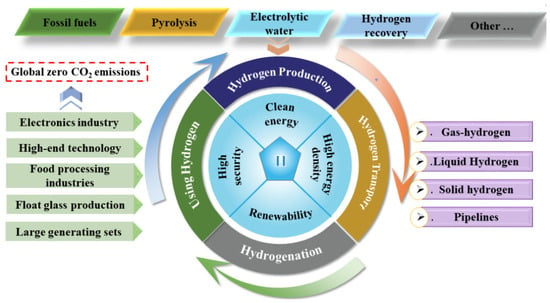
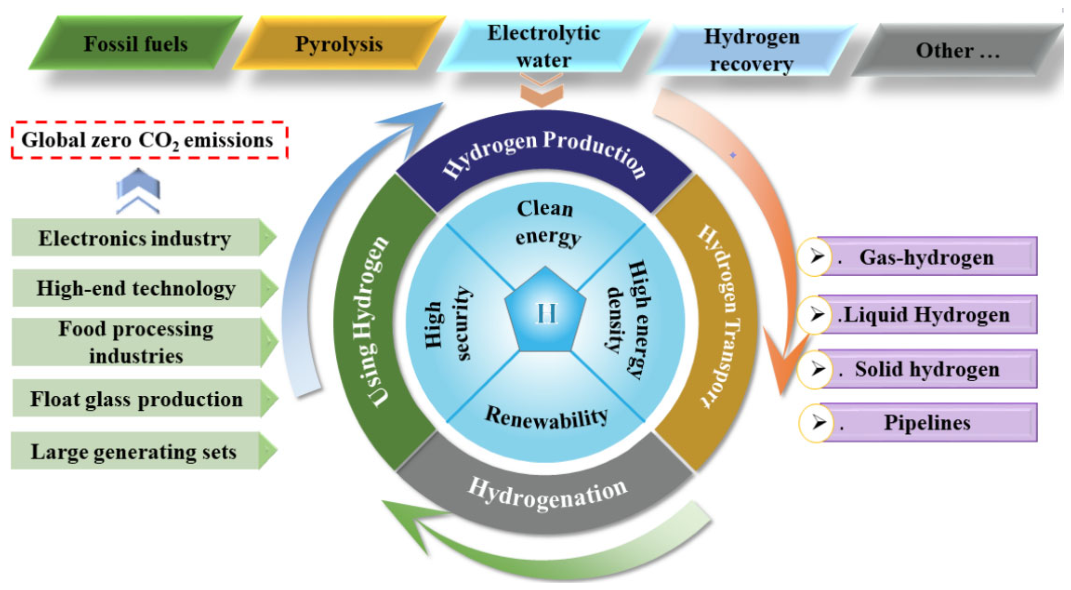
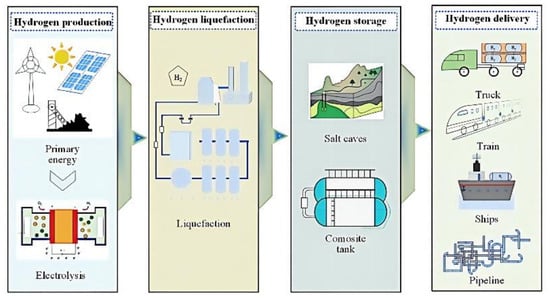
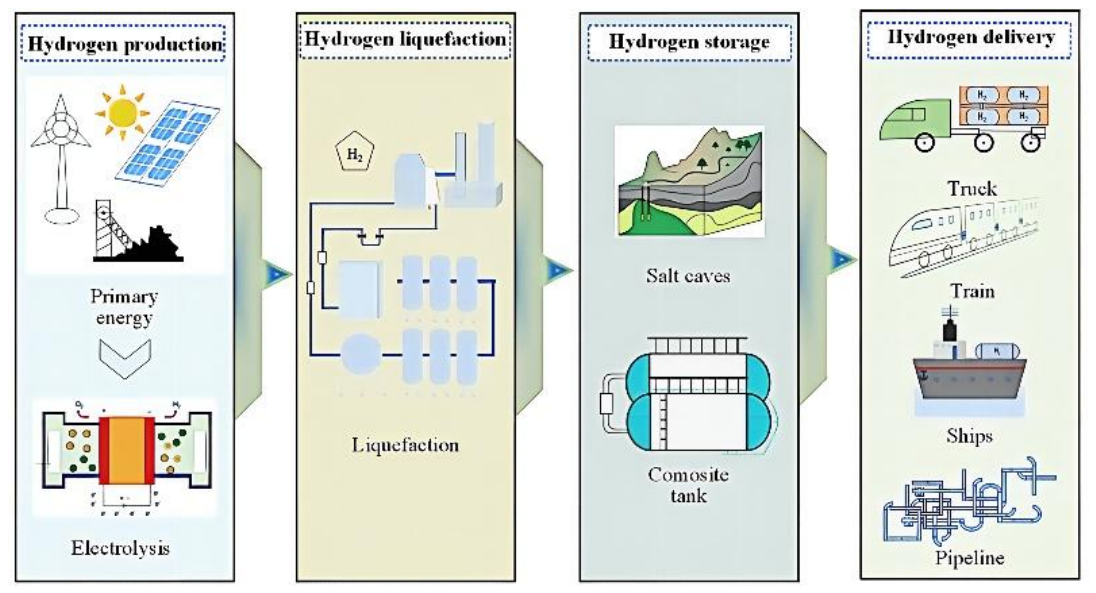
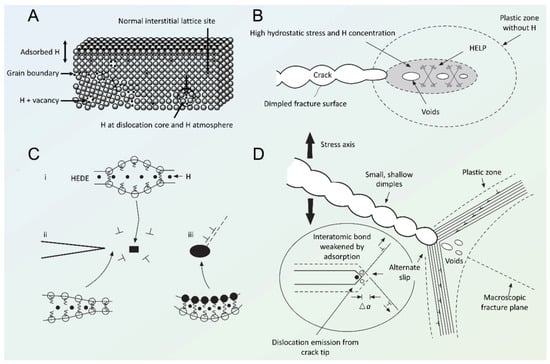
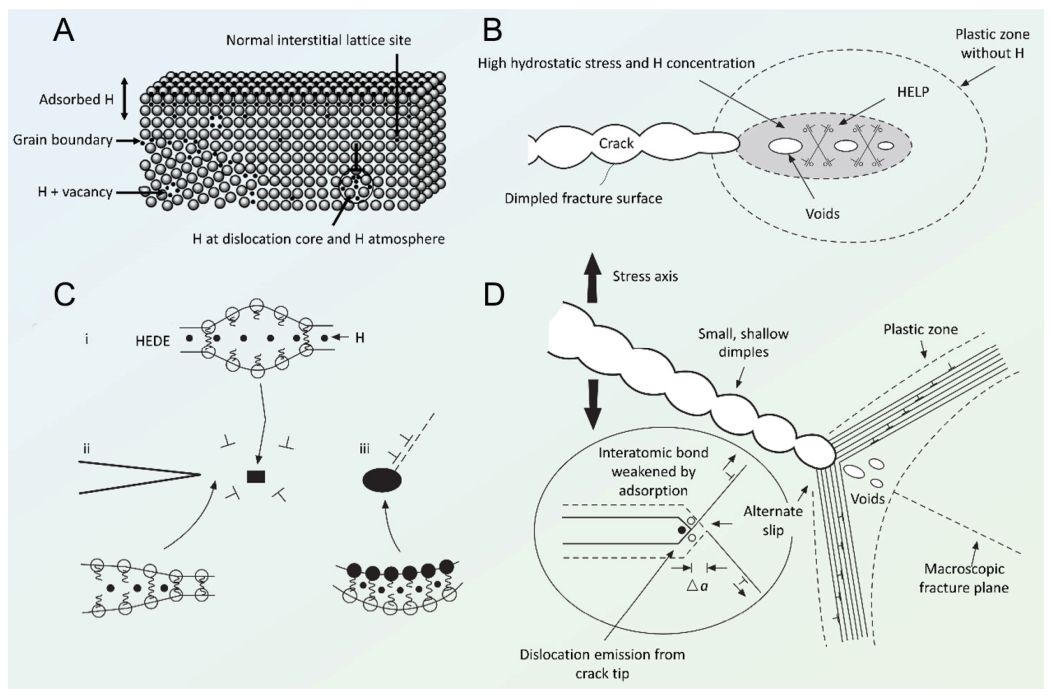
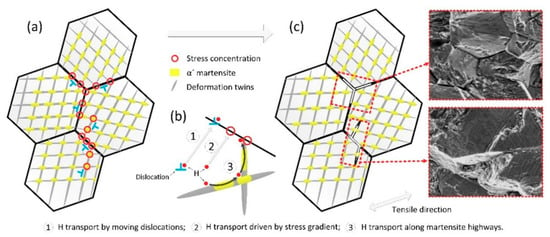
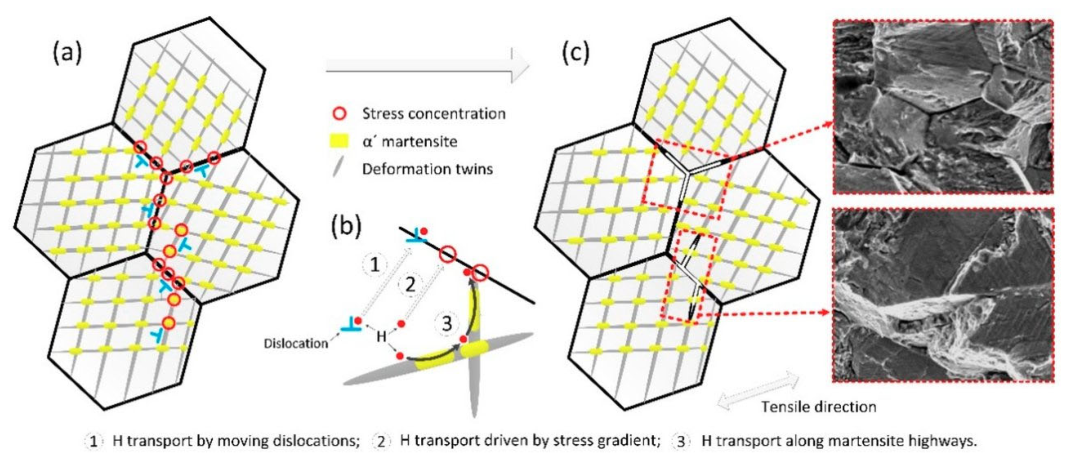
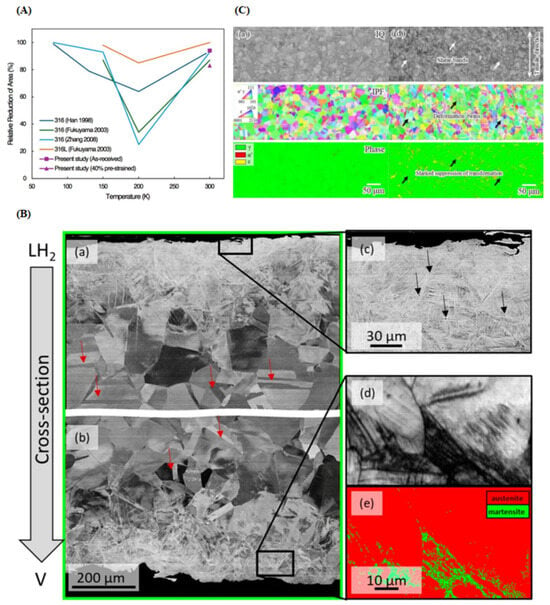
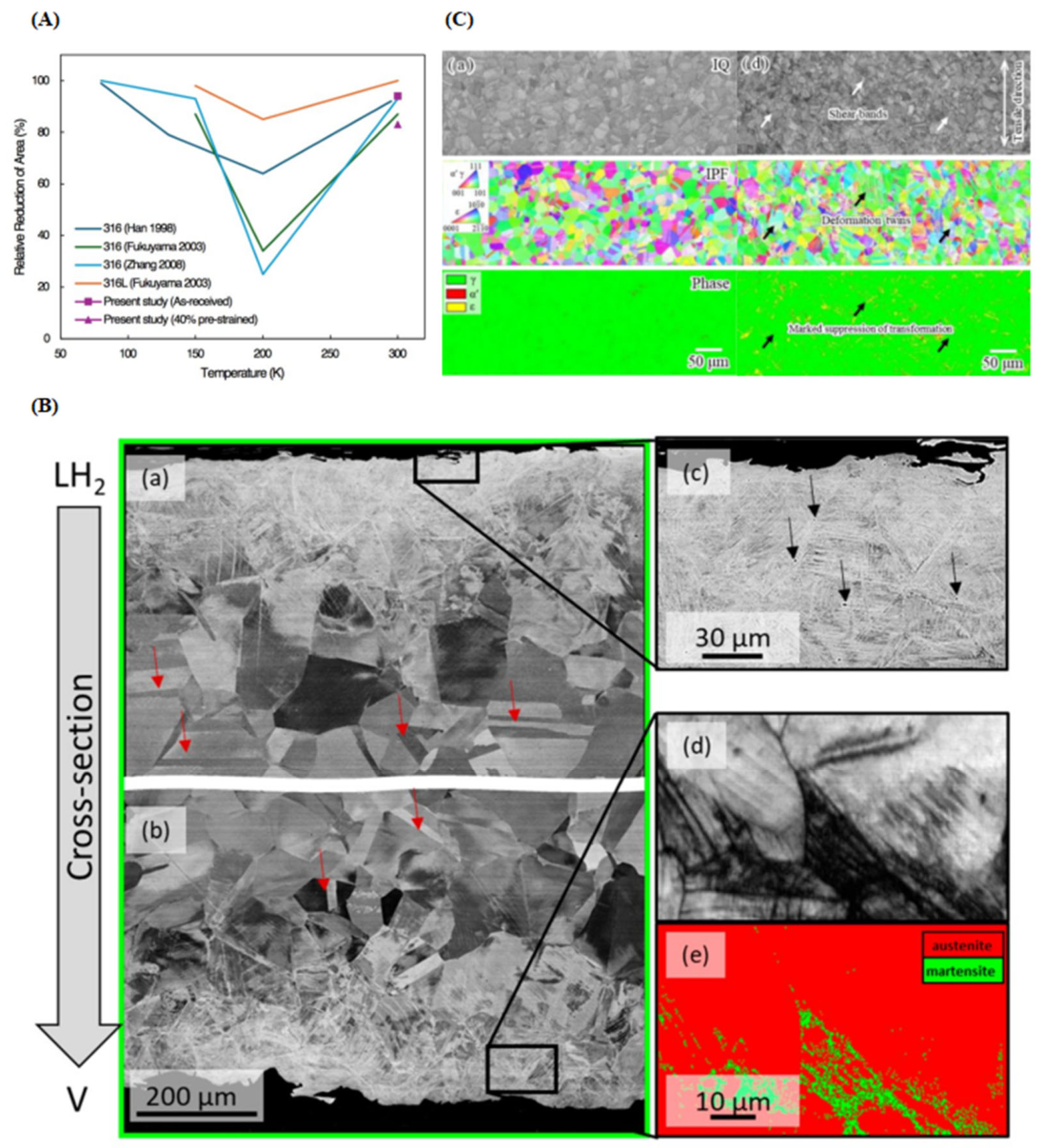
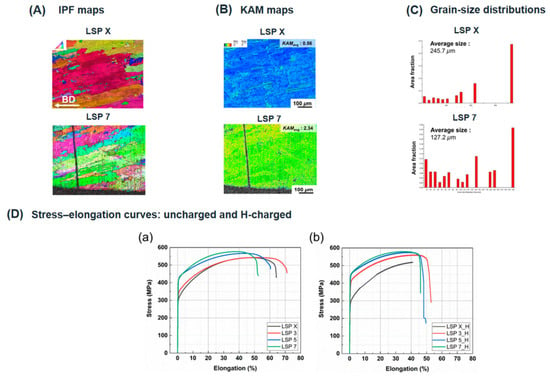
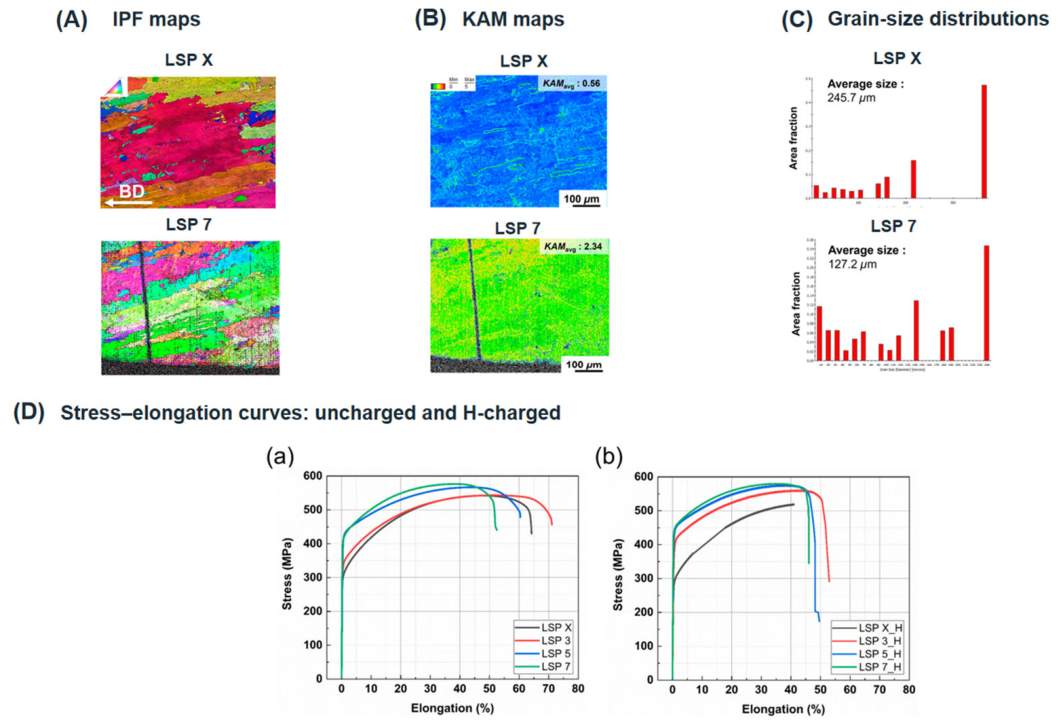
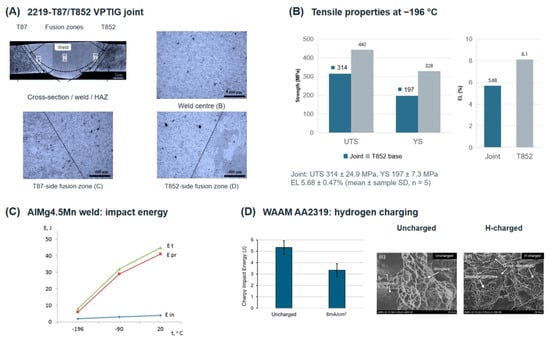
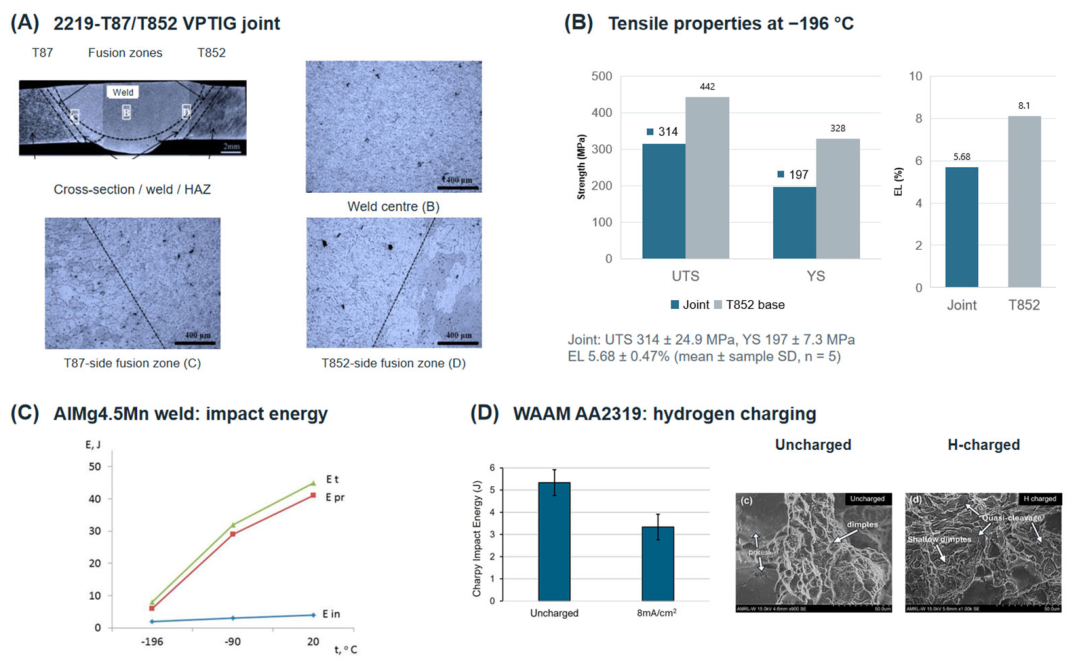
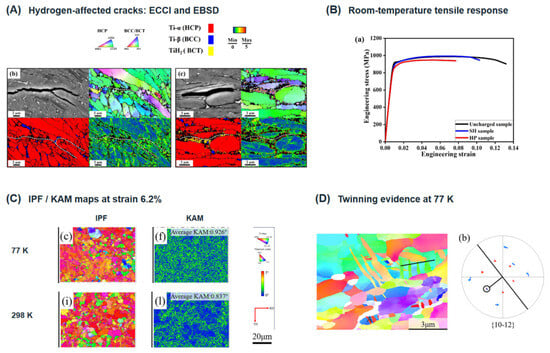
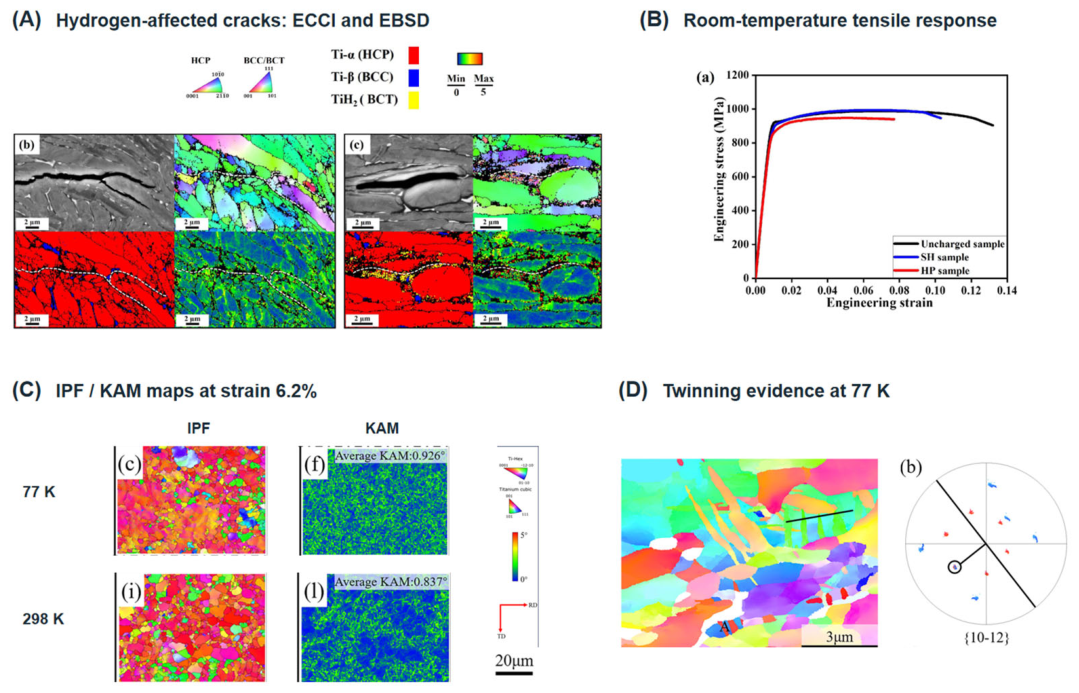
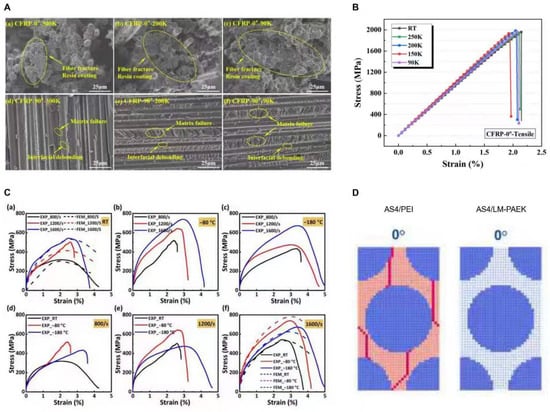
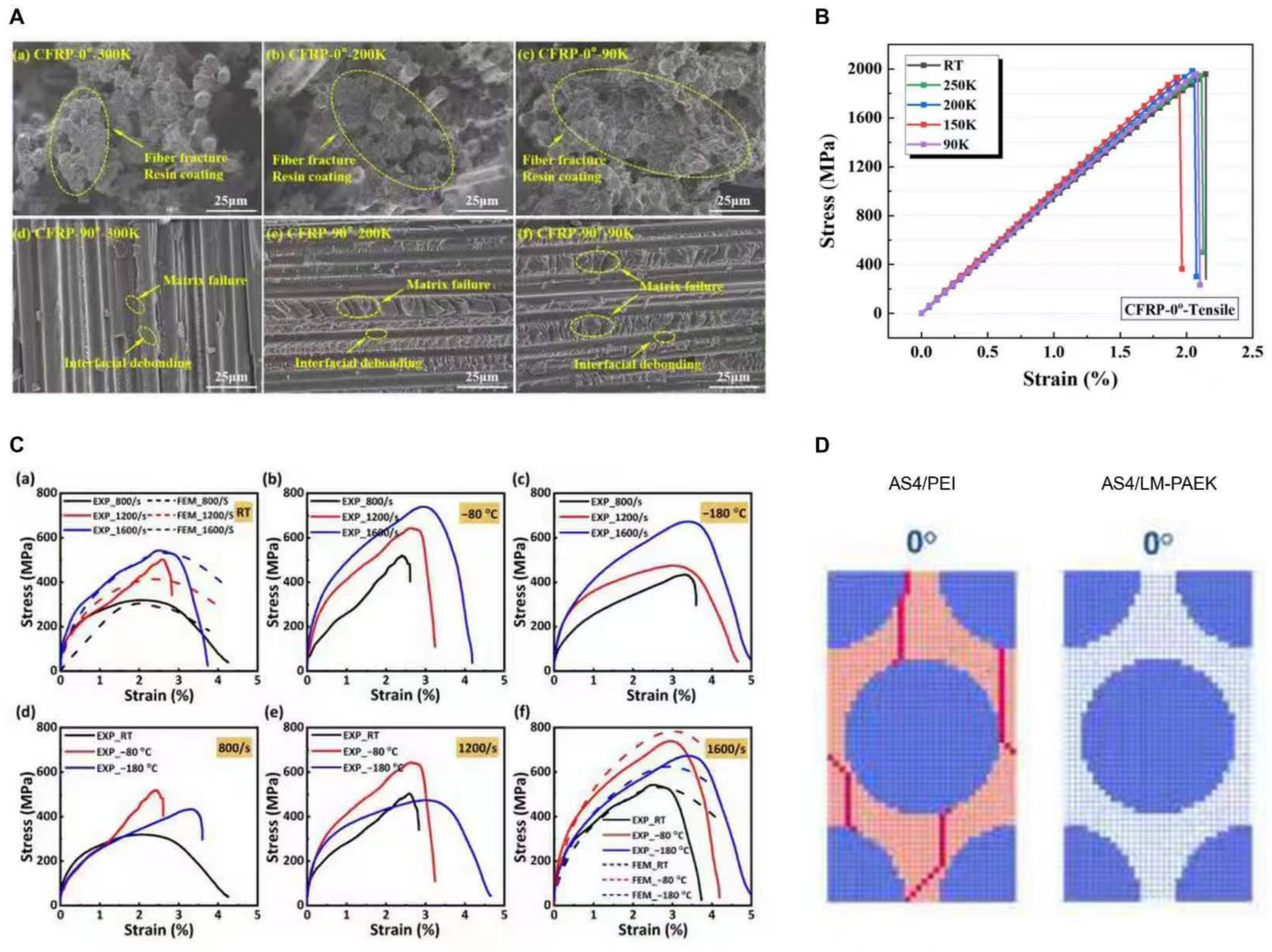
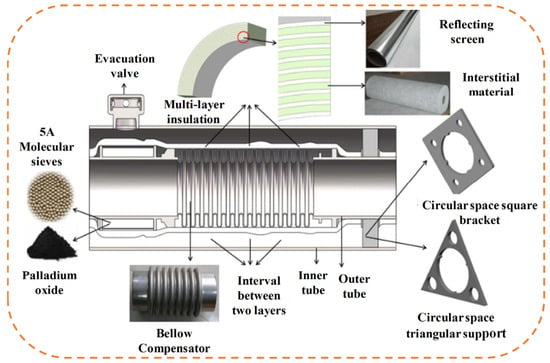
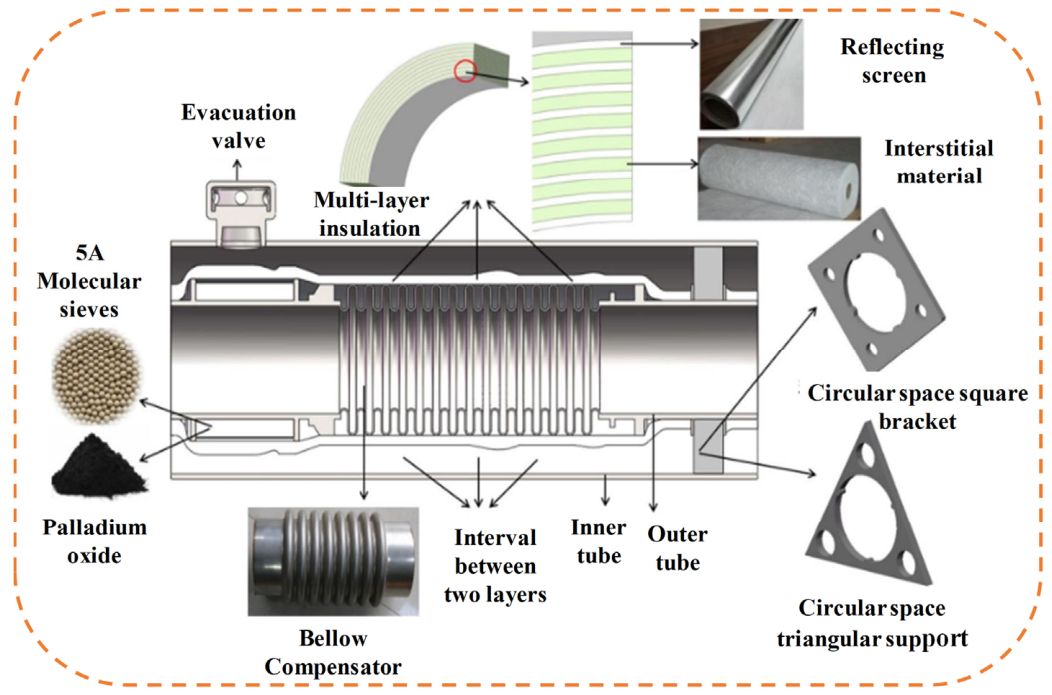
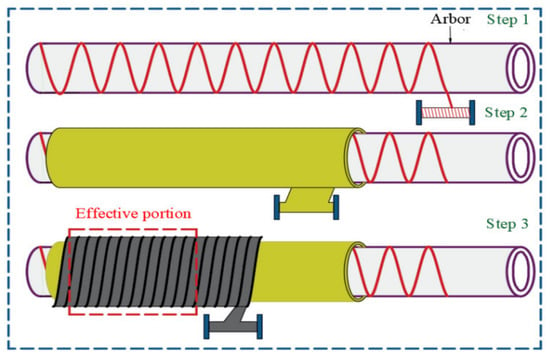
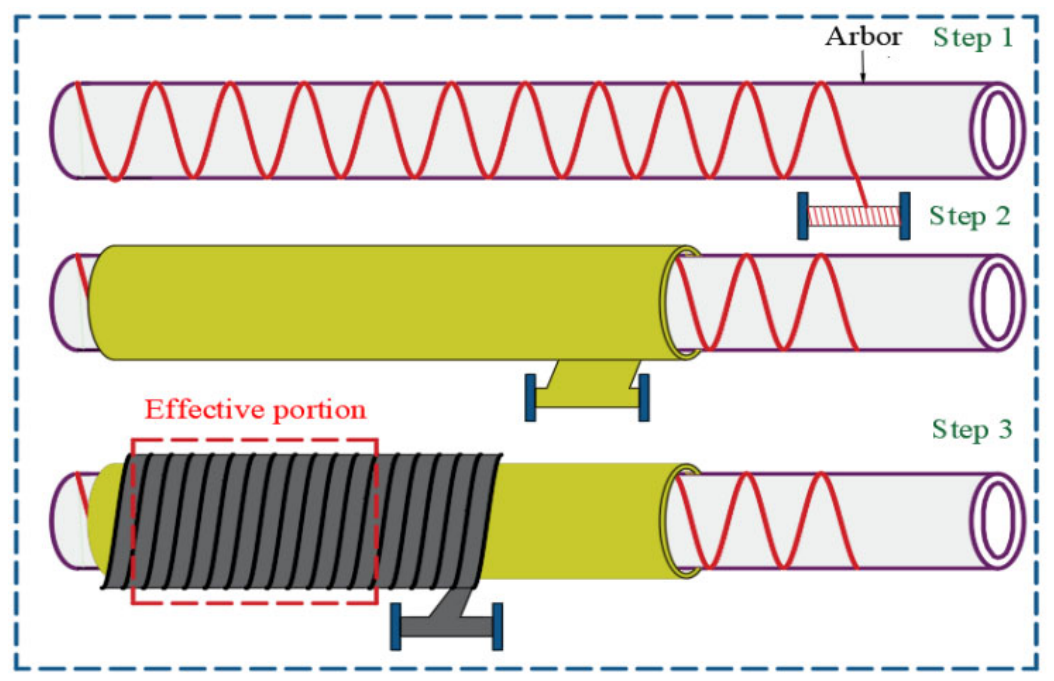

Disclaimer/Publisher’s Note: The statements, opinions and data contained in all publications are solely those of the individual author(s) and contributor(s) and not of MDPI and/or the editor(s). MDPI and/or the editor(s) disclaim responsibility for any injury to people or property resulting from any ideas, methods, instructions or products referred to in the content. |
© 2026 by the authors. Licensee MDPI, Basel, Switzerland. This article is an open access article distributed under the terms and conditions of the Creative Commons Attribution (CC BY) license.