


Abstract
Advanced oxidation processes using photocatalytic materials are a very promising approach to overcome the shortcomings of anthropogenic pollution. Over the past decades, numerous studies have focused on titanium dioxide, zinc oxide, hematite, bismuth vanadate, and molybdenum disulfide, establishing TiO2 as one of the most effective photocatalysts, with low cost, low toxicity, and high chemical stability. The investigation of their combinations as binary composite materials showed that they can also be utilized in environmental applications. Still, the performance of all catalysts can be significantly improved if coupled with other nanomaterials, such as carbon nitride, carbon dots, covalent organic frameworks, transition metal phosphides, or MXenes. In this context, this review presents the majority of their binary combinations in heterostructured composites as an attractive strategy for enhancing the separation mechanism of photogenerated charge carriers and the production of reactive radicals. The various charge transfer mechanisms at the heterojunction of such materials are presented, while specific applications underline the improvement in their properties and their effectiveness in wastewater treatment, the neutralization of pathogens, hydrogen evolution, and the CO2 photoconversion to hydrocarbons.
1. Introduction
In recent years, widespread soil and water contamination, limited water resources, and the threats of climate change have led the scientific community to constantly explore new strategies for environmental remediation and green energy production. Among the different approaches, advanced oxidation processes using photocatalytic materials are suggested as effective methods to address the shortcomings of human activity. Depending on the nature of the contaminants, photocatalytic materials can either mineralize or transform them into valuable products through redox reactions. Titanium dioxide (TiO2, or titania) is generally accepted as one of the most powerful and efficient photocatalysts owing to its remarkable physicochemical properties and its performance across a variety of applications. However, the inability of titania to utilize the full spectrum of sunlight, as well as recombination of charge carriers at crystal defects, limits its integration into practical applications. Over time, various materials were proposed as alternatives, including zinc oxide (ZnO), iron oxides, bismuth vanadate (BiVO4), and molybdenum disulfide (MoS2). Notably, the preparation and examination of binary composites have also demonstrated their effectiveness in photocatalytic applications. In the last five years, numerous studies have appeared focusing on all possible combinations of the aforementioned catalysts with carbon nitride (g-C3N4), covalent organic frameworks (COFs), carbon quantum dots (CQDs), transition metal phosphides (TMPs), and MXenes for the preparation of highly efficient heterostructured photocatalysts (Table 1).
Table 1.
Binary heterostructures of metal oxides, phosphides, MXenes, and carbon-based materials 1,2.
Thus, the scope of this review is to present all aspects regarding the fabrication, properties, and performance of novel and efficient heterostructured nanocomposite photocatalysts consisting of metal oxides, phosphides, MXenes, and carbon-based materials. First, the main optoelectronic properties of the pristine photocatalysts are described, with the aim of understanding both their advantages and limitations. Next, the different heterosystems of coupled semiconductors are examined, since the enhanced performance originates from the improved charge transfer mechanism at the heterojunction. Finally, the mechanisms of both contaminant degradation and solar fuels production are described, followed by indicative examples of specific state-of-the-art heterostructured composites, as marked in green in Table 1.
2. Photocatalytic Materials
Heterogeneous photocatalytic reactions start when a semiconductor (SC) is irradiated with light of appropriate energy (hν), equal to its energy band gap (Eg), as described in Equation (1) and illustrated in Figure 1. Instantly, a negatively charged electron (e−) is excited to the conduction band (CB), leaving a positively charged hole (h+) in the Valence Band (VB) [1]. If the VB and CB of the SC have suitable redox potentials, photogenerated hph+ can react with hydroxyl ions (OH−) and e− with molecular oxygen to generate reactive oxygen species (ROS), namely hydroxyl radicals (●OH) and superoxide radicals (●O2−), respectively (Equations (2) and (3)) [2]. In particular, the redox potentials of ●OH/OH− and O2/●O2− couples are 1.99 V and −0.33 V vs. NHE, respectively, at pH 7 [3,4]. These ROS can subsequently degrade organic molecules near the surface of the photocatalyst, ensuring progressive degradation over time, until complete mineralization (Equation (4)) [5]. Beyond the removal of persistent organic compounds in aqueous environments [6], ROS can also be utilized for the removal of NOx and other volatile organic compounds [7,8], the inactivation of waterborne and airborne pathogens [9,10], or the production of solar fuels, such as H2 and hydrocarbons [11,12].
SC + hv → e− + h+
h+ + OH− → ●OH
e− + O2 → ●O2−
●OH + ●O2− + organic compounds → … → CO2 + H2O + inorganic salts
Figure 1.
Photocatalytic mechanism for the formation of reactive radicals and the degradation of target molecules using semiconductors.
Since 1972, the photocatalytic performance of various inorganic semiconductors, with proper energy band gap and electrochemical properties, has been explored [13]. As mentioned earlier, titanium dioxide has been established as one of the most powerful photocatalysts for environmental applications. Specifically, titania is an n-type semiconductor with a band gap of approximately 3.2 eV, whose VB corresponds to an oxidation potential (Vox) of +2.53 V vs. SHE (for pH 7), and its CB to a reduction potential (Vred) of −0.52 V vs. SHE (for pH 7), allowing the generation of hydroxyl and superoxide radicals [14,15,16]. Another appealing photocatalyst is the n-type semiconductor ZnO, which has an energy band gap equal to 3.37 eV, with Vox ranging from 2.7 to 2.9 V vs. NHE and Vred from −0.3 to −0.5 V vs. NHE [17,18]. Also, the alpha phase of iron oxide (α-Fe2O3 or hematite) is a traditional photocatalyst, with a shorter energy gap, lying from 2 to 2.3 eV, allowing the utilization of sunlight for photoexcitation and redox reactions [19,20]. More recently, new photosensitive materials have been synthesized using earth-abundant metals of low toxicity. BiVO4 has gained much attention due to its proper energy band gap, about 2.4 eV, suitable Vox of VB and Vred of CB, close to 2.47 and 0.32 vs. NHE, respectively [21,22]. Lately, MoS2, a low-gap semiconductor with high surface area and tunable optoelectronic properties, has been extensively studied. Along with the morphology of the disulfide, 2D monolayer structures exhibit a direct energy gap of at least 1.9 eV, while denser and bulk structures have an indirect gap of 1.2 eV [23,24], anticipating better adsorption of target contaminants and advanced photocatalytic performance [25,26].
The aforementioned photocatalysts meet specific requirements: low cost, earth abundance, facile synthetic routes, low toxicity, high chemical stability, and high efficiency, and have been examined thoroughly in a variety of lab-scale applications [27,28]. However, poor surface area, low charge carrier density, and mobility lead to insufficient separation and ROS production, resulting in limited integration into affordable real-life applications. To overcome these shortcomings, extensive research efforts have been devoted to modifying the physicochemical properties of these materials, including the creation of heterojunctions with lower band gap semiconductors [29,30]. A plethora of innovative materials, such as g-C3N4, CQDs, COFs, TMPs, and MXenes, have been synthesized and coupled with photocatalysts to form heterostructures.
The layered g-C3N4 is a metal-free polymeric network of heptazine or triazine rings, fabricated via thermal polycondensation (Figure 2a) [31,32], with high chemical stability, high surface area, and an energy band gap close to 2.7 [33]. Even if the standalone g-C3N4 suffers from low charge carrier mobility, it has gained attention because its composites have enhanced optoelectronic and photocatalytic performance [34,35]. CQDs are alternative 0D carbon-based nanomaterials with low-cost, low-toxicity, high stability, and tunable optical response [36]. The high electrical conductivity of CQDs is advantageous for photocatalytic applications when coupled with other photocatalysts, because they can act as an electron sink, boosting the separation of charged pairs and the formation of reactive radicals [37,38]. Moreover, the introduction of different functional groups during the synthesis of CQDs can influence their absorption and electronic properties [39,40]. Other desirable candidates for the fabrication of heterostructured photocatalysts are the COFs, due to their high surface area, high chemical stability, and promising optoelectronic properties [41]. The linked building blocks of COFs are fabricated by the reaction of specific monomers (Figure 2b) [42], while the COF composites are formed through the covalent bonding of 2D or 3D crystalline polymeric networks with other materials [43]. This continuous structure of the final composite will eventually present enhanced electrochemical properties, charge carrier separation, and ROS formation [44,45].
Figure 2.
(a) Thermal polycondensation of heptazine and triazine for the preparation of g-C3N4. Reprinted from Ref. [31] and used under Creative Commons CC-BY license. Copyright 2025, MDPI; (b) Reactions of monomers for the synthesis of specific building blocks and COFs. Reprinted from Ref. [42] and used under Creative Commons Attribution CC-BY license. Copyright 2023, MDPI.
Apart from heterostructures with carbonaceous and organic materials, the inorganic TMPs and MXenes are investigated extensively, due to their beneficial physicochemical properties [46,47]. The TMPs are inorganic crystalline compounds formed by a metal element (M) and phosphorus (P), packed into triangular prisms with M at the corners and P at the center for P-rich TMPs, or into tetrakaidecahedral arrangements for M-rich TMPs [48]. TMPs are very effective in photoinduced reactions due to the abundance of active sites on their surface, which promote H+ and CO2 adsorption [49,50], and their tunable electronic properties. Regarding the TMPs’ conductivity, the high electronegativity of phosphorus (P) and the adjustment of the M to P ratio indicate the electronic properties of TMPs [51], resembling semiconducting behavior for P-rich TMPs, with a tunable band gap for e− excitation, or a metallic nature for M-rich TMPs, promoting charge carrier separation [51]. On the other hand, MXenes are 2D layered nanomaterials, with a structure similar to graphene [52]. Their general formula is Mn+1XnTx, where M is a transition metal of the early groups of the periodic table, X represents C or N in most cases, Tx is a surface functional group (ex -OH, -O, -Cl), and n is the number of layers, ranging from 1 to 3 [53,54]. MXenes are fabricated by exfoliating an MAX parent phase of a specific carbide, nitride, or carbonitride under a selective HF or HF-free etching method [55,56]. In principle, a layer of A elements (belonging to the 13th or 14th group) is weakly bonded between the covalently bonded M-X unit layers of MAX, which is removed during etching, resulting in the characteristic graphene-like structure (Figure 3) [53,57,58]. MXenes are desirable for heterostructure formation due to their high surface area, the controllable interlayer spacing, and functionalization of the outer surface. Therefore, efficient e−/h+ pair separation and enhanced ROS formation can be facilitated if photocatalysts are coupled with MXenes, owing to the latter’s tunable electrical conductivity.
Figure 3.
(a) Exfoliation of different MAXn parent phases for the formation of Mn+1XnTx; (b) Representative Ti3AlC2 phase before exfoliation and (c) after 10% HF etching. Reprinted from Ref. [58] and used under Creative Commons Attribution CC-BY 4.0 license. Copyright 2024, Elsevier.
3. Heterojunctions
In general, heterostructure engineering involves the coupling of two semiconductors SA and SB, with the aim of improving the charge carriers’ separation and suppressing e−/h+ recombination of the resulting composite. Depending on the corresponding VB and CB levels of each semiconductor, different types of heterojunctions can be formed, thereby altering the charge carrier transfer pathways and the ROS generation mechanism (Figure 4) [59,60,61]. In order to confirm the improved separation at the interface, complete electrochemical characterization is required, including photo-transient current [62], Mott-Schottky [63], and impedance techniques [64], whereas other methods, like fluorescence photoluminescence (PL) [65] or computational modeling and simulations [66], are also applied occasionally. Furthermore, it is possible to identify and suggest the fabricated heterosystem between SA and SB if CB and VB levels are determined either theoretically or experimentally using data derived from Mott-Schottky plots and absorption spectra [67,68]. Regardless of the calculation method, the energy band levels of the various composites are provided at the end of the section in a detailed table.
Figure 4.
The proposed Type I (a); Type-II (b); p-n (c); Z-Scheme (d); S-Scheme (e); and Schottky (f) hetero junctions differ in the CB and VB energy levels of the two coupled semiconductors SA and SB, which influence the photogenerated charge-pair migration pathways at the interface. Reprinted from Ref. [61] and used under Creative Commons Attribution CC-BY 4.0 license. Copyright 2024, Elsevier.
3.1. Type I
When a semiconductor SA is coupled with a semiconductor (SB) of less negative CB and less positive VB, a Type I heterojunction is formed (Figure 4a). Irradiation of such systems with light of appropriate wavelength involves the excitation of SCs and the migration of photogenerated electrons and holes of SA to the CB and VB of SB, respectively [59,69]. However, accumulation of e−/h+ pairs in a semiconductor with a lower redox potential is considered impractical for chemical reactions, so other types of junctions are preferred. Nevertheless, a type-I heterosystem was proposed to explain the increased evolution of H2 from cobalt phosphide (CoP) decorated with CTF-COF, as well as the findings of spectroscopic and electrochemical examination [70].
3.2. Type II
Type II heterojunction involves two semiconductors SA and SB, whose band levels differ; the CB of SB is less negative than that of SA, and the VB of SB is more positive than that of SA (Figure 4b) [59,71,72]. When the semiconductors are excited, the photogenerated electrons and holes are separated according to the potential difference of the corresponding bands. In particular, the electrons of SA migrate to the less negative CB of SB (CB2), while the holes of SB follow the opposite direction, reaching the VB of SA (VB1). As long as the redox potentials of CB2 and VB1 are appropriate, the active radicals are formed.
The construction of type II heterojunctions is a very common strategy for fabricating composites with improved photoresponse and photocatalytic performance. For instance, the Mott-Schottky analysis of TPBPD-COF with graphene-phase carbon nitride (CNNS) revealed that the CB of the components were −0.79 V vs. NHE for TPBPD-COF and −1.52 V vs. NHE for CNNS [65]. Based on diffuse reflectance spectra, the corresponding VB were estimated to be 1.56 and 1.19 V vs. NHE; thus, the formed heterosystem can only be classified as a type-II heterojunction. Similar analysis for 3D MoS2 nanoflower with a 2D TPPy-COF framework, along with results from cyclic and linear sweep voltammetry, impedance analysis, photocurrent transient, and time-resolved fluorescence, indicated that the photoexcited electrons migrate to the less negative CB of MoS2 and the holes to the VB of COF [73]. Combinations of COFs with layered MXene structures [74], or particulate BiVO4 semiconductors [71], also explained the improved charge transport due to the formation of a type II heterojunction. Other studies suggested that a type II heterojunction explains the greater removal of antibiotics, including the sulfamethoxazole contaminant, from a Cobalt Phosphide-promoted Bismuth Vanadate catalyst [75], or the increase in photocurrent by about 7.5 times when a hematite film was deposited onto TiO2 nanoparticles [76].
3.3. p-n Junction
The e−/h+ transfer pathways in p-n junctions are similar to those of type II, though the p-type conductivity of SA and the n-type of SB are vital for the separation mechanism. When SA and SB come in contact, a potential difference occurs, driving the electrons from SA and the holes from SB to migrate at the interface. Consequently, the interface region of SA becomes negatively charged, while that of n-type SB becomes positively charged. Once the Fermi levels of the semiconductors align, a Built-In Electric Field (BIEF) is established, directed from SB to SA. Thus, the photogenerated e−/h+ pairs will be able to overcome this BIEF, with a direction proportional to their charge, and become separated (Figure 4c) [59,77,78]. Such an efficient heterojunction was fabricated by Cheng et al., using p-type MoS2 microspheres and n-type BiVO4 nanoparticles, achieving approximately 14 times higher first-order kinetic constants for the photodegradation of tetracycline hydrochloride [79].
3.4. Z-Scheme
A comparable system to Type II is the direct Z-Scheme system, where the involved energy bands of SA and SB resemble those of Type II (Figure 4d). However, in this case the redox potentials favor the recombination of photoinduced e− from SB with h+ of SA [59,80]. Compared to the type-II system, the remaining e− accumulate in the CB of SA, which possesses the highest available reduction capacity, while the h+ accumulate in the VB of SB, which exhibits stronger oxidation capacity. Consequently, the Z-scheme system overcomes the redox power limitations of type II, in which the charge carriers migrate in the opposite direction, resulting in a lower overall redox capacity [72].
In this context, the BiVO4 photoelectrons were shifted towards the VB of MoS2, demonstrating better charge transfer for the MoS2/BiVO4 composite due to lower interfacial resistance and less energy loss, as further supported by Electron Paramagnetic Resonance (EPR) analysis and Density Functional Theory (DFT) simulations [66]. In particular, the theoretically calculated values of Eg, Fermi levels (EF), and work functions (Φ) for MoS2 and BiVO4 indicated electron flow at the contact interface, which is in agreement with the calculated CB and VB, based on the empirical formulas of Mulliken’s electronegativity Theory [66]. Likewise, it was suggested that micro- and macroporous triazine-COFs grown on amino-modified BiVO4 nanosheets follow a Z-scheme charge separation pathway, after analyzing Mott-Schottky plots and monochromatic photocurrent action spectra (MPAS) [81]. The participation of carbon nitride in Z-Scheme systems with Ni2P was experimentally evidenced after determining its CB and VB positions with Mott-Schottky plots and XPS valence band spectra, respectively [82]. In another study on Zn-Ni2P/g-C3N4 composites, the results of the theoretically predicted differential charge density were correlated with the observed lower C 1s and N 1s binding energies and the upshifted binding energies of Ni 2p, Zn 2p, and P 2p, the improved charge carrier separation and PL properties, to indicate the formed heterosystem (Figure 5) [83]. Lastly, theoretical calculations of energy band positions predicted that the combinations of carbon nitride with Fe2O3, BiVO4, and MoS2 could also function as a Z-scheme system [64,84,85].
Figure 5.
(A) Differential charge density of Zn-Ni2P/g-C3N4, where negative charges (in yellow) gather in Zn-Ni2P, and positive charges gather in g-C3N4 (cyan); (B) the corresponding longitudinal section image of the composite; (C) Indicative C 1s and (D) Ni 2p core-level XPS spectra of g-C3N4 and Zn-Ni2P/g-C3N4. Reprinted from Ref. [83] and used under Creative Commons Attribution CC-BY 4.0 license. Copyright 2025, Wiley-VCH GmbH.
However, it should be mentioned that the direct Z-Scheme cannot adequately explain the charge carrier migration, as it deviates from the principles of conventional and all-solid-state Z-Schemes; thus, the S-Scheme heterojunction system is suggested [86].
3.5. S-Scheme
In the case of the more complex S-Scheme systems, the coupled semiconductors should be selected regarding their redox potential [77,86]. The first semiconductor should have a strongly oxidizing VB, with a potential more positive than that required for the O2/H2O oxidation reaction, and an almost positive CB level that is unable to activate reduction reactions. On the other hand, the CB of the second semiconductor should correspond to very negative potentials, enabling reduction reactions, while its holes should have a low Vox. The heterojunction between the so-called oxidation (SO) and reduction semiconductor (SR) leads to the alignment of their Fermi levels, the bending of their band levels, and the formation of an internal electric field at the interface (Figure 4e) [59,77,87]. The e− in the CB of SO and the h+ in the VB of SR migrate toward the charged interface, under the influence of the internal electric field, where they recombine. Hence, the strongly oxidizing h+ in SO and the reducing e− in SR are preserved, initiating redox reactions.
To date, many studies have proposed that many COFs act as SR when contacted with ZnO [88,89]. For example, Mu et al. conducted Ultraviolet Photoelectron Spectroscopy (UPS) to calculate the energy bands, in situ XPS to detect both BIEF and band bending, and finally in situ EPR spin trapping experiments to rule out a type II system between the N-ZnO and TAPT-DMTP COF [89]. They concluded that the S-Scheme indeed applies to the examined composite, and verified that the optimal production of hydrocarbons comes from the lower charge transfer resistance and the faster electron transfer rate of the N-ZnO/TAPT-DMTP COF composite. Other indicative and comprehensive studies on S-Scheme heterosystems provided either experimental evidence on the interfaces of a carbon nitride sponge containing BiVO4 [90], or theoretical ab initio calculations for a MoS2 monolayer coupled with boron phosphide [91].
3.6. Schottky Junction
Sometimes, the aforementioned models cannot describe the electronic properties and the charge transfer mechanism at the heterojunction of a composite, although electrochemical and spectroscopic examination validates that one of the components acts as an electron sink. This limitation is very typical for highly conductive nanomaterials, especially for carbon dots, metal phosphides, and MXenes [92,93,94,95]. Such an example is the enhanced transient photocurrent response and the reduced interfacial charge transfer resistance of BiVO4 and carbon quantum dots, where XPS reveals the chemical interaction, but the aforementioned heterosystems cannot be applied (Figure 6) [94].
Figure 6.
(a) O 1s core level XPS spectra; (b) photocurrent transient; and (c) Nyquist impedance plot of CQDs/BiVO4. Reprinted from Ref. [94] used under Creative Commons Attribution CC-BY license. Copyright 2023, MDPI.
In many cases, the model of a Schottky junction can be applied, which generally describes the coupling of a semiconductor with metal elements of lower Fermi level, e.g., silver nanoparticles [29], and the photoexcited electrons are shifted towards the metal until the Fermi levels of the metal and the SC reach equilibrium (Figure 4f) [59,77]. In this context, Liu et al. suggested that the lower binding energies in the O 1s core level XPS spectra of the ZnO@Ti3C2 composite, in combination with the prolonged increase in photocurrent, the reduced surface resistance, PL intensity, and fluorescence lifetime, demonstrated the formation of a Schottky junction [95]. In a different approach, the evaluation of the DFT calculations and the experimental results of XPS, PL, photocurrent, and electrochemical impedance analysis displayed the formation of the junction on a porous graphitic carbon nitride (PGCN) network decorated with Ti3C2 quantum dots [96].
In conclusion, Table 2 below provides a detailed summary of all the aforementioned heterostructures, the resulting heterosystems and the calculated energy band levels, as well as the synthesis methods for each component and composite.
Table 2.
Heterosystem and energy band levels of the composite materials.
4. Photocatalytic Oxidation and Reduction Processes
4.1. Pollutant Removal
Nowadays, environmental remediation with photocatalytic materials is extensively investigated, especially for the degradation of persistent contaminants in water and air, including harmful pathogens. As described earlier, photocatalytic oxidation processes are based on the formation of reactive and non-selective ROS, due to their high Vox and high kinetic reaction constants, which range from 106 to 109 M−1 s−1 [97,98]. The heterostructured composites are expected to improve the overall performance of a photocatalytic system, since the separation of e−/h+ pairs in the junction suppresses any undesired recombination effects and enhances ROS formation. Even if the type of heterojunction remains unclear in some studies, the photocatalytic performance of the selected heterostructures in eliminating organic substances, such as pharmaceuticals, dyes, and raw ingredients, different types of microorganisms, or even inorganic compounds and heavy metal ions, is indisputable. Detailed tables at the end of each subsection summarize the reported composites in the literature, their properties (if available), and the experimental conditions applied, allowing for a direct comparison of their photocatalytic performance.
4.1.1. Organic Substances
The removal of antibiotics and other pharmaceuticals is of high importance, as the accumulation of such substances in groundwater and surface water poses potential risks for human health [99,100,101]. In this regard, Ge et al. managed to degrade 99% of acetaminophen, a very common analgesic, after one hour using the Heptazine-COF@TiO2 composite [102]. They proved that the composite had higher rate constants than the stand-alone catalysts, with reproducible removal efficiencies after six recycling experiments, due to the e−/h+ separation under a type-II system. The photodecomposition of another non-biodegradable antibiotic, ciprofloxacin, was extensively examined using different photocatalysts [103,104,105,106]. Ahmed et al. monitored the compound’s concentration with a UV/vis spectrophotometer and distinguished the degradation kinetics of Ag-BiVO4@MXene (Figure 7) [103]. In a similar study, the kinetics and the possible degradation pathways of ciprofloxacin were assessed by LC-MS methods, while the optimal ratio of ZnO to MoS2 composite and the effect of catalyst dosage were also determined [104]. Alternative materials, including carbon quantum dots modified g-C3N4 nanotubes onto a carbon cloth substrate and BiVO4@g-C3N5 core-shell heterostructure, have also been tested for the removal of ciprofloxacin [105,106]. Lastly, the antibiotics cefixime and clindamycin were used as model contaminants to evaluate the pairing of carbon nitride with the 2D Ti3C2 MXene and its photocatalytic activity [107,108], or the anti-inflammatory ibuprofen for a TiO2 inverse opal structure decorated with Mo-doped BiVO4 [63].
Figure 7.
(a) Reduction of the characteristic absorption peak of ciprofloxacin with time, in the presence of Ag-BiVO4@MXene; (b) Degradation kinetics of ciprofloxacin and the corresponding reference materials BiVO and Ag-BiVO. Reprinted from Ref. [103] used under Creative Commons Attribution CC-BY 4.0 license. Copyright 2025, Elsevier.
Apart from pharmaceuticals, organic dyes from aqueous solutions are widely utilized as target compounds in photocatalytic processes [109,110]. For instance, the degradation efficiency of methylene blue, a typical textile dye, was accelerated when a ZnO/V2C-MXene hybrid was used instead of bare ZnO nanosheets [111]. This improvement was attributed to the enlarged surface area and the interfacial migration of photoelectrons to V2C. Other MXene materials, like Ti3C2(OH)2, act as photocatalysts; thus, better removal of Malachite Green was expected when Ti3C2(OH)2 was integrated with Carbon Dots [112].
The removal of common industrial ingredients and solvents is also investigated, because they are hazardous if released to the environment. For example, the photocatalytic performance of PCDots-C3N4 was demonstrated using Bisphenol A, a chemical for the fabrication of polymers [62]. The preservative benzyl paraben, which can cause toxicity problems in high amounts, was removed by a BiVO4 decorated with Carbon Dots [94]. The degradation and mineralization of gaseous benzene presented a 2-fold enhancement when the pristine BiVO4 was coupled with α-Fe2O3 [113]. Also, the mineralization process of gaseous o-xylene by Ti3C2-TiO2 composite was studied in depth, using in situ Diffuse Reflectance Infrared Fourier Transform Spectroscopy (DRIFTS) measurements [114].
Finally, Table 3 presents in detail the experimental conditions and the photocatalytic performance of the aforementioned composite materials in the removal of pharmaceutical compounds, dyes and industrial substances.
Table 3.
Photocatalytic performance of composites in contaminant degradation.
4.1.2. Sterilization and Antimicrobial Properties
Apart from organic molecules, photocatalysis can also deal with waterborne and airborne microorganisms, achieving disinfection and sterilization of water, air, and surfaces [115,116]. The exact photodegradation and elimination mechanism of living pathogens is highly dependent on the structure, the size, and the biochemical properties of the microbial load. In principle, ROS will progressively attack the outer membrane of the pathogens (if it exists) and the peptidoglycan layer, reaching the inner membrane [117,118]. If the damage to the cell wall is extensive and irreversible, then the cell permeability will cause partial release of the interior cytoplasm and leakage of intracellular substances, such as proteins and nucleic acids, and finally cell death will occur [118,119].
The antimicrobial properties of the photocatalytic materials presented are evaluated on a lab scale according to the standard plate count (Table 4), where contaminated feed is cultured in nutrient media before and after treatment [119,120,121]. This method is highly sensitive, even when the growth of gram-positive Staphylococcus aureus and gram-negative Escherichia coli was inhibited by N-doped Carbon Dots modified MoS2 nanosheets, captured onto a PEI-modified Ti foil [120]. Other studies followed similar procedures to validate the disinfection of Pseudomonas aeruginosa and S. aureus by a flower-like MoS2 covered with a BiVO4 layer [66], the elimination of S. aureus by MoS2 coupled with Cobalt Phosphide (CoP) nanorods [119], or the deactivation of E. coli by COF@CDs [121].
Table 4.
Antibacterial properties of photocatalytic composites.
4.1.3. Inorganic Substances
Photocatalysts can also deal with inorganic contaminants, mainly toxic heavy metal ions in water, or inorganic gases [122,123]. Most studies focus on the transformation of hexavalent chromium ions, Cr(VI), to the less toxic trivalent Cr(III), in order to evaluate the composite materials in advanced reduction processes [124,125]. For example, bifunctional MoS2/α-Fe2O3 completely removed Cr(VI), owing to lower charge transfer resistance and suppressed recombination losses [126]. A more comprehensive investigation used metal-free TPBPD-COF-carbon nitride nanosheet hybrids for the photocatalytic removal of Cr(VI) in batch and dynamic column experiments [65]. The photocurrent transient and impedance spectra, in combination with absorption and steady-state PL analysis, showed that the formed type-II heterostructure improved the charge carriers’ separation and the performance of the hybrid catalyst. Last, Table 5 presents in detail the experimental conditions and results for the aforementioned composite materials regarding the reduction of Cr(VI).
Table 5.
Photocatalytic performance of composites in the reduction of Cr(VI).
4.2. Production of Solar Fuels
The photoelectrocatalytic water splitting and hydrogen evolution using TiO2 were first investigated by Honda and Fujishima in 1972 [13]. The same group also discovered that TiO2 produces valuable hydrocarbons via the photoelectrocatalytic reduction of CO2 [127]. Since then, the field of light-driven fuel synthesis has emerged as an established research area; a plethora of new materials have been tested, and countless experimental setups have been designed.
4.2.1. H2O Splitting and H2 Evolution
The photocatalytic production of hydrogen requires the presence of an aqueous medium or water vapor, while the energy bands of the SC should correspond to appropriate redox potentials [128]. Thus, when the SC is excited by light of appropriate energy (Equation (5)), the photoholes (h+) will break down water only if the VB corresponds to a minimum Vox of 1.23 V vs. RHE according to Equation (6). Provided that Vred of CB matches the potential of the H+/H2 reaction, the photoexcited e− will then promote hydrogen evolution, as described in Equation (7) [129,130].
SC + hv → e− + h+
2 H2O + 4 h+ → 4 H+ + O2 E0 = 1.23 V vs. RHE
4 H++ 4 e− → 2 H2 E0 = 0 V vs. RHE
Additionally, the limited lifetime of the photogenerated charged pairs should also be taken into consideration because any recombination effects lower the H2 evolution rates. A generally accepted strategy is the deposition of highly conductive materials, such as metal phosphides and MXenes, onto photocatalysts, with the aim of enhancing the charge transport at the interface. In this context, the introduction of 12.5% Ni12P5 onto TpPa-1-COF (ratio of 1:8) exhibited more than 19 times higher hydrogen production than the parent components (Figure 8) [131]. More interestingly, Zhou et al. improved remarkably the performance of pristine TAPB-Tp-COF by almost 27 times by fabricating a stable composite, with high porosity and conductivity, through coupling with the optimal ratio of NH2-Ti3C2Tx [74]. Other effective combinations include a series of TiO2/NiP, TiO2/Ti3C2, and TiO2/NiP/Ti3C2 titania composites [93], or a MoS2/Ti3C2 photocatalyst [132]. In that study, the 30 wt % Ti3C2 loading onto MoS2 increased the hydrogen production rate from 2626 to 6144 μmol g−1 h−1 after 5 h of visible irradiation, owing to reduced recombination rates and the increased surface area of the final composite (Table 6) [132]. Lastly, Table 6 illustrates the experimental conditions and H2 production rates for the composites reported in this study.
Figure 8.
(a) Photocatalytic H2 evolution amount for the different Ni12P5/TpPa-1-COF composites with time; (b) Comparison of H2 generation rates for the different Ni12P5/TpPa-1-COF composites. Reprinted from Ref. [131] used under Creative Commons Attribution CC-BY 4.0 license. Copyright 2022, Wiley-VCH GmbH.
Table 6.
Photocatalytic performance of composites in H2 evolution.
4.2.2. CO2 Reduction
The photocatalytic reduction of CO2 to hydrocarbons is a sustainable green chemistry approach to transform greenhouse emissions into valuable solar fuels. As a first step, CO2 gas must be transferred onto the surface of the catalyst, and then it will be transformed into simple carbon compounds, provided that the photoexcited h+/e− have sufficient redox potential. One possible reduction pathway suggests that CO2 is progressively converted to formic acid (HCOOH), formaldehyde (HCHO), liquid methanol (CH3OH), until it forms methane gas (CH4) [133]. For example, the heterostructured catalyst MoS2@TPPy-COF achieved the production of 966 μmol g−1 HCOOH after 3 h, owing to the visible light activation of the composite and the improved separation of charged pairs at the interface (Table 7) [73]. An alternative mechanism starts with the reduction of CO2 to carbon monoxide (CO), and then CH3OH and CH4 are formed [134]. In this regard, Lin et al. focused on CO evolution using a carbon-dot-modified 0D-ZnO catalyst, whose CO yields were close to 119μmol g−1 h−1, surpassing the 32.2 μmol g−1 h−1 of pristine 0D-ZnO and 5.3 μmol g−1 h−1 of Degussa TiO2 (Table 7) [135].
Table 7.
Performance of binary composites in photocatalytic reduction of CO2.
COF-based composites have gained considerable attention for CO2 photoconversion, because they present better adsorption capacities and higher apparent quantum yields. For instance, N-ZnO/TAPT-DMTP COF hybrid surpassed the activity reported for its individual components, producing 11.07 μmol g−1 of CO and 4.86 μmol g−1 of CH4 after 5 h (Table 7) [89]. In another case, triazine-COF (IL@MTPA) was grown on amino-modified BiVO4 nanosheets and then confined with the [EMIM][NTf2] ionic liquid, in order to fabricate a mesopore-nanoreactor [81]. The optimal composite resulted in CO2 conversion rates of 903.6 μmol g−1 h−1, with nearly 100% selectivity to CO and CH4 products, highlighting a 6-fold enhancement compared to the non-confined composite and a 38-fold enhancement compared to the BiVO4 catalyst. Remarkably, the study of a synthesized MoS2@COFs hybrid composite revealed high selectivity in producing up to 56.2 μmol g−1 h−1 of the heavier and highly desirable ethane (C2H6), instead of releasing only CO, H2, and CH4 as the main products (Table 7) [134]. Additionally, all intermediates and final products, CO, CH4, and C2H6, were detected using DRIFTS, indicating the whole reaction pathway.
5. Summary and Future Research
The stand-alone TiO2, ZnO, Fe2O3, BiVO4, and MoS2 materials are recognized as the most efficient photocatalysts for the degradation of organic and inorganic substances or the production of solar fuels. Even so, intense efforts are constantly devoted to improving the charge carriers’ separation and the overall photocatalytic activity. The coupling of these materials with carbon-based materials, like carbon nitride, carbon dots, and COFs, or inorganic materials, like TMPs and MXenes, has gained great attention because the fabricated heterostructures present unique electronic properties. Depending on the formed heterojunction system—type I, type II, Z-scheme, S-scheme, Schottky junction—the excitation and migration mechanism of the photogenerated e−/h+ pairs alters among the different composites, leading to better charge carrier mobility and performance in photoinduced applications. This review reports most binary combinations, highlighting their effectiveness in the photodegradation of emerging contaminants, including pharmaceuticals, industrial ingredients, and pathogenic microorganisms, as well as the generation of H2 and hydrocarbons. However, numerous challenges remain to be addressed, and many opportunities for utilization of these materials remain unexplored.
The main challenge for these photocatalytic composites is long-term stability, which concerns both the stability of the individual components and the stability of the interface. Although TiO2 and carbon-based materials are considered highly stable, the same does not apply to the other materials. MXenes and ZnO may undergo photocorrosion in the presence of water under UV illumination, leading to metal leaching and deterioration of their photocatalytic performance. Materials like MoS2, BiVO4, and TMPs are photostable under neutral conditions, though they are also susceptible to chemical dissolution in strongly acidic or alkaline environments. Apart from improving optoelectronic properties, the fabrication of heterostructures also serves as an excellent approach for enhancing the stability of specific materials. The migration of charge carriers toward the stable component can suppress undesired chemical reactions and structural breakdowns within the other component. Still, interfacial stability and long-term performance should be investigated using spectroscopic techniques and long-term cycling experiments, respectively, in order to confirm that photocorrosion or surface contamination is prevented and that the efficacies are maintained over time.
Another significant challenge for heterostructured photocatalysts concerns the scaling-up of applications, as well as their use under real-world conditions. Most studies on pollutant degradation are conducted using particular model compounds, avoiding real effluent or real water matrices. Moreover, most studies address the removal of pollutants solely in terms of concentration reduction, without reporting the formation of any undesired and highly toxic byproducts or the mineralization rates of the parent compounds. Similarly, the production of solar fuels is examined on the lab scale, without considering the technical challenges involved in scaling up application, nor the balance between product output and economic costs. Researchers should focus on these gaps, as existing technologies are increasingly adopting photocatalytic processes, while the reported heterostructured photocatalysts exhibit high efficiencies and represent potential materials of choice. Furthermore, particular protocols must be established, enabling direct and independent comparison of the different materials, provided that specific parameters, such as pollutant concentration, catalyst dosage, environmental conditions, and light source irradiation, are harmonized.
Funding
This research received no external funding.
Data Availability Statement
No new data were created or analyzed in this study. Data sharing is not applicable to this article.
Acknowledgments
The author acknowledges the financial support by the project “Airsteril”, under the action “Clusters of Research Excellence” (grant number TA 5180519) and the Quality Control Department.
Conflicts of Interest
The author declares no conflicts of interest.
Abbreviations
The following abbreviations are used in this manuscript:
| SC | Semiconductor |
| Eg | Energy band gap |
| e− | Photogenerated electron |
| h+ | Photogenerated hole |
| CB | Conduction band |
| VB | Valence band |
| ROS | Reactive oxygen species |
| Vox | oxidation potential |
| Vred | Reduction Potential |
| CDs | Carbon Dots |
| COFs | Covalent Organic Frameworks |
| TMPs | Transition metal phosphides |
| EPR | Electron Paramagnetic Resonance |
| DFT | Density Functional Theory |
| PL | Photoluminescence |
| DRIFTS | Diffuse Reflectance Infrared Fourier Transform Spectroscopy |
| ads | adsorption |
References
- Banerjee, S.; Pillai, S.C.; Falaras, P.; O’Shea, K.E.; Byrne, J.A.; Dionysiou, D.D. New Insights into the Mechanism of Visible Light Photocatalysis. Phys. Chem. Lett. 2014, 5, 2543–2554. [Google Scholar] [CrossRef] [Scilit]
- Wang, J.L.; Xu, L.J. Advanced Oxidation Processes for Wastewater Treatment: Formation of Hydroxyl Radical and Application. Crit. Rev. Environ. Sci. Technol. 2012, 42, 251–325. [Google Scholar] [CrossRef] [Scilit]
- Kim, D.; Yong, K. Boron doping induced charge transfer switching of a C3N4/ZnO photocatalyst from Z-scheme to type II to enhance photocatalytic hydrogen production. Appl. Catal. B Environ. 2021, 282, 119538. [Google Scholar] [CrossRef] [Scilit]
- Zhang, G.; Chen, D.; Li, N.; Xu, Q.; Li, H.; He, J.; Lu, J. Construction of hierarchical hollow Co9S8/ZnIn2S4 tubular heterostructures for highly efficient solar energy conversion and environmental remediation. Adv. Funct. Mater. 2020, 59, 8255–8261. [Google Scholar] [CrossRef] [Scilit]
- Arfanis, M.K.; Theodorakopoulos, G.V.; Anagnostopoulos, C.; Georgaki, I.; Karanasios, E.; Romanos, G.E.; Markellou, E.; Falaras, P. Photocatalytic Removal of Thiamethoxam and Flonicamid Pesticides Present in Agro-Industrial Water Effluents. Catalysts 2023, 13, 516. [Google Scholar] [CrossRef] [Scilit]
- Arfanis, M.K.; Athanasekou, C.P.; Sakellis, E.; Boukos, N.; Ioannidis, N.; Likodimos, V.; Sygellou, L.; Bouroushian, M.; Kontos, A.G.; Falaras, P. Photocatalytic Properties of Copper-Modified Core-Shell Titania Nanocomposites. J. Photochem. Photobiol. A Chem. 2019, 370, 145–155. [Google Scholar] [CrossRef] [Scilit]
- Papailia, L.; Todorova, N.; Giannakopoulou, T.; Ioannidis, N.; Boukos, N.; Athanasekou, C.P.; Dimotikali, D.; Trapalis, C. Chemical vs thermal exfoliation of g-C3N4 for NOx removal under visible light irradiation. Appl. Catal. B Environ. 2018, 239, 16–26. [Google Scholar] [CrossRef] [Scilit]
- Xie, X.; Xiang, Y.; Cao, J.; Dai, W.; Ao, Z.; Huang, H.; Yang, X.; Xiao, F.; Ye, X. High-efficiency destruction of aromatic VOC mixtures in a MoS2 cocatalytic Fe3+/PMS reaction. Sep. Purif. Technol. 2023, 305, 122444. [Google Scholar] [CrossRef] [Scilit]
- Mohamed, E.F.; Awad, G. Photodegradation of gaseous toluene and disinfection of airborne microorganisms from polluted air using immobilized TiO2 nanoparticle photocatalyst–based filter. Environ. Sci. Pollut. Res. 2020, 27, 24507–24517. [Google Scholar] [CrossRef] [Scilit]
- Xiao, K.; Wang, T.; Sun, M.; Hanif, A.; Gu, Q.; Tian, B.; Jiang, Z.; Wang, B.; Sun, H.; Shang, J.; et al. Photocatalytic Bacterial Inactivation by a Rape Pollen-MoS2 Biohybrid Catalyst: Synergetic Effects and Inactivation Mechanisms. Environ. Sci. Technol. 2020, 54, 537–549. [Google Scholar] [CrossRef] [Scilit]
- Falara, P.P.; Chatzikonstantinou, N.; Zourou, A.; Tsipas, P.; Sakellis, E.; Alexandratou, E.; Nasikas, N.K.; Kordatos, K.V.; Antoniadou, M. Optimizing Carbon Dot—TiO2 Nanohybrids for Enhanced Photocatalytic Hydrogen Evolution. Materials 2025, 18, 1023. [Google Scholar] [CrossRef] [Scilit]
- Naliwajko, P.; Moustakas, N.G.; Klahn, M.; Peppel, T.; Strunk, J. Influence of light on ad- and desorption processes on titanium dioxide surfaces towards efficient CO2 photoreduction. Phys. Chem. Chem. Phys. 2025, 27, 6845–6849. [Google Scholar] [CrossRef] [Scilit]
- Fujishima, A.; Honda, K. Electrochemical Photolysis of Water at a Semiconductor Electrode. Nature 1972, 238, 37–38. [Google Scholar] [CrossRef] [Scilit]
- Verbruggen, S.W. TiO2 photocatalysis for the degradation of pollutantsin gas phase: From morphological design to plasmonic enhancement. J. Photochem. Photobiol. C Photochem. Rev. 2015, 24, 64–82. [Google Scholar] [CrossRef] [Scilit]
- Fujishima, A.; Rao, T.N.; Tryk, D.A. Titanium dioxide photocatalysis. J. Photochem. Photobiol. C 2000, 1, 1–21. [Google Scholar] [CrossRef] [Scilit]
- Son, H.S.; Lee, S.J.; Cho, I.H.; Zoh, K.D. Kinetics and mechanism of TNT degradation in TiO2 photocatalysis. Chemosphere 2004, 57, 309–317. [Google Scholar] [CrossRef] [Scilit]
- Bhapkar, A.R.; Bhame, S. A review on ZnO and its modifications for photocatalytic degradation of prominent textile effluents: Synthesis, mechanisms, and future directions. J. Environ. Chem. Eng. 2024, 12, 112553. [Google Scholar] [CrossRef] [Scilit]
- Liu, X.; Ye, L.; Liu, S.; Li, Y.; Ji, X. Photocatalytic Reduction of CO2 by ZnO Micro/nanomaterials with Different Morphologies and Ratios of {0001} Facets. Sci. Rep. 2016, 6, 38474. [Google Scholar] [CrossRef] [Scilit]
- Saleem, S.; Ashiq, M.N.; Manzoor, S.; Ali, U.; Liaqat, R.; Algahtani, A.; Mujtaba, S.; Tirth, V.; Alsuhaibani, A.M.; Refat, M.S.; et al. Analysis and characterization of optoelectronic properties of iron oxide (Fe2O3) with transition metals (Co, Ni) for the use in the photodetector application. J. Mater. Res. Technol. 2023, 25, 6150–6166. [Google Scholar] [CrossRef] [Scilit]
- Sakamoto, M.; Fujita, R.; Nishikawa, M.; Hirazawa, H.; Ueno, Y.; Yamamoto, M.; Takaoka, S. Hematite (α-Fe2O3) with Oxygen Defects: The Effect of Heating Rate for Photocatalytic Performance. Materials 2024, 17, 395. [Google Scholar] [CrossRef] [Scilit]
- Wang, L.; Shi, X.; Jia, Y.; Cheng, H.; Wang, L.; Wang, Q. Recent advances in bismuth vanadate-based photocatalysts, for photoelectrochemical water splitting. Chin. Chem. Lett. 2021, 32, 1869–1878. [Google Scholar] [CrossRef] [Scilit]
- Navarrete-Cevallos, L.E.; Vargas, R.; Espinoza-Montero, P.J. Fundamentals and environmental applications of bismuth vanadate through photoelectrocatalysis. npj Clean Water 2025, 8, 87. [Google Scholar] [CrossRef] [Scilit]
- Ryou, J.; Kim, Y.S.; KC, S.; Cho, K. Monolayer MoS2 Bandgap Modulation by Dielectric Environments and Tunable Bandgap Transistors. Sci. Rep. 2016, 6, 29184. [Google Scholar] [CrossRef] [Scilit]
- Nayak, D.; Kumar, A.; Thangavel, R. Synthesis of MoS2 Nanoflowers for Photocatalytic Degradation of Organic Dyes. ACS Appl. Nano Mater. 2023, 6, 19476–19490. [Google Scholar] [CrossRef] [Scilit]
- Chen, X.; Li, S.; Yang, P.; Chen, Y.; Xue, C.; Long, Y.; Han, J.; Su, J.; Huang, W.; Liu, D. N-Doped Carbon Intercalated Fe-Doped MoS2 Nanosheets with Widened Interlayer Spacing: An Efficient Peroxymonosulfate Activator for High-Salinity Organic Wastewater Treatment. J. Colloid Interface Sci. 2022, 628, 318–330. [Google Scholar] [CrossRef] [Scilit]
- Zulfiqar, S.; Hussain, T.; Faraz, J.A.; Ahmad, K.; Gouadria, S.; Breaz, D.; Cotirla, L.-I. Preparation of Efficient MoS2 Photocatalysts for Hydrogen Generation Through Sulfurization of MoO3 Thin Films via Chemical Vapor Deposition. Catalysts 2026, 16, 243. [Google Scholar] [CrossRef] [Scilit]
- Xu, J.; Lu, Y.; Liu, L.; Cao, X.; Zhang, X. Morphological evolution mechanism and photocatalytic performance of BiVO4 prepared by pH controlled hydrothermal method. Mater. Chem. Phys. 2026, 356, 132338. [Google Scholar] [CrossRef] [Scilit]
- Theodorakopoulos, G.V.; Arfanis, M.K.; Sánchez Pérez, J.A.; Agüera, A.; Cadena Aponte, F.X.; Markellou, E.; Romanos, G.E.; Falaras, P. Novel Pilot-Scale Photocatalytic Nanofiltration Reactor for Agricultural Wastewater Treatment. Membranes 2023, 13, 202. [Google Scholar] [CrossRef] [Scilit]
- Ibrahim, I.; Belessiotis, G.V.; Antoniadou, M.; Kaltzoglou, A.; Sakellis, E.; Katsaros, F.; Sygellou, L.; Arfanis, M.K.; Salama, T.M.; Falaras, P. Silver Decorated TiO2/g-C3N4 Bifunctional Nanocomposites for Photocatalytic Elimination of Water Pollutants under UV and Artificial Solar Light. Results Eng. 2022, 14, 100470. [Google Scholar] [CrossRef] [Scilit]
- Apostolaki, M.A.; Christoforou, M.K.; Sakellis, E.; Tsipas, P.; Psycharis, V.; Gardelis, S.; Likodimos, V. Tailoring Plasmonic Size in Au/WO3 Photonic Crystals for Photoelectrochemical Water Splitting and Pharmaceutical Degradation. RSC Adv. 2025, 15, 42687–42697. [Google Scholar] [CrossRef] [Scilit]
- Antolini, E. The Application of 2D Graphitic Carbon Nitride (g-C3N4) and Hexagonal Boron Nitride (h-BN) in Low-Temperature Fuel Cells: Catalyst Supports, ORR Catalysts, and Membrane Fillers. Molecules 2025, 30, 1852. [Google Scholar] [CrossRef] [Scilit]
- Mitoraj, D.; Kisch, H. On the Mechanism of Urea-Induced Titania Modification. Chem. Eur. J. 2010, 16, 261–269. [Google Scholar] [CrossRef] [Scilit]
- Ali, S.; Ali, S.; Ismail, A.; Wang, Y.; Bakhtiar, S.U.H.; Alam, Q.; Ismail, P.M.; Ali, W.; Iqbal, A.; Falaras, P.; et al. Reversible -NH2/-NH3+ switching drives proton-coupled electron transfer for selective CO2-to-CO photoreduction in S-scheme MOF/g-C3N4 heterojunction. Chem. Eng. J. 2026, 544, 178556. [Google Scholar] [CrossRef] [Scilit]
- Huang, B.; Wang, Y.; Chen, X.; Wu, Y.; Xu, K.; Xie, S.; Qin, Z.; Liu, X.; Chen, H.; Li, Y. Enhancing the Photocatalytic Efficacy of g-C3N4 Through Irradiation Modification and Composite Construction with Ti3C2 for Photodynamic Therapy. Molecules 2025, 30, 487. [Google Scholar] [CrossRef] [Scilit]
- Jiang, J.; Zheng, B.; Yu, W.; Wu, X.; Mi, R.; Huang, Z.; Liu, Y.; Fang, M.; Min, X. Synthesis and photocatalytic performance of composite g-C3N4 with functionalized multi-walled carbon nanotubes. J. Alloys Compd. 2023, 968, 171707. [Google Scholar] [CrossRef] [Scilit]
- Jing, Z.; Ning, M.; Chen, H.; Liu, J.; Chen, J.; Shen, D.; Guo, Z.; Xu, B.; Zhang, Y.; Liu, Z. Band Gap-Tunable Carbon Quantum Dots for Surface-Enhanced Raman Scattering. Laser Photonics Rev. 2026, 20, e01548. [Google Scholar] [CrossRef] [Scilit]
- Pappa, K.; Dardavila, M.M.; Tzanis, A.; Zourou, A.; Mitzithra, C.; Hamilakis, S.; Loizos, Z.; Kordatos, K.; Kollia, C. One-Step Electrodeposition of Hybrid Semiconductive CdSe/Nitrogen-Doped Carbon Dots Thin Films. Materials 2025, 18, 5691. [Google Scholar] [CrossRef] [Scilit]
- Chi, M.; Gu, L.; Liu, K.; Lin, J.; Wang, Q.; Yu, B.; Wang, Z.; Fu, X.; Li, D.; Zhao, G.; et al. The effect and mechanism of enhanced photocatalytic fungicidal activity on nitrogen doped carbon dots-modified titanium dioxide. Sep. Purif. Technol. 2023, 304, 122337. [Google Scholar]
- Kwon, W.; Do, S.; Kim, J.H.; Jeong, M.S.; Rhee, S.W. Control of Photoluminescence of Carbon Nanodots via Surface Functionalization using Para-substituted Anilines. Sci. Rep. 2015, 5, 12604. [Google Scholar] [CrossRef] [Scilit]
- Qu, Y.; Xu, X.; Huang, R.; Qi, W.; Su, R.; He, Z. Enhanced photocatalytic degradation of antibiotics in water over functionalized N,S-doped carbon quantum dots embedded ZnO nanoflowers under sunlight irradiation. Chem. Eng. J. 2020, 382, 123016. [Google Scholar] [CrossRef] [Scilit]
- Côté, A.P.; Benin, A.I.; Ockwig, N.W.; O’Keeffe, M.; Matzger, A.J.; Yaghi, O.M. Porous, Crystalline Covalent Organic Frameworks. Science 2005, 310, 1166–1170. [Google Scholar] [CrossRef] [Scilit]
- Vardhan, H.; Rummer, G.; Deng, A.; Ma, S. Large-Scale Synthesis of Covalent Organic Frameworks: Challenges and Opportunities. Membranes 2023, 13, 696. [Google Scholar] [CrossRef] [Scilit]
- Li, T.; Pan, Y.; Shao, B.; Zhang, X.; Wu, T.; He, Q.; He, M.; Ge, L.; Zhou, L.; Liu, S.; et al. Covalent–Organic Framework (COF)-Core–Shell Composites: Classification, Synthesis, Properties, and Applications. Adv. Funct. Mater. 2023, 33, 2304990. [Google Scholar] [CrossRef] [Scilit]
- Lu, G.; Huang, X.; Wu, Z.; Li, Y.; Xing, L.; Gao, H.; Dong, W.; Wang, G. Construction of Covalently Integrated Core-Shell TiO2 Nanobelts@COF Hybrids for Highly Selective Oxidation of Alcohols under Visible Light. Appl. Surf. Sci. 2019, 493, 551–560. [Google Scholar] [CrossRef] [Scilit]
- Li, H.; Liu, H.; Li, C.; Liu, J.; Liu, J.; Yang, Q. Micro-Scale Spatial Location Engineering of COF–TiO2 Heterojunctions for Visible Light Driven Photocatalytic Alcohol Oxidation. J. Mater. Chem. A 2020, 8, 18745–18754. [Google Scholar] [CrossRef] [Scilit]
- Kumar, A.; Shandilya, P.; Vo, D.V.N.; Sharma, G.; Naushad, M.; Dhiman, P.; Stadler, F.J. Metallic and Bimetallic Phosphides-Based Nanomaterials for Photocatalytic Hydrogen Production and Water Detoxification: A Review. Environ. Chem. Lett. 2022, 20, 597–632. [Google Scholar] [CrossRef] [Scilit]
- Atri, S.; Loni, E.; Zazimal, F.; Hensel, K.; Caplovicova, M.; Plesch, G.; Lu, X.; Nagarajan, R.; Naguib, M.; Monfort, O. MXene-Derived Oxide Nanoheterostructures for Photocatalytic Sulfamethoxazole Degradation. ACS Appl. Nano Mater. 2024, 7, 16506–16515. [Google Scholar] [CrossRef] [Scilit]
- Oyama, S.T.; Gott, T.; Zhao, H.; Lee, Y.K. Transition metal phosphide hydroprocessing catalysts: A review. Catal. Today 2009, 143, 94–107. [Google Scholar] [CrossRef] [Scilit]
- Meng, S.; An, P.; Chen, L.; Sun, S.; Xie, Z.; Chen, M.; Jiang, D. Integrating Ru-modulated CoP nanosheets binary co-catalyst with 2D g-C3N4 nanosheets for enhanced photocatalytic hydrogen evolution activity. J. Colloid Interface Sci. 2021, 585, 108–117. [Google Scholar] [CrossRef] [Scilit]
- Li, Q.; Feng, W.; Liu, Y.; Chen, D.; Wu, Z.; Wang, H. Synergistic effect of spatially isolated Ni2P and NiO redox cocatalysts on g-C3N4 for sustainably boosted CO2 photocatalytic reduction. Mater. Chem. A 2022, 10, 15752–15765. [Google Scholar] [CrossRef] [Scilit]
- Shaheen, S.; Ali, S.A.; Mir, U.F.; Sadiq, I.; Ahmad, T. Recent Advances in Transition Metal Phosphide nanocatalysts for H2 Evolution and CO2 Reduction. Catalysts 2023, 13, 1046. [Google Scholar] [CrossRef] [Scilit]
- Naguib, M.; Kurtoglu, M.; Presser, V.; Lu, J.; Niu, J.; Heon, M.; Hultman, L.; Gogotsi, Y.; Barsoum, M.W. Two-Dimensional Nanocrystals Produced by Exfoliation of Ti3AlC2. Adv. Mater. 2011, 23, 4248–4253. [Google Scholar] [CrossRef] [Scilit]
- Wyatt, B.C.; Rosenkranz, A.; Anasori, B. 2D MXenes: Tunable Mechanical and Tribological Properties. Adv. Mater. 2021, 33, 2007973. [Google Scholar] [CrossRef] [Scilit]
- Obodo, P.C.; Obodo, K.O.; Aigbe, U.O.; Aigbodion, V. Recent Advances in Molybdenum Disulfide (MoS2) and MXene-Based Heterostructures for Photovoltaic and Water Splitting Applications: A Review. ChemistrySelect 2025, 10, e202404995. [Google Scholar] [CrossRef] [Scilit]
- Kiran, H.; Ali, A.B.M.; Ashraf, R.; Tahir, M.B.; Nasir, M.; Hasnain, N.; Ullah, M.F.; Abduvalieva, D.; Batool, N. Comparative Study of Ti3C2Tx MXene Synthesized via HF and LiF-HCl Etching: Structural, Optical, and Photocatalytic Insights. J. Inorg. Organomet. Polym. Mater. 2025, 35, 9565–9578. [Google Scholar] [CrossRef] [Scilit]
- Liu, L.; Zschiesche, H.; Antonietti, M.; Gibilaro, M.; Chamelot, P.; Massot, L.; Rozier, P.; Taberna, P.-L.; Simon, P. In Situ Synthesis of MXene with Tunable Morphology by Electrochemical Etching of MAX Phase Prepared in Molten Salt. Adv. Energy Mater. 2023, 13, 2203805. [Google Scholar] [CrossRef] [Scilit]
- Zhou, J.; Dahlqvist, M.; Björk, J.; Rosen, J. Atomic Scale Design of MXenes and Their Parent Materials From Theoretical and Experimental Perspectives. Chem. Rev. 2023, 123, 13291–13322. [Google Scholar] [CrossRef] [Scilit]
- Zehtab Salmasi, M.; Omidkar, A.; Nguyen, H.M.; Song, H. MXenes as electrocatalysts for hydrogen production through the electrocatalytic water splitting process: A mini review. Energy Rev. 2024, 3, 100070. [Google Scholar] [CrossRef] [Scilit]
- Ahmad, I.; Bousbin, R.; Mahal, A.; Khan, W.Q.; Aljohani, M.; Amin, M.A.; Jabir, N.N.A.; Jabir, M.S.; Majdi, H.; Alshomrany, A.S.; et al. Recent progress in ZnO-based heterostructured photocatalysts: A review. Mater. Sci. Semicond. Process. 2024, 180, 108578. [Google Scholar] [CrossRef] [Scilit]
- Liu, J.; Zhang, Z.; Fan, Z.; Tang, X.; Zhong, Q. Strategies for boosting the photocatalytic reduction of toxic metal ions: Progress and prospects. J. Water Process Eng. 2024, 57, 104683. [Google Scholar] [CrossRef] [Scilit]
- Zhou, H.; Wang, H.; Yue, C.; He, L.; Li, H.; Zhang, H.; Yang, S.; Ma, T. Photocatalytic degradation by TiO2-conjugated/coordination polymer heterojunction: Preparation, mechanisms, and prospects. Appl. Catal. B Environ. 2024, 344, 123605. [Google Scholar] [CrossRef] [Scilit]
- Wang, Y.; Chen, L.; Zhao, X.; Song, H.; He, F.; Cheng, S.; Zheng, B.; Zhao, C.; Zhang, J.; Duan, X.; et al. Unraveling the phosphorus-nitrogen bridge in carbon quantum dots/carbon nitride for efficient photodegradation of organic contaminants. Carbon 2023, 204, 284–294. [Google Scholar] [CrossRef] [Scilit]
- Pylarinou, M.; Sakellis, E.; Gardelis, S.; Psycharis, V.; Kostakis, M.; Thomaidis, N.S.; Likodimos, V. Bilayer TiO2/Mo–BiVO4 Photoelectrocatalysts for Ibuprofen Degradation. Materials 2025, 18, 344. [Google Scholar] [CrossRef] [Scilit]
- Lu, W.; Qin, T.; Wang, B.; Li, J.; Zhu, H.; Bai, G.; Li, Y.; Chen, L.; Yan, X. Construction of α-Fe2O3/g-C3N4/COF Ternary Hybrid with Double Z-Scheme Heterojunctions for photocatalysis. ChemPhotoChem 2022, 7, e202200230. [Google Scholar] [CrossRef] [Scilit]
- Zhong, S.; Wang, Y.; Li, S.; Wang, S.; Que, X.; Sheng, L.; Peng, J.; Zhao, L.; Yuan, L.; Zhai, M. Enhanced Photo-Reduction of Chromium(VI) from Aqueous Solution by Nanosheet Hybrids of Covalent Organic Framework and Graphitic Carbon Nitride. Sep. Purif. Technol. 2022, 294, 121204. [Google Scholar] [CrossRef] [Scilit]
- Ju, P.; Hao, L.; Zhang, Y.; Sun, J.; Dou, K.; Lu, Z.; Liao, D.; Zhai, X.; Sun, C. Facile Fabrication of a Novel Spindle-like MoS2/BiVO4 Z-Scheme Heterostructure with Superior Visible-Light-Driven Photocatalytic Disinfection Performance. Sep. Purif. Technol. 2022, 299, 121706. [Google Scholar] [CrossRef] [Scilit]
- Wang, X.-J.; Tian, X.; Sun, Y.-J.; Zhu, J.-Y.; Li, F.-T.; Mu, H.-Y.; Zhao, J. Enhanced Schottky Effect of a 2D–2D CoP/g-C3N4 Interface for Boosting Photocatalytic H2 Evolution. Nanoscale 2018, 10, 12315–12321. [Google Scholar] [CrossRef] [Scilit]
- Zhang, S.; Li, X.; Xie, R.; Zhang, X.; Wang, H.; Song, Y.; Zou, H. Synergistic Introduction of LSPR Effect and Schottky Junction: Cu@TiO2 Charge Regulation Achieved Efficient, Stable Photocatalytic Removal. Inorg. Chem. Front. 2025, 12, 1979–1993. [Google Scholar] [CrossRef] [Scilit]
- Wang, L.; Li, Z.; Ren, Q.; Wang, X. Novel Type-I N,S Co-Doped TiO2 and Bi-Modified g-C3N4 Heterojunction under Visible Light for Improved PMS Activation. Environ. Technol. Innov. 2025, 40, 104522. [Google Scholar]
- Huang, L.; Wang, D.; Zeng, H.; Zheng, L.; Lai, S.; Zou, J.P. Synergistically Interactive P–Co–N Bonding States in Cobalt Phosphide-Decorated Covalent Organic Frameworks for Enhanced Photocatalytic Hydrogen Evolution. Nanoscale 2022, 14, 18209–18216. [Google Scholar] [CrossRef] [Scilit]
- Li, L.; Han, X.; Feng, S.; Sun, Z.; Wang, C. Ingenious design of II-scheme heterojunction BiVO4/COF for synergistic photocatalytic degradation of tetracycline. J. Solid State Chem. 2024, 338, 124888. [Google Scholar] [CrossRef] [Scilit]
- Salazar-Marín, D.; Oza, G.; Díaz Rea, J.A.; Cervantes-Uribe, A.; Perez-Vidal, H.; Kesarla, M.K.; Torres Torres, J.G.; Godavarthi, S. Distinguishing between type II and S-scheme heterojunction materials: A comprehensive review. Appl. Sur. Sci. Adv. 2024, 19, 100536. [Google Scholar] [CrossRef] [Scilit]
- Kumar, S.; Chakrabortty, P.; Singh, R.V.; Pai, M.R.; Khan, A.; Siddiqui, N.A.; Islam, S.M. Pyrene-Based 2D Covalent Organic Framework Engineered with 3DMoS2-Nanoflowers Tuned with High Surface Area Assisted in Visible Light-Driven Photocatalytic H2 Evolution and CO2 Reduction. ACS Appl. Energy Mater. 2024, 7, 4429–4444. [Google Scholar] [CrossRef] [Scilit]
- Zhou, T.; Ma, S.; Wang, L.; Xu, S.; Huo, Y.; Feng, Y.; Zhang, Y.; Ma, J.; Jiao, T. Integrating MXene into β-Ketoenamine-Based Covalent Organic Frameworks for Boosting Photocatalytic Hydrogen Production. J. Environ. Chem. Eng. 2025, 13, 119064. [Google Scholar] [CrossRef] [Scilit]
- Ioannidi, A.A.; Zappa, J.; Petala, A.; Souliotis, M.; Mantzavinos, D.; Frontistis, Z. Solar Light-Induced Photocatalytic Degradation of Sulfamethoxazole by Cobalt Phosphide-Promoted Bismuth Vanadate. Water 2023, 15, 1370. [Google Scholar] [CrossRef] [Scilit]
- Pourbakhsh, Z.S.; Mohammadi, K.; Moshaii, A.; Azimzadehirani, M.; Hosseinmardi, A. Enhanced Photocatalytic Water Splitting of a SILAR-Deposited α-Fe2O3 Film on TiO2 Nanoparticles. RSC Adv. 2019, 9, 31860. [Google Scholar]
- Hezam, A.; Drmosh, Q.A.; Ponnamma, D.; Bajiri, M.A.; Qamar, M.; Namratha, K.; Zare, M.; Nayan, M.B.; Onaizi, S.A.; Byrappa, K. Strategies to Enhance ZnO Photocatalyst’s Performance for Water Treatment: A Comprehensive Review. Chem. Rec. 2022, 22, e202100299. [Google Scholar] [CrossRef] [Scilit]
- Zhou, Q.; Chen, Y.; Shi, H.; Chen, R.; Ji, M.; Li, K.; Wang, H.; Jiang, X.; Lu, C. The Construction of p/n-Cu2O Heterojunction Catalysts for Efficient CO2 Photoelectric Reduction. Catalysts 2023, 13, 857. [Google Scholar] [CrossRef] [Scilit]
- Cheng, C.; Shi, Q.; Zhu, W.; Zhang, Y.; Su, W.; Lu, Z.; Yan, J.; Chen, K.; Wang, Q.; Li, J. Microwave-Assisted Synthesis of MoS2/BiVO4 Heterojunction for Photocatalytic Degradation of Tetracycline Hydrochloride. Nanomaterials 2023, 13, 1522. [Google Scholar] [CrossRef] [Scilit]
- Fu, C.; Liu, L.; Wang, Y.; Wei, Y.; Huang, W.; Zhao, G. Quantitative Spectroscopic Analysis of Surface-Reaching Photoexcited Holes in g-C3N4/TiO2 Z-Scheme Heterojunctions. ACS Appl. Mater. Interfaces 2024, 16, 57927–57935. [Google Scholar] [CrossRef] [Scilit]
- Yin, H.; Huang, H.; Bai, L.; Liu, Z.; Yan, X.; Sun, R.; Li, Z.; Bai, F.; Chen, E.; Xiong, L.; et al. Ionic Liquid-Confined Covalent-Organic Framework Pores as Nanoreactors for CO2 Photoconversion. Angew. Chem. Int. Ed. 2025, 64, e202505886. [Google Scholar] [CrossRef] [Scilit]
- Zhao, Z.; Wang, D.; Pu, Y.; Wang, J.X.; Zhang, L.L.; Chen, J.F. High-gravity-assisted engineering of Ni2P/g-C3N4 nanocomposites with enhanced photocatalytic performance. Green Energy Environ. 2022, 7, 288–295. [Google Scholar] [CrossRef] [Scilit]
- Chen, Q.; Huang, J.; Chu, D.; Cao, L.; Li, X.; Zhao, Y.; Liu, Y.; Dong, J.; Feng, L. Accelerated Photogenerated Charge Separation Driven Synergistically by the Interfacial Electric Field and Work Function in Z-Scheme Zn-Ni2P/G-C3N4 for Efficient Photocatalytic Hydrogen Evolution. Exploration 2025, 5, 20240189. [Google Scholar] [CrossRef] [Scilit]
- Li, P.; Hu, Y.; Lu, D.; Wu, J.; Lv, Y. Study on g-C3N4/BiVO4 Binary Composite Photocatalytic Materials. Micromachines 2023, 14, 639. [Google Scholar] [CrossRef] [Scilit]
- Fu, W.; Zhao, Y.; Wang, H.; Chen, X.; Liu, K.; Zhang, K.; Wei, Q.; Wang, B. Study on Preparation, Photocatalytic Performance and Degradation Mechanism of Polymeric Carbon Nitride/Pt/Nano-Spherical MoS2 Composite. J. Phys. Chem. Solids 2022, 166, 110700. [Google Scholar] [CrossRef] [Scilit]
- Xu, Q.; Zhang, L.; Cheng, B.; Fan, J.; Yu, J. S-Scheme Heterojunction Photocatalyst. Chem 2020, 6, 1543–1559. [Google Scholar] [CrossRef] [Scilit]
- Meng, K.; Zhang, J.; Zhu, B.; Jiang, C.; García, H.; Yu, J. Interfacial Charge Transfer in ZnO/COF S-Scheme Photocatalyst via Zn–N Bond. Adv. Mater. 2025, 37, 2505088. [Google Scholar] [CrossRef] [Scilit]
- Zhang, Y.; Qiu, J.; Zhu, B.; Fedin, M.V.; Cheng, B.; Yu, J.; Zhang, L. ZnO/COF S-scheme heterojunction for improved photocatalytic H2O2 production performance. Chem. Eng. J. 2022, 444, 136584. [Google Scholar] [CrossRef] [Scilit]
- Mu, M.; Meng, L.; Ma, S.; Chen, W.; Yin, X.; Bai, G. Interfacial imine-bridging and charge directional migration dual regulation of ZnO/covalent organic frameworks S-scheme heterostructure for boosting photocatalytic CO2 reduction. J. Colloid Interface Sci. 2025, 15, 63–74. [Google Scholar] [CrossRef] [Scilit]
- Zhang, B.; Wang, X.; Xu, C.; Huang, D.; Chang, Y.; Cao, D.; Wang, X.; Lu, C.; Zhao, J.; Huang, W. Deposition of BiVO4 on the floating lightweight hollow sponge carbon nitride for efficient photocatalytic degradation of tetracycline by S-scheme heterojunction and the ecotoxicity assessment of the products. App. Surf. Sci. 2025, 686, 162133. [Google Scholar] [CrossRef] [Scilit]
- Jiang, Y.; Lei, S.; Wang, M. S-Scheme Boron Phosphide/MoS2 Heterostructure with Excellent Light Conversion Ability for Solar Cells and Water Splitting Photocatalysts. ACS Appl. Mater. Interfaces 2024, 16, 30521–30533. [Google Scholar] [CrossRef] [Scilit]
- Si, H.; Li, Z.; Zhang, T.; Fan, Z.; Huang, H.; Liu, Y.; Kang, Z. Carbon dots enhanced interfacial electron storage and transfer of iron phosphide for productively photocatalytic water splitting. App. Surf. Sci. 2024, 649, 159153. [Google Scholar] [CrossRef] [Scilit]
- Tahir, M. Binary Ni2P/Ti3C2 Multilayer Cocatalyst Anchored TiO2 Nanocomposite with Etchant/Oxidation Grown TiO2 NPs for Enhancing Photocatalytic H2 Production. Energy Fuels 2021, 35, 14197–14211. [Google Scholar] [CrossRef] [Scilit]
- Hu, C.; Chen, Q.; Tian, M.; Wang, W.; Yu, J.; Chen, L. Efficient Combination of Carbon Quantum Dots and BiVO4 for Significantly Enhanced Photocatalytic Activities. Catalysts 2023, 13, 463. [Google Scholar] [CrossRef] [Scilit]
- Liu, M.; Li, J.; Bian, R.; Wang, X.; Ji, Y.; Zhang, X.; Tian, J.; Shi, F.; Cui, H. ZnO@Ti3C2 MXene interfacial Schottky junction for boosting spatial charge separation in photocatalytic degradation. J. Alloys Compd. 2022, 905, 164025. [Google Scholar] [CrossRef] [Scilit]
- Li, J.; Peng, H.; Luo, B.; Cao, J.; Ma, L.; Jing, D. The enhanced photocatalytic and photothermal effects of Ti3C2 Mxene quantum dot/macroscopic porous graphitic carbon nitride heterojunction for Hydrogen Production. J. Colloid Interface Sci. 2023, 641, 309–318. [Google Scholar] [CrossRef] [Scilit]
- Hernandez, R.; Colucci, J.; Jones, R. Comparing the performance of various advanced oxidation processes for treatment of acetone contaminated water. J. Hazard. Mater. 2002, 92, 33–50. [Google Scholar] [CrossRef] [Scilit]
- Andreozzi, R.; Caprio, V.; Insola, A.; Marotta, R. Advanced oxidation processes (AOP) for water purification and recovery. Catal. Today 1999, 53, 51–59. [Google Scholar] [CrossRef] [Scilit]
- Arfanis, M.K.; Adamou, P.; Moustakas, N.G.; Triantis, T.M.; Kontos, A.G.; Falaras, P. Photocatalytic degradation of salicylic acid and caffeine emerging contaminants using titania nanotubes. Chem. Eng. J. 2017, 310, 526–536. [Google Scholar] [CrossRef] [Scilit]
- European Parliament, Council of the European Union. Commission Directive 98/15/EC of 27 February 1998 amending Council Directive 91/271/EEC with respect to certain require-ments established in Annex I thereof. Off. J. Eur. Communities 1998, L67, 29–30. [Google Scholar]
- European Parliament; Council of the European Union. Commission Implementing Decision (EU) 2025/439 of 28 February 2025 establishing a watch list of substances for Union-wide monitoring in the field of water policy pursuant to Directive 2008/105/EC of the European Parliament and of the Council (notified under document C(2025) 1244). Off. J. Eur. Union 2025, L3, 1–6. [Google Scholar]
- Ge, S.; Cai, Y.; Deng, L.; Jin, M.; Qu, X.; Liu, H.; Wang, H.; Wang, B. Constructing Heptazine-COF@TiO2 Heterojunction Photocatalysts or Efficient Photodegradation of Acetaminophen under Visible Light. Chempluschem 2024, 89, e202400139. [Google Scholar] [CrossRef] [Scilit]
- Ahmed, S.; Katubi, K.M.S.; Hussain, M.; Alomayrah, N.; Al-Buriahi, M.S.; Warsi, M.F.; Anwar, M.; Shakir, I. Synergistic effect of silver doping and MXene incorporation in bismuth vanadate (BiVO4) towards photocatalytic annihilation of organic contaminants. Desalin. Water Treat. 2025, 324, 101434. [Google Scholar] [CrossRef] [Scilit]
- Hunge, Y.M.; Yadav, A.A.; Kang, S.W.; Lim, S.J.; Kim, H. Visible light activated MoS2/ZnO composites for photocatalytic degradation of ciprofloxacin antibiotic and hydrogen production. J. Photochem. Photobio. A 2023, 434, 114250. [Google Scholar] [CrossRef] [Scilit]
- Wang, Y.; Li, X.; Lei, W.; Zhu, B.; Yang, J. Novel carbon quantum dot modified g-C3N4 nanotubes on carbon cloth for efficient degradation of ciprofloxacin. Appl. Surf. Sci. 2021, 559, 149967. [Google Scholar] [CrossRef] [Scilit]
- Sahu, P.K.; Rath, A.; Champati, A.; Sourav, S.; Patra, C.S.; Mishra, N.; Pradhan, A.; Naik, B. Direct Z Scheme BiVO4@g C3N5 Core–Shell Heterostructure for Efficient Visible-Light-Driven Ciprofloxacin Degradation, Chromium Reduction, and Oxygen Reduction Reactions. ACS Omega 2026, 11, 7269–7289. [Google Scholar] [CrossRef] [Scilit]
- Kumar, A.; Majithia, P.; Choudhary, P.; Mabbett, I.; Kuehnel, M.F.; Pitchaimuthu, S.; Krishnan, V. MXene coupled graphitic carbon nitride nanosheets based plasmonic photocatalysts for removal of pharmaceutical pollutant. Chemosphere 2022, 308, 136297. [Google Scholar] [CrossRef] [Scilit]
- Abbas, H.A.; Abbas, K.K.; Abdulkadhim Al-Ghaban, A.M.H. Magnetic MXene/g-C3N4 nano catalyst for photocatalytic degradation of clindamycin contaminate in wastewater. Results Chem. 2025, 13, 101934. [Google Scholar] [CrossRef] [Scilit]
- Toumazatou, A.; Antoniadou, M.; Sakellis, E.; Tsoutsou, D.; Gardelis, S.; Romanos, G.E.; Ioannidis, N.; Boukos, N.; Dimoulas, A.; Falaras, P.; et al. Boosting Visible Light Harvesting and Charge Separation in Surface Modified TiO2 Photonic Crystal Catalysts with CoOx Nanoclusters. Mater. Adv. 2020, 1, 2310–2322. [Google Scholar] [CrossRef] [Scilit]
- Udrescu, A.; Florica, S.; Chivu, M.; Mercioniu, I.; Matei, E.; Baibarac, M. Rhodamine B Photodegradation in Aqueous Solutions Containing Nitrogen Doped TiO2 and Carbon Nanotubes Composites. Molecules 2021, 26, 7237. [Google Scholar] [CrossRef] [Scilit]
- Zhou, W.; Sun, L.; Li, K.; Tian, S. Enhanced Photocatalytic Activity of V2C MXene-Coupled ZnO Porous Nanosheets with Increased Surface Area and Effective Charge Transfer. Materials 2024, 17, 2529. [Google Scholar] [CrossRef] [Scilit]
- Zahedi, M.M.; Samarin, S.K.; Abkenar, S.D.; Pebdeni, A.B.; Hosseini, M.; Kalikeri, S.; Karimi-Maleh, H. Efficient visible light-driven Photodegradation of malachite green dye using carbon quantum dots-MXene nanocomposite: Synthesis, characterization, and performance evaluation. J. Taiwan Inst. Chem. Eng. 2025, 166, 105521. [Google Scholar] [CrossRef] [Scilit]
- Chen, R.; Zhu, C.; Lu, J.; Xiao, J.; Lei, Y.; Yu, Z. BiVO4/-Fe2O3 catalytic degradation of gaseous benzene: Preparation, characterization and photocatalytic properties. Appl. Surf. Sci. 2018, 427, 141–147. [Google Scholar] [CrossRef] [Scilit]
- Xue, H.; Yan, Q.; Chen, L.; Wang, Y.; Xie, X.; Sun, J. Ti3C2 MXene assembled with TiO2 for efficient photocatalytic mineralization of gaseous o-xylene. Appl. Surf. Sci. 2023, 608, 155136. [Google Scholar] [CrossRef] [Scilit]
- Marques, A.P.; Huertas, R.; Bernardo, J.; Oliveira, B.; Crespo, J.G.; Pereira, V.J. Retention and Inactivation of Quality Indicator Bacteria Using a Photocatalytic Membrane Reactor. Catalysts 2022, 12, 680. [Google Scholar] [CrossRef] [Scilit]
- Liu, L.; Iaghari, A.A.; Meng, G.; Chen, H.; Wang, C.; Xue, Y. Photocatalytic Disinfection of Different Airborne Microorganisms by TiO2/MXene Filler: Inactivation Efficiency, Energy Consumption and Self-Repair Phenomenon. J. Environ. Chem. Eng. 2022, 10, 107641. [Google Scholar] [CrossRef] [Scilit]
- Dalrymple, O.K.; Stefanakos, E.; Trotz, M.A.; Goswami, D.Y. A review of the mechanisms and modeling of photocatalytic disinfection. Appl. Catal. B Environ. 2010, 98, 27–38. [Google Scholar] [CrossRef] [Scilit]
- Kumaravel, V.; Nair, K.M.; Mathew, S.; Bartlett, J.; Kennedy, J.E.; Manning, H.G.; Whelan, B.J.; Leyland, N.S.; Pillay, S.C. Antimicrobial TiO2 nanocomposite coatings for surfaces, dental and orthopaedic implants. Chem. Eng. J. 2021, 416, 129071. [Google Scholar] [CrossRef] [Scilit]
- Yu, X.; Huang, K.; Zhang, Y.; Jin, Y.; Chen, Y.; Chen, F.; Zhang, C. Photodynamically Functionalized CoP/MoS2 Nanocomposites with Antibacterial Activity. ACS Appl. Nano Mater. 2024, 7, 3260–3268. [Google Scholar] [CrossRef] [Scilit]
- Han, D.; Ma, M.; Han, Y.; Cui, Z.; Liang, Y.; Liu, X.; Li, Z.; Zhu, S.; Wu, S. Eco-friendly Hybrids of Carbon Quantum Dots Modified MoS2 for Rapid Microbial Inactivation by Strengthened Photocatalysis. ACS Sustain. Chem. Eng. 2020, 8, 534–542. [Google Scholar] [CrossRef] [Scilit]
- Liang, J.; Li, W.; Chen, J.; Huang, X.; Liu, Y.; Zhang, X.; Shu, W.; Lei, B.; Zhang, H. Carbon dots as an electron extractant for enhanced photocatalytic antibacterial activity of covalent organic frameworks. J. Mater. Chem. A 2022, 10, 23384–23394. [Google Scholar] [CrossRef] [Scilit]
- Sohrabnejad, A.; Sohrabnezhad, S.; Foulady-Dehaghi, R. Visible-light Cr(VI) reduction on a CdS@MOF@C3N4 heterostructure via cascade S-scheme mechanism: A comprehensive study. Sci. Rep. 2026, 16, 4496. [Google Scholar] [CrossRef] [Scilit]
- Lasek, J.; Yua, Y.H.; Wua, J.C.S. Removal of NOx by photocatalytic processes. J. Photochem. Photobio. C Photochem. Rev. 2013, 14, 29–52. [Google Scholar] [CrossRef] [Scilit]
- Athanasekou, P.C.; Likodimos, V.; Falaras, P. Recent developments of TiO2 photocatalysis involving advanced oxidation and reduction reactions in water. J. Environ. Chem. Eng. 2018, 6, 7386–7394. [Google Scholar] [CrossRef] [Scilit]
- Falara, P.P.; Ibrahim, I.; Zourou, A.; Sygellou, L.; Sanchez, D.E.; Romanos, G.E.; Givalou, L.; Antoniadou, M.; Arfanis, M.K.; Han, C.; et al. Bi-functional photocatalytic heterostructures combining titania thin films with carbon quantum dots (C-QDs/TiO2) for effective elimination of water pollutants. Environ. Sci. Pollut. Res. 2023, 30, 124976–124991. [Google Scholar] [CrossRef] [Scilit]
- Ibrahim, I.; Falara, P.; Athanasekou, C.; Sakellis, E.; Antoniadou, M.; Arfanis, M.K. Novel bi-functional MoS2/α-Fe2O3 nanocomposites for high photocatalytic performance. ChemEngineering 2024, 8, 20. [Google Scholar] [CrossRef] [Scilit]
- Inoue, T.; Fujishima, A.; Konishi, S.; Honda, K. Photoelectrocatalytic reduction of carbon dioxide in aqueous suspensions of semiconductor powders. Nature 1979, 277, 637–638. [Google Scholar] [CrossRef] [Scilit]
- Guo, Y.; Tan, X.; Yu, T.; Gong, J. Recent Advances of Photocatalytic Hydrogen Evolution via Water Vapor Splitting. Adv. Funct. Mater. 2026, 36, e22276. [Google Scholar] [CrossRef] [Scilit]
- Bora, L.V.; Bora, N.V. Photoelectrocatalytic water splitting for efficient hydrogen production: A strategic review. Fuel 2025, 381, 133642. [Google Scholar] [CrossRef] [Scilit]
- Kalanur, S.S.; Duy, L.T.; Seo, H. Recent Progress in Photoelectrochemical Water Splitting Activity of WO3 Photoanodes. Top. Catal. 2018, 61, 1043–1076. [Google Scholar] [CrossRef] [Scilit]
- Yan, G.; Sun, X.; Zhang, K.; Zhang, Y.; Li, H.; Dou, Y.; Yuan, D.; Huang, H.; Jia, B.; Li, H.; et al. Integrating Covalent Organic Framework with Transition Metal Phosphide for Noble-Metal-Free Visible-Light-Driven Photocatalytic H2 Evolution. Small 2022, 18, 2201340. [Google Scholar] [CrossRef] [Scilit]
- Zhang, J.; Xing, C.; Shi, F. MoS2/Ti3C2 heterostructure for efficient visible light photocatalytic hydrogen generation. Int. J. Hydrogen Energy 2020, 45, 6291–6301. [Google Scholar] [CrossRef] [Scilit]
- Roy, S.C.; Varghese, O.K.; Paulose, M.; Grimes, C.A. Toward Solar Fuels: Photocatalytic Conversion of Carbon Dioxide to Hydrocarbons. ACS Nano 2010, 4, 1259–1278. [Google Scholar] [CrossRef] [Scilit]
- Yang, X.; Lan, X.; Zhang, Y.; Li, H.; Bai, G. Rational design of MoS2@COF hybrid composites promoting C-C coupling for photocatalytic CO2 reduction to ethane. Appl. Catal. B Environ. 2023, 325, 122393. [Google Scholar] [CrossRef] [Scilit]
- Lin, L.Y.; Liu, C.; Hsieh, T.T. Efficient visible and NIR light-driven photocatalytic CO2 reduction over defect-engineered ZnO/carbon dot hybrid and mechanistic insights. J. Catal. 2020, 391, 298–311. [Google Scholar] [CrossRef] [Scilit]
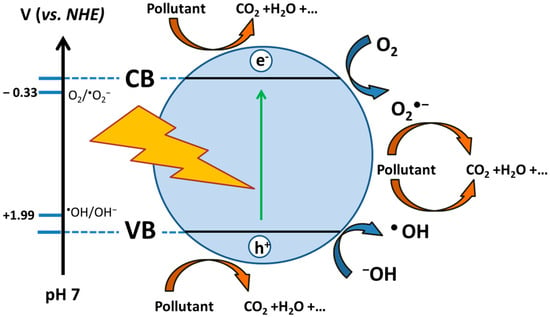
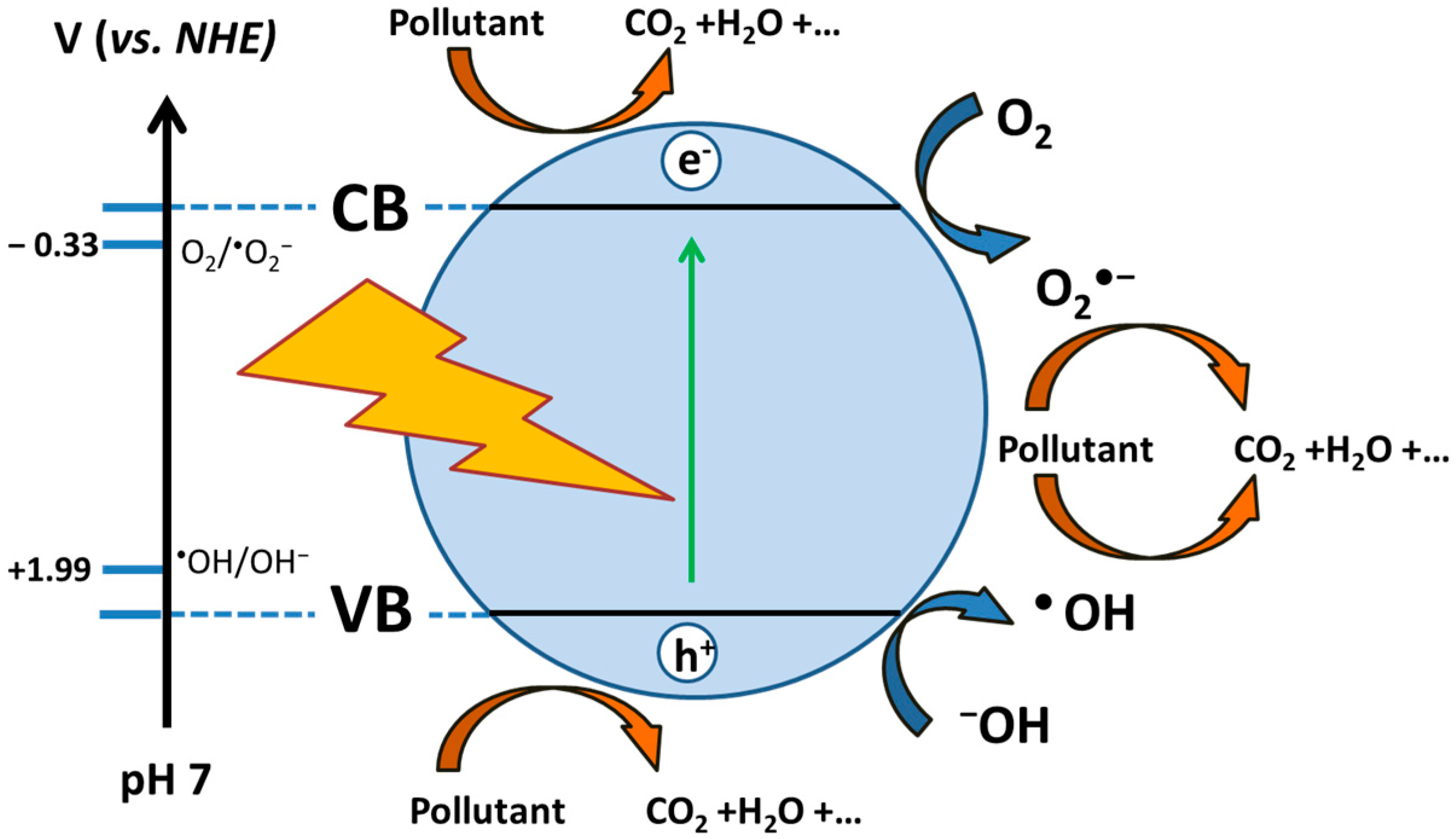
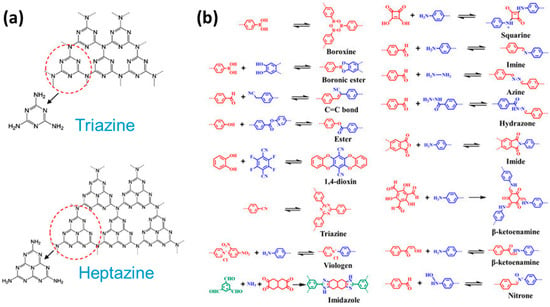
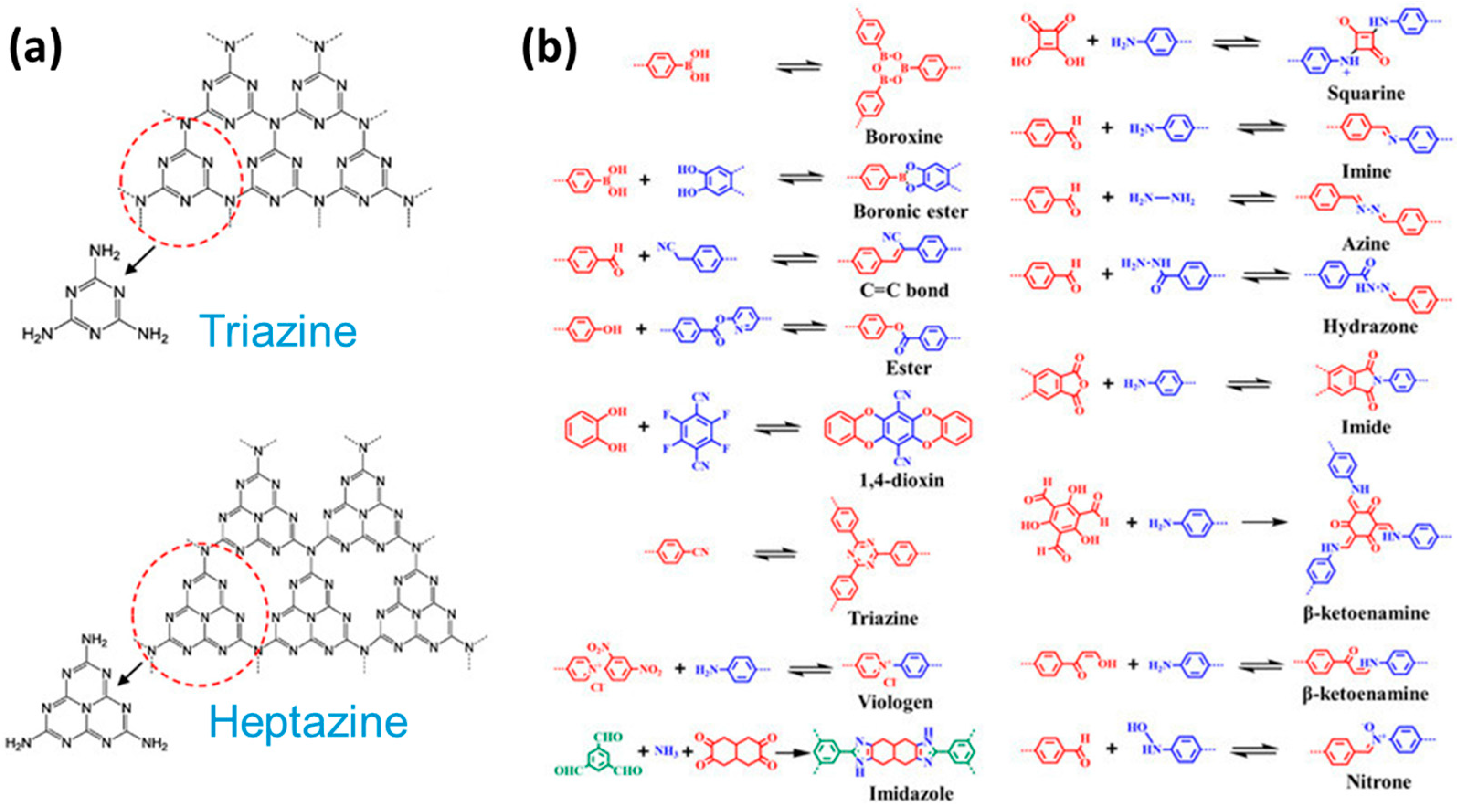
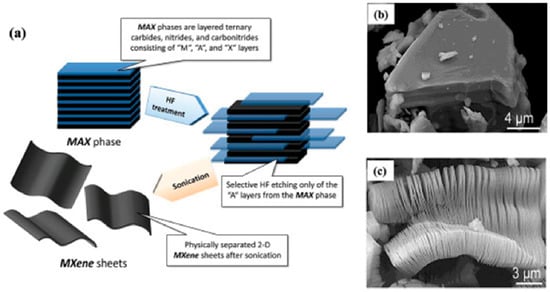
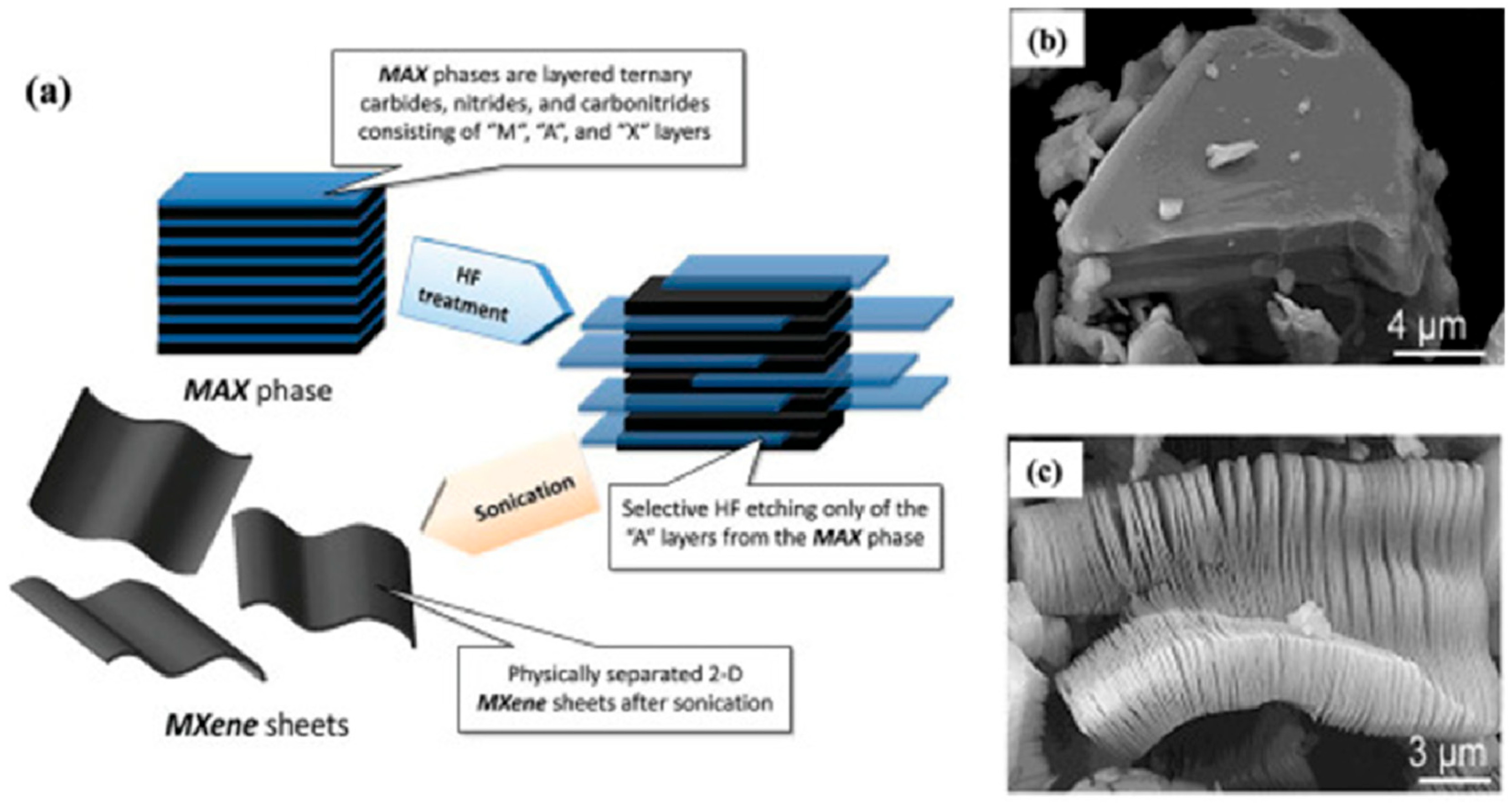
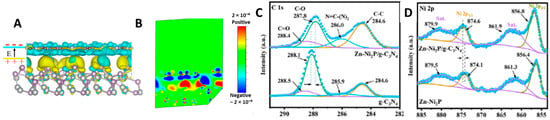
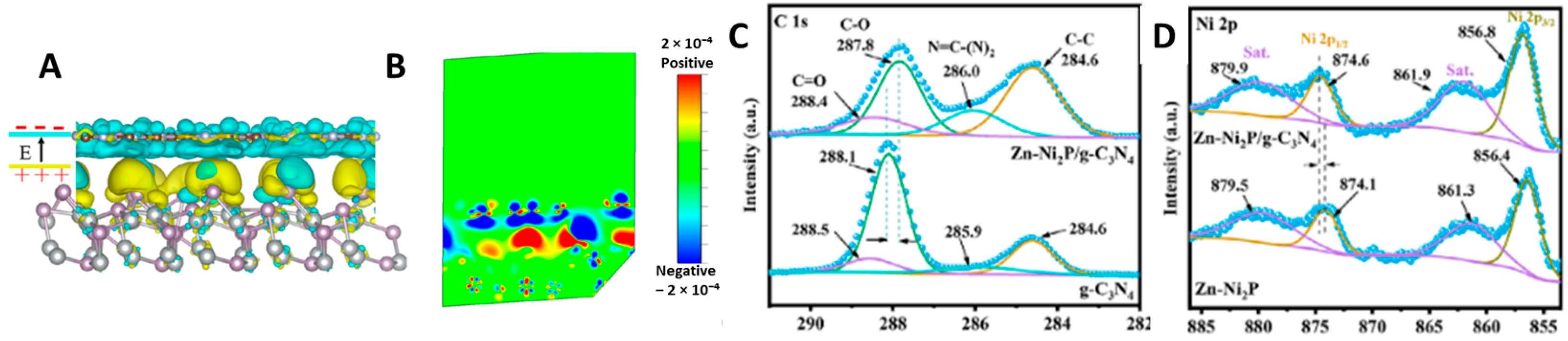
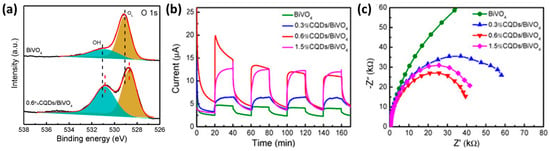
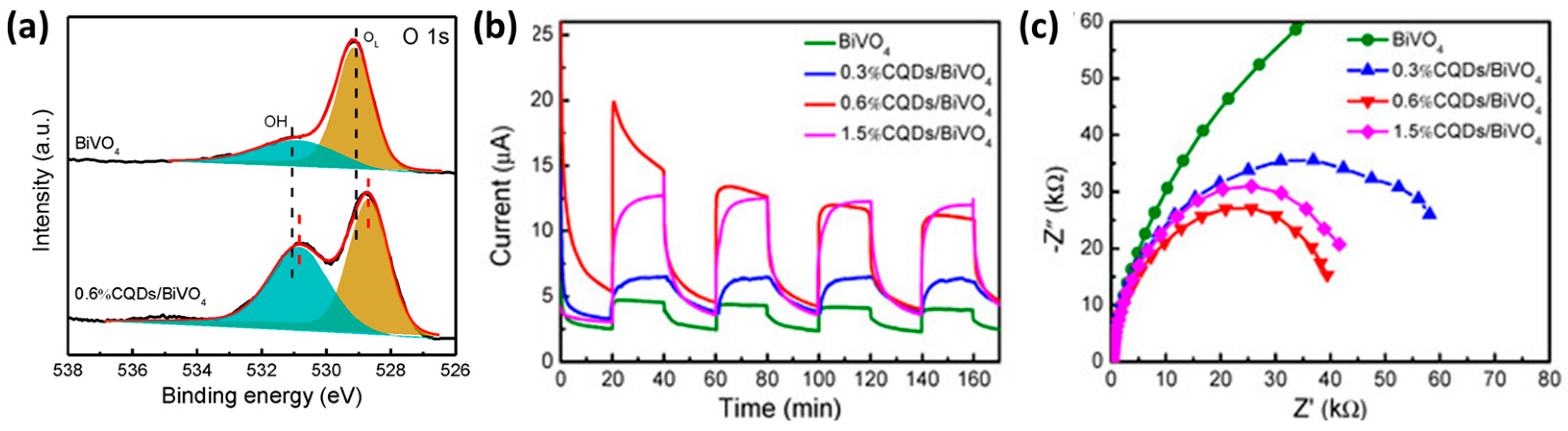
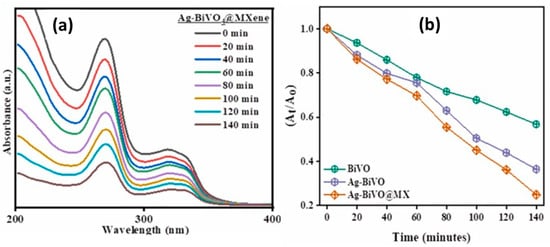
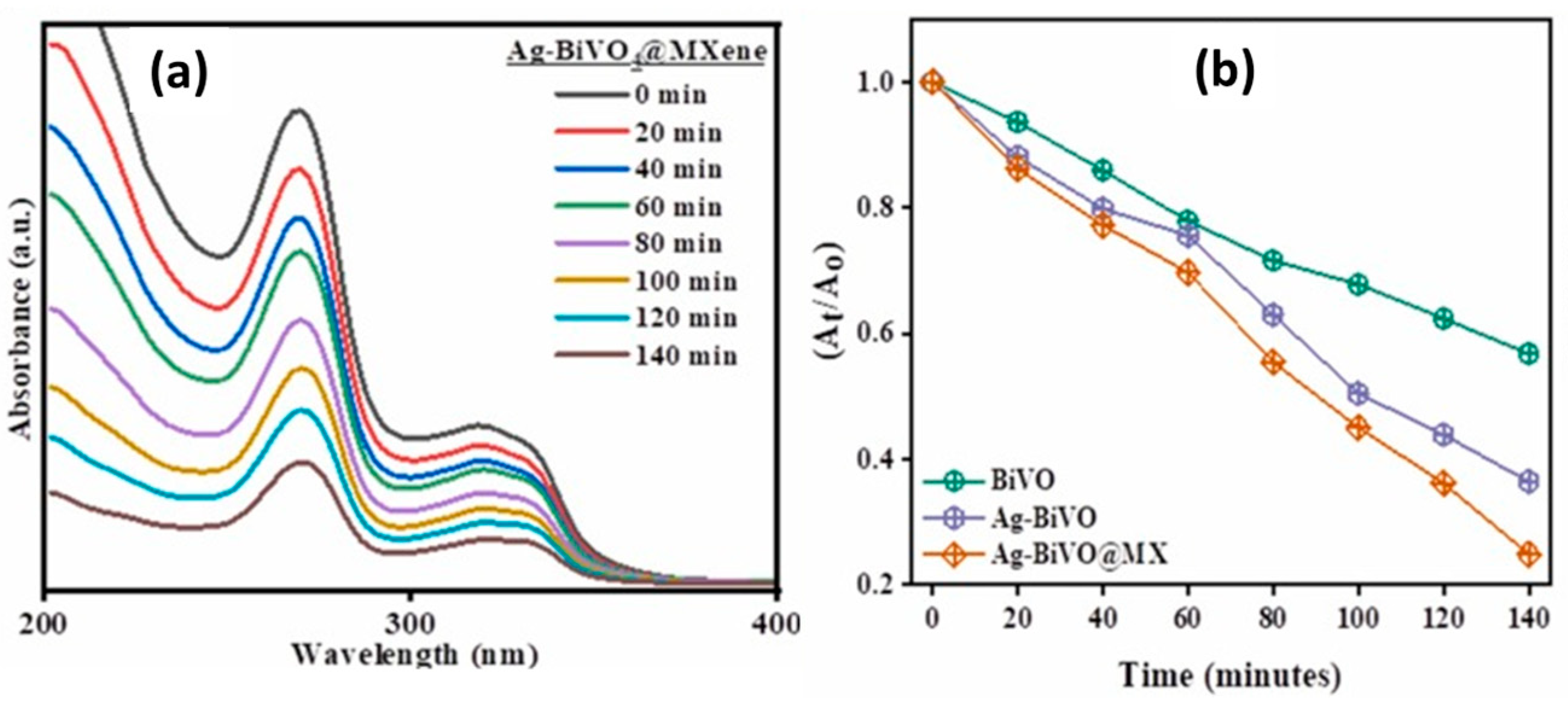
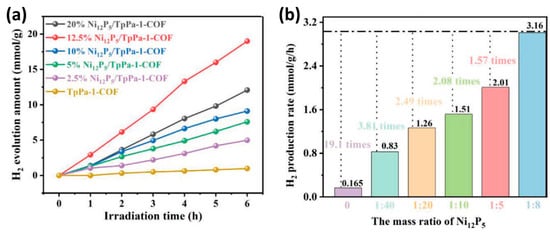
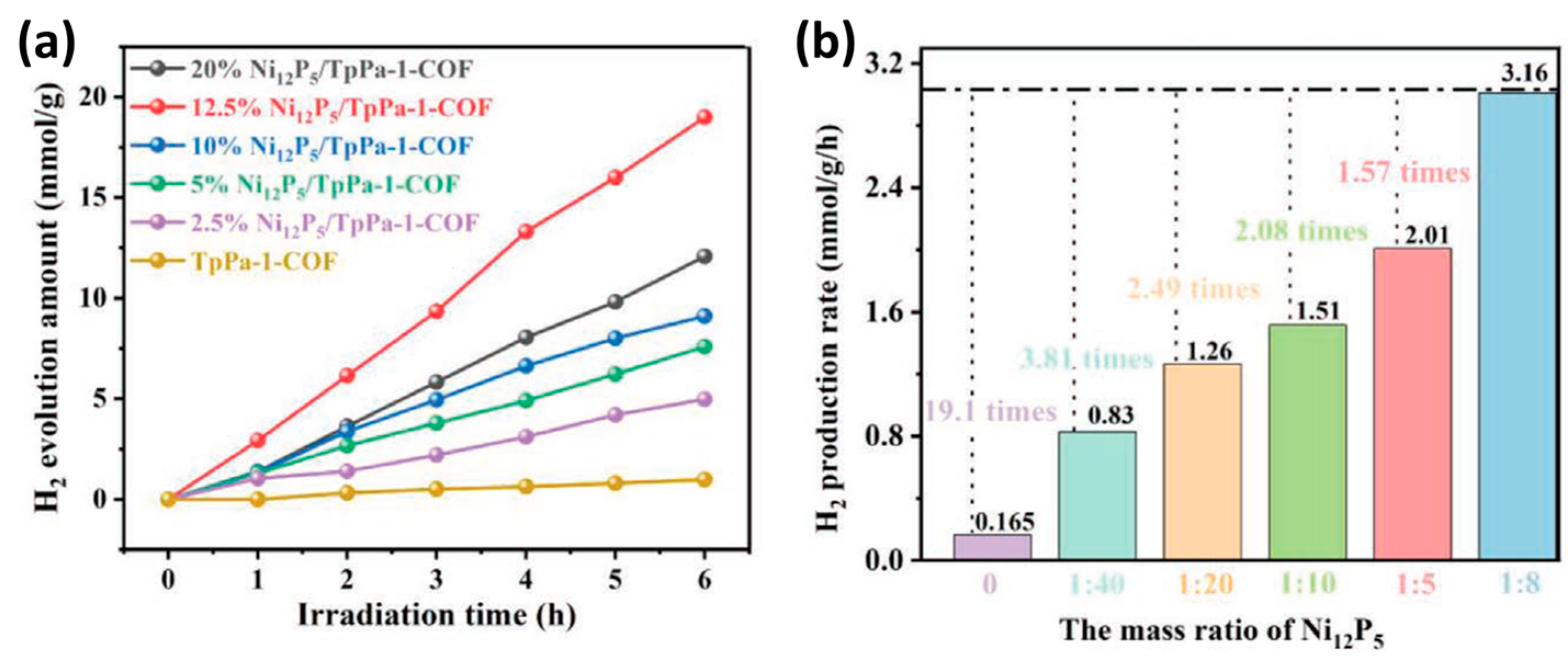

Disclaimer/Publisher’s Note: The statements, opinions and data contained in all publications are solely those of the individual author(s) and contributor(s) and not of MDPI and/or the editor(s). MDPI and/or the editor(s) disclaim responsibility for any injury to people or property resulting from any ideas, methods, instructions or products referred to in the content. |
© 2026 by the author. Licensee MDPI, Basel, Switzerland. This article is an open access article distributed under the terms and conditions of the Creative Commons Attribution (CC BY) license.