Article

Comparative Study of Nanofiller-Reinforced Orthophthalic Polyester Composites: Mechanical, Surface, Tribological and Environmental Performance


1
CUT Doctoral School, Department of Materials Science, Faculty of Materials Engineering and Physics, Cracow University of Technology, 37 Jana Pawła II Av., 31-864 Krakow, Poland
2
Department of Materials Science, Faculty of Materials Engineering and Physics, Cracow University of Technology, 37 Jana Pawła II Av., 31-864 Krakow, Poland
3
Institute of Chemical Technology and Engineering, Poznan University of Technology, Berdychowo St. 4, 61-131 Poznań, Poland
4
Department of Chemical Biology, Faculty of Science, Palacky University, Slechtitelu 27, 779 00 Olomouc, Czech Republic
5
Department of Analytical Chemistry, Faculty of Natural Sciences, Comenius University, Ilkovicova 6, 842 15 Bratislava, Slovakia
*
Authors to whom correspondence should be addressed.
Materials 2026, 19(18), 3989; https://doi.org/10.3390/ma19183989 (registering DOI)
Submission received: 6 August 2026 / Revised: 11 September 2026 / Accepted: 12 September 2026 / Published: 19 September 2026

Abstract

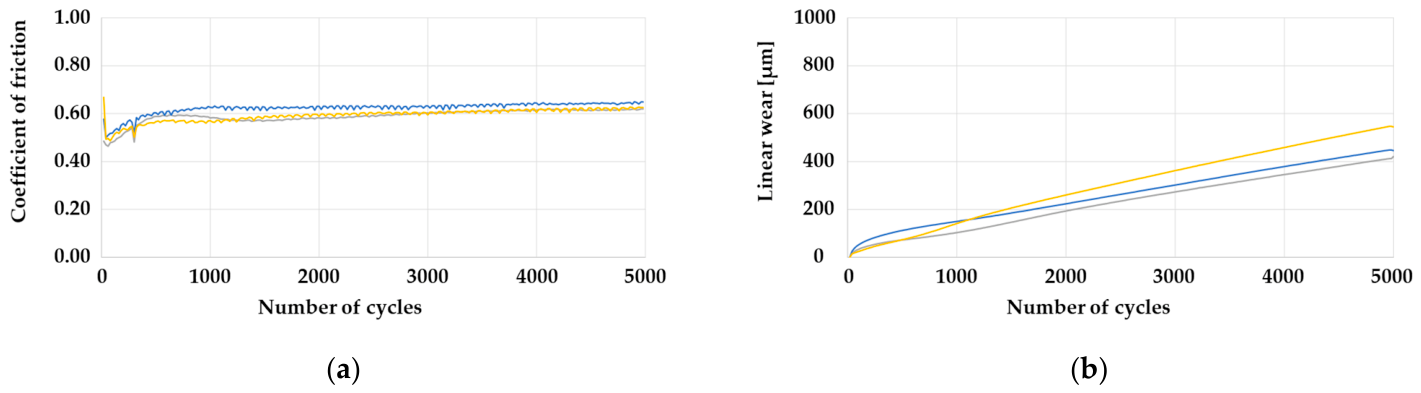
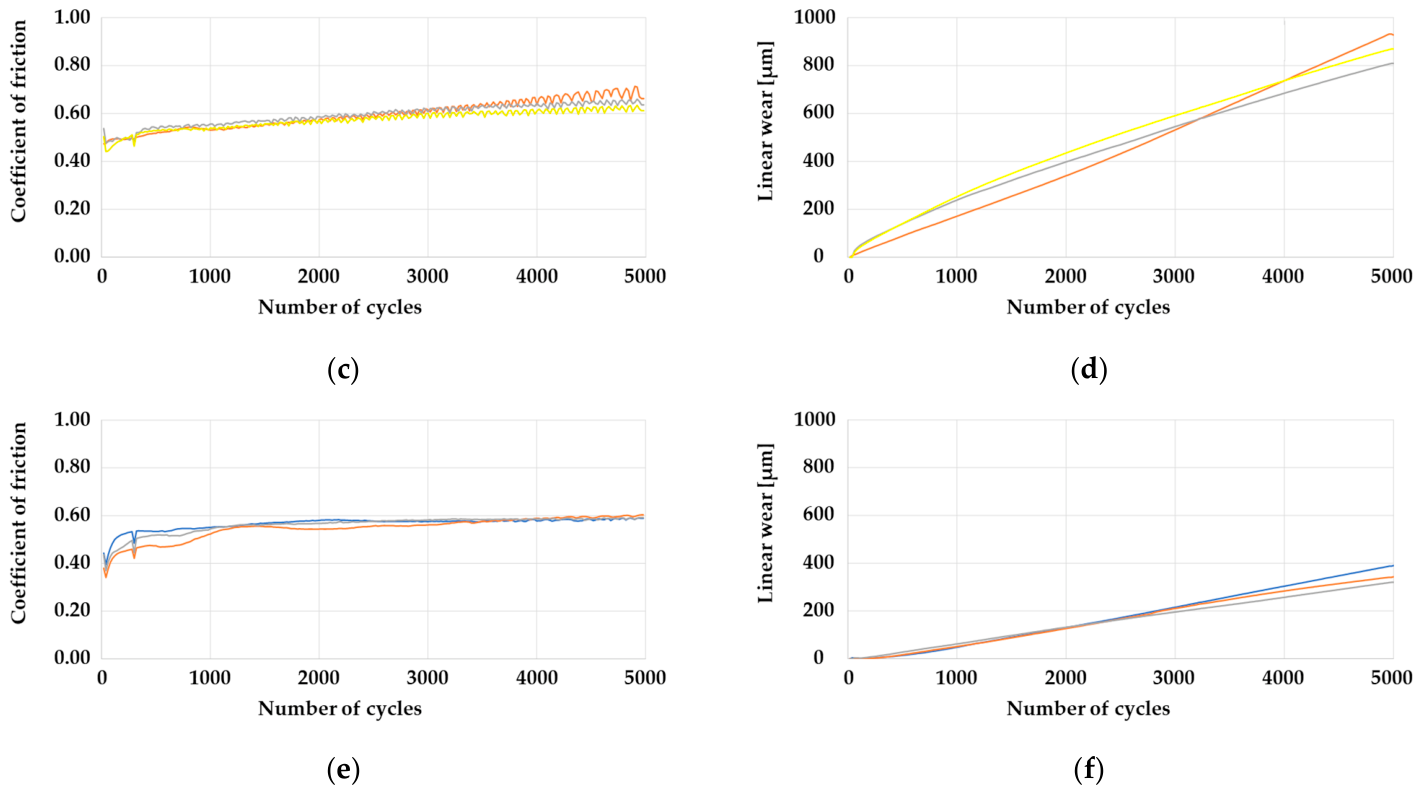
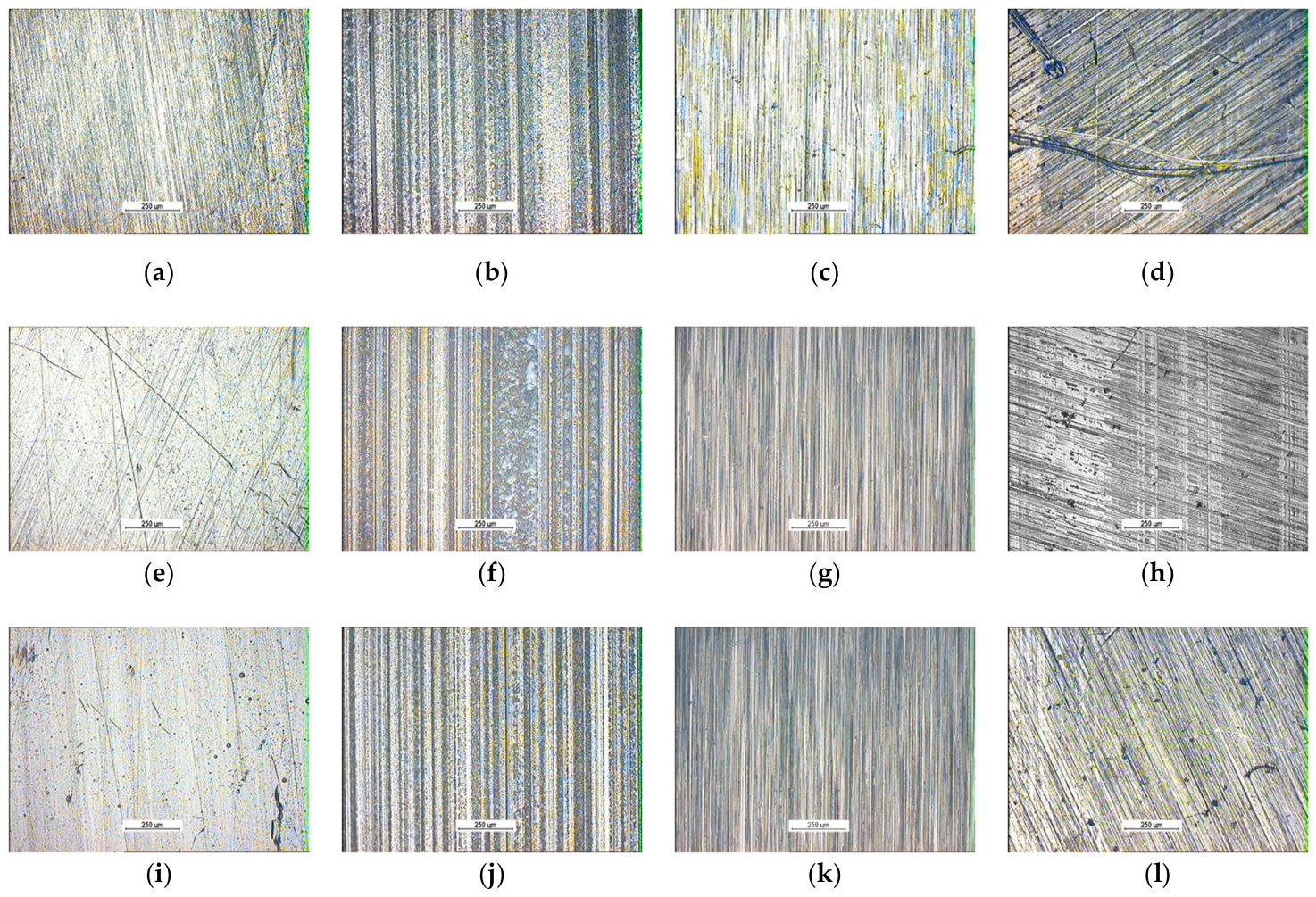
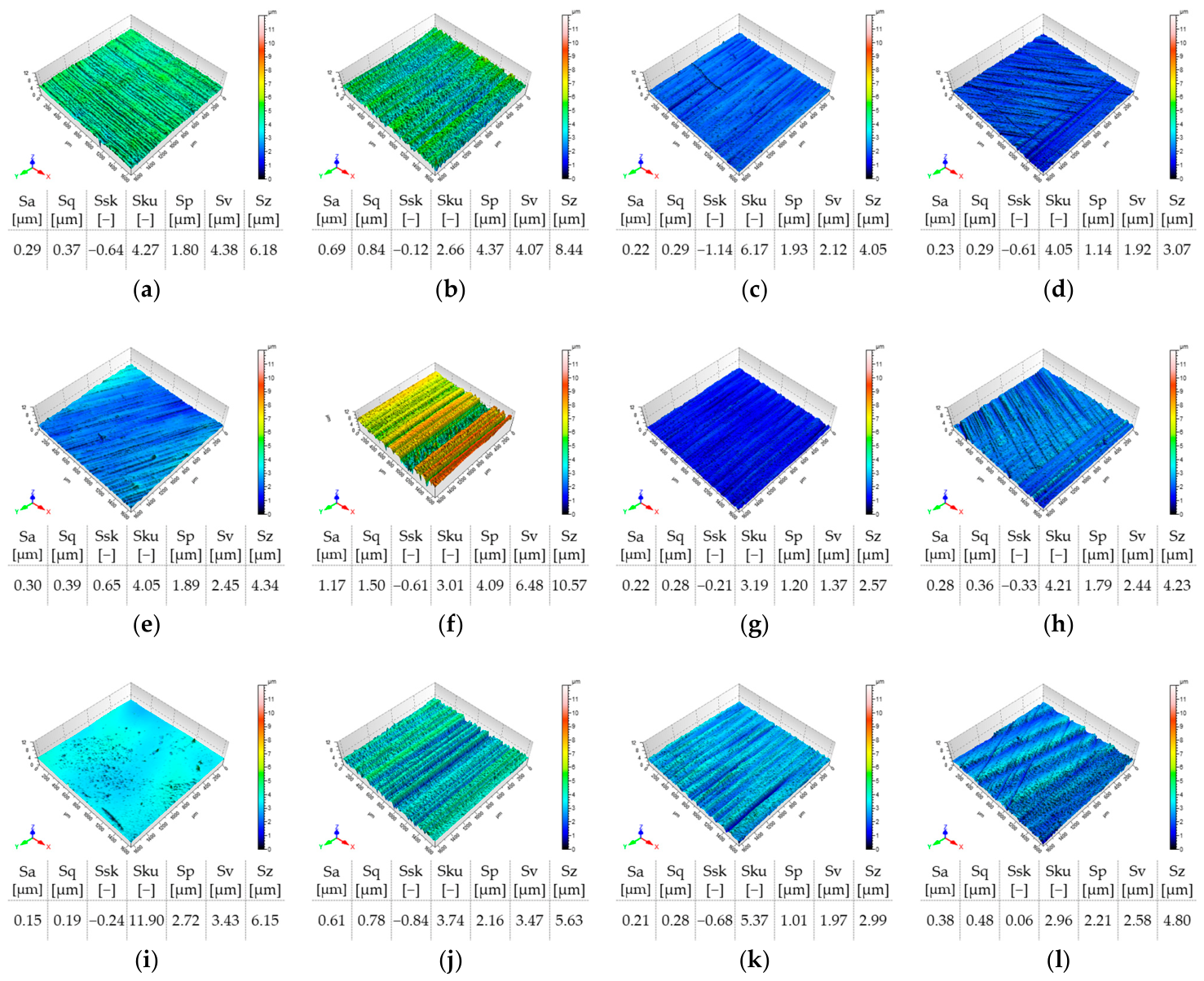
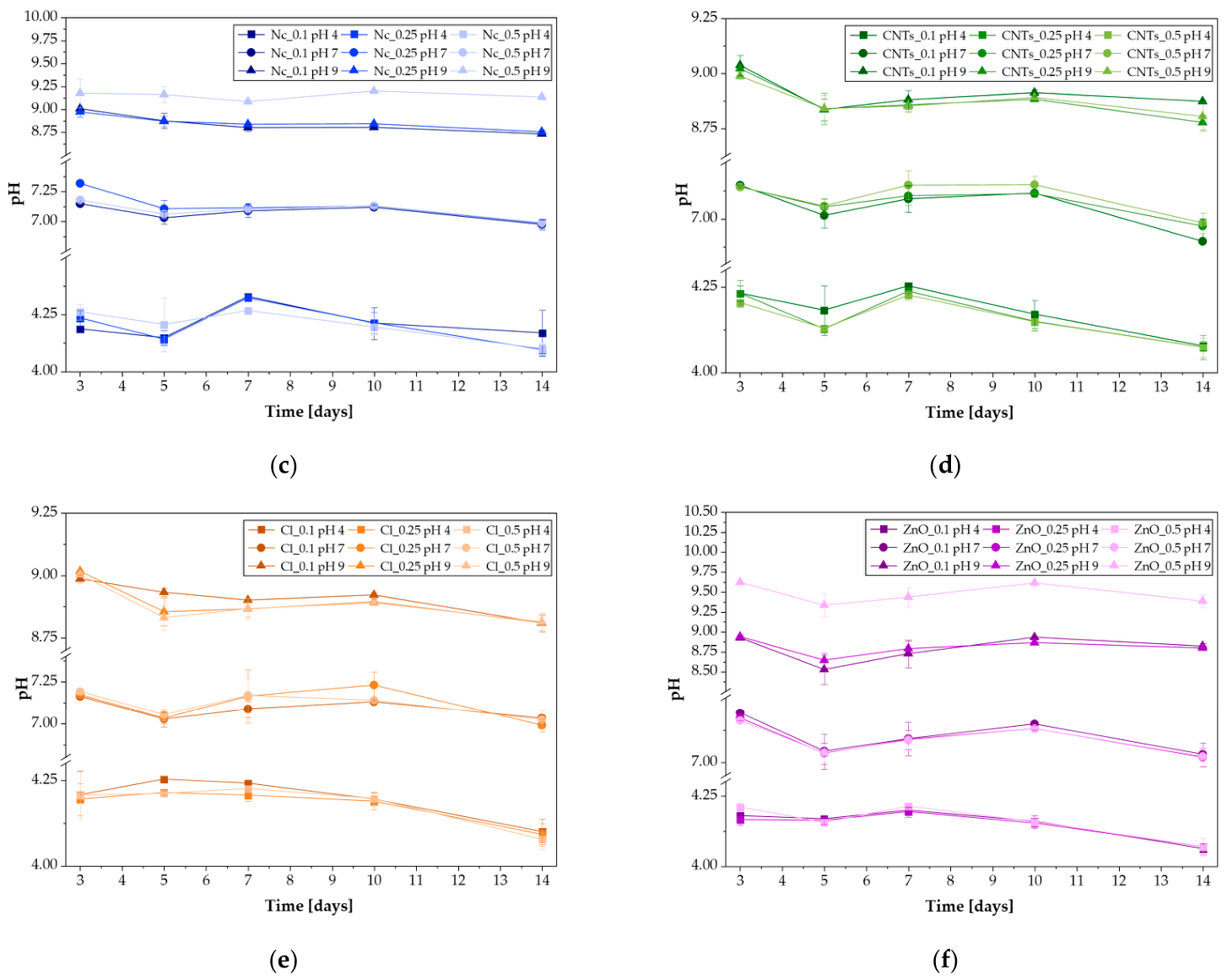
Orthophthalic unsaturated polyester resins are widely used in engineering applications due to their favourable mechanical properties, low cost, and ease of processing; however, their long-term durability under environmental exposure remains a significant challenge. Therefore, this study investigates the effect of selected nanofillers on the mechanical, surface, and tribological properties of orthophthalic unsaturated polyester resin composites. Carbon nanotubes (CNTs), halloysite, Cloisite® 30B, nanoclay, and zinc oxide (ZnO) were incorporated into the polyester matrix at concentrations of 0.1, 0.25, and 0.5 wt.%. The environmental stability of the developed composites was evaluated through incubation in buffer solutions with pH values of 4, 7, and 9. Changes in pH values, sample mass and surface morphology were assessed before and after exposure. In addition, accelerated ageing and soil burial tests were conducted to evaluate the stability of the materials under different environmental exposure conditions. Changes induced by environmental exposure were evaluated using mass measurements, surface roughness analysis, morphological observations, and mechanical characterisation, depending on the applied exposure procedure. The surface characteristics of the composites were investigated using contact angle measurements and scanning electron microscopy (SEM). Mechanical and functional performance was further evaluated through scratch resistance testing in accordance with PN-EN ISO 1518:2023 and pull-off adhesion measurements. Tribological behaviour was determined for selected ZnO- and nanoclay-modified composites by evaluating the coefficient of friction, linear wear, wear track morphology, and surface topography. Furthermore, the gross heat of combustion of selected materials was determined according to PN-EN ISO 1716:2018. The obtained results provide a comprehensive comparison of the effects of nanofiller type and concentration on the mechanical, surface, tribological, and environmental behaviorpolyester resin composites. The results demonstrate that the investigated nanofillers affect different aspects of composite performance and that their effectiveness depends on both nanofiller type and concentration, indicating that nanofiller selection should be tailored to the properties required for the intended application.
Keywords: polymer composites; orthophthalic polyester resin; nanofillers; carbon nanotubes; halloysite; nanoclay; zinc oxide polymer composites; orthophthalic polyester resin; nanofillers; carbon nanotubes; halloysite; nanoclay; zinc oxide