


Highlights
Main findings
- Coatings of thermo spray increase electrochemical stability and battery resilience.
- Transport and degradation are controlled by the microstructure (porosity, splats, and phases).
- HEAs, FGMs, and nanostructures make performance-customized interfaces.
- The balance of energy in the process of powder synthesis is connected with the performance of the coating.
Implications of the main findings
- The use of longer-life energy devices is made possible by interface-engineered coatings. Scalable battery manufacture is assisted by design-based spray techniques.
- The optimization and reliability of the coating are enhanced by AI and modeling.
- Favors the next-generation batteries and solid oxide.
Abstract
Thermal spray coatings have also been adopted as a solution strategy to increase the service life and improve the performance of designed engineered electrochemical energy devices, especially batteries and solid oxide cells. These systems share common attributes of challenges in interfacial stability, degradation in microstructure, and transport limitations in extreme operating conditions. This review revolves around the significance of microstructural coating, that is, distribution of porosity, phase composition, splat bonding, and interface quality in regulating the electrochemical performance. High-entropy alloys, functional graded material, and nanostructured feedstock are also mentioned in the context of how they can be utilized to modify coating properties and make the device more reliable. The processing environments and microstructure development relative to major performance indices, such as ionic/ electronic conductivity, corrosion behavior, and stability, are critically examined. Furthermore, the trade-off between the energy consumed during the synthesis of the powders and the efficiency of deposition of the coating is discussed to give information on sustainable production. Other new approaches involving the use of computational models and artificial intelligence to maximize the processes are also discussed in this review. Generally, this paper creates a process–structure–performance system for the rational development of thermal spray coatings in the next generation of electrochemical-based energy systems.
1. Introduction
Electrochemical energy devices, such as batteries and solid oxide cells, are critical for addressing global energy challenges and achieving net-zero emissions. These devices, however, face significant challenges related to interfacial instability, degradation, and performance under extreme operating conditions. The major issues are interfacial unsteadiness, overpotentials, charge transfer inefficiencies, capacity fading, and stability issues over the long term due to interactions of electrode and electrolyte microstructures and microstructural evolution. The currently used coating and surface modification technologies frequently cannot provide a trade-off between scalability, durability, and electrochemical performance, particularly in complicated multi-layered structures and novel battery chemistries [1,2,3,4,5]. These difficulties demonstrate the importance of determining electrochemical performance by electrode surfaces and interfaces. This is also true of battery systems, where charge transfer, capacity retention, and long-term stability are determined by electrode–electrolyte interactions. Both instances are also strongly associated with interfacial reactions, microstructural evolution and transport restrictions [6].
Thermal spray coatings can significantly extend electrode lifetime by modifying surface properties and improving interfacial connectivity. With thermal sprays, it is possible to get surface property modification and improved connectivity. Such coatings enhance efficiency and durability by controlling key microstructural features such as porosity and interfacial bonding [7]. This cross-system perspective forms the basis for applying thermal spray coating strategies across different electrochemical technologies.
Analysis of Technology Methods
Electrode performance and response time in battery systems were assessed using electrochemical impedance spectroscopy (EIS), which contributes to understanding the charge transfer resistance and ion diffusion mechanisms that affect battery performance. Cyclic voltammetry (CV) was used to analyze electrode surface reactions, which are critical to the study of electrochemical activity and stability when used in batteries [8]. In battery system scenarios, the best imaging techniques, such as scanning electron microscopy (SEM) and transmission electron microscopy (TEM), were used to analyze the shape and location of the catalysts on the electrodes, providing comprehensive structural information that determines electrode performance and lifespan. In situ spectroscopic studies, such as Raman spectroscopy and X-ray absorption spectroscopy (XAS), provided real-time thermodynamics of the electrolyte in battery operation. These enhanced characterization techniques have helped to increase the efficiency, stability, and scalability of battery systems through the optimization of catalyst design and enhancement of electrode–electrolyte interactions [9,10].
Thermal spray coating (TSC) technology is a scalable, flexible and design-driven technology to increase the efficiency and durability of electrochemical energy devices. One of the strengths of TSC is the fact that coating microstructure, which includes porosity, phase composition, splat bonding, and interfacial quality, can be precisely tailored, and this directly controls the ionic/electronic conductivity, gas permeability and mechanical integrity. As an example, recent studies by Kiape et al. have revealed that CoCrFeMnNi0.8V/Cr3C2–Ni20Cr high-entropy alloy composite coatings have better hardness (~9–11 GPa) and wear resistance than monolithic coatings, and compositional design and phase distribution have been shown to be important in enhancing coating stability [11]. In this regard, material design of the next generation, including functionally graded materials (FGMs) and high-entropy alloys (HEAs), has become an enabling technology for designing next-generation electrodes and interfaces. Sathish et al. showed that FGMs produced through atmospheric plasma spraying have controlled porosity gradients (≈10–30%), which efficiently minimize thermal and mechanical mismatch at interfaces, subsequently leading to stronger adhesion strength and higher cycling stability with repeated electrochemical loading. Shang et al. also discussed in the framework of electrochemical systems that microstructures and interfaces of electrode coatings are also essential to enhance electrochemical performance, flexibility, and charge transport. TSC can prevent corrosion and wear, extend the life of devices, and ensure the continued functioning of devices under severe operating conditions by improving the properties of electrode surfaces, interfacial bonding, and extending the operating life of the device. Moreover, compared with traditional coating methods, TSC processes have unique features, such as scalability in industrial manufacturing, economic effectiveness, and deposition of thick, nanostructured layers depending on the needs of a particular component of the battery and its functionality [12].
Atmospheric plasma spraying (APS) is the most frequently used thermal spray technique in electrolysis, and it is attributed with flexibility and low cost to form functional electrode layers. Its applicability has been shown in alkaline and PEM systems, especially when it has been found to be excellent in the formation of porous electrode structure [13]. Vacuum Plasma Spraying (VPS) is a technology used to create high-quality coatings. It uses a controlled atmosphere to do this. In particular, it is useful for coating titanium bipolar plates in PEM electrolyzers. Spray coating is done in a vacuum. This stops oxidation, creating a strong coating. The coating protects well against rust and conducts electricity well [14]. This is possible using the well-developed suspension plasma spraying (SPS) processes in which nanostructured coatings are obtained by increasing the surface area of the coating and increasing the catalytic ability. This method can control the structure and makeup of the coatings. This is especially good for the electrochemical activity of alkaline electrolyzer electrodes [15].
Table 1 reveals that TSC has been widely studied in electrochemical devices, including batteries and solid oxide cells, in which other interfacial transport, degradation, and microstructural issues are similar. However, knowledge gained in related electrochemical systems (e.g., electrolyzers and solid oxide cells) is considered only where it offers transferable information about the coating behavior and interface stability of batteries. Other than thermal spray methods, other methods of coating like ALD, CVD, and polymer-based coating come in to be compared to show the differences in scalability, interfaces control, and electrochemical performance.
Table 1.
Role of thermal spray methods in electrochemical energy systems.
Even though there are studies that have a basis in electrolysis and solid oxide systems, they have been included because of the existence of common process–structure–performance relationships that are directly relevant to battery interfaces. Increasing the temperature increases the kinetics of the electrode reactions, thus increasing the efficiency of the process owing to reduced activation barriers. However, the ohmic and concentration overpotentials are likely to increase and require careful optimization [33]. Despite these advantages, high-temperature electrolysis faces certain challenges, including material degradation and the requirement for high-value materials that can tolerate extreme conditions. Only the cost effectiveness of high-temperature electrolysis is being determined, with the costs at present not being considered competitive without government subsidies. High-temperature electrolysis uses less energy and reduces electricity needs. But it has problems with material durability and cost. To produce hydrogen on a large scale, we need to find a balance between faster reactions and the extra costs needed to keep things running [34,35,36,37].
Figure 1 shows a sequence from left to right. The size and shape of the particle are determined by the method of making the powder. This influences the coating structure, such as splats, holes and surfaces. The microstructure regulates properties such as conductivity, resistance to corrosion, and strength. These properties influence the performance of the battery, such as its cycle life, rate capability, and stability over time. Performance metrics such as cycling stability, rate capability, and interfacial resistance are directly governed by the coating microstructure.
Figure 1.
Flow diagram of the process, structure, property, performance, and chain in battery materials.
This review reflects on thermal spray coating technologies in three primary electrochemical systems, which include batteries and solid oxide cells. They are concerned with their shared issues at interfaces, wear out, and performance limits. This review brings out the similarities between the process, structure, and performance rather than looking at the individual systems. In contrast to past reviews, this work provides (i) a quantitative comparison of thermal spray processes in the form of structured tables, (ii) a distinct separation of coating characteristics and electrochemical performance indicators, and (iii) an integrated perspective involving experimental, computational, and data-driven research.
2. Fundamentals of Thermal Spray Evolution
The goal of the right combination of advanced processes and materials used in the synthesis of thermal spray coatings for electrochemical energy applications is to develop electrochemical devices (batteries and supercapacitors) with enhanced performance. This is done to exploit the nature of TCS [38,39,40]. Electrochemical thermal spraying is a complex field of study. Electrochemical thermal spraying is a complex field that focuses on the type of material used, coating methods, and understanding how coatings work electrochemically. They are used in harsh electrochemical conditions, such as those of increased oxidation resistance and mechanical strength, with such materials. The incorporation of yttrium oxide in thermal spray surfaces has demonstrated remarkable properties regarding plasma etching, which is highly valuable in maintaining the integrity of the coating in electrochemical applications [41,42]. It has been demonstrated that hybrid ceramic and fluoro-silicon sealing materials have superior electrochemical characteristics and therefore enhance the performance and longevity of corrosive environment coating.
Figure 2 shows close-up images of the different methods of thermally coating synthesis in terms of the power requirements of each process during the synthesis of powders and the coating process. The diagram identifies four different processing paths: water or gas atomization, agglomeration or agglomerated sintering, sintering or fusion and crushing, and mechanically or chemically clad powder preparation. Scanning electron microscopy (SEM) images characterize each method, showing the typical morphology of the particles produced by the various synthesis methods. The arrows at the bottom show that more energy is needed for higher energy demands when making the powder. Water or gas atomization uses the least energy, while mechanical or chemical cladding uses the most energy. On the contrary, the energy needs of coating are of an inverse pattern, in which water-atomized powders require a lot of energy in the thermal spray process compared to pre-processed powders. The depicted microstructures of the particles show how the various synthesis processes create varying levels of internal porosity, surface roughness, and density of the particles, which directly influence the coating deposition behavior and resultant coating properties. The energy needed to make the powder and the energy needed to apply the coating are connected. If more energy is used to make the powder, less energy is needed to apply the coating. This balance is important in thermal spray processing. There is also a chance that using more energy to make the powder can improve the quality and performance of the coating [43].
Figure 2.
The processes of the synthesis of the powder and thermal spray are mutually dependent with regard to the energy consumption [43].
The thermal spray coating phase composition and microstructure control the electrochemical properties of the thermal spray coating, which can be optimized by selectively choosing feedstock materials and spray parameters. The energy needed to synthesize the feedstock powder depends on a number of factors, such as the method of synthesis, the size distribution of the particles, as well as the contact between the particles and binders [44,45,46].
Figure 3 shows four ways to make the powder: water or gas atomization, agglomeration (or agglomeration-sintering), sintering (or fusion and crushing), and mechanical/chemical cladding. These methods are arranged along an energy line. Powder production is on the left, and coating applications are on the right. Water and gas atomization occur in the low-energy range during powder synthesis, which produces dense and spherical particles. When more energy is used for making materials, the particles stick together in uneven shapes with controlled holes. Mechanical or chemical methods need the most energy to create mixed or layered powders. Conversely, powders produced with low energy input (e.g., atomized powders) require a large amount of thermal spray energy to fully melt and deposit. Modern pre-made powders use less energy for spraying. This means that they save energy when making powders but use more energy when applying coatings. These factors affect how the material melts, how well it sticks, and the final coating’s structure [47].
Figure 3.
Sorting of the thermal spray processes based on the velocity of the particle, temperature of the particle and the average size of the feedstock [47].
Different synthesis processes and material characteristics can have a great impact on the energy consumption and feedstock production efficiency. Understanding these relationships is necessary to optimize manufacturing procedures and ensure the sustainability of material production. Although the environmental impact of these processes and sustainability should also be considered, the energy consumed during feedstock powder synthesis is a key factor. Recycling and reusing unused powder are some of the methods that could be used to minimize the use of resources and to increase the sustainability of the thermal spray coating operations [48]. The present review focuses mainly on thermal spray coating technologies because they are scalable and universal methods for improving electrochemical energy devices. Additional coating methods, including atomic layer deposition (ALD), chemical vapor deposition (CVD), and polymer-based coatings, are also mentioned to provide a comparative value on the appropriateness of thermal spray methods. The focus of this study is on the impact of thermal spray processing, microstructure, and material selection on the electrochemical performance and durability.
3. Applications in Electrochemical Devices
3.1. Critical Comparison
Various thermal spray methods have strengths and weaknesses applied to battery systems, based on the desired coating characteristics, microstructure, and operational requirements. Atmospheric plasma spraying (APS) is widely used because of its versatility and ability to deposit ceramic coatings with controlled porosity and phase composition. It provides good control over porosity and phase composition; however, oxidation and poor inter-splat bonding may restrict the electrical conductivity of battery electrodes. APS is more applicable to cathode coatings and protection oxides [49]. HVOF spraying is used to produce dense coatings with high adhesion strength since high velocities of the particles are used. It has better mechanical integrity and reduced porosity than APS; hence, it is applicable to current collectors and transport layers. Nonetheless, it is not very efficient in depositing highly porous (or nanostructured) coatings needed in certain battery electrodes [50]. Cold Spray is relatively low temperature, and thus oxidation and phase decomposition are prevented. It yields very dense and ductile surfaces with good adhesion, which is useful in steel current collectors and metallic conductive layers. The limitation of the method, however, is the deposition of ceramic materials and controlled porosity [51]. Suspension Plasma Spraying (SPS) allows nanostructured and highly porous surfaces to be produced with increased surface area and is therefore especially useful when developing electrochemically active battery electrodes. However, phase stability and control of the process are not easy [52].
A comparison of thermal spray techniques in the use of electrochemical energy is indicated in Table 2. It contains research from significant journals. The results revealed the relationship between the pro-processing procedures and the control of microstructures and performance. Durability and stability can be enhanced by such advanced techniques as HEA-based coating and graded materials. Suspension and solution precursor techniques help control tiny features important for ionic transport.
Table 2.
Comparison of thermal spray coatings.
Extremely important to the structure and performance of the coating is the high-velocity oxygen fuel (HVOF) spraying configuration, such as the range of the spray, the proportion of oxygen and fuel. These settings are the ones that when correct allow the coating to be less porous, denser, stickier, and tougher. This enhances the wear and heat resistance, which is essential in a rugged battery environment [74,75].
3.2. Battery Systems
Surface coating of the electrode materials has emerged as a mandatory course to the advancement of battery technologies, particularly lithium-ion, sodium-ion, and all-solid-state batteries. These coatings serve multiple functions, including enhancing electrochemical activity, improving mechanical stability, and mitigating interfacial degradation. They can improve electrochemical activity by increasing the material’s conductivity and strength. They help the material last longer by slowing down wear and tear. They also prevent damage where the electrode and electrolyte meet, which helps keep the capacity stable [76]. Coating cathode materials with thermal spray techniques improves electrochemical activity and mechanical robustness. The metal oxides Al2O3, TiO2, ZrO2, HfO2, phosphates, borates, and conductive polymers are commonly used coatings that stabilize cathode surfaces, suppress unwanted side reactions, and enhance cycling stability [77].
The purpose of Al2O3 coatings is to provide a physical barrier that stabilizes the interface of the solid electrolyte (SEI) and reduces capacity fading by preventing direct contact between the electrode and electrolyte. TiO2 coatings may be used in a dual mode as protective barriers and electrochemically active materials to enhance thermal safety and energy density. ZrO2 coatings are thermally stable and mechanically strong, which promotes ion transport and suppresses electrolyte breakdown. HfO2 coatings are highly stable for long cycles because of their chemical stability and enhanced retention of capacity and internal resistance [78,79,80]. These coatings are particularly effective for high-nickel cathodes, where they reduce metal dissolution and mechanical degradation during cycling. The TiO2 coating is effective in terms of its capability to act as both a protective barrier material and an electrochemically active material by lithiation. The TiO2 coating inhibits exothermic reactions at high rates in lithiated silicon anodes and enhances the thermal safety by far, with only a slight decrease in electrochemical performance. Research has indicated that TiO2-silicon anodes have a 30% higher volumetric energy density than pure materials [81]. The fabrication of dense and gas-impermeable layers of electrolytes through thermal spray coating allows the microstructure to be optimized to facilitate ionic conductivity and mechanical integrity. Thermal spray is used to create multilayer ceramic structures, including yttria-stabilized zirconia (YSZ) and lanthanum strontium manganite (LSM) which are used to create dense electrolytes with graded compositions that minimize thermal mismatch and enhance electrochemical performance. The porosity and phase composition of these coating are important to be controlled to achieve gas tightness and also to reduce the degradation of the coating when subjected to operating conditions. Inter-splat bonding and densification are improved by post-spray sintering to enhance the performance of electrolytes [82,83,84].
Interconnects offer the advantage of thermal spray, which offers corrosion-protective qualities, electrical conduction, and mechanical longevity. Plasma spraying titanium substrates has been used to apply coating to the electrolyte surface of proton exchange membrane (PEM) electrolyzers to minimize oxidation and enhance electrical contact. Coating in controlled atmospheres will eliminate oxidation to achieve high splat bonding and low interfaces resistance. High-entropy alloys and functionally graded materials used as interconnect coatings improve stress tolerance and long-term stability by eliminating thermal expansion discontinuities and phase segregation [14,85,86,87].
The electrochemical performance of LiMn2O4 (LMO) and its aluminum-coated variant (LMO@Al) has been extensively investigated to enhance the stability and capacity of lithium-ion batteries. LMO is an attractive cathode material due to its large specific capacity; LMO has the disadvantage of being structurally unstable in the process of cycling. By coating LMO, unwanted manganese dissolution is eliminated, and the charge-transfer resistance decreases, thereby improving the electrochemical performance of LMO. This enhancement is attributed to the protective layer provided by Al2O3, which maintains the constancy of LMO during charge–discharge reactions [88,89]. LMO (LiMn2O4) possesses a high theoretical specific capacity of approximately 148 mAh g−1 and an operating voltage of about 4.1 V vs. Li/Li+, making it a promising cathode material for lithium-ion batteries. LMO becomes unstable over time, mainly because of changes in Mn3+ ions and manganese dissolving. This causes the battery’s capacity to drop by about 30% after 200 cycles at room temperature. To overcome this limitation, surface modification strategies such as Al2O3 coating (typically 2–10 nm thick) have been widely investigated. Studies report that Al2O3-coated LMO electrodes can achieve capacity retention of about 95% after 200 cycles, compared with 80% for uncoated LMO. The coating layer also decreases charge-transfer resistance from ~200 Ω to 90 Ω, while suppressing Mn dissolution into the electrolyte. Lithium-ion movement across the interface and surface profile between the lithium metal and Li-Mg alloy electrodes in solid-state batteries is significant. These considerations determine the extent to which a battery performs well, its stability, and the extent to which it can be charged and discharged [90,91,92]. Lithium metal electrodes have disadvantages, including slow self-diffusion and void formation during stripping, which restrict their power density. In comparison, Li-Mg alloys have a higher level of morphological stability and in some cases, they can enhance lithium delivery and cycling properties. The self-diffusion of Li in pure Li metal is too low to maintain high current densities, resulting in the development of voids on the interface with solid electrolytes. The shape of the lithium electrodes after cycling may develop particulate and needle-like morphology, and the latter will result in the so-called dead-Li and loss of capacity. Li–Mg alloys exhibit improved surface morphologies owing to the processing conditions, which influence their electrochemical properties [93].
Figure 4 shows how lithium moves and how the surface changes when stress is applied. It compares (a) a pure lithium metal electrode and (b) a Li-rich Li–Mg alloy electrode. In both cases, ξ is the distance from the back of the electrode, CLi is the amount of Li in a specific area, and L is the total thickness of the alloy. For pure lithium metal (a), the diffusion of vacancies and adatoms resulted in a narrow structural relaxation zone with a thickness of ξS near the active interface. In contrast, the Cd-Li Mg alloy electrode (b) exhibited chemical (bulk) diffusion, which balanced the concentration gradients across the electrode. Blue line indicates transition to simplified one-dimensional diffusion model after phase change; A marks starting reference point of analysis. The Li concentration gradually decreased to C0–CLi, and no structural relaxation region was observed, indicating the formation of fewer pores. This uniform diffusion in the alloy minimizes changes in the interfacial morphology, enhances surface stability, and reduces dendritic growth compared to pure lithium metal [94].
Figure 4.
Schematic summarizing the lithium transport properties and morphological change at the interface for (a) a lithium metal electrode and (b) a Li-rich Li–Mg alloy electrode during anodic load [94].
The interface between the lithium metal and solid electrolytes can be improved by developing interlayers that facilitate lithium transport and inhibit dendrite growth, as shown by the Zn(NO3)2-induced interfaces. The Al2O3 coating was applied using atomic layer deposition, where Al atoms from the precursor occupied interstitial sites on the LMO surface, lowering the oxidation state of Mn ions and boosting the electrochemical capacity [95]. Although the Al2O3 coating greatly enhances the LMO performance, further improvements can be achieved by adding elements such as Ni, which has been found to stabilize the structure and further improve the capacity retention. Ni-r30% cathodes with tungsten oxide and ZrO2 coatings are very effective in enhancing long-term cycles, and surface degradation is minimized; however, hybrid and conformal coatings of all-solid-state batteries solve interfacial instability and enable high-voltage operation. This field is rapidly evolving, with ongoing research focused on optimizing coating composition, thickness, and deposition techniques [96].
Studies have established that coating surfaces is a highly efficient method of improving the output of battery electrodes. There is considerable evidence of improvements in the electrochemical stability, cycling life, and capacity retention of different battery types. Nickel-based cathodes have shown the greatest gains, and in this case, coatings such as ZrO2, WO3, and hybrid surfaces have proven beneficial in mitigating degradation and capacity loss, even at high voltages and temperatures [97]. Coatings in all-solid-state and sodium-ion batteries are important at the interfaces of all-solid-state batteries and for enabling practical operations. However, there remains a problem in maximizing the thickness, uniformity, and compatibility of coatings with changing battery chemistries. Regardless of these complications, this field is advancing rapidly, and hybrid and multipurpose coatings are promising developments in battery technologies [98].
Surface coating of electrode materials is an established and versatile technique for enhancing the electrochemical performance, cycling, and capacity retention of batteries. This method is particularly well suited to Ni-rich cathodes in lithium-ion batteries, although it can also be used in other chemistries, including sodium-ion and all-solid-state batteries. Recent studies have focused on perfecting coating materials, methods, and scalability to meet the demands of future energy storage solutions [99]. Furthermore, more systematic research is needed to compare coating methods for various types of electrode materials and battery types.
3.3. Solid Oxide Cells
The development of thermal spray multilayer ceramic structures for applications in solid oxide cells (SOCs) is a potential area of research aimed at improving the performance and lifetime of such cells. Such structures are made up of various layers of ceramics, each with a specific purpose, e.g., ionic conduction or mechanical stability. The motive behind this strategy is to enhance ionic and diffusivity, minimize thermal expansion disparity, and enhance the performance of the whole electrochemical cell. Zirconia–yttria (YSZ) is one of the most frequently 95% used electrolyte materials owing to its 80% high ionic conductivity. It is commonly combined with lanthanum strontium manganite (LSM) to yield co-sintered structures that exhibit the best density versus porosity [100].
Figure 5 (top) shows the two-step thermal spray procedure used to manufacture a free-standing solid oxide cell. In the second step, a multilayer stack was deposited onto the substrate, resulting in a self-supporting cell. The region represented in a circle is a porosity or voids formed during processing. The cross-sectional micrograph shown below illustrates the bonding of the layers (labeled a–e based on support, transition, electrolyte, transition, and electrode, respectively), which are approximately 50 µm thick. Graded compositions played a significant role in reducing thermal and mechanical discrepancies, and a dense YSZ electrolyte provided gas impermeability. This architecture takes advantage of the potential of the thermal spray method for depositing thick, functionally graded surfaces with one scalable process [101].
Figure 5.
Multilayer ceramic coatings: (a) Multilayered structures formed during thermal spraying and, (b) cross-section of the coating [101].
Despite the growth in the development of multilayer ceramic-based structures of solid oxide cells (SOCs), which have shown significant potential, various issues still exist, especially in establishing an optimal balance between mechanical stability and electrochemical functionality. The combination of metal supports and thin-film electrolytes has been a source of research attention with the aim of improving the start-up and thermal cycling speed of SOCs [102]. Tailoring thermal spray parameters for these materials is crucial to achieving optimal coating microstructures and performance in battery systems.
4. Process–Structure–Performance Relationships
Thermal spray coating is an advanced surface engineering technique that directly influences the process–structure–performance relationship in electrochemical energy devices. This is achieved by spraying feedstock material in a molten or semi-molten state onto substrates to create thick coatings with modified microstructures. The synergistic conversion of energy is achieved with photogene-generated carriers and thermal gradients supported by energy fields. External physical fields enhance battery performance. It examines the regulations governing these areas in the electrochemical processes. The research also provides concepts and methods for creating high-energy storage systems and enhancing renewable energy technologies [103]. The manner of putting the coating together is quite important in making it more effective, particularly in the way the layers are adhered. The bonding rate of a typical thermal spray coating is approximately 32%; therefore, it is not very strong or durable. However, by making changes in the spray parameters, such as the temperature of the particles and heating of the surface to be coated, the bonding rate can be improved to 100%. This will result in enhanced mechanical properties, and the grains can grow in a manner that makes the coating denser and more stable [104].
The microstructure and mechanical properties of the coating are highly sensitive to the processing conditions, including the feeding stock composition of thermal sprays, the state of the spray particles, and post-processing treatment. The incorporation of laser treatment before, during, or after thermal spraying can be used to modify the coating microstructure, enhance the adhesion to substrates, alter the phase composition, and improve wear and corrosion resistance without compromising environmental safety. Laser pretreatment enhances the adhesion between the coating and substrate by topographical texturing and ablating contaminants; laser-enhanced in situ melting during spraying alters the crystallinity and density of the coating layers; and post-laser treatments result in the creation of phases and structural refinement [105].
Thermal spray coating can be significantly enhanced in terms of structure, hardness, and wear and corrosion resistance by post-processing techniques, such as friction stir processing. This plays a role in preserving electrodes when in hard chemical environments. The re-crystallized microstructure and the increased mechanical strength reduce the degree of degradation mechanisms thereby increasing the lifespan and the performance of the batteries. Sophisticated sensing and control techniques in the thermal spray processes have improved reproducibility and the in situ measurement of coating characteristics such as, modulus and residual stress. These new techniques improve the structure and strength of the coating in real time. This is required to get energy devices to perform optimally [106,107].
Table 3 reveals that, although thermal spray research typically discusses the characteristics of coatings, such as porosity, hardness, adhesion strength, and phase composition, they should be interpreted differently when applied to batteries. They should be viewed in light of their impact on the performance of batteries, and include cycling stability, rate capability, interfacial resistance, ionic transport, and long-term electrochemical stability. To scale the coating design to any practical battery operation, it is crucial to identify a straight correlation between the coating microstructure and electrochemical response.
Table 3.
Correlation between coating properties and battery performance.
5. Cross-Cutting Challenges
By using thermal spray coating of the electrodes when preparing batteries, the porosity, phase, and crystalline formations can be tailor-made, with potential enhancement of the electrochemical results. It is very hard to get the right microstructure in these applications. This is because thermal spray processes are very sensitive to many factors. These include the type of plasma or gas used, the temperature and speed of particles, the distance and angle of the spray, and the properties of the feedstock. These factors can cause defects in the microstructure, which can affect how well the device works and how long it lasts [113].
5.1. Porosity and Gas Tightness
Plasma-sprayed coatings tend to have lamellar porous structures with unbound interfaces and microcracks, which may cause gas leakage and low ionic conductivity. The formation of a strong, fault-free microstructure is not an easy task because of the rapid formation of solidifications and splats during spraying. The most favorable porosity contains diffusion channels for gas and has adequate triple-phase boundary (TPB) areas of reaction. With low porosity, the TPB density rapidly increases with porosity up to a percolation threshold of about 10%. North of this, a balance of the surface area between the phases rather than the volume fraction is critical to establishing an optimal TPB density. An increase in the porosity (>25%) may cause a decrease in the TPB density due to shrinkage and detachment of the Ni/YSZ interface [114].
Figure 6 shows a method to measure active triple-phase boundaries (TPBs) in materials. This is important for electrochemical devices. Part (a) shows a 3D network of particles. It separates active TPBs from inactive ones. The inactive TPBs are marked for removal. The three constituent phases (b and c) are shown expanding by incorporating interstitial lattice points, which result in potential sites (in yellow) where the TPBs can be located, where all three phases meet. Part (d) is an example of how the TPBs are arranged spatially in terms of the location of the other phases in their environment with critical points of intersection. In part (e), there is a calculation matrix which assigns the distance in Euclidean distance in relation to a central node, and using this matrix to all TPB points and summing the products results in the total TPB length. Colors denote phases: red (Ni), cyan (YSZ), blue (pore), yellow (TPB). Cubes show phases, spheres particles. Numbers (1, √2) represent edge and diagonal lengths for TPB calculation. This method enables the active TPB length to be accurately and automatically measured, which is critical in improving the electrochemical performance [115].
Figure 6.
Schematic of triple phase boundary formation and modeling: (a) active/inactive TPB, (b,c) phase interfaces, (d) 3D microstructure network, and (e) geometrical estimation of TPB length within unit cell [115].
Over-densification of Ni decreases the TPB density, resulting in a decrease in the TPB length and an increase in the polarization resistance. The quality of lanthanum strontium titanate (LST) and lanthanum strontium manganite (LSM) tubes largely relies on the quality of their coating and gas tightness in applications such as mechanical seals. Laser surface texturing is used to increase the gas-sealing of LST tubes by maximizing the surface characteristics to increase their sealing characteristics [116,117].
Figure 7 presents a neutron diffraction contour plot showing the phase evolution of a 3YSZ–LSM system during heating from 800 to 1500 °C with a 5 h holding period. The horizontal axis represents the diffraction parameter d (Å), and the vertical axis indicates the run number, corresponding to a progressive temperature increase. Initially, strong diffraction peaks of YSZ-t (tetragonal yttria-stabilized zirconia) and LSM (La–Sr–MnO3) are observed. The YSZ-t peak slowly decreases with increasing temperature, implying a structural transformation and interaction with LSM. The red dotted line with circles represents the temperature-dependent evolution path across sequential runs. Interfacial reactions and phase formation are confirmed by the emergence of new peaks that are related to La2Zr2O7, MnO, and SrZrO3. The inset (3D) shows the variation in the intensity with temperature, which indicates a gradual change in the phase with higher-temperature exposure [118].
Figure 7.
Neutron diffraction contour plot of the 3YSZ-LSM reaction and phase transformation during heating between 800 and 1500 °C for 5 h [118].
LSM tubes are designed to maintain the tightness of the gas and withstand high temperatures. The use of LSM as a coating substance is crucial in reducing the oxidation rates, which are crucial in maintaining the tightness of gases over time.
5.2. Interfacial Bonding and Mechanical Integrity
Microstructural defects at the interface of thermal spray coatings are known to compromise the efficiency of electrochemical energy systems and, to a large extent, most of the time. One issue is poor splats bonding. This means the splats do not stick together well. They lack strong connections, which makes it hard for electrons to move. This lowers electrical conductivity. Poor bonding generally occurs when the particle temperature during deposition falls below the optimal melting range of approximately 2200 °C for refractory ceramics or when oxidation develops between successive layers with oxide thicknesses of 200 nm. This results in smaller contact areas, usually less than one-third of the total interface, during the deposition of refractory ceramics [119]. These issues are aggravated by the existence of microcracks, which offer more channels of electrical resistance. These flaws are both intra- and inter-splat cracks, which arise due to the quick cooling and thermal expansion dissimilarities and interrupt the flow of conductive lines. Changes in the tiny cracks and holes in a material can change how it conducts electricity. This can lead to large differences in how we measure its resistance. The interrelation between these defects creates a network of resistive paths with high resistance thus enhancing the ohmic resistance of the structure of coating layers considerably [120].
Figure 8 shows that materials with high porosity, weak bonds between layers, and uncontrolled phase composition and coatings lead to devices performing inconsistently. This is due to structural weaknesses and different electrochemical activities.
Figure 8.
Microstructural challenges and device performance.
The mechanical strength decreases because weak inter-splat bonding undermines the ability of the coating to handle mechanical and thermal loads. Research shows that weak bonding between layers causes them to come apart when under stress. This is especially true in high-stress situations, where the wear can be three and a half times more than in well-bonded layers. The lamellar nature of thermal spray coatings, combined with the low bonding between splats, results in a favored failure mode: spreading under cyclic loads. Machinery frailty diminishes the existence of instruments. This is because the coating is not very useful in preventing corrosion, wear and changes in temperature. Consequently, the material at the bottom degrades prematurely, which influences the overall performance of the device [121].
Decreasing the temperature during thermal spraying at extremely high or extremely low temperatures may result in incomplete crystallization, phase segregation, or uneven phases. This influences the efficacy of the material in the electrochemical processes. The preciseness of the spray parameters (particle temperature and velocity) is important to achieve the desired phase and microstructure. The microstructures of large or complex surfaces are not uniform in advanced battery structures or three-dimensional microstructures. The thickness of the coating and its composition can be different, so that the performance could be uneven [122]. To chemically optimize the microstructure of the thermal spray coatings in batteries, it is important to regulate the deposition and post-treatment parameters and to select the material heterogeneously. Coprimary of these challenges is the need to improve field efficiency, periods of use, and scalability of new-generation energy instruments.
6. Future Directions and Emerging Trends
More attention to the interface design will be given to thermal spray coating technologies of energy systems in the future. This is since low porosity and high contact area are desirable in minimizing resistance and battery life. Complex techniques will attempt to minimize detrimental holes at critical connectors. They will also maintain sufficient routes of navigation. This can be used to facilitate the movement of electrons and maintains the transfer of charge with time [123]. This control is necessary to minimize energy waste, check for local overheating, and avoid damage, such as layer peeling and crack development. From the desire of energy storage devices to have increased power and extended durability, the need to have evenly distributed currents and surfaces that are well connected will increase [124].
In Table 4, the collected values are a mixture of studies that are specific to the battery and the general literature on thermal spray. While certain parameters are directly reported in battery-related applications (porosity, adhesion strength, etc.), others are based on well-established thermal spray research on analogous material systems, as standardized battery-specific data are limited. Therefore, the reported ranges are normal values at optimized processing conditions and are designed to provide comparative values and not absolute values.
Table 4.
Enhancing battery durability and efficiency through thermal spray coating technologies.
Functionally graded materials and high-entropy alloys are expected to play a central role in this evolution. FGMs have special changes in their makeup and strength. These changes help reduce problems from heat and stress. Thus, they are useful for new batteries that face different heat and chemical conditions [133]. HEAs stick well, are tough to break, and resist rust. This makes them good for keeping surfaces stable in harsh conditions. SPS and liquid precursor HVOF are new methods in processing. They allow precise control of structure and porosity without affecting bonding or strength. These methods support the development of coatings that simultaneously enhance ionic transport and structural durability [134,135].
More applications of cold spray technology in metal current collectors and conductive layers are likely to be used. This is because it produces coatings that are thick, free of oxides, or adhere well. The introduction of new resources and controlled process management, data observation, and data improvements driven by data will likely accelerate. These trends reflect a trend towards interface-oriented designs. Porosity, bonding, and structure should be controlled in order to develop effective and powerful energy systems [136]. Topics discussed in this review are categorized based on their level of experimental validation in battery systems. While nanostructured feedstocks are well-supported, concepts such as HEAs and energy-aware powder synthesis remain largely exploratory.
6.1. Advanced Coating Materials
In industry, the production of sophisticated coating materials has led to alterations in different applications, such as the aerospace and consumer electronics industries. These state-of-the-art coatings not only offer better corrosion, wear, and environmental protection but also offer a much longer life to products. Furthermore, with sophisticated coatings, unprecedented properties can be imparted; these include but are not limited to self-cleaning, antimicrobial, or heat-resistant properties, leading to new product properties and their subsequent design. Nanostructured coatings have emerged as a prospective technique for enhancing the surface properties in a variety of applications. The unique properties of nanostructured coatings can be attributed to their high surface-to-volume ratio and the ability to control the properties of the material at the nanoscale [137].
Figure 9 illustrates the systematic steps for producing nanocrystalline high-entropy alloy (HEA) powder to achieve the goal of oxygen evolution reaction (OER). This is achieved by the prudent selection of a set of transition metals (typically Fe, Co, Ni, Cr, and Mn) that have synergistic catalysis, as they have different electronic structures and binding affinities. Crystalline structures lead to face-centered cubic (FCC) or body-centered cubic (BCC) structures that form single-phase solid solutions and maximize atomic mixing entropy while maintaining structural stability. Surface optimization is a technique that involves controlled oxidation or reconstruction to generate active hydroxide/oxyhydroxide species (M-OOH), which are the primary catalyst sites for OER. The powder was characterized to demonstrate that the desired particle size distribution, compositional uniformity, and electrochemical performance were achieved to ensure oxygen evolution catalysis [138].
Figure 9.
Schematic preparation of nanocrystalline HEA powder for the oxygen evolution reaction (OER) [138].
Functionally graded materials (FGMs) have recently become the topic of a lot of interest due to their peculiarities and possible applications. The smooth transition in the composition, structure or properties of FGMs across their volume allows them to perform on a custom basis in specific regions. This gradation can be accomplished using various manufacturing methods, such as powder metallurgy, centrifugal casting, and additive manufacturing [131]. A promising use of FGMs is the creation of self-healing coatings for the aerospace, automotive, and construction industries. These coatings may also have a layer that can heal when there is damage in the environment, like temperature [139]. The smart use of these aspects within the thickness of coatings allows a designer to develop a scheme in which the slightest cracks and scratches can be healed.
6.2. New Application Areas
New battery technologies are being created to fix the problems of regular lithium-ion batteries. These regular batteries usually provide an energy density of 250 Wh kg−1 and last for approximately 2000 cycles. New types like lithium–sulfur (Li–S), lithium–air (Li–O2), sodium-ion, and multivalent-ion batteries are promising for future energy storage. Li–S batteries can theoretically hold 1675 mAh g−1 and have an energy density close to 2600 Wh kg−1, which is much higher than current Li-ion batteries. However, they face issues such as the polysulfide shuttle effect, slow redox reactions, and a volume expansion of approximately 80%, which make them difficult to use practically [140].
Recent studies show that single-atom catalysts (SACs) are a big step forward in battery technology. They utilize almost 100% of each atom and have distinct active sites. This makes reactions faster and reduces unwanted reactions in metal–sulfur and metal–air batteries. SAC-based electrodes have improved catalytic activity by 2–5 times and have better cycling stability, especially in Li–S and Na–S battery systems [141].
Advanced batteries are being added to electric cars, power grids, and renewable energy systems. This will help them spread widely. Electric car batteries usually need to hold 120 kWh of energy. They should last for more than 3000 users and work well for 15 years. New materials and designs have led to flexible and wearable devices that can collect energy. These devices have power densities of 10 mW cm−2 and are good for portable electronics, medical devices, and smart clothing. Future energy systems will require storage technologies that are highly efficient (over 90%), last a long time, and use sustainable materials to meet global energy needs [142,143]. The future systems of energy demand state-of-the-art storage and conversion technologies to be efficient, reliable, and sustainable.
6.3. Artificial Intelligence for Electrochemical Energy Storage
Recent advances in artificial intelligence (AI) have played a major role in the design of materials for electrochemical energy storage systems (EESSs). The machine learning (ML) algorithms, data-driven methods, and feature engineering have allowed AI-based approaches to generate high-performance materials in high-rate fashion. The technologies in question contribute to the identification of new chemicals, the enhancement of the properties of materials, and accelerate the process of determining new materials. This can make the energy storage systems more efficient and effective. Applications of AI in material design include recoding existing systems and developing new technologies for energy storage [144]. The discovery of a multidimensional material space has been achieved with the help of AI and ML tools, as traditional methods are challenging to explore effectively. These tools not only result in high throughput discovery but also accelerate most of the operations of virtual screening and inverse molecular design. With feature engineering, alternative sets of material descriptors can be applied in the optimization of the material design and the enhancement of the performance of EESSs [145]. Simulations that involve multiple physical processes (so-called multi-physics simulations) are challenging and offer opportunities in science and engineering. Such simulations are essential to the adequate modeling of complex systems in the real world, but they need advanced computational processes and infrastructure. Some of the major challenges are linked with the necessity to coordinate different physical models, computational complexity and optimization of high-performance computing (HPC) systems. There are future chances to solve these problems and improve multi-physics simulation skills by advancing software and computational methods [146]. When these conditions were found at the junction of various scales of calculations, they were subjected to another level of computation. This assisted in knowing the form of the hydride inclusions [147].
7. Computational Modeling and AI-Driven Design of Thermal Spray Coatings
The integration of computational modeling and artificial intelligence (AI) has emerged as a powerful approach for accelerating the design and optimization of materials used in electrochemical energy systems. In the context of thermal spray coatings for batteries and solid oxide cells, these tools provide atomistic to system-level insights into material behavior, interfacial stability, and performance prediction.
7.1. Density Functional Theory (DFT) and Atomistic Modeling
Recent developments in ab initio and density functional theory (DFT) have aided the understanding of materials at the atomic scale in electrochemical environments. This involves the motion of ions, interface stability, and electronic structure. Such approaches are increasingly applied to predict major performance parameters of electrochemical energy storage systems, such as voltage profiles, diffusion barriers, and phase stability [148]. Moreover, DFT modeling of doped oxide systems is important for critical studies on defect chemistry, electronic conductivity, and surface reactivity, which are critical in the design of coatings for battery electrodes. New techniques based on basic estimations and machine learning have recently been developed. These techniques are useful in discovering and enhancing solid-state electrolytes and coating materials far more rapidly [149,150].
Thermal spray is becoming a good way to create coatings for new batteries. However, the design tools used are mostly from general thermal spray and battery communities, not specifically for battery coatings. Hybrid SPH-finite element models are useful in investigating impacts of droplets impacting surfaces, splat splats, temperature variations, and residual stress in ceramic coating. These models can forecast the microstructure and stress that may be applicable to battery layers [151,152].
7.2. Multiscale Modeling and Process–Structure–Performance Correlation
Multiscale modeling methods, other than atomistic simulations, are useful for combining the physics of thermal spray processes with the development of coating microstructure and electrochemical battery performance. The modeling of the behavior of particles in thermal spraying relies on simulations of particle temperature, velocity, and in-flight behavior, which is based on computational fluid dynamics (CFDs) and particle dynamics. The models for the Diamond Jet hybrid HVOF process show that particle speeds are usually around 900 m s−1. The particle temperatures can reach 3000 K. These rely on the ratios of fuel to oxygen and the distance of the source. These parameters have a strong impact on the melting conditions of particles before collision and the morphology of splats [153].
On the scale of interaction of particles with surfaces, a combination of computer approaches is employed. Such techniques are smooth particle hydrodynamics (SPHs) of droplet impact and finite element (FE) of heat transfer and shape change. Collectively, they assist in the interpretation of the formation, spreading, rapid drying, and acquisition of stress in thermal spray coatings. Recent experimental and multiscale studies are very strong in supporting these models. Research on the effect of heat and force on APS coatings showed that their computer simulations were equal to the real-life stress measures [154]. These stresses influence the ability of the coating to stick and the development of cracks. These stresses arise from the rapid solidification process and thermal mismatches and are closely related to the splat–scale deformation modeled using SPH–FE [155].
The results of these tests indicate that small-scale processes, such as spreading, creating tiny holes, and residual stress, are the major contributors to the structure and strength of the coating. These characteristics influence the quality of the coating by altering the electrically flowing, ionic movement, and resistance at the surface. This establishes a direct connection between process, structure and performance of the energy systems [156].
7.3. Artificial Intelligence and Machine Learning Approaches
The use of AI and machine learning is becoming increasingly common to accelerate the discovery of new materials and the enhancement of the processes of thermal spray coating. According to recent research, they are effective. These data-driven models are useful in the rapid verification of coating materials and their tendency to influence how the structure influences their properties. As an example, experimental data, when applied to the models of random forest and neural networks, can predict the coating porosity and hardness of the atmospheric plasma spray systems. These have more than 90% accuracy and are also comparable to real measurements [157]. Electrochemical performance could be associated with process settings using machine learning techniques, such as neural networks and gradient boosting models. It is found that the use of ML to enhance thermal spray coatings may be used to increase electrical conductivity and reduce interfacial resistance [158].
This has a direct result of improving battery performance and stability. This study investigates the fabrication of reversible metal-supported solid oxide cells (RSOCs) and their performance. These cells are created using atmospheric plasma spraying (APS) at the National Atomic Research Institute (NARI). The RSOC design included a three-layer composite electrolyte composed of Sm-doped ceria (SDC) and Sr− and Mg-doped LaGaO3 (LSGM). This design improves ionic conductivity and lowers polarization resistance. The 10 × 10 cm2 cells produce peak power densities of 660, 798, and 859 mW cm−2 at temperatures of 650, 700, and 750 °C, respectively, when operating at 0.7 V in fuel cell mode. These findings indicate that RSOCs fabricated using APS are an excellent choice for efficient and long-term conversion and storage of energy at medium temperatures [158].
AI control systems in real time make it possible to make changes to the spray conditions on the spot. This enhances the even coating and minimizes flaws in the application process. New materials such as high-entropy alloys (HEAs) and functionally graded materials (FGMs) are also designed with the use of AI. The optimal multi-component compositions are located by means of rapid computational screening and machine learning. They are more phase-stable and corrosion-resistant, reducing trial and error experimentation. These works indicate that AI and ML are powerful tools. They assist in linking processing, microstructure and performance [159]. This aids in the development of long-life cycle high-performance coatings for new electrochemical energy systems.
7.4. Machine Learning Approaches
A promising approach is to combine DFT with machine learning. Here, data from basic calculations is used to train models that can make predictions. Integrating machine learning with conventional computational techniques can significantly improve the simulation speed and predictive performance. Studies have shown that machine-learning-assisted simulations can reduce computational time by approximately 90% while maintaining prediction accuracies of 98% compared with traditional physics-based models. It will need ongoing research and development as the field advances to address these challenges and make the most out of multi-physics simulations [160]. This process produces a fully digitalized structure annotated with component identities or a particle dataset ready for statistical analysis, facilitating the rapid quantitative [161]. Currently, there is no comprehensive physics-based model that allows for the understanding of the thermal behavior of capacitors. This type of model should consider the thermophysical properties of all materials that are completely used and the heat generated by all sources. Therefore, the creation of new effective cooling solutions to avoid overheating and mitigate associated complications, including the aging effect and performance degradation, can be achieved [162].
Further testing is required to better understand the aging and depreciation of electrolyzers under different operating conditions. High temperatures in electrolyzers usually lead to an increase in the electrochemical efficiency, but may also accelerate the rate of degradation. Before trying to identify the optimum operating conditions for a range of different scenarios, it is useful to know the rate of aging and degradation [163].
Even with these advances, combining ab initio predictions with thermal spray process settings and changes in coating structure is still a new research area. This is especially true for predicting how process, structure, and performance relate in battery coatings.
8. Conclusions
This review defines thermal spray coating as an electrochemical energy systems process–structure–property–performance driven de-design approach, but not an erosive shield. By adding control over the microstructure of coatings, battery-relevant measures of performance, and computational design approaches and strategies, thermal spray technologies have become the enabling technology for a robust, high-performance, and scalable energy storage ecosystem.
- Thermal spray is used to enhance the performance of batteries. They assist in the stability of cycling, rate ability, interfacial resistance, ionic transport and long-term electrochemical stability. This is achieved through the enhancement of the electrode–electrolyte interfaces even when subjected to harsh conditions.
- When porosity is around 10–30%, it helps ions move better. Strong bonds between splats, over 70 MPa, make the material last longer and work well over time.
- More recent materials, including high-entropy alloys (HEAs), functionally graded materials (FGMs), and nanostructured feedstocks, exhibit improved stability, stress resistance, and enhanced electrochemical reactions. These properties are useful in the creation of new interfaces and electrodes.
- Microstructural details affect outcomes like lower resistance, better charge transfer, and improved capacity retention.
- It is significant to use energy prudently when making coatings. It is the process of the trade-off between energy expended in powder production and implementation. This has an influence on the quality of the coating, the way its structure varies, and the effectiveness of the functioning and durability of the device.
- New computer and data methods, like ab initio modeling, density functional theory (DFT), and machine learning, help predict how materials will behave.
- Artificial intelligence, enabled by multiphasic simulations, enhances thermal spray coating. It enables real-time modifications, minimizes errors, and simplifies scalability. This method reduces trial-and-error experiments and ensures uniformity of findings.
- Remaining challenges include minute defects (such as excessive holes, cracks, and weak links), variations in the process, and restrictions on the quantity that can be produced. These problems may damage the stability of connections and the lifetime of electrochemical systems.
- Future studies are warranted to investigate interface improvements, different scales of models, and combinations of different coatings. This can be achieved via thermal spraying with advanced thin-film methods for enhanced control over the structure and functionality of materials.
- Lithium-ion, sodium-ion, solid-state batteries, and solid oxide cells are new energy systems that are enhanced by thermal spray coatings. They render these energy appliances more efficient, durable and environmentally friendly.
Author Contributions
Conceptualization, H.V. and S.S. (Sachin Sirohi); methodology, A.M. and B.P.; software, M.K.; validation, H.V., S.S. (Suresh Singh) and S.S. (Sachin Sirohi); formal analysis, A.M.; investigation, A.M.; resources, S.S. (Sachin Sirohi) and S.S. (Suresh Singh); data curation, B.P. and M.K.; writing—original draft preparation, A.M.; writing—review and editing, H.V.; visualization, M.K.; supervision, H.V.; project administration, S.S. (Suresh Singh); funding acquisition, S.S. (Sachin Sirohi). All authors have read and agreed to the published version of the manuscript.
Funding
This research received no external funding.
Institutional Review Board Statement
Not applicable.
Informed Consent Statement
Not applicable.
Data Availability Statement
No new data were created or analyzed in this study. Data sharing is not applicable to this article.
Acknowledgments
The authors are thankful to the Central Instrumentation Facility, Lovely Professional University to providing the support to understand the characterization part of this article. The authors thank DTU, IUAC Delhi and Poornima College of Engineering for providing research support.
Conflicts of Interest
The authors declare no conflicts of interest.
References
- Li, X.; Wang, H.Y.; Yang, H.; Cai, W.; Liu, S.; Liu, B. In situ/operando characterization techniques to probe the electrochemical reactions for energy conversion. Small Methods 2018, 2, 1700395. [Google Scholar] [CrossRef] [Scilit]
- Zhao, W.; Lin, X.; Zhang, T.; Ding, Y. Large-scale energy storage for carbon neutrality: Thermal energy storage for electrical vehicles. Carbon Neutrality 2024, 3, 30. [Google Scholar] [CrossRef] [Scilit]
- Buttler, A.; Spliethoff, H. Current status of water electrolysis for energy storage, grid balancing and sector coupling via power-to-gas and power-to-liquids: A review. Renew. Sustain. Energy Rev. 2018, 82, 2440–2454. [Google Scholar] [CrossRef] [Scilit]
- Janani, G.; Surendran, S.; Choi, H.; An, T.-Y.; Han, M.-K.; Song, S.-J.; Park, W.; Kim, J.K.; Sim, U. Anchoring of Ni12P5 Microbricks in Nitrogen- and Phosphorus-Enriched Carbon Frameworks: Engineering Bifunctional Active Sites for Efficient Water-Splitting Systems. ACS Sustain. Chem. Eng. 2022, 10, 1182–1194. [Google Scholar] [CrossRef] [Scilit]
- Yu, F.; Zhou, H.; Huang, Y.; Sun, J.; Qin, F.; Bao, J.; Goddard, W.A.; Chen, S.; Ren, Z. High-performance bifunctional porous non-noble metal phosphide catalyst for overall water splitting. Nat. Commun. 2018, 9, 2551. [Google Scholar] [CrossRef] [Scilit]
- Mohammadipour, E. Influence of current density on the microstructural, mechanical, and electrochemical properties of hydroxyapatite coatings fabricated by micro-arc oxidation. Results Surf. Interfaces 2026, 22, 100712. [Google Scholar] [CrossRef] [Scilit]
- Liu, L.; Zhu, M. Modeling of SEI layer growth and electrochemical impedance spectroscopy response using a thermal-electrochemical model of Li-ion batteries. Electrochem. Soc. Trans. 2014, 61, 43–61. [Google Scholar]
- Djara, R.; Lacour, M.-A.; Merzouki, A.; Cambedouzou, J.; Cornu, D.; Tingry, S.; Holade, Y. Iridium and ruthenium modified polyaniline polymer leads to nanostructured electrocatalysts with high performance regarding water splitting. Polymers 2021, 13, 190. [Google Scholar] [CrossRef] [Scilit]
- Lee, W. Synchrotron-based X-ray techniques for probing electronic and structural dynamics in energy storage materials. J. Electrochem. Sci. Technol. 2025, 16, 249–266. [Google Scholar] [CrossRef] [Scilit]
- Stangl, A.; Muñoz-Rojas, D.; Burriel, M. In situ and operando characterisation techniques for solid oxide electrochemical cells: Recent advances. J. Phys. Energy 2021, 3, 012001. [Google Scholar] [CrossRef] [Scilit]
- Kiape, S.; Glava, M.; Georgatis, E.; Kamnis, S.; Matikas, T.E.; Karantzalis, A.E. CoCrFeMnNi0.8V/Cr3C2-Ni20Cr High-Entropy Alloy Composite Thermal Spray Coating: Comparison with Monolithic CoCrFeMnNi0.8V and Cr3C2-Ni20Cr Coatings. Coatings 2024, 14, 402. [Google Scholar] [CrossRef] [Scilit]
- Shang, K.; Gao, J.; Yin, X.; Ding, Y.; Wen, Z. An Overview of Flexible Electrode Materials/Substrates for Flexible Electrochemical Energy Storage/Conversion Devices. Eur. J. Inorg. Chem. 2021, 2021, 606–619. [Google Scholar] [CrossRef] [Scilit]
- Chade, D.; Berlouis, L.; Infield, D.; Nielsen, P.T.; Mathiesen, T. Deactivation mechanisms of atmospheric plasma spraying Raney nickel electrodes. J. Electrochem. Soc. 2016, 163, F308. [Google Scholar] [CrossRef] [Scilit]
- Lettenmeier, P.; Wang, R.; Abouatallah, R.; Saruhan, B.; Freitag, O.; Gazdzicki, P.; Morawietz, T.; Hiesgen, R.; Gago, A.S.; Friedrich, K.A. Low-cost and durable bipolar plates for proton exchange membrane electrolyzers. Sci. Rep. 2017, 7, 44035. [Google Scholar] [CrossRef] [Scilit] [PubMed]
- Kassner, H.; Siegert, R.; Hathiramani, D.; Vassen, R.; Stoever, D. Application of suspension plasma spraying (SPS) for manufacture of ceramic coatings. J. Therm. Spray Technol. 2008, 17, 115–123. [Google Scholar] [CrossRef] [Scilit]
- Faisal, N.H.; Prathuru, A.; Ahmed, R.; Rajendran, V.; Hossain, M.; Venkatachalapathy, V.; Katiyar, N.K.; Li, J.; Liu, Y.; Cai, Q. Application of thermal spray coatings in electrolysers for hydrogen production: Advances, challenges, and opportunities. ChemNanoMat 2022, 8, e202200384. [Google Scholar] [CrossRef] [Scilit]
- Nzaba Madila, E.E.; Makhsoos, A.; Shanbhag, M.M.; Pollet, B.G. Advancements in electrolyser stack performance: A comprehensive review of Latest technologies and efficiency strategies. Int. J. Hydrogen Energy 2025, 144, 1168–1189. [Google Scholar] [CrossRef] [Scilit]
- Nugroho, A.; Daud, S.; Puranto, P.; Mamat, R.; Bo, Z.; Ghazali, M.F. Next-generation thermal spray coatings for military use: Innovations, challenges, and applications (bibliometric review 2015–2025). Digit. Chem. Eng. 2025, 17, 100259. [Google Scholar] [CrossRef] [Scilit]
- Faisal, N.H.; Rajendran, V.; Prathuru, A.; Hossain, M.; Muthukrishnan, R.; Balogun, Y.; Pancholi, K.; Hussain, T.; Lokachari, S.; Horri, B.A. Thermal spray coatings for molten salt facing structural parts and enabling opportunities for thermochemical cycle electrolysis. Eng. Rep. 2024, 6, e12947. [Google Scholar] [CrossRef] [Scilit]
- Rauscher, T.; Bernäcker, C.I.; Loos, S.; Vogt, M.; Kieback, B.; Röntzsch, L. Spark-plasma-sintered porous electrodes for efficient oxygen evolution in alkaline water electrolysis. Electrochim. Acta 2019, 317, 128–138. [Google Scholar] [CrossRef] [Scilit]
- Mehta, A.; Vasudev, H. Advancements in ceramic-coated metals: Enhancing thermal spray coatings for improved performance in aerospace applications using surface treatments. Results Surf. Interfaces 2025, 18, 100387. [Google Scholar] [CrossRef] [Scilit]
- Gago, A.S.; Lettenmeier, P.; Stiber, S.; Ansar, A.S.; Wang, L.; Friedrich, K.A. Cost-effective PEM electrolysis: The quest to achieve superior efficiencies with reduced investment. ECS Trans. 2018, 85, 3. [Google Scholar] [CrossRef] [Scilit]
- Aksoy, Ö.F.; Lemieszek, B.; Murutoğlu, M.; Karczewski, J.; Jasiński, P.; Molin, S. Developing high-performance oxygen electrodes for intermediate solid oxide cells (SOC) prepared by Ce0.8Gd0.2O2−δ backbone infiltration. Appl. Phys. A 2024, 130, 779. [Google Scholar] [CrossRef] [Scilit]
- Zhang, B.; Zhu, S.; Zhang, C.; Tao, X.; Xie, C.; Xu, Z. Study on the role of Nb addition on the tribological behavior of CoNiCrMo-based high entropy amorphous alloy coatings fabricated by HVAF. Tribol. Int. 2026, 216, 111573. [Google Scholar] [CrossRef] [Scilit]
- Hu, K.; Fang, J.; Ai, X.; Huang, D.; Zhong, Z.; Yang, X.; Wang, L. Comparative study of alkaline water electrolysis, proton exchange membrane water electrolysis and solid oxide electrolysis through multiphysics modeling. Appl. Energy 2022, 312, 118788. [Google Scholar] [CrossRef] [Scilit]
- Karthik, K.; Selvabharathi, R. Effect of isothermal annealing and plasma arc coating on mechanical properties for titanium stainless steel using laser welding. Can. Metall. Q. 2026, 1–16. [Google Scholar] [CrossRef] [Scilit]
- Chade, D.; Berlouis, L.; Infield, D.; Cruden, A.; Nielsen, P.T.; Mathiesen, T. Evaluation of Raney nickel electrodes prepared by atmospheric plasma spraying for alkaline water electrolysers. Int. J. Hydrogen Energy 2013, 38, 14380–14390. [Google Scholar] [CrossRef] [Scilit]
- Bobzin, K.; Zhao, L.; Heinemann, H.; Olesch, E. Highly Porous Titanium Coatings for Proton Exchange Membrane Water Electrolysis Application by HVOF. In Proceedings of the ITSC 2024, Milan, Italy, 29 April–1 May 2024; pp. 291–297. [Google Scholar]
- Fakourihassanabadi, M.; Guerreiro, B.; Gaudet, J.; Martin, M.H.; Abbasi, S.; Thorpe, S.; Guay, D. Fabrication of a Ti-based 3D porous transport layer for PEMWEs using ShockWave-induced spraying and cold spray. Surf. Coat. Technol. 2024, 477, 130353. [Google Scholar] [CrossRef] [Scilit]
- Karimzadeh, S.; Safaei, B.; Yuan, C.; Jen, T.-C. Emerging Atomic Layer Deposition for the Development of High-Performance Lithium-Ion Batteries. Electrochem. Energy Rev. 2023, 6, 24. [Google Scholar] [CrossRef] [Scilit]
- Seo, B.G.; Koo, J.; Jeong, H.J.; Park, H.W.; Kim, N.I.; Shim, J.H. Performance Enhancement of Polymer Electrolyte Membrane Fuel Cells with Cerium Oxide Interlayers Prepared by Aerosol-Assisted Chemical Vapor Deposition. ACS Sustain. Chem. Eng. 2023, 11, 10776–10784. [Google Scholar] [CrossRef] [Scilit]
- Kausar, A. Polymer coating technology for high performance applications: Fundamentals and advances. J. Macromol. Sci. Part A 2018, 55, 440–448. [Google Scholar] [CrossRef] [Scilit]
- Tang, C.; Yao, Y.; Wang, N.; Zhang, X.; Zheng, F.; Du, L.; Luo, D.; Aoki, Y.; Ye, S. Green hydrogen production by intermediate-temperature protonic solid oxide electrolysis cells: Advances, challenges, and perspectives. InfoMat 2024, 6, e12515. [Google Scholar] [CrossRef] [Scilit]
- Yuvaraj, A.L.; Santhanaraj, D. A systematic study on electrolytic production of hydrogen gas by using graphite as electrode. Mater. Res. 2014, 17, 83–87. [Google Scholar] [CrossRef] [Scilit]
- Qiu, L.; Wang, Y.; Li, H.; Cao, G.; Ouyang, F.; Zhu, R. Photocatalytic oxidation of toluene on fluorine doped TiO2/SiO2 catalyst under simulant sunlight in a flat reactor. Catalysts 2018, 8, 596. [Google Scholar] [CrossRef] [Scilit]
- Abdullah, A.M.; Gracia-Pinilla, M.Á.; Pillai, S.C.; O’Shea, K. UV and visible light-driven production of hydroxyl radicals by reduced forms of N, F, and P codoped titanium dioxide. Molecules 2019, 24, 2147. [Google Scholar] [CrossRef] [Scilit]
- Shen, J.-H.; Chuang, H.-Y.; Jiang, Z.-W.; Liu, X.-Z.; Horng, J.-J. Novel quantification of formation trend and reaction efficiency of hydroxyl radicals for investigating photocatalytic mechanism of Fe-doped TiO2 during UV and visible light-induced degradation of acid orange 7. Chemosphere 2020, 251, 126380. [Google Scholar] [CrossRef] [Scilit]
- Li, N.; Che, Y.; Liu, S.; Wang, J.; Cui, X.; Xiong, T. Corrosion-resistant thermal spray coatings for low-alloy steel in contact with molten nitrate salts in solar power plants. Sol. Energy Mater. Sol. Cells 2023, 259, 112432. [Google Scholar] [CrossRef] [Scilit]
- Bieniek, M.; Sadecka, K.; Szulakowska, L.; Hawrylak, P. Theory of excitons in atomically thin semiconductors: Tight-binding approach. Nanomaterials 2022, 12, 1582. [Google Scholar] [CrossRef] [Scilit]
- Löffler, T.; Ludwig, A.; Rossmeisl, J.; Schuhmann, W. What makes high-entropy alloys exceptional electrocatalysts? Angew. Chem. Int. Ed. 2021, 60, 26894–26903. [Google Scholar] [CrossRef] [Scilit]
- Ossiansson, M.; Gupta, M.; Löbel, M.; Lindner, T.; Lampke, T.; Joshi, S. Assessment of CrFeCoNi and AlCrFeCoNi high-entropy alloys as bond coats for thermal barrier coatings. J. Therm. Spray Technol. 2022, 31, 1404–1422. [Google Scholar] [CrossRef] [Scilit]
- Dvorak, M.; Wei, S.-H.; Wu, Z. Origin of the variation of exciton binding energy in semiconductors. Phys. Rev. Lett. 2013, 110, 016402. [Google Scholar] [CrossRef] [Scilit] [PubMed]
- Viswanathan, V.; Katiyar, N.K.; Goel, G.; Matthews, A.; Goel, S. Role of thermal spray in combating climate change. Emergent Mater. 2021, 4, 1515–1529. [Google Scholar] [CrossRef] [Scilit]
- Meghwal, A.; Anupam, A.; Murty, B.S.; Berndt, C.C.; Kottada, R.S.; Ang, A.S.M. Thermal spray high-entropy alloy coatings: A review. J. Therm. Spray Technol. 2020, 29, 857–893. [Google Scholar] [CrossRef] [Scilit]
- George, N.; Mahon, M.; McDonald, A. Bactericidal Performance of Flame-Sprayed Nanostructured Titania-Copper Composite Coatings. J. Therm. Spray Technol. 2010, 19, 1042–1053. [Google Scholar] [CrossRef] [Scilit]
- Zhang, G.; Sheng, H.; Chen, D.; Li, N.; Xu, Q.; Li, H.; He, J.; Lu, J. Hierarchical Titanium Dioxide Nanowire/Metal–Organic Framework/Carbon Nanofiber Membranes for Highly Efficient Photocatalytic Degradation of Hydrogen Sulfide. Chem.—A Eur. J. 2018, 24, 15019–15025. [Google Scholar] [CrossRef] [Scilit]
- Ang, A.S.M.; Berndt, C.C. A review of testing methods for thermal spray coatings. Int. Mater. Rev. 2014, 59, 179–223. [Google Scholar] [CrossRef] [Scilit]
- Singh, H.; Sidhu, T.S.; Kalsi, S.B.S.; Karthikeyan, J. Development of cold spray from innovation to emerging future coating technology. J. Braz. Soc. Mech. Sci. Eng. 2013, 35, 231–245. [Google Scholar] [CrossRef] [Scilit]
- Kumar, H.; Singh, A.; Manikandan, S.G.K.; Kamaraj, M.; Shiva, S. 8—Thermally-sprayed high-entropy alloy coating: Mechanisms, properties and applications. In Powder Metallurgy; Prasad, M.A., Salunkhe, S., Davim, J.P., Eds.; Woodhead Publishing: Cambridge, UK, 2026; pp. 177–205. [Google Scholar]
- Liu, Z.; Fan, J.; Pang, Y.; Wang, X. Numerical Investigation of Flame Characteristics and Particle Behavior in HVOF Thermal Spraying Using a Non-premixed Combustion Model. J. Therm. Spray Technol. 2026. [Google Scholar] [CrossRef] [Scilit]
- Kahraman, F.; Yılançalı, M.B. Low-Pressure Cold Spray Deposition and Characterization of CNT-Reinforced Nanocomposite Coatings. J. Therm. Spray Technol. 2026, 35, 297–307. [Google Scholar] [CrossRef] [Scilit]
- Wang, Y.; Wang, W.; Fang, H.; Yu, J.; Zhou, P.; He, X.; Pu, J.; Nishimura, K. Tailoring coatings architecture by controlling the suspension characteristics: A case study of suspension plasma spraying (SPS) Al2O3 coatings. Powder Technol. 2026, 469, 121772. [Google Scholar] [CrossRef] [Scilit]
- Dong, Y.; Li, J. Oxide cathodes: Functions, instabilities, self healing, and degradation mitigations. Chem. Rev. 2022, 123, 811–833. [Google Scholar] [CrossRef] [Scilit]
- Yang, T.; Wang, W.; Tang, Z.; Liu, Y.; Li, K. Structural optimization for porous thermal barrier coating and analysis of thermomechanical properties by experimental and computational investigation. Surf. Coat. Technol. 2023, 458, 129347. [Google Scholar] [CrossRef] [Scilit]
- Ning, H.-L.; Liang, C.-P.; Qiang, S.-S.; Li, J.-X.; Tang, S.; Li, Y.-T.; Sun, W.; Yang, Y. Gold-doped iron disulfide as cathode materials for enhanced electrochemical performance in thermal batteries. Rare Met. 2025, 44, 1687–1700. [Google Scholar] [CrossRef] [Scilit]
- Sun, K.; Bi, R.; Huang, W.; Zhou, Z.; Zhu, Z.; Li, J.; Shen, T.; Liu, F. Effect of WB doping on microstructure and mechanical properties of HVOF sprayed Fe-based amorphous coatings under irradiation environment. J. Alloys Compd. 2025, 1021, 179572. [Google Scholar] [CrossRef] [Scilit]
- Mehdi, H.; Singh, J.; Singh Gautam, R.K.; Nikhil, B.; Roshindas, M.P.; Kumar, G. Improvement of metallurgical and wear properties of the different substrate by high-velocity oxygen fuel (HVOF) coating: A critical review. J. Adhes. Sci. Technol. 2025, 1–45. [Google Scholar] [CrossRef] [Scilit]
- Jose, S.A.; Kasar, A.K.; Menezes, P.L. Cold spray deposition of cermets: Insights into bonding mechanism and critical parameters. Int. J. Adv. Manuf. Technol. 2024, 133, 1–23. [Google Scholar] [CrossRef] [Scilit]
- Li, W.; Wu, H.; Chu, X.; Xie, Y.; Deng, S.; Bagherifard, S. Outlook of Industry 4.0 Integrated Technologies in Thermal Spray Processes and Applications. J. Therm. Spray Technol. 2025, 34, 3022–3051. [Google Scholar] [CrossRef] [Scilit]
- Huang, W.; Yang, F.; Jiang, D.; Cao, L.; Wang, G.; Tang, Z.; Liu, A. Surface texture processing methods of medical nitinol alloy and tribological characteristics: A review. Surf. Topogr. Metrol. Prop. 2026, 14, 013004. [Google Scholar] [CrossRef] [Scilit]
- Joshi, S.; Markocsan, N.; Nylén, P.; Sivakumar, G. New-Generation Ceramic Coatings for High-Temperature Applications by Liquid Feedstock Plasma Spraying. In Handbook of Advanced Ceramics and Composites: Defense, Security, Aerospace and Energy Applications; Mahajan, Y.R., Johnson, R., Eds.; Springer International Publishing: Cham, Switzerland, 2020; pp. 1371–1412. [Google Scholar]
- Yuan, K.; Zhu, J.; Dong, W.; Yu, Y.; Lu, X.; Ji, X.; Wang, X. Applying Low-Pressure Plasma Spray (LPPS) for coatings in low-temperature SOFC. Int. J. Hydrogen Energy 2017, 42, 22243–22249. [Google Scholar] [CrossRef] [Scilit]
- Lance, M.J.; Haynes, J.A.; Pint, B.A. Performance of vacuum plasma spray and HVOF bond coatings at 900° and 1100 °C. Surf. Coat. Technol. 2018, 337, 136–140. [Google Scholar] [CrossRef] [Scilit]
- Yang, C.H.; Tsai, C.H.; Chang, C.L. Effect of Spray Distance on the Microstructure and Electrochemical Performance of LiCoO2 Cathodes Fabricated by Atmospheric Plasma Spraying. J. Therm. Spray Technol. 2026. [Google Scholar] [CrossRef] [Scilit]
- Jordan, E.H.; Jiang, C.; Gell, M. The Solution Precursor Plasma Spray (SPPS) Process: A Review with Energy Considerations. J. Therm. Spray Technol. 2015, 24, 1153–1165. [Google Scholar] [CrossRef] [Scilit]
- Ramesh Kannan, C.; Santhosh, V.; Faisal, M.H.; Soundararajan, S.; Kumar, A.; Daniel Das, A.; Subramanian, M.; Devaraj, L.; Vallimanalan, A. Tailored AlCoCrNiMo0.3 High Entropy Alloy Coatings for Advanced Corrosion Protection. Mater. Corros. 2026, 77, 290–298. [Google Scholar] [CrossRef] [Scilit]
- Rafiq, S.; Gondal, M.A.; Arshad, F.; Almessiere, M.A. Electrodeposited Medium- and High-Entropy Alloys: A Review of Recent Advances in Electrochemical Energy-Related Applications. Arab. J. Sci. Eng. 2026, 51, 353–393. [Google Scholar] [CrossRef] [Scilit]
- Lalegani Dezaki, M.; Leng, K.; Hastak, V.; Curry, N.; Villanueva, N.C.; Evans, B.; Hussain, T. Functionally graded tungsten–copper coatings produced by axial injection shrouded atmospheric plasma spray. Surf. Coat. Technol. 2026, 521, 133109. [Google Scholar] [CrossRef] [Scilit]
- Gildersleeve, E.J.; Vaßen, R. Thermally Sprayed Functional Coatings and Multilayers: A Selection of Historical Applications and Potential Pathways for Future Innovation. J. Therm. Spray Technol. 2023, 32, 778–817. [Google Scholar] [CrossRef] [Scilit]
- Wu, B.; Wu, Y.; Wan, X.; Cai, L.; Jiang, H.; Hu, Y.; Li, C. Highly-dispersed high-entropy oxide nanoparticles prepared by flame spray pyrolysis as a coating for enhancing the electrochemical stability of layered lithium-ion battery cathodes. Chem. Eng. J. 2026, 531, 173450. [Google Scholar] [CrossRef] [Scilit]
- Zhang, Y.; Liu, N. Nanostructured Electrode Materials for High-Energy Rechargeable Li, Na and Zn Batteries. Chem. Mater. 2017, 29, 9589–9604. [Google Scholar] [CrossRef] [Scilit]
- Nadiia, P.; Fernández, V.I.; Odinsen, E.; Lamb, J.J. Contemporary Micro-Battery Technologies: Advances in Microfabrication, Nanostructuring, and Material Optimisation for Lithium-Ion Batteries. Appl. Sci. 2026, 16, 173. [Google Scholar] [CrossRef] [Scilit]
- Tesar, T.; Musalek, R.; Lukac, F.; Dudik, J. External Hybrid Deposition: A Novel Method for Thermal Spraying of Thermally Sensitive Materials. J. Therm. Spray Technol. 2024, 33, 572–582. [Google Scholar] [CrossRef] [Scilit]
- Houdková, Š.; Zahálka, F.; Kašparová, M.; Berger, L.M. Comparative Study of Thermally Sprayed Coatings Under Different Types of Wear Conditions for Hard Chromium Replacement. Tribol. Lett. 2011, 43, 139–154. [Google Scholar] [CrossRef] [Scilit]
- Seitov, B.; Kurbanbekov, S.; Baltabayeva, D.; Kakimzhanov, D.; Katpayeva, K.; Temirbekov, A.; Bekbayev, S.; Mussakhan, N. Review of physical and mechanical properties, morphology, and phase structure in Cr3C2-NiCr composite coatings sprayed by HVOF method. Coatings 2025, 15, 479. [Google Scholar] [CrossRef] [Scilit]
- Neudeck, S.; Mazilkin, A.; Reitz, C.; Hartmann, P.; Janek, J.; Brezesinski, T. Effect of low-temperature Al2O3 ALD coating on Ni-rich layered oxide composite cathode on the long-term cycling performance of lithium-ion batteries. Sci. Rep. 2019, 9, 5328. [Google Scholar] [CrossRef] [Scilit] [PubMed]
- Hidalgo, M.Á.; Lavela, P.; Tirado, J.L.; Aranda, M. Modification of layered cathodes of sodium-ion batteries with conducting polymers. Batteries 2024, 10, 93. [Google Scholar] [CrossRef] [Scilit]
- Singh, D.P.; Birkholzer, Y.A.; Cunha, D.M.; Dubbelink, T.; Huang, S.; Hendriks, T.A.; Lievens, C.; Huijben, M. Enhanced cycling and rate capability by epitaxially matched conductive cubic TiO coating on LiCoO2 cathode films. ACS Appl. Energy Mater. 2021, 4, 5024–5033. [Google Scholar] [CrossRef] [Scilit] [PubMed]
- Heist, A.; Hafner, S.; Lee, S.-H. High-energy nickel-rich layered cathode stabilized by ionic liquid electrolyte. J. Electrochem. Soc. 2019, 166, A873–A879. [Google Scholar] [CrossRef] [Scilit]
- Wu, Q.; Xu, Z.; Yu, Y.; Peng, M.; Gao, J.; Nie, L.; Cheng, Y.-J.; Müller-Buschbaum, P.; Xia, Y. Surface coating of NCM523 cathode electrodes by the difunctional block copolymer/lithium salt composites. Langmuir 2024, 40, 14863–14871. [Google Scholar] [CrossRef] [Scilit]
- Aghaee, M.; Verheyen, J.; Stevens, A.A.; Kessels, W.M.; Creatore, M. TiO2 thin film patterns prepared by chemical vapor deposition and atomic layer deposition using an atmospheric pressure microplasma printer. Plasma Process. Polym. 2019, 16, 1900127. [Google Scholar] [CrossRef] [Scilit]
- Yang, J.; Wang, Y.; Li, W.; Wang, L.; Fan, Y.; Jiang, W.; Luo, W.; Wang, Y.; Kong, B.; Selomulya, C. Amorphous TiO2 shells: A vital elastic buffering layer on silicon nanoparticles for high-performance and safe lithium storage. Adv. Mater. 2017, 29, 1700523. [Google Scholar] [CrossRef] [Scilit]
- Mauer, G.; Du, L.; Vaßen, R. Atmospheric plasma spraying of single phase lanthanum zirconate thermal barrier coatings with optimized porosity. Coatings 2016, 6, 49. [Google Scholar] [CrossRef] [Scilit]
- Muhoza, S.P.; Lee, S.; Song, X.; Guan, B.; Yang, T.; Gross, M.D. Enhancing Activity, Charge Transport, Power Production, and Stability of Commercial Solid Oxide Fuel Cells with Yttria-Stabilized Zirconia Nanoparticles. J. Electrochem. Soc. 2020, 167, 024517. [Google Scholar] [CrossRef] [Scilit]
- Yang, G.; Wu, M.; Wang, C. Ultrathin Zn2(OH)3VO3 nanosheets: First synthesis, excellent lithium-storage properties, and investigation of electrochemical mechanism. ACS Appl. Mater. Interfaces 2016, 8, 23746–23754. [Google Scholar] [CrossRef] [Scilit] [PubMed]
- Li, C.-J.; Luo, X.-T.; Dong, X.-Y.; Zhang, L.; Li, C.-X. Recent Research Advances in Plasma Spraying of Bulk-Like Dense Metal Coatings with Metallurgically Bonded Lamellae. J. Therm. Spray Technol. 2022, 31, 5–27. [Google Scholar] [CrossRef] [Scilit]
- Liang, S.; Yan, W.; Wu, X.; Zhang, Y.; Zhu, Y.; Wang, H.; Wu, Y. Gel polymer electrolytes for lithium ion batteries: Fabrication, characterization and performance. Solid State Ion. 2018, 318, 2–18. [Google Scholar] [CrossRef] [Scilit]
- Xia, R.; Zhao, K.; Kuo, L.Y.; Zhang, L.; Cunha, D.M.; Wang, Y.; Huang, S.; Zheng, J.; Boukamp, B.; Kaghazchi, P. Nickel niobate anodes for high rate lithium-ion batteries. Adv. Energy Mater. 2022, 12, 2102972. [Google Scholar] [CrossRef] [Scilit]
- Shiva Kumar, S.; Lim, H. An overview of water electrolysis technologies for green hydrogen production. Energy Rep. 2022, 8, 13793–13813. [Google Scholar] [CrossRef] [Scilit]
- Østli, E.R.; Tesfamhret, Y.; Wenner, S.; Lacey, M.J.; Brandell, D.; Svensson, A.M.; Selbach, S.M.; Wagner, N.P. Limitations of ultrathin Al2O3 coatings on LNMO cathodes. ACS Omega 2021, 6, 30644–30655. [Google Scholar] [CrossRef] [Scilit] [PubMed]
- Yin, R.; Xu, W.; Zhao, Z. Atomic-modulated LiMn2O4 via dual γ-Al2O3 coating/Al3+ doping enables ultra-stable cycling and efficient Li+ recovery from complex brine. Desalination 2026, 620, 119647. [Google Scholar] [CrossRef] [Scilit]
- Salimi, P.; Gottardi, G.; Morais, W.G.; Bartali, R.; Laidani, N.; Macchi, E.G. Improving Lithium-Ion Battery Performance: Nano Al2O3 Coatings on High-Mass Loading LiFePO4 Cathodes via Atomic Layer Deposition. Batteries 2024, 10, 304. [Google Scholar] [CrossRef] [Scilit]
- Hou, J.; Lu, L.; Wang, L.; Ohma, A.; Ren, D.; Feng, X.; Li, Y.; Li, Y.; Ootani, I.; Han, X. Thermal runaway of Lithium-ion batteries employing LiN (SO2F)2-based concentrated electrolytes. Nat. Commun. 2020, 11, 5100. [Google Scholar] [CrossRef] [Scilit]
- Krauskopf, T.; Mogwitz, B.; Rosenbach, C.; Zeier, W.G.; Janek, J. Diffusion limitation of lithium metal and Li–Mg alloy anodes on LLZO type solid electrolytes as a function of temperature and pressure. Adv. Energy Mater. 2019, 9, 1902568. [Google Scholar] [CrossRef] [Scilit]
- Kim, J.W.; Kim, D.H.; Oh, D.Y.; Lee, H.; Kim, J.H.; Lee, J.H.; Jung, Y.S. Surface chemistry of LiNi0.5Mn1.5O4 particles coated by Al2O3 using atomic layer deposition for lithium-ion batteries. J. Power Sources 2015, 274, 1254–1262. [Google Scholar] [CrossRef] [Scilit]
- Zhou, S.; Li, M.; Wang, P.; Cheng, L.; Chen, L.; Huang, Y.; Cao, B.; Yu, S.; Liu, Q.; Wei, J. Liquid metal as an efficient protective layer for lithium metal anodes in all-solid-state batteries. Carbon Energy 2024, 6, e462. [Google Scholar] [CrossRef] [Scilit]
- He, X.; Ji, X.; Zhang, B.; Rodrigo, N.D.; Hou, S.; Gaskell, K.; Deng, T.; Wan, H.; Liu, S.; Xu, J. Tuning interface lithiophobicity for lithium metal solid-state batteries. ACS Energy Lett. 2021, 7, 131–139. [Google Scholar] [CrossRef] [Scilit]
- Wu, C.; Emley, B.; Zhao, L.; Liang, Y.; Ai, Q.; Chen, Z.; Robles Hernández, F.C.; Wang, F.; Risal, S.; Guo, H. Understanding the chemomechanical function of the silver–carbon interlayer in sheet-type all-solid-state lithium–metal batteries. Nano Lett. 2023, 23, 4415–4422. [Google Scholar] [CrossRef] [Scilit]
- Raj, V.; Venturi, V.; Kankanallu, V.R.; Kuiri, B.; Viswanathan, V.; Aetukuri, N.P.B. Direct correlation between void formation and lithium dendrite growth in solid-state electrolytes with interlayers. Nat. Mater. 2022, 21, 1050–1056. [Google Scholar] [CrossRef] [Scilit] [PubMed]
- Fan, Z.; Chao, C.-C.; Hossein-Babaei, F.; Prinz, F.B. Improving solid oxide fuel cells with yttria-doped ceria interlayers by atomic layer deposition. J. Mater. Chem. 2011, 21, 10903–10906. [Google Scholar] [CrossRef] [Scilit]
- Vardavoulias, M.; Gkomoza, P.; Arkas, M.; Niakolas, D.K.; Neophytides, S.G. Thermal Spray Multilayer Ceramic Structures with Potential for Solid Oxide Cell Applications. Coatings 2021, 11, 682. [Google Scholar] [CrossRef] [Scilit]
- Rizvandi, O.B.; Noponen, M.; Frandsen, H.L.; Sun, X. Numerical investigation of electrochemical performance of commercial solid oxide cell stacks. Int. J. Hydrogen Energy 2025, 102, 830–844. [Google Scholar] [CrossRef] [Scilit]
- Wang, J.; Sun, Z.; Xue, J.; He, J.; Du, X.; Yan, Y.; Wang, X.; Wu, J.; Sun, B.; Sun, Z.; et al. Research Progress on Optimization of External Physical Fields for Enhancing Energy Storage System Performance. Adv. Funct. Mater. 2026, 36, e13504. [Google Scholar] [CrossRef] [Scilit]
- He, J.; Bi, Y.; Deng, J.; Xie, Z.; Zhao, H.; Qiu, J.; Ding, Y.; Qin, Y. Microstructure and properties of TiWN composite coatings by plasma spraying Ti/W and Ti/WO3 powders. J. Manuf. Process. 2026, 164, 535–547. [Google Scholar] [CrossRef] [Scilit]
- Ashokkumar, M.; Thirumalaikumarasamy, D.; Sonar, T.; Ivanov, M.; Deepak, S.; Rajangam, P.; Barathiraja, R. Effect of post-processing treatments on mechanical performance of cold spray coating–an overview. J. Mech. Behav. Mater. 2023, 32, 20220271. [Google Scholar] [CrossRef] [Scilit]
- Rifai, M.; Mujamilah; Sulungbudi, G.T.; Insani, A.; Prasetya, A.D.; Mulyani, E.; Taufik. Spray-pass effects on microstructure and mechanical properties of APS ZrO2–Al2O3 coating on SUS304 steel. Int. J. Appl. Ceram. Technol. 2026, 23, e70102. [Google Scholar] [CrossRef] [Scilit]
- Afranie, E.O.; Kang, S.W.; Koomson, S.; Baik, K.H. Scalable Ni-Al-Fe and Ni-Al-Mo electrocatalyst coatings via atmospheric plasma spraying for efficient and durable alkaline water electrolysis. J. Power Sources 2026, 670, 239513. [Google Scholar] [CrossRef] [Scilit]
- Hui, R.; Wang, Z.; Kesler, O.; Rose, L.; Jankovic, J.; Yick, S.; Maric, R.; Ghosh, D. Thermal plasma spraying for SOFCs: Applications, potential advantages, and challenges. J. Power Sources 2007, 170, 308–323. [Google Scholar] [CrossRef] [Scilit]
- Mahato, N.; Banerjee, A.; Gupta, A.; Omar, S.; Balani, K. Progress in material selection for solid oxide fuel cell technology: A review. Prog. Mater. Sci. 2015, 72, 141–337. [Google Scholar] [CrossRef] [Scilit]
- Dwivedi, S. Solid oxide fuel cell: Materials for anode, cathode and electrolyte. Int. J. Hydrogen Energy 2020, 45, 23988–24013. [Google Scholar] [CrossRef] [Scilit]
- Shri Prakash, B.; Senthil Kumar, S.; Aruna, S.T. Properties and development of Ni/YSZ as an anode material in solid oxide fuel cell: A review. Renew. Sustain. Energy Rev. 2014, 36, 149–179. [Google Scholar] [CrossRef] [Scilit]
- Chen, Y.; Zhou, W.; Ding, D.; Liu, M.; Ciucci, F.; Tade, M.; Shao, Z. Advances in Cathode Materials for Solid Oxide Fuel Cells: Complex Oxides without Alkaline Earth Metal Elements. Adv. Energy Mater. 2015, 5, 1500537. [Google Scholar] [CrossRef] [Scilit]
- Joshi, B.; Samuel, E.; Kim, Y.i.; Yarin, A.L.; Swihart, M.T.; Yoon, S.S. Electrostatically sprayed nanostructured electrodes for energy conversion and storage devices. Adv. Funct. Mater. 2021, 31, 2008181. [Google Scholar] [CrossRef] [Scilit]
- Nakajo, A.; Rinaldi, G.; Caliandro, P.; Jeanmonod, G.; Navratilova, L.; Cantoni, M.; Van Herle, J. Evolution of the morphology near triple-phase boundaries in Ni–Yttria stabilized zirconia electrodes upon cathodic polarization. J. Electrochem. Energy Convers. Storage 2020, 17, 041004. [Google Scholar] [CrossRef] [Scilit]
- Lu, X.; Heenan, T.M.M.; Bailey, J.J.; Li, T.; Li, K.; Brett, D.J.L.; Shearing, P.R. Correlation between triple phase boundary and the microstructure of solid oxide fuel cell anodes: The role of composition, porosity and Ni densification. J. Power Sources 2017, 365, 210–219. [Google Scholar] [CrossRef] [Scilit]
- Wang, Y.-p.; Gao, J.-t.; Chen, W.; Li, C.-x.; Zhang, S.-l.; Yang, G.-j.; Li, C.-j. Development of ScSZ electrolyte by very low pressure plasma spraying for high-performance metal-supported SOFCs. J. Therm. Spray Technol. 2020, 29, 223–231. [Google Scholar] [CrossRef] [Scilit]
- Xie, J.; Zhang, X.; Li, C.-X.; Zhang, S.-L. Plasma-Sprayed La0.2Sr0.8MnO3-La0.3Sr0.7TiO3 Bilayer Coatings Along with the Interface Healing Processing Applied as the High Dense Interconnector for Tubular Solid Oxide Fuel Cells. J. Therm. Spray Technol. 2024, 33, 2711–2722. [Google Scholar] [CrossRef] [Scilit]
- Chen, Y.; Yang, L.; Ren, F.; An, K. Visualizing the Structural Evolution of LSM/xYSZ Composite Cathodes for SOFC by in-situ Neutron Diffraction. Sci. Rep. 2014, 4, 5179. [Google Scholar] [CrossRef] [Scilit] [PubMed]
- Zhang, X.; Kulczyk-Malecka, J.; Carr, J.; Xiao, P.; Withers, P.J. 3D characterization of porosity in an air plasma-sprayed thermal barrier coating and its effect on thermal conductivity. J. Am. Ceram. Soc. 2018, 101, 2482–2492. [Google Scholar] [CrossRef] [Scilit]
- Tarasi, F.; Medraj, M.; Dolatabadi, A.; Oberste-Berghaus, J.; Moreau, C. Effective parameters in axial injection suspension plasma spray process of alumina-zirconia ceramics. J. Therm. Spray Technol. 2008, 17, 685–691. [Google Scholar] [CrossRef] [Scilit]
- Arora, H.S.; Perumal, G.; Rani, M.; Grewal, H.S. Facile and green engineering approach for enhanced corrosion resistance of Ni–Cr–Al2O3 thermal spray coatings. ACS Omega 2020, 5, 24558–24566. [Google Scholar] [CrossRef] [Scilit]
- Dutton, R.; Wheeler, R.; Ravichandran, K.S.; An, K. Effect of heat treatment on the thermal conductivity of plasma-sprayed thermal barrier coatings. J. Therm. Spray Technol. 2000, 9, 204–209. [Google Scholar] [CrossRef] [Scilit]
- Harder, B.J.; Zhu, D.; Schmitt, M.P.; Wolfe, D.E. Microstructural effects and properties of non-line-of-sight coating processing via plasma spray-physical vapor deposition. J. Therm. Spray Technol. 2017, 26, 1052–1061. [Google Scholar] [CrossRef] [Scilit]
- Hardwicke, C.U.; Lau, Y.-C. Advances in thermal spray coatings for gas turbines and energy generation: A review. J. Therm. Spray Technol. 2013, 22, 564–576. [Google Scholar] [CrossRef] [Scilit]
- Znamirowski, Z.; Nitsch, K.; Pawłowski, L. The electric charge transport in titania–alumina composite cold cathodes made using atmospheric plasma spraying and laser engraving. Surf. Coat. Technol. 2013, 220, 271–275. [Google Scholar] [CrossRef] [Scilit]
- Jamil Akhtar, M.D.; Singari, R.M.; Murtaza, Q. A critical review of mechanical behavior, cavitation, and metallurgical properties of high-velocity oxygen fuel (HVOF) coating on different materials. J. Adhes. Sci. Technol. 2025, 39, 2577–2627. [Google Scholar] [CrossRef] [Scilit]
- Winnicki, M.; Małachowska, A.; Baszczuk, A.; Rutkowska-Gorczyca, M.; Kukla, D.; Lachowicz, M.; Ambroziak, A. Corrosion protection and electrical conductivity of copper coatings deposited by low-pressure cold spraying. Surf. Coat. Technol. 2017, 318, 90–98. [Google Scholar] [CrossRef] [Scilit]
- Kumar, S.S.; Thangarasu, M.; Roy, S.; Aruna, S.T. 10—Plasma-sprayed ceramic coatings for solid oxide fuel cells. In Advanced Ceramic Coatings for Emerging Applications; Gupta, R.K., Motallebzadeh, A., Kakooei, S., Nguyen, T.A., Behera, A., Eds.; Elsevier: Amsterdam, The Netherlands, 2023; pp. 213–238. [Google Scholar]
- Raza, A.; Ahmad, F.; Badri, T.M.; Raza, M.R.; Malik, K. An Influence of Oxygen Flow Rate and Spray Distance on the Porosity of HVOF Coating and Its Effects on Corrosion—A Review. Materials 2022, 15, 6329. [Google Scholar] [CrossRef] [Scilit]
- Castro, D.; Jaeger, P.; Baptista, A.C.; Oliveira, J.P. An overview of high-entropy alloys as biomaterials. Metals 2021, 11, 648. [Google Scholar] [CrossRef] [Scilit]
- Kumar, P.; Sharma, S.K.; Singh, R.K.R. Recent trends and future outlooks in manufacturing methods and applications of FGM: A comprehensive review. Mater. Manuf. Process. 2023, 38, 1033–1067. [Google Scholar] [CrossRef] [Scilit]
- Hajizadeh-Oghaz, M.; Razavi, R.S.; Ghasemi, A.; Valefi, Z. Na2SO4 and V2O5 molten salts corrosion resistance of plasma-sprayed nanostructured ceria and yttria co-stabilized zirconia thermal barrier coatings. Ceram. Int. 2016, 42, 5433–5446. [Google Scholar] [CrossRef] [Scilit]
- Mamun, K.; Stokes, J. Development of a semi automated dual feed unit to produce FGM coatings using the HVOF thermal spray process. S. Pac. J. Nat. Appl. Sci. 2014, 32, 18–26. [Google Scholar] [CrossRef] [Scilit]
- Bacchelli, B.; Giavaresi, G.; Franchi, M.; Martini, D.; De Pasquale, V.; Trirè, A.; Fini, M.; Giardino, R.; Ruggeri, A. Influence of a zirconia sandblasting treated surface on peri-implant bone healing: An experimental study in sheep. Acta Biomater. 2009, 5, 2246–2257. [Google Scholar] [CrossRef] [Scilit] [PubMed]
- He, B.; Zhang, L.; Yun, X.; Wang, J.; Zhou, G.; Chen, Z.; Yuan, X. Comparative Study of HVOF Cr3C2–NiCr Coating with Different Bonding Layer on the Interactive Behavior of Fatigue and Corrosion. Coatings 2022, 12, 307. [Google Scholar] [CrossRef] [Scilit]
- Assadi, H.; Kreye, H.; Gärtner, F.; Klassen, T. Cold spraying–A materials perspective. Acta Mater. 2016, 116, 382–407. [Google Scholar] [CrossRef] [Scilit]
- Ganeshkumar, S.; Kumar, A.; Maniraj, J.; Babu, Y.S.; Ansu, A.K.; Goyal, A.; Kadhim, I.K.; Saxena, K.K.; Prakash, C.; Altuijri, R. Exploring the potential of nano technology: A assessment of nano-scale multi-layered-composite coatings for cutting tool performance. Arab. J. Chem. 2023, 16, 105173. [Google Scholar] [CrossRef] [Scilit]
- Sharma, L.; Katiyar, N.K.; Parui, A.; Das, R.; Kumar, R.; Tiwary, C.S.; Singh, A.K.; Halder, A.; Biswas, K. Low-cost high entropy alloy (HEA) for high-efficiency oxygen evolution reaction (OER). Nano Res. 2022, 15, 4799–4806. [Google Scholar] [CrossRef] [Scilit]
- Sajjad, A.; Bakar, W.Z.W.; Basri, S.; Jamaludin, S.N.S. Functionally graded materials: An overview of dental applications. World J. Dent. 2017, 9, 137–144. [Google Scholar] [CrossRef] [Scilit]
- Wang, J.; Wang, H.; Jia, S.; Zhao, Q.; Zheng, Q.; Ma, Y.; Ma, T.; Li, X. Recent advances in inhibiting shuttle effect of polysulfide in lithium-sulfur batteries. J. Energy Storage 2023, 72, 108372. [Google Scholar] [CrossRef] [Scilit]
- Al-mahmodi, A.F.; Atta, M.R.; Esmaiel, H.; Al-Shawesh, G.A.M.; Alammar, M.M.; Baarimah, A.O. Single-atom catalysts for next-generation energy storage and conversion. Alex. Eng. J. 2025, 132, 218–238. [Google Scholar] [CrossRef] [Scilit]
- Han, Z.; Zhao, S.; Xiao, J.; Zhong, X.; Sheng, J.; Lv, W.; Zhang, Q.; Zhou, G.; Cheng, H.M. Engineering d-p orbital hybridization in single-atom metal-embedded three-dimensional electrodes for Li–S batteries. Adv. Mater. 2021, 33, 2105947. [Google Scholar] [CrossRef] [Scilit]
- Dierickx, S.; Joos, J.; Weber, A.; Ivers-Tiffée, E. Advanced impedance modelling of Ni/8YSZ cermet anodes. Electrochim. Acta 2018, 265, 736–750. [Google Scholar] [CrossRef] [Scilit]
- Gao, T.; Lu, W. Machine learning toward advanced energy storage devices and systems. iScience 2021, 24, 101936. [Google Scholar] [CrossRef] [Scilit]
- Mohammadi Lanbaran, N.; Naujokaitis, D.; Kairaitis, G.; Jenciūtė, G.; Radziukynienė, N. Overview of startups developing artificial intelligence for the energy sector. Appl. Sci. 2024, 14, 8294. [Google Scholar] [CrossRef] [Scilit]
- Łach, Ł.; Svyetlichnyy, D. Advances in numerical modeling for heat transfer and thermal management: A review of computational approaches and environmental impacts. Energies 2025, 18, 1302. [Google Scholar] [CrossRef] [Scilit]
- Keyes, D.E.; McInnes, L.C.; Woodward, C.; Gropp, W.; Myra, E.; Pernice, M.; Bell, J.; Brown, J.; Clo, A.; Connors, J. Multiphysics simulations: Challenges and opportunities. Int. J. High Perform. Comput. Appl. 2013, 27, 4–83. [Google Scholar] [CrossRef] [Scilit]
- Perez, I. Ab initio methods for the computation of physical properties and performance parameters of electrochemical energy storage devices. Phys. Chem. Chem. Phys. 2023, 25, 1476–1503. [Google Scholar] [CrossRef] [Scilit]
- Zheng, Z.; Zhou, J.; Zhu, Y. Computational approach inspired advancements of solid-state electrolytes for lithium secondary batteries: From first-principles to machine learning. Chem. Soc. Rev. 2024, 53, 3134–3166. [Google Scholar] [CrossRef] [Scilit] [PubMed]
- Zavatski, S.; Neilande, E.; Bandarenka, H.; Popov, A.; Piskunov, S.; Bocharov, D. Density functional theory for doped TiO2: Current research strategies and advancements. Nanotechnology 2024, 35, 192001. [Google Scholar] [CrossRef] [Scilit]
- Abubakar, A.A.; Arif, A.F.M. A hybrid computational approach for modeling thermal spray deposition. Surf. Coat. Technol. 2019, 362, 311–327. [Google Scholar] [CrossRef] [Scilit]
- Sundararaman, R.; Vigil-Fowler, D.; Schwarz, K. Improving the Accuracy of Atomistic Simulations of the Electrochemical Interface. Chem. Rev. 2022, 122, 10651–10674. [Google Scholar] [CrossRef] [Scilit]
- Madhura, B.; Patel, P.R.; Vetrivendan, E.; Rao, C.J.; Ningshen, S. Experimental Study and Numerical Simulation of Y2O3 Coatings Deposited by Plasma Spraying at Different Torch Powers. J. Therm. Spray Technol. 2023, 32, 2661–2682. [Google Scholar] [CrossRef] [Scilit]
- Martínez-García, J.; Martínez-García, V.; Killinger, A. Multi-Scale Modelling of Residual Stress on Arbitrary Substrate Geometry in Atmospheric Plasma Spray Process. Coatings 2025, 15, 723. [Google Scholar] [CrossRef] [Scilit]
- Lee, J.H.; Kim, J.G.; Kim, S.J.; Song, J.Y.; Kong, B.D. Ultralow-Power Real-Time On-Chip Thermal Prediction via Finite Element Method–Machine Learning Codesign and Field-Programmable Gate Array Deployment. Adv. Intell. Syst. 2026, e202501108. [Google Scholar] [CrossRef] [Scilit]
- Ashtari, P.; Gholizadeh, T. Electrodeposition of gradient Ni/SiO2 nanocomposite coatings on St.37 steel: Microstructure, mechanical properties, and corrosion resistance. Int. J. Electrochem. Sci. 2025, 20, 101226. [Google Scholar] [CrossRef] [Scilit]
- Radhika, N.; Sabarinathan, M.; Sivaraman, S. Utilization of Ensemble Techniques in Machine Learning to Predict the Porosity and Hardness of Plasma-Sprayed Ceramic Coating. IEEE Access 2025, 13, 136160–136174. [Google Scholar] [CrossRef] [Scilit]
- Chang, C.-L.; Tsai, C.-H.; Yang, C.-S.; Yang, C.-Y.; He, H.-X.; Wu, S.-H.; Wu, Y.-J. Fabrication and electrochemical performance of reversible metal-supported solid oxide cells via atmospheric plasma spraying. Electrochim. Acta 2025, 536, 146727. [Google Scholar] [CrossRef] [Scilit]
- Garg, A.; Zheng, W.; Raman, R.; Li, L. Machine Learning in Functionally Graded Materials and Nano FGMs: A Comprehensive Review of Predictive Modeling for Mechanical Behavior. Arch. Comput. Methods Eng. 2026, 33, 533–575. [Google Scholar] [CrossRef] [Scilit]
- Xue, Z.; Zhou, T.; Xu, Z.; Yu, S.; Dai, Q.; Fang, L. Fully forward mode training for optical neural networks. Nature 2024, 632, 280–286. [Google Scholar] [CrossRef] [Scilit]
- Olivetti, E.A.; Cole, J.M.; Kim, E.; Kononova, O.; Ceder, G.; Han, T.Y.-J.; Hiszpanski, A.M. Data-driven materials research enabled by natural language processing and information extraction. Appl. Phys. Rev. 2020, 7, 041317. [Google Scholar] [CrossRef] [Scilit]
- Zhou, W.; Liu, Z.; Chen, W.; Sun, X.; Luo, M.; Zhang, X.; Li, C.; An, Y.; Song, S.; Wang, K. A review on thermal behaviors and thermal management systems for supercapacitors. Batteries 2023, 9, 128. [Google Scholar] [CrossRef] [Scilit]
- Wen, Y.; Huang, K. Predicting the Rate of Degradation Related to Oxygen Electrode Delamination in Solid Oxide-Ion Electrolyzers. J. Electrochem. Soc. 2024, 171, 034510. [Google Scholar] [CrossRef] [Scilit]
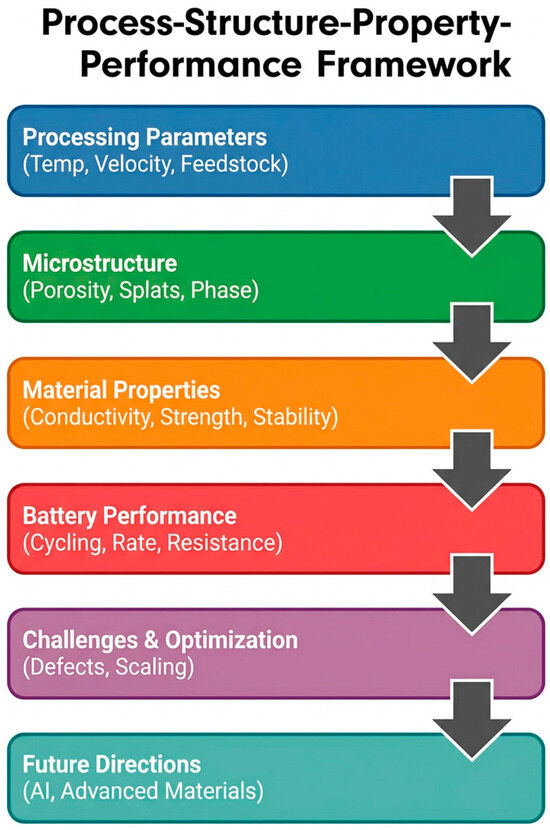
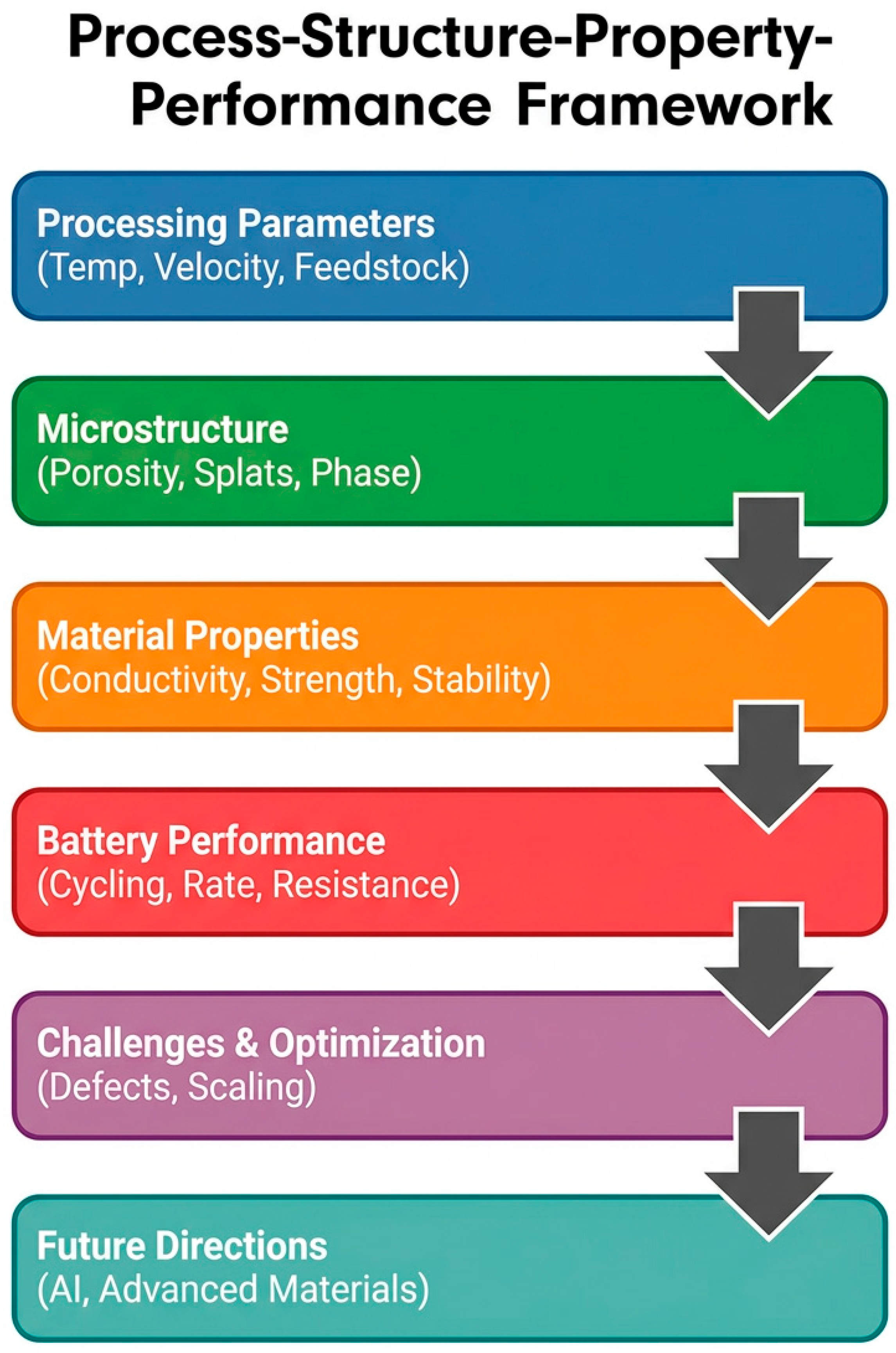
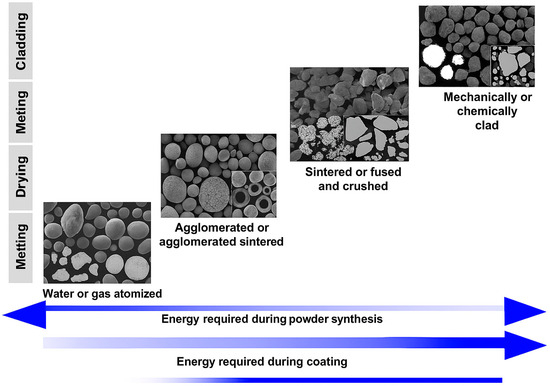
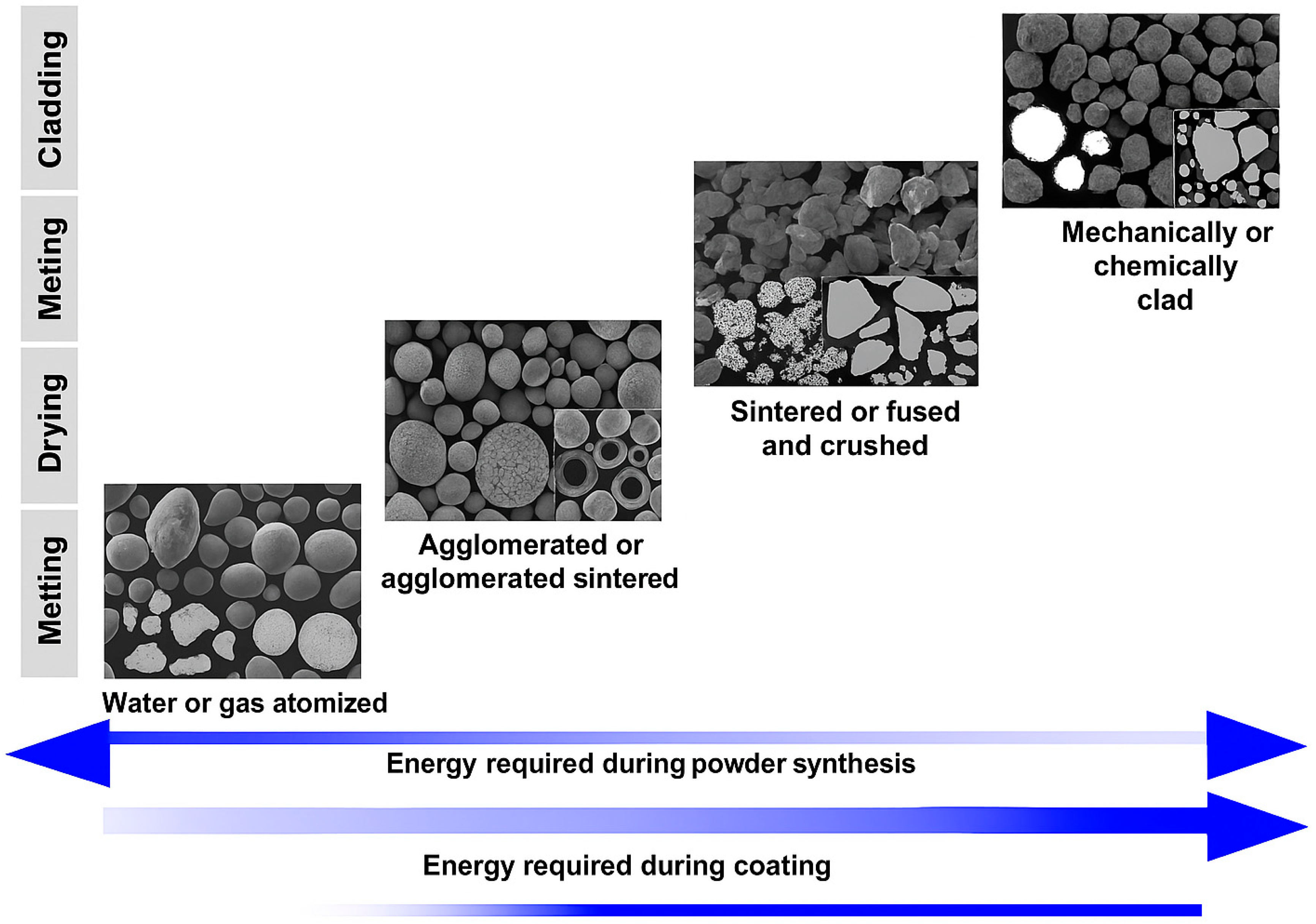
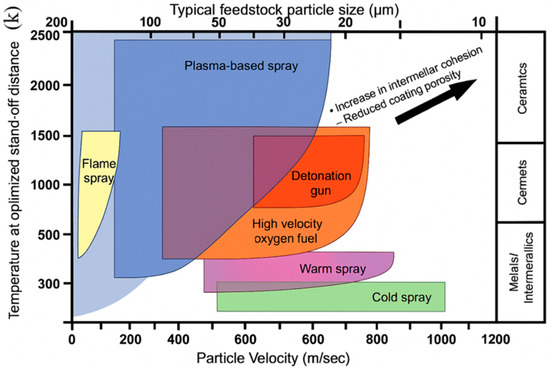
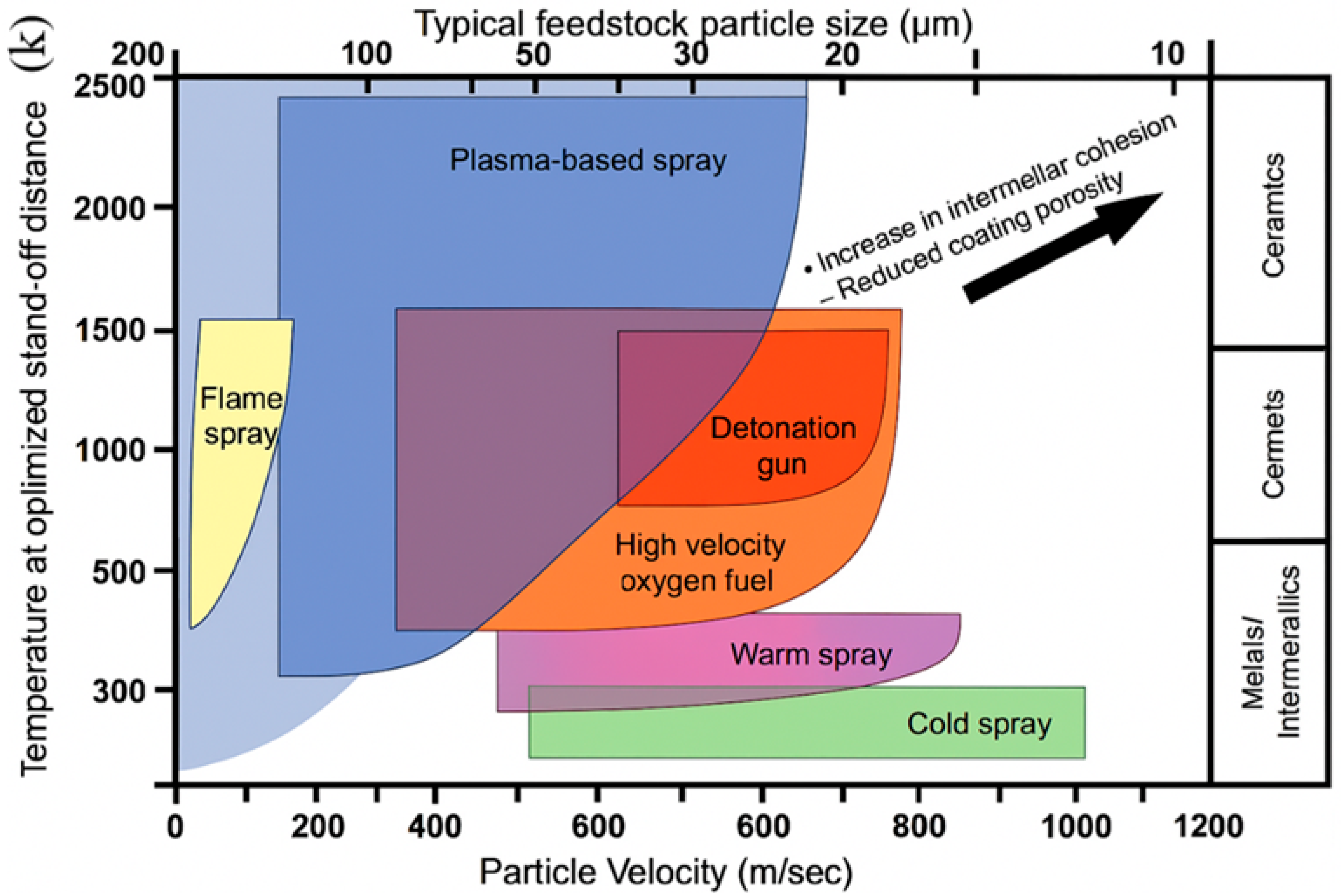
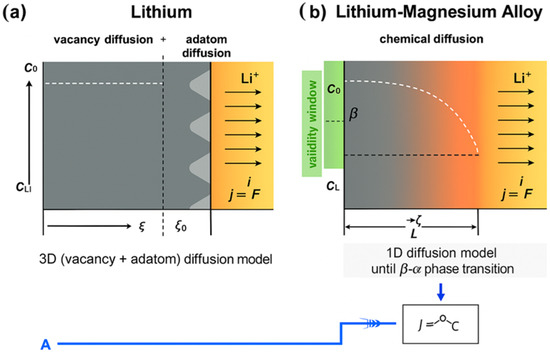
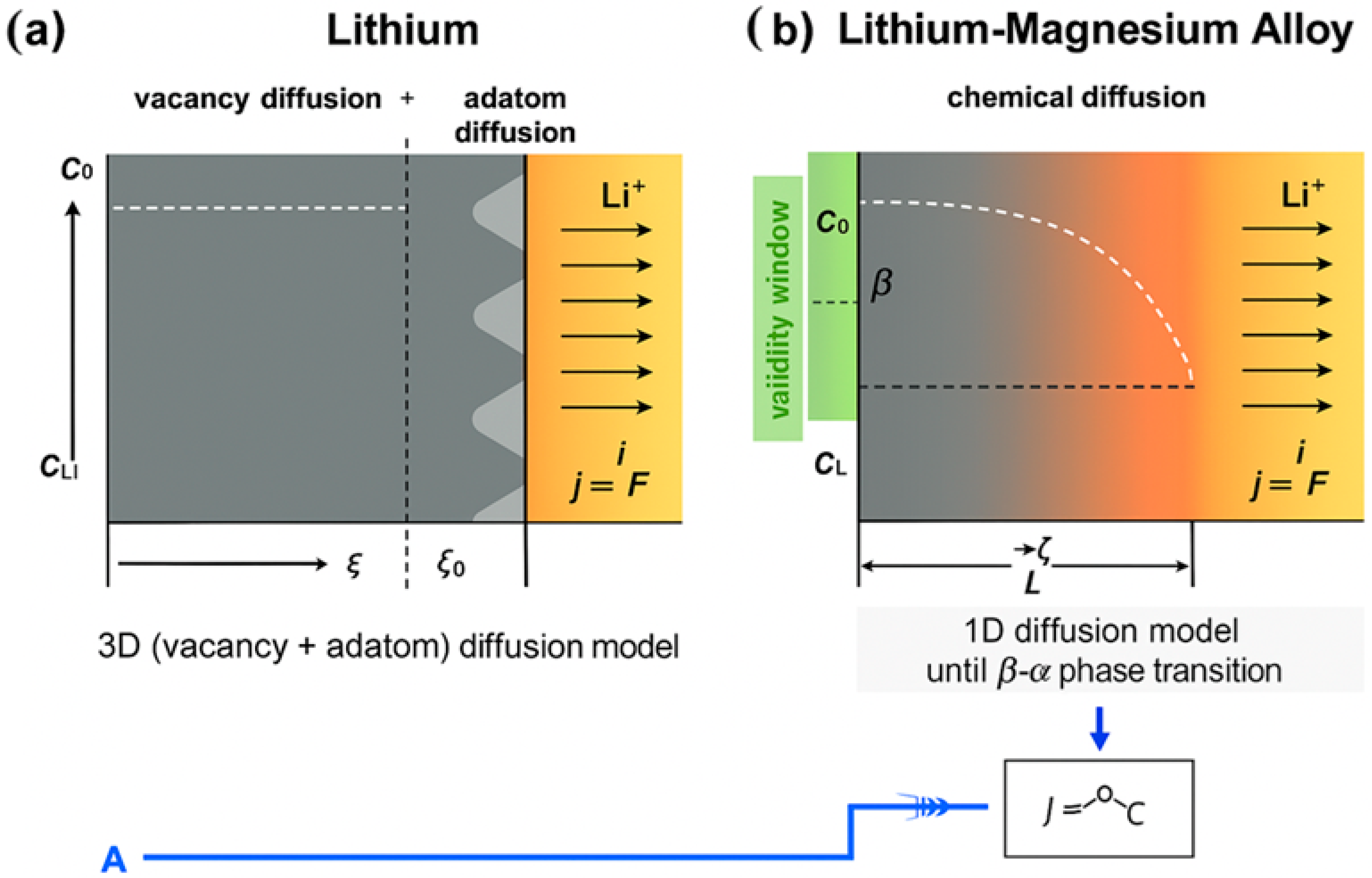
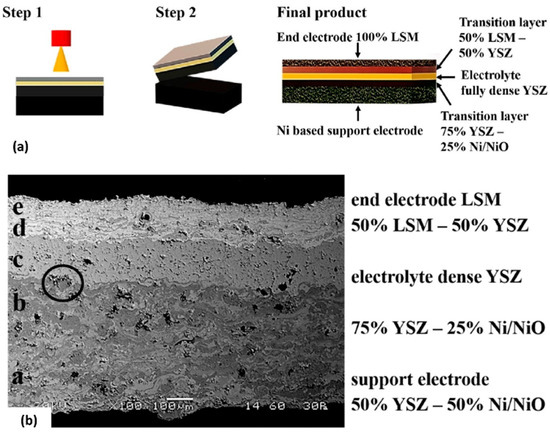
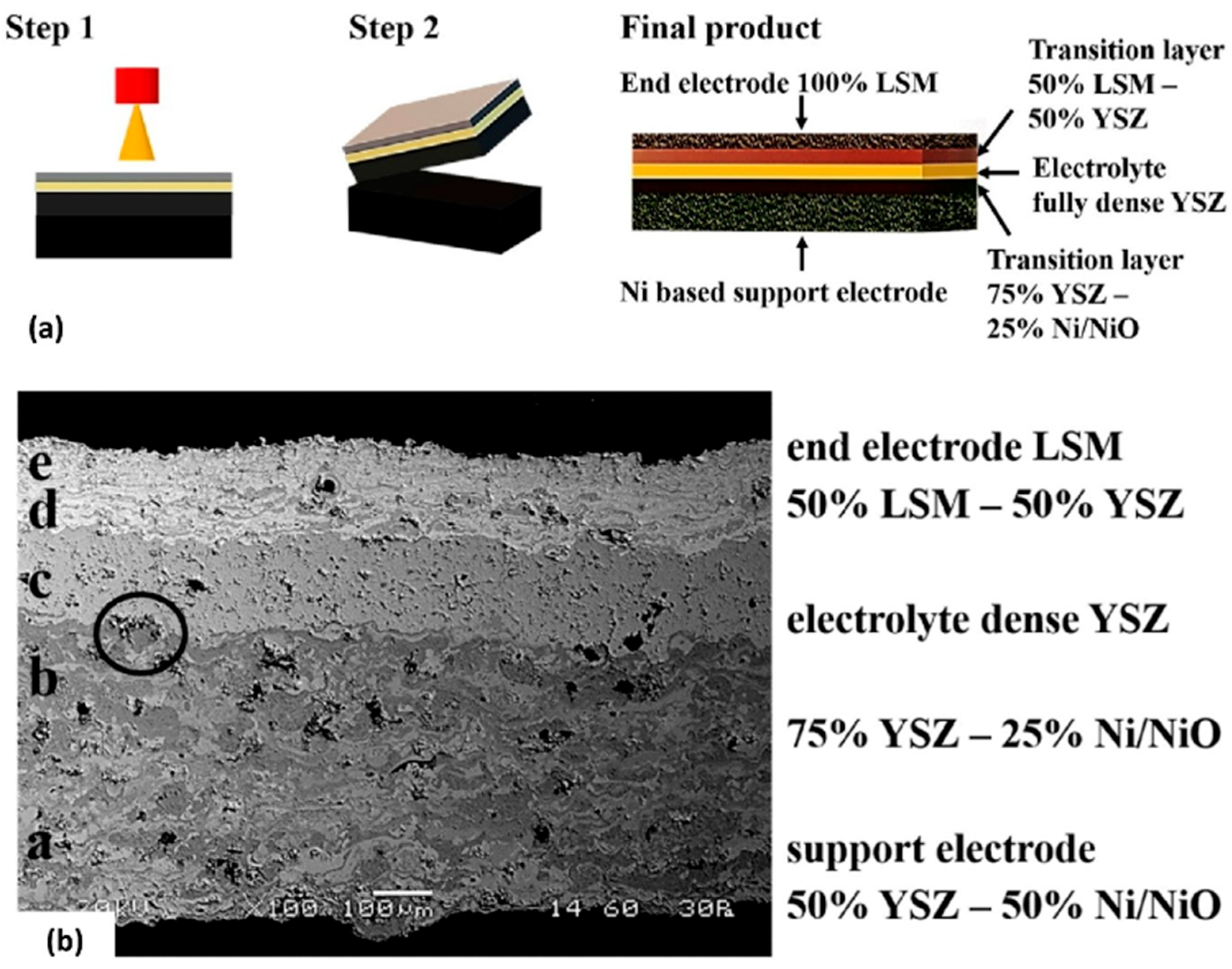
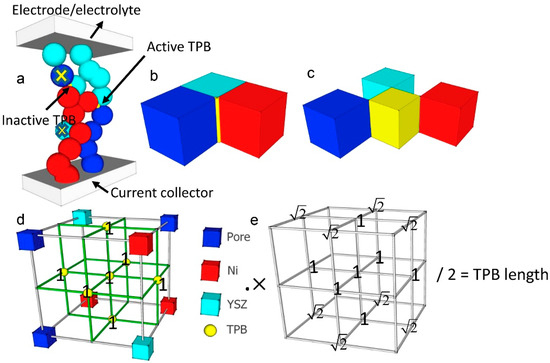
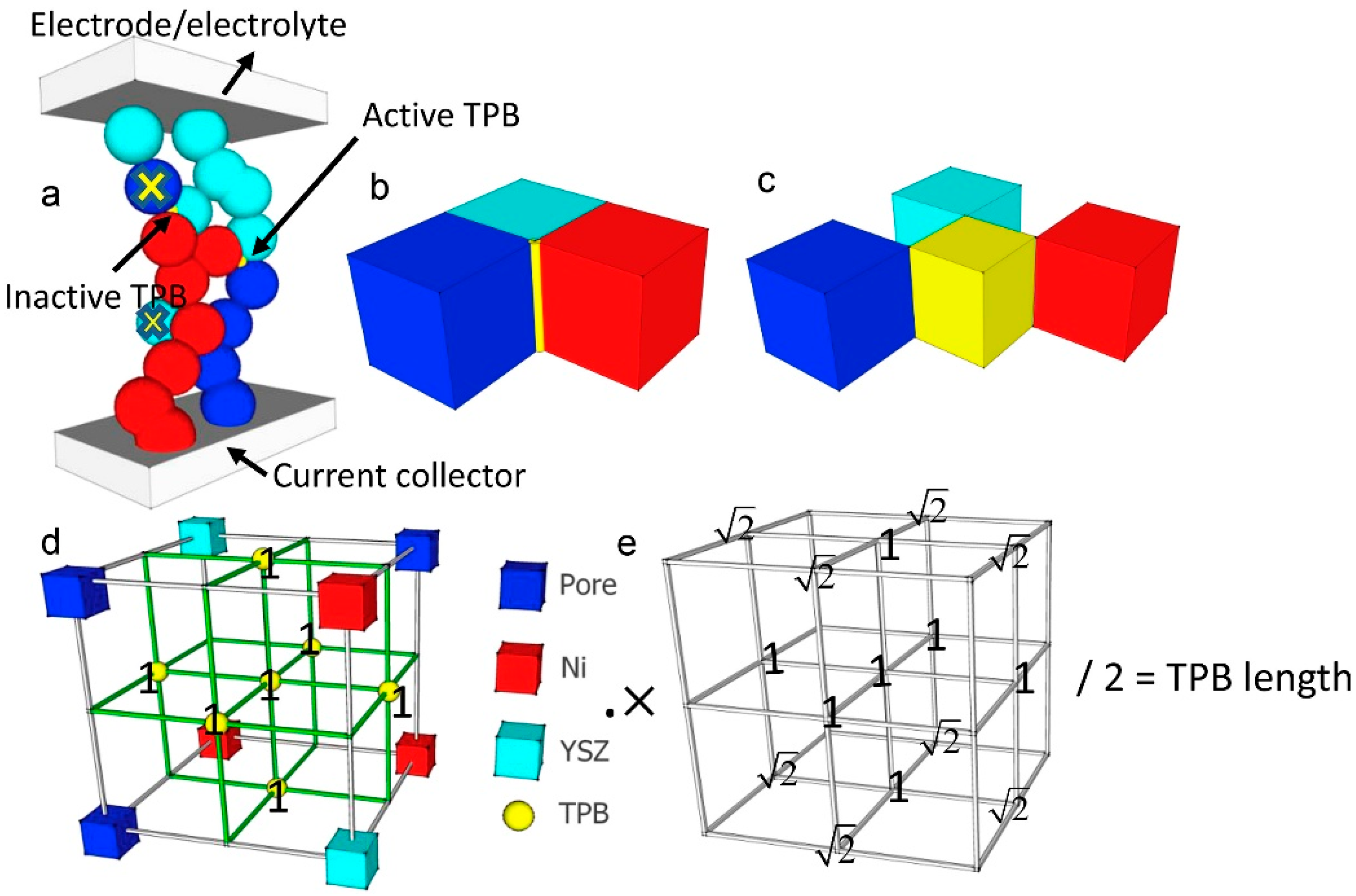
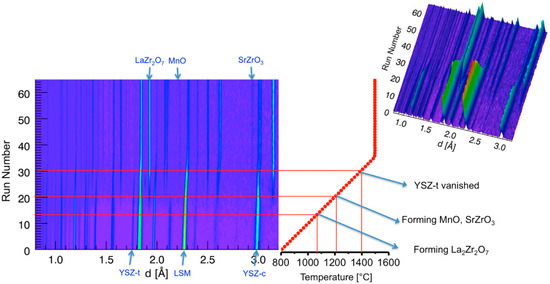
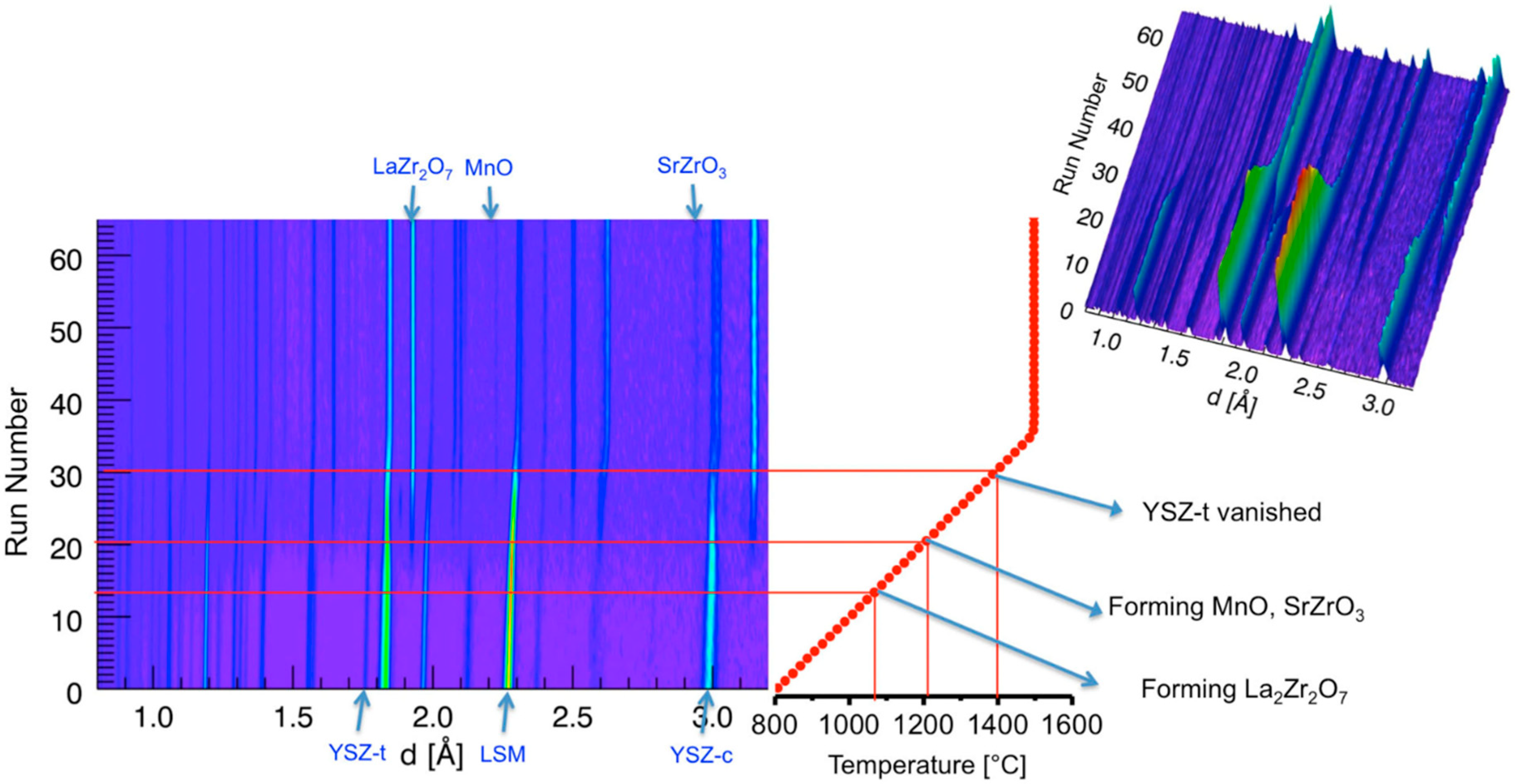
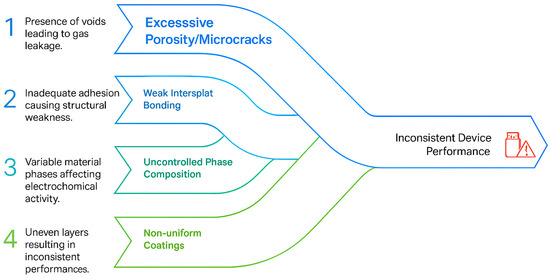
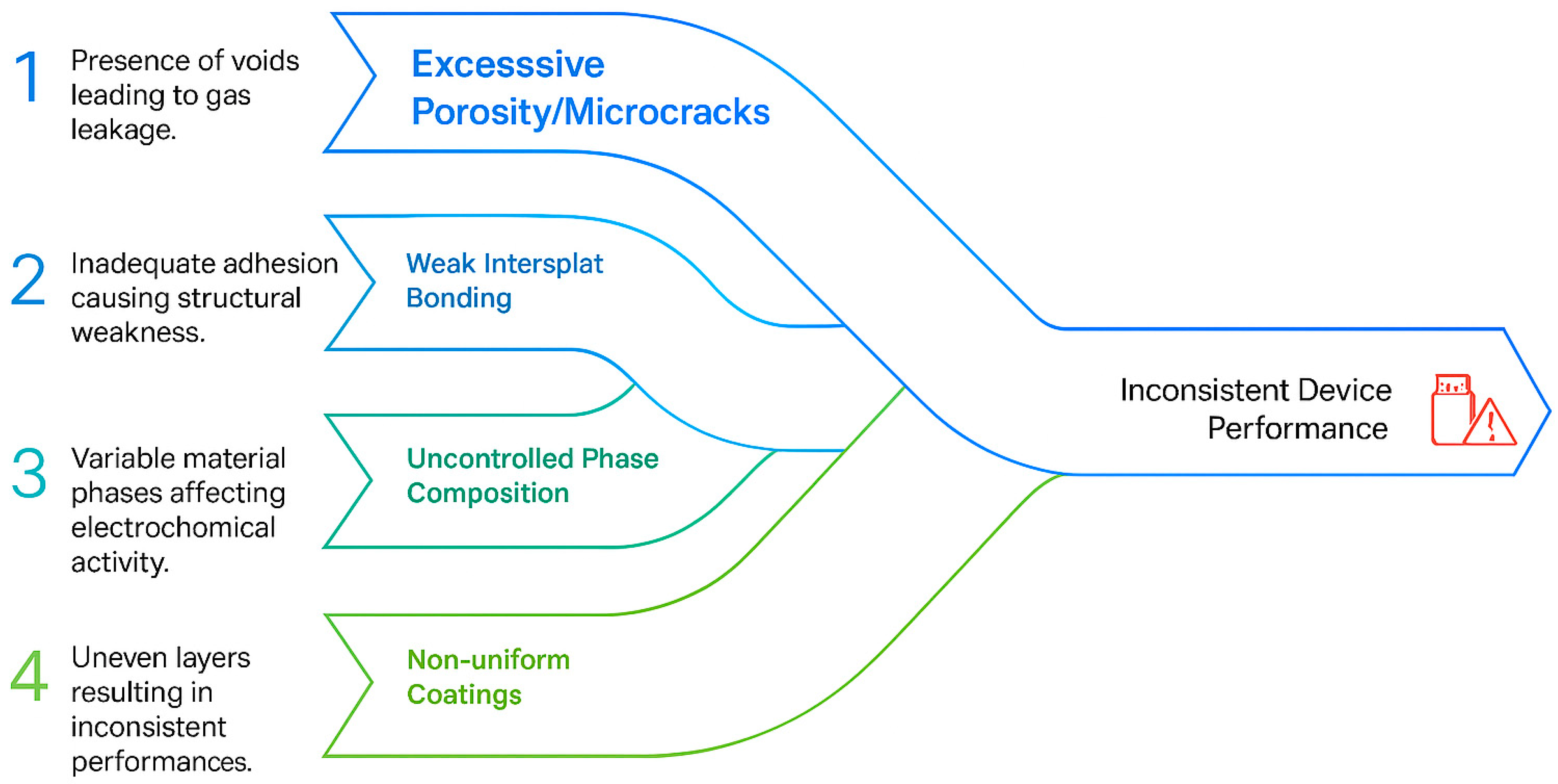
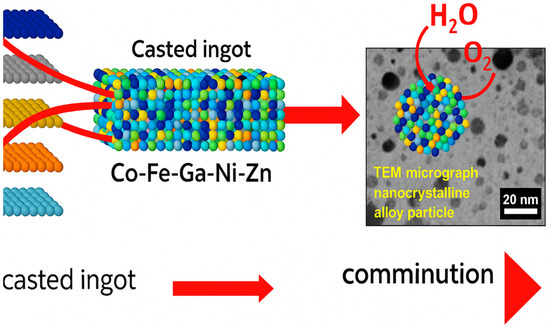
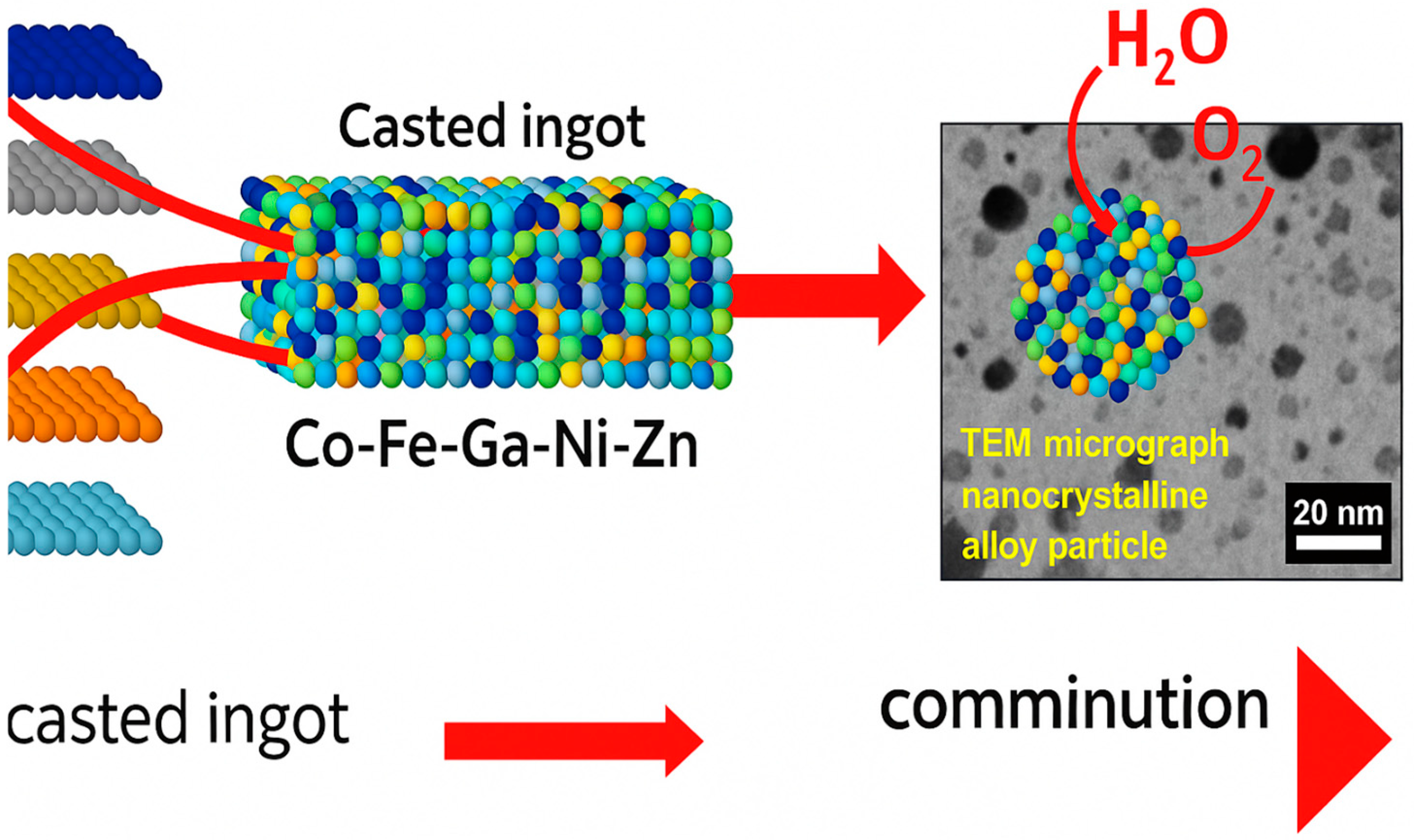

Disclaimer/Publisher’s Note: The statements, opinions and data contained in all publications are solely those of the individual author(s) and contributor(s) and not of MDPI and/or the editor(s). MDPI and/or the editor(s) disclaim responsibility for any injury to people or property resulting from any ideas, methods, instructions or products referred to in the content. |
© 2026 by the authors. Licensee MDPI, Basel, Switzerland. This article is an open access article distributed under the terms and conditions of the Creative Commons Attribution (CC BY) license.