Article

Investigating the Impact of Superabsorbent Polymer Sizes on Absorption and Cement Paste Rheology


1
Department of Civil Engineering, Daegu University, Gyeongsan 38453, Republic of Korea
2
Department of Architecture Engineering, Daegu University, Gyeongsan 38453, Republic of Korea
*
Author to whom correspondence should be addressed.
Materials 2024, 17(13), 3115; https://doi.org/10.3390/ma17133115

Submission received: 29 May 2024 / Revised: 17 June 2024 / Accepted: 21 June 2024 / Published: 25 June 2024

Abstract

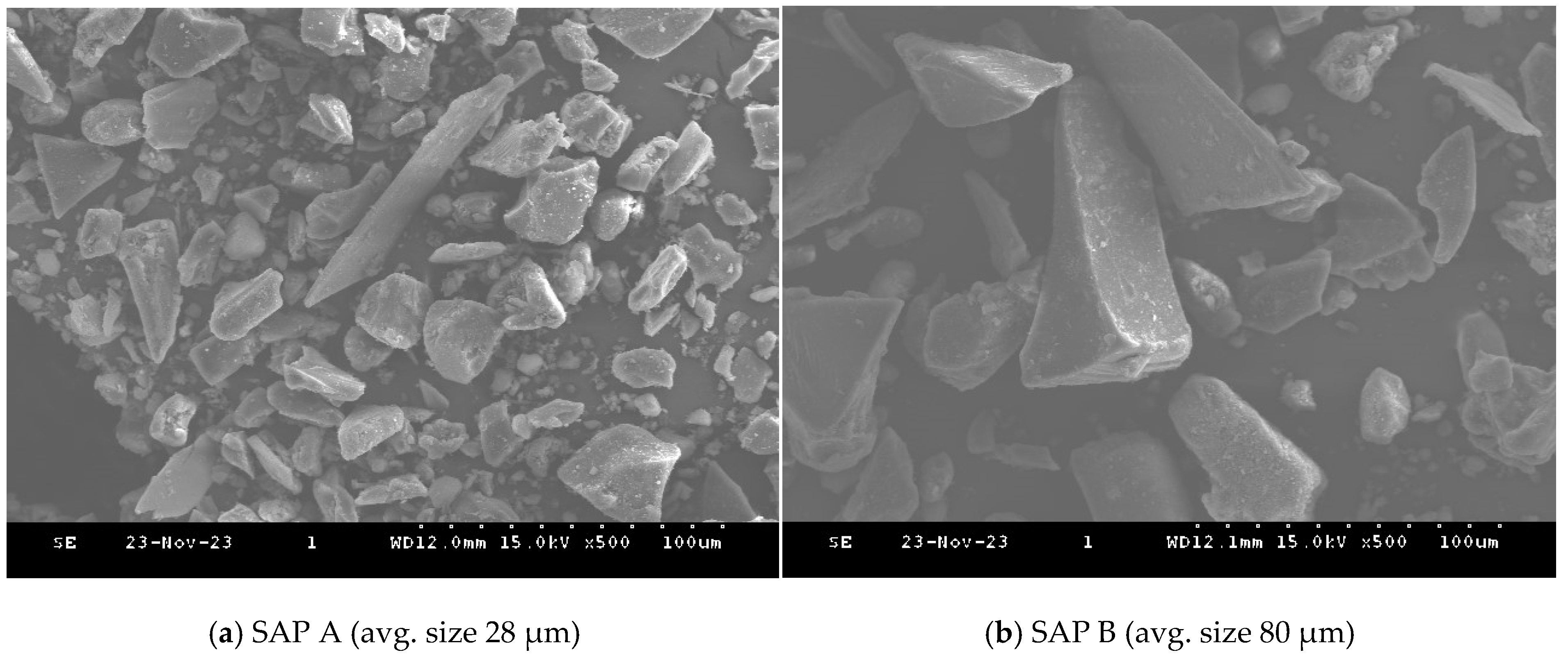
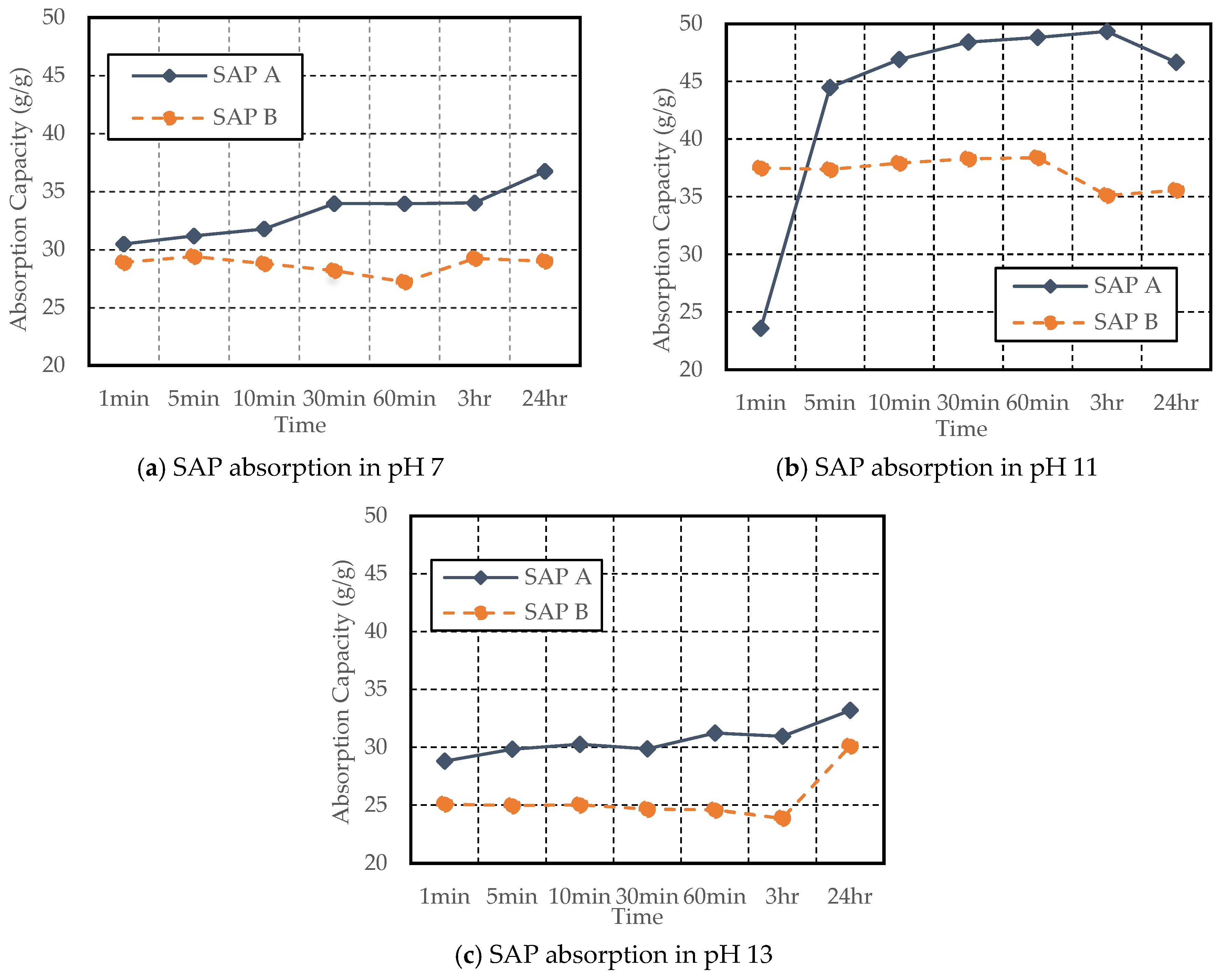
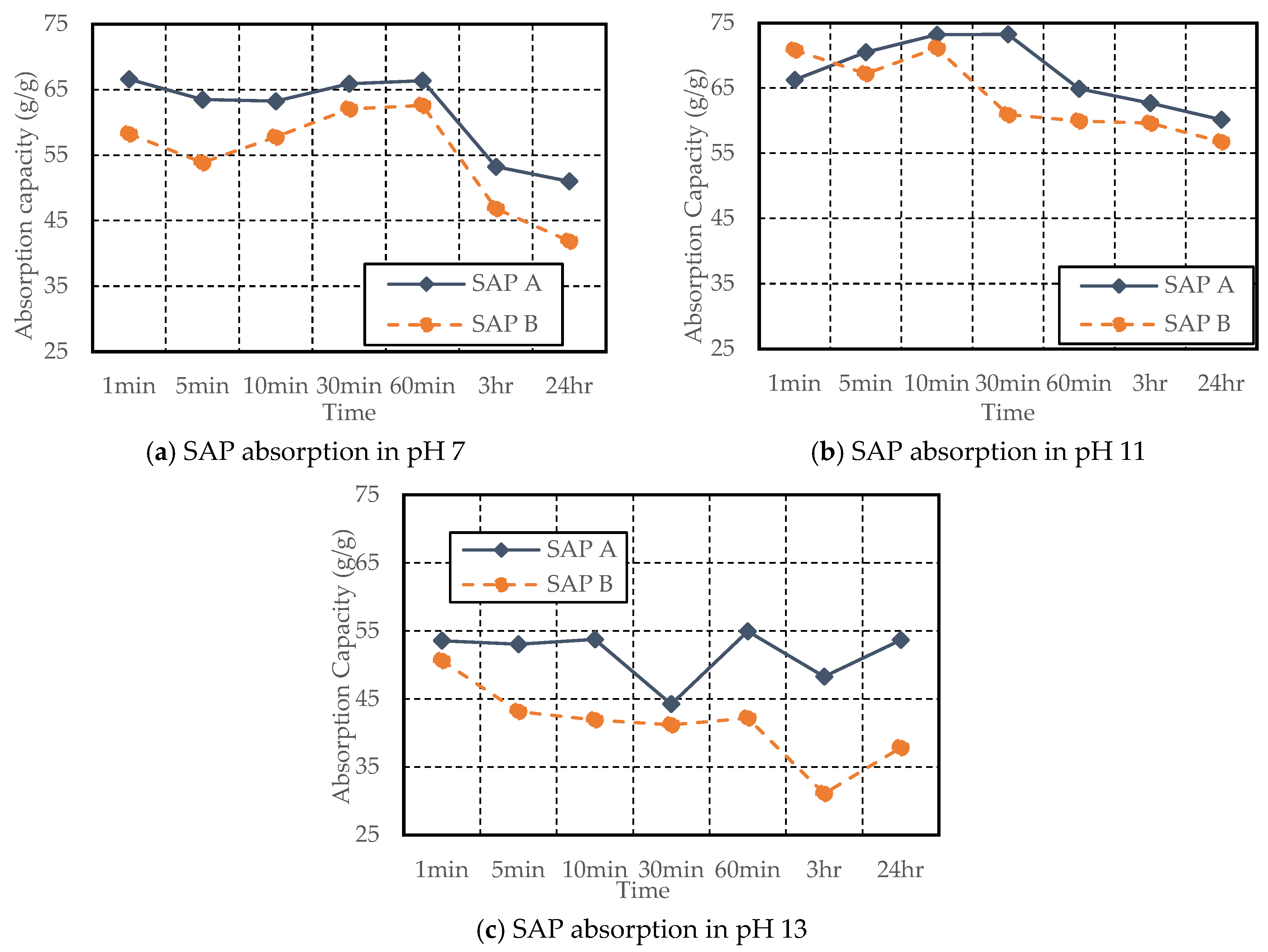
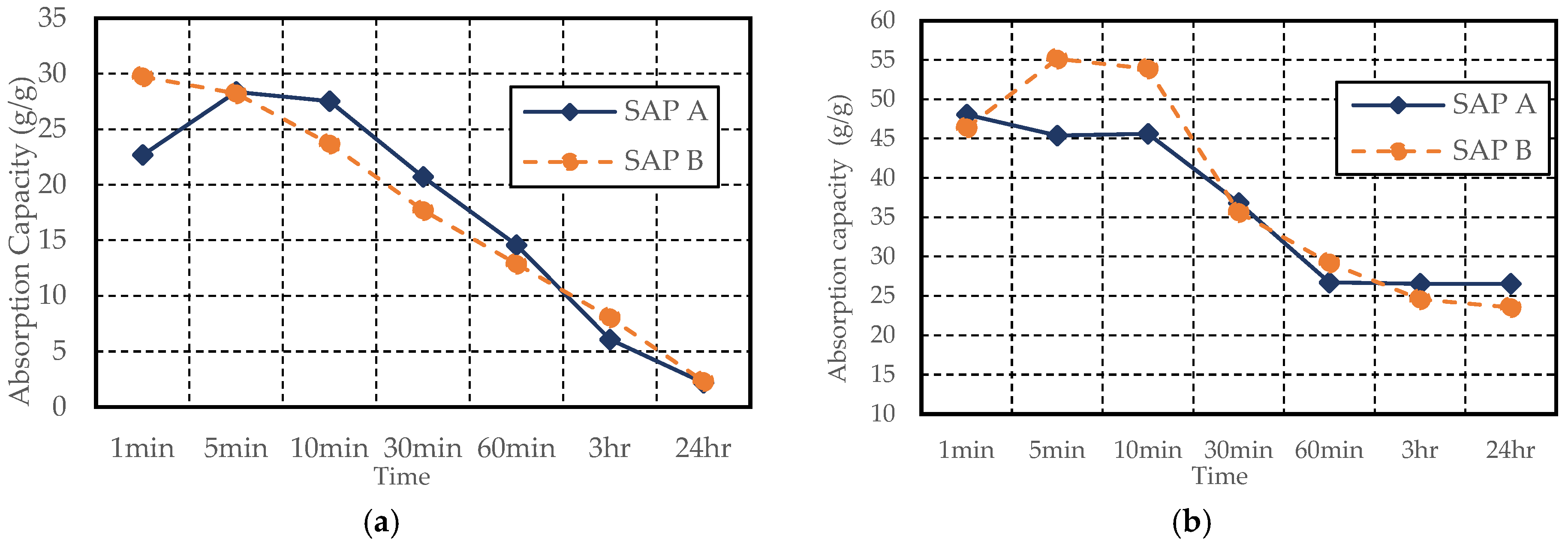
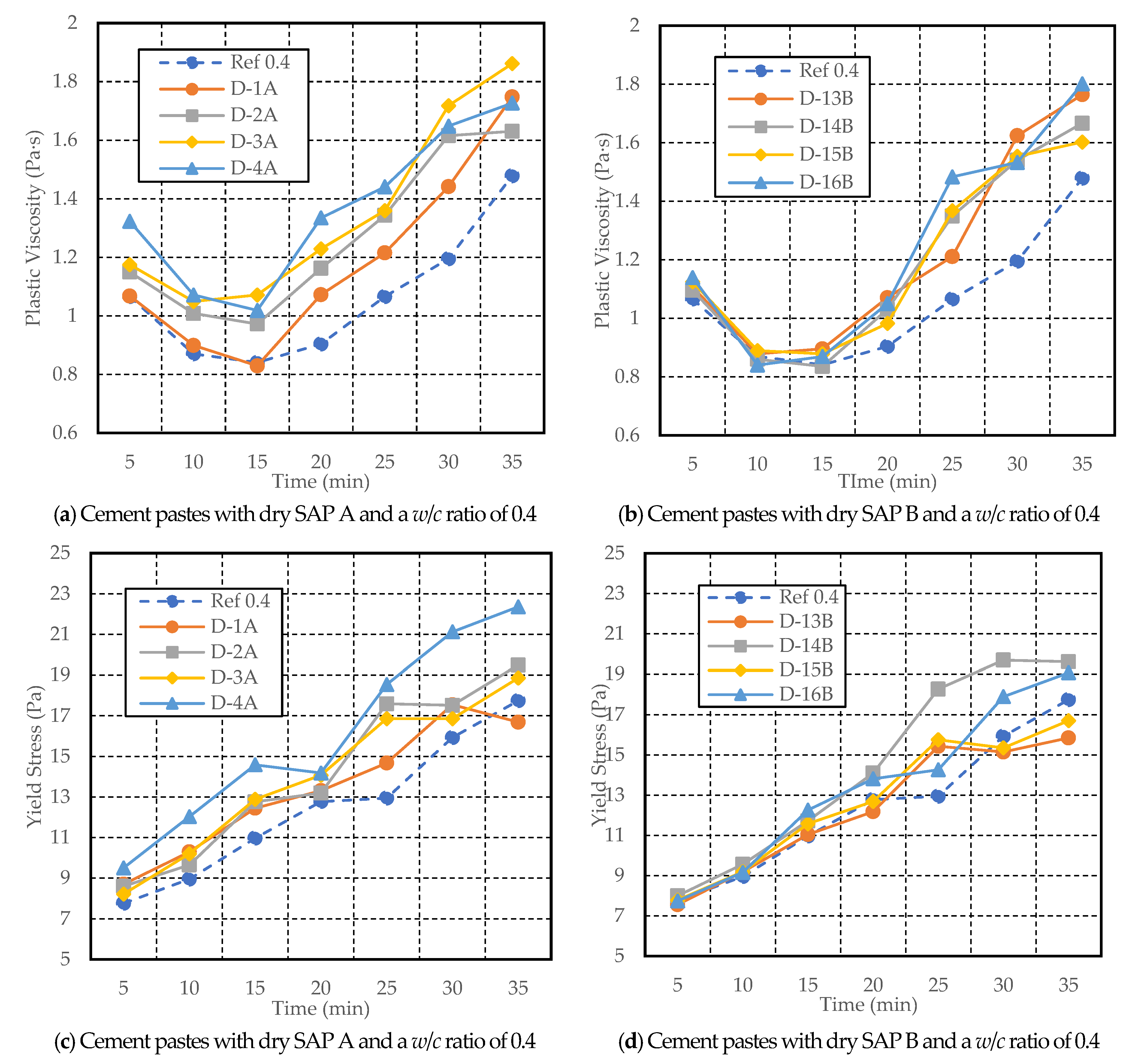
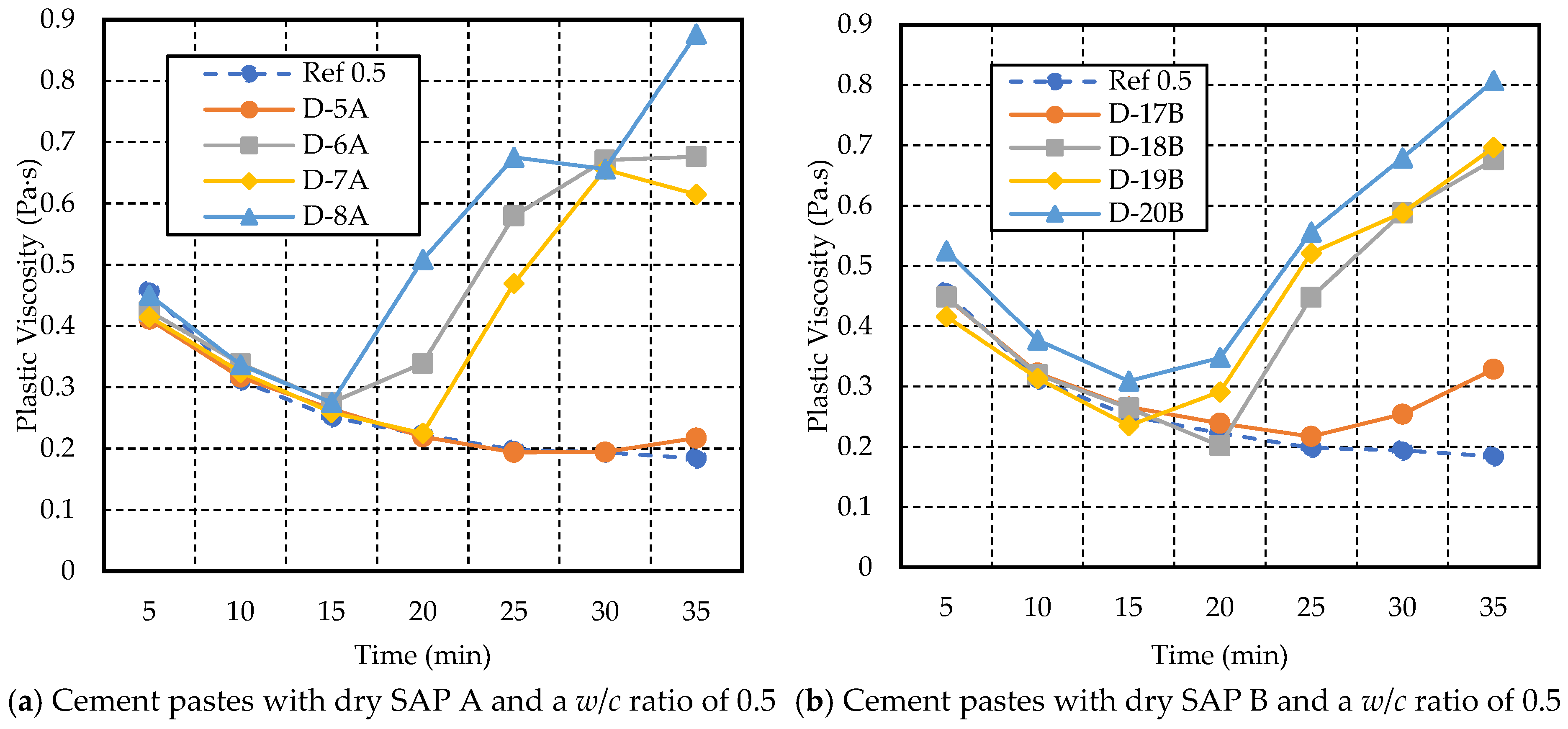
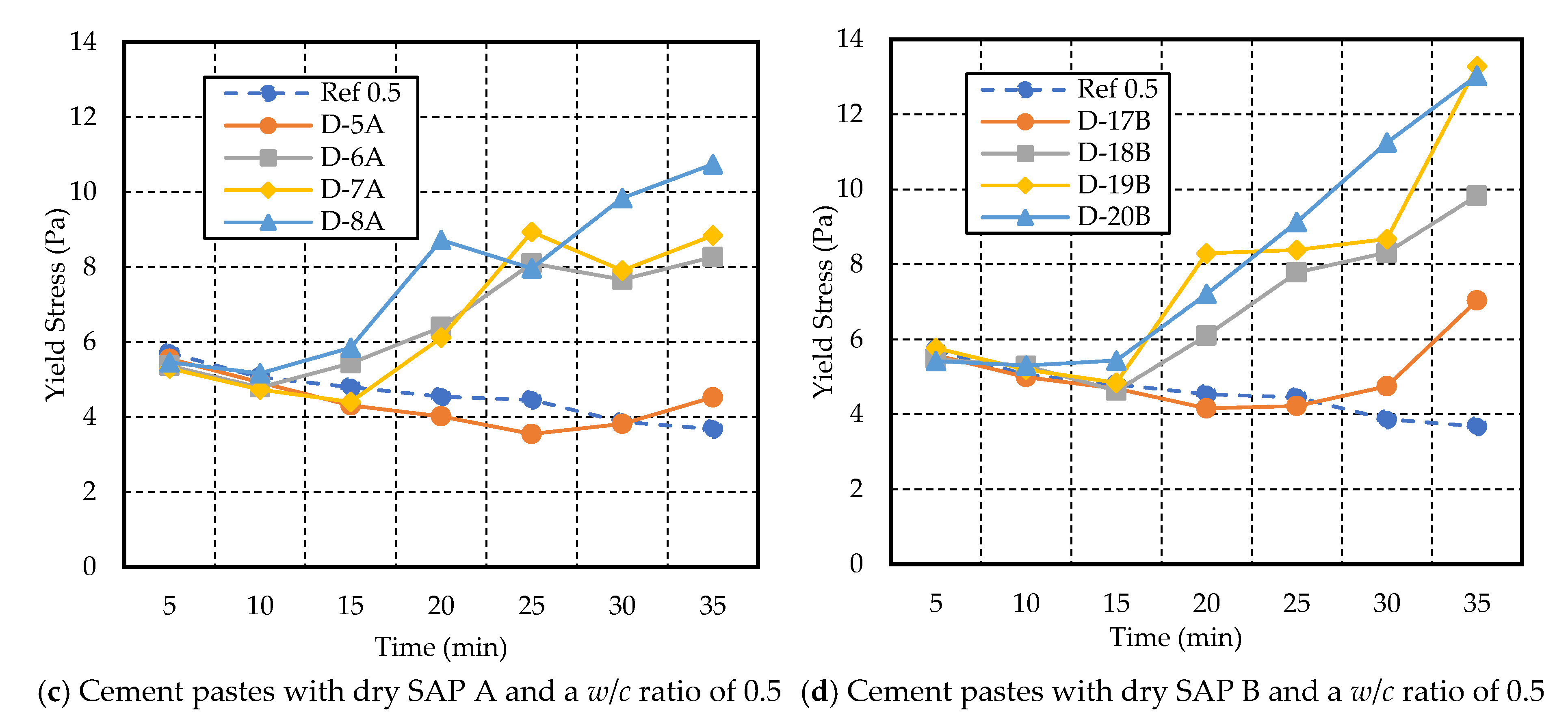
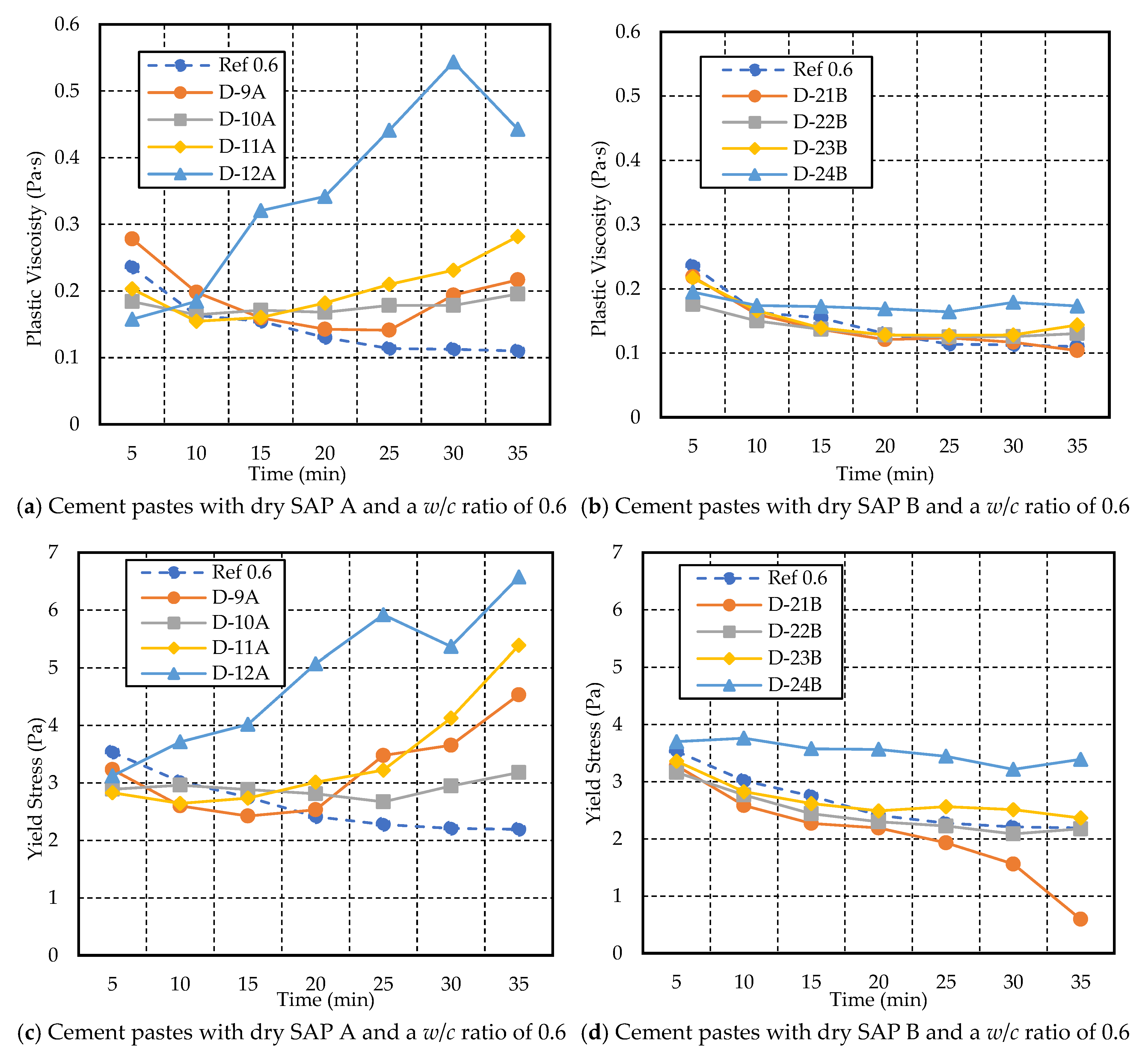
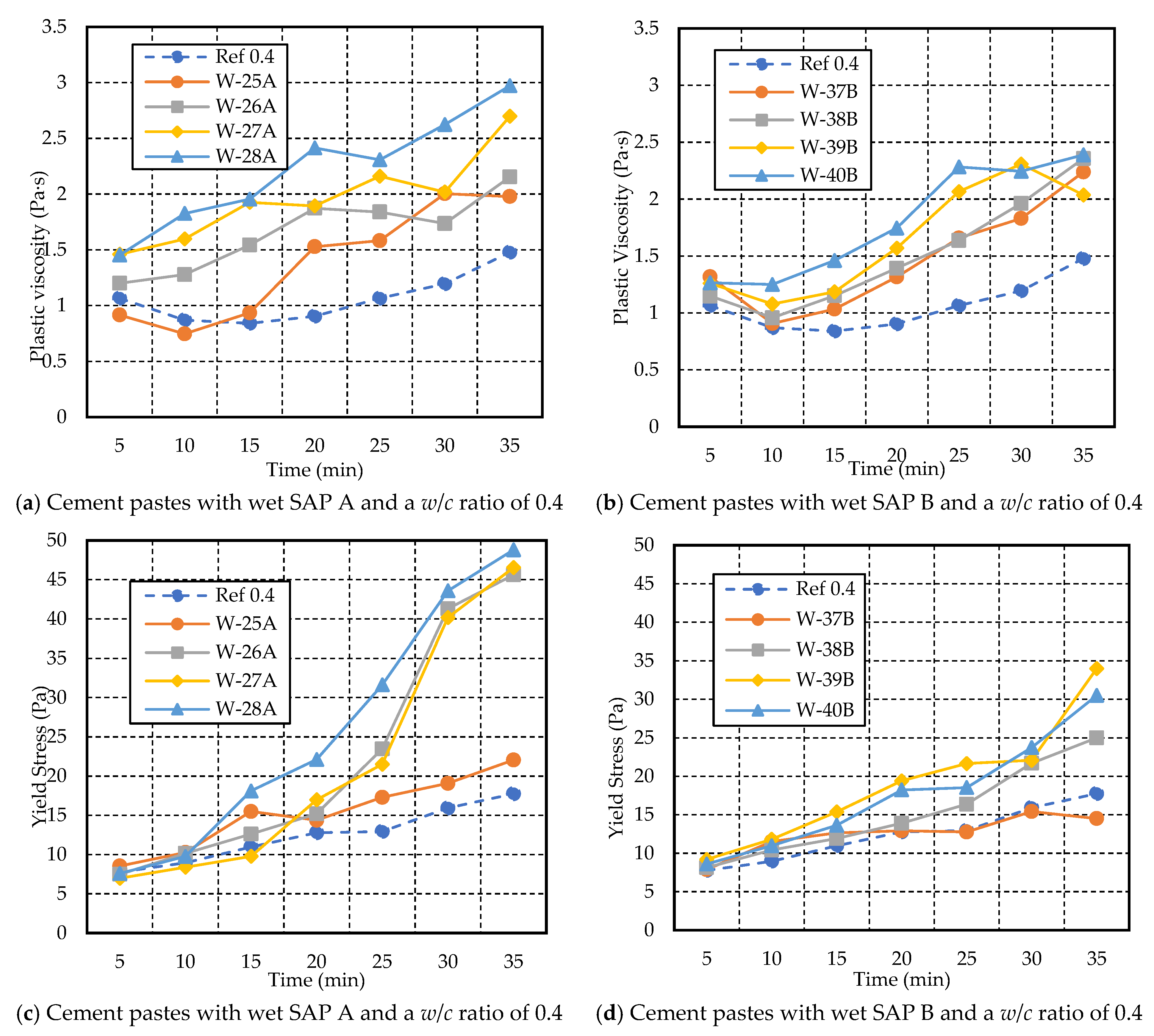
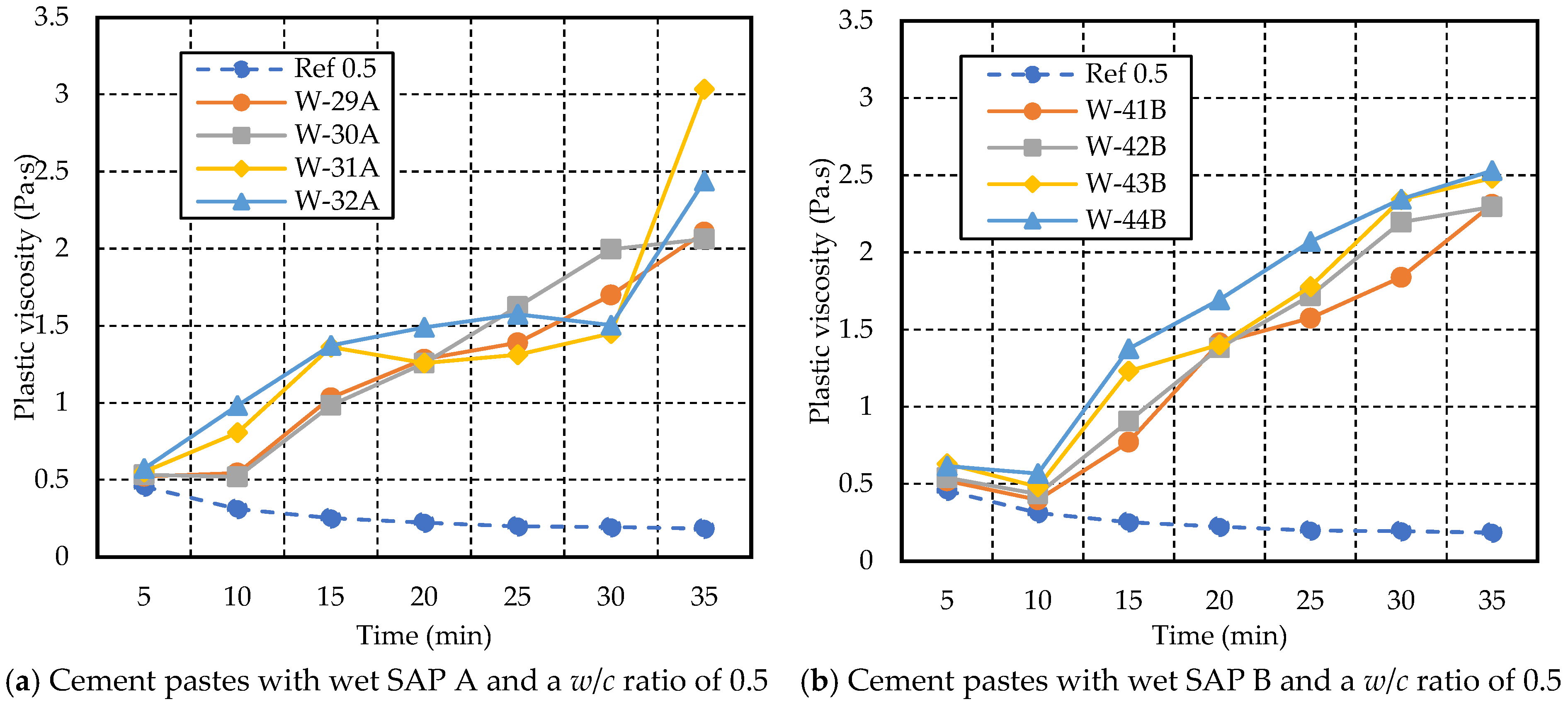
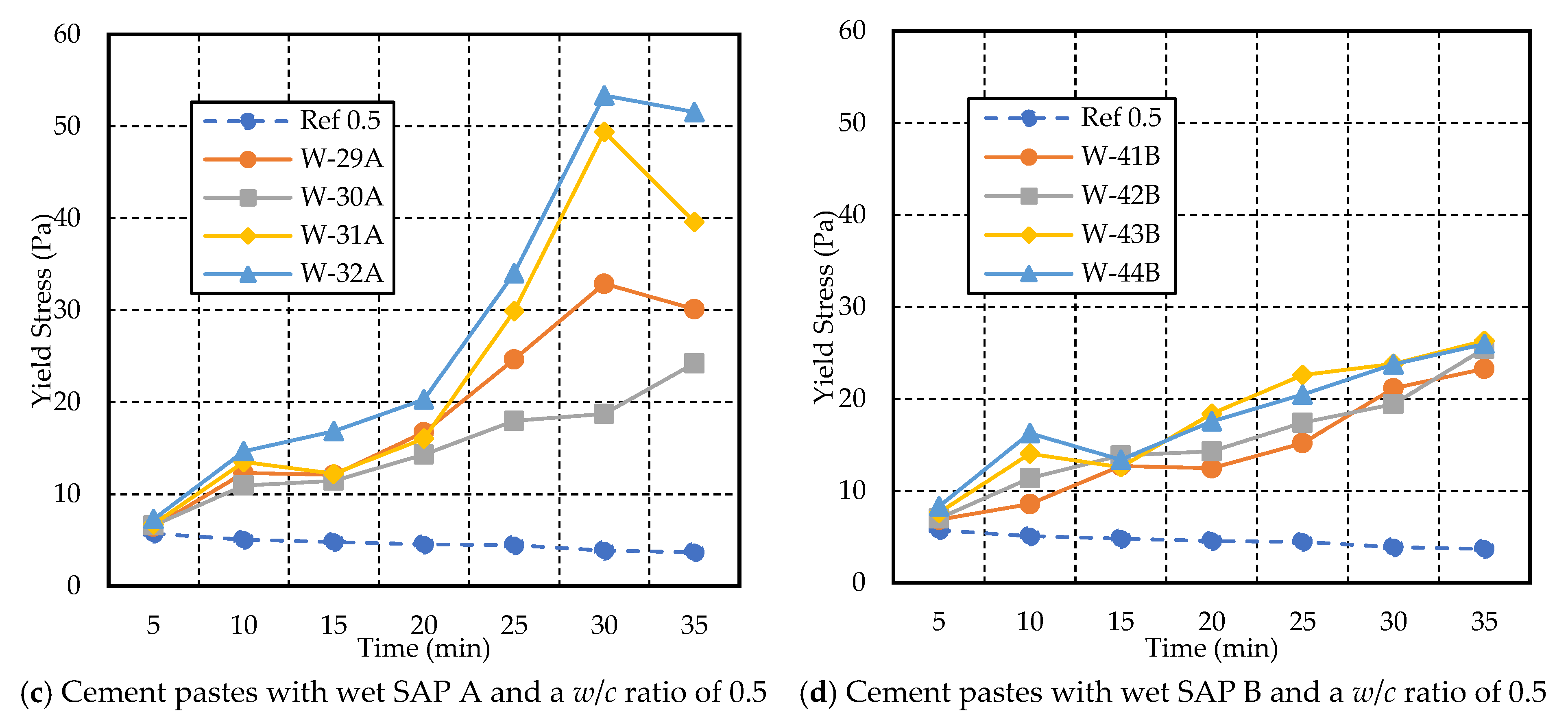
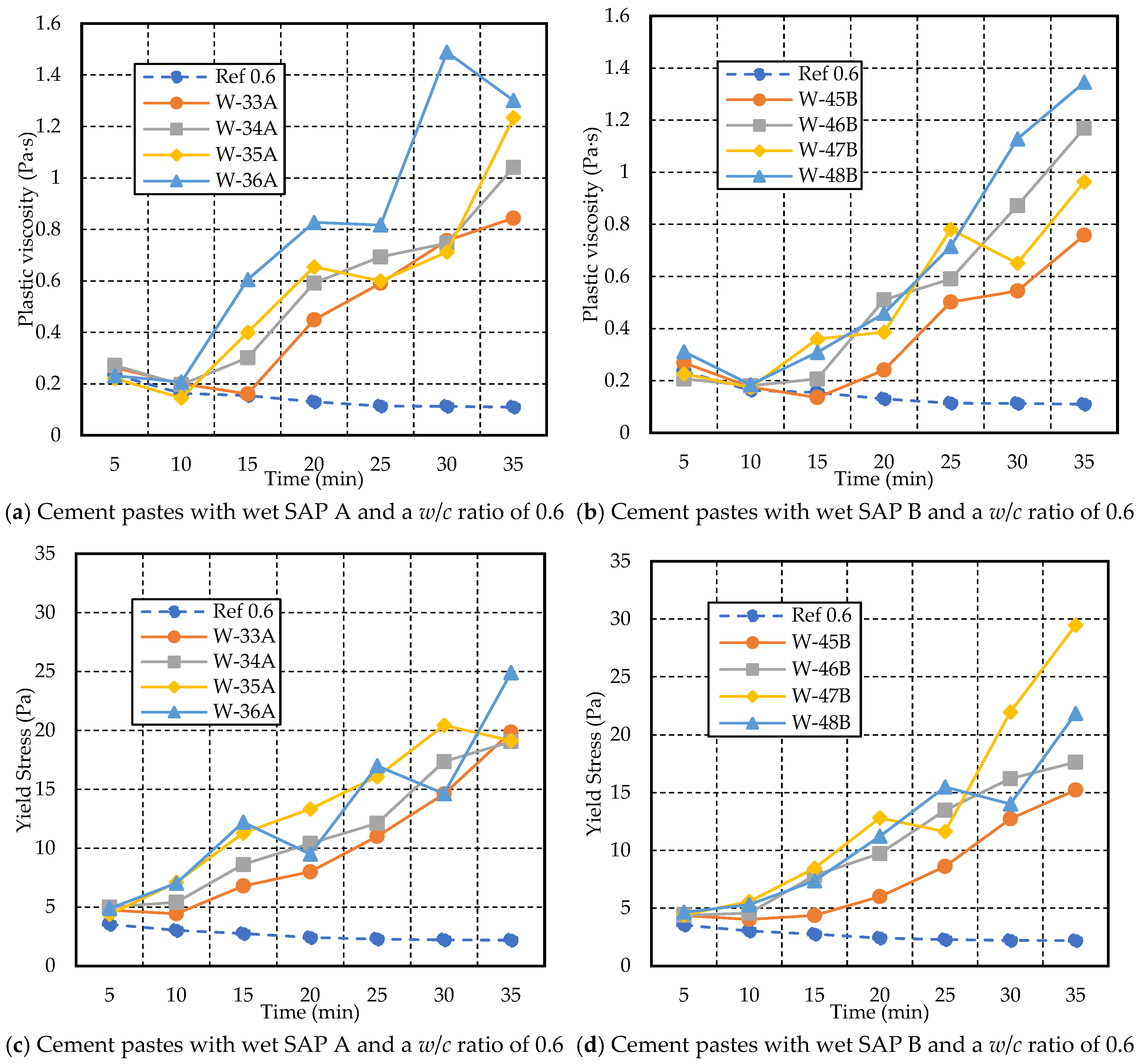
This study aims to understand the water retention capabilities of Superabsorbent Polymers (SAPs) in different alkaline environments for internal curing and to assess their impact on the rheological properties of cement paste. Therefore, the focus of this paper is on the absorption capacities of two different sizes of polyacrylic-based Superabsorbent Polymers : SAP A, with an average size of 28 µm, and SAP B, with an average size of 80 µm, in various solutions, such as pH 7, pH 11, pH 13, and cement filtrate solution (pH 13.73). Additionally, the study investigates the rheological properties of SAP-modified cement pastes, considering three different water-to-cement (w/c) ratios (0.4, 0.5, and 0.6) and four different dosages of SAPs (0.2%, 0.3%, 0.4%, and 0.5% by weight of cement). The results showed that the absorption capacity of SAP A was higher in all solutions compared to SAP B. However, both SAPs exhibited lower absorption capacity and early desorption in the cement filtrate solution. In contrast to the absorption results in pH 13 and cement filtrate solutions, the rheological properties, including plastic viscosity and yield stress, of the cement paste with a w/c ratio of 0.4 and 0.5, as well as both dry and wet (presoaked) SAPs, were higher than those of the cement paste without SAP, indicating continuous absorption by SAP. The viscosity and yield stress increased over time with increasing SAP dosage. However, in the mixes with a w/c ratio of 0.6, the values of plastic viscosity and yield stress were initially lower for the mixes with dry SAPs compared to the reference mix. Additionally, cement pastes containing wet SAP showed higher viscosity and yield stress compared to the pastes containing dry SAP.
Keywords: cement paste; water-to-cement ratio; superabsorbent polymer; absorption capacity; plastic viscosity; yield stress cement paste; water-to-cement ratio; superabsorbent polymer; absorption capacity; plastic viscosity; yield stress