Article

Fatigue Factor Assessment and Life Prediction of Concrete Based on Bayesian Regularized BP Neural Network

1
Faculty of Urban Construction, Beijing University of Technology, Beijing 100124, China
2
Baobida IOT Technology (Suzhou) Co., Ltd., Suzhou 200041, China
*
Authors to whom correspondence should be addressed.
Materials 2022, 15(13), 4491; https://doi.org/10.3390/ma15134491
Submission received: 16 May 2022 / Revised: 18 June 2022 / Accepted: 22 June 2022 / Published: 25 June 2022

Abstract

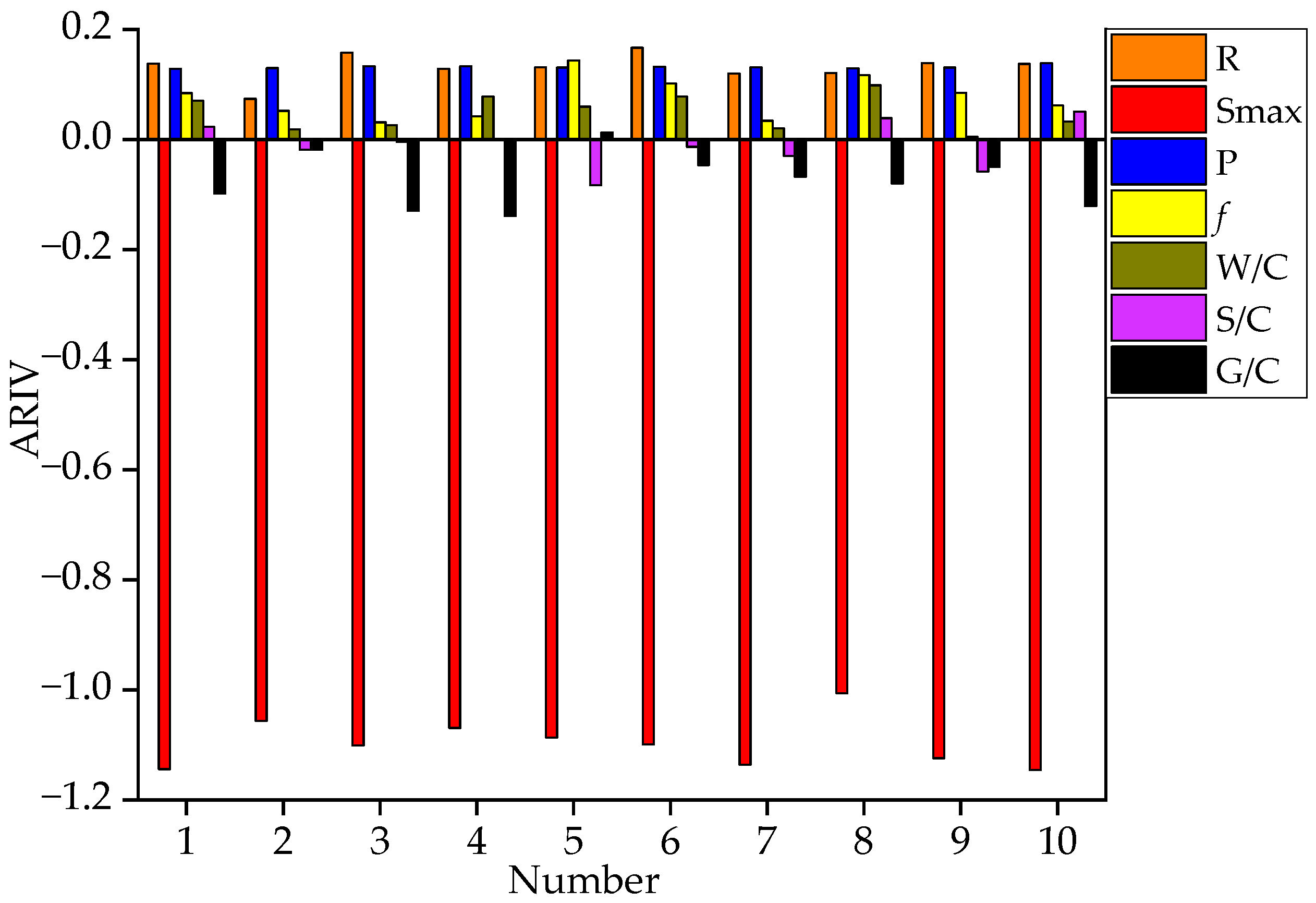
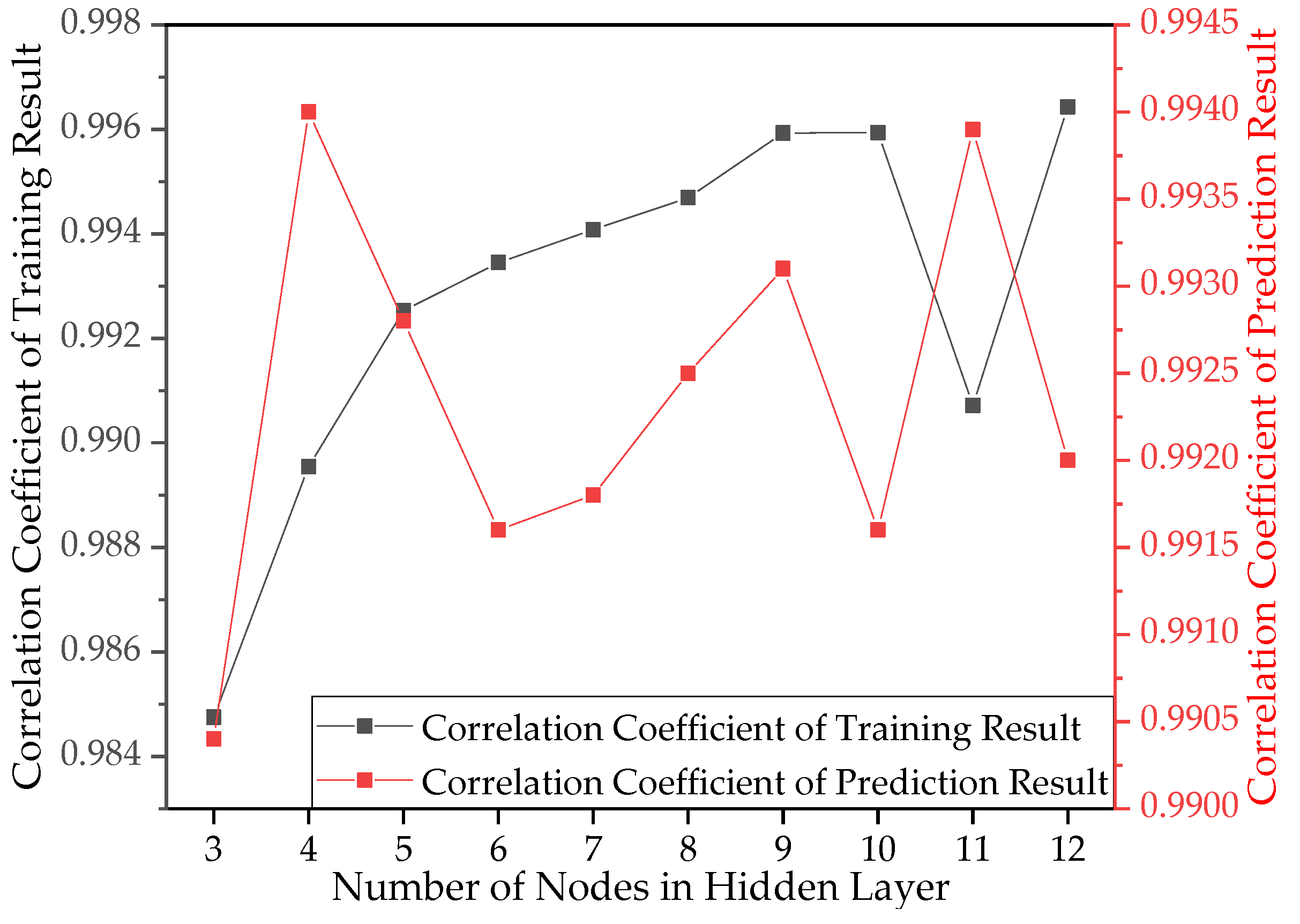
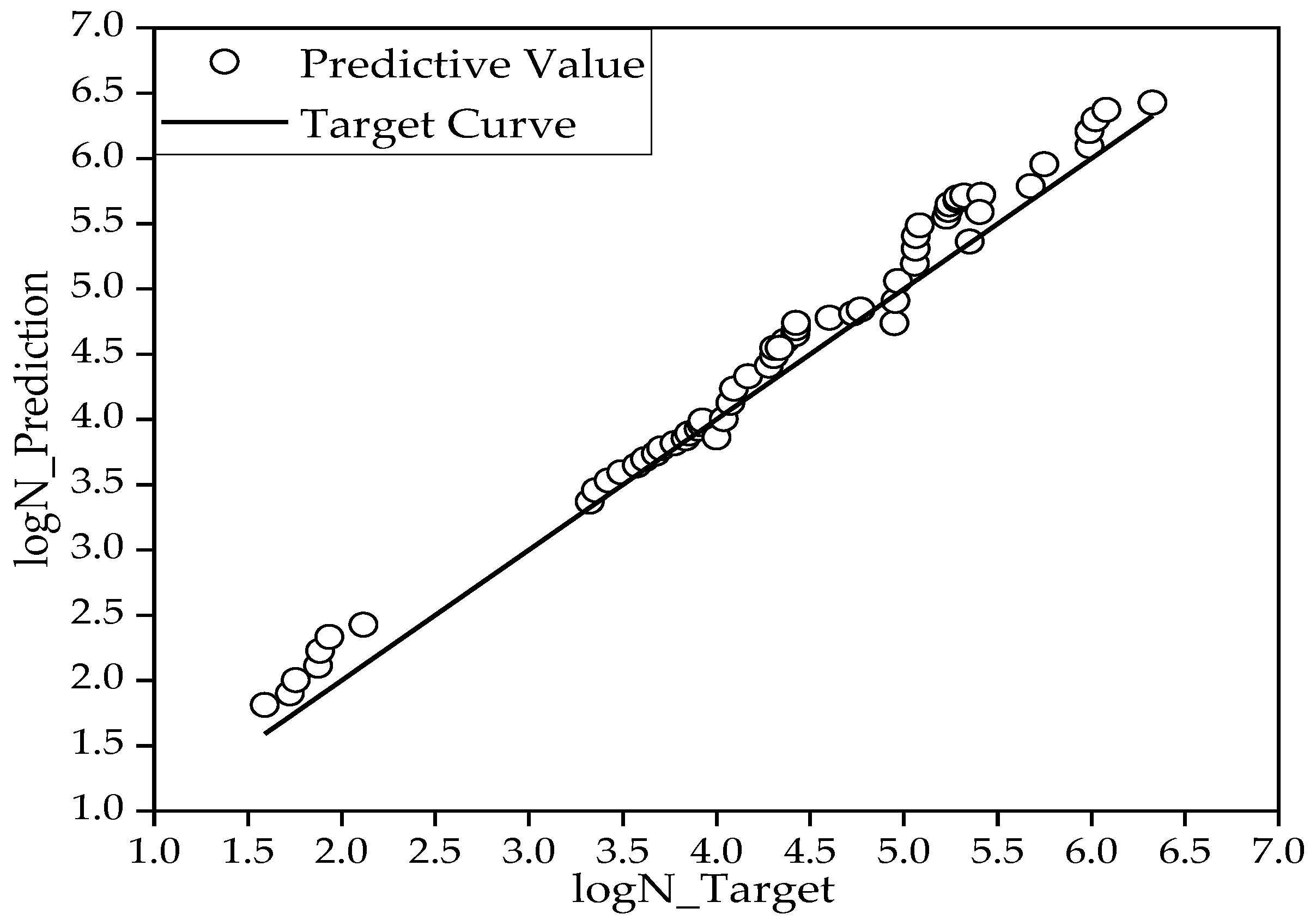
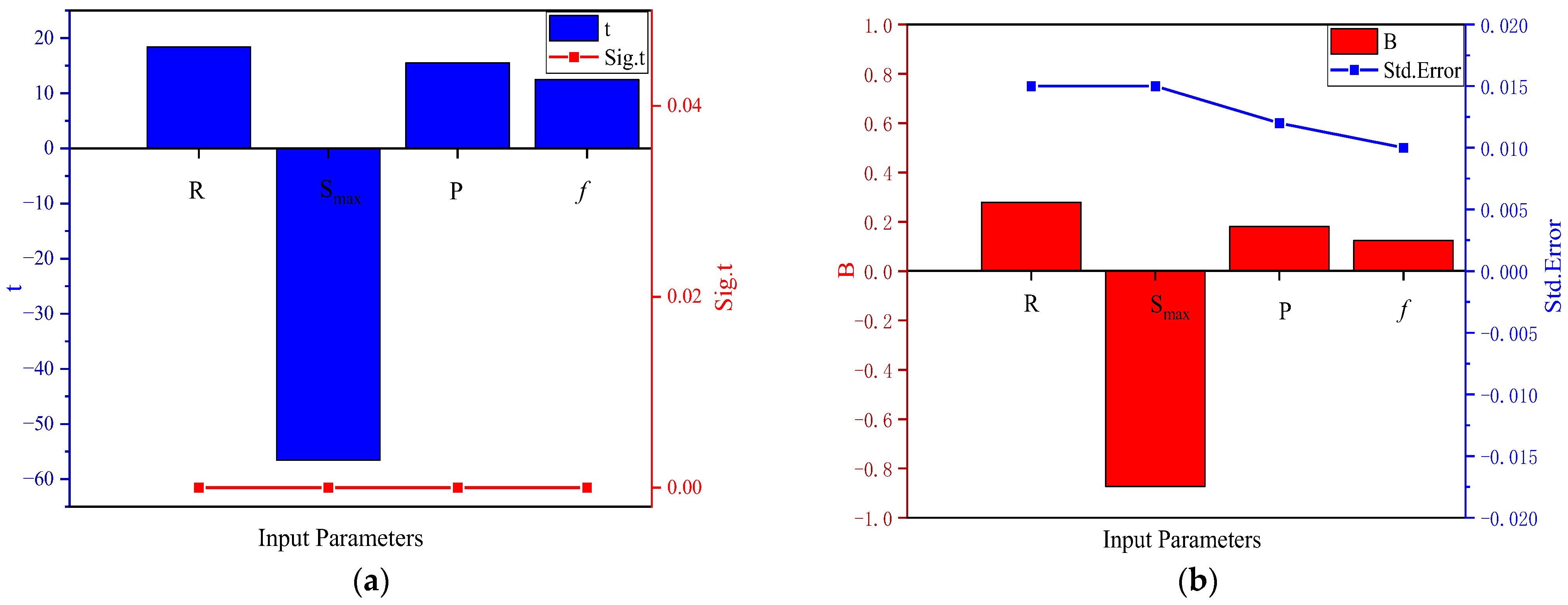
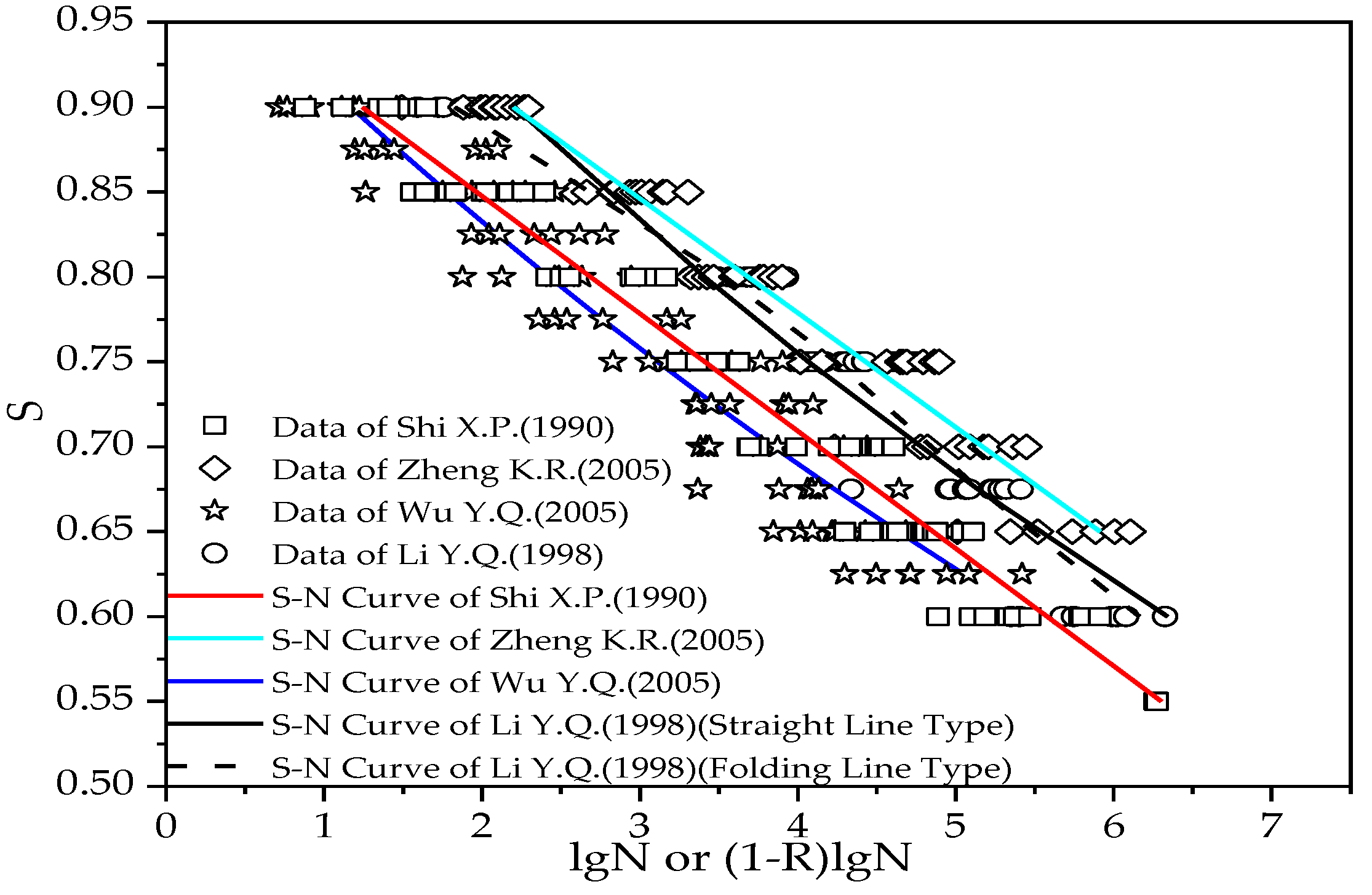
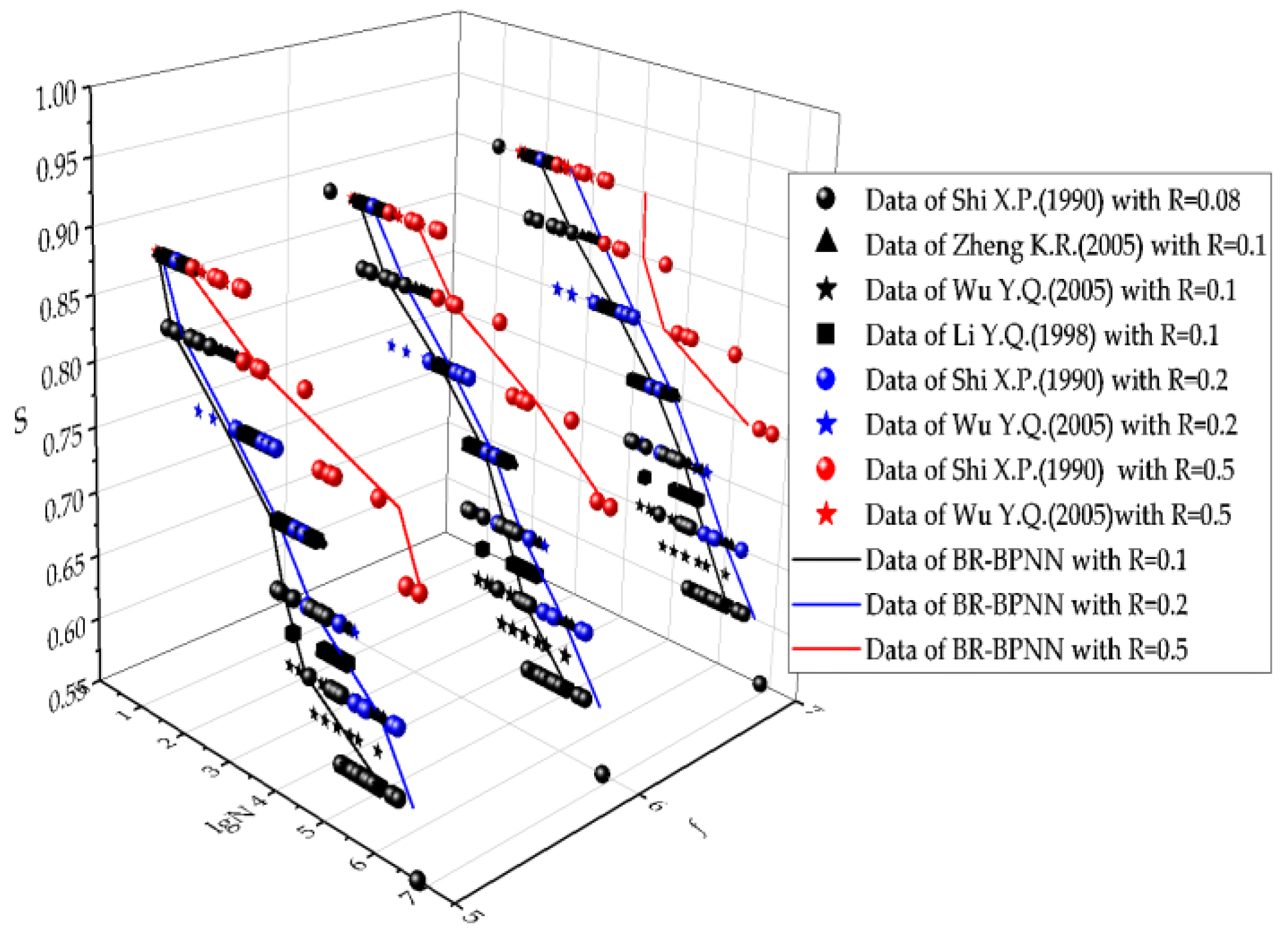
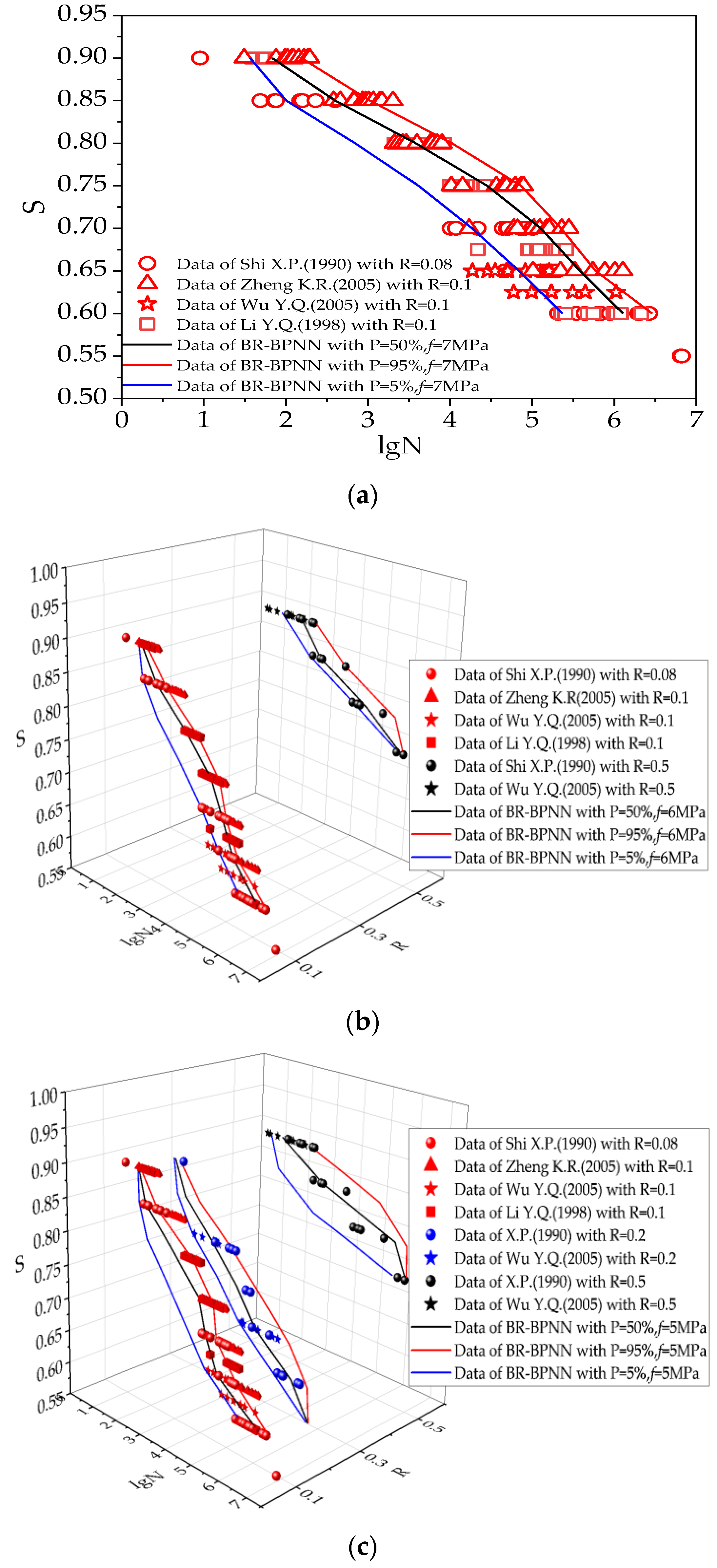
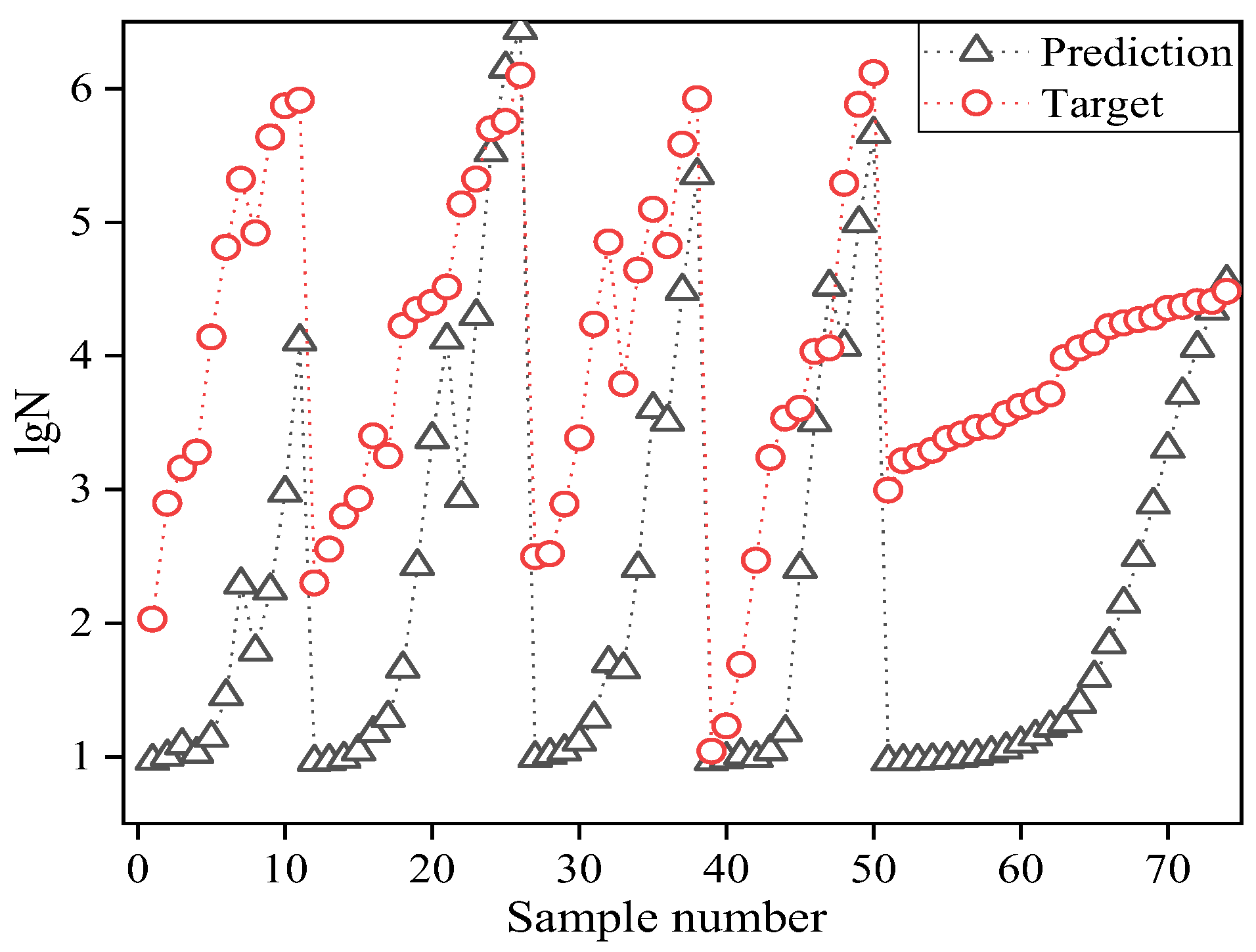
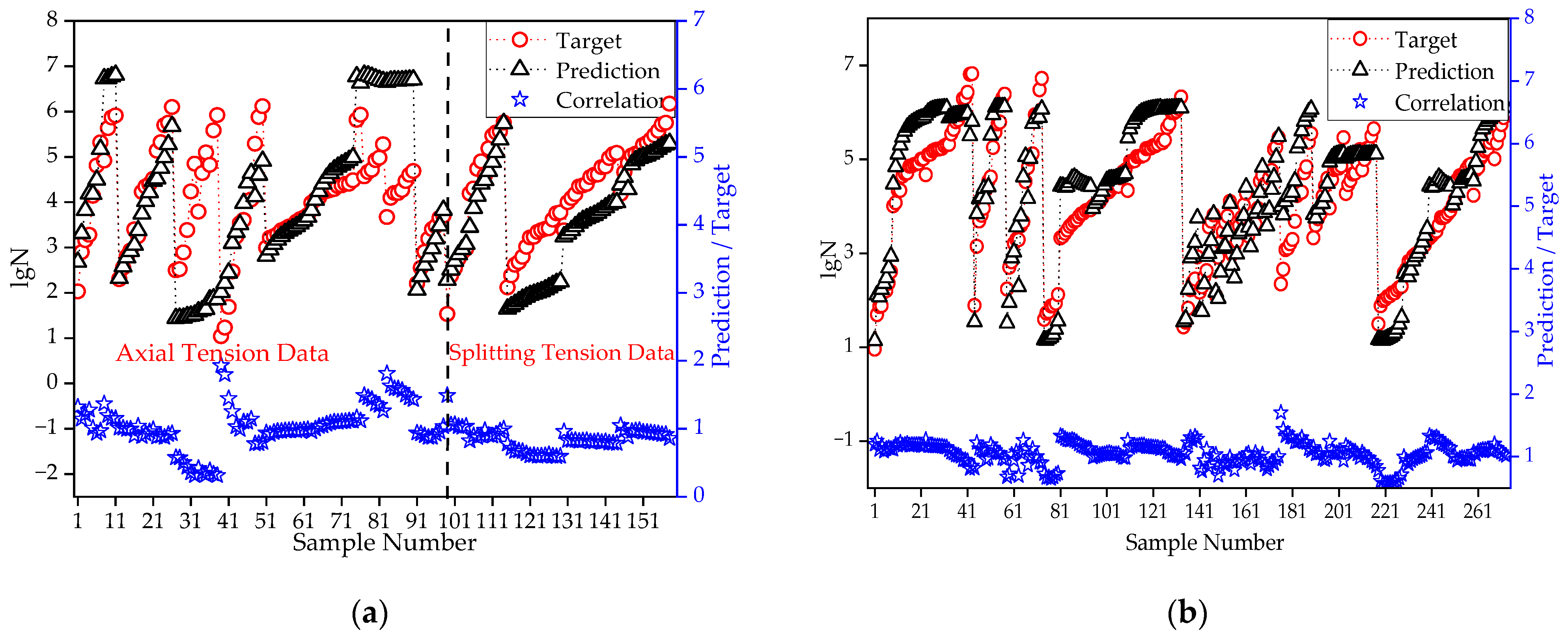
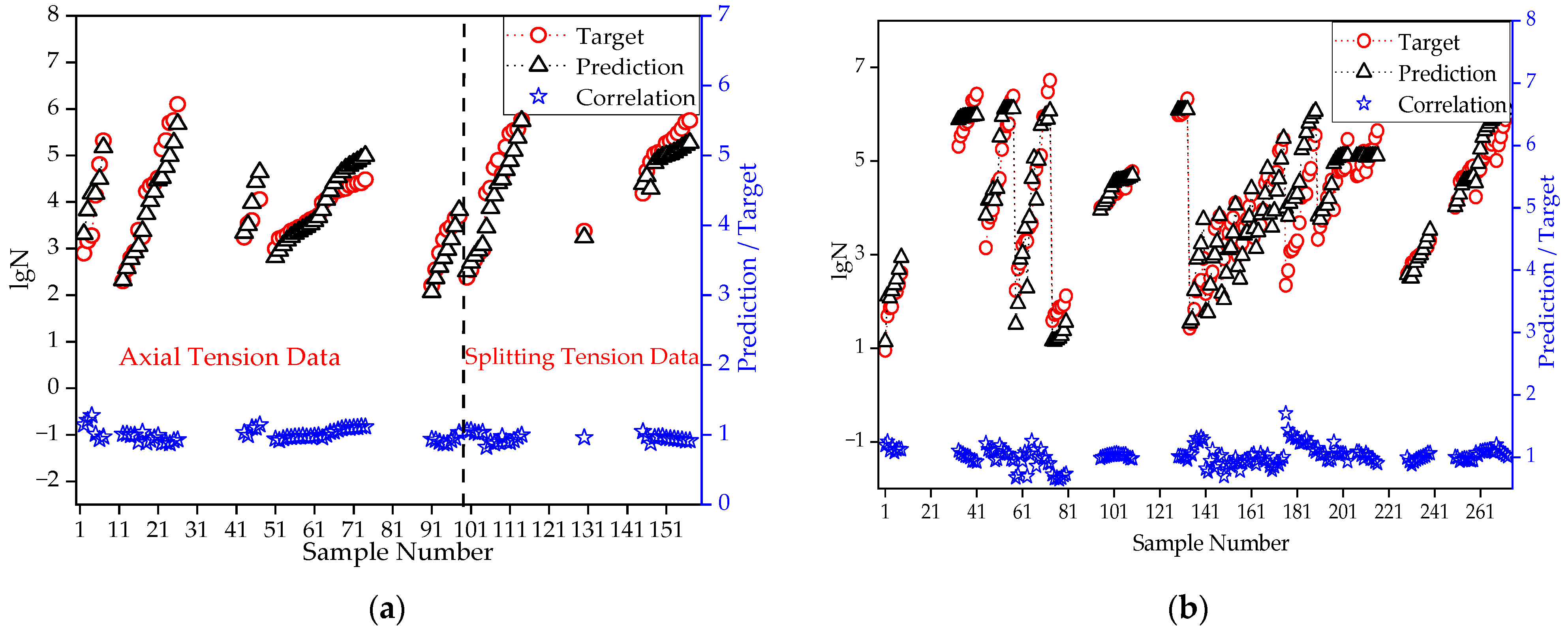
Concrete tensile properties usually govern the fatigue cracking of structural components such as bridge decks under repetitive loading. A fatigue life reliability analysis of commonly used ordinary cement concrete is desirable. As fatigue is affected by many interlinked factors whose effect is nonlinear, a unanimous consensus on the quantitative measurement of these factors has not yet been achieved. Benefiting from its unique self-learning ability and strong generalization capability, the Bayesian regularized backpropagation neural network (BR-BPNN) was proposed to predict concrete behavior in tensile fatigue. A total of 432 effective data points were collected from the literature, and an optimal model was determined with various combinations of network parameters. The average relative impact value (ARIV) was constructed to evaluate the correlation between fatigue life and its influencing parameters (maximum stress level Smax, stress ratio R, static strength f, failure probability P). ARIV results were compared with other factor assessment methods (weight equation and multiple linear regression analyses). Using BR-BPNN, S-N curves were obtained for the combinations of R = 0.1, 0.2, 0.5; f = 5, 6, 7 MPa; P = 5%, 50%, 95%. The tensile fatigue results under different testing conditions were finally compared for compatibility. It was concluded that Smax had the most significant negative effect on fatigue life; and the degree of influence of R, P, and f, which positively correlated with fatigue life, decreased successively. ARIV was confirmed as a feasible way to analyze the importance of parameters and could be recommended for future applications. It was found that the predicted logarithmic fatigue life agreed well with the test results and conventional data fitting curves, indicating the reliability of the BR-BPNN model in predicting concrete tensile fatigue behavior. These probabilistic fatigue curves could provide insights into fatigue test program design and fatigue evaluation. Since the overall correlation coefficient between the prediction and experimental results reached 0.99, the experimental results of plain concrete under flexural tension, axial tension, and splitting tension could be combined in future analyses. Besides utilizing the valuable fatigue test data available in the literature, this work provided evidence of the successful application of BR-BPNN on concrete fatigue prediction. Although a more accurate and comprehensive method was derived in the current study, caution should still be exercised when utilizing this method.
Keywords: concrete tensile fatigue; backpropagation neural networks; Bayesian regularization; quantitative assessment; influencing factors; fatigue life prediction; average relative impact value concrete tensile fatigue; backpropagation neural networks; Bayesian regularization; quantitative assessment; influencing factors; fatigue life prediction; average relative impact value