


Abstract
The energy sector and its technological landscape are rapidly changing, driven by the global need to minimize the reliance on non-renewable resources. The energy transformation over the past five years has resulted in sustainable energy initiatives involving innovative adaptations of energy technologies by regional local authorities. In this context, and as local action will eventually decide global sustainability, this article explores the ways that sustainable strategies and energy actions were comprehended and adopted by regional public authorities. The focus area is the island of Crete in Greece. Owing to its geographical position and the nearly autonomous institutional structure of the broader state apparatus, it serves as a microcosm of a state, rendering it an effective imitation of the Greek state. The methodology of this study is derived from both the relevant literature outcomes and the national legislative framework. A document review served as a preliminary tool to investigate national and regional policy frameworks. This was followed by in-depth interviews with regional stakeholders to collect primary data on implementation. This study’s originality derives from addressing the gap between the proposed measures imposed by the state, along with various sustainable activities from a holistic perspective, and their actual uptake in Crete. The analysis of the results provides insights regarding their effectiveness based on the regional authorities’ approach in a developed South Mediterranean country. The article confirms that municipalities’ heterogeneity and structural differentiation are critical for sustainable energy transition and concludes with future research directions worthy of thorough examination, towards energy transition maturity of an insular region.
1. Introduction
The concept of “sustainable development” has evolved in its definitions over time. The most prominent is the one established in 1987 in the report “our common future” by the World Commission on Environment and Development, which defines the concept of sustainable development as “…development that meets the needs of the present without compromising the ability of future generations to meet their own needs…” [1]. This term was mentioned more extensively for the first time in 2015 when the United Nations (UN) established an agenda containing 17 goals [2], some of them related to climate and the environment. These goals encompass associated sub-goals that denote specific commitments [3], and each sub-goal is accompanied by indicators to assess its advancement. The achievement of these goals is only possible if the necessary actions are carried out by the Member States’ lower administrative levels, namely, regional public authorities.
European Union (EU) policy makers seem to be committed to achieving sustainability for the European Union based on the adopted European Green Deal and the 2030 Agenda for Sustainable Development [4,5]. Academia has elaborated extensively on EU members’ attempts to align with the EU Sustainable Development Goals (SDGs) in the context of climate action and energy targets, particularly 55% emission reduction by 2030 and the achievement of climate neutrality by 2050 [6,7]. These goals are not merely achievable together: progress in one area enables progress in the other. Their implementation, as well as resilience to climate change, is strengthened by the adoption of a circular economy, renewable energy technologies and energy efficiency advancement. Policy and decision makers are focused on sustainability, energy transition and climate action.
Now, local and regional authorities are tackling energy practices, as they regard environmental protection and building climate change resilience as a primary responsibility [8,9]. The more critical the depletion of fuels and damaging effects are captured internationally, the more communities make a collective effort to devise workable plans that harness renewable energy sources. This paper will analyze the activities of a regional local authority on a national scale, including community solar project deployment, expansion of energy efficiency programs, advocacy for public transport and other initiatives, presented both in the literature review and the case study parts.
By taking into account the contribution of local authorities and community members, these initiatives will assist in the maintenance of a sustainable and adaptive future that stands resilient to the impacts of climate change. The efforts of these advocates help other regions, both nationally and internationally, interested in advancing during the global energy transition, aligned with environmental safeguards and policies that foster economic development.
In the following sections, a literature review regarding sustainability towards the energy transition within the sector of regional public authorities will be presented, thus creating the baseline for the deployment of this study’s methodology. Analysis of document reviews and in-depth interviews with municipal energy managers outlines how regional stakeholders can secure a sustainable energy future by converting high-level goals into concrete local actions.
While earlier research has looked at energy transition governance and renewable energy deployment in European regions, there has not been much systematic evaluation of how local authorities in insular contexts convert national and European energy transition policies into tangible regional actions. Empirical research on the implementation gap between policy frameworks and local adoption of sustainable energy initiatives in Mediterranean island regions is particularly lacking. This study addresses this gap by analyzing the case of Crete through document analysis and stakeholder interviews.
2. Overview of the Importance of Sustainable Energy and Local Authorities’ Role in Energy Transition
Extant research suggests that addressing climate change, guaranteeing energy security and fostering long-term economic and social resilience, not only in EU terms but also in each nation’s context, are all significantly influenced by sustainable energy actions. Mitigating reliance on fossil fuels and promoting renewable energy sources (RESs) not only reduces greenhouse gas emissions but also fosters economic resilience, innovation and energy access [10,11]. Moreover, the transition to sustainable energy is a key component of both international and regional policy frameworks and the accomplishment of Sustainable Development Goals (SDGs), such as SDG 7 (cheap and clean energy) and SDG 13 (climate action) [12,13].
Policy analysis within the current literature indicates that the European Green Deal and related frameworks (European Commission, 2020) aim to support and sustain this transition by integrating energy policy with broader sustainability goals, targeting carbon neutrality by 2050, through regional and local actions [14]. As stated by Singh & Vallarasu (2023), this transition toward RESs is essential to climate resiliency and air pollution reduction [15]. Moreover, Sher et al. (2021) emphasize the role of sustainable energy policies in fostering innovation and providing the funding required to meet climate targets [16].
Theoretical frameworks emphasize that regional and local entities across Europe play a crucial role in ensuring a stable, affordable and competitive energy future [17]. These entities are crucial in facilitating this transition due to their proximity to citizens and their direct management of urban planning, transport and building retrofitting, which are key sectors in energy consumption and emissions [18]. In the context of initiatives, such as the Covenant of Mayors, the formulation and execution of Sustainable Energy and Climate Action Plans (SECAPs) by local authorities necessitate not only the deployment of technical solutions but also the mobilization of public support, coordination of stakeholders and creation of locally pertinent claims to expedite energy transitions [19,20]. Their capacity to connect top–down policies with bottom–up action makes them essential agents in translating sustainable energy goals into effective and adoptable interventions. However, as many local authorities face challenges, such as limited resources and an absence of technical expertise [21], their participation in energy-focused clusters with local stakeholders, public and private, could facilitate the resolution of these challenges by offering technical support [22], financial access and strategic guidance [23], thereby empowering all members to implement energy projects that enhance competitiveness and energy security [24].
The scholarly consensus reflected in the literature identifies that a successful shift towards energy transition heavily relies on the involvement of local governments, which play dual roles, both as enablers and executors of eco-friendly energy projects [25] and policies within their communities [26,27]. Their unique position allows them to adopt regulations and rally residents towards practices by focusing on curbing energy needs and endorsing energy technologies. Initiatives, like the EU Smart Cities Initiative, showcase how local authorities can lead the way in adopting cutting-edge solutions [28] and engaging in projects to drive progress and excellence [29]. Therefore, local government can establish systems that promote the integration of energy sources and raise community awareness to garner support [30].
Sustainable Energy Actions and Efforts by a Regional Local Authority
As documented in recent studies, the transition to sustainable energy systems is mostly driven by regional local authorities [31], given that, as stakeholders designated by the state, they are obliged to execute and endorse effective energy transition initiatives. Their closeness to communities, enterprises and local infrastructure appoints them as essential participants for the establishment of strategic objectives, the facilitation of policy frameworks, investment in infrastructure and the active engagement of stakeholders at all levels.
The adoption of innovations in sustainable energy systems by local authorities reflects a larger commitment to overall energy transition. As an example, the European Commission Smart Cities Initiative proves how focusing on local sustainable energy systems is a solution for urban conditions through decreasing demand, implementing energy-efficient technologies and increasing renewable energies [29]. Opening up this competition for innovation from pioneering cities will give them access to resources that reward sustainability and aspiration at the municipal level. Also, the relational dynamics between different stakeholders are an important part of these initiatives. Stakeholders possessing institutional (or structural) power exert significant influence over organizational strategies, focused on low-carbon growth. This collaboration and strategic management are critical to success [32]. By integrating the interests of these diverse stakeholders, local authorities can create effective pathways toward achieving ambitious sustainable energy goals, while their strategic involvement is essential for surmounting obstacles to sustainable energy, guaranteeing, thus, that energy transitions are both effective and equitable and, thereby, bolstering community resilience.
Local authorities may assist with implementing low-carbon solutions, by demonstrating that they are not only technically sound but also socially acceptable and locally embedded, as they could play a significant role in removing obstacles to sustainable energy, by facilitating context-sensitive, inclusive and coordinated energy transitions [18,19].
Through the implementation of tools such as SECAPs, local governments function as both implementers and intermediaries, effectively translating national and EU-level objectives into actions that are locally relevant. Municipalities facilitate equitable energy governance and enhance community resilience to socio-environmental challenges by convening stakeholders, influencing public opinion and tailoring solutions to address local requirements [20].
Despite the availability of sustainable energy technologies, their mere existence is insufficient without robust institutional and narrative support. Numerous technological solutions to address the climate crisis already exist. In the context of governance theory, the assertion “solutions exist, claims are needed” suggests that their implementation is often impeded by a lack of political will, narrative framing or perceived legitimacy [11,33]. Therefore, in addition to deploying these solutions, local authorities must formulate compelling arguments that resonate with community values, garner support and effectively anchor the energy transition at the local level. In this way, the energy transition is a cultural and political endeavor, just as much as a technological one, necessitating assertive claims to activate potential answers.
By observing the previously presented arguments, the authors reflected on the literature and national documentation to address the gap regarding the obstacles that could arise from the implementation of theory, the mandatory legal and institutional adoption of sustainable and energy transition measures and regional specificities. Subsequently, Table 1 delineates the policies and pertinent strategies for sustainable energy initiatives that a regional local authority may implement, as identified by various researchers, with at least one reference for every strategy or activity.
Table 1.
Policies, strategies and initiatives related to sustainable energy transition on the regional and local level (based on the literature review).
One of the most effective interventions is the development and implementation of regional energy strategies specific to local resources, needs and economic structures [91]. To reach carbon neutrality, local authorities could establish targets for renewable energy production and detail how to reach them, including buildings, transport, heating and electricity storage, as part of national and European climate objectives [92].
In order to achieve sustainable regional energy development, RES development by local authorities is essential [93]. The implementation of solar, wind and bioenergy projects may be facilitated by local governments through public investments, private partnerships and community ownership models while introducing local green procurement policies or tax-related incentives to encourage investment in clean energy [94]. At the same time, energy is further democratized and resilience is increased by encouraging distributed energy generation and facilitating small producers’ access to the grid [95].
Increasing energy efficiency is another top transition priority, which seems to be accelerated by the use of smart energy systems. With their inclusion, local authorities can support demand-side management solutions by encouraging the deployment of smart meters, monitoring energy in real time [96]. By installing high-efficiency systems in public buildings and setting construction guidelines for new construction, local governments can lead by example [97] and provide technical assistance for private retrofits to encourage wider participation by households and businesses [98]. Furthermore, it is critical to pay close attention to achieving a balance between energy performance enhancements and heritage conservation in locations with old or historic buildings [99,100].
In addition to these initiatives, the transition to clean mobility can be facilitated by electrifying urban public transport fleets and extending EV public charging infrastructure [101,102] and by promoting clean public transportation [103] and sustainable mobility in high-volume tourism and business transport [104,105,106].
The business sector and the wider economy also need to be engaged in a sustainable energy transition, as local authorities can encourage clean-technology innovation and the creation of green jobs by offering incentives to businesses that adopt green practices [107]. Forming regional sustainable industry clusters or hubs fosters collaboration and accelerates the diffusion of energy-saving technologies [108]. However, community involvement is essential to ensure that these programs can be successful in the long term. Public education on issues of concern should be a top priority for regional authorities, which should also increase the accessibility of information and the citizens’ active involvement in planning and decision making [109]. Local research institutions and universities can be key partners in improving knowledge and promoting a sustainable culture among younger generations, through seminars in schools and other initiatives.
Finally, local authorities should ensure that policies are consistent with national and international frameworks, such as National Energy and Climate Change Plans (NECPs) [110] and the EU Green Deal [111]. Tracking progress [112], reporting results [113] and involving stakeholders [114,115] help ensure transparency and accountability. Finally, the literature review points out that it is both necessary and important for regional authorities to take the lead in sharing best practice and promoting innovation [116,117], a crucial and meaningful initiative in the energy transformation. Regions can combine strategic vision, tangible action and inclusive involvement to create a sustainable, resilient and prosperous energy future for communities.
3. Greece’s Multi-Scalar Approach to Sustainable Energy Landscape
Our systematic document analysis of the national policy framework reveals that Greece’s energy landscape has been transformed over the past twenty years, mainly due to sustainability and climate change adaptation of national frameworks. Based on EU obligations and the climate change disaster, Greece has taken steps away from using fossil fuels coming from domestic lignite resources and imported liquid fossil fuels, replacing them with new forms of renewable energy. The use of lignite-based fossil fuels has been reduced for all purposes, including fossil energy plants in Western Macedonia, which is noteworthy as Greece has committed itself not to produce coal by 2028 [118]. The review of strategic planning documents confirms that Greece supports several national energy transition plans to improve a wide range of energy sustainability policies, including the most recent National Energy and Climate Plan (NECP), which sets targets and objectives for 2030 [119].
As identified in the National Energy and Climate Plan (NECP) [119], priorities for energy sustainability include increased use of solar and wind energy, investment in energy storage systems and a more accessible electrical grid to allow for as much commercial production of renewable energy as possible. In addition to concentrating on offshore wind capacity and the expansion of green hydrogen projects, Greece has stated its intention to become a regional center for clean energy sources [120].
These measures seek to decarbonize the energy system of Greece, increase energy security, promote green innovation and enhance economic resilience, especially for regions that were dependent on fossil fuel industries. Greece decided to pursue a complex route to a greener and more diversified energy future, with national programs in line with the European Green Deal and leveraging EU recovery funding for decarbonization and sustainability transitions in regions such as Western Macedonia and Megalopolis [121].
Nonetheless, good governance is crucial for the effective implementation of policies and plans at the local government level [122]. To accomplish this, the latest NECP, submitted to the European Commission in July 2024, indicates that there is a four-axis approach to attaining energy objectives:
- Renewable energy sources (RESs), with a target of 43% share in final consumption by 2030;
- Building energy performance upgrades, with strengthened targets and clear milestones for 2030 or 2040, mainly for residential buildings;
- Transport and industry, with the aim of “greening” transport by just 13.4% in 2030 and a plan to adopt Renewable Fuels of Non-Biological Origin (RFNBOs) in industry before the end of the decade;
- Energy poverty, with an integrated approach and specific measures, improving the link between planned actions and financial resources.
The central idea underlying the updated NECP is that of a more targeted plan, with more realistic but, above all, more efficient policies, compatible with the country’s fiscal margins and the resilience of citizens. It is not “bloated” with unnecessary expenditures, which only succeed in increasing skepticism towards green policies and slandering the effort to reduce carbon dioxide emissions. In very broad terms, the philosophy of the new NECP, in order to avoid jeopardizing the acceptance of the green transition, given that several technologies still remain expensive (electric propulsion, heat pumps, hydrogen), is that society cannot bear such heavy burdens and therefore will be relieved of expenses. In this direction, the main emphasis on electrification of the country is shifted to the decade 2030–2040, when technologies will have further matured, costs will have decreased and the corresponding implementation costs will be much more affordable.
The proposed actions include the following:
- Facilitate development and implementation of plans and strategies for energy transition and climate change adaptation and resilience to secure and improve environmental and living quality;
- Increase capacity of public authorities in effective planning;
- Funding for climate change adaptation and energy transition [123];
- Reinforce citizens’ engagement for more sustainable living areas.
3.1. Sustainable Regional and Local Energy Initiatives
Taking the above into account, the year 2024 can be considered as the beginning of the implementation phase of the EU’s latest climate and energy policies in Greece. Local authorities are now more than ever expected to play a key role in assisting the achievement of EU goals, without leaving anyone behind, by achieving social justice and acceptance of the energy transition. Therefore, municipalities are in the best position to coordinate the local ecosystem, bring citizens together as active participants in the transition process and provide support, thanks to their commitment to the local population and economic actors, along with their legal obligations, as can be seen by the following required (some by legislation, some by the need for sustainability) initiatives:
- Based on the European (EU) directive 2023/1791 (https://eur-lex.europa.eu/eli/dir/2023/1791/oj/eng, accessed on 12 February 2026), on energy efficiency with a harmonization margin until 2025, municipalities are obliged from the end of 2025 to achieve the following:
- –
- To reduce 1.9% of their annual consumption through energy-saving measures;
- –
- To proceed (from 11/10/2025) to a 3% renovation of their buildings (in all buildings over 250 m2);
- –
- To purchase products and services with high-energy-efficiency criteria.
- Additionally, based on the new European Directive on the Energy Performance of Buildings (EPBD (EU) 2024/1275) (https://eur-lex.europa.eu/eli/dir/2024/1275/oj/eng, accessed on 12 February 2026), local authorities are obliged to install appropriate solar energy systems:
- By 31 December 2026, in all new buildings owned by public bodies and new non-residential buildings with a useful floor area of more than 250 m2;
- In all existing buildings owned by public bodies with a useful floor area of more than
- i.
- 2000 m2 by 31 December 2027;
- ii.
- 750 m2 by 31 December 2028;
- iii.
- 250 m2 by 31 December 2030.
- If technically and economically feasible, buildings should be equipped with automation and control systems, and an energy manager who will regularly measure consumption should be appointed. Transition from heating and cooling systems that operate with fossil fuels to clean energy-efficient systems (mainly through electrification) is also a prerequisite.
- Based on the national climate law (2022) [124], municipalities aim to contribute to a reduction in greenhouse gases by 10% by 2025 and 30% by 2030. In this context, they have a contractual obligation to submit Municipal Emissions Reduction Plans (MERPs), where energy consumption is recorded and carbon dioxide emissions are calculated in detail. The forms for recording emissions have already been provided by the Ministry of Energy and Infrastructure, and, based on an amendment to the regulation, they must be submitted to the competent authority by December 2025 (after an approved extension). MERPs are now a prerequisite for all municipalities in order to be eligible to submit any funding proposal related to energy saving.
- In parallel with this, municipalities (with over 45 thousand inhabitants) must, from 2025, also draw up municipal heating and cooling plans. These plans must demonstrate compliance with the New Energy Efficiency Directive and apply the principle of energy efficiency first, examine the common needs of local communities and multiple local or regional administrative units or regions, assess how to finance the implementation of policies and measures and identify financial mechanisms that will allow consumers to switch to heating and cooling based on renewable energy sources.
- In the context of addressing energy poverty, municipalities are also advised to create or participate in energy communities for RES production, energy upgrades and energy storage. Energy communities provide great flexibility and financing opportunities, and they can move away from classic RES production models (for offsetting municipal consumption or distribution to vulnerable households, for example) and be extended to other actions, such as building renovations, based on the current effort of the European Commission [125].
- Greece has also announced the Apollon program for the production of cheap electricity [93] for municipalities and for free electricity for energy-vulnerable households, which will be produced by 11 photovoltaic (PV) parks with a total capacity of 1.1 GW. Under this program, the central government aims to assist municipalities in reducing 90% of the consumption of vulnerable households and 50% of the consumption of Local Government Organizations (Local Governments A’ and B’, e.g., buildings, pumping stations, street lighting), Municipal Water Supply and Sewerage Enterprises (DEYA) and Local Land Improvement Organizations/General Land Improvement Organizations (TOEB/GOEB). Municipalities will be subsidized at 100% for the installation of photovoltaic (PV) systems with batteries. However, if municipalities have established or are members of energy communities aimed at combating energy poverty, energy offsetting will be carried out under the virtual net-billing regime.
- Municipalities were also required to submit, by the end of 2021, a Regional EV Charging Plan, in agreement with national Electric Vehicles Initiatives and the slogans “green energy is the one that is not consumed” and “an electric car is as green as the electricity grid”. Under the same idea, the central government subsidized municipalities for the procurement of electric vehicles and chargers (with the “Antonis Tritsis” Funding Program, funded by the European Investment Bank (EIB) and the Consignment Deposits and Loans Fund (CDLF)—https://smartdevops.eu/dev/antonis-tritsis-programme/, accessed on 12 February 2026) and the upgrade of the existing vehicle and heavy machinery fleet (with Green Fund Financing—https://prasinotameio.gr/en/, accessed on 12 February 2026).
- Motivated by EU directives and state legislation (e.g., Law 4784/2021, Government Gazette A’ 40/16.03.2021, original in Greek, which requires Sustainable Urban Mobility Plans (SUMPs) for municipalities with populations above 30,000), Greek towns are evolving from conventional traffic management to holistic, human-centered mobility solutions.
- Addressing building stock energy improvement, the government requested that municipalities adopt a Building Energy Performance Plan (BEPP) for all of their buildings.
- Municipalities are advised to establish one-stop offices/services to provide advice and measures to address poverty.
- Municipalities can also draw up municipal resilience and climate change adaptation plans, which will facilitate their inclusion in financial tools, are linked to Regional Climate Change Adaptation Plans and Regional Operational Plans and can be used for targeted financing.
Last but not least, a number of Energy-Saving Programs (ESPs) (six comprehensive energy upgrade programs for residential and tertiary-sector buildings, private and public, with a total cost of energy upgrade works exceeding 4 billion euros from 2011 to 2025) are another national action to assist local communities in moving towards a more sustainable way of living by providing energy performance and household comfort [126].
3.2. Crete’s Localized Strategies for Energy Transition
Using localized strategies to achieve energy autonomy and lower carbon emissions, Crete is a high-potential but under-transitioned energy region in Greece’s multi-scalar energy transition. The island used to rely solely on oil-based power plants and was cut off from the mainland grid until recently, which created a high risk potential related to pollution and unstable energy supplies.
However, due to government mandates and significant endogenous renewable resources, the island is going through a significant transition, including recent connection to the mainland electrical grid, which is necessary to increase the stability of the grid and to allow for an increased share of intermittent renewable energy sources, such as solar and wind energy, which are abundant on the island [127].
This grid connection is crucial for the technical and economic feasibility of deep decarbonization in Crete’s electricity sector, as it could enable Crete to fulfil nearly 100% of its electrical supply and a significant portion of its thermal energy needs through a hybridized renewable energy system design [128,129]. Distributed PV systems are most useful for daytime loads, while wind energy combined with Pumped Hydro Storage (PHS) are specifically recommended as the most economical system foundation [28,128].
Moreover, in Crete, the transition process involves a multi-level governance system facilitating the integration of regional and municipal Sustainable Energy and Climate Action Plans (SECAPs). This is led by the Regional Development Fund of Crete, in collaboration with the Regional Energy Agency, aiming to connect the island’s 24 municipalities into a common strategic plan. This participative approach enables local goals and energy policies to be developed, which logically fit into the overall EU climate objectives [130]. Examples of such goals include promoting community governance around energy policy, expanding the use of renewable energy and improving energy efficiency in all sectors.
In addition, by utilizing large-scale electric batteries or pumped hydro energy storage in Crete, the island will be able to greatly enhance energy security. Findings from this study may be important to energy decision makers (e.g., policy makers, utilities, governmental entities), as they indicate that it is technically and economically feasible to achieve carbon-neutral status in the electricity sector of Crete [131].
Another example of the energy transition in Crete is participation in the Renewable Energy Valleys (REVs) initiative (Crete Valley; Fedarene), which positions the island as a living lab for decentralized energy breakthroughs [132]. This strategy involves regional research institutions (such as the Technical University of Crete and Hellenic Mediterranean University) working together in Community Energy Labs (CELs), including energy communities and citizens, which integrate social innovation, digital management and ICT platforms as aspects of energy governance [127]. These efforts promote a culture of energy democracy, enhance public acceptance, create local jobs and enable knowledge transfer [133].
As part of the overall plan, new marine energy sources are being taken into consideration in addition to infrastructure built on land. Recently, floating modular energy islands (FMEIs) with several offshore wind, wave and solar platforms have been considered for deployment in the Cretan Sea [134]. In addition to addressing the constraints of available space and the environment in land use, potential modular approaches can promote energy diversification.
Expanding the link to additional regional electricity markets through underwater hookups is another crucial step in Crete’s progress. By connecting to the Greek mainland electricity market, the “Great Sea Interconnector” will allow Crete to start importing and exporting electricity to the mainland. This will stabilize grid capacity and lessen the island’s need for thermal generation capacity. Future projects such as the Euro-Africa Interconnection suggest using Crete as a connecting link between Northern Africa and South-Eastern Europe, improving regional energy security and allowing for the trading of renewable energy [135].
The socio-economic dimensions of Crete’s just transition are equally important. The region has developed educational programs to increase energy literacy, reskilling programs for workers with fossil fuel backgrounds and training programs for energy professionals [136]. Beyond addressing energy poverty and ensuring equitable access to clean technologies, the growing popularity of energy communities allows residents to invest in community-based RES projects and engage in the clean energy transition on the island [136].
Finally, the execution of these initiatives is underpinned by robust planning tools and decision-making frameworks. An initial study conducted in 2009 evaluated RES options by taking into account environmental impact, economic feasibility, social license and energy performance using multi-criteria analysis (MCA) that mirrored the island’s socio-technical setting [137]. Additionally, when RES adoption estimates are high, Jeon et al. (2018) discovered that probabilistic forecasting techniques for wind energy offer more precise power output predictions, which are essential for grid stability as well as for forecasting electrical energy consumption to accomplish energy conservation and energy footprint mitigation [138].
In summary, the local energy transition initiatives on Crete illustrate a good example of cross-border cooperation, community engagement, technological innovation and integrated planning that can inspire other island regions to become ready for climate neutrality. However, all of the above require that the faulty pathway should be identified first. Many researchers suggest specific strategies and initiatives to tackle the sustainable energy transition at the municipal and regional levels (see Table 1). In their view, this approach needs to be adapted and tailored to the specific needs of the region and local requirements.
In conclusion, Crete’s regional energy transition projects are a prime example of integrated planning, community engagement, cross-border collaboration and technological innovation. The gained experience provides important insights into preparing for climate neutrality while also promoting local development, resilience and energy sovereignty for other island regions. However, the adoption of all of the above depends on the initial diagnosis of a defective pathway. As indicated in Table 1, several researchers recommend specific strategies and initiatives to effectively address the sustainable energy transition at the municipal and regional levels.
According to the study’s authors, this strategy needs to be modified and customized to meet local demands and the region’s unique needs in order to be successful. The EC’s evaluation of the revised NECP also highlighted its incapacity to confirm that the chosen policies’ quantification complies with EU directives, indicating that modifications tailored to each region’s local particularities should be implemented. This article aims to address the gap concerning insular regions, like Crete, by employing the revised Table 2 as the foundation for its research, following document analysis.
Table 2.
Policies, strategies and actions related to sustainable energy transition for the island of Crete.
Mapping local actions by region (as represented in Table 2) against global frameworks (e.g., United Nations Sustainable Development Goals [SDGs], Global Reporting Initiative [GRI], European Taxonomy [ET]) is a way of understanding how local authorities are translating the highest level of environmental protection into local reality. Understanding the link between these frameworks is crucial, as local authorities act as facilitators and implementers. In this research, empirical evidence, as demonstrated in Table 3, is used as an algorithm to analyze implementation of local initiatives. Τherefore, the results of the analysis are documented in accordance with the Technical Screening Criteria (TSCs) and “Do No Significant Harm” (DNSH) principles that are currently used to evaluate sustainable investment and corporate accountability throughout the world.
Table 3.
Aligning Crete’s sustainable actions related to sustainable energy transition with SDGs, GRI and ET.
The Global Reporting Initiative and the European Taxonomy frameworks allow organizations to align their strategies with broader environmental goals, ensuring accountability and transparency in their Corporate Social Responsibility (CSR) efforts. In the same perspective, this alignment makes initiatives reporting-ready and finance-attractive for EU climate funds, impact investors and Environmental, Social and Governance (ESG)-aligned public procurements [139].
In summary, Table 3’s alignments could function as a translation tool: as a means for policy makers, researchers and investors to see how local strategies and activities in Crete align with broader sustainability goals and reporting obligations. It reframes what could have been a descriptive account into a normative evaluative framework, allowing for the consideration of discrepancies, overlaps and synergies between the local actors’ activities and stakeholders and global sustainability objectives. Additionally, by linking the findings to established reporting systems and regulatory frameworks (GRI, ET), Table 3 increases not only validity but also transferability to other regions. In particular, islands and local authorities can refer to Table 3 to align their own local policies with these frameworks. It also enhances policy relevance by showing specifically how local initiatives align with EU Taxonomy criteria (for funding eligibility) and with GRI indicators (for purposes of transparent reporting). Finally, it strengthens the contribution of the study, moving from a descriptive case study to a navigation tool that allows local governance to be framed in the context of global sustainability architecture.
Based on our evaluation of the regional policy environment, the energy transition in the region of Crete is emerging as a critical path towards sustainable development. However, this transition is not only about switching from fossil fuels to renewables but also includes enhancing energy efficiency, adopting cutting-edge technologies and applying strategies that lead to innovative applicable initiatives. To thoroughly assess the relevance, efficacy and viability of the policies and actions of Crete’s localized energy strategy, as articulated, a methodologically structured process is needed. This approach allows for a systematic assessment of these activities in reference to broader sustainability frameworks [140]. The following methodology section explains the evaluation tools, data sources and assessment criteria used to analyze the overall coherence, viability and anticipated effectiveness of the region’s transition process, in technical and socio-environmental contexts.
4. Methods
Sustainable energy actions and efforts towards energy transition by regional and local authorities are an active area of study, particularly with the increasing recognition of the crucial role that regional and local authorities play in achieving climate and energy goals in cooperation with the local business sector [141]. The current trend in academic study is to progress beyond merely reporting local energy initiatives to critically evaluating their conformity with significant international and European sustainability frameworks [142]. At the time of writing, several studies have been conducted regarding novel governance and models designed to facilitate sustainable, resilient [143] and community-centered [144] energy transitions focusing on specific projects. Such projects include heating and cooling (H&C) initiatives [145], Hybrid Renewable Energy Systems (HRESs) [146], stakeholder roles with project goals to foster sustainable investments [147] or even the Macro–Meso–Micro Framework of sustainable energy development [148].
This study’s scope is to provide a more holistic understanding of the observed gap between the proposed measures imposed by the state, along with various sustainable activities, their actual uptake, using, as a case study, the island of Crete in Southern Europe, and, last but not least, their efficacy, influence and potential for expansion, as perceived by local authorities. Crete offers a rich opportunity for studying sustainable energy actions and energy transition because of its unique characteristics and renewable energy potential. The island is filled with solar and wind resources [149], and a novel opportunity will be available for deploying and testing renewable energy technologies in a highly bio-diverse, natural landscape characterized by outstanding natural beauty. The utilization of renewable resources is related to both sustainability definitions and objectives, as it can provide a huge reduction in greenhouse gas emissions and fossil fuel imports. In terms of examining a transition away from the fossil fuel-based system, the semi-autonomous grid and governance arrangements in Crete closely relate to the systemic complexities faced by entire nations when changing their electricity generation systems. The high renewable energy potential and systemic uniqueness make Crete a microcosm for studying sustainability and finding challenges and opportunities for renewable energy transitions regarding energy transition, broadly applicable to any and all islands and islanded systems. For the achievement of the aforementioned scope, the adopted methodology can be summarized by the logical diagram presented in Figure 1.
Figure 1.
Methodological flow diagram.
The authors initially reviewed the literature to refine the policy, strategy and proposed initiatives concerning sustainable energy actions and efforts toward energy transition, thereby establishing this study’s foundation (Table 1). The chosen analysis focuses on ten thematic policy areas that reflect the core pillars of the European Green Deal, the National Energy and Climate Plan and the Covenant of Mayors framework.
The ability of local governments to connect global mandates with the application of energy transition in their communities plays a critical role in how successful energy transitions are. The local authorities in Crete have initiated various local-level projects (see Table 2), based on the recommendations made by international organizations (see Table 3) as to how the SDGs, GRI and European Taxonomy principles have or have not been implemented, with regard to an overall regional perspective. This cross-reference is essential in providing an adequate rationale for this study and in assessing whether local-level authorities are treating these initiatives as mere regulations or as strategic pathways for social sustainability. Securing close alignment of these local initiatives with the ET and GRI frameworks also confirms that the technological and organizational solutions developed in Crete will comply with the technical and environmental standards (TSCs and DNSH principles), as would be necessary in supporting sustainable growth in Europe. These frameworks, presented in Table 3, while distinct in purpose, provide complementary tools for assessing and disclosing sustainability performance [150].
Having established a baseline supported by the phrase “solutions exist, claims are needed”, the authors reflected on the literature and national documentation to address the gap between the existence of solutions (technological, policy or societal innovations) and their uptake or implementation by regional and local authorities. This type of gap has been well-explored in academic research using several methodological and conceptual frameworks. According to Yin (2018), qualitative case studies are especially effective for examining intricate governance scenarios, where socio-technical, political and discursive elements converge [151]. Qualitative research seeks to gather and analyze non-numerical (descriptive) data to comprehend the social realities of individuals, encompassing their attitudes, beliefs and motivations.
Investigating complicated phenomena or documenting people’s experiences, viewpoints, opinions and attitudes around a certain subject are two common uses for qualitative research. It is especially helpful when researchers need to learn the significance that people attach to their experiences or when they wish to identify the fundamental causes of a phenomenon [152]. While there are a number of advantages to interview-based qualitative research, such as the flexibility of the process and the large amounts of data that can be collected and analyzed [153], there are also some disadvantages, such as the time required to conduct the interviews and analyze them afterwards and the requirement for close cooperation between the researcher and the interviewee. Also, in order to gather the required data, the researcher should preferably be well-trained and ready for every interview. Lastly, the answers obtained from the interview cannot always be generalized because it is about documenting the experiences, knowledge, attitudes, opinions, etc., of a particular person [154].
Within this context, after going through a document analysis of local and regional energy and climate action plans (e.g., Regional EV Charging Plans, SUMPs, BEPPs, SECAPs, etc.), development strategies from the region of Crete, EU project deliverables involving Crete (e.g., from INTERREG MED, LIFE, and Horizon Europe programs) and how solutions are justified and framed (based on the legislation framework), public-related stakeholder interviews were identified as a suitable method for retrieving the required information on who makes claims and how these influence policy uptake or inaction.
Although technical solutions (such as solar, wind and energy efficiency initiatives like battery storage systems) may already exist in Crete [155], their adoption and the transition process rely on compelling policy arguments, institutional backing, public perceptions or local legitimacy [156]. Crete is a complex energy system involving institutions, innovative technologies (like renewables), communities and policy narratives. Therefore, in agreement with several other researchers, a qualitative case study approach through in-depth interviews with the related public local stakeholders (specifically, municipality energy managers) will allow the examination not only of how energy solutions are made actionable [142,143] through claims, social norms [157] and knowledge-making processes [158] but also of several barriers, like institutional inertia [159], funding [160], public resistance [161] or lack of political claims [144,162], which will allow future research.
Therefore, in order to explore how sustainable energy solutions are (or are not) mobilized by regional authorities’ stakeholders, two primary data collection strategies were employed: document analysis and semi-structured interviews with the municipalities’ energy managers. Comprehensive document analysis was undertaken to examine how sustainable energy actions are represented in planning and policy materials and led to the creation of Table 2 and Table 3. Based on the data, the context of the interviews was designed to investigate the sustainable actions leading to energy transition, proposed both by national and European legislation and by local authorities’ vision towards the future. Thus, it was aligned around queries such as the following (Figure 2):
- Q1. What sustainable energy initiatives have been identified and/or piloted in Crete?
- Q2. Which energy strategies will (or will not) be implemented?
- Q3. How do institutional narratives or social factors shape the uptake of the identified or proposed energy initiatives?
- Q4. Have the efficacy, influence or expansion of energy transition actions been assessed?
The first query established the baseline for the materialization of the interviews and was addressed by both the literature analysis (Table 1, Table 2 and Table 3) and secondary data obtained from several public and private sites and platforms (e.g., https://ypen.gov.gr/, accessed on 20 September 2025, https://mycovenant.eumayors.eu/site/landing, accessed on 20 September 2025, https://www.iene.gr/, accessed on 20 September 2025, https://www.pta.gr/2018-08-24-06-38-42/energiako-kentro, accessed on 20 September 2025, https://www.crete.gov.gr/, accessed on 20 September 2025).
All queries relate to specific actions, demonstrate how the research questions are operationalized through real-world actions in Crete and are in accordance with this study’s scope. The noted overlaps are not accidental, since, for example, “5.2.1 Supportive actions for clean-tech inclusion” has elements of policy claims/implementation (Query 2) and institutional/social drivers (Query 3). Therefore, the mapping of the study methodology in Figure 2 provides clarity. It also shows how each research question is grounded in real, local initiatives within the case study. Finally, it provides a framework for interview design, evaluation metrics and gap analysis, making this research actionable by demonstrating the connection between qualitative research and specific policy domains.
The study also enhances both credibility and contextual richness by combining interviews with document analysis to triangulate findings [163]. Utilizing multiple sources allows for insights to be cross-referenced to show how energy solutions are represented, interpreted and acted upon (or not) within regional governance [140]. Therefore, the information obtained from the document analysis and semi-structured interviews offers a secure baseline for closely studying Crete as the area of the study. This research considers the island’s particular energy landscape and the type of dynamic that affects sustainable energy production by answering the questions above.
The following section allows an examination of some of the specific features of Crete in more detail, paying particular attention to the opportunities in renewable energy, governance frameworks and the specific challenges and opportunities that make Crete a unique case study for understanding a nation’s regional energy transition efforts.
4.1. Research Design and Data Collection
This study examines Crete, an 8450 km2 island region of Greece, with a population of 624,408 (according to the Greek National Census of 2021), with unique energy issues and possibilities due to its geographic isolation and dependence upon imported fossil fuels. Crete is an important case study for locally focused energy transition pathways in a Mediterranean island environment, with an annual peak power demand of 730 MW (covered by thermal generators, wind and PV parks and the interconnection with the mainland) [164]. However, the findings and implications of this study are not limited to Crete, as many other island regions of Europe and the Mediterranean with similar contexts and conditions can learn from the knowledge gained in this research.
Like Crete, many islands face similar structural constraints in energy transition pathways due to dependence on diesel-powered electricity generation, geographic isolation, sensitive natural ecosystems, seasonally fluctuating energy demand driven by tourism, institutional barriers to scale up renewable energy uptake, volatile energy markets, RES project funding issues, limited grid interconnection, low awareness of energy transition and RESs, etc. Through the use of qualitative interviews with key public stakeholders, this study’s exploration of Crete’s localized pathways and governance frameworks provides lessons and practical approaches with transferable elements that could set energy transition pathways for other insular territories attempting to balance renewable energy uptake, stability of the electricity grid and socio-economic resilience.
In addition to the assessment of the energy landscape in Crete—including the description of Crete’s four regional units (Heraklion, Chania, Rethymno, and Lasithi) and 24 municipalities which account for the totality of the administrative structure of the island—both population settlement patterns and fragmented municipal-level activity are helpful to understand. Heraklion represents roughly 49% of Crete’s overall population (302,450 out of 624,408 people residing on the island according to the last census of 2021), followed by Chania at 155,443 (approximately 25%), Rethymno at 83,567 (13.5%) and Lasithi at 75,900 (at 12.5%).
Although there is no unified official database that details renewable energy projects, storage facilities [165] or upgrades of public buildings at the municipal or regional unit level, the proportional distribution of municipalities (Heraklion—8; Chania—7; Rethymno—5; and Lasithi—4) creates a fair opportunity for estimating where initiatives and resources are focused within the range of—and beyond—population numbers.
The research was initiated in the first trimester of 2025 with a thorough literature review for the identification of the primary queries based on other nations’ case studies, followed by an analysis of Greece’s relevant legislative documents along with related regulations, policy documents and reports, to establish the essential academic, legal and policy context of this research. Then, through a meticulously designed interview survey, the authors aimed to obtain the essential data and to gather opinions on the various matters related to the achievement of sustainable energy actions and efforts towards energy transition by regional and local authorities. The research was concluded with interviews in the third trimester of 2025.
Interviews were conducted with 24 participants (all participants were offered anonymity) either face to face or via secure web conference platforms, based on the participants’ location and their level of comfort. Interview questions were created to have discussions that probed the participants’ knowledge of existing energy solutions, perceived barriers to implementation, institutional roles and the narratives or claims used to justify energy actions. Therefore, a semi-structured interview guide was used which relied on prompt questions to assist in maintaining consistency throughout the interviews, ensuring at the same time their exploratory nature. The interviews lasted between thirty and fifty-five minutes, and all participants provided their informed consent prior to the interview and agreed to have their interview recorded. All participants were made aware of why data was being collected and, thus, were informed about the use of audio recordings in their transcripts and the subsequent use of their quotes in publications related to this study. To help improve reliability and trustworthiness of the data collection, the interviews were conducted by the same interviewer, using the same prompts and procedures. While it is impossible to fully eliminate the bias incurred by the interviewer, using the same interviewer is an improvement in reducing bias and improving reliability and validity, as one of the problems that could be eliminated was variations in protocols used [166]. Lincoln and Guba’s (1985) criteria for trustworthiness were once again invoked, and features pertaining to credibility (e.g., prolonged engagement with participants), dependability (e.g., use of a common interview protocol) and confirmability (e.g., ongoing capture of audit trail of decision making) were incorporated into the study [167]. The conversations were transcribed word for word, and there was a great deal of effort on the part of the researchers to ensure accuracy so that the accounts were accurately represented, thereby providing some semblance of credibility and dependability. The localized concentration, nevertheless, is recognized as a constraint in extrapolating the findings to the wider Greek local authorities.
In conclusion, this section presented the methodology of this study, which is derived from both the relevant literature outcomes and the national legislative framework. The document review served as a preliminary tool to investigate national and regional policy frameworks. This was followed by in-depth semi-structured interviews with regional stakeholders to collect primary data on implementation across the island.
4.2. Qualitative Data Analysis and Methodological Rigor
Thematic analysis (TA) provided a framework for understanding qualitative data obtained through semi-structured interviews with 24 municipalities. Within this framework, TA was used to assist in identifying, analyzing, and reporting patterns (themes) within the complex institutional narratives of the 24 municipalities. The TA involved a series of stages in order to ultimately identify and report on commonalities (themes). The data from the 24 interviews were transcribed verbatim by the researchers, who participated in reviewing each transcript several times in order to become immersed in the data. During initial coding, researchers utilized a systematic coding methodology to label segments of text (for example, municipal responses to delays in implementing the program) with a descriptive code. The code focused on the identification of specific barriers, such as “staff shortages”, “lack of technical knowledge” or “financial constraints”. Researchers then took the various initial code descriptors and grouped them into broader themes and sub-themes. For example, all codes related to “staff” and “time” were combined into the theme “Administrative Capacity”. All codes associated with “legislation” and “state mandates” were combined into the theme “Regulatory Instability”. To validate the consistency of the qualitative themes, the researchers used qualitative data to triangulate with quantitative data collected through document review and implementation status tables. The mixed-methods approach provided the qualitative data with an explanation as to the “why” there was a “funding gap” between the implementation of the program and its quantifiable, documented status. The themes were reviewed and defined in alignment with the research queries (Q1–Q4) to ensure that the interpretations directly addressed the energy transition maturity and governance challenges of the insular region.
The qualitative data gathered from semi-structured interviews were then examined utilizing a thematic analysis (TA) approach. The TA approach provided a great amount of flexibility in terms of identifying and reporting themes or patterns that arose throughout the multiple and complex institutional narratives of the 24 municipalities. The analytic process utilized a multi-stage procedure:
- Familiarization and Transcription: All interviews were transcribed verbatim, and then, all transcripts were reviewed by the research team to ensure full immersion in the data.
- Initial Coding: Segments of text were coded descriptively for specific barriers identified (e.g., “insufficient employees”).
- Theme Development: Codes were grouped into broader themes (e.g., Administrative Capacity, Regulatory Instability).
- Triangulation: Qualitative themes were vetted against the quantitative dataset from the document review to explain the identified “implementation gap”.
- Final Verification: Themes were reviewed to ensure they appropriately addressed the research queries (Q1–Q4).
With respect to data collection, the same researcher conducted all 24 interviews; this approach was used not to eliminate bias but rather to ensure greater consistency of procedures and a focused thematic approach throughout the conversational process. Similarly, a member-checking procedure was utilized by sending all transcripts to participants for verification and approval prior to analyzing them, to strengthen the credibility of the data.
A hybrid inductive–deductive coding system was used for the analysis. The deductive codes came from the policy framework that identified the 21 energy actions (see Table 1), and the inductive codes came from the narratives of participants identifying barriers and impacts. A peer-debriefing process was used to support interrater reliability of the codes, wherein a second member of the research team audited “Lack of Capacity” versus “Lack of Ability” categorization using 25% of a random sample of transcripts.
Data saturation was inherently achieved as the study utilized a census approach, successfully interviewing representatives from the total population of Crete’s 24 municipalities. The quantitative representation of these responses in the result tables (specifically detailing sustainable actions adopted, implementation status and the perceived impact of institutional and social factors) serves two general purposes related to mixed-methods research: (1) to provide a frequency count of the institutional status of institutions in this region so that we can see how large the implementation gap is and (2) to provide a narrative description of the results showing the depth and complexity of individual municipal experiences. This set of 24 units used in the census provides a comprehensive regional diagnostic by identifying where there are barriers to governance. As opposed to simplifying the complexity of these narratives into single-frequency countable categories, the counts enable the authors to visually demonstrate how there were systemic manifestations of the “implementation gap” contained within each of the narratives, whereas linking the empirical occurrences of the systematic manifestations to the theoretical concepts of governance maturity and institutional legitimization discussed in Section 2 provides depth of understanding through the following narrative analysis.
Building on the research method and the analysis of the energy transition environment in Crete described above, the next section presents the key findings of this study. Based on the rich verbal descriptions of the participants, collected through in-depth interviews in this study, these findings provide substantive and not merely theoretical details regarding the status of ongoing but also future planned sustainable energy actions by local authorities in the study area. The data presented here are firmly situated in Crete and, therefore, provide important qualitative insights describing what energy transition policies mean in practice and the challenges for sub-national implementation in an EU member state and a Mediterranean country.
5. Results
The analytical framework, presented in the previous section, is aligned with the European Green Deal, the Fit-for-55 package, the National Energy and Climate Plan (NECP) and the Covenant of Mayors for Climate and Energy. The study is structured around ten thematic policy areas that represent the core dimensions of decentralized energy governance and regional sustainability transitions. Thus, having provided contextual details regarding the energy transition context in Crete and the associated qualitative approach, including the transcription and verification of the interview data with respect to credibility and dependability, this section presents the empirical findings of the research. The empirical dataset combines official statistical records, administrative sources and policy governance data at the municipal level. Results are drawn directly from interviews with first-hand respondents from all 24 municipality representatives (a novelty of this research) across the island, and these findings provide insights into the multiple challenges, opportunities and emerging strategies that characterize the sustainable energy actions undertaken by Crete’s regional local authorities. While the local focus of this study precludes rigorous extrapolation to a broader national context that is specific to Greece, it does provide a rich and nuanced analysis of the practical experiences and reflections in relation to energy transition interventions at a sub-national scale in this particular context. The results are presented according to the four queries that were previously presented in Section 4.
5.1. Sustainable Initiatives for Energy Transition, Adopted or Intended
The study’s main purpose was to identify which sustainable regional and local energy initiatives established through national legislation have been implemented or will be implemented. Table 4 shows that there is currently a large degree of difference between the strategic intention to implement energy initiatives and the physical implementation of these initiatives in all four regional units. After the identification in Section 3.1 of the sustainable regional and local energy initiatives, as depicted by the national legislation, the actions presented in Table 4 were adopted according to the respondents.
Table 4.
Sustainable actions adopted by the municipalities of each region.
This data also shows that there is a relatively high level of engagement with energy communities (E.Cs.) (75%) and 58% engagement in older SEAP frameworks. However, the technological adoption has been extremely low, with only 8% of municipalities having current photovoltaic (PV) installations and Municipal Energy Reduction Plans (MERPs). This demonstrates that, while municipalities are positioning themselves to be “intent” on transitioning to energy sustainability, the localities are experiencing significant barriers transitioning into the implementation phase. The respondents mentioned that “Things might be easier from every aspect–comprehension, adoption, materialization–if they were a member of a cluster of relevant stakeholders, public and, why not, or private”.
The following Table 5 summarizes the implementation status of the 21 specific technological and policy actions across the 24 municipalities of the region. This provides the quantitative baseline for understanding the “implementation gap” on the island of Crete.
Table 5.
Intention for adopting sustainable energy transition initiatives in the region of Crete (N = 24).
The table above presents the results in total for the region of Crete, while the tables included in Figure 3 below present the findings for each one of the four regional prefectures, to better understand the territorial nuances of the energy transition. Thus, the data from the 24 municipalities were disaggregated into Crete’s four regional units: Heraklion (N = 8), Chania (N = 7), Rethymno (N = 5), and Lasithi (N = 4).
Figure 3.
Intention to adopt sustainable energy transition initiatives in each region of Crete.
Being the main administrative and economic center of the island, Heraklion’s ability to lead in the implementation of projects involving large-scale solar installations and building retrofits is likely attributable to this dominance.
Chania County has demonstrated high levels of community engagement through programs that feature “visible” sustainability (such as the adoption of electric vehicles) and advocacy campaigns. However, most rural municipalities within the area have declared themselves to be technically challenged by geographic constraints and limitations on their ability to connect to the power grid.
Supported by a cooperative spirit, Rethymno has made focused efforts in inter-community partnerships that promote sustainable transportation and mutual cooperation among local organizations, but the municipality’s lack of workforce capacity has hindered its ability to meet its goals.
Due to a smaller number of municipalities, Lasithi’s efforts to show commitment to sustainability are better than those of Chania and Rethymno. However, the absence of technical capabilities, together with difficulties associated with controlling the administrative complexities of wind farms in agricultural areas, have restricted Lasithi from making significant progress in implementing innovative energy solutions.
An analysis of the data from the four prefectures indicates that the availability of resources directly relates to the ability to implement the planned activities regarding reducing greenhouse gases. The Heraklion and Chania prefectures have the largest administrative units and better technical support than the other two. Therefore, they have the highest implementation rates (on average 66% and 57%, respectively). Conversely, the Lasithi and Rethymno prefectures have the lowest implementation rates, as evidenced by their average replies of 44% and 35%, respectively, to the question of lack of capacity to implement the activities. This supports the conclusion that the implementation gap is greatest when there are too few human resources allocated over too many diverse rural tasks.
In total, 100% of the prefectures are experiencing a delay in the transition from legacy planning (SEAP) to the performance monitoring and climate action (SECAP) process. Both the “emissions database” and “annual progress reports” consistently exhibited a “Lack of Capacity” or “Lack of Ability” level of performance. This supports the finding in the qualitative part of the project, where municipalities function as “enablers” of their physical infrastructure but do not function as “auditors” of their own impact because they do not have the resources to monitor what they are producing.
Figure 4 presents the interviewee responses, as percentages, regarding their ability and capability to implement different sustainable initiatives. The qualitative assessment, derived from in-depth interviews with representatives from the 24 municipalities, provided further nuance to the barriers and opportunities perceived by local authorities. Regarding energy generation, interviewees from all regions reported a high interest in the installation of PVs in both private and public buildings. However, the interview data suggests that while interest is strong, implementation is frequently hindered by a lack of resources. In terms of wind farm development, respondents in Lasithi specifically noted a lack of positive results, indicating the weakest perceived position among regions. More broadly, representatives across all regional units described a struggle with wind development due to resource limitations, despite their strategic interest. The narratives regarding energy cooperatives appeared more varied; Heraklion’s representatives displayed a polarized perception, combining moderate interest with significant capacity limitations. Chania’s respondents shared a similar perspective but without the absence of interest, while those in Rethymno and Lasithi emphasized high interest coupled with lower perceived technical barriers.
Figure 4.
Overview of each prefecture’s ability to implement sustainable energy actions, based on interview responses.
In the area of building efficiency and transport, the municipal representatives reported positive engagement in researching energy retrofit funding, though those in Chania and Heraklion explicitly identified notable capacity constraints. Conversely, a common expertise gap was highlighted across all regions regarding the design of passive cooling systems. While electromobility-related actions are widely endorsed, participants suggested that “Lack of Capacity” remains a persistent limitation in scaling existing efforts. Furthermore, the interview data indicates that clean-technology inclusion is generally viewed positively, particularly in Chania and Heraklion, though respondents noted that mixed community responses and capacity limitations remain significant for eco-friendly business initiatives.
Finally, the interviews identified infrastructure and monitoring as significant areas of institutional friction. Grid integration and energy storage were consistently described by respondents as the most capacity-constrained areas. While energy-saving campaigns receive wide support, interviewees in Chania and Rethymno pointed to an uneven ability to organize technical RES workshops. Regional variation was also evident in the promotion of PVs in agriculture; Lasithi’s representatives reported stronger positive feedback regarding irrigation systems compared to other units. Similarly, while tree planting is broadly supported, participants from Heraklion noted higher capacity limitations for green roofs and shading measures. Across the board, the interview results show that while emissions databases and annual sustainability reports receive moderate support, they are consistently accompanied by reports of monitoring and reporting constraints. Lastly, representatives from all regions indicated that decommissioning of conventional technologies remains a significant challenge, suggesting it lags behind other transition measures in perceived feasibility.
In Figure 3, the quantitative analysis, complemented by qualitative data from semi-structured interviews, provides a key insight into the reasons for the implementation delay noted in the 24 municipalities. When asked about the institutional constraints to implementing national transition initiatives or relevant funding programs, respondents highlighted a complex array of challenges, such as the following:
- We need time to adjust our operational functions;
- We do not have the required knowledge;
- We lack the required funds;
- The existing funding programs are very bureaucratic, with short timetables for filing applications;
- A lack of human resources for the design, implementation and monitoring of the initiatives;
- Frequent changes in legislation;
- A lack of commitment by the elected municipal authorities;
- A lack of cooperation with the private sector;
- A lack of community awareness;
- Sudden environmental disasters;
- A large number of required transition actions by the state;
- We feel “alone” in this “race”.
A primary problem was the structural and human resource limitations, with regard to how many human resources are required to design, build, maintain and monitor these energy transition initiatives. Additionally, there is also a significant shortage of technical skills, as well as concerns about the length of time required to bring operations in line with new regulations. In terms of finances, municipalities reported an overall lack of available funds but also encountered considerable frustration with the bureaucratic nature of the existing funding programs, which most often appear to have short application timetables.
Furthermore, regulatory instability has heightened the “implementation gap”, which is visible through an excessive number of state-mandated acts that exceed local government administrative capabilities and the high frequency with which the legislature changes laws. Other sources of strategic and social friction included insufficient community awareness/acceptance of issues, limited synergy with the private sector and local enterprises in support of local initiatives, and inconsistent political support from elected officials, including a lack of long-term political commitment. Finally, the results of the analysis showed that exogenous external shocks (i.e., unexpected environmental disasters) tend to draw scarce municipal resources away from achieving long-term sustainability goals towards responding to immediate crises, thereby hindering the progressive movement towards the regional energy transition.
In summary, the quantitative data has shown a high level of interest in technological solutions. But when we review the qualitative data, we see that “Lack of Capacity” is the reason for the lack of success in most municipalities with their energy projects and initiatives. The lack of available human resources is consistently identified as an impediment by many municipal respondents.
As one respondent stated, “We have the will to put PVs on our public buildings, but our technical department is composed of two people who are maximum out of capacity due to having to maintain all our public buildings and complete civil construction projects on a daily basis. We could not possibly meet the extensive administrative documentation requirements necessary to track and report on energy projects.”
This lack of available human and financial resources is in essence a very direct validation of the theoretical construct of “Energy Maturity” provided in Section 2. It shows that without sufficient administrative support to deploy and/or monitor a given technical solution, the solution cannot be considered successfully “claimed”/institutionalized. Hence, until and unless Energy Maturity exists at the local level, a transition will be tactical as opposed to being systemic.
5.2. Impact of Institutional, Legislative and Social Factors
Table 6 provides the quantitative “voice” for the institutional side of this research. It justifies why the interview questions also focused on funding and procedures, which the 24 municipalities perceive as having the “Max Impact” on their ability to move from policy design to local action.
Table 6.
Perceived impact of institutional and social factors on the uptake of sustainable energy initiatives (N = 24).
According to the data summarized in Table 6, the two main categories of barriers to energy transition uptake in Crete are institutional and financial. Funding, in particular, was rated as a “High Impact” barrier by 15 of the 24 municipalities surveyed, indicating that resources and fiscal liquidity are a significant concern for the local implementation of this transition policy. Approximately 50% of the survey respondents indicated that administrative procedures are viewed as a “Max Impact” barrier as well. In contrast, social barriers, such as awareness and acceptance of renewable energy sources, were rated significantly lower than both institutions and administrative procedures by the majority of those surveyed, with almost all respondents rating social barriers as either “Min” or “Med”. Therefore, while the community is generally receptive or neutral to the introduction of renewable energy sources, the significant structural barriers to the successful implementation of these sustainable energy transition and clean energy technologies will be the major hindrance to moving from the strategic intent to implement renewable energy sources to physically implementing them.
As per Table 6, funding is a high-impact factor because of participant frustration with resources—specifically, not only the money component but the way they can acquire money or make claims for funds. One participant quoting this fiscal constraint went on to say, “Funding programs exist on paper; however, the application windows for many of these programs are quite often so small that once the municipality receives the requisite environmental permits and forwards the applicable technical studies, the funding opportunity is generally lost and the municipality is in a continuous cycle of ‘intended’ action and ‘failed to execute’ those intentions.”
Therefore, this research has shifted from previously examining barriers to implementation to now focusing on measuring the success of initiatives. While institutional and social elements have dictated the speed of implementations, the effectiveness of actions taken remains largely unsubstantiated because of the previously identified lack of monitoring. Therefore, the assessment and evaluation processes currently used by regional governments should be analyzed, and the following question should be answered: where has the implementation of the initiatives stalled? If the monitoring procedures in the regional policy environment are not formally and firmly established, we will be unable to assess whether or not it is possible to expand or improve these initiatives.
5.3. Assessment of Energy Transition Initiatives
The final stage of this research was to examine whether the municipalities involved had formally evaluated how effective, impactful, or scalable their energy transition initiatives are. Negative results were found in this category across the 24 local municipalities. The lack of evaluation in this area cannot be seen as separate from the “implementation gap” or from the institutional flaws identified earlier in the study. The data suggest that the majority of initiatives—especially those dealing with renewable energy communities and building renovations—are currently in a preliminary or pilot phase. The municipalities reported that most of their projects had only recently transitioned from policy design to local action and that there has not been enough time to accumulate the longitudinal data necessary for a formal evaluation of effectiveness. This “new implementation gap” creates a time-related disparity due to the speed of technology adoption exceeding the time taken to create evaluation frameworks.
Furthermore, the pervasive “Lack of Capacity” and “Lack of Ability” documented in previous findings manifest here as a critical monitoring deficit. Respondents frequently cited a lack of specialized human resources and administrative time as the primary barriers to tracking project outcomes. Even in municipalities where “YES” responses were high for the initial implementation of PVs or EV networks, there was a consistent lack of technical knowledge regarding the methodology for assessing influence or expansion. This methodological gap confirms that the lack of operational emissions databases and progress reports—as indicated in the institutional data—is a direct consequence of the governance model which favors implementation rather than quantification. Consequently, without standardized assessment tools and dedicated staff, regional energy transition remains in a non-monitored state, which prevents validation of local success or scaling up of initiatives to meet national targets.
Additionally, a basic monitoring deficit is evident here, despite the repeated observations of “Lack of Capacity” and “Lack of Ability” that were recorded in earlier findings. Many of the respondents indicated a lack of specialized human resources and administrative time as their predominant barriers to tracking project outcomes. In municipalities that reported a high frequency of “YES” responses to the first phases of implementation of PVs or EV networks, the respondents described their lack of technical knowledge about the methodology for assessing the influence or expansion of the projects, consistent across all municipalities. This methodological gap indicates that the lack of a functioning emissions database and progress reports—as illustrated by the institutional data—is a direct result of the governance framework that is more concerned with deploying solutions than accounting for their impact. As a result, there is no standard and/or validated assessment equipment or personnel supporting the monitoring of the regional energy transition; this impediment has led to an inability to assess local success and/or to scale local initiatives to achieve national targets.
The widespread absence of effectiveness assessment shown in the results further reinforces the argument of maturity. The Cretan governance model is built around the “enabler” function of project initiation and piloting, with little emphasis on the “auditor” function. This imbalance is an element that contributes to the stalled transition; municipalities are rewarded for the visibility of physical installations (tactical achievement) but do not have the institutional mandate or resources available to carry out a long-term performance evaluation (systemic assertion).
As a technical officer from a rural municipality explained during the interviews, “We are great at ‘opening’ projects, cutting ribbons to celebrate the installation of new EV chargers or PV parks because that is what the funding calls for. However, we have no budget or mandate for the ‘day after’—no one gets paid to sit and compare whether emissions have actually gone down or if the system is growing as expected. We are functionally flying blind after the installation is finished”.
Consequently, these findings demonstrate that the identified gap is not one of technology but instead exists between the narrative and evaluation of the evidence behind the successful implementation of these technologies. To achieve energy transition maturity in this region, it is essential that regional authorities move from being passive technology adopters to becoming actively involved in creating evidence-based claims about their energy efficiency benefits. Many of those interviewed indicated that in the absence of standard formal reporting metrics, it is difficult for federal and EU legislators to assess the benefits of successful pilots, as they do not currently exist in a format that is amenable to their review and consideration. The transition to Energy Maturity therefore necessitates shifting from simply installing equipment to creating a systematic way of tracking and documenting sustainable development, yet these two items represent the biggest barrier across all twenty-four local governments.
6. Discussion
Climate adaptation and green infrastructure should be promoted in urban planning regulations. Investing in climate-resilient public spaces, encouraging passive solar architecture, and increasing green areas all contribute to lowering energy consumption, reducing urban heat, and enhancing public health [168,169,170]. The European Commission concentrates on the efficiency of energy demand, implementation of efficient technologies and devices and harnessing of renewables in cities [29]. Public–private partnerships (PPPs) in this regard have also evolved, moving away from project-based collaborations toward technology-specific partnerships that are more applicable and beneficial for renewable development as well [171]. These partnerships allow governments to harness private innovation and investment in order to create a quicker transition to a greener energy portfolio. Although these transition governance models are seen as potential paths for better transitioning, their success in Greece will depend on efforts by the local administrative structures to balance their ambitious planning regulations against actual regional energy governance realities.
Sustainability in Greece is in jeopardy at this moment, even though Greece had become a model of the transition to cleaner energy methods for Europe. According to this study’s findings, even though Greece has the best intentions to adopt directives and contribute to EU sustainable energy and transition goals, the nation’s reality drifts further away from the relevant stakeholders.
The systematic document analysis of the National Energy and Climate Plan (NECP) conducted for this study reveals that Greece has set a goal to reduce its carbon dioxide emissions by 43.2% by 2030, which is significantly higher than the initial benchmark for Europe of 22.7%. However, it has been pointed out that some of the recommendations made by the European Commission are still not being met within the current framework; for example, some of these recommendations relate to the diligent quantification of policy impacts, securing financing mechanisms, and having specific implementation timelines [172].
Local authorities (identified as municipalities in the national legislative documents) have been left with much of the responsibility of achieving these national objectives, and there are many local authorities that do not keep records of progress, making it difficult for this study to compile quantitative data. As a result, there are many measurable projects that are still largely undocumented (e.g., the Municipal Energy Reduction Plan (MERP), the Building Energy Performance Plan (BEPP), and electric vehicle (EV) charging programs) because they are either not yet in operation or local authorities do not have the capacity or personnel to track and evaluate projects.
A thorough examination of sustainable energy transitions by local regional authorities indicates that the obstacles encountered are intricately linked to stakeholder participation (public and private) and institutional dynamics (resources, both human and funds). Recent observations indicate that program managers are working with the European Commission to optimize funding for energy projects while guaranteeing the successful absorption of remaining resources from prior programs [173]. This continuous interaction of initiatives emphasizes the need for strong cooperation among several stakeholders, including top government management and consumers, local enterprises and public authorities, citizens and research facilities whose influence, indirect or direct, determines the course of low-carbon plans.
Crete represents a paradigmatic case of island energy transition under conditions of high renewable potential, strong tourism-driven demand, and increasing climate vulnerability. Currently, Crete has significant technological means (solar, wind, energy efficiency programs) to accomplish these tasks, but the actual adoption and implementation depend on the strength of policy positions taken at the national level, the support and will of established institutions, the collective narratives of the public about sustainability-related programs, and local legitimacy to support the adoption and implementation of these programs. The results demonstrate that energy transition is not merely a technological process but a governance-driven transformation shaped by municipalities’ capacity.
The statement that “there are solutions and they can be implemented” uses tension to point to a fundamental shortfall between the theoretical capacity of energy innovation to exist and the associated ability to be taken up. The discussion surrounding the transitional model from something that exists in its implementation involves legitimizing this body of knowledge within the public discourse as well as within legislative discourse so that strategic advocacy becomes the means by which the change occurs within institutions. With respect to Crete, the current state of renewable energy initiatives suggests that regional governments show a preference toward tactical, community-level sustainability actions as compared to strategic initiatives with a broader focus.
By using an analytical approach, this study presents a critical contrast to other regional energy research efforts by directly linking local development plans and energy-transformation ideas together. Through this perspective, the analysis extends beyond the technical feasibility of such measures to provide a complete strategy for both inclusive and sustainable local energy practice. This integrated empirical roadmap can also be used to categorize various actions that promote a transition at the regional level while identifying pre-existing institutional impediments to action. Therefore, through these findings, a clear strategic framework is developed which addresses impediments to successful implementation in the future. Successful transitions will depend on the alignment of higher- level energy goals with the lower-level, day-to-day coordination of local development plans.
A critical deficiency in the governance system of all regional arenas is represented by the use of unique, non-publicly accessible datasets in this analysis and by the lack of a transparent monitoring and reporting framework. The treatment of Crete as a “micrograph” of an EU country demonstrates how these 24 municipalities are located within a continuum of contextual situations that are often overlooked by national records. The findings suggest that without formal action and support from central government resources, local advancement strategies become subject to significant long-term risks, regardless of their level of ambition. The recorded weakness of the monitoring strategy creates a pronounced discontinuity in the feedback loop to the EU; unless administrative bottlenecks are resolved, monitoring performance indicators and achieving financial viability will continue to be uncertain for Greece and all other countries in the Mediterranean region facing the same types of institutional barriers.
The study focuses geographically on Crete but globally speaks to a larger dialogue around climate action being decentralized. Further, as an insular region, Crete can act as a living laboratory to evaluate whether sustainable energy governance and transition actions may be replicated across the globe through other insular landmass areas with similar economic challenges (regardless of whether they are presently under administrative isolation). By identifying the gap between national policy development and local implementation, this study creates a transferable framework outlining how sub-national (regional) governments embrace the requirements of the 2030 Agenda for Sustainable Development (SDGs) and the European Taxonomy.
This study contributes to the literature on decentralized energy transitions by demonstrating local authorities’ critical role in shaping regional energy transition pathways. It extends the multi-level perspective on sustainability transitions by providing empirical evidence at the municipal scale in an insular region. Nonetheless, the analysis is based on cross-sectional data. Future research should extend the framework into a longitudinal panel dataset to capture dynamic transition trajectories. In addition, energy consumption data and performance indicators would further enhance the analytical resolution.
In conclusion, the “global impact” established through this study provides an understanding of the systemic bottlenecks that exist when providing feedback to international organizations; more particularly, if a micro-geographic region such as Crete cannot effectively monitor and report on its transition, this may suggest a broad set of international or global issues in the accuracy of the performance indicators used to evaluate the success of the Paris Accord or other international climate initiatives.
7. Conclusions
The SDGs, GRI and European Taxonomy frameworks, as detailed in Table 3, were correlated with the initiatives identified in Table 1, to examine how regional public authorities in a South European country are adopting sustainable development principles (presented in Table 2). This alignment provided the basis for the research query and investigation of how local governments, as key enablers of energy transition, understand and implement global sustainability standards by using these internationally recognized standards as a means to validate the actions of local governments. This study compared local actions with the internationally recognized SDGs and GRI, considered the need for both the TSCs and DNSH principles to be complied with, and conducted interviews within an insular European region to examine the institutional and social narratives contributing to the adoption of sustainable/green energy initiatives in Cretan local governments, moving beyond merely assessing the technical feasibility of implementing the initiatives.
These local projects serve as living laboratories for innovative sustainable practices and play a key role in advancing the overarching energy transition objectives. These initiatives not only demonstrate that renewable energy technologies are feasible but also promote community engagement and knowledge of energy consumption and its environmental impact. However, despite the success of some cases, there are challenges to be addressed by local authorities, such as financial constraints and regulatory and social obstacles. To get funding and to simplify rules that promote sustainable practices, local governments need to improve their cooperation not only with regional and state agencies but also with local communities, citizens and businesses. In addition, funding education initiatives can enable local people to play an active role in energy transition initiatives, ultimately opening the door to a more sustainable and resilient future that supports both national and international climate objectives.
The requirement to keep a competitive advantage in a changing economic environment highlights the significance of clustering creation, including stakeholders with institutional power bases, since they are essential in advancing the agenda for sustainable energy practices (Baranova et al.). In the end, dedication to sustainability will not only assist local authorities but also support the broader objective of tackling climate change by means of appropriate energy transition policies.
Countries need energy planning that incorporates technical documentation, social sensitivity, and logical judgment, rather than horizontal cuts and scattered initiatives. The success of the energy transition, both domestically and in Europe, is imperative. However, we must assess goals, tools, and policies even today; otherwise, the risk of encountering tough, unmanageable, and unpleasant situations is already apparent.
The research highlights that the municipalities’ heterogeneity and structural differentiation is critical for sustainable energy transition. In conclusion, this study examined a series of decentralized energy transition initiatives and climate actions in an insular region, using it as a case study to demonstrate specific challenges and assist in the development of a global strategy for effective climate action, based on decentralized energy transition governance and sustainable development initiatives. Owing to its geographical position and the nearly autonomous institutional structure of the broader state apparatus, Crete serves as a microcosm of a state, rendering it an effective imitation of the Greek state apparatus. The observed disparities between municipalities, however, suggest that a uniform policy approach is unlikely to be effective. Instead, differentiated policy instruments are required, tailored to municipal size, economic structure, and administrative maturity.
The study’s results have world-wide scope, and therefore, the Greek island Crete displays a practical example to analyze how decentralized governance for climate change is being implemented through qualitative information. As the global energy transition begins to move to sub-national decision makers, the Crete case provides real examples of how local implementations can serve as real experimental sites to study how an area’s climate and energy governance translate from policy into action. Therefore, the success of decentralized climate action initiatives will depend on how effectively local governments develop their capacity to effectively implement these actions. This is of particular significance for geographically remote or island locations where energy governance is often constrained by limited administrative coordination and limited human and financial resources that support the implementation of a decentralized energy transition. By documenting the opportunities and challenges associated with implementing decentralized climate actions, this case can yield valuable lessons for areas with similar structural conditions. Thus, the Crete experience provides valuable lessons for the development of local governmental capacity to successfully implement climate action strategies in a variety of jurisdictions.
This research also identified the institutional friction that exists in Crete and provides a global diagnostic for all peripheral and island territories as the global energy transition moves from global initiatives to local initiatives through local actors, who act as both enablers and auditors of climate action. In addition, this research expands the global dialogue of a “just transition” beyond only the technical assessment of the built environment, which is being undertaken by many local governments, within and outside the EU, to include an examination of the social and institutional narratives related to local government that enable climate action. Thus, the findings of this study demonstrate that the success of both national and international frameworks that address energy transition and climate change, particularly global governance frameworks such as the Paris Agreement, is dependent upon the ability of local actors to both enable and audit progress in their communities as well as across the world. Therefore, the findings on the decentralized energy transition and climate action in Crete provide a roadmap of the aspects that global policy makers should address in order for the global community to effectively bridge the implementation gap.
Crete emerges as a strategic laboratory for decentralized energy transition initiatives, offering transferable insights for island regions and peripheral territories across Europe. With accountability, local empowerment and resources for the standardization of reporting, the global community might succeed in meeting the urgent timeline established for addressing global climate challenges.
Author Contributions
Conceptualization, S.Y.; methodology, S.Y.; software, S.S.; validation, S.Y. and E.K.; formal analysis, S.Y. and G.S.; investigation, S.Y. and S.S.; resources, S.Y.; data curation, S.Y. and C.C.; writing—original draft preparation, S.Y.; writing—review and editing, S.Y.; visualization, S.Y. and D.K.; supervision, S.Y. and D.K.; project administration, S.Y. All authors have read and agreed to the published version of the manuscript.
Funding
This research received no external funding.
Institutional Review Board Statement
The study was conducted in accordance with the Declaration of Helsinki. Ethical review and approval were waived for this study because it involved interviews with public officials acting in their professional capacity regarding institutional policies and administrative data and did not involve the collection of sensitive personal or private data.
Informed Consent Statement
Informed consent was obtained from all subjects involved in the study. This included the verification of interview transcripts through a member-checking procedure, as described in the methodology.
Data Availability Statement
The data presented in this study are available on request from the corresponding author. The data are not publicly available.
Conflicts of Interest
The authors declare no conflict of interest.
References
- Borowy, I. Defining Sustainable Development for Our Common Future: A History of the World Commission on Environment and Development (Brundtland Commission), 1st ed.; Routledge: London, UK, 2013. [Google Scholar] [CrossRef] [Scilit]
- United Nations. Transforming our World: The 2030 Agenda for Sustainable Development. 2015. Available online: https://sdgs.un.org/2030agenda (accessed on 20 September 2025).
- Carpentier, C.L.; Braun, H. Agenda 2030 for Sustainable Development: A powerful global framework. J. Int. Counc. Small Bus. 2020, 1, 14–23. [Google Scholar] [CrossRef] [Scilit]
- Yfanti, S.; Katsaprakakis, D.; Sakkas, N.; Condaxakis, C.; Karapidakis, E.; Syntichakis, S.; Stavrakakis, G.M. The Role of Energy Communities in the Achievement of a Region’s Energy Goals: The Case of a Southeast Mediterranean Region. Energies 2025, 18, 1327. [Google Scholar] [CrossRef] [Scilit]
- Eckert, E.; Kovalevska, O. Sustainability in the European Union: Analyzing the Discourse of the European Green Deal. J. Risk Financ. Manag. 2021, 14, 80. [Google Scholar] [CrossRef] [Scilit]
- Constanze, F. The European green deal. ESDN Rep. 2020, 2, 53. [Google Scholar]
- Ekins, P.; Zenghelis, D. The costs and benefits of environmental sustainability. Sustain. Sci. 2021, 16, 949–965. [Google Scholar] [CrossRef] [Scilit]
- Yfanti, S.; Sakkas, N.; Vailakis, N.; Nistikaki, A. Environmental Sustainability and Regional Competitiveness: Innovative Steps by a Local Public Authority towards Energy Saving. J. Energy Power Eng. 2019, 13, 149–161. [Google Scholar] [CrossRef] [Scilit]
- Yfanti, S.; Apostolaki, M.; Karapidakis, E.; Sakkas, N. Binding EU with national energy policies for sustainability: A trans-boundaries comparative study on public buildings’ energy renovation path. J. Multidiscip. Eng. Sci. Technol. 2019, 6, 10421–10431. [Google Scholar]
- IEA. Net Zero by 2050: A Roadmap for the Global Energy Sector. International Energy Agency 2021. Available online: https://iea.blob.core.windows.net/assets/deebef5d-0c34-4539-9d0c-10b13d840027/NetZeroby2050-ARoadmapfortheGlobalEnergySector_CORR.pdf (accessed on 20 September 2025).
- Gauresh, B. Renewable energy economics: Achieving harmony between environmental protection and economic goals. Soc. Sci. Chron. 2023, 2, 1–20. [Google Scholar] [CrossRef] [Scilit]
- United Nations. Sustainable Development Goals (SDGs). 2015. Available online: https://sdgs.un.org/ (accessed on 20 September 2025).
- European Commission. A European Green Deal: Striving to Be the First Climate-Neutral Continent. 2020. Available online: https://commission.europa.eu/strategy-and-policy/priorities-2019-2024/european-green-deal_en (accessed on 20 September 2025).
- Karapidakis, E.; Nikologiannis, M.; Markaki, M.; Kouzoukas, G.; Yfanti, S. Enhancing Renewable Energy Integration and Implementing EV Charging Stations for Sustainable Electricity in Crete’s Supermarket Chain. Energies 2025, 18, 754. [Google Scholar] [CrossRef] [Scilit]
- Singh, M.; Vallarasu, K. Environmental Conservation and Sustainability: Strategies for a Greener Future. Int. J. Multidimens. Res. Perspect. 2023, 1, 185–200. [Google Scholar] [CrossRef] [Scilit]
- Sher, F.; Curnick, O.; Azizan, M.T. Sustainable Conversion of Renewable Energy Sources. Sustainability 2021, 13, 2940. [Google Scholar] [CrossRef] [Scilit]
- Rieiro-García, M.; Aibar-Guzmán, C.; Aibar-Guzmán, B. The 2030 Agenda in Local Entities: Does Gender Matter? SSRN Electron. J. 2023, 106, 103326. [Google Scholar] [CrossRef] [Scilit]
- Lockwood, M.; Kuzemko, C.; Mitchell, C.; Hoggett, R. Historical institutionalism and the politics of sustainable energy transitions: A research agenda. Environ. Plan. C Politics Space 2017, 35, 312–333. [Google Scholar] [CrossRef] [Scilit]
- Bulkeley, H.; Betsill, M. Revisiting the urban politics of climate change. Environ. Politics 2013, 22, 136–154. [Google Scholar] [CrossRef] [Scilit]
- Castán Broto, V.; Trencher, G.; Iwaszuk, E.; Westman, L. Transformative capacity and local action for urban sustainability. Ambio 2019, 48, 449–462. [Google Scholar] [CrossRef] [Scilit]
- Standal, K.; Leiren, M.D.; Alonso, I.; Azevedo, I.; Kudrenickis, I.; Maleki-Dizaji, P.; Laes, E.; Di Nucci, M.R.; Krug, M. Can renewable energy communities enable a just energy transition? Exploring alignment between stakeholder motivations and needs and EU policy in Latvia, Norway, Portugal and Spain. Energy Res. Soc. Sci. 2023, 106, 103326. [Google Scholar] [CrossRef] [Scilit]
- Yfanti, S.; Edgar, D.; Temple, B.; Sakkas, N. Innovation and clustering: Lessons from the construction sector and critical success factors for adoption and implementation. Lost cause or lacuna? Int. J. Sci. Eng. Investig. 2017, 6, 76–88. [Google Scholar]
- Gancarczyk, M.; Bohatkiewicz-Czaicka, J.; Gancarczyk, J.; Tomczyk, D. Energy Cluster Policies for Sustainable Industrial Transformation: An Institutional Perspective, 1st ed.; Routledge: New York, NY, USA, 2025. [Google Scholar] [CrossRef] [Scilit]
- Houbenova-Delissivkova, T. Clusters in the regional sustainable development: Approaches and policies for their implementation. Econ. Thought J. 2013, 4, 3–57. [Google Scholar]
- Yfanti, S.; Sakkas, N.; Nistikaki, A. Energy Savings in Municipal Road Lighting: The Case of the Municipality of Hersonissos. Engineering and Industry Series Volume Power Systems, Energy Markets and Renewable Energy Sources in South-Eastern Europe. J. Phys. Sci. Appl. 2017, 7, 59–65. [Google Scholar] [CrossRef] [Scilit]
- Bakirtzis, D.; Tziritas, D.; Stavrakakis, G.M.; Zervas, P.L.; Papadakis, N.C.; Katsaprakakis, D.A.; Yfanti, S. Overview of the Municipal Emission Reduction Plan Landscape in Greece in Terms of Policy Framework and Procurement Patterns. Atmosphere 2026, 17, 65. [Google Scholar] [CrossRef] [Scilit]
- Katsaprakakis, D.A.; Stavrakakis, G.M.; Savvakis, N.; Dakanali, E.; Yiannakoudakis, Y.; Zidianakis, G.; Tsekouras, A.; Giannopoulou, E.; Yfanti, S. Energy Performance Upgrade of Municipal and Public Buildings and Facilities. Energies 2025, 18, 5798. [Google Scholar] [CrossRef] [Scilit]
- Devlin, C.; Coaffee, J. Planning and technological innovation: The governance challenges faced by English local authorities in adopting planning technologies. Int. J. Urban Sci. 2023, 27, 149–163. [Google Scholar] [CrossRef] [Scilit]
- Meeus, L.; Delarue, E.; Azevedo, I.; Glachant, J.M.; Meeus, L.; Leal, V. Smart Cities Initiative: How to Foster a Quick Transition Towards Local Sustainable Energy Systems; Working Paper; Florence School of Regulation: Florence, Italy, 2024; Available online: https://www.researchgate.net/publication/254448803_Smart_Cities_Initiative_how_to_foster_a_quick_transition_towards_local_sustainable_energy_systems_-_Working_Paper (accessed on 20 September 2025).
- Leonhardt, R.; Noble, B.; Poelzer, G.; Fitzpatrick, P.; Belcher, K.; Holdmann, G. Advancing local energy transitions: A global review of government instruments supporting community energy. Energy Res. Soc. Sci. 2022, 83, 102350. [Google Scholar] [CrossRef] [Scilit]
- Herrando, M.; Gómez, A.; Fueyo, N. Supporting Local Authorities to Plan Energy Efficiency in Public Buildings: From Local Needs to Regional Planning. Energies 2022, 15, 907. [Google Scholar] [CrossRef] [Scilit]
- Baranova, P.; Meadows, M. The Transition to a Low Carbon Economy: The Dynamics of Environmental Stakeholder Networks. In Proceedings of the Strategic Management Society Annual Conference, Madrid, Spain, 20–23 September 2014; Available online: https://core.ac.uk/download/42537128.pdf (accessed on 20 September 2025).
- Jasanoff, S. Just transitions: A humble approach to global energy futures. Energy Res. Soc. Sci. 2018, 35, 11–14. [Google Scholar] [CrossRef] [Scilit]
- Cajot, S.; Peter, M.; Bahu, J.-M.; Koch, A.; Maréchal, F. Energy planning: Challenges and emerging approaches. Energy 2015, 76, 958–970. [Google Scholar] [CrossRef] [Scilit]
- Mutani, G.; Casalengo, M.; Ramassotto, M.A. The effect of roof-integrated solar technologies on the energy performance of public buildings: The case study of the City of Turin (IT). In Proceedings of the 2018 IEEE International Telecommunications Energy Conference (INTELEC), Turino, Italy, 7–11 October 2018; pp. 1–8. [Google Scholar] [CrossRef] [Scilit]
- Testi, A.; de Souza, T.M.; Trannin, I.C.B. Technical and economic feasibility of a small vertical axis wind turbine in low wind conditions compared to other power sources for pumping water. J. Clean. Prod. 2024, 470, 143328. [Google Scholar] [CrossRef] [Scilit]
- Condaxakis, C.; Ntintakis, I.; Kozyrakis, G.V.; Chrysoulakis, C.; Chatzakis, G.; Dakanali, E.; Papadakis, N.; Katsaprakakis, D. The Evolution of Windmill Design: From Lasithi Plateau Pumping Windmills to Electricity Production. Energies 2026, 19, 829. [Google Scholar] [CrossRef] [Scilit]
- Balkhair, K.S.; Rahman, K.U. Sustainable and economical small-scale and low-head hydropower generation: A promising alternative potential solution for energy generation at local and regional scale. Appl. Energy 2017, 188, 378–391. [Google Scholar] [CrossRef] [Scilit]
- Ballesteros, P.; Abad-Romero, M.; Orea-Giner, A. Training in sustainable development goals (sdgs) via webinar transmission with responsible companies. In EDULEARN23 Proceedings 2023; IATED: Valencia, Spain, 2023; pp. 4048–4052. [Google Scholar] [CrossRef] [Scilit]
- Koirala, B.P.; Koliou, E.; Friege, J.; Hakvoort, R.A.; Herder, P.M. Energetic communities for community energy: A review of key issues and trends shaping integrated community energy systems. Renew. Sustain. Energy Rev. 2016, 56, 722–744. [Google Scholar] [CrossRef] [Scilit]
- Walker, G.; Devine Wright, P. Community renewable energy: What should it mean? Energy Policy 2008, 36, 497–500. [Google Scholar] [CrossRef] [Scilit]
- Pandey, V. Energy infrastructure for sustainable development. In Affordable and Clean Energy, 1st ed.; Filho, L.W., Azul, A.M., Brandli, L., Salvia, A.L., Wall, T., Eds.; Springer International Publishing: Cham, Switzerland, 2021; pp. 427–440. [Google Scholar] [CrossRef] [Scilit]
- Hargreaves, T.; Hielscher, S.; Seyfang, G.; Smith, A. Grassroots innovations in community energy: The role of intermediaries in niche development. Glob. Environ. Change 2013, 23, 868–880. [Google Scholar] [CrossRef] [Scilit]
- Stanitsas, M.; Kirytopoulos, K. Sustainable Energy Strategies for Power Purchase Agreements (PPAs). Sustainability 2023, 15, 6638. [Google Scholar] [CrossRef] [Scilit]
- Shaoxing, S.; Guo, T.; Zhang, S. Guiding corporate green sustainable development: Insights from green public procurement. Econ. Change Restruct. 2025, 58, 56. [Google Scholar] [CrossRef] [Scilit]
- Annunziata, E.; Rizzi, F.; Frey, M. Enhancing energy efficiency in public buildings: The role of local energy audit programmes. Energy Policy 2014, 69, 364–373. [Google Scholar] [CrossRef] [Scilit]
- Fiaschi, D.; Bandinelli, R.; Conti, S. A case study for energy issues of public buildings and utilities in a small municipality: Investigation of possible improvements and integration with renewables. Appl. Energy 2012, 97, 101–114. [Google Scholar] [CrossRef] [Scilit]
- Ürge Vorsatz, D.; Petrichenko, K.; Staniec, M.; Antal, M. Best Practice Policies for Low Energy and Carbon Buildings; Global Buildings Performance Network: Paris, France, 2012; Available online: https://www.researchgate.net/publication/262048791_Best_Practice_Policies_for_Low_Carbon_Energy_Buildings_Based_on_Scenario_Analysis (accessed on 20 September 2025).
- Li, D.H.W.; Yang, L.; Lam, J.C. Zero energy buildings and sustainable development implications—A review. Energy 2013, 54, 1–10. [Google Scholar] [CrossRef] [Scilit]
- Jakob, M. Marginal costs and co benefits of energy efficiency investments: The case of the Swiss residential sector. Energy Policy 2006, 34, 172–187. [Google Scholar] [CrossRef] [Scilit]
- Faccioli, M.; Lucarelli, C.; Mazzoli, C.; Severini, S. What are the Policy Drivers to Undertake Green Retrofitting Investments? The Role of Tax Incentives and Communication in Italian Households’ Decision-Making. Ital. Econ. J. 2025, 11, 1211–1237. [Google Scholar] [CrossRef] [Scilit]
- Xylia, M.; Leduc, S.; Patrizio, P.; Kraxner, F.; Silveira, S. Locating charging infrastructure for electric buses in cities: A case study of Stockholm. Transp. Res. Part C Emerg. Technol. 2017, 78, 183–200. [Google Scholar] [CrossRef] [Scilit]
- Wang, F.L.; Huang, H.J. Subsidizing residents or companies? An equilibrium-based analysis of subsidy strategies for EV charging facilities. Travel Behav. Soc. 2024, 37, 100844. [Google Scholar] [CrossRef] [Scilit]
- Lusk, A.C.; Li, X.; Liu, Q. If the Government Pays for Full Home-Charger Installation, Would Affordable-Housing and Middle-Income Residents Buy Electric Vehicles? Sustainability 2023, 15, 4436. [Google Scholar] [CrossRef] [Scilit]
- Papadakis, D.M.; Savvides, A.; Michael, A.; Michopoulos, A. Advancing sustainable urban mobility: Insights from best practices and case studies. Fuel Commun. 2024, 20, 100125. [Google Scholar] [CrossRef] [Scilit]
- Glotz-Richter, M.; Koch, H. Electrification of public transport in cities (Horizon 2020 ELIPTIC Project). Transp. Res. Procedia 2016, 14, 2614–2619. [Google Scholar] [CrossRef] [Scilit]
- Fang, X.; Misra, S.; Xue, G.; Yang, D. Smart Grid—The new and improved power grid: A survey. IEEE Commun. Surv. Tutor. 2012, 14, 944–980. [Google Scholar] [CrossRef] [Scilit]
- Gao, Y.; Zhang, J. Multi-level Governance, Smart Meter Adoption, and Utilities’ Energy Efficiency Savings in the US. arXiv 2025, arXiv:2505.05596. [Google Scholar] [CrossRef] [Scilit]
- Herce, C.; Biele, E.; Martini, C.; Salvio, M.; Toro, C. Impact of Energy Monitoring and Management Systems on the Implementation and Planning of Energy Performance Improved Actions: An Empirical Analysis Based on Energy Audits in Italy. Energies 2021, 14, 4723. [Google Scholar] [CrossRef] [Scilit]
- Arriaga, M.; Nasr, E.; Rutherford, H. Renewable energy microgrids in northern remote communities. IEEE Potentials 2017, 36, 22–29. [Google Scholar] [CrossRef] [Scilit]
- Siano, P. Demand response and smart grids—A survey. Renewable and Sustainable Energy Rev. 2014, 30, 461–478. [Google Scholar] [CrossRef] [Scilit]
- Palensky, P.; Dietrich, D. Demand side management: Demand response, intelligent energy systems, and smart loads. IEEE Trans. Ind. Inform. 2011, 7, 381–388. [Google Scholar] [CrossRef] [Scilit]
- Sarkis, J.; Vazquez-Brust, D.; de Bruijn, T.; Fischer, K.; Franco-Garcia, M.L.; Kamolsiripichaiporn, S.; Kua, H.W.; Lehmann, M.; Kuppusamy, I. Helping to build a sustainable future through the greening of industry and its networks: Knowledge sharing and action promotion. J. Clean. Prod. 2015, 98, 8–16. [Google Scholar] [CrossRef] [Scilit]
- Xin, D.; Yi, Y.; Shen, L. Do Tax Incentives Promote Corporate Green Investment?—Evidence from a Quasi-Natural Experiment Based on China’s Corporate Income Tax Reform. Sustainability 2025, 17, 1068. [Google Scholar] [CrossRef] [Scilit]
- Lai, H.; Wang, F.; Guo, C. Can environmental awards stimulate corporate green technology innovation? Evidence from Chinese listed companies. Environ. Sci. Pollut. Res. 2022, 29, 14856–14870. [Google Scholar] [CrossRef] [Scilit] [PubMed]
- He, X.; Ruan, J.; Bian, C. Development of artificial intelligence empowering green innovation: A case study of the Yangtze River Economic Belt. Environ. Dev. Sustain. 2025, 1–29. [Google Scholar] [CrossRef] [Scilit]
- Devine-Wright, P. Reconsidering public acceptance of renewable energy technologies: A critical review. In Delivering a Low Carbon Electricity System: Technologies, Economics and Policy; Cambridge University Press: Cambridge, UK, 2008; pp. 1–15. Available online: https://www.researchgate.net/publication/228419338_Reconsidering_public_acceptance_of_renewable_energy_technologies_A_critical_review (accessed on 20 September 2025).
- Csobod, É.; Graz, M.; Szuppinger, P. Overview and analysis of public awarness raising strategies and actions on energy savings. In Baltic Environmental Forum Deutschland eV; Intelligent Energy: Loughborough, UK, 2009; Available online: https://epub.sub.uni-hamburg.de/epub/volltexte/2018/75906/pdf/intense_report_6.1.pdf (accessed on 20 September 2025).
- Heiskanen, E.; Johnson, M.; Robinson, S.; Vadovics, E.; Saastamoinen, M. Low carbon communities as a context for individual behavioural change. Energy Policy 2010, 38, 7586–7595. [Google Scholar] [CrossRef] [Scilit]
- Pietrapertosa, F.; Tancredi, M.; Salvia, M.; Proto, M.; Pepe, A.; Giordano, M.; Afflitto, N.; Sarricchio, G.; Di Leo, S.; Cosmi, C. An educational awareness program to reduce energy consumption in schools. J. Clean. Prod. 2021, 278, 123949. [Google Scholar] [CrossRef] [Scilit]
- Moser, S.C. Communicating climate change: History, challenges, process and future directions. WIREs Clim. Change 2010, 1, 31–53. [Google Scholar] [CrossRef] [Scilit]
- Fernandez, R. Community Renewable Energy Projects: The Future of the Sustainable Energy Transition? Int. Spect. 2021, 56, 87–104. [Google Scholar] [CrossRef] [Scilit]
- Venhovens, R.; Custers, R.; Zurek, M.; Khaleghparast, S.; Sadowski, B.M. Empowering energy communities: The curious case of a socially beneficial community-owned solar park. Sustain. Futures 2024, 7, 100199. [Google Scholar] [CrossRef] [Scilit]
- Fryd, O.; Pauleit, S.; Bühler, O. The role of urban green space and trees in relation to climate change. CABI Rev. Perspect. Agric. Vet. Sci. Nutr. Nat. Resour. 2012, 6, 1–18. [Google Scholar] [CrossRef] [Scilit]
- Zaręba, A.; Krzemińska, A.; Kozik, R.; Adynkiewicz-Piragas, M.; Kristiánová, K. Passive and Active Solar Systems in Eco-Architecture and Eco-Urban Planning. Appl. Sci. 2022, 12, 3095. [Google Scholar] [CrossRef] [Scilit]
- Haaland, C.; van den Bosch, C.K. Challenges and strategies for urban green-space planning in cities undergoing densification: A review. Urban For. Urban Green. 2015, 14, 760–771. [Google Scholar] [CrossRef] [Scilit]
- Dupraz, C.; Marrou, H.; Talbot, G.; Dufour, L.; Nogier, A.; Ferard, Y. Combining solar panels and food crops for optimising land use: Towards new agrivoltaic schemes. Renew. Energy 2011, 36, 2725–2732. [Google Scholar] [CrossRef] [Scilit]
- Lal, R. Carbon emissions from farm operations. Environ. Int. 2004, 30, 981–990. [Google Scholar] [CrossRef] [Scilit]
- Priya, K.; Bishnoi, S.; Santosh, K.; Vishwakarma, K.; Buvaneswari, S.; Shastri, S.; Tripathi, A.; Jadhav, P.; Prajapati, C.; Vishwakarma, S.; et al. The role of participatory approaches in modern agricultural extension: Bridging knowledge gaps for sustainable farming practices. J. Environ. Agric. Innov. 2025, 47, 204–222. [Google Scholar] [CrossRef] [Scilit]
- Shaw, L.; Lubell, M.; Ohmart, C. The Evolution of Local Partnerships for Sustainable Agriculture. Soc. Nat. Resour. 2011, 24, 1078–1095. [Google Scholar] [CrossRef] [Scilit]
- Buzatu, C.S.; Ghiuleanu, I.V.; Tudor, V.C. Dynamics of land fund and strategies on soil conservation and prevention of soil degradation in Romania. Sci. Pap. Ser. Manag. Econ. Eng. Agric. Rural Dev. 2023, 23, 149–156. [Google Scholar]
- Mudhee, K.H.; Hilal, M.M.; Alyami, M.; Rendal, E.; Algburi, S.; Sameen, A.Z.; Khurramov, A.; Abboud, N.G.; Barakat, M. Assessing climate strategies of major energy corporations and examining projections in relation to Paris Agreement objectives within the framework of sustainable energy. Unconv. Resour. 2025, 5, 100127. [Google Scholar] [CrossRef] [Scilit]
- Heidrich, O.; Reckien, D.; Olazabal, M.; Foley, A.; Salvia, M.; de Gregorio Hurtado, S.; Orru, H.; Flacke, J.; Geneletti, D.; Pietrapertosa, F.; et al. National climate policies across Europe and their impacts on cities strategies. J. Environ. Manag. 2016, 168, 36–45. [Google Scholar] [CrossRef] [Scilit]
- Agupugo, C.; Ajayi, A.; Nwanevu, C.; Oladipo, S. Policy and regulatory framework supporting renewable energy microgrids and energy storage systems. Eng. Sci. Technol. J. 2024, 5, 2589–2615. [Google Scholar] [CrossRef] [Scilit]
- Manfren, M.; Nastasi, B.; Groppi, D.; Garcia, D.A. Open data and energy analytics-An analysis of essential information for energy system planning, design and operation. Energy 2020, 213, 118803. [Google Scholar] [CrossRef] [Scilit]
- Kern, F.; Rogge, K.S. The pace of governed energy transitions: Agency, international dynamics and the global Paris agreement accelerating decarbonization processes? Energy Res. Soc. Sci. 2016, 22, 13–17. [Google Scholar] [CrossRef] [Scilit]
- Owoola, W.; Olaniyo, B.; Obeka, O.; Bello, S.; Ifeanyi, A.; Ige, O. Cross-Sector collaboration in energy infrastructure development: New models for public-private partnerships in emerging markets. Int. J. Sci. Res. Arch. 2024, 13, 2871–2882. [Google Scholar] [CrossRef] [Scilit]
- del Río, P.; Mir Artigues, P. Support for solar PV deployment in Spain: Some policy lessons. Renew. Sustain. Energy Rev. 2012, 16, 5557–5566. [Google Scholar] [CrossRef] [Scilit]
- Green, F.; Bois von Kursk, O.; Muttitt, G.; Pye, S. No new fossil fuel projects: The norm we need. Science 2025, 384, 954–957. [Google Scholar] [CrossRef] [Scilit]
- Onabowale, O. Energy policy and sustainable finance: Navigating the future of renewable energy and energy markets. World J. Adv. Res. Rev. 2025, 25, 2235–2252. [Google Scholar] [CrossRef] [Scilit]
- Bessette, D.; Arvai, L.J.; Campbell-Arvai, V. Decision support framework for developing regional energy strategies. Environ. Sci. Technol. 2014, 48, 1401–1408. [Google Scholar] [CrossRef] [Scilit] [PubMed]
- Karapidakis, E.; Yfanti, S.; Kouknakos, C. Sustainable Energy Transition in Island Systems with substantial RES and Electricity Storage. WSEAS Trans. Environ. Dev. 2023, 19, 1434–1447. [Google Scholar] [CrossRef] [Scilit]
- Gielen, D.; Boshell, F.; Saygin, D.; Bazilian, M.; Wagner, N.; Gorini, R. The role of renewable energy in the global energy transformation. Energy Strategy Rev. 2019, 24, 38–50. [Google Scholar] [CrossRef] [Scilit]
- Zhu, N.; Zhou, Y.; Zhang, S.; Yan, J. Tax incentives and environmental, social, and governance performance: Empirical evidence from China. Environ. Sci. Pollut. Res. 2023, 30, 54899–54913. [Google Scholar] [CrossRef] [Scilit]
- Hasan, M.K.; Habib, A.A.; Islam, S.; Balfaqih, M.; Alfawaz, K.M.; Singh, D. Smart Grid Communication Networks for Electric Vehicles Empowering Distributed Energy Generation: Constraints, Challenges, and Recommendations. Energies 2023, 16, 1140. [Google Scholar] [CrossRef] [Scilit]
- Muqeet, H.A.; Liaqat, R.; Jamil, M.; Khan, A.A. A State-of-the-Art Review of Smart Energy Systems and Their Management in a Smart Grid Environment. Energies 2023, 16, 472. [Google Scholar] [CrossRef] [Scilit]
- Zou, P.; Stewart, R.; Alam, M.; Bertone, E.; Sahin, O. Retrofitting Public Buildings for Energy and Water Efficiency; Final Industry Report; Sustainable Built Environment National Research Centre: Perth, Australia, 2017; Available online: https://www.researchgate.net/publication/318898350_Retrofitting_public_buildings_for_energy_and_water_efficiency (accessed on 20 September 2025).
- Howell, S.T. Financing Innovation: Evidence from R&D Grants. Am. Econ. Rev. 2016, 107, 1136–1164. [Google Scholar] [CrossRef] [Scilit]
- Gomez-Villalba, L.S.; Salcines, C.; Fort, R. Application of Inorganic Nanomaterials in Cultural Heritage Conservation, Risk of Toxicity, and Preventive Measures. Nanomaterials 2023, 13, 1454. [Google Scholar] [CrossRef] [Scilit]
- Lin, Z.; Hong, T.; Xu, X.; Chen, J.; Wang, W. Evaluating energy retrofits of historic buildings in a university campus using an urban building energy model that considers uncertainties. Sustain. Cities Soc. 2023, 95, 104602. [Google Scholar] [CrossRef] [Scilit]
- Pandžić, H.; Franc, B.; Stipetić, S.; Pandžić, F.; Mesar, M.; Miletić, M.; Jovanovic, S. Electric Vehicle Charging Infrastructure in Croatia—First-Hand Experiences and Recommendations for Future Development. J. Energy-Energ. 2023, 71, 16–23. [Google Scholar] [CrossRef] [Scilit]
- Fajry, Z.A.; Ananda, D.D.; Erwinda, M.A.; Ariyanti, D. Portable solar array technology in remote operation of electric-based vehicles for TNI vehicles. IOP Conf. Ser. Earth Environ. Sci. 2023, 1267, 012017. [Google Scholar] [CrossRef] [Scilit]
- Jnr, B.A. Developing green urban mobility policies for sustainable public transportation in local communities: A Norwegian perspective. J. Place Manag. Dev. 2023, 17, 136–155. [Google Scholar] [CrossRef] [Scilit]
- Erik, E.; Solá, A.G.; Larsson, A. Featured Graphic. Spatial Inequality and Workplace Accessibility: The Case of a Major Hospital in Göteborg, Sweden. Environ. Plan. A 2012, 44, 2295–2297. [Google Scholar] [CrossRef] [Scilit]
- Matysek, M.; Gwiazda, R.; Zieba, F.; Klimecki, M.; Mateja, R.; Krzan, P. High Tourism Activity Alters the Spatial Distribution of Hazel Grouse (Tetrastes bonasia) and Predation on Artificial Nests in a High-Mountain Habitat. Ornis Fenn. 2020, 97, 53–63. [Google Scholar] [CrossRef] [Scilit]
- Tripathy, N.; Hota, S.; Satapathy, P.; Nayak, S.; Prusty, S. An Empirical Analysis of Electric Vehicle in Urban Transportation Market Using Deep-Learning Techniques. In Proceedings of the IEEE 3rd International Conference on Sustainable Energy and Future Electric Transportation (SEFET), Bhubaneswar, India, 9–12 August 2023. [Google Scholar] [CrossRef] [Scilit]
- Kabeyi, M.; Olanrewaju, O. Sustainable Energy Transition for Renewable and Low Carbon Grid Electricity Generation and Supply. Front. Energy Res. 2022, 9, 743114. [Google Scholar] [CrossRef] [Scilit]
- Zyuzin, A.; Demidova, O. Impact of industry clusters on the performance of Russian private companies: Inter-industry analysis. Vopr. Ekon. 2022, 11, 90–116. [Google Scholar] [CrossRef] [Scilit]
- Rijal, S. The Importance of Community Involvement in Public Management Planning and Decision-Making Processes. J. Contemp. Adm. Manag. 2023, 1, 84–92. [Google Scholar] [CrossRef] [Scilit]
- Streimikiene, D.; Kyriakopoulos, G.L.; Stankuniene, G. Review of Energy and Climate Plans of Baltic States: The Contribution of Renewables for Energy Production in Households. Energies 2022, 15, 7728. [Google Scholar] [CrossRef] [Scilit]
- Hainsch, K.; Löffler, K.; Burandt, T.; Auer, H.; Crespo del Granado, P.; Pisciella, P.; Zwickl-Bernhard, S. Energy transition scenarios: What policies, societal attitudes, and technology developments will realize the EU Green Deal? Energy 2022, 239, 122067. [Google Scholar] [CrossRef] [Scilit]
- Shen, B.; Chen, Z.; Cheema, M.A.; Harabor, D.D.; Stuckey, P. Tracking Progress in Multi-Agent Path Finding. arXiv 2023, arXiv:2305.08446. [Google Scholar] [CrossRef] [Scilit]
- Baxter, D.; Bloch, I.M.; Bodnia, E.; Chen, X.; Conrad, J.; Di Gangi, P.; Dobson, J.E.Y.; Durnford, D.; Haselschwardt, S.J.; Kaboth, A.; et al. Recommended conventions for reporting results from direct dark matter searches. Eur. Phys. J. C 2021, 81, 907. [Google Scholar] [CrossRef] [Scilit]
- Grill, C. Involving stakeholders in research priority setting: A scoping review. Res. Involv. Engagem. 2021, 7, 75. [Google Scholar] [CrossRef] [Scilit]
- Maris, G.; Flouros, F. The Green Deal, National Energy and Climate Plans in Europe: Member States’ Compliance and Strategies. Adm. Sci. 2021, 11, 75. [Google Scholar] [CrossRef] [Scilit]
- Li, X. Transforming Our World: The 2030 Agenda for Sustainable Development: An Appeal of Global Cooperation for Building Green Civilization. In Green Civilization: Human Consensus on Global Collaboration for Sustainable Development, 1st ed.; Springer: Singapore, 2020; pp. 17–35. [Google Scholar] [CrossRef] [Scilit]
- Labib, K.; Evans, N.; Pizzolato, D.; Aubert Bonn, N.; Widdershoven, G.; Bouter, L.; Konach, T.; Langendam, M.; Dierickx, K.; Tijdink, J. Co-creating Research Integrity Education Guidelines for Research Institutions. Sci. Eng. Ethics 2023, 29, 28. [Google Scholar] [CrossRef] [Scilit]
- Hellenic Ministry of Environment and Energy (HMEE). National Plan for Energy and Climate. 2019. Available online: https://energy.ec.europa.eu/system/files/2020-03/el_final_necp_main_en_0.pdf (accessed on 12 February 2026).
- Hellenic Ministry of Environment and Energy (HMEE). Revised National Energy and Climate Plan. 2023. Available online: https://commission.europa.eu/document/download/b2fbbef4-ee32-44fc-acce-49737bf492c8_en?filename=EL%20%E2%80%93%20FINAL%20UPDATED%20NECP%202021-2030%20%28English%29.pdf (accessed on 12 February 2026).
- European Commission. State of the Energy Union Report 2022. 2022. Available online: https://eur-lex.europa.eu/legal-content/EN/TXT/PDF/?uri=CELEX:52022DC0547 (accessed on 12 February 2026).
- Maniatis, Y.; Papadopoulos, A.; Karkatsoulis, P. Decarbonization Pathways in Greece: Progress and Challenges in the Post-Lignite Era. Energy Policy 2023, 175, 113420. [Google Scholar] [CrossRef] [Scilit]
- Su, H.; Lu, Y.; Lyulyov, O.; Pimonenko, T. Good Governance within Public Participation and National Audit for Reducing Corruption. Sustainability 2023, 15, 7030. [Google Scholar] [CrossRef] [Scilit]
- Proedrou, F. 10: Adapting organisations: Public services, climate change and the energy transition. In Understanding Public Services, 1st ed.; Policy Press: Bristol, UK, 2023. [Google Scholar] [CrossRef] [Scilit]
- National Climate Law, L.4936/2022. Available online: https://civilprotection.gov.gr/sites/default/files/2023-01/%CE%95%CE%B8%CE%BD%CE%B9%CE%BA%CF%8C%CF%82%20%CE%9A%CE%BB%CE%B9%CE%BC%CE%B1%CF%84%CE%B9%CE%BA%CF%8C%CF%82%20%CE%9D%CF%8C%CE%BC%CE%BF%CF%82%204936_2022.pdf (accessed on 12 February 2026).
- European Commission. Explore the Citizen-Led Renovation Resource Hub! Available online: https://citizen-led-renovation.ec.europa.eu/index_en (accessed on 12 February 2026).
- Stavrakakis, G.M.; Bakirtzis, D.; Tziritas, D.; Zervas, P.L.; Fotakis, E.; Yfanti, S.; Savvakis, N.; Katsaprakakis, D.A. Measurement-Based Assessment of Energy Performance and Thermal Comfort in Households Under Non-Controllable Conditions. Energies 2025, 18, 1087. [Google Scholar] [CrossRef] [Scilit]
- Skaloumpakas, P.; Sarmas, E.; Rachmanidis, M.; Marinakis, V. Reshaping the energy landscape of Crete through renewable energy valleys. Sci. Rep. 2024, 14, 8038. [Google Scholar] [CrossRef] [Scilit]
- Katsaprakakis, D.; Papadakis, N.C.; Savvakis, N.; Vavvos, A.; Dakanali, E.; Yfanti, S.; Condaxakis, C. The Wind Parks Distorted Development in Greek Islands—Lessons Learned and Proposals Toward Rational Planning. Energies 2025, 18, 3311. [Google Scholar] [CrossRef] [Scilit]
- Karapidakis, E.; Koutsourou, K.; Katsigiannis, I.; Yfanti, S.; Iliadis, I. Correlation Analysis of Electricity Prices in Hellenic Wholesale Electricity Market. In Proceedings of the IEEE 2023 4th International Conference on Communications Information Electronic and Energy System (CIEES), Plovdiv, Bulgaria, 23–25 November 2023. [Google Scholar] [CrossRef] [Scilit]
- Fedarene. Crete Regional Development Fund: Insular Multi-Level Governance for Clean Energy Transition. 2023. Available online: https://fedarene.org/best-practice/crete-regional-development-fund-insular-multi-level-governance-for-clean-energy-transition (accessed on 12 February 2026).
- Vourdoubas, J. The Interconnection of the Electric Grid in the Island of Crete, Greece, and its Contribution to the Clean Energy Transition. Eur. J. Environ. Earth Sci. 2023, 4, 1–9. [Google Scholar] [CrossRef] [Scilit]
- Crete Valley. Community Energy Lab. Available online: https://cretevalley.eu/community-energy-labs/ (accessed on 12 February 2026).
- Efthymiou, E.N.; Yfanti, S.; Kyriakarakos, G.; Zervas, P.L.; Langouranis, P.; Terzis, K. A Practical Methodology for Building a Municipality-Led Renewable Energy Community: A Photovoltaics-Based Case Study for the Municipality of Hersonissos in Crete, Greece. Sustainability 2022, 14, 12935. [Google Scholar] [CrossRef] [Scilit]
- Kurniawati, I.; Beaumont, B.; Varghese, R.; Kostadinović, D.; Sokol, I.; Hemida, H.; Alevras, P.; Baniotopoulos, C. Conceptual Design of a Floating Modular Energy Island for Energy Independency: A Case Study in Crete. Energies 2023, 16, 5921. [Google Scholar] [CrossRef] [Scilit]
- AP News. Crete Interconnector Project Nears Completion 2024. Available online: https://apnews.com/article/ab240384b73dbaf3c9ccddee1a05aaf9 (accessed on 12 February 2026).
- Fedarene. Crete’s Clean Energy Transition Roadmap. 2023. Available online: https://managenergy.ec.europa.eu/managenergy-discover/managenergy-news/cretes-clean-energy-transition-roadmap-2023-05-08_en (accessed on 12 February 2026).
- Tsoutsos, T.; Drandaki, M.; Frantzeskaki, N.; Iosifidis, E.; Kiosses, I. Sustainable energy planning by using multi-criteria analysis application in the island of Crete. Energy Policy 2009, 37, 1587–1600. [Google Scholar] [CrossRef] [Scilit]
- Jeon, J.; Panagiotelis, A.; Petropoulos, F. Probabilistic wind energy forecasting in Crete using advanced time-series models. Eur. J. Oper. Res. 2018, 279, 364–379. [Google Scholar] [CrossRef] [Scilit]
- Tettamanzi, P.; Gotti Tedeschi, R.; Murgolo, M. The European Union (EU) green taxonomy: Codifying sustainability to provide certainty to the markets. Environ. Dev. Sustain. 2023, 2, 27111–27136. [Google Scholar] [CrossRef] [Scilit]
- Bowen, G.A. Document analysis as a qualitative research method. Qual. Res. J. 2009, 9, 27–40. [Google Scholar] [CrossRef] [Scilit]
- Yfanti, S.; Sakkas, N.; Karapidakis, E. An Event-Driven Approach for Changing User Behaviour towards an Enhanced Building’s Energy Efficiency. Buildings 2020, 10, 183. [Google Scholar] [CrossRef] [Scilit]
- Taromboli, G.; Campagna, L.; Bergonzi, C.; Bovera, F.; Trovato, V.; Merlo, M.; Rancilio, G. Renewable Energy Communities: Frameworks and Implementation of Regulatory, Technical, and Social Aspects Across EU Member States. Sustainability 2025, 17, 4195. [Google Scholar] [CrossRef] [Scilit]
- Vallecha, H.; To, L.S. Community Energy and Community Resilience: A Multi-Dimensional Perspective. In Community Energy and Sustainable Energy Transitions; Castán Broto, V., Ed.; Palgrave Macmillan: London, UK, 2024; pp. 23–44. [Google Scholar] [CrossRef] [Scilit]
- Swarnakar, P.; Singh, M.K. Local Governance in Just Energy Transition: Towards a Community-Centric Framework. Sustainability 2022, 14, 6495. [Google Scholar] [CrossRef] [Scilit]
- Karameros, A.I.; Chassiakos, A.P.; Tryfonas, T. A Novel Community Energy Projects Governance Model and Support Ecosystem Framework Based on Heating and Cooling Projects Enabled by Energy Communities. Sustainability 2025, 17, 6571. [Google Scholar] [CrossRef] [Scilit]
- Papadaki, A.; Savvakis, N.; Sifakis, N.; Arampatzis, G. Analysis of Hybrid Renewable Energy Systems for European islands: Market Dynamics, Opportunities and Challenges. Sustain. Futures 2025, 9, 100601. [Google Scholar] [CrossRef] [Scilit]
- Karakosta, C.; Papathanasiou, J. Stakeholder Engagement in Energy Efficiency: A Case Study of Greece’s Clean Energy Transition. In ERAZ Conference—Knowledge Based Sustainable Development; Alexandre, P., Ed.; Association of Economists and Managers of the Balkans: Lisbon, Portugal, 2024; Volume 10. [Google Scholar] [CrossRef] [Scilit]
- Chatzinikolaou, D. From Equilibrium to Evolution: Redesigning Business Economics Education Through Systems Thinking and Dynamic Capabilities. Systems 2025, 13, 1094. [Google Scholar] [CrossRef] [Scilit]
- Condaxakis, C.; Kozyrakis, G.V. Application of Measure–Correlate–Predict (MCP) Methodology for Long-Term Evaluation of Wind Potential and Energy Production on a Terrestrial Wind Farm Siting Position in the Hellenic Region. Energies 2026, 19, 103. [Google Scholar] [CrossRef] [Scilit]
- Aydos, M.; Toledano, P.; Brauch, M.D.; Mehranvar, L.; Iliopoulos, T.; Sasmal, S. Scaling Investment in Renewable Energy Generation to Achieve Sustainable Development Goals 7 (Affordable and Clean Energy) and 13 (Climate Action) and the Paris Agreement: Roadblocks and Drivers. 2022. Available online: https://scholarship.law.columbia.edu/sustainable_investment/6 (accessed on 20 September 2025).
- Yin, R.K. Case Study Research and Applications: Design and Methods, 6th ed.; SAGE Publications: California, CA, USA, 2018; Chapter 2; pp. 25–80. [Google Scholar]
- Alasuutari, P. The rise and relevance of qualitative research. Int. J. Soc. Res. Methodol. 2010, 13, 139–155. [Google Scholar] [CrossRef] [Scilit]
- Adler, K.; Salantera, S.; Zumstein-Shaha, M. Focus Group Interviews in Child, Youth, and Parent Research: An Integrative Literature Review. Int. J. Qual. Methods 2019, 18, 1609406919887274. [Google Scholar] [CrossRef] [Scilit]
- Owens, L.L. An Implausible Virtual Interview: Conversations with a Professional Research Subject. Sociol. Methodol. 2022, 52, 121–140. [Google Scholar] [CrossRef] [Scilit]
- Karapidakis, E.; Markaki, M.; Kikaki, A.; Yfanti, S.; Nikologiannis, M. Introduction of Electricity Storage and Photovoltaics for an Adequate Self-Sufficiency in Large Building Complexes. WSEAS Trans. Environ. Dev. Open Source Preview 2024, 20, 37–45. [Google Scholar] [CrossRef] [Scilit]
- Radtke, J. Understanding the Complexity of Governing Energy Transitions: Introducing an Integrated Approach of Policy and Transition Perspectives. Environ. Policy Gov. 2025, 35, 595–614. [Google Scholar] [CrossRef] [Scilit]
- Wojtaszek, H.; Budrowski, D.; Miciuła, I.; Kowalczyk, A.; Malinowska, I.; Błaszczak, B.; Pawlińska, A.; Stecyk, A.; Bielawa, A.; Ozdyk, S. Cultural Identity and Social Norms as Drivers of the Low-Carbon Transition: A Comparative Study of Poland and Germany. Energies 2025, 18, 3605. [Google Scholar] [CrossRef] [Scilit]
- Schelly, C. Understanding energy practices: A case for qualitative research. Energy Res. Soc. Sci. 2014, 2, 744–749. [Google Scholar] [CrossRef] [Scilit]
- Samadi, A.H.; Alipourian, M. The Transition to Sustainable Energy and Institutional Inertia. In Institutional Inertia: Concepts, Types, Causes, and Effects; Faghih, N., Ed.; Springer: Berlin/Heidelberg, Germany, 2024; pp. 243–264. [Google Scholar] [CrossRef] [Scilit]
- Alenezi, M.; Alrashidi, M. Investigating the Barriers to Adoption of Renewable Energy Systems in Residential Buildings in Kuwait. Acad. J. Res. Sci. Publ. 2025, 6, 05–23. [Google Scholar] [CrossRef] [Scilit]
- Faghih, N.; Jamshidi Khosh, M.; Seifi, A.R. Inertia: Resistance and Endurance. In Institutional Inertia: Concepts, Types, Causes, and Effects; Faghih, N., Ed.; Springer: Berlin/Heidelberg, Germany, 2024; pp. 19–46. [Google Scholar] [CrossRef] [Scilit]
- Krzywda, J.; Krzywda, D.; Androniceanu, A. Managing the Energy Transition through Discourse. The Case of Poland. Energies 2021, 14, 6471. [Google Scholar] [CrossRef] [Scilit]
- Natow, R.S. The use of triangulation in qualitative studies employing elite interviews. Qual. Res. 2020, 20, 160–173. [Google Scholar] [CrossRef] [Scilit]
- Katsaprakakis, D.A.; Michopoulos, A.; Skoulou, V.; Dakanali, E.; Maragkaki, A.; Pappa, S.; Antonakakis, I.; Christakis, D.; Condaxakis, C. A Multidisciplinary Approach for an Effective and Rational Energy Transition in Crete Island, Greece. Energies 2022, 15, 3010. [Google Scholar] [CrossRef] [Scilit]
- Karapidakis, E.; Nikologiannis, M.; Markaki, M.; Kikaki, A.; Yfanti, S. Assessment of Batteries’ Contribution for Optimal Self-Sufficiency in Large Building Complexes. Appl. Syst. Innov. 2023, 6, 107. [Google Scholar] [CrossRef] [Scilit]
- Maxwell, J.A. Qualitative Research Design: An Interactive Approach, 3rd ed.; Sage Publications: Thousand Oaks, CA, USA, 1996. [Google Scholar]
- Lincoln, Y.S.; Guba, E.G. Naturalistic Inquiry; SAGE: Thousand Oaks, CA, USA, 1985; pp. 289–331. [Google Scholar] [CrossRef] [Scilit]
- Galvis, M.M.; Calle Medina, J.S.; Arango Díaz, L.; Pinto Pinto Quintero, S. Proposed method for assessment of plant shade in public spaces in colombia based on air temperature and precipitation according to climate change scenarios. Xvii encontro nacional de conforto no ambiente construído. Encontro Nac. Conforto Ambiente Construído 2023, 17, 1–10. [Google Scholar] [CrossRef] [Scilit]
- Kujundžić, K.; Stamatović Vučković, S. Principles of passive solar architecture as means of improving health and thermal comfort aspects of indoor environment. IOP Conf. Ser. Earth Environ. Sci. 2020, 410, 012101. [Google Scholar] [CrossRef] [Scilit]
- Sikorska, D.; Wojnowska-Heciak, M.; Heciak, J.; Bukowska, J.; Łaszkiewicz, E.; Hopkins, R.; Sikorski, P. Rethinking urban green spaces for urban resilience. Do green spaces need adaptation to meet public post-covid expectations? Urban For. Urban Green. 2023, 80, 127838. [Google Scholar] [CrossRef] [Scilit]
- Bressers, H.; Dinica, V. Partnerships in Implementing Sustainability Policies: Theoretical Considerations and Experiences from Spain. In Proceedings of the 9th Greening of Industry Network Conference, Hong Kong, China, 1 January 2004; Volume 2004, pp. 1–25. Available online: https://core.ac.uk/works/4855070/ (accessed on 20 February 2026).
- Κωστας, Δ. Aξιολόγηση ΕΣΕΚ: Βελτιώσεις στους ελληνικούς ενεργειακούς στόχους—Aστερίσκοι για μεταφορές, κτίρια, ενεργειακή φτώχεια, 29 May 2025|17:31 Insider.gr. Available online: https://www.insider.gr/oikonomia/366787/komision-beltioseis-stoys-ellinikoys-energeiakoys-stohoys-asteriskoi-gia-metafores (accessed on 1 July 2025). (In Greek)
- Davies, S.S.; Gross, T.; IQ-Net (Funder). Programmes in Transition—Between Closure and Start. Review of Programme Developments: Winter-Summer 2007; EPRC: Kampala, Uganda, 2007; Available online: https://core.ac.uk/download/9037140.pdf (accessed on 20 September 2025).
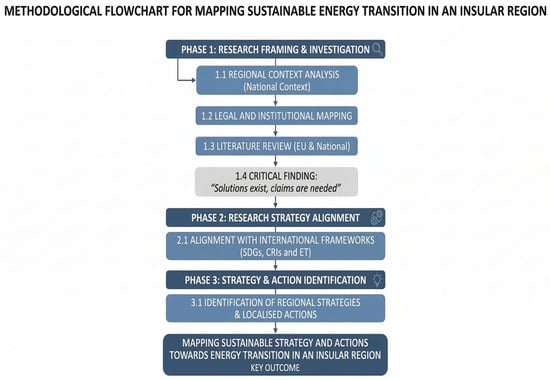
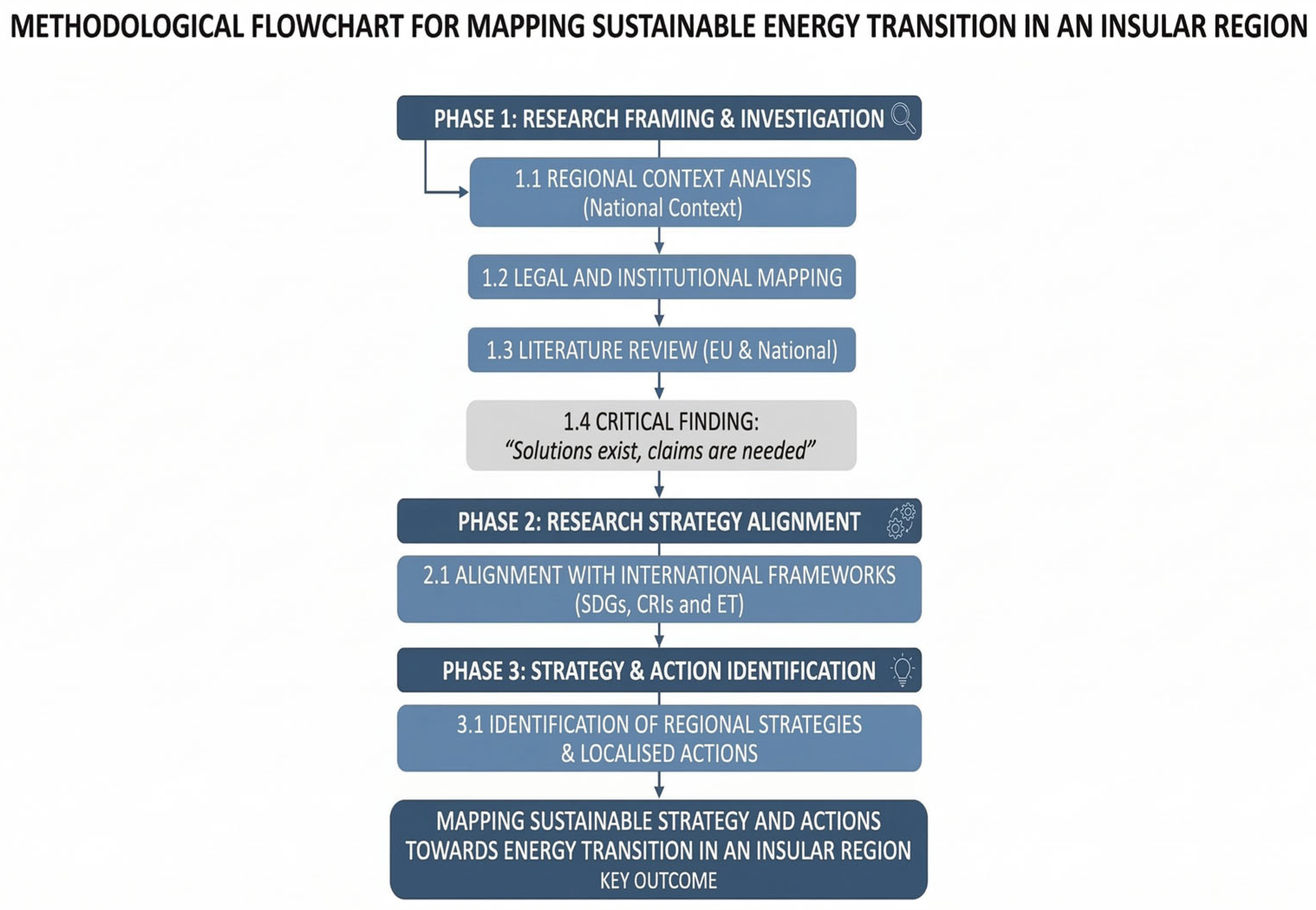
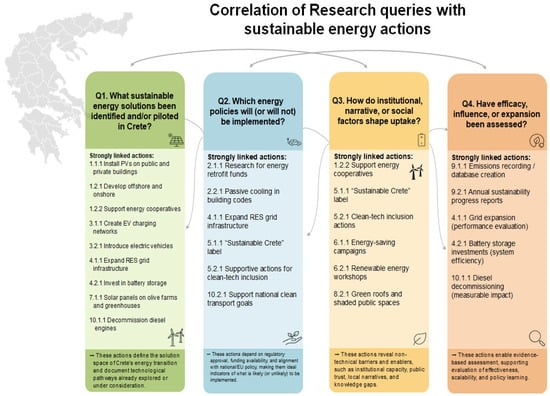
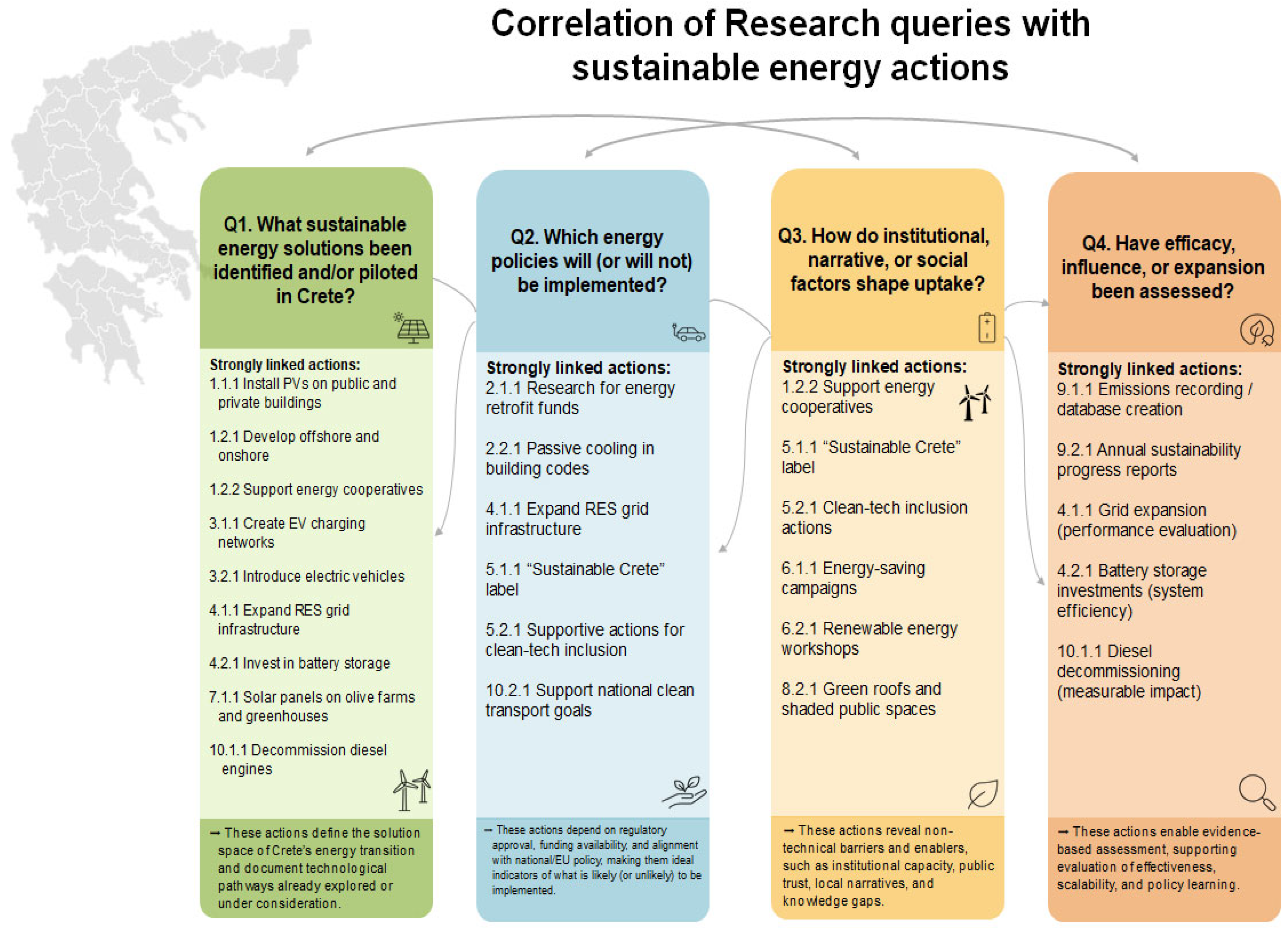
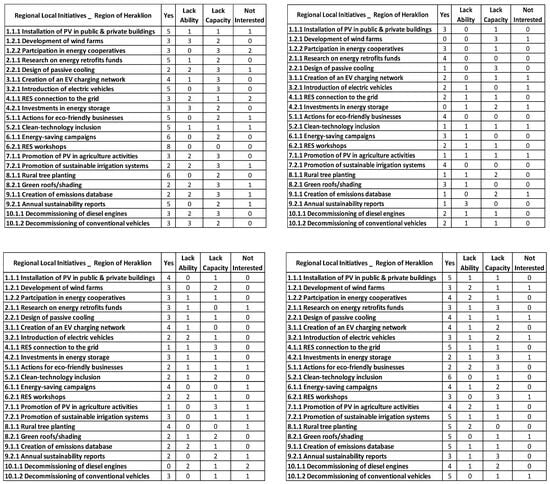
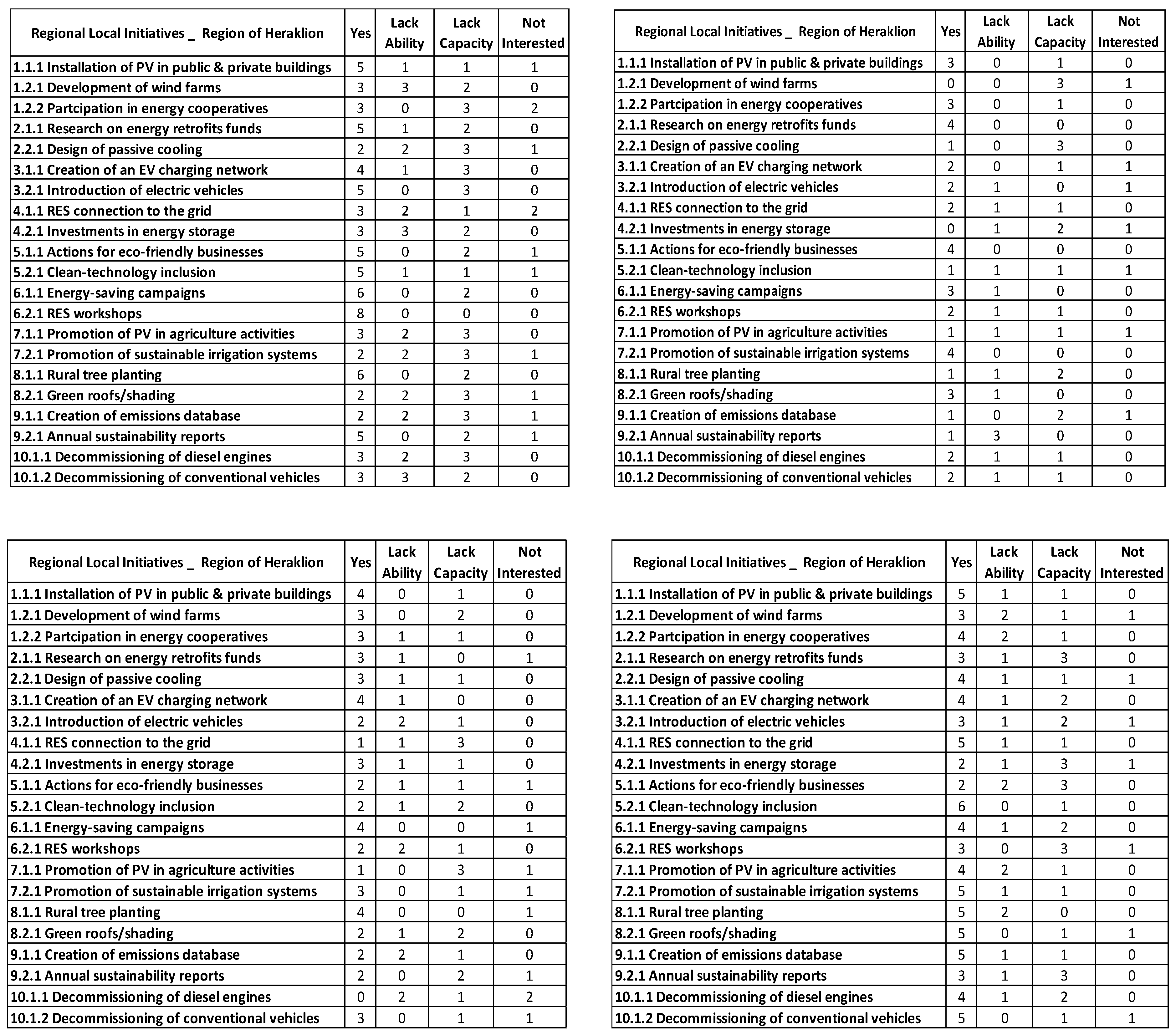
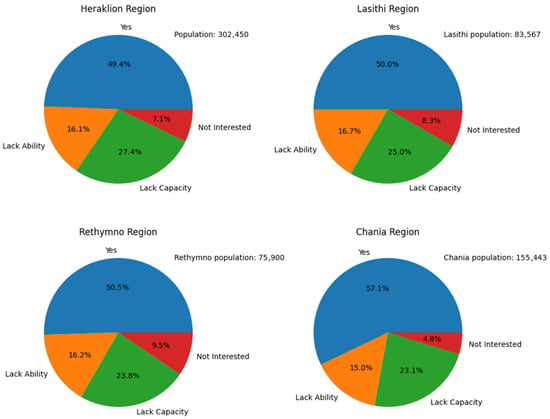
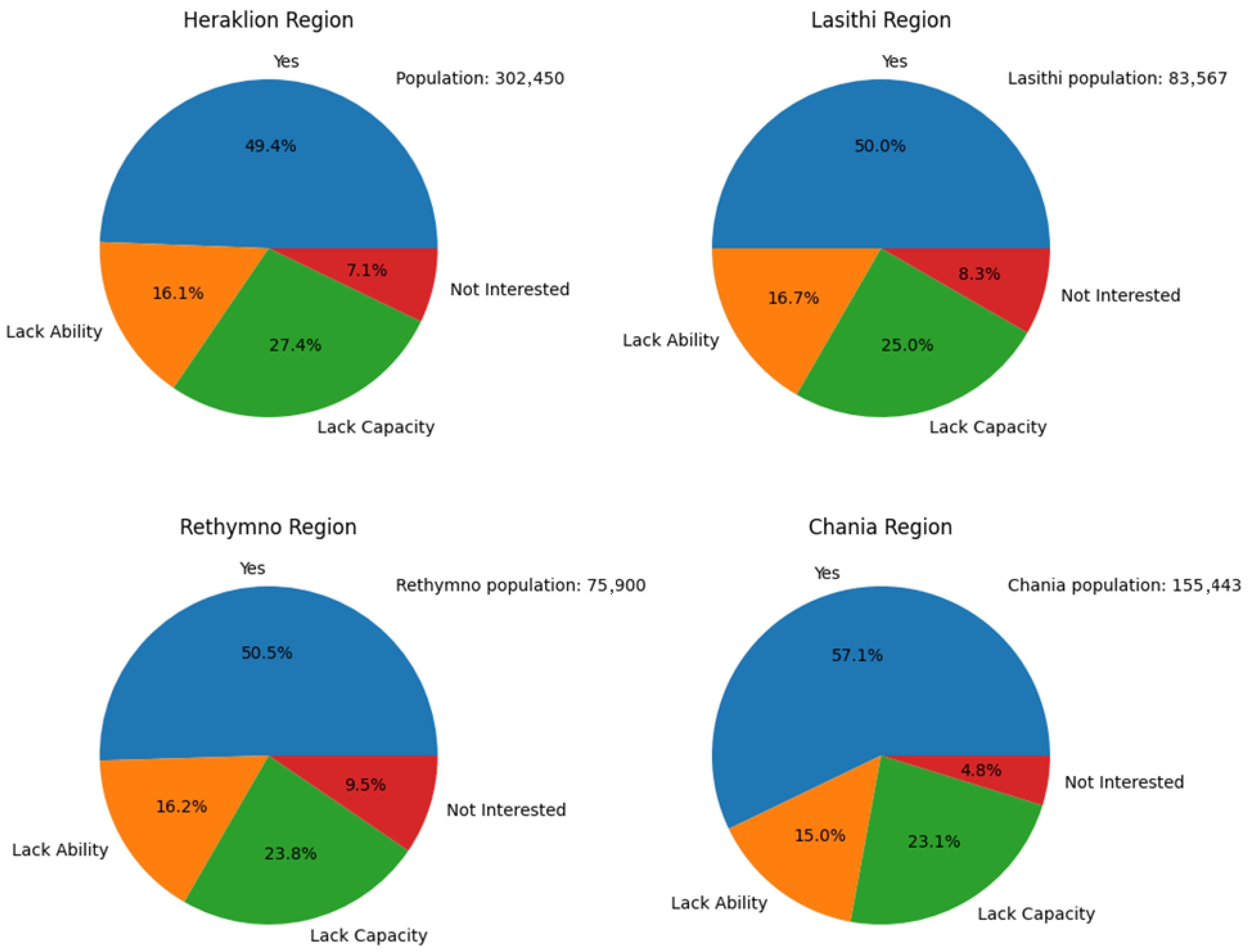

Disclaimer/Publisher’s Note: The statements, opinions and data contained in all publications are solely those of the individual author(s) and contributor(s) and not of MDPI and/or the editor(s). MDPI and/or the editor(s) disclaim responsibility for any injury to people or property resulting from any ideas, methods, instructions or products referred to in the content. |
© 2026 by the authors. Licensee MDPI, Basel, Switzerland. This article is an open access article distributed under the terms and conditions of the Creative Commons Attribution (CC BY) license.