


Abstract
The growing penetration of Electric Vehicles (EVs) in power distribution networks presents both challenges and opportunities for grid operators and planners. This paper provides a comprehensive review of recent advances in optimization techniques and machine learning (ML) approaches for the efficient management of EV charging and integration in low- and medium-voltage distribution systems. Optimization methods are analyzed with reference to their objectives—such as load flattening, voltage regulation, loss minimization, and infrastructure cost reduction—and their capability to handle multi-objective, stochastic, and real-time constraints. Concurrently, the role of ML is explored in load forecasting, user behavior modeling, anomaly detection, and adaptive control strategies. Particular attention is given to hybrid approaches that combine optimization algorithms (e.g., MILP, heuristic methods) with data-driven models (e.g., neural networks, reinforcement learning), highlighting their effectiveness in enhancing grid flexibility and resilience. This review adopts a unified system-level perspective that links EV management objectives, optimization techniques, and machine learning-based solutions within distribution networks. In addition, particular attention is devoted to data availability, reproducibility, and practical deployment aspects, with the aim of identifying current limitations and providing actionable insights for future research and real-world applications. This study aims to support the development of intelligent energy management strategies for EVs, fostering a sustainable and reliable evolution of distribution networks.
1. Introduction
Traditional transport relies heavily on fossil fuels, which significantly contribute to air pollution and global warming. The transport sector as a whole is indeed a major source of carbon emissions [1]. Electrifying the transportation system is a key step toward reducing greenhouse gas emissions and mitigating climate change, in line with the global “decarbonization” process. Since the transition to electric mobility represents a promising path to a low-carbon economy, many national legislations are accelerating this shift by promoting the adoption of electric vehicles (EVs). In fact, EVs appear to be a viable solution to reduce dependence on non-renewable energy sources and to counter the adverse effects of climate change.
Beyond their zero-emission nature, EVs also offer benefits in terms of reliability, mechanical simplicity (fewer moving parts), lower maintenance costs, and higher energy efficiency [2]. Nevertheless, EVs still face several limitations related to battery technology, including limited driving range, charging time, and cost. However, according to the IEA Global EV Outlook 2024 [3], under the Stated Policies Scenario—which reflects current government measures and policies—the number of EVs is projected to rise from less than 45 million in 2023 to 250 million in 2030, exceeding 500 million by 2035. Simultaneously, a significant increase in the installed power for public charging stations (CSs) is expected. While home charging still dominates today, forecasts indicate that by 2030 there will be more than 200 million charging points (up from 50 million in 2023), with total installed capacity exceeding 2.2 TW (compared to about 0.4 TW in 2023). Although around 90% of these chargers will remain private, public CSs will account for approximately 40% of the total installed power [3]. Given this massive demand for power, it is evident that EV adoption requires a suitable distribution infrastructure, both in terms of capacity and spatial distribution of public chargers. As EV demand rises, efficient strategies are essential to manage charging, energy consumption, and grid interaction. Thus, widespread EV adoption presents both opportunities and challenges for electricity distribution networks [4]. The main concern is ensuring that distribution systems can support mass EV deployment without compromising power quality (PQ)—avoiding instability, congestion, or energy shortages. This necessitates not only infrastructure investment but also the adoption of innovative technologies such as advanced metering, energy storage systems (ESSs), and intelligent energy management. Furthermore, integrating Renewable Energy Sources (RESs), such as solar and wind power, is crucial to maximizing environmental benefits. Through the use of RESs, ESSs, real-time data analysis, automation, and bi-directional energy flow, smart grids can optimize EV charging behavior and contribute to a more sustainable and resilient energy ecosystem.
This review aims to examine the state of the art in applying advanced optimization techniques and Artificial Intelligence (AI) based solutions to EV management within smart grids, in support of a sustainable and resilient energy future. In this context, the main contributions of this review can be summarized as follows. First, the paper provides a structured and comprehensive synthesis of optimization- and machine learning-based approaches for EV management in distribution networks, explicitly linking control objectives, methodological choices, and grid-level impacts. Second, a cross-cutting comparison of deterministic, stochastic, metaheuristic, and learning-based solutions is presented, highlighting their applicability, strengths, and limitations across different operational scenarios. Third, the review explicitly addresses data availability and reproducibility issues, which are often overlooked in the literature but critically affect the practical adoption of advanced EV management strategies. Finally, based on the surveyed works, the paper outlines emerging research trends and deployment-oriented insights to support the development of scalable and reliable EV integration frameworks in future smart grids.
The structure of the paper is as follows: Section 2 introduces the role of Smart Grids in EV management, considering the specific characteristics of EV charging stations; Section 3 presents a synthesis of the state of the art of EVs charging impacts on power systems by analyzing relevant review articles, each focusing on general issues or specific aspects; Section 4 discusses recent contributions employing a variety of optimization techniques applied to EV charging station planning and control, highlighting research trends and data availability; Section 5 analyzes the most recent works using AI and ML techniques in the context of EV energy management. Finally, Section 6 provides the authors’ concluding remarks.
2. Role of Smart Grid in EV Management
A Smart Grid (SG) is an intelligent electricity network that integrates real-time monitoring, automation, and communication technologies to optimize the distribution of electrical energy. The key concept is that the grid is not only a means of delivering electricity, but also a “network” where information is exchanged to theoretically ensure optimal performance. Initially, SGs were primarily seen as innovations in fault detection, power rerouting, and self-healing capabilities to minimize outages. However, with the integration of RESs and the dynamic balancing of supply and demand—along with real-time pricing strategies that encourage efficient energy usage—the feasibility and value of this new paradigm have become evident.
Today, as a natural evolution of this approach, SGs have shifted from the traditional unidirectional model (from producers to consumers) to a bidirectional energy flow system involving “prosumers”—entities that both produce and consume electricity. This transformation is enabled not only by communication and distribution infrastructure, but also by the widespread adoption of RESs (especially photovoltaic systems), user-level energy storage systems, and smart meters.
EVs play a crucial role in this evolved SG concept. They represent a new type of grid user with specific characteristics:
- EVs can charge at various locations, requiring dedicated infrastructure;
- They feature mobile energy storage systems, enabling bidirectional energy exchange and potential use in off-grid or emergency scenarios;
- They require high power transfer during charging;
- Their limited storage capacity necessitates the optimal siting and management of CSs.
Due to these unique features, CSs are the key interface between EVs and the SG. Therefore, our discussion begins with an overview of EV charging systems.
EVs Charging Systems
As noted in the Introduction, most EV charging today occurs via private home chargers, although significant geographical variations exist—for example, China leads in public charging infrastructure [3].
EV charging solutions can be broadly classified based on the duration (or power level) of the charging process: slow and fast charging. More technically, charging modes are standardized by regulations such as IEC 61851 [5] and SAE J1772 [6]:
- IEC 61851 defines four modes:
Modes 1–3 correspond to AC charging, while Mode 4 refers to DC fast charging.
- SAE J1772 identifies three levels: Level 1, Level 2, and Level 3 [7]:
Level 1 operates at 120 V AC with power up to 2 kW, suitable for home and workplace charging, offering about 10 km of range per hour.
Level 2, commonly found in homes and public settings, operates at 240 V AC with power between 3.3 kW and 19 kW (or up to 22 kW in the EU), delivering 15–90 km per hour of charge.
Level 3 includes DC Fast Charging (DCFC), delivering between 50 kW and 350 kW, and enabling EVs to reach 80% charge in roughly 15 min.
While slow charging is typically used overnight and fits the needs of users with limited daily travel, fast charging in public CSs provides a user experience closer to that of traditional internal combustion engine vehicle (ICEV) refueling [8].
A technical difference worth noting is that AC chargers rely on on-board conversion systems, while DC chargers use off-board converters. Due to their higher power demands, DC fast chargers are usually connected directly to the medium-voltage (MV) distribution network. The impact on the grid varies by power level, but even residential slow charging can be critical when scaled to hundreds of thousands of vehicles, as expected in the near future. In this context, solar photovoltaic (PV) energy is increasingly relevant, especially for daytime charging [7,9]. Indeed, the integration of PV generation with EV charging infrastructures represents a key enabler for local flexibility in distribution networks. PV-integrated charging points contribute to partially decouple EV charging demand from the upstream grid by leveraging on-site renewable generation, thereby reducing peak loads, mitigating congestion phenomena, and improving the overall hosting capacity of low- and medium-voltage networks. Moreover, coordinated control of PV generation and EV charging profiles supports more efficient energy dispatching and enhances the role of charging stations as active and controllable nodes within SG architectures. Several recent studies have highlighted how smart charging points coupled with PV systems can contribute to optimized power flow management and grid-friendly EV integration [10]. The proliferation of fast-charging infrastructure will significantly increase midday energy demand—coinciding with peak solar generation and lower electricity prices. This could improve system-level supply–demand balancing and reduce curtailment of excess solar energy [8].
In addition to plug-in charging, wireless charging is emerging as a key technology. It uses inductive methods to transfer energy without cables and is already being deployed in residential garages, taxi hubs, and fleet depots. Research is ongoing into dynamic wireless charging, which would allow vehicles to charge while driving on specially equipped roads. While this topic involves distinct technical challenges and is outside the scope of the current review, further reading is recommended in [11].
Another promising alternative is battery swapping, where depleted battery packs are replaced with fully charged ones in a matter of minutes. This approach is being implemented by companies like NIO in China and is particularly suited to commercial applications such as electric buses [12].
3. State of the Art on Impact of EVs on Power Systems
As highlighted in the Introduction, EVs play a crucial role in mitigating climate change. However, their growing adoption also has significant implications for distribution networks. Understanding the impact of EV charging stations (EVCSs) is essential to ensuring the stability and reliability of these networks—particularly in light of the increasing number of EVs, the proliferation of charging infrastructure, and the rise in power levels associated with fast-charging stations.
The effects of CSs on distribution networks have been widely studied in the literature. A 2016 review article [7] reported over 700 papers published in 2015 alone on EV charging infrastructure, with approximately 45% of them addressing the impact of EVs on power systems. The number of publications on this topic has since continued to grow, propelled by the development of new simulation techniques and the increasing adoption of AI and ML approaches.
Table 1 provides a commented overview of selected review articles published in recent years, reporting the state of the art on the impact of EVs and their charging technologies on distribution networks. The table begins with the aforementioned 2016 study [7], which is recommended as an entry point for researchers new to this topic. Subsequent reviews address various aspects, from general overviews to more focused analyses on economic, technical, or sociological dimensions.
Table 1.
Selected review articles on the general problem of the impact of EVs on the distribution grid.
Beyond the reviews listed in Table 1, many other relevant studies can be found in the literature. References [28,29,30,31,32] provide in-depth technical overviews of fast and ultra-fast charging for EVs, examining key components such as AC/DC and DC/DC power converters, charging station topologies, and solid-state transformers (SSTs). These reviews analyze charging standards, advanced infrastructure designs, control strategies, and the impact of ultra-fast charging on grid stability. They also present case studies and highlight emerging challenges such as standardization and cybersecurity. In particular, Ref. [32] discusses the benefits of fast charging stations (FCSs) utilizing silicon carbide (SiC) and gallium nitride (GaN) technologies. The paper also addresses the multifaceted impacts of fast charging on smart grids, battery management systems, and battery lifespan. Converter-related issues are also comprehensively examined in [33,34,35], which present exhaustive reviews on onboard and off-board chargers, AC-DC and DC-DC converter configurations, and AC- and DC-based CS architectures. Reference [36] explores the concept of Electric Vehicle as a Service (EVaaS), a framework that leverages Vehicle-to-Grid (V2G) technology to enable EVs to exchange energy with the grid, customers, or both. The review investigates the applications, challenges, and enabling factors of EVaaS, including technical requirements, communication infrastructure, charging/discharging strategies, market models for energy exchange, and the implications for battery life and distribution networks. A related contribution is presented in [37], where the authors provide a comparative evaluation of different network architectures with respect to EV integration and V2G operations. Finally, as regards a sociological perspective, user anxiety associated with EV adoption is reinforced by two McKinsey surveys [38,39], which identify key user concerns such as limited driving range, insufficient public charging infrastructure, and, most importantly, the need for fast charging.
For the sake of completeness, the following section presents brief discussions on critical impacts, mitigation strategies, and beneficial aspects associated with EV deployment in power distribution systems.
3.1. Critical Impact of EVs on Distribution Network
EVs pose several critical challenges to electricity distribution networks. As previously mentioned, EVs can be viewed as “mobile, high-power consumers,” raising concerns related to where, when, and how charging occurs. These dimensions refer, respectively, to the location of energy consumption, the timing of charging events, and both the magnitude and manner in which energy is drawn from the grid. While the “where” aspect can be partially addressed by analyzing CSs as fixed points of consumption rather than tracking individual EVs, the “when” and “how” dimensions remain central issues. These are strongly linked to the type of charging infrastructure—namely, slow and fast charging. Slow charging involves lower power levels and longer durations, typically during overnight periods. Fast charging, on the other hand, requires significantly more power over shorter durations, often occurring during daylight hours. Both types of charging are essential for EV users, and their combined effects must be assessed, particularly considering their different impacts on MV and low-voltage (LV) distribution grids. Effectively managing the “where, when, and how” of EV charging is fundamental to ensuring the stable operation of distribution systems and forms the basis of many optimization strategies, which will be discussed in a later section.
From a technical perspective, the critical impacts of EV integration into distribution networks include (see Figure 1): Voltage instability; Degradation of PQ; Increased peak demand; Higher energy losses; Thermal stress and equipment overloading [40]. In addition, the anticipated large-scale penetration of EVs implies a substantial increase in energy demand, with significant implications for both infrastructure and the energy market [40].
Figure 1.
Impacts of EVs penetration on Distribution Networks and effects of mitigation strategies.
From a technological standpoint, increased peak demand can cause overloading of distribution lines and transformers, accelerating wear and reducing their lifespan. From an economic perspective, the energy demand driven by uncontrolled EV charging may negatively impact energy pricing and grid operation. To address this, time-based incentives (e.g., lower prices during off-peak hours) can be implemented to shift charging behavior. Although coordinated charging can help mitigate transformer overload, another major challenge is maintaining voltage levels within acceptable operational limits, especially under conditions of high load concentration. In addition, EV chargers can introduce harmonic distortions, resulting in degraded PQ.
To summarize, the main issues are categorized into three key areas, discussed in the next sub-sections: Load and peak demand; PQ, including voltage instability and harmonics; Power losses, encompassing thermal stress and reduced equipment lifespan.
3.1.1. Load and Peak Demand
The increasing energy demand resulting from the widespread adoption of EVs has been extensively investigated in the literature, as outlined in Table 1. To project the future impacts of EV diffusion and grid development, various simulation approaches have been developed, based on either real-world data or synthetically generated datasets.
In addition to traditional load flow analysis methods [41], which form the foundation of any network assessment, several other methodologies—deterministic, stochastic, hybrid, and heuristic—have been proposed to evaluate the effects of EV penetration in terms of energy demand and, more broadly, EV hosting capacity [13]. Regarding the assessment of load and peak demand, the literature presents results based on diverse scenarios. During certain critical hours, studies report an average increase of approximately 10% in energy demand, though standard deviation values are significant. In worst-case scenarios, demand surges of several hundred percent have been observed [13,42], clearly indicating that existing distribution networks may not be adequate to support such loads.
The role of slow and fast CSs differs significantly in this context. Slow charging typically occurs overnight, which can substantially contribute to peak demand [8]. However, this predictable and programmable behavior offers opportunities for improved energy management. By dynamically managing charging loads, operators can optimize energy use and mitigate potential shortages. Conversely, fast charging is more unpredictable due to user behavior, although it can be partially regulated through appropriate policy measures. Notably, load demand directly influences electricity pricing, which can, in turn, be leveraged as a strategic tool for demand-side management. Time-of-use pricing policies, for instance, can incentivize users to charge their EVs during off-peak hours. EV charging schedules can thus be aligned with grid conditions to avoid overloads and support stable power distribution [40]. As will be discussed in a later section, AI techniques can be employed to develop data-driven load management systems that forecast and mitigate power disruptions. These systems rely on real-time grid performance data and historical usage patterns to enhance decision-making and grid resilience [2].
3.1.2. Power Quality
The issue of power quality (PQ) encompasses several subtopics, including harmonic distortion, voltage instability (such as unbalance, flicker, voltage sags, swells, and drops), and transient phenomena. Although power losses are sometimes discussed within the context of PQ, in this work, we prefer to address them in a dedicated section. Among the various adverse impacts of EV integration, voltage instability in MV and LV distribution networks—resulting from increased EV penetration—has been one of the most extensively investigated topics in the literature. These effects are central to understanding the challenges posed by large-scale EV adoption on the operational reliability and performance of distribution systems [7,8,40].
A useful summary of the effects of voltage and current instabilities is provided in Table 2. As a literature reference, we recommend the work presented in [43]. Regarding the effects of voltage instability, various scenarios and evaluation methodologies are adopted in the literature. According to the reported results, voltage deviations can exceed 0.05 per unit (p.u.) in MV networks, while significantly higher and potentially harmful values—up to 0.25 p.u.—have been observed in LV networks, with typical average deviations ranging between 0.10 and 0.15 p.u. [13]. In the case of FCSs, the start and stop phases of the charging process have a significant impact on voltage levels due to the presence of high load currents. Voltage sags—a drop in voltage during the initiation of charging—and voltage swells—a rise in voltage upon termination—can last up to one minute and reach magnitudes of several tenths of p.u., potentially causing damage to electrical equipment and power electronics hardware [40]. At the same time, the combined effect of multiple CSs operating simultaneously can lead to voltage fluctuations across the network, further compromising the stability and quality of power supply [43]. It is worth noting that voltage-related issues are not limited to fast charging systems; slow charging systems can also have a significant impact. In particular, they can cause voltage unbalance among the three phases, resulting from uneven load distribution across the phases of the distribution lines [7]. FCSs are typically connected to three-phase systems or directly to MV distribution networks, and therefore are generally not affected by voltage unbalance. In contrast, voltage unbalance is a common issue in LV networks, particularly with single-phase slow charging. The Voltage Imbalance Ratio—defined as the ratio between the negative and positive sequence components of the three-phase system—can significantly exceed 2%, which is the commonly accepted limit for LV networks [7]. These values clearly indicate the need for appropriate mitigation measures to prevent potentially harmful effects on the distribution network and connected equipment.
Table 2.
Instabilities in voltage and current due to EV supply equipment (EVSE).
The adverse effects of EV charging systems are not limited to voltage-related disturbances. The power electronic converters used in these systems also introduce current harmonics, which in turn cause voltage harmonic distortion in the distribution network. These effects are typically quantified using Total Harmonic Distortion indices—THDi for current and THDv for voltage. However, it is also important to consider the specific harmonic emissions produced by charging systems, as they can vary in frequency and amplitude, influencing the extent of PQ degradation [44]. Harmonics are primarily generated by the conversion systems required to recharge EV batteries. However, their propagation and impact are also influenced by the specific grid configuration and the interaction with other nonlinear devices connected to the network, such as power converters used for RESs. In fact, it is well known that photovoltaic and wind energy systems also introduce harmonic distortions. Moreover, the presence of resonant frequencies within the grid can amplify these harmonic components, potentially leading to system instability and degraded PQ [8,40]. For this reason, small-signal analysis is often required to investigate these phenomena, and an impedance-based modeling approach is commonly adopted for this purpose [43], particularly with reference to the Point of Common Coupling (PCC). Studies reported in the literature indicate that THDv values exceeding the standard 8% limit have been observed in several scenarios, highlighting the severity of harmonic distortion issues in EV-integrated distribution networks [8,40,43]. Similarly, THDi values of up to 20% have been reported in the literature, further emphasizing the substantial impact of EV charging systems on PQ [43]. The adoption of appropriate filtering systems can effectively reduce harmonic distortion; however, it also leads to increased equipment costs. It is also important to note that, while THD is typically evaluated up to the 50th harmonic, modern power electronic converters often operate at much higher switching frequencies. This has raised growing interest in the study of supraharmonics, typically in the range up to 150 kHz, which can cause interference and malfunction in household appliances and other sensitive electronic devices [45,46].
3.1.3. Power Loss and Thermal Effects
A high penetration of EVs leads to a significant increase in power losses within distribution networks. However, analyzing this issue is complex due to the presence of numerous stochastic variables inherent in distribution systems. Clearly, power losses associated with EVs are both time- and location-dependent, as they vary according to when vehicles are charged and the geographic distribution of EVCSs. To account for these uncertainties, many studies in the literature adopt probabilistic simulation approaches, which incorporate variability in charging rates, charging durations, and the spatial distribution of EV charging infrastructure [13]. These studies estimate that the increase in power losses can reach or even exceed 30–40%, depending on the specific network characteristics and charging behavior [13,40]. The findings demonstrate the importance of coordinated EV charging strategies to prevent unpredictable load profiles. Proper coordination can lead to a substantial reduction in power losses, improving overall grid efficiency and reliability.
Another key aspect is the potential to locate energy sources, particularly renewable energy systems, in close proximity to EV charging points. This approach can significantly reduce power losses associated with long-distance energy transmission [10]. Power losses can also be analyzed from the perspective of thermal stress on network components—especially distribution transformers. In this context, the critical issue is not only related to overload conditions, but also to the presence of harmonic currents, which induce additional eddy currents in transformer cores, leading to increased heating and accelerated aging of the equipment [7]. The overall impact can be assessed in terms of reduced equipment lifespan, particularly for distribution transformers. Several studies report that, under conditions of significant EV penetration, transformer lifespan may be reduced by as much as 30%, primarily due to thermal overload and harmonic-induced losses [13].
Once again, specific distinctions can be made between slow and fast charging stations in relation to power losses and thermal stress. Since slow CSs are typically connected to LV networks, their contribution to power losses is generally higher and more critical, with noticeable effects on distribution transformers. On the other hand, the implementation of coordinated charging strategies and smart charging infrastructure can help mitigate peak demand, thereby reducing power losses and thermal stress. Nonetheless, uncoordinated charging remains a significant concern for FCSs as well, as it can result in sudden high load demands, posing serious challenges to the stability and efficiency of the distribution system [7,13]. In addition, some studies in the literature suggest relations among environmental conditions and effects on distributions grid and also their dependence on specific periods/days, such as holidays or weekends [13]. A schematization of the grid challenges with respect to different characteristics of slow and fast charging systems is shown in Figure 2.
Figure 2.
Grid challenges and the impact of slow and fast charging systems.
3.1.4. Other Impacts and Emerging Challenges of EV Integration
The increased load demand and power losses resulting from the widespread diffusion of EVs necessitate a systematic reinforcement of distribution networks to ensure their long-term robustness and reliability. One potential solution lies in the integration of RESs into CSs, enabling localized energy generation and storage close to the point of consumption. However, relying on RESs for EV charging also introduces challenges due to the intermittency of solar and wind power, which demands efficient energy storage systems and advanced grid management strategies to maintain network stability. Implementing such innovations often requires significant capital investment, making financial feasibility a critical issue, particularly in developing countries and rural regions. In this context, it is essential to recognize that a uniform policy approach is not viable. The challenges and solutions for deploying a network of public CSs in high-density urban areas differ significantly from those in sparsely populated rural zones, where infrastructure costs per user are considerably higher, and demand profiles are less predictable. A survey conducted by Harvard researchers [46] highlights significant disparities in the distribution of public EVCSs across different U.S. states. The findings indicate that small communities often lack the same level of access to public charging infrastructure as larger urban centers—not only in the present, but also according to projections for the coming years. This uneven distribution raises concerns about equity of access to essential EV services across different geographic and demographic areas. The same survey also highlights issues with the reliability of existing CSs, revealing that one in five does not function properly. This limited reliability severely restricts access to a critical mobility service and poses a barrier to widespread EV adoption. One of the primary causes identified is the absence of dedicated maintenance programs, which results in poor service quality and undermines public confidence in the charging network. In addition, EV users frequently describe the current pricing models as chaotic and opaque, referring to them as a “Wild West” environment—marked by a lack of regulation and low-price transparency. These concerns emphasize the urgent need for clear regulatory frameworks and standardization to ensure interoperability among charging networks, energy providers, and grid operators. Furthermore, the increasing adoption of communication technologies in smart charging stations (SCSs) allows users to access real-time information regarding pricing, location, and availability of charging points, thereby enhancing user experience and system efficiency. However, this enhanced connectivity also introduces significant cybersecurity risks, such as hacking, unauthorized access, and data breaches. These vulnerabilities represent serious threats to the stability and security of the distribution network and constitute a critical challenge for the future development and resilience of EV charging infrastructure [16].
3.2. Positive Impacts and Mitigation Measures
Fortunately, despite the challenges, the integration of EVs also brings significant benefits and opportunities. One of the primary motivations for their widespread adoption is their positive environmental impact. Numerous studies in the literature have demonstrated the reduction in CO2 emissions associated with the use of EVs. However, these findings are generally based on the assumption of a concurrent increase in the penetration of RESs within the electricity generation mix [7,47]. If the electricity used for EV charging is generated primarily from fossil fuel-based sources, such as coal and natural gas, there is a risk that overall emissions may actually increase, potentially making EVs more polluting than traditional internal combustion engine vehicles under certain conditions [48]. However, assuming a continued and substantial development of RESs, the positive environmental impact of EV adoption can be expected to remain significant. Beyond emissions reductions, this transition also has important public health implications. Specifically, the decline in pollutants such as nitrogen oxides (NOx) and particulate matter (PM)—typically emitted by internal combustion engine vehicles—leads to a decrease in respiratory and cardiovascular diseases. As a result, the widespread adoption of EVs contributes to lower healthcare costs, producing a non-negligible economic benefit.
In addition to environmental and health-related advantages, EVs offer further systemic benefits. As discussed in previous sections, EVs can play a strategic role in the development of the SG paradigm, acting as active prosumers. Through bidirectional charging, also known as Vehicle-to-X (V2X) technologies—such as Vehicle-to-Home (V2H), Vehicle-to-Load (V2L), and V2G—EVs can support grid flexibility and enhance energy system resilience [49,50]. V2G technology enables EVs to return excess stored energy back to the grid, effectively transforming them into distributed energy storage units. This approach offers dual benefits: EV owners can generate financial returns by selling energy to the grid, while grid operators gain access to a flexible resource that supports system stability. V2G has proven to be an effective strategy for mitigating both PQ issues and load demand fluctuations. As shown in several studies [16], EVs operating as distributed energy sources can help reduce voltage fluctuations, voltage drops, and imbalance. Additionally, V2G systems have been found to play a role in the mitigation of harmonic distortions [51], further contributing to improved grid performance and reliability. In addition, for the same reasons, V2G systems can also contribute to reducing line power losses, further enhancing the overall efficiency of the distribution network. Importantly, V2G is not limited to bidirectional energy exchange; it also involves data communication. Through integrated communication systems, EVs can receive real-time information on electricity pricing, enabling them to schedule charging during off-peak hours—when electricity demand is lower—thereby reducing grid stress and lowering costs for consumers. This capability aligns with the concept of smart charging, which refers to an advanced version of conventional EV chargers that incorporate connectivity, data analytics, and intelligent control features to optimize the charging process. Smart charging represents a key mitigation measure against the adverse impacts of large-scale EV penetration, as supported by various studies [13,16,40] and references therein.
SCSs are designed to enhance user convenience and energy efficiency by dynamically adjusting the charging rate based on the grid’s capacity, the number of vehicles charging simultaneously, and user preferences. This adaptive behavior helps to prevent grid overload by efficiently distributing available power. EV drivers can access SCS services through mobile applications, which provide real-time information on station availability, pricing, and route planning. SCSs also enable users to schedule charging sessions during off-peak hours to benefit from lower electricity rates. Moreover, CSs can optimize the charging process based on the user’s departure time, battery state, or energy cost signals. By collecting data on energy consumption, charging patterns, and station performance, SCSs generate valuable insights that support advanced energy management. Additionally, these systems can perform self-diagnostics, alerting operators or maintenance teams to potential issues. This functionality helps to reduce downtime, improve reliability, and enhance safety. The benefits of SCSs extend beyond cost savings for users and grid operators, contributing to a more resilient, intelligent, and sustainable energy ecosystem. SCSs help to balance energy demand and supply, thereby reducing strain on the grid and improving overall grid stability [40]. In this context, numerous studies in the literature confirm the effectiveness of smart charging as a mitigation strategy (for further references, we suggest looking at Tables 7 and 8 in [13]). Moreover, SCSs equipped with AI can predict peak demand periods and adjust charging schedules accordingly, optimizing grid performance and energy efficiency. These systems are increasingly designed to also consider the state of health (SoH) of EV batteries. This is particularly important, as frequent charge–discharge cycles, especially under fast charging conditions, can significantly degrade battery lifespan.
All these aspects contribute to the broader economic impact of EVs, which can also be assessed from the perspective of the power distribution network. Several studies in the literature [7,16,40] demonstrate that the adoption of SCSs enables the power grid to achieve significant cost savings, primarily through reduced operating expenses and improved efficiency in load management [7,40,52]. Environmental and economic impacts go hand in hand with significant social implications. While the benefits to public health have already been discussed, additional effects include the creation of new employment opportunities and renewed approaches to urban planning.
From a labor market perspective, the transition to electric mobility will require the development of new professional skills, including those related to the installation and maintenance of charging infrastructure, sales and customer support, and research and development in emerging technologies.
From an urban planning standpoint, cities can be redesigned with reduced air and noise pollution as guiding principles [16,40]. More urban space can be allocated to RESs, particularly those integrated into charging infrastructure and buildings [53], thereby further promoting sustainable urban development. As previously mentioned, RESs—such as solar and wind power—when integrated into CSs, enable local energy generation close to the point of consumption, effectively functioning as distributed energy resources (DERs) [10]. Numerous studies in the literature have demonstrated the effectiveness of RESs as mitigation measures, particularly when deployed in conjunction with energy storage systems (ESSs), enhancing both the flexibility and resilience of distribution networks [8,18,19,52]. EV batteries, RESs and ESSs represent the foundational components of advanced energy management systems (EMSs). These systems enable further improvements in grid performance and flexibility through the integration of AI, optimization algorithms, and dedicated control models, offering tailored solutions for efficient, reliable, and intelligent energy distribution [16,40]. In addition to the previously discussed strategies—such as smart charging, V2G, and the integration of RESs and ESSs—other measures can be implemented to mitigate the adverse effects of EV integration. One such approach involves recognizing the relationship between load demand and thermal stress: through regulated charging, it is possible to schedule charging sessions in a way that reduces peak demand, thereby lowering both thermal stress on network components and associated power losses. This strategy, known as load shifting, is commonly employed to manage electricity demand by adjusting the timing of energy consumption to coincide with periods of lower demand or greater renewable energy availability. Load shifting often relies on time-of-use (ToU) pricing, where electricity tariffs are lower during off-peak hours, thus encouraging consumers to charge their vehicles when grid stress is minimal.
Unlike smart charging (also referred to as scheduled or automated charging), which adjusts charging behavior dynamically based on grid conditions, electricity prices, and user preferences, regulated charging does not necessarily require major investments in grid infrastructure. Instead, it primarily depends on policy frameworks and consumer education to encourage active participation and behavioral change [13].
Another promising approach is the implementation of Demand Response Programs (DRPs), through which charging infrastructure incentivizes EV drivers to delay or reduce charging during peak periods in exchange for financial rewards or lower electricity rates. However, the presence of RESs and ESSs introduces additional variables that can affect pricing schemes. For instance, in certain contexts, nighttime charging may not represent the optimal choice for grid efficiency, depending on RES availability and local generation profiles. Despite these complexities, load shifting and scheduled charging remain win–win strategies, as they help to alleviate grid stress while simultaneously reducing energy costs for consumers.
The successful implementation of these strategies requires effective coordination between charging infrastructure operators and end-users, and, in the case of smart charging, also necessitates investments in smart grid technologies. In this context, optimization algorithms and AI play a fundamental role. They are employed to forecast key energy parameters—such as RESs generation, storage availability, and user behavior—allowing the system to optimize charging schedules based on real-time data. Through smart meters and data analytics platforms, which continuously monitor energy usage, battery levels, and charging patterns, grid operators can make data-driven decisions to enhance overall system efficiency and reliability [16,40]. Predictive models can also support infrastructure planning by identifying high-demand charging locations and optimizing energy distribution strategies. These capabilities will be further explored in the following sections.
With regard to PQ issues, it is important to highlight the significant role that bidirectional charging systems and V2G technologies can play in their mitigation. EVs can be used to inject reactive power, thereby reducing power losses and improving the voltage profile [54]. Moreover, they can support grid balancing by either absorbing or supplying power depending on real-time grid conditions [55]. A different perspective must be adopted when dealing with harmonics, supra-harmonics, and flicker—the latter being particularly relevant for FCSs. These phenomena are closely related to the operation of power electronic converters and their interaction with the grid. In this context, stability analyses and considerations involving the PCC between CSs and the grid are essential for identifying effective mitigation measures. These include impedance adjustment strategies and the adoption of dedicated hardware solutions [9,43,56]. In addition, as demonstrated in [51], the optimization of EMSs that incorporate DERs also shows promise in reducing harmonic distortion, contributing to overall grid stability and PQ improvement.
As a natural evolution of the mitigation strategies discussed above, the integration of EVs into power systems increasingly relies on market-based coordination mechanisms in addition to purely technical solutions. Price-based signals, local flexibility markets, and incentive schemes enable the aggregation and coordinated scheduling of large EV fleets, allowing charging decisions to reflect grid conditions, congestion levels, and energy availability. Moreover, recent studies have emphasized the growing role of electricity and carbon markets in shaping EV charging strategies, promoting carbon-aware and cost-efficient operation while supporting system-wide decarbonization goals. In this context, market-driven approaches complement SG control architectures by providing scalable and economically efficient tools for coordinating EV flexibility across different spatial and temporal scales [27].
4. Optimization Problems and Techniques for EVs Management
As previously discussed, the management of EVs within distribution networks is a complex task that requires the coordination of multiple actions to address—or at least mitigate—a range of operational challenges. In recent years, optimization techniques and AI-based approaches have attracted growing interest as promising tools in this domain. While optimization methods are widely applied in the broader context of Smart Grids, their specific application to EV management introduces unique challenges. Chief among these is the inherently stochastic nature of many relevant phenomena, which hampers the development of unified methodologies, and the high computational burden often associated with simulation-based approaches, which limits their scalability and practical deployment.
A distinct but complementary role is played by AI, and in particular, ML methods. These techniques are typically employed to construct black-box models that can approximate the complex behaviors observed in EV systems and Smart Grid environments. In many cases, the primary objective is to forecast critical variables such as load demand, battery SoC and SoH, renewable energy generation, or energy market prices. As such, AI and ML are often used to develop data-driven surrogate models capable of capturing subsystem behavior while significantly reducing computational effort—often as a preprocessing step within broader optimization frameworks.
In the following paragraph and in the next section, we review recent literature related to optimization techniques and AI, respectively, in light of the considerations outlined above—placing emphasis not only on the specific tasks addressed, but also on the methodologies employed for both simulation and optimization, the availability of datasets, and the reproducibility of the proposed approaches. Particular attention is also given to the type of problem under investigation and the operational scenarios analyzed, in order to highlight trends, challenges, and opportunities in the application of optimization and AI techniques to EV management within distribution networks.
4.1. Optimization Objectives and Techniques
The use of optimization techniques for EV management has become increasingly widespread over the past two decades. In [7] (published in 2016), a dedicated section focuses on the optimal placement and sizing of CSs, which represent the earliest and most extensively explored applications of optimization methods in this domain. In particular, Ref. [7] emphasizes the significance of the placement problem, citing around thirty studies that employ techniques such as Genetic Algorithms (GA), Particle Swarm Optimization (PSO), Ant Colony Optimization (ACO), Integer Programming, and other specialized approaches to determine optimal locations, while considering both economic benefits and impacts on the power grid. Even today, the optimal siting of CSs remains one of the most relevant challenges in EV management, as it effectively addresses the fundamental “where” problem.
Although siting and sizing continue to play an important role, recent research trends have shifted toward integrating RESs, ESSs, and advanced charging control algorithms. In the following, we present a literature review of recent studies—published in the past four years—on optimization strategies applied to EV charging stations. The reviewed works focus on the integration and optimized management of EVs within SGs, addressing key challenges such as phase load balancing, demand response, renewable energy integration, and the minimization of operational costs and environmental impacts. Various methodologies, including Model Predictive Control (MPC), robust and stochastic optimization, and evolutionary algorithms, are explored to efficiently schedule EV charging while accounting for uncertainties in energy prices, renewable generation, and user behavior. The overarching objectives are to enhance grid stability, reduce carbon emissions, and promote sustainable electric mobility through smart charging strategies and the deployment of advanced infrastructure such as fast-charging stations and energy storage systems.
The first classification of the reviewed works is based on the primary objective of the optimization process, which can vary considerably across studies. In several cases, it is difficult to assign a single, exclusive category, as multiple objectives are often addressed simultaneously. The main identified classes are as follows:
- Generic optimization (sizing) of CSs
- Energy management and control of CSs
- Optimal placement (displacement) of CSs
- Increasing User satisfaction and QoS
- Integration of RESs and BESSs
Regarding the optimal sizing of CSs, this research area focuses on determining the most appropriate design characteristics of a station—such as the number of charging modules (CS points or EV supply equipment, EVSE), the power rating of each module, and related configuration parameters [57]. A key methodology in this context involves the use of surrogate models, often developed through artificial neural networks (ANNs) trained on datasets generated via Monte Carlo simulations. These models enable a rapid mapping between design variables and performance indicators, including utilization rate, efficiency, and capital expenditure (CAPEX) [57]. To address the combinatorial optimization problems resulting from the discrete nature of design parameters, various optimization and nature-inspired algorithms—such as evolutionary approaches and swarm intelligence methods—are also employed [57,58,59,60].
Energy management and control of CSs concern the efficient operation of power flows within the station—specifically, the allocation of power among connected EVs—as well as the interaction with the electrical grid and coordination among multiple EVs [61,62,63]. In this context, optimization must also account for several sources of uncertainty, including electricity prices, EV charging demand, renewable generation (e.g., photovoltaic systems), and grid constraints [64,65,66,67,68]. Model Predictive Control (MPC) and robust optimization emerge as the dominant methodologies for addressing these challenges [61,63,64,65,66,67,69,70,71]. Hybrid or two-stage approaches are also proposed, combining robust optimization for day-ahead planning with enhanced MPC (eMPC) for real-time operation, aiming to minimize CO2 emissions [66,71]. Different dispatching strategies, including centralized and decentralized coordination schemes [65,72], have been developed to mitigate load imbalances between phases [73] and to enable energy arbitrage by exploiting dynamic tariff variations [73,74]. Power allocation among connected EVs represents another crucial aspect of CS management, often formulated as a max–min fairness problem to balance charging speed while minimizing battery degradation costs [59,70,74].
The optimal placement of CSs was one of the earliest optimization problems addressed in the EV management domain and remains fundamental for maximizing user experience and supporting the large-scale adoption of EVs [59,72,74,75,76,77]. Placement criteria typically include accessibility, charging speed, installation and operational cost, population density, mobility patterns, road characteristics, and regional EV demand [75,76]. Several studies also use regional EV demand as an indicator for identifying ideal locations [59,72,75,76]; however, some authors note that focusing exclusively on current demand may unfairly disadvantage less privileged communities [76]. Various modeling approaches have been applied, including hierarchical clustering [68] and hybrid decision-making methods such as the Analytic Hierarchy Process (AHP), which allows weighting of multiple siting criteria [75]. A practical and increasingly popular approach for local authorities is GIS-based spatial analysis, which leverages open-source data and evaluates spatial overlap among relevant factors [64,75,76]. This method can also incorporate innovative solutions, such as converting existing light poles into shared residential slow-charging points [64,75].
User experience, in terms of satisfaction and QoS, has become a central focus in recent research [57,70,78]. Key objectives include minimizing waiting times [57], ensuring fair charging allocation among users, and incorporating individual user preferences [70]. A commonly adopted performance indicator is the mean system time ratio (mSTR), which measures overall service efficiency [57]. Some optimization frameworks draw inspiration from social welfare theory, using lexicographic optimization models to simultaneously maximize equity and utility while minimizing fluctuations in charging power [70,78].
The integration of RESs and BESSs is increasingly important to enhance the sustainability and efficiency of EVCSs [60,79,80,81]. Optimization efforts in this area focus on the joint design and management of hybrid systems, often employing multi-objective metaheuristic algorithms such as NSGA-II [60,81]. BESSs can serve multiple purposes, including energy arbitrage, ancillary service provision, and peak load reduction [80]. This problem becomes particularly relevant in the deployment of public fast and ultra-fast DC CSs, where power fluctuations and grid interactions require advanced optimization and control strategies [82].
A common feature among these diverse studies—despite their differing objectives—is the adoption of specific modeling and optimization techniques to address the underlying complexity of the problems. On one hand, several works employ black-box behavioral or surrogate models, often based on ML and ANNs, trained on datasets generated through stochastic modeling or Monte Carlo simulations. On the other hand, many studies address uncertainty through robust optimization, which mitigates its effects by considering worst-case scenarios or bounded ranges for uncertain parameters, rather than relying on single-point estimates or precisely defined probability distributions [64,66,67,68,74,83]. The overarching goal is to identify solutions that remain feasible and effective even under the most adverse conditions defined within the uncertainty set [64,66,67,74,83]. These are defined as a set that contains all possible values an uncertain variable may assume [66,67,74,83]. For example, in [73], electricity prices are treated as uncertain and are assumed to vary within a known interval [64,73]. Similarly, in [66], uncertainties in EV energy consumption and CO2 emission factors are represented through upper and lower bounds. In [83], the uncertainty set is defined based on the standard deviation and an “uncertainty budget” for demand, RES generation and the initial SOC of EVs. A common formulation in robust optimization is the min–max (or max–min) structure, where the objective is to minimize the cost (or other performance function) under the worst-case scenario within the defined uncertainty set [68,74,83]. For instance, in [74], a robust objective is designed to minimize the maximum possible cost associated with uncertain electricity prices [74]. Some studies also propose hybrid approaches, combining robust and stochastic methods to exploit the advantages of both [59,74,77]. For example, Refs. [74,77] develop a Robust–Stochastic MPC (RS-MPC) framework that integrates different model granularities for online dispatching. The robust MPC employs a detailed model for short-term prediction, while the stochastic MPC uses an approximate model for long-term prediction, thereby reducing conservatism and computational burden [77]. Similarly, in [73], a stochastic correlation-based model is used to mitigate load imbalance between phases and to lessen the effects of uncertainty in load consumption. In other cases, robust optimization explicitly considers extreme scenarios within the uncertainty set to ensure solution validity across all possible realizations [67]. However, accounting for all theoretical extremes can lead to overly conservative results. To counter this, surrogate modeling approaches (such as neural network-based models) can be used to construct more realistic uncertainty sets derived from historical data, thereby avoiding unrealistic worst-case assumptions. Ultimately, robust optimization mitigates uncertainty by focusing on worst-case performance or bounded scenario evaluation, leading to more reliable and resilient decisions that remain effective under varying operating conditions. A conceptual mapping of optimization objectives, modeling and solution techniques, and resulting outcomes in EVCS management is shown in Figure 3, which summarizes how infrastructure-related, operational, user-centric, and sustainability-driven problems are addressed through a variety of deterministic, metaheuristic, predictive control, uncertainty-aware, and data-driven optimization approaches. The resulting outcomes include improvements in grid stability, economic performance, environmental sustainability, and quality of service (QoS), highlighting the multi-objective and multi-method nature of recent optimization-based EVCS research.
Figure 3.
Conceptual mapping of optimization objectives and techniques for EVCS management in distribution networks. It illustrates how different EV management problems (left) are addressed through multiple families of optimization approaches (center), leading to specific operational decisions and grid-level outcomes under diverse operating scenarios (right). Color coding distinguishes uncertainty-related elements (orange) and resilience outcomes (purple), while arrow styles indicate standard vs. uncertainty-specific flows.
Following the previous general classification of the reviewed studies, we provide additional details for each analyzed work. In particular, we begin with two studies not previously categorized, as they focus on the adoption of battery swapping techniques. All analyzed studies are also summarized in Table 3, which reports additional information on scenarios, assumptions, and data availability.
Table 3.
Overview of recent studies addressing optimization techniques for Electric Vehicle Charging Stations (EVCSs).
In the following, the article in Table 3 are furtherly discussed considering how the growing complexity of EV charging systems has stimulated the development of hybrid and integrated methodological frameworks that combine complementary approaches. These methodologies represent the cutting edge of current research, simultaneously addressing multiple uncertainties, conflicting objectives, and computational constraints.
4.1.1. Integration of Machine Learning with Traditional Optimization
The convergence between artificial intelligence and classical optimization methods has produced some of the most innovative approaches in charging station management. The work [84] represents a paradigmatic example of this integration, developing an operational optimization framework for CSs that integrate PV systems and offer both battery charging and swapping services (Battery Swapping Stations, BSSs). The study explicitly accounts for the stochastic nature of EV user demand, the uncertainty of PV generation, and the complex operational and degradation characteristics of BESSs. To capture these dynamics, a mathematical model (MM) is developed for each device within the BSS to represent battery performance degradation. The charging strategy is formulated using state-space modeling and action-selection methods, framing the optimization as a Markov Decision Process (MDP). The optimal control policy is derived through a Proximal Policy Optimization (PPO) algorithm, which combines a Recurrent Neural Network (RNN)—used to extract temporal patterns in PV generation—with a Deep Neural Network (DNN) to determine the control actions. A comparative analysis with existing approaches in the literature, including MPC and mathematical optimization techniques (e.g., Gurobi solvers), demonstrates a clear improvement in the operational performance of the proposed BSS system. The methodology is described in sufficient detail to support its application in other contexts, and the data sources and availability are explicitly reported, facilitating potential reproducibility and further research.
Building on this AI-based foundation, Ref. [61] introduces a hybrid technique called Quantum VultureNet, which combines deep learning with an optimization algorithm inspired by the behavior of African vultures, enhanced to improve convergence and solution quality. A novel optimal EMS is proposed for systems integrating EVs with the distribution grid, having as primary objective the minimization of total system costs and power losses, considering bidirectional energy exchanges, EV arrival times, and uncertainty in RESs generation. Simulation results obtained in MATLAB using synthetic test scenarios demonstrate that the proposed method achieves near-optimal performance with significantly reduced computational complexity, representing a notable advancement in energy management for electric mobility and SG applications.
Similarly, Ref. [94] proposes a Multi-Agent Proximal Policy Optimization (MAPPO) algorithm for the operational management of microgrids with EV integration, demonstrating how reinforcement learning techniques can be trained through pre-training and active learning phases to minimize operational costs while ensuring reliable operation. In particular, a two-stage distributed optimization methodology is introduced for the operational management of microgrids incorporating EVs. The charging process is divided into two phases: a “Constrained Programming Phase” (for states of charge, SoC, between 0 and 0.8), during which charging is guaranteed but power levels are optimized; and a “Free Programming Phase” (for SoC between 0.8 and 1), in which EVs are treated as active storage assets. The optimization goal is to minimize overall operational costs while ensuring reliable and safe microgrid operation through coordinated management of EVs, wind microturbines (MT), and ESSs. The application of MAPPO as a decision-making tool demonstrates the viability of ML techniques in real-time operational optimization. Simulation results show that this charging strategy significantly reduces load fluctuations, thereby lowering operational risks and electricity procurement costs. Additionally, the operational constraints of MTs and ESSs are effectively managed, ensuring secure system functioning. Compared to other deep reinforcement learning (DRL) algorithms and traditional control strategies, the two-stage MAPPO framework exhibits superior performance in terms of optimization quality, convergence speed, and robustness across diverse microgrid scenarios.
4.1.2. Advanced Metaheuristics and Evolutionary Algorithms for Complex Problems
For high-dimensional and multi-objective optimization problems, advanced metaheuristics continue to offer robust and efficient solutions, especially when combined with complexity reduction techniques. Ref. [85] significantly advances the field of optimal site selection by proposing a Multi-Objective Joint Site Selection (MOJSS) model for battery swapping stations and centralized charging stations. To address the inherent complexity of the problem, the authors develop an evolutionary computation algorithm—the Grid-based Evolutionary Algorithm (GrEA)—enhanced with a Hybrid Environment Selection Strategy (HESS). The results demonstrate the effectiveness and robustness of the proposed algorithm compared to standard multi-objective evolutionary approaches. Moreover, the ability to generate a set of Pareto-optimal solutions provides decision-makers with valuable flexibility for joint planning of BSS and BCCS networks, supporting more informed and balanced decisions in the development of smart city infrastructures.
In parallel, Ref. [81] demonstrates the effectiveness of NSGA-II for the multi-objective dimensional optimization of hybrid renewable energy systems integrated with CSs, considering both on-grid and off-grid configurations. The approach begins with the development of load profiles derived from real traffic flow data, battery capacities, and vehicle SoC. Renewable energy generation is estimated using the Perez model for PV systems and a curve-fitting method for wind turbines. An EMS is incorporated into the EVCS to prioritize energy use from renewables, followed by battery storage, and finally the power grid if necessary. The system sizing problem is solved using the NSGA-II algorithm to obtain a set of non-dominated solutions. These are then evaluated using the Technique for Order Preference by Similarity to Ideal Solution (TOPSIS) method, allowing for the selection of the most suitable solutions based on the preferences of various stakeholders—ranging from private investors to governmental bodies. An integrated techno-economic analysis is also performed, accounting for indicators such as payback period, profitability index (PI), and internal rate of return (IRR). The methodology is validated through case studies in two Turkish locations: Istanbul, representing high traffic density, and Tekirdag, representing low traffic density. Various configurations are analyzed, including PV/BESS and PV/wind/BESS systems. Seven investment scenarios are constructed to prioritize different optimization objectives. The results indicate that on-grid systems offer strong economic performance, with payback periods ranging from 1.98 to 7.72 years, an average PI of 5.07%, and an average IRR of 23.97%. While off-grid systems exhibit lower economic returns—with payback periods between 8.77 and 22.42 years, average PI of 1.68%, and average IRR of 4.91%—some configurations still reach financially viable thresholds. The study also highlights how different optimization priorities influence system configuration: prioritizing low initial costs tends to reduce battery capacity and increase dependence on fossil-fuel-based grid electricity, whereas focusing on real-time consumption leads to lower storage costs and energy expenses.
A significant contribution to network protection is provided by [63], where the authors investigate the optimal coordination of Directional Overcurrent Relays (DOCRs) in EV charging stations, integrating energy management and V2G functionalities. Three metaheuristic algorithms (Hunger Games Search (HGS), Hunter–Prey Optimization (HPO), and the Sparrow Search Algorithm (SSA)) are compared for tuning relay settings, specifically, the Time Dial Setting (TDS) and pickup current. The methodology is tested on a synthetic network derived from a real case in Egypt. Results show that the SSA outperforms the other approaches, achieving up to a 21% reduction in relay intervention times, thereby enhancing protection coordination and system reliability.
Another notable contribution in this area is [58], where the authors propose an optimal management framework for a microgrid integrating RESs, EVs, and responsive loads, with the dual objective of minimizing operational costs and emissions. Within this framework, EVs are utilized to alleviate peak load conditions, while responsive loads are employed to compensate for uncertainties associated with renewable generation. A two-stage optimization model is developed for clearing both the energy and reserve markets. In the first stage, the costs of generation and reserve power are minimized, followed by an optimization of the adjustment costs arising from fluctuations in wind and photovoltaic outputs. The optimization problem is solved using an Improved Shuffled Frog Leaping Algorithm (ISFLA)—an enhanced version of the Shuffled Frog Leaping Algorithm, a metaheuristic optimization technique inspired by the cooperative foraging behavior of frog populations. Simulation results under various synthetic microgrid scenarios confirm the superior performance of the proposed ISFLA-based approach compared with conventional optimization methods, demonstrating improved cost-effectiveness and robustness in handling renewable energy variability.
In the same area, the study presented in [59] introduces a methodology for the optimal and simultaneous allocation and sizing of distributed generation (DG) units and EVCSs within distribution networks. To this end, two swarm intelligence-based optimization techniques are employed: the Artificial Bee Colony (ABC) algorithm and the PSO algorithm. The primary objectives are to minimize power losses and enhance the voltage profile of the distribution system. The methodology involves the computation of power losses through load flow analysis, followed by the iterative selection of optimal solutions based on the performance of the respective algorithms. Experimental validation, conducted on a 33-bus IEEE test system, confirms the effectiveness of the proposed approach. Notably, the PSO algorithm outperforms ABC in minimizing the objective function, achieving a value of 79.5798 compared to 86.1419 with ABC. Both algorithms yield a substantial reduction in active power losses—approximately 61% relative to the base case. Moreover, the minimum bus voltage level is significantly improved, rising from 0.9038 p.u. in the base scenario to 0.9750 p.u. with PSO and 0.9700 p.u. with ABC. These findings demonstrate that the joint allocation of DG units and EVCSs, supported by intelligent optimization techniques, effectively enhances the stability and efficiency of the distribution network.
In [60], the focus shifts to the dimensional optimization and energy management of hybrid residential micro-energy systems incorporating EVs. The proposed approach explicitly accounts for the stochastic nature of EV arrival and departure patterns by employing a stochastic Monte Carlo method (SMCM) to generate demand scenarios. For optimal system sizing, the Improved Antlion Optimization (IALO) metaheuristic algorithm is applied to determine the most cost-effective configuration of system components, which include PV panels, wind turbines, BESS, and grid interconnections. A rule-based energy management strategy (RB-EMS) governs the operation of the microgrid, using predefined modes to manage power flow between sources and loads. The optimization process targets three main objectives: minimizing the cost of energy (COE), reducing the probability of loss of supply (LPSP), and maximizing system reliability (REF). Simulation results demonstrate that the IALO algorithm outperforms other optimization methods in terms of sizing accuracy and cost-effectiveness. The study also highlights the effectiveness of incorporating V2G capabilities, supported by SMCM and RB-EMS, in smoothing demand peaks and alleviating pressure on the grid. The integration of renewable energy with V2G and intelligent management strategies offers a promising solution to several inherent challenges in modern power systems.
The study in [87] focuses on the optimal siting of EVCSs, proposing a comprehensive methodological framework based on the minimization of total social cost and solved through a GA. The application to the Irish case study provides insights into optimal spatial distribution strategies within a real-world context. A sensitivity analysis identifies the most influential factors affecting cost, offering guidance for long-term strategic infrastructure planning. The authors argue that the results, while specific to Ireland—a developed country with strong sustainability commitments—may be transferable to countries with similar socioeconomic and environmental conditions.
4.1.3. Robust and Stochastic Approaches for Uncertainty Management
Uncertainty management remains a central challenge, with robust and stochastic approaches continuing to evolve toward greater sophistication and adaptability.
The works [64,66], from the same research group, develop a real-time energy management framework for grid-connected CSs powered by PV generation and battery storage. In [64], the methodology employs eMPC to optimize energy flow while accounting for uncertainties such as PV generation, electricity prices, battery state of charge, and EV charging demand. A major advantage of this approach is the offline computation of control laws, which can be applied in real time with low computational overhead—facilitating practical implementation. The research includes problem formulation, resolution via multi-parametric programming, and validation through both numerical simulations and experimental testing on a real system at the University of Trieste. The results confirm the effectiveness of the eMPC strategy in managing energy flow efficiently, considering both economic and environmental objectives. The subsequent study [66] focuses on minimizing CO2 emissions under uncertain conditions. A two-stage optimization framework is proposed: a day-ahead planning stage, based on robust optimization to manage worst-case scenarios, and a real-time control stage, using eMPC to respond to short-term variations. The proposed solution was implemented and tested at a real EVCS in Trieste, Italy, demonstrating a 69% reduction in CO2 emissions compared to a deterministic approach, while maintaining a real-time computation time below 0.1 s. This work also provides valuable bibliographic references for related control strategies.
Expanding this concept, Ref. [67] develops a robust two-stage model for multi-microgrid optimization under high EV penetration, enhanced by a data-driven method for defining uncertainty sets using NNs. This approach improves both economic efficiency and operational stability, while also reducing computation time. A key innovation lies in the individual-level management of Electric Vehicle Aggregators (EVAs), which supports the safe and coordinated operation of EV fleets. The hierarchical optimization structure consists of two stages. The former stage executes robust dispatch, minimizing the total cost under predicted worst-case scenarios. The latter stage focuses on micro-level objectives, working to achieve the smallest power fluctuations and most ideal charging processes for individual EVs, ensuring compliance with crucial safety limits (like SoC constraints). The entire optimization problem is formulated as a Mixed Integer Linear Programming (MILP) problem and solved using an improved data-driven Column-and-Constraint Generation (C&CG) algorithm. Numerical case studies confirmed the approach’s effectiveness, demonstrating its superior economic performance and its ability to reduce the solution time from 61.50 s to 12.97 s in one comparison, confirming fast convergence. This dual-stage robust optimization effectively prevented safety limit violations during peak load conditions.
A Robust MPC-based scheduling approach for EV charging services at a station powered by both PV generation and the electrical grid is presented in [65]. The proposed algorithm aims to maximize operational revenue while managing challenges such as high grid loads, intermittent solar power, uncertainties in charging demand, and online computational constraints. To this end, the scheduling problem is formulated as a Mixed-Integer Nonlinear Programming (MINLP) problem, incorporating models for both solar power generation and EV charging demand. A ToU pricing scheme is applied for cost evaluation. The problem is then reformulated into a Mixed-Integer Linear Program (MILP) to reduce computational complexity. The R-MPC approach is validated using the IEEE-13 node test feeder, with simulated power load profiles and real EV charging demand data. Results show that the method achieves near-optimal profits while fully satisfying all charging requests—even under significant uncertainty.
Another notable approach is proposed in [62], which aims primarily to enhance the utilization rate of renewable energy and achieve the critical goal of carbon emission reduction through a stable and clean charging system. This objective is pursued through a three-stage model that integrates a PV generator and a Carbon Capture Thermal Power (CCTP) generator. In the initial stage, a deterministic optimization model is built using a Markov Chain to model charging load uncertainty, specifically accounting for vehicle speed differences. This refined approach successfully resulted in a smaller forecast error for the charging load compared to basic modeling. The integration of the Carbon Capture and Storage (CCS) system proved highly effective, demonstrating a significant reduction in CO2 emissions by 85.08% and lowering the overall system cost by 2.60%. The second stage handles PV power generation uncertainty using Information Gap Decision Theory (IGDT), formulating strategies for both risk aversion and opportunity pursuit. The final stage established that tripartite cooperation (PV-CCTP-users) maximizes the system’s benefits. While an economic-only benefit allocation yielded a distribution ratio of roughly 5:1:4 (PV:CCTP:users), implementing a double-factor benefit allocation considering economy and environment proved more rational, changing the ratio to approximately 5:3:2 and highlighting the significant contribution of the carbon capture system to emission reduction. Methodologically, the study employs Markov chains, Monte Carlo simulations, and the Shapley value approach, with a well-structured and transparent methodology. The model highlights the importance of sophisticated uncertainty modeling and equitable reward mechanisms, serving as a potential reference for the design of sustainable and cooperative EVCSs.
In [68], the authors present a study focused on the optimization of the capacity and spatial allocation of renewable energy sources, EV FCSs, and power switches within distribution networks. The overarching objective is to partition the distribution system into multiple active and interconnected microgrids, thereby enhancing system flexibility and resilience. To address uncertainties associated with renewable generation, electrical load, and EV charging demand, the methodology integrates the Monte Carlo simulation method, the UETAM model, and queuing theory for scenario generation. To reduce computational complexity while maintaining accuracy, a scenario reduction technique based on the backward method is employed. The optimization problem is formulated as a single-objective function that incorporates economic, technical, and environmental criteria through the use of weighted coefficients. To solve this problem, the authors adopt the Hybrid Particle Swarm Optimizer with Sine Cosine Acceleration Coefficients (H-PSO-SCAC), an algorithm recognized for its high convergence speed and solution accuracy. A risk-neutral strategy is applied for the selection and aggregation of candidate solutions across the generated scenarios, ensuring a balanced trade-off between technical and economic performance. Simulations are conducted on the IEEE 33-bus test system, integrated with a traffic network to model realistic EV flow and charging behaviour. The results indicate that the proposed method substantially reduces total system costs and enhances the technical performance of the grid. Notably, the cost of ENS was reduced to $580.3, and the overall system cost was the lowest among all compared optimization methods, GA and GA-PSO hybrids. Furthermore, the study finds that higher penetration levels of distributed generation resources (DGRs) and electric vehicles increase overall economic costs, but simultaneously decrease losses, emissions, and blackout risks. The resulting optimized system was effectively partitioned into three interconnected microgrids, demonstrating that the proposed methodology enhances grid stability and significantly reduces reliability-related costs.
An optimal EMS for microgrids with integrated EVCSs is presented in [74], addressing the challenges posed by the uncertain nature of RESs and EV demand. The proposed two-stage control strategy first coordinates power flows using RS-MPC, with different levels of model granularity, and then allocates charging power among EVs using a max–min fairness criterion. Simulation results under synthetic scenarios show that the RS-MPC approach offers a favorable balance between computational complexity and control performance, while the fair power allocation strategy enhances the practical applicability of the method in real-world deployments.
In [83], the authors introduce a three-level adaptive robust optimization framework for EV charging coordination, with explicit consideration of both active and reactive power control and its impact on distribution network operation. The first level involves the economic dispatch of distributed generation (DG) units, formulated using mathematical programming with equilibrium constraints (MPEC). The second level seeks to minimize the ENS to EVs during charging while respecting grid constraints and DG dispatch schedules. The third level implements a robust adaptive strategy to handle uncertainties associated with load demand, RES generation, and initial EV SoC. The model is validated on 25- and 123-bus distribution systems incorporating dispatchable DG units, PV systems, and EV fleets managed by a charging point operator (CPO). Results show that incorporating reactive power control (RPC) reduces adverse impacts by up to 17.26% in the 25-node system and 30.68% in the 123-node system, demonstrating the approach’s ability to enhance grid resilience in the context of growing EV penetration.
Managing uncertainty is a key factor in enhancing robustness within microgrid systems. In [86], the authors focus on the uncertainties associated with aggregated EVs and propose a two-layer MPC strategy for EV charging in microgrids. The approach accounts for uncertainties in both the arrival times of EVs and the initial SoC at the moment of connection to the microgrid, using a multi-uncertainty sampling technique. To better address extreme scenarios, the strategy combines real-time feedback from newly connected EVs with rolling optimization, enhancing the accuracy of the control process. Simulation results demonstrate improved performance over conventional methods, particularly in terms of forecasting accuracy and coordinated charging/discharging of EV fleets under uncertainty.
4.1.4. Mathematical Programming and Classical Optimization Techniques
Despite the advent of advanced techniques, mathematical programming remains fundamental for many EV charging station optimization problems, especially when combined with modern solvers and reformulation techniques.
In [80], the authors propose a methodology to assess the economic viability of integrating a BESS within an EVCS coupled with a PV generation system. The approach is based on the formulation of a deterministic optimization problem, solved using mixed-integer linear programming (MILP). The primary objective is twofold: 1) to enable the BESS to participate concurrently in energy markets, specifically the Day-Ahead Market (DAM) and Frequency Containment Reserve (FCR); 2) to provide remunerated services to the charging station, particularly through peak shaving. The model is applied to a representative system composed of an EVCS with four 50 kW charging columns, a 500 kW PV plant, and a 500 kWh BESS, situated within the regulatory and pricing context of the Dutch energy market. To reduce computational complexity, the BESS is modelled with a fixed round-trip efficiency of 90%. The simulation results demonstrate that the proposed configuration is both economically and technically beneficial for all stakeholders. The EVCS experiences a notable reduction in peak power demand and a corresponding 30% decrease in energy tariffs. Meanwhile, the distribution system operator (DSO) indirectly benefits from a more uniform load profile, leading to reduced peak demand and alleviated network congestion. Importantly, the study finds that the provision of ancillary services by the BESS to the EVCS has minimal impact on its market revenue potential. For instance, even in scenarios where PV output is reduced by 20%, and FCS utilization decreases by 40%, the resulting decline in energy market revenues remains below 5%.
The work [79] explores a sustainable strategy to manage the high power and energy demand associated with rapid and ultra-rapid charging of electric EVs on the electricity distribution grid, through the integration of DER. It presents a mixed-integer quadratic programming (MIQP) model designed to seamlessly integrate renewable resources, EV loads, and the distribution network, while ensuring compliance with PQ constraints. The study demonstrates the feasibility of supporting a 155 kW aggregate DC fast-charging load using only a 100 kW grid interconnection, achieving a peak reduction factor of 9.11 compared to unmanaged charging. The proposed methodology is benchmarked against a rule-based system under various scenarios and validated using an OPAL-RT RT-4500 hardware-in-the-loop simulator.
The work [69] presents an innovative EMS for a hybrid EVCS that integrates PV panels, battery storage, and a hydrogen subsystem. The EMS, based on MPC, optimizes power flow between the available energy sources to minimize operational costs and reduce reliance on the grid. The system’s effectiveness is evaluated through synthetic long-term simulations (spanning 25 years) and compared against a conventional strategy, showing improved performance in terms of both cost and efficiency.
In [72], the authors investigate the optimization of energy management and the reduction in operating costs for mobile charging stations (MCSs)—portable units that enable EV charging in locations without fixed infrastructure. While MCSs provide flexibility and rapid deployment, their limited capacity and power output necessitate careful optimization for practical effectiveness. The proposed methodology addresses the integration of MCSs with fixed charging stations (FXCSs) and employs ToU tariffs to ensure operational fairness between the two, considering battery degradation costs for MCSs alongside the needs of EV users, system operators, and MCS operators. Simulations based on data from 48 EVs across different deployment configurations over a 24 h period reveal substantial reductions in EV waiting times (from 16.25 to 2.5 min in one scenario) and reduced occupancy of FXCSs, with MCSs meeting up to 50% of the charging demand. Accounting for battery degradation led to an average 5.2% reduction in energy costs, while MCS operators benefited from ToU electricity price arbitrage.
In [76], the authors propose a Demand-Side Management (DSM) system for controlling EVs’ charging in intelligent urban environments. The approach leverages an MPC strategy based on a dynamic system model, enabling the prediction of future states and the optimization of control actions over a defined prediction horizon. The system aims to optimize EV charging at public stations by considering real-time grid conditions, energy prices, and user preferences. A key feature is the centralized control architecture, which gathers real-time data from connected EVs, CSs and the grid operator. The study provides a comprehensive methodology, analyzes different usage scenarios, and validates the proposed system through both simulations and field testing in Ljubljana (Slovenia).
4.1.5. Surrogate Model and Digital Twin-Based Optimization
Surrogate models and digital twins are emerging as powerful tools to overcome computational barriers in complex optimization problems.
The work [57] pioneers the use of ANN-based surrogate models for the design of modular FCS, training the model using simulation-generated data to efficiently map design parameters to key performance indicators, which include QoS, energy efficiency, and capital investment cost. The study addresses the combinatorial nature of the design problem, stemming from the discrete characteristics of system parameters such as the number of charging points and power conversion modules. The simulation results indicate that an optimal module power range between 50 and 150 kW best accommodates the peak demand of various EV types considered in the study.
The work [93] extends this concept by developing a system-level optimization algorithm that uses a GA as its computational core to strategically reduce total harmonic amplitude by accurately reconstructing DC–bus current. In particular, the physical structure employs a three-phase three-level Neutral Point Clamped (NPC) rectifier, which drives multiple NPC converters. This arrangement allows the system to accommodate Multiple Charging Modes (MCMs), including DC, single-phase AC, and three-phase AC, achieved by integrating specific control switches. The study addresses the challenge posed by different charging modes and power demands, which cause current fluctuations on the common DC bus that can negatively impact grid coupling. Mathematical analysis of the single-phase AC mode revealed the introduction of a significant second harmonic component in the DC bus current. Conversely, when operating in three-phase AC charging mode, the dominant instability comes from a significant third harmonic component. Simultaneous charging of multiple EVs exacerbates this problem due to the superposition of these low-frequency harmonics, leading to considerable instability. The system-level optimization strategically reduces total harmonic amplitude by calculating and adjusting the initial phase angle of the output voltage of the multiple converters. Simulations validated that the underlying model for reconstructing the DC–bus current exhibited a high degree of accuracy, with an average current error of less than 2% in one cycle. The final control strategy effectively minimizes the current fluctuation, confirming its ability to improve the stability of the DC bus, essential for stable grid interaction.
Lastly, the work [92] represents an advanced practical application, proposing a methodology for the automatic optimization of the electrical capacity of EV chargers and distribution transformers, leveraging an expert system operating in a big data environment. The system integrates multiple real-time variables, including each EV’s SoC, maximum charging current, the load patterns of both customer and distribution transformers, battery capacity, and charging current, while accounting for reliability, safety, and efficiency constraints. Data acquisition is achieved through client stations and servers based on ESP32 microcontrollers installed in residential settings, which interface with wall-mounted chargers and advanced metering infrastructure. The expert system demonstrates the capability to handle and correct invalid SoC values (e.g., values below 0% or above 100%). By applying a set of rule-based decisions, the system dynamically manages charging currents and computes the required capacity upgrades for both distribution transformers and customer connections. The ultimate goal is to ensure that EVs consistently reach full charge, considering fluctuations in connection duration and charging times. This approach contributes to streamlining grid management processes and facilitating the growing integration of electric vehicles into the distribution network.
4.1.6. Multi-Objective Optimization and Equity-Based Frameworks
Growing attention to socio-technical aspects has stimulated the development of optimization frameworks that integrate equity and social welfare considerations.
The works [70,78] of the same research group develop innovative charging scheduling frameworks that integrate detailed battery management system modeling and EV-specific charging curves. In [78], the authors propose a novel charging scheduling framework that integrates detailed battery management system (BMS) modeling and EV-specific charging curves for use in capacity-constrained FCSs. The objective is to maximize station utilization while ensuring fair and high-quality service across a diverse customer base. The framework distinguishes between two types of customers—those prioritizing energy and those prioritizing time—and implements a four-criterion lexicographic optimization to generate Pareto-optimal solutions. This formulation improves charging dynamics by increasing intermediate state-of-charge levels and reducing sharp charging ramps. The approach is benchmarked against three heuristic methods: First-Come First-Served (FCFS), Proportional Policy (PP), and Uniform Policy (UP). Performance is assessed using two key metrics: the Fulfillment Ratio (FR) for individual user QoS and the Charge Fairness Score (CFS) for evaluating overall system fairness. Case studies show that the proposed method consistently achieves fairness scores above 90%, even under various BMS-related uncertainties. In a related study [70], the same authors propose a three-stage charging scheduling framework for modular FCSs, inspired by social welfare theory. The method combines lexicographic optimization with a sliding-horizon control strategy to manage limited charging capacity while maintaining user QoS. The first stage—the Egalitarian stage, based on Rawlsian principles—maximizes the minimum utility across all EVs, promoting equity. The second—the Utilitarian stage, based on Bentham’s theory—maximizes the total weighted utility, prioritizing vehicles based on arrival time. The final stage—the Smoothing stage—reduces fluctuations in charging power, thereby ensuring system stability without degrading previously established utility levels. A computationally efficient charging curve approximation, known as the sliding convex hull model, is introduced. This approach transforms the typically non-linear and non-convex charging profile into a piecewise-linear formulation that adapts dynamically to the vehicle’s current SoC, making it suitable for real-time optimization. Both studies [70,78] offer valuable insights into advanced charging coordination, fairness-driven QoS policies, and optimization under real-world constraints. Furthermore, their detailed bibliographies provide a rich reference base for researchers interested in data-driven and user-centric FCS optimization.
The main objective of [73] is to mitigate phase load imbalance resulting from uncoordinated EV charging by proposing a scheduling system that incorporates dynamic energy pricing and V2G operation for energy support to the grid. To achieve this, the authors employ lexicographic multi-objective optimization techniques, in which the objective functions are prioritized and optimized sequentially according to their importance. The uncertainties in energy prices and phase load profiles are modeled stochastically to enhance the robustness of the proposed strategy under realistic operating conditions. Simulation results conducted in synthetic test scenarios demonstrate the effectiveness of the proposed method in significantly reducing phase load imbalances and lowering charging costs, even when uncertainties are present.
In [95], the authors address the challenge of customer satisfaction by developing a comprehensive framework for optimizing EV charging scheduling in CSs, targeting the challenges of long charging durations and insufficient infrastructure, which often result in unmet demand. To address these issues, the study introduces adaptable charging ports capable of varying their charging rates over time. The dual objectives of the optimization problem are to maximize the charging station’s profit and enhance overall customer satisfaction. The latter is evaluated based on three key metrics: time saved, energy delivered, and cost incurred. To tackle this bi-objective optimization, the authors develop a multi-method modelling approach. Optimal Pareto frontiers are generated using a Satisfiability Modulo Theory (SMT) solver, while the Non-Dominated Sorting Genetic Algorithm II (NSGA-II) is employed to approximate these frontiers. Additionally, a heuristic method called Charging Action Replacement (CAR) is introduced to significantly reduce computational time in generating near-optimal, non-dominated solutions. Simulation results demonstrate that the CAR algorithm produces Pareto frontiers closely aligned with those obtained via the optimal and evolutionary methods, with substantially lower computational overhead. Furthermore, the use of adaptive charging ports was found to outperform fixed-rate chargers in terms of both profitability and customer satisfaction. Although the SMT solver yields optimal solutions, its computational demands are high. NSGA-II offers a more efficient alternative but remains resource-intensive for large-scale problems. Nonetheless, for high-dimensional cases, NSGA-II generally outperforms CAR in achieving higher profits and satisfaction levels.
The authors of [88] propose a dynamic pricing optimization model to manage EV charging loads in distribution networks. The approach transitions from static to dynamic pricing, based on a Grid Resilience Factor (GRF) that incorporates three dynamic parameters reflecting the network’s real-time operating state. This GRF is used to generate a dynamic price vector for public CSs connected to low- and medium-voltage networks. The aim is to influence user behavior through a visual pricing cue system—”Green,” “Yellow,” and “Red” price categories—guiding charging time and location decisions and simplifying network management for operators. Simulation results show that this strategy enables near real-time responsiveness to grid conditions. The dynamic pricing scheme effectively balances energy consumption across network nodes, encouraging users to shift charging to lower-cost, less congested CSs. This leads to reduced energy losses and lower operational risks. Overall, the study concludes that such a mechanism—requiring minimal user effort and relying on intuitive visual feedback—can significantly enhance the social welfare associated with public EV charging.
4.1.7. Optimization for Specific Architectures and Specialized Applications
Innovative architectures and specialized applications require tailored optimization approaches that address their unique characteristics.
High-power EV charging can impose significant stress on distribution networks, making it essential to adopt mitigation strategies. One promising approach is the integration of BESSs with fast-charging infrastructure and local renewable generation (e.g., photovoltaics), supporting both sustainability and grid friendliness. While conventional DC microgrid architectures typically rely on DC–DC converters to interface components with varying voltage levels, the study in [82] proposes an optimal control scheme for a novel DC microgrid designed for EV fast charging. This system integrates PV and BESS within a reconfigurable topology using a busbar matrix, allowing direct interconnection of DC components without converters. The architecture leverages reconfigurable batteries capable of dynamically adapting their voltage. The solution is based on a real-world microgrid prototype installed on the Danish island of Bornholm as part of the H2020 INSULAE and IFD TOPChargE projects. The optimal control strategy achieved a 5.4% profit increase in summer and 13.0% in winter over a heuristic approach, mainly due to the higher volume of energy delivered to EVs—the primary revenue source.
In [89], the authors present an efficiency optimization strategy for EV chargers operating within low-voltage direct current hybrid networks, leveraging a modular “interconnected” architecture. The proposed approach, termed Power Routing by Design (PRD), aims to identify the optimal link ratio (ξopt) that maximizes overall system efficiency based on predefined mission profiles and load conditions. Two methods for determining ξopt are introduced: the first relies on the computation of the weighted average system efficiency, while the second—more computationally efficient—utilizes the Centre of the Mission Profile (CoM) to classify the load profile and infer the optimal ratio. The findings indicate that the CoM-based method provides sufficiently accurate results while significantly reducing computational complexity. Implementation of the optimized PRD architecture results in an improvement in average system efficiency ranging from 0.65% to 1.17%, with peak gains of up to 3.0% observed under specific load scenarios. These results were experimentally validated using a small-scale laboratory prototype, confirming the performance benefits achieved through the proposed topological reconfiguration.
In [75], the authors investigate the optimal siting of EVCSs in Dublin using a GIS-based approach. The study classifies charging infrastructure into three categories—shared residential, transit, and destination—each with its own specific selection criteria. Potential installation sites are identified to meet the projected charging demand through 2030, with particular attention to the reuse of existing streetlights for slow residential charging. The analysis also assesses the population coverage and accessibility of the proposed infrastructure, supporting strategic urban planning for EV integration.
The works [77,90,91] investigate ultra-fast charging station optimization from different perspectives. Specifically, Ref. [77] introduces the concept of an “intelligent” UFCS, featuring a modular DC/DC architecture designed to overcome the inherent inflexibility of traditional CSs. The proposed system enables dynamic power distribution among multiple charging ports, enhancing adaptability to varying load conditions. The optimization problem is formulated as a single objective, aiming to minimize both the infrastructure electrification cost and the amount of power not delivered to connected EVs. A GA is employed to determine the optimal configuration, including the number of shared modular DC/DC converters and the rated power of each module. The study considers various passenger vehicle models and their associated charging curves, while excluding heavy-duty vehicles and motorcycles. The modular architecture is designed to ensure enhanced flexibility and scalability, and a sensitivity analysis is conducted to assess the influence of parameters such as energy prices, hardware costs, and installation costs, assuming deployment along the Italian A1 motorway. In contrast, Ref. [91] adopts a multi-objective optimization framework, focusing on the integration of a PV system and a BESS within the UFCS. The dual objective is to minimize the annualized cost of the charging station and reduce pollutant emissions from its operation. This bi-objective problem is transformed into a single-objective formulation using the linear scaling method and solved via a GA implemented in MATLAB. A key strength of this study is its detailed modeling of the stochastic nature of electric vehicle characteristics, such as time of arrival, initial SoC, and diverse charging modes across vehicle categories. Two energy management scenarios are explored: one allowing the BESS to be recharged both by the grid—during economically favorable time slots—and by PV generation, and another limiting BESS charging exclusively to solar energy. The performance of the proposed solution is validated through a sensitivity analysis considering various economic and technical factors. Notably, the study assumes that the maximum charging power is constrained by the EV battery capacities rather than the infrastructure itself. Finally, Ref. [90] focuses on evaluating the cost-effectiveness of integrating a PV and BESS system into a UFCS, with the primary objective of maximizing station profitability, expressed in terms of Net Present Value (NPV). The problem is formulated as a single-objective optimization and solved using a GA implemented in MATLAB. A distinguishing feature of this work is the consideration of a wide range of EV types—including light vehicles, heavy-duty vehicles, and electric motorbikes—each modeled with specific charging profiles representative of the Italian market. Various EMSs are analyzed to optimize internal power flow. The station architecture is based on a DC bus, selected to minimize conversion losses and facilitate the integration of PV and BESS components. Although environmental impact is not included as a formal optimization objective, sustainability is acknowledged as a potential benefit. Moreover, the possibility of selling surplus energy to the grid is evaluated in the sensitivity analysis phase.
In [71], the authors develop a Dynamic Virtual Price-Based Demand Response (DVPBDR) strategy to manage wind and PV generation integration, considering uncertainties and user heterogeneity. The core of the proposed framework is the Dynamic Virtual Price-Based Demand Response (DVPBDR) strategy, which introduces the concept of a virtual price to address the net load—defined as the difference between baseline demand and renewable energy output. This virtual price is dynamically updated based on each user’s travel schedule and charging preferences, thereby enabling the generation of differentiated charging plans that minimize the adverse effects of user diversity on the overall optimization outcome. Uncertainties in renewable generation are addressed using advanced scenario generation and reduction techniques, including Latin Hypercube Sampling. Simulation results confirm the effectiveness of the DVPBDR model in significantly reducing renewable energy curtailment, net load variability, and the peak-valley gap. Furthermore, the approach provides a tailored response mechanism for users with diverse characteristics. The optimization problem is modelled as a two-level Stackelberg game, where simulation outcomes validate the superiority of the proposed model in achieving comprehensive and balanced performance across multiple objectives.
4.2. Comparative Analysis, Hybridization Trends, and Practical Limitations
From a comparative perspective, the systematic analysis of methodological techniques exhibits significant differences in terms of applicability, computational complexity, and practical deployability. Deterministic and mixed-integer formulations generally provide high-quality and interpretable solutions, but their scalability is often limited when applied to large-scale EV fleets or real-time operation. Stochastic and robust optimization methods improve resilience to uncertainty, at the cost of increased computational burden and potential conservatism. Metaheuristic and evolutionary algorithms offer greater flexibility in handling non-linear and multi-objective problems, yet they typically lack formal guarantees on optimality and may require extensive parameter tuning. ML and surrogate model-based approaches, while particularly effective in dynamic and data-rich environments, introduce challenges related to training time, data availability, model interpretability, and real-time validation. As a result, the suitability of each method strongly depends on the operational context, available computational resources, and the required level of real-time responsiveness.
As observed in the reviewed literature, the dominant trend is the hybridization of methods: the coupling of MPC with Mathematical Programming techniques is the de facto standard for real-time energy management, while for complex planning problems, multi-objective evolutionary algorithms are widely used, in conjunction with AI-based approaches. At the same time, a clear shift can be observed in the optimization objectives, moving from purely techno-economic targets, such as cost minimization and infrastructure sizing, towards broader systemic and societal goals, including advanced renewable integration, service equity and fairness, grid flexibility, and environmental sustainability. A critical challenge underlying these developments lies in the accurate modeling of the multiple actors and uncertainties involved in EV-integrated power systems. In this context, surrogate models, often referred to today as digital twins, are becoming increasingly widespread. These models can be based on physical and mathematical representations or, more frequently, on data-driven approaches leveraging AI and machine learning techniques. While surrogate modeling significantly enhances computational tractability and scalability, the choice of the most appropriate optimization framework remains strongly application-dependent, as no single strategy can be considered universally optimal for all EVCS integration problems in modern distribution networks.
Table 4 summarizes how the analyzed articles can be grouped considering primary optimization objectives, providing a synthetic overview of the methodological applications discussed in this section. The table highlights the prevalence of objectives such as cost minimization, service quality improvement, and network impact optimization, with methodological approaches ranging from classical mathematical programming techniques to the most recent artificial intelligence-based methodologies.
Table 4.
Selected articles on optimization of EVCSs published in recent years grouped by goals and considering their computational cost characteristics.
The classification presented in Table 4 reveals significant relationships between optimization objectives, methodological choices, and their associated computational costs. A clear pattern emerges: objectives requiring precise coordination across multiple actors or spatial scales tend to demand higher computational resources, while localized or rule-based optimizations remain computationally tractable for real-time applications. Figure 4 shows a schematic mapping of the method’s complexity and computational cost. In particular, cost minimization, the most frequently addressed objective, encompasses a broad spectrum of computational demands, from efficient MILP formulations for market participation [80] to more demanding metaheuristic searches for architectural optimization [77]. This variability stems from the dual nature of cost optimization problems: some require exact solutions for financial compliance (necessitating precise MILP), while others benefit from heuristic exploration of complex design spaces. The efficiency of uncertainty-handling methods presents a critical trade-off. While robust optimization frameworks [66,67] provide reliable performance guarantees under worst-case scenarios, they typically incur computational costs 2–10 times higher than their deterministic counterparts. This has led to the widespread adoption of hybrid approaches that strategically allocate computational resources: complex uncertainty management is handled in slower time scales (day-ahead planning), while simplified deterministic or stochastic methods manage real-time operations. Architecture-specific optimizations [77,82,89,90,91] demonstrate how problem structure can be exploited to reduce computational burden. Modular designs, reconfigurable topologies, and technology-specific constraints often enable decomposition approaches that transform intractable monolithic problems into coordinated sub-problems solvable within practical time frames. The surrogate modeling paradigm [57] represents another crucial strategy, shifting intensive computations offline during model training to enable rapid online decision-making. Real-time constraints impose the most severe limitations, favoring methods like enhanced MPC with pre-computed control laws [64,66] or rule-based systems [60] that guarantee sub-second response times. Conversely, planning problems benefit from more exhaustive search techniques (evolutionary algorithms, complete Pareto front generation, or exact mathematical programming) where solution quality outweighs computation time considerations.
Figure 4.
Mapping of the various techniques and problems in terms of complexity and computational cost.
The observed methodological evolution reflects an increasing sophistication in managing this quality-computation trade-off. Early studies [69,79,87] often employed simpler methods with limited uncertainty consideration, while recent works [61,71,84,94] demonstrate advanced integration of machine learning, game theory, and adaptive control within computationally feasible frameworks. This progression suggests a maturing field that recognizes computational limitation not as a secondary concern but as a primary design criterion for practical EVCS optimization systems. For deployment scenarios, specialists should match methodological complexity to available computational resources and time constraints, considering hierarchical approaches that allocate intensive computations to appropriate time scales while preserving responsiveness where critical for system operation and user experience.
From the analysis, it is evident that another critical point is the deficit in data availability and sharing. Almost 70% of the studies do not state the availability of the data used, severely limiting comparative validation, reproducibility of results, and cumulative progress in the field. Only a minority provides access via supplementary material or repositories. Despite the data issue, a commendable trend emerges of validating models on real case studies or pilot infrastructures (e.g., projects in China [84,85], EU [76,79,81]), although the underlying datasets often remain confidential. Figure 5 gives a visual representation of trends and gaps from the analyzed literature. In this context, an important recommendation for future research is to adopt FAIR principles (Findable, Accessible, Interoperable, Reusable) for sharing benchmark datasets and models. To foster reproducibility and cumulative scientific progress, future studies should systematically provide access to datasets, source code, and simulation environments through supplementary materials or open repositories, in line with FAIR principles.
Figure 5.
Trends and gaps in the analyzed literature on optimization of EVCS.
Overall, the analysis confirms that the use of advanced modeling and optimization techniques, together with a thorough understanding of site selection criteria and user needs, is essential for designing efficient and sustainable charging infrastructure. Research continues to explore new methodologies and refine existing ones to address the challenges of this rapidly growing sector, but it is evident the need for common benchmarks for the effective and optimal design of EVCS.
In this respect, computational time, scalability with fleet size, constraint satisfaction rate, and real-time feasibility emerge as key performance indicators for assessing the practical suitability of different EV management strategies.
5. Artificial Intelligence, Machine and Deep Learning for EVCS
The integration of AI, spanning Machine Learning, Deep Learning, and emerging paradigms, represents a fundamental paradigm shift in EVCS management within SGs. While traditional optimization methods excel at well-defined problems, AI-based solutions offer unprecedented capabilities for handling complexity, uncertainty, and real-time adaptation. As evidenced in the previous section, AI already powers sophisticated surrogate models, yet its transformative potential extends far beyond this application to address the core challenges of scalability, resilience, and user-centric optimization in evolving e-mobility ecosystems. However, to better understand the potential contributions of AI to EVCS, it is useful to identify areas where advanced data processing and real-time decision-making are critical. This leads to several key application domains:
- Energy Demand Forecasting: AI-powered predictive analytics can process historical consumption data, meteorological information, and real-time grid parameters to accurately forecast energy demand. This facilitates proactive energy management and better planning of grid resources.
- Smart Charging Management: ML algorithms can dynamically optimize EV charging schedules by considering user behavior, electricity pricing, and current grid conditions. AI-enabled smart charging systems can prioritize the integration of renewable energy sources and minimize costs by exploiting time-of-use tariffs and demand-response strategies.
- Load Balancing and V2G Coordination: By continuously learning from real-time operational data, AI models can optimize power distribution across the network, mitigate congestion risks, and enhance overall grid stability. Furthermore, intelligent management of bidirectional energy flows enables EVs to discharge excess energy to the grid during peak demand and recharge during off-peak periods, thereby increasing system efficiency.
- Fault Detection and Grid Resilience: AI-based diagnostic systems utilize data from sensors and smart meters to detect anomalies and predict failures within the distribution network. These systems can trigger preventive or self-healing actions, reduce outage durations, and support the reliability and robustness of EV charging infrastructure.
- Cybersecurity Enhancement: AI technologies are also increasingly applied to enhance the cybersecurity of smart grids. Through ML and anomaly detection techniques, AI systems can identify and mitigate cyber threats, prevent unauthorized access, and protect critical assets within the energy infrastructure.
These AI application domains directly address the optimization challenges identified in the previous Section 4. For instance, Energy Demand Forecasting supports the robust optimization frameworks discussed for uncertainty management [66,67]; Smart Charging Management enhances the MPC and game-theoretic approaches [71,74]; while Load Balancing builds upon the fairness-aware optimization techniques [70,78] by adding adaptive learning capabilities.
From a methodological standpoint and using a common taxonomy, ML techniques applied in this domain can be classified on the basis of the learning approach in:
- Supervised Learning;
- Unsupervised Learning;
- Reinforcement Learning.
The selection among these learning paradigms follows a strategic logic: Supervised Learning dominates when historical data with clear labels exists (e.g., past demand patterns); Unsupervised Learning proves valuable for exploratory analysis and pattern discovery in new deployment areas; while Reinforcement Learning excels in dynamic environments where optimal policies must be learned through interaction rather than derived from static models.
More in detail, Supervised Learning techniques are predominantly employed for tasks such as “prediction/forecasting”: charging demand prediction, energy production or load forecasting, the identification of high-demand “hotspots” for CS placement, and anomaly detection in cybersecurity are typical applications. The algorithms applied range from basic linear regression models to more complex classifiers such as logistic regression (for binary classification, e.g., “high demand” vs. “low demand”), Support Vector Machines (SVM), Decision Trees, and Random Forests. Furthermore, the use of ANNs and DL models has gained significant traction, with notable architectures including Convolutional Neural Networks (CNNs), RNNs, Long Short-Term Memory (LSTM) networks, Denoising Autoencoders (DAEs), and Deep Belief Networks (DBNs).
Unsupervised Learning is utilized to uncover hidden patterns and structures in unlabeled datasets. This category of ML is commonly applied in clustering tasks—employing algorithms such as K-Means, Hierarchical Clustering, and DBSCAN—to group areas with similar spatial, behavioral, or demographic features, thereby supporting informed decisions on charging station placement. Additionally, techniques for dimensionality reduction, such as Principal Component Analysis (PCA) and t-Distributed Stochastic Neighbor Embedding (t-SNE), are employed to reduce dataset complexity while preserving essential information, thereby improving clustering performance and visualization. For anomaly detection, methods such as Isolation Forest and One-Class SVM are used to identify outliers that may influence infrastructure planning or operational reliability.
Reinforcement Learning (RL) methods are applied in dynamic environments where adaptation to changing user behavior or demand patterns is crucial. One prominent application of RL in the EVCS domain is the scheduling and optimization of charging operations. Algorithms highlighted in the literature include Q-Learning, Deep Q-Networks (DQNs), Policy Gradient Methods, and Actor-Critic frameworks. The growing adoption of RL in EV charging scheduling can be primarily attributed to its ability to handle sequential decision-making problems in highly dynamic and partially observable environments. Unlike traditional optimization methods, which often rely on explicit system models and predefined constraints, RL can learn adaptive charging policies directly from interaction with the environment, making it particularly suitable for scenarios characterized by stochastic user behavior, uncertain arrival and departure times, and time-varying grid conditions. Moreover, RL naturally supports online learning and real-time adaptation, which are challenging to achieve with conventional optimization frameworks. However, these advantages come at the cost of increased data requirements, training complexity, and reduced interpretability, which still represent significant barriers to large-scale deployment. As a result, recent studies increasingly explore hybrid approaches that combine RL with model-based optimization to balance adaptability, robustness, and operational reliability.
With the aim of underlining the most remarkable results, in the following, we begin our focused review of relevant contributions by examining three key survey papers [96,97,98], which provide a valuable overview of the main applications of Machine Learning (ML) in the field. These reviews serve as a reference framework, helping to contextualize the innovative techniques recently introduced. According to these surveys, ML has been primarily employed to address the following core areas:
- Optimal Siting of EVCS;
- Energy Demand Forecasting;
- Charging Scheduling and Control.
Beyond these macro-themes, the reviews emphasize the role of ML in optimizing several key aspects of EVCS management, including:
- Overall Efficiency and User Experience: through reduced waiting times and improved utilization of the charging infrastructure.
- Environmental Sustainability: by promoting the electrification of mobility as a means to reduce greenhouse gas emissions and air pollution.
- Power System Stability and Resilience: by facilitating dynamic load management and enabling V2G services for enhanced grid flexibility.
Specifically, in [96], the authors provide an extensive review—citing over 200 studies—on the optimization of EVCS placement. They investigate not only technical factors but also social and ethical dimensions, such as equitable access to charging services across different communities and data privacy concerns. Moreover, Ref. [96] includes detailed descriptions and mathematical formulations of various ML algorithms, alongside comparative tables outlining their advantages and disadvantages.
The contribution [97] takes a broader perspective, examining the role of ML in the overall electrification of transportation. In addition to charging infrastructure optimization, it addresses applications such as battery management, range prediction, autonomous driving (AD), energy and fleet management, predictive maintenance, traffic optimization, and V2G integration. Practically, Ref. [97] poses the charging infrastructure as one component within a larger cyber–physical ecosystem. This integrative view is crucial to understanding the interdependencies between mobility, the energy grid, and big data.
Meanwhile, Ref. [98] focuses more narrowly on the planning of charging infrastructure, encompassing location planning, demand prediction, and charging schedule optimization. Although published in 2021, it remains valuable for understanding the evolution of methodologies, showing that while the fundamental themes persist, the modeling and computational approaches have significantly advanced in recent years.
As regards scenarios, Ref. [96] includes an extensive section with concrete case studies illustrating the optimization of EVCS placement in various global urban contexts (e.g., Glasgow, London, Seoul, San Francisco). [98] features three case studies related to charging hotspot prediction and demand forecasting in cities such as Helsinki and Dundee. Although [97] does not provide detailed examples specific to EVCS deployment, it references successful applications of ML/DL in the broader e-mobility domain, including Waymo (autonomous driving), Tesla (battery management), Uber (fleet optimization), and Nissan (V2G).
These three review papers serve as a valuable foundation for researchers exploring the application of ML to EV charging infrastructure. Building upon this foundation, in the following, we analyze selected recent studies to highlight emerging methodological trends and innovative problem formulations currently gaining traction in the literature. The recent works discussed below highlight the integration of complex systems and the adoption of cutting-edge algorithms, marking a significant methodological evolution in the application of AI to EV charging infrastructure.
Among the most noteworthy advances is the introduction of Federated Learning (FL) and Meta-Learning paradigms, particularly in scenarios involving isolated or imbalanced data. FL is a collaborative training approach where models are shared across the actors without sharing raw data, exploiting in this way fast and easy communication able to guarantee privacy and security issues. Instead, in Meta-learning models are trained specifically in order to be able to adapt to new tasks with minimal data and minimal effort.
The adoption of such techniques can be found in [99], where an innovative approach called Asynchronous Federated Meta-Learning (AFML) is proposed for the prediction of CS occupancy. This technique enhances model generalization and preserves user data privacy, addressing the limitations of both centralized learning and traditional FL schemes. The study also introduces a layer-wise modified version of the “Reptile” algorithm [100], where updates are concentrated on the upper network layers that capture the most significant features, thereby improving convergence and adaptation across different data domains.
In the realm of deep learning, Ref. [101] proposes a novel hybrid architecture named SARLDNet (Stem-Auxiliary-Reduction-LSTM-Dense Network), which integrates components from RegNet, NASNet, and LSTM networks. This architecture is specifically tailored for load prediction in EVCSs, employing advanced regularization techniques to enhance model robustness and mitigate overfitting. Similarly, in [102], attention mechanisms are embedded within LSTM frameworks for EVSE energy consumption prediction, enabling the model to dynamically focus on the most relevant time-series features and thereby improving forecasting accuracy.
The RL domain is also experiencing a paradigm shift. In [103], dynamic RL algorithms such as Dyna-Q and Dyna-Q+ are adopted for online EV charging control in environments characterized by concept drift, for example, those with fluctuating electricity prices. These algorithms allow continuous learning and improved exploration strategies, adapting to evolving system conditions. Furthermore, Multi-Agent Deep Reinforcement Learning (MADRL) approaches are gaining traction in home energy management systems (HEMS) and UFCSs planning [104], where multiple agents interact and learn concurrently to optimize charging schedules and energy usage. As emphasized in [105], smart agents represent a transformative innovation for electric mobility. These agents enable real-time, adaptive decision-making, overcoming the limitations of static rule-based systems [103,104]. They are particularly suited for operation in uncertain and dynamic environments, such as smart grids with variable load demands or volatile energy prices, and function effectively without requiring a fully specified physical model or probabilistic characterization of the environment [103,104]. Moreover, MADRL frameworks support decentralized coordination among multiple entities, such as EVs or CSs, facilitating large-scale optimization and robust performance under incomplete or time-varying information [104,105]. One of the most significant strengths of these agent-based systems is their resilience to concept drift and capacity for rapid adaptation to unforeseen conditions, including cyberattacks or abrupt price shifts [103,106]. These capabilities extend the applicability of MADRL beyond traditional energy scheduling to domains such as cybersecurity for charging infrastructure and real-time V2G control, ensuring operational efficiency, scalability, and security within increasingly complex and interconnected EV ecosystems [106,107].
Figure 6 provides a schematic representation of the smart agent, showing the interaction between machine learning (ML) models and intelligent agents in the context of EVCS management. Sensor inputs and historical datasets—such as SoC, weather conditions, and traffic flow—are first processed by ML algorithms to produce forecasts, such as predicted SoC at vehicle arrival or projected energy demand. These predictive outputs are subsequently utilized by the CS Management Agent, which autonomously determines actions, including prioritization of critical vehicles, scheduling adjustments, power allocation, and dynamic pricing. This functional separation underscores the complementary roles of ML and intelligent agents: ML serves as the system’s “predictive brain,” while the agent acts as the “decision-maker and executor” within real-time operational frameworks.
Figure 6.
“Smart Agent” for charging stations operation.
Expanding the review of recent literature, RL techniques continue to play a pivotal role in energy management for hybrid electric vehicles (HEVs). In particular, Dyna-H and Deep Q-Learning (DQL) algorithms enhanced with the AMSGrad optimizer are proposed in [108] to optimize fuel efficiency and accelerate training convergence. Additionally, the application of online learning is emphasized for real-time control of EV charging processes [107] and for intrusion detection systems capable of adapting to concept drift—that is, evolving cyberattack patterns or behavioral anomalies [106].
Progress in data processing and feature engineering is equally significant. To address the challenge of missing values in time series data, the Temporal Contextual Imputation (TCI) method is introduced in [101], preserving both temporal dynamics and contextual dependencies to improve load forecasting reliability. Furthermore, Enhanced Empirical Mode Decomposition (EEMD) is employed to extract non-linear and non-stationary components from charging load data, yielding improved predictive performance. In the realm of feature selection, the Boruta algorithm is highlighted for its capacity to identify not only individual relevant features but also their interactions, thus supporting the development of high-accuracy predictive models [101]. Complementary methods such as PCA and Analysis of Variance (ANOVA) are applied in [109] to reduce dataset dimensionality and enhance model generalizability in energy demand forecasting tasks.
Finally, recent developments highlight the integration of robust data-driven optimization frameworks in the dynamic economic dispatch (DED) of microgrids, explicitly accounting for uncertainties in wind power generation and V2G operations [110]. Furthermore, hybrid and ensemble learning algorithms are increasingly adopted. A notable example is the SACGX model, which combines SARIMAX, CNN, and XGBoost to optimally site EV charging infrastructure based on projected future demand [111]. Similarly, ensemble approaches that integrate RFs with LSTM networks are employed to enhance the accuracy of charging duration predictions and fault detection [112,113].
In the domain of consumer behavior analysis, Gaussian Process Regression (GPR) is applied to model user preferences and patterns [114], while behavior-based clustering techniques are used to forecast daily power demand trends at charging stations with improved granularity [115].
On the application side, ML is now expanding well beyond traditional tasks such as siting optimization and load forecasting. One emerging frontier is cybersecurity for EVCS [116], where online ML algorithms combined with concept drift detection are applied to implement intrusion detection systems (IDS) [106]. This highlights the critical need for protecting EV infrastructure from evolving cyber threats.
ML is increasingly employed also in economic analysis and payback period forecasting, particularly through the use of ANNs. These tools offer valuable support for investors and policy makers, enabling accurate estimation of capital costs, operating expenses, and return on investment (ROI) for electric vehicle charging stations [117].
ML-based energy management strategies have also been extended to more complex scenarios, such as integrated microgrids. Advanced Demand Side Management (DSM) strategies are implemented in microgrids linked to EV charging infrastructure, where ML techniques are applied for SoC estimation of ESSs using LSTM networks [118]. Additionally, real-time control of power flows in fast charging stations is facilitated through ML, enabling dynamic switching between Grid-to-Vehicle (G2V), V2G, and Uninterruptible Power Supply (UPS) modes [107].
Further applications include energy management in HEVs, where reinforcement learning is used to optimize fuel efficiency and consumption patterns [106], as well as forecasting renewable energy production (solar/wind) for enhanced microgrid coordination [119]. Forecasting applications are becoming increasingly granular and forward-looking. For example, EV charging duration is predicted using ML ensemble models in combination with explainability techniques such as SHAP (SHapley Additive exPlanations), providing transparent and interpretable insights [112]. Medium-term charging demand is forecast using various DL and statistical models [109], while multivariate station load forecasting incorporates complex inputs such as charging duration, greenhouse gas emissions, and fuel savings, thereby enabling more holistic planning [120]. Station-level forecasts have also improved: real-time occupancy prediction is achieved using RF and LightGBM models [121], and daily energy consumption at CSs is enhanced through attention-based neural architectures, allowing the model to focus on the most relevant temporal features [122].
Station usage prediction has significantly advanced through the expansion of input feature sets beyond traditional Point-of-Interest (PoI) data [122]. Contemporary approaches to charging infrastructure planning now rely on future-oriented projections, integrating forecasts of EV adoption, population growth, and initial battery range to optimize the spatial deployment of charging stations [111]. Moreover, adaptive online control strategies have been introduced to enhance system responsiveness. These strategies incorporate transformer load monitoring and concept drift detection, enabling more intelligent and real-time management of charging networks under evolving grid and user conditions [103]. Additionally, consumer behavior modeling is leveraged for market segmentation, specifically to identify and classify potential EV buyers, which is essential for strategic infrastructure investment and policy design [114].
Another key aspect is related to the evaluation of the performance of ML in forecasting problems. In this context, the work [123] shows that the effectiveness of forecasting models cannot be fully captured by traditional accuracy-based metrics alone, such as MAE or RMSE. While these indicators are useful for model comparison, they do not necessarily reflect the actual operational value of forecasts when embedded within optimization and control frameworks. For this reason, the work proposes a value-oriented forecasting perspective, in which predictions are evaluated based on their impact on decision-making processes, including charging scheduling efficiency, constraint violations, cost minimization, and grid performance. From this viewpoint, a forecasting model is considered effective if it leads to improved system-level outcomes, even if its statistical accuracy is not optimal. This paradigm is particularly relevant for EV charging and vehicle-to-grid applications, where forecast errors may have asymmetric or context-dependent consequences on optimization results and grid operation.
A summary of selected recent works is presented in Table 5, where we outline the methodological approach, research objectives, and a brief commentary on the innovation and relevance of each contribution.
Table 5.
Selected articles on AI/ML/DL for addressing EVCS management challenges.
In summary, the application scope of ML in the EVCS domain has evolved well beyond traditional focuses such as demand forecasting and station siting. Recent developments span a wide array of use cases, including integrated energy management, cybersecurity, economic evaluation, and fine-grained predictive analytics. Methodologically, this expansion is driven by the adoption of increasingly sophisticated learning paradigms, such as Federated Learning, Meta-Learning, advanced Reinforcement Learning algorithms, and novel Deep Learning architectures.
These approaches offer enhanced robustness, adaptability, and scalability, meeting the multifaceted challenges of an electrified, data-rich, and dynamic mobility ecosystem. On the other hand, it is important to underline that each advancement introduces complementary challenges, as summarized in Table 6. Data-efficient learning confronts data scarcity, adaptive methods face stability issues, interpretable models trade off performance, scalable systems incur coordination costs, and integration with optimization requires complex interfaces. This duality suggests that hybrid, pragmatic approaches, rather than purely technical breakthroughs, will drive next-generation EVCS intelligence, prioritizing deployable solutions that balance sophistication with practical constraints.
Table 6.
Balancing Innovation and Implementation in AI for EVCS: Progress, Trade-offs, and Future Pathways.
6. Conclusions and Future Outlook
Optimization techniques and Machine learning play a pivotal role in EV systems, enhancing energy efficiency, reducing operational costs, and supporting the stability of power grids. By deploying advanced methods, including AI, big data analytics, and real-time adaptive control systems, it is possible to improve vehicle performance, extend battery lifespan, and ensure more effective integration of EVs into modern electric networks. As EV adoption continues to accelerate globally, these tools will become increasingly essential for managing energy demand, alleviating congestion at CSs, and promoting sustainable mobility. Nevertheless, the analysis presented in this review highlights that, despite significant progress in optimization and AI-based techniques for EV management, several technical challenges remain open. One of the main issues concerns the increasing system complexity induced by large-scale EV integration, which requires coordinated management of charging demand, grid constraints, renewable generation, and user behavior under uncertain and time-varying conditions. Additional challenges include scalability to large EV fleets, real-time feasibility of advanced control strategies, and the accurate representation of multiple interacting actors within distribution networks.
Current approaches also exhibit inherent limitations. Deterministic optimization methods often struggle with scalability and real-time deployment, while stochastic and robust formulations may introduce excessive computational burden or conservatism. Metaheuristic and learning-based approaches improve flexibility and adaptability but face challenges related to interpretability, training data availability, convergence guarantees, and validation in real-world operating conditions. Moreover, the lack of openly available datasets and standardized benchmarks significantly hampers reproducibility, comparative evaluation, and cumulative progress across studies.
Future research should therefore focus on developing integrated and application-oriented frameworks that explicitly balance accuracy, computational efficiency, and operational robustness. Promising directions include the increased adoption of hybrid optimization–learning approaches, the systematic use of digital twins for scalable system modeling, and the evaluation of forecasting and control strategies through value-oriented performance metrics. Definitively, the convergence of data-driven learning with model-based optimization represents the next frontier, combining AI’s pattern recognition strengths with traditional methods’ reliability guarantees. As EV adoption accelerates, AI’s role will transition from a supportive tool to a core infrastructure component, essential for managing the complexity, scale, and dynamism of future e-mobility systems. In this area, future advancements will likely focus on: Edge Intelligence, deploying lightweight models directly at CSs, Explainable AI, developing interpretable models for regulatory compliance; Federated Ecosystems, creating collaborative learning networks across utility providers
In parallel, stronger efforts are needed to promote open data sharing, reproducible research practices, and benchmark-driven validation, enabling fair comparison of methods and accelerating the deployment of reliable EV management solutions in real-world power systems. In this context, in order to promote reproducibility and cumulative scientific progress, future studies should systematically provide access to datasets, source code, and simulation environments through supplementary materials or open repositories, in line with FAIR principles.
Funding
The research presented in this paper has been funded by the Research Project ATIRESET “Advanced Modelling, Analysis and Management Techniques for Integrating Renewable Energy Sources and Electrified Transport into Smart Grids”, D43C22001180001. Call for proposals on the “Sustainable Mobility Center–National Center for Sustainable Mobility”, CN00000023–Spoke 13, under the PNRR, Mission 4, Component 2, Investment Line 1.4, financed by the European Union–Next Generation EU.
Data Availability Statement
No new data were created or analyzed in this study. Data sharing is not applicable to this article.
Conflicts of Interest
The authors declare no conflicts of interest. The funders had no role in the design of the study; in the collection, analyses, or interpretation of data; in the writing of the manuscript; or in the decision to publish the results.
Abbreviations
The following abbreviations are used in this manuscript
| ABC | Artificial Bee Colony |
| ACO | Ant Colony Optimization |
| AD | Autonomous Driving |
| AFML | Asynchronous Federated Meta-Learning |
| AI | Artificial Intelligence |
| ANOVA | Analysis of Variance |
| ANN | Artificial Neural Network |
| BCCS | Battery Centralized Charging Stations |
| BSS | Battery Swapping Station |
| BESS | Battery Energy Storage System |
| CAPEX | Capital Expenditures |
| CNN | Convolutional Neural Network |
| CS | Charging Station |
| DCFC | Direct Current Fast Charging |
| DAE | Denoising AutoEncoder |
| DBN | Deep Belief Network |
| DBSCAN | Density-Based Spatial Clustering of Applications with Noise |
| DED | Dynamic Economic Dispatch |
| DER | Distributed Energy Resource |
| DL | Deep Learning |
| DNN | Deep Neural Network |
| DQL | Deep Q-Learning |
| DQNS | Deep Q-Networks |
| DGR | Distributed Generation Resource |
| DRL | Deep Reinforcement Learning |
| DRP | Demand Response Program |
| DSM | Demand Side Management |
| DSO | Distribution System Operator |
| DT | Decision Tree |
| EEMD | Enhanced Empirical Mode Decomposition |
| EMS | Energy Management System |
| ENS | Energy not supplied |
| ESS | Energy Storage System |
| EV | Electric Vehicle |
| EVaaS | Electric Vehicle as a service |
| EVCS | Electric Vehicle Charging Station |
| EVSE | Electric Vehicle Supply Equipment |
| FCS | Fast CS |
| FL | Federated Learning |
| FXCS | Fixed CS |
| GA | Genetic Algorithm |
| GaN | Gallium Nitride |
| G2V | Grid-2-Vehicle |
| GPR | Gaussian Process Regression |
| GrEA-HESS | Grid-based Evolutionary Algorithm—Hybrid Environment Site Selection |
| GRF | Grid Resilience Factor |
| HEMS | Home Energy Management System |
| HEV | Hybrid Electric Vehicle |
| HiL | Hardware in the Loop |
| ICEV | Internal Combustion Engine Vehicle |
| ICT | Information and Communication Technology |
| IDS | Intrusion Detection Systems |
| ISFLA | Improved Shuffled Frog-Leaping Algorithm |
| LSTM | Long Short-Term Memory |
| LV | Low Voltage |
| MADRL | Multi-Agent Deep Reinforcement Learning |
| MCS | Mobile CS |
| MDP | Markov Decision Process |
| ML | Machine Learning |
| MPC | Model Predictive Control |
| MM | Mathematic Model |
| MRME | Mean Relative Magnitude Error |
| MV | Medium Voltage |
| NASNet | Neural Architecture Search Network |
| NN | Neural Network |
| NPV | Net Present Value |
| NSGA-II | Non-Dominated Sorting Genetic Algorithm-II |
| PCA | Principal Component Analysis |
| PCC | Point of Common Coupling |
| PFC | Power factor correction |
| PPO | Proximal Policy Optimization |
| PQ | Power Quality |
| PSO | Particle Swarm Optimization |
| PV | Photovoltaic |
| RegNet | Regularized Network |
| RES | Renewable Energy Source |
| RF | Random Forest |
| RL | Reinforcement Learning |
| RNN | Recurrent Neural Network |
| ROI | Return on investment |
| SARIMAX | Seasonal AutoRegressive Integrated Moving Average with eXogenous regressors |
| SARLDNet | Stem-auxiliary-reduction-LSTM-dense-network |
| SCS | Smart Charging Station |
| SG | Smart Grid |
| SHAP | Shapley Additive explanation |
| SiC | Silicon Carbide |
| SoC | State of Charge |
| SoH | State of health |
| SVM | Support Vector Machine |
| t-SNE | t-distribute Stochastic Neighbor Embedding |
| TCI | Temporal Contextual Imputation |
| THD | Total Harmonic Distortion |
| ToU | Time-of-Use |
| UFCS | Ultra FCS |
| UPS | Uninterruptible Power Supply |
| V2G | Vehicle-2(to)-Grid |
| V2H | Vehicle-2-Home |
| V2L | Vehicle-2-Load |
| V2X | Vehicle-2-Anything |
| XAI | eXplainable AI |
References
- Aggarwal, S.; Singh, A.K. Electric vehicles the future of transportation sector: A review. Energy Sources Part A Recovery Util. Environ. Eff. 2021, 47, 11126–11146. [Google Scholar] [CrossRef] [Scilit]
- Sanguesa, J.A.; Torres-Sanz, V.; Garrido, P.; Martinez, F.J.; Marquez-Barja, J.M. A Review on Electric Vehicles: Technologies and Challenges. Smart Cities 2021, 4, 372–404. [Google Scholar] [CrossRef] [Scilit]
- IEA. Global EV Outlook. 2024. Available online: https://iea.blob.core.windows.net/assets/a9e3544b-0b12-4e15-b407-65f5c8ce1b5f/GlobalEVOutlook2024.pdf (accessed on 20 December 2025).
- Zhou, E.; Wang, L. Currents of change: Electrification for a greener future. In Handbook of Electrical Power Systems: Energy Technology and Management in Dialogue; Doleski, O.D., Freunek, M., Eds.; De Gruiter Brill: Berlin, Germany, 2024; pp. 151–166. [Google Scholar] [CrossRef] [Scilit]
- IEC 62196-1; Plugs, Socket-Outlets, Vehicle Couplers and Vehicle Inlets—Conductive Charging of Electric Vehicles—Part 1: General Requirements. International Electrotechnical Commission: Geneva, Switzerland, 2014.
- SAE J1850; Class B Data Communications Network Interface. SAE International: Warrendale, PA, USA, 2009.
- Shareef, H.; Islam, M.M.; Mohamed, A. Review of the stage of the-art charging technologies, placement methodologies, and impacts of electric vehicles. Renew. Sustain. Energy Rev. 2016, 64, 403–420. [Google Scholar] [CrossRef] [Scilit]
- Wang, L.; Qin, Z.; Slangen, T.; Bauer, P.; van Wijk, T. Grid Impact of Electric Vehicle Fast Charging Stations: Trends, Standards, Issues and Mitigation Measures—An Overview. IEEE Open J. Power Electron. 2021, 2, 56–74. [Google Scholar] [CrossRef] [Scilit]
- Rajendran, G.; Vaithilingam, C.A.; Misron, N.; Naidu, K.; Ahmed, M.R. A comprehensive review on system architecture and international standards for electric vehicle charging stations. J. Energy Storage 2021, 42, 103099. [Google Scholar] [CrossRef] [Scilit]
- Shang, Y.; Liu, M.; Shao, Z.; Jian, L. Internet of smart charging points with photovoltaic Integration: A high-efficiency scheme enabling optimal dispatching between electric vehicles and power grids. Appl. Energy 2020, 278, 115640. [Google Scholar] [CrossRef] [Scilit]
- Li, S.; Mi, C.C. Wireless Power Transfer for Electric Vehicle Applications. IEEE J. Emerg. Sel. Top. Power Electron. 2015, 3, 4–17. [Google Scholar] [CrossRef] [Scilit]
- Zhang, Y. Analysis of Battery Swapping Technology for Electric Vehicles—Using NIO’s Battery Swapping Technology as an Example. In SHS Web of Conferences; EDP Sciences: Les Ulis, France, 2022; Volume 144, p. 02015. [Google Scholar] [CrossRef] [Scilit]
- Nutkani, I.; Toole, H.; Fernando, N.; Andrew, L.P.C. Impact of EV charging on electrical distribution network and mitigating solutions—A review. IET Smart Grid. 2024, 7, 485–502. [Google Scholar] [CrossRef] [Scilit]
- Srivastava, A.; Manas, M.; Dubey, R.K. Electric vehicle integration’s impacts on power quality in distribution network and associated mitigation measures: A review. J. Eng. Appl. Sci. 2023, 70, 32. [Google Scholar] [CrossRef] [Scilit]
- Koniak, M.; Jaskowski, P.; Tomczuk, K. Review of Economic, Technical and Environmental Aspects of Electric Vehicles. Sustainability 2024, 16, 9849. [Google Scholar] [CrossRef] [Scilit]
- Ibrahim, R.A.; Gaber, I.M.; Zakzouk, N.E. Analysis of multidimensional impacts of electric vehicles penetration in distribution networks. Sci. Rep. 2024, 14, 27854. [Google Scholar] [CrossRef] [Scilit]
- Ahmad, A.; Qin, Z.; Wijekoon, T.; Bauer, P. An Overview on Medium Voltage Grid Integration of Ultra-Fast Charging Stations: Current Status and Future Trends. IEEE Open J. Ind. Electron. Soc. 2022, 3, 420–447. [Google Scholar] [CrossRef] [Scilit]
- Çelik, D.; Khan, M.A.; Khosravi, N.; Waseem, M.; Ahmed, H. A review of energy storage systems for facilitating large-scale EV charger integration in electric power grid. J. Energy Storage 2025, 112, 115496. [Google Scholar] [CrossRef] [Scilit]
- Alhuyi Nazari, M.; Blazek, V.; Prokop, L.; Misak, S.; Prabaharan, N. Electric vehicle charging by use of renewable energy technologies: A comprehensive and updated review. Comput. Electr. Eng. 2024, 118, 109401. [Google Scholar] [CrossRef] [Scilit]
- Annamalai, M.C.; Amutha Prabha, N. A comprehensive review on isolated and non-isolated converter configuration and fast charging technology: For battery and plug in hybrid electric vehicle. Heliyon 2023, 9, e18808. [Google Scholar] [CrossRef] [Scilit]
- Senol, M.; Bayram, I.S.; Naderi, Y.; Galloway, S. Electric Vehicles Under Low Temperatures: A Review on Battery Performance, Charging Needs, and Power Grid Impacts. IEEE Access 2023, 11, 39879–39912. [Google Scholar] [CrossRef] [Scilit]
- Dimitriadou, K.; Rigogiannis, N.; Fountoukidis, S.; Kotarela, F.; Kyritsis, A.; Papanikolaou, N. Current Trends in Electric Vehicle Charging Infrastructure; Opportunities and Challenges in Wireless Charging Integration. Energies 2023, 16, 2057. [Google Scholar] [CrossRef] [Scilit]
- Quercio, M.; Lozito, G.M.; Corti, F.; Riganti Fulginei, F.; Laudani, A. Recent Results in Shielding Technologies for Wireless Electric Vehicle Charging Systems. IEEE Access 2024, 12, 16728–16740. [Google Scholar] [CrossRef] [Scilit]
- Upputuri, R.P.; Subudhi, B. A Comprehensive Review and Performance Evaluation of Bidirectional Charger Topologies for V2G/G2V Operations in EV Applications. IEEE Trans. Transp. Electrif. 2024, 10, 583–595. [Google Scholar] [CrossRef] [Scilit]
- Uribe-Pérez, N.; Gonzalez-Garrido, A.; Gallarreta, A.; Justel, D.; González-Pérez, M.; González-Ramos, J.; Arrizabalaga, A.; Asensio, F.J.; Bidaguren, P. Communications and Data Science for the Success of Vehicle-to-Grid Technologies: Current State and Future Trends. Electronics 2024, 13, 1940. [Google Scholar] [CrossRef] [Scilit]
- Rainieri, G.; Buizza, C.; Ghilardi, A. The psychological, human factors and socio-technical contribution: A systematic review towards range anxiety of battery electric vehicles’ drivers. Transp. Res. Part F Traffic Psychol. Behav. 2023, 99, 52–70. [Google Scholar] [CrossRef] [Scilit]
- Lei, X.; Zhong, J.; Chen, Y.; Shao, Z.; Jian, L. Grid integration of electric vehicles within electricity and carbon markets: A comprehensive overview. eTransportation 2025, 25, 100435. [Google Scholar] [CrossRef] [Scilit]
- Mateen, S.; Amir, M.; Haque, A.; Bakhsh, F.I. Ultra-fast charging of electric vehicles: A review of power electronics converter, grid stability and optimal battery consideration in multi-energy systems. Sustain. Energy Grids Netw. 2023, 35, 101112. [Google Scholar] [CrossRef] [Scilit]
- Zentani, A.; Almaktoof, A.; Kahn, M.T. A Comprehensive Review of Developments in Electric Vehicles Fast Charging Technology. Appl. Sci. 2024, 14, 4728. [Google Scholar] [CrossRef] [Scilit]
- Mojlish, S.A.K.; Sutanto, D.; Muttaqi, K.M. Impacts of ultra-fast charging of electric vehicles on power grids: State-of-the-art technologies, case studies, and a proposed improvement using a solid-state transformer. J. Energy Storage 2025, 107, 114913. [Google Scholar] [CrossRef] [Scilit]
- Arena, G.; Chub, A.; Lukianov, M.; Strzelecki, R.; Vinnikov, D.; De Carne, G. A Comprehensive Review on DC Fast Charging Stations for Electric Vehicles: Standards, Power Conversion Technologies, Architectures, Energy Management, and Cybersecurity. IEEE Open J. Power Electron. 2024, 5, 1573–1611. [Google Scholar] [CrossRef] [Scilit]
- Seleem, M.; Atia, Y.; Abou-Zalam, B.; Abd-Elhaleem, S. A Technological Review on Fast Chargers for Electric Vehicles: Standards, Architectures, Power Converter Topologies, Fast Charging Techniques, Impacts and Future Research Directions. Int. J. Robot. Control. Syst. 2024, 4, 217–261. [Google Scholar] [CrossRef] [Scilit]
- Acharige, S.S.G.; Haque, M.E.; Arif, M.T.; Hosseinzadeh, N.; Hasan, K.N.; Oo, A.M.T. Review of Electric Vehicle Charging Technologies, Standards, Architectures, and Converter Configurations. IEEE Access 2023, 11, 41218–41255. [Google Scholar] [CrossRef] [Scilit]
- Jain, A.; Bhullar, S. An extensive analysis of power converter architectures for grid-connected solar photovoltaic driven electric vehicles (EVs). Eng. Sci. Technol. Int. J. 2024, 58, 101841. [Google Scholar] [CrossRef] [Scilit]
- Rashid, H.; Hua, L.M.; Guanghua, L.; Hasan, R.; AlKaseem, A.; Ali, A.; Shah, S.H.H.; Shaikh, S.; Soomar, A.M.; Musznicki, P. A comprehensive review on economic, environmental impacts and future challenges for photovoltaic-based electric vehicle charging infrastructures. Front. Energy Res. 2024, 12, 1411440. [Google Scholar] [CrossRef] [Scilit]
- Umoren, I.A.; Shakir, M.Z. Electric Vehicle as a Service (EVaaS): Applications, Challenges and Enablers. Energies 2022, 15, 7207. [Google Scholar] [CrossRef] [Scilit]
- Yu, H.; Niu, S.; Shang, Y.; Shao, Z.; Jia, Y.; Jian, L. Electric vehicles integration and vehicle-to-grid operation in active distribution grids: A comprehensive review on power architectures, grid connection standards and typical applications. Renew. Sustain. Energy Rev. 2022, 168, 112812. [Google Scholar] [CrossRef] [Scilit]
- Available online: https://www.mckinsey.com/features/mckinsey-center-for-future-mobility/our-insights/exploring-consumer-sentiment-on-electric-vehicle-charging#/ (accessed on 20 December 2025).
- Available online: https://www.mckinsey.com/industries/automotive-and-assembly/our-insights/how-european-consumers-perceive-electric-vehicles#/ (accessed on 20 December 2025).
- İnci, M.; Çelik, Ö.; Lashab, A.; Bayındır, K.Ç.; Vasquez, J.C.; Guerrero, J.M. Power System Integration of Electric Vehicles: A Review on Impacts and Contributions to the Smart Grid. Appl. Sci. 2024, 14, 2246. [Google Scholar] [CrossRef] [Scilit]
- Risi, B.-G.; Riganti-Fulginei, F.; Laudani, A. Modern Techniques for the Optimal Power Flow Problem: State of the Art. Energies 2022, 15, 6387. [Google Scholar] [CrossRef] [Scilit]
- Quiros-Tortos, J.; Ochoa, L.; Butler, T. How Electric Vehicles and the Grid Work Together: Lessons Learned from One of the Largest Electric Vehicle Trials in the World. IEEE Power Energy Mag. 2018, 16, 64–76. [Google Scholar] [CrossRef] [Scilit]
- Qin, Z.; Wang, L.; Bauer, P. Review on Power Quality Issues in EV Charging. In Proceedings of the IEEE 20th International Power Electronics and Motion Control Conference, PEMC, Brasov, Romania, 25–28 September 2022; pp. 360–366. [Google Scholar] [CrossRef] [Scilit]
- Liang, Y.; Wang, L.; Qin, Z.; Bauer, P. Harmonic Emission Modelling of Electric Vehicle Chargers in IECON. In Proceedings of the Industrial Electronics Conference, Brussels, Belgium, 17–20 October 2022. [Google Scholar] [CrossRef] [Scilit]
- Slangen, T.; Ćuk, V.; Cobben, S. Summation of supraharmonic currents (2–150 kHz) from EV fast charging stations. Electr. Power Syst. Res. 2023, 220, 109371. [Google Scholar] [CrossRef] [Scilit]
- Available online: https://www.hbs.edu/bigs/the-state-of-ev-charging-in-america (accessed on 20 December 2025).
- Kim, J.D.; Rahimi, M. Future energy loads for a large-scale adoption of electric vehicles in the city of Los Angeles: Impacts on greenhouse gas (GHG) emissions. Energy Policy 2014, 73, 620–630. [Google Scholar] [CrossRef] [Scilit]
- Sioshansi, R.; Miller, J. Plug-in hybrid electric vehicles can be clean and economical in dirty power systems. Energy Policy 2011, 39, 6151–6161. [Google Scholar] [CrossRef] [Scilit]
- El Harouri, K.; El Hani, S.; Naseri, N.; Elbouchikhi, E.; Benbouzid, M.; Skander-Mustapha, S. Hybrid Control and Energy Management of a Residential System Integrating Vehicle-to-Home Technology. Designs 2023, 7, 52. [Google Scholar] [CrossRef] [Scilit]
- Mazzeo, D.; Matera, N.; De Luca, R.; Musmanno, R. A smart algorithm to optimally manage the charging strategy of the Home to Vehicle (H2V) and Vehicle to Home (V2H) technologies in an off-grid home powered by renewable sources. Energy Syst. 2024, 15, 715–752. [Google Scholar] [CrossRef] [Scilit]
- Gurav, N.; Pradeepa, H.; Adhokshaja, M.S.; Anoor, P.; Bilgundi, S.K. Mitigation of electric vehicles impact on grid current harmonics using DERs. Aust. J. Electr. Electron. Eng. 2024, 21, 228–242. [Google Scholar] [CrossRef] [Scilit]
- Peterson, S.B.; Whitacre, J.F.; Apt, J. The economics of using plug-in hybrid electric vehicle battery packs for grid storage. J. Power Sources 2010, 195, 2377–2384. [Google Scholar] [CrossRef] [Scilit]
- Belloni, E.; Bianchini, G.; Casini, M.; Faba, A.; Intravaia, M.; Laudani, A.; Lozito, G.M. An overview on building-integrated photovoltaics: Technological solutions, modeling, and control. Energy Build. 2024, 324, 114867. [Google Scholar] [CrossRef] [Scilit]
- Chandrasekaran, K.; Selvaraj, J.; Amaladoss, C.R.; Veerapan, L. Hybrid renewable energy based smart grid system for reactive power management and voltage profile enhancement using artificial neural network. Energy Sources Part A Recovery Util. Environ. Eff. 2021, 43, 2419–2442. [Google Scholar] [CrossRef] [Scilit]
- Aygen, M.S.; İnci, M. Zero-sequence current injection based power flow control strategy for grid inverter interfaced renewable energy systems. Energy Sources Part A Recovery Util. Environ. Eff. 2020, 44, 7782–7803. [Google Scholar] [CrossRef] [Scilit]
- Slangen, T.; Cuk, V.; Cobben, S.; de Jong, E. Characterization of Supraharmonic Emission from High-Power Electric Vehicle Chargers. IET Conf. Proc. 2022, 3, 133–137. [Google Scholar] [CrossRef] [Scilit]
- Lin, J.; Gebbran, D.; Dragicevic, T. Surrogate-Assisted Combinatorial Optimization of EV Fast Charging Stations. IEEE Trans. Transp. Electrif. 2024, 10, 2183–2191. [Google Scholar] [CrossRef] [Scilit]
- Hai, T.; Zhou, J.; Rezvani, A.; Le, B.N.; Oikawa, H. Optimal energy management strategy for a renewable based microgrid with electric vehicles and demand response program. Electr. Power Syst. Res. 2023, 221, 109370. [Google Scholar] [CrossRef] [Scilit]
- Prempeh, I.; El-Sehiemy, R.A.; Awopone, A.K.; Ayambire, P.N. Optimal Allocation and Sizing of Distributed Generation and Electric Vehicle Charging Stations using Artificial Bee Colony and Particle Swarm Optimization Algorithms. In Proceedings of the 23rd International Middle East Power Systems Conference, MEPCON, Cairo, Egypt, 13–15 December 2022. [Google Scholar] [CrossRef] [Scilit]
- Alsharif, A.; Tan, C.W.; Ayop, R.; Al Smin, A.; Ali Ahmed, A.; Kuwil, F.H.; Khaleel, M.M. Impact of Electric Vehicle on Residential Power Distribution Considering Energy Management Strategy and Stochastic Monte Carlo Algorithm. Energies 2023, 16, 1358. [Google Scholar] [CrossRef] [Scilit]
- Selvaraj, D.; Nattuthurai, S.; Uehara, A.; Senjyu, T. Optimal energy management strategy for electric vehicles and electricity distribution system based on quantile deep learning with enhanced African vulture optimization. Energy Rep. 2024, 12, 631–655. [Google Scholar] [CrossRef] [Scilit]
- Lin, H.; Han, X.; Yu, P.; Yan, Q.; Yang, S.; Shi, M.; Anvari-Moghaddam, A.; Liang, D. Multi-participant operation optimization for charging systems with orderly charging and cooperative game strategies considering carbon capture and uncertainties. J. Energy Storage 2023, 59, 106471. [Google Scholar] [CrossRef] [Scilit]
- Nagy, A.; Salama, M.M.; Abdelhadi, H.A.; Lotfy, M.E.; Abdelfattah, W. Optimizing DOCRs coordination when synergizing energy management with V2G using innovative optimization algorithms. Results Eng. 2024, 22, 102196. [Google Scholar] [CrossRef] [Scilit]
- Cabrera-Tobar, A.; Massi Pavan, A.; Blasuttigh, N.; Petrone, G.; Spagnuolo, G. Real time Energy Management System of a photovoltaic based e-vehicle charging station using Explicit Model Predictive Control accounting for uncertainties. Sustain. Energy Grids Netw. 2022, 31, 100769. [Google Scholar] [CrossRef] [Scilit]
- Yang, Y.; Yeh, H.-G.; Nguyen, R. A Robust Model Predictive Control-Based Scheduling Approach for Electric Vehicle Charging With Photovoltaic Systems. IEEE Syst. J. 2023, 17, 111–121. [Google Scholar] [CrossRef] [Scilit]
- Cabrera-Tobar, A.; Blasuttigh, N.; Massi Pavan, A.; Spagnuolo, G. Demand response of an Electric Vehicle charging station using a robust-explicit model predictive control considering uncertainties to minimize carbon intensity. Sustain. Energy Grids Netw. 2024, 38, 101381. [Google Scholar] [CrossRef] [Scilit]
- Tan, B.; Chen, H.; Zheng, X.; Huang, J. Two-stage robust optimization dispatch for multiple microgrids with electric vehicle loads based on a novel data-driven uncertainty set. Int. J. Electr. Power Energy Syst. 2022, 134, 107359. [Google Scholar] [CrossRef] [Scilit]
- Ebrahimi, J.; Abedini, M.; Rezaei, M.M.; Nasri, M. Optimum design of a multi-form energy in the presence of electric vehicle charging station and renewable resources considering uncertainty. Sustain. Energy Grids Netw. 2020, 23, 100375. [Google Scholar] [CrossRef] [Scilit]
- González-Rivera, E.; García-Triviño, P.; Sarrias-Mena, R.; Torreglosa, J.P.; Jurado, F.; Fernández-Ramírez, L.M. Model Predictive Control-Based Optimized Operation of a Hybrid Charging Station for Electric Vehicles. IEEE Access 2021, 9, 115766–115776. [Google Scholar] [CrossRef] [Scilit]
- Berk Saner, C.; Saha, J.; Srinivasan, D. A Social Welfare Theory-Inspired Lexicographic Optimal Charging Scheduling Framework for Modular EV Fast Charging Stations. IEEE Trans. Intell. Transp. Syst. 2024, 25, 18648–18660. [Google Scholar] [CrossRef] [Scilit]
- Lin, H.; Dang, J.; Zheng, H.; Yao, L.; Yan, Q.; Yang, S.; Guo, H.; Anvari-Moghaddam, A. Two-stage electric vehicle charging optimization model considering dynamic virtual price-based demand response and a hierarchical non-cooperative game. Sustain. Cities Soc. 2023, 97, 104715. [Google Scholar] [CrossRef] [Scilit]
- Beyazıt, M.A.; Taşcıkaraoğlu, A. Electric vehicle charging through mobile charging station deployment in coupled distribution and transportation networks. Sustain. Energy Grids Netw. 2023, 35, 101102. [Google Scholar] [CrossRef] [Scilit]
- Kandpal, B.; Pareek, P.; Verma, A. A robust day-ahead scheduling strategy for EV charging stations in unbalanced distribution grid. Energy 2022, 249, 123737. [Google Scholar] [CrossRef] [Scilit]
- Jiao, F.; Zou, Y.; Zhang, X.; Zhang, B. Online optimal dispatch based on combined robust and stochastic model predictive control for a microgrid including EV charging station. Energy 2022, 247, 123220. [Google Scholar] [CrossRef] [Scilit]
- Charly, A.; Thomas, N.J.; Foley, A.; Caulfield, B. Identifying optimal locations for community electric vehicle charging. Sustain. Cities Soc. 2023, 94, 104573. [Google Scholar] [CrossRef] [Scilit]
- Fernandez, V.; Pérez, V. Optimization of Electric Vehicle Charging Control in a Demand-Side Management Context: A Model Predictive Control Approach. Appl. Sci. 2024, 14, 8736. [Google Scholar] [CrossRef] [Scilit]
- Leone, C.; Longo, M.; Fernández-Ramírez, L.M. Optimal size of a smart ultra-fast charging station. Electronics 2021, 10, 2887. [Google Scholar] [CrossRef] [Scilit]
- Saner, C.B.; Saha, J.; Srinivasan, D. A Charge Curve and Battery Management System Aware Optimal Charging Scheduling Framework for Electric Vehicle Fast Charging Stations with Heterogeneous Customer Mix. IEEE Trans. Intell. Transp. Syst. 2023, 24, 14890–14902. [Google Scholar] [CrossRef] [Scilit]
- Varghese, S.S.; Ali, S.Q.; Joos, G. Energy Management of Fast Charging and Ultra-Fast Charging Stations with Distributed Energy Resources. IEEE Access 2024, 12, 131638–131655. [Google Scholar] [CrossRef] [Scilit]
- Argiolas, L.; Stecca, M.; Ramirez-Elizondo, L.M.; Soeiro, T.B.; Bauer, P. Optimal Battery Energy Storage Dispatch in Energy and Frequency Regulation Markets While Peak Shaving an EV Fast Charging Station. IEEE Open Access J. Power Energy 2022, 9, 374–385. [Google Scholar] [CrossRef] [Scilit]
- Gönül, Ö.; Duman, A.C.; Güler, Ö. Multi-objective optimal sizing and techno-economic analysis of on- and off-grid hybrid renewable energy systems for EV charging stations. Sustain. Cities Soc. 2024, 115, 105846. [Google Scholar] [CrossRef] [Scilit]
- Engelhardt, J.; Grillo, S.; Calearo, L.; Agostini, M.; Coppo, M.; Marinelli, M. Optimal control of a DC microgrid with busbar matrix for high power EV charging. Electr. Power Syst. Res. 2023, 224, 109680. [Google Scholar] [CrossRef] [Scilit]
- Silva, J.A.A.; Lopez, J.C.; Arias, N.B.; Zenichi Terada, L.; Rider, M.J. Tri-Level Adaptive Robust Optimization for the Optimal Charging Coordination of EVs Considering Grid Impact. IEEE Access 2024, 12, 169755–169767. [Google Scholar] [CrossRef] [Scilit]
- Bai, Y.; Zhu, Y. Adaptive Optimization Operation of Electric Vehicle Energy Replenishment Stations Considering the Degradation of Energy Storage Batteries. Energies 2023, 16, 4879. [Google Scholar] [CrossRef] [Scilit]
- He, Y.; Zhang, Y.; Fan, T.; Cai, X.; Xu, Y. The charging station and swapping station site selection with many-objective evolutionary algorithm. Appl. Intell. 2023, 53, 18041–18060. [Google Scholar] [CrossRef] [Scilit]
- Wu, C.; Gao, S.; Liu, Y.; Song, T.E.; Han, H. A model predictive control approach in microgrid considering multi-uncertainty of electric vehicles. Renew. Energy 2021, 163, 1385–1396. [Google Scholar] [CrossRef] [Scilit]
- Zhou, G.; Zhu, Z.; Luo, S. Location optimization of electric vehicle charging stations: Based on cost model and genetic algorithm. Energy 2022, 247, 123437. [Google Scholar] [CrossRef] [Scilit]
- Lopes, D.; Almeida, L.; Sousa, J.; Mourão, R. Grid Performance Optimization Supported by an EV Charging Dynamic Price Formation Model. IET Conf. Proc. 2023, 6, 1847–1851. [Google Scholar] [CrossRef] [Scilit]
- Schaumburg, J.; Kuprat, J.; Langwasser, M.; Liserre, M. Efficiency Optimization via Mission Profile-Based Power Routing by Design of Hybrid Grid Connecting Converter Architecture. IEEE Open J. Power Electron. 2023, 4, 128–136. [Google Scholar] [CrossRef] [Scilit]
- Leone, C.; Peretti, C.; Paris, A.; Longo, M. Photovoltaic and battery systems sizing optimization for ultra-fast charging station integration. J. Energy Storage 2022, 52, 104995. [Google Scholar] [CrossRef] [Scilit]
- Leone, C.; Longo, M.; Fernández-Ramírez, L.M.; García-Triviño, P. Multi-Objective Optimization of PV and Energy Storage Systems for Ultra-Fast Charging Stations. IEEE Access 2022, 10, 14208–14224. [Google Scholar] [CrossRef] [Scilit]
- Winarno, D.B.K.; Nugraha, H.; Mangunkusumo, K.G.H.; Hartono, J. Wall Charger Insight-The Development of the Electricity Capacity Optimization Concept. In Proceedings of the International Conference on Advanced Mechatronic Systems, ICAMechS, Toyama, Japan, 17–20 December 2022; pp. 143–148. [Google Scholar] [CrossRef] [Scilit]
- Chen, T.; Fu, P.; Chen, X.; Dou, S.; Huang, L.; He, S.; Wang, Z. An optimal control algorithm with reduced DC-bus current fluctuation for multiple charging modes of electric vehicle charging station. World Electr. Veh. J. 2021, 12, 107. [Google Scholar] [CrossRef] [Scilit]
- Zhou, B.; Zhang, Z.; Xi, C.; Liu, B. A Novel Two-Stage, Dual-Layer Distributed Optimization Operational Approach for Microgrids with Electric Vehicles. Mathematics 2023, 11, 4563. [Google Scholar] [CrossRef] [Scilit]
- Mishra, S.; Mondal, A.; Mondal, S. A Multi-Objective Optimization Framework for Electric Vehicle Charge Scheduling With Adaptable Charging Ports. IEEE Trans. Veh. Technol. 2023, 72, 5702–5714. [Google Scholar] [CrossRef] [Scilit]
- Mousaei, A.; Naderi, Y.; Mekhilef, S.; Golestan, S.; Iqbal, A. Optimal Placement of Electric Vehicle Charging Stations Using Machine Learning: A Comprehensive Review. Available online: https://ssrn.com/abstract=5195167 (accessed on 8 February 2026). [CrossRef] [Scilit]
- Noor ali, K.; Hemmati, M.; Miraftabzadeh, S.M.; Mohammadi, Y.; Bayati, N. A Mini Review of the Impacts of Machine Learning on Mobility Electrifications. Energies 2024, 17, 6069. [Google Scholar] [CrossRef] [Scilit]
- Deb, S. Machine Learning for Solving Charging Infrastructure Planning Problems: A Comprehensive Review. Energies 2021, 14, 7833. [Google Scholar] [CrossRef] [Scilit]
- Chen, Q.; You, L.; Qu, H.; Abdelmoniem, A.M.; Yuen, C. AFML: An Asynchronous Federated Meta-Learning Mechanism for Charging Station Occupancy Prediction with Biased and Isolated Data. IEEE Trans. Big Data 2025, 11, 1772–1786. [Google Scholar] [CrossRef] [Scilit]
- Nichol, A.; Achiam, J.; Schulman, J. On first-order meta-learning algorithms. arXiv 2018, arXiv:1803.02999. [Google Scholar]
- Aldossary, M.; Alharbi, H.A.; Ayub, N. Optimizing Electric Vehicle (EV) Charging with Integrated Renewable Energy Sources: A Cloud-Based Forecasting Approach for Eco-Sustainability. Mathematics 2024, 12, 2627. [Google Scholar] [CrossRef] [Scilit]
- Matrone, S.; Ogliari, E.; Nespoli, A.; Leva, S. Electric Vehicle Supply Equipment Day-Ahead Power Forecast Based on Deep Learning and the Attention Mechanism. Trans. Intell. Transport. Syst. 2024, 25, 9563–9571. [Google Scholar] [CrossRef] [Scilit]
- Poddubnyy, A.; Nguyen, P.; Slootweg, H. Online EV charging controlled by reinforcement learning with experience replay. Sustain. Energy Grids Netw. 2023, 36, 101162. [Google Scholar] [CrossRef] [Scilit]
- Park, K.; Moon, I. Multi-agent deep reinforcement learning approach for EV charging scheduling in a smart grid. Appl. Energy 2022, 328, 120111. [Google Scholar] [CrossRef] [Scilit]
- Tao, Y.; Qiu, J.; Lai, S.; Sun, X.; Zhao, J. A Data-driven Agent-based Planning Strategy of Fast-Charging Stations for Electric Vehicles. IEEE Trans. Sustain. Energy 2023, 14, 1357–1369. [Google Scholar] [CrossRef] [Scilit]
- Makhmudov, F.; Kilichev, D.; Giyosov, U.; Akhmedov, F. Online Machine Learning for Intrusion Detection in Electric Vehicle Charging Systems. Mathematics 2025, 13, 712. [Google Scholar] [CrossRef] [Scilit]
- Amir, M.; Zaheeruddin; Haque, A.; Kurukuru, V.S.B.; Bakhsh, F.I.; Ahmad, A. Agent based online learning approach for power flow control of electric vehicle fast charging station integrated with smart microgrid. IET Renew. Power Gener. 2025, 19, e12508. [Google Scholar] [CrossRef] [Scilit]
- Du, G.; Zou, Y.; Zhang, X.; Liu, T.; Wu, J.; He, D. Deep reinforcement learning based energy management for a hybrid electric vehicle. Energy 2020, 201, 117591. [Google Scholar] [CrossRef] [Scilit]
- Tolun, Ö.C.; Zor, K.; Tutsoy, O. A comprehensive benchmark of machine learning-based algorithms for medium-term electric vehicle charging demand prediction. J. Supercomput. 2025, 81, 475. [Google Scholar] [CrossRef] [Scilit]
- Wu, J.; Liu, Y.; Chen, X.; Wang, C.; Li, W. Data-driven adjustable robust Day-ahead economic dispatch strategy considering uncertainties of wind power generation and electric vehicles. Int. J. Electr. Power Energy Syst. 2022, 138, 107898. [Google Scholar] [CrossRef] [Scilit]
- Alansari, M.; Al-Sumaiti, A.S.; Abughali, A. Optimal placement of electric vehicle charging infrastructures utilizing deep learning. IET Intell. Transp. Syst. 2024, 18, 1529–1544. [Google Scholar] [CrossRef] [Scilit]
- Ullah, I.; Liu, K.; Yamamoto, T.; Zahid, M.; Jamal, A. Modeling of machine learning with SHAP approach for electric vehicle charging station choice behavior prediction. Travel Behav. Soc. 2023, 31, 78–92. [Google Scholar] [CrossRef] [Scilit]
- Shufian, A.; Hannan, N.; Hossain Emon, M.M.; Kabir, S.; Fattah, S.A.; Hossain, M.S. Automatic Fault Detection and Analysis of Electric Vehicle Charging Station by Machine Learning. In Proceedings of the IEEE Region 10 Symposium (TENSYMP), New Delhi, India, 27–29 September 2024; pp. 1–6. [Google Scholar] [CrossRef] [Scilit]
- Rama Krishnan, B.; Sindhu, M.R. ML based Prediction for Grid support in a Solar Photovoltaic Electric Vehicle Charging Station. In Proceedings of the International Conference on Computer, Electronics & Electrical Engineering & their Applications (IC2E3), Srinagar Garhwal, India, 8–9 June 2023; pp. 1–6. [Google Scholar] [CrossRef] [Scilit]
- Nespoli, A.; Ogliari, E.; Leva, S. User Behavior Clustering Based Method for EV Charging Forecast. IEEE Access 2023, 11, 6273–6283. [Google Scholar] [CrossRef] [Scilit]
- Conti, S.; Laudani, A. Cybersecurity Challenges in Electric Vehicles Charging Infrastructure. In Proceedings of the International Annual AEIT Conference, Amantea, Italy, 10–12 September 2025. [Google Scholar]
- Olcay, K.; Cetinkaya, N. Cost Analysis of Electric Vehicle Charging Stations and Estimation of Payback Periods with Artificial Neural Networks. In Proceedings of the 4th International Conference on Communications, Information, Electronic and Energy Systems (CIEES), Plovdiv, Bulgaria, 23–25 November 2023; pp. 1–9. [Google Scholar] [CrossRef] [Scilit]
- Hafeez, A.; Alammari, R.; Iqbal, A. Utilization of EV Charging Station in Demand Side Management Using Deep Learning Method. IEEE Access 2023, 11, 8747–8760. [Google Scholar] [CrossRef] [Scilit]
- Onteru, R.R.; Sandeep, V. An intelligent model for efficient load forecasting and sustainable energy management in sustainable microgrids. Discov. Sustain. 2024, 5, 170. [Google Scholar] [CrossRef] [Scilit]
- Alam, N.; Rahman, M.A.; Islam, M.R.; Hossain, M.J. Machine learning-based multivariate forecasting of electric vehicle charging station demand. Electron. Lett. 2024, 60, e70104. [Google Scholar] [CrossRef] [Scilit]
- Aghsaee, R.; Hecht, C.; Schwinger, F.; Figgener, J.; Jarke, M.; Sauer, D.U. Data-Driven, Short-Term Prediction of Charging Station Occupation. Electricity 2023, 4, 134–153. [Google Scholar] [CrossRef] [Scilit]
- Khaleghian, S.; Doan, T.-N.; Knox, J.; Harris, A.; Sartipi, M. Data-Driven Insights Into EV Charging Patterns: Machine Learning Models Reveal Key Predictors of Station Utilization in Tennessee. IEEE Access 2025, 13, 51458–51483. [Google Scholar] [CrossRef] [Scilit]
- Zhong, J.; Lei, X.; Shao, Z.; Jian, L. Value-Oriented Data-Driven Approach for Electrical Load Forecasting Apt to Facilitate Vehicle-to-Grid Scheduling. IEEE Trans. Ind. Inform. 2025, 21, 5235–5244. [Google Scholar] [CrossRef] [Scilit]
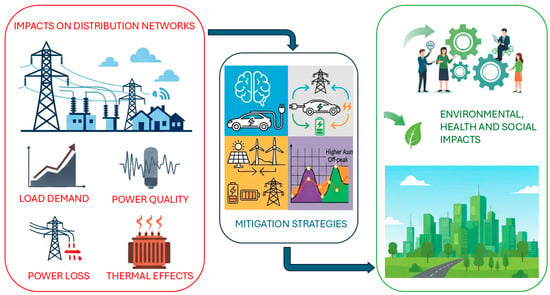
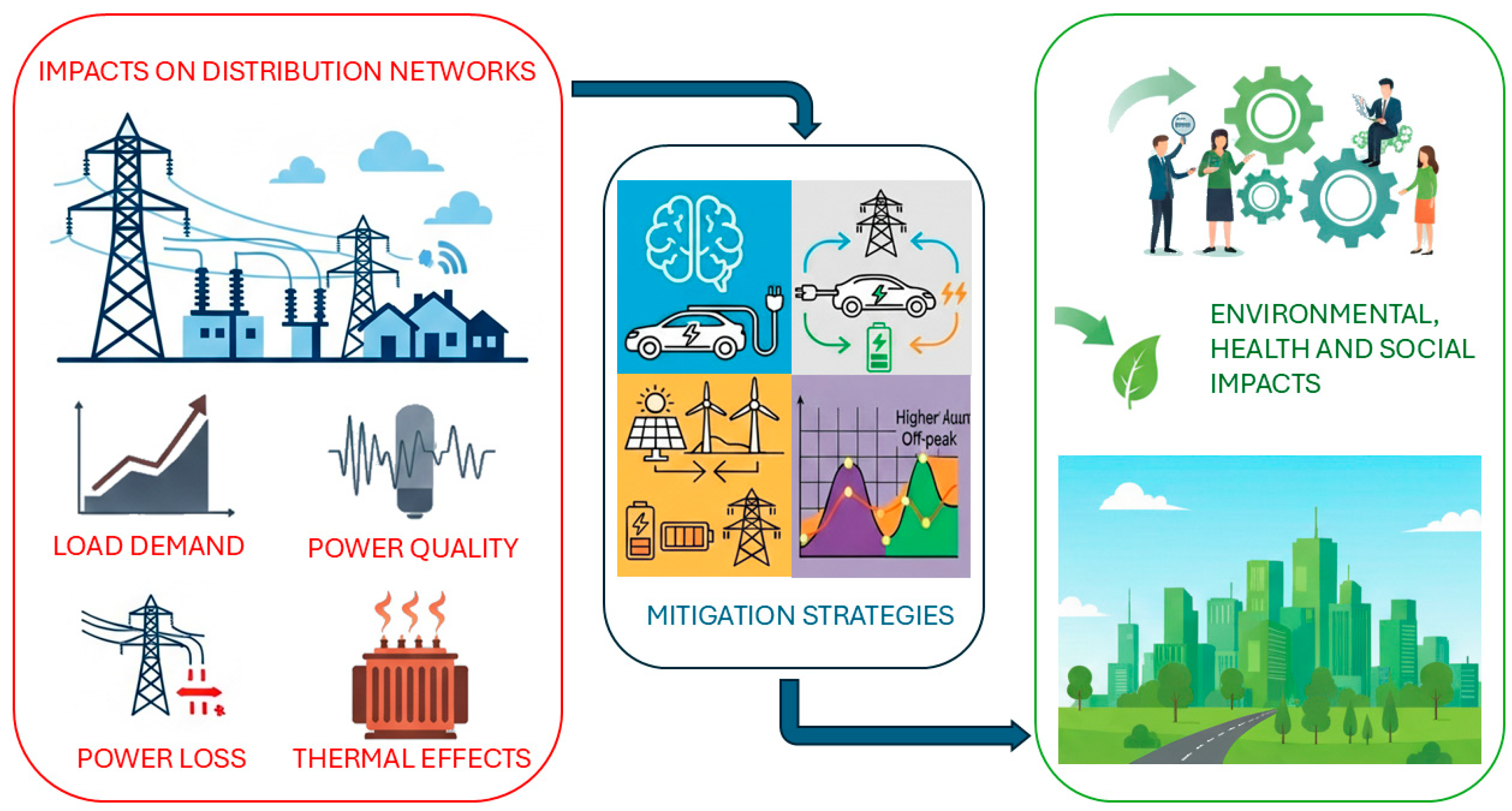
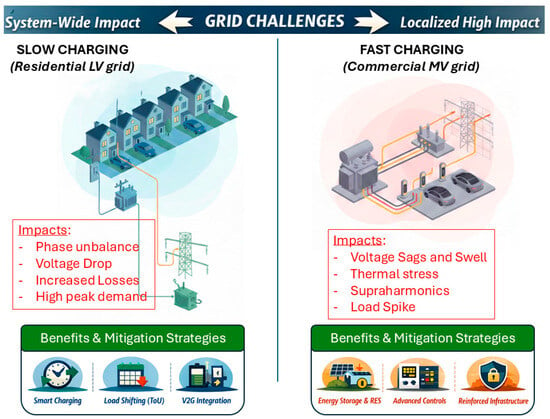
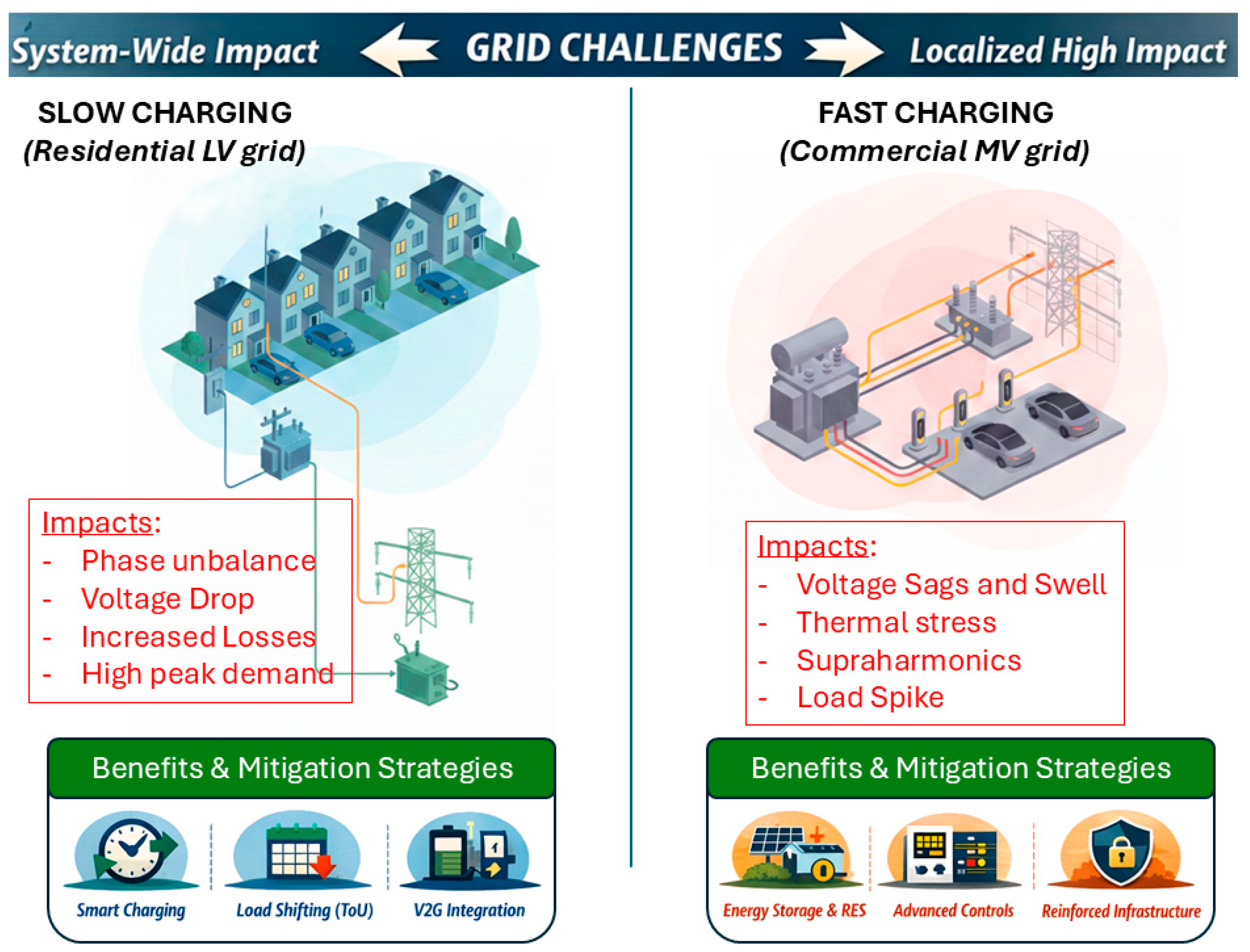
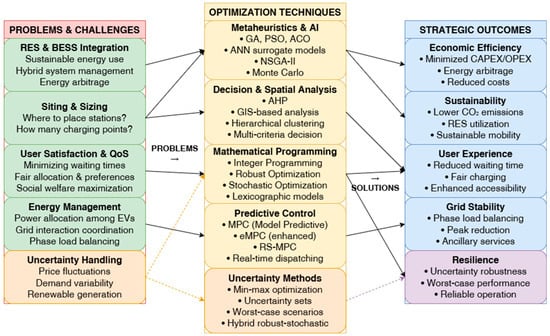
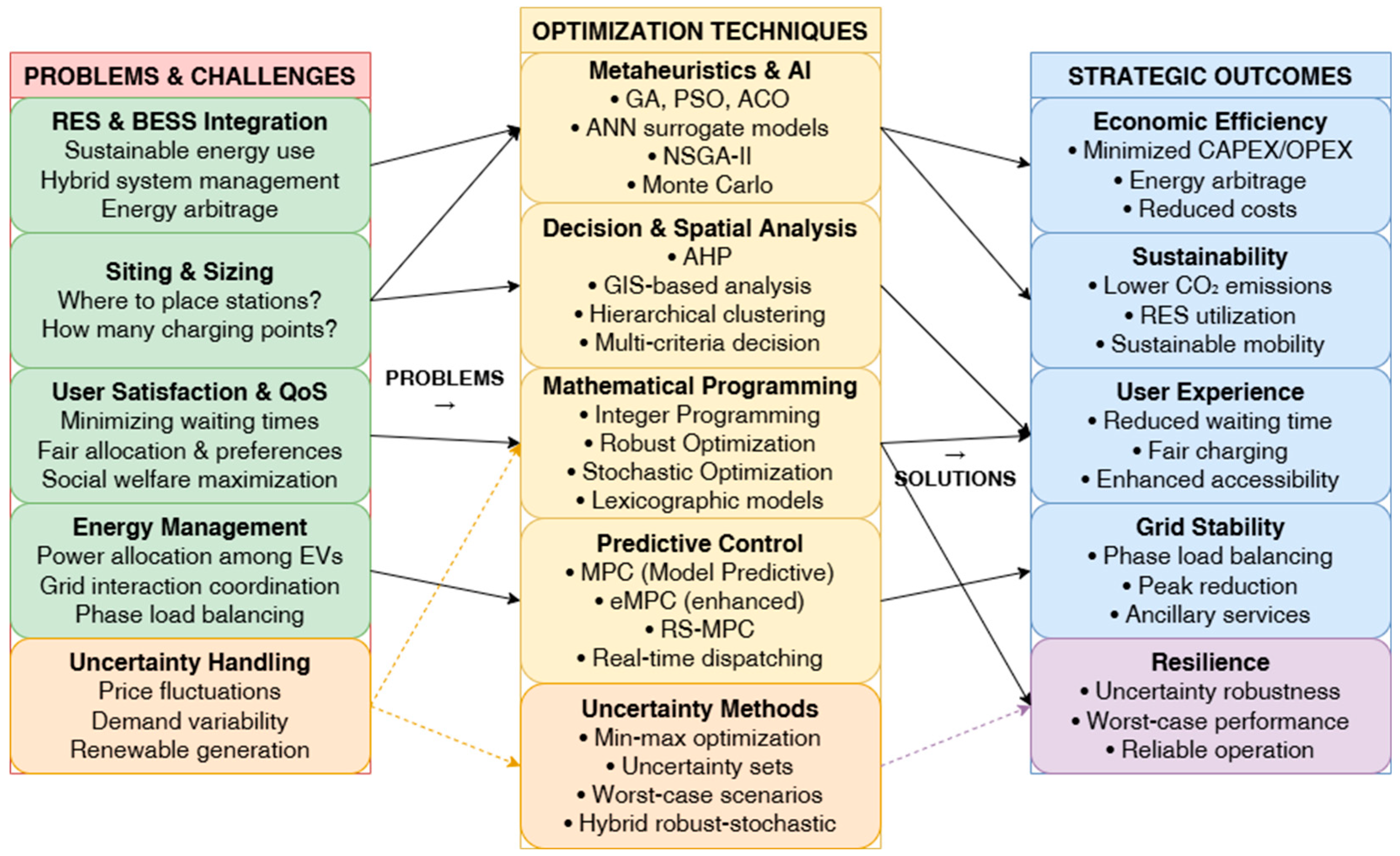
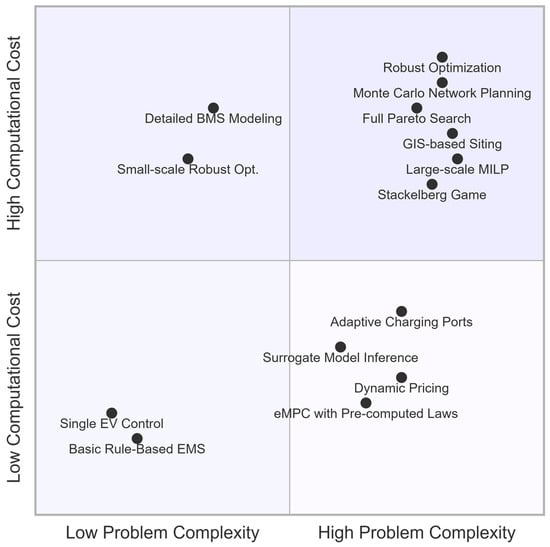
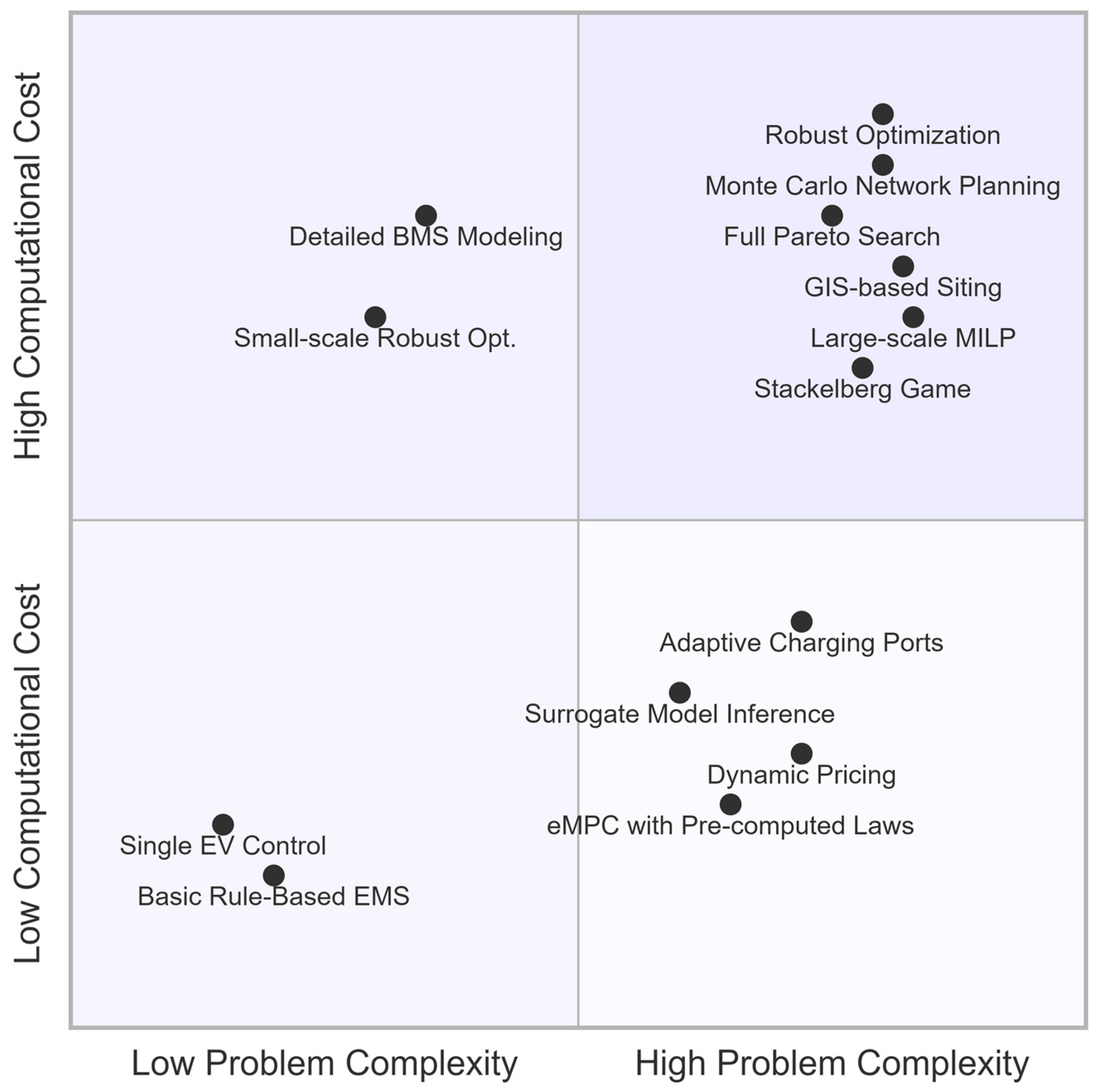
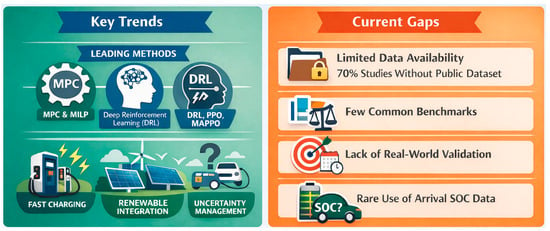
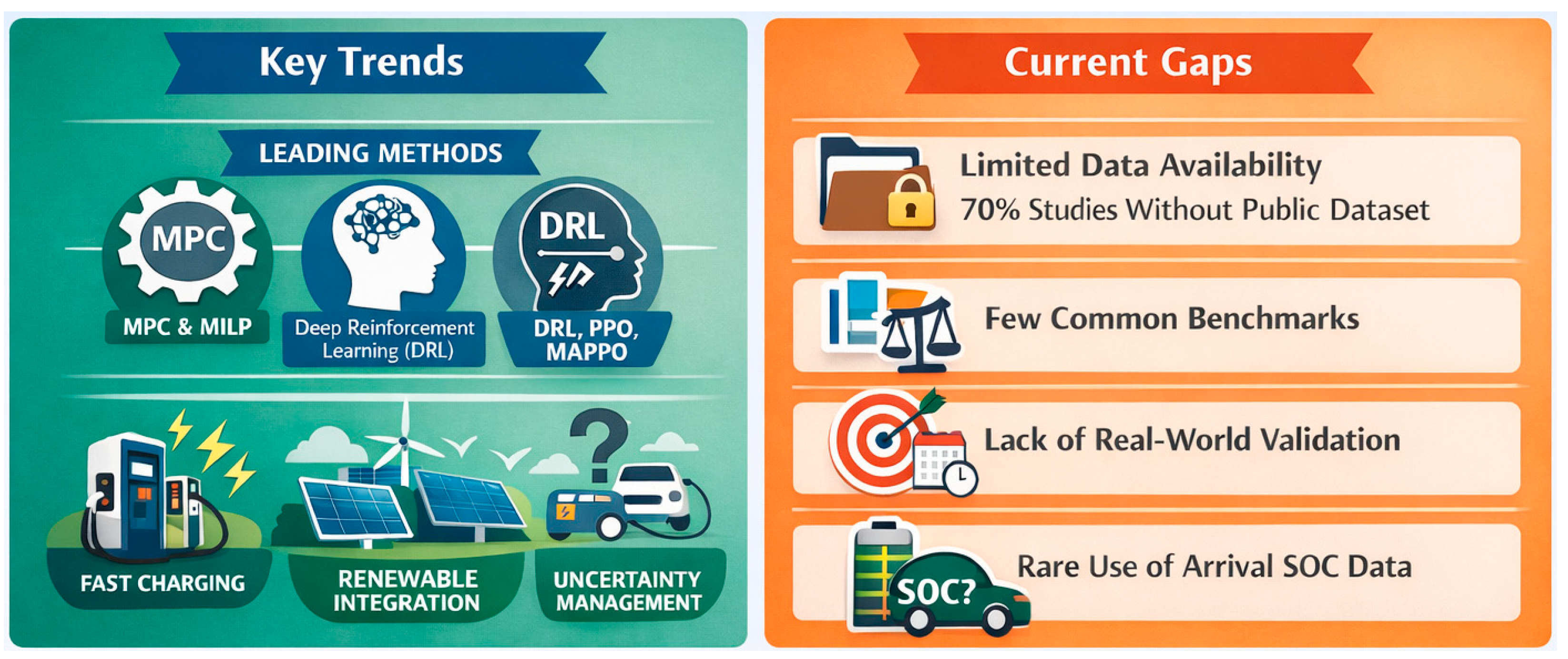
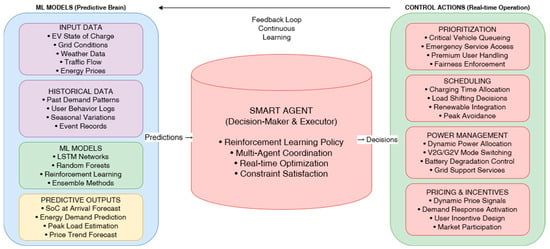
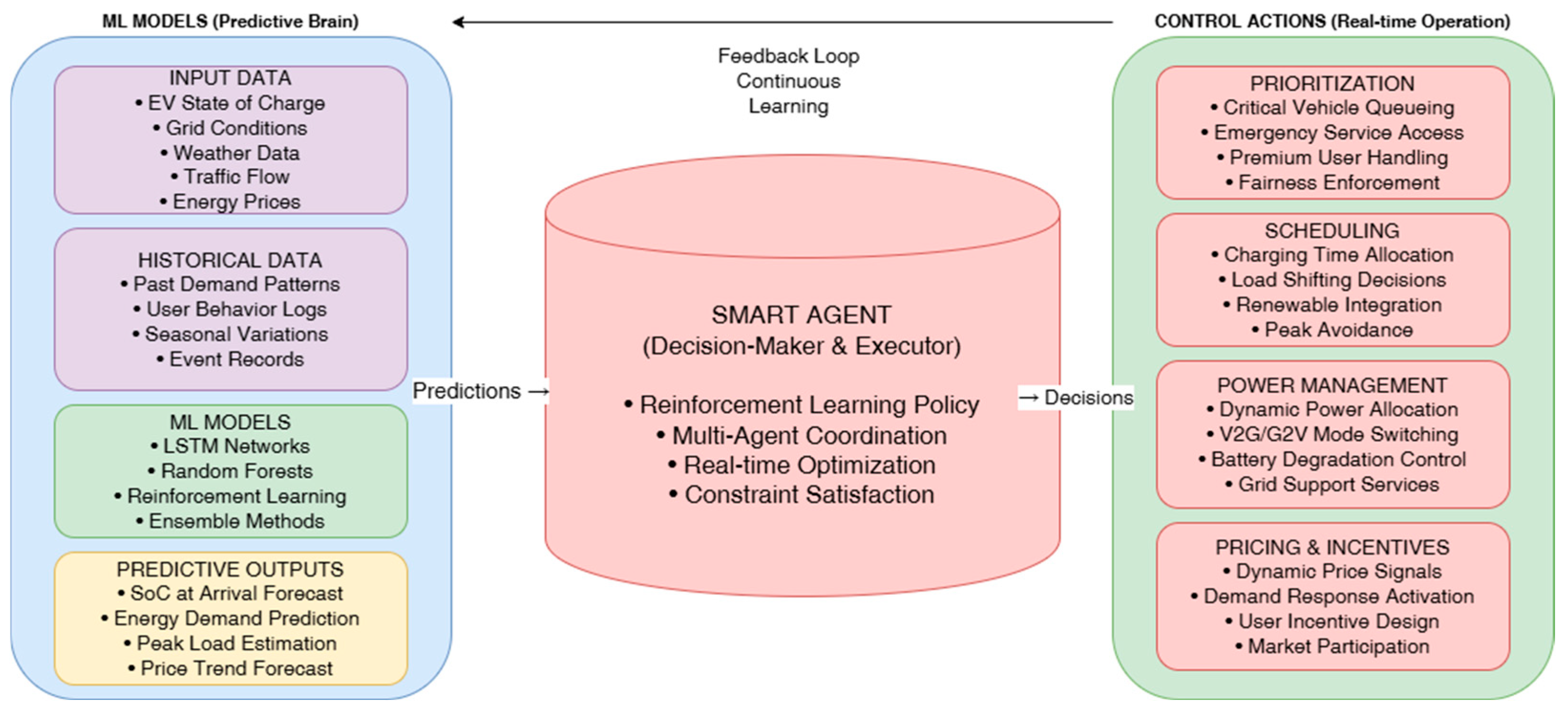







Disclaimer/Publisher’s Note: The statements, opinions and data contained in all publications are solely those of the individual author(s) and contributor(s) and not of MDPI and/or the editor(s). MDPI and/or the editor(s) disclaim responsibility for any injury to people or property resulting from any ideas, methods, instructions or products referred to in the content. |
© 2026 by the authors. Licensee MDPI, Basel, Switzerland. This article is an open access article distributed under the terms and conditions of the Creative Commons Attribution (CC BY) license.