


Abstract
Pulsed electric field (PEF) treatment has been proposed as a pretreatment for lignocellulosic biomass that uses no added chemicals or externally supplied heat, although Joule heating and electrode reactions can occur. This narrative review, based on a search of Scopus and the Web of Science (144 unique records) and on 33 primary studies on the electric-field treatment of lignocellulose, assesses the evidence for electric-field treatment in anaerobic digestion, saccharification and fractionation, and biohydrogen production. In batch digestion tests, methane yield mostly increased by 10–20%, but some variants gave only 1–7%, coarse corn stover produced up to 32% less biogas than the control, and the only pilot trial was inconclusive. Fibre composition changed little, while soluble organic matter and rate constants increased, which is consistent with improved accessibility. Evidence for saccharification rests on single studies, and no eligible study applied PEFs to lignocellulose before dark fermentation or photofermentation. The treatment of slurries required mostly 150–370 kWh per tonne of dry matter. For cogeneration at an electrical efficiency of 0.35, the break-even input is about 3.5 Wh of electricity per normal litre of additional methane; published treatments fall on both sides of this scenario-specific value. Industrial costs and life-cycle impacts of PEFs for lignocellulose have not yet been assessed.
1. Introduction
Lignocellulosic biomass is the most abundant renewable feedstock for second-generation biofuels, but its structure resists biological conversion. Cellulose, hemicellulose and lignin are tightly associated, and lignin content, cellulose crystallinity and particle size all limit the access of enzymes and microorganisms to polysaccharides [1,2]. Pretreatment is, therefore, required to separate these fractions or at least to open the structure before hydrolysis, fermentation or anaerobic digestion [1,2,3].
No single pretreatment has emerged as a general solution. A recent review concludes that conventional chemical, physico-chemical and biological methods still fall short of the requirements for sustainable industrial operation [4]. Severe thermochemical conditions also generate furan derivatives, lignin-derived phenolics and carboxylic acids that inhibit enzymes and fermenting microorganisms [5,6]. Mechanical comminution avoids inhibitors but is energy-intensive: ball milling may require up to 2.8 kWh/kg [7]. The field has consequently moved towards milder, combined and emerging techniques, among them microwave and ultrasound irradiation, high-pressure processing and pulsed electric fields [2,4,8].
Pulsed electric field (PEF) treatment exposes wet biomass to short, high-voltage pulses that increase the permeability of cell membranes, a phenomenon known as electroporation [9,10]. The technology is established in food processing for extraction, drying and juice recovery, and it has been proposed as an energy-efficient platform for biorefineries [9]. Its application to lignocellulose is recent and small in volume. A bibliometric analysis of the Web of Science Core Collection, Scopus, Dimensions and Google Scholar (searches in titles, abstracts and keywords, July 2025) found that studies on PEFs before anaerobic digestion account for less than 0.5% of publications on biomass pretreatment before anaerobic digestion, for example, 25 of 9172 records in Scopus, and it identified 66 studies on PEFs and biogas, most of them at laboratory scale and many on sludge or algae rather than lignocellulose [11].
Existing reviews treat PEFs either within broad surveys of emerging or physical pretreatments [4,8] or within the biogas sector, where sewage sludge dominates [12]. This review focuses on lignocellulosic substrates across three conversion routes: anaerobic digestion, enzymatic saccharification and fractionation, and biohydrogen production. Its aims are (i) to place PEFs among established pretreatment methods, (ii) to summarise the physical basis of the treatment and the limits of the electroporation concept in lignified tissue, (iii) to compare the reported effects quantitatively, and (iv) to identify the gaps that prevent a reliable assessment of the technology. Extraction and mass-transfer studies are included only where they show how a PEF acts on lignified tissue; their outcomes concern extractives rather than conversion and are identified as such. Section 7 also considers costs, environmental aspects and the integration of PEFs into decentralised biogas systems.
Literature Search
This is a narrative review supported by a structured database search. A reference list was first assembled from the publications of the underlying project, their reference lists, a bibliometric analysis of PEFs in biogas production [11] and the AI-assisted literature search engine Consensus. It was then checked against two bibliographic databases. Scopus and the Web of Science Core Collection were searched on 9 October 2026 in titles, abstracts and keywords with the query (“pulsed electric field*” OR “pulsed electrical field*” OR electroporat*) AND (lignocellulos* OR straw OR stover OR bagasse OR wood OR bark OR silage OR hull* OR husk* OR corncob OR “crop residue*”) AND (pretreat* OR pre-treat* OR disintegrat* OR hydrolys* OR saccharif* OR “anaerobic digestion” OR biogas OR methane OR biohydrogen OR bioethanol OR biofuel* OR biorefin*), without limits on year, language or document type. The search returned 114 records in Scopus and 92 in the Web of Science, with 144 after the removal of 62 duplicates identified by DOI and title. Experimental studies were eligible when PEF or a related electric-field treatment was applied to a lignocellulosic material, and a quantitative outcome was reported for anaerobic digestion, saccharification, fractionation of structural components, hydrogen production or mass transfer in the tissue. The screening of titles and abstracts excluded 67 records: 37 used electroporation as a laboratory method for genetic transformation or dealt with strains and enzymes, 14 did not apply an electric field to a lignocellulosic material, 10 concerned the extraction of bioactive compounds or the drying of plant residues without a conversion or fractionation outcome, three reported combustion or pyrolysis outcomes, two were proceedings volumes, and one was a retracted review. Fifty-three reviews, books and chapters were used as context and not as primary evidence. Twenty-four records met the eligibility criteria; each corresponds to a separate study, and together they include all studies on anaerobic digestion identified beforehand and seven further studies on saccharification, fractionation and extraction [13,14,15,16,17,18,19]. Nine further experimental studies on the electric-field treatment of lignocellulose came from the other sources named above; they were not retrieved by the query, mainly because they concern high-voltage electrical discharges or non-pulsed fields, substrates not named in the query, or journals with limited indexing. This synthesis is, therefore, based on 33 primary studies, 24 from the database search, and 9 from other sources; other experimental studies are cited for comparison only. The selection, with the reference numbers of both groups, is shown in Figure S1, and the database records are listed one by one in Table S5. All screening decisions on the 144 records were checked independently by a second author (M.Z.). High-voltage electrical discharges and induced or weak electric fields are treated as related techniques and are identified as such throughout. No numerical quality score was applied. Instead, each experimental study read in full was appraised for six design and reporting features: the independent replication of the treatment, a process-matched control, the temperature during the treatment, characterisation of the pulses, a mass balance of the solids, and the basis and determination of the energy input (Tables S2 and S3). These features were used in this text to qualify the weight given to individual results. Eleven studies were available only as abstracts (identified in Figure S1 and Table S3). The six features could not be assessed for them and are reported as not assessed in Table S3; statements based on these studies are identified as such, and values taken from them are marked as not verified where they enter the tables. Generative AI tools were used in preparing this review: Consensus for literature retrieval, and Claude (Anthropic) to assist with screening the records, extracting data from the full texts, recalculating energy values, and editing the text. The authors checked all search results, extracted values and calculations against the original records and publications.
2. Established Pretreatment Methods and Their Limits
Pretreatment methods are conventionally grouped into physical, chemical, physico-chemical and biological approaches, and the choice depends on the intended product [1]. Table 1 summarises the main groups and the limitations that motivate the search for alternatives. The entries are a qualitative synthesis of the cited reviews.
Table 1.
Main groups of lignocellulose pretreatment and their principal limitations.
Three observations from this body of work frame the assessment of PEF. First, for thermochemical methods, effectiveness and severity are coupled: harsher acid or hydrothermal conditions improve digestibility but also form more inhibitors, to an extent that depends on the feedstock and the target process [5,6]. Second, energy input is often the deciding factor for physical methods. The reported requirements are 66–76.5 kWh per tonne for dry milling of straw and giant reed [21], and in one comparison, 40.1 kJ/g for microwave against 70.85 kJ/g for conventional hydrothermal treatment [7]. Third, combinations of two or more techniques are increasingly preferred over single treatments, because they reduce the number of steps and limit inhibitor formation [1,7]. A step that needs no added chemicals or external heating and improves accessibility at low energy cost would be valuable mainly as one element of such a combination.
To place the PEF results in context, Table 2 lists increases in methane yield obtained using established methods, as compiled in [22] from individual studies. The values were not checked against the primary studies and cannot be compared between methods, because substrates, digestion times and controls differ. They show only the order of magnitude of the reported effects, roughly 11–37% for physical, physico-chemical, and chemical treatments and 17–52% for biological ones, the latter at the cost of treatment times of days to weeks, and they are not used as a quantitative benchmark in this review.
Table 2.
The ranges of the increase in methane yield reported for established pretreatments of lignocellulosic substrates, as compiled in [22]. Contextual information only: the values come from single studies on different substrates and under different test conditions, were not checked against the primary publications, and do not rank the methods.
3. Principles of Pulsed Electric Field Treatment
3.1. Electroporation
An external electric field induces a voltage across the cell membrane. When this transmembrane voltage exceeds a threshold, normally 0.2–1 V, the membrane structure rearranges, pores form, and permeability to ions and molecules rises sharply [23]. The formation of aqueous pores in the lipid bilayer is the widely accepted mechanism, although chemical changes to membrane lipids and modulation of membrane proteins also contribute [10]. Depending on pulse parameters, permeabilisation is reversible or irreversible; the latter leads to loss of compartmentalisation and cell death [10,24].
In plant tissue, the consequences extend beyond the membrane. Pore formation changes conductivity and impedance and causes ion leakage, loss of turgor, and redistribution of intracellular water and solutes, which in turn modifies diffusion pathways and can promote cell separation in pectin-rich regions [24]. These effects explain the efficiency of PEFs in the extraction, drying and dehydration of fresh plant material [9,24].
3.2. Process Parameters
The treatment is defined by the electric-field strength (kV/cm), pulse shape and width, number of pulses, repetition frequency, and the temperature and conductivity of the medium. The integrating parameter is the specific energy input, obtained from the voltage and current delivered to the treatment chamber over all pulses and related to the mass or volume treated. Field strength and specific energy are not interchangeable: in ley crop silage, 65 pulses at 96 kV/cm raised biogas yield by 16%, whereas 100 pulses at 48 kV/cm with the same total energy had no effect [25]. A threshold in energy has also been reported, at about 10 kWh/m3 for sludge and manure [26].
Field strengths used in PEF processing span 0.1–200 kV/cm, with pulse durations from nanoseconds to milliseconds [22]. The required strength depends on the target. Values of 0.5–1.5 kV/cm induce stress responses and reversible electroporation, 1.0–3.0 kV/cm cause irreversible permeabilisation of plant or animal tissue, and 15–40 kV/cm are used to inactivate microorganisms; the critical field strength falls as cell size increases [27]. A conventional PEF uses pulses of microseconds to milliseconds and acts mainly on the cell membrane, whereas nanosecond pulses of 1–300 ns produce intracellular effects [28]. The studies on lignocellulose reviewed below fall into two groups that differ by an order of magnitude: low-field treatments of about 0.5–6 kV/cm [29,30,31,32] and high-field treatments of 8–100 kV/cm [22,25,33,34,35,36]. Both groups report positive effects. One possible explanation is that the number of pulses and the total energy partly compensate for a lower field strength; this remains a hypothesis because no study has varied these parameters systematically on the same substrate.
A review by a consortium of PEF research groups gives working ranges of 0.5–5 kV/cm for plant cells, 1–12 kV/cm for microalgae and yeasts, and 5–20 kV/cm for bacteria, in line with decreasing cell size, and reports thresholds of 10–30 kV/cm for biogas substrates, depending on the total treatment time [9]. The same source notes that, at equal energy, fewer and more intense pulses can be more effective than many weaker ones, which agrees with the silage result above [25].
Typical specific energies follow the same order: 1–20 kJ/kg for mass transfer in plant and animal tissue at 0.7–3 kV/cm, 50–200 kJ/kg for sludge disintegration at 10–20 kV/cm, and 40–1000 kJ/kg for microbial inactivation (as summarised in [12]). The lignocellulose treatments in the diluted slurries reviewed below reach around 1000 kJ per kg of dry matter, but only 20–150 kJ per kg of suspension (Section 7.1), which is the range given for sludge disintegration.
Secondary effects accompany the field itself. Joule heating and electrochemical reactions at the electrodes are documented for sludge, where the temperature of the treated stream rose by more than 30 °C and its pH shifted towards neutral [37], and electrode reactions that form reactive species have been described in general terms for biomass slurries in a review [38]. For lignocellulosic suspensions, neither effect has been quantified: one study observed no significant temperature rise in its device [34], and another kept the rise below 5 °C by pauses between pulse trains [32]. These effects are rarely separated from the electroporation effect. High-voltage electrical discharges (HVEDs) are a related but distinct technology, in which an arc in the liquid adds mechanical fragmentation; results obtained with HVEDs should not be attributed to PEFs [39,40,41].
3.3. The Limits of the Electroporation Concept in Lignified Tissue
The electroporation model was developed for living cells with an intact plasma membrane. Whether and how PEFs affect the plant cell wall is contested. Some authors report no effect on the wall, others an increase or a decrease in its permeability, and the differences have been linked to pulse parameters and to the thickness, charge, and composition of the wall [42]. The wall also protects the cell. In cultured tobacco cells, protoplasts shrank irreversibly from 0.5 kV/cm (10 pulses), whereas cells with a wall took up a vital dye only from 1.2 kV/cm (20 pulses), and the disintegration index of protoplasts was nearly twice that of walled cells under the same conditions [43]. Plant tissue is, in addition, electrically heterogeneous, with cells that differ in size, shape, and wall structure, so the nominal field calculated from voltage and electrode gap does not describe the field experienced by individual cells [24]. A recent review of plant tissue disintegration concludes that a direct action of a PEF on the hydrated wall matrix, independent of membrane lysis, is plausible but not confirmed, because membrane permeabilisation, wall hydration, and tissue deformation occur together and the available evidence is indirect [24].
This matters for lignocellulosic feedstocks. Mature straw and wood consist largely of dead, lignified cells. Kumar et al. point out that in dried switchgrass and wood chips, the cell membranes are already destroyed, so PEFs cannot act on them and any effect must arise in the cell wall [35]. Golberg et al. state that the mechanism by which a PEF affects lignocellulosic biomass is not clear and that its effects on the extracellular matrix are so far mostly observational [9]. Changes in wall porosity, weakened lignin–carbohydrate interactions [31] and the secondary effects listed above are candidate explanations, none of which has been demonstrated directly in dead lignified tissue. No study identified here separates these contributions experimentally, and the evidence from living cells [43] and fresh tissue (Section 5.1) should not be combined with that from dried straw or wood [29,35] into a single mechanism.
3.4. Equipment and Treatment Chambers
A PEF system consists of a high-voltage pulse generator, a treatment chamber with two electrodes, and equipment for feeding and monitoring [12]. For lignocellulosic material, a size-reduction and slurrying step is added. In the prototype described in [22,33,34,36], the substrate is shredded, diluted with water to 95% moisture in a stirred tank, and then either pumped through the chamber or loaded through a hopper for static treatment. The dilution is needed to protect the pump and to obtain a continuous liquid phase between the electrodes.
Chamber geometry determines the field distribution [12]. Parallel-plate chambers give a uniform field. Coaxial chambers are better suited to flow-through operation, but the field decreases from the inner to the outer electrode; in the device used in [22,33,34,36] it varied more than threefold, from 38.6 to 11.66 kV/cm. These are local values calculated from the chamber geometry and the applied voltage of 40 kV, not measured fields; the same calculated range is given in Table 3 and Table 4. Material near the outer wall, therefore, receives a much weaker treatment than material near the centre, and a single nominal field strength does not describe the exposure. Mixing during treatment or several passes through the chamber could even out the dose, but their effect has not been reported. Guidelines on the key information that PEF studies should report have been published for food and biotechnological applications [27] and are equally applicable to biomass pretreatment.
Table 3.
The effect of PEF pretreatment on anaerobic digestion in lignocellulosic substrates. The treatment conditions are given as reported by the authors. The effects on methane yield, biogas yield and rate are listed separately, each relative to the untreated control; percentages were recalculated from the reported means, where these are given. Replication is stated as in the source; the sources do not always state whether replicate bottles came from independently treated batches. Methane and biogas denote cumulative yields at the end of the test, per unit of volatile solids unless stated otherwise; the rate refers to fitted first-order constants or maximum production rates as reported, not to measured hydrolysis constants. Differences are described as significant only where the source reports a statistical test; other percentages are descriptive. Field ranges for the coaxial chamber are local values calculated from its geometry. Replication refers to digestion bottles, unless the source states that the treatment itself was repeated in independent batches (Table S2).
Table 4.
The results of the PEF treatment of four substrates with the same device and the same methane potential test [22,33,34,36]. Percentages were recalculated from the reported means. Net energy gains are given first, as reported by the authors, who used 9.17 kWh/m3 and, for maize silage, related methane energy per gram of VS to the input per gram of TS, and then as recalculated in this review, with 9.94 kWh/Nm3 on a TS basis (Section 7.2; Note S1).
PEF equipment is commercially mature in food processing. Golberg et al. list industrial pulse generators of up to 150 kW, a vegetable-processing system with a capacity of up to 50 t/h, and about 40 installations in potato processing that operate at 1–2 kJ/kg [9]. In chambers where the electrodes are in direct contact with the material, electrode reactions cause gas evolution, dissolution of the electrode metal, and fouling, which limit electrode life [9]; abrasive, fibrous slurries are likely to aggravate this, although no data for lignocellulose were found.
An alternative arrangement isolates the substrate from the electrodes. In [29], harvest residues were dried to below 10% moisture and milled to below 1 or 2 mm; 60 g were sealed in a plastic bag and clamped between copper plates 2–3 mm apart, so that the material acted as the dielectric of a capacitor. The samples were exposed to 0.7–1.8 kV/cm for 5–40 min or to 5.4–15.3 kV/cm for 20 s to 3 min. This avoids dilution and conduction losses. It is, however, an electric-field exposure of dry material rather than a treatment of a conductive slurry, and results from the two arrangements should not be pooled without comment.
4. PEFs Before Anaerobic Digestion
Anaerobic digestion is the conversion route with the most PEF data. Early work on waste activated sludge and pig manure showed that focused pulsed treatment at 19.7–24.5 kV/cm and above about 10 kWh/m3 solubilised roughly 10% of total COD and raised the biochemical methane potential by 80% for pig manure and 100% for sludge [26]. Lignocellulosic substrates followed later and remain predominantly at laboratory scale [12]. Table 3 lists the studies identified for lignocellulosic feedstocks.
4.1. The Magnitude and Nature of the Effect
The reported gains are moderate in size: methane yield increased mostly by 10–20% in batch tests (five of the six batch experiments that report methane [22,29,33,34,36]; the sixth gave 1–4% [32]) and 13–27% for biogas yield (seven batch experiments [22,25,29,33,34,36,44]); the kinetic re-analysis [45] of the data in [29] is not counted as a separate experiment, with only 1–7% for methane in some variants [29,32], and 22% for methane yield in one semi-continuous reactor study [30], whereas a pilot trial with maize silage and manure, in which the pulses were combined with a piezoelectric shock wave, showed no difference and remained inconclusive [46]. Yields below the control have also been reported for the coarse fraction of corn stover in the data set re-analysed in [45] (Section 4.3). These figures are below the best results reported for mechanical treatment, for example, +49% in methane yield for milled wheat straw and +137% in biogas production for giant reed stems [21], or +59% for ley crop silage after grinding in a deflaker [47]. They are, however, obtained without added chemicals or external heating; Joule heating and electrode reactions (Section 3.2) still need to be quantified before the treatment can be classified as non-thermal or free of by-products.
Several observations are consistent with improved accessibility of the substrate and faster conversion. They do not show a chemical change in the fibre, and they do not isolate hydrolysis as the accelerated step: soluble COD also includes extractives and metabolites, and a rate constant fitted to gas production is not a measured hydrolysis constant. Fibre composition changes only slightly: maize silage showed a small decrease in cellulose, hemicellulose, and lignin and a corresponding rise in dissolved carbohydrates [22]. Soluble COD of rapeseed straw rose from 4146 to 4920 mg/L after 7 min [33]. Scanning electron microscopy showed more severe tissue damage in treated samples [30,33]. In a reactor study, methane concentration in the biogas stayed at about 70% in both reactors, and volatile fatty acids were consumed faster after treatment [30].
Three further studies point the same way. In ley crop silage, dissolved COD was unchanged (41–43 g/L), while conductivity rose by about 1 mS/cm, and total and volatile solids did not change [25]. In grape pomace, cellulose, hemicellulose, and lignin were the same before and after PEF treatment (188 vs. 187, 68 vs. 68, and 239 vs. 238 g/kg VS), whereas ultrasound removed 13.2% of the hemicellulose and 6.3% of the lignin [32]. In dried harvest residues, pH and total and volatile solids were unchanged, and SEM showed pore formation and distorted ends of fibre bundles [29].
4.2. Dose–Response Is Not Monotonic
More treatment is not always better. The optimum for rapeseed straw was 5 min, although soluble COD continued to rise at 7 min [33]. In corn stover, the higher voltage prolonged the lag phase and increased the variability in kinetic parameters, and preliminary trials at 3 kV stopped digestion altogether, with a final pH of 5.3–5.6 [45]. In hybrid Pennisetum, the ranking of factors for cumulative gas production was voltage > time > frequency, but the response to voltage was not monotonic: 15, 26, and 40 kV gave gains of 27%, 18% and 24%. In the same study, three groups with identical nominal settings (26 kV, 120 Hz, 60 min) gave gains of 18%, 4%, and 16%, so the differences between settings lie within the spread between nominally identical runs [44]. The contrast between the two silage protocols with equal energy [25] shows that field strength must exceed a substrate-specific threshold. Particle size interacts with the treatment, with fine fractions responding more clearly [45].
The harvest-residue study showed the same pattern in a different arrangement. Ten minutes at about 0.9–1.7 kV/cm raised methane from fine corn stover by 16% and 30 min by 10%, while combinations of fields and longer exposures gave only 2–4%; the response also differed between substrates and particle fractions, with fine corn stover the most responsive [29].
4.3. The Limitations of the Evidence
Only two studies reported semi-continuous or continuous reactor operation. One fed PEF-treated bagasse only in the initial phase; during semi-continuous operation, both reactors received untreated substrate [30]. The other was a pilot trial with two parallel lines of 200 L digesters fed with maize silage and cattle manure at 37–38 °C and a retention time of 30 d. One line received pulses of up to 30 kV across a 1 cm gap, combined with a piezoelectric shock wave (the unit also included an electrophoresis supply, whose use in the trials is not stated), first on the feed and later on the recirculated digestate. Neither the specific biogas production nor methane content differed between the lines, and the authors state that frequent blockages in the pipework by fibres, which were deliberately not milled, prevented a conclusive assessment [46]. A benefit of sustained feeding with PEF-treated lignocellulose has, therefore, not been demonstrated beyond the batch test. Controls for Joule heating and for soaking in the treatment liquid are seldom described. Treatment conditions are reported in incompatible terms, as field strength, applied voltage, exposure time, or specific energy, which prevents a pooled dose–response analysis.
Replication is also limited (Table S2). Of the ten independent experiments on anaerobic digestion, only the ley crop study states that the electric treatment itself was repeated in independent batches [25]; the others report replicate digestion bottles without stating whether they came from one treated batch, and two rely on a single reactor or line per condition [30,46]. A control that received the same handling as the treated material is documented for the pilot trial only [46]. Temperature during treatment is addressed in two studies [32,34], and no study reports solid recovery, so none allows a mass balance. The specific energy input is given in eight of the ten experiments, but is based on the measured consumption of the device in only four [22,33,34,36]. The reactor study used one reactor per condition, and its authors caution that the effect of pretreatment cannot be separated statistically from biological variation [30]. In the ley crop study, one of three control flasks was excluded, and methane content was estimated indirectly [25]. Test conditions differ widely, from 24 days at 37 °C [22,33,34,36] to 26 days at 55 °C [29] and 356 days at 30 °C [25], which further limits the comparison of yields. The corn stover data in [29] were later re-analysed with sigmoidal models [45]. The two papers describe the digestion differently (55 °C in [29], 37 °C in [45]) and the control yields do not coincide, so the size of the effect for this substrate is uncertain.
4.4. Studies with a Common Device and Protocol
Comparison between laboratories is hampered by differences in equipment. A series of four studies carried out with a single prototype installation improves comparability across the four laboratory studies, although differences in feedstock properties, pulse frequency, and dose prevent the isolation of substrate-specific effects [22,33,34,36]. The installation consisted of a shredder, a hydration tank with a stirrer, a peristaltic pump for flow-through operation, a charging hopper for static operation, and a coaxial treatment chamber of 0.5 L with stainless steel electrodes 2 cm apart. Rectangular pulses of 40 kV and 50 μs were applied at 5 kHz (10 kHz for maize silage). Because of the coaxial geometry, the field is non-uniform, from 11.66 kV/cm at the outer electrode to 38.6 kV/cm at the inner one. All substrates were shredded, diluted to 95% moisture, and introduced through the hopper. The methane potential was measured in the same way in all four studies (AMPTS II, 37 °C, 24 days, inoculum-to-substrate ratio of 5, three replicates). Table 4 summarises the outcomes.
Four findings are common to the series. First, the methane gain fell in a narrow band of 14–20%, despite large differences in substrate composition, and it was reached at similar doses of 0.26–0.37 Wh/g TS. Second, the response passed through a maximum. Solubilisation of chicken manure declined above 0.26 Wh/g TS [36]; methane yield from maize silage did not rise beyond 180 s and from rapeseed straw beyond 5 min [22,33]. Third, the fibre fractions changed little. Cellulose decreased from 21.04% to 19.50% TS in maize silage, from 34.15% to 32.22% TS in grass silage, and from 49.9% to 44.5% TS in rapeseed straw, with parallel small decreases in hemicellulose and lignin [22,33,34]; in chicken manure, the changes were not statistically significant [36]. Glucose in the liquid phase of maize silage rose only from 50.60 to 52.85 mg/g TS [22]. Fourth, the methane content of the biogas was unchanged in the three studies that report it (about 61–62% for maize silage and rapeseed straw, 67–69% for chicken manure). Methane yield from rapeseed straw correlated with soluble COD (R = 0.63) and dissolved organic carbon (R = 0.70) [33]. Together, these observations support the interpretation that PEF releases soluble organic matter and improves accessibility without substantial depolymerisation.
The two silages and the manure gave gains of 16–20%, and the straw gave a gain of 14%. Net energy differed more, with reported values from 0.235 Wh/g TS for maize silage to 0.04–0.06 Wh/g TS for chicken manure and rapeseed straw. Moisture as received and lignin content (10.3% TS in the straw against about 3–4% in the other substrates) both differ between these materials, so the series cannot separate their effects.
Not all of the published results are positive. For grape pomace, a substrate with 23.9% lignin in volatile solids, PEF at 3.6 kV/cm increased methane production by 1% (not significant) at 41 kJ/kg and by 4% at 153 kJ/kg. In the same study, ultrasound at 700 kJ/kg gave 10%, freezing at −20 °C gave 30%, and treatment with 10% NaOH gave 36% [32]. For fruit and vegetable waste treated at 15, 30 and 50 kWh/m3, the gain in methane production peaked at 7% at the lowest intensity and declined above it, whereas landfill leachate showed a threshold near 30 kWh/m3 and a gain of up to 44% at the highest intensity [48]. A related but distinct technique, high-voltage pulse discharge, gave a much larger effect on canteen food waste: a streamer corona discharge between needle and plate electrodes (40 kV, 5 mm gap, 400 Hz, 30 min) raised cumulative methane production by 134%, and the methane yield per unit of COD was removed from 234 to 315 mL/g (+34.6%) [49]. The reported energy efficiency of that treatment, 20.36 L CH4 per kWh of electricity, corresponds to about 49 Wh of electricity per litre of methane, roughly five times the energy content of the gas (9.94 Wh per normal litre). The authors’ own statement that the methane output was 5.7 times the energy consumed does not follow from these figures.
4.5. Comparison with Other Physical Treatments at Equal Energy
Two of the studies compared PEF with a reference method at identical energy doses. In grass silage, microwave treatment at up to 420 Wh/kg TS gave a maximum methane yield of 334.47 NL/kg VS and a gain of 10% over the control, against 20.1% for PEF at 370 Wh/kg TS [34]. Soluble COD rose to 10,554 mg O2/L after PEF, but only to 9505 mg O2/L after microwaves. Scanning electron microscopy showed distinct deformation of cell walls after PEF and no comparable change after microwave treatment, and no significant temperature rise was observed during PEF [34]. The last point matters because it argues against Joule heating as the main cause of the effect in this device.
In chicken manure, ultrasound and PEF gave almost the same final methane yield (250.06 and 248.90 mL/g VS), but PEF reached it at a lower dose (0.30 against 0.41 Wh/g TS) [36]. Solubilisation by ultrasound increased steadily with the energy level, whereas with PEF it peaked at 0.26 Wh/g TS. The energy balance was positive for PEF in one series only, and negative for ultrasound in all series [36]. In both comparisons, the energy dose was set at the level of the device, and the reference treatments were not necessarily measured with the same system boundary. The comparisons therefore show relative effectiveness under the conditions tested, not overall process efficiency.
4.6. Kinetics
The rate constants discussed here are fitted to gas production curves and describe the overall conversion, not hydrolysis alone. PEF appears to affect the rate of methane production more than its extent. In rapeseed straw, the first-order rate constant rose from 0.22 d−1 in the control to 0.28–0.29 d−1 after 5–8 min of treatment, and the maximum production rate rose from 81.36 to 117.06 NmL/g VS per day [33]. In chicken manure, the highest PEF dose gave a rate constant of 0.43 d−1, compared with a maximum of 0.23 d−1 for ultrasound [36]. For ley crop silage, the treated samples reached 80% of the final yield of the control 27 days earlier, a reduction of 30% in technical digestion time [25]. For grape pomace, the first-order rate constant rose by 14% [32], and in the reactor study, butyric acid was consumed faster after treatment [30]. For corn stover, sigmoidal models showed higher maximum rates after moderate treatment without a longer lag phase [45]. A faster process is of practical value because it allows a shorter retention time or a higher loading rate in an existing digester, but this benefit can only be confirmed in continuous operation.
5. PEF for Saccharification, Delignification and Fractionation
5.1. PEF as a Stand-Alone Treatment
An early study, described by its authors as the first on PEF pretreatment of biomass, built a PEF system for Southern pine wood chips (about 1.5 mm) and switchgrass (0.85–1.65 mm) suspended in water, and used the uptake of neutral red dye to quantify changes in diffusion [35]. Pulses of 100 μs were applied at 3 Hz. Switchgrass was unaffected at 2.5 and 5 kV/cm, even after 5000 pulses, but took up dye faster and to a greater extent at 8 kV/cm; 2000 pulses were sufficient, and 10 kV/cm gave no further change. Wood chips did not respond at 1 kV/cm but did at 10 kV/cm. The apparent distribution coefficient of the dye rose by about 14.5% for switchgrass and about 7% for wood, which the authors relate to the higher lignin content in wood (about 25% against 12%). The study measured permeability only; hydrolysis and sugar yields were not determined.
Direct evidence for improved saccharification is limited. In flax straw, 120,000 pulses of 100 μs at 8 kV/cm raised the yields of glucose, cellobiose, and xylose after 72 h of enzymatic hydrolysis by 25%, 67%, and 12% relative to untreated straw. The effect was found only in the 0.60–0.85 mm fraction: the finer and coarser fractions, tested only at 4 and 1.5 kV/cm, showed no significant change, and at 4 kV/cm the glucose yield of the responsive fraction was 7% below the control [50]. The work is a short conference paper with duplicate runs, no reported energy input, and comparable data for other feedstocks were not found.
Related evidence comes from extraction studies. In Norway spruce bark treated at 20 kV/cm at an initial moisture of 14% or 21%, the total phenol content of the aqueous extract increased more than eightfold, while analysis of the solid fraction showed no change in the structure of the wood or in its chemical functions [51]. Fresh rapeseed stems responded as living tissue: PEF at 8 kV/cm (200 pulses of about 10 μs, 13.3 kJ/kg) before pressing at 10 bar raised the juice yield from 34% to 81%, and the press cake reached 53.0% dry matter, against 8.8% in the fresh stems [52]. The effect weakened with maturity: under the same conditions, stems harvested in the later growth phase, with 20.75% instead of 8.8% dry matter, gave a juice yield of 55% instead of 81% [52]. In vine shoots, the improvement in polyphenol extraction began only above an energy threshold, which was 10 kJ/kg for HVEDs, 50 kJ/kg for PEF and 1010 kJ/kg for ultrasound [53]. Earlier results summarised in [9] point to the same outcome: PEF at 20 kV/cm raised the yield of polyphenols from Norway spruce about tenfold at pH 12, and for wood bark it gave yields close to those of grinding at a reported 3.2 kJ/g against 8.75 kJ/g. These results concern extractives, not structural carbohydrates. They show that pulsed fields alter mass transfer in woody tissue without detectable chemical modification of the wall [51], and that the same species responds far more strongly as fresh tissue [52] than as mature straw [33].
5.2. PEF Combined with Chemical Treatment
Most studies use PEF to enhance a chemical step. In corncob, PEF at 9 kV/cm for 60 s in NaOH solution raised the cellulose content of the solid from 22.5% to 63.1%, while hemicellulose fell from 38.3% to 25.4% and lignin from 11.7% to 9.7%; the specific energy was 8.72 kJ/L [54]. The control was untreated corncob, and no sample was treated with NaOH alone, so the contribution of the field cannot be separated from that of the alkali; raising the field from 5 to 9 kV/cm changed the cellulose content only from 59.8% to 63.1%. In rapeseed hulls, PEF at 150 kJ/kg applied before soda treatment (0.3 mol/L NaOH, 60 °C, 2 h in total) raised the removal of acid-insoluble residue from 30.7 ± 0.6% to 35.0 ± 2.0%, against 37.8 ± 1.3% for HVEDs at the same energy, and about 31.4% for both microwaves and ultrasound; the pretreated pulps were reported to be more digestible by enzymes, without numerical values in the text [39]. The paper is not internally consistent: its text gives gains of 5%, 6%, 8%, and 12% for PEF, microwaves, HVEDs, and ultrasound, which does not agree with its own table for ultrasound, and the PEF field strength is given as 13 kV/cm in the methods and 20 kV/cm elsewhere. No statistical test is reported.
The HVED studies on rapeseed straw are instructive for comparison. Delignification rose from 31.2% to 42.3% as the treatment time increased from 10 to 40 min, and HVEDs needed 9 times less energy than microwaves and 4.5 times less than ultrasound for the same effect [40]. Combined with mild organosolv treatment, HVEDs increased enzymatic digestibility by 24.92%, but they also partly degraded cellulose [41]. These results show the potential of electrotechnologies in general; they cannot be transferred directly to PEF, which lacks the mechanical action of the discharge.
Two recent studies extend this picture to other feedstocks. In walnut shells, ultrasound, PEF, and HVEDs were applied before alkali extraction of cellulose and lignin; the combined treatments gave lignin and cellulose yields of up to 17.03% and 33.40%, and ultrasound and HVEDs were significantly more effective than the other techniques tested [14]. In oil palm empty fruit bunches, PEF at 6 kV/cm for 3 min was combined with binary or ternary deep eutectic solvents; cellulose nanocrystals were obtained from the extracted cellulose at yields of 78.44–83.62%, and the PEF-assisted step consumed 0.4–2.1 kWh/kg and was faster than the same solvent treatment with conventional heating [15]. An earlier study extracted cellulose from mendong fibre (Fimbristylis globulosa) with alkali alone and with alkali assisted by PEF; according to its abstract, the crystalline structure of the product obtained with PEF was similar to that of commercial cellulose, and no yield was given there [19]. In all three cases, PEF acts together with a chemical agent, and its separate contribution cannot be judged from the information available to us.
5.3. PEF in Fractionation and Biological Treatment
In a sequential biorefinery of soybean hulls, PEF at 0.5–2 kV/cm increased the extraction of pectin by up to 55% and of proteins by up to 61%, and improved phenolic recovery. FTIR, SEM and thermogravimetric analysis indicated partial disorganisation of the matrix and weaker lignin–carbohydrate interactions, while cellulose structure and thermal stability were largely preserved; 1 kV/cm gave the best balance [31]. PEF has also been combined with solid-state fermentation using Pleurotus ostreatus on coconut dregs: at the optimum (61 s of PEF, 40 mesh, and 12.5 days of incubation), hemicellulose availability rose by 106.53%, cellulose loss was limited to 6.28%, and 21.78% of lignin was removed [55]. The field strength was not clearly reported (7.9 kV with electrodes 10 cm apart), and there was no treatment with fermentation alone, so the share of the effect due to PEF is unknown.
Tomato waste, which consists mainly of seeds and skins, was treated with PEF alone and in combination with a crude laccase or with the white-rot fungus, Trametes versicolor. According to the abstract, PEF alone raised the yield of extracted sugars about tenfold, to 83.4 mg/g, and doubled the yield of extracted polyphenols; PEF followed by laccase gave 100.6 mg/g of sugars, twice the value obtained with laccase alone. In the subsequent enzymatic hydrolysis of the polysaccharides, however, combining PEF with laccase or fungal treatment did not change the sugar yield [18]. The gain thus concerns the extraction of soluble sugars and not the saccharification of structural carbohydrates. The treatment conditions are not given in the abstract.
A later screening study by the same group puts the soybean hull result in perspective. In a Plackett–Burman design that included NaOH concentration, temperature, high-intensity ultrasound, PEF, and particle size, temperature was the dominant factor for cellulose recovery and fibrillation, particle size and NaOH concentration governed fibre swelling, and PEF made no measurable contribution to cellulose yield, the water retention value, or fibrillation yield within the range tested [13]. The authors conclude that thermochemical variables should be given priority and that the study defines an operating range in which PEF is unlikely to bring a meaningful gain.
A related approach, the induced electric field, assists dilute acid treatment at atmospheric pressure. The field is induced in the acid slurry by an alternating magnetic field, without electrodes, and it also heats the medium. For wheat straw at 90 °C, with 1% sulfuric acid for 5 h, hemicellulose removal reached 73.6% and enzymatic efficiency reached 55.8%, against 47.2% for the same acid treatment in a water bath and 26.7% for raw straw. The authors attribute the difference to the enhanced acidity of the medium and to electroporation, mechanisms they propose but do not demonstrate [56].
The same principle was applied earlier to corncob. In a fluidic reactor with voltages induced by magnetoelectric coupling, the reducing sugar content rose by up to 56% in a four-stage system; the electrical effect was limited at 70–80 °C, and the authors point out that the arrangement avoids electrode reactions, corrosion, and contamination of the sample [17]. A weak field applied through electrodes during enzymatic hydrolysis has also been tested: at 12 V/m, the conversion efficiency reached 22.8%, which was 32.6% higher than without the field [16]. Although the authors of [16] describe their system as a pulsed electric field, both studies used fields that are orders of magnitude weaker than those of PEF treatment, and they belong with the approaches discussed in Section 6.
5.4. Assessment
Across these studies, PEF behaves as a mild structural treatment that improves mass transfer and the efficiency of a subsequent chemical or biological step. It does not, by itself, remove lignin or reduce cellulose crystallinity to a degree comparable with thermochemical methods. The design of these studies limits what can be concluded (Table S3): only four of the ten studies read in full include a control that isolates the electric treatment from the accompanying chemical step or soaking [39,41,52,56], and most report the percentage composition of the residue without solid recovery. Its most defensible role in a sugar platform is as an auxiliary step that allows lower temperature, a lower chemical dose, or a shorter residence time in the main pretreatment. This hypothesis has not yet been tested with a full mass and energy balance.
6. Electric-Field Approaches in Biohydrogen Production
In the search up to 9 October 2026, no eligible study was identified that applies PEF in the strict sense of short, high-voltage pulses to lignocellulosic biomass before dark fermentation or photofermentation. The available work uses other forms of electric fields, and it is summarised here because it indicates where PEF could act.
The gap is visible in the review literature. A review of pretreatments for dark fermentative hydrogen production from lignocellulosic and algal biomass lists PEF among the physical methods, but the only PEF result it reports is the extraction of carbohydrates from the microalga Arthrospira platensis at 20 kV/cm and 100 kJ/kg; it gives no hydrogen yield for any PEF-treated substrate [57]. The same review notes that acid pretreatment releases furfural, 5-hydroxymethylfurfural, weak acids, and phenolic compounds that impair the microorganisms of dark fermentation, and that pretreatment can account for 20–25% of the operating costs and up to 50% of the equipment costs of a biorefinery [57].
A 2025 review of lignocellulose pretreatments for biohydrogen production points to the same conclusions [38]. Its section on PEF is a single paragraph: it describes the principle, illustrates the effect with a carbohydrate extraction study on microalgae rather than with a lignocellulosic substrate, and states that the application of PEF to lignocellulosic biomass is still in its infancy, with large-scale units so far used mainly in the food industry. The section cites no hydrogen yield obtained from PEF-treated lignocellulose, and PEF does not appear in the supplementary tables of single and combined pretreatment techniques. It also draws attention to electrode reactions, which can form reactive species, such as hypochlorous acid and hydrogen peroxide, and change the chemistry of the liquid near the electrode surface. This may matter for dark fermentation, where the treated suspension is fed directly to the culture, but the effect has not been measured.
A weak direct-current field of about 20 V/m combined with the biosurfactant sophorolipid, which the authors call an active electric field, was applied during enzymatic hydrolysis of wheat straw. It increased cellulase activity by 18.0% and reduced sugar content by 39.1%, and in the subsequent dark fermentation, hydrogenase activity rose by 23.0% and cumulative hydrogen production by 50.9% relative to enzymatic hydrolysis alone. The field without the surfactant gave only 13.7% more sugar and 9.2% more hydrogen, so the gain was much smaller without the surfactant; the reported comparison does not separate the effect of the surfactant from its interaction with the field [58]. A composite electric field applied to corn stover, 588 V/m for 2.7 h before and 24 V/m during 48 h of enzymatic hydrolysis, gave a cumulative yield of 77.3 ± 2.6 mL H2/g TS, 55.3% above the control without the field; the authors relate this to disruption of lignin structure, more efficient cellulase hydrolysis, and a shift in the balance between Clostridium sensu stricto 1 and Lactococcus [59].
Electric fields have also been used on the inoculum rather than the substrate. Treating the seed sludge at 10 V across a 5 cm electrode gap for 10 min gave 1.43 mol H2/mol hexose and 101.4 mL H2/L/h with glucose as substrate, and only hydrogen-producing bacteria were detected afterwards, whereas non-producers persisted after heat treatment at 90 °C [60].
The fields used in these studies, about 20–600 V/m applied for minutes to days, are several orders of magnitude weaker than those of PEF and are not pulsed. Two implications follow for PEF. First, the mechanisms proposed in these studies, better enzyme adsorption and selective pressure on the microbial community, differ from membrane permeabilisation, and they would need to be demonstrated separately for pulsed fields. Second, dark fermentation is sensitive to the furans and phenolics released by acid and hydrothermal pretreatment [5,6,57], so a treatment that improves accessibility at low severity is of particular interest for this route, provided that the products of electrode reactions are measured. Lignocellulosic biohydrogen is. Therefore, the least explored and potentially the most distinctive application of PEF. Their hydrogen yields, therefore, do not indicate what PEF itself would achieve.
7. Energy Demand, Economics and Scale-Up
7.1. Reported Energy Inputs
Low energy demand is the main argument for PEF, yet the reported inputs appear to differ widely. Much of the spread comes from the mass basis and the system boundary. Table 5, therefore, gives each input as reported, with its basis and the way it was determined, and converts it to a common denominator, kilowatt-hours per tonne of dry matter, wherever the solids content of the treated material is reported (calculation methods in Note S1). On this basis, the treatment of slurries with electrodes in contact with the material required mostly 150–370 kWh/t: 150–370 kWh/t for the slurries at 95% moisture [22,33,34,36], about 167 kWh/t for cashew apple bagasse [30] (our conditional estimate based on the bagasse mass; Section 7.2), and about 233 kWh/t for ley crop silage [25]; a lower value of about 24 kWh/t follows for corncob in NaOH from a volume-based input [54]. Per kilogram of suspension, the same treatments require only about 20–150 kJ, because the solids make up 5–8% of the suspension. The field applied to dry residues between insulated plates is a different case: its inputs of about 0.002–0.13 kWh/t are the power dissipated in the material and exclude losses in the supply [29]. Four reported values cannot be converted because the solids content is not given, and the values from [9,21] and [40] are given on a basis that could not be verified; both cases are marked in the table. Values with different boundaries, such as the dry material between insulated plates and the slurries, should not be ranked against each other. Even so, the slurry treatments required more electricity per tonne of dry matter than the dry milling of straw reported in [21] (66–77 kWh/t), and they need prior shredding, as well.
Table 5.
Specific energy inputs reported for PEF, related electric treatments, and reference treatments, with the basis of each value and its conversion to a common denominator, kilowatt-hours per tonne of dry matter (1 kWh/t = 3.6 kJ/kg). “Not verified” marks values whose basis could not be confirmed in the source; “not convertible” means that the solids content is not reported. The values for dry material between insulated plates are the power dissipated in the sample and exclude supply losses, whereas most of the slurry values are the measured consumption of the device; the two groups are not directly comparable. The converted value for cashew apple bagasse is an estimate made in this review, conditional on the mass basis (Section 7.2) and not a correction of the published input.
7.2. Energy Balance
Positive energy balances have been reported for dried corn, soybean, and sunflower residues co-digested with manure [29], where the energy input was later recalculated by two methods [61], and for cashew apple bagasse, where the reported electricity and heat potentials were 70.55 kWh and 634.91 MJ per tonne of biomass, against 46.35 kWh and 417.17 MJ in the control [30]. At equal energy input, PEF increased the methane output from grass silage by 20.1% and from microwaves by 10% (334.47 against 303.96 NL/kg VS; the abstract of the source gives 6%, which does not agree with the reported means) [34].
Two features limit the comparability of these balances. The first is the system boundary. In [22,33,36], the input is the measured consumption of the pulse generator, whereas in [61], it is the active power dissipated in the treatment capacitor, which excludes losses in the power supply. The second is the form of energy: the PEF consumes electricity, while the additional product is methane. The difference was already pointed out for ley crop silage [25]. A simple criterion makes the two sides comparable. If the extra methane is converted in a cogeneration unit with electrical efficiency η, the treatment returns its own electricity when the input per unit of additional methane is below η × 9.94 kWh/Nm3, where 9.94 kWh/Nm3 (35.8 MJ/Nm3) is the lower heating value of methane at 0 °C and 101.325 kPa. For η = 0.35, the value reported for the cogeneration unit of a 1 MW agricultural biogas plant [62], the break-even input is about 3.5 Wh per normal litre of additional methane. This value is specific to the scenario in which the additional methane is converted to electricity at this efficiency, and the heat is not valued (Note S1). Methane volumes refer to 0 °C and 101.325 kPa, where the sources report normal volumes [29,33,34,36] or use the same measuring system [22]; the volumes for ley crop silage, normalised to 25 °C and 1 atm in the source [25], were converted to 0 °C, and for the food waste study discussed below, the reference conditions are not stated, so that this comparison is approximate. The criterion generalises the calculation in [25]; the numerical value is our derivation. The same test, with an assumed electrical efficiency of 40%, has also been applied to the mechanical grinding of ley crop silage, where a deflaker returned 8–11 times its electricity demand and a disperser only broke even [47]. Recalculated from the data in [47] (0.025 and 0.192 Wh/g VS for methane gains of 66 and 48 NmL/g VS), the two machines required about 0.4 and 4.0 Wh per litre of additional methane.
The four-substrate series (Table 4 in Section 4.4) gives the most detailed balances available, because the electrical consumption of the pulse generator was measured and compared with the energy of the additional methane at 9.17 kWh/m3 [22,33,36]. For maize silage, the balance was positive at every treatment time, with a reported maximum net gain of 0.235 Wh/g TS at an input of 0.350 Wh/g TS. That figure subtracts an input per gram of TS from methane energy per gram of VS and uses 9.17 kWh/m3, which is below the heating value of a normalised gas volume. With the VS/TS ratio of 0.958 given in the source and 9.94 kWh/Nm3, the net gain was 0.26 Wh/g TS [22]. For rapeseed straw, the maximum was 0.06 Wh/g TS at an input of 0.22 Wh/g TS, and the balance became negative from 0.33 Wh/g TS upwards [33]. For chicken manure, only one dose, 0.15 Wh/g TS, gave a gain (0.04 Wh/g TS) [36]. Recalculated with 9.94 kWh/Nm3 from the reported output energies, the gains for rapeseed straw and chicken manure were about 0.08 and 0.06 Wh/g TS. In each case, the dose that maximised net energy was equal to or lower than the dose that maximised methane yield, so optimisation for yield alone overstates the useful dose. For comparison, hydrodynamic cavitation of Sida hermaphrodita silage gave a net gain of 0.17 Wh/g TS at an input of 0.28 Wh/g TS [63].
The published data fall on both sides of this value (Figure 1; data in Table S1). The treatment of dried harvest residues between insulated plates required 0.002–0.12 kWh/t, against additional methane energy of 0.08–15.3 kWh/t [29]. In the most favourable variants, the input was two to three orders of magnitude below break-even; in the least favourable one, the gain (0.08 kWh/t) barely exceeded the input (0.075 kWh/t). In wheat straw exposed to a low-voltage field, the surplus methane energy was reported to be about five times the electrical input (as cited in [61]). For ley crop silage, 259 Wh/kg VS gave an additional 0.054 m3 of methane per kg VS at 25 °C and 1 atm, or 0.049 m3 at 0 °C, which corresponds to about 5.2 Wh per normal litre. The authors themselves calculate that the balance is positive in methane energy (ratio up to 2.0), negative when the methane is converted to electricity at 40% efficiency (ratio 0.4–0.8), and positive again when the heat is recovered [25]. For the high-field treatment of diluted slurries, the values at the net-energy optimum were about 5.7 Wh per litre for maize silage and 7.2 Wh per litre for rapeseed straw (calculated from [22,33]). For comparison, in source-separated food waste, which is not a lignocellulosic substrate, 500 pulses at 24 kV/cm corresponded to 250 kJ/kg TS and raised the methane yield in a 14-week batch test from 222 to 338 L/kg TS, about 0.6 Wh per litre of additional methane (calculated here from the reported values); parallel 5 L continuous reactors gave 20–40% more methane, according to the authors [64].
Figure 1.
The electricity input per litre of additional methane in published PEF studies, compared with the break-even value for cogeneration derived in this section (3.5 Wh/L) and with the lower heating value of methane at normal conditions (9.94 Wh/L). The values were calculated in this review from the reported inputs and methane gains. In [22,33,36], the dose with the highest net energy gain is shown. For maize silage, the methane gain was converted from VS to TS (VS/TS = 0.958); for rapeseed straw and chicken manure, the output energies reported per gram of TS were used. The inputs in [29] are the power dissipated between the plates and exclude losses in the power supply; they are shown with open symbols, as are the studies that do not state the boundary of the energy measurement (e.g., [25,64]). Filled symbols denote the measured consumption of the pulse generator. Only variants for which the sources report an energy balance are included. In [29], these are 11 variants with a statistically significant gain in biogas or methane, taken from one study, so they are not independent, and variants without a gain are not represented. Food waste [64] is shown for comparison only. The underlying data are given in Table S1. The numerical values are given at the right of each row.
The cashew apple bagasse study assumes a PEF input of 22.52 kJ/kg, equivalent to 6.25 kWh per tonne of bagasse, and reports electricity potentials of 70.55 kWh per tonne of biomass using PEF and 46.35 kWh/t without it, calculated at an electrical efficiency of 50% [30]. The gain attributable to PEF was, therefore, 24.2 kWh/t, which exceeds the assumed input. The input, however, was obtained by dividing the pulse energy by a sample mass of 1.050 kg, which corresponds to the suspension described in the methods (50 g of bagasse in 1 L of water). Per kilogram of bagasse in that suspension, the input was about 473 kJ, or 131 kWh per tonne of treated bagasse. Only the initial load was treated. From the reported feeding schedule and specific yields, we estimate that it made up about half of the biomass fed, which gives roughly 68 kWh per tonne of all biomass, close to three times the additional electricity, and about 5 Wh per litre of additional methane (42.79 against 30.16 L/kg of biomass). With the published 6.25 kWh/t, the same ratio is about 0.5 Wh per litre. The balance thus depends on the mass to which the energy refers. This is our reading of the published method; it is conditional on the bagasse for digestion having been treated in the same suspension, and it should be confirmed by the authors. The calculation is set out in Note S1.
Treatments above the break-even value could still be justified in three ways, none of which has been costed for PEF: by use of the cogeneration heat, by upgrading the gas to biomethane, which values its full energy content [25], and by a lower specific input. The last can be approached by operating at the net-energy optimum instead of the yield optimum, by less dilution, and possibly by electrode arrangements that limit conduction current. A complete balance should also include shredding, pumping, and the handling of dilution water, which none of the studies counts.
The break-even value depends on the assumptions of this scenario. For electrical efficiencies of 0.30–0.40, it lies between 3.0 and 4.0 Wh/L. If the cogeneration heat is used and valued at a fraction r of the price of electricity per kilowatt-hour, the break-even rises to LHV × (η_el + r × η_th); with η_el = 0.35, η_th = 0.45, and r = 0.3, for example, it is about 4.8 Wh/L, still below the values for ley crop silage (5.2 Wh/L) and for the high-field slurry treatments. Upgrading to biomethane values the full energy content of the gas, and the break-even then depends on the ratio of the gas price to the electricity price. Further factors that could shift the assessment, such as a shorter retention time, avoided costs of other pretreatments, or changes in digestate properties, have not been quantified for PEF. Figure 1 should, therefore, be read as a test under one defined scenario, not as a general verdict on profitability.
The way the input is determined also matters. Two procedures have recently been proposed for harvest residues, one based on capacitor parameters measured before and after treatment and one on voltage and current waveforms with the power factor; they give consistent results [61]. Wider use of such procedures would make studies comparable.
7.3. Economics and Scale
Economic data are scarce. A preliminary techno-economic assessment for cashew apple bagasse estimated that PEF could double annual cash flow and shorten the payback period from 6.7 to 3.3 years, and that the payback would be 5.1 years, with heat prices 30% lower [30]. The authors describe this as a screening-level estimate from laboratory data; the same investment was assumed with and without using PEF, and the cost of PEF equipment was not included. The same study estimated greenhouse gas mitigation of 38.27 kg CO2-eq per tonne of biomass using PEFs and 25.15 kg without it, so about 13 kg per tonne is attributable to the pretreatment under the study’s assumptions. The bibliometric survey found only two full-scale studies on PEFs in biogas production, both reporting economic feasibility, and noted that long-term stability, energy balance, and integration into existing plants remain underexplored [11].
For sewage sludge, the technology has reached full scale. The review in [12] describes a commercial installation in Arizona, started in 2006, in which biogas production over six months rose by more than 40% at an unchanged methane share, the energy gained from extra biogas and heat recovery was about 18 times the PEF input, and the capital payback was under three years. It quotes capital costs of about USD 250,000 for a pilot unit and USD 45,000–2,000,000 for industrial units. A later full-scale evaluation found that the rate rather than the extent of digestion increased, so that the benefit may be confined to plants with short solids retention times (as summarised in [12]). These figures apply to pumpable sludge and cannot be transferred to fibrous substrates without testing.
The cost data for PEF equipment come almost entirely from food processing. For the commercial pasteurisation of orange juice, a cost analysis estimated a total cost of 3.7 US cents per litre, of which capital accounted for 54%, labour for 35%, and utilities for 11%, or 2.2 cents per litre more than thermal pasteurisation [65]. A more recent comparison for a plant treating 3000 L of juice per hour for 5500 h per year assumed PEF equipment costing EUR 680,000, but obtained a lower unit cost than for thermal treatment with heat recovery (EUR 0.035 against 0.042 per litre), with lower electricity and fuel gas use [66]. In the potato industry, where more than one hundred PEF units have been installed since 2010, typical inputs are about 1 kWh per tonne of raw material [67], and industrial French-fry lines operate at 0.2–1.0 kJ/kg [68]. For wastewater and biomass residues, commercial PEF units are quoted at a few tens to hundreds of thousands of dollars [69], and a techno-economic model of PEF-assisted extraction from grape pomace showed only a small reduction in the unit production cost [70]. These figures concern pumpable liquids or fresh tissue treated at about 0.2–40 kJ/kg; none refers to fibrous lignocellulosic slurries, which require 20–150 kJ per kg of suspension (Table 5).
The consequence of dilution can be illustrated with these figures, as an order-of-magnitude estimate rather than a cost assessment. At the slurry inputs in Table 5, the electricity cost of PEFs is 15–37 EUR per tonne of dry matter for every 0.10 EUR/kWh of electricity price. If the equipment cost reported for juice [66] is annualised with a capital recovery factor of 0.13 (10 years, 5%) and spread over the same throughput, it adds about 5 EUR per tonne of liquid treated, or about 100 EUR per tonne of dry matter at 95% moisture, because twenty tonnes of suspension pass the chamber for each tonne of solids. Neither figure includes shredding, pumping, the handling of dilution water, electrode replacement, or labour. Electrode reactions release metal depending on chamber design, electrode material, and pulse parameters [71], and local hot spots in treatment chambers have been linked to fouling, etching, and arcing [72], but no wear rates or maintenance costs have been reported. A cost assessment for lignocellulose, therefore, depends above all on reducing the dilution and on equipment designed for fibrous suspensions.
For conventional pretreatments, techno-economic models exist at the plant scale, mostly for bioethanol. In a model of a cellulosic ethanol plant processing 250,000 t of tall fescue per year, capital costs were 1.70–1.92 USD per litre of ethanol and production costs were 0.81–0.88 USD/L for dilute acid, dilute alkali, hot water, and steam explosion pretreatment [73]. For anaerobic digestion of wheat straw, energy integration of steam explosion improved the final energy balance by up to 15% [74], and a geospatial assessment of pretreatment for bioethanol showed that the preferred option and its greenhouse gas emissions depend on the location of the plant [75]. No comparable model includes a PEF step, so a direct comparison of the capital and operating costs of PEFs with these methods is not yet possible.
For biohydrogen, the economic picture is thinner still. A 2025 review of pretreatments for lignocellulosic biohydrogen states that no comparative techno-economic analysis of pretreatment units for hydrogen fermentation has been carried out and bases its own discussion on analyses made for bioethanol [38]. A PEF is not part of that discussion.
Several engineering questions are specific to lignocellulose. A PEF requires a continuous, conductive liquid phase between the electrodes, and for sludge, the outcome depends on conductivity, flow rate, and temperature [37]. Fibrous residues with high solids content must be milled and slurried first, which adds water and mechanical energy that should be counted in the balance. Treatment chambers must also handle abrasive particles without clogging or uneven field distribution. These issues are raised in general terms in reviews of physical pretreatments [8], but have not been addressed experimentally for straw or wood.
In summary, two kinds of evidence must be kept apart. Laboratory energy balances, measured for a few substrates at the level of the pulse generator, show that a PEF can return more energy as methane than it consumes as electricity under some conditions (Section 7.2). The economic feasibility of PEFs for lignocellulose at industrial scale, by contrast, has not been demonstrated: the only estimate is a screening-level calculation for one substrate [30], and cost data from food processing and sewage sludge cannot be transferred to fibrous slurries. Statements about the profitability or environmental benefit of the technology require continuous trials with complete energy and mass balances, a techno-economic analysis that includes equipment, dilution and pre-processing, and a life-cycle assessment (Section 7.4).
7.4. Environmental Aspects
No life-cycle assessment of the PEF pretreatment of lignocellulosic biomass has been found. The only environmental figure is the estimate for cashew apple bagasse, about 13 kg CO2-eq per tonne of biomass attributable to the pretreatment under this study’s assumptions (Section 7.3) [30]. Studies from other applications indicate which factors would dominate. For juice pasteurisation, PEFs with heat recovery reduced greenhouse gas emissions by about 30% and water use by 25% compared with thermal treatment [66], and a review of non-thermal food processes found carbon footprints comparable to or lower than those of thermal pasteurisation, with large differences between studies [76]. Among conventional pretreatments of corn stover, electricity was the main source of emissions for dilute acid and steam explosion [77], and in anaerobic digestion of lignocellulosic waste, physical and biological pretreatments had lower environmental impacts than chemical ones but were not cost-optimal [78].
For PEFs on lignocellulose, an assessment would have to account for at least the electricity consumed per tonne of dry matter (Table 5) and its emission factor; the electricity for shredding, mixing, and pumping; the water used to dilute the substrate to 5–8% solids and its recirculation; electrode material lost by electrochemical reactions [71]; the additional methane and its use; and changes in digestate quantity and properties. At the slurry inputs in Table 5, each 0.1 kg CO2-eq per kWh of grid electricity corresponds to 15–37 kg CO2-eq per tonne of dry matter, which has to be set against the emissions avoided by the additional methane. Where the electricity is supplied by the biogas plant itself, the balance reduces to the energy comparison of Section 7.2. None of these inventory data, apart from the electricity input, has been reported for PEFs on lignocellulose.
7.5. Integration into Decentralised Biogas Systems
The economic context of PEFs is set by the organisation of biogas production. Agricultural biogas plants range from single-farm units to centralised plants supplied by many farms, and the choice between them is a trade-off between economies of scale and transport costs. In Denmark, economies of scale in capital and operating costs outweighed the additional cost of transporting manure, although transport could be critical for co-substrates [79]. In a Hungarian regional study, the transport costs of crop residues and digestate exceeded those of manure in all scenarios [80], and in a Polish comparison of two agricultural plants, feedstock and its transport accounted for almost half of operating costs, with the plant supplied by pipeline from an adjacent agri-food plant performing best [81]. Small plants are often unprofitable without support: specific investment costs fell from 6000 to 4500 EUR/kW between 50 and 400 kW for small and medium livestock enterprises [82], and an investment model for individual Polish farms showed payback only with substantial subsidies [83]. Collective solutions, such as gas grids that connect several digesters [84] or farmer partnerships supplying a common plant [85], have been used to reach a viable scale, whereas decentralised conversion of biogas to energy can be less efficient than centralised use [86].
These findings bear directly on where a PEF unit could be placed. The treatment requires a pumpable suspension, so it fits plants that already handle liquid substrates or digestate rather than the dry storage of straw. In a centralised plant, one unit would serve the whole feedstock, and its capital cost would be spread over a large throughput, but the dilution water would have to be handled on site. In a small on-farm plant, the capital cost per tonne would be higher, and renting equipment, proposed for small producers in food processing [87], could be one way to limit it. Because the PEF appears to raise mainly the rate of methane production (Section 4.6), its value would be greatest where retention time or digester volume is the limiting factor. No study has yet examined these organisational options for PEFs or for any other pretreatment, and they should be part of future techno-economic assessments.
Seasonal variation in the feedstock raises a further operational question. Straw and stalks harvested at different times, and silages taken from storage over the year, differ in moisture and composition, and the state of the material affects how strongly it responds to PEF: in rapeseed stems treated under identical conditions, the juice yield fell from 81% to 55% when the dry matter of the harvested stems rose from 8.8% to 20.75% [52]. In a continuous line, such variation would also change the electrical conductivity of the suspension, which determines the current drawn at a given field strength and, therefore, the specific energy and the Joule heating per pulse. Conductivity was one of the key variables in the optimisation of PEFs for sludge [37], and the energy input reported for cashew apple bagasse was calculated from a measured conductivity of the suspension [30]. A rise in conductivity at constant pulse settings would increase both the energy delivered and the risk of local overheating, which in continuous treatment chambers has been linked to fouling, etching and arcing at the electrodes [72]. None of the studies reviewed here reports the conductivity of the suspension over a series of feedstock batches or adjusts the pulse parameters to it. Continuous PEF lines for lignocellulose would, therefore, need the monitoring of suspension conductivity and temperature, with feedback control of voltage, pulse number, or dilution, and the year-round variation in the feedstock should be included in pilot trials and in the energy and cost assessments discussed above.
8. Research Gaps and Outlook
8.1. Research Priorities
The evidence reviewed above leaves open questions of unequal weight. They are ordered here by how strongly they limit an assessment of the technology, beginning with the one that decides whether PEFs can be energetically justified at all.
The first concerns the energy measurement itself. The inputs collected in Section 7.1 differ in mass basis and in system boundary, and only four studies report the measured consumption of the pulse generator [22,33,34,36]. As long as the electricity drawn by the installation, including the losses of the power supply, is not reported per unit of dry matter and per unit of additional methane, comparisons such as Figure 1 remain approximate. The procedures proposed for harvest residues [61] and the reporting guidelines published for food applications [27] provide a starting point. Field strength, pulse width, number and frequency of pulses, chamber geometry, medium conductivity and temperature rise should be given together with the energy, since Table 3 shows how often they are missing.
The second is operation beyond the batch test. All positive results on anaerobic digestion come from batch potential tests or, in one case, from a reactor that received treated substrate only at start-up [30], and the only pilot trial was inconclusive [46]. Whether the faster kinetics observed in batch tests (Section 4.6) translate into a shorter retention time or a higher loading rate can only be established in continuous operation with treated feed. Such trials should also record process stability, the microbial community and, over a full year, the variation in feedstock moisture, composition and suspension conductivity (Section 7.5), which batch tests do not capture.
Third, the mechanism in lignified tissue is unresolved (Section 3.3). A comparison of fresh, ensiled and dry material of one species, with temperature-matched and soaking controls, would separate the contribution of residual membranes from that of the cell wall, Joule heating and electrode reactions. Structural analyses before and after treatment, as carried out for soybean hulls [31], would show whether the wall itself is modified.
Fourth, in the sugar platform, PEFs have mostly been studied together with a chemical agent, and in most of these studies its own contribution cannot be isolated (Section 5.4; Table S3). The relevant question is not whether a PEF adds a few percentage points to alkaline delignification [39,54], but whether it allows a lower temperature, chemical dose or residence time at an unchanged yield. Answering it requires factorial designs with a chemical-only control and a mass balance of the solids.
Fifth, PEFs have not been tested before dark fermentation or photofermentation of lignocellulose (Section 6). Because these processes are sensitive to furans and phenolics [5,6,57], a low-severity treatment could be of particular value for this route, provided that the products of electrode reactions are measured in the treated suspension.
Finally, the observation that moist substrates such as silages tend to respond more strongly than dry straw [22,33,34,36] is at present only a hypothesis. The number of substrates is small, and moisture is confounded with lignin content, so a comparison of several substrates under one protocol would test it more efficiently than further optimisation for single substrates.
8.2. Process Modelling, Simulation and Industrial Scale-Up
Numerical modelling of PEFs has so far been developed for liquid foods. Coupled electric, thermal and flow simulations are used to design treatment chambers, to avoid zones of over- and under-treatment and to prevent dielectric breakdown [88], and a recent review covers models from electroporation to reactor-scale flow [89]. Time-resolved models now predict the temperature of hot spots pulse by pulse in continuous chambers [72], and simulation-based design of a continuous chamber resulted in markedly different specific energies for two geometries (about 77 against 103–105 kJ/kg) [90]. For sludge, a field simulation was combined with optimisation of conductivity, flow and temperature [37]. No such model exists for fibrous lignocellulosic suspensions, whose conductivity, solids distribution and flow behaviour differ from those of liquids, and the coaxial chamber used in four of the studies reviewed here is characterised only by the calculated range of field strength (Section 3.4).
At process level, simulation tools such as Aspen Plus and SuperPro Designer have been used for conventional pretreatment [73,75] and for PEF-assisted extraction from grape pomace [70], but no plant model includes PEFs before anaerobic digestion. Building one would require parameters that the experimental studies rarely report: the dependence of methane yield and the rate constant on specific energy for each substrate, the electrical conductivity and solids content of the treated suspension, the efficiency of the pulse generator and power supply, the temperature rise and the heat that could be recovered, and the electricity needed for shredding, mixing, and pumping. With these data, a model could link the dose–response measured in batch tests to the retention time and organic loading rate of a continuous digester, place the PEF unit in the energy and water balance of the plant, and provide the inventory for the techno-economic and life-cycle assessments discussed in Section 7.3 and Section 7.4. Experimental work aimed at scale-up should, therefore, report these parameters together with the yields, so that plant-level performance can be estimated before pilot trials are designed.
9. Conclusions
A PEF is a treatment that uses no added chemicals or external heating, although Joule heating and electrode reactions can occur, and its effect on the biological conversion of lignocellulosic biomass is moderate and variable. In batch tests of anaerobic digestion, the gains are mostly 10–20% for methane yield and 13–27% for biogas yield. Smaller gains, yields below the control for coarse corn stover, and an inconclusive pilot trial with a combined treatment have also been reported. Four studies, with a common device and protocol, gave 14–20% more methane from substrates of very different composition. Fibre composition changes little, while soluble organic matter and rate constants rise, which is consistent with improved accessibility and faster conversion; the available measurements do not establish substantial depolymerisation.
For the sugar platform, the evidence is weaker. Higher sugar yields after PEF treatment alone came from one short study and one particle fraction. Combined with alkali, PEF treatment added a few percentage points of lignin removal; in several studies, its contribution could not be separated from that of the chemical agent, and a screening design on soybean hulls found no measurable contribution. Extraction studies showed that pulsed fields alter mass transfer in woody tissue without detectable chemical change, and that fresh tissue responds far more strongly than mature straw. For biohydrogen, no eligible study applying PEF to lignocellulose was identified; only weak, non-pulsed fields have been tested.
The effect depends on field strength as well as energy, passes through a maximum with the dose, and varies with particle size and, probably, with the physiological state of the tissue. The reported energy inputs ranged from below 1 kJ/kg for dry material between insulated plates to more than 1000 kJ per kilogram of dry matter for diluted slurries, which corresponds to about 20–150 kJ per kilogram of suspension and mostly to 150–370 kWh per tonne of dry matter. The dose that maximised net energy was equal to or lower than the dose that maximised methane yield. Whether a treatment repays its electricity depends on the input per litre of additional methane. The published values ranged from far below the break-even of about 3.5 Wh per normal litre, derived here for the scenario of cogeneration at an electrical efficiency of 0.35, to about 5–7 Wh/L for high-field treatment of slurries. Under the electricity-only comparison used here, treatments above this value would need additional benefits, such as use of the cogeneration heat, upgrading of the gas or a shorter retention time, none of which has been costed. None of the balances includes shredding, pumping and dilution water.
The evidence base is small, relies largely on batch yield tests with limited replication, and is reported in incompatible terms. The available evidence is not yet sufficient to establish PEF as a stand-alone pretreatment for dry lignocellulosic residues. Its most plausible roles are a low-severity step before anaerobic digestion and an auxiliary to milder chemical or biological treatments, and both remain to be confirmed in continuous operation. Standardised reporting, mechanistic studies on lignified tissue, continuous-flow trials and electricity-based energy balances are the priorities for further research. These conclusions rest on laboratory energy balances; the economic feasibility and environmental benefit of PEF for lignocellulose at the industrial scale have not been assessed and require continuous trials, techno-economic analysis and life-cycle assessment.
Supplementary Materials
The following supporting information can be downloaded at: https://www.mdpi.com/article/10.3390/en19235646/s1, Figure S1: Selection of the studies; Table S1: Data behind Figure 1; Table S2: Design and reporting features of the experimental studies on anaerobic digestion; Table S3: Design and reporting features of the experimental studies on saccharification, fractionation, extraction and hydrogen production; Table S4: Screening of the records retrieved from Scopus and the Web of Science Core Collection; Table S5: Record-by-record screening decisions; and Note S1: Calculation methods.
Author Contributions
Conceptualisation, A.N. and D.S.; methodology (literature search and screening), A.N.; formal analysis (energy recalculations), A.N.; data curation, A.N.; writing—original draft preparation, A.N.; writing—review and editing, A.N., D.S. and M.Z.; visualisation, A.N.; supervision, M.Z.; funding acquisition, D.S. All authors have read and agreed to the published version of the manuscript.
Funding
This research was funded by the National Centre for Research and Development as part of the LIDER IX programme. The project is entitled “Development of a lignocellulose biomass disintegration technology using a pulsed electric field”, LIDER/8/0026/L-9/17/NCBR/2018. The subsidy amount was PLN 1,166,250.00.
Data Availability Statement
No new experimental data were created in this study. The data extracted from the reviewed publications and the calculations based on them are provided in the Supplementary Materials (Tables S1–S5).
Acknowledgments
During the preparation of this work, the authors used Consensus (accessed October 2026) for literature retrieval and an AI-based assistant (Claude Opus 5.5, Anthropic; accessed October and November 2026) to support screening of the retrieved records, extraction of data from the reviewed publications, recalculation of energy values, drafting of text, translation, and language editing. After using these tools, the authors checked all search results, screening decisions, extracted values and calculations against the original records and publications, reviewed and edited the text, and take full responsibility for the content of this publication.
Conflicts of Interest
The authors declare no conflicts of interest.
References
- Kumar, A.K.; Sharma, S. Recent updates on different methods of pretreatment of lignocellulosic feedstocks: A review. Bioresour. Bioprocess. 2017, 4, 7. [Google Scholar] [CrossRef] [Scilit]
- Mankar, A.R.; Pandey, A.; Modak, A.; Pant, K.K. Pretreatment of lignocellulosic biomass: A review on recent advances. Bioresour. Technol. 2021, 334, 125235. [Google Scholar] [CrossRef] [Scilit]
- Bhatia, S.K.; Jagtap, S.S.; Bedekar, A.A.; Bhatia, R.K.; Patel, A.K.; Pant, D.; Rajesh Banu, J.; Rao, C.V.; Kim, Y.-G.; Yang, Y.-H. Recent developments in pretreatment technologies on lignocellulosic biomass: Effect of key parameters, technological improvements, and challenges. Bioresour. Technol. 2020, 300, 122724. [Google Scholar] [CrossRef] [Scilit]
- Hassan, S.S.; Williams, G.A.; Jaiswal, A.K. Emerging technologies for the pretreatment of lignocellulosic biomass. Bioresour. Technol. 2018, 262, 310–318. [Google Scholar] [CrossRef] [Scilit]
- Jönsson, L.J.; Martín, C. Pretreatment of lignocellulose: Formation of inhibitory by-products and strategies for minimizing their effects. Bioresour. Technol. 2016, 199, 103–112. [Google Scholar] [CrossRef] [Scilit]
- Kim, D. Physico-Chemical Conversion of Lignocellulose: Inhibitor Effects and Detoxification Strategies: A Mini Review. Molecules 2018, 23, 309. [Google Scholar] [CrossRef] [Scilit]
- Mehta, N. Synergistic pretreatment: Hybrid strategies for maximum lignocellulose valorization. Biodegradation 2026, 37, 74. [Google Scholar] [CrossRef] [Scilit]
- Sant’Ana Júnior, D.B.; Kelbert, M.; Hermes de Araújo, P.H.; de Andrade, C.J. Physical Pretreatments of Lignocellulosic Biomass for Fermentable Sugar Production. Sustain. Chem. 2025, 6, 13. [Google Scholar] [CrossRef] [Scilit]
- Golberg, A.; Sack, M.; Teissie, J.; Pataro, G.; Pliquett, U.; Saulis, G.; Töpfl, S.; Miklavčič, D.; Vorobiev, E.; Frey, W. Energy-efficient biomass processing with pulsed electric fields for bioeconomy and sustainable development. Biotechnol. Biofuels 2016, 9, 94. [Google Scholar] [CrossRef] [Scilit]
- Kotnik, T.; Rems, L.; Tarek, M.; Miklavčič, D. Membrane Electroporation and Electropermeabilization: Mechanisms and Models. Annu. Rev. Biophys. 2019, 48, 63–91. [Google Scholar] [CrossRef] [Scilit]
- Kovačić, Đ. Mapping Research Trends in Pulsed Electric Field Technology Applied to Biogas Production: A Comprehensive Bibliometric Analysis. Fuels 2025, 6, 69. [Google Scholar] [CrossRef] [Scilit]
- Kovačić, Đ.; Rupčić, S.; Kralik, D.; Jovičić, D.; Spajić, R.; Tišma, M. Pulsed electric field: An emerging pretreatment technology in a biogas production. Waste Manag. 2021, 120, 467–483. [Google Scholar] [CrossRef] [Scilit]
- Guilherme, E.P.X.; Silva, E.K. Process Intensification in Soybean Hull Fractionation: Linking Delignification, Structural Opening, and Fibrillation. ACS Eng. Au 2026, in press. [Google Scholar] [CrossRef] [Scilit]
- El Khayat Driaa, Y.; Maarir, H.; Mennani, M.; Grimi, N.; Moubarik, A.; Boussetta, N. Ultrasound, pulsed electric fields, and high-voltage electrical discharges assisted extraction of cellulose and lignin from walnut shells. Int. J. Biol. Macromol. 2025, 292, 139319. [Google Scholar] [CrossRef] [Scilit]
- Putranto, A.W.; Dutta, S.; Priananda, C.W.; Illias, H.A.; Syafiqoh, Q.; Masruchin, N.; Wibisono, Y.; Suhartini, S.; Chua, A.S.M.; Ngoh, G.C. Enhancement of cellulose nanocrystal yield from oil palm empty fruit bunches: A comparative study of binary and ternary deep eutectic solvents with pulsed electric field pretreatment. Biomass Bioenergy 2025, 196, 107672. [Google Scholar] [CrossRef] [Scilit]
- Wang, Y.-Z.; Zhang, L.; Xu, T.; Ding, K. Improving lignocellulose enzymatic saccharification in a bioreactor with an applied electric field. Ind. Crops Prod. 2017, 109, 404–409. [Google Scholar] [CrossRef] [Scilit]
- Wu, F.F.; Jin, Y.M.; Li, D.D.; Zhou, Y.Y.; Guo, L.N.; Zhang, M.Y.; Xu, X.M.; Yang, N. Electrofluid hydrolysis enhances the production of fermentable sugars from corncob via in/reverse-phase induced voltage. Bioresour. Technol. 2017, 234, 158–166. [Google Scholar] [CrossRef] [Scilit]
- Chaoua, S.; Flahaut, S.; Hiligsmann, S.; Mansour, M.; Cornu, B.; Songulashvili, G.; Chaouche, N.K. Assessment of Green Processes for Tomato Waste Biovalorization: Spotlight on the Innovative Pulsed Electric Field–Laccase Synergy for Enhanced Sugar and Phenol Extraction Yields. Bioenergy Res. 2024, 17, 1481–1492. [Google Scholar] [CrossRef] [Scilit]
- Suryanto, H.; Fikri, A.A.; Permanasari, A.A.; Yanuhar, U.; Sukardi, S. Pulsed Electric Field Assisted Extraction of Cellulose From Mendong Fiber (Fimbristylis globulosa) and its Characterization. J. Nat. Fibers 2018, 15, 406–415. [Google Scholar] [CrossRef] [Scilit]
- Jamaldheen, S.B.; Kurade, M.B.; Basak, B.; Yoo, C.G.; Oh, K.K.; Jeon, B.-H.; Kim, T.H. A review on physico-chemical delignification as a pretreatment of lignocellulosic biomass for enhanced bioconversion. Bioresour. Technol. 2022, 346, 126591. [Google Scholar] [CrossRef] [Scilit]
- Dell’Omo, P.P.; Spena, V.A. Mechanical pretreatment of lignocellulosic biomass to improve biogas production: Comparison of results for giant reed and wheat straw. Energy 2020, 203, 117798. [Google Scholar] [CrossRef] [Scilit]
- Szwarc, D.; Szwarc, K. Use of a Pulsed Electric Field to Improve the Biogas Potential of Maize Silage. Energies 2021, 14, 119. [Google Scholar] [CrossRef] [Scilit]
- Chen, C.; Smye, S.W.; Robinson, M.P.; Evans, J.A. Membrane electroporation theories: A review. Med. Biol. Eng. Comput. 2006, 44, 5–14. [Google Scholar] [CrossRef] [Scilit]
- Han, Z.; Chen, Y.-X.; Geng, Y.-H.; Cai, J.-L.; Zeng, X.-A.; Afraz, M.T.; Wang, R.-Y. Mechanistic insights into electroporation: PEF applications in plant tissue disruption. Pulsed Power 2026, 1, 100007. [Google Scholar] [CrossRef] [Scilit]
- Lindmark, J.; Lagerkvist, A.; Nilsson, E.; Carlsson, M.; Thorin, E.; Dahlquist, E. Evaluating the Effects of Electroporation Pre-treatment on the Biogas Yield from Ley Crop Silage. Appl. Biochem. Biotechnol. 2014, 174, 2616–2625. [Google Scholar] [CrossRef] [Scilit]
- Salerno, M.B.; Lee, H.-S.; Parameswaran, P.; Rittmann, B.E. Using a Pulsed Electric Field as a Pretreatment for Improved Biosolids Digestion and Methanogenesis. Water Environ. Res. 2009, 81, 831–839. [Google Scholar] [CrossRef] [Scilit]
- Raso, J.; Frey, W.; Ferrari, G.; Pataro, G.; Knorr, D.; Teissie, J.; Miklavčič, D. Recommendations guidelines on the key information to be reported in studies of application of PEF technology in food and biotechnological processes. Innov. Food Sci. Emerg. Technol. 2016, 37, 312–321. [Google Scholar] [CrossRef] [Scilit]
- Buchmann, L.; Mathys, A. Perspective on Pulsed Electric Field Treatment in the Bio-based Industry. Front. Bioeng. Biotechnol. 2019, 7, 265. [Google Scholar] [CrossRef] [Scilit]
- Kovačić, Đ.; Kralik, D.; Rupčić, S.; Jovičić, D.; Spajić, R.; Tišma, M. Electroporation of harvest residues for enhanced biogas production in anaerobic co-digestion with dairy cow manure. Bioresour. Technol. 2019, 274, 215–224. [Google Scholar] [CrossRef] [Scilit]
- Barroso, T.L.C.T.; Brito, I.P.C.; da Rosa, R.G.; Silva, E.K.; Goldbeck, R.; Forster-Carneiro, T. Pulsed electric field pretreatment enhances anaerobic digestion of cashew apple bagasse by increasing methane yield and energy recovery. J. Clean. Prod. 2026, 576, 149351. [Google Scholar] [CrossRef] [Scilit]
- Guilherme, E.P.X.; Silva, E.K. Pulsed electric field-assisted biorefinery of soybean hulls for sequential recovery of phenolics, proteins, cellulose, hemicellulose and lignin. Int. J. Biol. Macromol. 2026, 374, 153141. [Google Scholar] [CrossRef] [Scilit]
- El Achkar, J.H.; Lendormi, T.; Salameh, D.; Louka, N.; Maroun, R.G.; Lanoisellé, J.-L.; Hobaika, Z. Influence of Pretreatment Conditions on Lignocellulosic Fractions and Methane Production from Grape Pomace. Bioresour. Technol. 2018, 247, 881–889. [Google Scholar] [CrossRef] [Scilit]
- Szwarc, D.; Głowacka, K. Increasing the Biogas Potential of Rapeseed Straw Using Pulsed Electric Field Pre-Treatment. Energies 2021, 14, 8307. [Google Scholar] [CrossRef] [Scilit]
- Szwarc, D.; Nowicka, A.; Głowacka, K. Cross-Comparison of the Impact of Grass Silage Pulsed Electric Field and Microwave-Induced Disintegration on Biogas Production Efficiency. Energies 2022, 15, 5122. [Google Scholar] [CrossRef] [Scilit]
- Kumar, P.; Barrett, D.M.; Delwiche, M.J.; Stroeve, P. Pulsed Electric Field Pretreatment of Switchgrass and Wood Chip Species for Biofuel Production. Ind. Eng. Chem. Res. 2011, 50, 10996–11001. [Google Scholar] [CrossRef] [Scilit]
- Szwarc, D.; Nowicka, A.; Zieliński, M. Comparison of the Effects of Pulsed Electric Field Disintegration and Ultrasound Treatment on the Efficiency of Biogas Production from Chicken Manure. Appl. Sci. 2023, 13, 8154. [Google Scholar] [CrossRef] [Scilit]
- Kuşçu, Ö.S.; Çömlekçi, S.; Çört, N. Disintegration of sewage sludge using pulsed electrical field technique: PEF optimization, simulation, and anaerobic digestion. Environ. Technol. 2022, 43, 2809–2824. [Google Scholar] [CrossRef] [Scilit]
- Zhao, Z.-T.; Ding, J.; Pang, J.-W.; Bao, M.-Y.; Luo, G.; Wang, B.-Y.; Liu, B.-F.; Zhang, L.-Y.; Ren, N.-Q.; Yang, S.-S. Pretreatments of lignocellulosic biomass for biohydrogen biorefinery: Recent progress, techno-economic feasibility and prospectives. Crit. Rev. Environ. Sci. Technol. 2025, 55, 1070–1096. [Google Scholar] [CrossRef] [Scilit]
- Brahim, M.; Boussetta, N.; Grimi, N.; Vorobiev, E.; Brosse, N. Innovative physically-assisted soda fractionation of rapeseed hulls for better recovery of biopolymers. RSC Adv. 2016, 6, 19833–19842. [Google Scholar] [CrossRef] [Scilit]
- Brahim, M.; El Kantar, S.; Boussetta, N.; Grimi, N.; Brosse, N.; Vorobiev, E. Delignification of rapeseed straw using innovative chemo-physical pretreatments. Biomass Bioenergy 2016, 95, 92–98. [Google Scholar] [CrossRef] [Scilit]
- Brahim, M.; Checa Fernandez, B.L.; Regnier, O.; Boussetta, N.; Grimi, N.; Sarazin, C.; Husson, E.; Vorobiev, E.; Brosse, N. Impact of ultrasounds and high voltage electrical discharges on physico-chemical properties of rapeseed straw’s lignin and pulps. Bioresour. Technol. 2017, 237, 11–19. [Google Scholar] [CrossRef] [Scilit]
- Delsart, C. Plant Cell Wall: Description, Role in Transport, and Effect of Electroporation. In Handbook of Electroporation; Miklavčič, D., Ed.; Springer: Cham, Switzerland, 2017; pp. 489–509. [Google Scholar] [CrossRef] [Scilit]
- Janositz, A.; Knorr, D. Microscopic visualization of Pulsed Electric Field induced changes on plant cellular level. Innov. Food Sci. Emerg. Technol. 2010, 11, 592–597. [Google Scholar] [CrossRef] [Scilit]
- Wang, B.; Chen, T.; Qin, X.; Wu, Q.; Zhao, Y.; Bai, S.; Peng, W.; Feng, B. Effect of high-voltage pulsed electric field (HPEF) pretreatment on biogas production rates of hybrid Pennisetum by anaerobic fermentation. Nat. Gas. Ind. B 2018, 5, 48–53. [Google Scholar] [CrossRef] [Scilit]
- Kovačić, Đ.; Rupčić, S.; Engler, M.; Samac, D. Kinetic Evaluation of Anaerobic Co-Digestion of Pulsed Electric Field-Pretreated Corn Stover Using Sigmoidal Models. Agronomy 2026, 16, 1473. [Google Scholar] [CrossRef] [Scilit]
- Echtermeyer, D.; Chroszielewski, S.; Krause, W.; Schneider, G.; Brutscher, J.; Müller, U.; Krebs, C.; Schäfer, F.; Beckmann, D.; Pliquett, U. Untersuchung zur Desintegration von Gärmedien in einer parallel betriebenen Pilotbiogasanlage. Landtechnik 2021, 76, 124–141. (In German) [Google Scholar] [CrossRef]
- Lindmark, J.; Leksell, N.; Schnürer, A.; Thorin, E. Effects of mechanical pre-treatment on the biogas yield from ley crop silage. Appl. Energy 2012, 97, 498–502. [Google Scholar] [CrossRef] [Scilit]
- Safavi, S.M.; Unnthorsson, R. Methane Yield Enhancement via Electroporation of Organic Waste. Waste Manag. 2017, 66, 61–69. [Google Scholar] [CrossRef] [Scilit]
- Zou, L.; Ma, C.; Liu, J.; Li, M.; Ye, M.; Qian, G. Pretreatment of Food Waste with High Voltage Pulse Discharge towards Methane Production Enhancement. Bioresour. Technol. 2016, 222, 82–88. [Google Scholar] [CrossRef] [Scilit]
- Alawad, I.; Laforge, P.; Wagner, D.; Xiao, H.; Hu, J.; Ibrahim, H. Pulsed Electric Field Pretreatment of Flax Straw: The Effect of Particle Size. Eng. Proc. 2024, 76, 99. [Google Scholar] [CrossRef] [Scilit]
- Bouras, M.; Grimi, N.; Bals, O.; Vorobiev, E. Impact of pulsed electric fields on polyphenols extraction from Norway spruce bark. Ind. Crops Prod. 2016, 80, 50–58. [Google Scholar] [CrossRef] [Scilit]
- Yu, X.; Gouyo, T.; Grimi, N.; Bals, O.; Vorobiev, E. Pulsed electric field pretreatment of rapeseed green biomass (stems) to enhance pressing and extractives recovery. Bioresour. Technol. 2016, 199, 194–201. [Google Scholar] [CrossRef] [Scilit]
- Rajha, H.N.; Boussetta, N.; Louka, N.; Maroun, R.G.; Vorobiev, E. A comparative study of physical pretreatments for the extraction of polyphenols and proteins from vine shoots. Food Res. Int. 2014, 65, 462–468. [Google Scholar] [CrossRef] [Scilit]
- Putranto, A.W.; Abida, S.H.; Adrebi, K.; Harianti, A. Lignocellulosic Analysis of Corncob Biomass by Using Non-Thermal Pulsed Electric Field-NaOH Pretreatment. Reaktor 2020, 20, 183–191. [Google Scholar] [CrossRef] [Scilit]
- Murtius, W.S.; Argo, B.D.; Nurika, I.; Sukardi. Stepwise Pretreatment of Pulsed Electric Fields and Solid Substrate Fermentation Using Pleurotus ostreatus on Coconut Dregs. J. Renew. Mater. 2025, 13, 997–1020. [Google Scholar] [CrossRef] [Scilit]
- Zhang, L.; Shao, G.; Jin, Y.; Yang, N.; Xu, X. Efficient hemicellulose removal from lignocellulose by induced electric field-aided dilute acid pretreatment. Int. J. Biol. Macromol. 2024, 261, 129839. [Google Scholar] [CrossRef] [Scilit]
- Yang, E.; Chon, K.; Kim, K.-Y.; Le, G.T.H.; Nguyen, H.Y.; Le, T.T.Q.; Nguyen, H.T.T.; Jae, M.-R.; Ahmad, I.; Oh, S.-E.; et al. Pretreatments of lignocellulosic and algal biomasses for sustainable biohydrogen production: Recent progress, carbon neutrality, and circular economy. Bioresour. Technol. 2023, 369, 128380. [Google Scholar] [CrossRef] [Scilit]
- Zhao, B.; Wang, S.; Dong, Z.; Cao, S.; Yuan, A.; Sha, H.; Chen, N. Enhancing dark fermentative hydrogen production from wheat straw through synergistic effects of active electric fields and enzymatic hydrolysis pretreatment. Bioresour. Technol. 2024, 406, 130993. [Google Scholar] [CrossRef] [Scilit]
- Dong, Z.; Cao, S.; Zhao, B.; Wang, G.; Duan, J.; Yuan, A. Enhancement of hydrogen production in dark fermentation of corn stover hydrolysates through composite electric field pretreatment: Improving enzymatic efficiency and regulating microbial metabolic balance. Bioresour. Technol. 2025, 415, 131721. [Google Scholar] [CrossRef] [Scilit]
- Jeong, D.-Y.; Cho, S.-K.; Shin, H.-S.; Jung, K.-W. Application of an electric field for pretreatment of a seeding source for dark fermentative hydrogen production. Bioresour. Technol. 2013, 139, 393–396. [Google Scholar] [CrossRef] [Scilit]
- Rupčić, S.; Mandrić, V.; Kovačić, Đ.; Kralik, D. Recommendation for Calculation of Energy Demand in Pulsed Electric Field Pretreatment of Lignocellulosic Biomass for Efficient Biogas Production. Sustainability 2026, 18, 537. [Google Scholar] [CrossRef] [Scilit]
- Pilarski, K.; Pilarska, A.A.; Kolasa-Więcek, A.; Suszanowicz, D. An Agricultural Biogas Plant as a Thermodynamic System: A Study of Efficiency in the Transformation from Primary to Secondary Energy. Energies 2023, 16, 7398. [Google Scholar] [CrossRef] [Scilit]
- Zieliński, M.; Rusanowska, P.; Krzywik, A.; Dudek, M.; Nowicka, A.; Dębowski, M. Application of Hydrodynamic Cavitation for Improving Methane Fermentation of Sida hermaphrodita Silage. Energies 2019, 12, 526. [Google Scholar] [CrossRef] [Scilit]
- Carlsson, M.; Lagerkvist, A.; Ecke, H. Electroporation for enhanced methane yield from municipal solid waste. In Proceedings of the ORBIT 2008, Wageningen, The Netherlands, 13–15 October 2008. [Google Scholar]
- Sampedro, F.; McAloon, A.; Yee, W.; Fan, X.; Zhang, H.Q.; Geveke, D.J. Cost analysis of commercial pasteurization of orange juice by pulsed electric fields. Innov. Food Sci. Emerg. Technol. 2013, 17, 72–78. [Google Scholar] [CrossRef] [Scilit]
- Landi, G.; Benedetti, M.; Sforzini, M.; Eslami, E.; Pataro, G. Comparative Analysis of Cost, Energy Efficiency, and Environmental Impact of Pulsed Electric Fields and Conventional Thermal Treatment with Integrated Heat Recovery for Fruit Juice Pasteurization. Foods 2025, 14, 2239. [Google Scholar] [CrossRef] [Scilit]
- Hill, K.; Ostermeier, R.; Töpfl, S.; Heinz, V. Pulsed Electric Fields in the Potato Industry. In Pulsed Electric Fields Technology for the Food Industry, 2nd ed.; Raso, J., Heinz, V., Alvarez, I., Toepfl, S., Eds.; Springer: Cham, Switzerland, 2022; pp. 325–335. [Google Scholar] [CrossRef] [Scilit]
- Fauster, T.; Schlossnikl, D.; Rath, F.; Ostermeier, R.; Teufel, F.; Toepfl, S.; Jaeger, H. Impact of pulsed electric field (PEF) pretreatment on process performance of industrial French fries production. J. Food Eng. 2018, 235, 16–22. [Google Scholar] [CrossRef] [Scilit]
- Capodaglio, A.G. Pulse Electric Field Technology for Wastewater and Biomass Residues’ Improved Valorization. Processes 2021, 9, 736. [Google Scholar] [CrossRef] [Scilit]
- Soltanipour, F.; Donsì, F.; Ferrari, G. Techno-economic evaluation of pulsed electric field technology in polyphenol extraction from red grape pomace. Food Bioprod. Process. 2025, 153, 185–199. [Google Scholar] [CrossRef] [Scilit]
- Pataro, G.; Donsì, G.; Ferrari, G. Modeling of Electrochemical Reactions During Pulsed Electric Field Treatment. In Handbook of Electroporation; Miklavčič, D., Ed.; Springer: Cham, Switzerland, 2017; pp. 1–30. [Google Scholar] [CrossRef] [Scilit]
- Lombergar, P.; Flisar, K.; Miklavčič, D.; Mahnič-Kalamiza, S. Time-dependent model of temperature distribution in continuous flow pulsed electric field treatment chambers. Innov. Food Sci. Emerg. Technol. 2024, 93, 103628. [Google Scholar] [CrossRef] [Scilit]
- Kumar, D.; Murthy, G.S. Impact of pretreatment and downstream processing technologies on economics and energy in cellulosic ethanol production. Biotechnol. Biofuels 2011, 4, 27. [Google Scholar] [CrossRef] [Scilit]
- García Álvaro, A.; Ruiz Palomar, C.; Díaz Villalobos, I.; Hermosilla Redondo, M.D.; Muñoz Torre, R.; de Godos Crespo, I. Energy integration of thermal pretreatment in anaerobic digestion of wheat straw. Energies 2024, 17, 2030. [Google Scholar] [CrossRef] [Scilit]
- Vasilakou, K.; Nimmegeers, P.; Billen, P.; Van Passel, S. Geospatial environmental techno-economic assessment of pretreatment technologies for bioethanol production. Renew. Sustain. Energy Rev. 2023, 187, 113743. [Google Scholar] [CrossRef] [Scilit]
- Yang, M.; Wang, Q. Carbon footprint and cost analysis of non-thermal food processing technologies: A review with a case study on orange juice. Front. Sustain. Food Syst. 2025, 9, 1585467. [Google Scholar] [CrossRef] [Scilit]
- Prasad, A.; Sotenko, M.; Blenkinsopp, T.; Coles, S.R. Life cycle assessment of lignocellulosic biomass pretreatment methods in biofuel production. Int. J. Life Cycle Assess. 2016, 21, 44–50. [Google Scholar] [CrossRef] [Scilit]
- Fan, Y.V.; Klemeš, J.J.; Perry, S.; Lee, C.T. Anaerobic digestion of lignocellulosic waste: Environmental impact and economic assessment. J. Environ. Manag. 2019, 231, 352–363. [Google Scholar] [CrossRef] [Scilit]
- Skovsgaard, L.; Jacobsen, H.K. Economies of scale in biogas production and the significance of flexible regulation. Energy Policy 2017, 101, 77–89. [Google Scholar] [CrossRef] [Scilit]
- Soha, T.; Papp, L.; Csontos, C.; Munkácsy, B. The importance of high crop residue demand on biogas plant site selection, scaling and feedstock allocation—A regional scale concept in a Hungarian study area. Renew. Sustain. Energy Rev. 2021, 141, 110822. [Google Scholar] [CrossRef] [Scilit]
- Muradin, M.; Joachimiak-Lechman, K.; Foltynowicz, Z. Evaluation of Eco-Efficiency of Two Alternative Agricultural Biogas Plants. Appl. Sci. 2018, 8, 2083. [Google Scholar] [CrossRef] [Scilit]
- Eftaxias, A.; Kolokotroni, I.; Michailidis, C.; Charitidis, P.; Diamantis, V. Techno-Economic Assessment of Anaerobic Digestion Technology for Small- and Medium-Sized Animal Husbandry Enterprises. Appl. Sci. 2024, 14, 4957. [Google Scholar] [CrossRef] [Scilit]
- Klimek, K.; Kapłan, M.; Syrotyuk, S.; Bakach, N.; Kapustin, N.; Konieczny, R.; Dobrzyński, J.; Borek, K.; Anders, D.; Dybek, B.; et al. Investment Model of Agricultural Biogas Plants for Individual Farms in Poland. Energies 2021, 14, 7375. [Google Scholar] [CrossRef] [Scilit]
- Hengeveld, E.J.; Bekkering, J.; van Gemert, W.; Broekhuis, A.A. Biogas infrastructures from farm to regional scale, prospects of biogas transport grids. Biomass Bioenergy 2016, 86, 43–52. [Google Scholar] [CrossRef] [Scilit]
- Zemo, K.H.; Termansen, M. Farmers’ willingness to participate in collective biogas investment: A discrete choice experiment study. Resour. Energy Econ. 2018, 52, 87–101. [Google Scholar] [CrossRef] [Scilit]
- González, R.; García-Cascallana, J.; Gómez, X. Energetic valorization of biogas. A comparison between centralized and decentralized approach. Renew. Energy 2023, 215, 119013. [Google Scholar] [CrossRef] [Scilit]
- Dias, S.; Pino-Hernández, E.; Gonçalves, D.; Rego, D.; Redondo, L.; Alves, M. Challenges and Opportunities for Pilot Scaling-Up Extraction of Olive Oil Assisted by Pulsed Electric Fields: Process, Product, and Economic Evaluation. Appl. Sci. 2024, 14, 3638. [Google Scholar] [CrossRef] [Scilit]
- Gerlach, D.; Alleborn, N.; Baars, A.; Delgado, A.; Jeldrik, M.; Knorr, D. Numerical simulations of pulsed electric fields for food preservation: A review. Innov. Food Sci. Emerg. Technol. 2008, 9, 408–417. [Google Scholar] [CrossRef] [Scilit]
- Luzi, G.; Bashir, K.M.I.; Lyu, W.; Cho, M.-G.; Choi, J.-S. Mathematical Modeling and Computational Approaches for Pulsed Electric Field Processing in Food Preservation: A Comprehensive Review. Foods 2026, 15, 164. [Google Scholar] [CrossRef] [Scilit]
- Schottroff, F.; Knappert, J.; Eppmann, P.; Krottenthaler, A.; Horneber, T.; McHardy, C.; Rauh, C.; Jaeger, H. Development of a Continuous Pulsed Electric Field (PEF) Vortex-Flow Chamber for Improved Treatment Homogeneity Based on Hydrodynamic Optimization. Front. Bioeng. Biotechnol. 2020, 8, 340. [Google Scholar] [CrossRef] [Scilit]
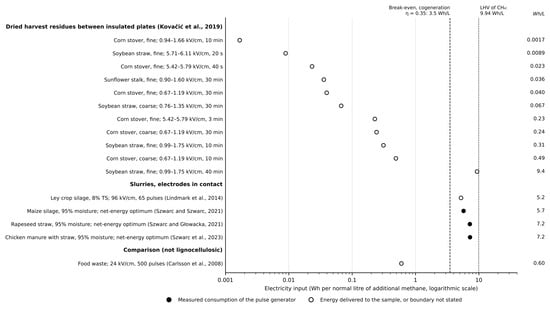
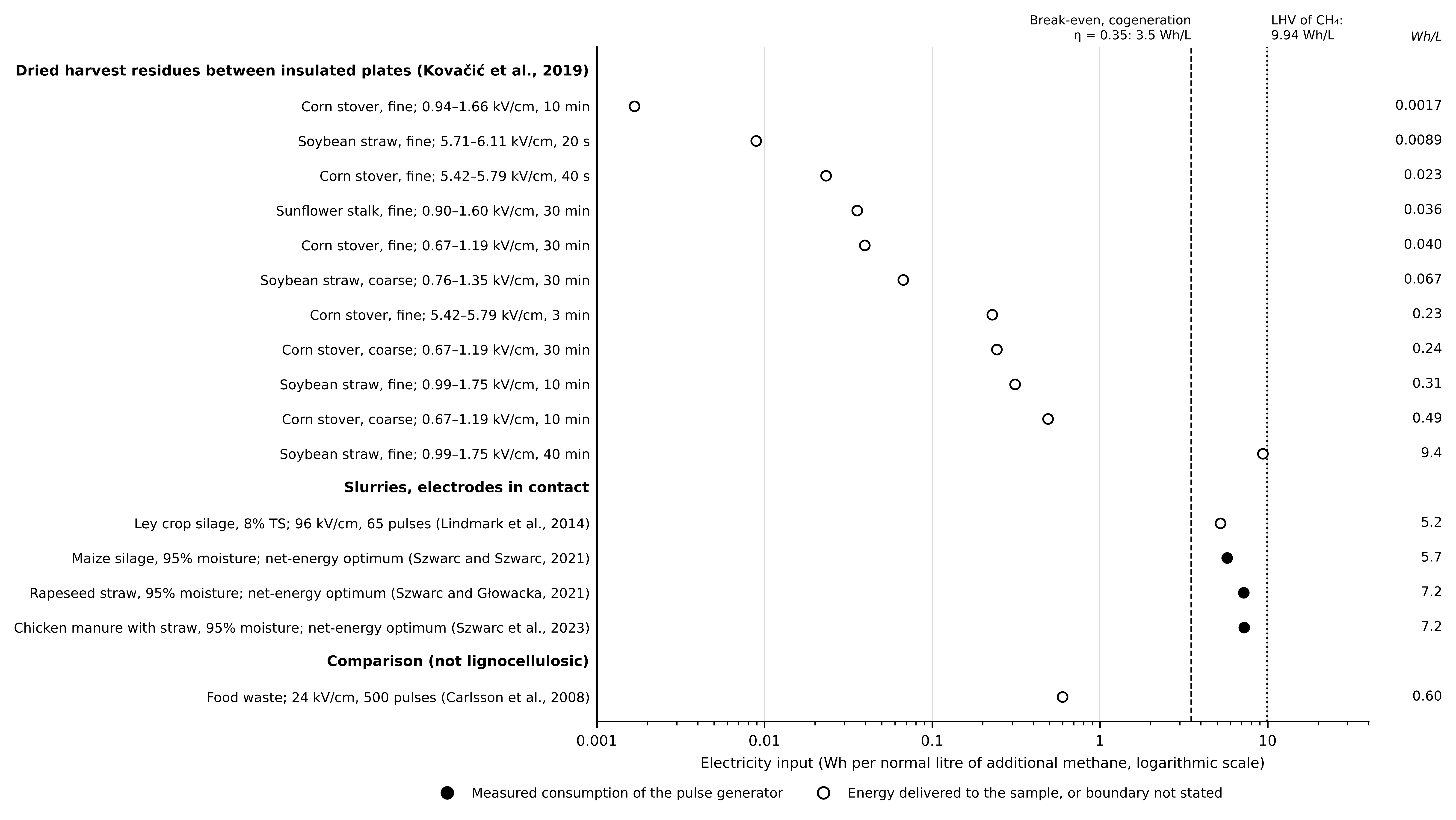

Disclaimer/Publisher’s Note: The statements, opinions and data contained in all publications are solely those of the individual author(s) and contributor(s) and not of MDPI and/or the editor(s). MDPI and/or the editor(s) disclaim responsibility for any injury to people or property resulting from any ideas, methods, instructions or products referred to in the content. |
© 2026 by the authors. Licensee MDPI, Basel, Switzerland. This article is an open access article distributed under the terms and conditions of the Creative Commons Attribution (CC BY) license.