


Abstract
Battery performance and lifetime are strongly affected by indoor air temperature. However, comparative studies of temperature sensitivity across different battery chemistries and its implications for multi-level thermal management remain limited. This study aims to compare the temperature sensitivity of major battery energy storage system (BESS) chemistries and to develop a battery-specific thermal management feasibility framework based on their thermal characteristics. A literature review was conducted to identify research trends and collect relevant data. From the final extracted data, five performance and lifetime indicators were selected, namely cycle life, internal resistance, discharge capacity, capacity retention, and operating voltage, because these parameters are most significantly affected by indoor air temperature and are the most frequently reported in the literature. These parameters were normalized into relative values to enable cross study comparison, and temperature sensitivity was evaluated under low-, optimum-, and high-temperature conditions. The results reveal that each battery chemistry exhibits distinct temperature-dependent behaviors, with sensitivity varying according to both indoor air temperature region and performance indicator. Overall, the indoor air temperature range 15–35 °C provides the most balanced combination of battery performance and lifetime, while sensitivity values range from approximately 0.1 to 4.6%/°C depending on BESS chemistry and environmental conditions. Thermal management strategies were further classified into room/container, rack, and cell-level management. Based on the integrated findings, a specific battery thermal management system (BTMS) feasibility framework is proposed to support the selection of suitable thermal management system for different BESS. The results provide practical insights into indoor air temperature management for improving battery performance and lifetime.
1. Introduction
Battery energy storage system (BESS) is becoming increasingly important for supporting renewable energy integration and improving the flexibility and reliability of modern power systems. The rapid deployment of stationary battery systems has also increased concerns regarding heat generation, temperature regulation, and long-term operational reliability under different environmental conditions [1]. The increasing deployment of BESS therefore requires a better understanding of how indoor air temperature conditions influence battery performance and lifetime, particularly because indoor air temperature is one of the key factors affecting the long-term reliability of battery systems. These studies emphasize the importance of examining how indoor air temperature influences battery performance and lifetime to ensure reliable and sustainable BESS operation.
1.1. The Importance of Battery Performance and Lifetime
Different BESS chemistries, including but not limited to lead–acid battery (LAB), lithium iron phosphate (LFP), lithium-ion battery (LIB), sodium-ion battery (SIB), and vanadium redox flow battery (VRFB), exhibit distinct electrochemical characteristics, operating behaviors, and degradation mechanisms that determine their suitability for BESS applications. Previous study by Ma et al. [2] has shown that indoor air temperature can significantly affect battery performance, safety, aging rate, and cycle life, particularly in lithium-ion and other electrochemical storage systems. These findings indicate that evaluating battery suitability for BESS requires consideration of both short-term performance and long-term lifetime rather than relying on a single performance indicator. Therefore, a comparative evaluation of multiple performance and lifetime indicators is needed to better understand the temperature-dependent behaviors of different battery chemistries, providing the basis for the temperature-sensitivity analysis.
Sudiarto et al. [3] evaluated battery performance and lifetime using several indicators, including discharge capacity, internal resistance, operating voltage, capacity retention, cycle life, and energy efficiency, demonstrating that the selection of performance indicators may vary depending on the battery chemistry and research objectives. However, differences in battery specifications, nominal capacity, voltage rating, test conditions, and experimental protocols make direct comparison of absolute values across studies difficult. In this study, cycle life, internal resistance, discharge capacity, capacity retention, and operating voltage are considered because they collectively represent key aspects of immediate battery performance and long-term lifetime across the five selected chemistries. Together, these indicators provide a common basis for examining how indoor air temperature influences battery performance and lifetime and for identifying the differences in temperature sensitivity among BESS chemistries.
1.2. Effects of Indoor Air Temperature on Battery Performance and Lifetime
Indoor air temperature strongly influences battery performance and lifetime by affecting electrochemical kinetics, ion transport, internal resistance, and degradation processes [4]. In this study, indoor air temperature refers to the temperature of the surrounding air in the vicinity of the battery surface. For example, in a battery tested inside a thermal chamber, this parameter represents the air temperature surrounding the battery under controlled environmental conditions. This distinction is important because heat is transferred between the battery surface and the surrounding air through convection, while heat conduction governs heat transfer within the battery materials [4,5,6]. In practical BESS application, low temperatures, reduced reaction kinetics and ion mobility can increase internal resistance and limit discharge capacity, while low-temperature charging may also promote lithium plating and accelerate irreversible degradation [7]. Conversely, elevated indoor air temperatures can improve electrochemical kinetics and reduce resistance in the short term, but prolonged exposure can accelerate electrolyte degradation, side reactions, and other aging mechanisms [8]. These contrasting effects indicate that indoor air temperature influences both the immediate operating performance and lifetime of BESS, making indoor air temperature an important factor in determining suitable BESS-operating conditions.
1.3. Multi-Level Thermal Management System for Battery Energy Storage Systems
Various Battery Thermal Management System (BTMS), including air-cooling, liquid-cooling, phase change materials (PCMs), and heat pipes, have been investigated to maintain battery temperature within an appropriate operating range. A study by Yu et al. [9] have shown that thermal performance is influenced not only by the cooling technology but also by airflow distribution, temperature uniformity, and the overall configuration of the battery system. In practical BESS applications, these considerations indicate that BTMS should address temperature control at different spatial scales rather than rely on a single cooling approach. Therefore, a multi-level perspective provides a suitable basis for evaluating thermal management according to the thermal conditions experienced at the room/container, rack, and cell levels.
At the room/container level, BTMS regulates the surrounding environment, while rack-level strategies primarily control airflow distribution and heat removal around battery modules; cell- and module-level approaches provide more localized temperature control. Studies on containerized BESS have demonstrated that airflow configuration and thermal distribution can substantially affect temperature uniformity and heat dissipation within the storage system [10]. These levels are interconnected because the room environment establishes the thermal boundary condition, while rack configuration and localized cooling determine how heat is distributed within the BESS. Accordingly, the suitability of the BTMS should be considered together with the battery chemistry and its temperature-dependent characteristics, providing the basis for linking temperature sensitivity with BTMS recommendations.
1.4. Research Gaps and Objectives
Previous studies have shown that operating temperature significantly affects battery performance, aging, and lifetime, but most investigations have focused on individual battery chemistries or specific performance indicators [11]. Although temperature-dependent behavior has been widely reported, a consistent quantitative comparison of temperature sensitivity across different BESS remains limited. In addition, BTMS studies commonly evaluate individual cooling technologies without directly linking their suitability to the temperature characteristics of different BESS [12]. These gaps highlight the need for an integrated approach that compares temperature sensitivity across BESS and connects the results with practical BTMS requirements.
Based on these gaps, this study aims
- To systematically compare the influence of indoor air temperature on the performance and lifetime indicators, namely cycle life, internal resistance, discharge capacity, capacity retention, and operating voltage, across five battery chemistries considered for BESS applications using a reference-based normalization approach.
- To quantitatively evaluate the temperature sensitivity of each battery chemistry across three temperature regions, namely low (<15 °C), optimum and safety (15–35 °C), and high (>35 °C), and identify differences in temperature response among the investigated chemistries, performance and lifetime indicators.
- To synthesize multi-level battery thermal management system (BTMS) across three spatial scales, namely room/container, rack, and cell levels, by comparing their thermal performance, temperature uniformity, safety, cost, and scalability.
- To develop BTMS feasibility framework that categorizes thermal management strategies as highly recommended, feasible, or limited based on temperature sensitivity, temperature characteristics, and the reported capabilities and limitations of the corresponding BTMS.
By addressing these objectives, this study establishes a link between the temperature sensitivity of battery performance and lifetime and the practical selection of multi-level BTMS for BESS applications.
2. Research Methodology
2.1. Literature Review Process and Data Collection
The study began with an initial literature search to establish a broad understanding of research related to BESS, indoor air temperature, BTMS, battery performance and lifetime. The Scopus database was selected as the primary source because it provides broad coverage of peer-reviewed scientific literature, while systematic searching and screening help establish a structured and transparent evidence base for literature-based research.
Figure 1 shows the workflow for the literature review and data analysis of this study. The selected literature was screened according to its relevance to BESS applications, indoor air temperature, battery performance, battery lifetime, and thermal management. Studies that only reported qualitative discussions or parameters that were not consistently available across the five battery chemistries, such as coulombic efficiency, energy efficiency, power density, impedance spectroscopy, and self-discharge characteristics, were excluded from the comparative analysis to maintain data consistency. Additional information such as battery specifications, nominal capacity, nominal voltage, operating conditions, and thermal management conditions was also recorded when available. Peer-reviewed journal articles were used as the primary data sources, while reliable industry websites, battery manufacturer data, and technical documents were used as supplementary sources when relevant quantitative information could not be obtained from journal publications.
Figure 1.
Methodological framework for the literature review and data analysis.
In addition, a bibliometric analysis using VOS viewer was conducted to identify research trends and potential gaps related to BESS, indoor air temperature, BTMS, lifetime, and performance. Bibliometric analysis can be used to identify research trends and relationships among research topics, while VOS viewer enables the visualization of keyword co-occurrence networks and thematic clusters [13,14]. Therefore, in this study, keyword co-occurrence analysis was performed with a minimum occurrence threshold of 50 to identify frequently occurring terms and their relationships within the selected research field.
Figure 2 describes the overlay visualization of keyword co-occurrence in BESS research (2010–2025). The search was conducted using the following keywords: (“battery energy storage system*” OR “battery energy*” OR “BESS*”) AND (“indoor temperature” OR “temperature*”) AND (“performance*” OR “lifetime*”) AND (Limit-to (Language, “English”)). The bibliometric analysis indicated that although temperature and thermal management have been widely investigated, the integrated comparison of indoor air temperature-dependent performance and lifetime across different battery chemistries and its connection with practical thermal management strategies remains relatively limited. Based on these findings, a focused literature review was subsequently conducted to collect quantitative data relevant to the identified research gap.
Figure 2.
Overlay visualization of keyword co-occurrence in BESS research (2010–2025).
2.2. Data Normalization and Relative Performance
The data collected from different literature sources were reported using different battery specifications, experimental conditions, and data scales, making direct comparison of absolute values between studies difficult. Previous BESS studies have applied normalized performance indicators by expressing a measured parameter relative to a corresponding reference or baseline value [15,16]. Therefore, a reference-based normalization approach was applied in this study using Equation (1) to convert the collected data into normalized relative performance values before conducting comparative analysis among the selected battery chemistries. The normalized relative performance was calculated as
where Pnormalization is the normalized relative performance (%), PT is the value of the parameter measured or reported at a specific temperature T, and Pref is the corresponding reference value obtained from the same dataset or literature source. The reference value was determined individually for each dataset based on the baseline or reference condition reported in the original study. Thus, the reference value was not fixed across all literature sources, allowing the normalization process to preserve the relative temperature-dependent BESS reported by each study.
2.3. Temperature-Sensitivity Analysis
Sensitivity analysis provides a quantitative means of evaluating how changes in an input variable influence a measured response and can provide additional information beyond a direct comparison of absolute values [17]. After normalization using Equation (1), the temperature sensitivity of the selected BESS performance and lifetime parameters was evaluated to quantify the response of each battery chemistry to changes in operating temperature [18]. In this study, using Equations (2) and (3), temperature sensitivity was determined from the change in normalized relative performance per unit change in operating temperature and expressed as % change (%/°C). The sensitivity analysis was calculated as
where S(T) represents temperature sensitivity (%/°C); Pnormalization2 and Pnormalization1 represent the normalized parameter values at temperatures T1 and T2, respectively. The sensitivity value therefore represents the average rate at which a given battery parameter changes with temperature within the analyzed temperature interval. The analysis was performed separately for each battery and was evaluated across three indoor air temperature regions, namely low-, optimum-, and high-temperature conditions.
The resulting sensitivity values were used to determine which battery chemistries exhibit greater changes in performance or lifetime when the indoor air temperature changes. The analysis was also used to identify the temperature regions in which each battery chemistry shows relatively higher or lower sensitivity [19,20]. These results provide a quantitative basis for identifying the optimum indoor air temperature conditions and for subsequently relating the thermal characteristics of each battery chemistry to appropriate BTMS.
2.4. Multi-Level Battery Thermal Management System (BTMS)
Recent studies on containerized BESS have demonstrated that BTMS performance depends strongly on airflow organization, heat exhaust, and temperature uniformity within the storage environment. For example, a study by Ding et al. [21] investigated airflow reorganization using perforated deflectors which has been shown to influence the thermal behavior of large-space battery storage containers, while optimization of air supply and return configurations can improve temperature and velocity uniformity and heat exhaust capacity. Moreover, a previous study by Zhang et al. [22] investigated BTMS from different implementation scales, ranging from the environmental cooling of battery containers to localized cooling of battery modules and cells. Based on these approaches, this study classifies BTMS into three interconnected levels, namely room/container, rack, and cell level, providing a consistent framework for evaluating their suitability for different battery chemistries.
The synthesis considers the room/container level in relation to the surrounding thermal environment, the rack level in terms of airflow distribution and temperature uniformity, and the cell level in terms of localized heat removal technologies such as air and liquid-cooling. Comparative research has shown that different cooling configurations can produce substantially different thermal performance, highlighting the importance of selecting thermal management strategies according to the required cooling intensity and temperature control characteristics. Based on this synthesis, the three levels were subsequently used as the basis for evaluating the suitability of BTMS for different battery chemistries and their temperature-dependent operating requirements.
2.5. Battery Thermal Management System Feasibility Framework
Recent studies have shown that the selection of BTMS involves trade-offs among cooling effectiveness, temperature uniformity, energy consumption, safety, and system complexity, indicating that no single cooling strategy is universally optimal for all battery systems. Comparative assessments of thermal management technologies have also demonstrated that the suitability of a cooling approach depends on the operating conditions and thermal requirements of the BESS [23]. In this study, these considerations were combined with the temperature sensitivity results of each battery to develop a battery-specific feasibility framework for linking battery thermal requirements with the three thermal management levels namely room/container, rack, and cell level management.
The feasibility assessment was based on the relationship between the identified temperature sensitivity, temperature characteristics, and the reported capabilities and limitations of each BTMS [24]. Each strategy was subsequently classified into three categories, namely highly recommended, feasible, and limited, representing different levels of suitability for addressing the thermal requirements of each battery chemistry. The resulting framework was used to translate the quantitative temperature-sensitivity analysis into practical BTMS recommendations.
3. Results and Discussion
3.1. Effects of Indoor Air Temperature on Battery Performance Indicators
Evaluating battery performance under different thermal environments requires consideration of how indoor air temperature affects electrochemical reaction kinetics, ionic transport, polarization, and resistance within the battery cell. Previous study by Zhu et al. [25] has shown that temperature variations can alter ionic conductivity, charge-transfer kinetics, and polarization, which directly influence the instantaneous electrochemical performance of batteries. Using Table A1 and Supplementary Materials Table S1 which were derived from calculations Equation (1), Figure 3 and Table 1 show how indoor air temperature is related to three battery performance indicators: relative discharge capacity, relative operating voltage, and relative internal resistance for each battery.
Figure 3.
Relationship between indoor air temperature and battery performance indicators: (a) discharge capacity, (b) operating voltage, and (c) internal resistance.
Table 1.
Polynomial regression between indoor air temperature, discharge capacity, operating voltage, and internal resistance.
Discharge capacity represents the amount of electrical charge that a battery can deliver during discharge, while relative discharge capacity expresses this value as a percentage of the reference capacity. Previous research has demonstrated that temperature significantly affects discharge behavior through changes in ionic transport, reaction kinetics, and polarization [26]. Operating voltage represents the voltage delivered by a battery during operation, with relative operating voltage expressing the value as a percentage of the reference voltage. Temperature can also influence cell potential and electromotive force through changes in reaction entropy and temperature-dependent electrochemical characteristics [27]. Internal resistance represents the resistance within a battery that limits current flow, while relative internal resistance expresses its value as a percentage of the reference resistance. Low temperatures can hinder ion transport and increase interfacial charge-transfer resistance, resulting in higher overall internal resistance [28]. Therefore, these three indicators provide a complementary basis for evaluating how indoor air temperature affects the performance of different battery chemistries.
In Figure 3a, relative discharge capacity generally increases as temperature rises from low-temperature conditions toward the moderate range. LAB, LFP, and LIB reach approximately 100% at 20–40 °C, while their capacity is considerably lower below −20 °C. SIB has the widest data spread, including a value close to 0% at around −5 °C, but reaches approximately 100% at 20 °C. VRFB increases more gradually and reaches around 95% above 25 °C. The fitted curves also show that LFP and LIB approach approximately 100% between 20 and 30 °C, whereas LAB remains close to this level over a wider temperature range. Above 50 °C, SIB shows a noticeable decrease, reaching approximately 70% at around 60 °C.
In Figure 3b, relative operating voltage shows an overall downward trend for all five chemistries as temperature increases. This behavior shows that higher temperatures can accelerate parasitic reactions and thermal losses during discharge, contributing to a gradual reduction in working terminal potential.
Figure 3c shows an opposite response at lower temperatures, with relative internal resistance decreasing as temperature increases before reaching a minimum at moderate temperatures and slightly increasing at higher temperatures. Previous research by Jabeen et al. [29] has shown that increasing temperature generally improves ionic conductivity and reduces internal resistance, while excessively high temperatures can accelerate electrolyte degradation, SEI growth, and parasitic side reactions, potentially increasing internal resistance. Overall, the results show a consistent U-shaped trend across all five batteries, with internal resistance decreasing from sub-zero temperatures toward a minimum typically observed between 25 °C and 40 °C, followed by a slight increase at higher temperatures. These findings are consistent with studies on lithium- and sodium-based batteries, which reported improved ion mobility and lower resistance at moderate temperatures but accelerated degradation under excessive thermal conditions [30,31]. Similar behavior has also been reported for VRFBs, where increasing temperature can improve electrolyte conductivity and reduce internal resistance, although temperatures outside the suitable operating range may compromise electrolyte stability. For LAB, previous study has likewise shown that low temperatures increase internal resistance and reduce discharge capacity, whereas elevated temperatures can accelerate degradation and impedance growth during cycling [32]. The analysis of the three performance indicators shows that indoor air temperature affects battery chemistries in different ways and with different levels of sensitivity. The results indicate that discharge capacity and internal resistance are more strongly affected at low temperatures, whereas operating voltage shows a generally declining response as temperature increases.
Table 1 provides the polynomial regression models used to quantify the relationship between indoor air temperature and the three performances. The regression results confirm that the temperature-dependent responses are not identical across the investigated battery chemistries. For discharge capacity, the models generally provide relatively strong fits, with R2 values ranging from 0.51 for SIB to 0.85 for LFP. For operating voltage, the regression models show greater variation with R2 values ranging from 0.30 for LFP to 0.86 for VRFB. The internal resistance models provide the strongest overall statistical agreement among the three indicators with the R2 values reaching 0.96 for SIB and 0.91 for LIB, followed by 0.73 for both LFP and VRFB and 0.63 for LAB. For the combined dataset, the regression models produce R2 values of 0.61, 0.39, and 0.65 for discharge capacity, operating voltage, and internal resistance, respectively.
To complement the regression models, this study included summaries of the statistical parameters for the evaluated datasets. The varying coefficient of determination R2 shows that different battery types have different sensitivity to different performance parameters. For example, LFP and LIB show better discharge capacity performance compared to other battery types. This is in line with previous studies which states that the variation in R2 and significant value suggests that temperature alone does not fully explain the observed changes in battery performance, which may also be influenced by differences in cell specifications, electrochemical characteristics, manufacturer designs, and operating conditions [33,34]. However, future studies increasing data might help improve the robustness of the regression models and potentially increase the R2 values.
3.2. Effects of Indoor Air Temperature on Battery Lifetime Indicators
Previous studies show that continuous exposure to non-optimal thermal conditions can accelerate irreversible aging mechanisms, including active material loss and parasitic side reactions, thereby reducing the operational lifetime of BESS [35,36]. Previous research by Jones et al. [37] has shown that battery aging and capacity degradation are strongly influenced by operating conditions, while the dominant degradation mechanisms can vary considerably among different battery chemistries. Cycle life represents the number of charge and discharge cycles a battery can complete before its performance declines, and capacity retention indicates the proportion of the original capacity remaining after operation [38,39]. Relative cycle life and relative capacity retention express these indicators as percentages of their respective reference values. A previous study by Schaeffer et al. [40] have shown that moderate temperatures can support electrochemical performance, whereas prolonged exposure to elevated temperatures can accelerate capacity retention. Therefore, cycle life and capacity retention are considered together to examine how indoor air temperature affects the lifetime and degradation behavior. Using Table A1 and Supplementary Materials Table S1 which were derived from calculations Equation (1), Figure 4 and Table 2 show the relationship between indoor air temperature and lifetime battery indicators, namely relative cycle life and relative capacity retention.
Figure 4.
Relationship between indoor air temperature, battery lifetime and degradation indicators: (a) cycle life and (b) capacity retention.
Table 2.
Polynomial regression between indoor air temperature, cycle life and capacity retention.
For the cycle life in Figure 4a, all five chemistries show an overall increase from low temperatures and reach their highest relative values at approximately 20–30 °C before gradually declining at higher temperatures. LAB, LFP and LIB show a relatively broad response and maintain values close to 100% over a wide moderate temperature range. SIB shows greater data dispersion, particularly at low and high temperatures, but still follows the same general pattern. VRFB also reaches high relative cycle life values under moderate conditions, with a more gradual decline at elevated temperatures.
For capacity retention in Figure 4b, the overall pattern is less consistent but still shows an increase from low temperatures toward moderate conditions followed by a decline at higher temperatures. SIB gives the strongest fitted relationship among the five chemistries, with an R2 of 0.49. The fitted curves indicate that LIB and LFP maintain relatively high-capacity retention over a moderate temperature range, whereas SIB and LAB show more noticeable reductions at higher temperatures. VRFB also shows a gradual decline after reaching its higher retention range.
When the two indicators are considered together, cycle life shows a stronger temperature relationship than capacity retention, as reflected by the higher individual R2 values and the combined R2 of 0.45 for cycle life compared with 0.18 for capacity retention. This difference suggests that temperature explains a larger part of the observed variation in cycle life, while capacity retention is more strongly influenced by other factors such as battery chemistry, operating conditions, cycling history, and degradation mechanisms. Previous studies by Mei et al. [41] indicated that low temperatures can limit energy retention through sluggish electrochemical kinetics and lithium-plating risks, while excessively high temperatures can accelerate irreversible chemical degradation. Moreover, Han et al. [42] showed that battery chemistries differ in their ability to retain capacity under varying thermal conditions due to differences in their electrochemical and degradation mechanisms. Overall, the results suggest that maintaining a moderate indoor air temperature is important for preserving battery lifetime, while the response of capacity retention to the various temperatures is more complex and dependent on the specification and electrochemical reaction.
Considering Table 2, although the coefficients of determination R2 are relatively low, the varying coefficient of determination shows that different battery types have different sensitivity to different lifetime parameters. For example, LFP and VRFB shows better cycle life performance compared to other battery types. This is in line with previous studies which states that the variation in R2 values and the significant value suggests that temperature alone does not explain most of the observed variation, which may also reflect differences in cycling history, depth of discharge, battery design, and degradation mechanisms across the compiled studies [39,40,41,42]. However, for the future studies increasing data might help improve the robustness of the regression models and potentially increase the R2 values. These findings underline the importance of further sensitivity analysis to quantify temperature dependence and inform the selection of appropriate multi-level BTMS for different battery technologies.
3.3. Comparative Temperature Sensitivity of Different Battery Types
Indoor air temperature affects both the short-term performance and long-term lifetime of battery systems, with the response varying among battery chemistries and performance indicators. Previous studies have also shown that temperature influences electrochemical kinetics, internal resistance, degradation, and operational stability, with the suitable temperature range depending on battery chemistry and operating conditions [43,44]. Since the temperature range considered in this study starts from −40 to 60 °C and covers different sensitivity characteristics, it was conceptually divided into three regions: low, optimum, and high temperature. These categories were not obtained from a mathematical calculation or taken directly from a single study but were defined by the authors based on the synthesis and interpretation of findings from multiple literature sources. Figure 5 shows that the conceptual classification was used to make the differences in temperature sensitivity among the five battery chemistries more clearly visible [43,44,45,46].
Figure 5.
Conceptual framework of indoor air temperature effects.
The reported performance and lifetime data were first converted into relative normalized values using Equation (1). These normalized values were subsequently used to determine temperature sensitivity using Equations (2) and (3). The resulting sensitivity values are summarized in Table 3, while the corresponding radar charts in Figure 6 illustrate the relative sensitivity of each battery chemistry across the three temperature regions.
Table 3.
Temperature sensitivity of five battery across low, optimum and safety, and high temperature.
Figure 6.
Radar charts comparing five battery chemistries across cycle life, internal resistance, discharge capacity, capacity retention, and operating voltage under (a) low, (b) optimum, and (c) high indoor air temperature conditions.
The sensitivity values presented in the radar chart in Figure 6 are expressed in %/°C, representing the percentage change in each battery performance indicator for every 1 °C change in indoor air temperature based on the data on Table 3. A higher sensitivity value indicates that the battery parameter responds more strongly to temperature changes, whereas a lower value indicates greater stability performance. Therefore, the sensitivity values provide a common basis for comparing the temperature responses of different battery chemistries and performance indicators.
At low temperatures, Figure 6a shows the highest sensitivity in LFP operating voltage at 3.4%/°C, while SIB has the highest sensitivity in internal resistance at 3.0%/°C. Relatively high sensitivity is also observed for LIB discharge capacity 2.3%/°C, VRFB capacity retention 2.7%/°C, and LAB cycle life 2.4%/°C. In contrast, LFP capacity retention has a relatively low sensitivity of 0.5%/°C, while LIB operating voltage and VRFB discharge capacity are 0.5 and 1.0%/°C, respectively. These differences indicate that low temperature affects the battery chemistries differently, with internal resistance, operating voltage, and several performance indicators showing stronger responses than others.
Under the optimum temperature range, Figure 6b shows a generally smaller and more balanced sensitivity profile. SIB shows the highest sensitivity in capacity retention 2.8%/°C, followed by discharge capacity 2.1%/°C and internal resistance 2.0%/°C. LFP shows the highest cycle life sensitivity at 1.9%/°C, while LAB has the highest operating voltage sensitivity at 1.7%/°C. In comparison, LIB shows relatively low sensitivity across most indicators, particularly internal resistance at 0.3%/°C, while LFP operating voltage and discharge capacity are also low at 0.3 and 0.4%/°C, respectively. Overall, the lower sensitivity values indicate a relatively stable response within the optimum temperature region, although SIB remains more sensitive for several indicators.
At high temperatures, Figure 6c shows the most pronounced variation among the five battery chemistries. LFP has the highest cycle life sensitivity at 3.3%/°C, while VRFB shows the highest sensitivity in internal resistance and discharge capacity, at 4.0 and 3.5%/°C, respectively. SIB exhibits the highest sensitivity in discharge capacity 3.5%/°C and operating voltage 4.6%/°C. The high sensitivity value observed for several indicators at high temperatures is consistent with the previous study by Soliman and Cheng [46] that reported that the high temperatures accelerate parasitic reactions, electrolyte degradation, electrochemical reaction and other aging mechanisms, thereby increasing capacity loss and reducing battery lifetime.
Overall, Figure 6 shows that temperature sensitivity varies considerably among the battery performance and lifetime indicators. The optimum temperature region generally presents a more balanced sensitivity profile, whereas low and high temperatures result in greater sensitivity in several indicators.
3.4. Performance of Multi-Level BTMS
The temperature-sensitivity analysis indicates that maintaining an appropriate indoor air temperature is important for preserving battery performance and lifetime. However, Tosun et al. [47] highlighted the increasing challenges associated with effective battery thermal management systems (BTMSs). To evaluate available approaches, this study classifies BTMS into three levels, namely room/container, rack, and cell levels, and compares their practical characteristics, including thermal performance, safety, cost, and scalability.
Room and container level provide scalable control of the overall thermal environment but may be less effective in removing localized heat from densely packed battery racks. Rack-level systems provide more targeted temperature regulation, while cell-level technologies such as liquid-cooling, oscillating heat pipes, microchannel cold plates, and phase change materials (PCMs) offer more localized heat dissipation for high-density battery systems. A previous study by Yang et al. [48] showed that combining PCM heat absorption with the active heat-removal capacity of liquid-cooling can improve BTMS performance. The effectiveness of each BTMS depends on operating conditions and battery thermal characteristics. PCM absorbs transient heat through latent heat storage, whereas liquid-cooling provides continuous heat removal when sufficient coolant flow and heat-exchange capacity are available. Combining these methods may improve the control of maximum temperature and temperature uniformity, but the additional components and control requirements must also be considered. Based on the synthesis of these approaches, this study compares their thermal performance, safety, cost, and scalability across room/container-, rack-, and cell-level management, as summarized in Table 4 to support the selection of suitable BTMS for different BESS applications.
Table 4.
Performance and characteristics of Battery Thermal Management System (BTMS).
At the room- and container-level column in Table 4, HVAC and forced air-cooling provide effective control of the overall thermal environment. HVAC-based systems reported maximum temperature reductions of up to 6.04 °C, while active air-cooling with perforated vent plates reduced maximum temperature by 5.2 °C and maintained the temperature difference below 3 °C [12,25,49,50,51,52,53]. These systems are particularly suitable for large-scale BESS because they regulate the surrounding thermal environment and can support containerized battery installations. Overall, room/container-level systems provide a practical thermal foundation for maintaining suitable ambient conditions across large battery systems.
At the rack level in Table 4, thermal management becomes more targeted toward temperature distribution and heat removal within battery assemblies. Optimized air-duct architectures have been reported to improve temperature uniformity by up to 90.8%, while circular forced air-cooling reduced maximum temperature by 11.25 °C [44,54,55,56]. Liquid-based systems provide greater heat-removal capability under higher thermal loads, with two-phase cooling achieving approximately 60% improvement over conventional air-cooling [57,58]. These results indicate that rack-level systems can provide more localized and effective thermal control than room-level management when heat generation and temperature non-uniformity become more significant.
At the cell level in Table 4, BTMS technologies provide direct control of localized heat generation and high heat flux. Heat-pipe systems have demonstrated temperature reductions of up to 42.7% compared with natural air-cooling, while PCM-based systems achieved a 25.77% reduction in maximum temperature [59,60]. Hybrid PCM systems can provide additional temperature reduction of 4.5–24 °C, particularly under higher thermal loads. Yang et al. [48] investigated a partially embedded hybrid BTMS that integrates a finned liquid-cooling plate with PCM. The study reported a maximum temperature of 42.66 °C and a cell-to-cell temperature difference ΔT of 4.75 °C under a three-cycle discharge rate in the optimized configuration. These approaches are therefore relevant where localized thermal gradients and high heat generation require more direct thermal control.
In practical BESS applications, the three management levels provide complementary functions rather than independent alternatives. Room/container-level systems establish the overall thermal environment, rack-level systems improve heat distribution and removal, and cell-level systems address localized thermal loads. Therefore, BTMS selection should consider BESS scale, thermal load, temperature uniformity, cost, and safety. A suitable multi-level configuration should be selected according to the thermal requirements of each BESS battery chemistry and application.
3.5. BTMS Feasibility and Recommendations
Different battery chemistries exhibit distinct temperature sensitivities, degradation characteristics, and suitable operating ranges [65]. At the same time, BTMS differ in their cooling performance, temperature uniformity, system complexity, cost, and implementation requirements. Therefore, based on the quantitative data and comparative analysis presented in Table 4, this study evaluates the capabilities and practical characteristics of each BTMS level and uses these findings as the basis for developing the proposed BTMS feasibility assessment and recommendations. The resulting framework links the thermal characteristics of each battery chemistry with the corresponding thermal management capabilities to identify suitable BTMS configurations for different BESS applications.
Table 5, Table 6 and Table 7 present the proposed BTMS feasibility framework, classifying each strategy as Highly recommended (◯HR), Feasible (□F), or Limited (△L) for the five BESS chemistries. The feasibility matrix and recommendations are the authors’ original conceptual framework, based on an independent synthesis of the reviewed literature. Room/container-level strategies are broadly feasible across the battery types because they control the surrounding thermal environment and can support the battery’s existing cell- or rack-level thermal management system. In contrast, rack- and cell-level strategies show greater variation in feasibility because their effectiveness depends more directly on battery chemistry, heat generation characteristics, configuration, and cooling requirements. The framework therefore indicates that room-level management can generally serve as a common thermal foundation, while rack- and cell-level systems require more chemistry-specific consideration to balance thermal performance, complexity, and cost.
Table 5.
BTMS feasibility and recommendation for room/container-level thermal management.
Table 6.
BTMS feasibility and recommendation for rack-level thermal management.
Table 7.
BTMS feasibility and recommendation for cell-level thermal management.
4. Overall Discussion
This study demonstrates that indoor air temperature affects battery performance and lifetime differently across type of BESS and BTMS. The 15–35 °C range provides a more balanced thermal condition, whereas low and high temperatures generally produce greater sensitivity. Overall sensitivity ranges from 0.1 to 4.6%/°C, confirming that temperature response depends on both battery chemistry and the indicator considered.
Figure 3 and Table 1 show that discharge capacity generally improves from low to moderate temperatures, while operating voltage decreases as temperature increases. Internal resistance exhibits a generally U-shaped response, decreasing toward moderate temperatures and increasing at higher temperatures. The regression results further show chemistry-dependent relationships, with internal resistance showing strong relationships for SIB (R2 = 0.91) and LIB (R2 = 0.96), while operating voltage shows a stronger relationship for VRFB (R2 = 0.86). The fitted turning points represent characteristics of the compiled datasets and should not be interpreted as recommended operating temperatures.
Figure 4 and Table 2 indicates that cycle life generally increases toward moderate temperatures and declines at higher temperatures. Cycle life shows a stronger overall temperature relationship than capacity retention, with combined R2 values of 0.45 and 0.18, respectively. The weaker capacity retention relationship indicates that degradation is also influenced by battery chemistry, cycling history, operating conditions, and other mechanisms. Therefore, multiple indicators are necessary to characterize temperature-dependent battery behavior. The temperature range was divided into three ranges, namely low (<15 °C), optimum and safety (15–35 °C), and high (>35 °C), because previous studies indicate that battery responses differ across temperature ranges [43,44,45,46]. The temperature range of 15–35 °C provides a balanced operating condition for BESS. It supports ionic transport and reaction kinetics, thereby reducing internal resistance and polarization, while limiting temperature-related degradation. However, the optimum temperature depends on battery chemistry, cell design, operating conditions, and thermal management. Particular attention should be given to the 0–15 °C range which represents a practically relevant low-temperature operating condition for BESS installed in cold and temperate climates. Low-temperature effects are also chemistry-dependent: for example, experimental investigations of vanadium redox flow batteries by Pan et al. [66] reported reduced voltage efficiency at 0 °C compared with 20 °C, partly because of increased ohmic overpotential. These findings highlight the importance of explicitly considering the 0–15 °C range when evaluating temperature sensitivity and selecting thermal management strategies for practical applications such as electric vehicles and outdoor BESS in cold and temperate climates. Temperature above 35 °C are relevant to BESS operating in hot climates or during summer. The study by Huang et al. [67] shows that high ambient temperatures can limit heat dissipation and, during prolonged exposure, accelerate battery degradation, reducing capacity retention and cycle life. Although higher temperatures may improve ionic transport and reduce internal resistance in some chemistries, their overall effects depend on battery type and operating conditions. Therefore, effective heat removal, adequate airflow, and uniform temperature distribution are important for maintaining BESS performance and lifetime. Ultimately, temperature classification provides a more detailed and objective basis for comparing temperature sensitivity.
The sensitivity analysis confirms that at low temperature, LFP operating voltage and SIB internal resistance show relatively high sensitivities of 3.4 and 3.0%/°C, respectively. Within the optimum and safety range, sensitivity is generally more balanced, although SIB remains relatively sensitive for several indicators. At high temperature, the highest sensitivities are observed for SIB operating voltage (4.6%/°C), VRFB internal resistance (4.0%/°C), and VRFB discharge capacity (3.5%/°C). These results indicate that BTMS selection should consider both battery chemistry and the specific indicator most affected by temperature.
The BTMS feasibility and recommendations synthesis links these temperature characteristics with practical thermal management. Room/container-level systems such as heating, ventilation, and air conditioning (HVAC) and forced air ventilation provide overall environmental control, rack-level systems improve airflow distribution and heat removal, and cell/module-level technologies such as heat pipes, microchannels, and PCM provide localized thermal control [12,25,44,48,49,50,51,52,53,54,55,56,57,58,59,60,61,62,63,64,65]. These levels are complementary, with room/container management establishing the thermal environment, rack-level management improving heat distribution, and cell-level management addressing localized thermal loads.
Another main finding of this study is that the proposed simple equations (Equations (1)–(3)) and sensitivity analysis provide a simple quantitative approach to understand the temperature-dependent behavior of different BESS performance and lifetime parameters. Maintaining a balance between analytical depth and practical simplicity is therefore important to increase the accessibility and applicability of future research. Therefore, research that can be clearly understood and applied by both individual users, research field and industry stakeholders has greater potential to achieve broader practical impact.
The main limitations are related to the substantial variation in battery specifications, experimental conditions, and research approaches across the reviewed studies, including studies on the same battery chemistry that may exhibit comparable characteristics despite differences in testing conditions. To address this heterogeneity, relative normalization was applied to convert the reported data into comparable relative performance values, allowing data from different sources to be analyzed on a consistent basis. Furthermore, quantitative data for several emerging battery chemistries remain limited in academic literature. Therefore, supplementary industry and technical sources were included where relevant journal data were unavailable, improving data completeness and enabling a more comprehensive cross-chemistry analysis.
Further studies should also investigate specific BESS degradation mechanisms and the interaction between BTMS room/container-, rack-, and cell-level thermal management. Moreover, investigating battery performance across each range temperature and the integration of complementary cooling and heating strategies are interesting for BTMS feasibility and recommendation. For electric vehicle (EV) and large-scale BESS, adaptive and predictive BTMS under extreme temperature conditions warrant further investigation. Experimental and long-term BESS data combined with techno-economic analysis could further improve the proposed feasibility framework for practical BESS applications [7,10,43].
5. Conclusions
This study systematically evaluated the influence of indoor air temperature on the performance and lifetime of LIB, LFP, LAB, VRFB, and SIB batteries for BESS applications. The main conclusions are as follows:
- In this study, the 15–35 °C range provides a more balanced temperature condition across the investigated battery chemistries, whereas low and high temperatures generally result in greater sensitivity across several performance and lifetime indicators.
- Temperature sensitivity ranges from 0.1 to 4.6%/°C, indicating distinct temperature responses among battery chemistries and performance indicators. These differences highlight the need for BTMS recommendations to maintain BESS performance and lifetime under varying temperature conditions.
- Multi-level BTMS provide complementary thermal control at different system scales. Room/container-level systems regulate the overall thermal environment, rack-level systems improve heat distribution and removal, and cell-level systems address localized thermal loads. Their suitability therefore depends on the thermal requirements and application conditions of the BESS.
- Based on the temperature characteristics and sensitivity analysis together with the comparative BTMS performance summarized in Table 4 and BTMS feasibility in Table 5, Table 6 and Table 7, the recommendation framework was developed. BTMS strategies are classified as highly recommended, feasible, or limited according to their ability to address the identified thermal requirements of each battery chemistry, providing a practical basis for selecting appropriate thermal management configurations.
Overall, this study establishes a direct link between battery-specific temperature sensitivity, thermal characteristics, and BTMS selection. By combining relative normalization, temperature-sensitivity analysis, and the comparative evaluation of multi-level BTMS, the proposed framework provides a simple and practical approach for translating literature-based thermal characteristics into battery-specific thermal management recommendations for BESS applications.
Supplementary Materials
The following supporting information can be downloaded at https://www.mdpi.com/article/10.3390/en19215256/s1, Table S1: Normalized performance and lifetime parameter value collected from the references.
Author Contributions
Conceptualization, F.P.F., Z.G.M.S. and H.B.R.; methodology, F.P.F., Z.G.M.S. and H.B.R.; software, F.P.F., Z.G.M.S. and H.B.R.; validation, H.B.R.; formal analysis, F.P.F.; investigation, F.P.F.; resources, H.B.R.; data curation, F.P.F.; writing—original draft preparation, F.P.F.; writing—review and editing, Z.G.M.S. and H.B.R.; visualization, F.P.F., Z.G.M.S. and H.B.R.; supervision, H.B.R.; funding acquisition. All authors have read and agreed to the published version of the manuscript.
Funding
This research received no external funding.
Data Availability Statement
The raw data supporting the conclusions of this article will be made available by the authors on request.
Acknowledgments
The authors would like to thank the Japan MEXT Scholarship for providing the opportunity to conduct this study and all authors whose publications have been cited in this manuscript.
Conflicts of Interest
The authors declare no conflicts of interest.
Appendix A
Table A1.
Basic information of the reviewed battery data sources.
References
- Henke, M.; Hailu, G. Thermal management of stationary battery systems: A literature review. Energies 2020, 13, 4194. [Google Scholar] [CrossRef] [Scilit]
- Ma, S.; Jiang, M.; Tao, P.; Song, C.; Wu, J.; Wang, J.; Deng, T.; Shang, W. Temperature effect and thermal impact in lithium-ion batteries: A review. Prog. Nat. Sci. Mater. Int. 2018, 28, 653–666. [Google Scholar] [CrossRef] [Scilit]
- Sudiarto, B.; Jufri, F.H.; Angkasa, F.F.; Widyanto, A.N.; Hudaya, C.; Husnayain, F.; Fitri, I.R.; Aryani, D.R.; Kim, J.S.; Samual, M.G.; et al. Battery technology for utility-scale battery energy storage system applications: A comparative review. J. Energy Storage 2026, 149, 120211. [Google Scholar] [CrossRef] [Scilit]
- Kovács, G.; Kocsis Szürke, S.; Fischer, S. Investigation of convective and radiative heat transfer of 21700 lithium-ion battery cells. Batteries 2025, 11, 246. [Google Scholar] [CrossRef] [Scilit]
- Qin, P.; Sun, J.; Yang, X.; Wang, Q. Battery thermal management system based on the forced-air convection: A review. E Transp. 2021, 7, 100097. [Google Scholar] [CrossRef] [Scilit]
- Leng, F.; Tan, C.M.; Pecht, M. Effect of temperature on the aging rate of Li ion battery operating above room temperature. Sci. Rep. 2015, 5, 12967. [Google Scholar] [CrossRef] [Scilit] [PubMed]
- Zhang, C.; Zhao, T.S.; Xu, Q.; An, L.; Zhao, G. Effects of operating temperature on the performance of vanadium redox flow batteries. Appl. Energy 2015, 155, 349–353. [Google Scholar] [CrossRef] [Scilit]
- Petzl, M.; Kasper, M.; Danzer, M.A. Lithium plating in a commercial lithium-ion battery-A low-temperature aging study. J. Power Sources 2015, 275, 799–807. [Google Scholar] [CrossRef] [Scilit]
- Yu, Z.; Zhang, J.; Pan, W. A review of battery thermal management systems about heat pipe and phase change materials. J. Energy Storage 2023, 62, 106827. [Google Scholar] [CrossRef] [Scilit]
- Apribowo, C.H.; Sarjiya, S.; Hadi, S.P.; Wijaya, F.D. Optimal planning of battery energy storage systems by considering battery degradation due to ambient temperature: A review, challenges, and new perspective. Batteries 2022, 8, 290. [Google Scholar] [CrossRef] [Scilit]
- Tao, F.; Zhang, W.; Guo, D.; Cao, W.; Sun, L.; Jiang, F. Thermofluidic modelling and temperature monitoring of Li-ion battery energy storage system. Appl. Therm. Eng. 2020, 181, 116026. [Google Scholar] [CrossRef] [Scilit]
- Lin, Y.; Chen, Y.W.; Yang, J.T. Optimized thermal management of a battery energy-storage system (BESS) inspired by air-cooling inefficiency factor of data centers. Int. J. Heat Mass Transf. 2023, 200, 123388. [Google Scholar] [CrossRef] [Scilit]
- Van Eck, N.J.; Waltman, L. Software survey: VOSviewer, a computer program for bibliometric mapping. Scientometrics 2010, 84, 523–538. [Google Scholar] [CrossRef] [Scilit] [PubMed]
- Pasaribu, M.H.; Alfanaar, R.; Ariefin, M.; Manurung, T.W.; Iqbal, R.M. A Bibliometric analysis of NMC type Lithium-ion battery using VOSviewer application. Borneo J. Sci. Technol. 2024, 6, 39–49. [Google Scholar] [CrossRef] [Scilit]
- Irujo, E.; Berrueta, A.; Sanchis, P.; Ursúa, A. Methodology for comparative assessment of battery technologies: Experimental design, modeling, performance indicators and validation with four technologies. Appl. Energy 2025, 378, 124757. [Google Scholar] [CrossRef] [Scilit]
- Liu, S.; Li, X.; Li, J.; Shi, J.; Fan, X.; Cong, Z.; Feng, X.; Li, H.; Wang, W.; Jiang, J.; et al. Expansion pressure as a probe for mechanical degradation in LiFePO4 prismatic batteries. Batteries 2025, 11, 391. [Google Scholar] [CrossRef] [Scilit]
- Lai, Q.; Jangra, S.; Ahn, H.J.; Kim, G.; Joe, W.T.; Lin, X. Analytical derivation and analysis of parameter sensitivity for battery electrochemical dynamics. J. Power Sources 2020, 472, 228338. [Google Scholar] [CrossRef] [Scilit]
- Appiah, W.A.; Busk, J.; Vegge, T.; Bhowmik, A. Sensitivity analysis methodology for battery degradation models. Electrochim. Acta 2023, 439, 141430. [Google Scholar] [CrossRef] [Scilit]
- Böhm, K.; Bracht, C.; Kallfaß, C.; Markus, T.; Henriques, D. Temperature-dependent thermal effects and capacity characteristics of silicon anodes in lithium-ion batteries. J. Electrochem. Soc. 2025, 172, 050537. [Google Scholar] [CrossRef] [Scilit]
- Lupu, E.D.; Tabacu, Ș.L.; Bobric, E.C.; Irimia, D.; Vlad, V. Impact of thermal management and ambient temperature on aging of LFP, NMC, and NCA batteries for EVs. EPJ Web Conf. 2026, 372, 07009. [Google Scholar] [CrossRef] [Scilit]
- Ding, Y.; Chu, W.; Wang, Q. Airflow reorganization and thermal management in a large-space battery energy storage container using perforated deflectors. Int. Commun. Heat Mass Transf. 2024, 158, 107909. [Google Scholar] [CrossRef] [Scilit]
- Zhang, Y.; Zhang, W.; Kong, W.; Wang, G.; Tang, X. Comparative study on the performance of different thermal management for energy storage lithium battery. J. Energy Storage 2024, 85, 111028. [Google Scholar] [CrossRef] [Scilit]
- Choi, H.; Jun, Y.; Chun, H.; Lee, H. Comprehensive feasibility study on metal foam use in single-phase immersion cooling for battery thermal management system. Appl. Energy 2024, 375, 124083. [Google Scholar] [CrossRef] [Scilit]
- Chen, M.; Cheng, W.; Zhao, L.; Chen, Y. Feasibility study and dimensionless theoretical analysis of cylindrical lithium-ion battery module cooled by dynamic circulating transformer oil. Appl. Therm. Eng. 2024, 236, 121737. [Google Scholar] [CrossRef] [Scilit]
- Zhu, J.; Feng, G.; Zhou, W.; Zhao, Y.; He, S.; Wan, X.; Jing, X. Simulation analysis and optimization of containerized energy storage battery thermal management system. J. Energy Storage 2024, 97, 112870. [Google Scholar] [CrossRef] [Scilit]
- Chai, Y.; Qu, D.; Fan, L.; Zheng, Y.; Yang, F. A comprehensive study in experiments combined with simulations for vanadium redox flow batteries at different temperatures. J. Energy Storage 2024, 99, 113405. [Google Scholar] [CrossRef] [Scilit]
- Farooq, M.O.; Furquan, M.; Munteshari, O.; Qamar, M. An operando investigation of temperature distribution behaviour in full-cell vanadium-redox flow batteries. Electrochim. Acta 2025, 513, 145572. [Google Scholar] [CrossRef] [Scilit]
- Bandhauer, T.M.; Garimella, S.; Fuller, T.F. A critical review of thermal issues in lithium-ion batteries. J. Electrochem. Soc. 2011, 158, R1. [Google Scholar] [CrossRef] [Scilit]
- Jabeen, N.; Muddasar, M.; Menéndez, N.; Nasiri, M.A.; Gómez, C.M.; Collins, M.N.; Muñoz-Espí, R.; Cantarero, A.; Culebras, M. Recent advances in ionic thermoelectric systems and theoretical modelling. Chem. Sci. 2024, 15, 14122–14153. [Google Scholar] [CrossRef] [Scilit] [PubMed]
- Ouyang, D.; He, Y.; Weng, J.; Liu, J.; Chen, M.; Wang, J. Influence of low temperature conditions on lithium-ion batteries and the application of an insulation material. RSC Adv. 2019, 9, 9053–9066. [Google Scholar] [CrossRef] [Scilit] [PubMed]
- Subburaj, T.; Brevet, W.; Farmakis, F.; Tsiplakides, D.; Balomenou, S.; Strataki, N.; Elmasides, C.; Samaniego, B.; Nestoridi, M. Silicon/LiNi0· 8Co0· 15Al0· 05O2 lithium-ion pouch cells charging and discharging at −40 °C temperature. Electrochim. Acta 2020, 354, 136652. [Google Scholar]
- Rahman, T.; Alharbi, T. Exploring lithium-ion battery degradation: A concise review of critical factors, impacts, data-driven degradation estimation techniques, and sustainable directions for energy storage systems. Batteries 2024, 10, 220. [Google Scholar] [CrossRef] [Scilit]
- Spitthoff, L.; Shearing, P.R.; Burheim, O.S. Temperature, ageing and thermal management of lithium-ion batteries. Energies 2021, 14, 1248. [Google Scholar] [CrossRef] [Scilit]
- Gao, J. R-Squared (R2)—How much variation is explained? Res. Methods Med. Health Sci. 2024, 5, 104–109. [Google Scholar] [CrossRef] [Scilit]
- Chen, J.; Kong, Q.; Zhou, P.; Zhao, B. Experimental and numerical investigations of thermal characteristics and cooling performance of sodium-ion batteries. Sustainability 2026, 18, 6960. [Google Scholar] [CrossRef] [Scilit]
- Prasad, U.; Prakash, J.; Kannan, A.N.; Kamavaram, V.; Arumugam, G.K. Failure analysis of lead-acid batteries at extreme operating temperatures. Battery Energy 2023, 2, 20230008. [Google Scholar] [CrossRef] [Scilit]
- Jones, C.M.; Sudarshan, M.; García, R.E.; Tomar, V. Direct measurement of internal temperatures of commercially available 18650 lithium-ion batteries. Sci. Rep. 2023, 13, 14421. [Google Scholar] [CrossRef] [Scilit] [PubMed]
- Tulabi, M.; Bubbico, R. Electrochemical-thermal modeling of lithium-ion batteries: An analysis of thermal runaway with observation on aging effects. Batteries 2025, 11, 178. [Google Scholar] [CrossRef] [Scilit]
- Li, D.; Deng, J.; Zhang, Z.; Wang, Z.; Zhou, L.; Liu, P. Battery safety risk assessment in real-world electric vehicles based on abnormal internal resistance using proposed robust estimation method and hybrid neural networks. IEEE Trans. Power Electron. 2023, 38, 7661–7673. [Google Scholar] [CrossRef] [Scilit]
- Schaeffer, J.; Galuppini, G.; Rhyu, J.; Asinger, P.A.; Droop, R.; Findeisen, R.; Braatz, R.D. Cycle life prediction for lithium-ion batteries: Machine learning and more. In Proceedings of the 2024 IEEE American Control Conference (ACC), Toronto, ON, Canada, 10–12 July 2024; pp. 763–768. [Google Scholar]
- Mei, P.; Zhang, Y.; Zhang, W. Low-temperature lithium-ion batteries: Challenges and progress of surface/interface modifications for advanced performance. Nanoscale 2023, 15, 987–997. [Google Scholar] [CrossRef] [Scilit] [PubMed]
- Han, X.; Ouyang, M.; Lu, L.; Li, J.; Zheng, Y.; Li, Z. A comparative study of commercial lithium-ion battery cycle life in electrical vehicle: Aging mechanism identification. J. Power Sources 2014, 251, 38–54. [Google Scholar] [CrossRef] [Scilit]
- U-Fine Battery Industry. Lithium-Ion Battery Temperature Range Optimal & Safe Limits. Available online: https://www.ufinebattery.com/blog/your-useful-guide-to-li-ion-battery-operating-temperatures/ (accessed on 13 September 2026).
- Gogoi, B.; Deka, H.; Sharma, P.; Barik, D.; Medhi, B.J.; Bora, B.J.; Paramasivam, P.; Ağbulut, Ü. Maximizing efficiency: Exploring the crucial role of ducts in air-cooled lithium-ion battery thermal management. J. Therm. Anal. Calorim. 2025, 150, 3121–3138. [Google Scholar] [CrossRef] [Scilit]
- Khan, S.A.; Hussain, I.; Thakur, A.K.; Yu, S.; Lau, K.T.; He, S.; Dong, K.; Chen, J.; Xiangrong, L.I.; Ahmad, M.; et al. Advancements in battery thermal management system for fast charging/discharging applications. Energy Storage Mater. 2024, 65, 103144. [Google Scholar] [CrossRef] [Scilit]
- Soliman, A.S.; Cheng, P. A comprehensive review of battery thermal management systems: Enhancing performance, thermal models, and economic analysis. J. Energy Storage 2026, 153, 120880. [Google Scholar] [CrossRef] [Scilit]
- Tosun, E.; Ilinčić, P.; Keyinci, S.; Yakaryilmaz, A.C.; Ozcanli, M. A review on air and liquid cooling strategies for lithium-ion batteries. Appl. Sci. 2025, 15, 12617. [Google Scholar] [CrossRef] [Scilit]
- Yang, H.; Xu, W.; Huang, Y.; Xu, C.; Hu, Z.; Yan, J.; Cen, K.; Bo, Z. A hybrid battery thermal management structure with partial embedding of finned liquid cooling plate into phase change material. J. Energy Storage 2025, 134, 118254. [Google Scholar] [CrossRef] [Scilit]
- Hailu, G.; Henke, M.; Petersen, T. Stationary battery thermal management: Analysis of active cooling designs. Batteries 2022, 8, 23. [Google Scholar] [CrossRef] [Scilit]
- Pahmi, A.; Basri, M.H.; Ismail, N.I.; Azmi, H.; Mat, S.C.; Othman, R.; Sharudin, H. Influence of ventilation placement on the cooling efficiency of lithium-ion batteries under forced airflow conditions. J. Mek. 2024, V47, 63–71. [Google Scholar] [CrossRef] [Scilit]
- Hong, S.; Zhang, X.; Chen, K.; Wang, S. Design of flow configuration for parallel air-cooled battery thermal management system with secondary vent. Int. J. Heat Mass Transf. 2018, 116, 1204–1212. [Google Scholar] [CrossRef] [Scilit]
- Li, X.; Liu, J.; Li, X. A Y-type air-cooled battery thermal management system with a short airflow path for temperature uniformity. Batteries 2024, 10, 302. [Google Scholar] [CrossRef] [Scilit]
- Rahman, M.A.; Reddy, G.M.; Chatterjee, R.; Hait, S.; Hasnain, S.M.; Paramasivam, P.; Dabelo, L.H. Energy sources and thermal management technologies for electric vehicle batteries: A technical review. Glob. Chall. 2025, 7, 00083. [Google Scholar] [CrossRef] [Scilit] [PubMed]
- Fan, H.; Wang, L.; Chen, W.; Liu, B.; Wang, P. A J-type air-cooled battery thermal management system design and optimization based on the electro-thermal coupled model. Energies 2023, 16, 5962. [Google Scholar] [CrossRef] [Scilit]
- Tosun, E.; Keyinci, S.; Yakaryilmaz, A.C.; Ozcanli, M. A study on the removal of heat generated by a lithium-ion battery module: A fan-assisted battery cooling approach. Processes 2025, 13, 848. [Google Scholar] [CrossRef] [Scilit]
- Luthfi, M.; Ghozali, M.; Kurniawan, Y. The effect of battery settings and fan parameters on the performance of the lithium-ion battery thermal management system in a circular configuration. JST (Jurnal Sains dan Teknologi) 2024, 13, 362–373. [Google Scholar] [CrossRef] [Scilit]
- Lou, X.; Zhang, Q.; Zou, S.; Meng, F.; Yue, C.; Zhou, H.; Wen, L.; Long, G. Field study on the temperature uniformity of containerized batteries using a two-phase liquid cooling system under mismatched conditions. Int. J. Refrig. 2025, 170, 85–97. [Google Scholar] [CrossRef] [Scilit]
- Sui, Z.; Lin, H.; Sun, Q.; Dong, K.; Wu, W. Multi-objective optimization of efficient liquid cooling-based battery thermal management system using hybrid manifold channels. Appl. Energy 2024, 371, 123766. [Google Scholar] [CrossRef] [Scilit]
- Weragoda, D.M.; Tian, G.; Burkitbayev, A.; Lo, K.H.; Zhang, T. A comprehensive review on heat pipe-based battery thermal management systems. Appl. Therm. Eng. 2023, 224, 120070. [Google Scholar] [CrossRef] [Scilit]
- Kim, S.J.; Lee, J.S.; Rhi, S.H. Heat pipe embedded battery cooling system for future electric vehicle. Batteries 2025, 11, 164. [Google Scholar] [CrossRef] [Scilit]
- Xu, Z.; Xu, J.; Guo, Z.; Wang, H.; Sun, Z.; Mei, X. Design and optimization of a novel microchannel battery thermal management system based on digital twin. Energies 2022, 15, 1421. [Google Scholar] [CrossRef] [Scilit]
- Rabiei, M.; Gharehghani, A.; Saeedipour, S.; Andwari, A.M.; Könnö, J. Proposing a hybrid BTMS using a novel structure of a microchannel cold plate and PCM. Energies 2023, 16, 6238. [Google Scholar] [CrossRef] [Scilit]
- Liu, C.; Xu, D.; Weng, J.; Zhou, S.; Li, W.; Wan, Y.; Jiang, S.; Zhou, D.; Wang, J.; Huang, Q. Phase change materials application in battery thermal management system: A review. Materials 2020, 13, 4622. [Google Scholar] [CrossRef] [Scilit] [PubMed]
- Chen, J.; Kang, S.; Huang, Z.; Wei, K.; Zhang, B.; Zhu, H.; Deng, Y.; Zhang, F.; Liao, G. Effects of different phase change material thermal management strategies on the cooling performance of the power lithium-ion batteries: A review. J. Power Sources 2019, 442, 227228. [Google Scholar] [CrossRef] [Scilit]
- Rasool, G.; Xinhua, W.; Sun, T.; Hayat, T.; Sheremet, M.; Uddin, A.; Shahzad, H.; Abbas, K.; Razzaq, I.; Yuexin, W. Recent advancements in battery thermal management system (BTMS): A review of performance enhancement techniques with an emphasis on nano-enhanced phase change materials. Heliyon 2024, 10, e36950. [Google Scholar] [CrossRef] [Scilit] [PubMed]
- Pan, J.; Huang, M.; Li, X.; Wang, S.; Li, W.; Ma, T.; Xie, X.; Ramani, V. The performance of all vanadium redox flow batteries at below-ambient temperatures. Energy 2016, 107, 784–790. [Google Scholar] [CrossRef] [Scilit]
- Huang, Z.; Xiao, Z.; Luo, Y.; Xie, X.; Tan, L.; Deng, Y.; Wu, J.; Liu, Y.; Liu, Y.; Zhu, F.; et al. Operational temperature effects on redox flow batteries performance: A comprehensive review. J. Energy Storage 2025, 131, 117631. [Google Scholar] [CrossRef] [Scilit]
- ACE Company. LiFePo4 Battery Operating Temperature Range. Available online: https://www.acebattery.com/blogs/lifepo4-battery-operating-temperature-range (accessed on 5 September 2026).
- Alhammadi, A.S.; Yun, H.J.; Choi, D. Degradation characterization and thermal management of LTO LFP-based lithium-ion batteries for wide-range operating temperature applications. J. Energy Storage 2026, 145, 119494. [Google Scholar] [CrossRef] [Scilit]
- Alipour, M.; Ziebert, C.; Conte, F.V.; Kizilel, R. A review on temperature-dependent electrochemical properties, aging, and performance of lithium-ion cells. Batteries 2020, 6, 35. [Google Scholar] [CrossRef] [Scilit]
- Barai, A.; Widanage, W.D.; McGordon, A.; Jennings, P. The influence of temperature and charge-discharge rate on open circuit voltage hysteresis of an LFP Li-ion battery. In Proceedings of the 2016 IEEE Transportation Electrification Conference and Expo (ITEC), Dearborn, MI, USA, 27–29 June 2016; pp. 1–4. [Google Scholar]
- Battery University. BU-410: Charging at High and Low Temperatures. Available online: https://www.batteryuniversity.com/article/bu-410-charging-at-high-and-low-temperatures/ (accessed on 15 September 2026).
- Battery University. BU-502: Discharging at High and Low Temperatures. Available online: https://www.batteryuniversity.com/article/bu-502-discharging-at-high-and-low-temperatures/ (accessed on 17 September 2026).
- BLUEBOX Battery Company. How Does Temperature Affect Lead Acid Batteries. Available online: https://www.blueboxbatteries.co.uk/blog/how-does-temperature-affect-lead-acid-batteries (accessed on 17 September 2026).
- Bogdanov, S.; Parsegov, S.; Lu, J.; Ibanez, F.M.; Pugach, M. Efficiency analysis of large-scale vanadium redox flow battery at different temperature conditions: A validated model-based study. Appl. Energy 2026, 402, 127003. [Google Scholar] [CrossRef] [Scilit]
- Bolig, R. Are Your Truck’s Batteries Ready for Winter Weather. Available online: https://www.dieselarmy.com/news/are-your-trucks-batteries-ready-for-winter-weather/ (accessed on 2 September 2026).
- Chen, J.; Hua, X.; Guo, R.; Wang, M.; Hu, Q.; Ding, C.; Shao, T.; Yang, R.; Lin, Y.; Li, W. Effects of operating conditions on capacity decay of vanadium electrolyte. In Proceedings of the 2025 IEEE 7th International Conference on Energy, Power and Grid (ICEPG), Guangzhou, China, 12–14 September 2025; pp. 97–105. [Google Scholar]
- Chen, Y.; Mitsubori, K. Dependence of OCV, Hysteresis, Overvoltage on temperature and SOC in commercial LiFePO4 lithium-ion battery. Electron. Lett. 2025, 61, 70403. [Google Scholar] [CrossRef] [Scilit]
- BATTSYS China Lithium-Ion Battery Manufacturers, Suppliers & Producers | Lithium Battery Factory & Company. Specification for Wide-Temp Range Battery Cell. Available online: https://www.battsysbattery.com/Products/wide-temp-range-battery.html (accessed on 7 September 2026).
- Ding, N.; Prasad, K.; Lie, T.T.; Cui, J. State of charge estimation of a composite lithium-based battery model based on an improved extended kalman filter algorithm. Inventions 2019, 4, 66. [Google Scholar] [CrossRef] [Scilit]
- Dorau, F.A.; Sommer, A.; Koloch, J.; Röß-Ohlenroth, R.; Schreiber, M.; Neuner, M.; Abo Gamra, K.; Lin, Y.; Schöberl, J.; Bilfinger, P.; et al. Comprehensive analysis of commercial sodium-ion batteries: Structural and electrochemical insights. J. Electrochem. Soc. 2024, 171, 090521. [Google Scholar] [CrossRef] [Scilit]
- Eitai Battery Company. Temperature Characteristics of Lithium Iron Phosphate Batteries. Available online: https://eitaisolar.com/lifepo4-temperature-characteristics-of-lithium-iron-phosphate-batteries/ (accessed on 29 September 2026).
- Feng, F.; Lu, R.; Zhu, C. A combined state of charge estimation method for lithium-ion batteries used in a wide ambient temperature range. Energies 2014, 7, 3004–3032. [Google Scholar] [CrossRef] [Scilit]
- Gao, Z.; Xie, H.; Yang, X.; Niu, W.; Li, S.; Chen, S. The dilemma of c-rate and Cl for lithium-ion batteries under low temperature fast charging. Batteries 2022, 8, 234. [Google Scholar] [CrossRef] [Scilit]
- Gari, M.; Singh, B. Effect of temperature on flooded lead-acid battery performance. Int. J. Adv. Sci. Res. 2018, 3, 27–29. [Google Scholar]
- Groiß, R. The influence of temperature on the operation of batteries and other electrochemical energy storage systems. BaSyTec GmbH Öllinger Weg 2002, 17, 89176. [Google Scholar]
- Gupta, R.; Singh Bahga, S.; Gupta, A. Effect of ambient temperature and discharge current on thermo-electrochemical behaviour of lithium-ion cells using surrogate modelling and analysis. J. Electrochem. Soc. 2023, 170, 060526. [Google Scholar] [CrossRef] [Scilit]
- Honsberg, C.; Bowden, S. Characteristics of Lead Acid Batteries. Available online: https://www.pveducation.org/pvcdrom/lead-acid-batteries/characteristics-of-lead-acid-batteries (accessed on 9 September 2026).
- Hu, Y.; Jia, Z.; Li, Z.; Chen, S.; Jin, K.; Li, H.; Wang, Q.; Sun, J. Effects of low temperature on the performance and thermal safety of 18650 sodium-ion batteries. Process Saf. Environ. Prot. 2026, 214, 109045. [Google Scholar] [CrossRef] [Scilit]
- Hutchinson, R. Temperature Effects on Sealed Lead Acid Batteries and Charging Techniques to Prolong Cl; No. SAND2004-3149; Sandia National Laboratories: Albuquerque, NM, USA, 2004.
- Jalthar, R. Impact of Temperature on LiFePO4 Batteries Cl. Available online: https://sunlithenergy.com/impact-of-temperature-on-lifepo%E2%82%84-batteries-cycle-life/ (accessed on 9 September 2026).
- Jalthar, R. The Ultimate 2026 Guide to Battery Safety. Available online: https://sunlithenergy.com/sodium-ion-battery-safety/ (accessed on 3 July 2026).
- Kim, S.J.; Lim, G.J.; Cho, J. A robust optimization approach for scheduling drones considering uncertainty of battery duration. In Proceedings of the IISE Annual Conference, Pittsburgh, PA, USA, 20–23 May 2017; pp. 187–192. [Google Scholar]
- Kucinskis, G.; Bozorgchenani, M.; Feinauer, M.; Kasper, M.; Wohlfahrt-Mehrens, M.; Waldmann, T. Arrhenius plots for Li-ion battery ageing as a function of temperature, C-rate, and ageing state–An experimental study. J. Power Sources 2022, 549, 232129. [Google Scholar] [CrossRef] [Scilit]
- Łebkowski, A. Temperature, overcharge and short-circuit studies of batteries used in electric vehicles. Prz. Elektrotechniczny 2017, 1, 69–75. [Google Scholar] [CrossRef] [Scilit]
- McDonagh (Bestmag Company). The Effect of Low Temperatures on Lead Acid Batteries. Available online: https://www.bestmag.co.uk/when-batteries-chill-out/ (accessed on 9 September 2026).
- Ni, L.; Tian, J.; Zhang, G.; Zhu, L.; Huang, X.; Lao, L.; Wang, X.; Zhang, H. Mechanism research of temperature and discharge rate effects on sodium-ion battery capacity degradation. Electrochem. Commun. 2026, 187, 108164. [Google Scholar] [CrossRef] [Scilit]
- Omar, N.; Van den Bossche, P.; Coosemans, T.; Van Mierlo, J. Peukert revisited—Critical appraisal and need for modification for lithium-ion batteries. Energies 2013, 6, 5625–5641. [Google Scholar] [CrossRef] [Scilit]
- PVsyst Company. Capacity as Function of the Temperature. Available online: https://www.pvsyst.com/help/physical-models-used/batteries/battery-model/capacity-vs-temperature.html (accessed on 11 June 2026).
- Qian, K.; Zhou, C.; Yuan, Y.; Allan, M. Temperature effect on electric vehicle battery Cl in vehicle-to-grid applications. In Proceedings of the CICED 2010, Nanjing, China, 13–16 September 2010; pp. 1–6. [Google Scholar]
- Rao, P.; Jayanti, S. Influence of electrode design parameters on the performance of vanadium redox flow battery cells at low temperatures. J. Power Sources 2021, 482, 228988. [Google Scholar] [CrossRef] [Scilit]
- Rao, P.; Jayanti, S. Physics-based electrochemical model of vanadium redox flow battery for low-temperature applications. Batteries 2023, 9, 374. [Google Scholar] [CrossRef] [Scilit]
- Razi, M.F.; Daud, Z.H.; Asus, Z.; Mazali, I.I.; Ardani, M.I.; Hamid, M.K. Li-NMC battery at wide range of temperature. J. Adv. Res. Fluid Mech. Therm. Sci. 2022, 99, 9–16. [Google Scholar] [CrossRef] [Scilit]
- Rezvanizaniani, S.M.; Liu, Z.; Chen, Y.; Lee, J. Review and recent advances in battery health monitoring and prognostics technologies for electric vehicle (EV) safety and mobility. J. Power Sources 2014, 256, 110–124. [Google Scholar] [CrossRef] [Scilit]
- Rools Battery Eng, Temperature vs. Capacity—Flooded Lead-Acid Batteries. Available online: https://support.rollsbattery.com/en/support/solutions/articles/5860-temperature-vs-capacity-flooded-lead-acid-batteries (accessed on 19 September 2026).
- Sandru (ICS Company). Battery Degradation: Impact of Temperature and Charging Rates on Lithium-Ion Cell. Available online: https://chargie.org/battery-degradation-impact-of-temperature-and-charging-rates-on-lithium-ion- (accessed on 9 September 2026).
- SEPLOS Battery Company, China. Why Sodium-Ion Batteries Are a Game Changer. Available online: https://www.seplos.com/why-sodium-ion-batteries-are-a-game-changer.html (accessed on 2 September 2026).
- Lv, S.; Wang, X.; Lu, W.; Zhang, J.; Ni, H. The influence of temperature on the capacity of lithium-ion batteries with different anodes. Energies 2021, 15, 60. [Google Scholar] [CrossRef] [Scilit]
- Skundin, A.; Kulova, T.; Novikova, S.; Chekannikov, A.; Kudryashova, Y. Temperature effect on behavior of sodium-ion battery electrodes based on Na3V2(PO4)3@C/Ag Composite. Int. J. Electrochem. Sci. 2018, 13, 12118–12124. [Google Scholar]
- Solntsev, A.; Asoyan, A.; Nikitin, D.; Bagrin, V.; Fediushkina, O.; Evtykov, S.; Marusin, A. Influence of temperature on the performance and life cycle of storage batteries. Transp. Res. Procedia 2021, 57, 652–659. [Google Scholar] [CrossRef] [Scilit]
- Song, Y.; Cui, H.; Gan, Y.; Gao, W. Enhancing high-rate cycling capability of sodium-ion batteries at high temperatures through cathode structural design and modulation. Energy Storage Mater. 2025, 77, 104178. [Google Scholar] [CrossRef] [Scilit]
- Spaceflight Power Co., Ltd. The Impact of Temperature on Lead-Acid Battery Performance and Lifespan. Available online: https://www.spaceflightpower.com/the-impact-of-temperature-on-lead-acid/ (accessed on 2 September 2026).
- Szewczyk, P.; Łebkowski, A. Comparative studies on batteries for the electrochemical energy storage in the delivery vehicle. Energies 2022, 15, 9613. [Google Scholar] [CrossRef] [Scilit]
- U-fine Battery Company. How Cold Temperature Affects Battery Performance. Available online: https://www.ufinebattery.com/blog/how-temperature-affects-battery/ (accessed on 2 September 2026).
- U-fine Battery Company. What Effect Does Low Temperature Have on Lithium Batteries? Available online: https://www.ufinebattery.com/blog/what-effect-does-low-temperature-have-on-lithium-batteries/ (accessed on 9 September 2026).
- Waldmann, T.; Aracil-Regalado, A.; Bischof, K.; Wohlfahrt-Mehrens, M.; Hölzle, M. Temperature-dependent aging mechanisms in commercial sodium-ion batteries. J. Electrochem. Soc. 2025, 10, 100514. [Google Scholar] [CrossRef] [Scilit]
- Wang, K.; Zhang, Y.; Liu, L.; Xi, J.; Wu, Z.; Qiu, X. Broad temperature adaptability of vanadium redox flow battery—Part 3: The effects of total vanadium concentration and sulfuric acid concentration. Electrochim. Acta 2018, 259, 11–19. [Google Scholar] [CrossRef] [Scilit]
- Wang, X.; Zhang, Y.; Deng, Y.; Yuan, Y.; Zhang, F.; Lv, S.; Zhu, Y.; Ni, H. Effects of different charging currents and temperatures on the voltage plateau behavior of lithium-ion batteries. Batteries 2023, 9, 42. [Google Scholar] [CrossRef] [Scilit]
- Wu, B. Does Temperature Affect 12V LiFePO4 Battery Efficiency? Anern Lithium Battery Storage Company: Guangzhou, China. Available online: https://www.anernstore.com/blogs/diy-solar-guides/temperature-12v-lifepo4-battery-efficiency?srsltid=AYCX9vK_e9QdYhnJKItnKtgsOAu91sJuK_LV3qZsUyv6g3BvWUzgXZRz (accessed on 9 September 2026).
- Wu, B. Does Temperature Damage LiFePO4 Batteries in Long Storage? Anern Lithium Battery Storage Company: Guangzhou, China. Available online: https://www.anernstore.com/blogs/diy-solar-guides/temperature-damage-lifepo4-storage?srsltid=AfmBOoqH00dU1nlzp7K2--cWBMXej3rNRlEmNlKRlzw-K0-kJStwk-wD (accessed on 2 September 2026).
- Wu, B. DoD vs. Temperature: Key Factors in LiFePO4 Battery Life. Anern Lithium Battery Storage Company: Guangzhou, China. Available online: https://www.anernstore.com/blogs/diy-solar-guides/factors-affecting-lifepo4-life?srsltid=AfmBOopnLcE8q9TIau-bR9cazKp2Y-efW19wS_iLR6ih2_ofGf7B9PRE (accessed on 2 September 2026).
- Xi, J.; Xiao, S.; Yu, L.; Wu, L.; Liu, L.; Qiu, X. Broad temperature adaptability of vanadium redox flow battery—Part 2: Cell research. Electrochim. Acta 2016, 191, 695–704. [Google Scholar] [CrossRef] [Scilit]
- Yang, X.G.; Wang, C.Y. Understanding the trilemma of fast charging, energy density and Cl of lithium-ion batteries. J. Power Sources 2018, 402, 489–498. [Google Scholar] [CrossRef] [Scilit]
- Yang, T.F.; Zheng, L.Z.; Lin, C.Y.; Teng, L.T.; Yan, W.M.; Rashidi, S. A comprehensive parametric study on thermal aspects of vanadium redox flow batteries. J. Therm. Anal. Calorim. 2023, 148, 14081–14096. [Google Scholar] [CrossRef] [Scilit]
- Yang, Z.; Li, X.; Li, J.; Li, H.; Shi, J.; Fan, X.; Cong, Z.; Feng, X.; Yang, X.G. Study on influencing factors of calendar aging and cycle aging of LFP batteries. Appl. Sci. 2025, 15, 12749. [Google Scholar] [CrossRef] [Scilit]
- Yi, S.; Wang, B.; Chen, Z.; Wang, R.; Wang, D. A study on LiFePO4/graphite cells with built-in Li4Ti5O12 reference electrodes. RSC Adv. 2018, 8, 18597–18603. [Google Scholar] [CrossRef] [Scilit] [PubMed]
- Yin, S.; Zhou, L.; Du, X.; Yang, Y. Influence of temperature on performance of all vanadium redox flow battery: Analysis of ionic mass transfer. Ionics 2019, 25, 593–606. [Google Scholar] [CrossRef] [Scilit]
- Zhao, Y.; Zhang, Z.; Zheng, Y.; Luo, Y.; Jiang, X.; Wang, Y.; Wang, Z.; Wu, Y.; Zhang, Y.; Liu, X.; et al. Sodium-ion battery at low temperature: Challenges and strategies. Nanomaterials 2024, 14, 1604. [Google Scholar] [CrossRef] [Scilit] [PubMed]
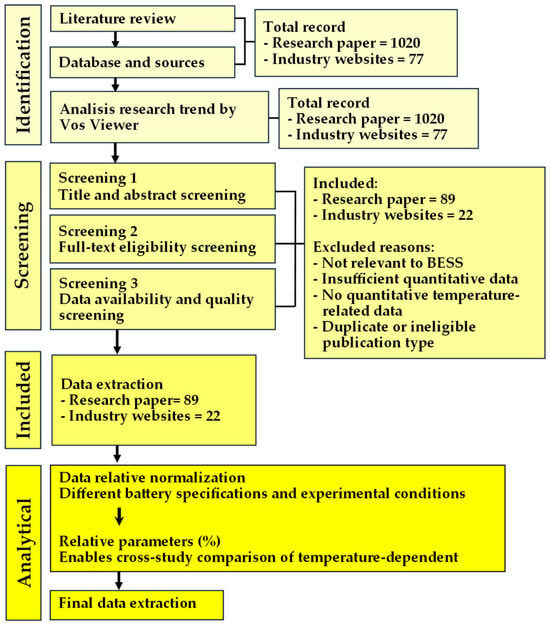
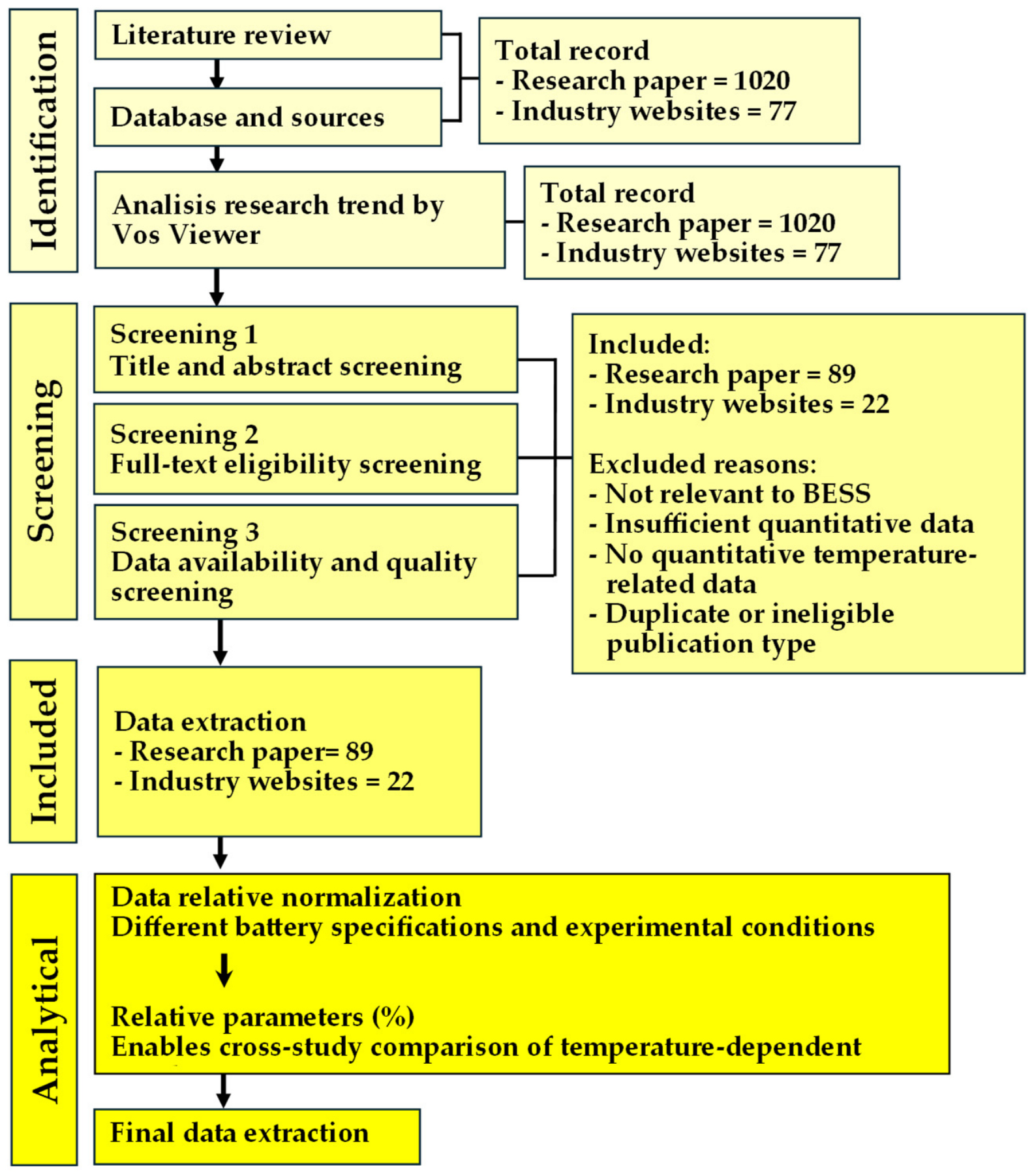
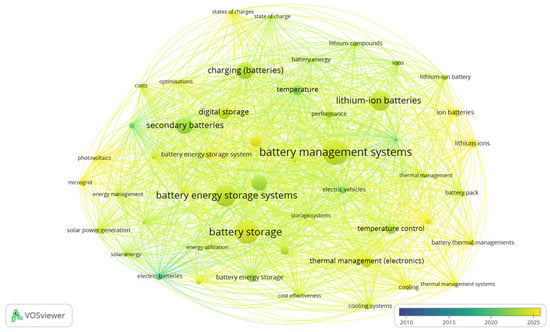
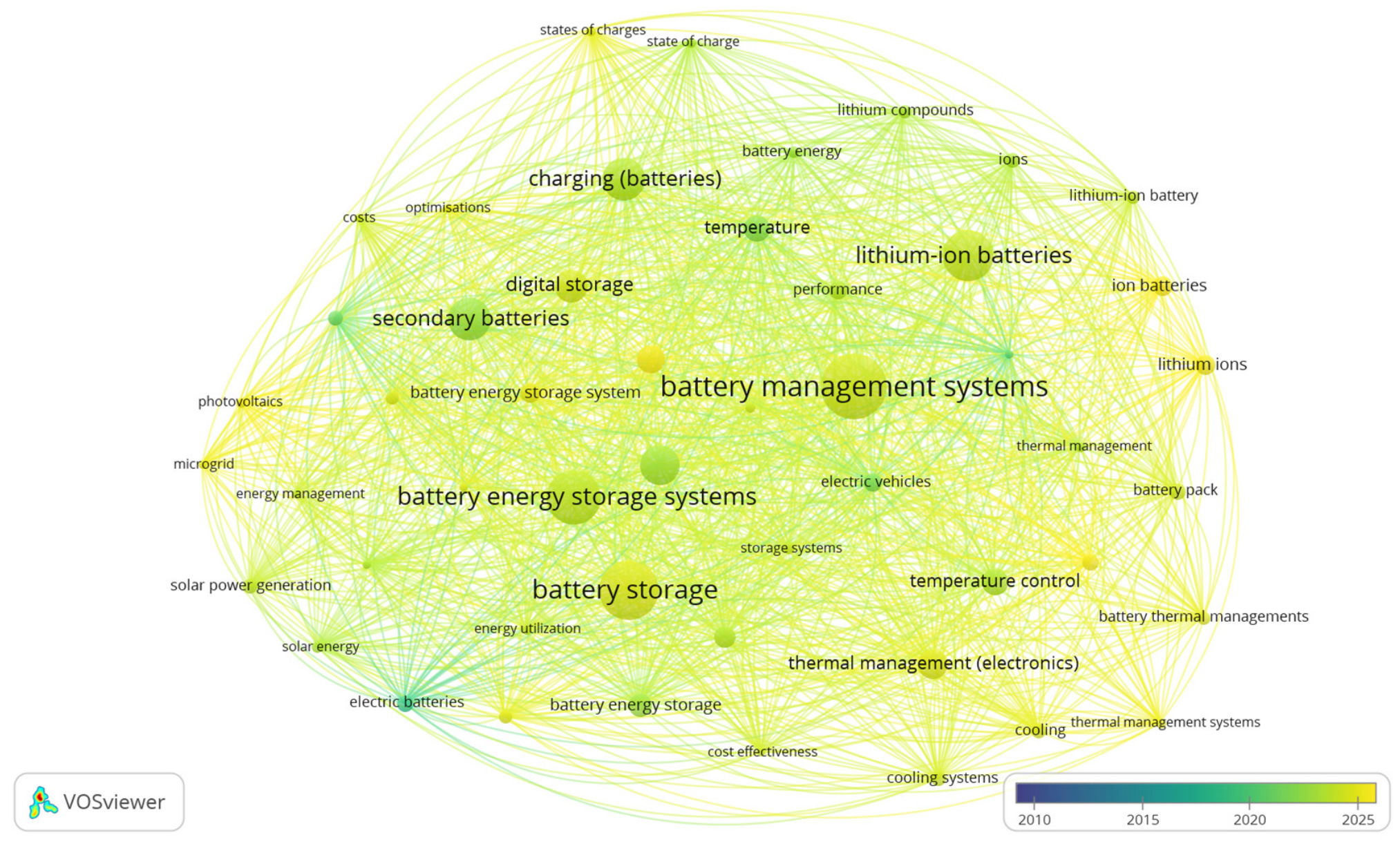
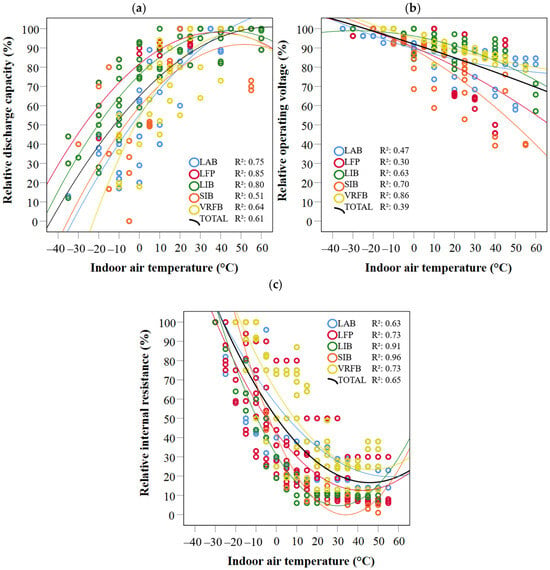
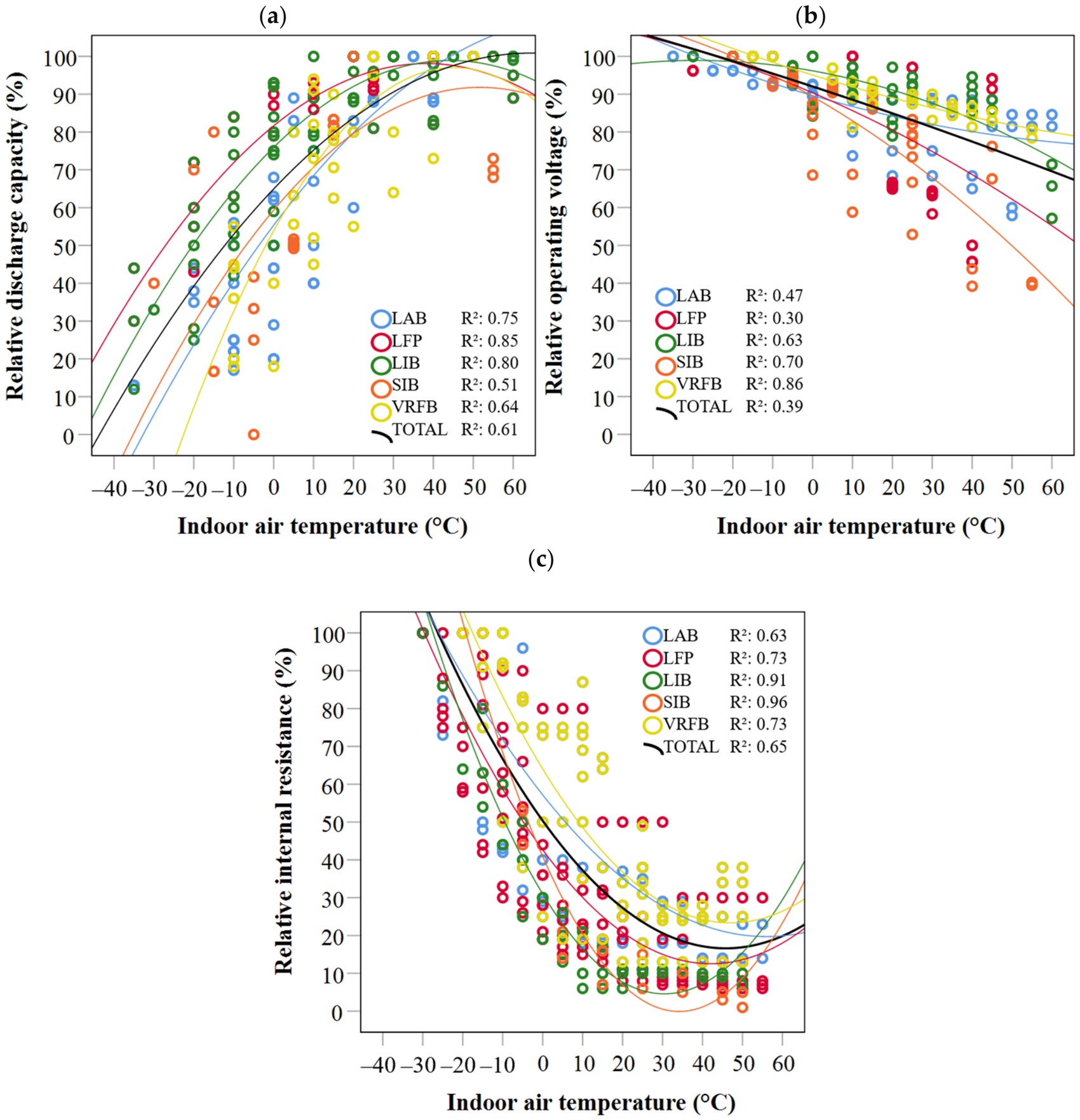
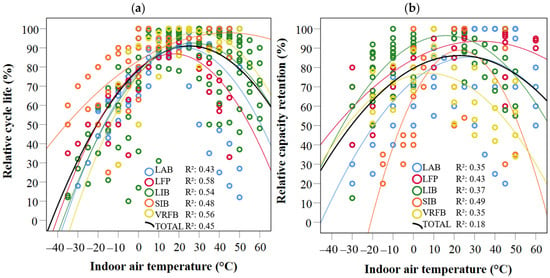
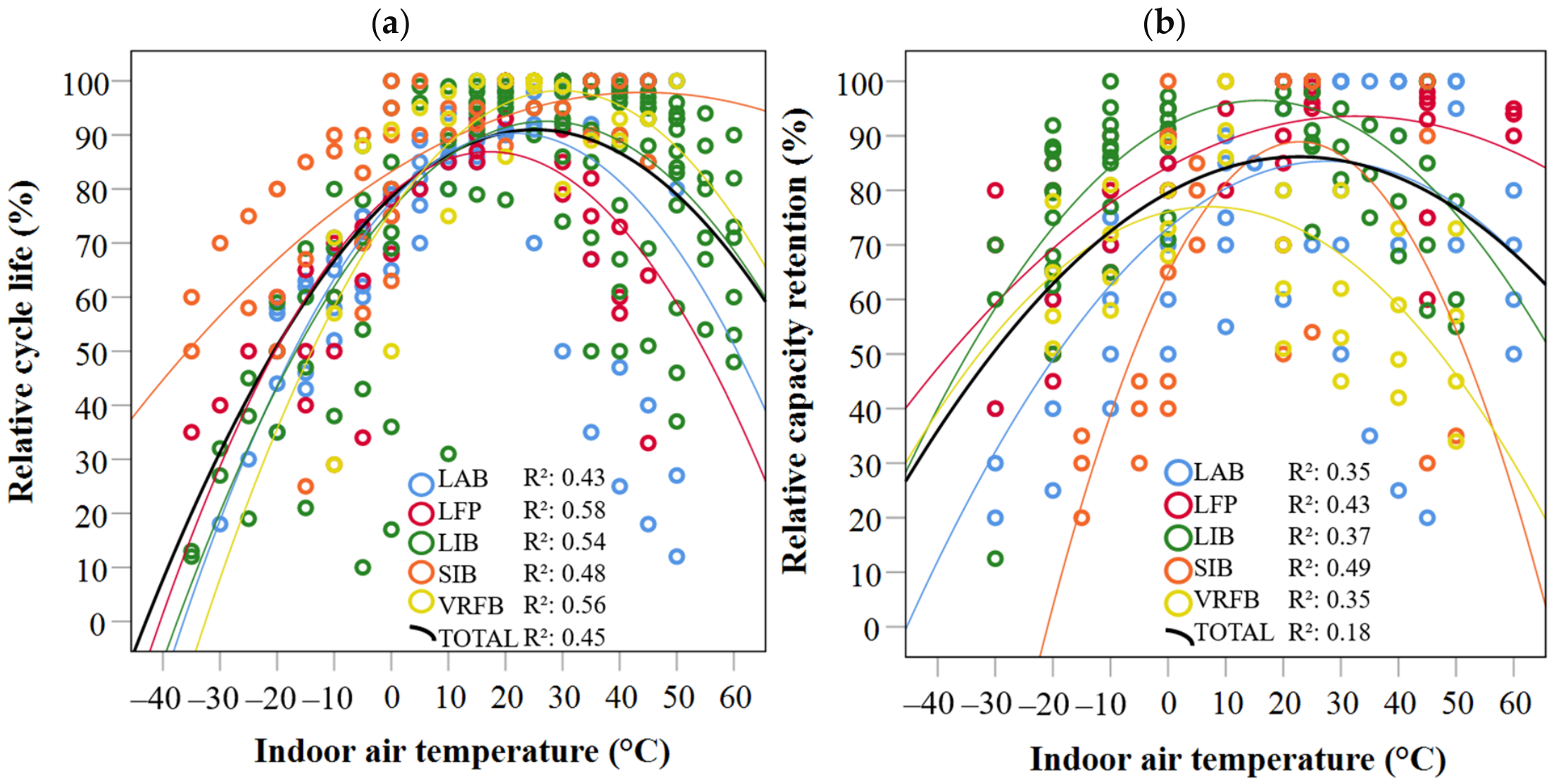
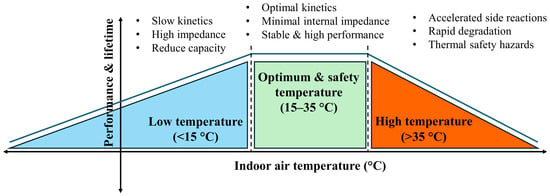
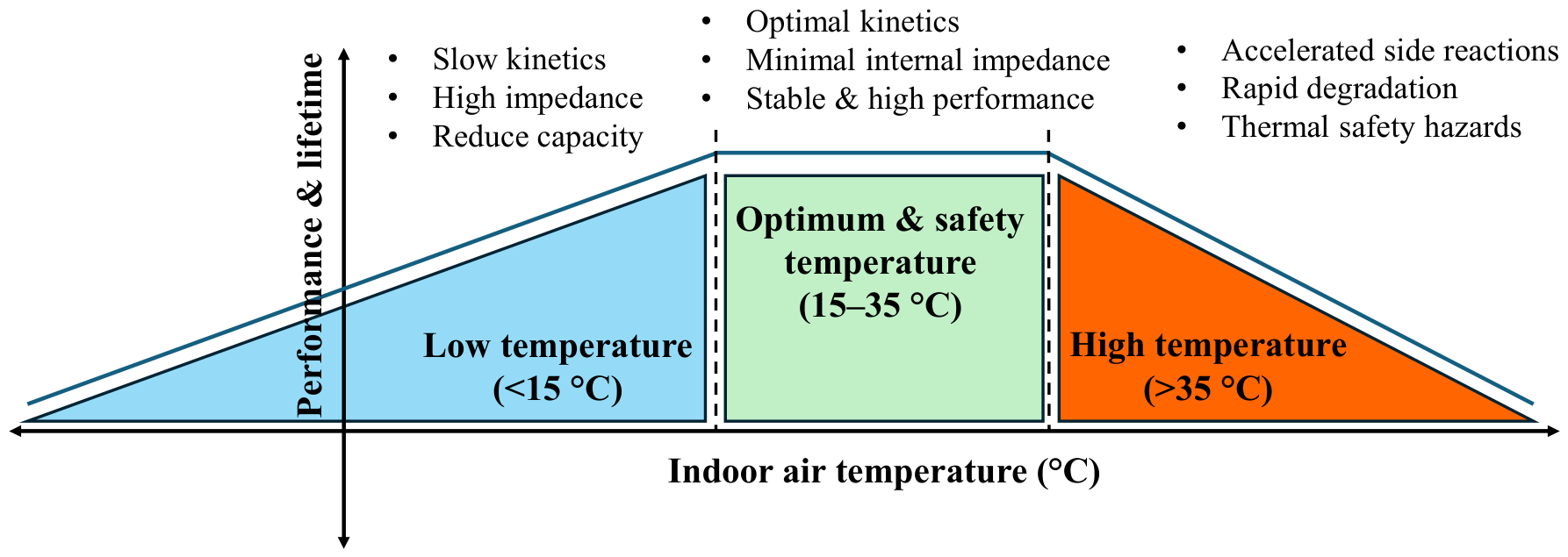
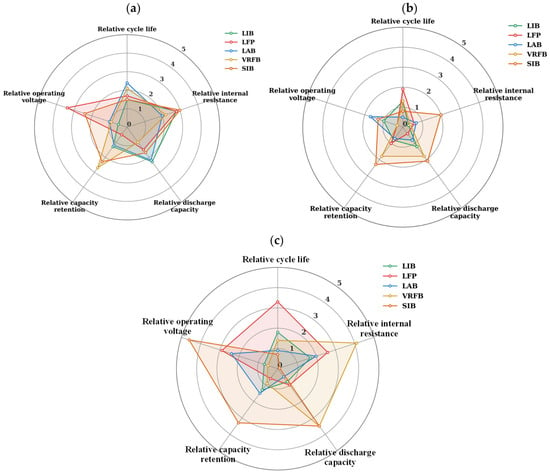
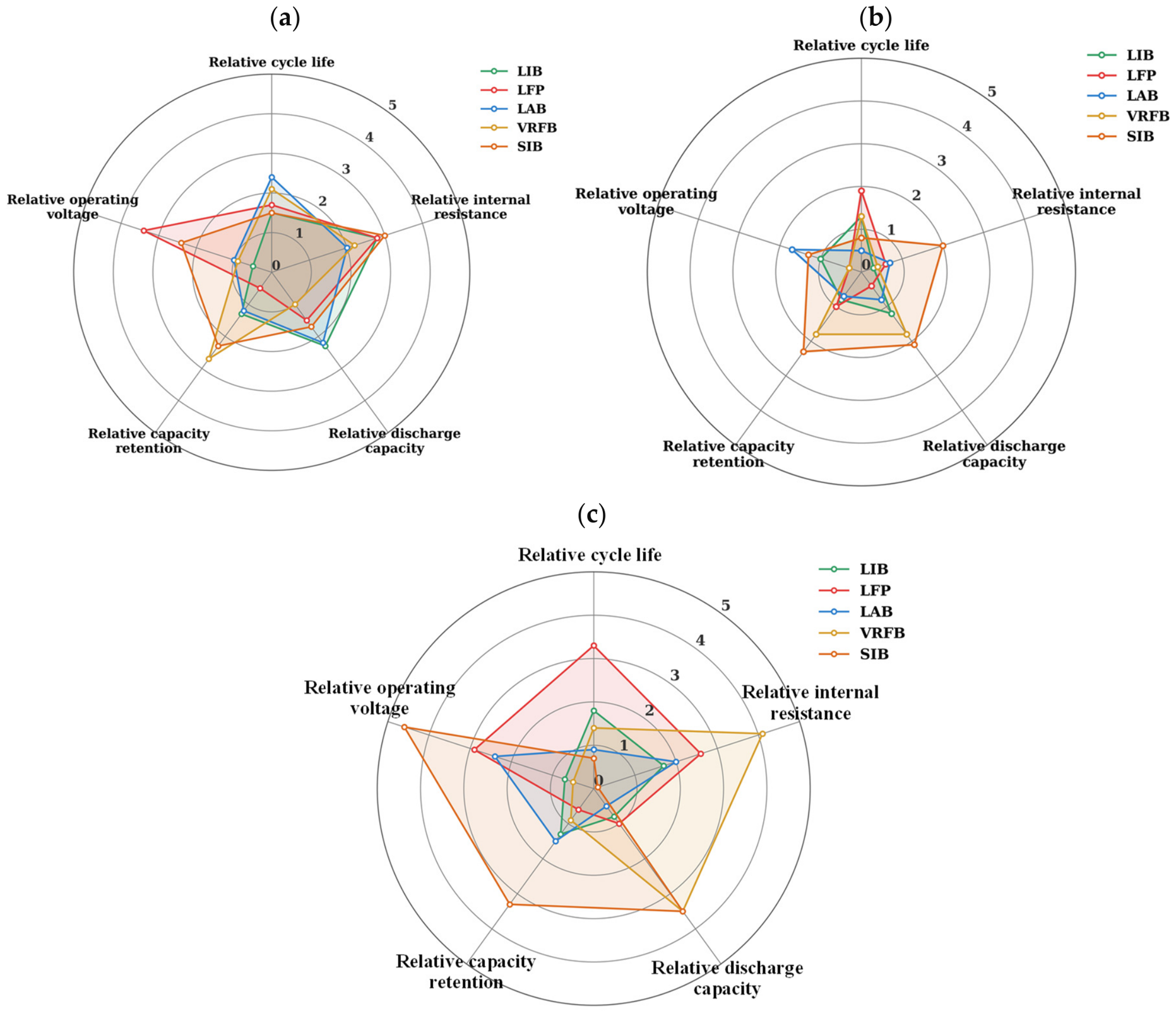

Disclaimer/Publisher’s Note: The statements, opinions and data contained in all publications are solely those of the individual author(s) and contributor(s) and not of MDPI and/or the editor(s). MDPI and/or the editor(s) disclaim responsibility for any injury to people or property resulting from any ideas, methods, instructions or products referred to in the content. |
© 2026 by the authors. Licensee MDPI, Basel, Switzerland. This article is an open access article distributed under the terms and conditions of the Creative Commons Attribution (CC BY) license.