


Abstract
This study extends previous experimental investigations of a hybrid multi-stage solar desalination (MSD) system by developing and experimentally validating a detailed thermo-energetic model of the same installation. The system combines flat-plate thermal solar collectors with a photovoltaic (PV)-powered immersed electrical heater to supplement thermal energy during operation. A transient thermo-energetic model of the basin and eight distillation stages was developed, accounting for conduction, convection, radiation, and evaporation–condensation heat and mass transfer, and solved using the fourth-order Runge–Kutta (RK4) method in Python (version 3.12.11). The model was validated against experimental measurements collected over multiple campaigns and seasons using real brackish well water (TDS > 3 g/L) at Douar El Hamri, eastern Morocco. Quantitative validation yielded mean absolute temperature errors of 2.41 °C in thermal-only operation and 2.42 °C in hybrid operation, with corresponding mean relative errors of 7.10% and 5.00%, respectively. Daily freshwater production reached 45 kg in thermal-only operation and 93 kg in hybrid operation, while the corresponding simulated values were 44.47 and 92.84 kg. The hybrid configuration also reduced the Specific Energy Consumption from 689.15 to 387.20 kWh·m−3 and increased the overall energy efficiency from 61.83% to 63.12% and the exergy efficiency from 8.69% to 10.86%. These results demonstrate that the developed model accurately reproduces the thermal behavior and freshwater production of the experimental system and provides a useful basis for performance assessment, system sizing, and future optimization of hybrid solar desalination systems for water-stressed regions.
1. Introduction
Freshwater is a fundamental component of human development, but its availability is becoming dangerously scarce in many parts of the world. About 71% of the earth’s surface is covered by water, the vast majority of which is salty or difficult to use. Less than 0.8% of this volume is accessible in the form of rivers, lakes or aquifers, used for consumption, agriculture or industry [1,2]. This spatial and temporal imbalance accentuates the vulnerability of several countries and, in Morocco, the sustainable management of water resources is becoming a central issue, particularly in rural and arid areas [3,4,5].
The challenge of access to drinking water in these territories is aggravated by demographic pressure, urbanization, agricultural growth and the consequences of climate change [6]. According to the UN, more than 2.2 billion people now live without reliable access to a safe water source, a situation that could deteriorate by 2050 when global water demand will have increased by more than 50% [7,8,9,10]. Morocco’s arid regions, such as the Oriental, are under severe water stress: dependence on local resources and fragile networks are pushing us to rethink water supply solutions. The Moroccan context is all the more critical as the annual availability of freshwater per capita has fallen to less than 600 m3, well below the water stress threshold [11]. Faced with this observation, the desalination of saline and brackish water has appeared for several decades as an essential alternative to guarantee the availability of drinking water [7,12,13,14,15]. There are two main types of technologies: thermal processes and membrane processes. The former include multi-effect distillation (MED), multi-flash (MSF), and MSD [7,16,17]. They rely on vaporization followed by condensation, mimicking the natural water cycle. The study of a solar multi-stage device, for example, has shown very high performance via latent-heat recovery [18]. Membrane processes, such as reverse osmosis (RO) and electrodialysis (ED), use specific membranes to separate pure water from dissolved salts. Although the efficiency is high and the modularity increased, these techniques require extensive pre-treatment, demanding maintenance and a stable power supply [19]. Their deployment in isolated areas, particularly rural areas, remains limited by the initial cost, technical complexity and sensitivity to the physicochemical qualities of raw water [20].
Energy consumption is the main weakness of conventional desalination systems, which can account for up to 50% of the total cost of producing drinking water [20]. In addition to the necessary management of saline waste, the environmental impact of fossil fuel-powered facilities questions their relevance from a sustainable development perspective, so the development of renewable resources, in particular solar energy, is an alternative to make desalination more accessible, more environmentally friendly and better adapted to the local context [21]. Morocco benefits from a high level of sunshine, which makes solar technology particularly attractive for decentralized desalination applications. The multi-stage approach using solar distillation makes it possible to make optimal use of the available radiation, while maintaining a robust design that is easy to install and maintain [22]. However, the limitations of conventional thermal solutions lie in their sensitivity to the climate and fluctuating production, and the difficulty of storing energy for use at night or on overcast days [17]. A critical analysis of recent publications underlines the interest of hybrid systems, combining thermal flat-plate collectors and photovoltaic (PV) panels. This coupling increases the available energy capacity, secures production under real conditions of use and optimizes the management of seasonal and daily variations in solar irradiation. The contributions of innovation are found in the optimized design of components (use of high-performance insulators, collector orientation, automation of flow control), intelligent flow management (use of batteries, inverters for the pump), and the modularity of the system favoring local maintenance [23,24]. Despite these advances, obstacles remain; the stability of thermal coefficients, the adjustment of the water flow in the open cycle without pumps, the management of variations in raw water quality and the minimization of energy losses remain subjects of attention. The integration of complementary solutions such as thermal–photovoltaic panels or high-performance insulators is the subject of numerous exploratory studies [25].
A critical examination of the recent literature reveals that multi-stage solar stills exploit latent-heat cascading across successive effects, but their effective stage number remains constrained by heat losses and diminishing returns; moreover, many studies still emphasize first-law productivity metrics, while exergo-economic and exergo-environmental assessments are still not yet routine [26,27,28]. Hybrid photovoltaic–thermal desalination configurations have attracted growing interest because they can maintain production under variable irradiance, but the literature is still dominated by simulation studies and short-duration experimental validations; long-term, multi-season field evidence under real brackish groundwater conditions remains limited [29,30,31,32]. Solar-assisted MED/MSF systems can improve freshwater productivity and thermal performance, but they typically require active pumping, regulation, and control, which increase operational complexity and cost and make fully autonomous rural deployment more difficult [33,34]. The present work addresses these gaps by combining an eight-stage passive cascade, which maximizes latent-heat recovery without pumps or active regulation, with an independent photovoltaic field providing electrical back-up heating, and by validating the resulting thermo-energetic model against a multi-season field campaign on real brackish well water (TDS > 3 g/L) at Douar El Hamri.
The project presented in this manuscript aims to propose a concrete solution adapted to the context of eastern Morocco, affected by the low supply of drinking water and the high availability of solar energy. Based on the Douar El Hamri site, the research focuses on the development and validation of a hybrid multi-stage distillation prototype. This innovative system combines several renewable energy sources: four thermal collectors with a total surface area of 7.28 m2 and a 4 kWp photovoltaic field, autonomously supplying a distillation tank and eight condensation–vaporization stages. The scientific approach adopted is as follows: the development of a detailed mathematical model taking into account conduction, convection, radiation and evaporation at each stage. The differential equations that describe the heat transfers are solved numerically by the fourth-order Runge–Kutta (RK4) method, allowing for a detailed simulation of the behavior of the system according to different thermal-alone and hybrid scenarios. The field experiment, carried out over several seasons, makes it possible to collect precise data relating to the temperature of the basin and the stages, and the daily volume of water produced, as well as the evolution of losses, yields and operating stability. The comparison between the model predictions and the results obtained under real conditions attests to the fidelity of the simulations in terms of thermal dynamics and production capacity. The general agreement found validates the methodological approach adopted, and shows that the model developed can serve as a reliable tool to help with sizing and optimization for desalination systems installed in similar contexts. Beyond the technical aspect, the relevance of the choice of hybrid MSD is part of a reflection on the water autonomy of low-resource territories, the reduction in the carbon footprint and the dissemination of locally appropriate solutions.
This work builds upon two successive international research cooperation frameworks involving Mohammed First University (UMP), Oujda: the Morocco–Germany Scientific Research Cooperation Program PMARS III, Project PMARS III 2015-64 (2016–2019), and the Morocco–Wallonia-Brussels Cooperation Program, Project WBI 3.3 (2023–2027), supported by Wallonie-Bruxelles International (WBI) and conducted in collaboration with the University of Mons (UMONS), Belgium. These collaborations have brought together complementary expertise in solar energy, thermal systems, power electronics, and desalination to address the water and energy challenges faced by rural communities in eastern Morocco. Within this framework, thermal models previously developed for innovative PV solar cookers [35] were adapted to describe the thermal behavior of the present MSD system and coupled with models of the thermal collectors and the photovoltaic generator. The same experimental prototype, installed at Douar El Hamri, was first investigated from a purely experimental standpoint in [36], which reported promising performance results for the hybrid solar desalination concept. The present study builds on and extends this prior contribution by developing a detailed thermo-energetic model of the basin and the eight distillation stages, accounting for conduction, convection, radiation, and evaporation, and solved numerically using the (RK4) method. Field experiments conducted over multiple seasons enabled detailed measurements of basin and stage temperatures, daily freshwater production, energy losses, and system stability. Comparison of the model results with the experimental data demonstrates good agreement, thereby validating the proposed methodology and confirming the usefulness of the model as a predictive tool for system sizing and optimization. The present work thus complements the experimental findings reported in [36] by providing a validated thermo-energetic model of the proposed hybrid desalination system. Ultimately, this study fulfills a threefold objective: to demonstrate the feasibility of a hybrid multi-stage solar desalination solution adapted to the Moroccan context, to provide a validated and reusable model for future system sizing, and to contribute to the reflection on sustainable local adoption of energy technologies for drinking water. The approach—from conceptualization to experimental validation—prioritizes efficiency, technical simplicity, and positive impact for rural communities, offering new perspectives for autonomous water access in disadvantaged regions, fully aligned with sustainable development principles.
2. Materials and Methods
2.1. Experimental Site: Geographical, Climatic and Water Context
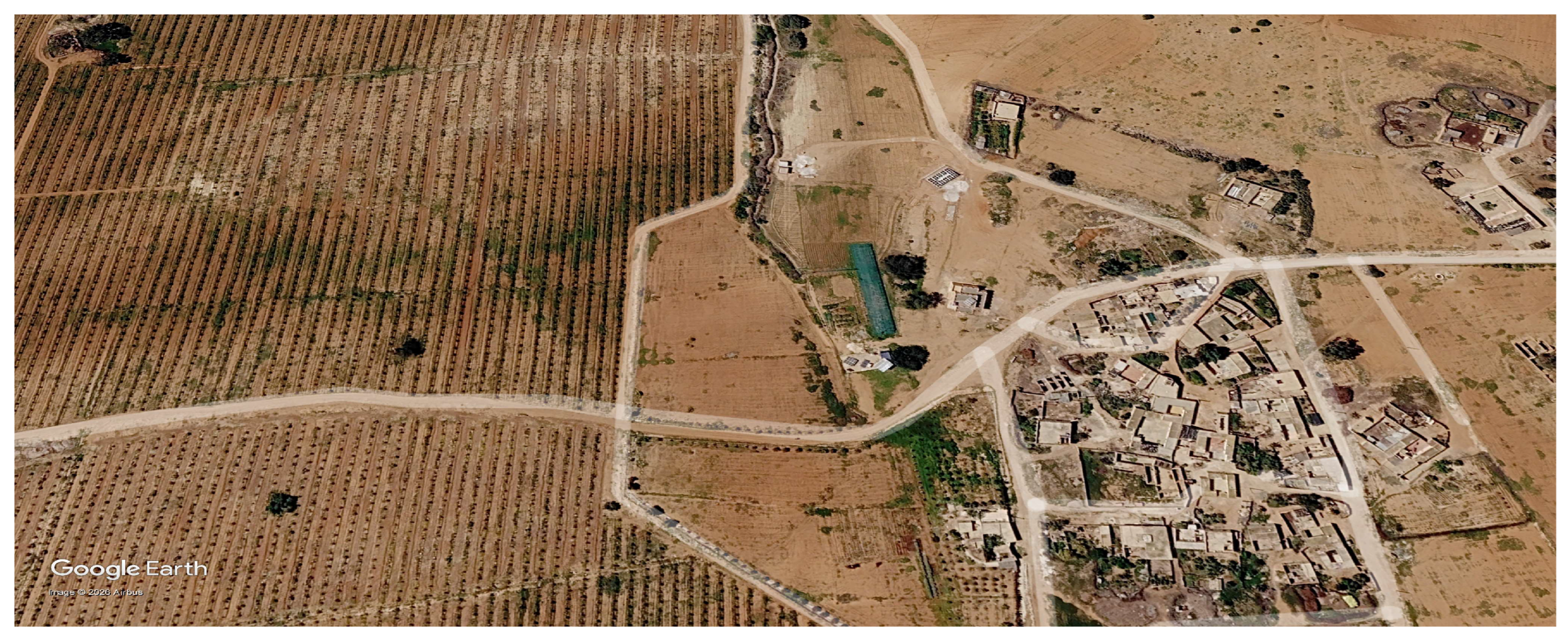
The experimental site studied in this work is located in Douar El Hamri, in the province of Berkane, in the Oriental region of Morocco (Figure 1). This area is characterized by a semi-arid climate, with hot summers (temperatures often above 30 °C), mild winters, and a low annual rainfall level, which increases the pressure on water resources. The annual solar irradiation exceeds 2200 kWh/m2/year, positioning the site among the most favorable in the country for the deployment of solar conversion technologies. This strong sunshine, coupled with the limited availability of drinking water, creates a context that is both restrictive and highly relevant for the implementation of autonomous solar desalination devices [37,38]. The available raw water comes from a local intermediate depth well: its analysis reveals a high concentration of total dissolved solids (typically greater than 3 g/L), classifying this resource as brackish and unsuitable for direct consumption without appropriate treatment [6,39]. This reality corresponds to the situation in many rural Moroccan villages, where access to drinking water still depends largely on local capacities and decentralized solutions. The water and energy vulnerability, typical of the Oriental, is combined with the strong solar potential to make this pilot site exemplary of the context targeted by technological innovation [39].
The choice of Douar El Hamri for the validation of the hybrid multi-stage system is therefore based on the synergy of these factors: climatic conditions favorable to solar energy, real issues in terms of water salinity and the logistical feasibility of the experimental installation. The robustness of the scientific approach stems from the confrontation of the device with a demanding environment, thus guaranteeing the transferability and interest of the results for future applications on the scale of Morocco and other arid or semi-arid regions [17].
Figure 1.
Location of the experimental site of Douar El Hamri (province of Berkane, Morocco). Source: Google Earth Pro. Image © 2026 Airbus. Imagery date: 2 April 2025.
2.2. Description of the Hybrid MSD System
2.2.1. System Architecture and Components
The MSD unit operates autonomously on solar energy, combining flat-plate thermal collectors with a PV field in a modular, multi-stage architecture based on progressive distillation: heat is transferred from the basin to the upper stages, driving sequential condensation and distillate recovery. As shown in Figure 2, the unit comprises a distillation basin, eight vertically stacked condensation/evaporation stages, an insulated enclosure (rear wall, front door, top plate and supporting frame), and flat-plate collectors mounted on the front face.
Figure 2.
Global diagram of the MSD unit.
The distillation basin, at the base of the unit, stores the heated water and is connected to the collector field through two hydraulic lines carrying the heat-transfer fluid, while two additional central connections provide full drainage at the bottom and a controlled overflow 48.5 mm from the upper edge, limiting the useful volume to about 95 L out of a total 124 L capacity. Figure 3:
Figure 3.
MSD system distilled water basin.
The eight distillation stages, each holding up to 97 L of saline water, are mounted on stainless-steel rails welded to the side walls of the frame in a drawer-like arrangement that allows for individual removal for maintenance (Figure 4). They are made of 2 mm thick AA5052 aluminum sheets, chosen for their low weight, high thermal conductivity for efficient condensation-heat transfer, and the natural oxide layer that improves condensate adhesion and reduces drip losses. The condensing-surface inclination was increased from 7° to 8°, which slightly increased the water mass retained per stage while reducing drainage losses and improving overall productivity.
Figure 4.
Stages used in the MSD desalination system.
The enclosure walls shown in Figure 5 combine a stainless-steel inner face for corrosion resistance, a wooden frame for structural stability, polyurethane insulation panels, and an external high-pressure-laminate (HPL) coating for mechanical protection; the stainless-steel access door (120 × 90 cm) incorporates sealing gaskets to prevent vapor leakage. The stages themselves are supported on stainless-steel rails in a modular, pendant-type arrangement shown in Figure 6 that enables independent cleaning or replacement of individual stages:
Figure 5.
Different elements that make up each wall of the MSD system. The black dashed frame indicates the wall whose composition is detailed in the lower part of the figure; the blue arrows indicate the assembly direction of the layers.
Figure 6.
Suspension plates used.
The thermal field consists of four flat-plate collectors (type KS2100 TLP ACR), Figure 7, which convert solar radiation into heat through the greenhouse effect and transfer it to the heat-transfer fluid circulating by free (natural) convection.
Figure 7.
Glazed plane thermal collectors used.
2.2.2. Operating Diagram of the MSD System
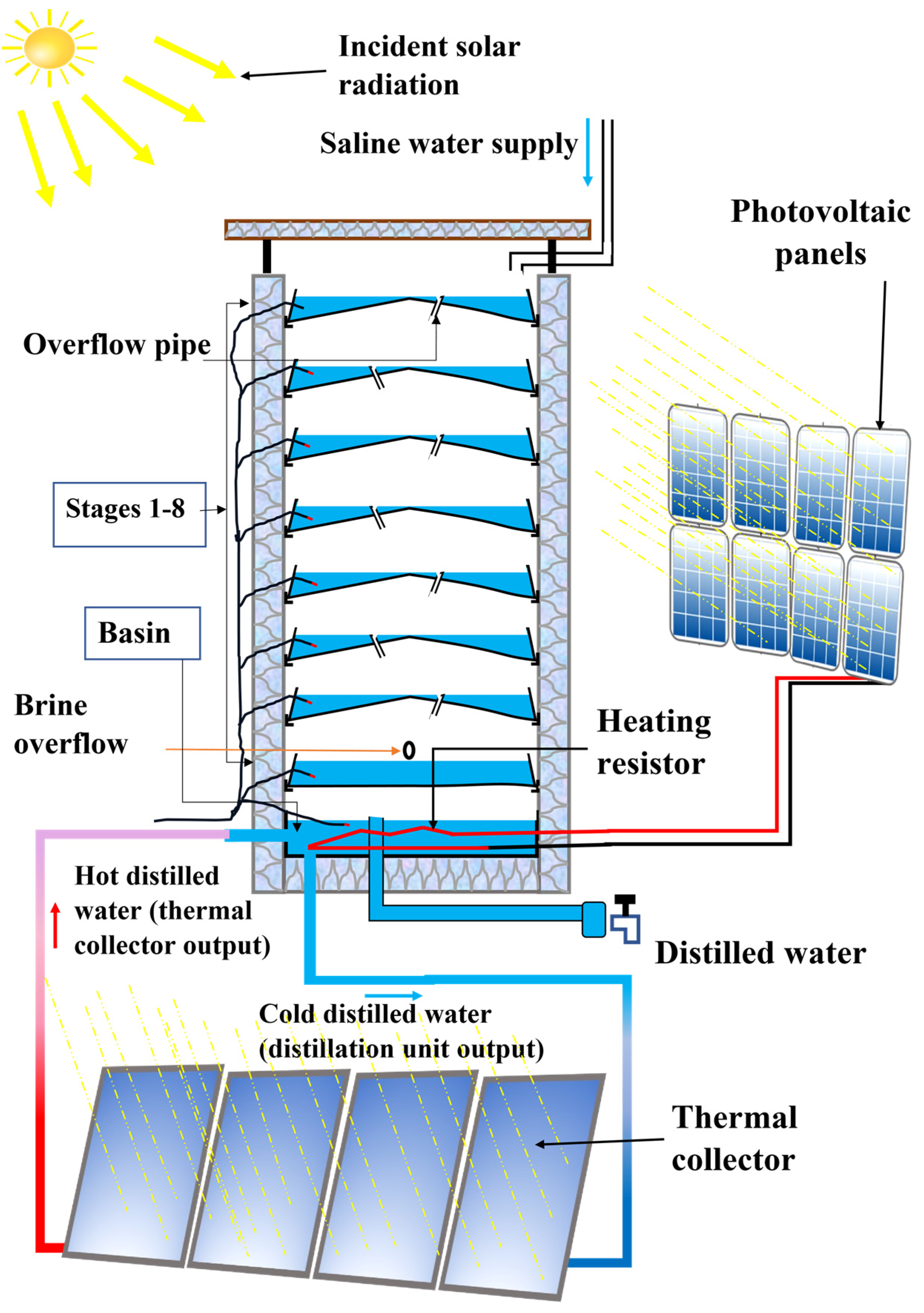
The MSD system, shown in Figure 8, operates under the action of solar radiation captured by four flat thermal collectors, as well as an electrical heating element providing thermal supplementation. Its operating principle is schematically illustrated in Figure 8:
- Salt Water Supply: Salt water is introduced from the top of the system, at the level of the last desalination stage. The excess water, not retained in this stage, flows by gravity via an overflow pipe to the lower stages, ensuring a successive and continuous supply. Given the salinity of the feed water (TDS > 3 g/L), salt and scale deposits progressively form on the basin and stage surfaces during operation. Periodic maintenance is therefore required to remove these deposits; this cleaning was performed approximately every 2 to 3 months.
- Initial Heating and Evaporation: The water recovered from the lower basin is heated by the thermal collectors and the electrical resistance, increasing the temperature of the system. This hot water transmits thermal energy to the upper stages, causing the saline water in each of the eight stages to gradually evaporate. This process mobilizes the enthalpy of vaporization, which drives the heat transfer between stages.
- Condensation and Freshwater Collection: The water vapor generated condenses on the sloping, polished bottom surface of the upper stage. This condensation forms freshwater droplets, which flow by gravity towards a collection gutter welded to the side walls of the structure.
- Distilled Water Recovery: The condensed water is directed to the lower basin, from where the excess is automatically discharged through an overflow nozzle to be stored in a collection tank located downstream.
This cascade process optimizes the use of available thermal energy and ensures the continuous production of freshwater from a saline feed.
Figure 8.
Overall diagram of the operation of the MSDH system.
2.3. Numerical Modeling and Simulation
2.3.1. Simplifying Assumptions and Simulation Conditions
In order to establish the thermal modeling equations of the multi-stage solar desalination system and to ensure the numerical feasibility of the model without compromising its accuracy, a set of simplifying hypotheses was adopted. These hypotheses address both the thermal behavior of the basin and the eight stages of the distiller, aiming to reduce the complexity of the physical system while preserving the relevance of the simulated results. They are categorized as follows:
- -
- General hypotheses of the system: These hypotheses define the overall thermal behavior and provide the framework for the transient simulation:
- One-dimensional transient modeling: The thermal evolution is described only as a function of time, neglecting spatial temperature gradients.
- Homogeneous heat-transfer fluid: The circulating fluid (distilled water) is assumed to be perfectly thermally homogeneous, with a uniform temperature at all times in the basin.
- Perfectly sealed system: No fluid loss or air infiltration is considered; the system is assumed to be completely closed.
- Idealized evaporation–condensation: Phase change phenomena (evaporation of saline water and condensation of steam) are considered instantaneous, complete, and without losses.
- Neglect of thermal inertia of walls: The thermal storage capacity of building materials (walls, supports, plates) is neglected; heat is assumed to be immediately and fully transferred to the fluid.
- -
- Component-specific hypotheses: These hypotheses detail the behavior of individual elements within the system to accurately describe heat transfer and fluid dynamics:
- Heat transfer between the hot saline surface and the condensation surface in each stage occurs mainly via evaporation/condensation, natural convection, and thermal radiation.
- The temperature of the water at the inlet of the solar thermal collectors is assumed to be equal to that of the fluid in the lower basin.
- The auxiliary electrical resistance is fully immersed in the basin water, and all thermal energy generated is absorbed by the distilled water.
- At each stage, the temperature of the trays is considered uniform and identical to that of the deposited saline water.
- The mass of saline water introduced into each stage is identical, ensuring homogeneous thermal distribution.
- The system operates at constant atmospheric pressure, without overpressure or vacuum.
- Condensation occurs exclusively as a thin, homogeneous, and continuous film on the internal surfaces of the stages.
- Steam losses (thermal leakage) between different stages are considered negligible.
- The stages are properly aligned and assembled, ensuring optimal sealing to limit heat and vapor losses.
- Distilled water flows at a temperature equivalent to that of the corresponding condensing surface of each stage.
- The fluid is assumed to be incompressible and flows in a laminar regime.
- Thermal power received by the collectors is immediately transmitted to the fluid, without storage in the collector materials.
- Pressure losses due to friction in pipes and singularities (bends, inlets/outlets, etc.) are modeled using standard coefficients; the total pressure drop is used to determine the flow rate.
These assumptions form the basis of the simulation model, ensuring an optimal compromise between the physical complexity of the real system and the mathematical simplicity necessary for numerical resolution.
2.3.2. Energy Balance of the Collector
The transient energy balance of the solar collector, expressed in terms of the average heat-transfer-fluid temperature Tm, is written as:
where is the fluid mass and its temperature-dependent specific heat capacity [40]:
The absorbed thermal power follow the Hottel–Whillier–Bliss model [41]:
where is the collector aperture area, the incident irradiance, , and the optical efficiency and the linear/quadratic heat-loss coefficients, and ΔT = ). The corresponding thermal loss to the basin is:
where is the mass flow rate in the thermosiphon circuit, obtained from the buoyancy-driven pressure balance between the collector inlet and outlet.
where and are the cold (collector inlet) and hot (collector outlet) fluid densities and the height difference driving the thermosiphon. Combining this pressure balance with the linear and singular head-loss expressions (Appendix A):
with mean density:
Rearranging this into standard quadratic form:
with , and , yielding the thermosiphon mass flow rate as the physically admissible (positive) root,
2.3.3. Energy Balance of the Basin
The transient energy balance of the basin, accounting for the auxiliary electrical input, the solar contribution, the exchange with stage 1, and the wall losses, is written as:
where and are the basin water mass and temperature, the thermal capacity of the basin water (Equation (11)), the electrical power supplied by the immersed resistive heater, and the useful thermal power delivered by the collectors:
The heat carried by the condensate returning from the eight stages is:
with denoting the condensation temperature of stage , its specific heat (Equation (14)), and the distillate flow rate of stage i, equal to its evaporation rate.
The three exchange terms between the basin water and the underside of stage 1, convective (), radiative () and evaporative (), share the same driving temperature difference and basin water surface , and differ only through their respective heat-transfer coefficients , and [42]:
The sensible heat carried away by the distillate leaving the basin is
The wall losses follow the standard overall-heat-transfer-coefficient form, with (W·m−2·K−1) denoting the basin’s global loss coefficient [43].
2.3.4. Energy Balance of the 1st Stage
Stage 1, directly above the basin, condenses the vapor generated by the basin water, and the released latent heat drives the evaporation of the saline water it contains, which is in turn exchanged with stage 2. Its transient energy balance is:
where and are the mass and specific heat of the stage-1 saline water, the incoming terms , , are those defined above (Equations (15)–(17)), and the outgoing terms , , follow the same form, evaluated between and the stage-2 condensation temperature . is the sensible heat carried away by the stage-1 distillate toward the basin, and the wall losses, of the same form as Equation (19).
2.3.5. Energy Balance from the 2nd to the 8th Stage
Each intermediate stage (2 ≤ ≤ 8) receives the convective, radiative and evaporative heat released by stage − 1, stores part of it in its own saline water mass, and transfers the remainder to stage + 1:
with denoting the saline water mass in stage , whose depletion by evaporation follows
The distillate (evaporation) rate is [43]:
where the condensation temperature is obtained from an empirical polynomial correction of the stage temperature [44],
The latent heat of vaporization (Equation (25)) and the specific heat (Equation (26)) follow standard water-property correlations [40].
The evaporative and convective coefficients are obtained from the Dunkle correlation via the Lewis analogy [44,45,46,47]:
where the saturation vapor pressures and are evaluated at and respectively using the Antoine-type correlation [46,48]:
The radiative coefficient follows a gray-body exchange between two parallel surfaces of effective emissivity:
Wall losses follow the same form as Equation:
with the overall coefficient given by the standard plane-wall resistance model
To minimize model uncertainty arising from external empirical relations, the applicability, experimental boundary conditions, and uncertainty intervals for Equations (2), (25) and (28)–(30) were evaluated. These correlations stem from the classical Dunkle and Cooper frameworks for coupled heat and mass transfer in enclosed film evaporation–condensation geometries [49]. Under the operating conditions of the present multi-stage solar distillation unit (20 °C ≤ T ≤ 95 °C at atmospheric pressure), the local Rayleigh and Grashof numbers remain within the natural convection regime for enclosed cavities [50]. Table 1 summarizes the physical origin, valid boundaries, and error ranges of these empirical correlations [49,50,51,52,53].
Table 1.
Physical boundaries, test conditions, and error intervals of the empirical correlations used in the model.
2.3.6. Input Data and Physical Parameters Used
In order to carry out the thermo-energetic modeling of this system, a set of physical, geometric and thermodynamic parameters has been defined. This input data forms the basis for the compilation of the energy balance equations and numerical resolution. The geometric dimensions and thermal properties of the distiller strongly influence the heat transfers and overall performance of the system. Table 2 summarizes the main dimensions used in the simulation:
- Thermal Collector Settings:
The characteristics of solar collectors, which are essential for energy input, are shown in Table 3. This data directly influences the thermal efficiency of the system.
Table 2.
Geometric and thermal parameters of the MSD system.
Table 3.
Thermal collector system parameters.
- Insulating parameters:
The properties of thermal insulation, which are critical for reducing energy losses, are listed in Table 4.
Table 4.
Thermal insulation parameters of the MSD system.
- Physical constants and general parameters:
The physical constants and optical/thermal properties of the system are summarized in Table 5, influencing energy transfers and radiative losses.
Table 5.
Physical constants and general parameters of the MSD.
These parameters will be directly injected into the differential equations presented in the previous sections in order to accurately simulate the thermal phenomena and distilled water production of the MSD system.
2.3.7. Numerical Resolution Method (RK4)
The solution of the differential equations that model the thermal behavior of the system (MSD) is based on a robust numerical approach, the (RK4). This explicit method, widely used for the solution of systems of ordinary differential equations of the first order, is particularly suitable for nonlinear thermal problems [59].
For numerical resolution, a calculation code has been developed under the Python environment, allowing for the simulation of the thermal evolution of the system over time. The RK4 method is applied to each equation by calculating the coefficients k1 to k4, for an equation of the type:
The RK4 schema is defined by [60]:
and we calculate the sequence whose form:
This scheme is applied to each equation of the system, at each time step ∆t, to calculate the evolution of flow rates and temperatures in the basin and stages.
2.3.8. Simulation Code Flowchart
In order to numerically solve the thermo-energetic model of the multi-stage solar desalination system, a simulation code was developed in Python language. This code is based on a modular and hierarchical approach to simulate the temperatures of the basin and the eight successive stages, as well as to estimate the hourly and cumulative production of distilled water. The organizational chart shown in Figure 9 illustrates the operating logic of the code, from the initialization of parameters to the output of results in graphical and numerical form.
Figure 9.
Simulation program flowchart.
3. Results
3.1. Experimental Procedure and Data Acquisition System
3.1.1. System Installation and Instrumentation
The MSD prototype was installed and commissioned at the experimental site in Douar El Hamri, Berkane Province, Oriental region, Morocco. The system was fully instrumented to monitor thermal and electrical parameters in real time. Figure 10 shows a prototype photo of the MSD desalination system and the overall configuration of the experimental installation, including the MSD unit, the solar thermal collector field, the PV panels, and the technical supervision unit:
Figure 10.
(A) control and supervision unit; (B) overall view of the installation. [36].
- Thermal instrumentation: Temperature sensors were installed in the distillation basin and at each of the eight stages, measuring the thermal evolution of the system throughout the daily operating cycle. An additional sensor recorded the ambient outdoor temperature.
- Solar radiation measurement: A pyranometer installed near the system continuously recorded the solar radiation received by both the thermal collectors and the PV panels.
- Electrical instrumentation: The PV system was equipped with sensors to measure voltage, current, and instantaneous power output. These measurements were used to characterize the electrical energy converted into heat via the 2 kW heating resistor (R = 24 Ω) immersed in the basin.
- Data integration: All sensors and instrumentation enabled a comprehensive monitoring of system performance under real climatic conditions, supporting the validation of the thermal model and the evaluation of hybrid operation.
The instrumentation used to monitor the system is summarized in Table 6. Water and ambient temperatures were measured using LM35DZ precision integrated-circuit sensors, and solar irradiance was measured using a CMP6 pyranometer. PV voltage and current were recorded using a multimeter. The manufacturer-specified accuracy of each instrument is reported in Table 6.
Table 6.
Information about the instruments used.
3.1.2. Acquisition and Supervision System
The monitoring installation, illustrated in Figure 10, is organized around a technical unit and its associated infrastructure. The technical unit houses two real-time supervision screens displaying the temperatures of the basin and all eight stages together with the electrical parameters and their time evolution; a supervision and control card that acquires the sensor signals (temperature, flow rate, electrical parameters) and transmits them to the processing system; a charge/discharge regulator ensuring a stable power supply to the monitoring system from the solar battery bank; and a power board integrating the electrical protection devices (circuit breakers, fuses), contactors and distribution equipment for the system’s various components.
The associated infrastructure comprises an industrial computer for data acquisition, storage and processing; a frequency converter powering the 2 kW submersible well pump; a solar battery bank storing the energy produced by the dedicated PV panels; and a DC/AC inverter supplying the system’s alternating-current loads. Together, these components provide continuous recording of all temperatures (basin, eight stages, ambient) and of the solar radiation incident on the collectors and PV panels, monitoring of the voltage, current and photovoltaic power (P), and real-time local visualization of all parameters via the supervision screens. The modular design of the equipment facilitates maintenance and provides easy access to all components.
3.2. Operation with Thermal Energy
3.2.1. Desalination System Temperature
Figure 11a illustrates the evolution of the incident solar irradiance and ambient temperature, measured experimentally on-site using the CMP6 pyranometer and the ambient temperature sensor, on 12 April 2021, a representative clear-sky day. The light intensity gradually increases from sunrise around 8 a.m., reaches a maximum peak of 1000 W/m2 around 1 p.m., then decreases in the late afternoon, returning to zero around 6 p.m. This bell-shaped profile, characteristic of a sunny day, with an average illuminance of about 658 W/m2, indicates a useful period of sunshine. This energy intensity is the main source of heat input for the flat solar collectors powering the desalination system. At the same time, the daily ambient temperature recorded on the same day (Figure 11a) remains relatively stable throughout the day, fluctuating in a range from approximately 11 °C in the early morning to 25 °C in the early evening, with an average ambient temperature of 18 °C, which affects convective heat exchange with the outside and the efficiency of the collectors.
Figure 11.
(a) Solar irradiance and ambient temperature during the experimental day. (b) Comparison between simulated and experimental temperature profiles of the basin and the eight stages [36].
At the beginning of the day (00:00 a.m.), the simulated temperatures start at the initial values with the basin at about 42.5 °C and the levels gradually decreasing from 44.4 °C to 22.7 °C as follows, grouped in Table 7:
Table 7.
The initial temperatures of the MSD system (thermal).
Figure 11b shows the temporal evolution of simulated and experimental temperatures for the eight stages of the basin over a 24-h period. This comparison allows us to evaluate the accuracy of the numerical model developed and to validate its behavior under experimental conditions.
The overall analysis of the basin (blue curve) reveals an excellent agreement between the numerical predictions and the experimental measurements. The basin reaches maximum temperatures of 75–76 °C around 2–4 p.m., with a gradual rise from 10 a.m. and a gradual cooling in the evening. The model faithfully reproduces this temporal evolution.
The first stage (Ts1, orange curve) has temperatures between 69 and 70 °C, closely following the evolution of the basin. The following stages show decreasing thermal stratification: the second stage (Ts2, green curve) reaches 55–62 °C, the third stage (Ts3, red curve) oscillates between 47 and 50 °C, and the fourth stage (Ts4, pink curve) is around 40–43 °C. The lower stages (Ts5 to Ts8) have more stable temperatures, varying between 25 °C and 35 °C, with a very good agreement between simulation and experiment. The simulation faithfully reproduces the significant thermal variations in these stages, particularly the synchronization of temperature peaks with solar irradiation and night-time cooling phases. The intermediate stages (3–5) show temperatures between 30 °C and 55 °C, with an excellent correlation between simulation and experiment. The lower stages (6–8) have more stable temperatures, oscillating between 20 °C and 32 °C.
Quantitative validation of the model reveals satisfactory performance with a mean squared error of less than 2 °C. The most significant differences are observed during temperature peaks (12–16 h) and at the end of the 24-h period, but remain within acceptable limits for this type of application.
The comparison between the simulated and experimental results demonstrates the validity of the numerical model developed. Accurate reproduction of the thermal trends and stratification of the basin confirms that the model can be used with confidence for analysis.
3.2.2. Production of Distilled Water
The numerical simulation of the multi-stage solar distiller resulted in a total daily freshwater production of 44.47 kg, while the experimental measurement reached 45 kg under the same operating conditions. The relative deviation of only 1.18% demonstrates the excellent accuracy of the developed thermal model.
This strong correspondence between simulation and experimental data confirms the model’s robustness in reproducing the real thermodynamic behavior of the system, including basin stratification and inter-stage heat transfer. Therefore, the proposed model can be regarded as a validated and reliable predictive tool for the performance assessment and optimization of multi-stage solar desalination systems.
3.2.3. Estimated Daily Production of Distilled Water
Figure 12 presents the estimated and measured daily freshwater production of the multi-stage solar distillation system operating in thermal mode, over 12 individual measurement days between April and July 2021 (7, 20 and 21 April; 8, 13 and 25 May; 10, 28 and 29 June; 3, 5 and 22 July). Each bar corresponds to one individual experimental day rather than a monthly average; the black bar denotes the experimentally measured value and the red bar the corresponding RK4 simulation output for that same day. The figure also includes the maximum and average solar irradiance and ambient temperature values observed during the experimental campaign.
Figure 12.
Ambient temperature (average and maximum), solar irradiance (average and maximum), and daily distillate production (experimental vs. simulated), recorded on 12 individual measurement days between April and July 2021, grouped by month, during thermal operation [36].
During this period, the average solar irradiance remained stable between 470 and 600 W/m2, while the maximum irradiance ranged from 900 to 1050 W/m2, providing a consistent and sufficient energy input for the distillation process. Ambient temperature exhibited a clear seasonal progression, increasing from an average of 17 °C in April to 28 °C in July, with maximum temperatures rising from 22 °C to 33 °C. This variation ensured an adequate thermal gradient between the ambient environment and the operating system, enhancing evaporation–condensation efficiency.
The daily distilled water production ranged between 32 and 41 L/day, depending on climatic conditions. A strong correlation was observed between experimental results (black bars) and numerical simulations (red bars), confirming the accuracy of the developed predictive model. Interestingly, April recorded the highest production of approximately 42 L/day, despite moderate temperatures, suggesting an optimal balance between solar input and condensation efficiency. During the summer months (June–July), production remained steady at around 37–39 L/day, demonstrating compensation between increased ambient temperature and slightly reduced solar irradiance.
The strong agreement between simulated and experimental data validates the reliability of the proposed numerical model. The system demonstrates consistent and robust operation across seasonal variations, confirming its suitability for continuous and autonomous freshwater production under real climatic conditions. These findings highlight the potential of PV-powered multi-stage solar distillation as a sustainable and scalable solution for decentralized water generation in solar-rich regions.
3.3. Heating by Thermal and Photovoltaic Energy
3.3.1. Desalination System Temperature
Figure 13a shows the hourly evolution of the incident solar irradiance and ambient temperature on 4 February 2022, a representative day of operating in hybrid (thermal + PV) mode; both quantities were recorded on-site with the CMP6 pyranometer and the ambient temperature sensor. The light intensity gradually increases from sunrise around 8 a.m., reaches a maximum peak of 1160 W/m2 around 12:30 p.m., and then decreases significantly to zero after 6:00 p.m., where the average daily illuminance is about 572 W/m2. This profile shows that a strong variability is observed between 11:30 a.m. and 3:30 p.m., with sudden drops most likely due to cloudy episodes or atmospheric instabilities.
Figure 13.
(a) Solar irradiance and ambient temperature during the experimental day. (b) Photovoltaic power. (c) Comparison between simulated and experimental temperature profiles of the basin and the eight stages [36].
This dynamic directly influences the temperature of the thermal collectors and, consequently, the amount of thermal energy transmitted to the basin.
From the same figure, Figure 13a, the ambient temperature recorded on the same day remains relatively stable between 00:00 and 08:00, around 15 °C to 17 °C, and from 08:00 it begins to increase gradually, reaching a maximum of about 21 °C in the afternoon; thereafter, it slowly decreases and returns to about 15 °C by the end of the day, with a drop of around 10 °C between 3:30 p.m. and 4:30 p.m., and the average daily ambient temperature is about 17.5 °C.
Compared to illuminance, ambient temperature has a smoother and more regular profile, reflecting the thermal inertia of the external environment.
The PV power curve, shown in Figure 13b, represents the evolution of the power generated by the solar panels over a 24-h period, where the maximum power delivered by the PV panels is of the order of 1900 W, a value observed around 1 p.m., when the intensity of the illumination is at a maximum.
However, noticeable disturbances appear due to the illuminance affected by the clouds, causing significant fluctuations. These disturbances could limit the panels’ energy contribution to the system.
The initial temperatures simulated in the system are as follows, grouped in Table 8:
Table 8.
The initial temperatures of the MSD system (hybrid).
Figure 13c shows the temporal evolution of the temperature at the level of the basin and the eight stages of the hybrid system. A decreasing temperature profile can be observed according to the levels. The main basin presents the most spectacular agreement between simulation and experimentation. The two curves (solid blue for the simulation, dotted blue for the experimental) evolve in an almost identical way, both reaching a temperature peak close to 93 °C around 2 p.m. to 3 p.m. The rapid fluctuations due to irradiation variations are perfectly reproduced by the model, confirming the correct consideration of variable weather conditions. The nocturnal evolution also shows an excellent correlation, with a similar thermal decay testifying to the appropriate modeling of heat losses and system inertia.
The first stages demonstrate a satisfactory validation of the model. For Ts1, the simulated (orange) and experimental (dashed orange) curves converge to maximum values of 82.5–85 °C, although the simulated curve shows slightly more marked fluctuations after 7 p.m. This difference can be explained by approximations and thermal coefficients. For Ts2, the pairing is excellent with maximum temperatures of 73 °C perfectly concordant.
The two stages show that the model correctly captures the effects of thermal stratification and inter-stage heat recovery.
The intermediate stages present a very convincing validation of the simulation model. Ts3 shows a remarkable concordance between the simulated (red) and experimental (dashed red) curves, with identical maximum temperatures around 65 °C and perfectly synchronized temporal evolutions. For Ts4, although the experimental data are limited in time, the observed correlation confirms the accuracy of the model with well-reproduced maximum temperatures of 57 °C. These stages benefit from thermal stability that facilitates model validation.
The last stages of the system reveal contrasting but generally satisfactory validation performances. Ts5 has an excellent harmony between simulation and experimentation, with temperatures ranging from 45 °C to 54 °C in perfectly overlapping curves. Ts6 also shows a good correlation, particularly visible in the evolution of the afternoon where the two curves converge around 44 °C. The Ts7 and Ts8 stages show correct validations with stable temperatures around 32 °C and 25 °C respectively, confirming the appropriate modeling of the thermal conditions in the terminal stages.
The experimental validation confirms the reliability of the model to optimize the hybrid heating system combining thermal and photovoltaic collectors, allowing reliable parametric studies on exchanger sizing, stage stratification and heat flow management. The remarkable agreement between the simulated (continuous curves) and experimental (dotted curves) temperatures, with differences generally below 3–8 °C, validates the accuracy of the thermodynamic model, especially between 10 a.m. and 4 p.m., the period of maximum performance. This fidelity paves the way for performance predictions under various climatic and operational conditions, highlighting the effectiveness of thermal–photovoltaic collector coupling despite complex thermal interactions.
3.3.2. Production of Distilled Water
The hybrid multi-stage solar desalination system, which combines solar thermal collectors with PV energy conversion, demonstrated outstanding performance under hybrid operation. The total simulated distilled water production reached 92.84 kg, closely matching the experimental value of 93 kg, corresponding to a relative deviation of only 0.17%.
This close agreement confirms the robustness and precision of the developed numerical model in reproducing the system’s thermal and hydraulic behavior. The model accurately reflects the hierarchical contribution of each stage, the cumulative distillation trend throughout the day, and the overall energy efficiency achieved by coupling PV and thermal inputs.
It is worth noting that the temperature validation in hybrid mode (Figure 13c) shows closer agreement with the numerical model than in thermal-only mode (Figure 11b). This difference is attributed to the different nature of the two heat inputs: in thermal-only mode, the entire heat input to the basin is transferred through natural (thermosiphon) circulation in the collector loop, a convection-driven process without a pump, captured through empirical convective correlations. In hybrid mode, a substantial share of the heat input instead originates from the immersed resistor, driven by P measured directly without any intermediate correlation, which reduces the share of the energy balance subject to correlation-based modeling uncertainty. Notably, the day used for hybrid-mode validation (4 February 2022) was not entirely clear and exhibited cloud-induced irradiance fluctuations (Figure 13a); despite this additional real-world perturbation, the model still achieved closer agreement than in the clear-sky thermal-only case, supporting this explanation rather than attributing the difference to more favorable weather conditions.
Therefore, the proposed hybrid configuration, validated by both simulation and experimental results, represents a highly efficient and reliable solution for solar desalination, maximizing freshwater production through optimal utilization of solar energy across all thermal stages.
3.3.3. Estimated Daily Production of Distilled Water
Figure 14 illustrates the average and maximum solar irradiance, ambient temperatures, and the corresponding daily quantities of distilled water produced and simulated during the experimental periods from December to April. Each bar corresponds to one individual experimental campaign conducted between December 2021 and April 2022, operating in hybrid (thermal + PV) mode, over 16 individual measurement days (10 and 17 December; 9, 10, 29 and 30 January; 1, 3, 18 and 22 February; 14, 23, 27 and 28 March; 10 and 18 April). Each bar corresponds to one individual experimental day; the black bar denotes the experimentally measured value and the red bar the corresponding RK4 simulation output for that same day. The analysis shows that average solar irradiance varied seasonally from 452 W/m2 in January to 664 W/m2 in February, while maximum irradiance consistently ranged between 890 and 1024 W/m2, providing substantial energy input throughout the year. The photovoltaic component effectively compensates for reduced winter solar conditions, ensuring continuous system operation. Ambient temperatures followed a progressive seasonal evolution, with average values increasing from 10 °C in December to 17 °C in April and corresponding maximum temperatures rising from 16.5 °C to 24 °C.
Figure 14.
Ambient temperature (average and maximum), solar irradiance (average and maximum), and daily distillate production (experimental vs. simulated), recorded on 16 individual measurement days between December 2021 and April 2022, grouped by month, during hybrid (thermal + PV) operation [36].
The hybrid configuration takes advantage of these moderate temperature ranges to achieve optimal thermal efficiency. Daily distilled water production remained remarkably stable, ranging between 66 and 94 L/day throughout the annual cycle. Peak production occurred in February–March (94 L/day), coinciding with the optimal balance between rising solar irradiance and moderate ambient temperatures. This production consistency demonstrates the superior reliability of the system, which remains largely independent of seasonal climatic fluctuations. Excellent agreement was observed between experimental measurements and numerical simulations, particularly during the peak performance period. The integration of PV heating effectively compensates for less-favorable winter conditions, while the combined thermal–photovoltaic approach ensures reliable and predictable distilled water production year-round.
3.4. Quantitative Validation of the Thermo-Energetic Model
To complement the graphical comparisons presented in Section 3.2.1 and Section 3.3.1, the mean absolute error (MAE) and mean relative error (MRE) between simulated and experimental temperatures were computed for the basin and each of the eight stages, for both the thermal-only and hybrid operating modes. The results are summarized in Table 9.
Table 9.
Mean absolute error and mean relative error between simulated and experimental temperatures.
Averaged over the basin and all stages, the thermal-only mode shows a mean MAE of 2.41 °C (MRE 7.10%), while the hybrid mode shows a comparable mean MAE of 2.42 °C but a lower mean MRE of 5.00%. This confirms the closer agreement obtained in hybrid mode already noted in Section 3.3.1, attributed to the reduced share of the energy balance subject to correlation-based modeling uncertainty when a substantial part of the heat input originates from the directly measured P rather than from the empirical thermosiphon correlations.
3.5. Results Analysis and Discussion
The literature on multi-stage solar distillers (MSDs) is summarized in Table 10, highlighting the different configurations, collector types, freshwater production performance, and key characteristics of each system. It can be observed that existing multi-stage systems exploit various mechanisms to enhance water production: stacked basins to increase evaporation surface, evacuated tubes to optimize thermal capture, flared geometries to facilitate condensation, or membrane integration for latent-heat recovery. These approaches demonstrate that productivity strongly depends on inter-stage heat-transfer efficiency and the optimal reuse of generated thermal energy, emphasizing the importance of thermal interactions between the different distillation stages [25,61,62,63].
Table 10.
Comparative performance of multi-stage solar distillers.
Beyond productivity alone, Table 10, also reports, wherever available in the corresponding publications, the energy and exergy performance of these systems. Reported overall energy efficiencies for single- and multi-stage solar stills assisted by PV or photovoltaic–thermal (PVT) collectors typically range from about 18% to 76% (e.g., 39.9% for a PV-assisted single-slope still, 75.11% thermal/18.94% electrical for a pyramidal hybrid PVT still, 33% for a multi-stage evacuated-tube still), while reported exergy efficiencies are generally below 25% and, in most cases, below 10% (2.5% for a single-slope still with evacuated tubes, 4.5–8.0% for modified single-slope configurations, up to 22.71% and 53.94% for the two PV-assisted configurations under their respective definitions) [64,65,66]. The present hybrid system achieves an overall energy efficiency of 63.12% and an exergy efficiency of 10.86%, values that are comparable in order of magnitude to those reported for other single- and multi-stage solar distillation configurations, though direct comparison remains difficult given the diversity of system designs, operating conditions, and exergy-balance definitions adopted across studies. In terms of energy use per unit of product, the present system achieves a Specific Energy Consumption (SEC) of 387.20 kWh·m−3 in hybrid mode, compared to 689.15 kWh·m−3 in thermal-only mode. This indicator, seldom reported in the compared studies, complements the volumetric productivity data of Table 10 and provides an additional, productivity-independent basis for evaluating the energy performance of the system.
In comparison, the hybrid system developed in this study significantly surpasses these performances, achieving 92–94 kg/day (~12.8 kg·m−2·day−1) with high basin temperatures of 93 °C. This improvement is not merely due to increased surface area or stage design, but results from the synergy between the thermal energy provided by flat-plate collectors and PV assistance, which enhances the available heat flux for evaporation and optimizes inter-stage heat transfer. As shown above, this gain in productivity is accompanied by a genuine, though moderate, improvement in energy and exergy efficiency rather than by efficiency alone, which further strengthens the significance of the reported performance. The developed model allows for precise tracking of thermal exchanges, temperature variations in each basin, and the impact of varying climatic conditions, providing a rare and valuable theoretical framework for validating experimental results.
These features give our system a dual advantage: on one hand, a high and consistent freshwater production, together with a quantified energy/exergy performance, and on the other hand, a robust simulation tool capable of predicting and optimizing system performance even before implementation. This integrated approach underscores the importance of considering thermal transfers, multi-stage design, and PV contribution together to improve overall efficiency.
In conclusion, the results obtained indicate that the developed hybrid multi-stage configuration constitutes a promising direction toward high-performance, scalable solar desalination systems capable of contributing to water demand in arid and semi-arid regions. The validated model provides a foundation for future improvements aimed at further increasing production, water quality, and system robustness, and supports the potential of this approach for domestic and community-scale applications.
3.6. Energy and Exergy Performance Analysis
The comparison of the two operating modes shows that the overall energy efficiency () increases only modestly, from 61.83% in thermal-only mode to 63.12% in hybrid mode, even though the hybrid mode produces 109% more distillate. This confirms that the additional productivity is largely driven by the extra solar aperture and energy input provided by the PV field. In contrast, the exergy efficiency () rises from 8.69% to 10.86%, a relative increase of about 25%, indicating that the higher operating temperature achieved in hybrid mode (basin at 93 °C against 76 °C) improves the thermodynamic quality of the conversion despite the exergy penalty inherent to converting PV electricity into low-temperature heat through the resistive element. The low absolute values of ηex obtained in both modes (below 11%) are consistent with values commonly reported for basin-type and multi-stage solar stills, and reflect the intrinsically irreversible nature of direct-contact evaporation–condensation at low temperature. The most informative indicator for the coupling scheme is the (SEC), which decreases from 689.15 kWh·m−3 in thermal-only mode to 387.20 kWh·m−3 in hybrid mode, i.e., a reduction of about 44%. Because SEC is normalized by the volume of water actually produced, this result shows that, despite drawing on an additional energy source, the hybrid configuration uses the total energy supplied to it markedly more effectively per unit of freshwater delivered than the thermal-only configuration. Taken together, these three indicators show that the benefit of hybridization is real but should be qualified: it stems primarily from the additional energy made available by the photovoltaic field, with a secondary but genuine improvement in exergetic performance and in energy use per unit of product, rather than from a first-law efficiency breakthrough of the multi-stage distillation process itself.
4. Limitations and Future Perspectives
Several limitations, both modeling-related and practical, were identified during this work, and point to paths for future improvement. On the modelling side, variations in thermal properties over short time periods sometimes caused numerical instability. The open-cycle thermosiphon flow, represented here through experimentally supported simplifications, could be better captured using more advanced fluid-dynamics approaches.
On the practical side, the open-loop configuration that directly connects the basin to the thermal collectors causes the piping to become progressively covered with scale and clogged over time. Replacing it with a closed loop using a dedicated heat-transfer fluid, linked to the basin through a heat exchanger, would solve this problem while also simplifying the flow modeling. The distillate currently leaves the system close to the basin temperature, and this heat is not reused; a heat-recovery system, in which the outgoing hot distillate preheats the incoming saline feed water, could reduce this loss.
There is currently no energy storage, so the system only operates in daylight. Adding a battery storage system would allow operation to continue at night. The basin water depth was kept the same at every stage; the literature shows that shallower depths favor productivity, while deeper water favors heat storage and efficiency. Varying the depth at each stage, together with heat-storage materials (PCM) in the lower stages, could help sustain production when there is no sun while still producing a lot during the day.
Other ideas for improvement include increasing the heat-transfer surface between stages and developing PVT hybrid collectors that produce both electricity and heat. Computational tools such as ANSYS Fluent or COMSOL Multiphysics could also help refine the design.
5. Conclusions
This research demonstrates the viability and strong performance of the proposed hybrid multi-stage solar desalination system through comprehensive numerical modeling and multi-season experimental validation. The developed unit, combining eight condensation stages with thermal collectors and PV assistance (1.9 kWc), was validated against field data collected over two measurement campaigns (April–July and December–April). The numerical model, solved using the fourth-order Runge–Kutta method, showed strong agreement with experimental temperature profiles (mean absolute error of 2.41 °C in thermal-only mode and 2.42 °C in hybrid mode) and reproduced total daily distillate production within 1.18% (thermal-only) and 0.17% (hybrid) of the measured values, confirming its reliability as an engineering tool for system design, optimization, and scale-up.
The comparative assessment between the two operating modes confirmed the substantial benefits of hybridization: the thermal-only configuration produced 44.47 kg/day at a basin temperature of 76 °C, while the hybrid system reached 93 kg/day at 93 °C, a 109% increase in production. This gain should nonetheless be interpreted with care. The energy and exergy assessment presented in Section 3.6 shows that the overall energy efficiency rose only modestly, from 61.83% to 63.12%, indicating that most of the additional productivity stems from the extra energy supplied by the PV field rather than from an improvement in process efficiency. In contrast, the exergy efficiency increased from 8.69% to 10.86% and the (SEC) decreased from 689.15 to 387.20 kWh·m−3, confirming that the hybrid configuration makes genuinely more effective use of the total energy supplied per unit of freshwater delivered.
Beyond performance prediction, the validated model provides a reliable engineering tool for system design, optimization, and scale-up across installation sizes, from domestic systems to community-level water supply units, supporting parametric studies on collector area, stage configuration, and insulation strategies.
Overall, this study demonstrates the technical feasibility and experimental validity of the proposed hybrid multi-stage solar desalination system under real operating conditions in a water-stressed region of Morocco. The validated model and the multi-season experimental campaign provide a solid basis for further engineering development. Addressing the limitations discussed in Section 4—particularly thermal energy recovery, electrical energy storage, and stage-dependent water depth optimization—will be key to extending the operating period and supporting future scale-up toward practical applications in water-scarce regions.
Author Contributions
Conceptualization, K.K.; methodology, A.E.A.; software, A.E.A. and H.C.; validation, R.M., S.A., K.S. and N.B.; formal analysis, A.E.A. and H.C.; investigation, A.E.A. and R.M.; resources, K.K.; writing—original draft preparation, A.E.A.; writing—review and editing, O.D. and K.K.; supervision, O.D., S.A., K.S. and K.K.; project administration, K.K. All authors have read and agreed to the published version of the manuscript.
Funding
This research was funded by the Morocco–Germany Scientific Research Cooperation Program PMARS III (Project PMARS III 2015-64, 2016–2019), and by the Morocco–Wallonia-Brussels Cooperation Program (Project WBI 3.3, 2023–2027), funded by Wallonie-Bruxelles International (Belgium). The APC was waived. All funding information has been checked for accuracy.
Data Availability Statement
The original contributions presented in this study are included in the article. Further inquiries can be directed to the corresponding author.
Acknowledgments
The authors gratefully acknowledge the PhD scholarship provided through the PASS program of the National Center for Scientific and Technical Research (CNRST), Morocco.
Conflicts of Interest
The authors declare no conflicts of interest.
Abbreviations
The following abbreviations are used in this manuscript:
| MSD | Multi-Stage Distillation |
| MSDH | Multi-Stage Distillation Hybrid |
| PV | Photovoltaic |
| TDS | Total Dissolved Solids (Solides dissous totaux) |
| MED | Multi-Effect Distillation |
| MSF | Multi-Stage Flash (distillation multi-flash) |
| RO | Reverse Osmosis (Osmose inverse) |
| ED | Electrodialysis |
| HPL | High Pressure Laminate |
| PU | Polyurethane |
| RK4 | Runge-Kutta method of order 4 |
| As,b | Basin-stage exchange area (m2) |
| Tb | Temperature in the basin (°C) |
| Ts | Temperature in a given stage (°C) |
| Tamb | Ambient temperature (°C) |
| Qabs | Energy absorbed by the collector (W) |
| Qcol | Heat collected by thermal collector (W) |
| Qcv | Convective Heat Flux (W) |
| Qev | Evaporative Heat Flux (W) |
| Qr | Radiative Heat Flux (W) |
| Qloss | Total Heat Loss (W) |
| P | Photovoltaic Power (W) |
| Cp | Specific heat (J/kg·K) |
| h_amb | Outdoor Convection Coefficient (W/m2·K) |
| h_ev | Evaporation coefficient (W/m2) |
| hfgi | Latent heat of vaporization (J/kg) |
| m | Water body (kg) |
| L | Length (m) |
| η0 | Optical collector Efficiency |
| k | Thermal Conductivity (W/m·K) |
| μ | Dynamic viscosity (Pa·s) |
| σ | Stefan–Boltzmann constant (W/m2·K4) |
| ε | Emissivity |
Appendix A
Table A1.
Expressions used for the pressure drops and fluid properties of the thermosiphon loop.
References
- Xiao, Y.; Wang, J.; Zhou, J. Hydrosphere Under the Driving of Human Activity and Climate Change: Status, Evolution, and Strategies. Sustainability 2025, 17, 3257. [Google Scholar] [CrossRef] [Scilit]
- Oliveira, C.M. de Sustainable Access to Safe Drinking Water: Fundamental Human Right in the International and National Scene. Rev. Ambient. Água 2017, 12, 985–1000. [Google Scholar] [CrossRef] [Scilit]
- Mekonnen, M.M.; Hoekstra, A.Y. Four Billion People Facing Severe Water Scarcity. Sci. Adv. 2016, 2, e1500323. [Google Scholar] [CrossRef] [Scilit] [PubMed]
- Mishra, R.K. Fresh Water Availability and Its Global Challenge. Br. J. Multidiscip. Adv. Stud. 2023, 4, 1–78. [Google Scholar] [CrossRef] [Scilit]
- Hdidou, M.; Necibi, M.C.; Labille, J.; El Hajjaji, S.; Dhiba, D.; Chehbouni, A.; Roche, N. Potential Use of Constructed Wetland Systems for Rural Sanitation and Wastewater Reuse in Agriculture in the Moroccan Context. Energies 2022, 15, 156. [Google Scholar] [CrossRef] [Scilit]
- Boukich, O.; Ben-tahar, R.; Gharibi, E.; Bourhia, M.; Shazly, G.A.; Dauelbait, M.; Mahjoub, M.; El Guerrouj, B.; Smiri, Y. Assessment of Groundwater Pollution Using PIG Index and Microbiological Indicators in the Angads Plain, Morocco. Sci. Rep. 2025, 15, 26412. [Google Scholar] [CrossRef] [Scilit] [PubMed]
- Maftouh, A.; El Fatni, O.; Bouzekri, S.; Bahaj, T.; Kacimi, I.; El Hajjaji, S.; Malik, A. Solar Desalination: Current Applications and Future Potential in MENA Region—A Case Study. J. Sustain. Dev. Energy Water Environ. Syst. 2023, 11, 1100437. Available online: https://www.sdewes.org/jsdewes/pid10.0437 (accessed on 18 October 2026). [CrossRef] [Scilit]
- Gordon, B.; Boisson, S.; Johnston, R.; Trouba, D.; Cumming, O. Unsafe Water, Sanitation and Hygiene: A Persistent Health Burden. Bull. World Health Org. 2023, 101, 551–551A. [Google Scholar] [CrossRef] [Scilit] [PubMed]
- Adhi, T.P.; Sumampouw, G.A.; Pramudita, D.; Munandari, A.; Kurnia, I.; Wan Mohtar, W.H.M.; Indarto, A. Sustainable Management of Water Resources for Drinking Water Supply by Exploring Nanotechnology. Water 2024, 16, 1896. [Google Scholar] [CrossRef] [Scilit]
- Emran, M.G.I.; Barma, R.; Khan, A.H.; Roy, M. Reasons behind the Water Crisis and Its Potential Health Outcomes. Eur. J. Dev. Stud. 2024, 4, 16–24. [Google Scholar] [CrossRef] [Scilit]
- Adraoui, I.; Jaafar, B. Sustainable Management of Water Resources and Assessment of the Vulnerability of Moroccan Oases to Climate Change. Environ. Sci. Pollut. Res. 2023, 31, 17981–17993. [Google Scholar] [CrossRef] [Scilit] [PubMed]
- El Haddadi, M.; Lahjouji, H.; Tabaa, M. The Nexus Between Economic Growth and Water Stress in Morocco: Empirical Evidence Based on ARDL Model. Sustainability 2025, 17, 6990. [Google Scholar] [CrossRef] [Scilit]
- Millero, F.J. Chemical Oceanography, 4th ed.; CRC Press: Boca Raton, FL, USA, 2016; ISBN 978-0-429-09663-1. [Google Scholar]
- World Health Organization (Ed.) Guidelines for Drinking-Water Quality, Fourth Edition Incorporating the First Addendum ed.; World Health Organization: Geneva, Switzerland, 2017; ISBN 978-92-4-154995-0. [Google Scholar]
- El-Dessouky, H.T.; Ettouney, H.M. Fundamentals of Salt Water Desalination, 1st ed.; Elsevier: Amsterdam, NY, USA, 2002; ISBN 978-0-444-50810-2. [Google Scholar]
- Alsehli, M. Experimental Validation of a Solar Powered Multistage Flash Desalination Unit with Alternate Storage Tanks. Water 2021, 13, 2143. [Google Scholar] [CrossRef] [Scilit]
- Al-Addous, M.; Bdour, M.; Rabaiah, S.; Boubakri, A.; Schweimanns, N.; Barbana, N.; Wellmann, J. Innovations in Solar-Powered Desalination: A Comprehensive Review of Sustainable Solutions for Water Scarcity in the Middle East and North Africa (MENA) Region. Water 2024, 16, 1877. [Google Scholar] [CrossRef] [Scilit]
- Xu, Z.; Zhang, L.; Zhao, L.; Li, B.; Bhatia, B.; Wang, C.; Wilke, K.L.; Song, Y.; Labban, O.; Lienhard, J.H.; et al. Ultrahigh-Efficiency Desalination via a Thermally-Localized Multistage Solar Still. Energy Environ. Sci. 2020, 13, 830–839. [Google Scholar] [CrossRef] [Scilit]
- Campisi, G.; Cosenza, A.; Giacalone, F.; Randazzo, S.; Tamburini, A.; Micale, G. Desalination of Oilfield Produced Waters via Reverse Electrodialysis: A Techno-Economical Assessment. Desalination 2023, 548, 116289. [Google Scholar] [CrossRef] [Scilit]
- Al-Karaghouli, A.; Kazmerski, L.L. Energy Consumption and Water Production Cost of Conventional and Renewable-Energy-Powered Desalination Processes. Renew. Sustain. Energy Rev. 2013, 24, 343–356. [Google Scholar] [CrossRef] [Scilit]
- Maftouh, A.; Fatni, O.E.; Bouzekri, S.; Rajabi, F.; Sillanpää, M.; Butt, M.H. Economic Feasibility of Solar-Powered Reverse Osmosis Water Desalination: A Comparative Systemic Review. Environ. Sci. Pollut. Res. 2022, 30, 2341–2354. [Google Scholar] [CrossRef] [Scilit] [PubMed]
- Ahmed, F.E.; Hashaikeh, R.; Hilal, N. Solar Powered Desalination—Technology, Energy and Future Outlook. Desalination 2019, 453, 54–76. [Google Scholar] [CrossRef] [Scilit]
- He, W.; Huang, G.; Markides, C.N. Synergies and Potential of Hybrid Solar Photovoltaic-Thermal Desalination Technologies. Desalination 2023, 552, 116424. [Google Scholar] [CrossRef] [Scilit]
- Almehmadi, F.A.; Najib, A.; Ali, E.; Al-Ansary, H.; Orfi, J. Sustainable Approach of Generating Water and Energy: Techno-Economic Analysis of a Hybrid Solar Photoactive Thermal System Coupled with Direct Contact Membrane Distillation for Water Purification and Electricity Generation. Appl. Sci. 2022, 12, 9137. [Google Scholar] [CrossRef] [Scilit]
- Rashid, F.L.; Kaood, A.; Al-Obaidi, M.A.; Mohammed, H.I.; Alsarayreh, A.A.; Al-Muhsen, N.F.O.; Abbas, A.S.; Zubo, R.H.A.; Mohammad, A.T.; Alsadaie, S.; et al. A Review of the Configurations, Capabilities, and Cutting-Edge Options for Multistage Solar Stills in Water Desalination. Designs 2023, 7, 67. [Google Scholar] [CrossRef] [Scilit]
- Shanazari, E.; Kalbasi, R. Improving Performance of an Inverted Absorber Multi-Effect Solar Still by Applying Exergy Analysis. Appl. Therm. Eng. 2018, 143, 1–10. [Google Scholar] [CrossRef] [Scilit]
- Gopi, G.; Premalatha, M.; Arthanareeswaran, G. Transient Mathematical Modelling and Investigation of Radiation and Design Parameters on the Performance of Multi-Effect Solar Still Integrated with Evacuated Tube Collector. Energy Convers. Manag. X 2022, 14, 100210. [Google Scholar] [CrossRef] [Scilit]
- Yousef, M.S.; Hassan, H. Assessment of Different Passive Solar Stills via Exergoeconomic, Exergoenvironmental, and Exergoenviroeconomic Approaches: A Comparative Study. Sol. Energy 2019, 182, 316–331. [Google Scholar] [CrossRef] [Scilit]
- Pandit, R.R.; Deshmukh, S.S.; Khatod, K.J.; Katekar, V.P.; Malwe, P.D.; Chan, C.K.; Shaik, F.; Sundar, L.S.; Naik, N. Efficiency, Cost, and Carbon Footprint Considerations in Analysing Hybrid Solar Thermal-Photovoltaic Desalination Systems. Desalin. Water Treat. 2026, 325, 101606. [Google Scholar] [CrossRef] [Scilit]
- Ali, A.S.; Bounahmidi, T. Design of PVT Driven Forward Osmosis and Membrane Distillation Pilot Plant for Co-Production of Water and Electricity. RSC Adv. 2025, 15, 5751–5765. [Google Scholar] [CrossRef] [Scilit] [PubMed]
- Pranto, M.M.H.; Bari, Y.A.; Mourshed, M.; Kibria, M.G. A Comprehensive Analysis of the PVT-Integrated Solar Desalination Technologies: Present Condition, Challenges and Way Forward. Energy Nexus 2025, 19, 100479. [Google Scholar] [CrossRef] [Scilit]
- Baei, S.P.H.; Shafaghat, R.; Afghan, A.A.; Haddadi, M.; Kharkeshi, B.A. Solar Humidification–Dehumidification Desalination with Thermoelectric Heat Exchanger: Field Experiments, Second-Law Analysis, and Levelized Water Cost. Desalination 2026, 620, 119634. [Google Scholar] [CrossRef] [Scilit]
- Integration of a Solar Parabolic Dish Collector with a Small-Scale Multi-Stage Flash Desalination Unit: Experimental Evaluation, Exergy and Economic Analyses. Available online: https://www.mdpi.com/2071-1050/13/20/11295 (accessed on 22 September 2026).
- Soni, S.; Jindal, M.K.; Tewari, P.K.; Anand, V. Potential and Challenges of Desalination Technologies for Arid and Semiarid Regions: A Comprehensive Review. Desalination 2025, 600, 118458. [Google Scholar] [CrossRef] [Scilit]
- Zoukarh, B.; Hmich, M.; El Amrani, A.; Chadli, S.; Malek, R.; Deblecker, O.; Kassmi, K.; Bachiri, N. Innovative Smart, Autonomous, and Flexible Solar Photovoltaic Cooking Systems with Energy Storage: Design, Experimental Validation, and Socio-Economic Impact. Energies 2026, 19, 408. [Google Scholar] [CrossRef] [Scilit]
- Hmich, M.; Zoukarh, B.; Malek, R.; Kassmi, K.; Schmitz, P.; Alexopoulos, S.; Schwarzer, K.; Chayeb, H.; Bachiri, N. Hybrid Solar Desalination System for Rural Morocco: Development and Performance Analysis. Desalin. Water Treat. 2025, 321, 101041. [Google Scholar] [CrossRef] [Scilit]
- El Hafdaoui, H.; Khallaayoun, A.; Al-Majeed, S. Renewable Energies in Morocco: A Comprehensive Review and Analysis of Current Status, Policy Framework, and Prospective Potential. Energy Convers. Manag. X 2025, 26, 100967. [Google Scholar] [CrossRef] [Scilit]
- Benbba, R.; Barhdadi, M.; Ficarella, A.; Manente, G.; Romano, M.P.; El Hachemi, N.; Barhdadi, A.; Al-Salaymeh, A.; Outzourhit, A. Solar Energy Resource and Power Generation in Morocco: Current Situation, Potential, and Future Perspective. Resources 2024, 13, 140. [Google Scholar] [CrossRef] [Scilit]
- Ait Said, B.; Mili, E.-M.; El Faleh, E.M.; Mehdaoui, R.; Mahboub, A.; Hamid, F.E.; Tlemcani, J.; El Fakir, R. Hydrochemical Evolution and Groundwater Quality Assessment of the Tinejdad-Touroug Quaternary Aquifer, South-East Morocco. Front. Ecol. Evol. 2023, 11, 1201748. [Google Scholar] [CrossRef] [Scilit]
- Kumar, P.V.; Kaviti, A.K.; Prakash, O.; Reddy, K.S. Optimization of Design and Operating Parameters on the Year Round Performance of a Multi-Stage Evacuated Solar Desalination System Using Transient Mathematical Analysis. Int. J. Energy Environ. 2012, 3, 409. [Google Scholar]
- Duffie, J.A.; Beckman, W.A. Solar Engineering of Thermal Processes, 4th ed.; Wiley: Hoboken, NJ, USA, 2013; ISBN 978-1-118-67160-3. [Google Scholar]
- Chen, W.L.; Xie, G. Performance of Multi-Stage Tubular Solar Still Operating under Vacuum. Renew. Energy 2022, 201, 34–46. [Google Scholar] [CrossRef] [Scilit]
- Abakr, Y.A.; Ismail, A.F. Theoretical and Experimental Investigation of a Novel Multistage Evacuated Solar Still. J. Sol. Energy Eng. 2005, 127, 381–385. [Google Scholar] [CrossRef] [Scilit]
- Feilizadeh, M.; Karimi Estahbanati, M.R.; Jafarpur, K.; Roostaazad, R.; Feilizadeh, M.; Taghvaei, H. Year-Round Outdoor Experiments on a Multi-Stage Active Solar Still with Different Numbers of Solar Collectors. Appl. Energy 2015, 152, 39–46. [Google Scholar] [CrossRef] [Scilit]
- Kalidasa Murugavel, K.; Srithar, K. Performance Study on Basin Type Double Slope Solar Still with Different Wick Materials and Minimum Mass of Water. Renew. Energy 2011, 36, 612–620. [Google Scholar] [CrossRef] [Scilit]
- Salima, K.; Chaker, A. Transfert de Chaleur et de Mass dans un Distillateur Solaire à Multi-étages. In Proceedings of the 2nd International Seminar on New and Renewable Energies, Applied Research Unit for Renewable Energies, Ghardaïa, Algeria, 15–17 October 2012. [Google Scholar]
- Pirkandi, J.; Kassaei, F.; Hashemabadi, M. Experimental Investigation of Simultaneous Effect of Parabolic Trough Collector and Flat External Reflectors on Performance of Stepped Solar Still. Water Supply 2022, 22, 3086–3102. [Google Scholar] [CrossRef] [Scilit]
- Mahgoub, A.A.; Elsherbiny, S.M.; El-Masry, O.A.A.; Elsamni, O.A. Enhanced Distillate Production of Stepped Solar Still via Integration with Multi-Stage Membrane Distillation. Sci. Rep. 2025, 15, 12541. [Google Scholar] [CrossRef] [Scilit] [PubMed]
- Bird, R.B.; Stewart, W.E.; Lightfoot, E.N. Transport Phenomena, 2nd ed.; John Wiley & Sons: New York, NY, USA, 2002; ISBN 0-471-41077-2. [Google Scholar]
- Holman, J.P. Heat Transfer, 10th ed.; McGraw-Hill Higher Education: New York, NY, USA, 2010; ISBN 978-0-07-352936-3. [Google Scholar]
- Al-Fulaij, H.F. Dynamic Modeling of Multi Stage Flash (MSF) Desalination Plant. Ph.D. Thesis, University College London (UCL), London, UK, 2011. [Google Scholar]
- Hongfei, Z.; Xiaoyan, Z.; Jing, Z.; Yuyuan, W. A Group of Improved Heat and Mass Transfer Correlations in Solar Stills. Energy Convers. Manag. 2002, 43, 2469–2478. [Google Scholar] [CrossRef] [Scilit]
- Dunkle, R.V. Solar Water Distillation, the Roof Type Still and a Multiple Effect Diffusion Still. In International Developments in Heat Transfer, Proceeding of International Heat Transfer, Part V, Boulder, CO, USA, 28 August–1 September 1961; ASME: New York, NY, USA, 1961; p. 895. [Google Scholar]
- de Prez, L.; de Pooter, J.; Jansen, B.; Aalbers, T. A Water Calorimeter for On-Site Absorbed Dose to Water Calibrations in 60Co and MV-Photon Beams Including MRI Incorporated Treatment Equipment. Phys. Med. Biol. 2016, 61, 5051. [Google Scholar] [CrossRef] [Scilit] [PubMed]
- Jordan, P.J.; Morison, K.R. Pasteurisation of Particles in Milk. Int. Dairy J. 2022, 128, 105316. [Google Scholar] [CrossRef] [Scilit]
- Huang, J. A Simple Accurate Formula for Calculating Saturation Vapor Pressure of Water and Ice. J. Appl. Meteorol. Climatol. 2018, 57, 1265–1272. [Google Scholar] [CrossRef] [Scilit]
- Lara, J.R.; Noyes, G.; Holtzapple, M.T. An Investigation of High Operating Temperatures in Mechanical Vapor-Compression Desalination. Desalination 2008, 227, 217–232. [Google Scholar] [CrossRef] [Scilit]
- Bhendura, M.; Muralidhar, K.; Khandekar, S. Influence of a Hydrophobic Membrane on Evaporation Rate of Water Placed in a Top-Cooled Circular Cavity. Desalination 2023, 568, 117037. [Google Scholar] [CrossRef] [Scilit]
- Brouder, C. Runge-Kutta Methods and Renormalization. Eur. Phys. J. C-Part. Fields 1999, 12, 521–534. [Google Scholar] [CrossRef] [Scilit]
- Workineh, Y.; Mekonnen, H.; Belew, B. Numerical Methods for Solving Second-Order Initial Value Problems of Ordinary Differential Equations with Euler and Runge-Kutta Fourth-Order Methods. Front. Appl. Math. Stat. 2024, 10, 1360628. [Google Scholar] [CrossRef] [Scilit]
- Liu, Z.; Hu, R.-L.; Chen, X. A Novel Integrated Solar Desalination System with Multi-Stage Evaporation/Heat Recovery Processes. Renew. Energy 2014, 64, 26–33. [Google Scholar] [CrossRef] [Scilit]
- Shatat, M.I.M.; Mahkamov, K. Determination of Rational Design Parameters of a Multi-Stage Solar Water Desalination Still Using Transient Mathematical Modelling. Renew. Energy 2010, 35, 52–61. [Google Scholar] [CrossRef] [Scilit]
- Schwarzer, K.; Vieira Da Silva, E.; Hoffschmidt, B.; Schwarzer, T. A New Solar Desalination System with Heat Recovery for Decentralised Drinking Water Production. Desalination 2009, 248, 204–211. [Google Scholar] [CrossRef] [Scilit]
- Abd Elbar, A.R.; Baz, F.B.; Marzouk, S.A.; Eldesoukey, A.; Salem, A.M. Analyzing Solar Still Performance with PV Electricity Storage: Energy, Exergy, Exergoeconomic, and Enviroeconomic Perspectives. Desalination 2025, 597, 118400. [Google Scholar] [CrossRef] [Scilit]
- Mohtasim, M.S.; Kibria, M.G.; Pranto, M.M.H.; Das, B.K. Hybrid PVT Integrated Pyramid Solar Still: 11E, Sustainability, and Sustainable Development Goals Assessment. Renew. Energy 2025, 246, 122914. [Google Scholar] [CrossRef] [Scilit]
- Ramzy, K.; abdelAziz, E.A.; Alswat, M.; Kabeel, A.E.; Al-Nagdy, A.A.; Abdelgaleel, M. Evaluation of Solar Distiller Performance Using Steel Wool Pads, Internal Reflectors, and Woven Wire Mesh: Economic, Environmental, and Sustainability Analysis. J. Therm. Anal. Calorim. 2025, 150, 723–742. [Google Scholar] [CrossRef] [Scilit]
- Singh, R.V.; Kumar, S.; Hasan, M.M.; Khan, M.E.; Tiwari, G.N. Performance of a Solar Still Integrated with Evacuated Tube Collector in Natural Mode. Desalination 2013, 318, 25–33. [Google Scholar] [CrossRef] [Scilit]
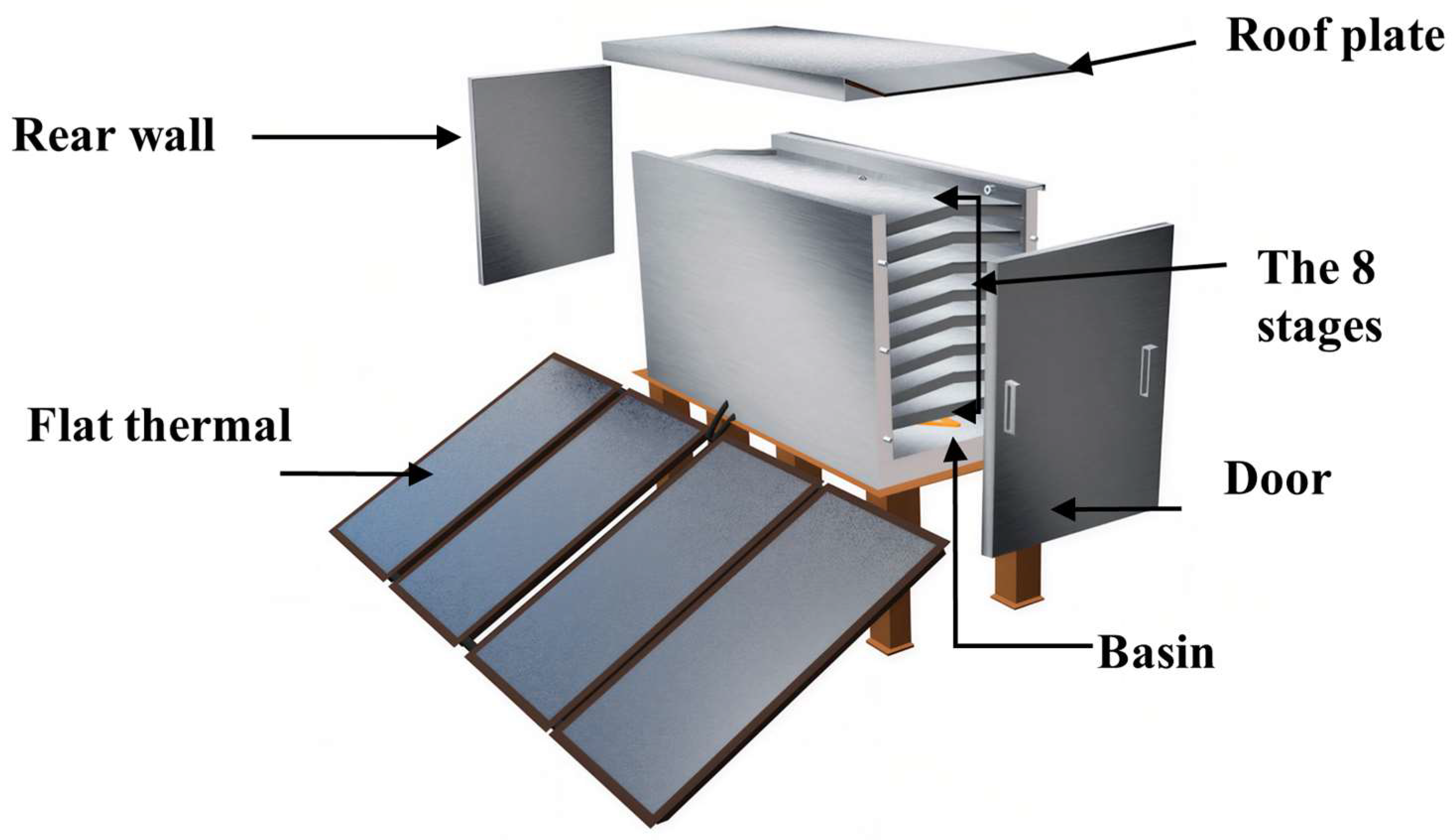
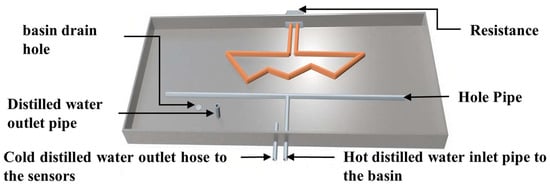
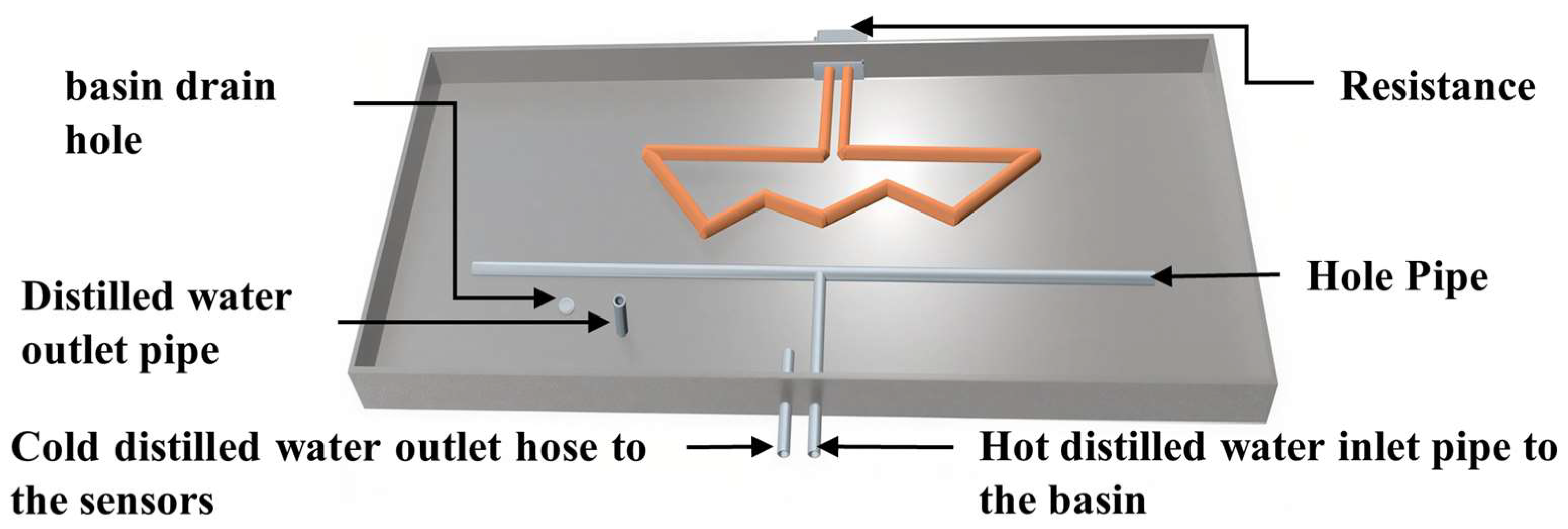
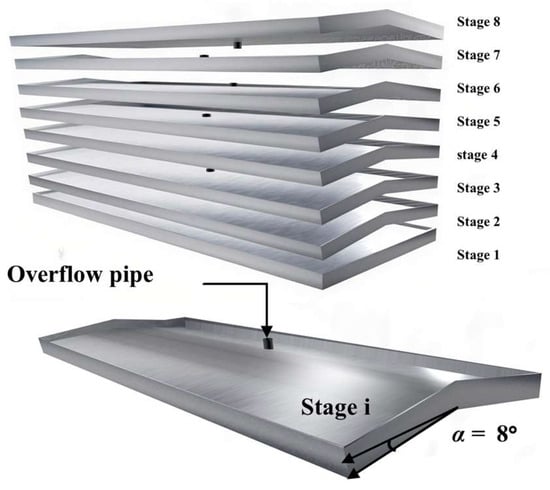
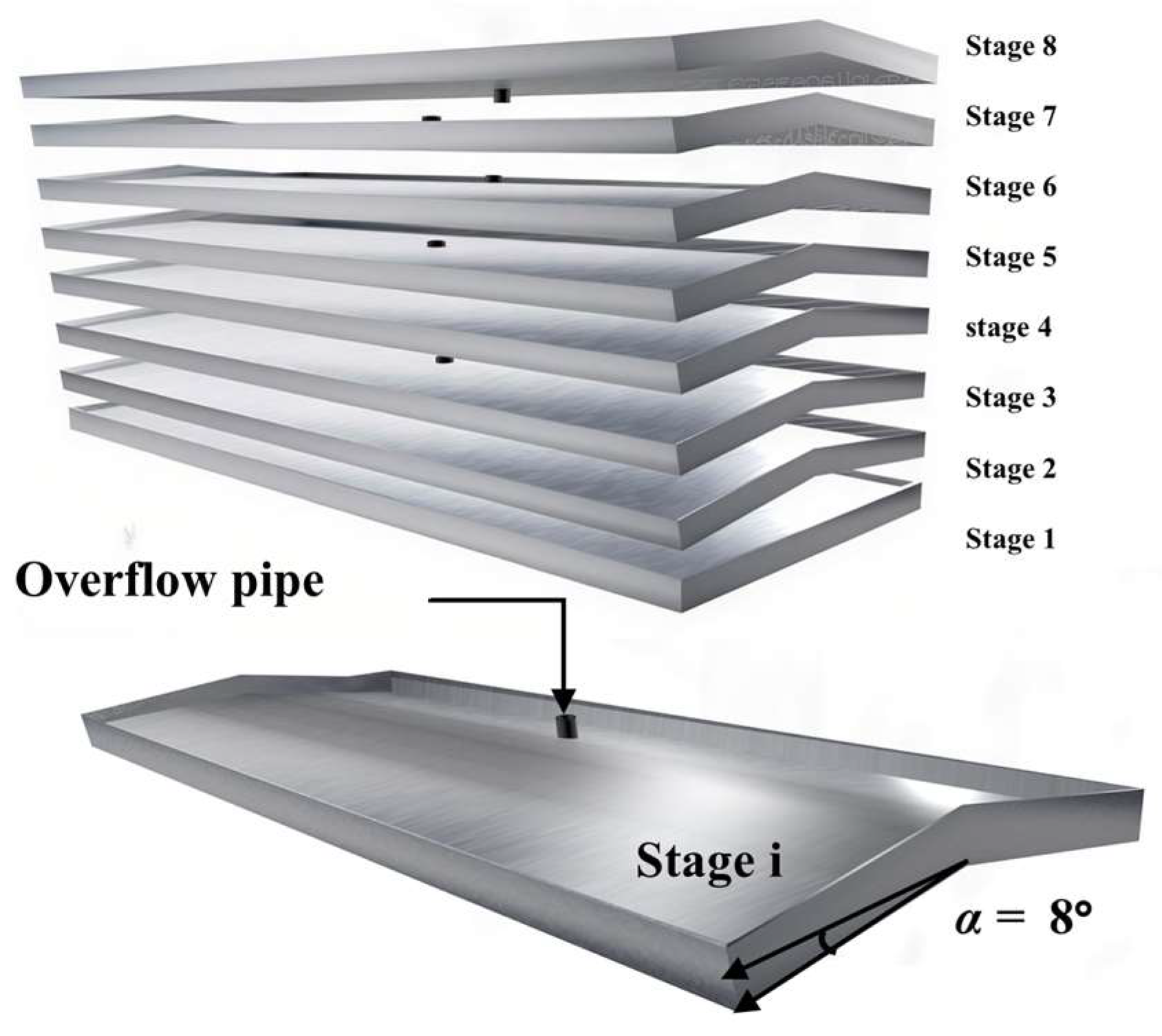
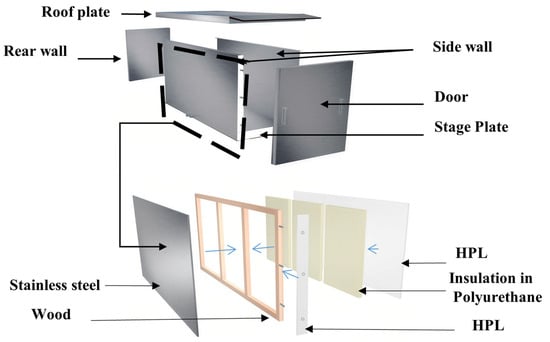
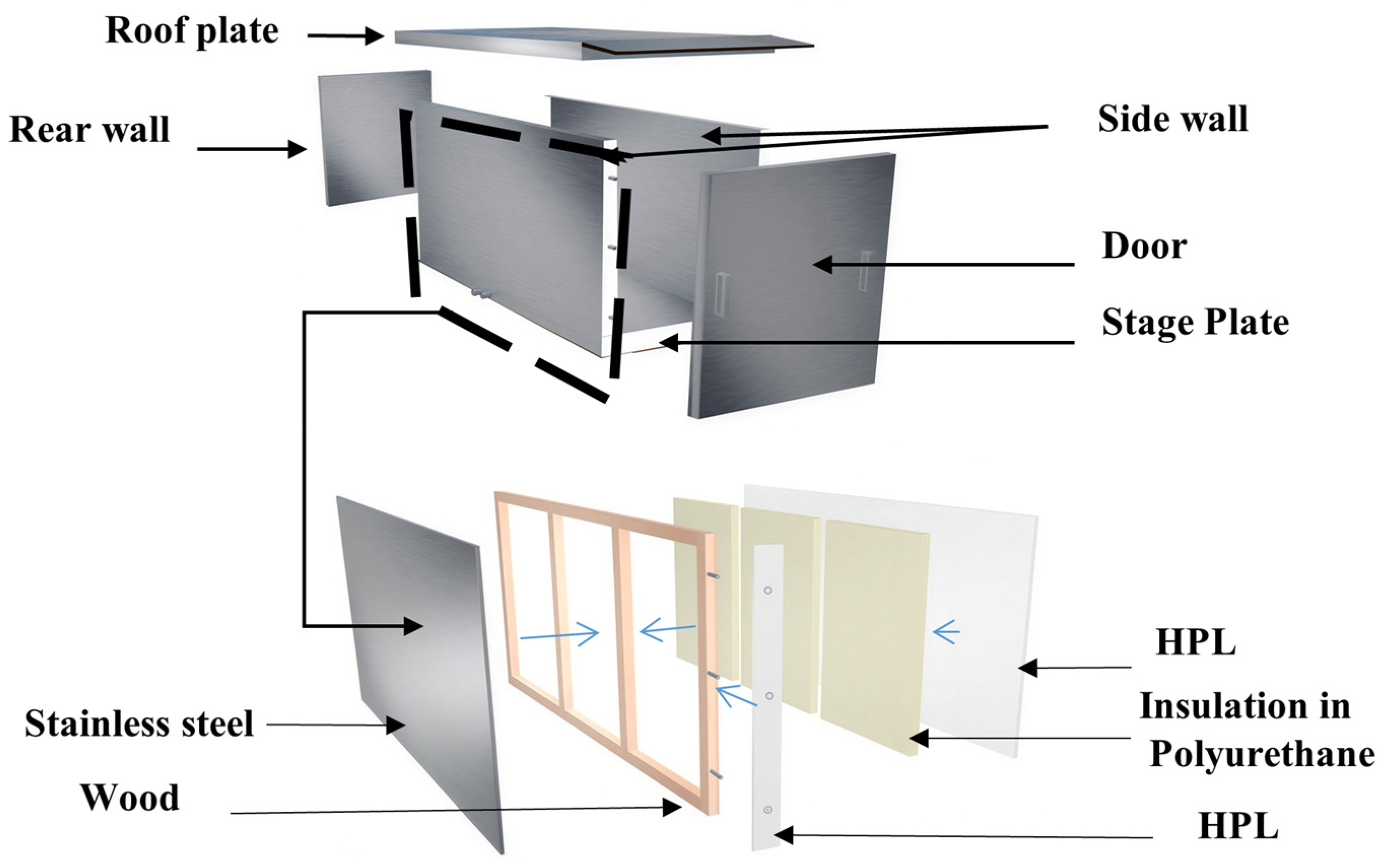
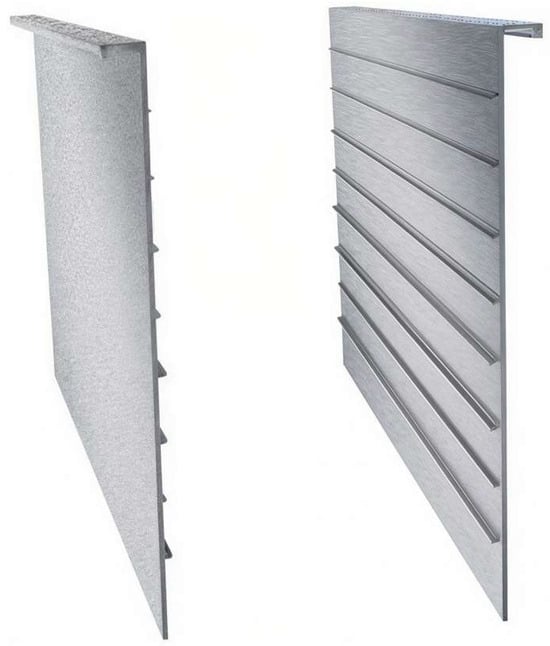
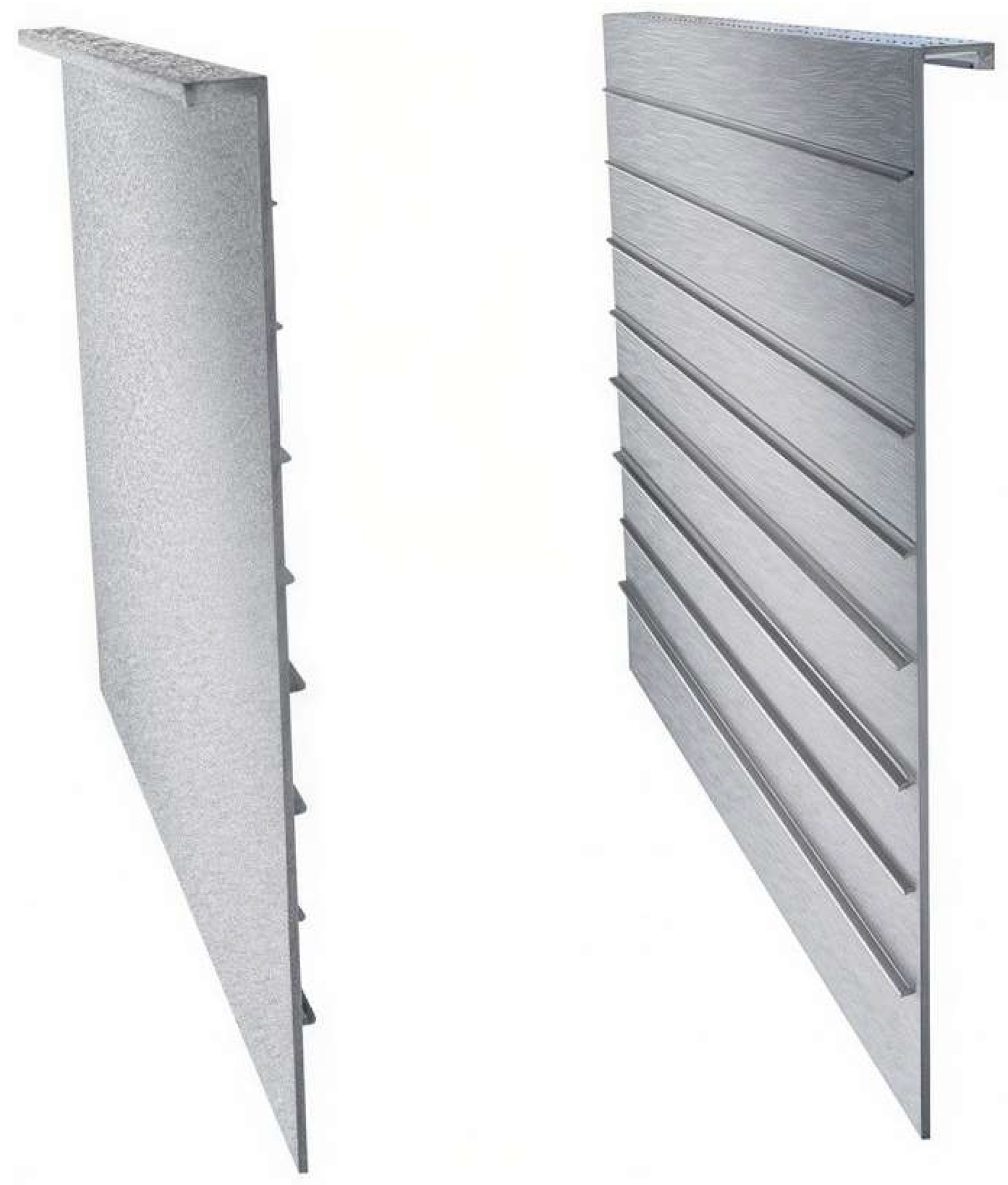
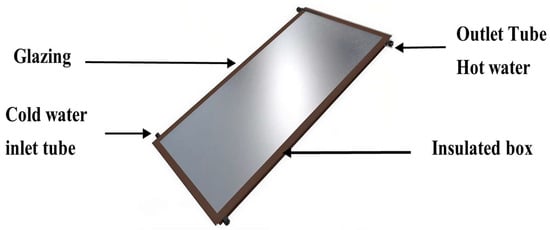
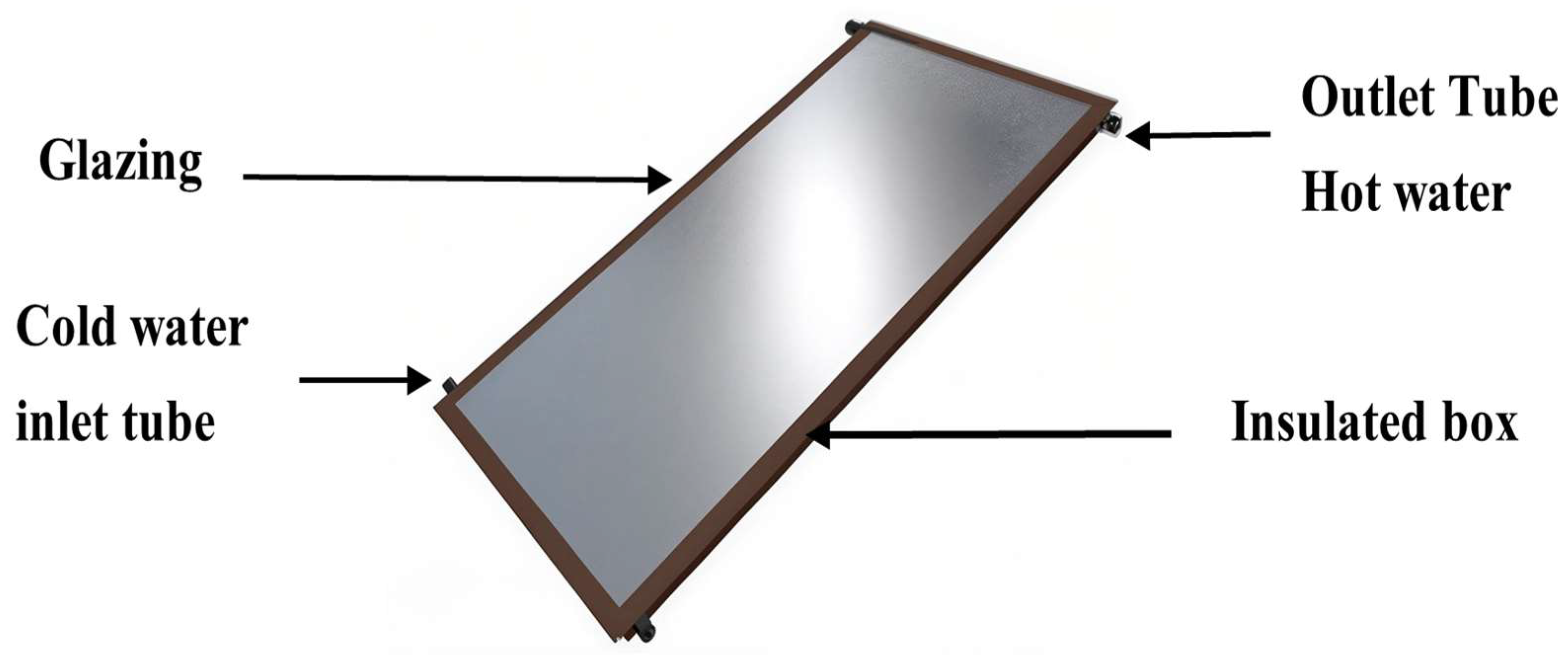
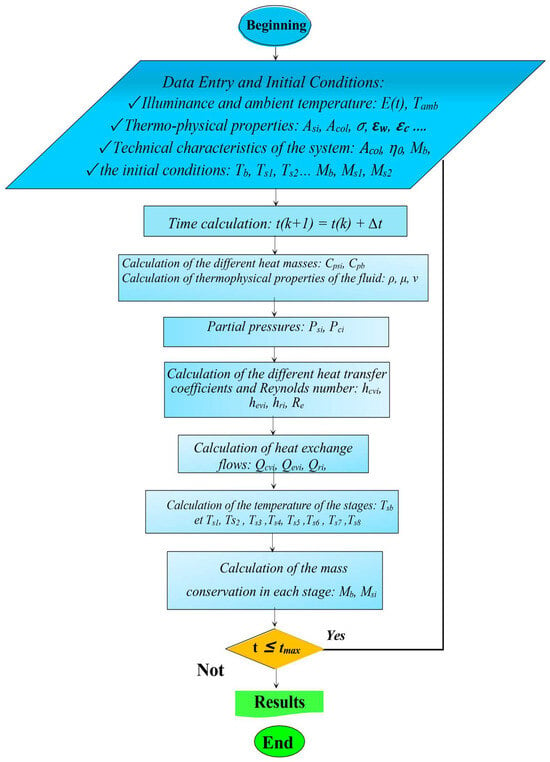
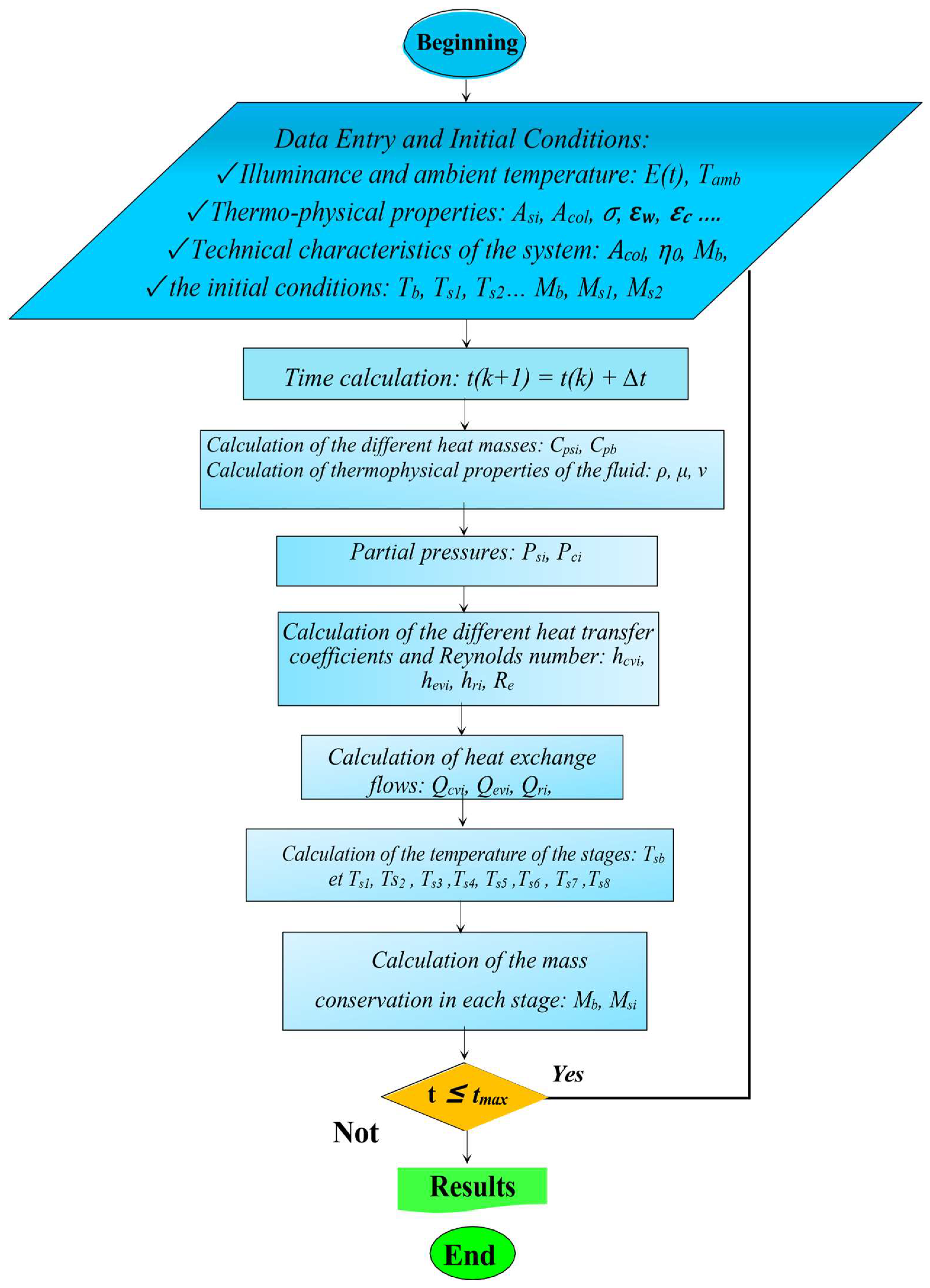
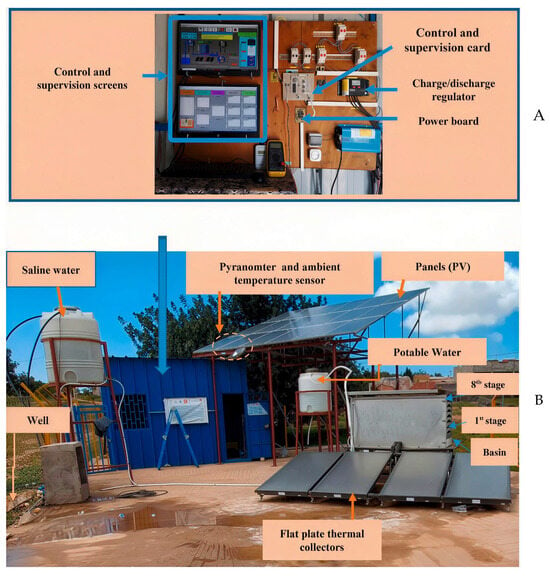
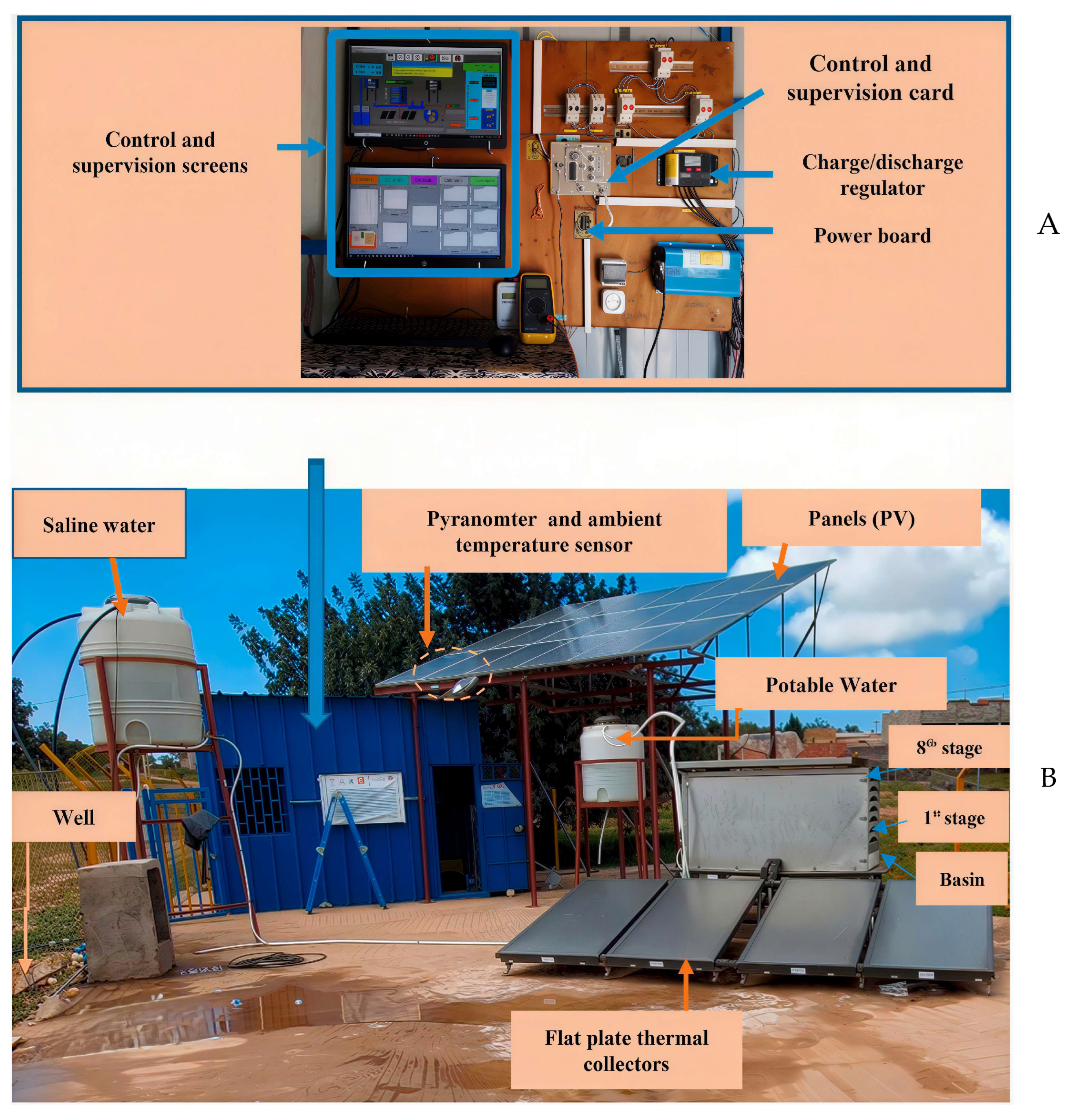
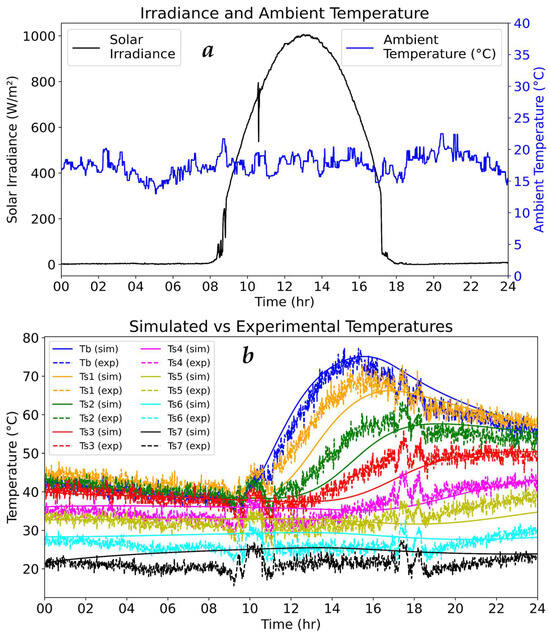
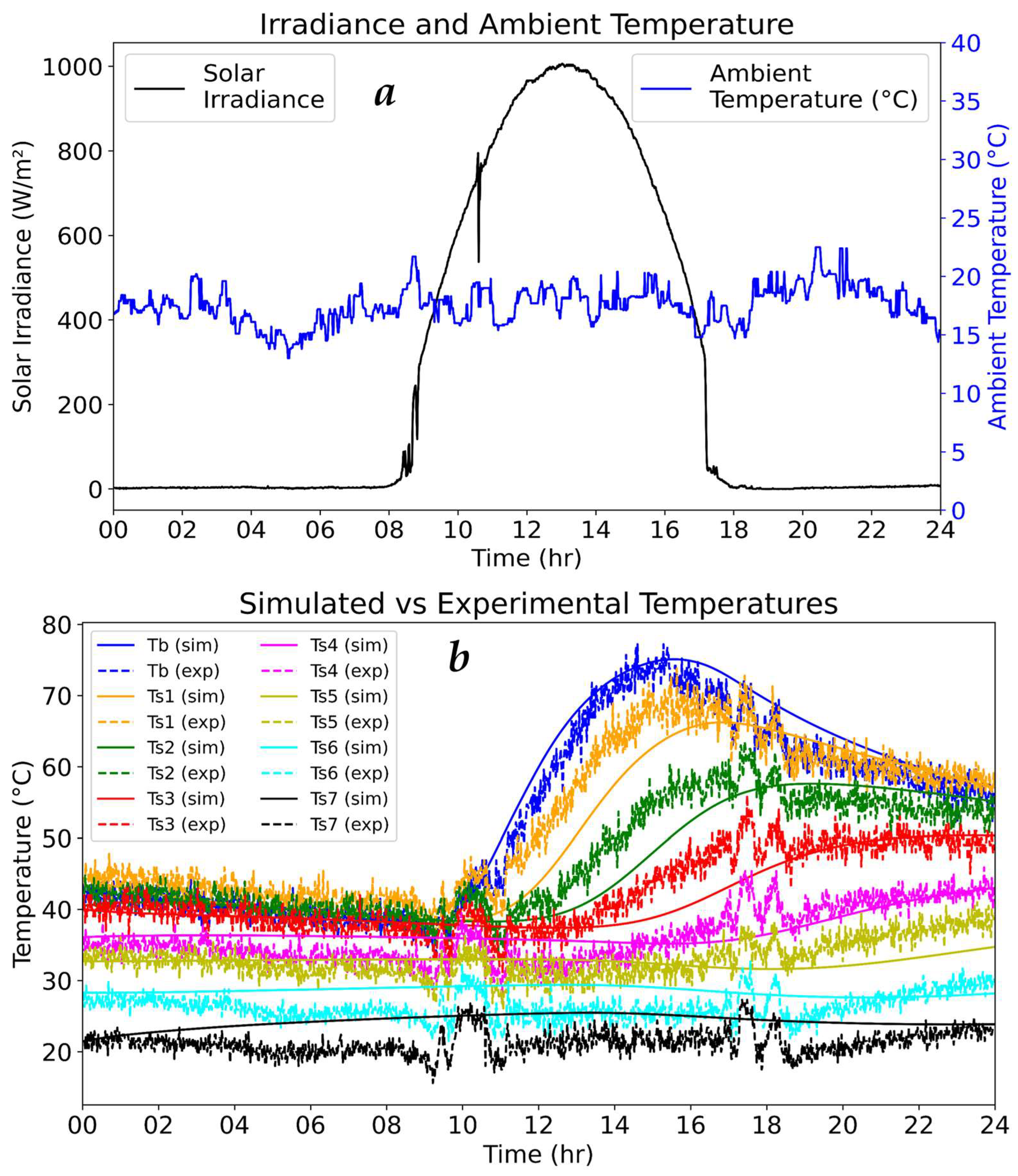
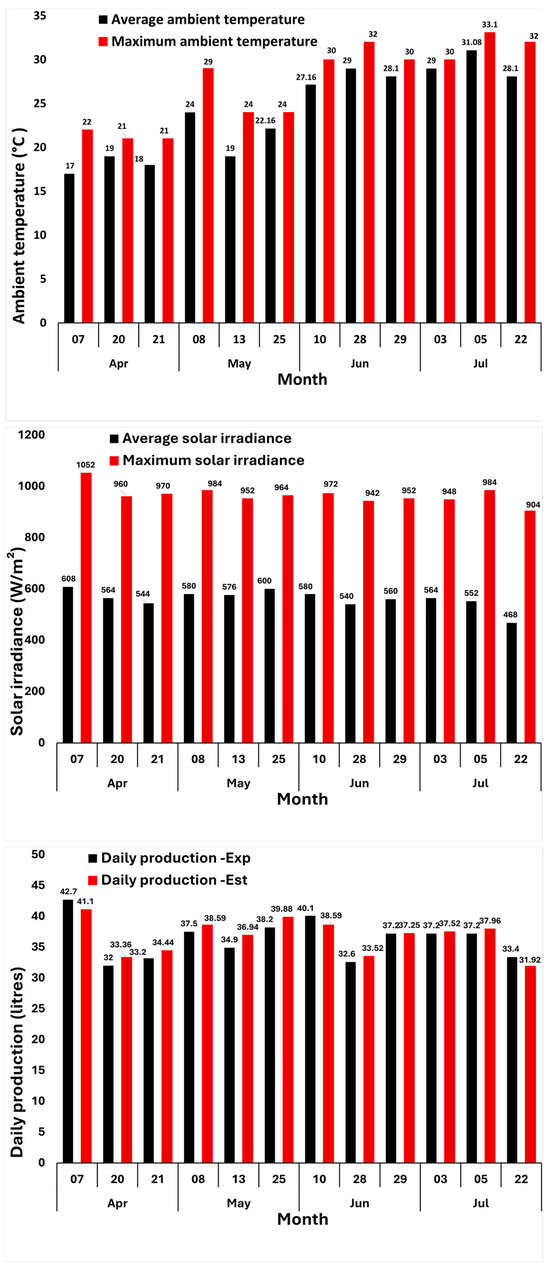
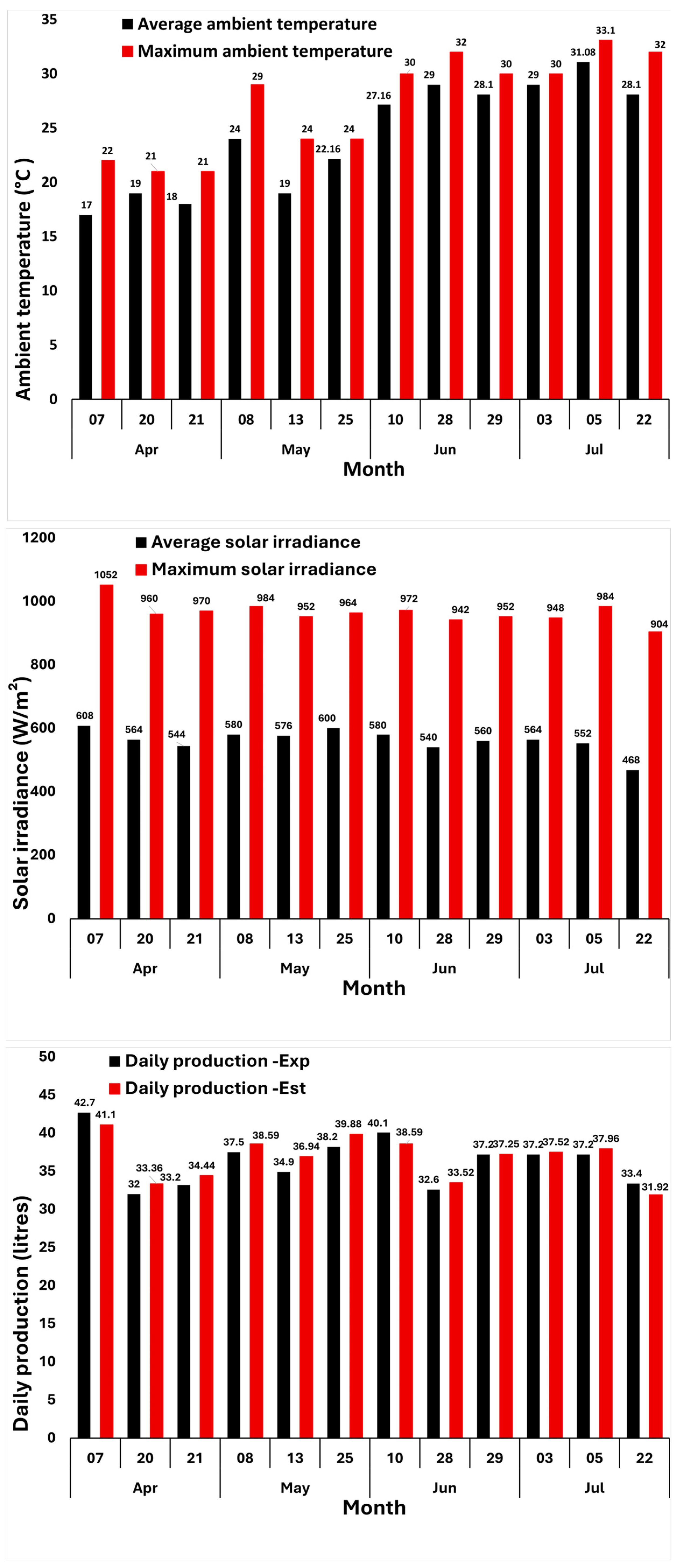
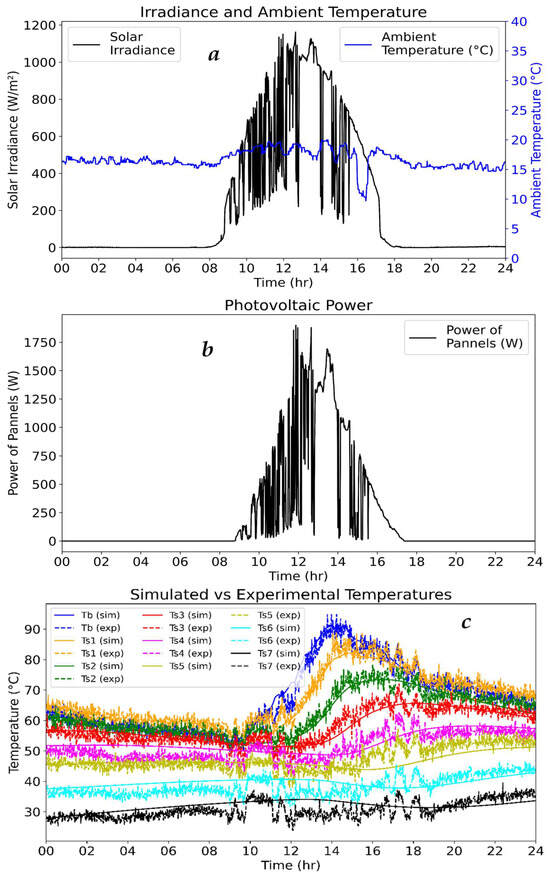
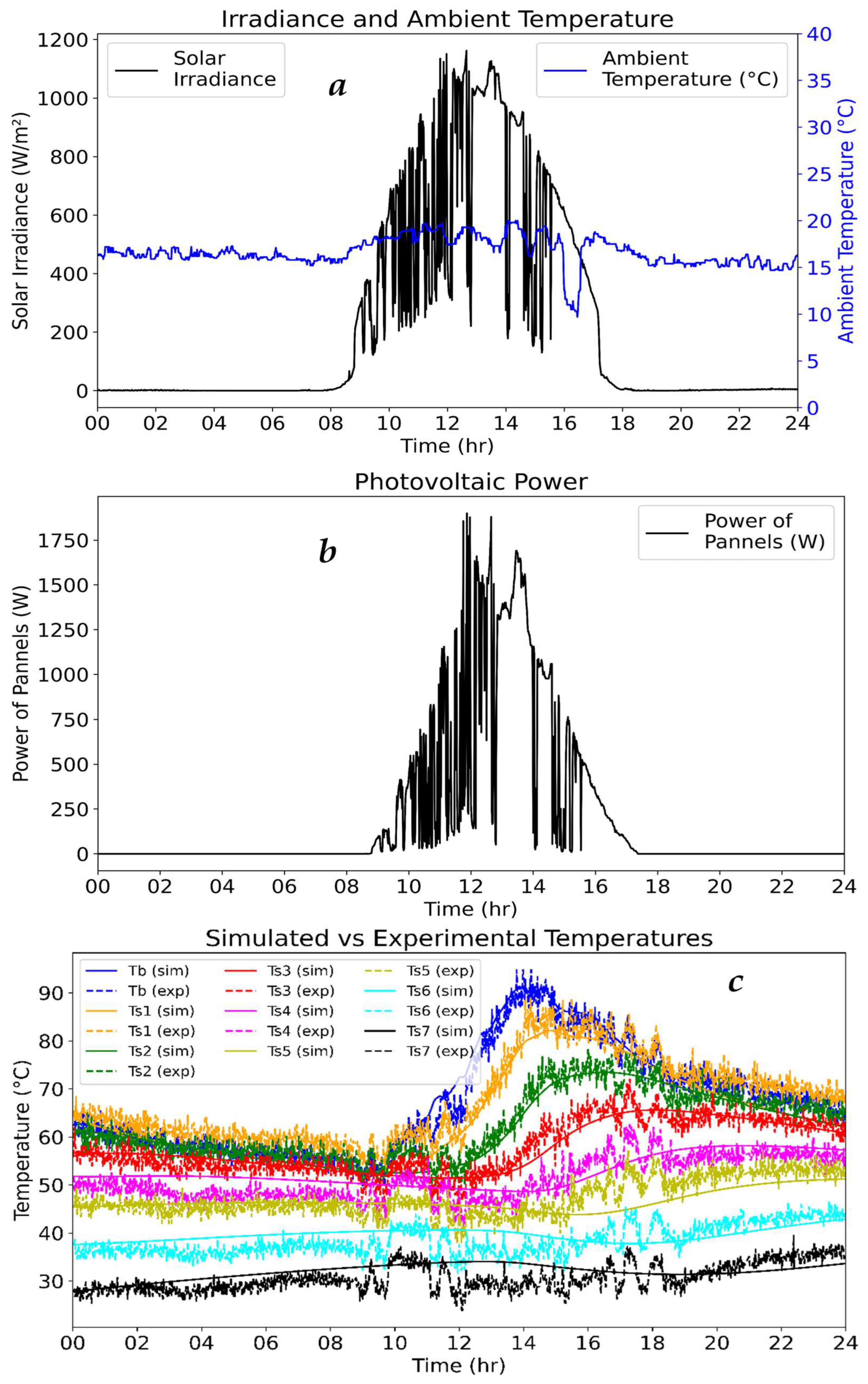
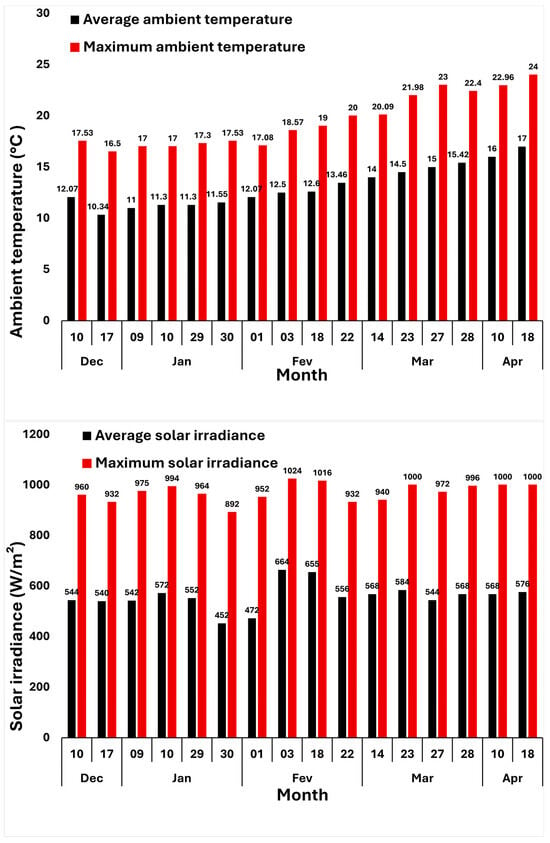
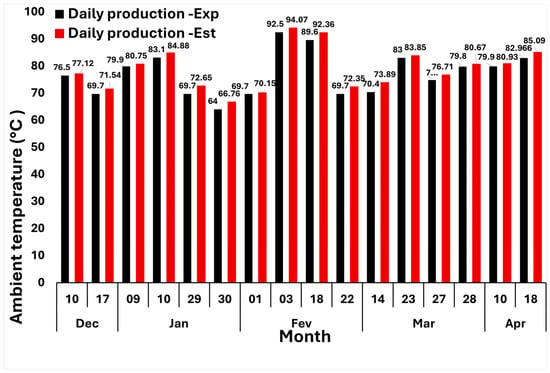
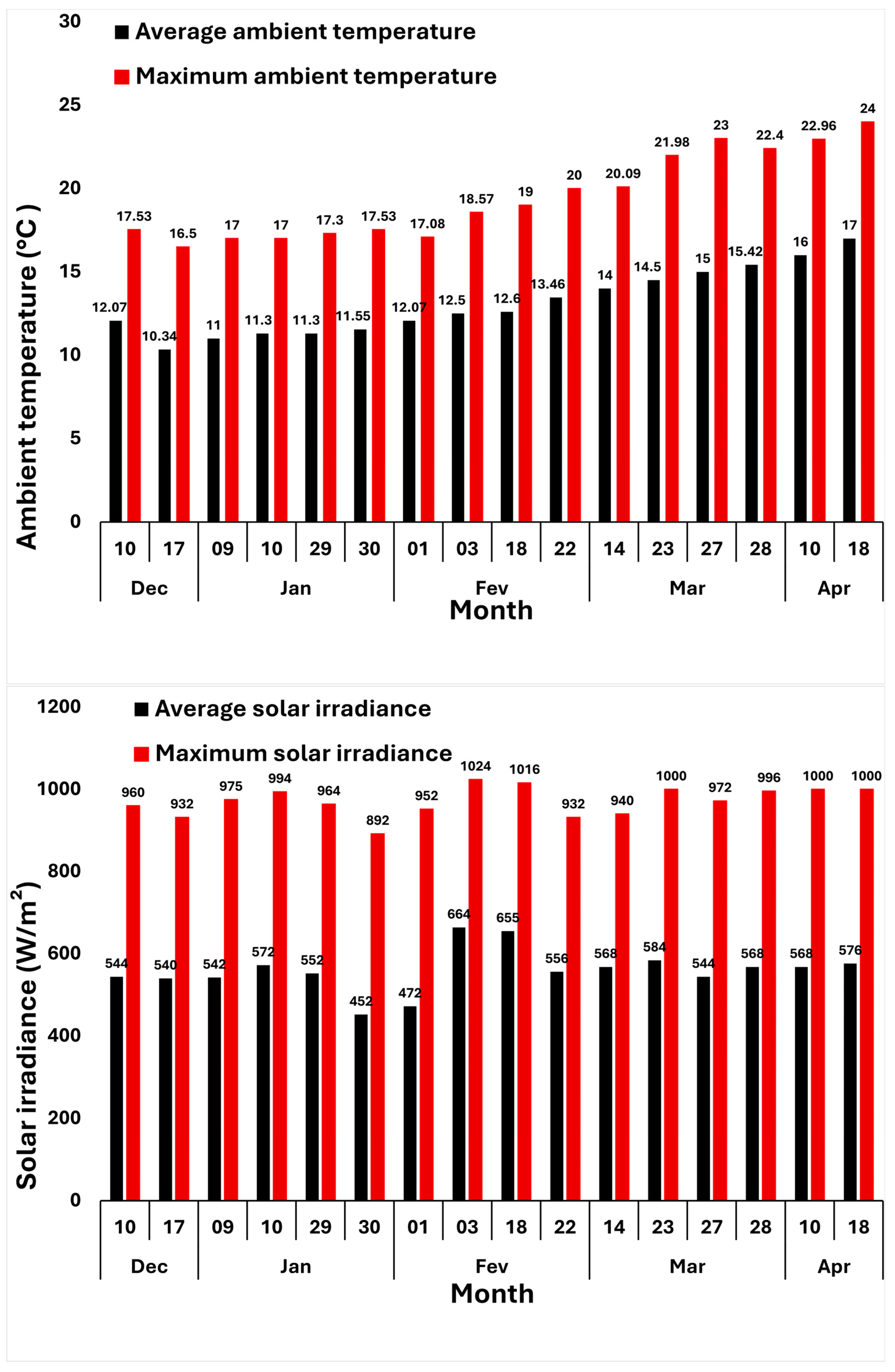
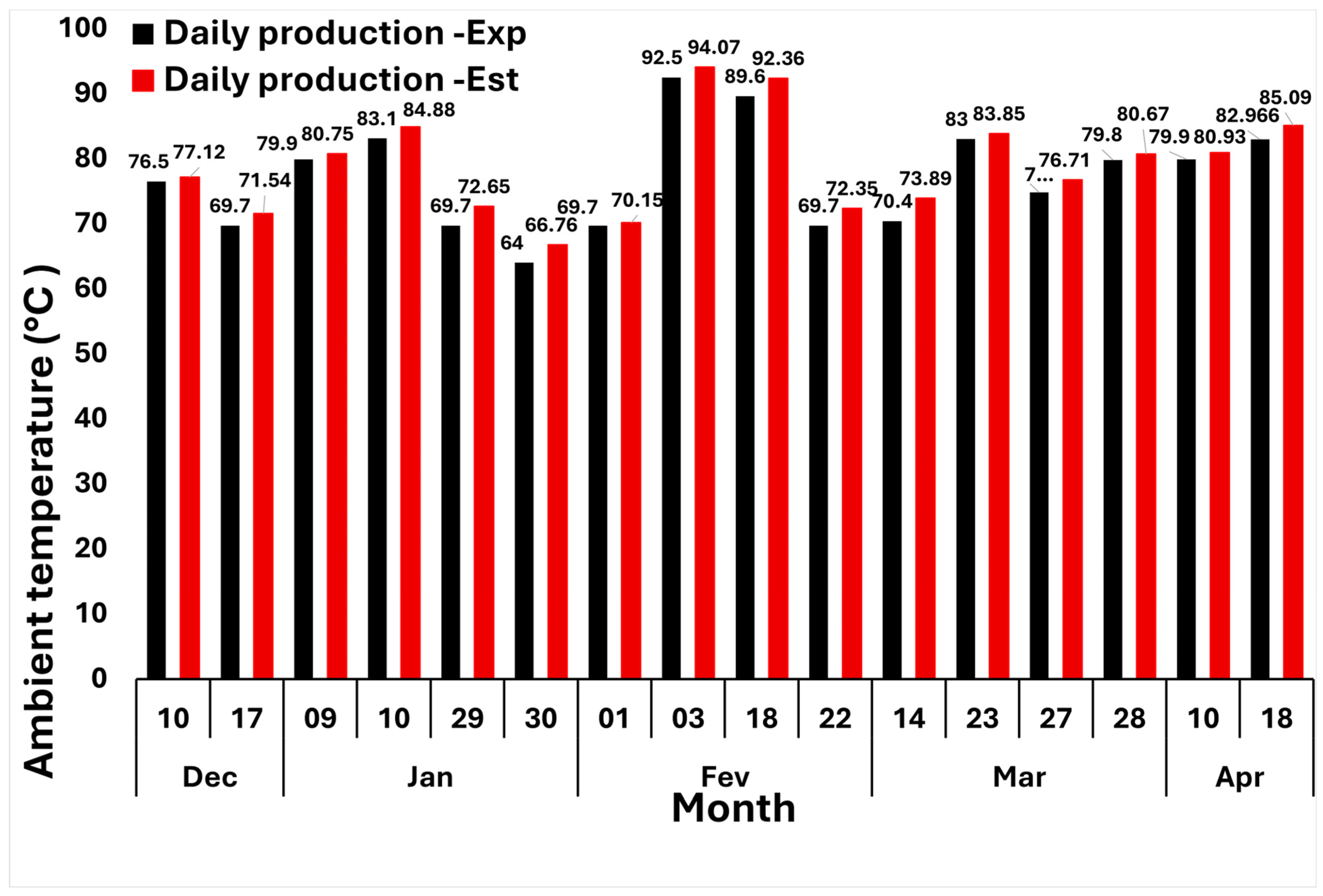

Disclaimer/Publisher’s Note: The statements, opinions and data contained in all publications are solely those of the individual author(s) and contributor(s) and not of MDPI and/or the editor(s). MDPI and/or the editor(s) disclaim responsibility for any injury to people or property resulting from any ideas, methods, instructions or products referred to in the content. |
© 2026 by the authors. Licensee MDPI, Basel, Switzerland. This article is an open access article distributed under the terms and conditions of the Creative Commons Attribution (CC BY) license.