


Abstract
Lithium-ion batteries (LIBs) have become central to modern energy storage systems, yet their increasing material and electrochemical complexity introduces significant challenges across their entire lifecycle. During first-life operation, high-performance applications such as fast charging require advanced and adaptive battery management systems (BMS) capable of real-time control, thermal regulation, and safety assurance. As batteries age, performance degradation mechanisms such as capacity fade, impedance growth, and thermal imbalance necessitate sophisticated diagnostic techniques, state-of-health estimation, and robust balancing strategies to enable reliable second-life applications. Given this growing complexity, traditional hardware-based training and evaluation methods are no longer sufficient. Instead, there is a critical need for data-driven, physics-informed digital environments that replicate real-world battery behavior. Digital twin frameworks and virtual battery laboratories provide a safe, scalable, and interactive platform for both system optimization and workforce education. This paper proposes a unified, three-tier framework encompassing a physical aging layer, a custom edge-computing hardware layer, and a virtual reality educational layer to achieve holistic lifecycle battery management. Within the physical-aging layer, spinel (LMO) is used as a chemistry-specific case study linking cathode degradation mechanisms and materials-level mitigation strategies to full-cell lifecycle behavior.
1. Introduction
1.1. Global Energy Transition and Electrification Trends
The mitigation of anthropogenic climate change requires a paradigm shift in global energy generation, distribution, and consumption. Recent data underscores this urgency, with global average temperatures rising continuously since the late 19th century [1], culminating in 2024 as the warmest year on record at 1.6 °C above pre-industrial levels [2]. Driven by international agreements such as the Paris Agreement, which mandates a 43% reduction in global emissions by 2030 [3] and stringent regional emission targets, the transition toward a decarbonized economy relies heavily on the electrification of the transport sector and the integration of fluctuating renewable energy sources into the grid [4]. Central to this technological transformation is the deployment of scalable, highly efficient, and reliable energy storage systems. As the demand for electric vehicles (EVs) and stationary grid storage accelerates exponentially, the entire lifecycle of energy storage technologies from raw material extraction to end-of-life recycling must be optimized to ensure true environmental and economic sustainability [5].
1.2. Role of Lithium-Ion Batteries in Modern Energy Systems
LIBs have emerged as the dominant energy storage technology across both mobile and stationary applications due to their high specific energy, favorable power density, and decreasing cost per kilowatt-hour [6,7]. In modern high-performance applications, particularly within the electromobility sector, LIBs are subjected to increasingly aggressive operational profiles. Dynamic EV traction, ultra-fast charging, and emerging wireless power transfer systems impose highly variable loads and severe thermal and electrochemical stresses on the battery cells. These demanding parameters require the battery pack to deliver sustained power without violating strict safety margins. Consequently, the fundamental electrochemical capabilities of the cells must be coupled with advanced electronic control systems like BMS to manage energy throughput efficiently, enforce thermal regulation limits, and mitigate accelerated degradation [8].
1.3. Key Challenges in Lifecycle Management of LIBs
Despite their widespread adoption, the lifecycle management of LIBs presents immense interdisciplinary challenges. During battery continuous first-life operation, high charge/discharge rates and thermal fluctuations induce complex, path-dependent aging mechanisms. These include solid–electrolyte interphase (SEI) growth, loss of active material, transition-metal dissolution, and lithium plating, which manifest macroscopically as capacity fade and internal resistance growth [8,9,10], as illustrated in Figure 1.
Figure 1.
The problem chain across the battery lifecycle: progression from pristine automotive modules subjected to dynamic first-life degradation mechanisms to heterogeneous SLB stationary applications exhibiting pronounced cell-to-cell parameter dispersion.
As battery modules reach their automotive end-of-life typically at 70–80% remaining capacity—cell-to-cell parameter dispersion magnifies significantly [11]. While these aged modules retain significant utility for second-life stationary applications, repurposing them requires granular, cell-level diagnostics and adaptive BMS architectures capable of managing this heterogeneous aging [5,11]. Simple voltage-based monitoring is inadequate; lifecycle management now necessitates sophisticated state-of-health (SoH) diagnostics capable of separating degradation modes [12,13], alongside advanced active balancing strategies to dynamically equalize highly degraded cells [11,14,15]. Furthermore, emerging regulatory frameworks, such as the European battery regulation and the digital battery passport, demand strict traceability of this degradation data [5,16,17].
1.4. Motivation and Problem Statement
The core problem addressed in this work is the severe fragmentation of battery lifecycle management. Currently, microscopic electrochemical degradation analysis, hardware-level electronic control, and workforce education are treated as isolated domains. The battery industry faces a dual bottleneck: the escalating complexity of managing aged battery systems and a critical deficit of trained personnel to oversee them, with projections indicating a 50% shortfall in required battery specialists in Europe by 2030 [18]. Without an integrated framework, the economic viability of second-life battery systems remains constrained by diagnostic uncertainties, and advanced edge-computing BMS architectures cannot be safely or rapidly prototyped. Furthermore, traditional physical battery laboratories used for education are expensive, time-consuming due to the slow nature of battery aging, and carry inherent safety risks such as thermal runaway [19]. Because physical testing of extreme operational limits—such as wireless charging-induced thermal gradients or catastrophic thermal runaway events—poses severe safety risks and requires extensive laboratory infrastructure, traditional hands-on education is heavily constrained. The cognitive overload associated with operating complex physical testbenches often detracts from the underlying theoretical learning [20]. As early as 2015, Brinson reviewed various studies and found that learning in virtual labs can lead to better results than in physical labs, precisely because it mitigates this cognitive overload [20]. Therefore, a holistic approach is required to bridge the gap between microscopic aging and macroscopic system control, while simultaneously providing a scalable, risk-free digital environment for system validation and academic training [21,22].
1.5. Research Objectives and Paper Structure
To bridge these gaps, this paper proposes a unified, lifecycle-oriented framework that synthesizes advanced battery diagnostics, custom modular BMS hardware design, and digital twin technology. The specific objectives of this research are to:
- Characterize the fundamental aging mechanisms and thermal dependencies that dictate performance degradation under high-stress conditions, using LMO as a chemistry-specific cathode case study.
- Formulate an edge-computing BMS architecture optimized for SoH tracking and active balancing in second-life LIB applications.
- Introduce the Digital Battery Laboratory (DiBaLa), a physics-informed virtual reality (VR) environment driven by real-world BMS telemetry to safely visualize and teach complex battery behaviors.
The remainder of this paper is structured as follows: Section 2 details the proposed methodology, encompassing the physical modeling, data acquisition, and the computer-aided design (CAD)-to-VR digital twin pipeline. Section 3 discusses the results regarding aging mechanisms, diagnostic application, and the didactic pedagogical implementation of DiBaLa. Finally, Section 4 provides the conclusion and future research outlook.
2. Methodology
2.1. Overall System Framework
The core challenge identified in our lifecycle analysis is the severe fragmentation between microscopic degradation phenomena, macroscopic hardware control, and workforce education. To bridge these isolated domains, we developed a holistic, three-tier system architecture. The narrative of this methodology follows the flow of data and energy through this architecture. The foundation is the physical layer, which encompasses the aged second-life lithium-ion cells and the precision laboratory equipment (such as the Keysight BMS tester and climatic chambers) required to induce and measure complex degradation modes like SEI growth and lithium plating. Because raw electrochemical behavior cannot be safely or efficiently managed in isolation, this physical system is tightly coupled to the hardware layer. Here, a custom-designed, modular BMS acts as the edge-computing brain. It executes high-frequency data acquisition, real-time SoH diagnostics, and localized passive cell balancing. Finally, to resolve the educational bottleneck and prevent the cognitive overload associated with operating dangerous physical testbenches, the processed telemetry from the hardware layer is transferred to the virtual layer as illustrated in Figure 2. This layer hosts DiBaLa—a highly immersive, physics-informed digital twin of the physical laboratory at the Bergische Universität Wuppertal.
Figure 2.
The proposed holistic 3-tier framework integrating physical aging testbenches, an edge-computing BMS, and the DiBaLa virtual reality environment.
2.2. The Physical Layer: Infrastructure and Aging
2.2.1. Synthesis of Electrochemical Behavior
To establish the fundamental linkage between microscopic degradation and macroscopic indicators, the analysis of lithium-ion battery behavior presented in Section 3 was developed as a structured literature-based synthesis rather than a separate experimental campaign. This synthesis is intentionally designed to provide the theoretical foundation for the subsequent edge-computing BMS algorithms and the pedagogical digital twin, rather than serving as a standalone in-house materials characterization study. Consequently, our in-house empirical data collection is strictly focused on macroscopic module-level control and validation (detailed in Section 2.3) rather than microscopic cell-level teardowns. Peer-reviewed journal articles, review papers, and established studies addressing key degradation mechanisms—namely, SEI growth, loss of cyclable lithium inventory (LLI), lithium plating, loss of active material (LAM), and transition-metal dissolution—were screened with a specific focus on publications applicable to graphite-based cells in automotive and high-performance applications. For capacity fade analysis, identified mechanisms were systematically classified and mapped to corresponding principal degradation modes—specifically, loss of lithium inventory (LLI), and loss of active material (LAM) at both the positive and negative electrodes—considering the influence of operating stress factors like temperature and C-rate. Internal resistance growth was analyzed using four principal contributions: ohmic resistance, interfacial/surface-film resistance, charge-transfer resistance, and diffusion/mass transport resistance. Electrochemical Impedance Spectroscopy (EIS) served as the primary diagnostic framework for inferring these underlying electrochemical processes through qualitative analysis of high-, intermediate-, and low-frequency spectral features. Finally, the findings were synthesized into a cohesive framework linking material-level degradation to state-of-health deterioration, providing the methodological basis for the diagnostic, BMS control, and digital-twin approaches discussed in the subsequent sections. Within this literature-based synthesis, spinel (LMO) was additionally examined as a chemistry-specific case study. The LMO literature was evaluated with respect to both degradation mechanisms and mitigation strategies, including cation substitution, surface coatings, particle engineering, and electrolyte modification. Particular attention was given to cell configuration, cycling rate, operating temperature, and test duration.
2.2.2. Equivalent Circuit and Thermal Modeling
To map the macroscopic symptoms of aging—namely capacity fade and internal resistance growth—to their underlying electrochemical mechanisms, we required a mathematical model capable of running efficiently on an edge processor while retaining physical accuracy. We formulated an electro-thermal equivalent circuit model (ECM) using a second-order Thevenin configuration. This structure is ideal because it separates the instantaneous ohmic losses from the transient polarization effects discussed in the results section. The terminal voltage response of the cell, , is defined by the following governing equation:
where represents the nonlinear open-circuit voltage as a function of the state of charge (SOC), and is the applied dynamic current (defined as positive during discharge). The parameter captures the instantaneous ohmic resistance, which primarily reflects the degradation of the electrolyte and current collectors. The transient voltages across the two RC branches, and , represent the short-term charge-transfer kinetics at the electrode interfaces and the long-term solid-state lithium diffusion, respectively. The dynamic behavior of these branches is calculated via the differential equation:
Because degradation mechanisms such as SEI growth are highly temperature-dependent, the electrical model must be coupled with a thermal network. We implemented a lumped-capacitance thermal model to simulate the heat generation and dissipation of the cell: The lumped-capacitance thermal model is given by
where m is the cell mass, is the specific heat capacity, h is the convective heat transfer coefficient, and is the ambient temperature. Because LLI and LAM are electrochemical degradation modes rather than native ECM components, they were not modeled as direct state variables within Equations (1)–(3). Instead, within the MATLAB and Simscape Battery environment, LLI was mathematically mapped by shifting the stoichiometric operational windows of the modeled half-cells, thereby altering the full-cell response. LAM was mapped as a proportional reduction in electrode capacity coupled with a corresponding scaling of the internal resistances to simulate the loss of active surface area. Baseline parameter identification for the ECM components was conducted via nonlinear least-squares curve fitting against the empirical Hybrid Pulse Power Characterization (HPPC) pulse data collected at 25 °C. While this approach generates mechanism-specific synthetic datasets sufficient for prototyping the BMS hardware-in-the-loop and driving the digital twin visualization, exhaustive experimental validation of these simulated degradation parameters across dynamic voltage and extended temperature ranges is reserved for future physical characterization studies.
2.3. The Hardware Layer: Edge-Computing and Diagnostics
2.3.1. Data Acquisition and Processing of the BMS
Translating this theoretical model into practical hardware requires high-fidelity data acquisition capable of functioning in electrically noisy industrial environments. To achieve this, we engineered a custom, modular printed circuit board (PCB) tailored for second-life applications. Figure 3b outlines the core functional domains managed by this architecture. By utilizing the BQ76952 analog front-end (AFE), the system achieves a voltage measurement accuracy of mV, which is the necessary prerequisite for capturing the subtle voltage shifts required for differential voltage analysis at the edge. At the core of the measurement topology is the Texas Instruments BQ76952, a highly integrated AFE. This IC was selected for its ability to synchronously monitor series-connected second-life modules ranging from 3S to 16S configurations. The AFE captures cell voltages with millivolt precision using internal 16-bit analog-to-digital converters (ADCs). Current is measured via a low-drift shunt resistor placed on the low side of the module, enabling precise Coulomb counting. Furthermore, spatial thermal gradients—which are critical indicators of localized resistance growth and potential thermal runaway are monitored via multiple NTC thermistors affixed directly to the cell surfaces. The technical specifications and diagnostic resolution limits of the custom-engineered hardware layer are summarized in Table 1.
Figure 3.
Overview of the custom edge-computing BMS. (a) Empirical testbench setup integrating the Texas Instruments BQ76952 AFE (green PCB) and the ESP32 master microcontroller with a degraded 14S SLB module. (b) Core functional domains managed by the hardware architecture.
Table 1.
Hardware specifications, debugging configurations, and diagnostic parameters of the proposed second-life BMS.
The raw analog data is digitized and transmitted over an isolated inter-integrated circuit (C) communication bus to the master gateway. For the master processor, we deployed an ESP32 microcontroller, serving as a dedicated edge-computing node. Prior to deployment on live cells, the custom PCB and communication protocols were rigorously validated using a commercial BMS cell simulator. This Hardware-in-the-Loop (HIL) testing phase ensured that the ESP32 accurately parsed the digitized telemetry without exposing the laboratory to thermal runaway risks during initial prototyping. Following HIL validation, the hardware was integrated with physical second-life automotive modules for empirical testing. While the initial hardware-in-the-loop validation of the BMS was conducted on a 14S configuration to test the upper telemetry limits (as shown in Figure 3a), the extended degradation and continuous cycling analysis utilized two E78 NMC/graphite modules (one degraded, one new reference) extracted from a VW ID.3/ID.4. Each of these aging-test modules features a 2P12S configuration with a nominal capacity of 156 Ah. The degraded 2P12S module was removed from service after 22,000 km, exhibiting an initial measured capacity of 134.39 Ah (). All capacity tests and 30 continuous cycles were executed at a charge/discharge rate within 3.25–4.19 V limits. Thermal consistency was strictly maintained using a Binder MK 720 climatic chamber at 25 °C with 30 min rest periods. Measurements were recorded in triplicate to ensure statistical repeatability. Before any diagnostic algorithms are applied, the ESP32 cleans this raw telemetry to remove high-frequency switching noise caused by dynamic EV loads or stationary grid inverters.
2.3.2. State Estimation Methods
Relying on simple capacity thresholds or voltage limits is entirely inadequate for managing repurposed batteries. Our methodology therefore utilizes a physics-informed hybrid diagnostic approach, executed entirely at the edge on the ESP32. We utilize incremental capacity analysis (ICA) and differential voltage analysis (DVA) during standard partial charging phases. The ICA curve is derived by differentiating the injected charge Q with respect to the terminal voltage.
Because the mathematical derivative is exceptionally sensitive to measurement noise, calculating this in real-time on a microcontroller is notoriously difficult. To solve this, the ESP32 applies a Savitzky–Golay smoothing filter to the voltage array prior to differentiation. Once the curve is generated, the algorithm identifies the primary graphite-intercalation peaks. Instead of treating the battery as a black box, we map these specific peak characteristics to physical degradation modes. A reduction in the area under the primary peak directly quantifies the LLI and LAM. Conversely, a rightward shift in the peak toward higher voltages isolates the internal ohmic resistance growth. By extracting these physically meaningful features, the proposed software framework utilizes a lightweight regression algorithm (such as a Support Vector Regressor) hosted on the ESP32. Theoretically, this hybrid method drastically reduces the computational overhead compared to running full pseudo-two-dimensional (P2D) models. While the hardware telemetry acquisition is empirically validated in this study, the quantitative benchmarking of these specific edge-computed SoH models remains a subject for subsequent validation. Furthermore, training purely data-driven battery diagnostic models typically incurs high data demand. To mitigate this limitation, this hybrid approach aligns with emerging data-efficient methodologies. Future iterations will integrate battery physics using knowledge-guided intelligence frameworks for accurate and robust few-shot SoH estimation, as demonstrated in the recent literature [13,23].
2.3.3. Balancing Constraints and Control Strategies
To physically mitigate the severe cell-to-cell parameter dispersion identified at the automotive end-of-life, the custom BMS architecture employs a passive balancing topology integrated within the BQ76952 AFE. During the charging phase, the BMS identifies cells exceeding the average module voltage and dissipates their excess energy as heat via parallel shunt resistors. While passive balancing is highly reliable and cost-effective for pristine first-life applications, it presents significant thermal and energetic limitations when applied to heterogeneously aged second-life modules. The control logic executed by the ESP32 must therefore carefully regulate the balancing duty cycle. The objective function incorporates strict thermal constraints; the algorithm dynamically limits or pauses the passive balancing current if the target cell’s NTC thermistor indicates a rapid temperature rise. This prevents the dissipative balancing action itself from accelerating the divergent aging of the weakest link. By establishing this passive balancing baseline, our methodology provides the empirical foundation to evaluate the future necessity of high-efficiency active balancing architectures in second-life applications.
2.4. The Virtual Layer: Digital Twin and Pedagogy
2.4.1. Bibliometric Mapping for Virtual Laboratory Integration
To characterize the future demand for qualified professionals in the energy, battery, and electromobility sectors—and to substantiate the need for advanced educational tools supporting climate protection objectives—a dedicated literature mapping study was conducted (see Figure 4). Scientific studies and reports addressing labor-market developments were reviewed, focusing on employment growth and anticipated shortages of technically specialized personnel. To evaluate the current state of research on virtual laboratories and provide a scientific basis for the planned DiBaLa, a bibliometric analysis was executed. For this purpose, the Python-based AI-Powered Research Assistant, previously described in [24], was utilized. The tool accesses the OpenAlex application programming interface (API) to retrieve bibliographic information on scientific publications from 2005 to 2025. In the initial search phase, the terms “virtual laboratory”, “digital laboratory”, and “remote lab” were queried. The dataset was subsequently narrowed to engineering-related publications using the additional keyword “Engineering”. The datasets were then analyzed bibliometrically and classified using an AI-assisted category discovery procedure, in which a large language model (LLM) derived engineering application domains from the full corpus; one domain (battery and energy storage) was additionally enforced a priori to ensure its representation regardless of its prevalence in the corpus, given its relevance to our study’s motivating context. This classification was used to identify whether virtual laboratories have been effectively deployed for educational purposes in energy storage, battery technology, and electromobility.
Figure 4.
Flow chart detailing the literature screening and AI-assisted classification methodology for the bibliometric analysis.
2.4.2. Digital Twin Architecture and Didactic Design
The ultimate objective of this methodology is to make the highly complex, microscopic degradation data captured by the custom BMS accessible for workforce training. We achieved this through the development of the DiBaLa. The real battery laboratory of the Chair of Electric Mobility and Energy Storage Systems at the Bergische Universität Wuppertal serves as the physical baseline for this environment shown in Figure 5. DiBaLa was developed not as a standalone VR novelty, but as a data-driven digital twin directly coupled to the physical testbenches. The CAD-to-VR pipeline was initiated by creating highly accurate 3D CAD models of the physical laboratory infrastructure, including the Keysight cyclers, custom BMS setups, and the climatic test chambers. These massive CAD assemblies were imported into a real-time 3D engine (e.g., Unity), where they received accurate material properties. Optimization techniques, such as mesh retopology and baked lighting, were applied to maintain high frame rates, which is critical for preventing cybersickness in VR users. To transform this static 3D environment into a physics-informed digital twin, the VR engine utilizes high-fidelity measurement series generated by the physical hardware layer. To resolve the distinction between our proposed real-time architecture and the current pedagogical deployment, it must be clarified that DiBaLa currently utilizes offline empirical datasets (voltage, current, temperature, and computed SoH extracted from the ESP32/BMS) to drive the Unity environment. This offline coupling ensures that user interactions trigger deterministic, empirically validated virtual responses, thereby guaranteeing absolute physical fidelity and pedagogical repeatability without exposing the system to live network latency.
Figure 5.
Actual physical battery laboratory setup inside the climatic test chamber, serving as the real-world baseline for the DiBaLa digital twin. (a) Detailed view of second-life lithium-ion modules equipped with measurement wiring. (b) Expanded view showing the multi-rack configuration that was subsequently reconstructed in the VR environment.
While live bidirectional telemetry streaming remains a future target, this offline integration allows DiBaLa to visually manifest severe degradation modes, such as localized thermal anomalies or internal resistance spikes, that are completely invisible in the real laboratory. To ensure the virtual environment meets academic requirements, immersive pedagogical principles were integrated. Prior studies demonstrate that VR improves students’ interest, motivation, and understanding, with real-time data visualization rated as highly helpful [21]. The didactic design translates specific learning objectives into interactive tasks based on relevant laboratory procedures and identified student needs [24]. By integrating these real, empirically derived laboratory datasets with our literature review findings, the environment enables time-lapsed degradation simulations. This allows engineering students to safely observe and mitigate complex thermal and electrochemical failures that would otherwise take months to unfold. Users are encouraged to make mistakes and follow a “freedom-to-fail” approach, receiving clear instructions without risking real damage to expensive hardware. This promotes the understanding of abstract content [22] and provides a highly effective preparation tool for future battery specialists. While the current DiBaLa platform serves as a scene-oriented functional prototype, future deployment phases will integrate controlled comparative teaching experiments. These will utilize student questionnaires and quantitative test scores to objectively evaluate pedagogical effectiveness and validate the platform against traditional physical laboratory outcomes.
3. Results and Discussion
3.1. Physical Layer Degradation: Microscopic and Macroscopic
3.1.1. Root Causes of Capacity Fade
Based on the structured literature synthesis detailed in Section 2.2, the foundational degradation parameters required for both edge-computing diagnostics and virtual laboratory visualization were categorized. Macroscopically, LIBs aging is usually observed at cell level through two macroscopic indicators: the loss of usable capacity and the increase in internal resistance. These indicators are directly relevant for battery management because they determine the amount of energy that can be delivered within the allowed voltage window and the power that can be provided without violating thermal, voltage, or safety limits. However, neither capacity fade nor resistance growth represents a single degradation mechanism. They are the measurable consequences of several coupled electrochemical, mechanical, and transport-related processes occurring at the negative electrode, positive electrode, electrolyte, separator, and current-collector interfaces [8,9]. A useful distinction can therefore be made between degradation mechanisms, degradation modes, and performance indicators. Mechanisms describe the physical or chemical origin of aging, such as solid–electrolyte interphase growth, lithium plating, electrolyte oxidation, transition-metal dissolution, particle cracking, or loss of electronic contact. Degradation modes summarize their cell-level impact and are commonly grouped into LLI, LAM at the positive or negative electrode (LAMPE/LAMNE), and stoichiometric imbalance between the electrodes [8,9,25]. Impedance increase is better treated as a measurable consequence or performance degradation rather than an equivalent degradation mode. The practical aging symptoms measured by a BMS, laboratory tester, or diagnostic algorithm are then capacity fade, power fade, altered open-circuit voltage behavior, increased heat generation, and changes in impedance or pulse resistance. This layered view is particularly important in high-performance applications such as fast charging, high-power cycling, wireless charging, and second-life operation. In such operating conditions, the same remaining capacity can result from different combinations of LLI, LAM, and resistance growth. Conversely, two cells with similar capacity retention may exhibit very different power capability or thermal behavior. Therefore, lifecycle-oriented battery assessment cannot rely exclusively on a single state-of-health value. It requires the combined interpretation of capacity, resistance, temperature history, voltage response, and, where available, impedance-based or differential-voltage-based diagnostic features [25,26].
Capacity fade—the reduction in reversible charge—stems from complex interactions between electrode balancing, operating voltage windows, temperature, and applied current rates. In graphite-based cells, a primary driver of capacity loss is the continuous loss of cyclable lithium inventory (LLI) due to ongoing SEI growth at the negative electrode. While initial SEI formation is necessary, its continued growth during calendar and cycle aging shifts electrode balancing and depletes reversible lithium [9,27]. As demonstrated by Keil and Jossen for Nickel Cobalt Aluminum (NCA)/graphite cells, SEI-related loss of cyclable lithium is an important contributor to calendar aging, with storage temperature and state of charge (SOC) exerting strong effects on degradation [27]. Concurrently, capacity fade is driven by LAM due to mechanical and structural degradation, such as particle cracking and binder failure. In layered oxide cathodes, high cut-off voltages and elevated temperatures promote electrolyte oxidation, surface reconstruction, and transition-metal dissolution. These dissolved metals migrate to the negative electrode, destabilizing the SEI and coupling positive-electrode degradation directly to anodic impedance growth and lithium consumption [9,26]. Another severe degradation mechanism is lithium plating, which occurs when metallic lithium deposits on the anode during fast charging, low-temperature operation, or in highly polarized aged cells. Plating not only causes irreversible capacity loss through isolated “dead lithium” and secondary SEI formation, but it also risks internal short circuits via dendritic growth [28]. A visual summary of these microscopic degradation mechanisms is provided in Figure 6.
Figure 6.
Schematic representation of microscopic degradation mechanisms within a lithium-ion cell during charge and discharge cycles.
Because distinct mechanisms (e.g., SEI growth, LAM, electrode slippage) can produce nearly identical macroscopic capacity-retention curves, simple capacity or terminal-voltage monitoring alone may be insufficient; ICA, DVA, EIS, and related diagnostic methods can help distinguish underlying degradation modes [25,29]. This underlines the imperative for digital-twin environments and data-driven BMS frameworks to utilize physically interpretable aging features rather than treating capacity fade as an isolated metric. Beyond layered oxides, spinel lithium manganese oxide (, LMO) represents a highly relevant, cost-effective cathode chemistry for high-power, fast-charging, and blended-cathode applications [30,31]. Dou et al. report estimated values of approximately 1.81 USD for manganese ore, compared to 20 USD and 33 USD for nickel and cobalt, respectively, yielding estimated material costs of 12 USD for LMO versus 55 USD for [31]. However, LMO suffers from specific capacity fade mechanisms that severely impact its lifecycle. Deep lithiation into the ∼3.0 V region increases the fraction and promotes cooperative Jahn–Teller distortion, accompanied by a cubic-to-tetragonal phase transition. Repeated cycling through this strongly distorted state generates substantial lattice strain and can lead to particle cracking and irreversible structural degradation [32]. At the electrode–electrolyte interface, disproportionation is a widely reported pathway for manganese dissolution in LMO, following , with soluble released into the electrolyte [31]. This dissolved manganese migrates and deposits on the anode, where it can alter the SEI and promote additional electrolyte decomposition, impedance growth, and loss of cyclable lithium [33]. A visual summary of these specific degradation mechanisms is provided in Figure 7.
Figure 7.
Reversible lithiation–delithiation of spinel and its principal degradation pathways. Deep discharge below 3.0 V promotes Jahn–Teller distortion and tetragonal phase formation, while excessive overcharge can promote oxygen loss and irreversible structural degradation; disproportionation represents an additional manganese-dissolution pathway. Adapted from Ref. [31] under the Creative Commons Attribution 4.0 license.
This crosstalk mechanism highlights why modest cathode degradation can trigger disproportionately severe full-cell capacity fade. Consequently, evaluating the true lifecycle durability of such chemistries requires strict testing parameters. Lithium-metal half-cells are valuable for mechanistic screening but may overestimate practical full-cell durability because the excess lithium-metal reservoir can mask lithium-inventory limitations, while the absence of a graphite negative electrode means that manganese deposition and associated Mn-induced SEI degradation at graphite are not reproduced [34]. Therefore, lifecycle assessment of LMO-based systems should include graphite full-cell validation under application-relevant cycling and thermal conditions [35].
3.1.2. LMO Degradation-Mitigation Strategies
Because LMO degradation arises from coupled structural and interfacial processes, researchers have investigated several complementary materials strategies. Cation/anion substitution can increase the ratio and stabilize the spinel framework. Combined Ti/S substitution in achieved 90.3% capacity retention after 500 cycles, compared with 33.9% for unmodified LMO and 76.6% for the Ti-only analog [36]. The reported 5C value belongs to a separate rate-capability test and should not be interpreted as 500 cycles at 5C [36].
Surface modification targets the electrolyte-facing degradation pathway more directly. Surface-confined nanoscale Ti doping has been shown to suppress manganese dissolution while preserving lithium-ion transport [37]. Nanoscale modification produced approximately 90% retention after 30 cycles at 55 °C and 1C, although the short test duration limits conclusions on long-term durability [38]. A longer-duration commercially formatted full-cell result is available for carbon-coated/core–shell LMO in an 18650 LMO||graphite cell, which retained 67.2% capacity after 900 cycles at 1C compared with approximately 46% for pristine LMO; the same study also reported reduced manganese associated with the graphite anode after cycling [35].
Particle engineering and electrolyte modification provide additional routes. Hierarchical donut-shaped LMO built from connected single-crystalline primary particles retained more than 95% of capacity after 500 cycles at 10C, illustrating the potential of morphology control to shorten lithium-diffusion distances and buffer cycling strain [39]. Electrolyte-side mitigation can target the same interfacial degradation pathway: 0.5 wt.% methylene methanedisulfonate increased 200-cycle retention at 55 °C from 51.6% to 72.8% in an LMO||Li half cell [40]. These retention values, which are summarized alongside their respective cell configurations in Table 2, should not be ranked horizontally as a direct quantitative comparison because cell format, counter electrode, C-rate, temperature, and cycle number differ substantially across studies. However, their applicable boundaries can be objectively delineated: cation/anion doping primarily stabilizes the bulk structural integrity against Jahn–Teller distortion but offers limited protection against electrolyte side reactions. Conversely, surface coatings and electrolyte additives specifically target the solid–liquid interfacial boundary to suppress manganese dissolution, but do not resolve the internal lattice strain. Consequently, achieving long-term durability under unified, high-stress testing conditions will likely require a composite approach blending these boundaries rather than relying on a single modification strategy.
Table 2.
Representative modification strategies with verified cell configuration and test conditions. Values should not be ranked directly because the protocols differ.
3.1.3. Internal Resistance Growth
Internal resistance growth is the second major performance-degradation indicator, directly limiting power capability, energy efficiency, and usable capacity under load. While capacity fade defines theoretical energy storage, resistance dictates how much of that energy remains practically accessible. A cell with moderate capacity loss may still fail high-power demands—such as fast-charging or second-life applications—if its resistance exceeds allowable voltage drop or thermal limits. Total internal resistance comprises three distinct contributions: ohmic (electronic and ionic conduction), interfacial (charge-transfer and passivation layers like the SEI), and transport-related (solid-state diffusion and pore blockage). Aging exacerbates all three, though the dominant factor depends heavily on cell chemistry, temperature, and load history [9,29]. SEI thickening fundamentally increases ionic transport resistance at the negative electrode, while structural disorder and transition-metal dissolution at the cathode elevate charge-transfer resistance. Because mechanical degradation severs electronic pathways, capacity fade and resistance growth are intrinsically coupled phenomena. In laboratory settings, electrochemical impedance spectroscopy (EIS) is the premier method for decoupling these variables, isolating ohmic contributions at high frequencies, interfacial kinetics at intermediate frequencies, and mass transport at low frequencies. However, EIS requires strict standardization of temperature and cell relaxation, limiting its direct real-time application [29]. For edge-computing BMS implementations, pulse-based Direct Current Internal Resistance (DCIR) is far more practical. While a systematic analysis of over 800 Nickel Manganese Cobalt (NMC), NCA, and Lithium Iron Phosphate (LFP) cells confirmed a strong correlation between capacity fade and resistance growth, direct resistance tracking remains non-negotiable [10]. Resistance growth triggers a critical thermal feedback loop: increased Joule heating accelerates localized side reactions, driving unequal aging and reducing usable pack capacity. Consequently, a lifecycle-aware BMS must integrate capacity estimation, DCIR tracking, and spatial thermal monitoring to manage this divergence. To determine whether the performance loss in our second-life modules stemmed from uniform ohmic degradation or heterogeneous cell imbalance, Alternating Current Internal Resistance (ACIR) and HPPC measurements were conducted. As illustrated in Figure 8, the ACIR and DCIR profiles of the degraded and pristine modules align closely across the entire SOC range. This supports the working hypothesis that macroscopic capacity fade in these specific modules is heavily influenced by localized cell-to-cell imbalance. However, independent post-mortem analyses or extended degradation measurements would be required to completely exclude concurrent LAM.
Figure 8.
(Left) ACIR curves for 1000 Hz (solid), 100 Hz (dashed), and 10 Hz (dotted). (Right) DCIR curves from discharge pulses (solid) and charge pulses (dashed) derived from HPPC measurements and the step-wise discharge of the pristine module (gray) and the degraded module (black).
3.1.4. Thermal Runaway Hazards
As LiBs can undergo thermal runaway reactions if operated outside their specified thermal, electrical, or mechanical limits or when damaged, the associated risks must be considered carefully when conducting experiments in a battery laboratory. Particularly for batteries, that previously had been used in EVs, a reliable estimation of the SoH—especially when received from in situ or real time data from the car—can be essential prior to following laboratory measurements [41]. In addition to SoH estimations via the OBD-2 interface, especially SoH estimations using conventional alternating current (AC) or direct current (DC) infrastructure can give accurate and reliable information on the safety of used EV batteries [42]. In many real-life applications like expert reviewers, towing companies, or fire departments rapid and accurate assessments of battery SoH and safety are required and are therefore being evaluated in the UniZuB research project. The investigations were conducted to develop a diagnostic tool and resulted in a vehicle-independent rapid diagnostic tool that can also be used to assess the risk of thermal runaway [43].
To prevent thermal runaway risks during experiments at the Institute of Electric Mobility and Energy Storage Systems an initial assessment of battery cells and modules is performed [44,45]. First, the new candidates are checked for signs of former heat generation, smoke or fire, risky dirt adhesions or leakage of electrolyte. The housing is evaluated for deformation, cracks or corrosion as well as damaged or loose electrical contacts and visible short circuits. In a second step, the external voltages at the main terminals and at the cell connectors are determined and compared to the technical documentation or other literature to obtain a meaningful statement regarding the safety of the candidates. Finally, the isolation resistances between both poles and housing are determined. Damaged candidates or those that are outside of the manufacturers specifications are not tested without appropriate equipment. During subsequent measurements, the main and cell voltages are permanently monitored as well as the temperature of the devices under test (DUT) to ensure that they remain within the safe operation ranges in the specification manuals. If any of the crucial values exceed the limited range, the measurement is terminated to impede critical states or a thermal runaway of the DUTs. Given the severe hazards and specialized infrastructure requirements involved, this study deliberately relies on preventative laboratory safety protocols rather than executing in-house destructive thermal runaway tests. Indeed, a primary motivation of our proposed framework is to utilize the digital twin environment (DiBaLa) to safely visualize these catastrophic thermal events for pedagogical purposes (as outlined in Table 3), thereby circumventing the need to expose students or standard laboratory infrastructure to physical thermal-abuse testing. While visualizing these events is highly effective for workforce training, executing advanced multiphysics thermal runaway simulations to predict cell venting remains a subject for specialized future investigations.
Table 3.
Overview of learning scenarios defined for DiBaLa, their respective learning objectives, and virtual implementation details.
3.2. Hardware Layer Control: Empirical Validation
3.2.1. State-of-Health Estimation Accuracy
SoH can be expressed either as capacity-based SoH (ratio of actual to nominal discharge capacity) or as resistance-based SoH (ratio of actual to initial internal resistance); these two definitions do not necessarily degrade at the same rate or reach their respective end-of-life thresholds simultaneously [10,25]. Consequently, the accuracy of an SoH estimation method cannot be evaluated independently of the definition it targets, the operating conditions under which it was validated, and the diagnostic signal it relies on. Model-based approaches that use equivalent-circuit or electrochemical parameters together with recursive filters (e.g., extended/unscented Kalman filters) typically achieve good accuracy under well-characterized laboratory conditions but require extensive parameterization effort and lose accuracy when the underlying parameters drift due to aging-path-dependent effects [29]. Data-driven approaches, in contrast, can achieve comparable or superior point accuracy on the datasets they are trained on, but their reported accuracy figures are frequently optimistic because training and test data originate from the same cells, chemistries, and cycling protocols. This limits generalization to field conditions [12]. A fair comparison across studies is further complicated by inconsistent reporting of error metrics (e.g., root mean square error (RMSE), mean absolute error (MAE), maximum error) and by the fact that few works validate their estimators on second-life or field-aged cells rather than on freshly cycled laboratory cells [13]. Within the context of our proposed three-tier framework, the current empirical results validate the physical acquisition and transmission of the high-fidelity voltage telemetry required for such algorithms (as demonstrated in the ICA profiles in Section 3.2.2). However, the specific quantitative benchmarking of the ESP32-hosted regression models—including independent test errors and execution time optimizations—is slated for immediate future work.
3.2.2. Machine Learning vs. Physics-Based Models
Physics-based models, ranging from simple equivalent-circuit representations to pseudo-two-dimensional electrochemical models, offer the advantage of interpretability: their parameters (e.g., diffusion coefficients, active material fractions, loss-of-lithium-inventory terms) can be mapped back to physically meaningful degradation mechanisms, which makes them attractive for extrapolation beyond the observed operating window [46]. Their main drawback is an identifiability problem, since several parameter combinations can reproduce similar terminal-voltage behavior. In addition, the computational cost of high-fidelity electrochemical models limits their direct use in real-time BMS applications. Machine-learning models, particularly recurrent and attention-based architectures trained on voltage, current, and temperature histories or on incremental-capacity/differential-voltage features (ICA, DVA), can capture nonlinear degradation patterns without an explicit physical model, but they generally require large, representative training datasets and tend to generalize poorly across cell chemistries, form factors, or usage profiles that differ from the training distribution [12,13]. This complementarity has motivated hybrid and physics-informed machine-learning approaches, in which physically derived features or governing equations constrain the learning process; Ng et al. showed that combining physically motivated features with data-driven regression improves both accuracy and robustness of SoC/SoH prediction compared to purely black-box models [46]. Transfer-learning strategies have likewise been proposed to bridge the gap between laboratory-trained models and field deployment, reducing the amount of field data required to adapt a pretrained estimator to new operating conditions [47]. To further isolate the physical degradation modes, ICA was evaluated. As shown in Figure 9, the module-level ICA (left) indicates a slightly lower main peak for the degraded module, suggesting a minor increase in dynamic resistance. However, the cell-level analysis (right) demonstrates that the intercalation peaks remain sharply defined and largely congruent with the pristine baseline. By extracting these physically interpretable features, the diagnostic framework suggests that the module has not suffered significant LAM, demonstrating the potential of ICA in distinguishing between temporary imbalance and irreversible material degradation. As noted previously, this interpretation serves as a hypothesis that would require future independent material-level characterization for definitive proof.
Figure 9.
Incremental capacity analysis at the module level (left) pristine module in grey, degraded module in black and at the cell level of the degraded module (right).
3.2.3. Second-Life Battery Assessment Criteria
Deciding whether an aged battery is suitable for reuse, refurbishment, or recycling requires assessment criteria that go beyond a single capacity-based SoH value. Original equipment manufacturers typically recommend replacing an EV battery once its capacity drops to roughly 70–80% of the rated capacity [17], and a similar heuristic threshold is commonly used to decide whether a retired pack is routed toward renewed automotive use, second-life repurposing, or direct recycling, although this threshold varies across studies and jurisdictions and lacks a harmonized, legally binding definition [11,17]. Part of this lack of harmonization stems from terminological ambiguity: terms such as “reuse”, “second use”, “repair”, “refurbishment”, and “remanufacturing” are used inconsistently across legislation and technical standards, which complicates the definition of uniform acceptance criteria for second-life assessment [17]. The European Union (EU) battery regulation is, to date, one of the few frameworks that quantifies “remanufacturing” explicitly, requiring the restored energy capacity to reach at least 90% of the original nominal capacity together with a maximum SoH deviation of 3% between the cells of the reconstituted battery [17]. Practical implementation guidance for the data structure of the resulting Battery Passport is provided by DIN DKE SPEC 99100 [48], an open standard recently published by the German institute for standardization (DIN) together with the German commission for electrical, electronic & information technologies (DKE), which organizes the required battery data attributes into standardized categories and was developed with input from an industry consortium including several automotive and chemical manufacturers [16].
Beyond the residual capacity, second-life assessment must also consider internal resistance and its associated power capability, cell-to-cell inhomogeneity within a pack, remaining safety margins under abuse conditions, and the economic cost of the diagnostic and disassembly process itself, since exhaustive electrochemical characterization of every retired cell is rarely economically viable [11]. Dedicated safety and performance standards for second-life applications are still limited; in practice, sorting and grading procedures largely rely on standards adapted from first-life use, such as International Electrotechnical Commission (IEC) 62619, or on standards explicitly developed for repurposed cells, such as Underwriters Laboratories (UL) 1974, which defines test procedures for evaluating the safety and performance of repurposed battery packs, modules, and cells [11,17]. This regulatory fragmentation is compounded by unresolved questions of data ownership and traceability along the supply chain, since a reliable second-life SoH assessment ultimately depends on access to a battery’s first-life usage history, which battery and vehicle manufacturers are not always willing or obligated to share [17]. This underlines the need for fast, non-destructive, and standardized diagnostic protocols, such as partial-cycle incremental-capacity analysis or short-duration impedance screening, combined with harmonized data-sharing frameworks (e.g., battery-passport concepts), to reliably and transparently differentiate cells suitable for second-life duty from those that should be routed to recycling.
3.2.4. Importance of Cell Balancing in Second-Life Architectures
Cell-to-cell inconsistencies in capacity, resistance, and self-discharge rate accumulate over the lifetime of a series-connected battery pack and, without compensation, limit the usable pack capacity to that of its weakest cell while accelerating divergent aging [14]. The critical necessity of active balancing is demonstrated by the continuous cycling of the degraded module without balancing intervention. As depicted in Figure 10, the maximum cell voltage drift escalates rapidly over 30 consecutive C/3 cycles, peaking at approximately 58.8 mV at the end of the discharge phases. This rapid voltage divergence under dynamic load underlines that passive or unmanaged architectures are insufficient to maintain the usable capacity and safety margins of heterogeneously aged second-life systems. Passive balancing, which dissipates the excess energy of higher-charged cells through shunt resistors, is simple and low-cost but wastes energy and cannot equalize cells during operation under load, whereas active balancing redistributes energy between cells via switched-capacitor, inductor-based, or isolated DC-DC converter topologies, achieving higher efficiency and enabling balancing during both charge and discharge [14]. Reported active-balancing topologies range from switched-capacitor and buck-boost-converter-based automotive equalizers [49] to any-cell-to-any-cell architectures using half-bridge LC converters that allow direct energy transfer between arbitrarily selected cells rather than only between adjacent ones [15]. Beyond the choice of topology, the control strategy that selects balancing paths and currents has a strong influence on achievable performance; model-predictive and optimization-based control strategies have been shown to reduce balancing time and standard deviation of cell SOC compared to simple rule-based control, while also allowing balancing objectives to be traded off against thermal and current constraints [14]. The rapid cell-to-cell voltage divergence observed in our empirical tests highlights the critical importance of balancing strategies in heterogeneous second-life modules. However, because the present experiment was conducted under unmanaged conditions, it does not experimentally establish the relative effectiveness of passive versus active balancing. Controlled comparative testing under matched dynamic load conditions remains a necessary future validation step to definitively quantify actual balancing performance, evaluate thermal constraints, and identify the optimal architecture for extending the safe and economically viable operating window of second-life battery systems.
Figure 10.
Time-dependent evolution of maximum cell voltage drift during continuous cycling without active balancing.
3.3. Virtual Layer Implementation: The DiBaLa Environment
3.3.1. Bibliometric Findings: The Battery Training Gap
In the initial step, 9693 papers published between 2005 and 2025 addressing virtual laboratories in academic education were identified (see Figure 11) by our AI analysis tool, that is already introduced in [24]. Subsequently, this dataset was filtered, resulting in a refined corpus of 2045 papers focused specifically on virtual laboratories in engineering education, which were analyzed in greater depth. The refined corpus was classified using an AI-assisted category discovery procedure. Therefore, an LLM (Google Gemini 1.5 Flash) derived seven recurring categories from the full corpus via a map-reduce approach, with “battery and energy storage” additionally enforced a priori as described in Section 2.4.1, rather than being classified against a fixed, predefined taxonomy. The results revealed a significant research gap: no paper of the 2045 papers analyzed was assigned to the “battery and energy storage” category. This indicates that virtual laboratories dedicated to training future battery experts are effectively absent from the engineering education literature captured by this corpus.
Figure 11.
(a) The annual number of publications on virtual laboratories in academic education overall () from 2005 to 2025. (b) The same trend restricted to the engineering-filtered corpus (). (c) The distribution of the engineering-filtered corpus across the seven AI-derived categories, highlighting the absence of publications in the enforced “battery and energy storage” category.
3.3.2. Realized Digital Twin Environment
The physical battery laboratory of the Chair of Electric Mobility and Energy Storage Systems at the Bergische Universität Wuppertal served as the foundational basis for DiBaLa. In the finalized digital environment, all physical laboratory equipment—such as cell and module testers, as well as climatic chambers—has been successfully reconstructed as highly accurate 3D models with realistic colors and material properties. The completed virtual room achieves the status of a high-fidelity digital twin through the successful integration of dynamic light sources, real-time reflections, detailed surface textures, and physical collision boundaries within the VR engine. As demonstrated in the side-by-side comparison in Figure 12, the realized DiBaLa environment (right) serves as a precise and immersive virtual counterpart to the actual physical battery laboratory (left).
Figure 12.
Side-by-side comparison of the battery laboratory and its interactive 3D digital twin.
3.3.3. Implemented Educational Scenarios and Discussion
The learning scenarios are based on typical laboratory procedures and relevant battery phenomena. They combine practical interaction with visualization of otherwise hidden battery states. Depending on the scenario, students can perform measurements, investigate charging behavior, observe hazardous events, or explore battery degradation over an accelerated time scale. Table 3 provides an overview of the learning scenarios defined for DiBaLa and their respective learning objectives. Another didactic advantage of DiBaLa lies in overcoming temporal barriers in classical experiments, where the real degradation (see Section 3.1.3) extends over several weeks. The possibility of time-lapse learning can output various load collectives (fast charging in winter, AC charging at optimal temperature) in a shortened time, while the aging data (such as capacity loss or increasing internal resistance) are based on real measurement data from our laboratory. Accordingly, DiBaLa functions as an interface and enables the capturing of highly complex, and theoretical battery research.
4. Conclusions and Future Work
This paper presented a unified, three-tier framework to address the interdisciplinary challenges of lithium-ion battery lifecycle management. By integrating microscopic degradation analysis, edge-computing hardware, and immersive digital twin technology, the proposed approach overcomes the severe fragmentation currently limiting second-life battery viability and workforce education. The methodology detailed a custom BMS architecture utilizing a BQ76952 AFE (achieving a voltage measurement accuracy of mV) and an ESP32 microcontroller, enabling real-time SoH diagnostics via ICA. Empirical cycling of degraded second-life modules demonstrated a rapid maximum cell voltage drift of 58.8 mV over 30 continuous cycles, highlighting the severe thermal and energetic limitations of passive balancing under heterogeneous aging conditions. Consequently, the study proves the critical necessity of transitioning toward dynamic, active balancing architectures to maximize the safe utility of second-life modules. To bridge the gap between microscopic battery physics and macroscopic system control, the DiBaLa was introduced. Substantiated by an AI-assisted bibliometric mapping that identified a critical battery-training gap across 2045 filtered engineering publications, DiBaLa translates complex electrochemical phenomena into a safe, scalable, and physics-informed virtual reality environment. This directly addresses the escalating skills gap in battery engineering by providing an interactive platform that eliminates the safety risks and temporal barriers of traditional physical laboratories. The LMO case study further demonstrates that lifecycle assessment must connect chemistry-specific degradation mechanisms with measurable full-cell consequences. In particular, manganese dissolution and anode cross-talk show why materials-level mitigation strategies should ultimately be validated in graphite full cells under realistic thermal and cycling conditions before being translated into SoH diagnostics or second-life criteria.
Future research will focus on the field deployment and long-term empirical validation of the proposed edge-computing BMS in grid-scale stationary storage systems. Additionally, the hybrid physics-informed diagnostic models, currently tested on a single type of retired NMC module, will be expanded to encompass generalizability tests across diverse battery chemistries (e.g., LFP, LMO, and solid-state) with varying aging degrees. The DiBaLa virtual environment will also be advanced by incorporating multi-user collaborative learning scenarios and direct integration with emerging regulatory data structures, such as the European Digital Battery Passport, ensuring comprehensive traceability throughout the battery lifecycle.
Author Contributions
Conceptualization, M.B., H.F. and B.S.; methodology, M.B., T.B., K.T., A.M., A.P., N.K. and H.F.; software, M.B. and A.P.; validation, M.B., A.P. and H.F.; formal analysis, T.B., K.T., A.M., A.P. and M.B.; investigation, M.B., T.B., K.T., A.M., A.P., N.K. and H.F.; resources, B.S.; data curation, M.B., A.P., N.K. and H.F.; writing—original draft preparation, M.B., T.B., K.T., A.M., A.P., N.K. and H.F.; writing—review and editing, M.B. and B.S.; visualization, M.B., N.K. and H.F.; supervision, B.S.; project administration, B.S.; funding acquisition, B.S. All authors have read and agreed to the published version of the manuscript.
Funding
This research was financially supported by multiple initiatives. The physical battery aging and hardware development were conducted as part of the Re-Use research project, co-funded by the European Union and the Ministry of Economic Affairs, Industry, Climate Action and Energy of the State of North Rhine-Westphalia through the ERDF/JTF NRW Program 2021–2027 within the GreenEconomy.IN.NRW innovation competition (Grant Number: IN-EC-1-004c). Additional foundational research regarding battery degradation mechanisms and physical layer behavior was supported by the ERS.T-NRW (Electric Road System—Telecommunication in NRW) project, funded by the European Union (ERDF—NeueWege.IN.NRW), the Ministry of Economic Affairs, Industry, Climate Protection and Energy (MWIKE NRW), and the Ministry of the Environment, Nature Conservation and Transport (MUNV NRW) of the State of North Rhine-Westphalia. Finally, the development of the Digital Battery Laboratory (DiBaLa) and its associated virtual educational frameworks were funded by the Foundation for Innovation in Higher Education (Stiftung Innovation in der Hochschullehre) under the Freiraum 2025 program.
Data Availability Statement
The data presented in this study are available on request from the corresponding author. The data are not publicly available due to privacy restrictions associated with the ongoing Re-Use research project.
Acknowledgments
The authors acknowledge the administrative and technical support provided by the Institute for Electric Mobility and Energy Storage Systems at Bergische Universität Wuppertal. During the preparation of this manuscript, the authors used large language models (Google Gemini 1.5 Flash and Google Gemini Advanced) for the purposes of improving the readability and language of the manuscript, formatting specific graphics, and executing the map-reduce categorization of academic literature for the bibliometric methodology (Section 2.4.1). The authors have reviewed and edited the output and take full responsibility for the content of this publication.
Conflicts of Interest
The authors declare no conflicts of interest. The funders had no role in the design of the study; in the collection, analyses, or interpretation of data; in the writing of the manuscript; or in the decision to publish the results.
Abbreviations
The following abbreviations and mathematical symbols are used in this manuscript:
| Acronyms | |
| AC | Alternating Current |
| ACIR | Alternating Current Internal Resistance |
| ADC | Analog-to-Digital Converter |
| AFE | Analog Front-End |
| API | Application Programming Interface |
| BMS | Battery Management System |
| CAD | Computer-Aided Design |
| CCCV | Constant Current Constant Voltage |
| CEI | Cathode–Electrolyte Interphase |
| Carbon Dioxide | |
| DC | Direct Current |
| DCIR | Direct Current Internal Resistance |
| DiBaLa | Digital Battery Laboratory |
| DIN | Deutsches Institut für Normung |
| DKE | Deutsche Kommission Elektrotechnik Elektronik Informationstechnik |
| DUT | Device Under Test |
| DVA | Differential Voltage Analysis |
| ECM | Equivalent Circuit Model |
| EIS | Electrochemical Impedance Spectroscopy |
| EKF | Extended Kalman Filter |
| EU | European Union |
| EV | Electric Vehicle |
| HPPC | Hybrid Pulse Power Characterization |
| C | Inter-Integrated Circuit |
| ICA | Incremental Capacity Analysis |
| IEC | International Electrotechnical Commission |
| IEA | International Energy Agency |
| IPCC | Intergovernmental Panel on Climate Change |
| ISI | Institute for Systems and Innovation Research |
| LAM | Loss of Active Material |
| LAMNE | Loss of Active Material at the Negative Electrode |
| LAMPE | Loss of Active Material at the Positive Electrode |
| LFP | Lithium Iron Phosphate |
| LIB | Lithium-Ion Battery |
| LLI | Loss of Lithium Inventory |
| LMO | Lithium Manganese Oxide (Spinel) |
| MAE | Mean Absolute Error |
| MQTT | Message Queuing Telemetry Transport |
| NCA | Nickel Cobalt Aluminum |
| NMC | Nickel Manganese Cobalt |
| NTC | Negative Temperature Coefficient |
| OBD-2 | On-Board Diagnostics II |
| OCV | Open-Circuit Voltage |
| P2D | Pseudo-Two-Dimensional |
| PCB | Printed Circuit Board |
| PWM | Pulse Width Modulation |
| RMSE | Root Mean Square Error |
| SEI | Solid–Electrolyte Interphase |
| SOC | State of Charge |
| SoH | State of Health |
| UI | User Interface |
| UL | Underwriters Laboratories |
| VR | Virtual Reality |
| Mathematical Symbols | |
| A | Surface Area |
| Specific Heat Capacity | |
| Polarization Capacitance | |
| h | Convective Heat Transfer Coefficient |
| Applied Dynamic Current | |
| m | Cell Mass |
| Q | Injected/Extracted Charge |
| Instantaneous Ohmic Resistance | |
| Polarization Resistance | |
| T | Cell Temperature |
| Ambient Temperature | |
| Open-Circuit Voltage | |
| Transient Polarization Voltage | |
| Terminal Voltage | |
References
- NASA. Global Temperature—Earth Indicator. Available online: https://science.nasa.gov/earth/explore/earth-indicators/global-temperature/ (accessed on 9 September 2026).
- Forster, P.M.; Smith, C.; Walsh, T.; Lamb, W.; Lamboll, R.; Hall, B.; Hauser, M.; Ribes, A.; Rosen, D.; Gillett, N.; et al. Indicators of Global Climate Change 2023: Annual update of key indicators of the state of the climate system and human influence. Earth Syst. Sci. Data Discuss. 2024, 2024, 1–57. [Google Scholar] [CrossRef] [Scilit]
- IPCC. AR6 Synthesis Report: Climate Change 2023. Available online: https://www.ipcc.ch/report/ar6/syr/ (accessed on 9 September 2026).
- Chu, S.; Majumdar, A. Opportunities and challenges for a sustainable energy future. Nature 2012, 488, 294–303. [Google Scholar] [CrossRef] [Scilit] [PubMed]
- Martinez-Laserna, E.; Gandiaga, I.; Sarasketa-Zabala, E.; Badeda, J.; Stroe, D.-I.; Swierczynski, M.; Goikoetxea, A. Battery second life: Hype, hope or reality? A critical review of the state of the art. Renew. Sustain. Energy Rev. 2018, 93, 701–718. [Google Scholar] [CrossRef] [Scilit]
- Armand, M.; Tarascon, J.-M. Issues and challenges facing rechargeable lithium batteries. Nature 2001, 414, 359–367. [Google Scholar] [CrossRef] [Scilit] [PubMed]
- Goodenough, J.B.; Park, K.-S. The Li-ion rechargeable battery: A perspective. J. Am. Chem. Soc. 2013, 135, 1167–1176. [Google Scholar] [CrossRef] [Scilit] [PubMed]
- Edge, J.S.; O’Kane, S.; Prosser, R.; Kirkaldy, N.D.; Patel, A.N.; Hales, A.; Ghosh, A.; Ai, W.; Chen, J.; Yang, J.; et al. Lithium ion battery degradation: What you need to know. Phys. Chem. Chem. Phys. 2021, 23, 8200–8221. [Google Scholar] [CrossRef] [Scilit] [PubMed]
- Vetter, J.; Novák, P.; Wagner, M.R.; Veit, C.; Möller, K.-C.; Besenhard, J.O.; Winter, M.; Wohlfahrt-Mehrens, M.; Vogler, C.; Hammouche, A. Ageing mechanisms in lithium-ion batteries. J. Power Sources 2005, 147, 269–281. [Google Scholar] [CrossRef] [Scilit]
- Fischer, M.; Brand, M.J.; Karger, A.; Gomez, M.R.; Rehm, M.; Natterer, J.; Jossen, A. How degradation of lithium-ion batteries impacts capacity fade and resistance increase: A systematic, correlative analysis. J. Power Sources 2025, 656, 237921. [Google Scholar] [CrossRef] [Scilit]
- Patel, A.N.; Lander, L.; Ahuja, J.; Bulman, J.; Lum, J.K.H.; Pople, J.O.D.; Hales, A.; Patel, Y.; Edge, J.S. Lithium-ion battery second life: Pathways, challenges and outlook. Front. Chem. 2024, 12, 1358417. [Google Scholar] [CrossRef] [Scilit] [PubMed]
- Khaleghi, S.; Hosen, M.S.; Van Mierlo, J.; Berecibar, M. Towards machine-learning-driven prognostics and health management of Li-ion batteries: A comprehensive review. Renew. Sustain. Energy Rev. 2024, 192, 114224. [Google Scholar] [CrossRef] [Scilit]
- Wang, Y.; Guo, S.; Cui, Y.; Deng, L.; Zhao, L.; Li, J.; Wang, Z. A comprehensive review of machine learning-based state of health estimation for lithium-ion batteries: Data, features, algorithms, and future challenges. Renew. Sustain. Energy Rev. 2025, 224, 116125. [Google Scholar] [CrossRef] [Scilit]
- Safari, A.; Sorouri, H.; Oshnoei, A.; Blaabjerg, F. A state-of-the-art review on battery cell balancing strategies. Discov. Energy 2025, 5, 31. [Google Scholar] [CrossRef] [Scilit]
- Liu, F.; Zou, R.; Liu, Y. An any-cell-to-any-cell battery equalizer based on half-bridge LC converter. IEEE Trans. Power Electron. 2023, 38, 4218–4223. [Google Scholar] [CrossRef] [Scilit]
- Soavi, F.; Gregucci, A.; Liverani, A.; Mojtahedi, S.; Petri, E.; Mascetti, F.; Capodarca, F.; Bel Hadj Jrad, E. The European Battery Regulation and Digital Battery Passport: Prospects and Challenges. Batteries 2026, 12, 97. [Google Scholar] [CrossRef] [Scilit]
- Rufino Júnior, C.A.; Riva Sanseverino, E.; Gallo, P.; Koch, D.; Diel, S.; Walter, G.; Trilla, L.; Ferreira, V.J.; Benveniste Pérez, G.; Kotak, Y.; et al. Towards to Battery Digital Passport: Reviewing Regulations and Standards for Second-Life Batteries. Batteries 2024, 10, 115. [Google Scholar] [CrossRef] [Scilit]
- Thielmann, A.; Neef, C.; Schmaltz, T.; Weymann, L. Will the Development of a European Battery Ecosystem Fail Due to a Shortage of Skilled Labour? Fraunhofer Institute for Systems and Innovation Research ISI Blog. Available online: https://www.isi.fraunhofer.de/en/blog/2024/batterieforschung-kuerzung-foerderung-folgen-aufbau-oekosystem-europa-deutschland-fachkraefte-mangel.html (accessed on 14 July 2026).
- International Energy Agency. World Energy Employment 2024, 2nd Revised Version. Available online: https://iea.blob.core.windows.net/assets/d2b4b054-4a55-4c6f-893f-fc2c8b77e9a1/WorldEnergyEmployment2024.pdf (accessed on 14 July 2026).
- Brinson, J.R. Learning outcome achievement in non-traditional (virtual and remote) versus traditional (hands-on) laboratories: A review of the empirical research. Comput. Educ. 2015, 87, 218–237. [Google Scholar] [CrossRef] [Scilit]
- Norambuena, N.; Ortega, J.; Muñoz-La Rivera, F.; Covarrubias, M.; Valín Rivera, J.L.; Ramírez, E.; Ketterer, C.I.G. Integrating digital twins of engineering labs into multi-user virtual reality environments. Appl. Sci. 2025, 15, 3819. [Google Scholar] [CrossRef] [Scilit]
- Coduto, J.R.; Lazicki, A.; Leddy, J. Visualizing 3D objects in analytical chemistry. J. Chem. Educ. 2023, 101, 77–87. [Google Scholar] [CrossRef] [Scilit]
- Guo, R.; Zhang, K.; He, S.; Peng, D.; Song, J. Empowering knowledge-guided intelligence for accurate and robust few-shot lithium-ion battery state of health estimation. eTransportation 2026, 28, 100582. [Google Scholar] [CrossRef] [Scilit]
- Fechtner, H.; Klewicz, N.; David, A.; Martini, J.; Schmuelling, B. Identifying Research Gaps in Engineering Virtual Laboratories: An AI-Assisted Mapping Study. In Proceedings of the 11th International STEM Education Conference (iSTEM-Ed 2026), Chiang Mai, Thailand, 15–17 July 2026. [Google Scholar]
- Birkl, C.R.; Roberts, M.R.; McTurk, E.; Bruce, P.G.; Howey, D.A. Degradation diagnostics for lithium ion cells. J. Power Sources 2017, 341, 373–386. [Google Scholar] [CrossRef] [Scilit]
- Arora, P.; White, R.E.; Doyle, M. Capacity fade mechanisms and side reactions in lithium-ion batteries. J. Electrochem. Soc. 1998, 145, 3647–3667. [Google Scholar] [CrossRef] [Scilit]
- Keil, P.; Jossen, A. Calendar aging of NCA lithium-ion batteries investigated by differential voltage analysis and coulomb tracking. J. Electrochem. Soc. 2017, 164, A6066–A6074. [Google Scholar] [CrossRef] [Scilit]
- Lin, X.; Khosravinia, K.; Hu, X.; Li, J.; Lu, W. Lithium plating mechanism, detection, and mitigation in lithium-ion batteries. Prog. Energy Combust. Sci. 2021, 87, 100953. [Google Scholar] [CrossRef] [Scilit]
- Iurilli, P.; Brivio, C.; Wood, V. On the use of electrochemical impedance spectroscopy to characterize and model the aging phenomena of lithium-ion batteries: A critical review. J. Power Sources 2021, 505, 229860. [Google Scholar] [CrossRef] [Scilit]
- Julien, C.M.; Mauger, A.; Zaghib, K.; Groult, H. Comparative issues of cathode materials for Li-ion batteries. Inorganics 2014, 2, 132–154. [Google Scholar] [CrossRef] [Scilit]
- Dou, Y.; Zhou, S.; Dawkins, J.I.G.; Zaghib, K.; Amine, K.; Xu, G.-L.; Deng, S. Manganese-based spinel cathodes: A promising frontier for solid-state lithium-ion batteries. Adv. Mater. 2026, 38, e14126. [Google Scholar] [CrossRef] [Scilit] [PubMed]
- Thackeray, M.M.; David, W.I.F.; Bruce, P.G.; Goodenough, J.B. Lithium insertion into manganese spinels. Mater. Res. Bull. 1983, 18, 461–472. [Google Scholar] [CrossRef] [Scilit]
- Zhan, C.; Lu, J.; Kropf, A.J.; Wu, T.; Jansen, A.N.; Sun, Y.; Qiu, X.; Amine, K. Mn(II) deposition on anodes and its effects on capacity fade in spinel lithium manganate–carbon systems. Nat. Commun. 2013, 4, 2437. [Google Scholar] [CrossRef] [Scilit] [PubMed]
- Bhandari, A.; Bhattacharya, J. Review—Manganese dissolution from spinel cathode: Few unanswered questions. J. Electrochem. Soc. 2017, 164, A106–A127. [Google Scholar] [CrossRef] [Scilit]
- Tomon, C.; Sarawutanukul, S.; Phattharasupakun, N.; Duangdangchote, S.; Chomkhuntod, P.; Joraleechanchai, N.; Bunyanidhi, P.; Sawangphruk, M. Core–shell structure of LiMn2O4 cathode material reduces phase transition and Mn dissolution in Li-ion batteries. Commun. Chem. 2022, 5, 54. [Google Scholar] [CrossRef] [Scilit] [PubMed]
- Nyamaa, O.; Jeong, H.-M.; Kang, G.-H.; Kim, J.-S.; Goo, K.-M.; Baek, I.-G.; Yang, J.-H.; Nam, T.-H.; Noh, J.-P. Enhanced LiMn2O4 cathode performance in lithium-ion batteries through synergistic cation and anion substitution. Mater. Adv. 2024, 5, 2872–2887. [Google Scholar] [CrossRef] [Scilit]
- Lu, J.; Zhan, C.; Wu, T.; Wen, J.; Lei, Y.; Kropf, A.J.; Wu, H.; Miller, D.J.; Elam, J.W.; Sun, Y.K.; et al. Effectively suppressing dissolution of manganese from spinel lithium manganate via a nanoscale surface-doping approach. Nat. Commun. 2014, 5, 5693. [Google Scholar] [CrossRef] [Scilit] [PubMed]
- Yu, L.; Qiu, X.; Xi, J.; Zhu, W.; Chen, L. Enhanced high-potential and elevated-temperature cycling stability of LiMn2O4 cathode by TiO2 modification for Li-ion battery. Electrochim. Acta 2006, 51, 6406–6411. [Google Scholar] [CrossRef] [Scilit]
- Sun, W.; Liu, H.; Peng, T.; Liu, Y.; Bai, G.; Kong, S.; Guo, S.; Li, M.; Zhao, X. Hierarchical donut-shaped LiMn2O4 as an advanced cathode material for lithium-ion batteries with excellent rate capability and long cycle life. J. Mater. Chem. A 2015, 3, 8165–8170. [Google Scholar] [CrossRef] [Scilit]
- Huang, T.; Wu, M.; Wang, W.; Pan, Y.; Fang, G. Effect of methylene methanedisulfonate as an additive on the cycling performance of LiMn2O4 cathode at elevated temperature. J. Power Sources 2014, 262, 303–309. [Google Scholar] [CrossRef] [Scilit]
- Scholz, T.; Pautzke, F.; Schmuelling, B. In-Situ Determination of Battery State of Health Considering the Remaining Capacity in Electric Vehicles—A Case Study. In Proceedings of the 14th International Conference on Renewable Energy Research and Applications, Vienna, Austria, 27–30 October 2025; pp. 705–710. [Google Scholar] [CrossRef] [Scilit]
- Scholz, T.; Dullau, M.; Pautzke, F.; Schmuelling, B. Optimization of In-Situ State of Health Analysis using Conventional Charging Infrastructure considering Workshop Applications. In Proceedings of the 22nd International Conference on Research and Education in Mechatronics, Dead Sea, Jordan, 24–26 September 2024. [Google Scholar] [CrossRef] [Scilit]
- Buch, D.; Jäger, S.; Knauer, M.; Schmidt, M.; Scholz, T.; Kremzow-Tennie, S.; Pautzke, F.; Schmuelling, B. Gebrauchte E-Fahrzeuge sind unkaufbar—Mythos oder Realität? In Proceedings of the 18. Tagung Diagnose in mechatronischen Fahrzeugsystemen, Dresden, Germany, 3 June 2025. [Google Scholar]
- Brueggemann, J.T.; Popp, A.; Kremzow-Tennie, S.; Scholz, T.; Pautzke, F.; Schmuelling, B. Analysen gebrauchter Traktionsbatteriemodule mit reduzierter Leistungsfähigkeit zur Entwicklung von Methoden zur Verlängerung des ersten Lebenszyklus in Elektrofahrzeugen. In Solving Conflicts on the Way to Sustainable Mobility; Proff, H., Ed.; Springer Nature: Berlin/Heidelberg, Germany, 2026; Chapter 14. [Google Scholar] [CrossRef]
- Popp, A.; Fechtner, H.; Schmuelling, B.; Scholz, T.; Kremzow-Tennie, S.; Pautzke, F. Challenges in the Real-World Evaluation of Traction Batteries at the End of their First Life. In Proceedings of the 33rd European Safety and Reliability Conference, Southampton, UK, 3–7 September 2023; pp. 3365–3373. [Google Scholar] [CrossRef] [Scilit]
- Ng, M.-F.; Zhao, J.; Yan, Q.; Conduit, G.J.; Seh, Z.W. Predicting the state of charge and health of batteries using data-driven machine learning. Nat. Mach. Intell. 2020, 2, 161–170. [Google Scholar] [CrossRef] [Scilit]
- Vilsen, S.B.; Stroe, D.-I. Transfer learning for adapting battery state-of-health estimation from laboratory to field operation. IEEE Access 2022, 10, 26514–26528. [Google Scholar] [CrossRef] [Scilit]
- Deutsches Institut für Normung. DIN DKE SPEC 99100:2023-11: Digital Battery Passport—Fundamentals and Data Structures; Beuth Verlag: Berlin, Germany, 2023. [Google Scholar]
- Liu, K.; Yang, Z.; Tang, X.; Cao, W. Automotive battery equalizers based on joint switched-capacitor and buck–boost converters. IEEE Trans. Veh. Technol. 2020, 69, 12716–12724. [Google Scholar] [CrossRef] [Scilit]
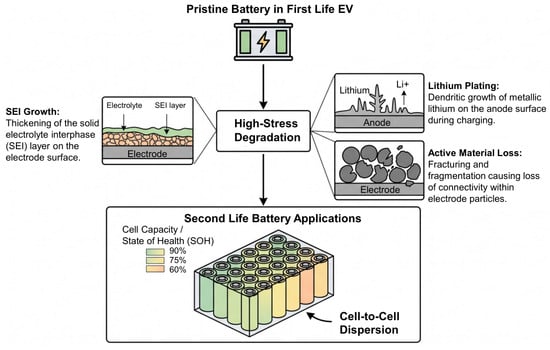
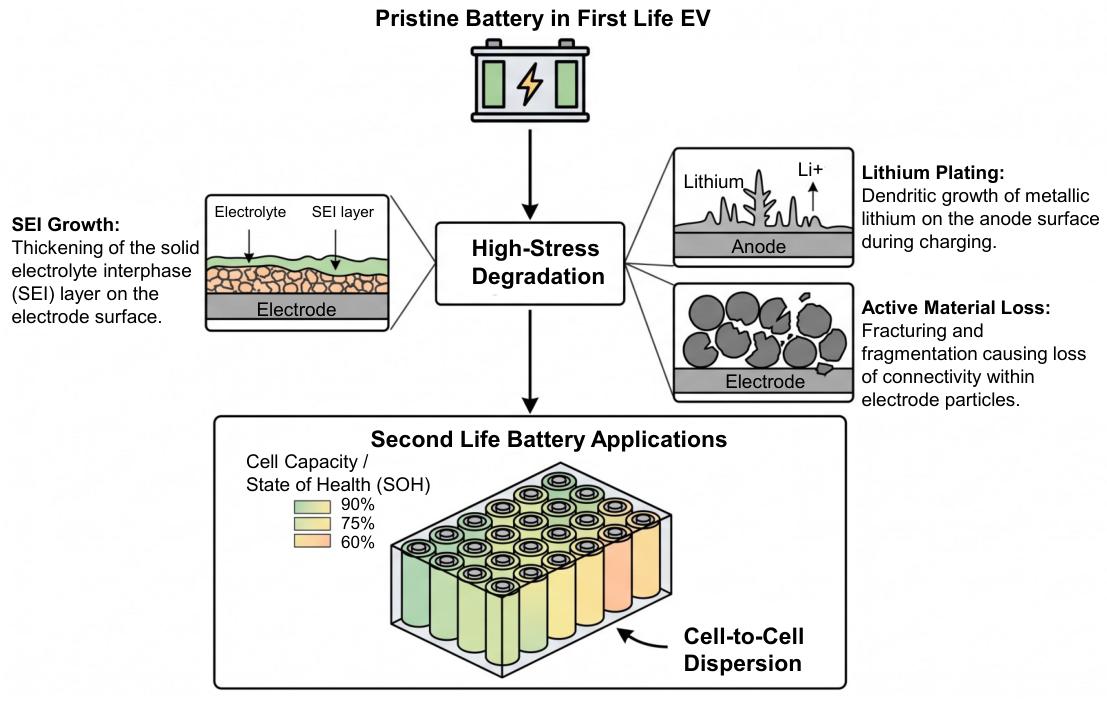
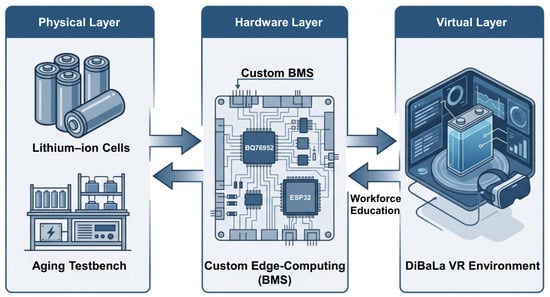
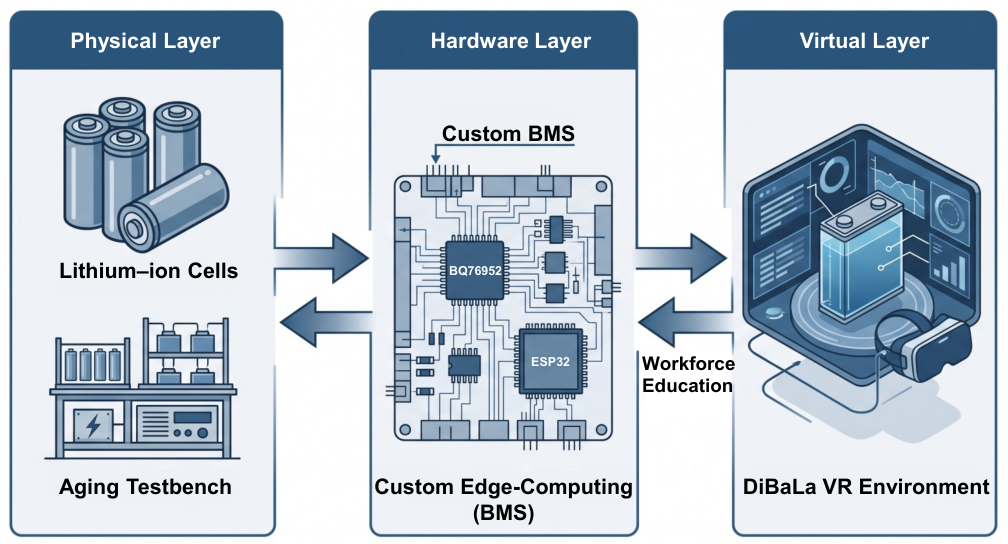
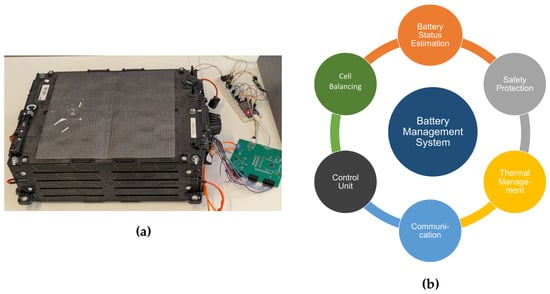
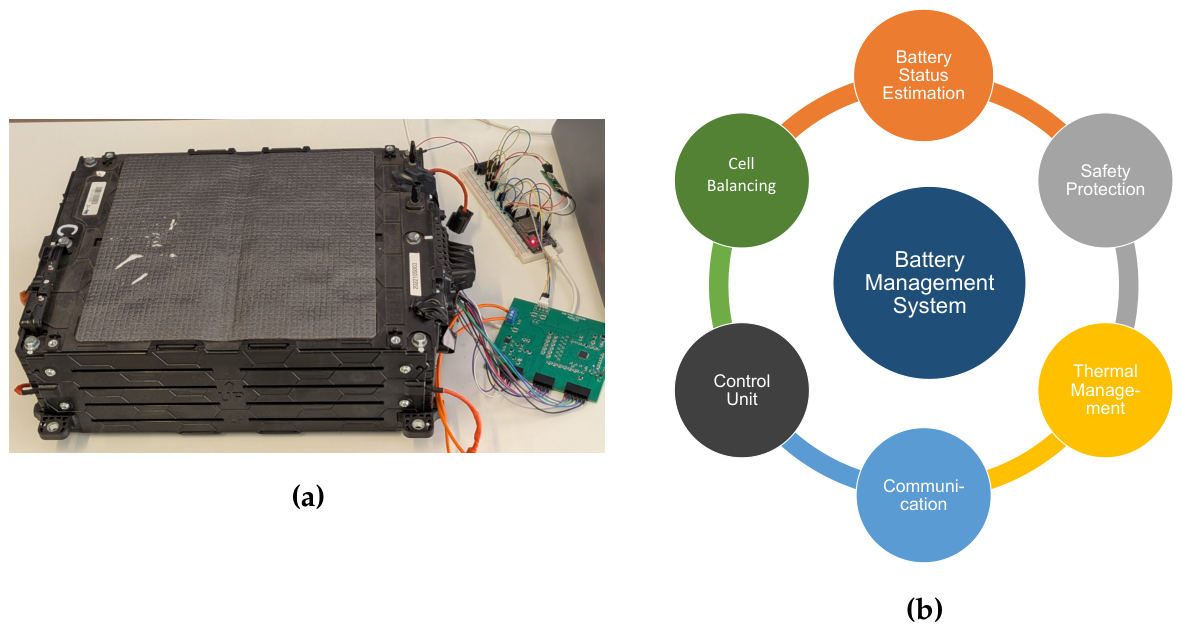
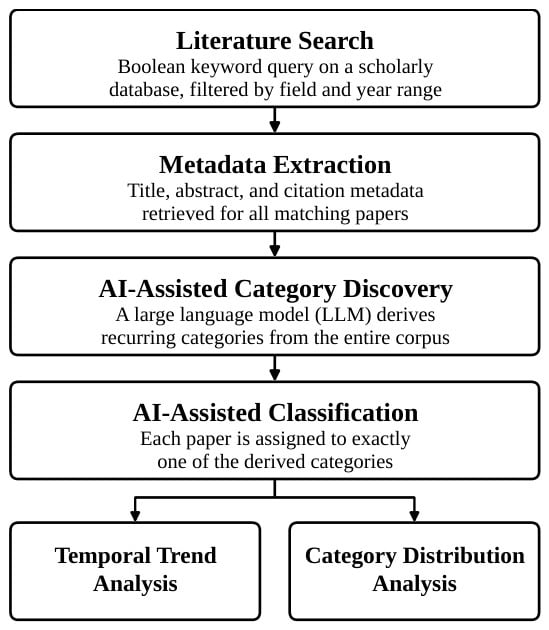
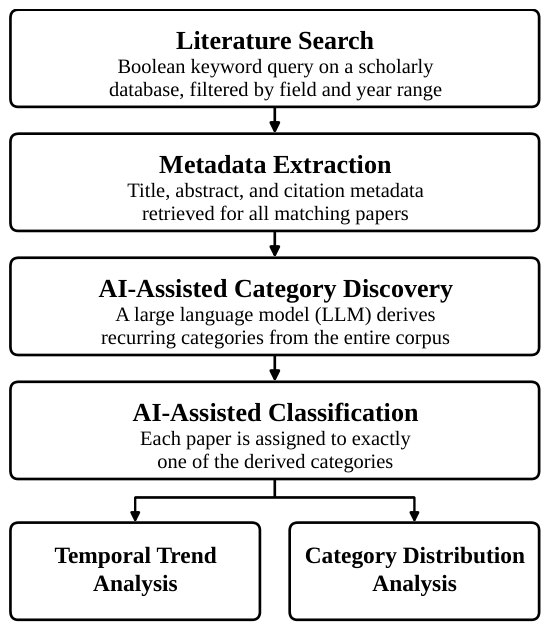
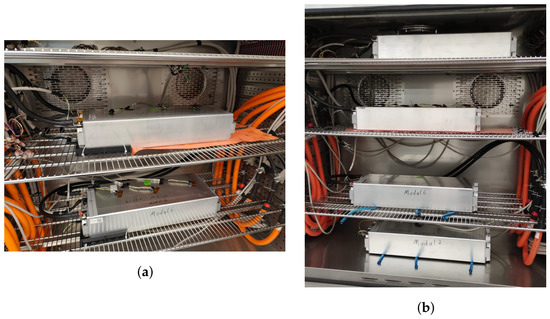
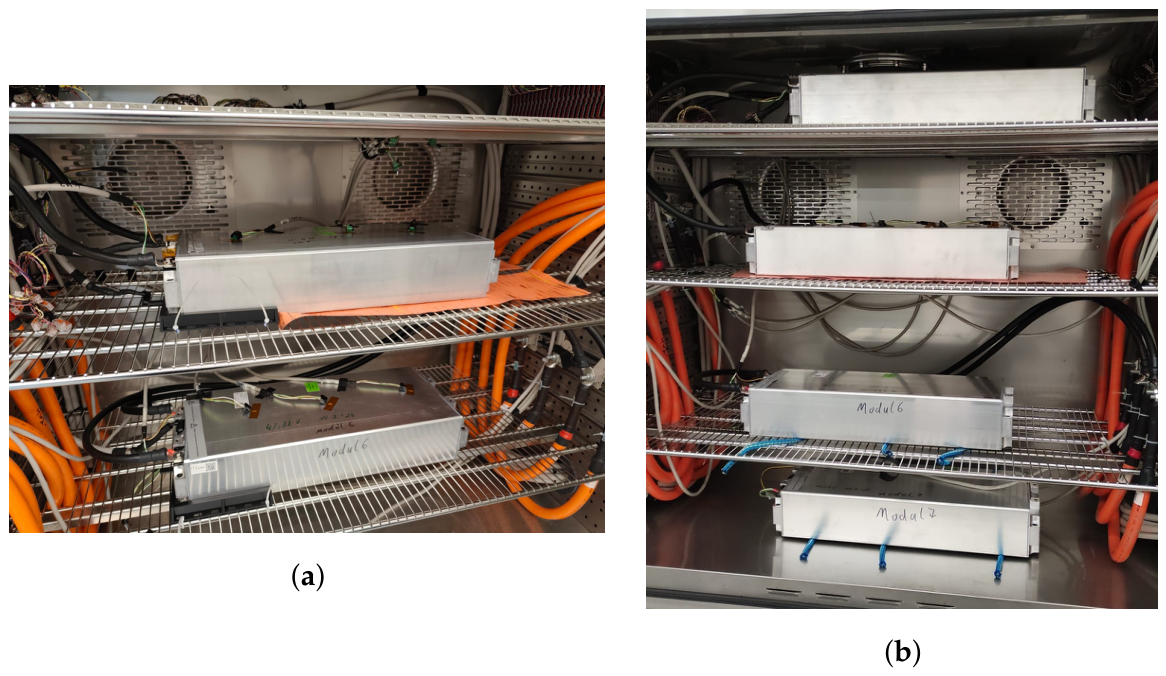
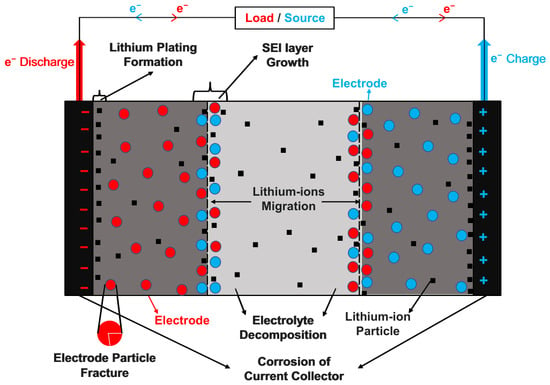
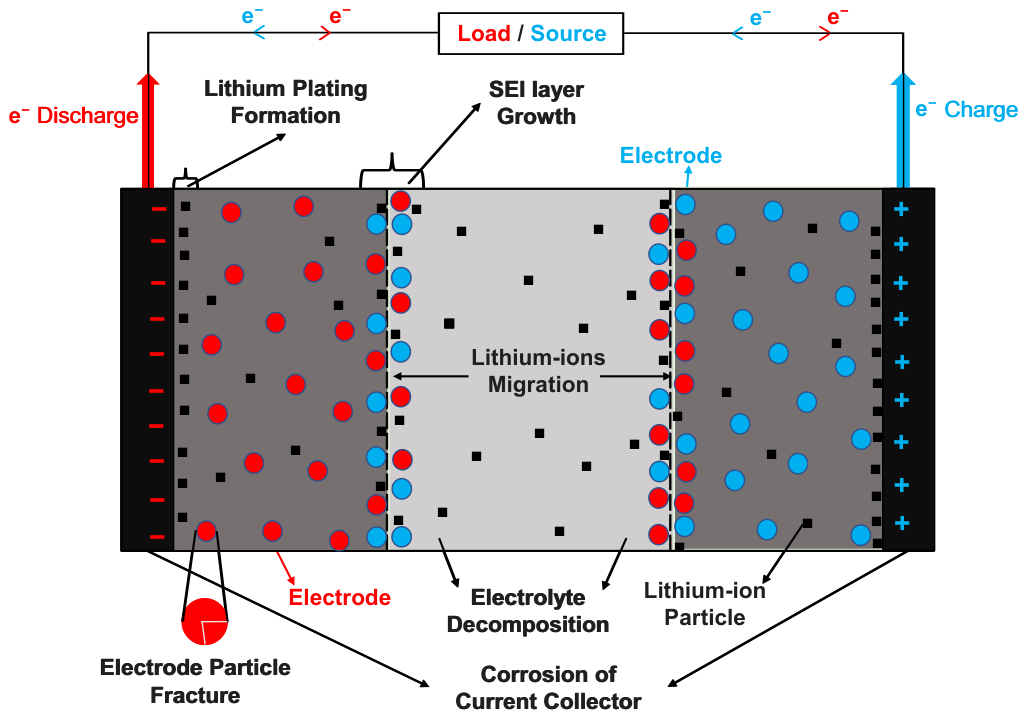
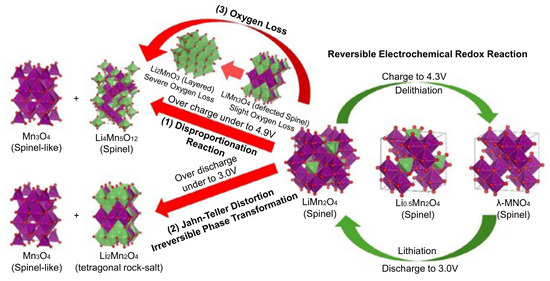
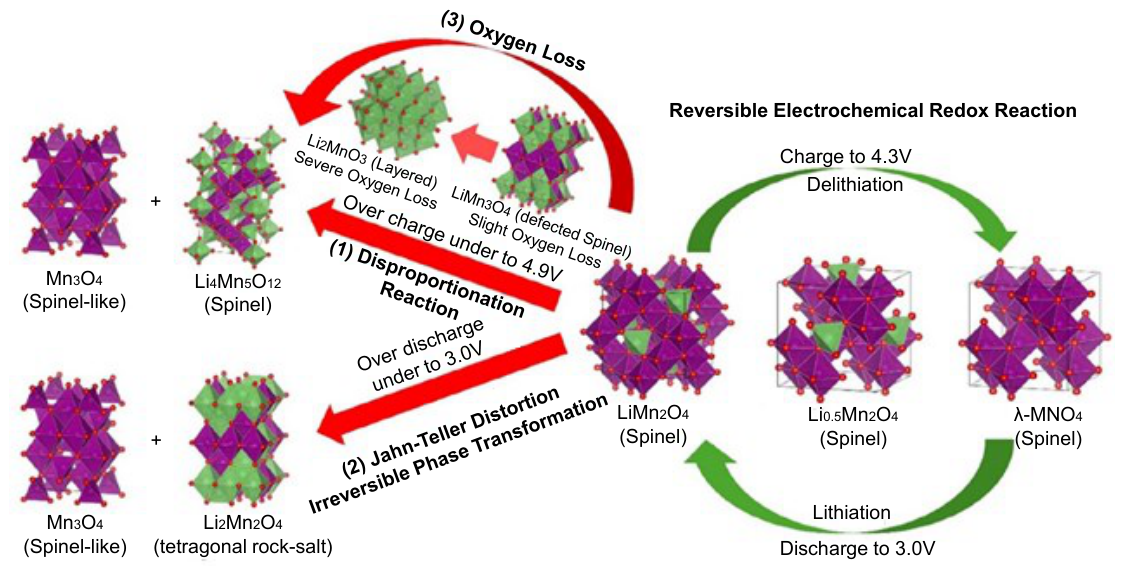
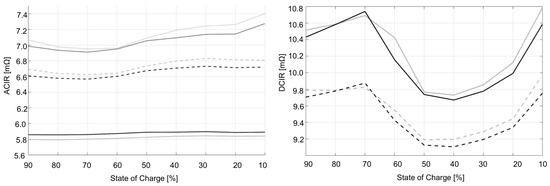
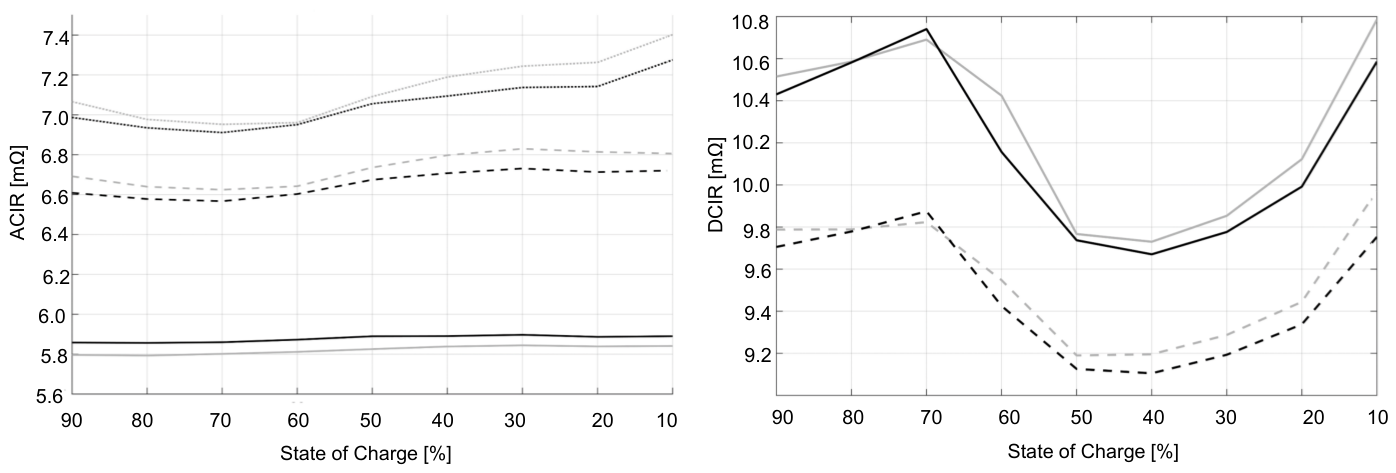
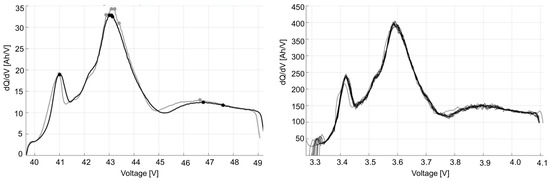
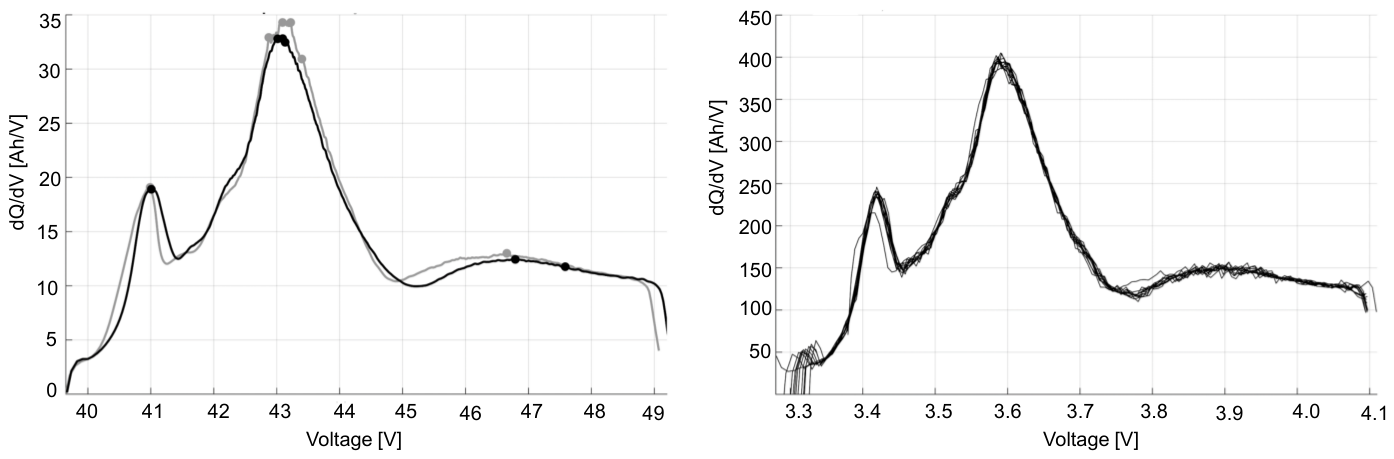
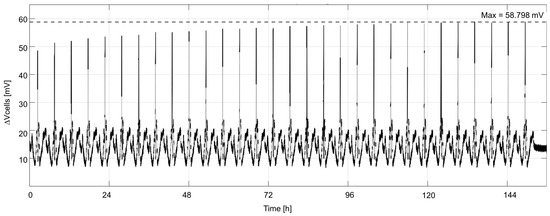
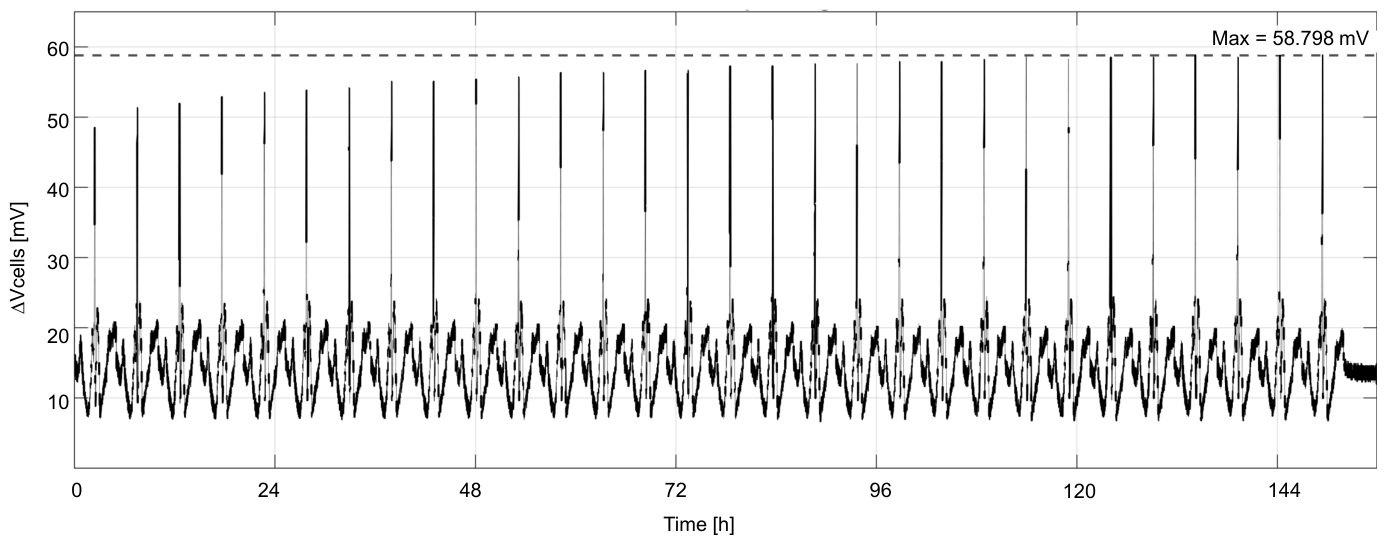
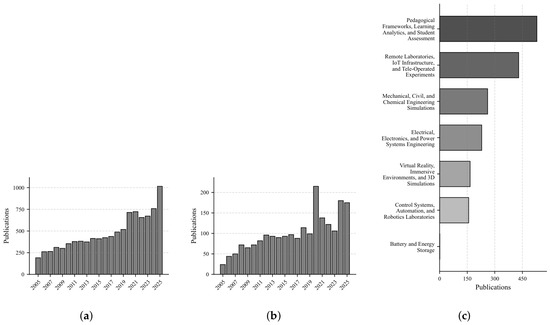
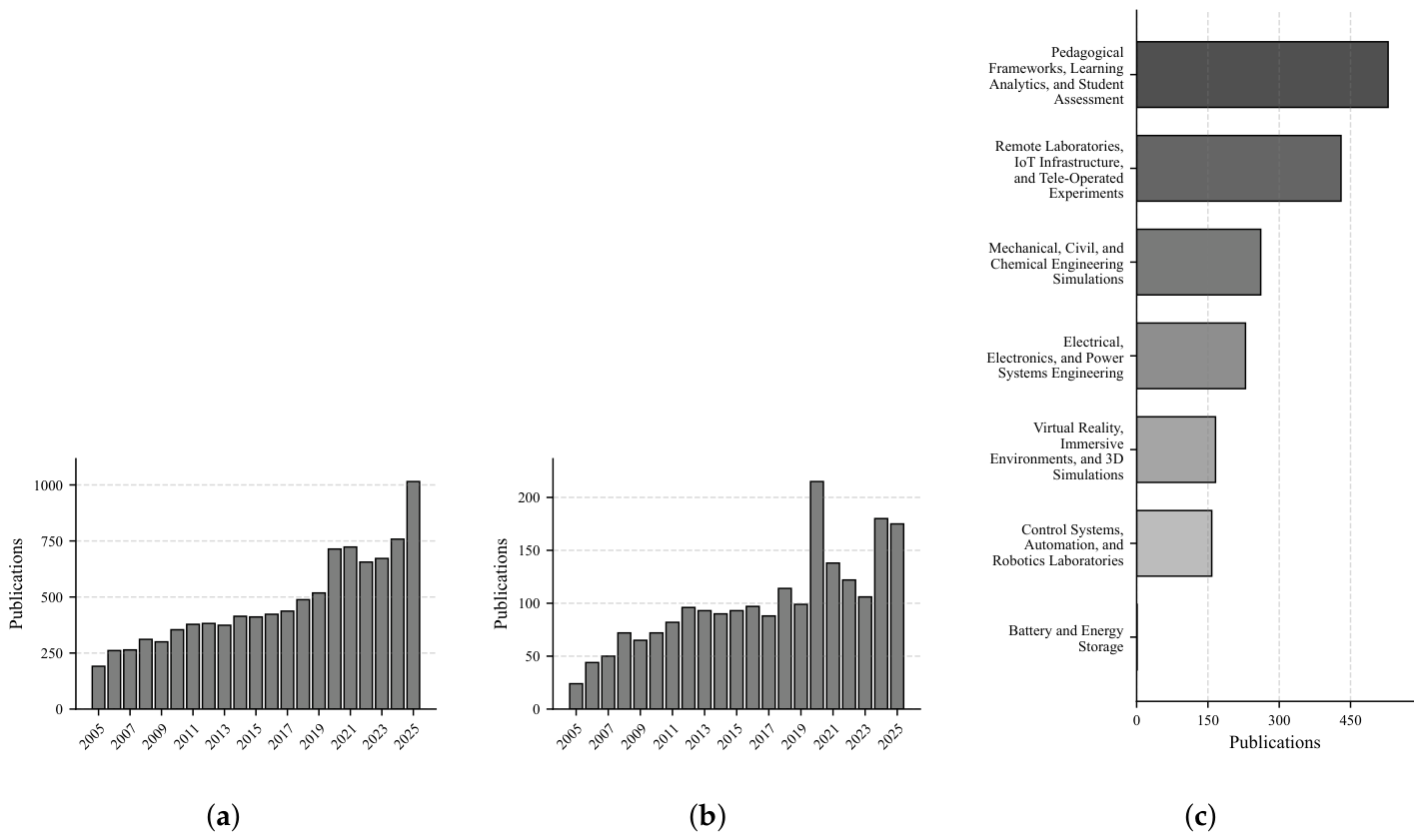
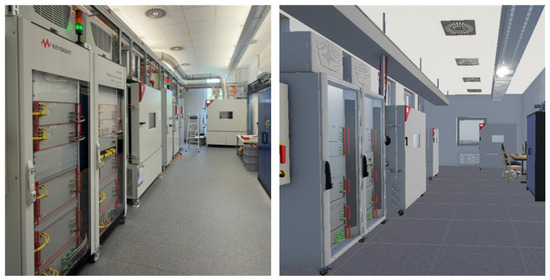
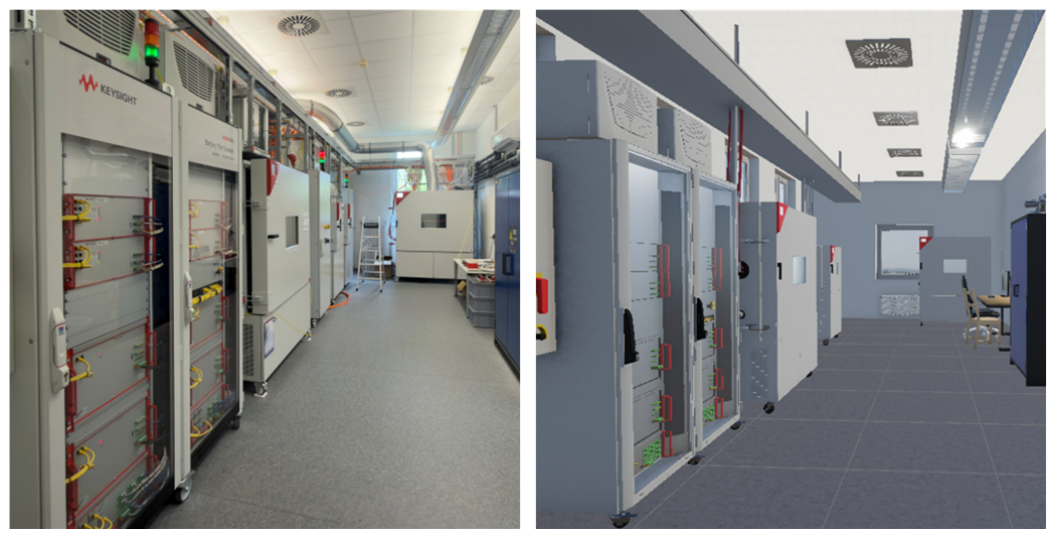

Disclaimer/Publisher’s Note: The statements, opinions and data contained in all publications are solely those of the individual author(s) and contributor(s) and not of MDPI and/or the editor(s). MDPI and/or the editor(s) disclaim responsibility for any injury to people or property resulting from any ideas, methods, instructions or products referred to in the content. |
© 2026 by the authors. Licensee MDPI, Basel, Switzerland. This article is an open access article distributed under the terms and conditions of the Creative Commons Attribution (CC BY) license.