


Abstract
With the advancement of China’s “dual carbon” goals and the green transformation of the railway sector, railway stations, as key energy-consuming nodes, require integrated energy systems that support low-carbon and renewable energy utilization. This review focuses on zero-carbon railway station integrated energy systems incorporating photovoltaic (PV) generation, energy storage, hydrogen systems, and charging facilities. Based on existing studies, the paper systematically reviews system configuration methods, operational strategies, and capacity optimization approaches. It first summarizes the roles of photovoltaic, energy storage, and hydrogen systems in railway station energy supply and outlines representative integration frameworks. It then compares standalone operation and coordinated multi-energy complementary operation, with particular attention to technical challenges in renewable energy accommodation, energy storage coordination, and hydrogen utilization. Mainstream capacity optimization approaches are further reviewed according to different energy configurations, including photovoltaic systems, energy storage systems (ESSs), hydrogen systems, and multi-energy complementary systems, with emphasis on optimization objectives, constraint formulations, and solution methodologies. The review shows that existing studies have gradually shifted from single-energy configurations toward coordinated multi-energy planning, but limitations remain in load forecasting accuracy, dynamic operational optimization, and large-scale engineering validation. Existing uncertainty management methods mainly include stochastic programming, robust optimization, chance-constrained optimization, and scenario-based approaches, which are used to address renewable energy fluctuations and load uncertainties. Future research should strengthen uncertainty modeling, real-time scheduling, and case study platforms considering diverse meteorological and load scenarios. This review provides a theoretical reference for planning and optimizing zero-carbon railway station integrated energy systems.
1. Introduction
Against the backdrop of China’s “dual carbon” goals and the ongoing development of a new power system, promoting the green and low-carbon transformation of the transportation sector has become a crucial pathway toward achieving carbon peaking and carbon neutrality targets [1]. The Paris Agreement and global carbon neutrality commitments have imposed increasingly stringent emission reduction requirements on energy-intensive sectors, particularly the transportation industry [2]. As one of the major contributors to energy consumption and carbon emissions, the transportation sector plays a pivotal role in achieving the nation’s “dual carbon” objectives through its low-carbon transformation [3,4]. Due to its high transport capacity, energy efficiency, and low carbon emissions per unit of freight, rail transport is recognized as a critical component of a sustainable and low-carbon transportation system. In recent years, the government has implemented a series of policies to advance green and low-carbon development within the railway sector. In 2021, the National Railway Administration issued the “14th Five-Year Plan for Railway Science and Technology Innovation,” setting a target to reduce comprehensive energy consumption per unit of freight by 10% relative to 2020 [5]. The plan also promotes the deployment of PV and energy storage technologies at stations and along railway lines to improve energy self-sufficiency. In 2024, five government departments, led by the National Development and Reform Commission, jointly issued the “Implementation Plan for Promoting Low-Carbon Development in the Railway Sector” to fully implement the “Outline for Building a Transport Powerhouse.” The plan targets stabilizing the railway electrification rate above 90% by 2025 and establishing a predominantly green and low-carbon railway system by 2030 [6]. In the same year, the Ministry of Transport, together with several other government agencies, issued the “Guiding Opinions on Promoting the Integrated Development of Transportation and Energy,” which encourage the deployment of PV and energy storage systems at transportation hubs, the demonstration of new-energy locomotives (e.g., hydrogen-powered and hybrid models), and the establishment of an energy consumption and carbon emissions monitoring system [7]. Driven by supportive policy frameworks and technological advancements, the railway energy system is gradually evolving from a conventional centralized energy supply model toward an integrated energy system characterized by the deep integration of renewable energy technologies and the coordinated utilization of multiple energy resources [8].
Multi-energy complementary low-carbon stations are integrated energy operation units that combine renewable energy integration, traction power supply, and overall energy management within the station. Due to their operational characteristics—particularly the coexistence of fluctuating renewable energy output [9] and temporally varying station loads [10]—these stations play a critical role in enhancing energy efficiency, ensuring reliable power supply, and facilitating low-carbon operations. In this review, railway energy demands are classified into two categories according to different application scenarios. The station building load refers to the electricity consumption of station facilities, including lighting, air conditioning, ventilation, elevators, and other auxiliary services. In contrast, the traction load refers to the power demand associated with train operation, including traction electricity consumption and regenerative braking energy. Accordingly, the terms “station load” and “traction load” are used separately throughout this paper. Most existing studies focus on single-energy systems or localized operational optimization, with limited attention to the synergistic interactions among photovoltaic, energy storage, hydrogen, and charging loads. Systematic research on capacity optimization tailored to railway station scenarios remains limited, hindering the full exploitation of multi-energy coupling benefits [11]. Therefore, a systematic review of the configuration methodologies, operational modes, and capacity optimization approaches for photovoltaic–storage–hydrogen–charging integrated energy systems is essential to provide theoretical support for the development of zero-carbon railway stations.
This paper focuses on typical energy consumption scenarios in railway stations and systematically reviews capacity optimization strategies for zero-carbon integrated energy systems, with particular emphasis on system configuration, operational modes, and capacity planning methodologies. First, typical configuration models of photovoltaic generation systems, energy storage systems, hydrogen energy systems, and multi-energy complementary integrated energy systems in railway stations are reviewed [12,13,14]. Second, the review summarizes the operational mechanisms and coordinated operation modes of various energy systems. Building on this, it analyzes capacity optimization models, solution methodologies, and recent research progress for photovoltaic, energy storage, hydrogen, and integrated photovoltaic–storage–hydrogen–charging energy systems [15,16,17]. Finally, the review identifies current research gaps and outlines future development directions, aiming to provide guidance and insights for the planning, design, and practical implementation of zero-carbon integrated energy systems in railway stations.
To ensure the transparency and reliability of the literature review process, a systematic literature selection procedure was adopted in this study. Relevant publications were collected from Web of Science, Scopus, IEEE Xplore, ScienceDirect, and CNKI using keywords related to railway stations, integrated energy systems, photovoltaic generation, energy storage, hydrogen systems, and capacity optimization. After removing duplicate records and excluding studies unrelated to railway energy systems or capacity allocation optimization, the remaining publications were evaluated based on their relevance and research contributions. The detailed literature selection process is presented in Figure 1.
Figure 1.
Literature selection process of this review.
2. System Architecture
A railway station integrated energy system comprises multiple energy units, including photovoltaic generation, energy storage, hydrogen energy systems, and various energy demand loads. The effectiveness of the system architecture directly influences energy utilization efficiency and overall operational performance. Given the substantial differences among these energy units in terms of energy conversion processes, operational characteristics, and functional roles, establishing a system architecture that enables coordinated multi-energy operation is essential for operational analysis and capacity optimization studies.
2.1. Construction of a Photovoltaic Power Generation System at a Railway Station
PV generation serves as the primary renewable energy source in railway station integrated energy systems, and its configuration directly influences the extent of renewable energy utilization as well as the overall operational performance of the system. With the increasing utilization of available space along railway corridors and within station areas, PV systems have gradually evolved from decentralized applications to large-scale integrated deployments, enabling closer coordination with railway power supply systems, energy storage systems, and end-use energy loads [18].
Early studies have explored the feasibility of renewable energy deployment in railway scenarios, particularly in regions with limited grid accessibility. Yang et al. [19] investigated an off-grid wind–solar hybrid power supply system for Kenya’s narrow-gauge railways, demonstrating the potential of renewable generation combined with energy storage to improve energy autonomy. By integrating energy storage units for buffering and regulation, this system established a renewable railway energy framework covering generation, storage, and utilization. As illustrated in Figure 2, off-grid photovoltaic–storage systems along railway corridors have been further investigated from the perspectives of component matching and systematic design. Hu et al. [20] established component-matching principles and a multi-time-scale optimization methodology, providing a theoretical basis for standardized photovoltaic deployment in railway applications. From an engineering perspective, subsequent studies have expanded the focus from feasibility analysis and optimization toward diversified PV deployment configurations. As illustrated in Figure 3, railway infrastructure provides various installation opportunities for photovoltaic systems. Mitrofanov et al. [21] summarized PV deployment scenarios, including station roofs, platform canopies, inter-track spaces, soundproof and windbreak walls, and maintenance depots, highlighting the potential of railway infrastructure for distributed renewable energy integration. Using Hiraizumi Station as a case study [22], the power supply system illustrated in Figure 4 comprises exclusively photovoltaic panels and lithium-ion batteries, operating independently of the external grid. During the daytime, electricity is generated via photovoltaics, and surplus energy is stored, while at night, the energy storage system supplies power, enabling the station to achieve full energy self-sufficiency.
Figure 2.
Off-grid photovoltaic power supply system (adapted from Ref. [20]).
Figure 3.
Scheme of the railway electrification by means of renewable energy systems (RESs) [21].
Figure 4.
Concept of “zero-emission station” [22].
As summarized in Table 1, existing studies have systematically examined the development of railway PV power generation systems across multiple dimensions, including off-grid operation, system architecture, spatial layout optimization, and system integration. However, most studies remain primarily focused on standalone PV systems or photovoltaic–storage configurations. Research on the coordinated integration of photovoltaic systems with hydrogen energy and charging loads remains limited, posing challenges to achieving multi-energy coupling and deep decarbonization at railway stations. Therefore, building upon the existing PV system framework, this study introduces multi-energy coordination mechanisms to develop an integrated energy system aimed at zero-carbon operation.
Table 1.
Typical configuration models for photovoltaic power generation systems at railway stations.
2.2. Design of Energy Storage Systems for Railway Stations
Given the intermittent and stochastic nature of PV generation, coupled with the stringent requirements of railway transportation systems for continuous and stable power supply, the critical role of energy storage systems in integrating renewable energy, balancing power, and capturing energy from regenerative braking has become increasingly apparent. Focusing on diverse transportation applications, both domestic and international scholars have conducted extensive research on energy storage technology selection, system architecture design, and coordinated integration with renewable energy sources and loads, leading to the development of multiple energy storage system configurations.
For railway energy storage applications, early studies mainly focused on improving the power regulation capability and integration flexibility of individual storage technologies. Meng et al. [23] investigated the integration of flywheel energy storage systems with urban rail transit power networks, demonstrating their potential for rapid power regulation through automated interfaces and communication protocols. To further improve the scalability of flywheel-based solutions, Li et al. [24] developed a modular flywheel energy storage array using multiple parallel-connected units through a DC bus, which increased the available capacity and output power for railway applications. Compared with flywheel systems that emphasize short-duration high-power support, lithium–titanate batteries provide higher energy capacity and are more suitable for sustained energy management. Wu et al. [25] developed a series-parallel lithium–titanate battery configuration to satisfy the high-voltage and high-capacity requirements of rail transit applications. As illustrated in Figure 5, LiC-based roadside energy storage systems represent another approach for addressing rapid power fluctuations in railway networks. Ciccarelli et al. [26] developed a WESS configuration in which LiC modules are connected in parallel with the DC overhead contact line through converters, enabling coordinated energy management among multiple trains. Similarly, supercapacitor-based systems have been widely investigated for transient power compensation due to their high power density and fast response characteristics. Xu et al. [27] implemented a series-connected supercapacitor energy storage system with dual closed-loop control and voltage balancing strategies, improving the operational stability of the storage bank.
Figure 5.
Overview of the light rail vehicle (LRV) transportation system in the study [26].
As railway systems increasingly demand enhanced dynamic response performance, hybrid energy storage systems (HESSs) have emerged as a prominent development trend in the field of rail transit energy storage. Existing studies primarily focus on improving dynamic regulation capability and operational efficiency by exploiting the complementary characteristics of different energy storage technologies, including fuel cells, batteries, and supercapacitors. Gao et al. [28] developed a hybrid system integrating fuel cells, lithium-ion batteries, and supercapacitors to combine long-duration energy supply with rapid power response capabilities. The proposed architecture coordinates the complementary characteristics of different storage units, where fuel cells provide sustained energy output while batteries and supercapacitors respond to short-term power fluctuations through converter-based control. For regenerative braking scenarios characterized by rapid power fluctuations, Zhang et al. [29] further investigated supercapacitor–battery hybrid storage systems. By combining Variational Mode Decomposition–Gray Wolf Optimization (VMD–GWO) with fuzzy logic control, their strategy effectively decomposed power fluctuations and optimized energy allocation between storage units, thereby reducing battery stress and improving regenerative braking performance. Similarly, Yang et al. [30] considered the influence of train operating conditions and developed a ground-based lithium–titanate battery–supercapacitor system with dynamic threshold control. Compared with fixed control strategies, this approach improves voltage regulation and enhances regenerative energy recovery under varying railway operating conditions.
In addition to onboard and station-based energy storage, trackside energy storage systems have emerged as a critical technological approach for enhancing energy utilization in rail transit. As illustrated in Figure 6, Chen et al. [31] developed a back-to-back converter–supercapacitor-based configuration for high-speed railway traction substations, enabling efficient energy capture and reuse during braking processes. As illustrated in Figure 7, Jafari, Kaleybar et al. [32] integrated a weight-based energy scheduling algorithm with a fleet of electric vehicles (EVs) and a battery–supercapacitor hybrid system to address the mismatch between megawatt-level regenerative braking energy and kilowatt-level per-vehicle charging power in urban rail transit, as well as grid load stresses from large-scale EV charging and the low efficiency of train braking energy recovery. As illustrated in Figure 8, Dong et al. [33] jointly optimized storage capacity and control strategies within a battery–supercapacitor hybrid architecture. This approach improved traction substation operational stability and regenerative braking energy utilization while reducing the limitations associated with independent sizing or control optimization.
Figure 6.
Topology of the proposed ESS [31].
Figure 7.
Schematic of the proposed railway and EVCS integrated system in the park-and-ride area [32].
Figure 8.
Topology of the traction system with HESSs [33].
As summarized in Table 2, HESSs have evolved from simple combinations of individual storage units into integrated architectures incorporating energy management, capacity optimization, and coordinated control functions. Research efforts have gradually shifted from improving the performance of individual energy storage technologies to facilitating renewable energy integration, coordinating transportation loads, and enhancing overall system benefits, thereby providing essential support for the development of railway integrated energy systems.
Table 2.
Performance comparison of typical energy storage technologies for railway applications.
2.3. Development of Hydrogen Energy Systems at Railway Stations
As a pivotal clean energy source in the transportation sector, hydrogen applications are progressively evolving from standalone units to systematic and fully integrated solutions. Focusing on hydrogen production, storage, transport, and utilization [34], the design of hydrogen energy systems for diverse transportation scenarios has emerged as a critical research area, providing the foundation for efficient, safe, and low-carbon operations.
For hydrogen-based integrated energy systems, recent studies have gradually expanded from internal capacity coordination of multi-energy systems toward broader energy network interactions. As illustrated in Figure 9, Li et al. [35] investigated a large-scale wind–solar–thermal–storage–hydrogen complementary system and developed a coordinated capacity optimization method for electricity, heat, and hydrogen storage. Building upon component-level capacity optimization, Tong et al. [36] further extended the research scope by introducing a multi-electricity–hydrogen–transportation virtual energy pool. By aggregating hydrogen energy systems, EVs, and hydrogen refueling stations across multiple regions, the proposed framework enables coordinated low-carbon regulation and participation in distribution network optimization.
Figure 9.
Schematic diagram of a multi-energy complementary power generation system incorporating electrical, thermal, and hydrogen energy storage (modified after [35]).
For hydrogen storage applications, recent studies have increasingly considered not only hydrogen production and storage components but also the interaction between energy systems and user-side flexibility. As illustrated in Figure 10, Wang et al. [37] developed a vehicle sharing station-based electro-hydrogen micro-energy system (VSEHS). The framework considered the flexibility and substitution potential between electric vehicles and hydrogen fuel cell vehicles, enabling demand-side participation in integrated energy system operation. By applying evolutionary game theory to characterize user behavior, the study achieved coordinated optimization of system capacity allocation and time-of-use pricing strategies, highlighting the role of demand response in improving energy system flexibility. Moving from demand-side coordination toward system-level energy management, as illustrated in Figure 11, Li et al. [38] investigated an electro-hydrogen hybrid energy storage multi-microgrid system and developed an improved control strategy for active power balancing. The proposed strategy reduced uneven power distribution and circulating currents caused by line impedance differences, thereby improving the stability and coordination capability of multi-microgrid operation.
Figure 10.
Basic architecture of the VSEHS (modified after [37]).
Figure 11.
Schematic of a multi-microgrid parallel operation configuration (modified after [38]).
Beyond hydrogen production and storage, recent studies have gradually extended toward hydrogen transportation and utilization infrastructures, highlighting the importance of developing an integrated hydrogen supply chain for railway applications. As illustrated in Figure 12, Chen et al. [39] investigated a liquid hydrogen energy pipeline for rail transit applications. By coupling liquid hydrogen transportation with high-temperature superconducting power transmission, the proposed system enables simultaneous delivery of hydrogen and electricity, providing a potential solution for long-distance and high-capacity energy transmission. Compared with conventional cable-based transmission, this approach can reduce energy losses and improve the efficiency of integrated hydrogen–electricity transport over long distances.
Figure 12.
Hydrogen–electric energy transmission scheme for transportation systems (modified after [39]).
At the utilization stage, research has focused on improving the integration of hydrogen energy with railway traction systems. Han et al. [40] investigated the structural design and control strategies of hybrid power systems for hydrogen fuel cell trams. The proposed multi-source power architecture combines fuel cells, batteries, and supercapacitors, enabling coordinated power allocation during traction and regenerative braking operations. Meanwhile, Wang et al. [41] focused on the infrastructure side by developing dynamic models for liquid hydrogen refueling stations and analyzing their energy consumption characteristics. Their results indicated that liquid hydrogen pathways can reduce compression-related energy consumption by utilizing cryogenic energy while identifying the key factors affecting overall station energy performance. As illustrated in Figure 13, Apostolou and Xydis [42] further reviewed hydrogen refueling technologies and infrastructure development from a system perspective. Their review emphasized that hydrogen refueling infrastructure and fuel cell vehicle deployment are highly interdependent. Therefore, coordinated development of hydrogen supply infrastructure and hydrogen-powered transportation systems is essential for the large-scale adoption of hydrogen railway applications.
Figure 13.
Main components of an off-site hydrogen gas production and refueling station [42].
As summarized in Table 3, existing research has progressively established a comprehensive framework for hydrogen energy systems covering the entire lifecycle—from hydrogen production, storage, and transport to end-use—and demonstrates a trend toward deep integration with power and transportation systems. In the future, hydrogen energy systems are expected to be further integrated with photovoltaic generation, energy storage systems, and charging loads, providing essential support for the development of zero-carbon integrated energy systems at railway stations.
Table 3.
Comparison of the composition and functions of typical hydrogen energy systems in zero-carbon stations.
2.4. Development of a Multi-Energy Complementary Low-Carbon Station Integrated Energy System
As energy demands at railway stations grow increasingly diverse and the penetration of renewable energy sources continues to rise, single-source energy systems are no longer sufficient to satisfy requirements for energy supply reliability, economic efficiency, and low-carbon performance. As illustrated in Figure 14, by synergistically integrating multiple energy units—including photovoltaic generation, energy storage systems, hydrogen energy systems, and charging loads—into a multi-energy complementary low-carbon station integrated energy system, the complementary advantages of different energy forms in terms of temporal flexibility, energy storage capacity, and regulation capabilities can be fully leveraged, thereby enhancing renewable energy integration and overall system operational efficiency [43,44,45]. Ding et al. [46] reported that cumulative electricity generation from Chinese high-speed rail stations reaches 108.55 TWh and 74.88 TWh under horizontal and optimal tilt angles, respectively, with 973 stations capable of reducing CO2 emissions by 79,895.73 and 55,112.53 kilotons under the same conditions. Furthermore, as illustrated in Figure 15, Ji et al. [47] developed an evaluation framework for energy conversion measures considering China’s railway conditions and assessed the renewable energy potential of the Urumqi–Hami section of the Lanzhou–Xinjiang Railway. The results demonstrated that integrating microgrids and coordinated dispatch strategies across multiple traction substations can improve economic performance, with greater benefits achieved as the scale of coordinated operation increases.
Figure 14.
New model of a three-in-one PV railway integrated network [44].
Figure 15.
General architecture of the photovoltaic (PV) energization method for China’s railway systems [47].
At the system level, recent studies have shifted from evaluating the photovoltaic potential of railway infrastructure toward optimizing deployment strategies and ensuring operational reliability. Chen et al. [48] quantified the photovoltaic potential of the Beijing–Shanghai high-speed railway (BS-HSR), estimating a cumulative installed capacity of 5.65 GW and lifetime electricity generation of 155 TWh. The results indicate that railway photovoltaic deployment could not only satisfy traction-related electricity demand but also provide additional renewable electricity for surrounding users over the system lifetime. Beyond resource assessment, Fan et al. [49] investigated the influence of building-integrated photovoltaic (BIPV) configurations on railway station energy performance through comparisons among 14 representative cities and seven types of semi-transparent photovoltaic (STPV) modules. Their results showed that STPV can achieve better power generation performance than fully transparent photovoltaic systems in large railway stations, particularly in regions with lower energy-saving potential and southern low-latitude climates. As illustrated in Figure 16, increasing photovoltaic penetration also requires corresponding reliability and safety assessment methods. Chen et al. [50] developed a risk assessment framework for photovoltaic–storage rail transit systems based on operational characteristics. By integrating thermal circuit models and Miner–Weibull models, the study quantified uncertainties associated with bidirectional energy flows and demand variations, providing a quantitative approach for improving the reliability of self-sufficient railway energy systems. Overall, these studies demonstrate that railway infrastructure provides considerable potential for large-scale photovoltaic deployment. However, achieving high renewable penetration requires coordinated consideration of spatial utilization, system reliability, and operational uncertainty.
Figure 16.
Architecture diagram of a rail transit energy system with light storage [50].
As summarized in Table 4, the fundamental structure of a self-sufficient rail transport energy system comprises the power grid, a PV station, batteries, supercapacitors, and the traction power system. The system is deployed in open areas and on the roofs of electrified railway traction substations, and it interfaces with the traction network through power electronic converters and step-up transformers to enable energy exchange. Traction loads can be supplied either by the power grid or a photovoltaic–hybrid energy storage system (PV-HESS). The HESS balances photovoltaic generation, traction loads, and regenerative braking energy, thereby enhancing the operational efficiency of the railway transportation system. Depending on regional variations in power grid integration, railway network configuration, and solar resource availability, railway energy supply systems adopt different operational models. The railway photovoltaic integration system (RPIS) network is envisioned to evolve into a new-energy microgrid founded on a traction microgrid architecture, with each traction–storage–information integrated station (TSIIS) functioning as a modular unit. Furthermore, owing to the structure of the railway traction network, the RPIS constitutes a unique ensemble of microgrids distributed along the tracks, with energy flows interconnected between adjacent TSIISs via the exchange of information flows. This configuration mitigates line losses inherent in long-distance power transmission and provides balanced loads and stable transmission pathways, thereby reducing energy consumption in new railway systems.
Table 4.
Comparison of typical architectural models for integrated railway energy systems.
3. Operating Modes
Once the structural framework of a renewable energy generation system is established, its operational mode directly influences the degree of renewable energy integration and the reliability of power supply for the transportation system. Given the transportation sector’s characteristics—such as substantial load fluctuations and diverse operating conditions—research on optimal operational modes and control strategies for renewable energy generation is crucial for ensuring safe, economical, and efficient system operation.
3.1. Operating Modes of Photovoltaic Power Generation Systems
Electricity consumption for office operations, air conditioning, and daily facilities at railway stations and depots represents the primary load for PV power utilization. To further improve the self-consumption capacity of distributed PV systems at stations, distributed PV installations operating under the “self-generation for self-consumption, with surplus electricity fed into the grid” paradigm could be deployed at railway stations along the China–Laos Railway [51].
For elevated stations, PV modules are typically installed on the roofs of station buildings. Electricity demand substantially exceeds the installed PV capacity, and the load demonstrates a high degree of stability and continuity. By implementing a self-sufficient “PV–Storage–DC–Flexible” microgrid system [52] equipped with an intelligent energy management system, the configuration functions as the primary or backup power source for railway stations and depots. Through real-time monitoring of operational conditions on both the supply and load sides, the system dynamically regulates the charging and discharging of the energy storage units, thereby enabling low-carbon operations at railway stations. Xiong’an High-Speed Rail Station, Asia’s largest high-speed rail station, has deployed a large-scale photovoltaic generation project on the station building’s roof. By adopting a “self-generation for self-consumption, with surplus electricity fed into the grid” [53] operational model, the project supplies approximately 20% of the station’s green electricity. Chu et al. [54] reported that the application models of distributed PV generation in electrified railways can be broadly classified into three categories: the “self-generation for self-consumption, with surplus electricity fed into the grid” model, the full-feed-in model, and the “high-speed rail + PV” model. The characteristics and applicable scenarios of these models are summarized in Table 5.
Table 5.
Application models of distributed photovoltaic power generation technology in electrified railways.
3.2. Operating Modes of Energy Storage Systems
In practical transportation applications, energy storage systems require not only appropriate configuration design but also effective operational strategies, both of which significantly influence overall system performance and operational efficiency. To address diverse transportation scenarios and operational requirements, extensive studies have investigated the operational characteristics of energy storage systems, including charging and discharging strategies, energy management modes, and coordinated operation with renewable energy sources and demand-side loads.
As summarized in Table 6, single-flywheel energy storage systems [55,56] recover regenerative braking energy during train deceleration and release stored electrical energy during acceleration or peak-load periods, thereby balancing grid power and improving power quality. In flywheel energy storage array systems [57], a rise in grid voltage caused by train braking triggers charging operation, during which the flywheels accelerate to absorb regenerative braking energy. Conversely, when grid voltage decreases due to traction demand, the system enters discharge mode, and the flywheels decelerate to release stored energy and stabilize the voltage. Lithium–titanate battery energy storage systems [58] perform real-time monitoring of cell voltage, temperature, and current while dynamically managing energy flow through state-of-charge (SOC) estimation and multi-threshold control strategies. The LiC energy storage system [59] captures regenerative braking energy and releases it during acceleration to mitigate grid load peaks. Experimental results indicate that this system can reduce line current peaks and enhance overall energy efficiency. The supercapacitor energy storage system [60] enters energy absorption mode when the train brakes, elevating the DC grid voltage. Multiple bidirectional DC/DC converter modules subsequently store excess energy in the supercapacitor bank. In the hydrogen fuel cell tram hybrid energy storage system [61], supercapacitors prioritize recovery of regenerative braking energy. During acceleration and high-load operation, lithium-ion batteries and supercapacitors discharge jointly to alleviate fuel cell load, maintaining stable operation within their high-efficiency range.
Table 6.
Typical operating conditions and energy interaction mechanisms for different energy storage systems and rail transit scenarios.
In railway applications, HESSs are widely adopted to overcome the complementary limitations of individual energy storage technologies. Supercapacitors provide high power density and rapid response capability, making them suitable for absorbing short-term power fluctuations and regenerative braking energy. However, their relatively low energy density limits their ability to provide sustained energy support. In contrast, chemical batteries, such as lithium-ion batteries, offer higher energy density and longer energy storage duration but exhibit slower dynamic response and higher degradation under frequent high-power cycling. Therefore, HESSs typically employ a power-oriented energy management strategy, in which supercapacitors respond to transient high-frequency power variations while batteries undertake long-duration energy balancing. This coordinated operation reduces battery stress, improves regenerative braking energy utilization, and enhances the stability and economic performance of railway energy systems [28,29,33].
3.3. Hydrogen Energy System Operation Modes
Hydrogen energy storage has emerged as the primary solution for replacing diesel locomotives on non-electrified railway lines [61]. By employing onboard railway hydrogen energy storage, regenerative braking energy can be recovered and load fluctuations smoothed, with batteries meeting instantaneous power demands and fuel cells supplying stable output, thereby enhancing overall system efficiency. Currently, the predominant technology for hydrogen storage and transport in railways is 35 MPa high-pressure gaseous hydrogen storage. Several countries have already initiated demonstration projects for hydrogen-powered trains [62]. Hydrogen energy storage can satisfy the railway sector’s requirements for long-range operation and high-power output, positioning it as a critical pathway for industry decarbonization.
As summarized in Table 7, recent studies have expanded hydrogen energy applications in railways from individual storage technologies toward regional energy integration and long-duration energy management. Herwartz et al. [63] investigated a regional railway operation model integrating wind power and hydrogen energy. By utilizing renewable energy along railway corridors for hydrogen production and considering railway load characteristics for centralized hydrogen storage, the proposed model establishes coordination between transportation systems and regional energy systems. At the station level, hydrogen storage can be integrated with wind–solar–storage systems to absorb renewable energy surpluses and provide electricity during periods of high demand, thereby improving renewable energy utilization. Compared with electrochemical batteries, hydrogen storage is more suitable for high-capacity and long-duration energy storage scenarios due to its advantages in seasonal energy shifting and large-scale storage capability [64]. Extending this concept to seasonal energy regulation, Fritscher et al. [65] developed a hydrogen-based microgrid for remote railway stations. The system stores hydrogen generated from wind and solar resources during high-generation periods and converts it back to electricity during low-generation periods, effectively reducing seasonal supply–demand mismatches. From the perspective of railway energy storage technologies, Liu et al. [66] highlighted that storage systems can simultaneously support regenerative braking energy recovery, power stabilization, and load regulation. Their analysis further indicated that a hybrid architecture combining fuel cells, lithium-ion batteries, and supercapacitors may provide a promising solution by integrating a long-duration energy supply with rapid power response. Therefore, future railway hydrogen energy systems are likely to evolve toward hybrid configurations that coordinate hydrogen-based long-duration storage with battery and supercapacitor-based short-term regulation.
Table 7.
Comparative study of operating modes for hydrogen energy storage systems at railway stations.
Beyond economic optimization and renewable energy utilization, energy storage systems also contribute to improving the resilience of railway integrated energy systems. Under renewable generation fluctuations, grid disturbances, or emergency operating conditions, hydrogen-based and hybrid energy storage systems can provide rapid power support, maintain critical load supply, and enhance operational flexibility. Therefore, future energy storage configuration studies should consider resilience-related indicators, such as backup capability, recovery performance, and adaptability under uncertain operating scenarios, in addition to traditional economic objectives [67].
3.4. Coordinated Operation of Multi-Energy Complementary Low-Carbon Stations
The multi-energy complementary model provides an effective pathway for overcoming the inherent intermittency and volatility of PV generation. By coordinating PV generation with wind power, distributed energy resources, and energy storage systems through intelligent EMSs, this model enables coordinated multi-energy dispatch and enhances system flexibility. Consequently, high-speed railway station energy systems can achieve reliable power supply, deep decarbonization, and improved economic performance while substantially increasing the stability, reliability, and overall utilization efficiency of energy supply [68,69]. Within the multi-energy complementary operational framework, the EMS collects real-time data on PV generation, load demand, and energy storage status to coordinate and dispatch multiple energy sources, thereby maintaining a dynamic balance among generation, load, and storage. When PV generation is sufficient, the EMS prioritizes meeting on-site loads and charging the energy storage system. Conversely, when PV generation is insufficient or during peak-load periods, the energy storage system or other distributed energy resources compensate for the deficit, thereby achieving coordinated objectives of reliable power supply, low-carbon operation, and economic optimization.
As illustrated in Figure 17, Aguado et al. [70] proposed an optimal operation strategy for railway electrical power systems that incorporates renewable energy generation, regenerative braking capability, and hybrid energy storage systems. Using Spain’s high-speed electric railway system (ERS) as a case study, the authors demonstrated that the proposed strategy reduced operating costs by 33.22% and achieved energy savings of 9.63%. As illustrated in Figure 18, Davoodi et al. [71] integrated rooftop PV and wind power generation at railway stations using a renewable energy management system (REMS), achieving a 56.09% reduction in operational costs and a reduction of 3458.26 kg/day in the best scenario. Across all scenarios, the maximum power exported to the grid reached 236 kW, 203 kW, and 190.8 kW, respectively. Under different operating conditions, the system can deliver substantial surplus power to the public grid, highlighting the transition of railway stations from single-energy consumers to multi-energy hubs. As illustrated in Figure 19, Tian et al. [72] incorporated renewable energy and energy storage systems into the railway power network, utilizing energy storage to meet peak demand and thereby reducing peak power procurement costs. Their results indicate a 21% reduction in energy costs and approximately a 20% reduction in transmission losses. Chamaret et al. [73] introduced the ALSTOM iLint hydrogen-powered train, which is equipped with a hydrogen-based energy supply system. The train adopts a dual-mode operating strategy involving a catenary power supply and an auxiliary onboard power unit. During normal operation, the battery is charged when the train is connected to the catenary, whereas under non-catenary operation, the onboard power unit supplies traction power.
Figure 17.
Impedances created for two train positions [70].
Figure 18.
The block diagram of the proposed REMS [71].
Figure 19.
iLint traction system diagram [73].
4. Capacity Optimization Configuration
In integrated energy systems at railway stations, complex energy coupling exists among PV generation, energy storage systems, hydrogen energy systems, and charging infrastructure. Variations in capacity configurations of these systems directly influence renewable energy integration, operational costs, and carbon emission reduction performance.
4.1. Optimization of Photovoltaic System Capacity Configuration
Determining an optimal PV installation capacity—considering the load characteristics of railway stations, local PV resource availability, and system operational requirements—is a key challenge in the planning and design of integrated energy systems. Considering various transportation scenarios and operational requirements, existing studies have performed in-depth analyses on the optimal allocation of renewable energy generation capacity, addressing system architecture design, operational constraint modeling, and the trade-off between economic efficiency and reliability.
At the system planning level, Zhao et al. [74] developed a comprehensive configuration framework for self-sufficient railway energy systems with adaptive topologies and operating modes. By combining an adaptive genetic algorithm with YALMIP/Gurobi, the framework evaluated how grid interaction constraints affect optimal capacity allocation under different operating modes. The results demonstrated that renewable capacity allocation is highly dependent on operating strategies, with different grid interaction modes leading to variations in both economic benefits and operational performance. Beyond overall system-level planning, subsequent studies have focused on the coupling between PV generation and railway traction power networks. Cheng et al. [75] proposed a three-phase PV integration scheme to improve the compatibility between renewable generation and traction power supply systems. By connecting PV generation with a two-phase traction grid, the proposed scheme promotes local renewable energy consumption along railway corridors. The inclusion of auxiliary conversion devices maintains phase balance and improves the scalability of PV deployment, providing a practical solution for coordinating renewable generation capacity with railway traction requirements.
Related studies have primarily focused on optimal capacity allocation of PV–energy storage systems, coordinated energy management and control, and multi-objective economic operation. Owing to the highly fluctuating and impulsive characteristics of traction loads and the stochastic feedback from regenerative braking energy, reliance on PV generation alone is insufficient to meet the stability requirements of traction power supply systems. Therefore, Wu et al. [76] proposed an adaptive multi-threshold energy management strategy for railway solar–storage systems to achieve coordinated optimization of capacity allocation and energy management using NSGA-II. The results showed that the optimal configuration achieved a net revenue of 13.641 million yuan, an internal rate of return (IRR) of 14.60%, and a payback period of approximately 6 years. In research on capacity allocation for railway PV systems, early studies primarily focused on the joint optimization of PV generation, energy storage, and regenerative braking energy. Park et al. [77] proposed a railway energy management model that integrates wind power, PV generation, regenerative braking energy, and hybrid energy storage systems. By developing an alternating-current optimal power flow (AC-OPF) model, the study demonstrated that PV capacity configuration is closely associated with solar irradiance uncertainty, train operating conditions, energy storage charging and discharging capabilities, and the utilization efficiency of regenerative braking energy.
To improve the adaptability of energy storage systems to railway traction characteristics, recent studies have gradually shifted from selecting individual storage technologies toward HESS configuration and coordinated optimization. By combining the high power density of supercapacitors with the high energy density of lithium-ion batteries, HESSs can simultaneously satisfy the short-term power fluctuations and long-duration energy requirements of railway traction loads as shown in Table 8. At the capacity planning level, Yang et al. [78] developed a bi-level optimization model for a photovoltaic–HESS, jointly determining PV and storage capacities across multiple substations. The results showed that coordinated PV and storage sizing reduced system costs by 21.18%, improved energy utilization to 74.61%, and satisfied voltage imbalance constraints, highlighting the benefits of integrated capacity planning for railway renewable energy systems. Beyond capacity sizing, Lian et al. [79] focused on the structural optimization of PV–storage integration and proposed a cross-phase back-to-back hybrid railway energy router. The proposed topology improves regenerative braking energy recovery and PV integration capability while reducing required equipment capacity by 21.2% and improving power quality. Moving from independent configuration toward integrated planning and operation, Wang et al. [80] developed a master–slave bi-level optimization framework that simultaneously considered PV–storage sizing and operational strategies using a dual-particle swarm algorithm. The results demonstrated that PV–storage capacity and operational decisions are strongly coupled, and their coordinated optimization can achieve a balance between energy efficiency and economic performance, providing guidance for practical railway energy system planning.
Table 8.
Comparison of studies on the optimization of capacity allocation for railway photovoltaic systems.
4.2. Optimization of Energy Storage System Capacity Configuration
In railway station integrated energy systems, the total capacity of the energy storage system directly influences economic efficiency, system reliability, and renewable energy integration capabilities. Determining the optimal capacity of energy storage systems, while accounting for load characteristics, renewable energy output profiles, cost-effective equipment, and operational requirements, has become a key focus in the planning and design of integrated energy systems.
As shown in Table 9, beyond general PV–storage sizing, recent studies have increasingly focused on the utilization of regenerative braking energy (RBE) and its integration with storage capacity optimization in railway traction systems. Chen et al. [81] investigated an energy storage system for absorbing RBE and developed a lifecycle profit optimization model to determine the optimal storage capacity configuration. Building on RBE recovery-oriented configurations, Zhou et al. [82] further incorporated railway power regulation devices with hybrid energy storage systems to improve the utilization efficiency of regenerative energy between adjacent traction substations. The proposed system facilitates energy exchange between neighboring traction substations and reduces the overall power fluctuation of railway traction networks. Similarly, De et al. [83] considered the characteristics of regenerative braking during HESS capacity optimization, aiming to balance energy capacity requirements and power response capability. With increasing renewable energy penetration, subsequent studies have introduced uncertainty considerations into railway storage planning. Liu et al. [84] developed a distributed robust stochastic optimization model for mountainous railway power grids, using storage capacity and rated power as decision variables. The model simultaneously considered investment costs, operating costs, and renewable energy uncertainties, providing a more reliable capacity planning approach under complex operating conditions. Moving further toward renewable-storage coordinated planning, Li et al. [85] applied the artificial rabbit optimization (ARO) algorithm to optimize photovoltaic and battery storage capacities based on railway load characteristics and regional PV resources. The results demonstrated that joint optimization of PV capacity and battery storage sizing can satisfy railway electricity demand while reducing investment and operational costs.
Table 9.
Comparison of studies on the optimization of energy storage system capacity configuration at railway stations.
4.3. Optimization of Hydrogen Energy System Capacity Allocation
Developing an integrated energy system that enables the coordinated operation of wind power, photovoltaic generation, energy storage, and hydrogen energy, while ensuring optimal capacity allocation for hydrogen systems, is critical for enhancing renewable energy accommodation, reducing operating costs, and improving system reliability. Existing studies have primarily focused on capacity optimization of key components, including electrolyzers, hydrogen storage tanks, fuel cells, and hydrogen–electric hybrid energy storage systems, while gradually shifting from individual component optimization toward coordinated multi-energy optimization.
Recent studies on multi-energy capacity optimization have gradually extended from individual energy storage planning toward coordinated allocation of renewable generation, hydrogen, and storage resources. An et al. [86] developed a capacity allocation method integrating wind power, photovoltaic generation, hydrogen energy, and energy storage with demand response, enabling coordinated optimization of coupled multi-energy flows. The results indicate that hydrogen storage can improve renewable energy accommodation and supply reliability, while demand response further enhances system flexibility and economic performance. Building upon multi-energy coordination, Li et al. [87] further investigated shared electricity–hydrogen storage through a bi-level optimization framework. By exploiting the complementary characteristics of batteries and hydrogen storage, the proposed approach reduces grid dependence and improves resource utilization across multiple railway facilities. Such shared-storage strategies are particularly suitable for railway hubs, where cross-station hydrogen allocation can improve infrastructure utilization and avoid redundant storage deployment. Considering the limitations of conventional capacity planning, Zhang et al. [88] incorporated battery degradation into the optimization of hybrid electrical, thermal, and hydrogen storage systems. The results demonstrate that multi-storage coordination can mitigate renewable fluctuations and better match load profiles, while lifetime degradation modeling improves the practical applicability of capacity planning. Moving from storage-oriented optimization toward railway energy system operation, Li et al. [89] developed a multi-energy-flow dispatch model for hydrogen-powered railway hubs. The study highlighted that hydrogen trains introduce dynamic hydrogen demand, requiring coordinated management of electricity, hydrogen production, storage, and refueling processes. At the vehicle level, Temiz et al. [90] optimized the sizing of hybrid power systems for hydrogen fuel cell trains. The integration of batteries improves fuel cell operating stability, enables regenerative braking energy recovery, and reduces lifecycle costs, providing insights for hybrid storage configuration in railway energy systems. Similarly, Fragiacomo et al. [91] evaluated hydrogen–electric hybrid train performance from an energy efficiency perspective. Their results showed reductions in carbon emissions and fuel consumption while improving regenerative braking energy utilization. The study further suggested establishing a braking energy–hydrogen storage utilization chain to enhance the interaction between railway vehicles and station energy systems.
As summarized in Table 10, recent research on the capacity configuration of hydrogen energy systems in railway stations shows that system structures have evolved from standalone hydrogen storage systems toward integrated multi-energy systems incorporating wind, solar, energy storage, hydrogen, and thermal energy. Optimization objectives have expanded from purely economic considerations to multi-objective coordinated optimization, encompassing economic efficiency, system reliability, environmental sustainability, and renewable energy integration. Optimization methods have shifted from traditional mathematical programming toward mixed-integer programming, bi-level optimization, intelligent algorithms, and multi-objective coordinated optimization. The scope of research is gradually expanding from fixed station building loads to more complex scenarios, including hydrogen-powered trains, shared energy storage, and regionally coordinated energy supply.
Table 10.
Comparison of optimization objectives and methods for hydrogen energy system capacity allocation at railway stations.
4.4. Coordinated Optimization of Capacity Allocation for Multi-Energy Complementary Low-Carbon Station Systems
By utilizing unused station space for optimized PV capacity deployment, clean electricity generation can be more effectively matched with station load demand. By coordinating the capacities of multi-energy complementary units while accounting for load characteristics, the intermittency of PV output can be mitigated, thereby enhancing energy supply reliability. Quantitative modeling is employed to determine the optimal capacity allocation of PV, wind power, and energy storage systems, ultimately achieving the three key objectives of reliable power supply, low-carbon operation, and economic viability.
As illustrated in Figure 20, recent studies on railway energy storage optimization have gradually shifted from independent capacity sizing toward coordinated optimization of storage configuration and operation strategies. Zhang [92] investigated the “low-carbon station” microgrid of the Qinghai–Tibet Railway. A bi-level optimization framework was established, where particle swarm optimization was used for upper-level storage capacity planning and convex optimization was applied for lower-level charging and discharging control. Extending from storage-oriented optimization toward renewable energy coordination, Kano et al. [93] investigated the integration of renewable generation and energy storage into the UK railway traction network with the objective of minimizing daily operating costs. The results demonstrated that coordinated renewable-storage operation can reduce both economic costs and carbon emissions, while energy storage alone provides limited but measurable economic benefits through renewable energy utilization. Further considering the interaction between renewable generation and storage capacity, Zhang et al. [94] developed a PV–energy storage integrated optimization scheme. The Improved Gray Wolf Optimization–Whale Optimization Algorithm (IGWO–WOA) was applied to determine optimal storage capacity and operating power. The results showed that the PV/ES/traction-grid hybrid system achieved lower net present cost and CO2 emissions compared with both standalone traction-grid systems and PV–traction-grid hybrid configurations.
Figure 20.
Basic process for optimizing microgrid capacity allocation (modified after [92]).
From an economic planning perspective, Huang et al. [95] developed an optimization model integrating PV generation and energy storage into electrified railway traction power supply systems. The study showed that PV–storage deployment reduced total costs by 21.68%, while electricity pricing mechanisms significantly influenced optimal storage sizing. Moving from conventional PV–storage systems toward hybrid storage configurations, Guo et al. [96] developed an optimization planning model for HESSs considering both investment costs and railway operation costs. The model was solved using Gurobi and YALMIP, and the results verified the effectiveness of PV–HESS capacity planning for self-sufficient rail transit energy systems. As illustrated in Figure 21 and Figure 22, Xia et al. [97] further extended PV–HESS research by developing a collaborative capacity planning framework that simultaneously considers system configuration and optimization strategies. An inner–outer layer iterative optimization framework based on IPSO was developed to improve the economic performance of self-sufficient rail transit energy systems. The numerical results confirmed the effectiveness of collaborative PV–HESS planning. Overall, existing studies indicate that coordinated capacity optimization can reduce lifecycle costs, improve renewable energy utilization, and enhance the economic and environmental performance of integrated energy systems.
Figure 21.
Architecture of a rail transit self-consistent energy system [97].
Figure 22.
Inputs, outputs, and configuration results of the model [97].
As summarized in Table 11, domestic and international studies indicate that dispatch methods based on integrated traction–storage–information station networks can reduce CO2 emissions while increasing PV penetration and system flexibility. When the PV deployment ratio reaches 20%, the railway photovoltaic integration system can achieve full energy self-sufficiency, with a PV penetration coefficient exceeding 8%. Against the global background of energy conservation and emission reduction, and in line with China’s commitment to sustainable development and the construction of a safe, green, convenient, efficient, and economical transportation system, deploying PV, wind power, and energy storage technologies within existing railway infrastructure can support green energy supply for railways. This strategy aligns with China’s policy priorities for green development. It also provides a critical pathway for addressing energy transition challenges, advancing supply-side reform, and promoting the development of green and intelligent transportation.
Table 11.
Comparison of capacity allocation methods for multi-energy complementary low-carbon stations.
Research on capacity allocation in existing multi-energy complementary low-carbon stations has progressed from early feasibility analyses and operational optimization toward systematic studies focused on capacity decision-making at the planning stage. These studies typically focus on railway stations or traction power supply systems, prioritizing system economic efficiency and low-carbon benefits as optimization objectives while satisfying engineering requirements such as power and energy balance, energy storage operational constraints, and electricity pricing mechanisms. Methodologically, most studies employ hierarchical or bi-level optimization frameworks that integrate capacity planning with operational strategies, utilizing particle swarm optimization, improved genetic algorithms, or mathematical programming tools to solve complex nonlinear and multi-constraint models. Overall, research on capacity configuration is evolving from single-source energy storage or PV deployment toward coordinated multi-energy planning and from static configuration toward joint optimization that accounts for operational scenarios and uncertainties. This transition provides a methodological foundation for developing low-carbon railway stations supported by high shares of renewable energy.
5. Discussion
Focusing on capacity allocation optimization for zero-carbon integrated energy systems at railway stations, based on PV, energy storage, and hydrogen charging technologies, this paper systematically reviews and analyzes the construction methods, operational models, and capacity allocation approaches for PV systems, energy storage systems, hydrogen energy systems, and multi-energy complementary integrated energy systems in railway stations. It provides a theoretical framework for planning, design, and optimal operation of integrated energy systems for zero-carbon railway stations.
- (1)
- Railway stations provide favorable conditions for PV resource deployment. When integrated with energy storage and hydrogen systems, they enable multi-time-scale energy complementarity. Specifically, the synergistic operation of lithium-ion batteries and supercapacitors can effectively smooth power fluctuations and enhance regenerative braking energy recovery efficiency, while hydrogen systems offer advantages in long-duration energy storage and inter-seasonal energy regulation.
- (2)
- The reviewed studies demonstrate that multi-energy coordination and optimization can effectively reduce system costs; however, the reported economic benefits vary significantly among different studies. For example, Aguado et al. reported a 33.22% cost reduction by integrating renewable energy and energy storage into railway electrical systems, while Davoodi et al. achieved a higher reduction of 56.09% through the coordinated optimization of rooftop PV and wind power. In contrast, Tian et al. and Huang et al. reported cost reductions of approximately 21% under different railway energy system configurations. The differences in economic performance are mainly attributed to variations in system boundaries, reference scenarios, renewable resource conditions, energy prices, installed capacity scales, and optimization objectives. Studies considering larger renewable integration potential or higher electricity purchasing costs generally obtain greater economic benefits, whereas systems with limited renewable resources or different baseline configurations may achieve relatively smaller improvements.
- (3)
- Optimal capacity allocation is essential for ensuring the efficient and stable operation of zero-carbon railway stations. Existing studies indicate that the optimal capacity results are highly dependent on application scenarios and system configurations. For station-level integrated energy systems, PV capacity is mainly influenced by available installation areas, local solar resources, and station electricity demand, while energy storage capacity is determined by renewable energy fluctuations, load characteristics, electricity price mechanisms, and reliability requirements. For railway traction systems, regenerative braking characteristics and traction power fluctuations become additional factors affecting storage sizing. Therefore, capacity optimization should not only focus on minimizing investment costs but also consider renewable energy utilization, operational flexibility, and long-term reliability. This transition facilitates the transformation of railway stations from traditional energy consumption terminals into integrated energy hubs that combine generation, transmission, consumption, storage, and charging functions, thereby providing a viable pathway toward near-zero-carbon operation.
- (4)
- Future research should further integrate uncertainty modeling with real-time scheduling strategies to account for the combined effects of diverse meteorological conditions, variable load scenarios, and power market mechanisms, thereby enhancing the adaptability and robustness of capacity allocation models in complex operating environments.
Author Contributions
Conceptualization, L.R. and Y.R.; methodology, F.Z.; formal analysis, K.L., J.Y. and B.W.; investigation, J.C., P.Z. and X.Z.; resources, K.Z.; writing—original draft preparation, L.R., Y.R., F.Z., K.L., J.C. and K.Z.; writing—review and editing, L.R., Y.R. and F.Z. All authors have read and agreed to the published version of the manuscript.
Funding
This research was funded by the Henan Provincial Key Science and Technology Research Project, grant number 262102240076, and the Henan Province Key Research Projects Program for Higher Education Institutions, grant number 23B480001.
Data Availability Statement
This article does not use any data.
Acknowledgments
We acknowledge financial support from Henan Provincial Key Science and Technology Research Project (Grant No. 262102240076) and Henan Province Key Research Projects Program for Higher Education Institutions (23B480001).
Conflicts of Interest
Author Kai Zhang was employed by Henan Rural Industry Development Service Center. The remaining authors declare that the research was conducted in the absence of any commercial or financial relationships that could be construed as a potential conflict of interest.
Abbreviations
The following abbreviations are used in this manuscript: Capacity Allocation Optimization of a Zero-Carbon Railway Station Integrated Energy System Incorporating PV, Energy Storage, Hydrogen, and Charging Infrastructure: A Review.
| AC-OPF | Alternating-current optimal power flow |
| ARO | Rabbit optimization algorithm |
| BIPV | Building-integrated photovoltaics |
| BS-HSR | Beijing–Shanghai high-speed railway |
| DEA | Differential Evolution Algorithm |
| DA-GWO | Dynamic Adaptive Gray Wolf Optimization |
| EMS | Energy management system |
| ERS | Electric railway system |
| ESS | Energy storage system |
| EVs | Electric vehicles |
| HESS | Hybrid energy storage system |
| IGWO–WOA | Improved Gray Wolf Optimization–Whale Optimization Algorithm |
| IRR | Internal rate of return |
| Lic | Lithium-ion capacitor |
| LRV | Light rail vehicle |
| PV-HESS | Photovoltaic–hybrid energy storage system |
| RBE | Regenerative braking energy |
| RPC | Railway power controller |
| RPIS | Railway photovoltaic integration system |
| RTESPES | Rail transit photovoltaic energy storage system |
| SOC | State of charge |
| STPV | Semi-transparent photovoltaic |
| TSIIS | Traction–storage–information integrated station |
| VMD-GWO | Variational Mode Decomposition–Gray Wolf Optimization |
| VSEHS | Vehicle sharing station-based electro-hydrogen micro-energy system |
Nomenclature
The following nomenclatures are used in this manuscript: Capacity Allocation Optimization of a Zero-Carbon Railway Station Integrated Energy System Incorporating PV, Energy Storage, Hydrogen, and Charging Infrastructure: A Review.
| Sunlight illumination intensity at time t in scenario s. | |
| Rated sunlight illumination intensity. | |
| Probability of scenario s. | |
| Unit power cost of PV. | |
| Unit power cost of VRB. | |
| Unit capacity cost of VRB. | |
| Equivalent daily investment costs of ultracapacitors. | |
| Unit power cost of ultracapacitors. | |
| Unit capacity cost of ultracapacitors. | |
| Operating cost of exchanging power between the rail transit system and the utility grid. | |
| OM cost coefficients of PV. | |
| OM cost coefficients of ultracapacitors. | |
| Electricity buying price for getting electricity from the utility grid at time t in scenario s. | |
| Electricity selling price for feeding electricity back to the utility grid at time t in scenario s. | |
| Unit demand cost. | |
| Equivalent daily investment costs of VRB. | |
| Daily demand cost of the rail transit system. | |
| Discharging power of VRB at time t in scenario s. | |
| Charging power of VRB at time t in scenario s. | |
| Charging power of ultracapacitors at time t in scenario s. | |
| Discharging power of ultracapacitors at time t in scenario s. | |
| Power bought from the utility grid at time t in scenario s. | |
| Power fed to the utility grid at time t in scenario s. | |
| Load demand in scenario s. | |
| Planned power of PV. | |
| Service life of PV. | |
| Service life of ultracapacitors. | |
| A, B, C | The three phases of the power grid. |
| α, β | The two single-phase traction power-supply phases. |
| AT | Autotransformer. |
| T | Trolley-line or catenary bus. |
| R | Rail |
| F | Negative feeder. |
| u, i | voltage, current. |
| udc | DC-bus voltage. |
| uSC, iSC | Supercapacitor voltage and current, respectively. |
| uTRα/β | Voltage between the catenary and the rail in the α/β phase. |
| uRFα/β | Voltage between the rail and the negative feeder in the α/β phase. |
| iLTα/β, iLFα/β | Traction-load currents in the catenary and negative-feeder branches of the α/β phase, respectively. |
| iLα, iLβ | Traction-load currents in the α and β phases, respectively. |
| icα, icβ | Converter currents of the energy storage system in the α and β phases, respectively. |
| ucL, icL | AC-side voltage and current of the left-side converter, respectively. |
| ucR, icR | AC-side voltage and current of the right-side converter, respectively |
References
- Willoughby, C. How much can public private partnership really do for urban transport in developing countries? Res. Transp. Econ. 2013, 40, 34–55. [Google Scholar] [CrossRef] [Scilit]
- Wang, F.; Harindintwali, J.D.; Yuan, Z.; Wang, M.; Wang, F.; Li, S.; Yin, Z.; Huang, L.; Fu, Y.; Li, L.; et al. Technologies and perspectives for achieving carbon neutrality. Innovation 2021, 2, 100180. [Google Scholar] [CrossRef] [Scilit] [PubMed]
- Zhu, L. A global comparative study of low-carbon domestic transportation transition. Carbon Balance Manag. 2026, 21, 52. [Google Scholar] [CrossRef] [Scilit] [PubMed]
- Huang, R.; Zhang, S.; Wang, P. Key areas and pathways for carbon emissions reduction in Beijing for the “Dual Carbon” targets. Energy Policy 2022, 164, 112873. [Google Scholar] [CrossRef] [Scilit]
- 14th Five-Year Plan for Railway Science and Technology Innovation. 2021. Available online: https://www.nra.gov.cn/xwzx/xwxx/xwlb/202204/t20220405_280556.shtml (accessed on 22 July 2026).
- Implementation Plan for Promoting Low-Carbon Development in the Railway Sector. 2024. Available online: https://www.gov.cn/lianbo/bumen/202402/content_6930566.htm (accessed on 22 July 2026).
- Guiding Opinions on Promoting the Integrated Development of Transportation and Energy. 2024. Available online: https://www.mot.gov.cn/xinwen/jiaotongyaowen/202512/t20251226_4184557.html (accessed on 22 July 2026).
- Guerin, T.F. Evaluating expected and comparing with observed risks on a large-scale solar photovoltaic construction project: A case for reducing the regulatory burden. Renew. Sustain. Energy Rev. 2017, 74, 333–348. [Google Scholar] [CrossRef] [Scilit]
- Ren, Y.; Yao, X.; Liu, D.; Qiao, R.; Zhang, L.; Zhang, K.; Jin, K.; Li, H.; Ran, Y.; Li, F. Optimal design of hydro-wind-PV multi-energy complementary systems considering smooth power output. Sustain. Energy Technol. Assess. 2022, 50, 101832. [Google Scholar] [CrossRef] [Scilit]
- Shen, Y.; Wang, H.; Zheng, L.; Meng, X. Energy Load Management for High-Speed Railway Stations based on Dynamic Passenger Flow. Railw. Oper. Technol. 2025, 31, 10–14. [Google Scholar] [CrossRef]
- Li, Z.; Xu, Y. Temporally-coordinated optimal operation of a multi-energy microgrid under diverse uncertainties. Appl. Energy 2019, 240, 719–729. [Google Scholar] [CrossRef] [Scilit]
- Zeng, X.; Xie, H.; Chen, X.; Cao, Q.; Bie, Z. A zero-carbon integrated energy system energized by CSP+ PV: A real case of isolated grid. Sol. Energy 2025, 292, 113440. [Google Scholar] [CrossRef] [Scilit]
- Zhang, H.; Li, Z.; Fan, X.; Duan, D.; Zheng, W. Air-conditioning load characteristics and grey box predicting model in subway stations. J. Build. Eng. 2024, 91, 109656. [Google Scholar] [CrossRef] [Scilit]
- Jiang, H.; Du, E.; He, B.; Zhang, N.; Wang, P.; Li, F.; Ji, J. Analysis and modeling of seasonal characteristics of renewable energy generation. Renew. Energy 2023, 219, 119414. [Google Scholar] [CrossRef] [Scilit]
- Bhatt, A.; Ongsakul, W.; Madhu, M.N. Optimal techno-economic feasibility study of net-zero carbon emission microgrid integrating second-life battery energy storage system. Energy Convers. Manag. 2022, 266, 115825. [Google Scholar] [CrossRef] [Scilit]
- Ma, T.; Li, M.J.; Fan, C.H.; Dong, H.S. A novel real-time dynamic performance evaluation and capacity configuration optimization method of generation-storage-load for integrated energy system. Appl. Energy 2024, 374, 123896. [Google Scholar] [CrossRef] [Scilit]
- Han, T.; Gao, Z.; Du, W.; Hu, S. Multi-dimensional evaluation method for new power system. Energy Rep. 2022, 8, 618–635. [Google Scholar] [CrossRef] [Scilit]
- Shi, J.; Zhang, J.; Zhou, Y.; Ma, D.; Zhao, Y.; Li, Y.; Liu, B. Design of Photovoltaic Energy Storage System and Life Cycle Environmental Economic Analysis for Railway Stations. Railw. Transp. Econ. 2024, 46, 43–50. [Google Scholar] [CrossRef]
- Yang, F.; Wang, Z.; Gao, H. A Study of the Application of Off-grid Wind-PV Hybrid Device in Kenya Meter-gauge. China Railw. 2021, 8, 121–127. [Google Scholar] [CrossRef]
- Hu, T.; Liu, J.; Zhang, Y.; Yuan, Y.; Liang, S. Optimization of photovoltaic systems along railways. J. Railw. Sci. Eng. 2024, 21, 769–780. [Google Scholar] [CrossRef]
- Mitrofanov, S.V.; Kiryanova, N.G.; Gorlova, A.M. Stationary Hybrid Renewable Energy Systems for Railway Electrification: A Review. Energies 2021, 14, 5946. [Google Scholar] [CrossRef] [Scilit]
- Hayashiya, H.; Itagaki, H.; Morita, Y.; Mitoma, Y.; Furukawa, T.; Kuraoka, T.; Fukasawa, Y.; Oikawa, T. Potentials, peculiarities and prospects of solar power generation on the railway premises. In Proceedings of the 2012 International Conference on Renewable Energy Research and Applications (ICRERA); IEEE: Piscataway, NJ, USA, 2012; pp. 1–6. [Google Scholar] [CrossRef] [Scilit]
- Meng, M.; Zhuo, X.; Shi, X. Application of Flywheel Energy Storage Technology in Automation Integration of Urban Rail Transit Power Supply System. Autom. Appl. 2025, 66, 125–127. [Google Scholar] [CrossRef]
- Li, J.; Zhang, G.; Liu, Z.; Wang, Y. Control Strategy of Flywheel Energy Storage Array for Urban Rail Transit. Trans. China Electrotech. Soc. 2021, 36, 4885–4895. [Google Scholar] [CrossRef]
- Wu, J.; Zhang, Y.; Zheng, X. Study on the Applicability of Lithium Titanate Battery in Urban Rail Transit. Urban Rapid Rail Transit 2021, 34, 39–46. [Google Scholar] [CrossRef]
- Ciccarelli, F.; Del Pizzo, A.; Iannuzzi, D. Improvement of energy efficiency in light railway vehicles based on power management control of wayside lithium-ion capacitor storage. IEEE Trans. Power Electron. 2013, 29, 275–286. [Google Scholar] [CrossRef] [Scilit]
- Xu, A.; Xie, S.; Yao, Y.; Liu, X.; Xiao, H.; Feng, J. Regenerating Energy Storage System Based on Ultra-Capacitor for Urban Railway Vehicles. Trans. China Electrotech. Soc. 2010, 25, 117–123. [Google Scholar] [CrossRef]
- Gao, F.; Zhang, H.; Wang, W.; Li, M.; Gao, X. Energy Saving Operation Optimization of Hybrid Energy Storage System for Hydrogen Fuel Cell Tram. Trans. China Electrotech. Soc. 2022, 37, 686–696. [Google Scholar] [CrossRef]
- Zhang, B.; Li, P.; Zhang, Z.; Wang, Y.; Rong, Y. Energy management strategy of hybrid energy storage system for urban rail trains. Energy Storage Sci. Technol. 2020, 9, 204–210. [Google Scholar] [CrossRef]
- Yang, H.; Liu, C.; Li, B.; Lin, F.; Yang, Z. Research on Control Strategy of Urban Rail Ground Hybrid Energy Storage Device Based on Train Operating Condition. Trans. China Electrotech. Soc. 2021, 36, 168–178. [Google Scholar] [CrossRef]
- Chen, J.; Hu, H.; Ge, Y.; Wang, K.; Huang, W.; He, Z. An energy storage system for recycling regenerative braking energy in high-speed railway. IEEE Trans. Power Deliv. 2020, 36, 320–330. [Google Scholar] [CrossRef] [Scilit]
- Jafari Kaleybar, H.; Golnargesi, M.; Brenna, M.; Zaninelli, D. Hybrid Energy Storage System Taking Advantage of Electric Vehicle Batteries for Recovering Regenerative Braking Energy in Railway Station. Energies 2023, 16, 5117. [Google Scholar] [CrossRef] [Scilit]
- Dong, H.; Tian, Z.; Spencer, J.W.; Fletcher, D.; Hajiabady, S. Bilevel optimization of sizing and control strategy of hybrid energy storage system in urban rail transit considering substation operation stability. IEEE Trans. Transp. Electrif. 2024, 10, 10102–10114. [Google Scholar] [CrossRef] [Scilit]
- Shi, L.; Gao, Y.; Wang, J.; Xiang, W.; Han, D.; Jin, S. Discussion on the safety risk study of hydrogen refueling stations for rail transit vehicles. Locomot. Roll. Stock Technol. 2025, 61, 35–39. [Google Scholar] [CrossRef]
- Li, P.; Huang, Y.; Zhang, J.; Han, P. Capacity Coordinated Optimization of Battery, Thermal and Hydrogen Storage System for Multi-energy Complementary Power System. Proc. CSEE 2024, 44, 5158–5169. [Google Scholar] [CrossRef]
- Tong, Z.; Ren, Z.; Zhang, J.; Wu, J. A Distribution Network Operation Method Considering the Cooperative Characteristics of Multiple Electricity-hydrogen-transportation Virtual Energy Pool. Proc. CSEE 2025, 45, 6190–6203. [Google Scholar] [CrossRef]
- Wang, Y.; Wang, W.; Xu, X.; Cai, R.; Zhang, W.; Zeng, B. Hybrid Interval/Stochastic Planning Method for New Energy Vehicle Sharing Station-based Electro-Hydrogen Micro-Energy System for Low-Carbon Transportation. Trans. China Electrotech. Soc. 2023, 38, 6373–6390. [Google Scholar] [CrossRef]
- Li, Q.; Li, R.; Li, S.; Pu, Y.; Sun, C.; Chen, W. Control Method for Active Power in Electric-Hydrogen Hybrid Energy-Storage Microgrids. J. Southwest Jiaotong Univ. 2024, 59, 485–492+518. [Google Scholar] [CrossRef]
- Chen, Y.; Fu, L.; Chen, X.; Chen, J.; Shen, B.; Kang, J. Conceptual Design and Energy Efficiency Evaluation of Liquid Hydrogen Energy Pipelines for Combined Hydrogen-electricity Transmission in Railway Transportation. J. Power Supply 2025, 23, 200–209. [Google Scholar] [CrossRef]
- Han, Q.; Yao, Z.; Center, R. Structure Design and Control Method for Hydrogen Fuel Cell Tramcar. Electr. Drive Locomot. 2016, 2, 48–51. [Google Scholar] [CrossRef]
- Wang, F.; Xu, C.; Liu, B.; Kang, Z.; Huang, J.; Wang, K.; Xu, L. Energy Consumption Optimization of Liquid Hydrogen Refueling Station in Low-Carbon Rail Transit System. Railw. Transp. Econ. 2025, 47, 136–142+153. [Google Scholar] [CrossRef]
- Apostolou, D.; Xydis, G. A literature review on hydrogen refuelling stations and infrastructure. Current status and future prospects. Renew. Sustain. Energy Rev. 2019, 113, 109292. [Google Scholar] [CrossRef] [Scilit]
- Tian, L.; Huang, Y.; Liu, S.; Sun, S.; Deng, J.; Zhao, H. Application of photovoltaic power generation in rail transit power supply system under the background of energy low carbon transformation. Alex. Eng. J. 2021, 60, 5167–5174. [Google Scholar] [CrossRef] [Scilit]
- Ning, F.; Ji, L.; Ma, J.; Jia, L.; Yu, Z. Research and analysis of a flexible integrated development model of railway system and photovoltaic in China. Renew. Energy 2021, 175, 853–867. [Google Scholar] [CrossRef] [Scilit]
- Shu, N.; Jiang, S.; Fan, Z.; Cao, X.; Zhang, Z. Energy management strategy of microgrid based on photovoltaic and energy storage system in construction area of Sichuan-Tibet Railway. Sci. Technol. Energy Transit. 2024, 79, 49. [Google Scholar] [CrossRef] [Scilit]
- Ding, F.; Yang, J.; Zhou, Z. Economic profits and carbon reduction potential of photovoltaic power generation for China’s high-speed railway infrastructure. Renew. Sustain. Energy Rev. 2023, 178, 113272. [Google Scholar] [CrossRef] [Scilit]
- Ji, L.; Yu, Z.; Ma, J.; Jia, L.; Ning, F. The Potential of Photovoltaics to Power the Railway System in China. Energies 2020, 13, 3844. [Google Scholar] [CrossRef] [Scilit]
- Chen, Z.; Jiang, M.; Qi, L.; Wei, W.; Yu, Z.; Wei, W.; Yu, X.; Yan, J. Using existing infrastructures of high-speed railways for photovoltaic electricity generation. Resour. Conserv. Recycl. 2022, 178, 106091. [Google Scholar] [CrossRef] [Scilit]
- Fan, Z.; Xiao, Z.; Liu, J. Energy performance assessment of semi-transparent photovoltaic integrated large-scale railway stations among various climates of China. Energy Convers. Manag. 2022, 269, 115984. [Google Scholar] [CrossRef] [Scilit]
- Chen, Y.; Li, X.; Sun, X.; Liu, Y. Risk assessment of rail transit system with photovoltaic and energy storage based on operation characteristics. CSEE J. Power Energy Syst. 2024, 1–13. [Google Scholar] [CrossRef] [Scilit]
- Zhang, Y.; Liu, T.; Zhang, L.; Liu, L.; Miao, B.; Wu, L. Research on Application and Practice of Photovoltaic Power Generation in China-Laos Railway. Railw. Transp. Econ. 2024, 46, 8–17. [Google Scholar] [CrossRef]
- Wu, Z.; Wang, X.; Zhang, L.; Ji, X. Progress of PDEF technology and its application prospect in rail transit. Mod. Urban Transit 2022, 8, 19–22. [Google Scholar]
- Han, Y.; Liu, P.; Wu, Y. Application of Photovoltaic Power Generation System in Urban Rail Transit. Telecom Power Technol. 2024, 41, 88–90, 194. [Google Scholar]
- Chu, Y. Application of Distributed Photovoltaic Power Generation Technology in Electrified Railways. China Resour. Compr. Util. 2024, 42, 85–87. [Google Scholar] [CrossRef]
- Li, X.; Palazzolo, A. A review of flywheel energy storage systems: State of the art and opportunities. J. Energy Storage 2022, 46, 103576. [Google Scholar] [CrossRef] [Scilit]
- Hu, H.; Zhang, B.; Zhang, S.; Zhang, W. Studies on the Characteristics of Energy Storage Devices and Flywheel Energy Storage in the MicroGrid. Power Syst. Clean Energy 2010, 26, 21–24. [Google Scholar] [CrossRef]
- Choudhury, S. Flywheel energy storage systems: A critical review on technologies, applications, and future prospects. Int. Trans. Electr. Energy Syst. 2021, 31, e13024. [Google Scholar] [CrossRef] [Scilit]
- Koh, S.C.L.; Smith, L.; Miah, J.; Astudillo, D.; Eufrasio, R.M.; Gladwin, D.; Brown, S.; Stone, D. Higher 2nd life Lithium Titanate battery content in hybrid energy storage systems lowers environmental-economic impact and balances eco-efficiency. Renew. Sustain. Energy Rev. 2021, 152, 111704. [Google Scholar] [CrossRef] [Scilit]
- Soltani, M.; Ronsmans, J.; Kakihara, S.; Jaguemont, J.; Van den Bossche, P.; Van Mierlo, J.; Omar, N. Hybrid battery/lithium-ion capacitor energy storage system for a pure electric bus for an urban transportation application. Appl. Sci. 2018, 8, 1176. [Google Scholar] [CrossRef] [Scilit]
- Allègre, A.L.; Bouscayrol, A.; Delarue, P.; Barrade, P.; Chattot, E.; El-Fassi, S. Energy storage system with supercapacitor for an innovative subway. IEEE Trans. Ind. Electron. 2010, 57, 4001–4012. [Google Scholar] [CrossRef] [Scilit]
- Fragiacomo, P.; Piraino, F. Vehicle-to-grid application with hydrogen-based tram. Energy Convers. Manag. 2021, 250, 114915. [Google Scholar] [CrossRef] [Scilit]
- Xu, Z.; Zhao, N.; Hillmansen, S.; Roberts, C.; Yan, Y. Techno-economic analysis of hydrogen storage technologies for railway engineering: A review. Energies 2022, 15, 6467. [Google Scholar] [CrossRef] [Scilit]
- Herwartz, S.; Pagenkopf, J.; Streuling, C. Sector coupling potential of wind-based hydrogen production and fuel cell train operation in regional rail transport in Berlin and Brandenburg. Int. J. Hydrogen Energy 2021, 46, 29597–29615. [Google Scholar] [CrossRef] [Scilit]
- Chen, P.; Zou, J.; Wang, C.; Fu, Q.; Cui, L.; Ma, L. Hydrogen Production Power Supply with Low Current Ripple Based on Virtual Impedance Technology Suitable for Offshore Wind–Solar–Storage System. J. Mar. Sci. Eng. 2025, 13, 1997. [Google Scholar] [CrossRef] [Scilit]
- Fritscher, G.; Steindl, C.; Helnwein, J.; Heger, J. Hydrogen-Enabled Microgrids for Railway Applications: A Seasonal Energy Storage Solution for Switch-Point Heating. Sustainability 2025, 17, 8664. [Google Scholar] [CrossRef] [Scilit]
- Liu, X.; Li, K. Energy storage devices in electrified railway systems: A review. Transp. Saf. Environ. 2020, 2, 183–201. [Google Scholar] [CrossRef] [Scilit]
- Gharehveran, S.S.; Shirini, K.; Abdolahi, A. Optimizing Energy Storage Solutions for Grid Resilience: A Comprehensive Overview. In Energy Storage Devices—A Comprehensive Overview; IntechOpen: Rijeka, Croatia, 2025. [Google Scholar] [CrossRef] [Scilit]
- Şengör, İ.; Kılıçkıran, H.C.; Akdemir, H.; Kekezoǧlu, B.; Erdinç, O.; Catalão, J.P. Energy management of a smart railway station considering regenerative braking and stochastic behaviour of ESS and PV generation. IEEE Trans. Sustain. Energy 2017, 9, 1041–1050. [Google Scholar] [CrossRef] [Scilit]
- Akbari, S.; Fazel, S.S.; Hashemi-Dezaki, H. Energy Management of Networked Smart Railway Stations Considering Regenerative Braking, Energy Storage System, and Photovoltaic Units. Energy Eng. 2023, 120, 69–86. [Google Scholar] [CrossRef] [Scilit]
- Aguado, J.A.; Racero, A.J.S.; de la Torre, S. Optimal operation of electric railways with renewable energy and electric storage systems. IEEE Trans. Smart Grid 2016, 9, 993–1001. [Google Scholar] [CrossRef] [Scilit]
- Davoodi, M.; Kaleybar, H.J.; Brenna, M. Optimal Integration of Rooftop PV and Wind Powers for Cost-Efficient and Low-Carbon Operation of Sustainable Railway Systems. In Proceedings of the 2024 International Conference on Smart Energy Systems and Technologies (SEST); IEEE: Piscataway, NJ, USA, 2024; pp. 1–6. [Google Scholar] [CrossRef] [Scilit]
- Tian, Z.; Kano, N.; Hillmansen, S. Integration of energy storage and renewable energy sources into AC railway system to reduce carbon emission and energy cost. In Proceedings of the 2020 IEEE Vehicle Power and Propulsion Conference (VPPC); IEEE: Piscataway, NJ, USA, 2020; pp. 1–6. [Google Scholar] [CrossRef] [Scilit]
- Chamaret, A.; Mannevy, P.; Clément, P.; Ernst, J.; Flerlage, H. Analysis, trends and expectations for low carbon railway. Transp. Res. Procedia 2023, 72, 2684–2691. [Google Scholar] [CrossRef] [Scilit]
- Zhao, T.; Jia, L.; Cheng, P.; Ren, L.; Wu, X. Planning and configuration of self-contained energy systems for railways in China. Energy 2025, 335, 138315. [Google Scholar] [CrossRef] [Scilit]
- Cheng, P.; Kong, H.; Wu, C.; Ma, J. Integrated configuration and control strategy for PV generation in railway traction power supply systems. CSEE J. Power Energy Syst. 2020, 8, 1603–1612. [Google Scholar] [CrossRef] [Scilit]
- Wu, L.; Shu, Y.; Zhou, B.; Zhang, L.; Dai, C. Economic enhancement strategy for railway photovoltaic energy storage system based on collaborative configuration and energy management. J. Railw. Sci. Eng. 2024, 21, 4711–4723. [Google Scholar] [CrossRef]
- Park, S.; Salkuti, S.R. Optimal energy management of railroad electrical systems with renewable energy and energy storage systems. Sustainability 2019, 11, 6293. [Google Scholar] [CrossRef] [Scilit]
- Yang, J.; Feng, S.; Guo, H.; Liao, K.; Xiang, Y. Optimal Configuration of Photovoltaic and Hybrid Energy Storage System Capacity in Multi-Substation Interconnected Traction Power Supply System. J. Southwest Jiaotong Univ. 2025, 60, 1537–1549. [Google Scholar] [CrossRef]
- Lian, J.; Dai, C.; Yao, Z.; Chen, W. Railway Traction Photovoltaic Energy Storage System Based on a Hybrid Structure of Interphase-bridging and Back-to-back Inverters and Its Optimization Control Strategy. Proc. CSEE 2025, 45, 3519–3530. [Google Scholar] [CrossRef]
- Wang, H.; Shen, Y.; Yao, Y.; Zhou, X. Optimal Configuration Method for Energy Storage Capacity in Hybrid Energy Traction Power Supply Systems. Railw. Oper. Technol. 2025, 31, 35–38. [Google Scholar] [CrossRef]
- Chen, M.; Cheng, Y.; Cheng, Z.; Zhang, D.; Lv, Y.; Liu, R. Energy storage traction power supply system and control strategy for an electrified railway. IET Gener. Transm. Distrib. 2020, 14, 2304–2314. [Google Scholar] [CrossRef] [Scilit]
- Zhou, F.; Tang, Z.; Tan, D.; Xie, Y. Capacity configuration optimization of regenerative braking energy utilization system for electrified railways based on power sharing and energy storage. Electr. Power Syst. Res. 2025, 239, 111275. [Google Scholar] [CrossRef] [Scilit]
- De La Torre, S.; Sánchez-Racero, A.J.; Aguado, J.A.; Reyes, M.; Martínez, O. Optimal sizing of energy storage for regenerative braking in electric railway systems. IEEE Trans. Power Syst. 2014, 30, 1492–1500. [Google Scholar] [CrossRef] [Scilit]
- Liu, F.; Zeng, J.; Liu, J.; Liu, Z.; Zhang, Q.; Lu, Y.; Liu, Z. A Method for Energy Storage Capacity Configuration in the Power Grid Along Mountainous Railway Based on Chance-Constrained Optimization. Energies 2025, 18, 5088. [Google Scholar] [CrossRef] [Scilit]
- Li, Z.; Hu, Y.; Ollerenshaw, R.; Li, X.; He, Z.; Esfahani, M.N. Optimizing PV-battery energy storage for netzero emission traction power system through artificial rabbit optimization method. J. Energy Storage 2025, 126, 117069. [Google Scholar] [CrossRef] [Scilit]
- An, Y.; Shi, Z.; Feng, H.; Zhao, T.; Li, Y. Research on Capacity Configuration of Wind-Solar-Hydrogen Storage Integrated Energy System Considering Demand Response and Multi-Objective Optimization. Acta Energ. Solaris Sin. 2026, 47, 244–254. [Google Scholar] [CrossRef]
- Li, Q.; Li, C.; Pu, Y.; Wang, Z.; Lai, H.; Chen, W. Optimal Capacity Allocation of Electricity-Hydrogen Shared Energy Storage for Regional Integrated Energy Systems. Autom. Electr. Power Syst. 2026, 50, 116–127. [Google Scholar] [CrossRef]
- Zhang, L.; Shi, Z.; Zhou, W.; Ma, J.; Li, K.; Yang, D.; Wan, J. Capacity Optimization Configuration of Battery, Thermal and Hydrogen Hybrid Energy Storage System Considering Battery Life. Power Syst. Technol. 2025, 49, 998–1006. [Google Scholar] [CrossRef]
- Li, W.; Ma, J.; Wang, R.; Xie, Z.; Jin, M. Self-Consistent Multi-Energy Flow Coordination Optimization for Hydrogen Energy Railway with Tank Car in Hydrogen Energy Parks. Energies 2025, 18, 6248. [Google Scholar] [CrossRef] [Scilit]
- Temiz, M.S.; Boynuegri, A.R.; Yigit, H. Optimization-Based Sizing of Battery–Fuel Cell Hybrid Propulsion Systems for Hydrogen-Powered High-Speed Trains. Electronics 2026, 15, 1633. [Google Scholar] [CrossRef] [Scilit]
- Fragiacomo, P.; Piraino, F.; Genovese, M.; Flaccomio Nardi Dei, L.; Donati, D.; Migliarese Caputi, M.V.; Borello, D. Sizing and performance analysis of hydrogen-and battery-based powertrains, integrated into a passenger train for a regional track, located in Calabria (Italy). Energies 2022, 15, 6004. [Google Scholar] [CrossRef] [Scilit]
- Zhang, R. Optimization of Energy Storage Configuration and Energy Management for Low Carbon Stations. Master’s Thesis, Beijing Jiaotong University, Beijing, China, 2024. [Google Scholar] [CrossRef]
- Kano, N.; Tian, Z.; Chinomi, N.; Wei, X.; Hillmansen, S. Renewable sources and energy storage optimization to minimize the global costs of railways. IEEE Trans. Veh. Technol. 2023, 74, 7049–7060. [Google Scholar] [CrossRef] [Scilit]
- Zhang, W.; Xu, Z.; Hong, Y.; Bi, Z. Onboard photovoltaic-energy storage system integration in high-speed trains: Economic-environmental optimization via IGWO-WOA algorithm. Appl. Energy 2025, 400, 126579. [Google Scholar] [CrossRef] [Scilit]
- Huang, L.; Wang, Y.; Liu, W.; Ma, Y.; Li, S. Capacity Planning of Distributed Photovoltaic Generation and Energy Storage Systems for the Traction Power Supply System of Electric Railway. In Proceedings of the 2024 IEEE International Conference on Energy Internet (ICEI); IEEE: Piscataway, NJ, USA, 2024; pp. 37–43. [Google Scholar] [CrossRef] [Scilit]
- Guo, S.; Cai, L.; Wu, H.; Song, G.; Lin, L.; Chen, Y. Optimal PV-storage capacity planning for rail transit self-consistent energy systems considering extreme weather conditions. IET Renew. Power Gener. 2024, 18, 3753–3764. [Google Scholar] [CrossRef] [Scilit]
- Xia, S.; Wu, H.; Mao, Y.; Wu, T.; Song, G.; Terzic, J.S.; Shahidehpour, M. Photovoltaic Power Generation and Energy Storage Capacity Cooperative Planning Method for Rail Transit Self-Consistent Energy Systems Considering the Impact of DoD. IEEE Trans. Smart Grid 2024, 16, 665–677. [Google Scholar] [CrossRef] [Scilit]
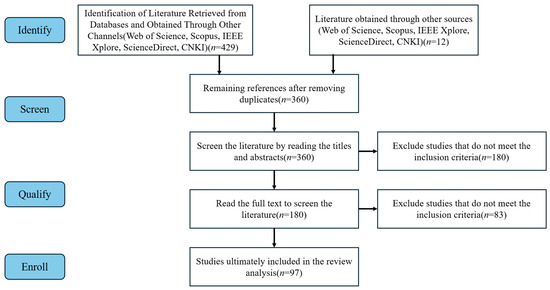
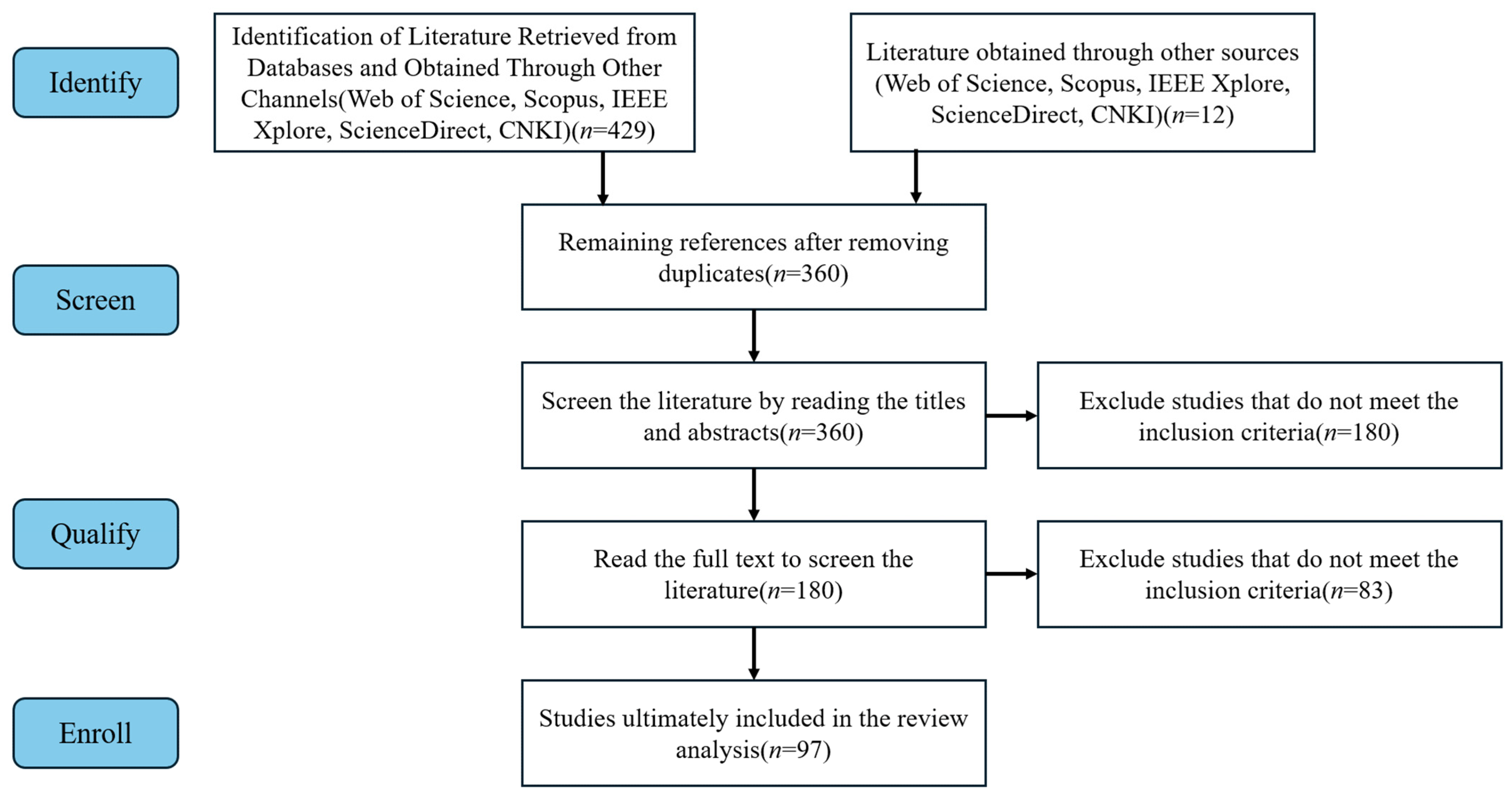
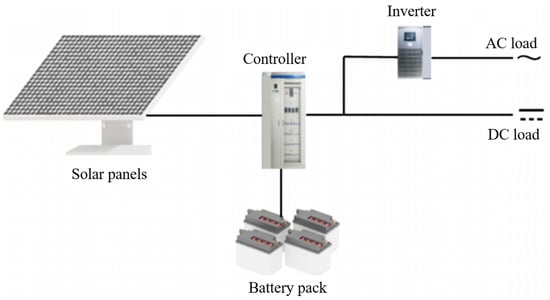
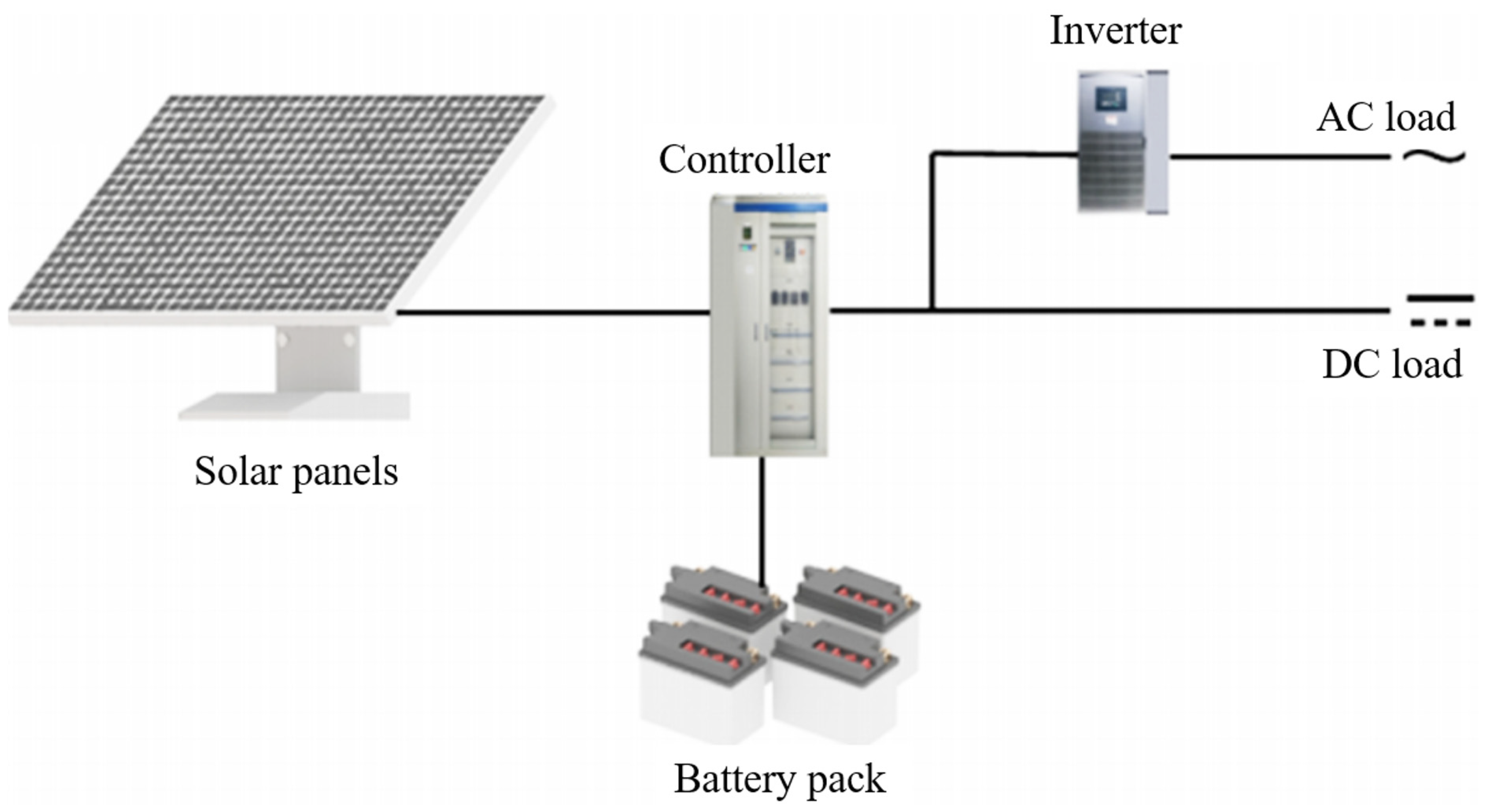
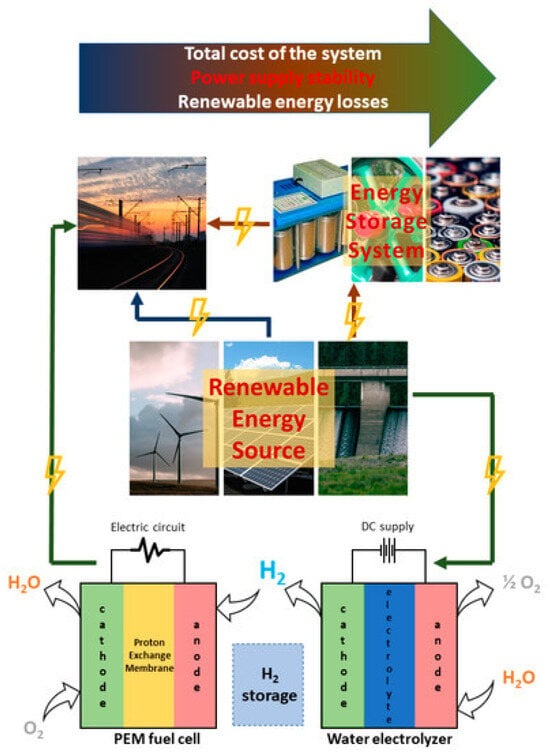
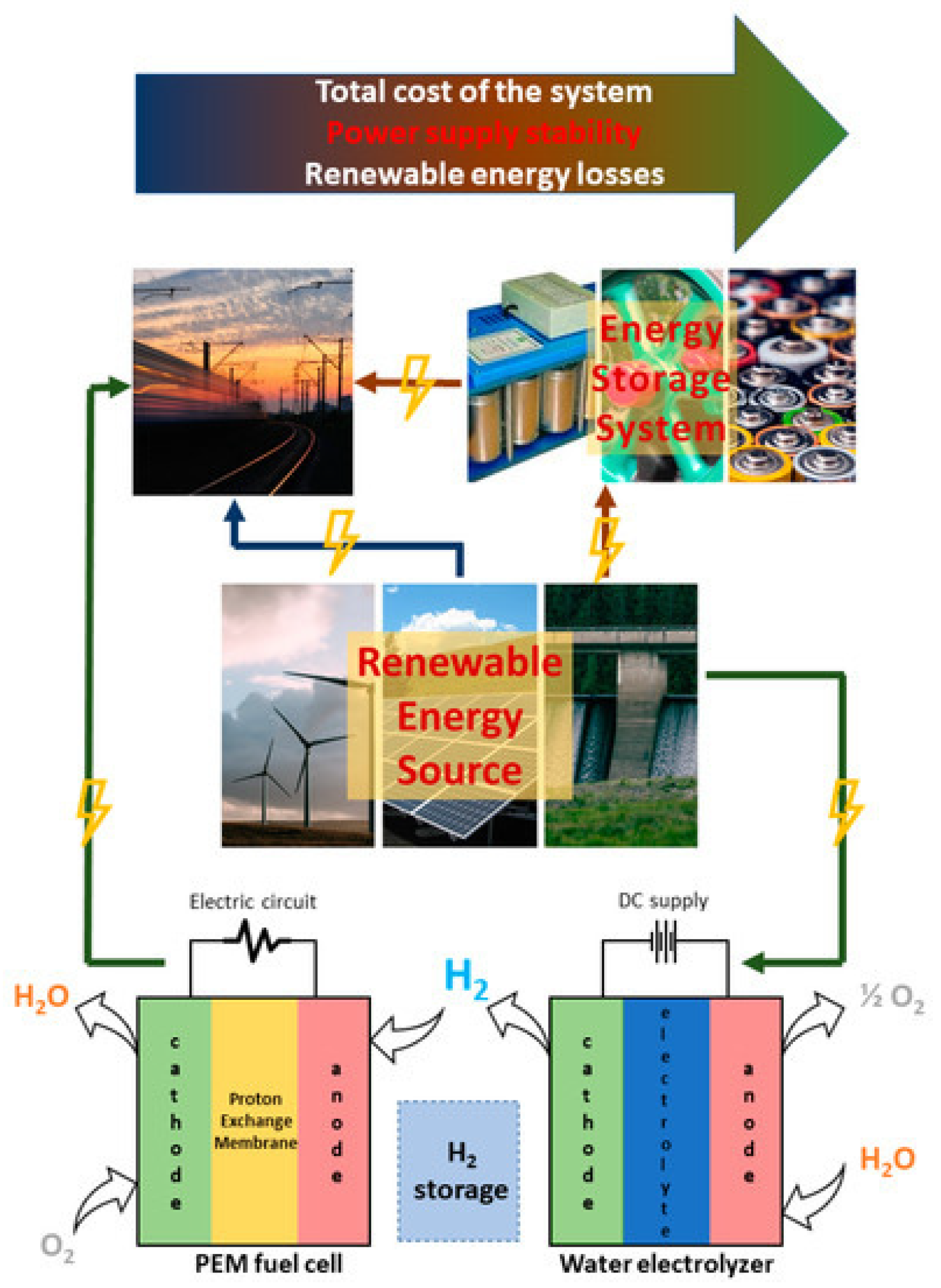
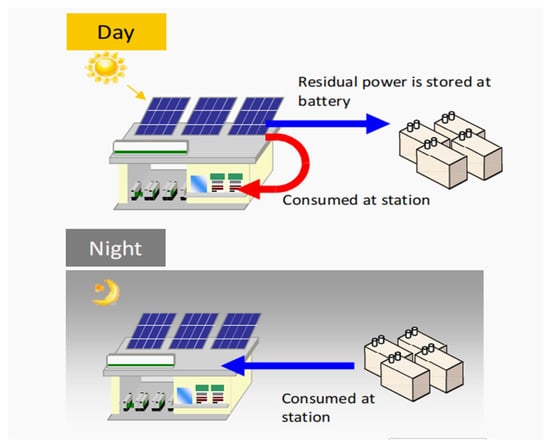
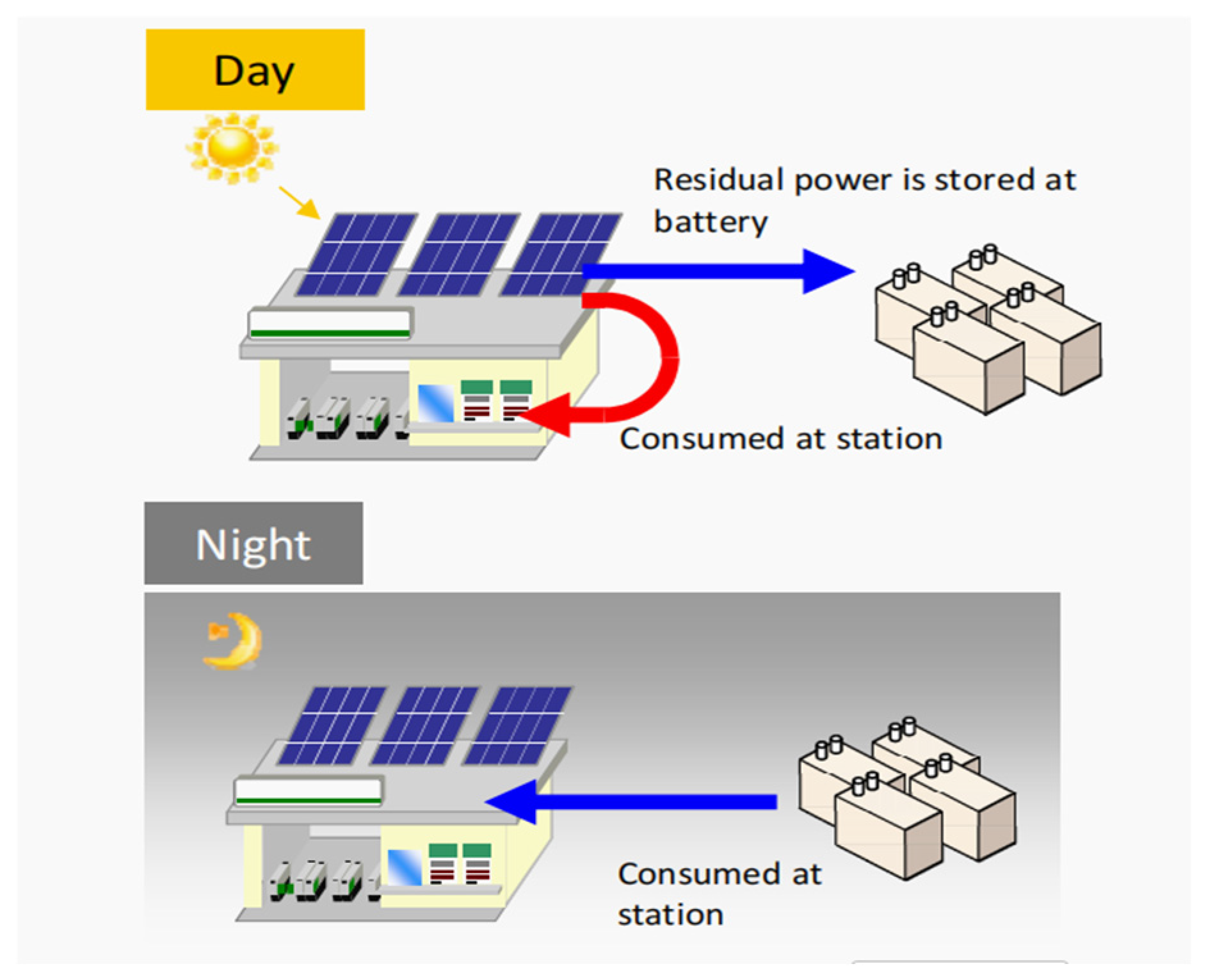
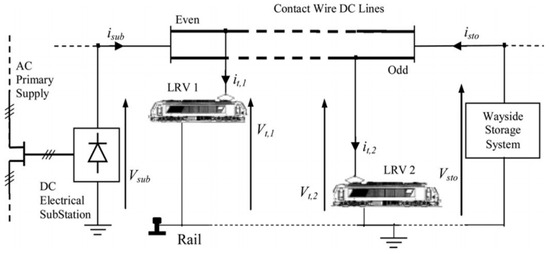
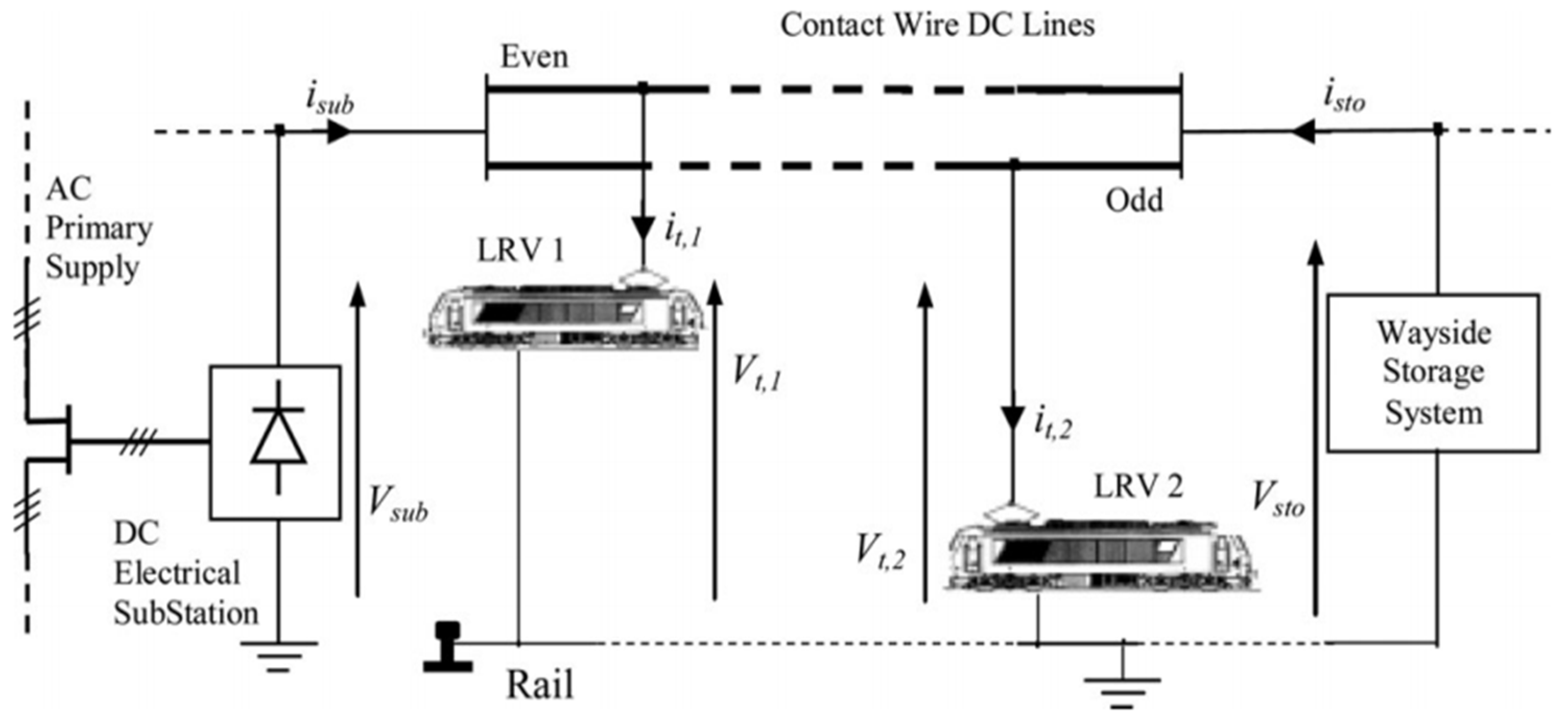
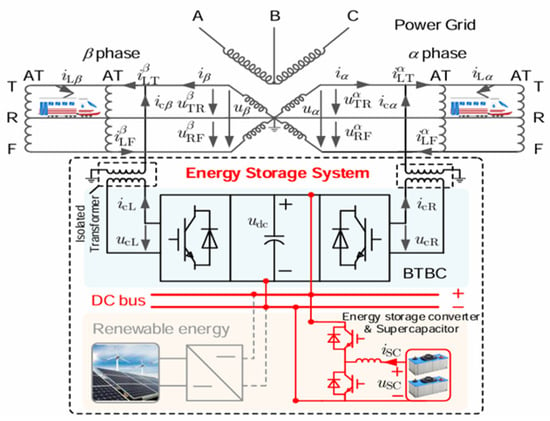
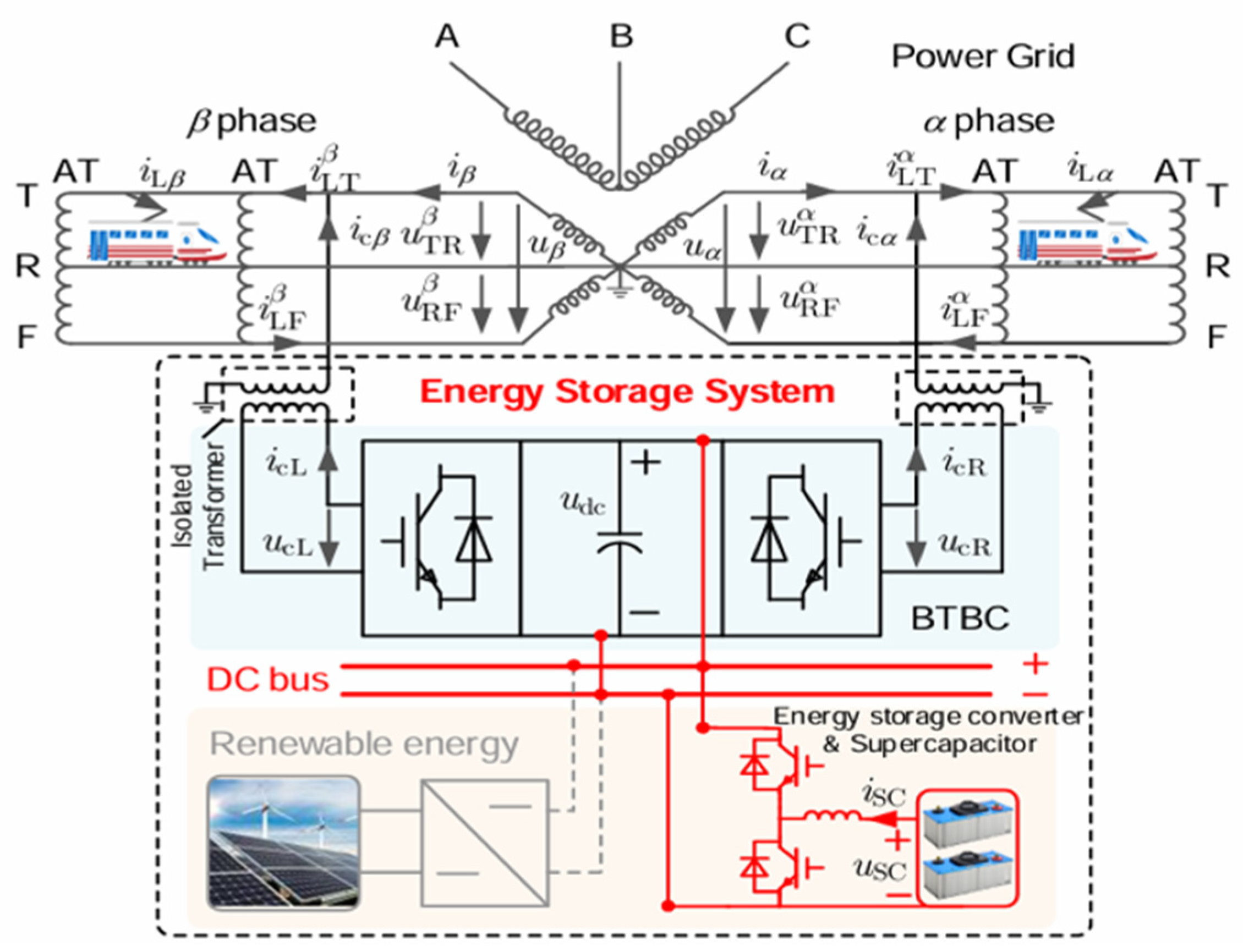
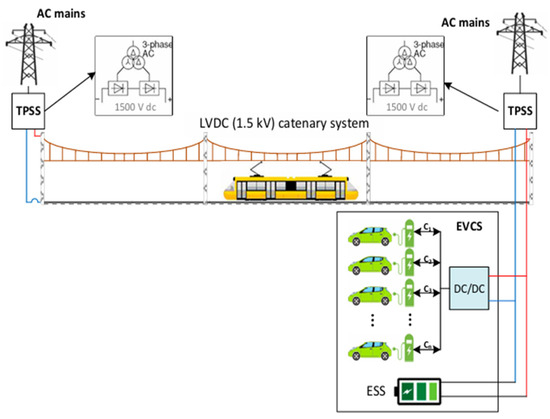
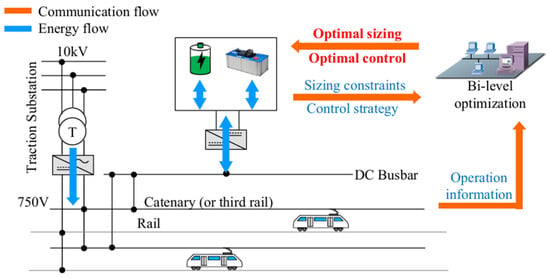
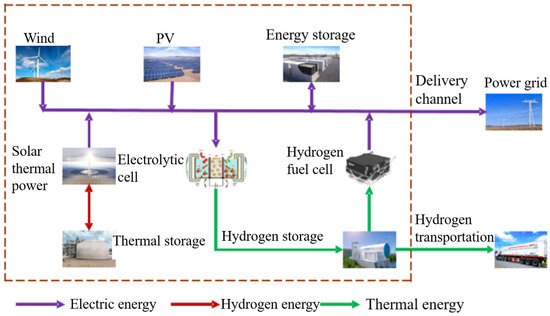
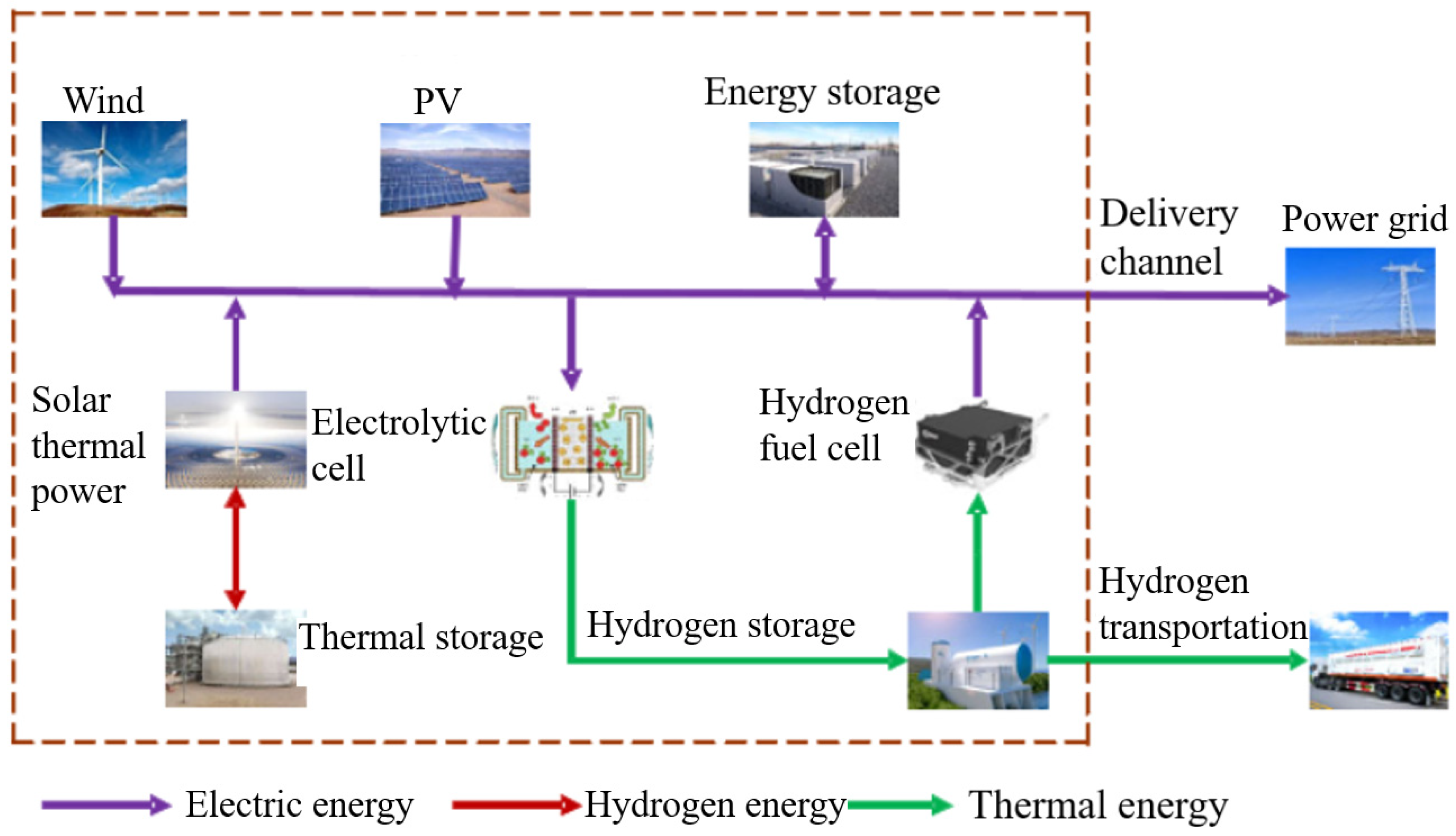
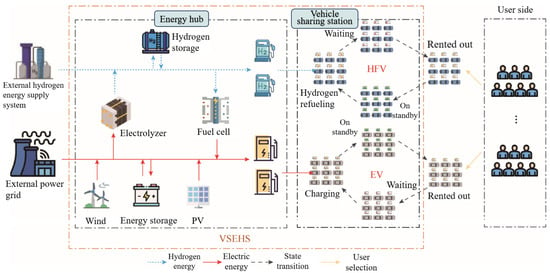
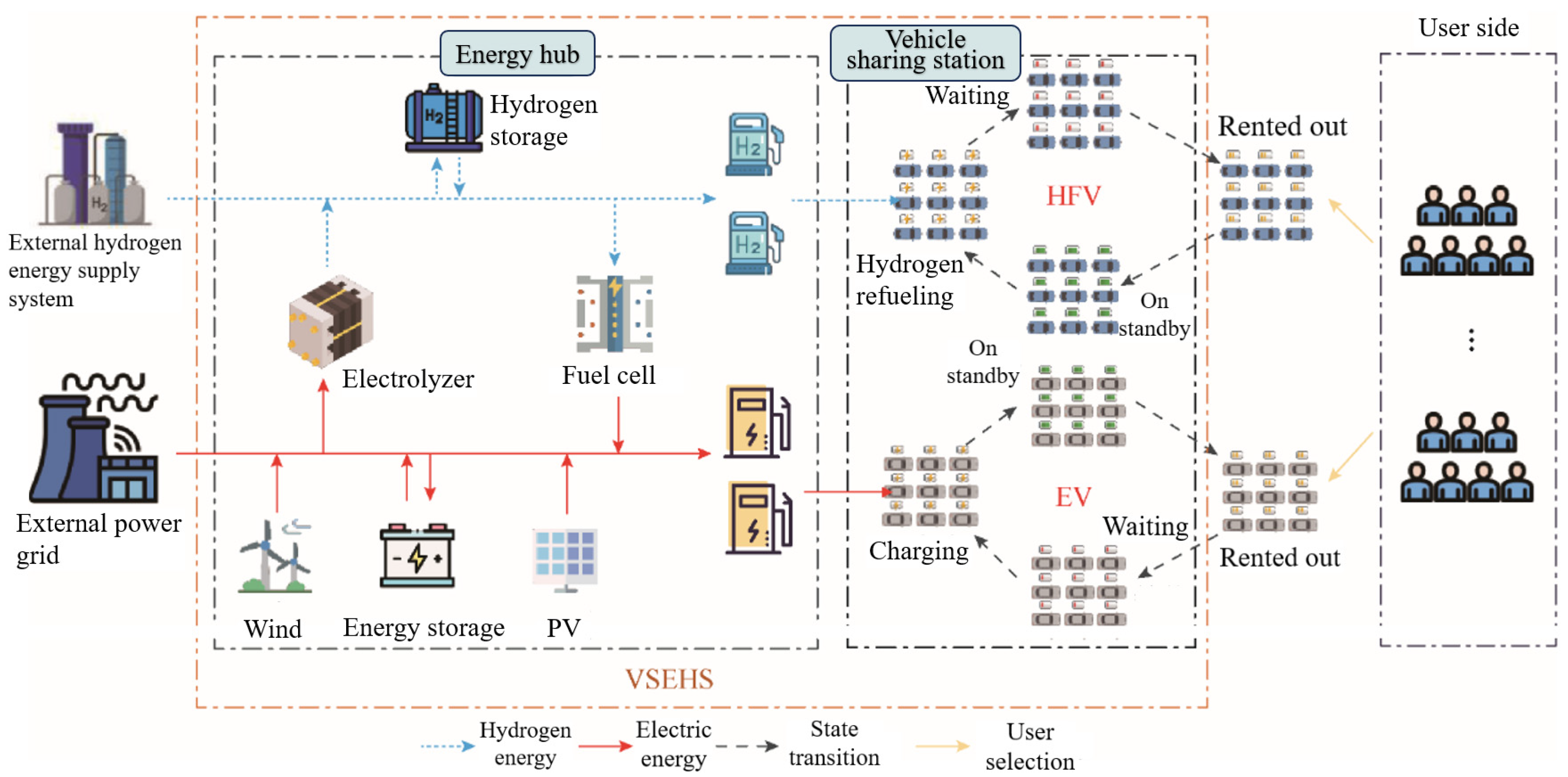
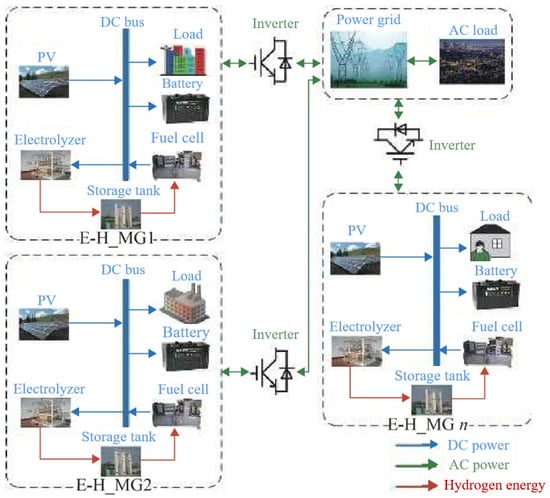
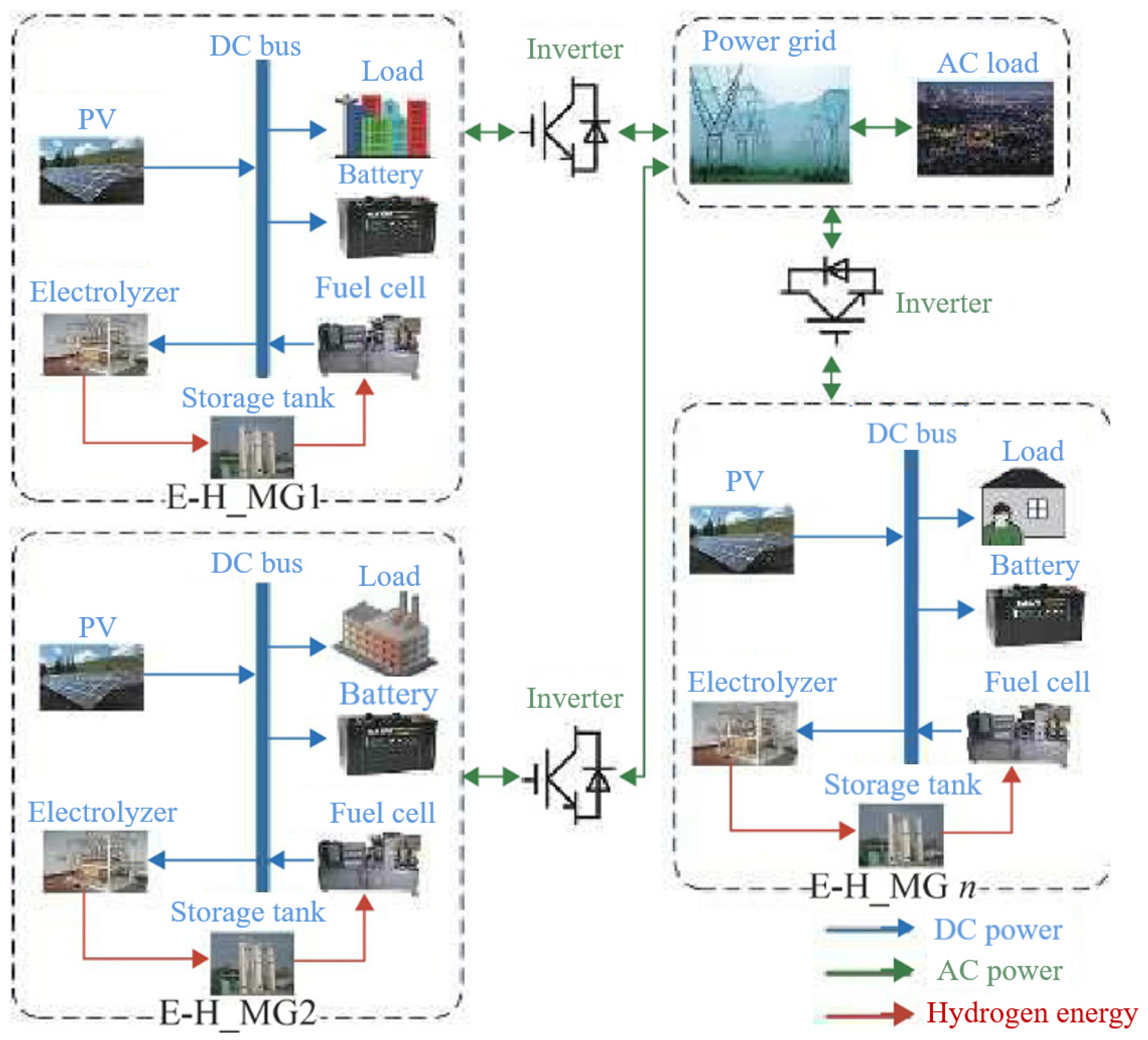
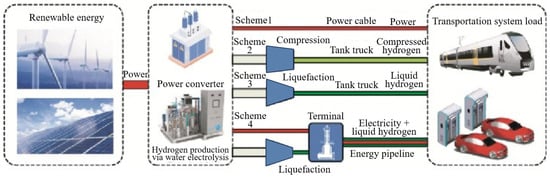
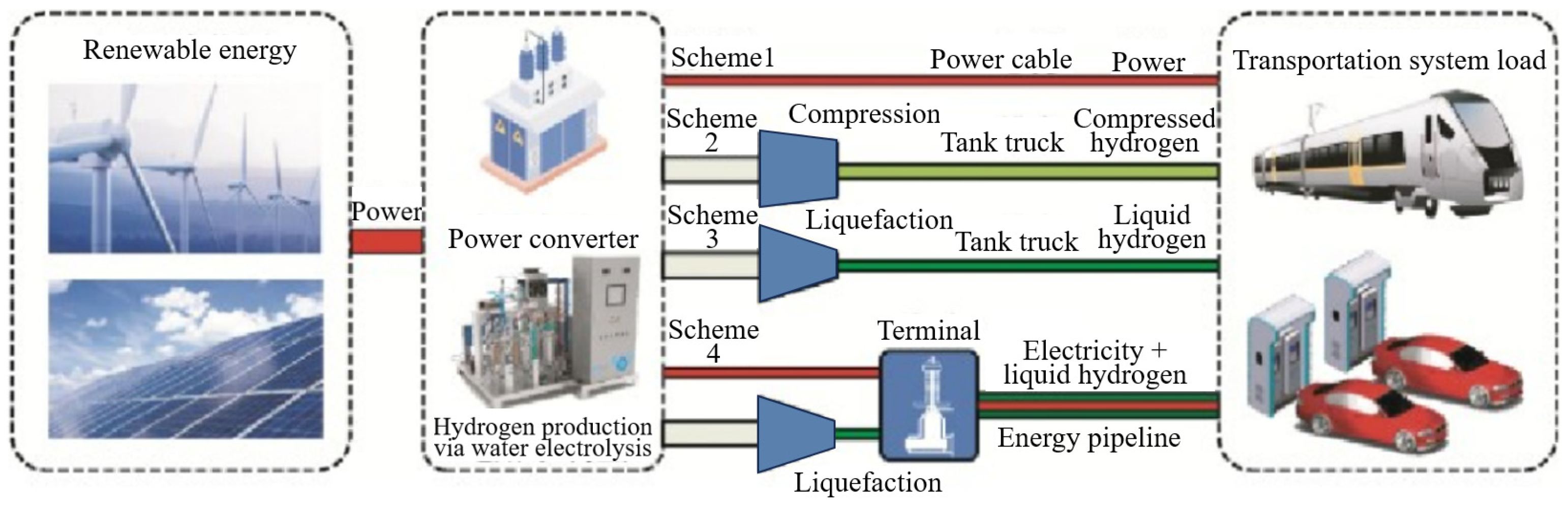
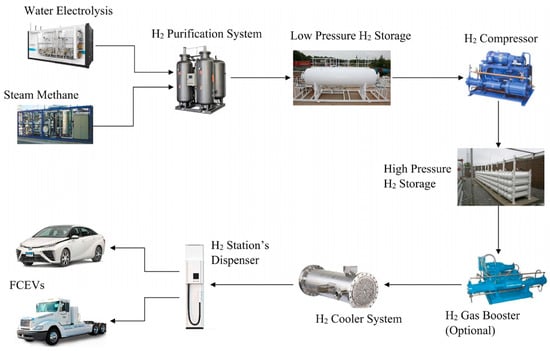
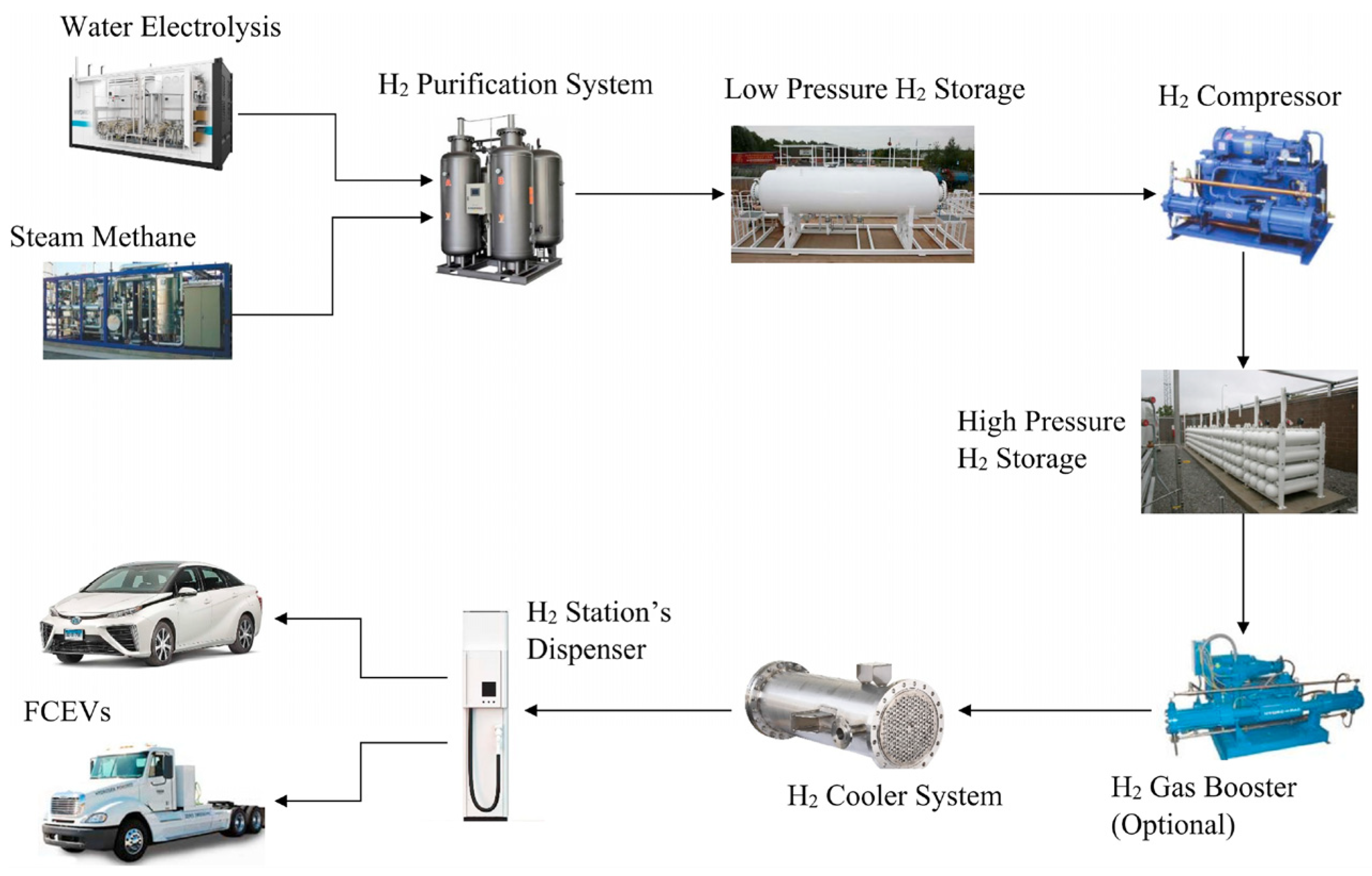
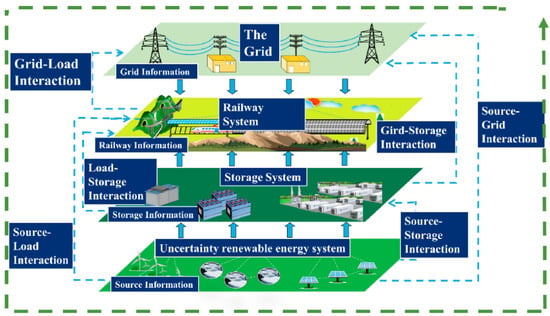
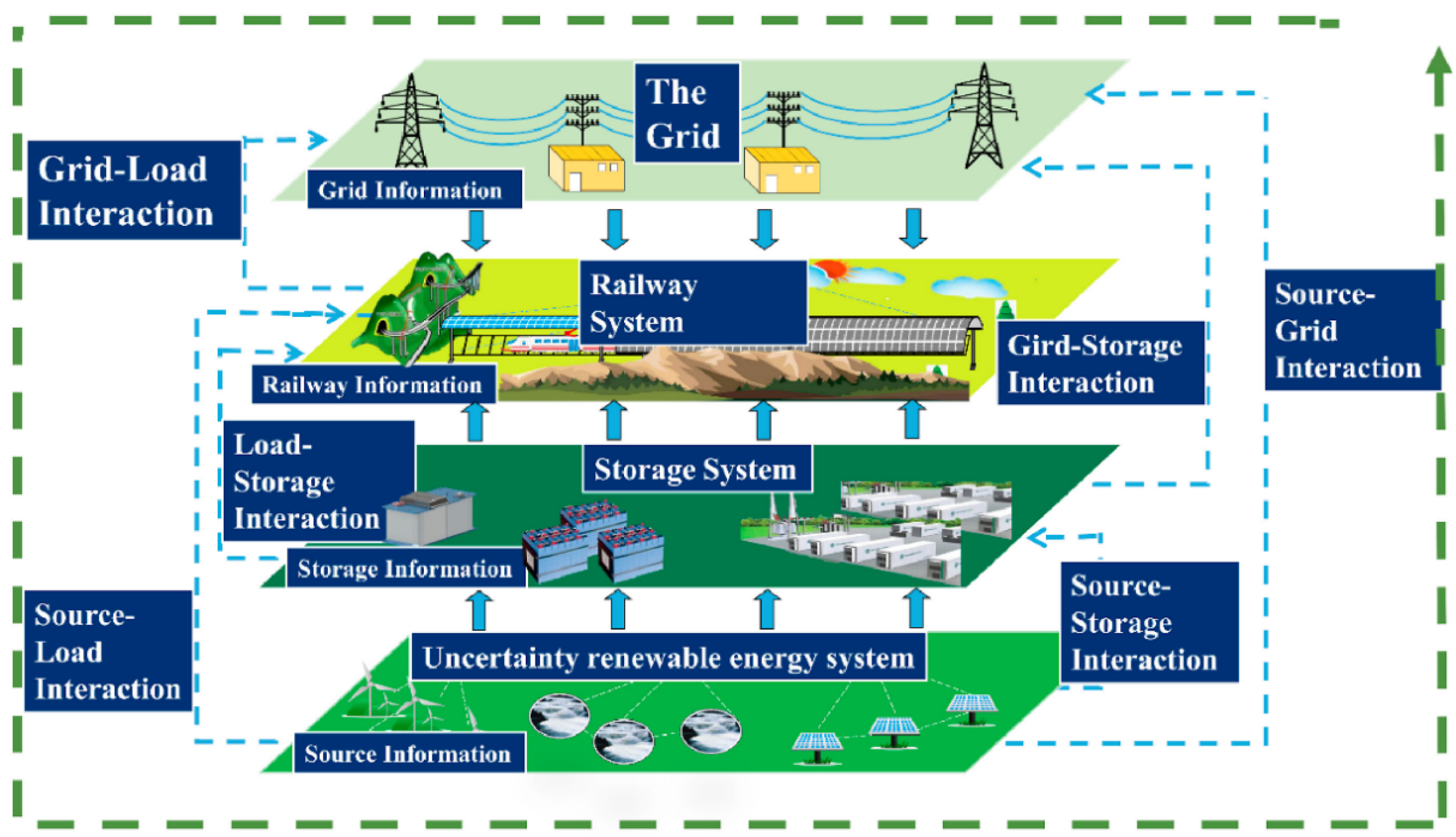
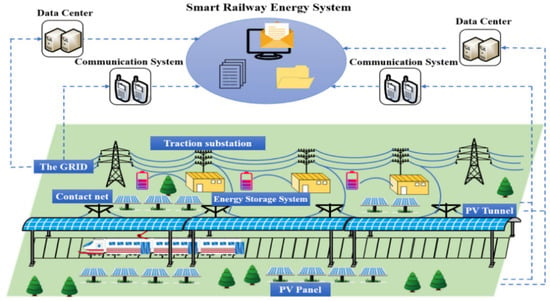
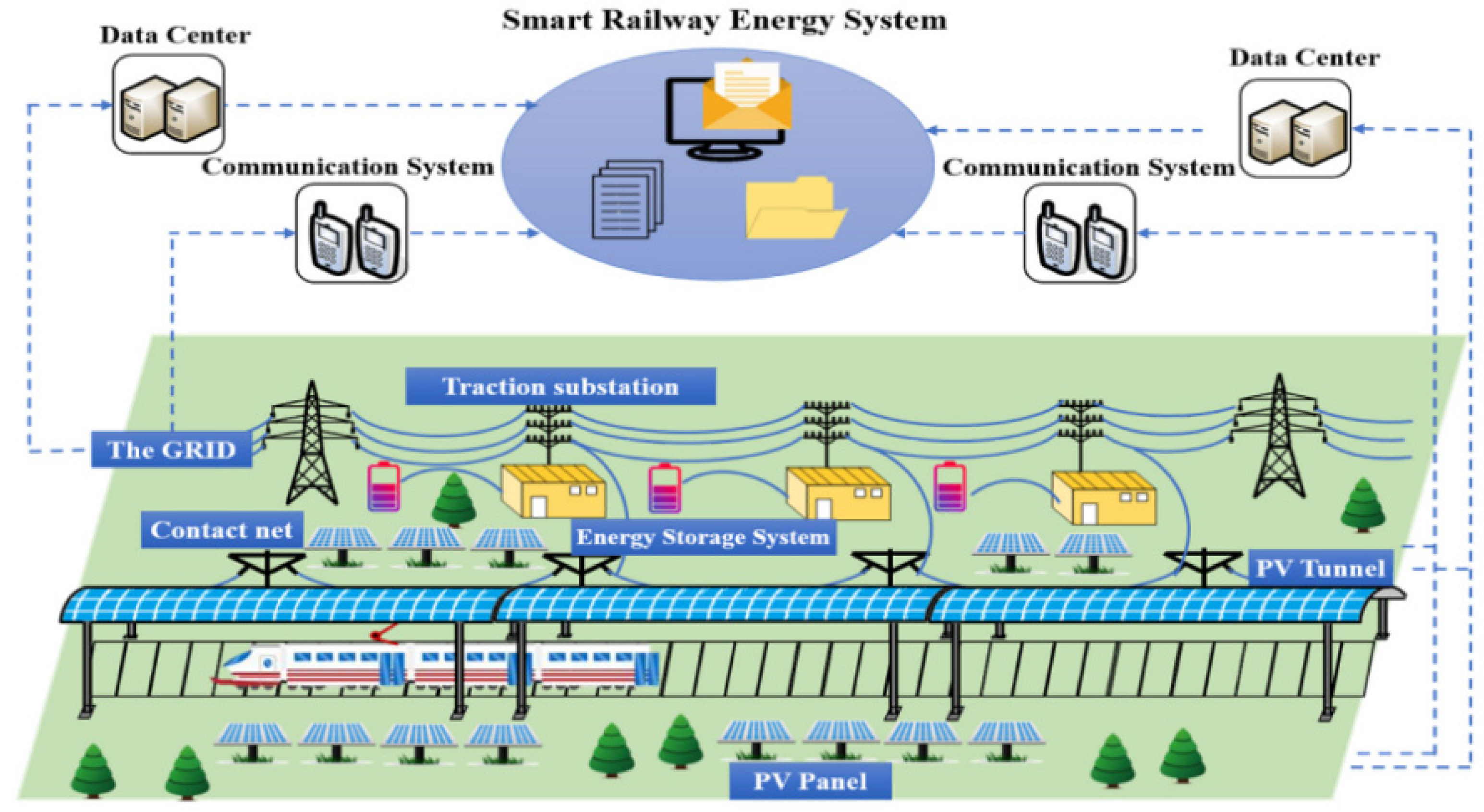
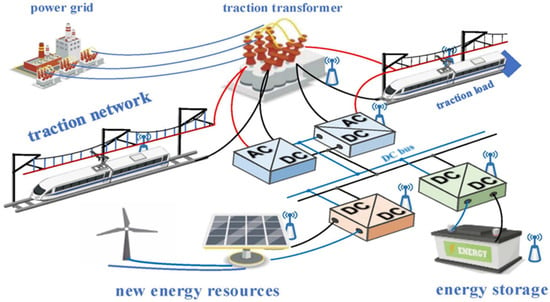
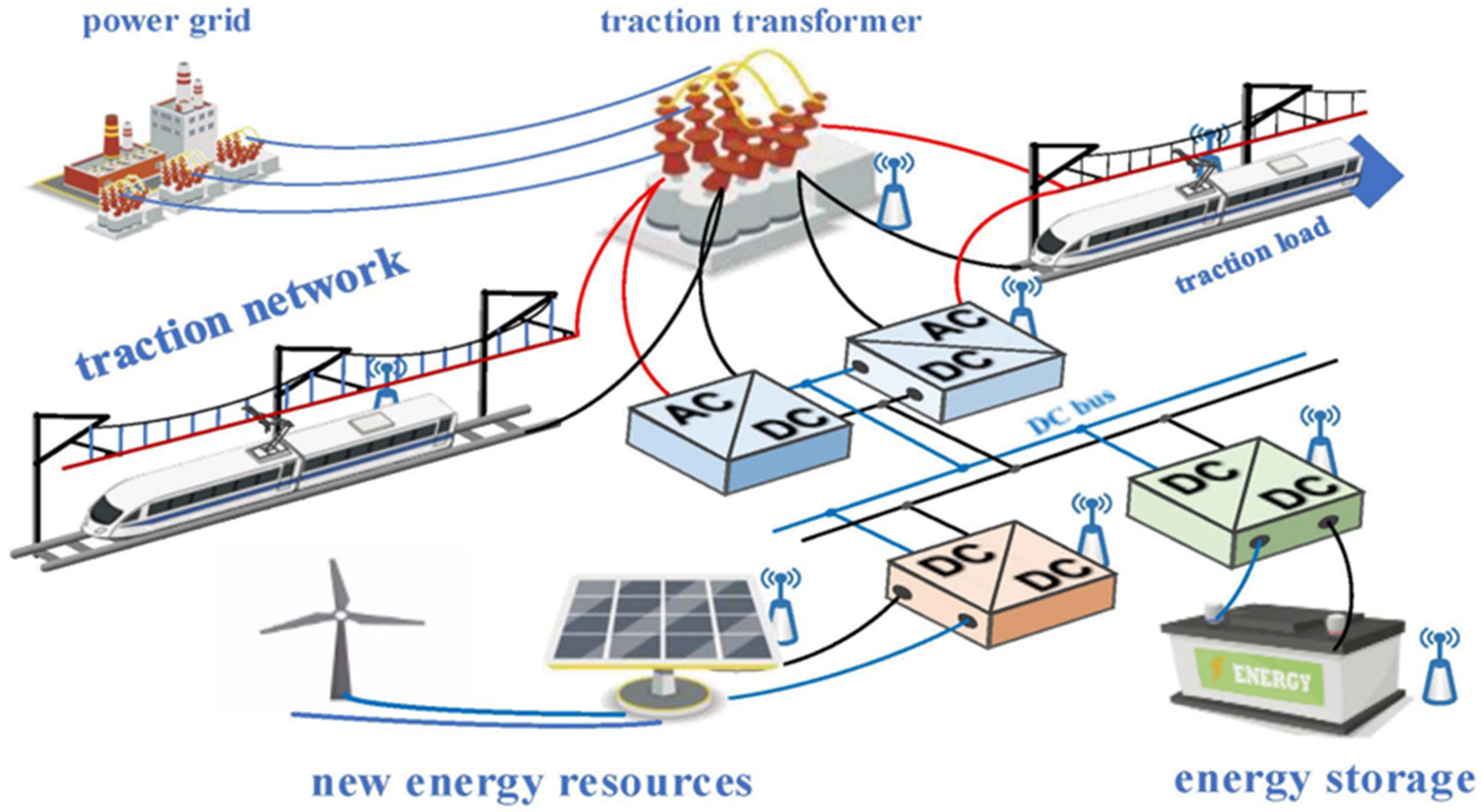
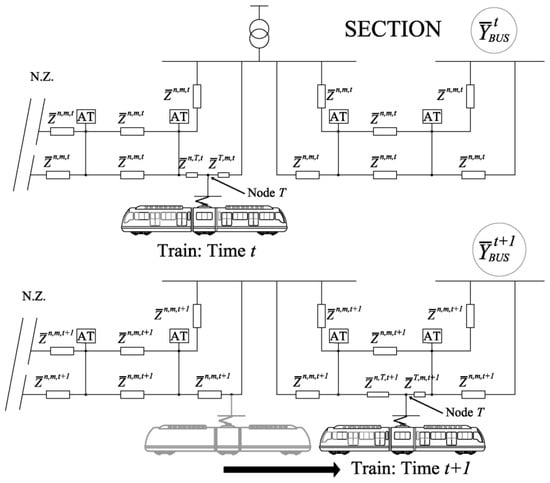
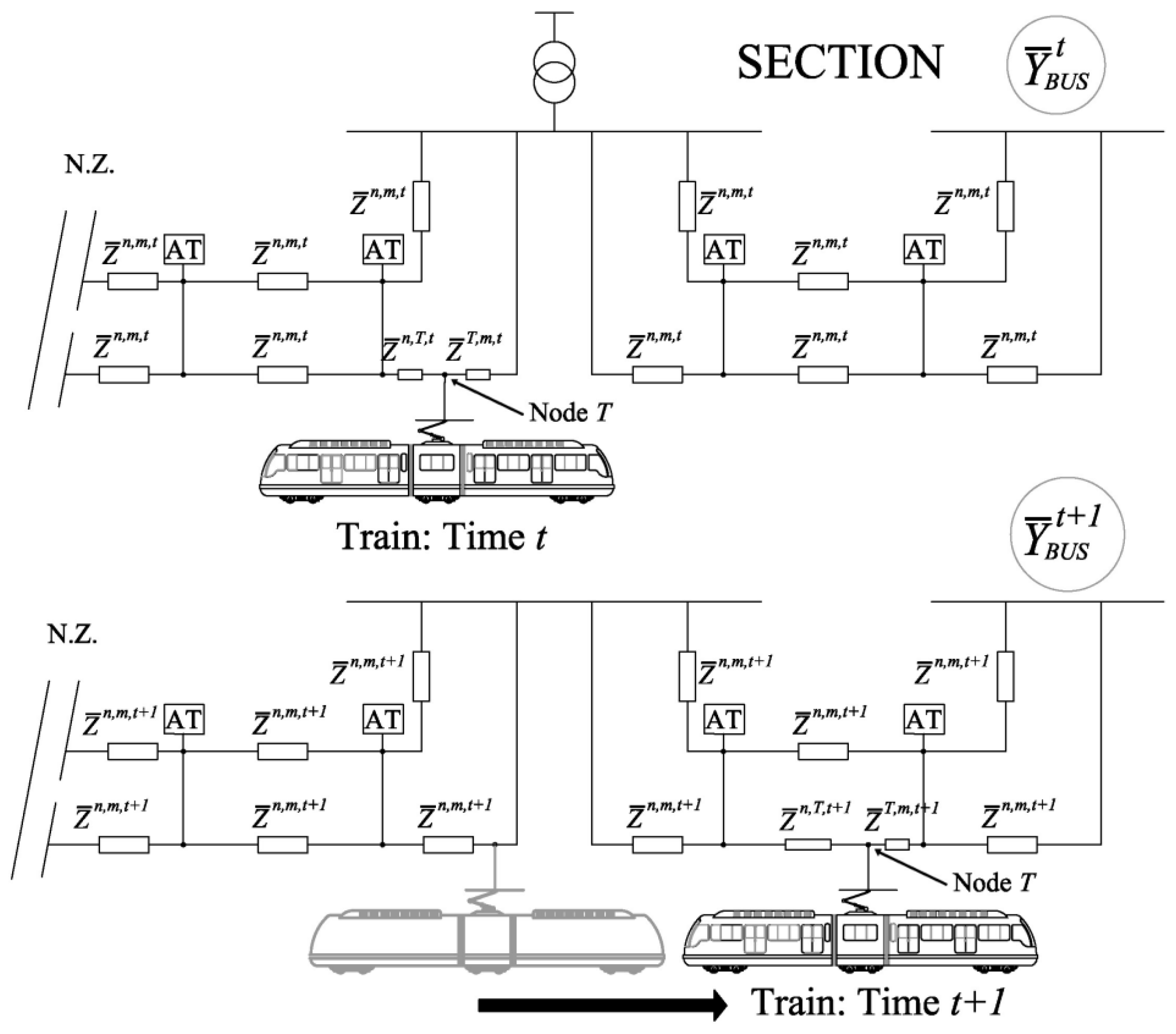
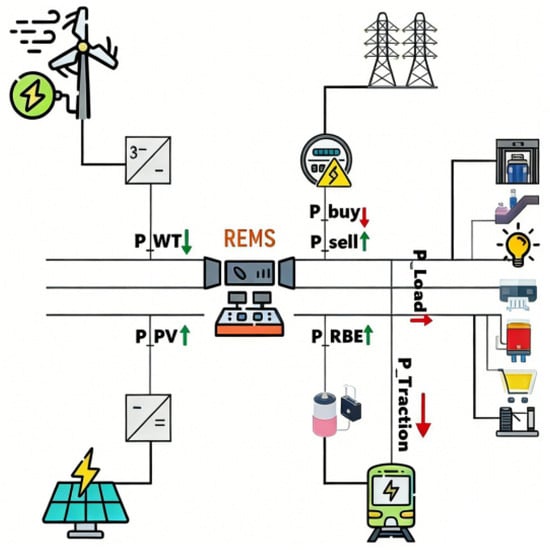
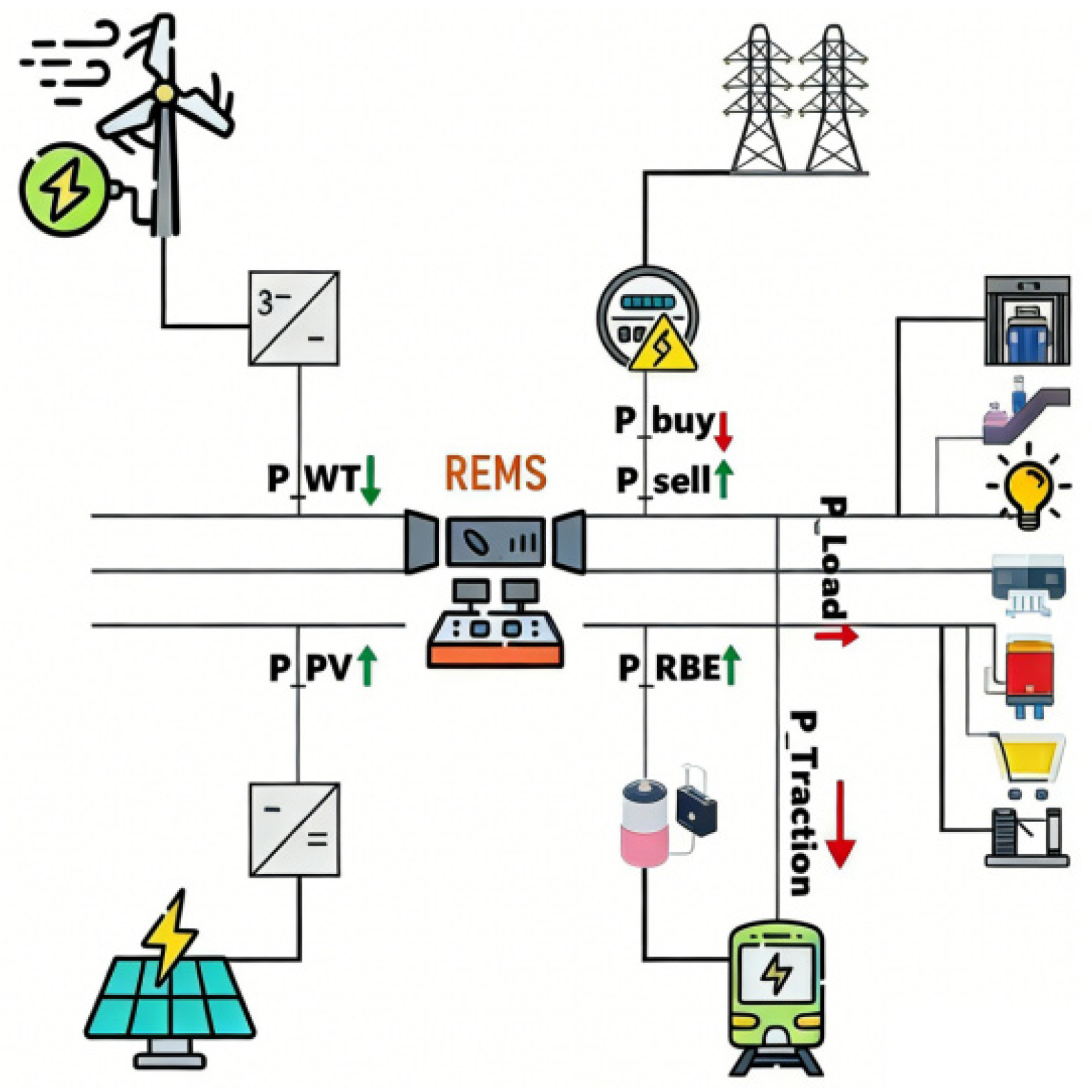
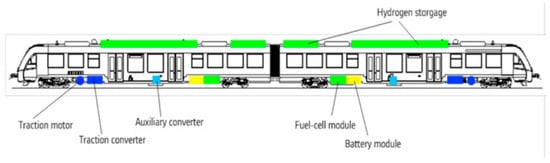
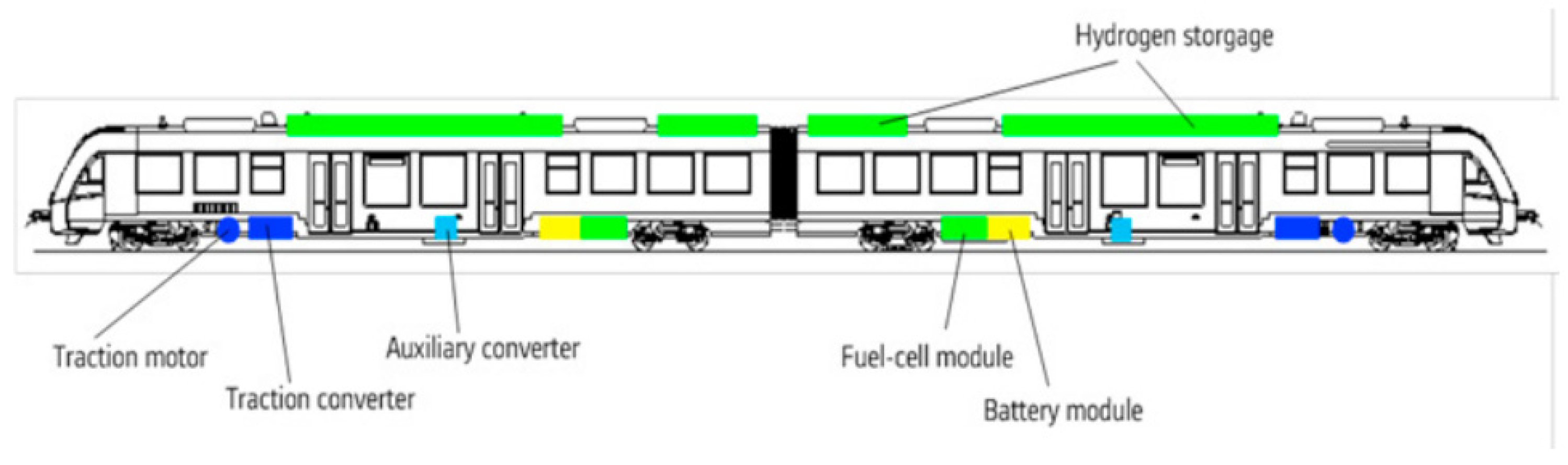
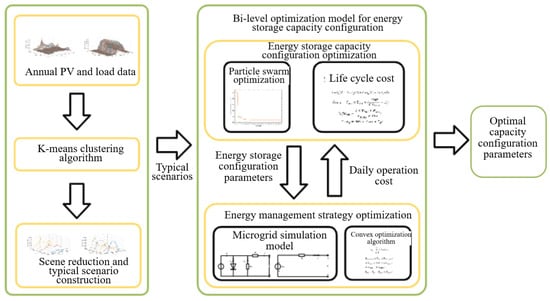
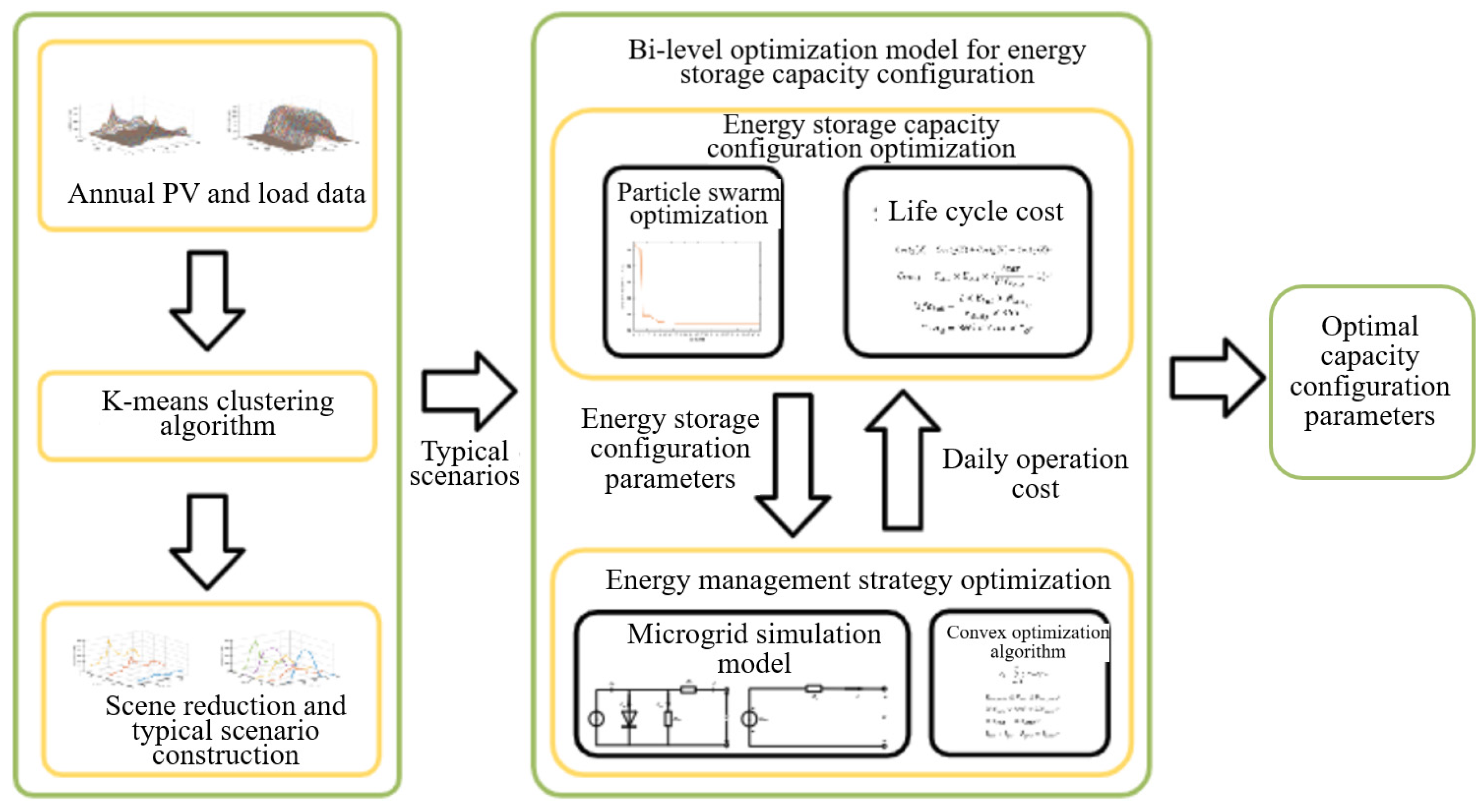
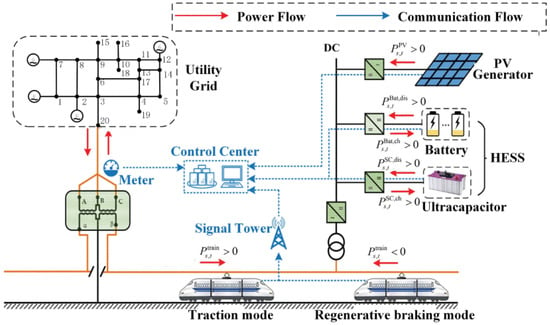
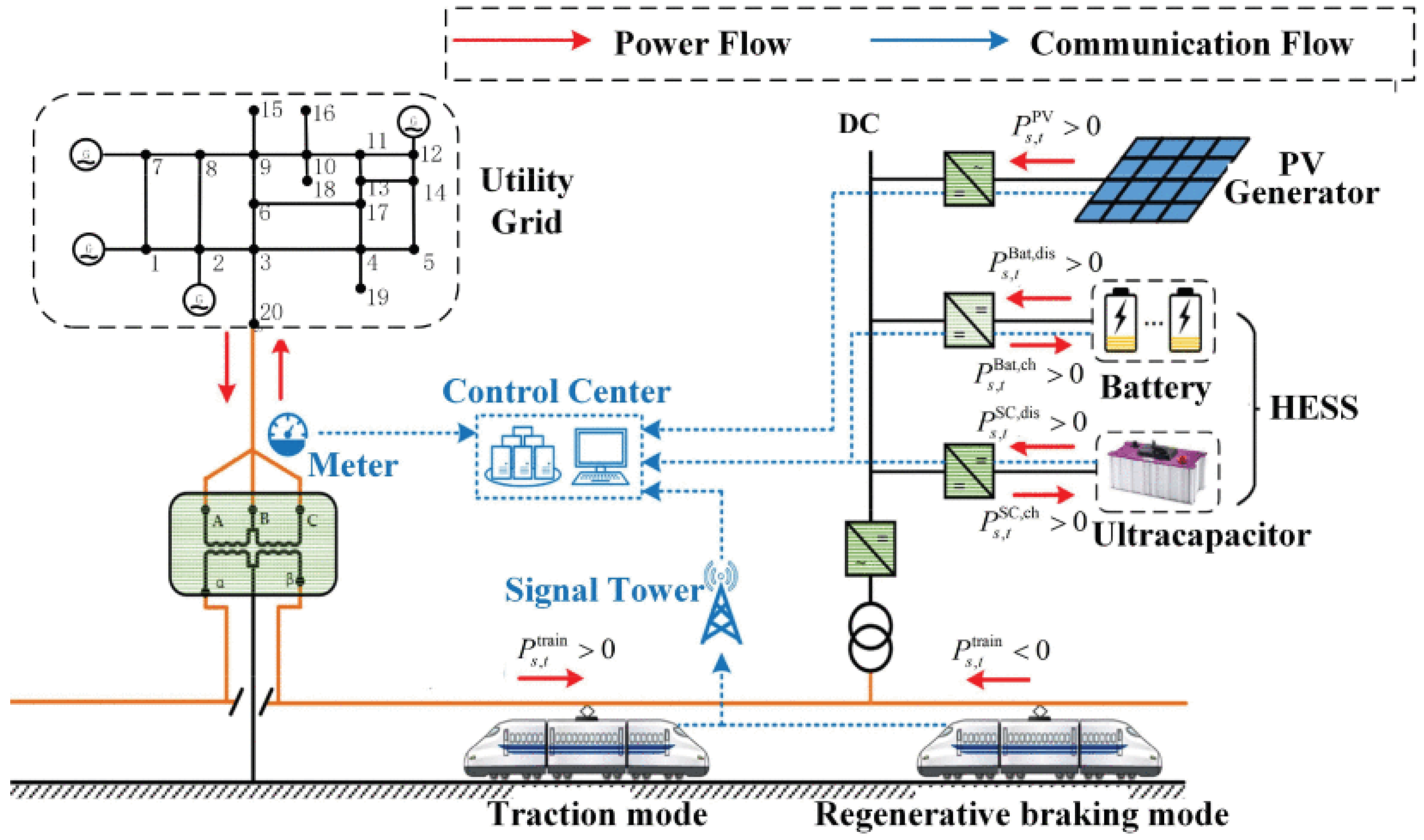
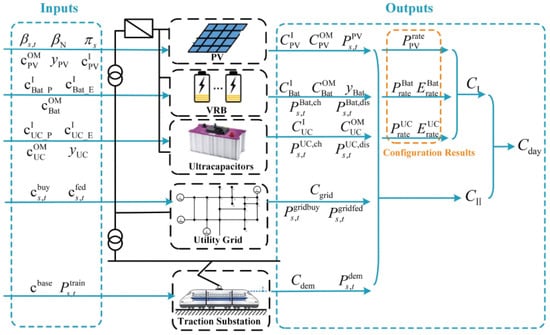
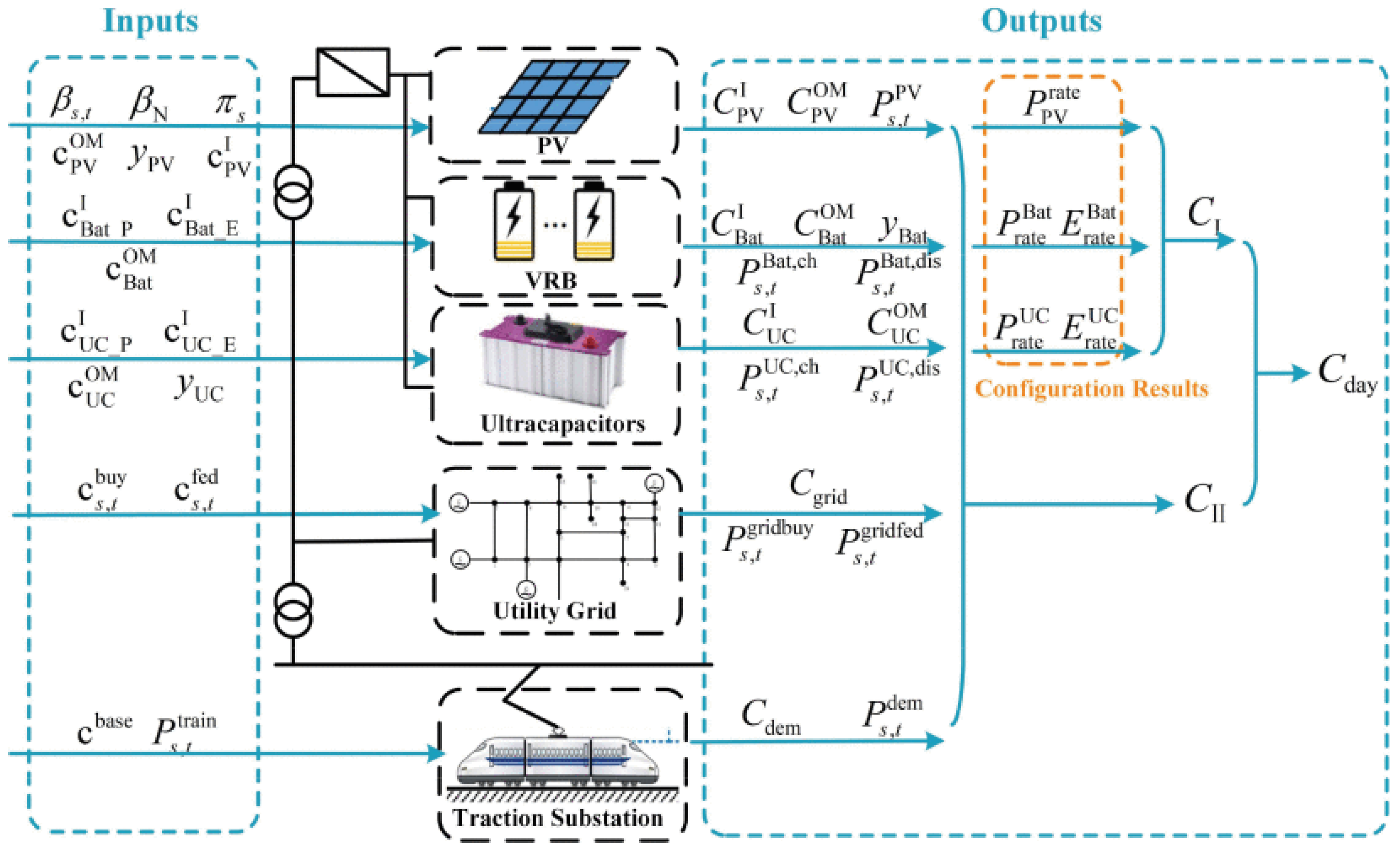

Disclaimer/Publisher’s Note: The statements, opinions and data contained in all publications are solely those of the individual author(s) and contributor(s) and not of MDPI and/or the editor(s). MDPI and/or the editor(s) disclaim responsibility for any injury to people or property resulting from any ideas, methods, instructions or products referred to in the content. |
© 2026 by the authors. Licensee MDPI, Basel, Switzerland. This article is an open access article distributed under the terms and conditions of the Creative Commons Attribution (CC BY) license.