Article

Model-Based Optimization of a Sliding Vane Rotary Pump for Micro-Organic Rankine Cycle

by
Fabio Fatigati
*,
Giammarco Di Giovine
and
Roberto Cipollone
Department of Industrial and Information Engineering and Economics, University of L’Aquila, Piazzale Ernesto Pontieri, Monteluco di Roio, 67100 L’Aquila, Italy
*
Author to whom correspondence should be addressed.
Energies 2025, 18(1), 97; https://doi.org/10.3390/en18010097
Submission received: 23 November 2024 / Revised: 22 December 2024 / Accepted: 28 December 2024 / Published: 30 December 2024
(This article belongs to the Section B2: Clean Energy)

Abstract

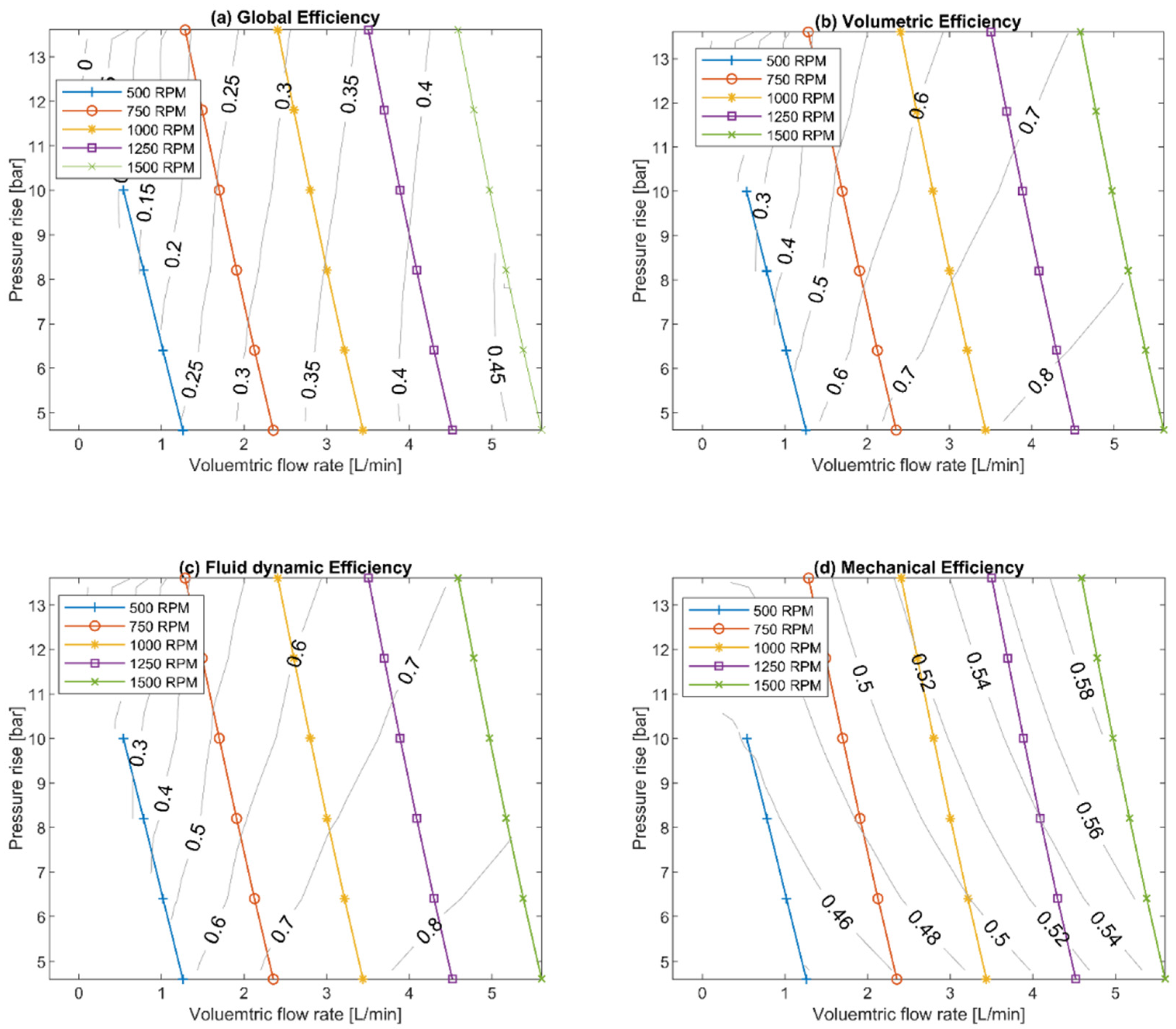
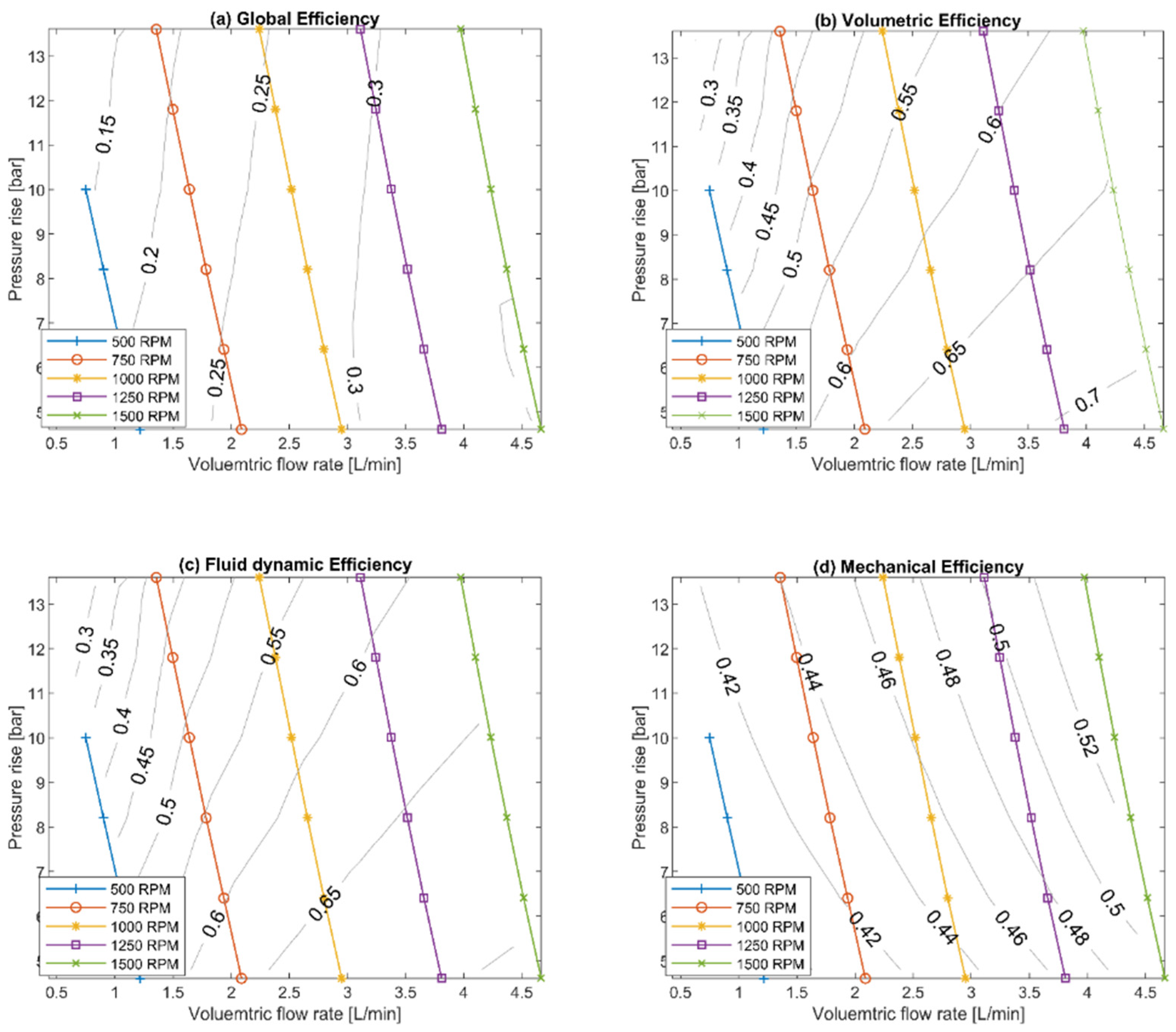
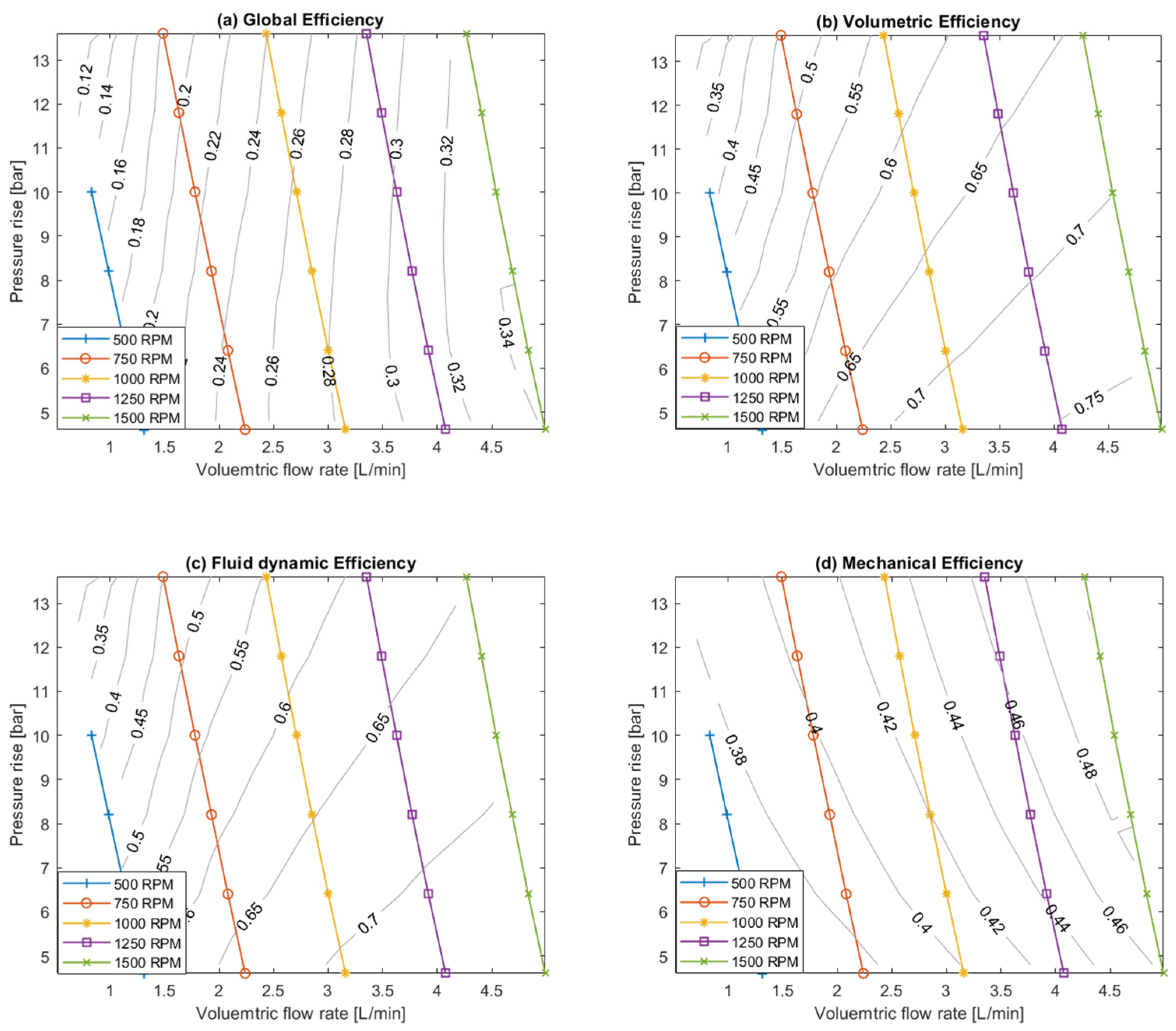
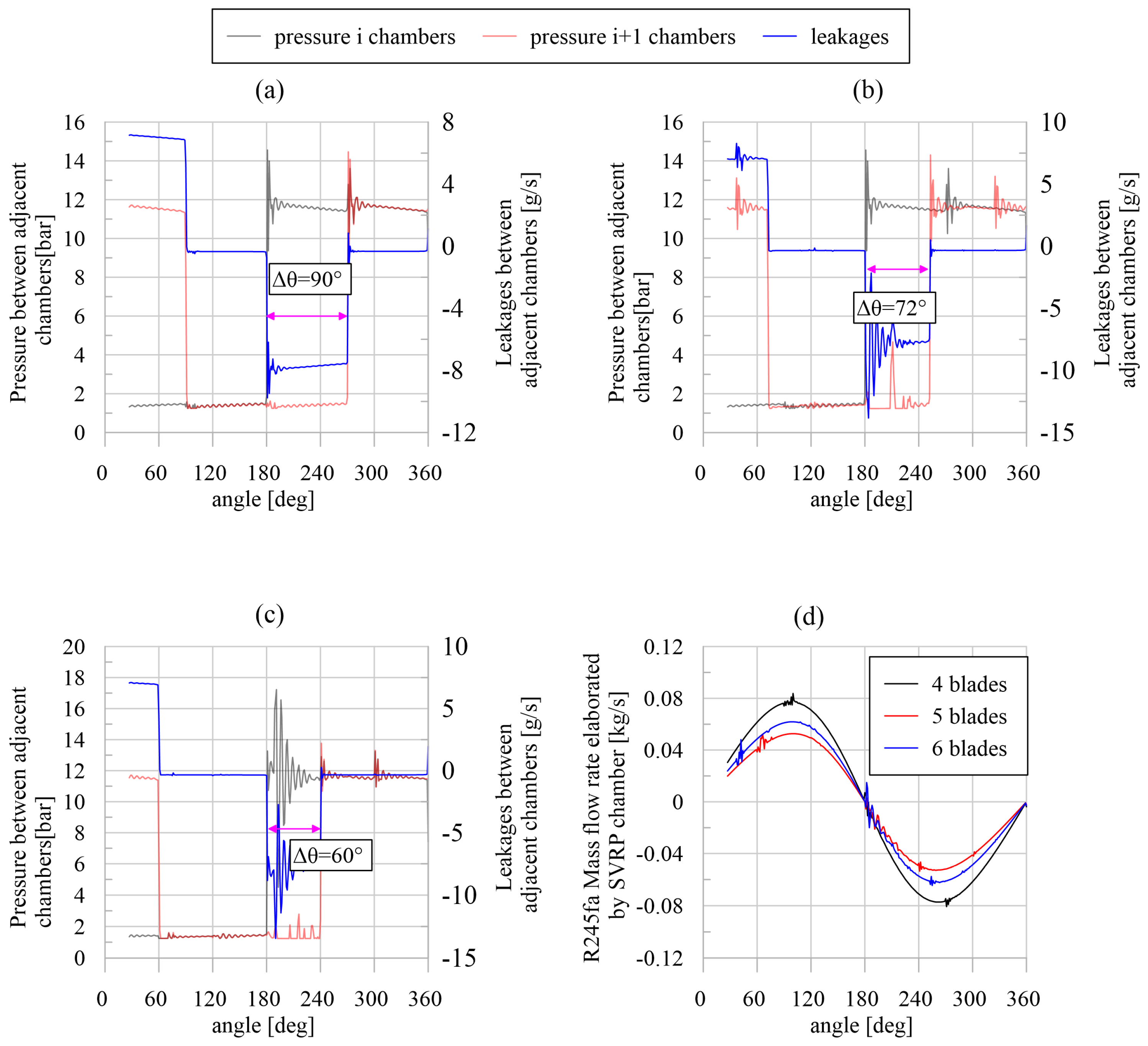
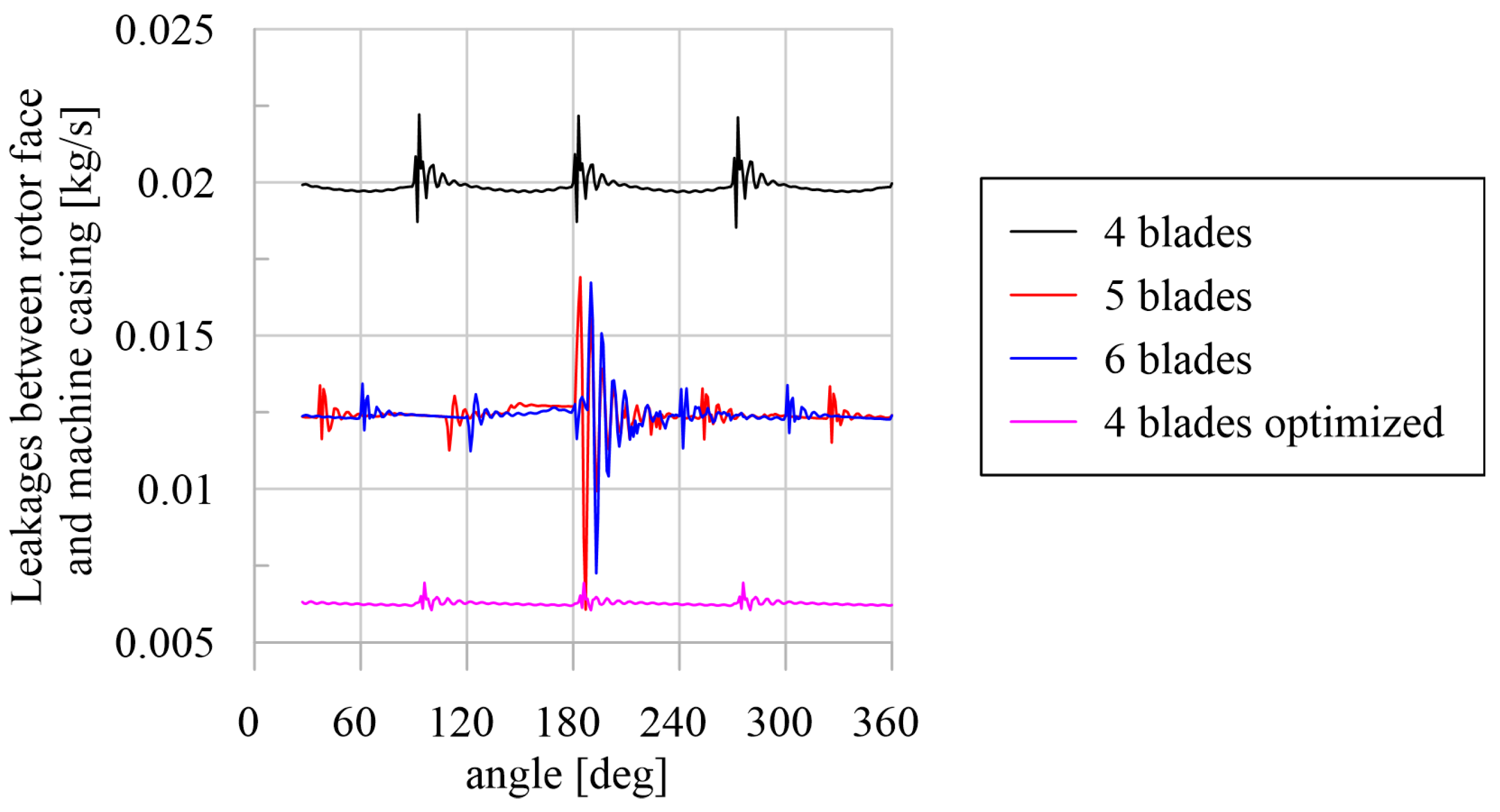
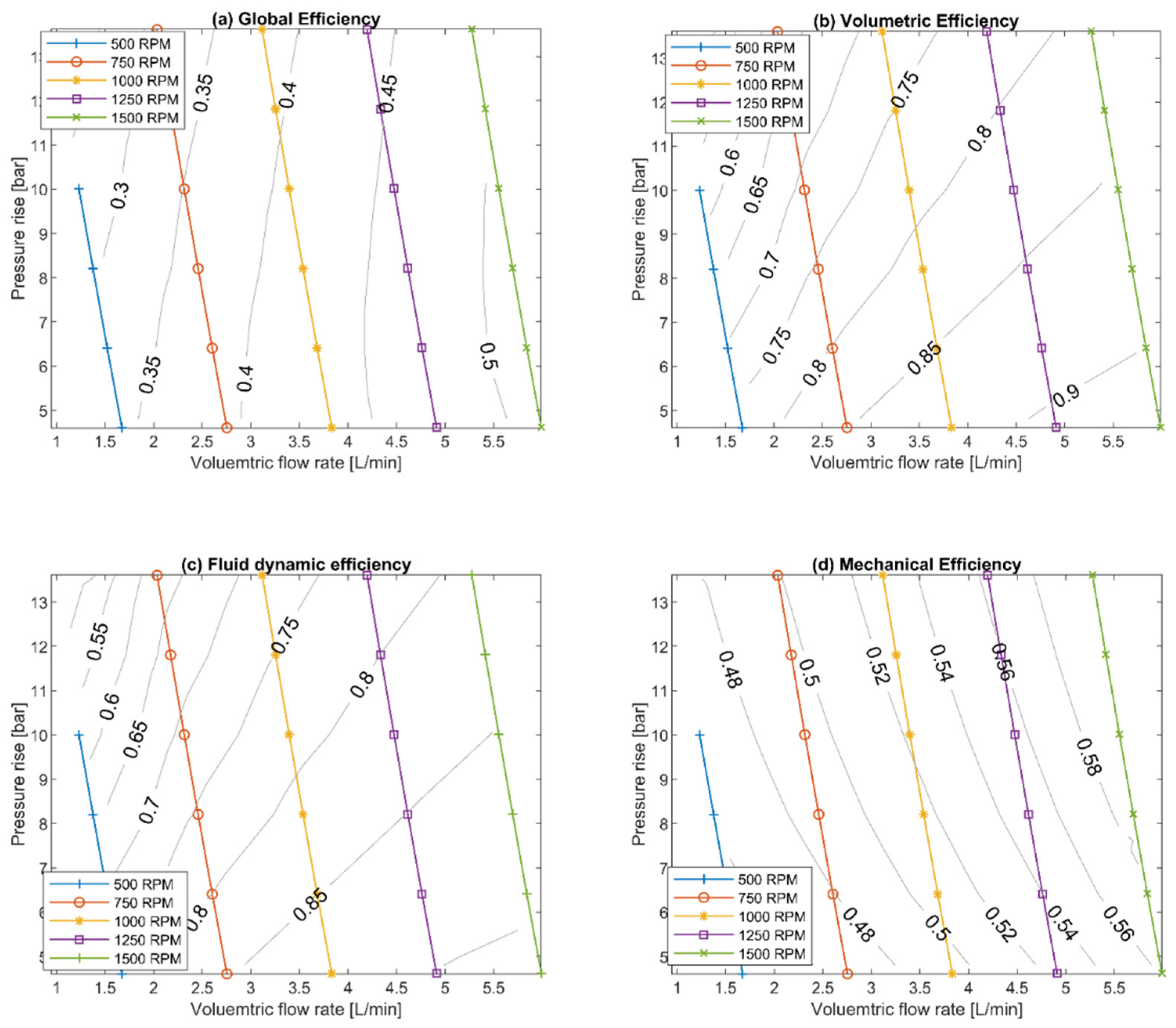
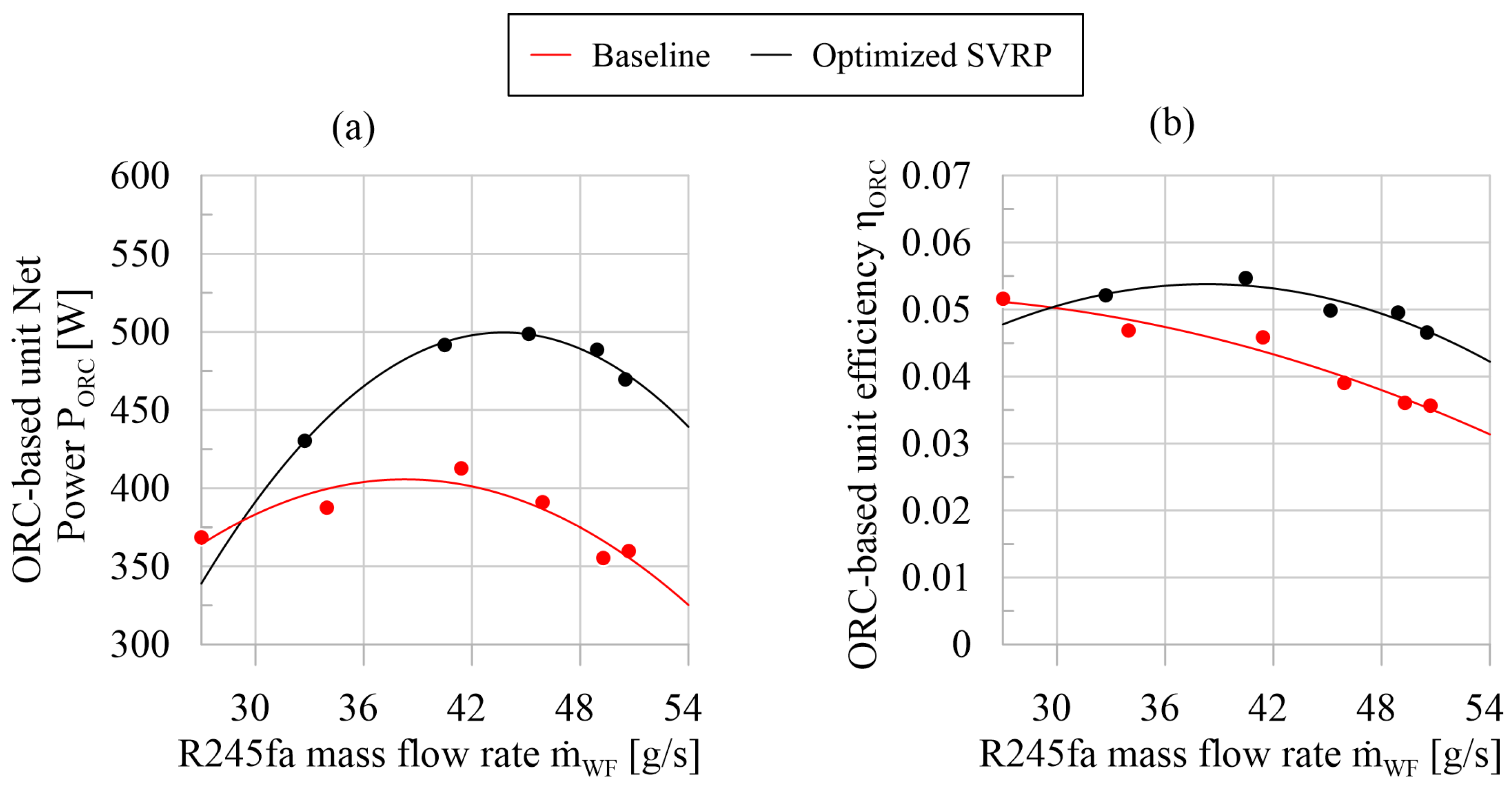
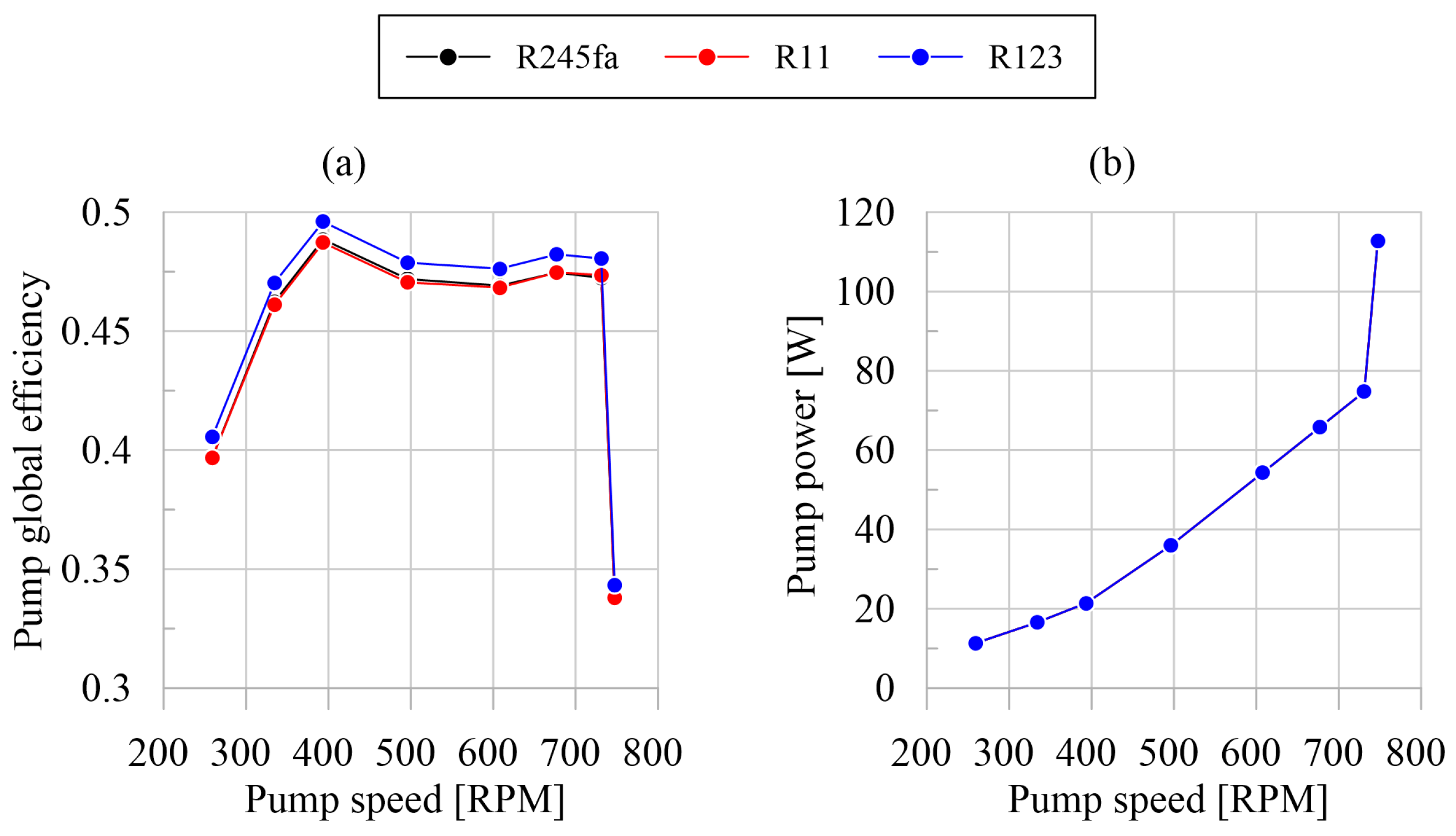
The residential sector is one of the main sectors responsible for the atmospheric emission of CO2. Hence, a significant effort is required to develop technological solutions to enable decarbonization. The integration of Organic Rankine Cycle (ORC)-based units with renewable sources at a micro-scale of cogeneration units is commonly believed to be one of the most important technological alternatives. Indeed, an ORC-based unit allows the exploitation of low-temperature heat sources in the production of electricity. The low power scale of this application (1–5 kW) and the severe operating conditions call for the reliable and proper design of components. Particularly critical is the pump, as the experimental analyses available in the literature show its efficiency rarely exceeds values of 0.3. The most suitable technology is volumetric, and among those available, the sliding vane types are interesting candidates. However, low efficiency leads to a significant erosion of the power produced by the expander, limiting the achievement of high-efficiency values. What is more, in the literature, there is a lack of development of optimization strategies to improve the performance of this machine. To fill this knowledge gap, in this present paper an optimized sliding vane rotary pump was designed. Thanks to a comprehensive experimentally validated model, the pump performance was assessed for a wide range of operating conditions. Results confirmed that a disk-shaped configuration also ensures the best efficiency is achieved for small-scale pumps. Moreover, the model allowed for a detailed analysis of efficiency, evaluating the volumetric, fluid dynamic and mechanical behaviors. Results demonstrated that the weakest point was the mechanical efficiency, which was between 0.45 and 0.55. The best configuration was that involving four blades, the adoption of graphite and a clearance gap between the rotor face and casing of 10 μm. These design solutions improved efficiency by up to 25%, with a maximum value equal to 0.50, which is close to double with respect to the usual values. A final remark concerns the operating robustness of the machine, as the efficiency demonstrated weak variations even when wide operating conditions were considered.
Keywords: sliding vane rotary pump design; Organic Rankine Cycle (ORC)-based power unit; mechanical design; model-based design optimization; micro-cogenerative systems sliding vane rotary pump design; Organic Rankine Cycle (ORC)-based power unit; mechanical design; model-based design optimization; micro-cogenerative systems